Date : 2026-06-17
Introduction
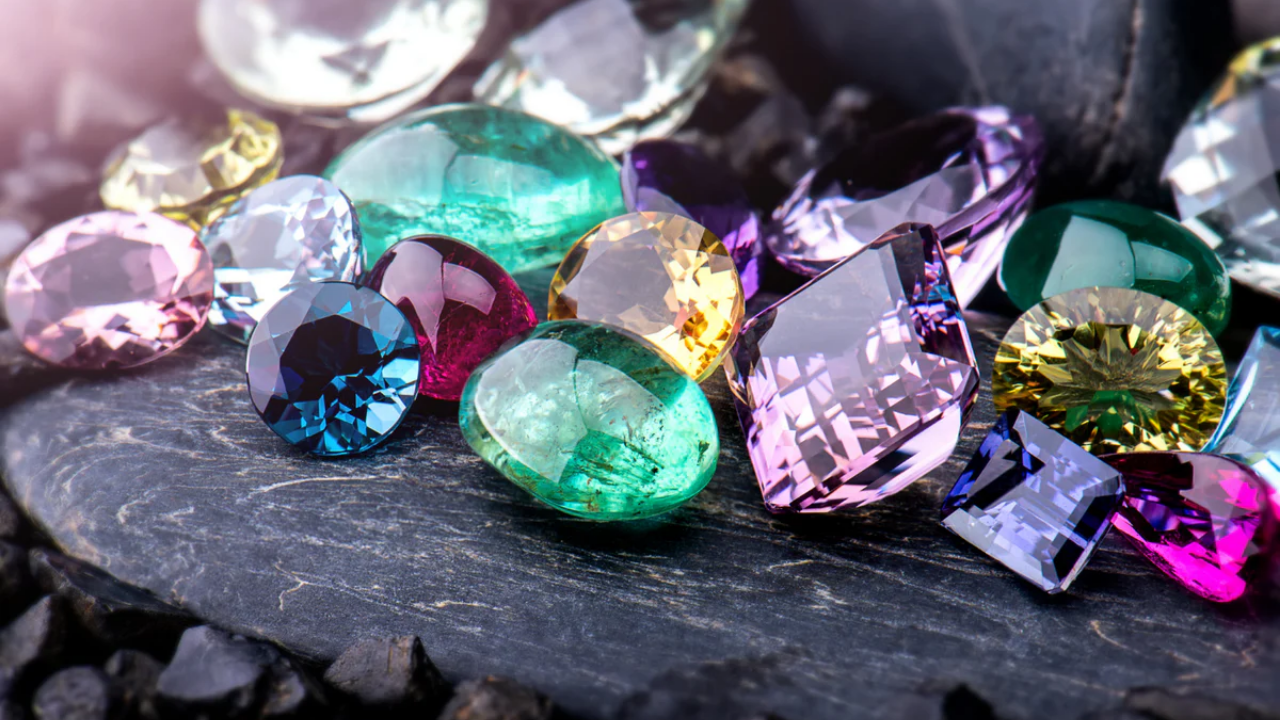
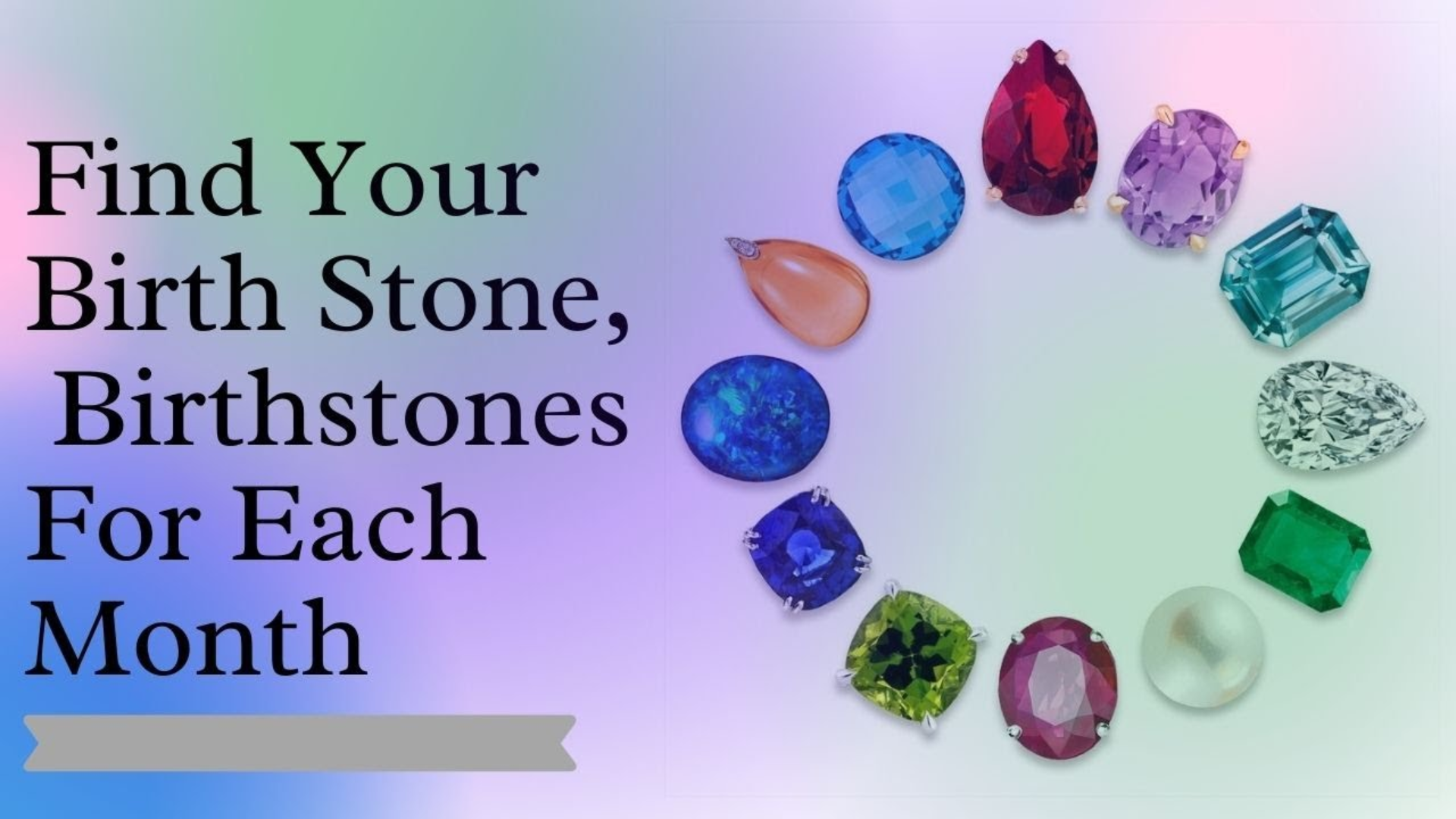
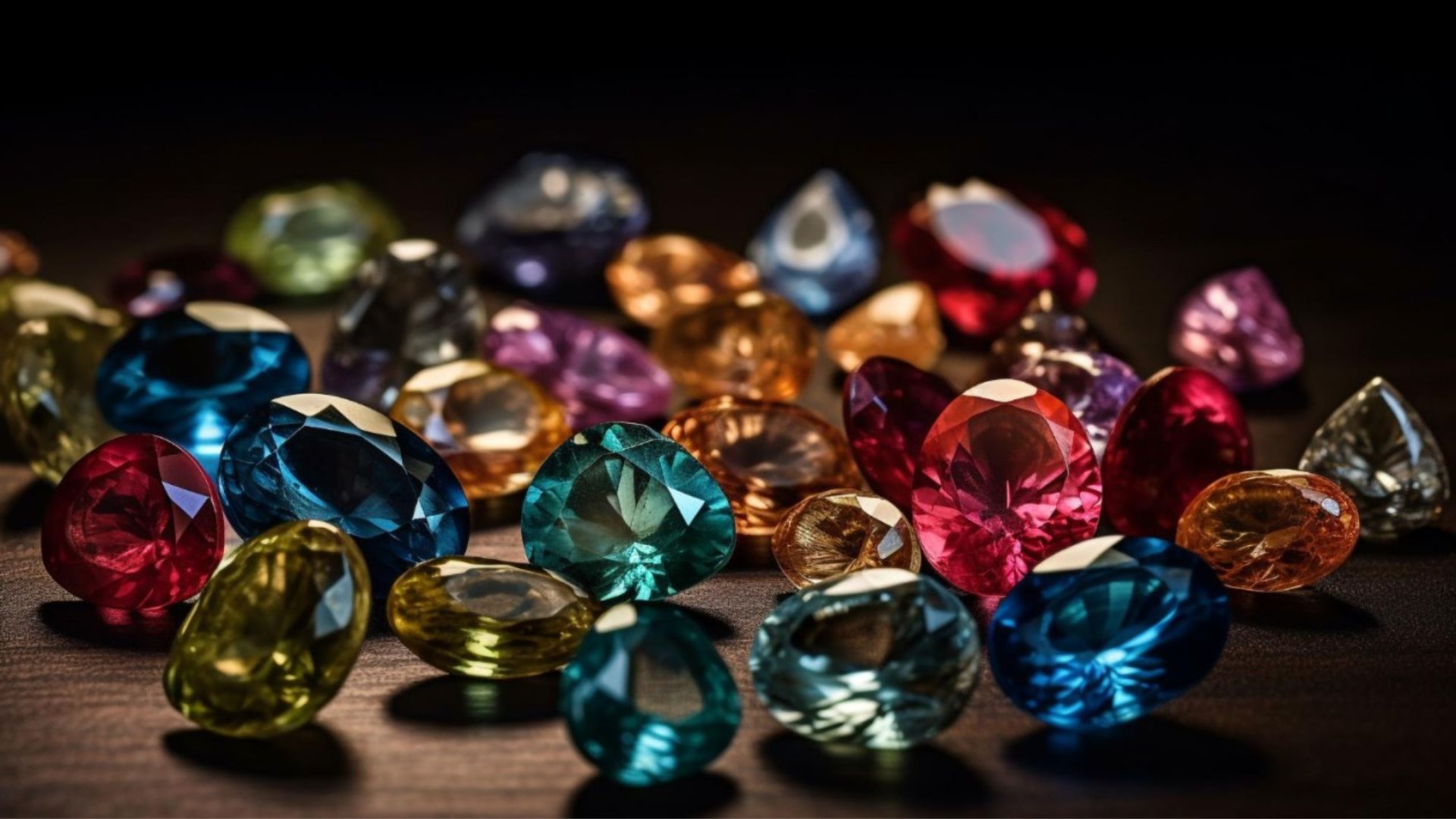
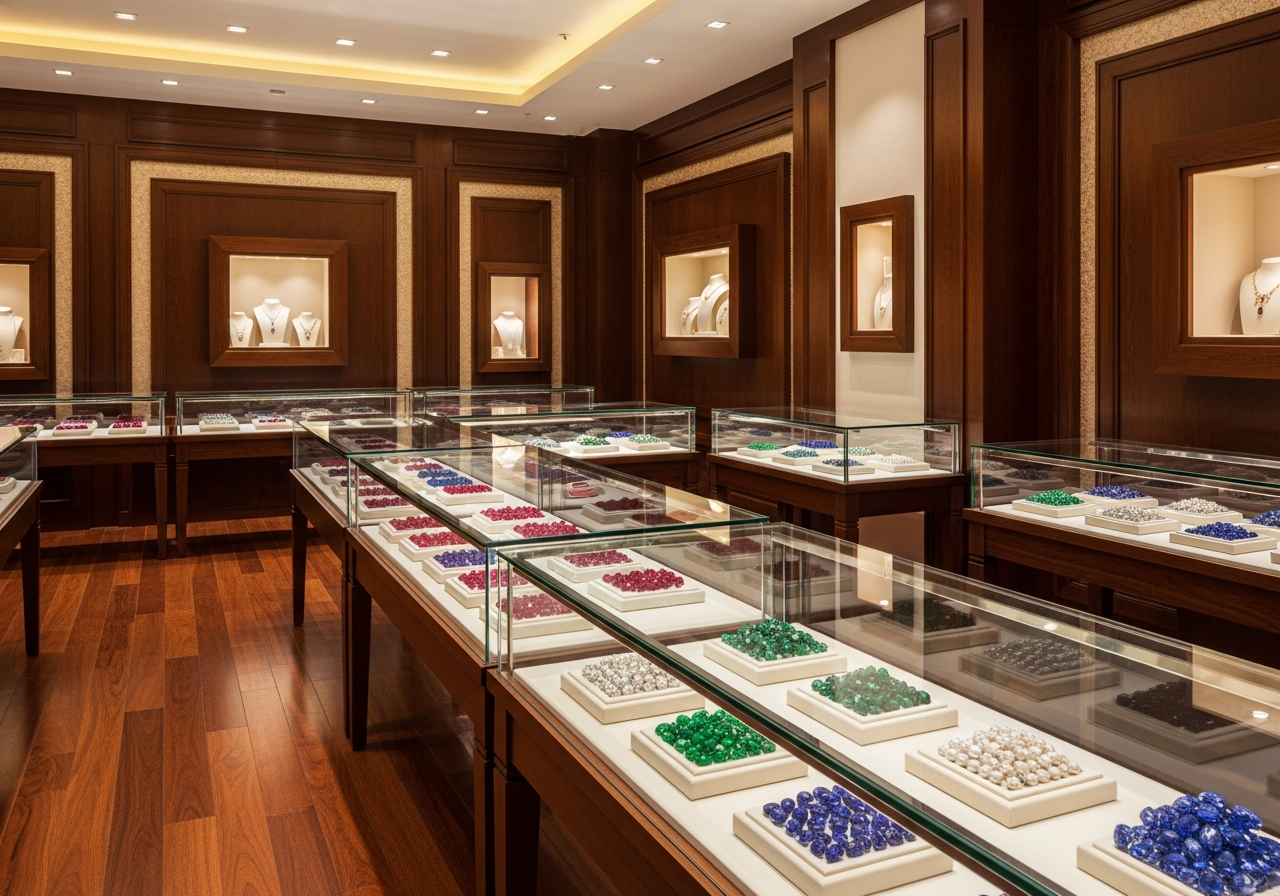
For centuries, gemstones have captivated humanity with their beauty, rarity, and perceived mystical powers. Among the most enduring traditions associated with gemstones is the concept of birthstones—specific gems linked to each month of the year. Today, birthstones are popular gifts for birthdays, anniversaries, and personal jewelry collections, but their roots extend far beyond modern fashion.
The story of birthstones through history is a fascinating journey through ancient civilizations, religious traditions, folklore, and cultural practices. From the sacred breastplate of biblical priests to medieval healing rituals and modern gemstone marketing, birthstones have evolved while maintaining their symbolic importance.
In this article, we'll explore the birthstone origins, uncover intriguing birthstone myths and legends, examine birthstone meanings, and understand the enduring cultural significance of birthstones across different societies and eras.
The Ancient Origins of Birthstones
The story of birthstone history often begins with one of the oldest references to symbolic gemstones: the Breastplate of Aaron mentioned in the Hebrew Bible.
According to biblical accounts, Aaron, the High Priest of Israel, wore a ceremonial breastplate adorned with twelve precious stones. Each gemstone represented one of the twelve tribes of Israel. Scholars believe this sacred breastplate laid the foundation for the association between gemstones and spiritual symbolism.
The twelve stones traditionally included:
- Sardius
- Topaz
- Carbuncle
- Emerald
- Sapphire
- Diamond
- Jacinth
- Agate
- Amethyst
- Beryl
- Onyx
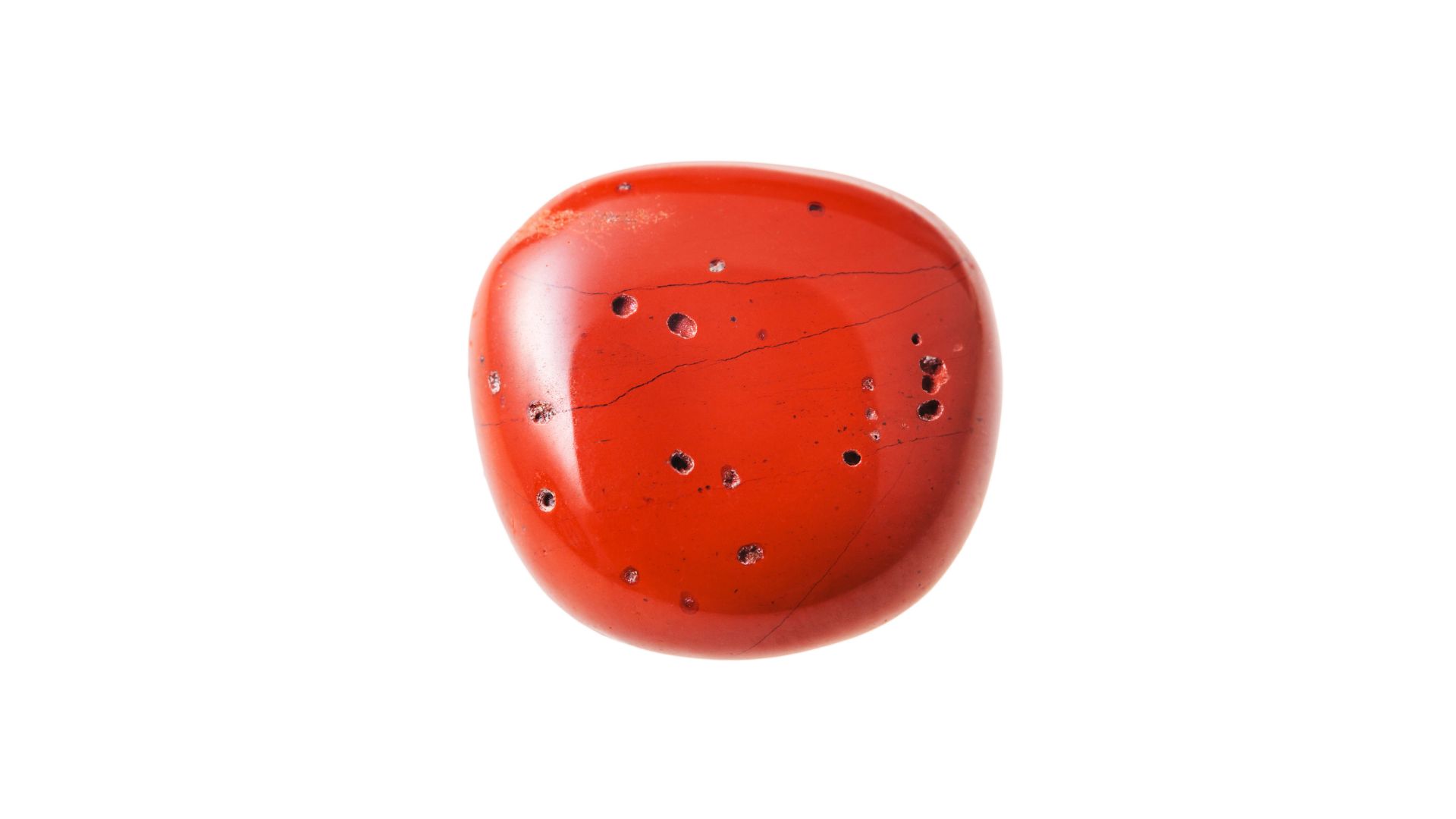
- Jasper
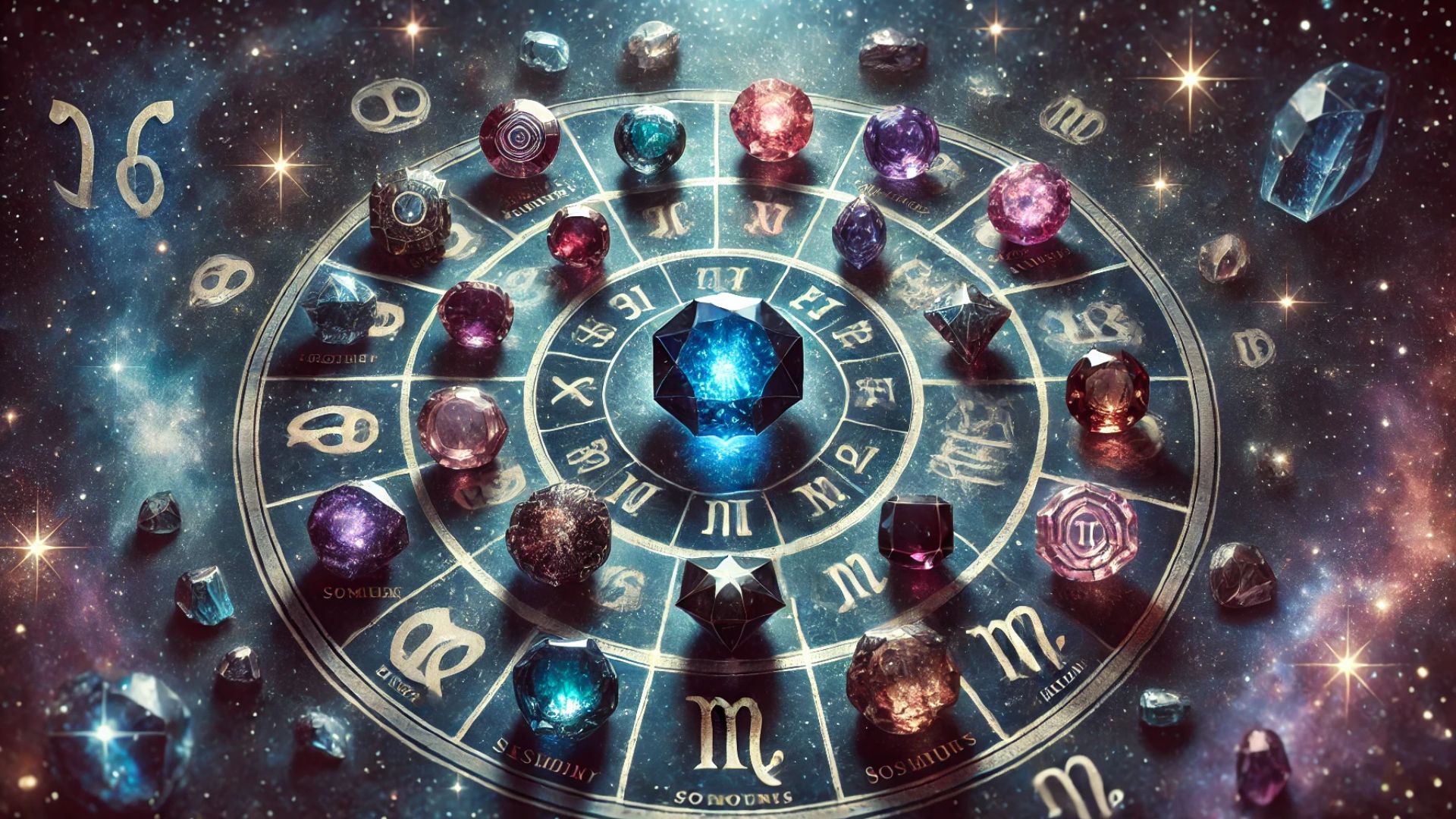
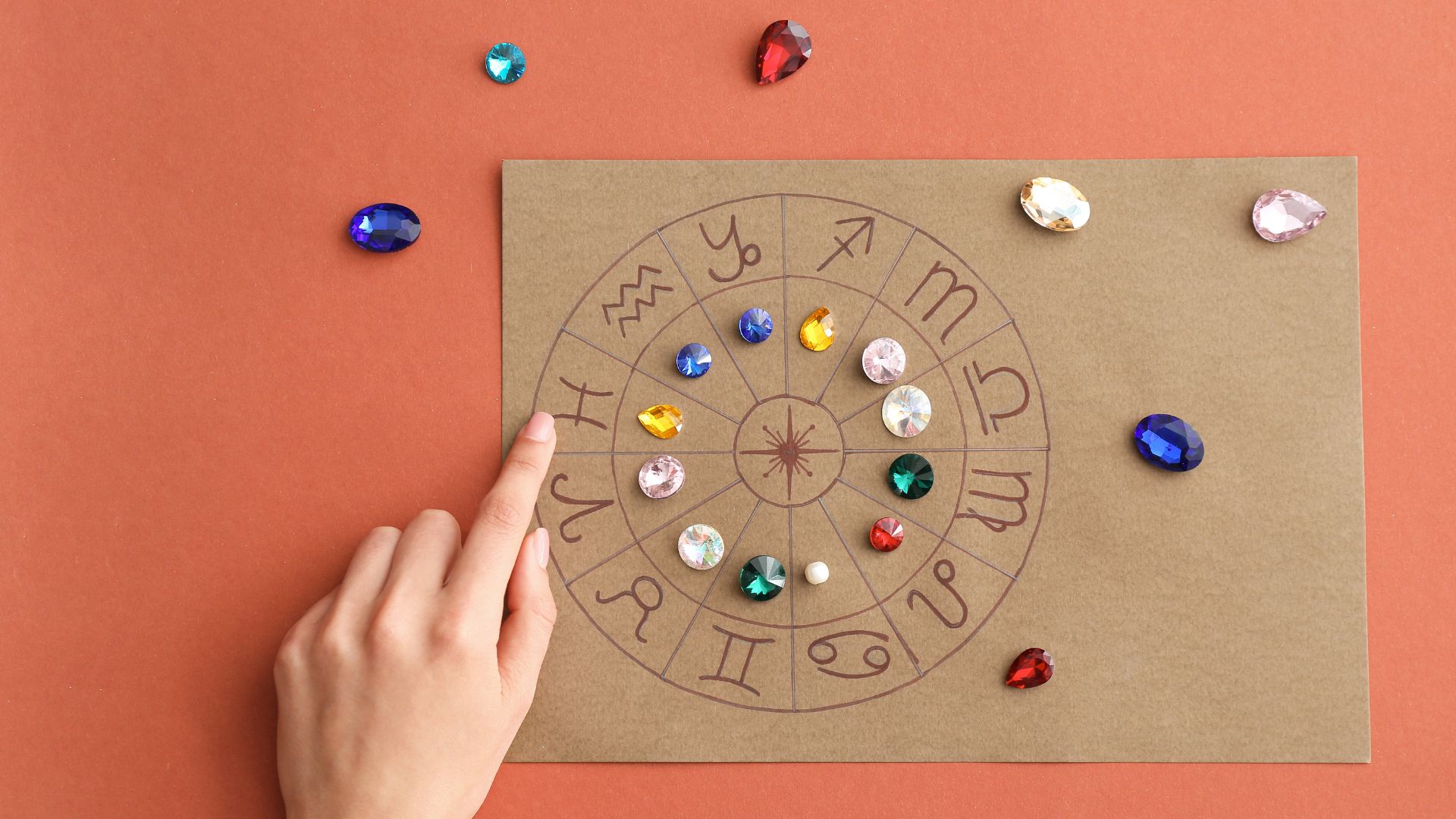
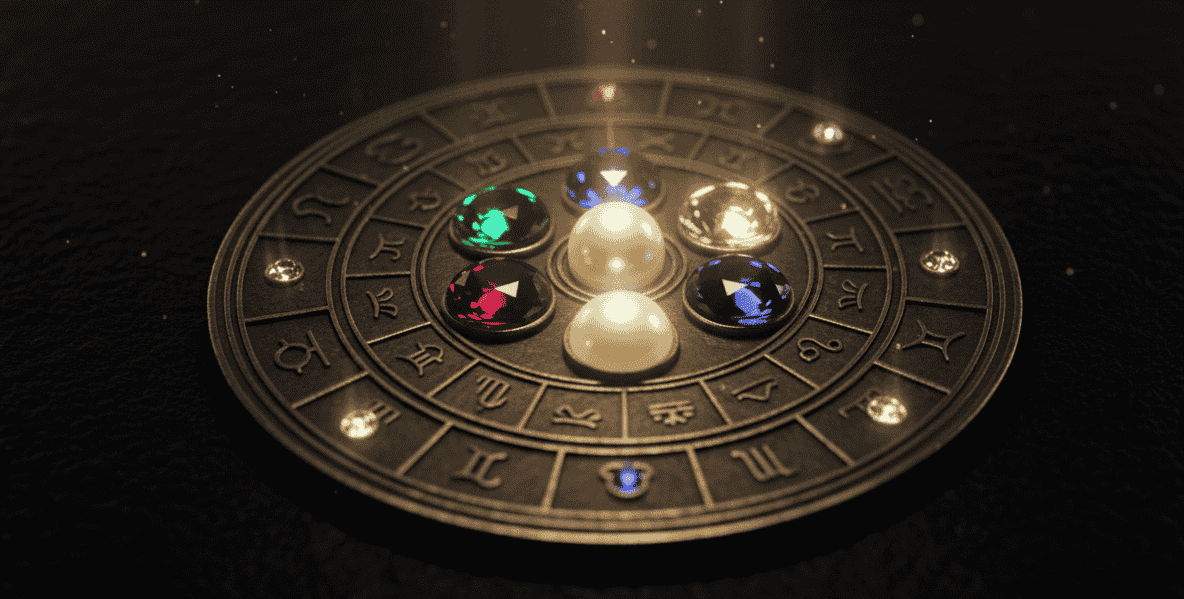
Over time, these gemstones became linked not only to the tribes of Israel but also to the twelve signs of the zodiac and eventually the twelve months of the year.
These early birthstone origins demonstrate humanity's long-standing belief that gemstones possess divine or supernatural properties capable of influencing health, fortune, and spiritual well-being.
Birthstones in Ancient Civilizations
Ancient Egypt
The Egyptians were among the earliest cultures to attribute mystical significance to gemstones. They believed certain stones offered protection, healing, and guidance in both life and the afterlife.
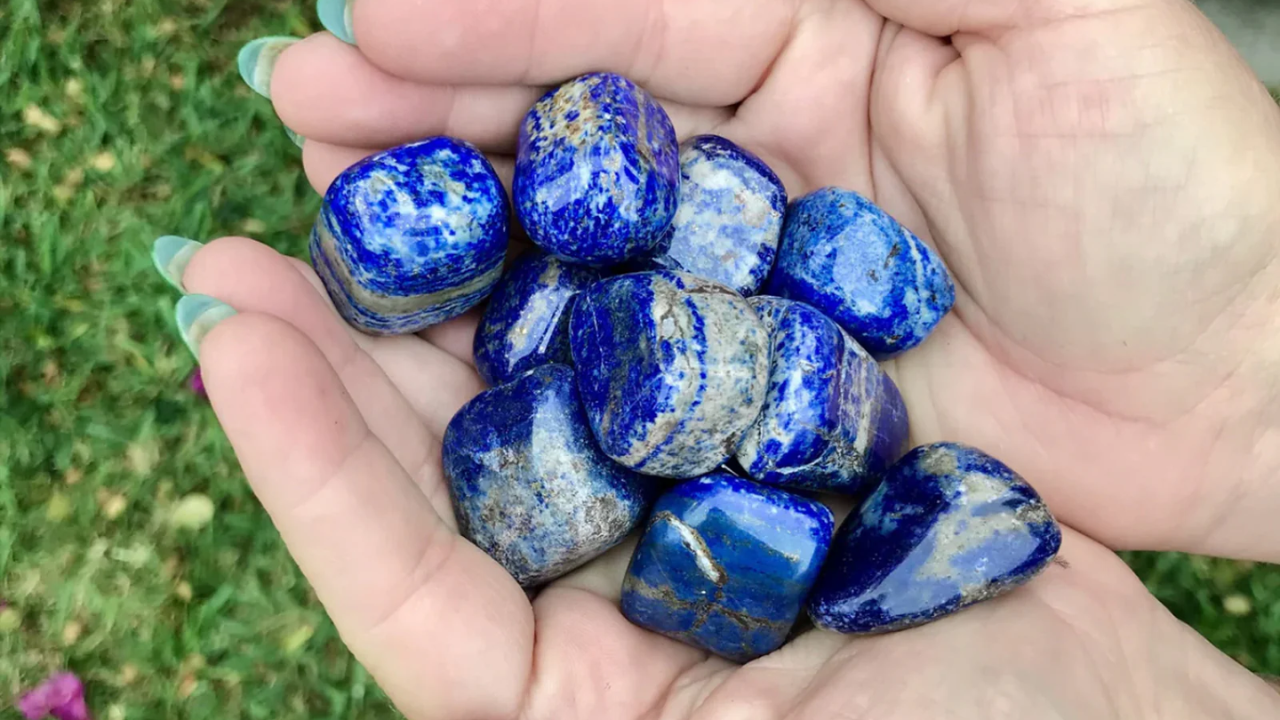
Lapis lazuli, turquoise, and carnelian were especially prized. Pharaohs and nobles wore gemstone jewelry as symbols of power and divine favor. Egyptians often buried precious stones with the deceased to ensure safe passage into the next world.
These practices contributed significantly to the evolving birthstone symbolism found throughout history.
Ancient Greece
Greek philosophers and scholars associated gemstones with celestial powers. The Greeks believed stones were gifts from the gods and contained unique energies.
Amethyst, for example, derives its name from the Greek word amethystos, meaning "not intoxicated." Greeks believed wearing amethyst could prevent drunkenness and promote clarity of mind.
This belief became one of the most famous examples of birthstone myths and legends that continue to influence modern perceptions of gemstones.
Ancient Rome
The Romans expanded gemstone traditions throughout their vast empire. Wealthy citizens wore engraved gemstone rings known as intaglios, believing they offered protection and social prestige.
Roman scholars also connected gemstones to planetary influences, further strengthening the relationship between stones, astrology, and personal destiny.
The Development of Monthly Birthstones
While ancient cultures recognized symbolic gemstones, the modern system of assigning one stone to each birth month emerged much later.
During the early centuries of Christianity, people often owned collections of twelve gemstones corresponding to the biblical breastplate. Individuals would wear different stones throughout the year according to religious calendars and astrological beliefs.
By the Middle Ages, a new practice emerged: people began wearing a single gemstone associated with their birth month. This shift marked a major development in birthstone traditions and helped establish the system recognized today.
Over centuries, different regions developed their own birthstone lists, creating variations in gemstone assignments.
Birthstones in Medieval Europe
The medieval period played a crucial role in shaping modern birthstone significance.
Medieval Europeans believed gemstones possessed healing properties capable of treating various ailments. Physicians and herbalists often prescribed gemstones alongside traditional remedies.
Examples included:
- Ruby for improving circulation
- Sapphire for eye health
- Emerald for fertility
- Garnet for protection during travel
- Amethyst for mental clarity
Gemstones were frequently worn as talismans or amulets to ward off evil spirits, disease, and bad luck.
The era's fascination with magical properties significantly expanded the birthstone meanings attached to specific gems.
Traditional Birthstones and Their Historical Meanings
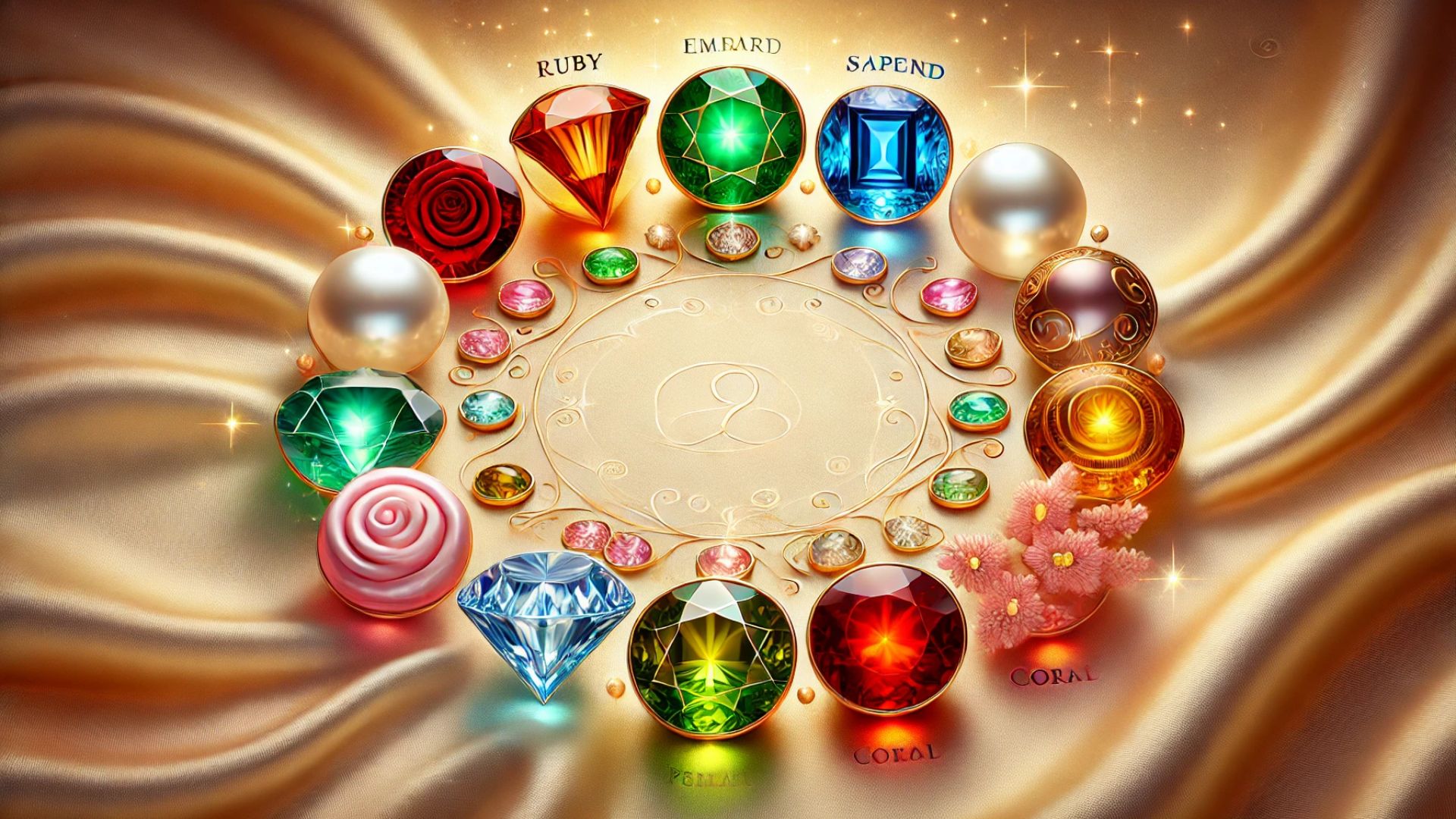
The concept of traditional birthstones developed gradually through centuries of religious, astrological, and cultural influences. Each stone acquired unique symbolic associations.
January – Garnet
Garnet symbolizes protection, friendship, and safe travel. Ancient warriors often carried garnets into battle, believing the stones offered courage and security.
February – Amethyst
Associated with wisdom, peace, and sobriety, amethyst has been treasured since ancient Greek times.
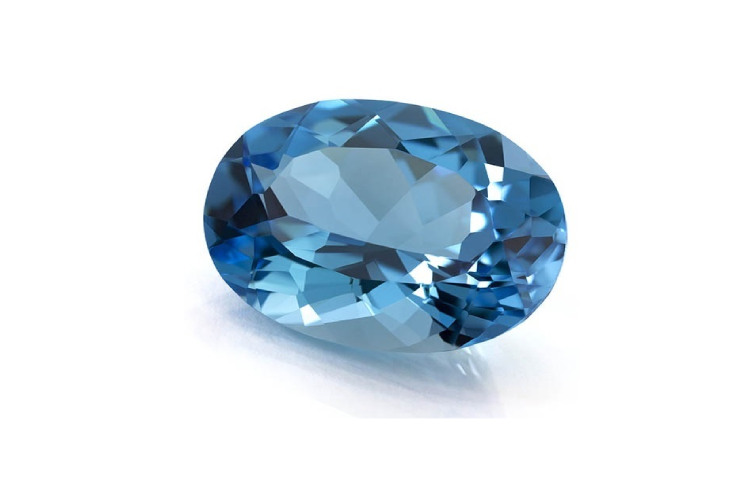
March – Aquamarine
Named after seawater, aquamarine symbolizes tranquility, courage, and safe voyages. Sailors frequently carried aquamarine as a protective charm.
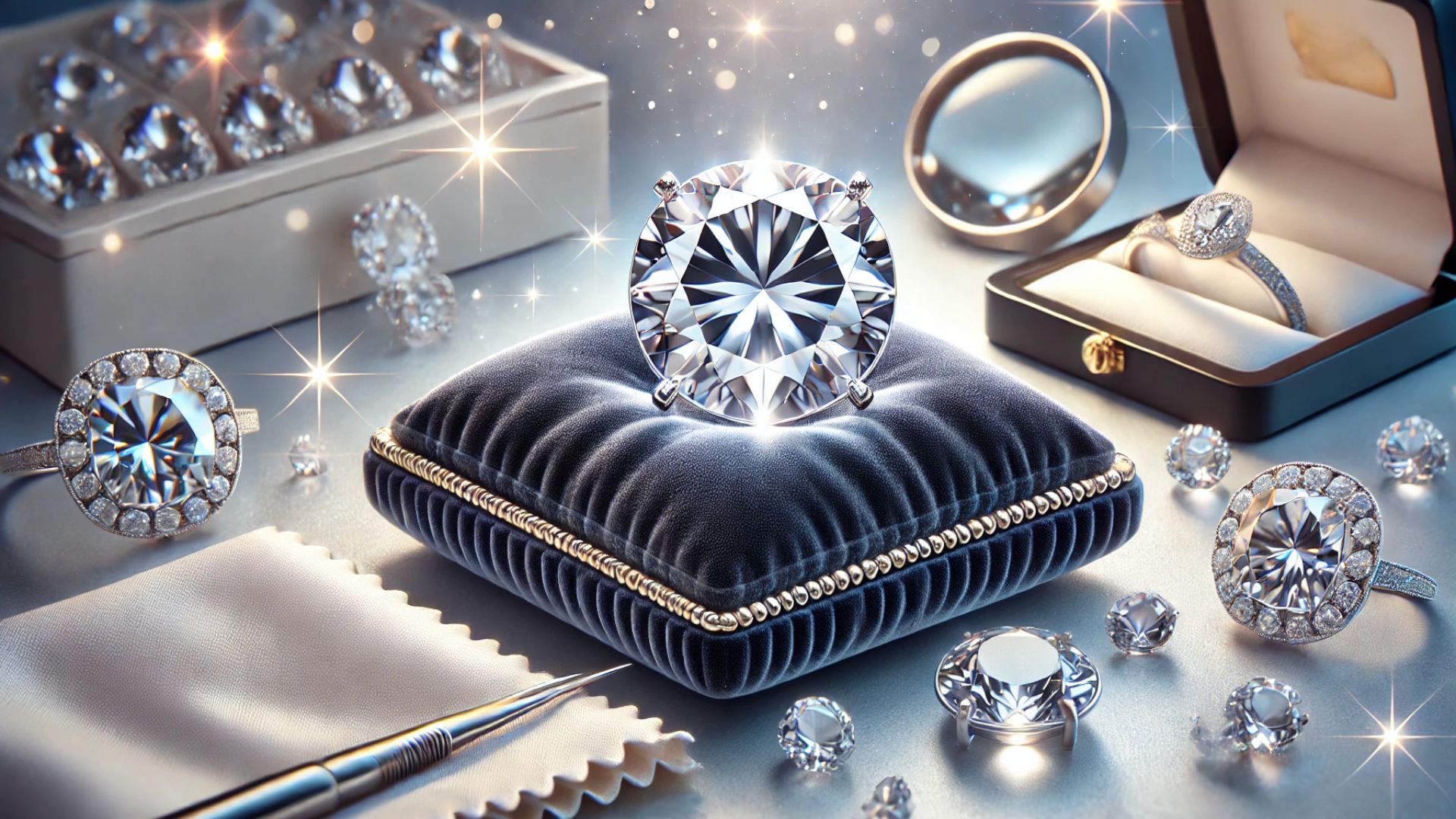
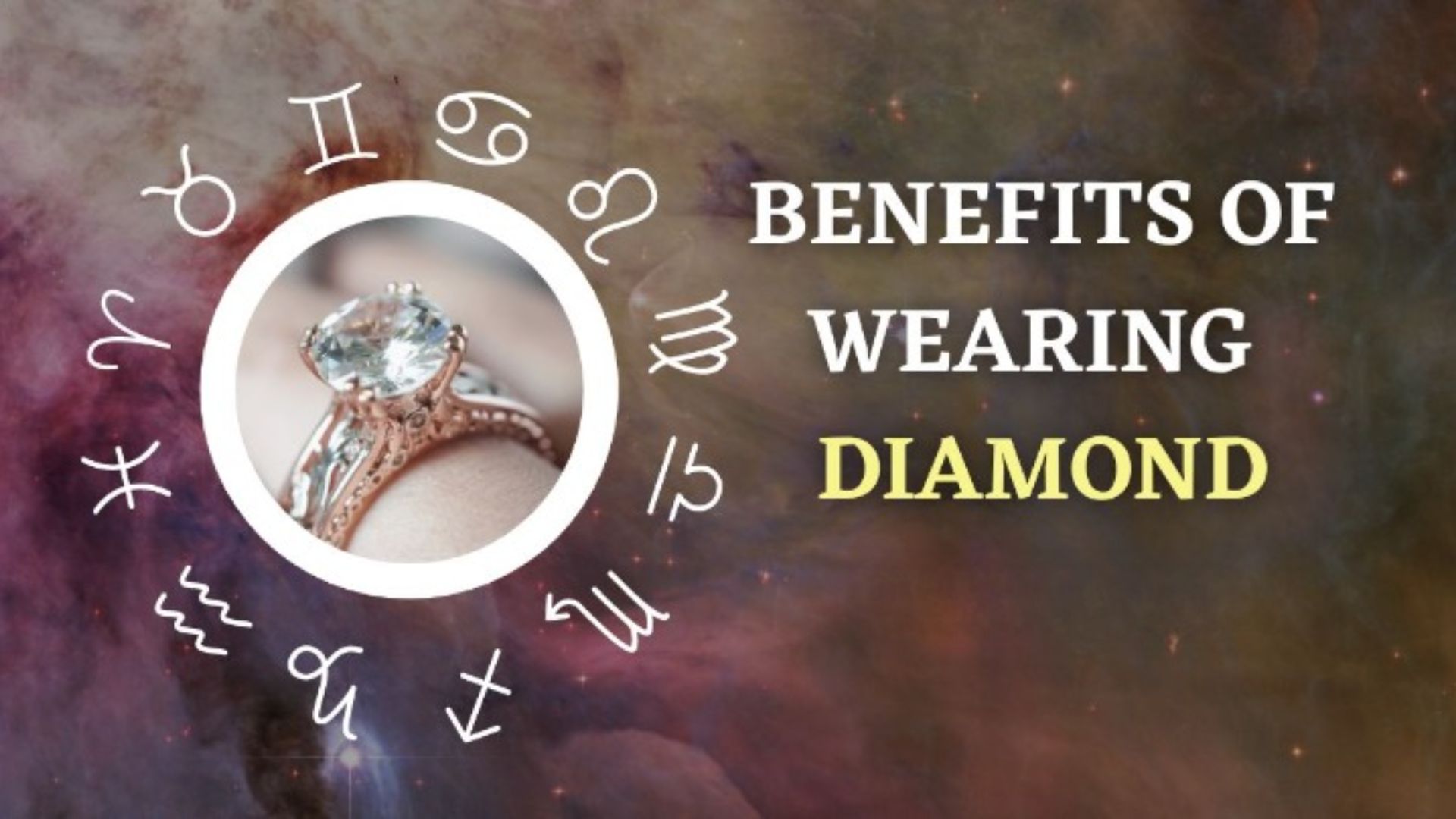
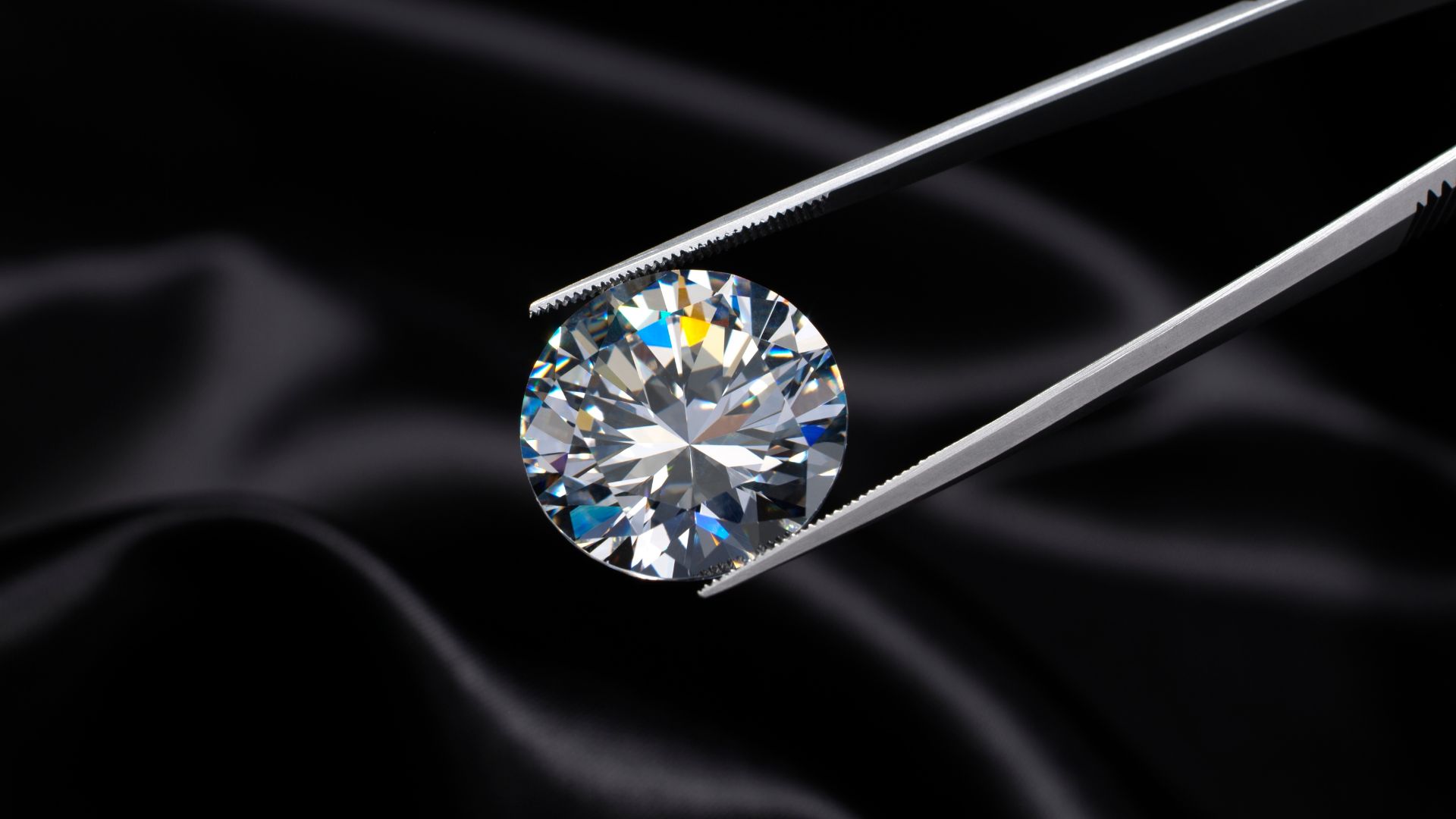
April – Diamond
Diamonds represent strength, purity, and eternal love. Their unmatched hardness contributed to their reputation as symbols of resilience.
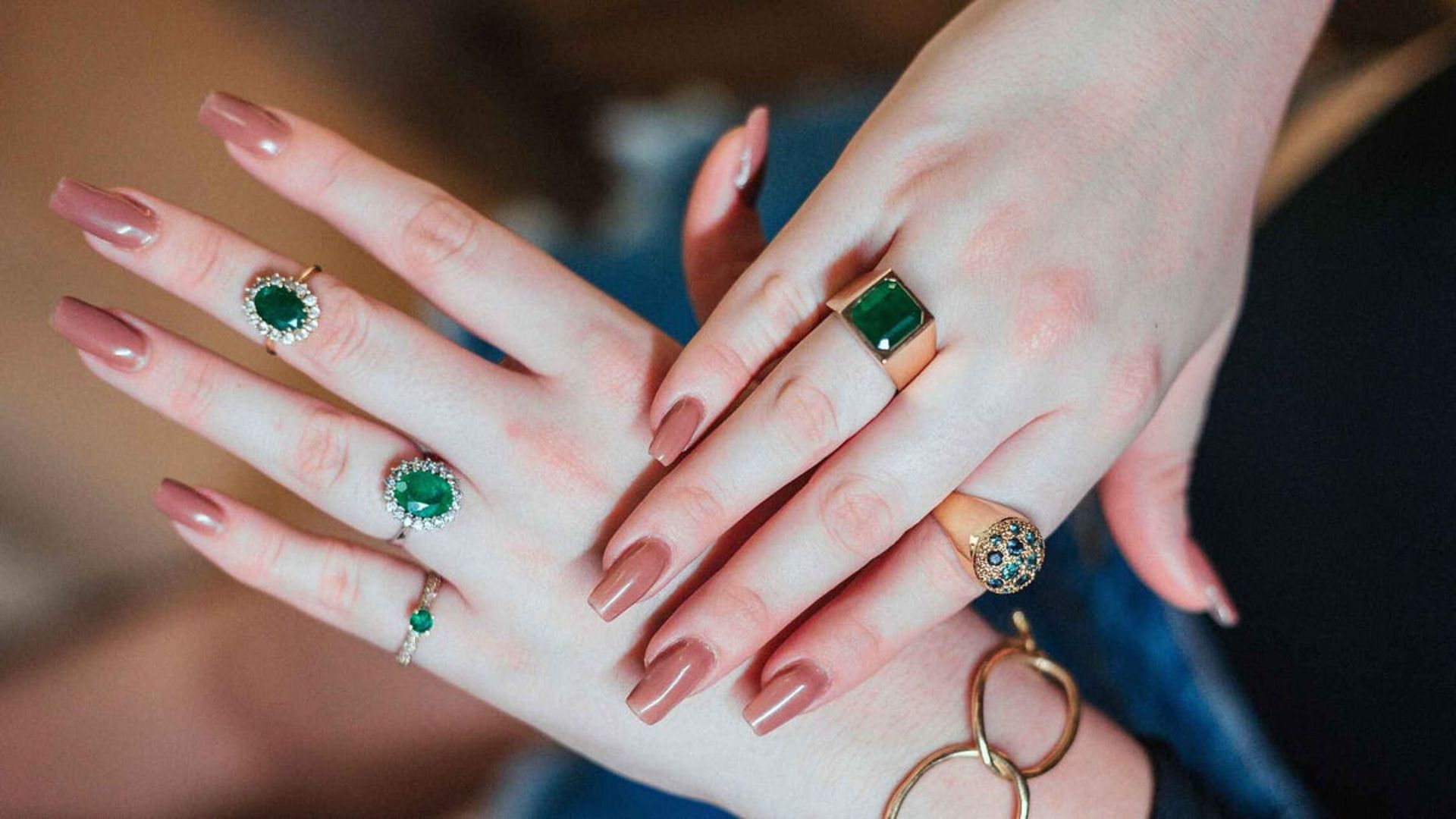
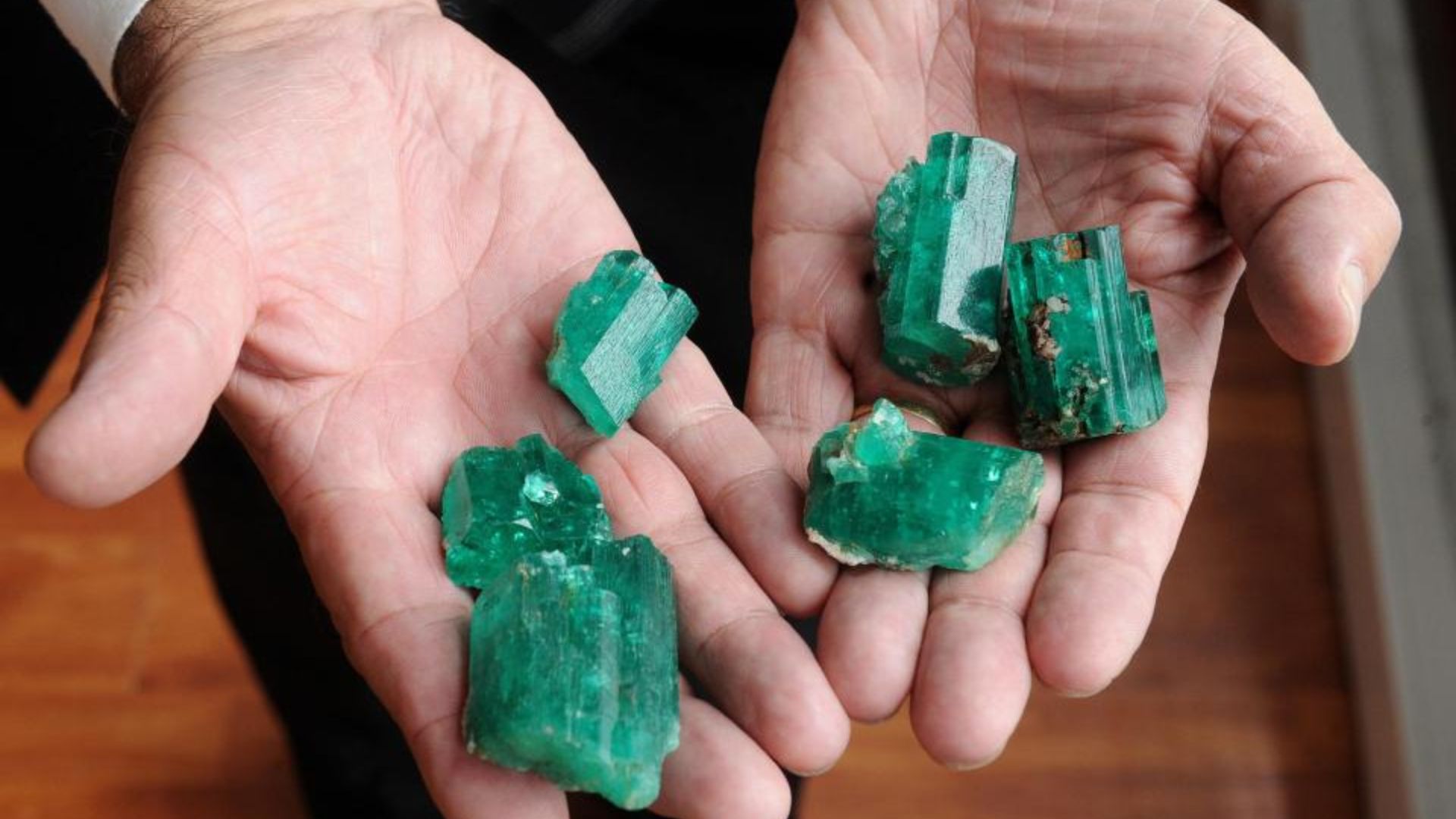
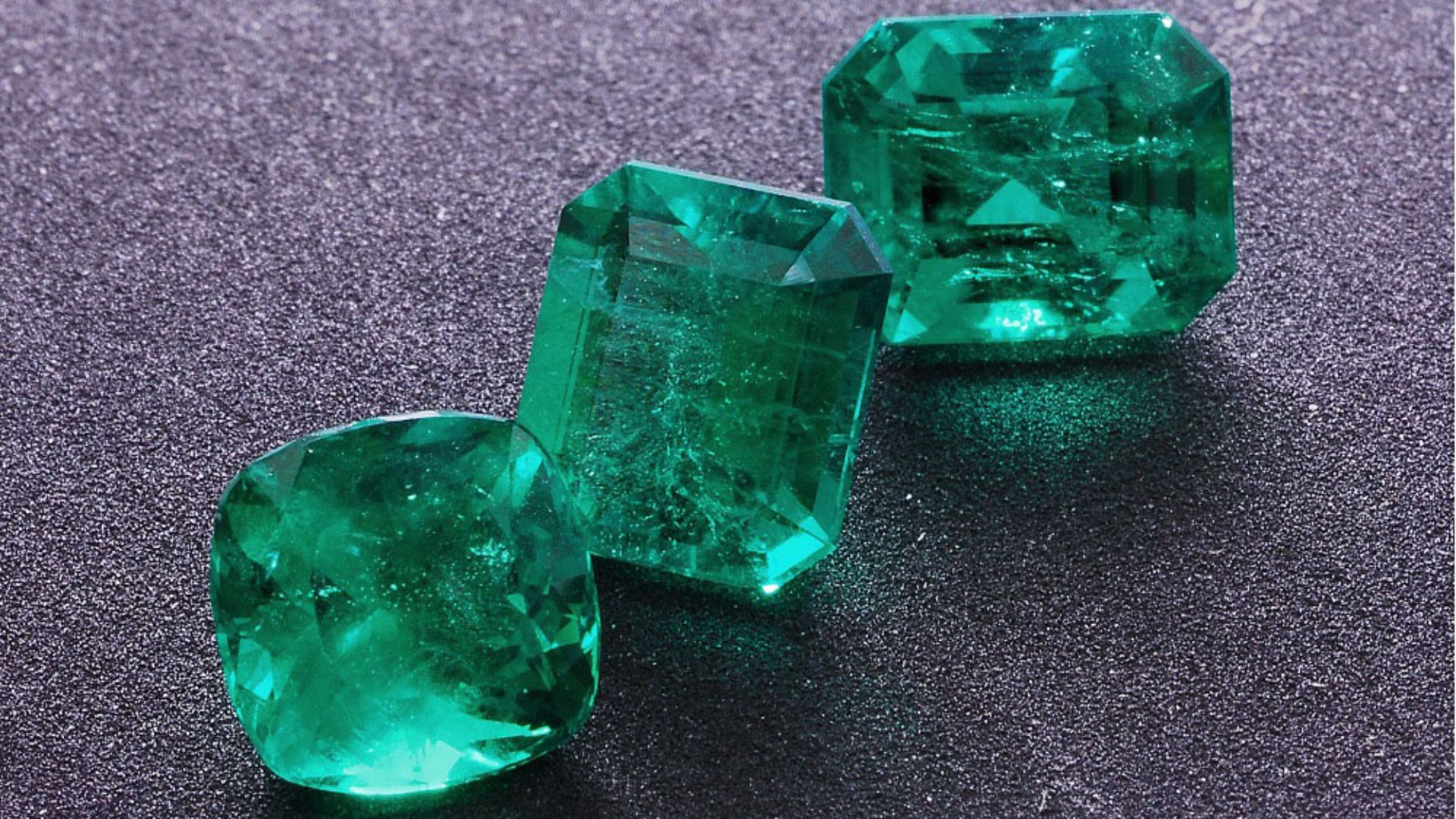
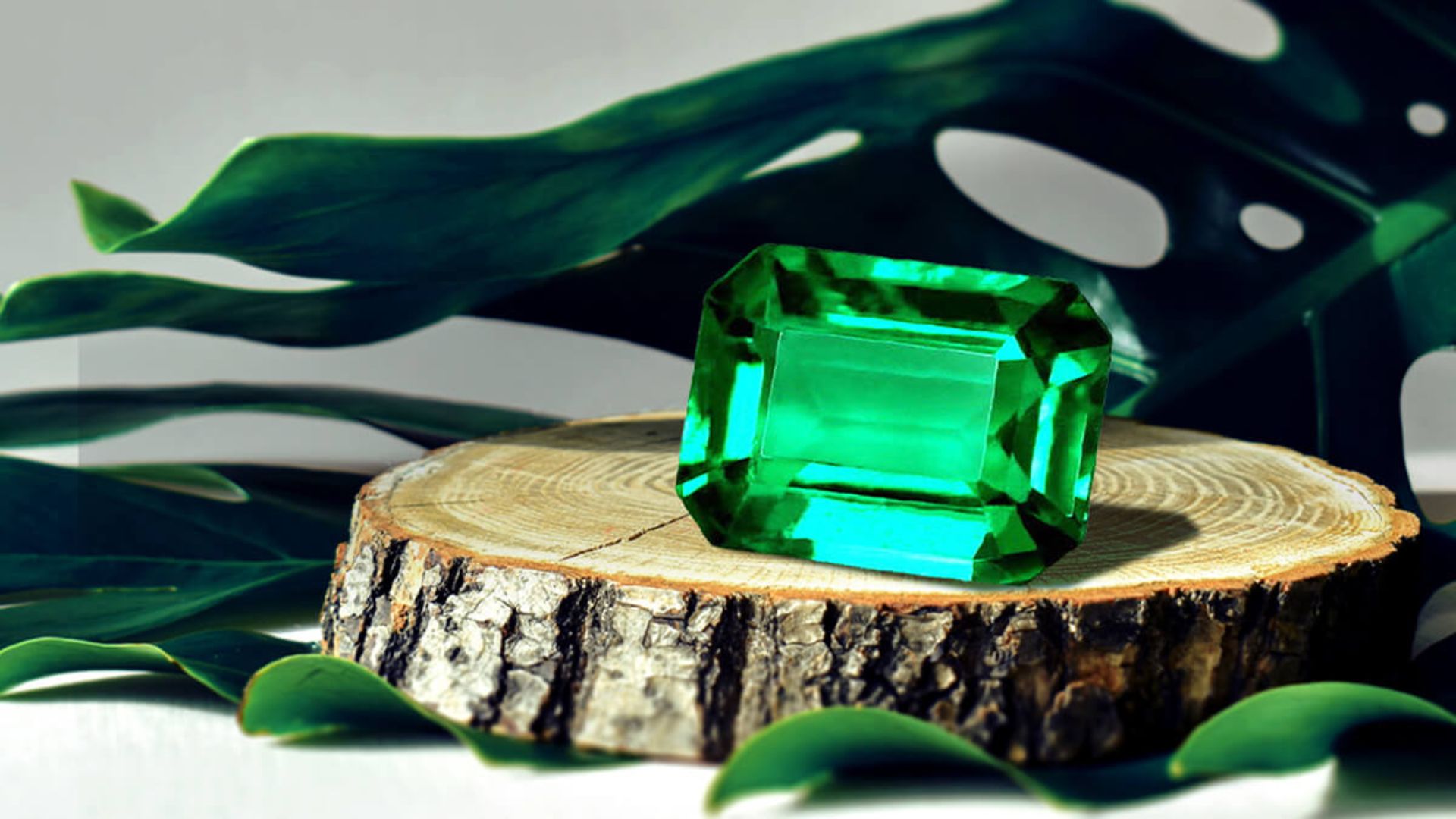
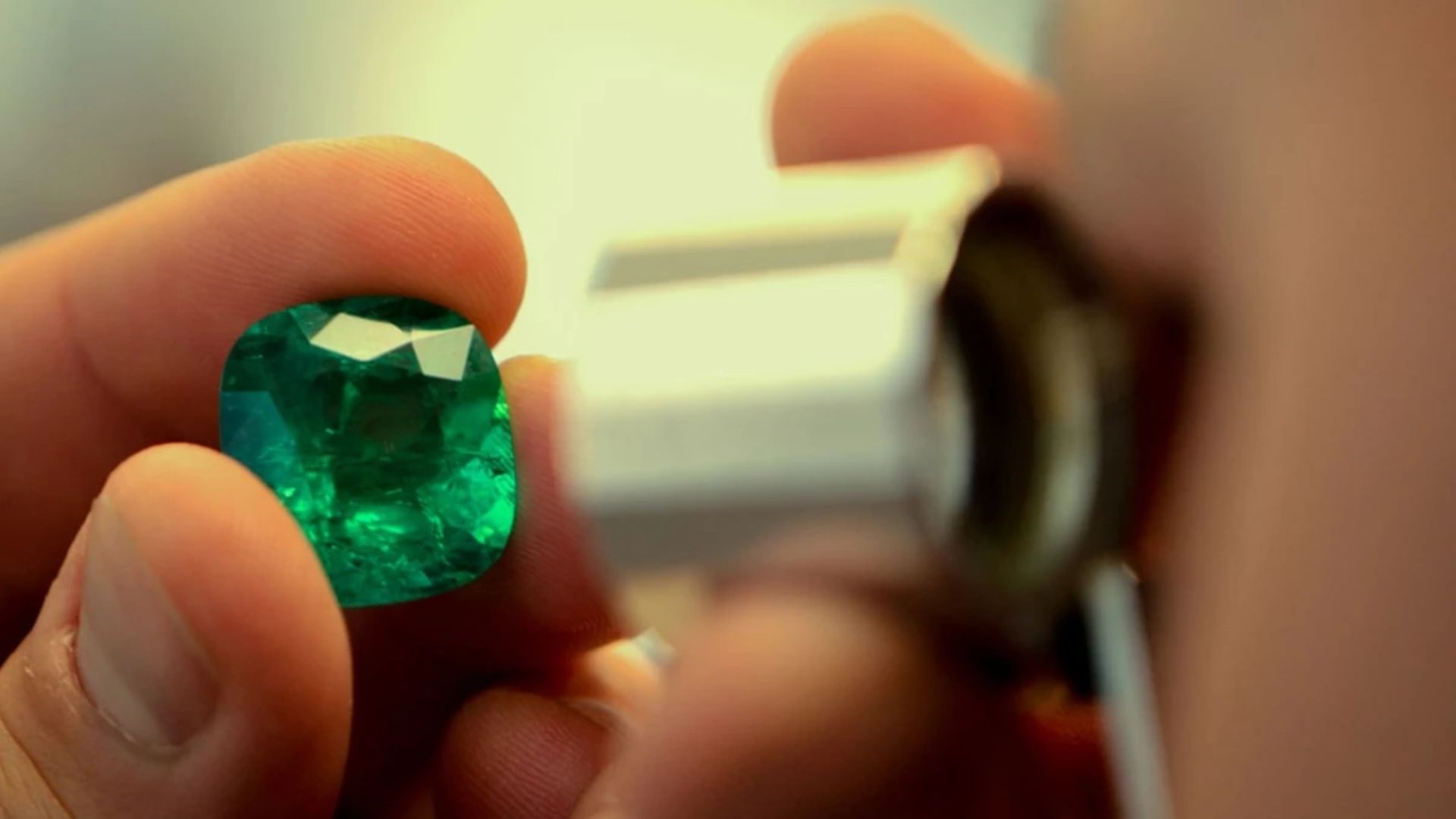
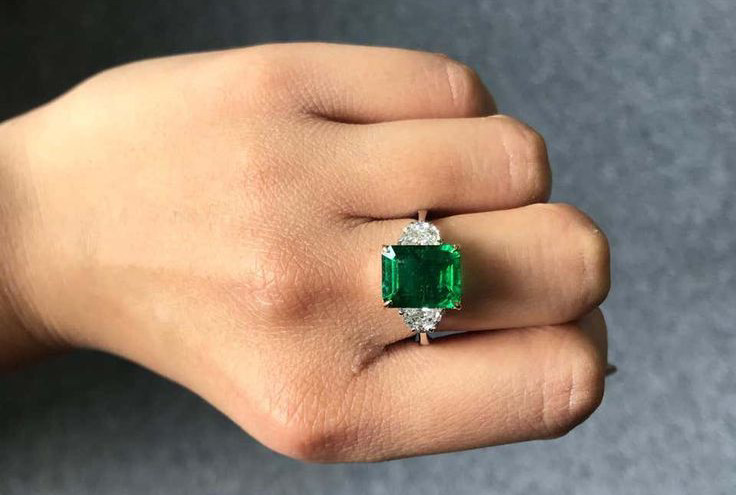
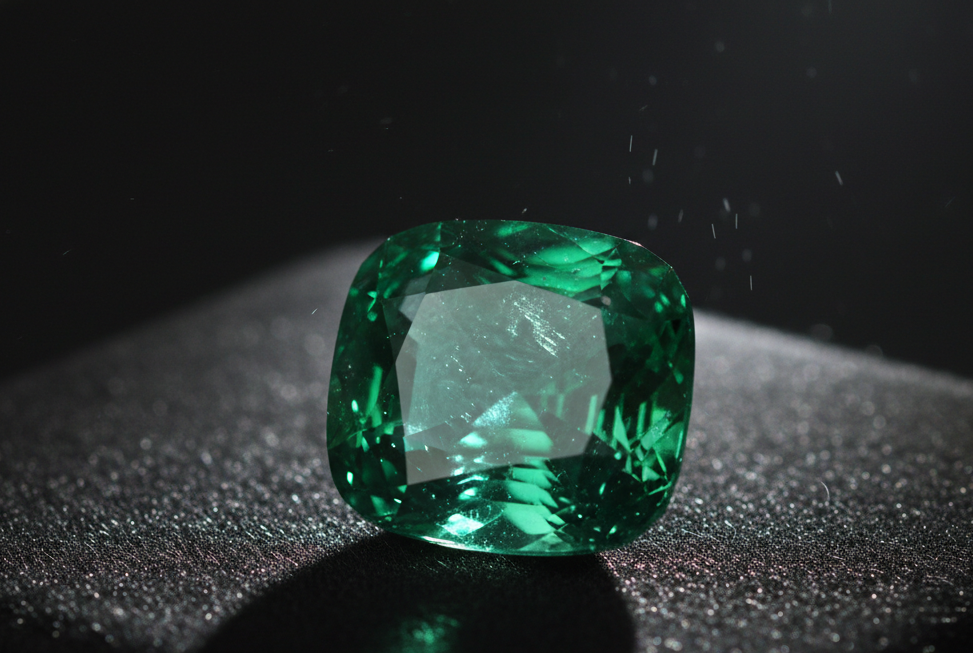
May – Emerald
Emeralds symbolize rebirth, fertility, and prosperity. Ancient civilizations believed emeralds enhanced intelligence and foresight.
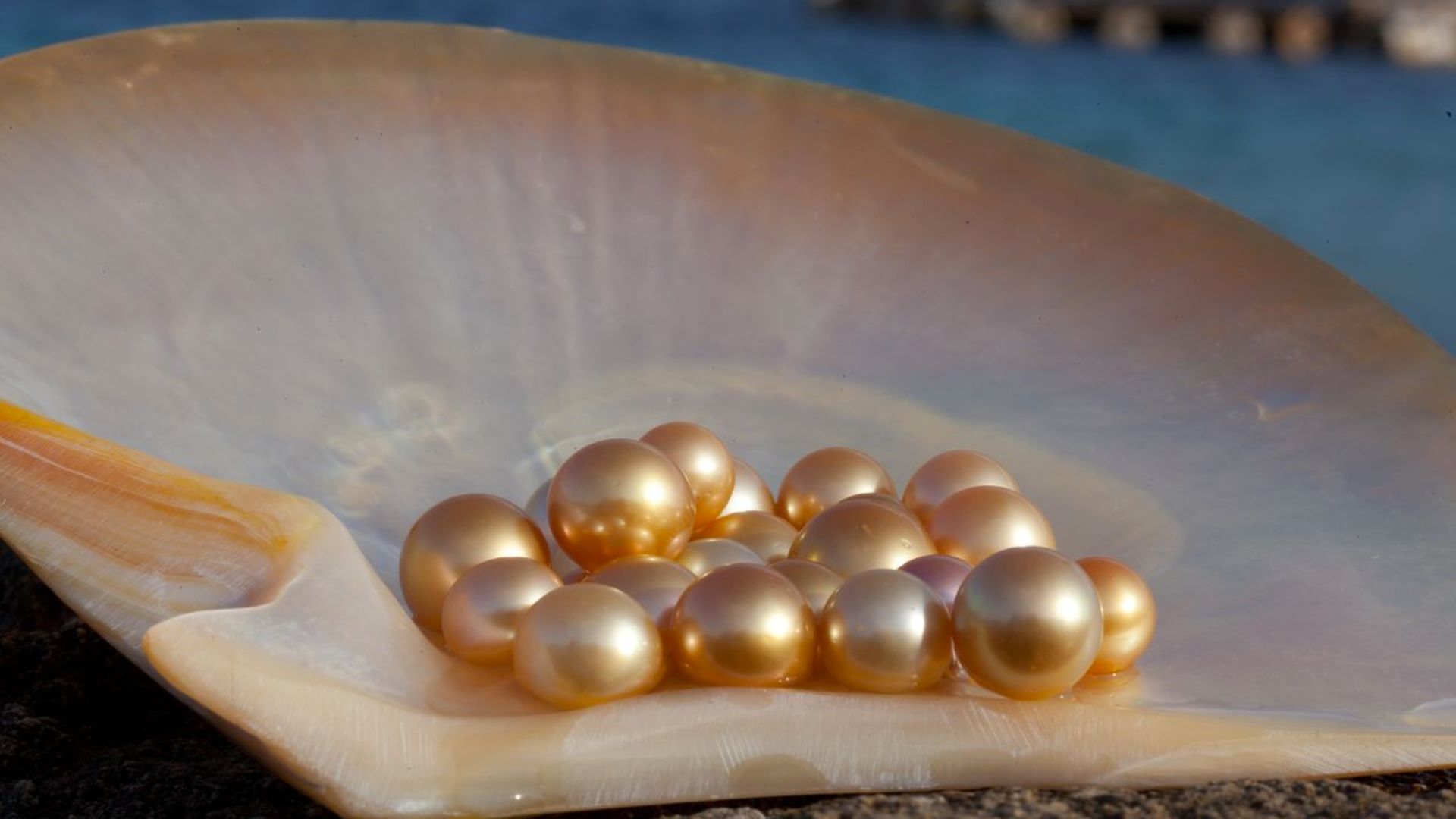
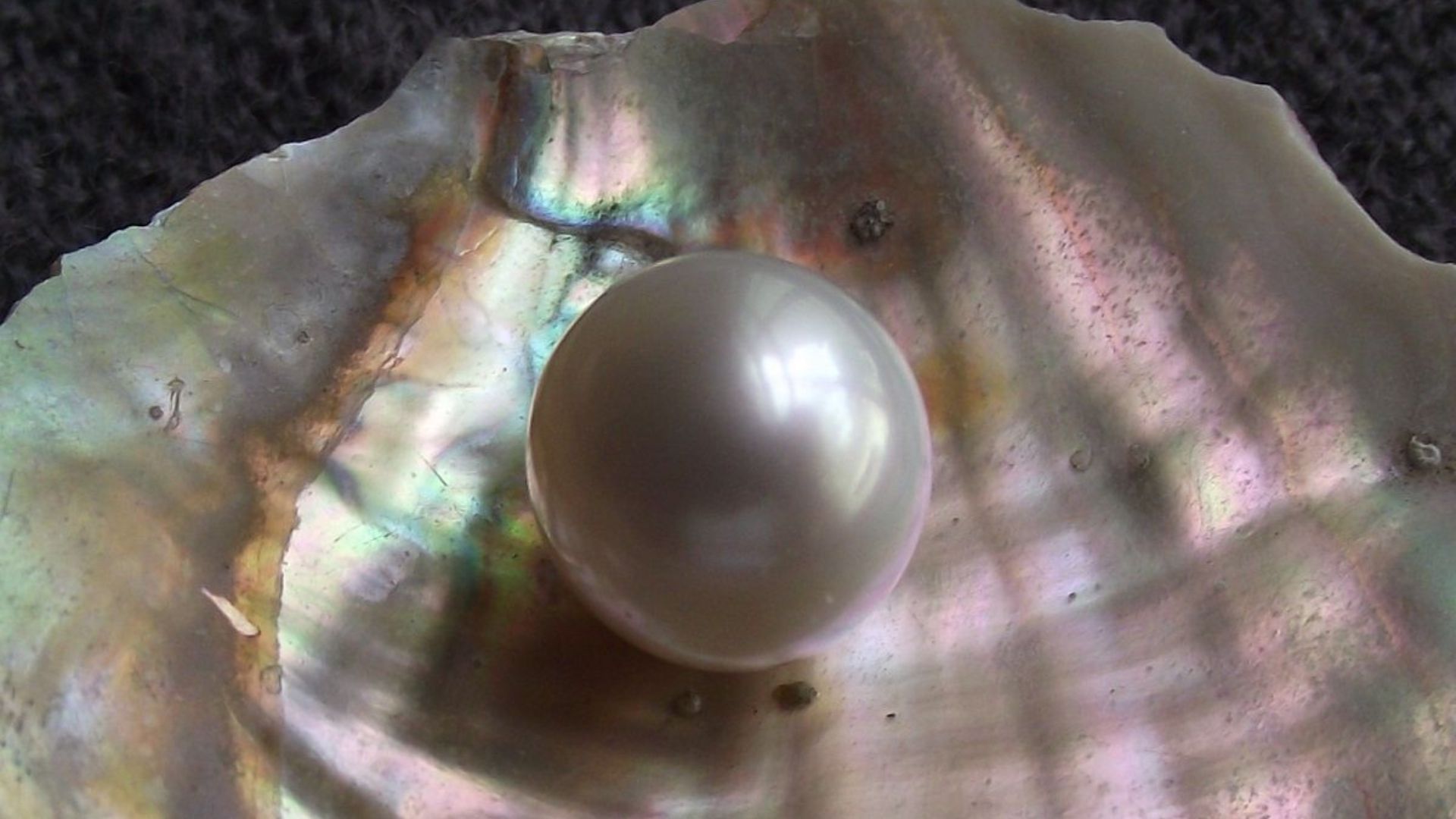
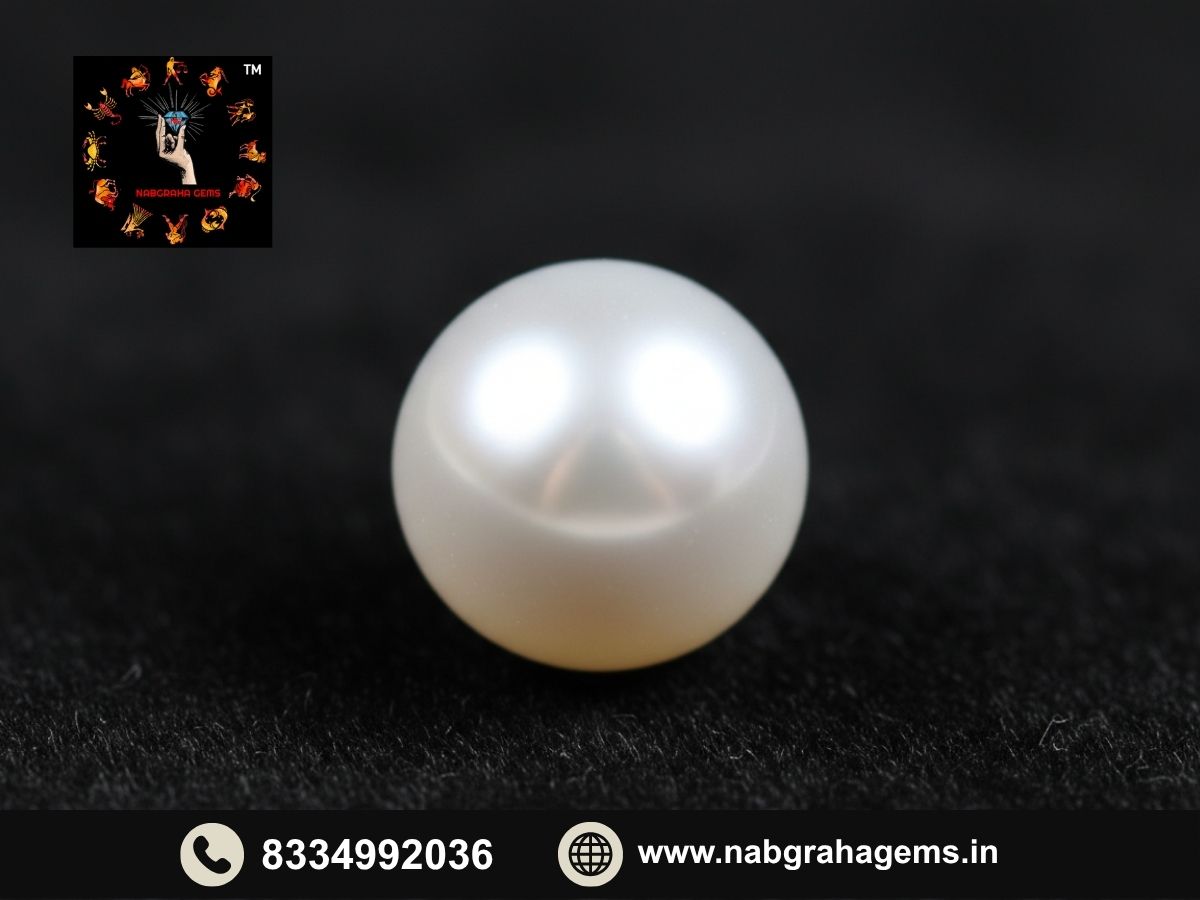
June – Pearl
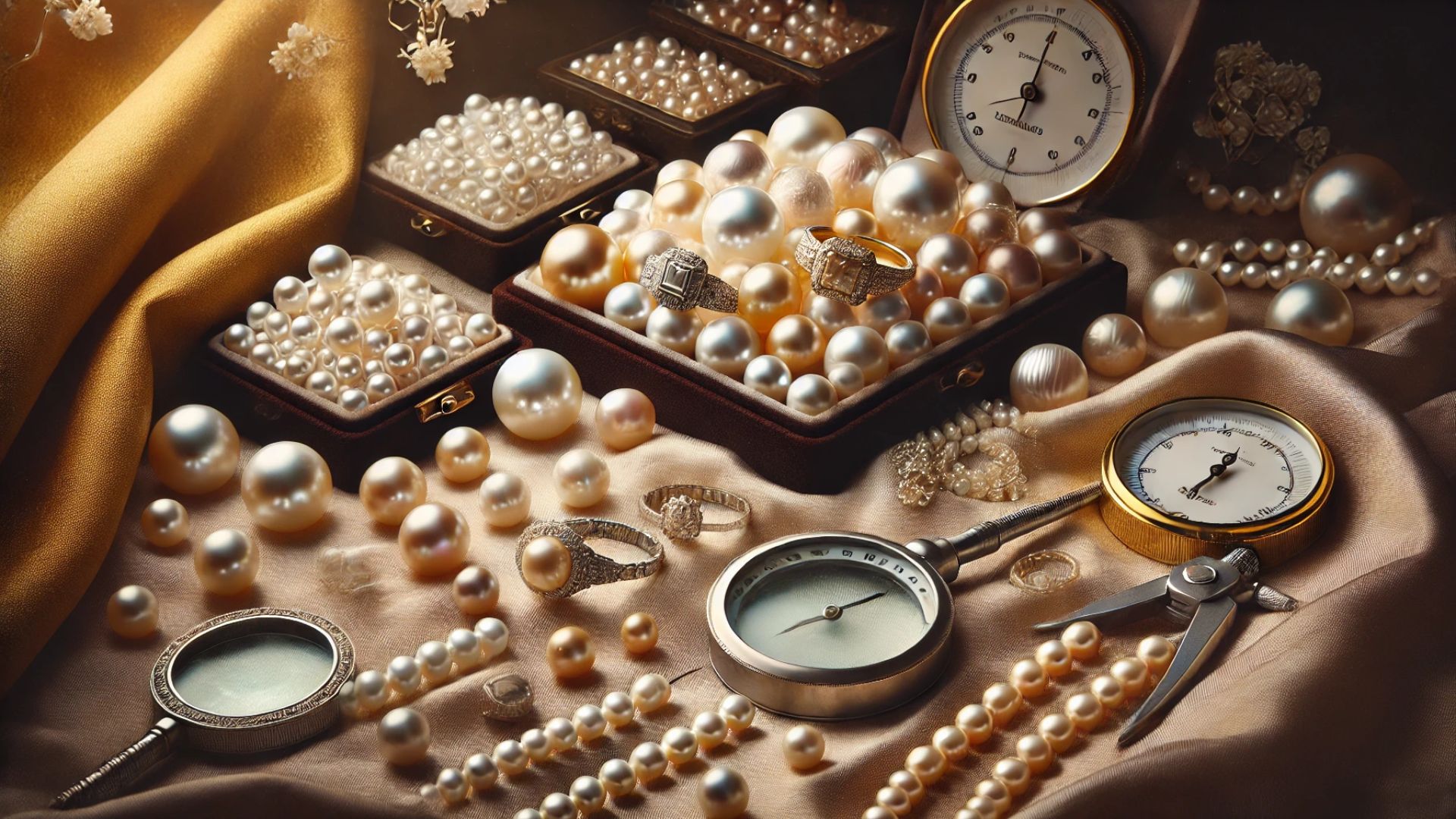
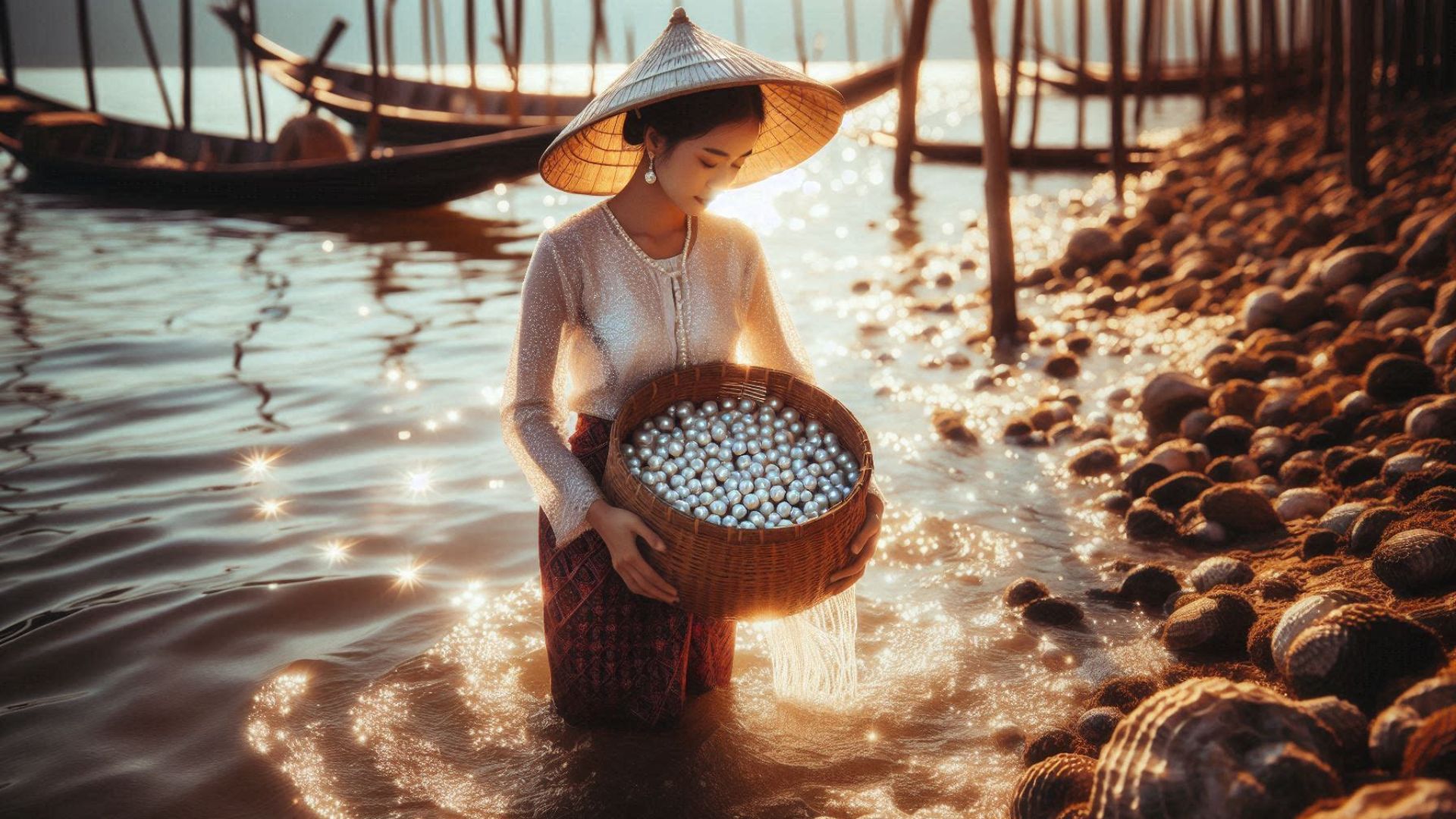
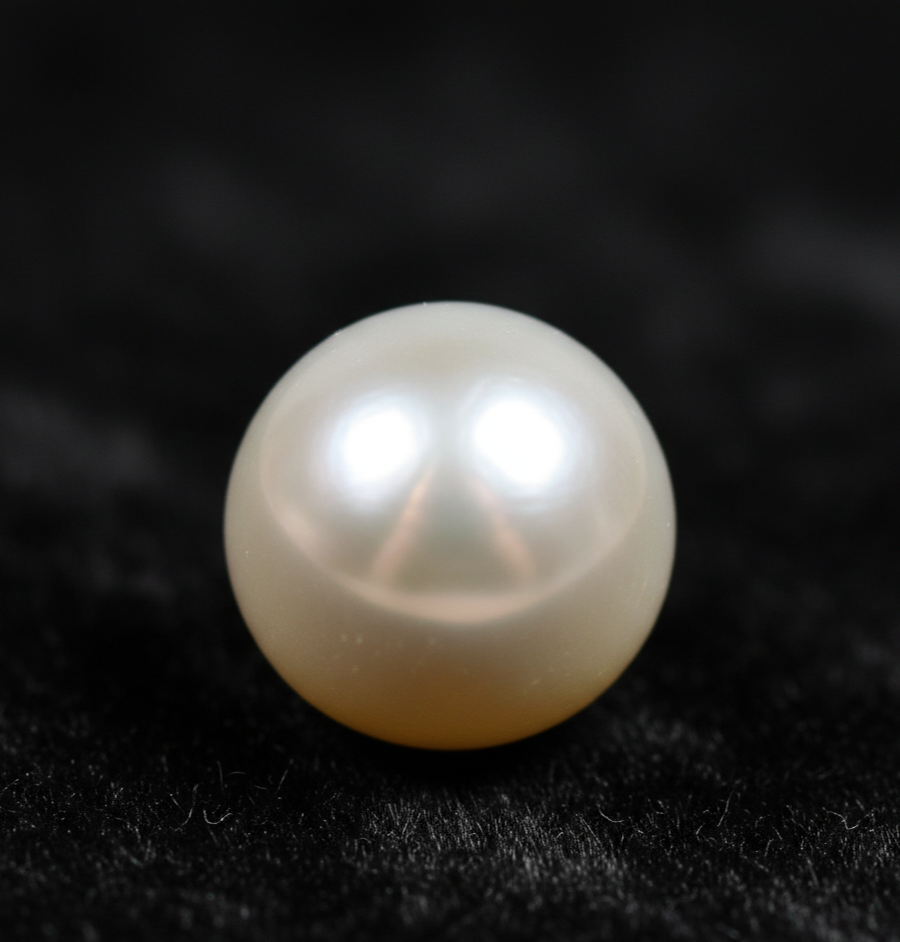
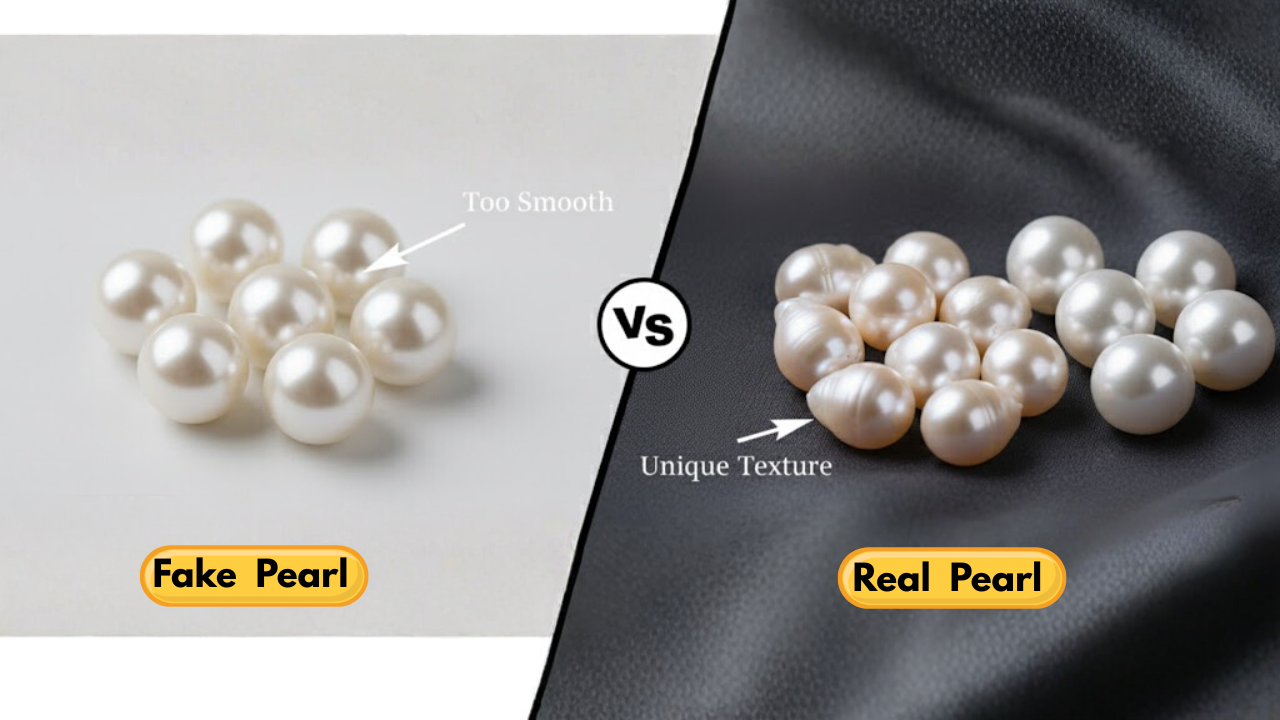
Pearls are associated with purity, innocence, and wisdom. Unlike other gemstones, pearls originate from living organisms, giving them unique symbolism.
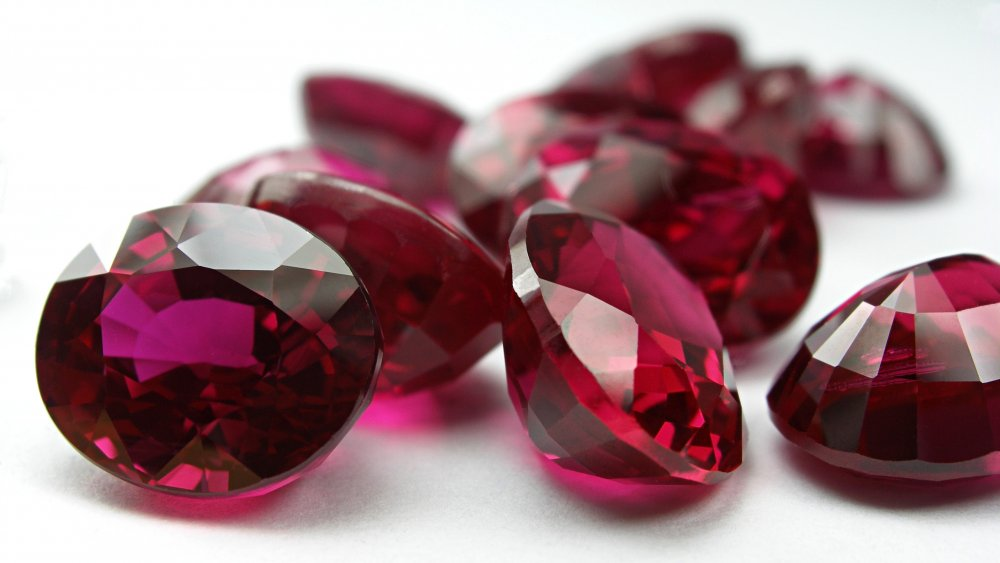
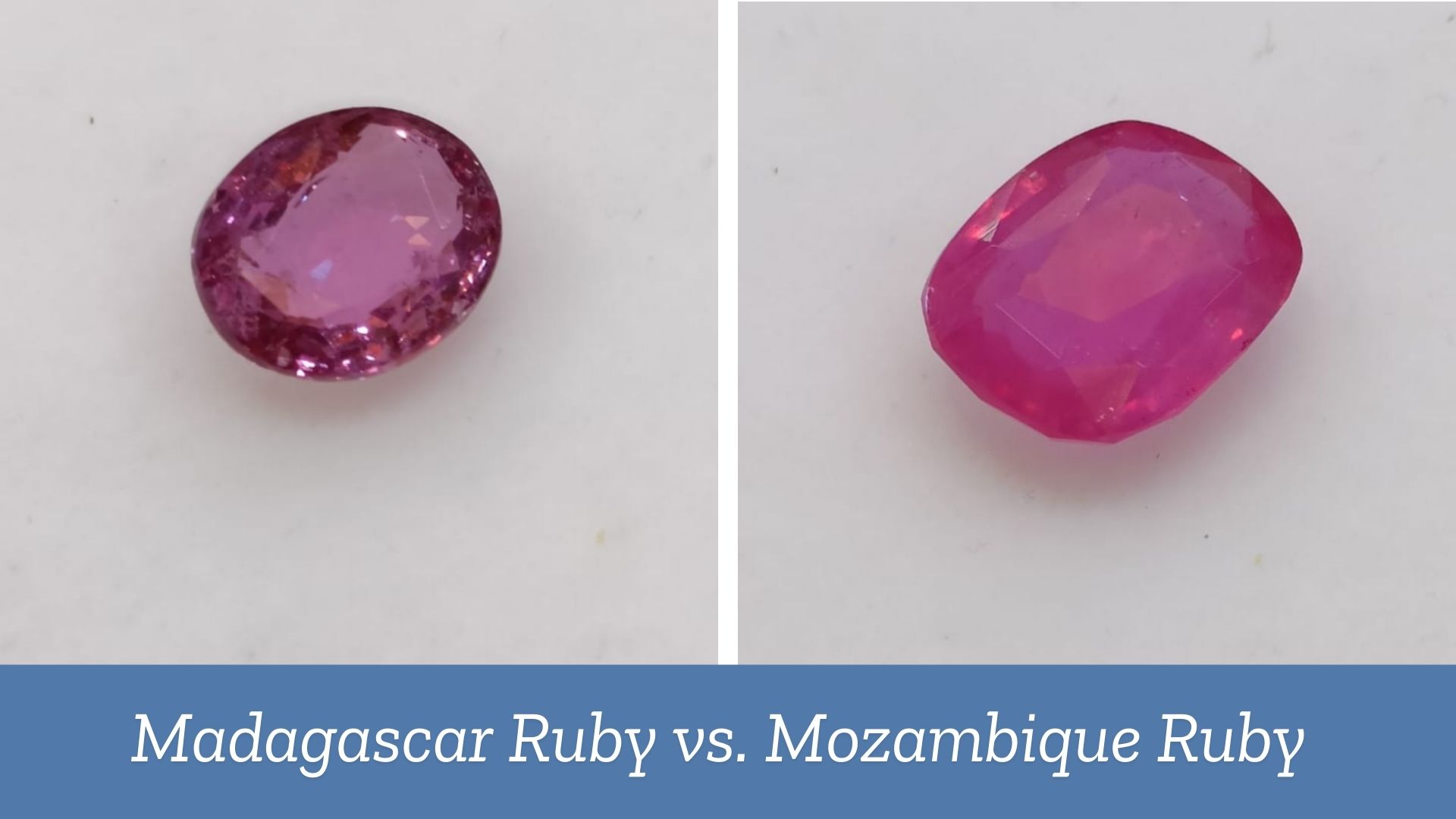
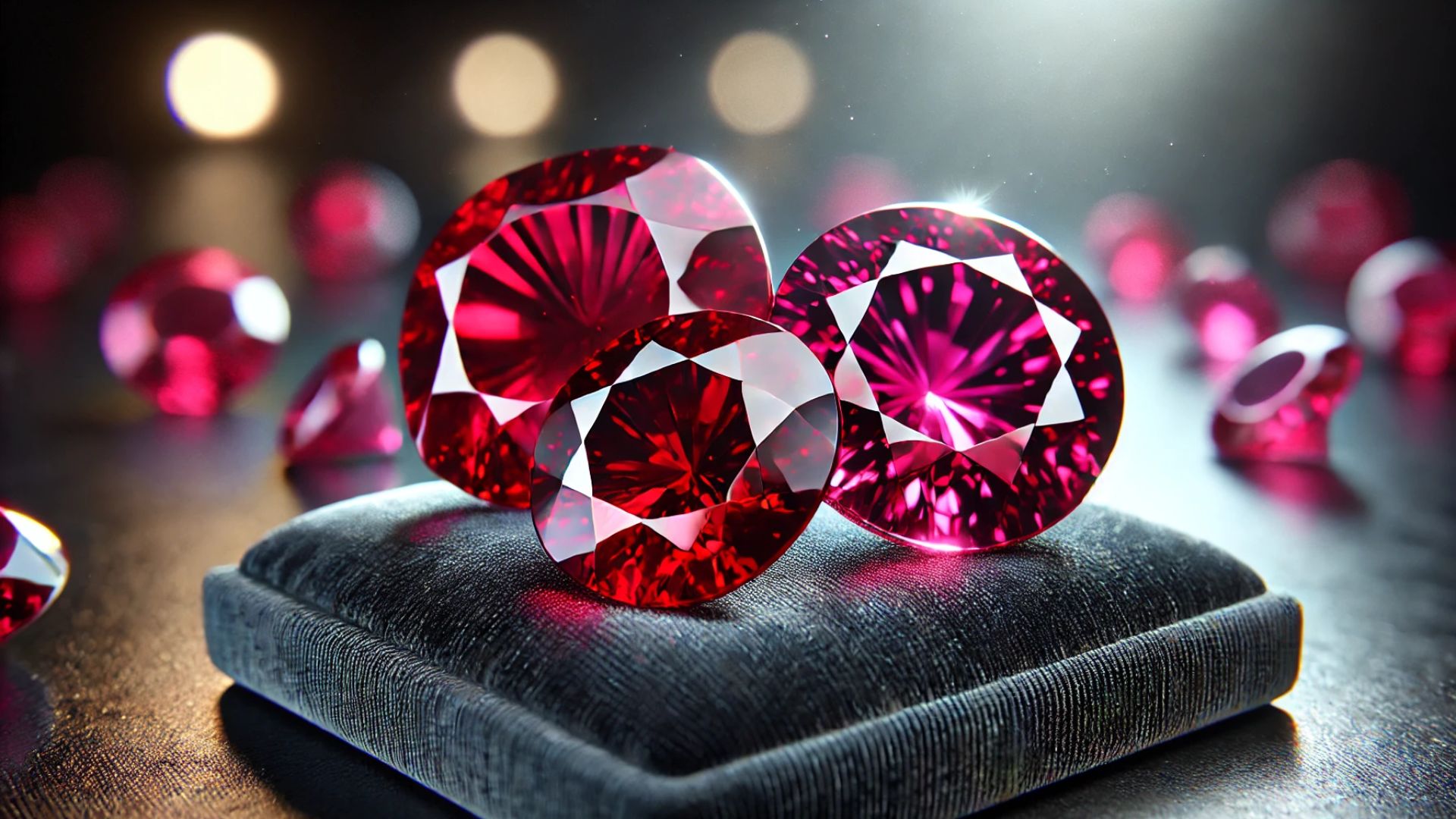
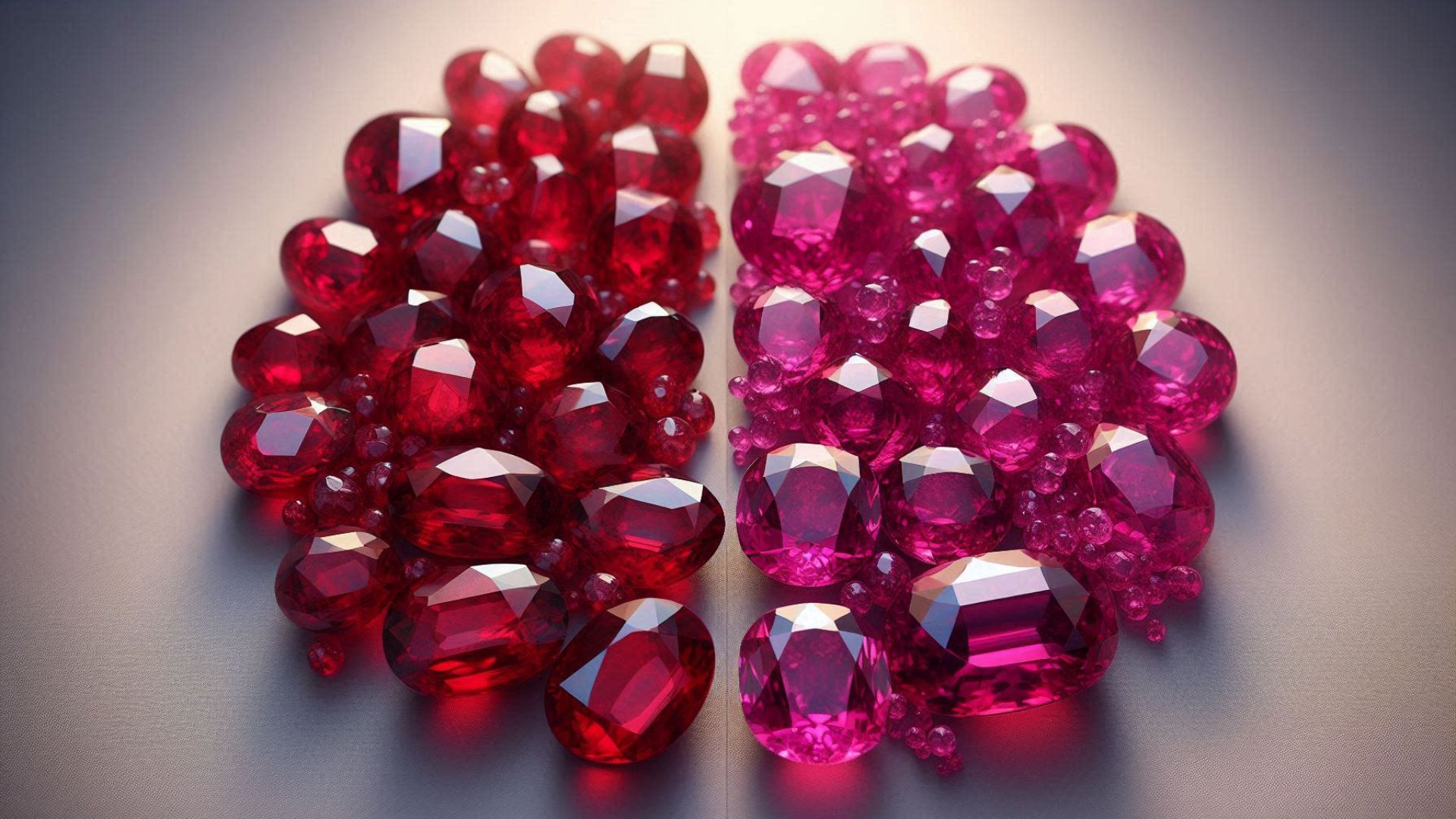
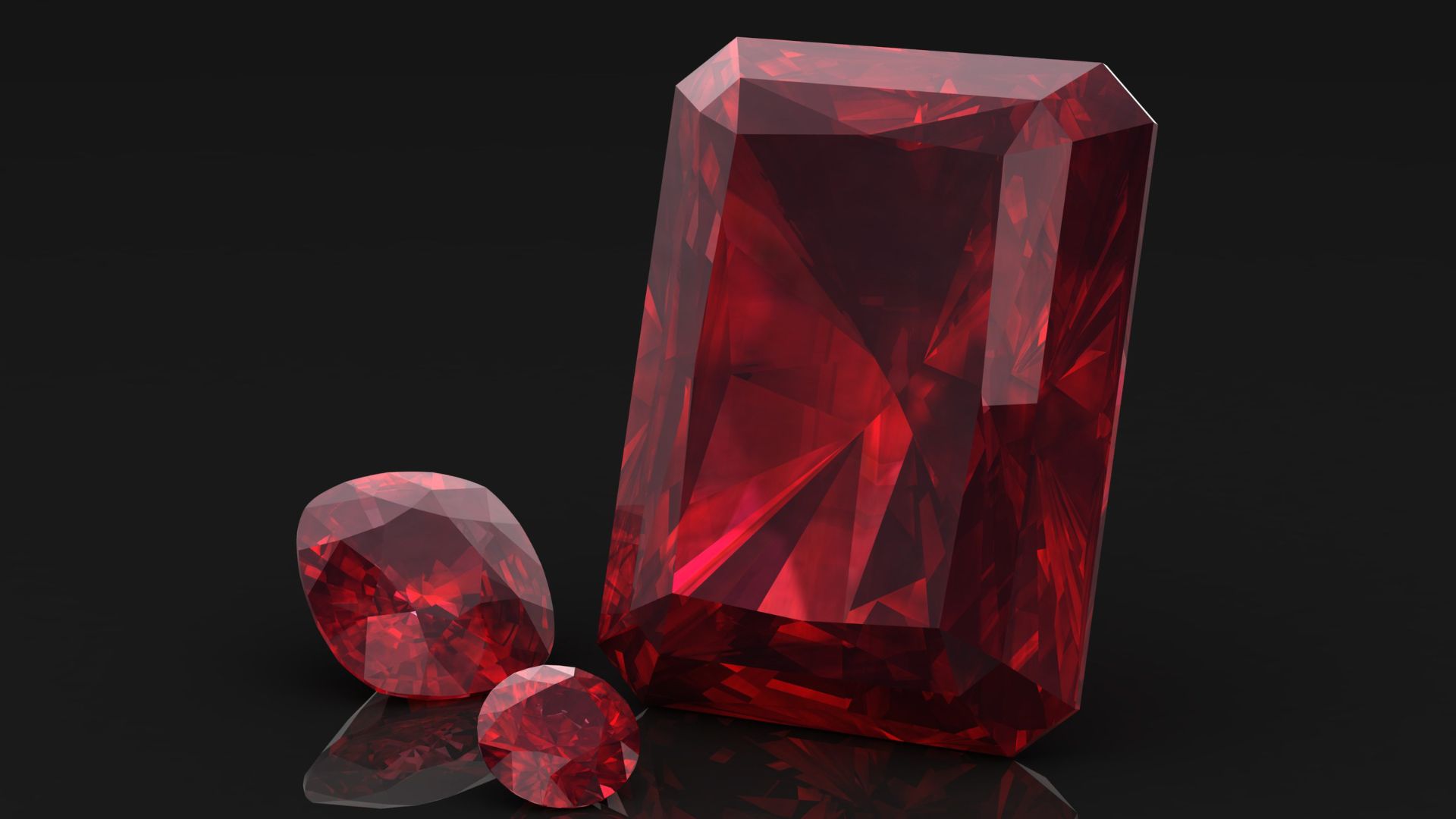
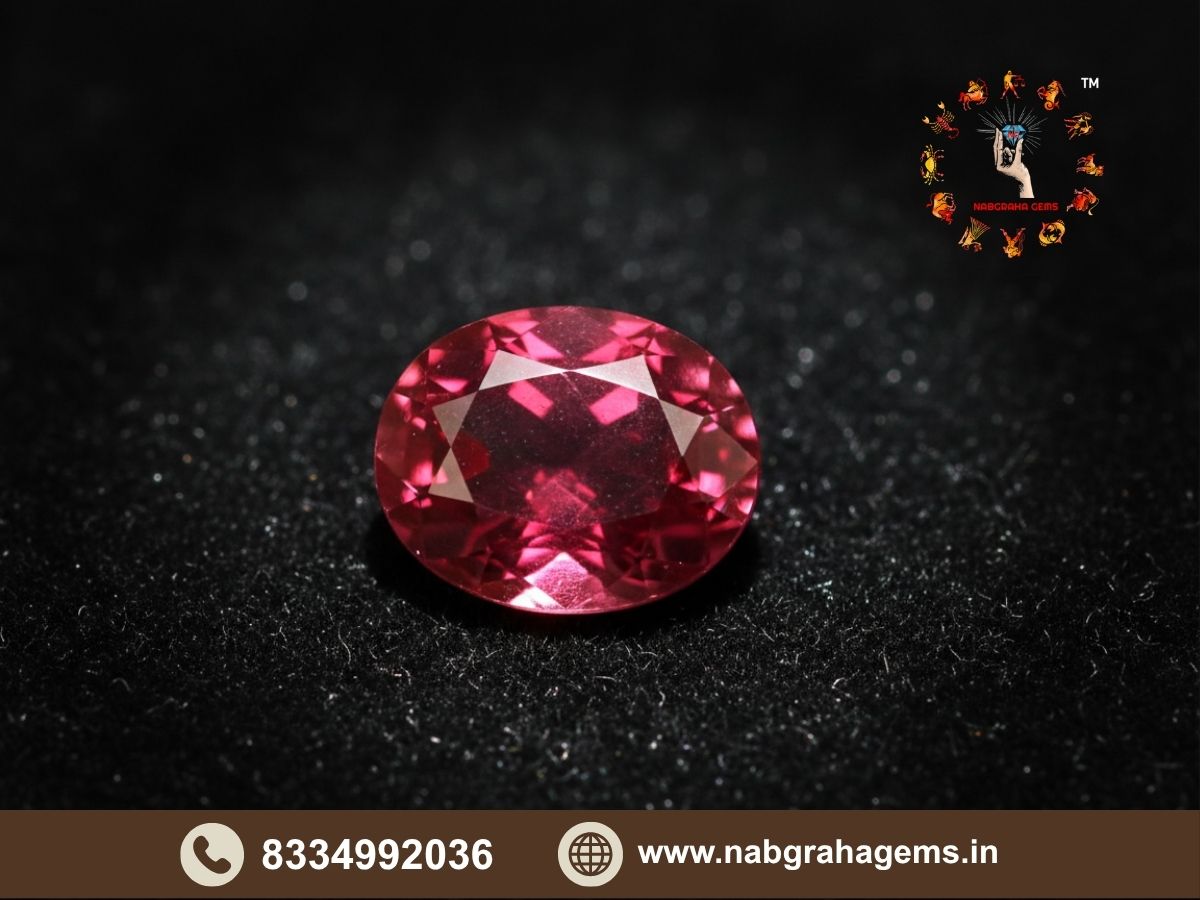
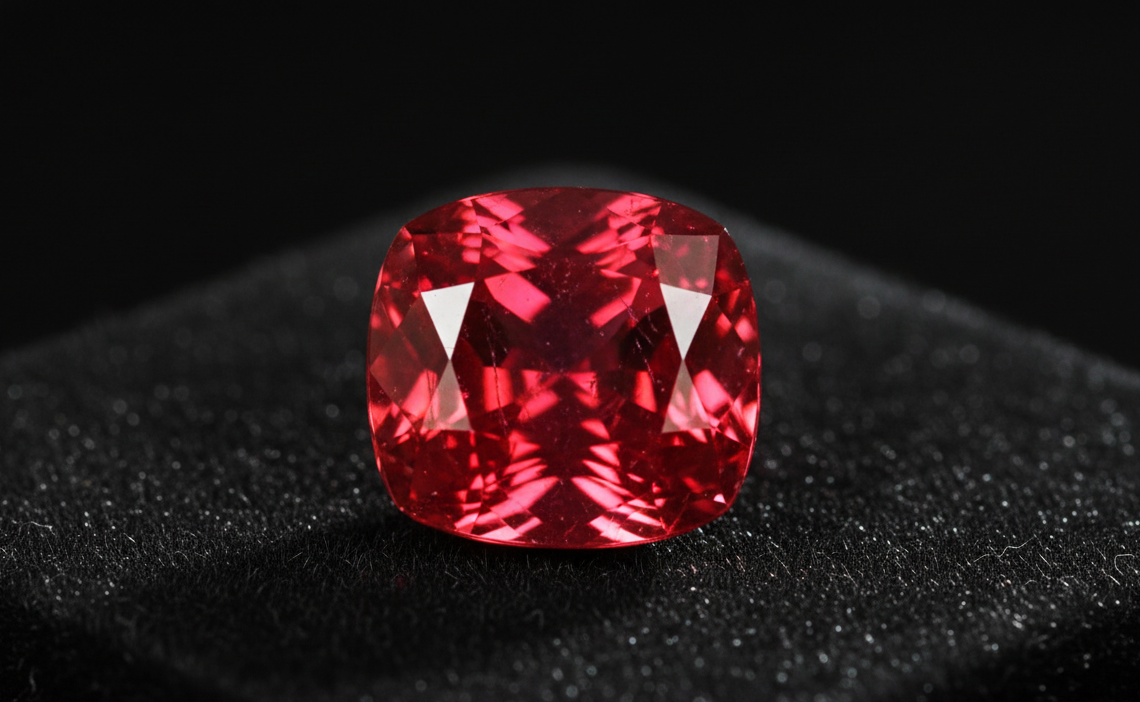
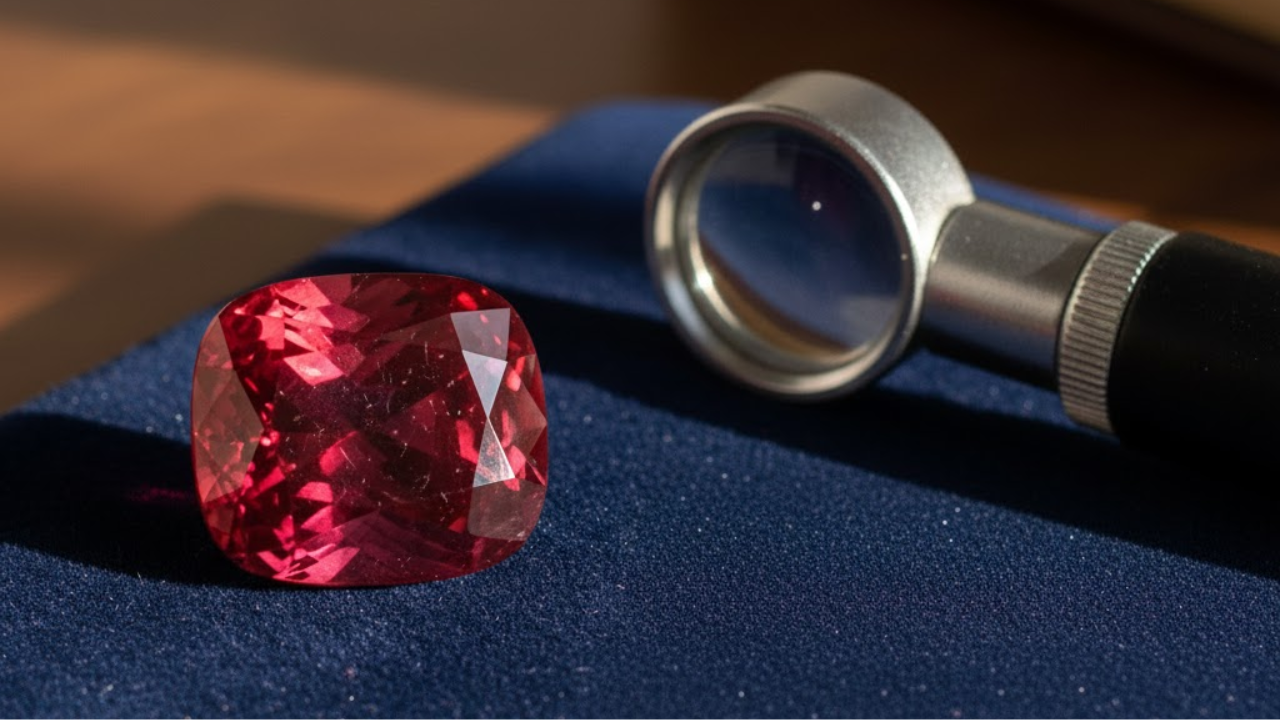
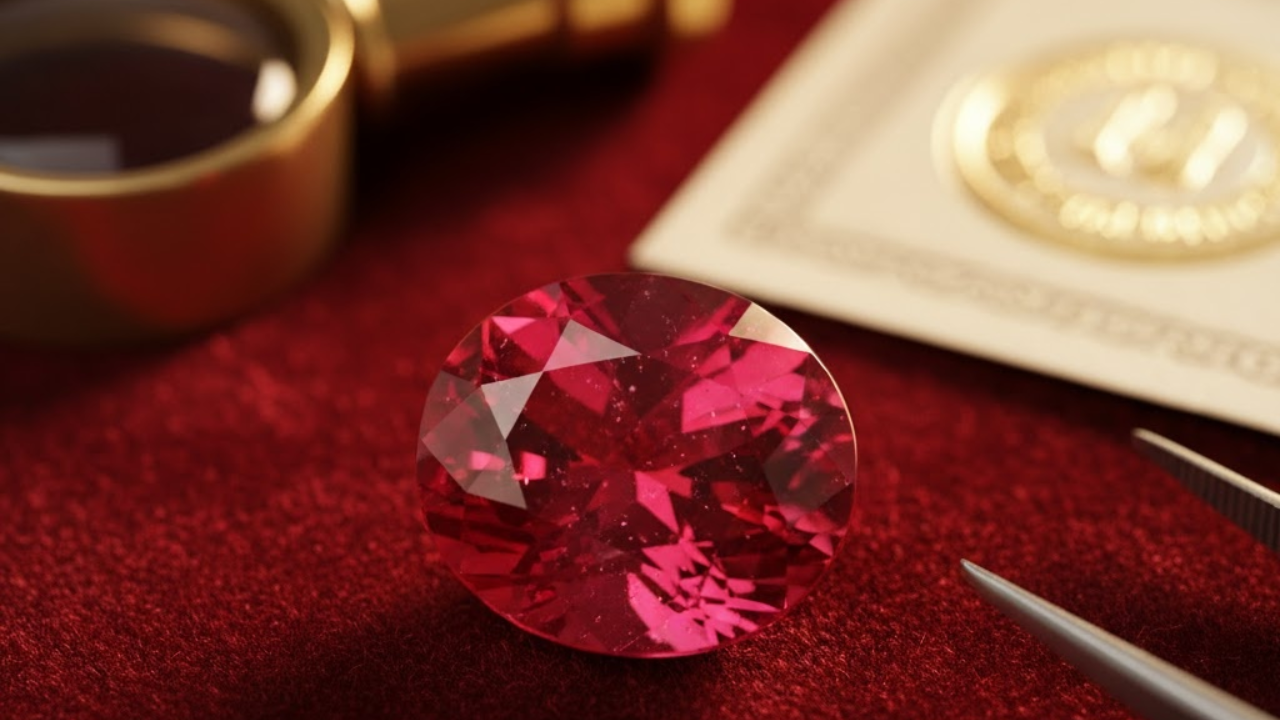
July – Ruby
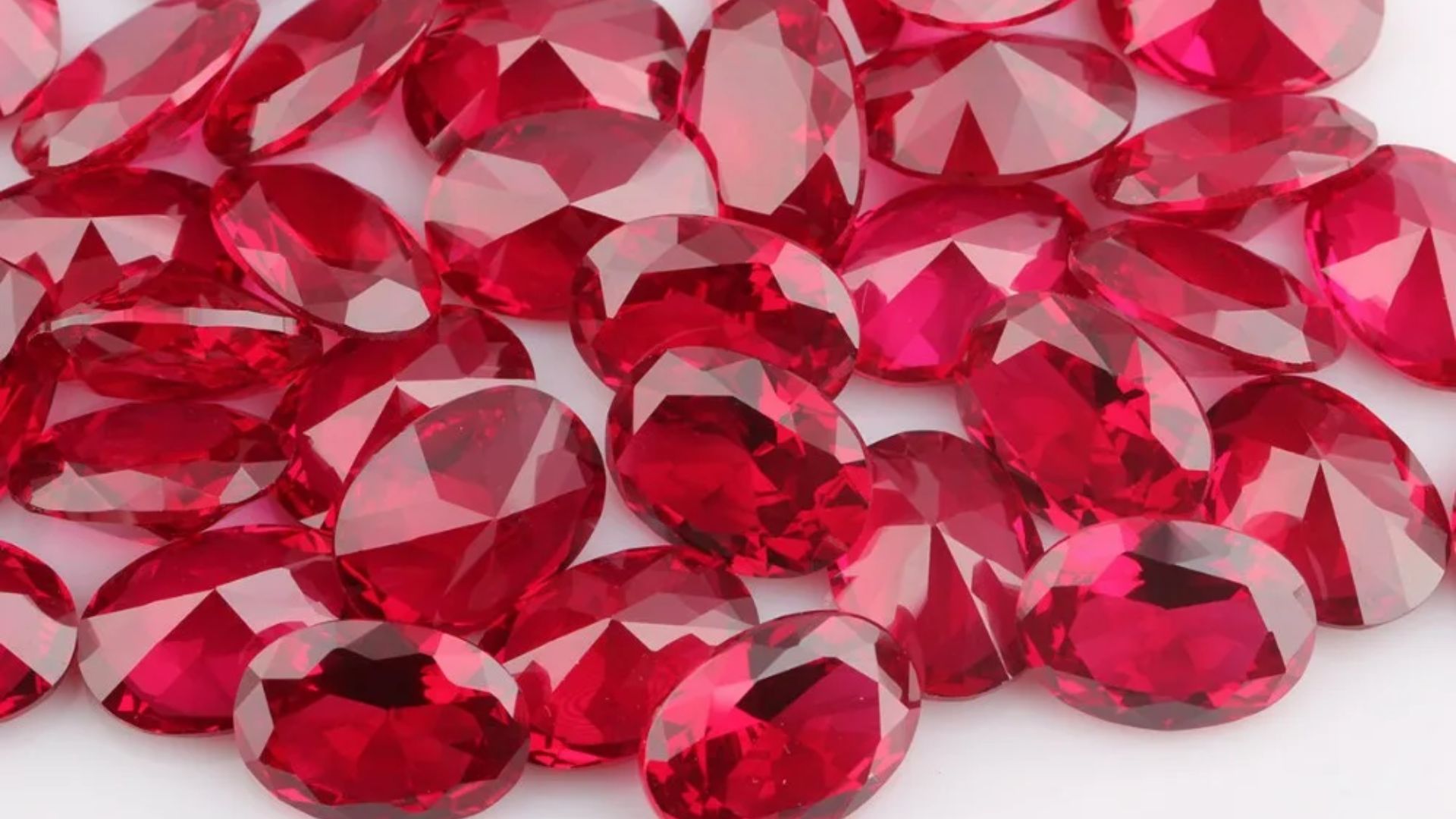
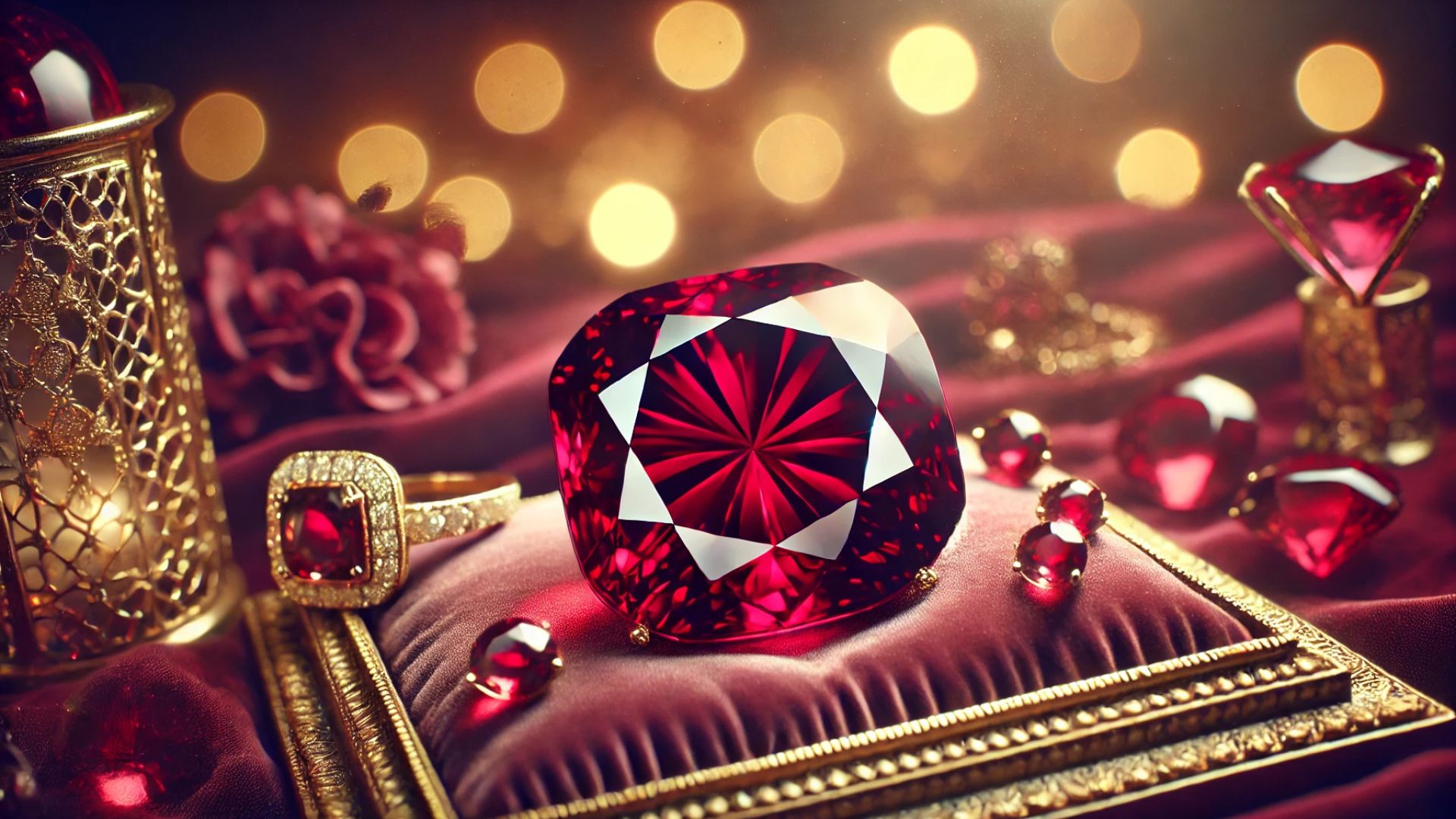
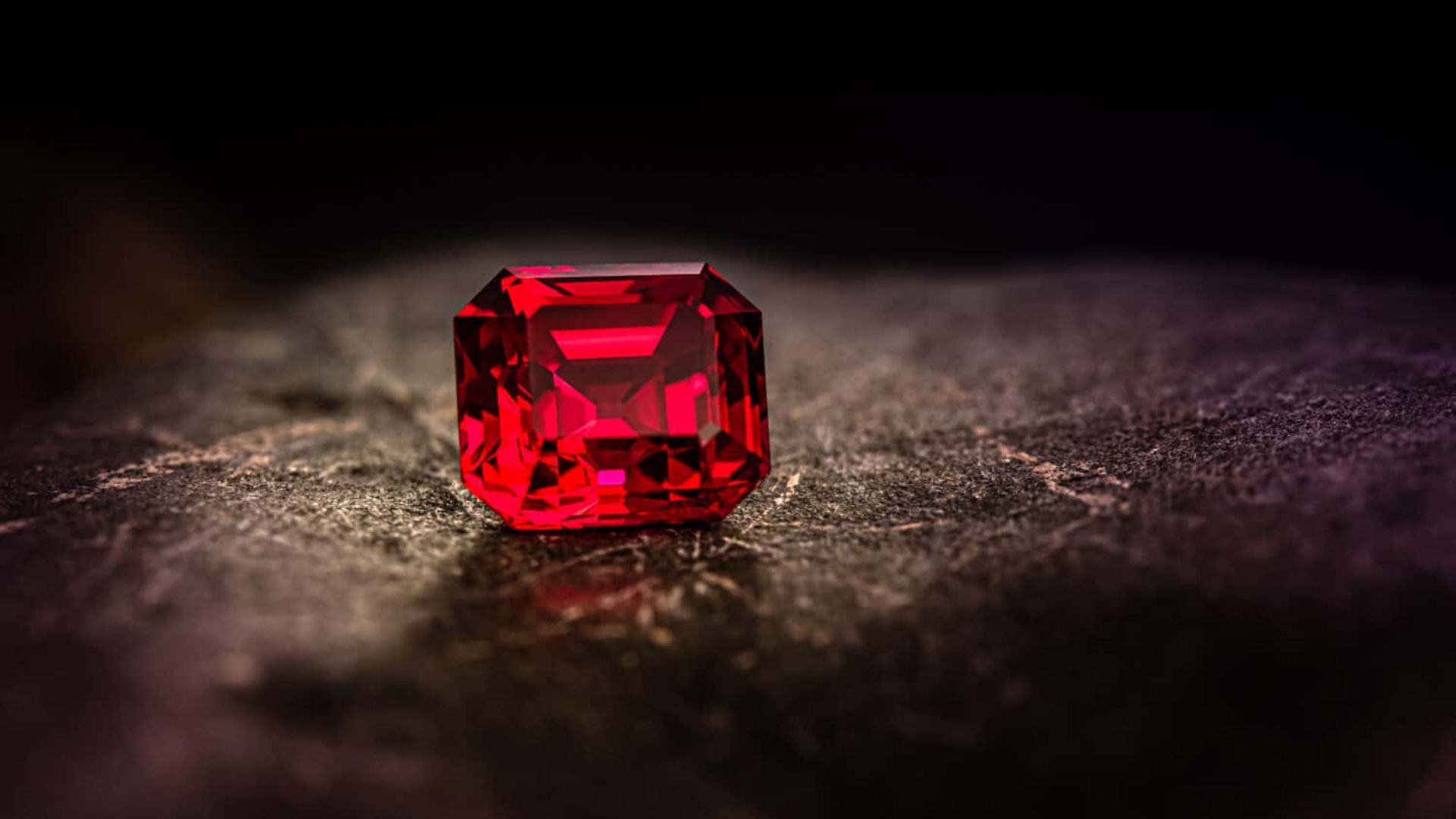
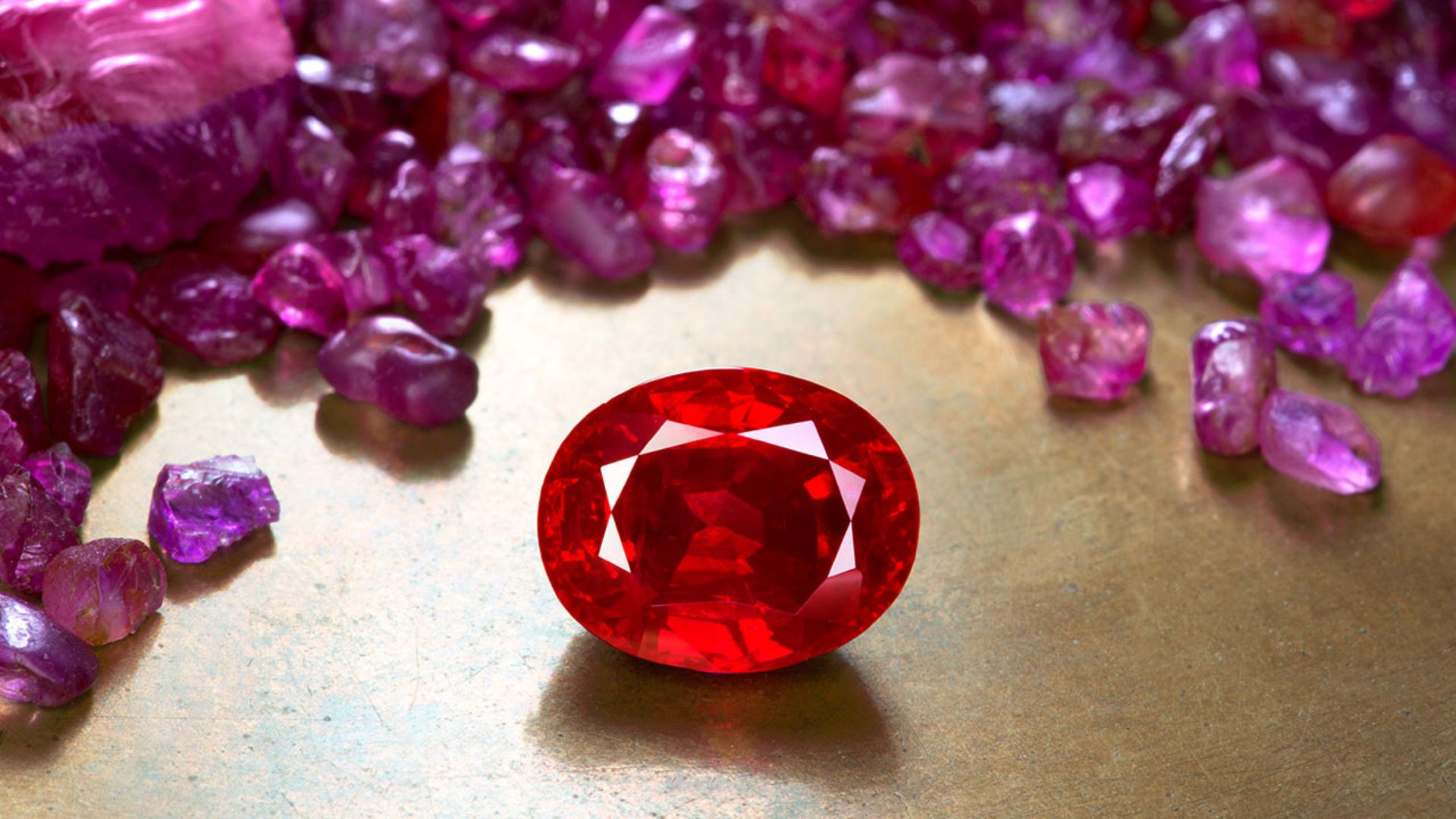
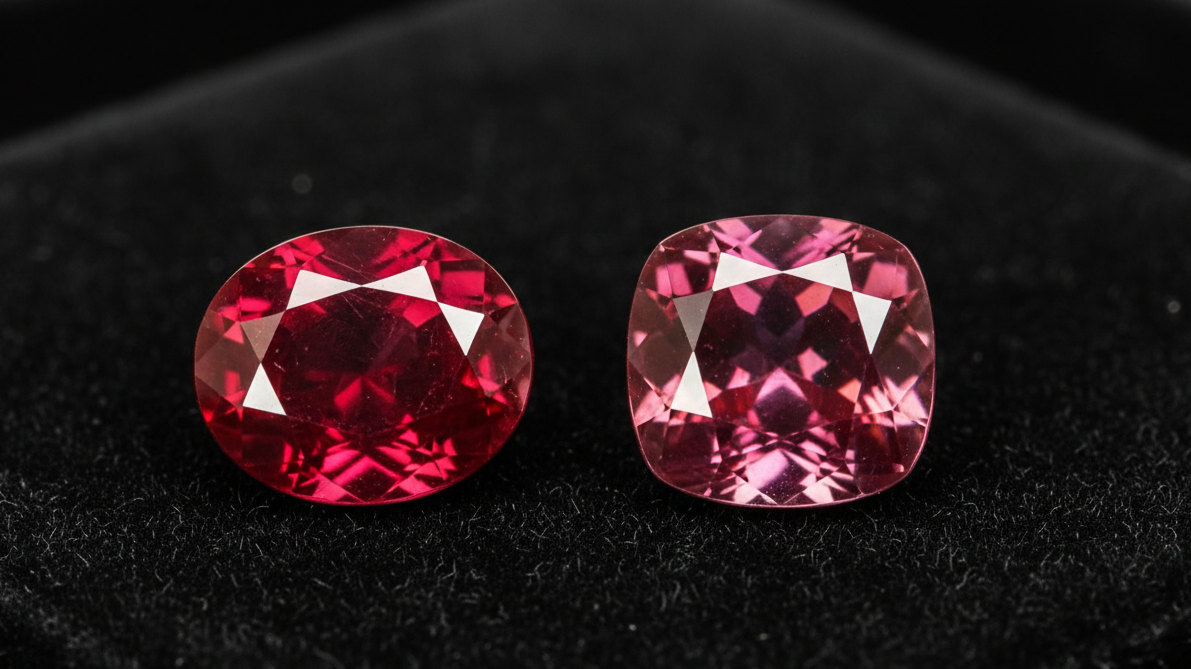
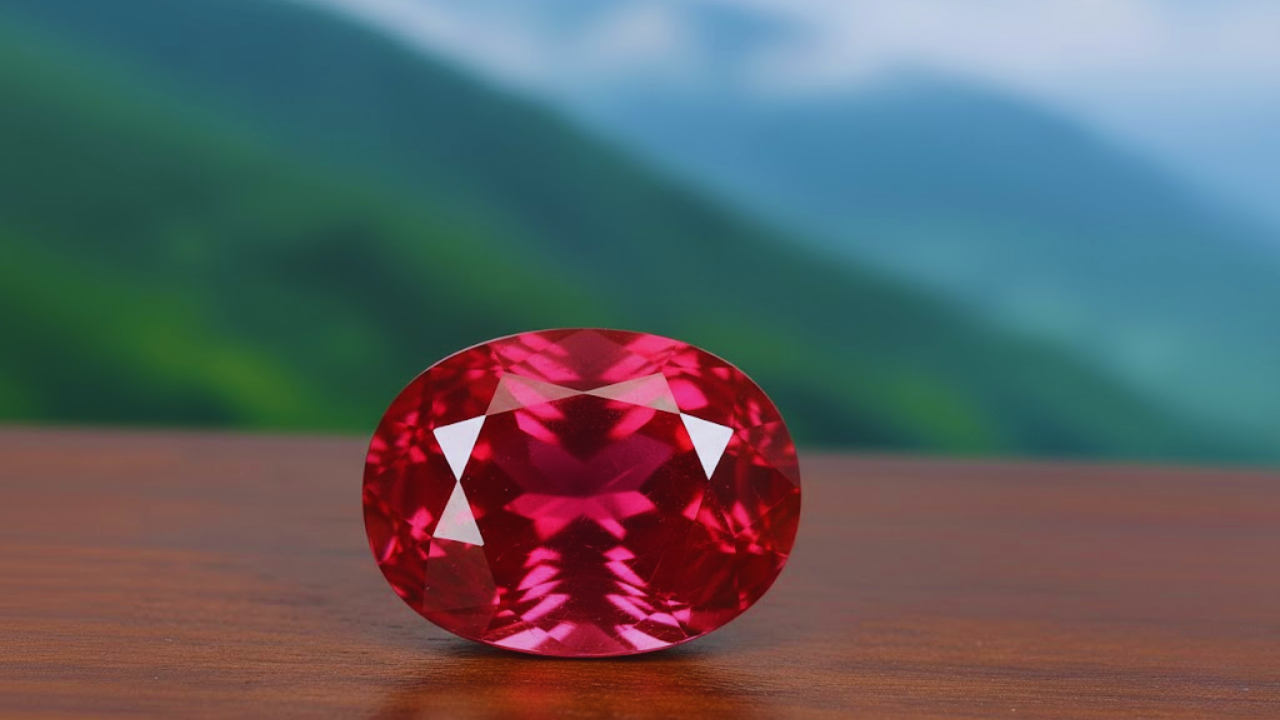
Rubies represent passion, vitality, and protection. Throughout history, they were considered among the most valuable gemstones.
August – Peridot
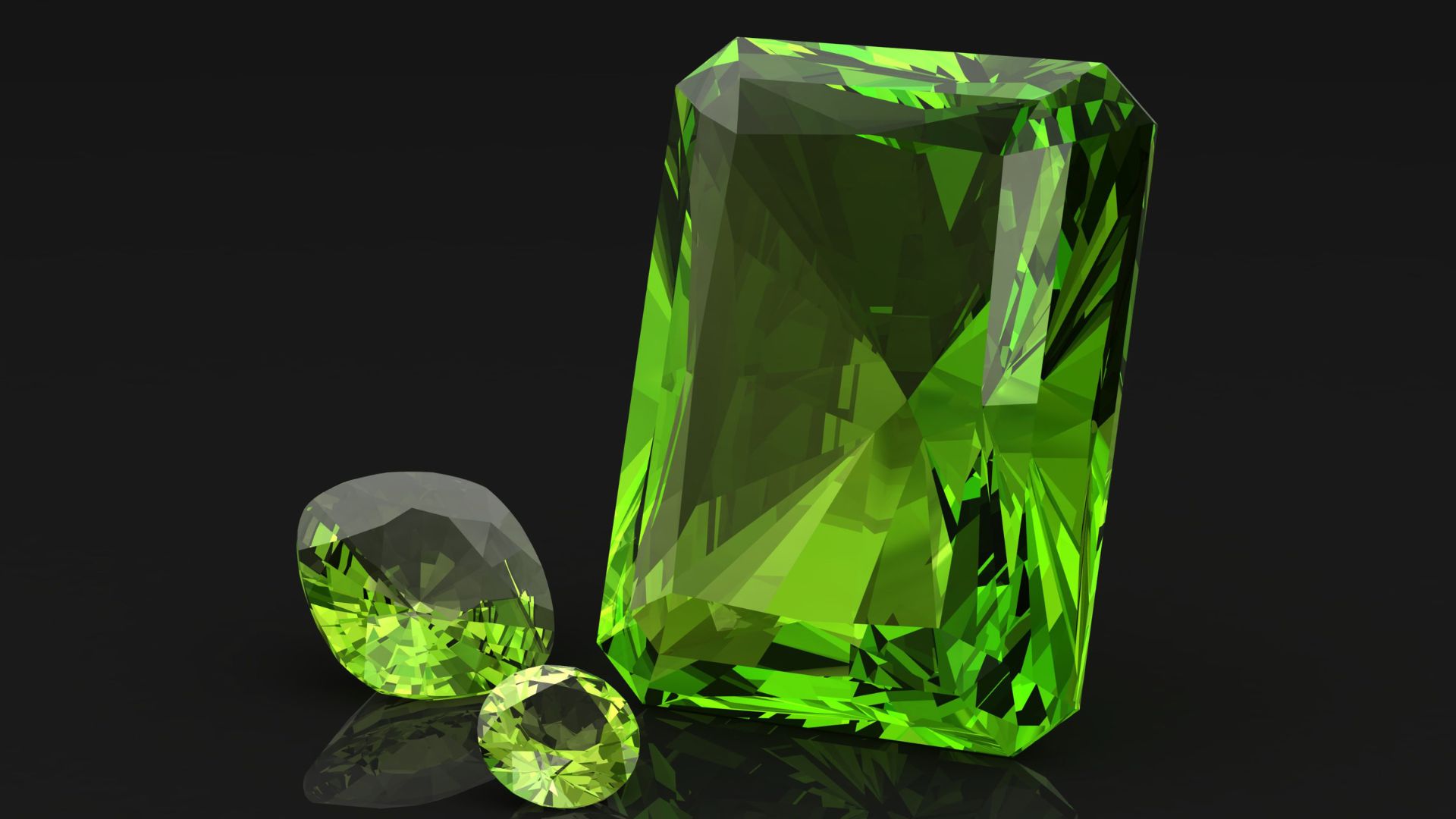
Peridot symbolizes happiness, good fortune, and protection against negative energies.
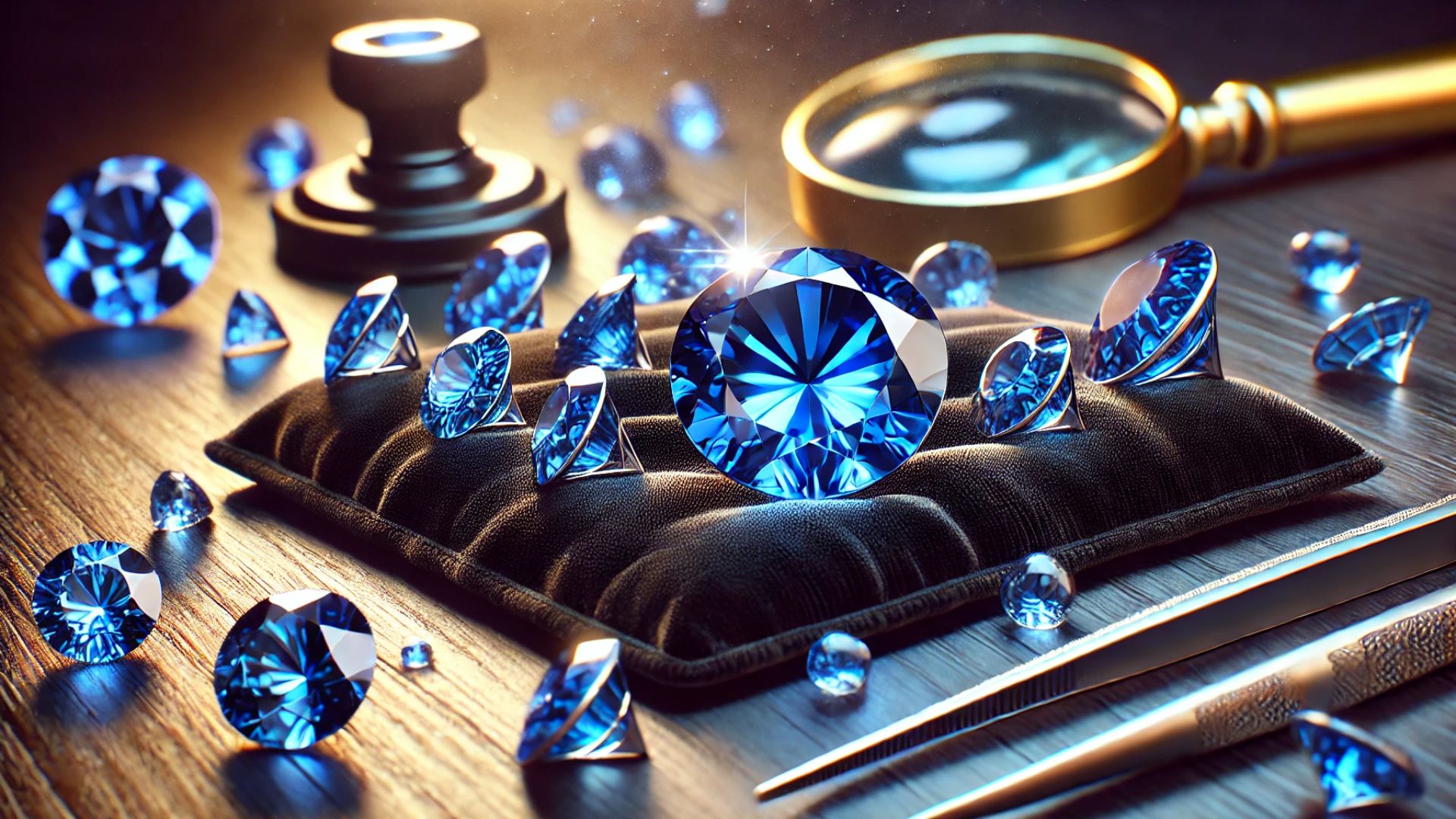
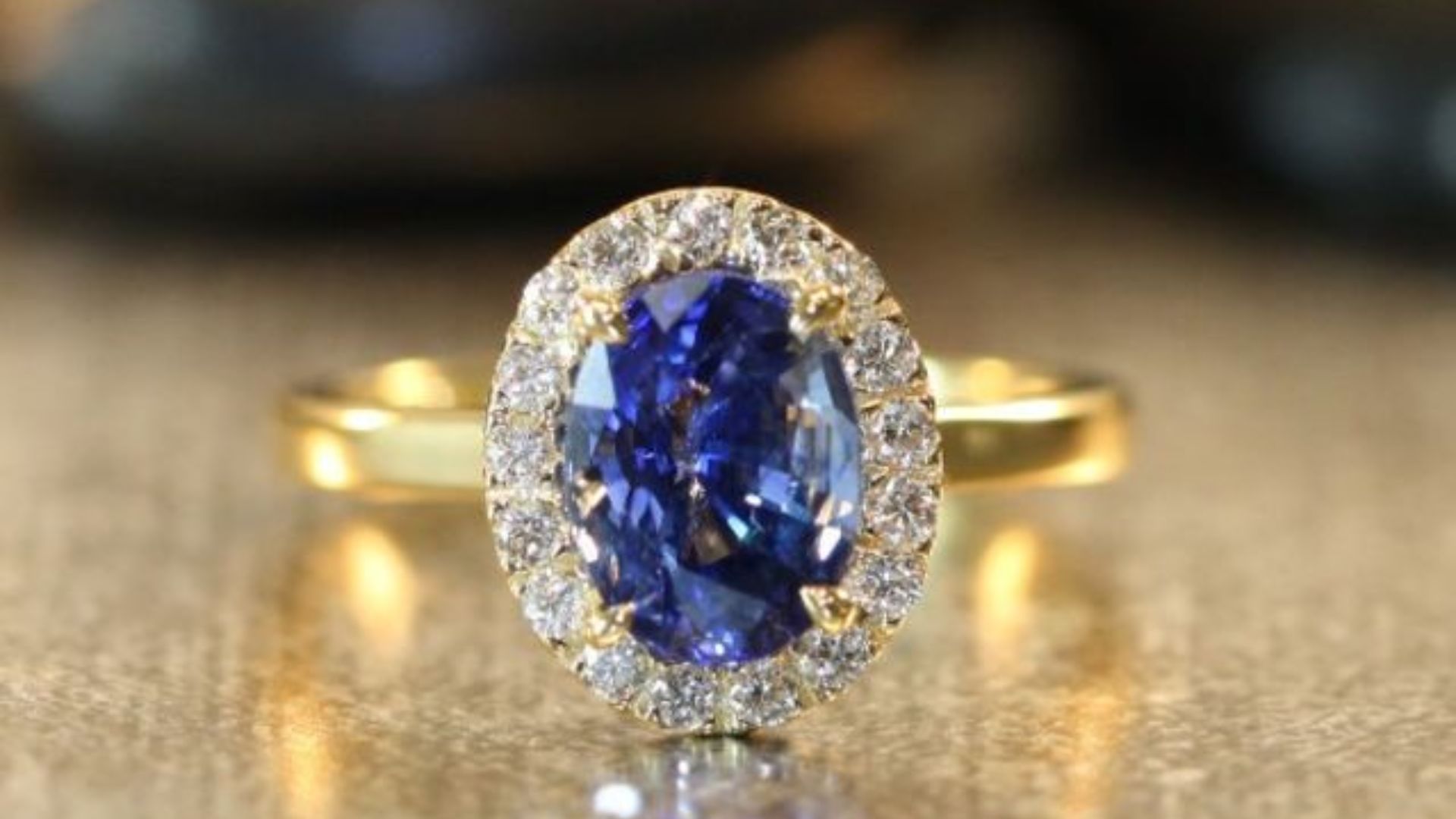
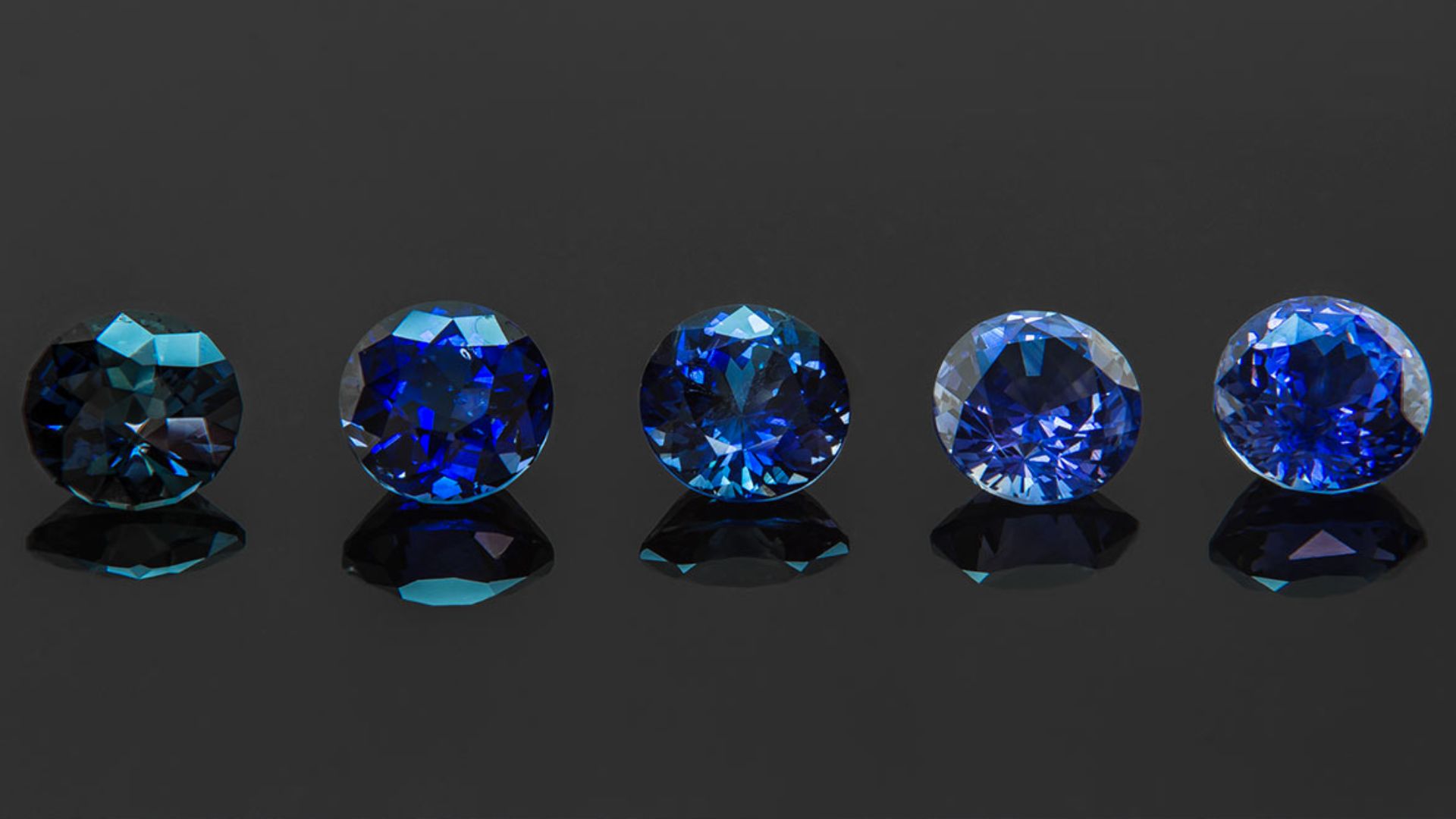
September – Sapphire
Sapphires represent wisdom, truth, and loyalty. Medieval clergy often wore sapphires as symbols of divine favor.
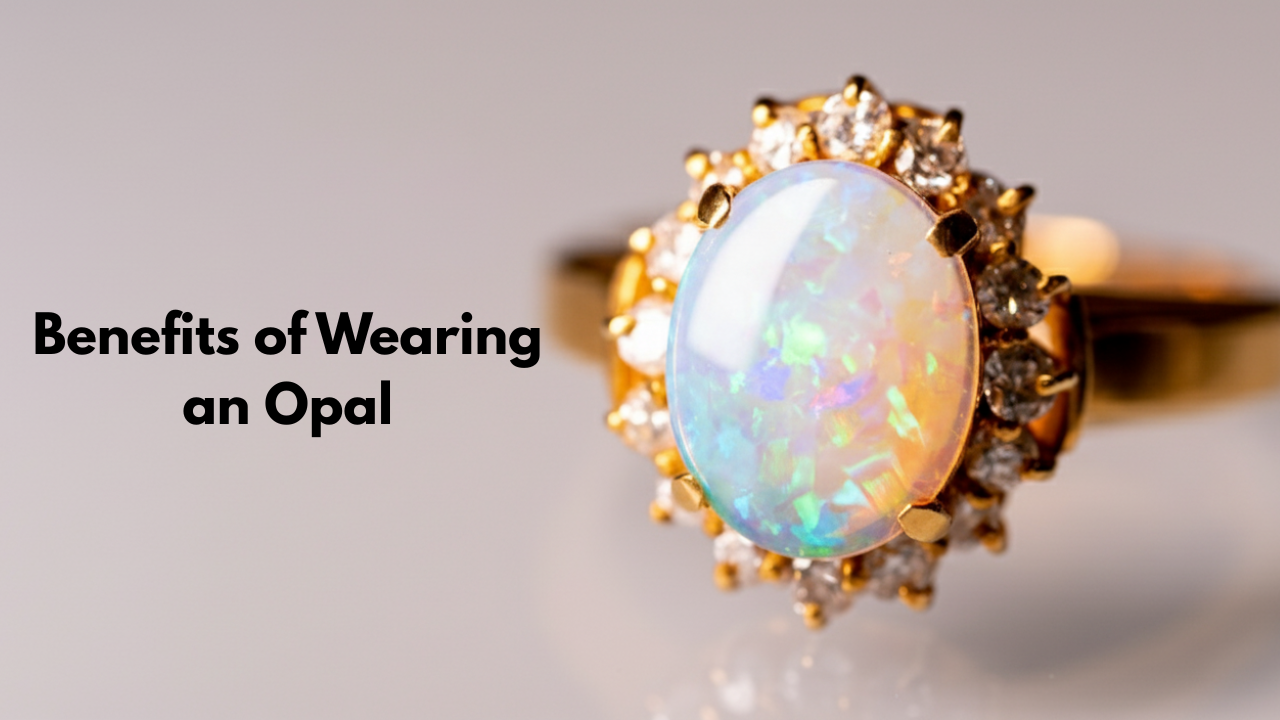
October – Opal
Opals symbolize creativity, imagination, and hope. Their changing colors inspired countless legends.
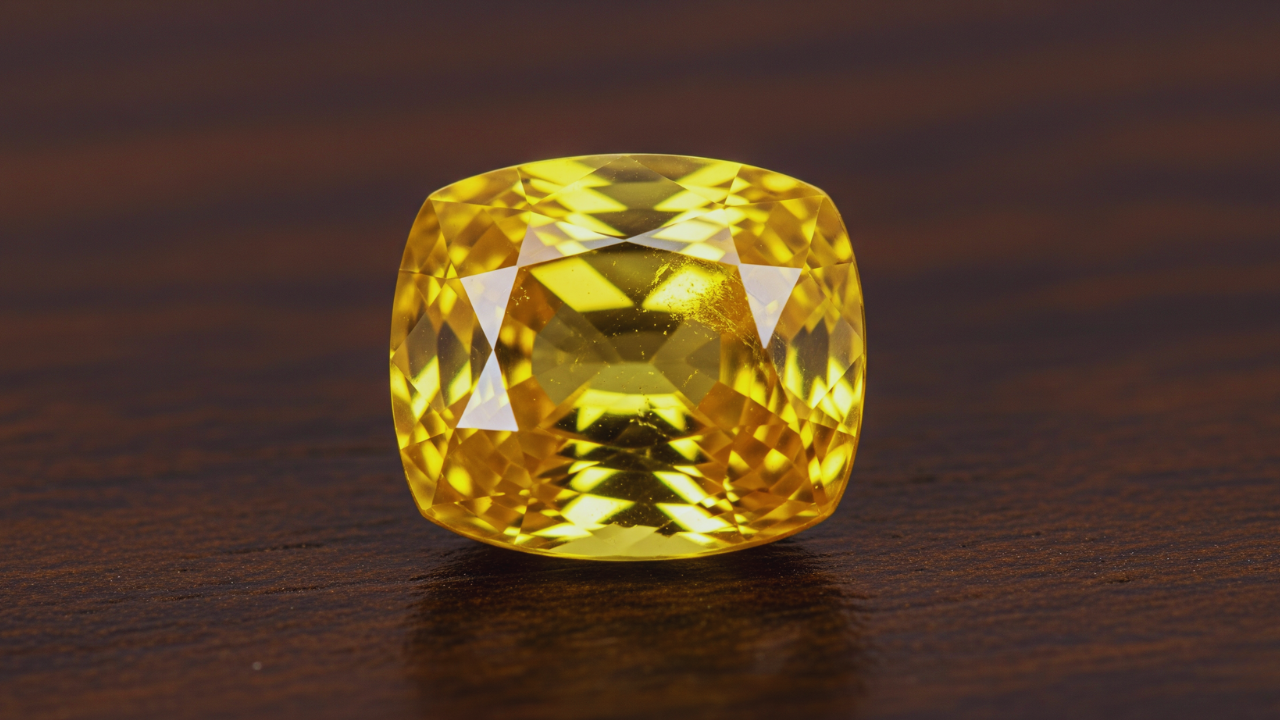
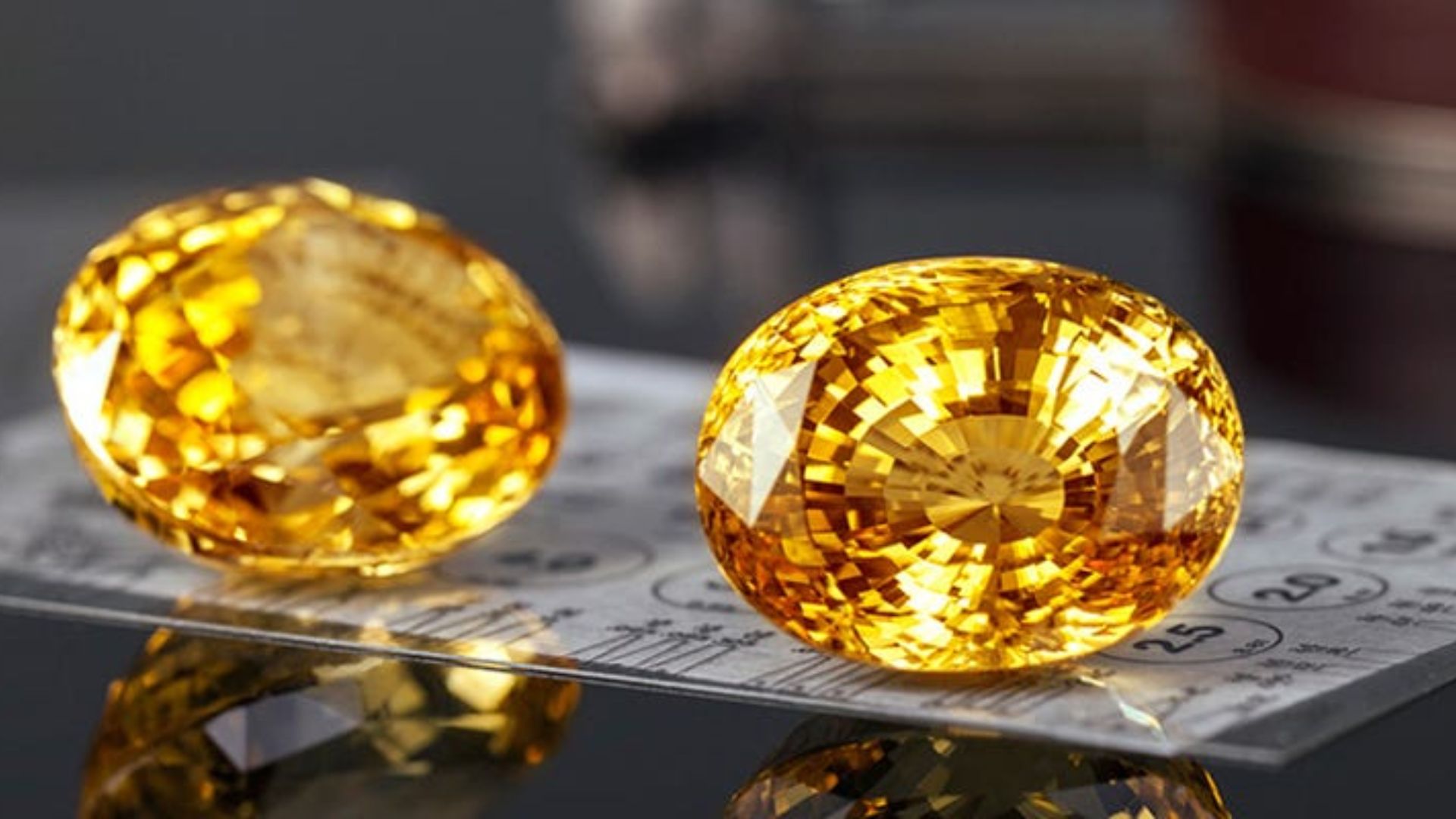
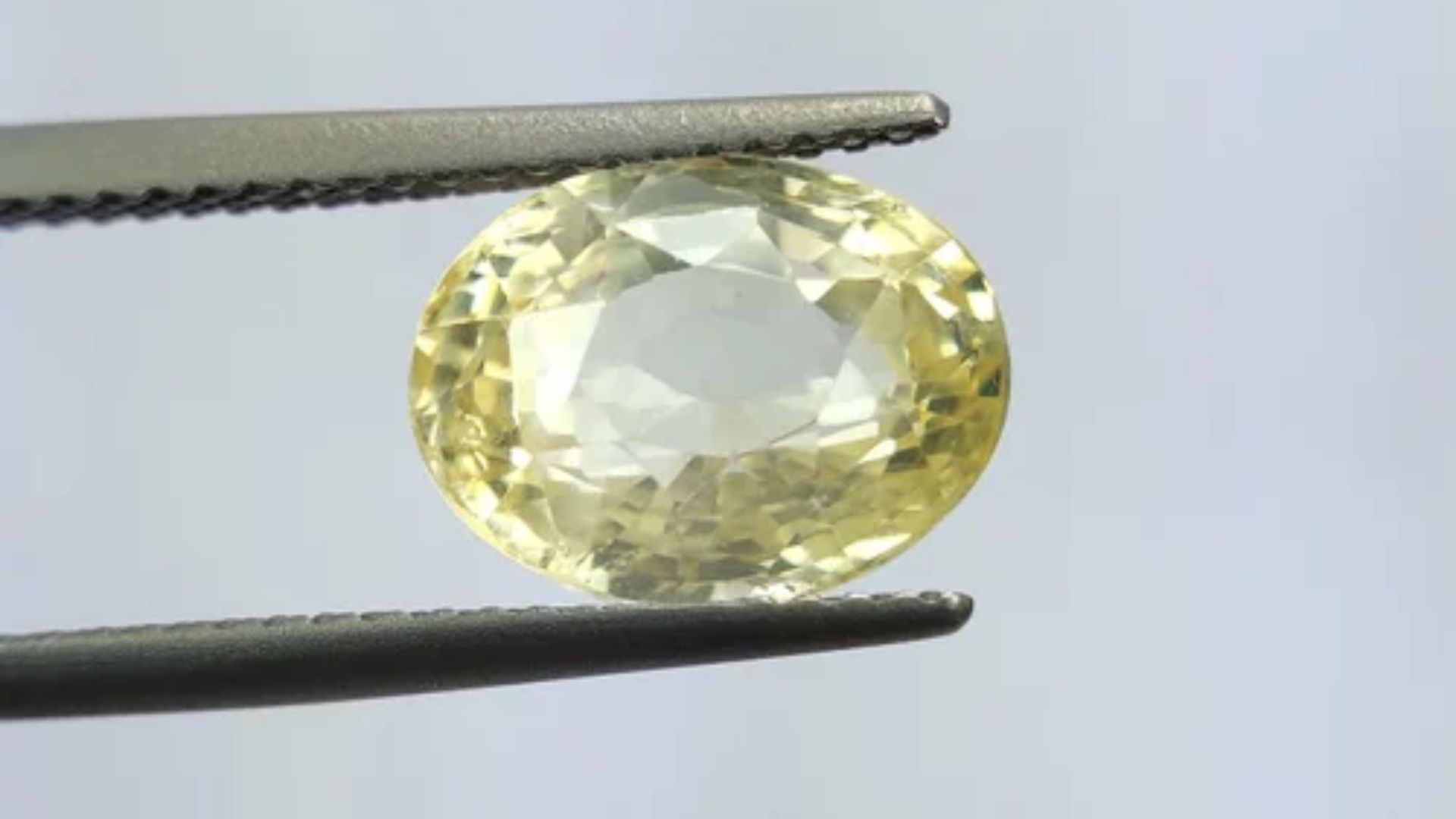
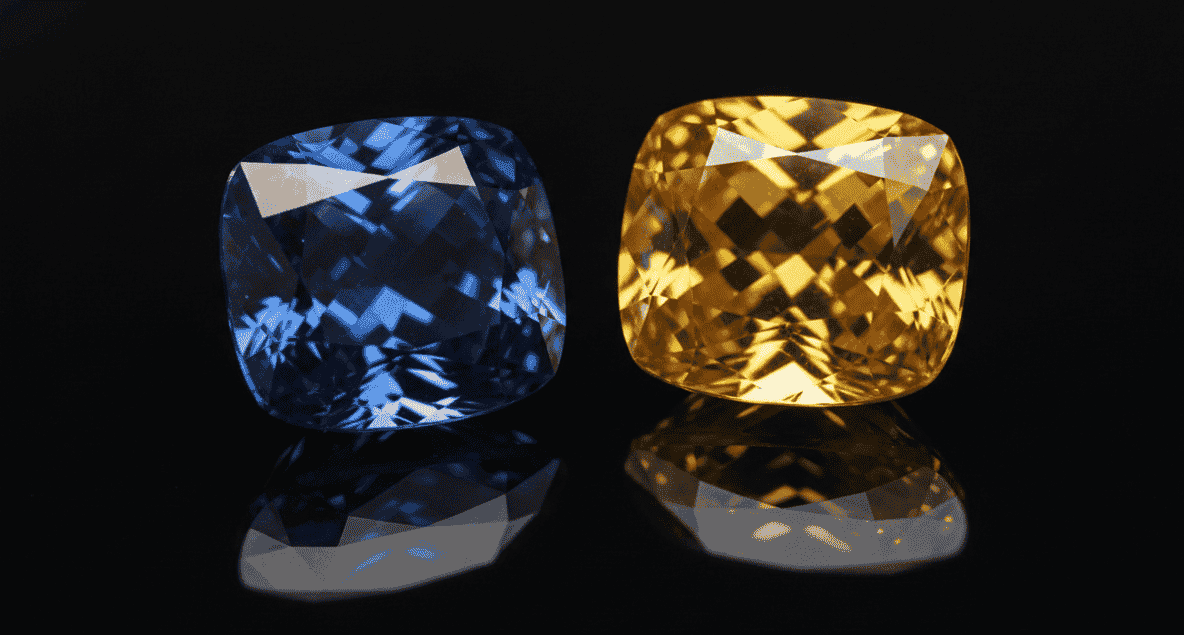
November – Topaz
Topaz is associated with abundance, strength, and emotional balance.
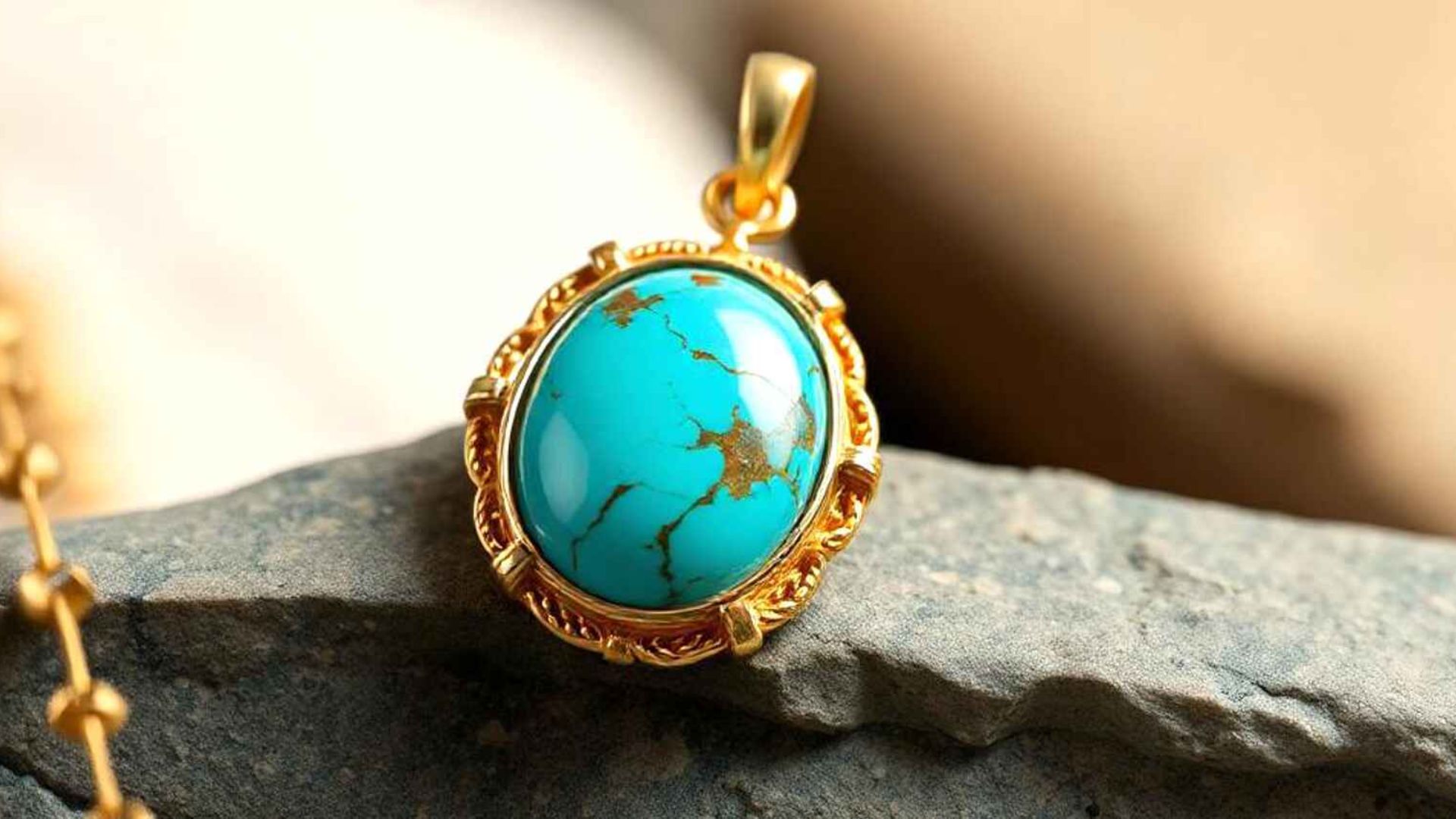
December – Turquoise
Turquoise symbolizes protection, healing, and spiritual connection.
These enduring birthstone meanings continue to influence jewelry choices and gift-giving traditions worldwide.
Birthstone Myths and Legends Across Cultures
One reason gemstones remain fascinating is the abundance of birthstone myths and legends surrounding them.
The Curse and Blessing of Opals
During the Middle Ages, opals were believed to possess all the virtues of every gemstone because they displayed multiple colors.
However, a 19th-century novel popularized the belief that opals brought bad luck, causing demand to decline dramatically. Despite this superstition, many cultures still regard opals as symbols of hope and creativity.
Rubies as Living Stones
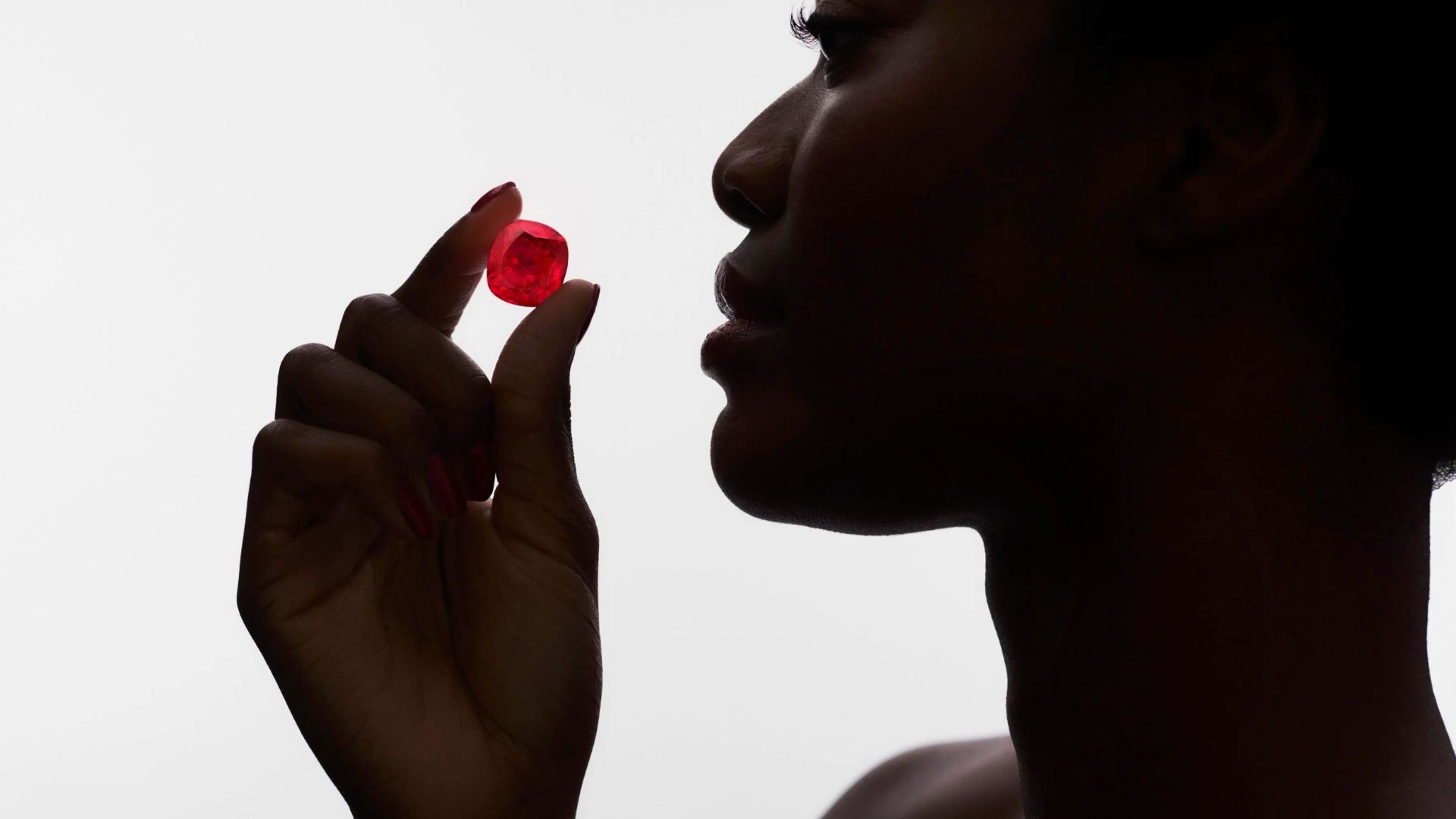
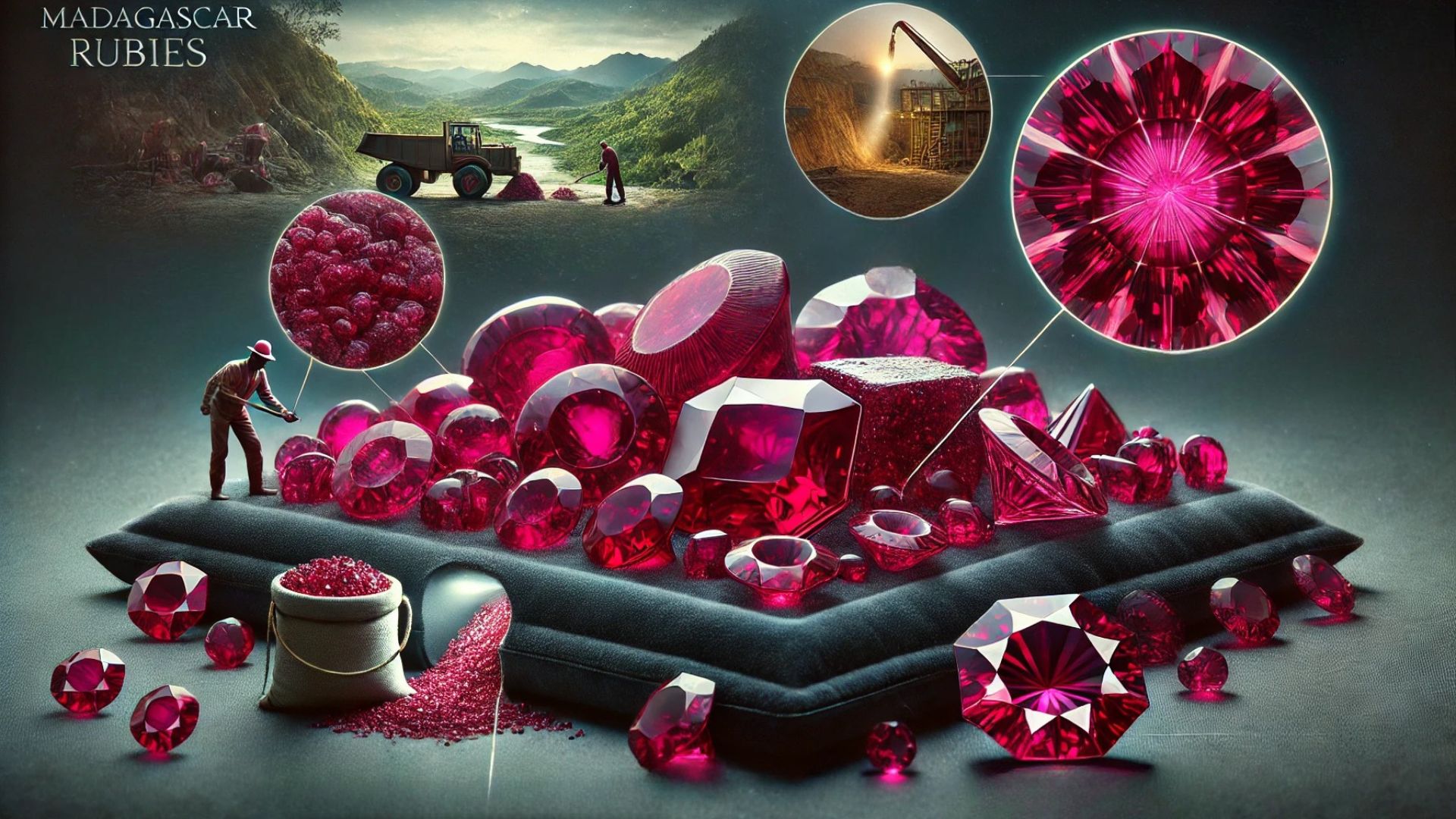
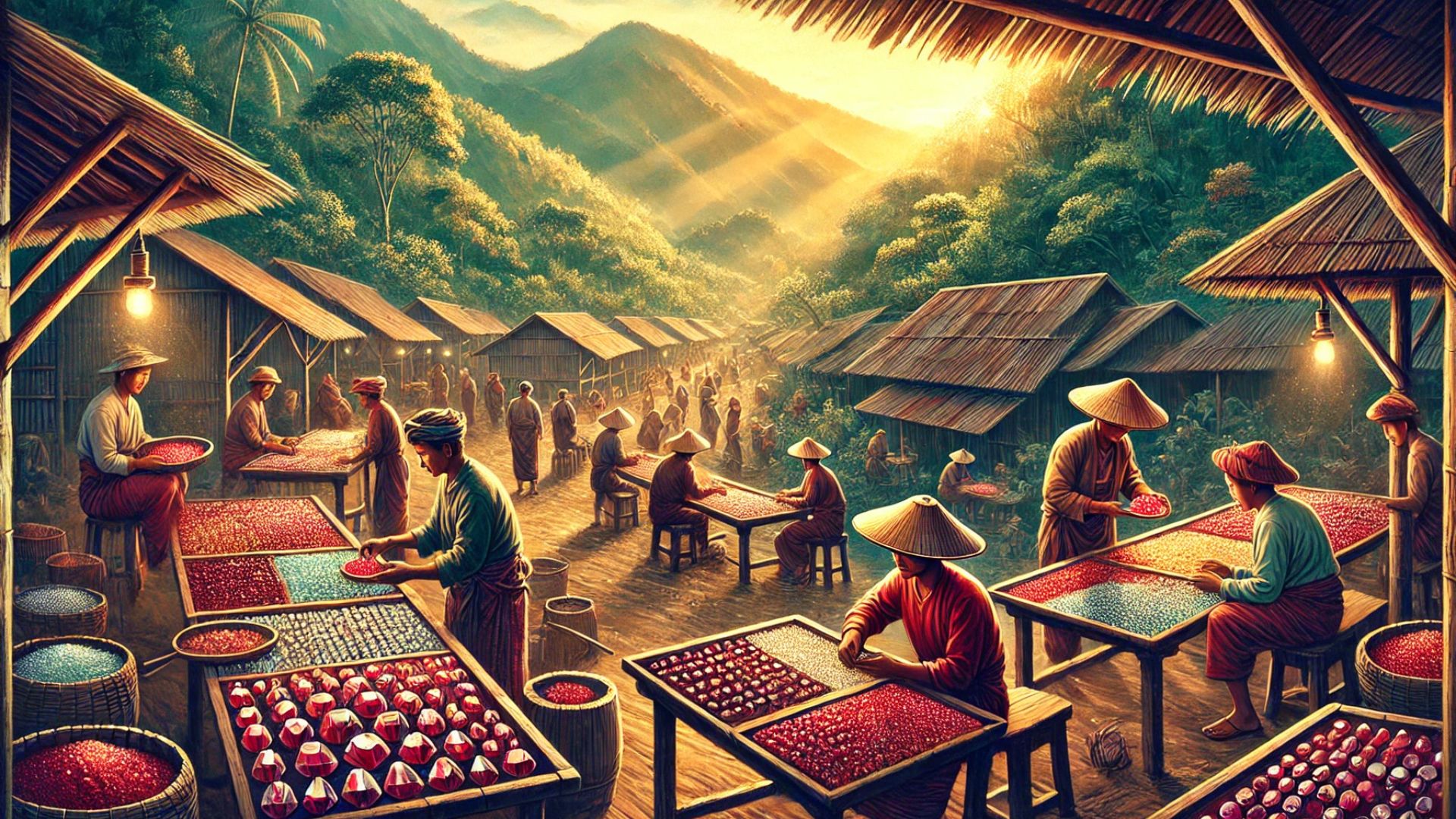
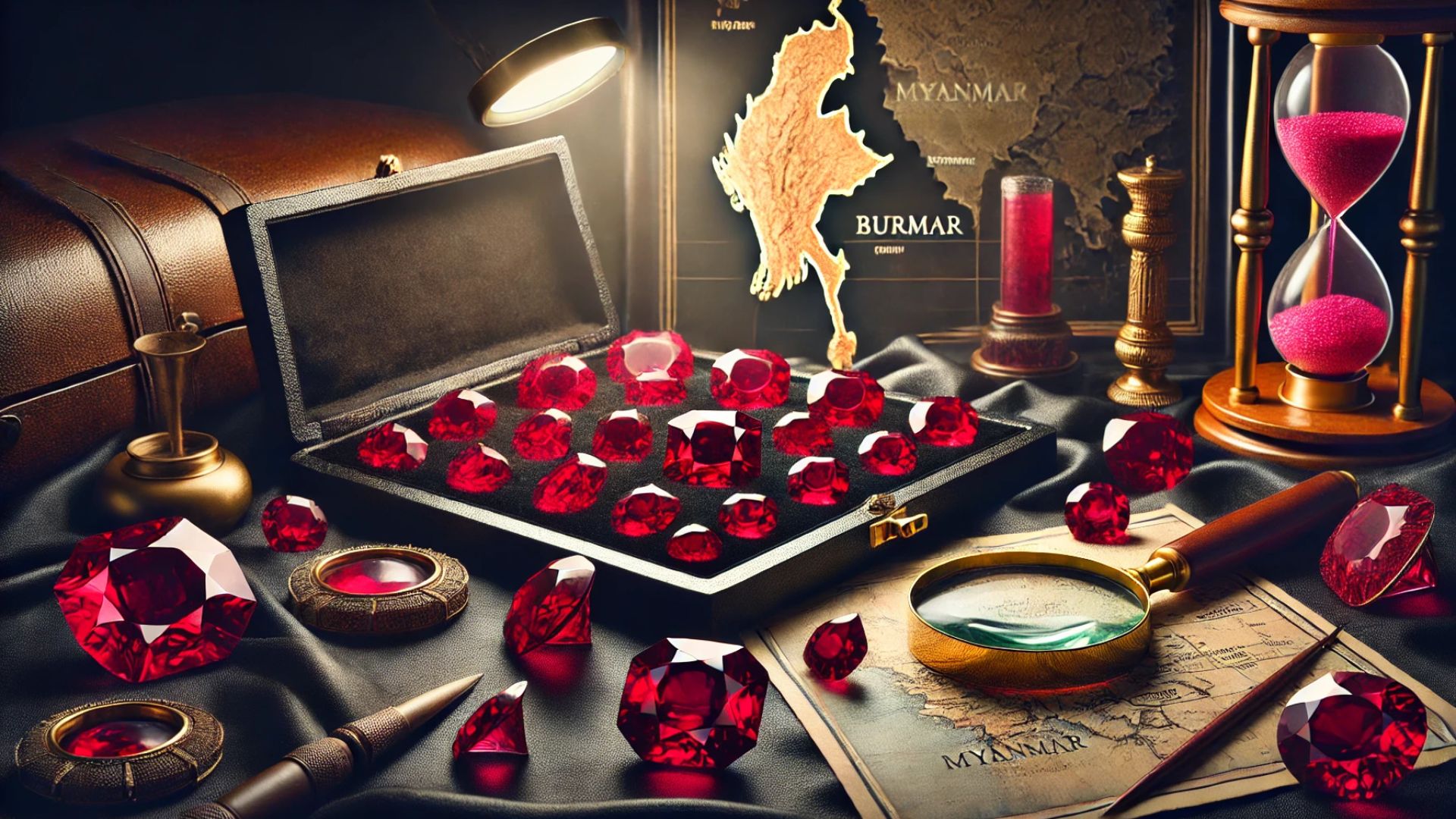
Ancient Burmese warriors believed rubies contained a living flame. Some even embedded rubies beneath their skin before battle, believing the stones would make them invincible.
Emeralds and Prophecy
Ancient civilizations believed emeralds could reveal future events and strengthen intuition. Legends claimed emeralds changed color when their owners were unfaithful.
Diamonds and Divine Power
In ancient India, diamonds were considered fragments of lightning or tears of the gods. Their brilliance inspired myths linking them to divine protection and supernatural strength.
These captivating stories helped shape the modern birthstone symbolism associated with each gemstone.
Cultural Significance of Birthstones Around the World
The cultural significance of birthstones extends across continents and civilizations.
India
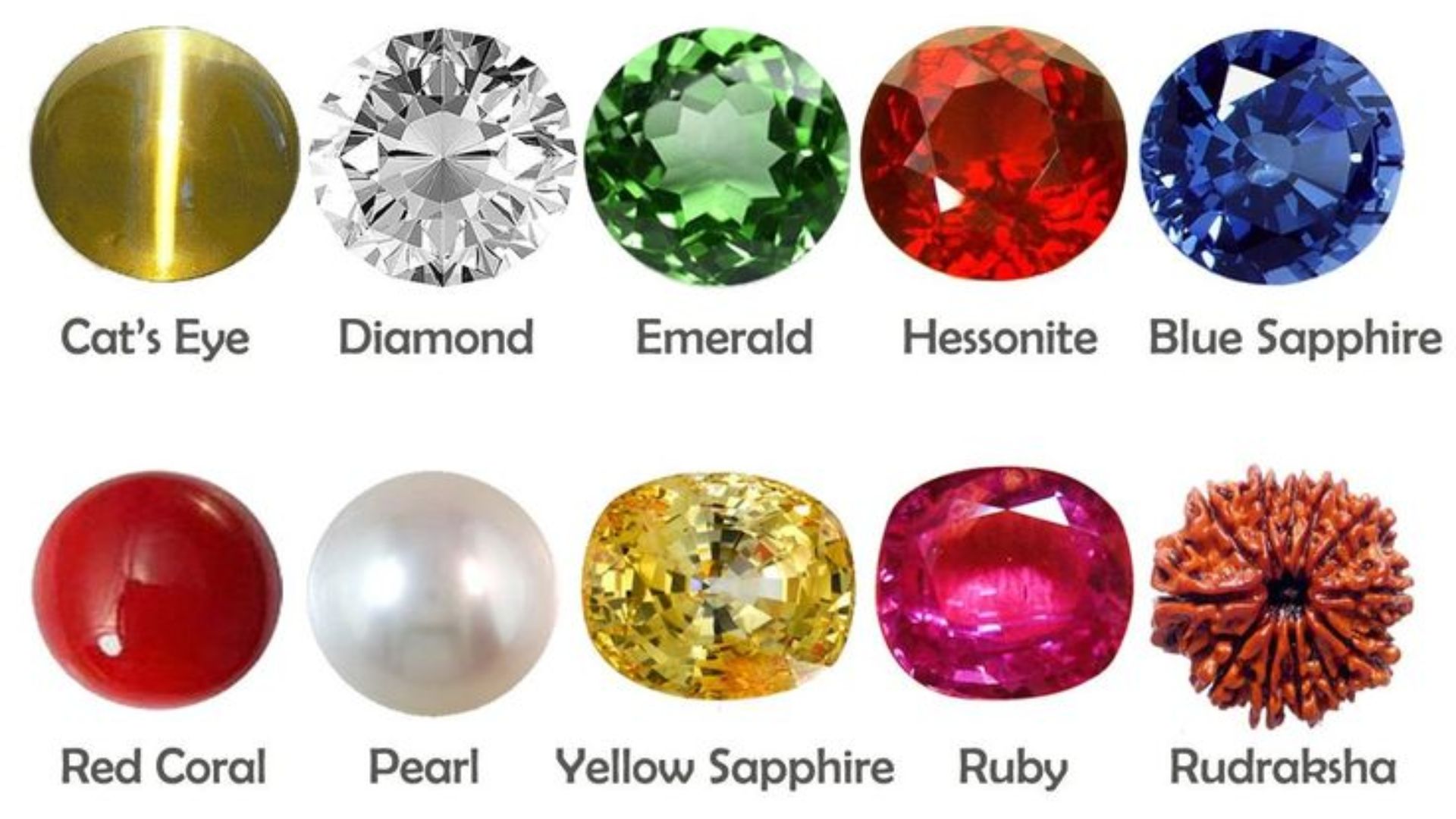
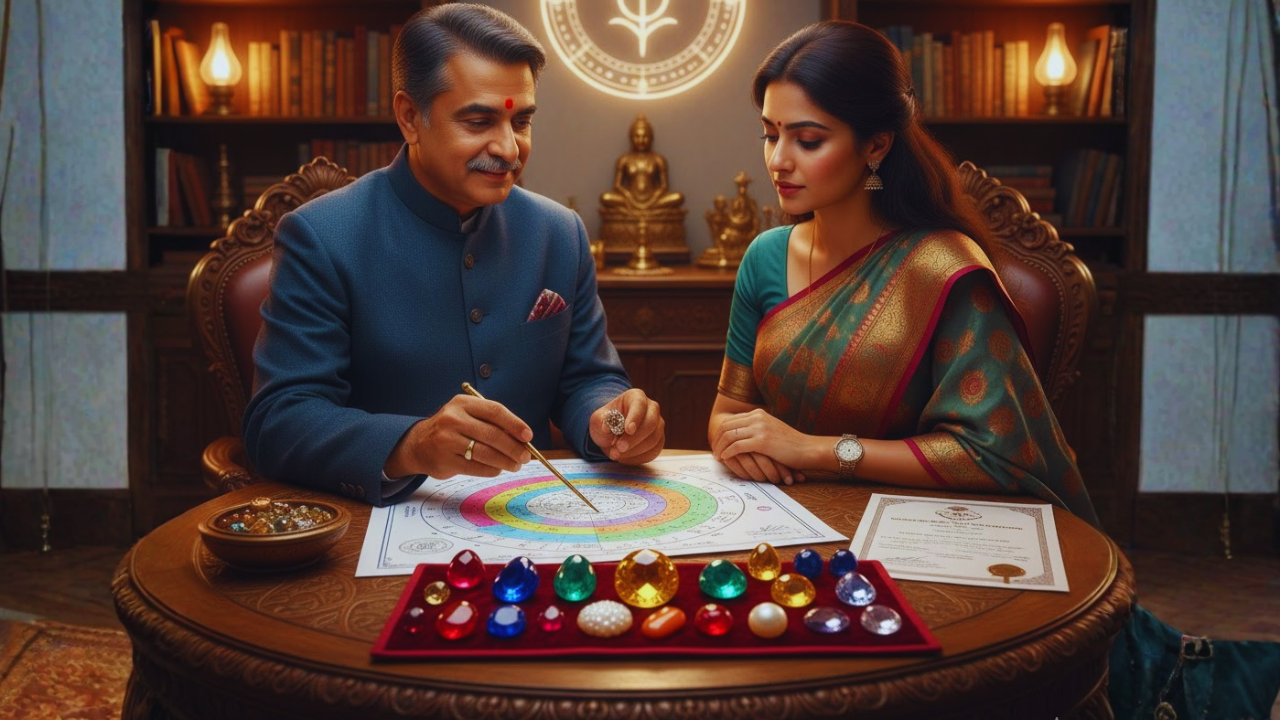
Indian gemstone traditions are deeply connected to Vedic astrology. Specific gemstones are prescribed according to planetary influences and individual birth charts.
Many people wear gemstones not only for aesthetic reasons but also to attract prosperity, health, and spiritual balance.
China
Chinese culture has long associated gemstones with harmony, luck, and protection. Jade, although not a traditional birthstone, holds immense cultural importance and is often regarded as more valuable than gold.
Middle East
Gemstones have played significant roles in Islamic art, royal regalia, and spiritual practices. Historical texts frequently discuss the virtues and powers of various precious stones.
Europe
European royalty popularized gemstone jewelry as symbols of status and power. Birthstone jewelry eventually became a meaningful personal tradition among all social classes.
North America
The modern birthstone industry flourished in North America during the 20th century, making birthstone jewelry accessible to a wider audience.
Across these regions, the cultural significance of birthstones reflects humanity's universal desire to connect beauty, identity, and meaning.
Standardization of Modern Birthstones
The modern birthstone list was officially standardized in 1912 by the American National Retail Jewelers Association, now known as Jewelers of America.
The organization sought to create consistency among jewelers and consumers. Several updates have occurred since then, adding alternative gemstones for certain months.
Notable additions include:
- Tanzanite for December
- Alexandrite for June
- Spinel for August
These updates reflect evolving gemstone discoveries and consumer preferences while preserving the core framework of traditional birthstone assignments.
Birthstones in Contemporary Society
Today, birthstones remain among the most popular gemstone categories worldwide.
People choose birthstone jewelry for many reasons:
Personal Identity
Birthstones offer a unique way to express individuality and celebrate one's birth month.
Meaningful Gifts
Birthstone jewelry carries emotional significance, making it a popular choice for birthdays, anniversaries, and family milestones.
Family Connections
Many jewelry designs incorporate multiple birthstones to represent children, parents, or spouses.
Spiritual Symbolism
Some individuals continue to embrace traditional beliefs regarding gemstone energies and metaphysical properties.
Modern consumers appreciate both the historical and symbolic aspects of birthstones, ensuring their continued relevance.
Why Birthstones Continue to Fascinate Us
The enduring appeal of birthstones stems from their unique combination of beauty, symbolism, and personal connection.
Unlike ordinary jewelry, birthstones tell a story. They connect wearers to ancient traditions, cultural heritage, and centuries of human belief.
Whether viewed as spiritual talismans, historical artifacts, or beautiful accessories, birthstones carry layers of meaning that transcend generations.
The rich tapestry of birthstone history, folklore, and symbolism creates a sense of continuity between past and present.
Choosing a Birthstone Today
When selecting a birthstone, many people consider more than just their birth month.
Factors often include:
- Traditional symbolism
- Historical significance
- Color preference
- Cultural associations
- Family traditions
- Personal beliefs
Some individuals choose alternative birthstones based on astrological signs or cultural heritage, reflecting the diversity of modern gemstone traditions.
Regardless of the choice, birthstones continue to serve as powerful symbols of identity and personal expression.
Conclusion
The story of birthstones through history reveals a remarkable journey spanning thousands of years. From ancient religious traditions and royal courts to modern jewelry collections, birthstones have maintained their enduring appeal.
The fascinating birthstone origins rooted in sacred texts, the captivating birthstone myths and legends passed through generations, and the rich birthstone symbolism associated with each gem have all contributed to their lasting popularity.
Today, the cultural significance of birthstones remains as strong as ever. Whether worn for beauty, tradition, spirituality, or personal meaning, birthstones continue to connect people with a shared human history filled with wonder, belief, and artistic expression.
Understanding the deeper birthstone significance, appreciating the legacy of traditional birthstones, and embracing timeless birthstone traditions allows us to see these gemstones as more than decorative objects. They are living symbols of culture, identity, and the enduring human desire to find meaning in the natural world.
Recent Posts

2026-09-04
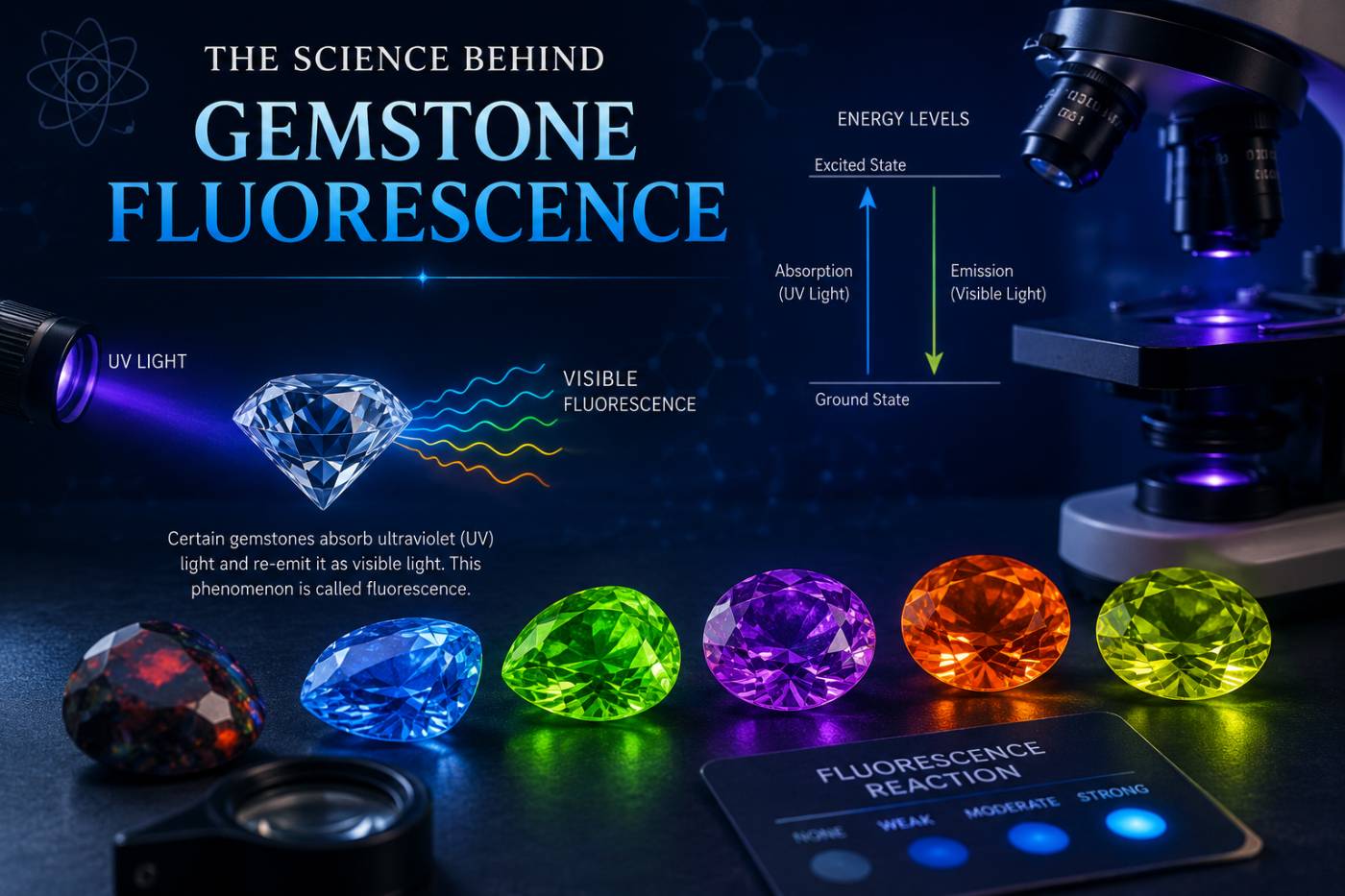
The Science Behind Gemstone Fluorescence










2025-09-15