Date : 2026-07-15
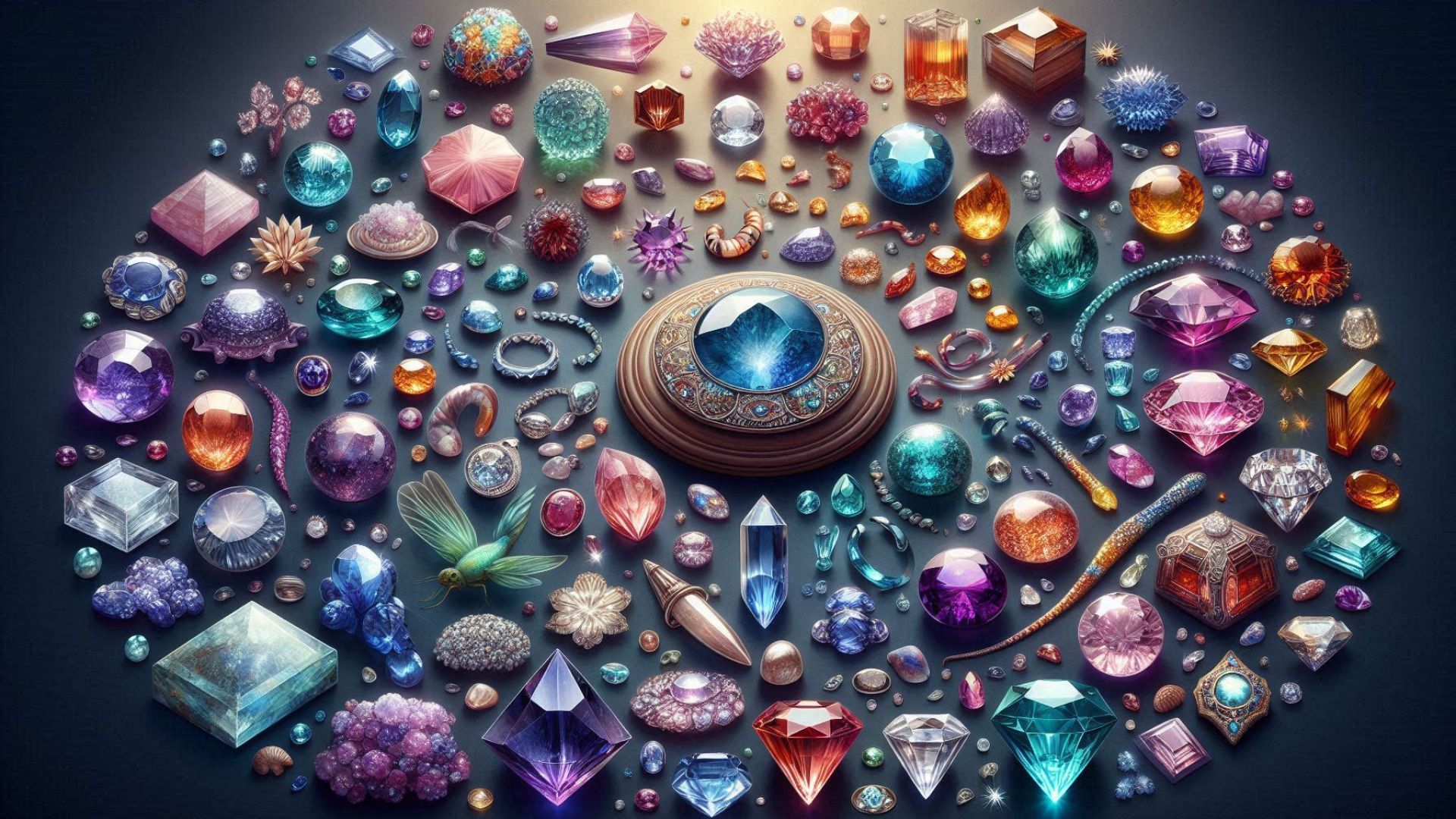
Throughout human civilization, gemstones have captivated kings, queens, explorers, collectors, and historians alike. More than just beautiful minerals, these dazzling treasures have witnessed the rise and fall of empires, inspired myths, fueled wars, symbolized power, and become priceless cultural artifacts. Every gemstone carries a unique story, making it far more than a decorative object—it becomes a living piece of history.
From royal crowns adorned with magnificent diamonds to emeralds treasured by ancient civilizations, famous gemstones in history continue to fascinate people around the world. Many of these extraordinary stones have survived centuries, passing through the hands of rulers, conquerors, and collectors while accumulating legends that make them even more valuable.
In this article, we'll explore some of the most historic gemstones, uncover the legends surrounding them, and discover why these remarkable treasures continue to inspire awe today.
Why Gemstones Have Always Been Historically Significant
Before exploring individual gems, it's important to understand why gemstones have held such importance throughout history.
For thousands of years, civilizations believed gemstones possessed supernatural powers. They were associated with protection, wisdom, prosperity, healing, and divine favor. Ancient Egyptians, Romans, Persians, Indians, Chinese, and Europeans all assigned symbolic meanings to precious stones.
Many gemstones with historical significance were also symbols of political authority. Kings displayed enormous gems to demonstrate wealth and legitimacy, while religious institutions used them to decorate sacred objects.
These remarkable stones became part of national identities, royal collections, and cultural heritage, making them some of the world's most treasured possessions.
The Koh-i-Noor Diamond
Perhaps no gemstone has inspired as much debate and fascination as the Koh-i-Noor Diamond. Among all world famous gemstones, few have such a complex and controversial history.
Origins
The Koh-i-Noor, meaning "Mountain of Light," is believed to have originated in India's Golconda mines over 700 years ago. Although its exact discovery date remains uncertain, historical records trace it through several powerful dynasties.
Journey Through Empires
The diamond passed through the hands of numerous rulers, including:
- The Kakatiya Dynasty
- The Delhi Sultanate
- The Mughal Emperors
- Persian ruler Nader Shah
- Afghan rulers
- Sikh Empire under Maharaja Ranjit Singh
- British Crown
Its ownership often changed after battles and conquests, earning it a reputation as both a symbol of victory and misfortune.
The Legend
According to legend, the Koh-i-Noor brings immense power to male rulers but also terrible misfortune. Because of this belief, it has traditionally been worn only by female members of the British royal family.
Today, it remains one of the most discussed legendary gemstones due to ongoing debates about its rightful ownership.
The Hope Diamond
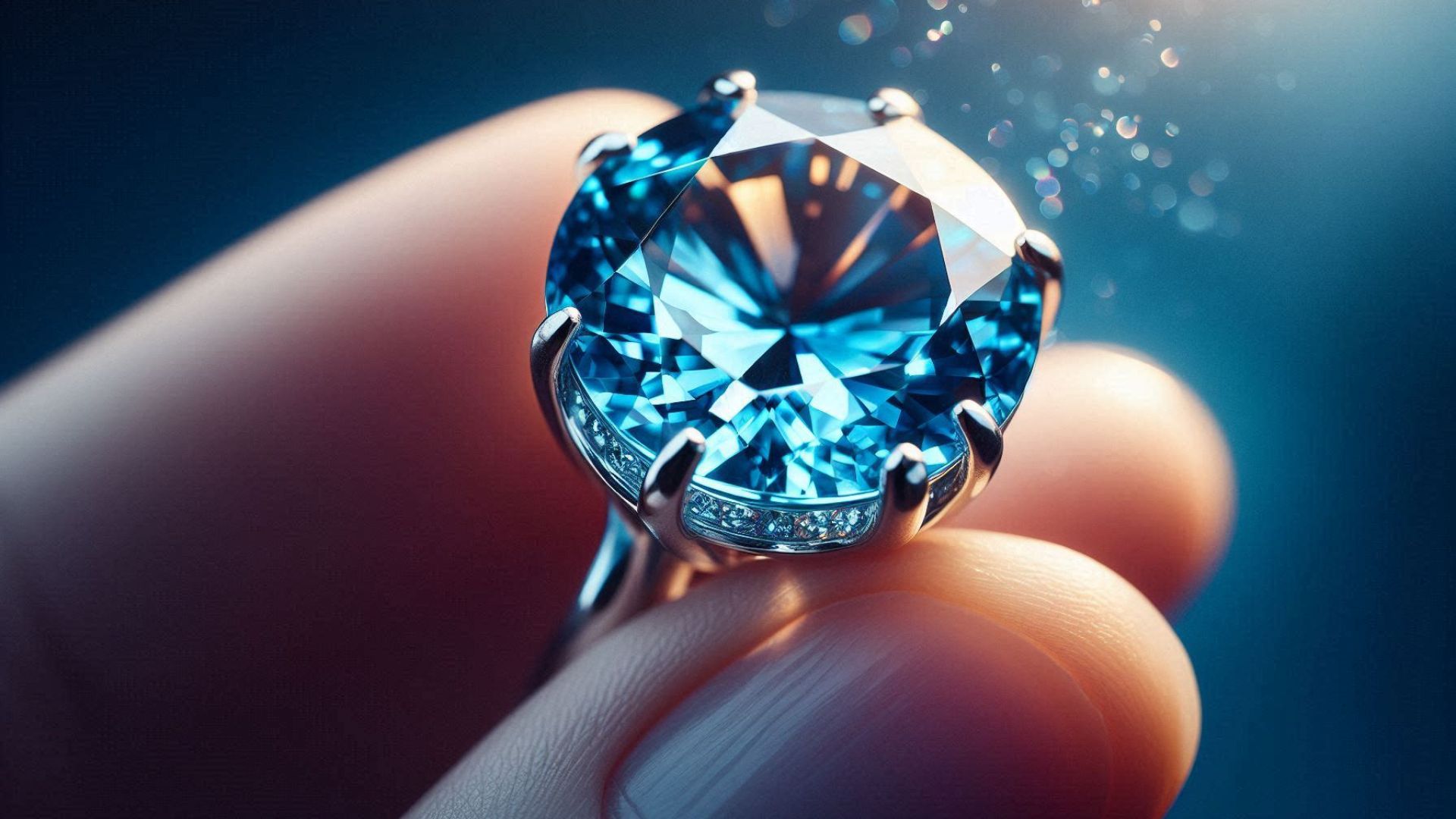
The Hope Diamond is perhaps the most famous "cursed" gemstone ever known.
Discovery
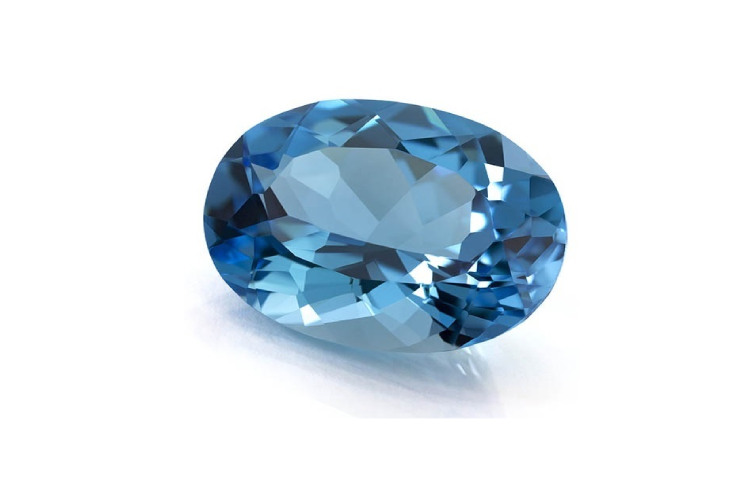
This extraordinary blue diamond likely originated in India's Kollur Mine during the 17th century.
French gem merchant Jean-Baptiste Tavernier acquired the diamond before selling it to King Louis XIV of France.
The Curse
Its reputation as one of history's most mysterious legendary jewels stems from tales claiming that everyone who owned it suffered tragedy.
Stories include:
- Financial ruin
- Political downfall
- Imprisonment
- Violent deaths
- Family disasters
While historians argue that many of these stories were exaggerated to increase public fascination, the curse remains deeply embedded in popular culture.
Modern Home
Today, the Hope Diamond is housed in the Smithsonian Institution in Washington, D.C., where millions visit it each year.
It remains one of the finest examples of famous gems and their stories.
The Black Prince's Ruby
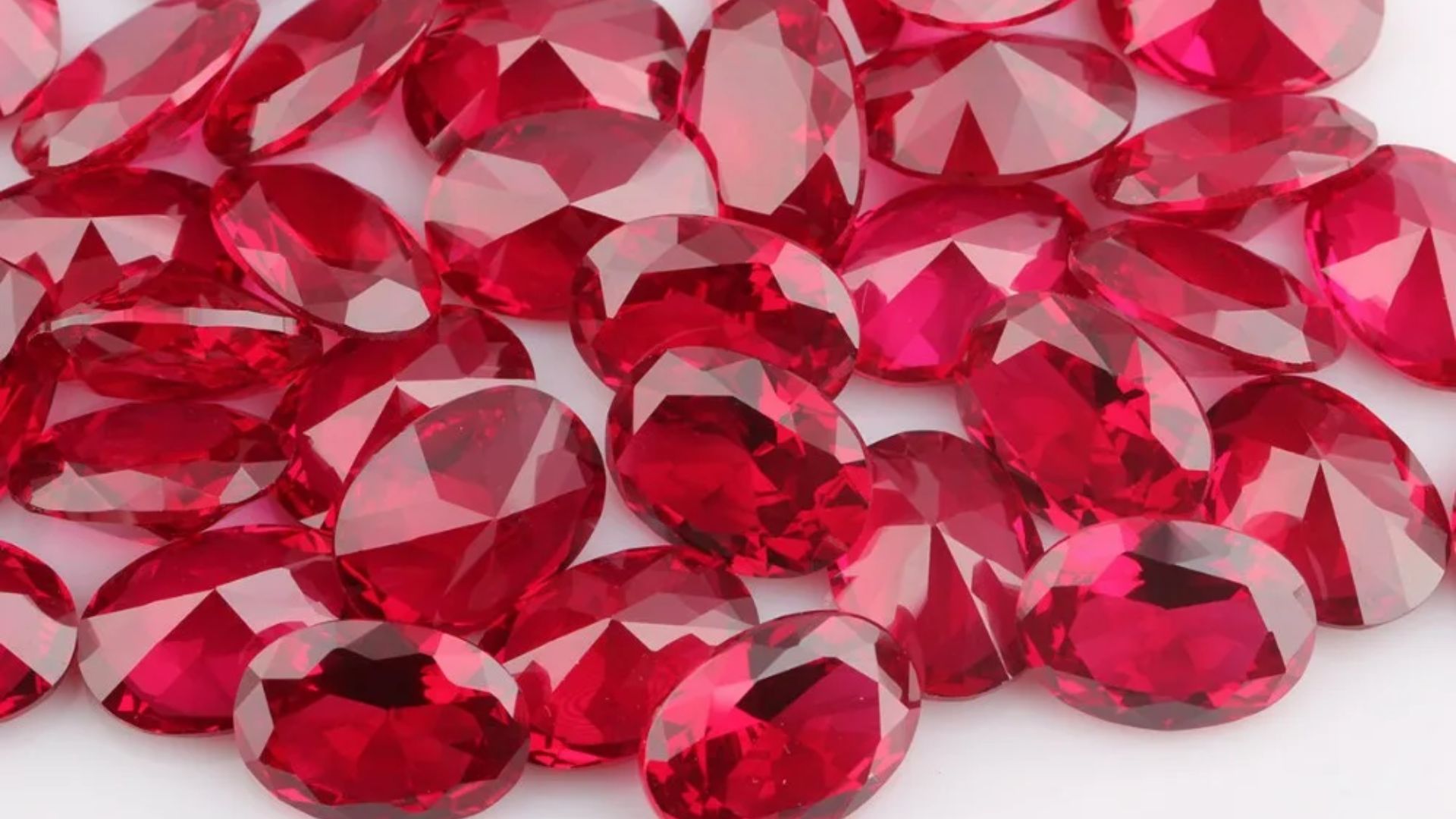
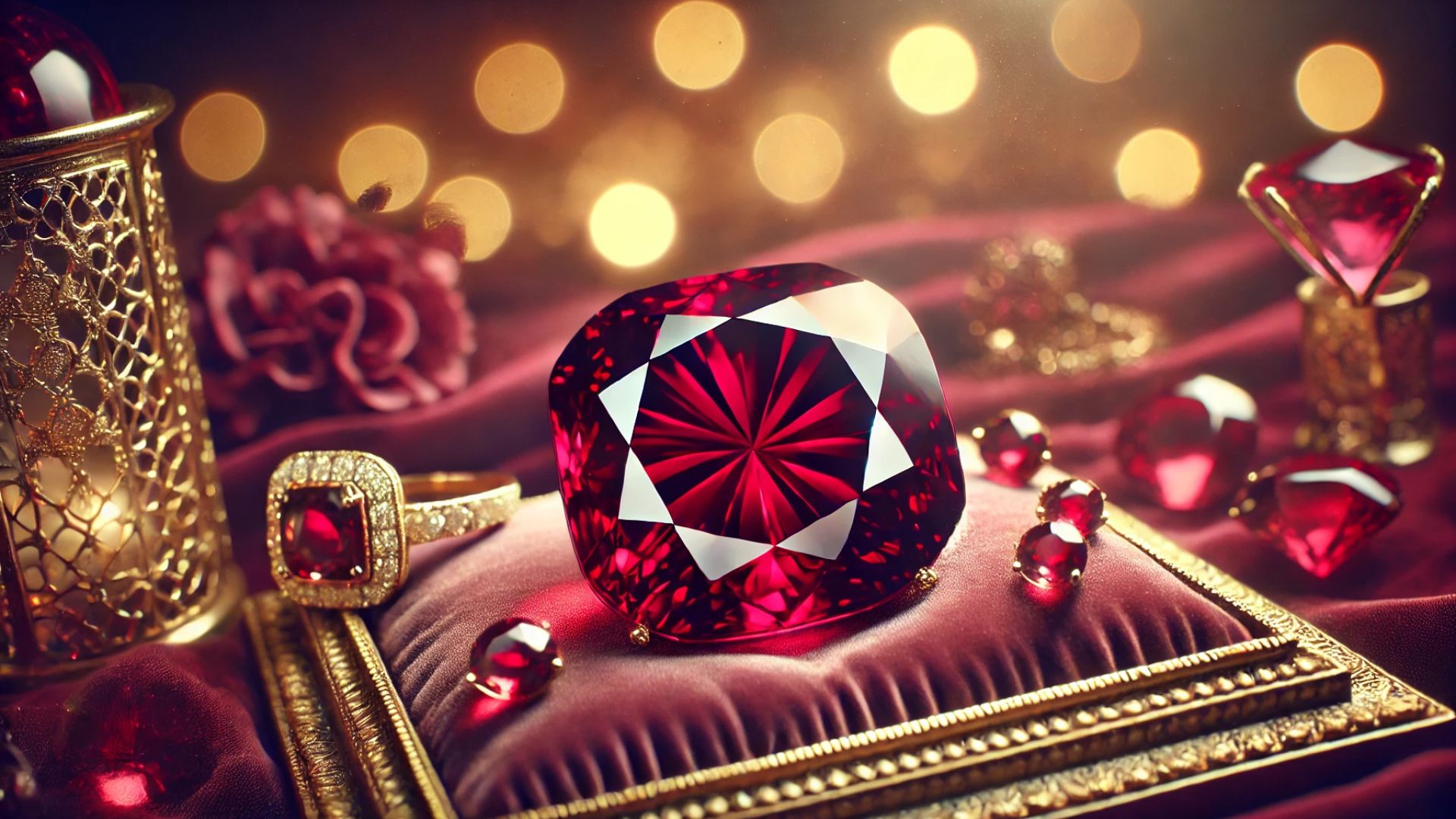
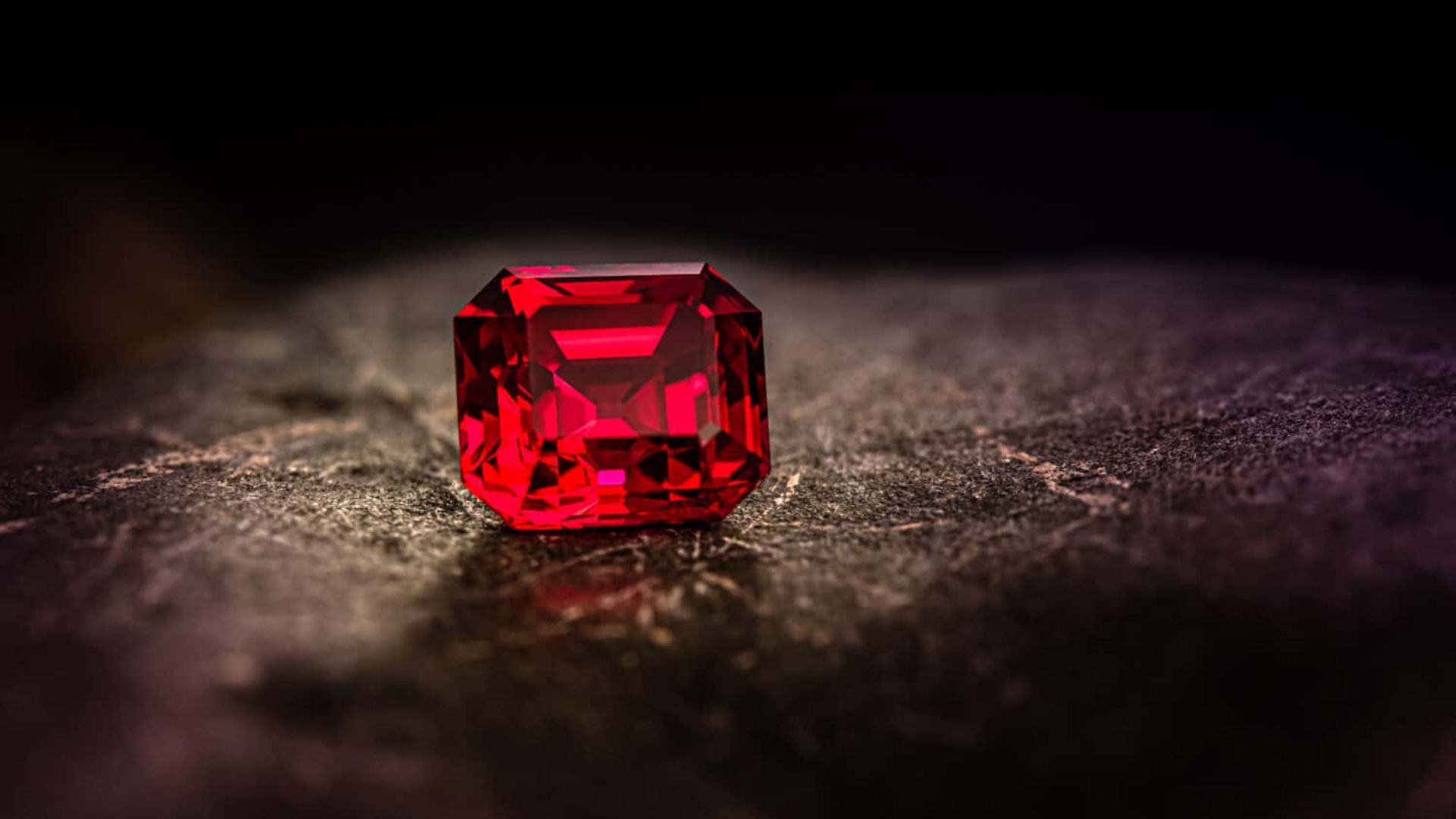
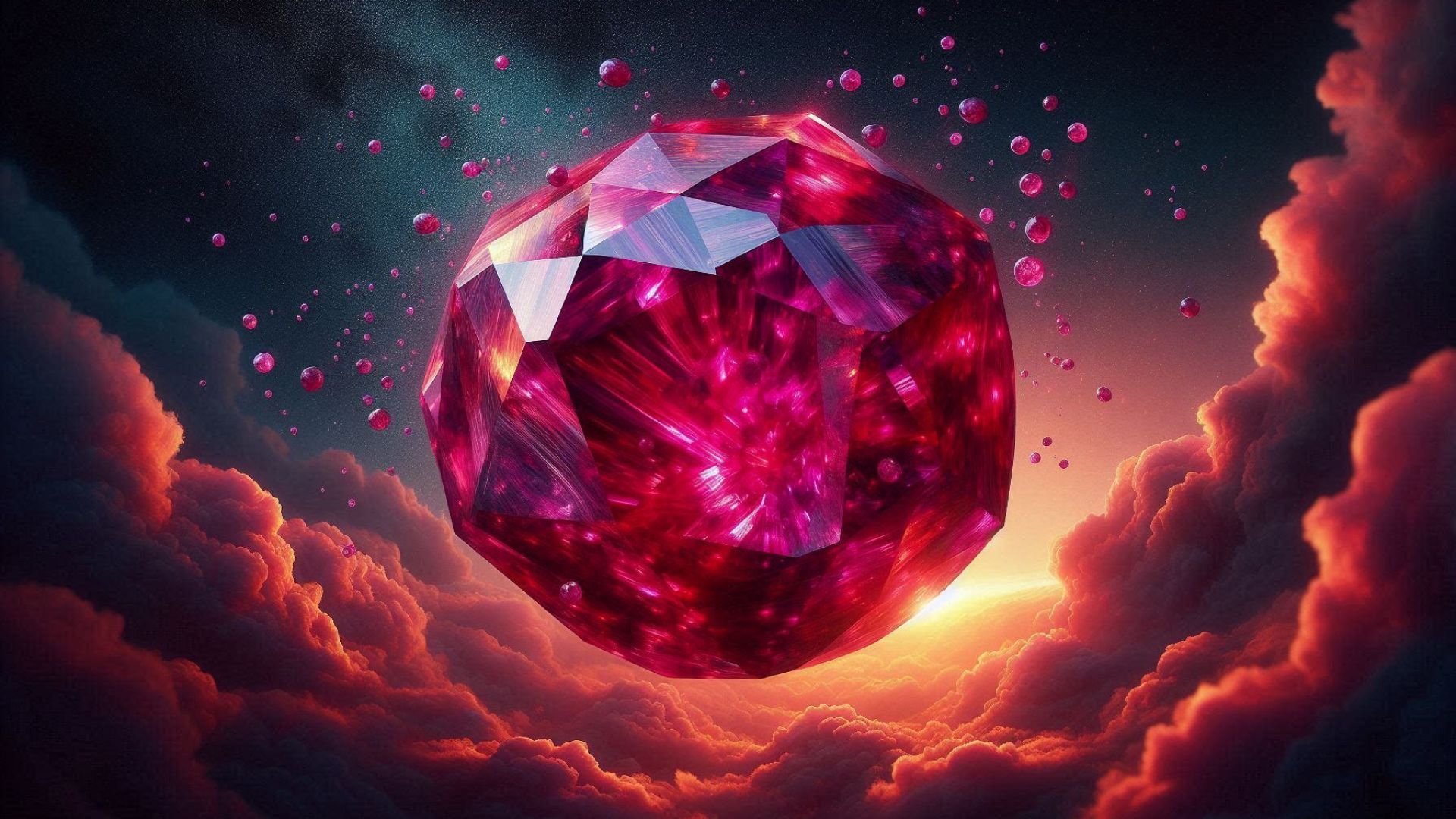
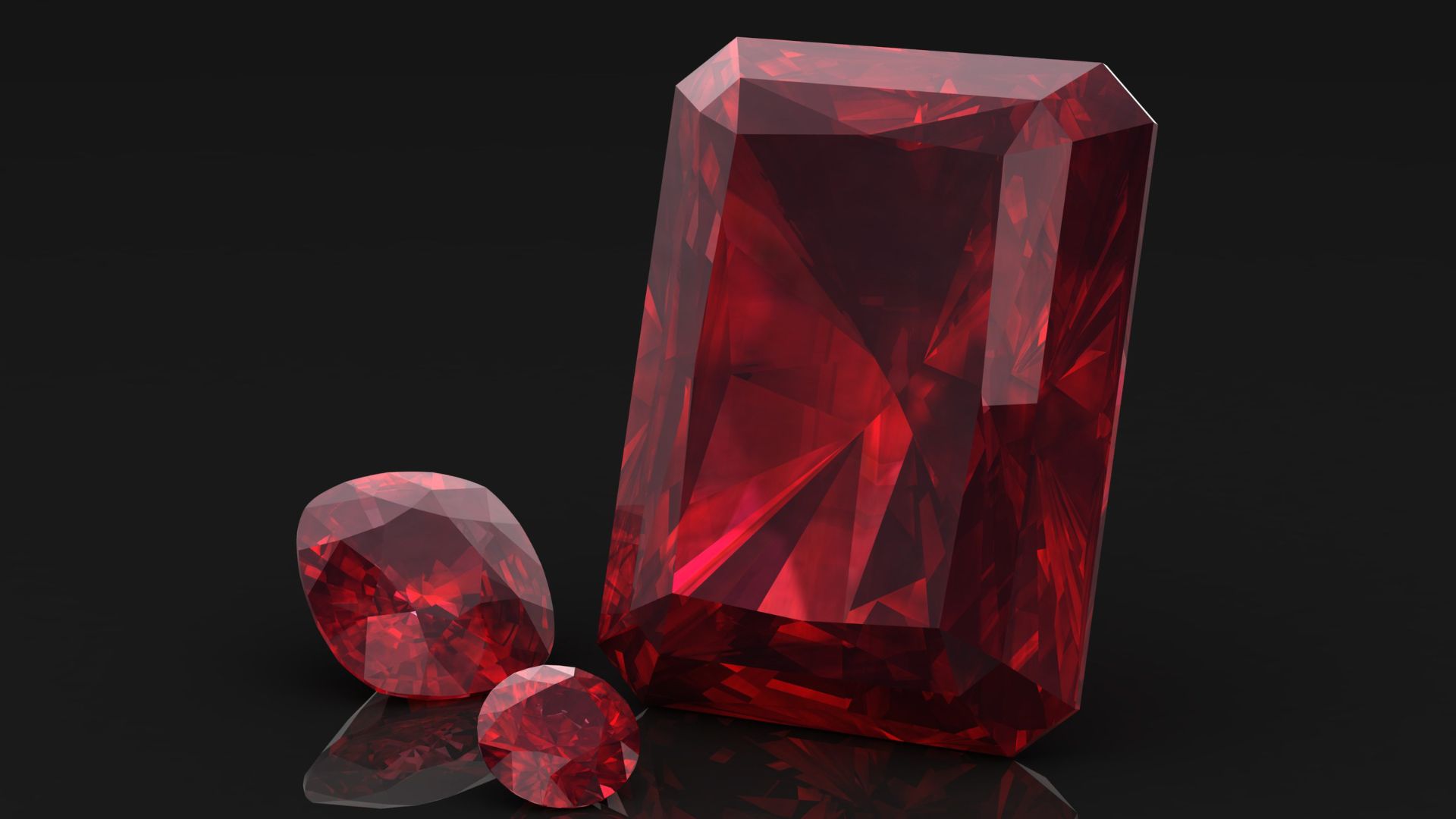
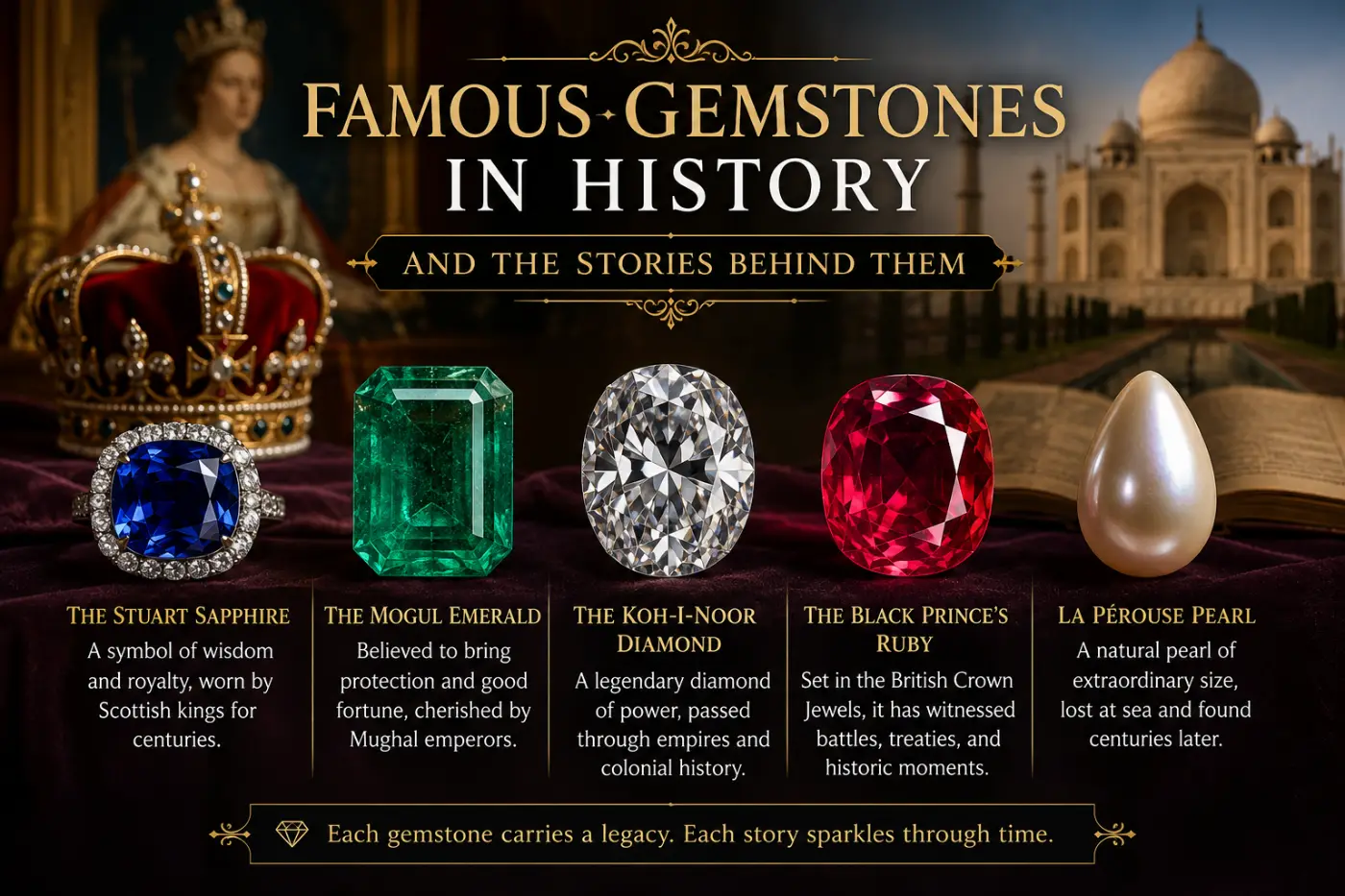
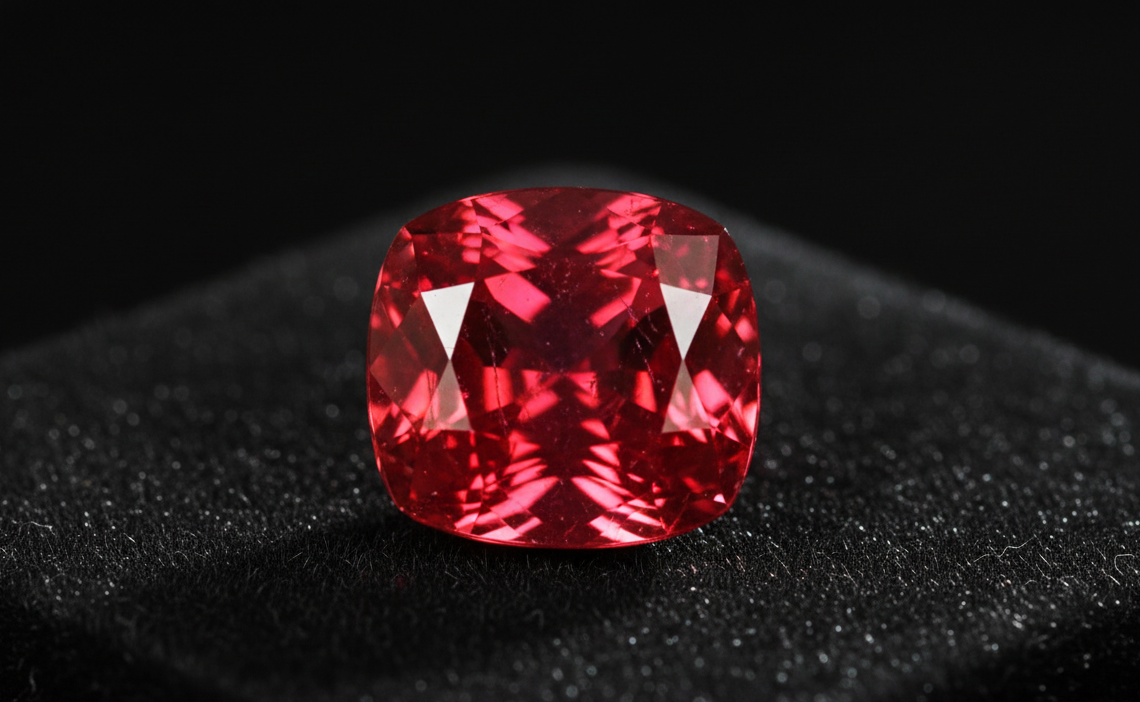
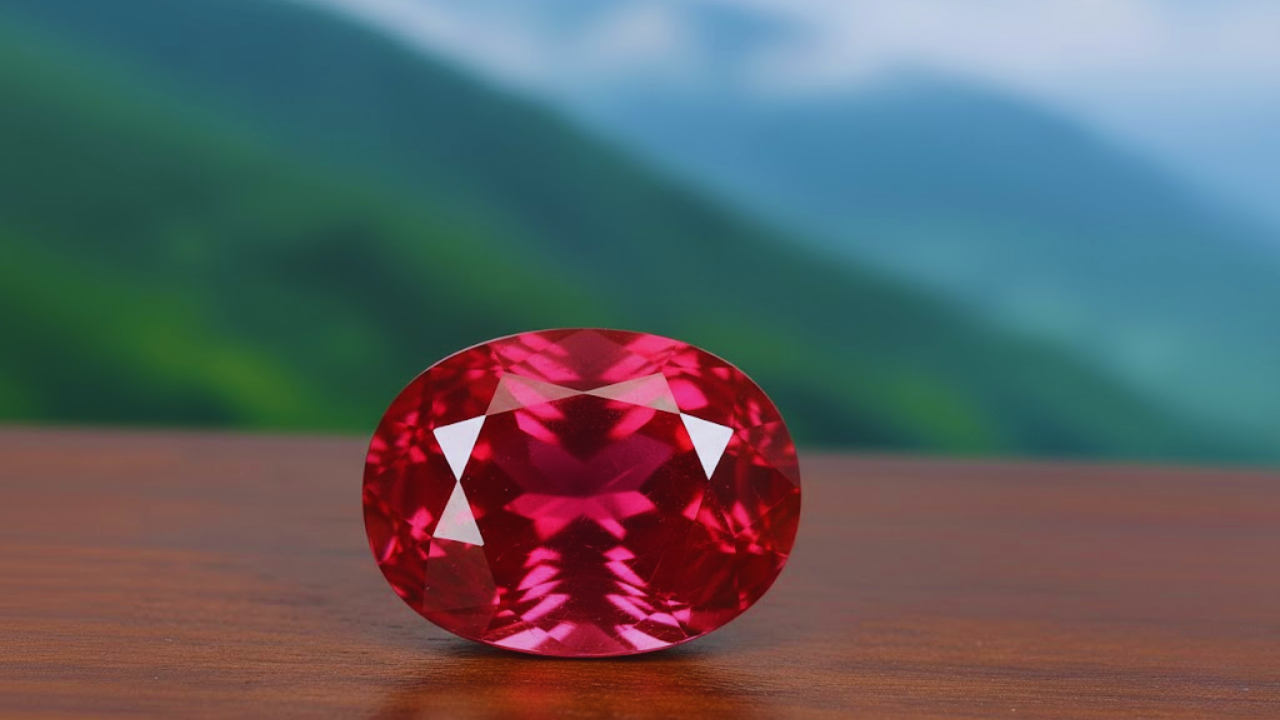
Despite its name, the Black Prince's Ruby isn't actually a ruby at all. It's a large red spinel that has been treasured for centuries.
Medieval History
The gemstone entered English royal history during the 14th century after being presented to Edward of Woodstock, famously known as the Black Prince.
Battle Survivor
One of the gemstone's most fascinating stories occurred during the Battle of Bosworth in 1485. King Richard III wore the gem into battle, where he ultimately lost both his throne and his life.
Remarkably, the stone survived and later became part of the British Crown Jewels.
Among all iconic gemstones, this remarkable spinel has one of the richest military histories.
The Cullinan Diamond
The Cullinan Diamond remains the largest gem-quality rough diamond ever discovered.
Discovery
Found in South Africa in 1905, the enormous diamond weighed an astonishing 3,106 carats.
Transformation
Rather than preserving it as a single gem, experts divided the diamond into several major stones.
The largest include:
- Cullinan I (Great Star of Africa)
- Cullinan II
- Cullinan III
- Cullinan IV
These magnificent diamonds became part of the British Crown Jewels.
Historical Importance
The Cullinan transformed diamond cutting techniques and remains one of the greatest discoveries among historic gemstones.
The Regent Diamond
The Regent Diamond is widely considered one of the most beautiful diamonds ever cut.
Extraordinary Discovery
The stone was discovered in India in the late 17th century by a slave who reportedly hid it inside a wound in his leg to smuggle it out.
Unfortunately, he was later betrayed and murdered after selling the gem.
Royal Ownership
Eventually purchased by the French Crown, the Regent Diamond adorned the crowns of Louis XV, Louis XVI, and Napoleon Bonaparte.
Its flawless clarity and exceptional brilliance continue to impress gem experts today.
The Timur Ruby
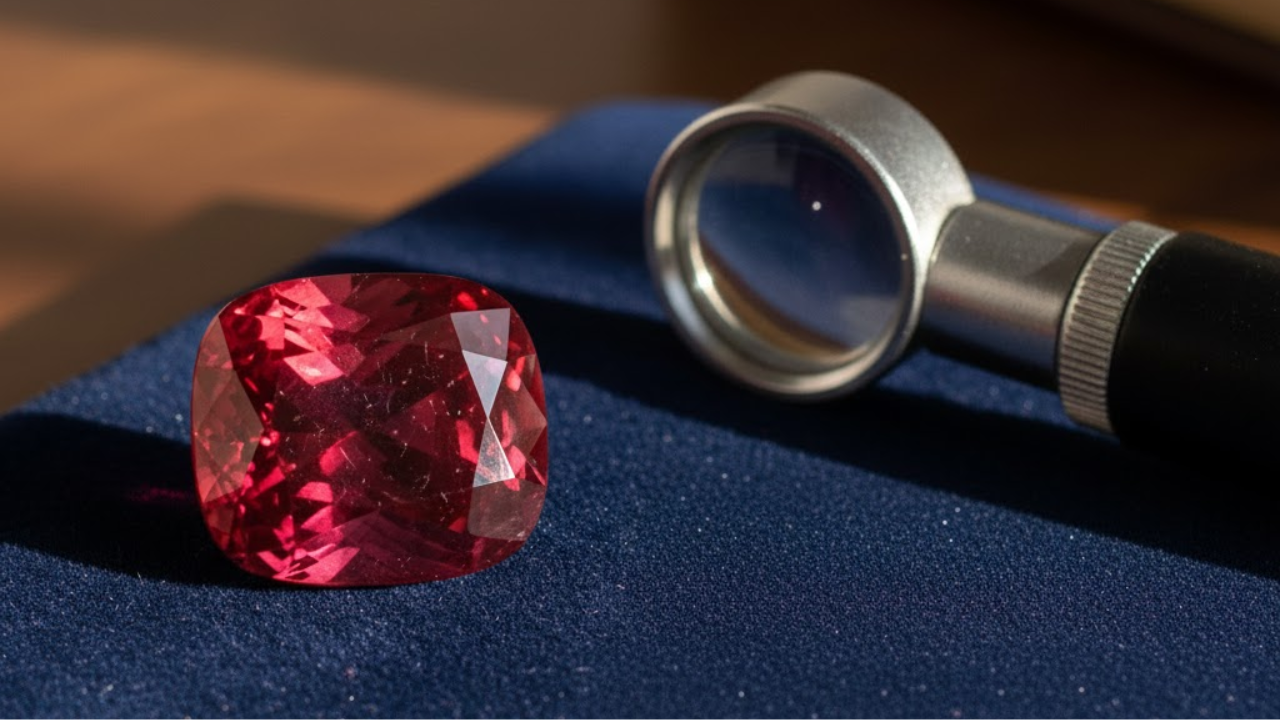
Like the Black Prince's Ruby, the Timur Ruby is actually a red spinel rather than a ruby.
Rich Historical Record
Unlike many gemstones whose origins remain uncertain, the Timur Ruby features inscriptions from several rulers who once owned it.
These inscriptions make it an extraordinary historical artifact.
Royal Legacy
The gemstone passed through:
- Mughal emperors
- Persian rulers
- Sikh royalty
- British monarchy
Its engraved history makes it one of the most valuable gemstones with historical significance.
The Dresden Green Diamond
Among colored diamonds, the Dresden Green Diamond stands apart.
Rare Color
Natural green diamonds are among the rarest gemstones on Earth.
The Dresden Green's vivid color developed naturally over millions of years through exposure to radioactive minerals underground.
European History
The diamond has been part of Germany's royal collections since the 18th century.
Despite surviving wars and political upheaval, it remains remarkably well preserved.
It continues to rank among the world's most admired famous gemstones in history.
The Orlov Diamond
The Orlov Diamond has one of the most intriguing origin stories.
Temple Legend
According to legend, the diamond originally served as the eye of a Hindu temple deity.
A French soldier allegedly disguised himself as a priest before stealing the gemstone.
While historians debate this account, it remains one of the most famous gemstone legends.
Russian Royalty
The diamond eventually reached Russia, where Count Grigory Orlov presented it to Empress Catherine the Great.
Today, it remains part of Russia's Diamond Fund.
The Star of India
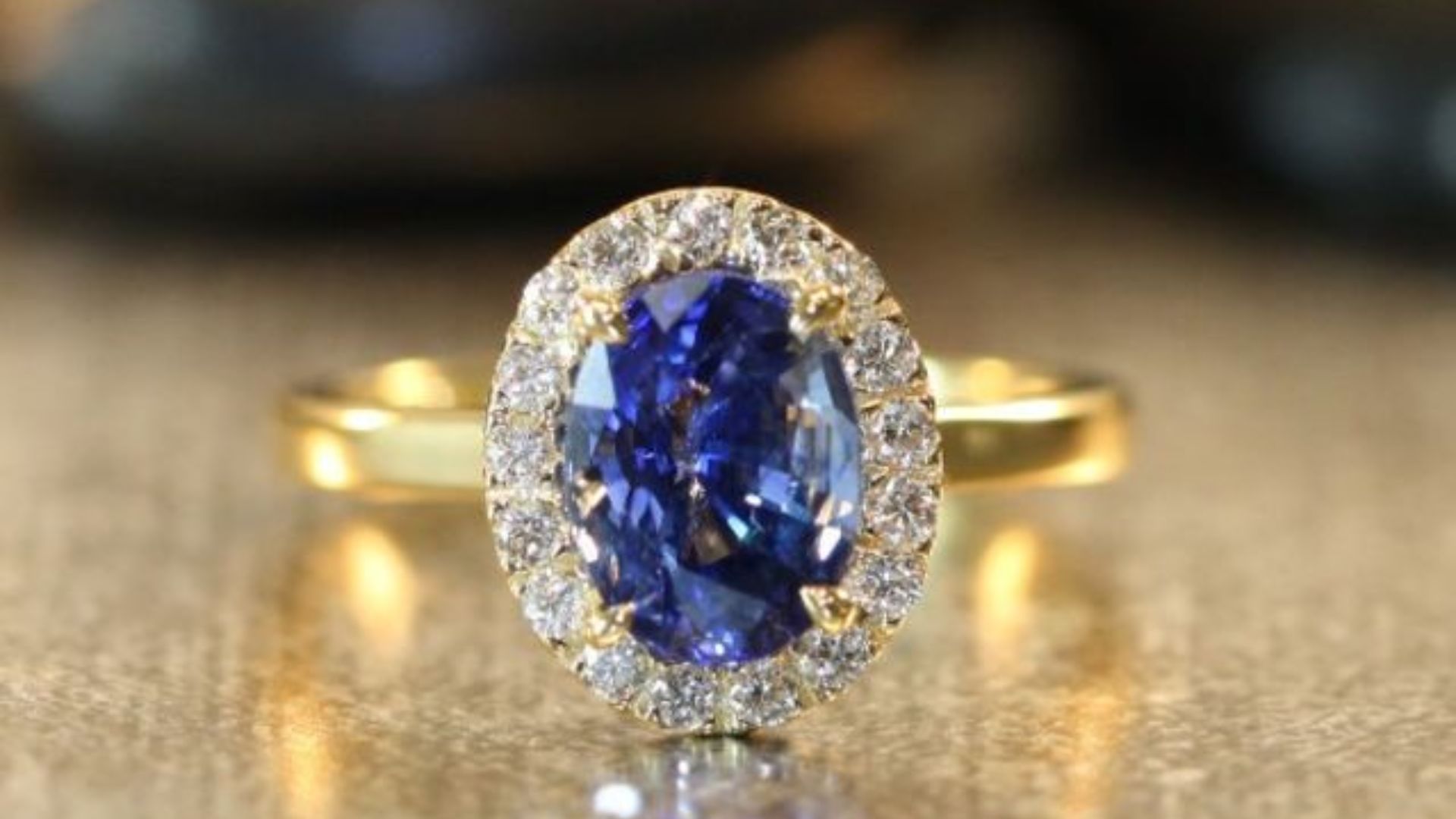
Unlike many famous diamonds, the Star of India is an enormous sapphire.
Exceptional Size
Weighing over 560 carats, it is among the largest star sapphires ever discovered.
Its unique six-rayed star appears due to microscopic inclusions within the crystal.
A Dramatic Theft
In 1964, the gemstone was stolen from the American Museum of Natural History in New York.
Thankfully, authorities recovered it after an international investigation.
This remarkable incident only added to its legendary status.
The Imperial State Crown Jewels
While individual gemstones receive much attention, many become even more significant as parts of royal regalia.
The British Imperial State Crown includes:
- Cullinan II Diamond
- Black Prince's Ruby
- St. Edward's Sapphire
- Stuart Sapphire
Together, these stones represent centuries of British monarchy.
They beautifully demonstrate how iconic gemstones often become symbols of national heritage rather than personal wealth.
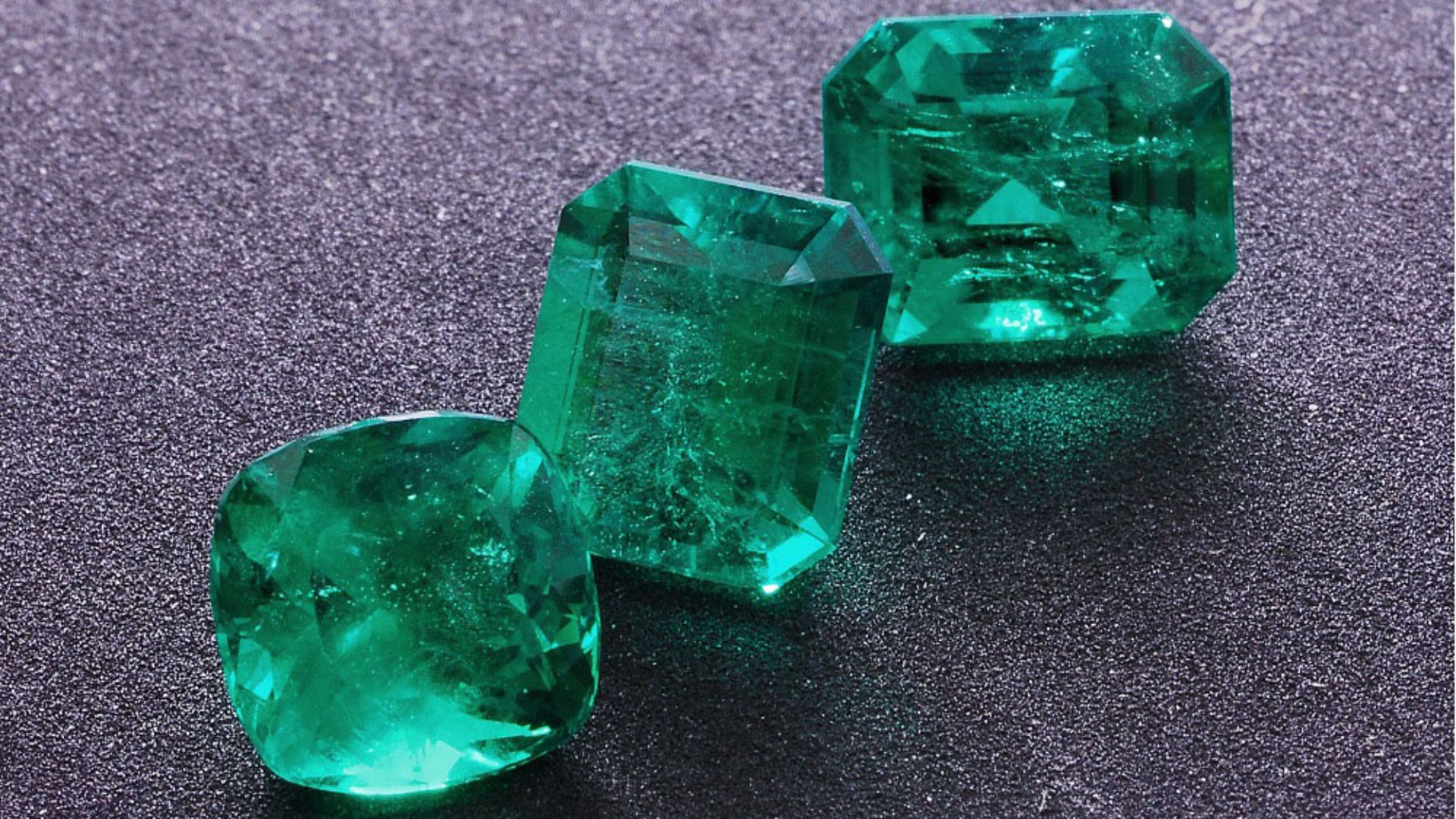
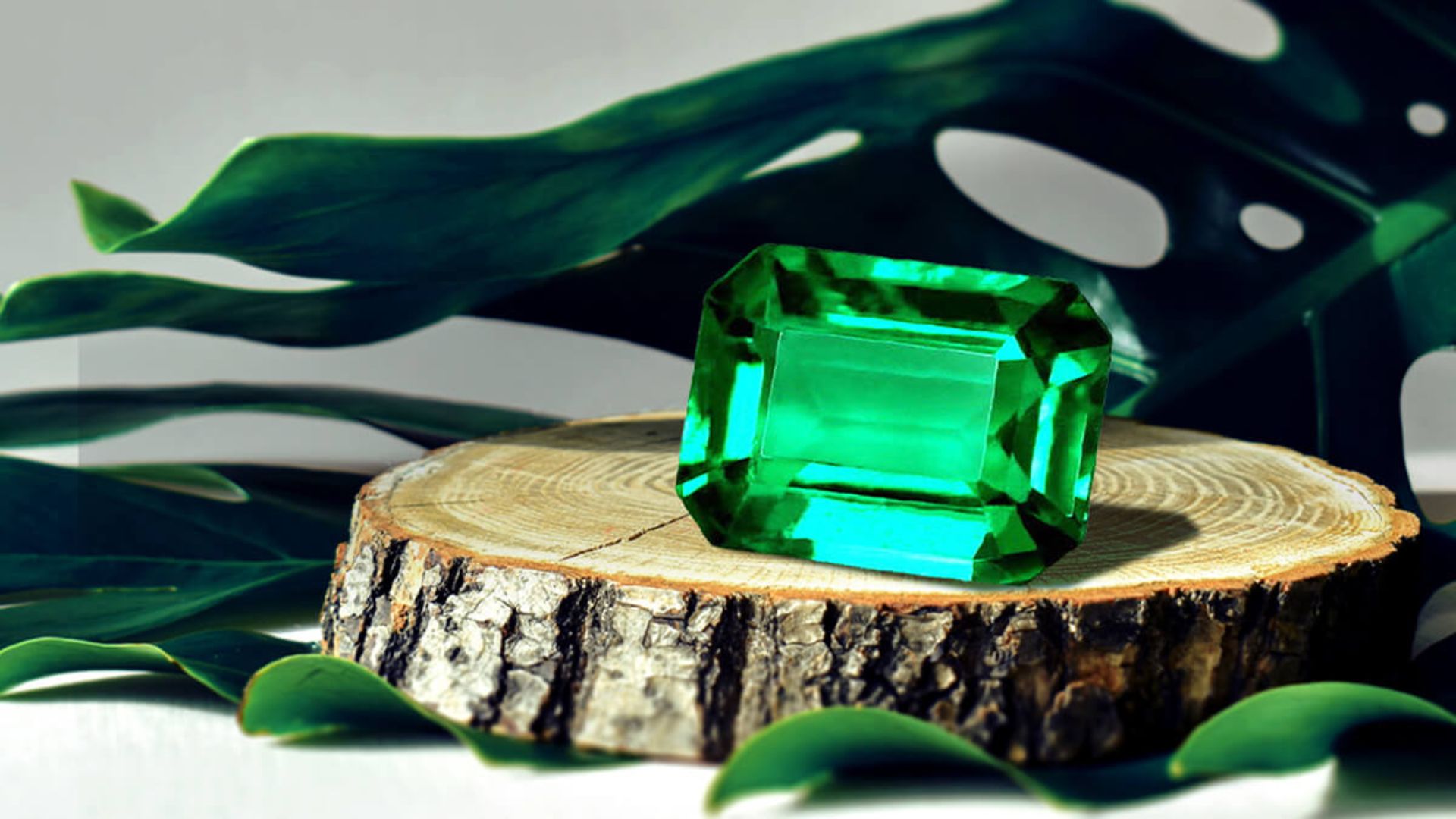
Cleopatra's Emeralds
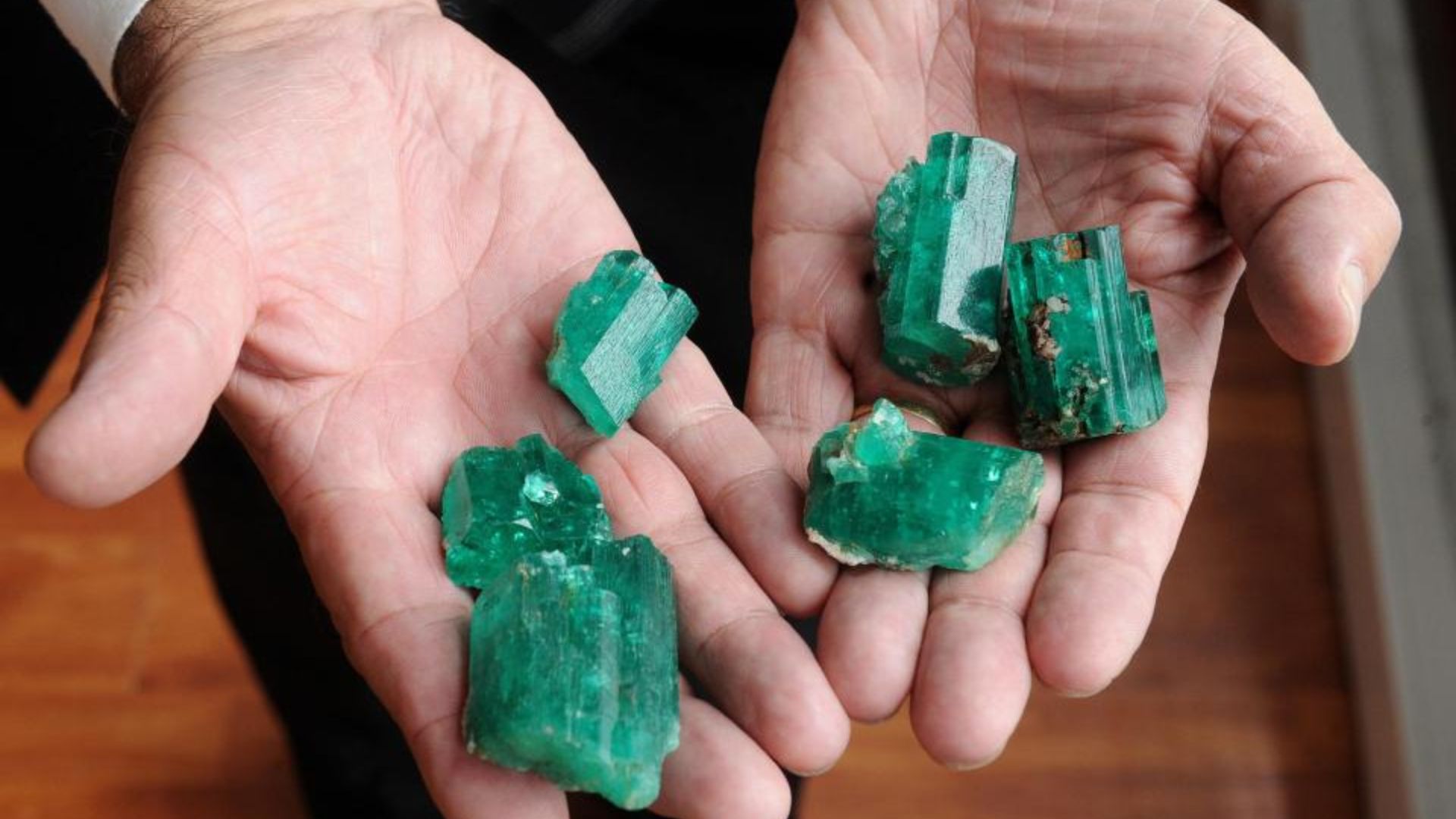
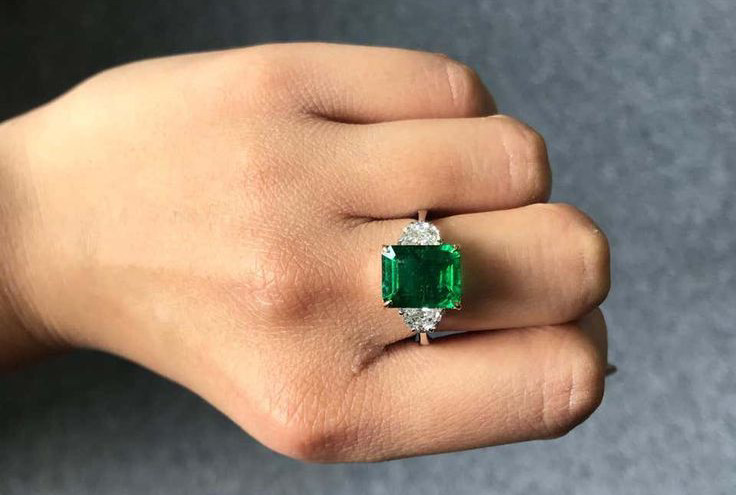
Emeralds have enchanted civilizations for thousands of years, and none loved them more than Cleopatra.
Ancient Egyptian Passion
Cleopatra reportedly treasured emeralds above all other gemstones.
She even owned mines that later became known as Cleopatra's Mines.
Symbolism
Emeralds represented:
- Fertility
- Eternal youth
- Wisdom
- Rebirth
Although many original stones have disappeared over time, Cleopatra's passion elevated emeralds into royal symbols across civilizations.
The Delhi Purple Sapphire
The Delhi Purple Sapphire is another gemstone associated with mysterious legends.
Interestingly, it isn't actually a sapphire but an amethyst.
Alleged Curse
According to stories, the gemstone brought financial loss, illness, and misfortune to its owners.
Its final owner eventually donated it to the Natural History Museum in London, complete with written warnings about its supposed curse.
Whether coincidence or myth, it remains among history's most intriguing legendary gemstones.
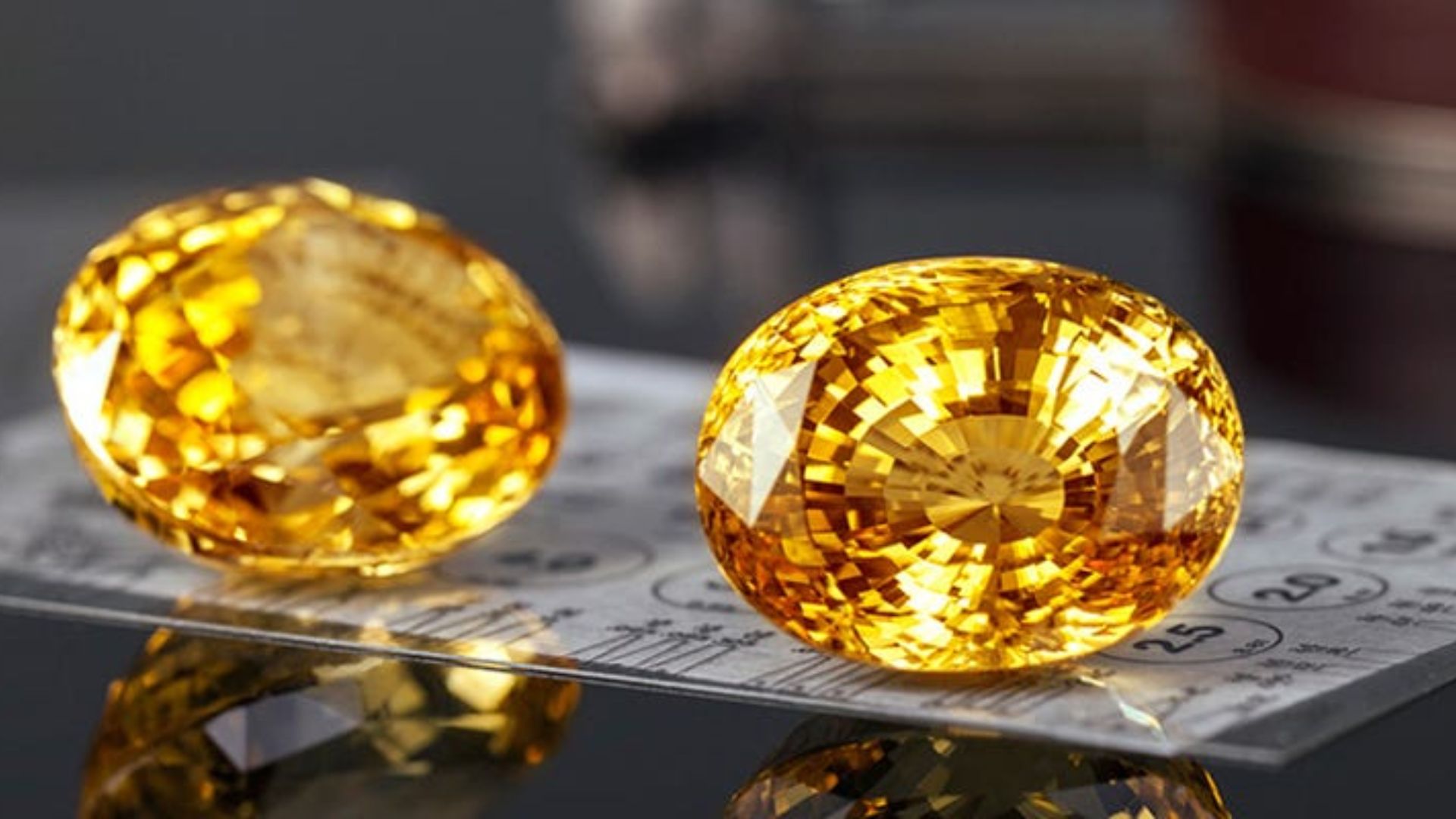
The Tiffany Yellow Diamond
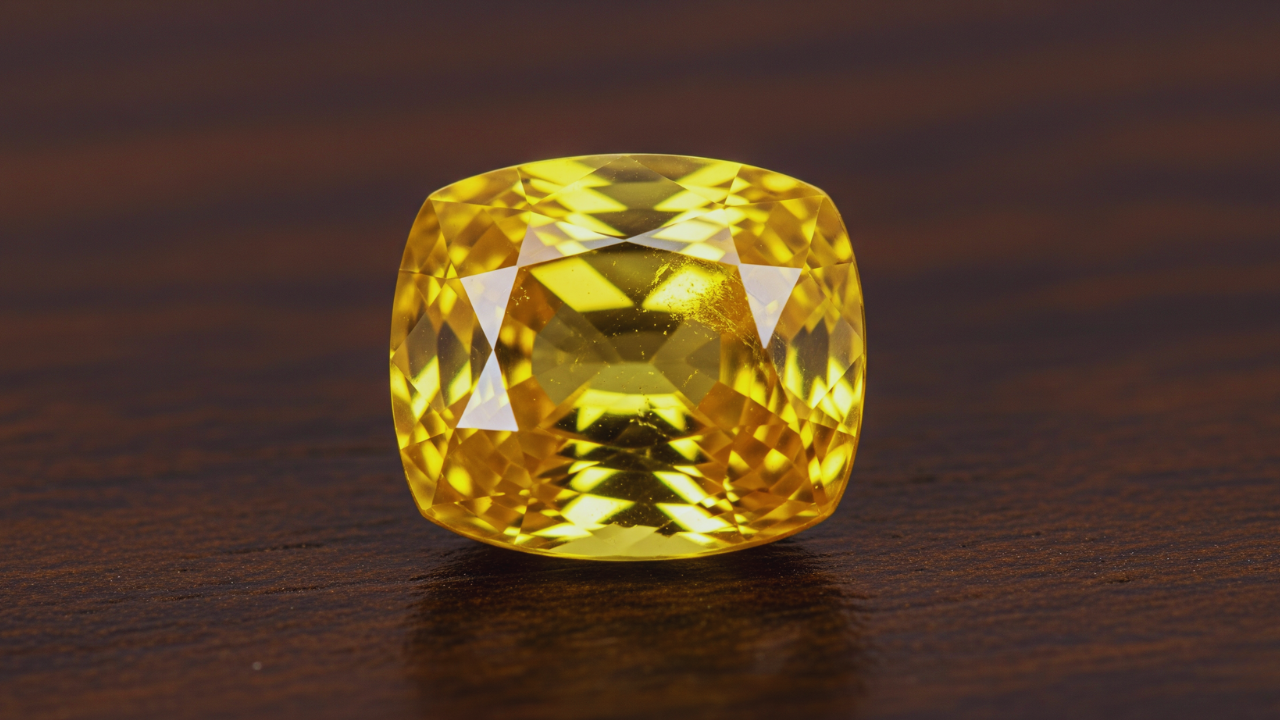
The Tiffany Yellow Diamond is celebrated for its remarkable beauty.
Discovery
Found in South Africa in 1877, the rough stone weighed over 287 carats.
Extraordinary Cutting
After months of planning, master cutters transformed it into one of the world's finest yellow diamonds.
Famous Wearers
Only a handful of women have ever worn the Tiffany Yellow Diamond publicly, including Audrey Hepburn and Lady Gaga.
Its rarity and elegance make it one of today's most recognizable world famous gemstones.
The Sancy Diamond
The Sancy Diamond has traveled through European history like few other gemstones.
Owned by French, English, and Indian royalty over several centuries, it survived wars, political revolutions, and changing governments.
Its pear-shaped cut and pale yellow color distinguish it from other famous diamonds.
Today, it resides in the Louvre Museum, preserving centuries of royal history.
The Nassak Diamond
Originally housed in India's Trimbakeshwar Temple, the Nassak Diamond later entered European collections following British expansion in India.
Over time, it underwent multiple recuttings that dramatically altered its appearance.
Its journey illustrates how gemstones often evolve physically as tastes and cutting technology change across generations.
Why These Gemstones Continue to Fascinate Us
The enduring popularity of these remarkable stones goes beyond their monetary value.
People remain captivated because these gems combine several fascinating elements:
They Witnessed History
Unlike paintings or written records, gemstones physically passed through historical events.
Many survived:
- Wars
- Revolutions
- Political upheavals
- Colonial expansion
- Royal successions
They Inspire Legends
Nearly every famous gemstone has stories involving:
- Curses
- Miracles
- Divine blessings
- Lost treasures
- Hidden fortunes
These tales continue to fuel books, films, documentaries, and museum exhibitions.
They Represent Human Achievement
Gem cutting, mining, and jewelry craftsmanship showcase extraordinary skill developed over centuries.
The artistry involved transforms rough minerals into breathtaking masterpieces.
How Museums Preserve Historic Gemstones
Many historic gemstones now reside in museums rather than private collections.
Museums provide:
- Climate-controlled preservation
- Scientific research
- Public education
- Historical documentation
- Security against theft
Institutions around the world carefully study these gems to better understand ancient mining, trade routes, and cultural history.
The Cultural Importance of Legendary Jewels
Many legendary jewels carry deep cultural significance beyond their financial value.
For some nations, these gemstones represent:
- National identity
- Historical pride
- Religious traditions
- Royal heritage
- Artistic excellence
Debates over ownership often reflect broader conversations about colonial history, cultural preservation, and international diplomacy.
Modern Technology and Historic Gemstones
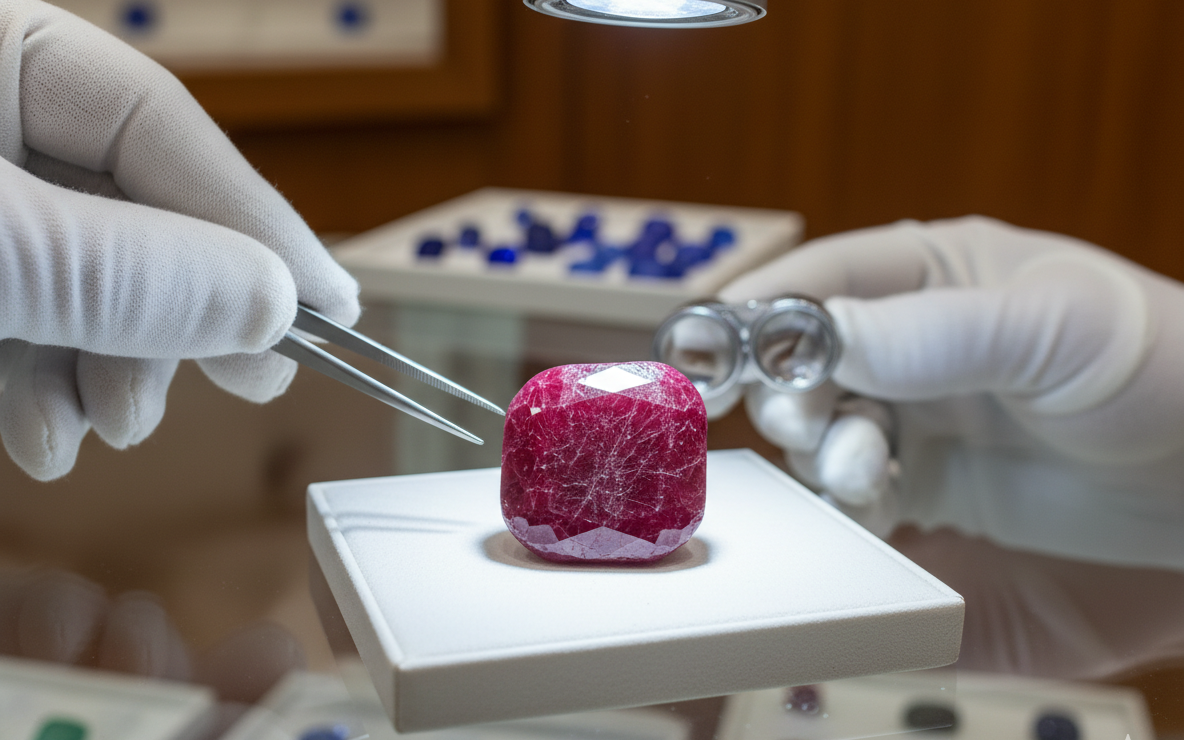
Today's scientists use advanced technologies to study famous gemstones without damaging them.
Methods include:
- Laser spectroscopy
- X-ray fluorescence
- Microscopic imaging
- 3D digital scanning
- Chemical analysis
These techniques reveal fascinating details about each gemstone's origin, geological formation, and historical modifications.
Modern research continues uncovering new information about many famous gemstones in history, helping historians verify legends and trace ownership across centuries.
Collecting Inspiration from History
Although few people can own museum-quality gems, collectors often draw inspiration from these legendary treasures.
Modern jewelers recreate famous designs using:
- Lab-grown diamonds
- Natural colored gemstones
- Vintage-inspired settings
- Ethical sourcing practices
This allows gemstone enthusiasts to appreciate historical styles while supporting responsible jewelry production.
Final Thoughts
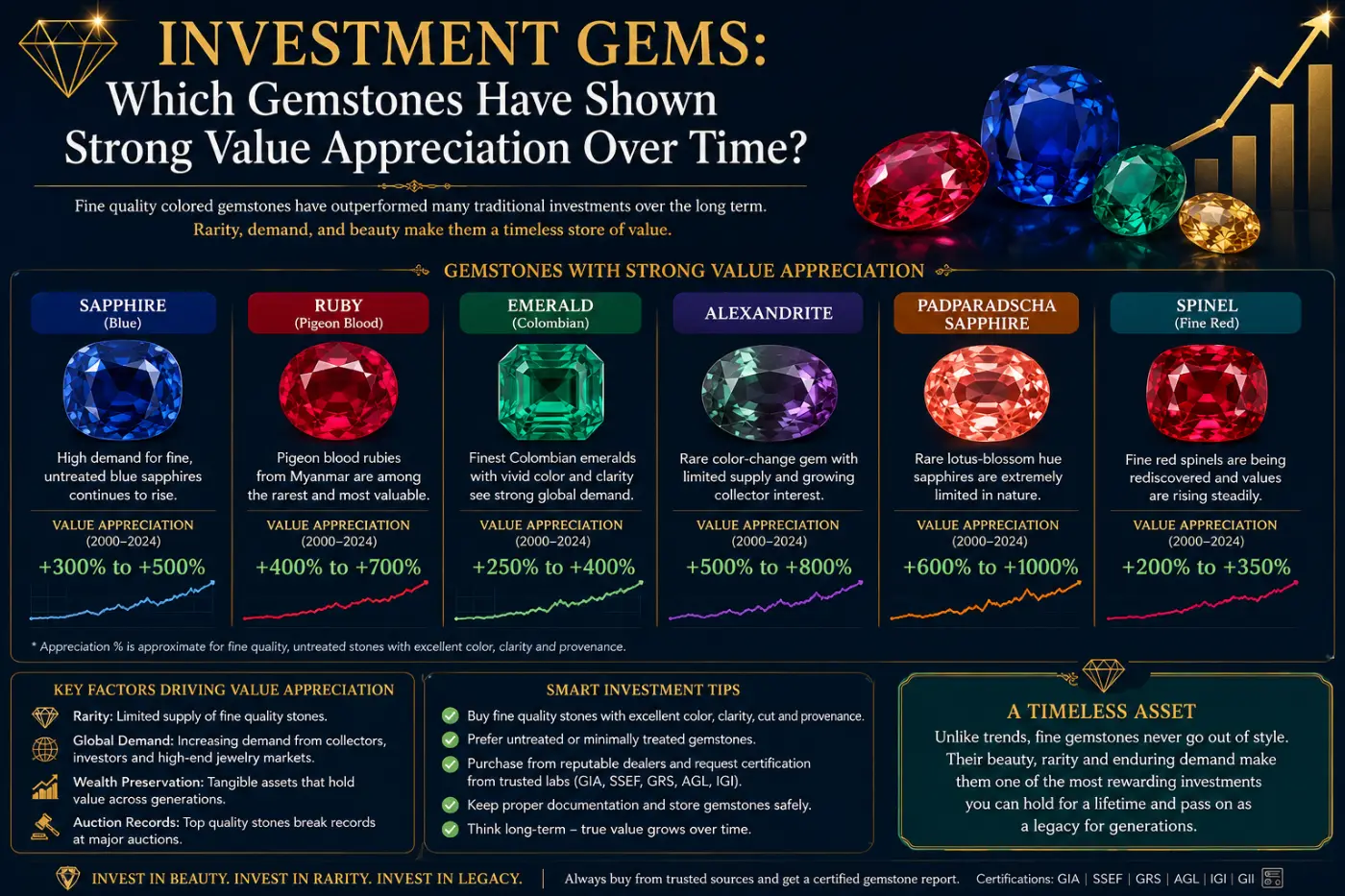
The world's most celebrated gemstones are much more than rare minerals—they are silent witnesses to human history. These extraordinary treasures have adorned emperors, survived revolutions, inspired myths, crossed continents, and become enduring symbols of power, beauty, and mystery. Today, many of these legendary treasures are also regarded as investment gemstones, prized not only for their rarity and brilliance but also for their enduring value.
From the legendary Koh-i-Noor and the mysterious Hope Diamond to the magnificent Cullinan Diamond and Cleopatra's treasured emeralds, these famous gemstones in history continue to capture the imagination of people across generations. Their incredible journeys remind us that gemstones are not merely valuable because of their rarity, but because of the remarkable stories they carry.
Whether admired in museums, displayed in royal collections, or studied by historians and gemologists, these historic gemstones remain timeless symbols of human civilization. Their legends, craftsmanship, and cultural importance ensure they will always be remembered among the most extraordinary treasures the world has ever known.
As future generations continue to explore the mysteries surrounding these legendary gemstones, one thing remains certain: the stories behind these world famous gemstones are just as brilliant as the gems themselves. Their enduring legacy secures their place among the most iconic gemstones, celebrated not only for their beauty but also for the unforgettable chapters they have written in human history. These remarkable gemstones with historical significance, together with countless other legendary jewels, will continue to inspire historians, collectors, and jewelry enthusiasts for centuries to come.
Recent Posts





2026-09-04
The Science Behind Gemstone Fluorescence





























2025-09-15