Date : 2026-11-09
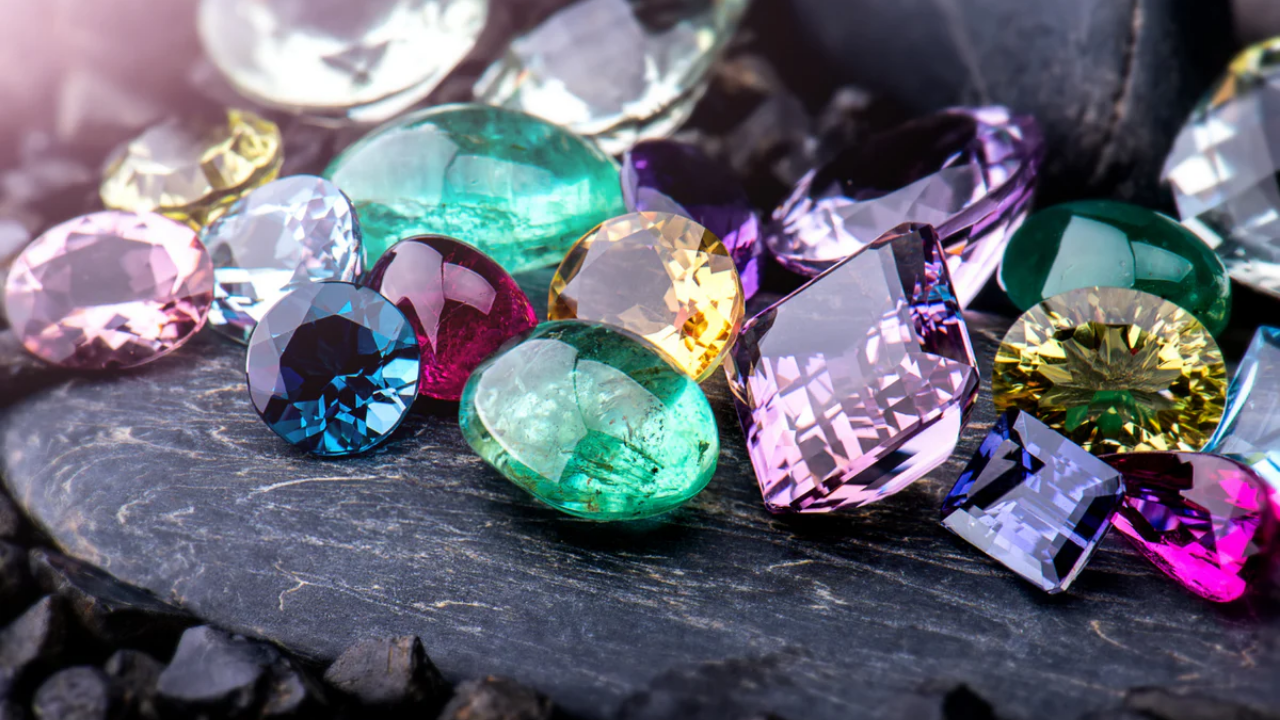
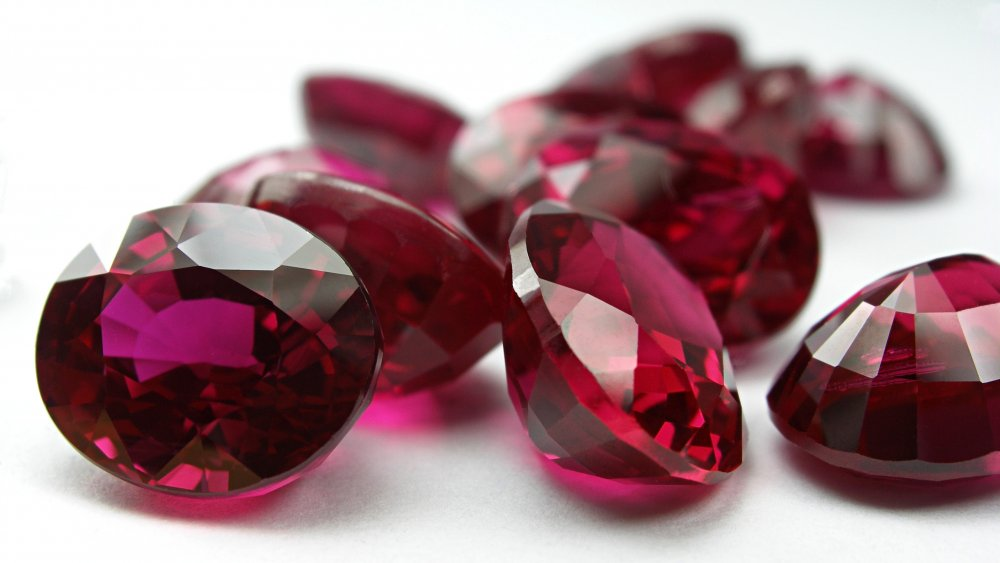
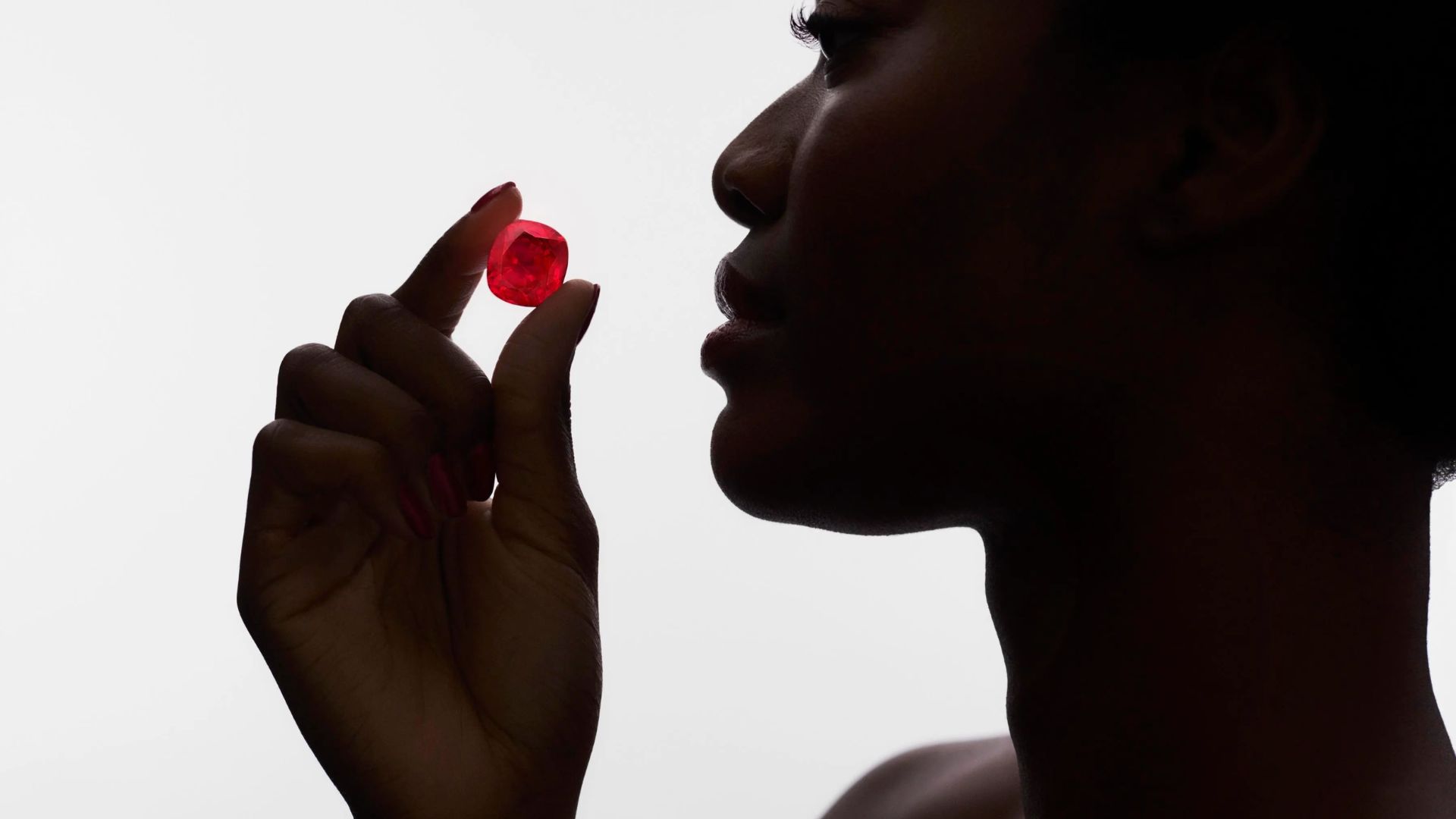
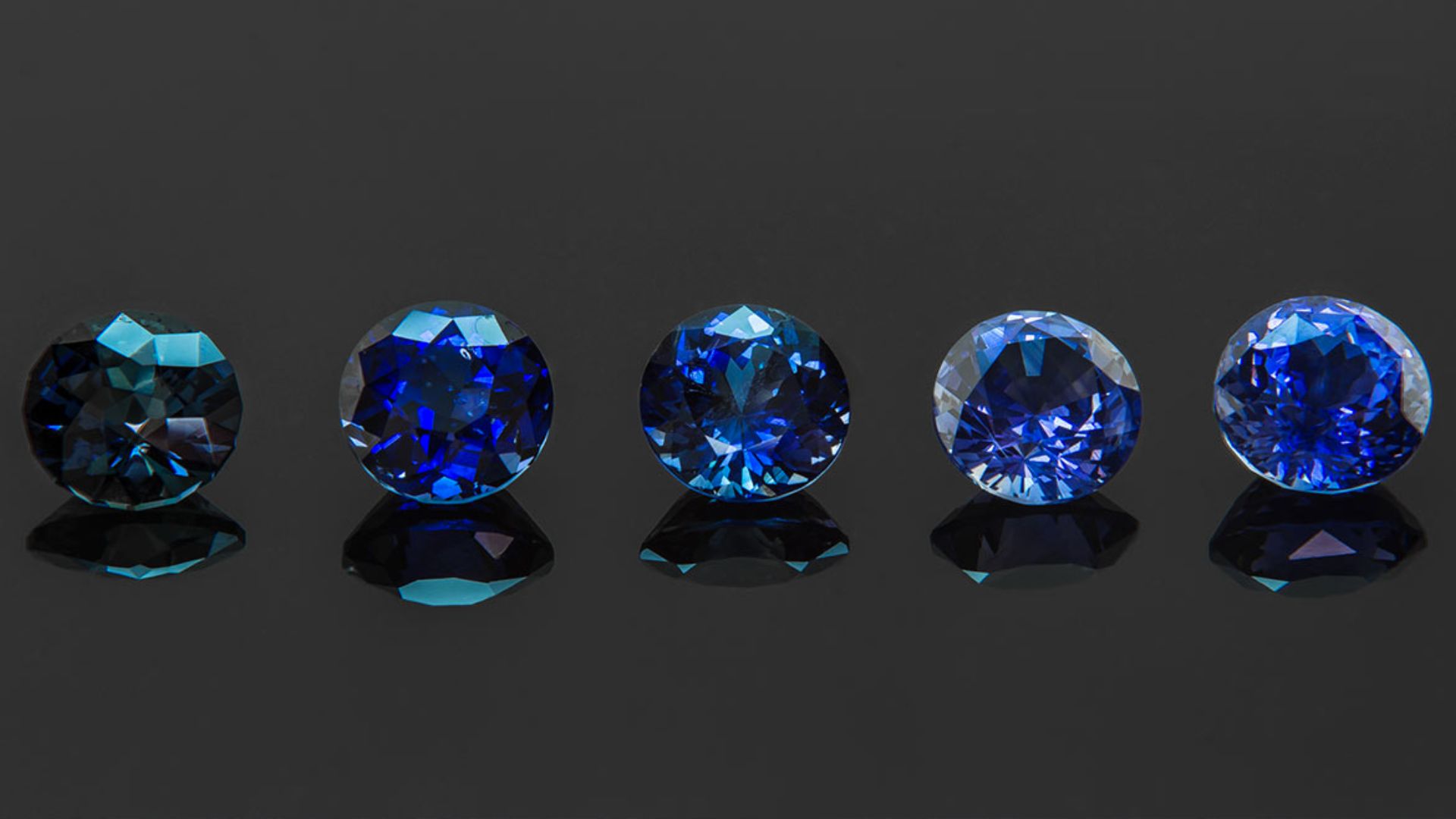
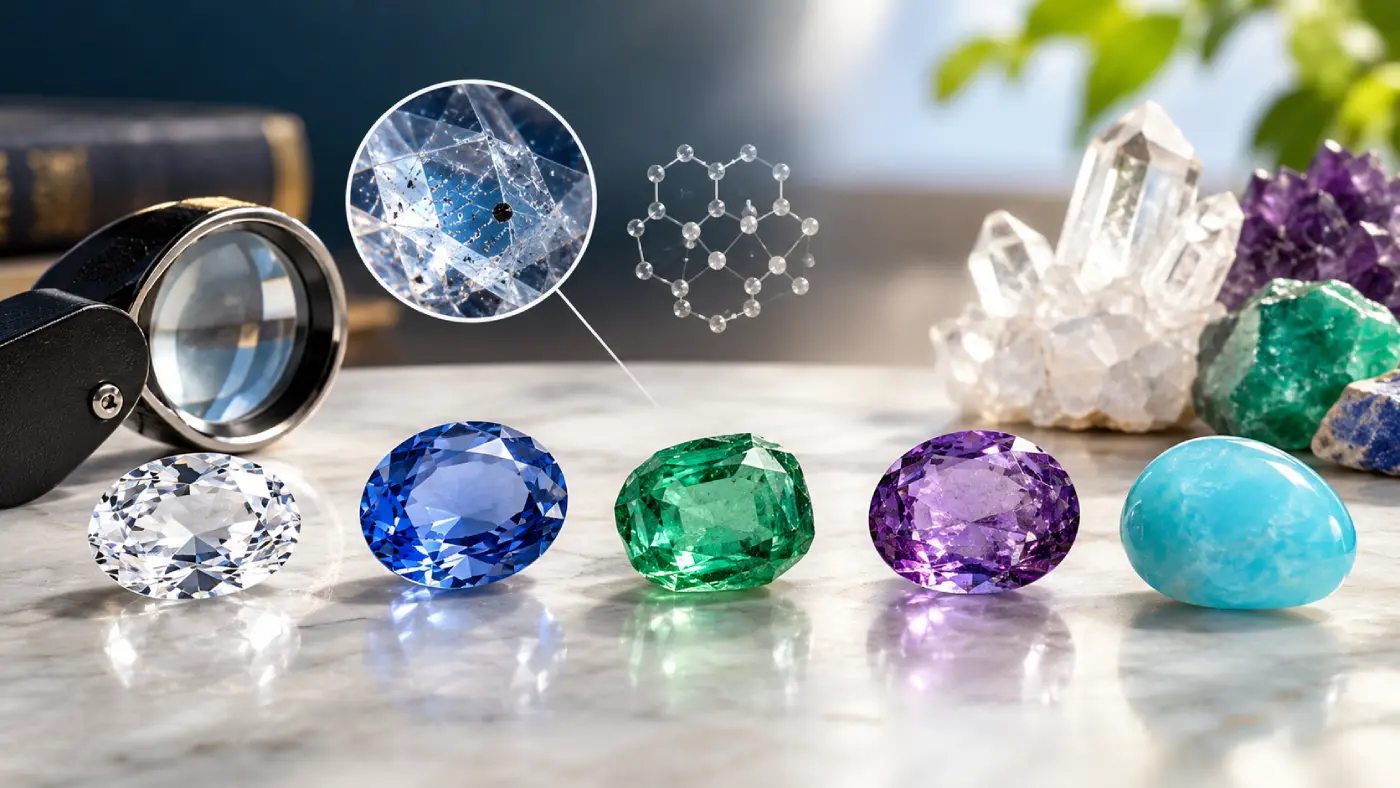
A beautiful gemstone is more than just a sparkling piece of jewellery. Behind its brilliance lies a fascinating journey that transforms an ordinary-looking stone into a precious work of art. From discovering a natural rough crystal deep within the Earth to shaping, cutting, and polishing it into a dazzling gemstone, every step requires precision, patience, and craftsmanship. The journey culminates in exquisite, certified gemstones, whose authenticity, quality, and natural beauty make each piece truly precious.
Gem cutting is a specialised art that combines technical knowledge, creativity, and years of experience. Whether it is a diamond, sapphire, emerald, or ruby, each gemstone goes through several stages before becoming ready for jewellery. Let's explore the complete journey of gemstone transformation.
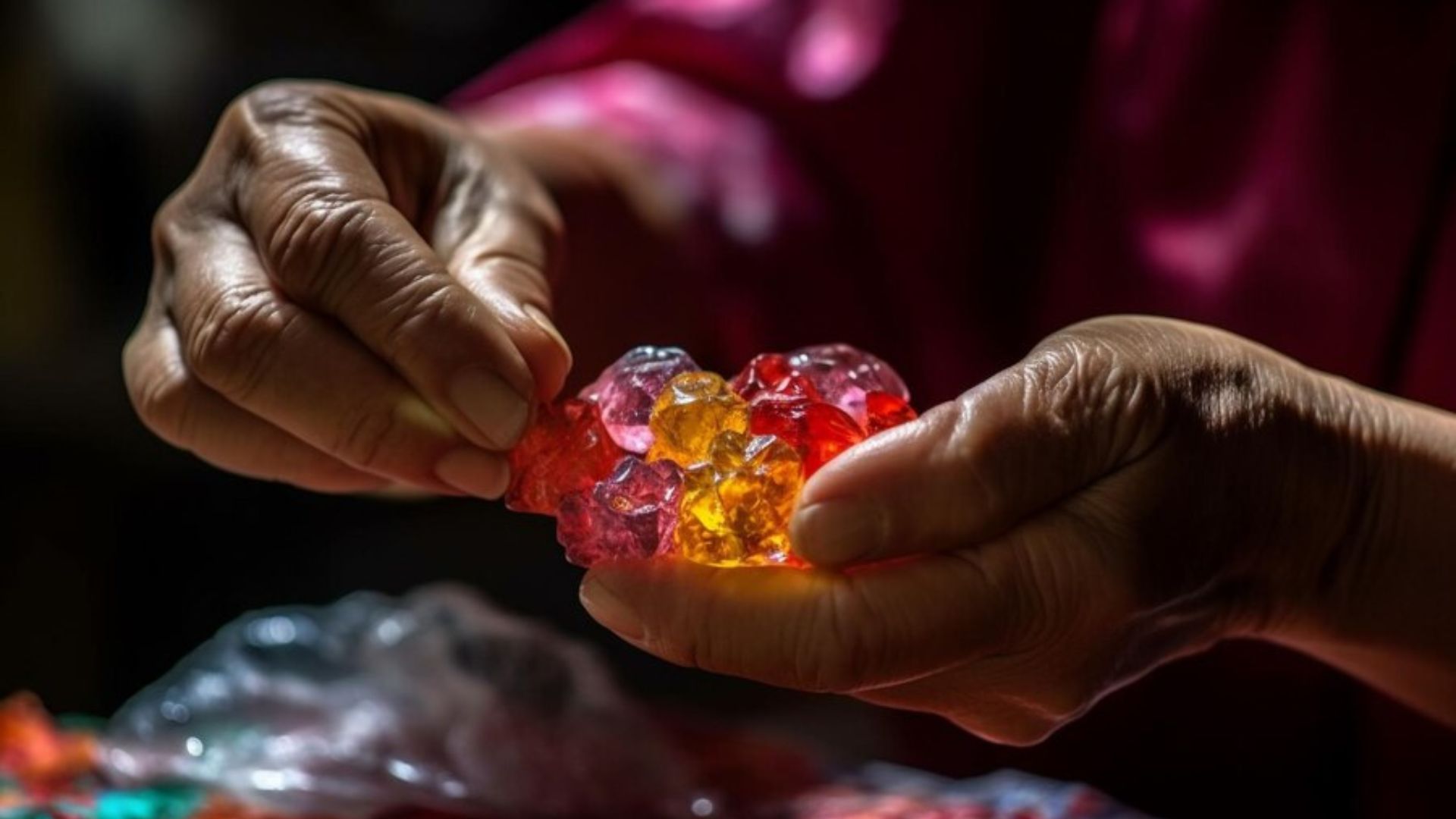
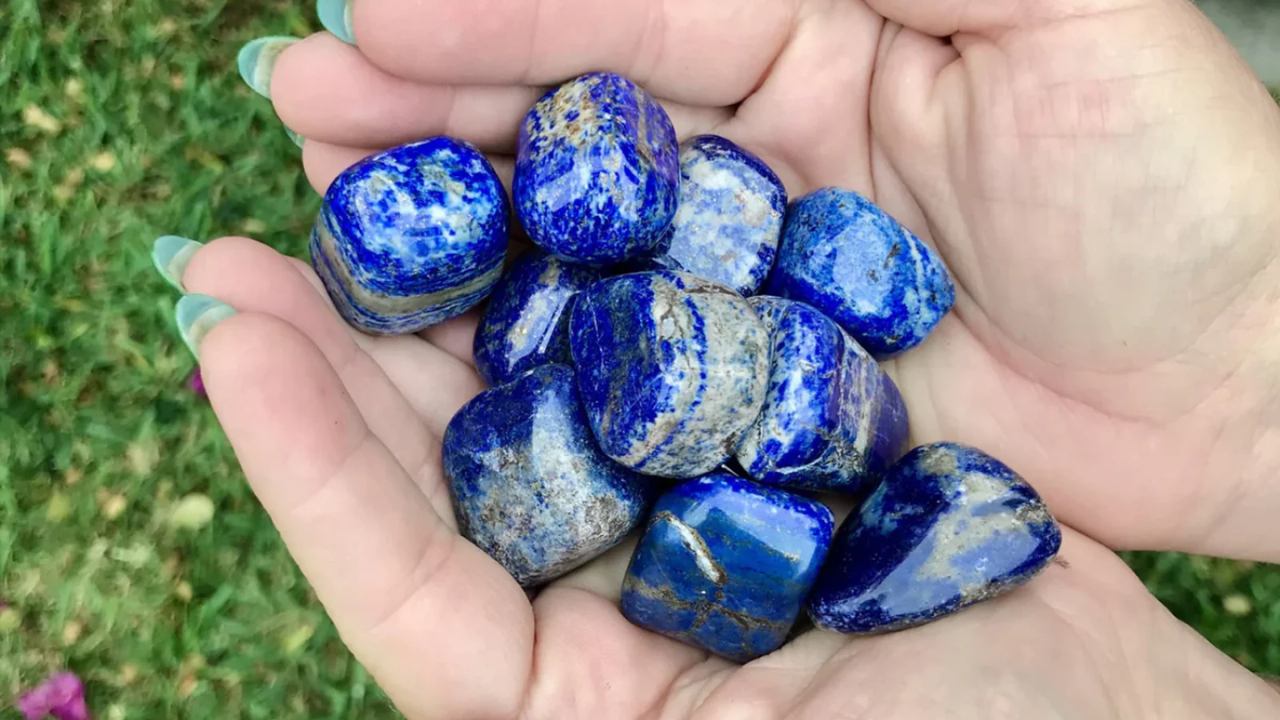
1. Discovering and Selecting the Rough Crystal
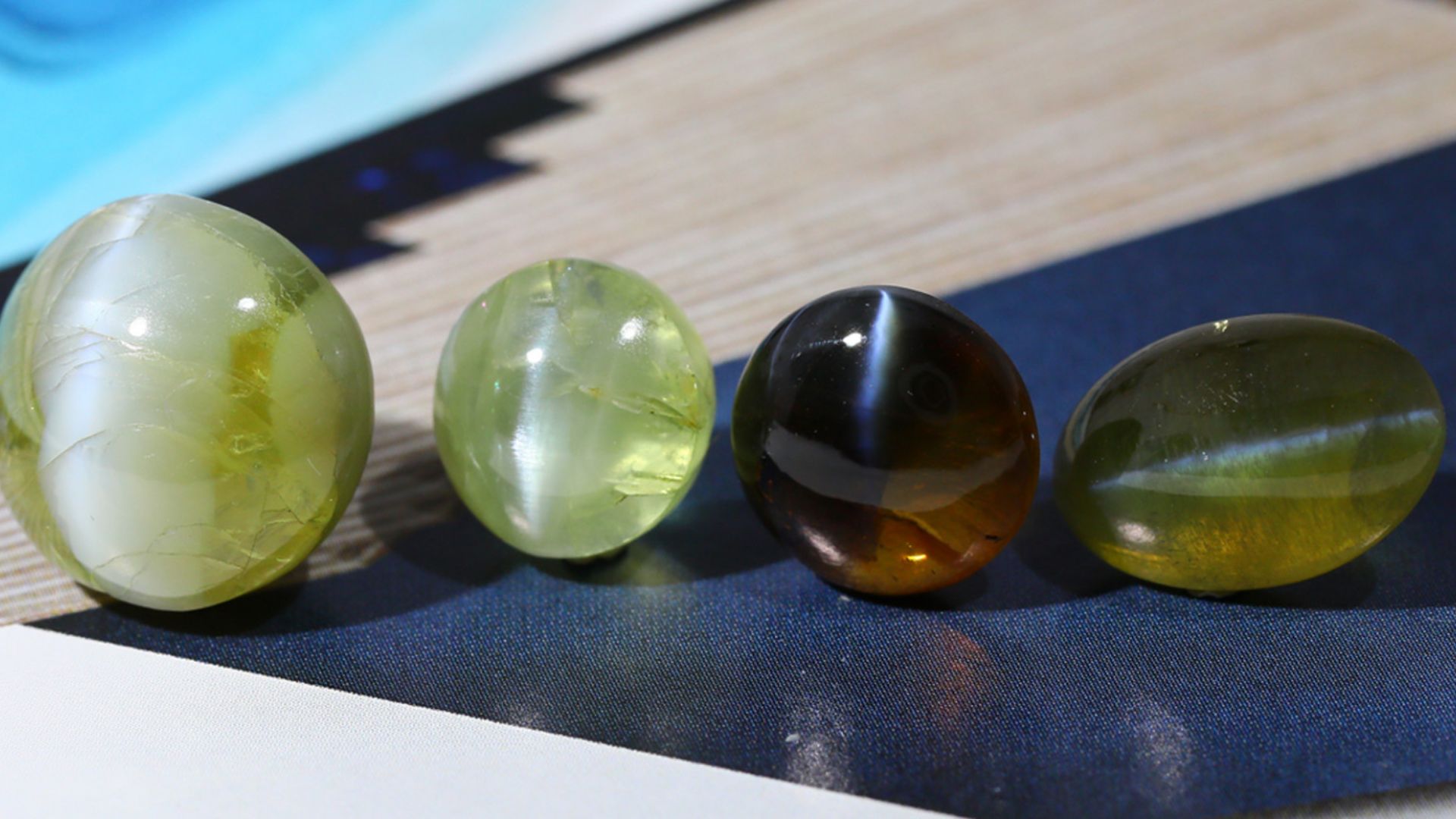
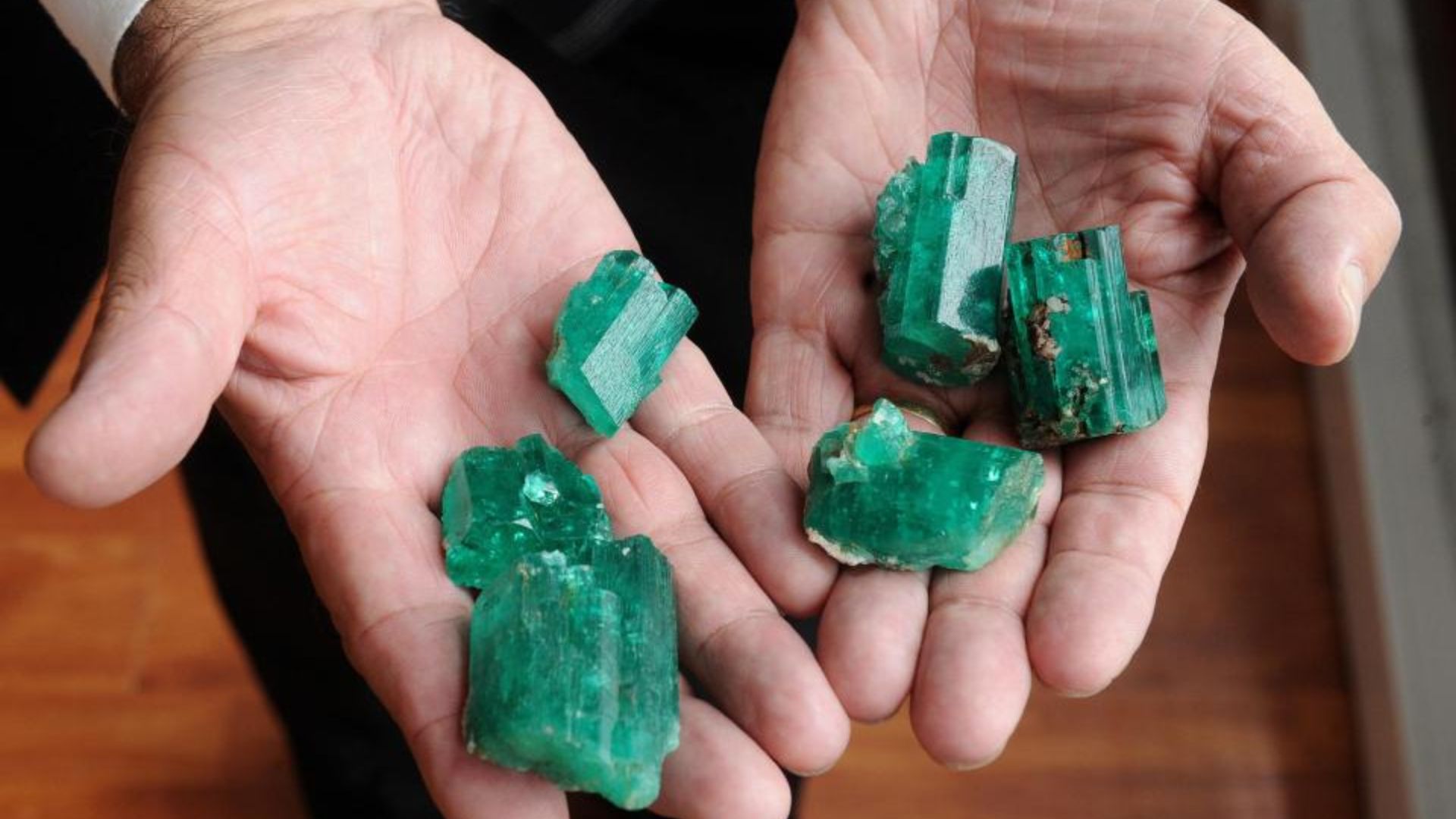
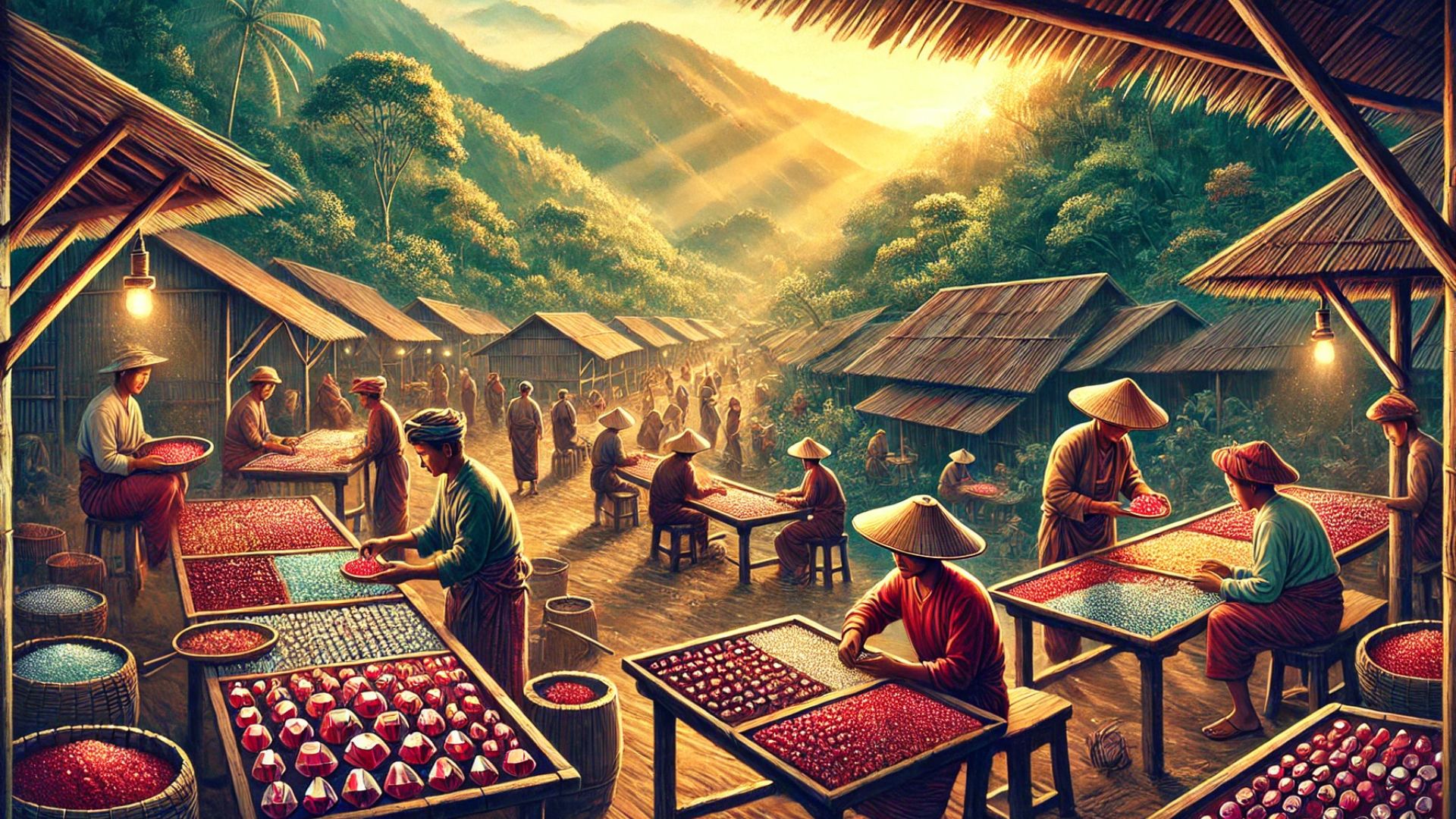
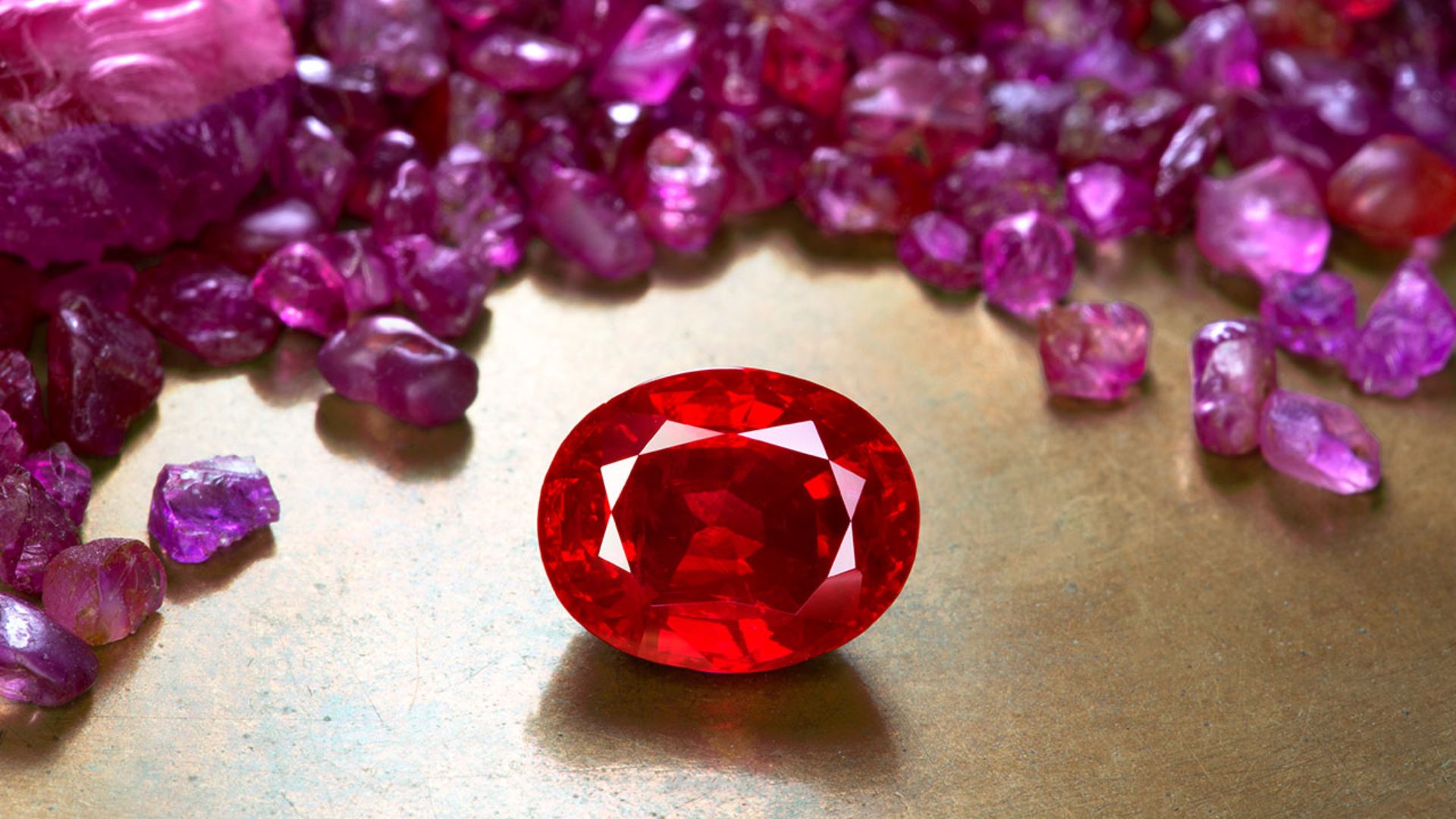
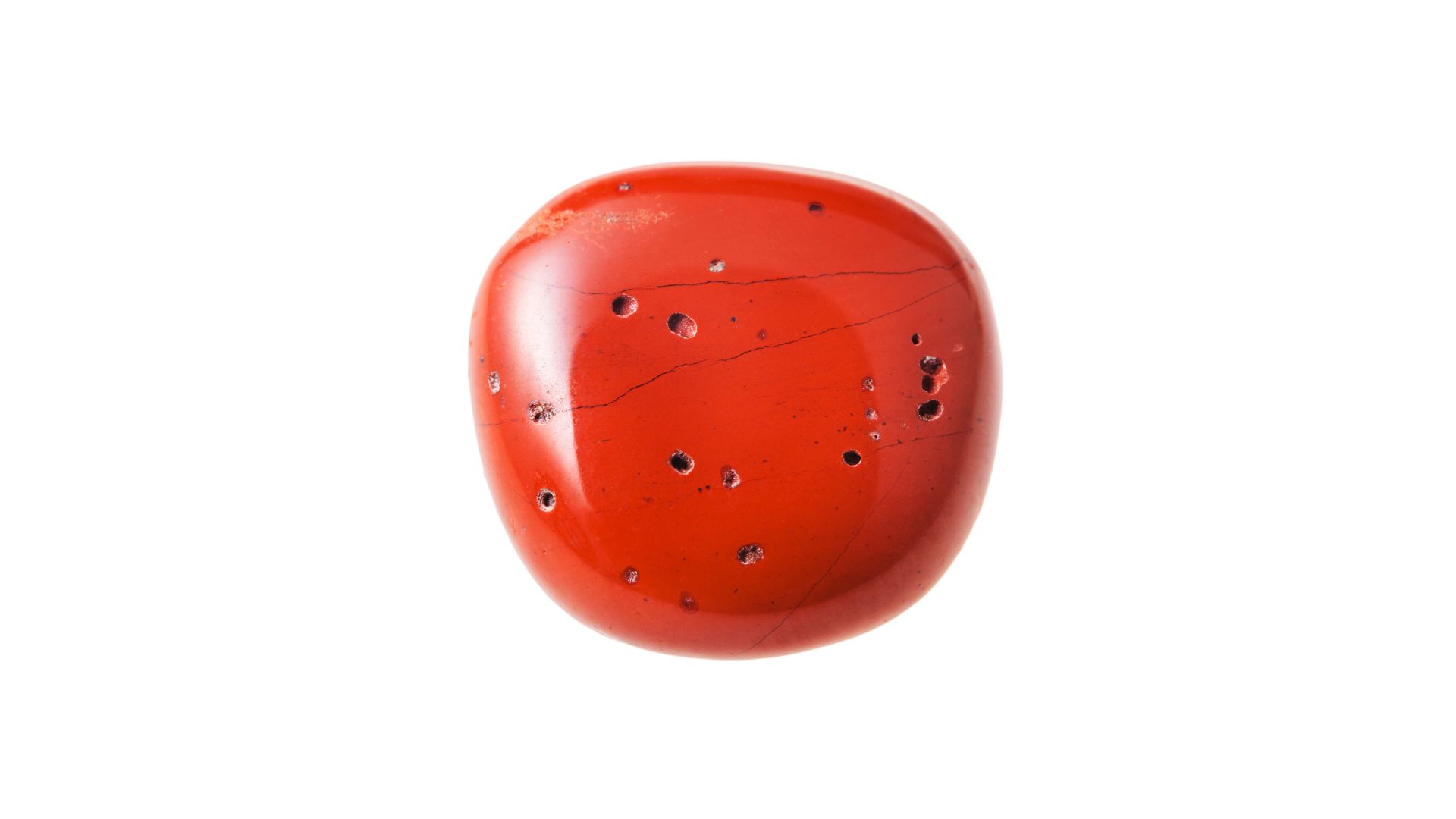
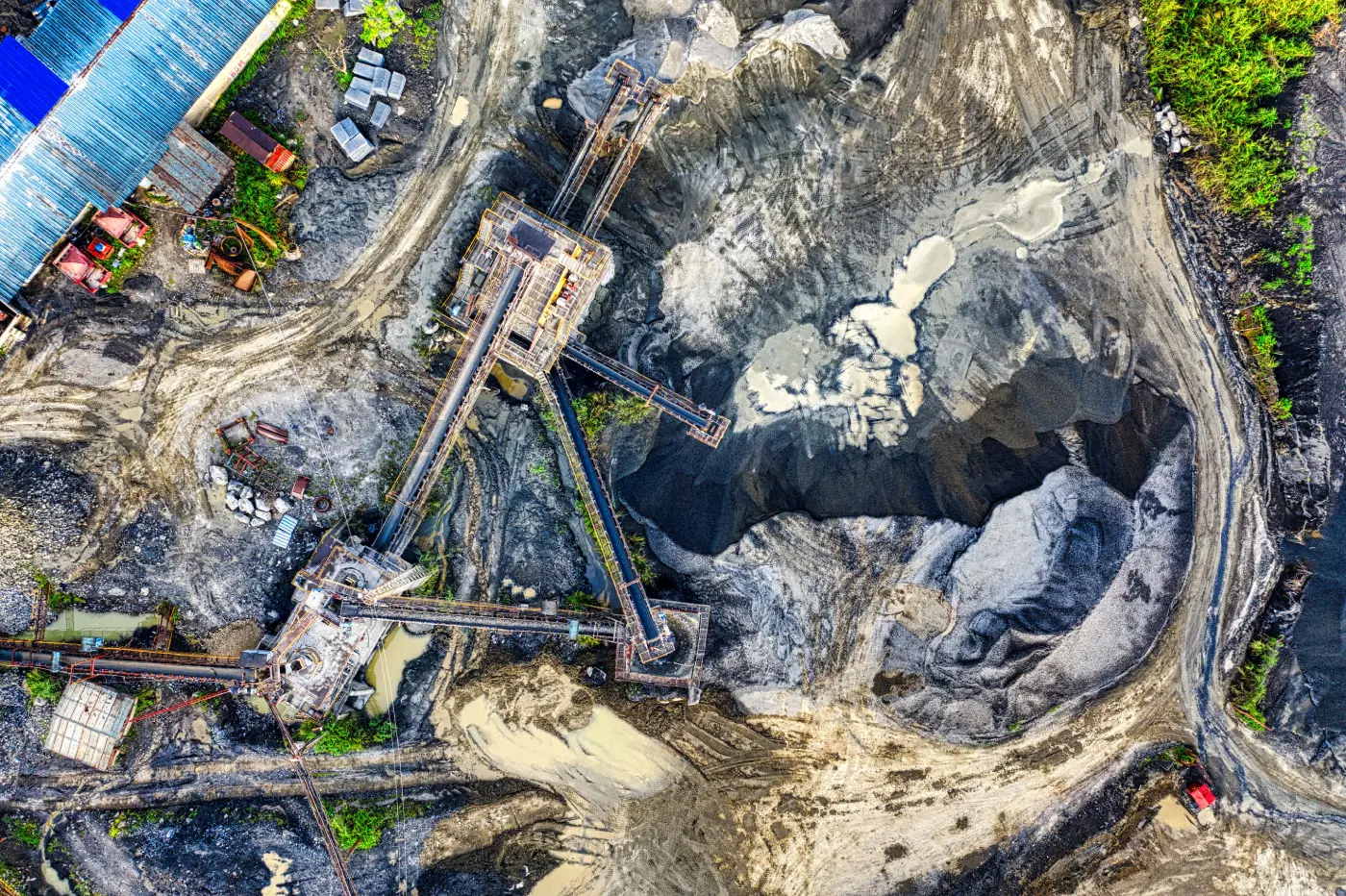
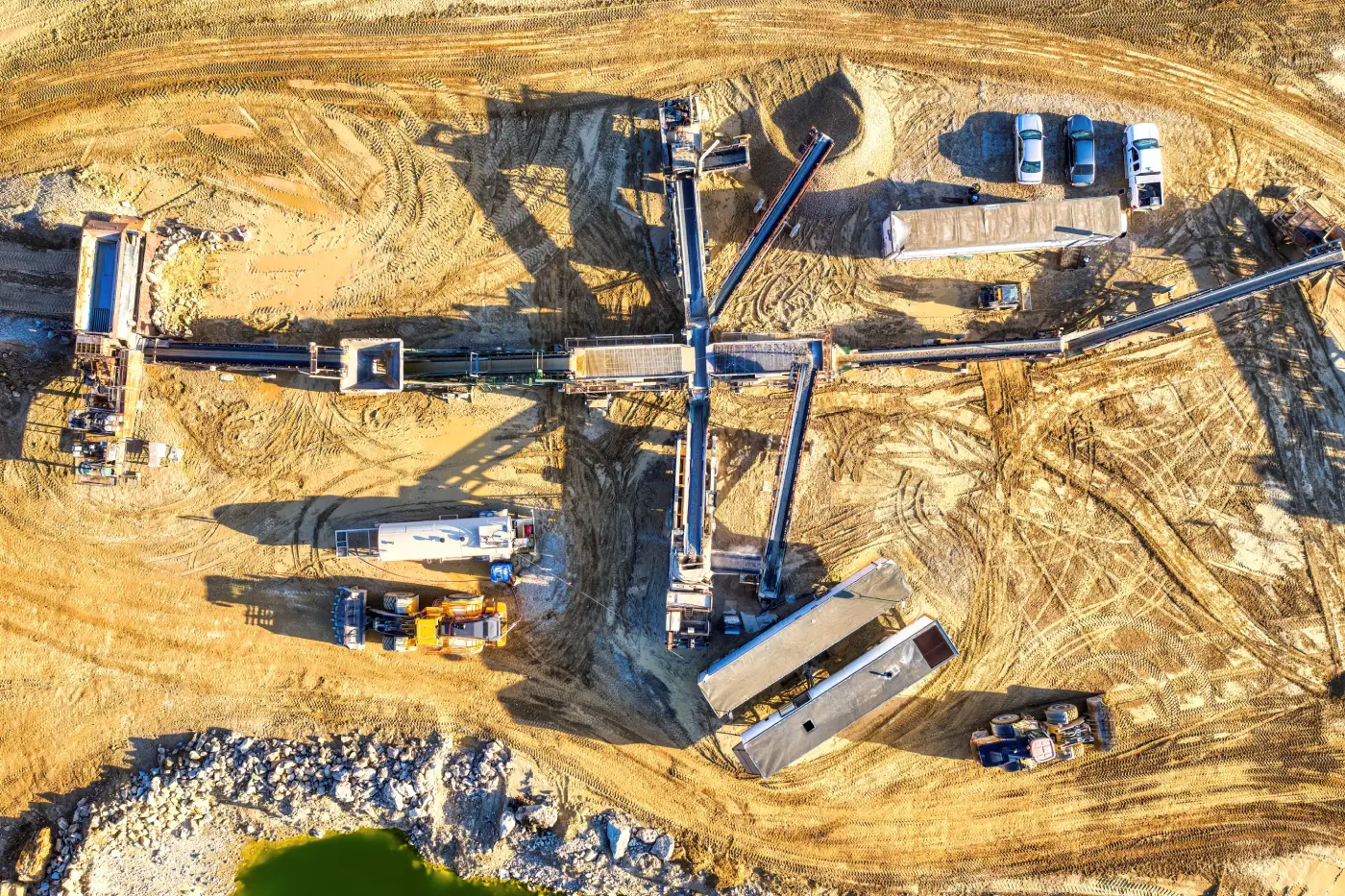
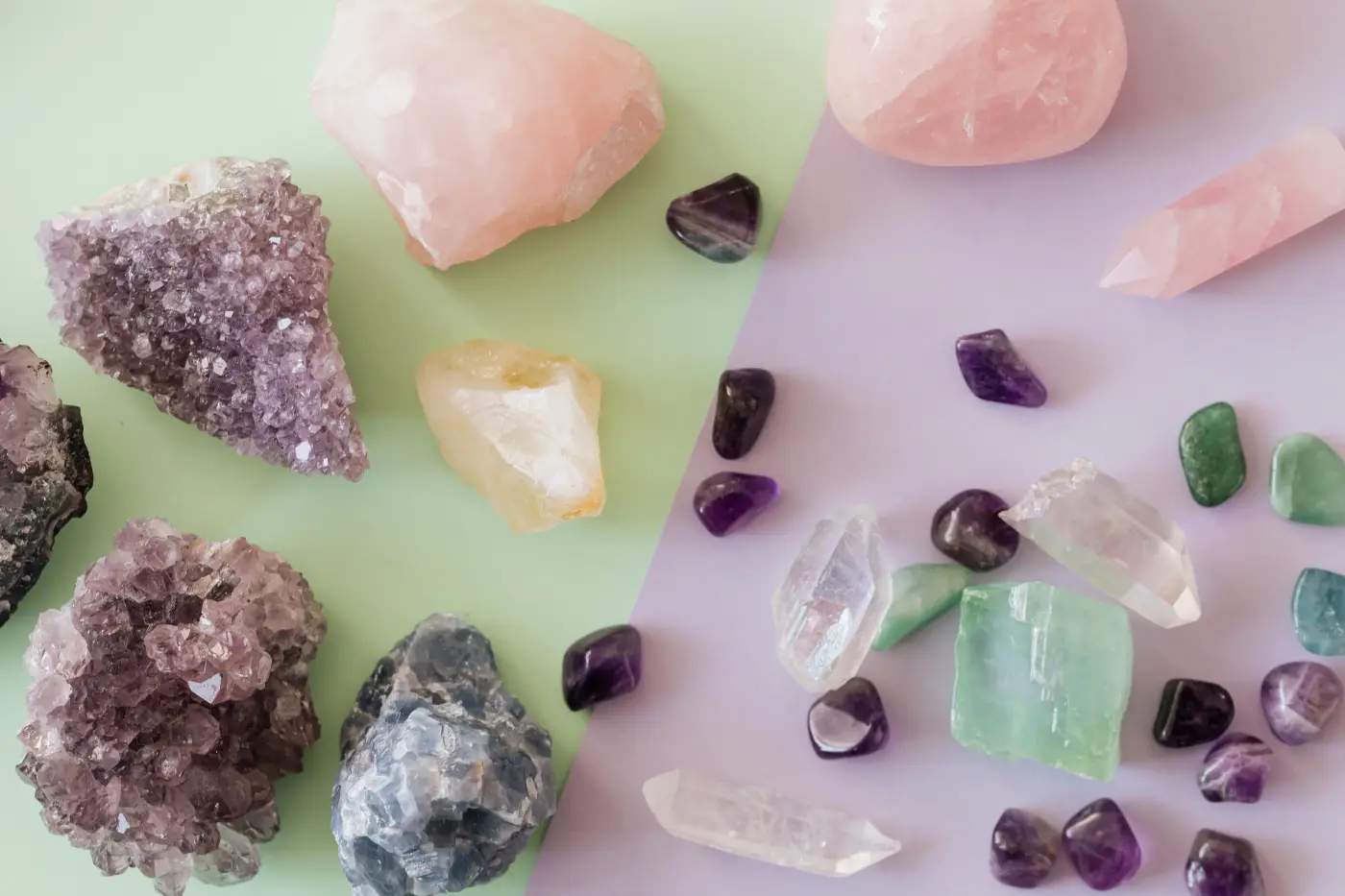
The journey begins with mining, where natural gemstones are extracted from the Earth's crust. These gemstones are formed over millions of years under specific geological conditions.
After extraction, the stones are carefully sorted and examined. At this stage, gem cutters evaluate each rough crystal based on several factors, including:
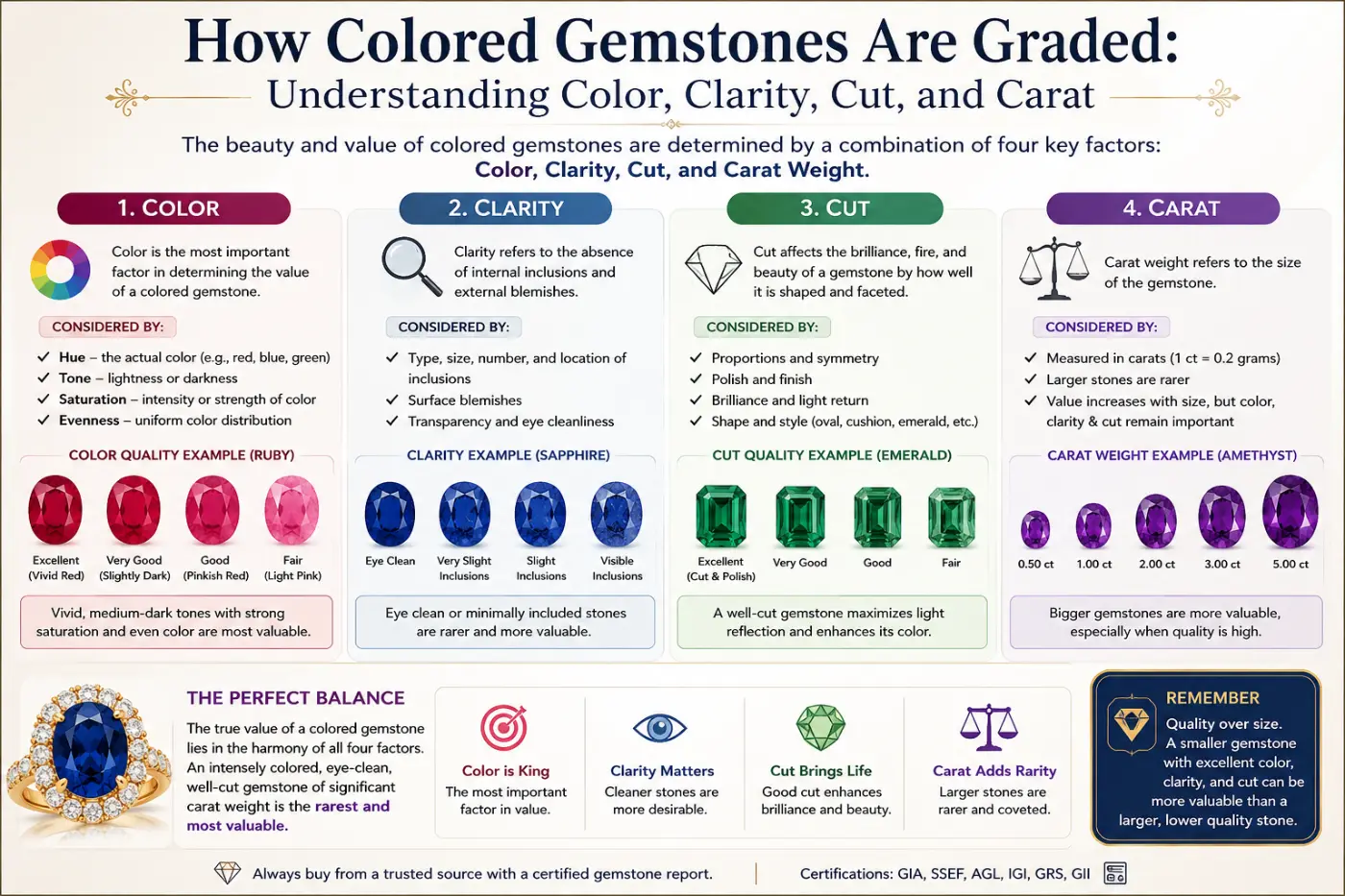
- Colour: The intensity, distribution, and attractiveness of its natural colour.
- Clarity: The presence of inclusions, cracks, and internal imperfections.
- Size: The overall dimensions and weight of the crystal.
- Shape: The natural form of the stone and its potential for cutting.
- Quality: The gemstone's overall suitability for jewellery and other applications.
Selecting the right rough crystal is essential because its natural characteristics determine how it should be processed to achieve the best possible result.
2. Planning and Marking the Gemstone
Once the rough crystal has been selected, the next step is planning. This is one of the most important stages of gemstone processing because a small mistake can lead to significant material loss.
Experienced gem cutters carefully study the stone to identify its natural features, including colour zones, inclusions, fractures, and crystal structure.
They then determine the ideal cutting orientation and final shape. The goal is to maximise the gemstone's beauty, preserve as much weight as possible, and minimise visible imperfections.
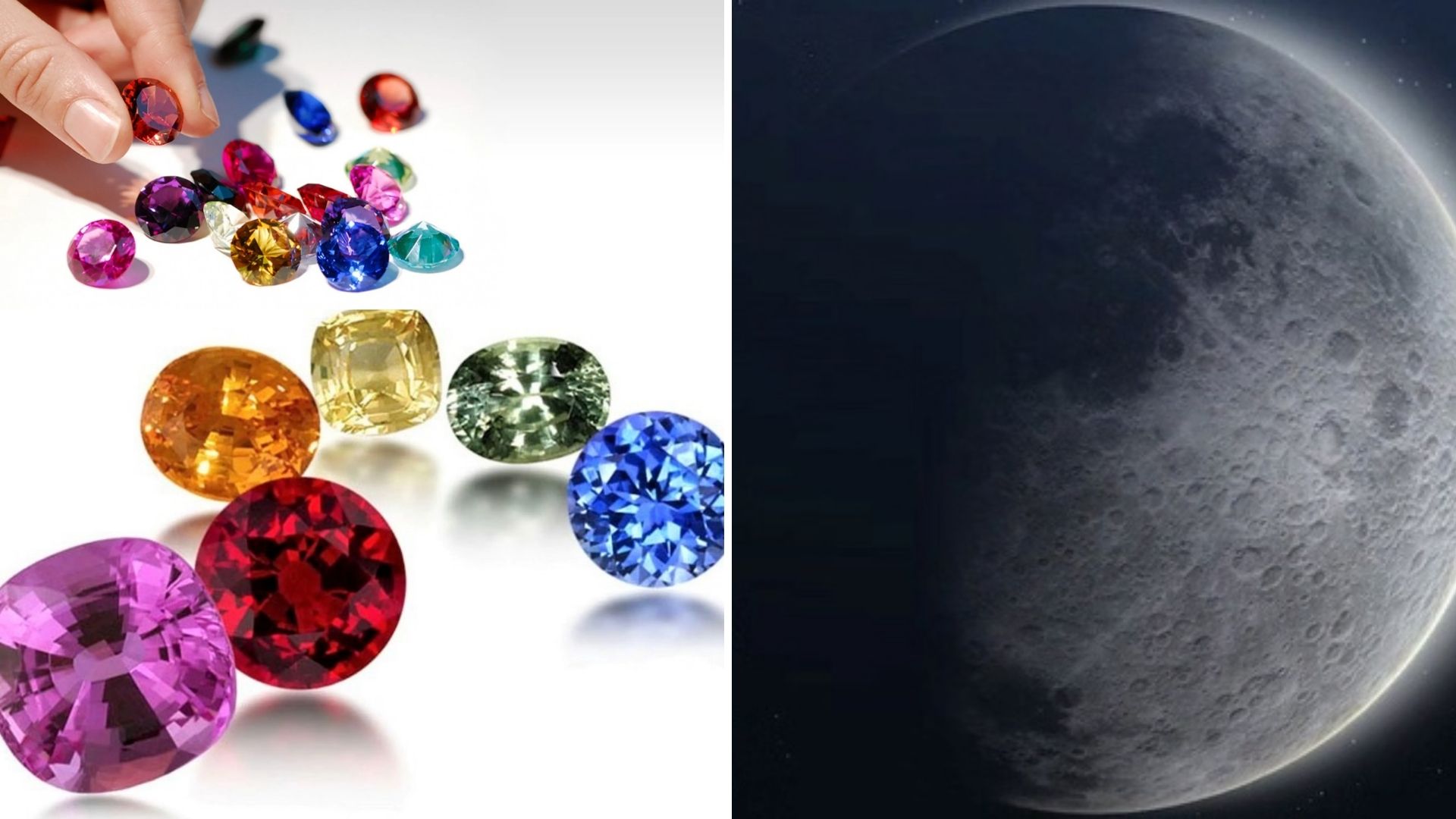
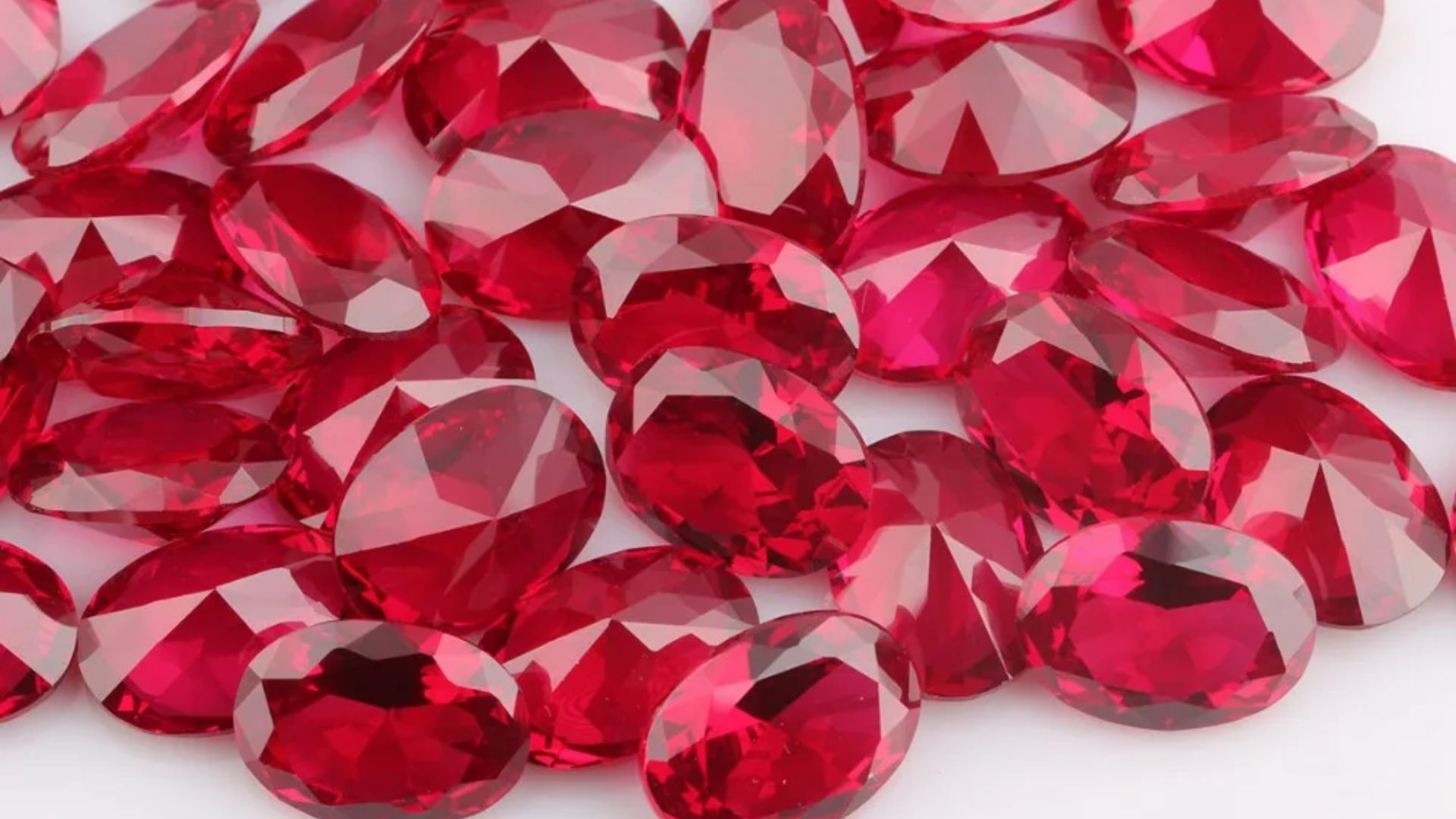
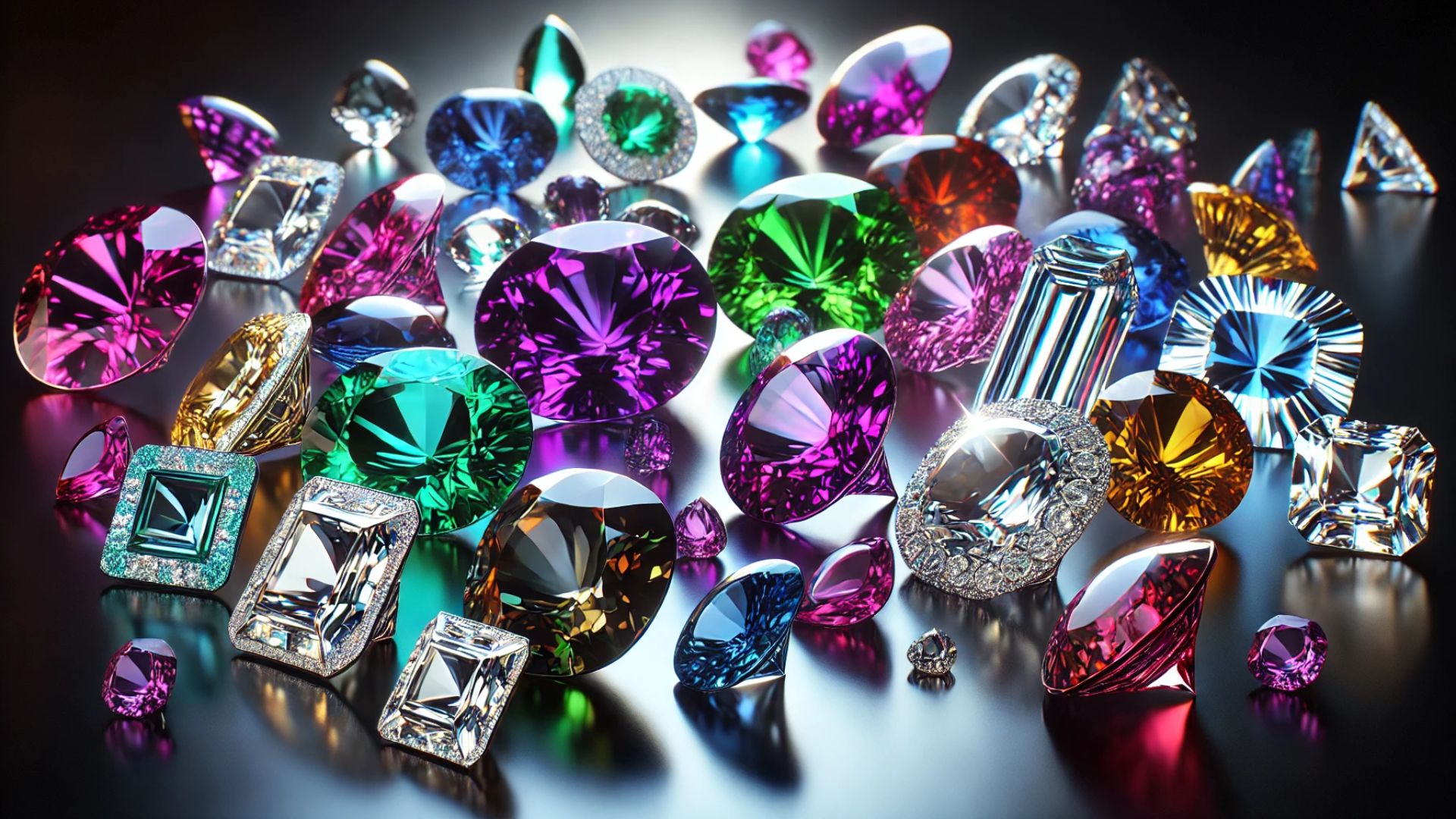
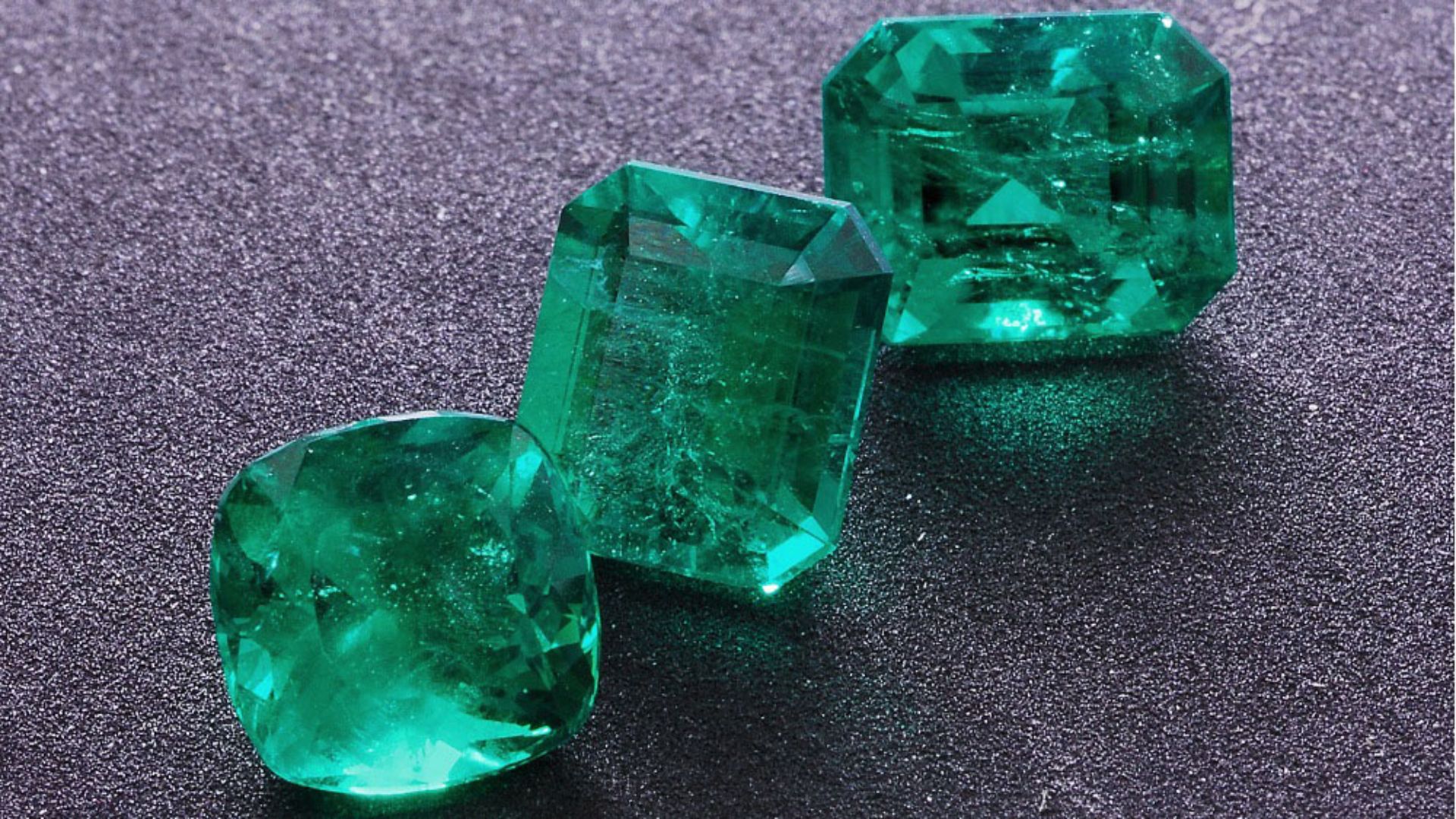
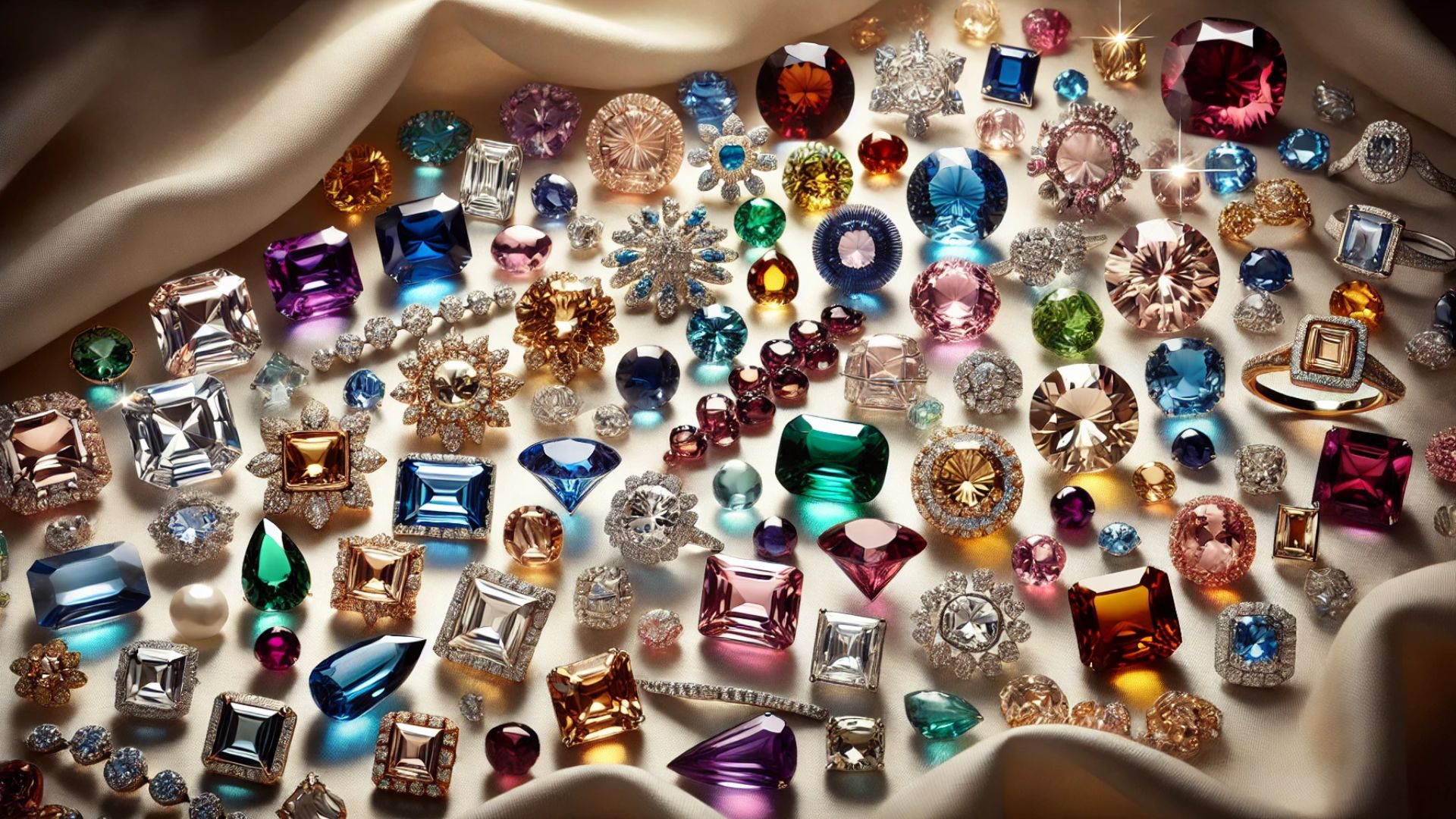
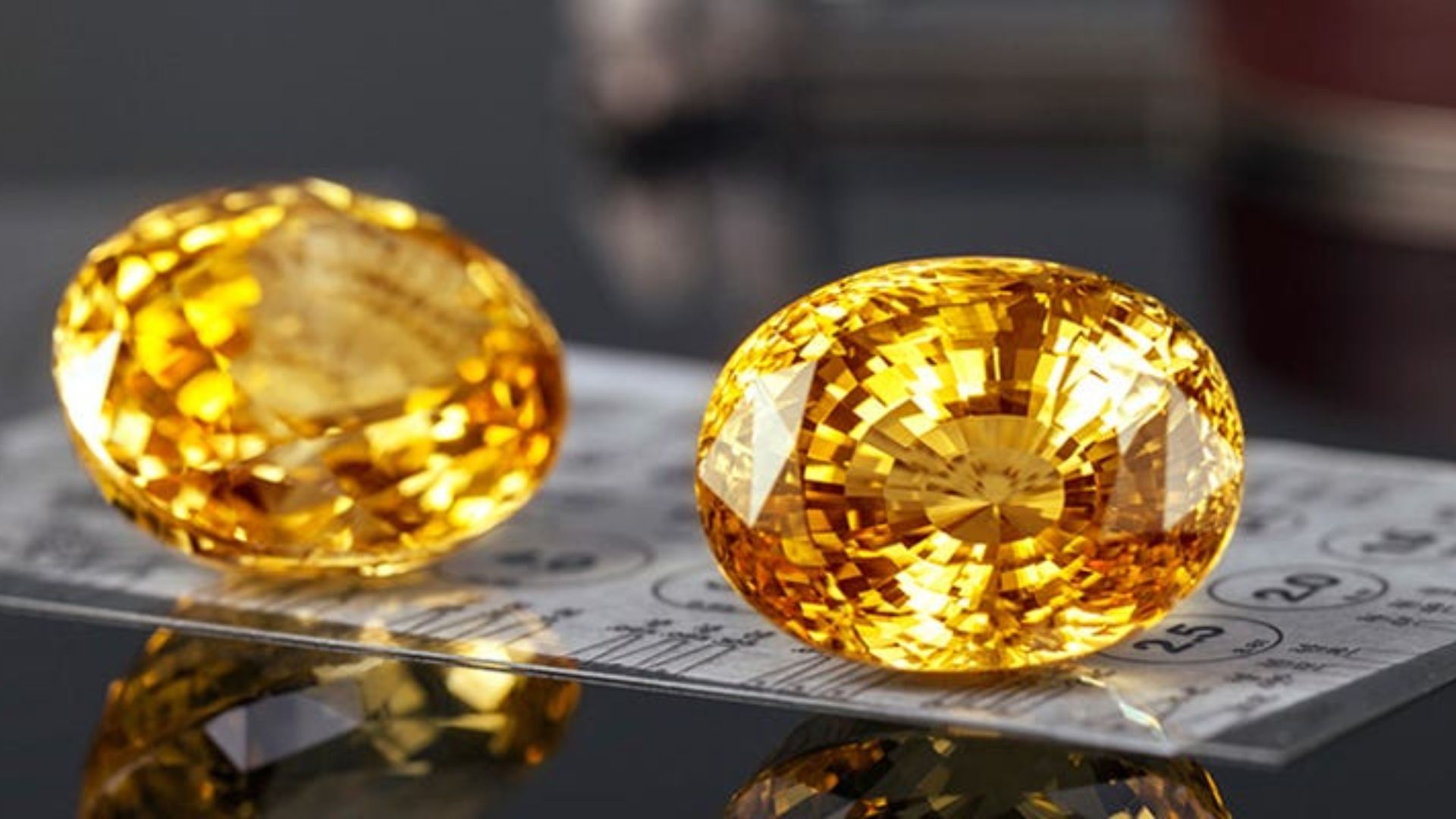
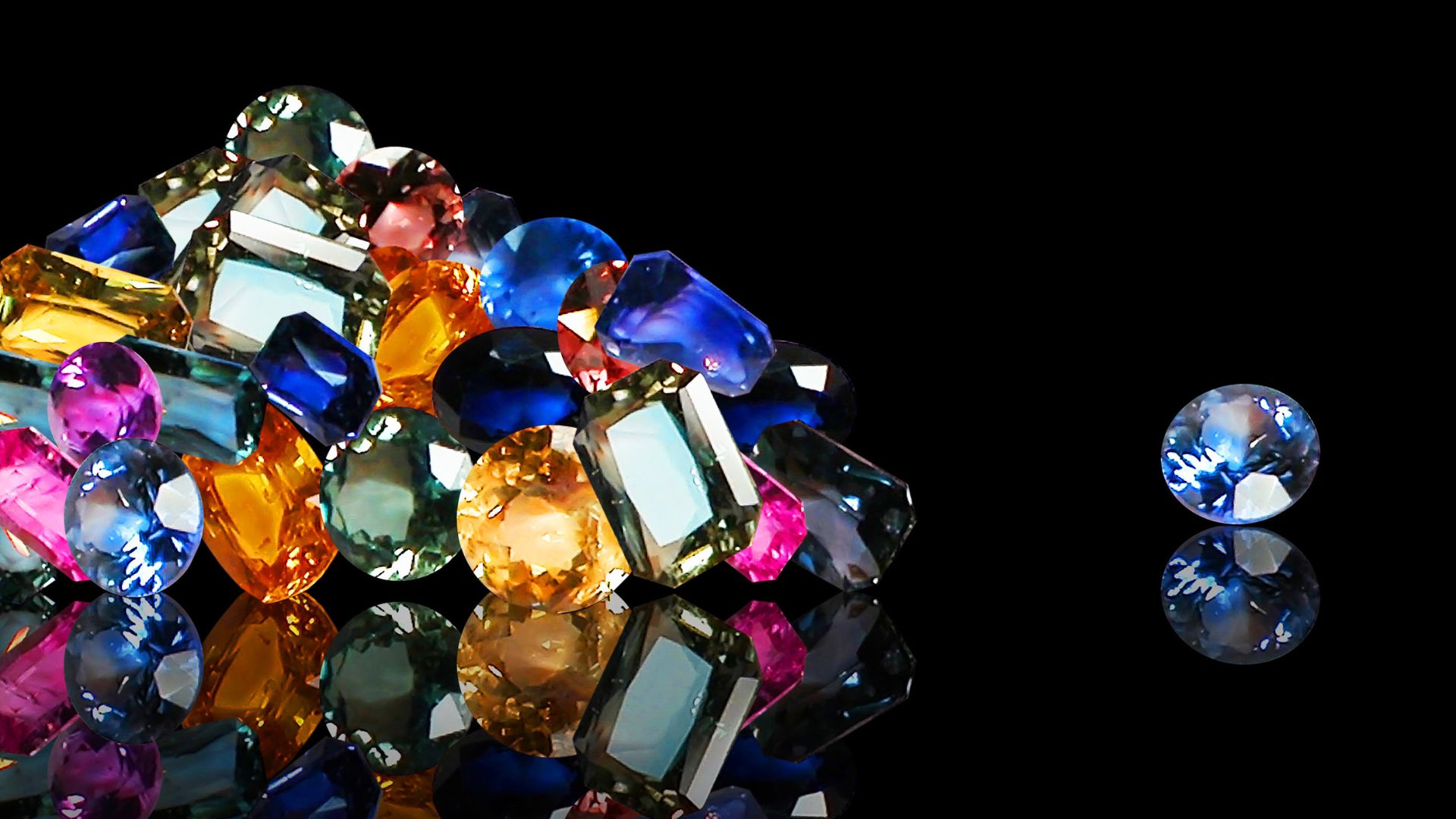
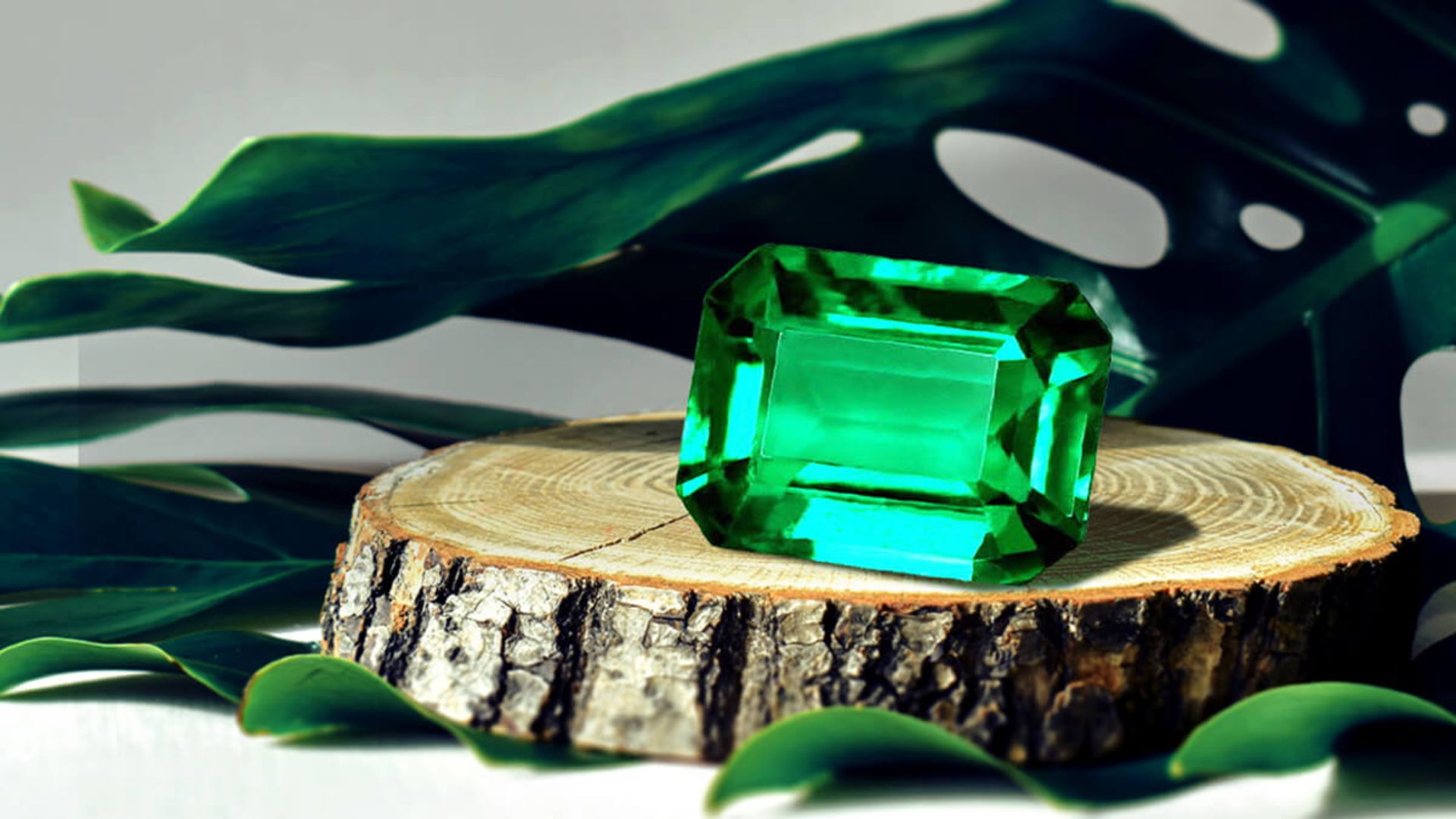
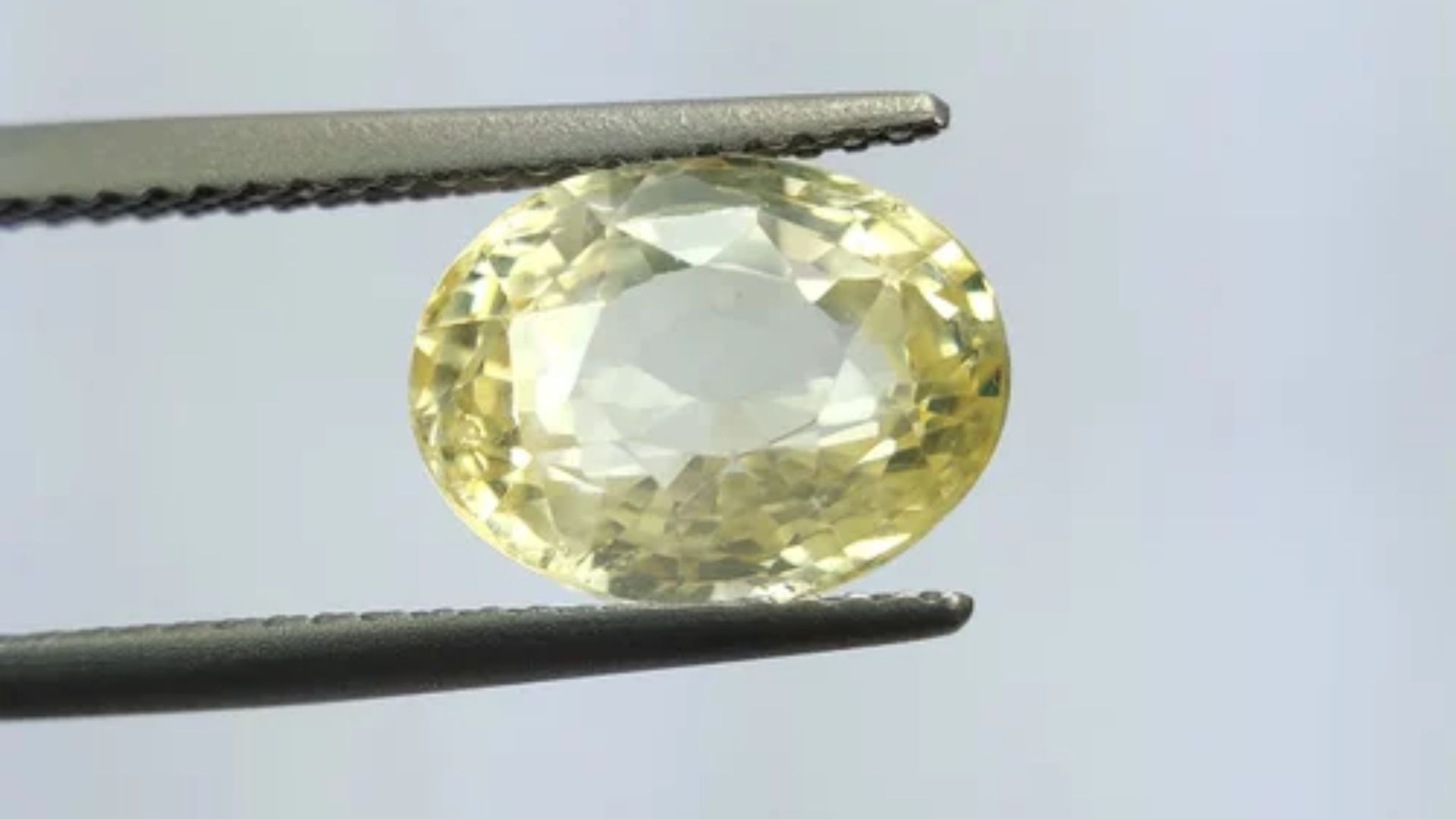
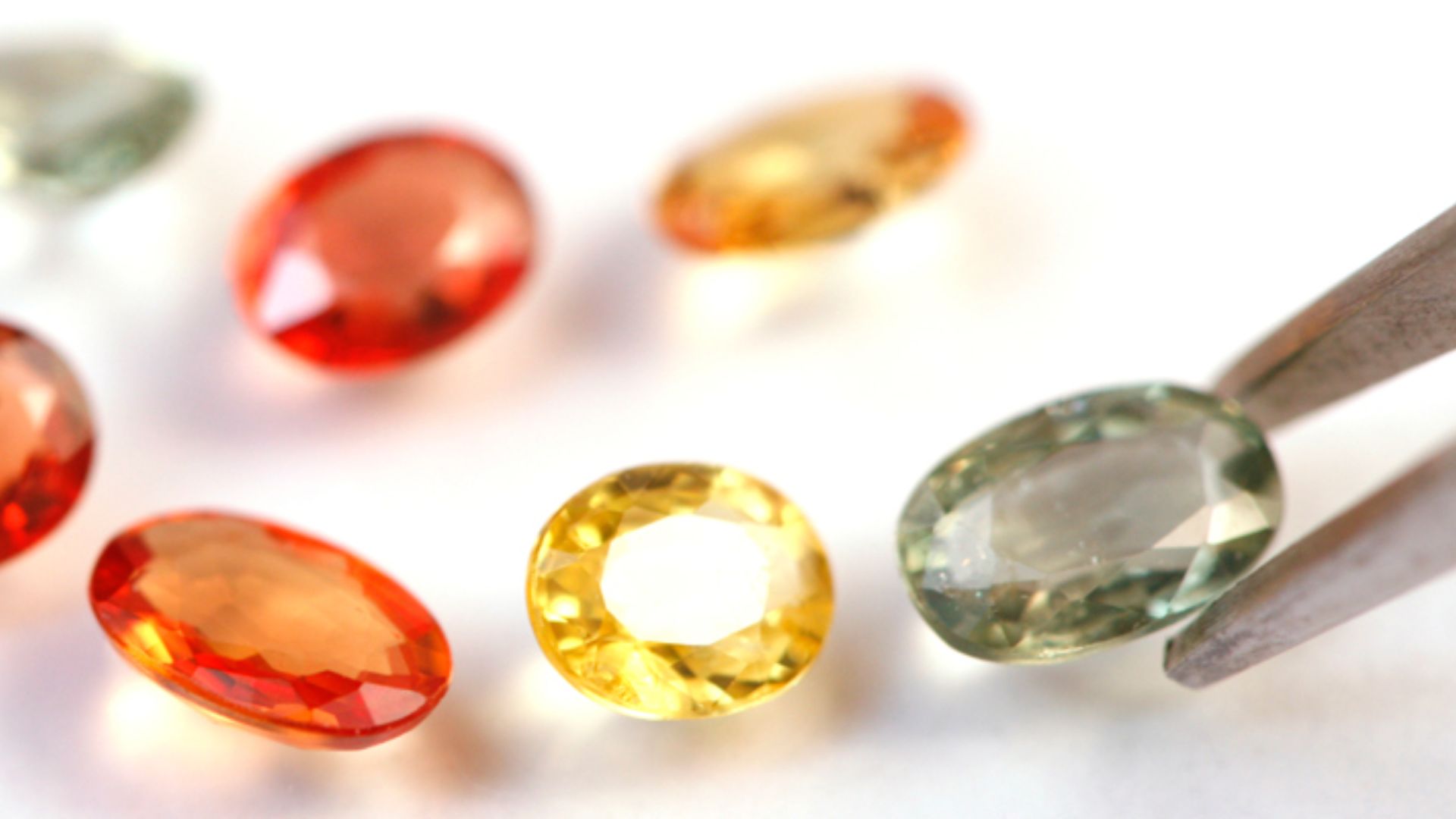
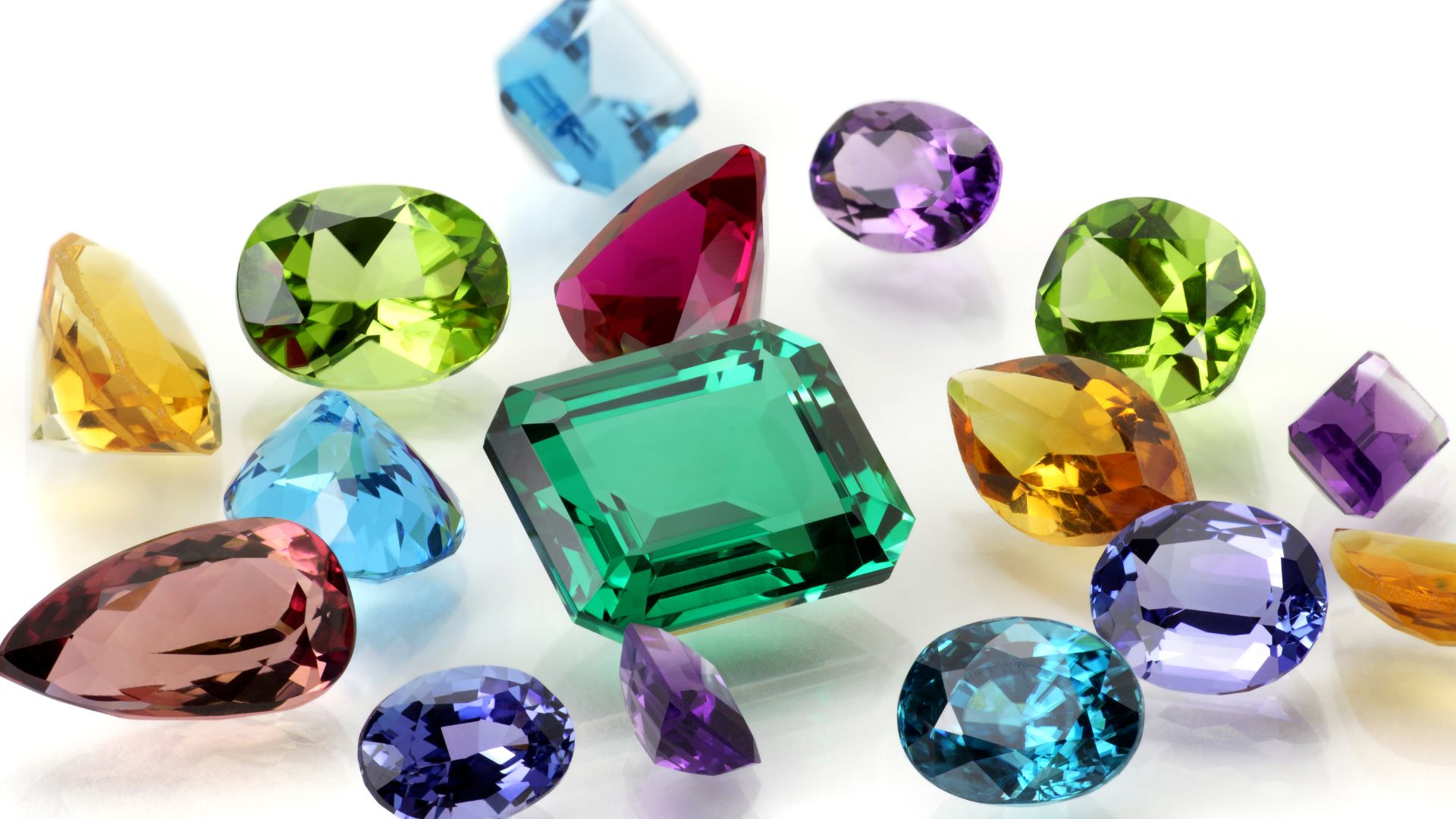
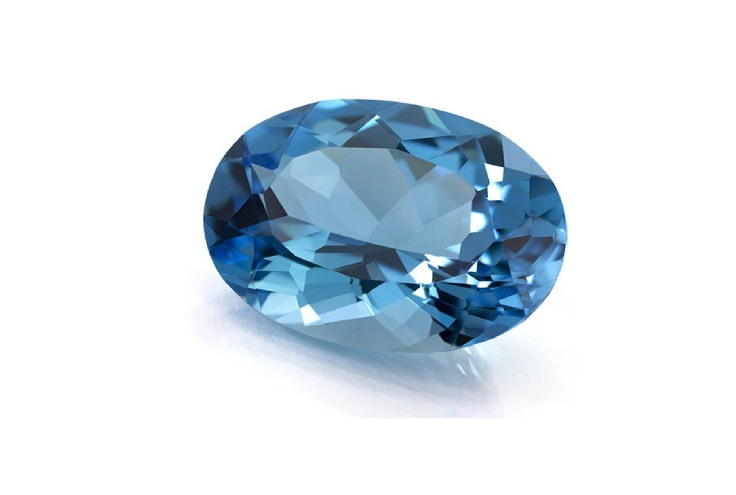
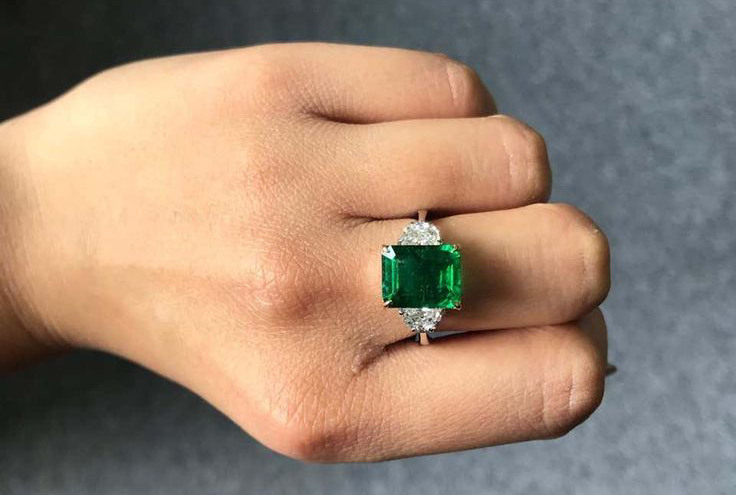
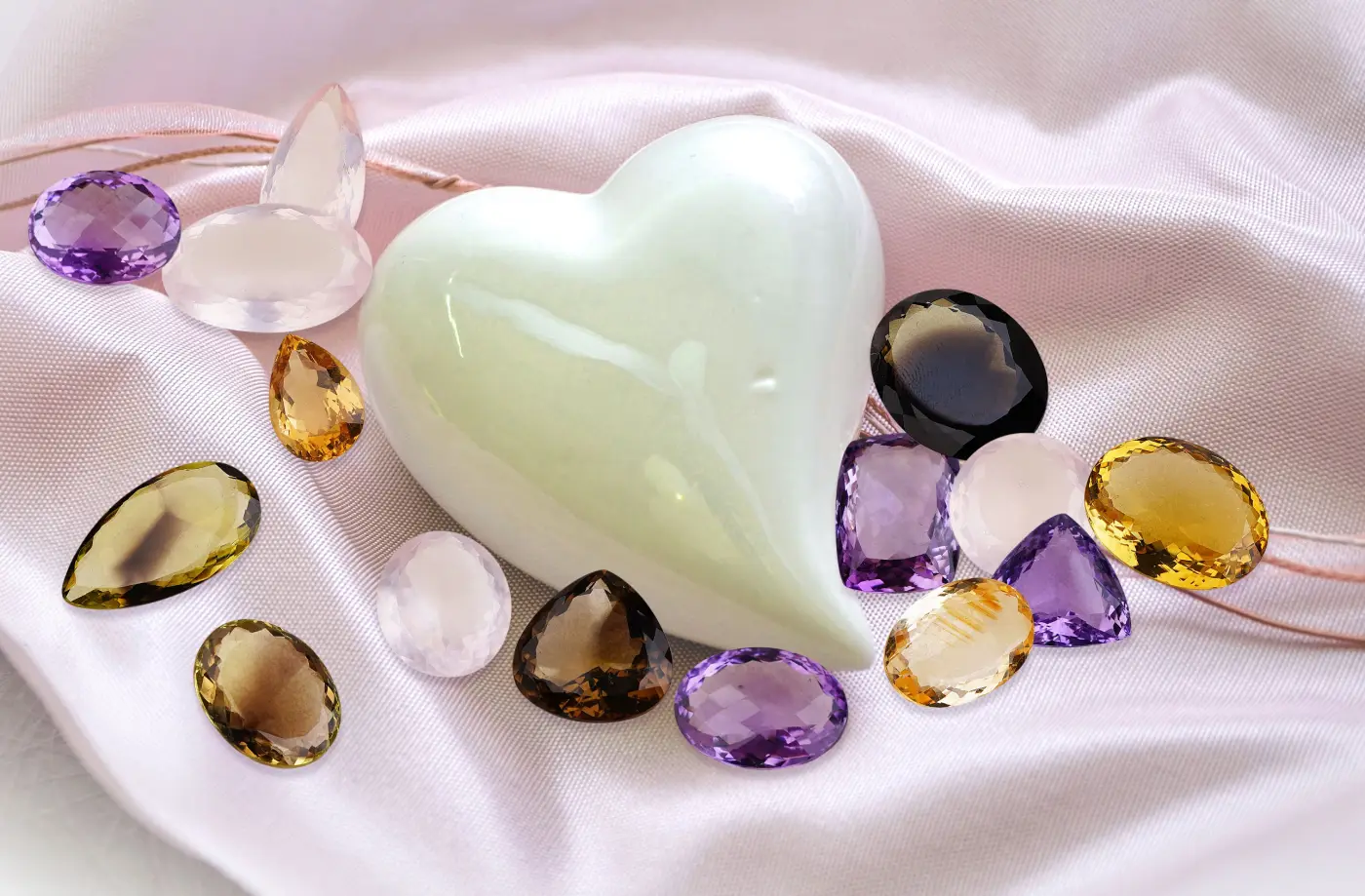
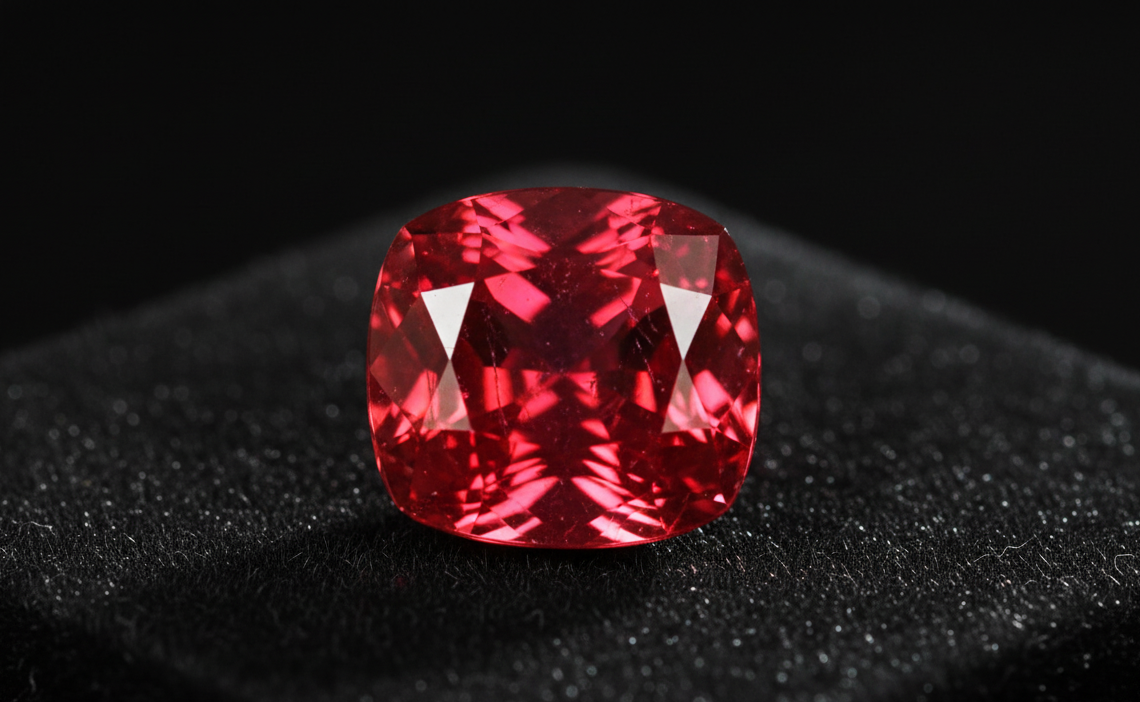
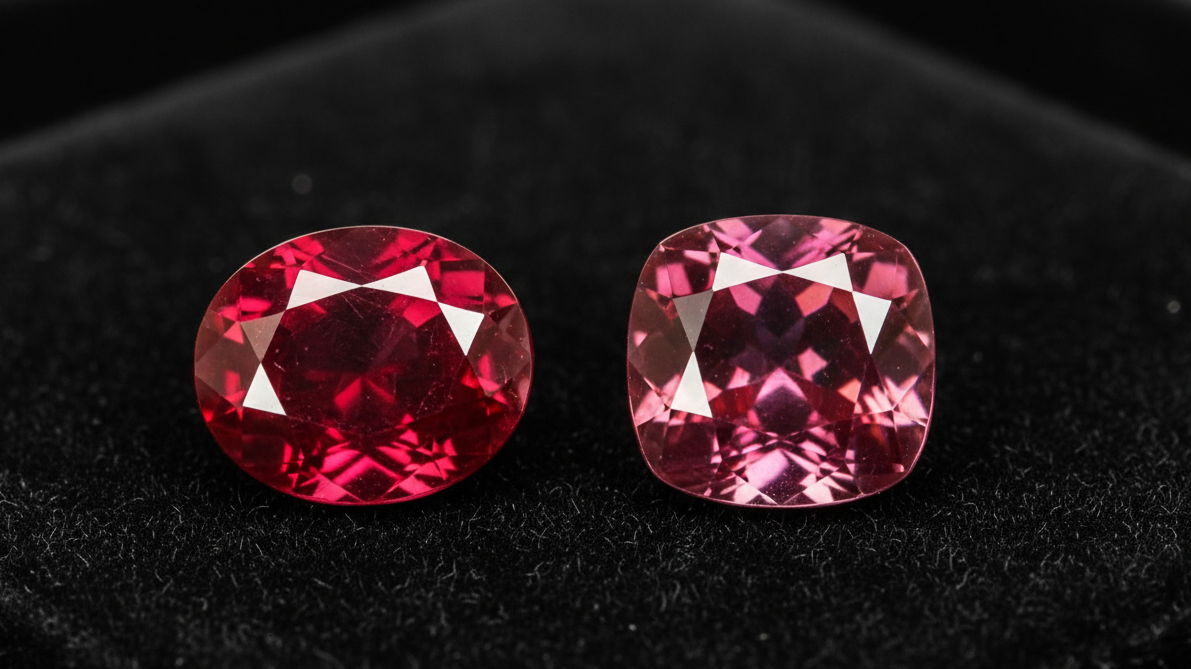
Depending on the stone, the cutter may choose shapes such as round, oval, pear, cushion, emerald, or princess cuts.
Modern technology, including computer-assisted design and 3D scanning, can also help cutters plan complex gemstone shapes with greater accuracy.
3. Cleaving and Sawing the Rough Stone
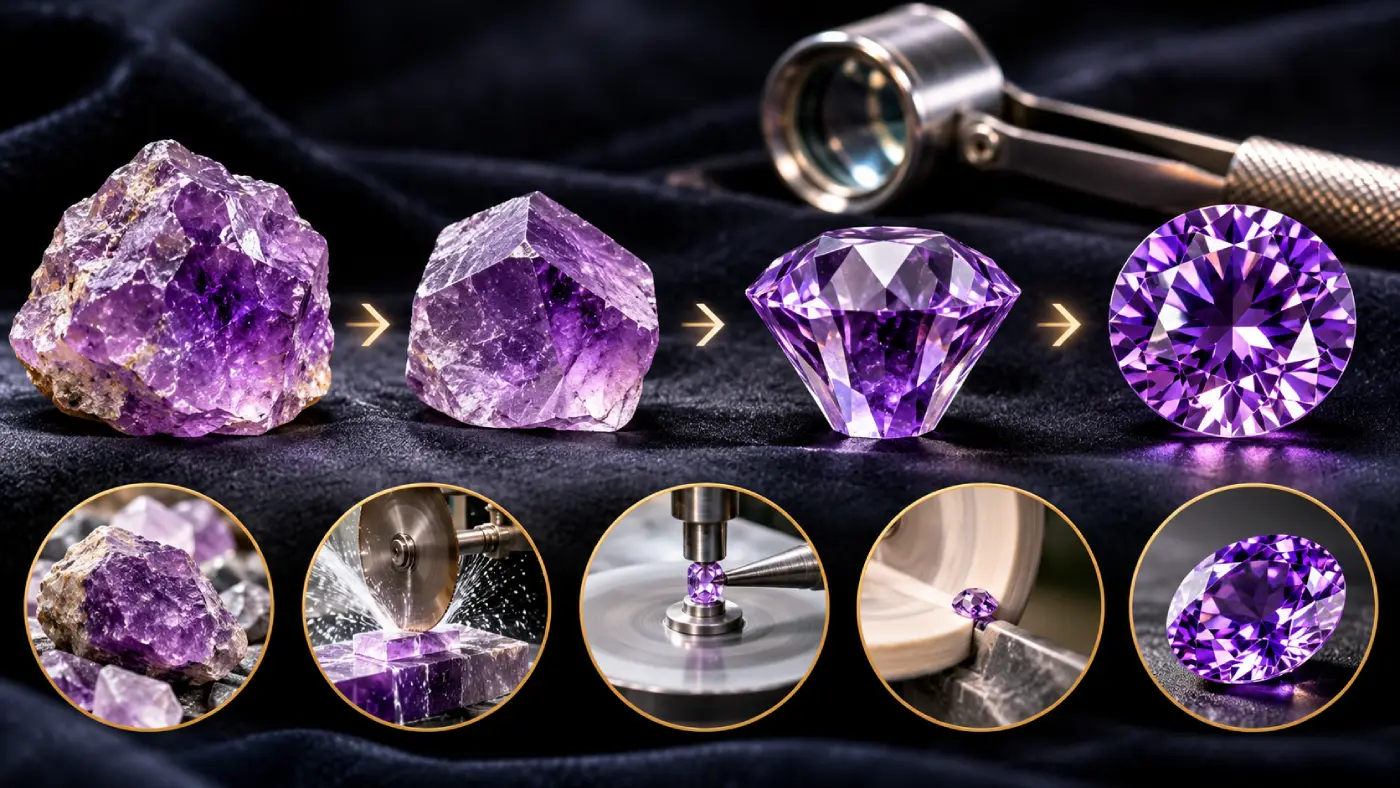
After planning, the rough crystal moves to the cutting stage. Depending on its type, size, and internal structure, the gemstone may need to be divided into smaller pieces.
Two common techniques are:
Cleaving: This process involves splitting a gemstone along its natural planes of weakness. It requires expert knowledge because incorrect pressure or direction can damage the stone.
Sawing: Specialised gemstone saws equipped with diamond-coated blades are used to divide rough stones into the desired shapes and sizes.
These processes help remove unwanted portions and prepare the gemstone for further shaping.
4. Preforming: Creating the Basic Shape
Preforming is the stage where the gemstone begins to take its intended form. During this process, the cutter removes excess material and shapes the stone according to the cutting plan.
The rough edges are gradually adjusted to create a basic outline of the final gemstone.
For example, a rough crystal intended to become an oval gemstone is shaped into an oval outline before detailed cutting begins.
Preforming requires a steady hand and careful attention because the cutter must maintain the correct proportions while avoiding unnecessary weight loss.
5. Gemstone Faceting: Adding Brilliance and Beauty
One of the most fascinating stages of gem cutting is gemstone faceting.
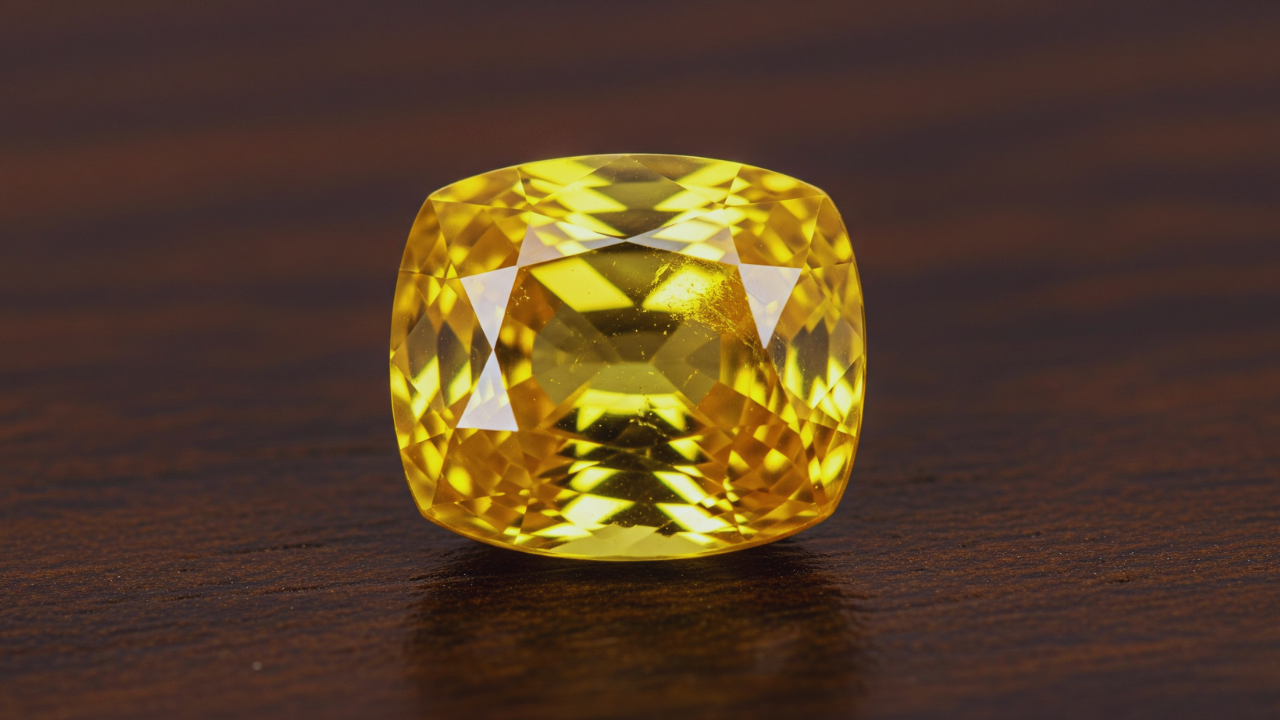
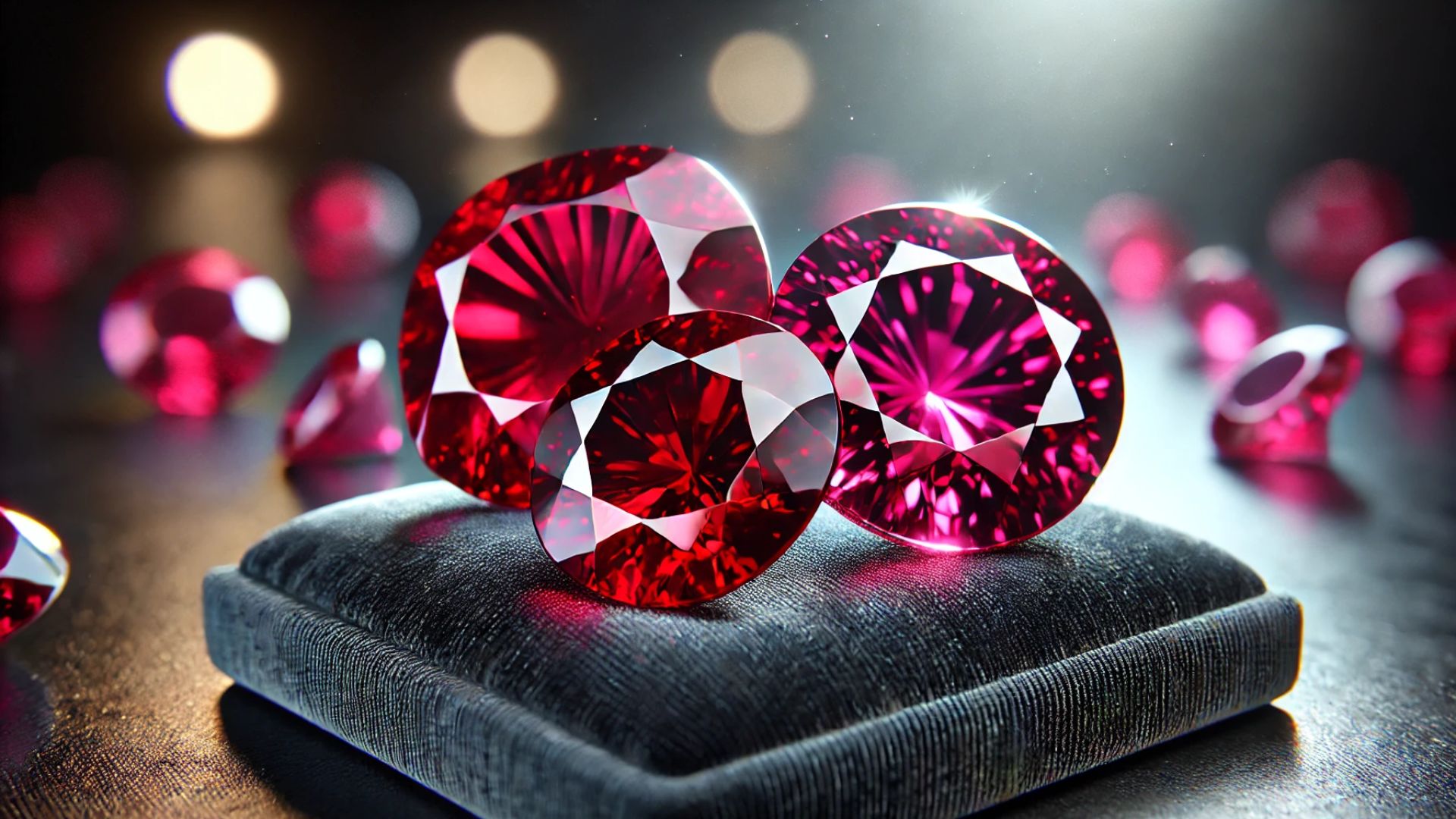
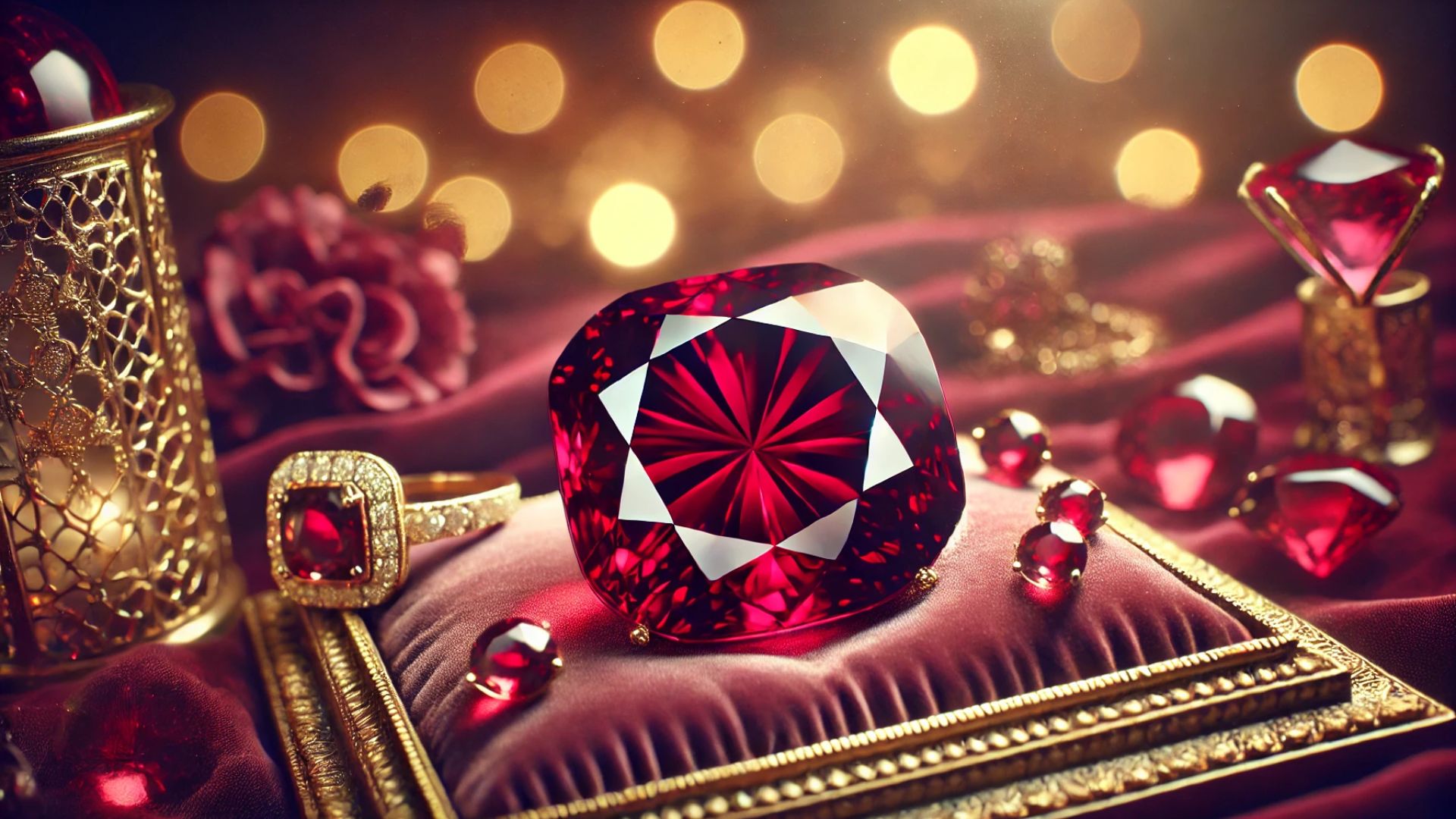
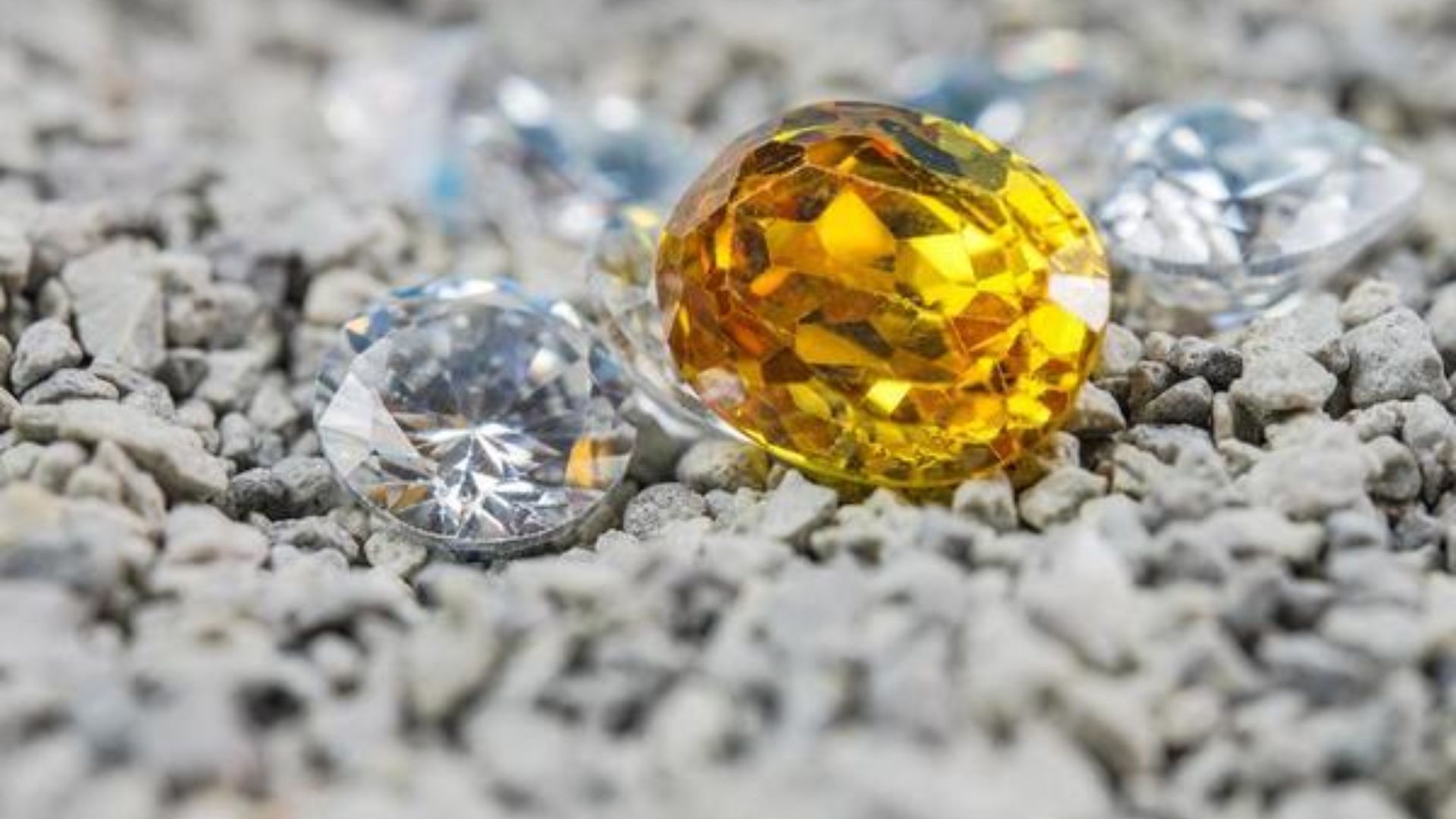
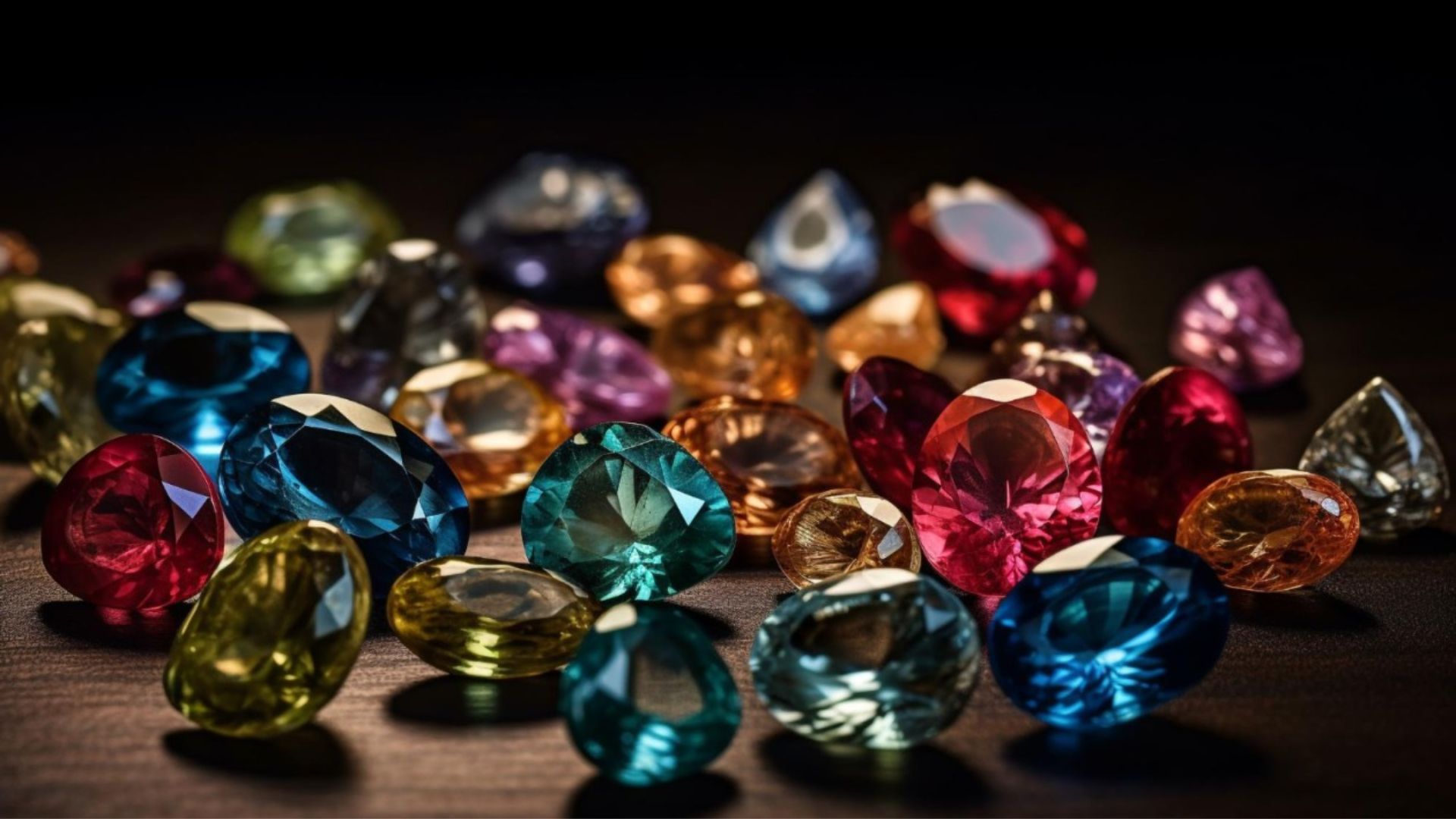
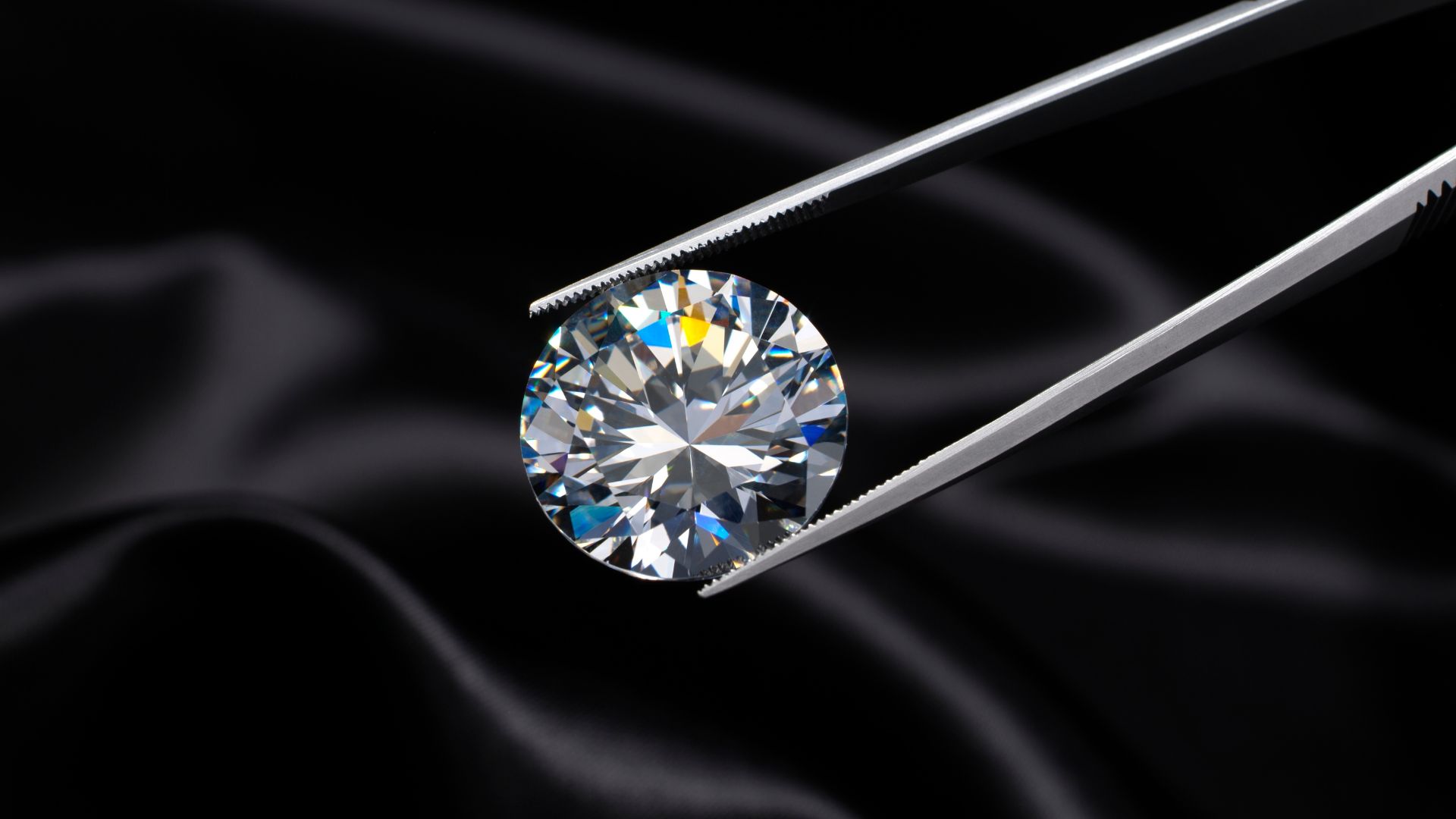
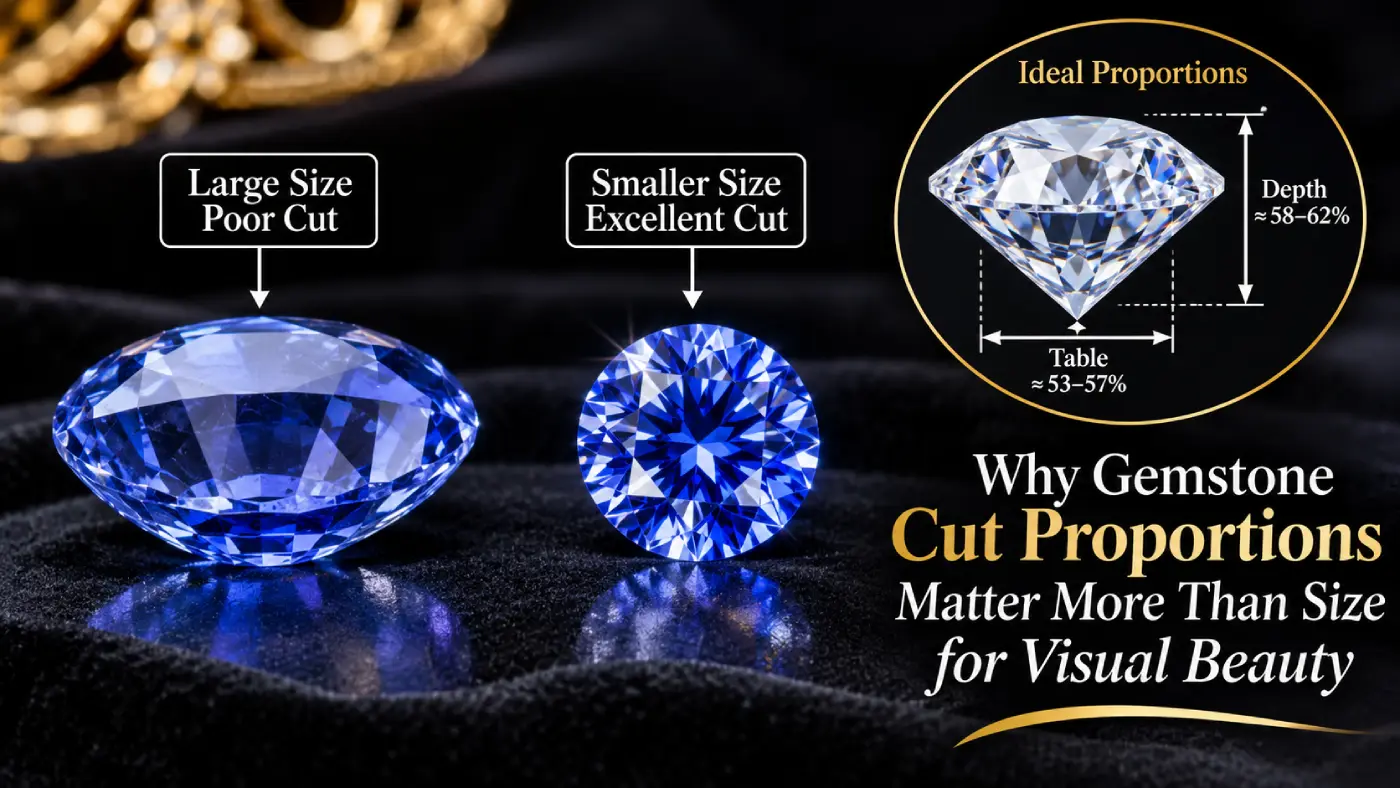
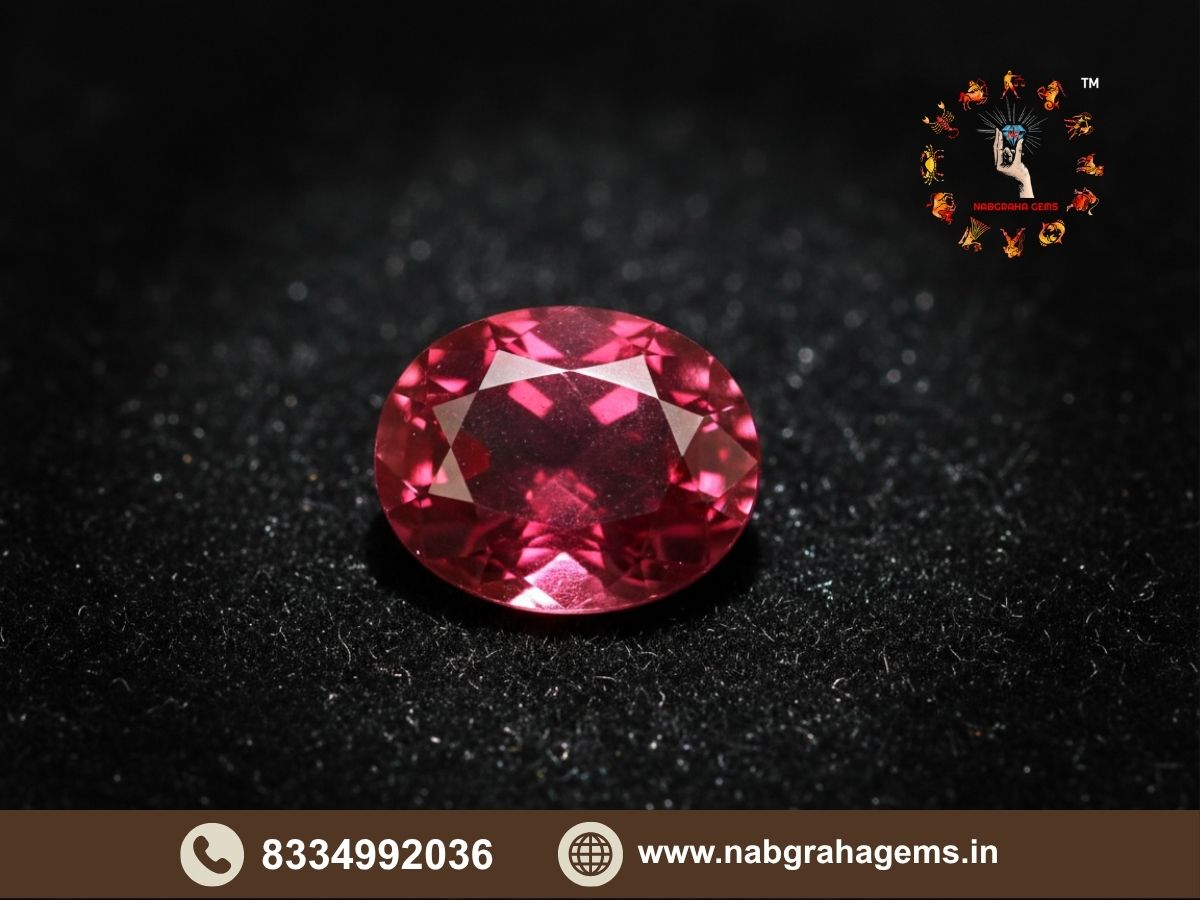
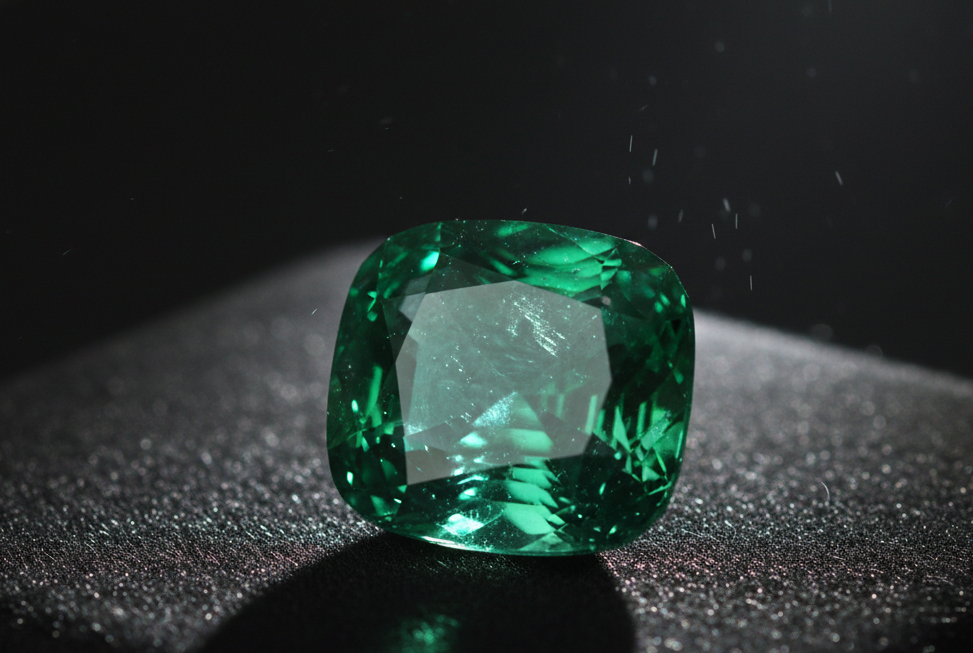
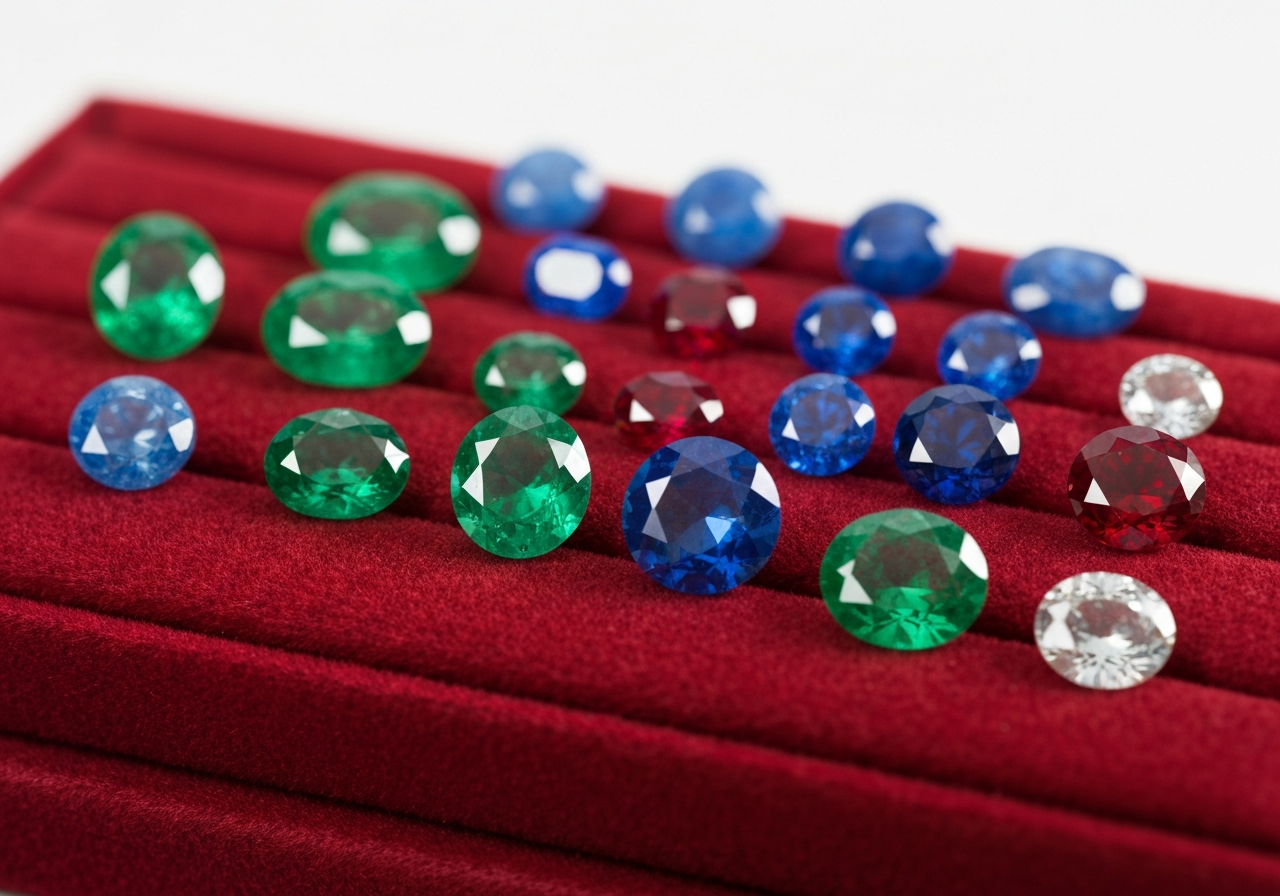
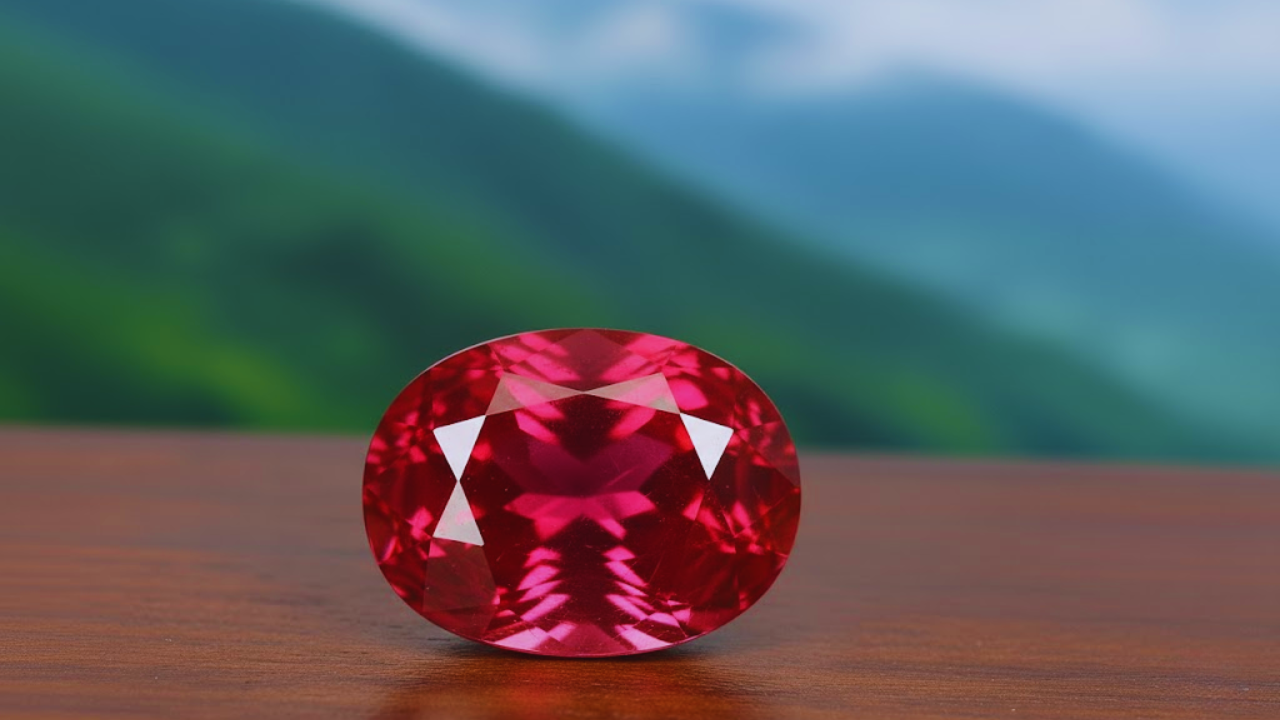
Faceting involves creating multiple small, flat surfaces called facets on the gemstone. These facets are arranged at carefully calculated angles to control how light enters, reflects, and exits the stone.
The quality of gemstone faceting plays a major role in determining the gemstone's brilliance, sparkle, and overall appearance.
Different gemstones require different faceting approaches depending on their optical properties, colour, and hardness.
Popular faceting styles include:
- Brilliant cut: Designed to maximise sparkle and light reflection.
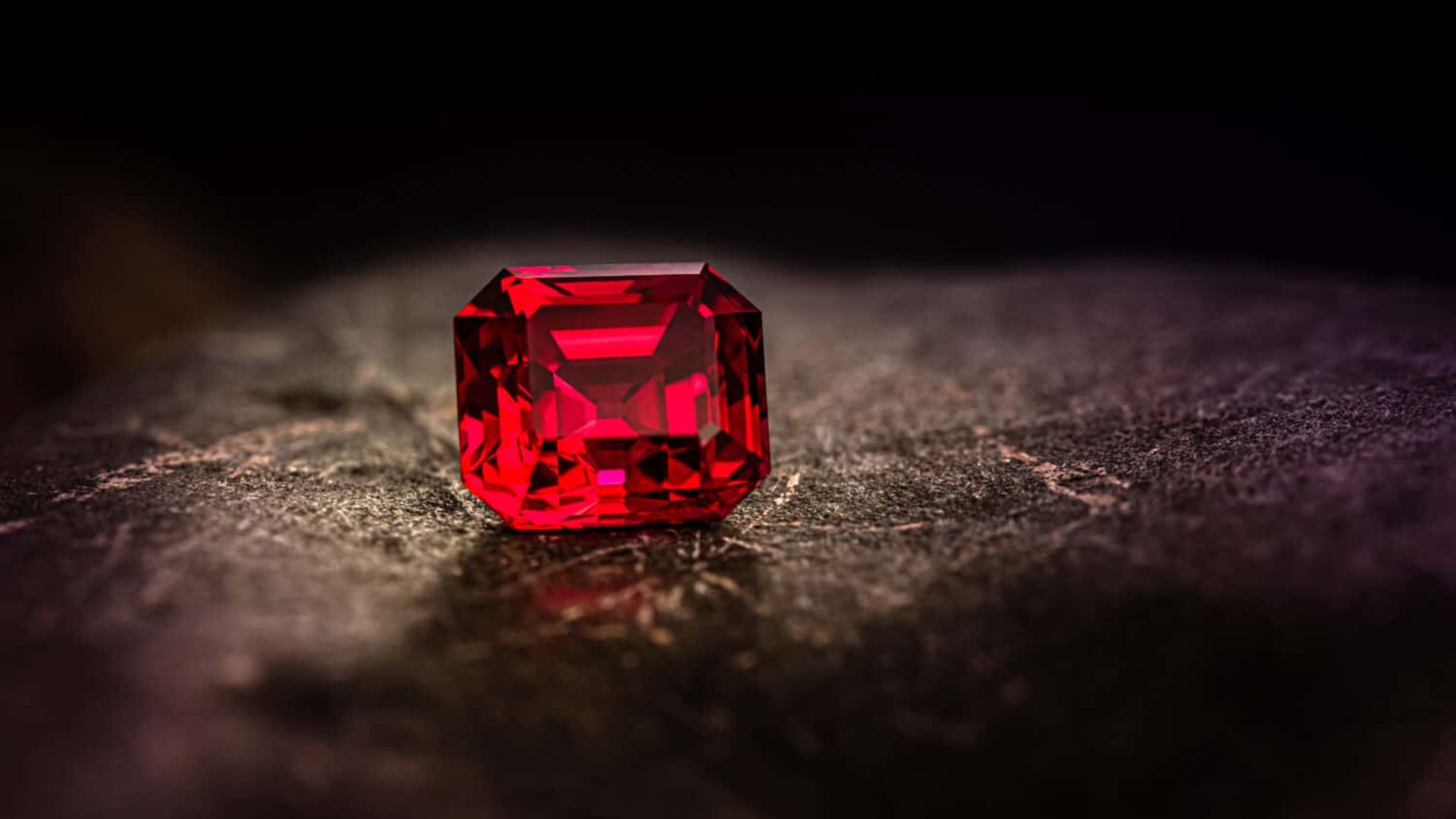
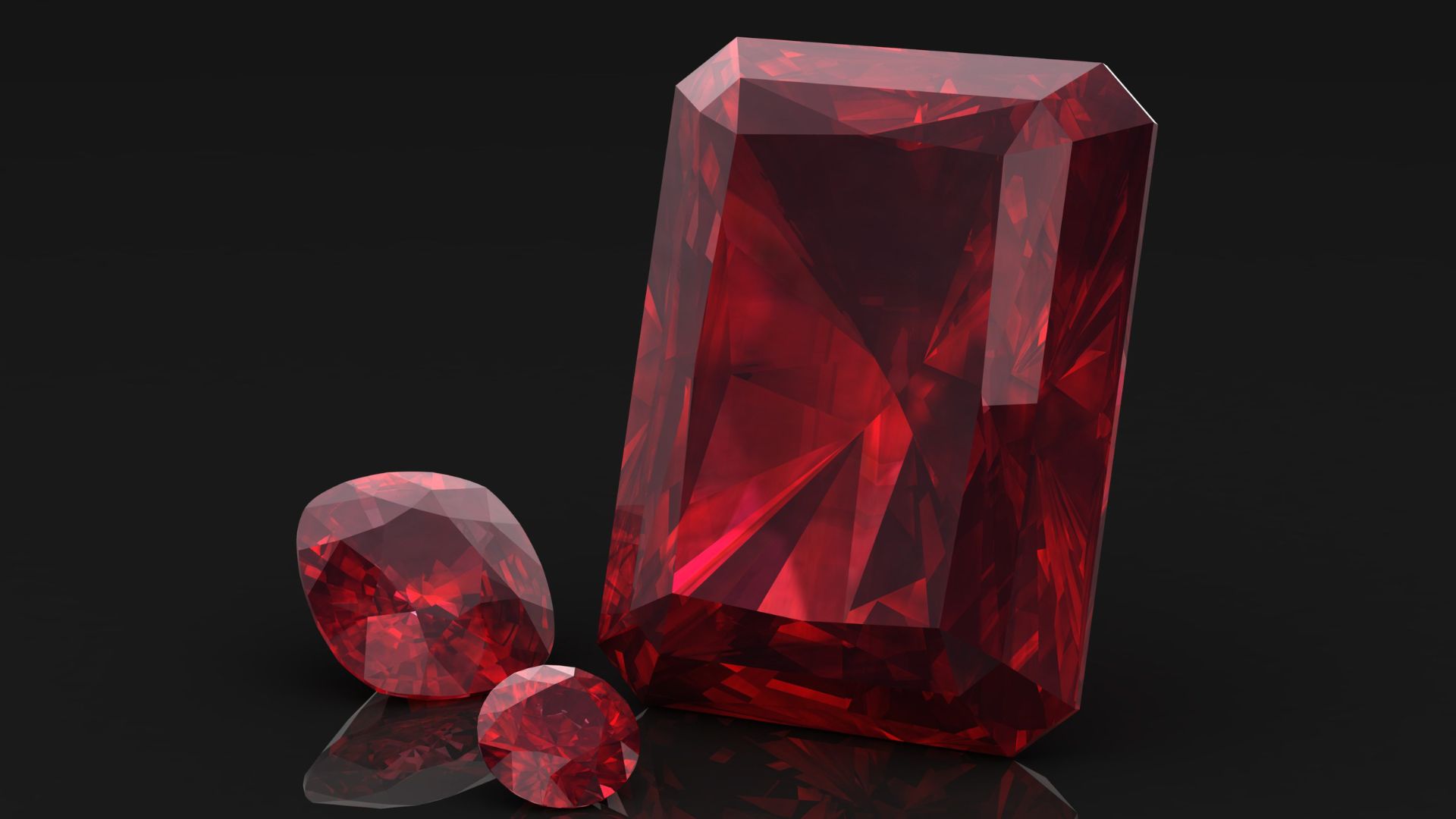
- Step cut: Features parallel rows of rectangular or square facets.
- Mixed cut: Combines brilliant and step-cut techniques.
- Rose cut: Features a domed top with triangular facets.
Precise angles, symmetry, and proportions are essential for achieving an attractive finish.
6. Gem Polishing: Bringing Out the Shine
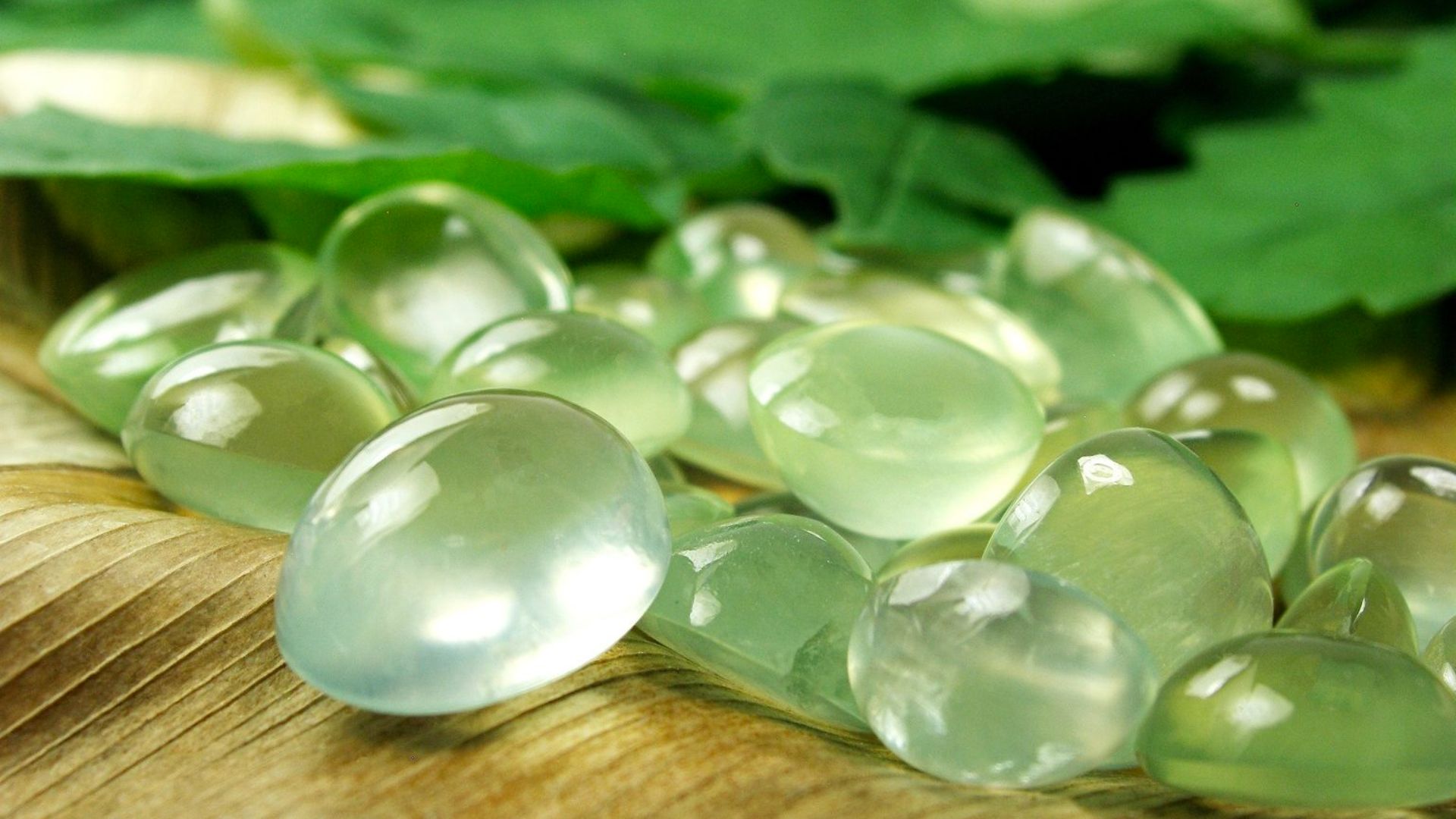
Once faceting is complete, the gemstone moves to the polishing stage. Gem polishing removes tiny surface imperfections and gives the stone its smooth, reflective finish.
Specialised polishing laps, discs, and fine abrasive materials are used to refine each facet.
The polishing process requires patience and precision because even minor scratches or uneven surfaces can reduce the gemstone's visual appeal.
A properly polished gemstone displays cleaner reflections, greater transparency, and an attractive shine.
The polishing technique and materials may vary depending on the gemstone's hardness and physical properties.
7. Final Inspection and Quality Checking
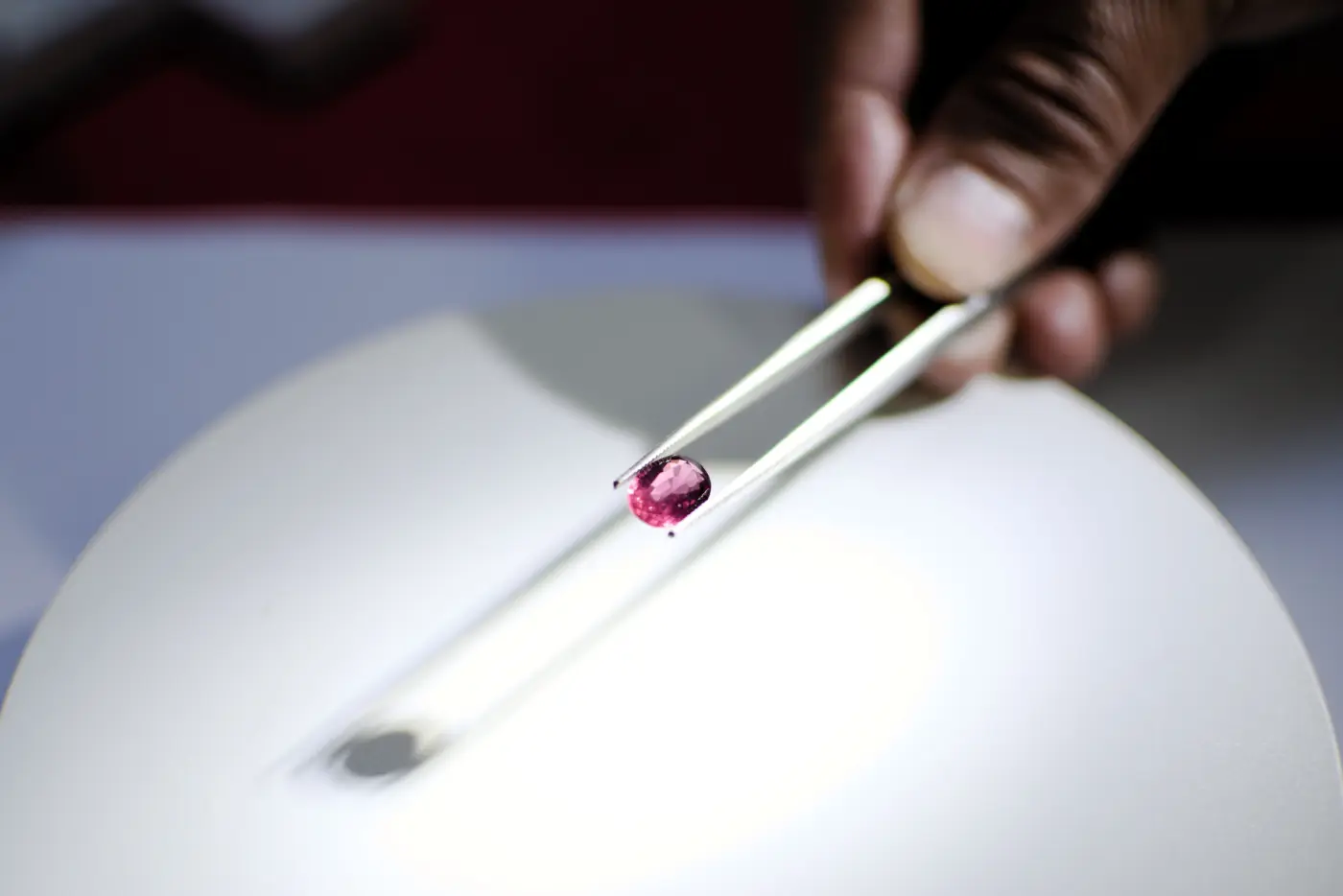
Before a gemstone is considered finished, it undergoes a detailed quality inspection.
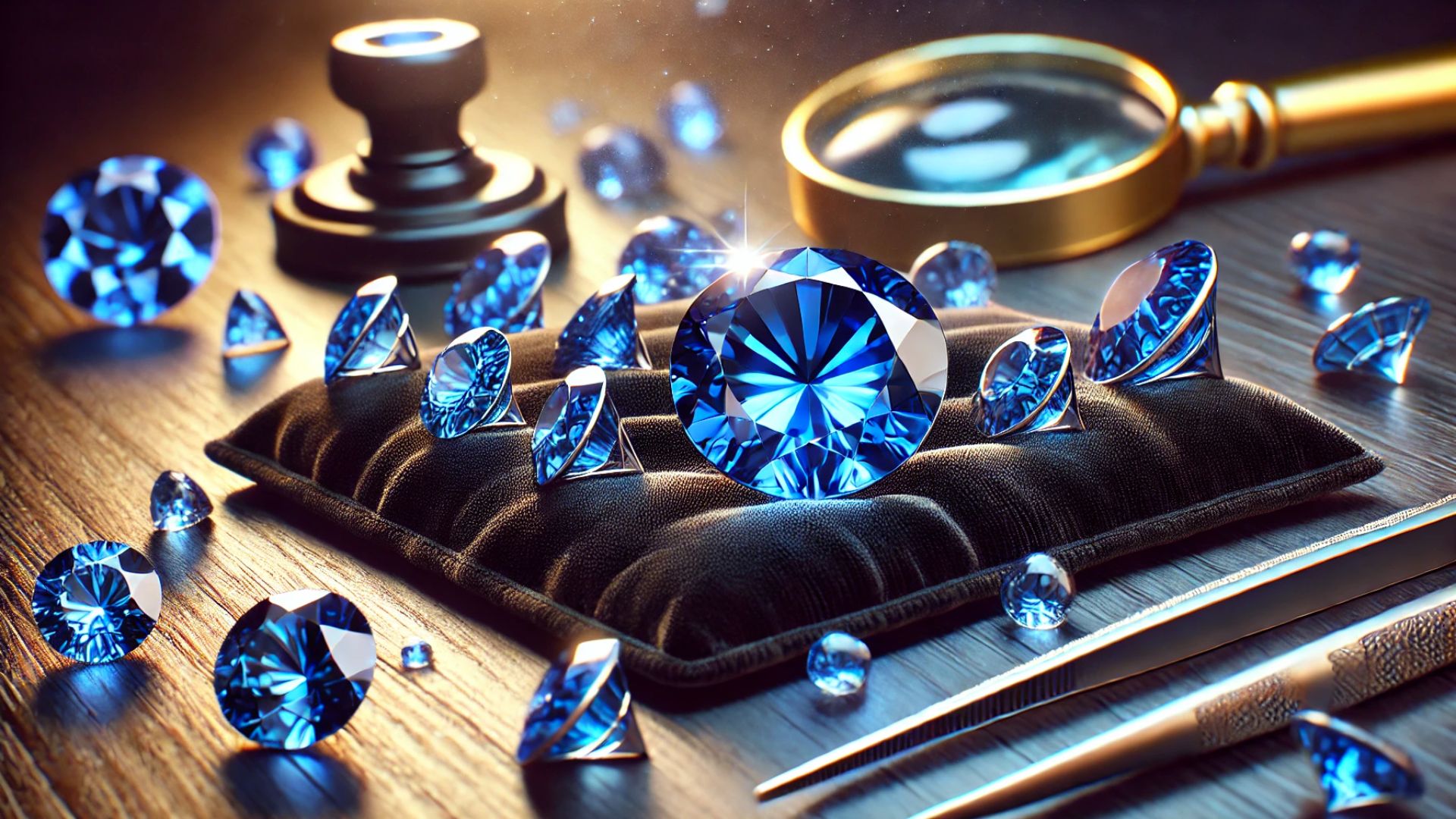
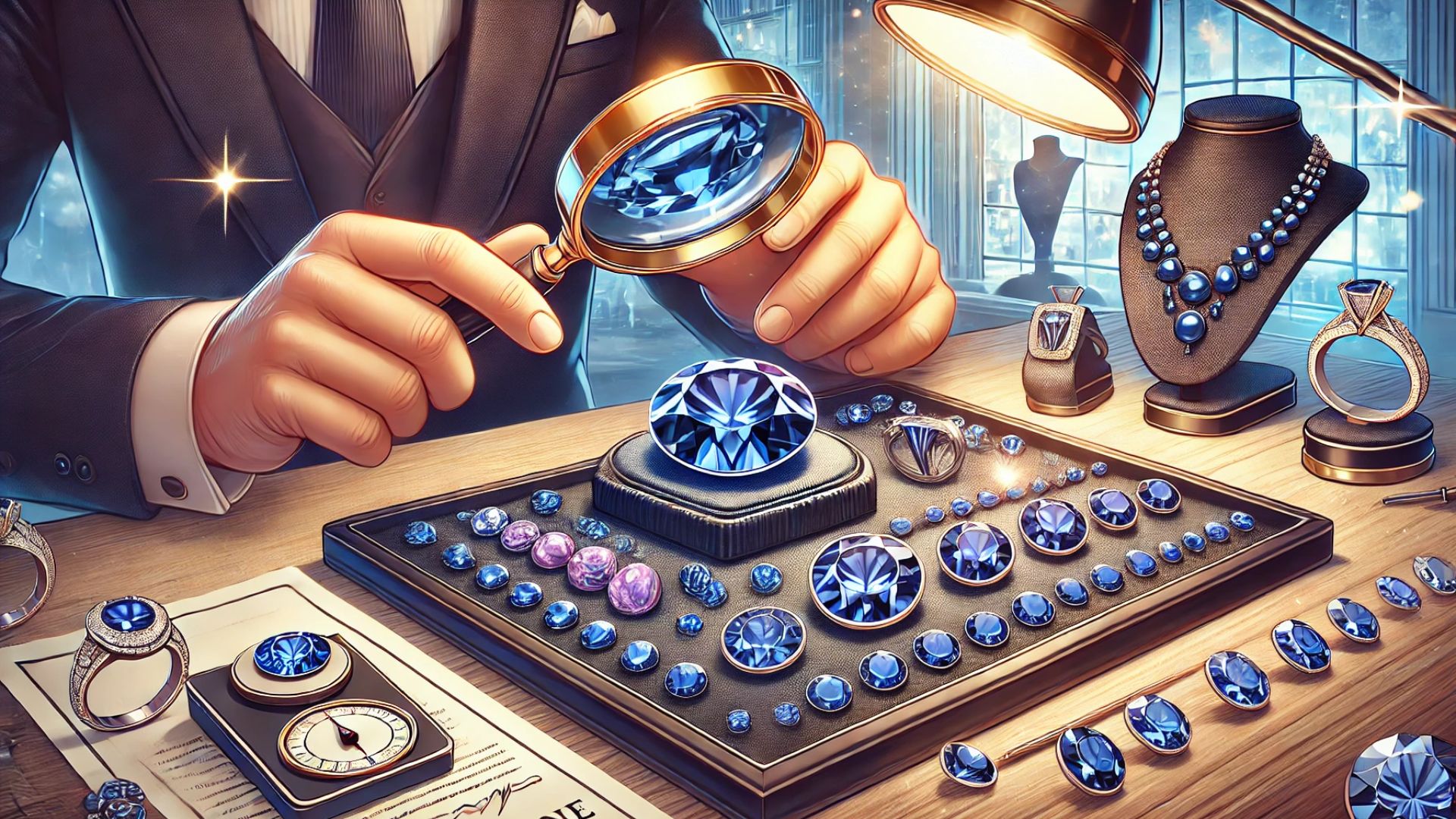
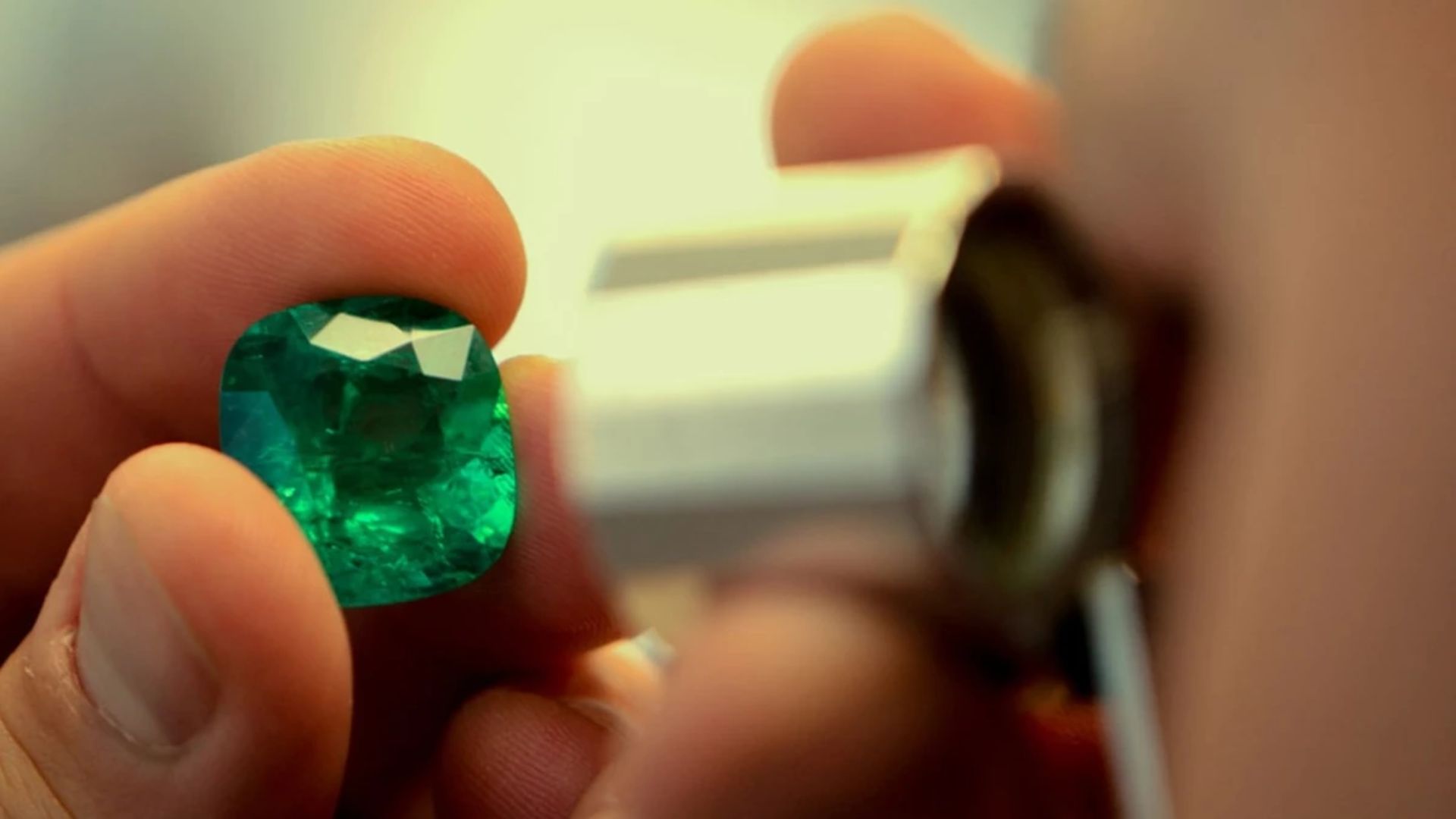
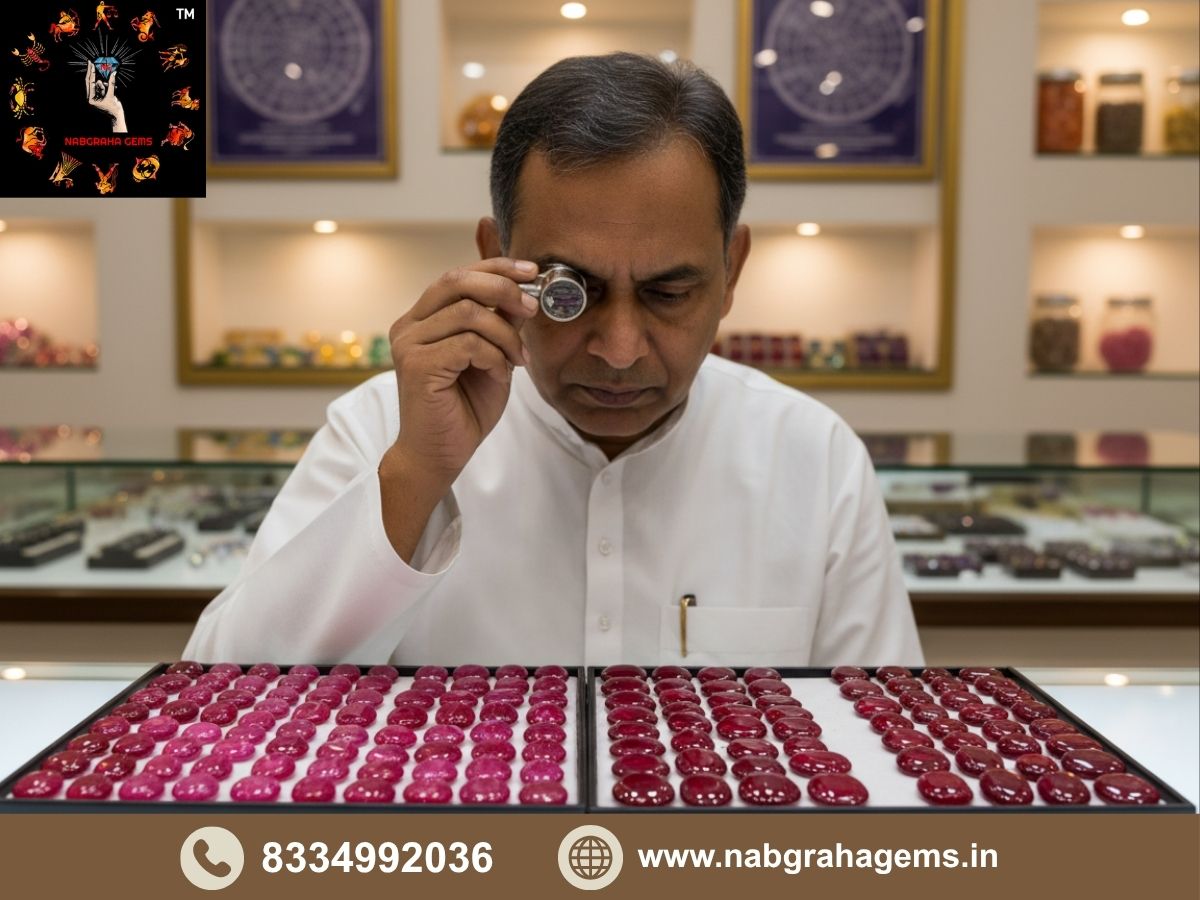
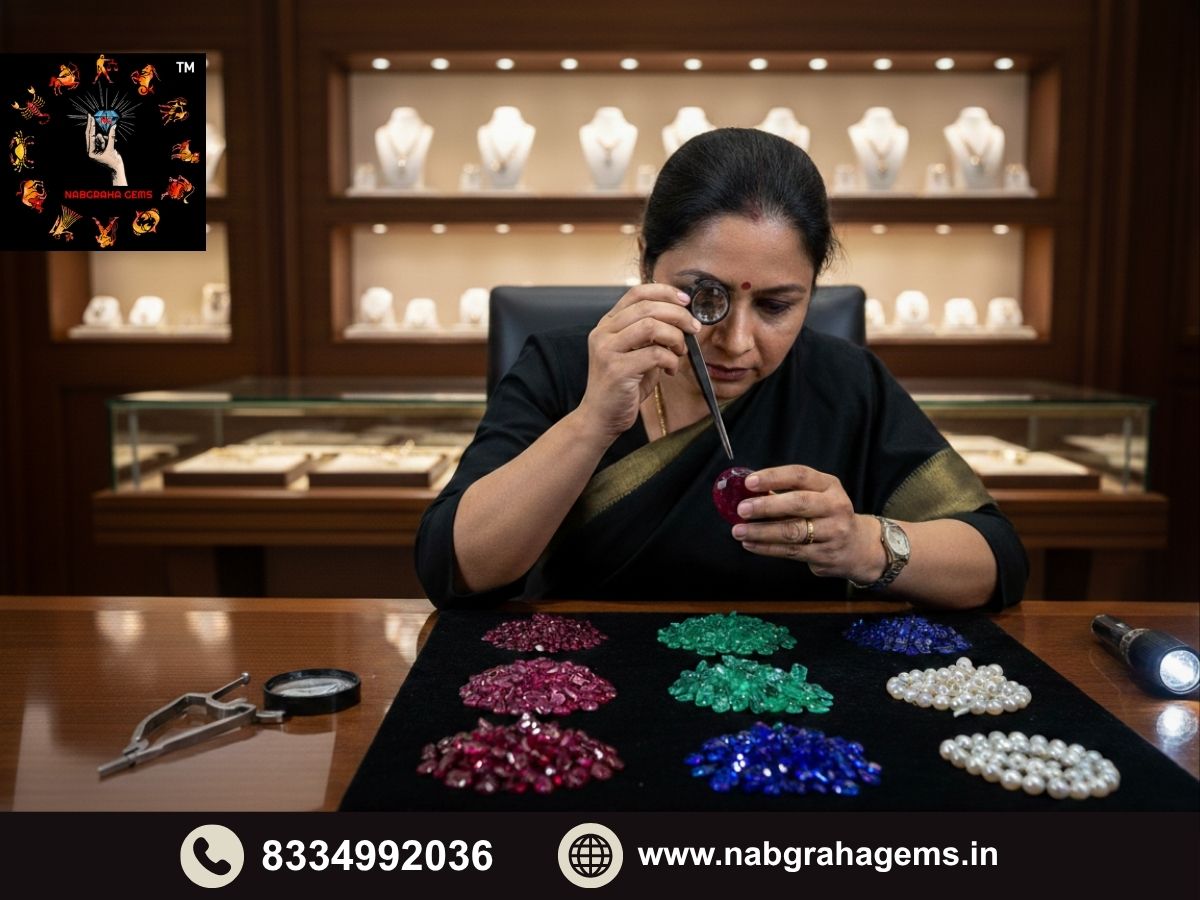
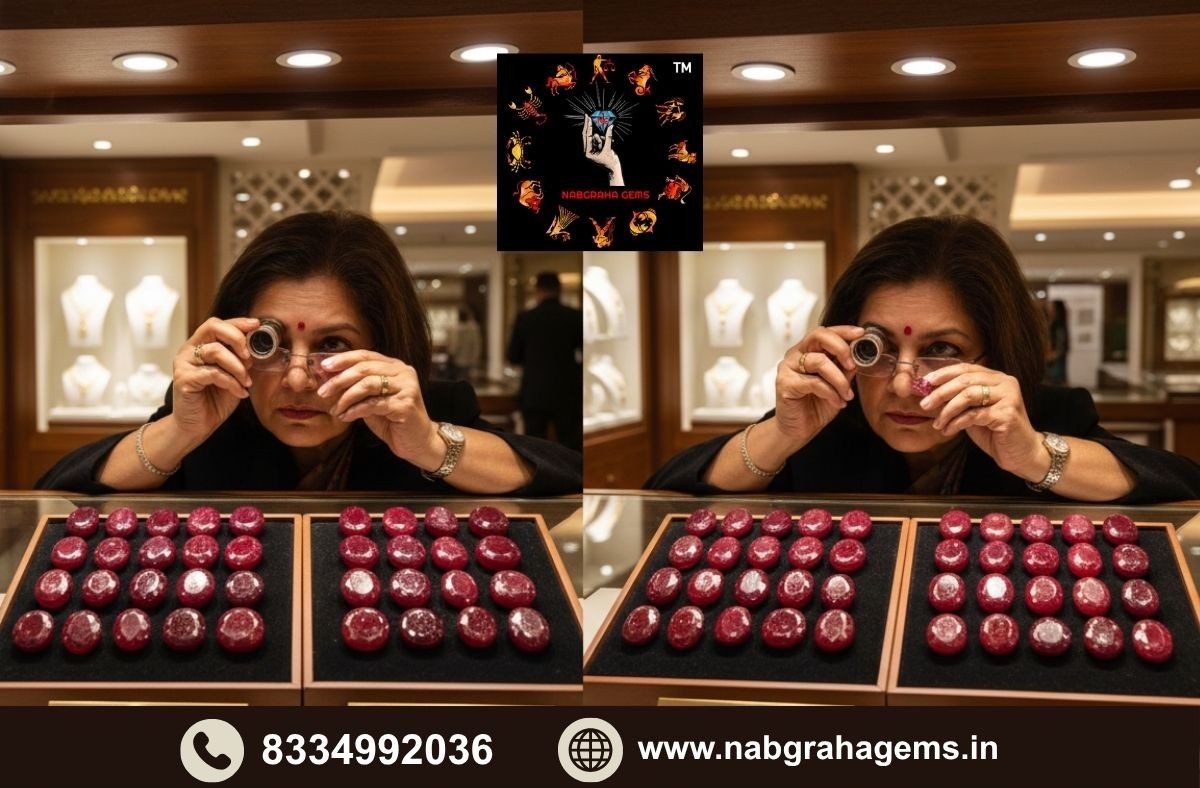
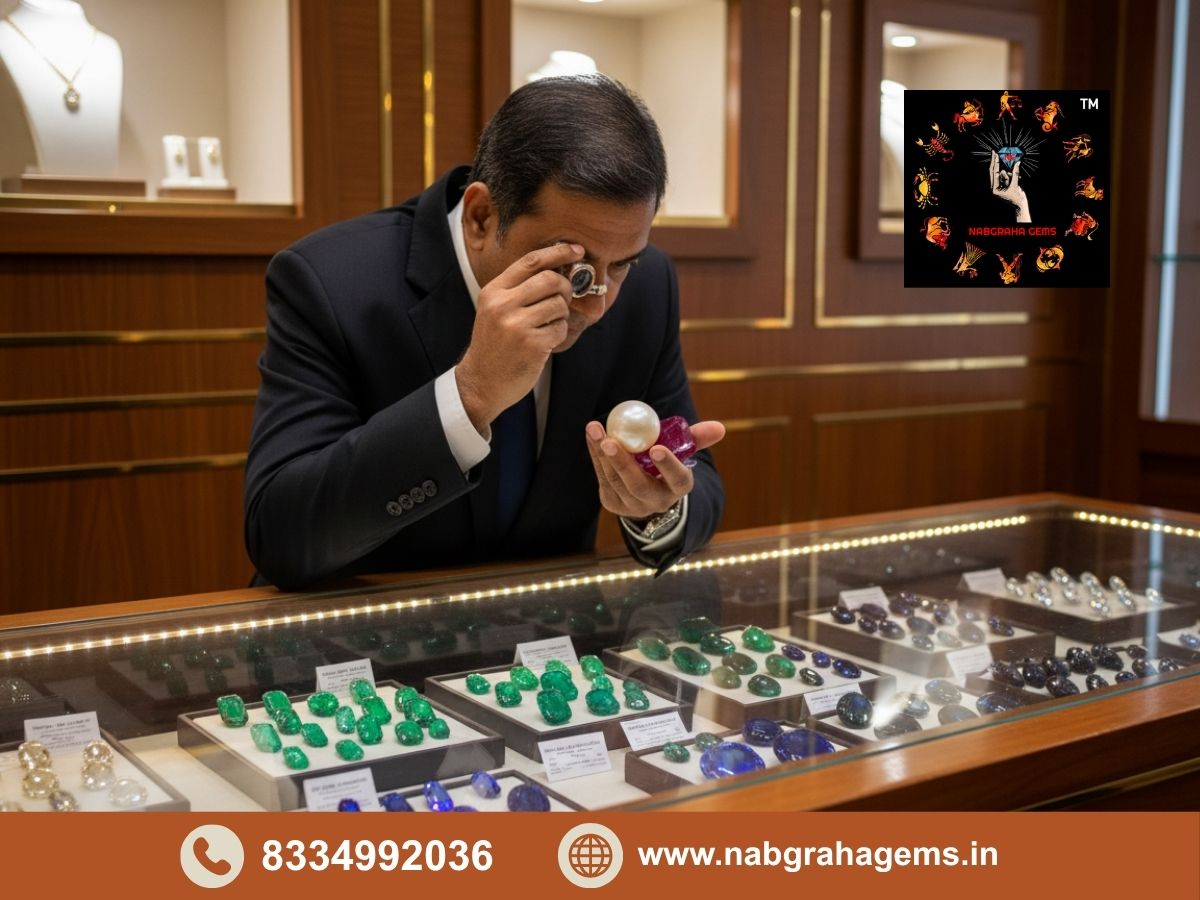
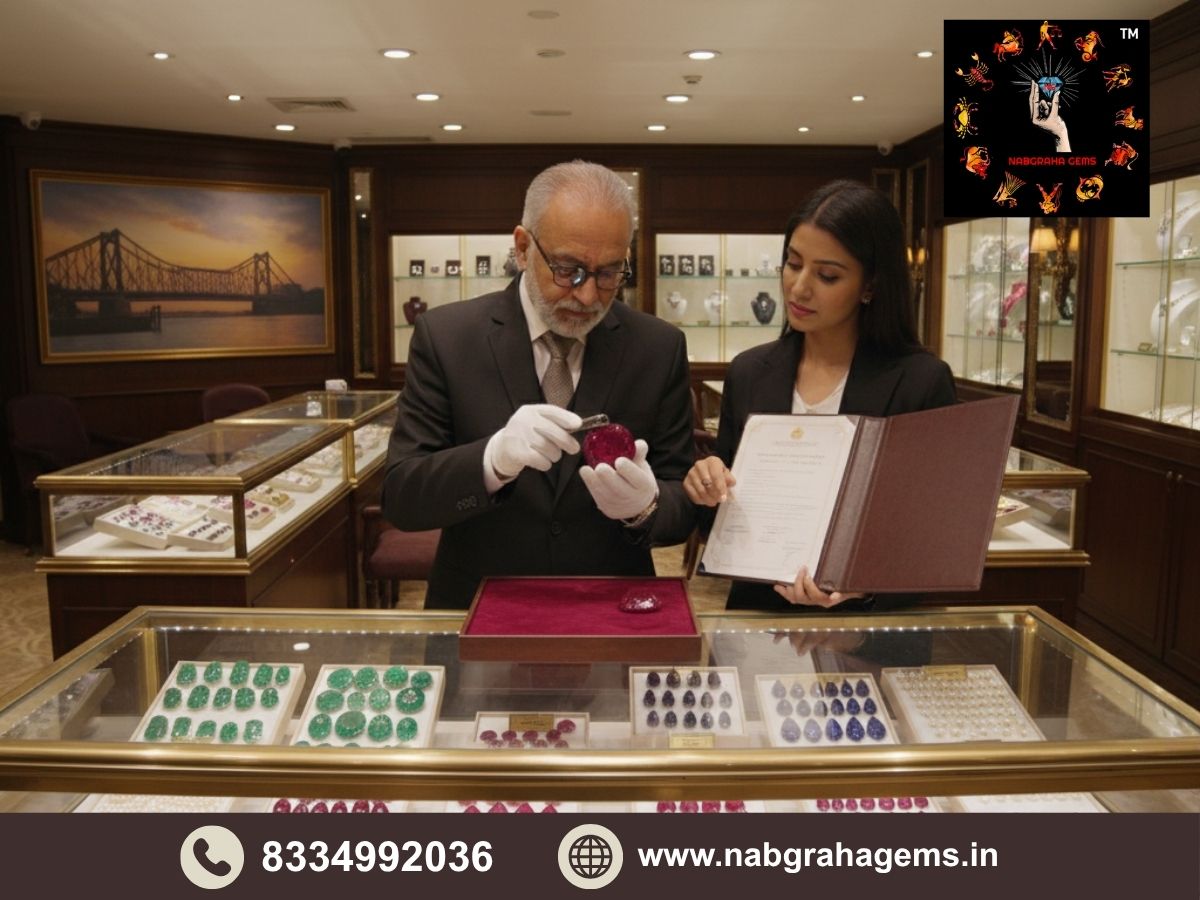
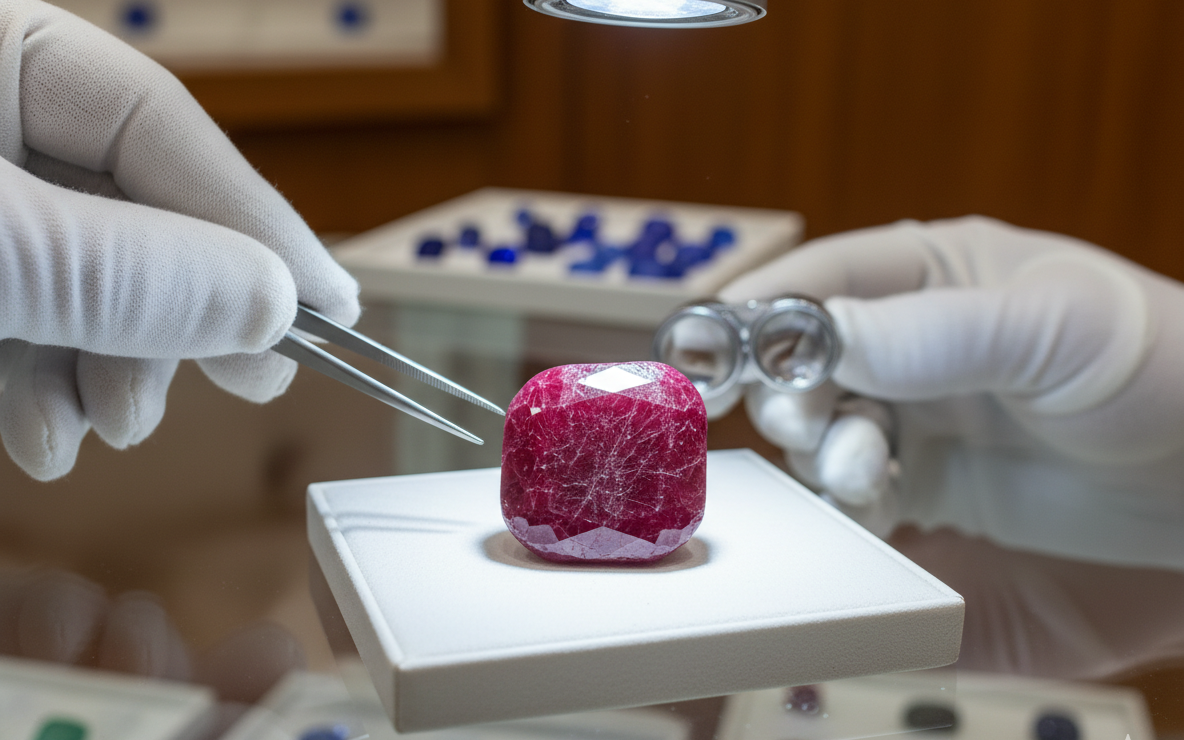
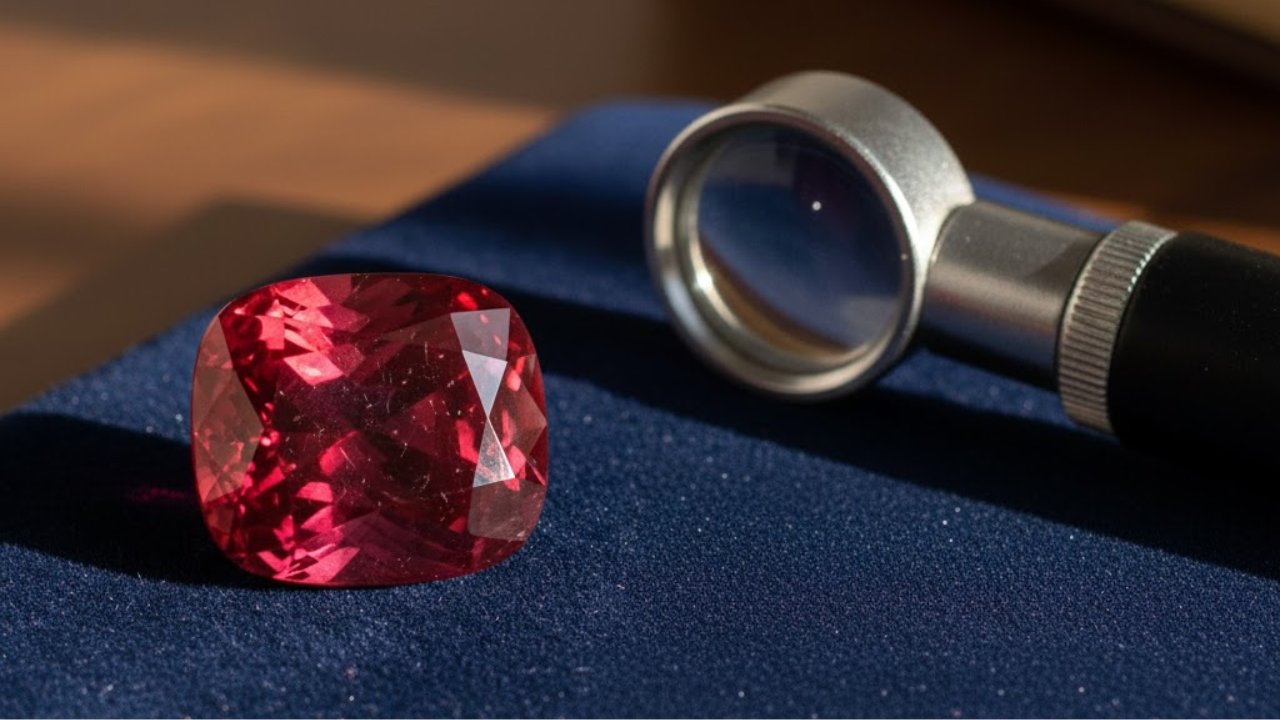
Gem experts and cutters examine the stone under specialised lighting and magnification to ensure that it meets the required standards.
Some important quality factors include:
- Symmetry: Whether the facets are evenly arranged.
- Proportions: Whether the gemstone has balanced dimensions.
- Polish: Whether the surfaces are smooth and free from visible scratches.
- Clarity: Whether unwanted inclusions or damage affect its appearance.
- Brilliance: How effectively the gemstone reflects and returns light.
If necessary, minor corrections may be made to improve the final appearance.
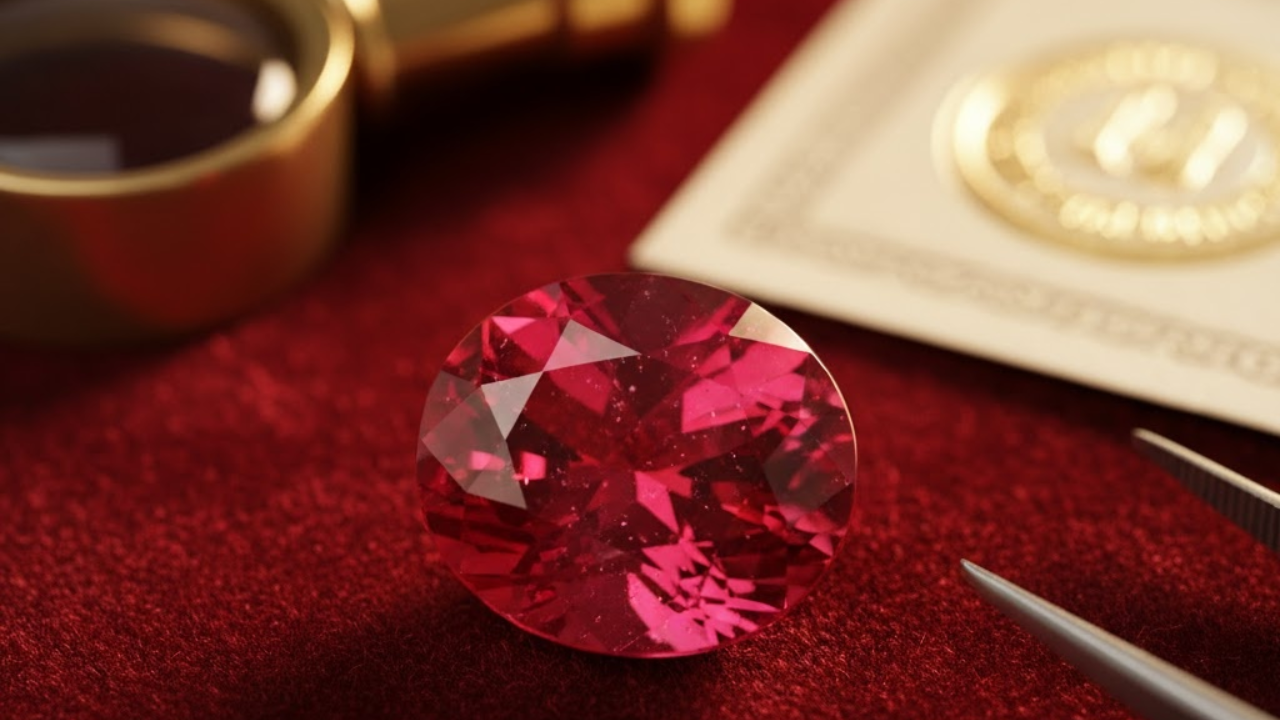
Once approved, the gemstone is cleaned, weighed, graded where applicable, and prepared for jewellery manufacturing or sale.
8. From Finished Gem to Beautiful Jewellery
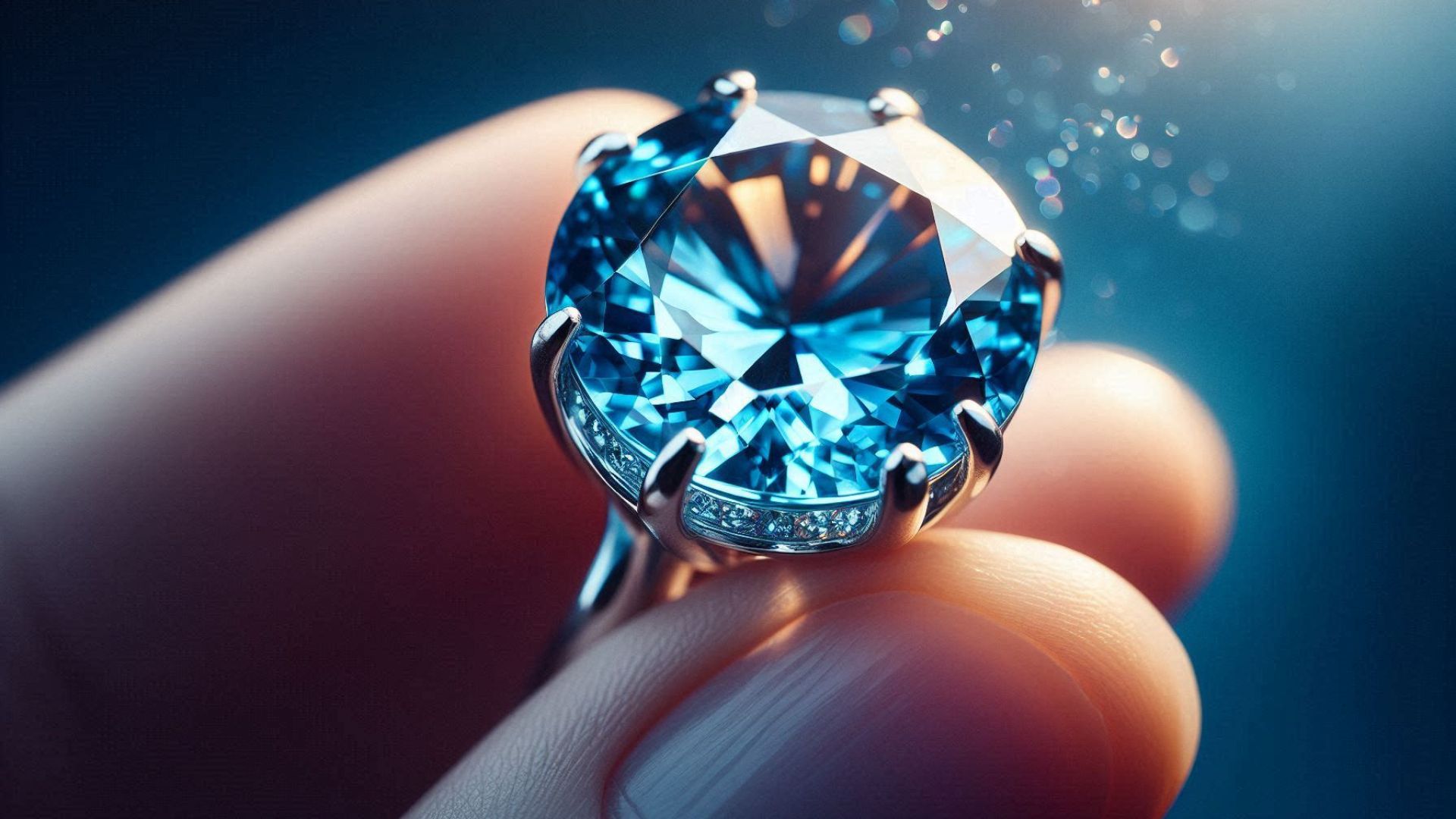
The final stage is where the gemstone becomes part of a beautiful jewellery piece.
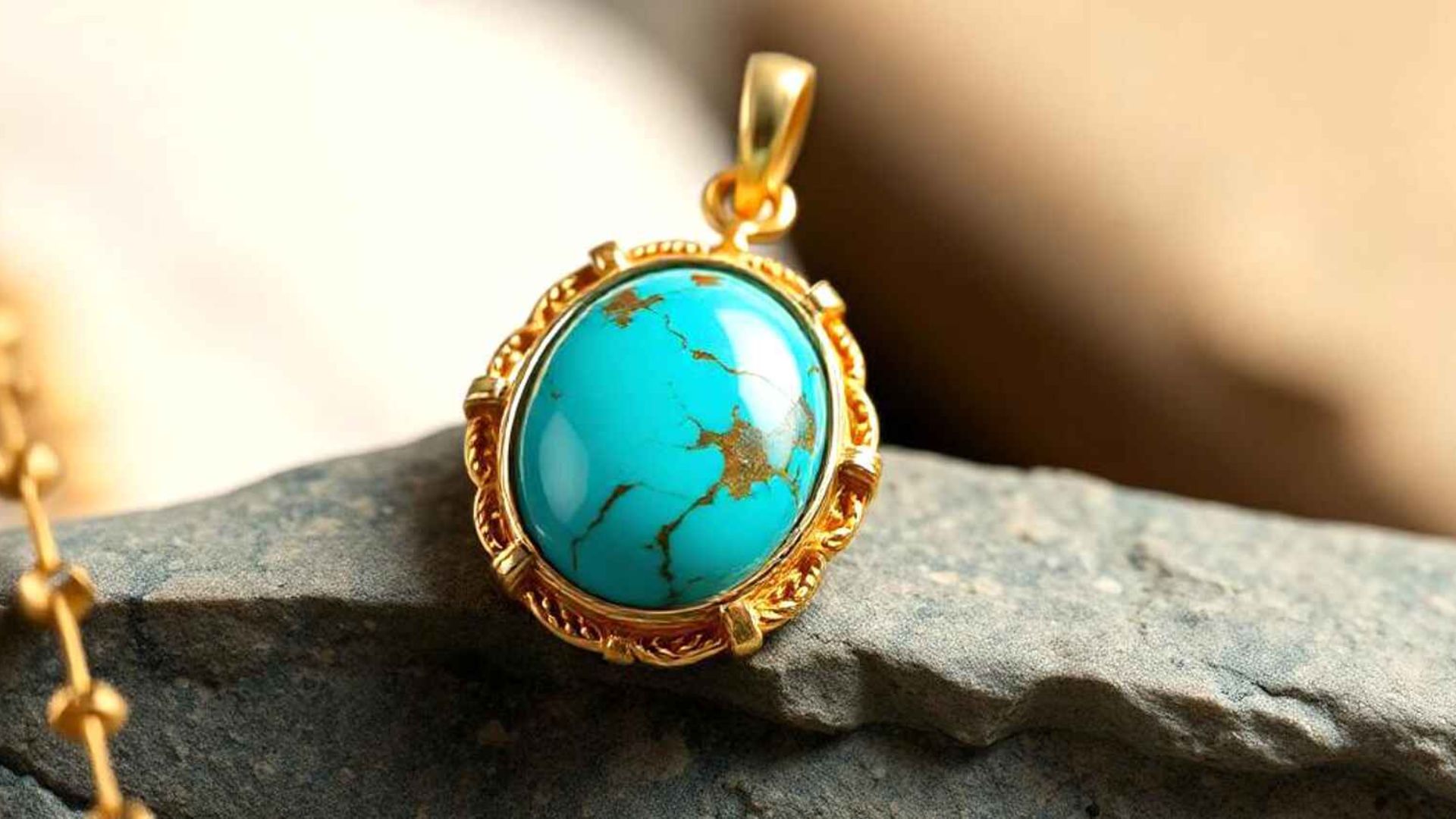
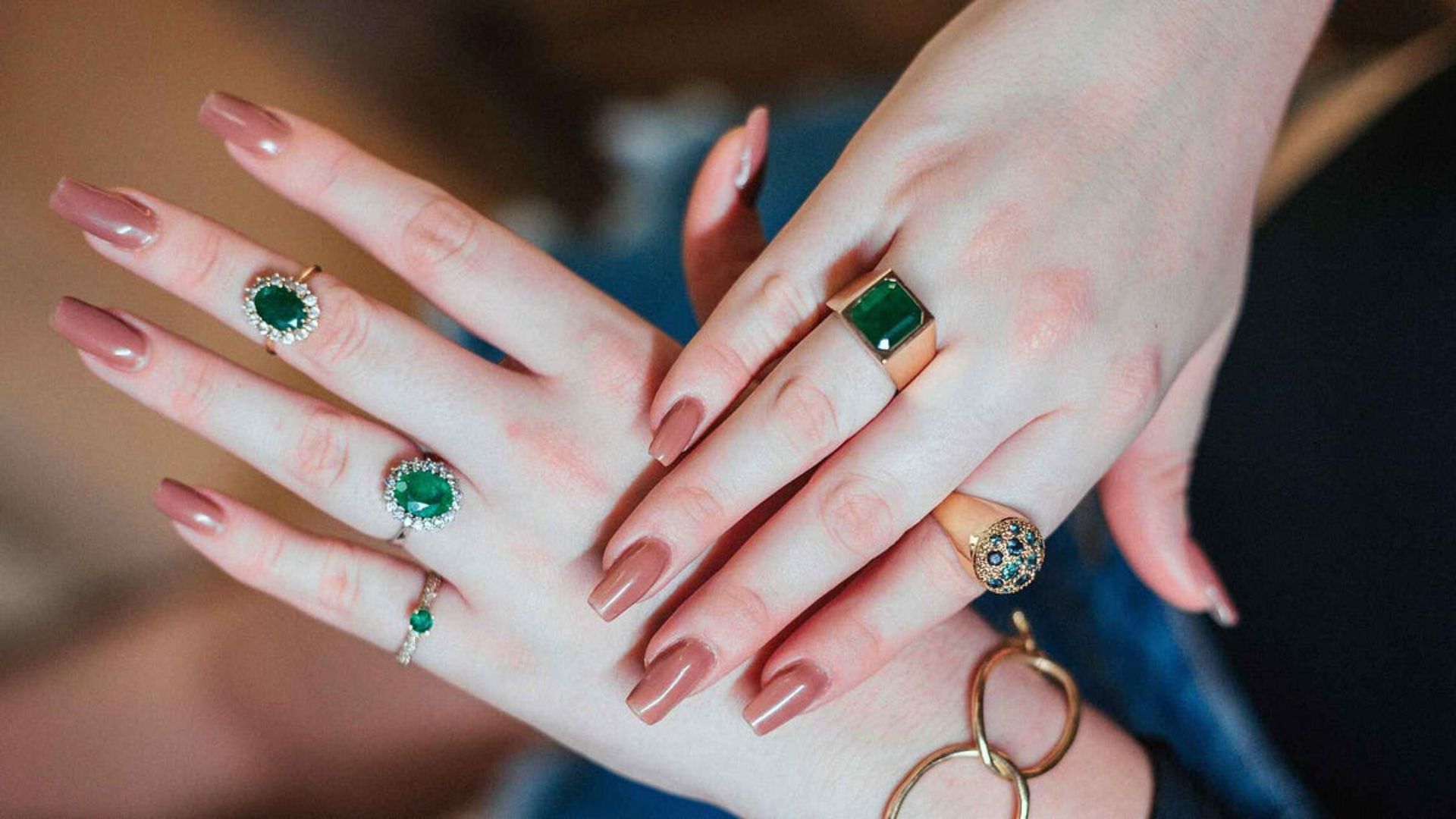
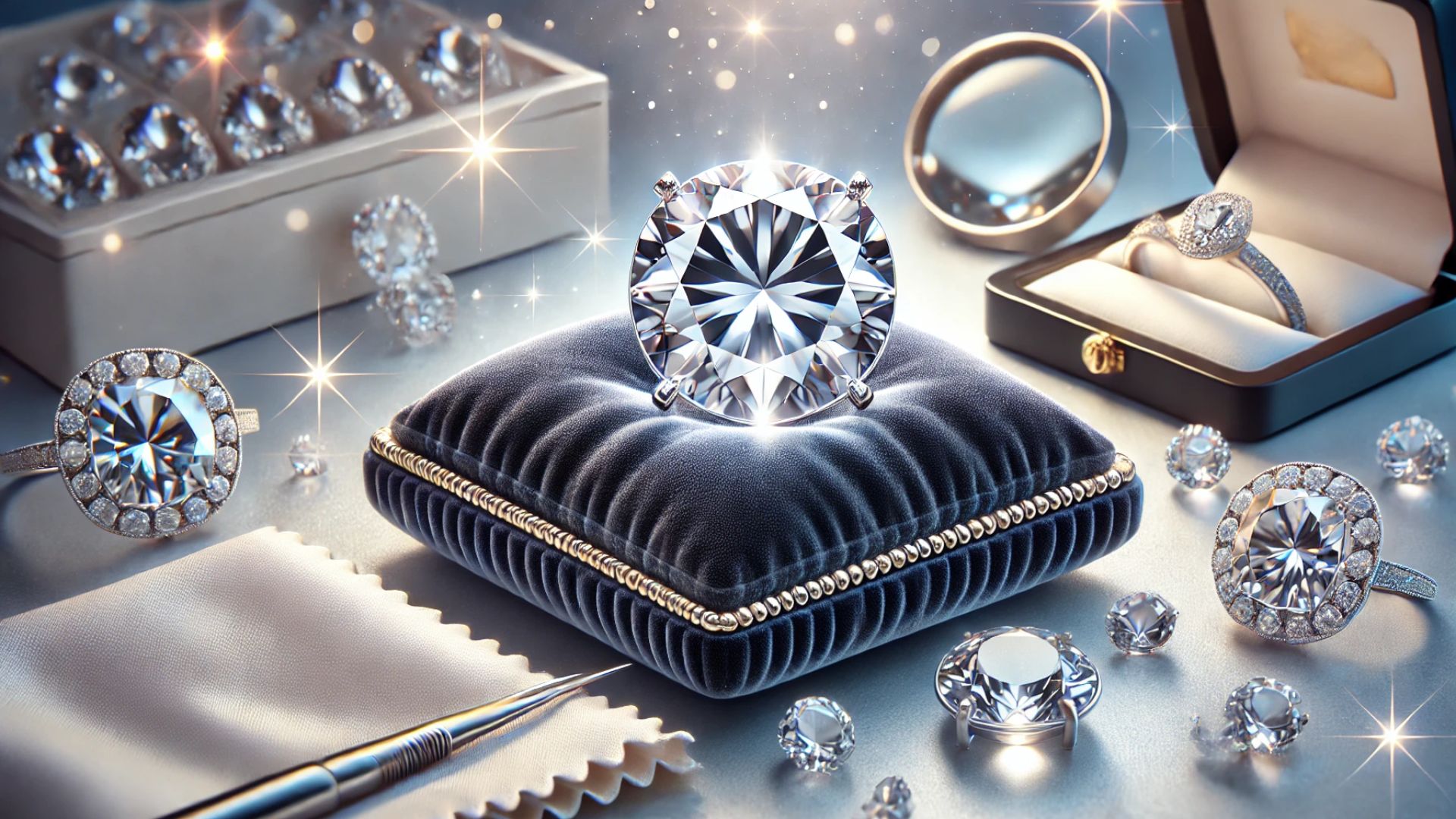
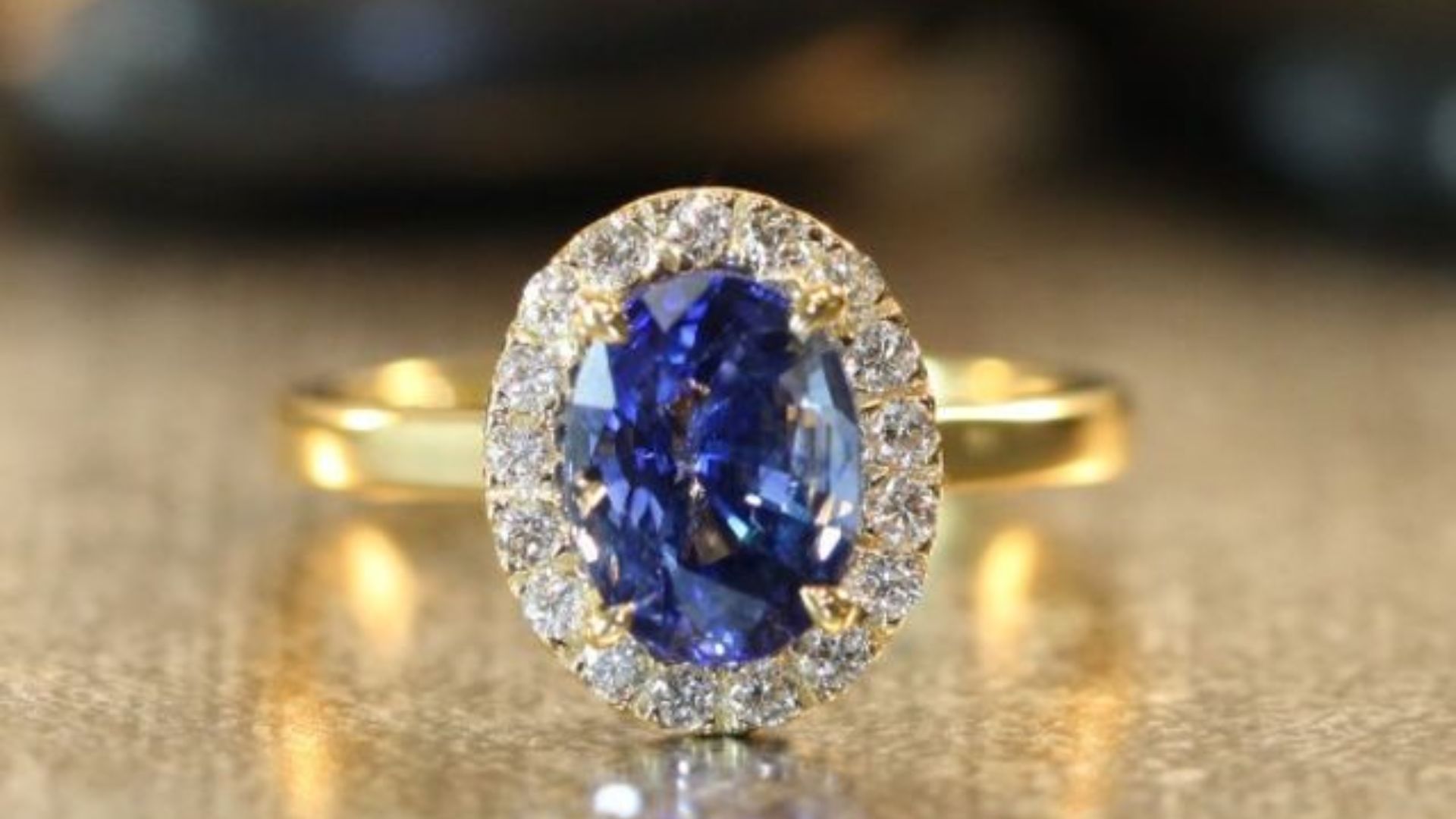
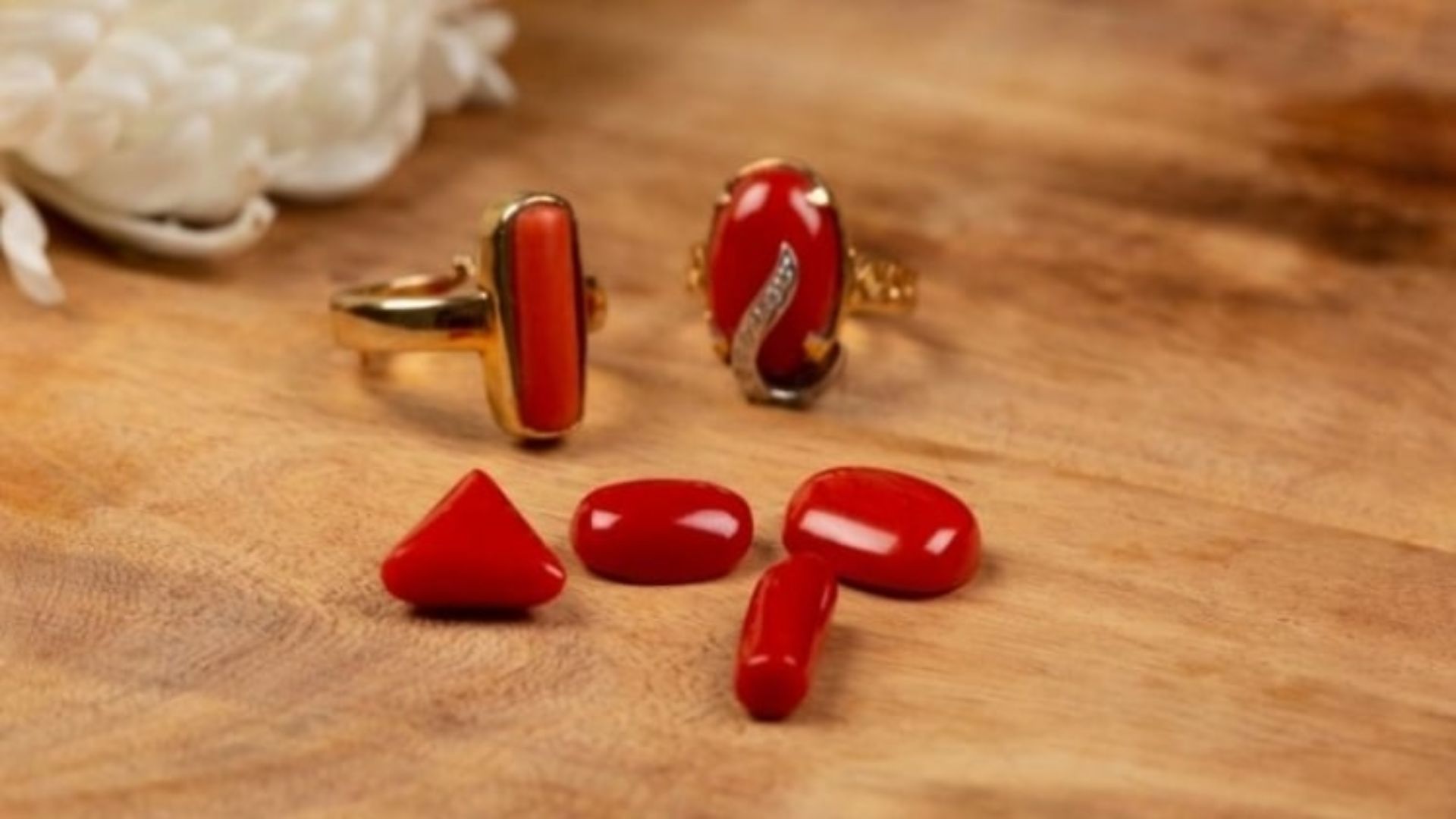
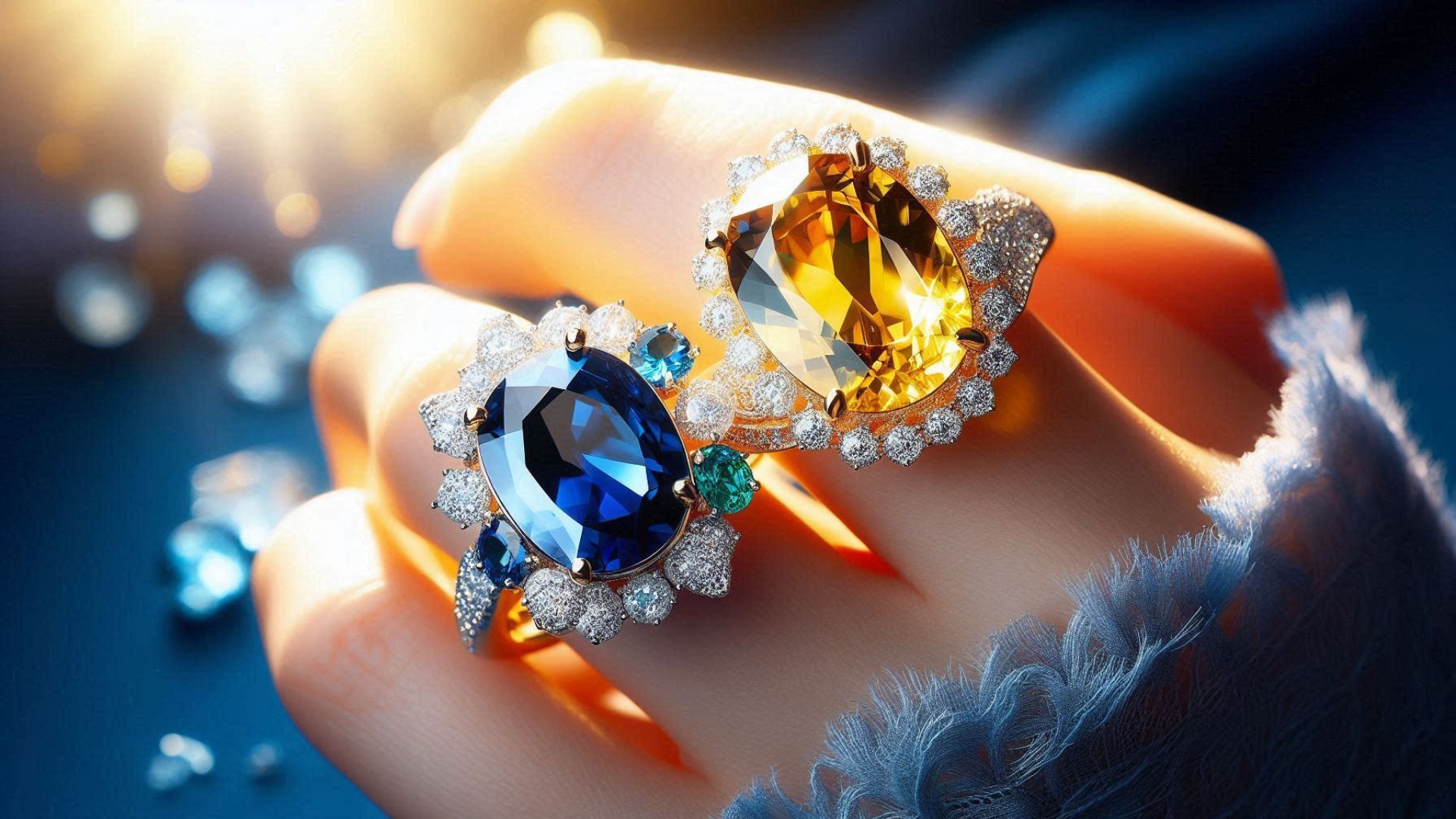
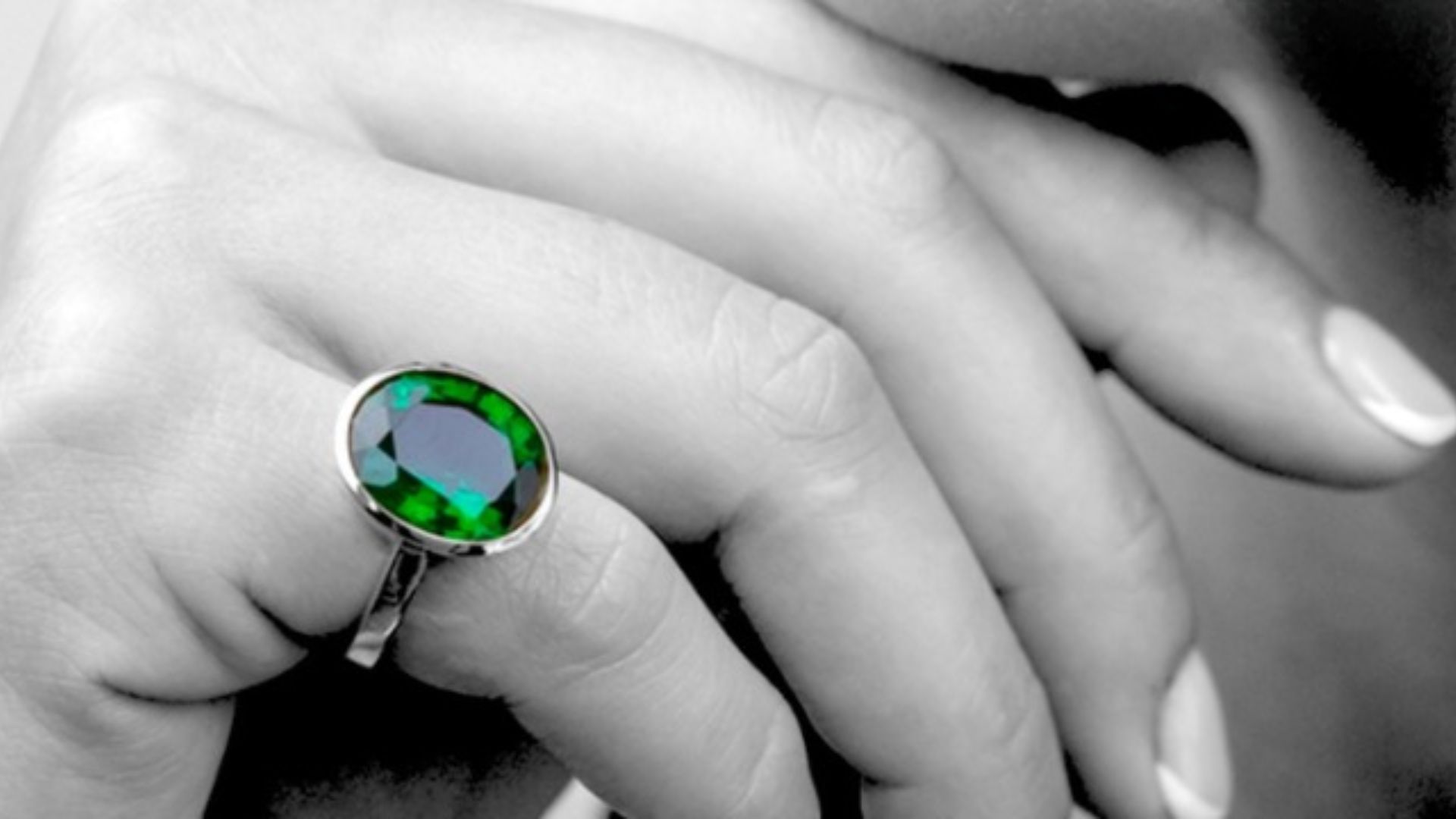
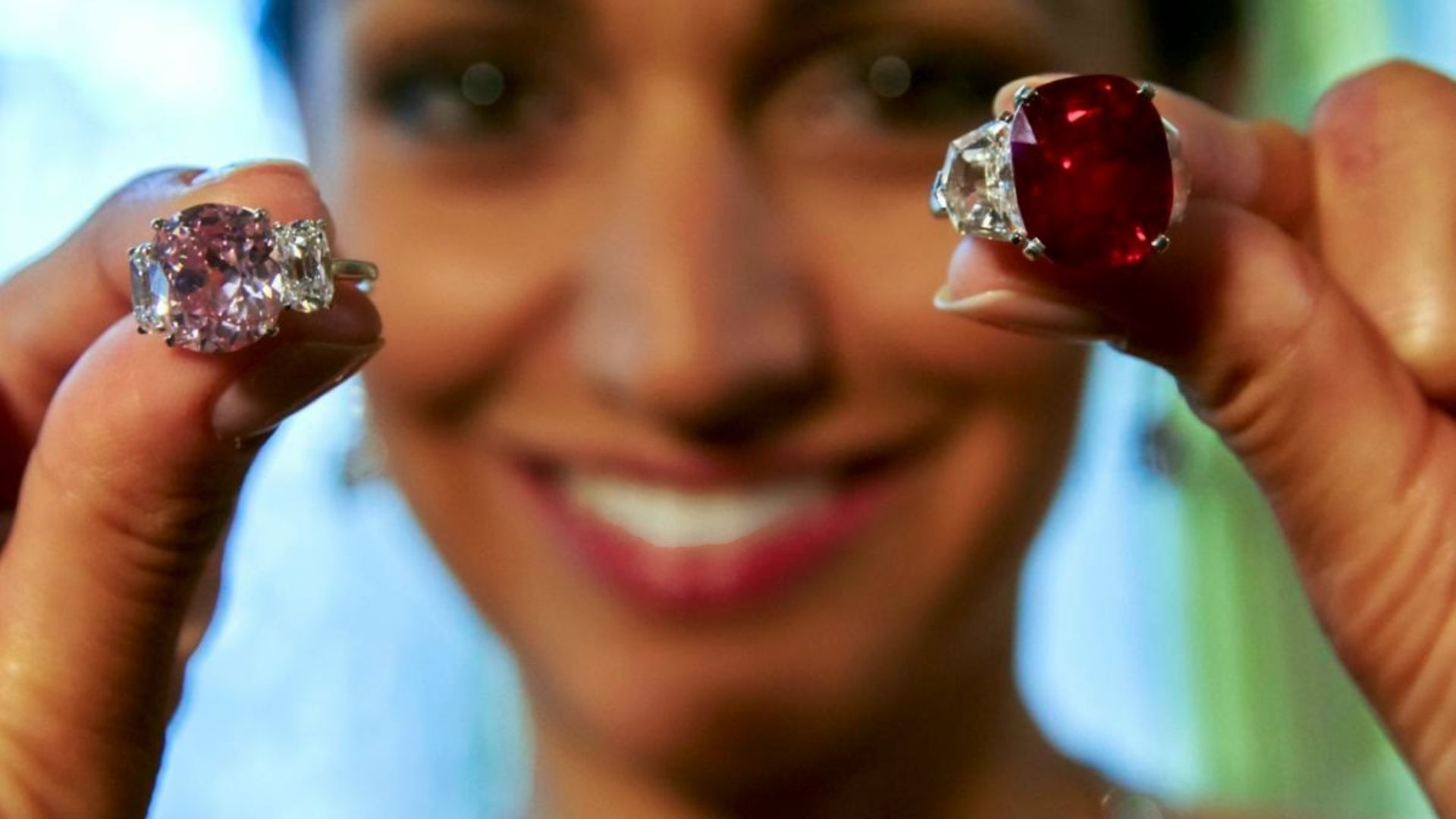
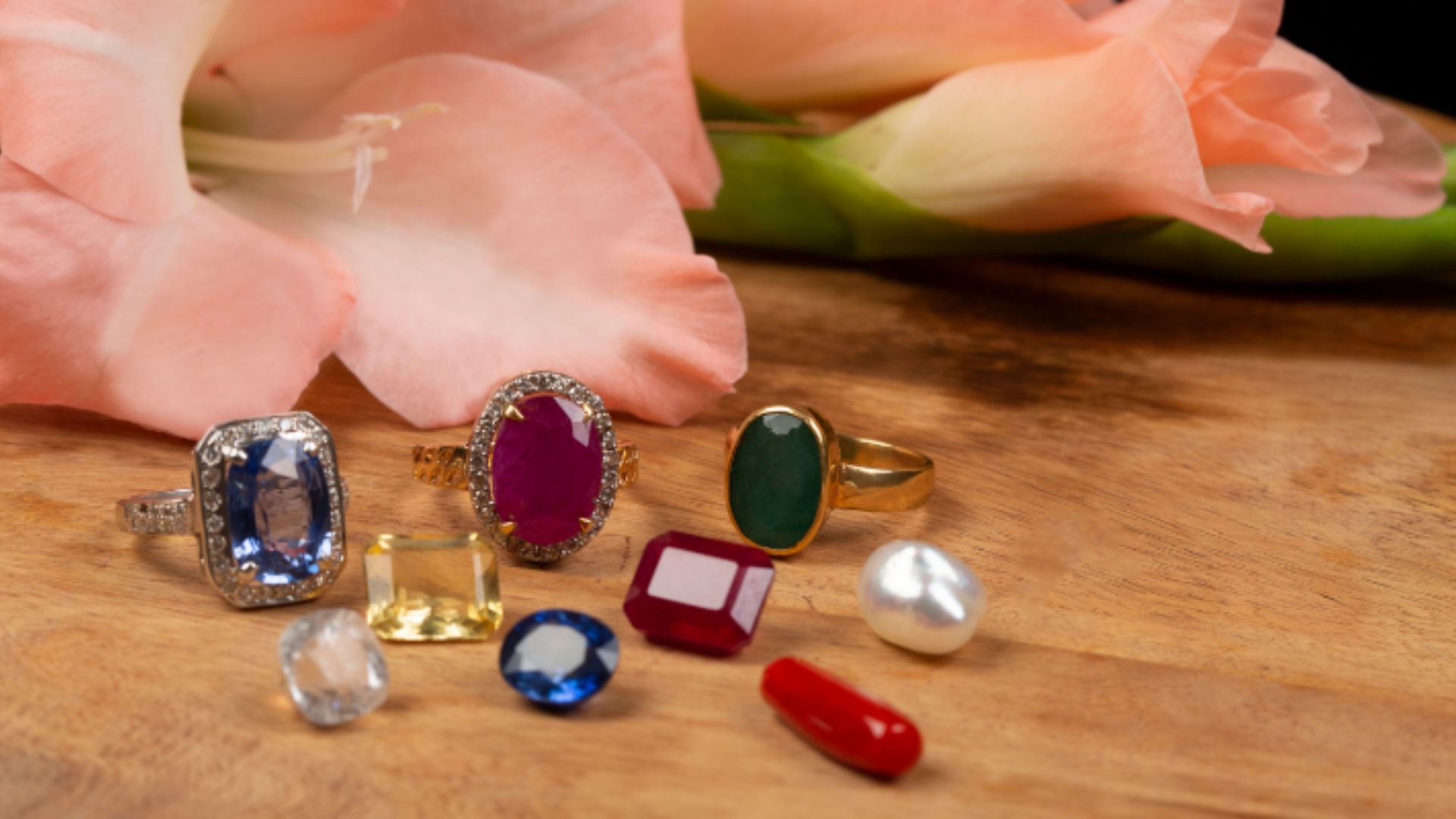
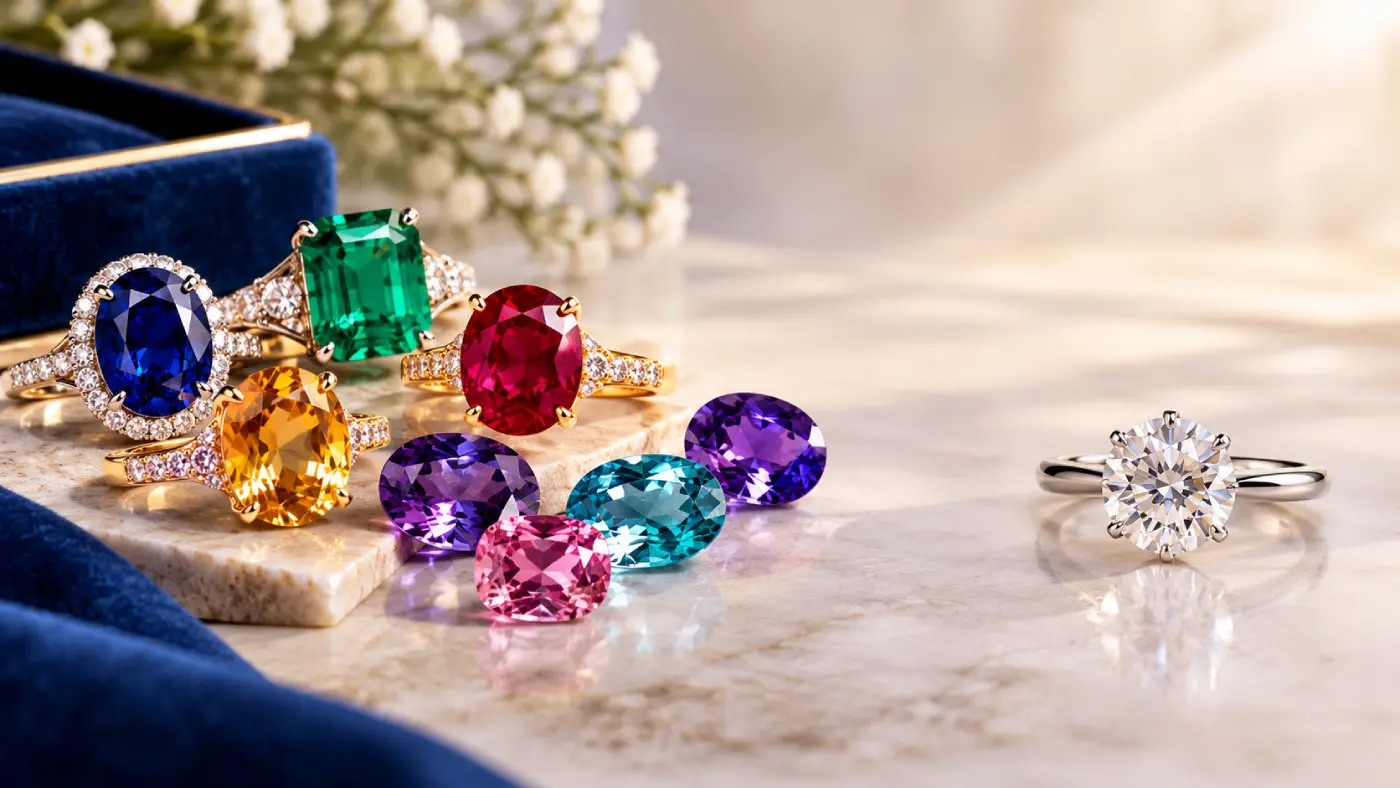
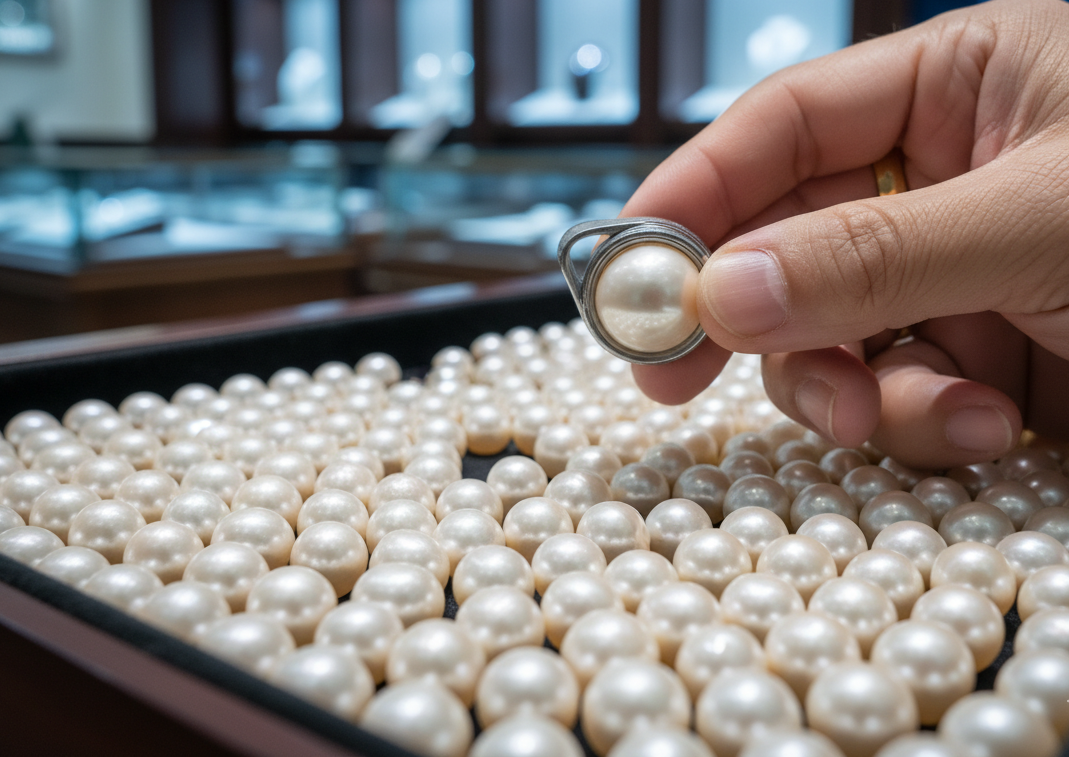
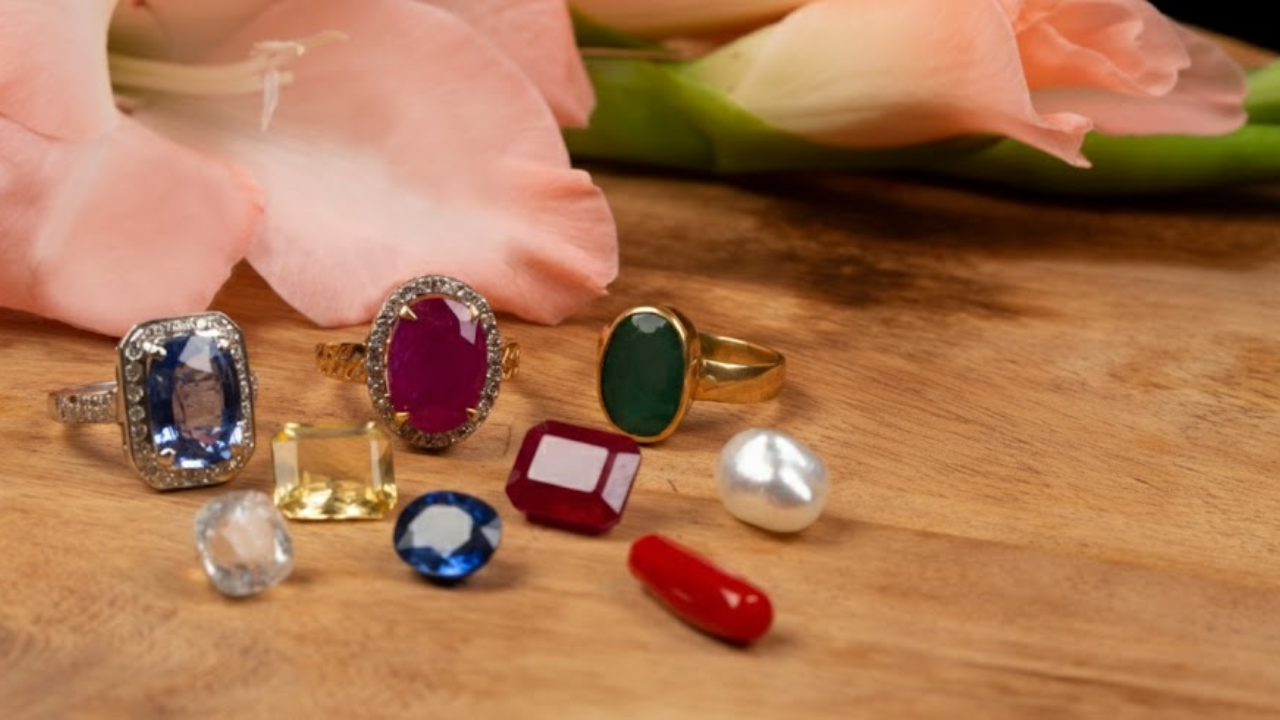
Finished gemstones are carefully selected and set into rings, necklaces, earrings, bracelets, and other accessories.
Jewellers consider the gemstone's shape, size, colour, and overall design before choosing the appropriate setting.
The journey that began with an unpolished rough crystal finally results in a beautiful gemstone that can be appreciated and treasured for generations.
Conclusion
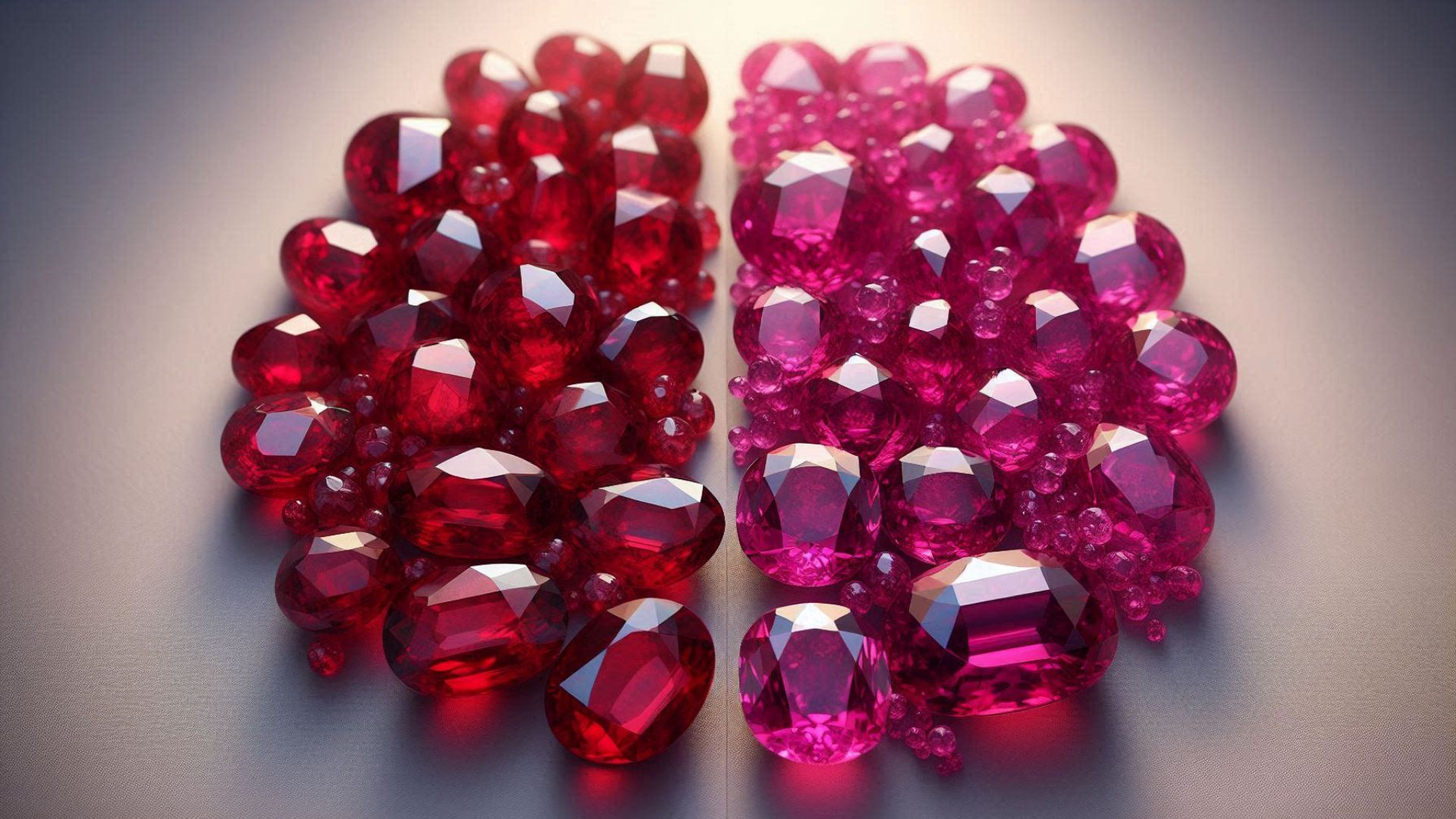
The transformation from a rough crystal into a sparkling gemstone is a remarkable combination of science, skill, and artistry. Every stage, from selecting the raw material to gemstone faceting and gem polishing, contributes to the final beauty and value of the stone.
Professional gem cutting is not simply about removing unwanted material; it is about understanding the natural characteristics of each stone and bringing out its maximum potential.
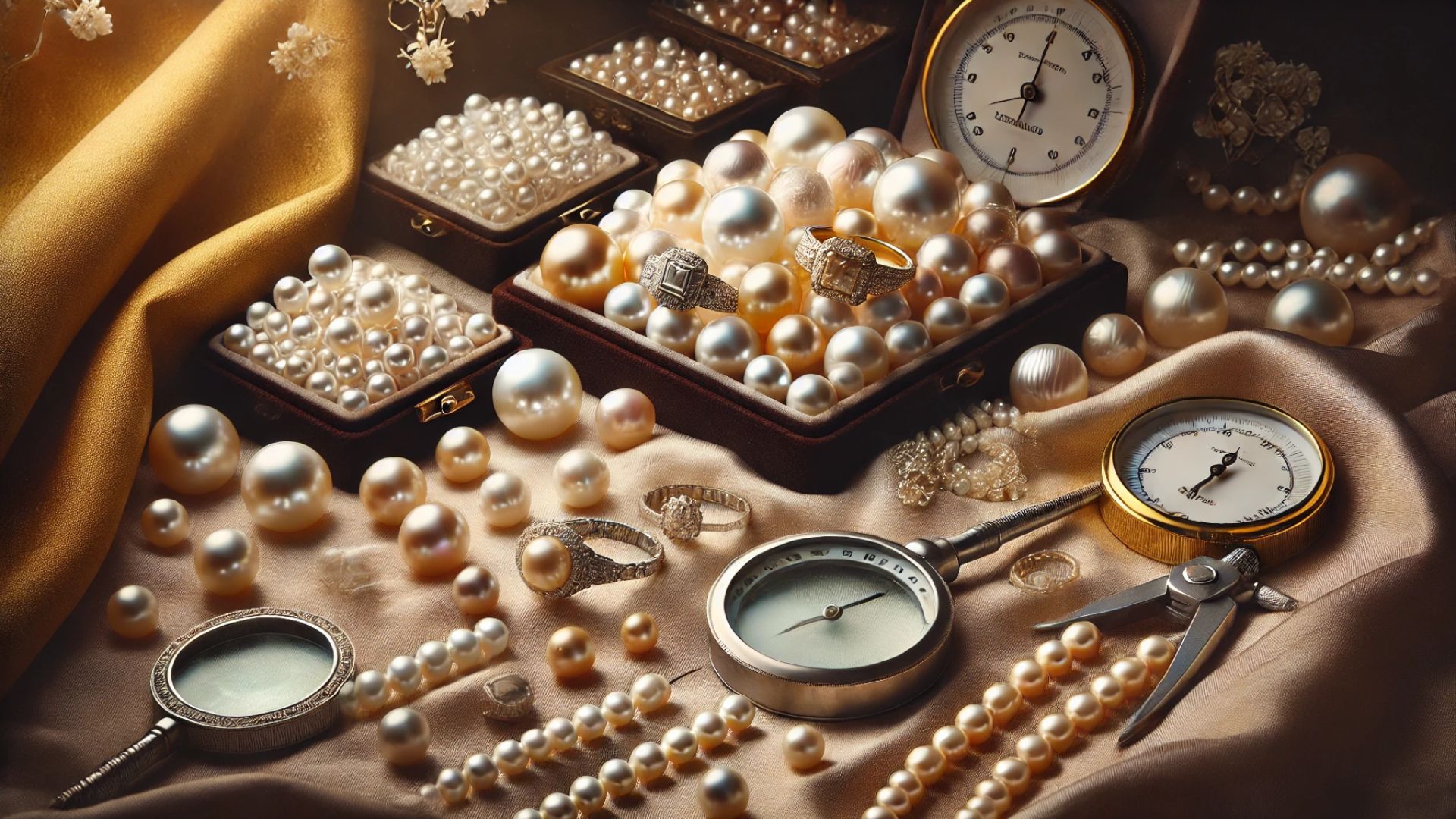
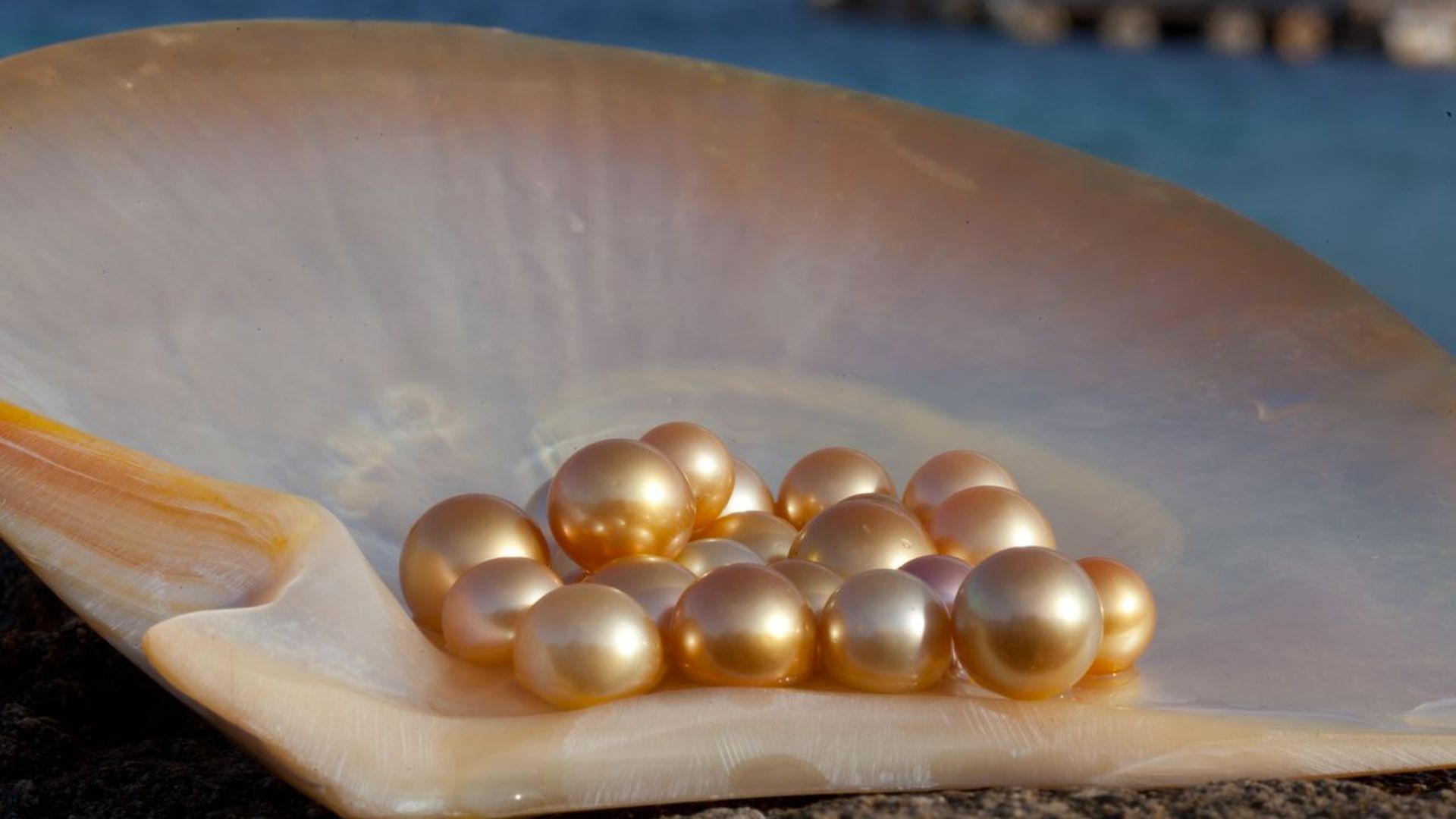
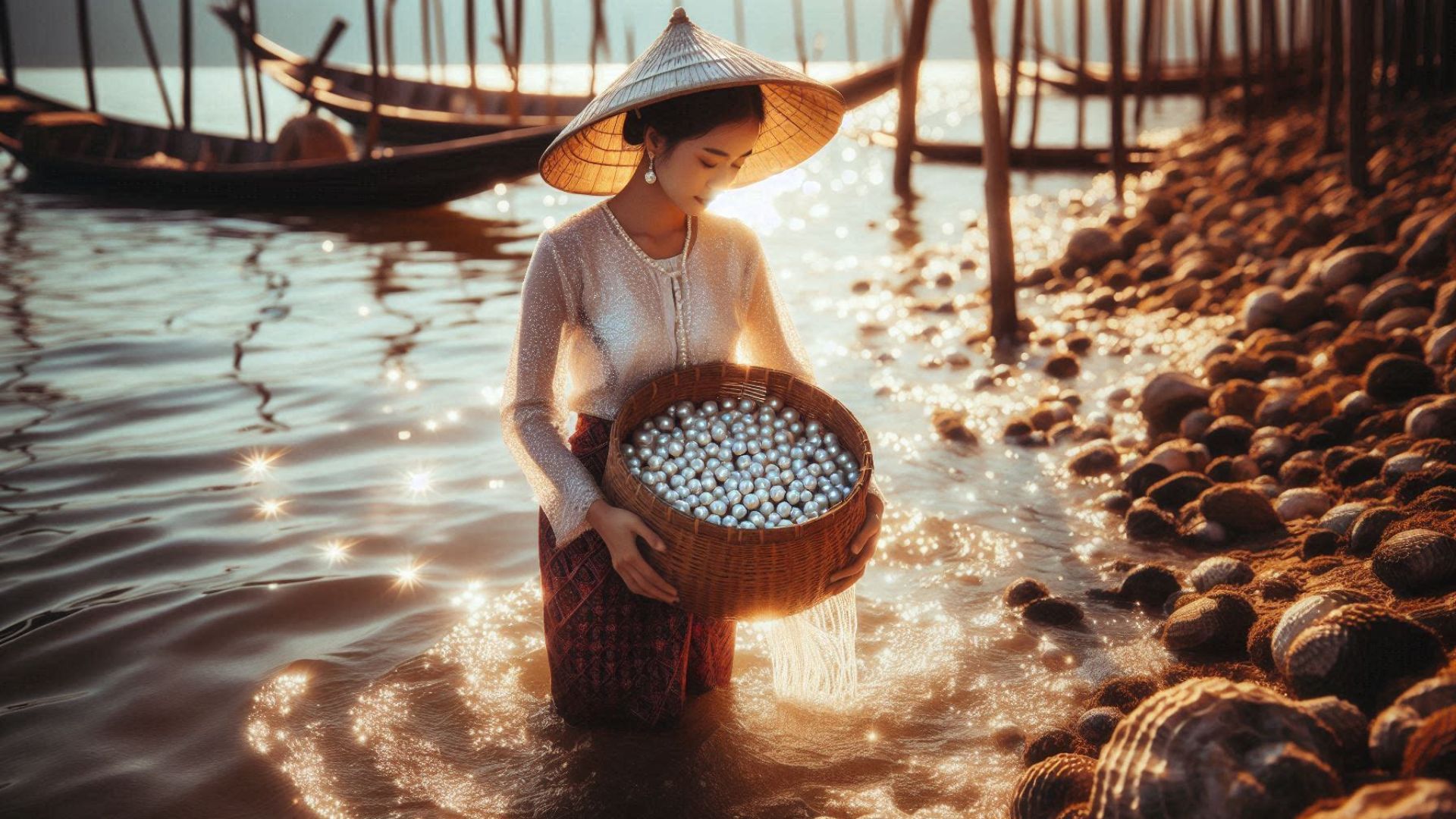
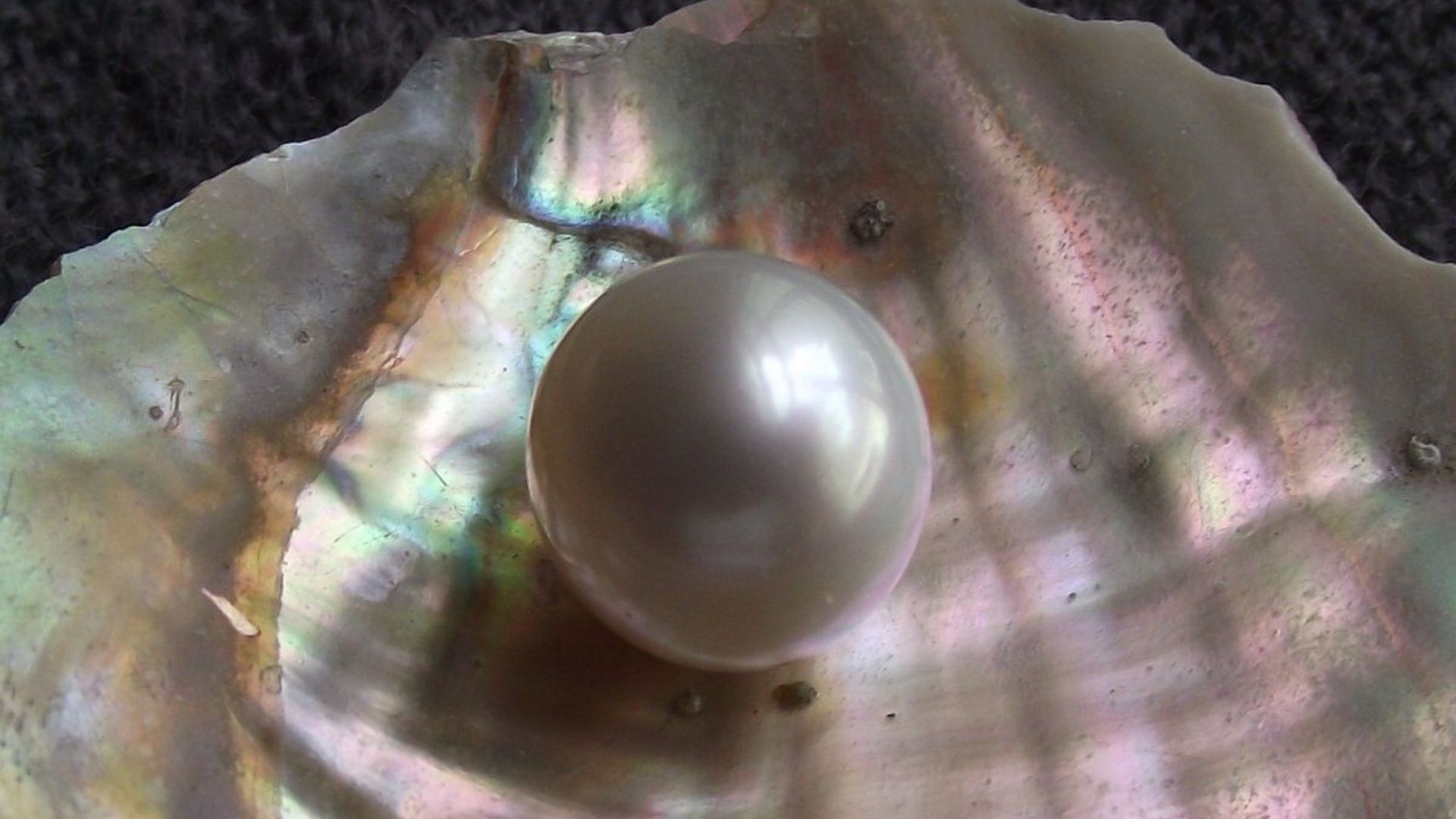
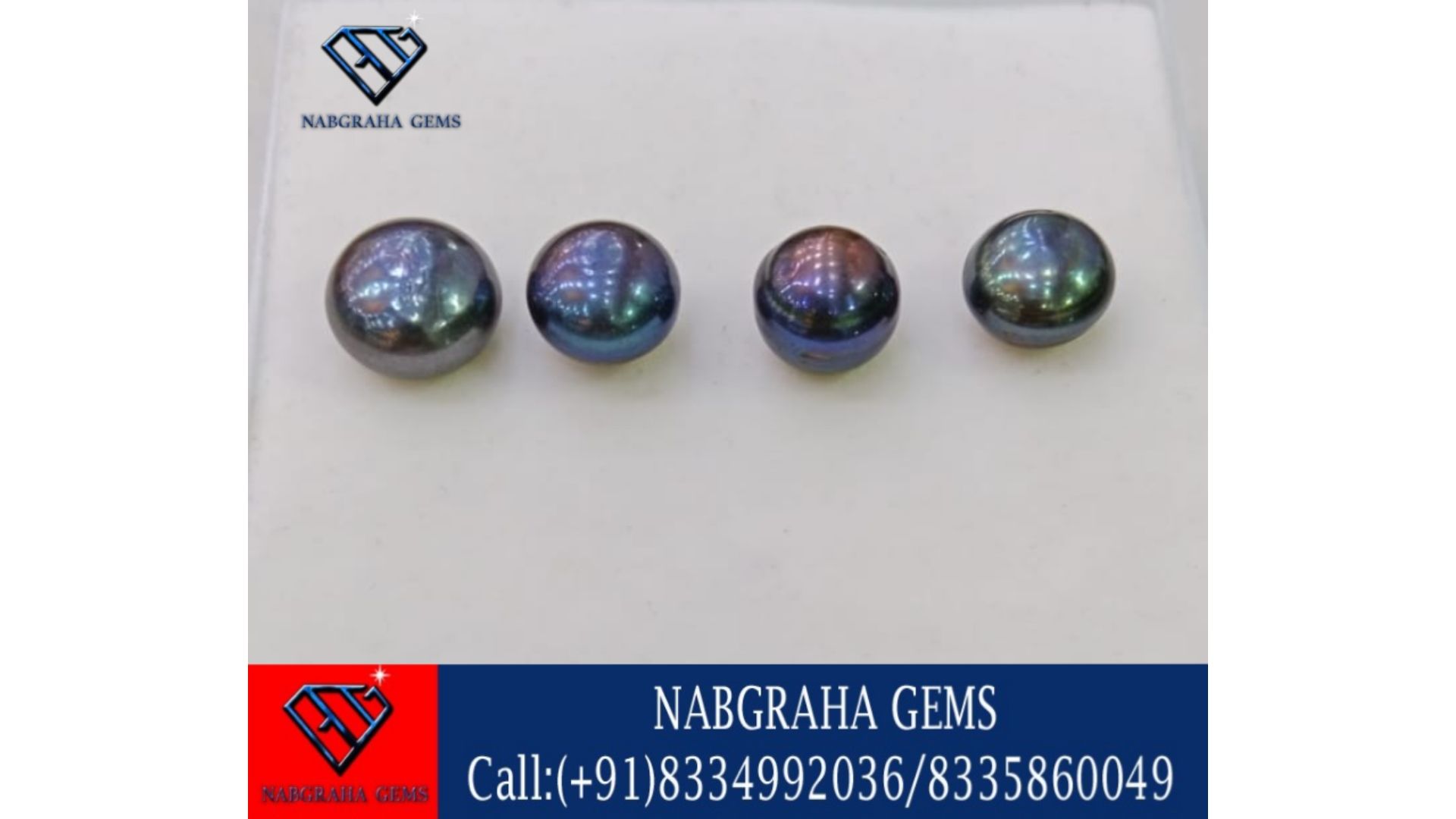
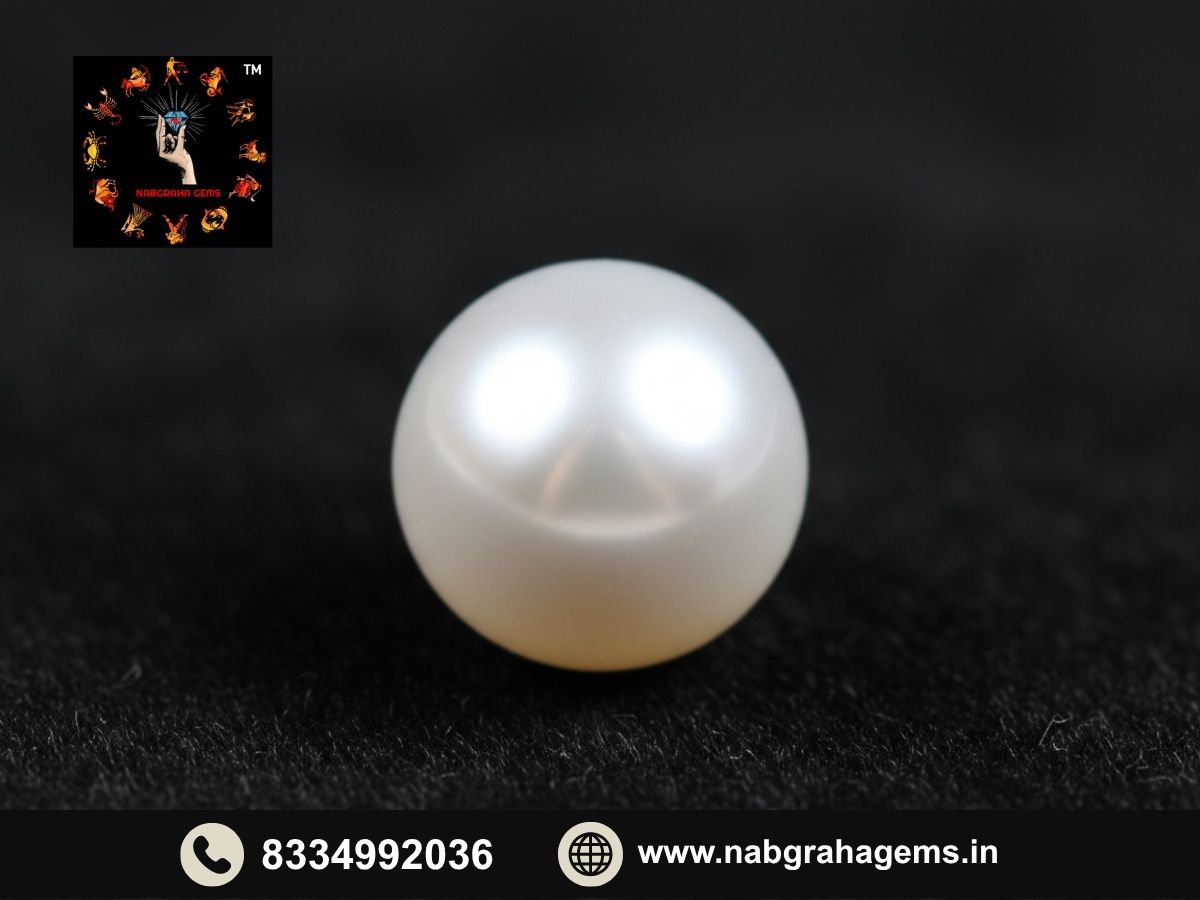
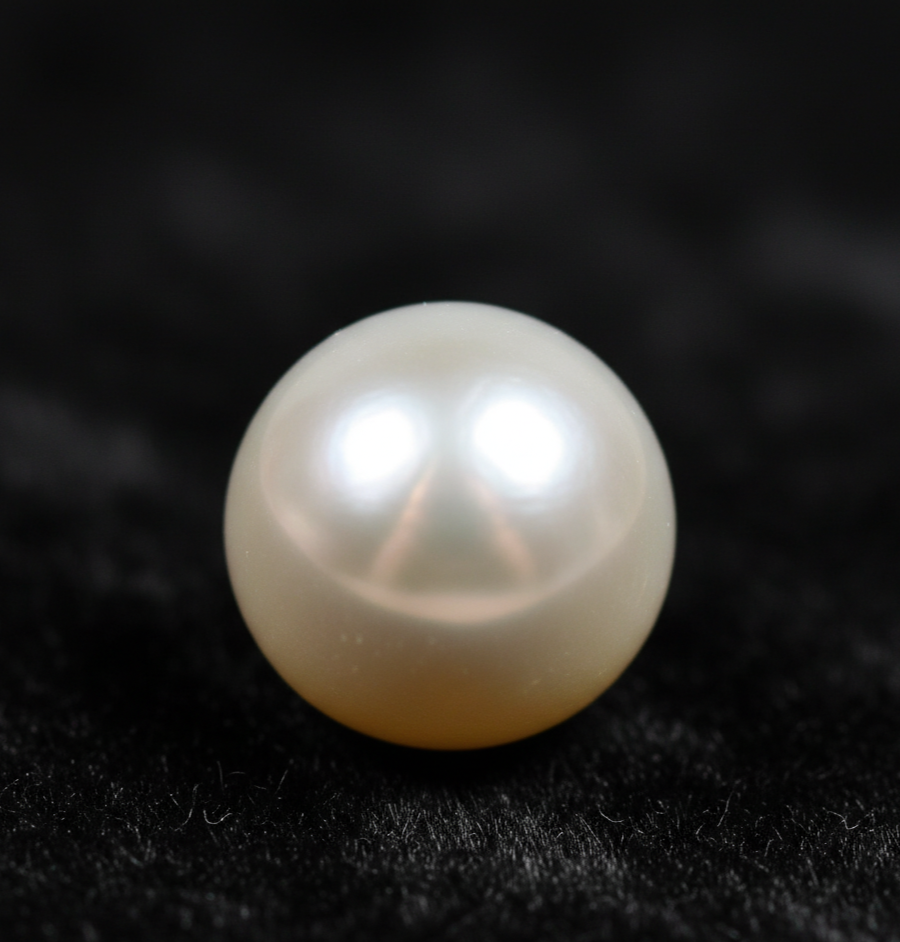
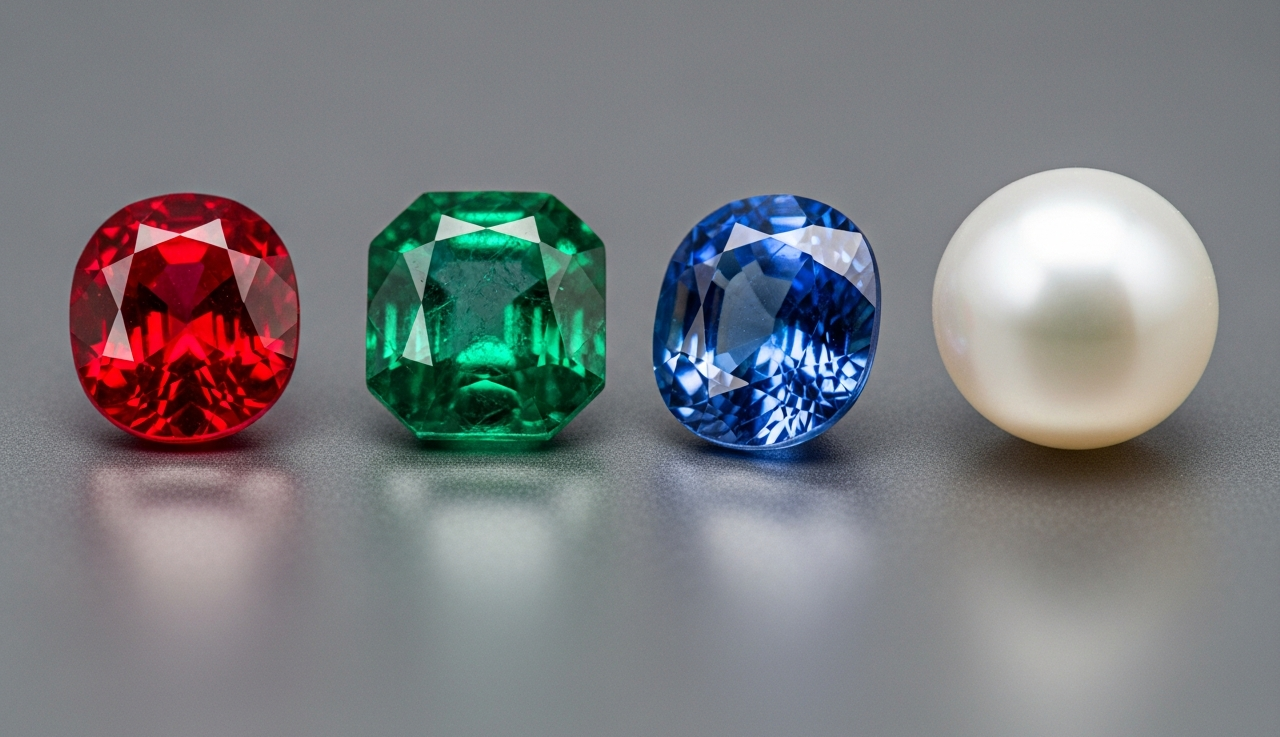
With the right techniques, tools, and craftsmanship, even an ordinary-looking rough crystal or a beautiful Burmese pearl can be transformed into an extraordinary gemstone. This is what makes gemstone processing such a fascinating and valuable part of the jewellery industry.
Recent Posts


2026-09-04
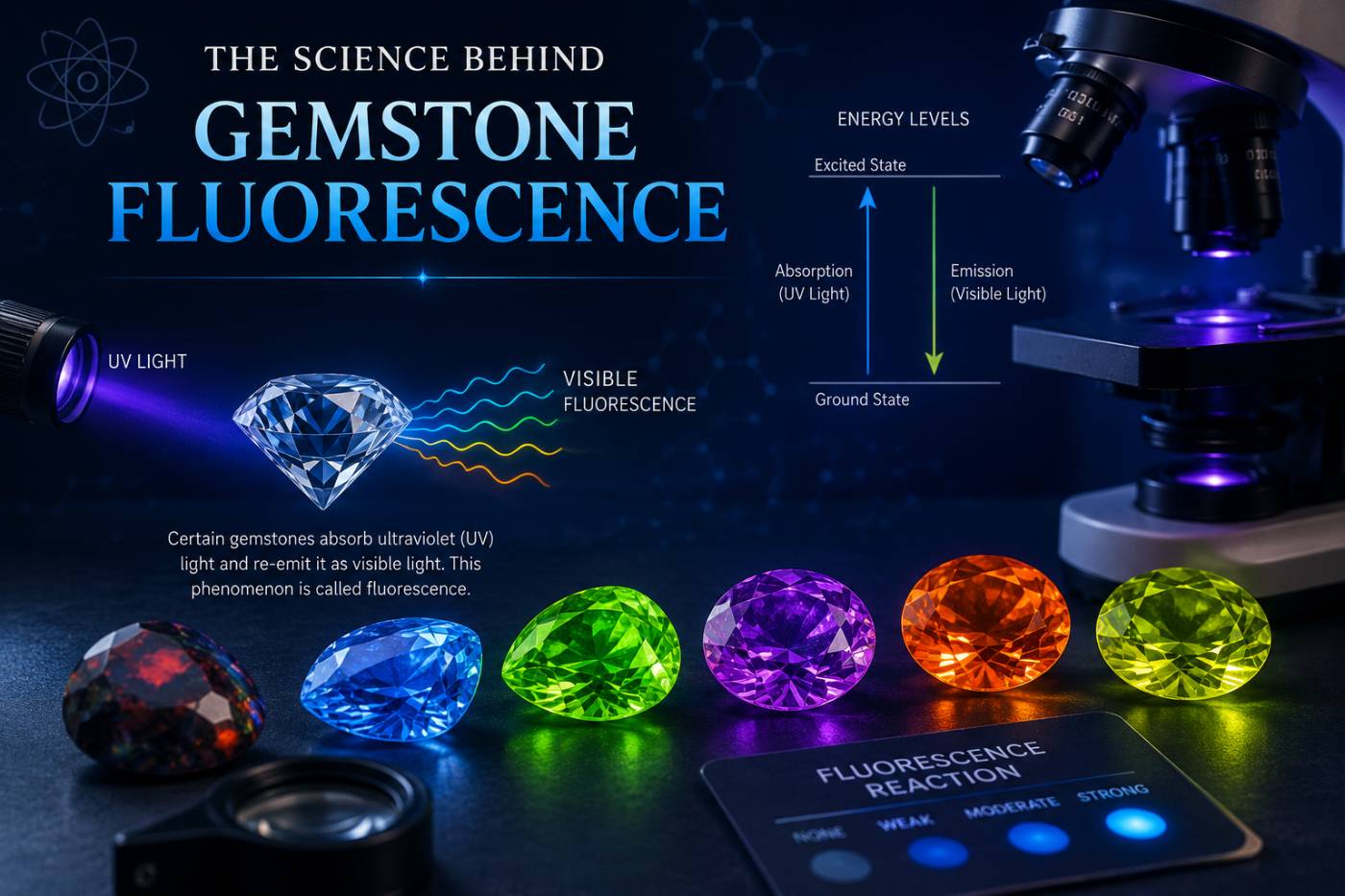
The Science Behind Gemstone Fluorescence


2025-09-15