Date : 2026-10-07
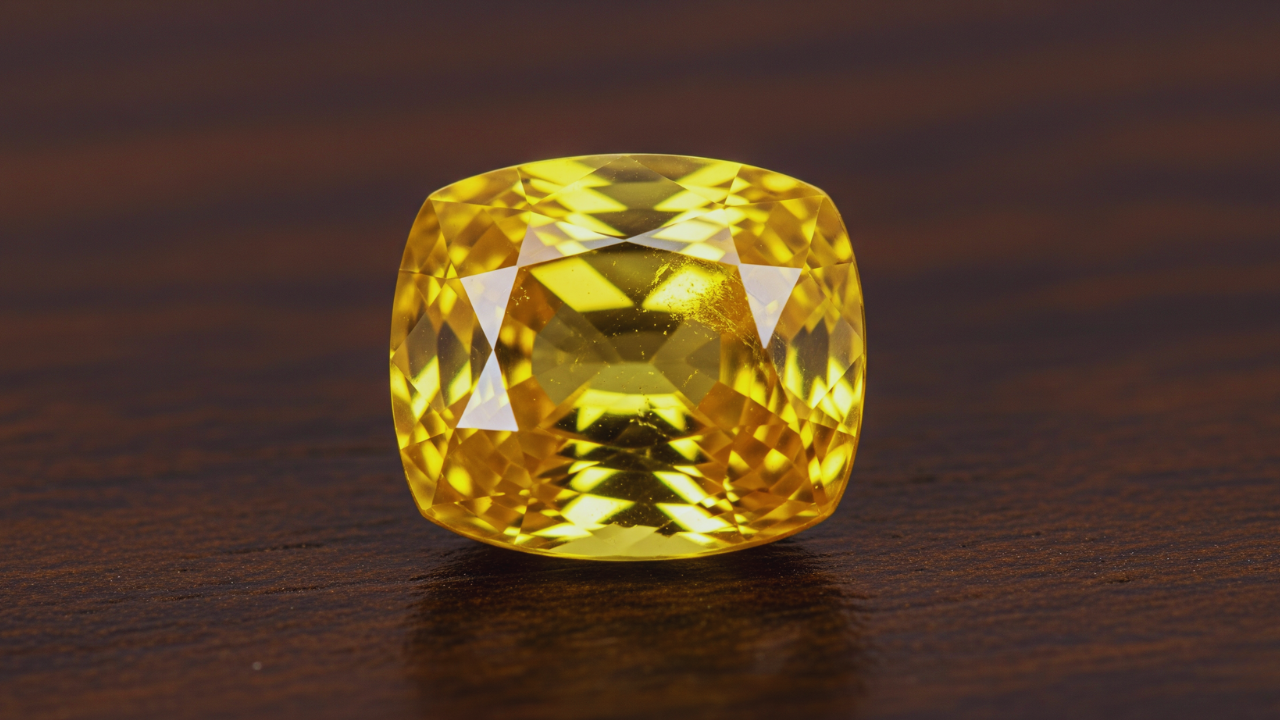
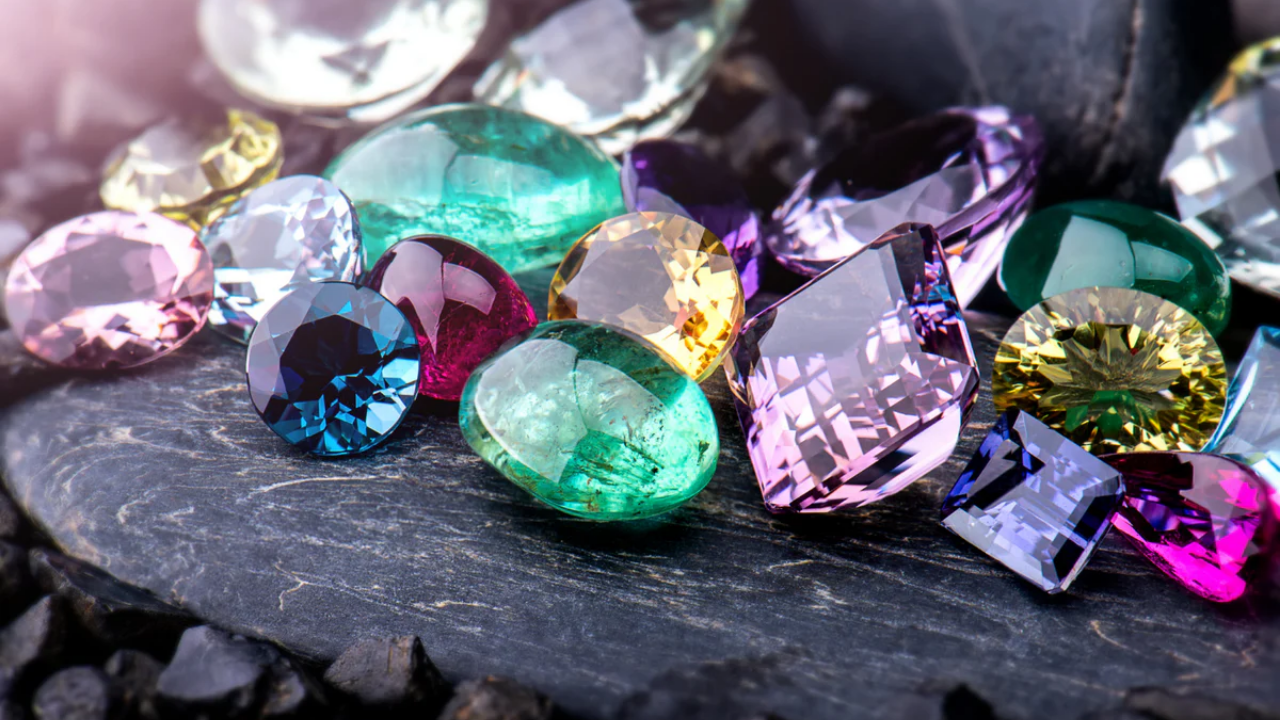
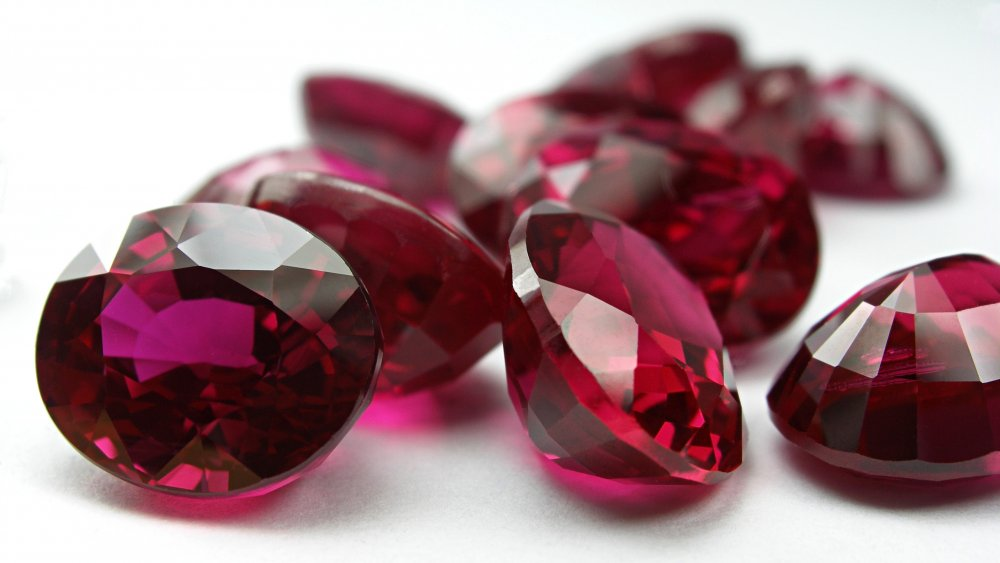
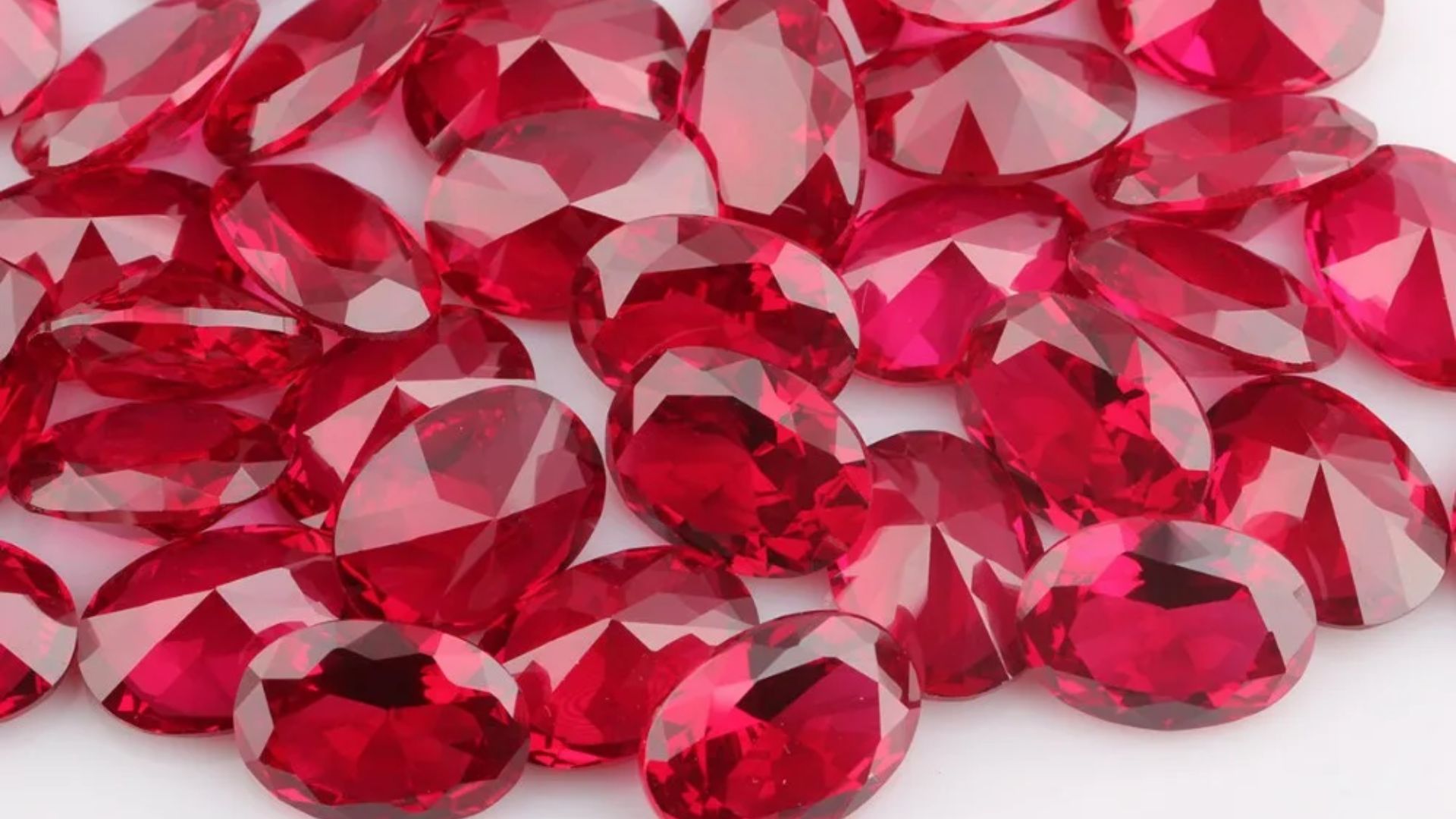
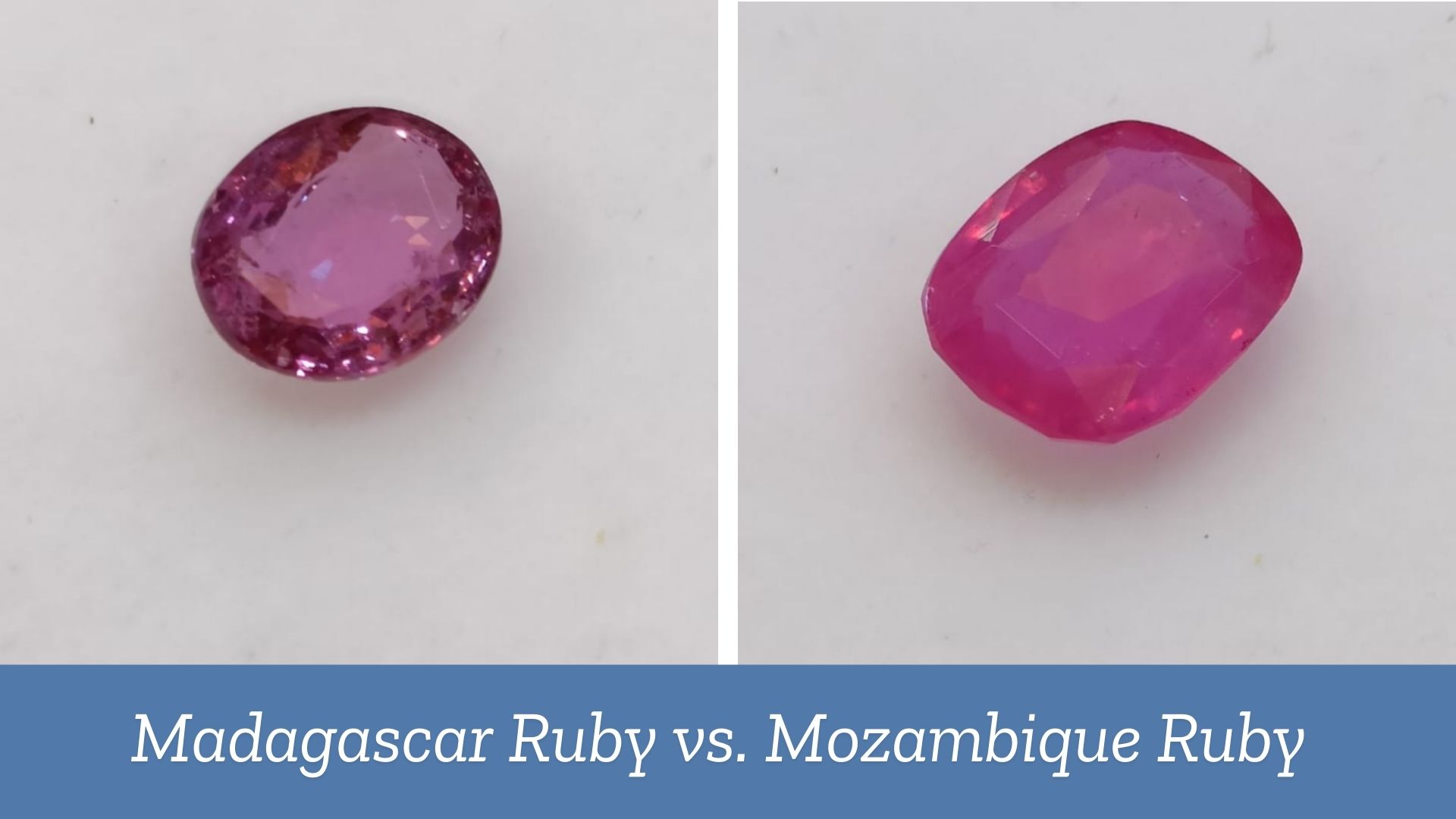
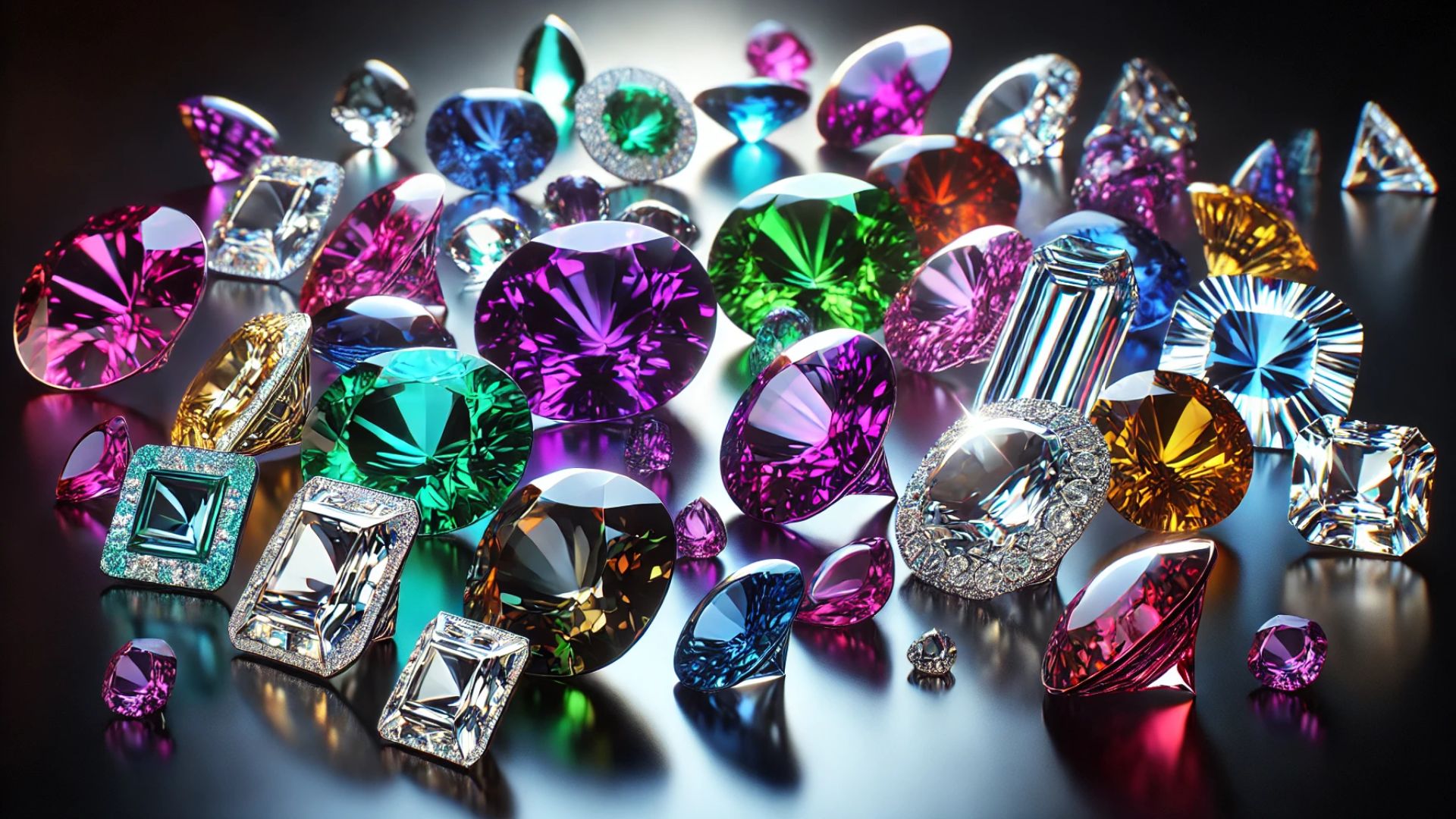
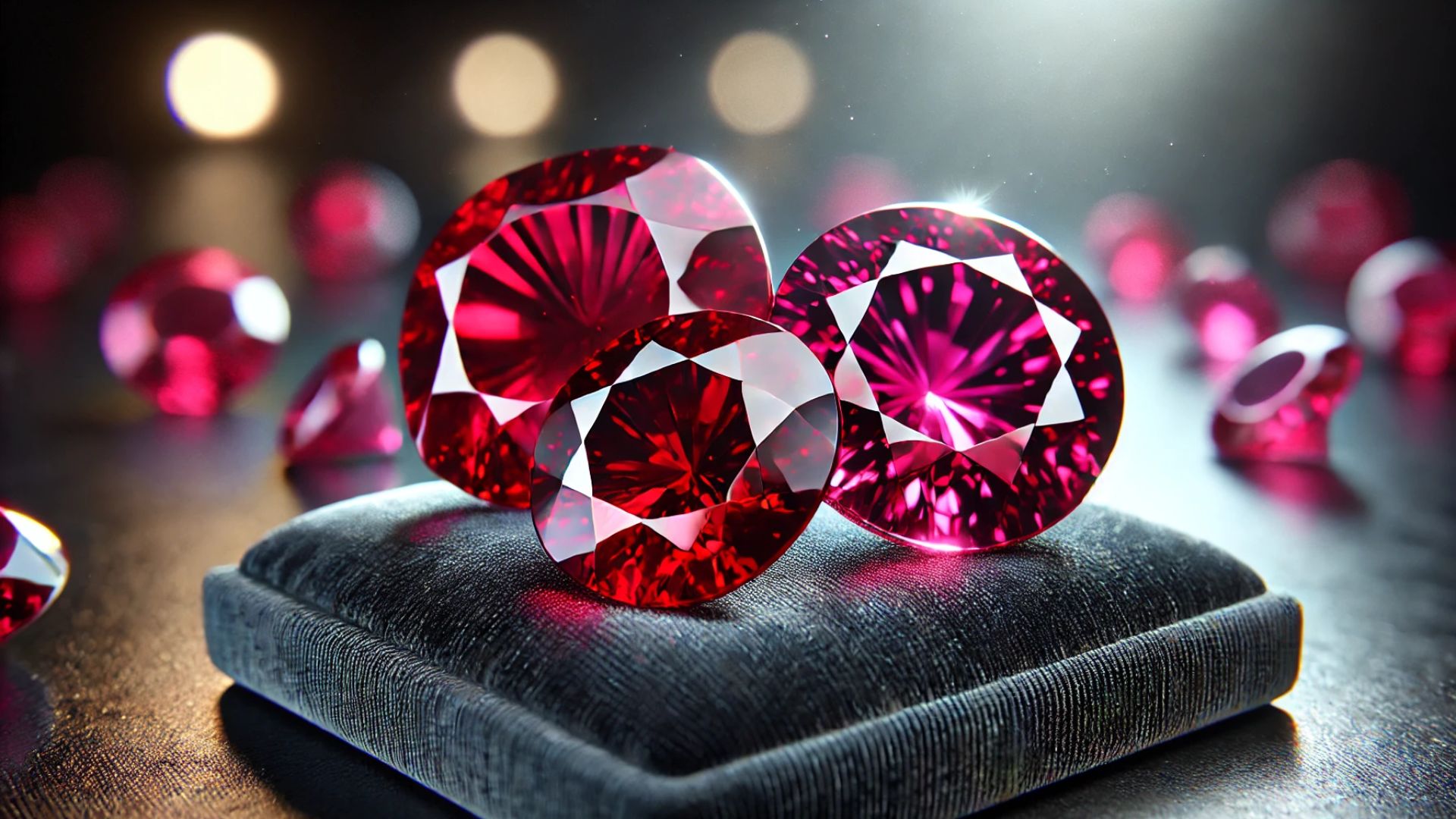
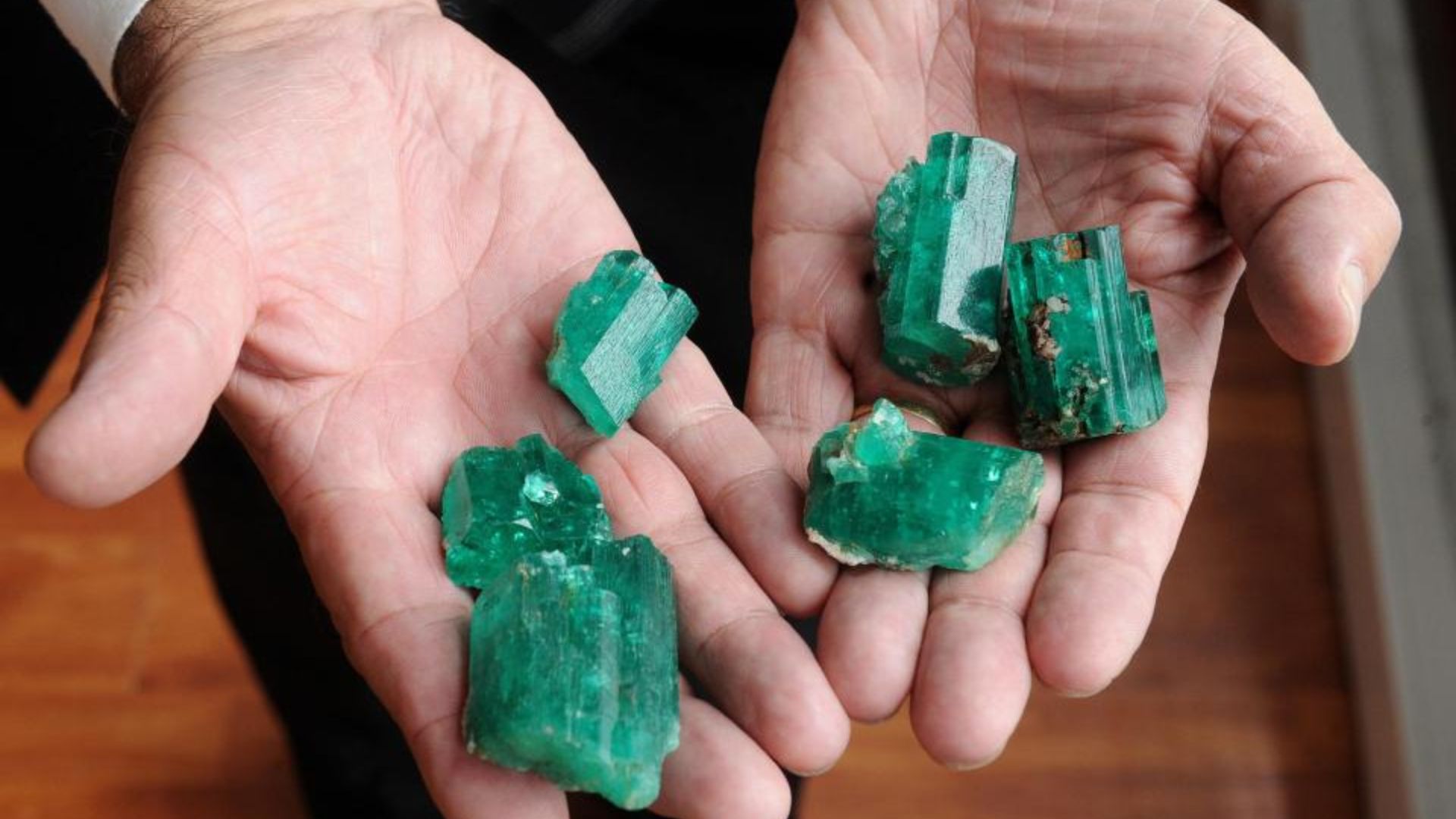
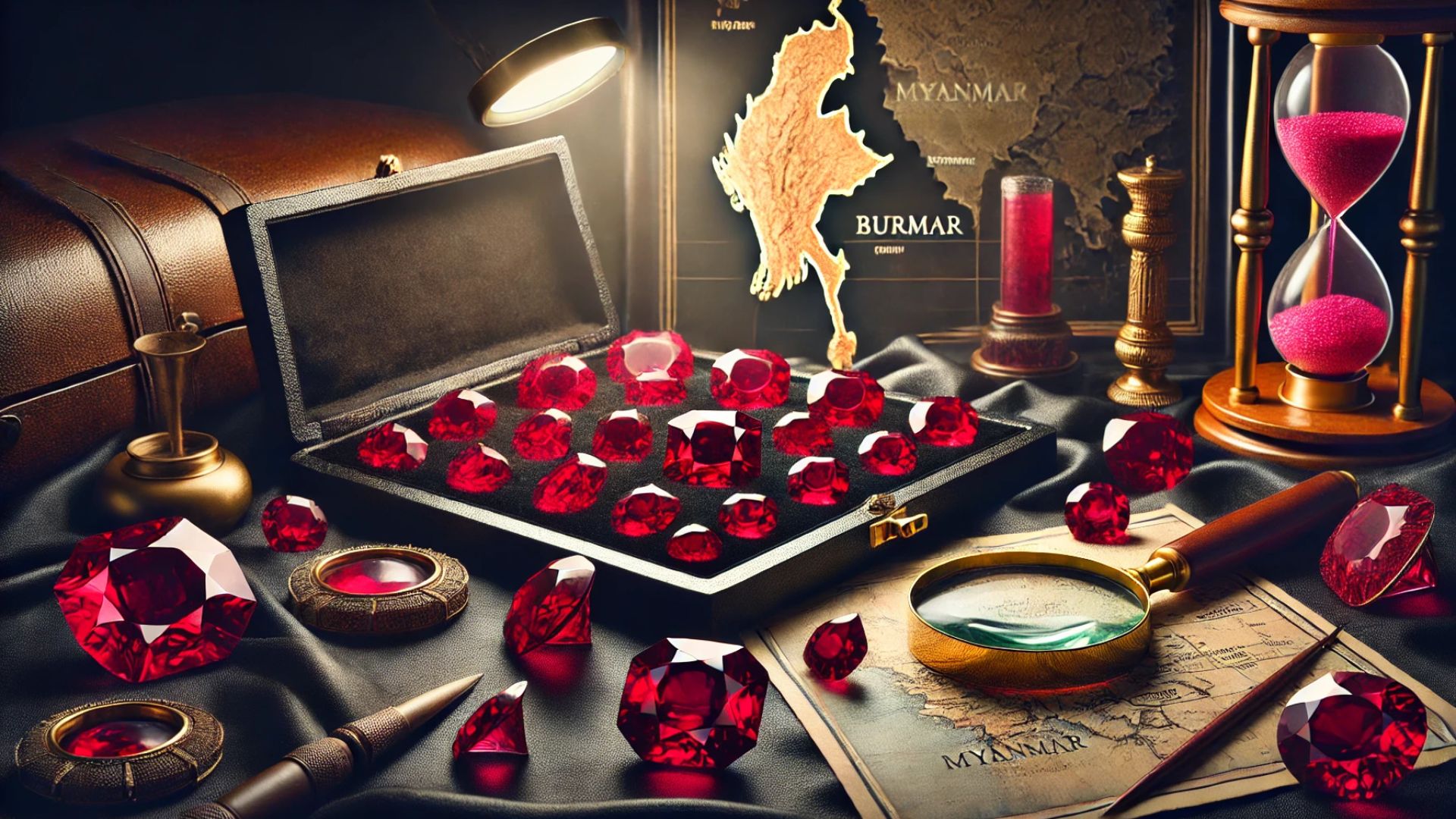
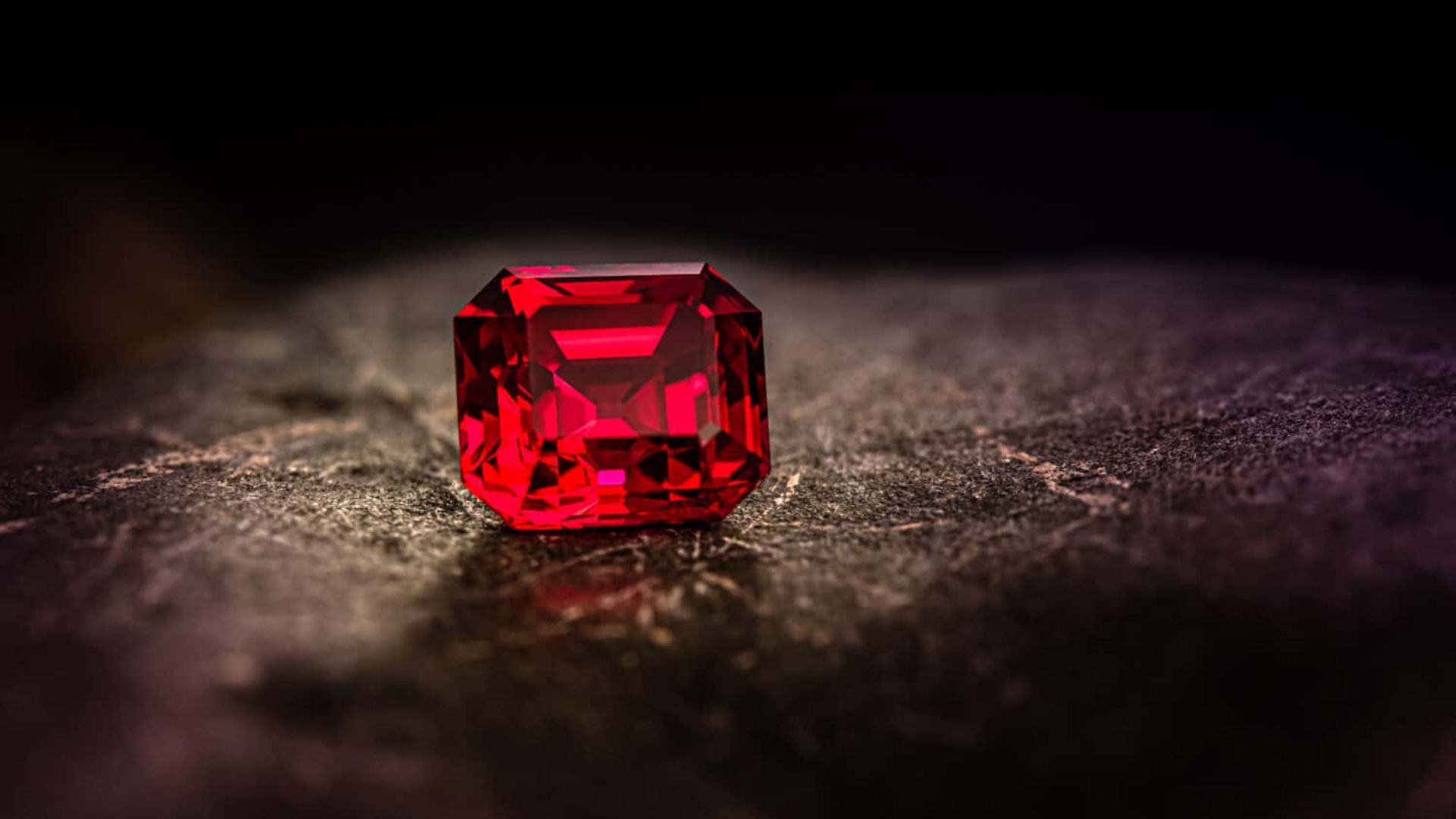
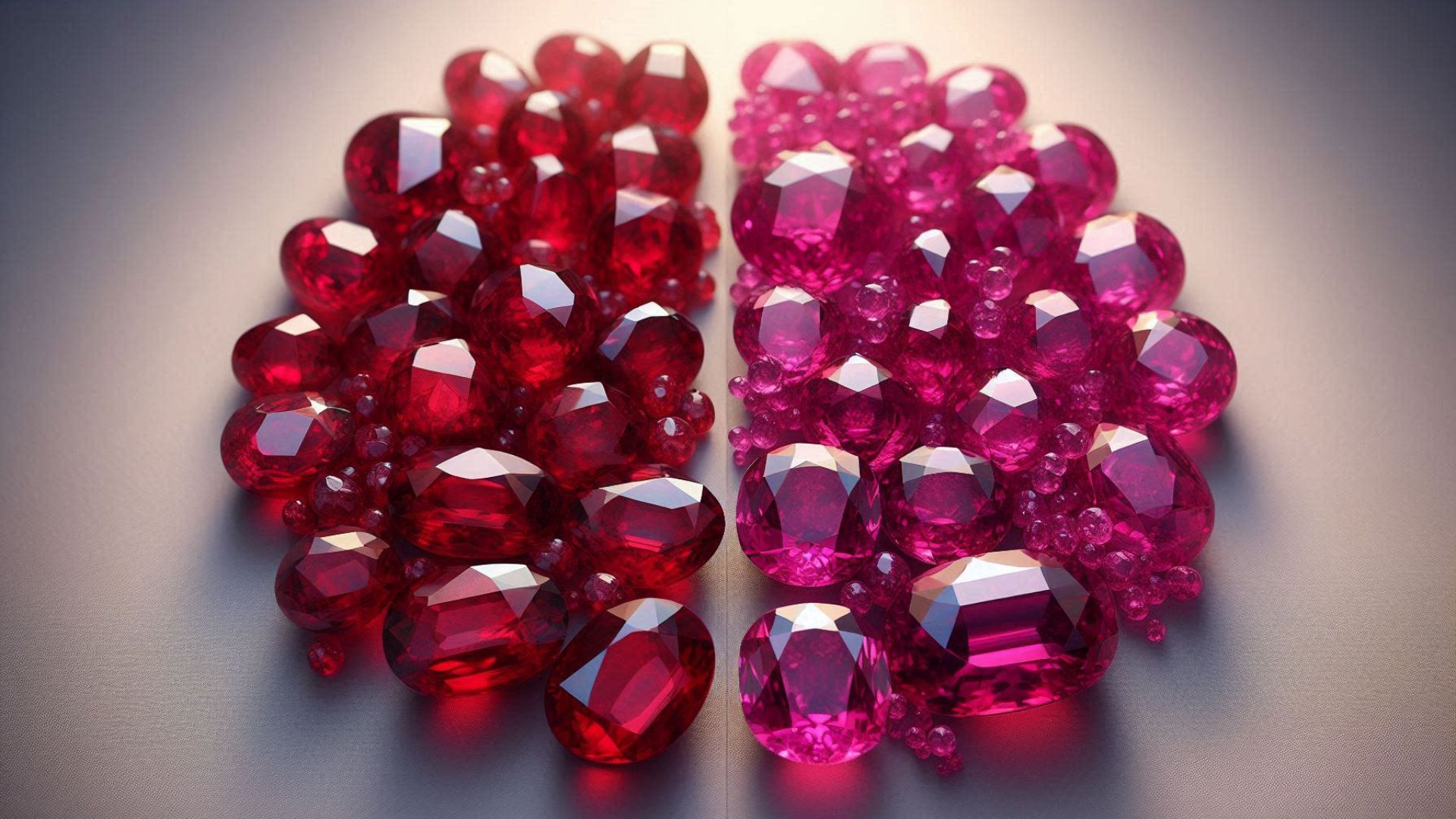
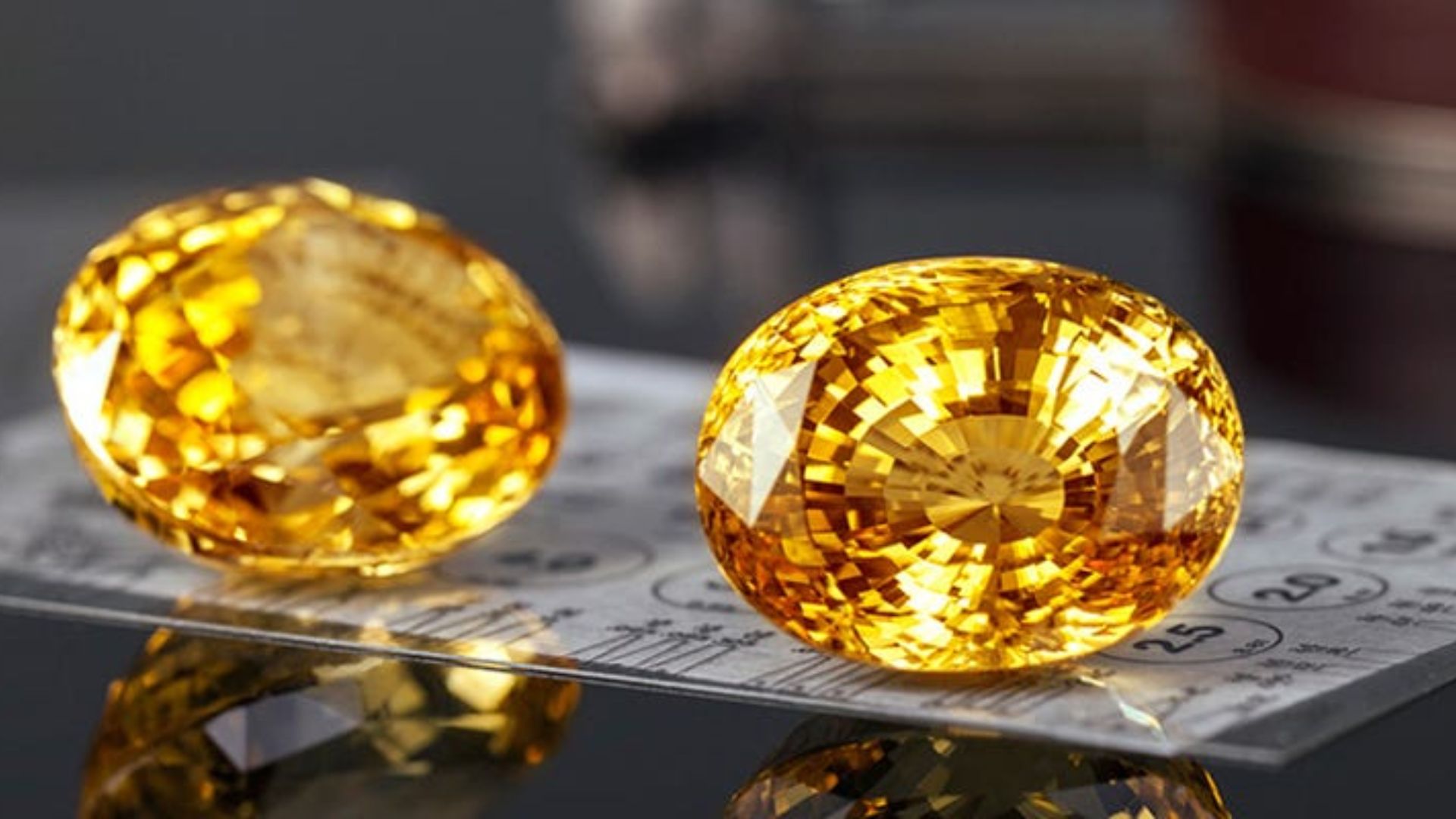
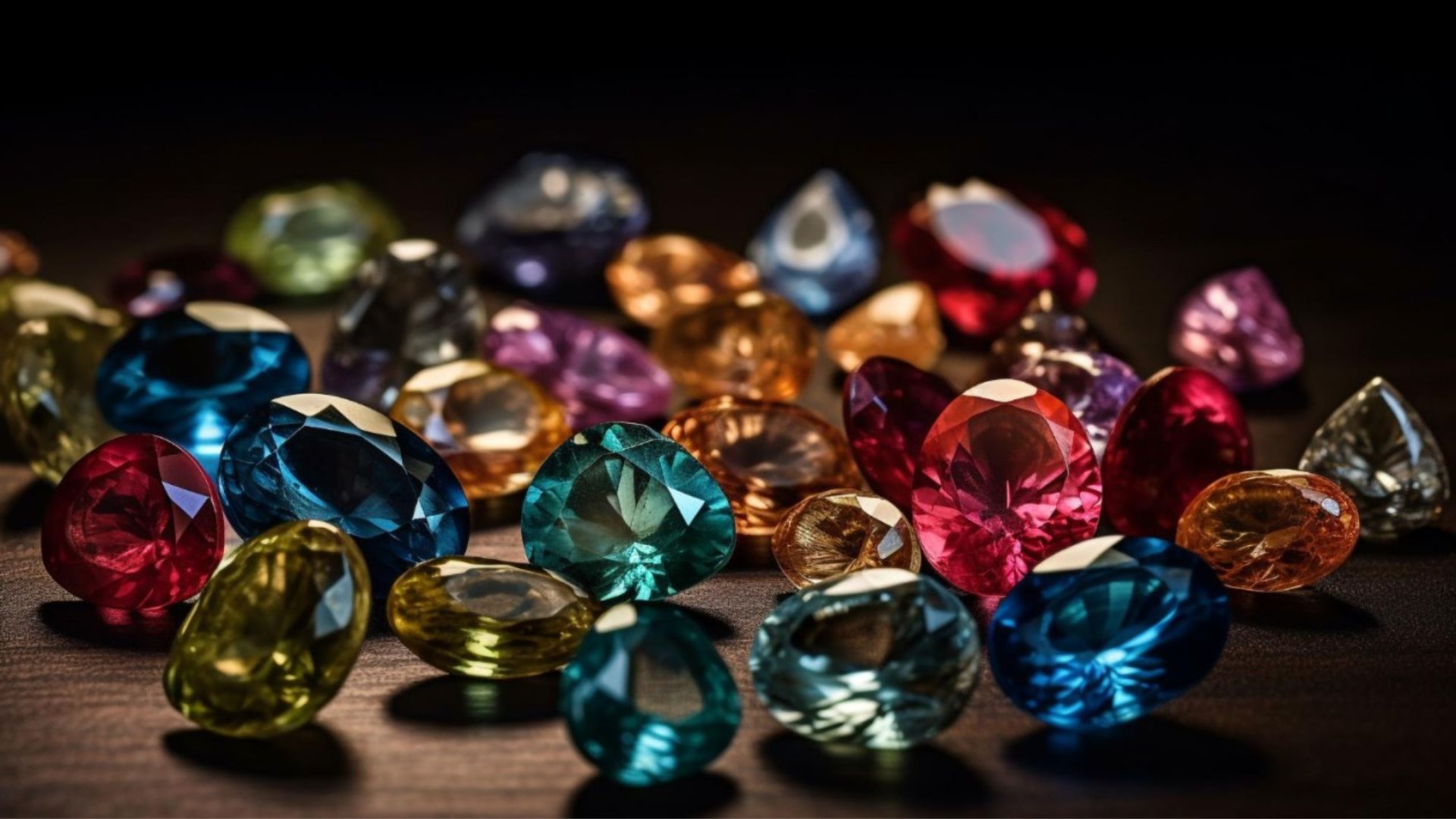
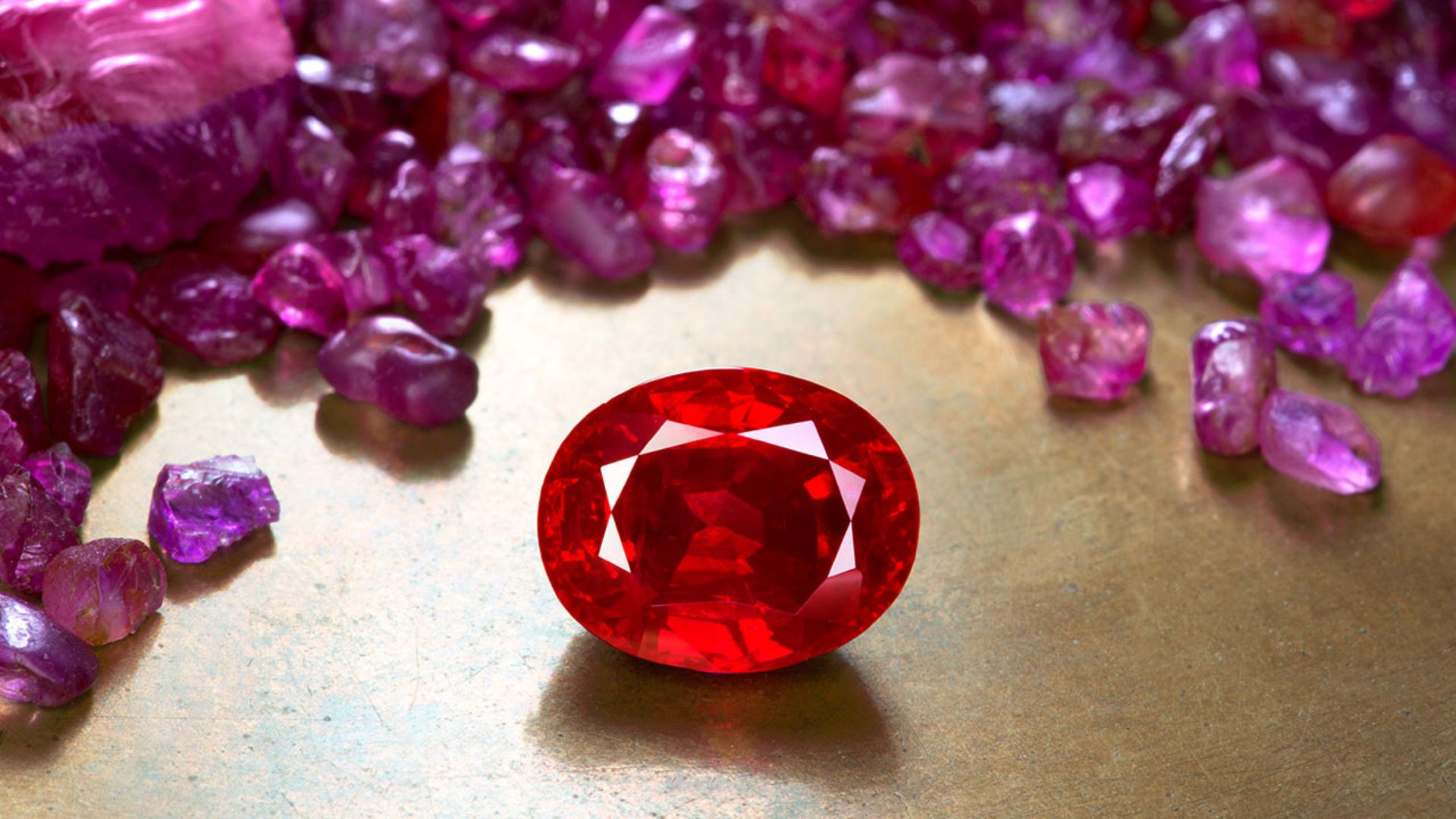
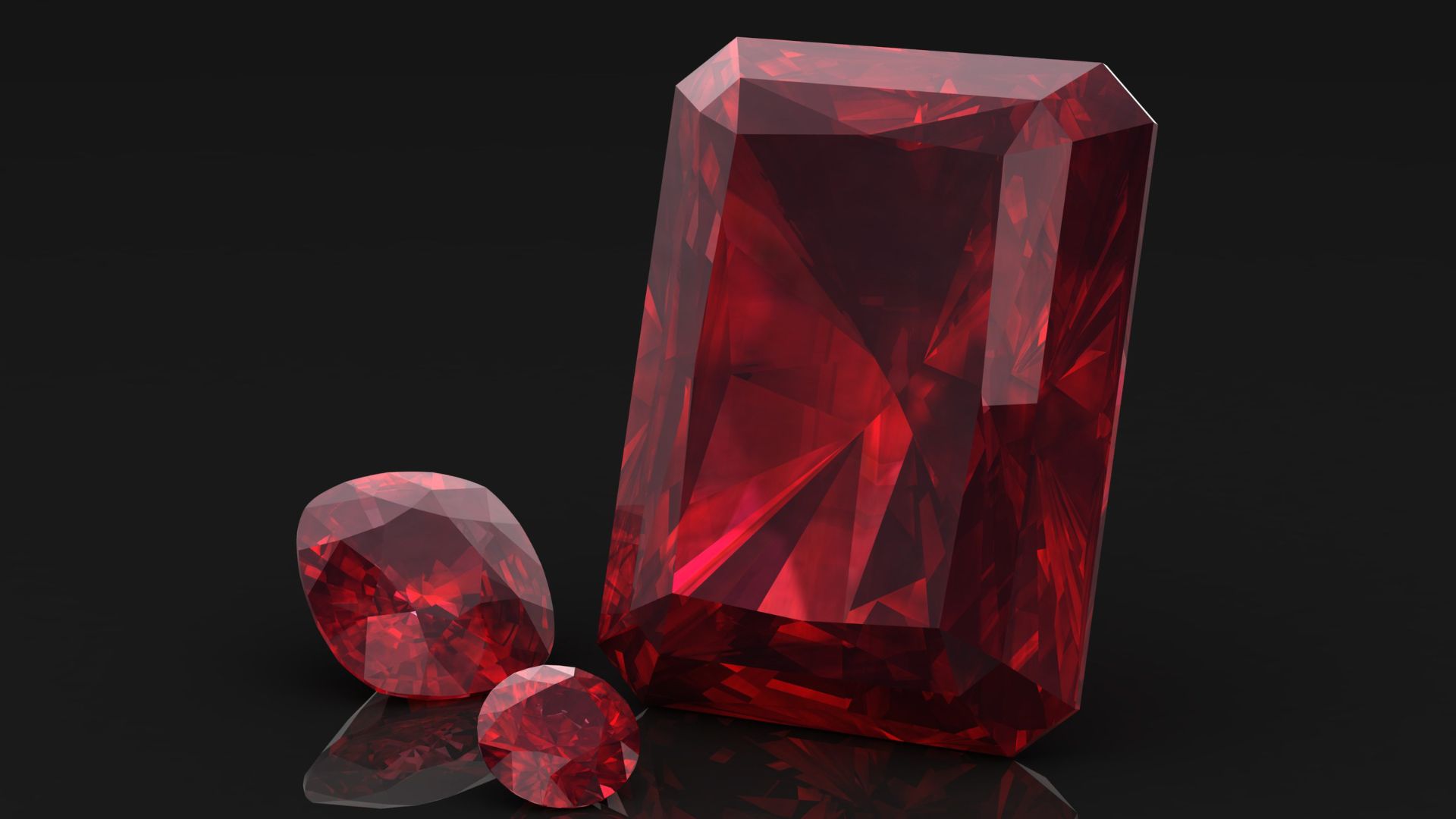
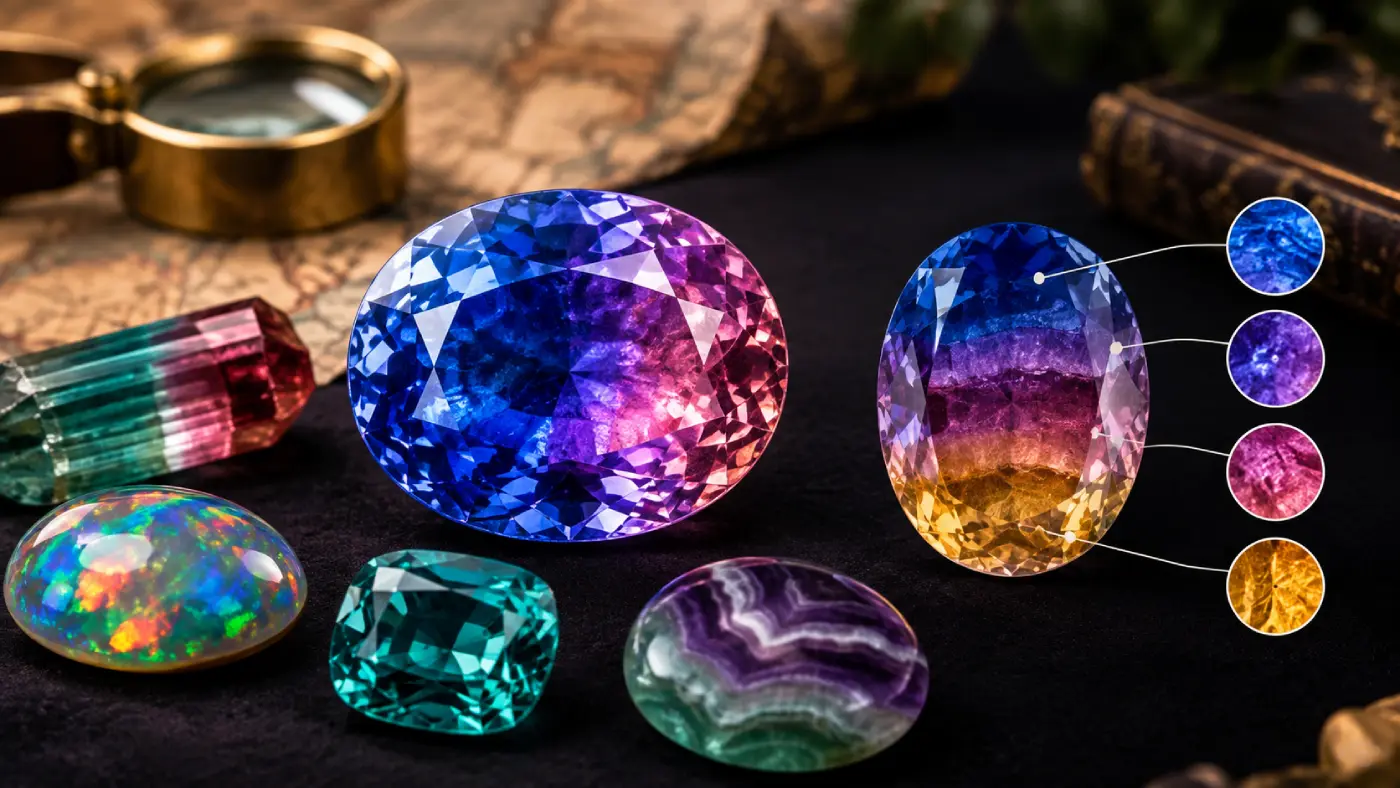
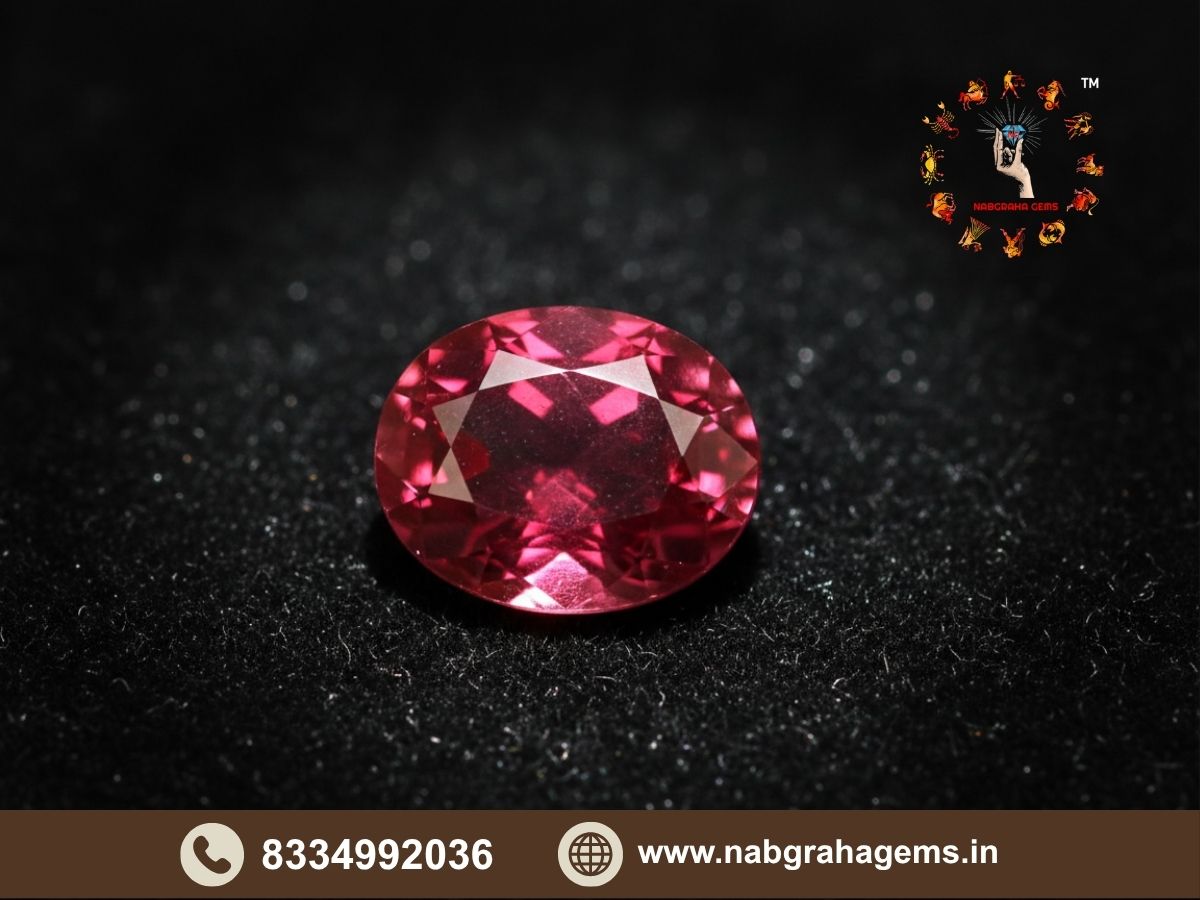
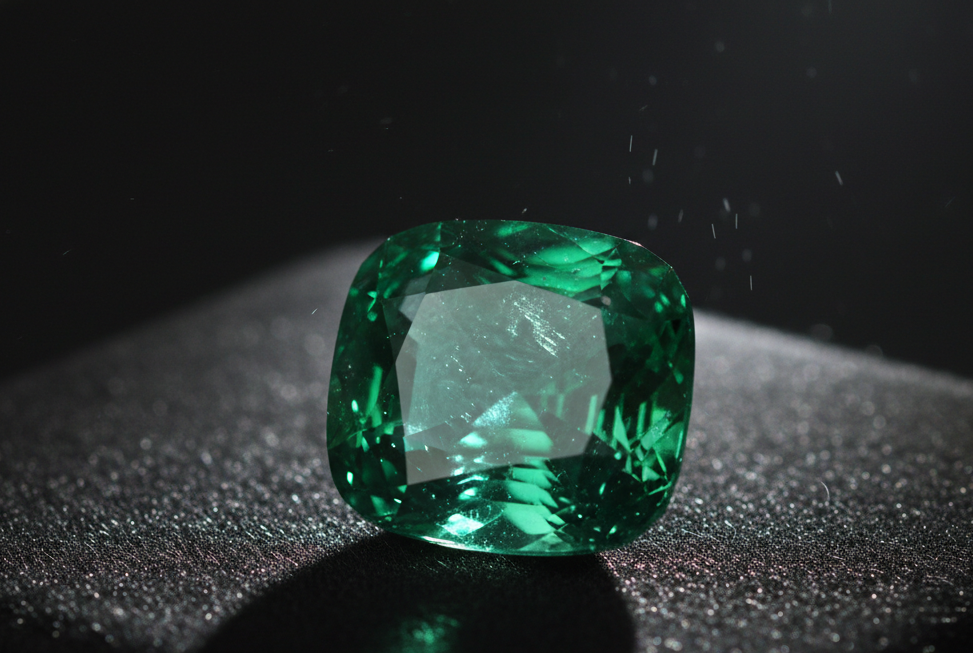
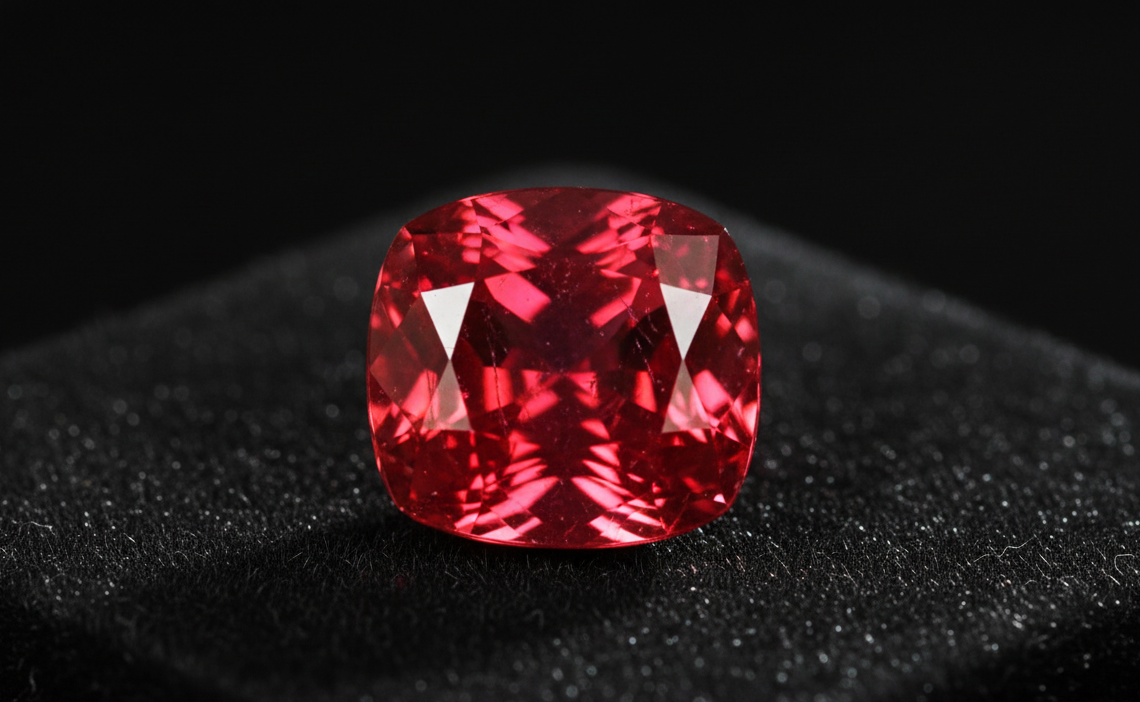
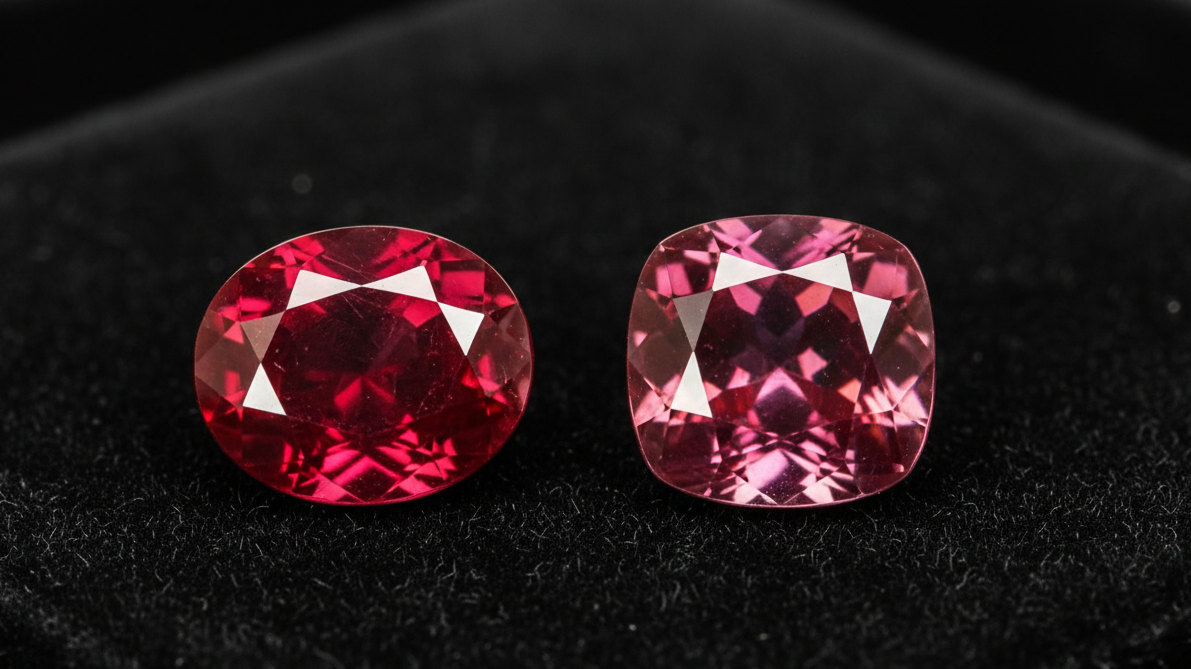
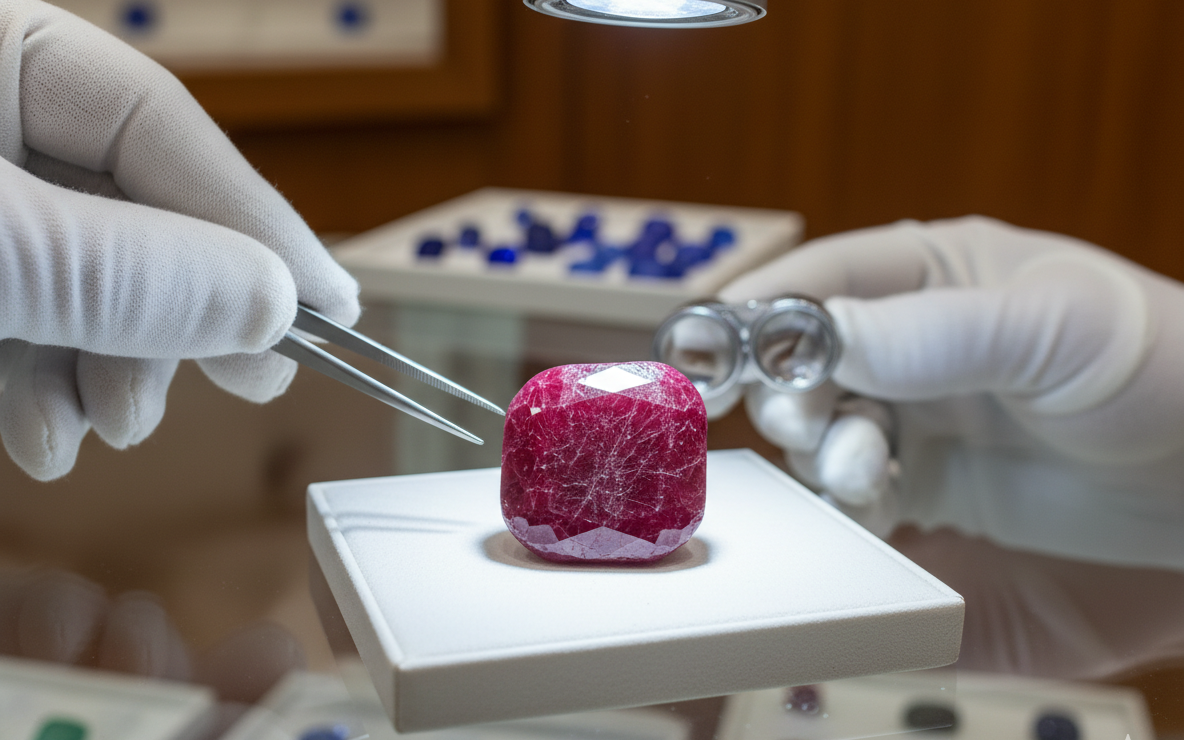
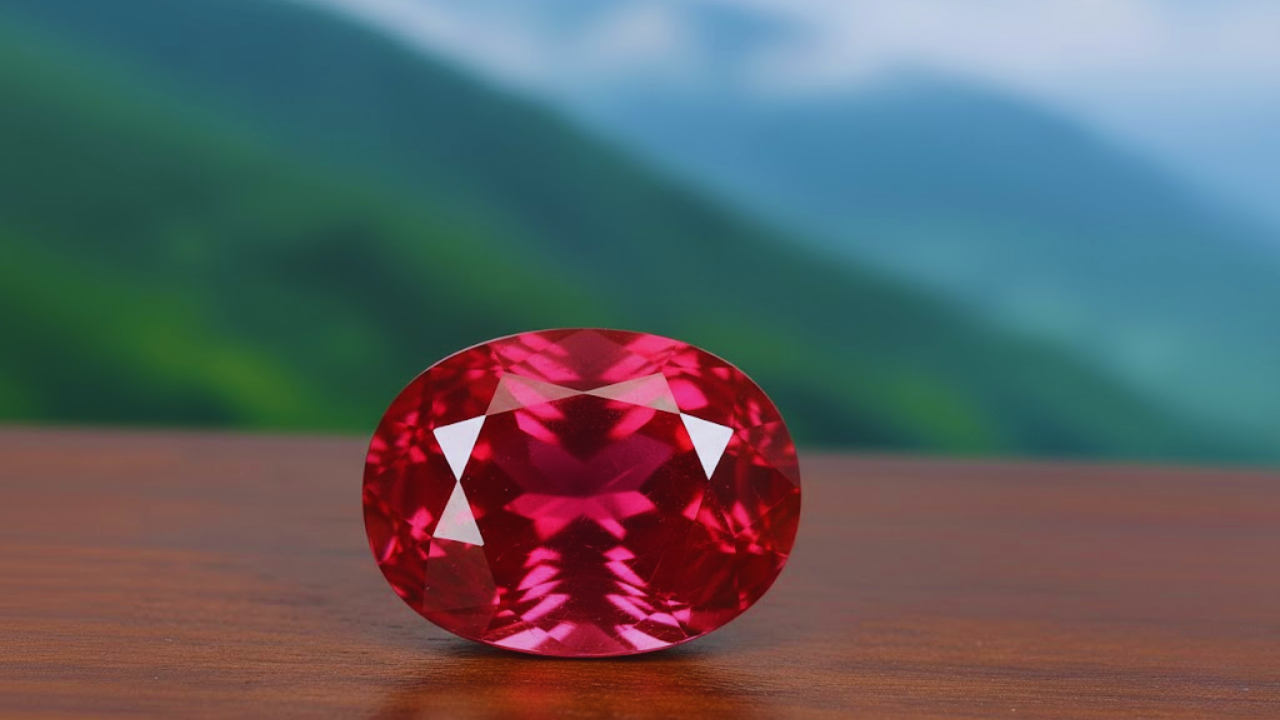
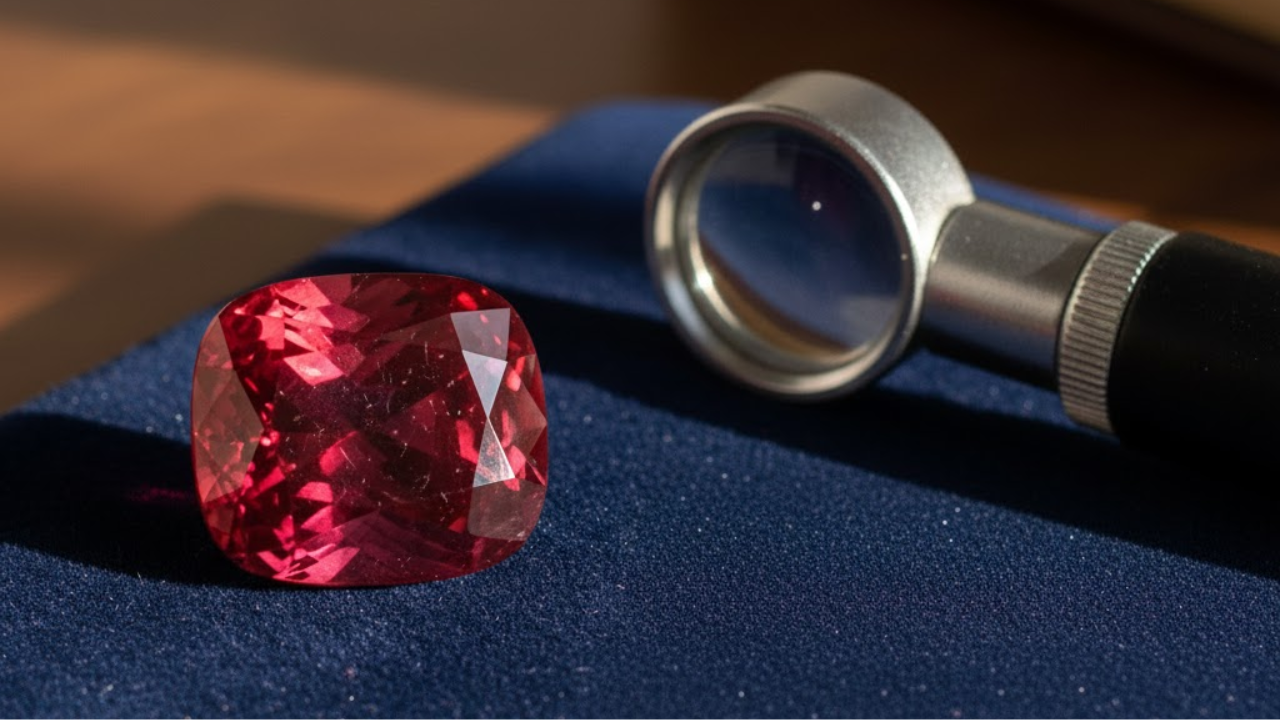
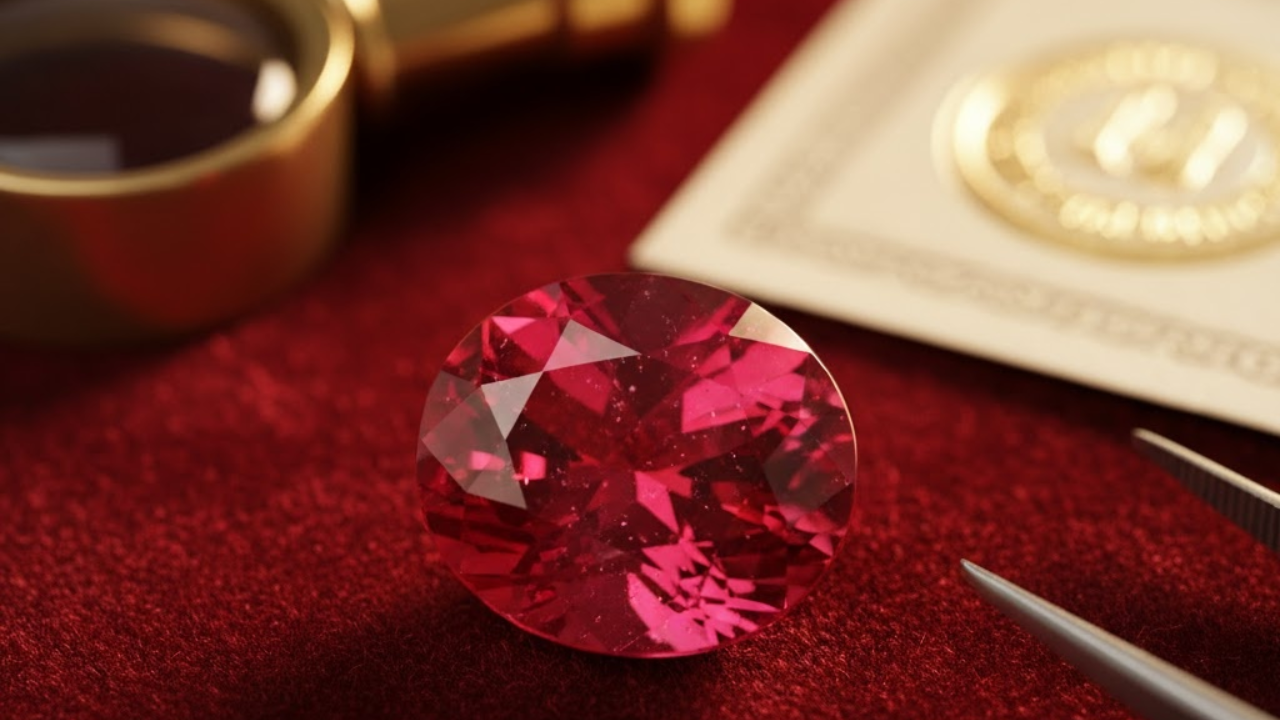
Gemstones are admired for their brilliance, color, and natural individuality. Yet not every gemstone has a perfectly uniform appearance. Some stones display two or more shades within the same crystal, creating bands, patches, stripes, or subtle transitions from one color to another. This fascinating phenomenon is known as gemstone color zoning. An old Burma ruby, for example, may exhibit subtle variations in red intensity or tone within the same crystal, reflecting the unique conditions under which it formed.
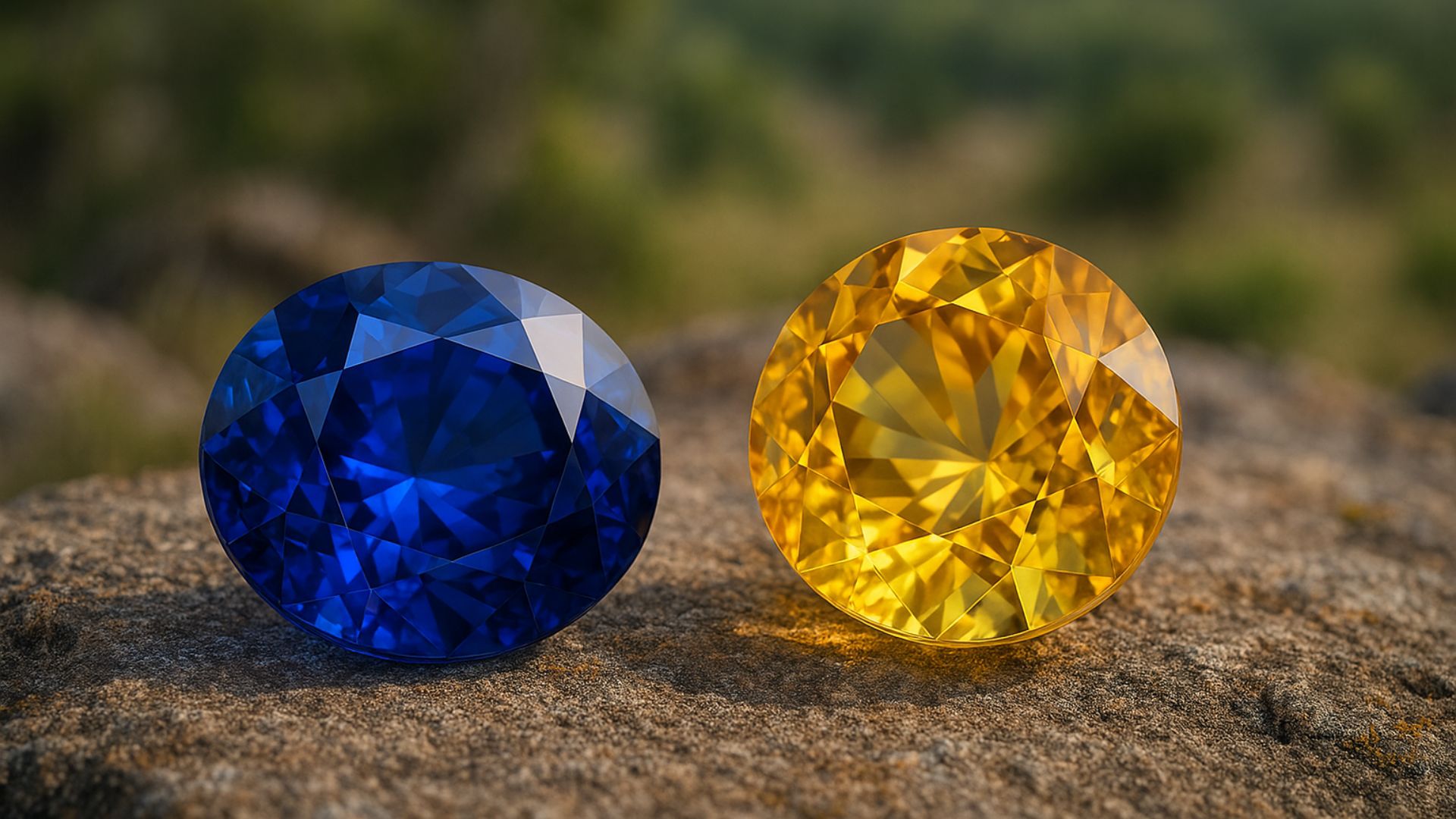
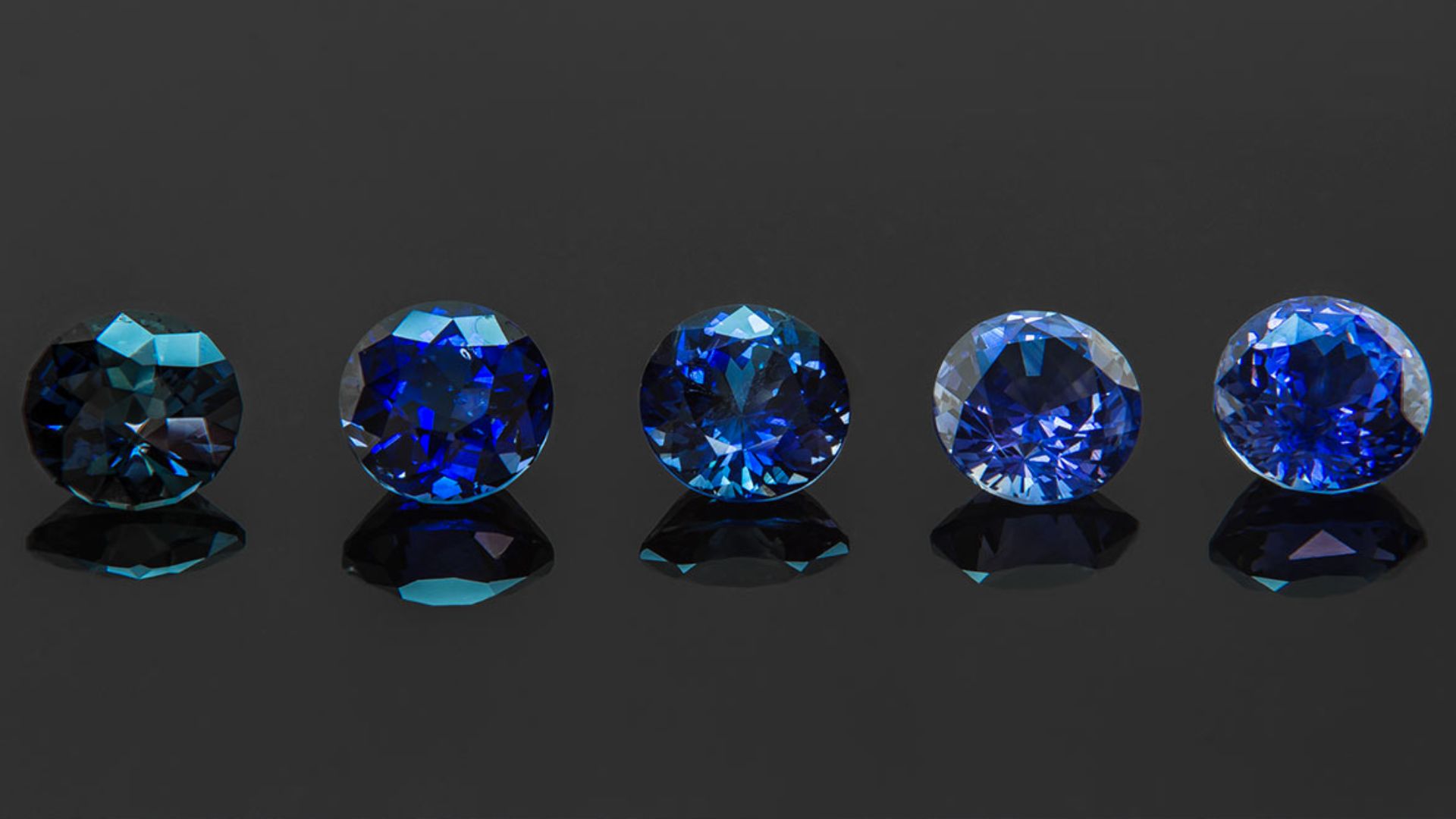
Color zoning can be obvious, such as a gemstone showing distinct areas of blue and green, or extremely subtle, appearing as slightly different intensities of the same color. Far from being a simple surface effect, these variations often reflect the conditions under which a gemstone formed deep within the Earth.
Understanding color zoning can help buyers, collectors, jewelers, and gemstone enthusiasts appreciate why a single stone may contain multiple gemstone shades and why no two natural gemstones necessarily look exactly alike.
What Is Gemstone Color Zoning?
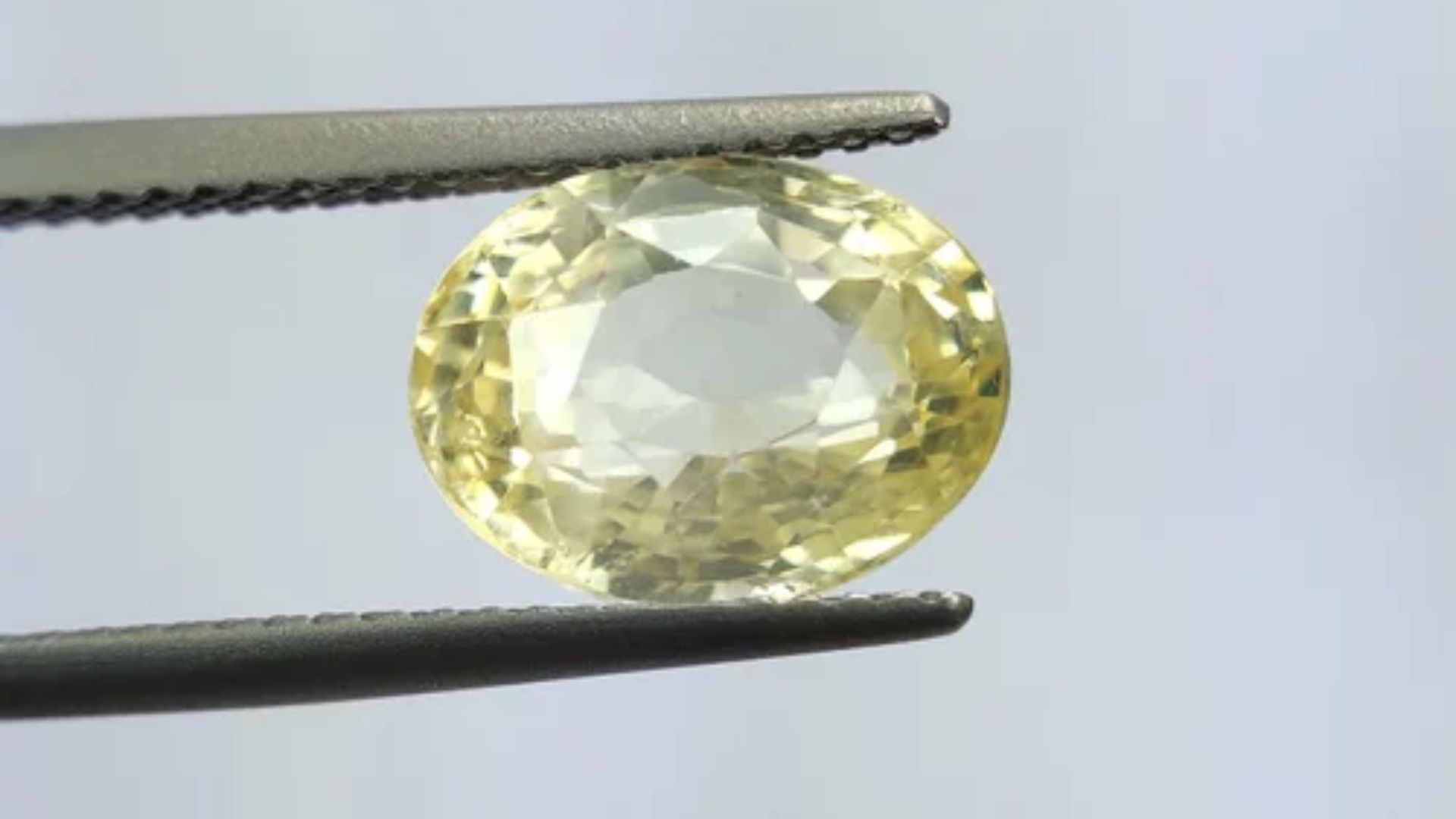
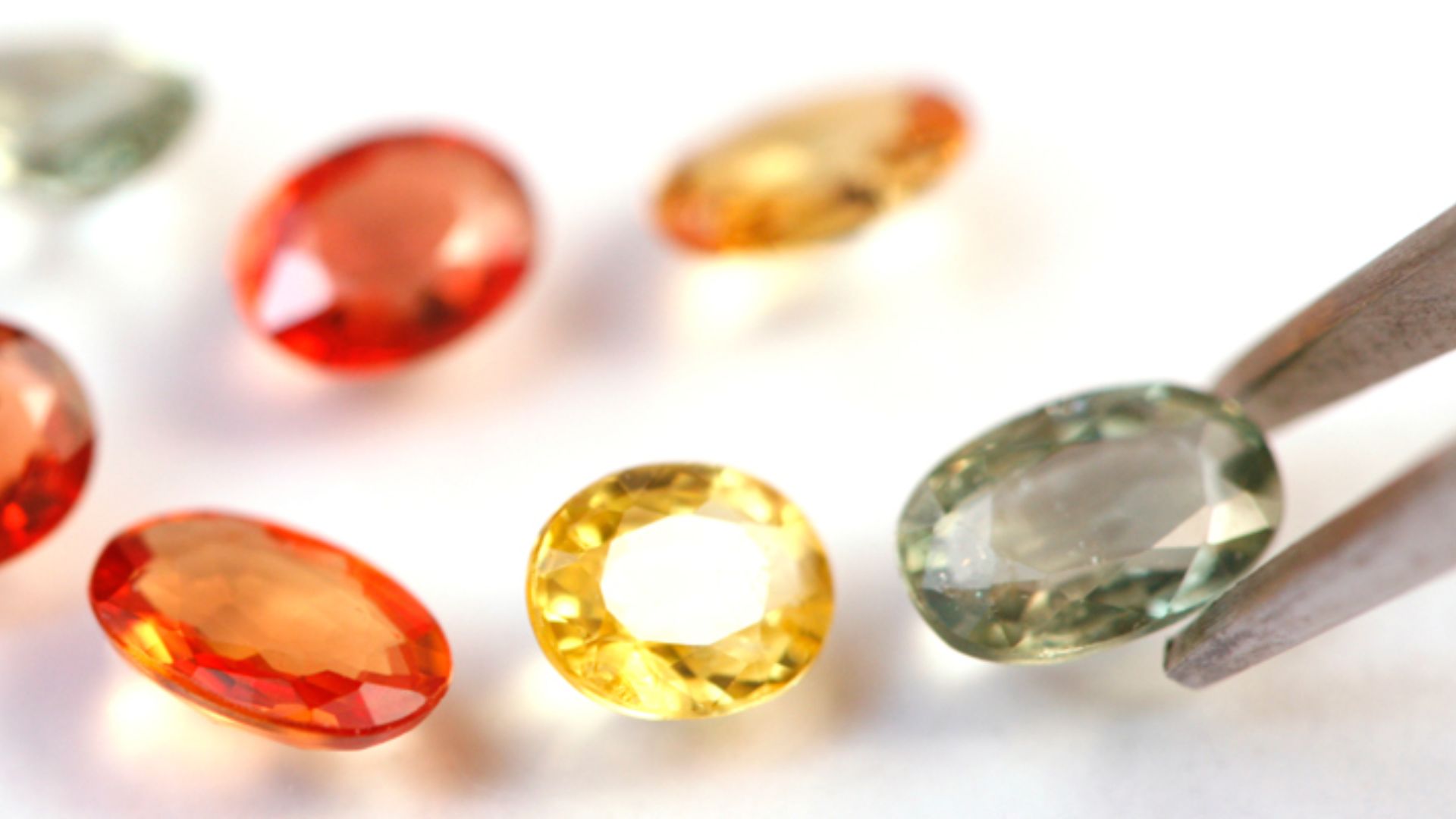
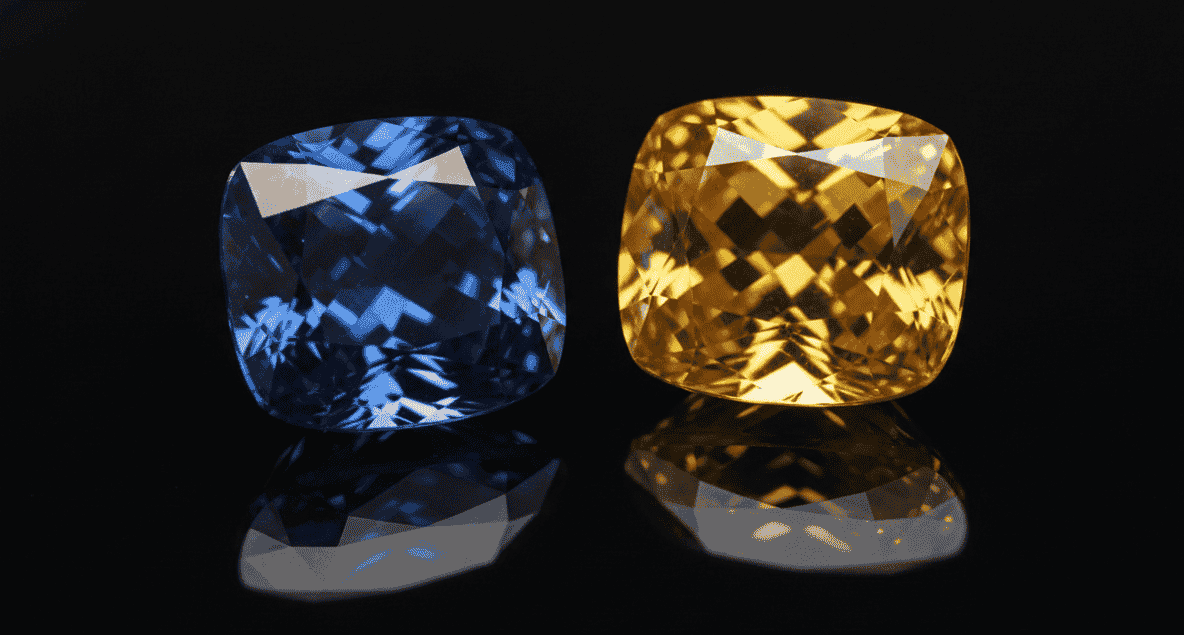
Gemstone color zoning refers to the distribution of different colors or color intensities within a single gemstone. Instead of having one consistent color throughout its entire crystal, a zoned gemstone contains areas where the color changes.
These zones can take several forms. A gemstone may have:
- Clearly defined bands of different colors
- Gradual transitions between light and dark areas
- Concentrated patches of color
- Alternating layers
- Areas with different color saturation
- Variations that become visible only when the stone is viewed from certain angles
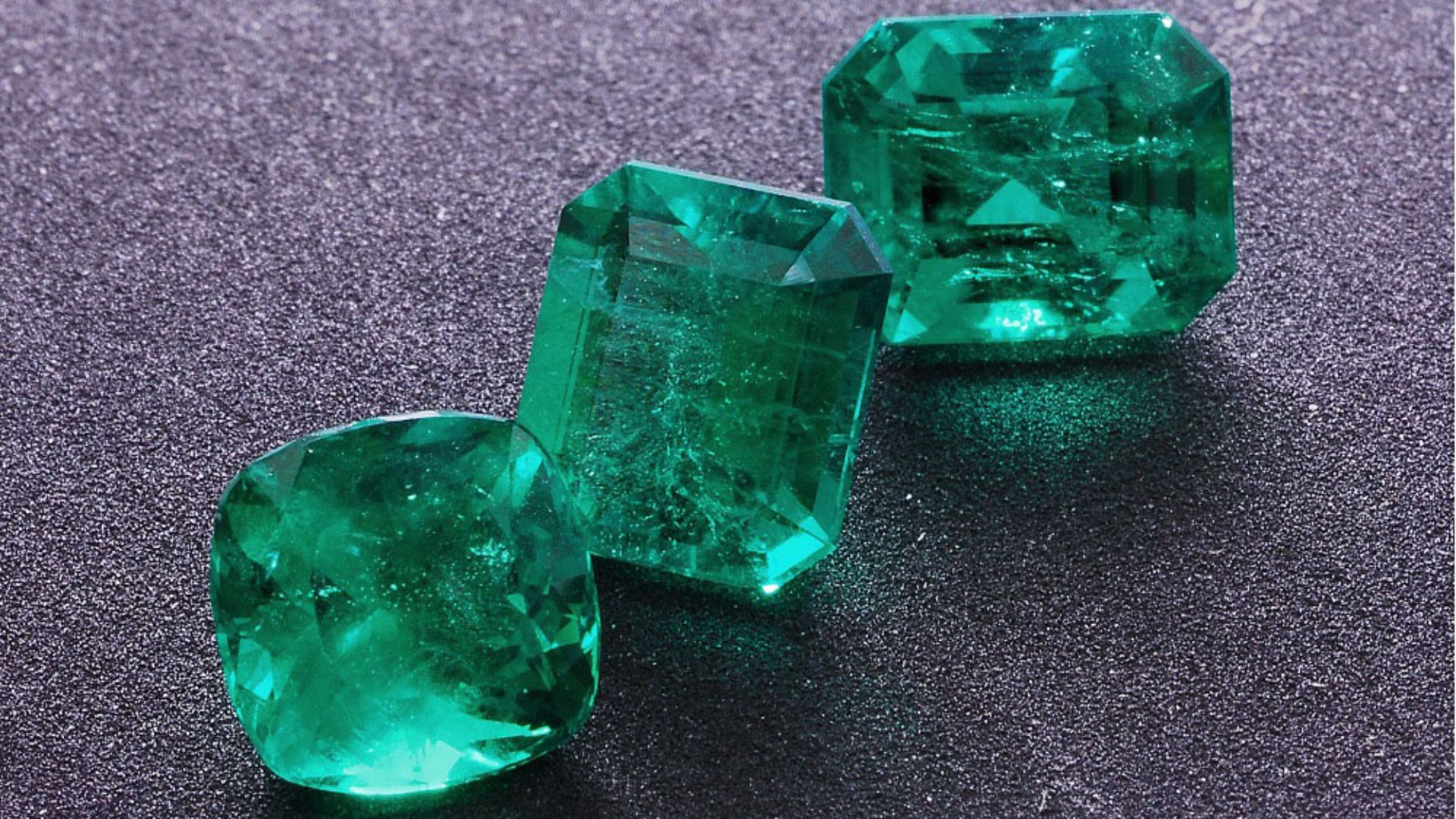
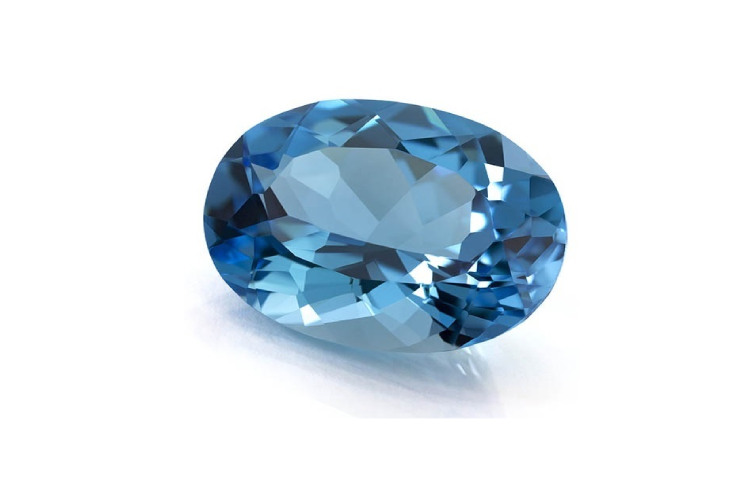
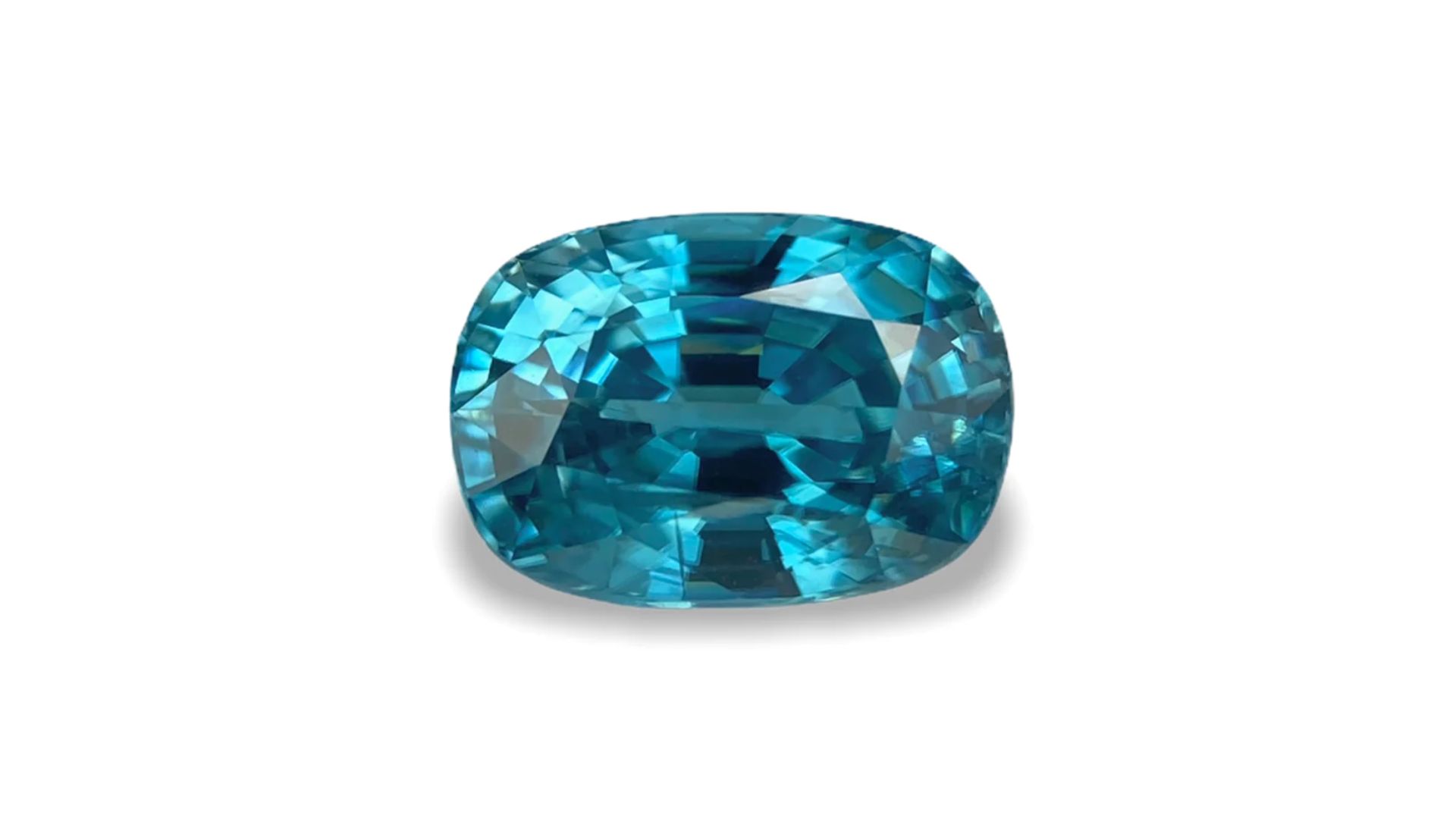
For example, a crystal may appear predominantly blue but contain a greenish section. Another gemstone might transition from pale pink near one area to deeper pink elsewhere.
This natural phenomenon is one reason gemstone color variations can be so interesting. The different shades are essentially a visual record of changes that occurred while the crystal was developing.
Why Does Color Zoning Happen?
To understand why zoning occurs, it helps to look at how gemstones form.
Many gemstones develop over extremely long periods under specific combinations of temperature, pressure, chemical composition, and geological activity. During crystal growth, the surrounding environment may not remain constant.
A crystal can begin forming under one set of conditions and continue growing as those conditions change. Elements responsible for color may become more or less abundant during different stages of growth.
These changes can create separate zones inside the crystal.
For instance, if a particular coloring element is more concentrated during one stage of growth, the resulting section may have a stronger color. If its concentration decreases later, the next layer may appear lighter.
Consequently, one crystal can contain several visually distinct areas.
The Role of Trace Elements
One of the most important factors behind gemstone color is the presence of trace elements or impurities within the crystal structure.
Although these elements may occur in relatively small quantities, they can have a significant effect on appearance. Depending on the gemstone species, elements such as iron, chromium, manganese, vanadium, copper, or titanium can contribute to different colors.
During crystal formation, the concentration of these elements may fluctuate.
Imagine a crystal growing layer by layer. During one period, more of a coloring element becomes incorporated into the crystal. During another period, less enters the structure. The resulting layers can have different color intensities.
This is one explanation for why zoned gemstones may show distinct areas of color rather than a single consistent shade.
Color Zoning Versus Color Change
It is important to distinguish color zoning from other optical effects.
Color zoning means that different portions of the gemstone have different colors or color intensities. The variation is associated with different regions within the crystal.
Color change, however, generally refers to a gemstone appearing different under different lighting conditions. A gemstone known for a color-change phenomenon may look one way in daylight and another under incandescent or artificial light.
A stone can potentially display both characteristics, but they are not the same phenomenon.
Similarly, pleochroism can cause different colors or intensities to appear when a gemstone is viewed from different directions. Again, this is different from internal color zoning.
Understanding these distinctions makes it easier to describe what you are actually seeing in a gemstone.
Common Patterns of Gemstone Color Zoning
Color zoning does not follow one universal pattern. Its appearance depends on the gemstone species and the conditions during crystal growth.
1. Concentric Zoning
Some crystals develop zones that roughly follow the external shape of the crystal. These may appear as layers or bands surrounding an earlier area of growth.
When the gemstone is cut, these layers can create interesting patterns.
2. Angular Zoning
In some crystals, color follows particular crystallographic directions. This can create angular or geometric-looking zones.
The pattern may become especially noticeable after cutting and polishing.
3. Uneven or Patchy Zoning
Not all zoning forms neat lines. Some gemstones contain irregular patches of stronger or weaker color.
These areas can produce a more organic appearance and may vary considerably from one specimen to another.
4. Gradual Zoning
Sometimes the transition between shades is extremely subtle. Instead of seeing a clear boundary, you may notice that the gemstone slowly becomes lighter or darker.
This type of zoning can be difficult to identify without careful examination.
How Cutting Affects Color Zoning
The final appearance of a gemstone depends not only on the crystal itself but also on how it is cut.
A rough crystal containing multiple color zones can potentially produce very different appearances depending on the orientation of the cut.
A cutter may position the stone so that a particular color zone becomes more prominent. Alternatively, the cut may distribute different zones across the face of the finished gemstone.
This is especially important when the gemstone's value or visual appeal depends heavily on color.
In some cases, cutting can minimize an unattractive concentration of color. In others, a cutter may deliberately emphasize unusual zoning because the pattern gives the gemstone character.
Therefore, two gemstones cut from similar rough material may look surprisingly different.
Why Gemstone Shades Can Look Different in Photographs
Photographs do not always reproduce gemstone color accurately.
Lighting conditions, camera settings, white balance, surrounding colors, and screen calibration can all influence how a gemstone appears in an image.
Color zoning may also become more or less noticeable depending on the light source and viewing angle.
A gemstone that appears almost uniformly colored in a photograph may show subtle zoning when examined in person. Conversely, strong photographic lighting can sometimes make color differences appear more dramatic than they are.
For this reason, gemstone evaluation should ideally involve viewing the stone under appropriate lighting conditions rather than relying entirely on a photograph.
Is Color Zoning Good or Bad?
Color zoning itself is neither automatically good nor bad.
Its significance depends on the gemstone, the type of zoning, its visibility, the overall appearance, and what the buyer or collector wants.
In some transparent faceted gemstones, strong uneven zoning may affect the visual impression because one part of the stone can look noticeably darker or lighter than another.
In other stones, zoning is an important part of the gemstone's character.
Collectors may particularly appreciate unusual natural patterns because they make a specimen distinctive. Some stones are valued specifically for attractive combinations of colors or patterns.
Therefore, the presence of zoning should be evaluated in context rather than automatically treated as a defect.
Natural Zoning and Gemstone Identification
Color zoning can sometimes provide useful information during gemstone identification.
Gemologists examine a gemstone's color distribution alongside other characteristics, including refractive index, specific gravity, inclusions, optical behavior, and crystal structure.
The pattern of zoning may offer clues about the stone's natural growth history.
However, color zoning alone should not normally be considered definitive proof of a gemstone's identity or origin. Different gemstones can display variations in color distribution, and treatments can also affect appearance.
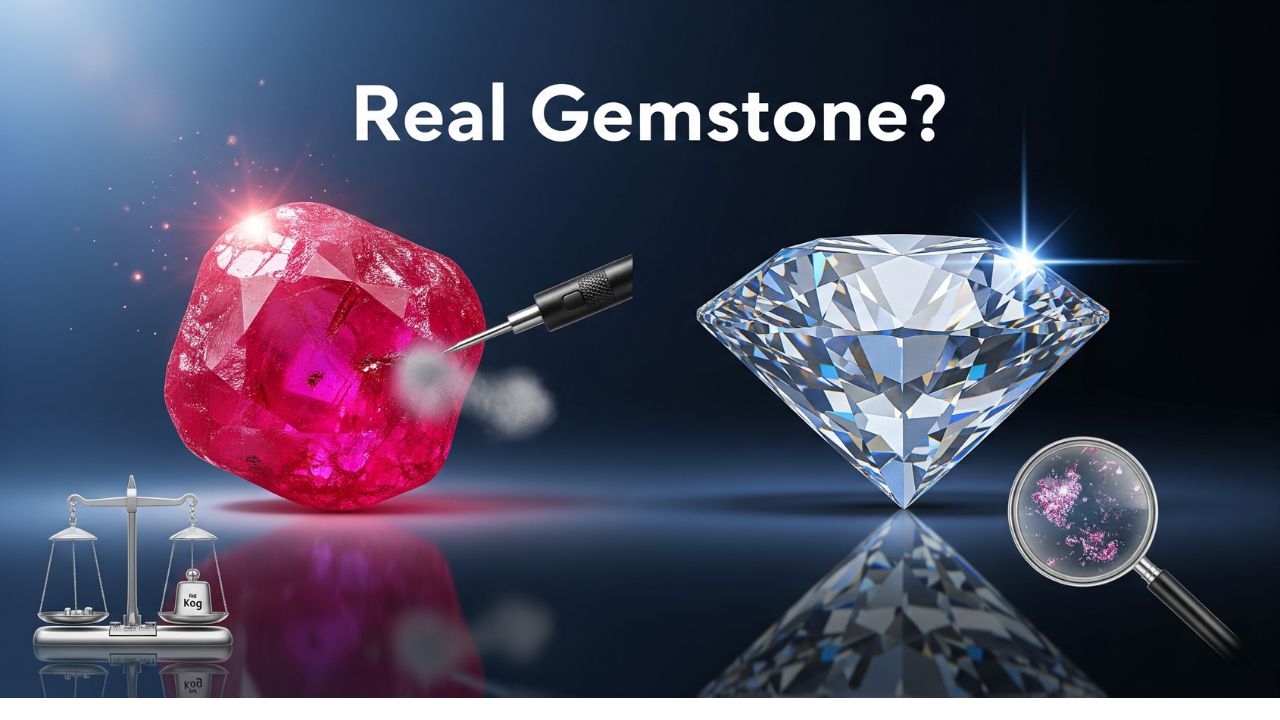
Professional gemological testing is the appropriate approach when accurate identification or treatment detection is important.
Can Treatments Affect Color Zoning?
Gemstone treatments can alter the way color appears.
Depending on the gemstone and treatment, processes such as heating, irradiation, dyeing, or filling may influence color distribution. This means that not every visible color variation should automatically be assumed to represent completely untouched natural growth zoning.
The distinction between natural color zoning and treatment-related color distribution can sometimes require specialized examination.
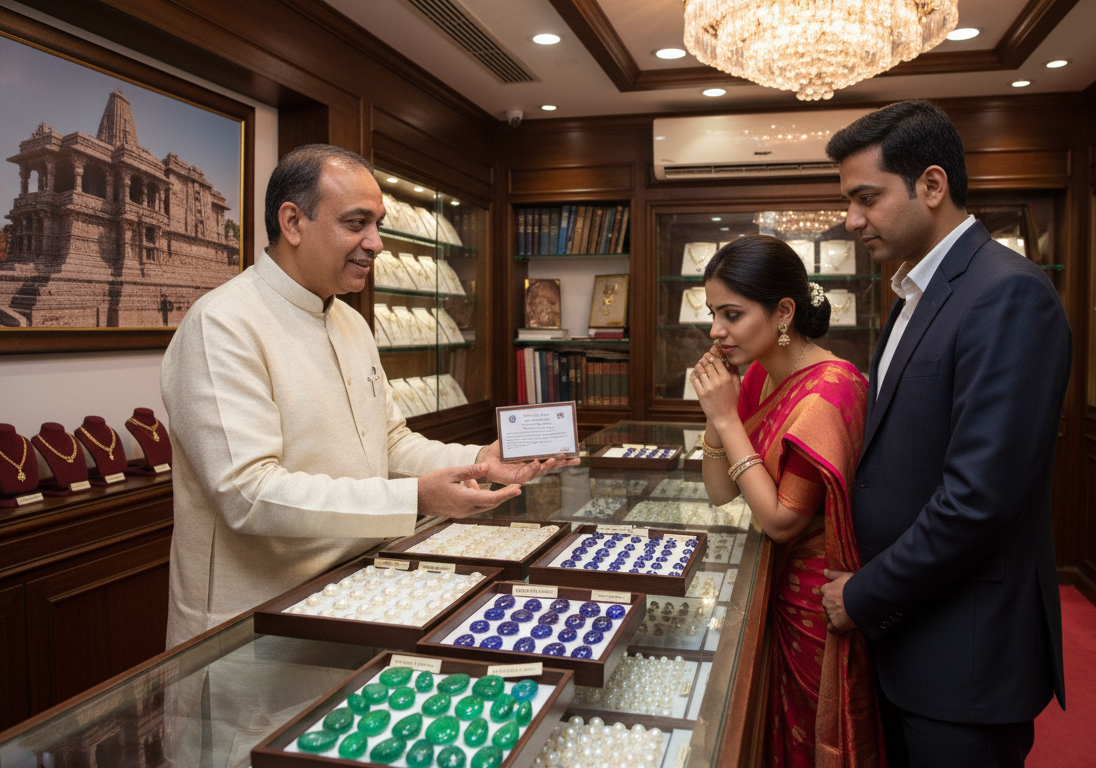
When purchasing a valuable gemstone, particularly one advertised as untreated, it can therefore be useful to obtain documentation from a reputable gemological laboratory.
Why Zoning Makes Every Gemstone Unique
One of the most appealing aspects of natural gemstones is their individuality.
Synthetic materials can be produced with remarkably consistent characteristics, while natural crystals often preserve evidence of changing geological conditions. Variations in chemistry, temperature, pressure, and crystal growth can leave subtle differences within a single stone.
Gemstone color zoning is one visible expression of this history.
A gemstone with several shades can therefore be thought of as having a kind of geological fingerprint. Its colors may reflect different stages of crystal growth that occurred over an enormous period of time.
This is particularly fascinating for collectors who appreciate gemstones not only as decorative objects but also as natural geological specimens.
How to Examine Color Zoning
If you want to identify zoning in a gemstone, examine it under good lighting and from several angles.
Start by looking at the stone face-up. Then rotate it slowly and observe whether particular areas become lighter, darker, or reveal different colors.
If possible, examine the gemstone from the side or through the pavilion as well. Internal zones may be easier to see from one direction than another.
A loupe can also help reveal subtle internal features, although professional gemological equipment provides much more reliable information.
Pay attention to whether the color boundary is sharp or gradual, whether it follows a geometric pattern, and whether the variation appears to be internal rather than merely a reflection from the surface.
The Beauty of Zoned Gemstones
The presence of multiple gemstone shades can make a stone visually distinctive. Instead of seeing a perfectly uniform color, you may discover layers, transitions, and patterns created naturally during crystal growth.
For some buyers, uniform color is the preferred aesthetic. For others, unusual gemstone color variations are precisely what make a particular stone attractive.
Neither preference changes the geological significance of zoning.
Ultimately, zoned gemstones demonstrate that natural crystals are not always perfectly uniform. Their internal structure can preserve evidence of changing conditions during formation, producing colors and patterns that cannot be precisely duplicated from one natural specimen to another.
Final Thoughts
Gemstone color zoning is the natural variation of color or color intensity within a single crystal. It can develop because the chemical and physical conditions surrounding a growing gemstone change over time. Differences in trace elements, crystal growth, and geological environment can all contribute to the multiple shades seen within a stone.
From distinct bands and patches to barely visible transitions, color zoning can take many forms. Cutting and lighting can further influence how those zones appear in a finished gemstone.
Rather than viewing every color variation as an imperfection, it is worth considering what it reveals about the gemstone itself. Those changing gemstone shades can be evidence of a complex growth history and one of the features that gives natural gemstones their individuality.
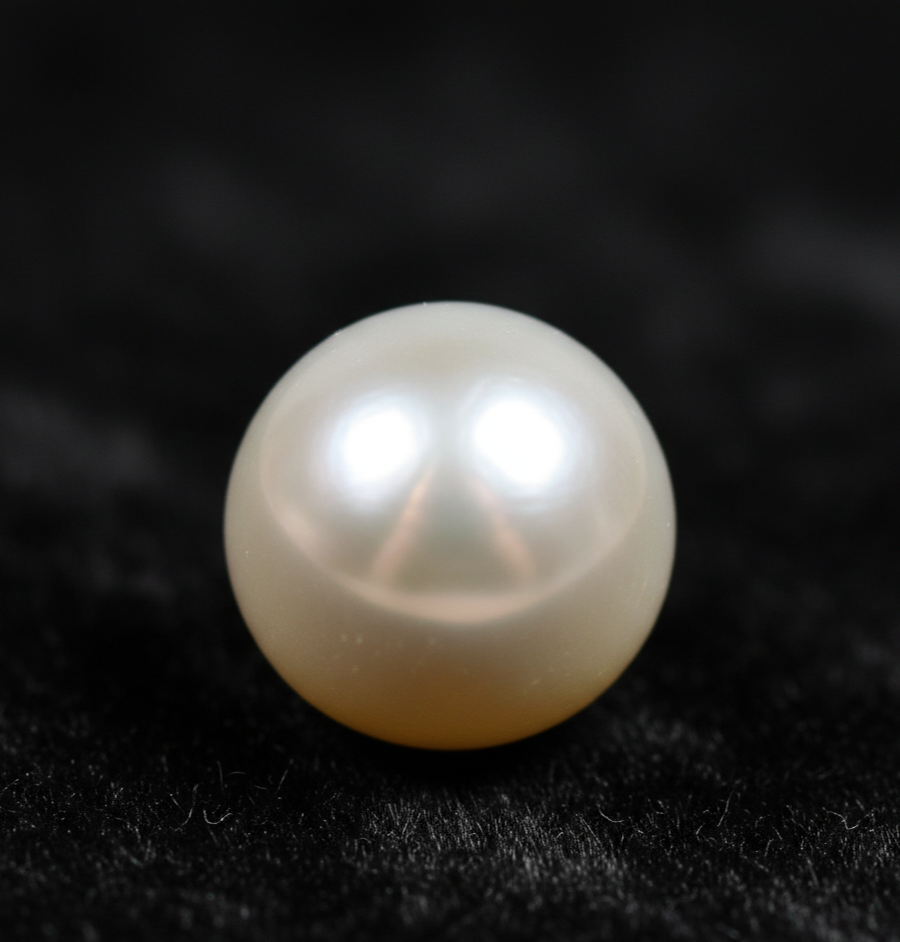
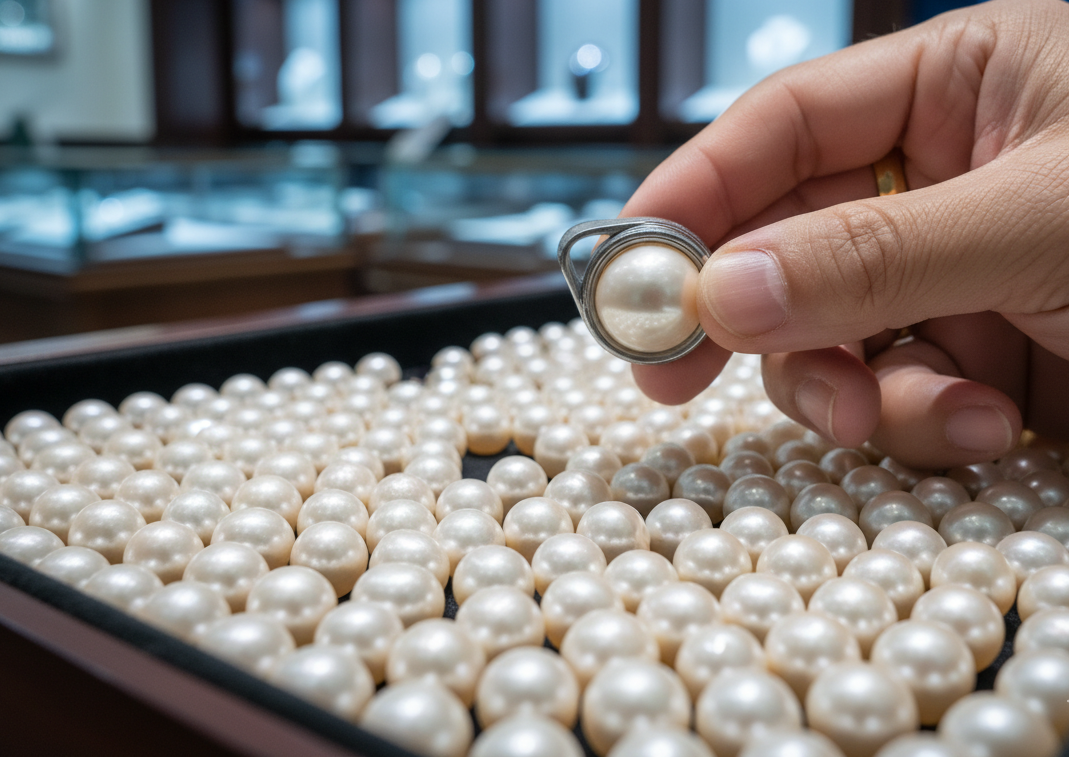
For anyone interested in gemstones, understanding gemstone color variations provides a deeper appreciation of what lies beneath a stone's polished surface. A single gemstone may contain several visual chapters of its geological history—and color zoning is one of the ways those chapters become visible. These natural characteristics can also influence how buyers assess a gemstone's quality and value, whether they are researching color variations or comparing factors such as the Burmese pearl price per ratti.
Recent Posts


2026-09-04
The Science Behind Gemstone Fluorescence










2025-09-15