Date : 2026-07-13
Introduction
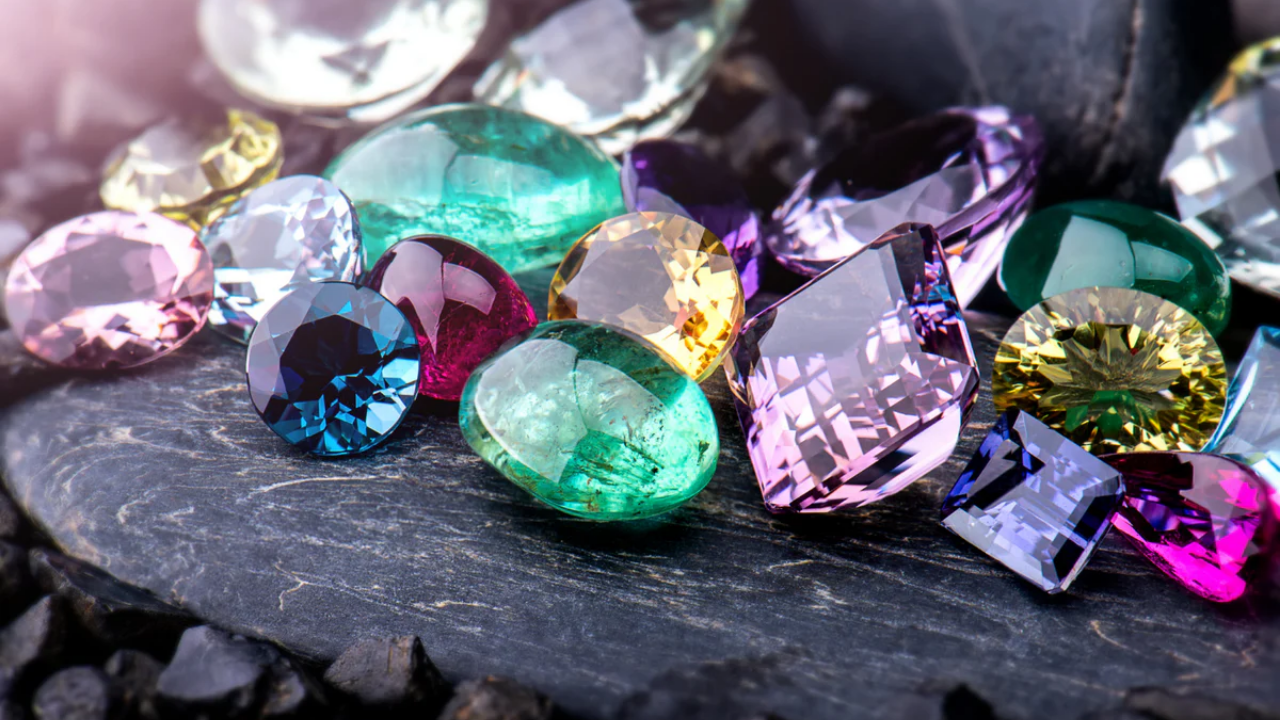
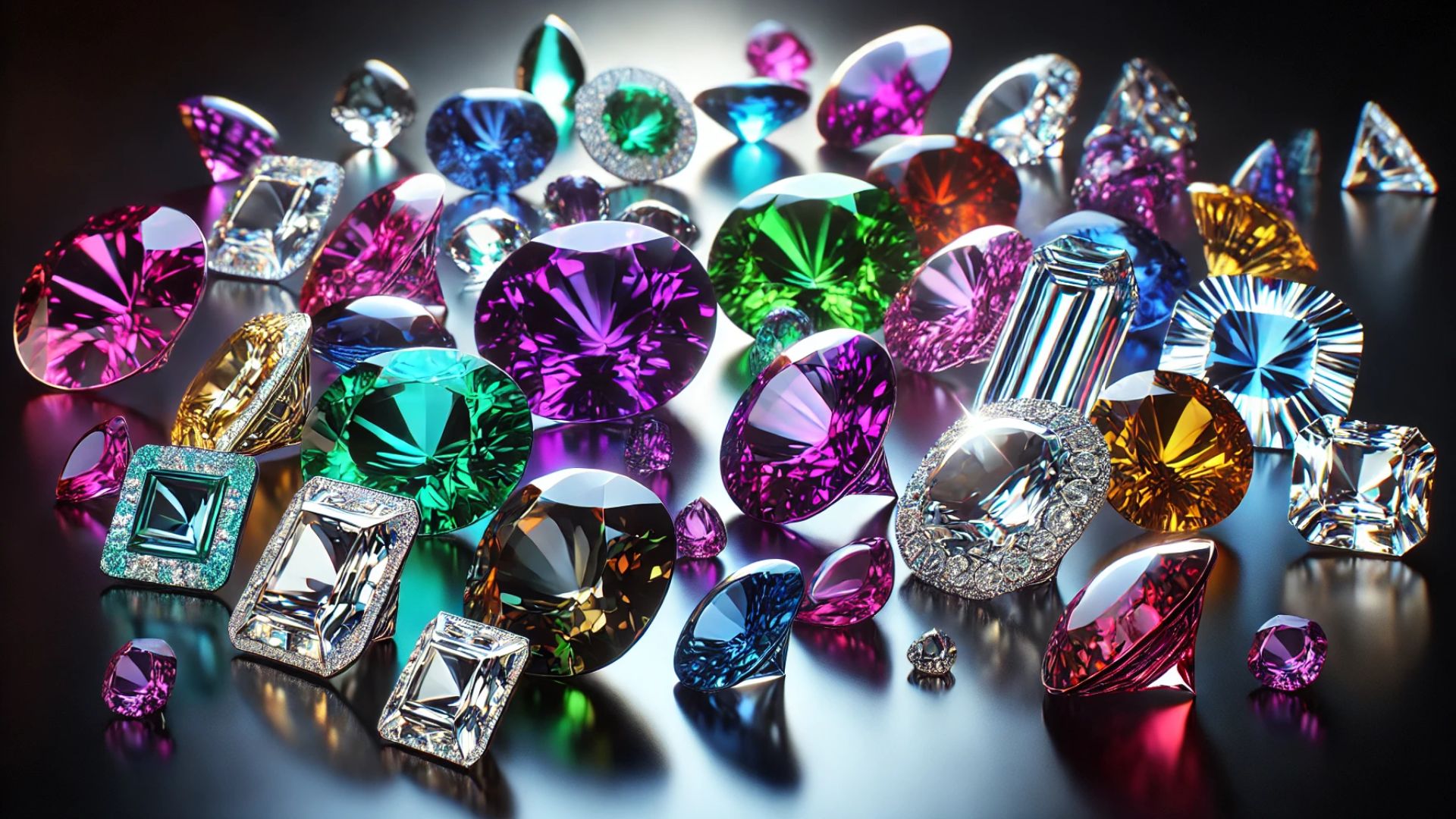
Gemstones have fascinated humanity for thousands of years. From ancient civilizations that believed gemstones possessed magical powers to modern collectors and jewelry enthusiasts who admire their beauty and rarity, these natural treasures continue to captivate people across the globe. But have you ever wondered where gemstones come from and what makes certain regions famous for producing exceptional stones?
The story of gemstone mining around the world is one of geology, culture, history, and craftsmanship. Different countries are blessed with unique geological conditions that allow precious and semi-precious gemstones to form over millions of years. These stones are then extracted through careful mining, processed by skilled artisans, and transformed into stunning jewelry pieces that symbolize luxury, love, and status.
Understanding gemstone origins is essential for anyone interested in gemstones, whether you're a collector, jeweler, investor, or simply someone who appreciates nature's finest creations. Every gemstone carries a story—from the mountains where it was formed to the mines where it was discovered.
In this comprehensive guide, we'll explore famous gemstone mines, the most important gemstone mining locations, and the unique characteristics that make each source special. We'll also examine the modern gemstone mining industry, sustainable mining practices, and why the origin of a gemstone can significantly influence its value.
Understanding Gemstone Formation
Before exploring natural gemstone sources, it's important to understand how gemstones are formed.
Most gemstones develop deep beneath the Earth's surface under extreme heat and pressure over millions of years. Geological processes such as volcanic activity, tectonic plate movement, and mineral-rich hydrothermal fluids contribute to the formation of different gemstone varieties.
Some gemstones crystallize within igneous rocks, while others develop in metamorphic environments or sedimentary deposits. Because each region has unique geological conditions, gemstones from different locations often possess distinctive colors, clarity, and characteristics.
This geological diversity explains why collectors are so interested in gemstone origins and why certain mines have earned worldwide recognition.
Why Gemstone Origin Matters
A gemstone's origin often affects its desirability and market value.
Several factors contribute to this:
- Color intensity
- Crystal clarity
- Rarity
- Historical significance
- Mining conditions
- Geological uniqueness
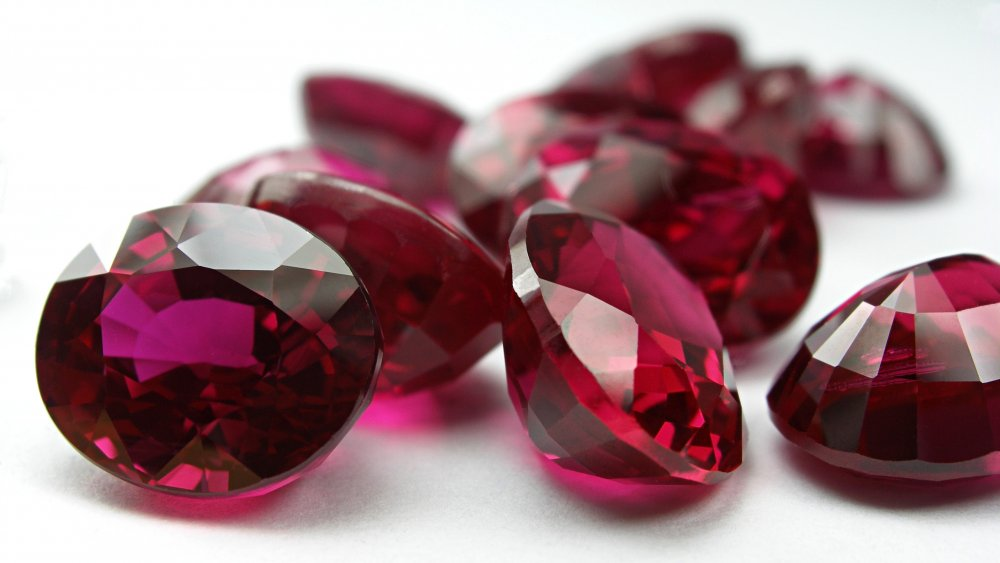
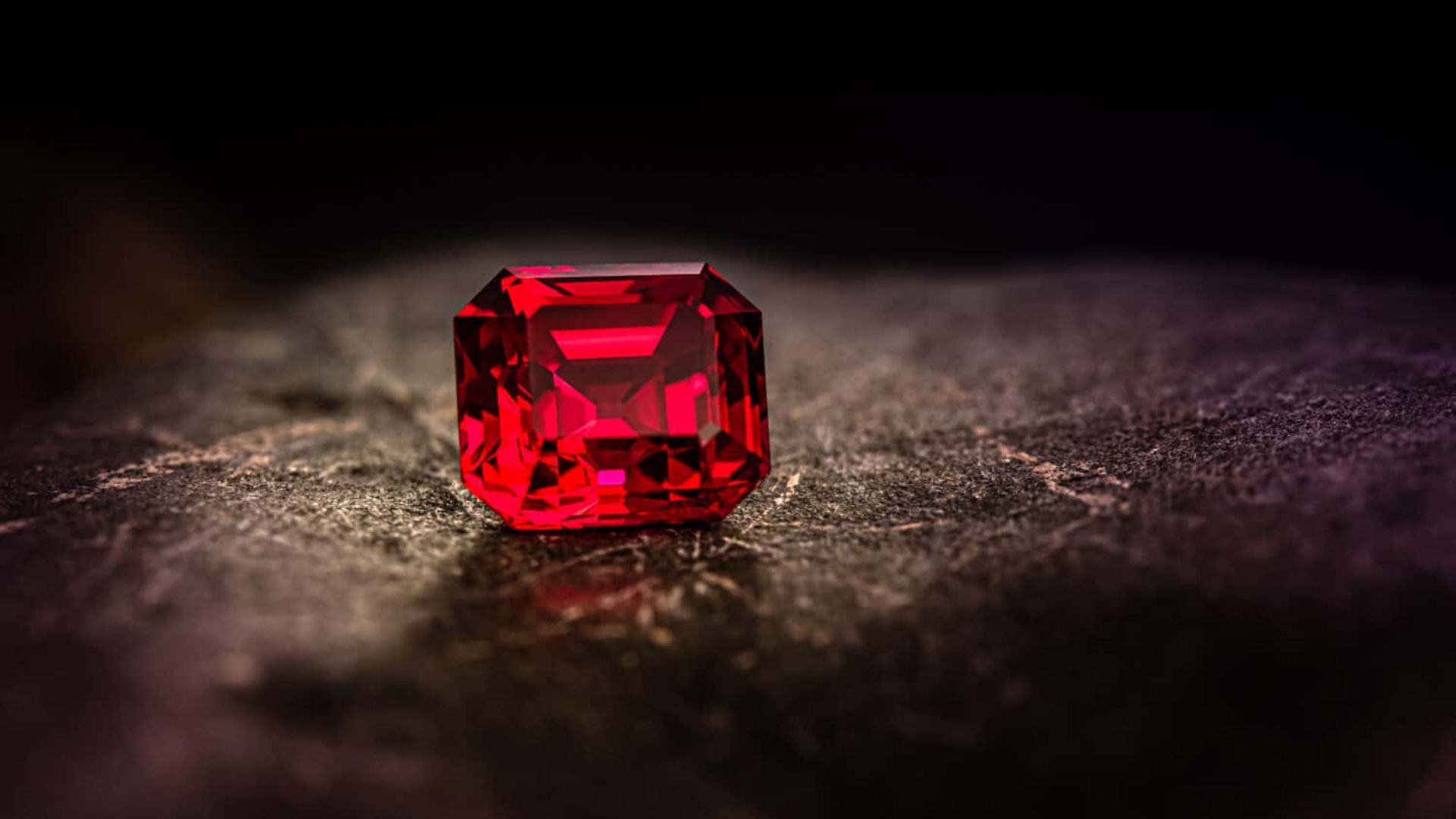
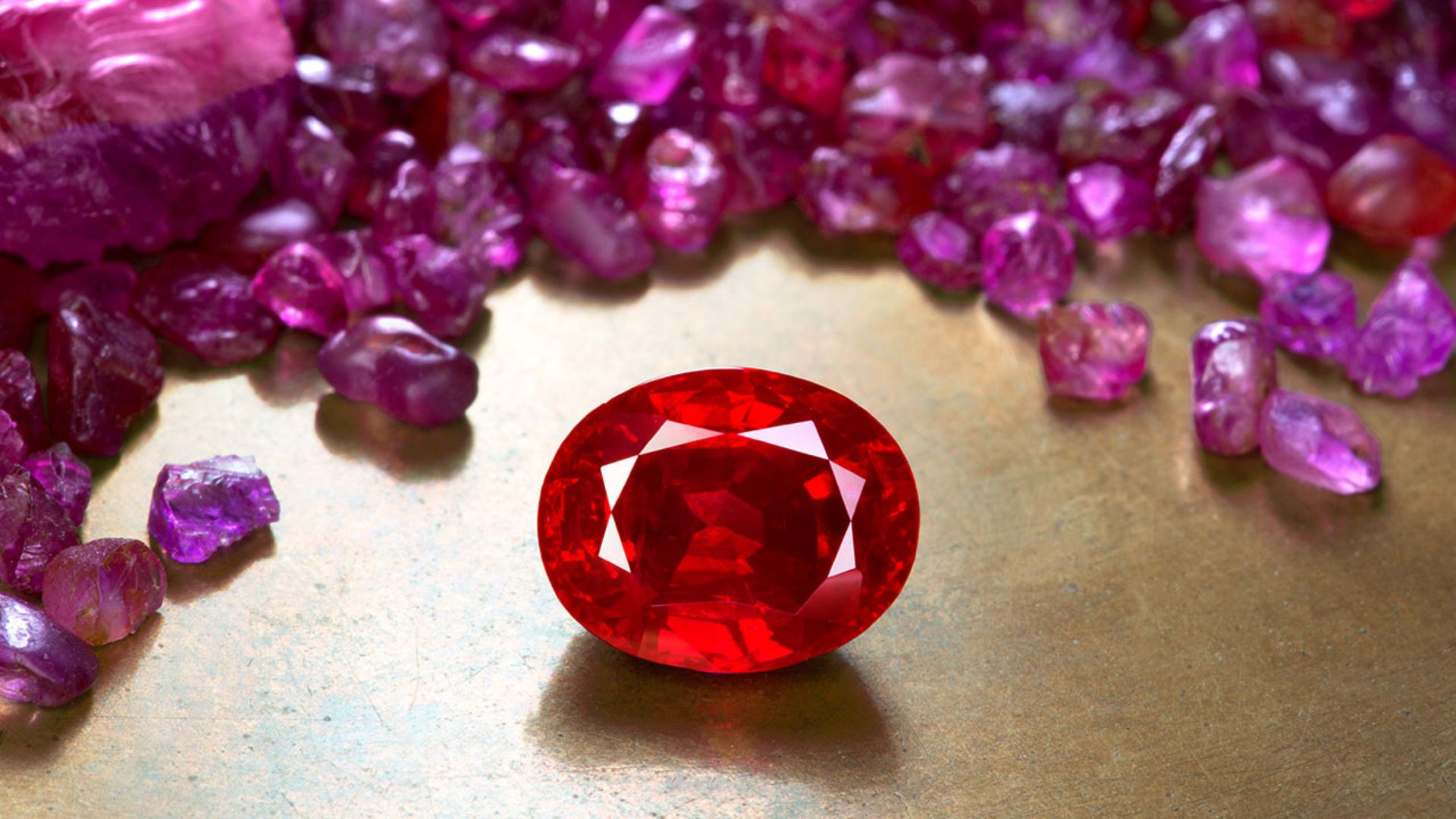
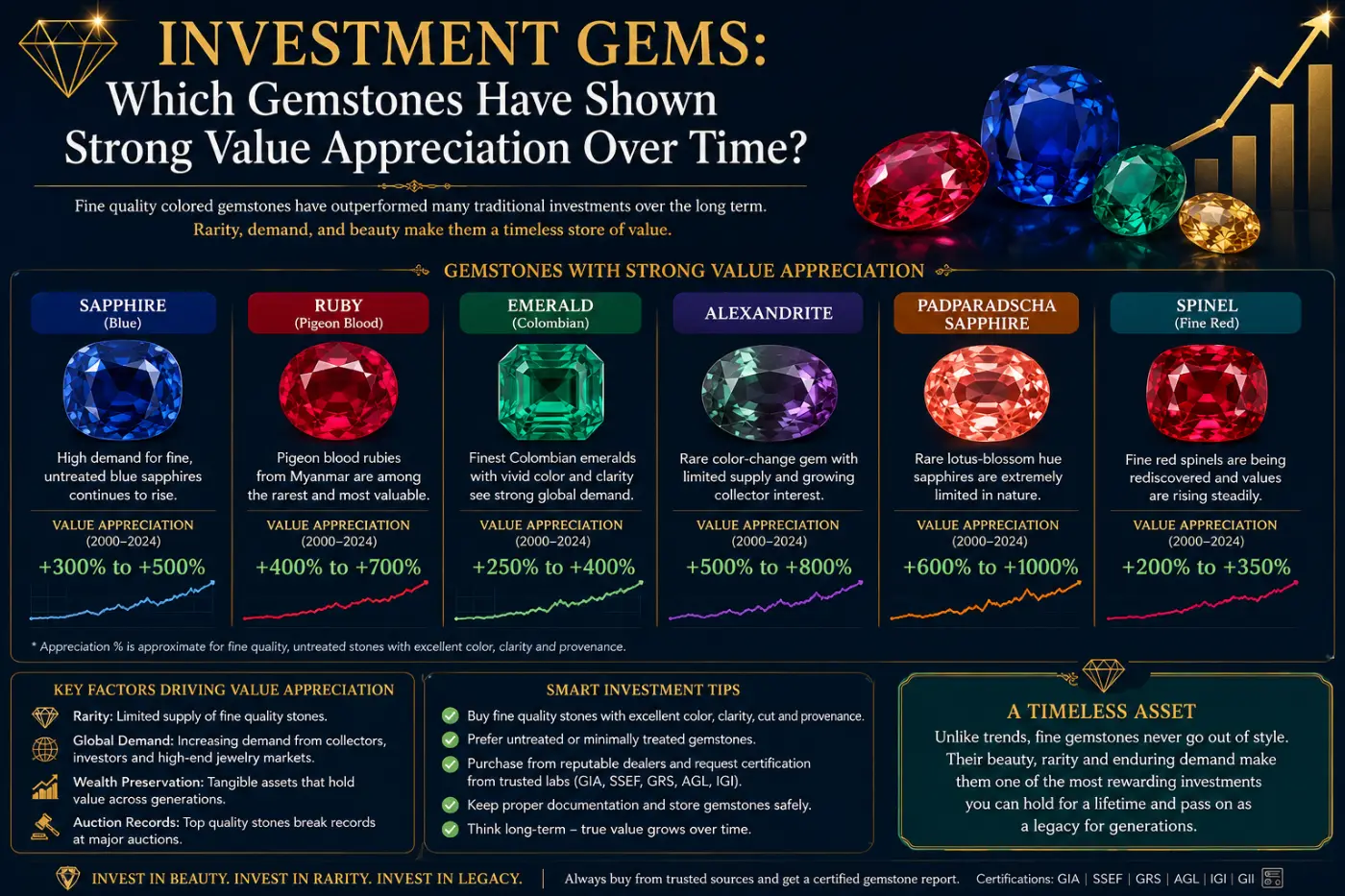
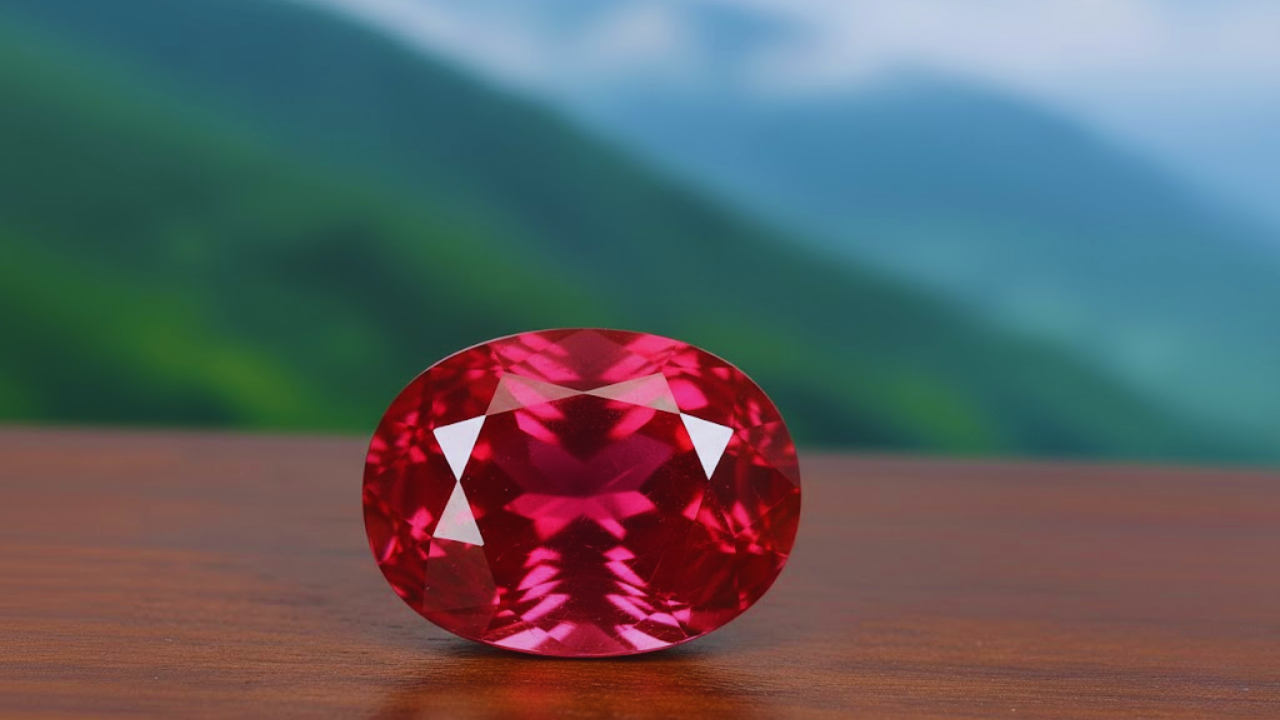
For example, Burmese rubies are celebrated for their vibrant "pigeon's blood" red color, while Colombian emeralds are famous for their rich green hues. These regional characteristics have become internationally recognized quality standards.
Understanding gemstone sources helps buyers make informed purchasing decisions while appreciating the natural history behind each stone.
Famous Gemstone Mines Around the World
Let's explore some of the world's most remarkable gemstone-producing regions.
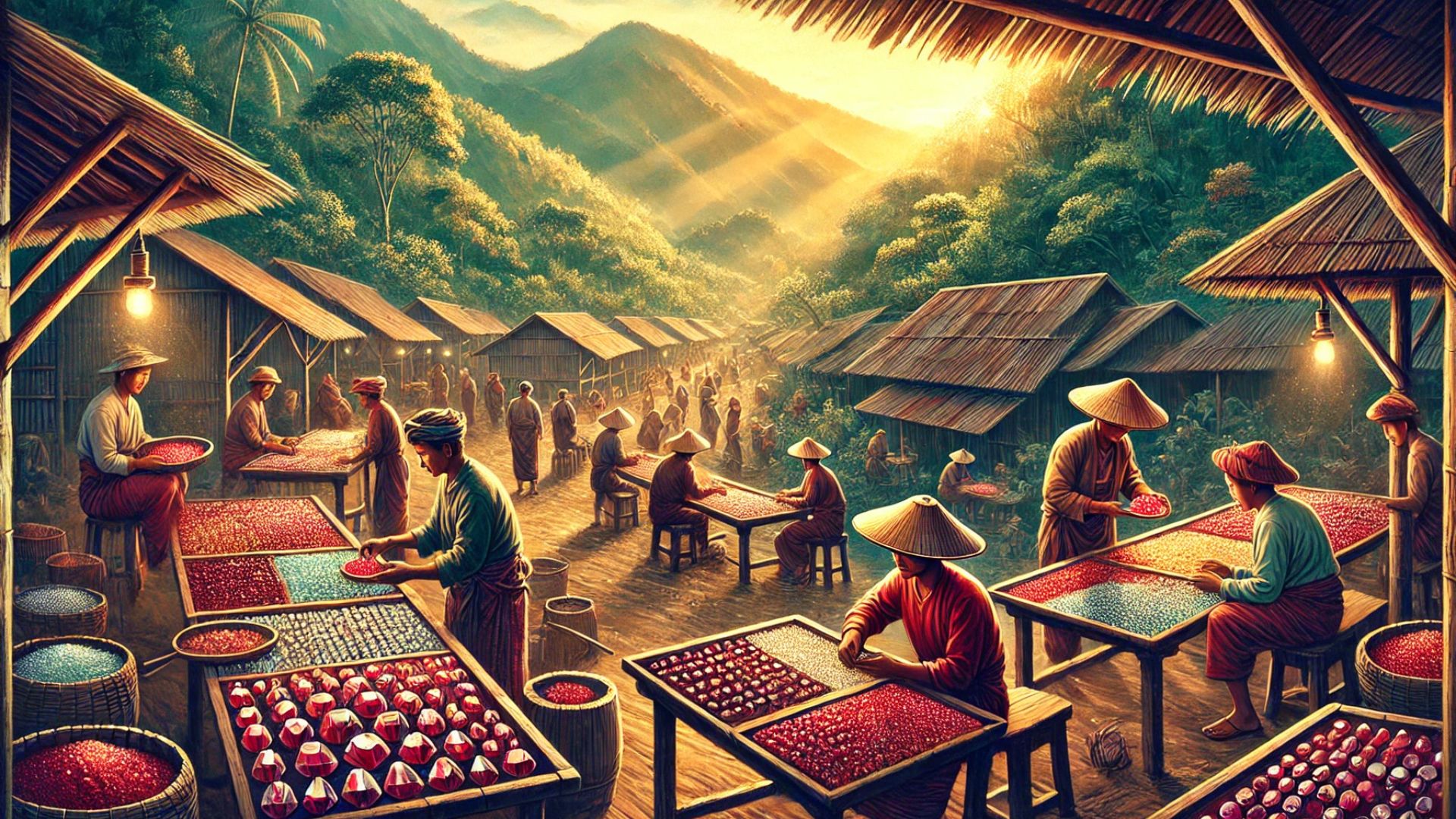
1. Mogok Valley, Myanmar – The Home of Legendary Rubies
Among the most celebrated famous gemstone mines, Myanmar's Mogok Valley stands at the top.
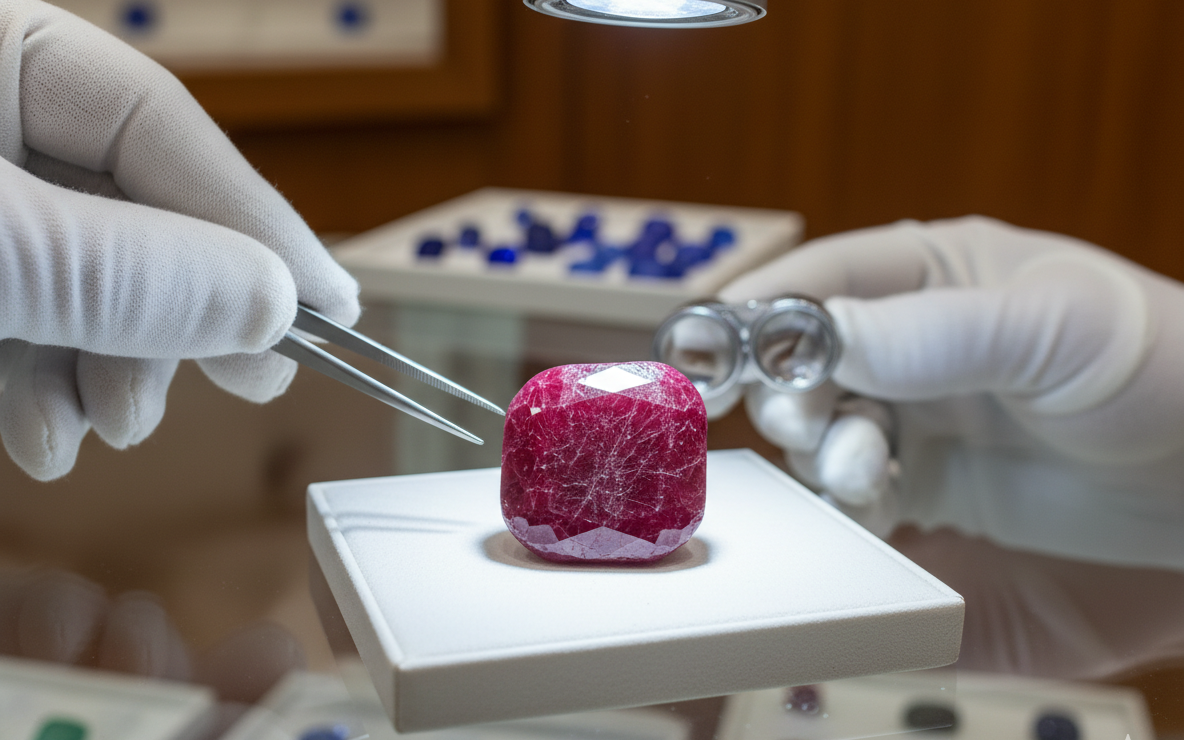
For centuries, this region has produced some of the finest rubies ever discovered. The area's unique marble-hosted deposits create ideal conditions for exceptionally vivid red rubies.
Besides rubies, Mogok also produces:
- Spinel
- Sapphire
- Moonstone
- Peridot
Collectors worldwide highly value Mogok rubies because of their extraordinary color saturation and exceptional transparency.
The region remains one of the most respected natural gemstone sources in history.
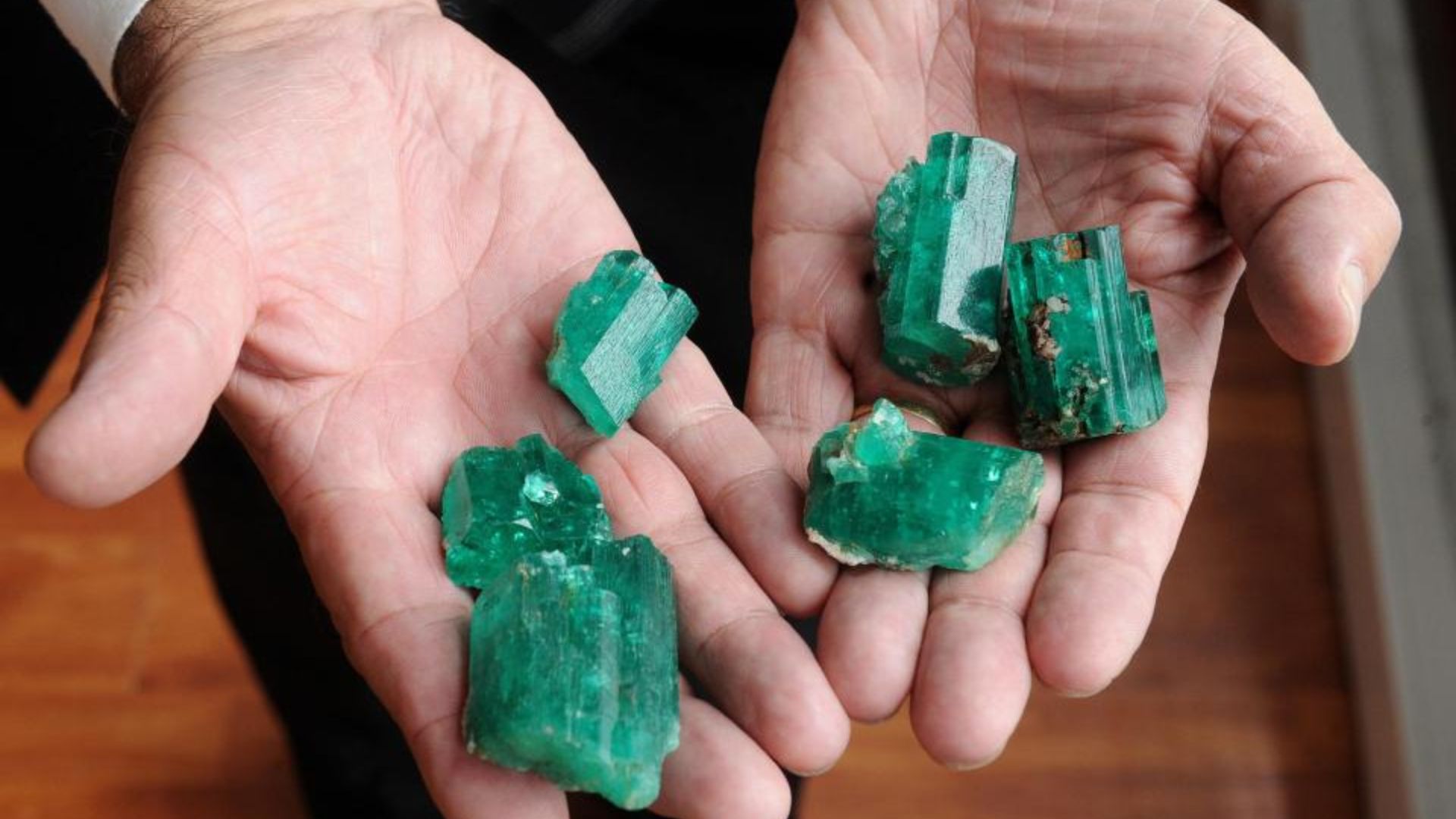
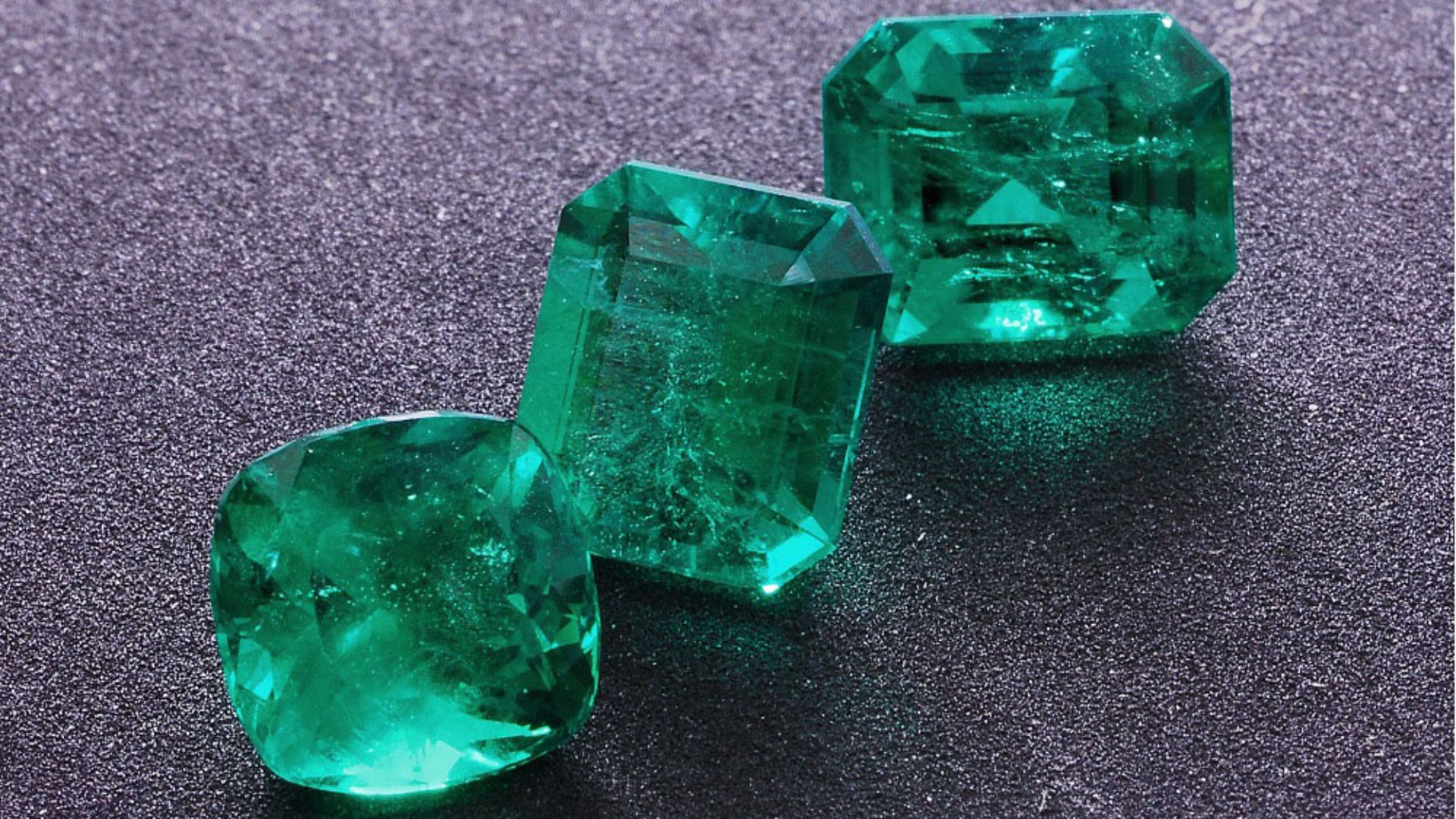
2. Colombia – Emerald Capital of the World
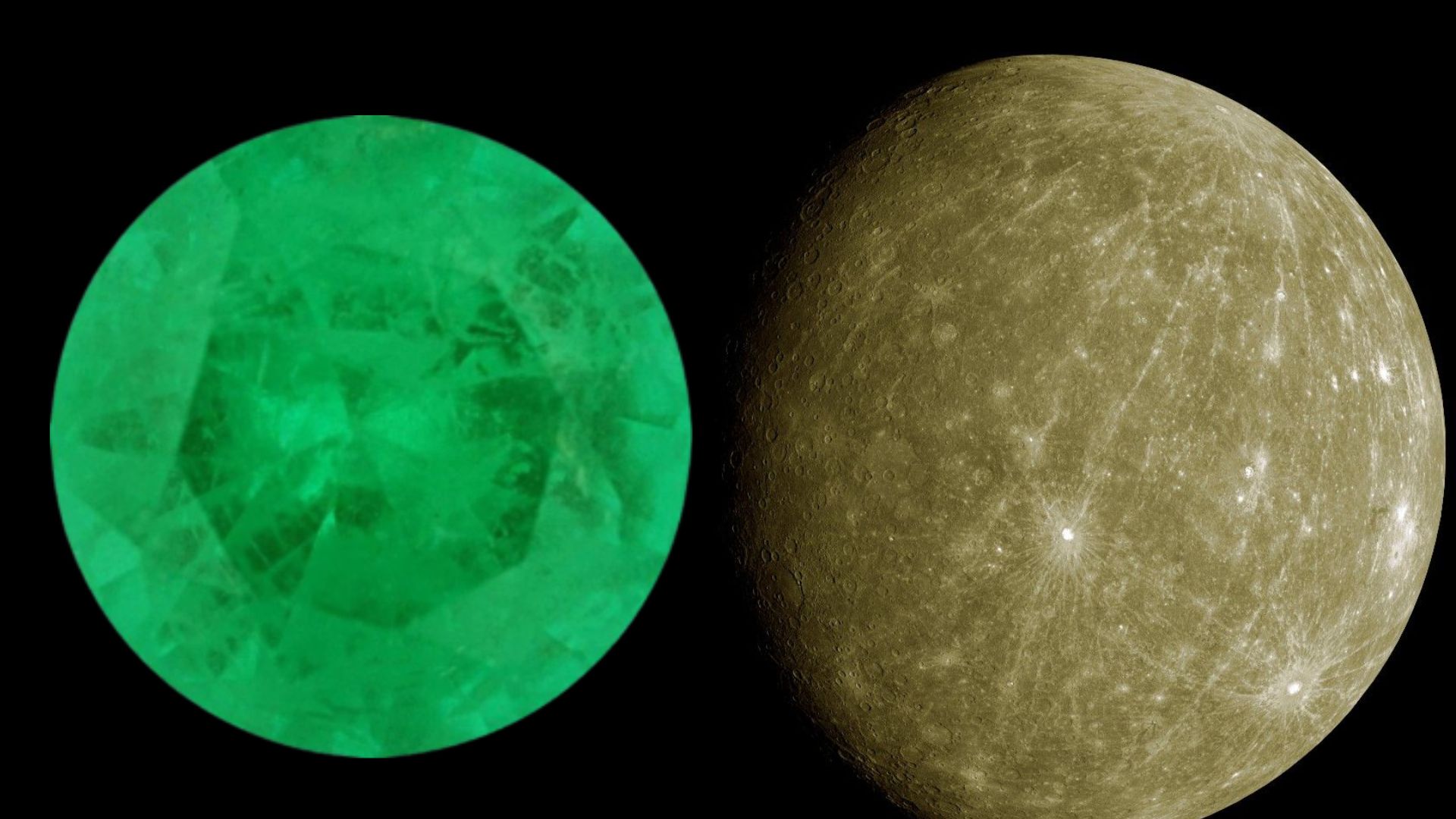
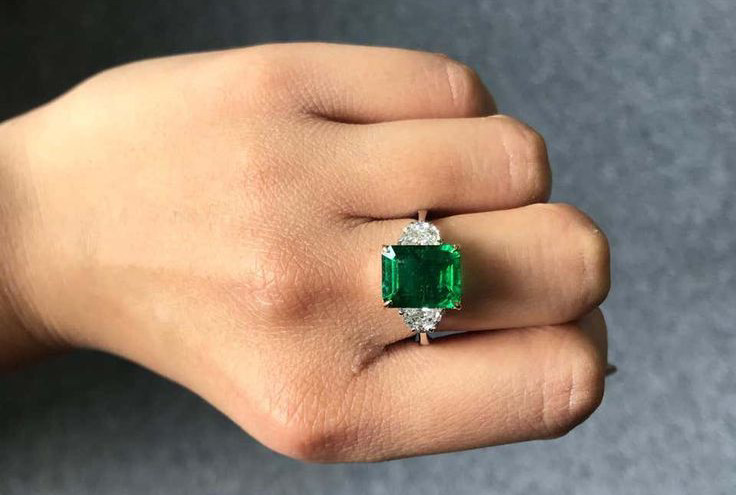
When discussing world's famous gemstones, Colombian emeralds deserve special attention.
Colombia contains several world-renowned emerald mines, including:
- Muzo
- Chivor
- Coscuez
The country's unique geological conditions create emeralds with unmatched green coloration and remarkable clarity.
Unlike emeralds from many other countries, Colombian stones often contain fewer iron impurities, allowing them to display an intensely vibrant green color.
These exceptional characteristics have made Colombian emeralds the global benchmark for quality.
3. Sri Lanka – The Island of Gems
Sri Lanka has been a major center for precious gemstone mining for over 2,000 years.
Often called the "Gem Island," Sri Lanka produces an astonishing variety of gemstones, including:
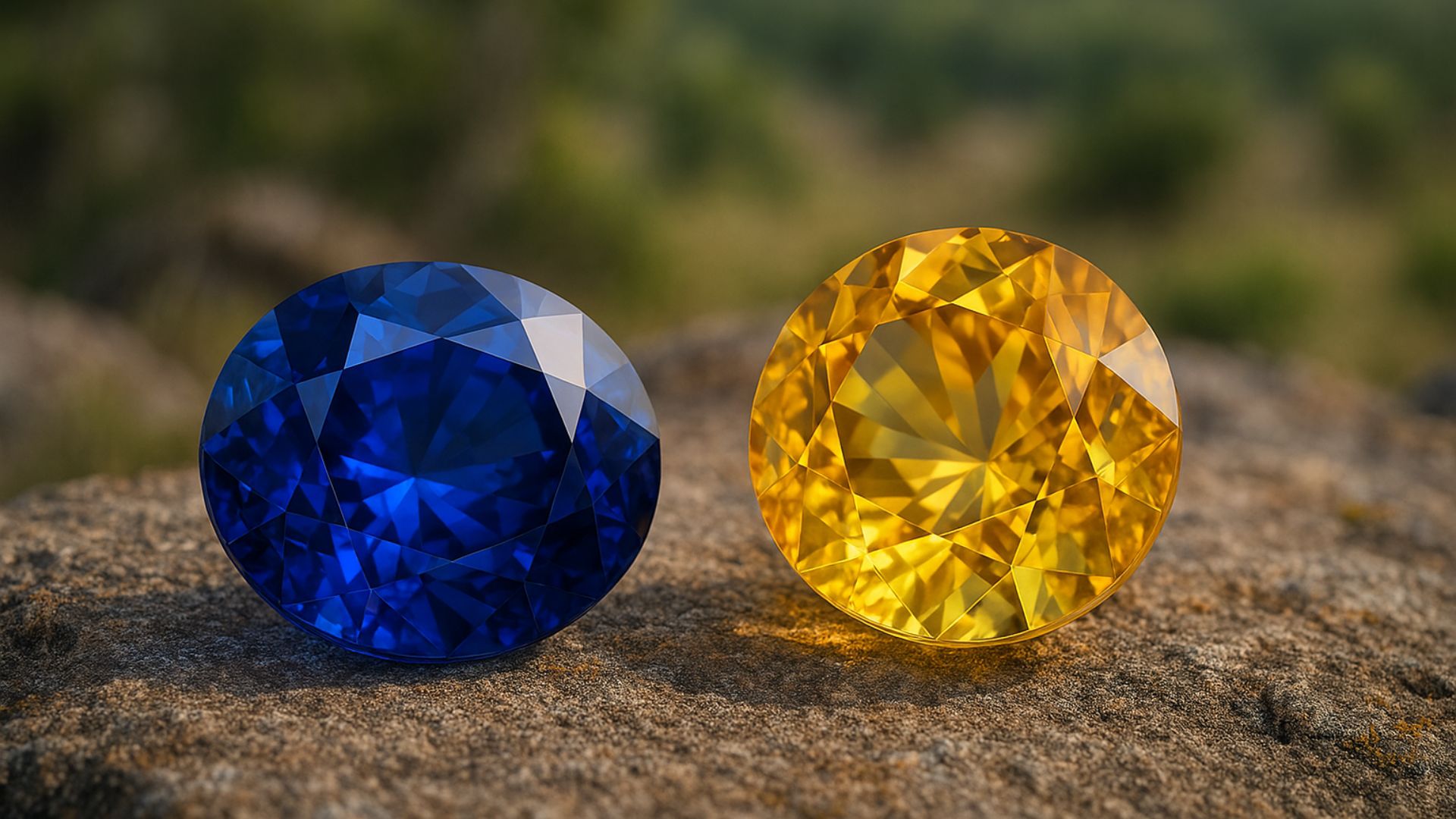
- Blue sapphire
- Pink sapphire
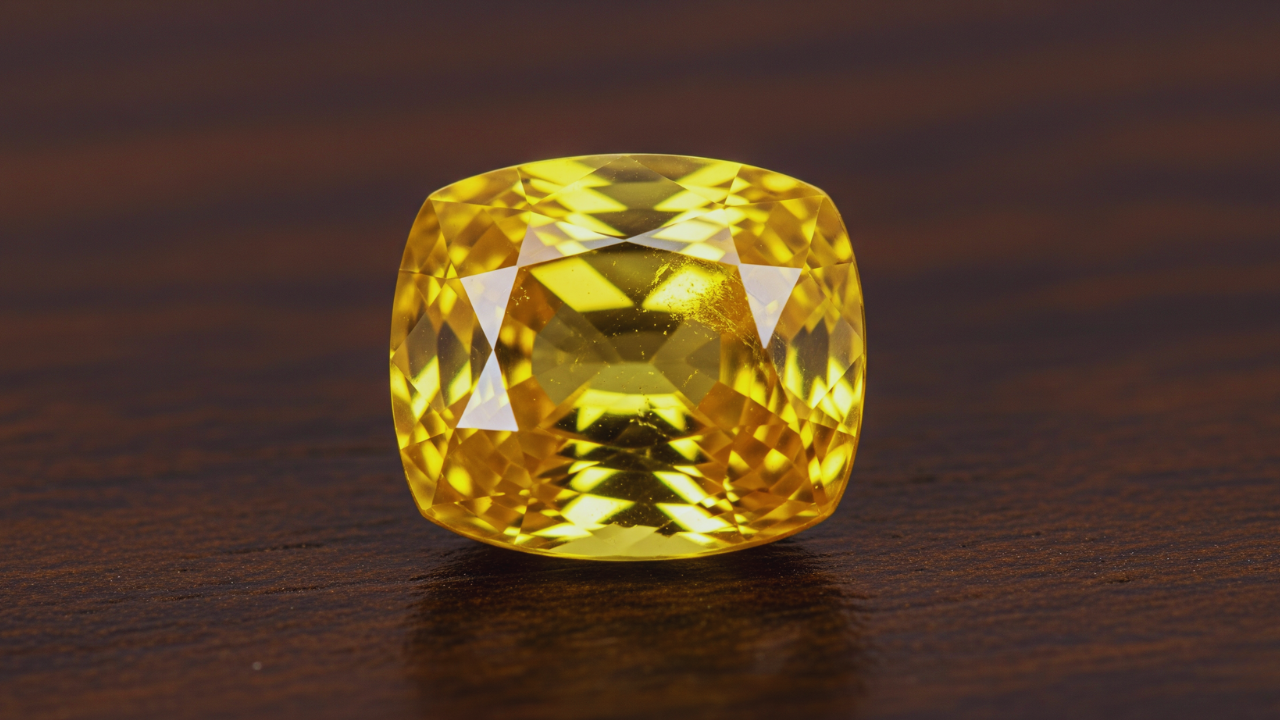
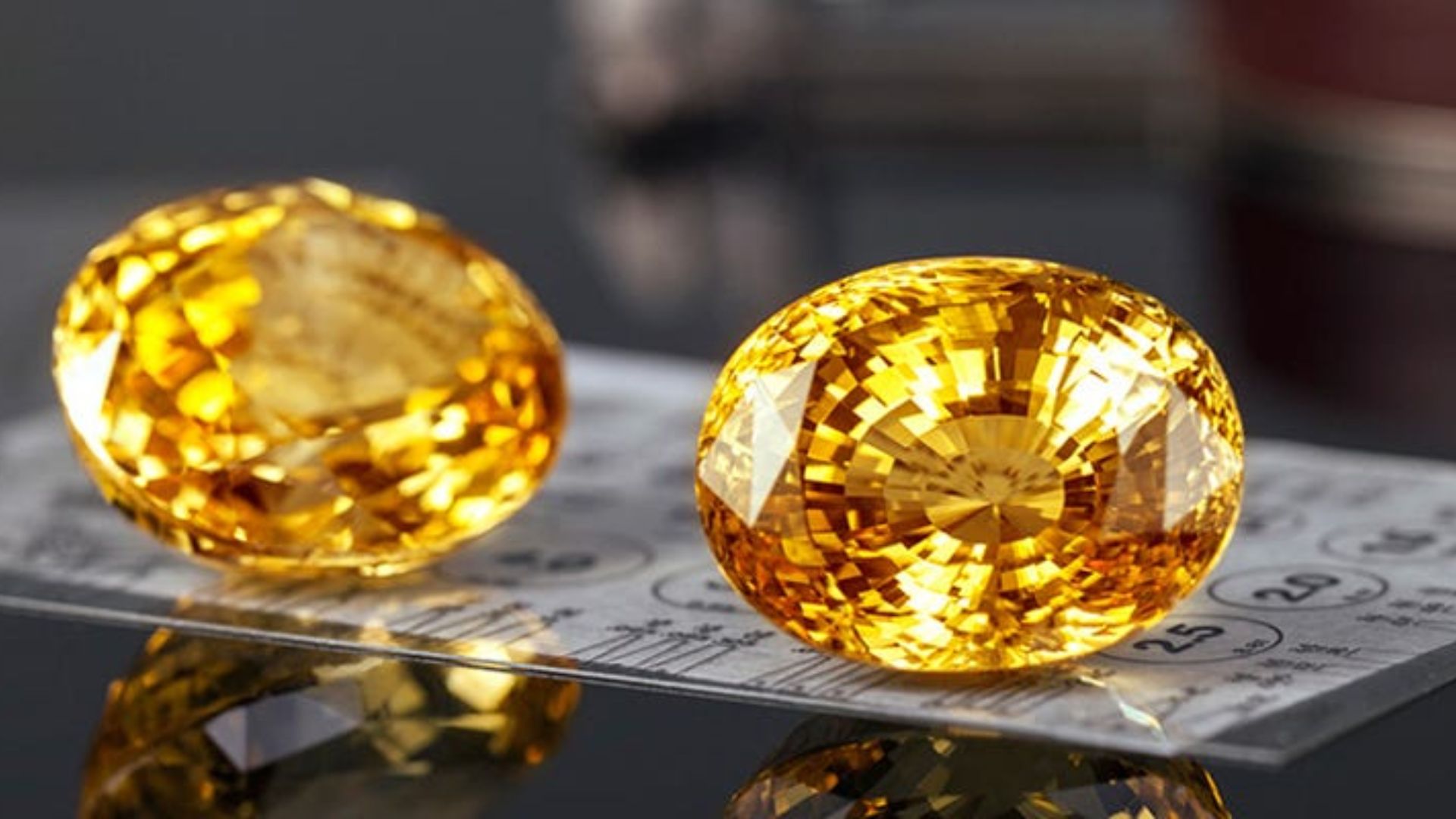
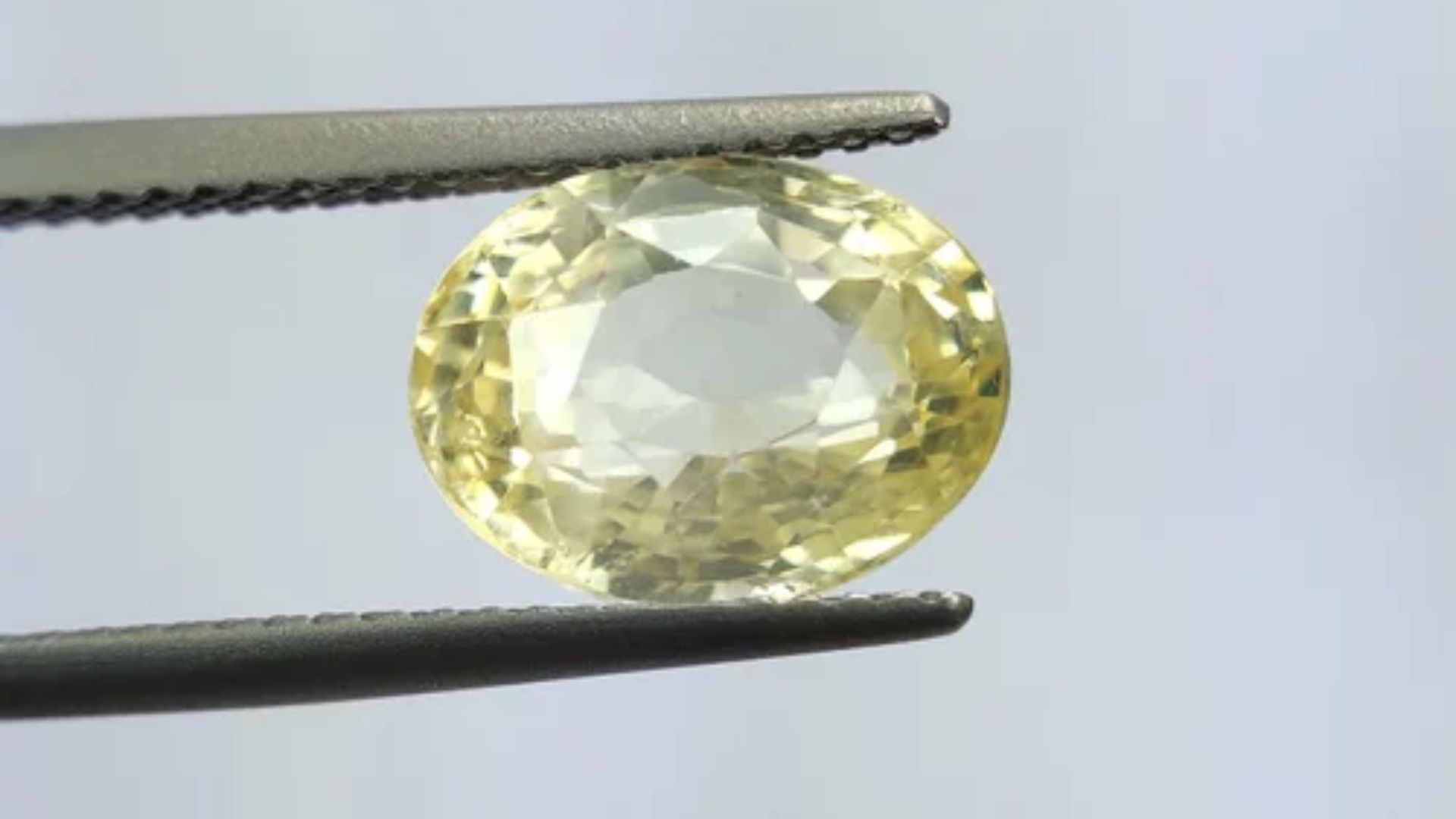
- Yellow sapphire
- Star sapphire
- Ruby
- Garnet
- Spinel
- Zircon
- Moonstone
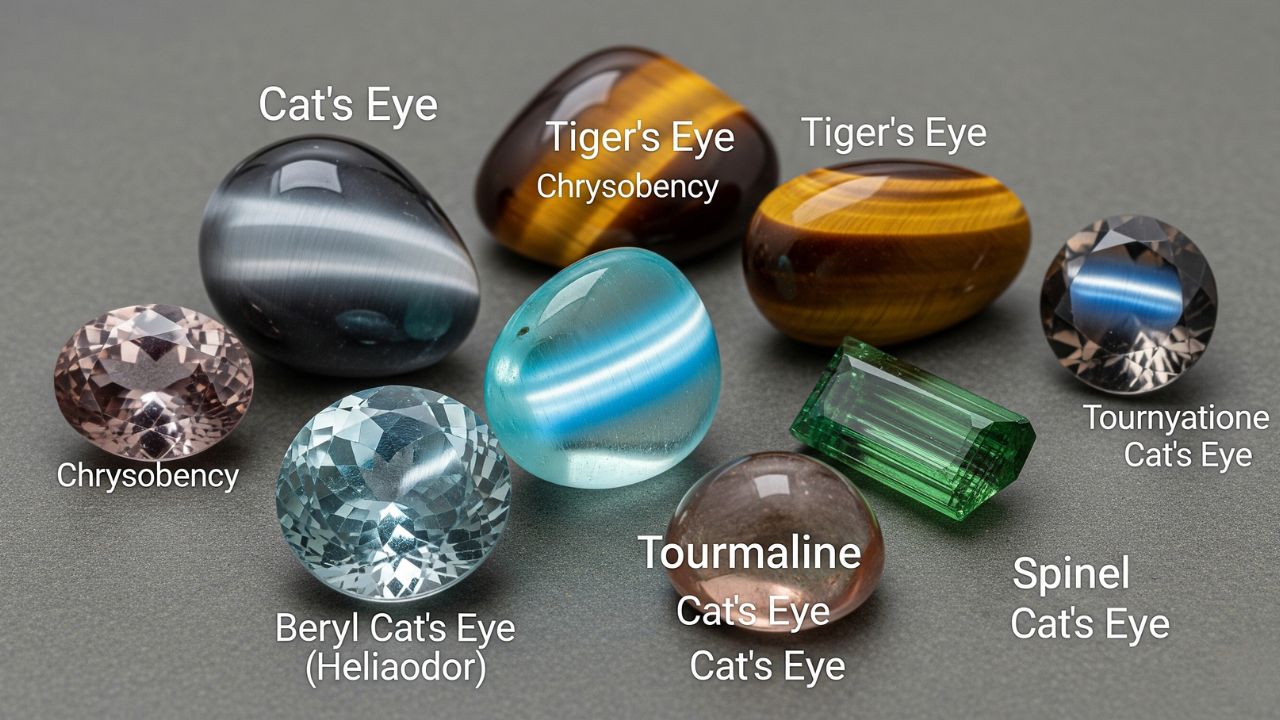
- Cat's Eye Chrysoberyl
Ratnapura, whose name literally means "City of Gems," remains one of the world's richest gemstone mining locations.
Sri Lankan sapphires are especially admired for their brilliance and exceptional clarity.
4. Kashmir, India – The Legendary Blue Sapphire
Few gemstones are as legendary as Kashmir sapphires.
Discovered during the late 19th century, Kashmir's sapphire deposits produced stones with an extraordinary velvety blue appearance.
Although production today is extremely limited, original Kashmir sapphires remain among the world's most expensive gemstones.
Their rarity has transformed them into prized collector's items, demonstrating how gemstone origins significantly influence market value.
5. Tanzania – The Only Source of Tanzanite
Tanzanite is one of the world's rarest gemstones because it comes from only one place on Earth.
Located near Mount Kilimanjaro, the Merelani Hills produce every natural tanzanite ever discovered.
This remarkable blue-violet gemstone was introduced to the global market in the 1960s and quickly gained popularity.
Its single-source origin makes Tanzania one of the most unique gemstone mining locations worldwide.
6. Australia – Opal Paradise
Australia dominates global opal production.
Major mining towns include:
- Coober Pedy
- Lightning Ridge
- Andamooka
Australia supplies approximately 90% of the world's precious opals.
Lightning Ridge is especially famous for producing rare black opals, considered among the most valuable opals available.
The country's contribution to gemstone mining around the world remains unmatched in the opal industry.
7. Brazil – A Treasure House of Gemstones
Brazil possesses extraordinary geological diversity.
The country produces:
- Amethyst
- Aquamarine
- Topaz
- Tourmaline
- Citrine
- Emerald
- Quartz
- Imperial Topaz
Minas Gerais is particularly famous for producing premium-quality gemstones.
Brazil's abundant mineral wealth has established it as one of the world's leading gemstone sources.
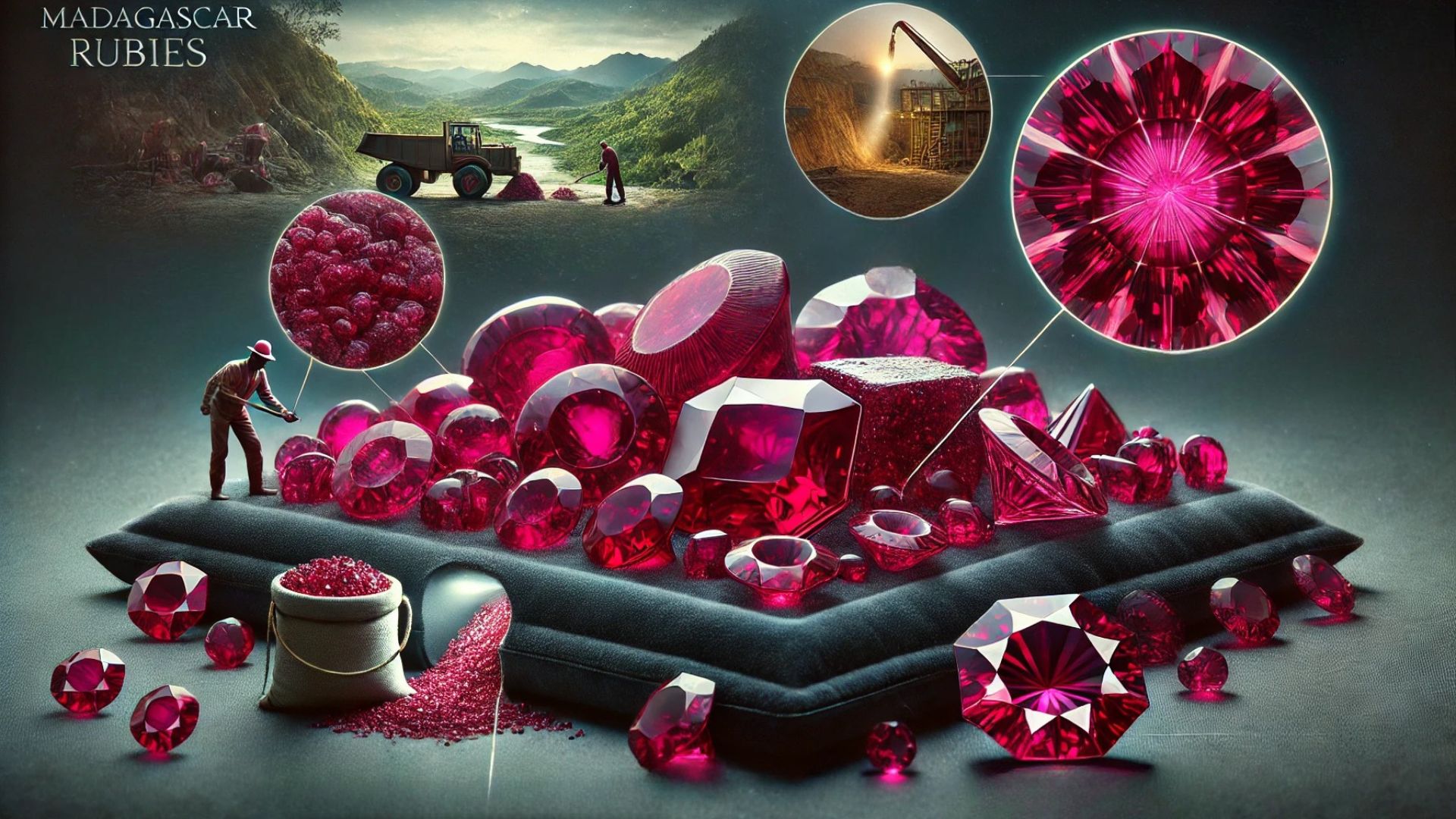
8. Madagascar – The Modern Gemstone Giant
Over the past few decades, Madagascar has emerged as a major player in the gemstone mining industry.
Its gemstone deposits include:
- Sapphire
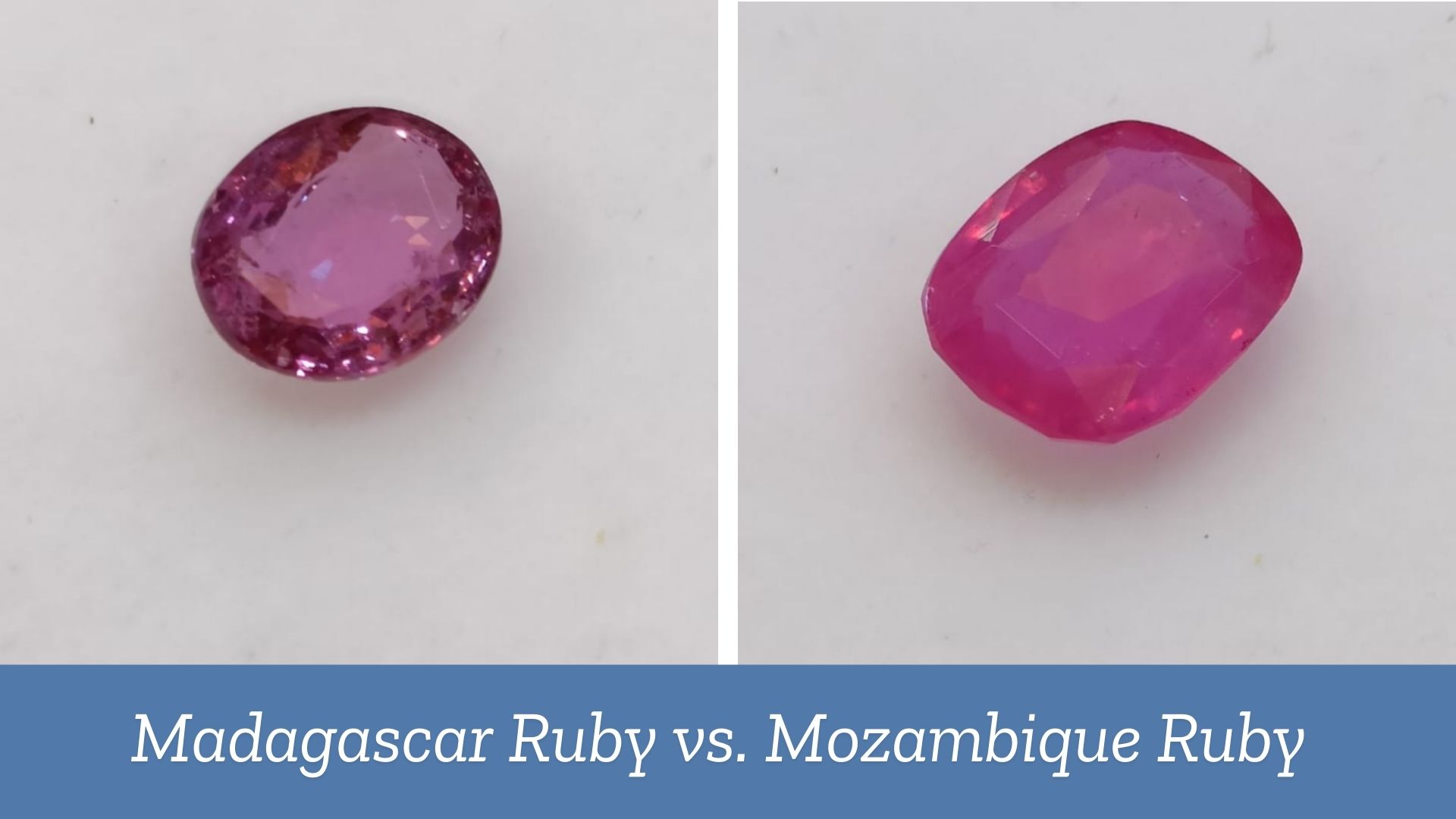
- Ruby
- Tourmaline
- Aquamarine
- Garnet
- Spinel
- Emerald
The island's incredible geological diversity continues to attract miners and gem enthusiasts from around the world.
9. Zambia – Home of Premium Emeralds
While Colombia remains the most famous emerald producer, Zambia has become a significant competitor.
Zambian emeralds often display deeper green tones with slight bluish hues.
Modern mining operations have greatly improved production quality and consistency, making Zambia one of the leading precious gemstone mining destinations.
10. Russia – Rich in Diamonds and Colored Stones
Russia is globally recognized for diamond production.
However, it also produces:
- Alexandrite
- Emerald
- Jade
- Topaz
- Amethyst
Russian alexandrite is especially famous for its remarkable color-changing ability, shifting from green in daylight to red under incandescent light.
Famous Gemstones and Their Origins
Understanding where gemstones come from enhances appreciation for their uniqueness.
Ruby
Primary sources include:
- Myanmar
- Mozambique
- Thailand
- Madagascar
Emerald
Leading producers include:
- Colombia
- Zambia
- Brazil
- Afghanistan
Sapphire
Major sources:
- Sri Lanka
- Kashmir
- Madagascar
- Australia
- Thailand
Diamond
Important mining countries:
- Botswana
- Russia
- Canada
- South Africa
Opal
Major source:
- Australia
Tanzanite
Exclusive source:
- Tanzania
Aquamarine
Leading producers:
- Brazil
- Pakistan
- Nigeria
- Madagascar
Tourmaline
Found in:
- Brazil
- Afghanistan
- Mozambique
- Nigeria
The Modern Gemstone Mining Industry
Today's gemstone mining industry combines traditional techniques with advanced technology.
Mining methods include:
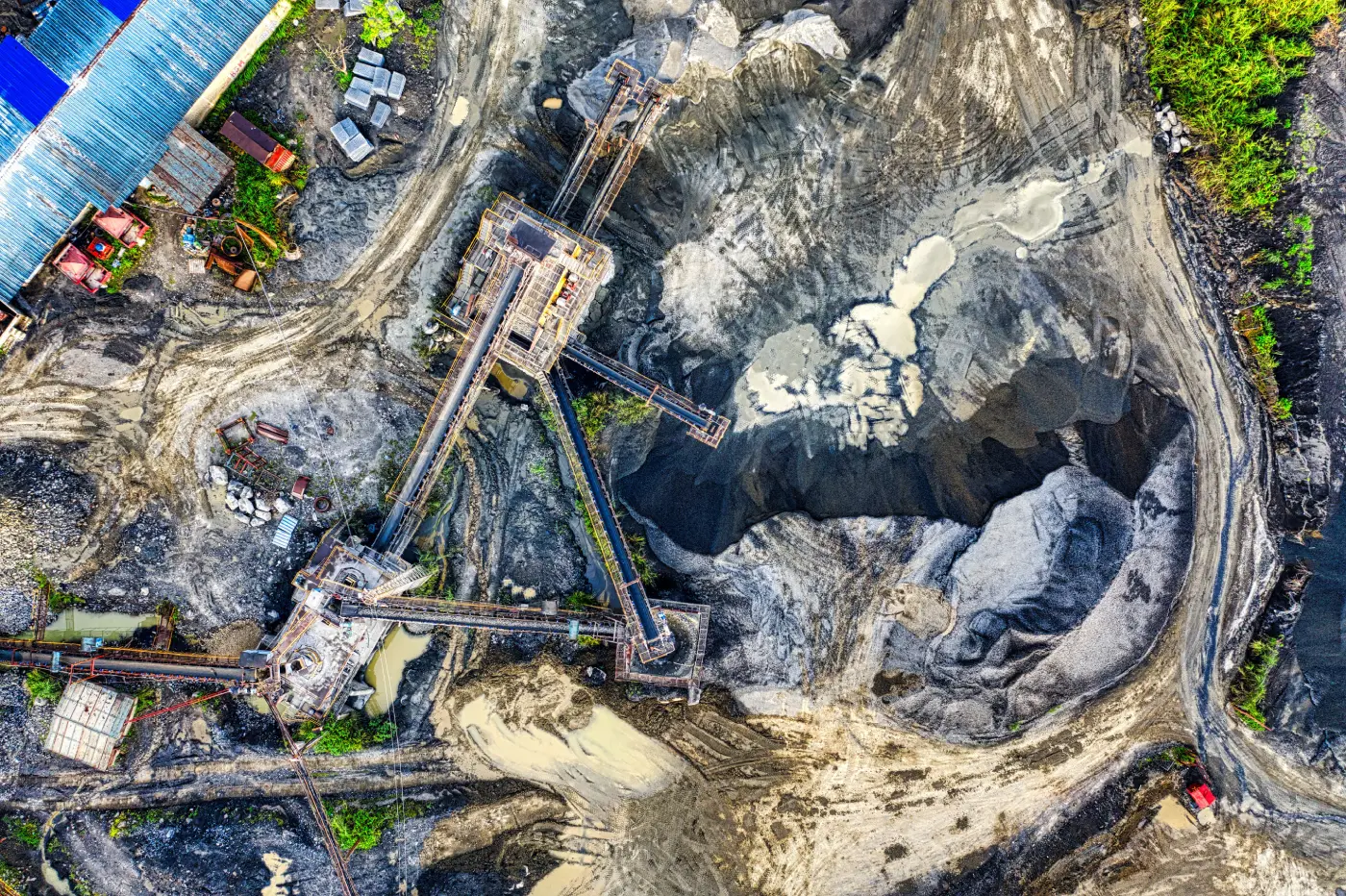
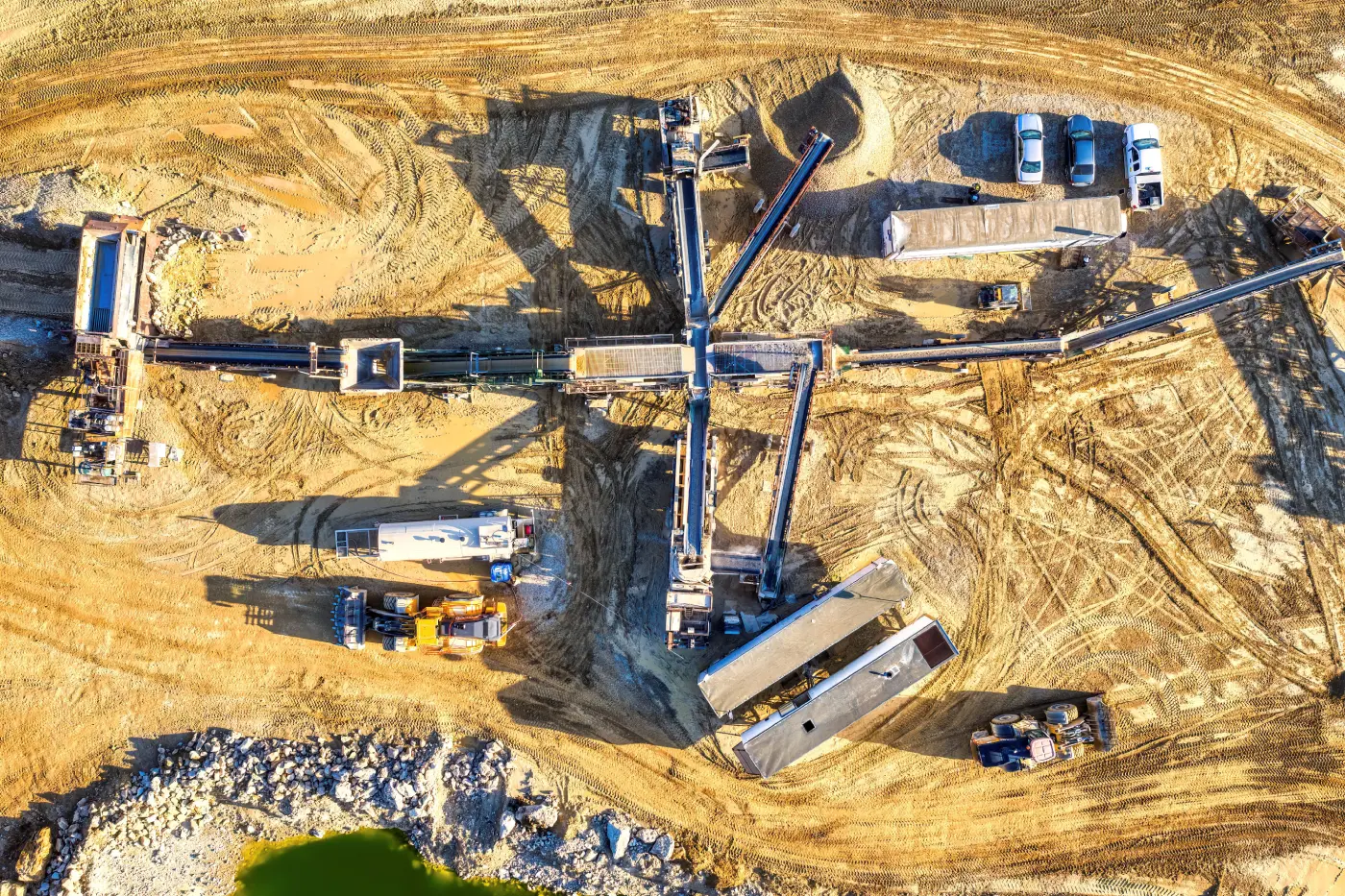
Open-Pit Mining
Suitable for deposits close to the Earth's surface.
Advantages:
- Higher productivity
- Easier access
- Lower operating costs
Underground Mining
Used for deeper deposits.
Benefits include:
- Reduced surface impact
- Access to high-quality gemstone veins
Alluvial Mining
Many gemstones are recovered from riverbeds where erosion has transported crystals over thousands of years.
This method is commonly used for:
- Sapphire
- Ruby
- Diamond
Artisanal Mining
Millions of people worldwide rely on small-scale gemstone mining.
Although labor-intensive, artisanal mining supports local communities and preserves traditional mining knowledge.
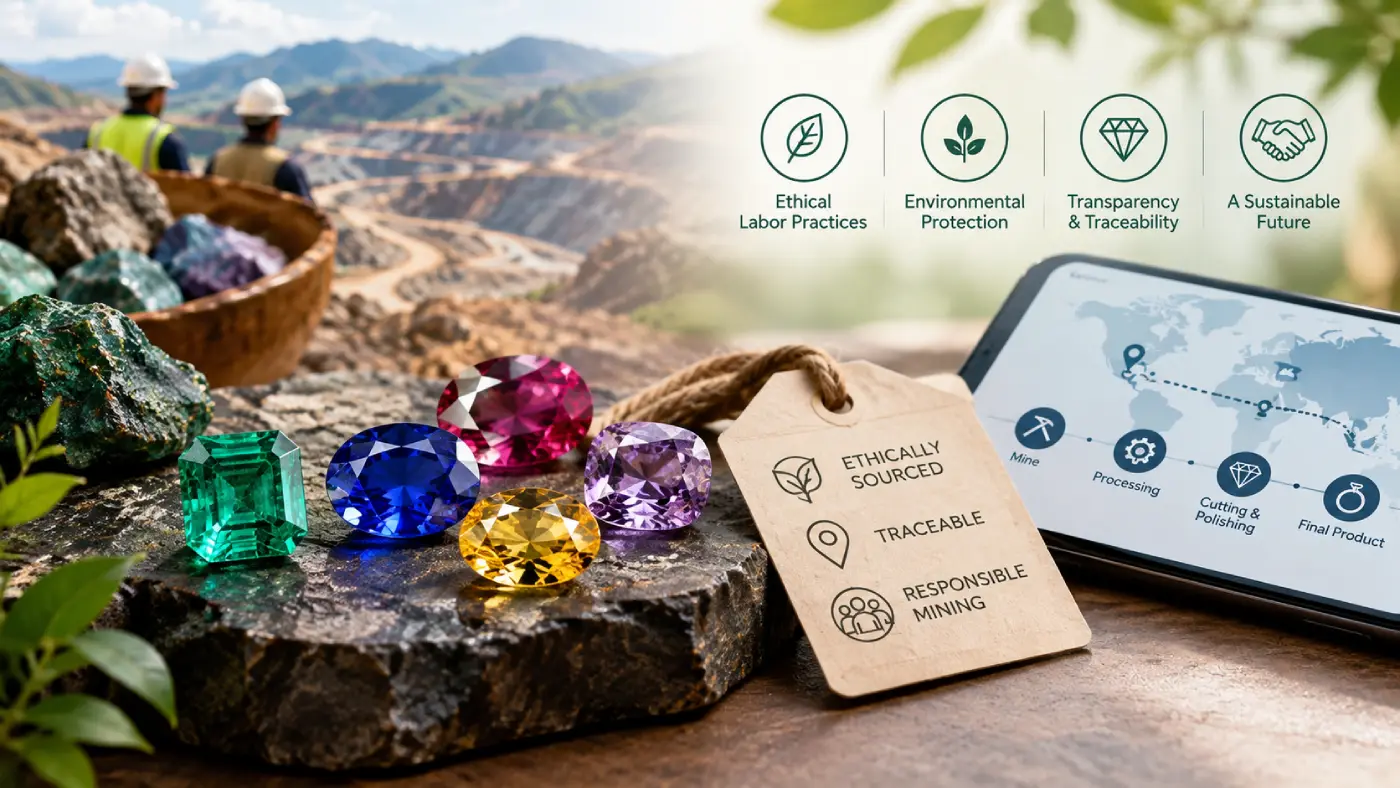
Sustainability in Precious Gemstone Mining
Modern consumers increasingly value responsibly sourced gemstones.
Sustainable precious gemstone mining focuses on:
- Environmental protection
- Fair labor practices
- Community development
- Land restoration
- Water conservation
- Ethical supply chains
Certification and traceability have become increasingly important as buyers seek transparency regarding gemstone origins.
Challenges Facing the Gemstone Mining Industry
Despite its importance, the industry faces several challenges.
Environmental Impact
Mining activities may lead to:
- Deforestation
- Soil erosion
- Habitat loss
- Water pollution
Responsible mining companies invest in rehabilitation projects to minimize environmental damage.
Illegal Mining
Unauthorized mining remains a concern in several countries.
Illegal operations often contribute to:
- Unsafe working conditions
- Tax losses
- Environmental degradation
Governments worldwide continue strengthening regulations to combat illegal mining.
Market Fluctuations
Gemstone prices vary depending on:
- Supply
- Demand
- Global economic conditions
- Discovery of new deposits
Rare gemstones with limited production often experience significant value appreciation.
How Origin Influences Gemstone Value
Collectors often pay premium prices for gemstones from famous mining regions.
Examples include:
- Burmese Ruby
- Colombian Emerald
- Kashmir Sapphire
- Australian Black Opal
- Tanzanian Tanzanite
These origins have earned worldwide recognition due to consistent quality and historical significance.
Interesting Facts About Gemstone Mining Around the World
- Some gemstones take hundreds of millions of years to form.
- Tanzanite is approximately 1,000 times rarer than diamonds.
- Australia supplies most of the world's precious opals.
- Sri Lanka has exported gemstones for over two millennia.
- Colombia remains one of the world's largest emerald producers.
- Myanmar's Mogok Valley has produced legendary rubies for centuries.
- Brazil produces hundreds of gemstone varieties.
- Madagascar is among the fastest-growing gemstone-producing countries.
Tips for Buying Natural Gemstones
If you're purchasing gemstones, consider these guidelines:
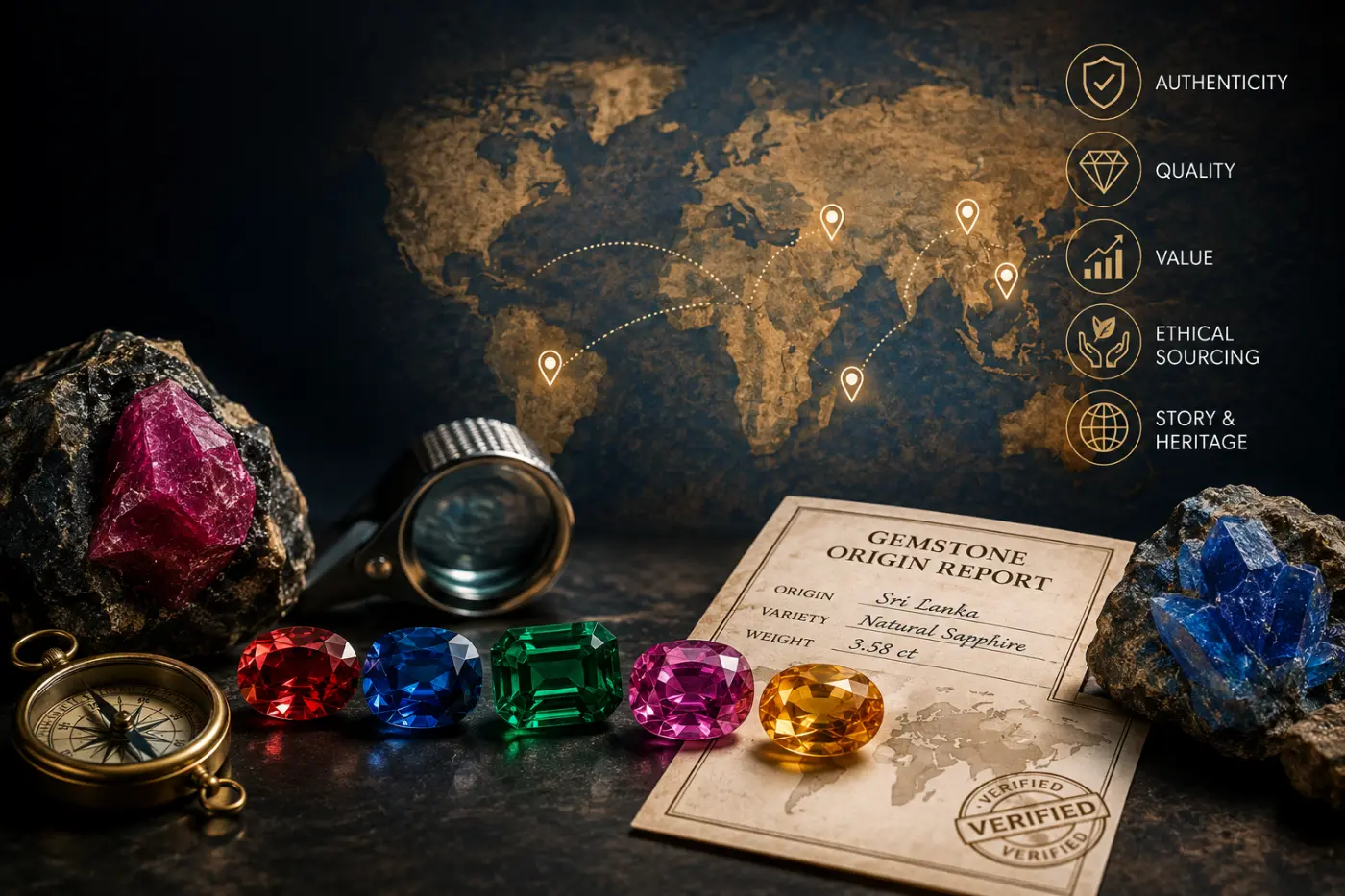
- Verify the gemstone's origin whenever possible.
- Request certification from reputable gemological laboratories.
- Buy from trusted dealers.
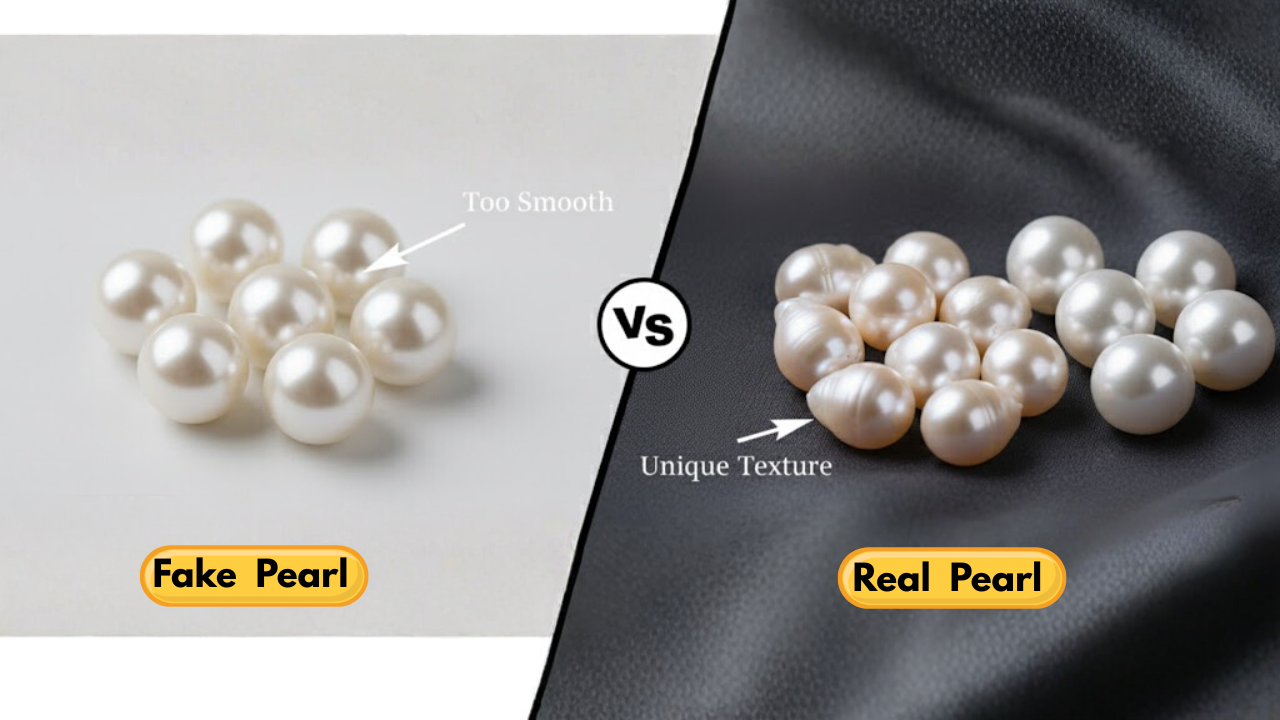
- Learn about common treatments and enhancements.
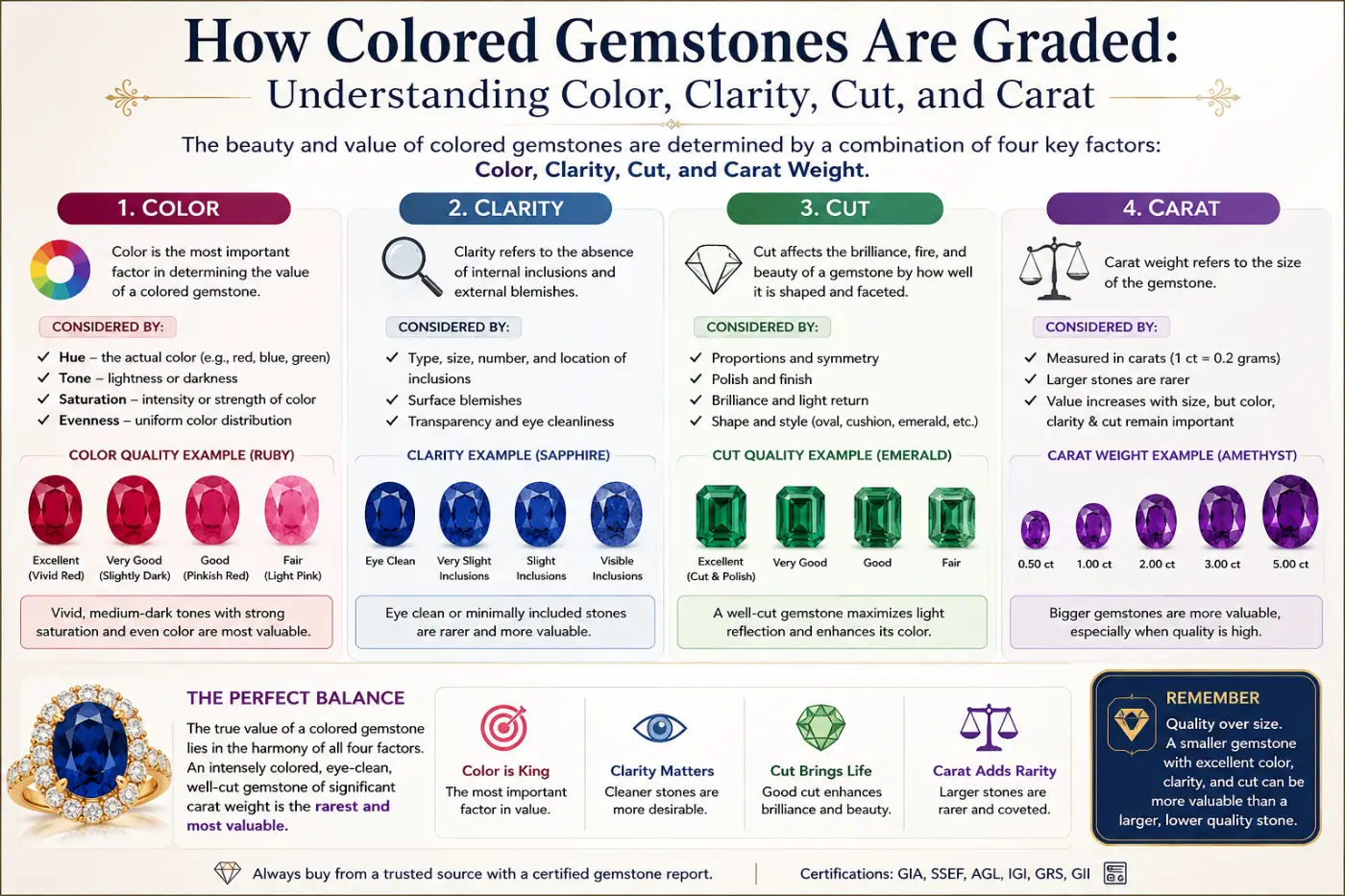
- Compare quality, color, and clarity before purchasing.
- Research the reputation of specific gemstone sources.
Knowledge about where gemstones come from helps buyers make confident investment decisions.
The Future of Gemstone Mining
Technology continues transforming the global gemstone industry.
Innovations include:
- Drone-assisted exploration
- Satellite geological mapping
- AI-powered mineral identification
- Blockchain-based gemstone traceability
- Environmentally friendly mining equipment
These advancements improve efficiency while supporting more ethical and sustainable mining practices.
As consumer awareness grows, transparency regarding gemstone origins and responsible sourcing will likely become even more important.
Conclusion
The fascinating world of gemstone mining around the world reveals far more than the beauty of sparkling jewels. Every gemstone represents millions of years of geological history, the dedication of miners, and the unique natural conditions found in specific regions of our planet.
From the legendary ruby mines of Myanmar and the emerald-rich mountains of Colombia to the sapphire fields of Sri Lanka and the exclusive tanzanite deposits of Tanzania, each location contributes something extraordinary to the global gemstone market. These renowned gemstone mining locations have shaped the history of jewelry and continue to supply some of the world's famous gemstones admired by collectors, designers, and enthusiasts alike.
Understanding gemstone sources, natural gemstone sources, and gemstone origins not only enhances appreciation for these remarkable minerals but also helps buyers make informed choices. As the gemstone mining industry evolves toward greater sustainability and ethical practices, the future promises a balance between preserving Earth's natural resources and meeting the growing global demand for precious stones.
Whether you're fascinated by geology, passionate about jewelry, or considering investing in gemstones, exploring famous gemstone mines and learning where gemstones come from adds a deeper level of appreciation for these timeless treasures. Every gemstone tells a unique story—one that begins deep within the Earth and continues through the hands of skilled miners, gem cutters, and artisans before finally becoming a cherished piece of history and beauty.
Recent Posts




2026-09-04
The Science Behind Gemstone Fluorescence

































2025-09-15