Date : 2026-07-14
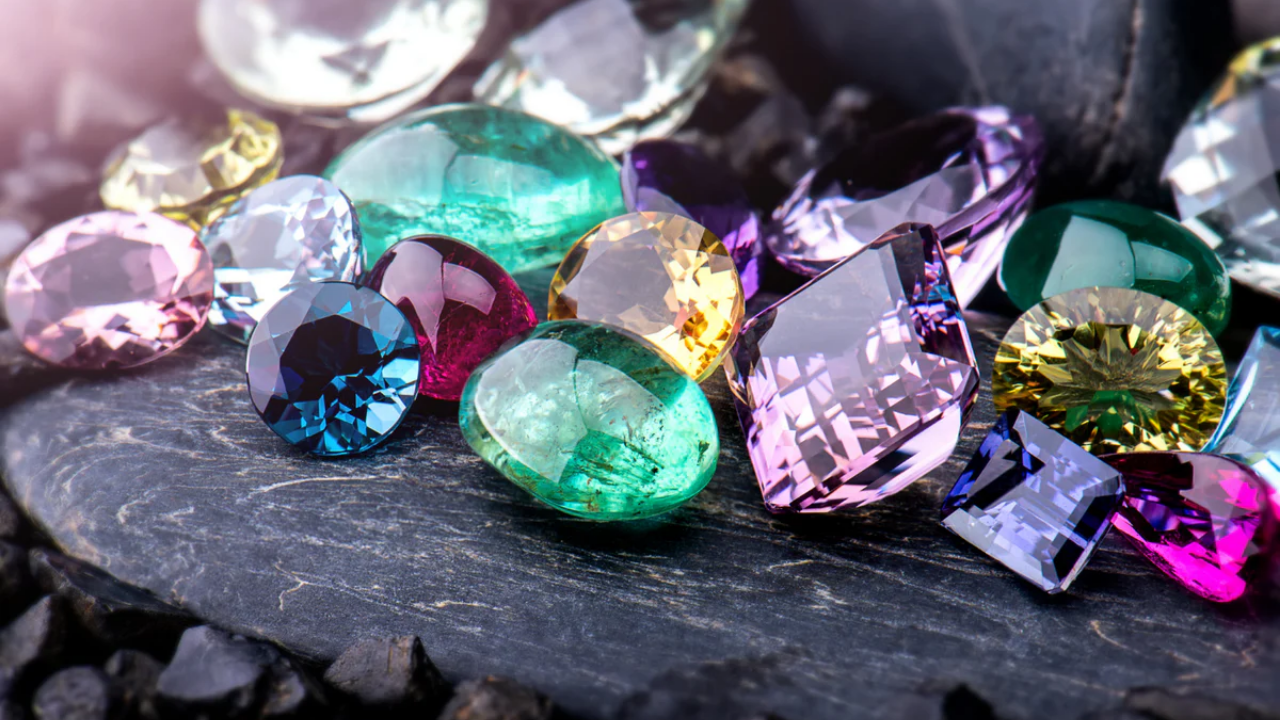
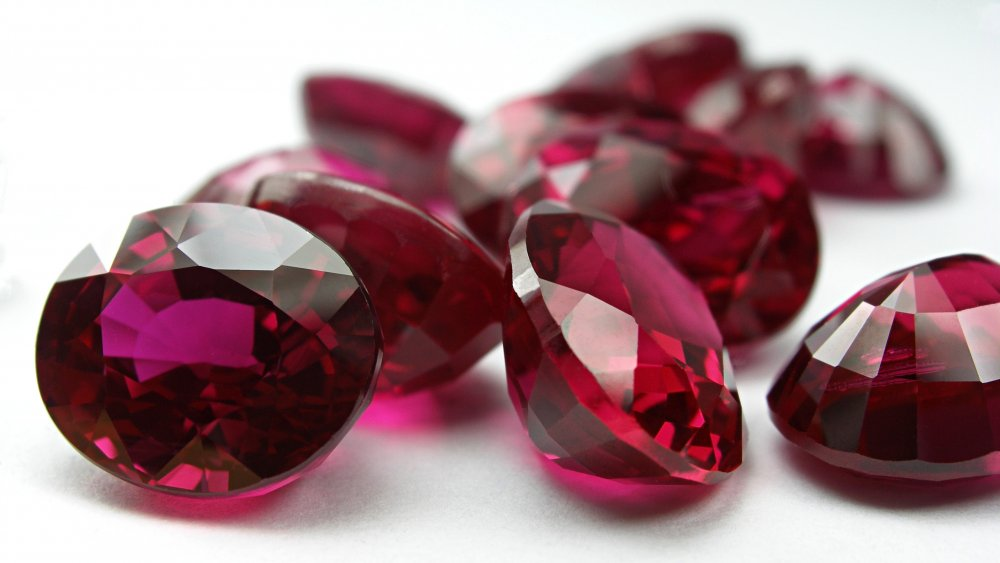
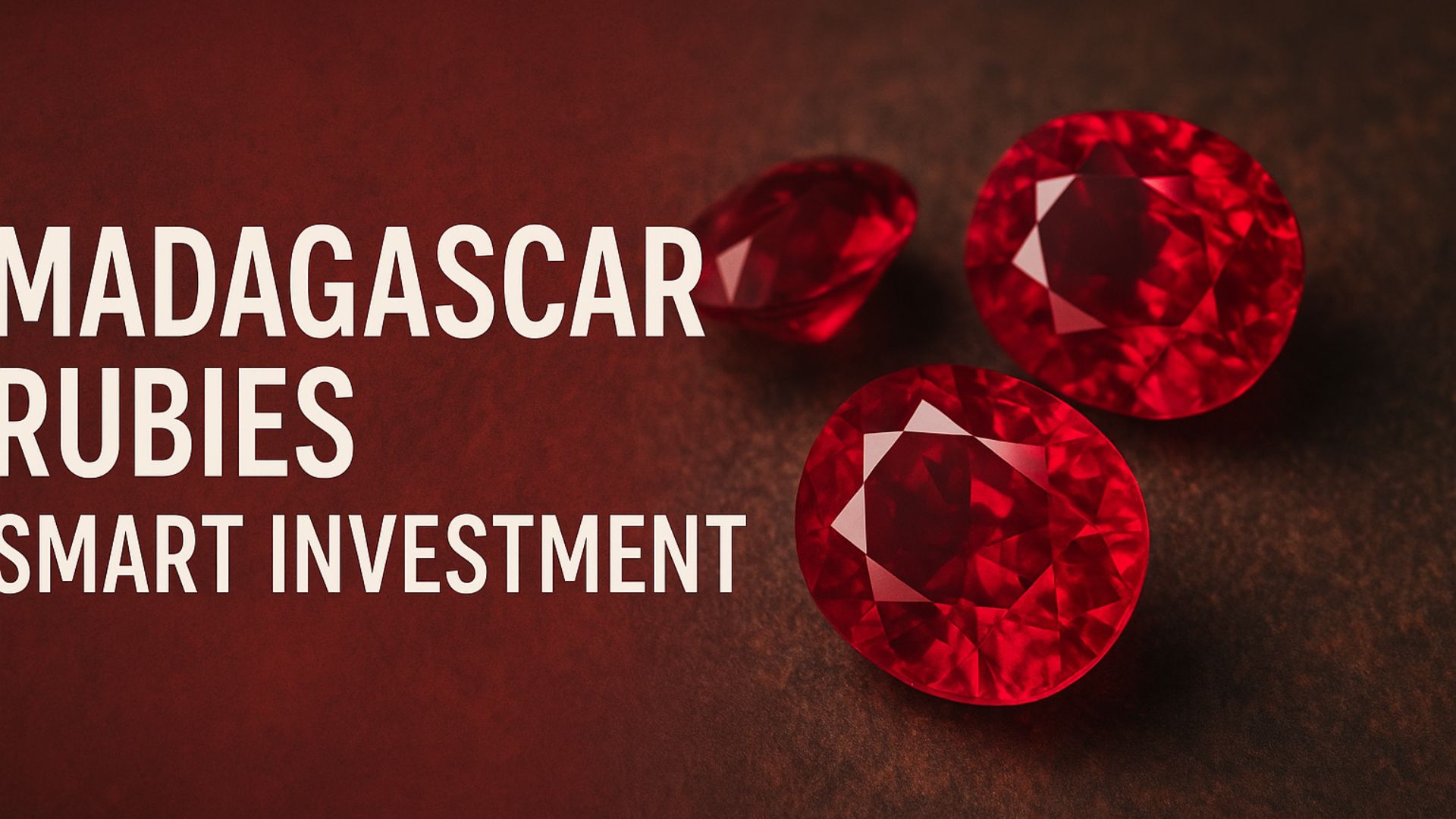
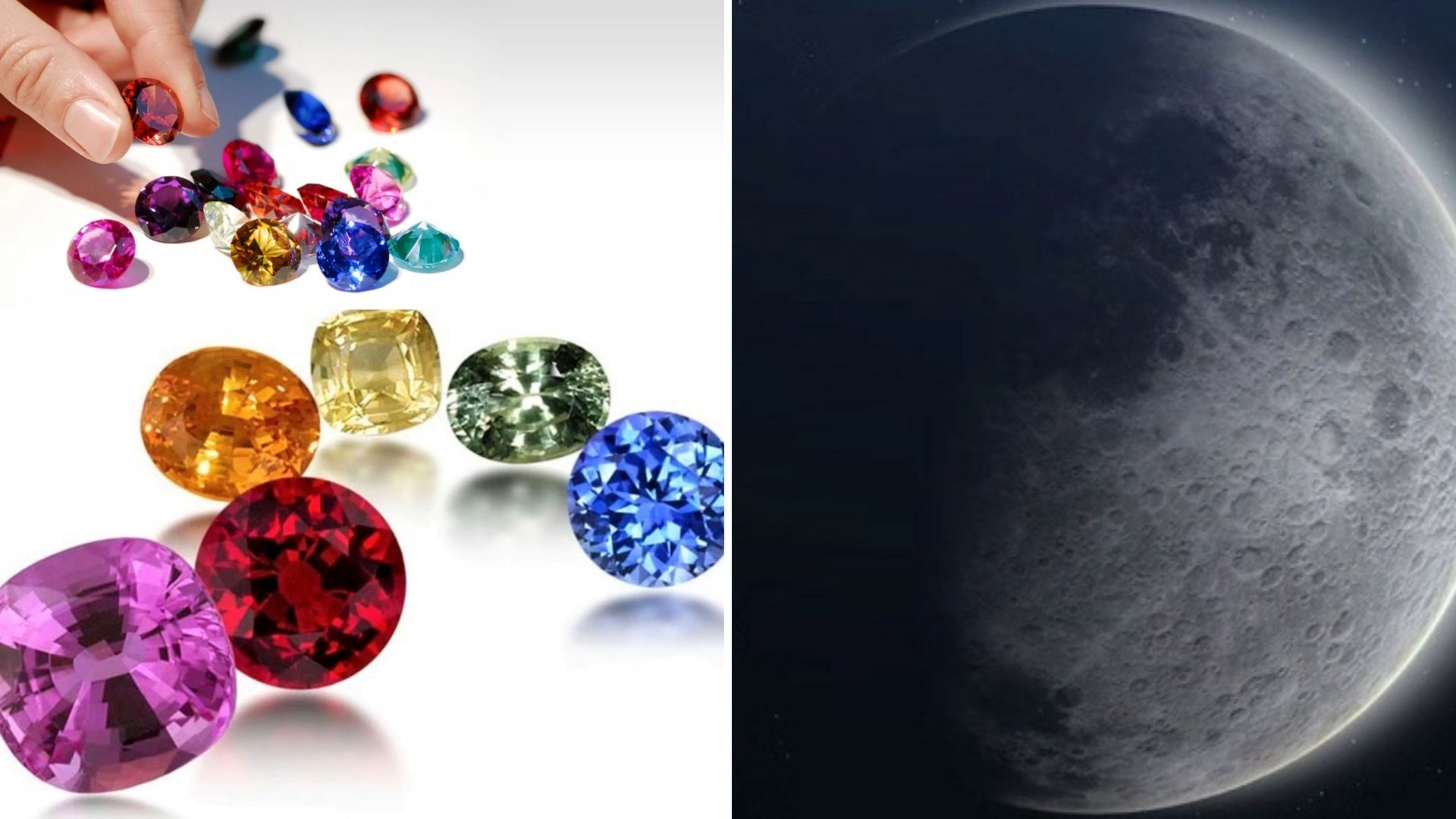
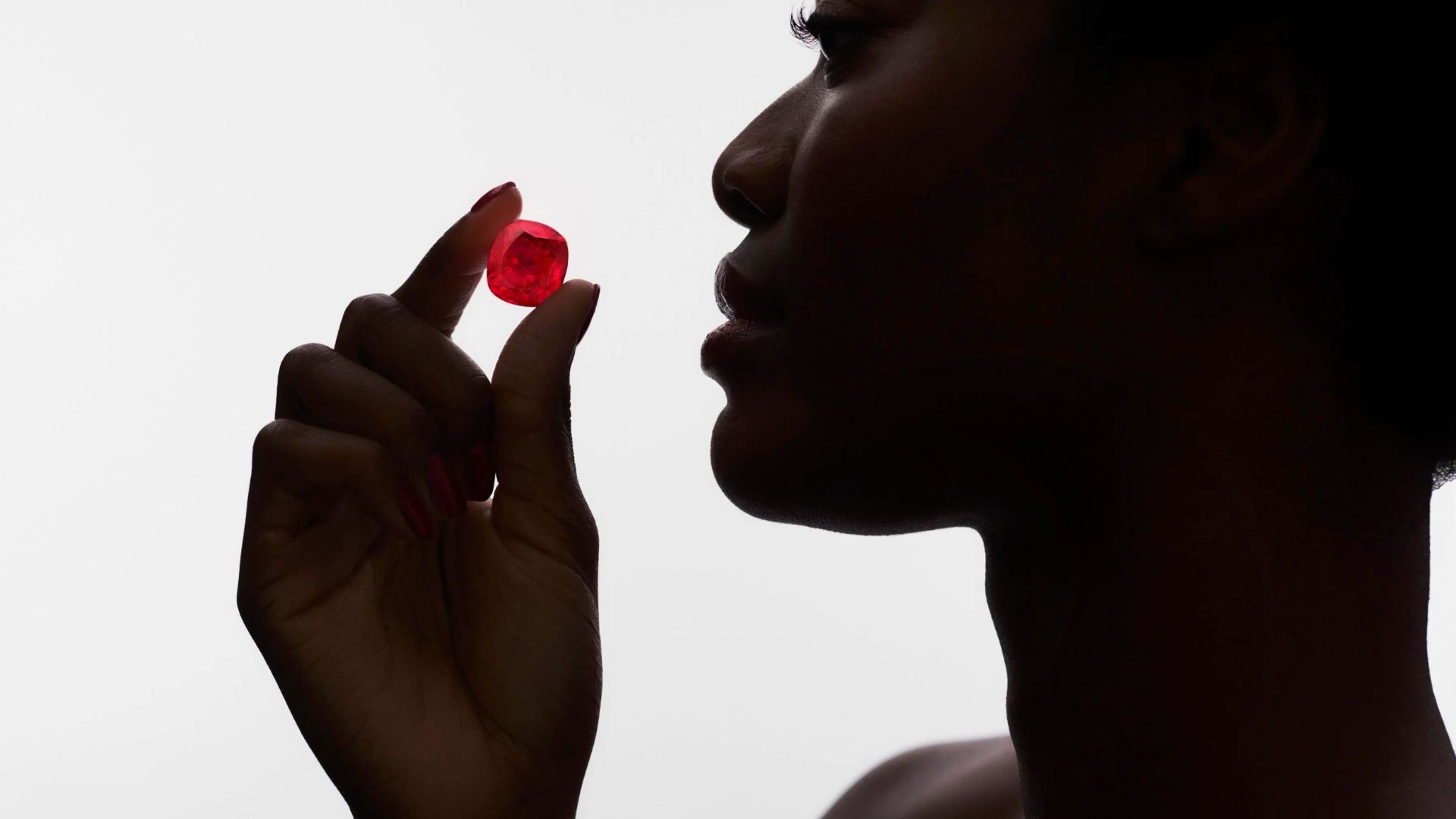
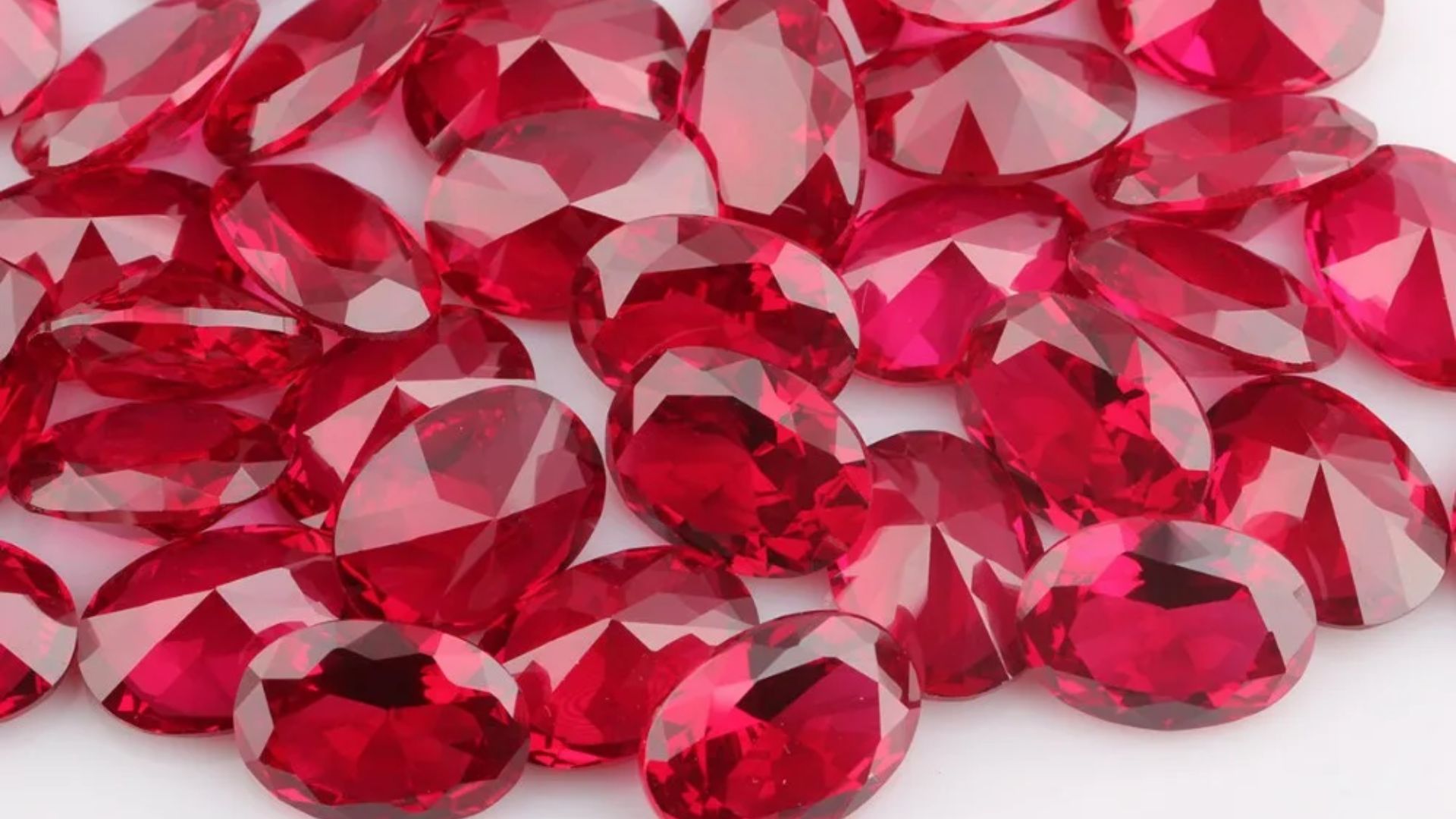
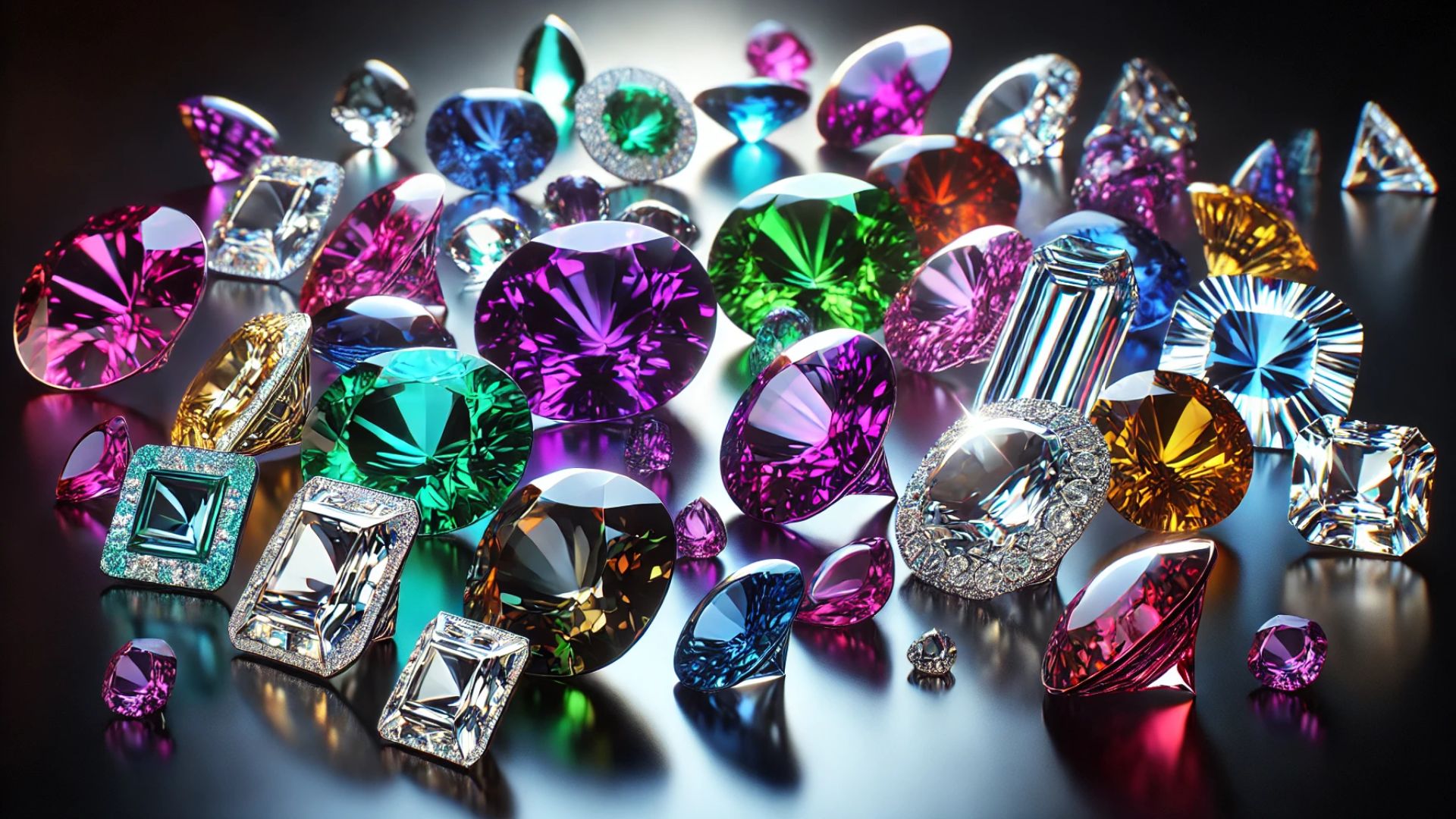
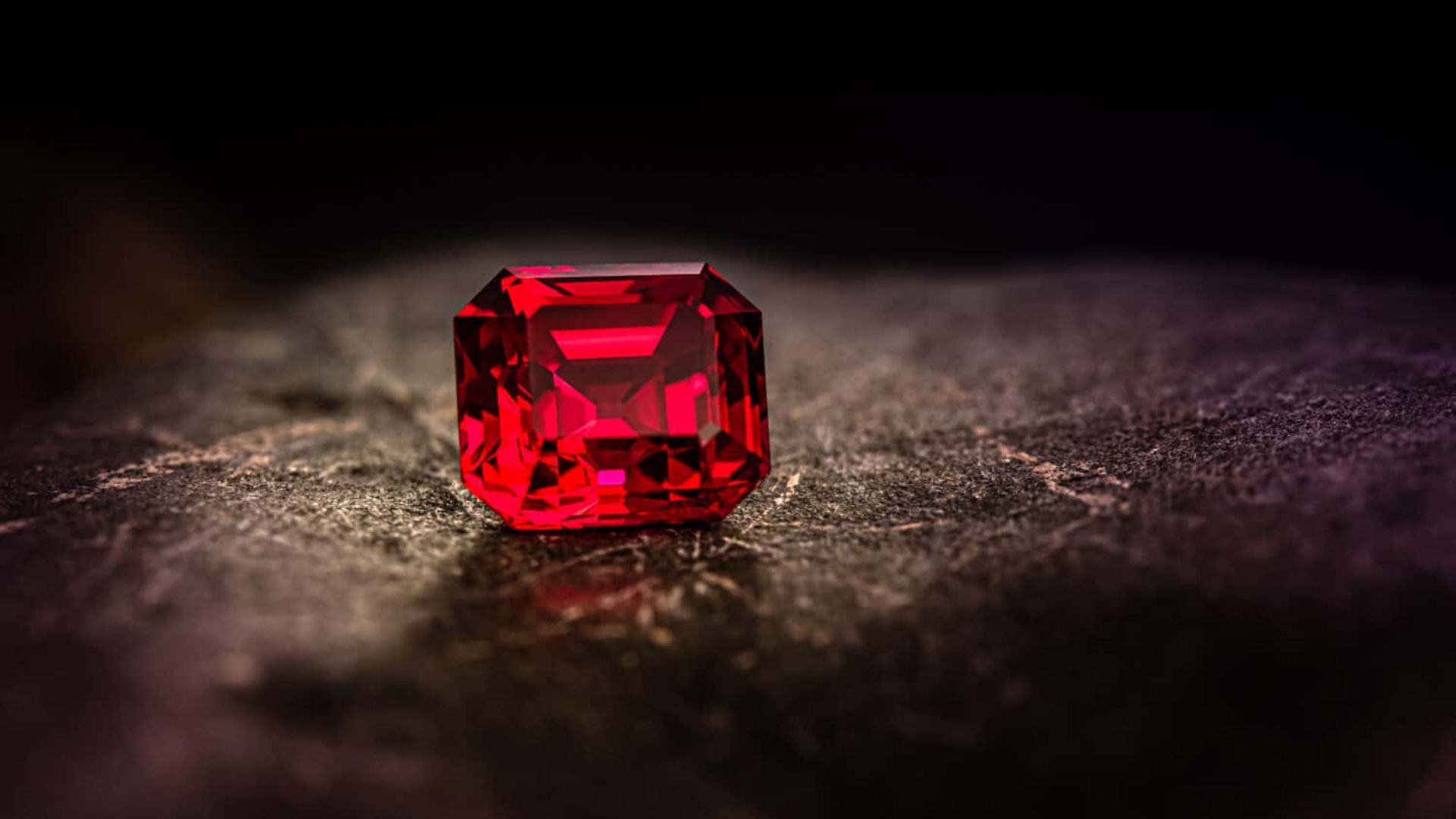
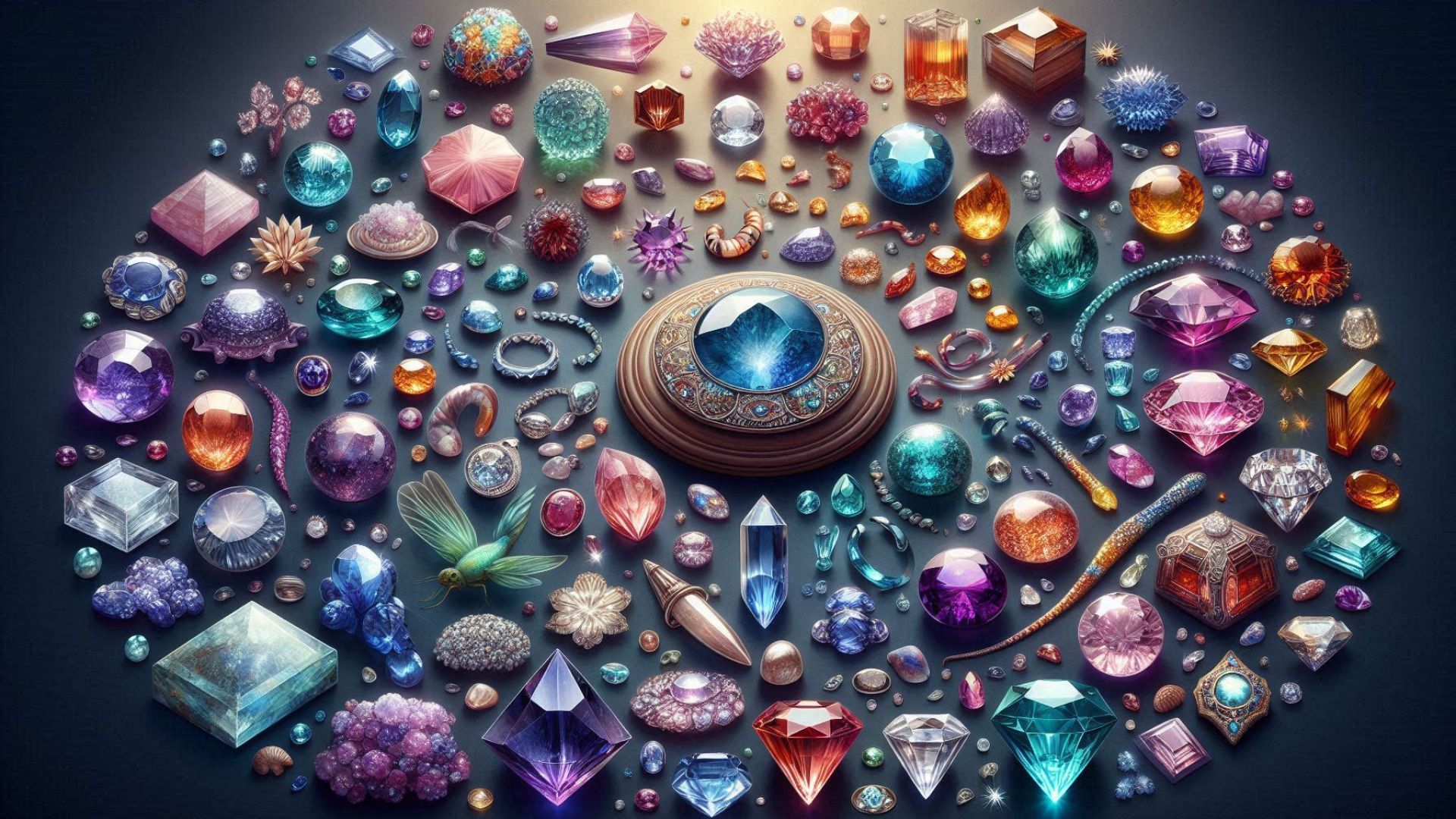
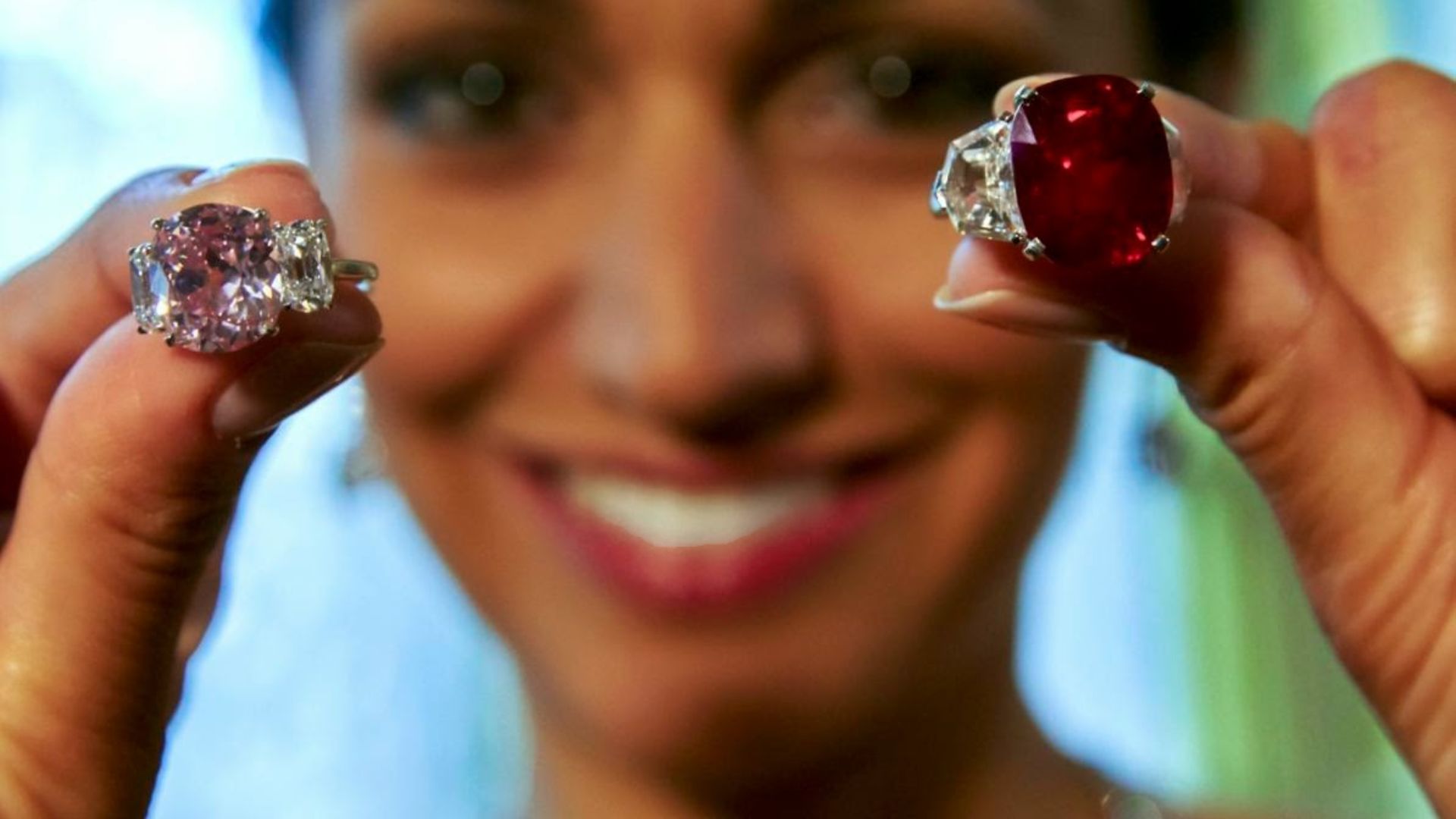
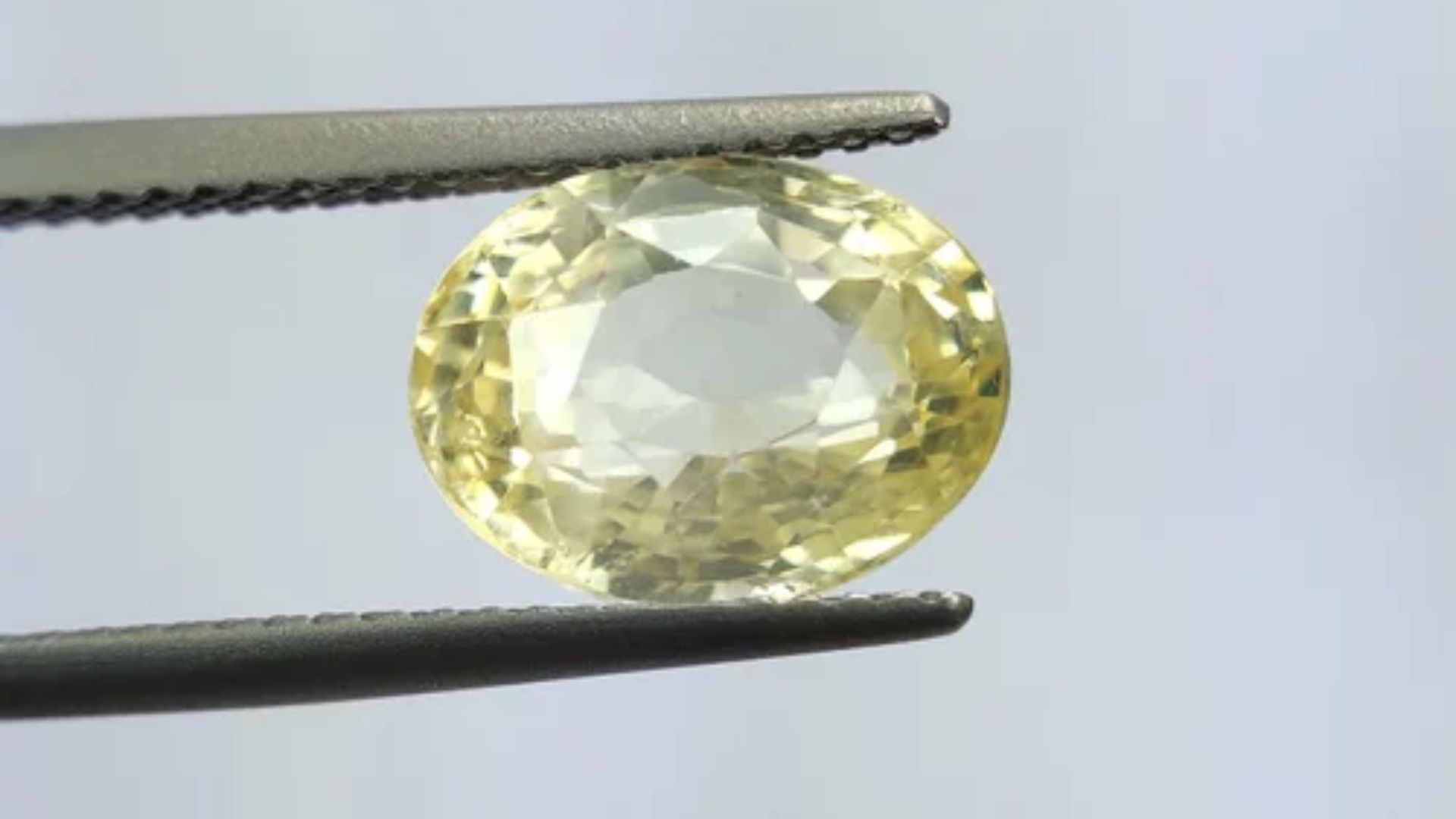
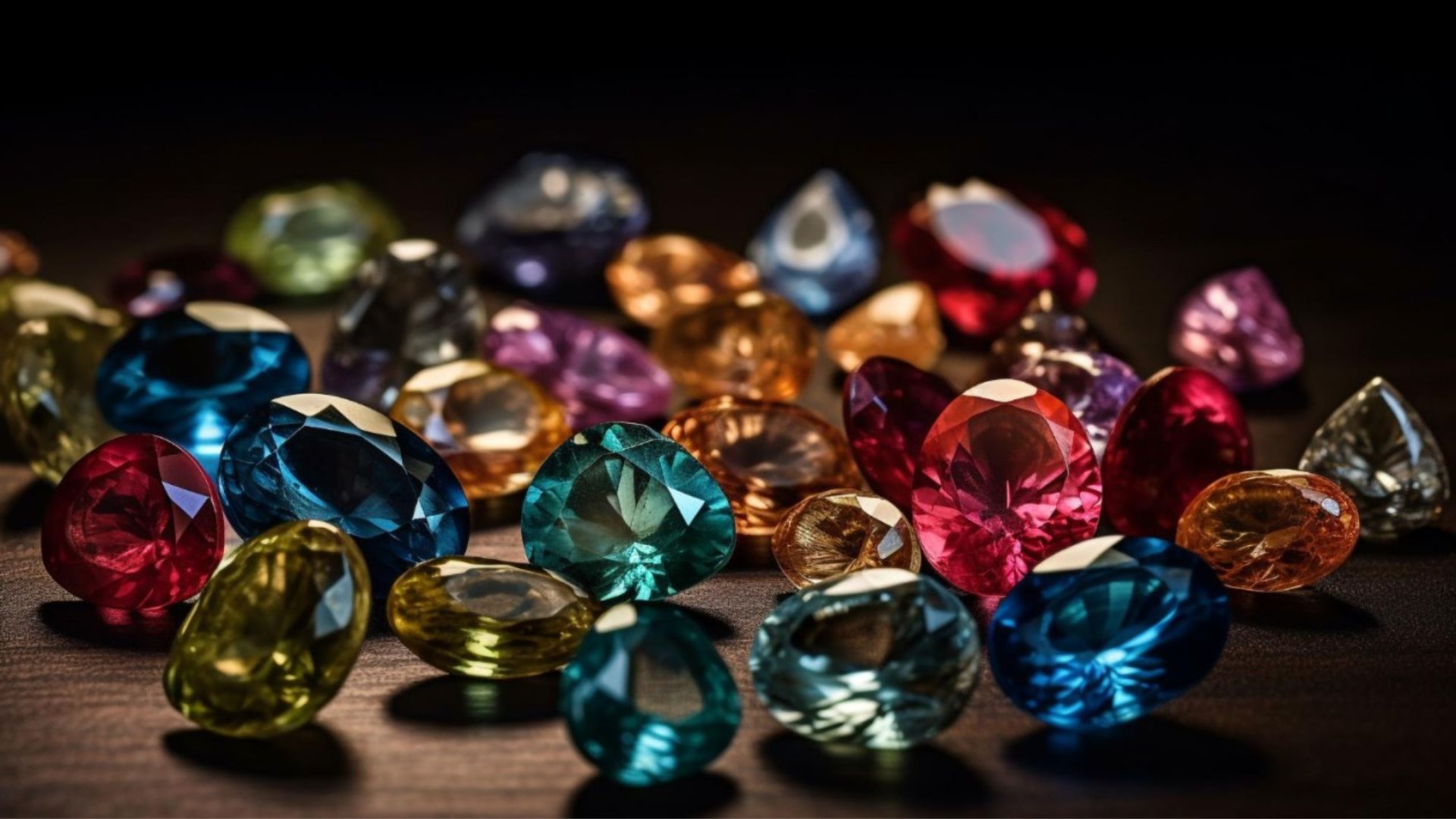
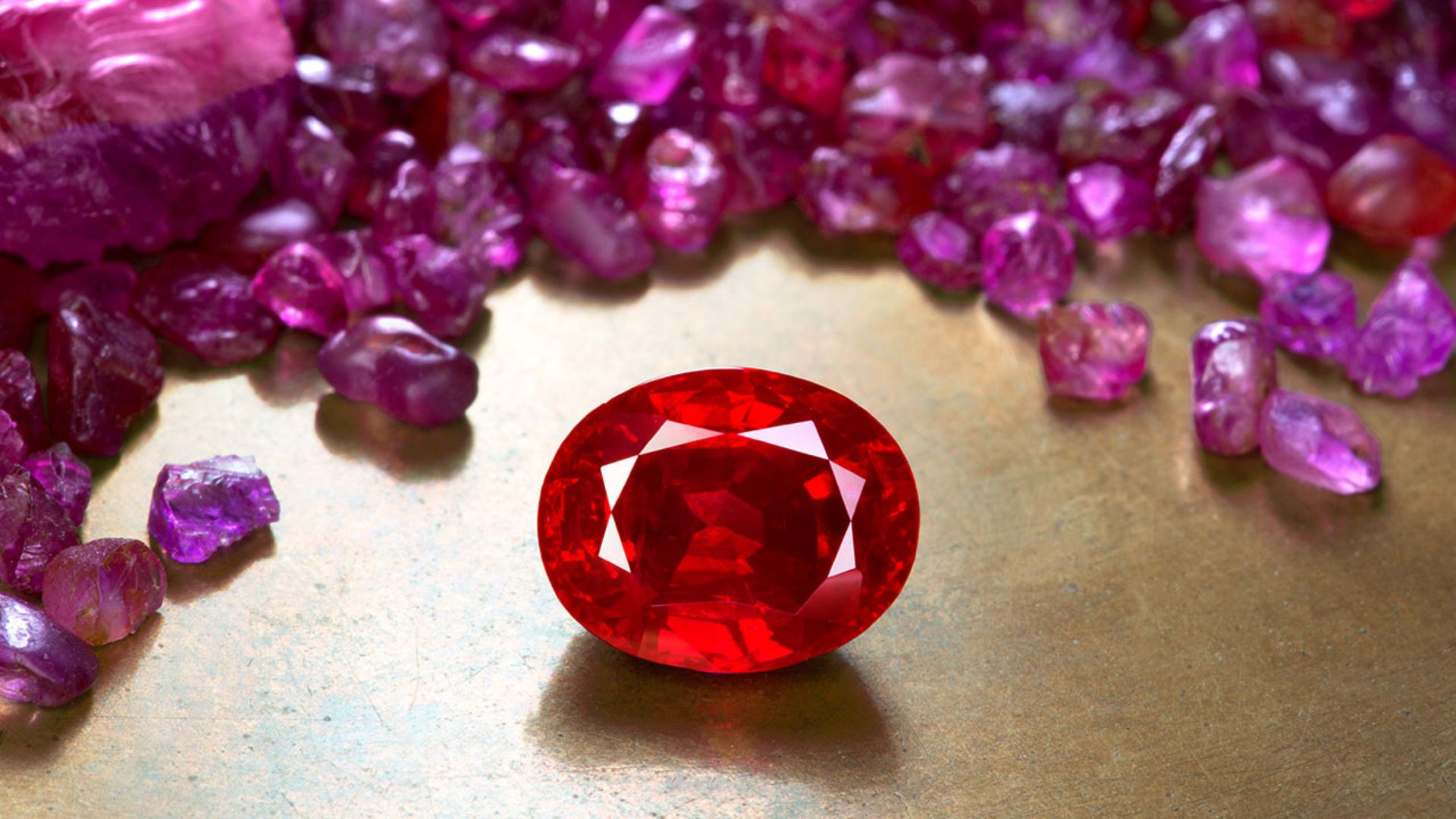
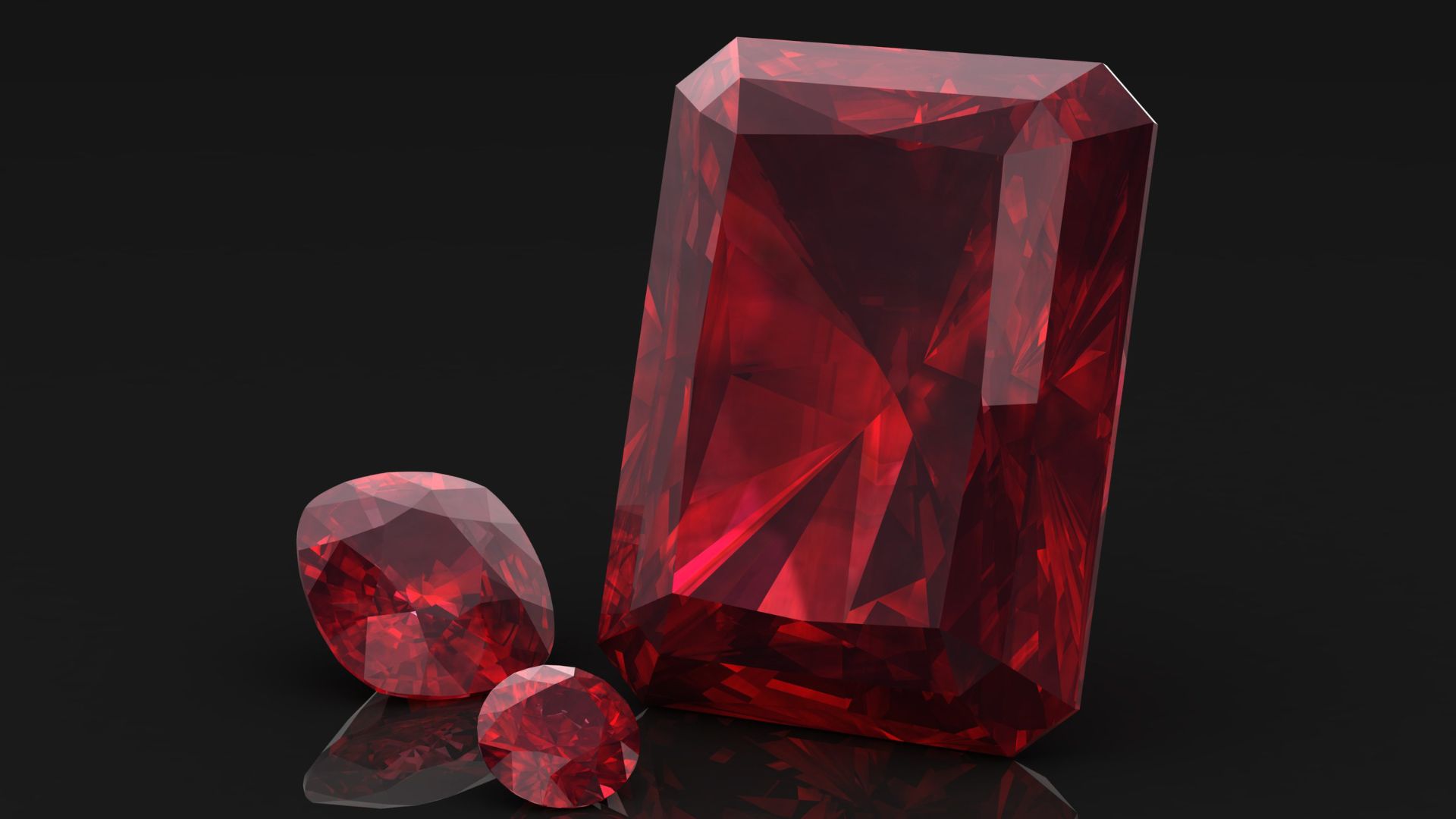
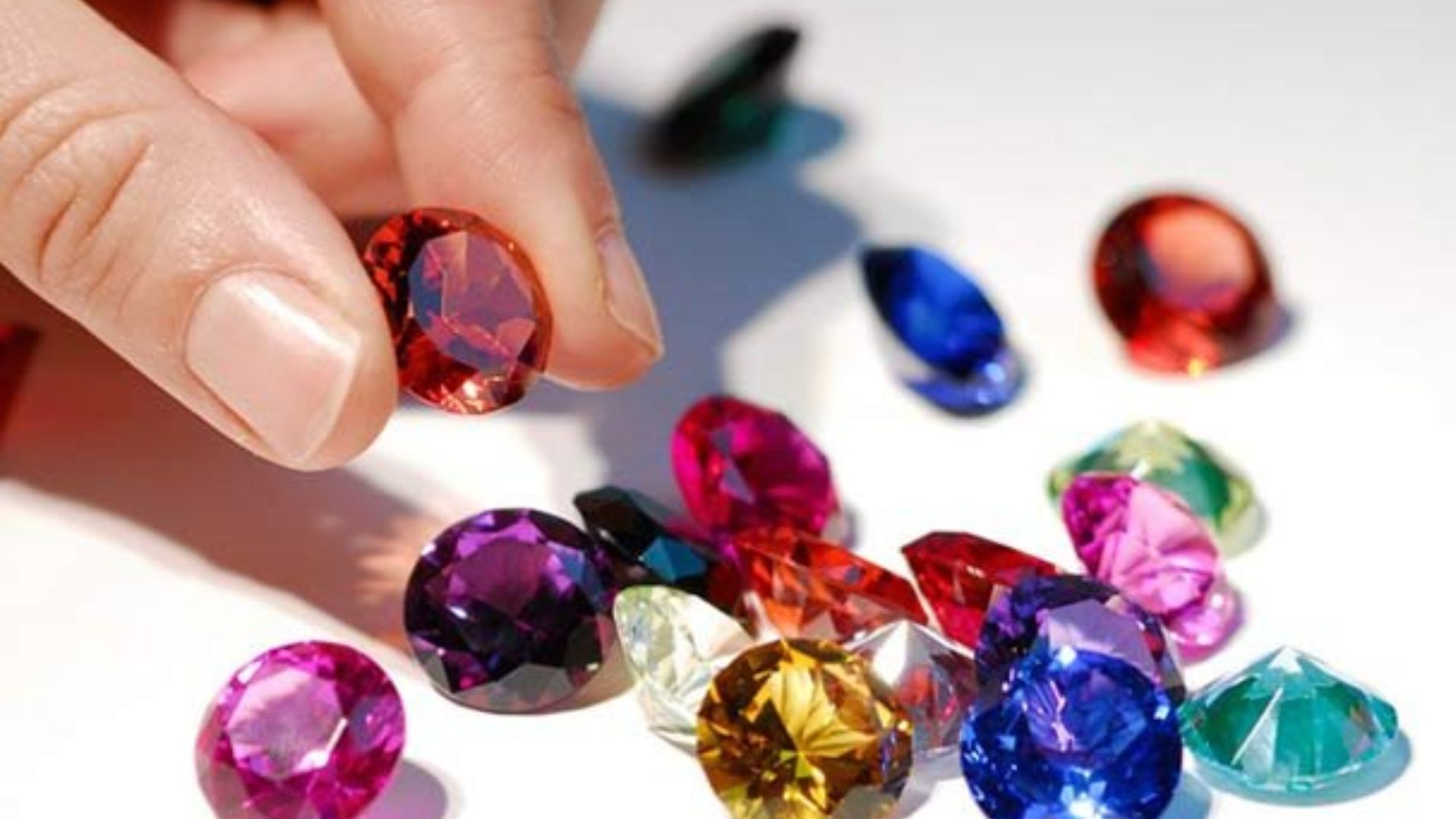
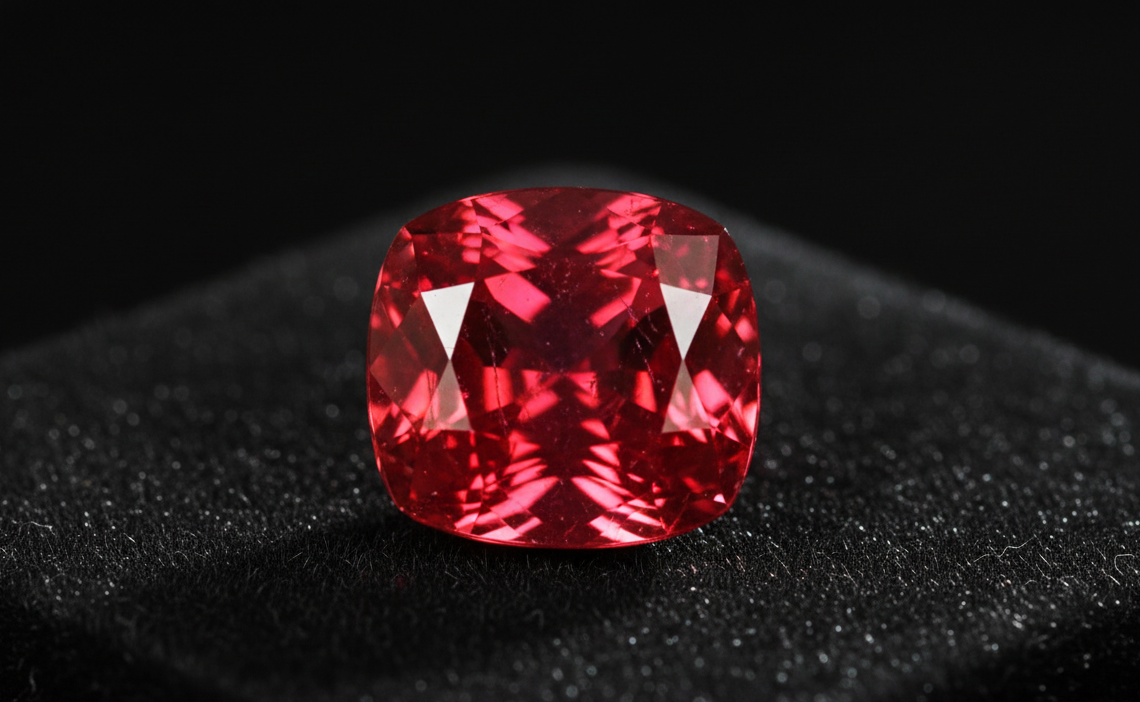
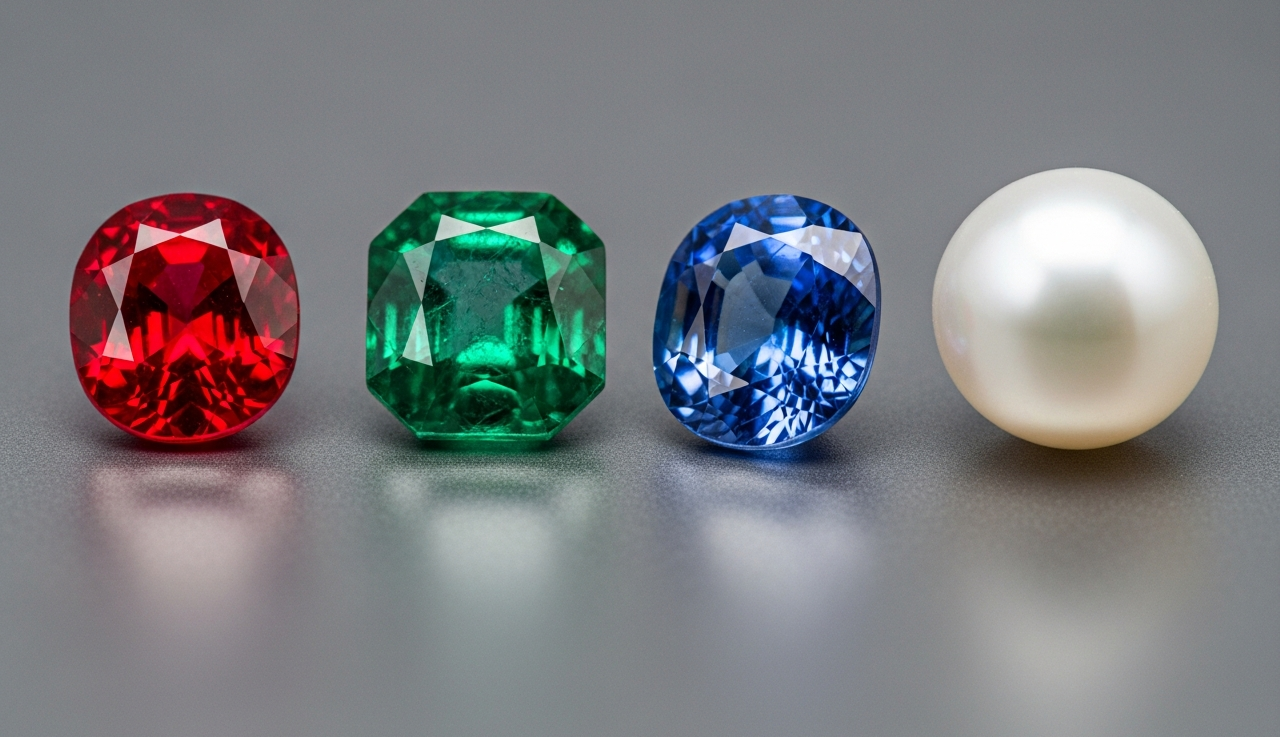
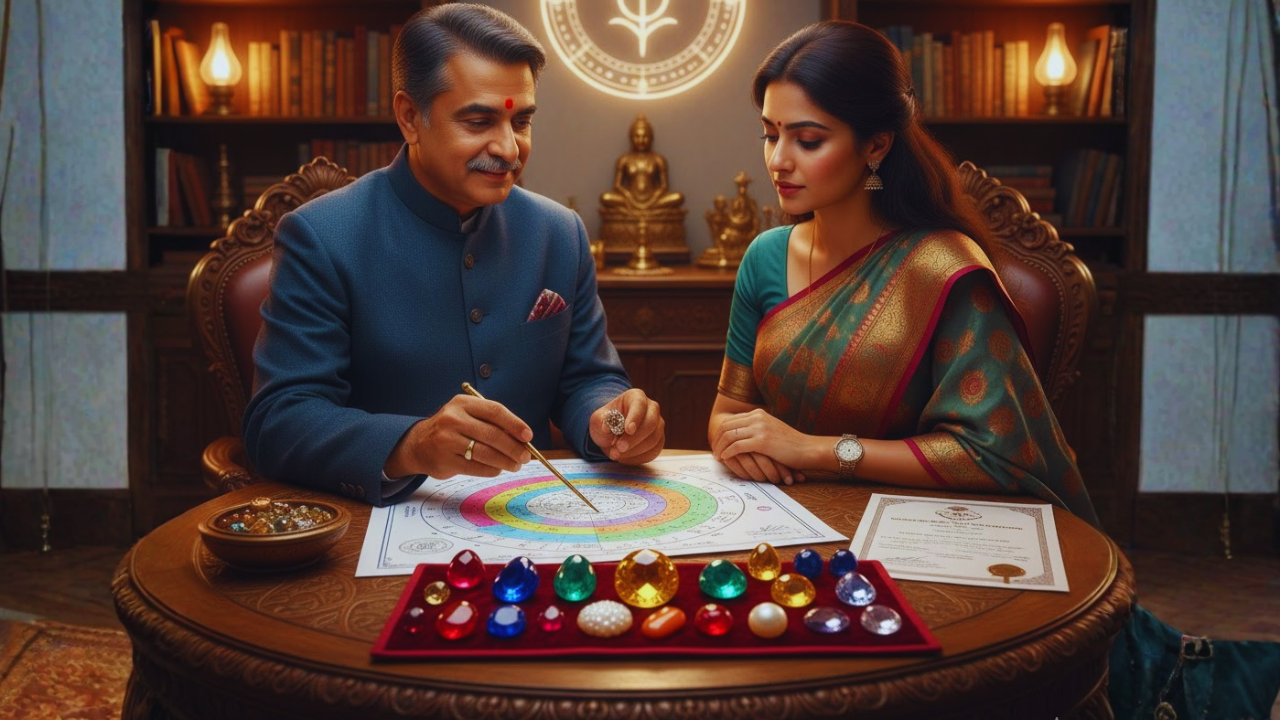
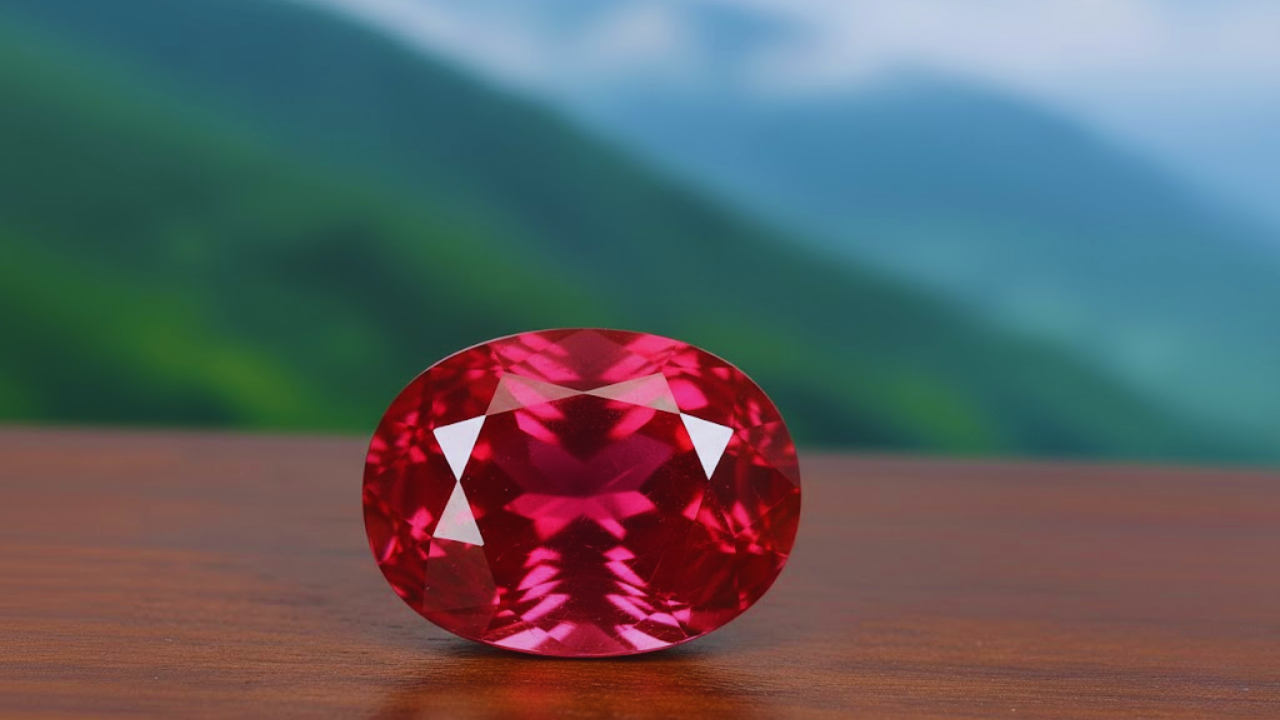
When purchasing a colored gemstone, it's easy to be captivated by its sparkle, vibrant hues, and overall beauty. However, beneath every stunning sapphire, ruby, emerald, or tourmaline lies a detailed evaluation process that determines its quality and value. Understanding how colored gemstones are graded is essential for buyers, collectors, jewelry enthusiasts, and even jewelry business owners. Whether you're comparing gemstone quality or researching factors that influence the Mozambique ruby price, knowing the grading standards can help you make informed purchasing decisions and ensure you invest in a gemstone that offers both beauty and lasting value.
Unlike diamonds, which follow a standardized grading system developed by the Gemological Institute of America (GIA), colored gemstone grading is more nuanced. Each gemstone species possesses unique characteristics that influence its appearance, rarity, and market value. While color remains the most critical factor, clarity, cut, and carat weight also play significant roles in determining overall quality.
This comprehensive gemstone grading guide explains everything you need to know about colored gemstone quality, including gemstone color grading, gemstone clarity, gemstone cut quality, gemstone carat weight, and other important gemstone quality factors. By the end of this guide, you'll have a solid understanding of how to grade gemstones with confidence.
Why Gemstone Grading Matters
Before diving into the grading criteria, it's important to understand why grading exists.
Grading helps establish consistency in evaluating gemstones. It allows jewelers, gemologists, collectors, investors, and consumers to communicate gemstone quality using commonly accepted standards.
Proper colored gemstone evaluation helps determine:
- Market value
- Rarity
- Authenticity
- Investment potential
- Jewelry suitability
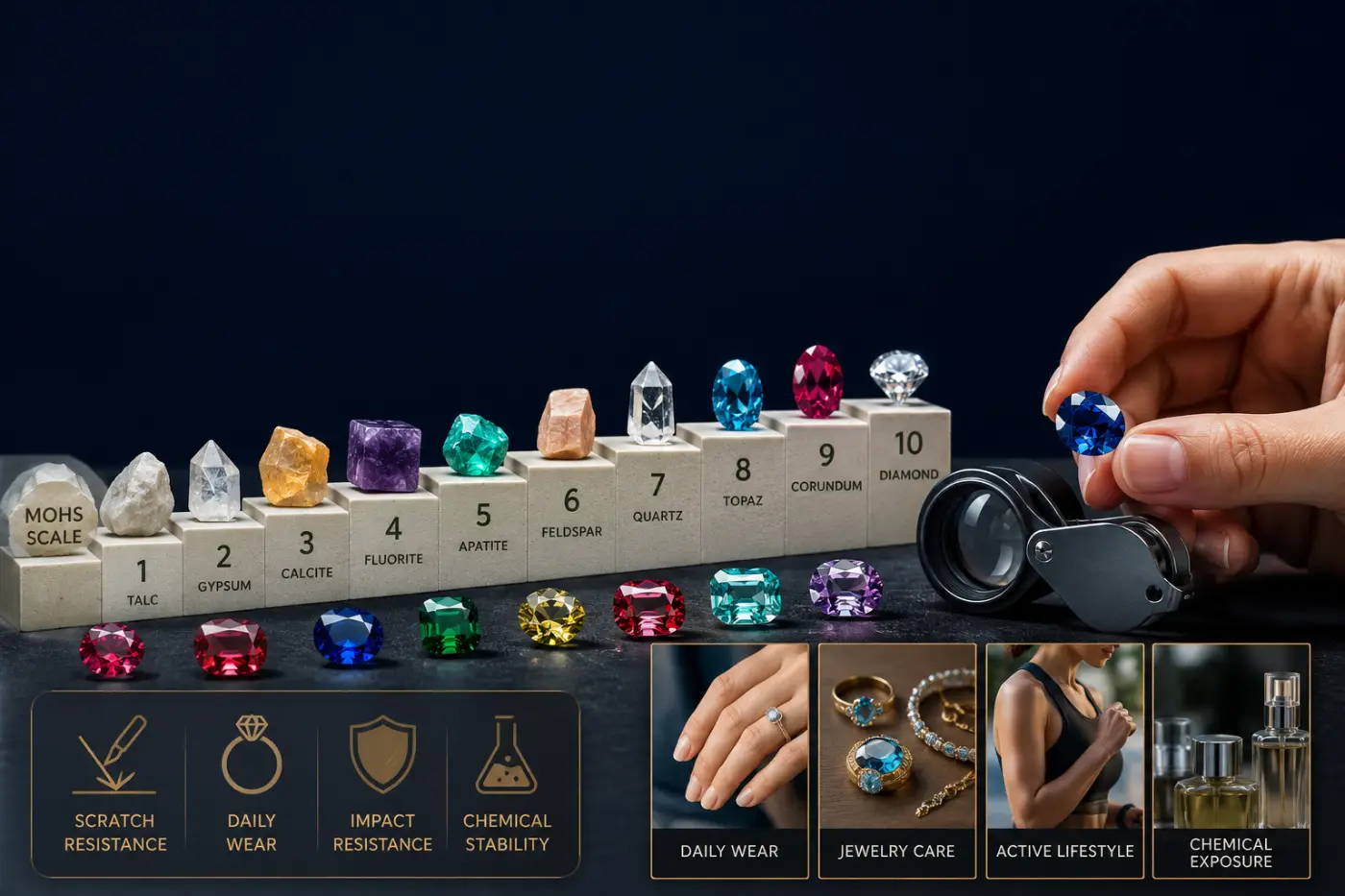
- Durability for everyday wear
Knowing how colored gemstones are graded also protects buyers from overpaying for stones that may have hidden flaws or inferior quality.
The Four Main Factors in Colored Gemstone Grading
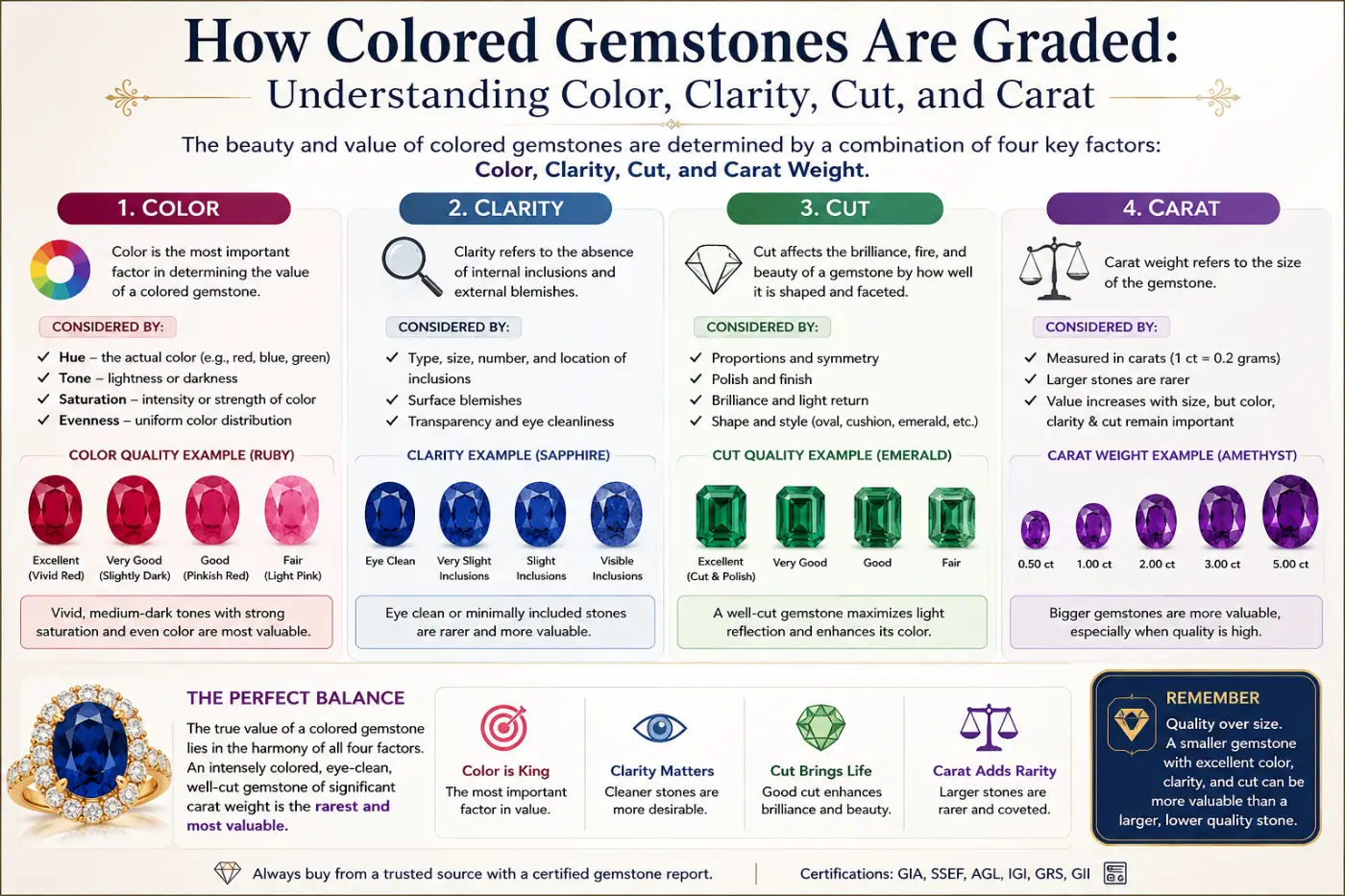
Although grading systems vary between gemstone species, most experts evaluate gemstones using four primary characteristics:
- Color
- Clarity
- Cut
- Carat Weight
Together, these characteristics determine the overall colored gemstone quality.
Let's examine each one in detail.
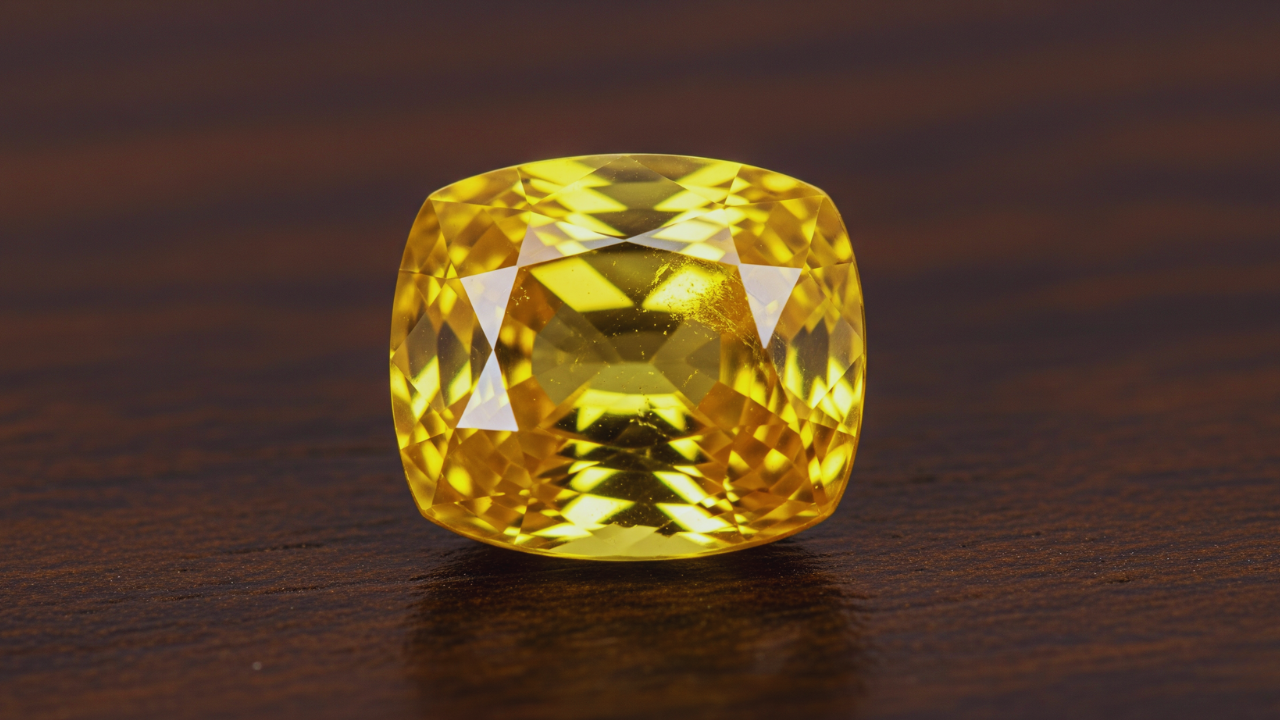
1. Color: The Most Important Grading Factor
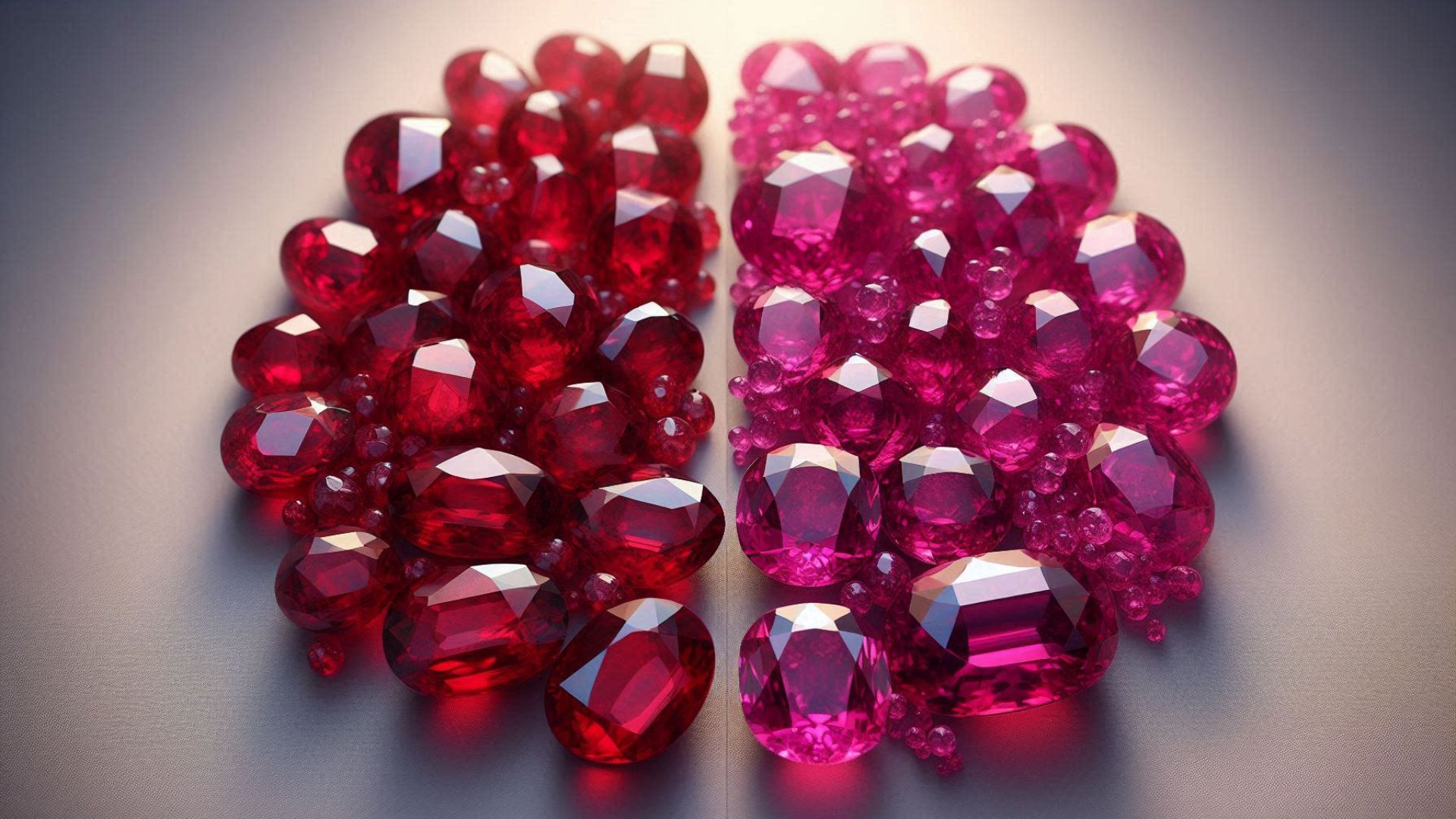
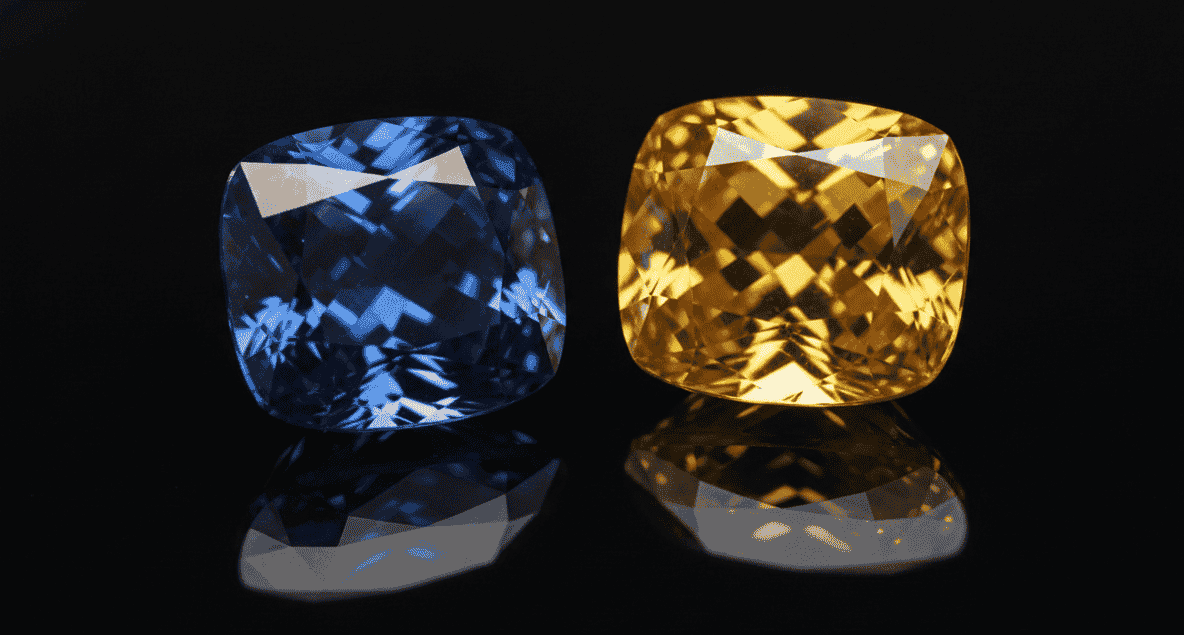
When discussing gemstone color grading, professionals agree on one thing—color is king.
For most colored gemstones, color contributes more to value than any other grading characteristic.
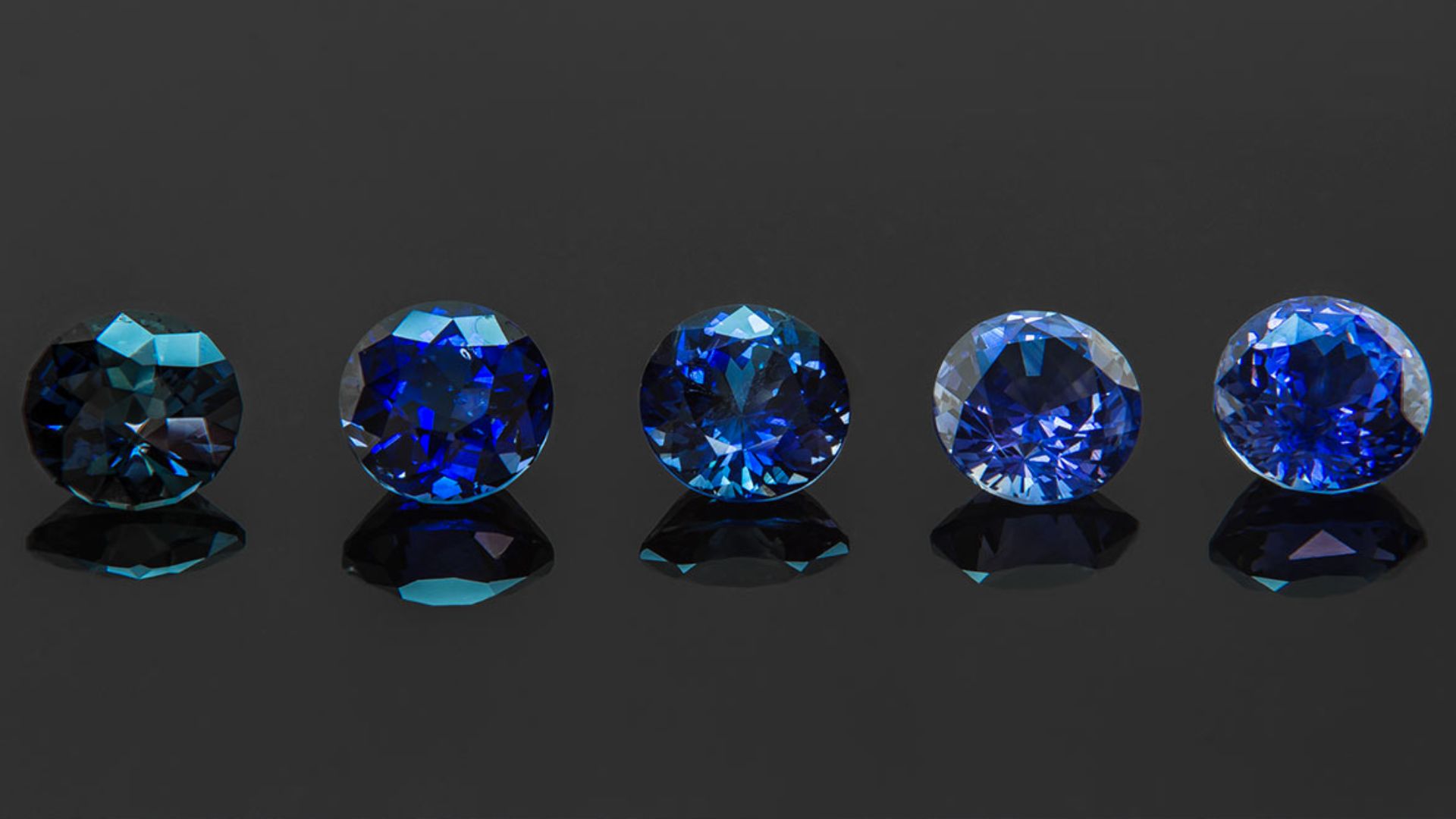
Gemologists generally analyze color through three components:
- Hue
- Tone
- Saturation
Hue
Hue refers to the gemstone's basic color.
Examples include:
- Blue
- Green
- Red
- Yellow
- Purple
- Orange
- Pink
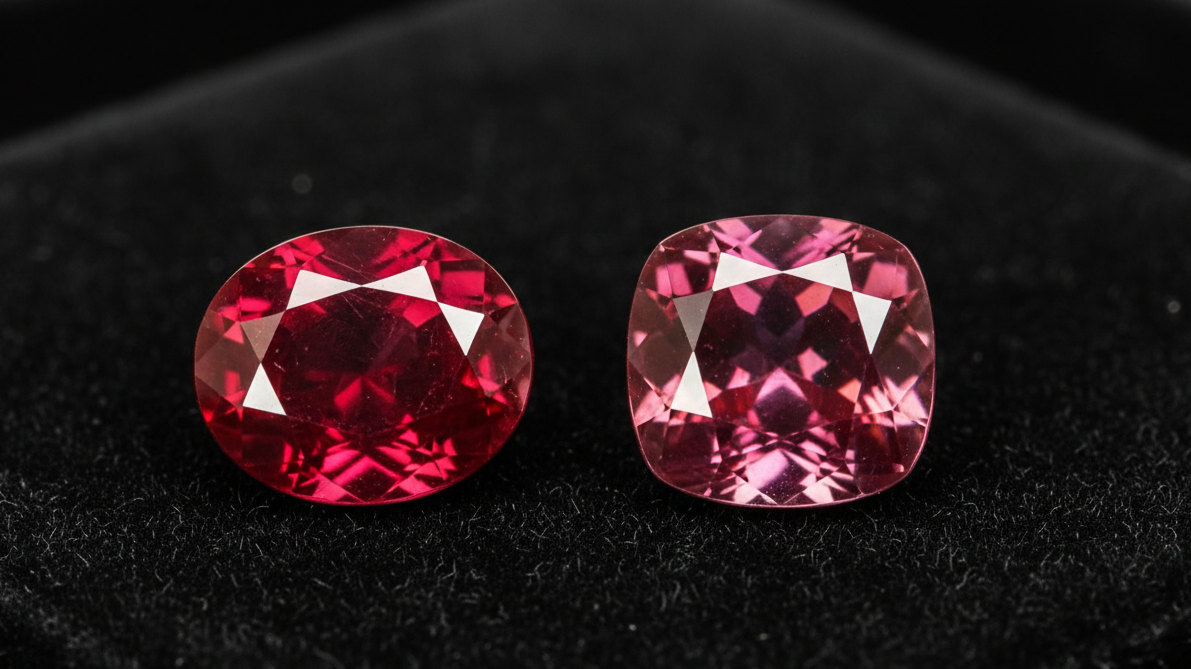
Many gemstones display secondary hues.
For example:
- Bluish-green
- Purplish-red
- Yellowish-green
- Orangish-pink
Pure, vivid primary colors are often more valuable than stones with noticeable secondary colors.
Tone
Tone measures how light or dark a gemstone appears.
The grading scale ranges from:
- Very Light
- Light
- Medium Light
- Medium
- Medium Dark
- Dark
- Very Dark
The ideal tone depends on the gemstone variety.
For example:
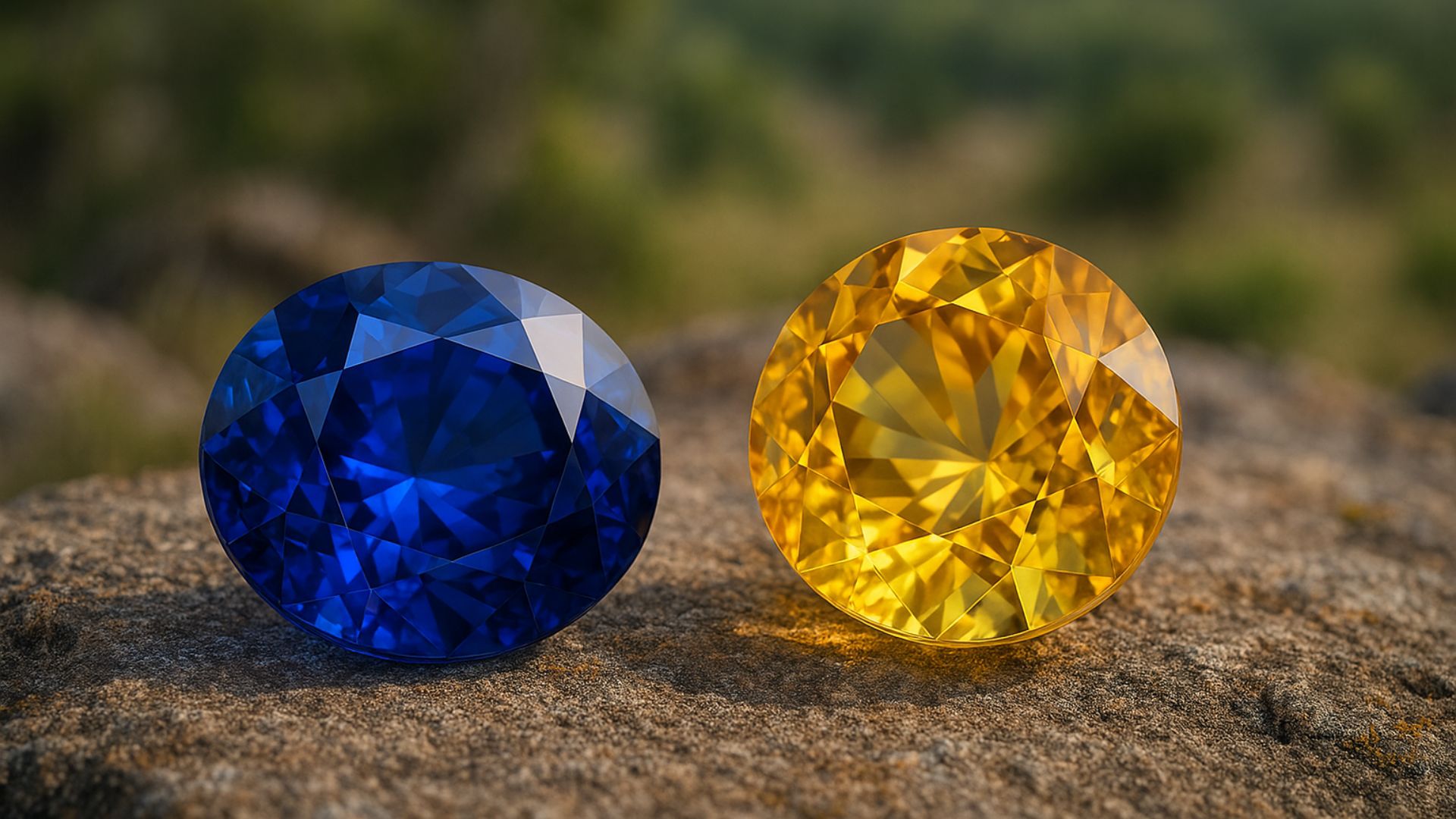
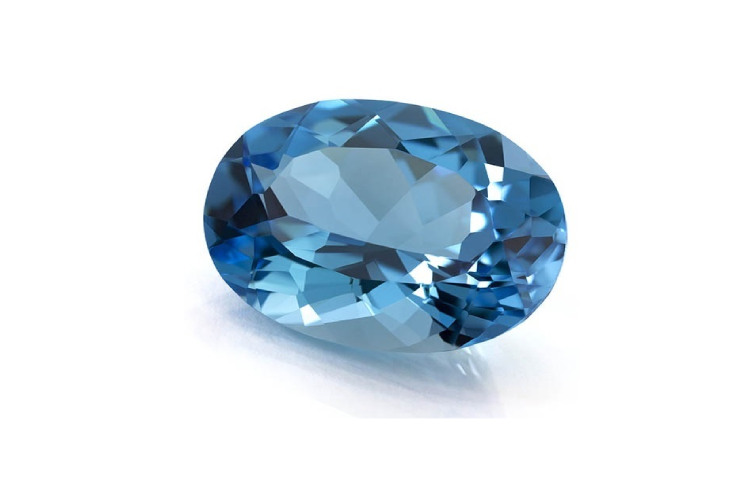
- Sapphires generally perform best with medium to medium-dark tones.
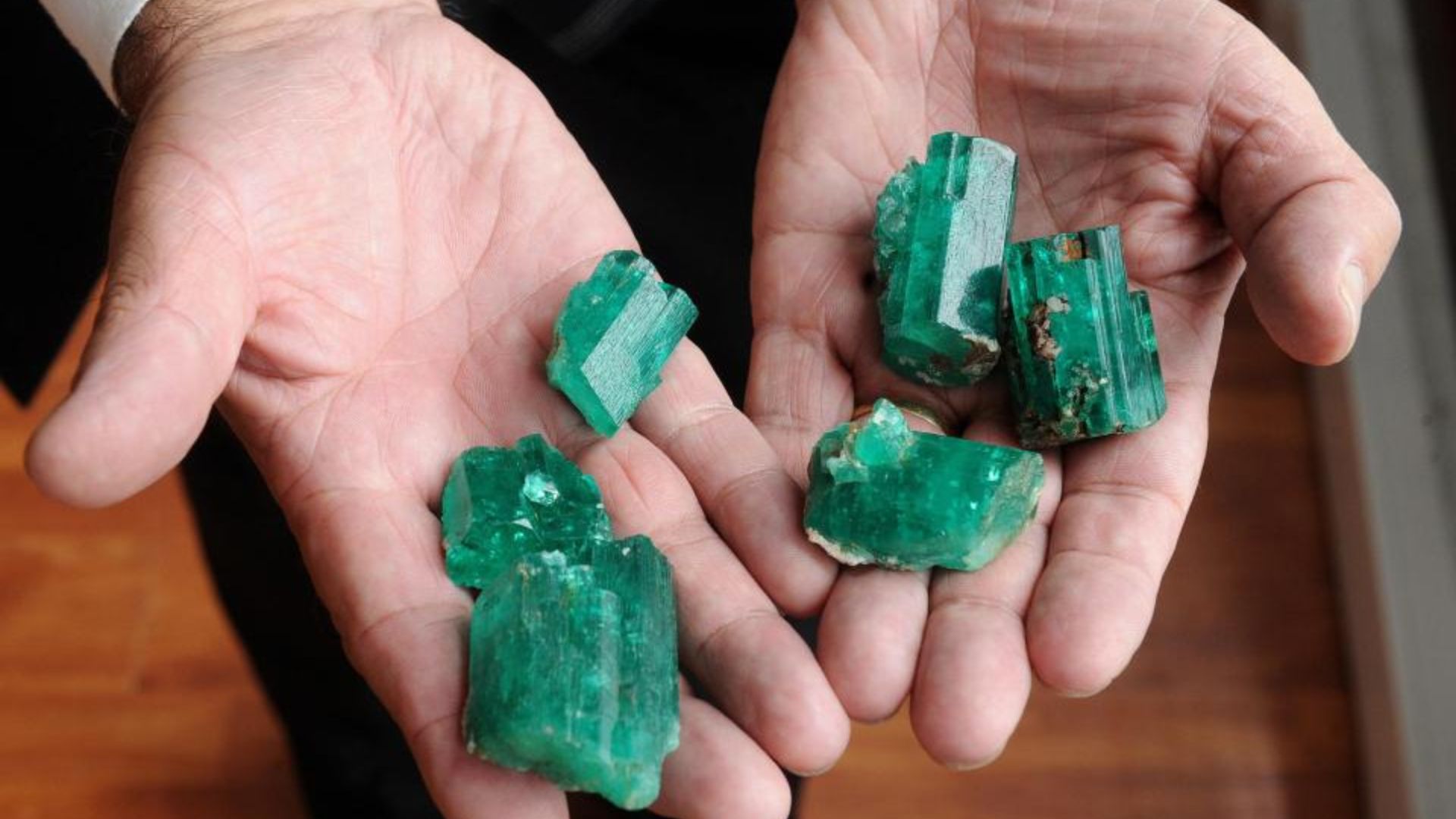
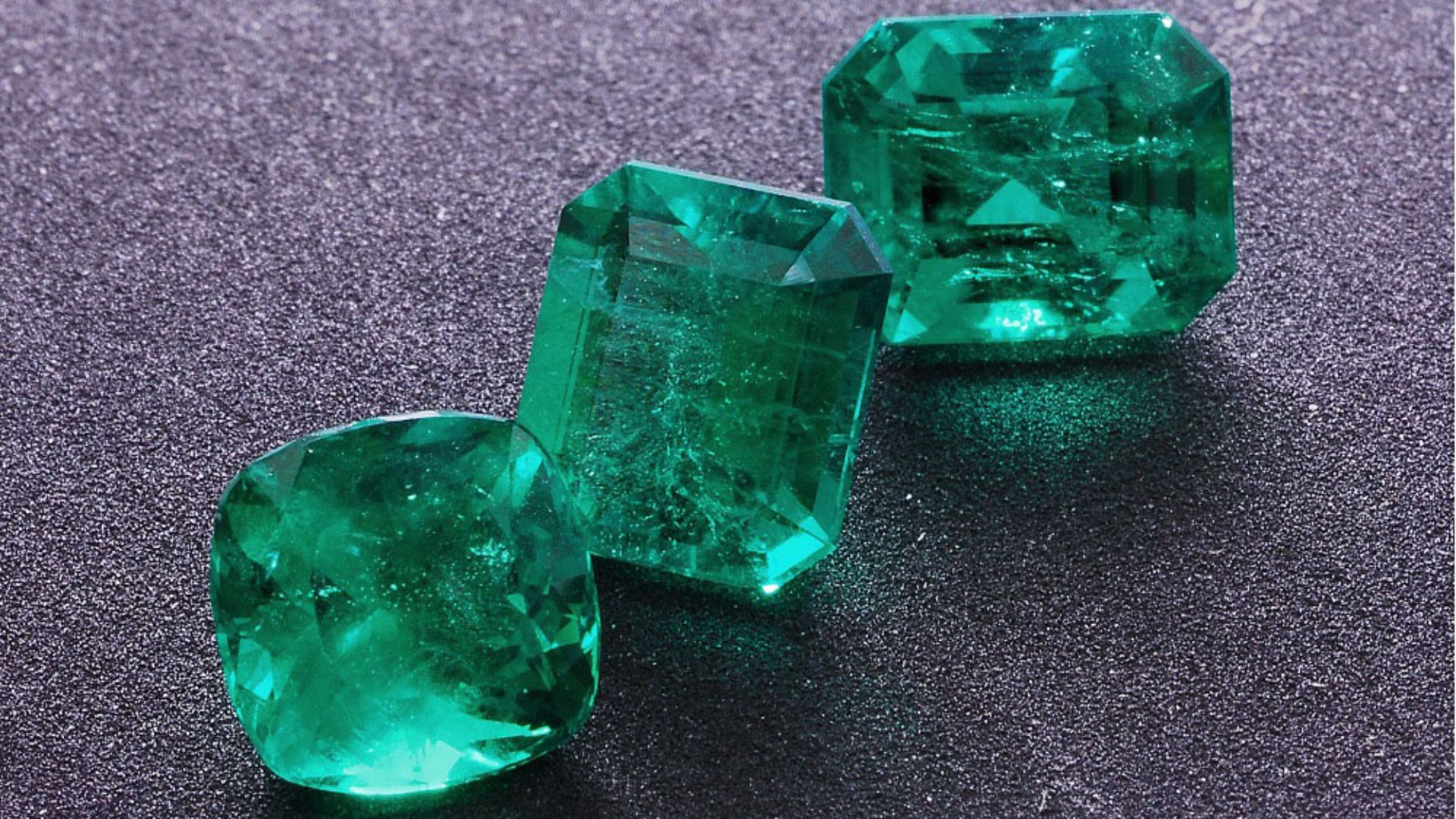
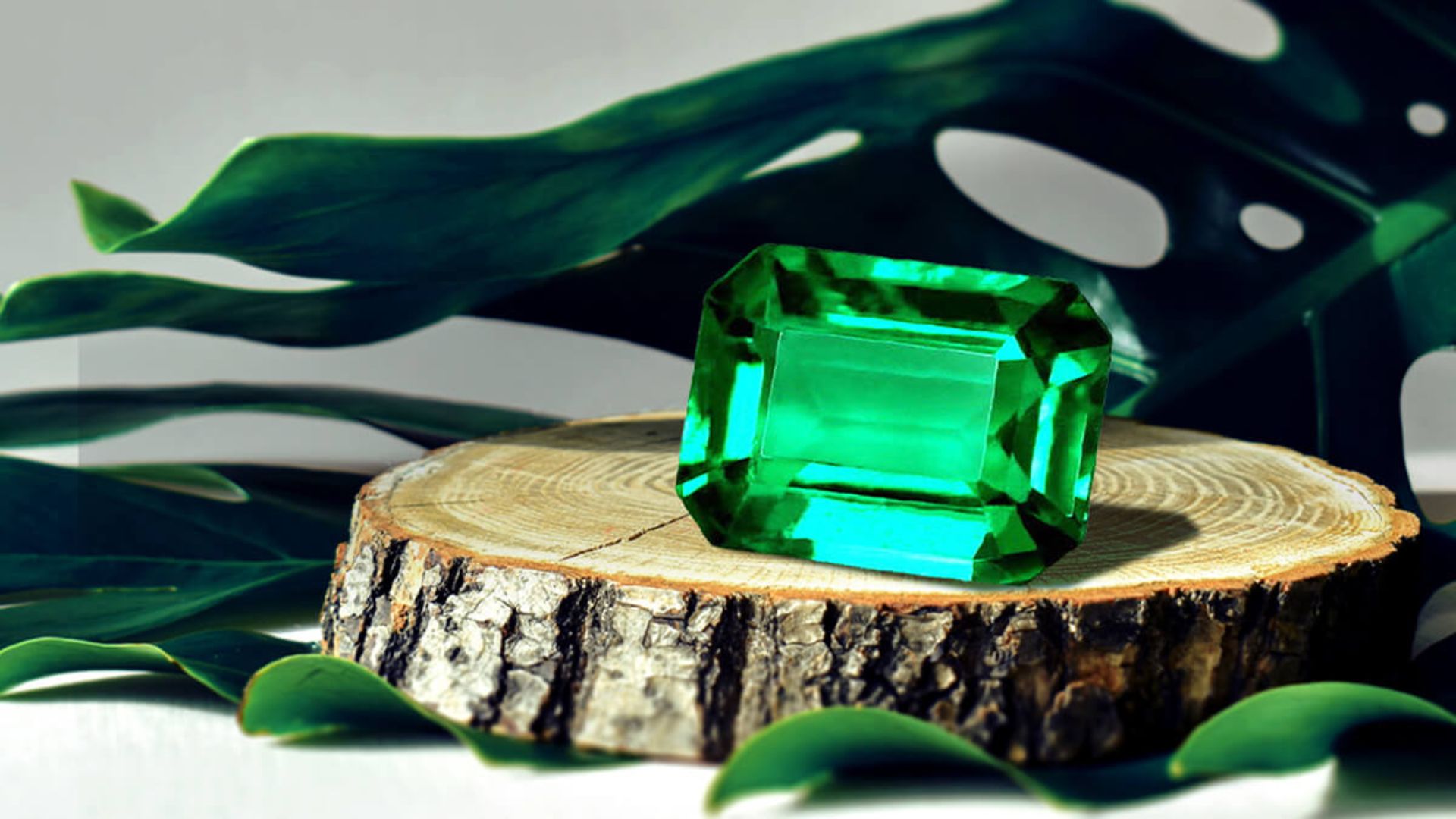
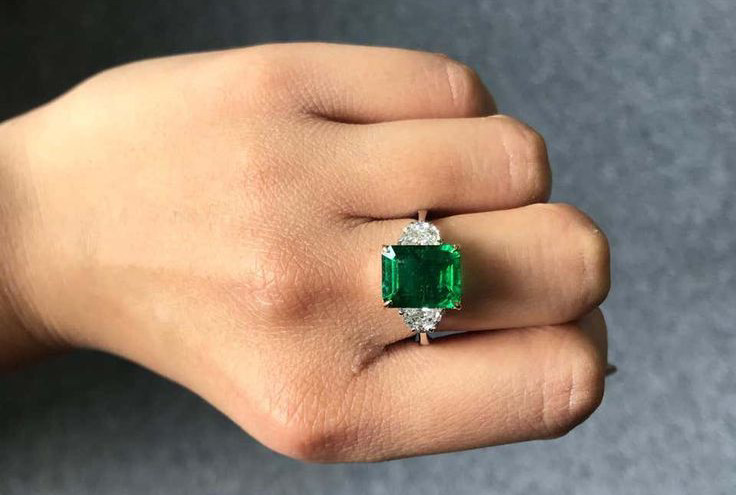
- Emeralds often command premium prices with medium to deep green tones.
- Aquamarines typically look best in lighter tones.
Saturation
Saturation refers to the intensity or purity of color.
Highly saturated gemstones appear:
- Rich
- Vibrant
- Intense
- Vivid
Poor saturation creates:
- Grayish appearance
- Brownish tint
- Dull color
- Washed-out appearance
High saturation significantly increases colored gemstone quality.
Color Distribution
Professional colored gemstone evaluation also considers color consistency.
Ideal gemstones display:
- Even color
- No zoning
- Uniform appearance
Uneven color distribution lowers value.
Some gemstones naturally exhibit color zoning, but minimal zoning is generally preferred.
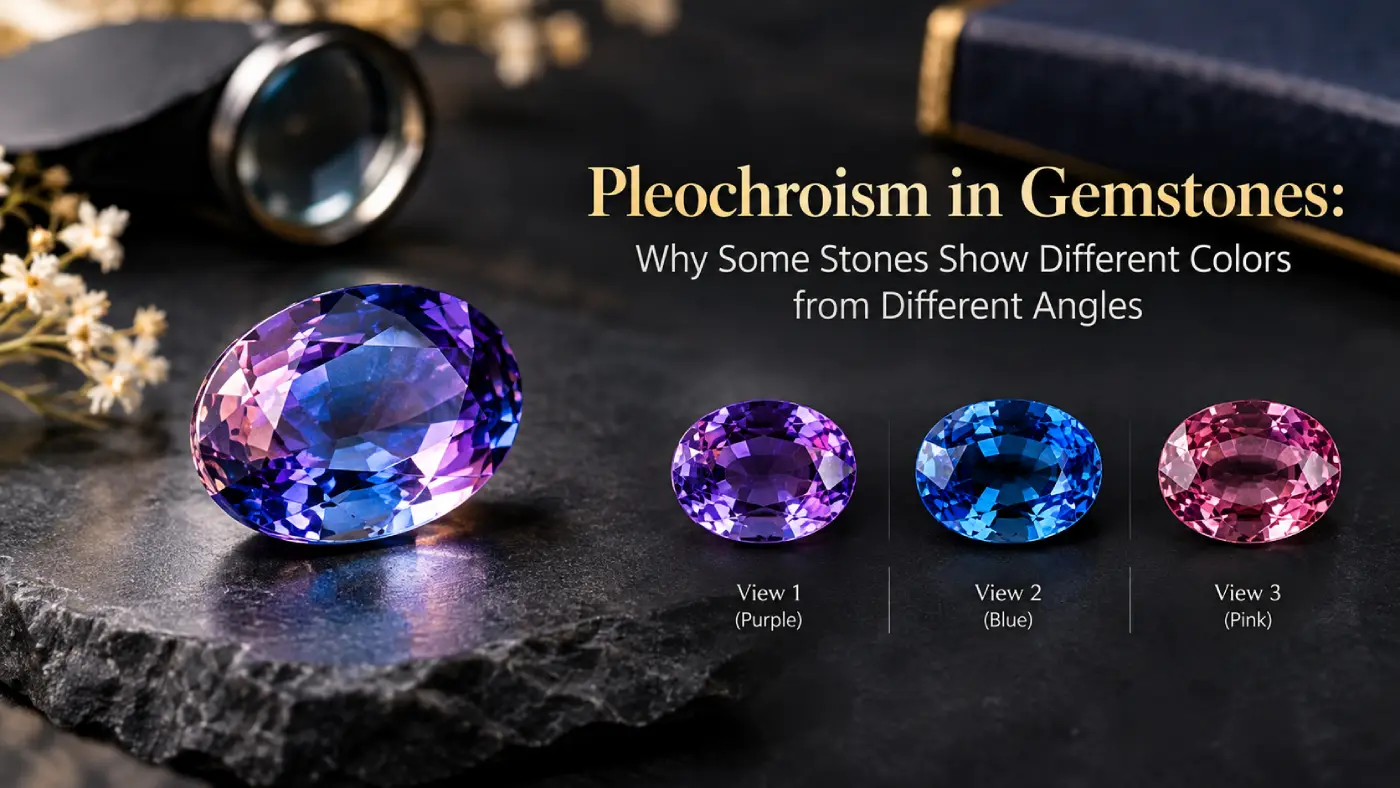
Pleochroism
Certain gemstones display different colors when viewed from different angles.
Examples include:
- Tanzanite
- Iolite
- Andalusite
Experienced gem cutters orient the gemstone to showcase its most attractive color.
2. Gemstone Clarity
After color, gemstone clarity becomes another essential grading factor.
Clarity refers to the presence or absence of internal features called inclusions and external blemishes.
Unlike diamonds, colored gemstones naturally contain inclusions.
Some inclusions are actually expected and accepted.
Types of Inclusions
Common inclusions include:
- Crystals
- Needles
- Liquid inclusions
- Fingerprints
- Feathers
- Cavities
- Growth tubes
These internal features formed naturally during crystal growth.
Clarity Types
Gemologists classify gemstones according to their expected clarity.
Type I
Normally eye-clean gemstones.
Examples:
- Aquamarine
- Topaz
- Tanzanite
Visible inclusions reduce value considerably.
Type II
Usually contain some inclusions.
Examples:
- Ruby
- Sapphire
- Spinel
Minor visible inclusions are acceptable.
Type III
Almost always contain inclusions.
Examples:
- Emerald
- Red Beryl
Clean stones are exceptionally rare and highly valuable.
Eye-Clean vs Included
One of the biggest concepts in gemstone clarity is whether a stone is eye-clean.
Eye-clean means:
No visible inclusions when viewed without magnification.
Many buyers prioritize eye-clean gemstones because they appear more beautiful and brilliant.
Do Inclusions Always Reduce Value?
Not necessarily.
Some inclusions actually increase value.
Examples include:
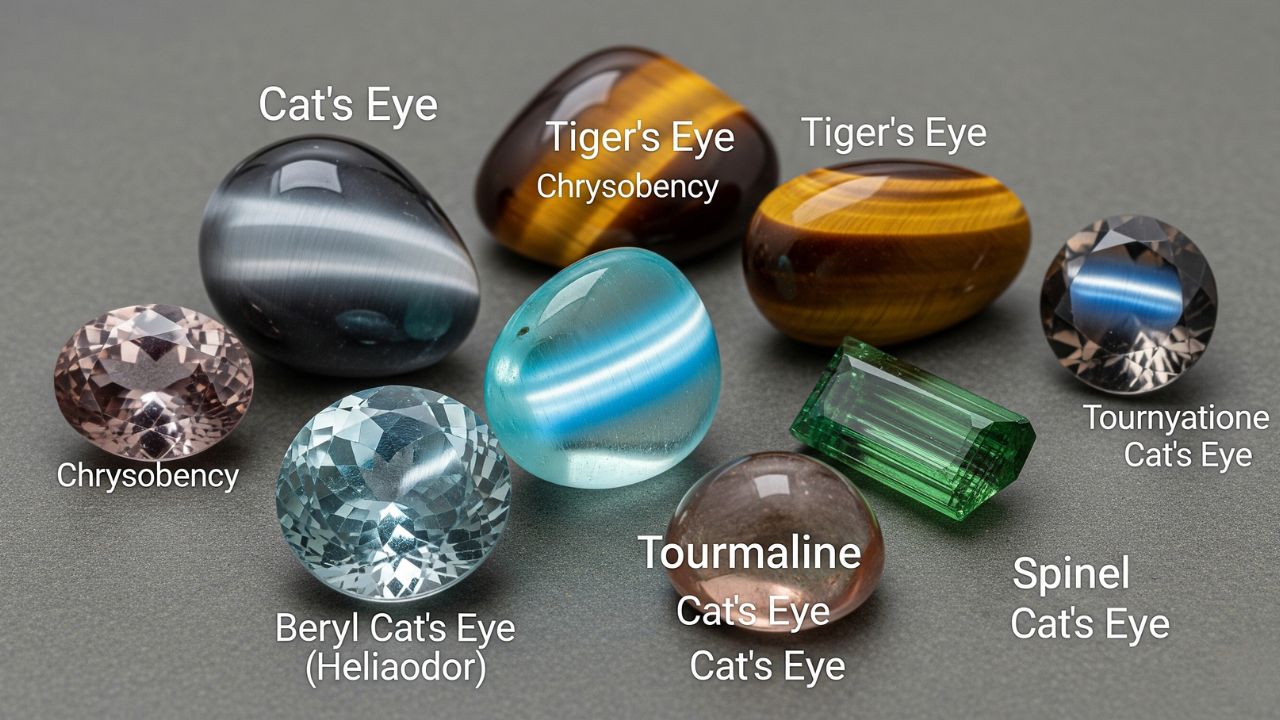
- Star sapphires
- Star rubies
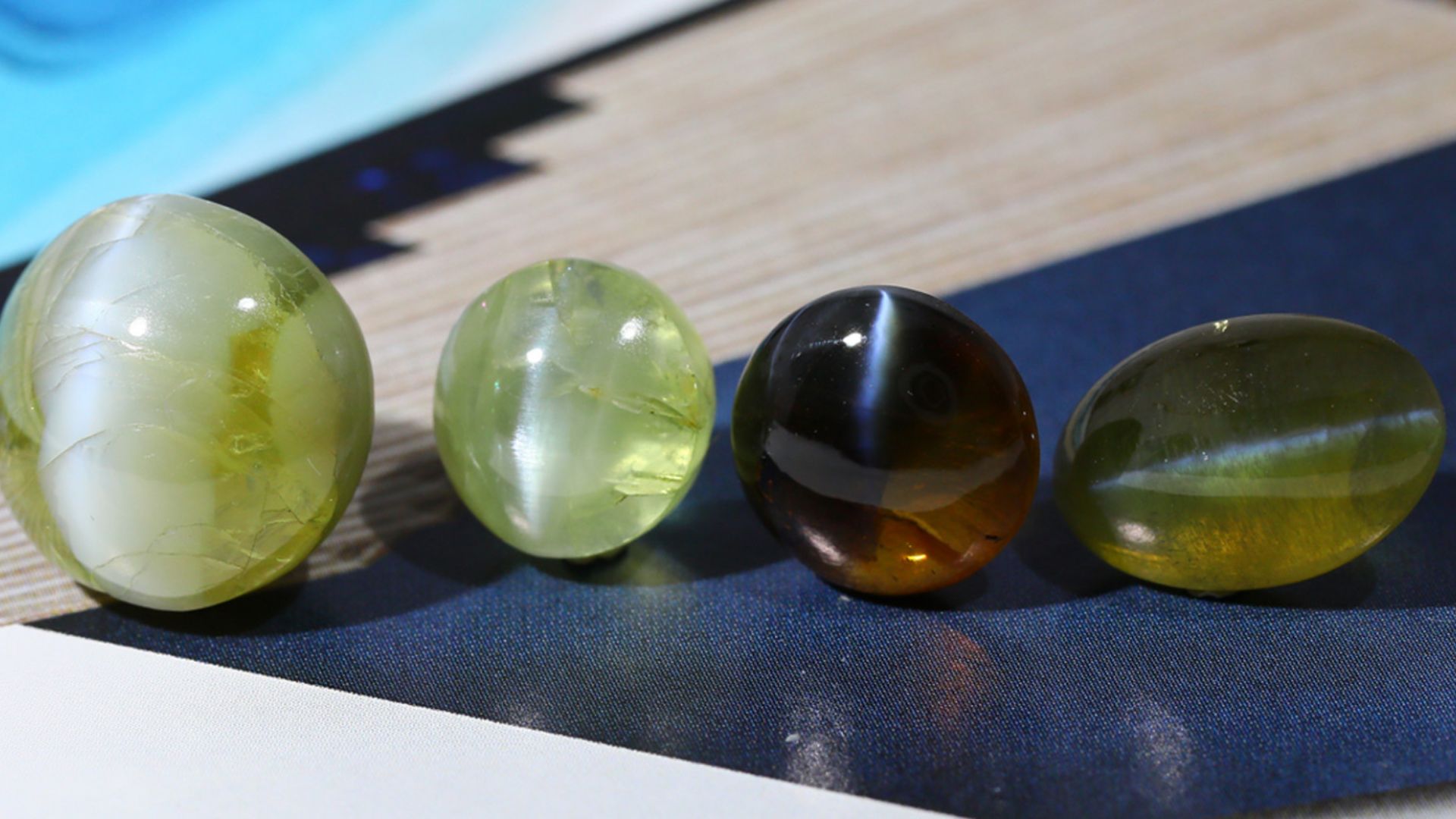
- Cat's eye chrysoberyl
These unique optical effects result directly from internal inclusions.
Durability Considerations
Heavy inclusions may weaken gemstones.
Fractures near the surface increase the risk of:
- Chipping
- Breaking
- Cracking
Durability is an important aspect of overall colored gemstone quality.
3. Gemstone Cut Quality
Many buyers confuse gemstone cut with shape.
They are different.
Shape describes:
- Round
- Oval
- Cushion
- Emerald
- Pear
- Marquise
- Heart
Meanwhile, gemstone cut quality refers to how well the gemstone has been fashioned.
Why Cut Matters
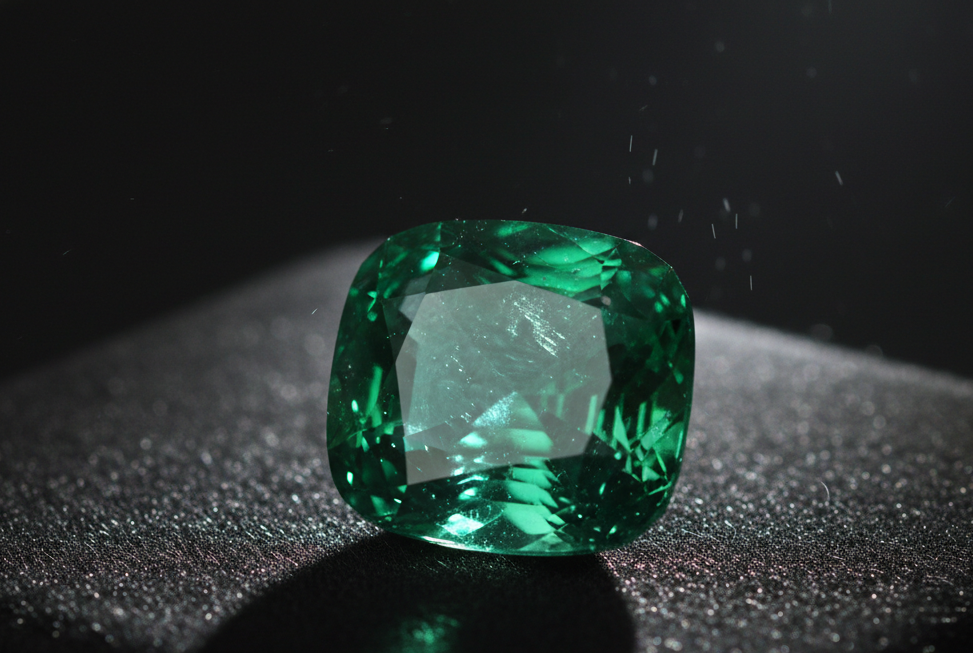
Excellent cutting enhances:
- Brightness
- Color
- Sparkle
- Fire
- Symmetry
Poor cutting causes:
- Windowing
- Extinction
- Uneven brilliance
- Dull appearance
Even a high-quality rough gemstone can lose value if poorly cut.
Important Elements of Gemstone Cut Quality
Proportions
Correct proportions maximize light return.
If too shallow:
Light escapes through the bottom.
If too deep:
The gemstone appears dark.
Symmetry
Good symmetry ensures:
- Balanced appearance
- Even facets
- Proper alignment
Poor symmetry reduces brilliance.
Polish
Professional polishing creates:
- Smooth surfaces
- Sharp facet junctions
- Excellent luster
Poor polish creates dull reflections.
Windowing
Windowing occurs when light passes directly through the center.
The gemstone appears transparent instead of brilliant.
Windowing lowers value considerably.
Extinction
Extinction refers to overly dark areas where light fails to reflect.
Minor extinction is acceptable.
Heavy extinction reduces beauty.
Precision Cutting
Master cutters often sacrifice carat weight to improve:
- Color
- Brilliance
- Symmetry
This decision often increases overall gemstone value.
4. Gemstone Carat Weight
The fourth grading factor is gemstone carat weight.
One carat equals:
0.2 grams
Carat measures weight—not size.
Different gemstones have different densities.
For example:
A one-carat sapphire appears smaller than a one-carat opal because sapphire is denser.
Larger Stones Are Rarer
As gemstone size increases:
- Rarity increases.
- Price rises exponentially.
- Fine-quality stones become harder to find.
This is especially true for:
- Ruby
- Emerald
- Sapphire
- Alexandrite
Quality Over Size
Many buyers mistakenly prioritize larger gemstones.
However, professionals know that:
A smaller gemstone with excellent color often commands a higher value than a larger stone with poor color.
This illustrates why colored gemstone evaluation requires balancing all quality factors.
Additional Gemstone Quality Factors
Beyond the traditional four grading criteria, experts consider several additional gemstone quality factors.
Transparency
Transparency measures how much light passes through the gemstone.
Categories include:
- Transparent
- Translucent
- Opaque
Transparent gemstones usually command higher prices.
Luster
Luster describes how light reflects from the surface.
Examples include:
- Vitreous
- Adamantine
- Silky
- Pearly
- Resinous
Higher luster enhances beauty.
Optical Phenomena
Certain gemstones display rare visual effects.
Examples:
- Asterism
- Chatoyancy
- Color change
- Iridescence
- Labradorescence
These phenomena often increase rarity and value.
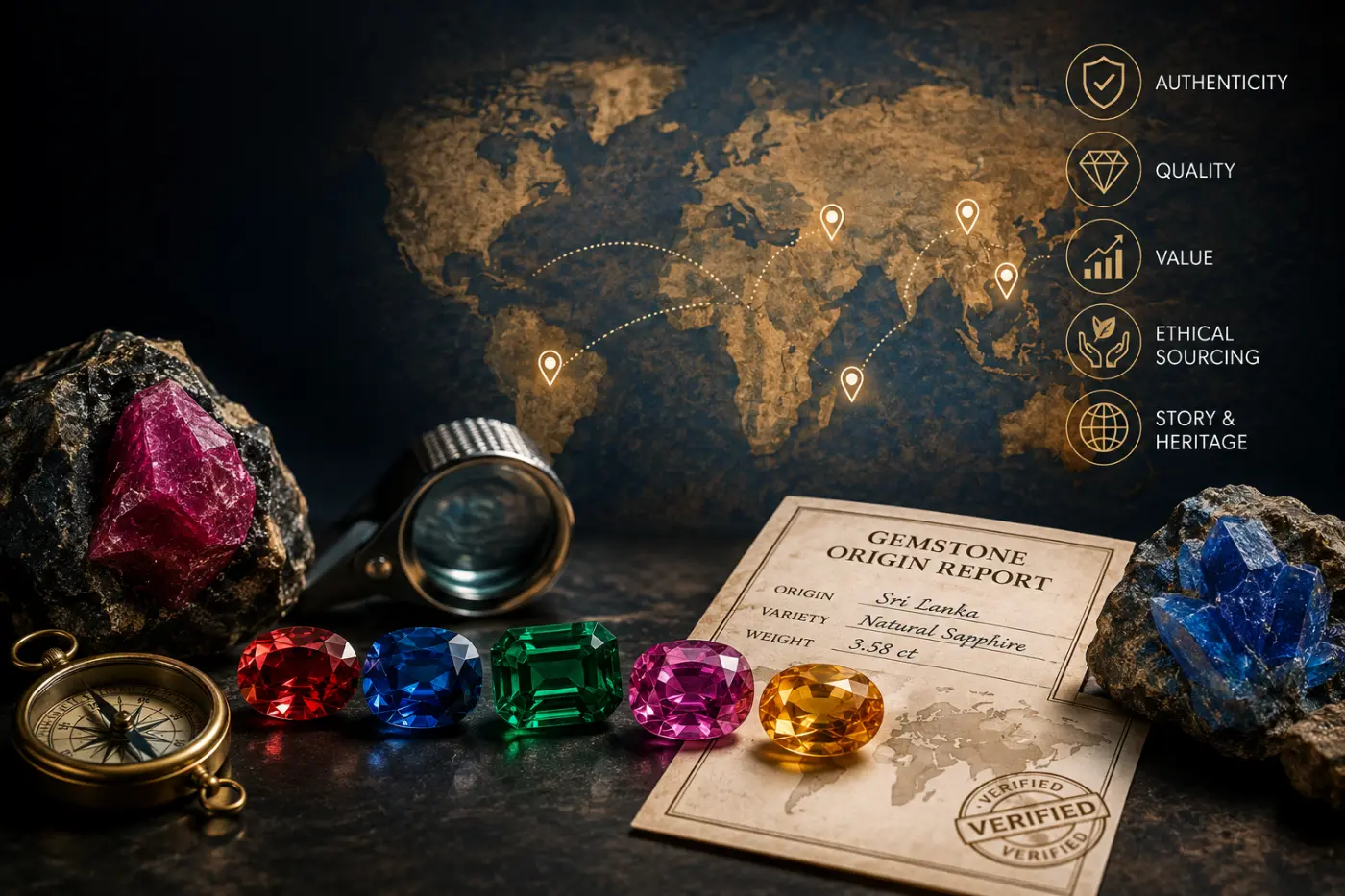
Origin
Geographic origin can influence pricing.
Examples include gemstones from:
- Kashmir
- Burma (Myanmar)
- Colombia
- Sri Lanka
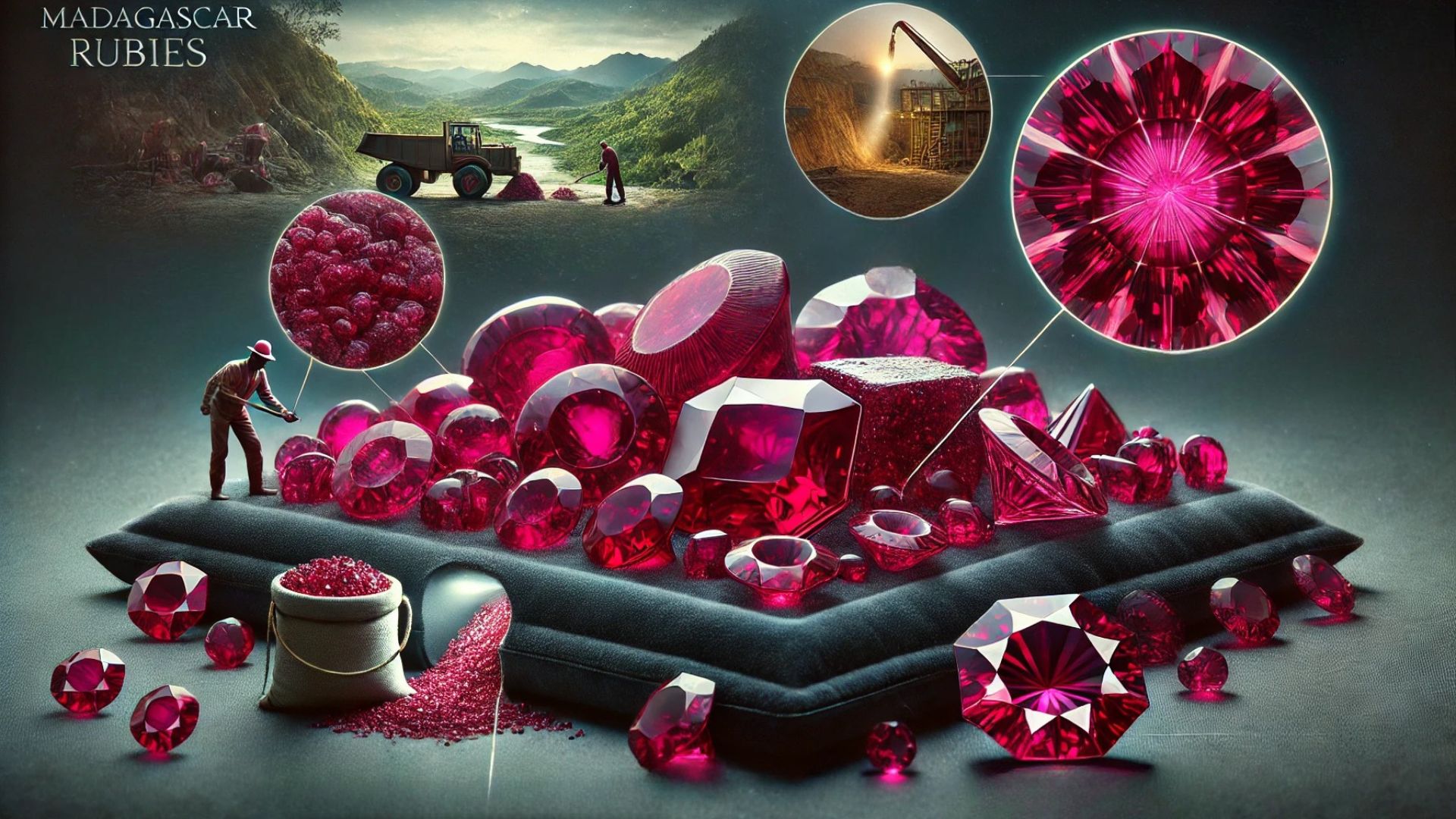
- Madagascar
Although origin alone doesn't determine quality, historically famous sources often command premium prices.
Treatments
Most colored gemstones receive treatments.
Common enhancements include:
- Heat treatment
- Oiling
- Fracture filling
- Diffusion
- Irradiation
Disclosure is important.
Untreated gemstones with exceptional quality usually sell at higher prices.
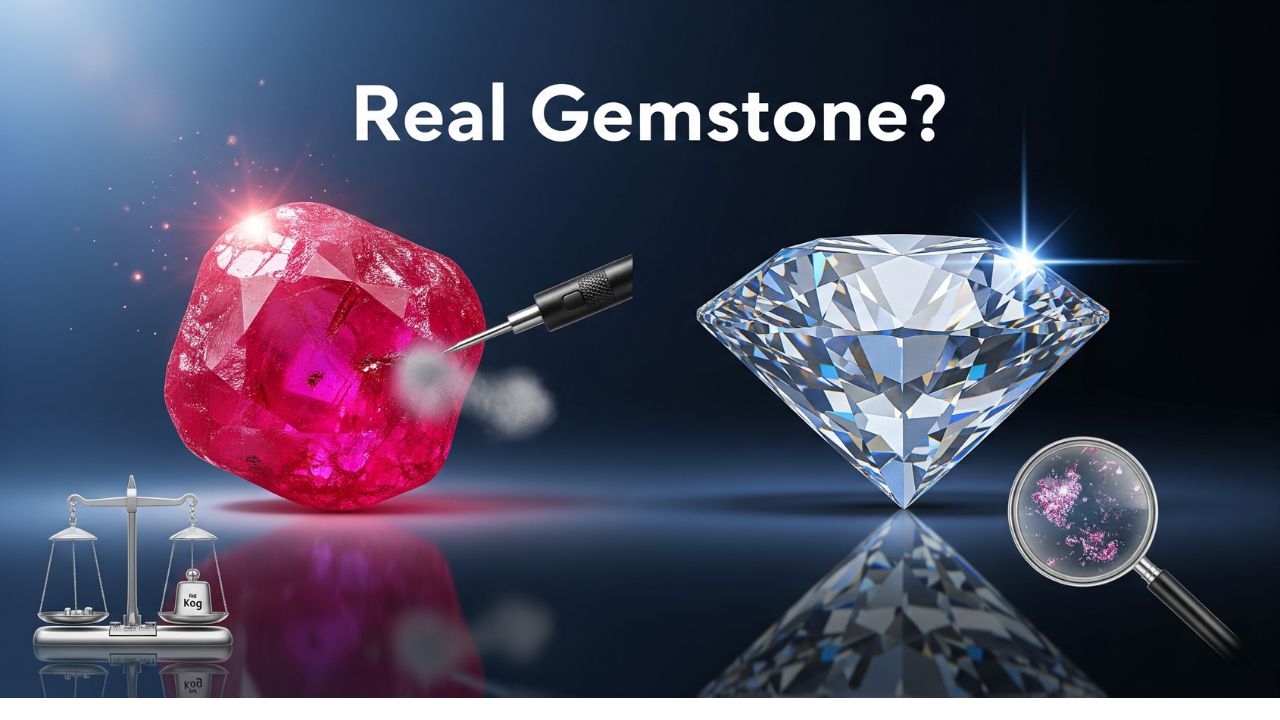
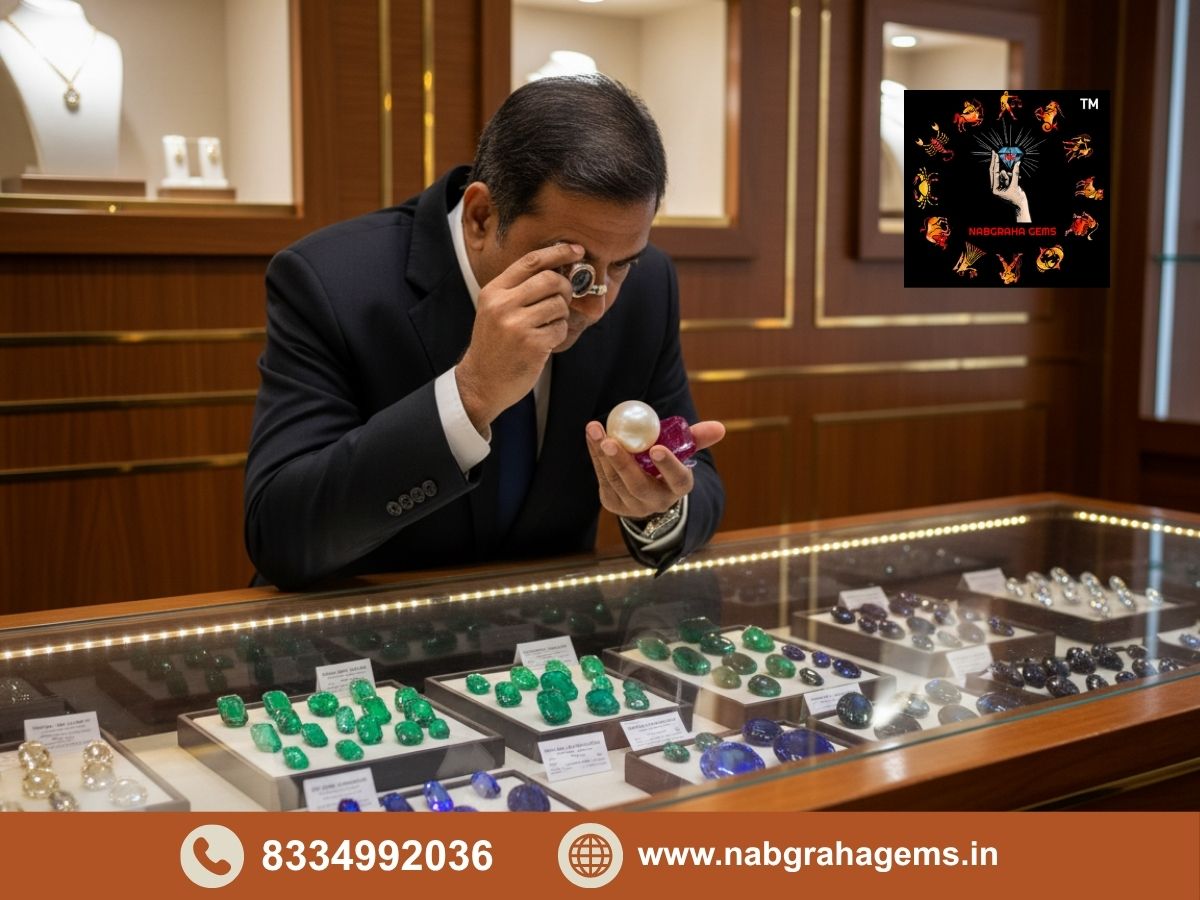
How Professionals Grade Colored Gemstones
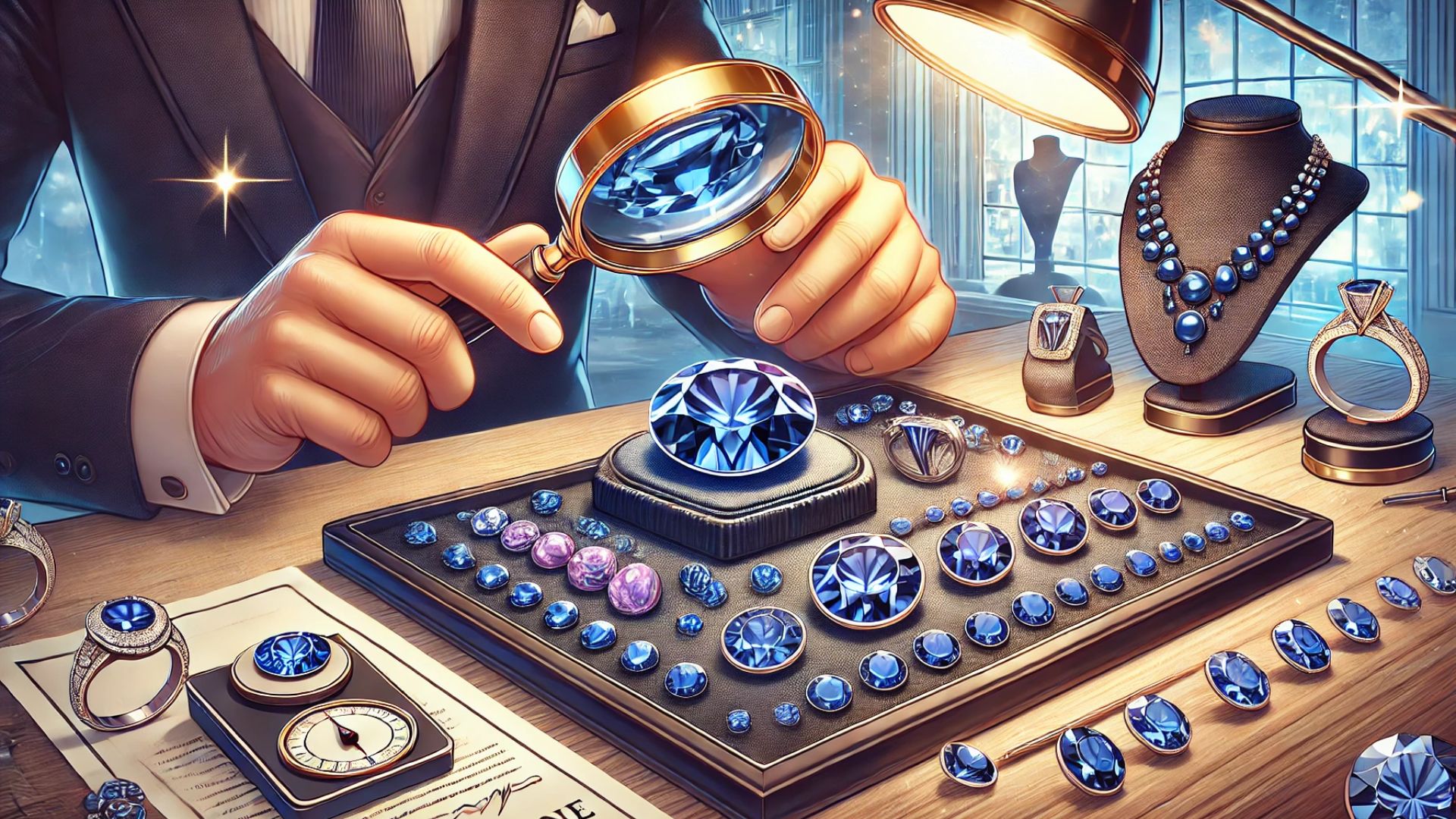
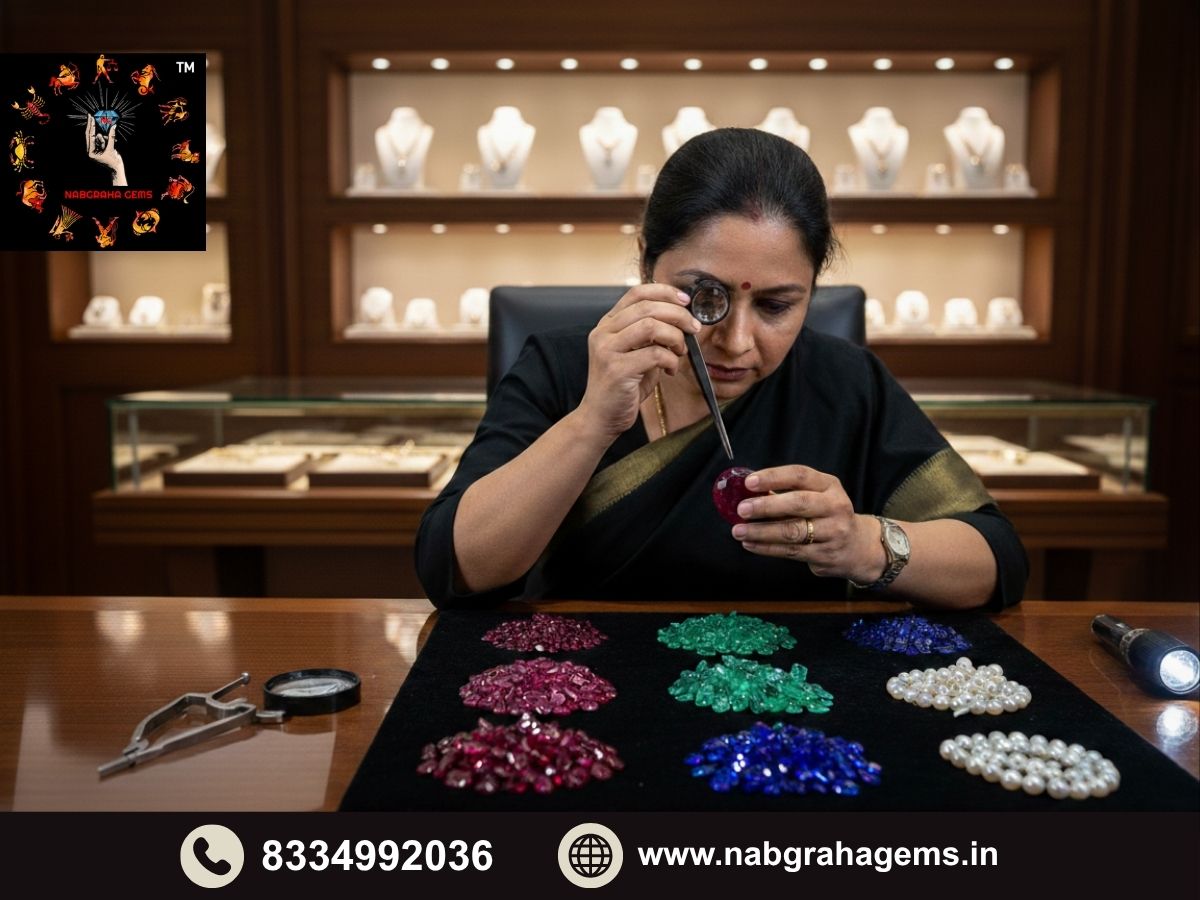
Professional gemologists follow a systematic evaluation process.
The process typically includes:
Step 1
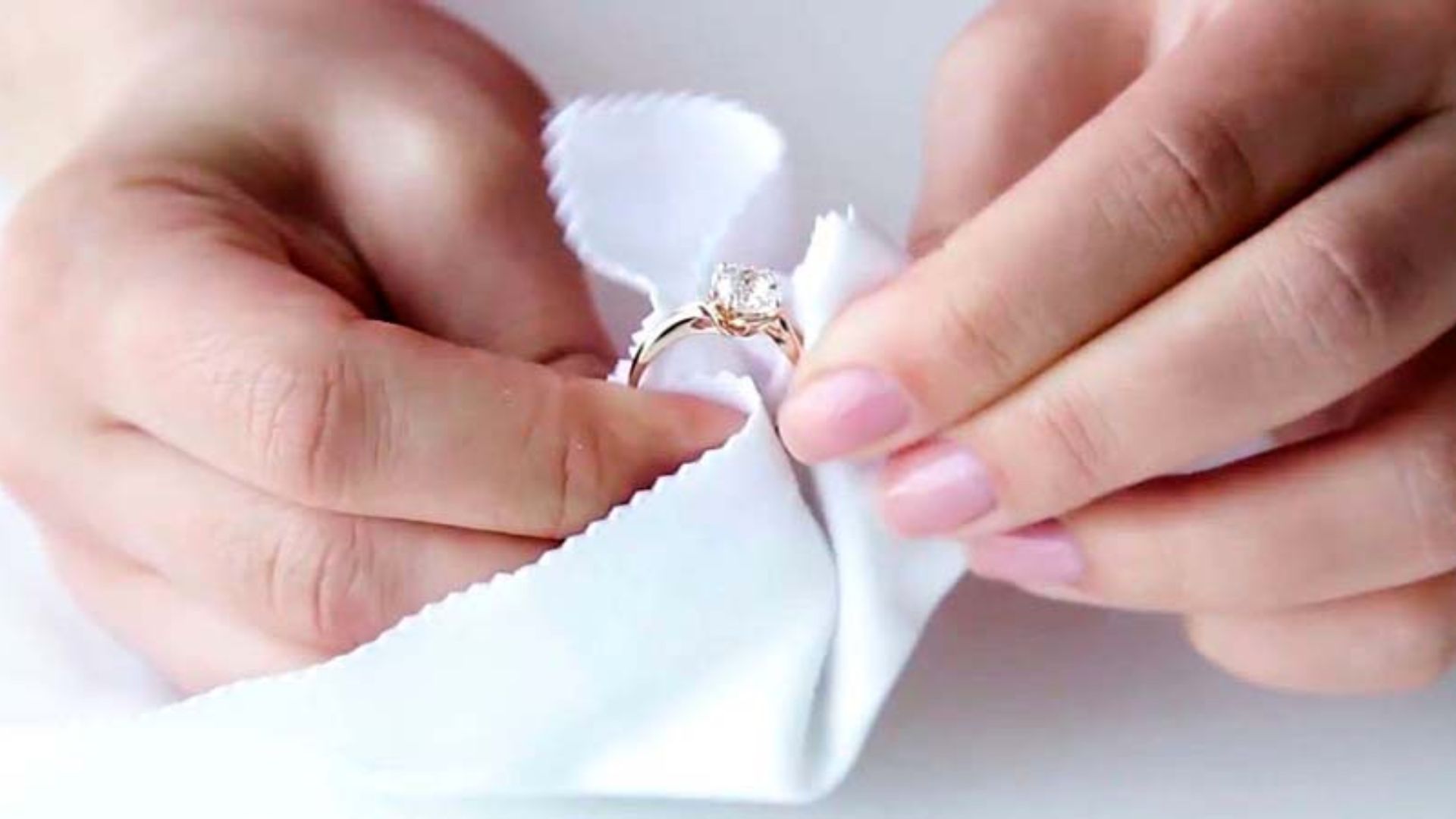
Clean the gemstone thoroughly.
Step 2
Observe under standardized daylight-equivalent lighting.
Step 3
Evaluate hue, tone, and saturation.
Step 4
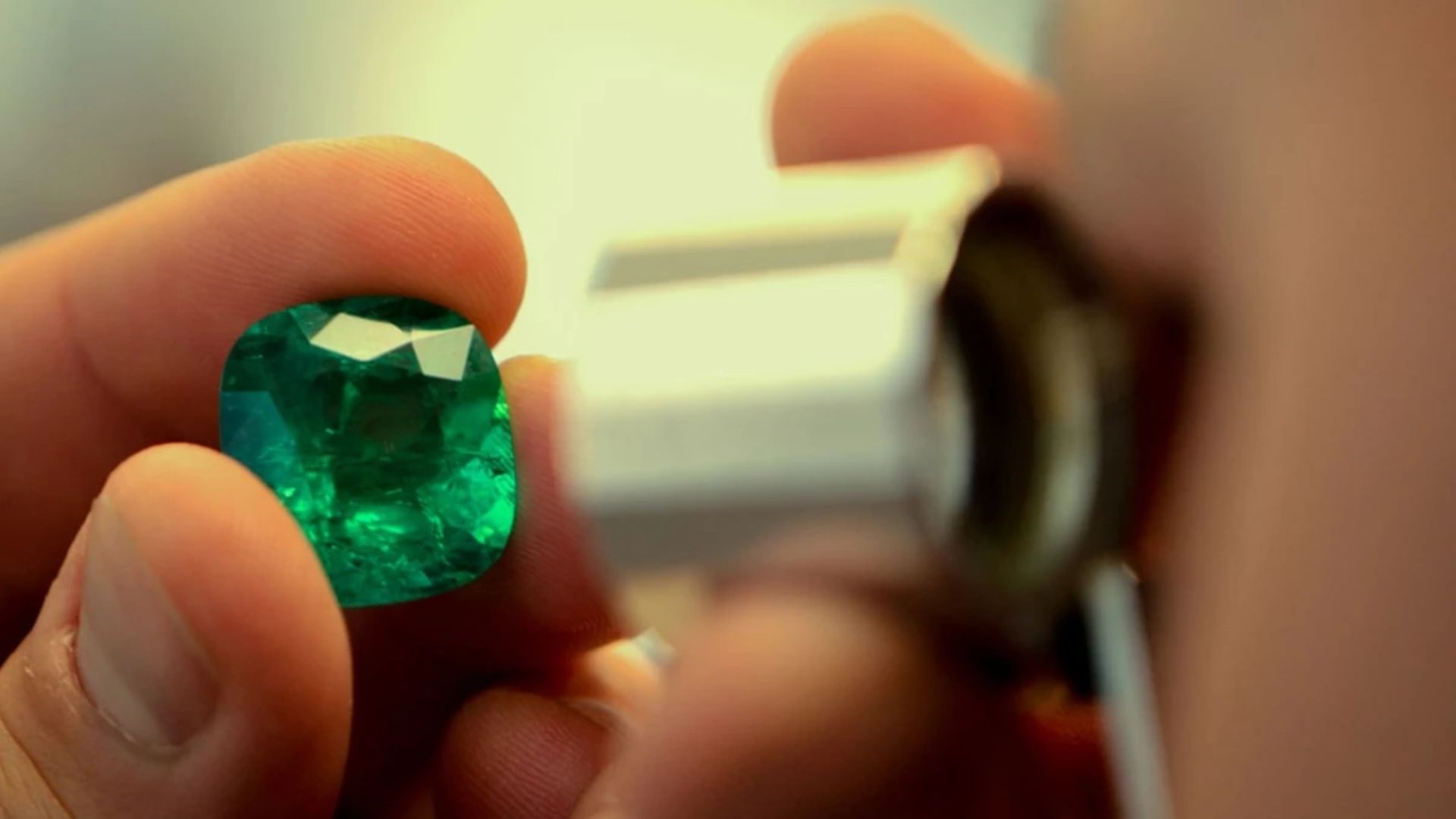
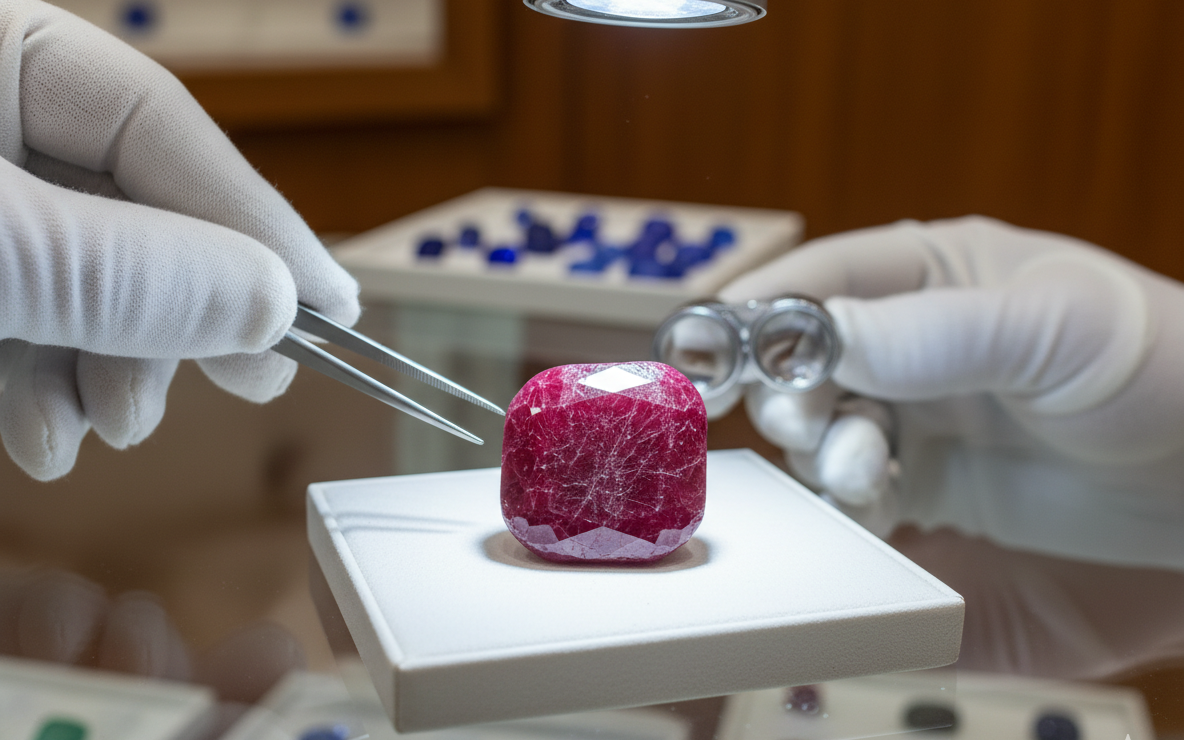
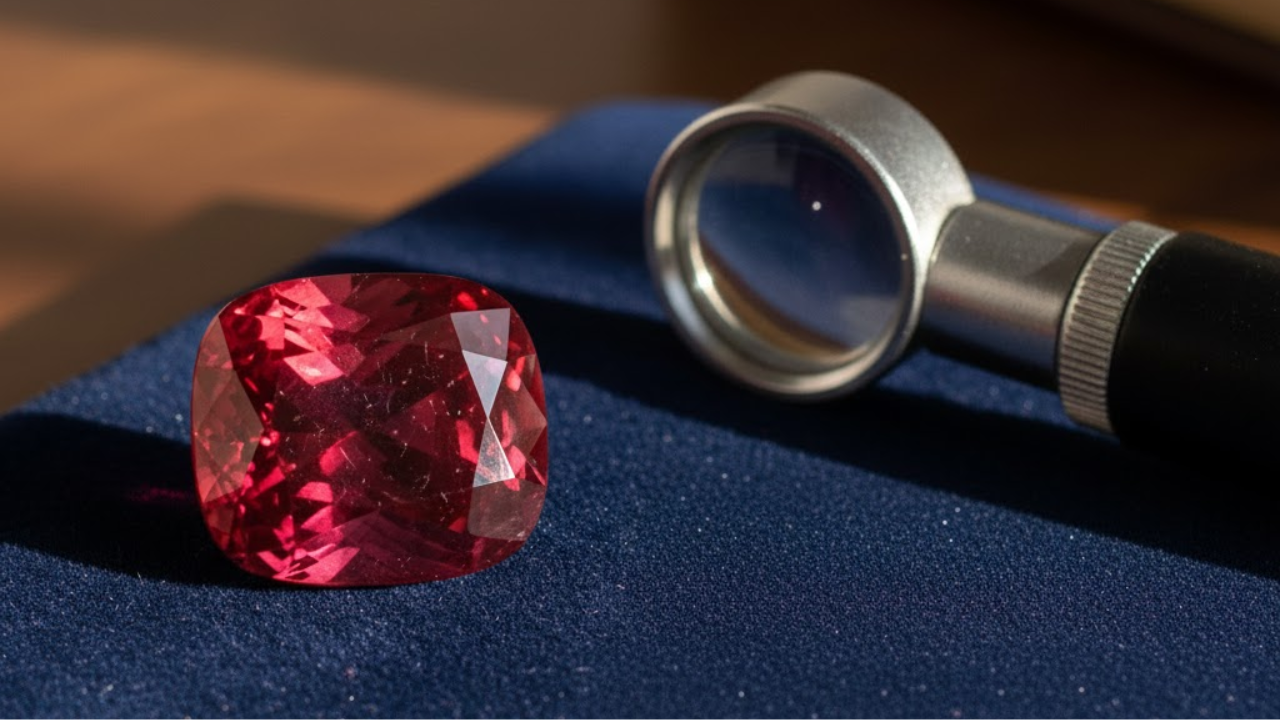
Inspect clarity using:
- 10x magnification
- Microscope
Step 5
Assess cut quality.
Step 6
Measure carat weight using precision scales.
Step 7
Document dimensions.
Step 8
Test for treatments if necessary.
Step 9
Verify species and authenticity.
Step 10
Prepare grading documentation.
This structured approach forms the basis of professional colored gemstone grading.
Common Mistakes Buyers Make
Understanding how to grade gemstones also means avoiding common purchasing mistakes.
These include:
- Focusing only on carat weight.
- Ignoring color quality.
- Overlooking visible inclusions.
- Buying without certification.
- Assuming untreated stones are always better.
- Confusing shape with cut quality.
- Ignoring durability.
A balanced assessment always produces better buying decisions.
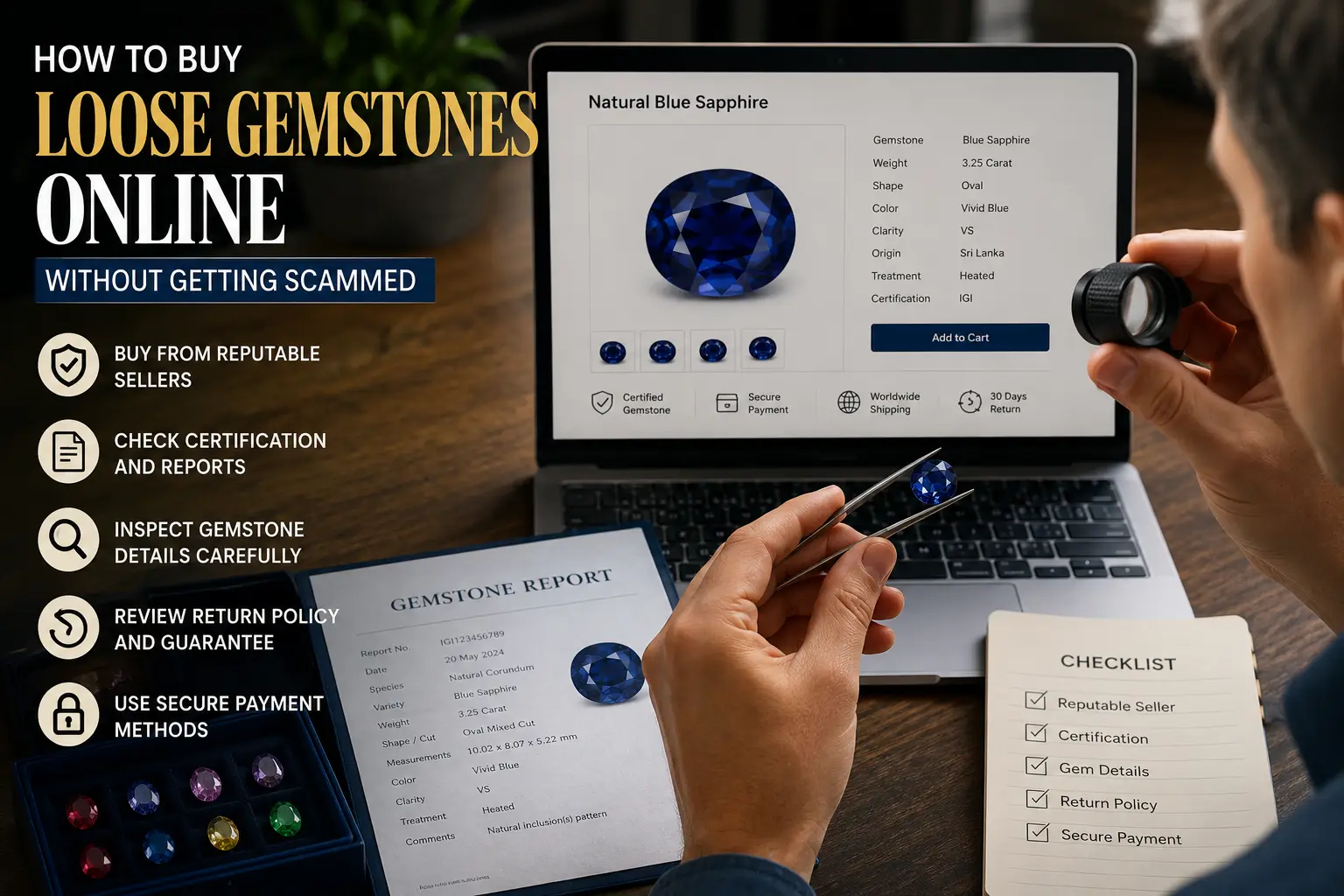
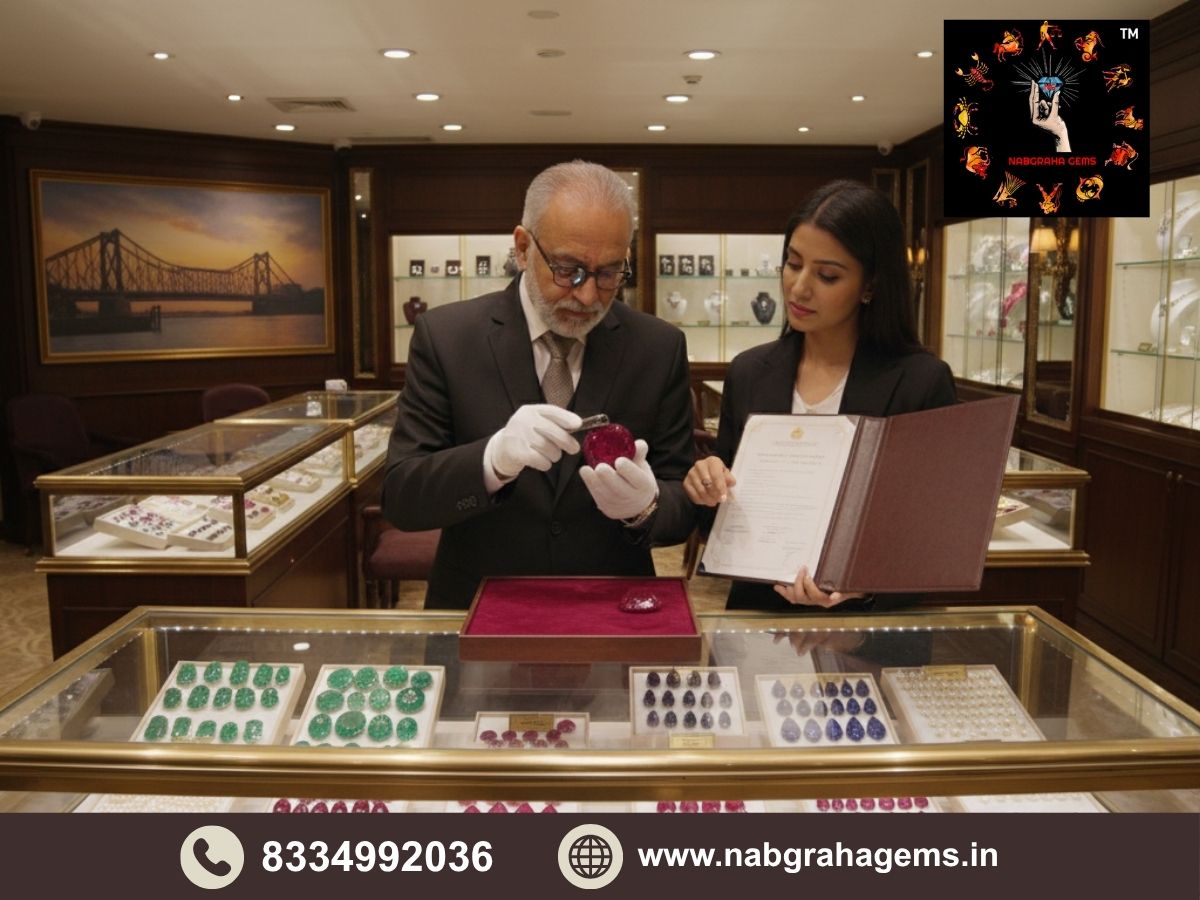
Laboratory Certification
Many valuable gemstones come with laboratory reports.
These reports may verify:
- Identity
- Natural origin
- Treatments
- Geographic origin
- Measurements
Certification increases buyer confidence.
How Different Gemstones Are Evaluated
Every gemstone has unique grading priorities.
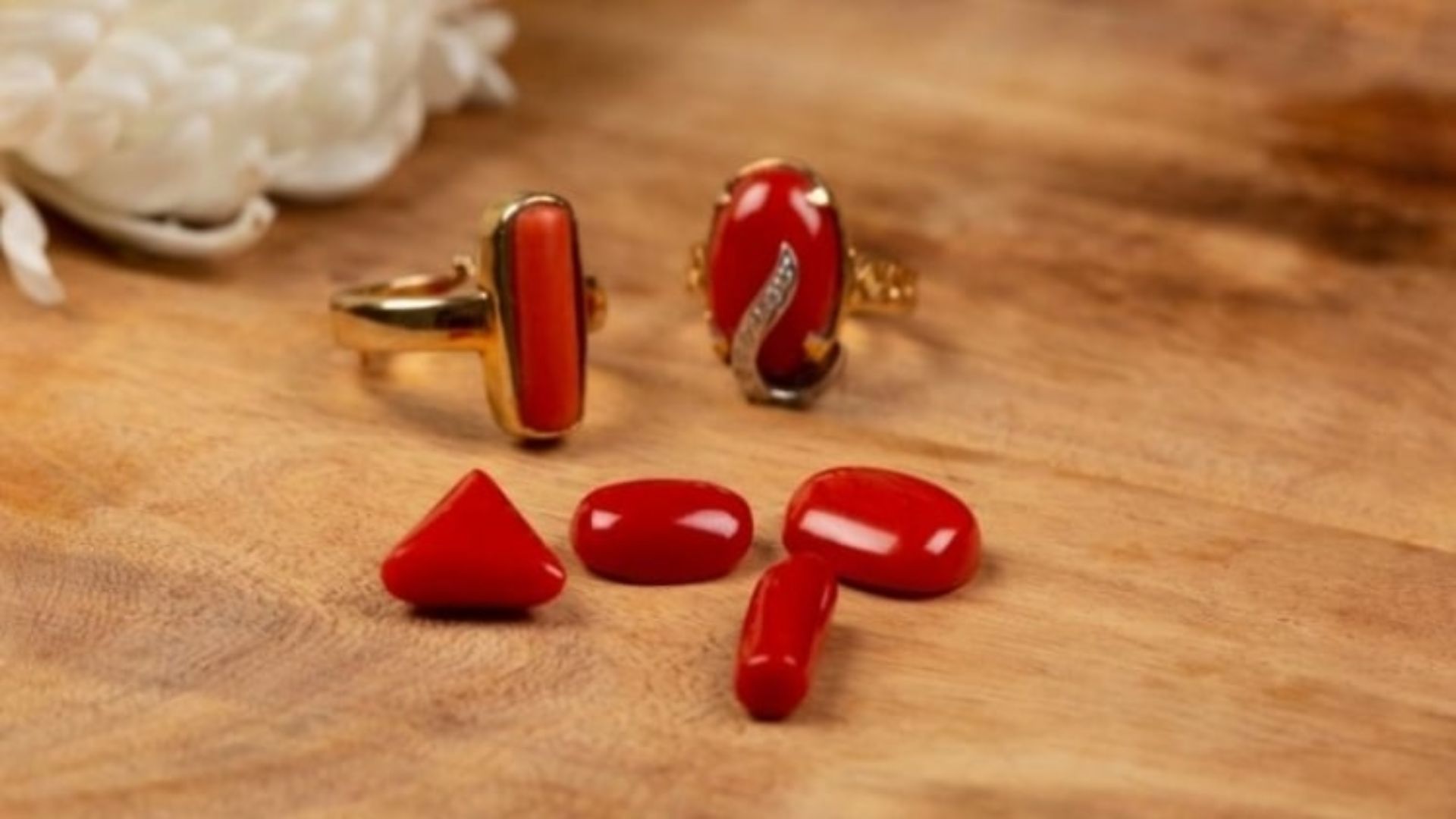
Ruby
Most important:
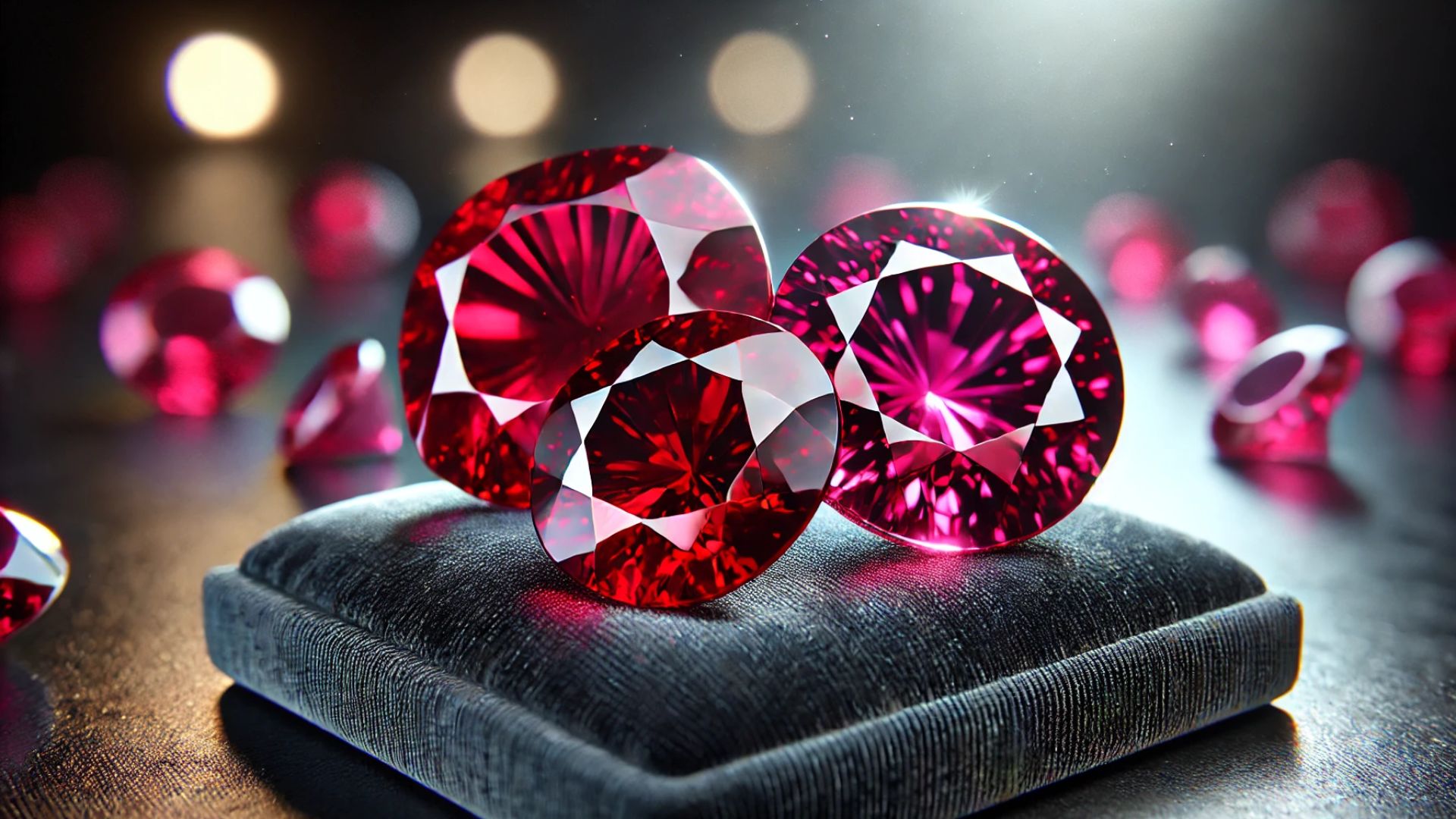
- Rich red color
- High saturation
- Moderate inclusions
Sapphire
Most important:
- Strong blue color
- Excellent transparency
- Minimal zoning
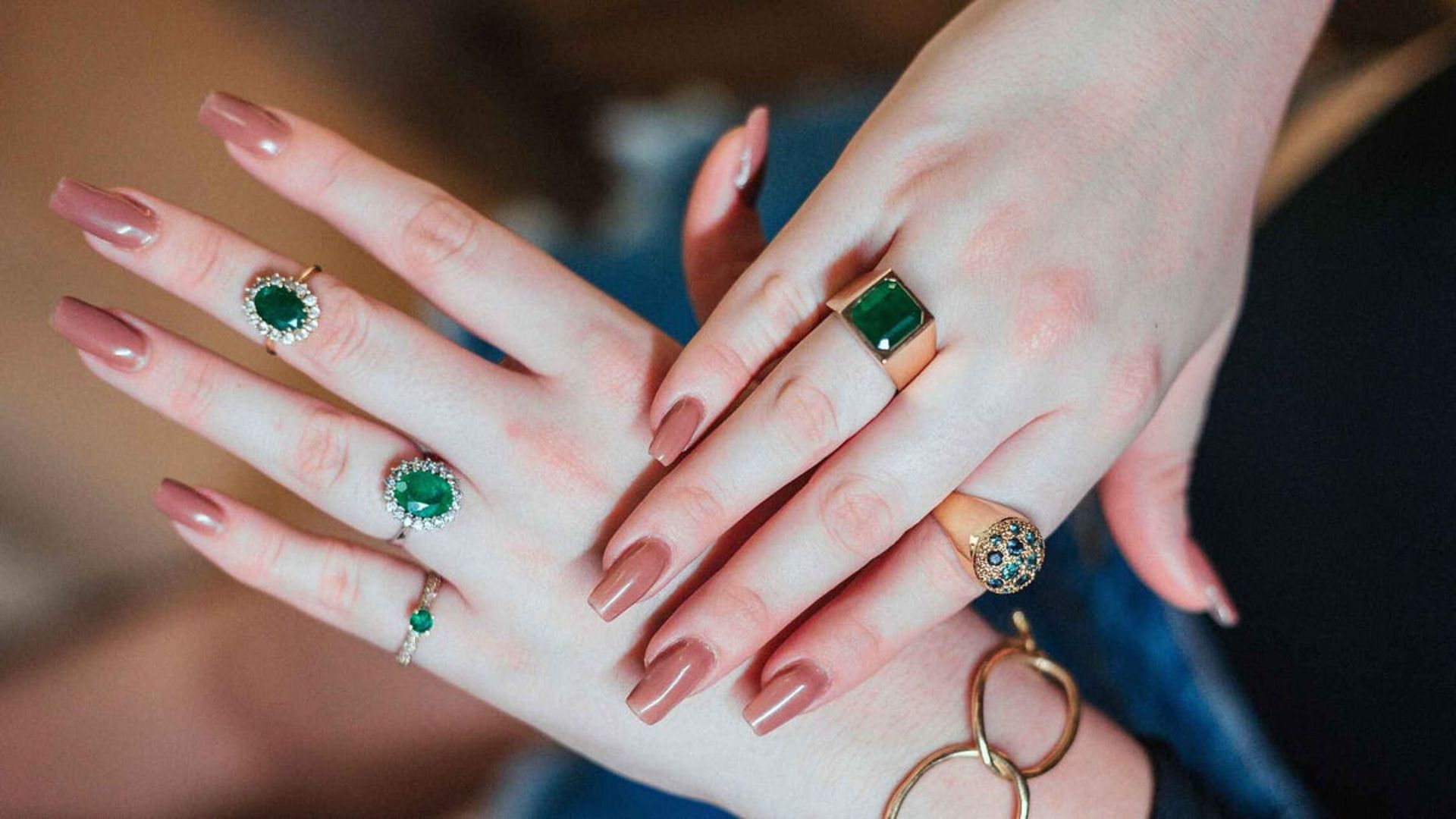
Emerald
Most important:
- Deep green color
- Acceptable inclusions
- Good transparency
Aquamarine
Most important:
- Eye-clean clarity
- Bright blue color
- Excellent cut
Tourmaline
Most important:
- Saturation
- Clarity
- Precision cutting
Tips for Buying High-Quality Colored Gemstones
If you're shopping for gemstones, keep these practical tips in mind:
- Prioritize color over size.
- Buy from reputable dealers.
- Request laboratory certification.
- Inspect the stone under different lighting conditions.
- Understand common treatments.
- Compare multiple gemstones before purchasing.
- Learn the typical clarity expectations for each gemstone type.
- Balance beauty with durability if the gemstone will be worn daily.
These practices will help you make informed purchasing decisions and appreciate the true value of each stone.
Frequently Asked Questions
What is the most important factor in colored gemstone grading?
Color is generally considered the most important factor because it has the greatest impact on beauty and value. Hue, tone, and saturation together determine the quality of a gemstone's color.
Are inclusions always bad?
No. Many gemstones naturally contain inclusions, and some inclusions create desirable effects such as star patterns or a cat's-eye appearance. The significance of inclusions depends on the gemstone species and their impact on appearance and durability.
Does a higher carat weight always mean a more valuable gemstone?
Not necessarily. A smaller gemstone with exceptional color, clarity, and cut may be worth more than a larger gemstone with poor overall quality. Carat weight is just one of several factors that determine value.
Can treated gemstones still be valuable?
Yes. Heat-treated sapphires and rubies, for example, are widely accepted in the market. However, untreated gemstones of comparable quality are generally rarer and may command higher prices.
Is there a universal grading system for colored gemstones?
Unlike diamonds, there is no single global grading system for all colored gemstones. Professional gemologists evaluate each gemstone species according to its unique characteristics while considering color, clarity, cut, carat weight, and other quality factors.
Conclusion
Learning how colored gemstones are graded empowers buyers to make informed decisions and appreciate the craftsmanship and rarity behind every gemstone. While color is often the defining characteristic, a complete colored gemstone grading process considers gemstone clarity, gemstone cut quality, gemstone carat weight, transparency, treatments, origin, and several other gemstone quality factors.
Whether you're a first-time buyer, an avid collector, or someone looking to invest in fine gemstones, understanding colored gemstone evaluation helps you recognize true value beyond appearance alone. By using this gemstone grading guide, you can confidently assess colored gemstone quality, compare stones more effectively, and learn how to grade gemstones like a knowledgeable enthusiast. This knowledge is especially useful when researching factors that influence the nila price in Kolkata, as color, clarity, cut, origin, and carat weight all play a significant role in determining a gemstone's value. Ultimately, a well-balanced gemstone with exceptional color, thoughtful cutting, suitable clarity, and appropriate carat weight will provide lasting beauty, value, and enjoyment for years to come.
Recent Posts

2026-09-04
The Science Behind Gemstone Fluorescence


2025-09-15