Date : 2026-11-12
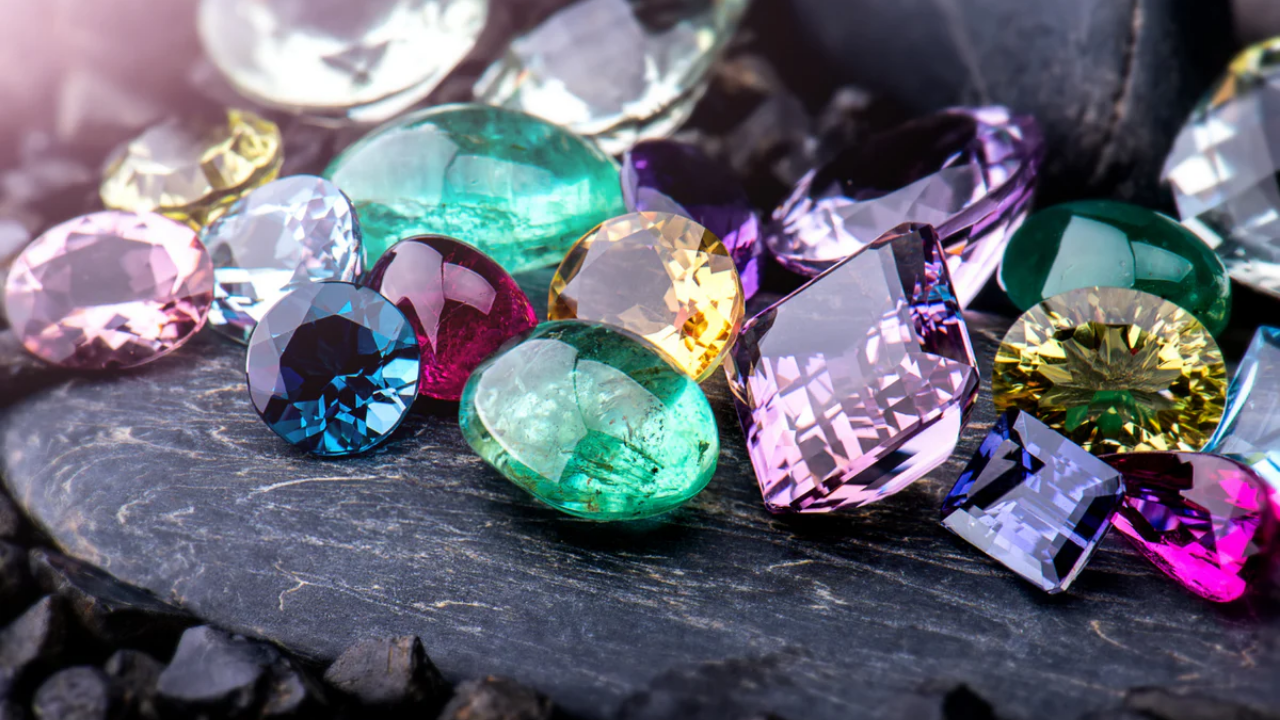
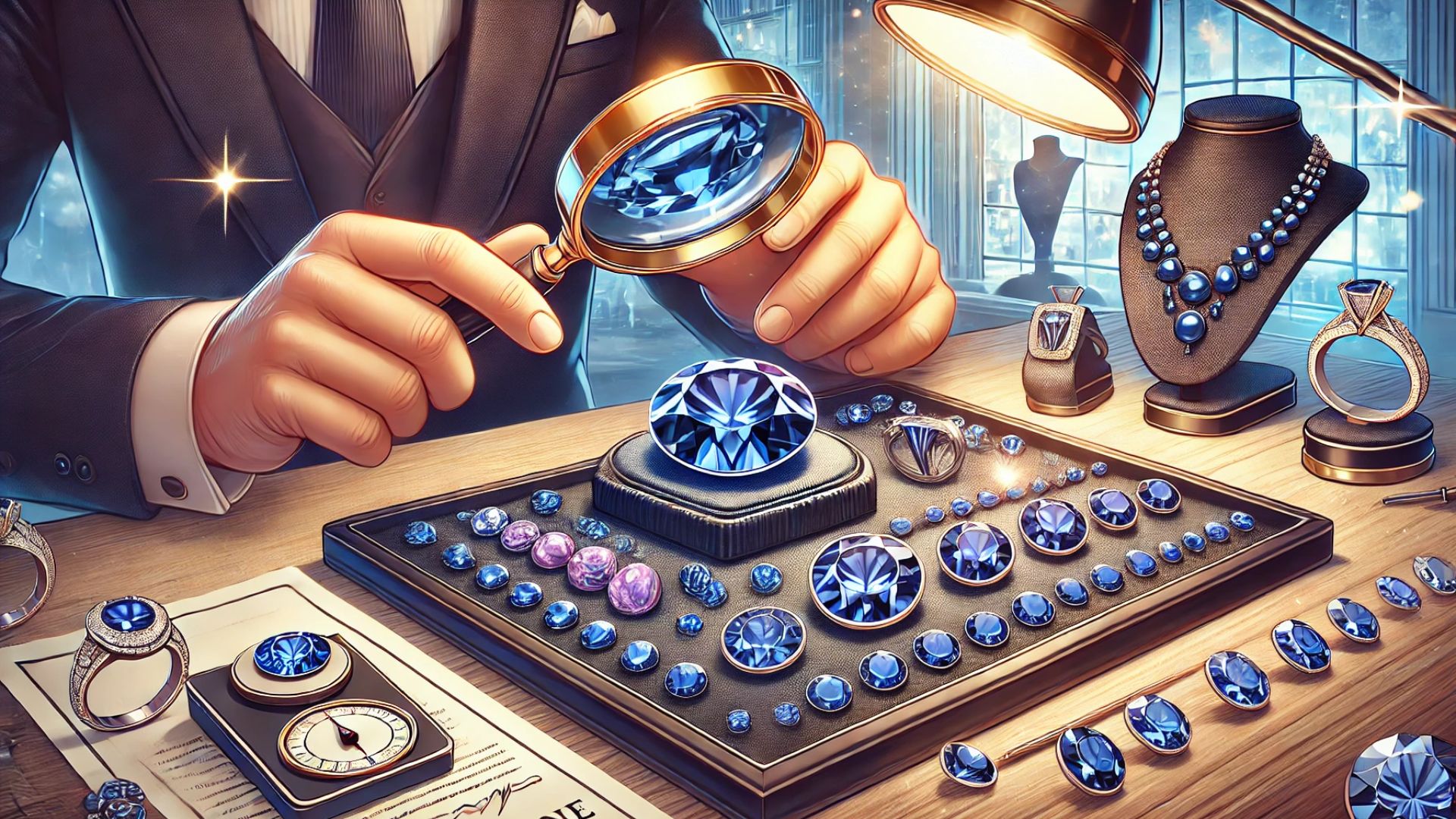
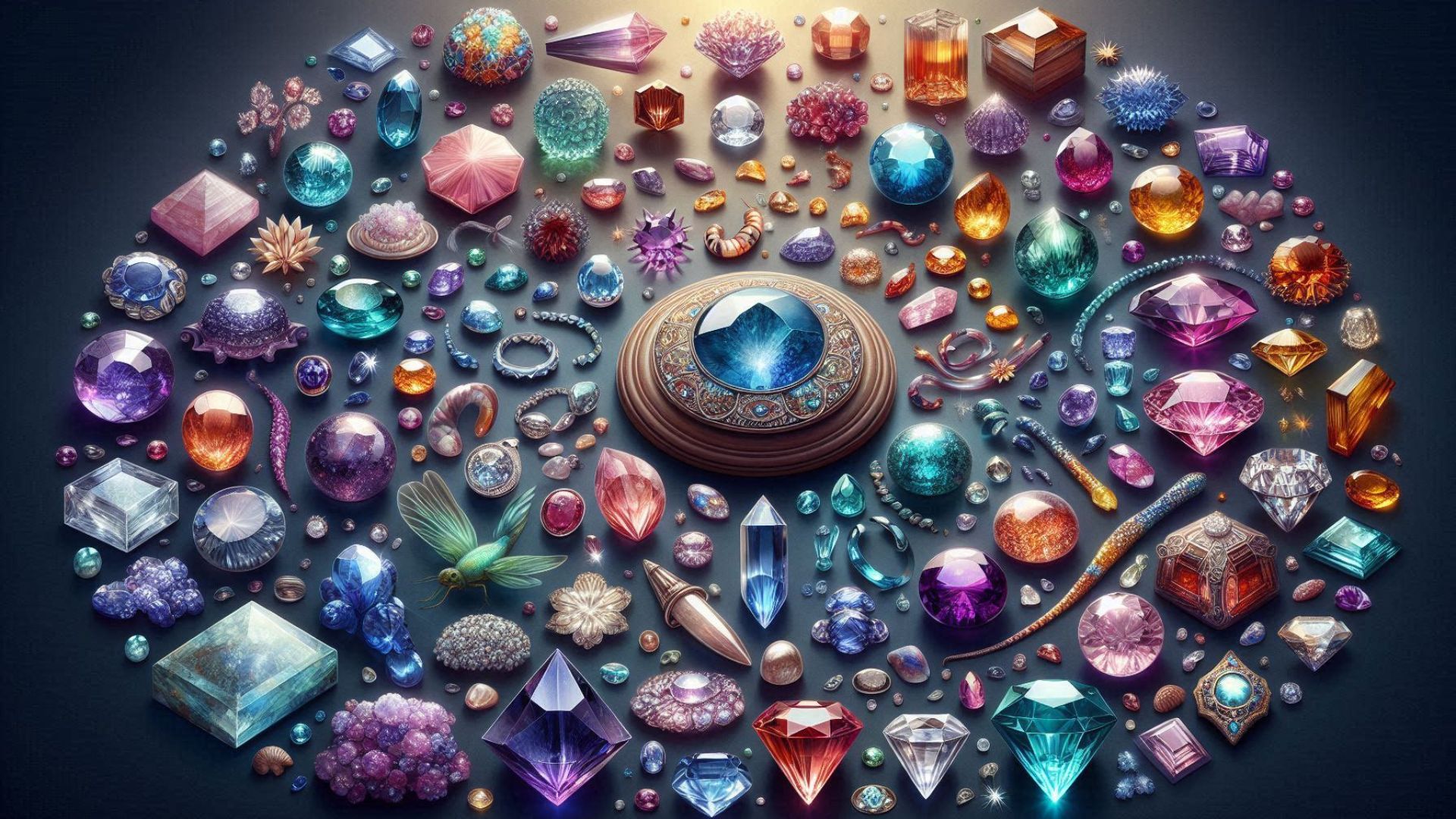
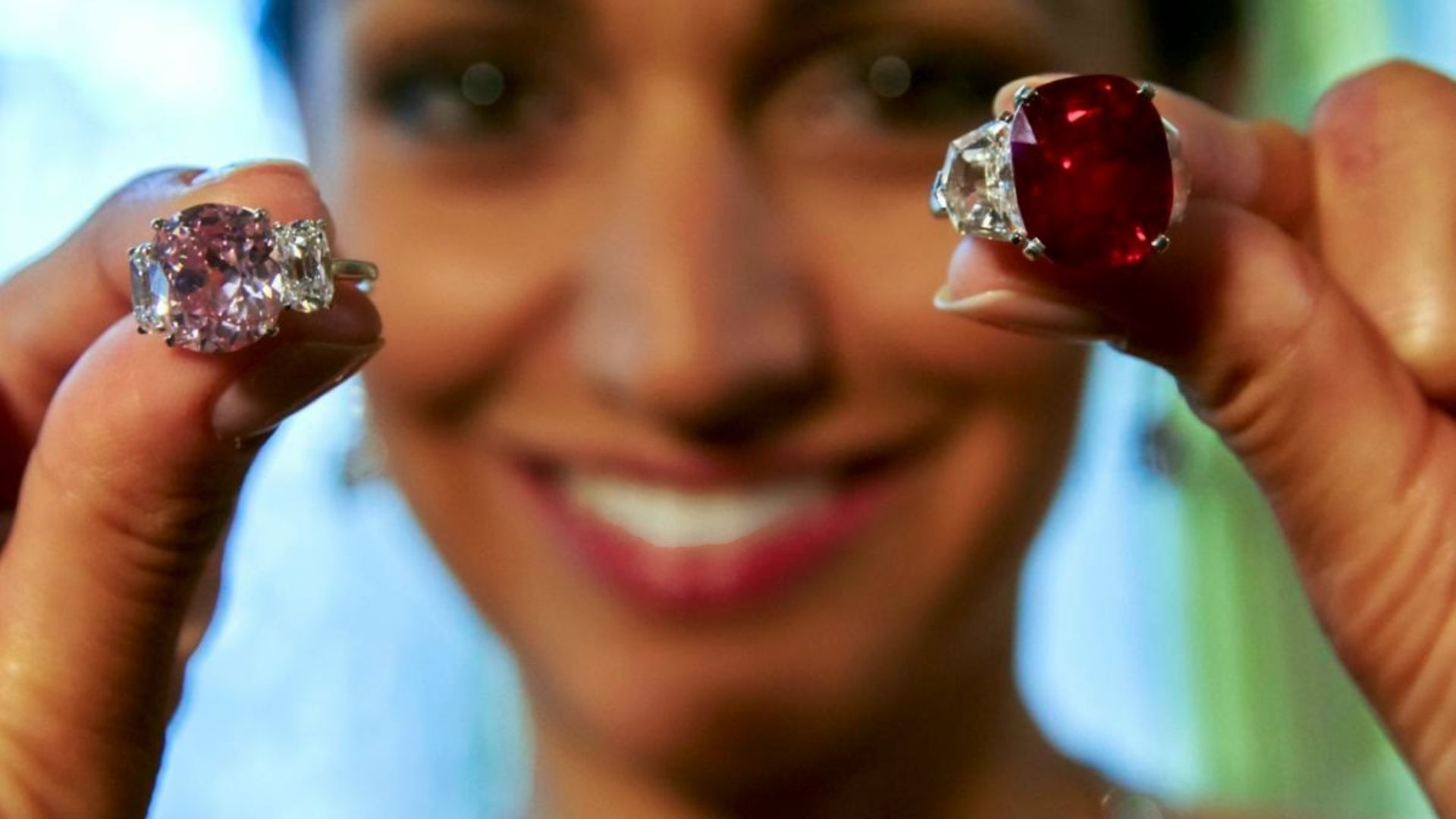
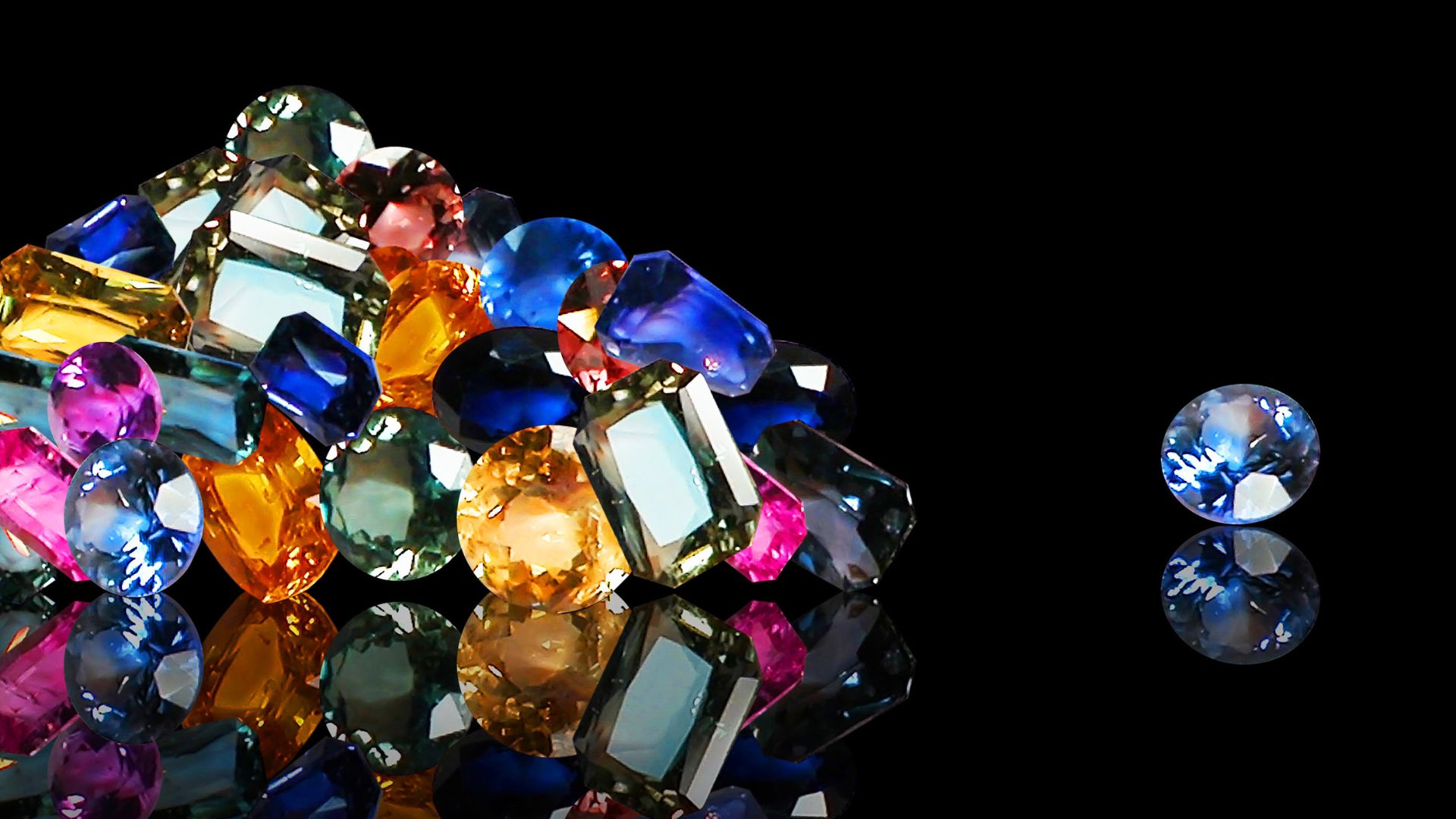
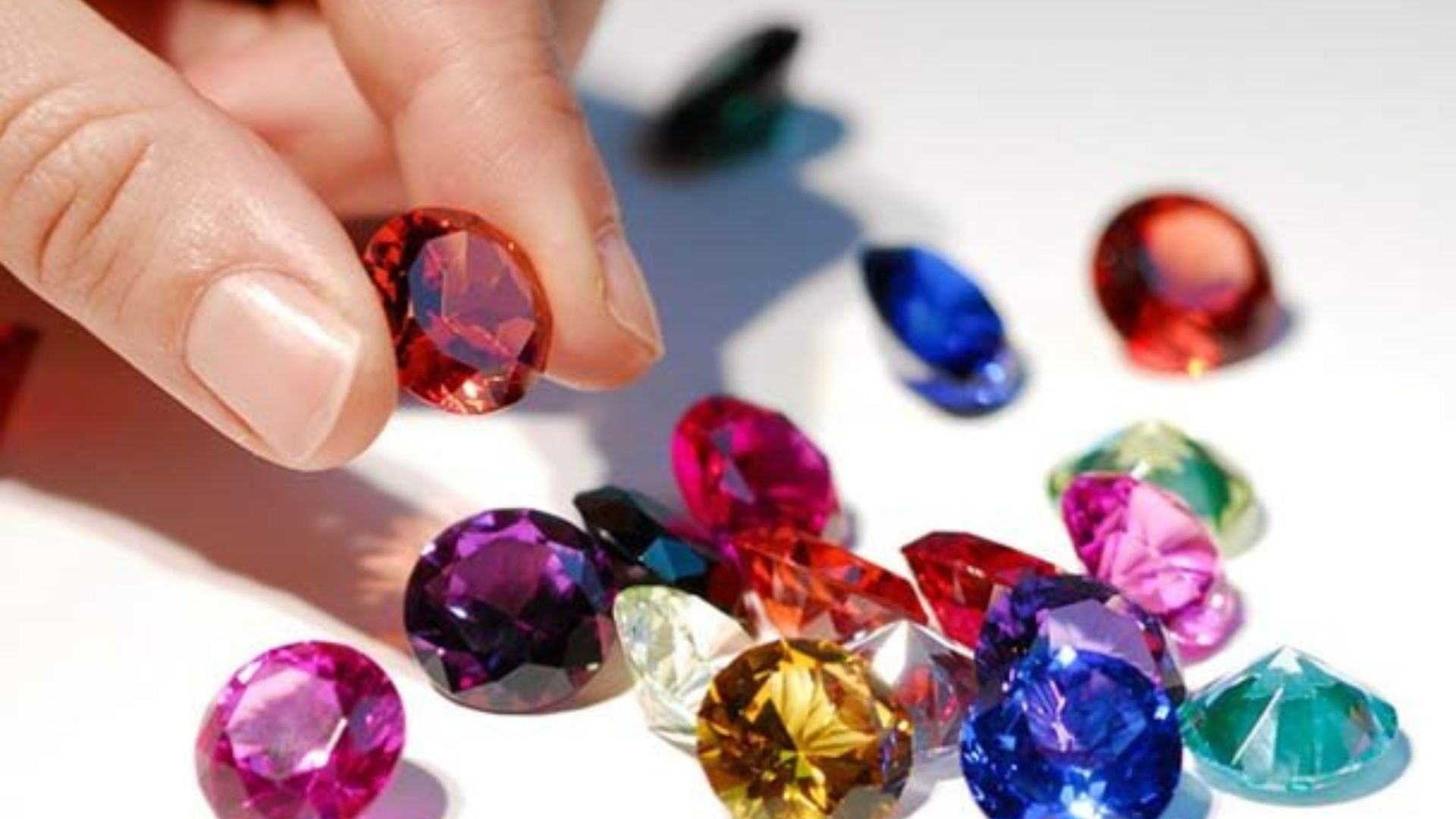
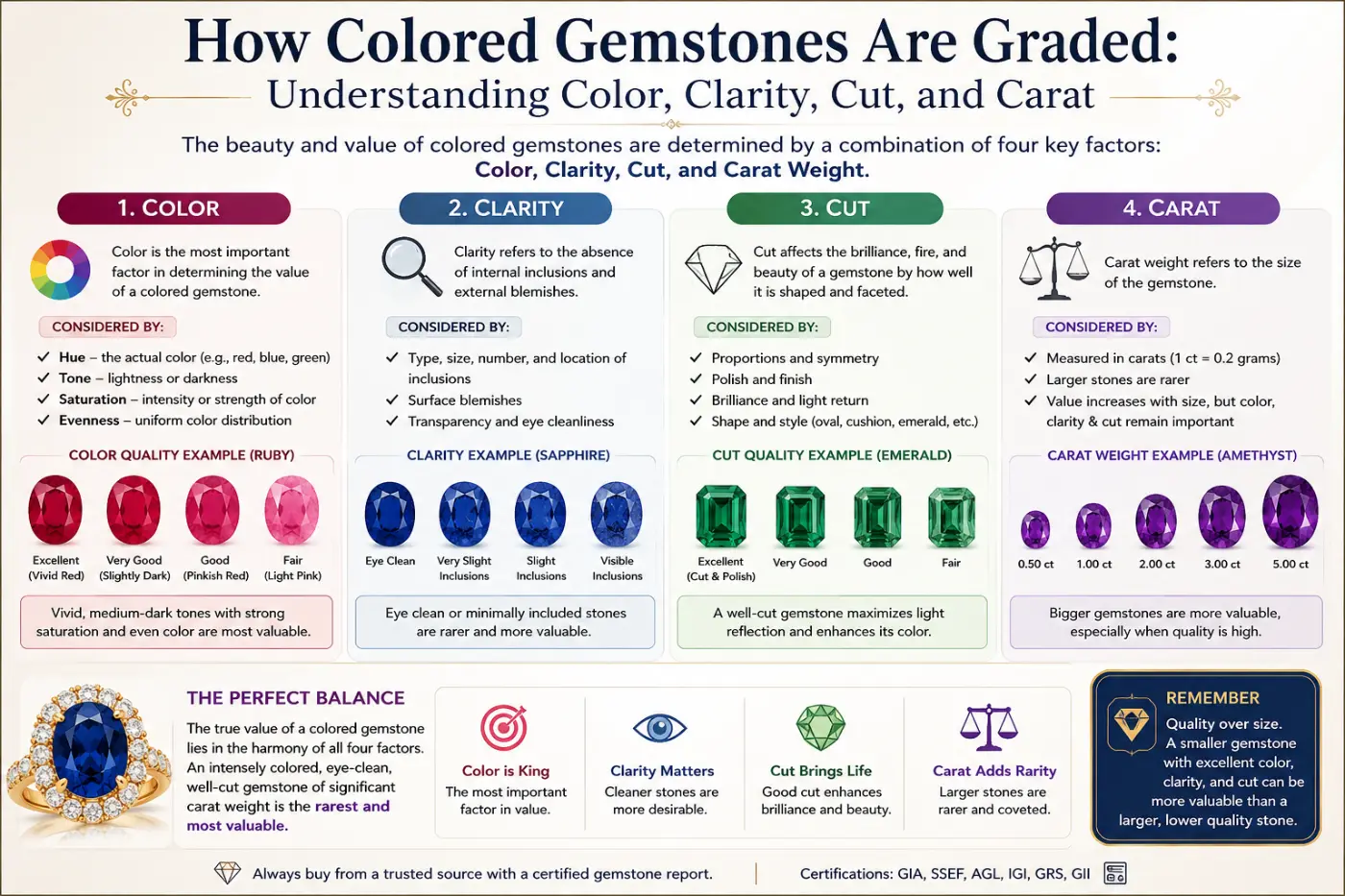
Gemstones are admired for their captivating colours, brilliant shine, and ability to reflect light beautifully. However, their beauty is not determined by colour or clarity alone. One of the most important factors behind a gemstone's visual appeal is its cut and arrangement of facets. Carefully designed facets allow light to enter, travel through, reflect within, and exit the gemstone, creating the dazzling effect we recognise as sparkle. These qualities also influence the value of precious stones, making factors such as cut, colour, clarity, and carat weight essential when exploring the panna price in Kolkata.
Understanding how Gemstone Facets are designed reveals the science and craftsmanship behind a gemstone's brilliance. From the angle of each surface to the overall cutting pattern, every detail plays a significant role in controlling light and enhancing the gemstone's appearance.
What Are Gemstone Facets?
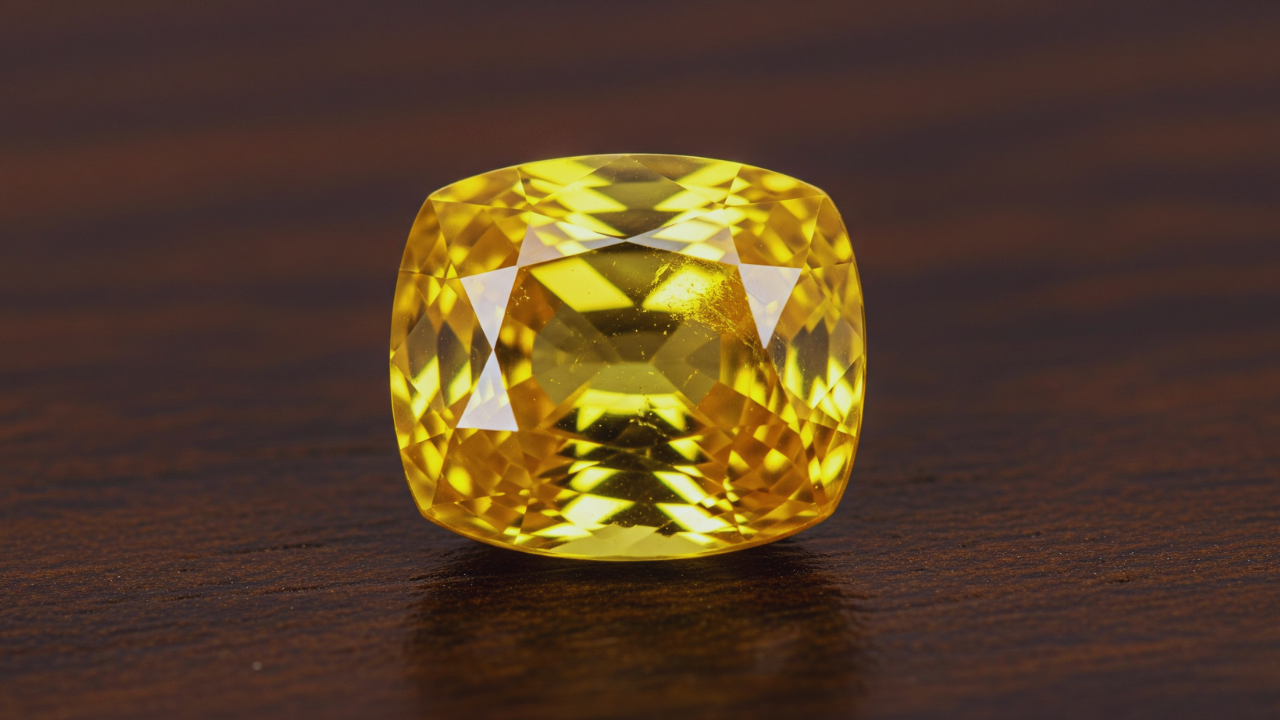
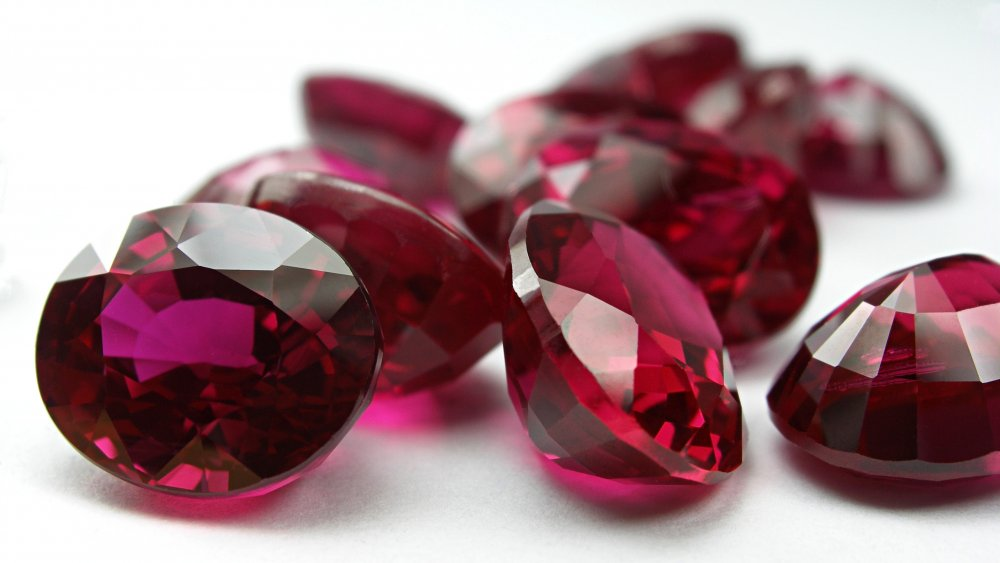
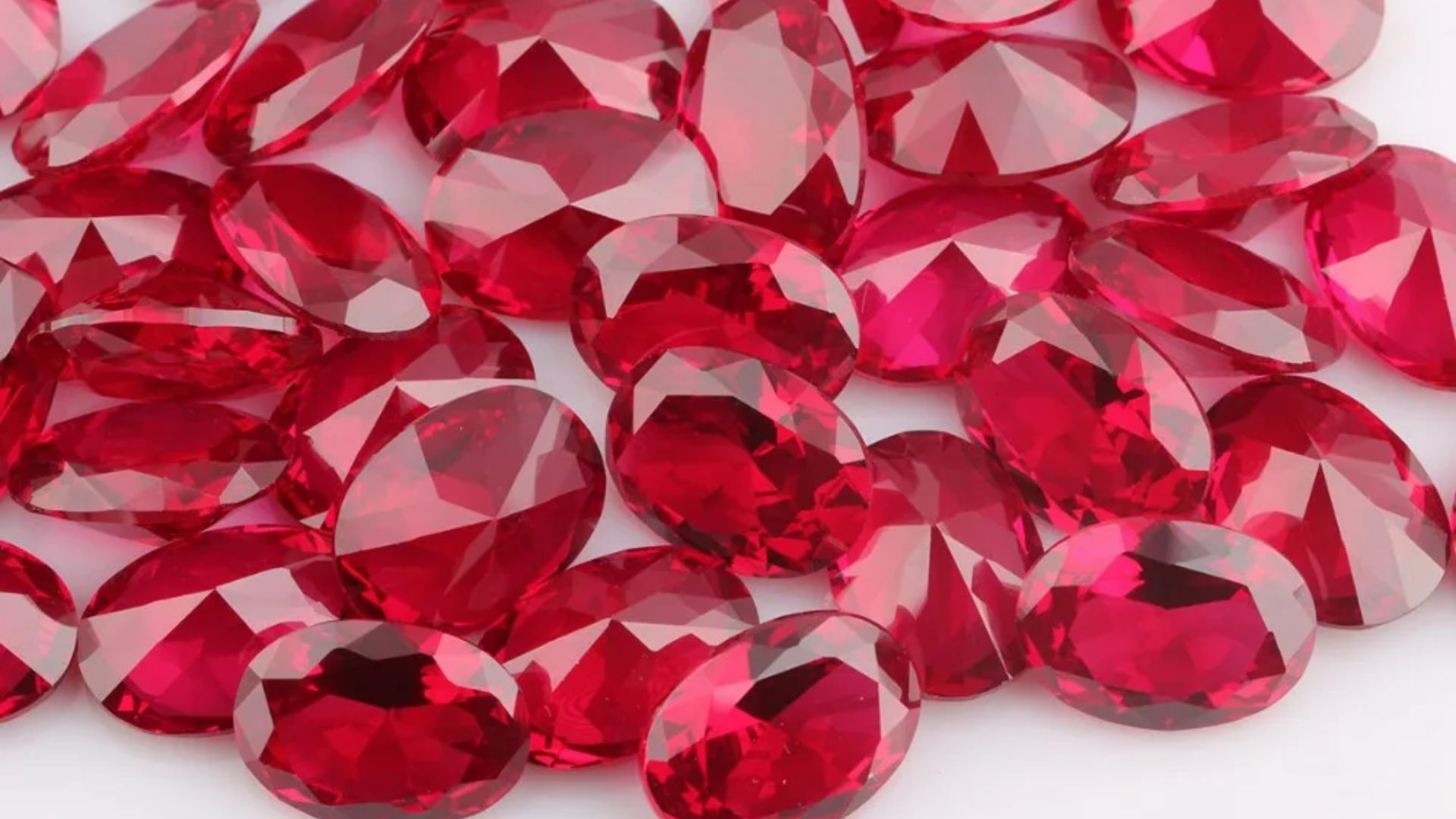
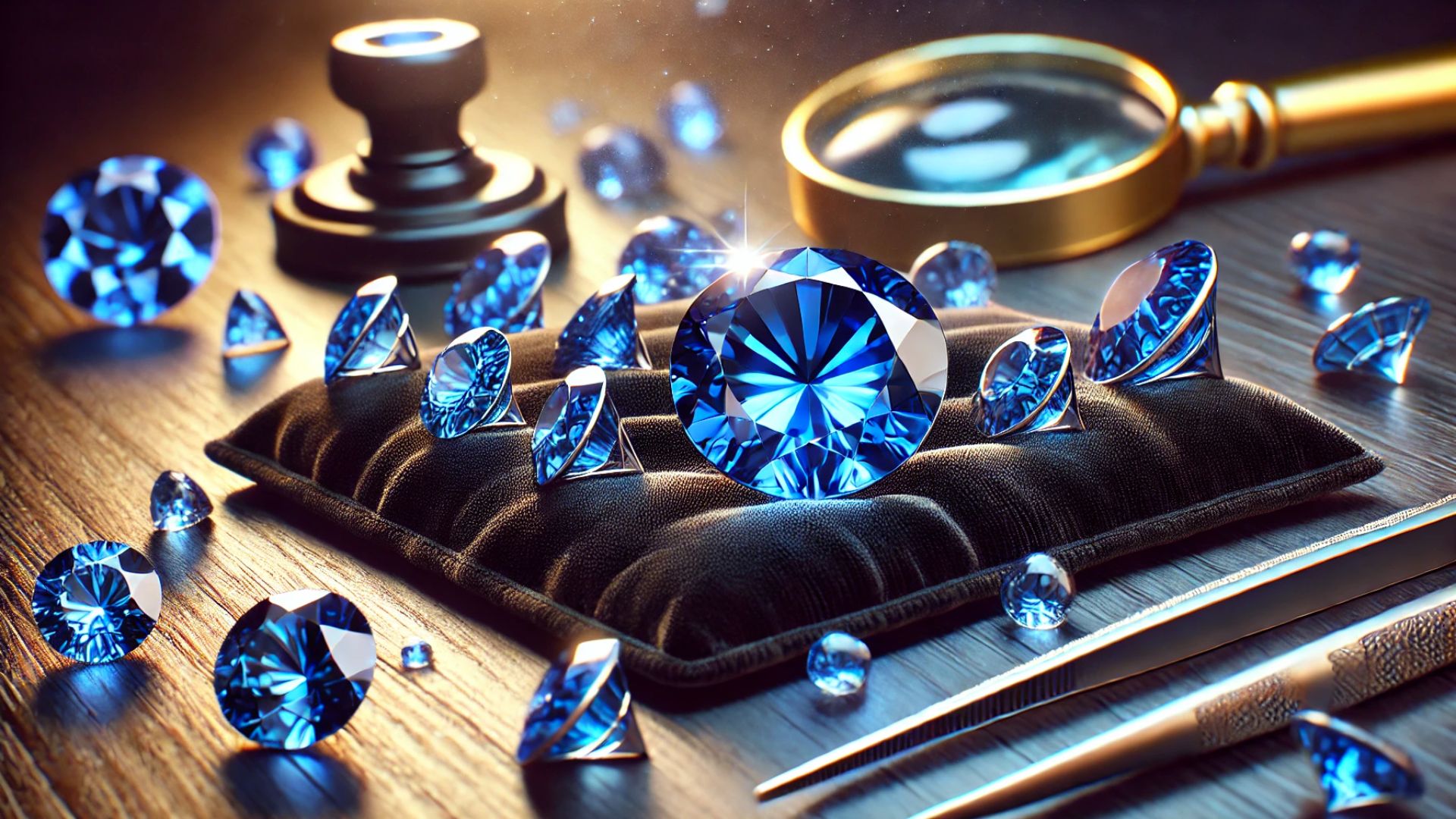
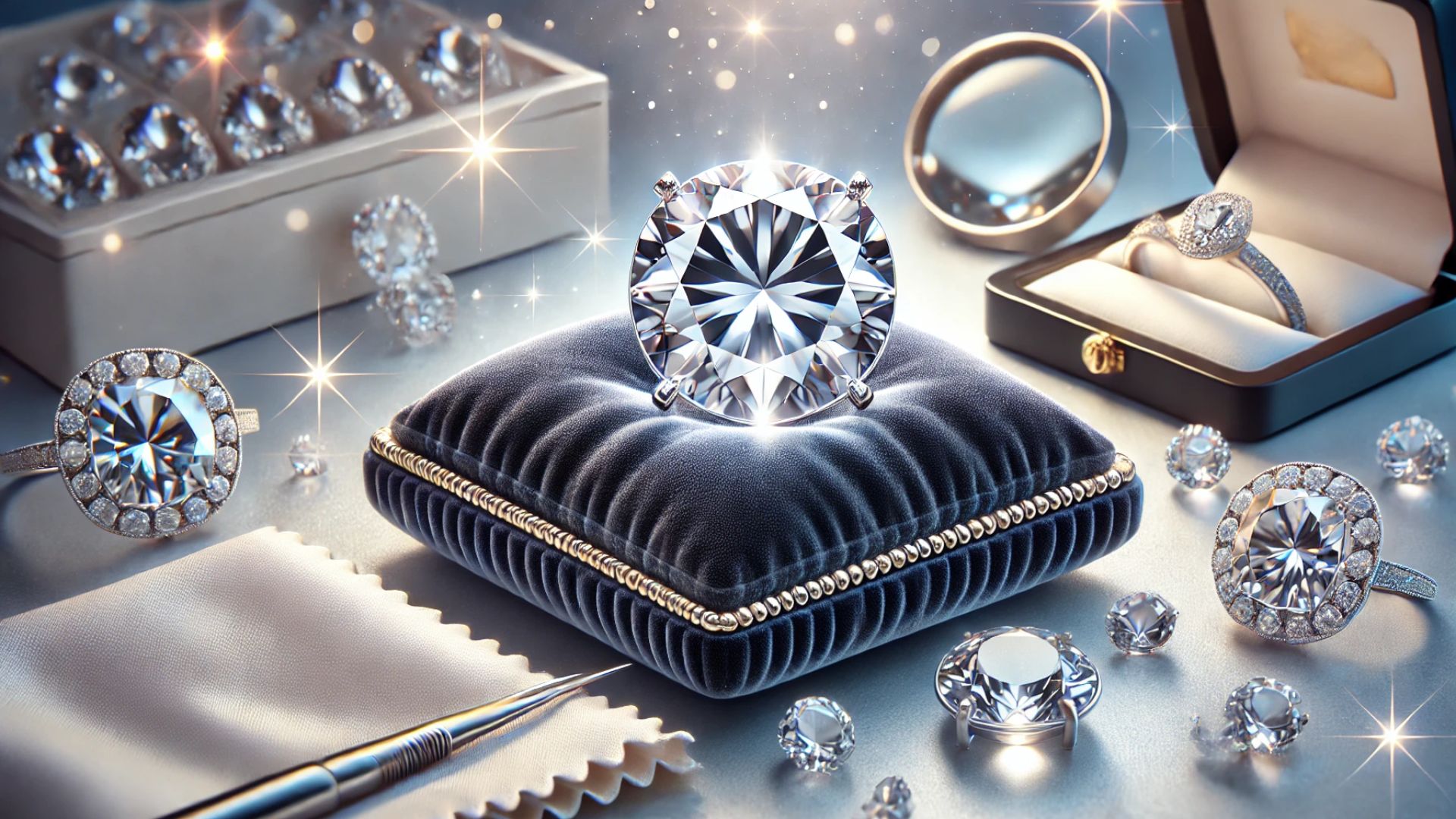
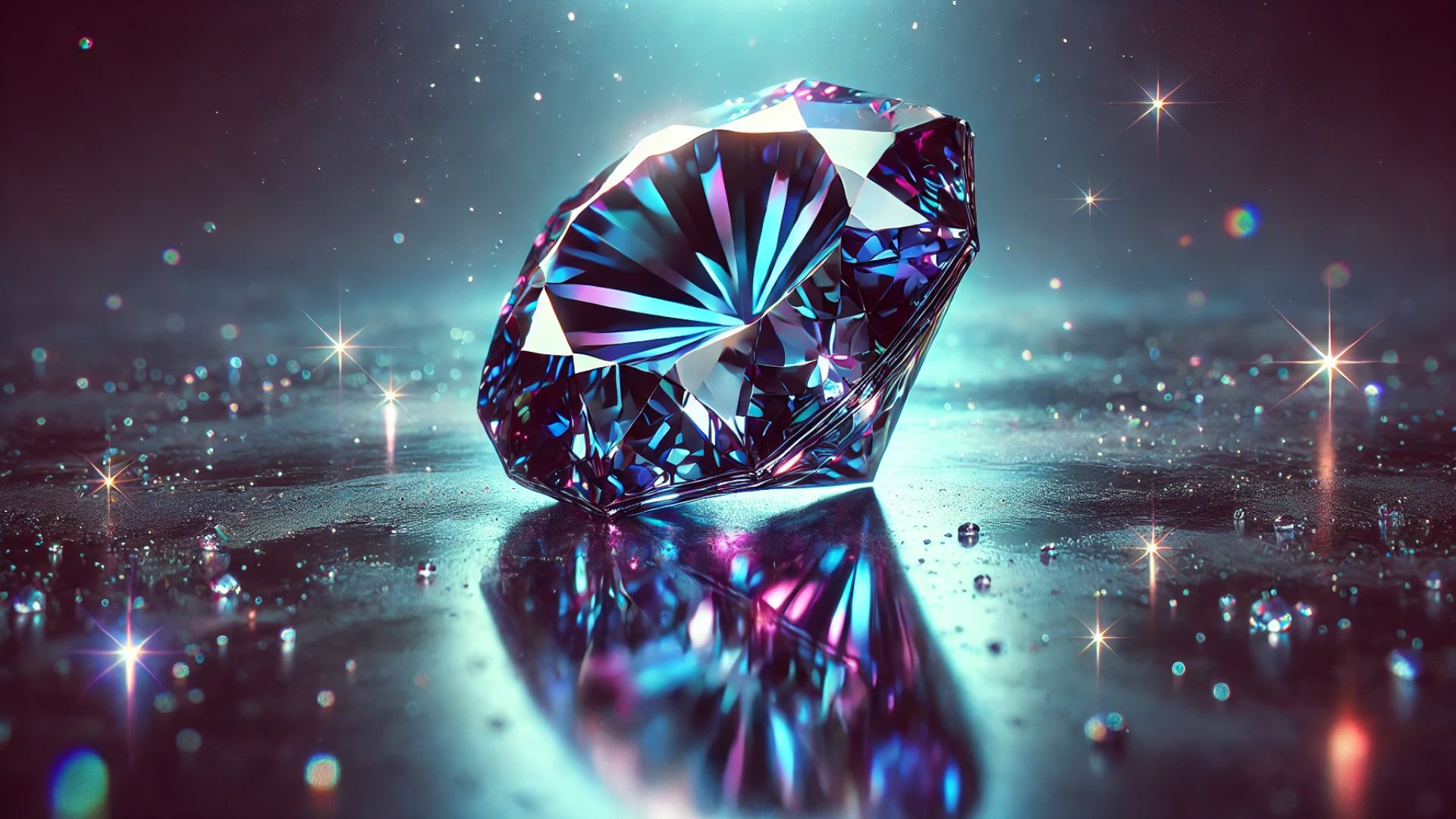
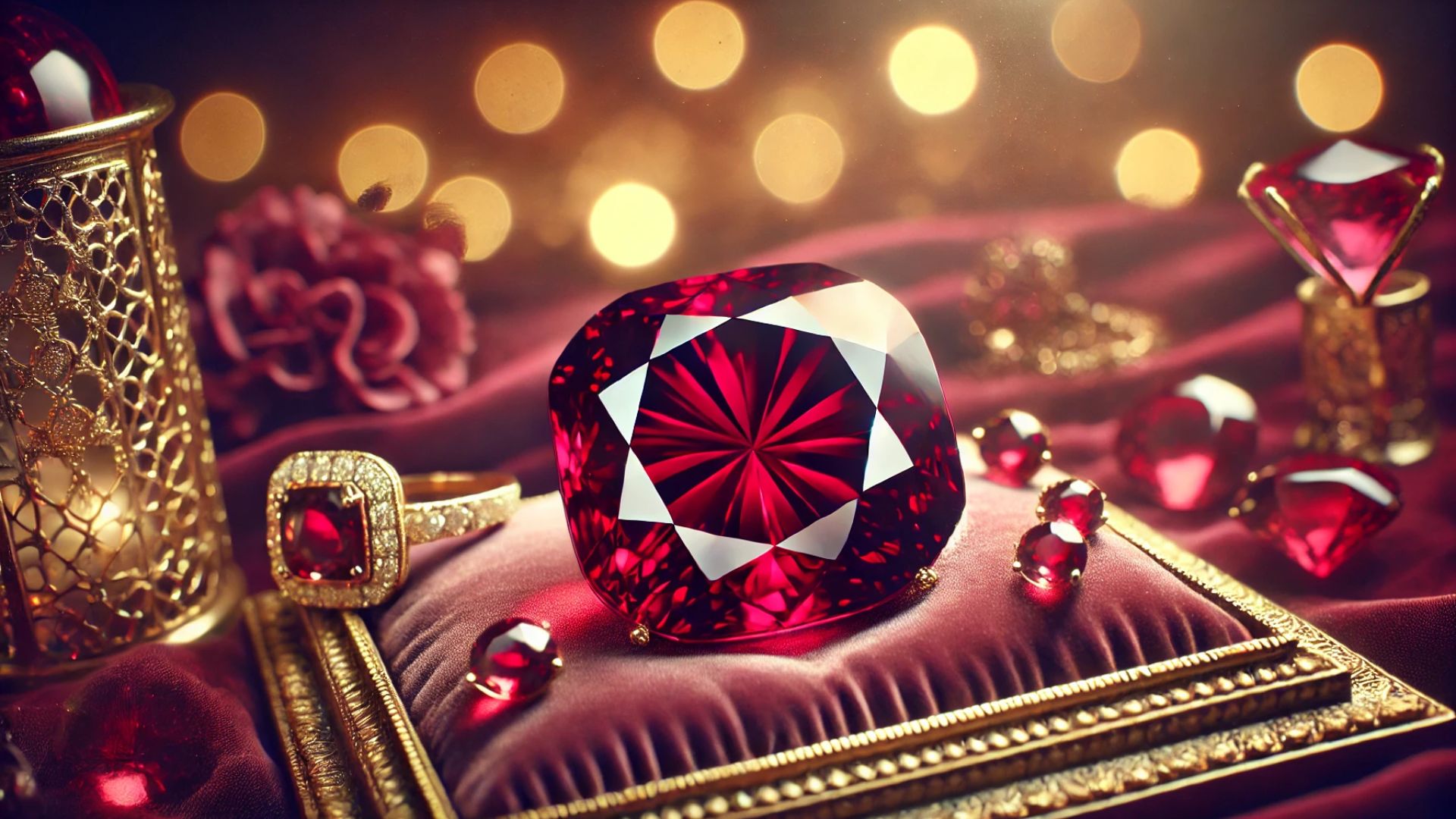
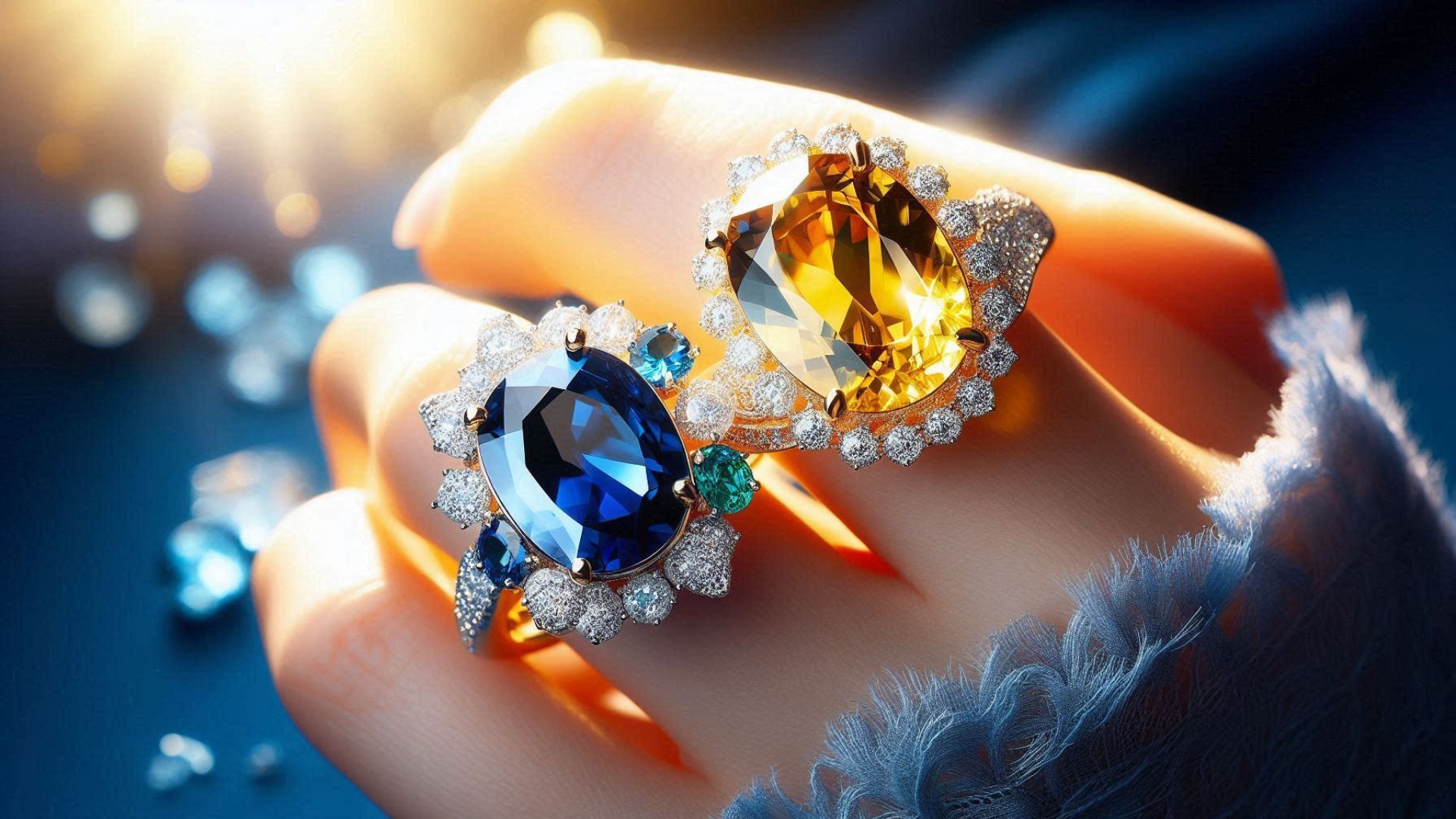
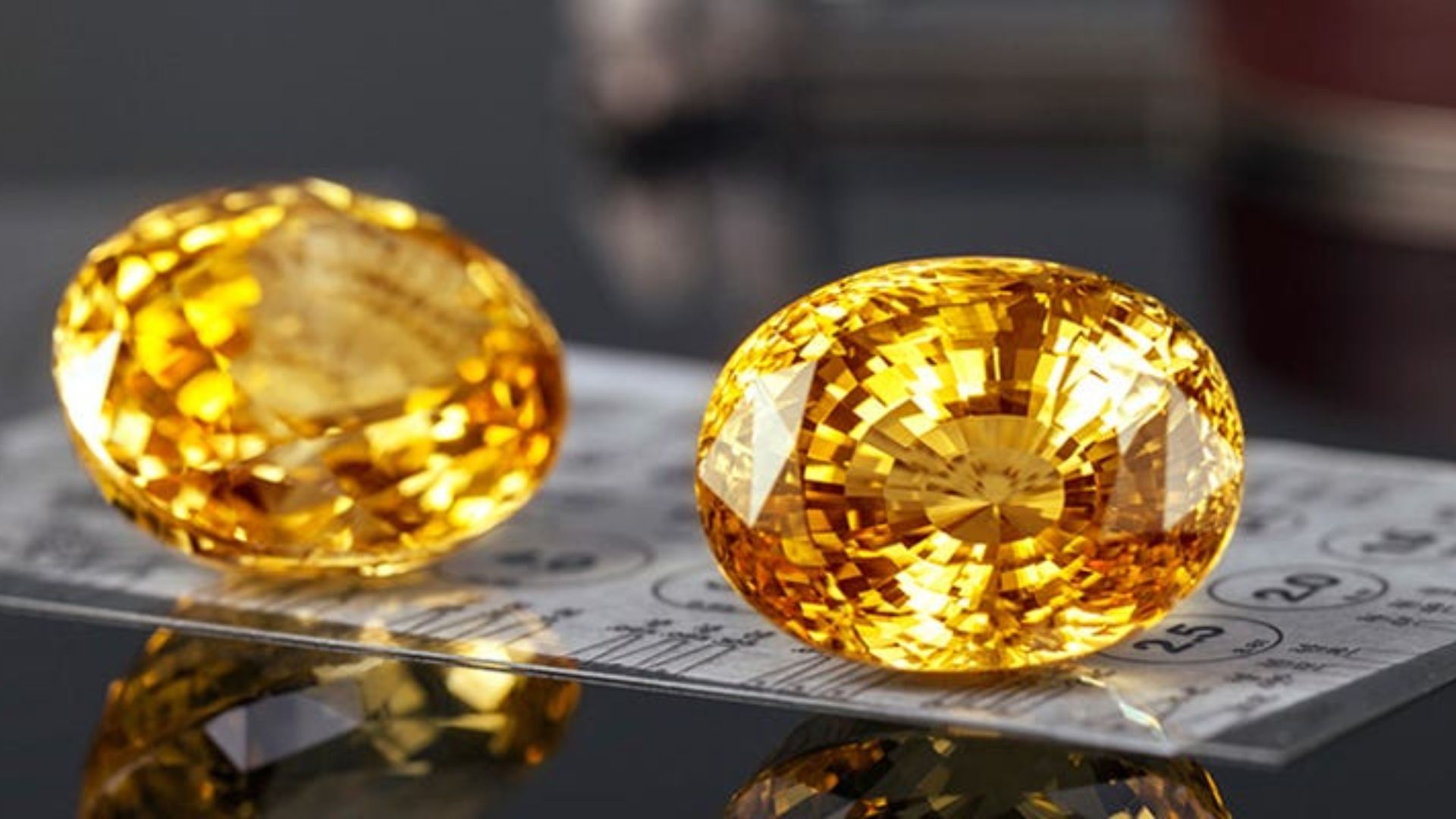
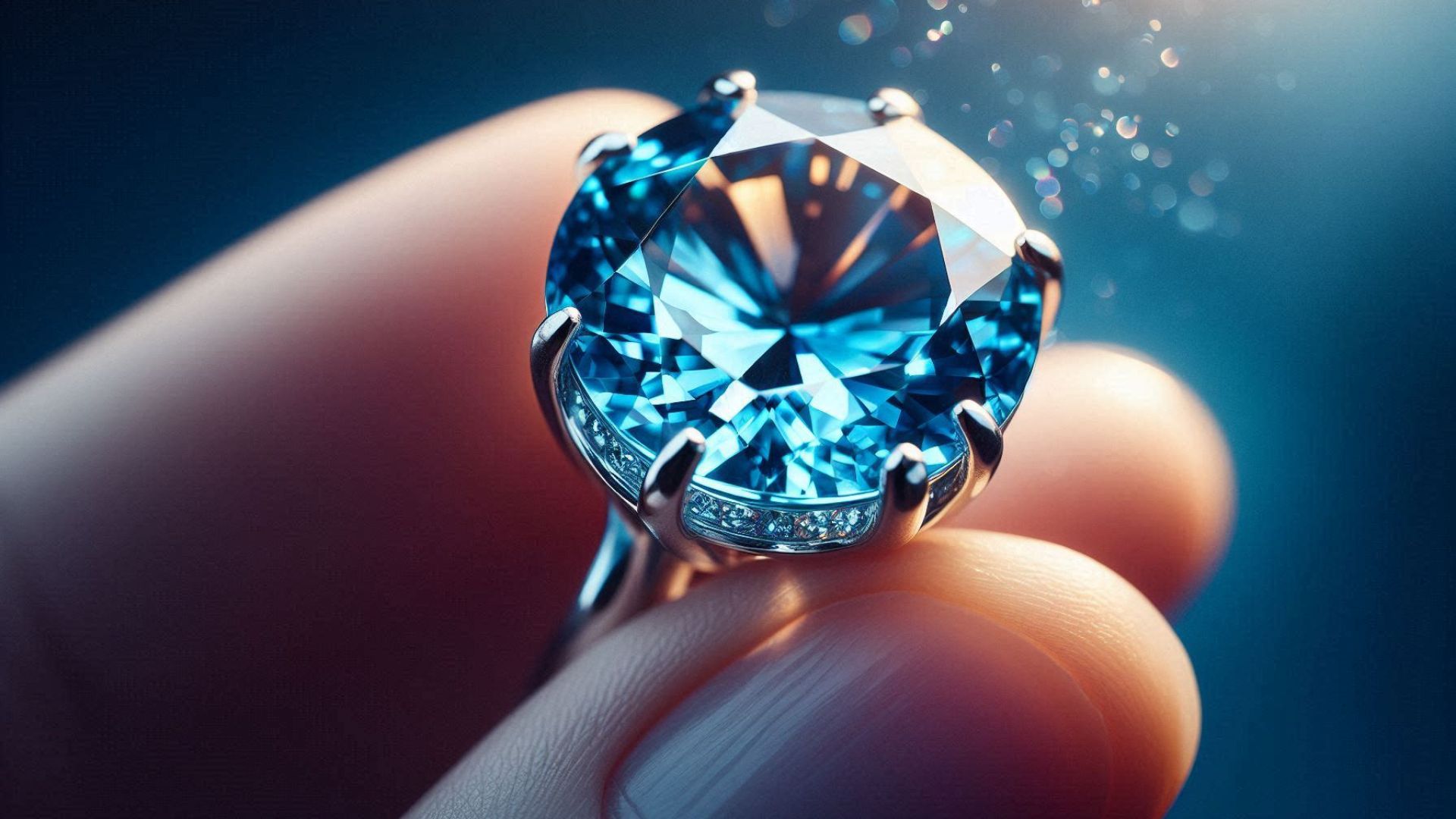
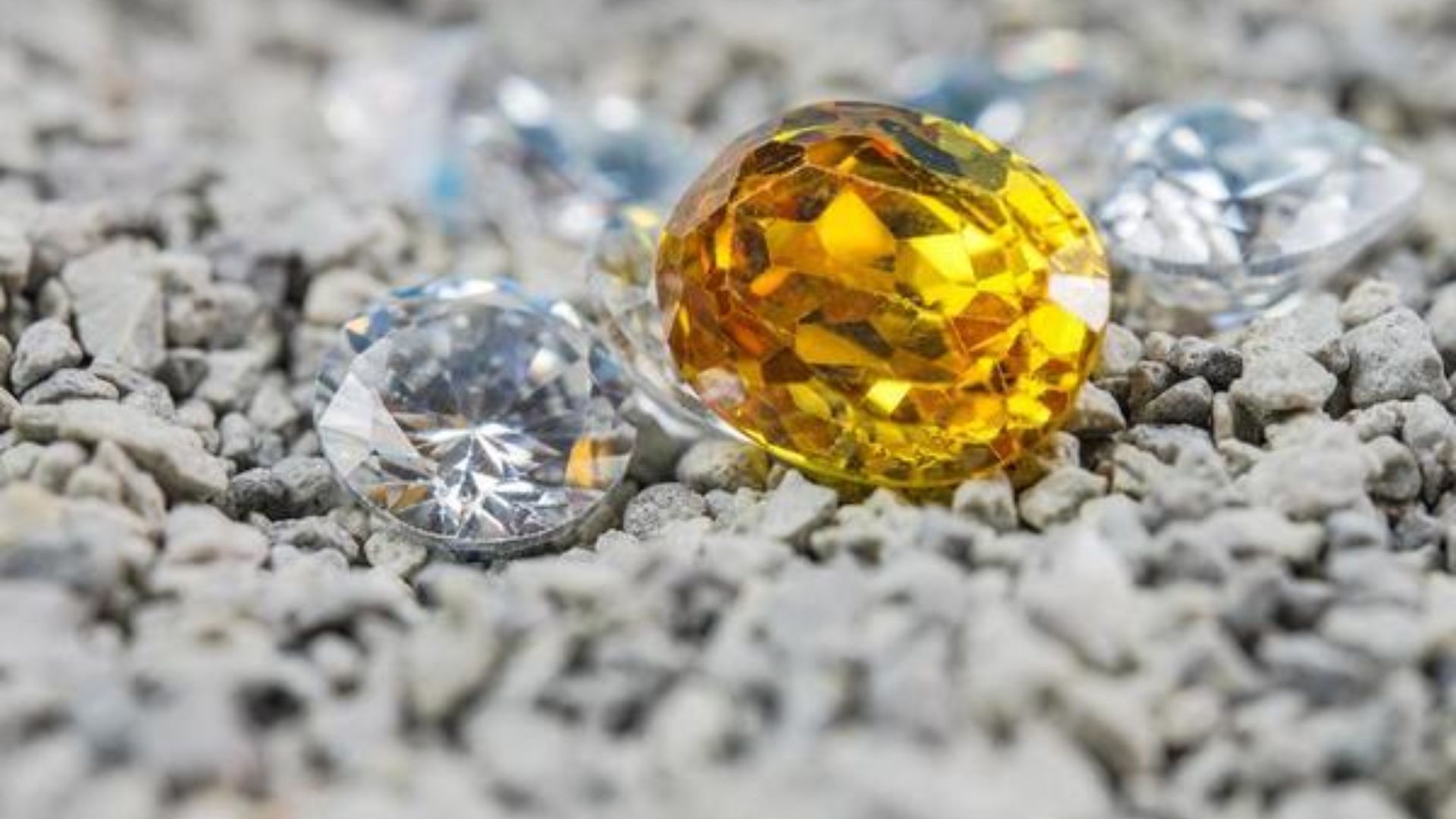
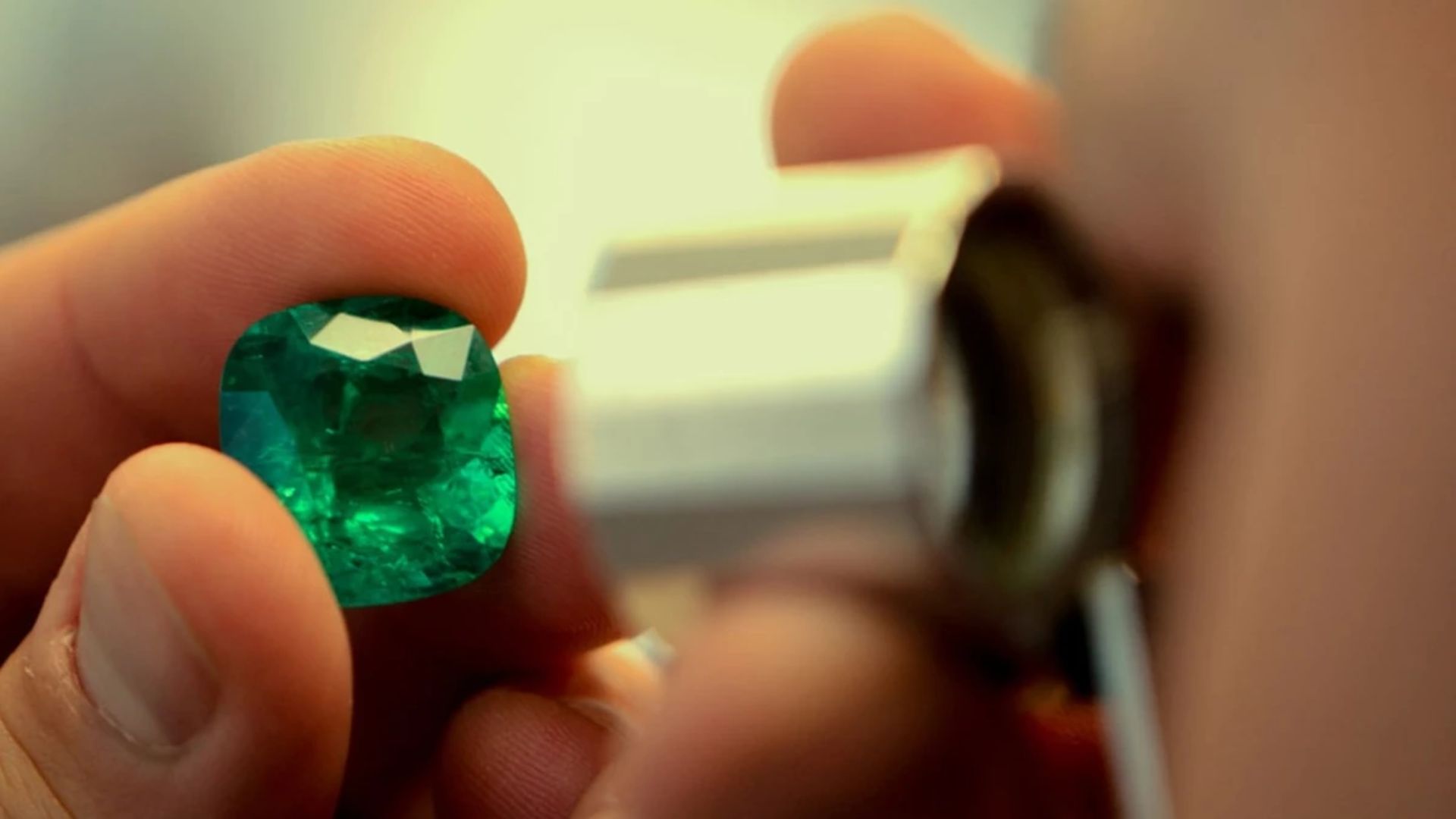
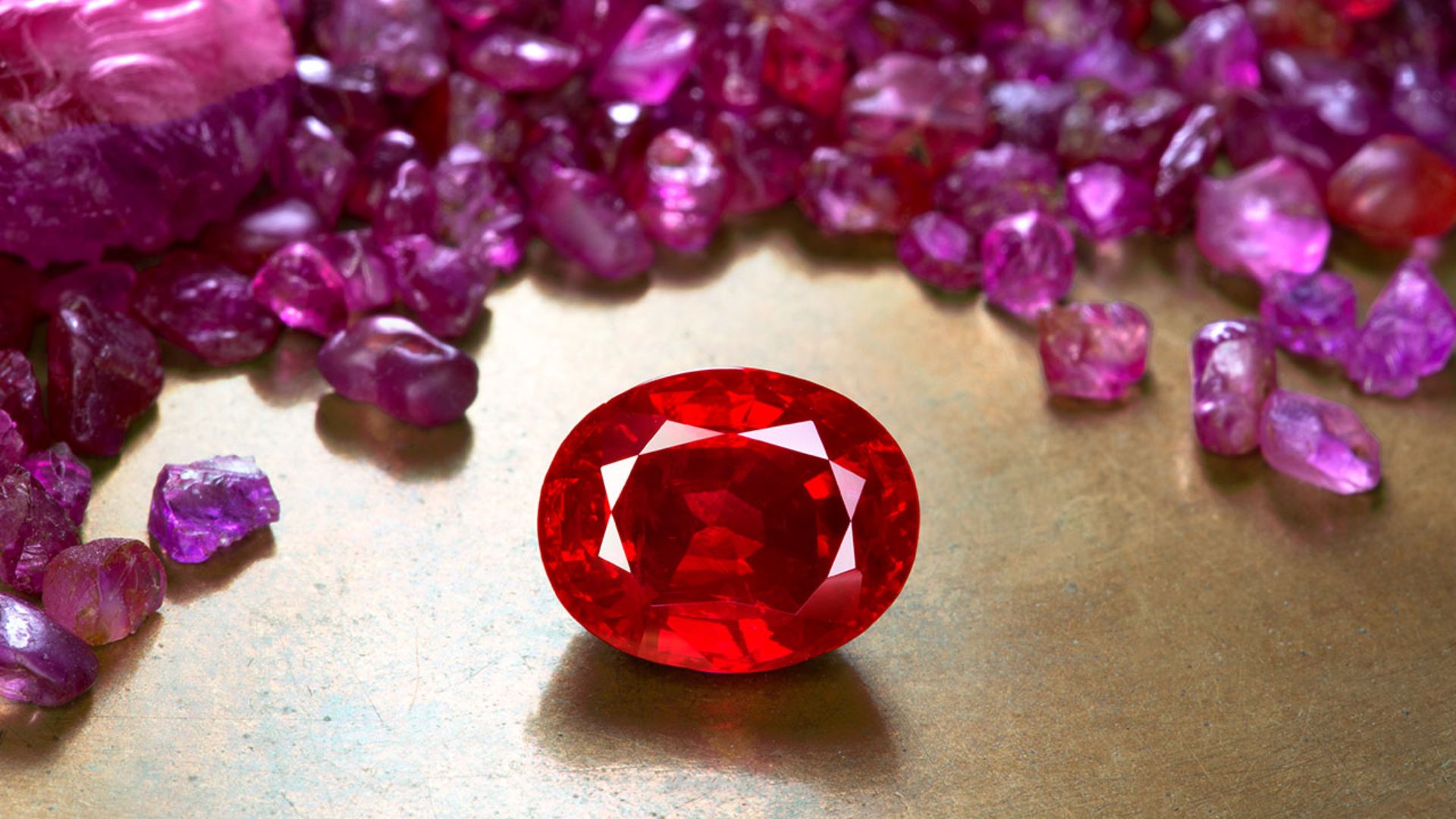
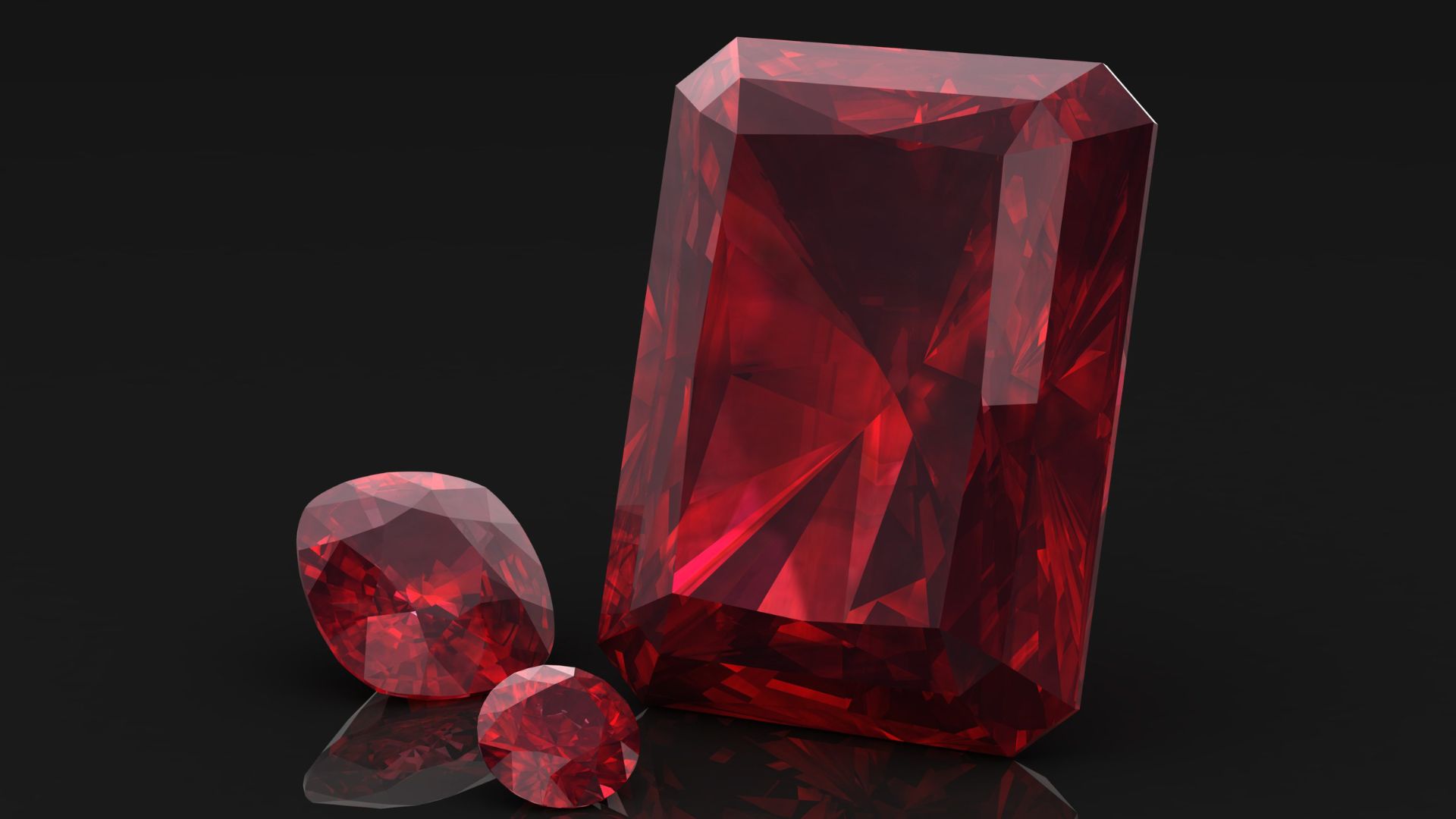
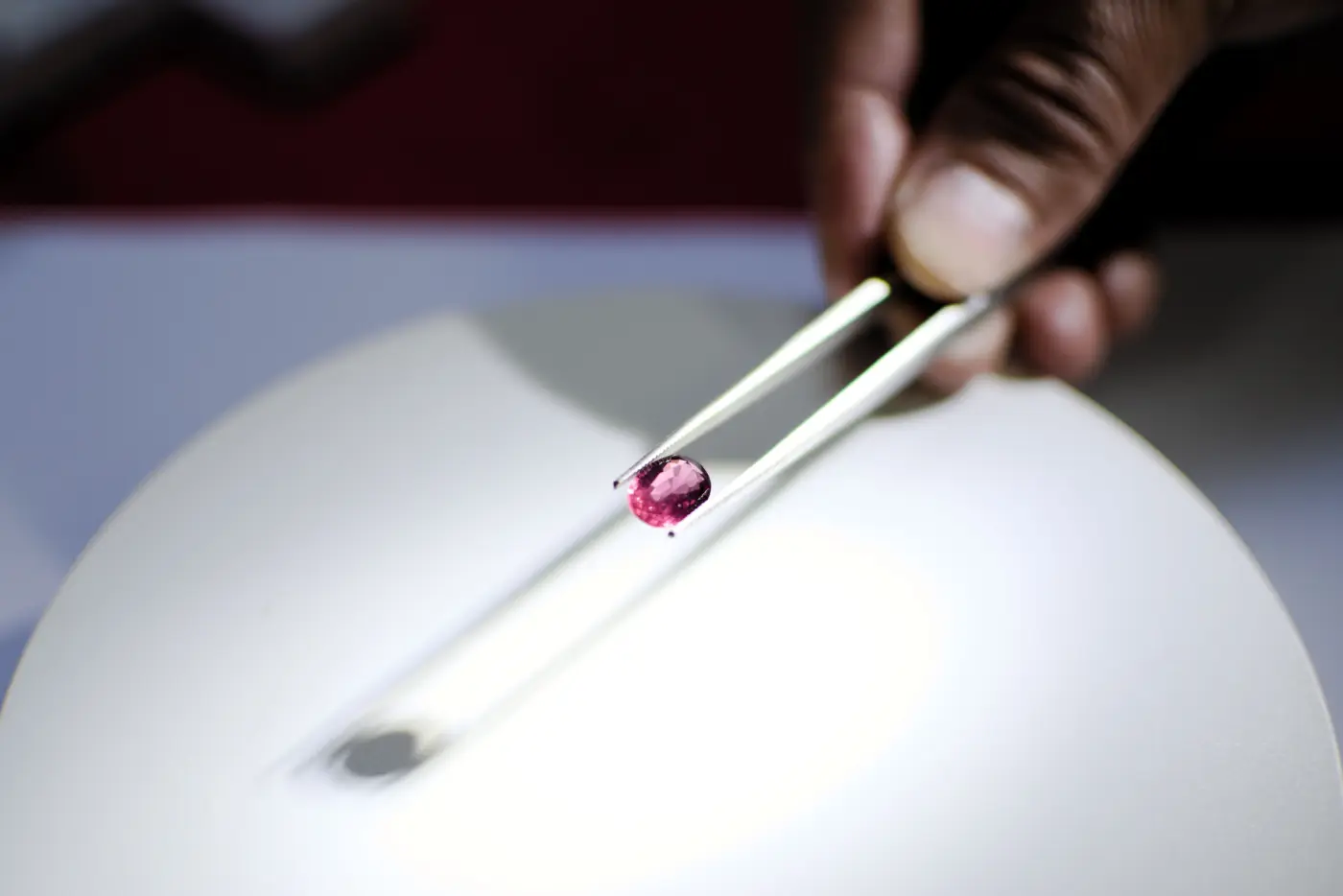
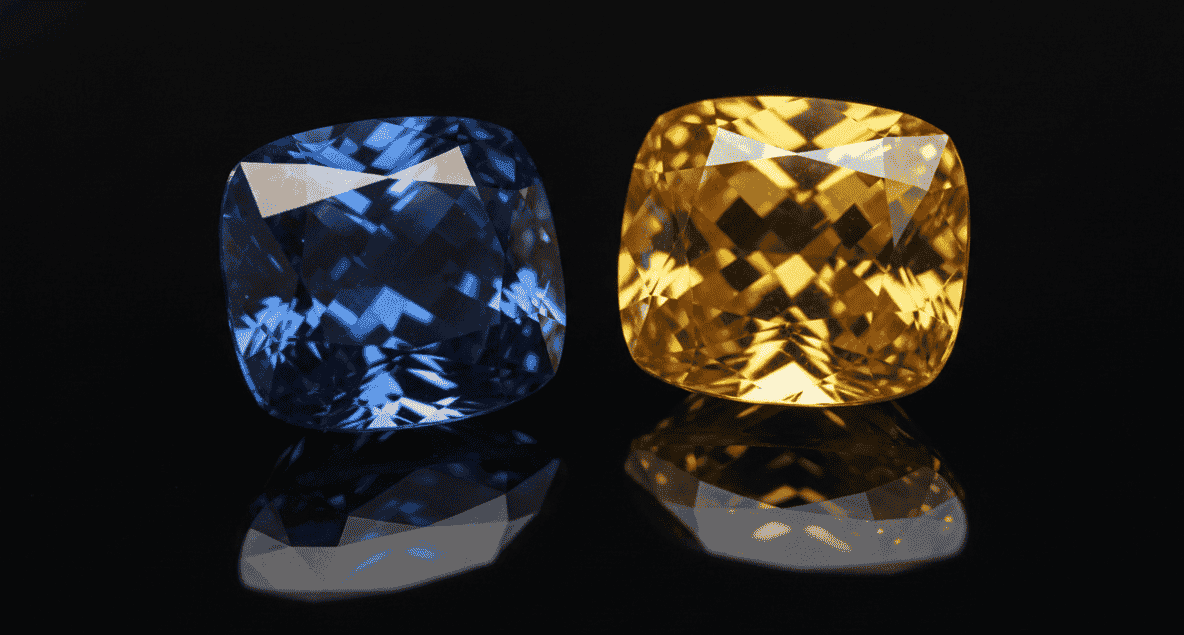
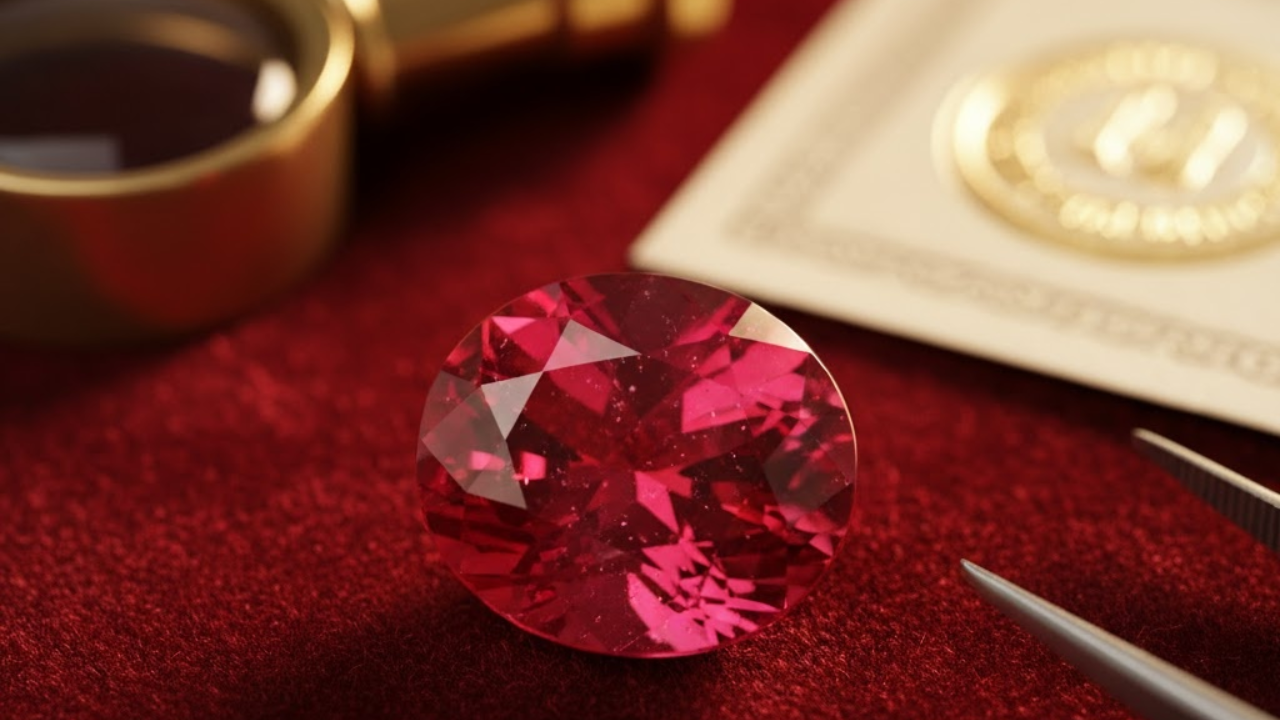
Gemstone facets are the small, flat, polished surfaces cut into a gemstone to enhance its interaction with light. Each facet acts like a tiny mirror, reflecting and refracting light in different directions.
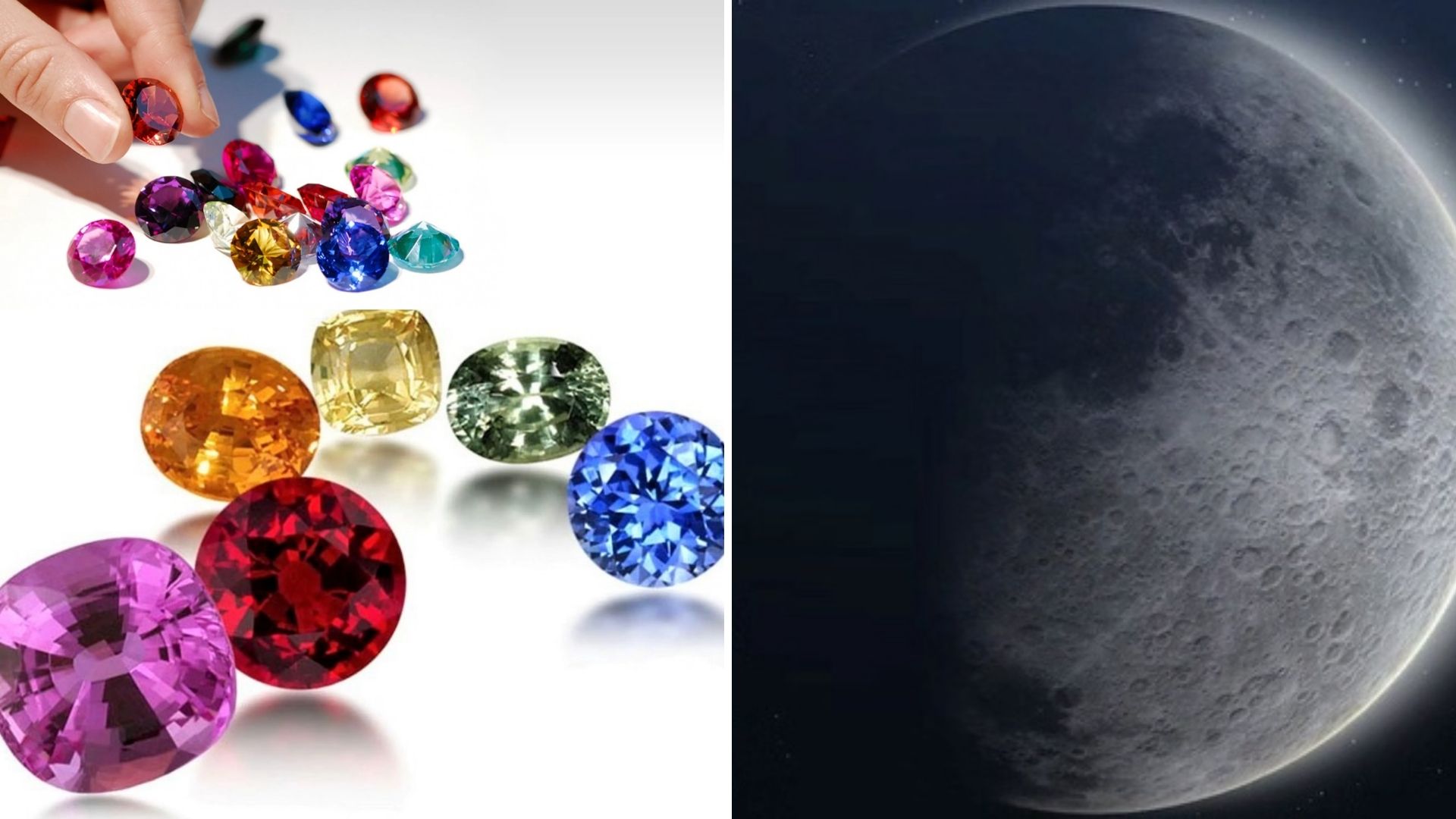
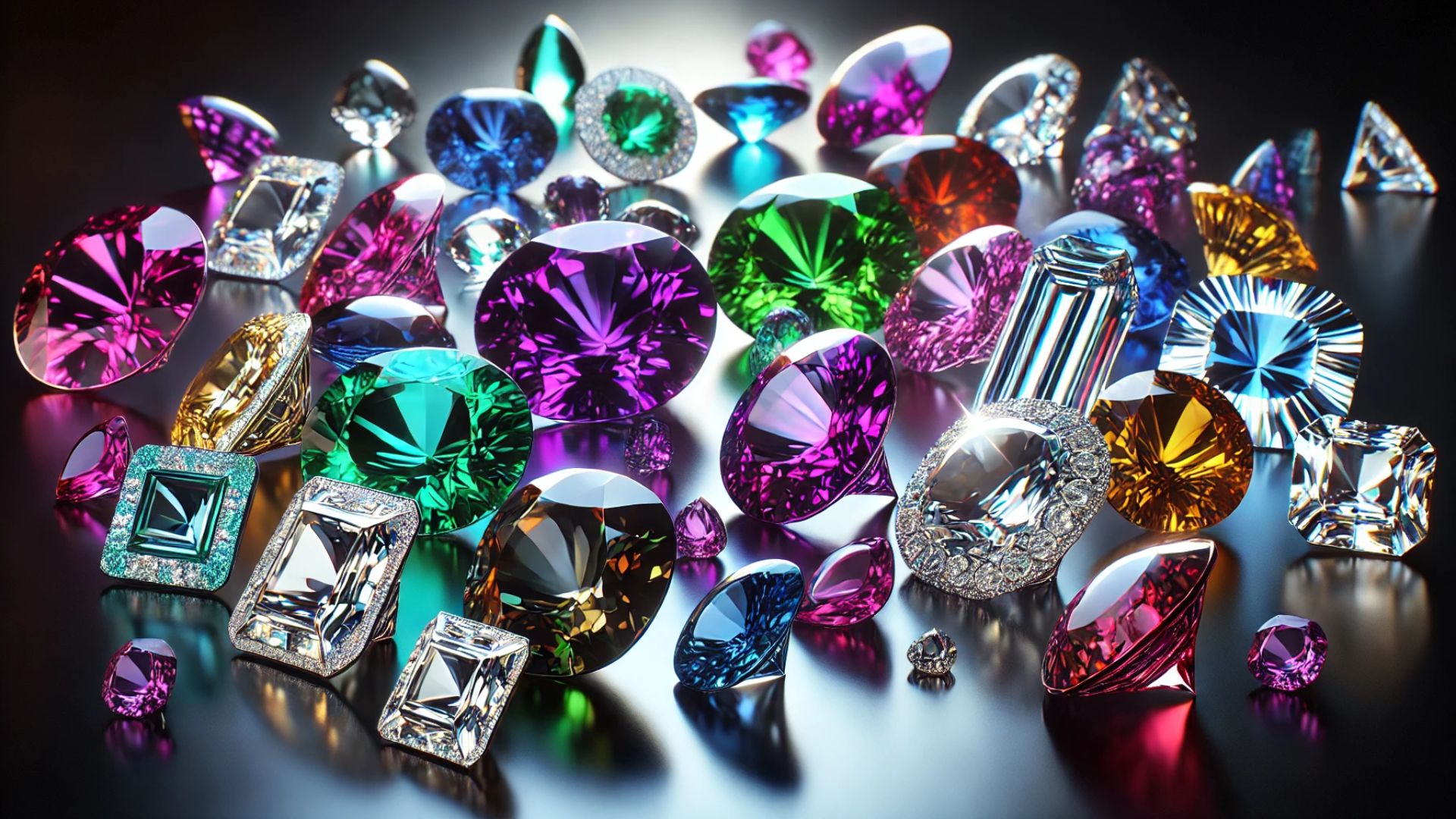
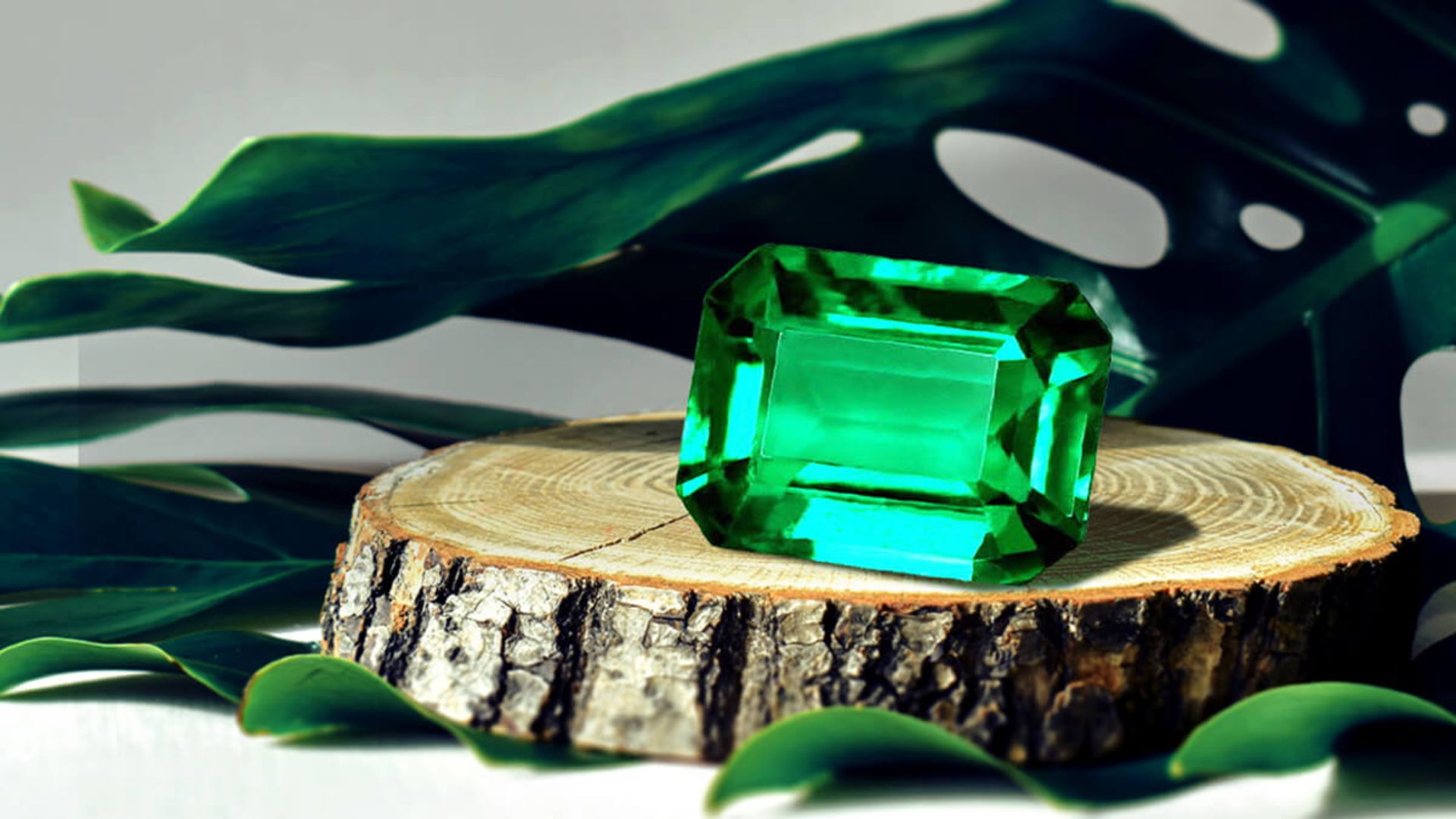
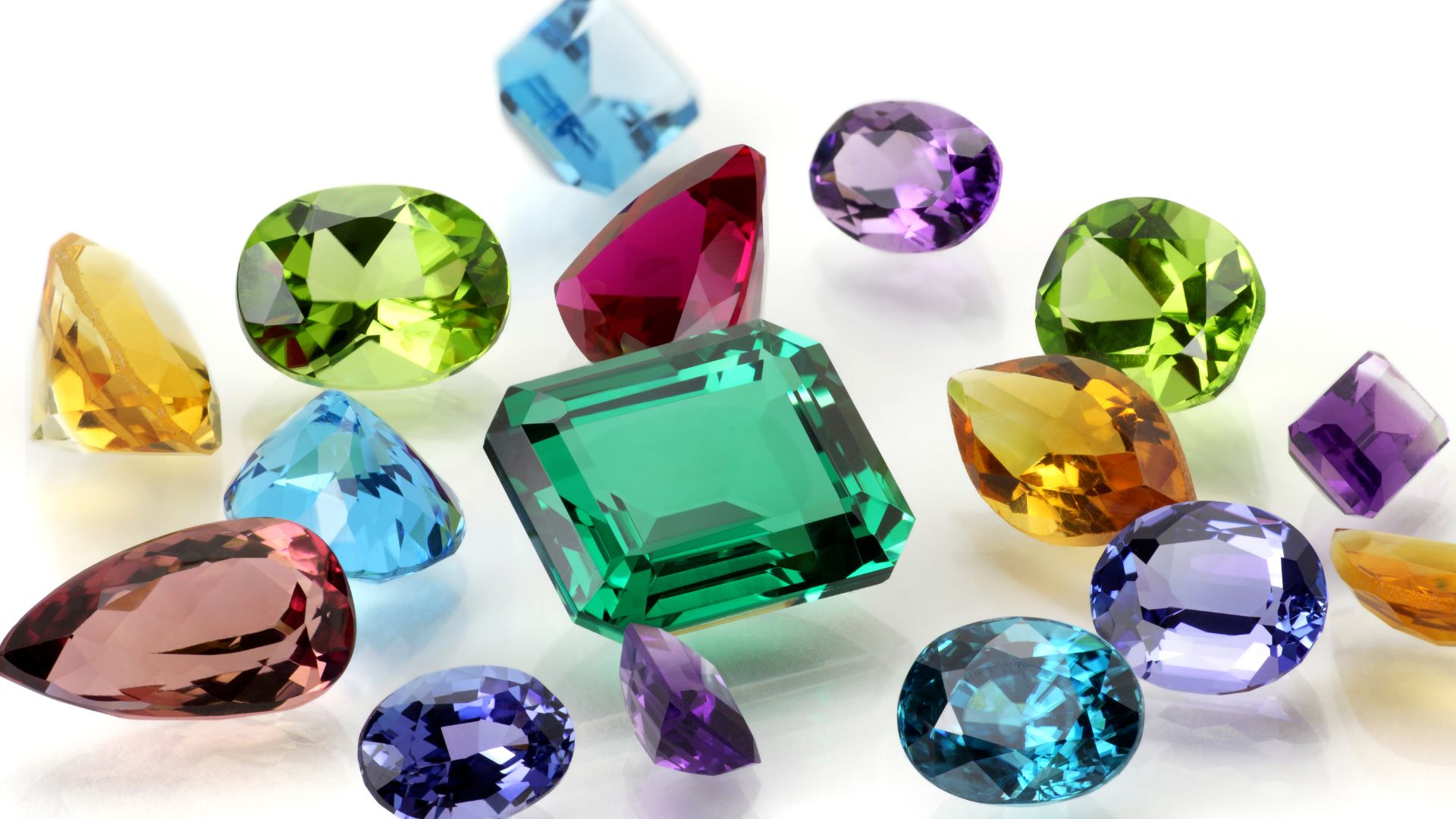
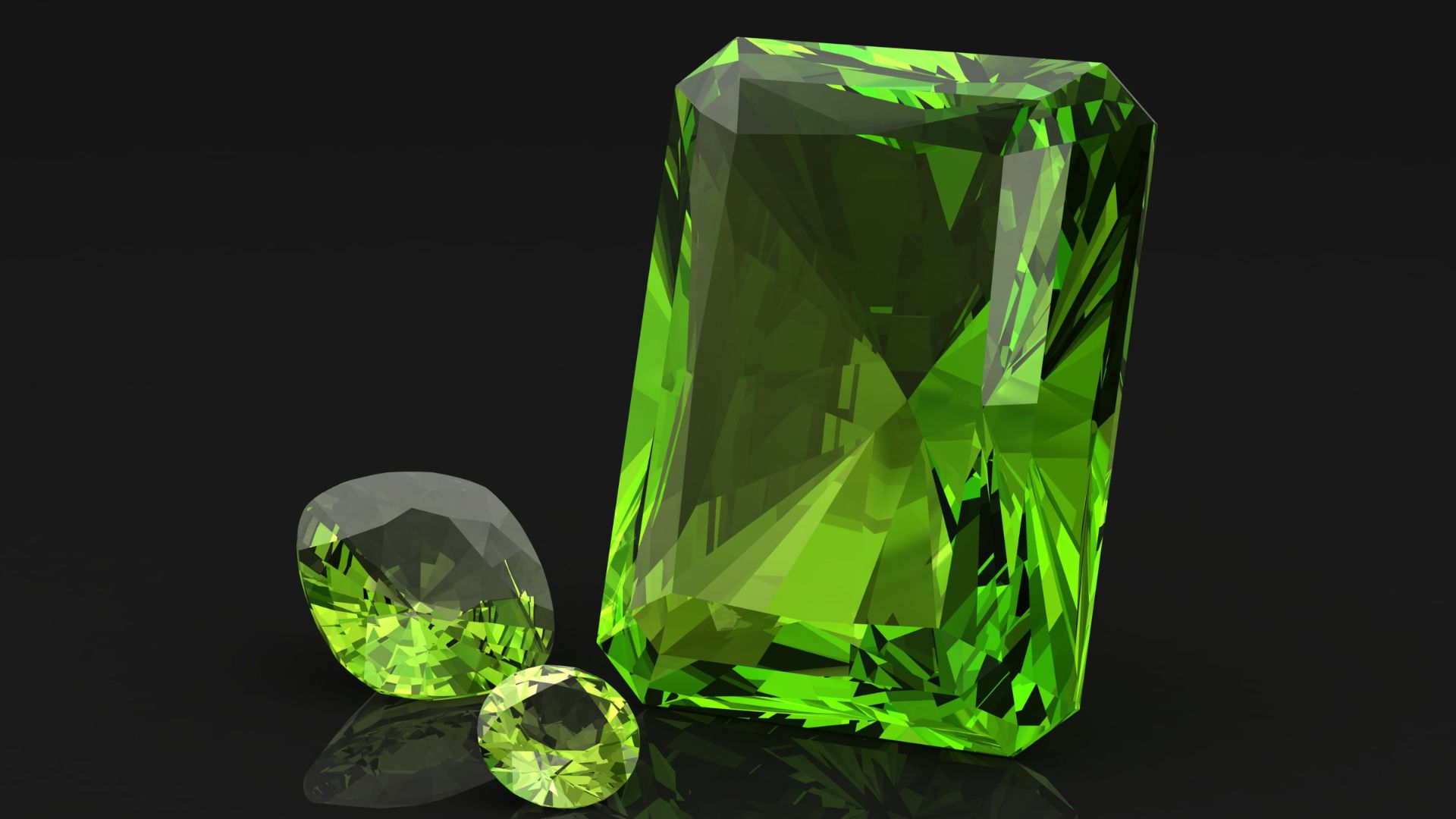
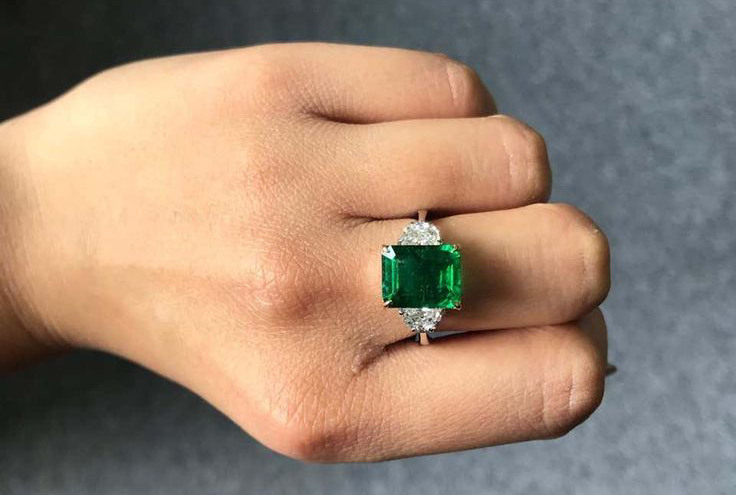
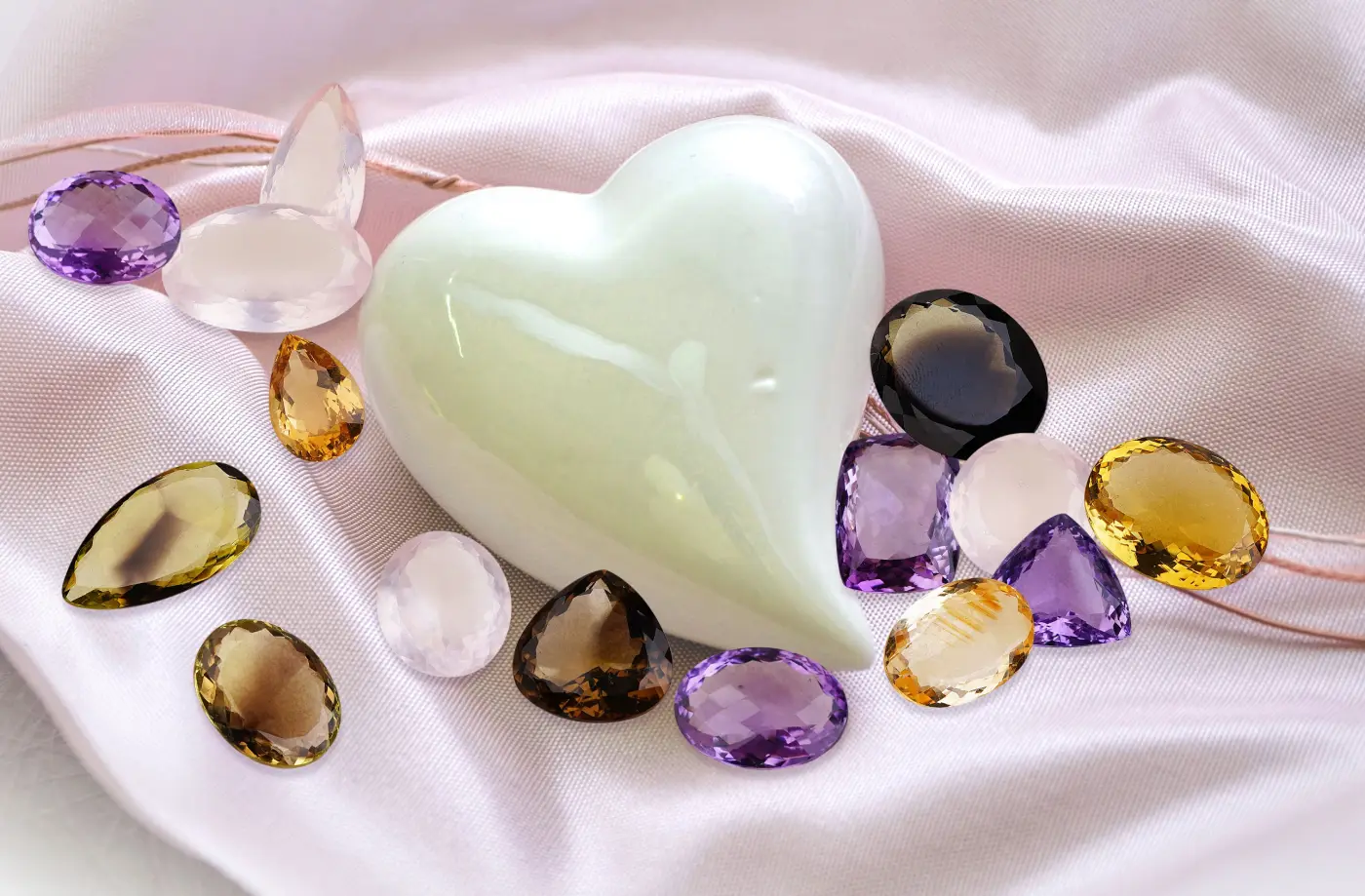
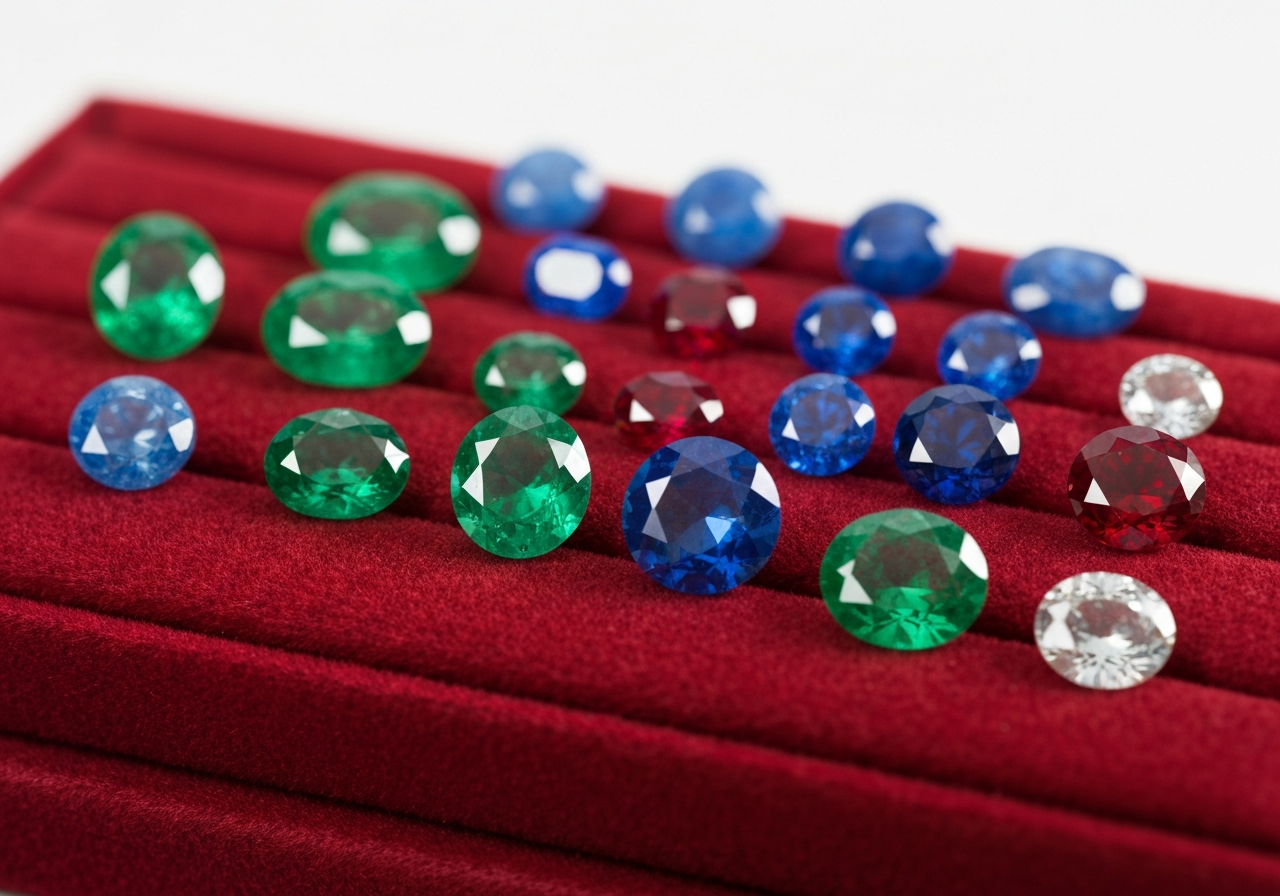
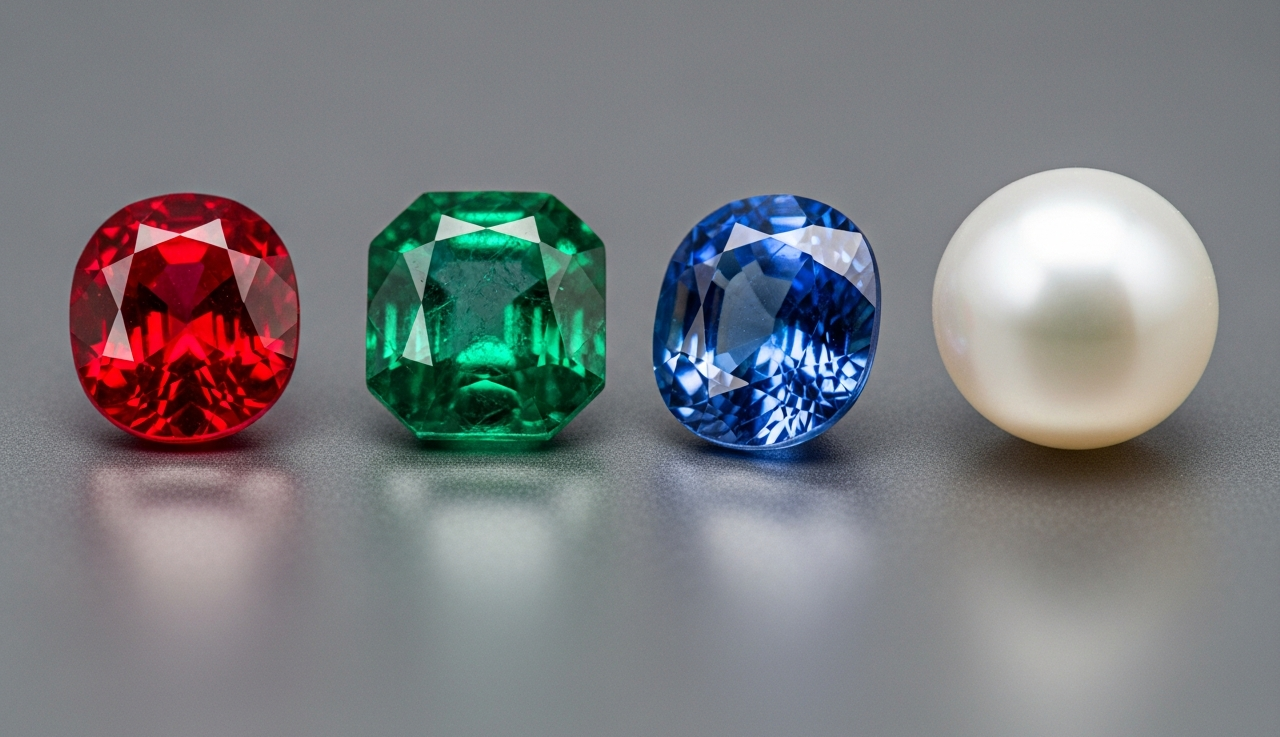
The number, size, shape, and placement of facets depend on the gemstone's type, natural properties, and intended cut. For example, round brilliant cuts feature multiple carefully arranged facets to maximise sparkle, while emerald cuts use broad, stepped facets to create a sophisticated, mirror-like appearance.
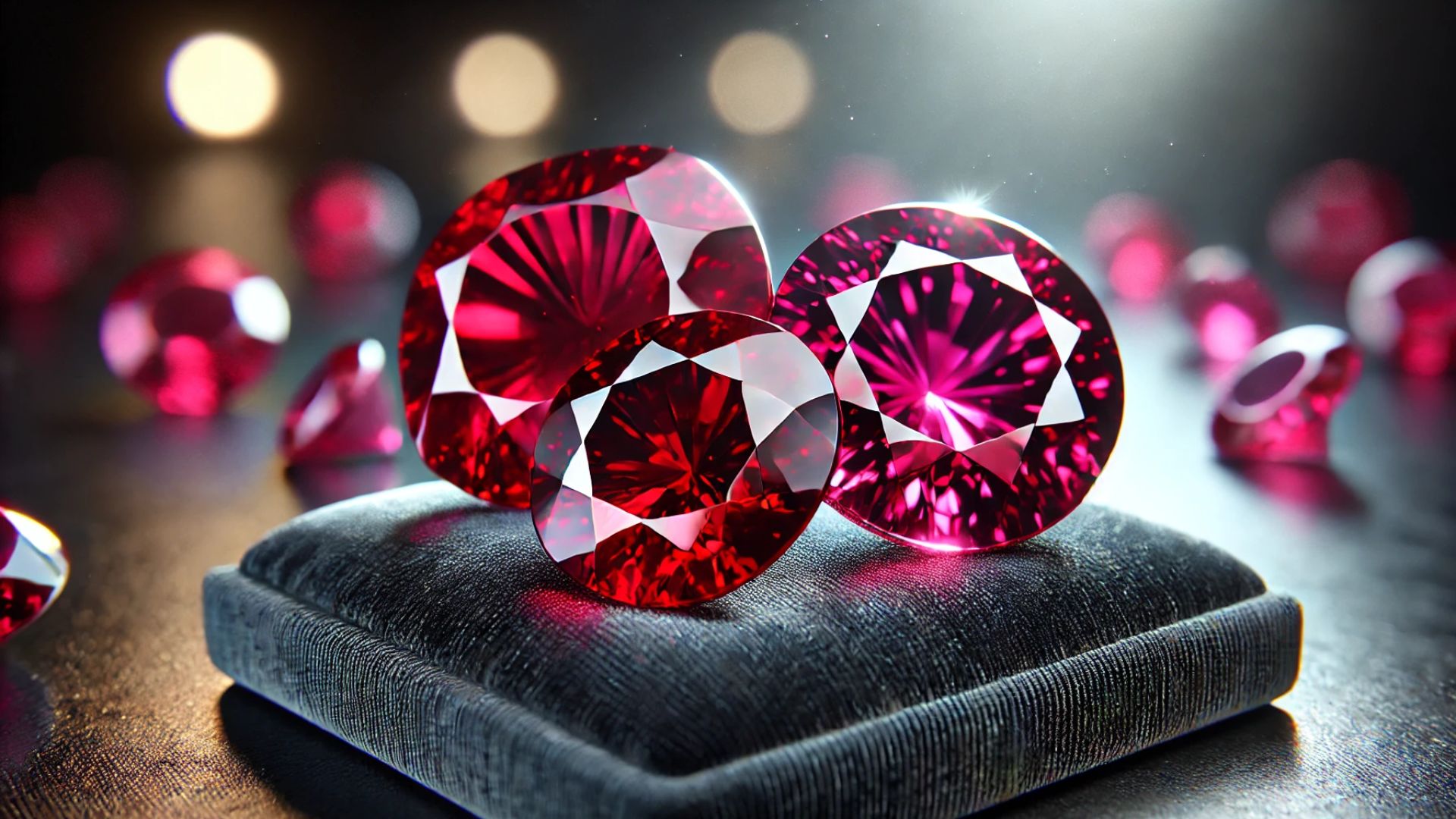
Well-crafted facets do more than make a gemstone look attractive. They help highlight its natural colour, improve its visual depth, and bring out its unique optical characteristics.
How Facet Design Controls Light Reflection
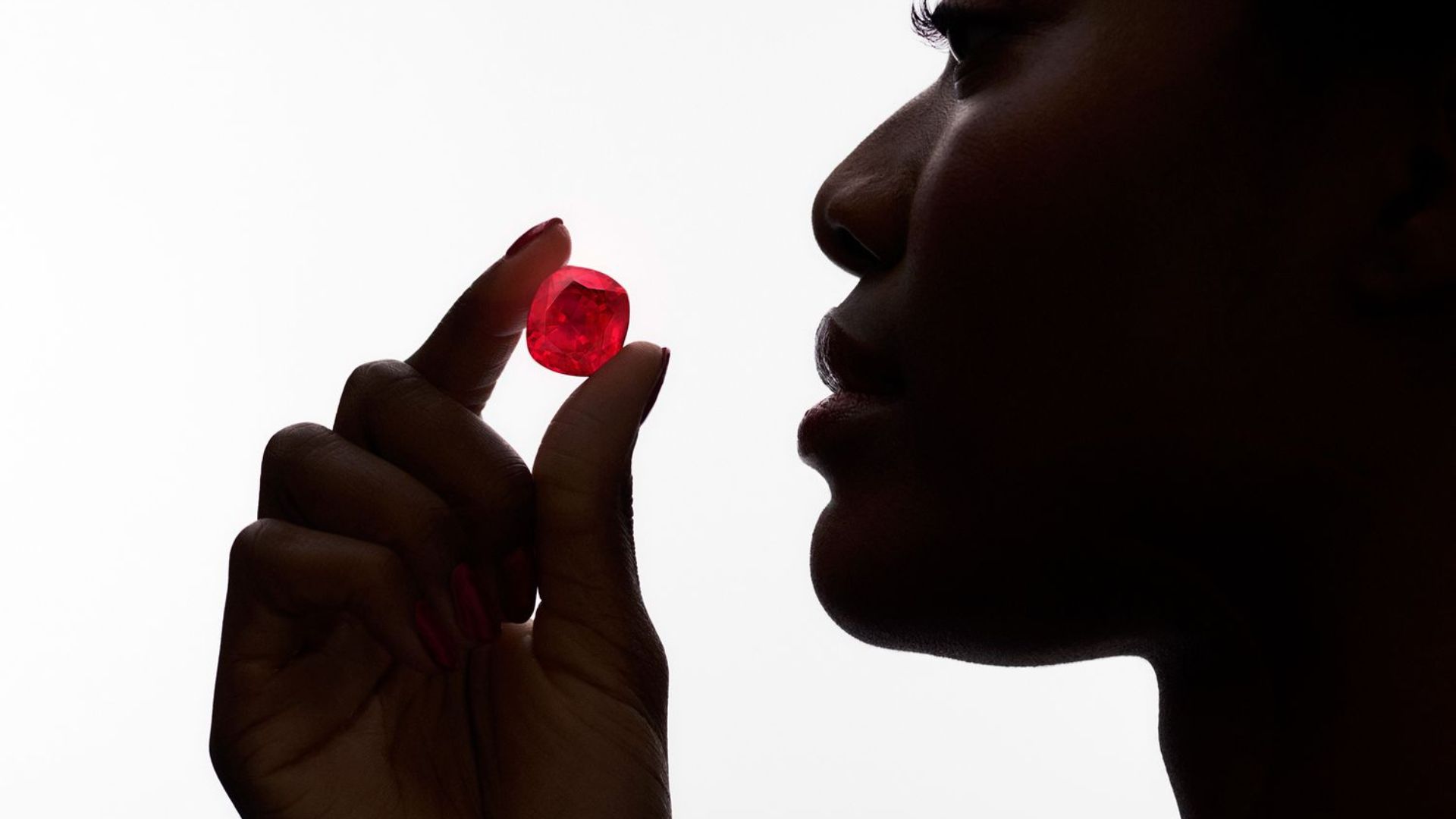
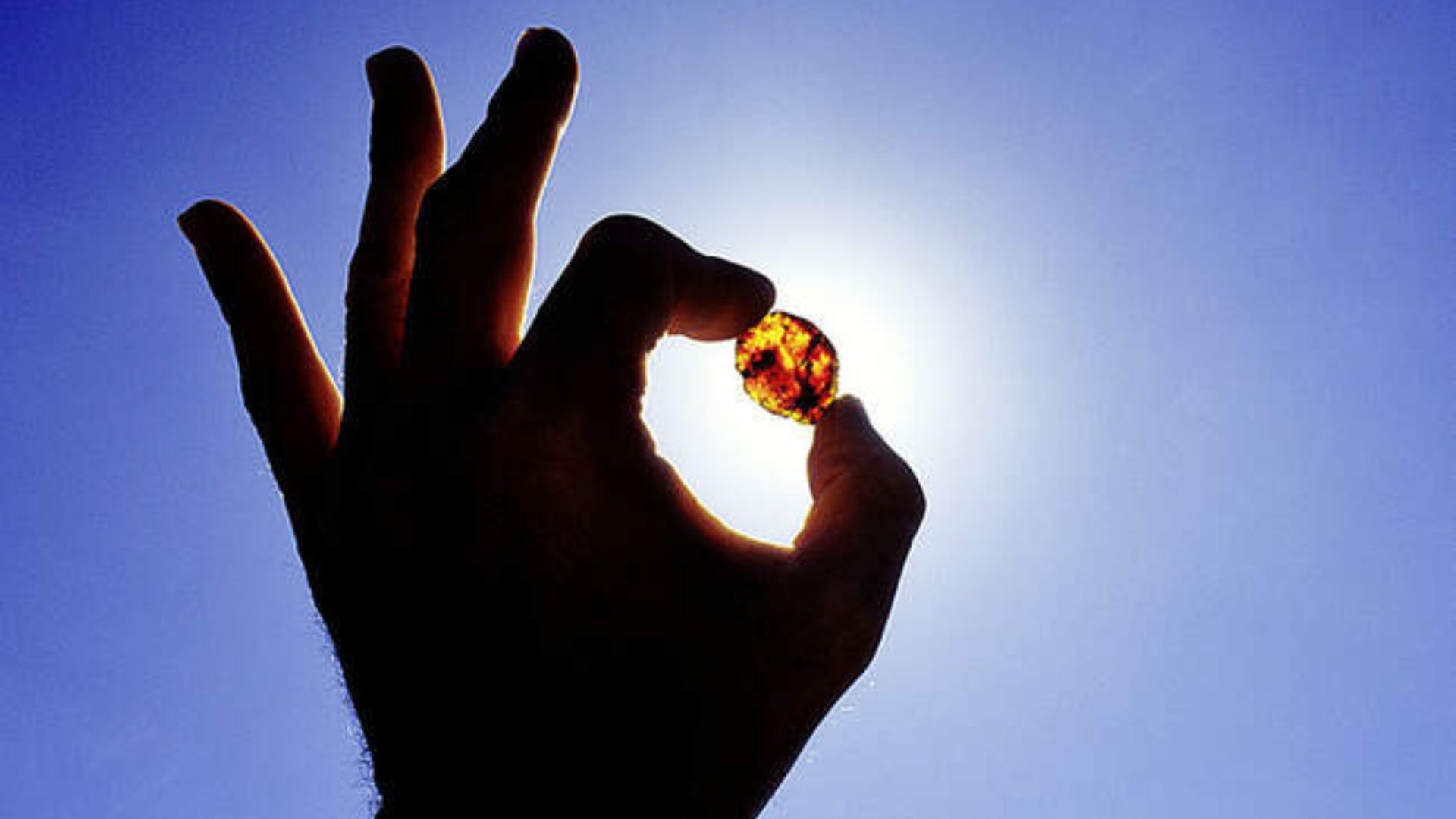
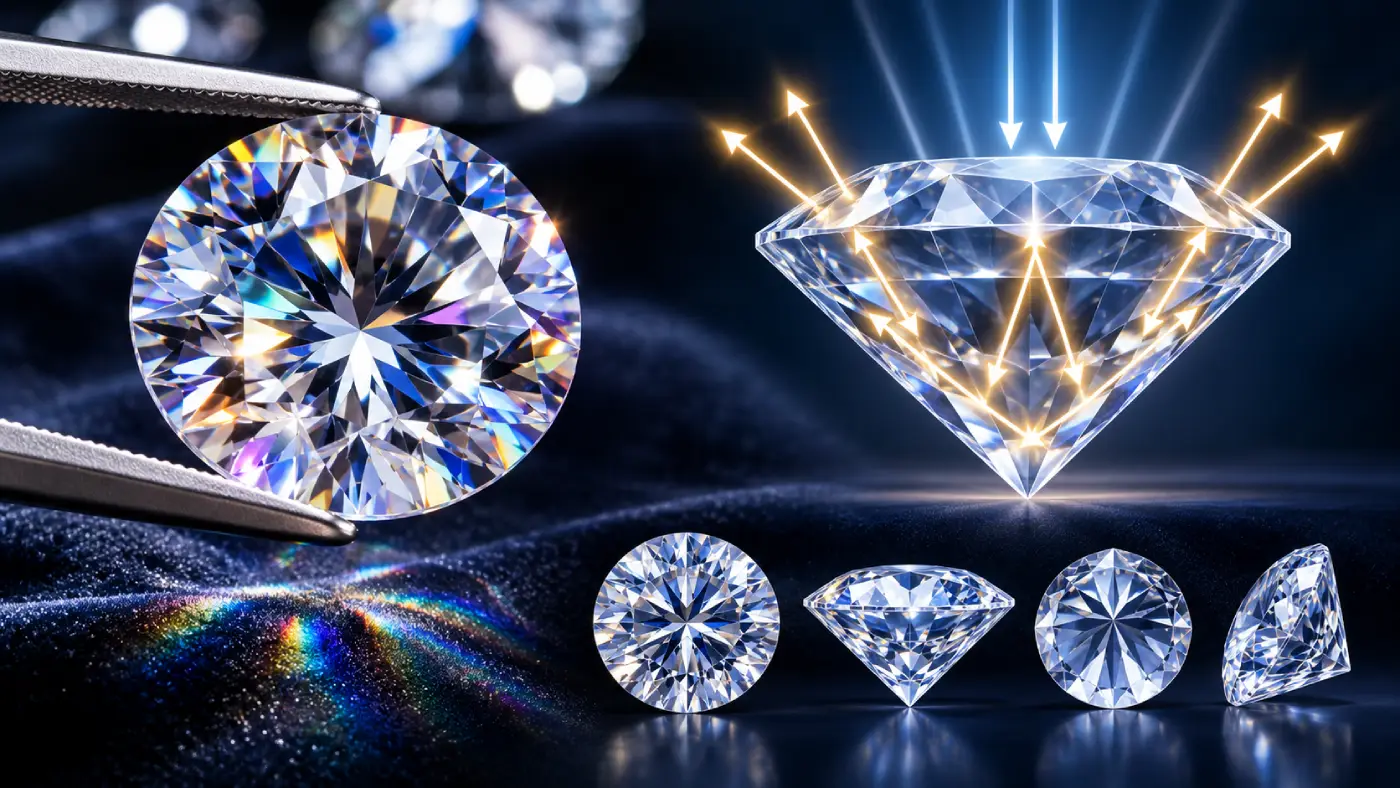
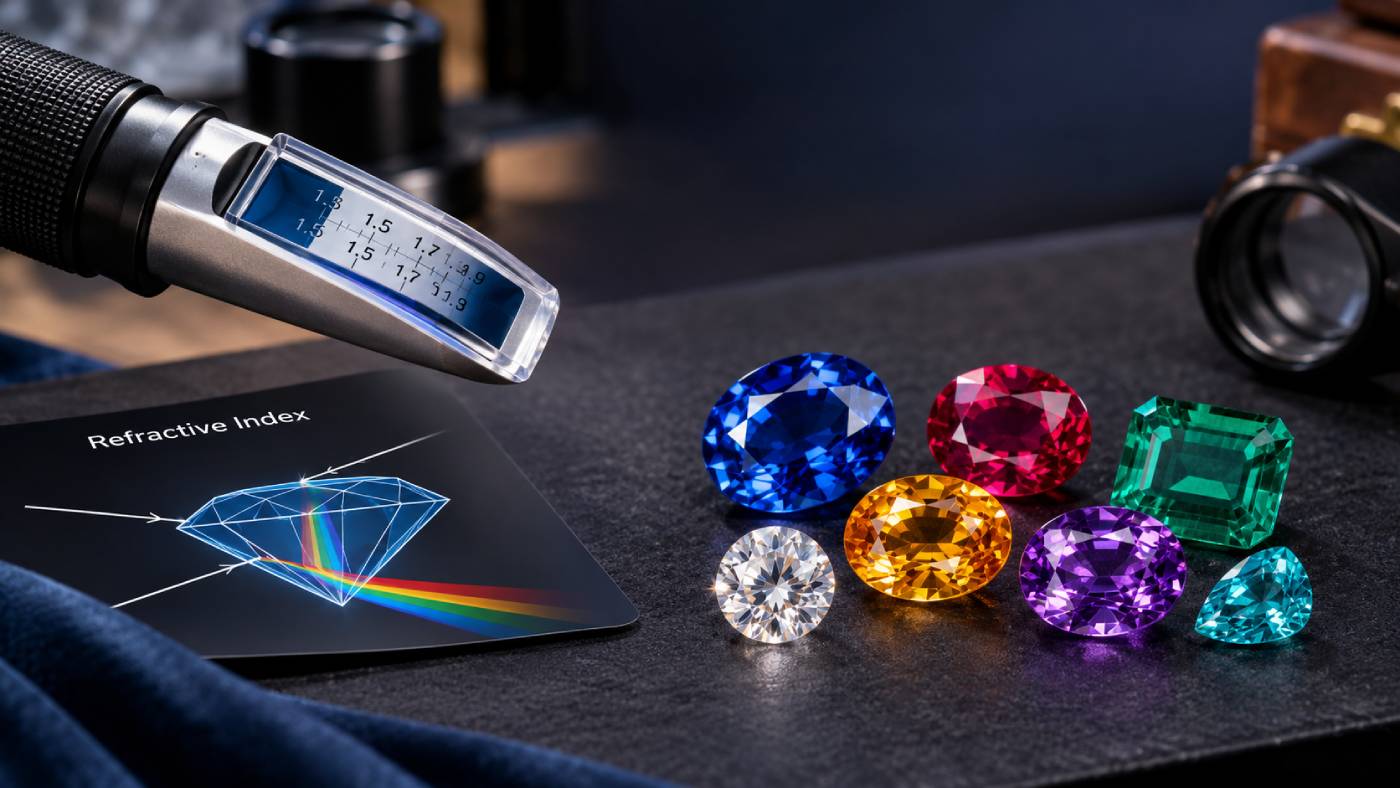
Light plays a central role in determining how a gemstone looks. When light enters a gemstone, it changes direction due to a process called refraction. Depending on the gemstone's refractive index and the angles of its facets, light may travel through the stone, reflect internally, or exit through another surface.
This is where Facet Design becomes especially important.
A gemstone cutter carefully calculates the angles and proportions of individual facets to encourage light to reflect within the stone before returning to the viewer's eye. This process, known as internal reflection, contributes significantly to the gemstone's brightness.
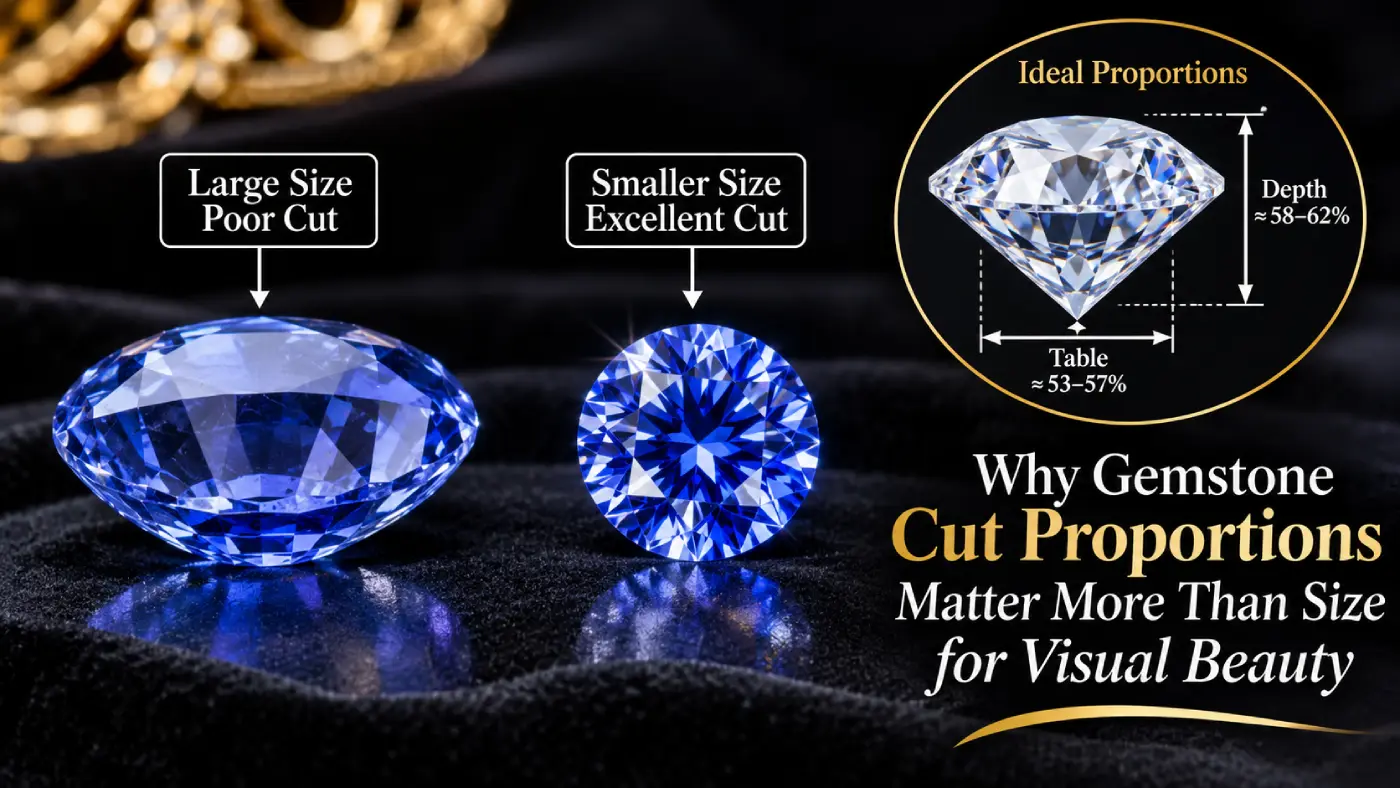
If the facets are cut at incorrect angles, light may escape through the bottom or sides of the gemstone. This can make the stone appear dull or lifeless.
An effective facet arrangement helps balance light entry, internal reflection, and light return, allowing the gemstone to display its maximum visual potential.
The Relationship Between Gemstone Sparkle and Facet Arrangement
Gemstone Sparkle is one of the most attractive features of a well-cut gemstone. It refers to the flashes of light that appear as the gemstone, the viewer, or the light source moves.
Several factors influence this effect:
Different gemstone cuts produce different sparkle patterns. A round brilliant cut is designed to deliver intense sparkle, whereas a step cut offers larger, more subtle flashes of reflected light.
Therefore, the right facet arrangement depends on the desired appearance and the gemstone's natural characteristics.
Understanding the Three Key Elements of Gemstone Brilliance
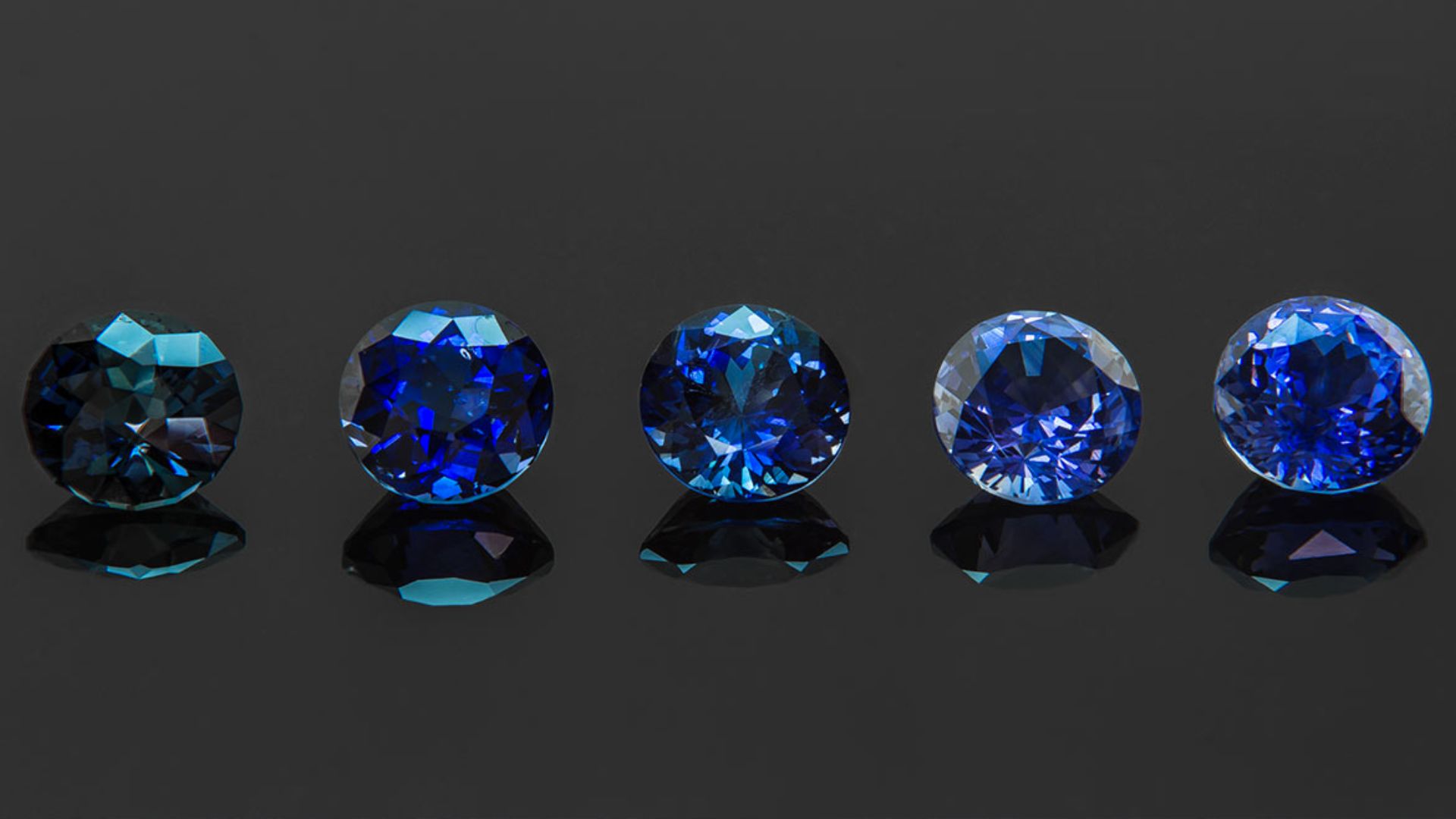
Gemstone Brilliance is closely connected to how efficiently a gemstone handles incoming light. Three important optical effects contribute to its overall beauty.
1. Brilliance
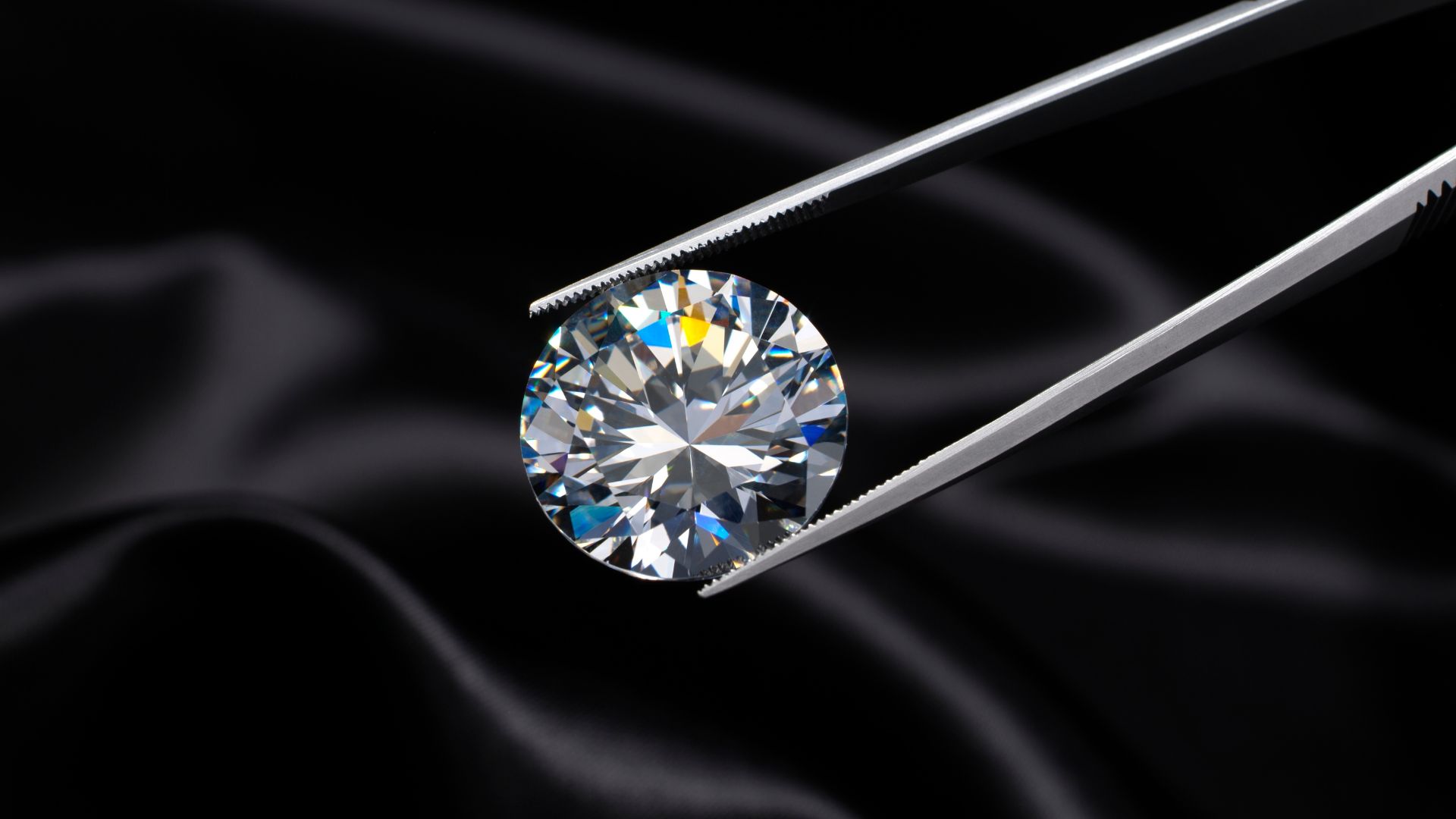
Brilliance refers to the white light reflected from the gemstone's interior towards the viewer. Proper facet proportions and angles help maximise this effect, giving the stone a bright and lively appearance.
2. Fire
Fire describes the colourful flashes produced when white light separates into its spectral colours as it passes through a gemstone. This optical phenomenon is called dispersion.
Gemstones with higher dispersion can display more noticeable flashes of rainbow-like colour under suitable lighting conditions.
3. Scintillation
Scintillation refers to the flashes of light and dark patterns that appear when a gemstone or its surroundings move. It creates the lively, sparkling effect that makes a gemstone visually engaging.
A successful cut balances brilliance, fire, and scintillation to create an attractive overall appearance.
Popular Gemstone Facet Designs and Their Effects
Different cutting styles are developed to achieve specific visual effects. Here are some popular examples:
Round Brilliant Cut
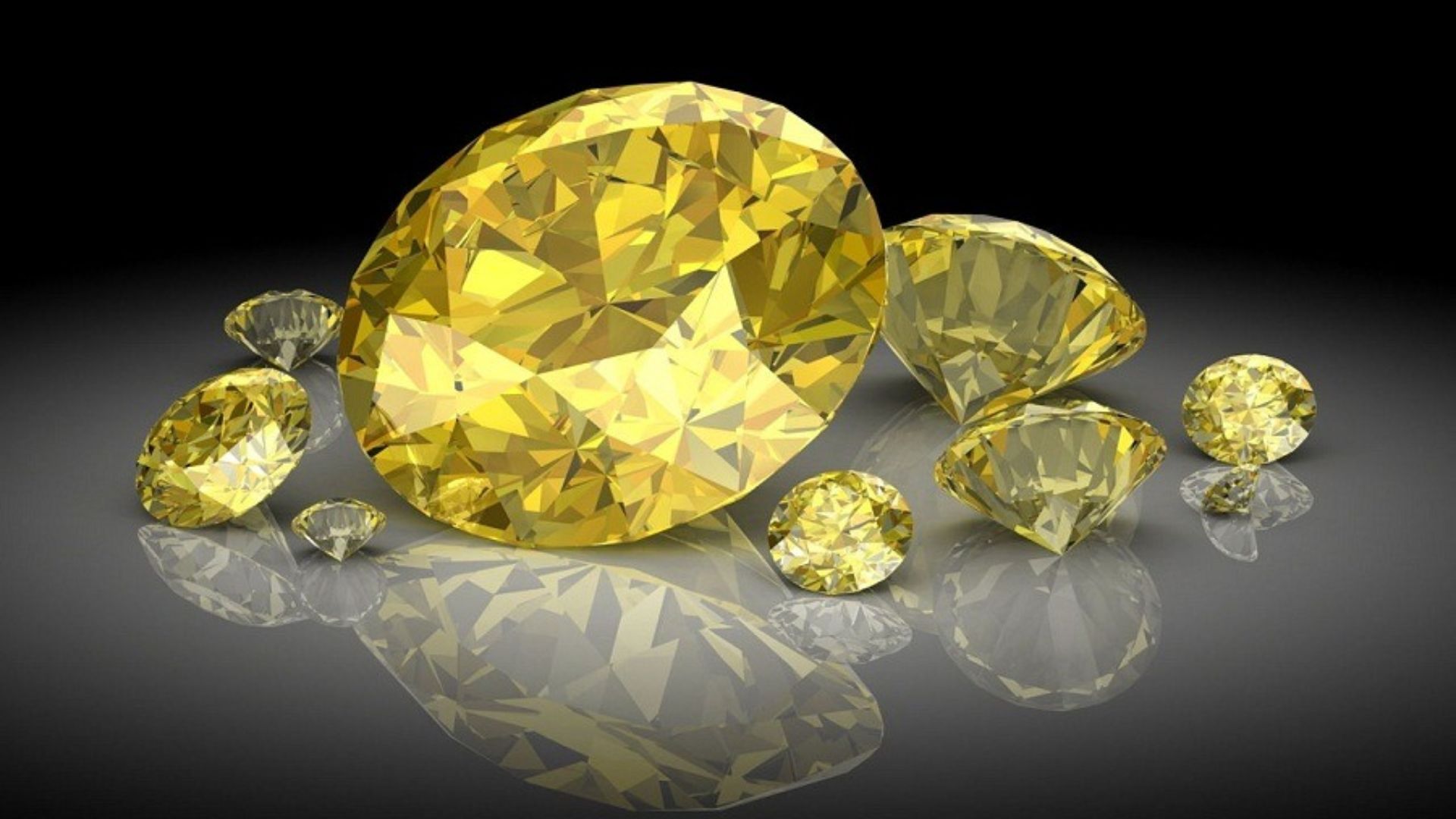
The round brilliant cut is one of the most popular designs for maximising light performance. Its carefully arranged triangular and kite-shaped facets help produce excellent brilliance and scintillation.
Emerald Cut
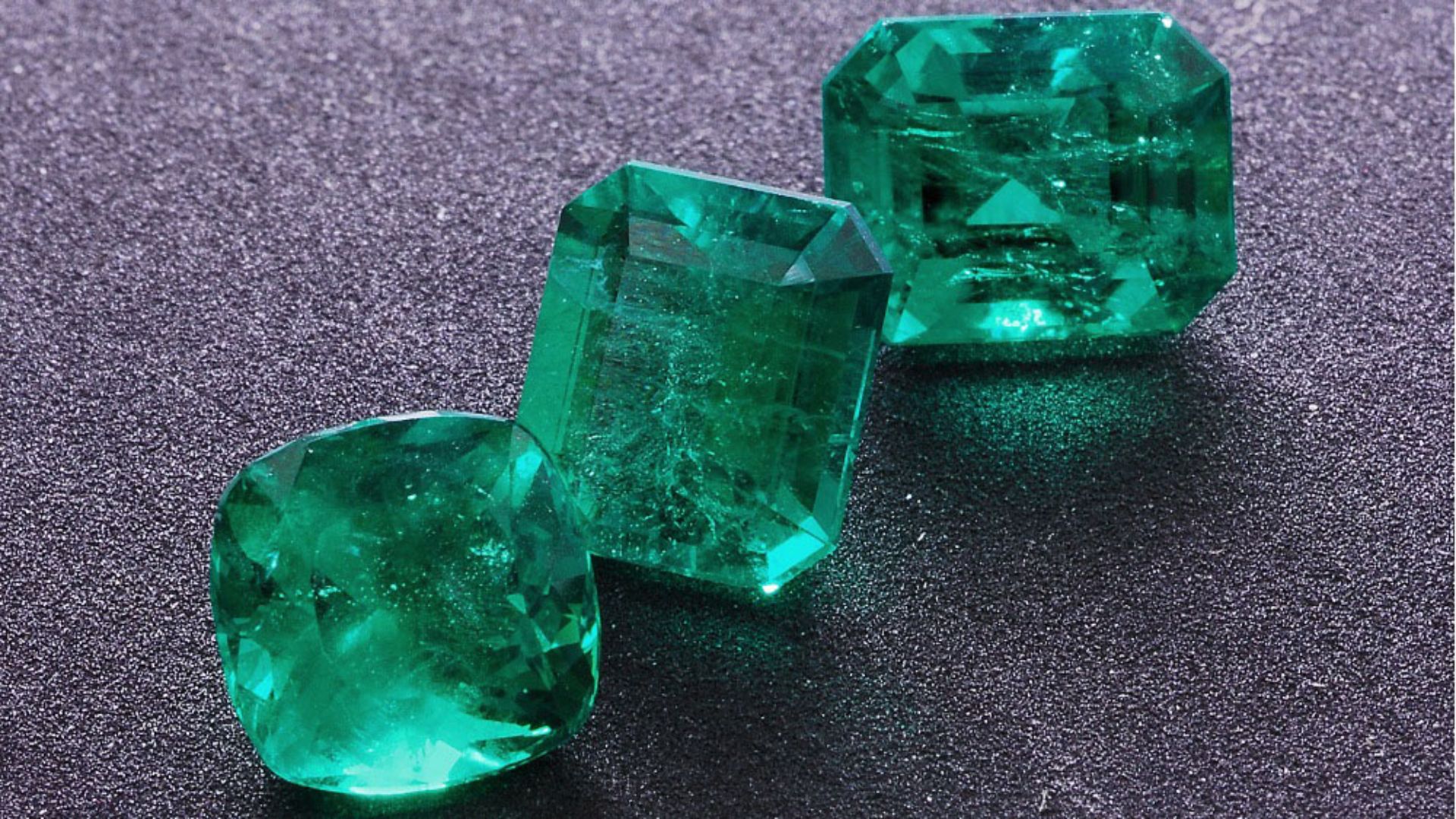
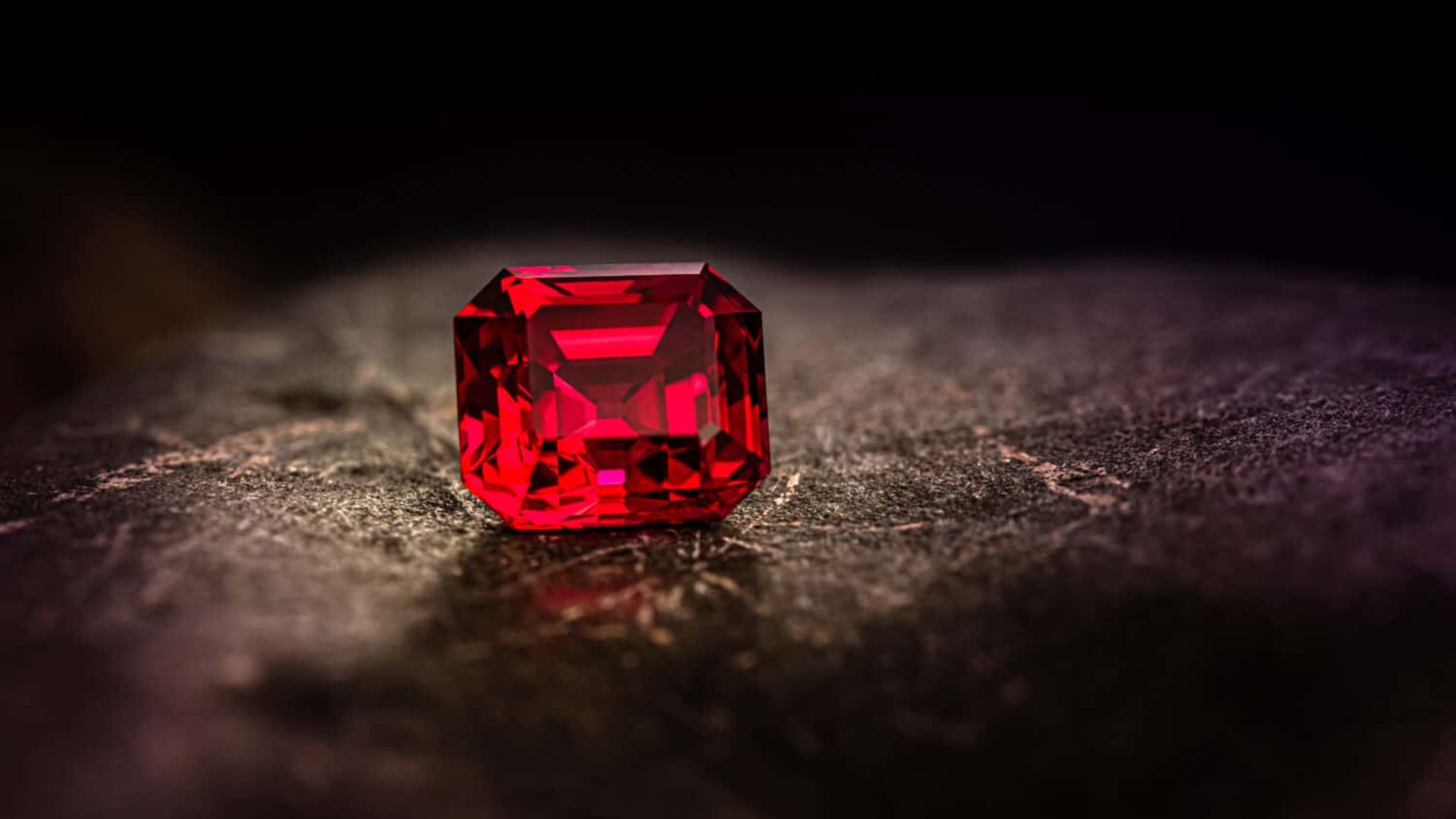
The emerald cut features long, rectangular step facets. Instead of intense sparkle, it creates broad flashes of light and highlights the gemstone's clarity and natural colour.
Princess Cut
Known for its square shape and sharp corners, the princess cut uses numerous facets to create impressive brilliance and a contemporary appearance.
Oval Cut
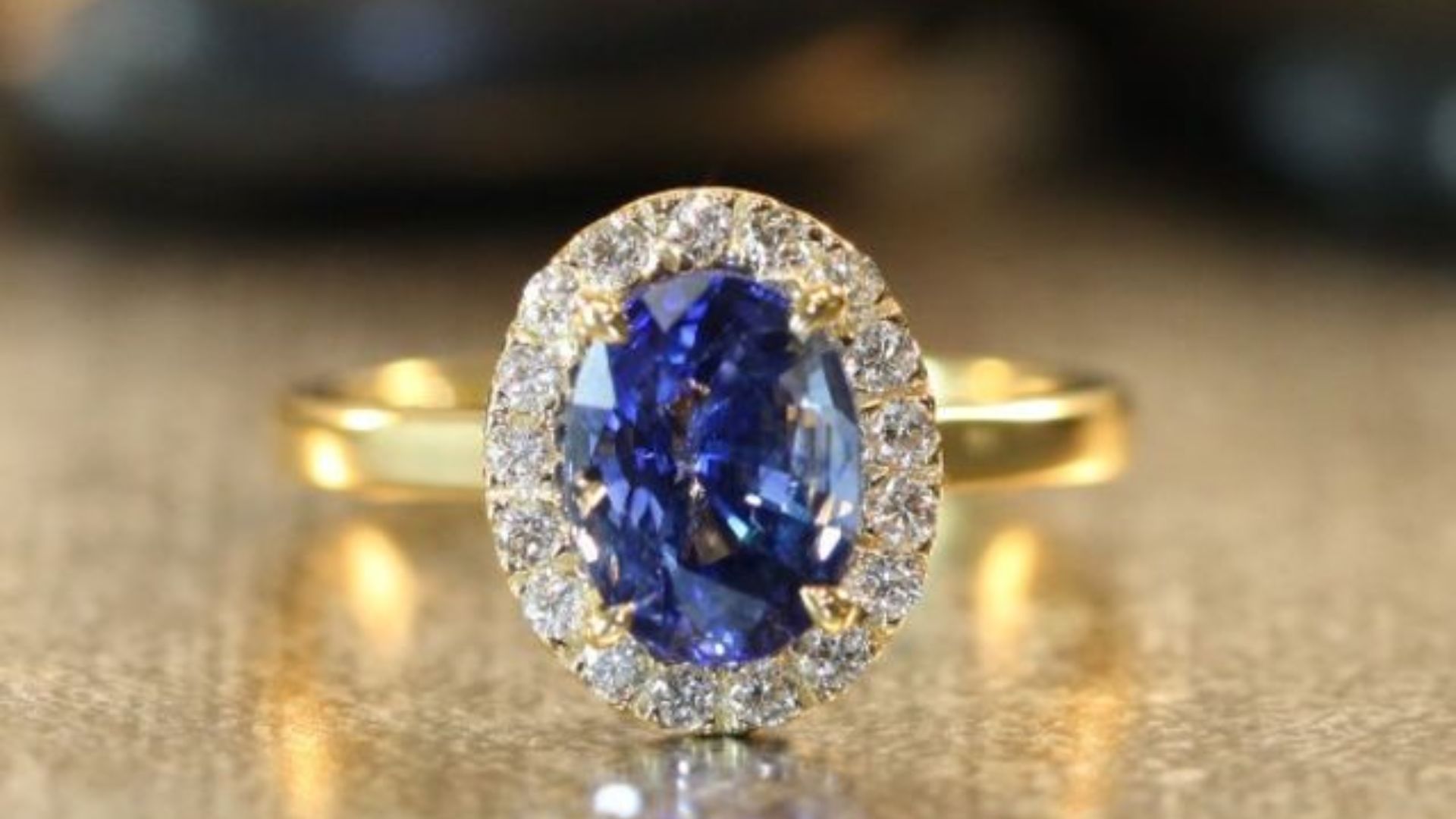
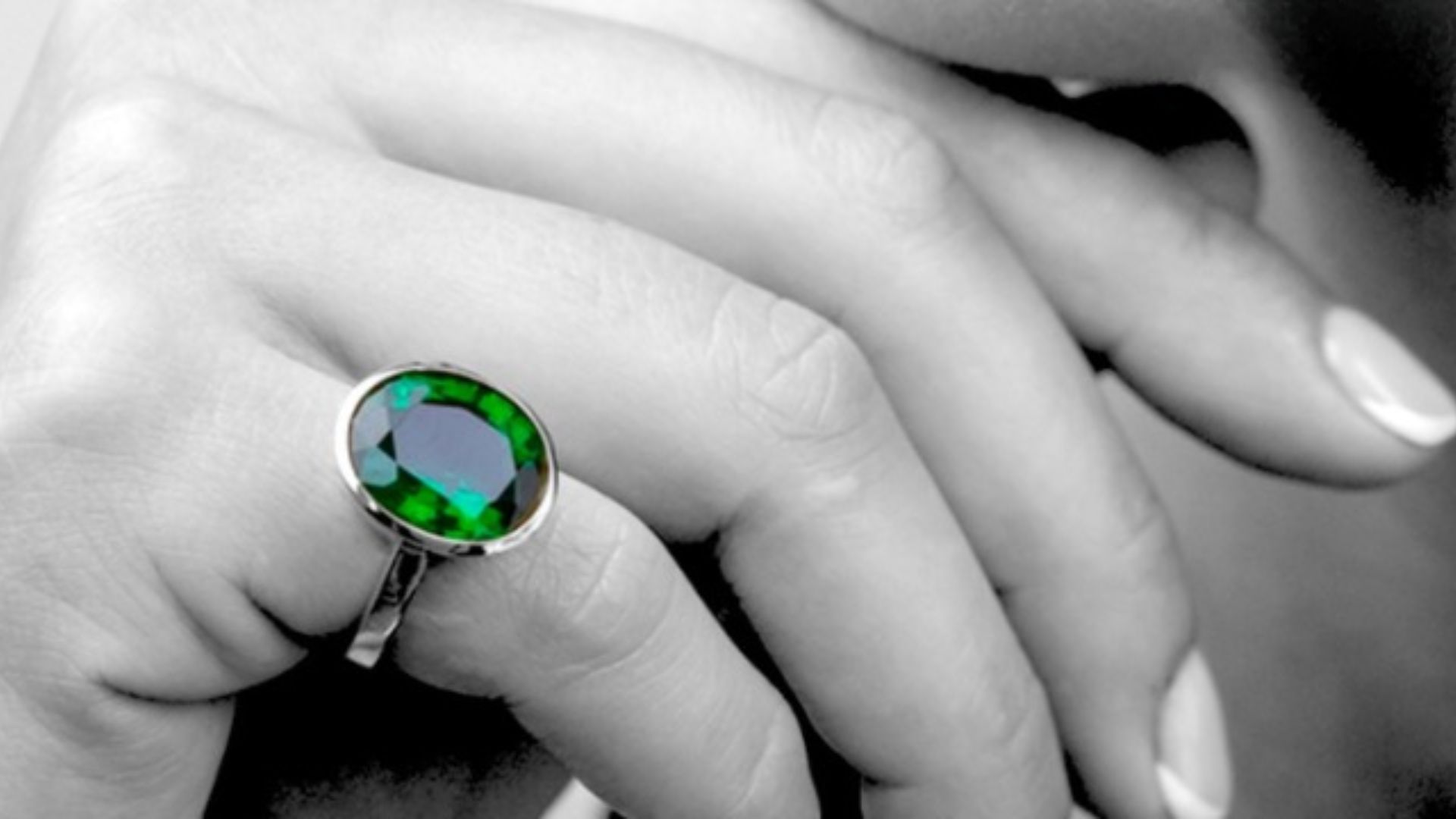
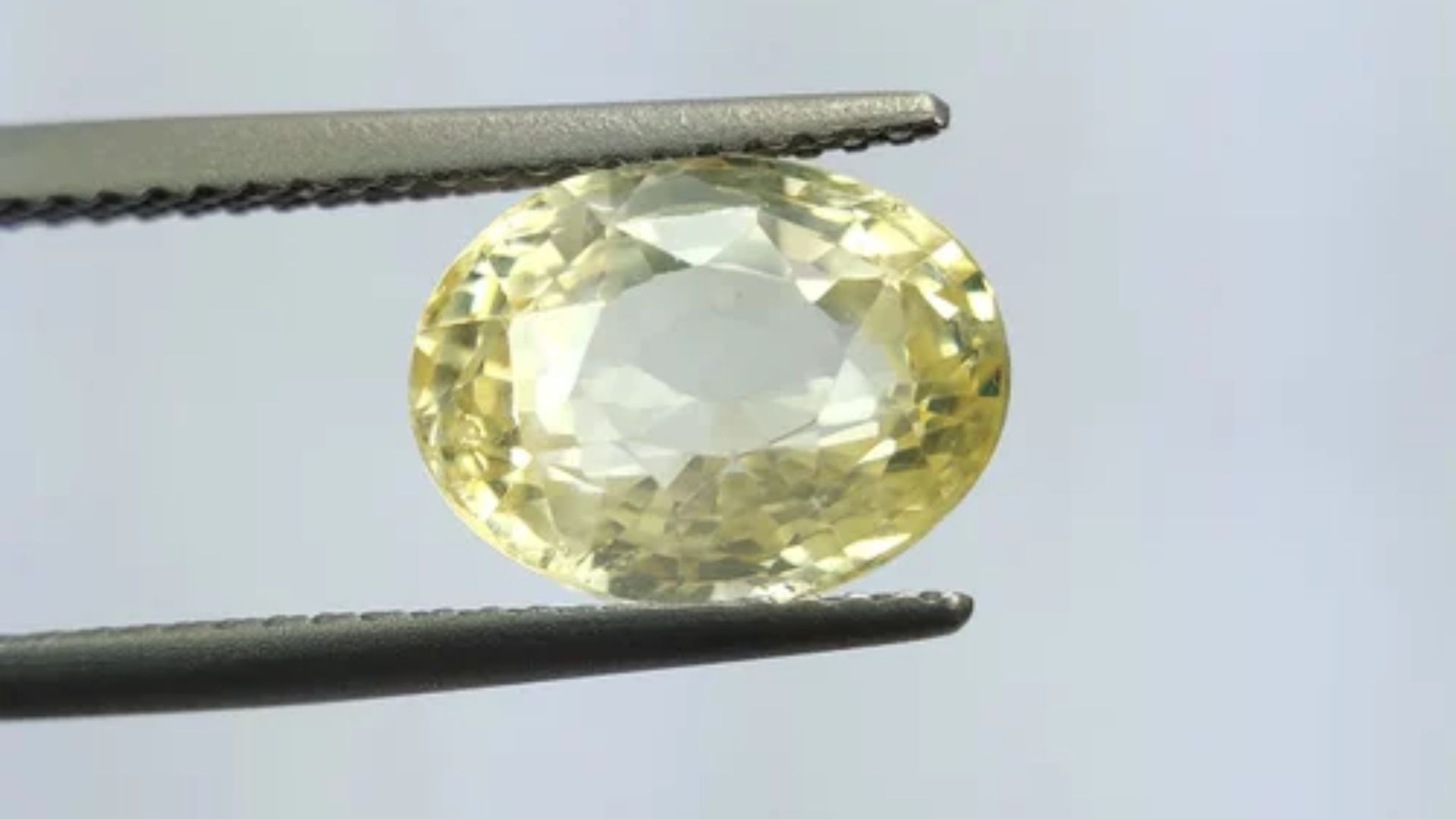
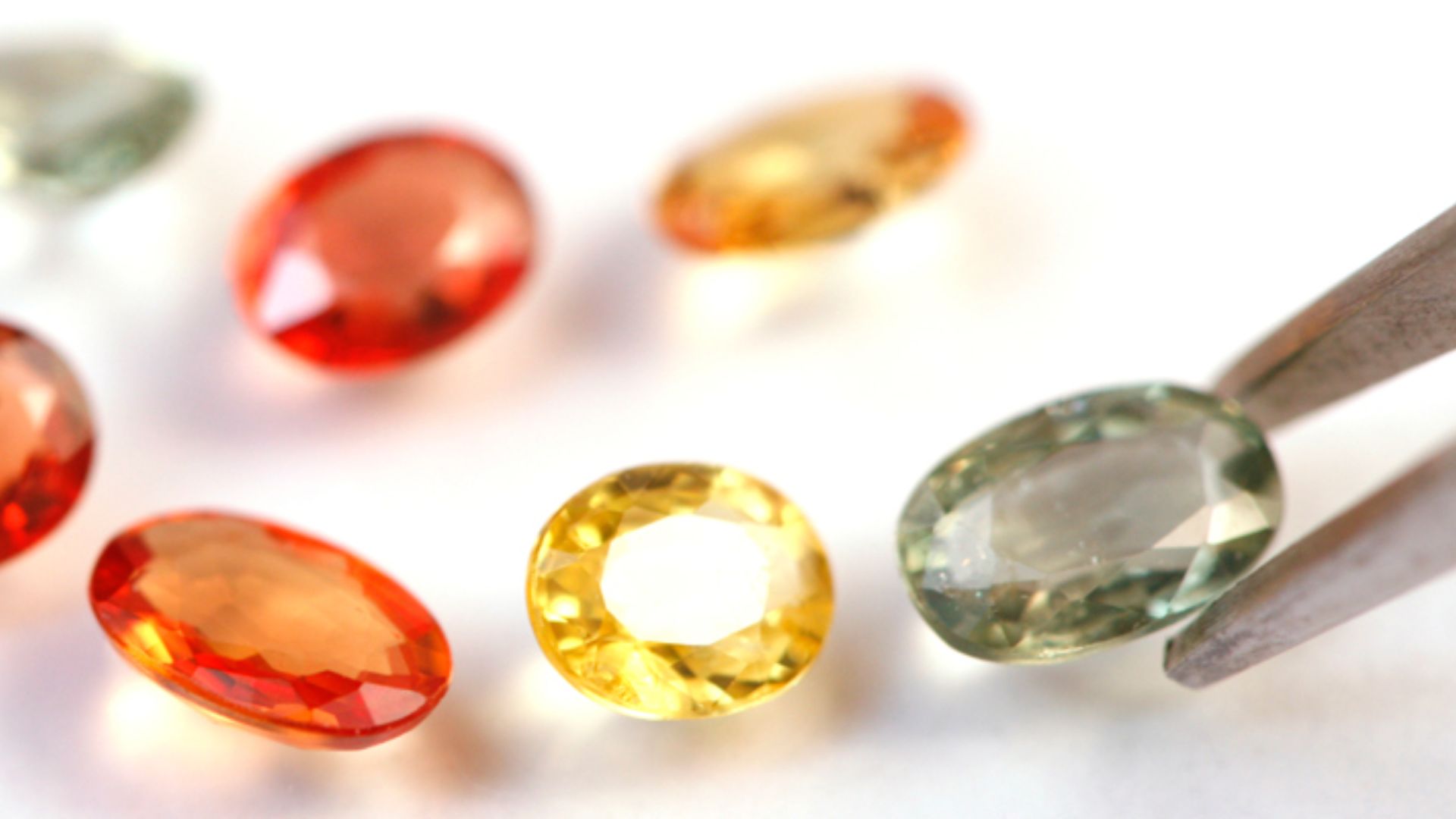
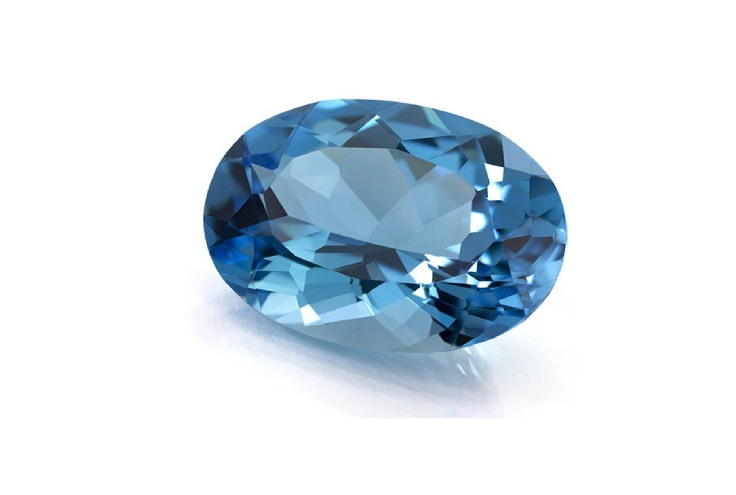
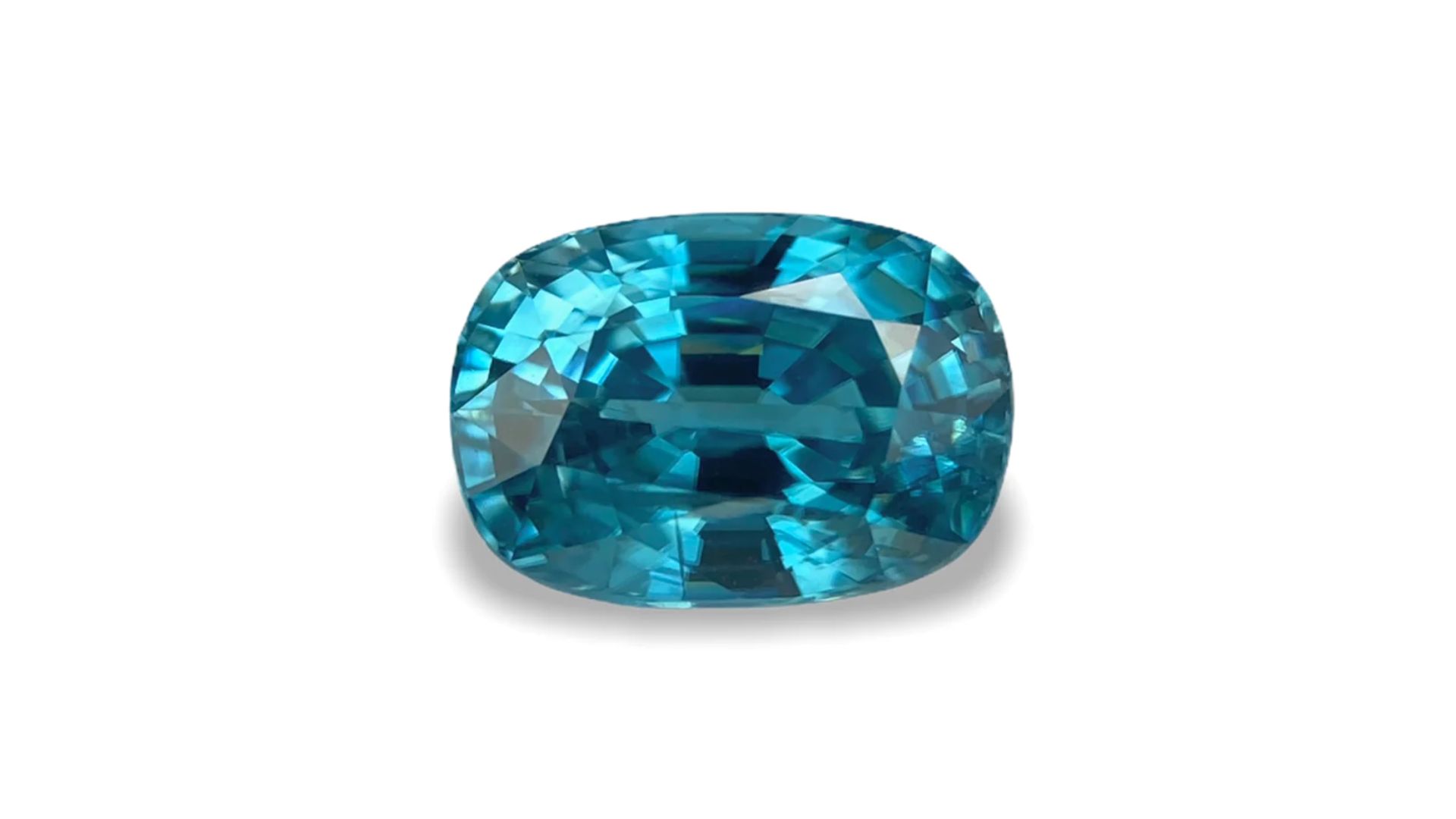
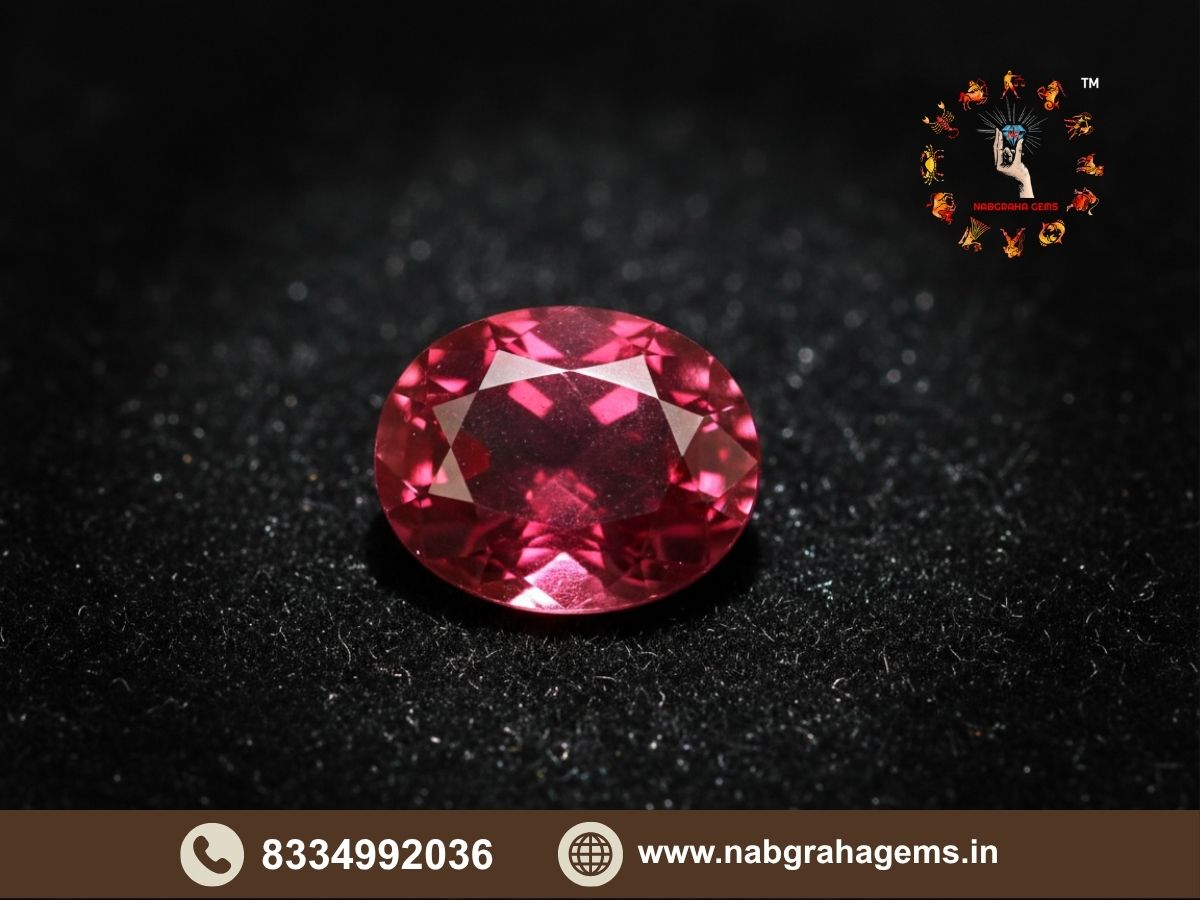
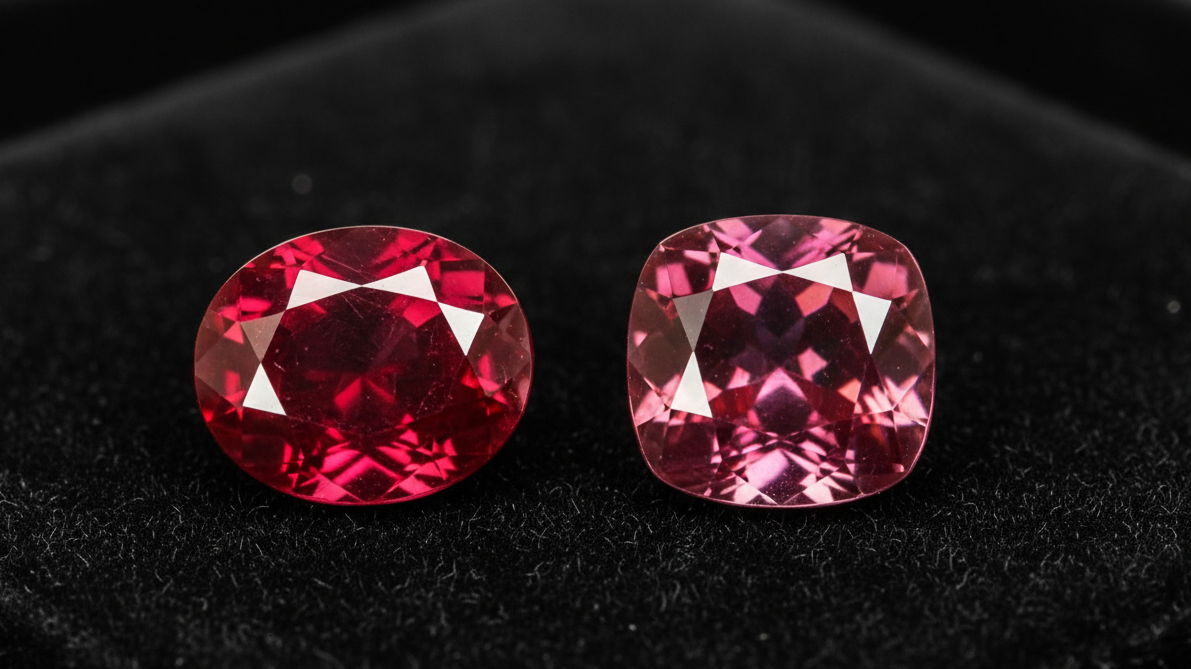
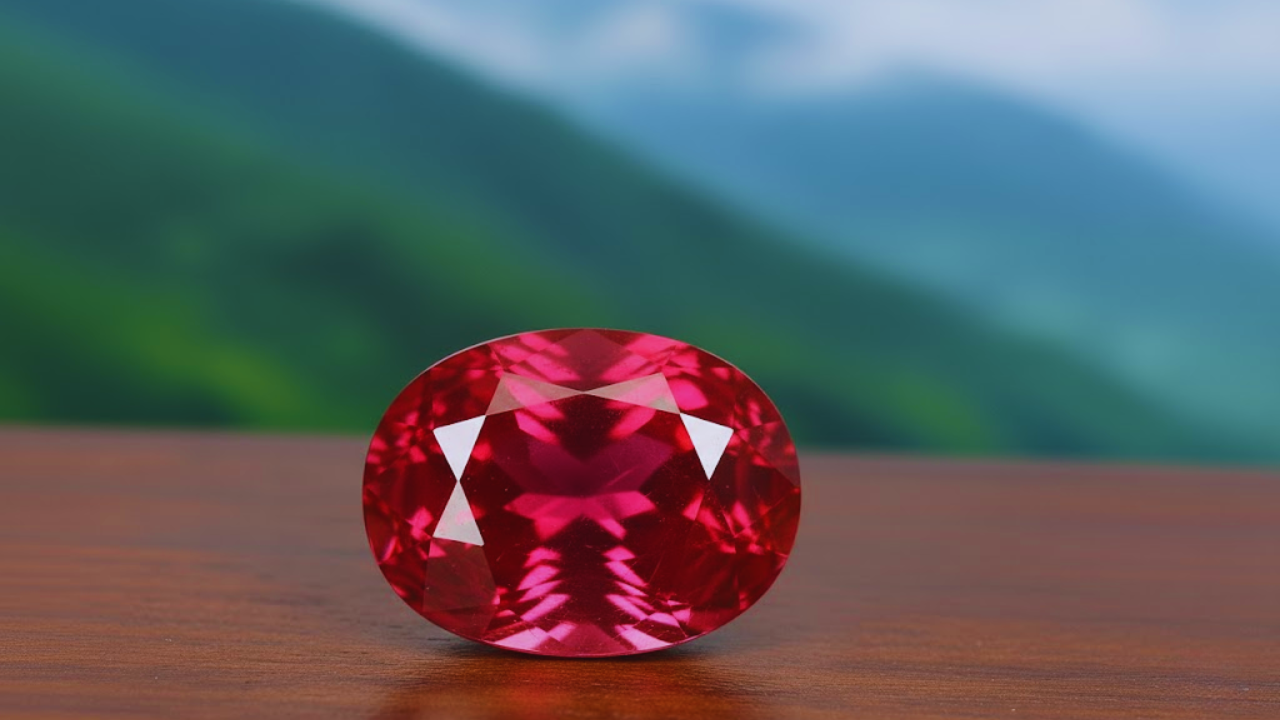
The oval cut combines the light performance of a brilliant-style design with an elongated shape. It offers attractive sparkle while creating an elegant visual effect.
Cushion Cut
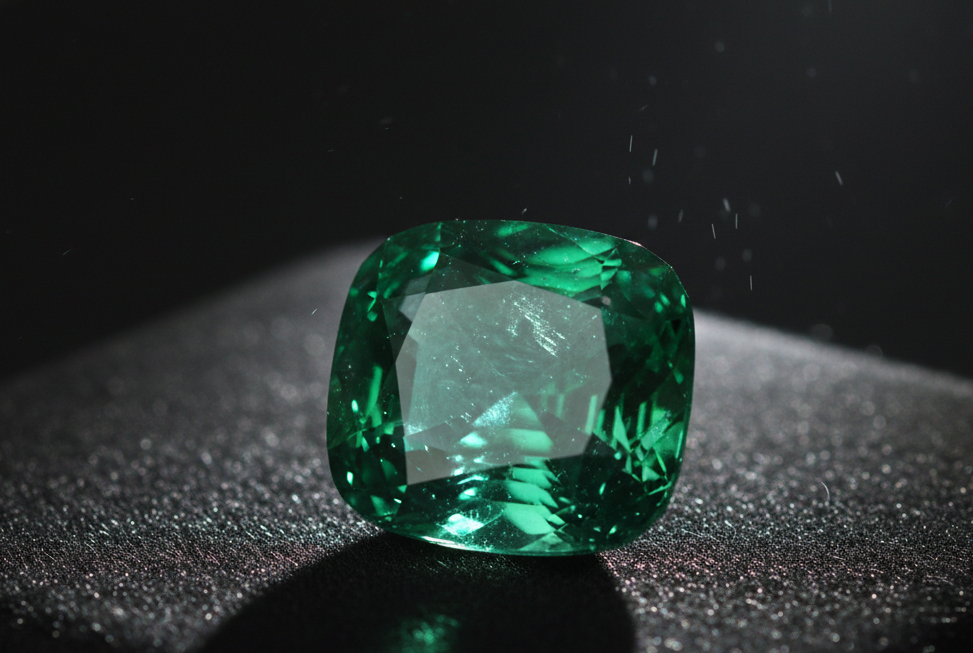
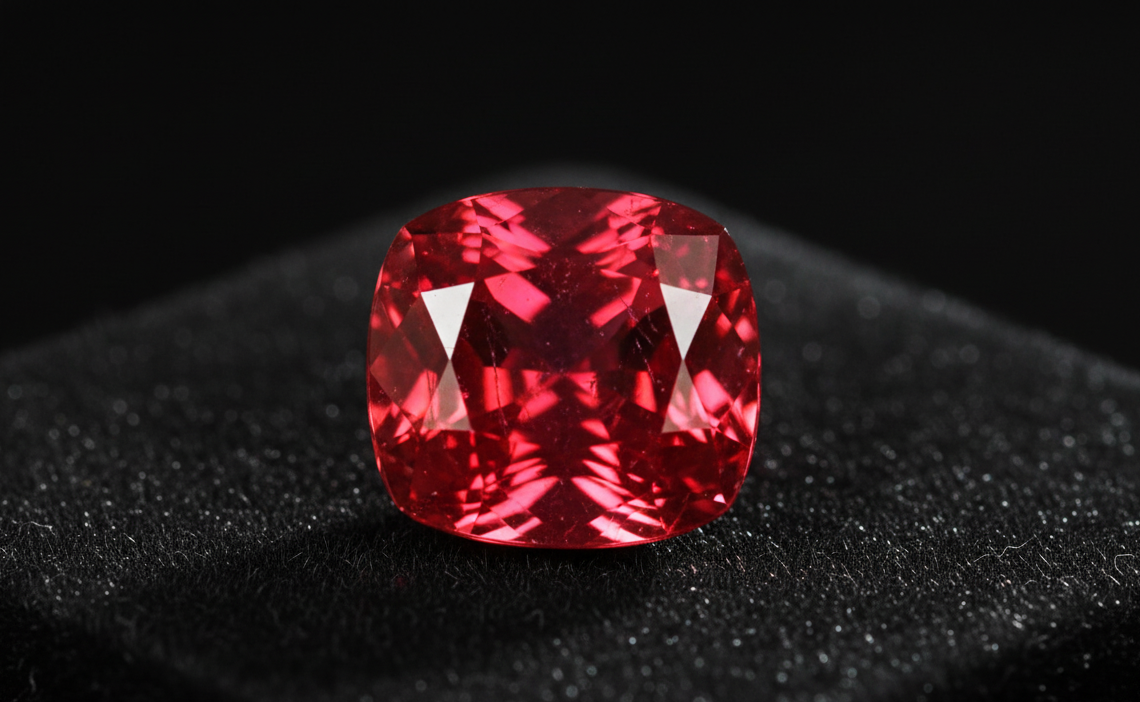
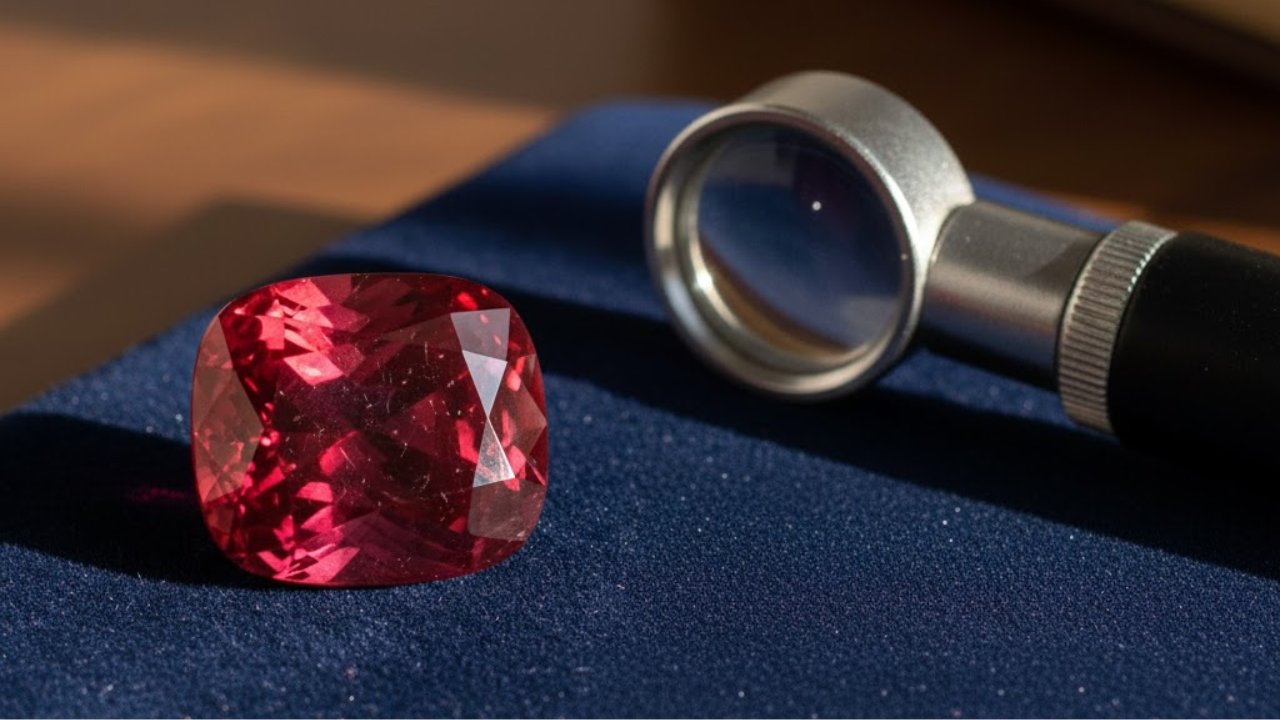
The cushion cut features rounded corners and larger facets. Its design produces a combination of soft brilliance and distinctive flashes of light.
Why Precision Matters in Facet Design
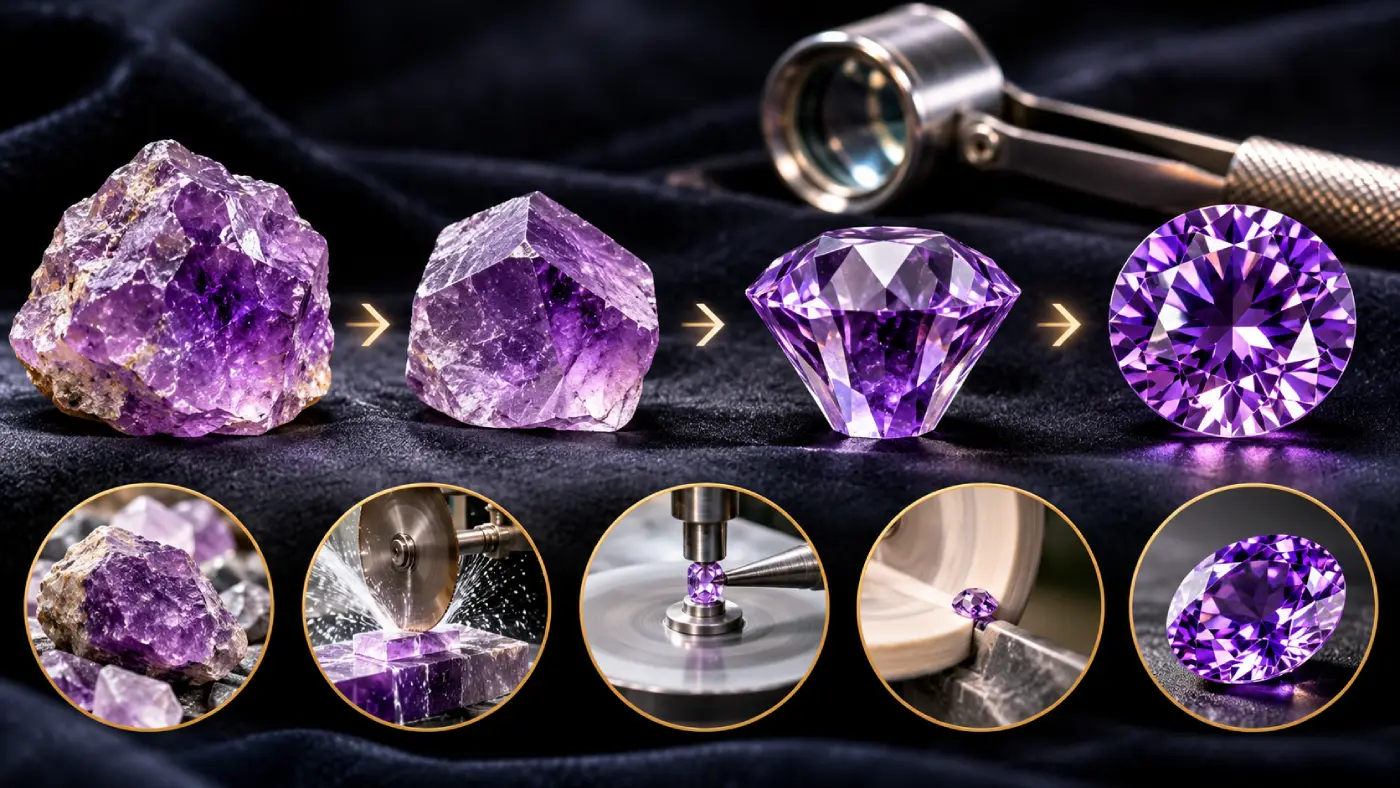
Even a high-quality gemstone may not display its full beauty if it is poorly cut. Precision is essential because small variations in facet angles, proportions, and symmetry can influence how light behaves inside the stone.
Professional gemstone cutters consider several factors before shaping a gemstone, including its refractive index, colour, transparency, natural inclusions, and crystal structure.
They also aim to retain as much gemstone weight as possible without compromising its appearance. This requires a balance between aesthetic appeal, optical performance, and material conservation.
Modern cutting equipment and advanced design techniques have made it possible to achieve greater accuracy, but the skill and experience of the cutter remain extremely important.
Conclusion
The beauty of a gemstone is the result of both nature and craftsmanship. While natural colour and clarity establish its character, carefully planned Gemstone Facets determine how effectively it interacts with light.
Through precise Facet Design, gemstone cutters control Light Reflection, enhance Gemstone Sparkle, and maximise Gemstone Brilliance. Every angle, surface, and proportion contributes to the way a gemstone shines.
Whether it is the intense sparkle of a round brilliant cut or the elegant reflections of an emerald cut, the science behind gemstone faceting transforms a natural crystal into a beautiful piece of art. Ultimately, the right facet design allows each gemstone to reveal its unique beauty through light.
Recent Posts


2026-09-04
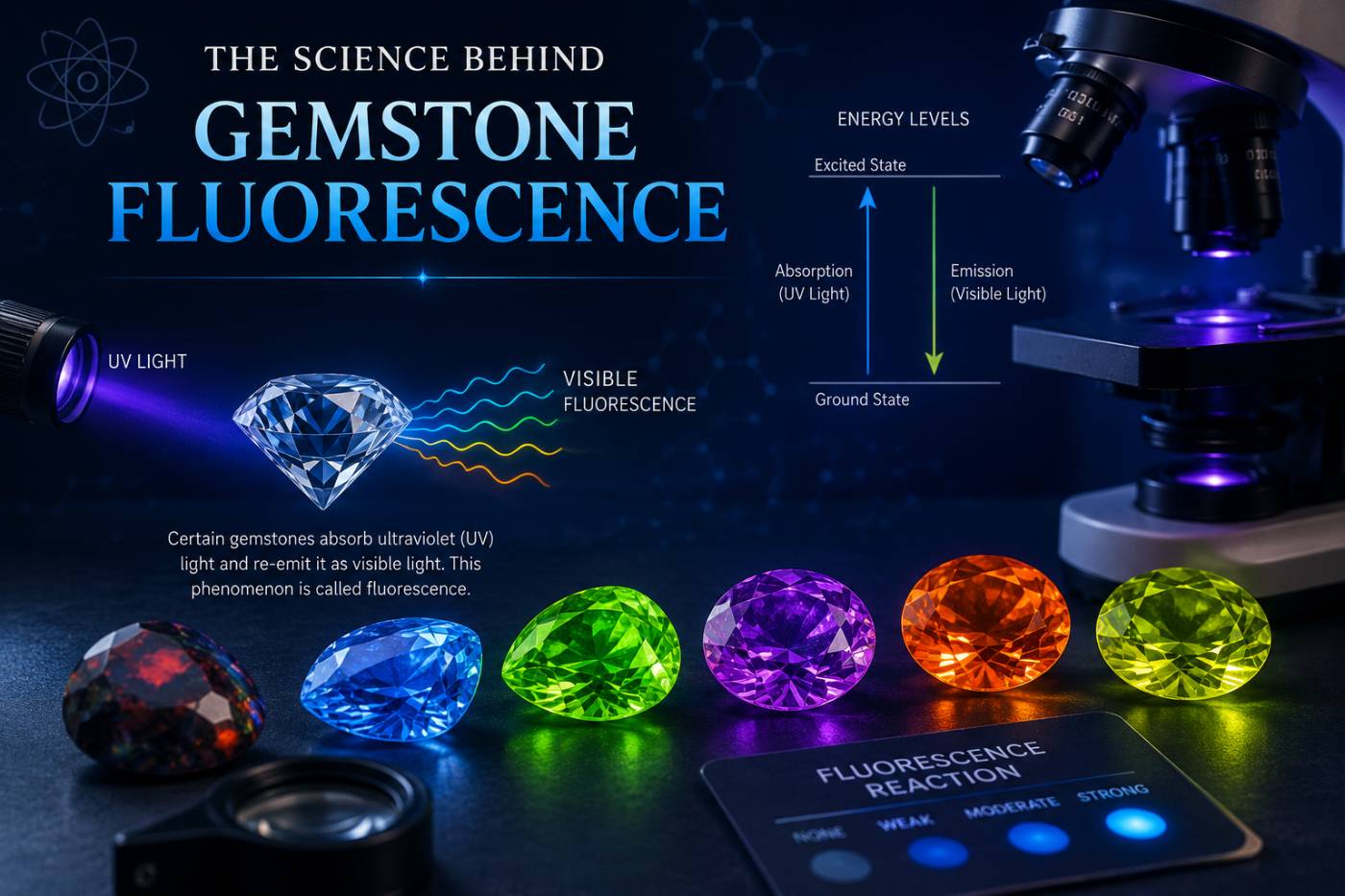
The Science Behind Gemstone Fluorescence






2025-09-15