Date : 2026-09-01
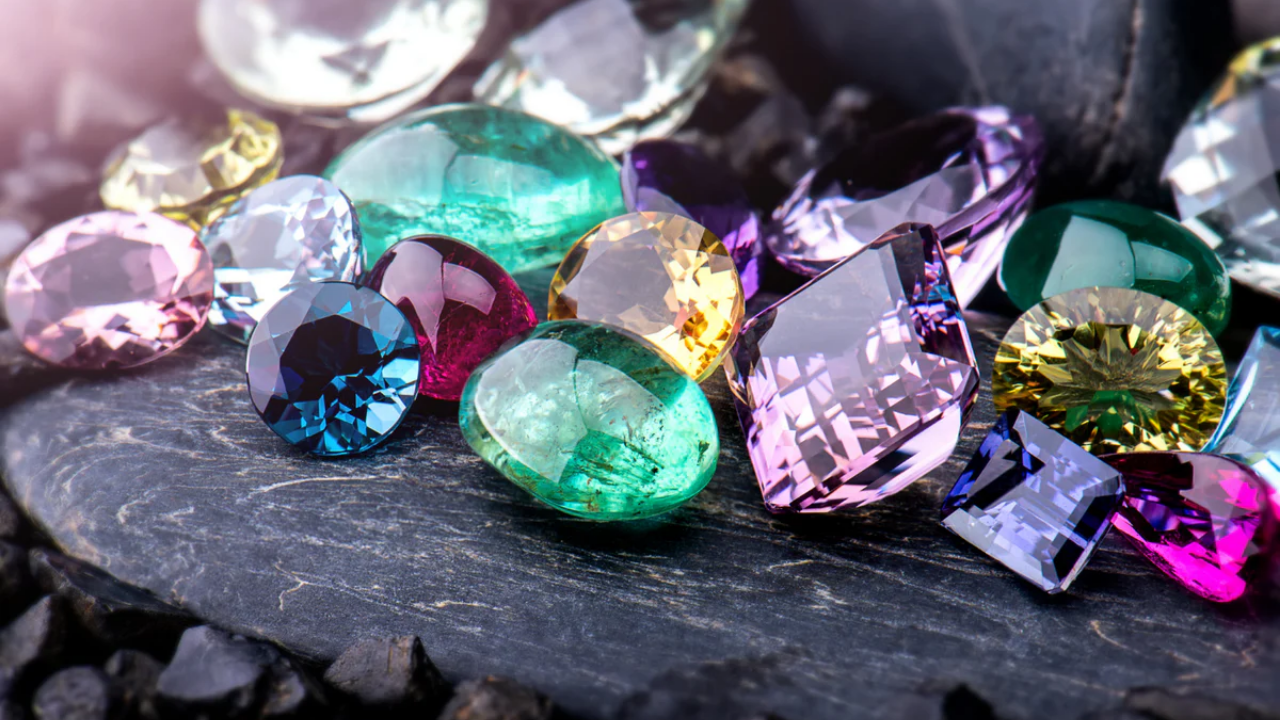
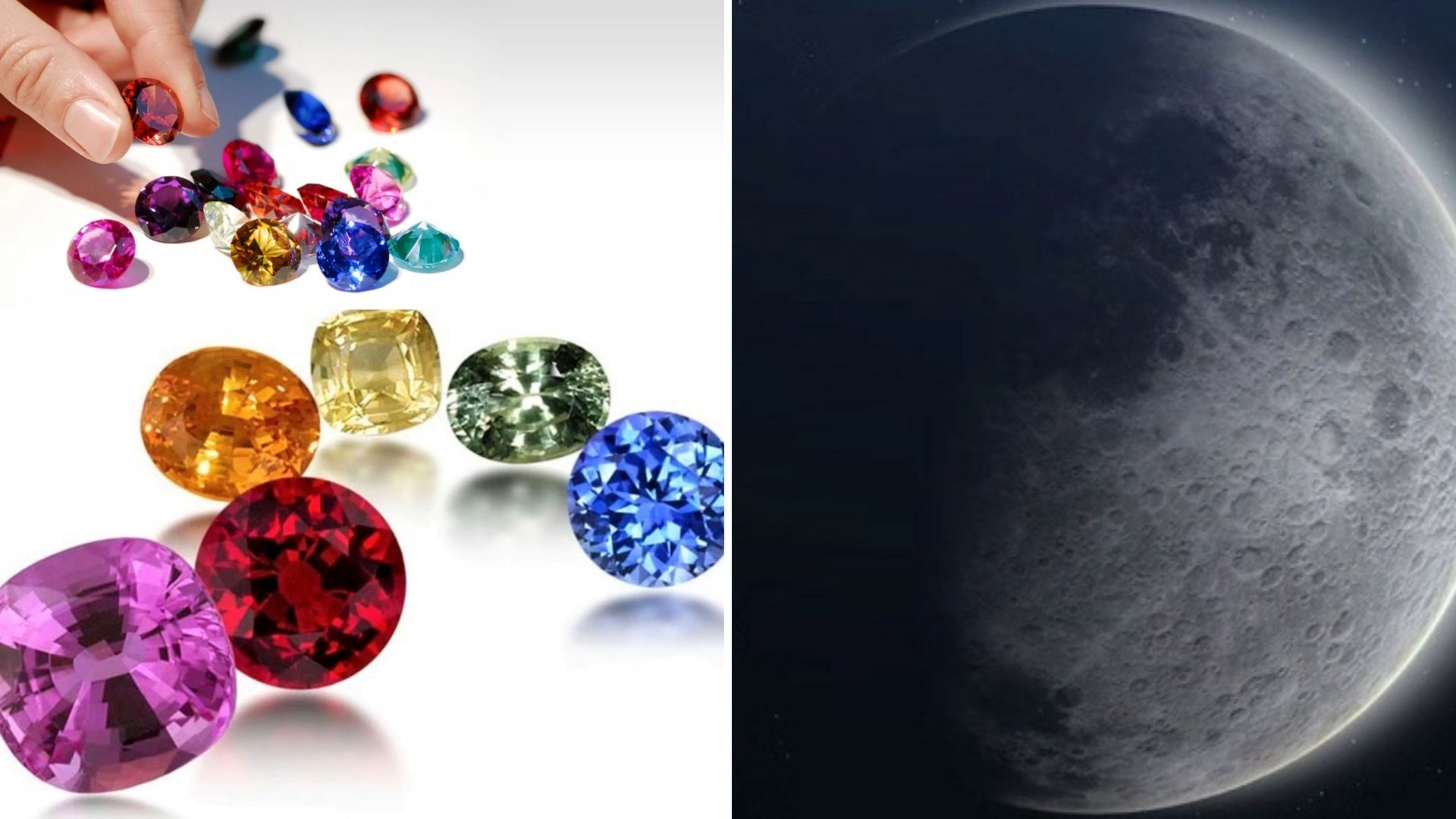
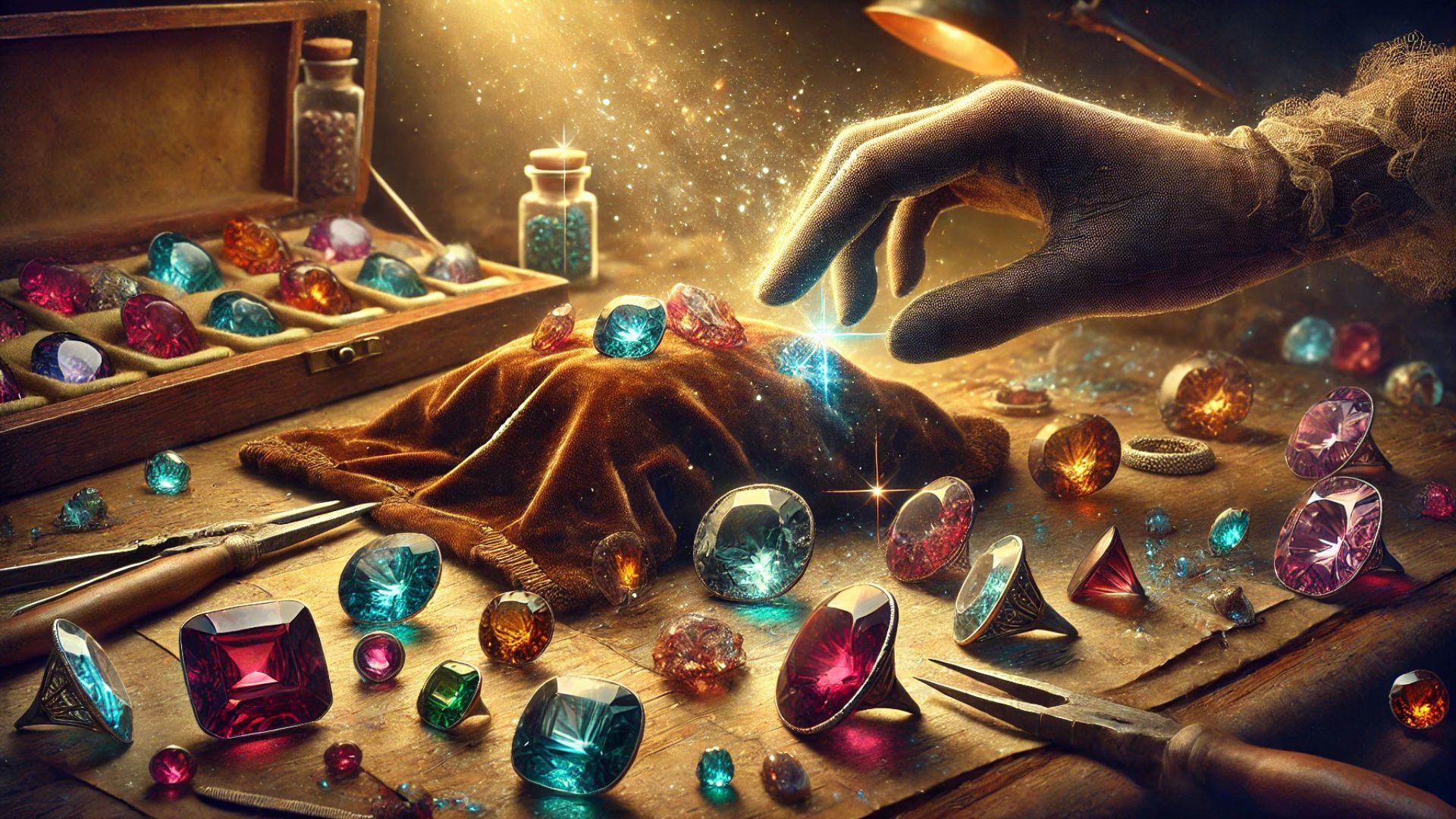
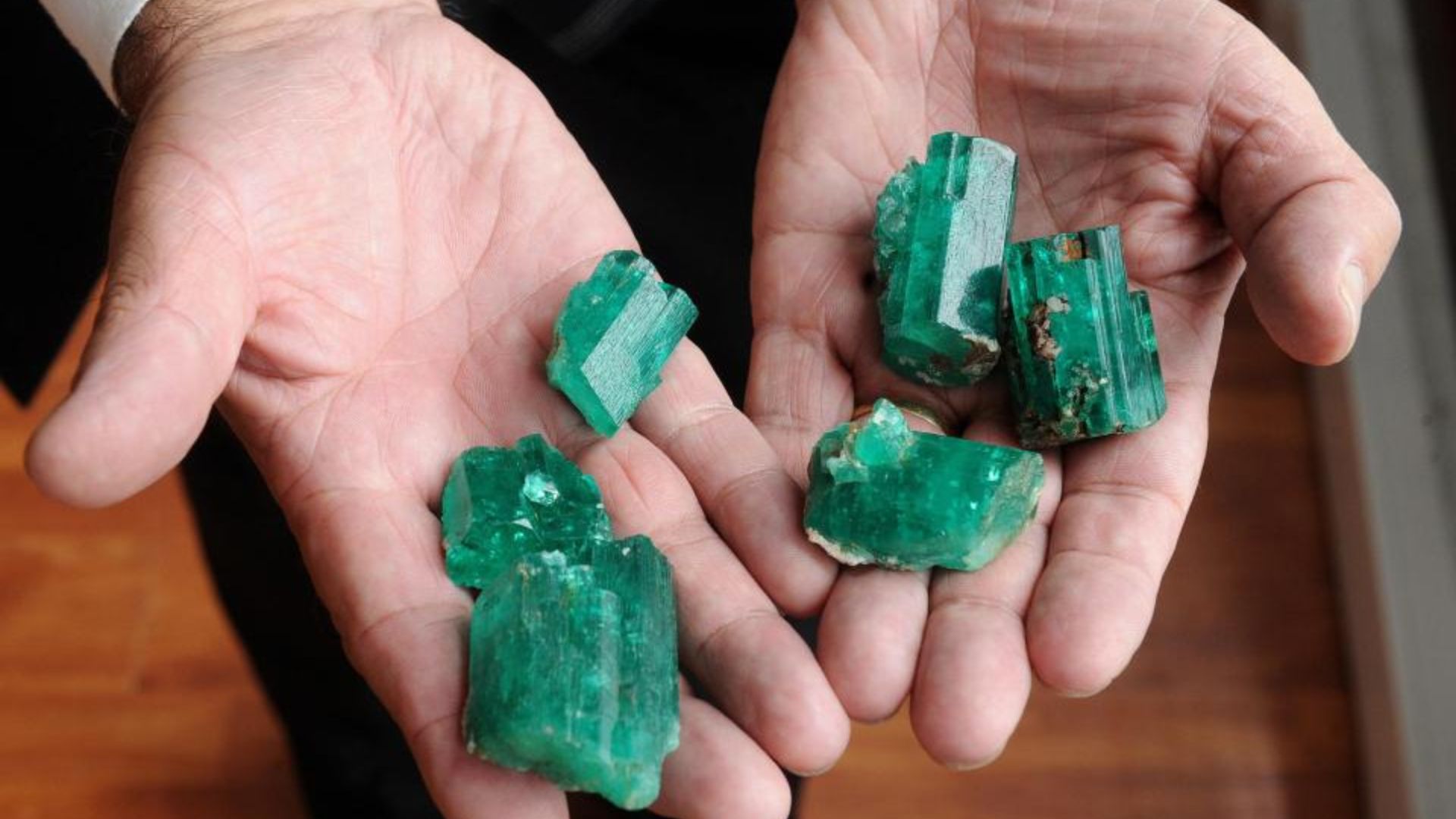
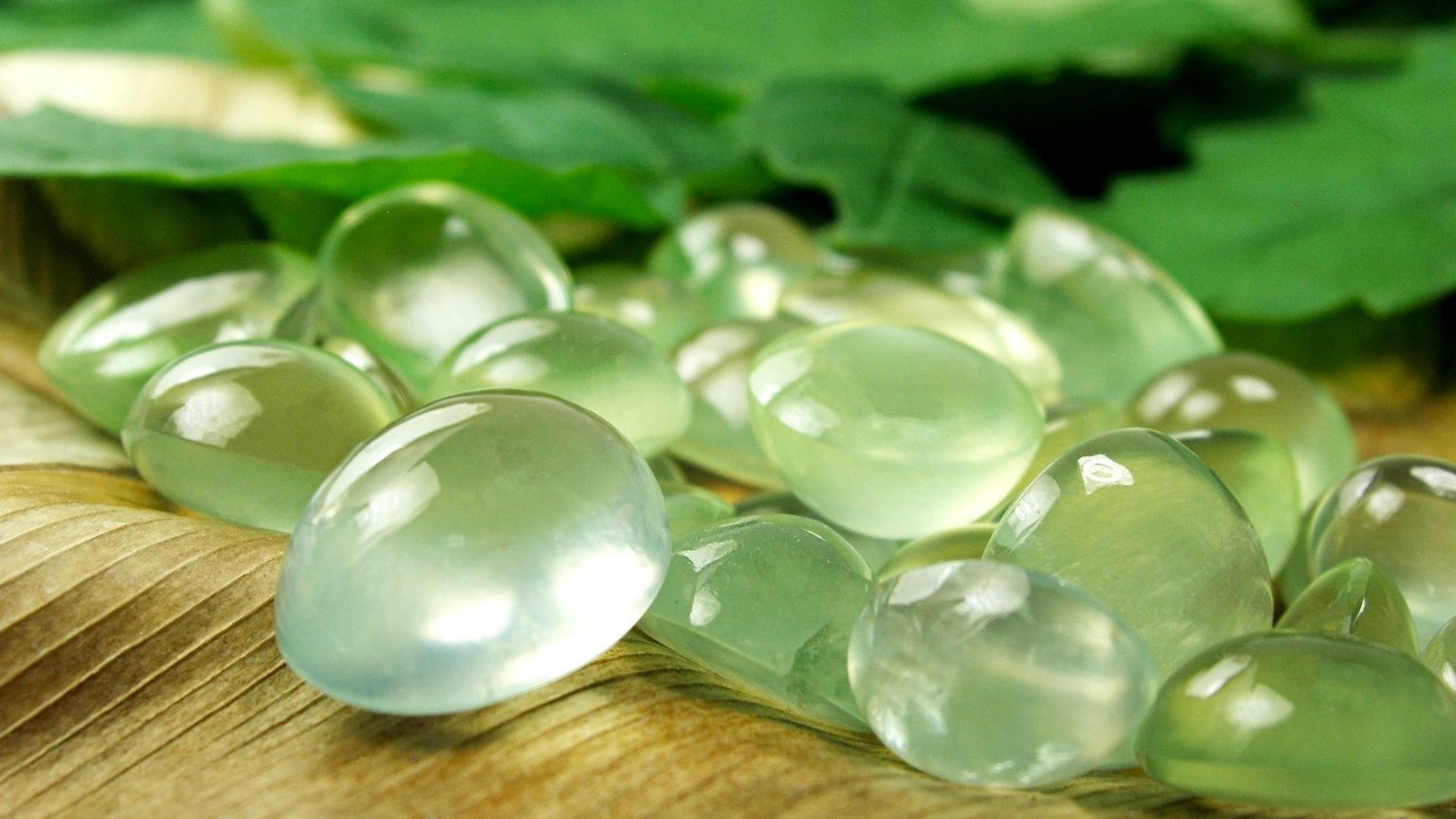
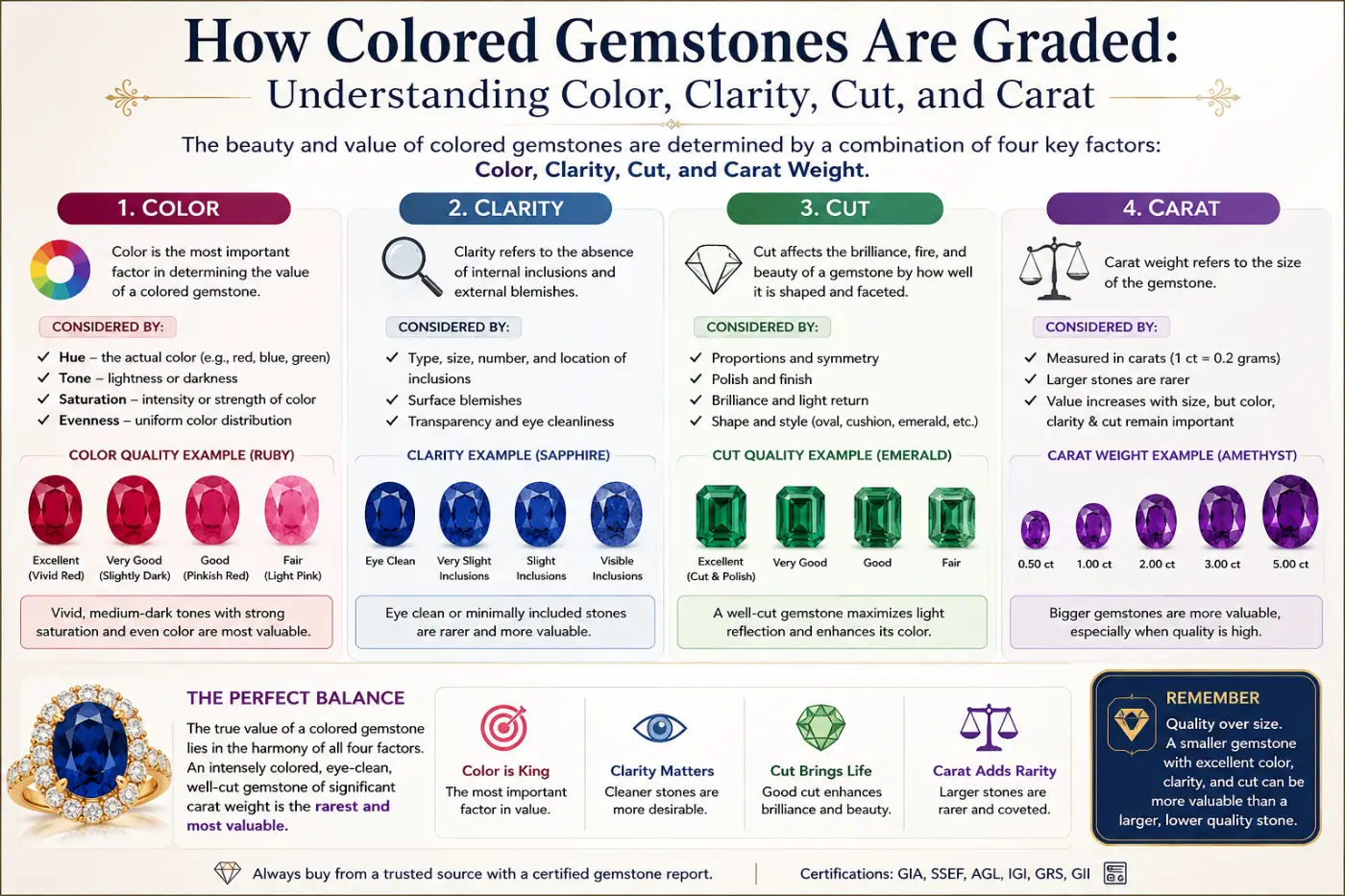
Gemstones are prized for their beauty, rarity, and lasting appeal, but even the hardest stones need proper care. Everyday exposure to heat, humidity, and sunlight can affect gemstones in different ways. Some stones are highly durable, while others can fade, crack, discolor, or lose their surface finish when exposed to unfavorable conditions. Understanding these factors is essential not only for preserving a gemstone’s beauty but also for maintaining its value, especially when considering the Brazilian emerald price, which can vary depending on the stone’s color, clarity, cut, carat weight, and overall quality. Proper storage and careful handling help protect these precious stones and ensure their brilliance lasts for years.
Understanding these environmental factors is an important part of gemstone care. Whether you own a diamond ring, an emerald necklace, a sapphire bracelet, or a collection of colorful loose stones, knowing how to protect each gemstone can help preserve its appearance and value.
Why Environmental Conditions Matter for Gemstones
Gemstones are natural materials with different chemical compositions, structures, and treatments. As a result, they do not all react to their surroundings in the same way.
Temperature changes can cause a stone or its internal inclusions to expand and contract. Moisture can affect porous or treated gemstones, while prolonged exposure to strong light can alter the color of certain gems.
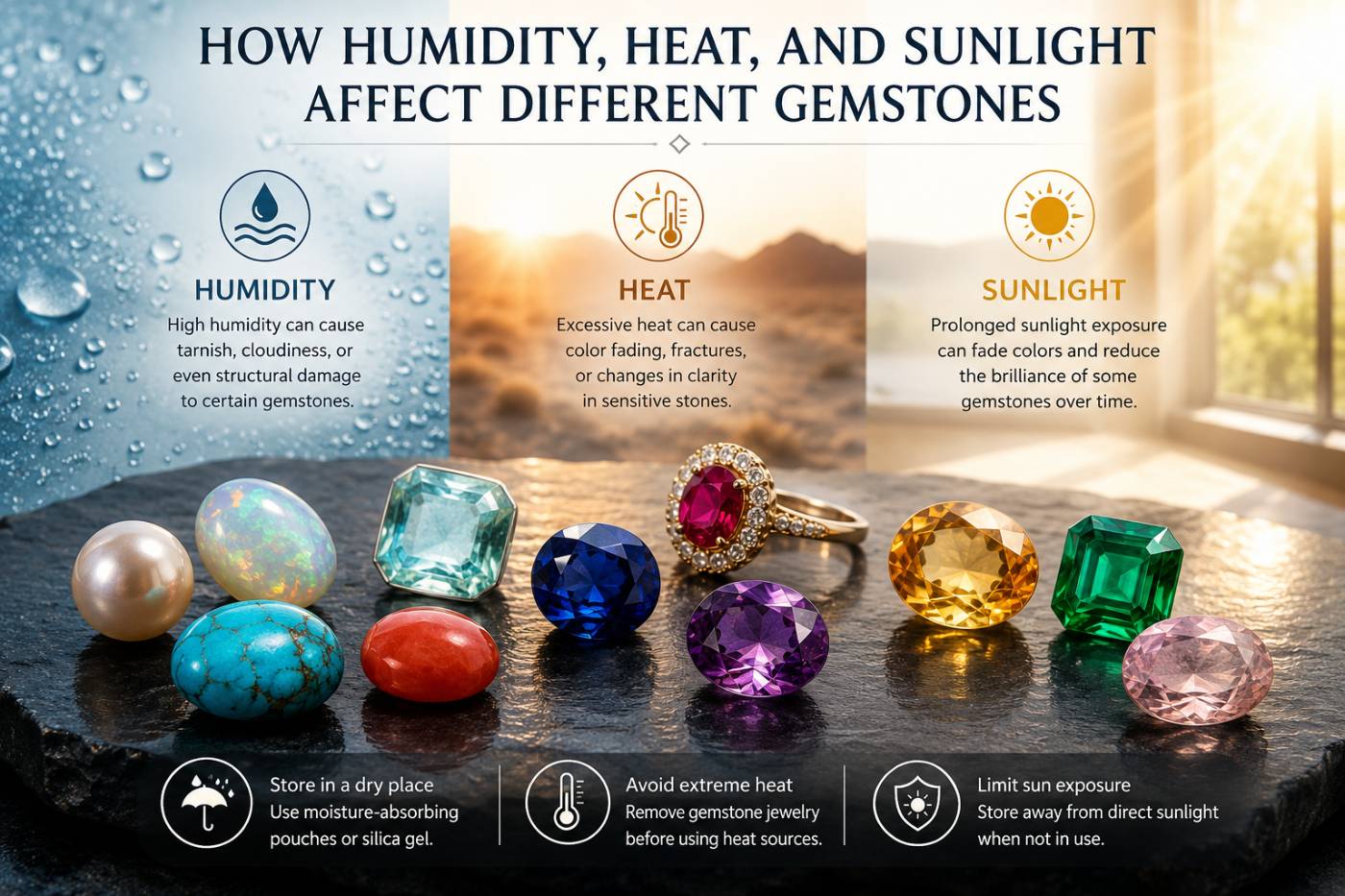
A good gemstone care guide should therefore consider three major environmental factors:
- Heat and sudden temperature changes
- Humidity and moisture
- Sunlight and ultraviolet exposure
How Heat Affects Gemstones
Understanding how heat affects gemstones is essential, particularly if you regularly wear jewelry outdoors or live in a hot climate.
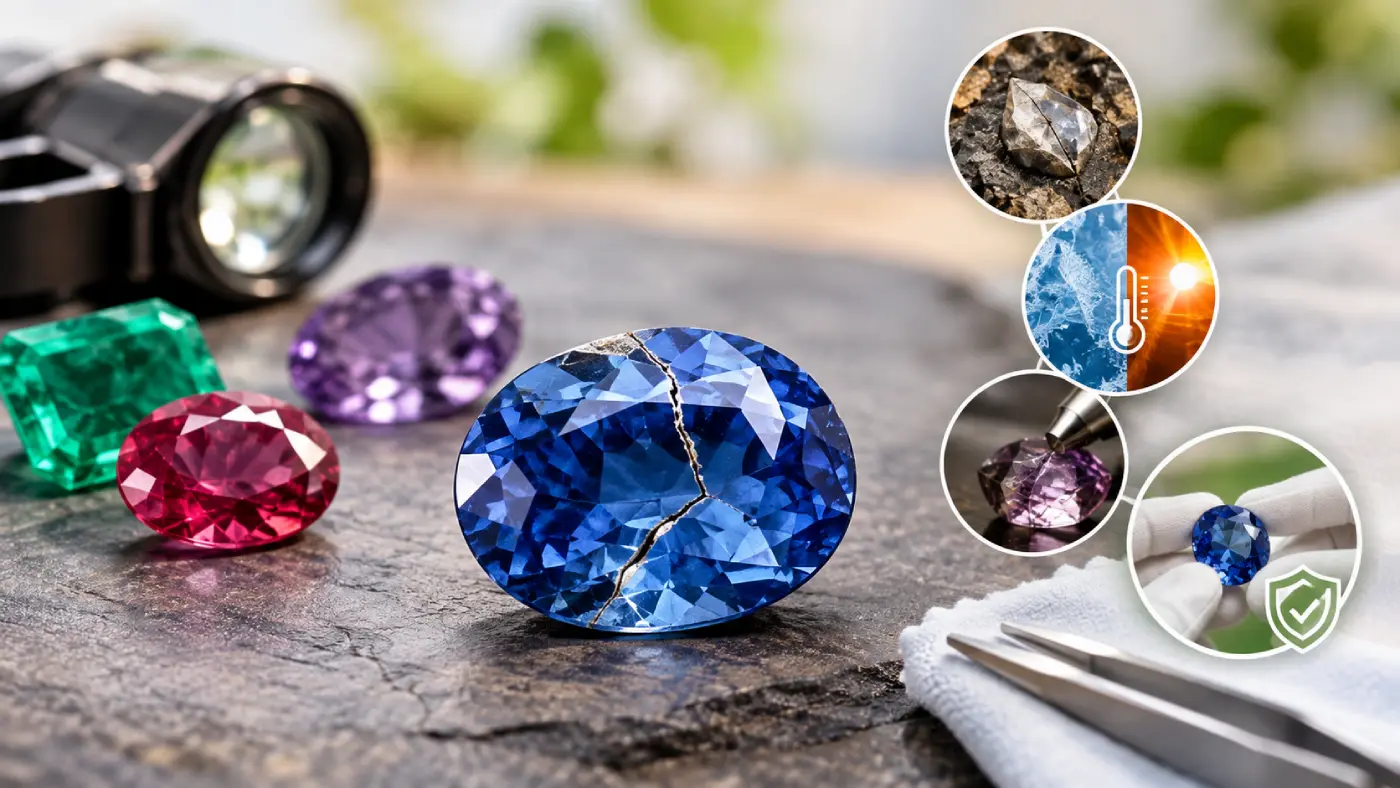
High temperatures can cause problems in gemstones with internal inclusions or fractures. Rapid changes between hot and cold conditions can be especially stressful because different materials within a gemstone may expand at different rates.
Gemstones That Can Be Sensitive to Heat
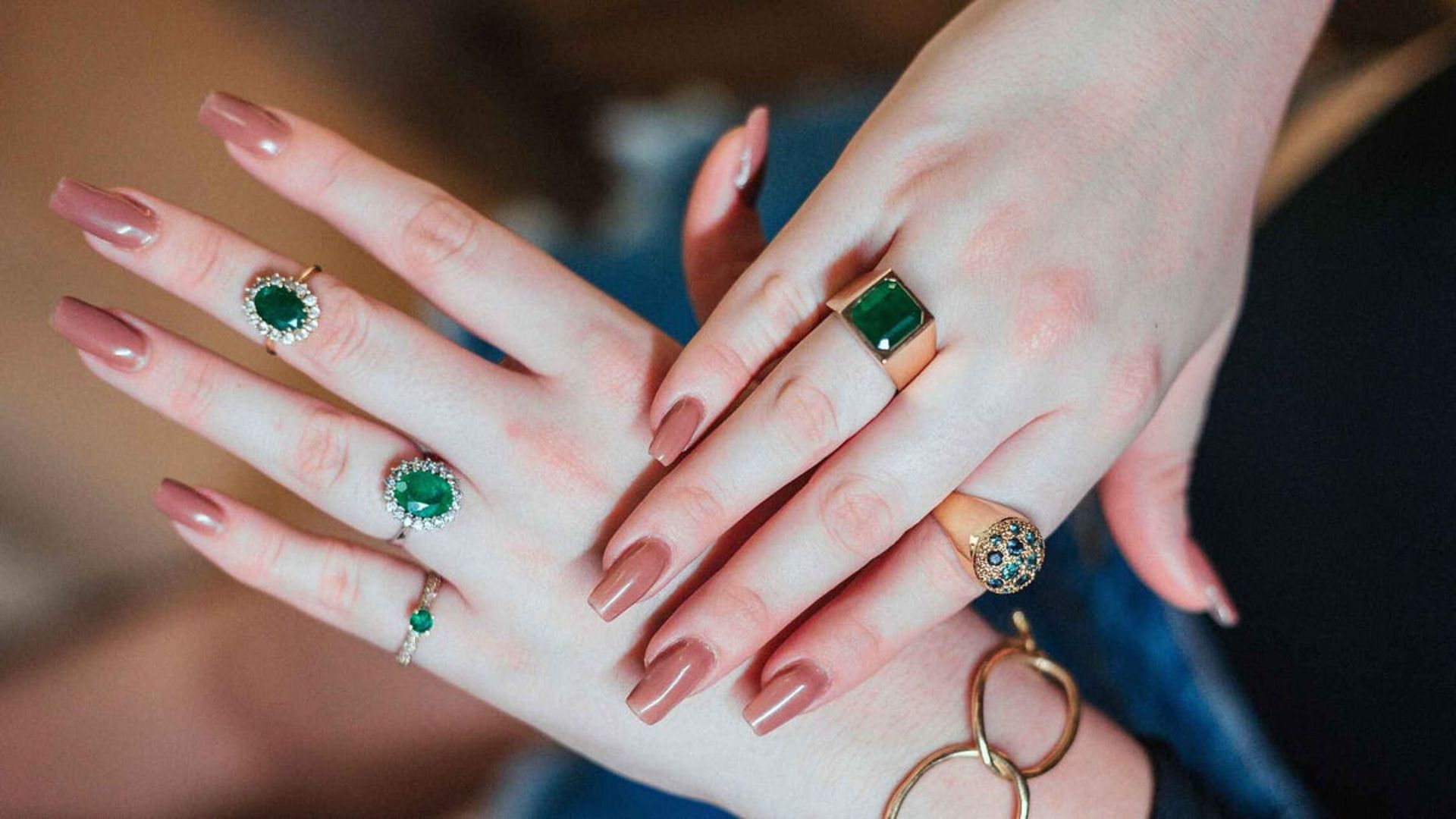
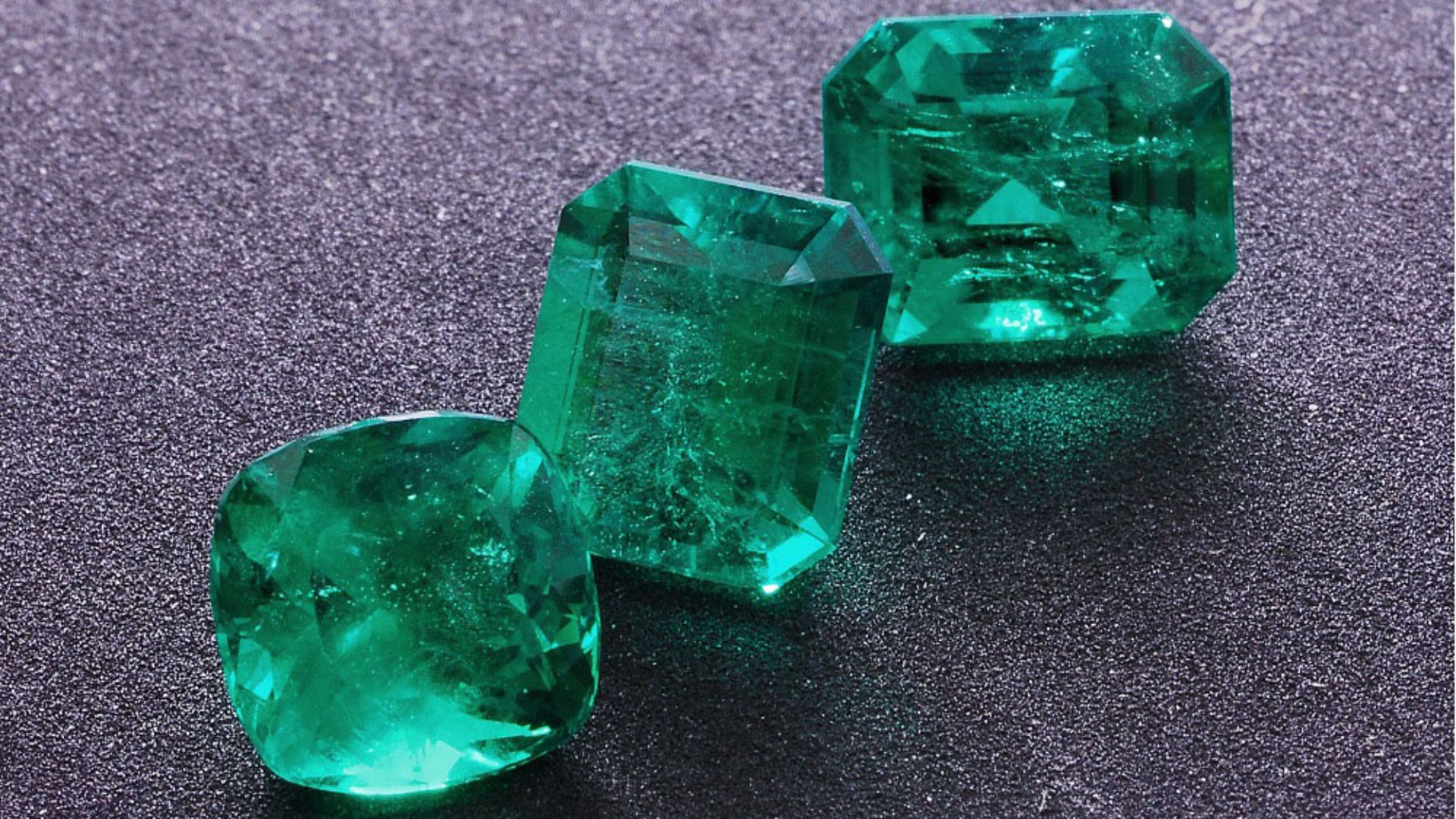
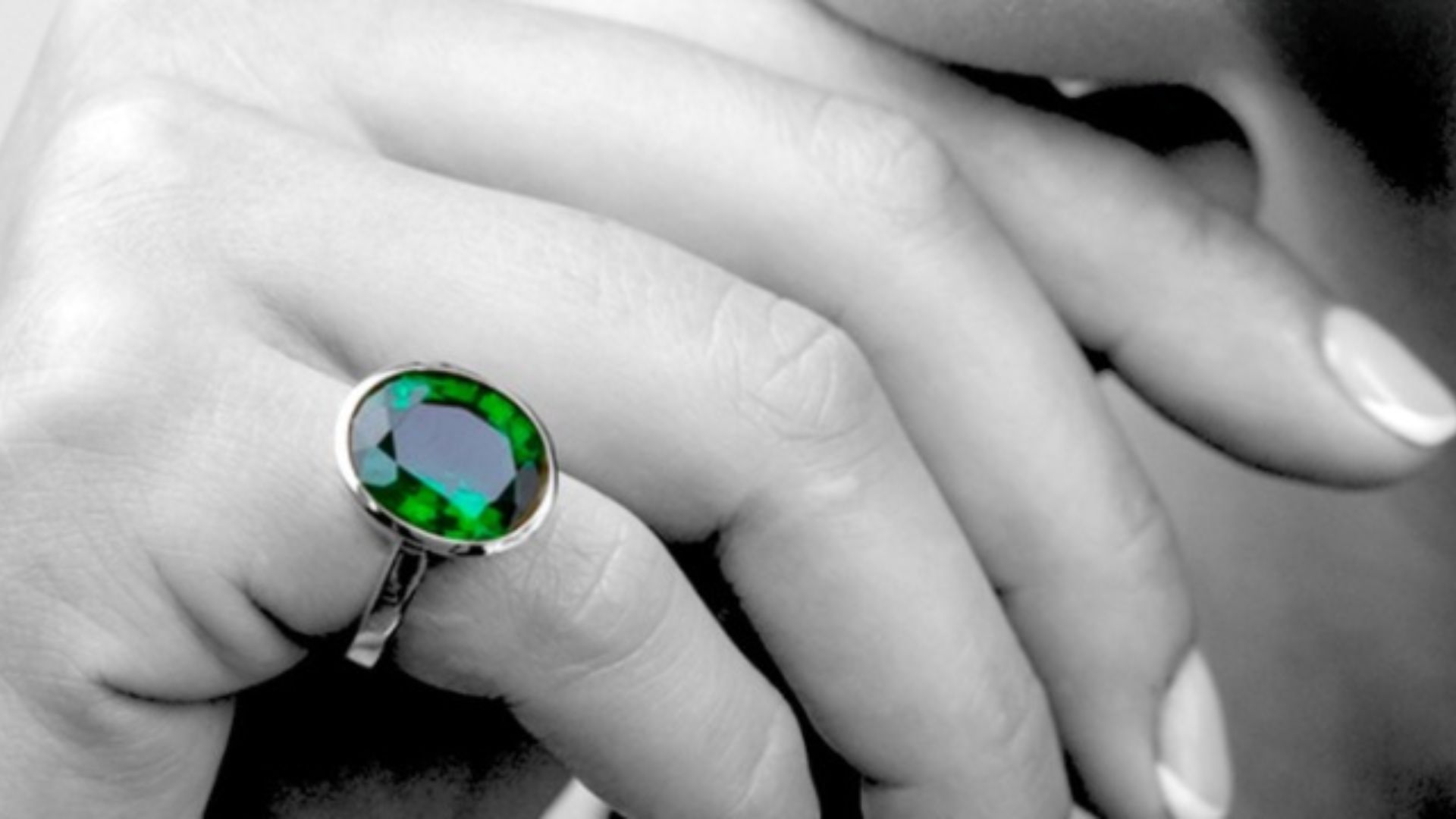
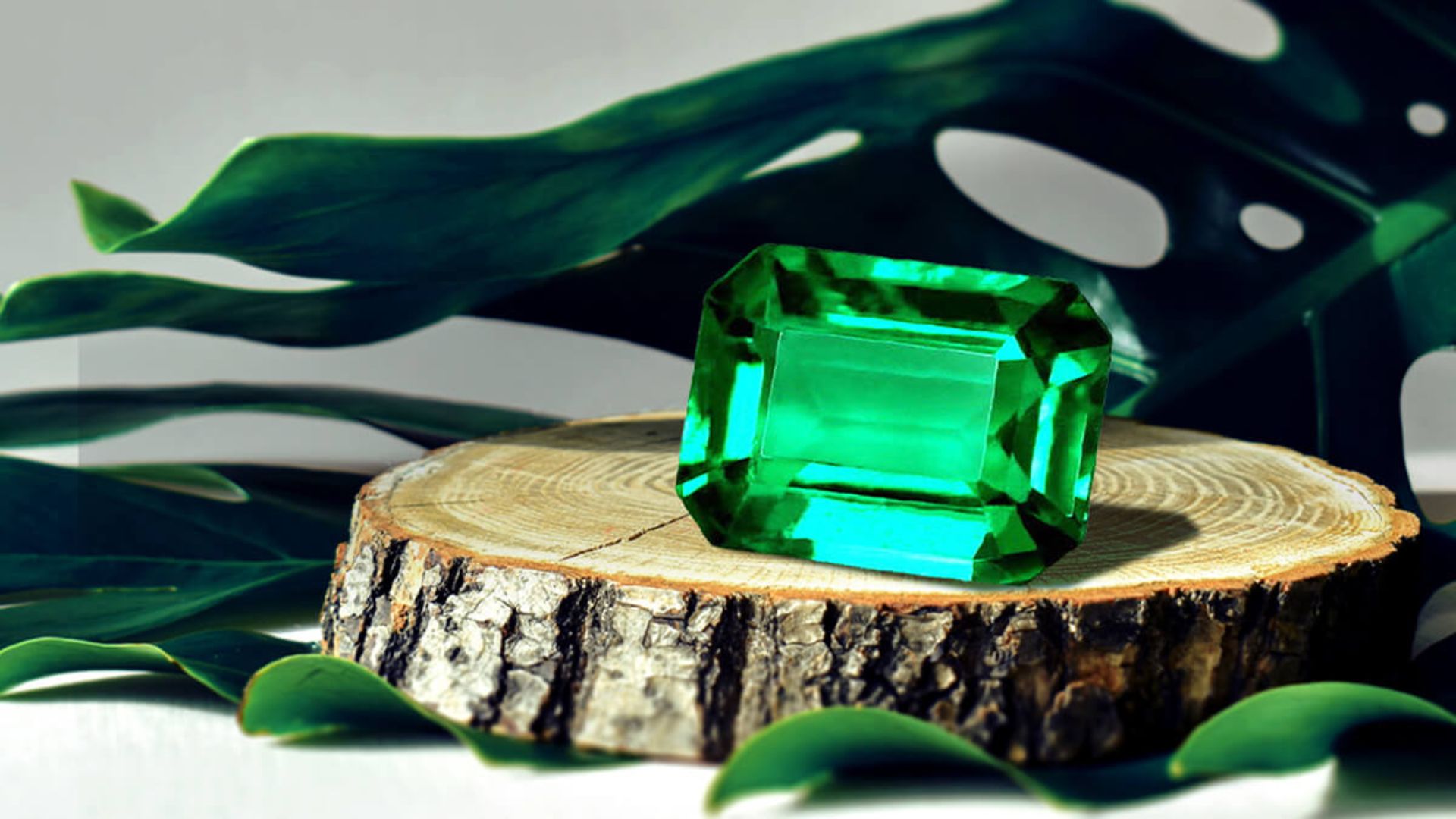
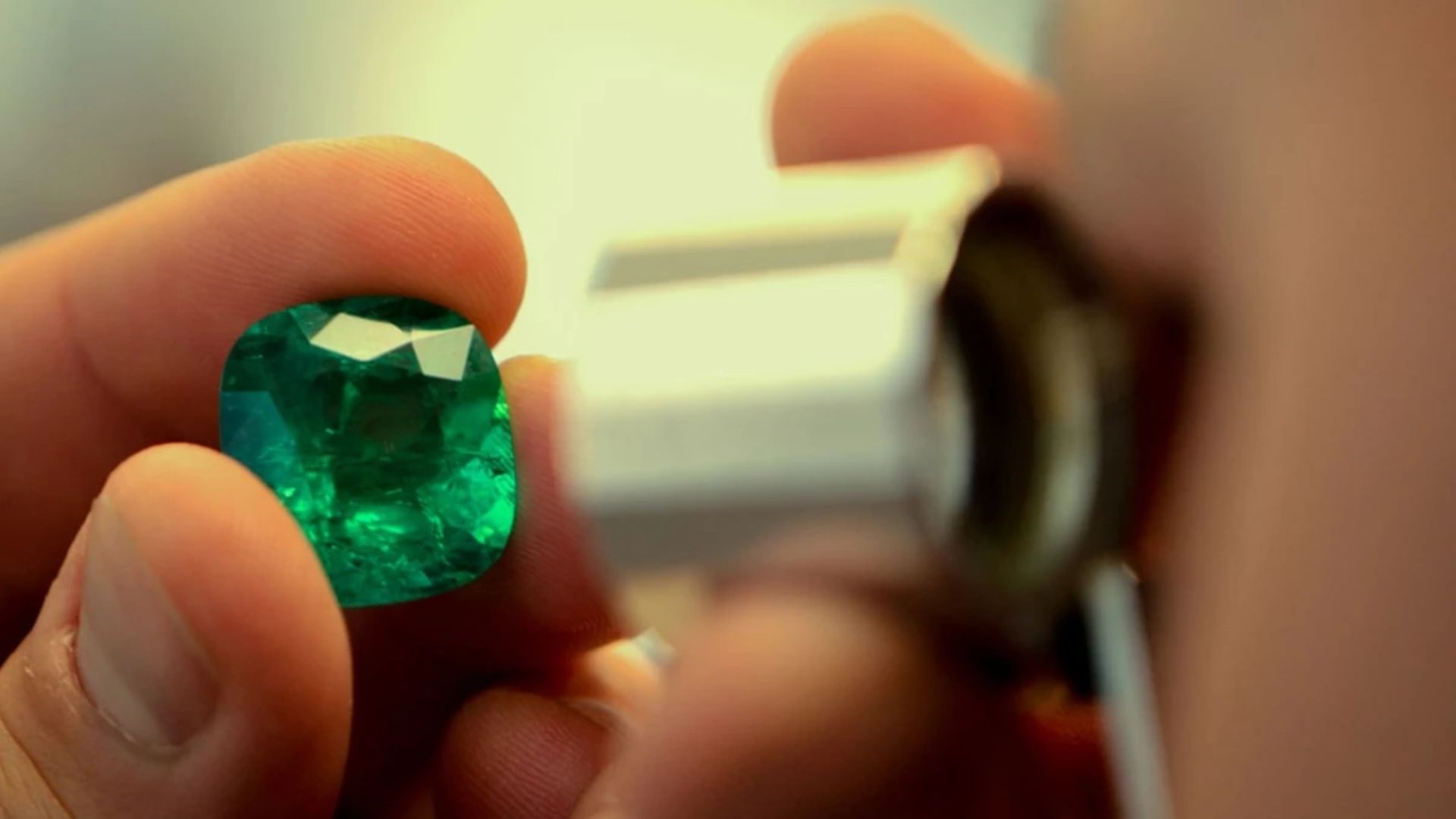
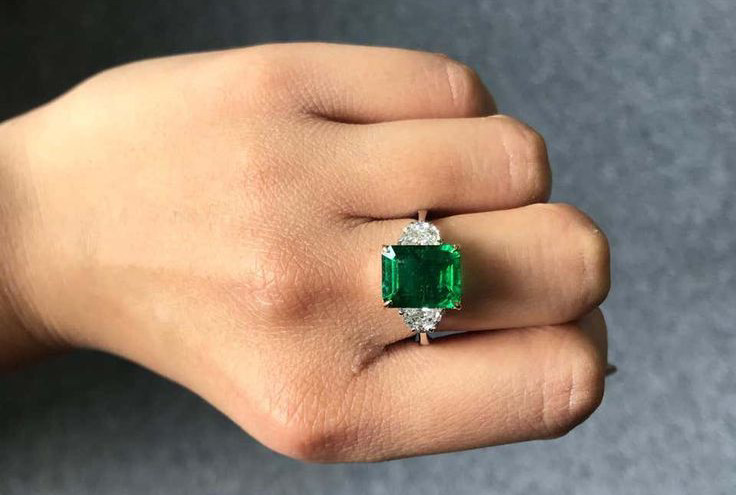
Emeralds: Many emeralds contain natural inclusions and fractures and may be treated with oils or resins. Excessive heat can affect these treatments and may increase the risk of damage.
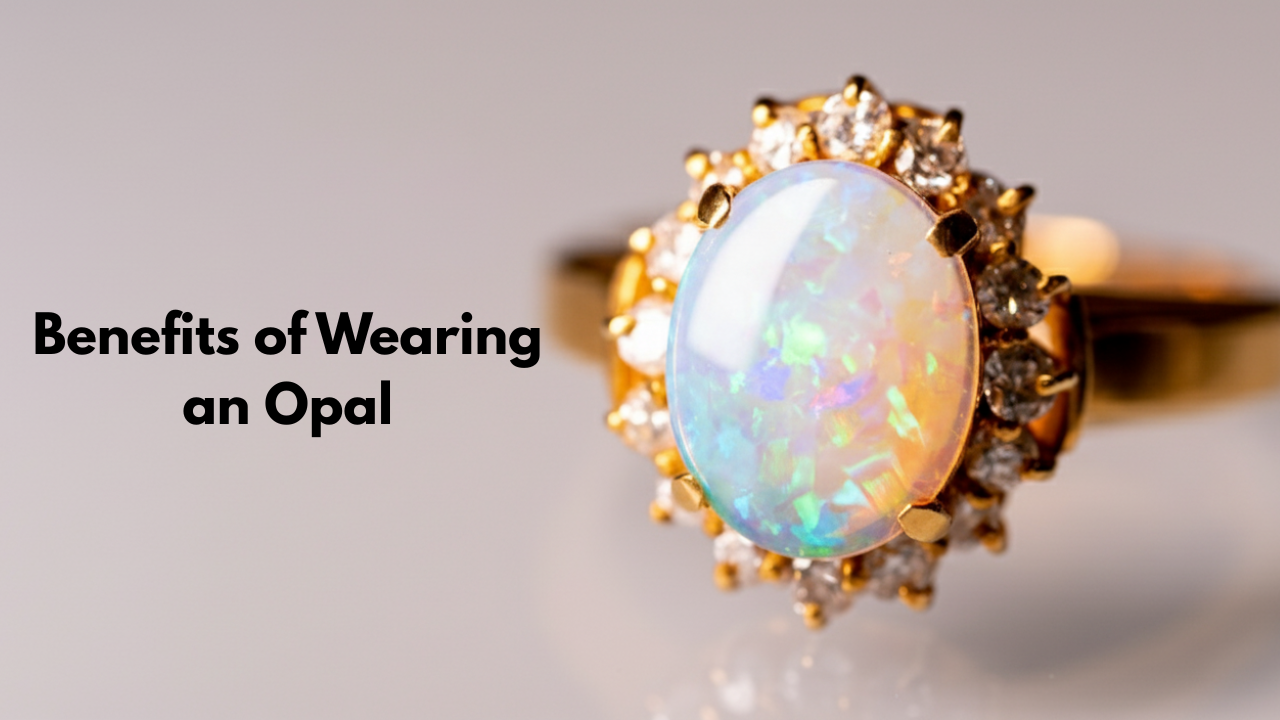
Opals: Opals contain water within their structure. Strong heat or very dry conditions can contribute to dehydration and cracking, sometimes called crazing.
Tanzanite: Tanzanite is relatively sensitive to sudden temperature changes. Extreme heat can increase the risk of fractures, particularly in stones with existing weaknesses.
Amethyst: Prolonged exposure to high temperatures can cause some amethyst to lose or change its purple coloration.
This doesn't mean these gemstones can never be worn in warm weather. Rather, avoid unnecessary gemstone exposure to heat, especially from direct high-temperature sources such as flames, hot appliances, or prolonged intense heat.
How Humidity Affects Gemstones
Learning how humidity affects gemstones is particularly important in tropical and coastal climates. High humidity itself does not automatically damage every gemstone, but moisture can create problems for certain materials and jewelry settings.
Opals are among the gemstones that require particular attention. Their water content makes them more sensitive to extreme environmental changes.
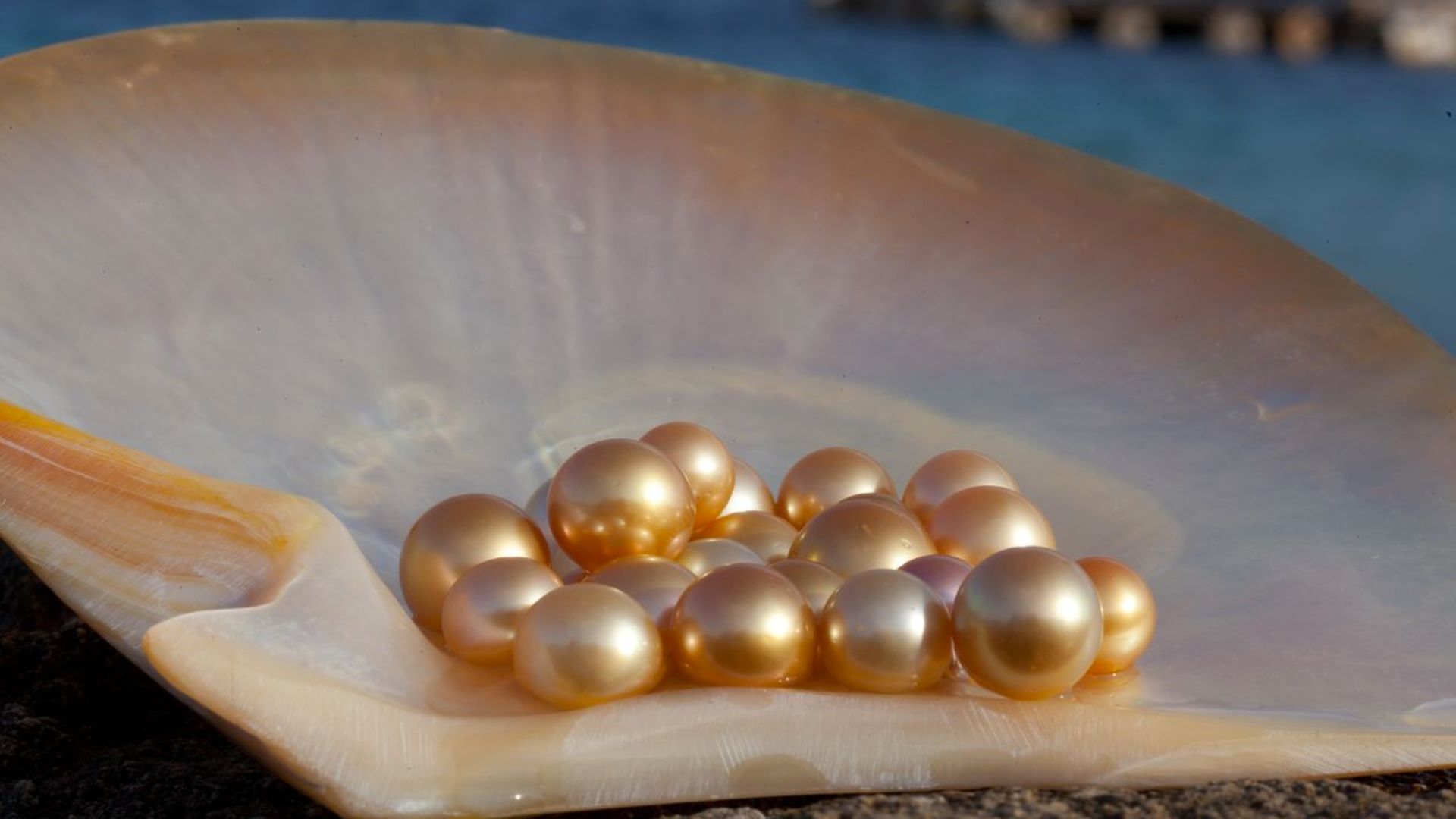
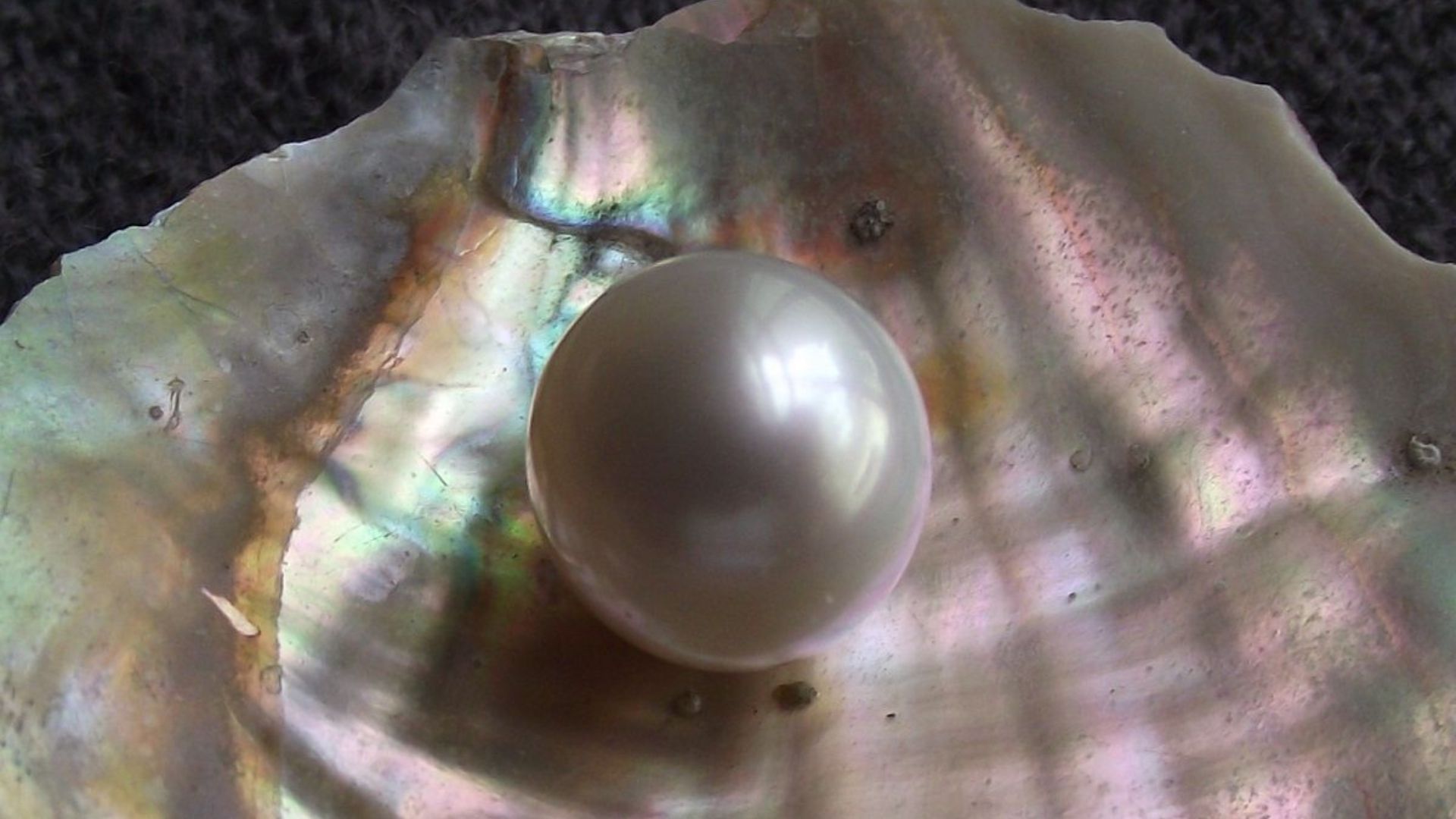
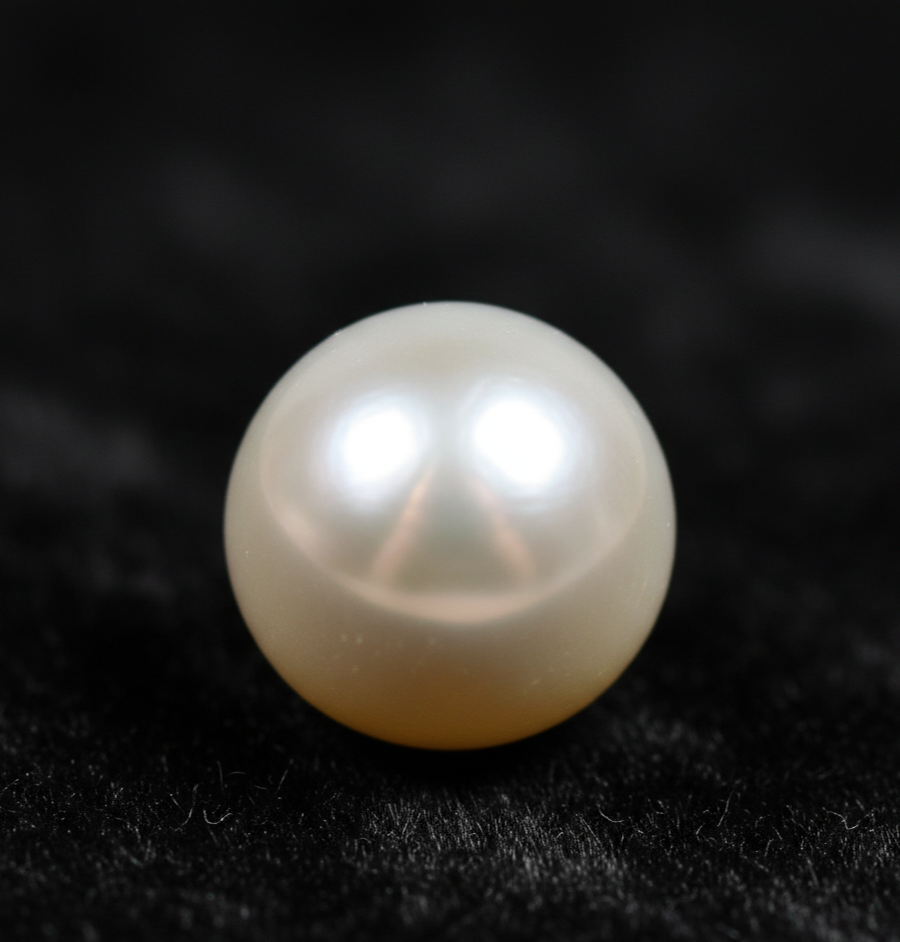
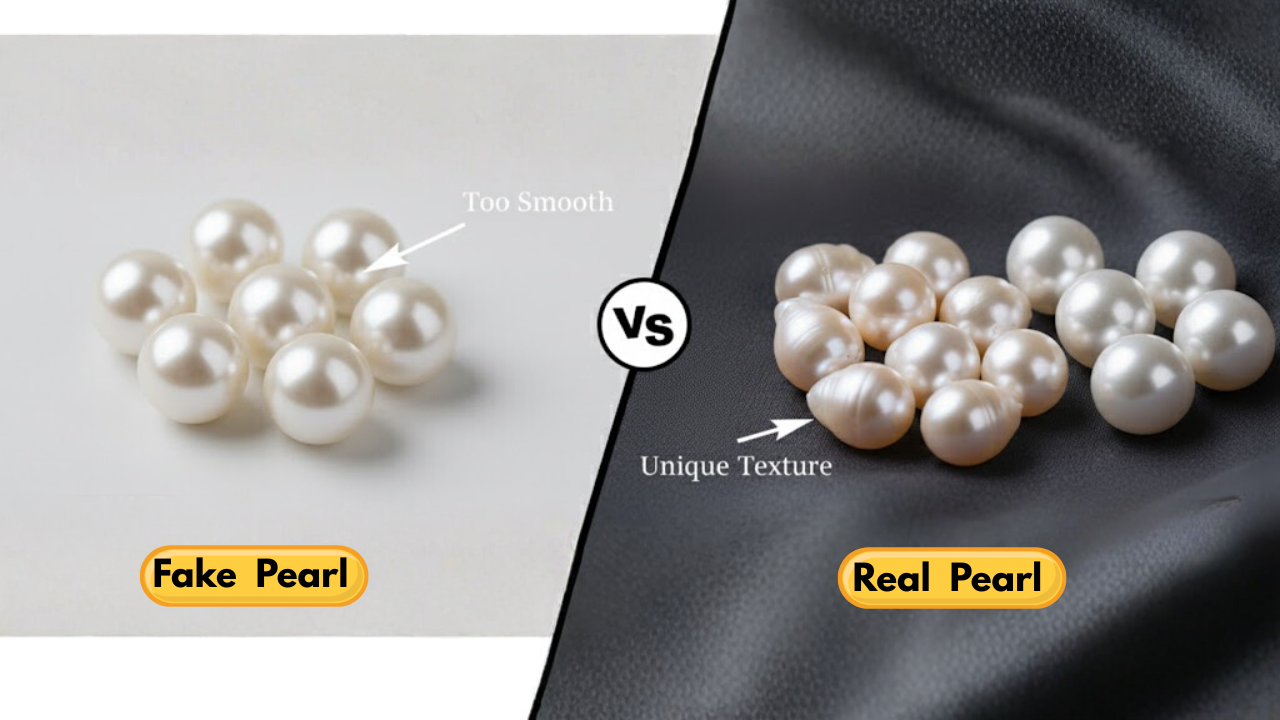
Pearls, although technically organic gems rather than minerals, are also vulnerable to environmental conditions. Excessive moisture, chemicals, and improper storage can affect their surface and luster.
Some porous gemstones can absorb liquids, oils, or chemicals. If a gemstone has been dyed, fracture-filled, or otherwise treated, moisture and cleaning products may also affect its appearance.
To reduce moisture-related gemstone damage, store jewelry in a clean, dry environment and avoid exposing delicate pieces unnecessarily to water, steam, perfumes, or household chemicals.
How Sunlight Affects Gemstones
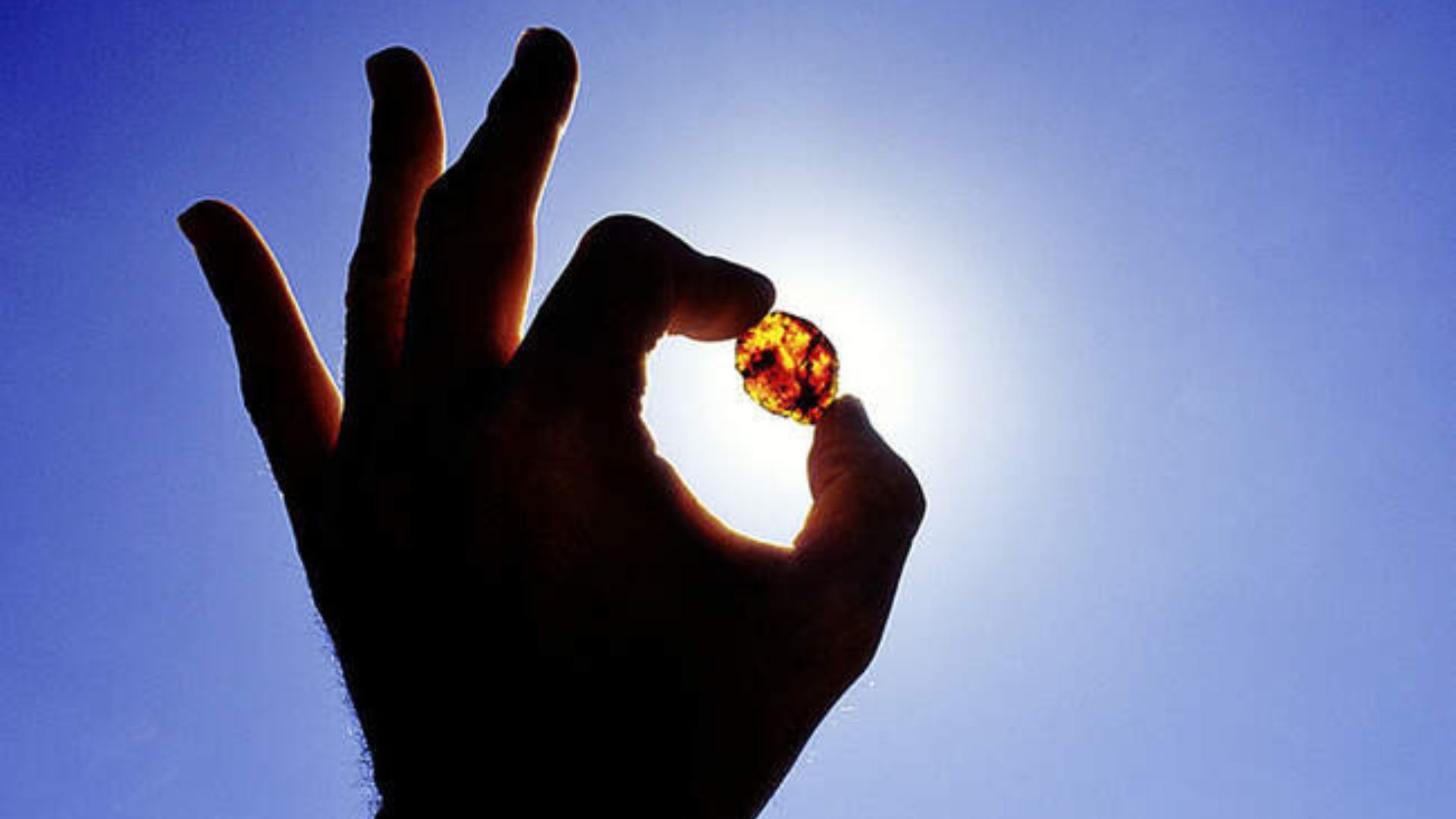
The question of how sunlight affects gemstones is especially relevant for people who frequently wear colorful gemstone jewelry outdoors.
Sunlight contains ultraviolet radiation, and prolonged exposure can cause certain gemstones to fade or change color. The effect varies considerably from one gemstone to another.
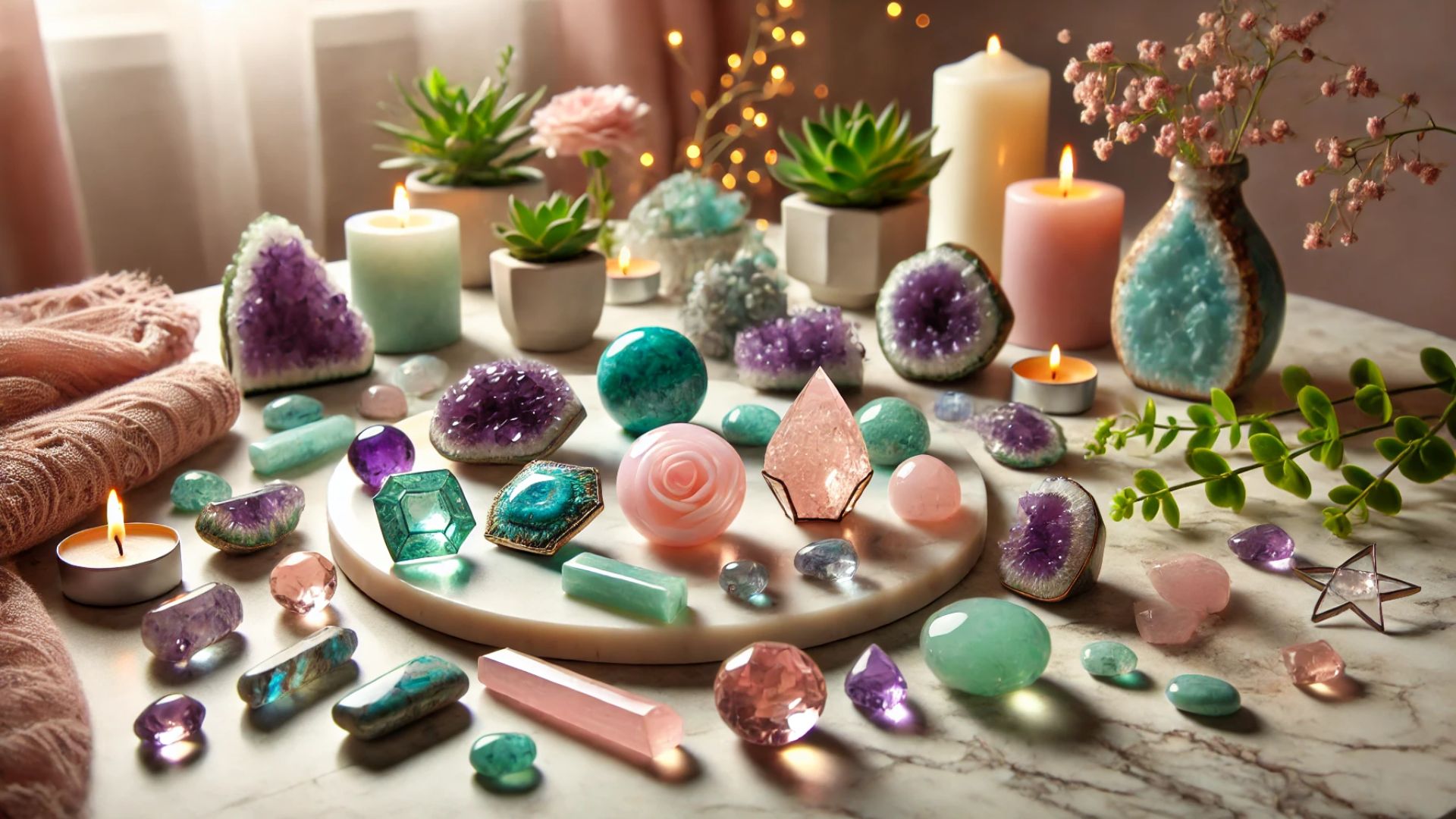
Amethyst: Extended exposure to strong sunlight may gradually lighten its purple color.
Rose quartz: Some specimens can fade after prolonged exposure to intense light.
Kunzite: This beautiful pink-to-violet gemstone is known for being particularly sensitive to prolonged sunlight and may fade over time.
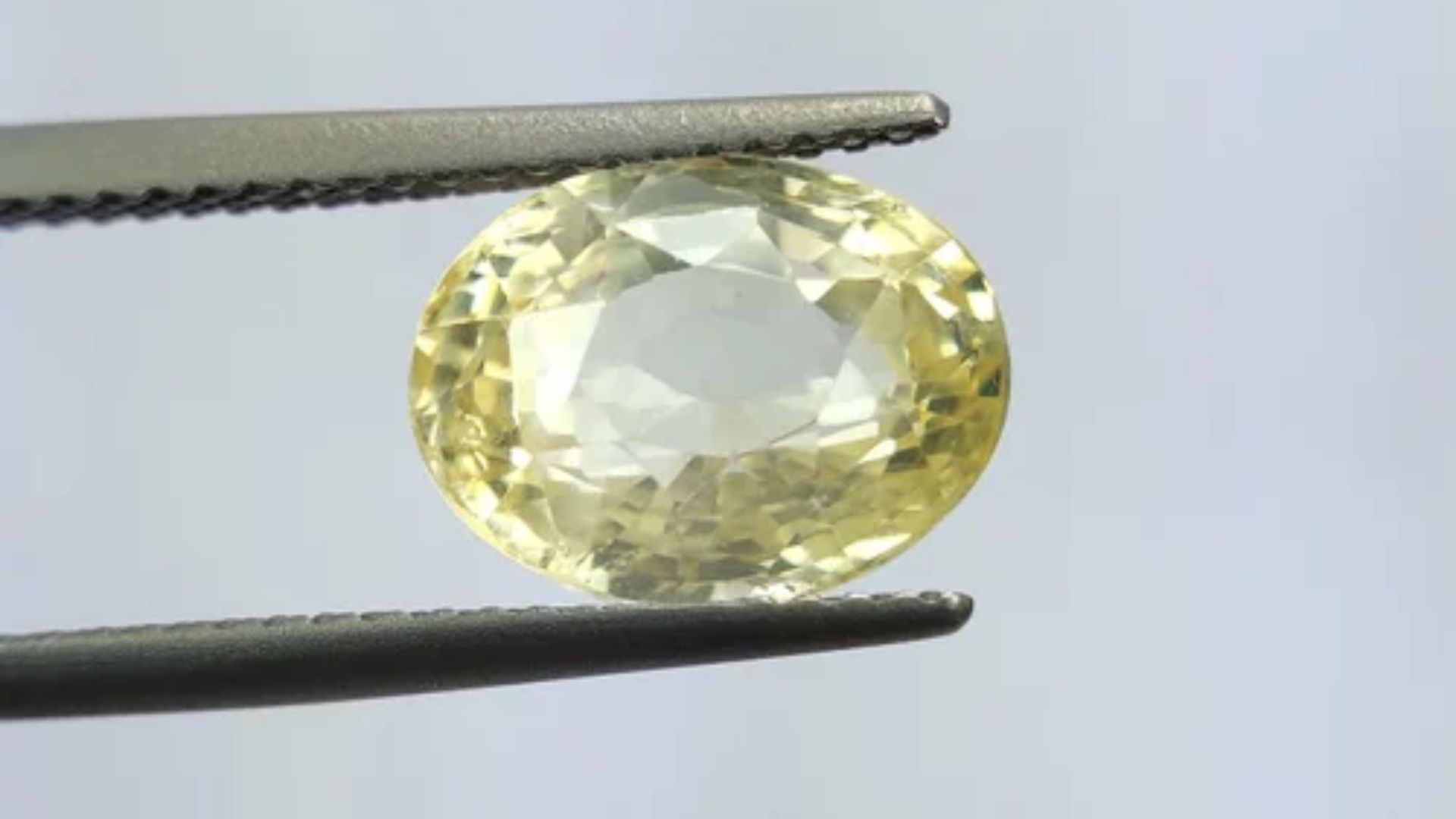
Topaz: Some treated topaz colors can be sensitive to strong or prolonged light, depending on the treatment and variety.
By contrast, gemstones such as diamonds, sapphires, and rubies are generally much more resistant to everyday light exposure.
The key is to avoid unnecessary gemstone exposure to sunlight for prolonged periods, especially when you own a light-sensitive gemstone.
Heat, Humidity, and Sunlight: A Gemstone Comparison
| Gemstone | Heat Sensitivity | Humidity/Moisture | Sunlight Sensitivity |
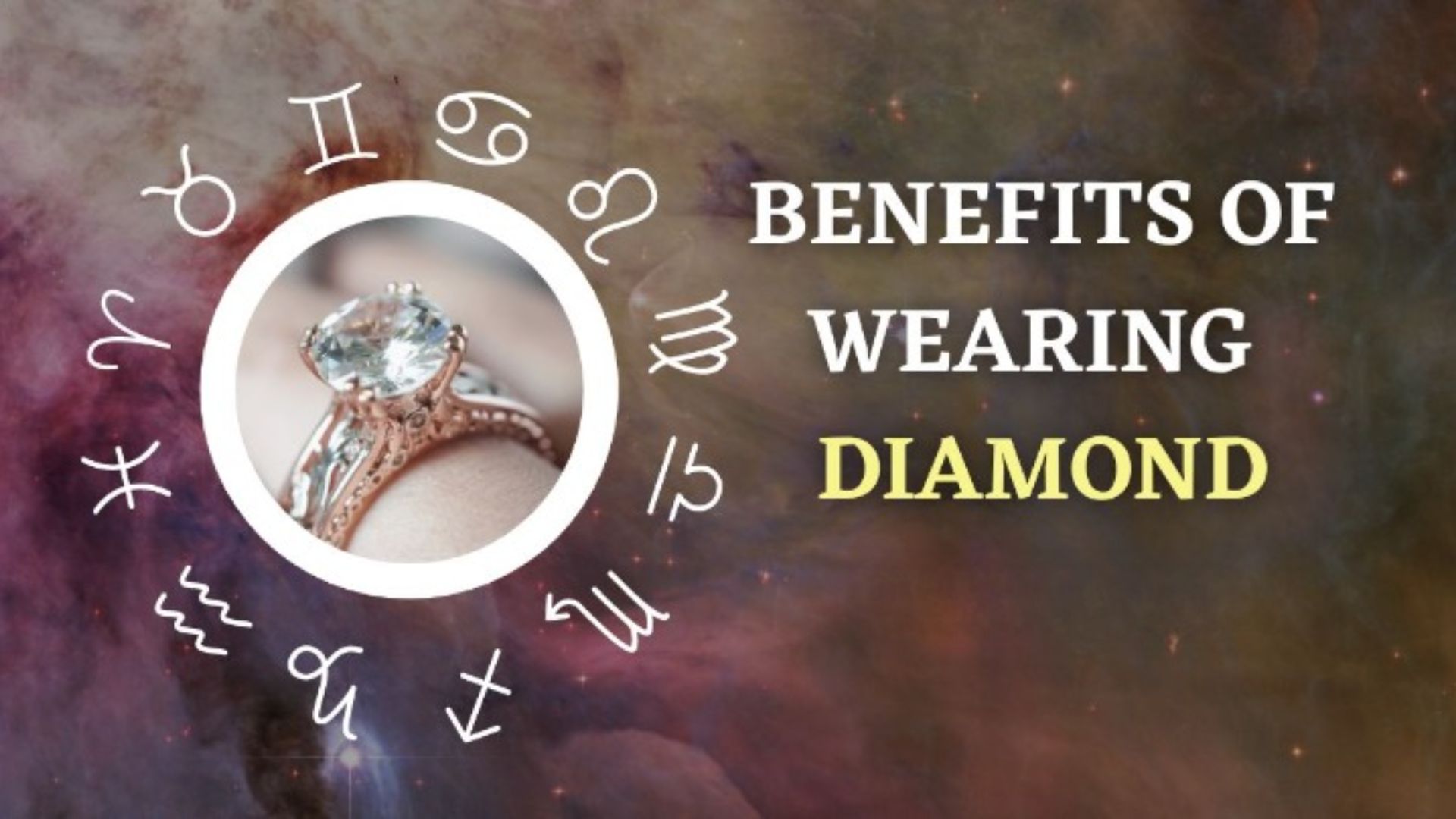
| Diamond | Low | Low | Low |
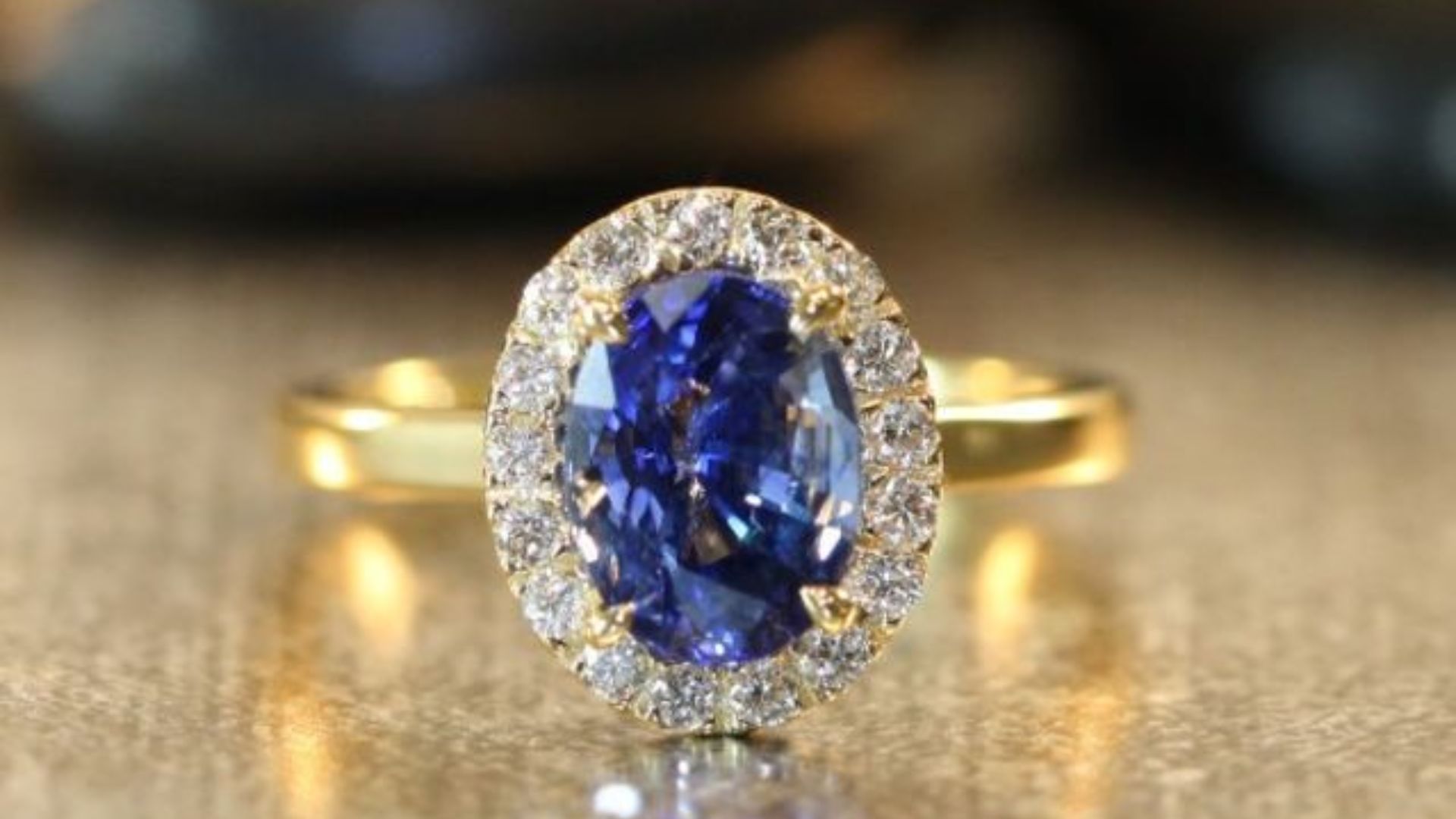
| Sapphire | Low to moderate | Low | Generally low |
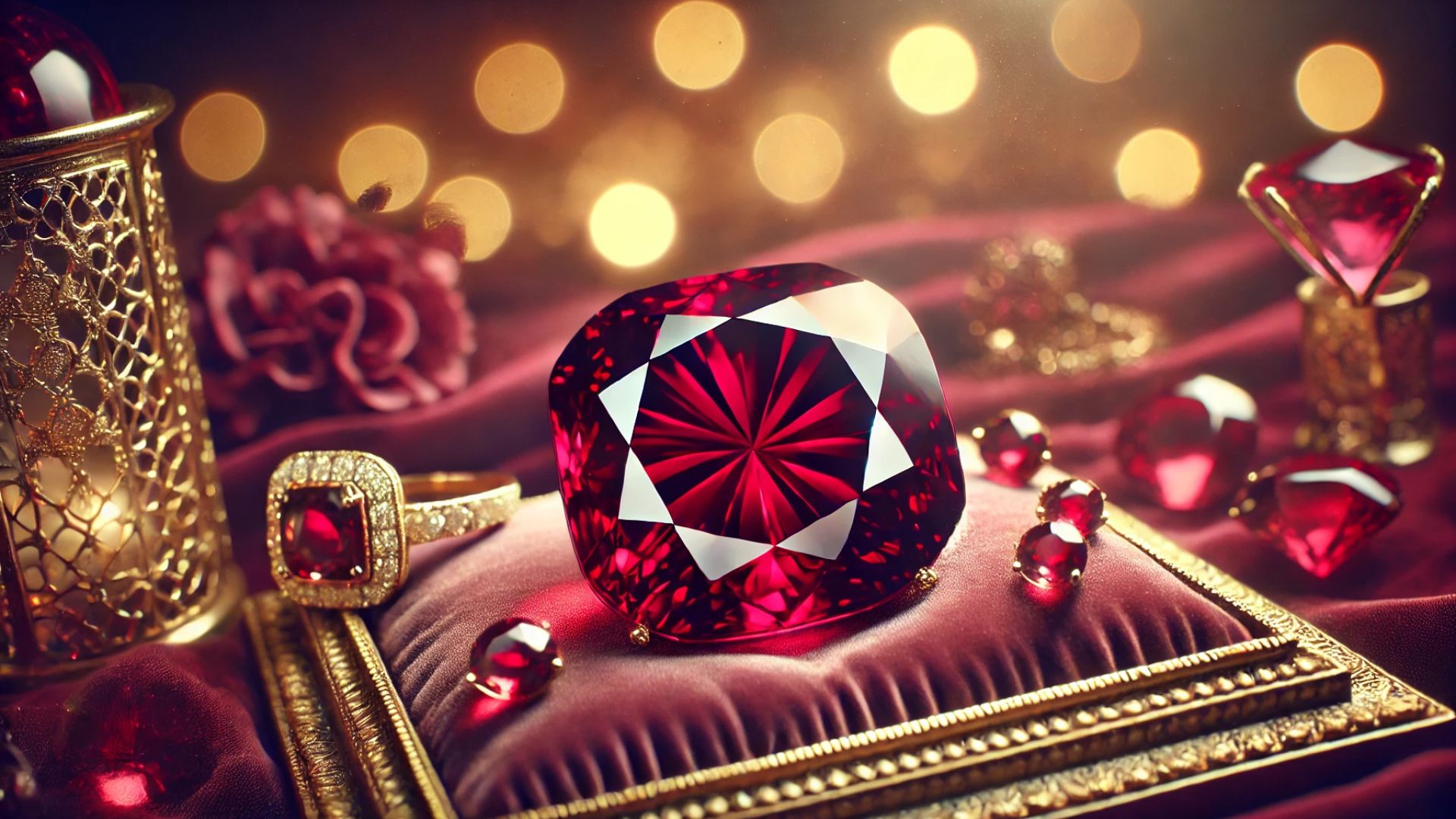
| Ruby | Low to moderate | Low | Generally low |
| Emerald | High caution | Moderate | Generally good, but treatments matter |
| Opal | High | High caution | Moderate |
| Amethyst | Moderate | Low | Can fade with prolonged exposure |
| Tanzanite | High caution | Moderate | Moderate |
| Kunzite | Moderate | Low | High |
| Pearl | High caution | High caution | Can be affected by prolonged exposure |
These are general guidelines. The condition, treatment, quality, and origin of an individual gemstone can change how it responds to environmental conditions.
Protecting Gemstones From Environmental Damage
Protecting gemstones starts with simple habits. You don't necessarily need to stop wearing your favorite jewelry—you just need to understand its vulnerabilities.
1. Avoid Extreme Temperature Changes
Don't place a hot gemstone directly into cold water or expose delicate jewelry to sudden temperature changes. Remove particularly sensitive pieces before activities involving high heat.
2. Limit Prolonged Direct Sunlight
If you own light-sensitive gemstones, avoid leaving them on windowsills, dashboards, or other locations where they receive strong sunlight for hours at a time.
3. Store Jewelry Properly
Keep gemstones in a cool, stable environment away from direct sunlight. Soft jewelry pouches or individual compartments can help prevent stones from scratching one another.
4. Be Careful With Water and Chemicals
Perfumes, cosmetics, cleaning products, chlorinated water, and other chemicals can affect certain gemstones and their treatments. Put jewelry on after applying personal-care products and clean each gemstone according to its specific care requirements.
5. Consider Professional Cleaning
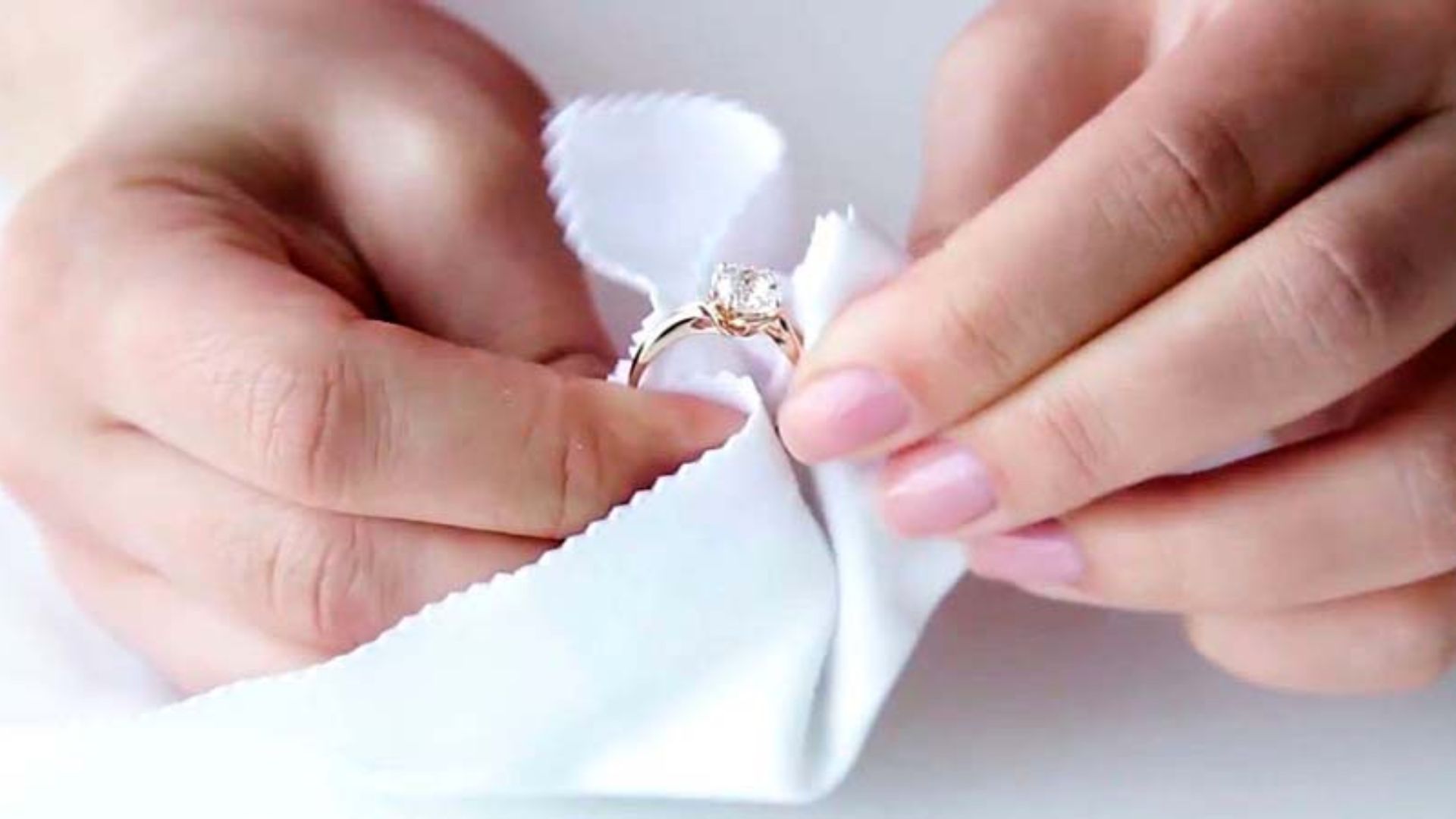
Not every gemstone is suitable for ultrasonic or steam cleaning. Emeralds, opals, pearls, and some treated gemstones may require gentler methods. When in doubt, ask a qualified jeweler before using specialized cleaning equipment.
Gemstone Maintenance for Long-Term Beauty
Regular gemstone maintenance can prevent minor issues from becoming serious problems. Inspect jewelry periodically for loose stones, damaged settings, scratches, or changes in appearance.
It's also worth remembering that gemstone hardness does not necessarily equal overall durability. A gemstone can be hard enough to resist scratches while still being vulnerable to heat, fractures, chemicals, or sunlight.
For valuable or particularly delicate pieces, professional inspection and cleaning can provide additional protection.
Final Thoughts
Every gemstone has its own strengths and vulnerabilities. Diamonds and sapphires can tolerate many everyday conditions, while emeralds, opals, kunzite, tanzanite, and other sensitive stones require more careful handling.
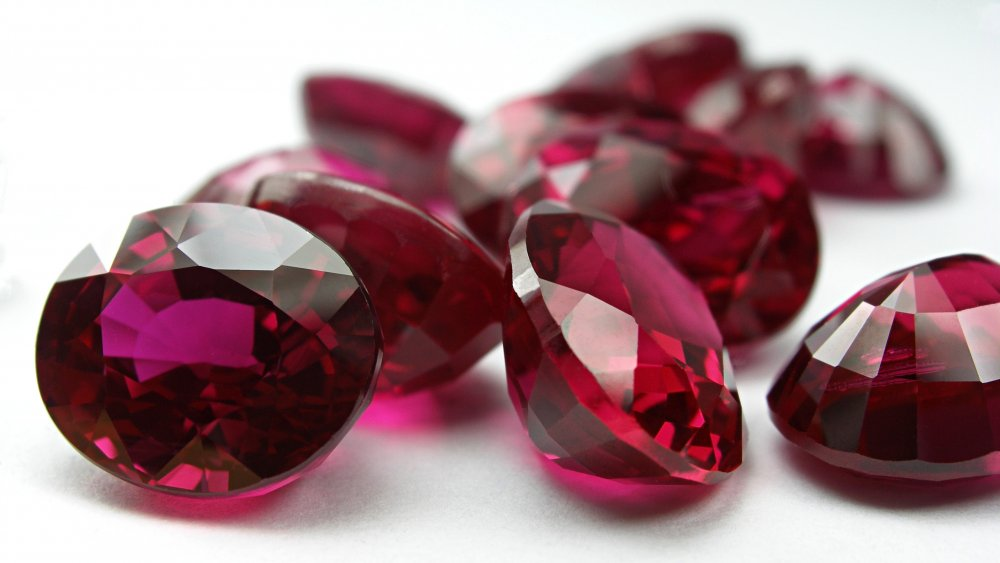
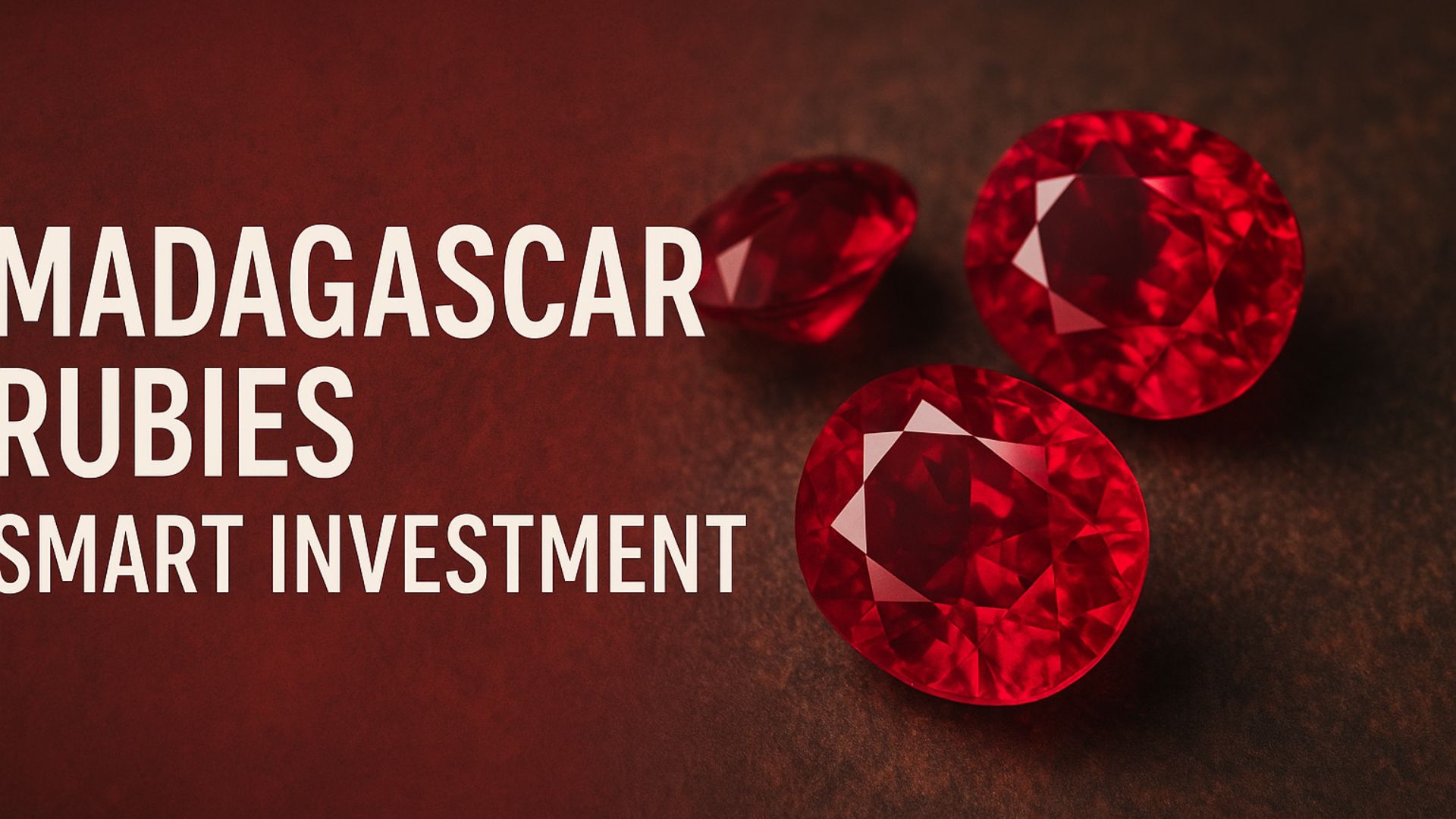
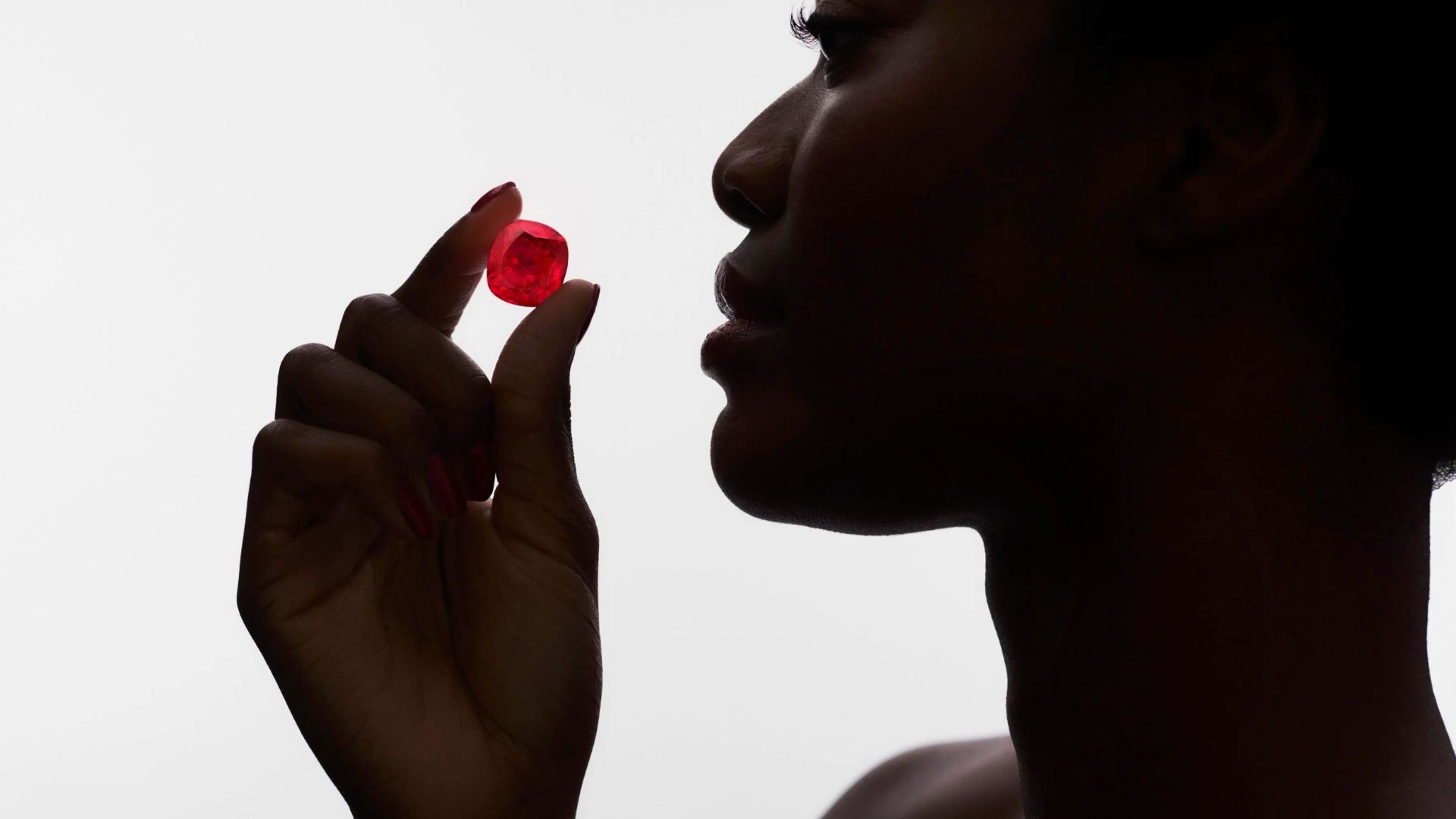
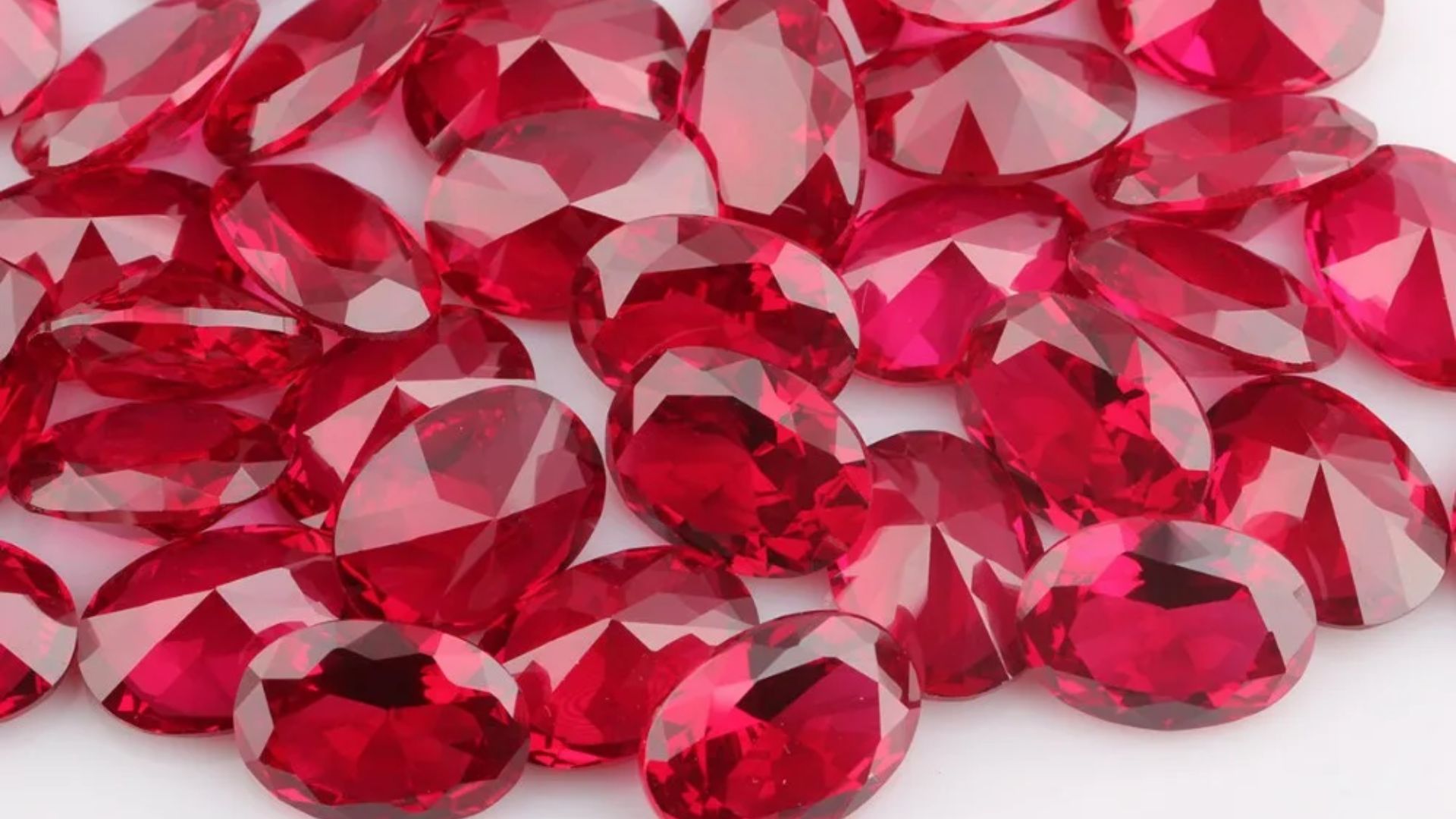
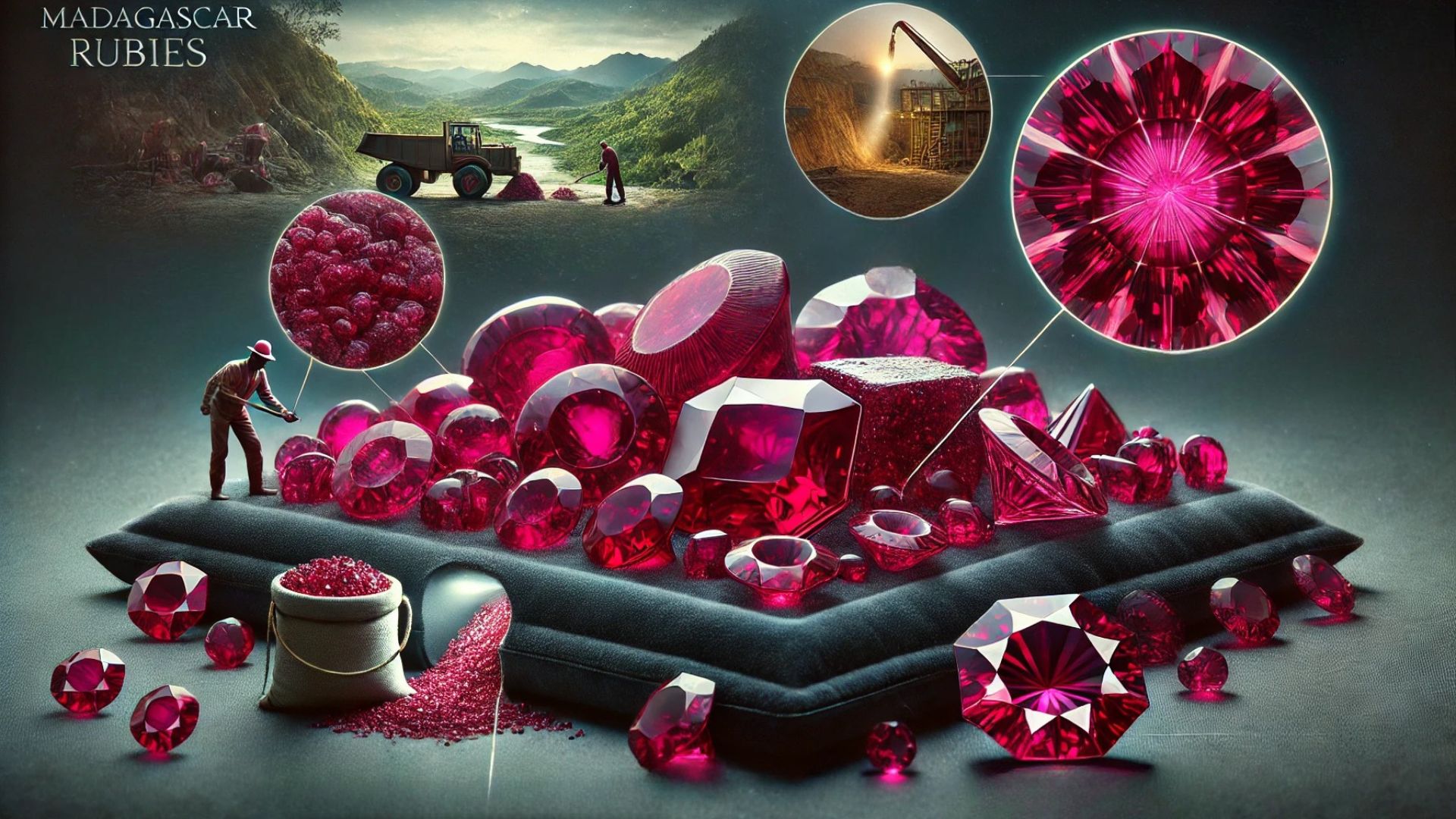
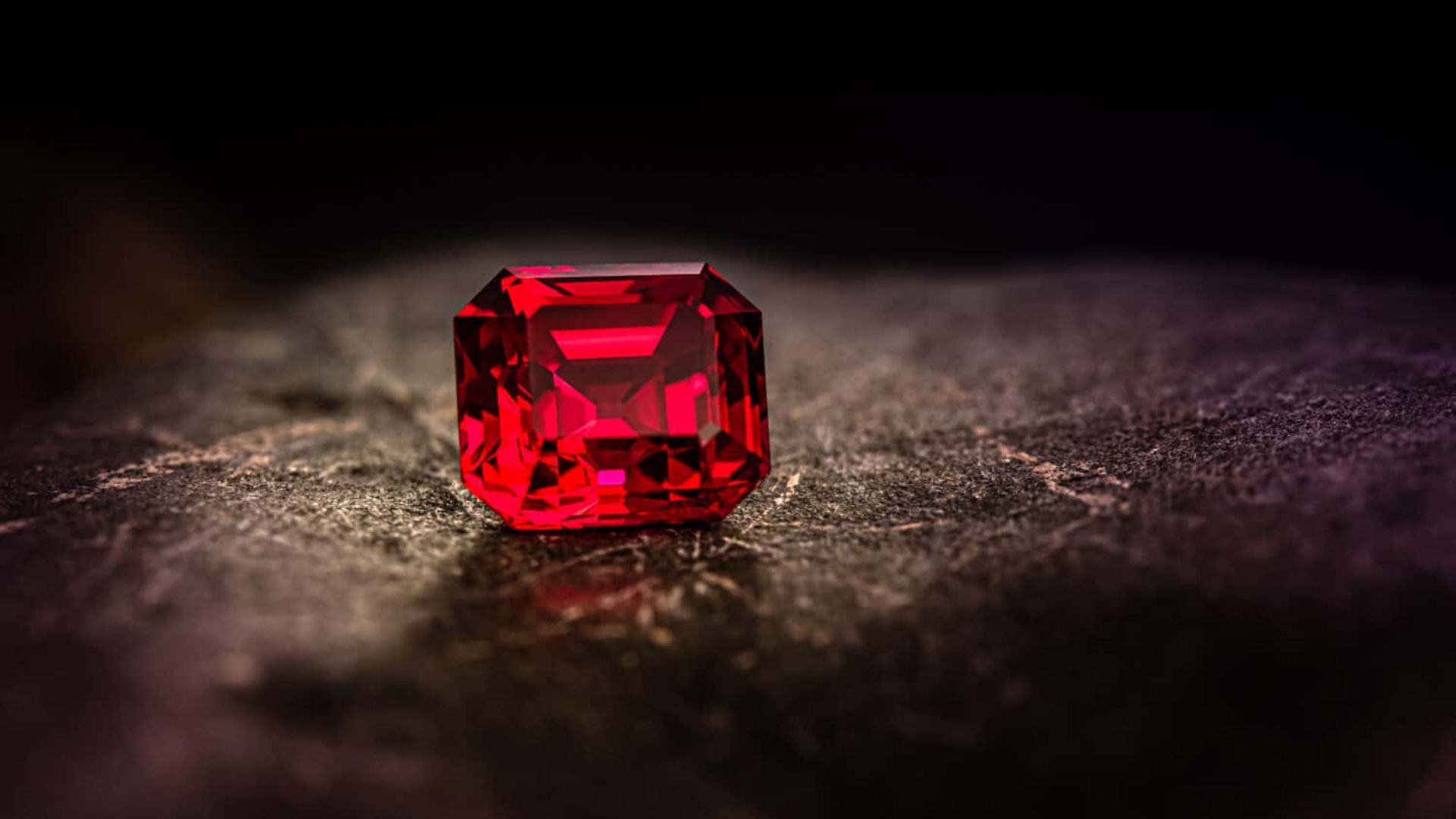
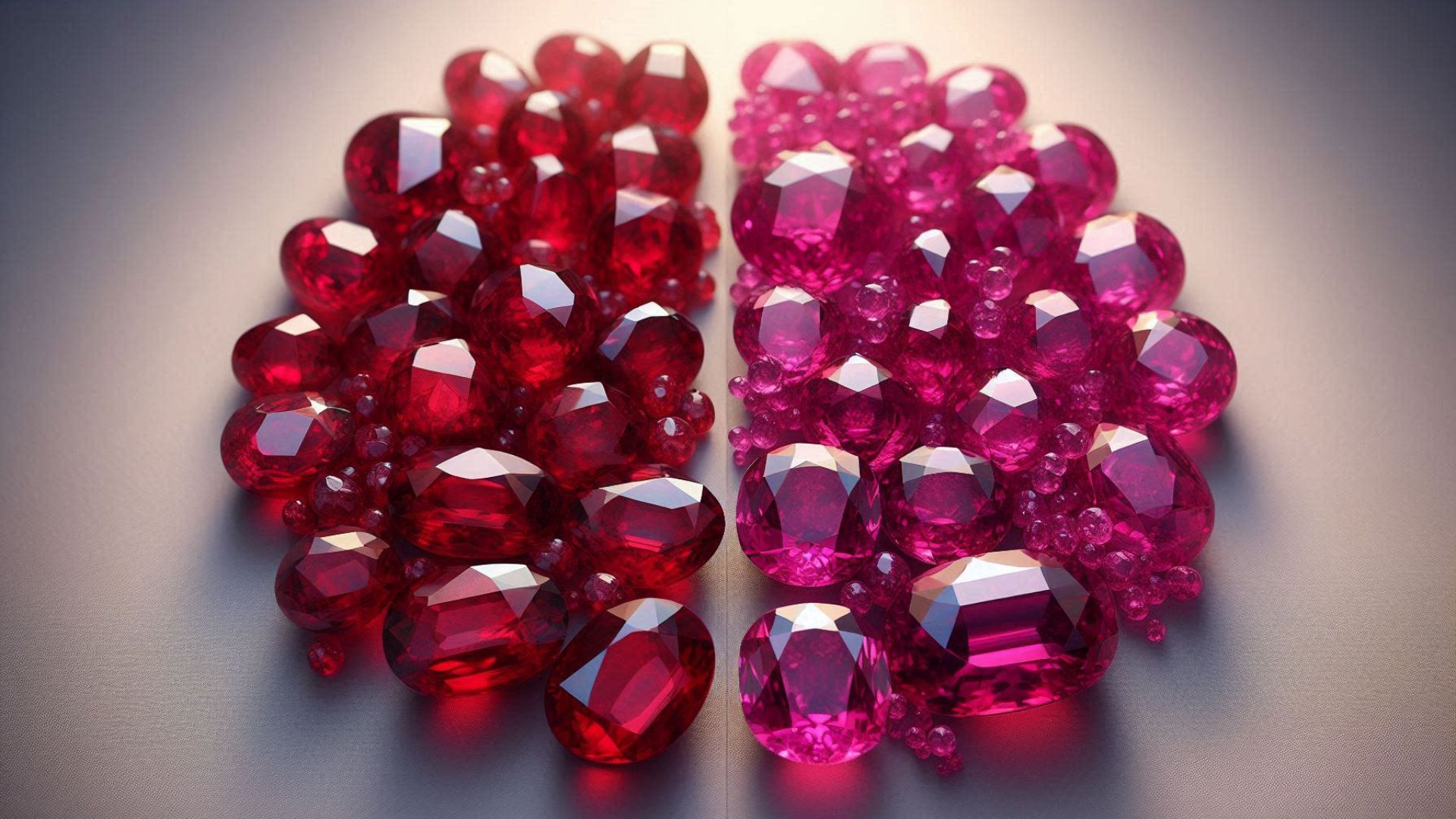
The best approach to gemstone care is simple: learn the specific needs of each stone, minimize unnecessary exposure to extreme heat and humidity, and protect light-sensitive gems from prolonged sunlight. Whether you own a precious ruby or another beautiful gemstone, understanding factors such as durability, treatment, and Mozambique ruby price can help you make informed decisions about its care and long-term value. With the right precautions and consistent care, your gemstones can retain their beauty for years to come.
Recent Posts


2026-09-04
The Science Behind Gemstone Fluorescence








2025-09-15