Date : 2026-09-15
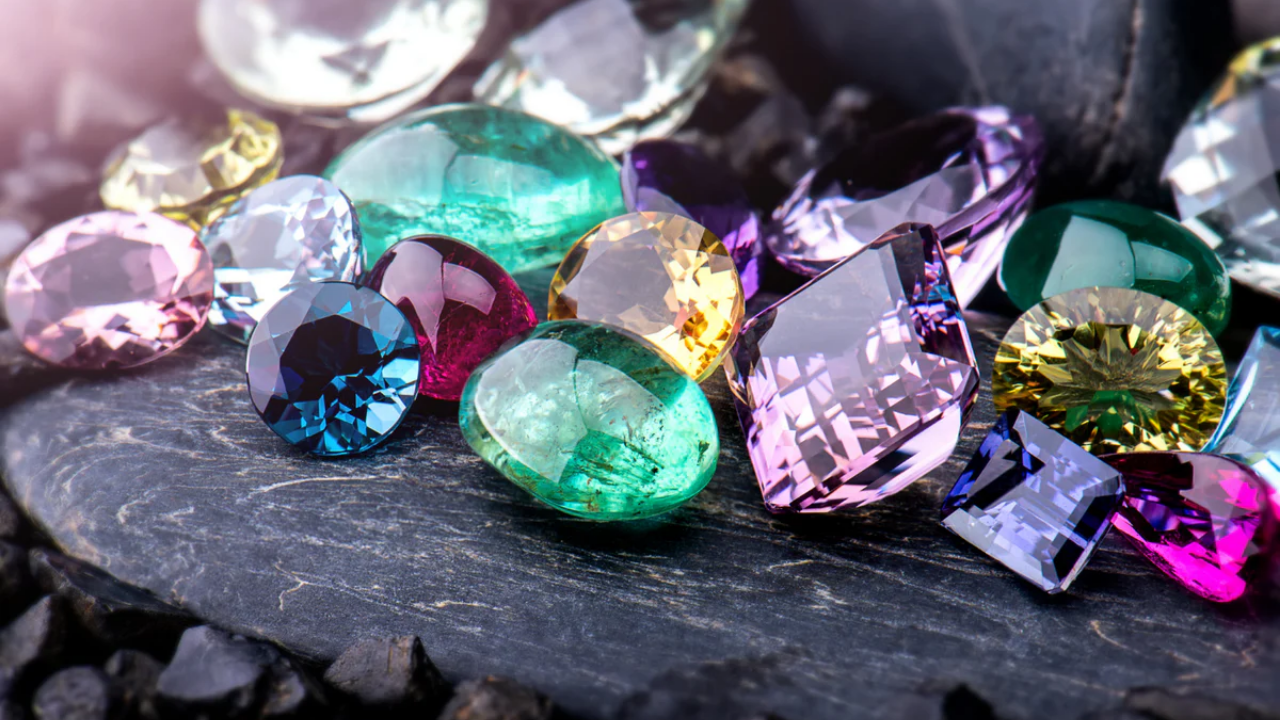
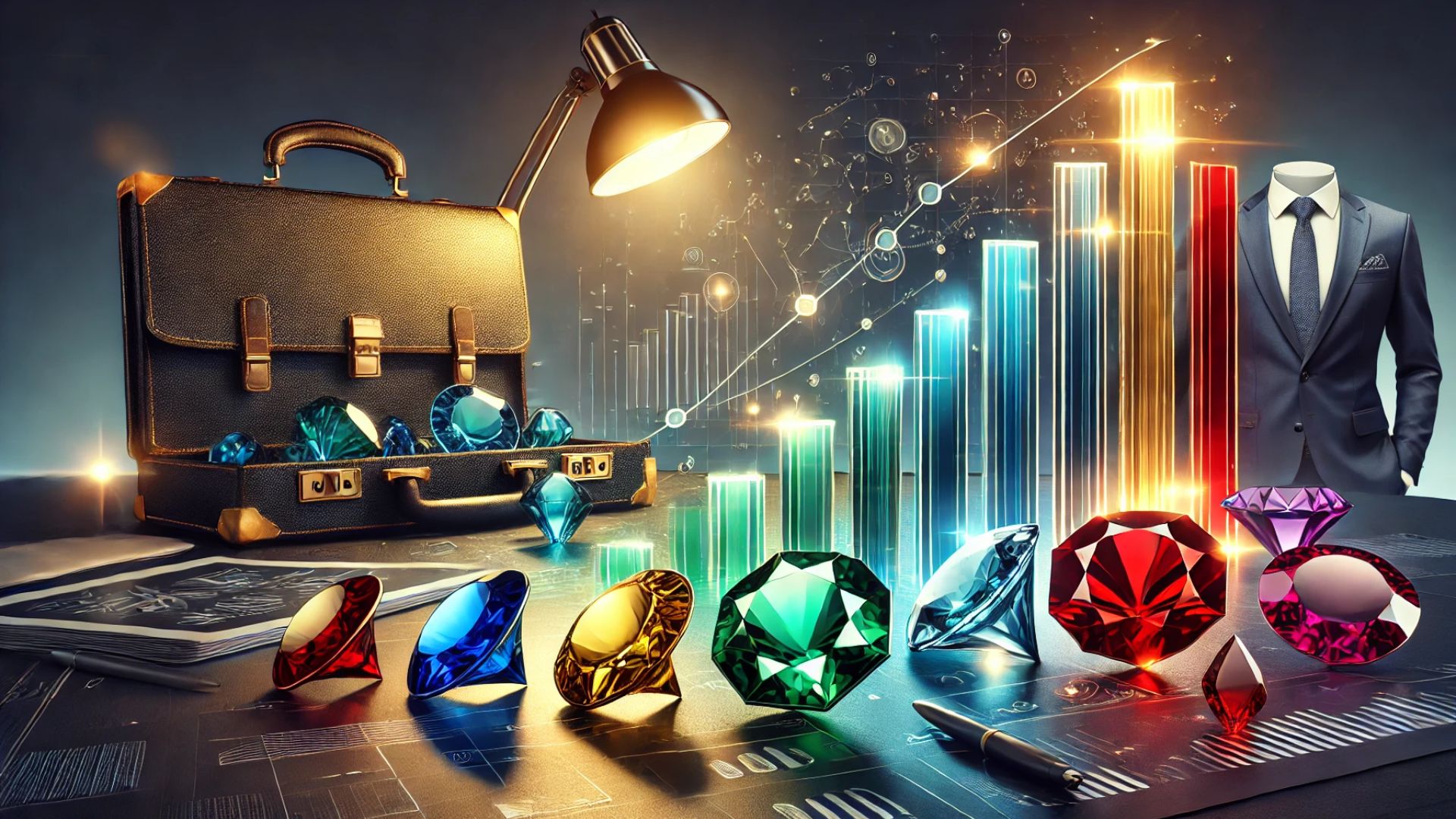
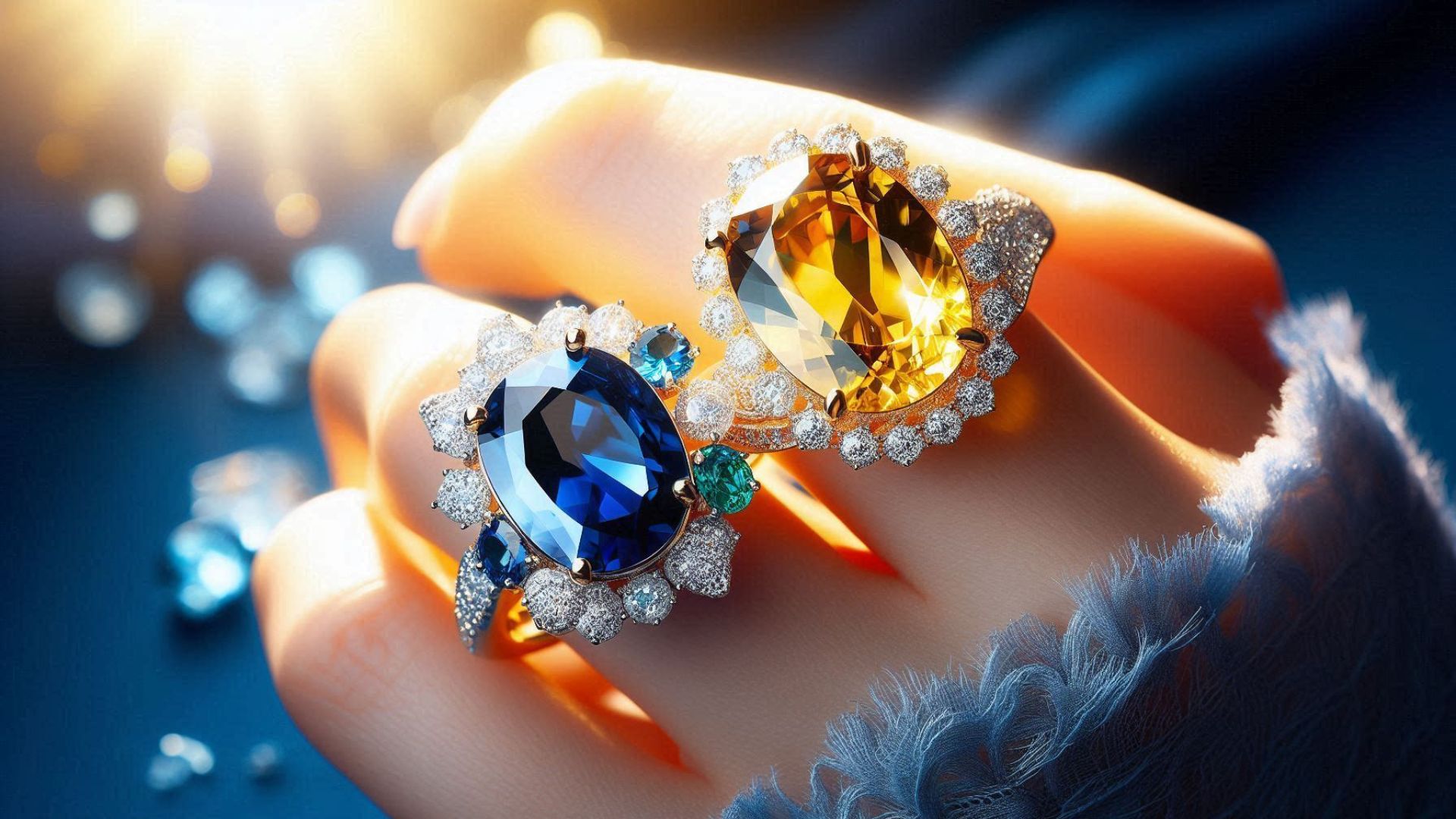
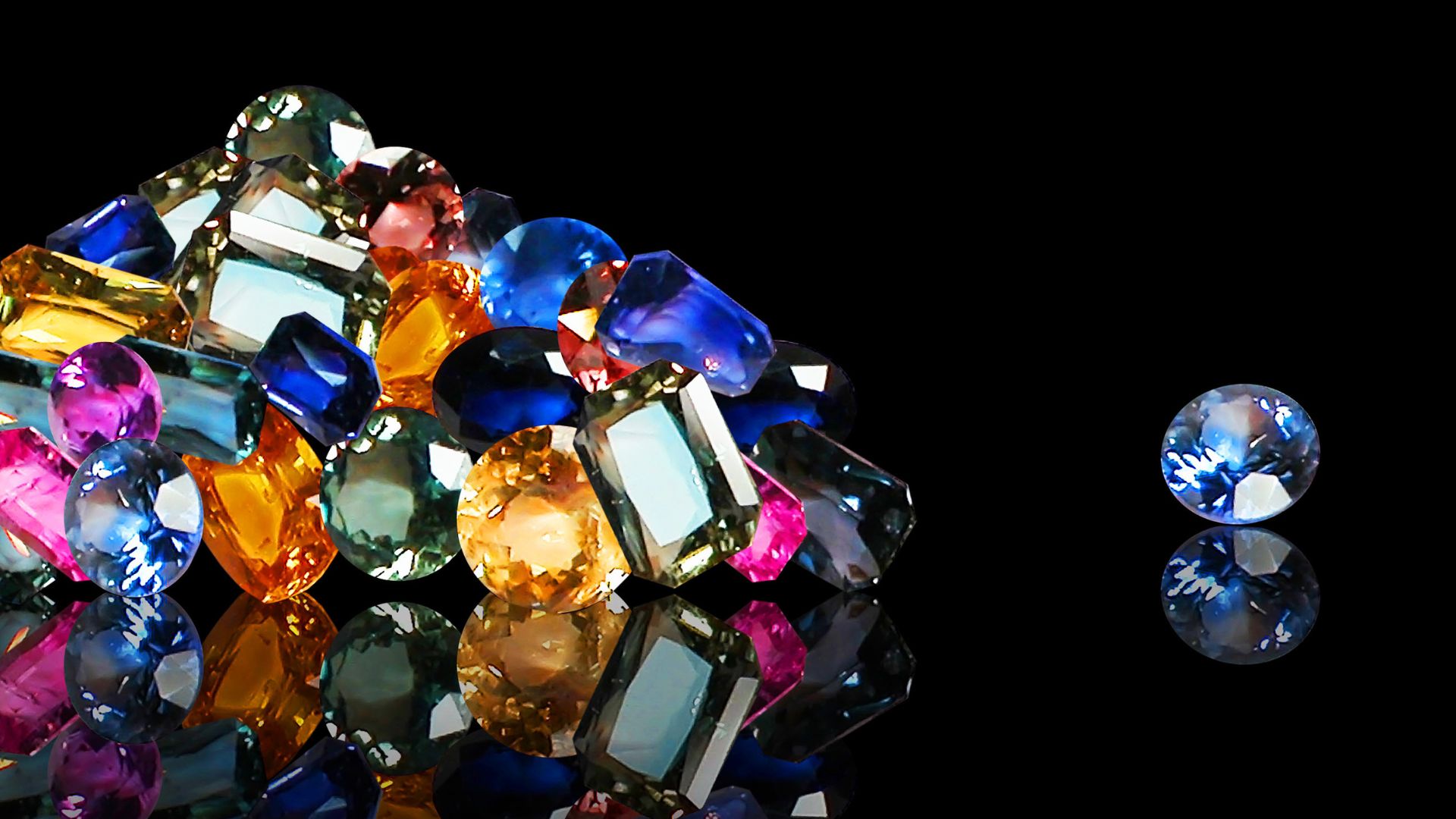
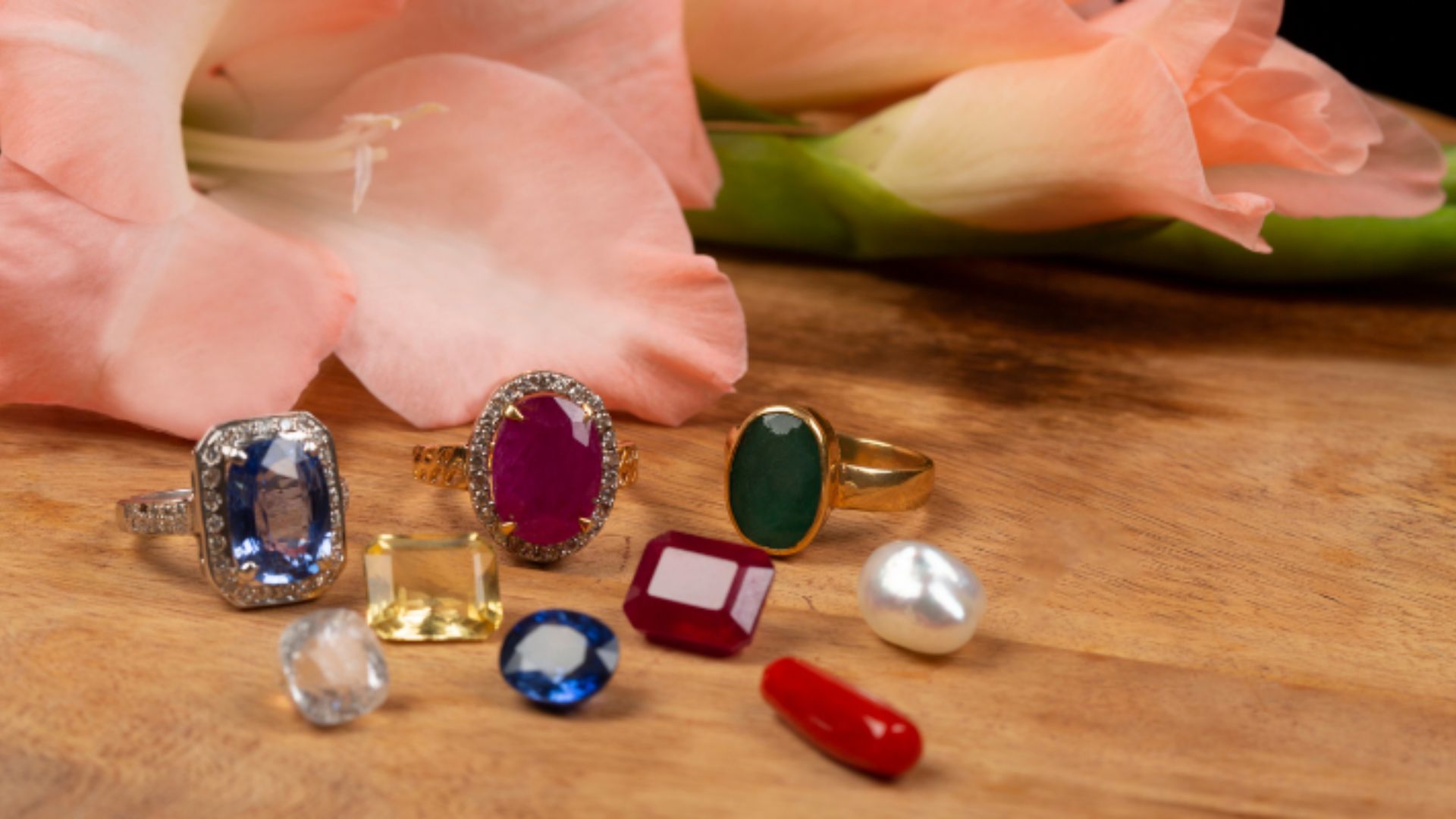
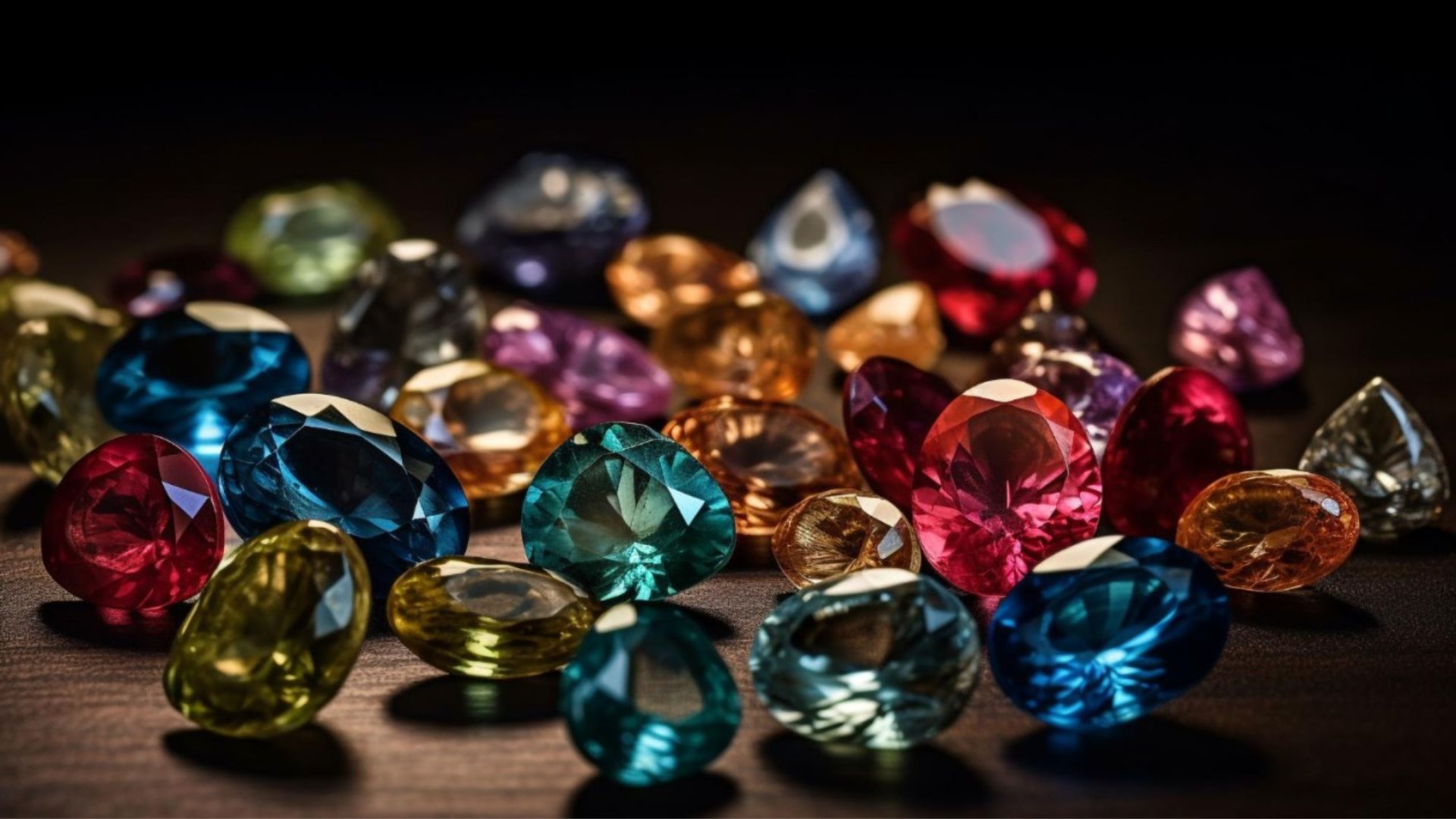
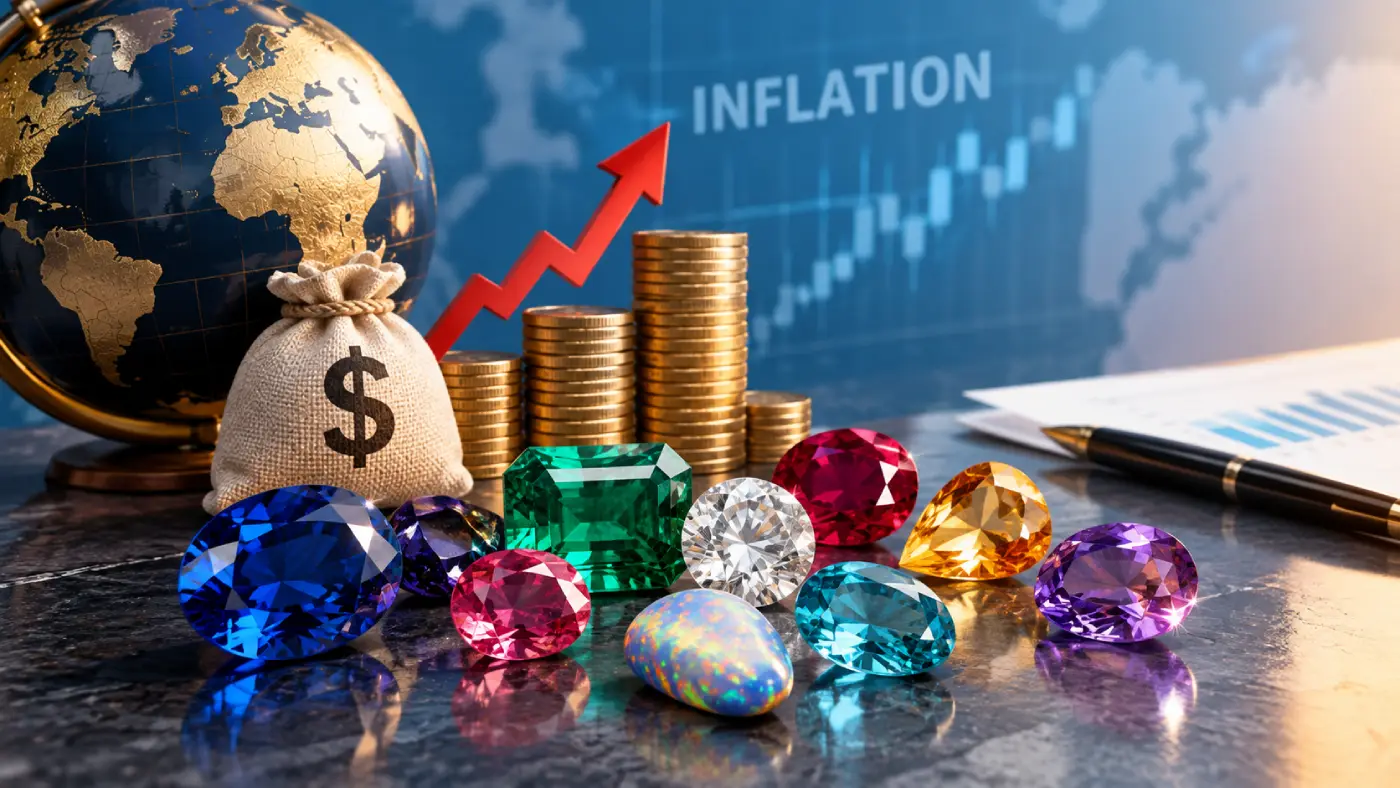
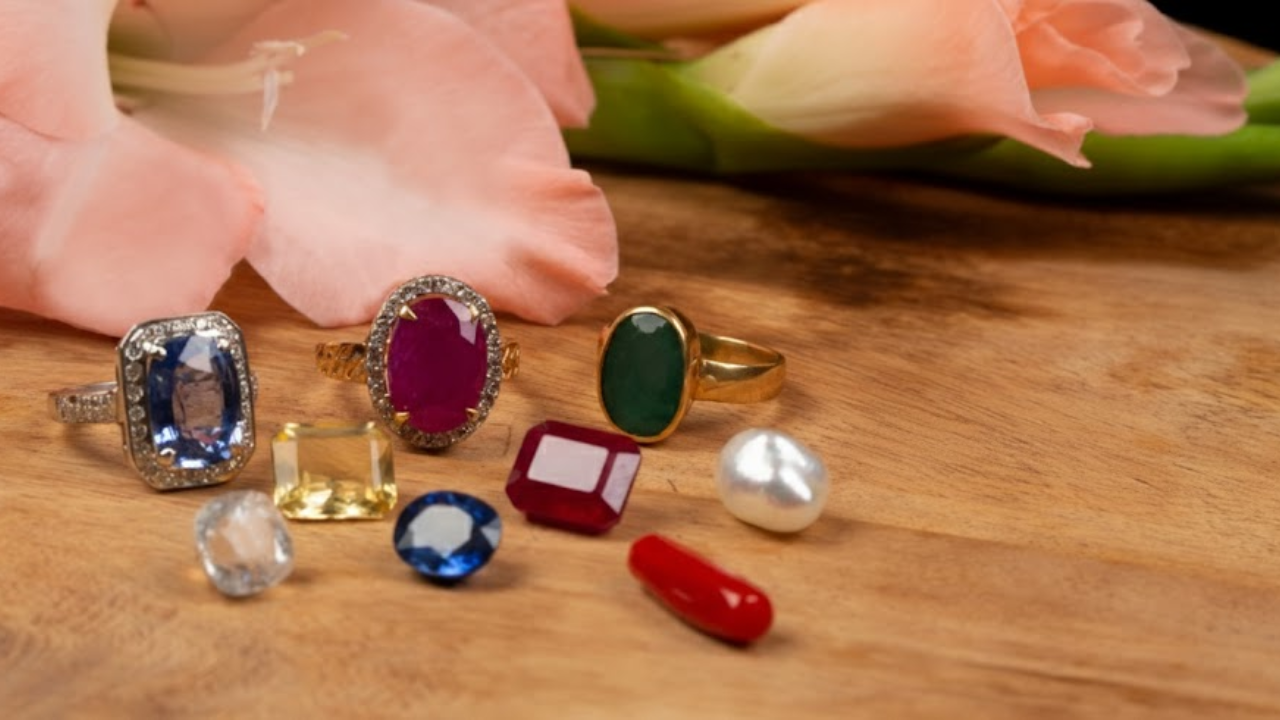
Gemstones have long been valued for their beauty, rarity, cultural importance, and use in fine jewelry. From rubies and sapphires to emeralds, diamonds, and tourmalines, these natural treasures are traded across international markets. Like other valuable commodities and luxury goods, gemstones are influenced by economic conditions, and inflation is one of the most important factors affecting the industry. For buyers and investors in India, understanding local market trends is equally important, including factors that can influence the panna price in Kolkata.
Inflation refers to a general increase in the prices of goods and services, which reduces the purchasing power of money. Although gemstones do not always follow inflation in a predictable way, rising costs can affect mining, cutting, transportation, retailing, and consumer demand. These factors can eventually influence gemstone prices around the world.
Understanding the relationship between inflation and gemstones is important for consumers, jewelers, collectors, and investors. The inflation impact is not the same for every stone. Rarity, quality, supply, demand, origin, and consumer preferences can all determine how a particular gemstone responds to changing economic conditions.
What Is the Relationship Between Inflation and Gemstone Prices?
The connection between inflation and gemstone prices is complex. When inflation rises, the cost of operating businesses generally increases. Mining companies and small-scale miners may pay more for labor, fuel, equipment, electricity, and transportation. Cutting and polishing businesses may also experience higher labor and operating expenses.
These additional costs can move through the gemstone supply chain. A rough stone may become more expensive to extract, transport, cut, polish, certify, insure, and sell. Retailers may then increase prices to maintain their profit margins.
However, inflation does not automatically mean that every gemstone will become more valuable.
If consumers reduce their spending because everyday expenses have become more expensive, demand for luxury products may decline. A gemstone retailer facing weaker demand may be unable to pass all increased costs to customers.
Therefore, inflation can create upward pressure on costs while simultaneously reducing consumer demand.
Rising Mining Costs
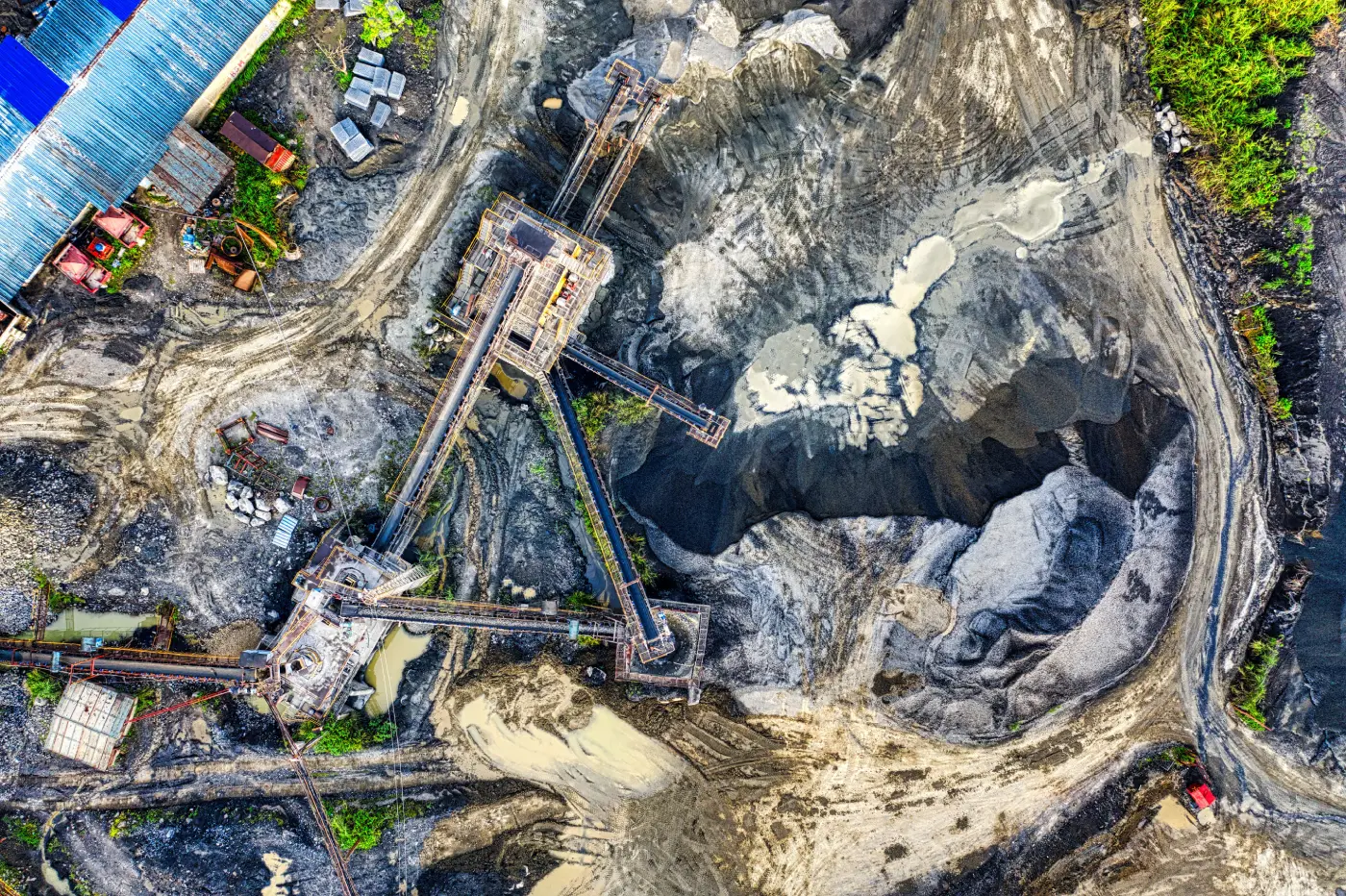
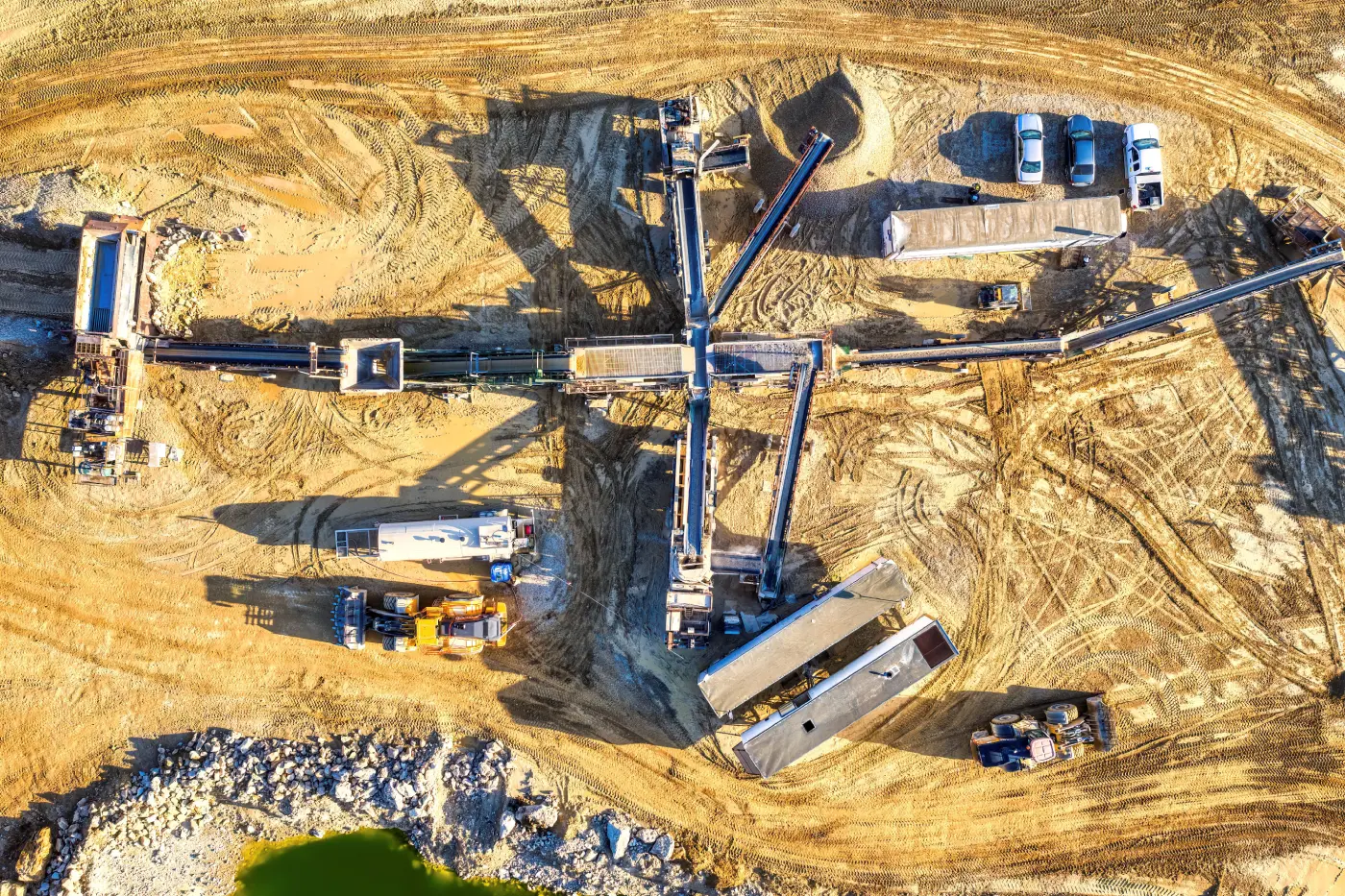
Mining is one of the first areas where inflation can affect the gemstone industry.
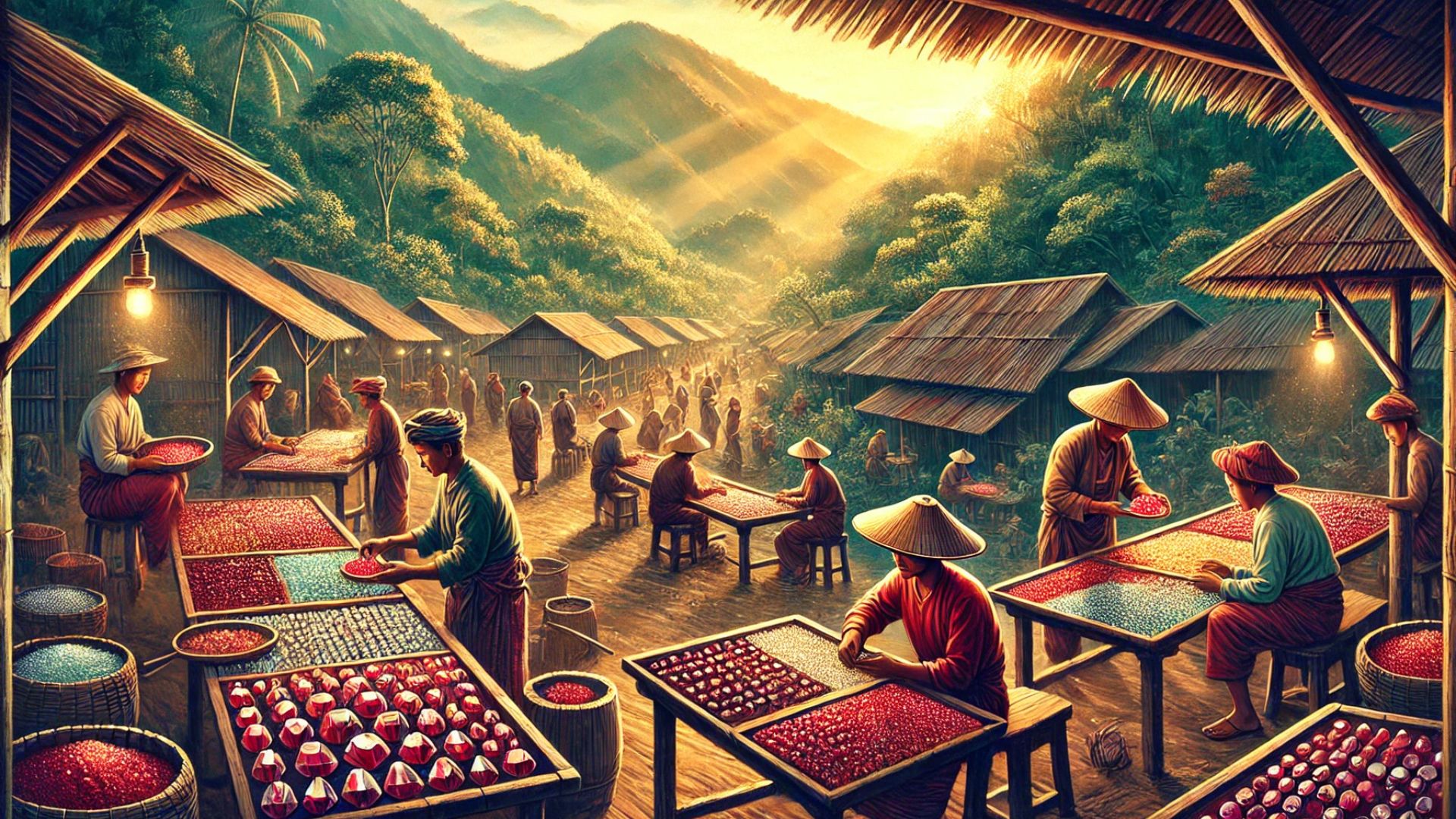
Gemstone extraction requires labor, machinery, fuel, tools, security, transportation, and other resources. When these expenses increase, mining becomes more costly.
For example, higher fuel prices can increase the expense of moving workers and equipment to remote mining locations. Rising wages can also increase production expenses.
If mining costs remain elevated, suppliers may need to charge more for rough gemstones. This can eventually influence the prices paid by cutters, wholesalers, jewelry manufacturers, and consumers.
However, the effect varies depending on the gemstone. Rare stones with limited supply may be able to absorb higher costs more easily because strong demand supports their prices.
Transportation and Supply Chain Costs
The gemstone industry is international. Stones may be mined in one country, cut in another, traded through an international center, and sold in a completely different market.
This makes transportation an important part of the price structure.
Inflation can increase fuel costs, wages, insurance, warehousing, packaging, and other logistics expenses. International supply-chain disruptions can make transportation even more expensive.
These costs can eventually be reflected in retail gemstone prices.
For global gemstones, currency movements also play an important role. A gemstone priced in U.S. dollars may become significantly more expensive for buyers whose local currency loses value against the dollar.
As a result, consumers may experience higher prices even when the international wholesale price of the gemstone has changed very little.
Consumer Purchasing Power and Demand
Inflation reduces purchasing power. When people spend more of their income on necessities such as food, housing, transportation, and energy, they may have less money available for luxury purchases.
This can affect jewelry and gemstone demand.
Some consumers may postpone purchasing expensive gemstones or choose smaller and more affordable stones. Others may move toward synthetic or treated alternatives.
However, the effect is not uniform. High-income consumers and serious collectors may continue buying rare gemstones even during periods of inflation. Exceptional natural stones can have a different market dynamic because their supply is extremely limited.
This is one reason why the inflation impact can vary considerably between different segments of the gemstone industry.
Why Rare Gemstones Can Behave Differently
Rarity is one of the most important factors determining gemstone value.
A common gemstone can often be sourced in relatively large quantities, while an exceptionally rare natural ruby, sapphire, or emerald may be difficult to replace.
When supply is limited and demand remains strong, prices can rise even when the broader economy is uncertain.
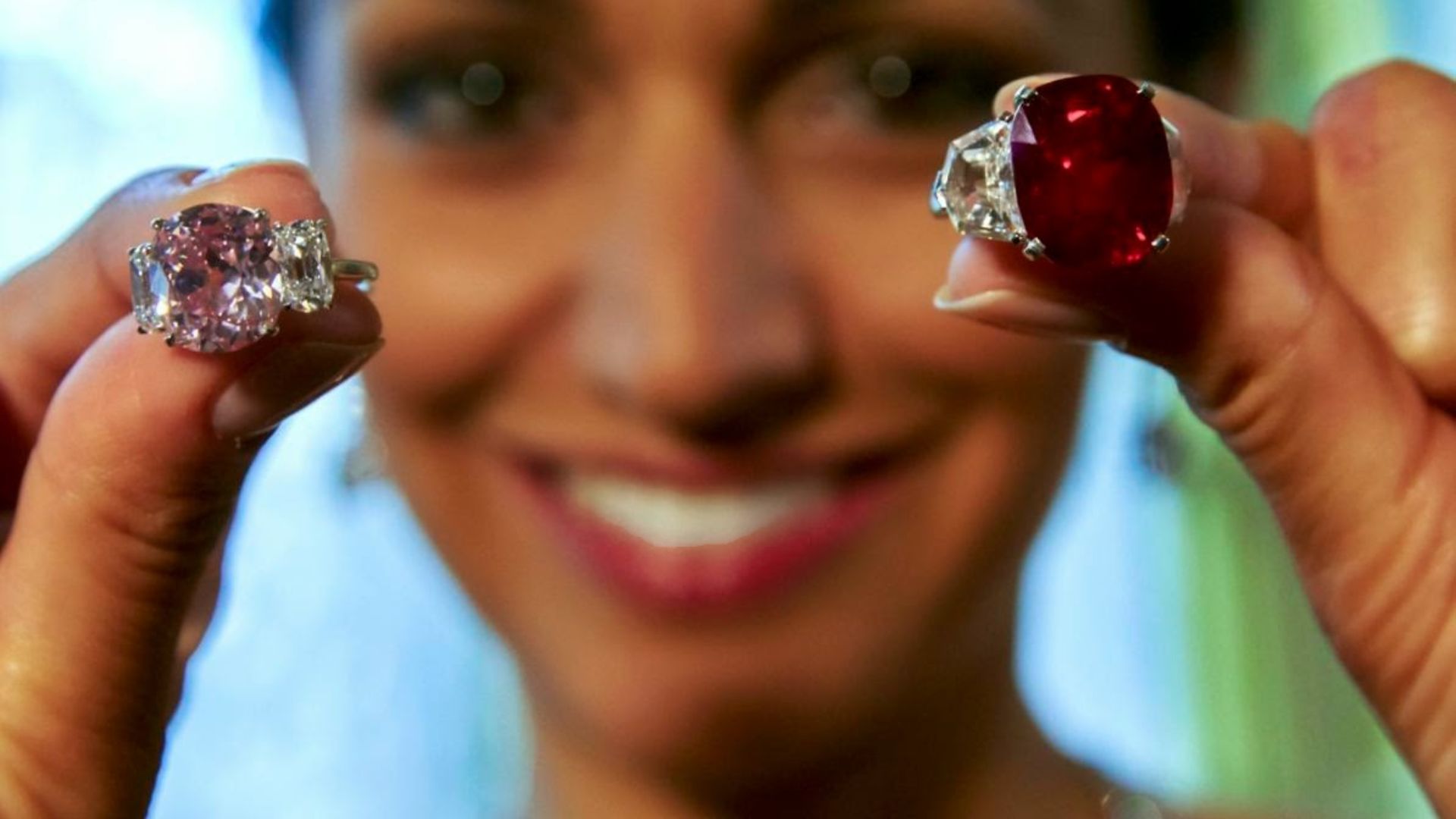
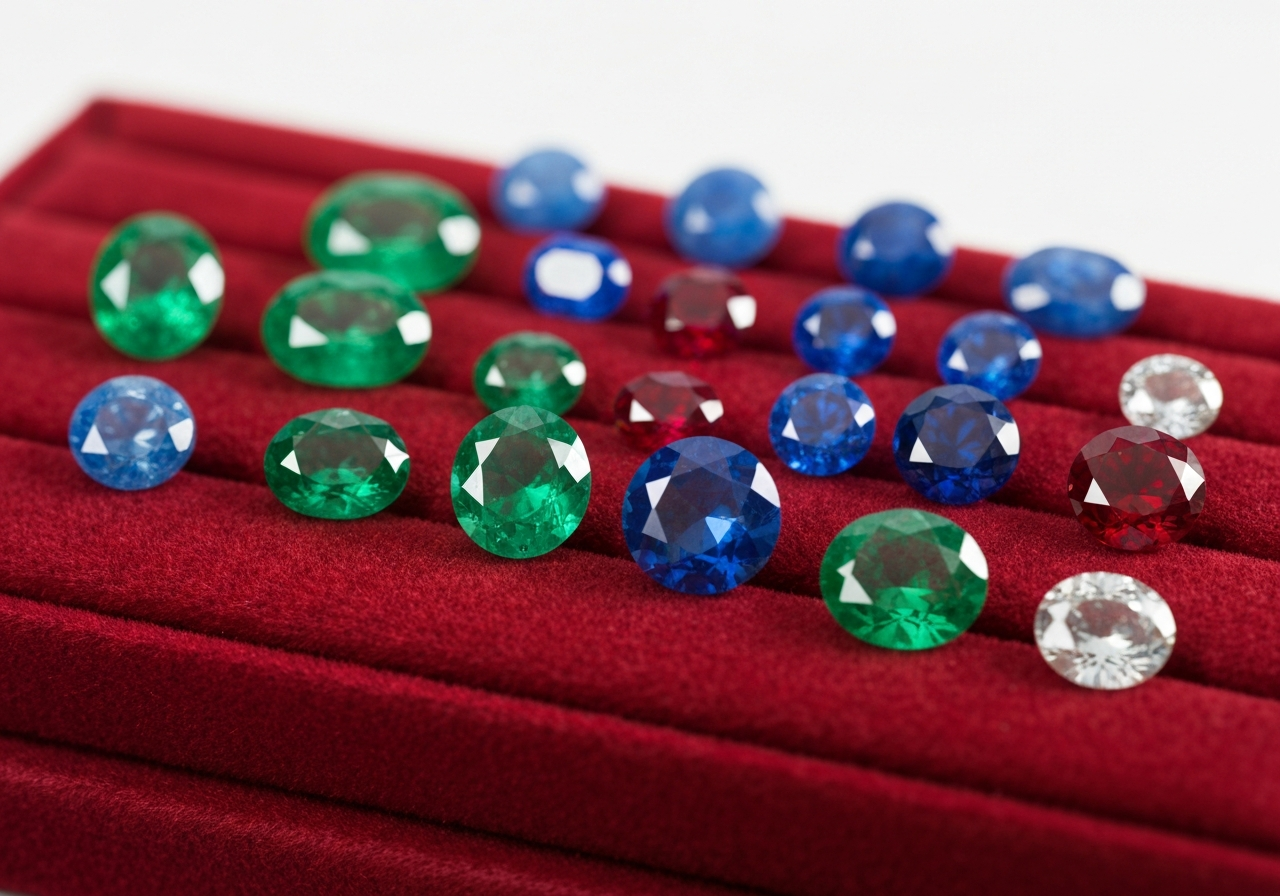
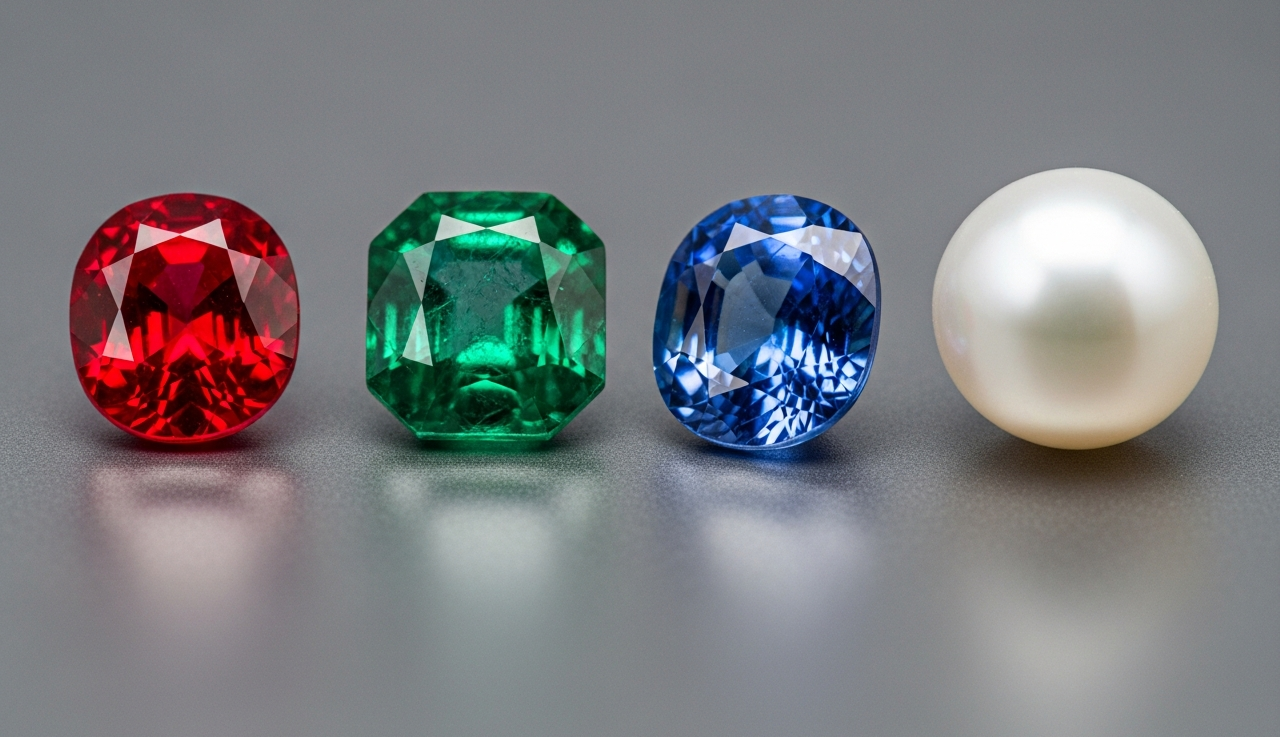
For example, high-quality rubies with desirable color and characteristics can attract strong collector demand. Fine sapphires and emeralds can also command substantial prices when their quality and rarity meet specific market preferences.
This means that inflation is only one part of the pricing equation.
A rare gemstone may increase in price because of scarcity, while a more common gemstone may remain stable despite rising production costs.
Inflation and Different Types of Gemstones
Different gemstones respond differently to economic conditions.
Diamonds
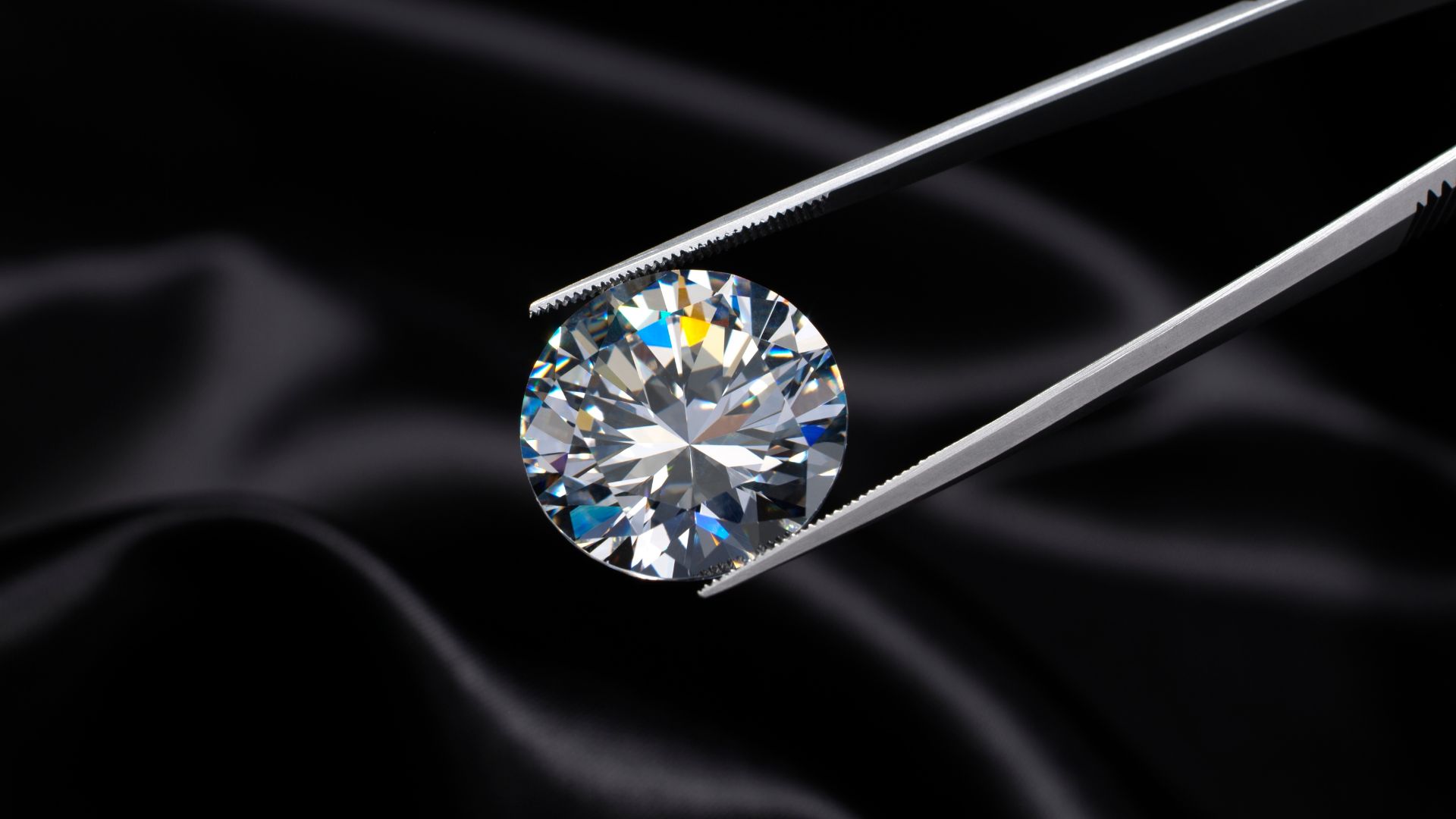
Diamonds occupy a major position in the international jewelry industry. Their prices are influenced by supply, consumer demand, inventories, fashion, mining, and competition from laboratory-grown diamonds.
Inflation can increase mining, cutting, transportation, and retail costs. However, changes in demand and supply can have a greater effect on diamond prices during certain periods.
Rubies
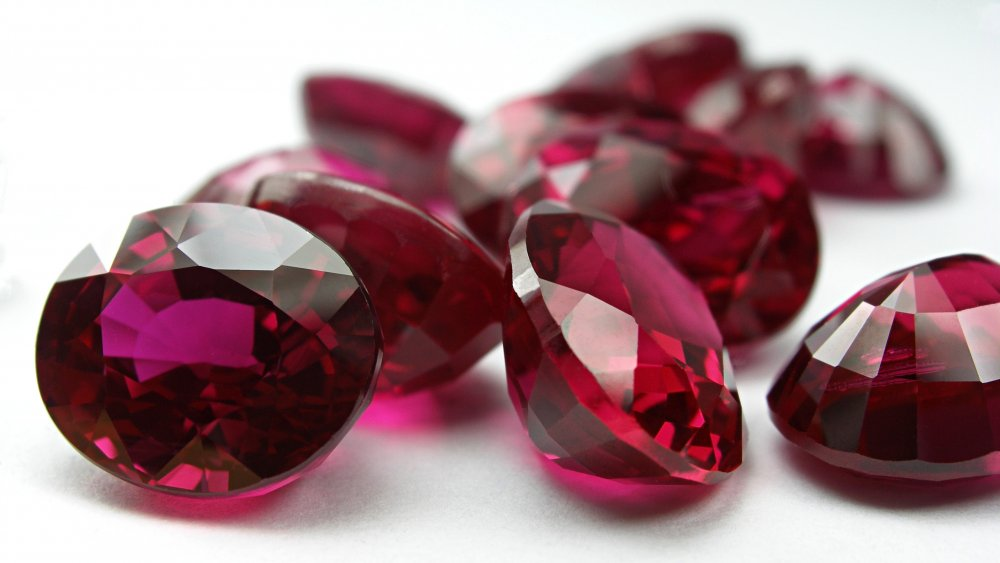
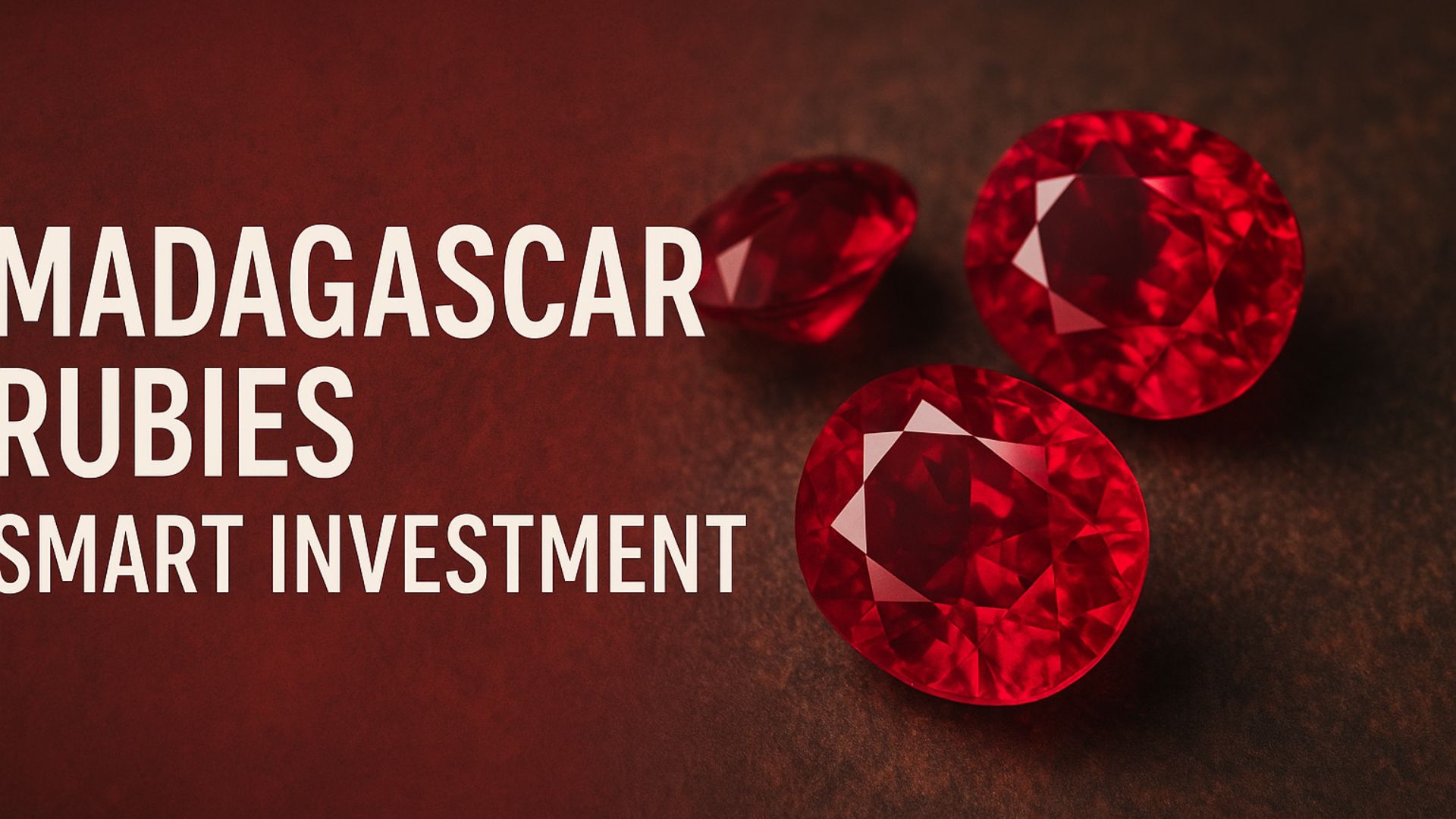
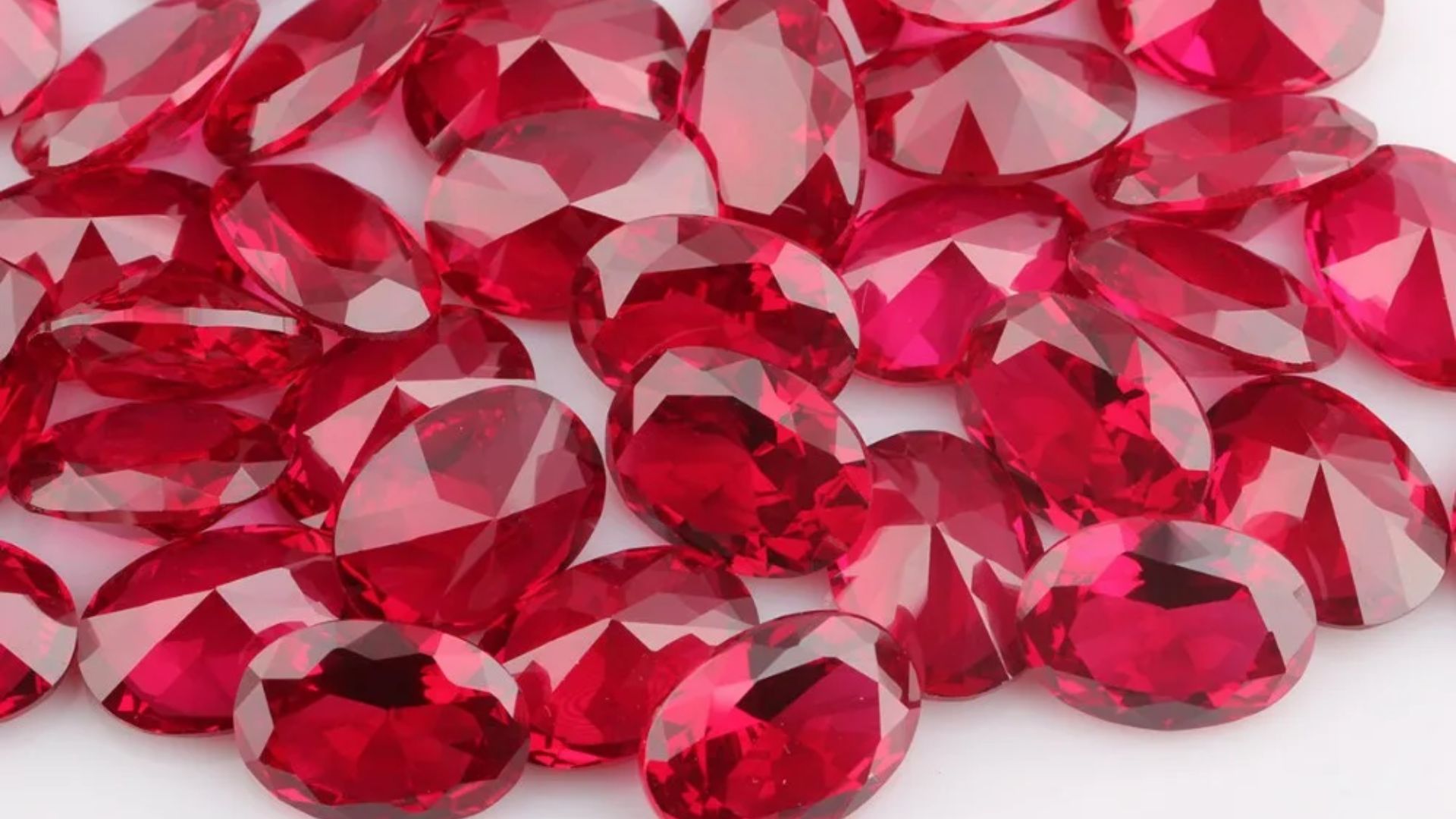
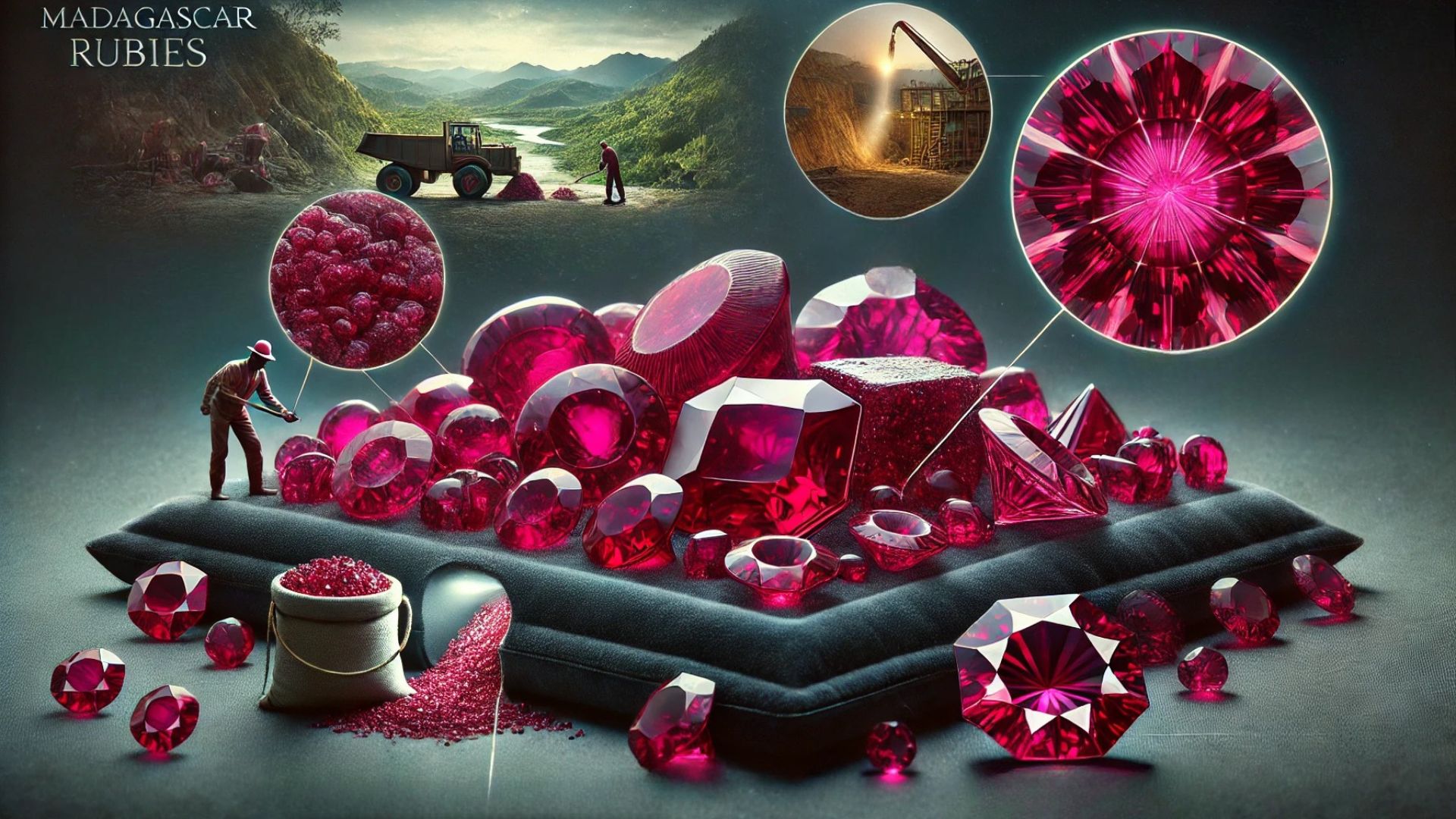
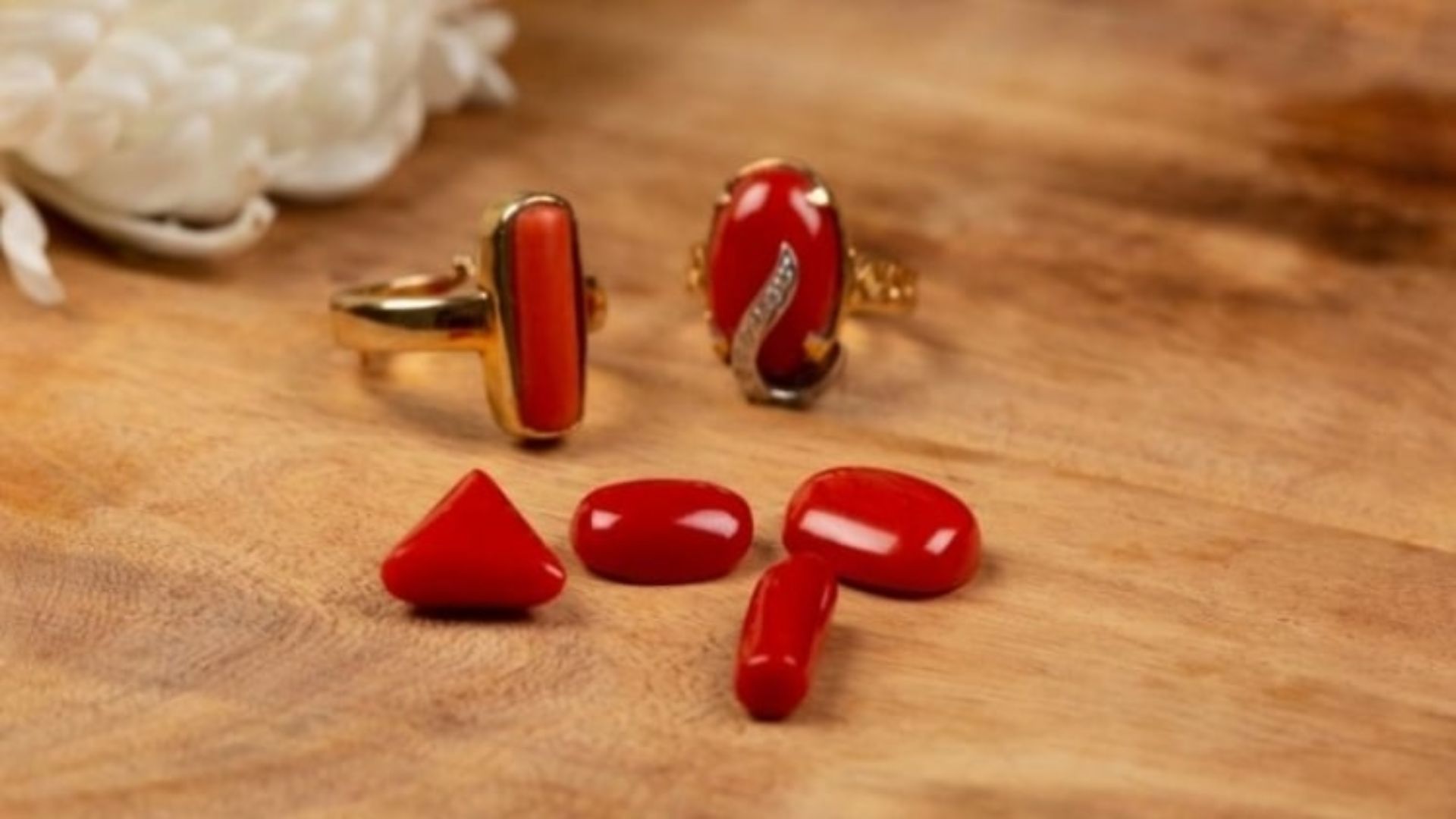
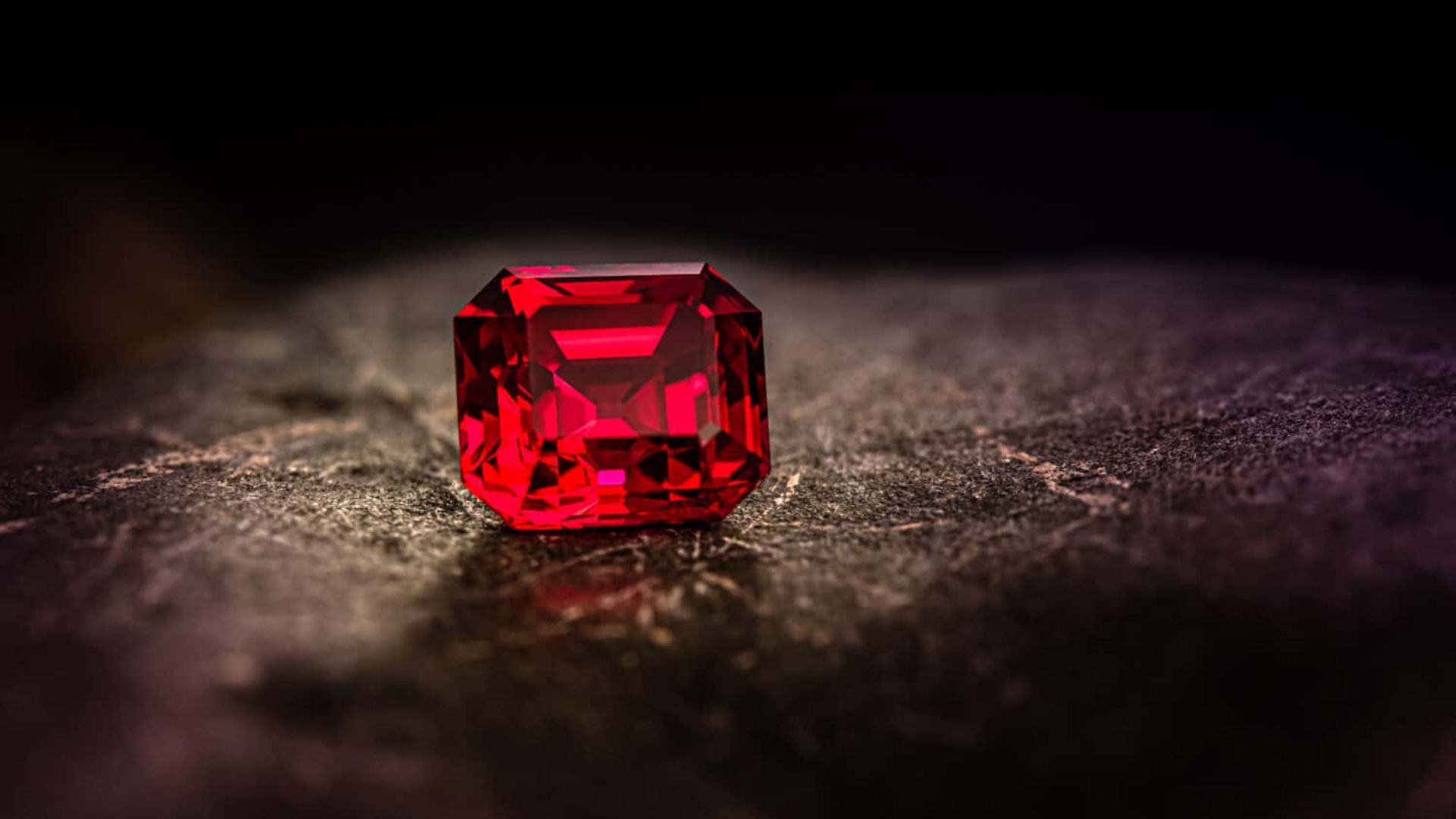
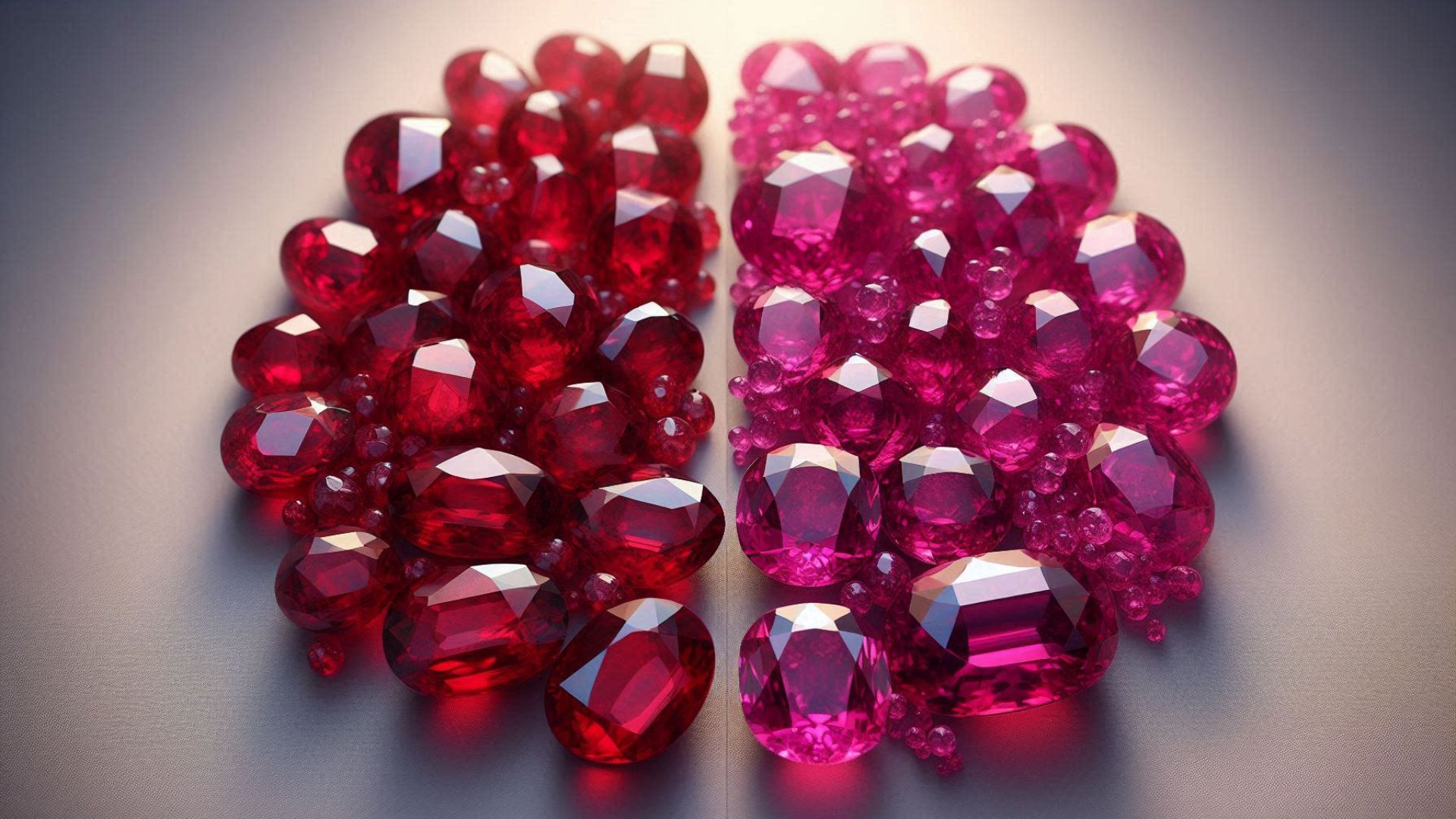
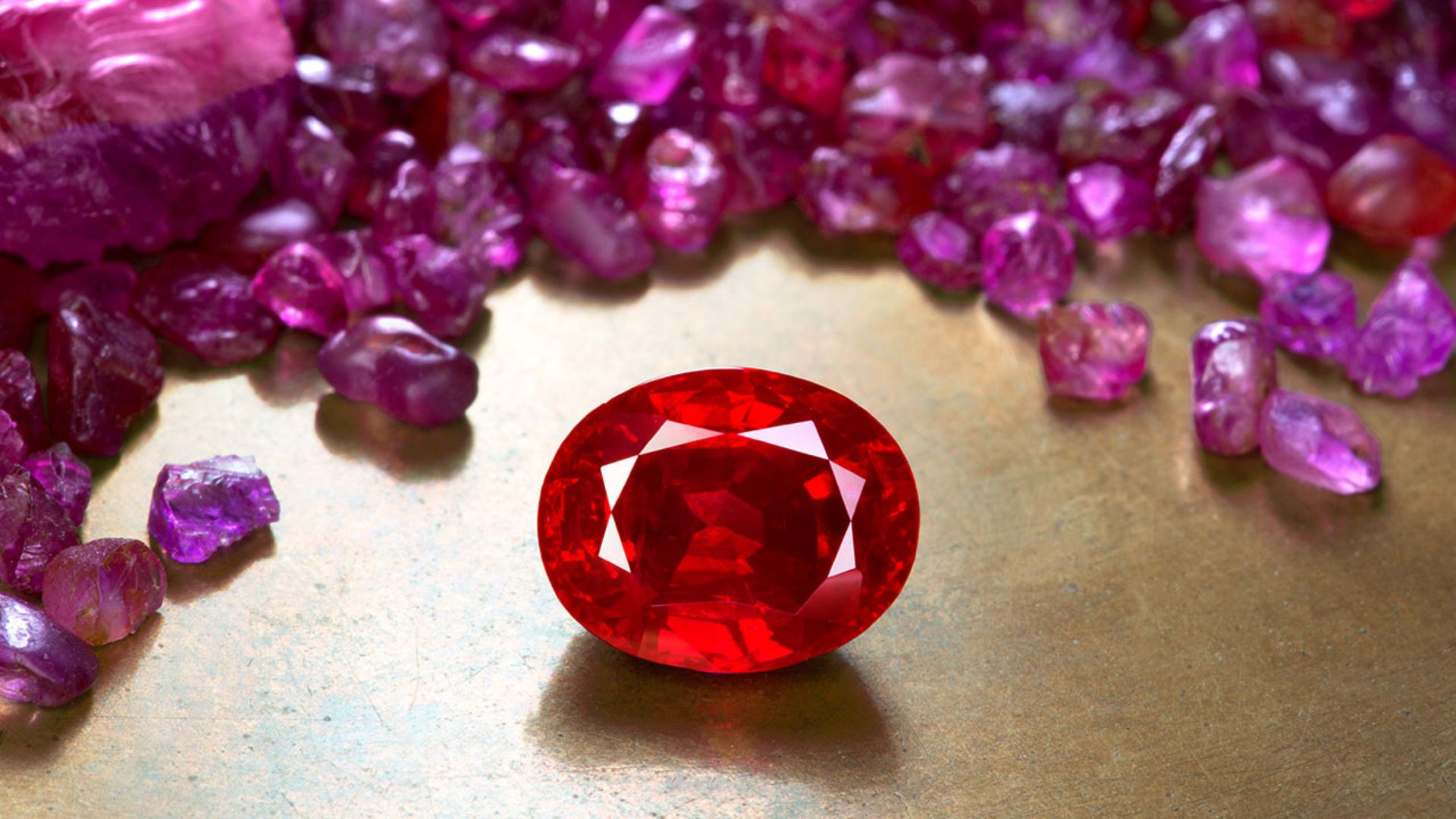
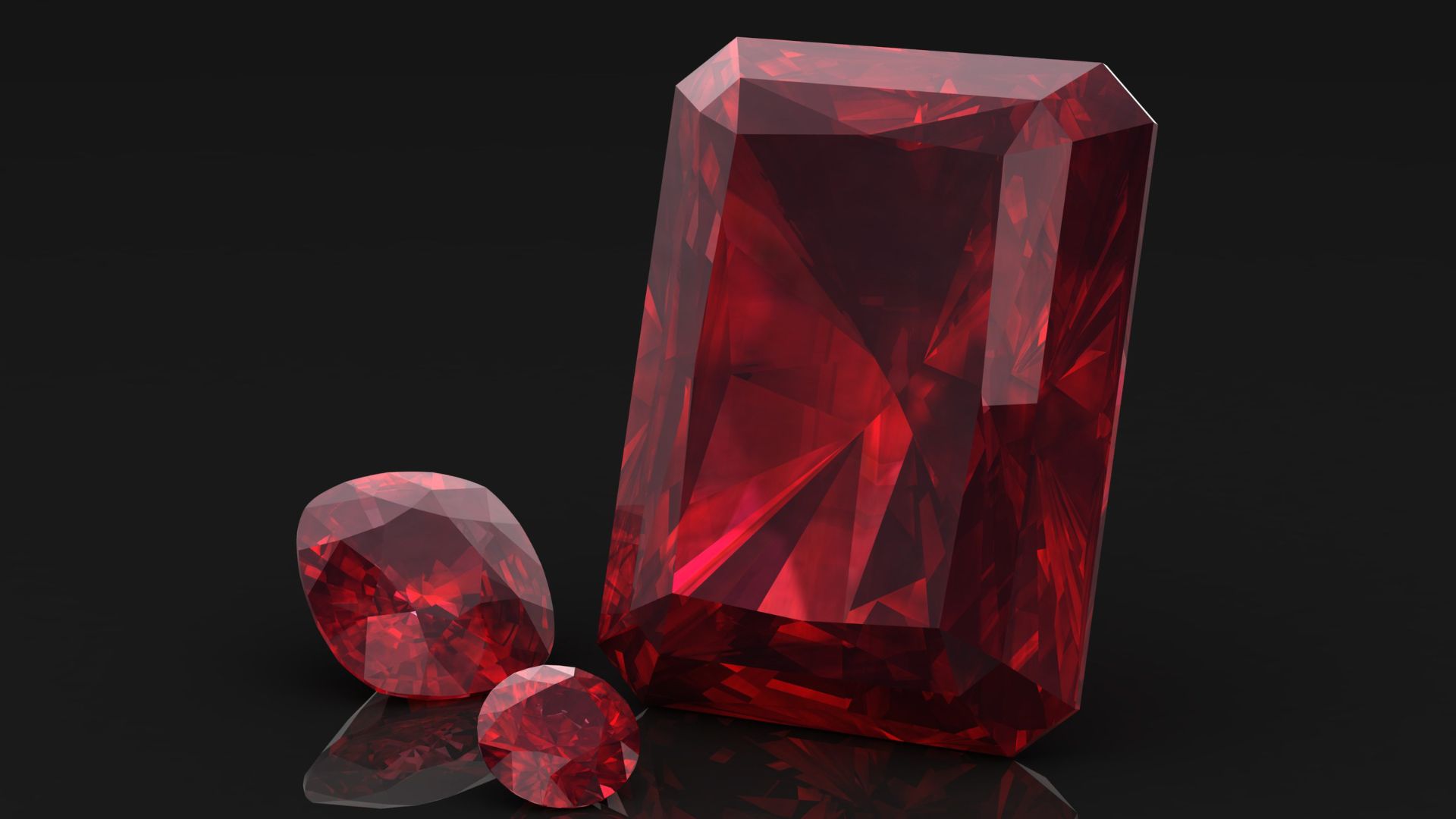
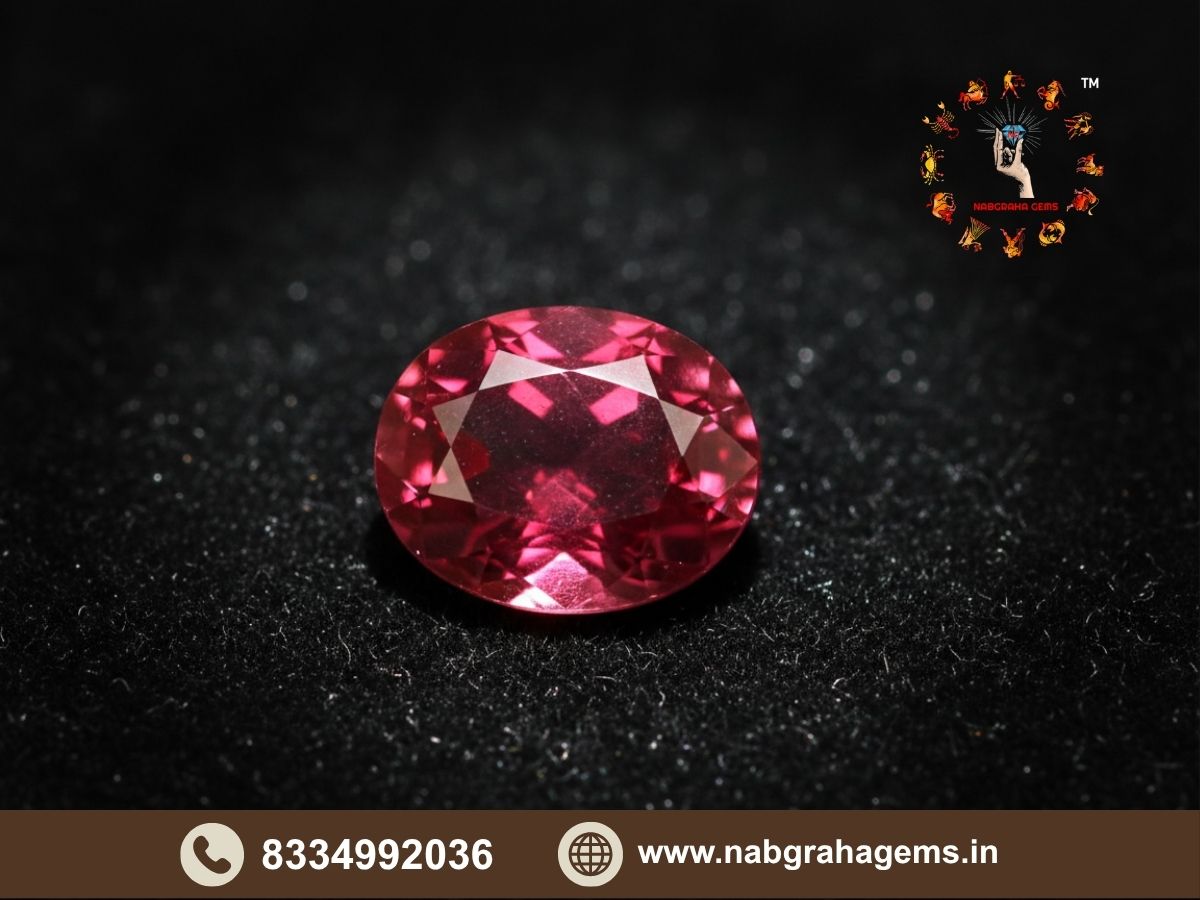
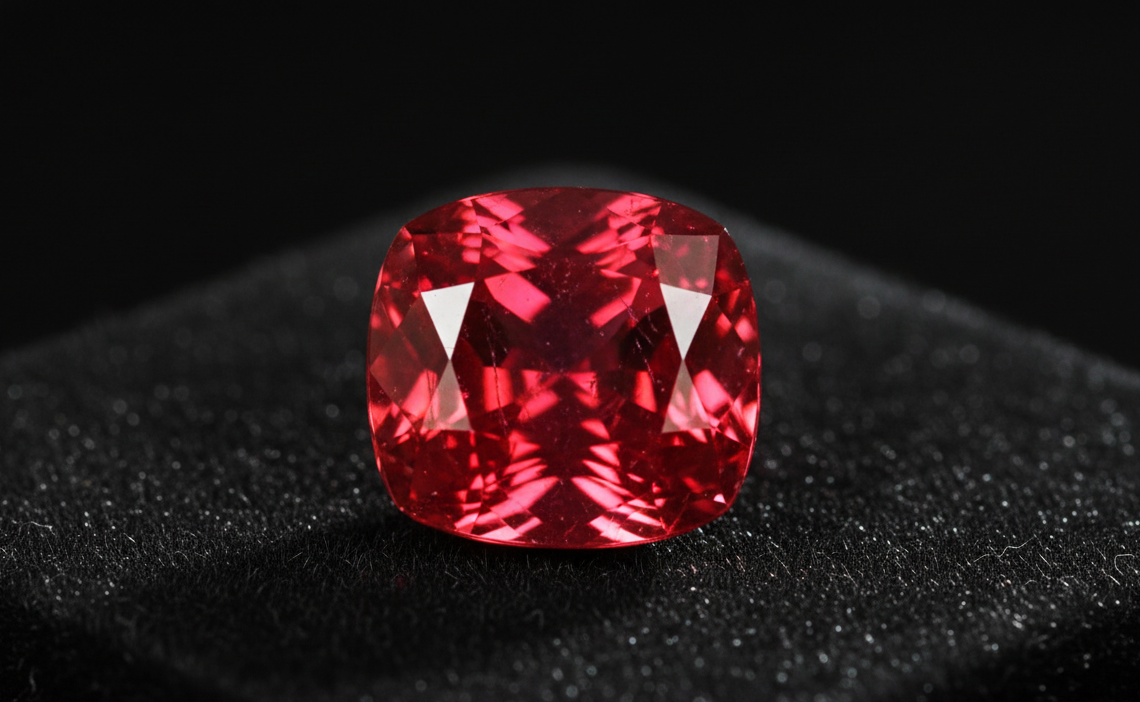
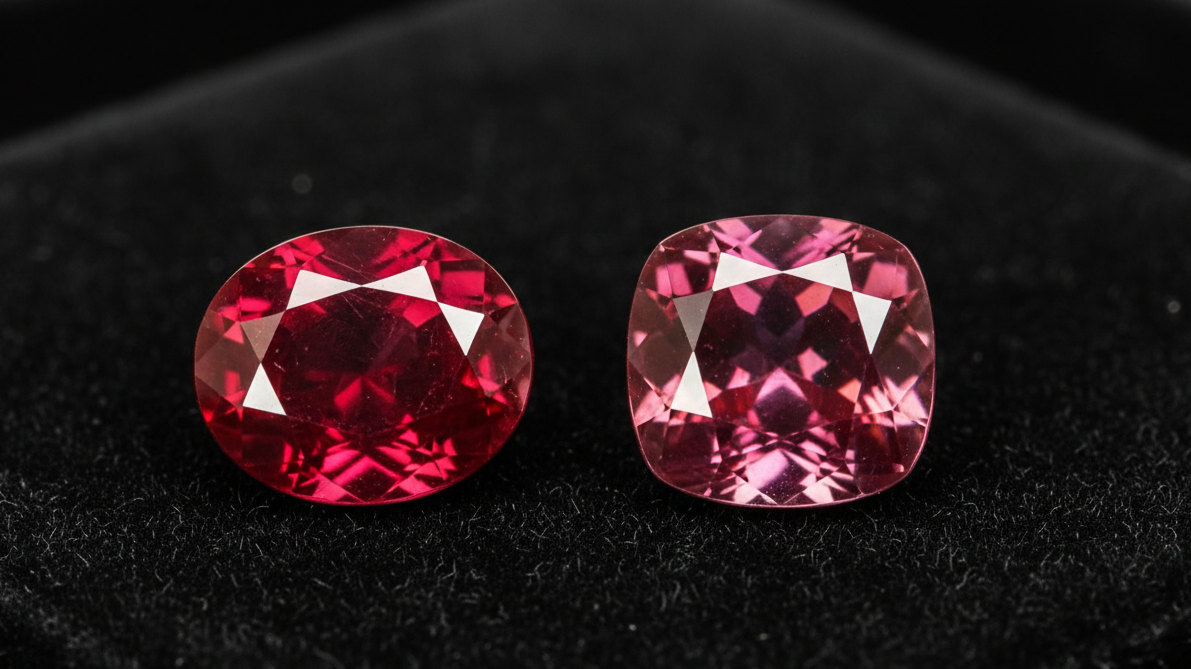
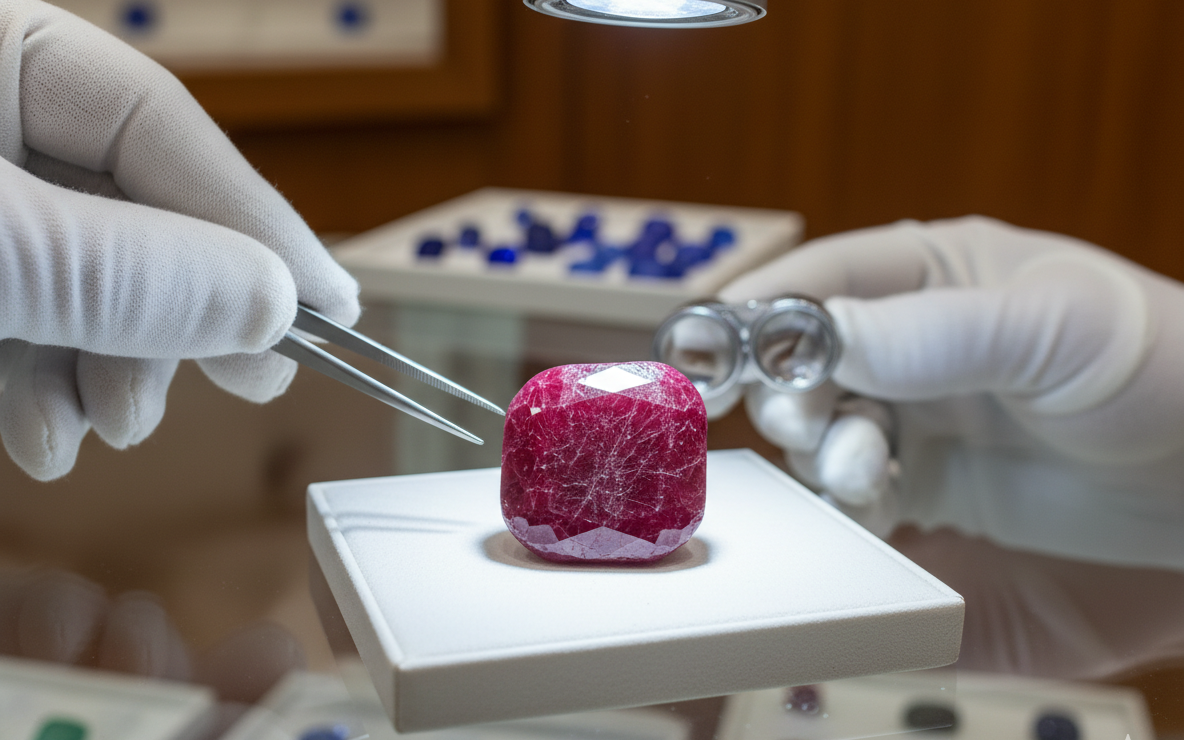
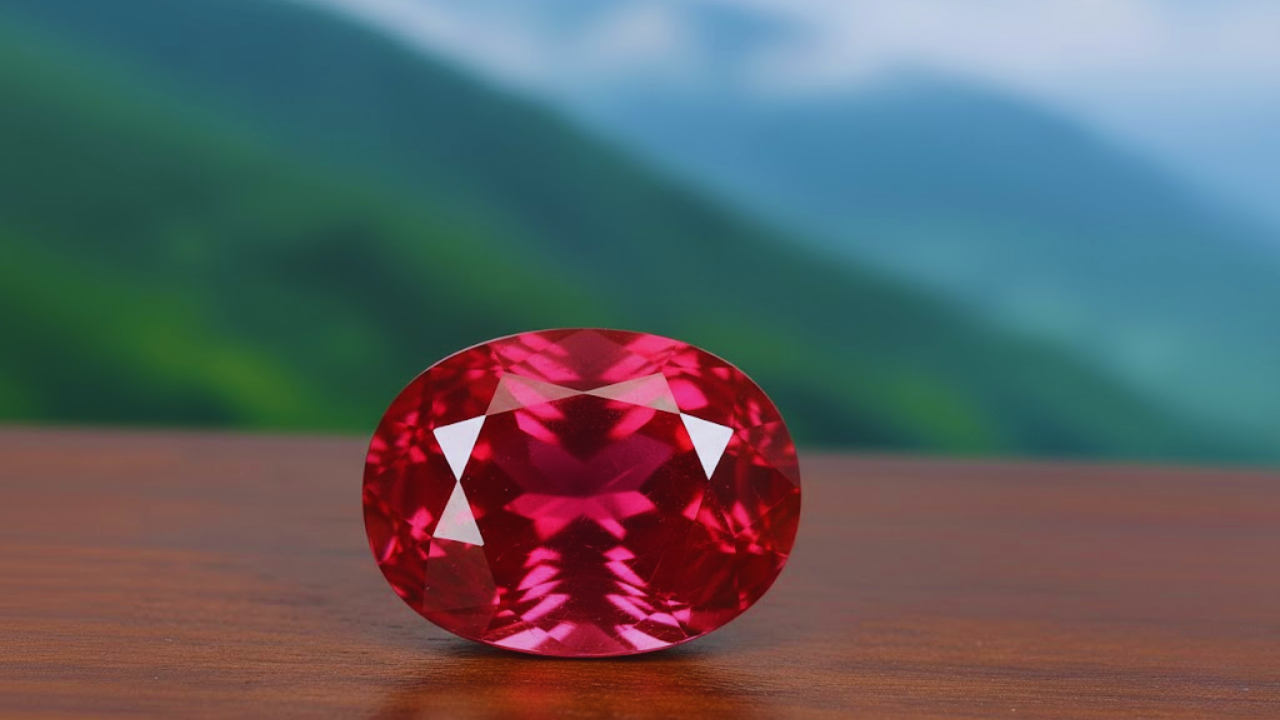
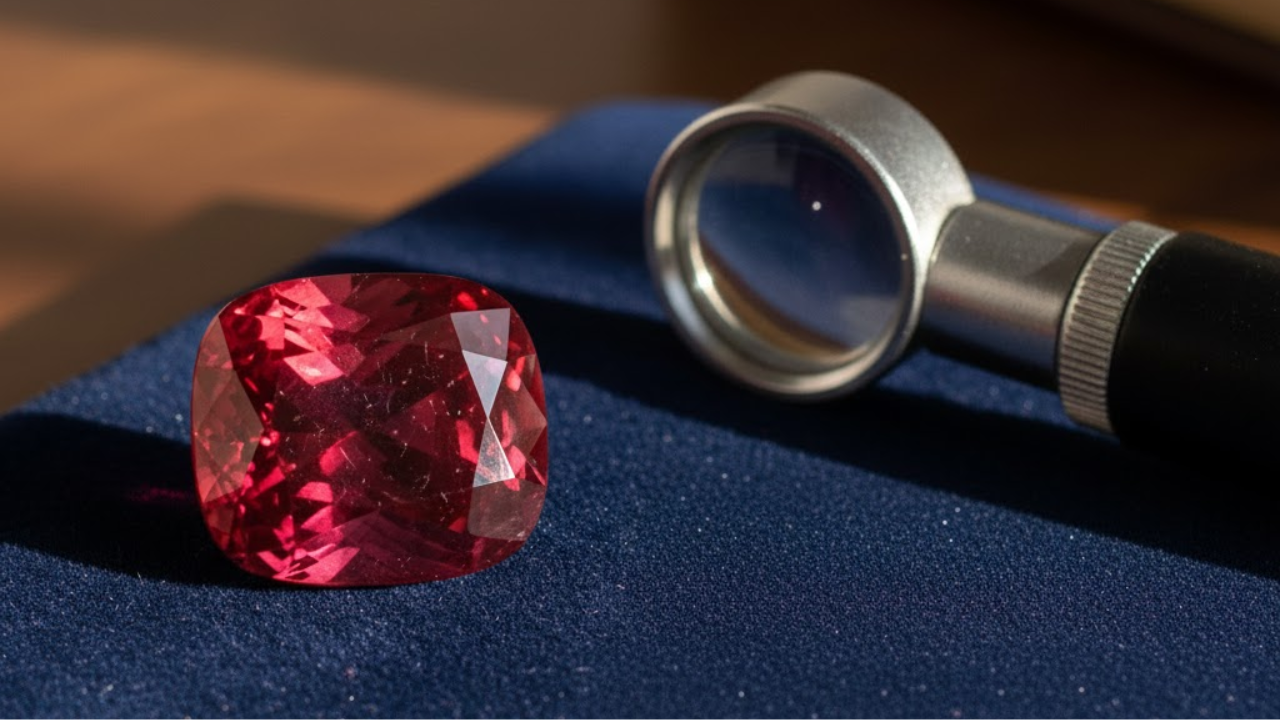
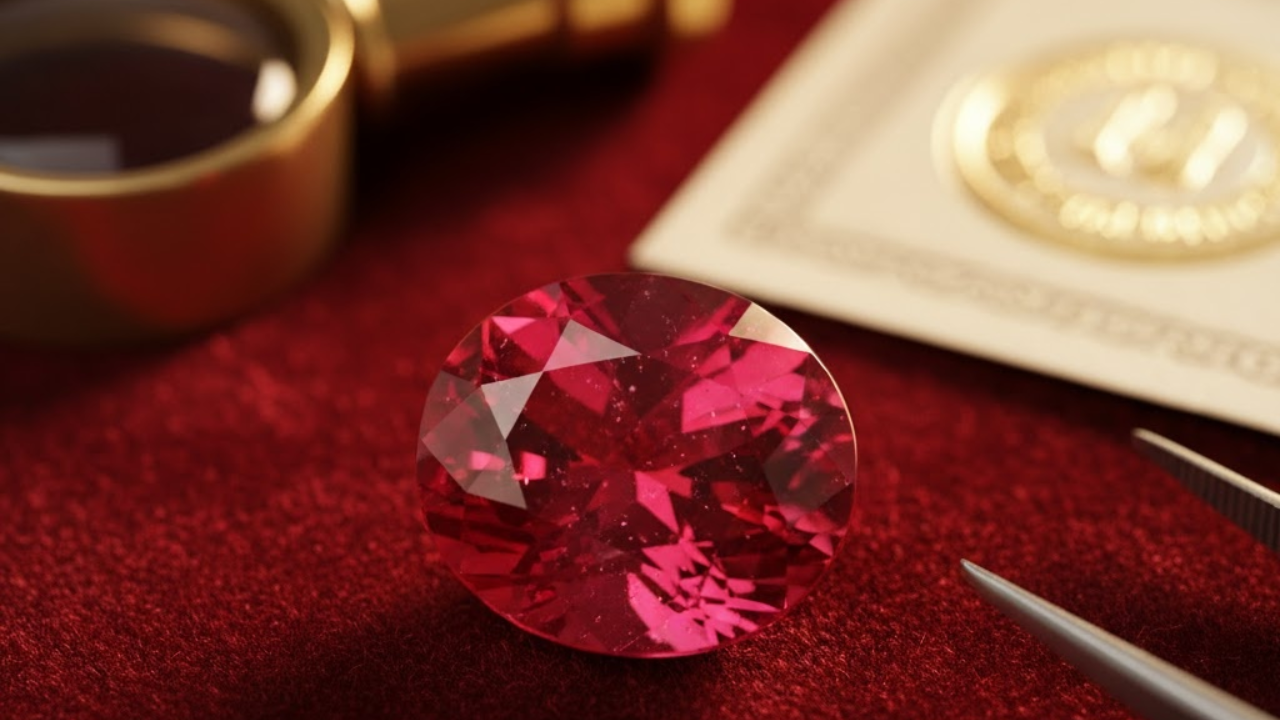
Fine natural rubies are among the most sought-after colored gemstones. Exceptional stones can command high prices because of their rarity and desirable color.
For these gemstones, collector demand and scarcity can sometimes outweigh the effect of general inflation.
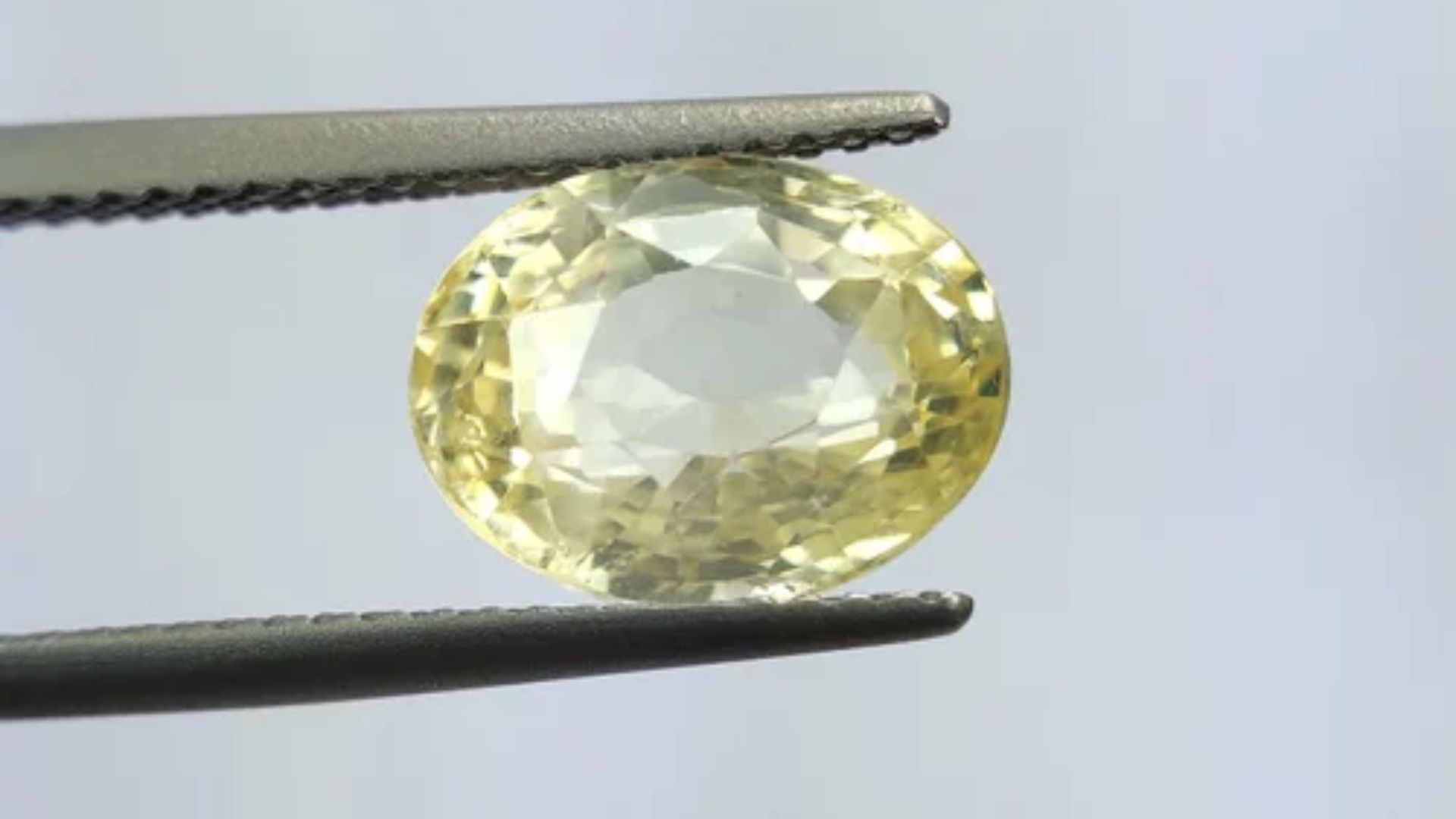
Sapphires
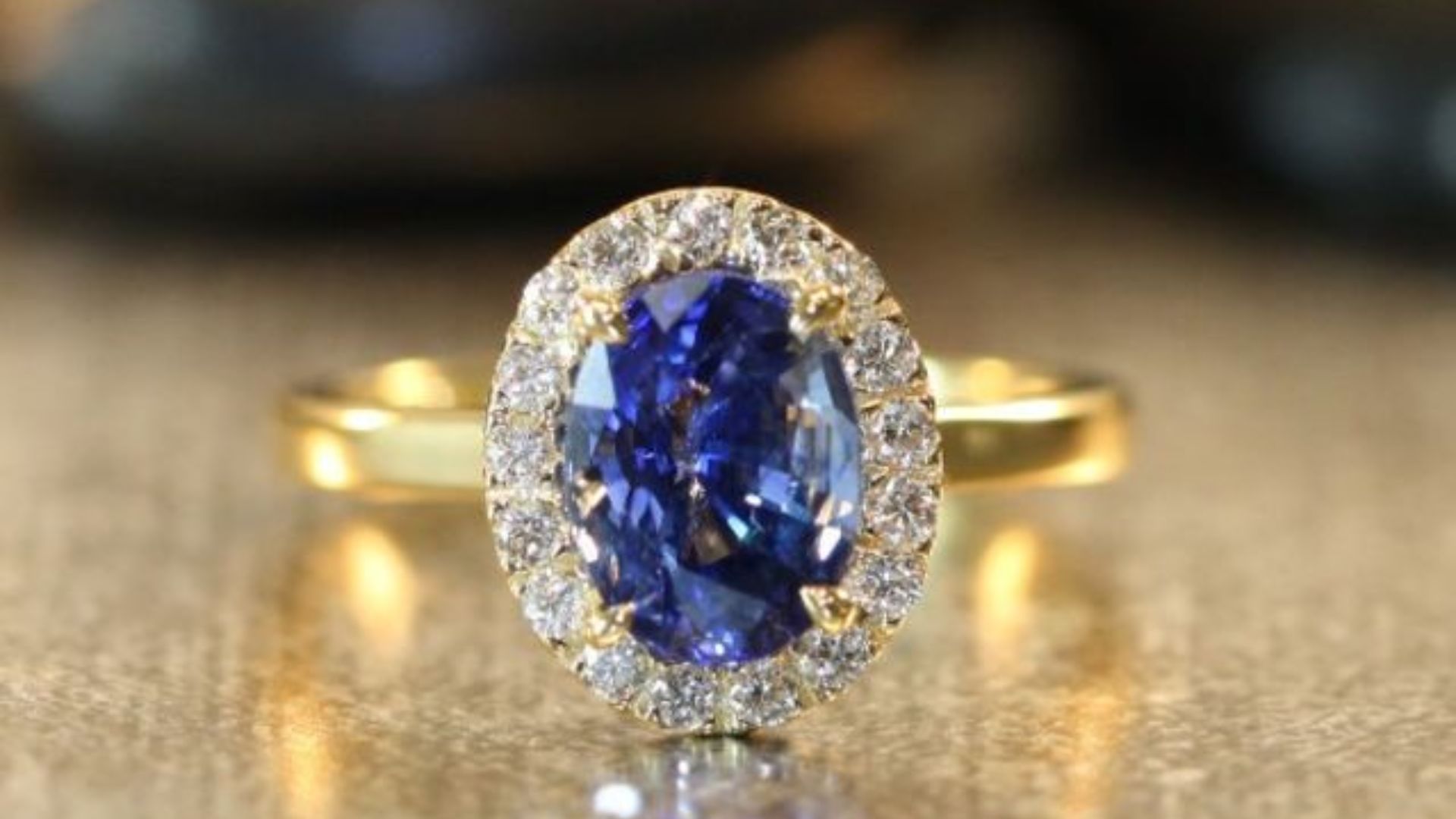
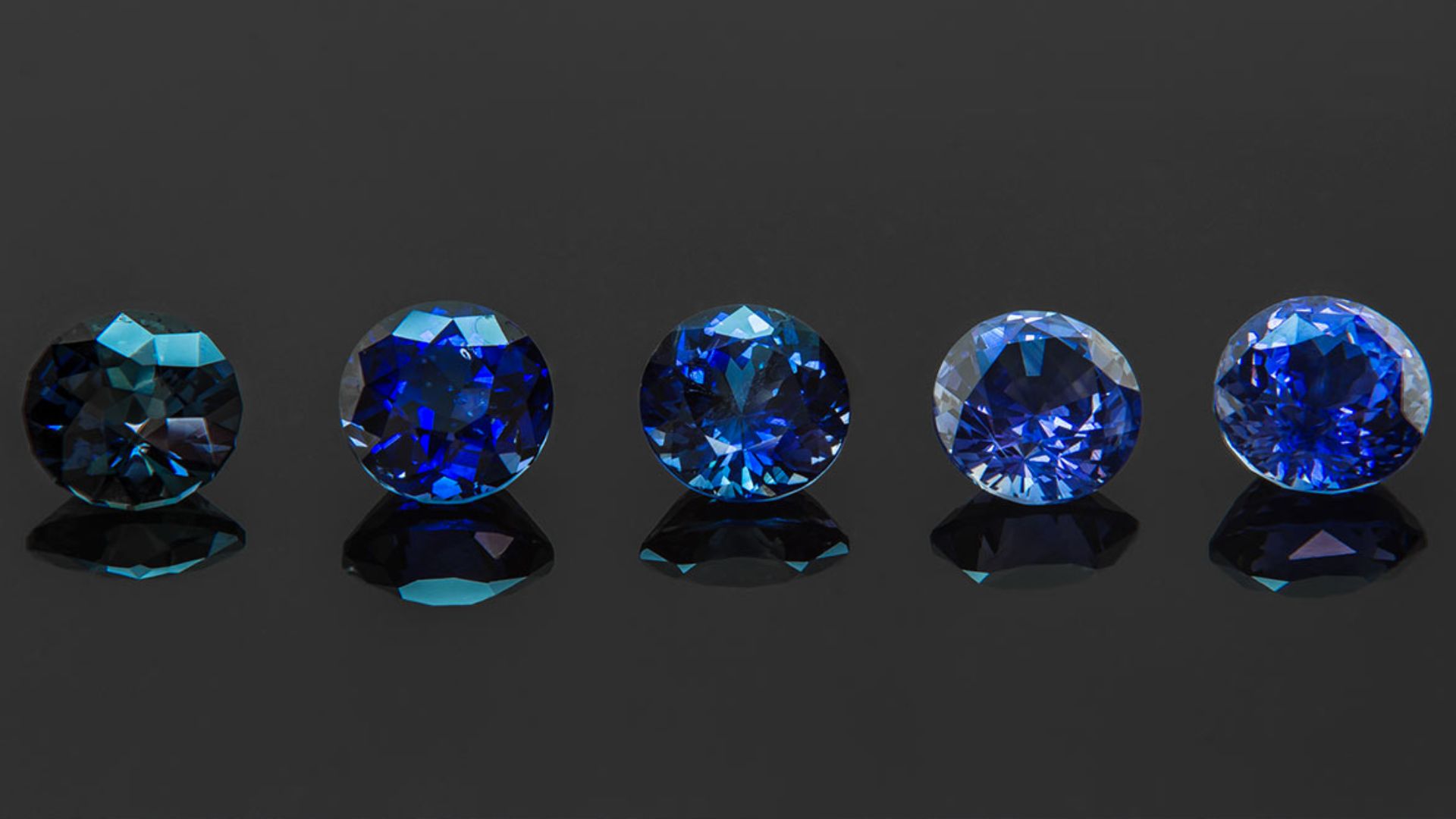
Sapphires are available in a wide variety of colors and qualities. High-quality blue sapphires and unusual varieties can attract strong demand.
Inflation can raise production and retail costs, but the value of a specific sapphire will still depend heavily on its color, clarity, origin, treatment, size, and overall quality.
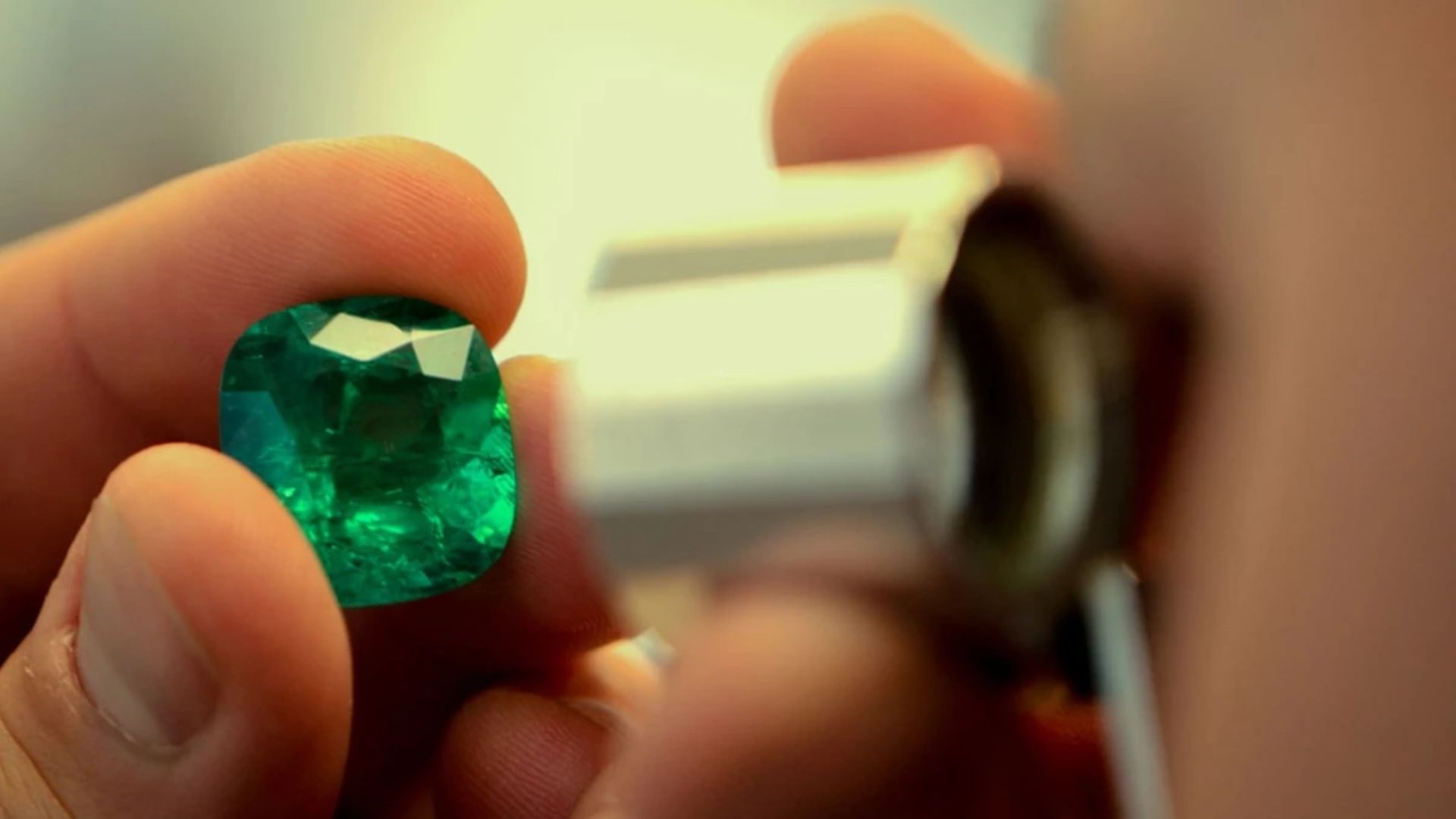
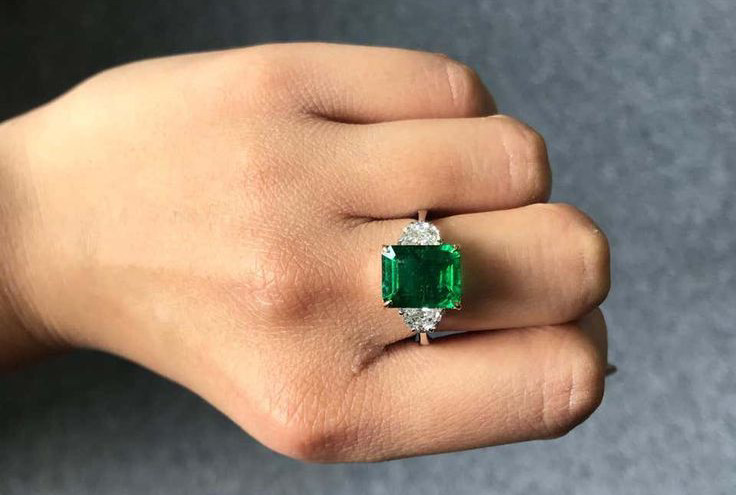
Emeralds
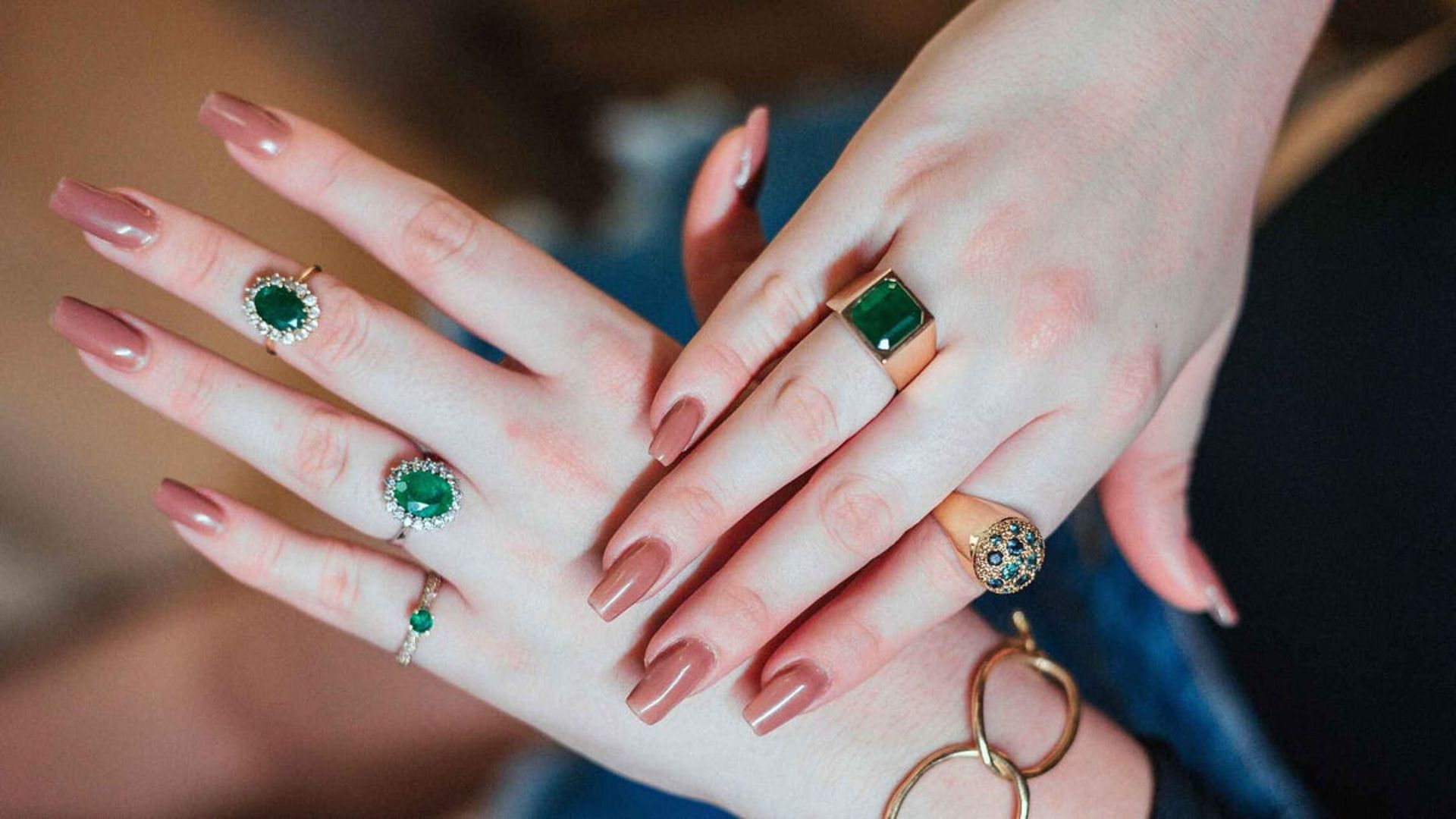
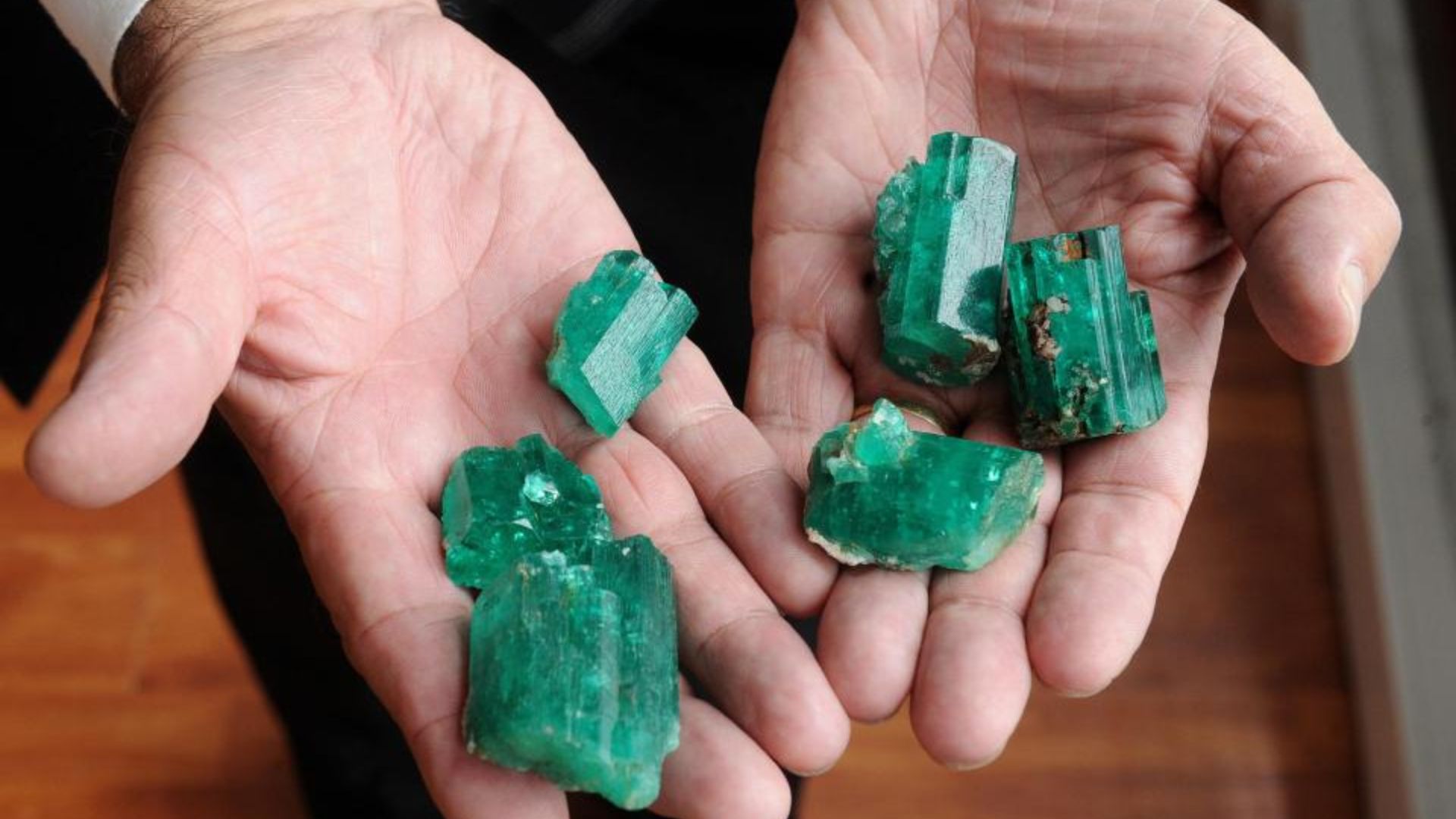
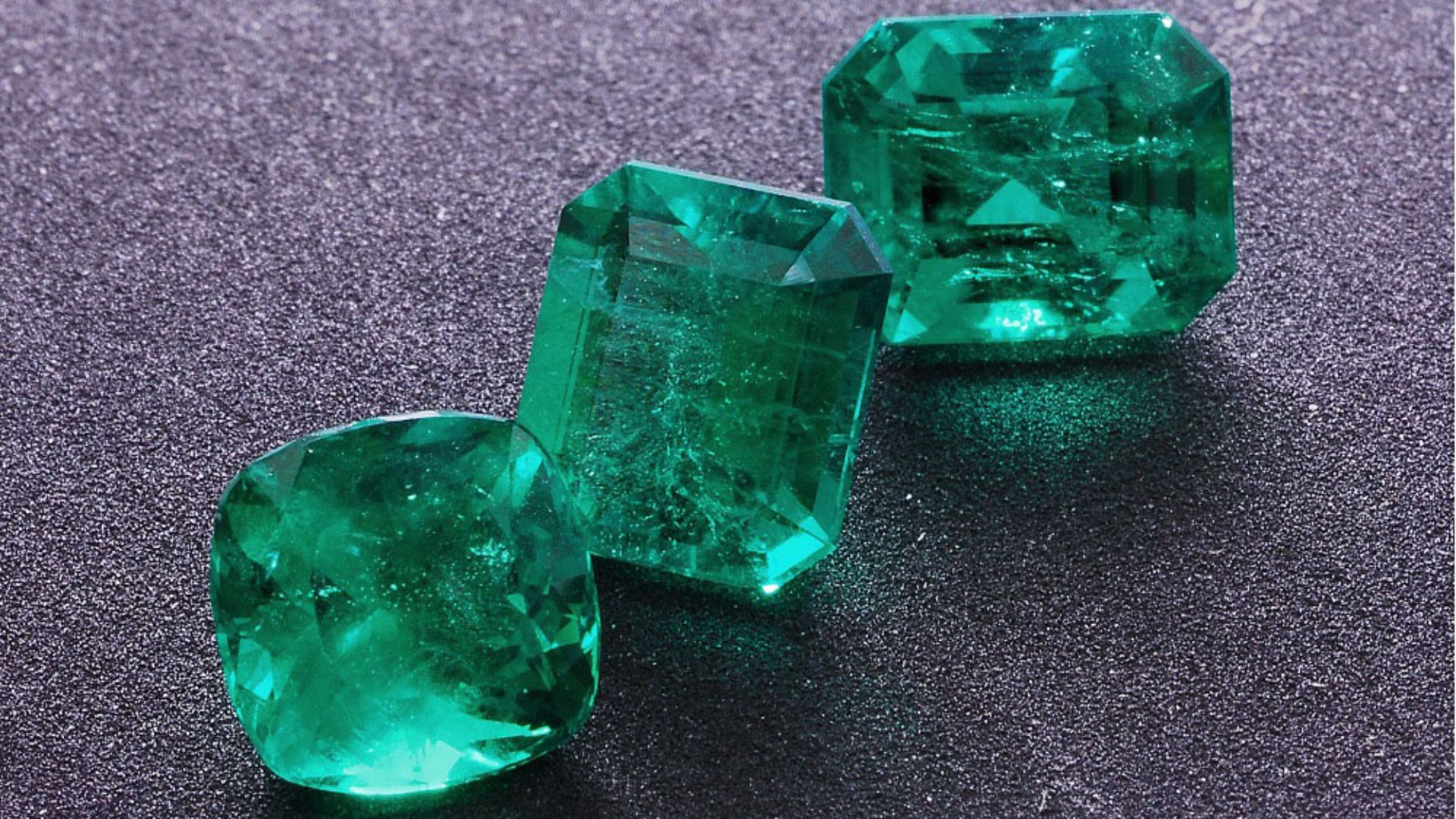
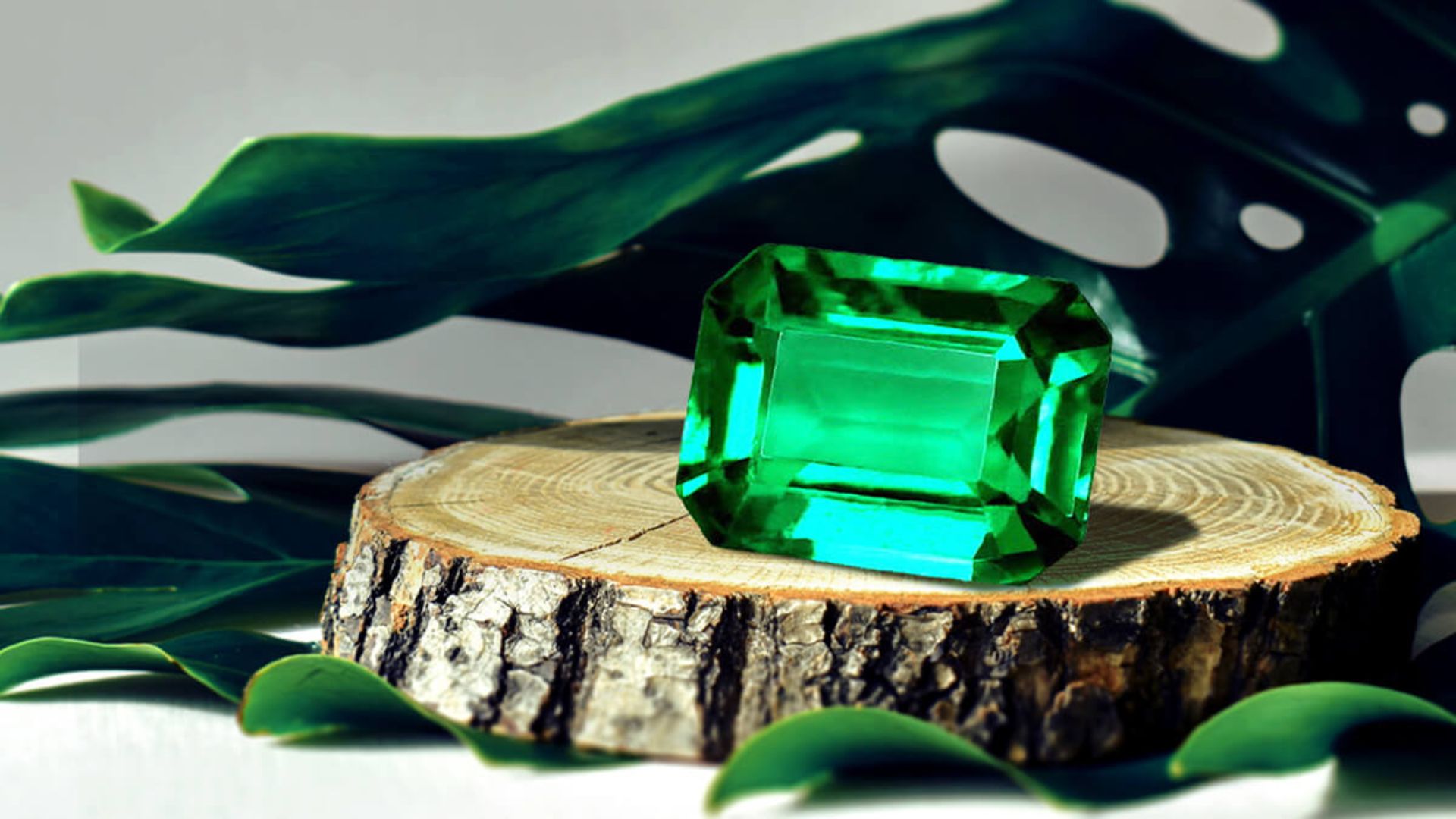
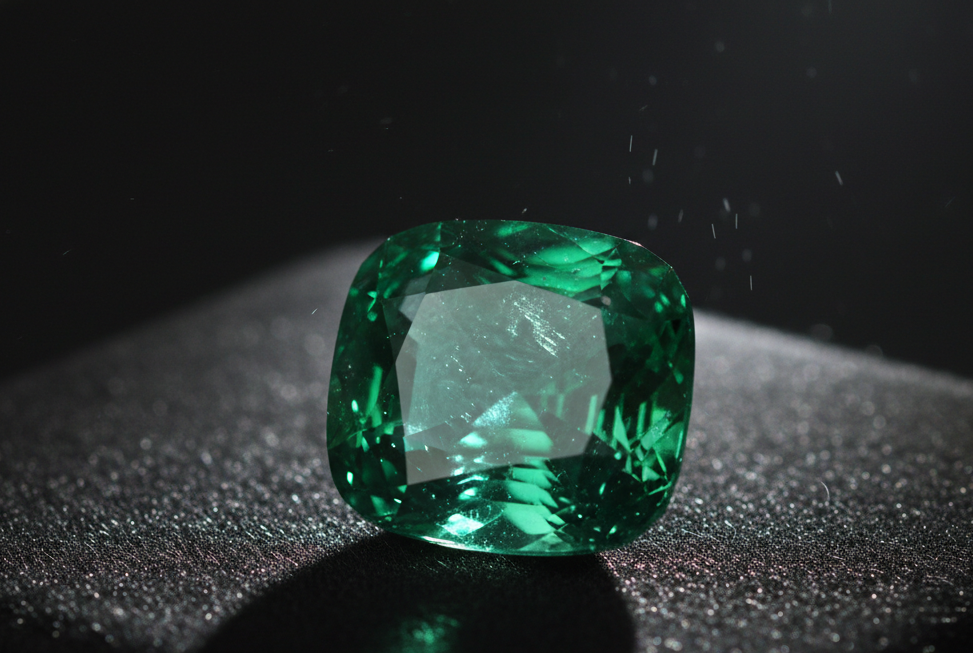
Emeralds are valued for their distinctive green color and long history in fine jewelry. Their prices can vary substantially based on color, clarity, transparency, treatment, size, and origin.
Exceptional natural emeralds may remain attractive to collectors even when economic conditions change.
Semi-Precious Gemstones
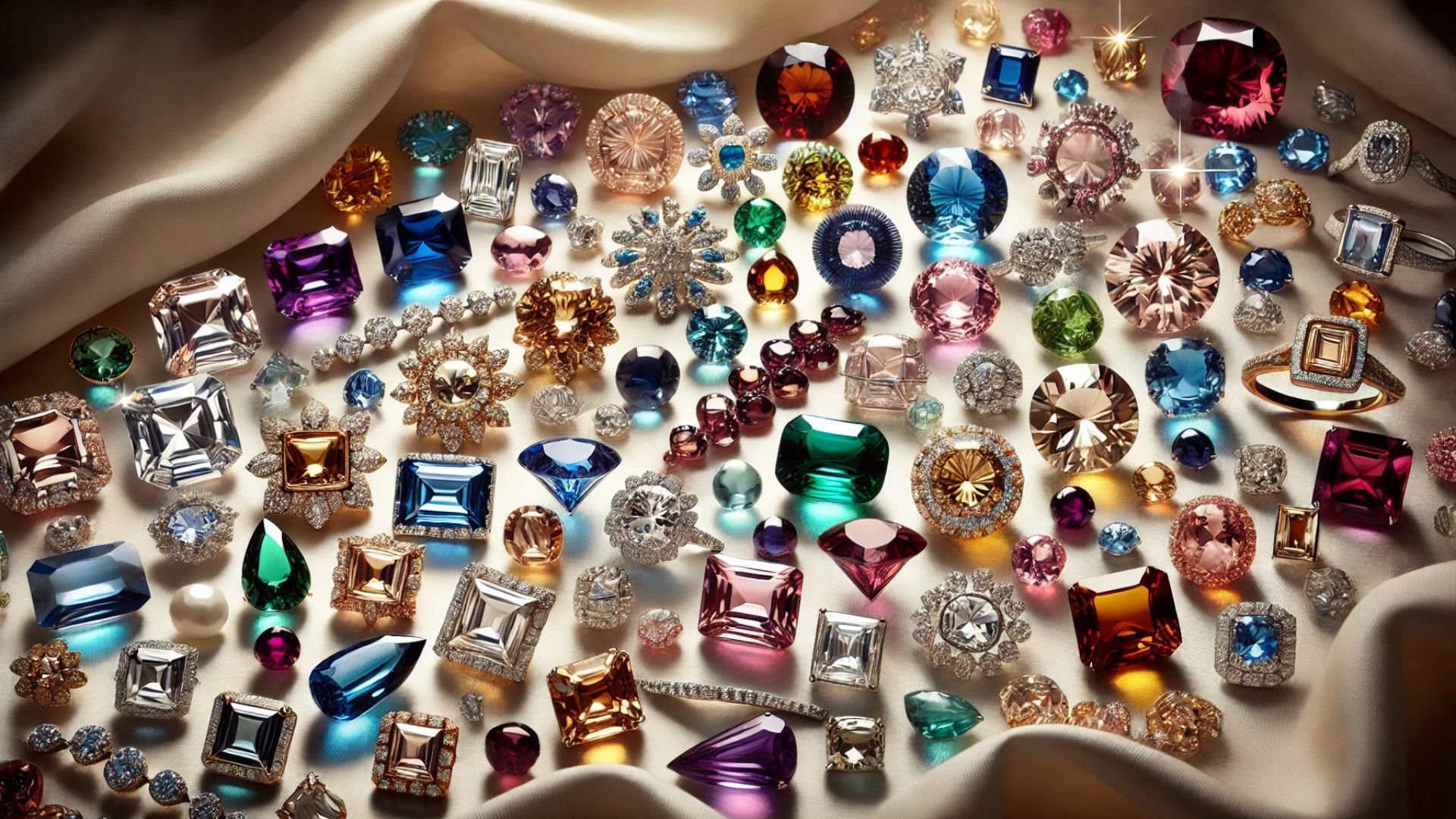
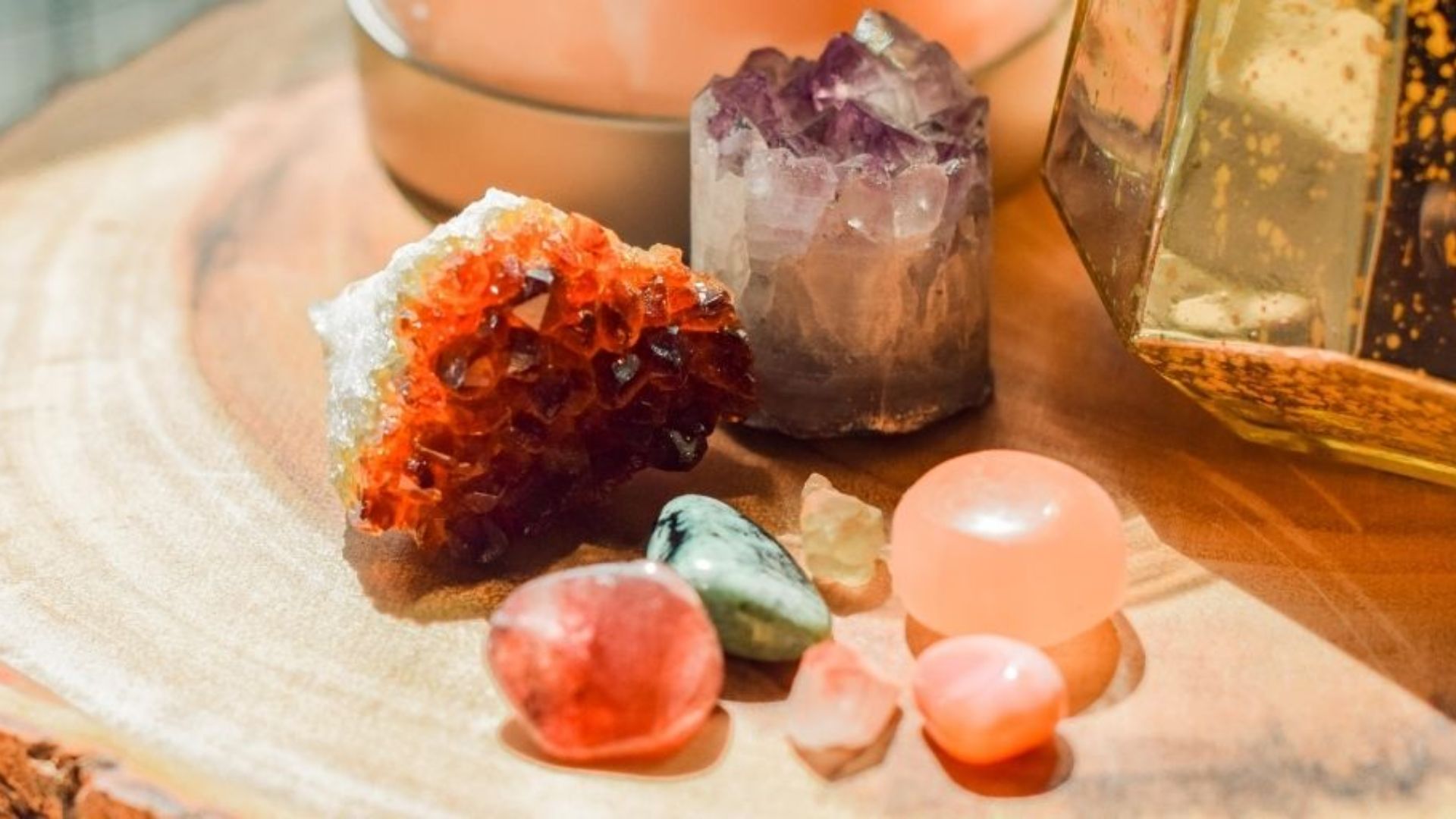
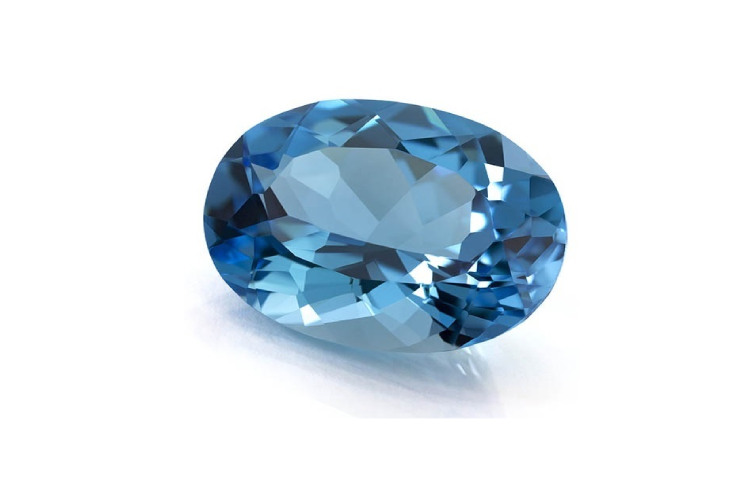
Amethyst, garnet, citrine, topaz, aquamarine, and tourmaline cover a broad range of qualities and prices.
For more common varieties, inflation may primarily affect production, cutting, shipping, and retail expenses. Rare varieties, however, may experience stronger price movements because of limited supply and collector demand.
The Role of Currency Exchange Rates
Currency exchange rates are especially important in the international gemstone trade.
Suppose a gemstone is traded internationally in U.S. dollars. If the buyer's domestic currency weakens against the dollar, purchasing the gemstone becomes more expensive in local currency.
This can create significant differences in gemstone prices between countries.
Currency depreciation can therefore amplify the effects of inflation for international buyers. At the same time, exporters may benefit from favorable exchange rates, depending on where their costs and revenues are generated.
Anyone evaluating global gemstones should therefore consider both inflation and currency movements.
Can Gemstones Protect Against Inflation?
Some people consider gemstones a potential store of value because they are physical, portable, and potentially scarce.
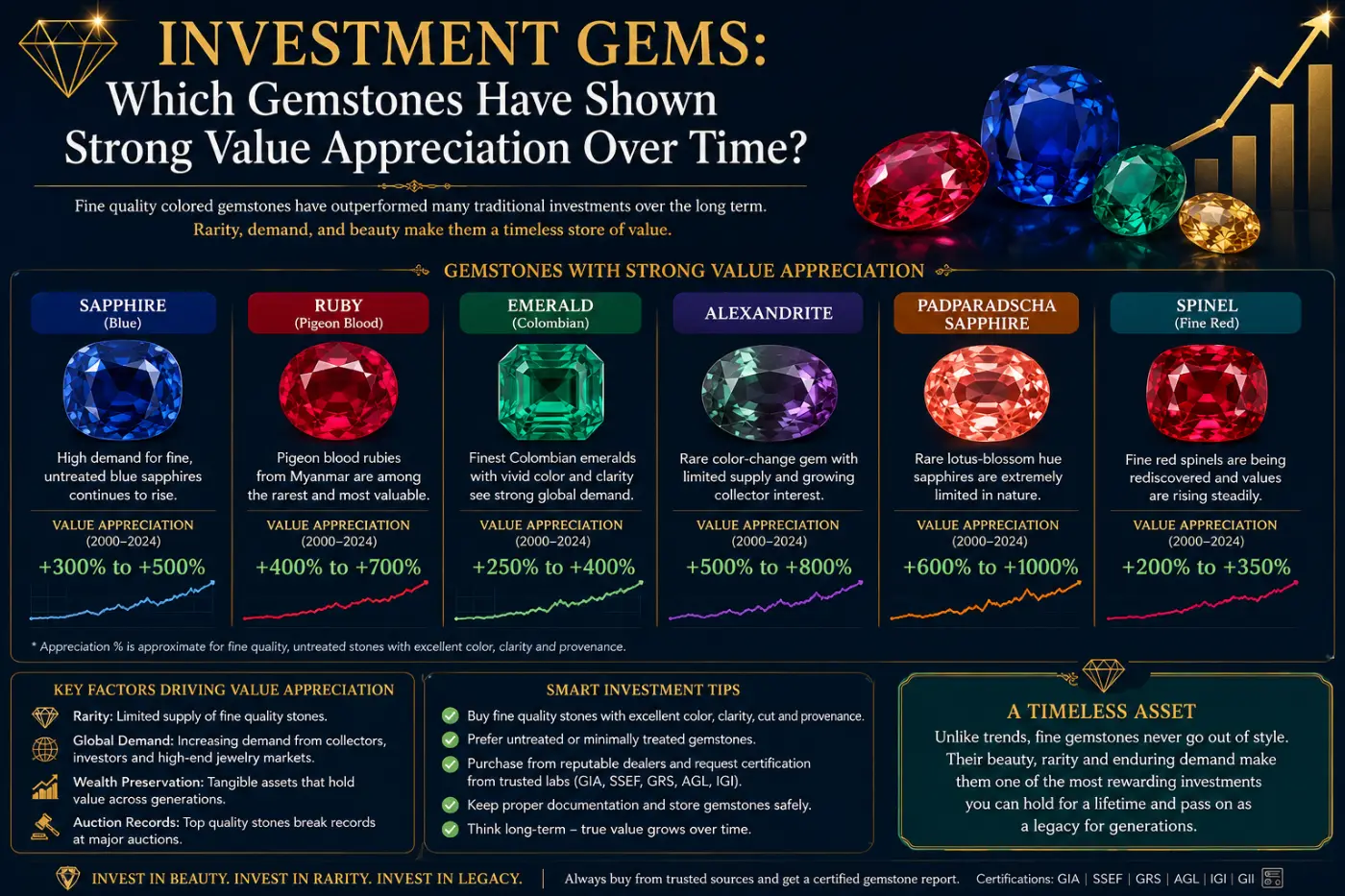
Certain exceptional natural gemstones have demonstrated strong long-term demand, particularly when they possess rarity, high quality, desirable characteristics, and reliable documentation.
However, gemstones should not automatically be considered a guaranteed inflation hedge.
Unlike some financial assets, gemstones generally do not generate income. They can also be difficult to value consistently and may have limited liquidity.
The price paid at retail may also be considerably higher than the amount a seller can obtain when reselling the stone.
Therefore, buyers should distinguish between purchasing a gemstone for personal enjoyment and purchasing one with the expectation of financial appreciation.
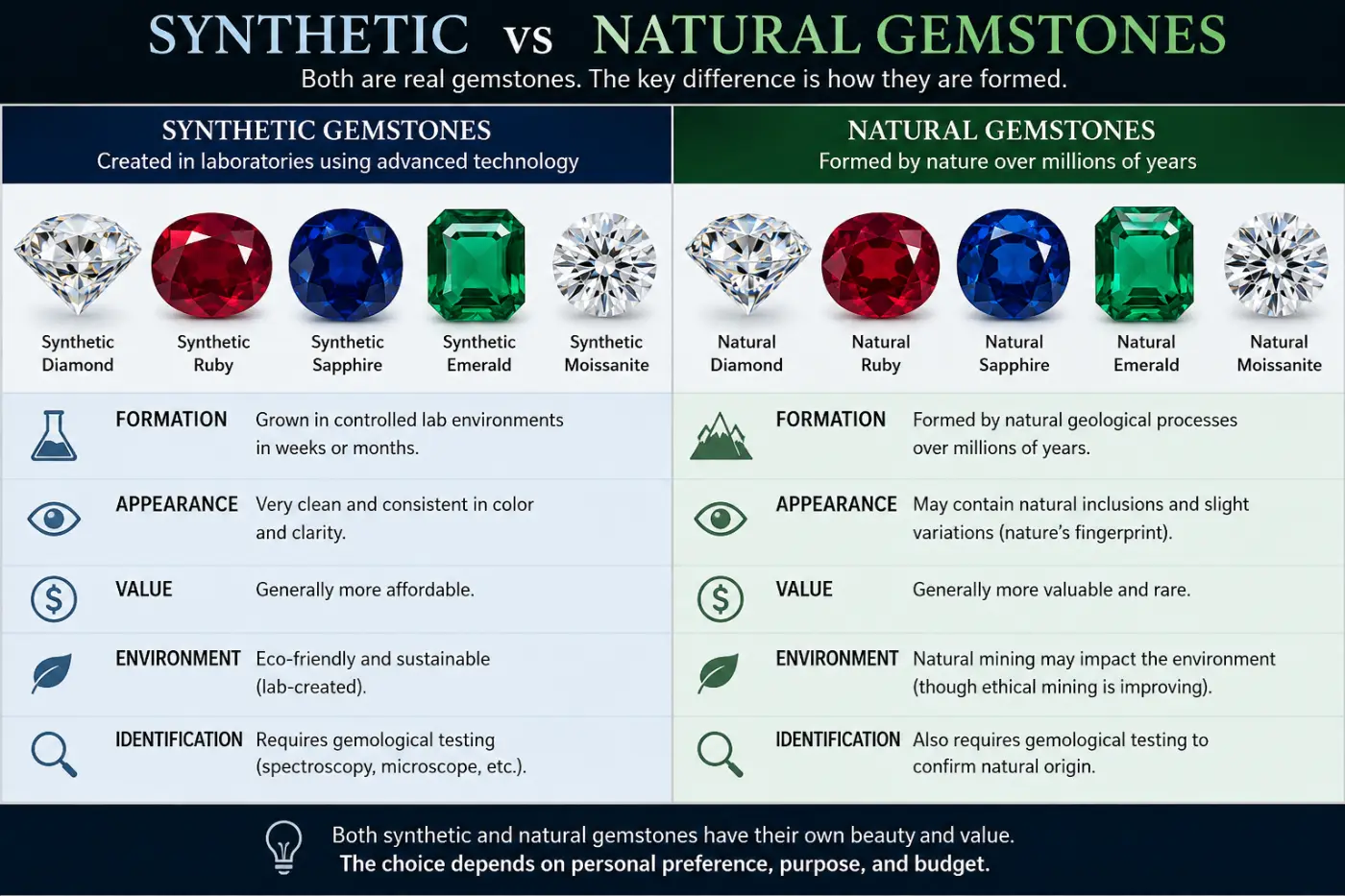
The Growing Role of Synthetic Gemstones
Synthetic and laboratory-created gemstones have introduced another important factor into the modern gemstone market.
These alternatives can provide consumers with attractive stones at lower prices than some natural gemstones. During periods of inflation, price-sensitive consumers may become more interested in affordable alternatives.
If natural gemstone prices rise substantially because of higher production and supply-chain costs, synthetic products can place competitive pressure on certain parts of the market.
However, natural and synthetic gemstones appeal to different buyers. Collectors may place significant value on natural origin, geological rarity, provenance, and scarcity.
Consequently, the future market may become increasingly divided between commercially available stones and rare natural gemstones.
Why Certification Matters During Inflation
When gemstone prices increase, buyers need reliable information to determine whether they are receiving fair value.
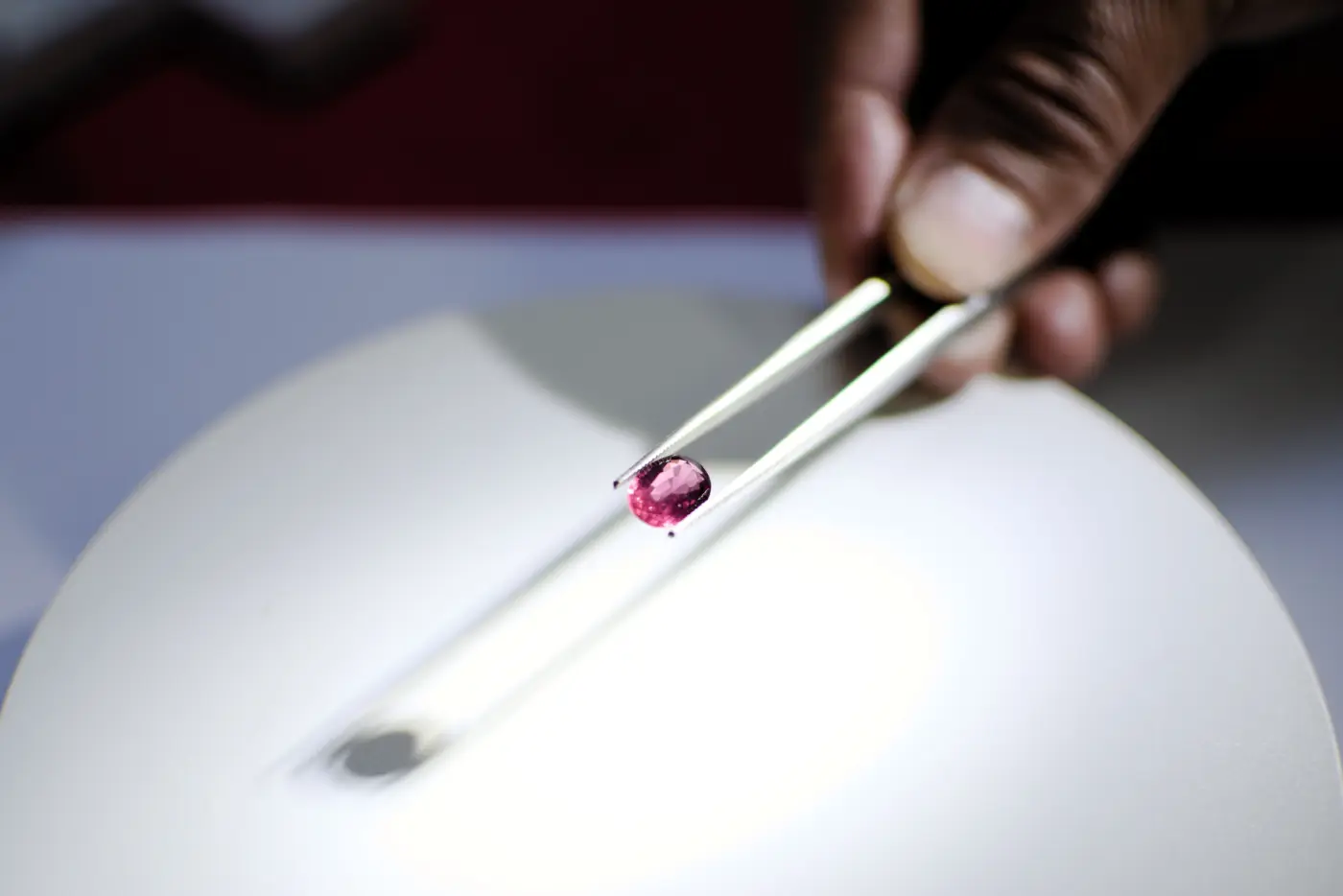
Certification can provide important information about a gemstone's identity, quality, treatments, and other characteristics. For high-value stones, independent laboratory documentation can be particularly useful.
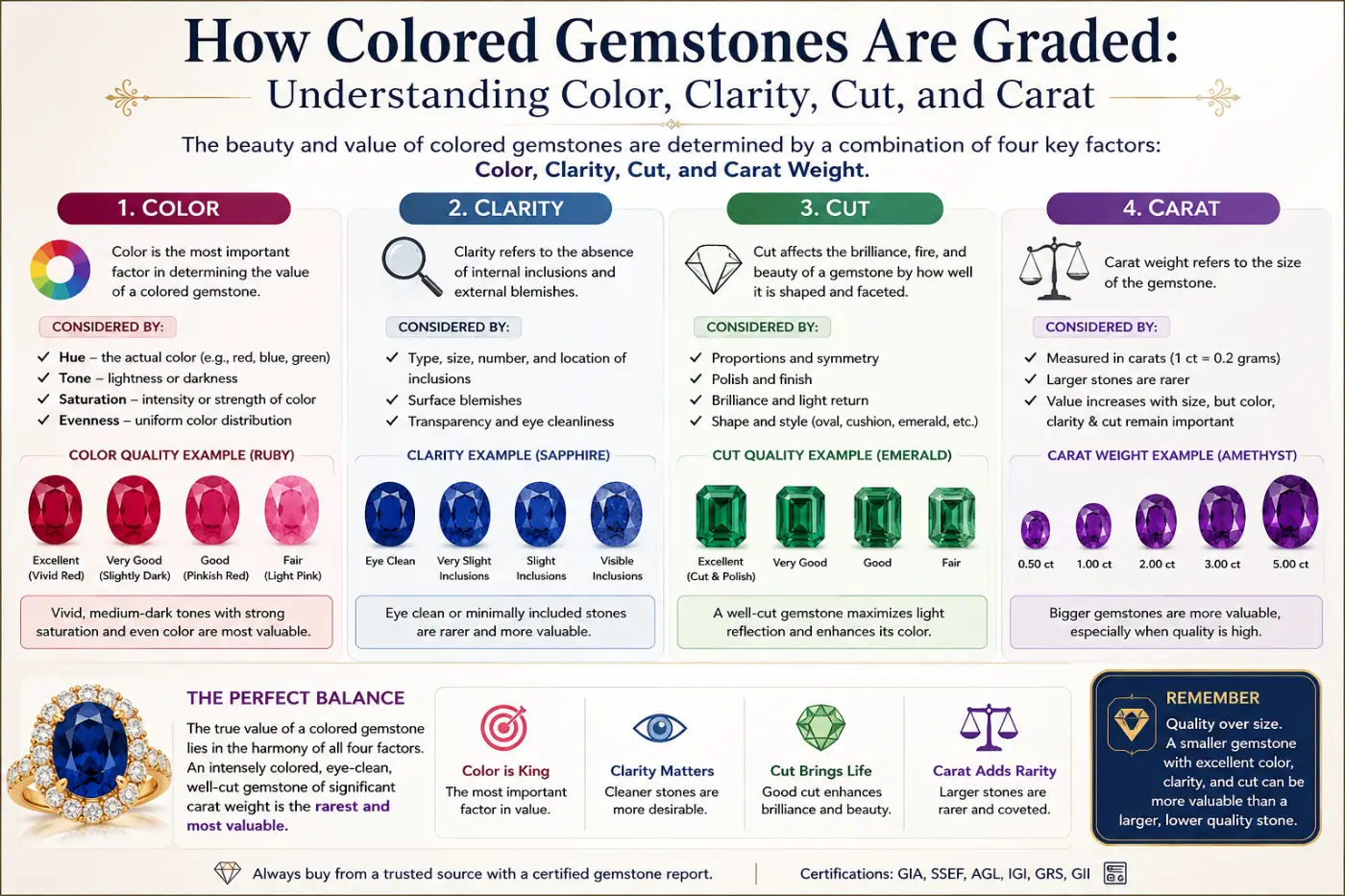
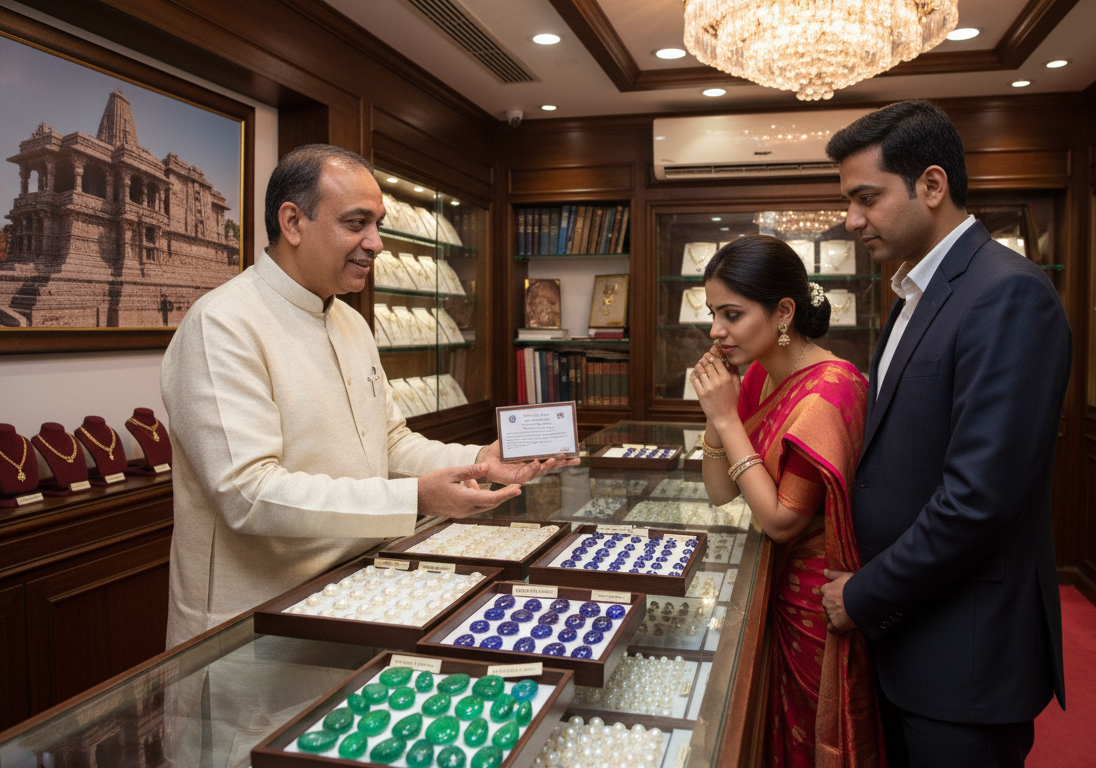
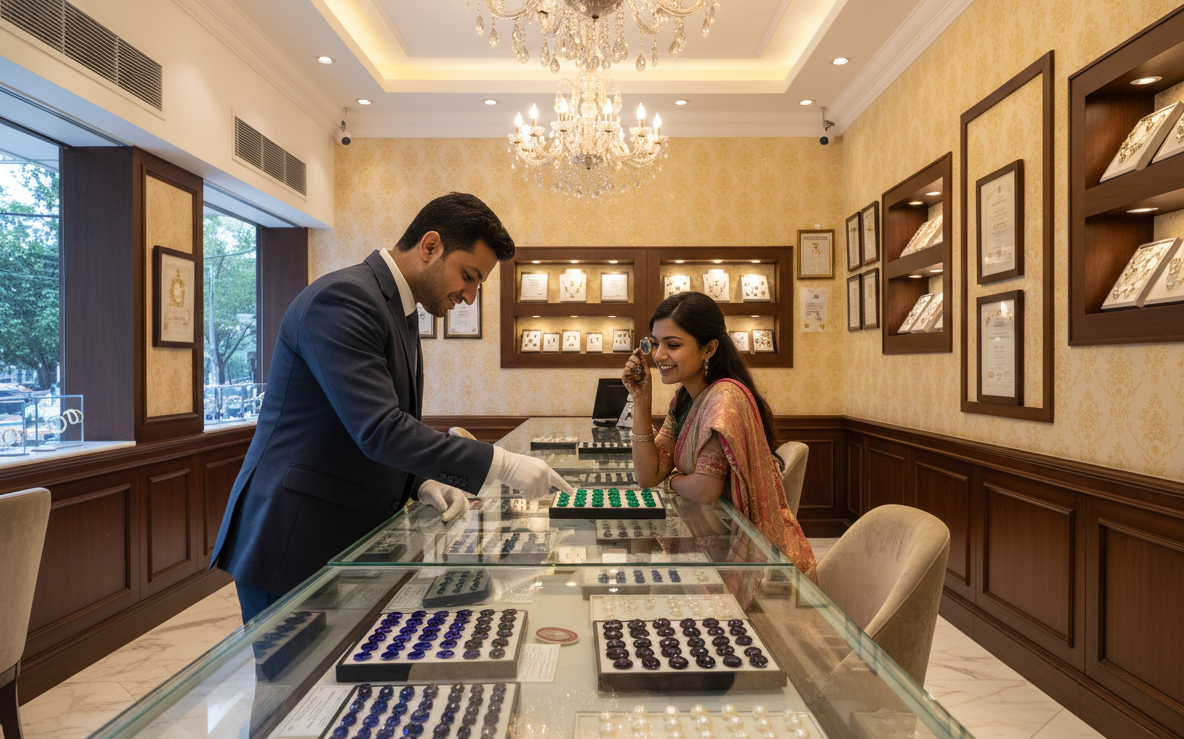
Buyers should also compare prices from reputable sellers and consider factors such as cut, color, clarity, carat weight, treatment, origin, and provenance.
A higher price does not necessarily mean that a gemstone has become more valuable. It may simply reflect higher business costs or retail margins.
What Does the Future Hold for Gemstone Inflation?
The future of gemstone inflation will depend on several factors.
Mining regulations, labor costs, energy prices, transportation expenses, currency movements, consumer demand, technological developments, and changing fashion trends can all influence the industry.
Environmental and ethical sourcing requirements may also affect production costs. At the same time, better traceability and certification could increase consumer confidence.
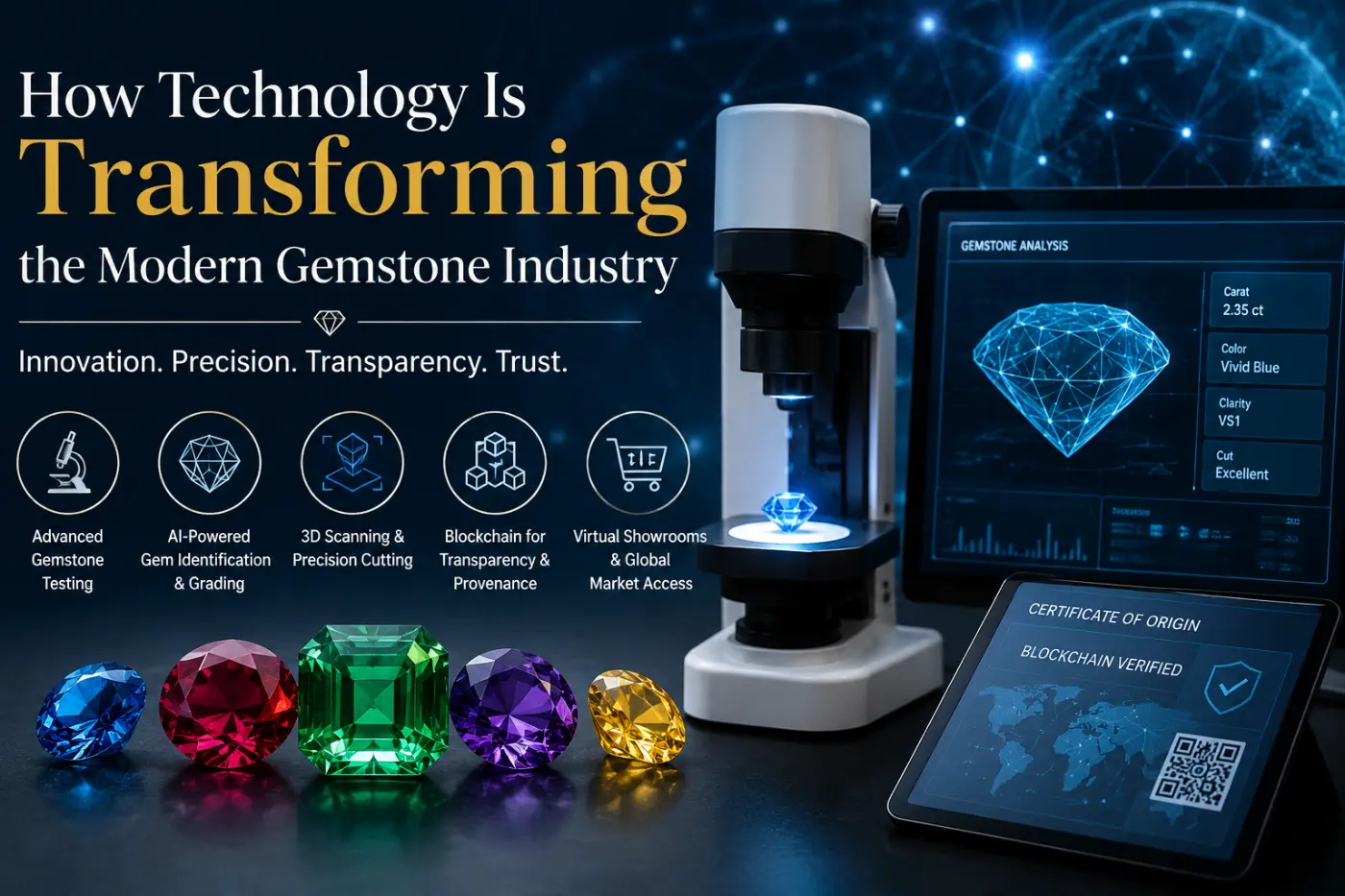
Technology is likely to remain another major influence. Laboratory-created gemstones, digital marketplaces, improved identification methods, and online international trading are changing how gemstones are produced and sold.
These developments mean that the gemstone market is likely to become increasingly diverse, with different pricing patterns for rare natural stones, commercial gemstones, and synthetic alternatives.
Conclusion
Inflation can have a significant influence on the global gemstone industry, but it does not determine gemstone value on its own.
Higher costs for mining, labor, transportation, cutting, certification, insurance, and retail operations can create upward pressure on gemstone prices. At the same time, declining purchasing power can reduce consumer demand for luxury goods.
The inflation impact also varies according to gemstone type and quality. Rare natural rubies, sapphires, emeralds, and other exceptional stones may behave differently from more common commercial gemstones because scarcity and collector demand play a major role in their value.
Currency movements are another important factor, particularly for global gemstones, which frequently cross international borders before reaching consumers.
Ultimately, gemstone inflation should be viewed as the result of several forces working together rather than a simple relationship between inflation and price increases. Supply, demand, rarity, quality, consumer behavior, technology, currency values, and economic conditions all contribute to the final value of a gemstone.
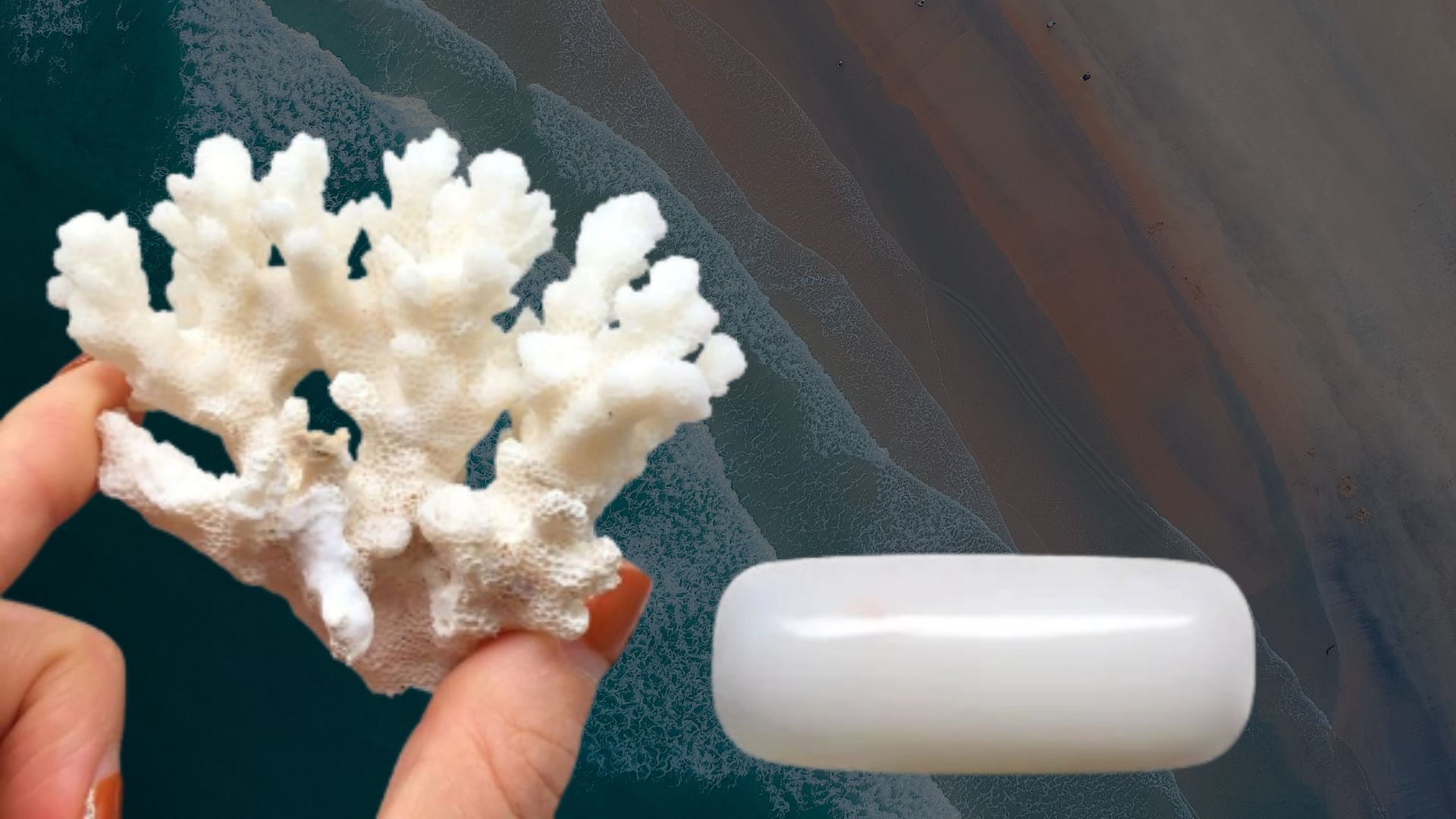
For buyers and industry professionals, the best approach is to look beyond headline prices and understand the factors driving them. This is particularly important when evaluating pola stone, where quality, rarity, certification, market demand, and broader economic conditions can significantly influence value. By considering these factors, consumers can make more informed decisions in an evolving global gemstone market.
Recent Posts
2026-09-04
The Science Behind Gemstone Fluorescence





2025-09-15