Date : 2026-11-24
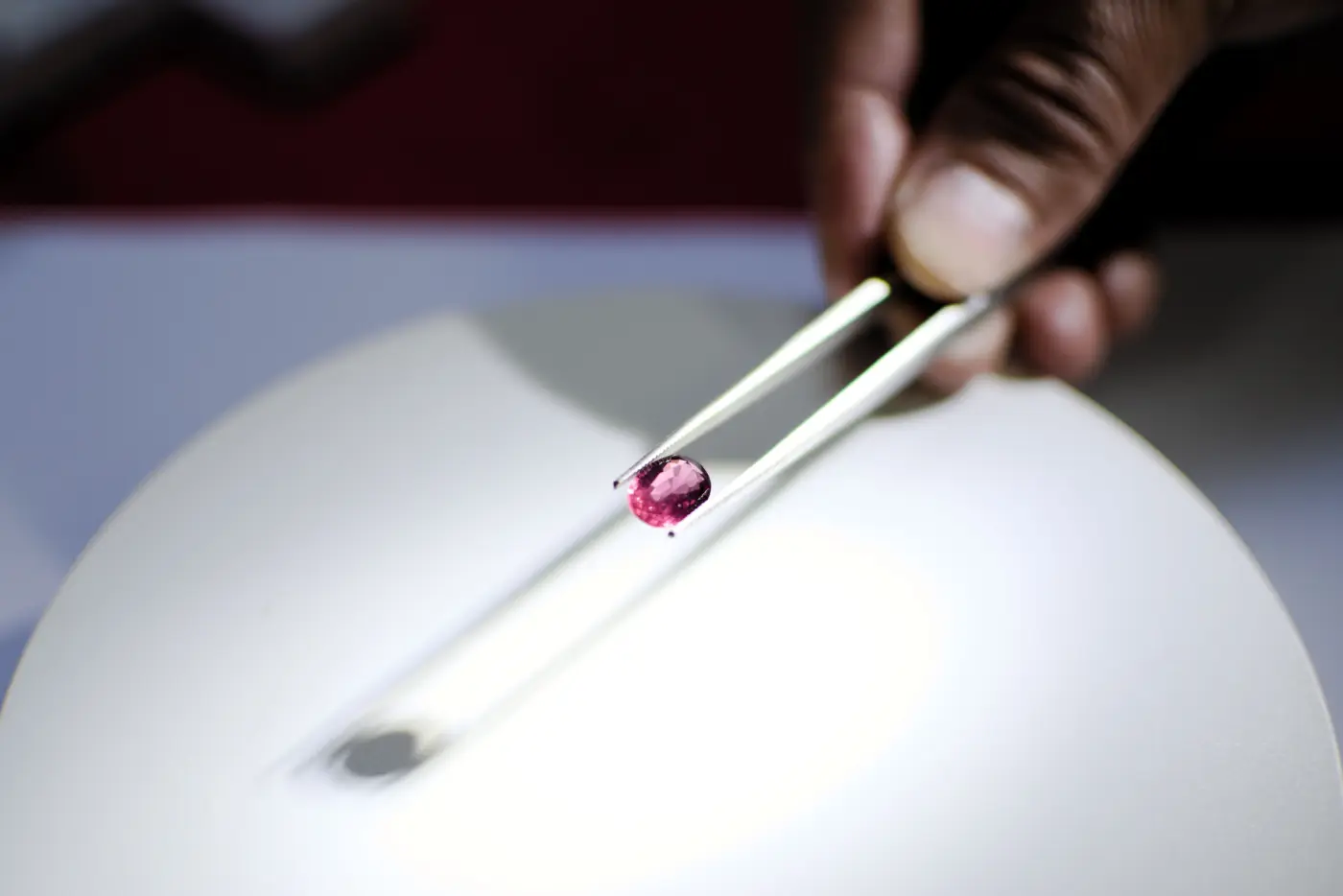
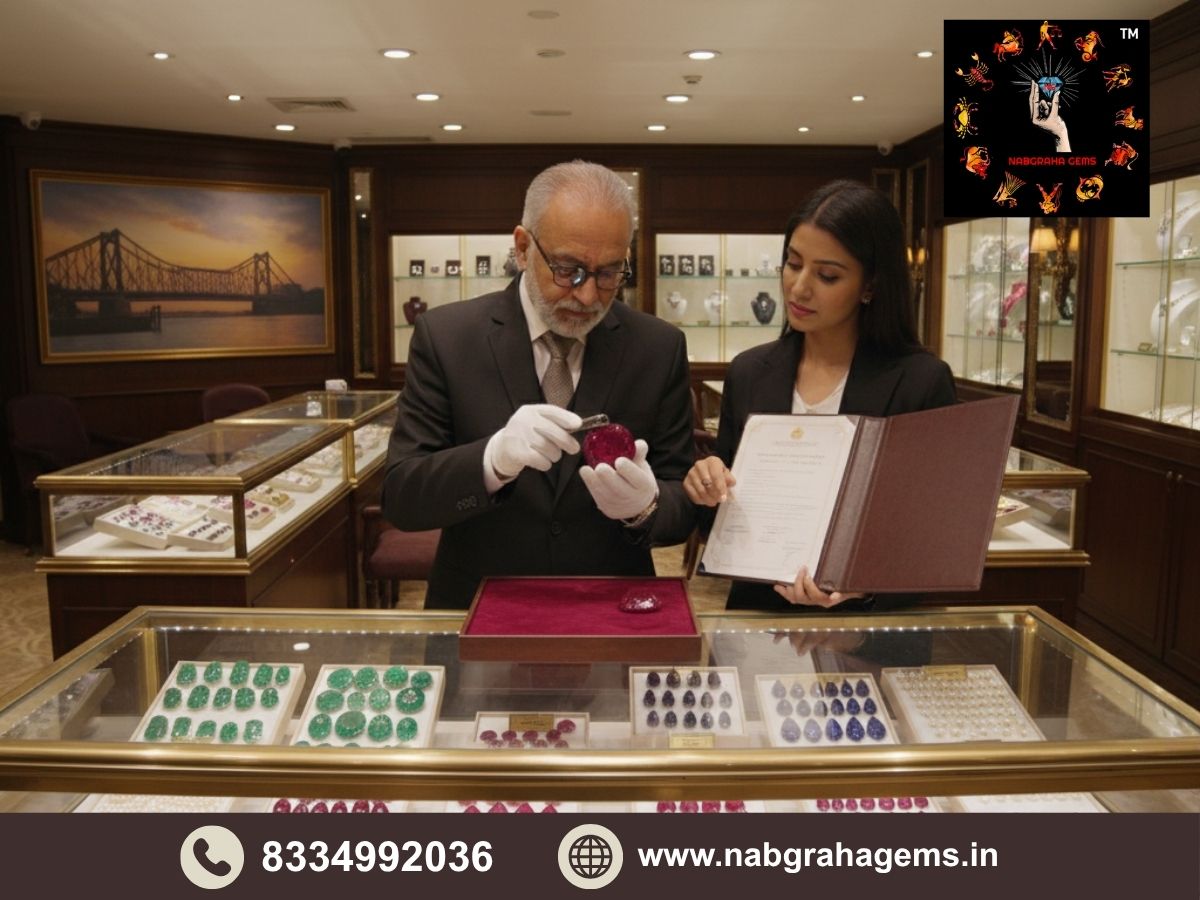
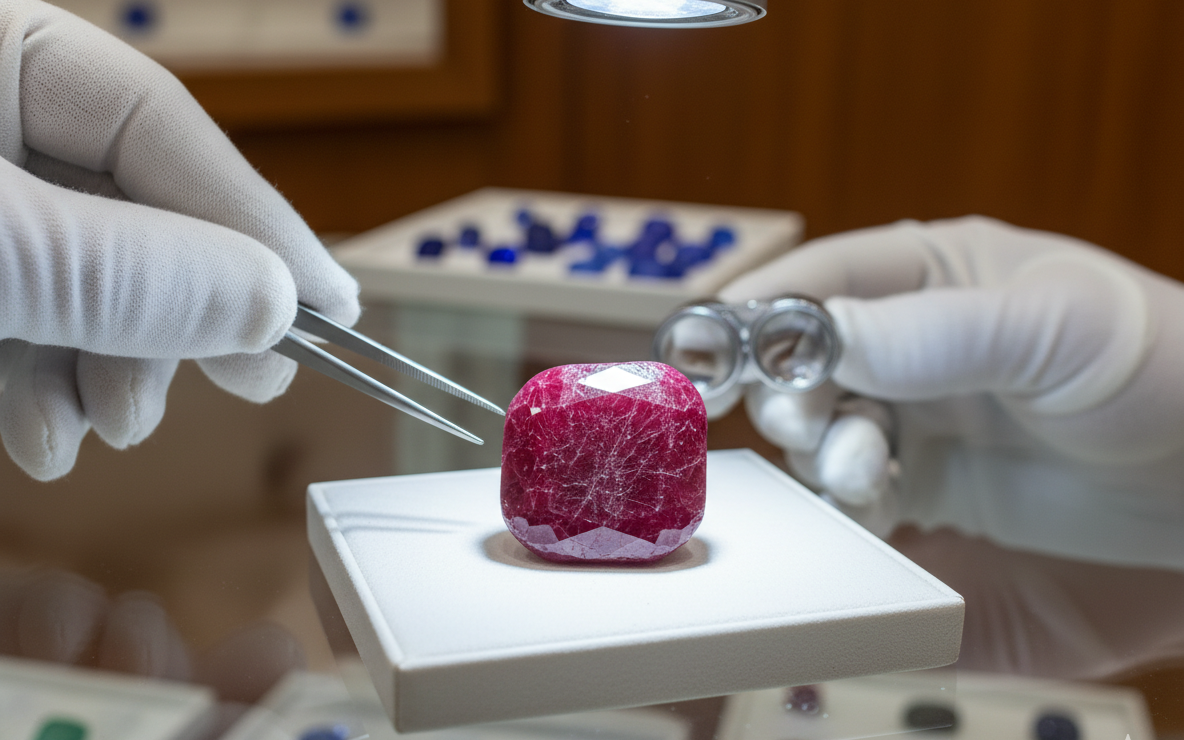
Gemstones are admired for their beauty, brilliance, and unique colours. However, there is much more to a gemstone than what meets the naked eye. Beneath its sparkling surface lies a fascinating world of tiny details that can reveal valuable information about its formation, identity, and quality. With the help of gemstone magnification, gemologists can explore these hidden details and understand what makes each gemstone unique. This knowledge is also valuable when evaluating emeralds, as factors such as clarity, colour, and authenticity play an important role in determining the panna price in Kolkata.
From microscopic crystals to delicate internal patterns, magnification provides a closer look at the natural characteristics that influence a gemstone's appearance and value. Let's explore how magnification changes what you see inside a gemstone and why it plays such an important role in gem identification and evaluation.
1. Discovering Hidden Gemstone Inclusions
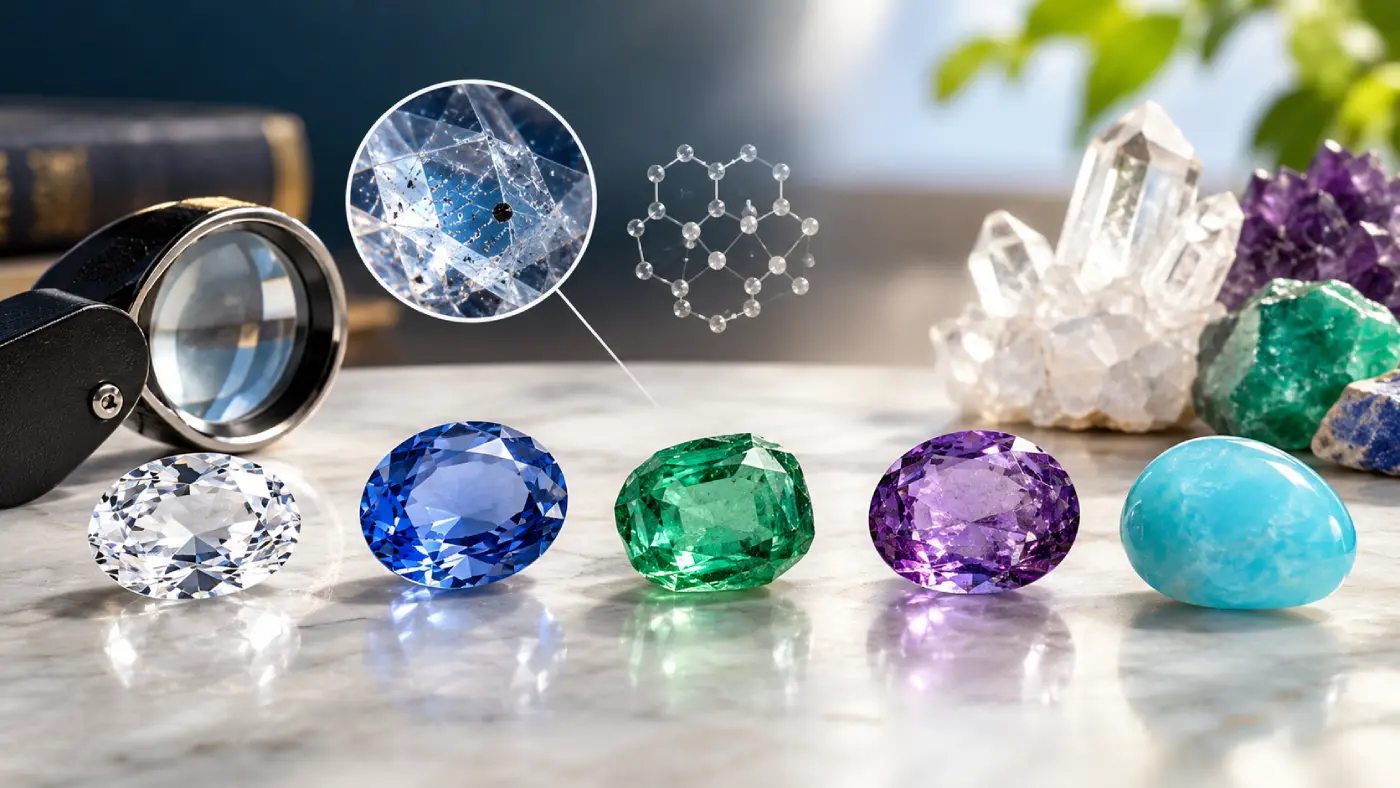
One of the most interesting things revealed through magnification is the presence of gemstone inclusions. These are natural materials, tiny crystals, liquid-filled cavities, gas bubbles, or other features trapped inside a gemstone during its formation.
Some inclusions are almost impossible to notice without magnification. However, under a microscope or jeweller's loupe, they become much easier to observe.
Common examples include:
- Crystal inclusions: Small mineral crystals trapped inside the gemstone.
- Liquid inclusions: Tiny pockets containing liquid, sometimes accompanied by gas bubbles.
- Needle-like inclusions: Thin, elongated structures found in certain gemstones.
- Feathers: Small fractures inside a gemstone that may resemble delicate feathers.
- Growth patterns: Internal lines or zones that develop as the gemstone grows.
These inclusions provide clues about a gemstone's natural origin and formation process. They can also help gemologists distinguish natural gemstones from synthetic or treated stones.
2. Understanding Gemstone Clarity More Accurately
Gemstone clarity refers to the presence, visibility, size, and position of internal inclusions and external blemishes.
When examining a gemstone with the naked eye, some imperfections may remain hidden. Magnification allows gemologists to identify these characteristics in greater detail.
For example, a gemstone may appear perfectly clean when viewed normally. However, under 10x magnification, tiny inclusions or internal fractures may become visible.
Clarity assessment generally considers several factors:
- Size: How large or small are the inclusions?
- Number: How many inclusions are present?
- Location: Are they near the centre, edges, or surface?
- Visibility: How easily can they be seen?
- Nature: What type of inclusion or clarity feature is present?
Understanding these factors helps professionals evaluate a gemstone more consistently. It is important to remember that inclusions do not always reduce a gemstone's beauty or value. In some cases, they contribute to its uniqueness and natural character.
3. Revealing Internal Gemstone Features
Magnification does more than reveal imperfections. It also uncovers beautiful and distinctive internal gemstone features that make each stone different.
Many gemstones contain natural growth structures, colour zoning, and fascinating internal patterns. These features can provide valuable information about how the gemstone developed underground.
For instance:
- Colour zoning: Different areas of a gemstone may display variations in colour intensity.
- Growth lines: These indicate different stages of crystal development.
- Internal fractures: Fine cracks can reveal information about the gemstone's structure and durability.
- Mineral crystals: Other minerals may become trapped during the gemstone's formation.
- Optical features: Certain internal structures interact with light to create special visual effects.
By examining these characteristics, gemologists can better understand the gemstone's natural history and identify features that may not be visible under ordinary lighting conditions.
4. How Gemstone Microscopy Improves Gem Identification
Gemstone microscopy is an essential technique used by gemologists to examine the internal and external characteristics of gemstones.
A gemological microscope provides controlled magnification and lighting, allowing professionals to observe fine details with greater accuracy.
Different lighting techniques help reveal different characteristics:
- Darkfield illumination: Highlights inclusions by making them stand out against a darker background.
- Brightfield illumination: Provides a well-lit view of the gemstone's internal structure.
- Reflected light: Helps examine surface features, scratches, and other external characteristics.
- Cross-polarised lighting: Can reveal internal strain patterns and optical properties in certain gemstones.
Using these techniques, gemologists can study inclusions, identify natural growth characteristics, and investigate possible signs of treatments or synthetic origin.
Microscopy is particularly useful when two gemstones look almost identical to the naked eye but have different internal structures.
5. How Magnification Changes the Appearance of Different Gemstones
Every gemstone has its own internal characteristics. Magnification makes these differences easier to recognise.
Emeralds
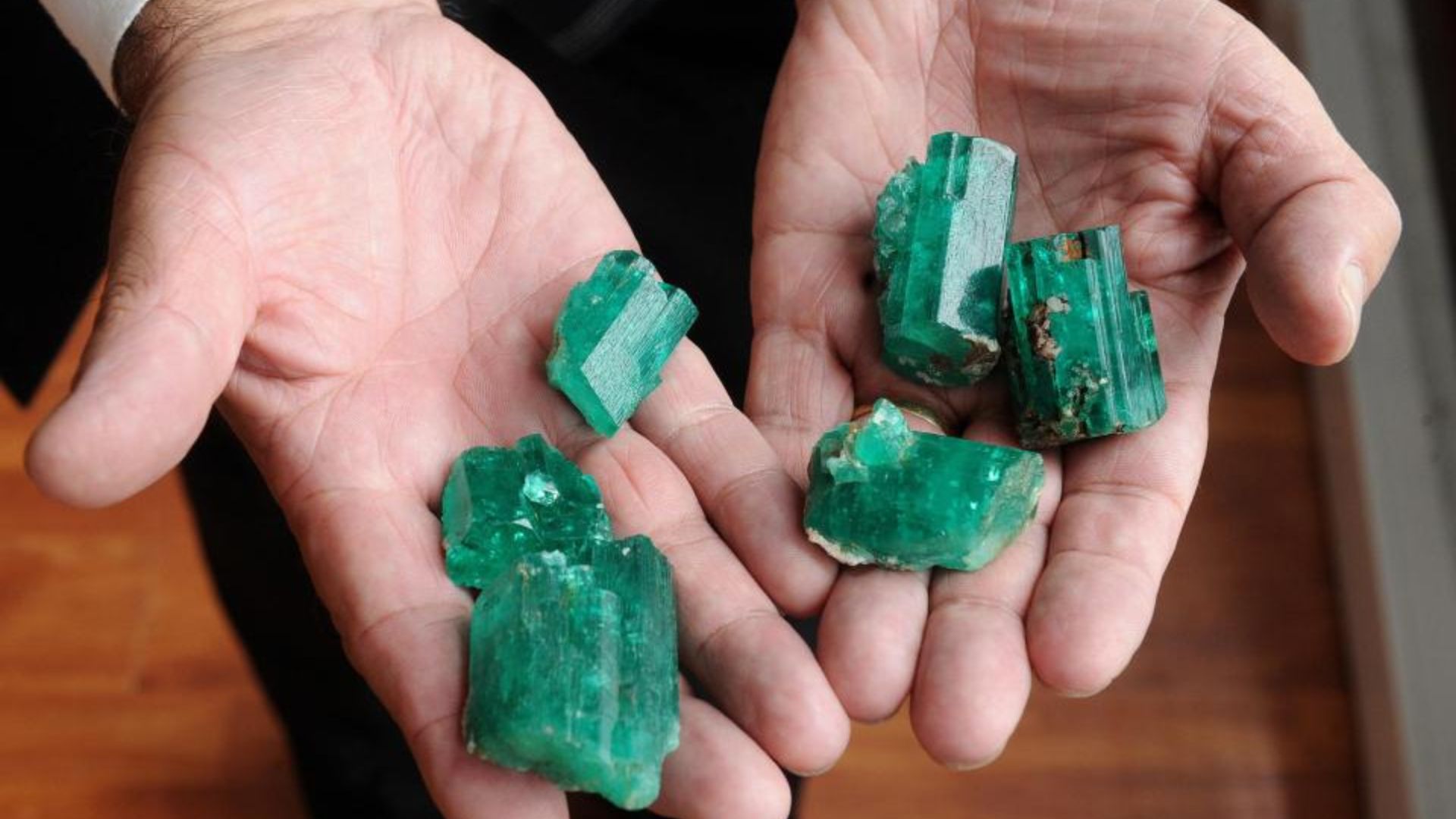
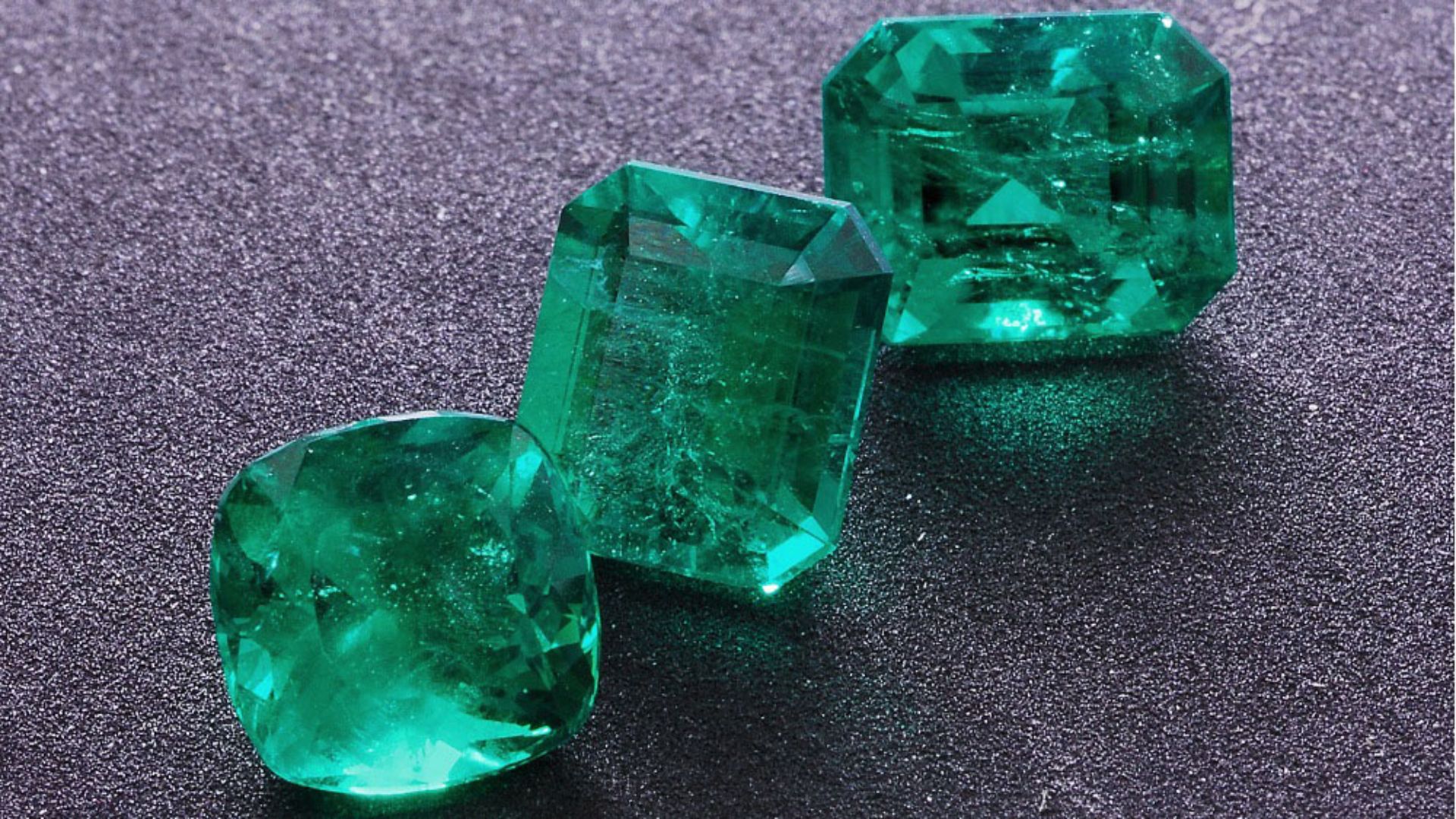
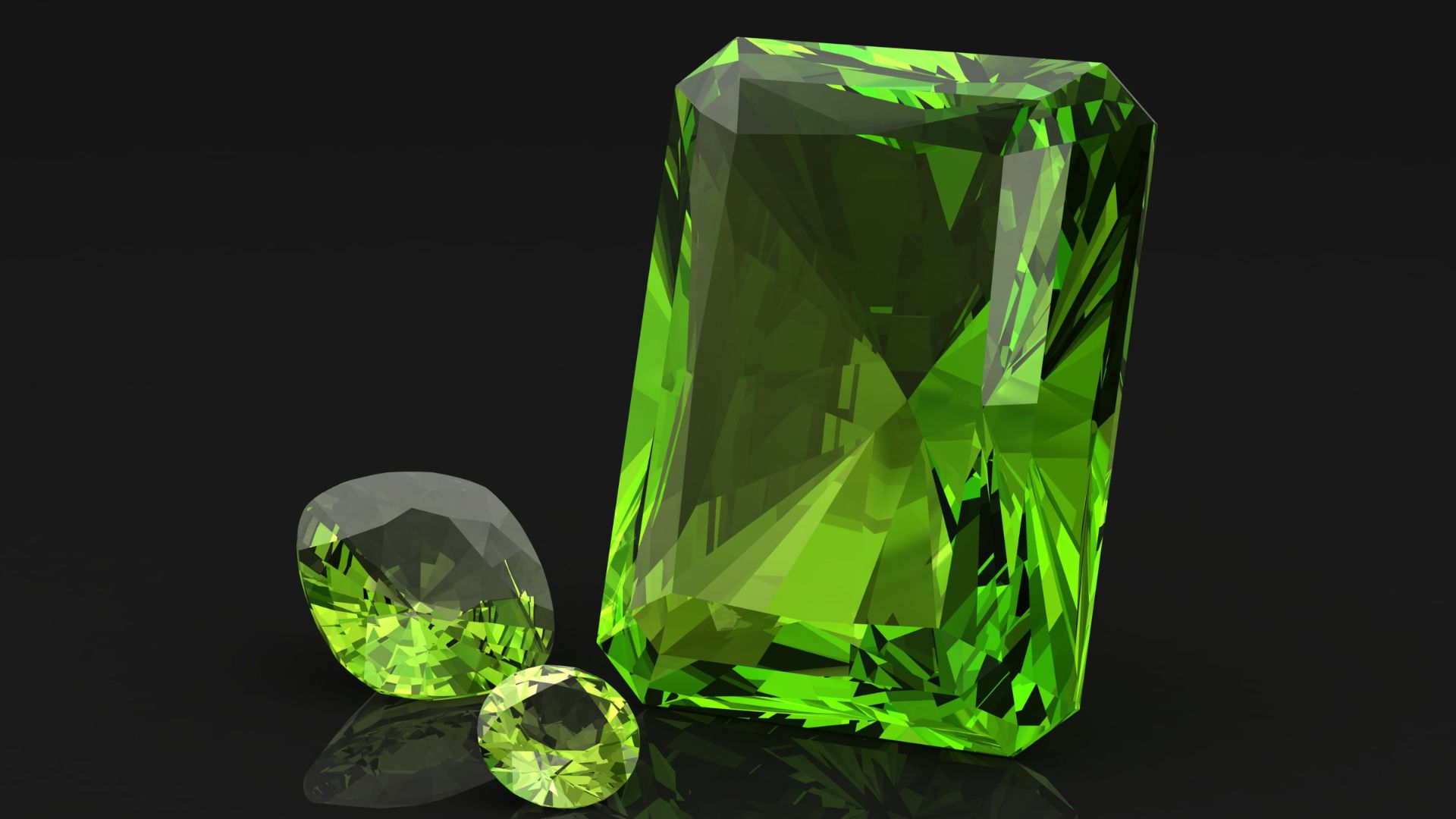
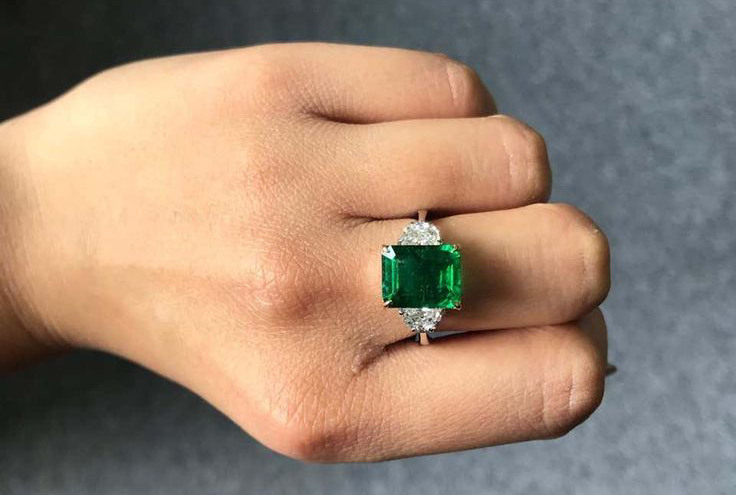
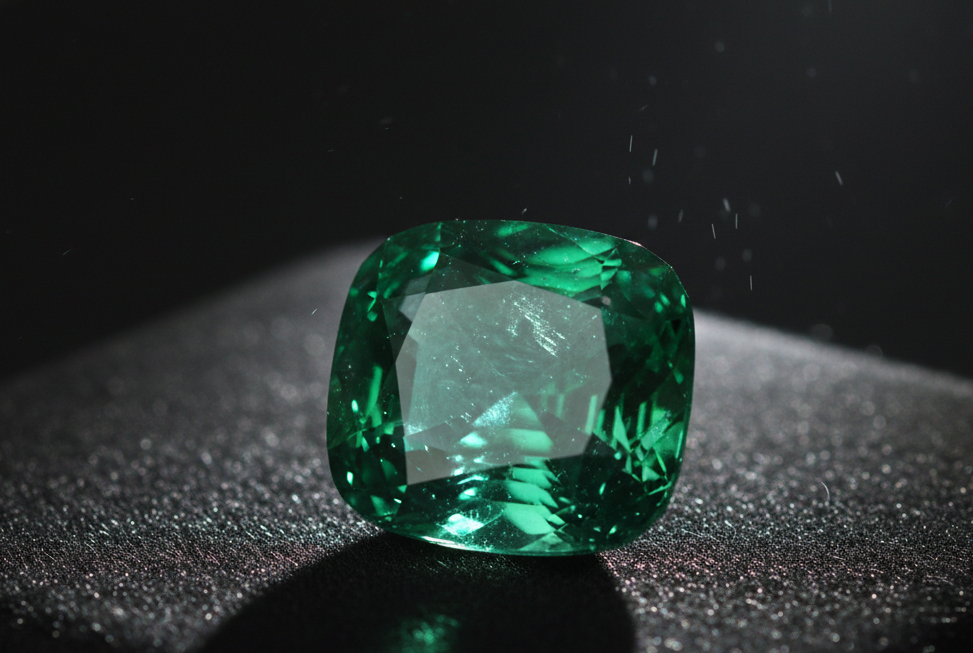
Emeralds commonly contain natural inclusions known as jardin, a French word meaning garden. Under magnification, these inclusions can resemble tiny branches, moss, or garden-like patterns.
Rubies
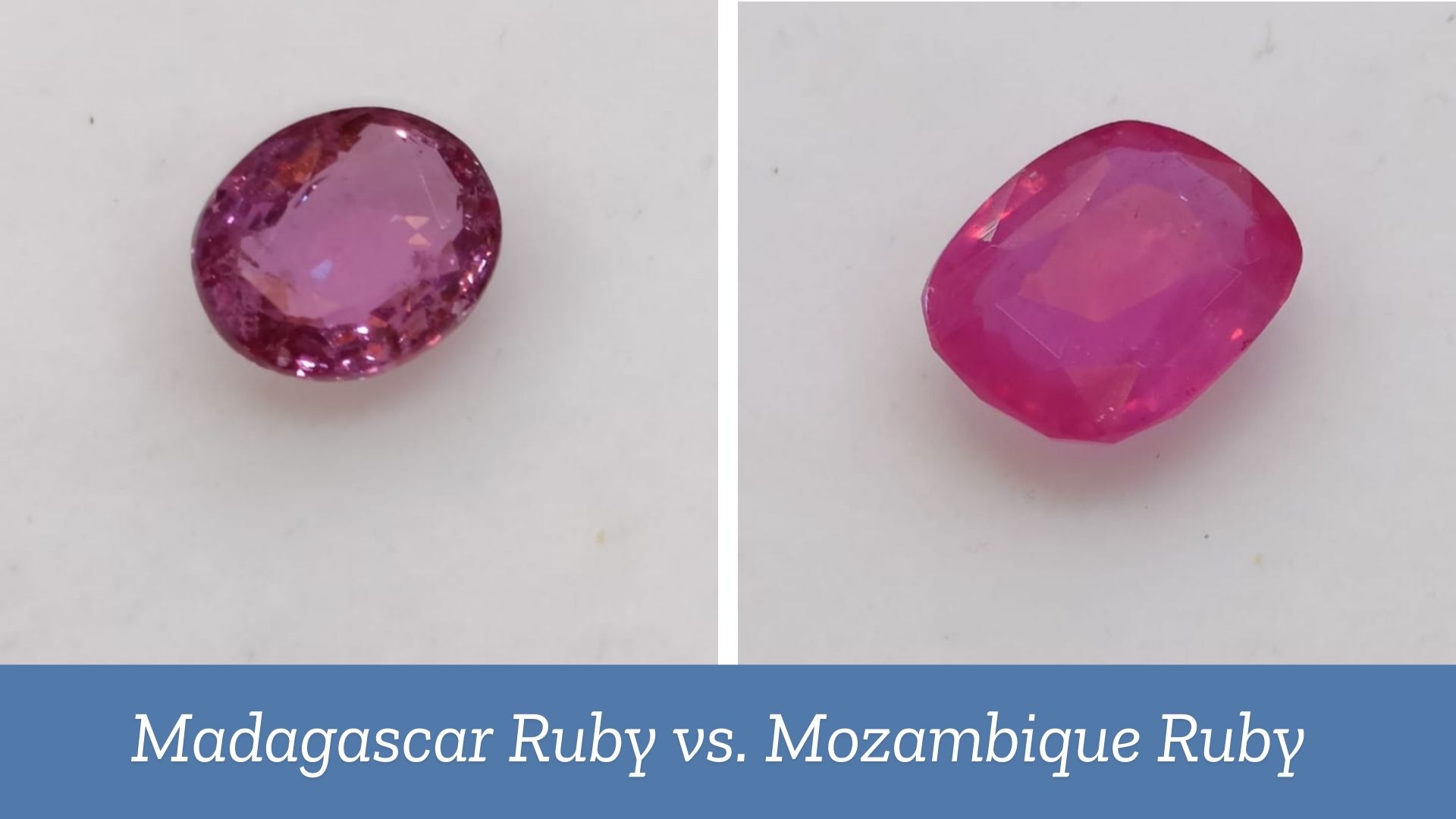
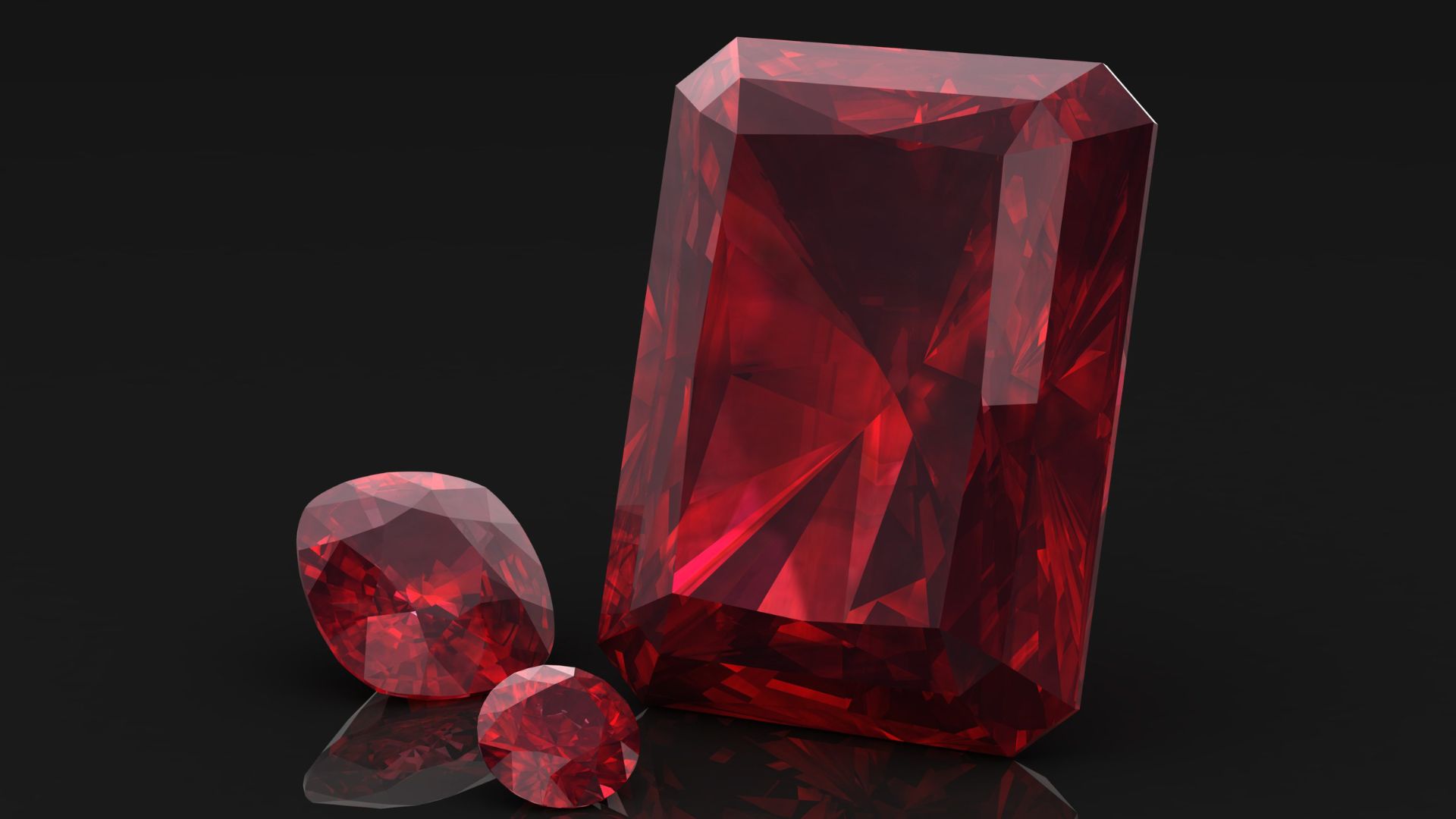
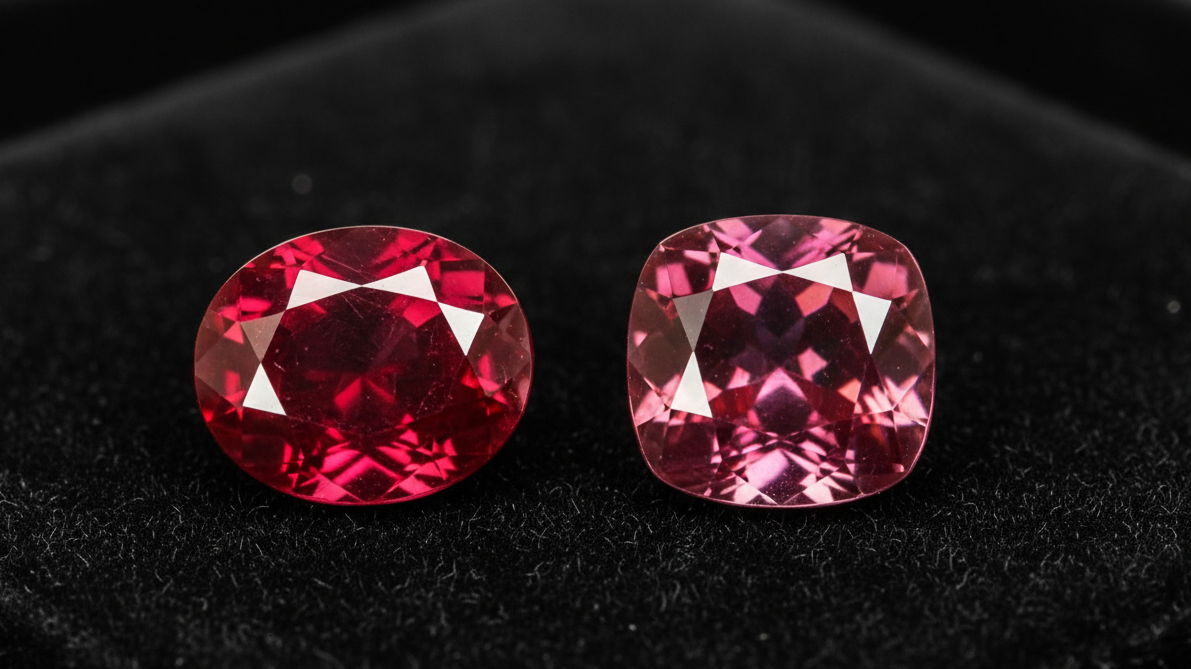
Magnification can reveal fine needle-like rutile inclusions, often called silk. These internal features can provide useful clues about the ruby's formation and treatment history.
Sapphires
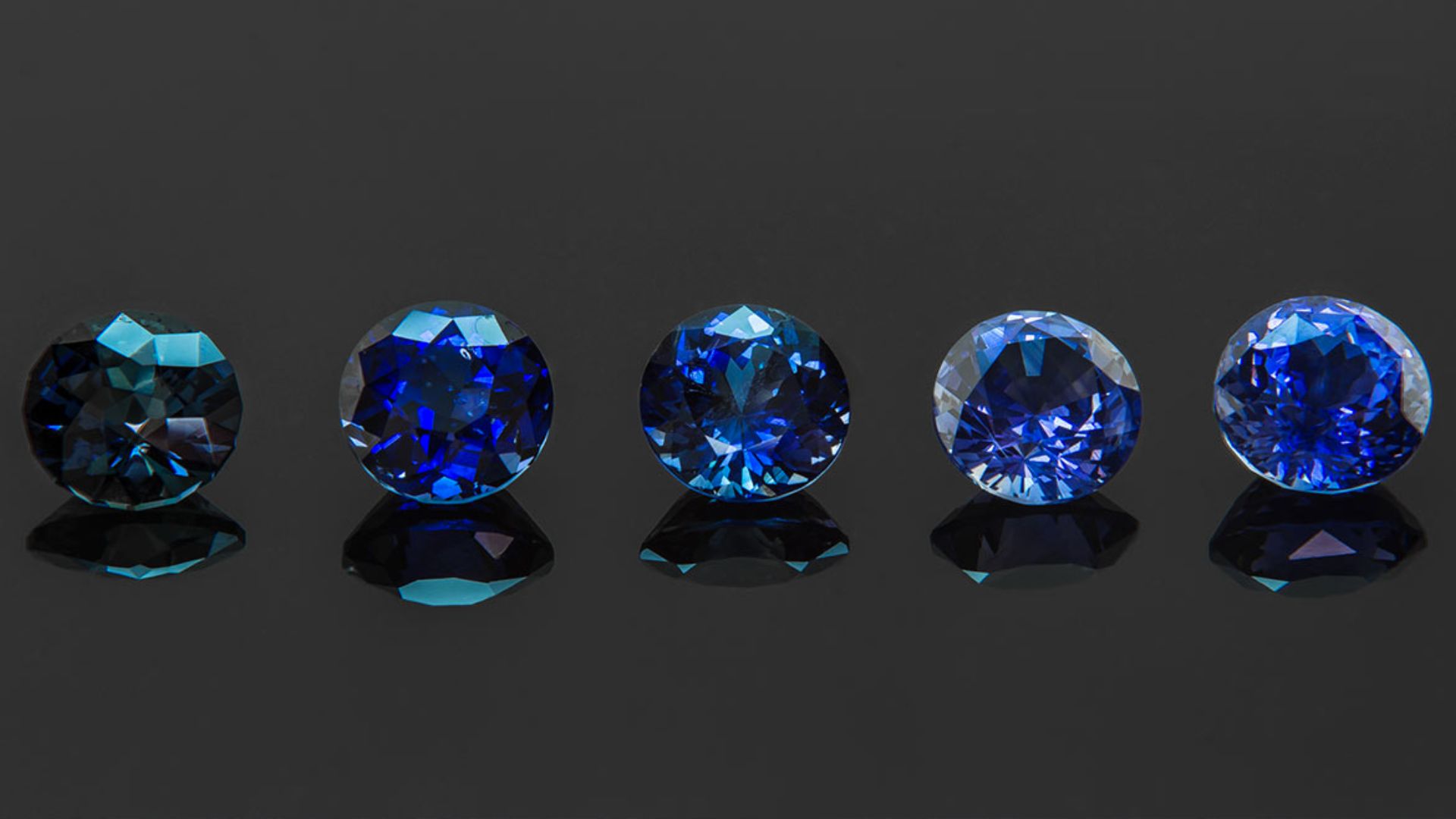
Sapphires may display colour zoning, mineral crystals, and fine internal needles. These features help gemologists examine their growth patterns and identify possible treatments.
Diamonds
Under magnification, diamonds may reveal tiny crystals, feathers, pinpoints, and other internal characteristics. These details are important for clarity grading and identification.
6. Why Magnification Matters When Buying a Gemstone
Magnification is not just a tool for gemologists. It is also valuable for gemstone buyers, collectors, and jewellery professionals.
A closer examination helps buyers understand what they are purchasing rather than relying entirely on a gemstone's external appearance.
Here are some important benefits:
However, magnification alone cannot confirm every aspect of a gemstone's identity or treatment history. Professional gemological testing may be necessary for a reliable conclusion.
Conclusion
Magnification transforms the way we understand gemstones. What appears to be a simple, sparkling stone to the naked eye can reveal an extraordinary world of crystals, fractures, growth patterns, and other microscopic details when examined closely.
Through gemstone magnification and gemstone microscopy, professionals can study gemstone inclusions, evaluate gemstone clarity, and discover internal gemstone features that tell the story of a stone's formation.
Ultimately, magnification helps us look beyond a gemstone's surface. It reveals that every gemstone has its own internal character, making each one a unique natural creation.
Recent Posts









2026-09-04
The Science Behind Gemstone Fluorescence


































2025-09-15