Date : 2026-09-22
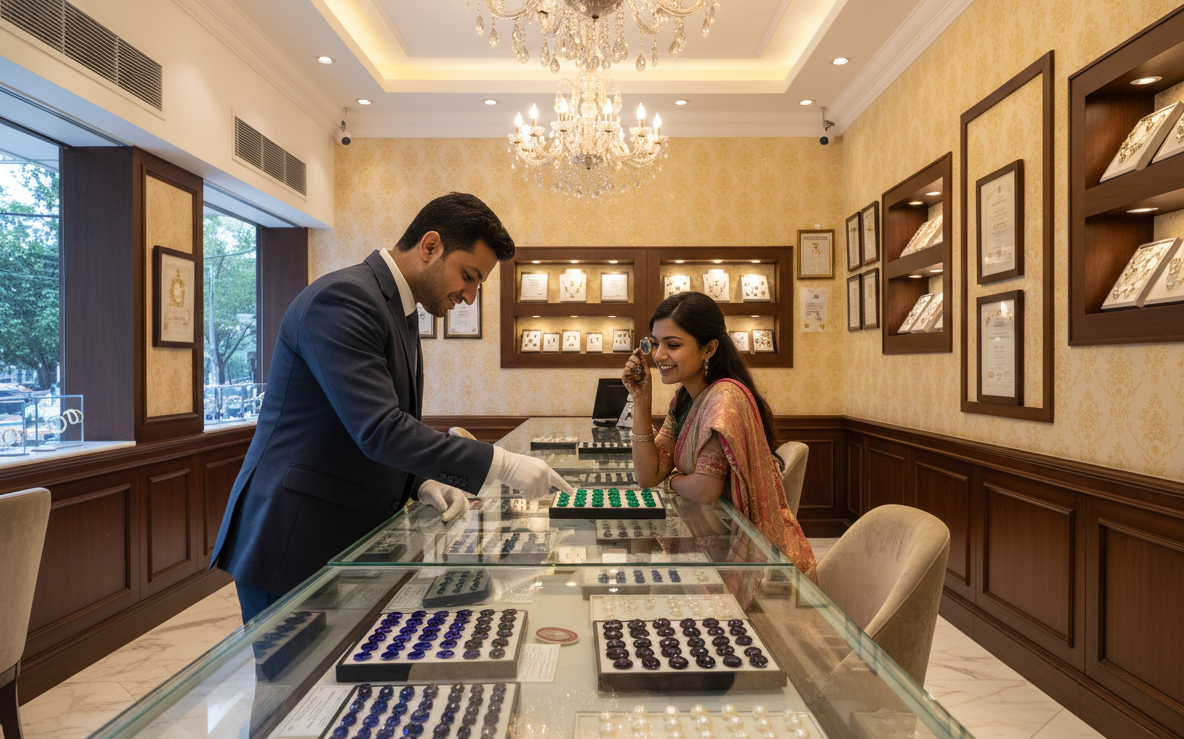
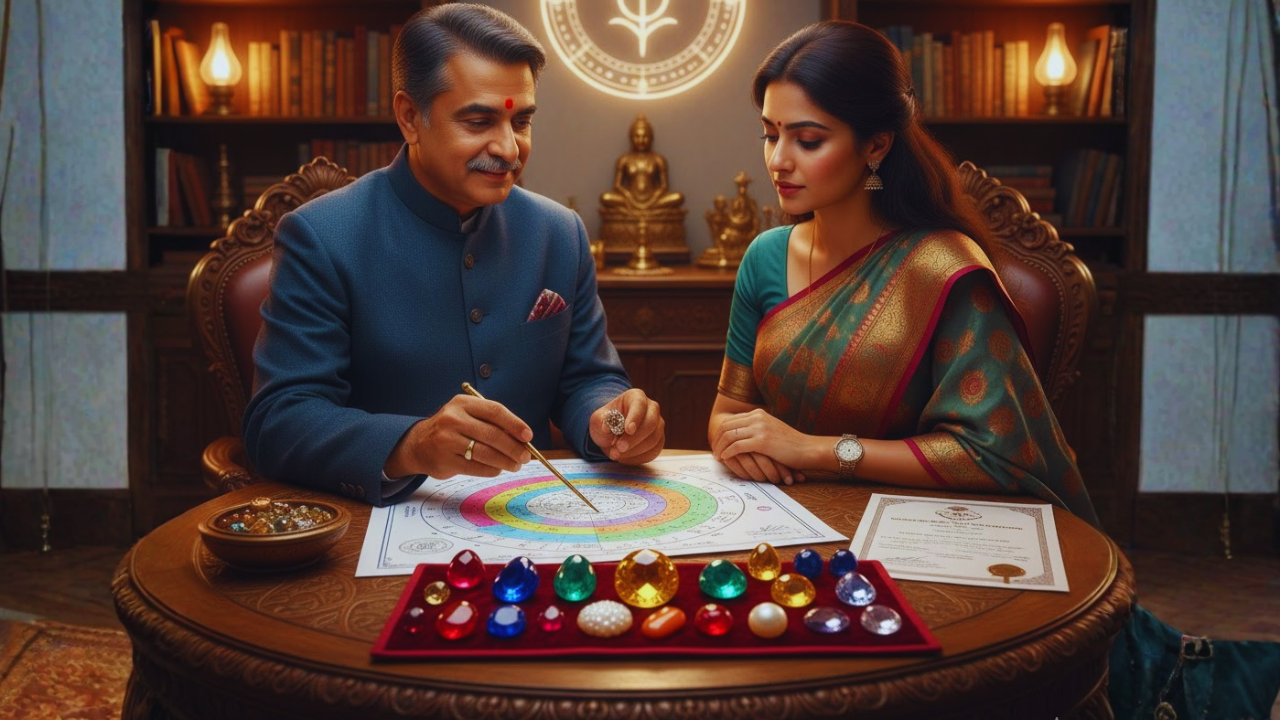
The jewelry industry has always been shaped by craftsmanship, changing tastes, and advances in technology. For centuries, gemstones such as Pola stone have been bought and sold through personal relationships, physical stores, trade exhibitions, and specialized dealers. Buyers often relied on visiting jewelers in person, examining stones under specialized lighting, and developing trust with established sellers.
Today, that traditional model is changing rapidly.
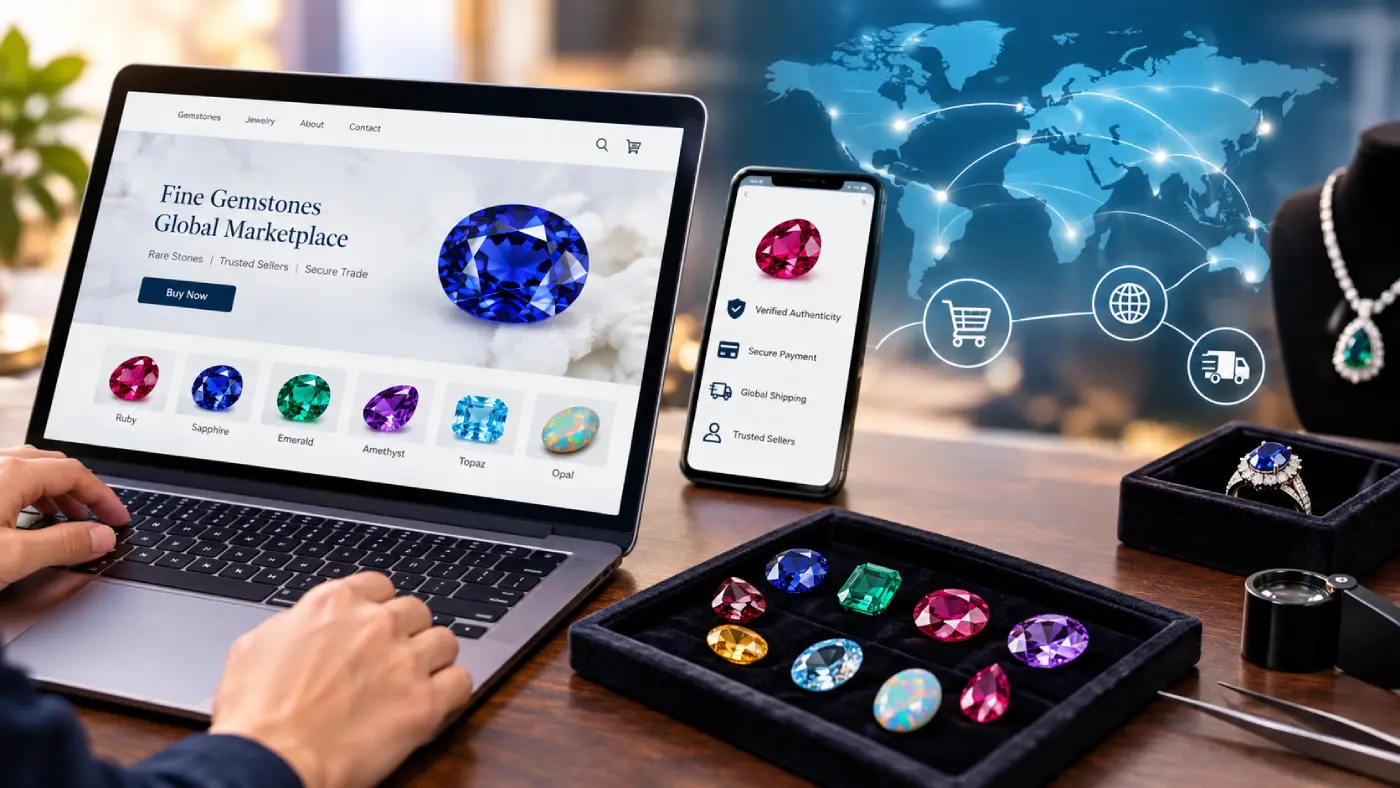
The growth of online gemstone trading is transforming how gemstones are discovered, evaluated, purchased, marketed, and sold. At the same time, the broader digital jewelry market is giving consumers access to an enormous variety of gemstones and jewelry products without requiring them to visit a physical showroom.
From independent gemstone dealers to established jewelry brands, businesses are adopting digital platforms to reach customers around the world. Consumers, meanwhile, are becoming more comfortable researching gemstones online, comparing prices, examining certifications, reading reviews, and completing purchases through e-commerce platforms.
This transformation is not simply about moving jewelry stores onto the internet. It represents a fundamental change in how the gemstone business operates.
The Rise of Online Gemstone Trading
Online gemstone trading refers to the buying and selling of loose gemstones and gemstone-based products through websites, marketplaces, social commerce platforms, and specialized digital platforms.
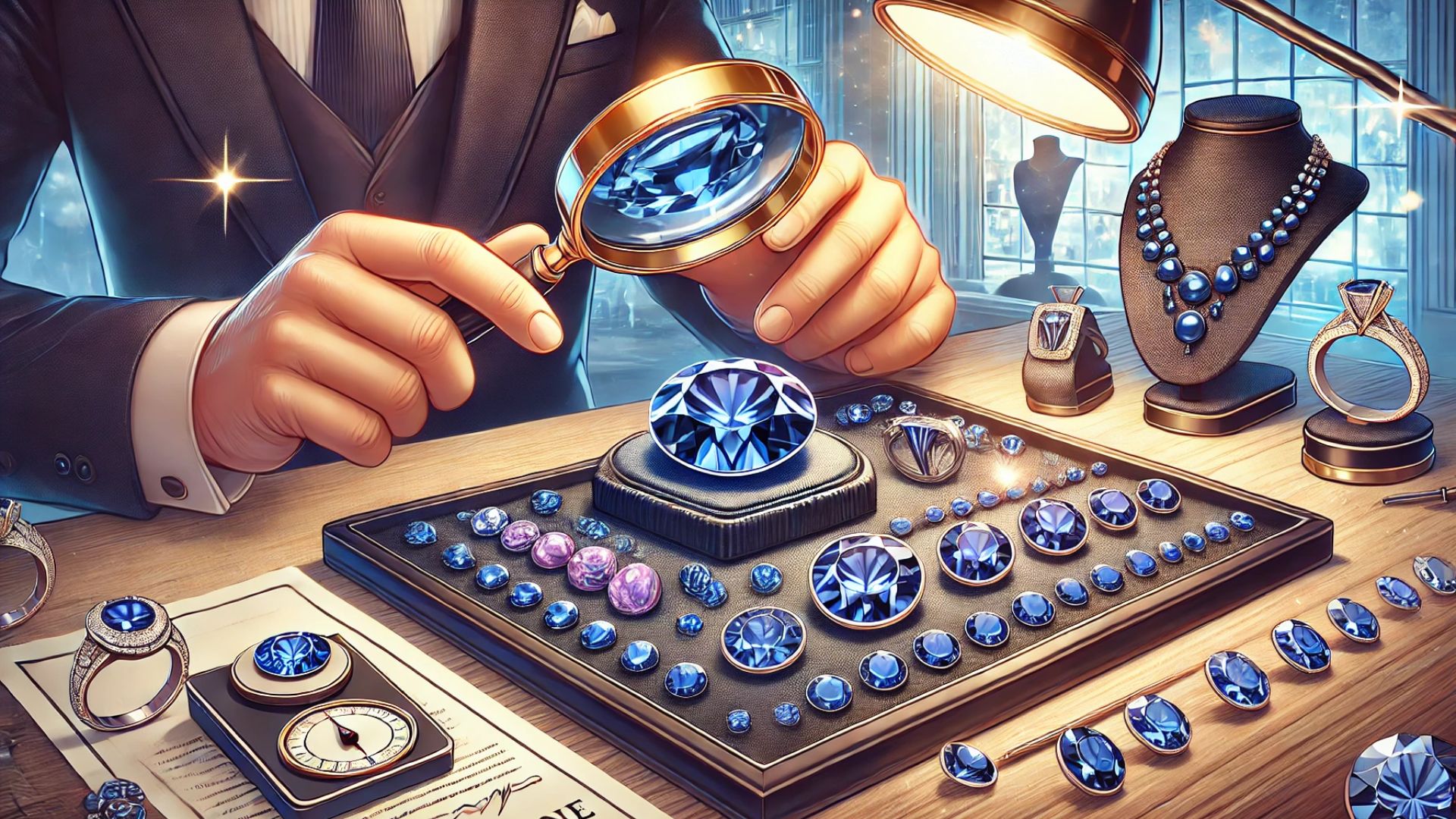
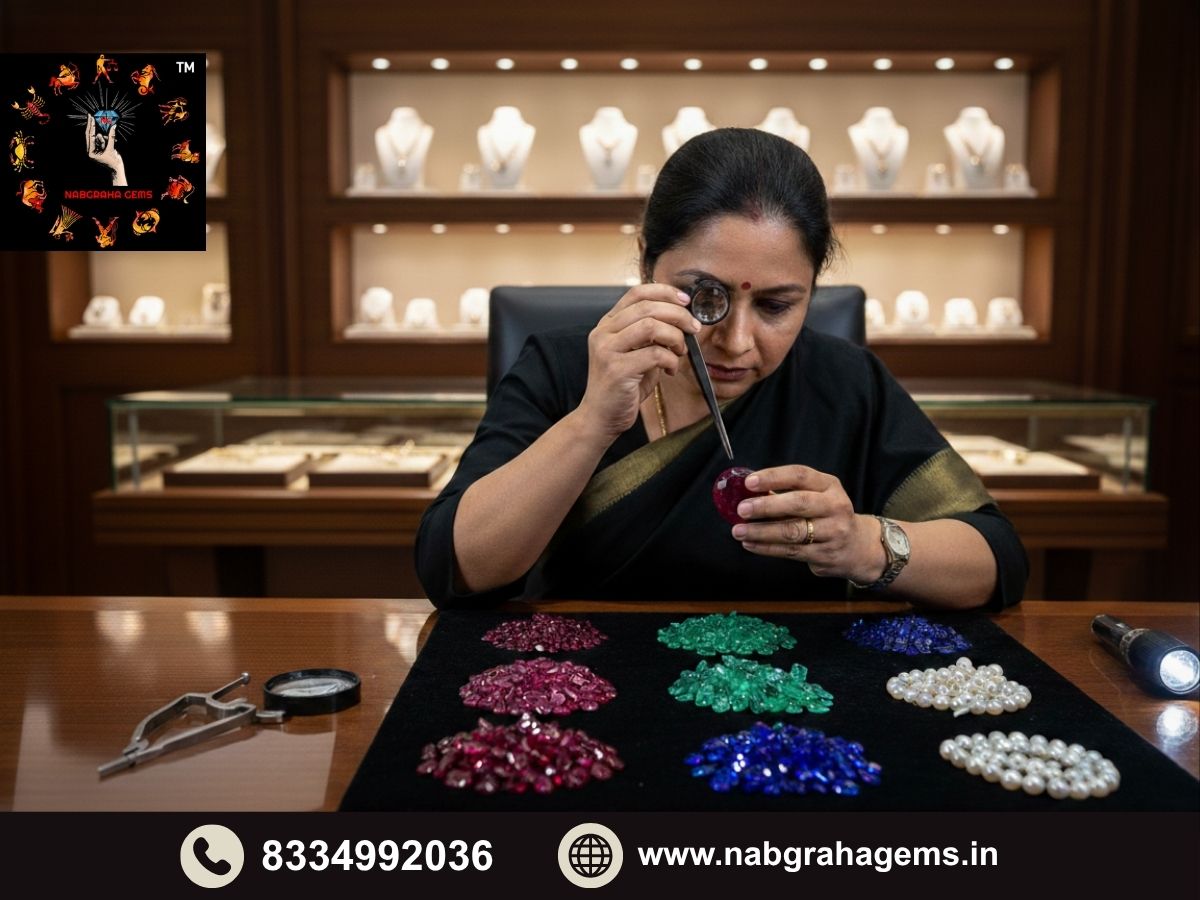
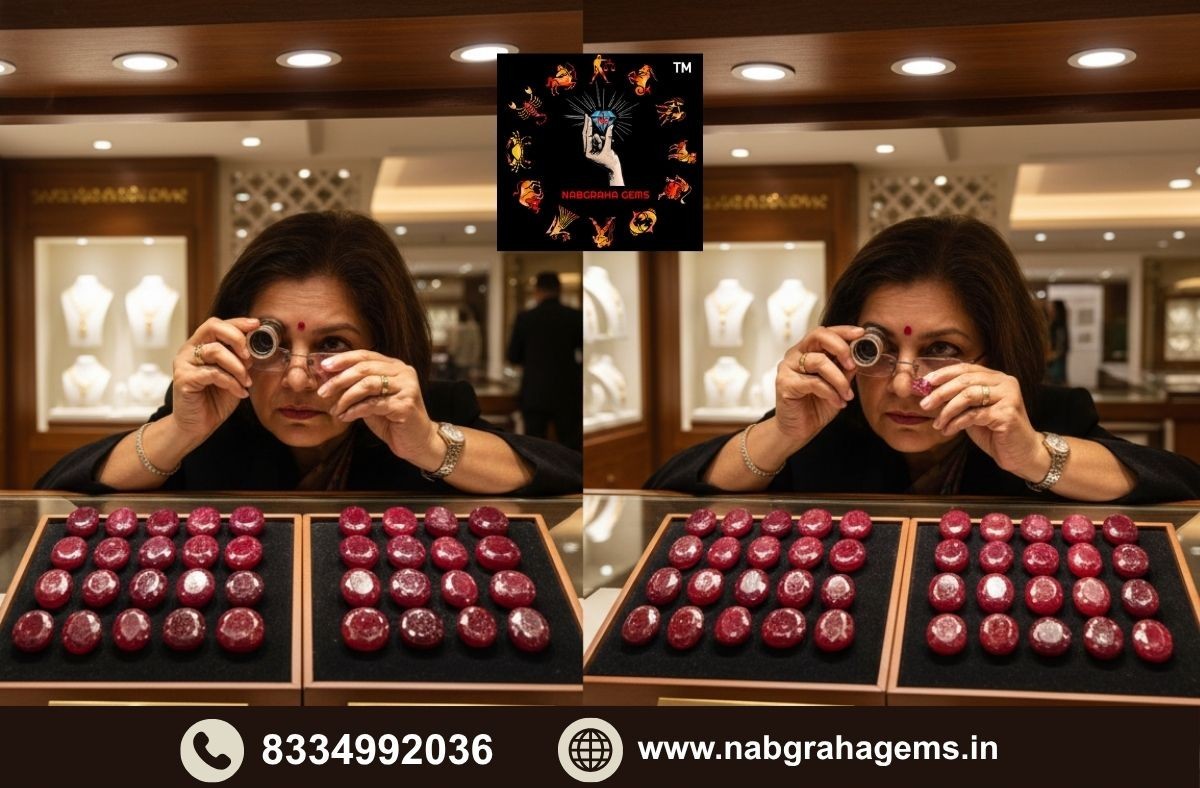
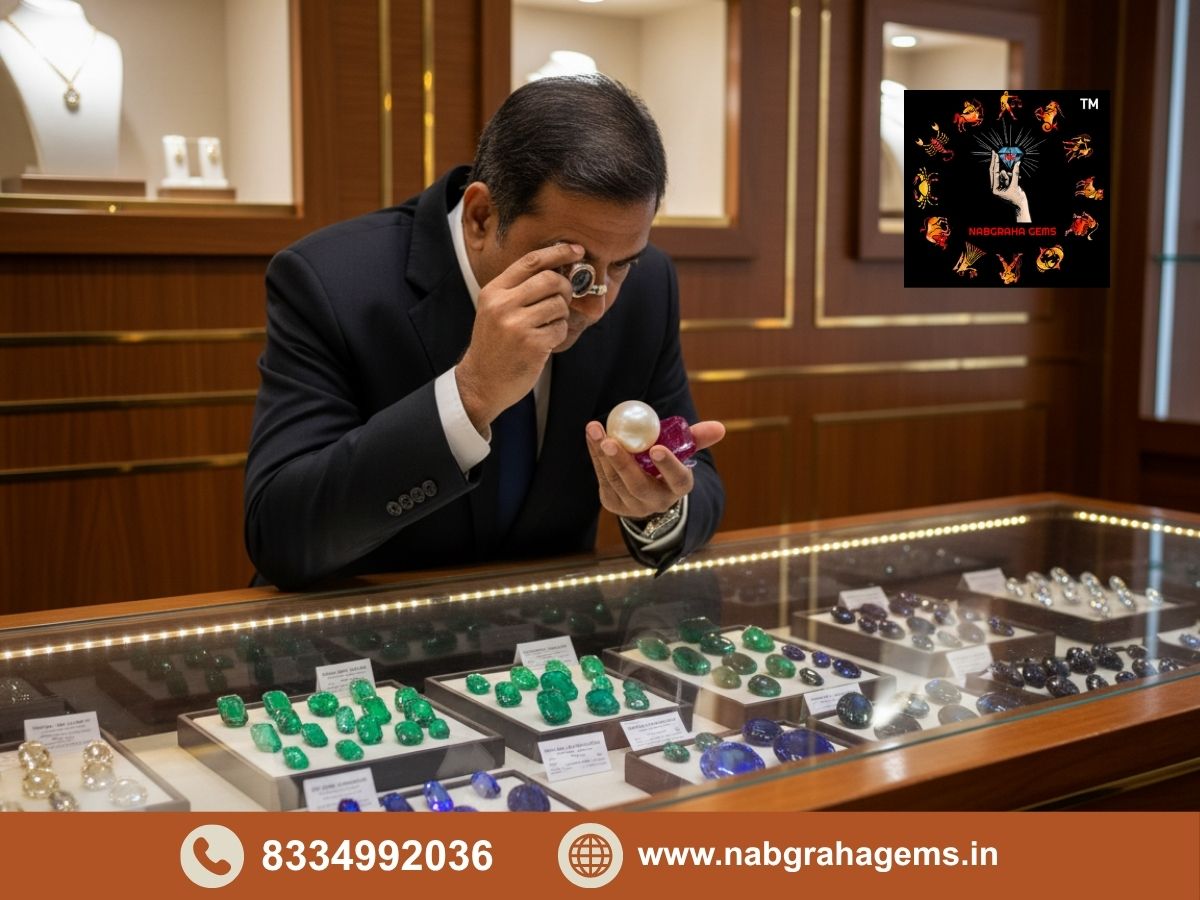
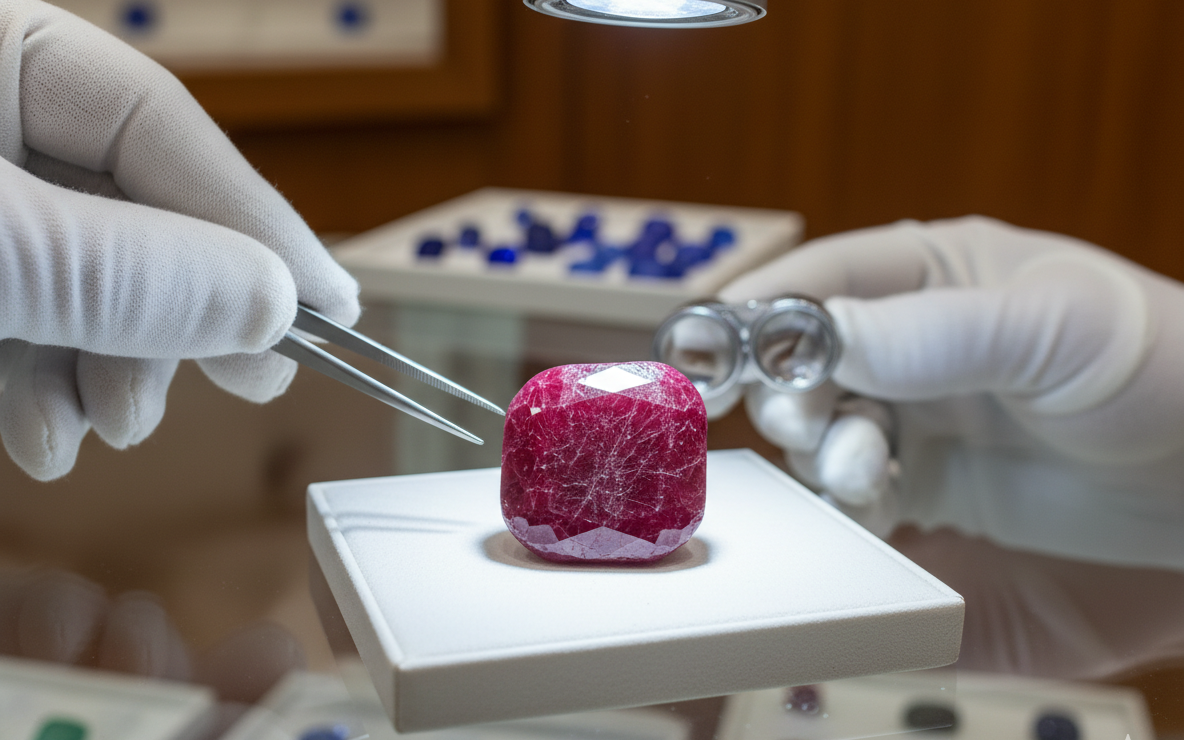
Traditionally, gemstone transactions depended heavily on physical interaction. Buyers wanted to see the color, clarity, cut, and overall appearance of a stone before making a purchase. While physical inspection remains important for many high-value stones, digital technology has made it possible to provide customers with much more information before they buy.
High-resolution photography, 360-degree videos, detailed product descriptions, gemstone certificates, educational content, and virtual consultations have helped reduce some of the uncertainty associated with buying gemstones online.
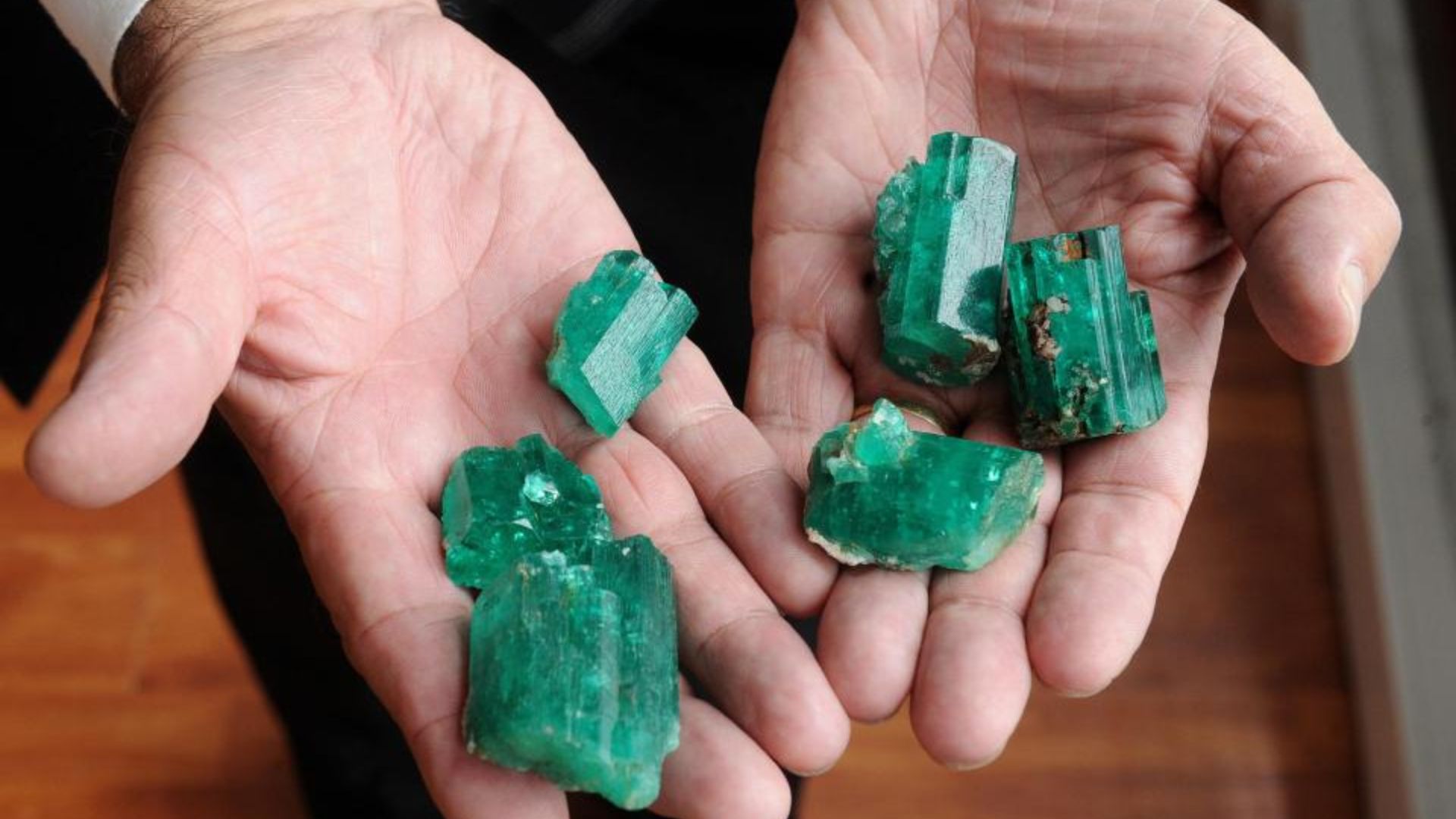
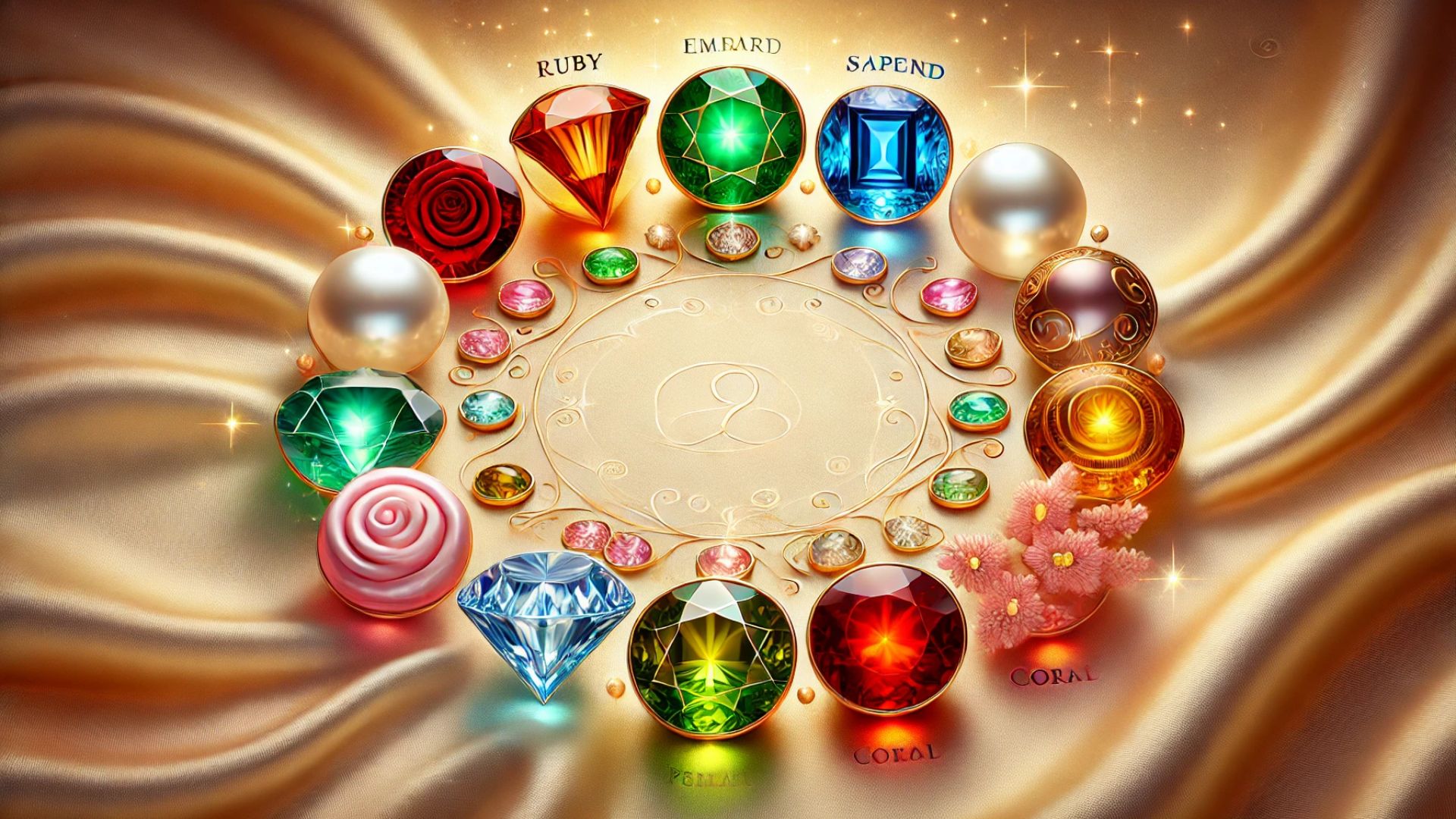
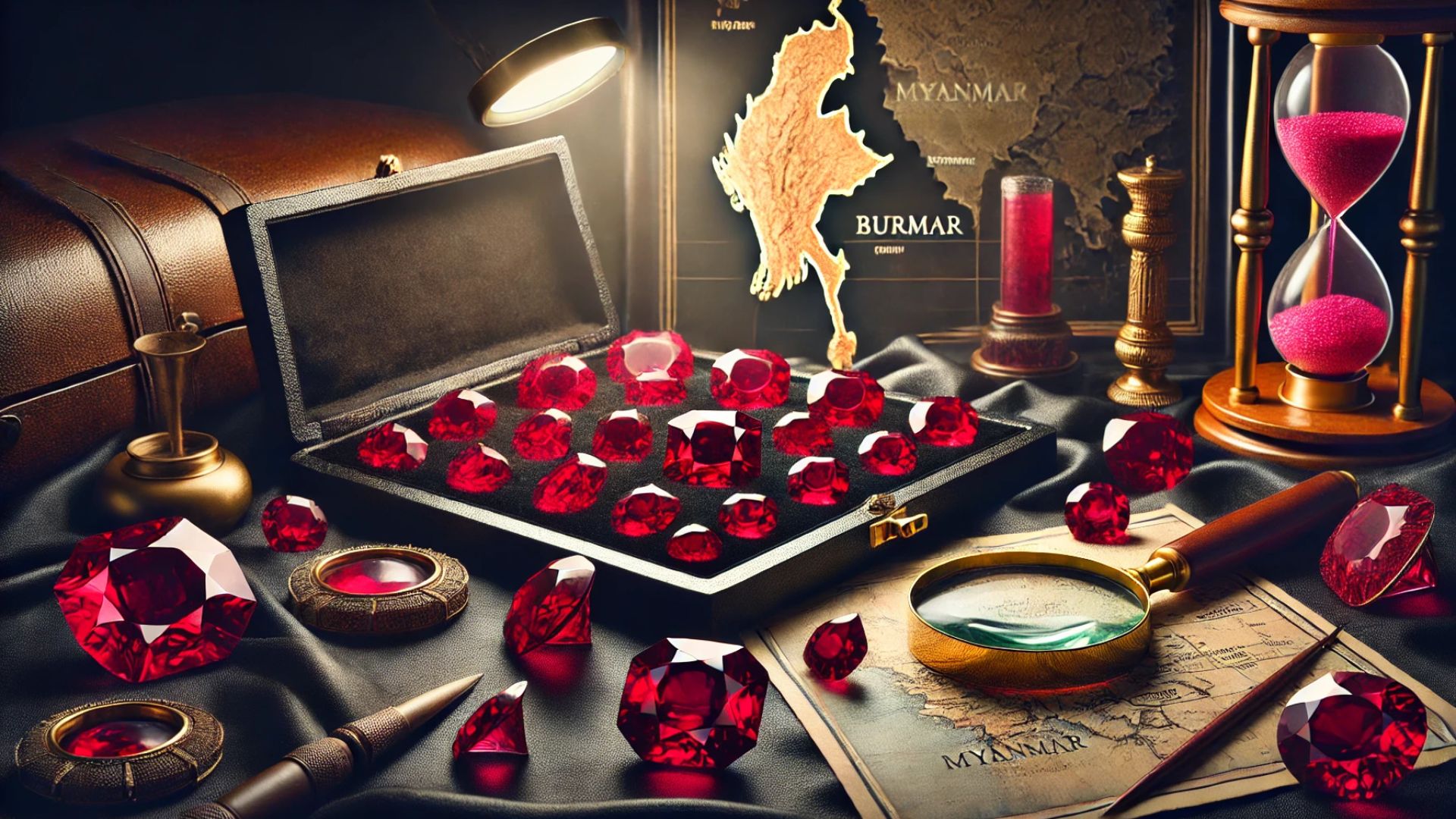
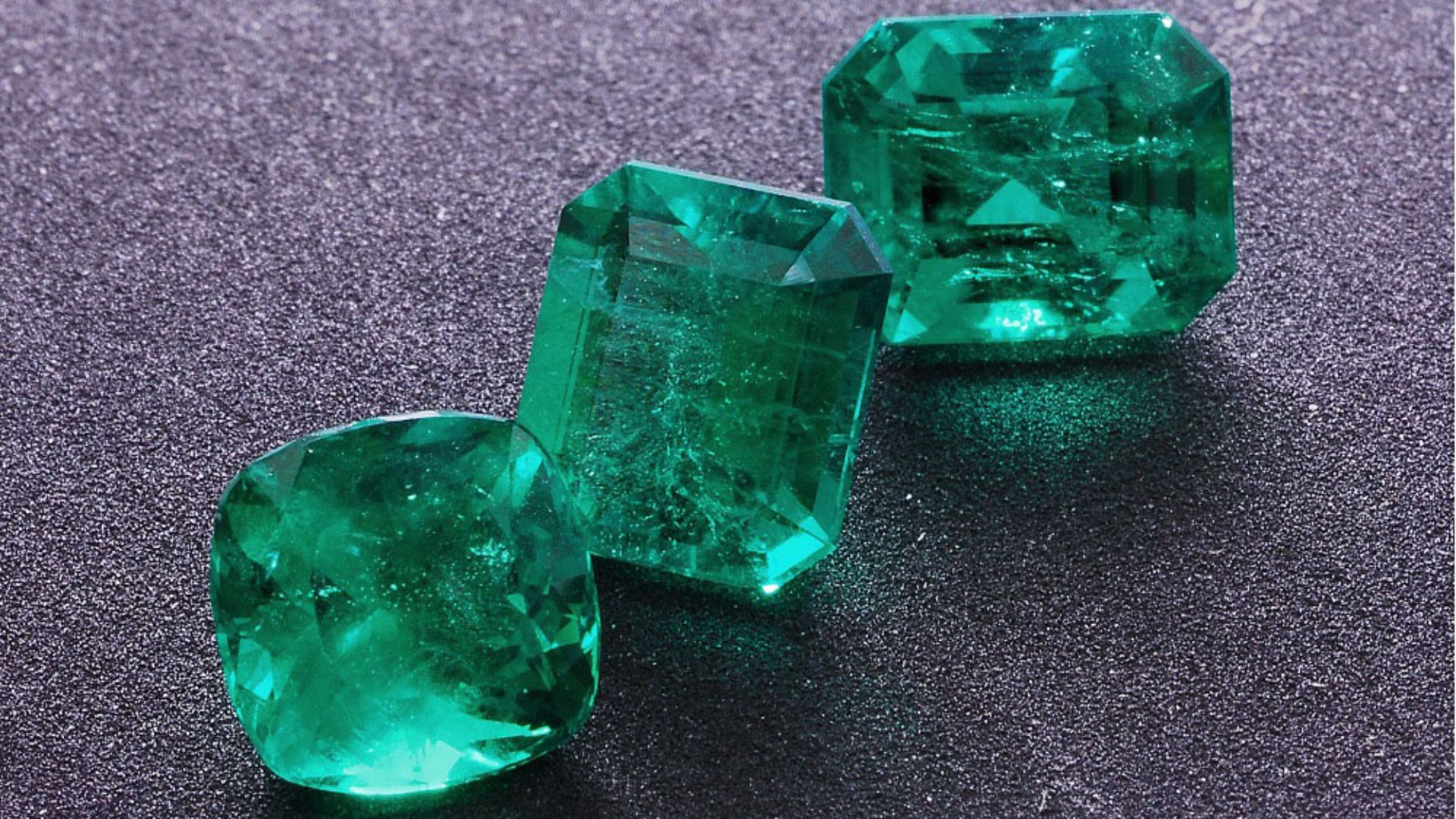
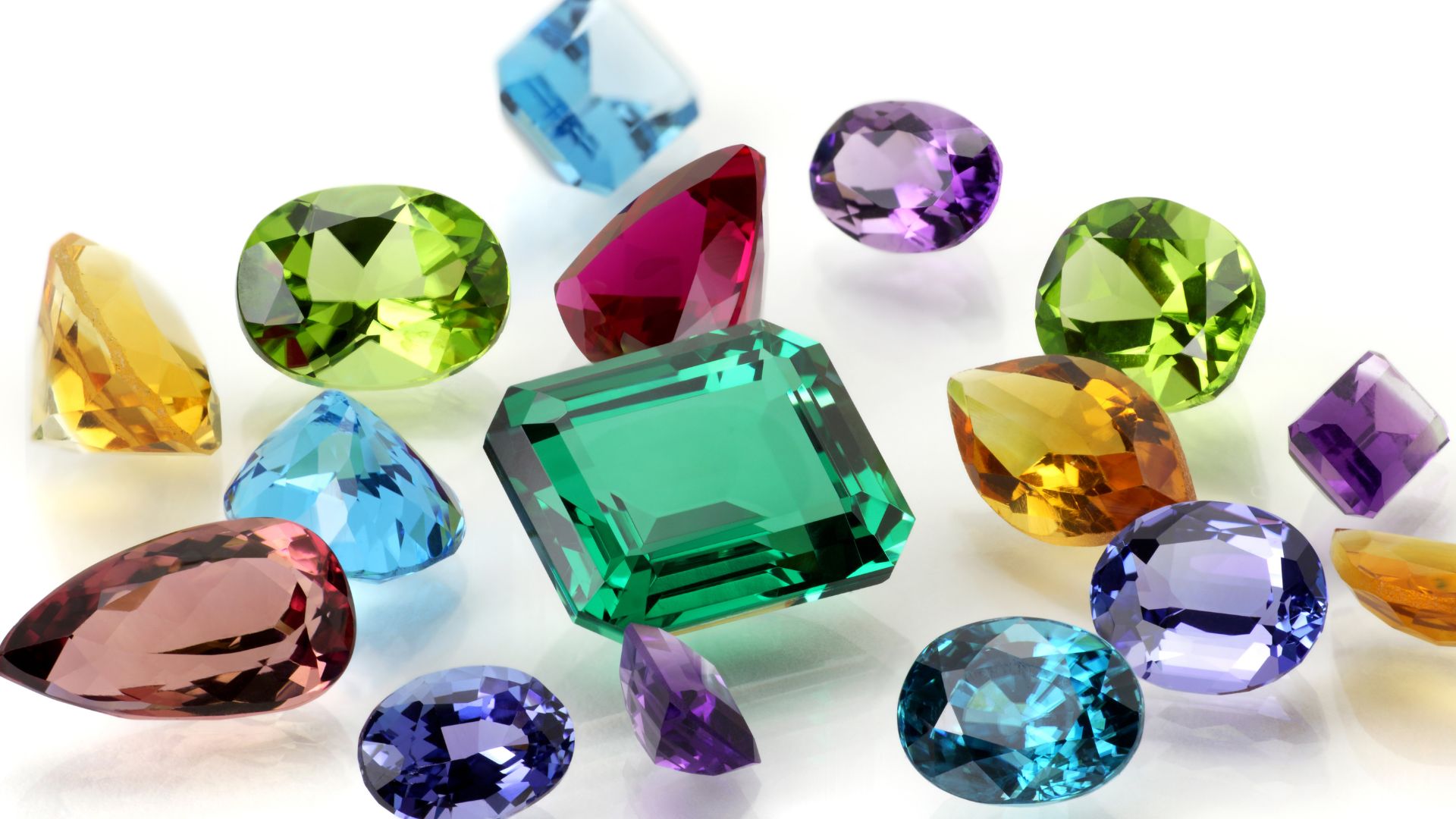
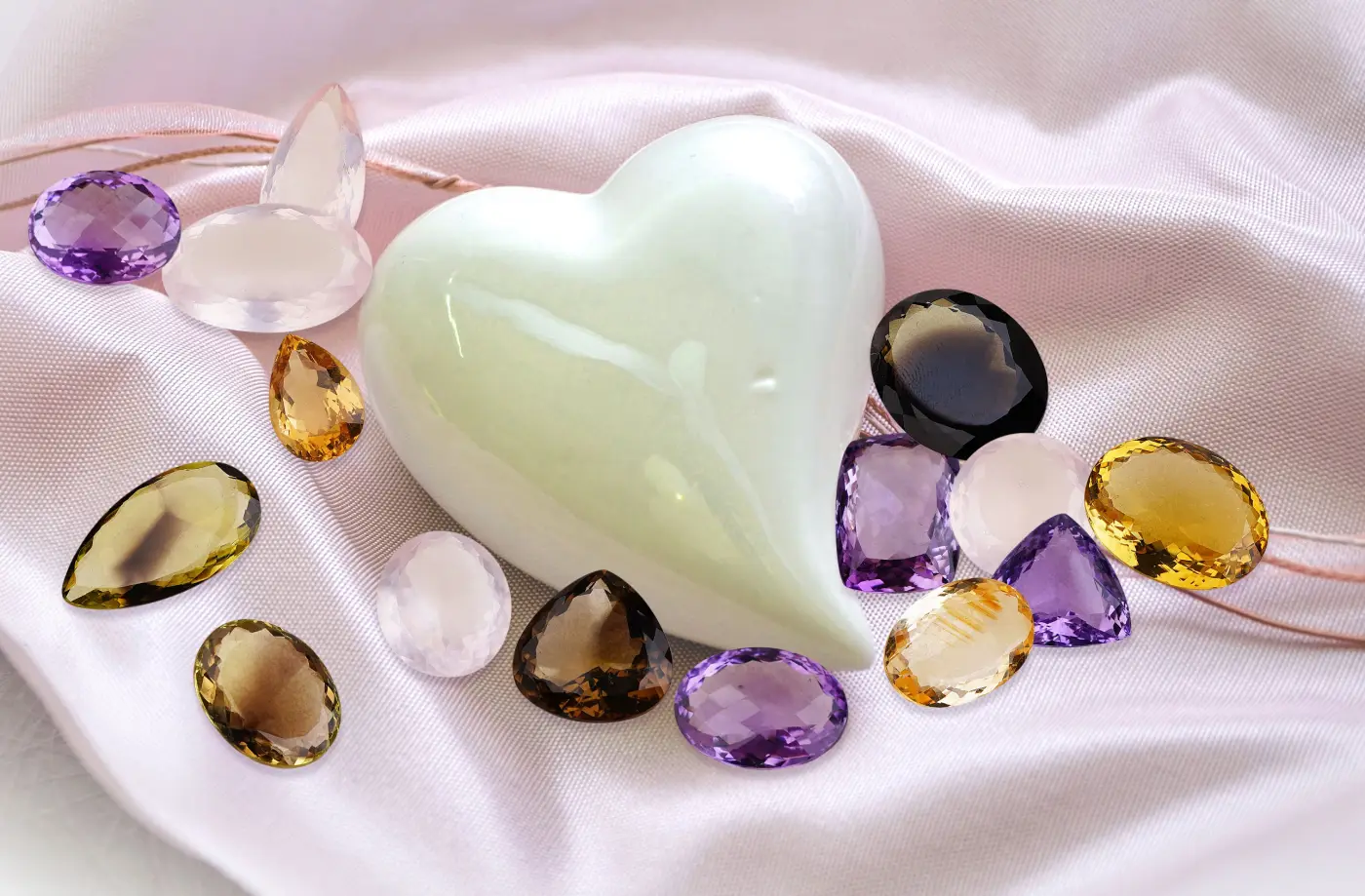
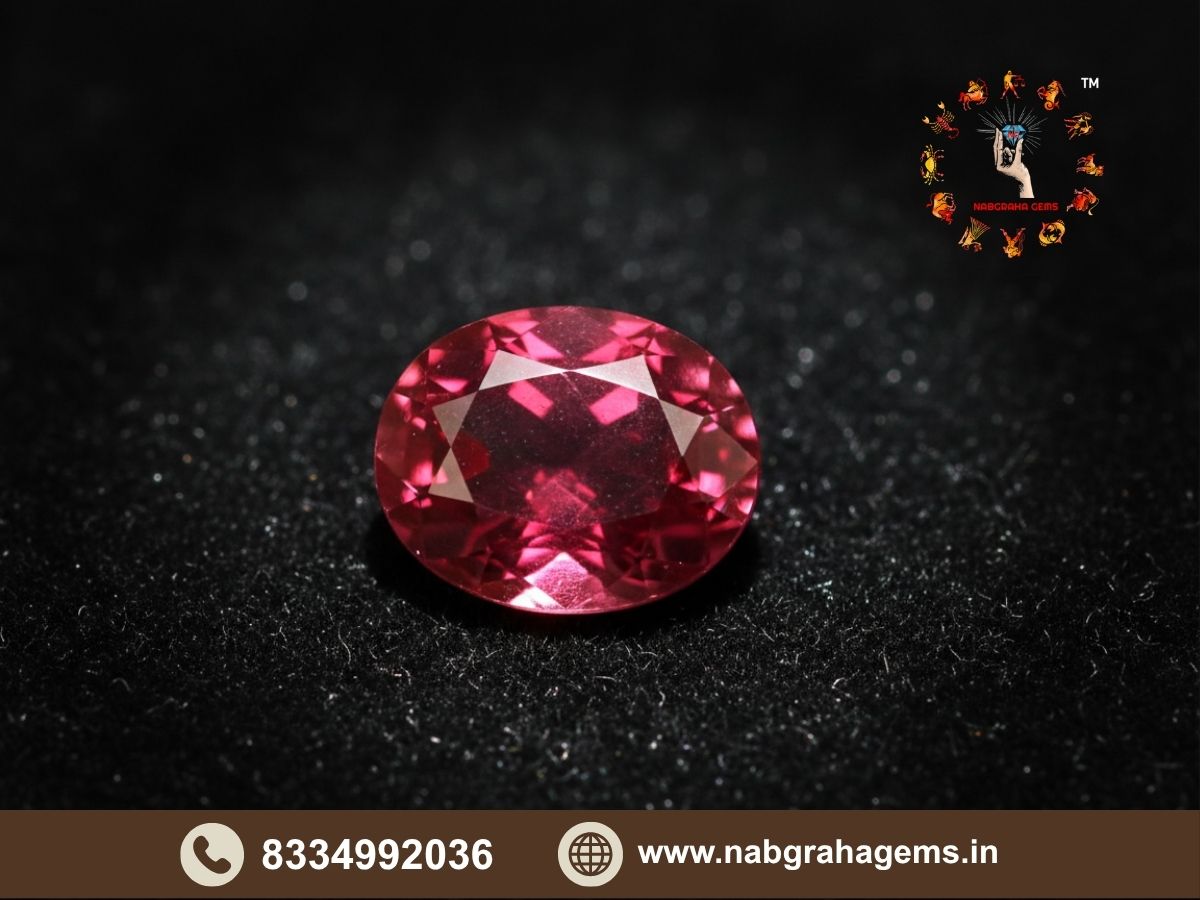
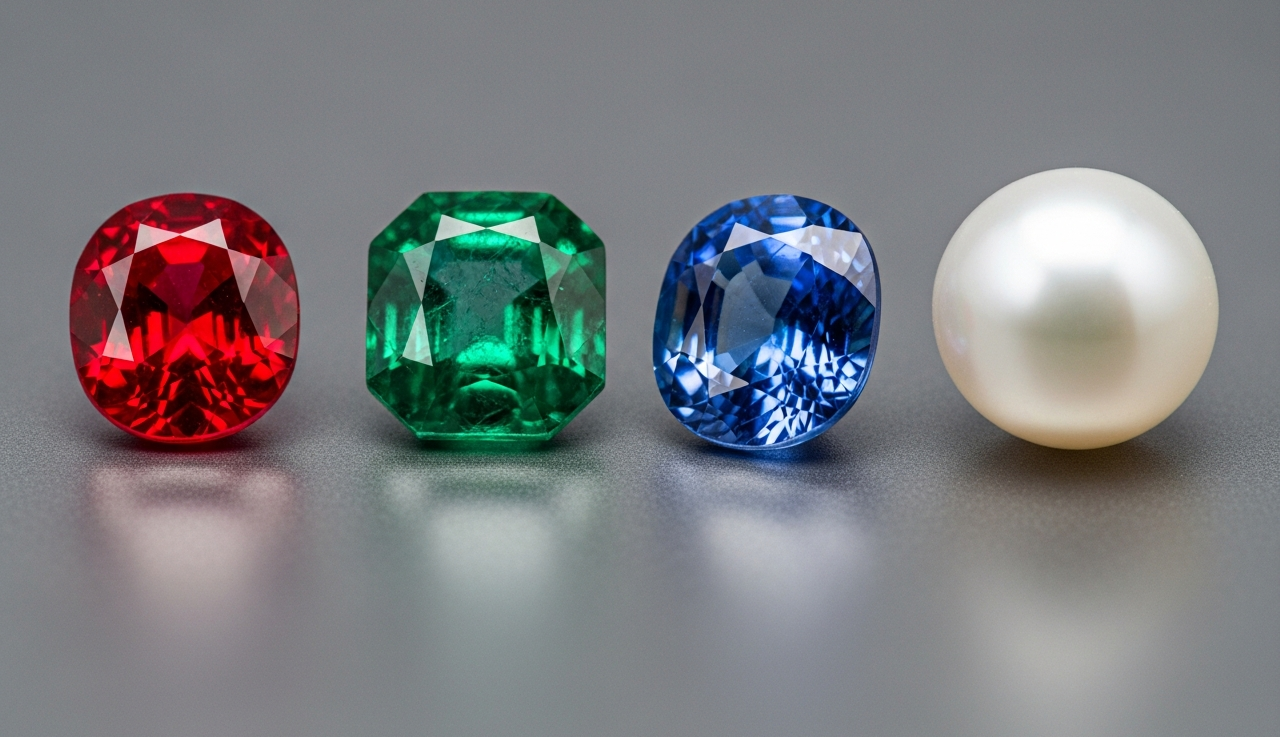
A customer searching for a sapphire, ruby, emerald, or other gemstone can now browse numerous options, filter products according to size or color, compare prices, and research the characteristics of different stones from home.
This convenience has contributed significantly to the expansion of online gemstone trading.
How the Digital Jewelry Market Is Evolving
The digital jewelry market encompasses much more than online stores. It includes social media marketing, mobile commerce, digital payment systems, virtual consultations, online customization tools, influencer marketing, customer reviews, and data-driven recommendations.
Jewelry companies are increasingly using digital channels throughout the customer journey.
For example, a customer might discover a gemstone ring through social media, visit the brand's website to learn more about the stone, compare similar products on another platform, read customer reviews, communicate with a salesperson through live chat, and eventually complete the purchase online.
This interconnected journey is very different from the traditional model, where customers might visit one or two local jewelry stores before making a decision.
Digital platforms have therefore expanded both consumer choice and competition.
A jewelry business no longer has to depend entirely on customers walking through its physical doors. A small gemstone dealer can potentially reach buyers in different cities and countries through a well-designed online presence.
Greater Access to Gemstone Variety
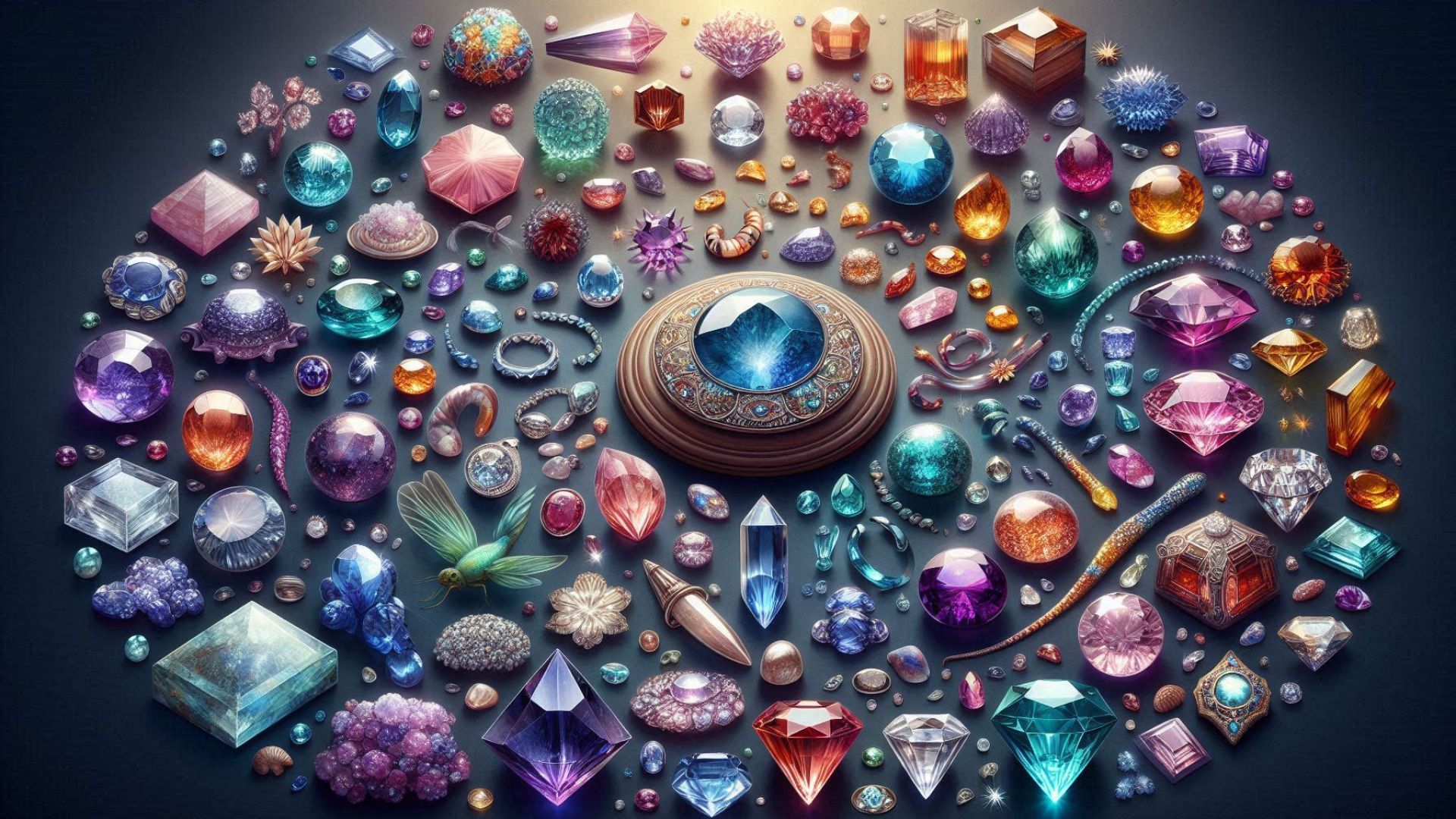
One of the biggest advantages of online gemstone trading is the sheer variety available to consumers.
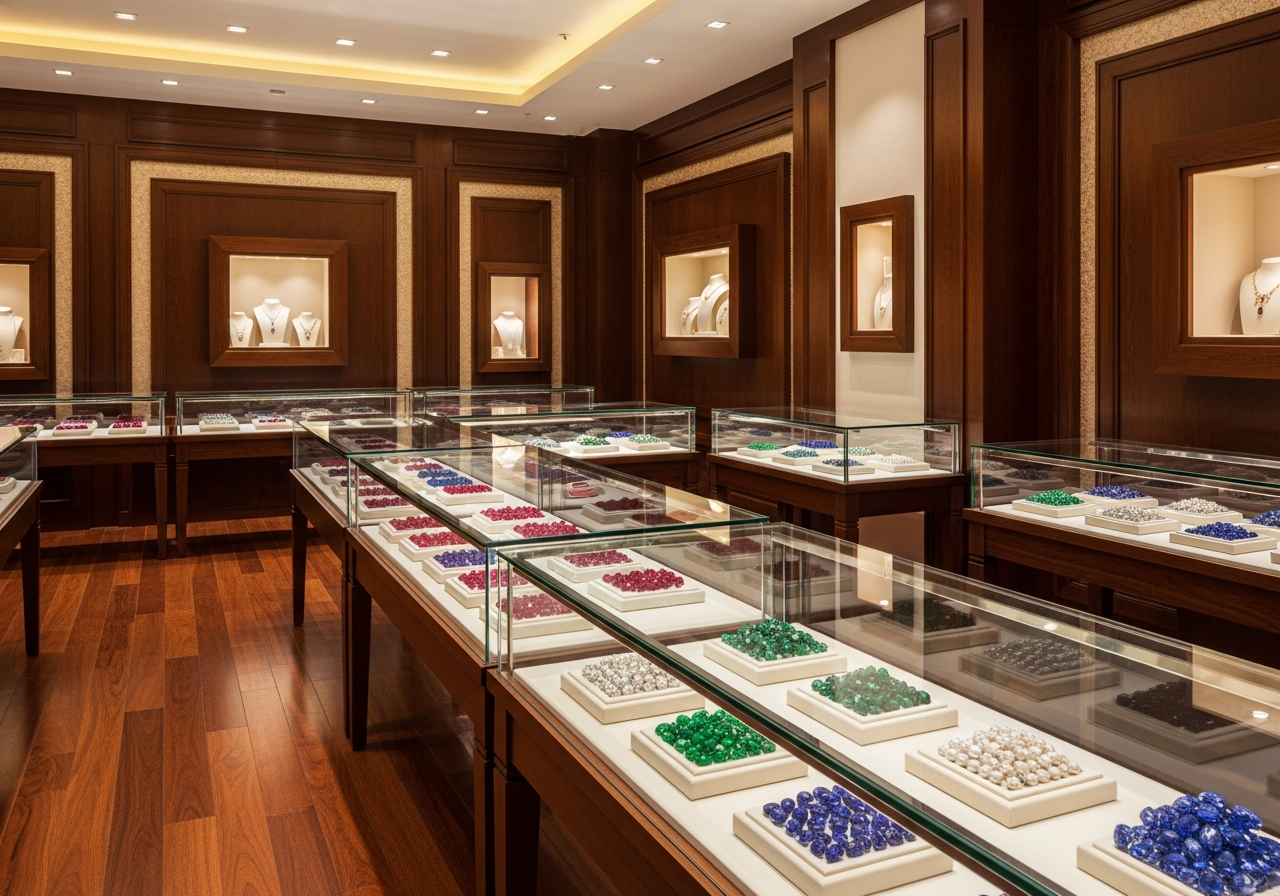
A physical jewelry store has limited display space. Its inventory may be influenced by local demand, available capital, and showroom capacity. An online store, however, can display a much larger selection.
Customers may be able to browse gemstones according to:
- Type of gemstone
- Color
- Carat weight
- Cut
- Clarity
- Origin
- Treatment
- Certification
- Price range
- Shape
This makes the purchasing process more personalized.
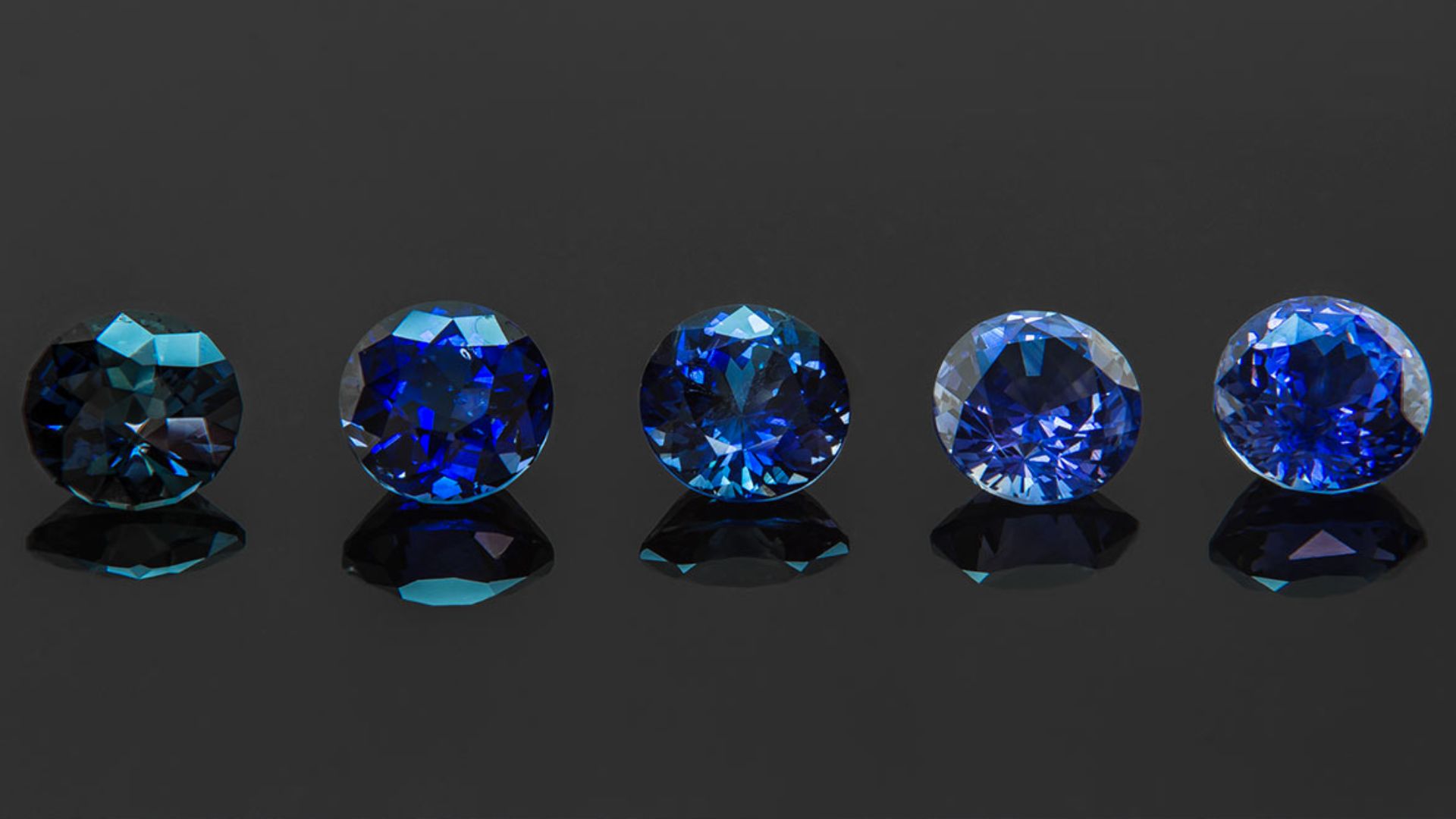
For example, someone looking for a particular shade of blue sapphire does not necessarily have to visit multiple jewelry stores. They can search online, compare different stones, and identify options that match their preferences and budget.
This wider access is particularly important for buyers interested in unusual or specialized gemstones that may not be readily available in local stores.
Transparency Is Becoming More Important
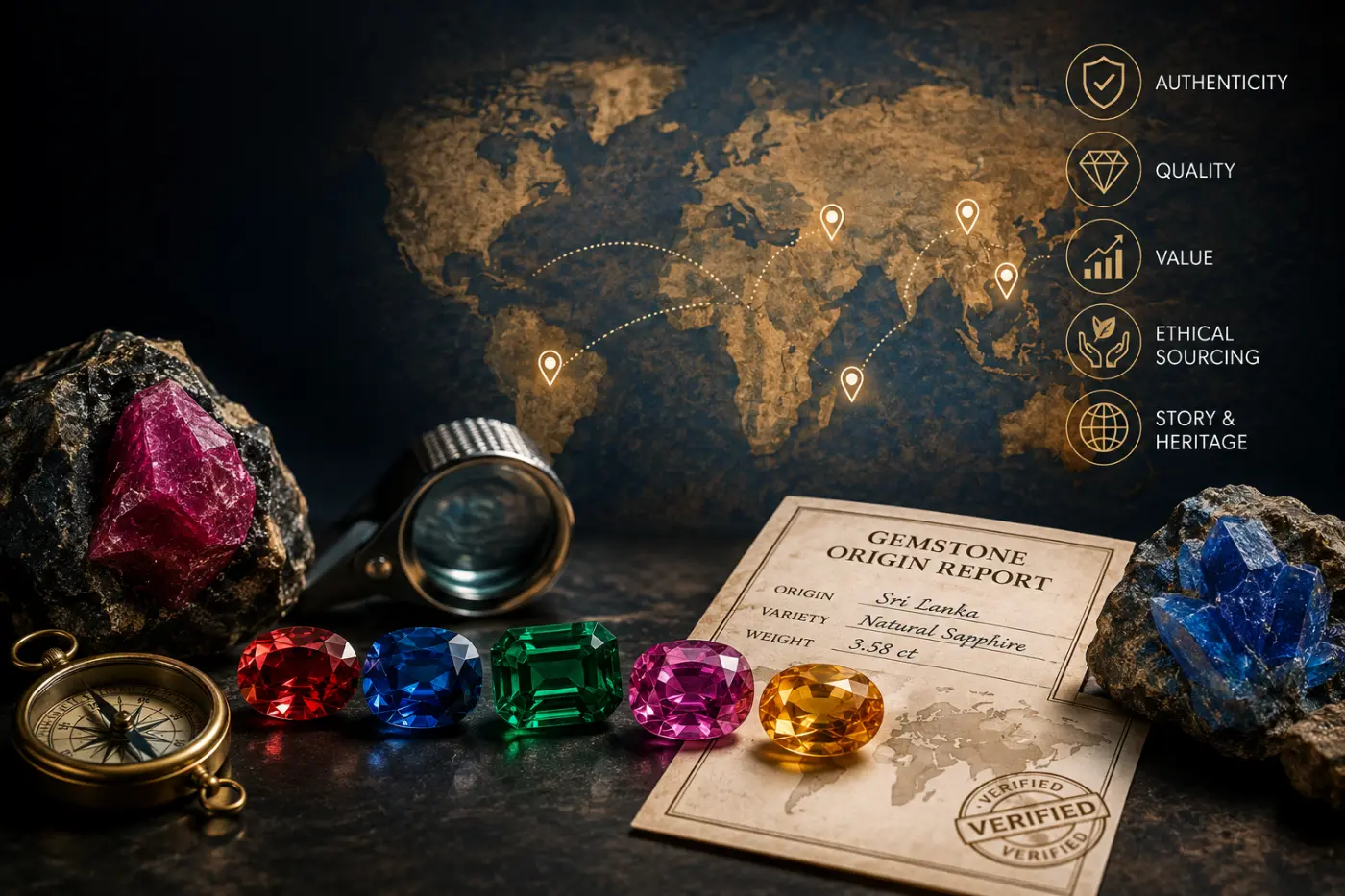
Trust has always been a critical factor in the gemstone business. When consumers purchase a valuable gemstone online, they need confidence that the product description accurately represents what they will receive.
As a result, transparency has become an increasingly important part of the digital buying experience.
Online gemstone sellers can provide information about a stone's characteristics, treatments, dimensions, weight, origin when documented, and certification. High-quality images and videos can also help customers understand the appearance of a gemstone before purchasing.
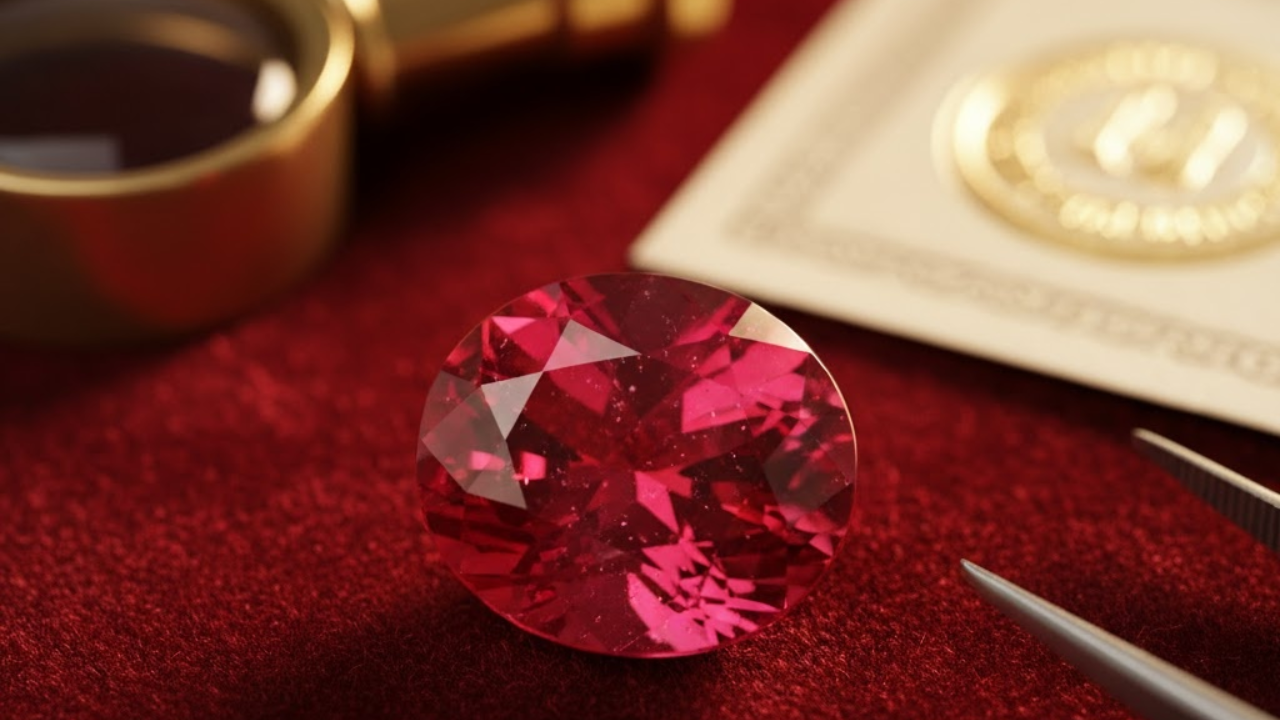
Independent gemstone certifications can play an important role as well. Depending on the stone and market, buyers may look for reports from recognized gemological laboratories.
Customer reviews are another important component. Feedback from previous buyers can help potential customers evaluate product quality, communication, packaging, shipping, and after-sales service.
In this environment, businesses that provide clear and accurate information can build stronger relationships with digital customers.
Online Jewelry Shopping Is Becoming More Convenient
The expansion of online jewelry shopping has changed consumer expectations.
People increasingly value convenience. Instead of planning a trip to a jewelry store, customers can browse products at any time and from almost anywhere.
Online shopping also makes comparison easier.
Consumers can open multiple product pages, compare gemstone specifications, review prices, examine different designs, and research unfamiliar terminology before making a purchase.
This is especially useful for customers who are new to gemstones.
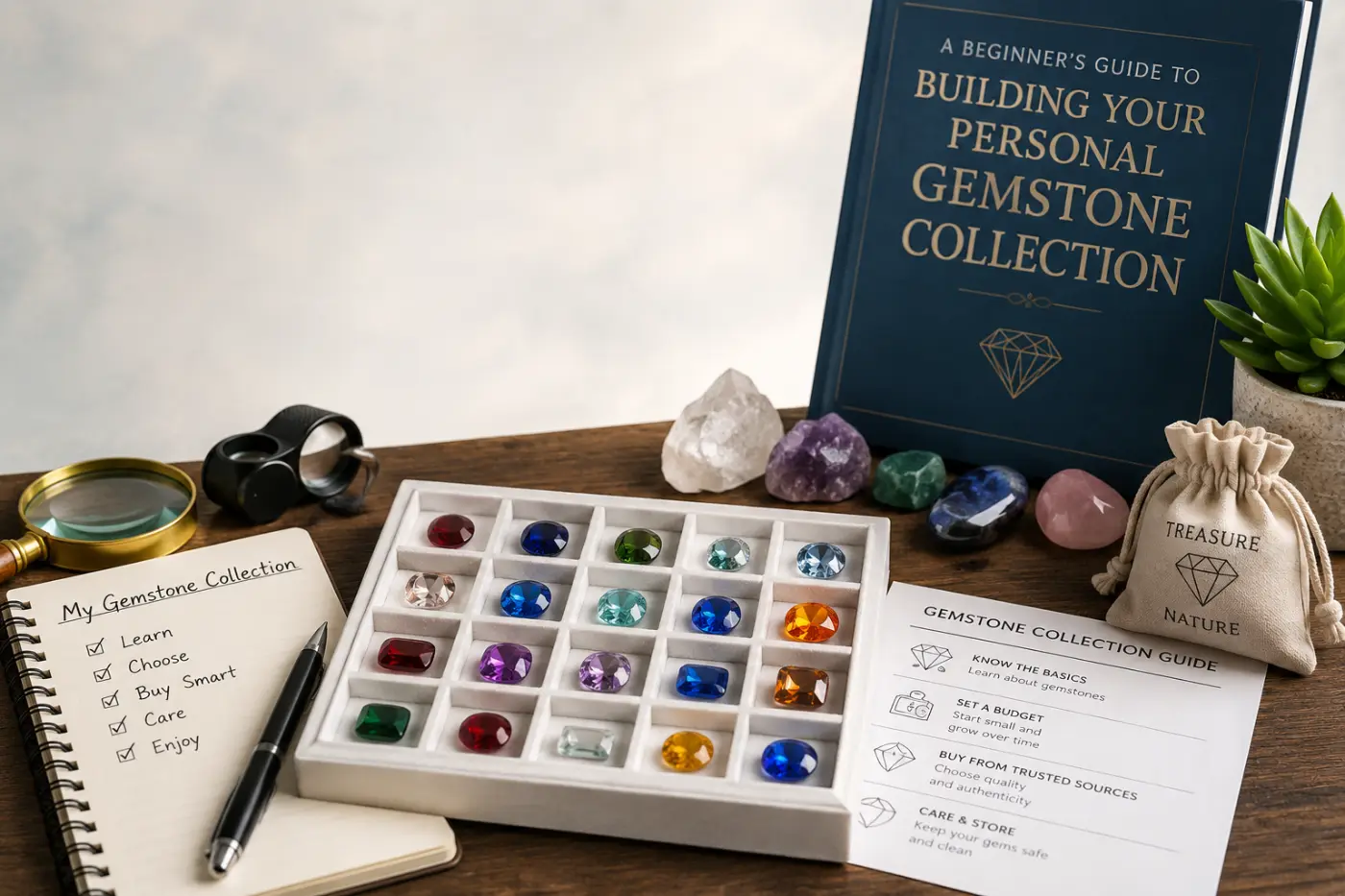
Educational content can explain concepts such as gemstone treatments, color grading, clarity, hardness, gemstone care, and certification. Instead of relying entirely on a salesperson's explanation, customers can conduct their own research.
For jewelry businesses, this means that education has become an important part of digital marketing.
A company that teaches customers how to evaluate gemstones can build credibility while also helping buyers feel more confident about purchasing.
Social Media Is Changing Gemstone Discovery
Social media has become another major force behind the changing jewelry industry.
Platforms based around visual content are particularly suited to gemstones because color, sparkle, cutting style, and jewelry design can be showcased through photographs and video.
Short-form videos, gemstone close-ups, styling demonstrations, behind-the-scenes content, and educational posts can introduce potential buyers to products before they ever visit an online store.
Social media also creates opportunities for smaller jewelry businesses.
In the past, established companies with large advertising budgets had a significant advantage in reaching consumers. Today, a smaller brand can create engaging content, develop a community, collaborate with creators, and direct interested customers to its online store.
This has made the competitive landscape more diverse.
Technology Is Improving the Buying Experience
Technology is also helping gemstone businesses address some of the traditional challenges associated with online sales.
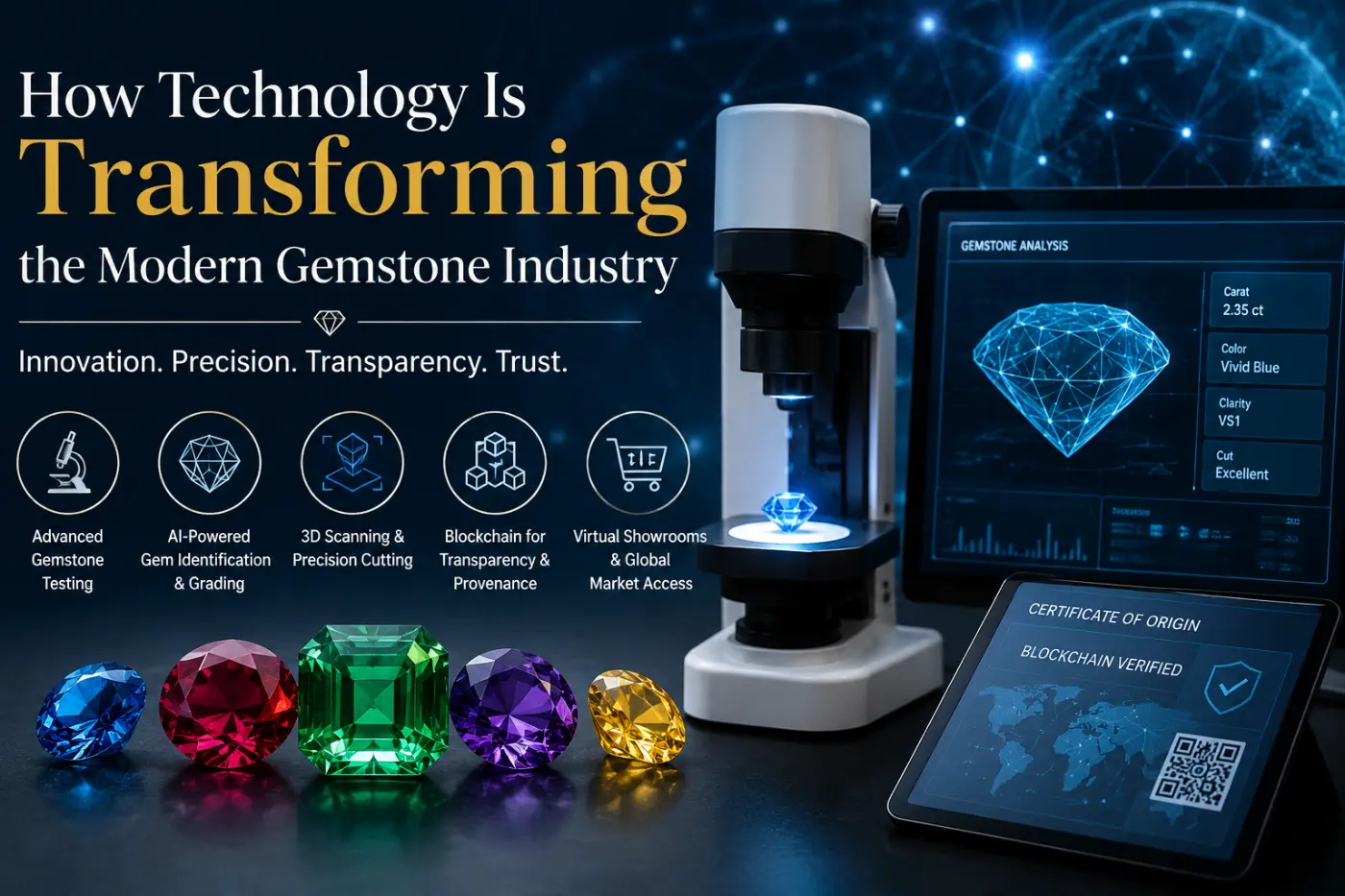
High-resolution photography allows customers to examine gemstones closely. Video can demonstrate how a gemstone looks under different lighting conditions. Some companies provide 360-degree views that allow users to inspect a stone from different angles.
Virtual consultations can further bridge the gap between online and physical shopping.
A customer can speak with a gemstone specialist through video or chat, ask questions, discuss preferences, and receive personalized recommendations without visiting a showroom.
Some jewelry businesses are also experimenting with augmented reality and virtual try-on technologies. These tools can allow customers to visualize rings, earrings, necklaces, or other jewelry before placing an order.
As these technologies improve, the distinction between physical and digital shopping experiences may become increasingly blurred.
Data and Personalization
Another important development in the digital jewelry market is the use of customer data to personalize the shopping experience.
Online platforms can analyze browsing behavior, previous purchases, search activity, and customer preferences to present more relevant products.
For example, someone repeatedly browsing emerald jewelry may receive recommendations for emerald rings, earrings, or related gemstone designs.
Personalization can make online shopping more efficient by reducing the number of irrelevant products customers have to navigate.
However, businesses must also handle customer information responsibly. As digital commerce expands, privacy, cybersecurity, secure payment systems, and responsible data practices remain important considerations.
Changing Business Models for Gemstone Sellers
Online gemstone trading is also changing how businesses operate.
A traditional jewelry retailer may need to maintain a large physical showroom, employ sales staff, and carry substantial inventory. Digital-first businesses can sometimes operate with different cost structures.
Some businesses specialize in loose gemstones rather than finished jewelry. Others combine online sales with appointment-based physical consultations.
There are also businesses using made-to-order models, allowing customers to select a gemstone and then choose a setting or jewelry design.
This approach can provide greater customization while potentially reducing the need to maintain large quantities of finished jewelry.
The result is a more flexible marketplace in which traditional retailers, independent dealers, manufacturers, designers, and digital-first companies can all compete.
Global Markets Are Becoming More Accessible
One of the most significant effects of online gemstone trading is the ability to connect buyers and sellers across geographic boundaries.
A customer is no longer limited to the gemstone selection available in their local area.
Likewise, a gemstone seller can market products to international customers without opening physical stores in every market.
International e-commerce creates opportunities for businesses in established gemstone and jewelry centers to reach consumers worldwide.
However, global commerce also introduces additional considerations, including shipping, customs requirements, taxes, import regulations, payment security, returns, and consumer protection laws.
Businesses entering international markets must therefore build systems capable of handling these complexities.
Emerging Gemstone Industry Trends
Several gemstone industry trends are closely connected to the rise of digital commerce.
One trend is the growing demand for information. Modern consumers often want to understand what they are purchasing rather than simply receiving a product recommendation.
Another trend is customization. Digital platforms make it easier for customers to select a gemstone and personalize jewelry according to their preferences.
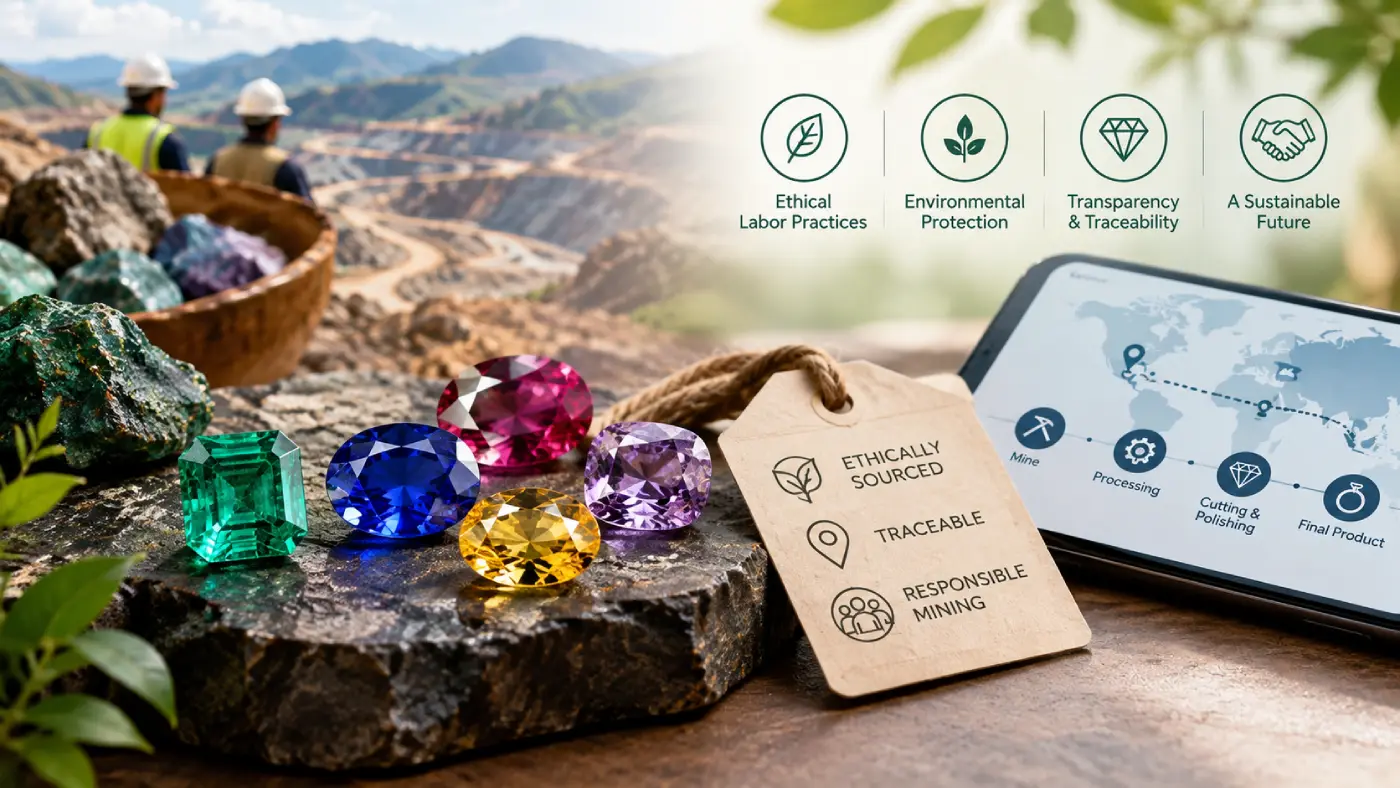
Sustainability and ethical sourcing are also becoming increasingly relevant topics. Consumers may want information about where gemstones come from, how they were sourced, and whether appropriate standards were followed.
The growing interest in alternative and less traditional gemstones is another development worth watching. Digital platforms can introduce customers to stones that they may not encounter in conventional jewelry stores.
Meanwhile, educational content, video commerce, influencer marketing, and personalized recommendations are likely to remain important components of the online gemstone ecosystem.
Challenges Facing Online Gemstone Trading
Despite its growth, online gemstone trading has challenges.
The most obvious issue is that gemstones are physical products. A photograph or video cannot always communicate exactly what a customer will see in person.
Color can vary depending on lighting and camera settings. Screen displays can also differ between devices.
For expensive gemstones, customers may therefore still prefer physical inspection or independent certification.
Fraud and misleading product descriptions are additional concerns. Online marketplaces must work to protect consumers from counterfeit products, inaccurate claims, manipulated images, and undisclosed treatments.
Shipping valuable gemstones also requires careful security measures.
These challenges mean that trust remains one of the most valuable assets in the digital gemstone industry.
Businesses that provide accurate information, clear policies, reliable customer support, secure payment methods, and appropriate documentation can differentiate themselves in an increasingly competitive market.
The Role of Trust and Reputation
In the digital environment, reputation can significantly influence purchasing decisions.
A customer may never meet the gemstone seller personally, so the company's website, reviews, certifications, communication, policies, and online presence all contribute to perceptions of credibility.
This creates an important shift in how jewelry businesses build customer relationships.
Previously, trust might have developed through repeated visits to the same local jeweler. Today, trust can be built through consistent digital communication, educational resources, transparent product information, customer reviews, and professional service.
For gemstone businesses, developing a strong digital reputation is therefore becoming almost as important as maintaining a physical reputation.
What the Future May Look Like
The future of online gemstone trading is likely to involve an increasingly integrated combination of digital and physical experiences.
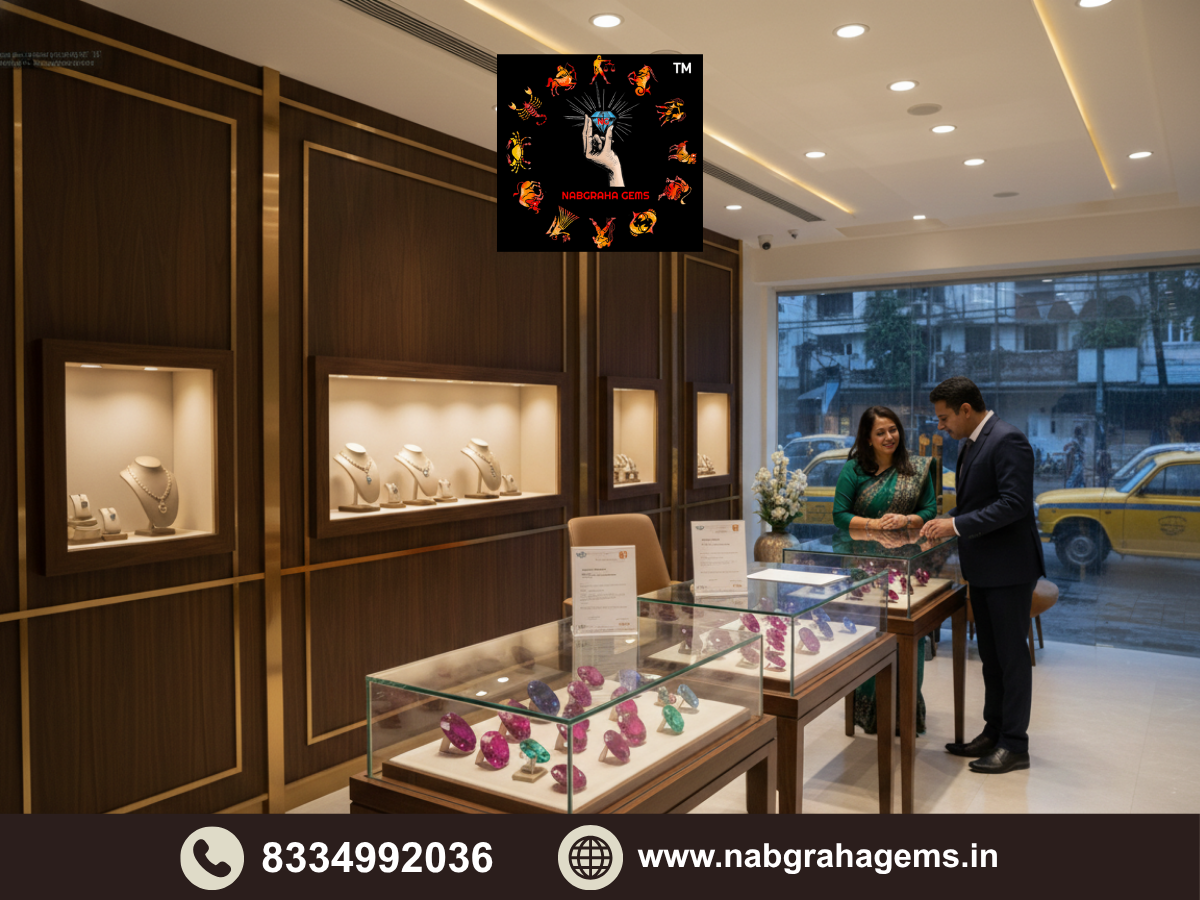
Physical jewelry stores are unlikely to disappear entirely. For many customers, seeing and trying on jewelry remains an important part of the purchasing process, particularly for high-value products.
Instead, physical stores and digital platforms may increasingly complement one another.
A customer could research gemstones online, shortlist several options, schedule an in-person consultation, examine the stones physically, and complete the purchase either online or in-store.
Other customers may prefer a completely digital journey supported by video consultations, detailed gemstone documentation, virtual visualization, secure delivery, and flexible return policies.
The industry will need to accommodate both types of consumers.
Artificial intelligence, augmented reality, improved imaging, automated recommendations, and increasingly sophisticated e-commerce platforms may further reshape how consumers discover and purchase gemstones.
Conclusion
The jewelry industry is undergoing a significant digital transformation, and online gemstone trading is at the center of this change.
The expansion of the digital jewelry market has made gemstones more accessible, increased product choice, changed customer expectations, and created new opportunities for both established companies and independent sellers.
At the same time, the growth of online jewelry shopping is encouraging businesses to invest in better product information, digital customer service, personalized experiences, secure transactions, and stronger online reputations.
The most important gemstone industry trends increasingly involve technology, transparency, customization, education, social commerce, and global accessibility.
Meanwhile, gemstone e-commerce is making it possible for consumers to explore and purchase products from a much broader marketplace than was previously available to, the industry is moving toward an interconnected model in which digital platforms and them.
The future of jewelry retail will likely not be defined by online versus offline shopping. Instead, the industry is moving toward an interconnected model in which digital platforms and physical experiences work together.
For consumers, this means more choice and convenience. For businesses, it means new opportunities—but also greater competition and a stronger need for transparency.
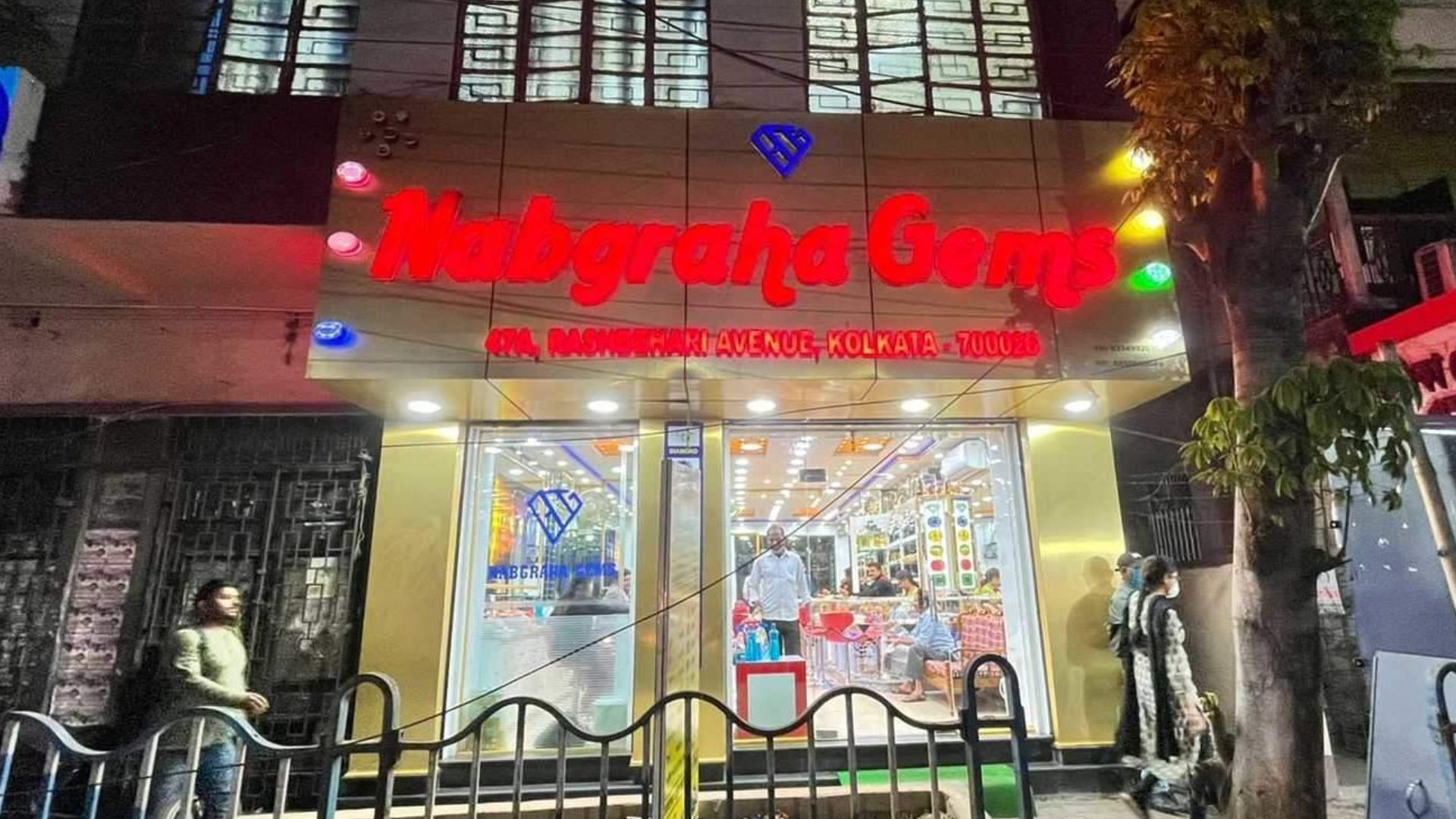
As technology continues to evolve, the gemstone industry will continue adapting. What began as a shift from physical catalogs and showrooms to websites is becoming something much larger: a new digital ecosystem for discovering, evaluating, buying, and selling gemstones and jewelry around the world. Today, consumers can also research specific queries such as “panna price in Kolkata” online, comparing gemstone quality, pricing, and sellers before making an informed purchase.
Recent Posts


2026-09-04
The Science Behind Gemstone Fluorescence


















2025-09-15