Date : 2026-08-18
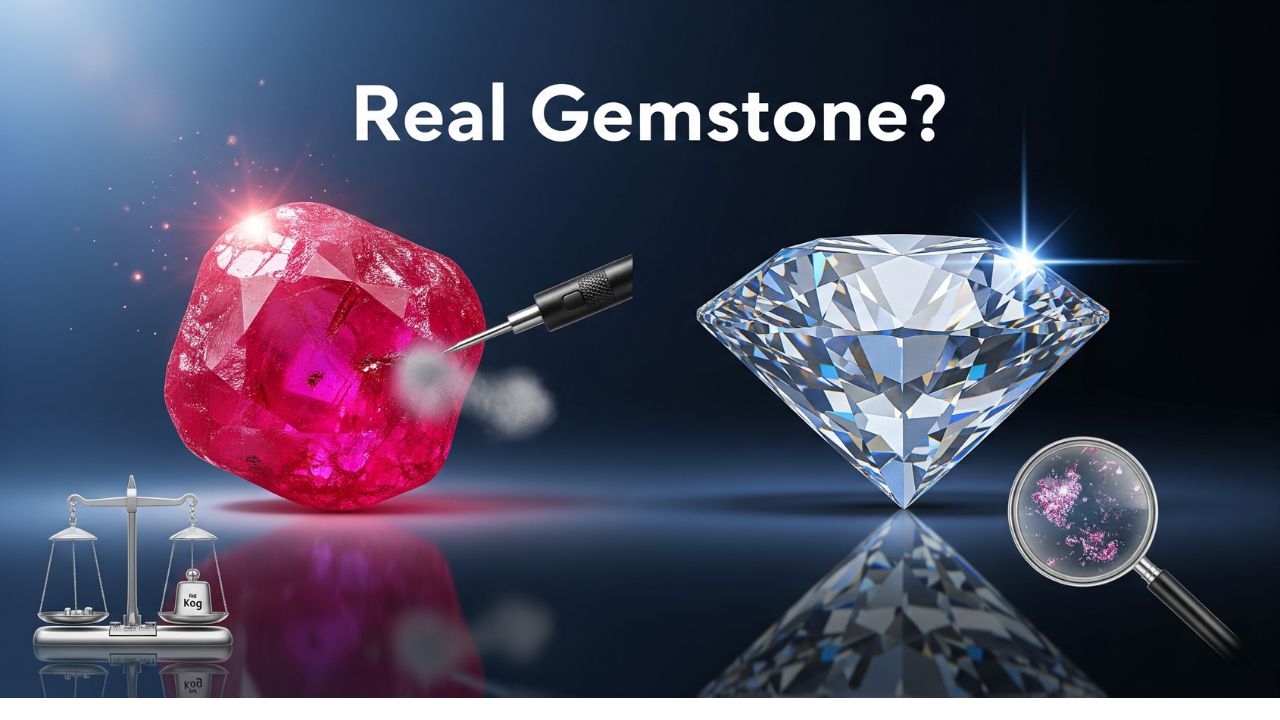
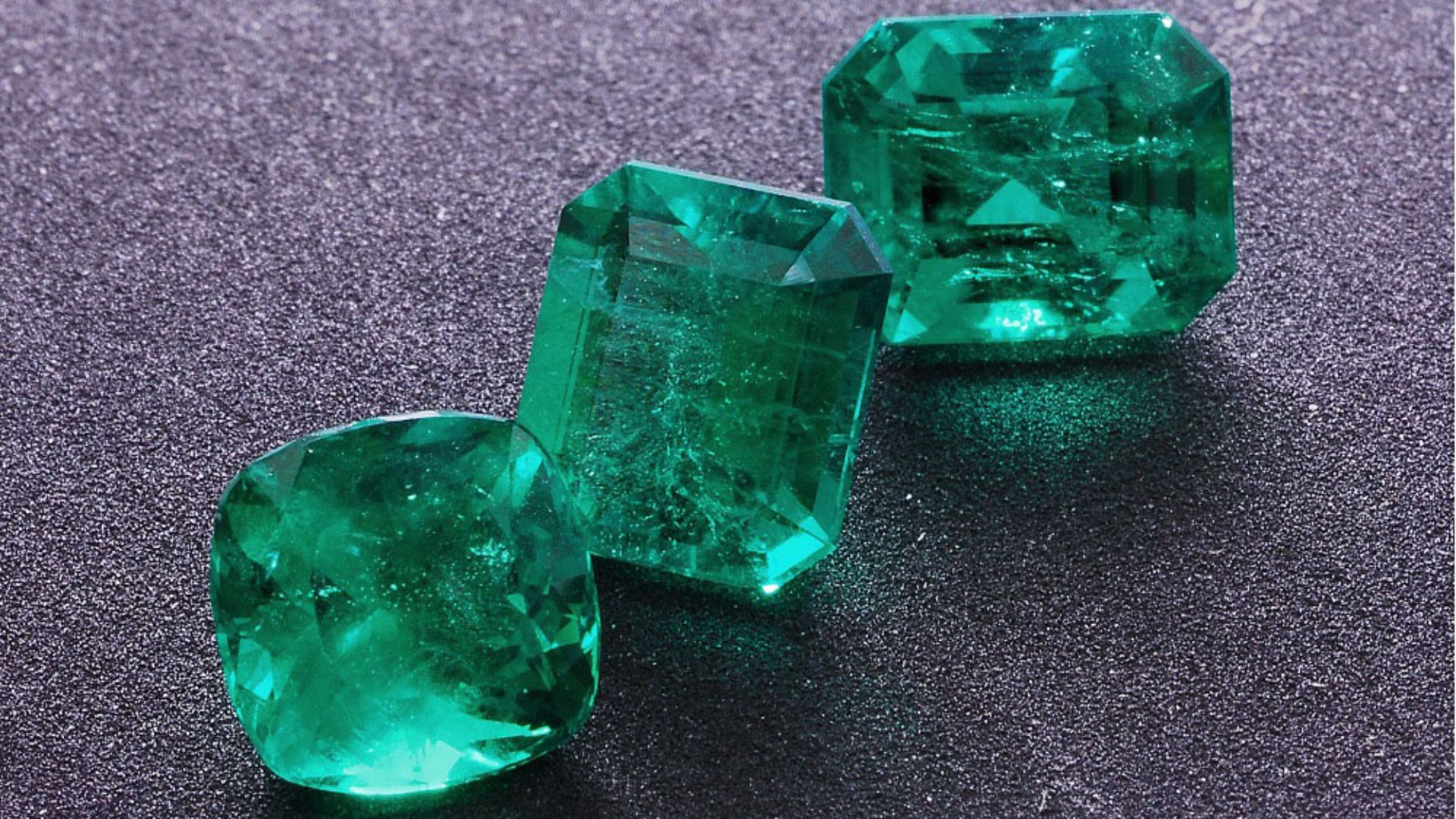
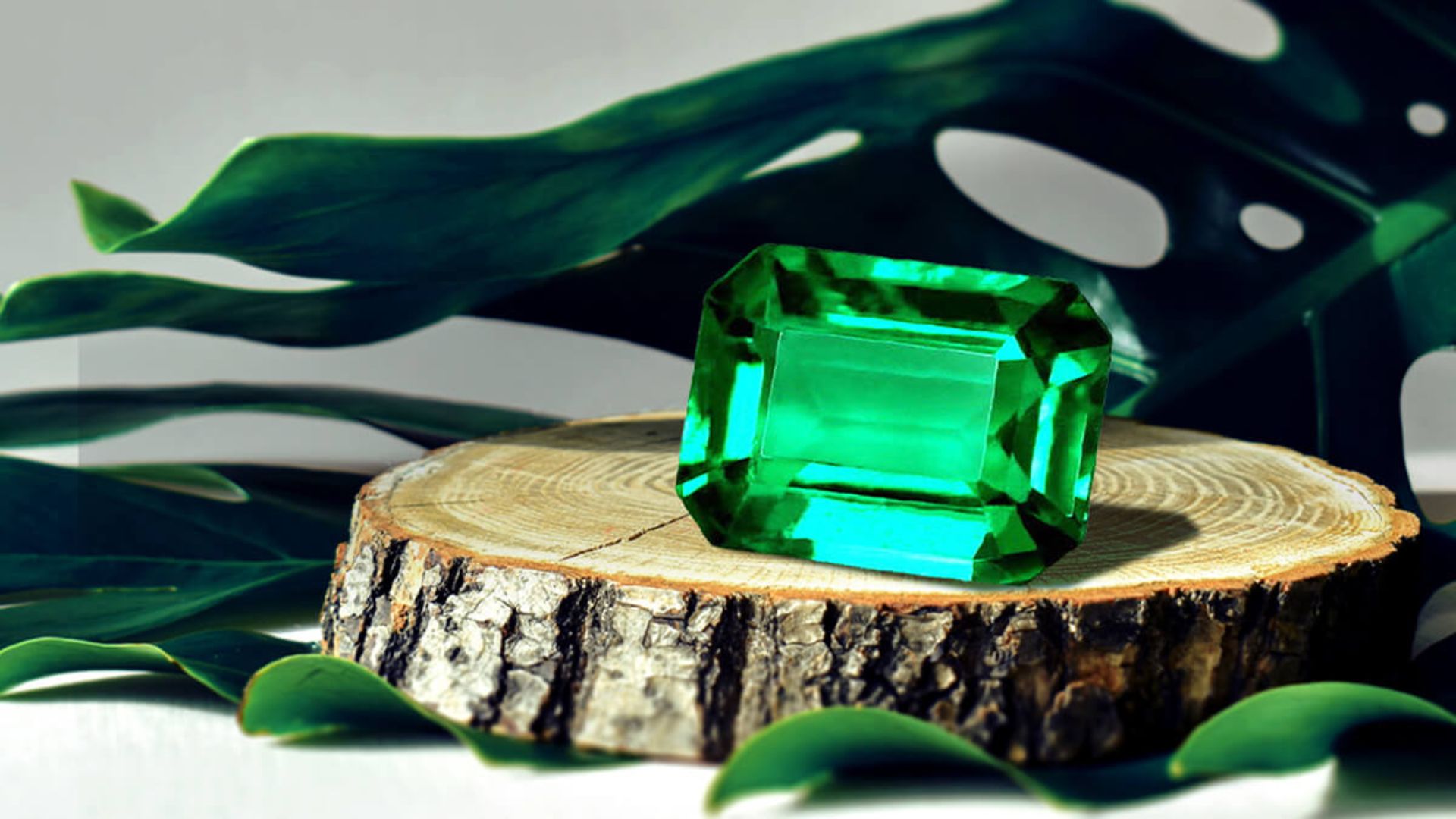
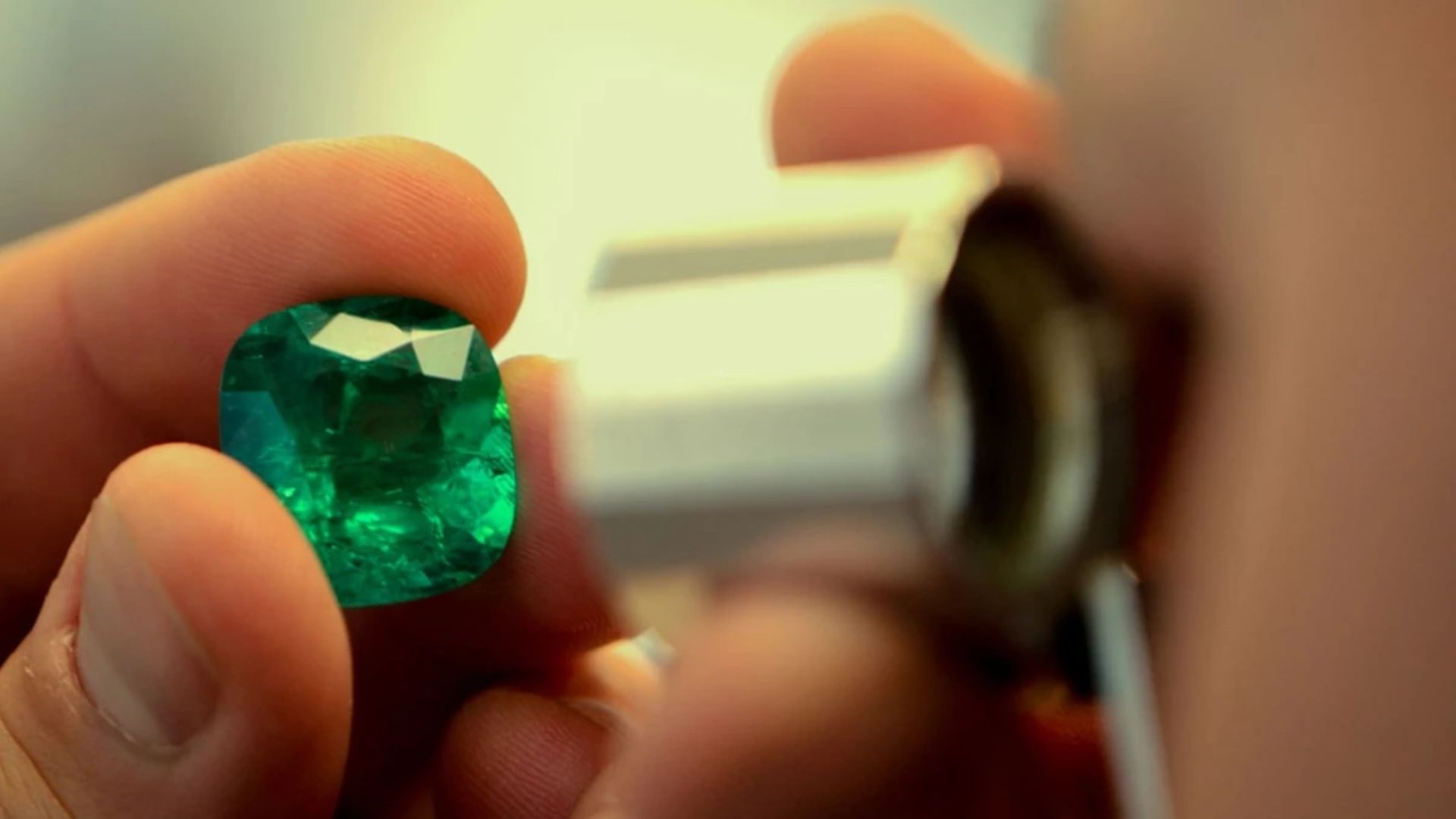
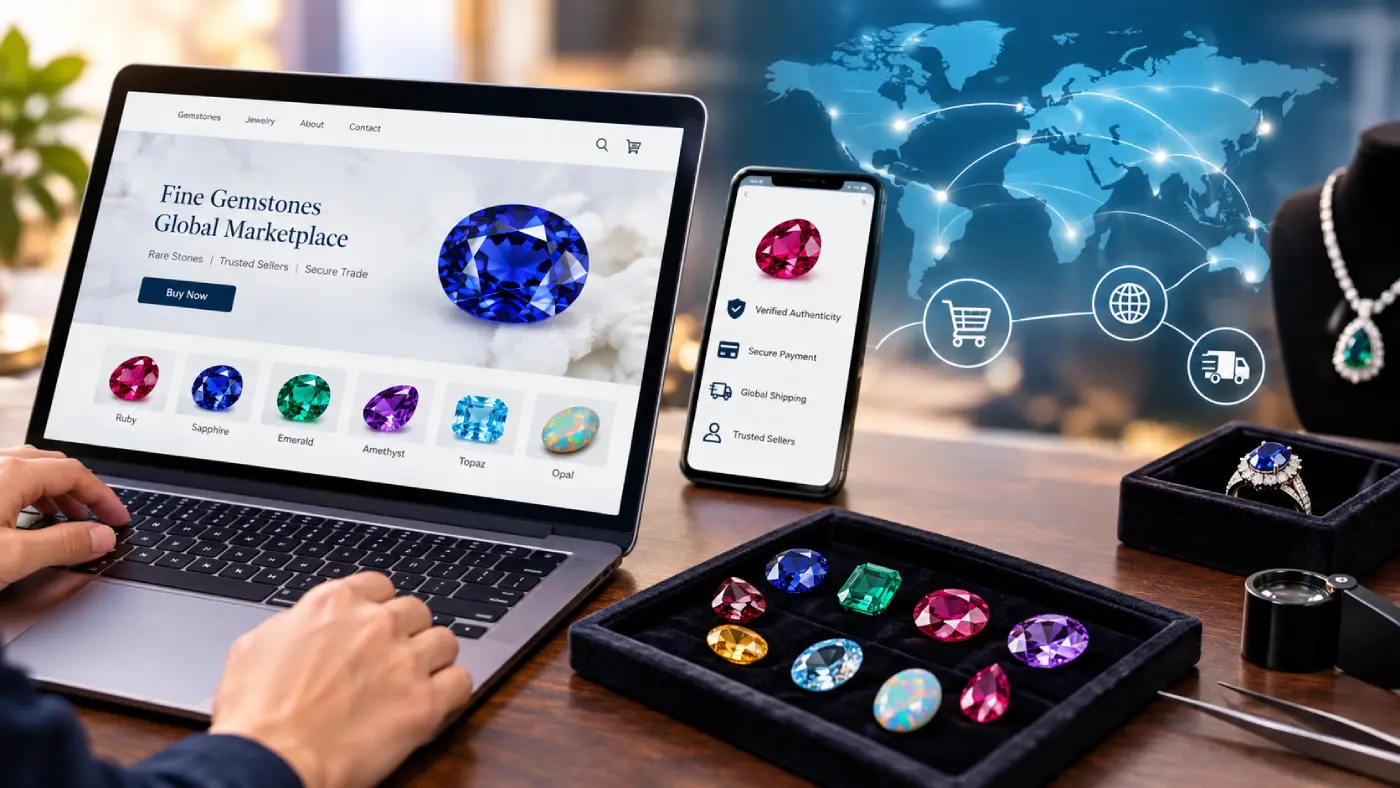
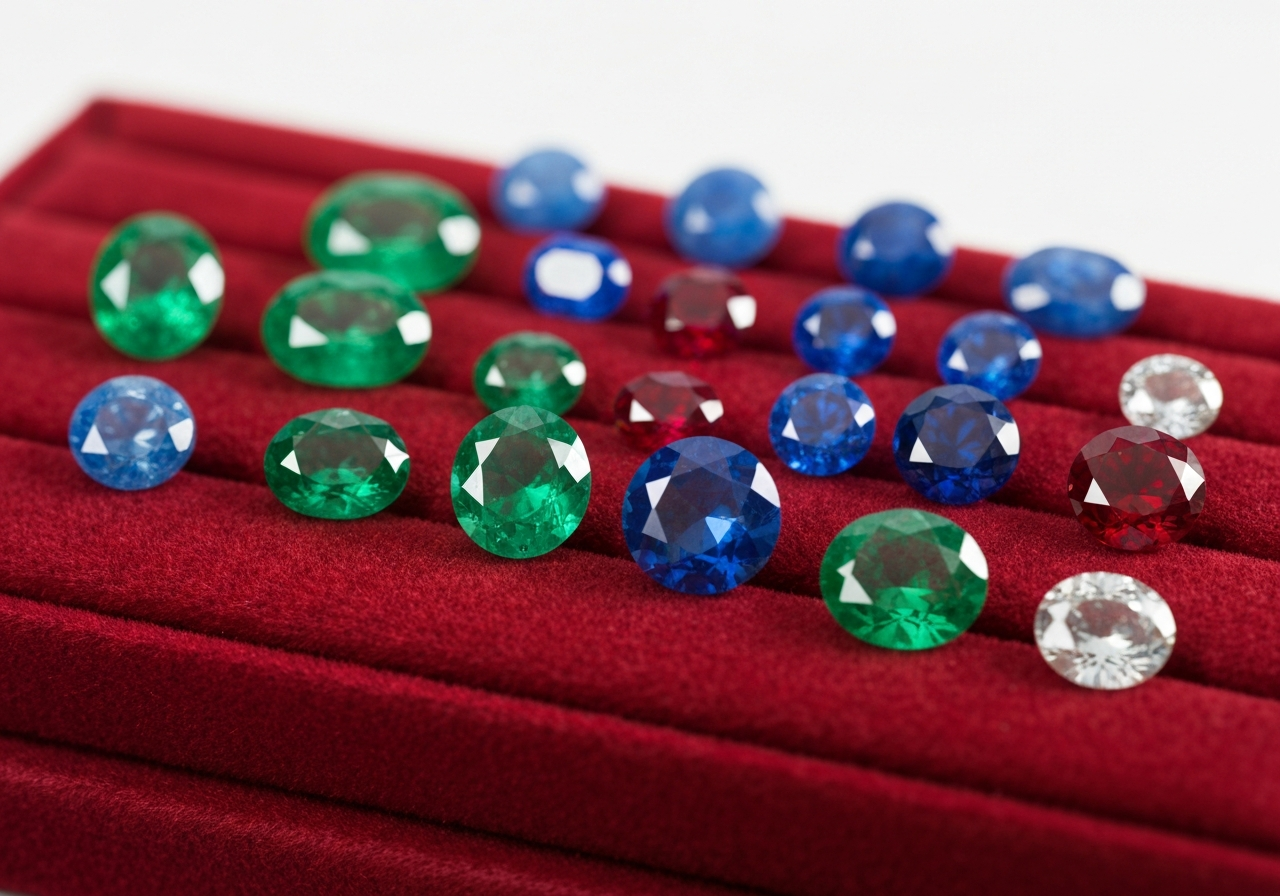
Buying gemstones online gives you access to thousands of sapphires, rubies, emeralds, garnets, amethysts, and other stones from sellers around the world. But it also creates an important challenge: how can you tell whether a gemstone is genuine, accurately described, properly treated, and fairly priced? For example, when researching brazilian emerald price, buyers need to consider factors such as the stone’s color, clarity, size, origin, treatment status, and whether it is natural or synthetic.
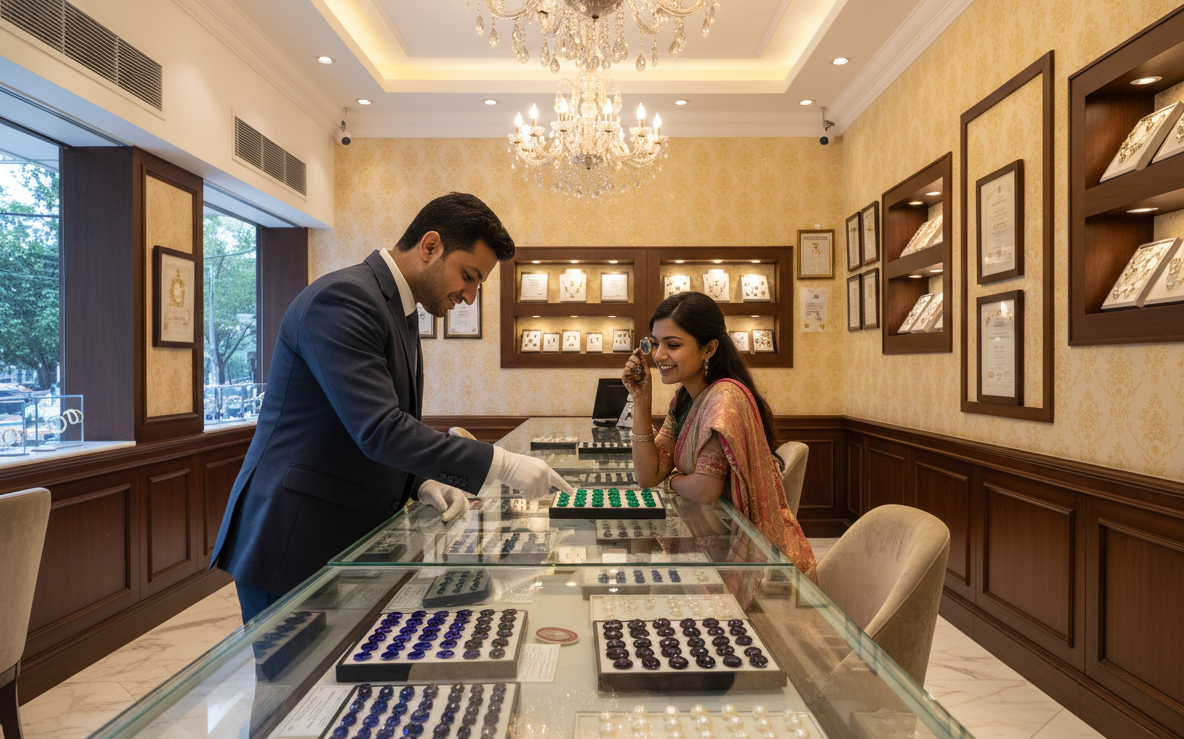
When you buy loose gemstones online, you cannot physically inspect the stone before paying. Rather, you have to rely on the seller's reputation, return policies, photos, videos, descriptions, certificates, and reviews. Unfortunately, in order to make cheap materials seem valuable, some sellers may use misleading descriptions, enhanced photos, undisclosed treatments, synthetic stones, or imitations.
The good news is that careful research can significantly reduce your risk. Here is what to look for before buying loose gemstones online.
1. Understand What You Are Buying
Before purchasing, understand the terminology used in the listing.
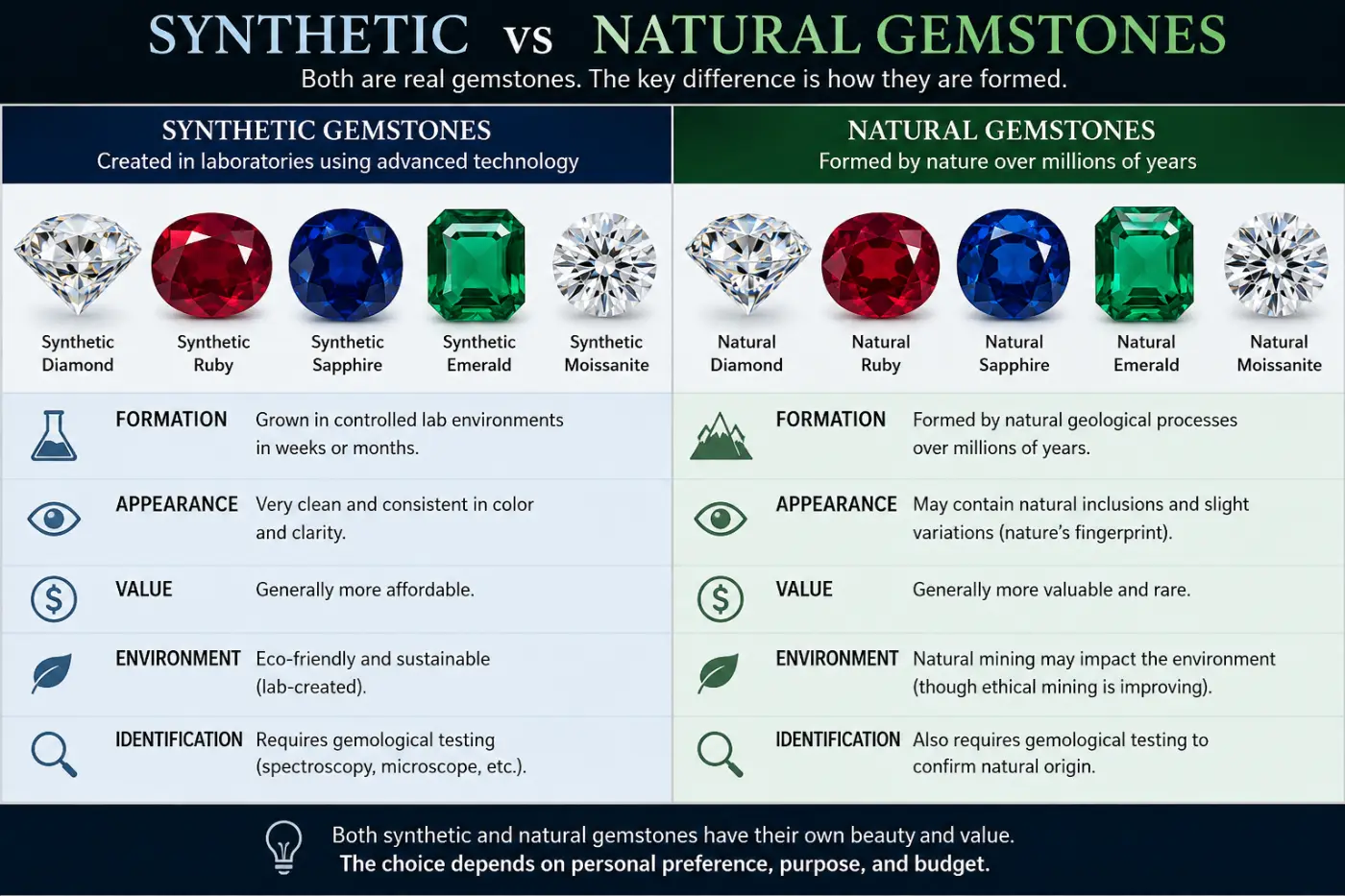
- Natural: Formed through natural geological processes.
- Synthetic or lab-grown: Created in a laboratory but may have essentially the same chemical and crystal structure as a natural gemstone.
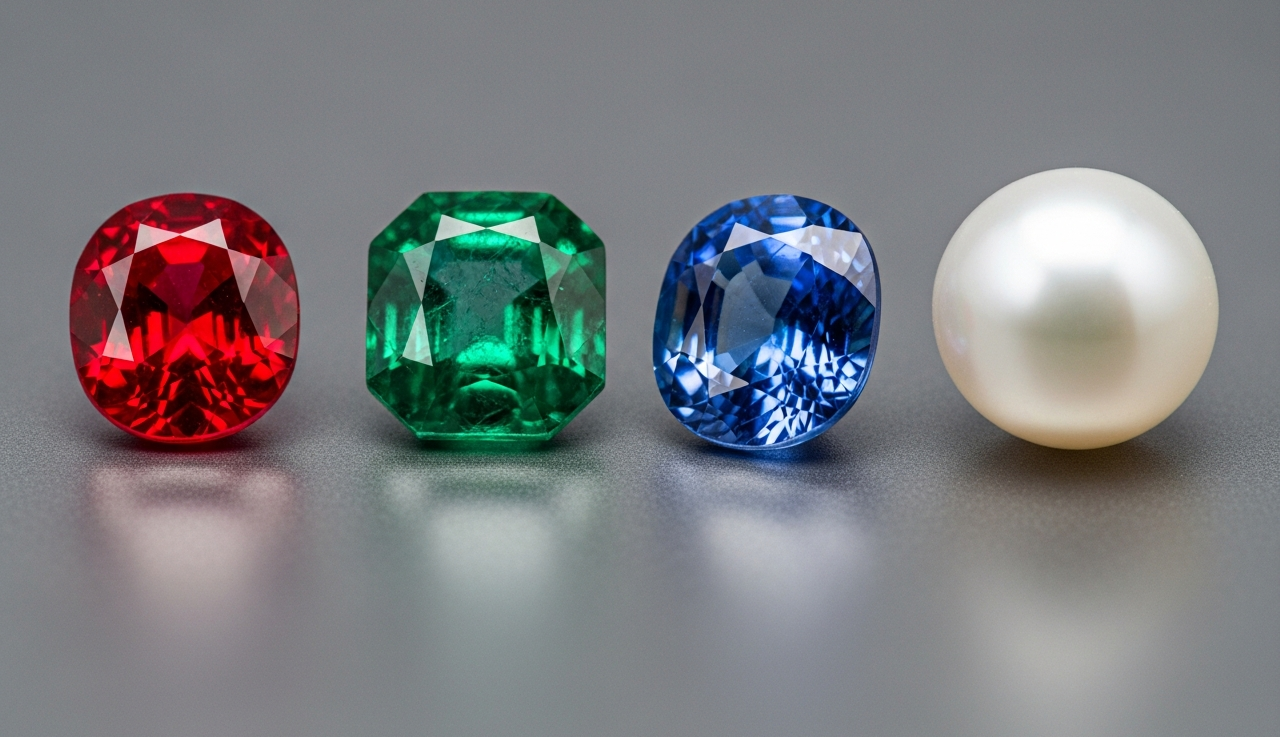
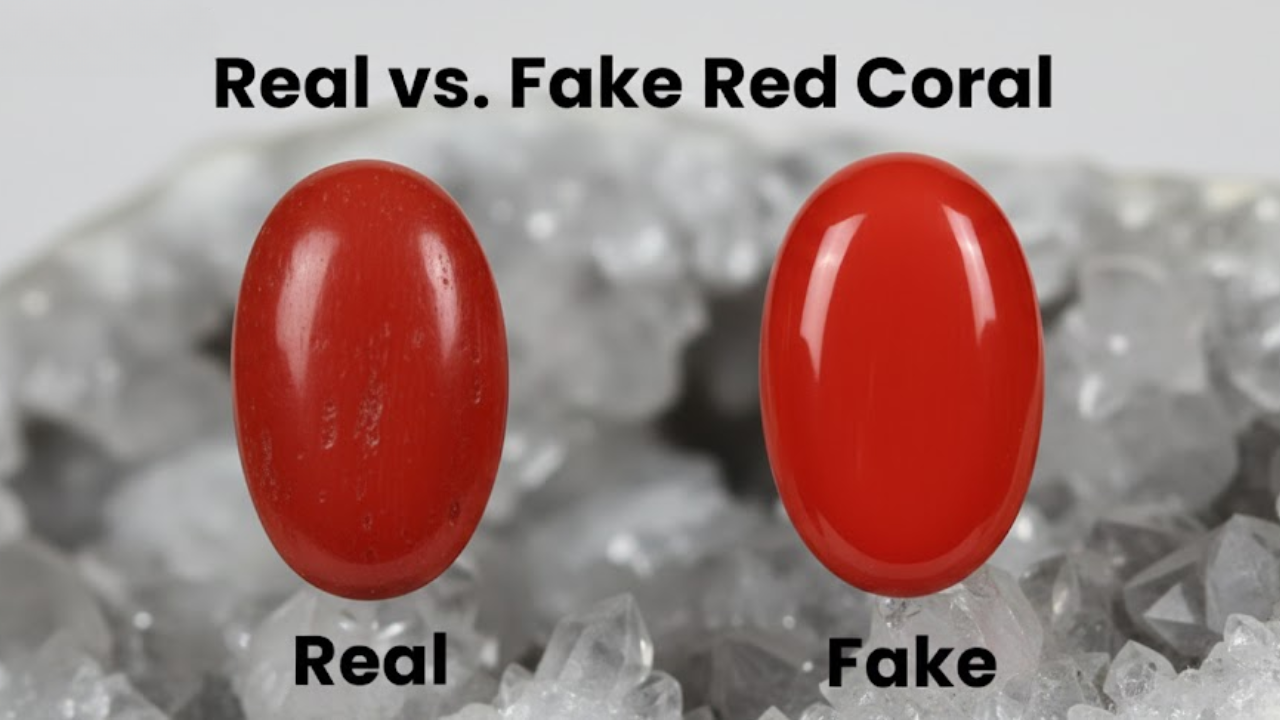
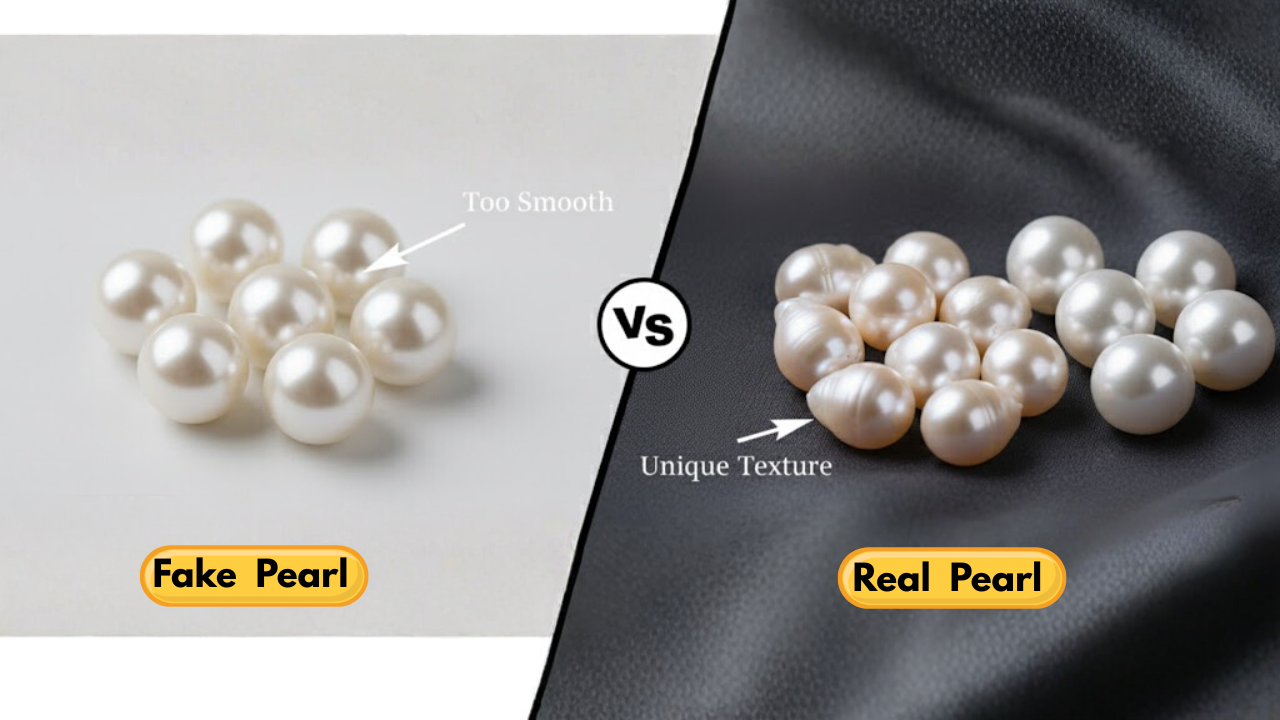
- Simulant or imitation: A different material made to resemble another gemstone.
- Treated: A natural or synthetic gemstone that has undergone a process to improve its appearance or properties.
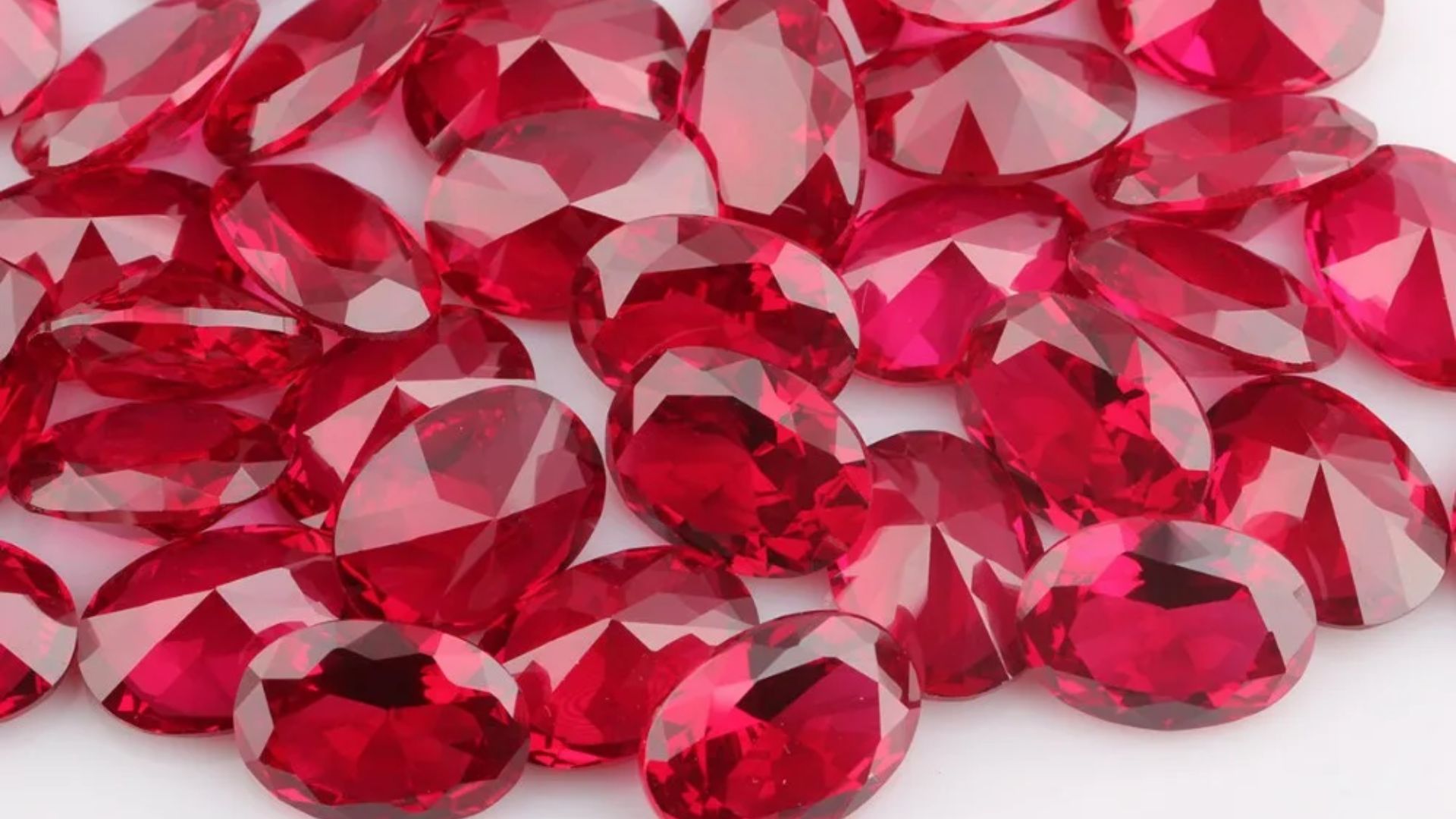
For example, glass that resembles ruby should not be sold as natural ruby. Always read the complete description rather than relying on the product title.
If you are looking for natural gemstones online, confirm whether the stone is natural, synthetic, treated, or an imitation.
2. Be Suspicious of Prices That Seem Too Low
A surprisingly cheap gemstone is not necessarily a bargain.
There may be legitimate reasons for a low price, such as poor cutting, significant inclusions, low color quality, commercial-grade quality, or treatment. However, an unusually low price can also indicate a synthetic, heavily treated, misidentified, or imitation stone.
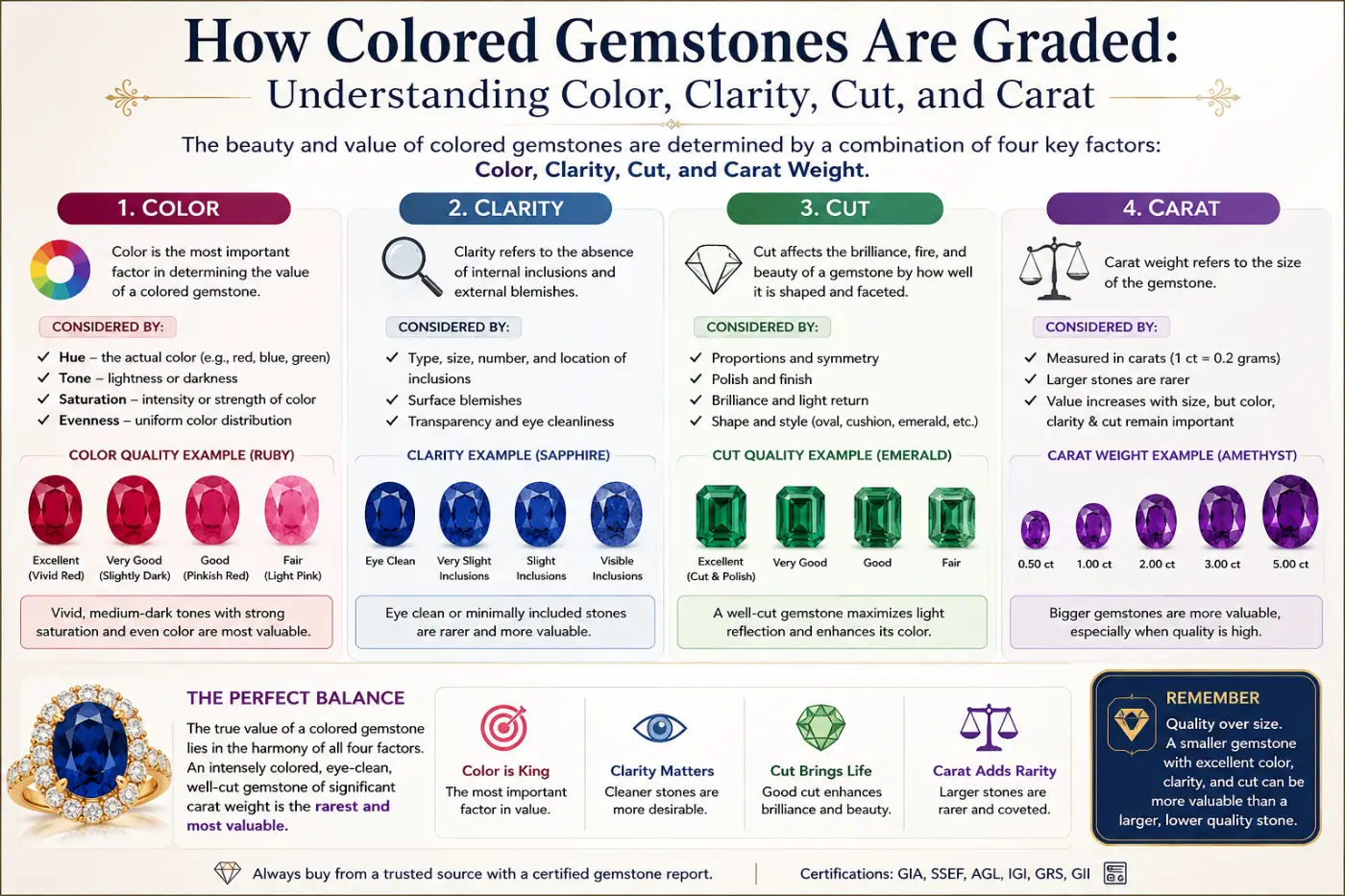
Compare several stones with similar:
- Species and variety
- Color
- Clarity
- Carat weight
- Dimensions
- Cut
- Treatment status
- Certification
Never judge value by carat weight alone.
3. Look for Detailed Descriptions
A professional listing should provide useful, specific information, including:
- Gemstone species and variety
- Carat weight
- Dimensions
- Shape and cutting style
- Color
- Clarity or transparency
- Treatment status
- Natural or laboratory-created status
- Certification details, when applicable
- Origin, if known and supportable
Be cautious of vague marketing claims such as "rare," "investment grade," "perfect," or "museum quality" without objective evidence.
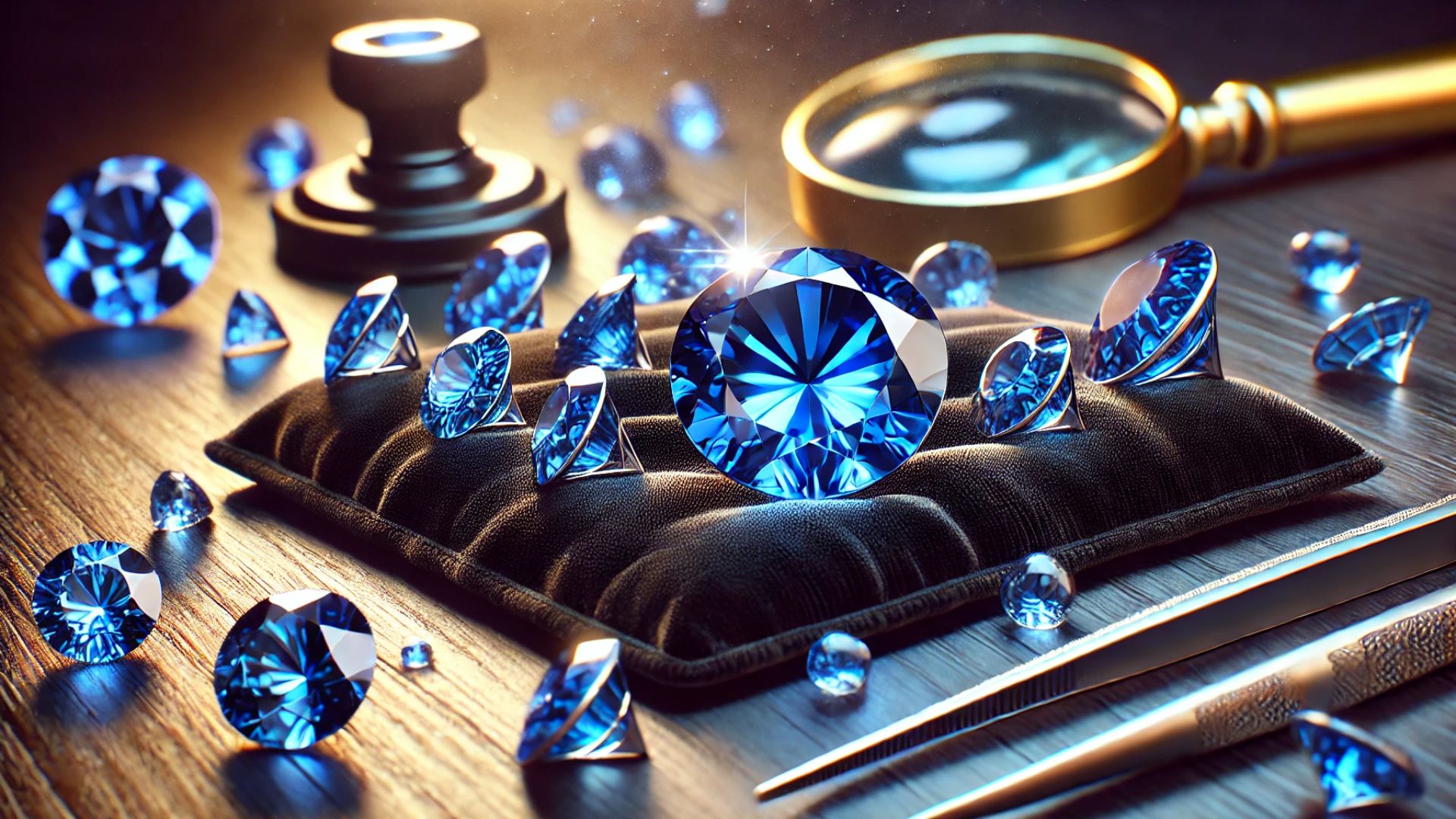
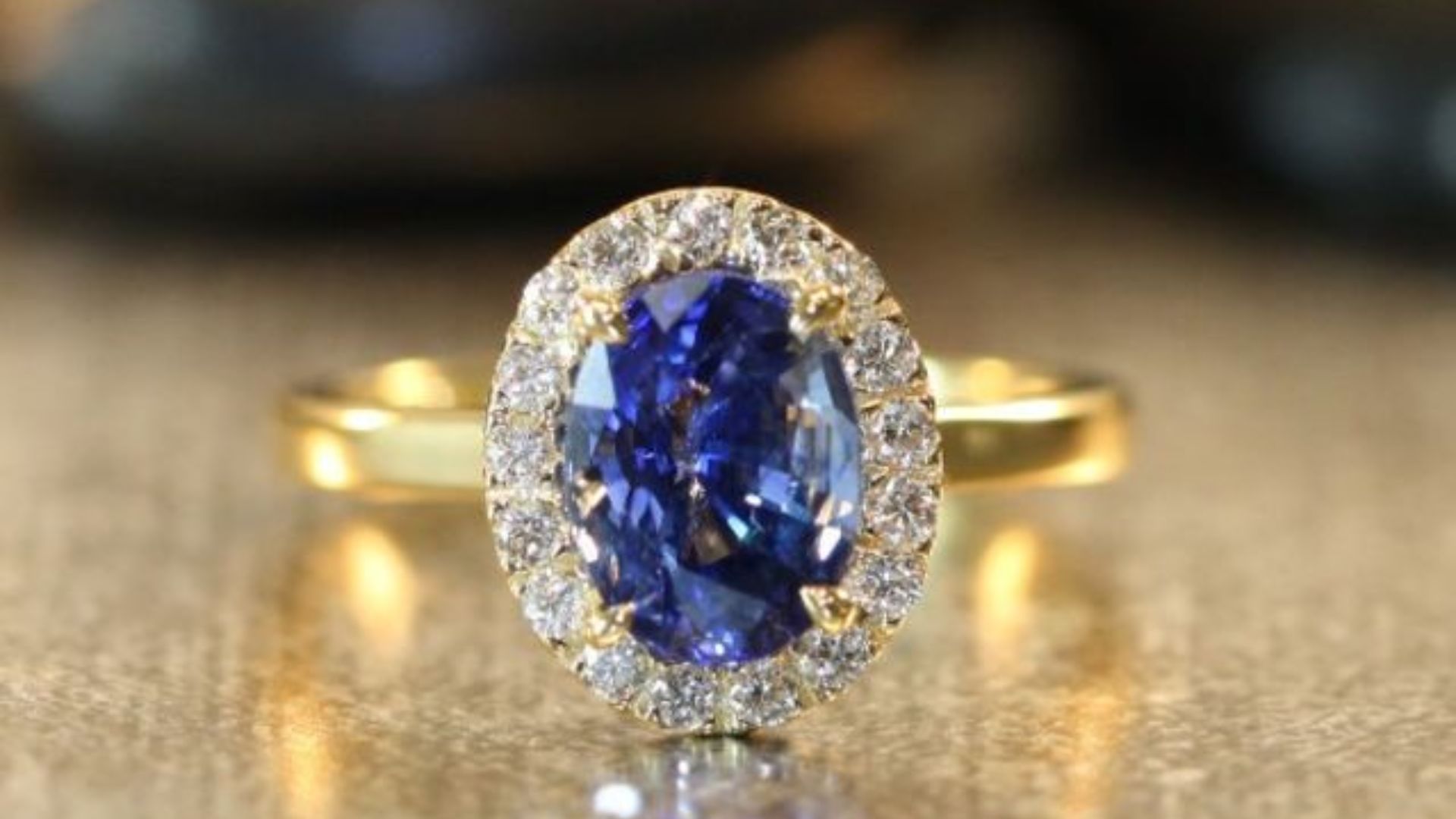
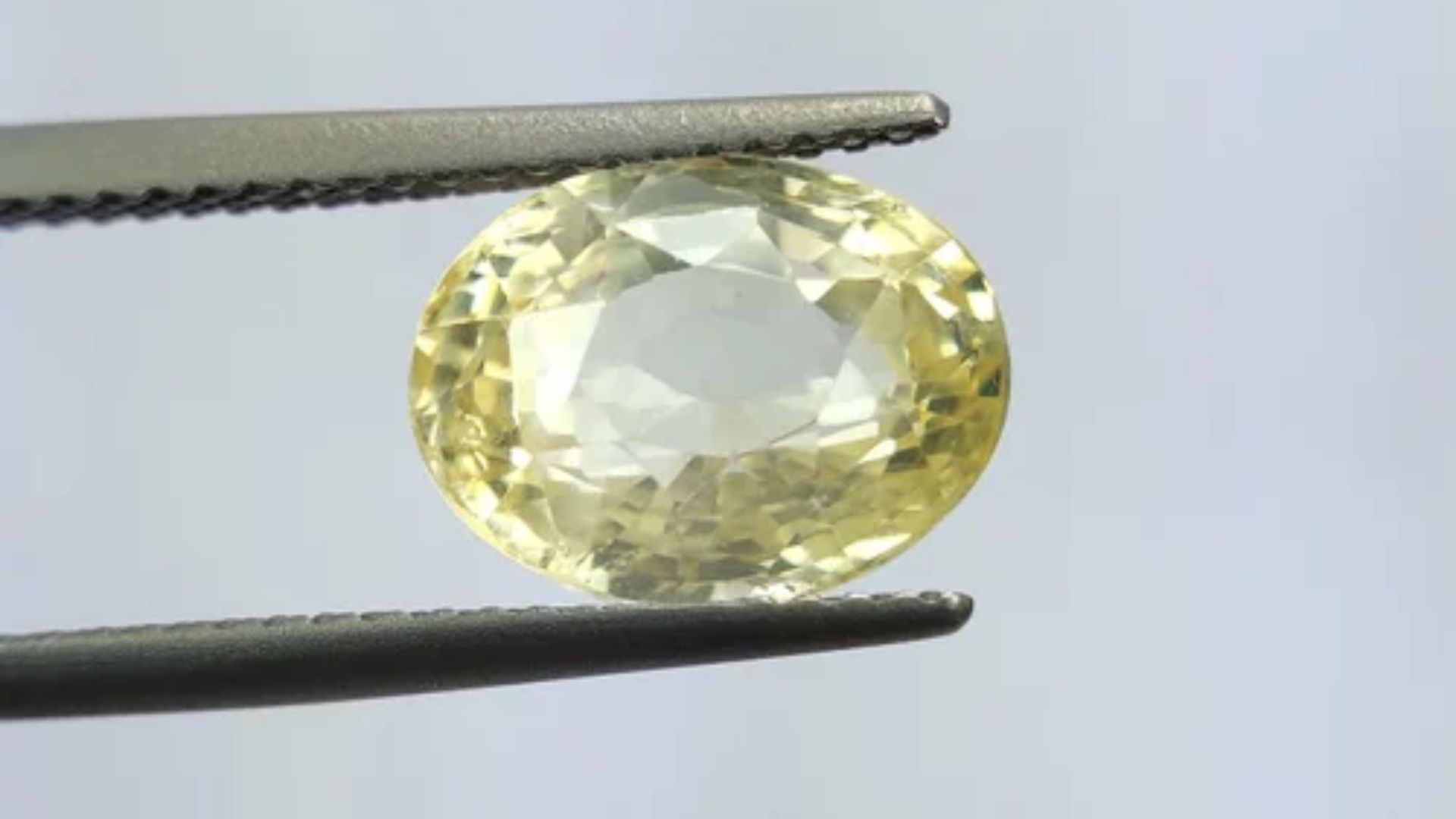
A description such as "natural blue sapphire, 2.10 ct, oval mixed cut, heat treatment disclosed, accompanied by an independent laboratory report" is far more useful than "rare premium sapphire guaranteed genuine."
4. Always Ask About Treatments
Gemstone treatment is not automatically a problem. Many gemstones commonly receive treatments to improve color, clarity, or appearance.
The important issue is disclosure.
Common treatments include:
- Heat treatment
- Fracture filling
- Diffusion
- Dyeing
- Coating
- Oil or resin treatment
- Irradiation
Treatment can affect a gemstone's value, durability, care requirements, and desirability. If a seller refuses to disclose treatment or claims an expensive stone is untreated without credible support, consider it a warning sign.
5. Understand Gemstone Certificates
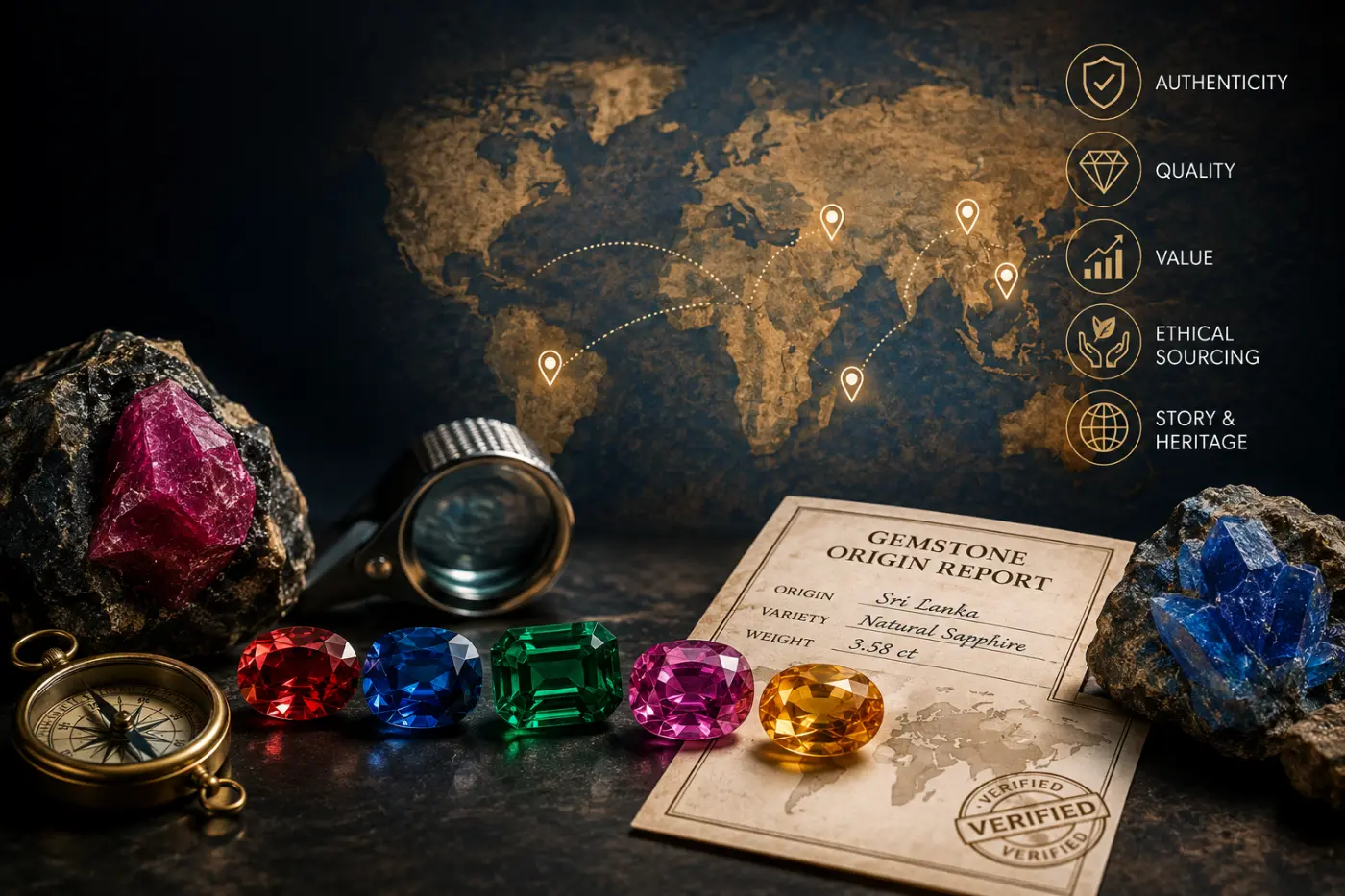
For expensive gemstones, an independent laboratory report can provide valuable information about identity, natural or synthetic status, detectable treatments, measurements, weight, and sometimes geographic origin.
However, not every document called a "certificate" carries the same credibility.
Before relying on a report, check:
- The laboratory's identity and reputation.
- Whether the report has a unique number.
- Whether the number can be verified independently.
- Whether the weight and measurements match the gemstone.
- Whether treatment information is provided.
- Whether origin claims are appropriately supported.
Do not rely solely on a certificate screenshot supplied by the seller.
6. Verify the Report Number
If a seller provides a laboratory report, verify it yourself through the laboratory whenever possible.
Compare the report with the listing, including:
- Carat weight
- Measurements
- Shape
- Color description
- Treatment
- Stone identification
- Photograph, if available
If the listing describes a 3.00-carat oval sapphire but the laboratory record identifies a 2.20-carat round sapphire, stop and investigate before purchasing.
This is particularly important when shopping for certified gemstones online.
7. Don't Trust Photographs Alone
Gemstone photography can be highly deceptive without necessarily being fraudulent. Lighting, camera settings, reflections, backgrounds, filters, and editing can dramatically change a stone's appearance.
Look for:
- Multiple photographs
- Videos
- Different viewing angles
- Close-up images
- Natural-light images
- Images showing measurements or a scale
If a seller provides only one heavily edited photograph, ask for additional images or a video of the exact gemstone.
8. Check Exact Measurements
Carat weight does not tell you exactly how large a gemstone will look. Two stones with the same weight can have different dimensions because of their shape and depth.
Ask for measurements in millimeters, such as 8 × 6 × 4 mm.
Measurements are also useful for confirming that the gemstone you receive matches the listing and for determining whether it will fit your intended jewelry setting.
9. Research the Seller
A professional-looking website does not automatically mean a seller is trustworthy.
Research:
- Independent customer reviews
- Business history
- Contact information
- Business location, where applicable
- Treatment disclosures
- Product descriptions
- Return policies
- Customer service
- Payment options
Look for reviews outside the seller's own website. Pay attention to repeated complaints about stones being different from their listings, unverifiable reports, undisclosed treatments, or refund problems.
10. Read the Return Policy Before Paying
A clear return policy provides important protection when buying gemstones online.
Check:
- Return period
- Whether returns are accepted for any reason
- Whether the gemstone must remain unmounted
- Return shipping responsibility
- Restocking fees
- Refund timing
- Refund versus store-credit policies
- Whether the item is final sale
For expensive gemstones, a restrictive no-return policy increases your risk.
11. Use Secure Payment Methods
Avoid irreversible payment methods simply because a seller offers a discount.
Be particularly cautious about requests for:
- Direct bank transfers to unfamiliar accounts
- Cryptocurrency
- Unprotected peer-to-peer transfers
- Cash-equivalent payments
- Payments outside the seller's normal checkout system
A protected payment method cannot guarantee authenticity, but it may provide additional options if a dispute occurs.
12. Know the Difference Between "Natural" and "Untreated"
These terms describe different things.
Natural generally refers to origin: the gemstone formed naturally rather than being manufactured in a laboratory.
Untreated refers to whether the stone has undergone artificial enhancement.
Therefore, a gemstone can be natural but treated. For example, a natural sapphire may have been heat-treated.
Never assume that "natural" automatically means "untreated."
13. Be Skeptical of Investment Guarantees
Avoid sellers who promise that a gemstone will definitely increase in value.
Be cautious of claims such as:
- "Guaranteed investment"
- "Guaranteed to be worth thousands"
- "Priceless"
- "Perfect with zero flaws"
- "Guaranteed to increase in value"
Gemstone prices depend on factors such as quality, demand, treatment, origin, documentation, and market conditions. If you are buying for jewelry or personal enjoyment, focus on authenticity, quality, appearance, suitability, and price rather than speculative investment promises.
14. Don't Assume Inclusions Mean a Stone Is Genuine
Many natural gemstones contain inclusions, and gemologists can sometimes use them as part of an identification process.
However, inclusions are not a simple DIY authenticity test.
A stone with inclusions is not automatically natural, and a clean-looking stone is not automatically fake. For expensive purchases, professional examination is much safer than trying to determine authenticity from photographs.
15. Ask Questions Before Buying
For a valuable gemstone, ask the seller:
- Is this stone natural or laboratory-created?
- Has it been treated?
- What treatment was used?
- Does it have an independent laboratory report?
- Can I verify the report number?
- Are the photographs of the exact stone I will receive?
- What are the exact measurements?
- What is the return period?
- Can I have the stone independently inspected after delivery?
A professional seller should be able to provide clear answers. Avoid sellers who become defensive, refuse basic information, or pressure you to pay immediately.
16. Compare Several Stones
Don't buy the first attractive gemstone you find.
Compare multiple stones based on:
17. Take Extra Care With Expensive Stones
The more you spend, the more verification you should perform.
For an inexpensive gemstone purchased for a craft project, professional certification may not be necessary. For an expensive sapphire, ruby, emerald, or other precious stone, independent verification becomes much more valuable.
Consider having a high-value gemstone examined by an independent qualified gemologist or reputable gemological laboratory.
18. Inspect the Gemstone After Delivery
Before mounting an expensive gemstone, compare it with the original listing and documentation.
Check:
- Does it match the photographs?
- Are the measurements consistent?
- Does the weight match?
- Does the color look significantly different?
- Does the laboratory report correspond to the stone?
- Were all treatments disclosed?
- Is there unexpected damage?
If the purchase is expensive, have the stone independently examined before setting it into jewelry.
19. Watch for Pressure Tactics
Scammers and aggressive sellers may create artificial urgency:
"Only five minutes left!"
"Someone else is buying this now!"
"Pay immediately to reserve it."
A legitimate limited-time promotion is not automatically fraudulent, but pressure should make you slow down, not rush.
Never spend hundreds or thousands of dollars before verifying the gemstone's identity, treatment, documentation, and return policy.
20. Choose the Seller Based on More Than Price
There is no single best place to buy gemstones online for everyone. The right seller depends on your gemstone, budget, quality requirements, certification needs, and intended use.
A strong online gemstone retailer should ideally provide:
- Clear gemstone identification
- Transparent treatment disclosure
- Accurate photographs
- Exact measurements
- Appropriate independent certification
- Secure checkout
- A clear return policy
- Responsive customer service
- An established reputation
- Realistic descriptions
- No misleading investment promises
The cheapest gemstone is not necessarily the best value.
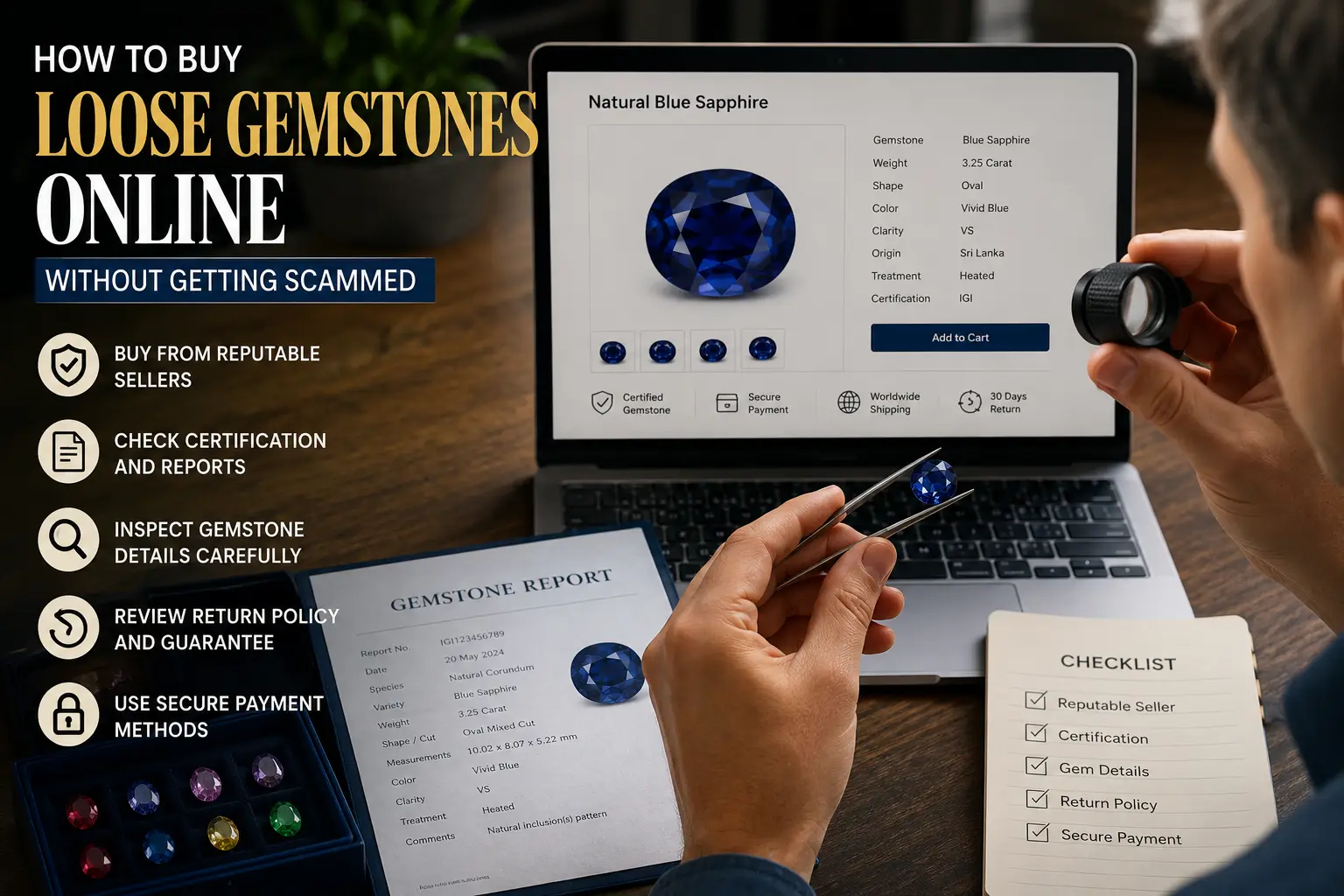
Quick Checklist Before Buying
- Confirm whether the stone is natural, synthetic, or a simulant.
- Check whether treatments are disclosed.
- Review carat weight and exact measurements.
- Examine multiple photographs and videos.
- Research the seller independently.
- Read reviews from multiple sources.
- Verify laboratory reports yourself.
- Read the complete return policy.
- Use a secure payment method.
- Compare similar gemstones from different sellers.
- Ask questions before making an expensive purchase.
- Consider independent inspection for high-value stones.
- Avoid pressure tactics and unrealistic guarantees.
Common Mistakes to Avoid
Buying Based Only on Color
A beautiful photograph does not tell you everything about a gemstone. Lighting can dramatically change its appearance.
Assuming Every Certificate Is Reliable
A document labeled "certificate" is not automatically equivalent to a report from a reputable independent gemological laboratory.
Ignoring Treatment
Treatment can affect value, durability, and care requirements. Always ask about it.
Choosing the Cheapest Stone
A low price is not a bargain if the gemstone is misrepresented.
Trusting Claims Without Verification
Words such as "rare," "investment grade," and "100% authentic" should not replace objective documentation.
Skipping the Return Policy
A clear return policy gives you protection if the gemstone differs from its listing.
Buying in a Hurry
Take time to research before making an expensive purchase.
Conclusion
The internet makes it easier than ever to discover loose gemstones from sellers around the world. Online shopping can be a great choice whether you're looking for a sapphire for an engagement ring, an emerald for a personalized pendant, a ruby for a collection, or just a colorful stone you adore. However, don't depend on a single photo, a single seller's claim, or a single certificate when purchasing loose gemstones online.
Before making a purchase, do some research on the seller. Familiarize yourself with gemstone terminology. Check treatment disclosure, confirm laboratory reports, compare prices, carefully review photos, and read the return policy. Pay close attention to the distinctions between natural, synthetic, treated, and untreated stones if your objective is to purchase natural gemstones online. Check the laboratory and report numbers on your own if you're searching for certified gemstones online. For expensive loose precious stones, consider professional inspection. If you're researching panna price in Kolkata, also compare stones based on whether the emerald is natural or synthetic, its treatment status, color, clarity, carat weight, and certification rather than relying on price alone.
Ultimately, safe gemstone shopping comes down to asking five questions:
What is the gemstone?
Is it natural or synthetic?
Has it been treated?
Can its description and documentation be independently verified?
Can I return it if it doesn't match the listing?
If a seller can answer these questions clearly and provide appropriate documentation, you are in a much stronger position to make an informed purchase.
The safest gemstone buyer isn't someone who can identify every stone by sight. It's someone who knows what questions to ask before paying.
Recent Posts

2026-09-04
The Science Behind Gemstone Fluorescence




2025-09-15