Date : 2026-10-08
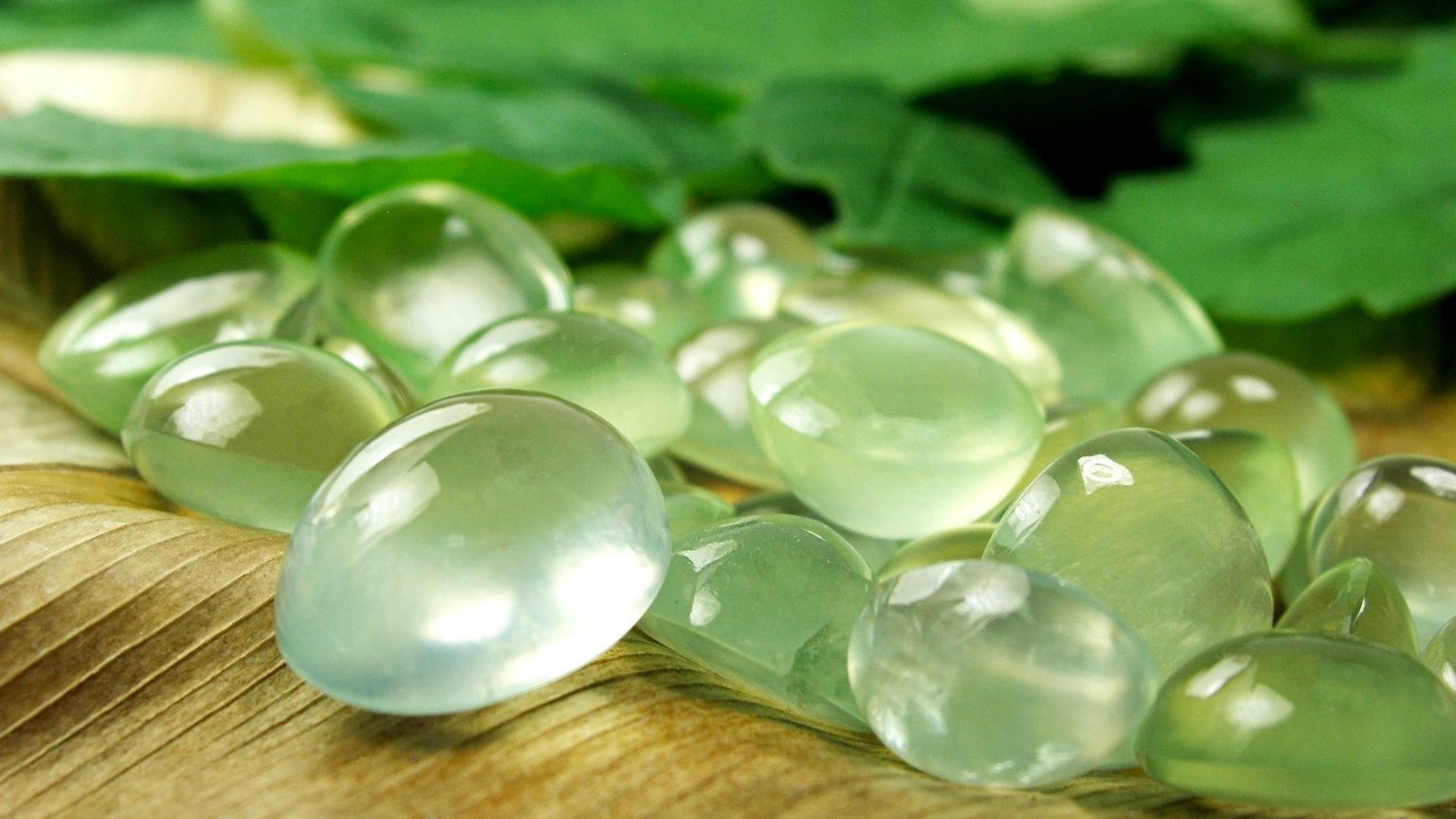
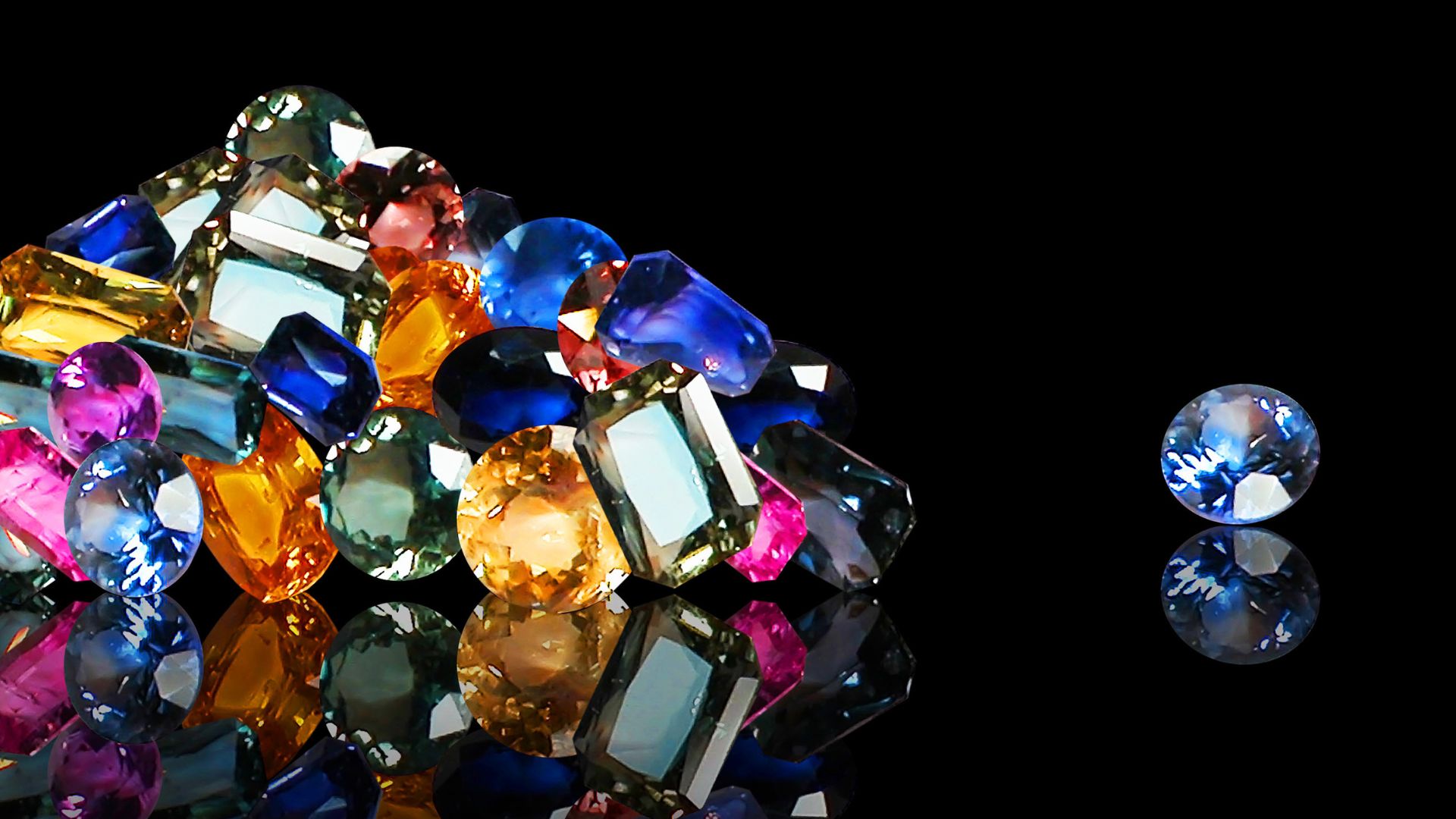
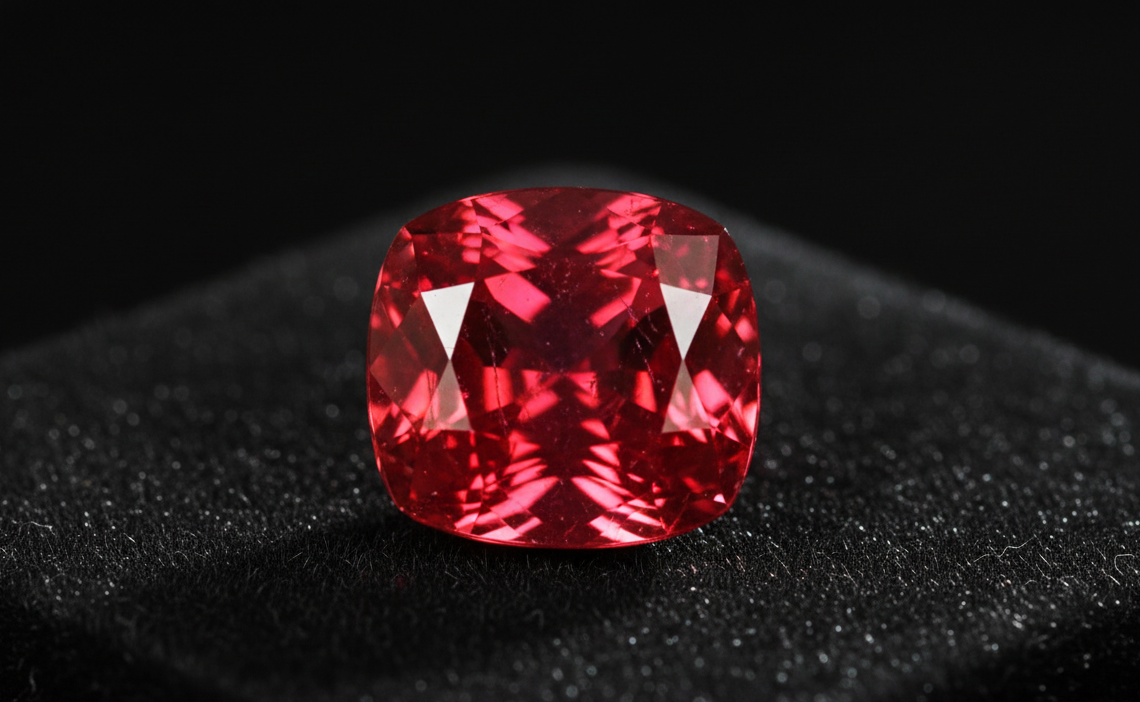
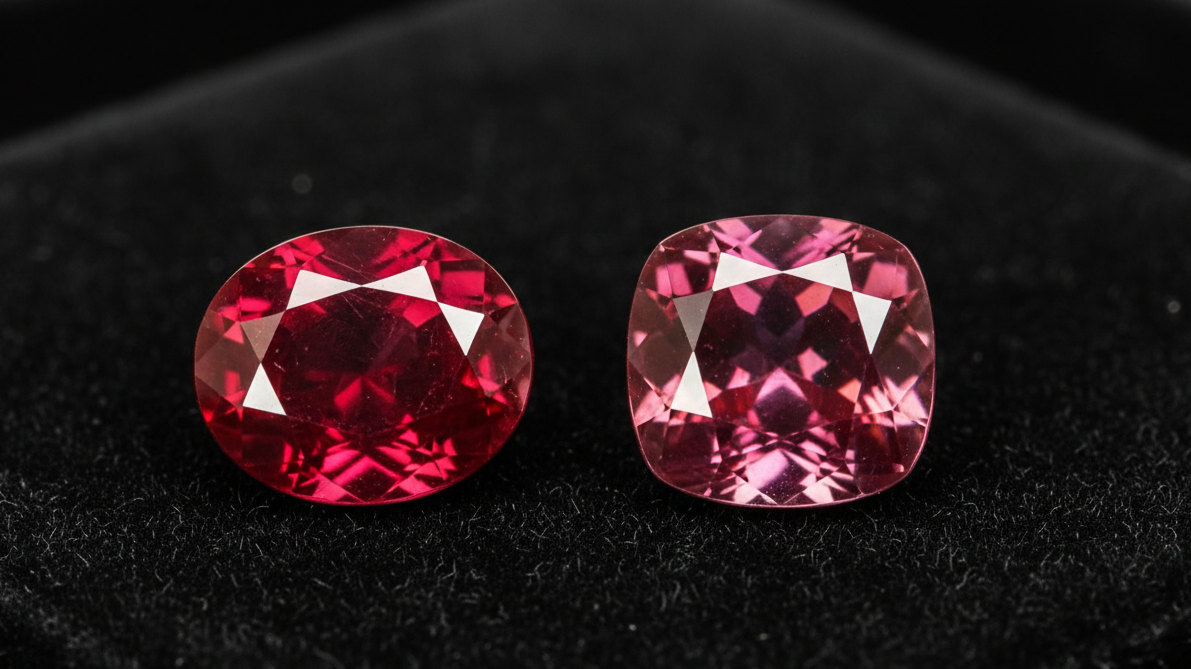
Have you ever looked at a gemstone from one direction and noticed one color, then turned it slightly and seen a completely different shade? This fascinating phenomenon is called pleochroism. It is one of the most intriguing features of gemstone optics and can make certain gems appear more dynamic and visually complex. In gems such as pola stone, this captivating optical effect can add depth and character, making each viewing angle reveal a subtle change in color.
While some stones are famous for true color-changing effects, pleochroism is a different phenomenon. Understanding the difference can help gemstone enthusiasts, collectors, jewelry buyers, and students better appreciate the natural beauty and unique gemstone properties behind these captivating colors.
What Is Pleochroism?
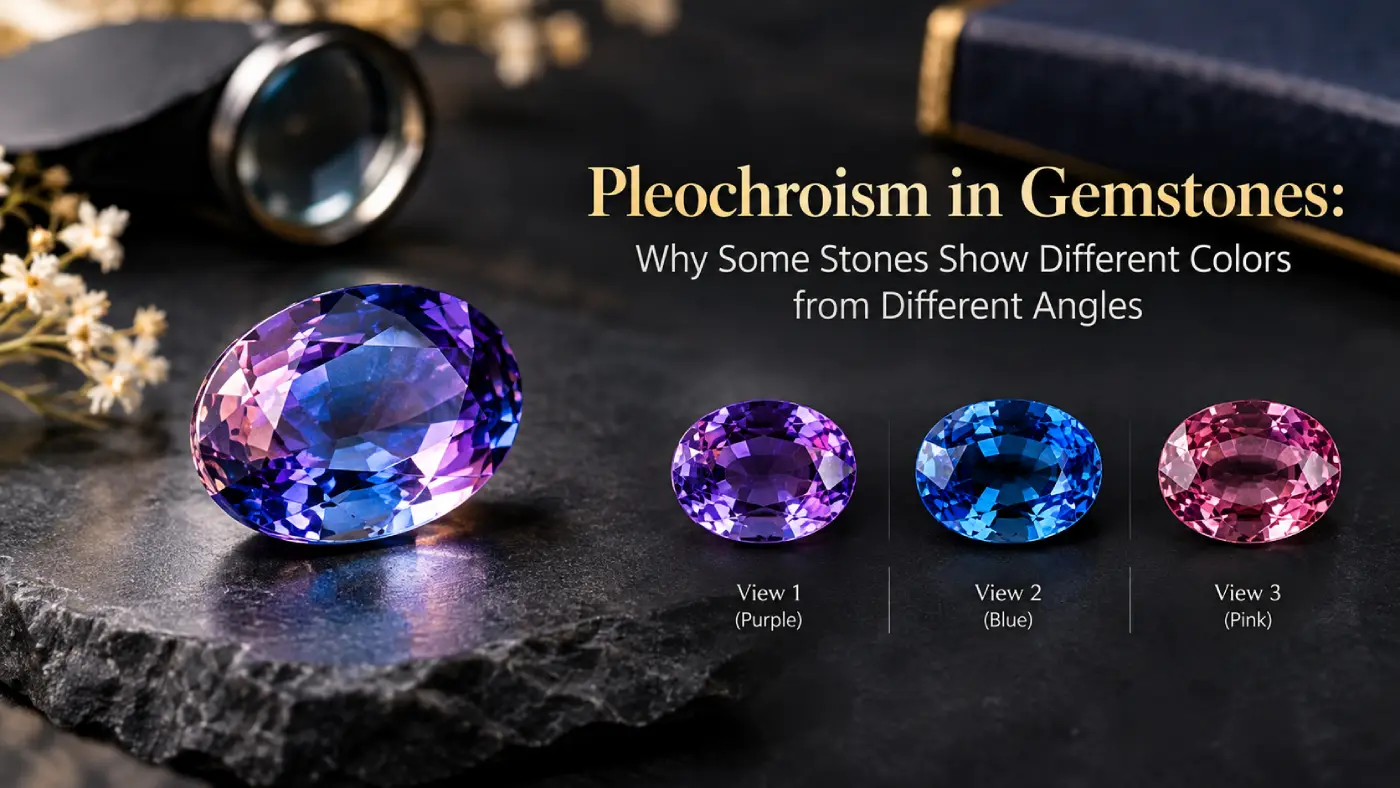
Pleochroism is an optical phenomenon in which a gemstone displays different colors or different intensities of color when viewed from different crystallographic directions.
The word comes from Greek roots meaning “many colors.” In practical terms, light traveling through an anisotropic gemstone can interact differently with the crystal depending on its direction. As you rotate the stone, the color you see may therefore change.
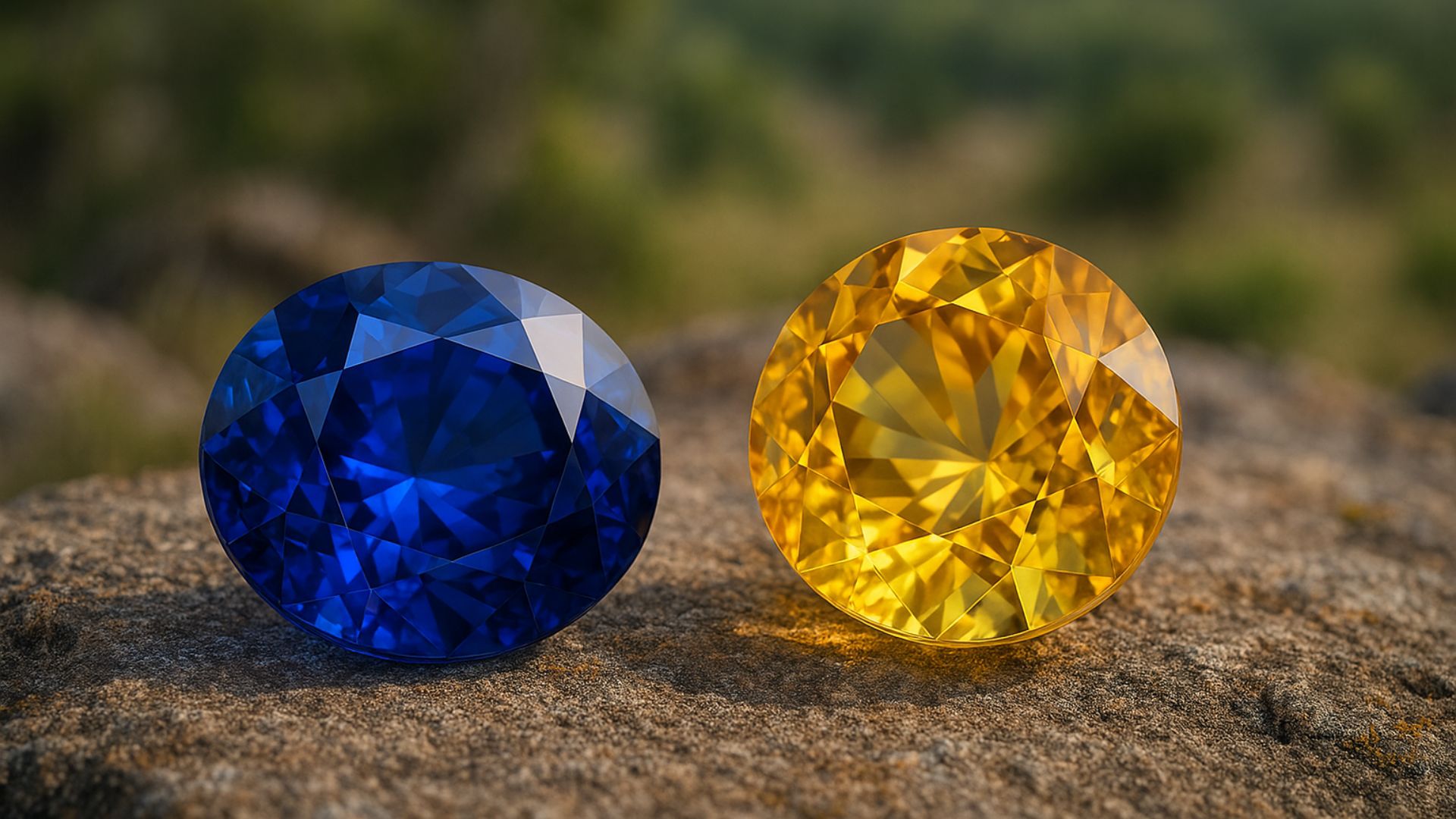
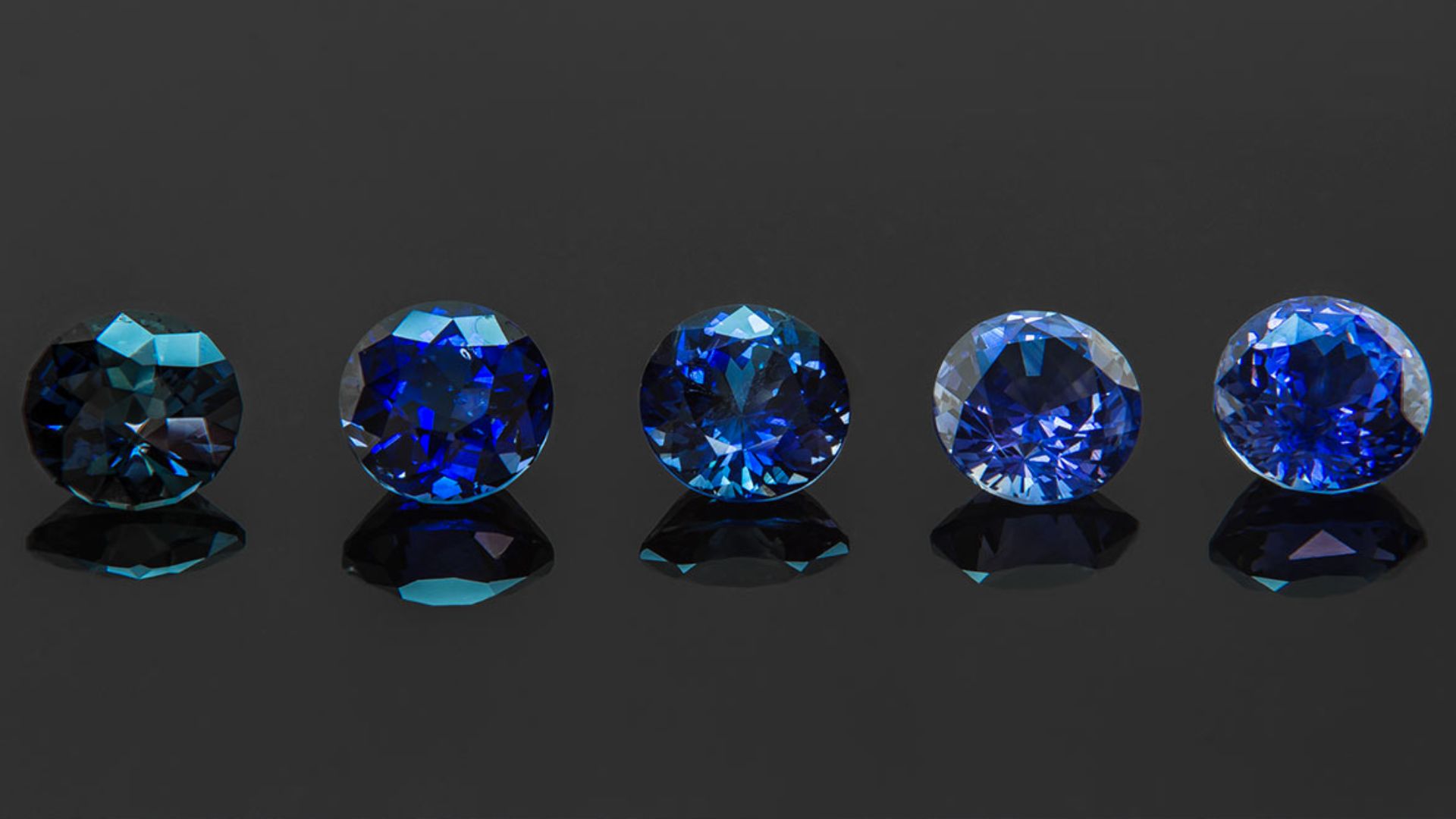
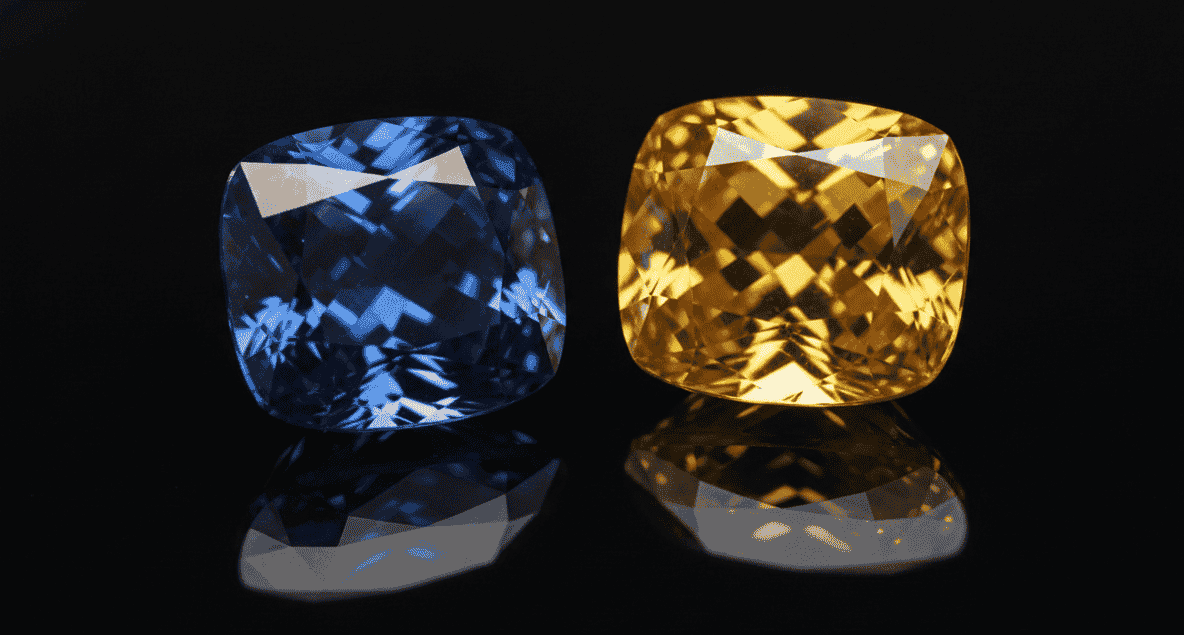
For example, a pleochroic gemstone might appear blue when viewed in one direction and slightly greenish-blue or violet from another. The colors are not necessarily changing inside the stone. Instead, the gemstone is transmitting or absorbing different wavelengths of light depending on the direction of observation.
Why Do Gemstones Show Pleochroism?
The key lies in the internal structure of the crystal.
Some gemstones have different optical properties along different crystallographic directions. These stones are known as anisotropic materials. Their interaction with light can vary depending on the direction in which light travels through the crystal.
When white light enters such a gemstone, certain wavelengths may be absorbed more strongly along one direction than another. The remaining wavelengths reach the observer, producing different perceived gemstone colors.
This is why the orientation of a crystal can have a significant effect on its appearance. Gem cutters also consider this behavior when deciding how to orient a rough gemstone for cutting and polishing.
Pleochroism vs. Color Change Gems
Pleochroism is sometimes confused with the phenomenon seen in color change gems, but the two are fundamentally different.
With pleochroism, the gemstone shows different colors because of the direction from which it is viewed relative to the crystal's optical structure.
Color-change gemstones, on the other hand, can appear to change color when the lighting environment changes. A classic example is a gemstone that looks one color under daylight but takes on another color under incandescent or artificial lighting.
In simple terms:
- Pleochroism: Color differences are related to viewing direction and crystal orientation.
- Color change: Color differences are primarily related to changes in the light source.
- A gemstone can exhibit interesting optical effects, but these phenomena should not automatically be treated as the same thing.
Understanding this distinction is an important part of learning about gemstone optics.
Common Pleochroic Gemstones
Several well-known gemstones can exhibit noticeable pleochroism. The strength and colors can vary depending on the individual stone, its composition, and its orientation.
Tanzanite
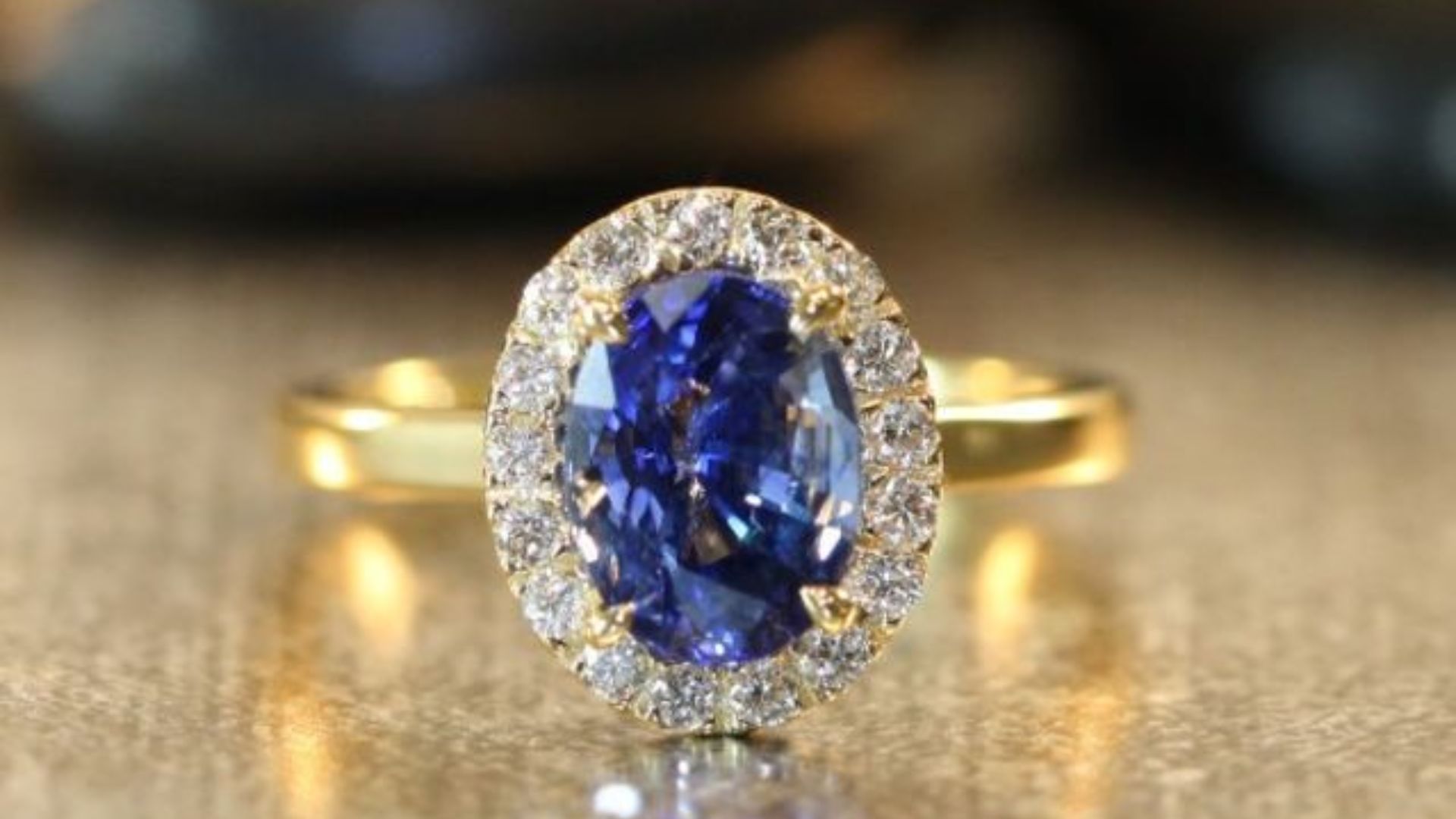
Tanzanite is one of the best-known examples. It can display blue, violet, and sometimes burgundy or reddish hues when viewed in different directions. Its strong trichroic behavior makes cutting orientation particularly important.
Iolite
Iolite is another classic pleochroic gemstone. It may show blue-violet, pale blue, and yellowish or grayish tones from different directions. This behavior is sometimes described as a “water sapphire” effect, although iolite and sapphire are completely different minerals.
Tourmaline
Many tourmalines show pleochroism, particularly strongly colored varieties. A tourmaline may display different intensities or shades of green, blue, brown, or other colors depending on its direction of view.
Andalusite
Andalusite is especially interesting because its pleochroism can produce contrasting colors within the same gemstone. Depending on the orientation, it may show green, brown, yellow, or reddish tones. This effect can create attractive patterns and color zones.
How Gem Cutters Use Pleochroism
Pleochroism is not merely a scientific curiosity. It can influence the way a gemstone is cut.
A cutter must consider the stone's optical characteristics when determining its orientation. Cutting in one direction may emphasize a desirable color, while another orientation could produce a darker or less attractive appearance.
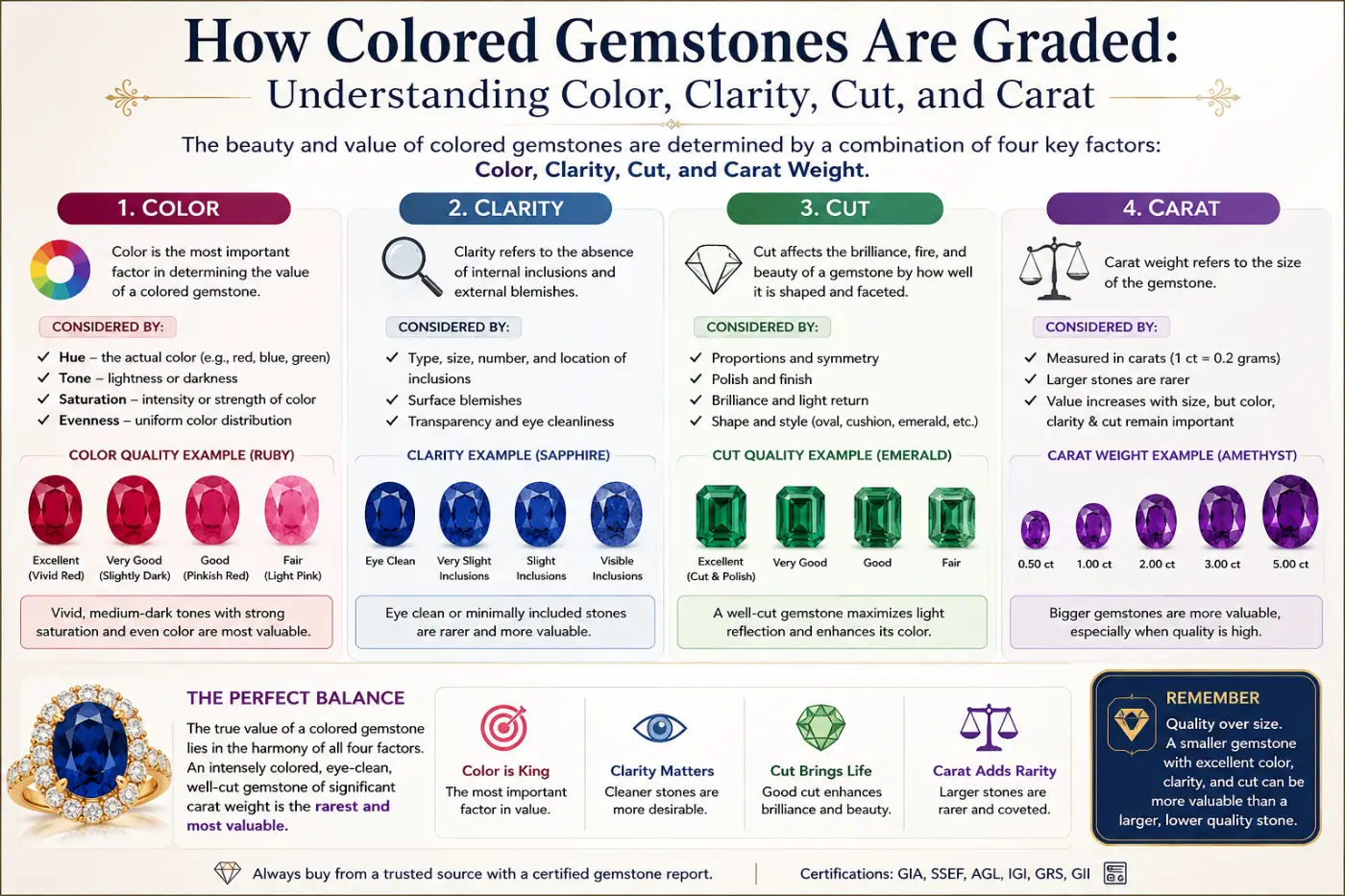
This makes pleochroism an important consideration alongside factors such as clarity, color, durability, brilliance, and carat weight.
The final appearance of a gemstone is therefore influenced not only by what the rough material contains but also by how the crystal is oriented and shaped.
How to Observe Pleochroism
You do not always need specialized equipment to notice pleochroism.
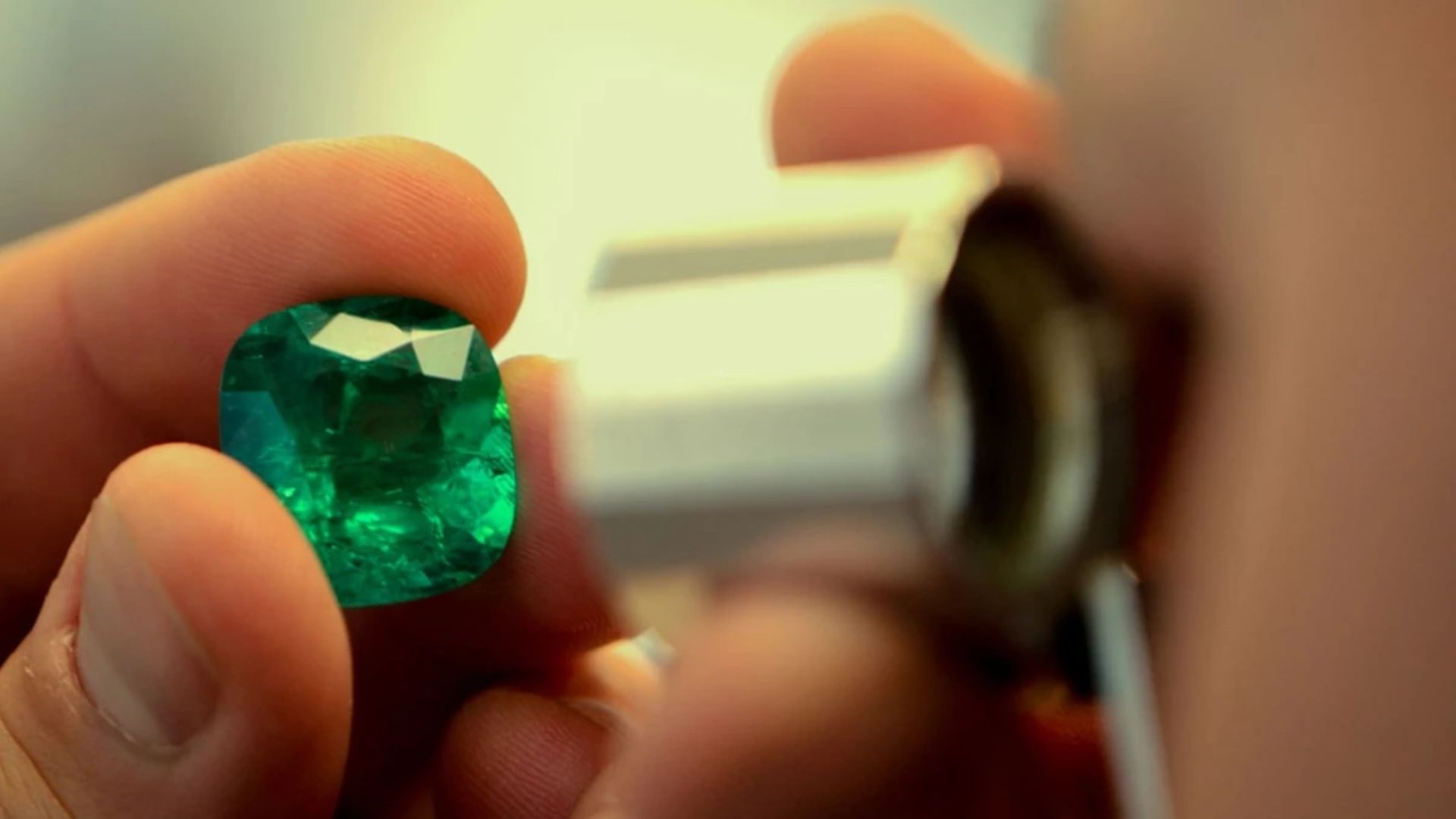
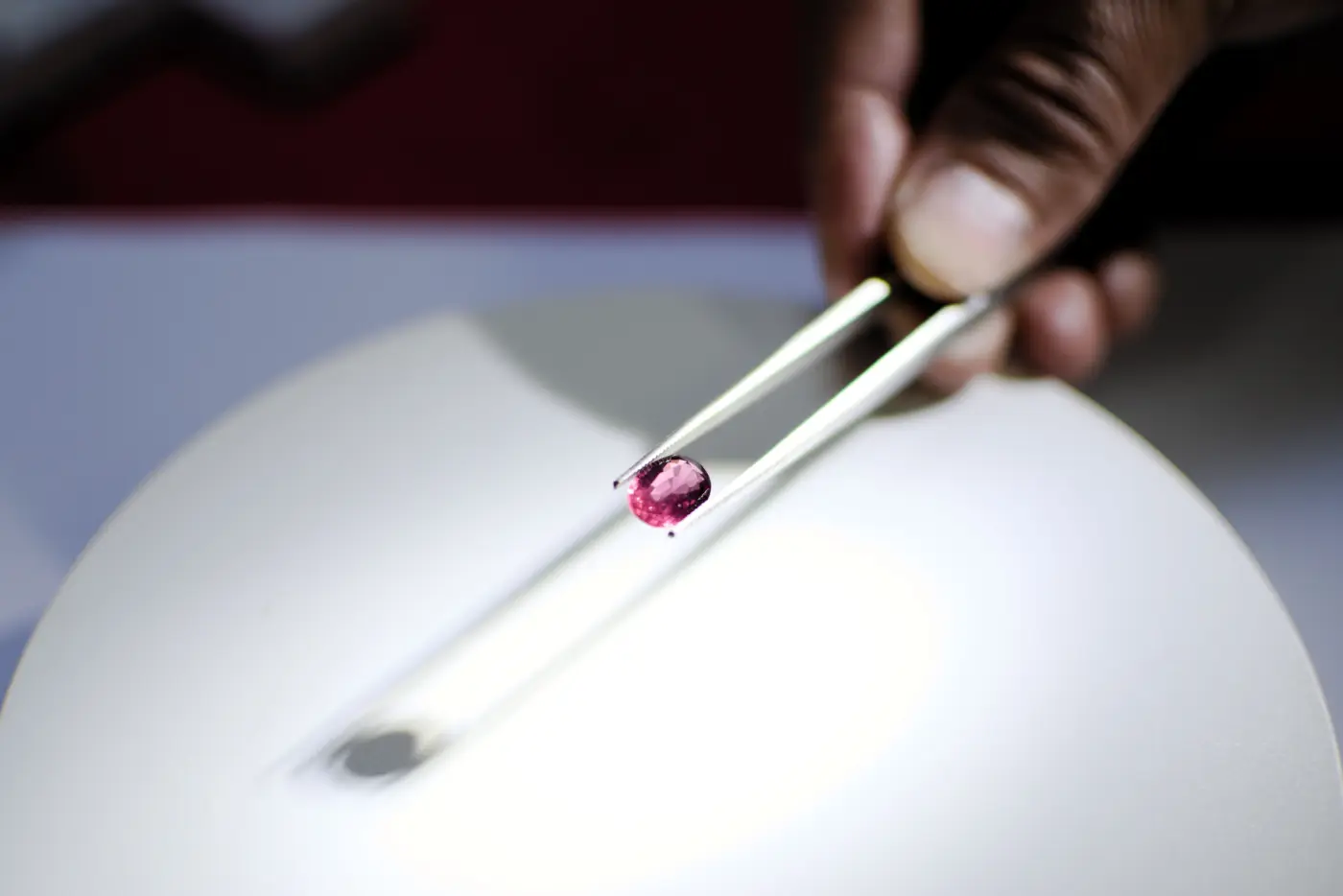
Hold the gemstone under a consistent light source and slowly rotate it. Pay attention to subtle differences in hue, saturation, and darkness.
For stronger pleochroic stones, the change can be quite obvious. In others, you may notice only a shift in intensity rather than a completely different color.
Gemologists can study these effects more precisely using instruments such as a dichroscope. Such tools help separate and compare the different colors produced by a gemstone's optical behavior.
The Role of Gemstone Optics
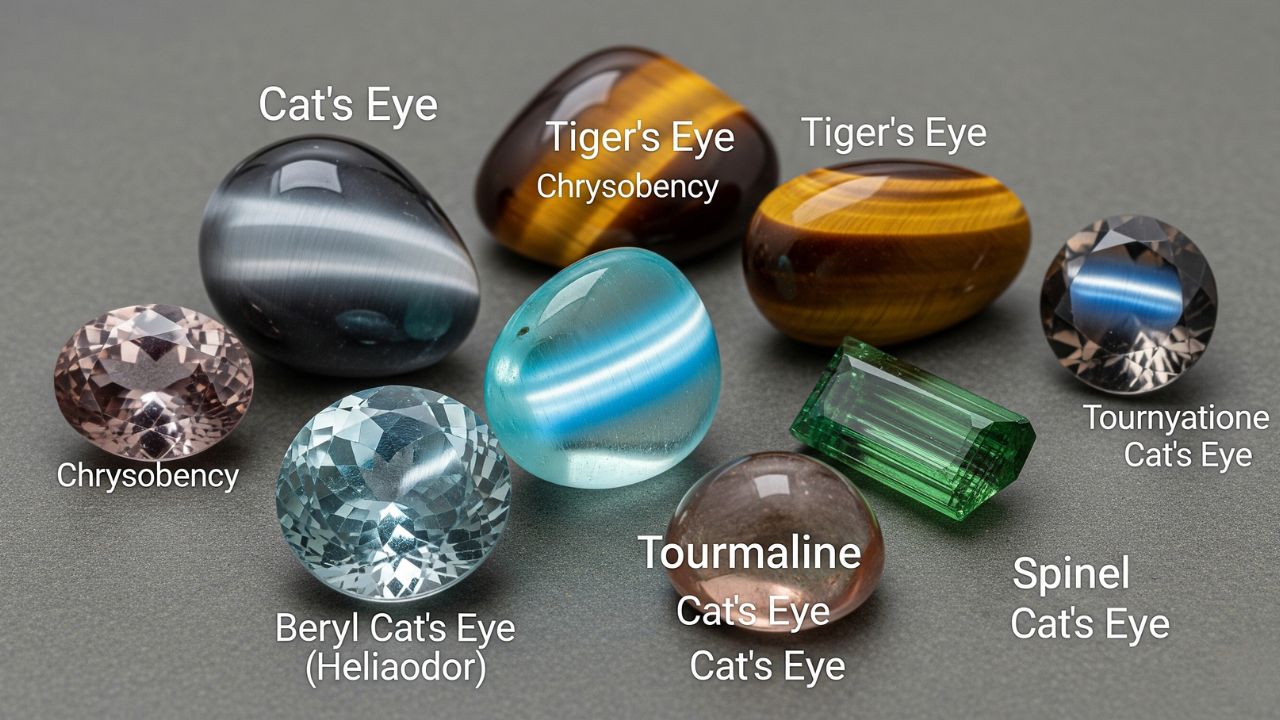
Pleochroism is just one part of the broader world of gemstone optics. Other optical phenomena include dispersion, birefringence, chatoyancy, asterism, aventurescence, and color change.
These effects arise from interactions between light and the gemstone's internal structure, chemical composition, inclusions, and crystal properties.
Learning about gemstone optics can therefore reveal why two stones that look similar at first glance may behave very differently when exposed to light or viewed from different directions.
Why Pleochroism Matters When Buying Gemstones
Pleochroism can be either a desirable feature or a factor that requires careful consideration, depending on the gemstone and the colors involved.
A cutter may want to orient a stone to emphasize its most attractive pleochroic color. However, if a gemstone becomes excessively dark when viewed from certain directions, its appearance may be less appealing.
When purchasing a pleochroic gemstone, try viewing it from several angles rather than judging it from only one position. This can give you a better understanding of its overall appearance.
Final Thoughts
Pleochroism demonstrates just how much a gemstone's appearance depends on the interaction between light and crystal structure. A single stone can reveal different hues or intensities simply by changing its orientation, making every viewing angle part of the gemstone's visual experience.
From the striking blues and violets of tanzanite to the complex colors of tourmaline and andalusite, pleochroism adds another layer of fascination to natural gems.
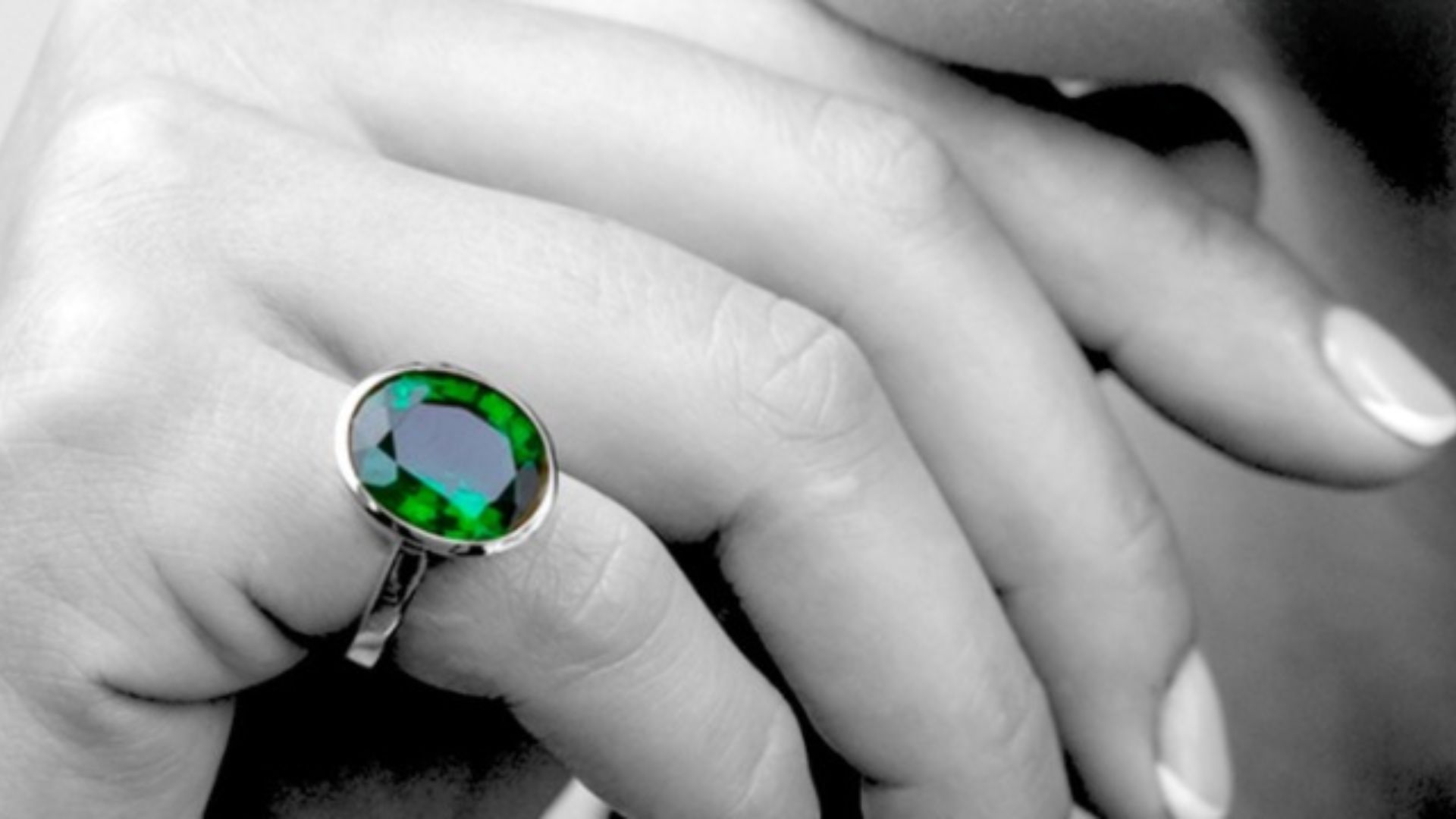
Understanding this phenomenon also highlights an important lesson about gemstone properties: color is not always a fixed characteristic. In many gemstones, what we see depends on how light enters the crystal, how the stone is oriented, and how our eyes receive the resulting light. This is also one of the many factors enthusiasts may consider when researching brazilian emerald price, alongside color quality, clarity, origin, and overall gemstone characteristics.
For anyone interested in gemstones, learning to recognize pleochroism is a fascinating way to explore the science behind their beauty.
Recent Posts


2026-09-04
The Science Behind Gemstone Fluorescence






2025-09-15