Date : 2026-07-18
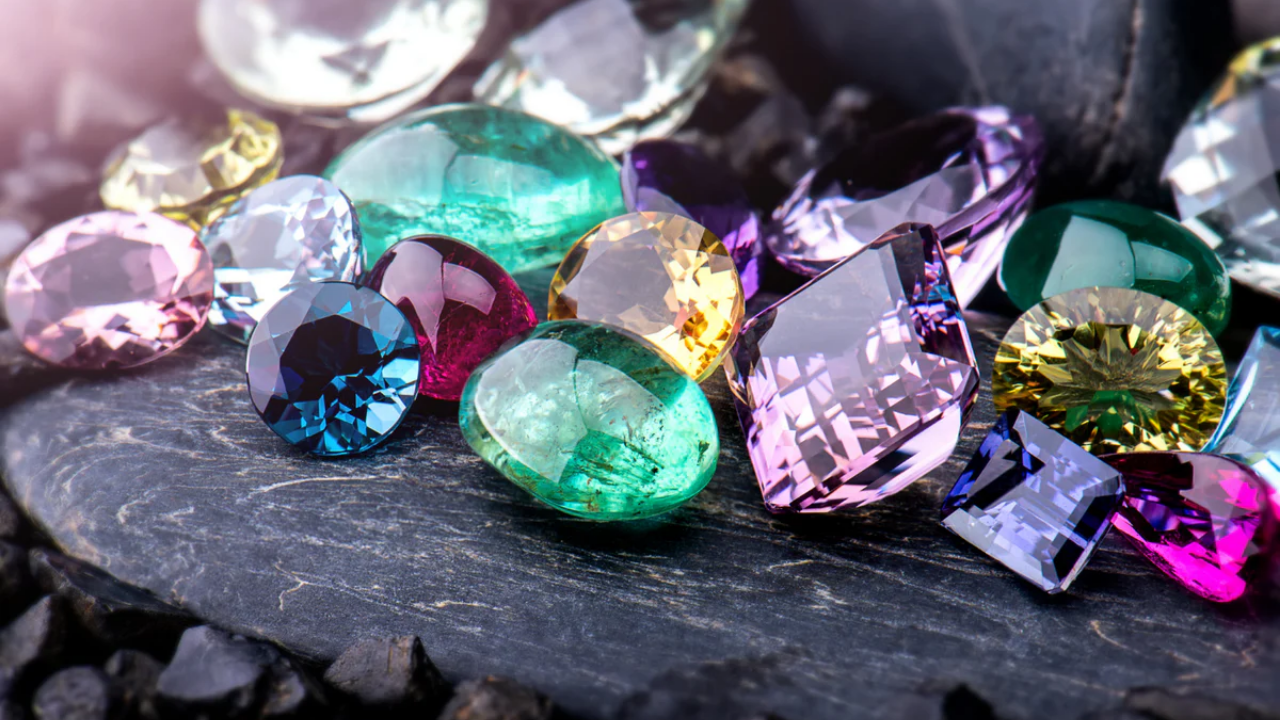
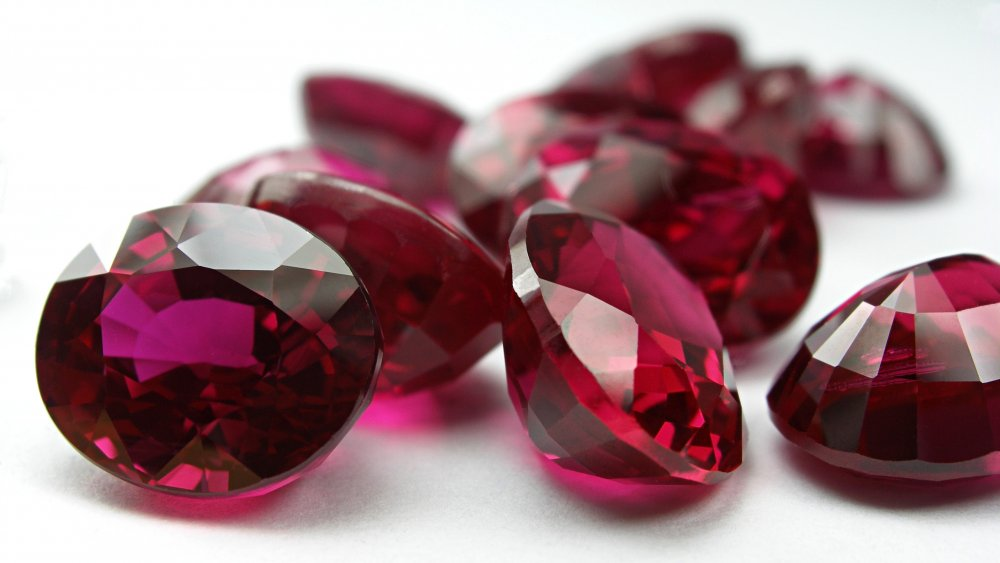
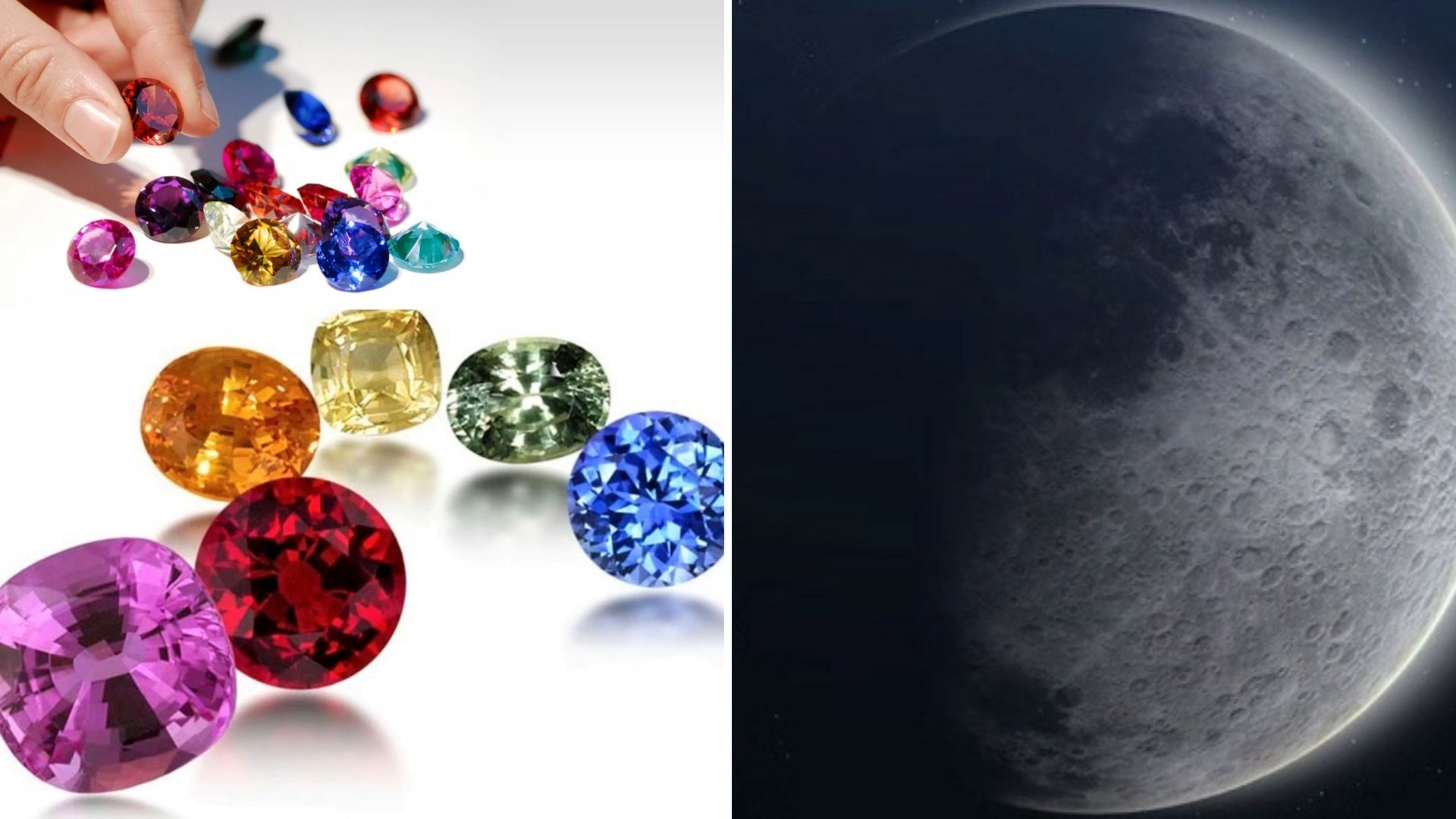
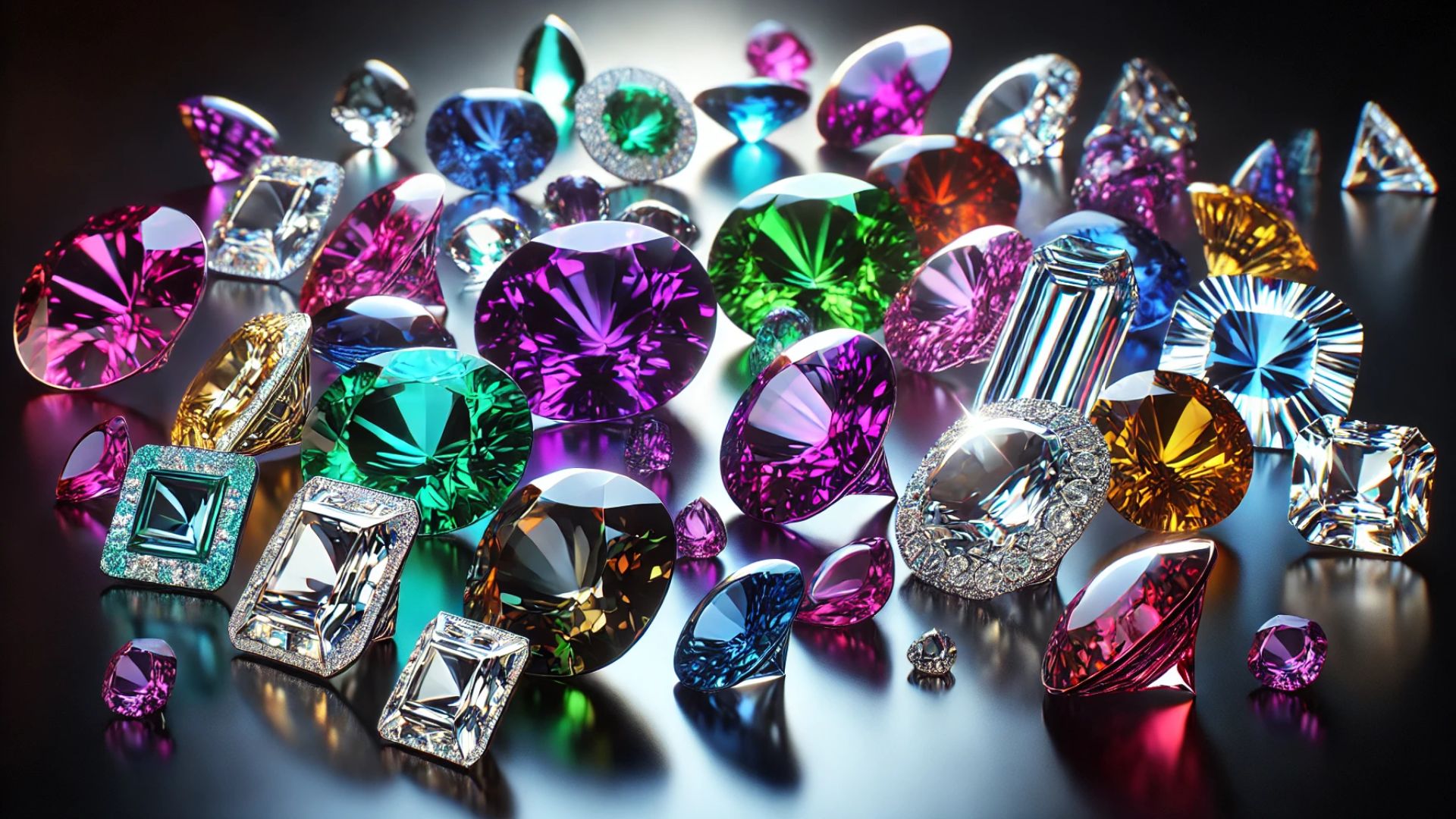
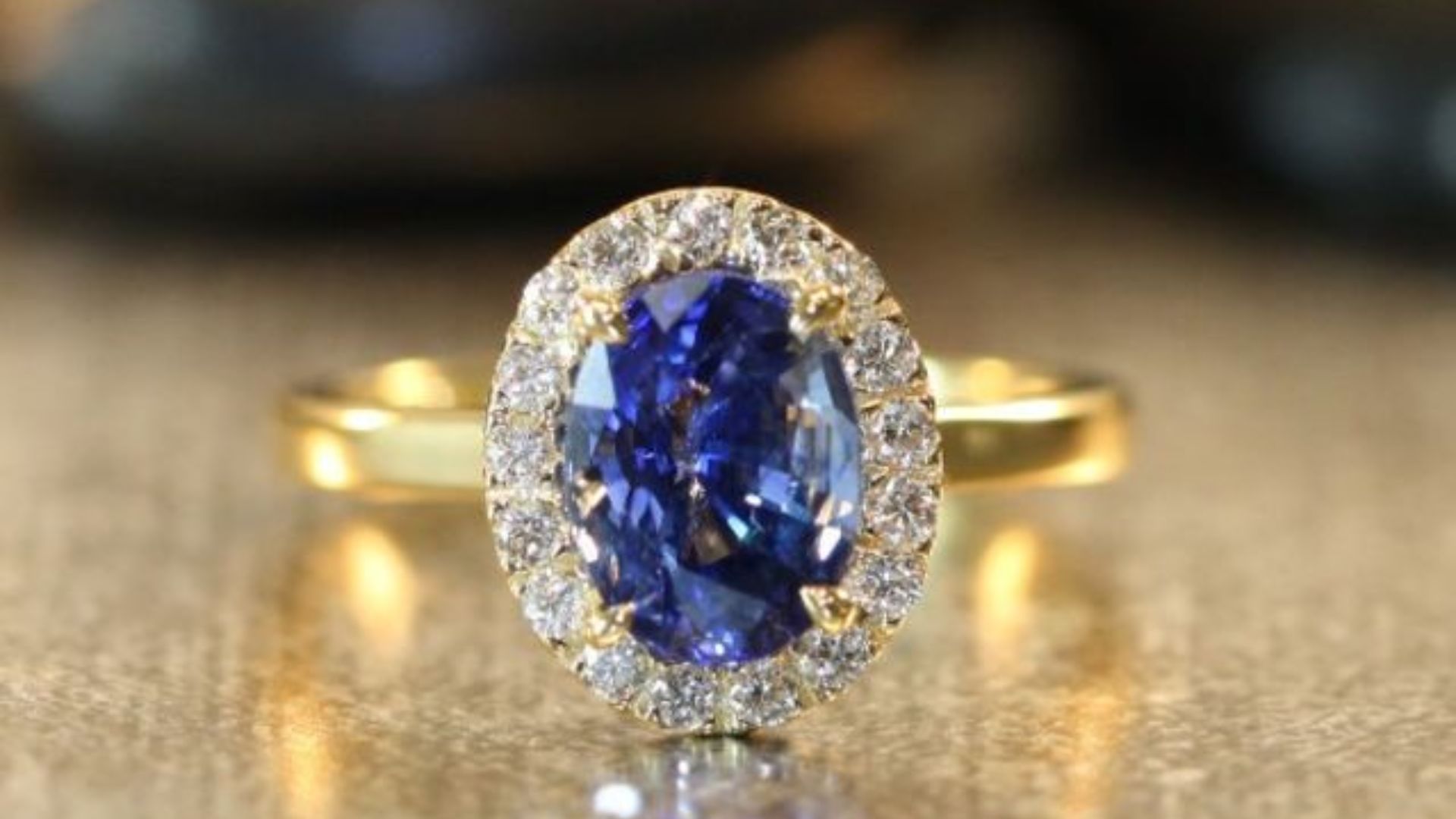
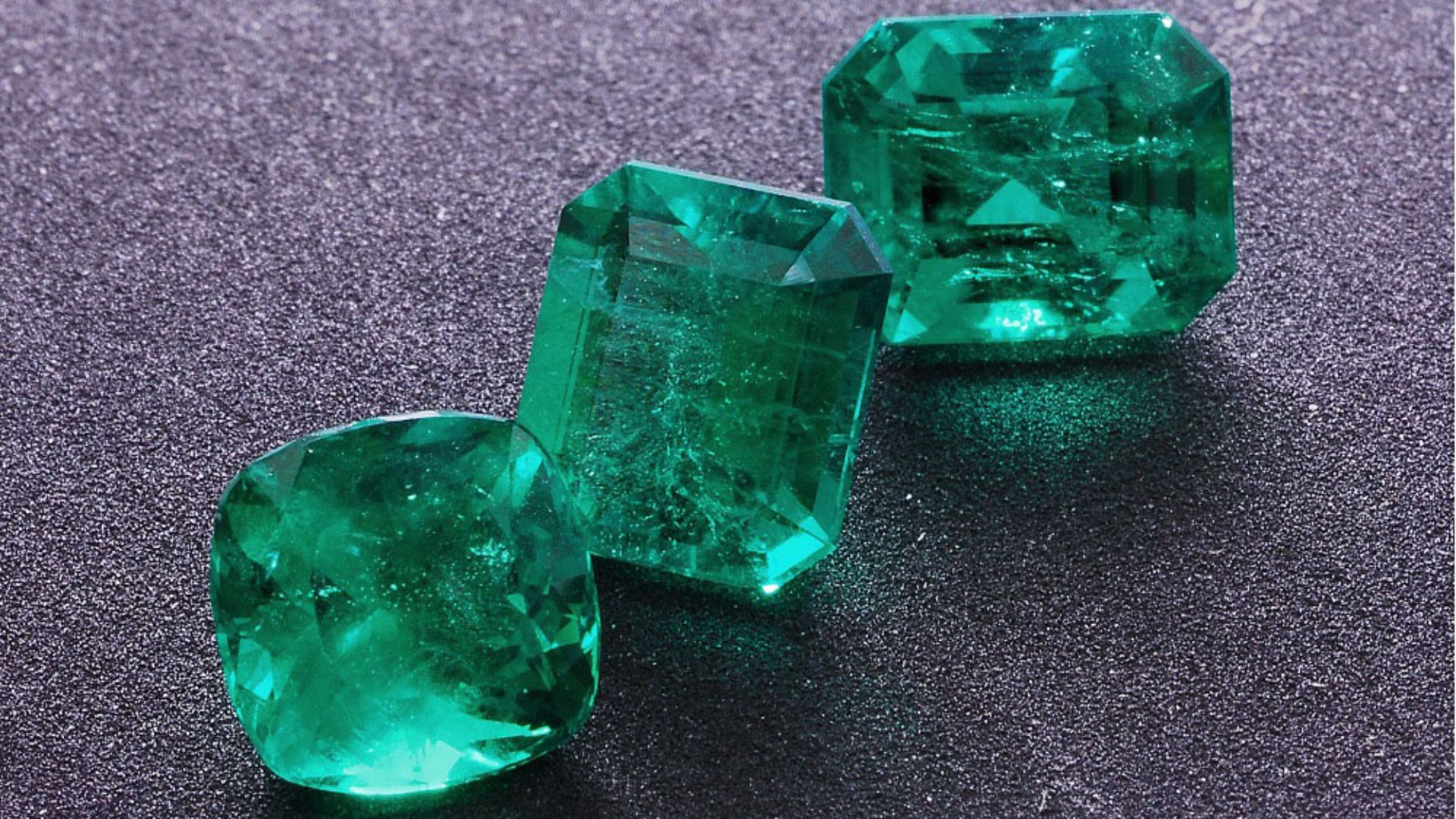
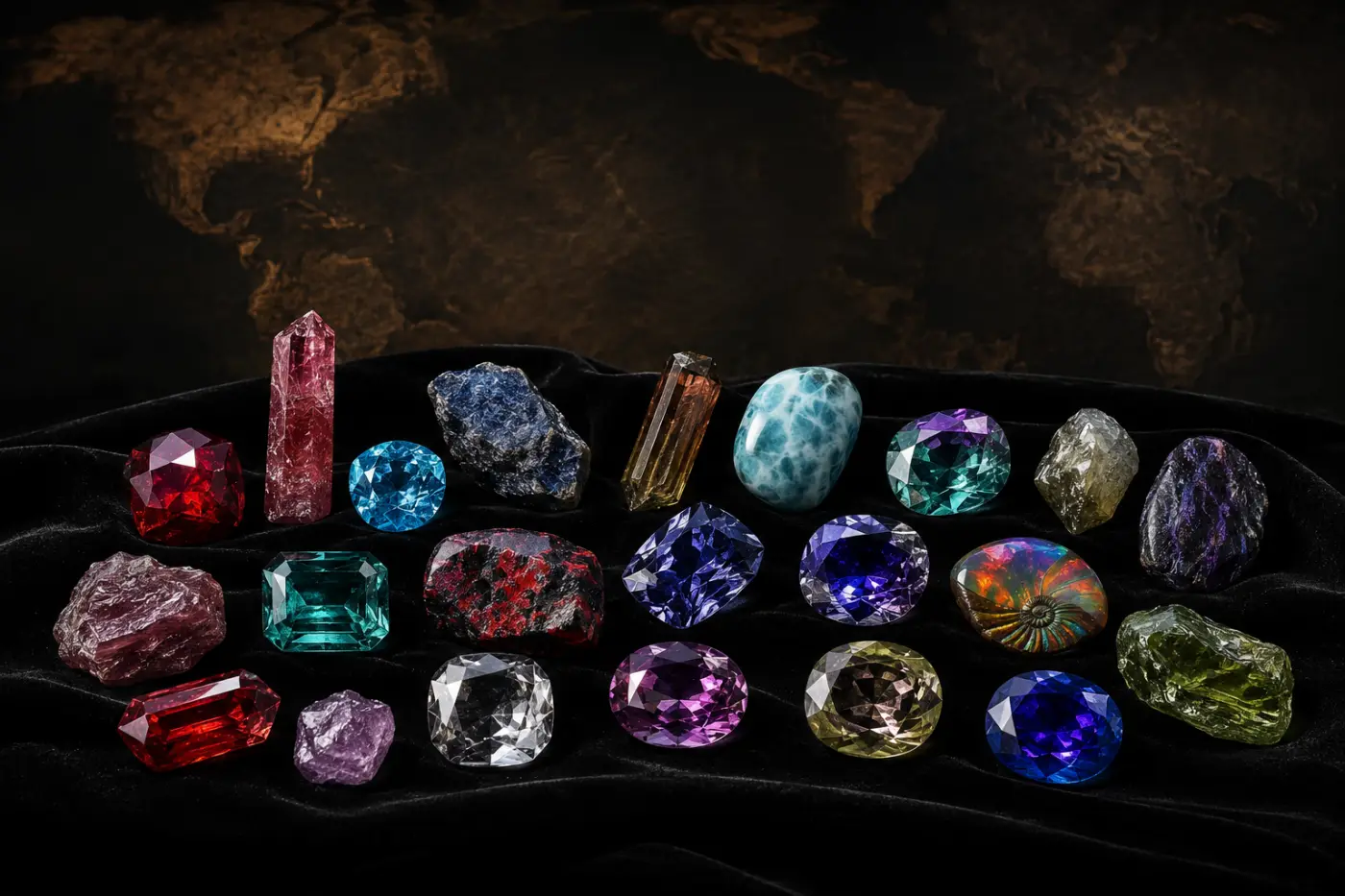
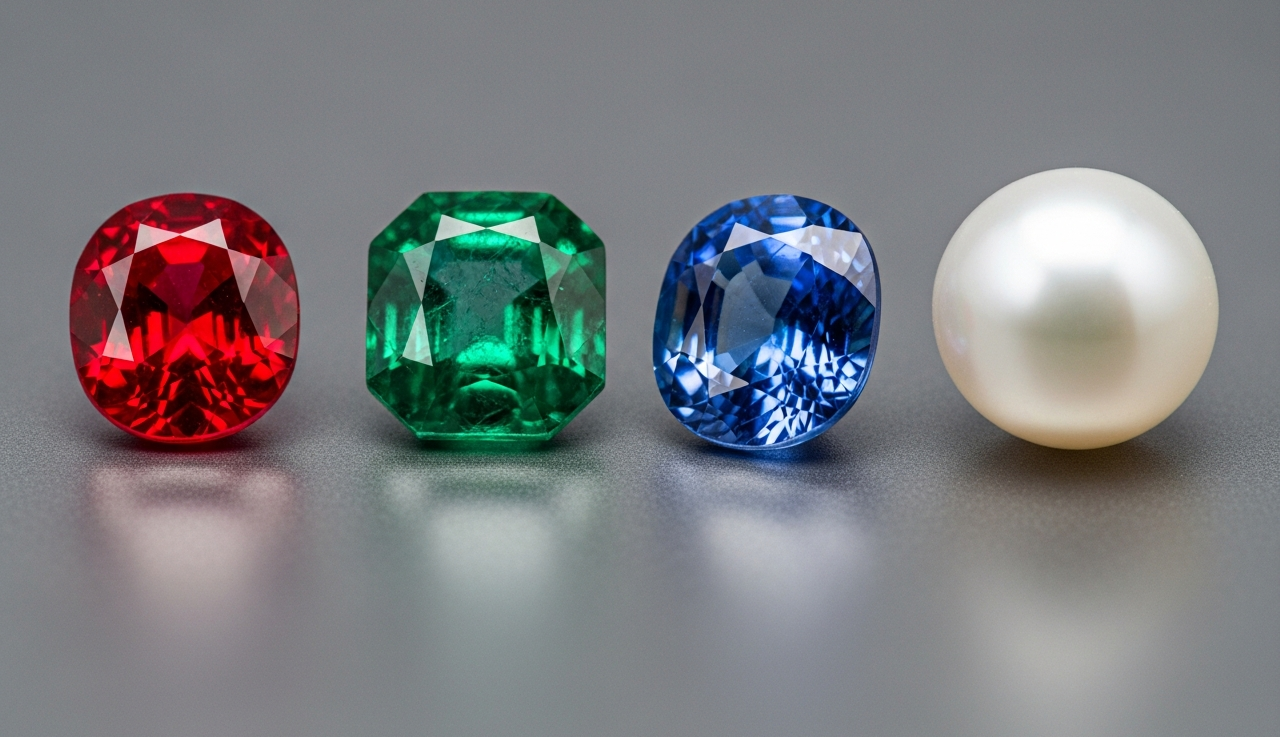
When people think of gemstones, the first names that come to mind are usually diamonds, rubies, sapphires, and emeralds. These iconic gems have dominated the jewelry industry for centuries, becoming symbols of luxury, romance, and status. However, beyond these well-known stones lies an extraordinary world filled with rare gemstones that most people have never even heard of.
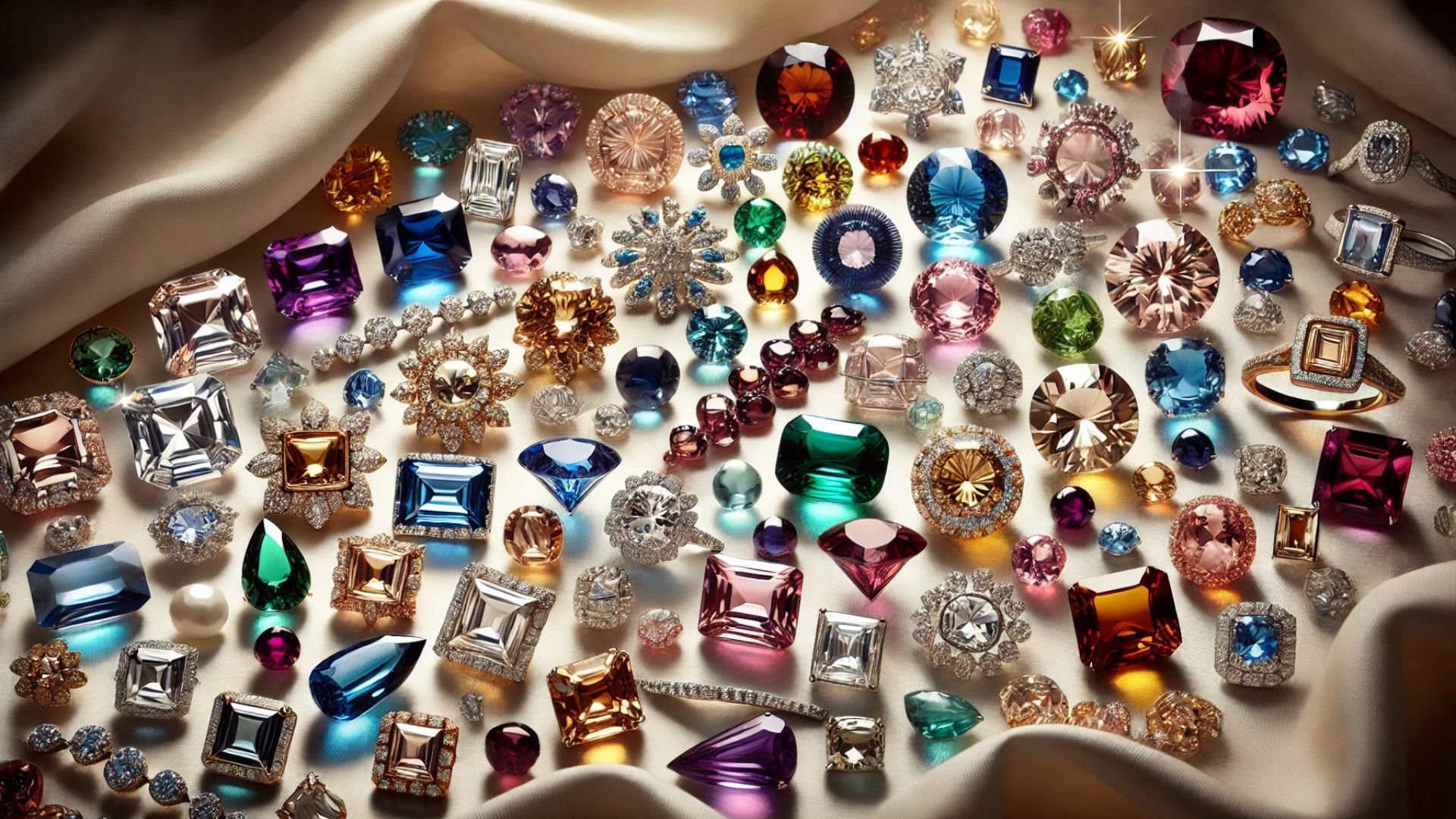
Many of these spectacular minerals are found in only one or two locations on Earth, making them incredibly valuable and fascinating to collectors. Some display stunning color-changing properties, while others glow under ultraviolet light or exhibit mesmerizing crystal formations. These uncommon gemstones often possess stories as captivating as their appearance, shaped by unique geological processes over millions of years.
Whether you're a gemstone collector, jewelry enthusiast, or simply curious about Earth's hidden treasures, this guide introduces you to some of the most fascinating rare gemstones you've never heard of. From vibrant blue crystals to dazzling pink minerals, these extraordinary gems prove that nature still holds countless secrets waiting to be discovered.
Why Are Some Gemstones So Rare?
Before exploring our rare gemstones list, it's worth understanding what makes certain gems exceptionally rare.
A gemstone's rarity depends on several factors, including:
- Limited geological formation conditions
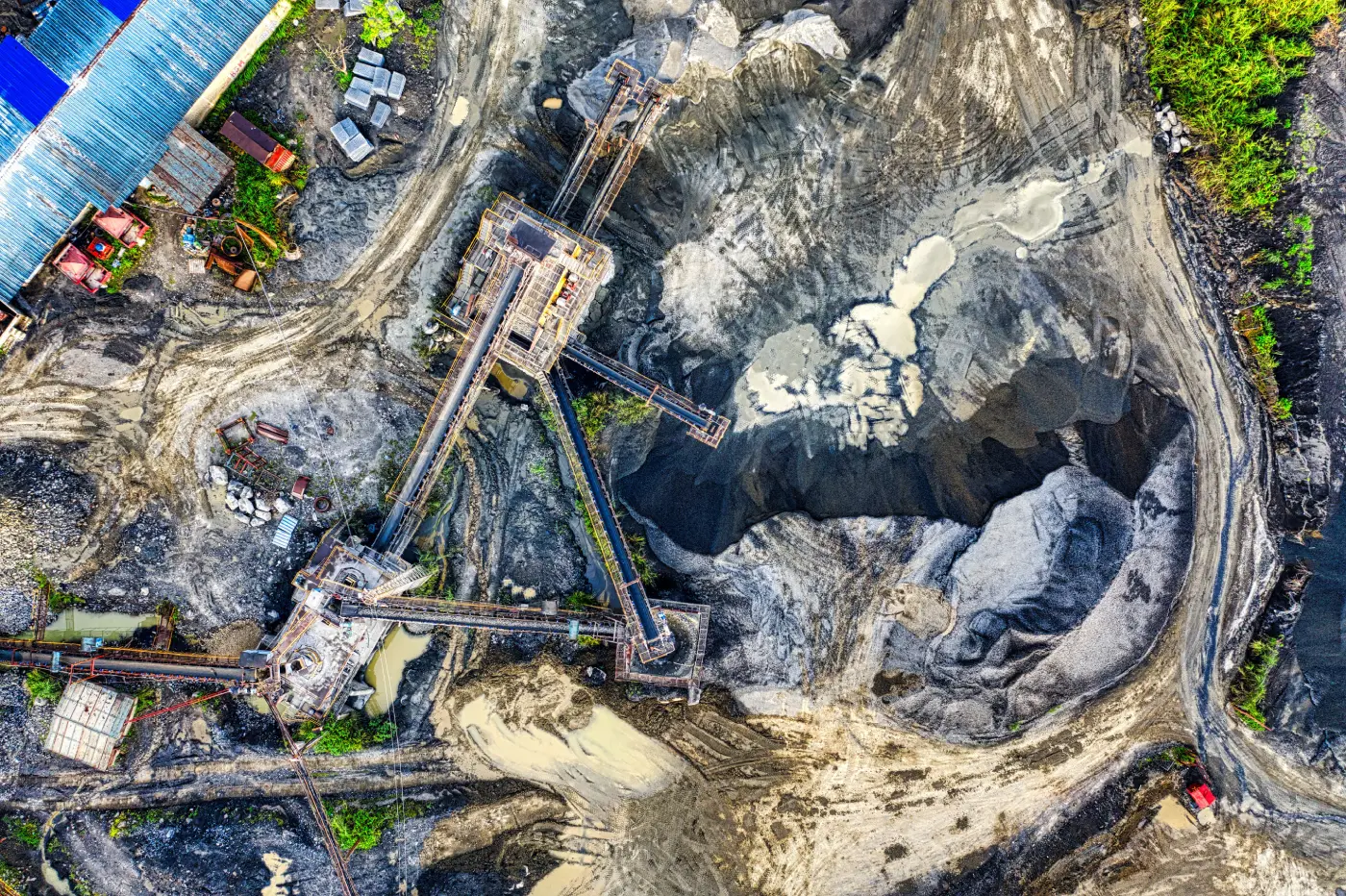
- Extremely small mining locations
- Low annual production
- Exceptional clarity and color
- High demand among collectors
- Difficulty in cutting and polishing
Unlike diamonds, which are mined in multiple countries, many rare precious stones come from a single mine or region. If that mine closes or becomes exhausted, the gemstone may become even rarer over time.
1. Painite – Once the World's Rarest Gemstone
Painite is legendary among mineral collectors. For decades, it held the Guinness World Record as the rarest gemstone on Earth.
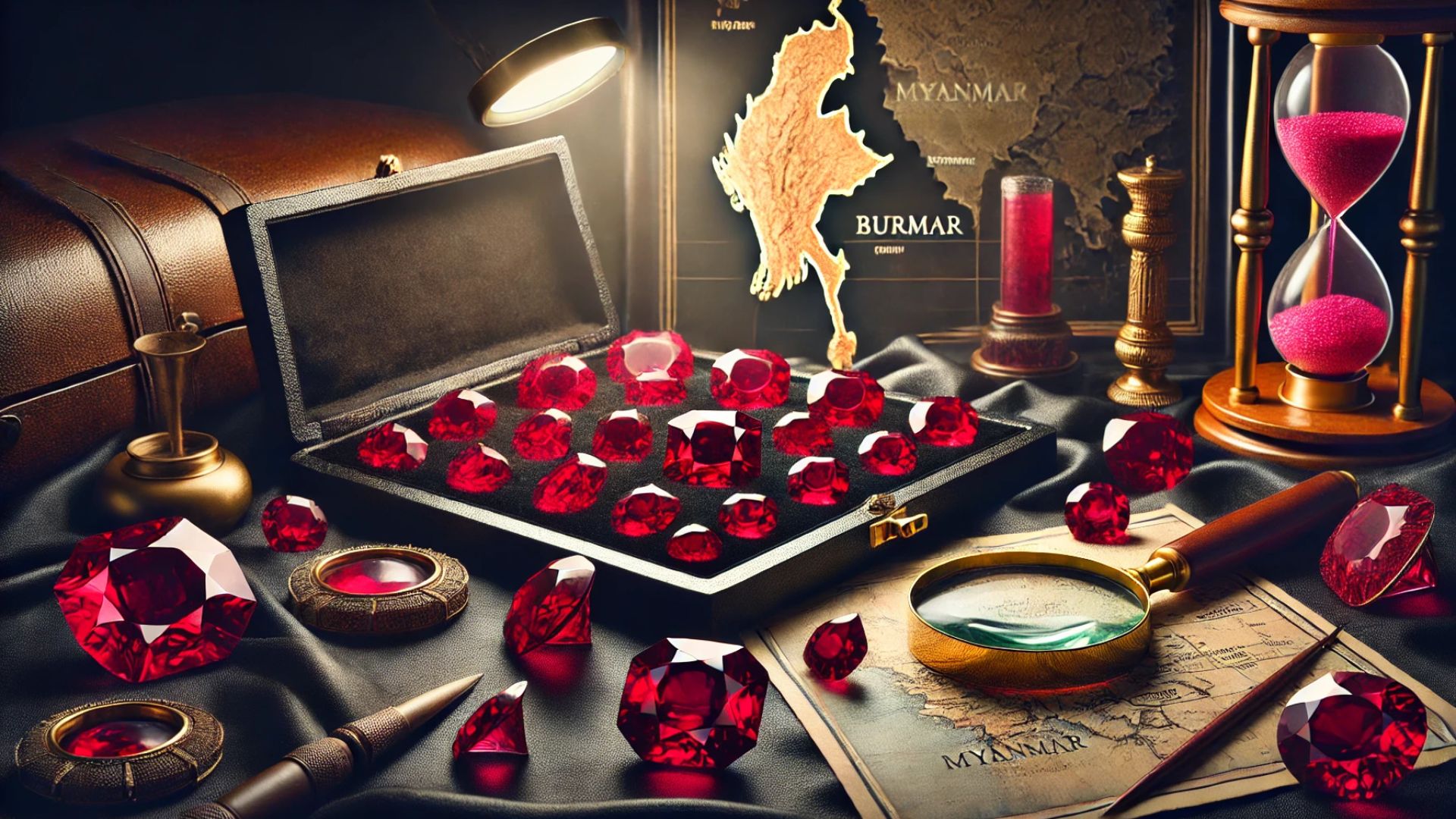
Originally discovered in Myanmar during the 1950s, only a handful of crystals were known for many years. Today, more specimens have been found, but gem-quality Painite remains exceptionally rare.
Characteristics
- Color: Brownish-red to reddish-orange
- Hardness: 8 on the Mohs scale
- Primary Source: Myanmar
- Crystal System: Hexagonal
2. Jeremejevite
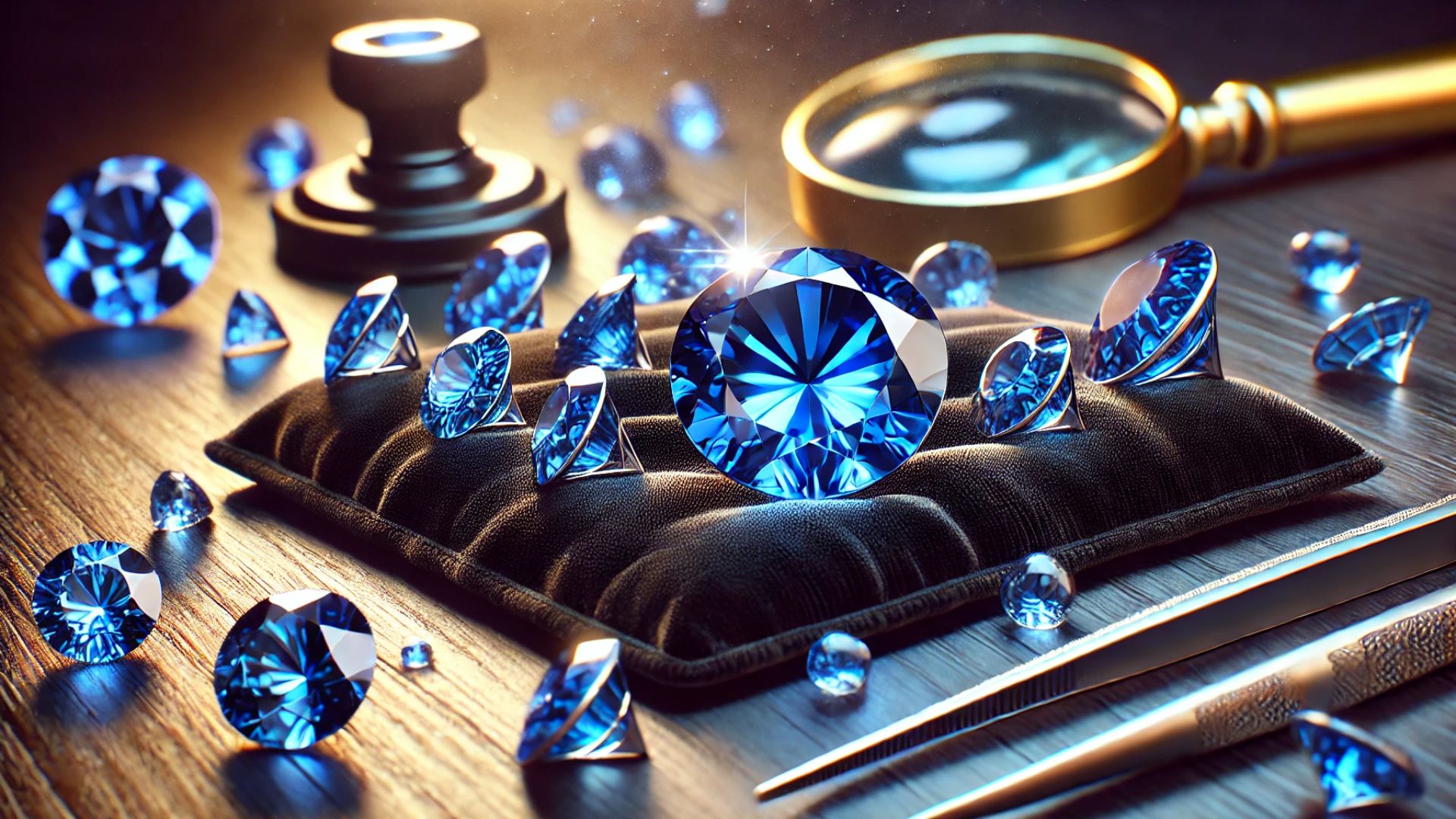
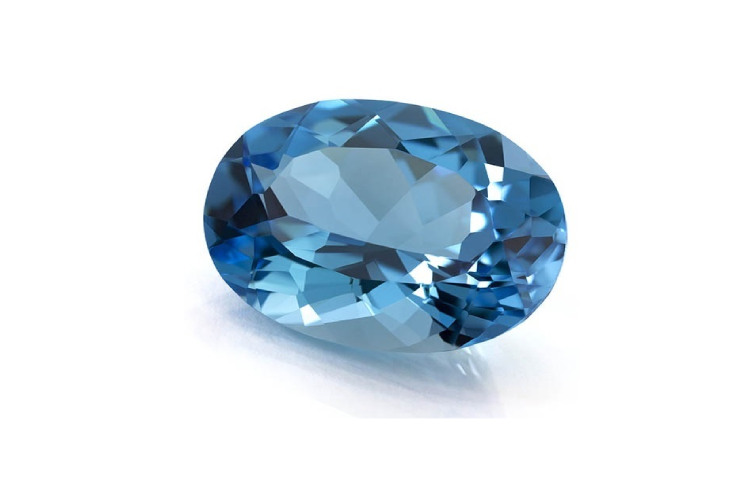
Jeremejevite is one of the most elegant unique gemstones in existence. Its transparent blue crystals often resemble aquamarine but are far rarer.
Discovered in Siberia in the late 19th century, this gemstone has since been found in Namibia and a few other isolated regions.
Why It's Special
- Transparent crystal appearance
- Rare gem-quality specimens
- Exceptional collector value
- Beautiful pale blue coloration
3. Grandidierite
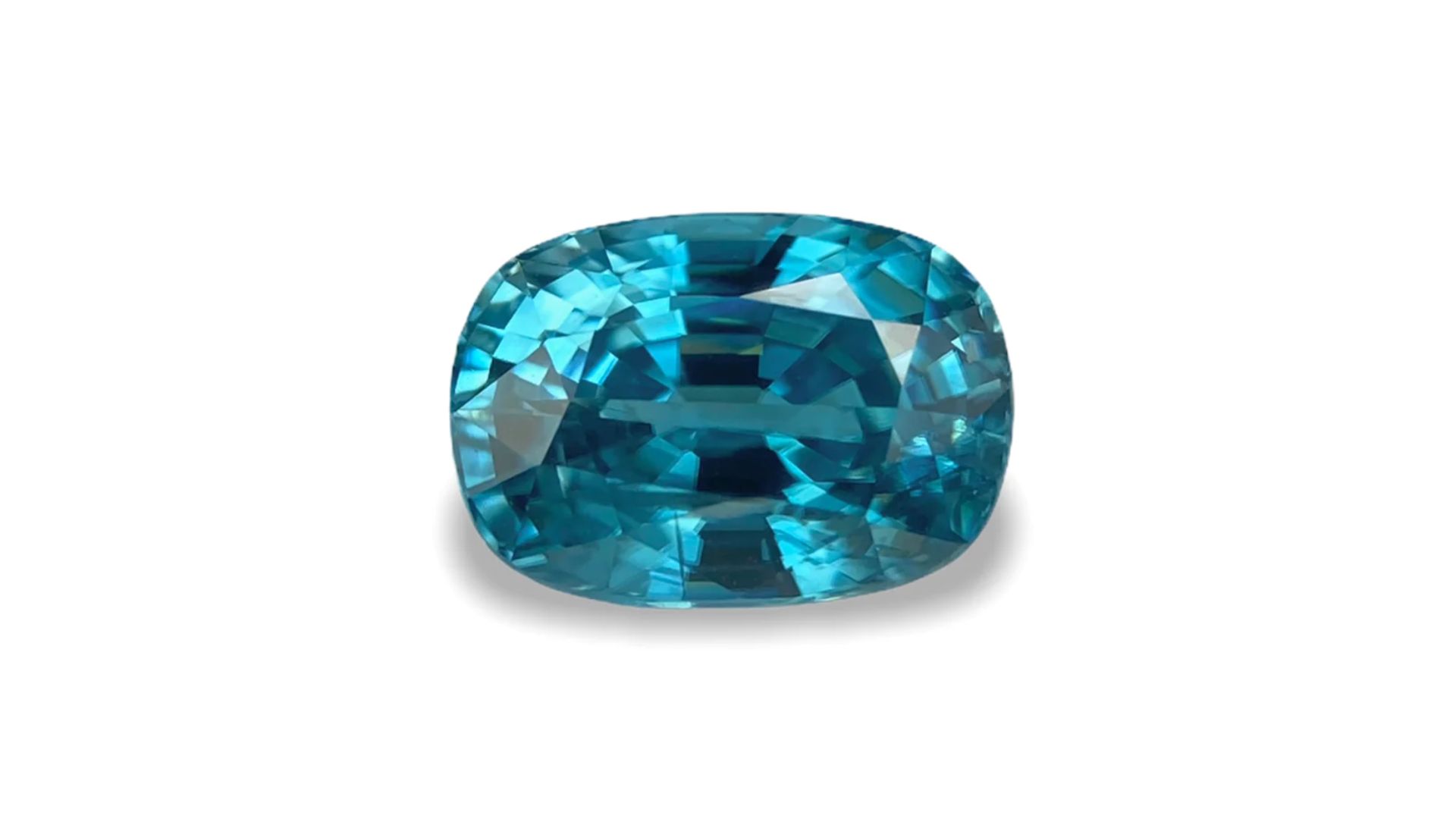
Grandidierite is famous for its mesmerizing blue-green color. Many experts consider it among the most beautiful lesser known gemstones ever discovered.
Originally found in Madagascar, this gemstone combines elegance with incredible rarity.
Features
- Blue-green transparency
- Strong pleochroism
- Hardness of 7.5
- Excellent collector appeal
4. Musgravite
Musgravite belongs to the taaffeite family and is significantly rarer than diamonds.
Initially discovered in Australia's Musgrave Ranges, it has since been identified in Sri Lanka, Greenland, and Madagascar.
Collectors admire Musgravite for its:
- Gray-violet hues
- Greenish tones
- Exceptional brilliance
- Limited supply
Gem-quality Musgravite remains one of the most valuable rare precious stones available today.
5. Taaffeite
Taaffeite has one of the most unusual discovery stories in gemology.
Instead of being found in nature first, it was identified after someone purchased what was believed to be a spinel gemstone. Upon closer examination, scientists realized they had discovered an entirely new mineral.
Colors
- Lavender
- Violet
- Pink
- Gray
6. Red Beryl
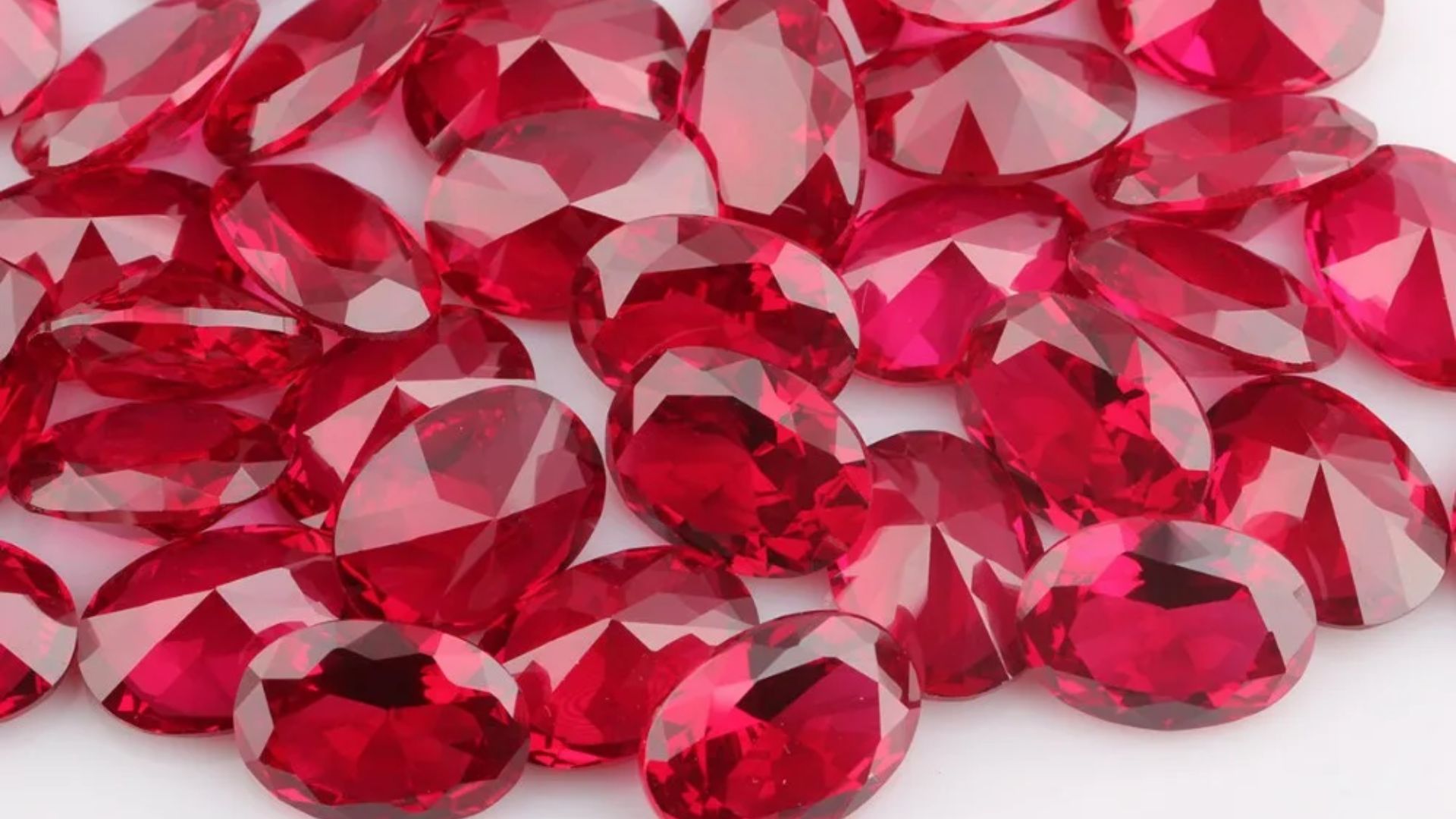
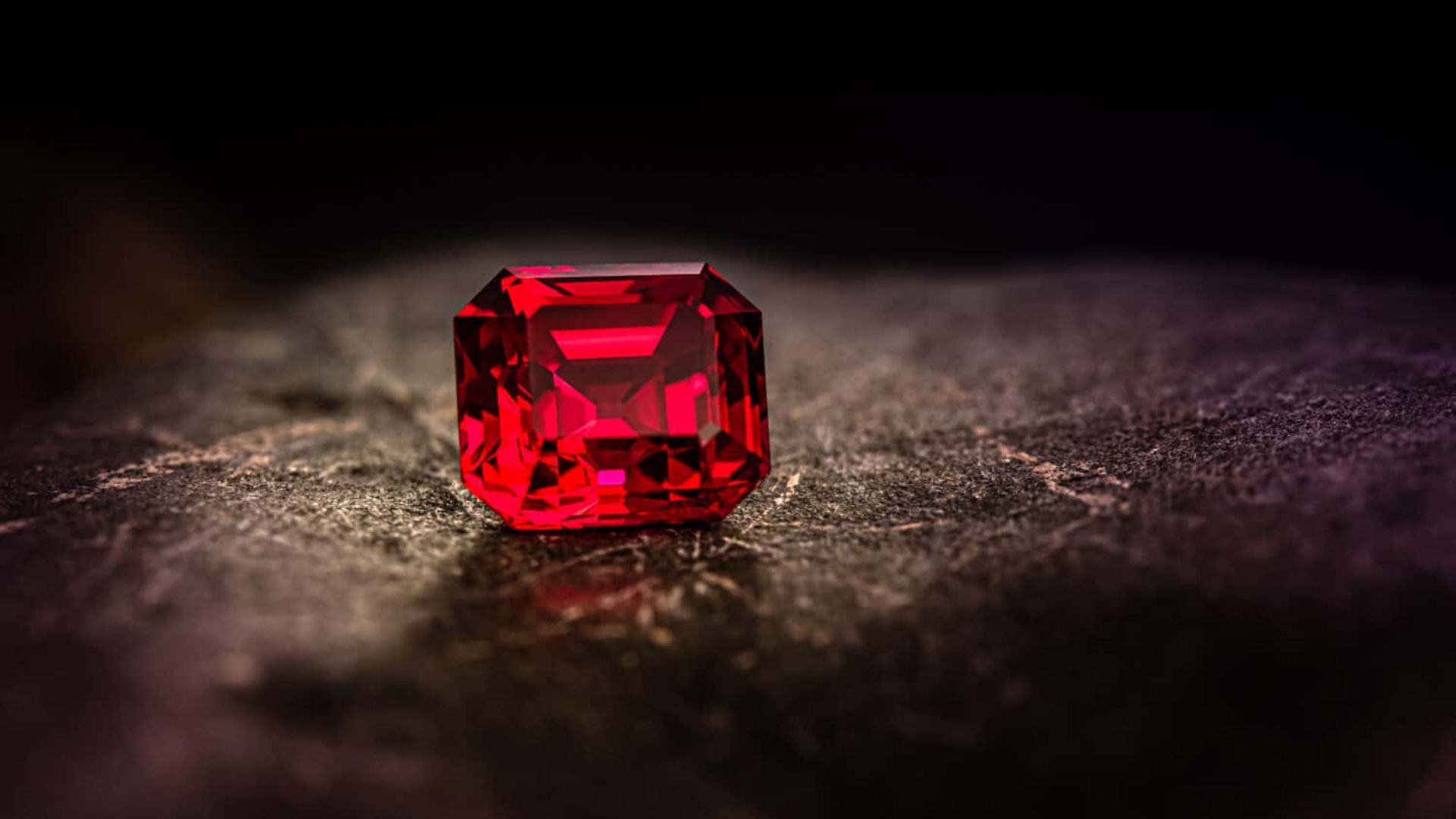
Unlike traditional emeralds, Red Beryl displays rich crimson shades that rival the finest rubies.
Found almost exclusively in Utah, USA, Red Beryl is estimated to be thousands of times rarer than diamonds.
Interesting Facts
- Also called "Bixbite"
- Exceptional red coloration
- Rare jewelry-quality crystals
- Mostly found in volcanic rocks
7. Serendibite
Serendibite is among the darkest and most mysterious exotic gemstones.
Originally discovered in Sri Lanka, gem-quality specimens are incredibly difficult to find.
Common colors include:
- Dark blue
- Black
- Greenish-black
Transparent Serendibite stones can sell for extraordinary prices due to their extreme rarity.
8. Poudretteite
Named after the Poudrette family of Canada, this gemstone remained unknown until the 1980s.
Its soft pink appearance makes it especially attractive for collectors seeking feminine-colored gems.
Features
- Light pink
- Lavender pink
- Transparent brilliance
- Excellent rarity
9. Tanzanite
Although Tanzanite has become more recognized in recent decades, it remains one of the most fascinating rare gems around the world.
It is found in only one place:
Merelani Hills, Tanzania.
Experts believe current deposits may eventually become exhausted, potentially increasing the gemstone's rarity even further.
Popular Colors
- Violet
- Blue
- Purple-blue
10. Benitoite
Benitoite is California's official state gemstone.
Its vivid sapphire-blue color and brilliant fire make it unforgettable.
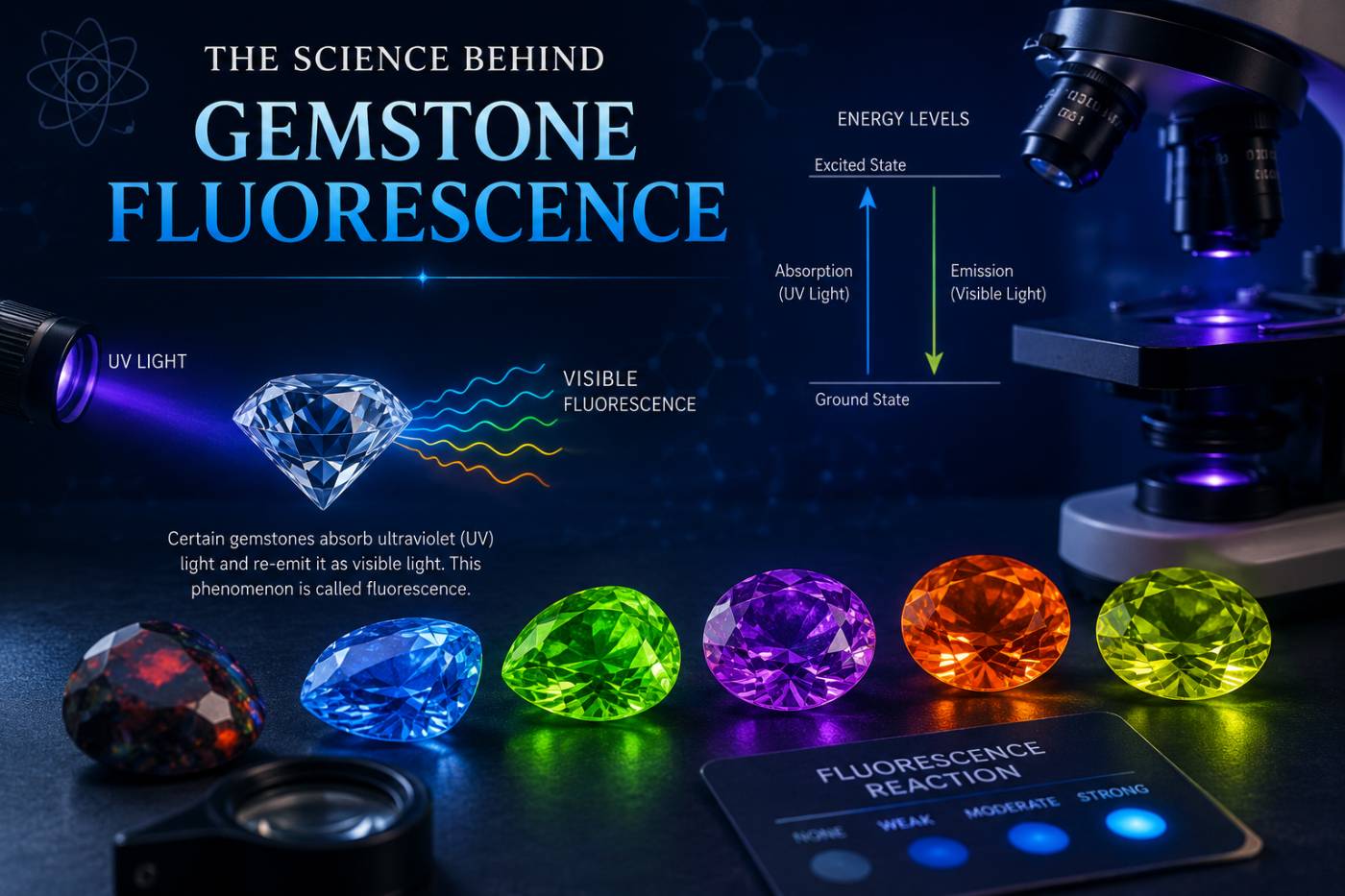
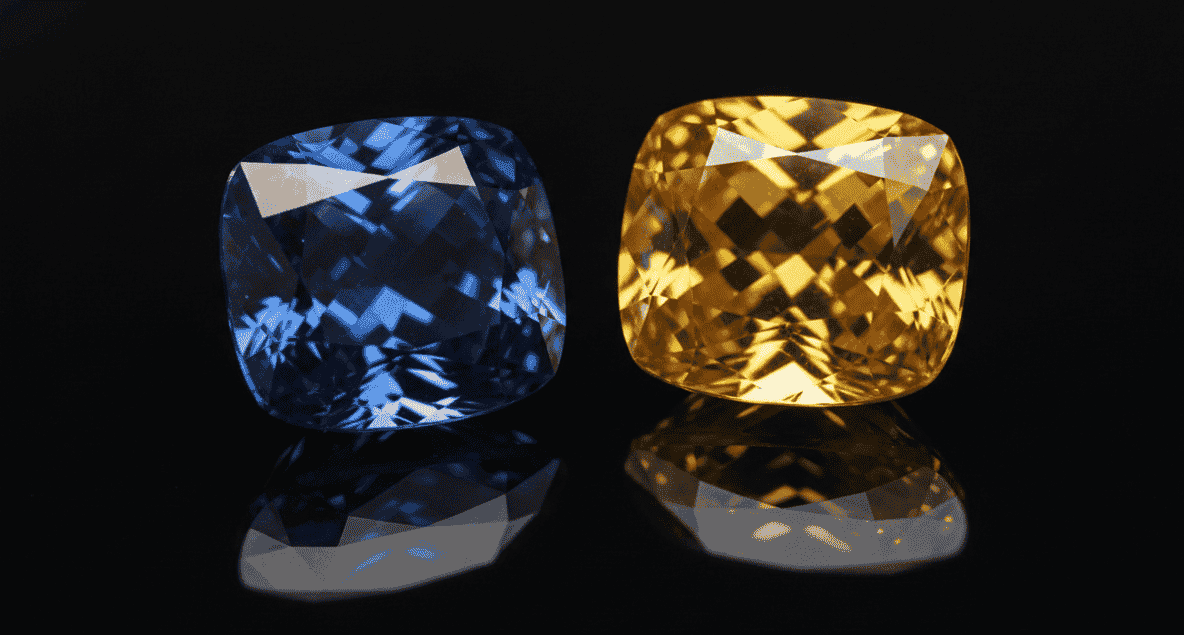
Unlike sapphire, Benitoite displays strong fluorescence under ultraviolet light.
Origin
- California, USA
- Limited mining area
- Small crystal sizes
- Rare faceted stones
11. Alexandrite
Alexandrite is famous for its magical color-changing ability.
Under daylight it appears green, while incandescent lighting transforms it into deep red or purplish hues.
Why Collectors Love It
- Dramatic color change
- Excellent hardness
- High durability
- Increasing rarity
12. Larimar
Larimar is unlike any gemstone on Earth.
Its tropical blue appearance resembles Caribbean waters, making it instantly recognizable.
Source
Only found in the Dominican Republic.
Although Larimar is more available than some gems on this list, fine-quality material remains highly prized.
13. Hackmanite
Hackmanite fascinates scientists because of its remarkable photochromic properties.
When exposed to sunlight or ultraviolet light, it changes color before gradually returning to its original shade.
This unusual behavior makes Hackmanite one of the most interesting hidden gemstones for mineral enthusiasts.
14. Eudialyte
- Red
- Pink
- Brown
- White
- Black
It is mainly found in:
- Russia
- Greenland
- Canada
- Norway
15. Peacock Ore (Bornite)
Although technically a mineral rather than a traditional gemstone, Peacock Ore deserves mention because of its extraordinary rainbow colors.
Its metallic surface displays:
- Purple
- Blue
- Gold
- Green
- Pink
Collectors appreciate its vibrant natural iridescence.
16. Charoite
Charoite is instantly recognizable because of its swirling purple patterns.
Discovered in Siberia during the 1940s, this gemstone remained largely unknown for decades.
Unique Appearance
Every Charoite stone displays different flowing patterns, making each piece one of a kind.
It is frequently used in decorative carvings and statement jewelry.
17. Zektzerite
Zektzerite is among the least familiar names in the gemstone world.
Discovered in Washington State, USA, this mineral is prized by collectors rather than jewelry manufacturers.
Transparent stones suitable for faceting are extremely uncommon.
18. Diaspore (Color-Change Variety)
High-quality Diaspore can exhibit multiple colors depending on lighting.
Possible colors include:
- Green
- Champagne
- Pink
- Peach
Its changing appearance has earned it growing popularity among gemstone enthusiasts seeking something different.
19. Ammolite
Unlike most gemstones formed from minerals, Ammolite comes from fossilized ammonite shells.
Its dazzling iridescence displays nearly every color imaginable.
Found Mainly In
- Alberta, Canada
20. Moldavite
Moldavite isn't just rare—its origin is extraordinary.
Scientists believe it formed approximately 15 million years ago after a massive meteorite struck Earth.
The impact melted surrounding rock, creating beautiful green natural glass.
Collectors prize Moldavite because of its fascinating extraterrestrial origin and distinctive appearance.
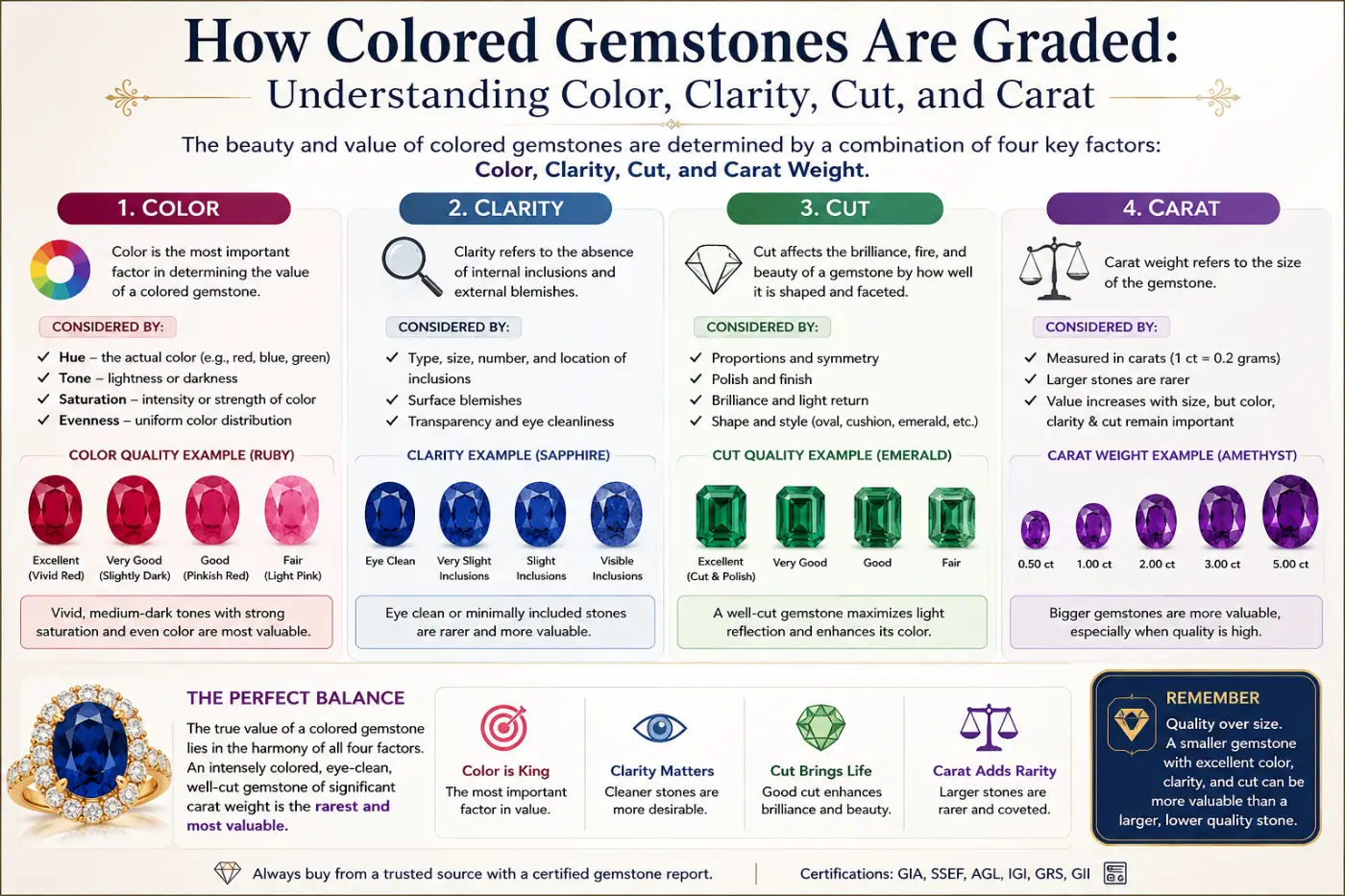
What Makes These Gemstones So Valuable?
Several characteristics influence the value of rare gemstones.
Rarity
The fewer stones available, the greater their potential value.
Origin
Many rare gems around the world come from only one geographic location.
Color
Exceptional saturation dramatically increases desirability.
Clarity
Transparent stones generally command higher prices than opaque varieties.
Size
Large crystals are much rarer than smaller specimens.
Historical Importance
Some gemstones become valuable because of their historical discoveries or famous collectors.
Tips for Buying Rare Gemstones
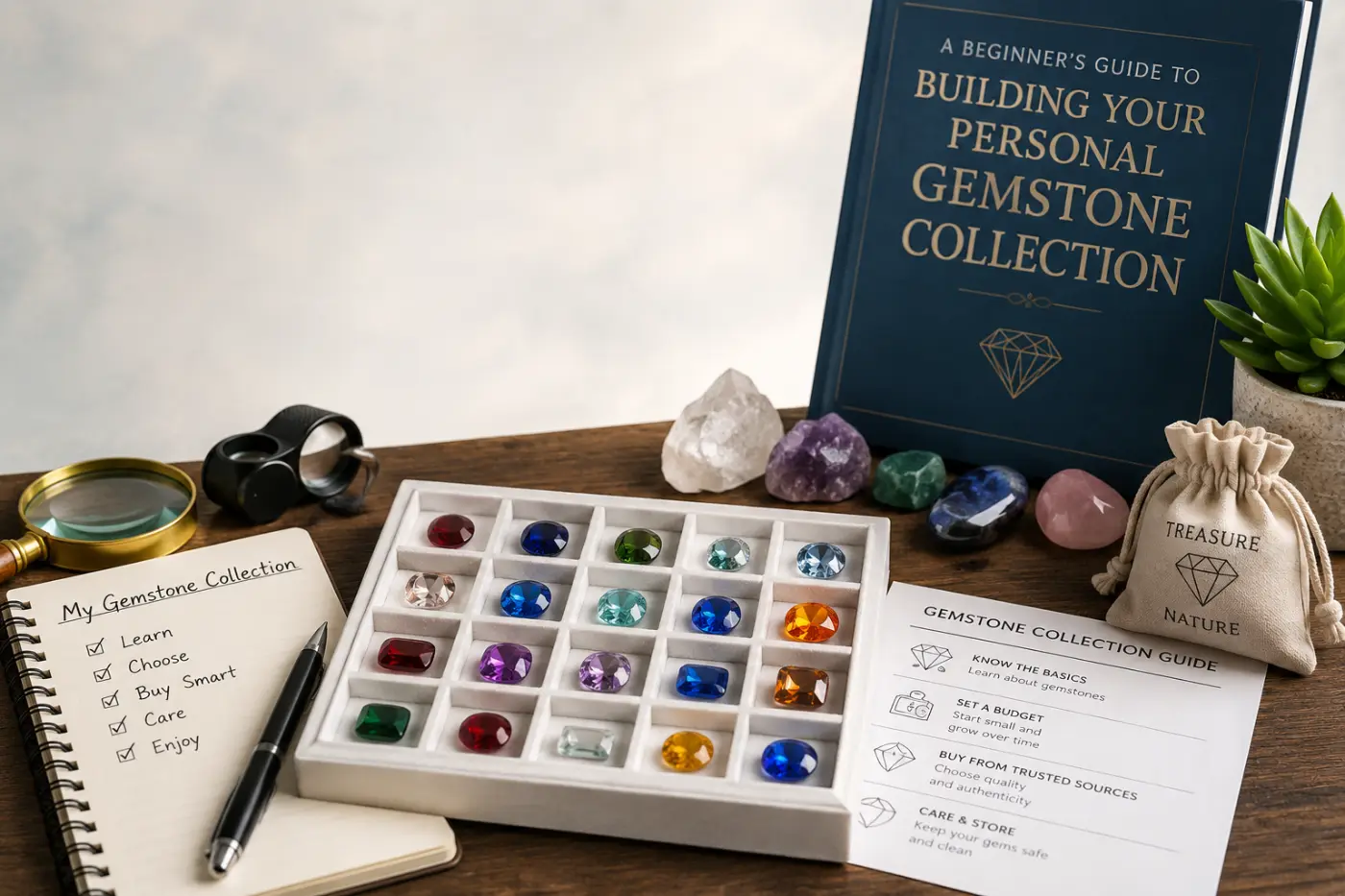
If you're considering adding one of these remarkable stones to your collection, keep these tips in mind.
Buy from Reputable Dealers
Always purchase from established gemstone dealers with strong reputations.
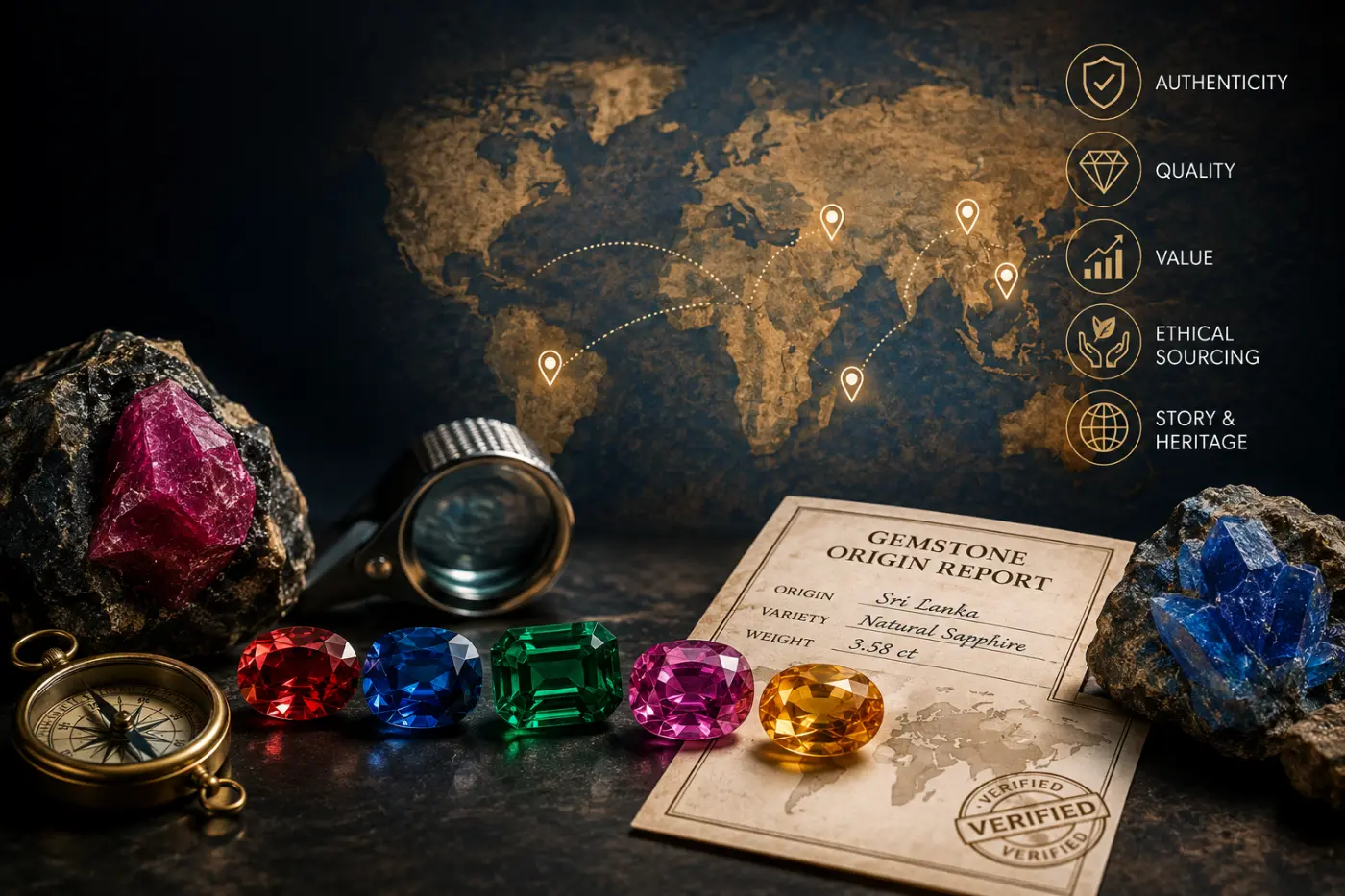
Request Certification
Laboratory certificates help verify authenticity and treatments.
Understand Treatments
Some gemstones undergo heating, irradiation, or stabilization to improve appearance.
Research the Market
Prices for lesser known gemstones can vary dramatically depending on rarity and demand.
Learn About the Source
Knowing where a gemstone originates can significantly affect its value and collectibility.
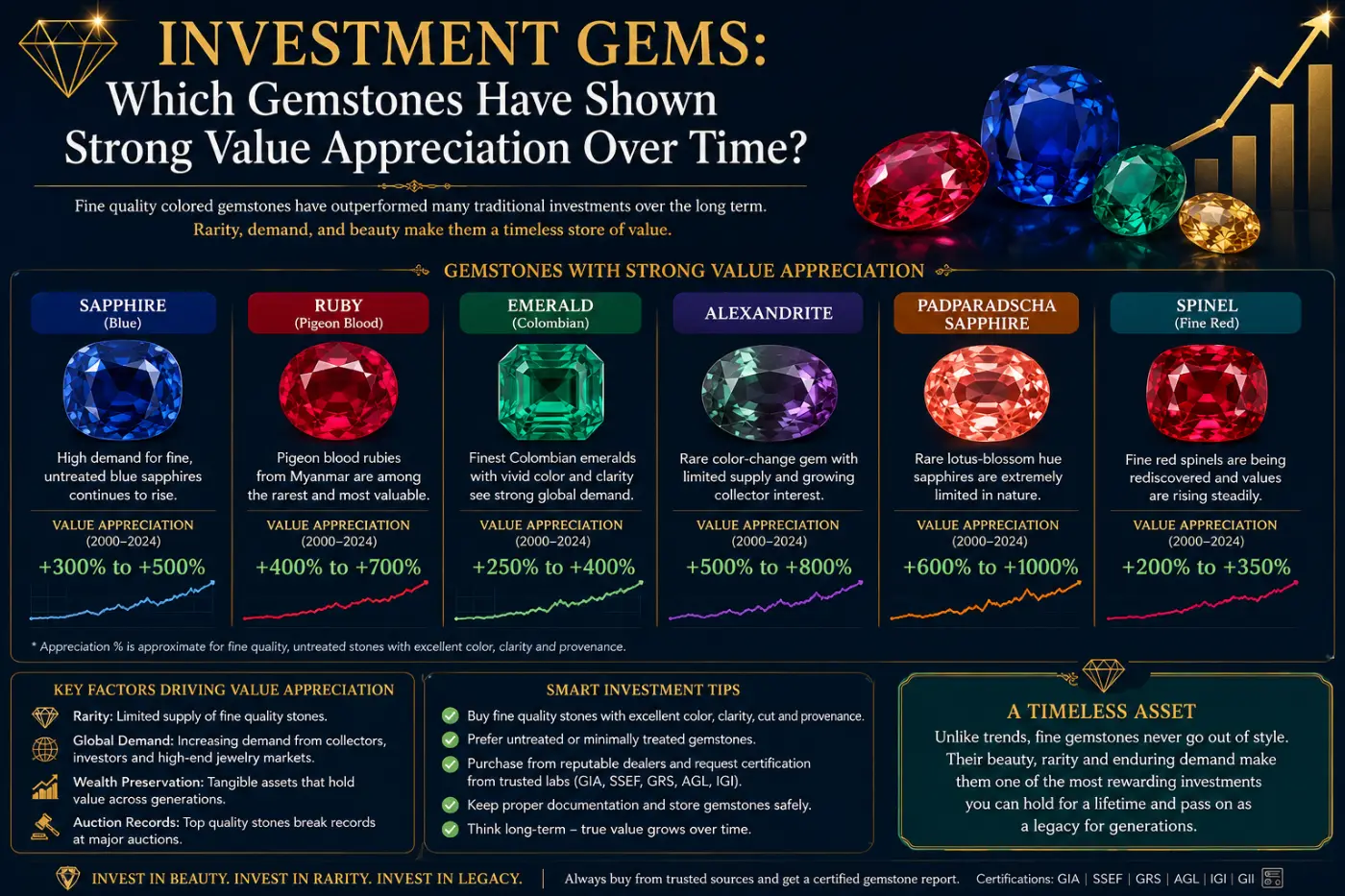
Are Rare Gemstones a Good Investment?
Many collectors view rare precious stones as long-term investments because supply is naturally limited.
However, gemstone values depend on numerous factors, including:
- Market demand
- Condition
- Certification
- Color quality
- Provenance
- Global economic conditions
Unlike traditional investments, gemstones should be purchased primarily for appreciation and enjoyment rather than guaranteed financial returns.
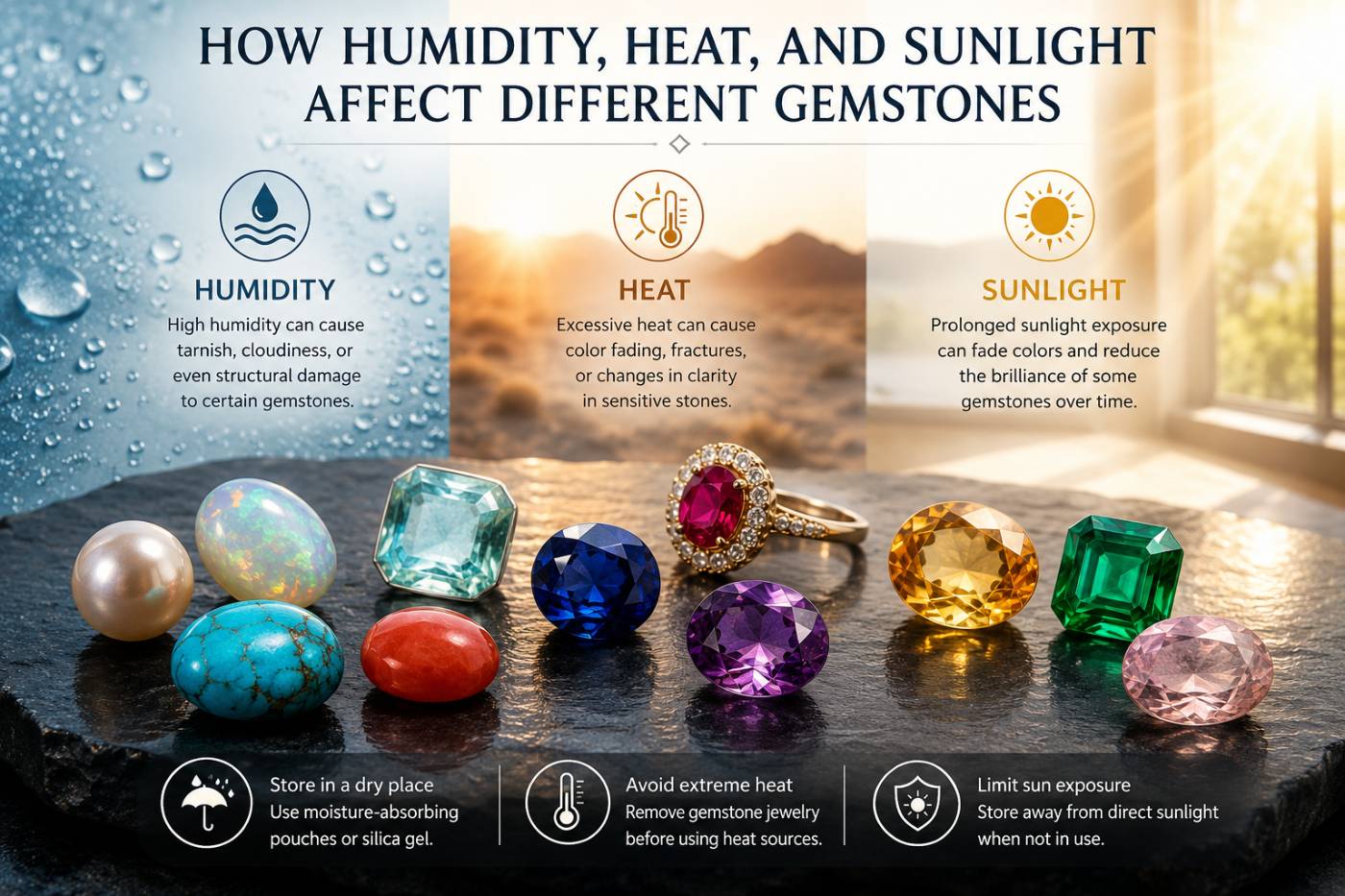
Caring for Exotic Gemstones
Proper care helps preserve the beauty of exotic gemstones for generations.
Some general care tips include:
- Store gemstones separately to avoid scratches.
- Clean with mild soap and warm water unless the stone requires specialized care.
- Avoid harsh chemicals.
- Remove jewelry before strenuous activities.
- Have settings inspected regularly.
Certain rare minerals are softer than diamonds and require additional caution during everyday wear.
The Fascinating Future of Hidden Gemstones
As geological exploration continues, scientists occasionally discover previously unknown minerals capable of becoming tomorrow's collectible gemstones. Advances in mining technology also make it possible to access deposits that were once impossible to reach.
At the same time, many existing mines are becoming depleted, making current specimens even more desirable. This balance between new discoveries and dwindling supplies keeps the world of gemstones dynamic and exciting.
Collectors today are increasingly moving beyond traditional diamonds and colored gems in search of stones with unique stories, exceptional rarity, and extraordinary visual appeal.
Final Thoughts
The world of rare gemstones is far richer and more diverse than most people realize. While diamonds, sapphires, emeralds, and rubies continue to dominate jewelry stores, countless rare gemstones you've never heard of remain hidden in remote mountains, ancient volcanic formations, and isolated mineral deposits across the globe.
From the legendary rarity of Painite to the color-changing magic of Alexandrite and the extraterrestrial origins of Moldavite, these extraordinary treasures showcase the incredible creativity of nature. Every stone carries a unique geological history spanning millions of years, making each one far more than just a beautiful object.
Whether you're exploring a comprehensive rare gemstones list, searching for uncommon gemstones to add to your collection, or simply learning about unique gemstones for the first time, these remarkable minerals offer endless fascination. The allure of lesser known gemstones, rare precious stones, exotic gemstones, and hidden gemstones continues to captivate collectors, gemologists, and jewelry lovers alike.
As interest in distinctive and meaningful jewelry grows, these rare gems around the world are gaining the recognition they deserve. Their scarcity, beauty, and remarkable origins ensure that they will remain some of Earth's most treasured natural wonders for generations to come.
Recent Posts



2026-09-04
The Science Behind Gemstone Fluorescence














2025-09-15