Date : 2026-06-26
Introduction
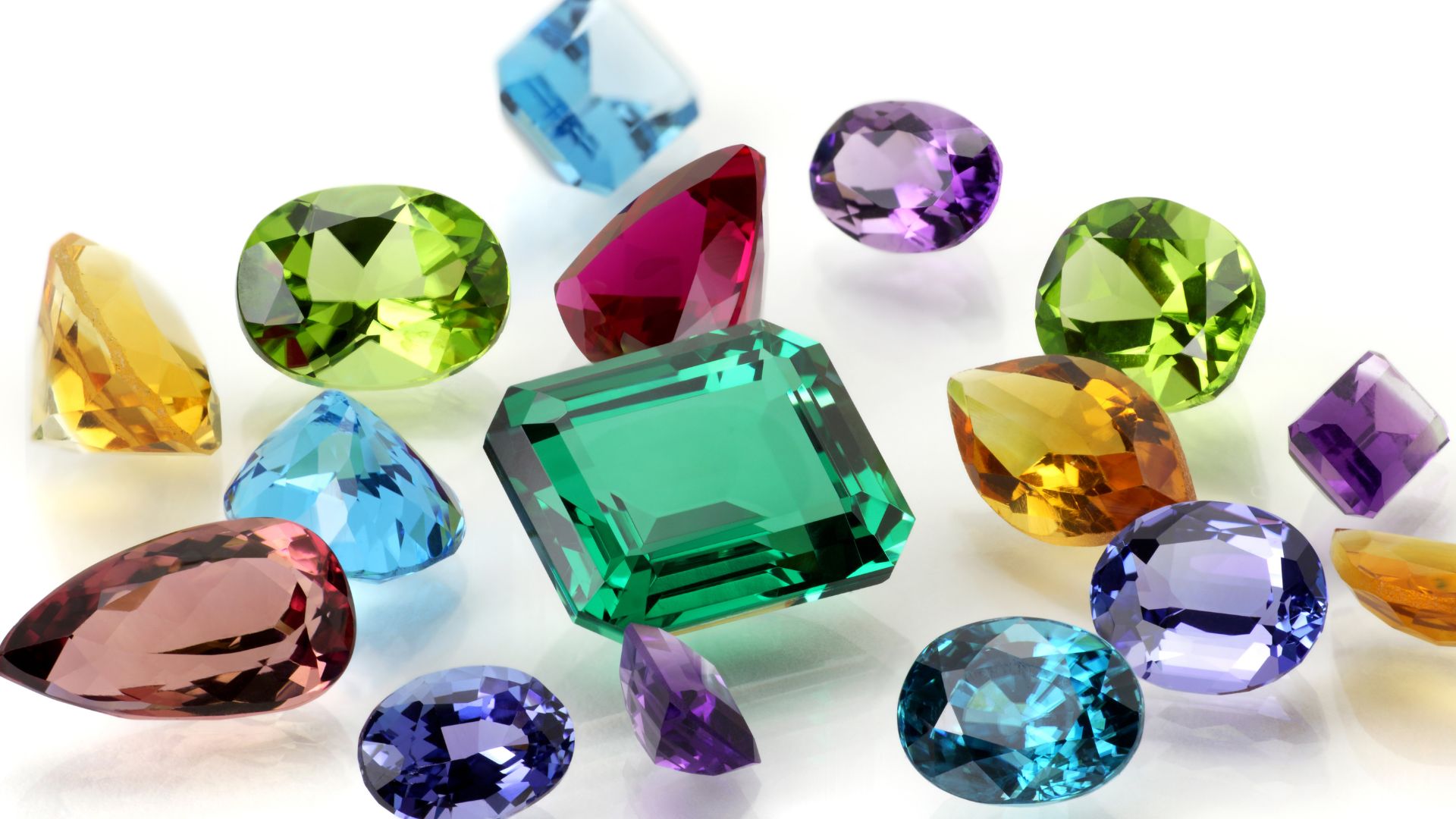
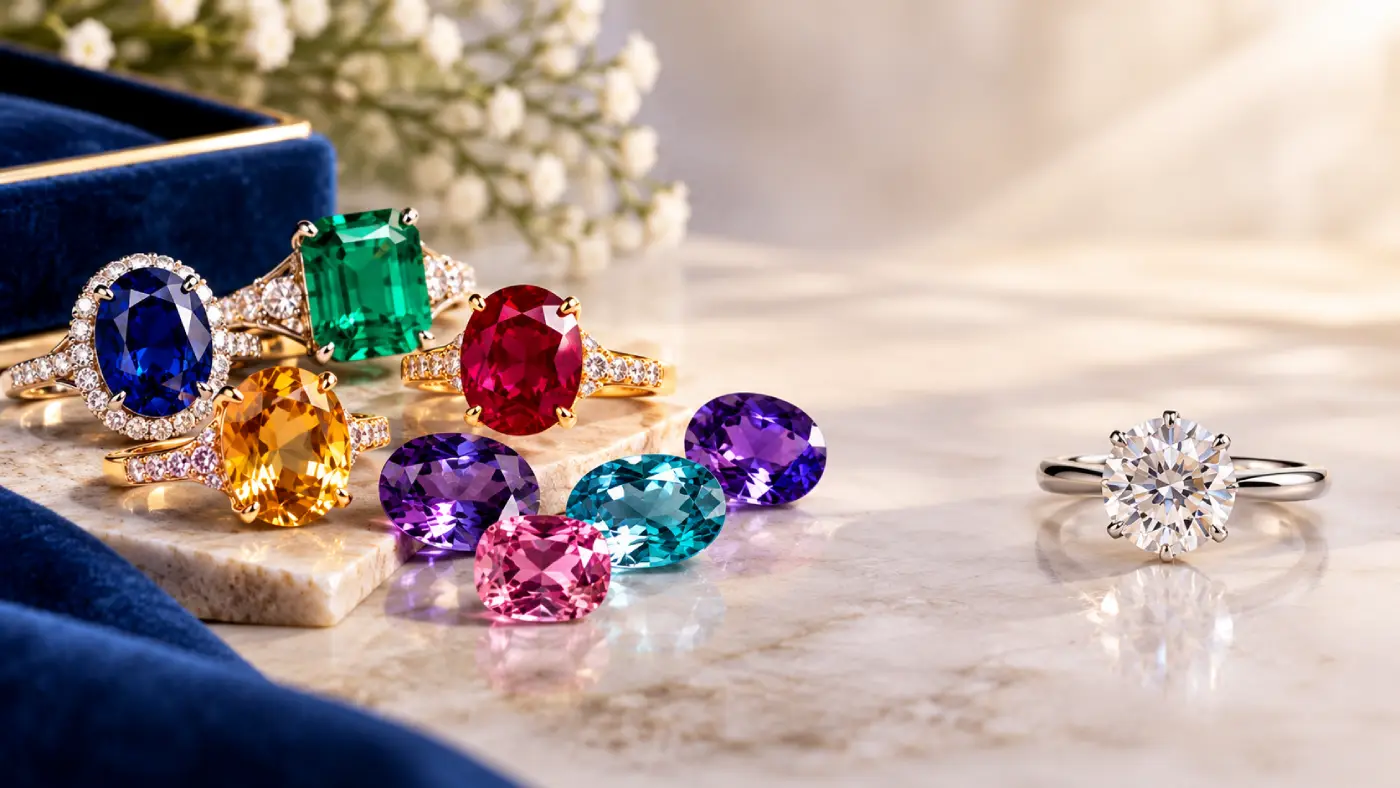
Gemstones have captivated humanity for thousands of years with their beauty, rarity, and symbolic significance. From dazzling diamonds and vibrant sapphires to mesmerizing emeralds and rubies, gemstones are treasured for both personal adornment and investment purposes. However, with advances in technology and gemstone manufacturing, consumers now face an important choice: synthetic gemstones or natural gemstones.
The debate surrounding synthetic vs natural gemstones has become increasingly relevant as laboratory-grown stones gain popularity in the jewelry market. While both options can appear nearly identical to the naked eye, they differ significantly in their origin, value, rarity, and environmental impact.
Whether you're purchasing an engagement ring, investing in precious stones, or simply expanding your knowledge of gemology, understanding the difference between synthetic and natural gemstones is essential. In this guide, we'll explore everything you need to know about lab-created gemstones, real gemstones, and the broader comparison of natural stone vs synthetic stone.
What Are Natural Gemstones?
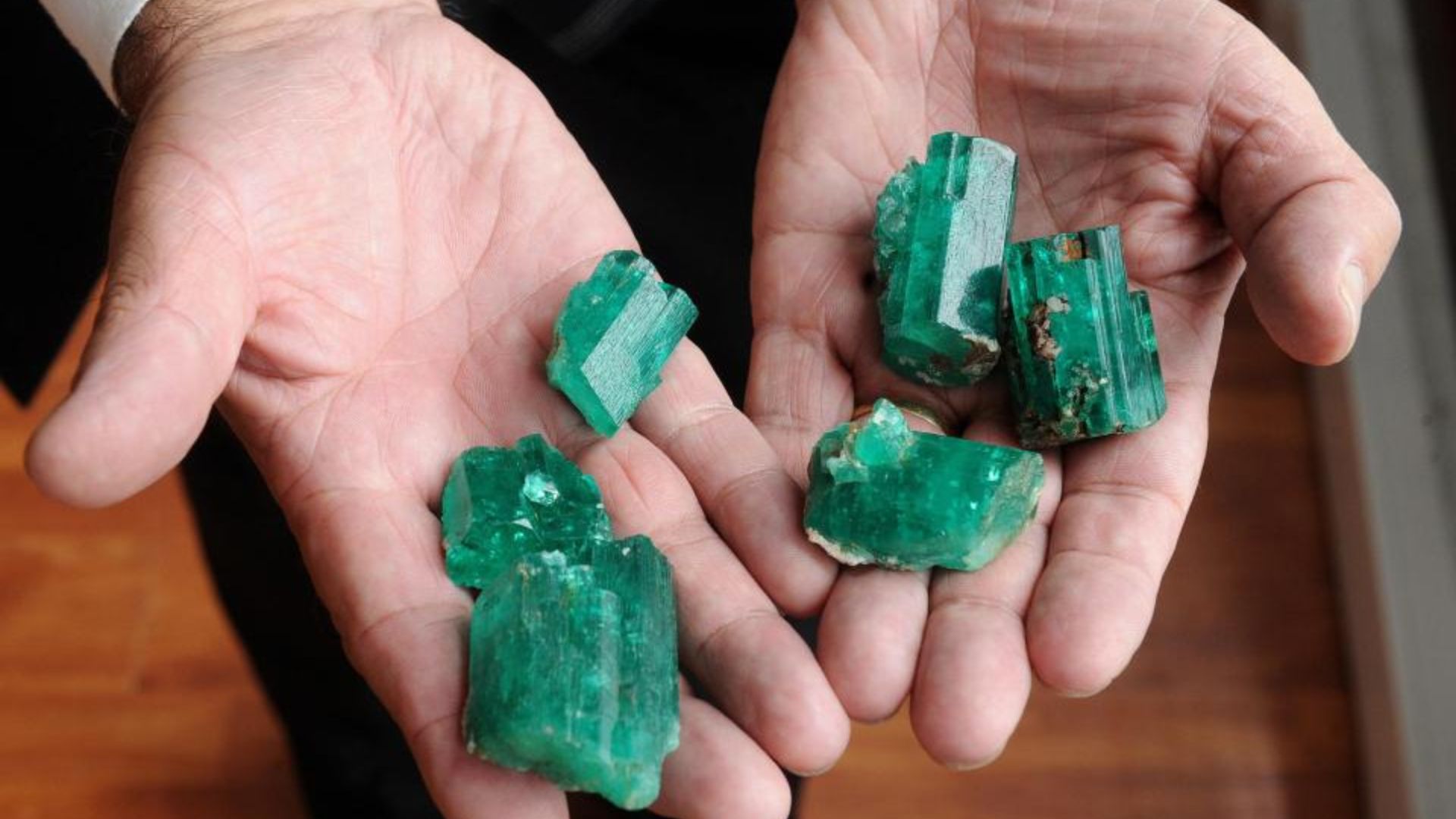
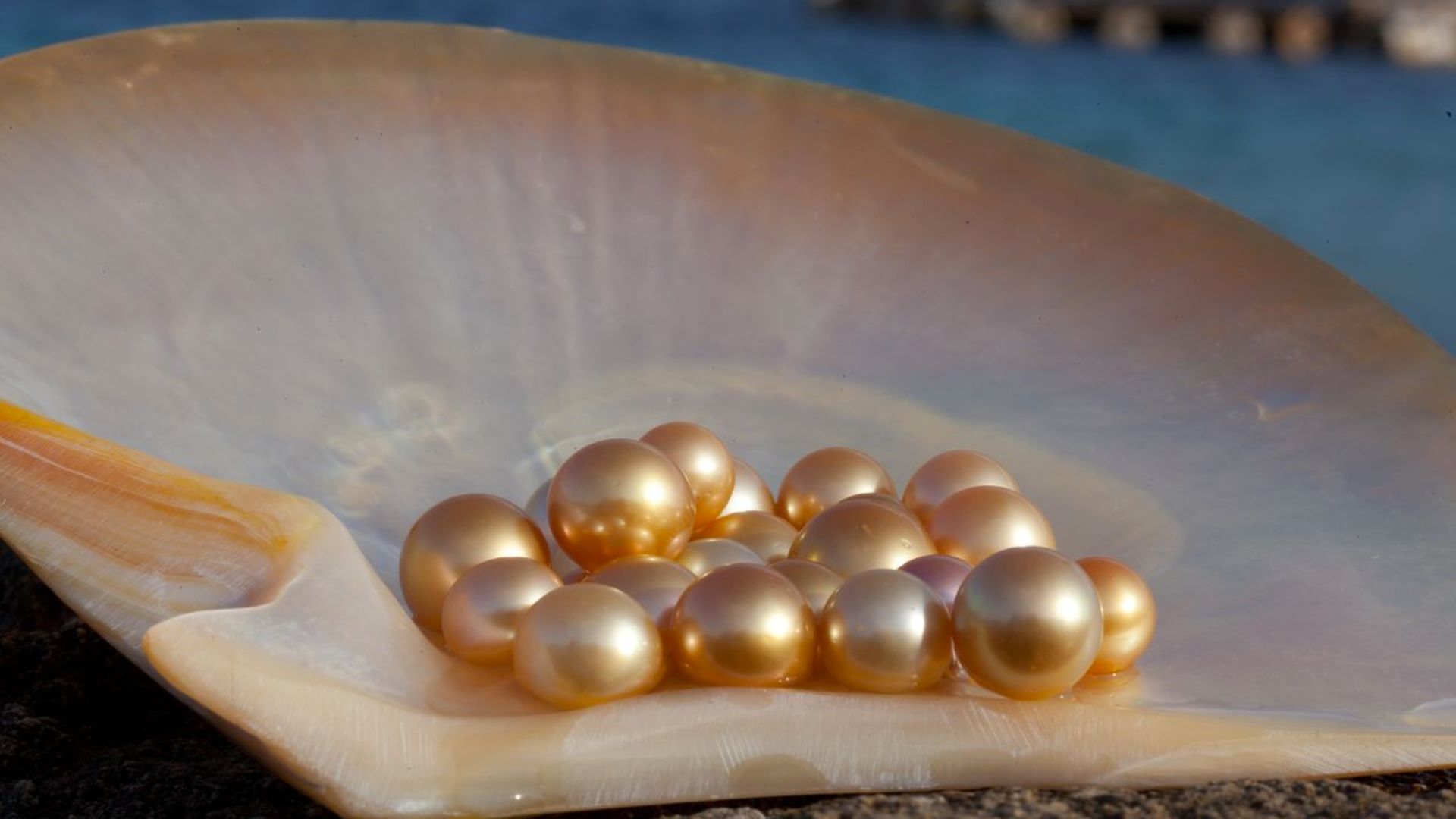
Natural gemstones are minerals, rocks, or organic materials that form naturally within the Earth's crust over millions or even billions of years. They are created through geological processes involving heat, pressure, mineral deposition, and chemical reactions.
Examples of popular natural gemstones include:
- Diamond
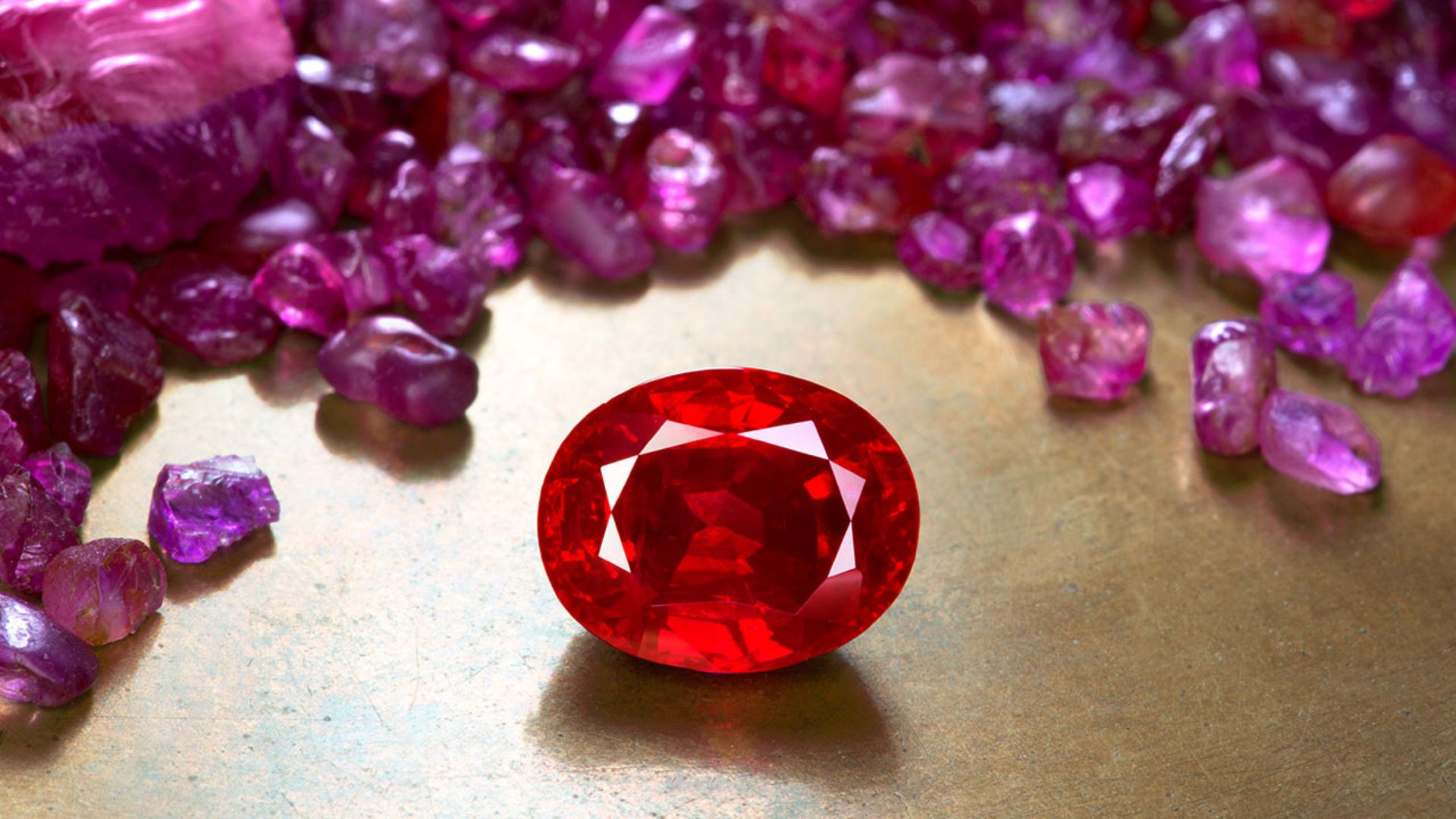
- Ruby
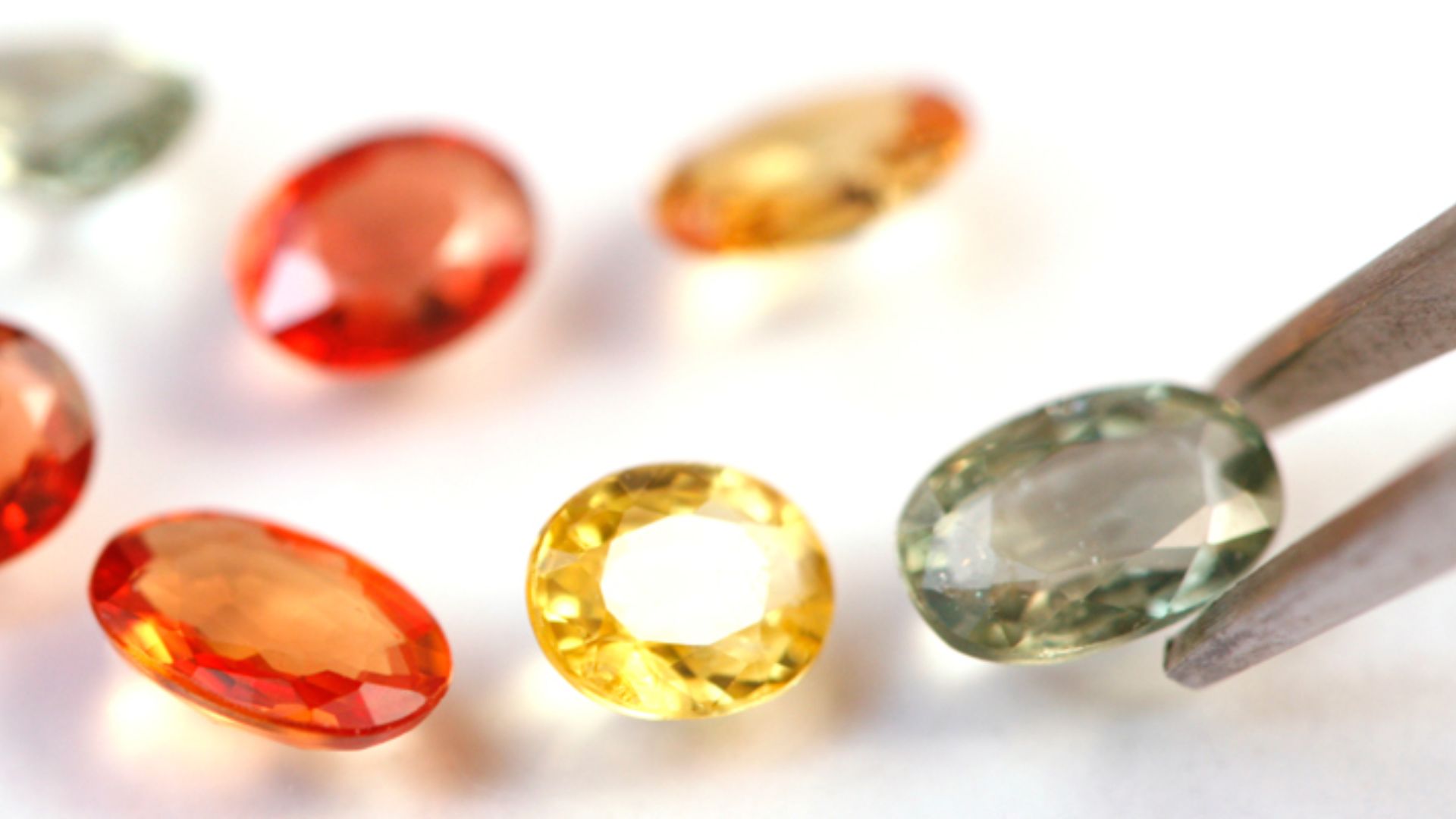
- Sapphire
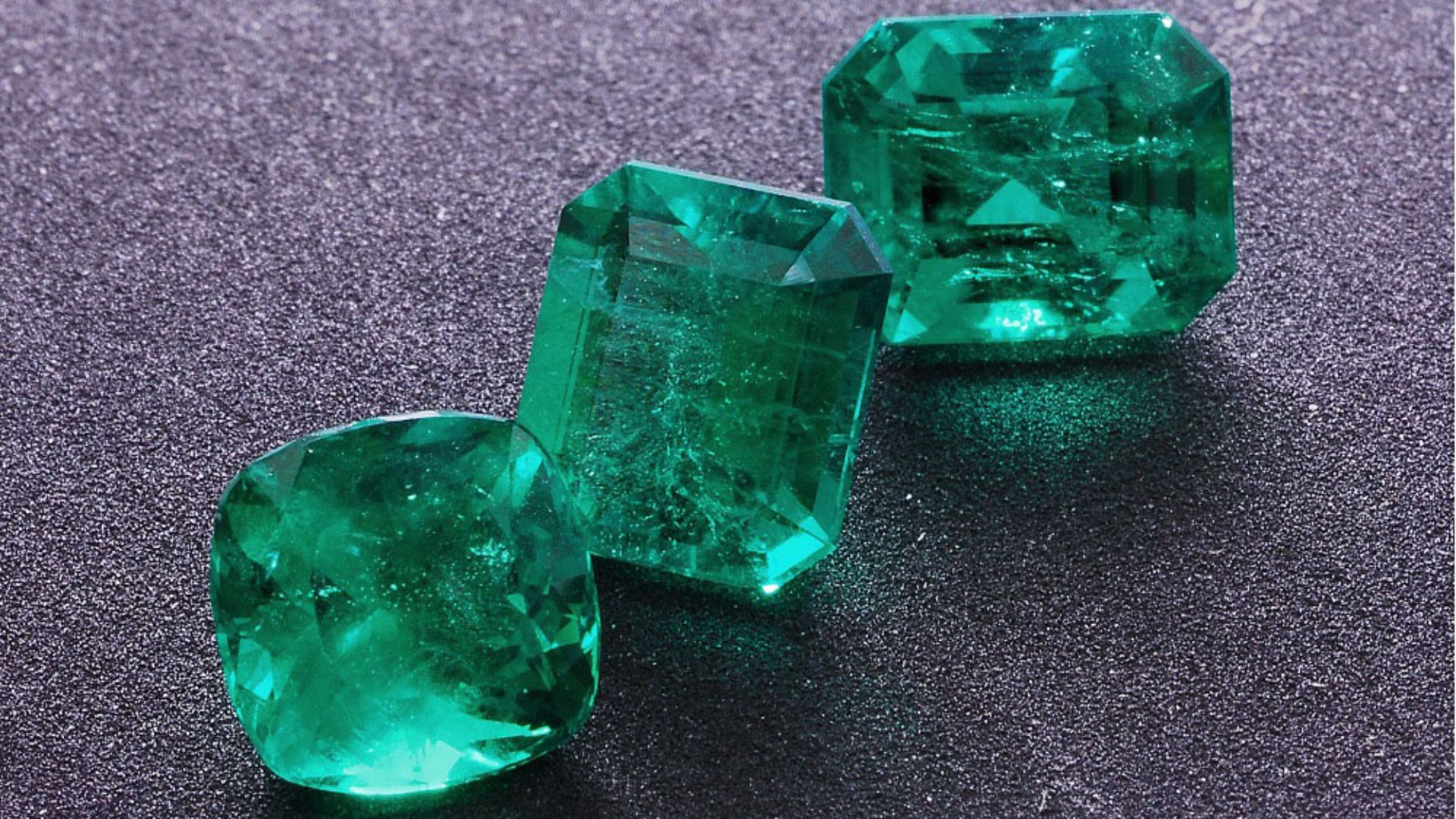
- Emerald
- Topaz
- Aquamarine
- Garnet
- Opal
Because they are formed in nature, no two natural gemstones are exactly alike. Each stone possesses unique inclusions, color variations, and growth patterns that make it distinct.
Characteristics of Natural Gemstones
Some defining features of natural gemstones include:
- Naturally occurring formation
- Unique internal inclusions
- Limited availability
- Higher rarity
- Potential appreciation in value
- Geological history spanning millions of years
Natural gemstones are often considered more desirable due to their rarity and natural origin, making them highly sought after by collectors and jewelry enthusiasts.
What Are Synthetic Gemstones?
Synthetic gemstones, also known as lab-created gemstones, are gemstones produced in controlled laboratory environments. Scientists recreate the same chemical composition, crystal structure, and physical properties found in natural stones.
Contrary to common misconceptions, synthetic gemstones are not fake stones. They are genuine gemstones with the same mineral makeup as their natural counterparts. The key difference lies in how they are formed.
For example:
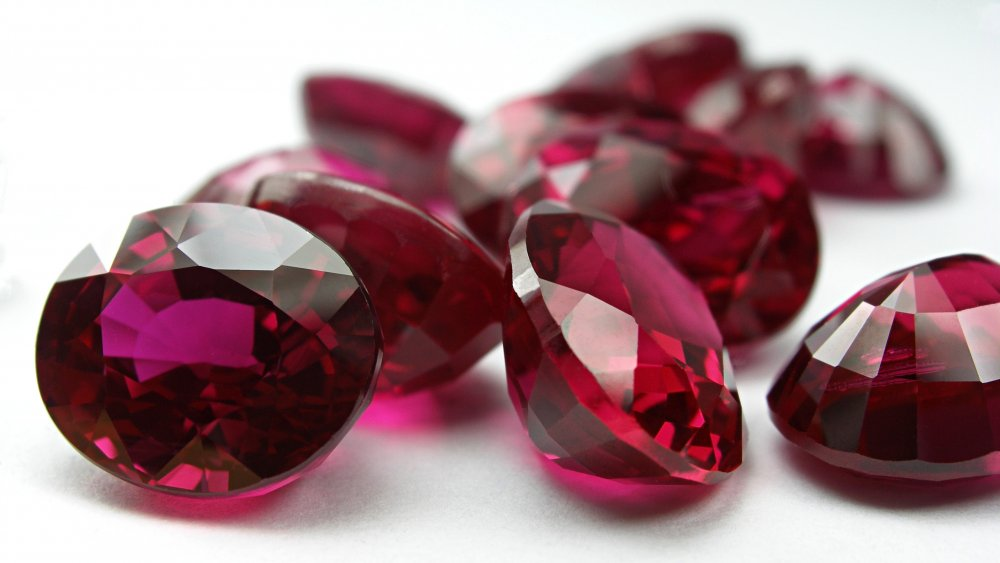
- A lab-created ruby has the same chemical composition as a natural ruby.
- A synthetic sapphire shares identical hardness and optical properties with a natural sapphire.
- A lab-grown diamond is chemically and physically the same as a mined diamond.
The creation process simply accelerates what nature takes millions of years to accomplish.
The History of Lab-Created Gemstones
The development of synthetic gemstones dates back more than a century.
In 1902, French chemist Auguste Verneuil successfully produced synthetic rubies using the flame fusion process. This breakthrough revolutionized the gemstone industry and opened the door to creating other gemstones in laboratory settings.
Today, advanced techniques such as:
- Flame Fusion
- Hydrothermal Growth
- Flux Growth
- Chemical Vapor Deposition (CVD)
- High Pressure High Temperature (HPHT)
allow manufacturers to produce high-quality lab-created gemstones that closely resemble natural stones.
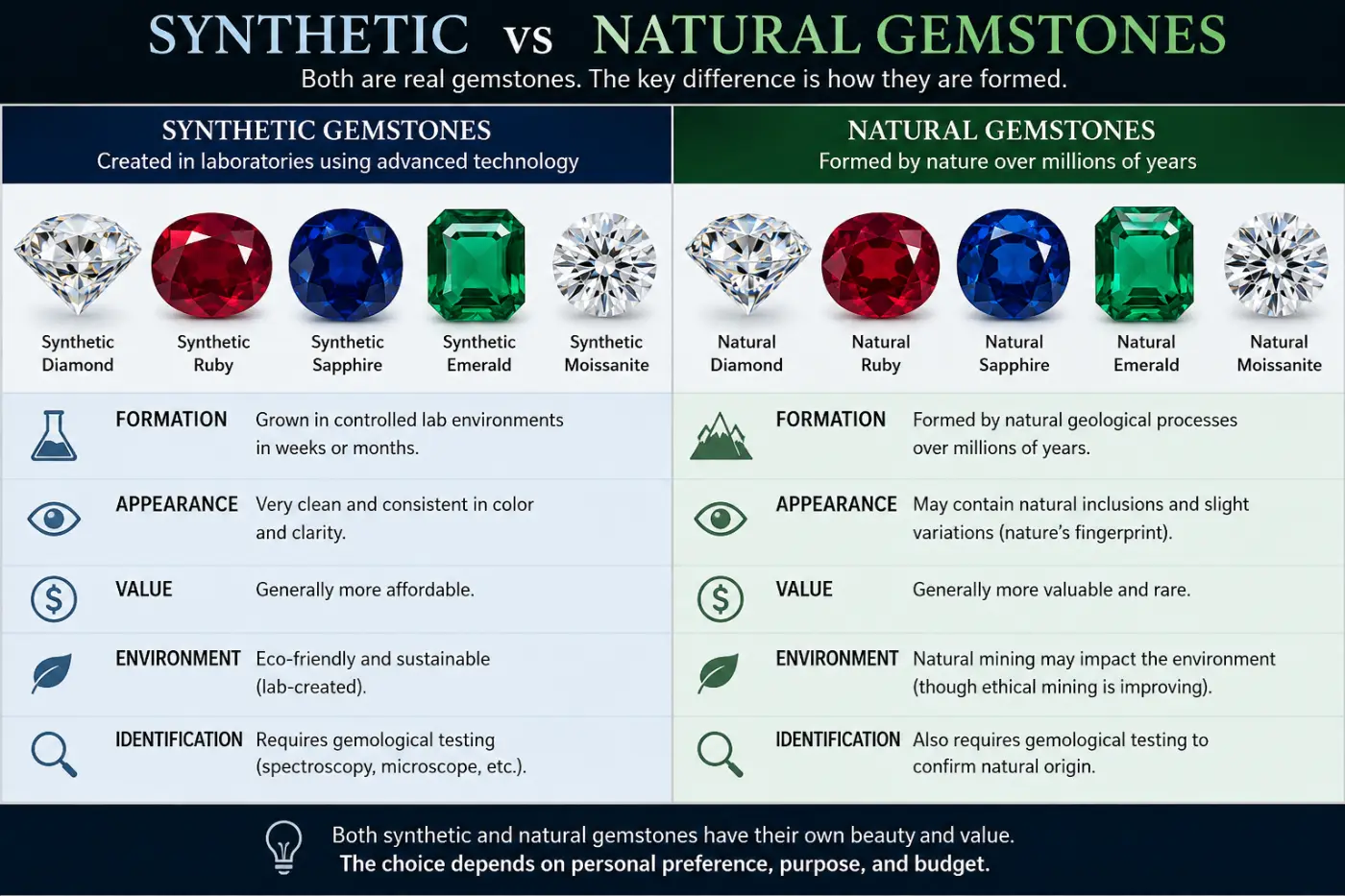
Synthetic vs Natural Gemstones: The Core Differences
When comparing synthetic vs natural gemstones, several factors distinguish one from the other.
1. Origin
Natural Gemstones
Natural gemstones form underground through geological processes over millions of years.
Synthetic Gemstones
Synthetic gemstones are created in laboratories within weeks or months.
This origin is the most significant difference between synthetic and natural gemstones.
2. Formation Process
Natural gemstones are formed through:
- Volcanic activity
- Mineral crystallization
- Heat and pressure
- Hydrothermal processes
Synthetic gemstones are created using scientific methods designed to replicate these natural conditions.
Although the formation methods differ, the final crystal structure can be remarkably similar.
3. Rarity
Natural gemstones are finite resources.
Factors affecting rarity include:
- Mining availability
- Geographic location
- Natural geological conditions
- Quality and size
Synthetic gemstones can be produced repeatedly, making them significantly more abundant.
As a result, natural gemstones generally command higher prices.
4. Price
One of the biggest distinctions in the synthetic vs natural gemstones discussion is cost.
Natural gemstones are typically more expensive because of:
- Mining costs
- Transportation expenses
- Limited supply
- Market demand
Synthetic gemstones often cost:
- 30% to 80% less than comparable natural stones
- Less due to controlled production processes
- Lower because of greater availability
For budget-conscious buyers, lab-created gemstones offer an attractive alternative.
5. Appearance
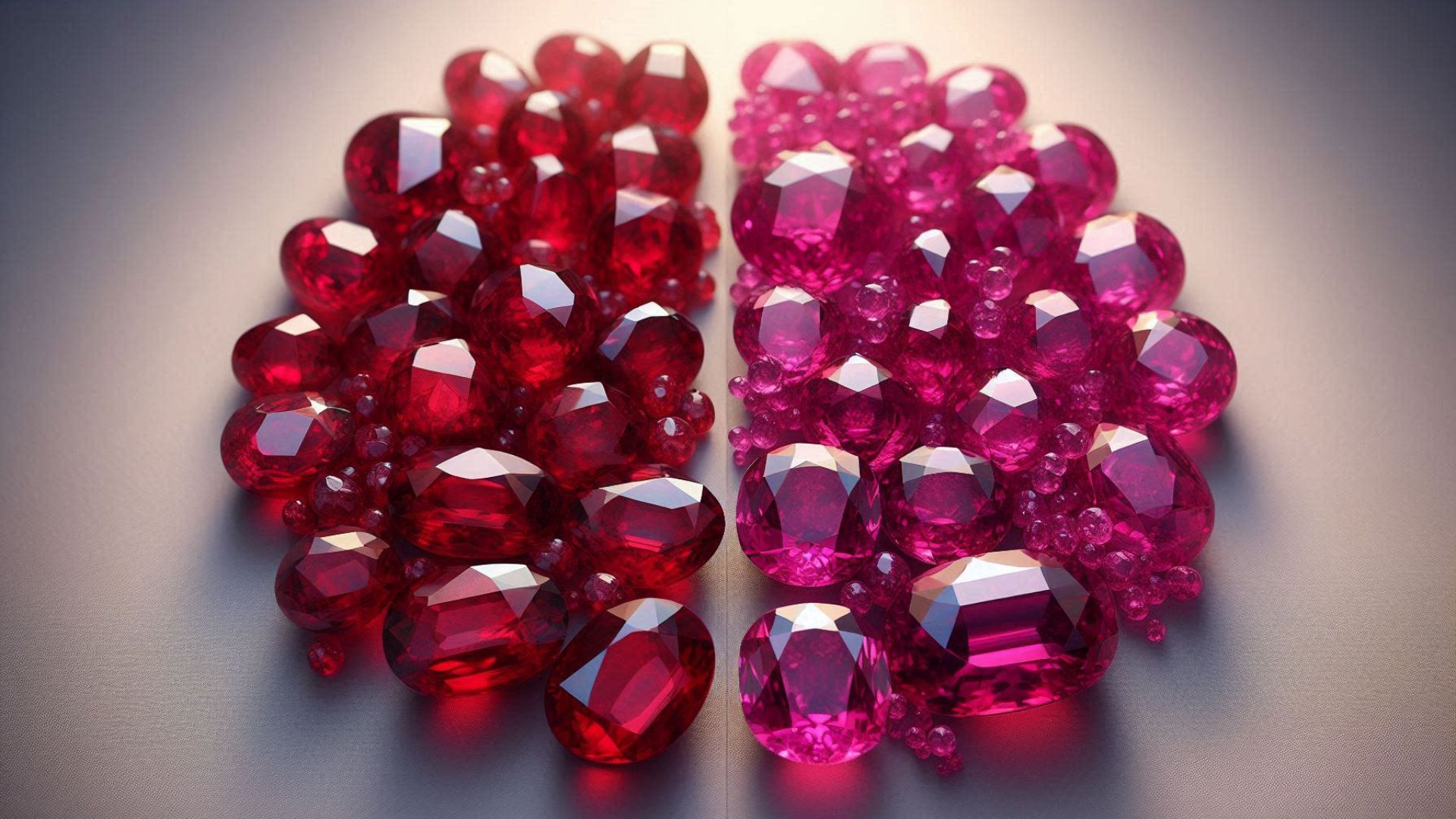
To the naked eye, many synthetic gemstones look identical to natural gemstones.
Both can exhibit:
- Brilliant color
- Sparkle
- Transparency
- Durability
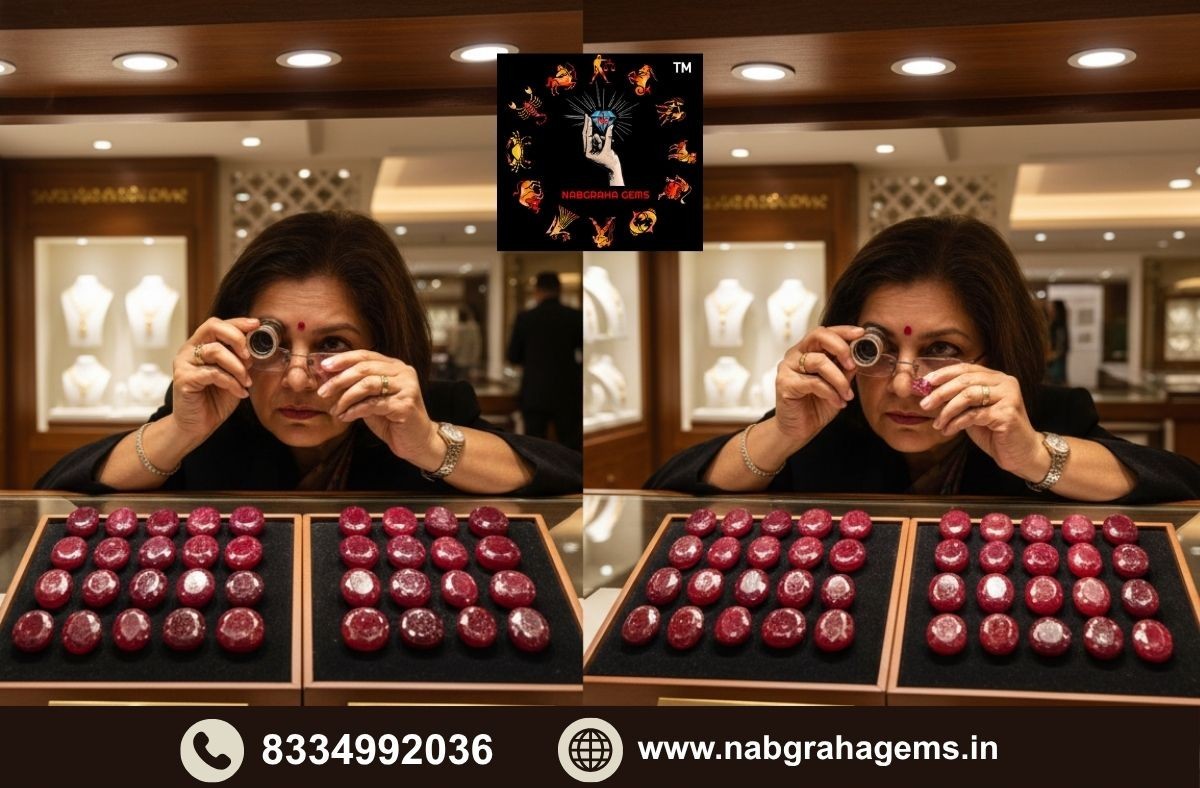
Only trained gemologists using specialized equipment can often distinguish between them.
This visual similarity is one reason synthetic gemstones have become increasingly popular.
6. Inclusions and Internal Characteristics
Natural gemstones often contain:
- Mineral inclusions
- Fractures
- Growth patterns
- Natural imperfections
These inclusions act as fingerprints that help identify natural stones.
Synthetic gemstones may contain:
- Curved growth lines
- Gas bubbles
- Laboratory-specific inclusions
Gemological laboratories use these clues to determine a stone's origin.
7. Value and Investment Potential
Natural gemstones generally retain value better over time due to their rarity.
Rare natural stones may appreciate significantly, particularly:
- Untreated rubies
- High-quality emeralds
- Fancy colored diamonds
- Kashmir sapphires
Synthetic gemstones usually have lower resale value because they can be manufactured in large quantities.
For investment purposes, natural gemstones remain the preferred option.
8. Environmental Impact
Mining operations can have environmental consequences, including:
- Habitat destruction
- Soil erosion
- Water contamination
- Energy consumption
Lab-created gemstones often require fewer natural resources.
Many consumers choose synthetic gemstones because they perceive them as a more environmentally responsible option.
However, laboratory production still requires electricity and infrastructure, so sustainability depends on the manufacturing process.
Natural Stone vs Synthetic Stone: Which Is Better?
The question of natural stone vs synthetic stone does not have a universal answer.
The better choice depends on your priorities.
Choose Natural Gemstones If You Value:
- Rarity
- Natural origin
- Long-term value
- Investment potential
- Geological uniqueness
- Traditional luxury
Choose Synthetic Gemstones If You Prioritize:
- Affordability
- Ethical sourcing
- Environmental considerations
- Larger stone sizes for lower cost
- Consistent quality
Common Types of Synthetic Gemstones
Modern technology allows manufacturers to produce a wide variety of synthetic gemstones.
Popular examples include:
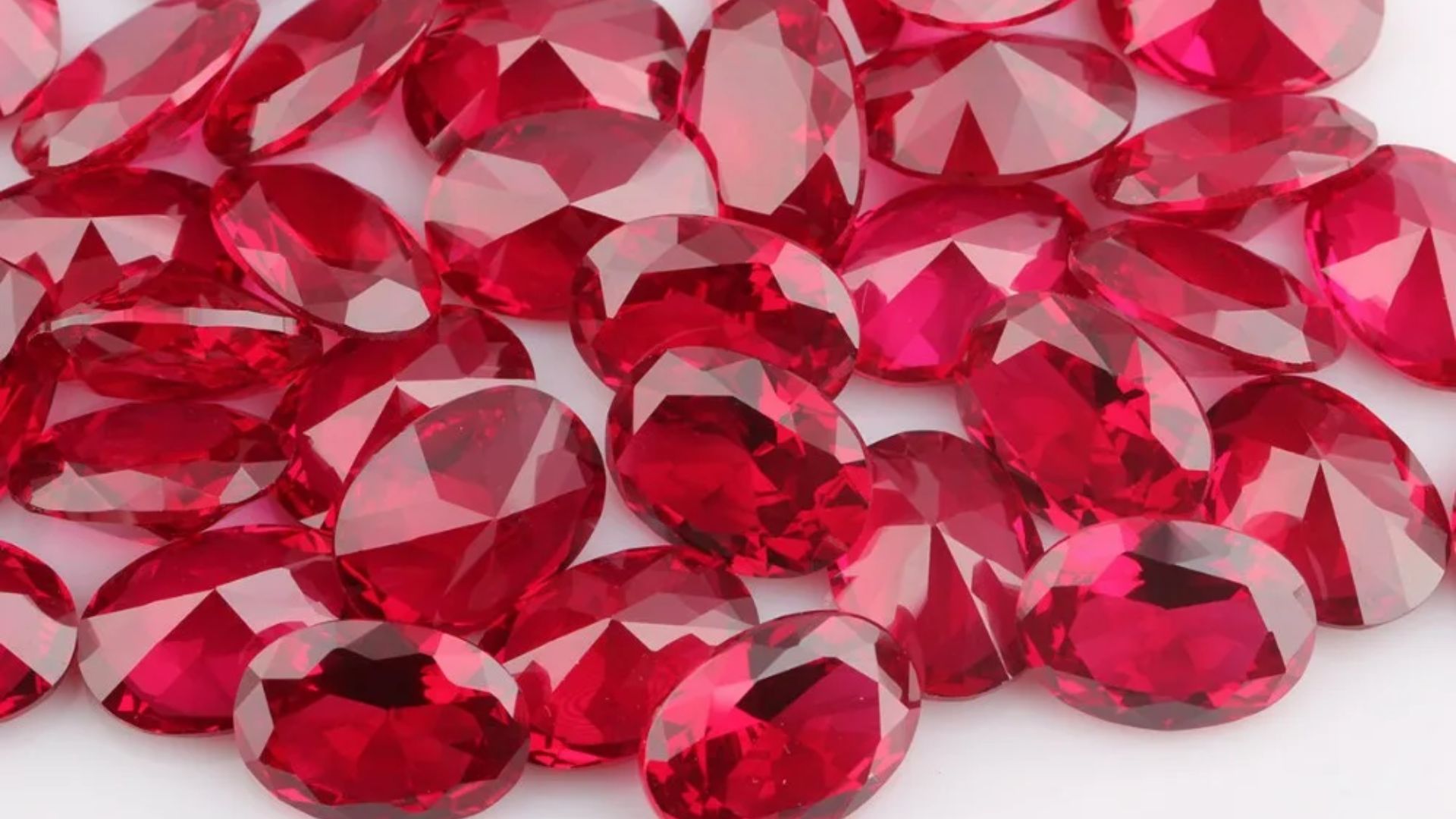
Synthetic Ruby
One of the earliest and most successful lab-created gemstones. Synthetic rubies possess the same hardness and color characteristics as natural rubies.
Synthetic Sapphire
Available in various colors and widely used in jewelry and industrial applications.
Lab-Grown Diamond
Increasingly popular for engagement rings due to lower prices and ethical sourcing concerns.
Synthetic Emerald
Replicates the rich green color of natural emeralds while often exhibiting greater clarity.
Synthetic Alexandrite
Known for its dramatic color-changing properties and affordability compared to natural alexandrite.
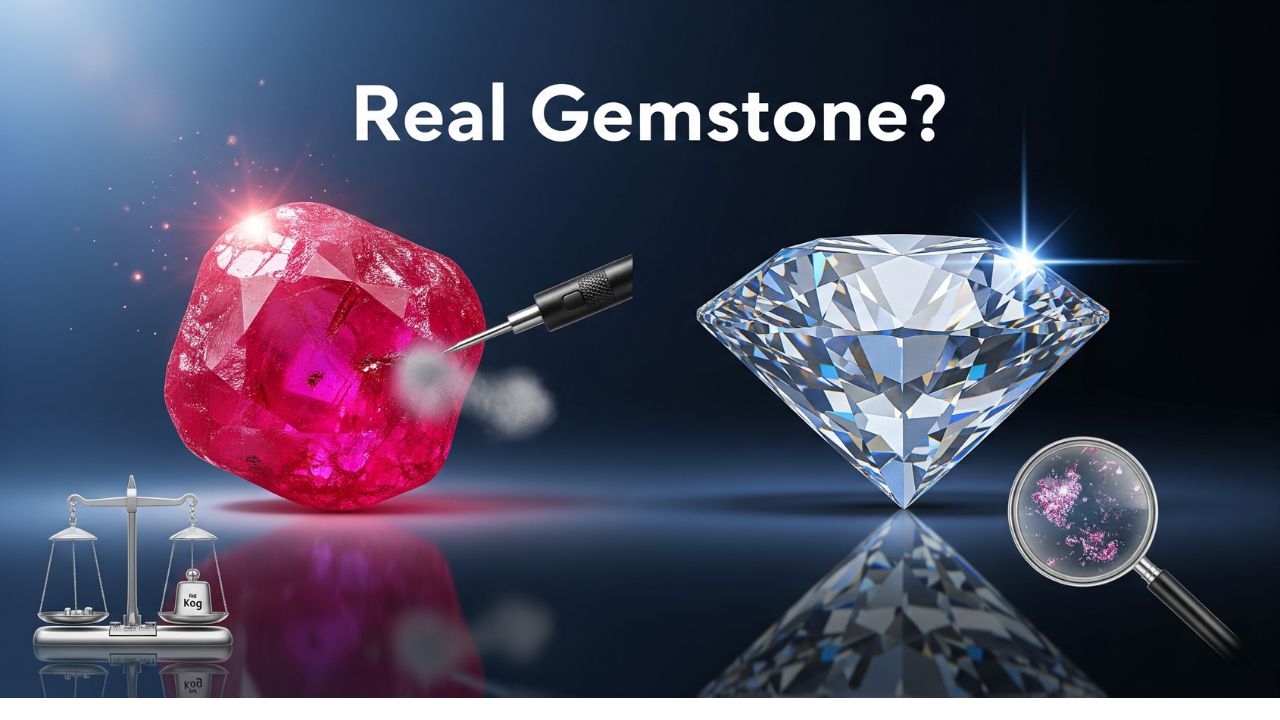
Are Synthetic Gemstones Real Gemstones?
A common question among consumers is whether synthetic stones qualify as real gemstones.
The answer is yes.
Synthetic gemstones are considered real gemstones because they possess:
The same chemical composition
- The same crystal structure
- Similar physical properties
- Comparable optical characteristics
The only distinction is that they were created in a laboratory rather than by natural geological processes.
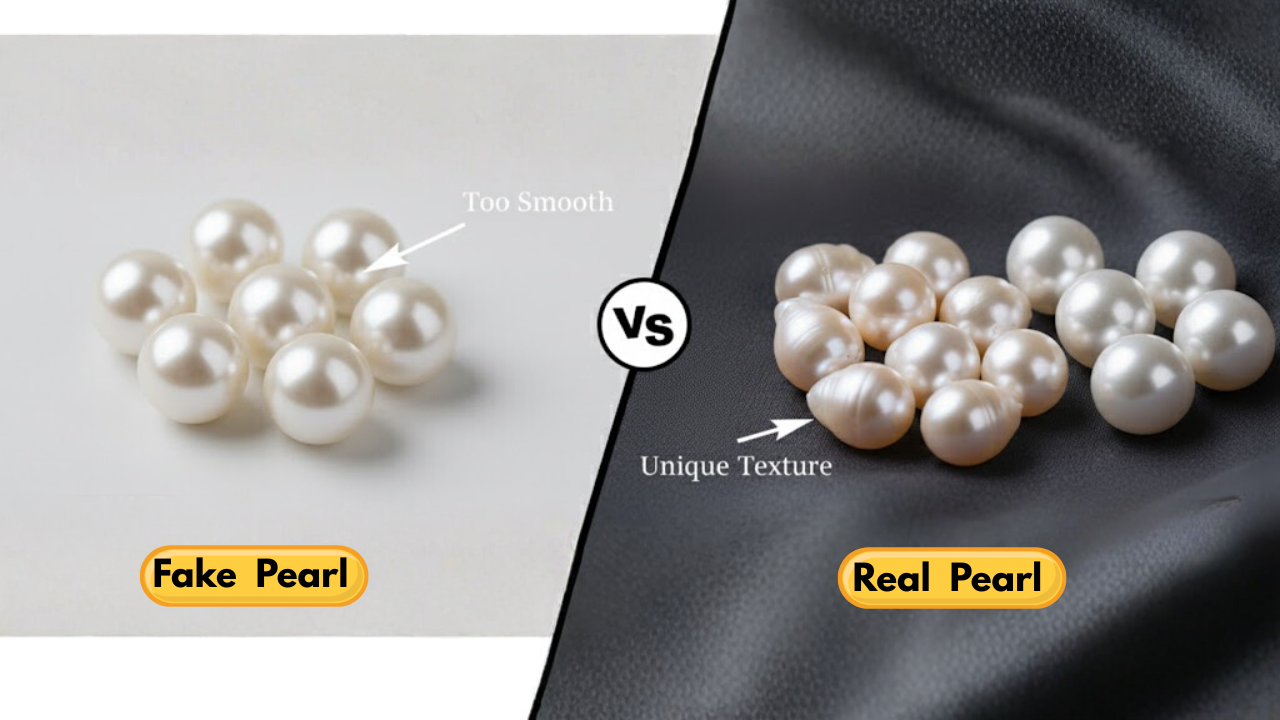
However, synthetic gemstones differ from imitation gemstones.
Synthetic Gemstones
- Same composition as natural stones
- Genuine gemstone material
Imitation Gemstones
- Different composition
- Made from glass, plastic, or other materials
- Merely resemble gemstones
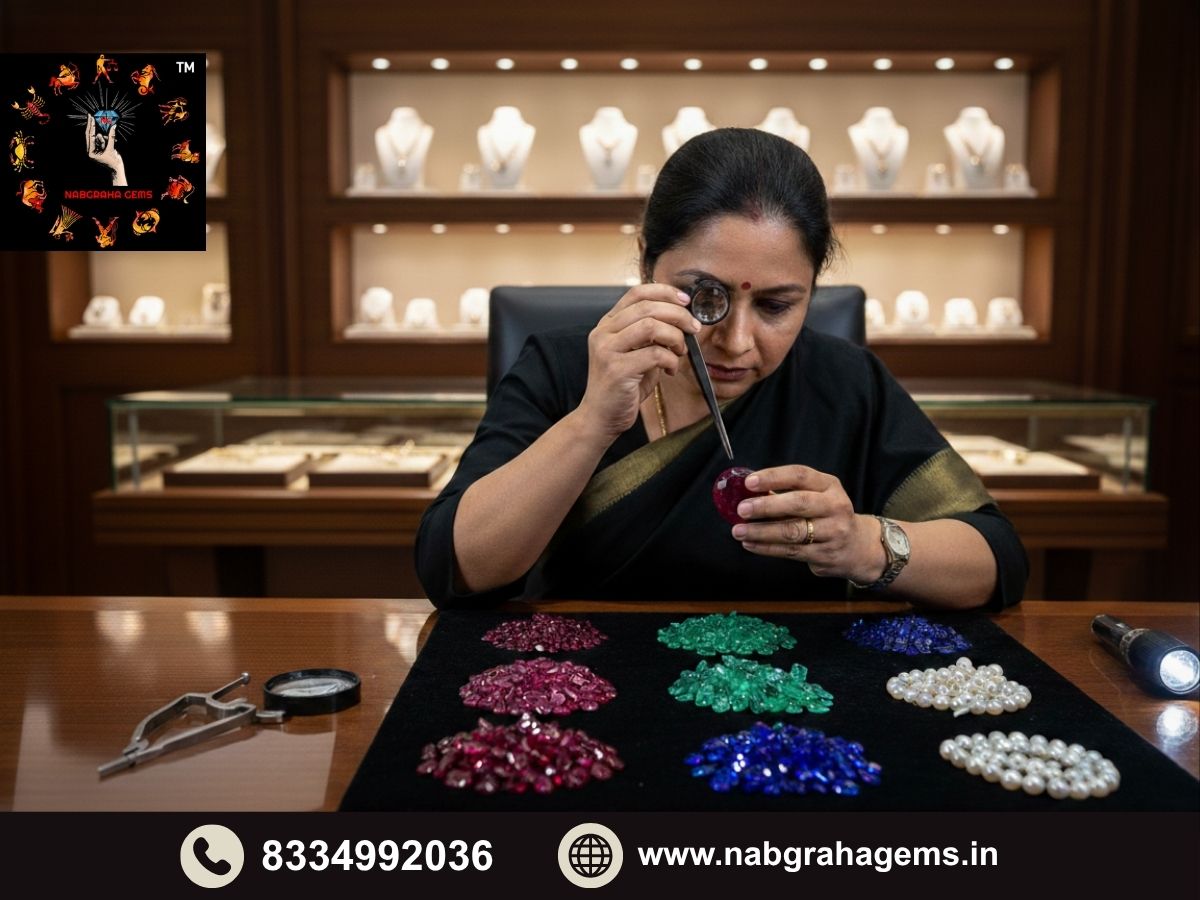
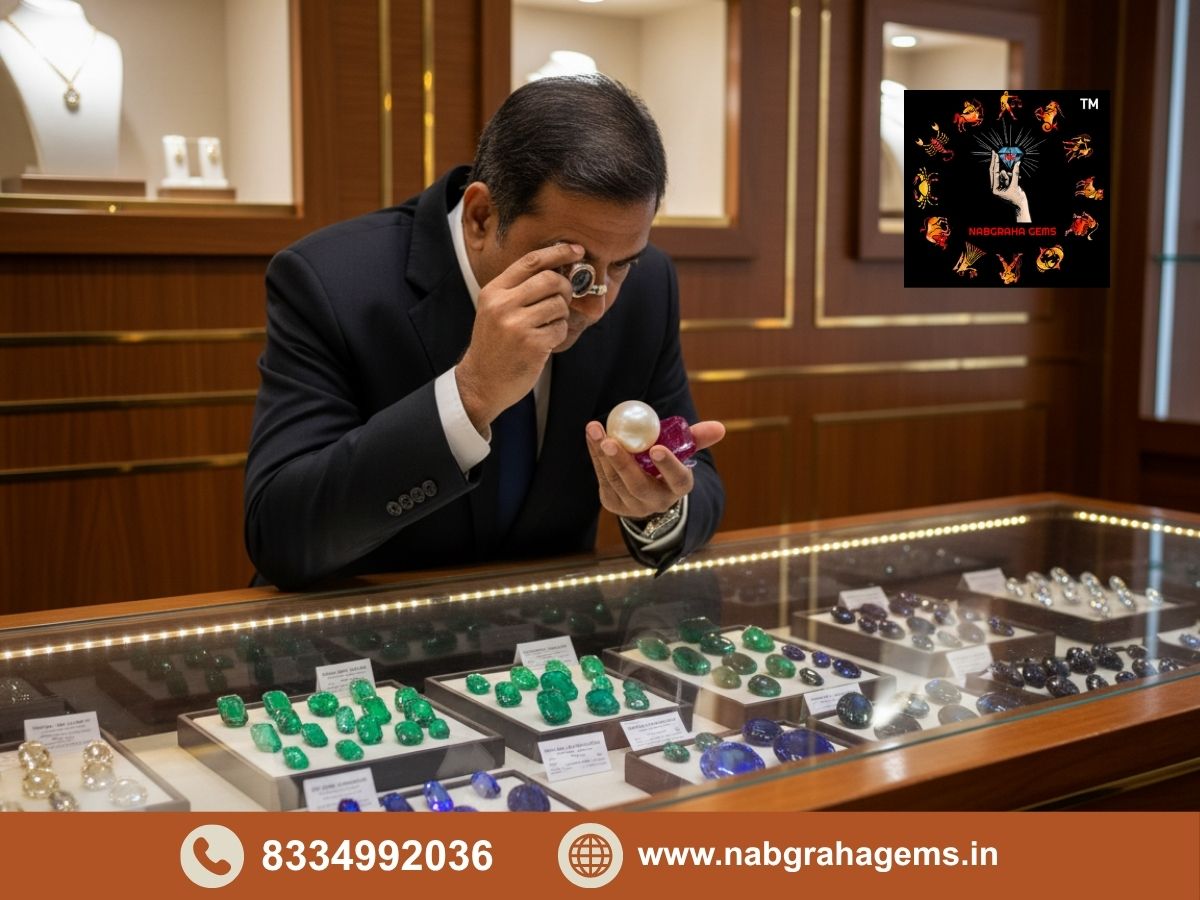
How Gemologists Identify Synthetic and Natural Gemstones
Professional gemologists use advanced techniques to determine a gemstone's origin.
Methods include:
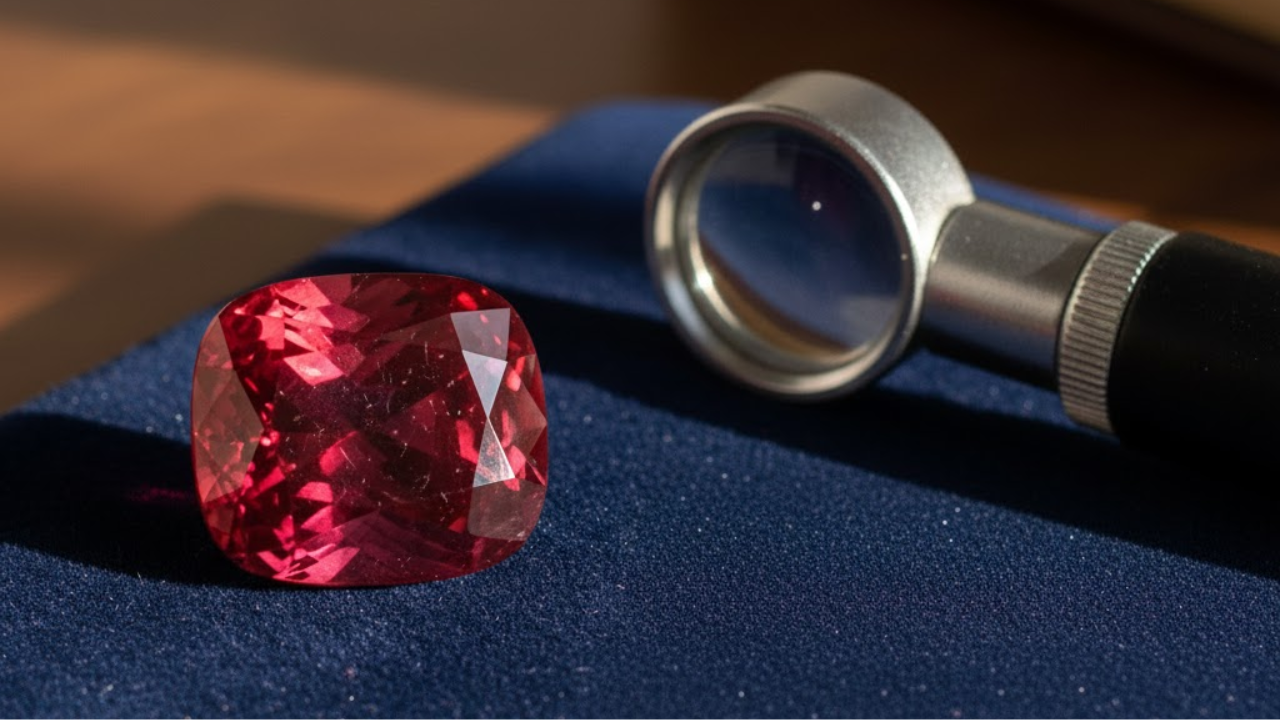
Microscopic Examination
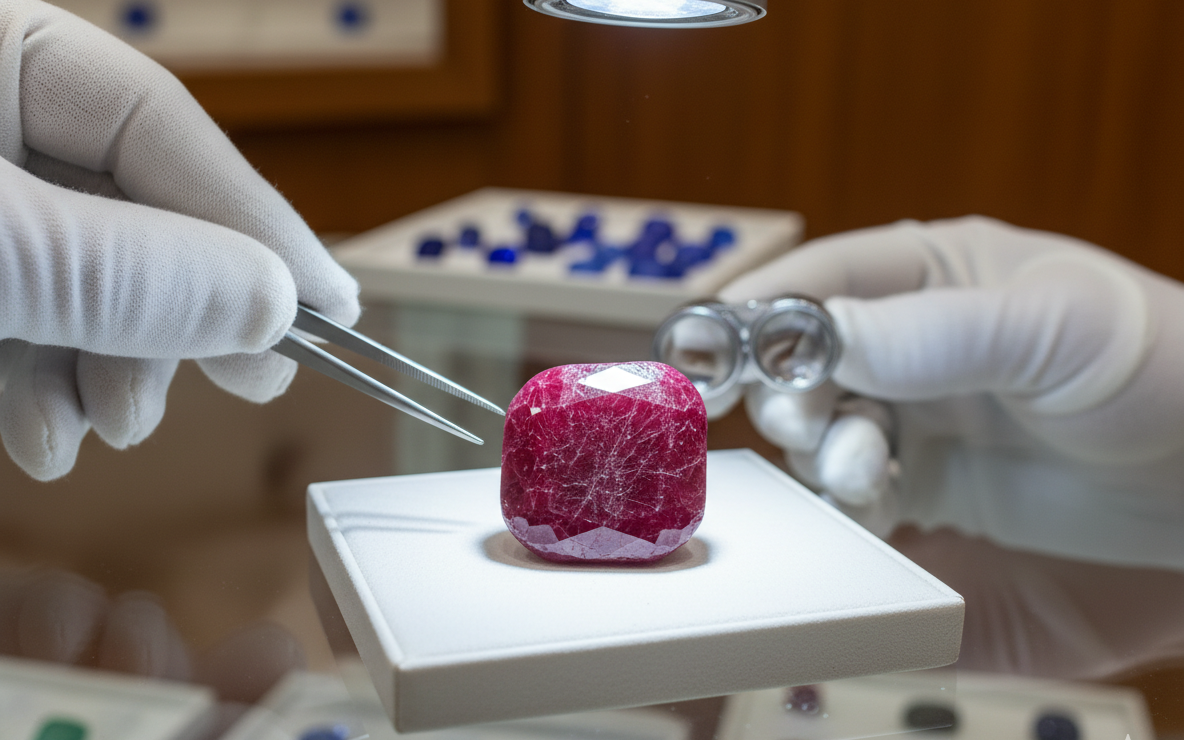
Experts analyze inclusions and growth patterns under magnification.
Spectroscopy
Examines how gemstones absorb and reflect light.
Fluorescence Testing
Different gemstone origins may react differently under ultraviolet light.
Advanced Laboratory Analysis
Highly sophisticated equipment can identify subtle indicators of natural or synthetic growth.
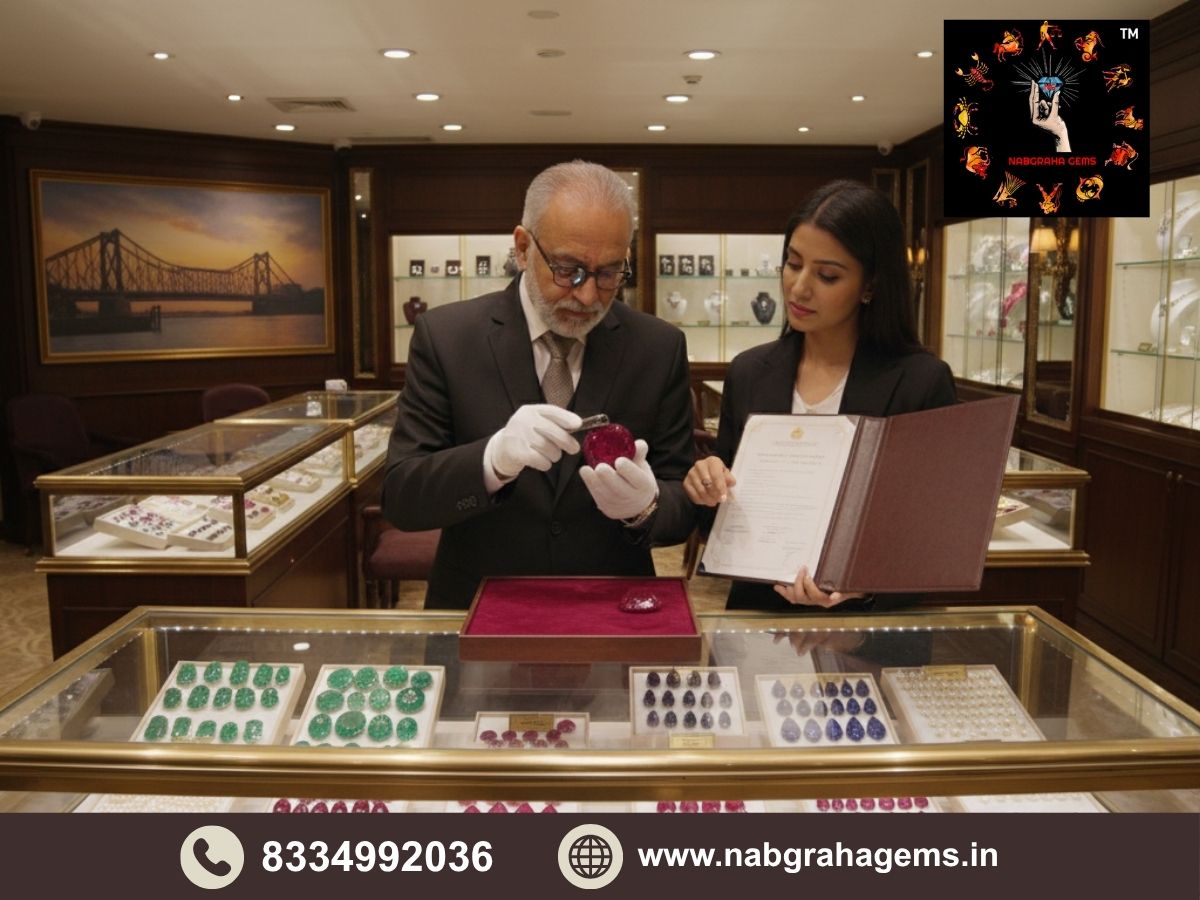
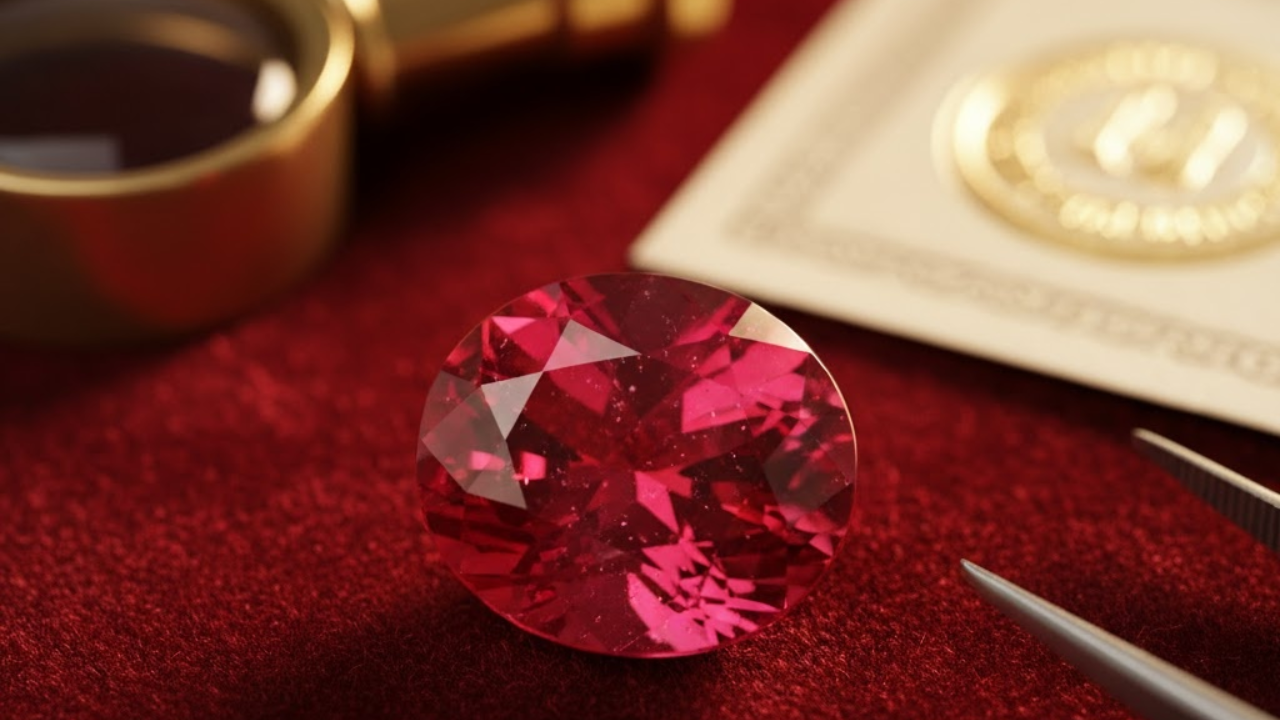
Certification from reputable gemological laboratories helps verify authenticity.
Advantages of Natural Gemstones
Natural gemstones offer several compelling benefits.
Unique Beauty
Each stone possesses individual characteristics that cannot be perfectly replicated.
Historical Significance
Natural gemstones connect owners to Earth's geological history.
Rarity
Limited availability increases desirability.
Investment Value
Exceptional specimens may appreciate over time.
Prestige
Many buyers associate natural gemstones with luxury and exclusivity.
Advantages of Synthetic Gemstones
Lab-created gemstones provide numerous benefits as well.
Lower Cost
Consumers can purchase larger stones at more affordable prices.
Ethical Sourcing
Synthetic gemstones avoid many mining-related concerns.
Consistent Quality
Laboratory production enables greater control over clarity and color.
Environmental Benefits
Reduced land disturbance compared to traditional mining.
Accessibility
More people can enjoy high-quality gemstone jewelry.
Misconceptions About Synthetic Gemstones
Several myths continue to surround synthetic gemstones.
Myth 1: Synthetic Gemstones Are Fake
Reality: They are genuine gemstones with authentic crystal structures.
Myth 2: Synthetic Gemstones Have No Value
Reality: They possess value, although generally lower resale value than natural stones.
Myth 3: Natural Stones Are Always More Beautiful
Reality: Beauty is subjective. Many synthetic gemstones display exceptional color and clarity.
Myth 4: Synthetic Stones Are Easy to Spot
Reality: Distinguishing high-quality synthetic stones often requires professional analysis.
Buying Tips: Synthetic vs Natural Gemstones
Before purchasing gemstones, consider the following:
Request Certification
Always ask for certification from recognized gemological laboratories.
Understand Your Goals
Are you buying for:
- Investment?
- Fashion?
- Engagement jewelry?
- Collection purposes?
Your goals will influence the best choice.
Compare Prices
Evaluate cost differences between natural and synthetic alternatives.
Verify Seller Reputation
Work with trusted jewelers who disclose gemstone origins transparently.
Learn About Treatments
Some natural gemstones receive enhancements that affect value and durability.
Future Trends in the Gemstone Industry
The gemstone market continues to evolve rapidly.
Several trends are shaping the future:
Increased Acceptance of Lab-Created Gemstones
Consumers are becoming more comfortable purchasing synthetic gemstones.
Sustainability Focus
Environmental awareness is driving interest in alternatives to mining.
Improved Production Technology
Advances in laboratory methods continue to enhance gemstone quality.
Greater Transparency
Certification and disclosure standards are improving consumer confidence.
As awareness grows, both natural and synthetic gemstones are expected to maintain strong market demand.
Conclusion
The debate surrounding synthetic vs natural gemstones is not about determining which option is universally superior. Instead, it is about understanding their differences and selecting the choice that best aligns with your values, budget, and objectives.
The primary difference between synthetic and natural gemstones lies in their origin. Natural gemstones are created by geological processes over millions of years, while lab-created gemstones are produced in controlled laboratory environments. Both can be considered real gemstones, as they share the same chemical and physical properties.
When comparing natural stone vs synthetic stone, natural gemstones offer rarity, prestige, and potential investment value. Synthetic gemstones provide affordability, ethical sourcing, and exceptional quality.
Ultimately, whether you choose natural gemstones or synthetic gemstones, the most important factor is making an informed decision. By understanding the strengths and limitations of each option, you can confidently select a gemstone that meets your needs and reflects your personal preferences.
Recent Posts


2026-09-04
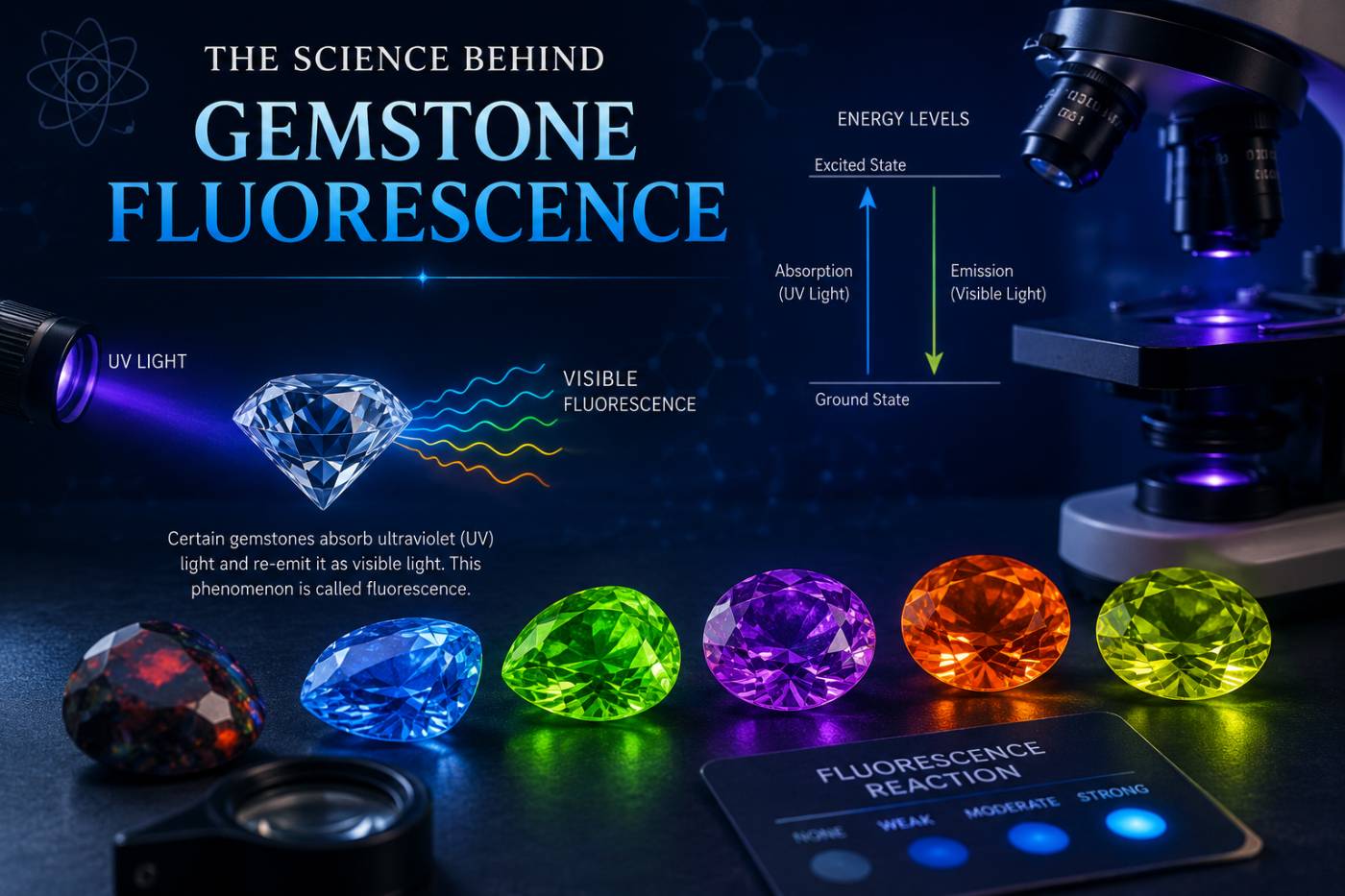
The Science Behind Gemstone Fluorescence




















2025-09-15