Date : 2026-08-11
The majority of people are attracted to color, sparkle, and rarity when buying gemstones. While these characteristics are undoubtedly important. Gemstone hardness and overall durability are equally important factors that are often ignored. Understanding how well a gemstone can resist everyday wear is essential. Especially when choosing a family heirloom, an engagement ring, or a pendant intended for daily use. For buyers exploring elements that influence Mozambique ruby price, durability is also worth considering. The ruby's long-term value can be greatly influenced by its hardness and capacity to retain its beauty over time.
Many people assume that a hard gemstone is automatically durable. But hardness is not the only factor. The long-term performance of a gemstone is impacted by its ability to survive scratches, chips, cracks, and breakage. Because of this, understanding the durability of gemstones enables you to make well-informed choices before investing in high-end jewelry.
We will discuss how the Mohs hardness scale operates. Compare the hardest gemstones. Look at a useful gemstone hardness chart. And assist you in selecting the most resilient gemstones for jewelry that can survive regular wear in this extensive blog on gemstone durability.
What Is Gemstone Hardness?
Gemstone hardness refers to a gemstone's ability to resist scratching. It does not measure toughness, strength, or resistance to breaking. Instead, hardness simply indicates how difficult it is to scratch the surface of a gemstone.
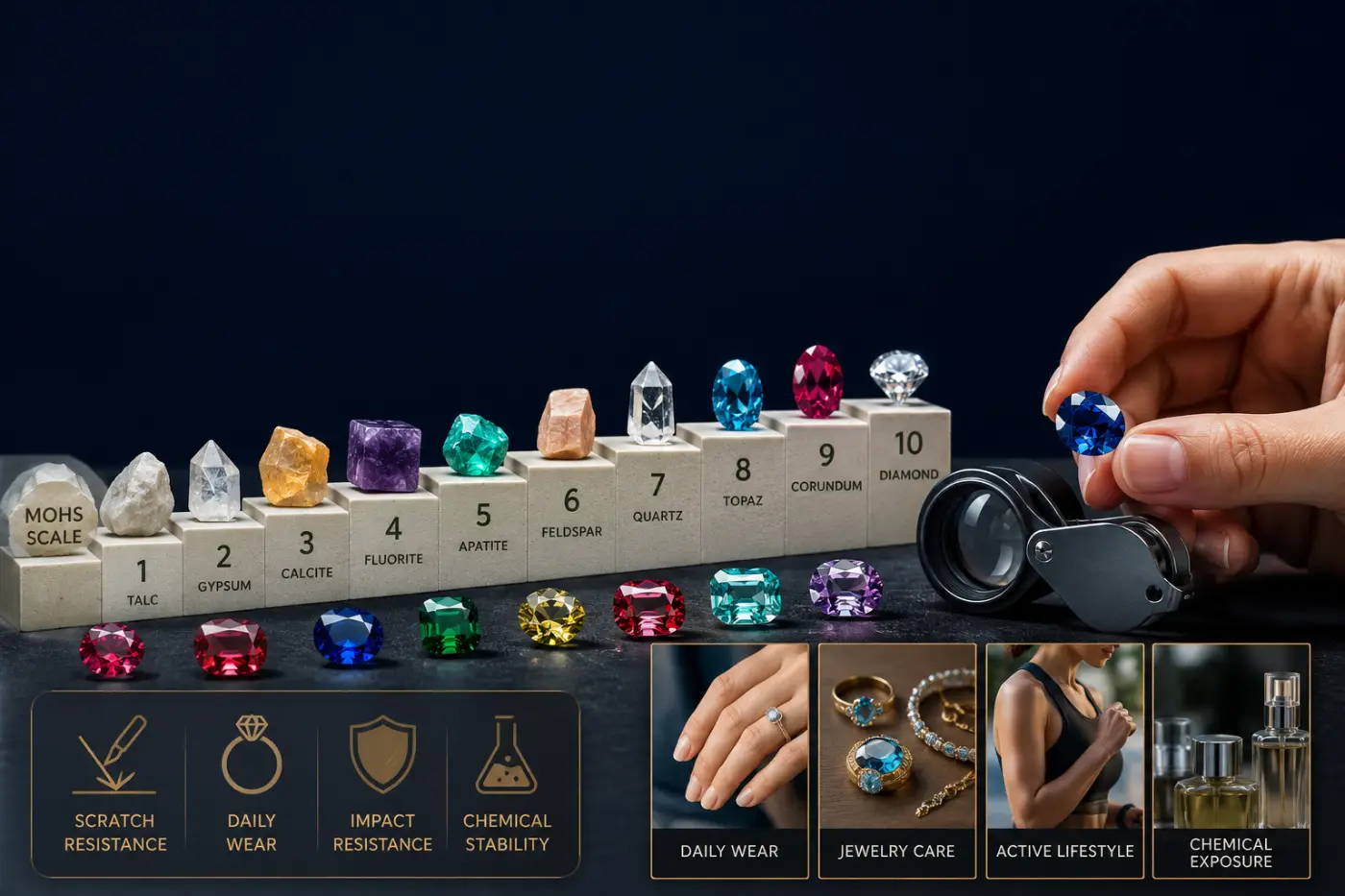
The most widely accepted method for measuring hardness is the Mohs hardness scale, developed in 1812 by German mineralogist Friedrich Mohs.
The scale ranks minerals from 1 to 10:
- 1 = Softest (Talc)
- 10 = Hardest (Diamond)
Each mineral can scratch those below it but cannot scratch minerals above it.
For example:
- Quartz (7) scratches Glass (5.5)
- Sapphire (9) scratches Quartz (7)
- Diamond (10) scratches every natural gemstone
Understanding the gemstone hardness scale helps determine whether a gemstone can maintain its polished appearance over years of regular wear.
Understanding the Mohs Hardness Scale
The Mohs hardness scale is a relative ranking system rather than a linear measurement. This means that the difference between two numbers isn't equal.
For example:
- Diamond (10) isn't just slightly harder than Sapphire (9).
- In reality, Diamond is several times harder than Corundum (Ruby and Sapphire).
This explains why diamonds maintain their polish exceptionally well even after decades of use.
Here's a simplified breakdown:
This scale remains one of the most useful tools for evaluating gemstone hardness.
Hardness vs. Durability: What's the Difference?
One of the biggest misconceptions in jewelry is confusing hardness with durability.
While related, they're not the same.
Hardness
Measures resistance to scratches.
Toughness
Measures resistance to breaking, cracking, or chipping.
Stability
Measures resistance to heat, chemicals, sunlight, and environmental changes.
Together, these three factors determine gemstone durability.
For example:
- Diamond is extremely hard but can chip if struck at certain angles.
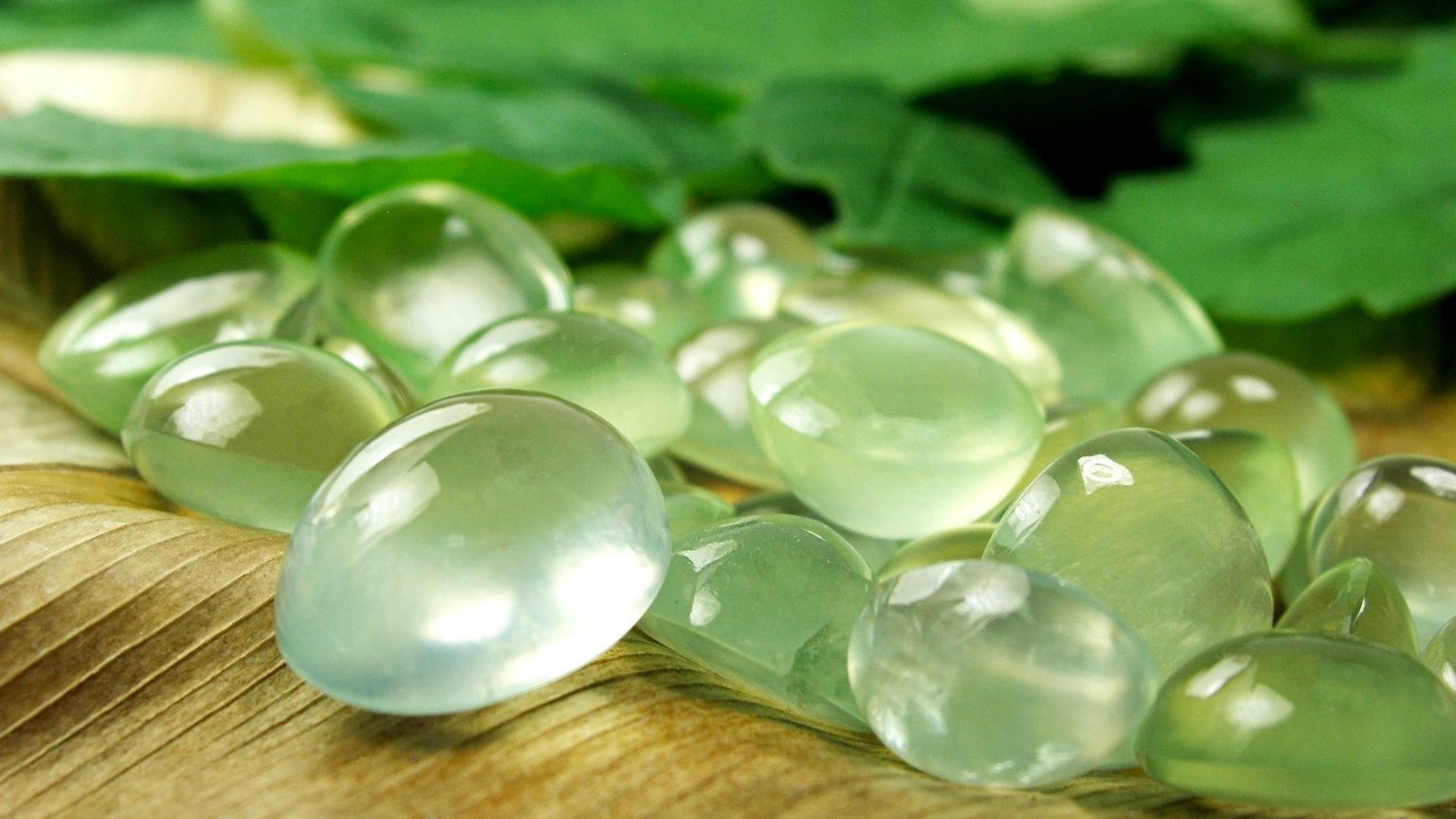
- Jade has moderate hardness but exceptional toughness.
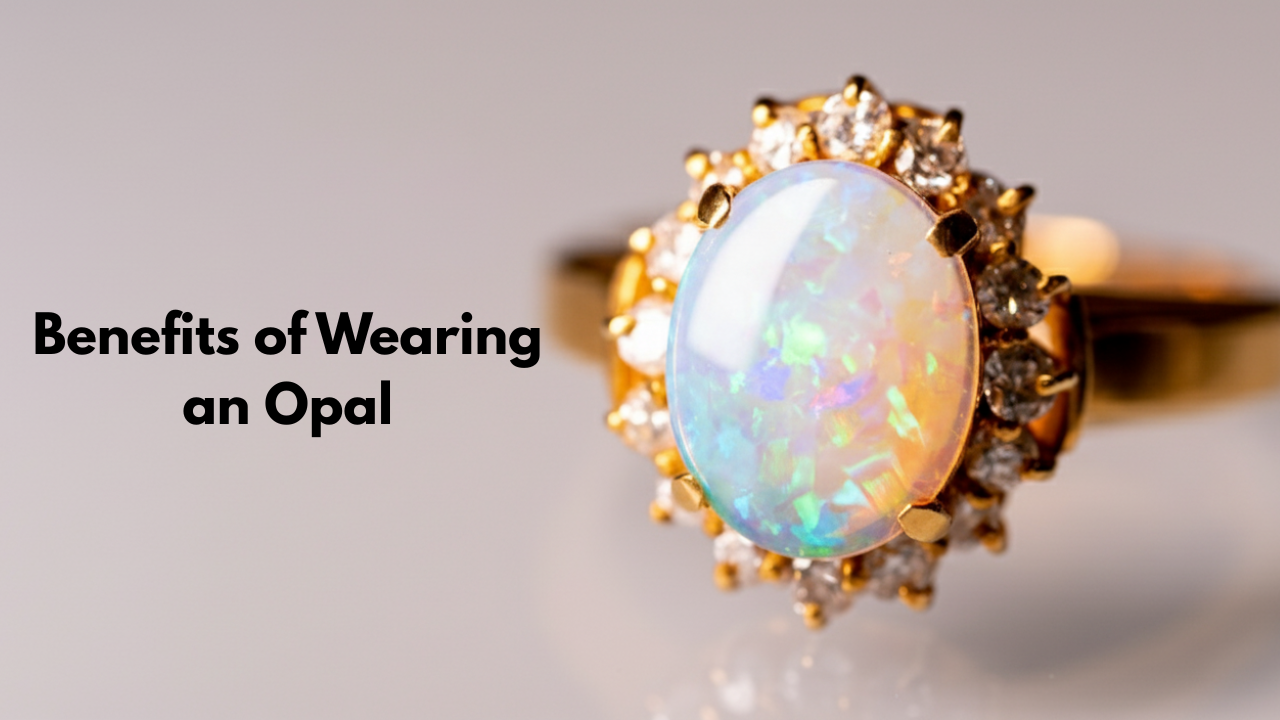
- Opal has relatively low hardness and requires extra care.
Therefore, a complete gemstone durability guide should always consider all three properties.
Why Gemstone Durability Matters
Jewelry experiences daily exposure to:
- Door handles
- Kitchen counters
- Exercise equipment
- Cosmetics
- Household cleaners
- Dust and dirt
- Temperature changes
Without adequate gemstone durability, these everyday situations can lead to:
- Surface scratches
- Dull appearance
- Edge wear
- Chips
- Cracks
- Broken settings
That's why choosing the right gemstone for your lifestyle is just as important as selecting the perfect color.
Gemstone Hardness Chart
Below is a helpful gemstone hardness chart showing the approximate Mohs ratings of popular gemstones.
This gemstone hardness chart serves as a useful reference when comparing stones for different jewelry types.
The Hardest Gemstones
Let's look at the world's hardest gemstones and why they're excellent for long-term wear.
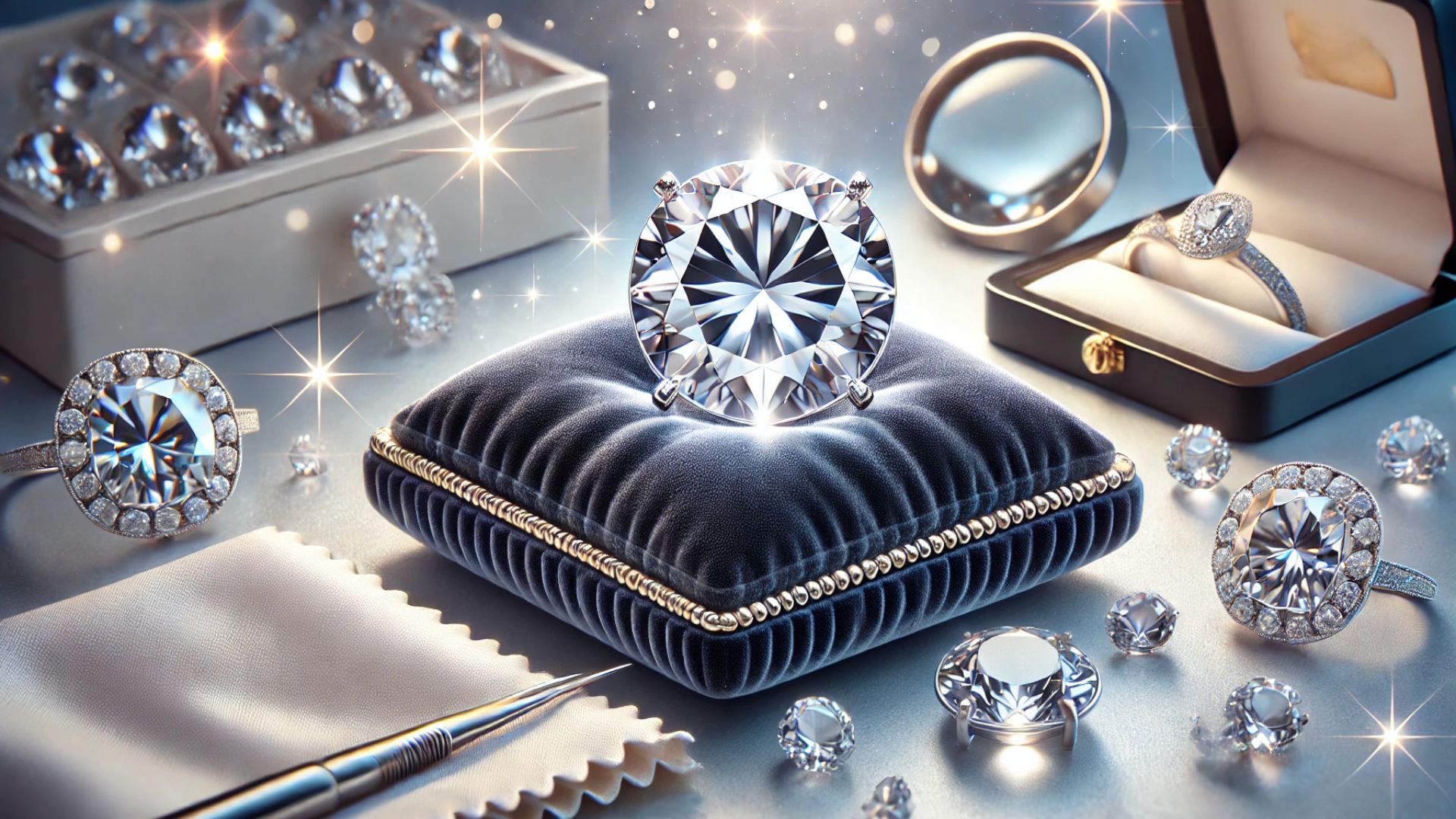
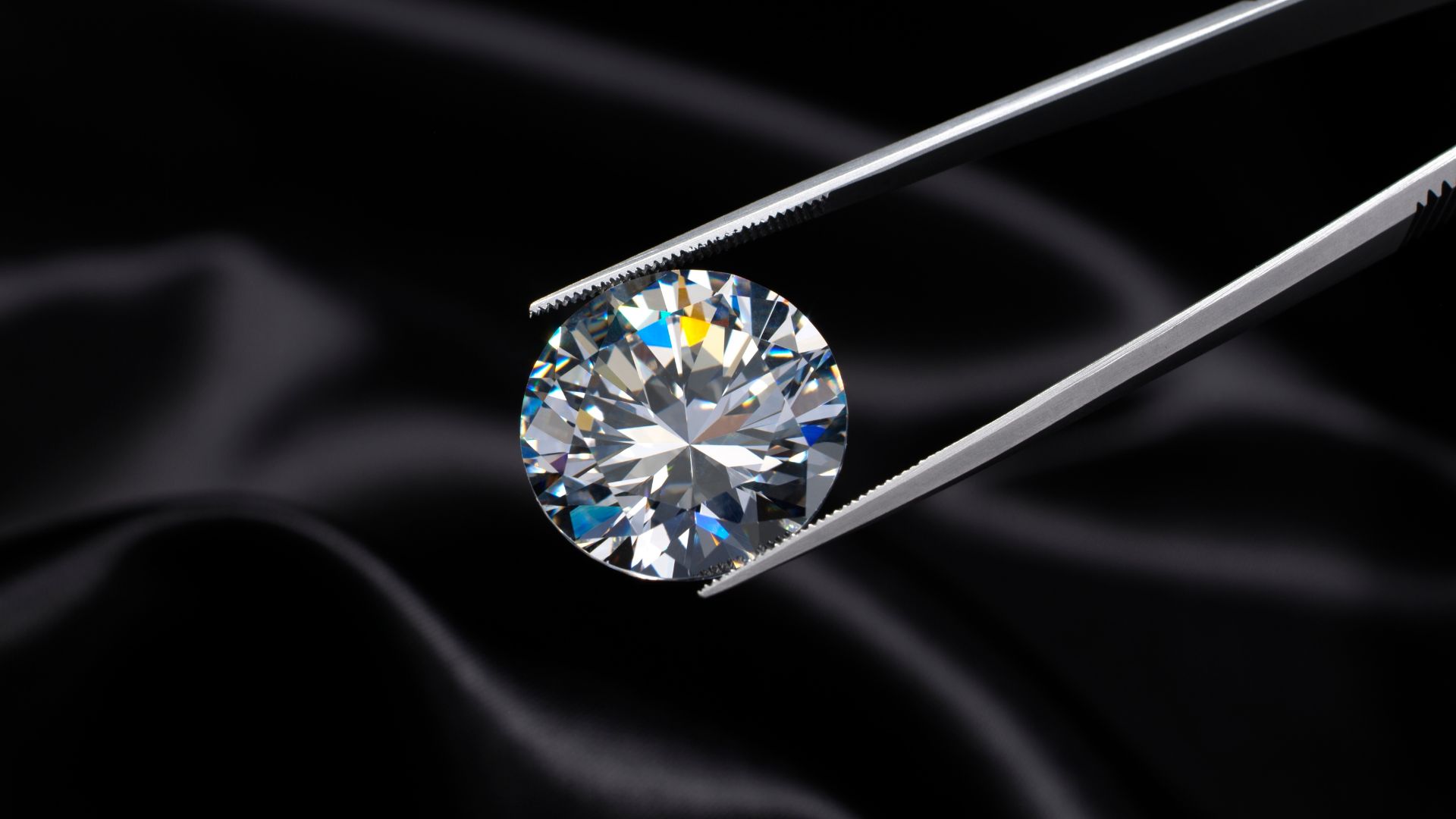
Diamond (Mohs 10)
Diamond tops every gemstone hardness scale.
Benefits include:
- Exceptional scratch resistance
- Long-lasting brilliance
- Ideal for engagement rings
- Minimal wear over decades
Despite its incredible hardness, diamonds should still be protected from sharp impacts.
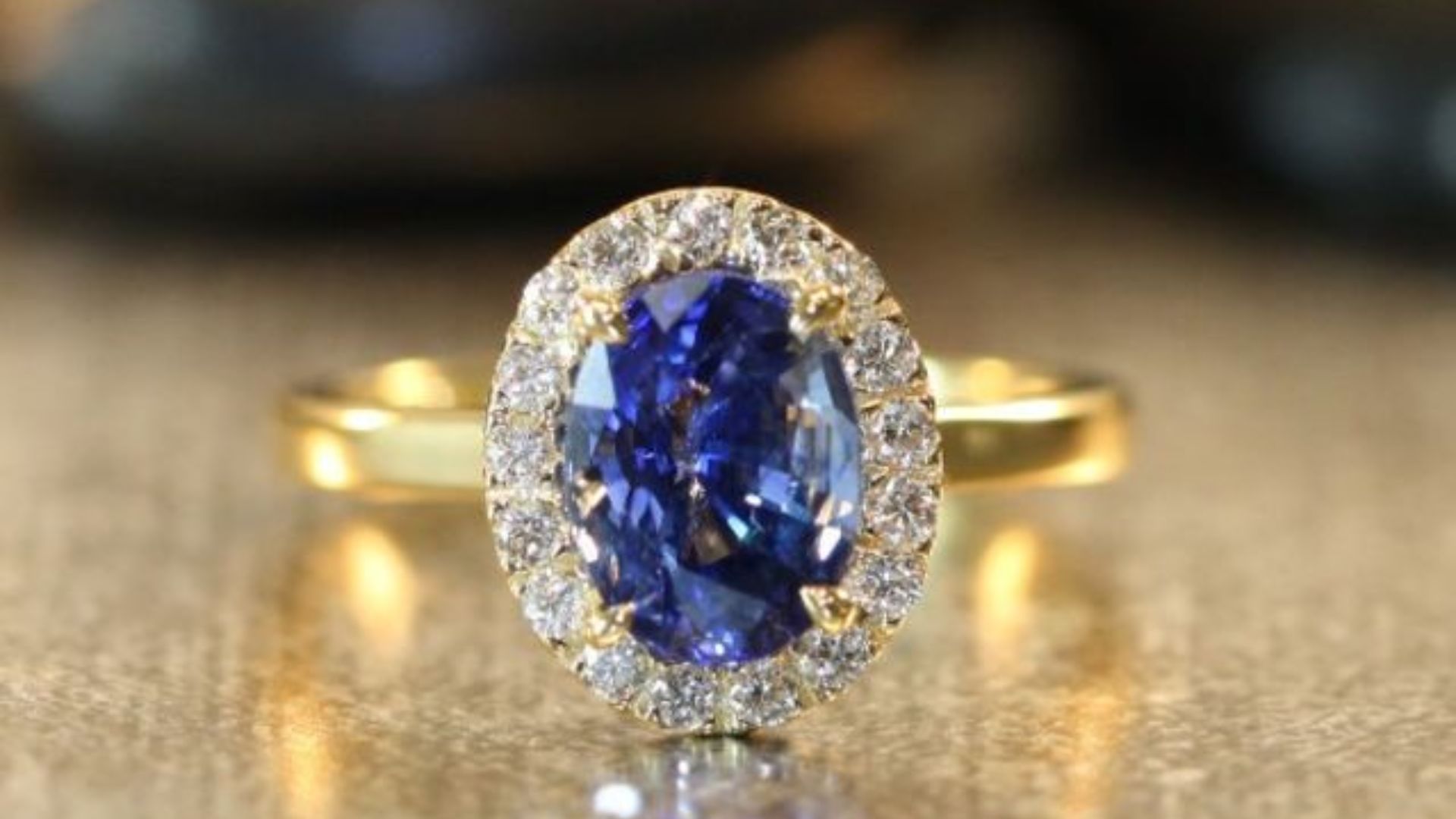
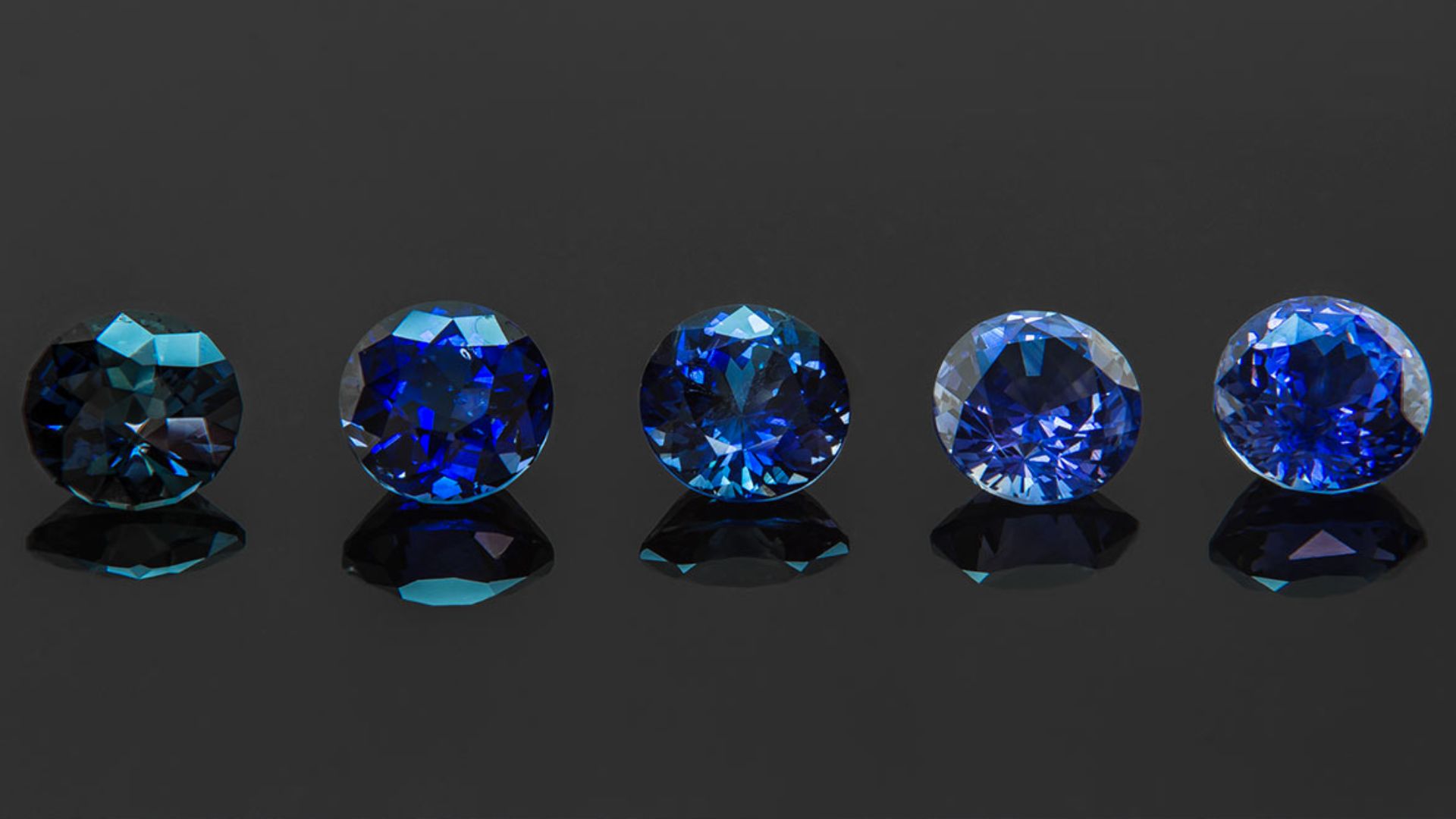
Sapphire (Mohs 9)
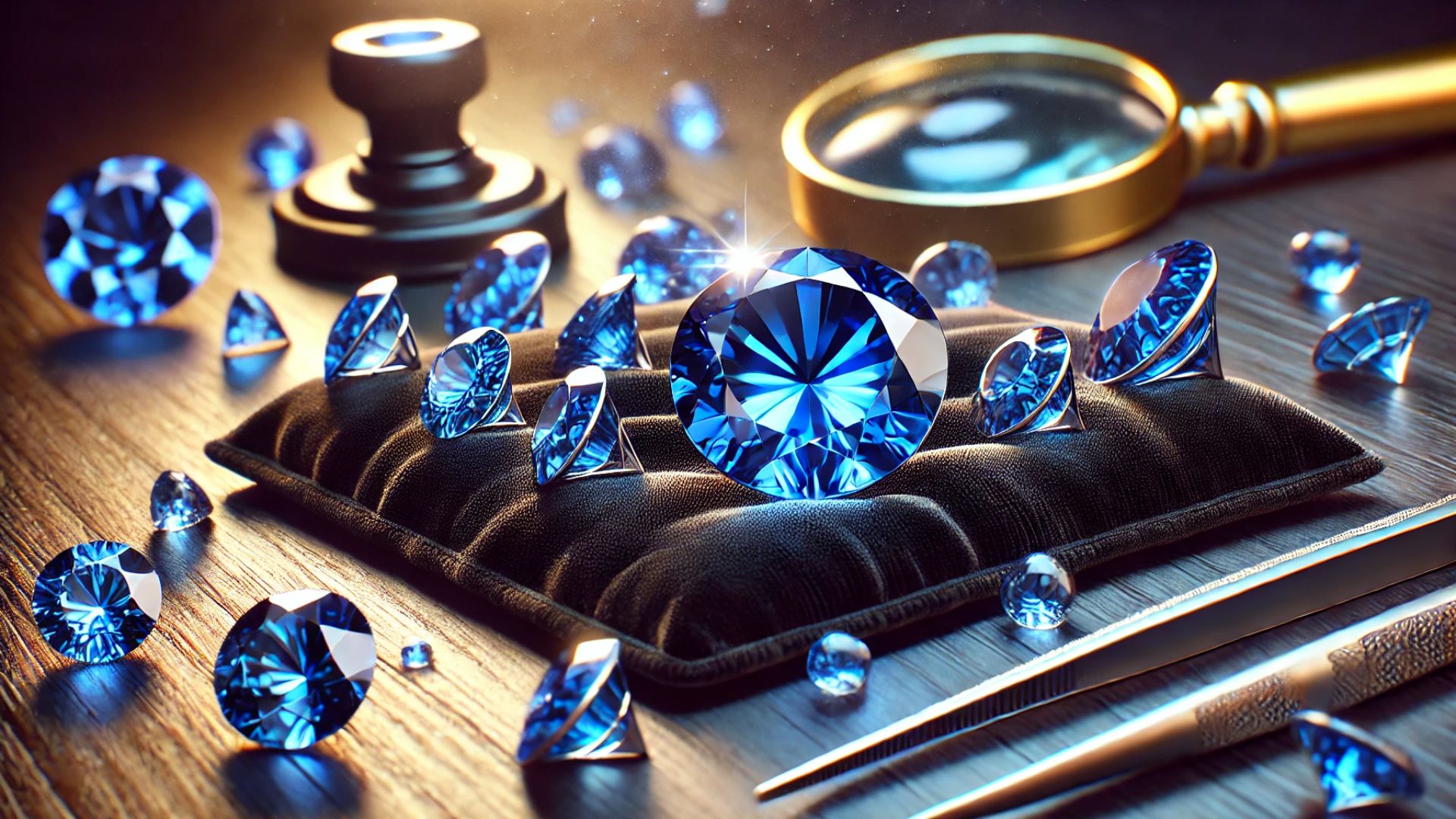
Sapphire is one of the best durable gemstones available.
Advantages:
- Excellent scratch resistance
- Highly durable
- Suitable for everyday rings
- Available in many colors
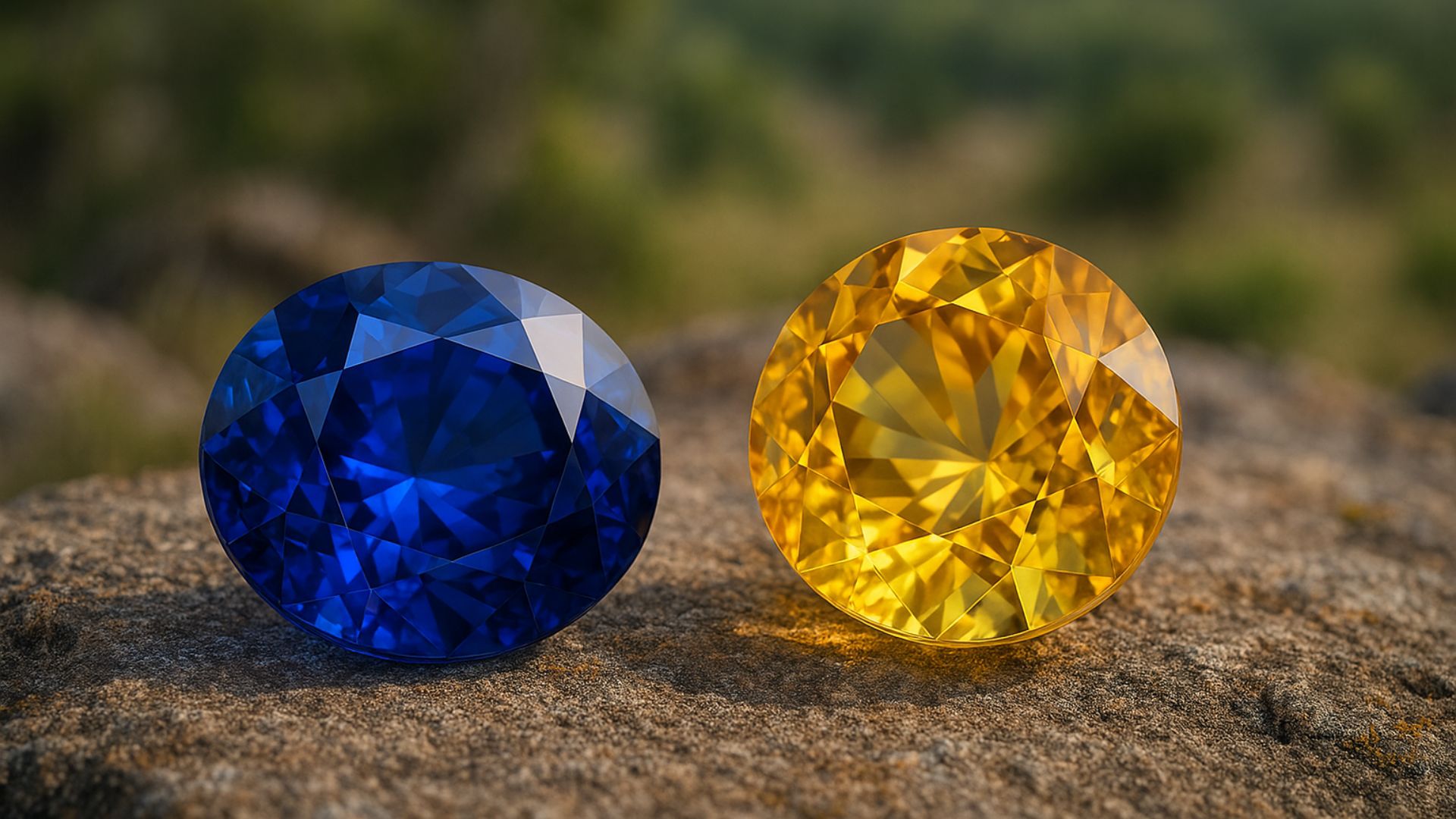
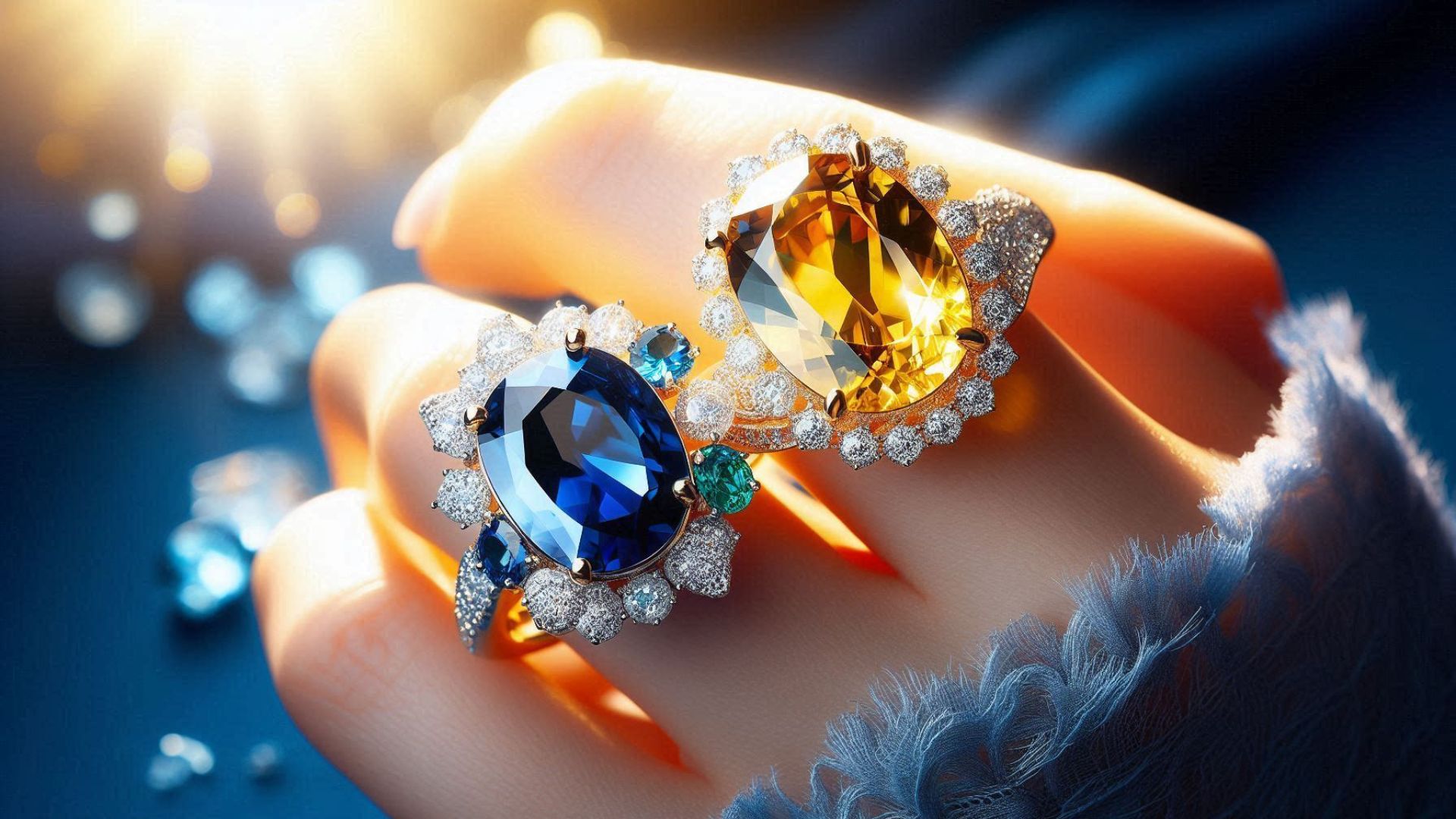
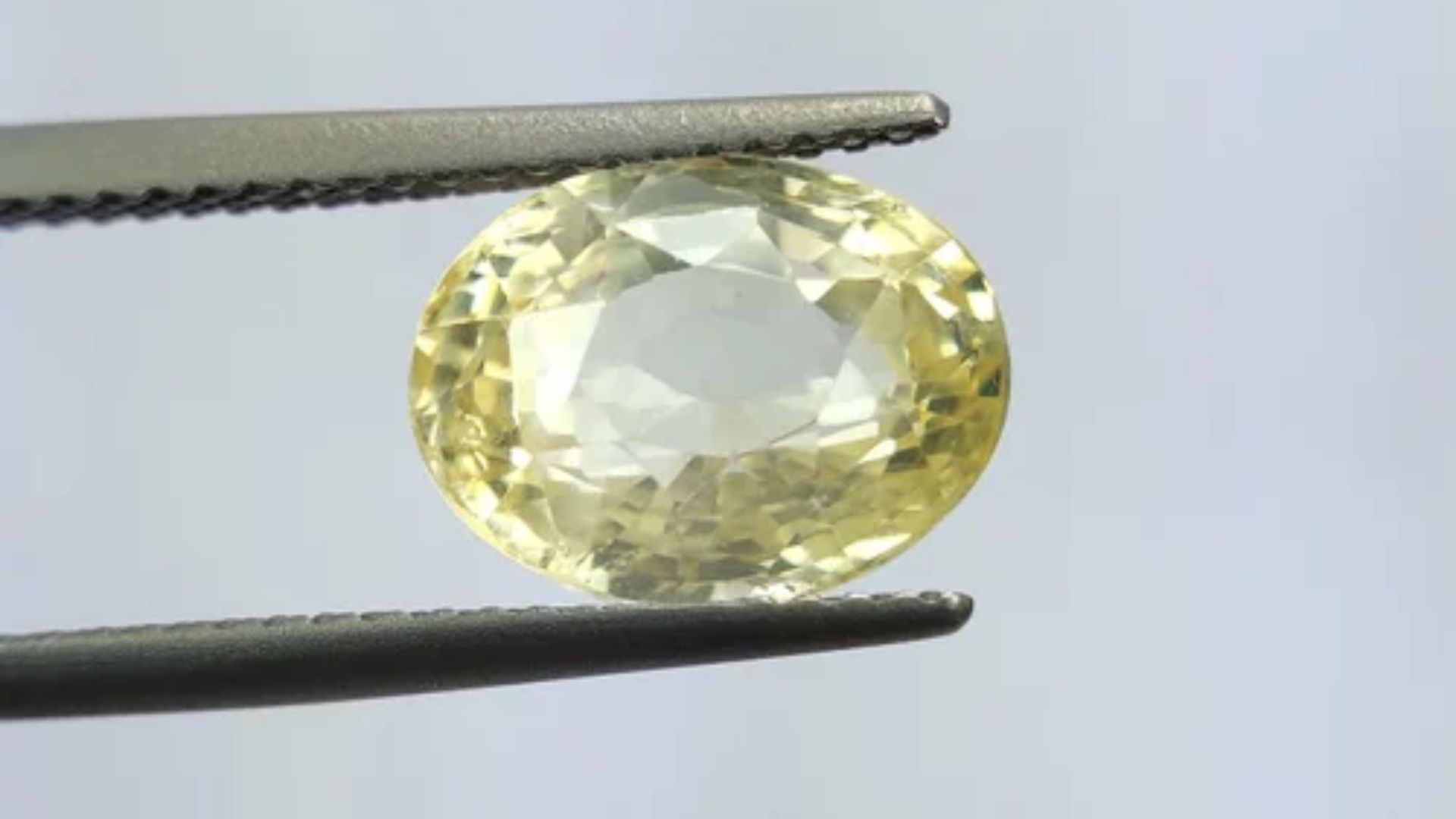
Blue sapphires are most famous, but yellow, pink, white, and green sapphires are equally durable.
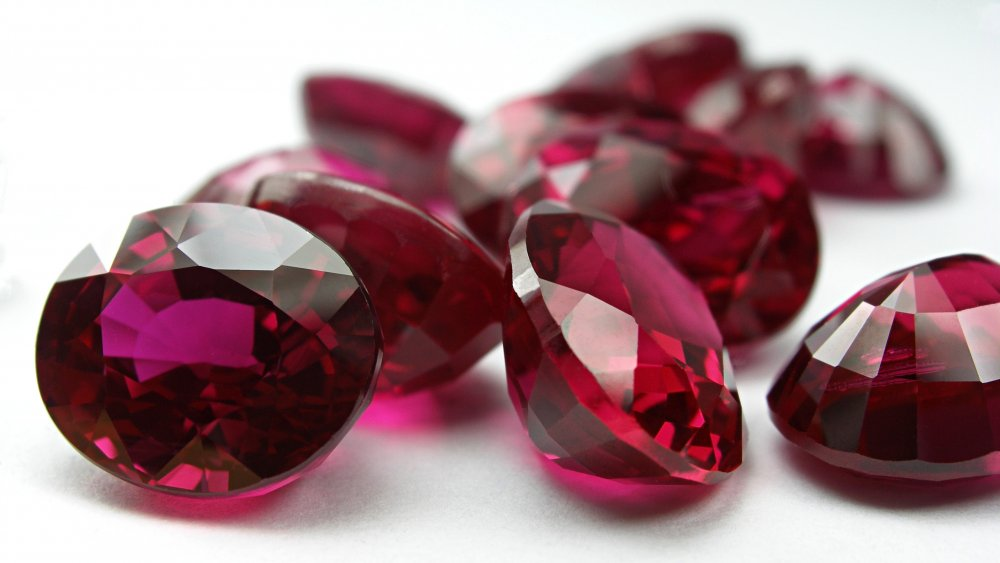
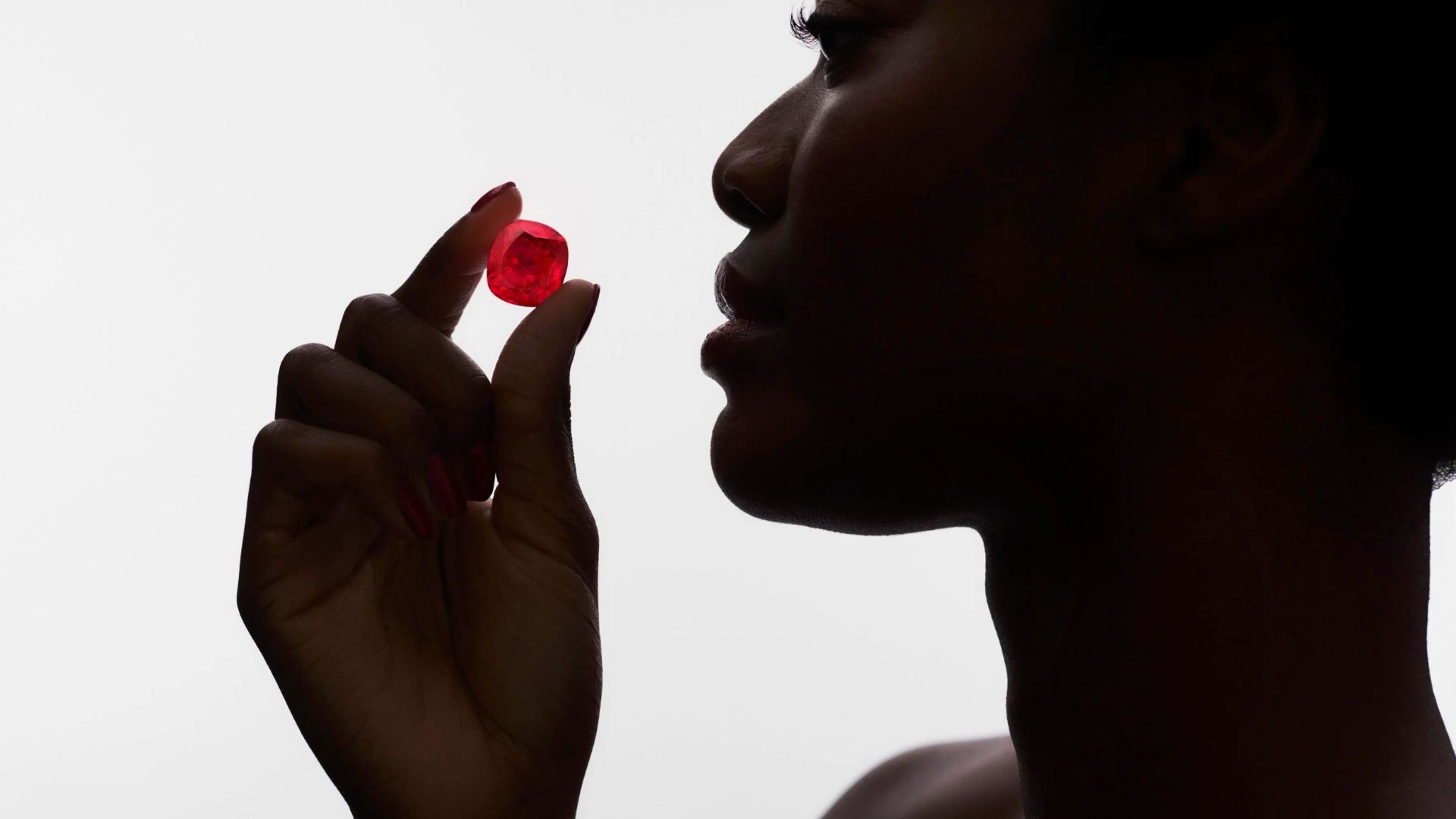
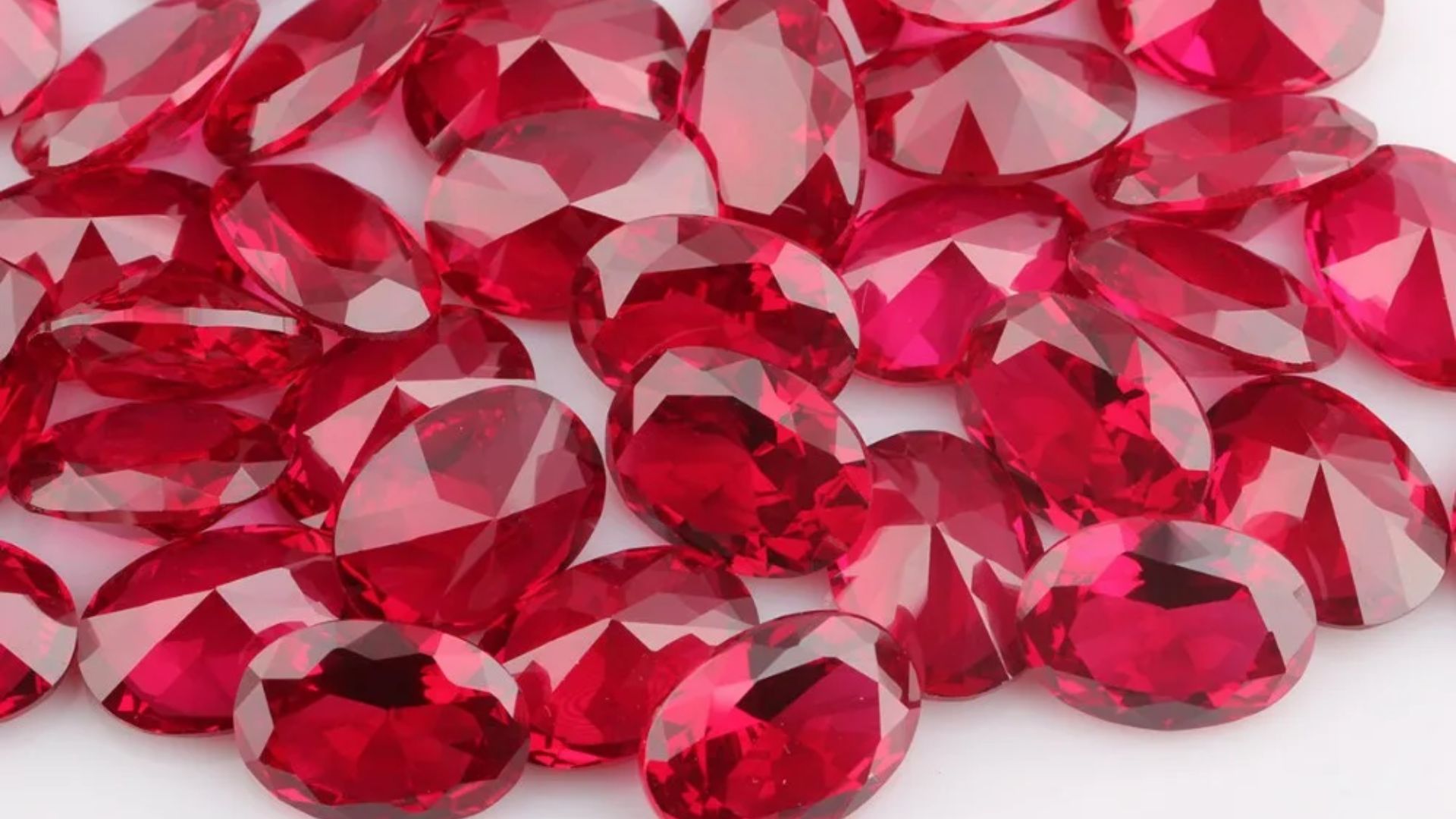
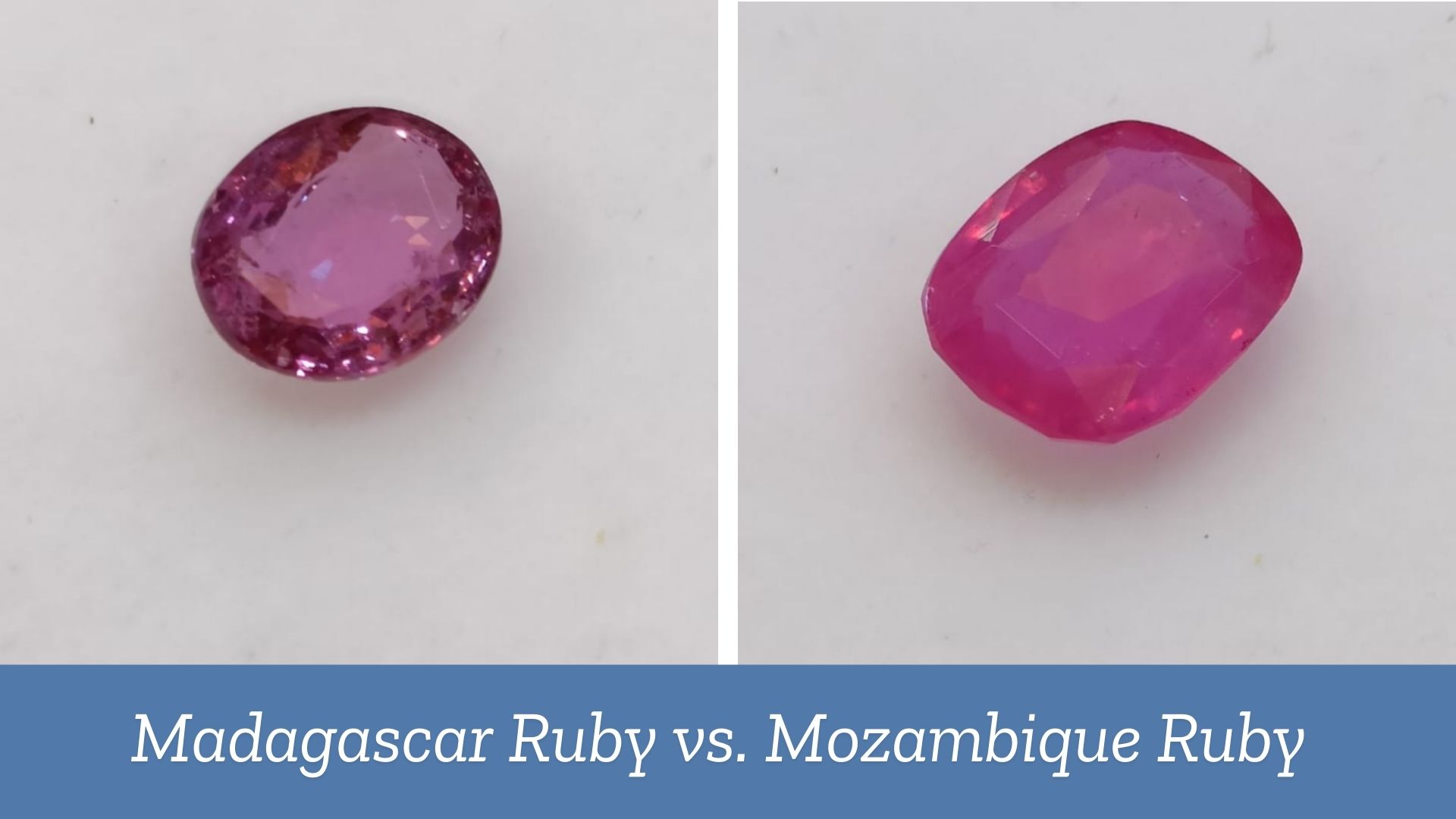
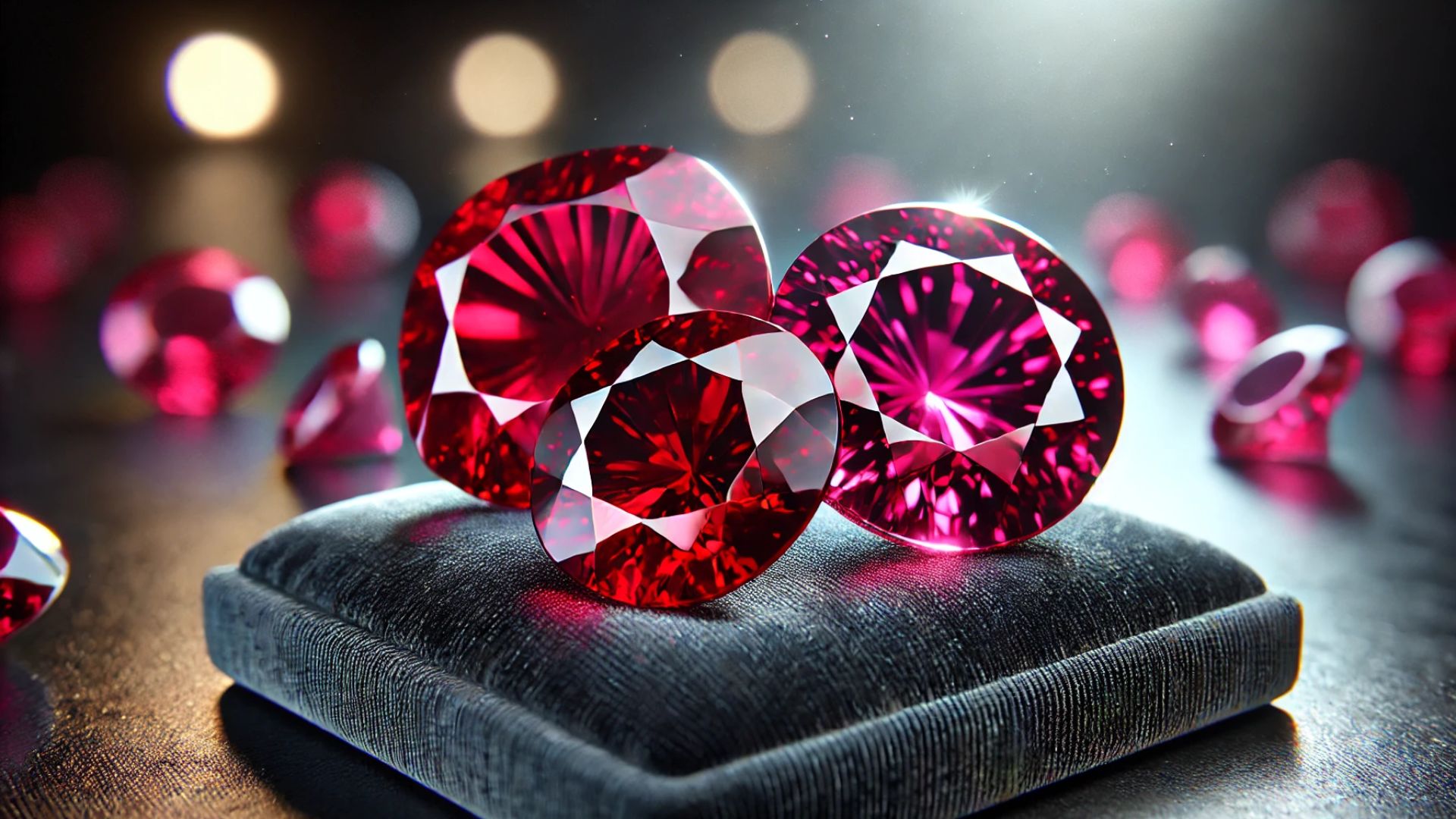
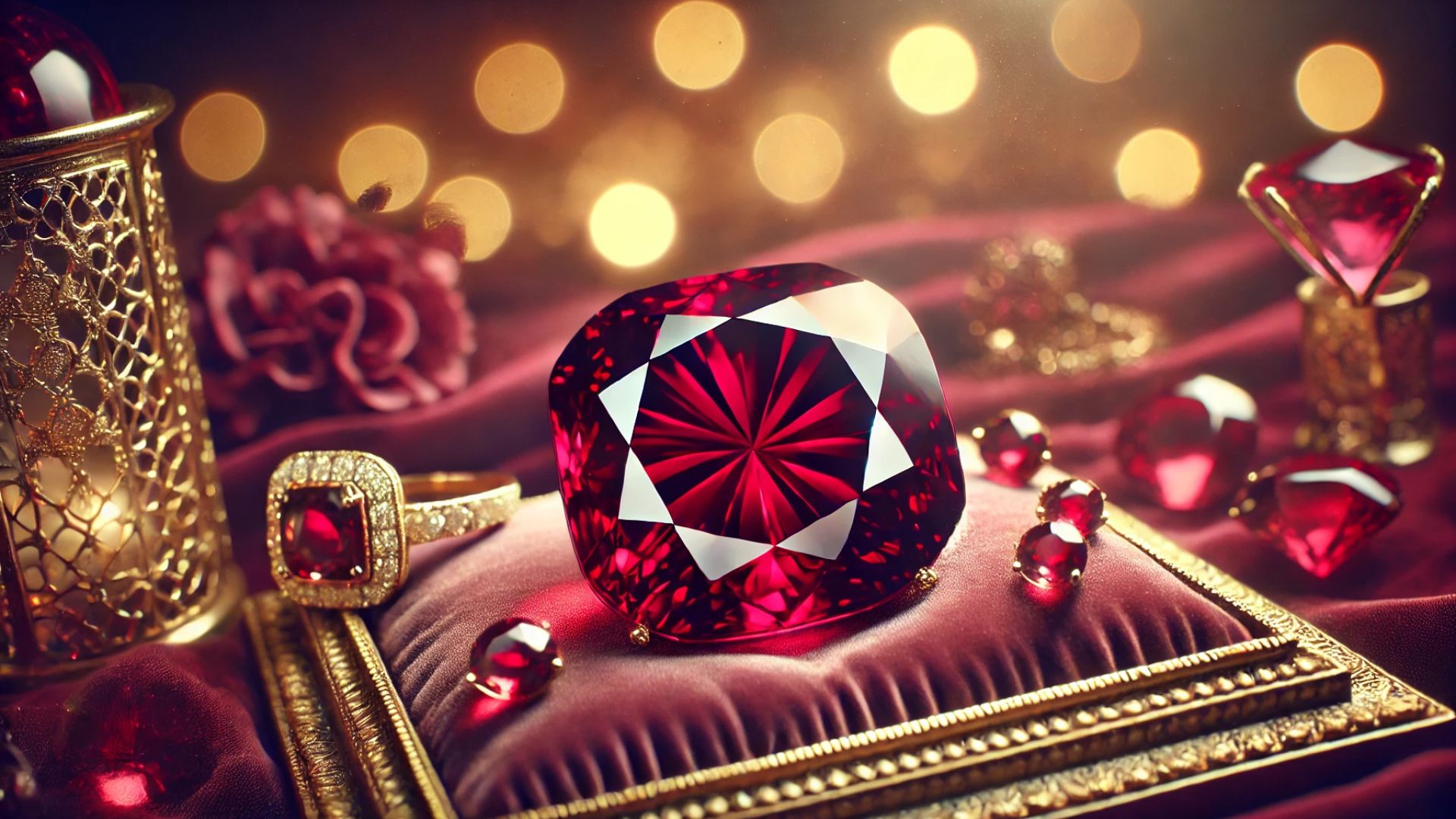
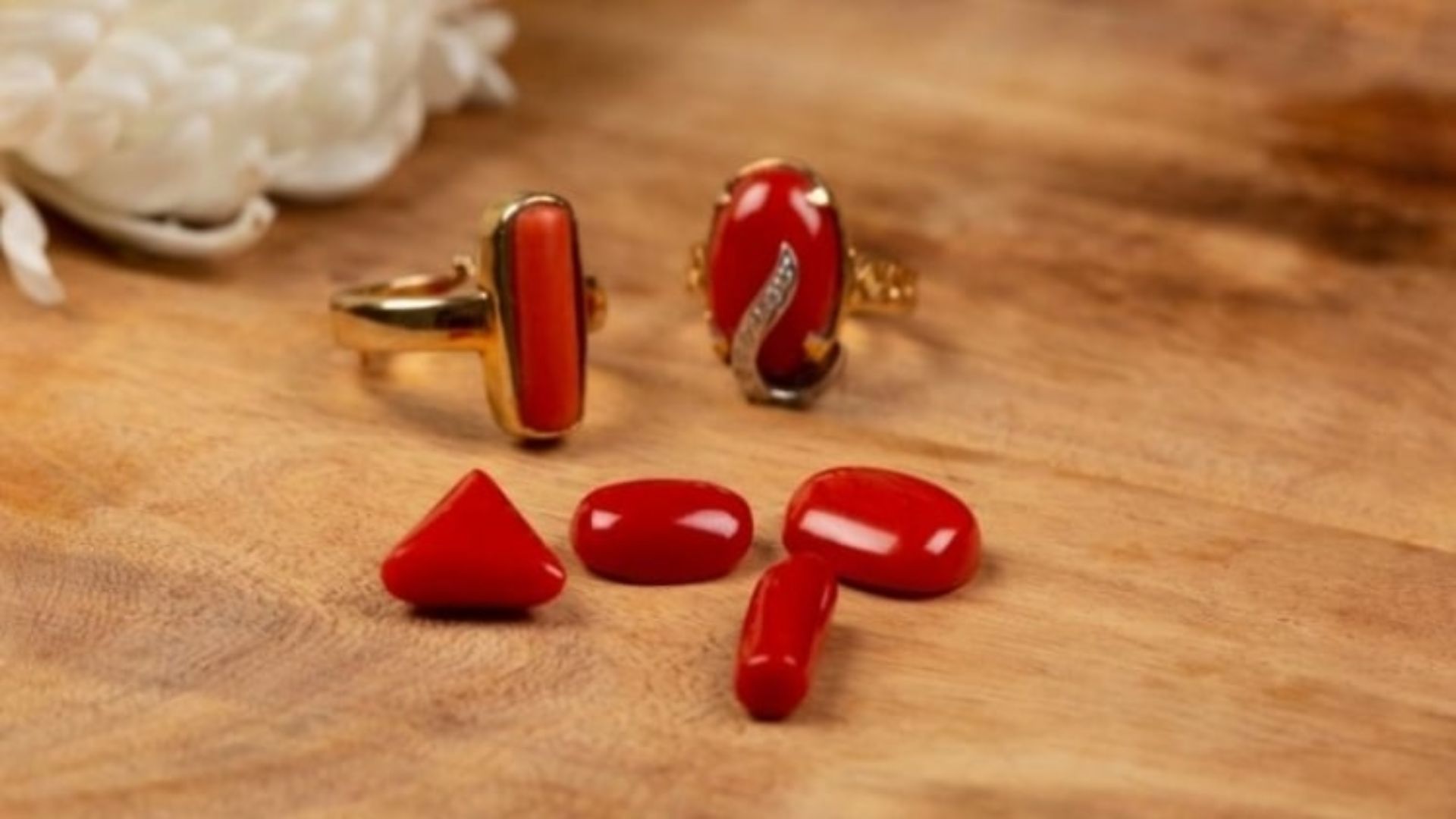
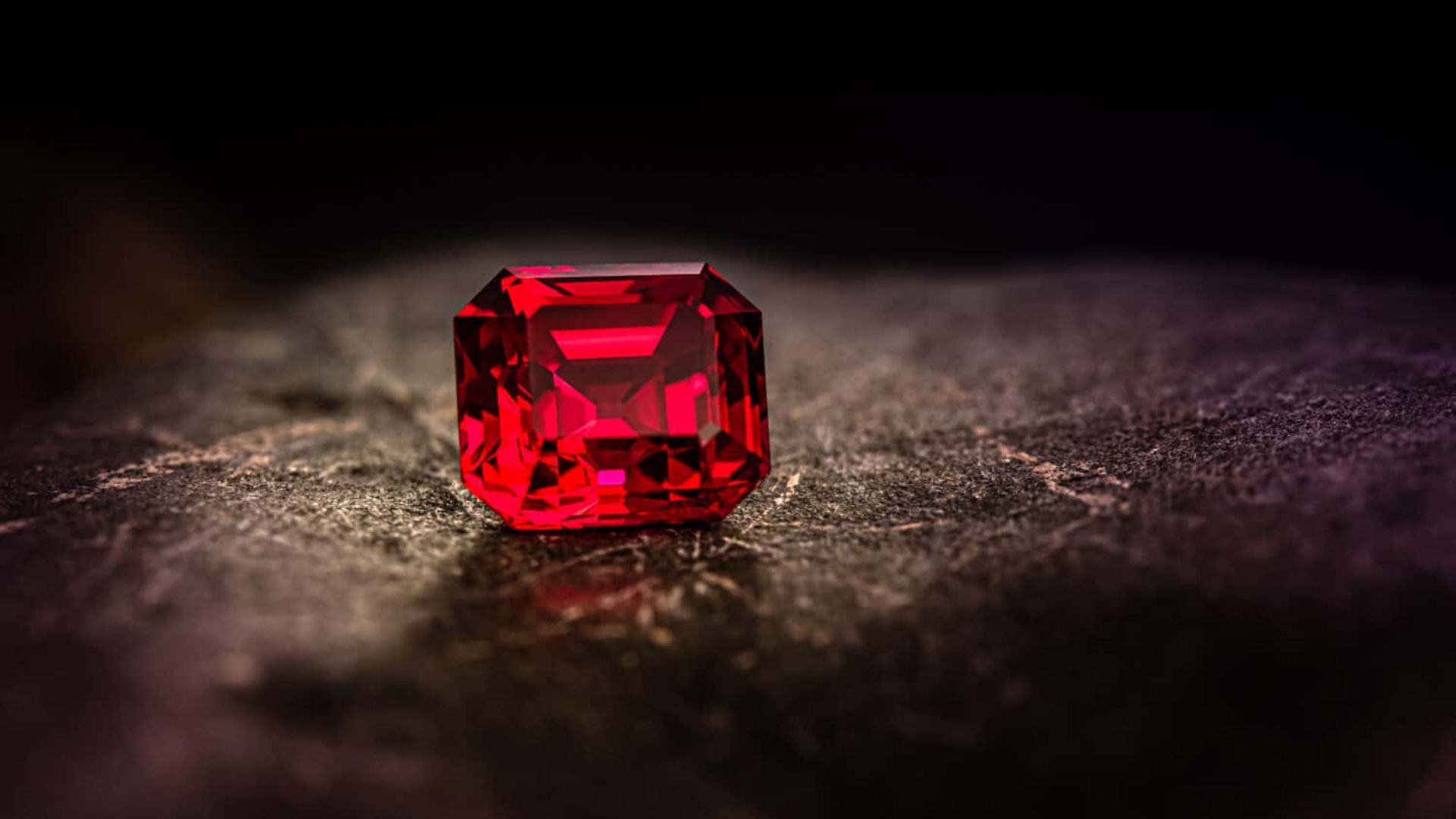
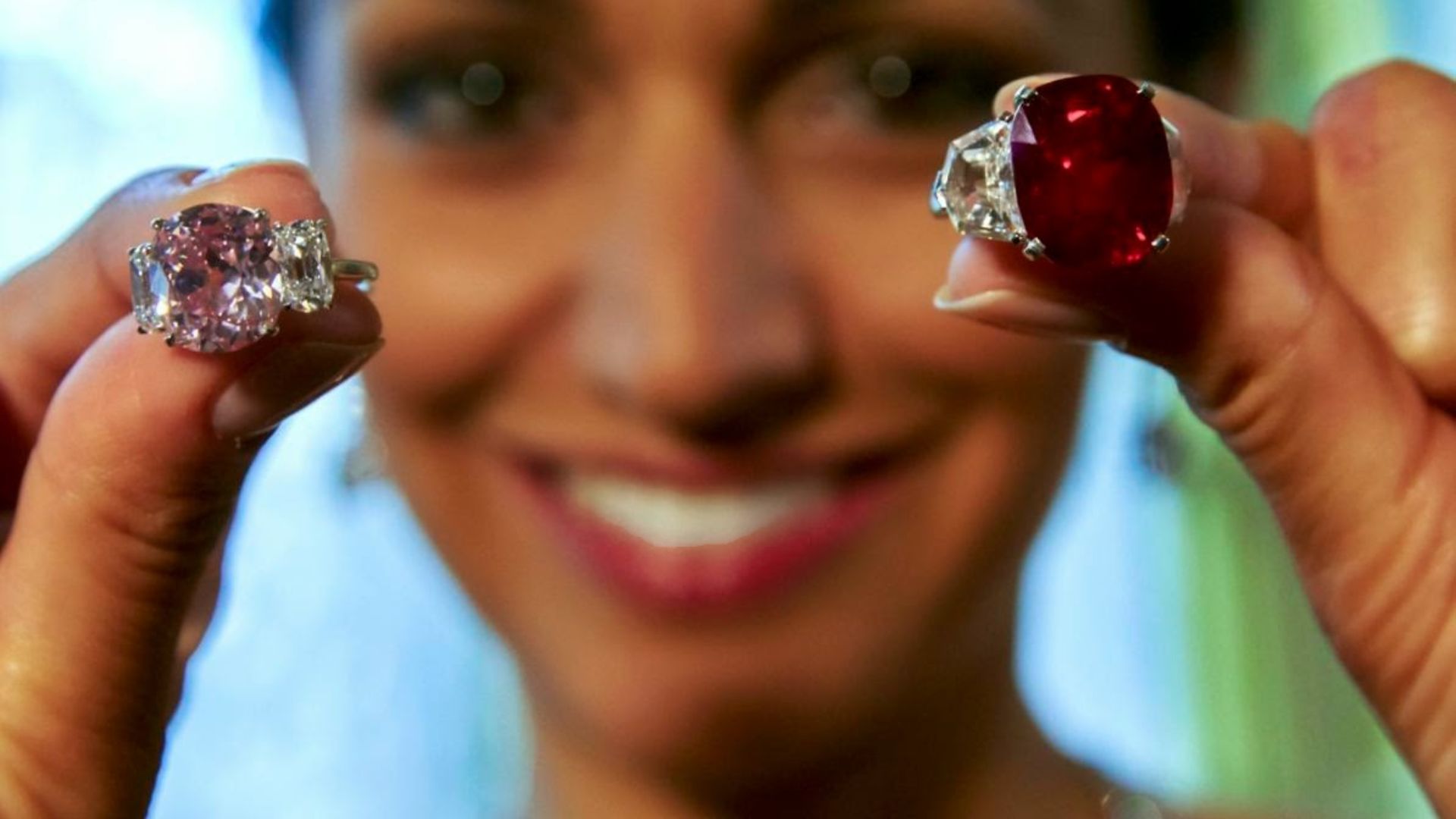
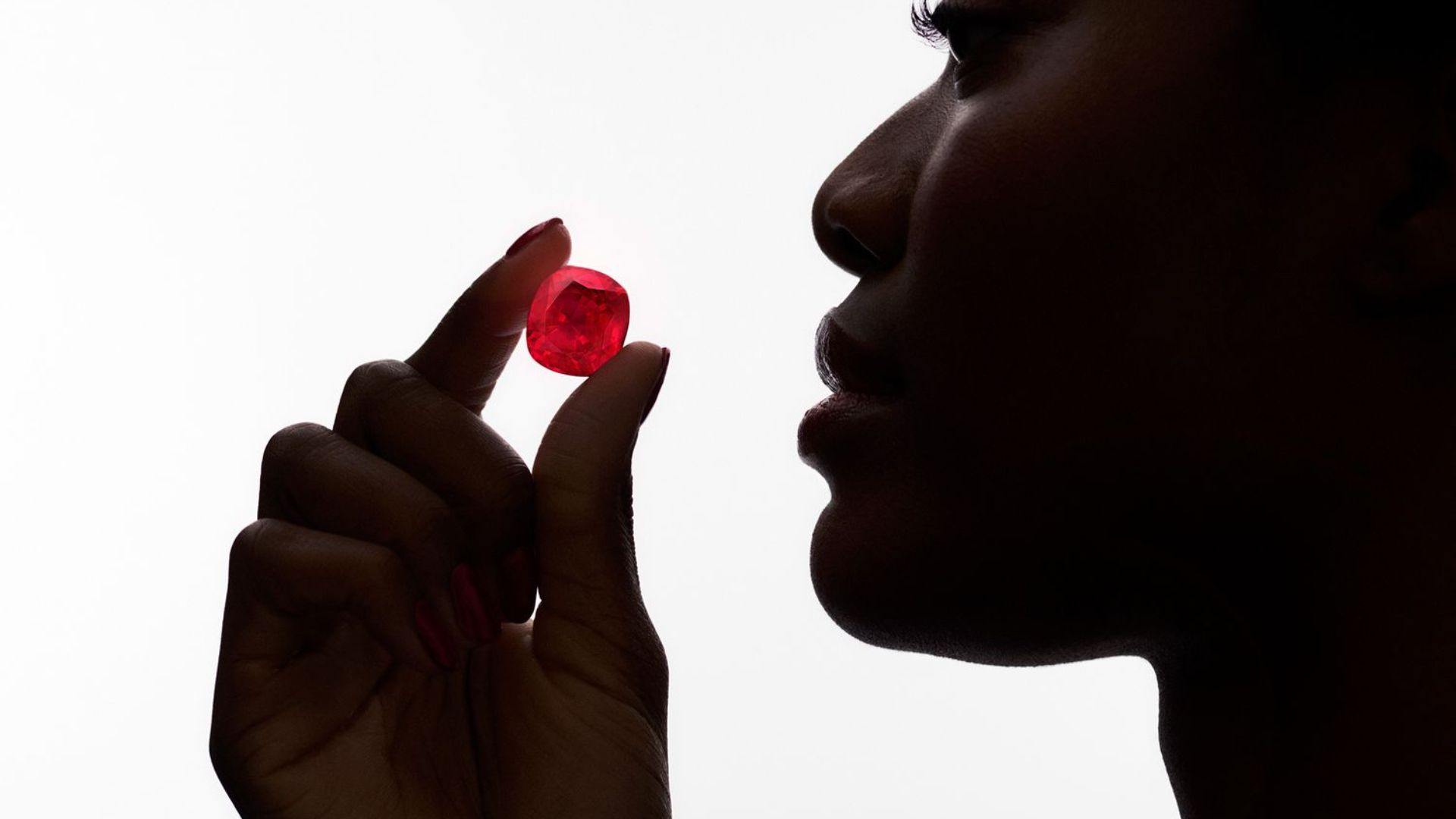
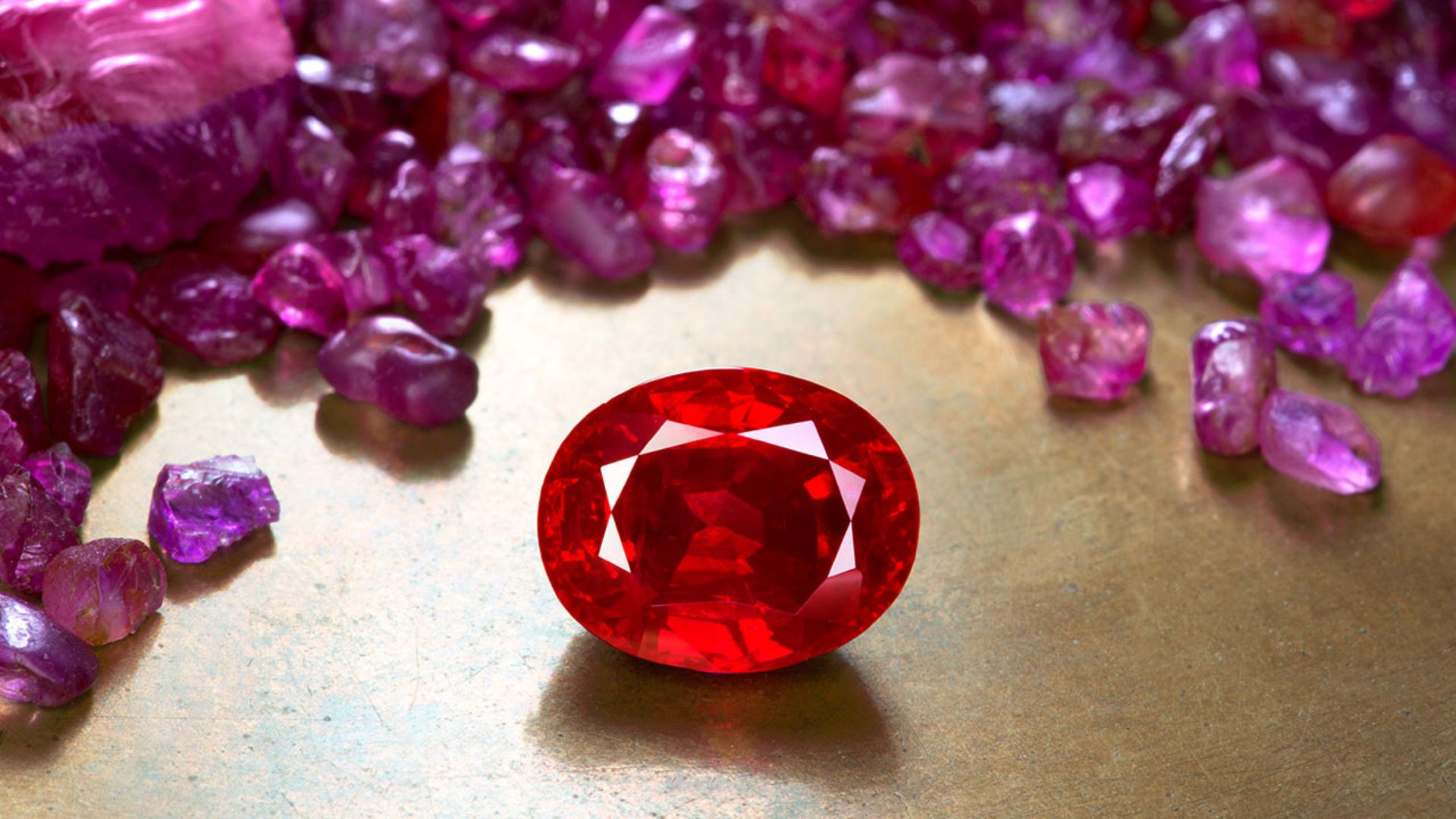
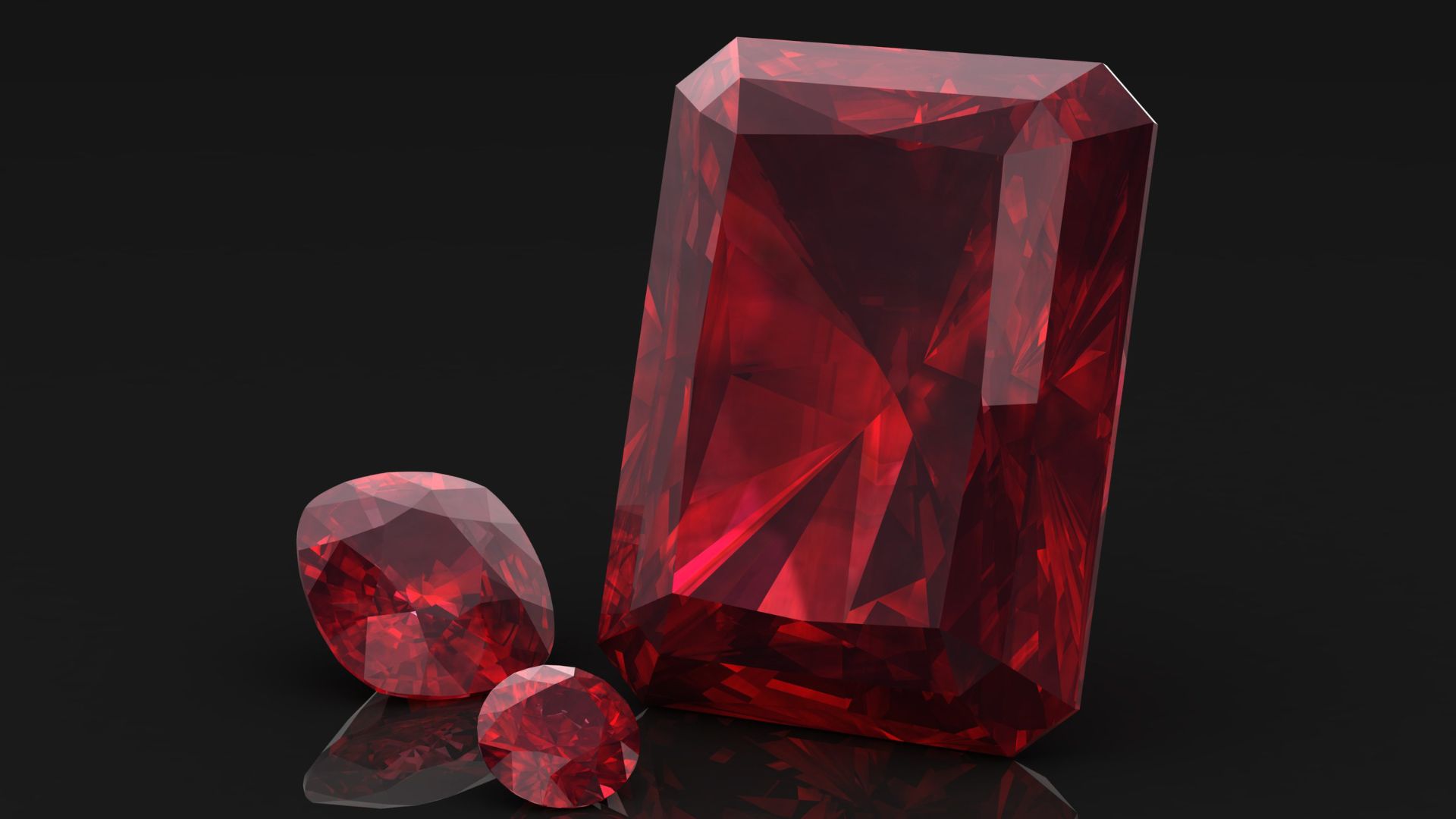
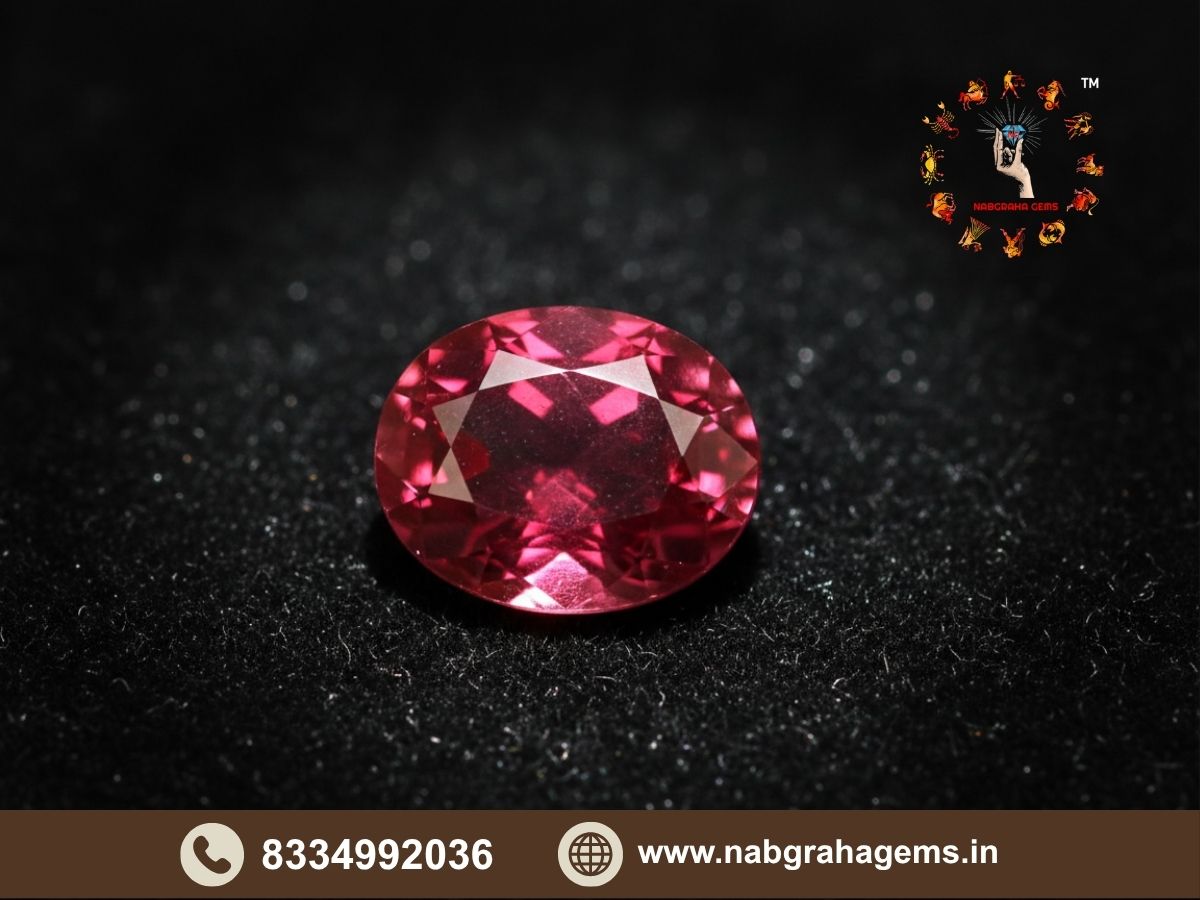
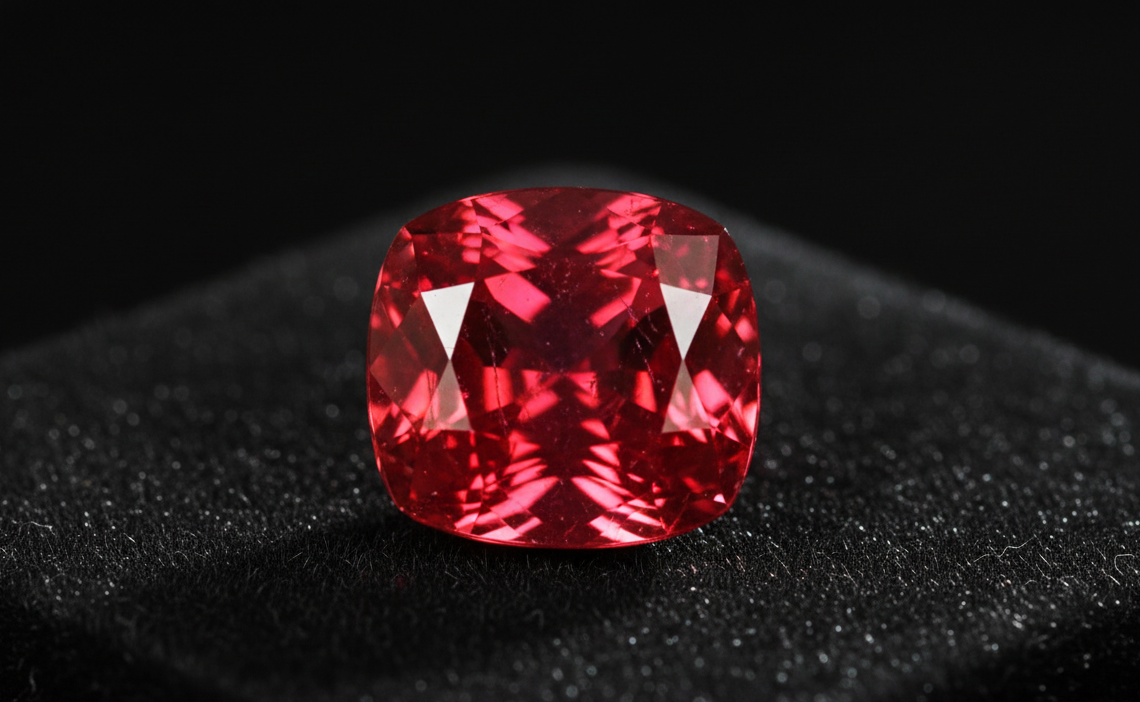
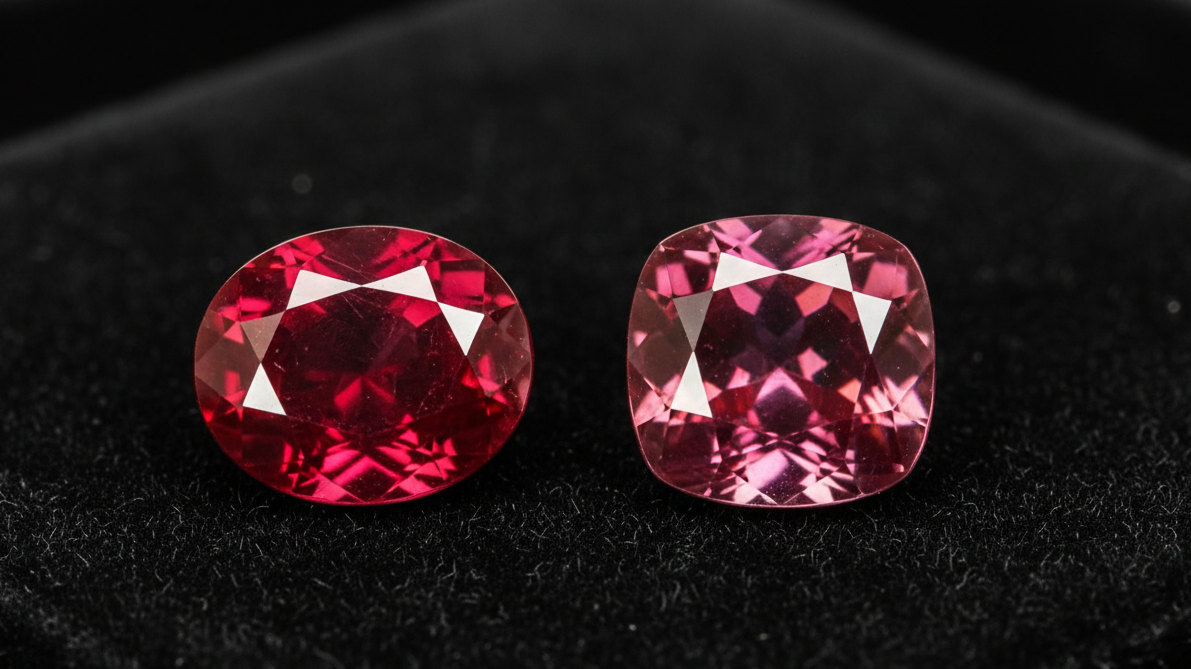
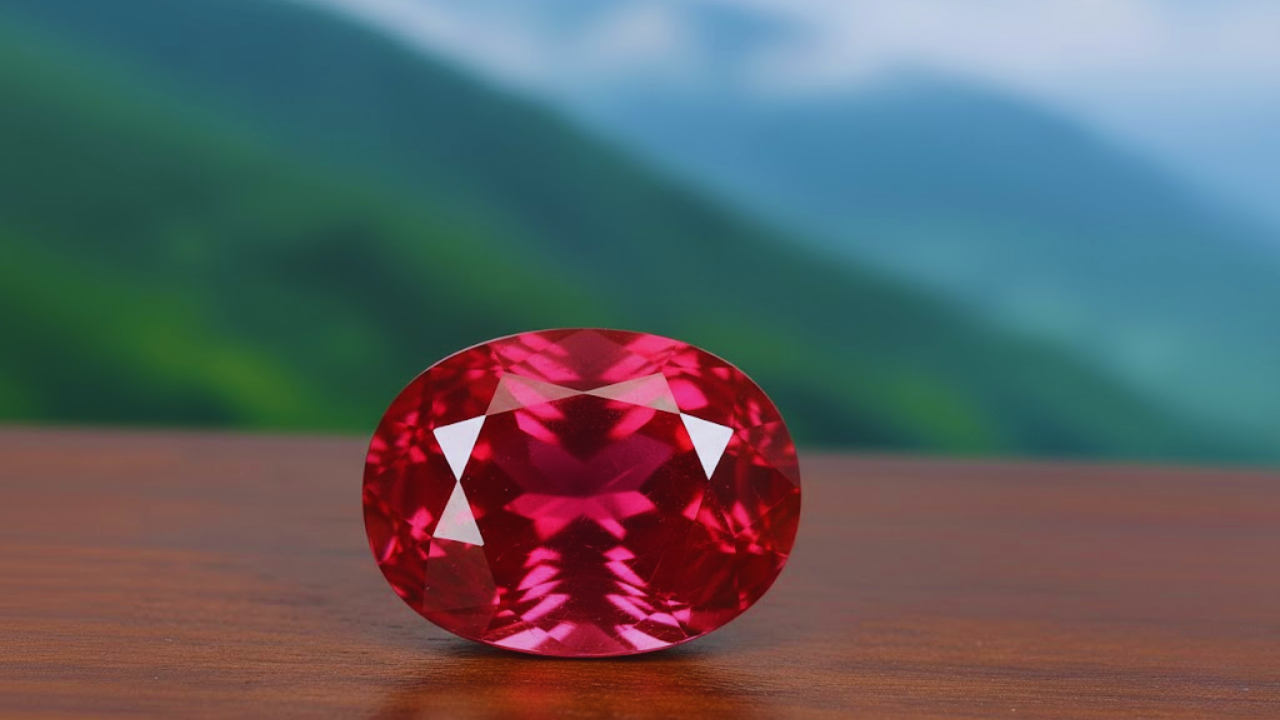
Ruby (Mohs 9)
Ruby belongs to the same mineral family as sapphire.
Its benefits include:
- Outstanding durability
- Rich red color
- High resistance to scratching
- Excellent investment value
Ruby remains one of the finest everyday gemstones.
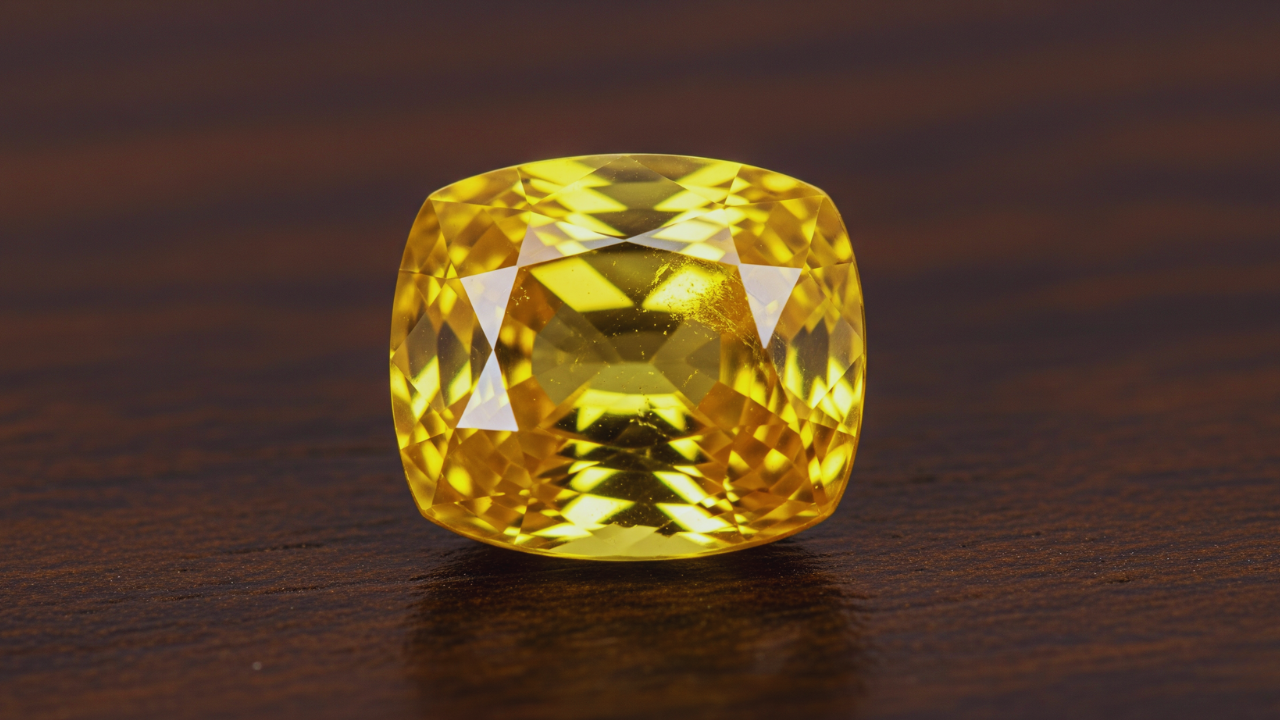
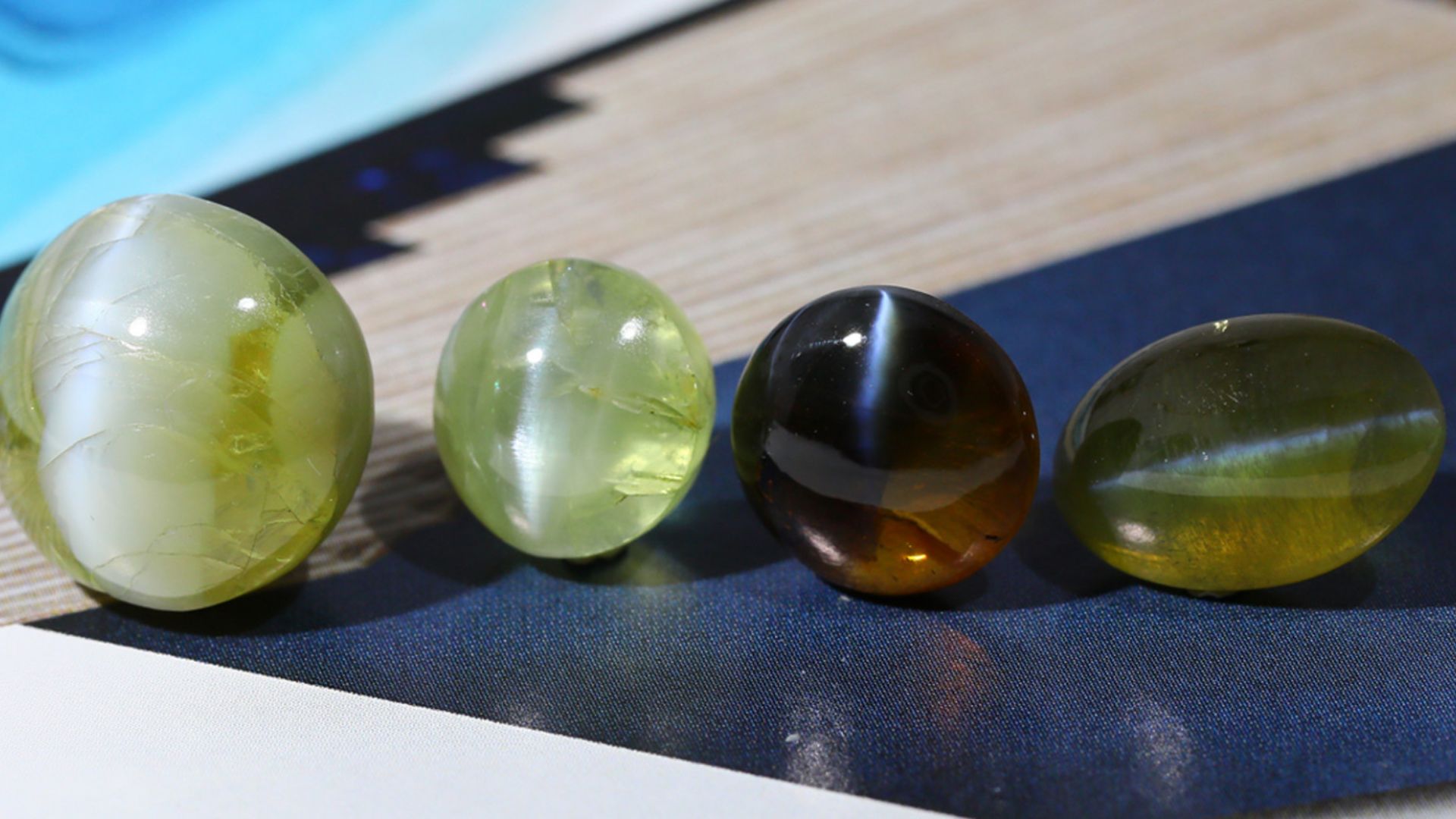
Chrysoberyl (Mohs 8.5)
Less common but incredibly durable, Chrysoberyl offers:
- Excellent hardness
- Strong toughness
- Beautiful brilliance
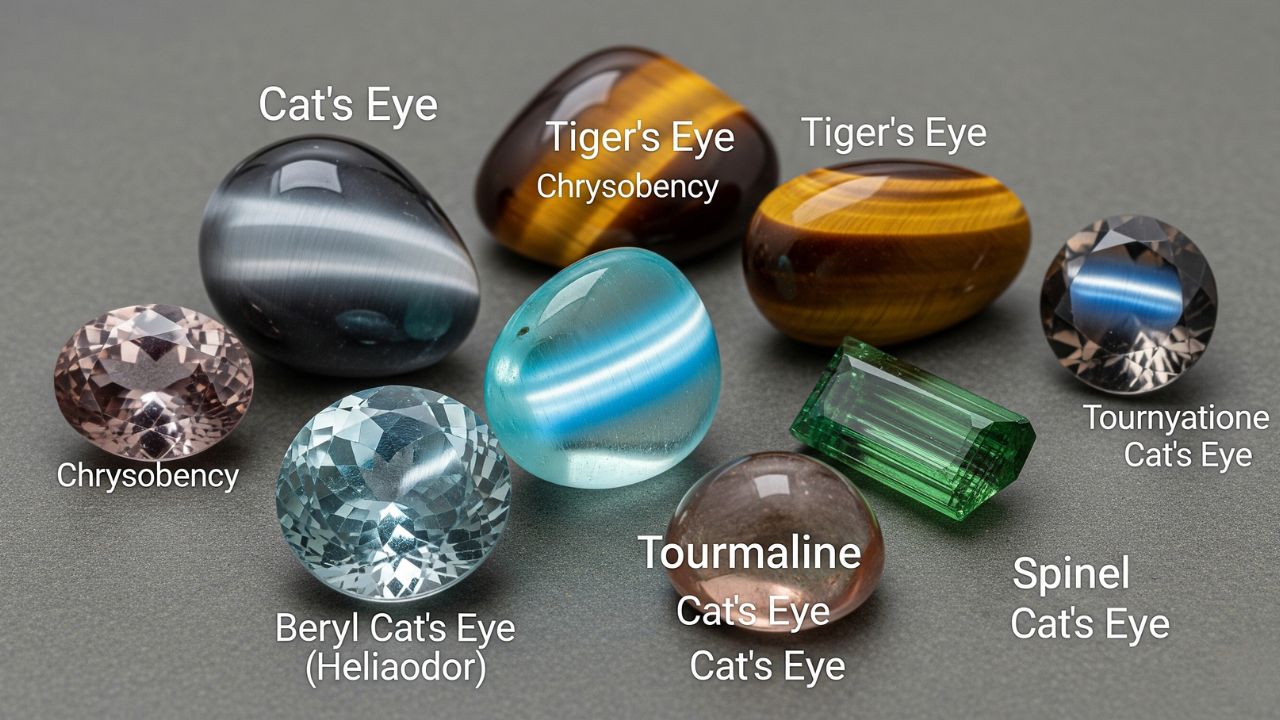
Cat's Eye Chrysoberyl is especially prized among collectors.
Topaz (Mohs 8)
Topaz resists scratches well but has perfect cleavage, making it susceptible to chipping if struck.
Proper settings help improve longevity.
Spinel (Mohs 8)
Spinel has become increasingly popular because it combines:
- High hardness
- Excellent brilliance
- Strong durability
- Wide color variety
It is an outstanding choice for modern jewelry.
Best Durable Gemstones for Jewelry
If you wear jewelry every day, durability becomes even more important.
The best durable gemstones for jewelry include:
Diamond
Perfect for:
- Engagement rings
- Wedding bands
- Daily wear
Sapphire
Ideal for:
- Rings
- Bracelets
- Necklaces
Ruby
Excellent for:
- Heirloom jewelry
- Statement rings
- Everyday accessories
Spinel
Great for:
- Fashion jewelry
- Custom rings
- Pendants
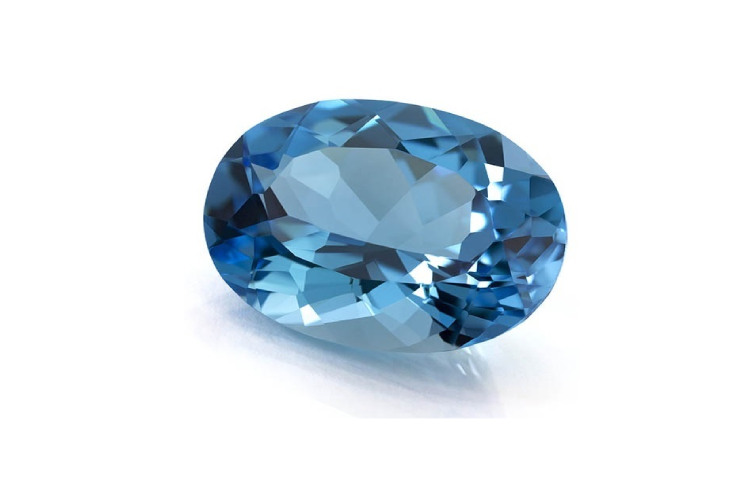
Aquamarine
Suitable for:
- Earrings
- Necklaces
- Occasional rings
Everyday Gemstones: Which Ones Hold Up Best?
Not every gemstone is suitable for daily use.
The following everyday gemstones offer an excellent balance of beauty and durability:
- Diamond
- Sapphire
- Ruby
- Spinel
- Chrysoberyl
- Quartz
- Aquamarine
- Morganite
These stones generally withstand regular wear with proper care.
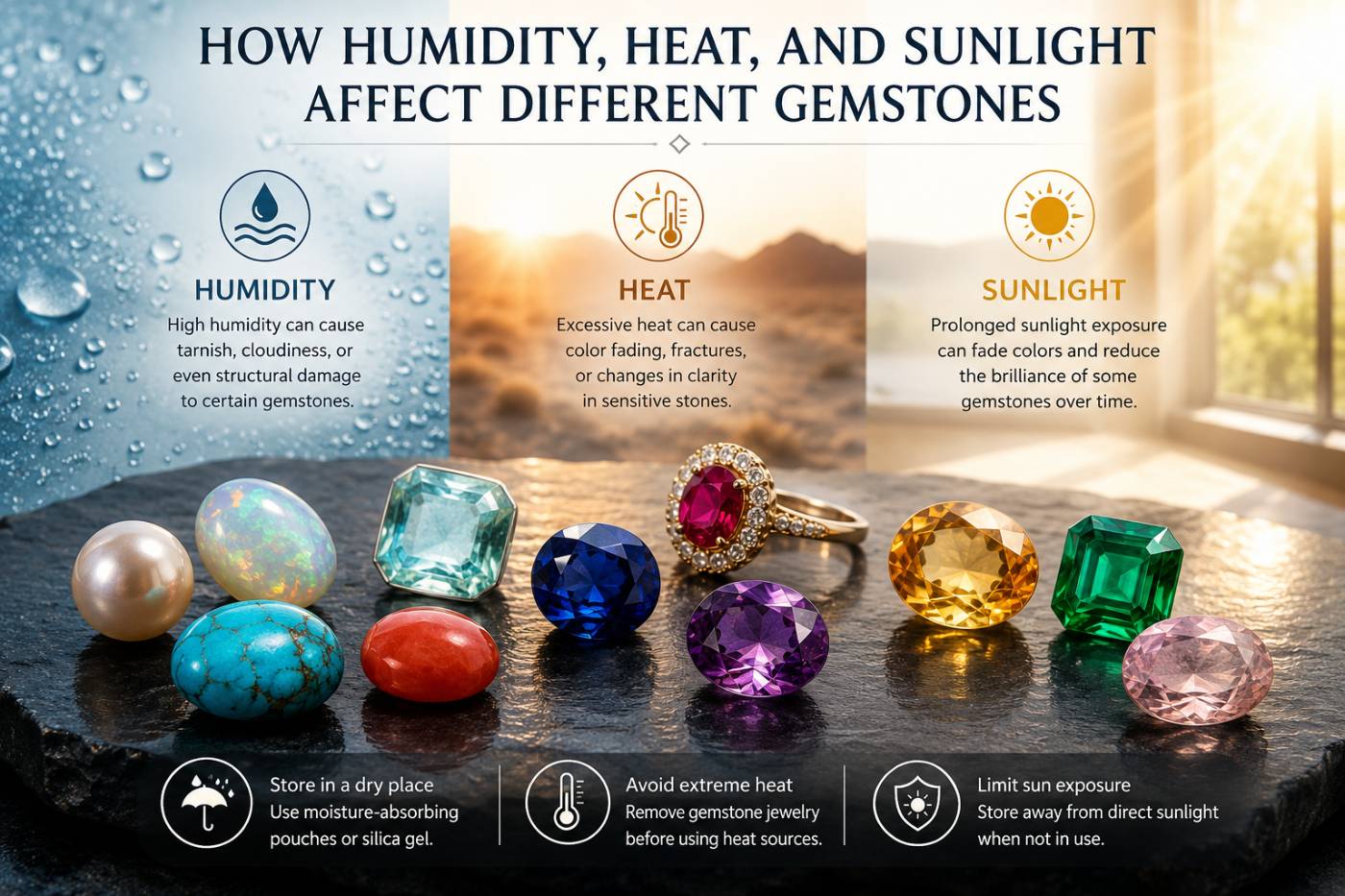
Gemstones That Need Extra Care
Some beautiful gems require more attention due to lower hardness or toughness.
Opal
- Sensitive to impacts
- Can lose moisture over time
- Better for earrings or pendants
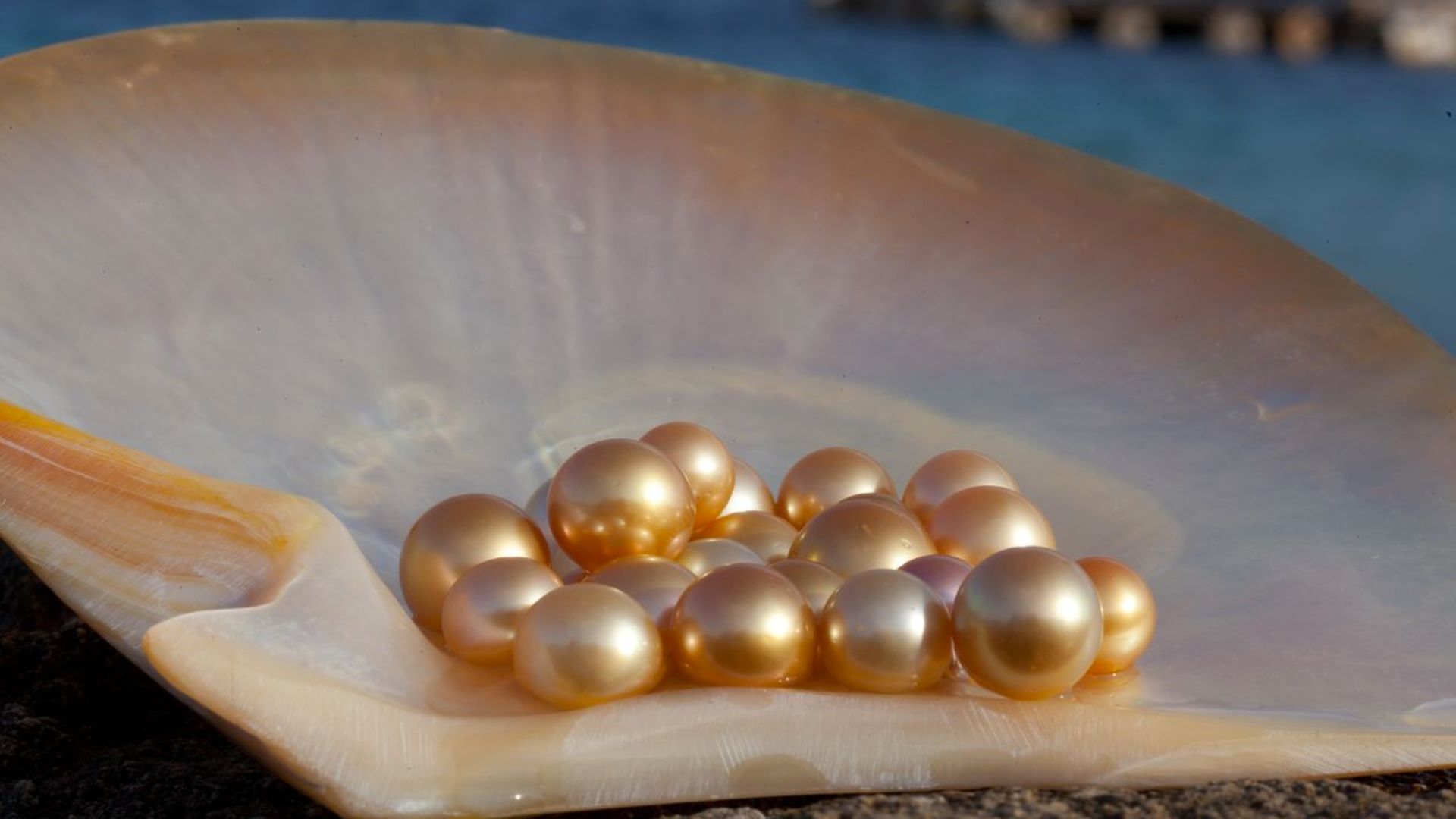
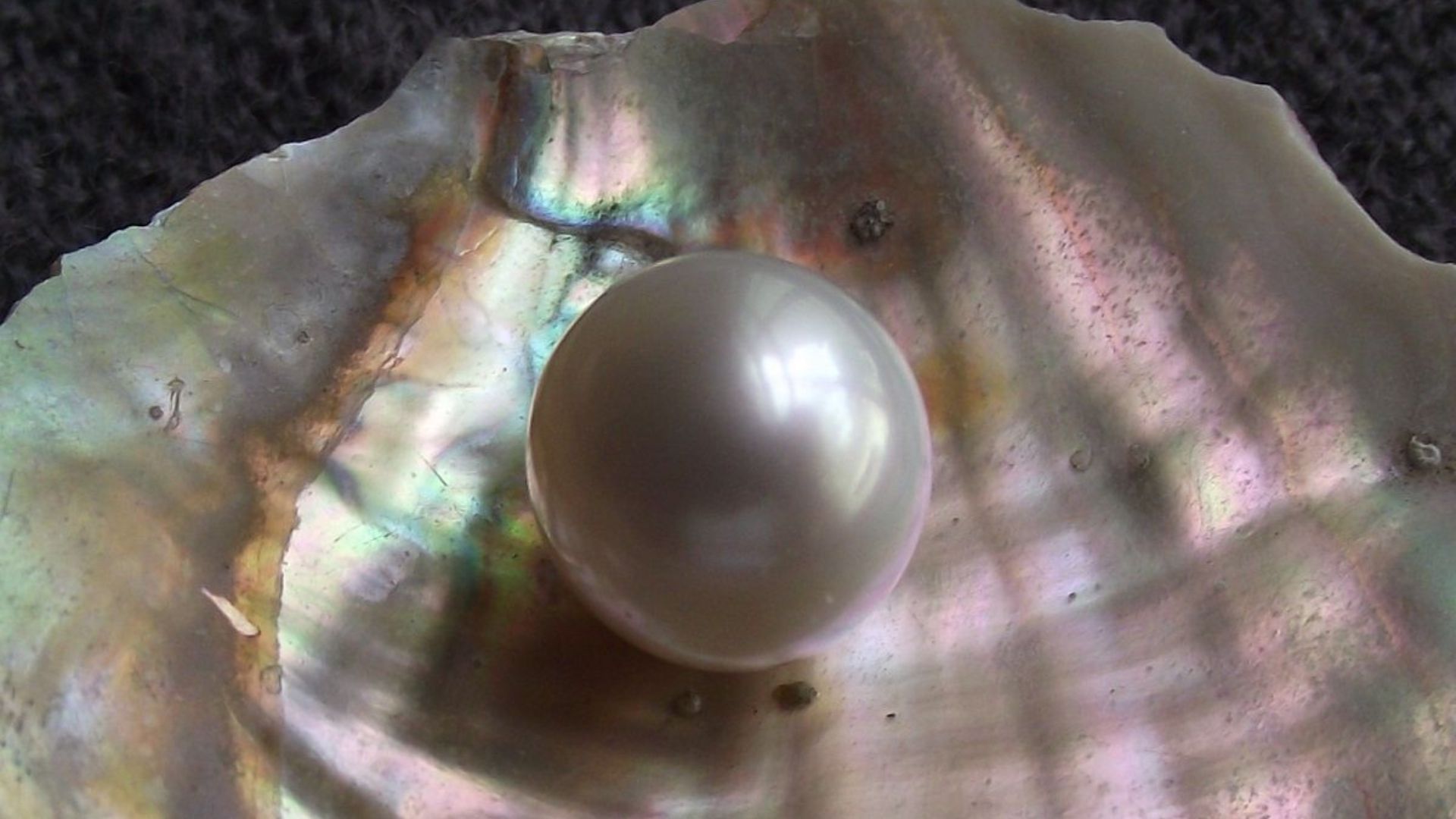
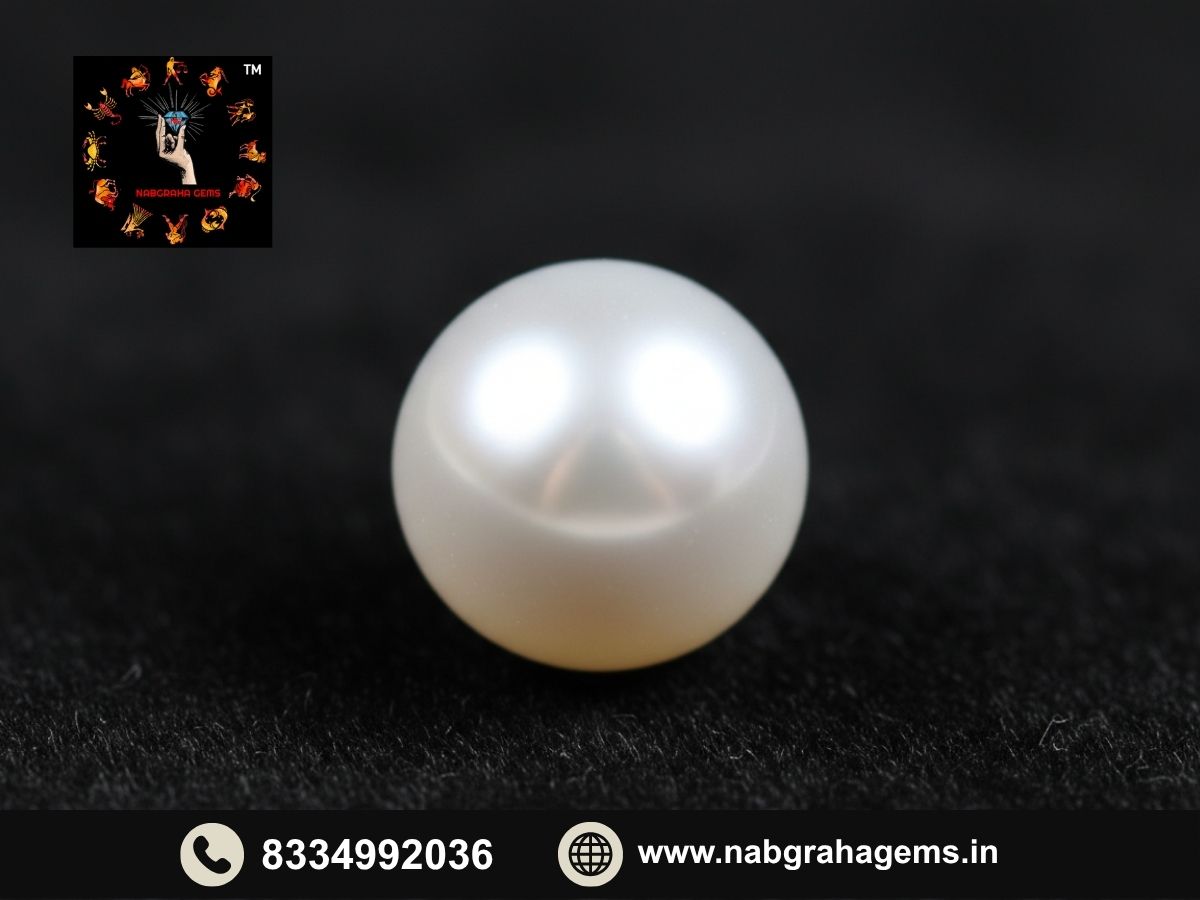
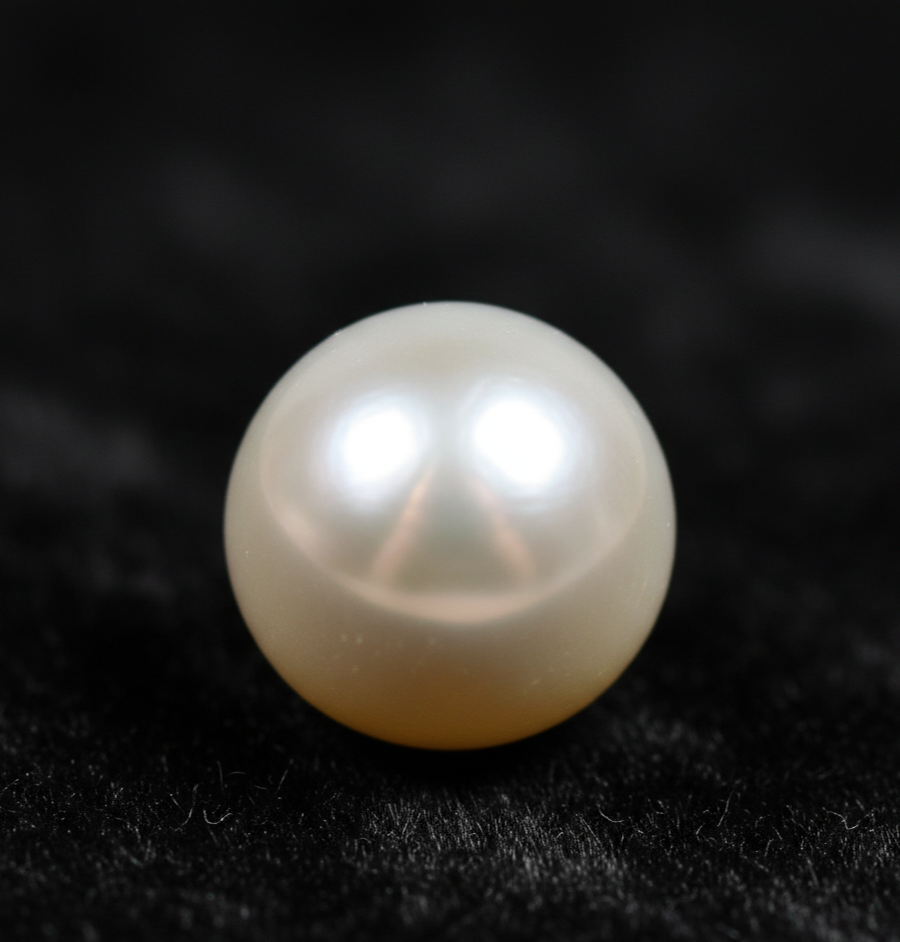
Pearl
- Extremely soft
- Easily scratched
- Sensitive to perfumes and cosmetics
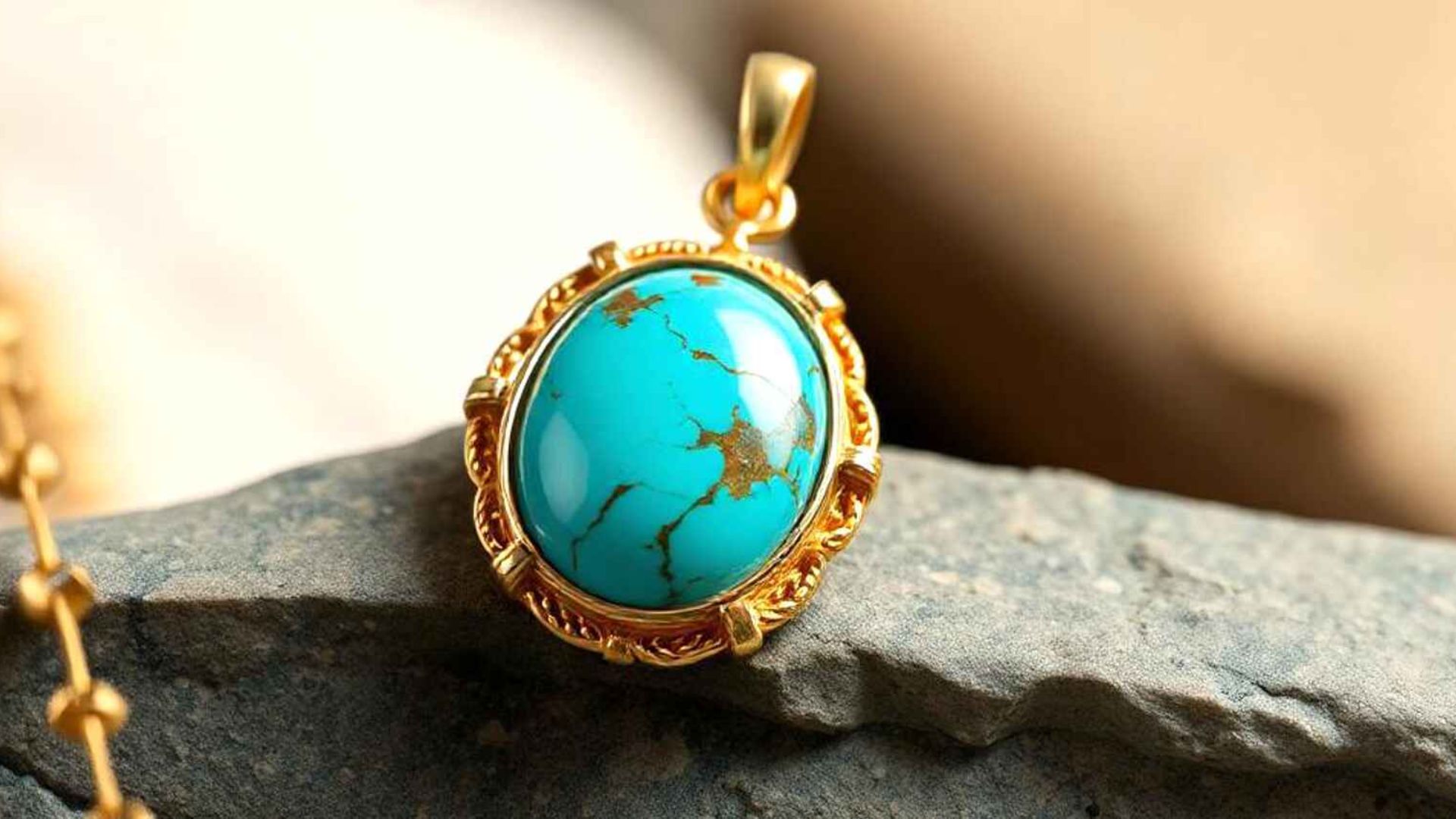
Turquoise
- Porous surface
- Can absorb oils
- Avoid harsh chemicals
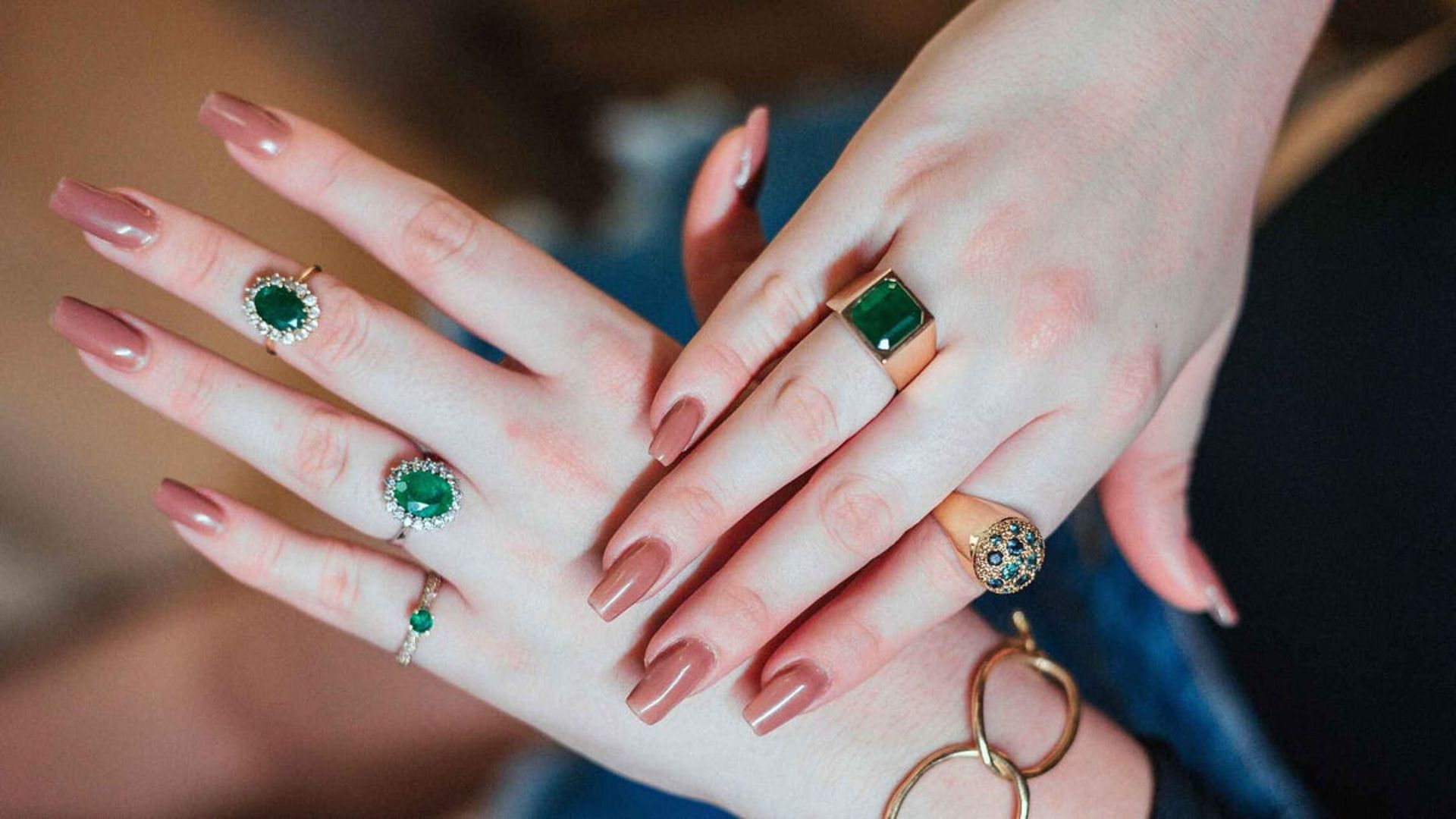
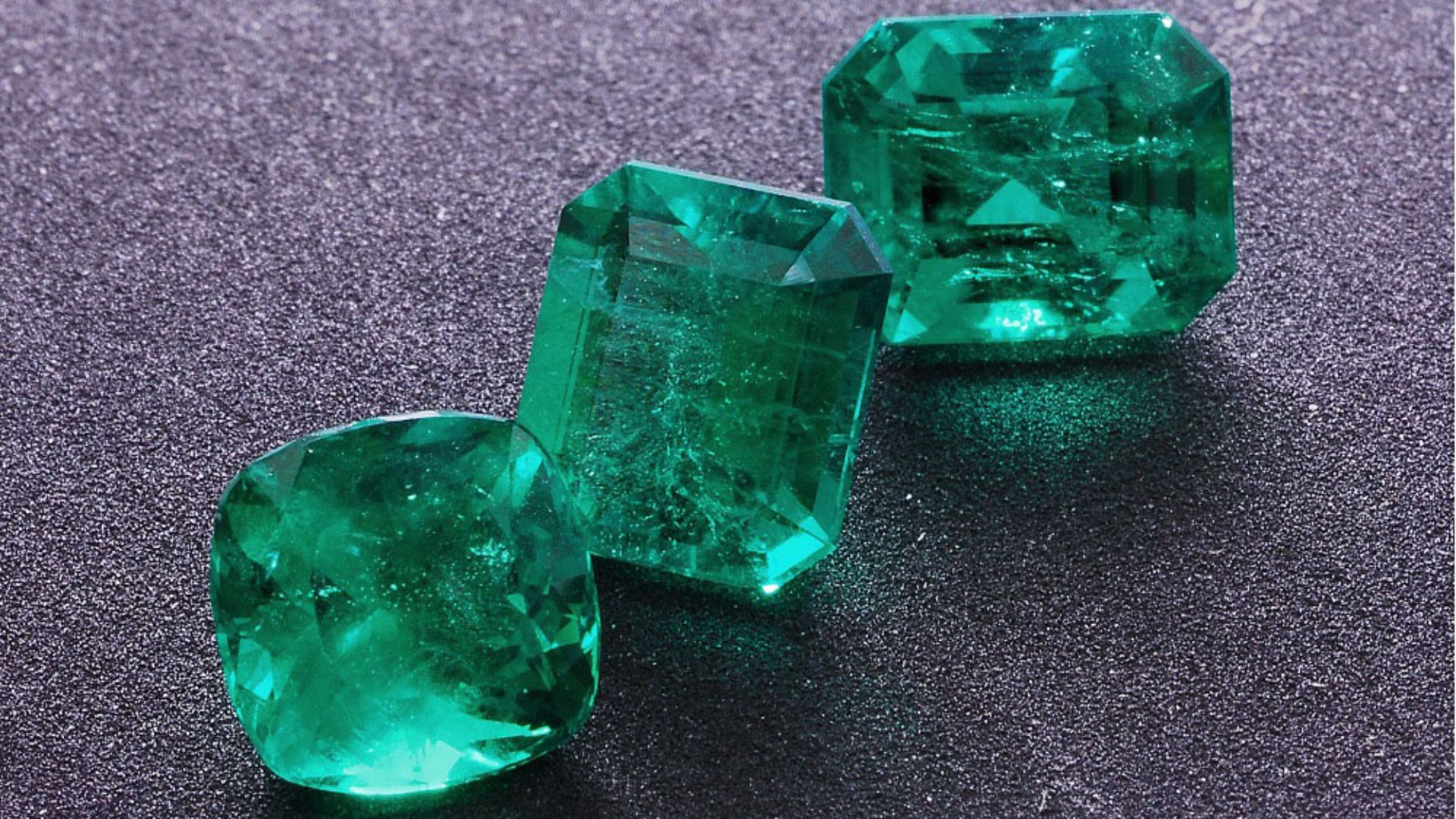
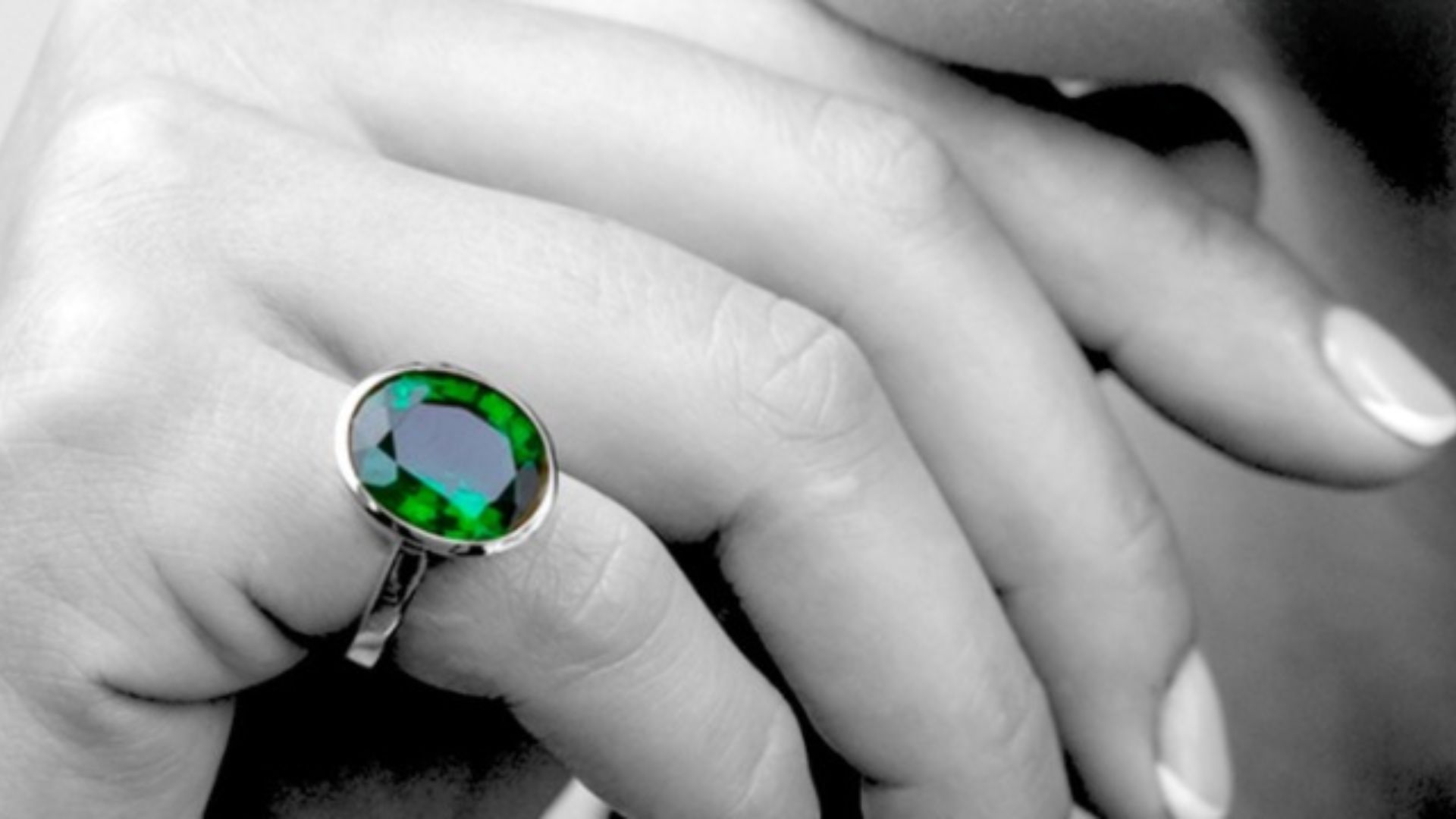
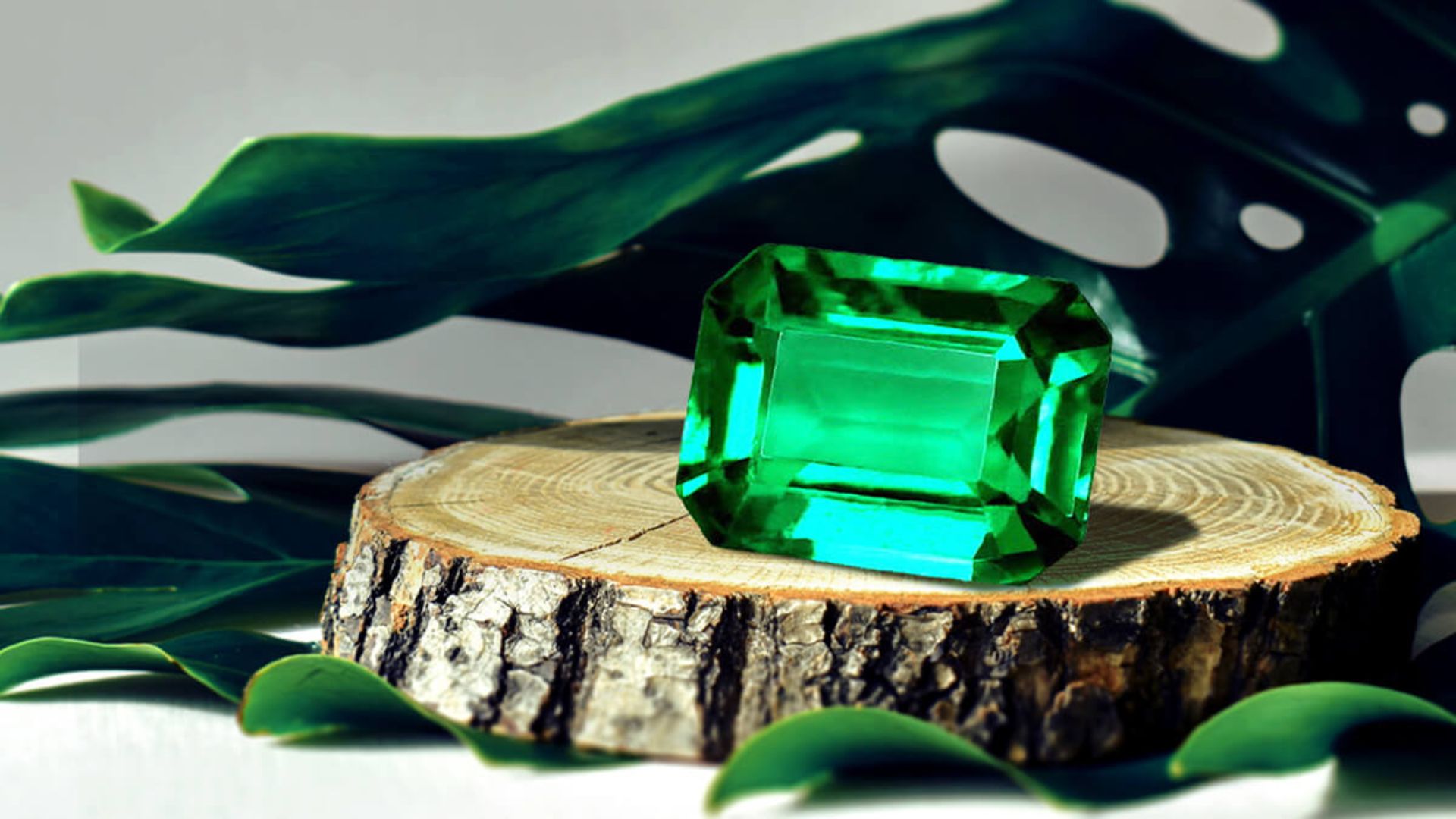
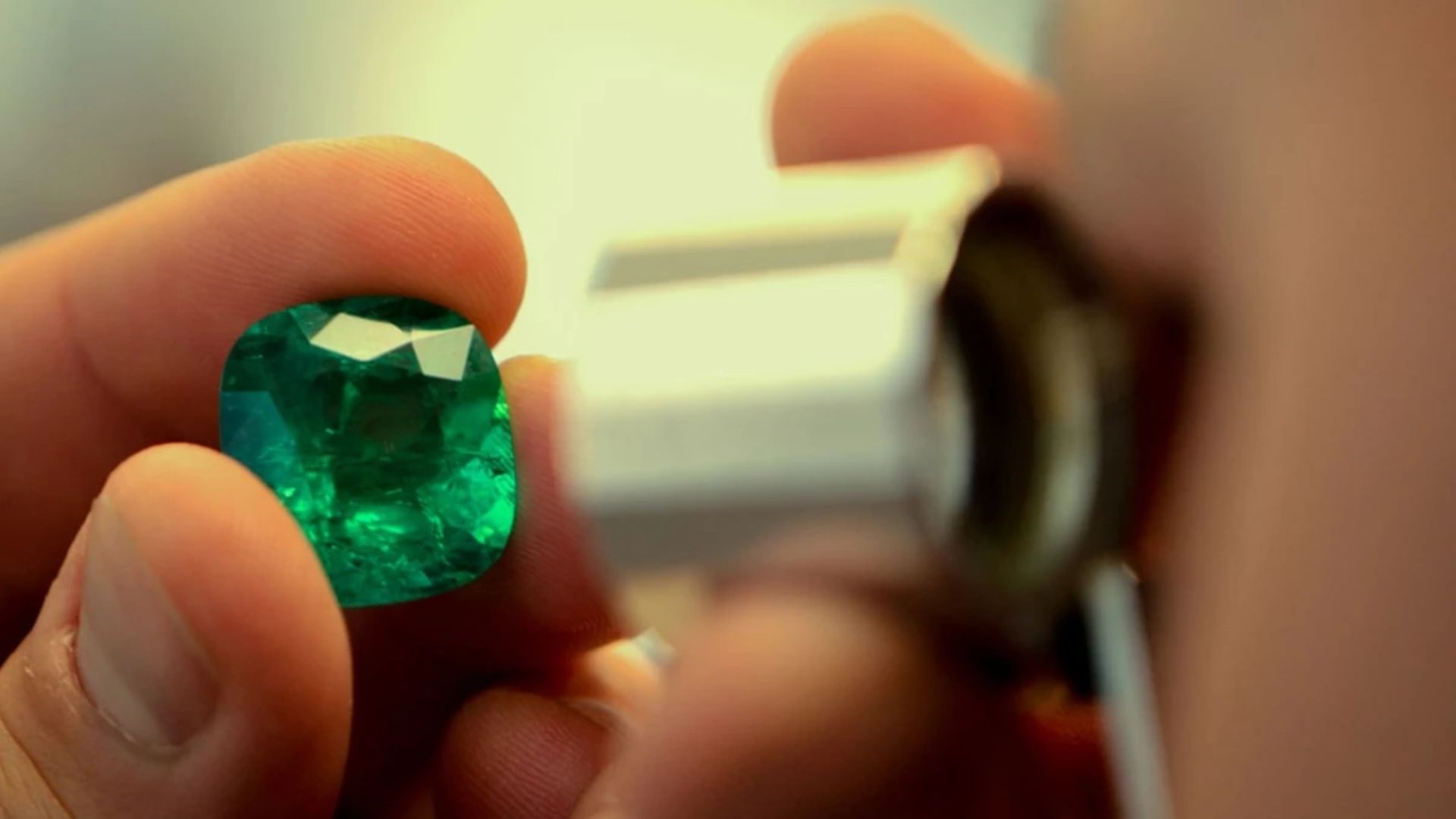
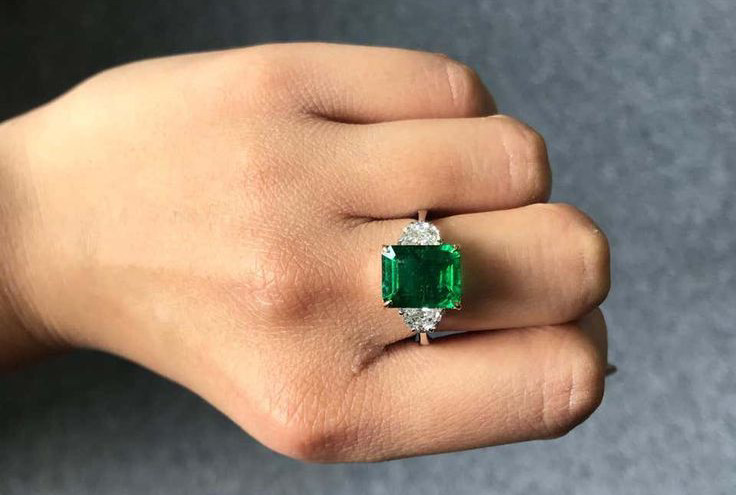
Emerald
Although relatively hard, emeralds often contain natural inclusions that make them more prone to chipping.
Protective settings are recommended.
Choosing the Right Gemstone for Your Lifestyle
Consider your daily routine before purchasing jewelry.
If you:
- Work with your hands
- Exercise frequently
- Travel often
- Wear rings daily
Choose gemstones with higher gemstone hardness and excellent durability.
If your jewelry is reserved for special occasions, you have more flexibility with softer stones like opal or pearl.
Jewelry Settings Also Matter
Even the hardest gemstones benefit from secure settings.
Popular protective settings include:
- Bezel setting
- Halo setting
- Six-prong setting
- Flush setting
These reduce the risk of accidental impacts and help preserve your gemstone over time.
Tips for Protecting Your Gemstones
Regardless of hardness, every gemstone deserves proper care.
Follow these simple tips:
- Remove rings before sports or heavy lifting.
- Store jewelry separately to prevent scratches.
- Avoid harsh household cleaners.
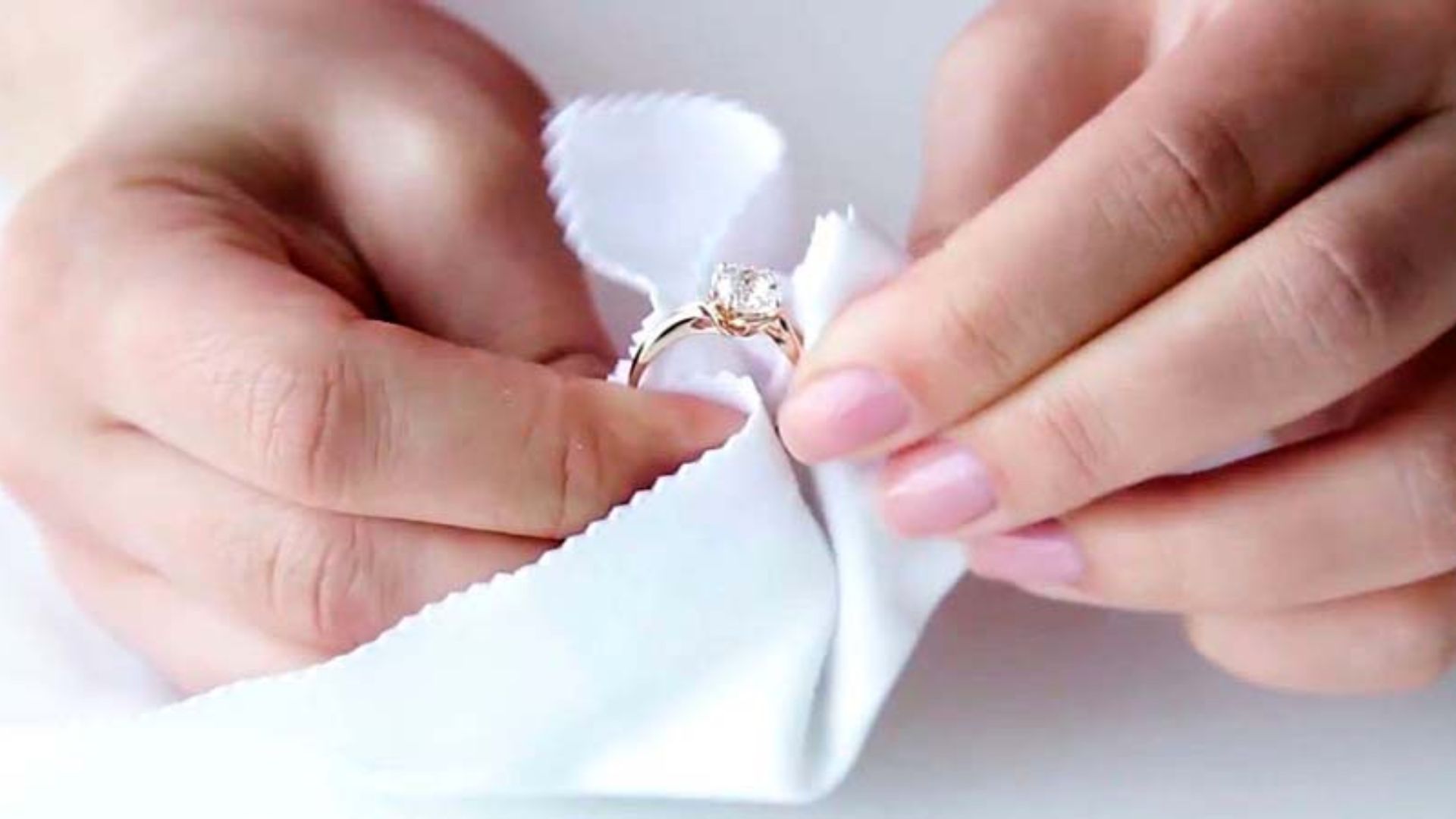
- Clean gemstones with mild soap and warm water.
- Have settings inspected annually.
- Keep softer gemstones away from harder stones.
These habits significantly improve gemstone durability.
Common Myths About Gemstone Hardness
Myth 1: Hard means unbreakable.
False. Even diamonds can chip under strong impact.
Myth 2: Softer gemstones aren't valuable.
Not true. Pearls, opals, and emeralds are highly prized despite requiring extra care.
Myth 3: All gemstones are suitable for rings.
Some stones perform better in earrings or pendants rather than rings due to lower durability.
Frequently Asked Questions
What is the hardest gemstone?
Diamond ranks first on the Mohs hardness scale with a rating of 10.
Which gemstones are best for everyday jewelry?
Diamond, sapphire, ruby, spinel, and chrysoberyl are among the best everyday gemstones.
Is hardness the same as durability?
No. Gemstone hardness measures scratch resistance, while gemstone durability also includes toughness and stability.
Can emeralds be worn every day?
Yes, but with caution. Protective settings and careful handling help prevent chips.
Are quartz gemstones durable?
Yes. Quartz varieties like amethyst and citrine have a Mohs hardness of 7, making them suitable for many everyday jewelry pieces.
Conclusion
One of the best things you can do before making an investment in jewelry is to understand gemstone hardness. However, rarity, color, and brilliance frequently take center stage. A gemstone's ability to withstand daily wear ultimately determines how well it will retain its beauty over time.
A helpful standard for evaluating scratch resistance is the Mohs hardness scale. However, hardness is not the only factor in true gemstone durability. When determining whether a gemstone can sustain daily life, toughness and stability are also important factors. Options like diamond, sapphire, ruby, and spinel consistently stand out for those looking for reliable everyday gemstones. Because of their superb harmony of resilience and beauty.
The selection process can be made easier by using a gemstone hardness chart as a guide. And help you select stones that fit your lifestyle. Choosing long-lasting gemstones for jewelry guarantees that your pieces will look beautiful for many years to come. Whether you are buying an engagement ring, a precious family heirloom, or a stylish everyday accessory.
Ultimately, the perfect gemstone is one that both reflects your individual style and offers the durability needed for the way you plan to wear it. Whether you are comparing gemstone qualities or exploring the Burma chuni stone price. Understanding how hardness, toughness, and proper care relate to one another can help you make a confident choice. With the right gemstone and appropriate care, you can enjoy your jewelry beautifully and peacefully for generations to come.
Recent Posts


2026-09-04
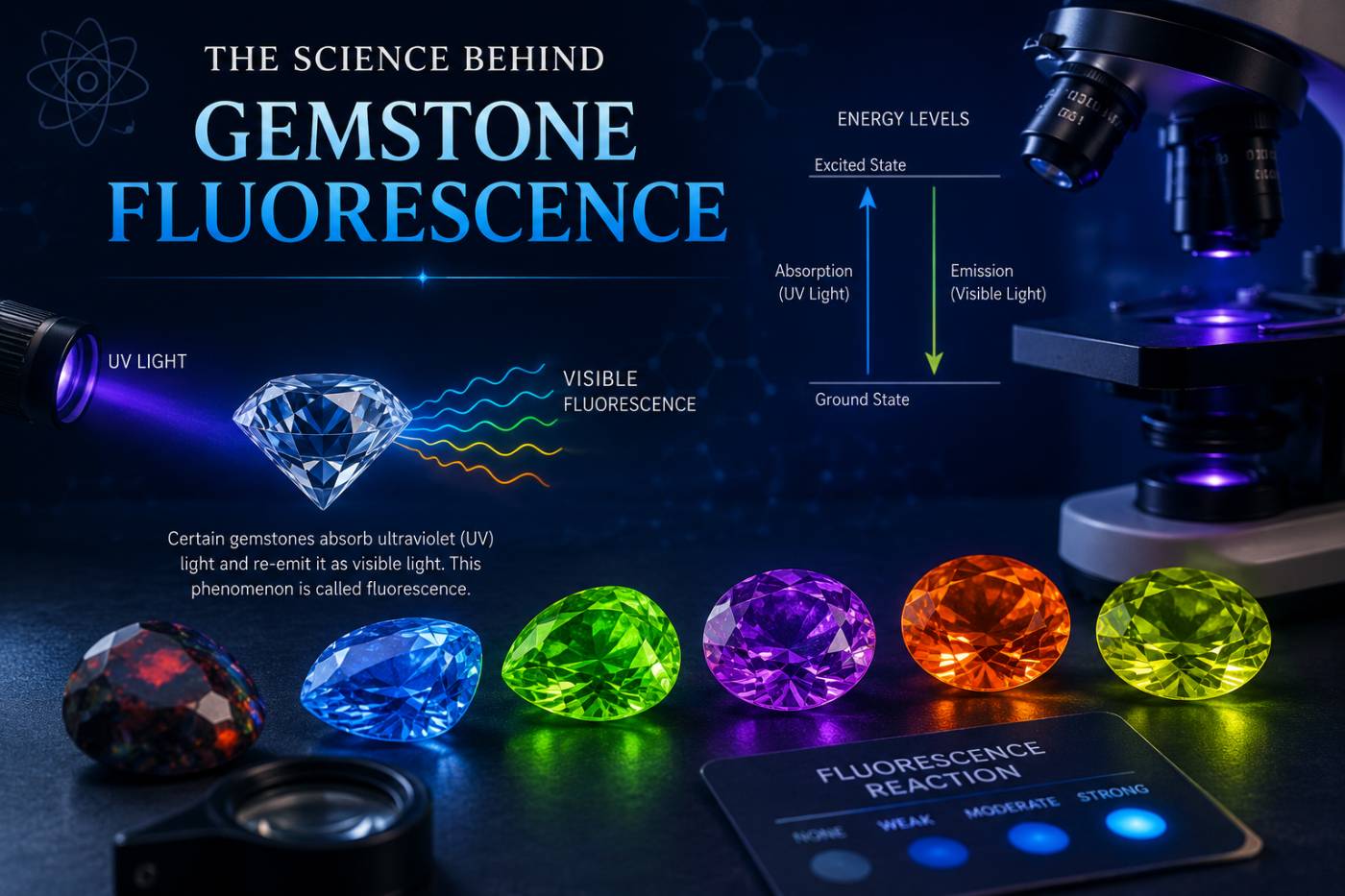
The Science Behind Gemstone Fluorescence








2025-09-15