Date : 2026-07-14
Introduction
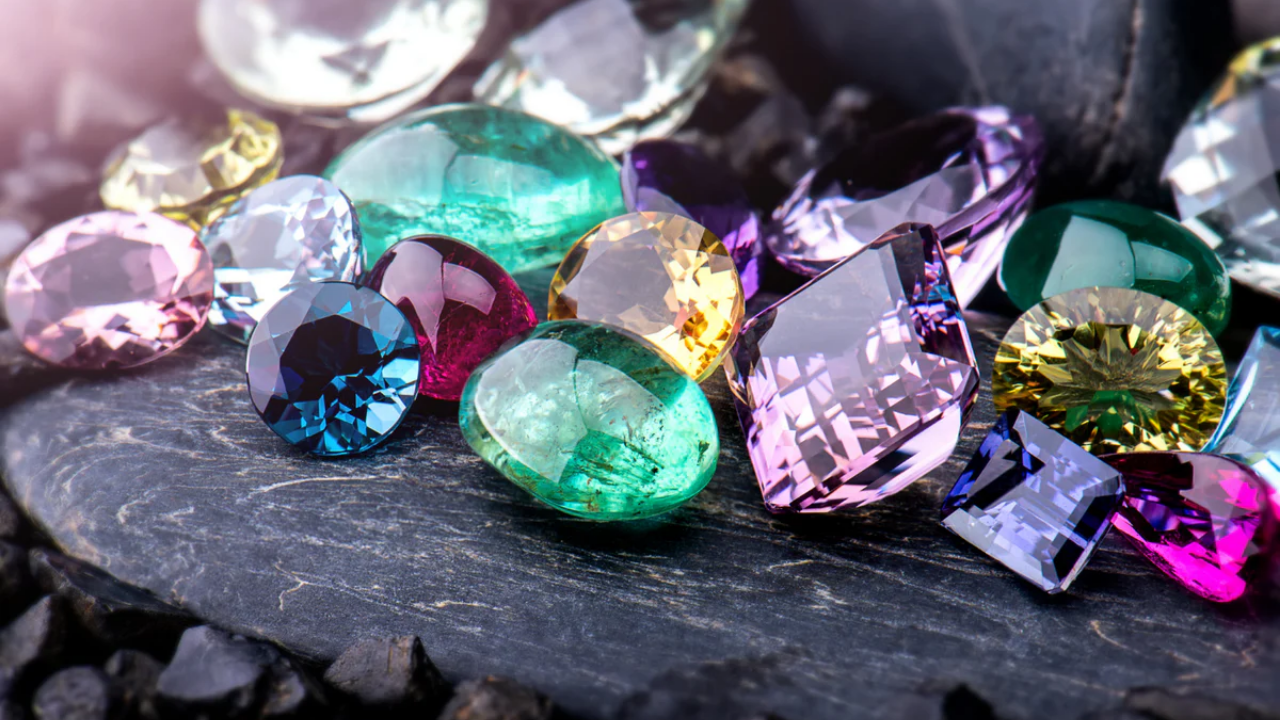
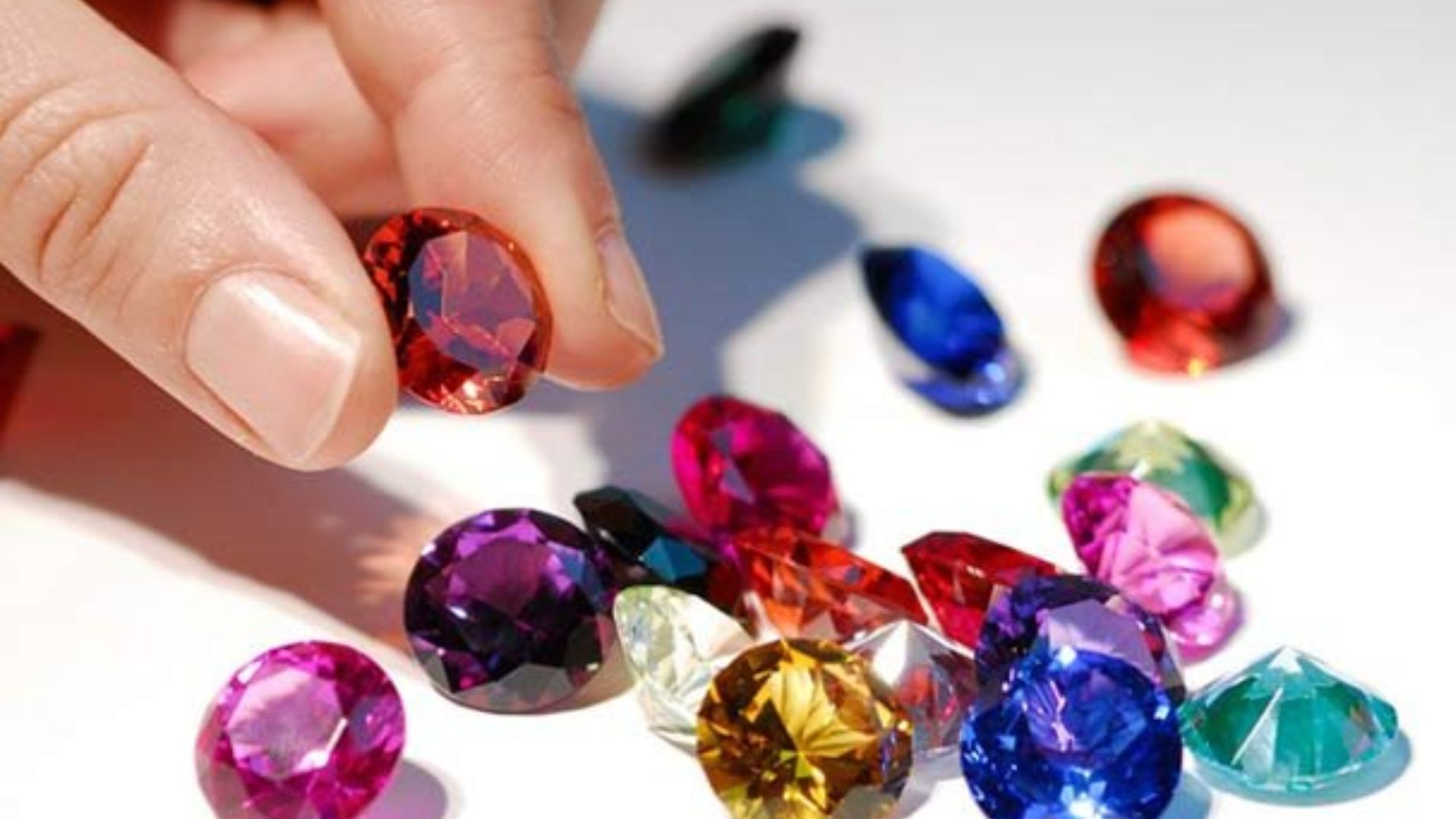
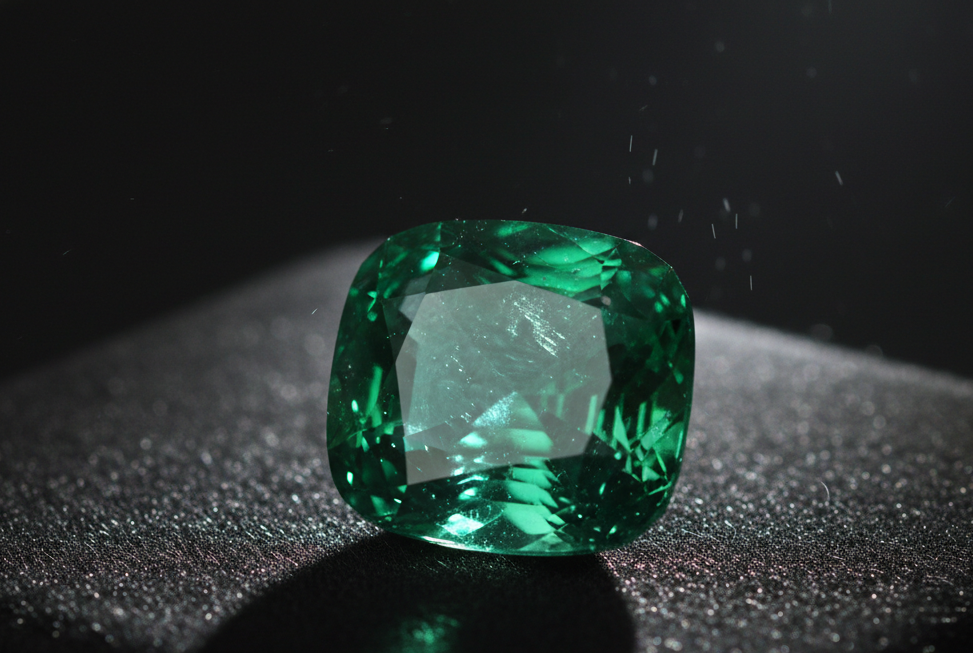
Gemstones have fascinated humanity for thousands of years. From sparkling diamonds and vibrant sapphires to emeralds, rubies, and semi-precious stones, these natural treasures symbolize beauty, luxury, status, and emotional significance. They are commonly used in engagement rings, heirloom jewelry, fashion accessories, and collectibles.
However, behind the brilliance of many gemstones lies a less glamorous reality. The environmental impact of gemstone mining has become an increasingly important issue as consumers become more conscious of sustainability and ethical sourcing. Traditional mining practices often result in habitat destruction, soil erosion, water pollution, and significant carbon emissions. In many regions, mining operations also affect local communities and biodiversity.
Fortunately, awareness is driving change. Today, consumers have access to ethical gemstones, eco-friendly gemstones, recycled gems, and laboratory-grown alternatives that minimize environmental damage while maintaining exceptional beauty and quality. Companies around the world are embracing responsible gemstone sourcing and investing in technologies that promote sustainable gemstone mining practices.
This article explores the environmental consequences of gemstone mining, the importance of sustainable practices, and the best sustainable alternatives to mined gemstones available today.
Understanding Gemstone Mining
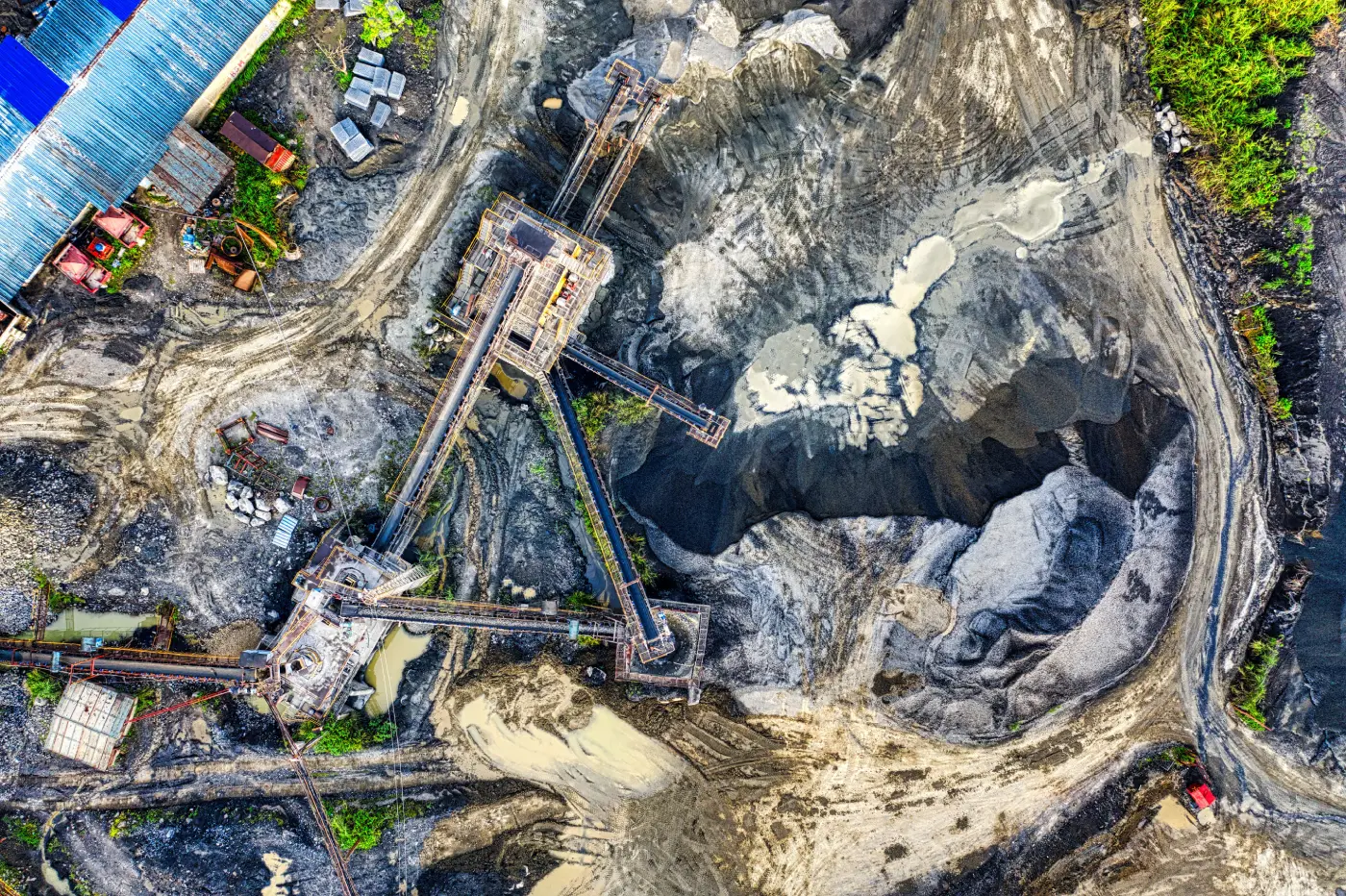
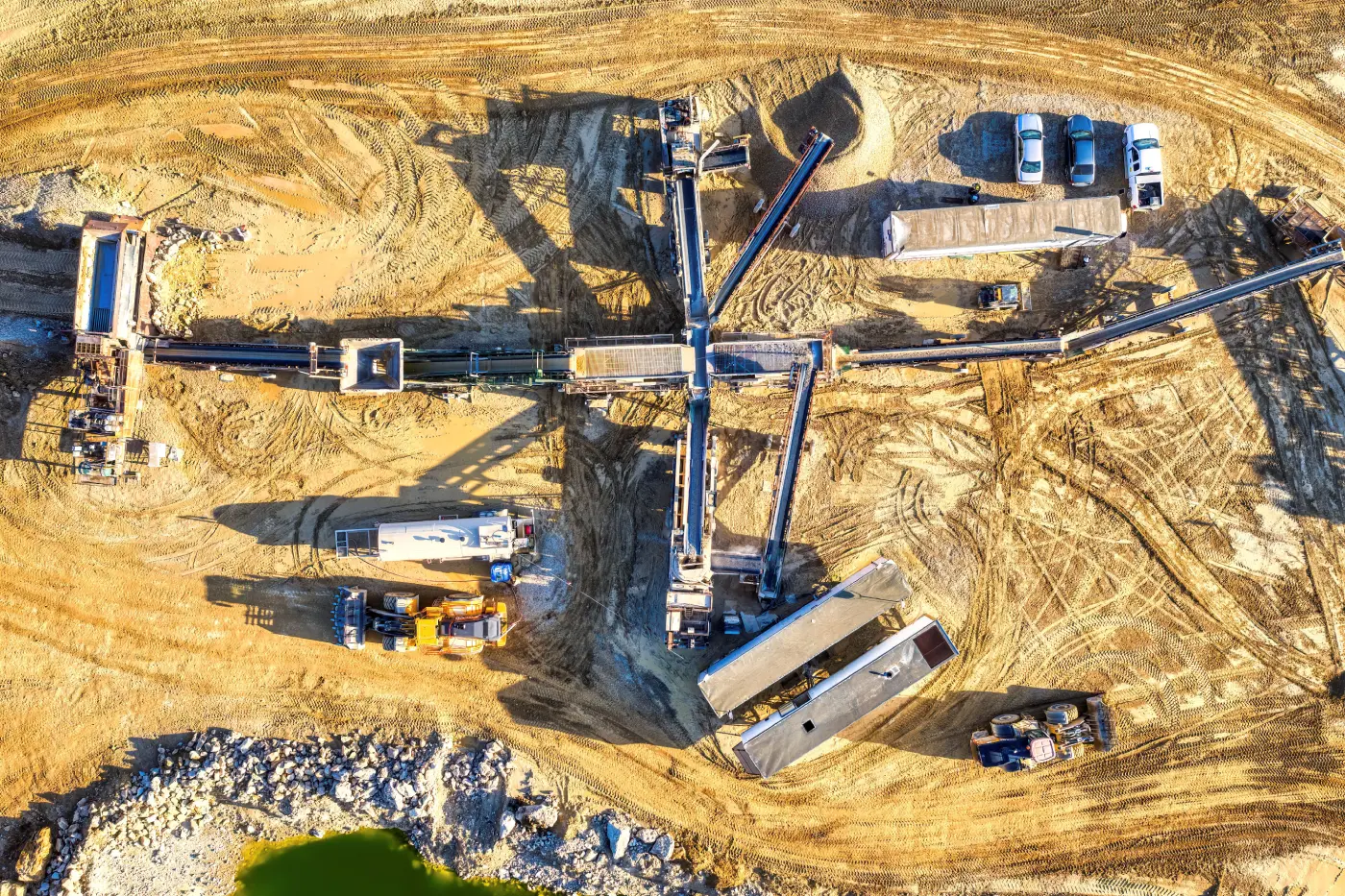
Gemstone mining refers to the extraction of precious and semi-precious stones from the Earth's surface or underground deposits. Depending on the location and geology, mining methods vary considerably.
The most common mining techniques include:
- Open-pit mining
- Underground mining
- Alluvial mining
- River dredging
- Artisanal and small-scale mining
Each method comes with unique environmental challenges. While some operations are highly regulated, others lack proper environmental oversight, especially in developing countries where artisanal mining provides livelihoods for local communities.
The growing global demand for jewelry continues to increase gemstone extraction, making sustainability more important than ever.
The Environmental Impact of Gemstone Mining
Understanding the environmental impact of gemstone mining requires examining how mining affects ecosystems, water resources, climate, and biodiversity.
1. Deforestation and Habitat Destruction
One of the most visible consequences of gemstone mining is large-scale land clearing.
Mining operations frequently require forests to be removed before excavation begins. This results in:
- Loss of wildlife habitats
- Fragmentation of ecosystems
- Reduced biodiversity
- Increased vulnerability to invasive species
In tropical countries where gemstones such as sapphires, rubies, and emeralds are mined, deforestation can have devastating ecological consequences.
Animals lose nesting grounds, migration routes are disrupted, and endangered species become increasingly threatened.
2. Soil Erosion and Land Degradation
Mining dramatically alters landscapes.
Removing vegetation exposes soil to rainfall and wind, causing severe erosion. Heavy machinery further compacts the soil, making natural recovery difficult.
Long-term impacts include:
- Reduced agricultural productivity
- Desertification
- Permanent landscape scars
- Increased landslide risks
Abandoned mining sites often remain barren for decades unless restoration efforts are undertaken.
3. Water Pollution
Water contamination is among the most serious aspects of the environmental impact of gemstone mining.
Mining operations can introduce:
- Sediment
- Heavy metals
- Fuel residues
- Processing chemicals
into nearby rivers and groundwater.
Consequences include:
- Unsafe drinking water
- Harm to aquatic ecosystems
- Fish population decline
- Reduced water quality for agriculture
Communities living downstream from mining operations often bear the greatest environmental burden.
4. Loss of Biodiversity
Gemstone mining affects entire ecosystems.
As habitats disappear, plant and animal populations decline. Fragile ecosystems may never fully recover.
Mining impacts include:
- Reduced pollinator populations
- Bird habitat destruction
- Amphibian decline
- Loss of native vegetation
Biodiversity loss also weakens ecosystem resilience, making regions more vulnerable to climate change.
5. Carbon Emissions
Modern mining depends heavily on:
- Diesel-powered machinery
- Explosives
- Transportation
- Processing facilities
These activities generate considerable greenhouse gas emissions.
Large mining operations consume significant energy throughout extraction, processing, cutting, and international transportation.
Reducing these emissions has become a major focus within sustainable gemstone mining initiatives.
6. Waste Generation
Mining produces enormous amounts of waste rock.
For every gemstone recovered, large volumes of earth may be excavated.
Waste materials often include:
- Broken rock
- Sediment
- Tailings
- Contaminated soil
Improper disposal can contaminate nearby ecosystems for years.
Social and Ethical Concerns Beyond Environmental Damage
Although this article focuses on environmental sustainability, ethical concerns are closely connected.
Some mining regions face issues such as:
- Unsafe working conditions
- Child labor
- Low wages
- Community displacement
- Limited worker protections
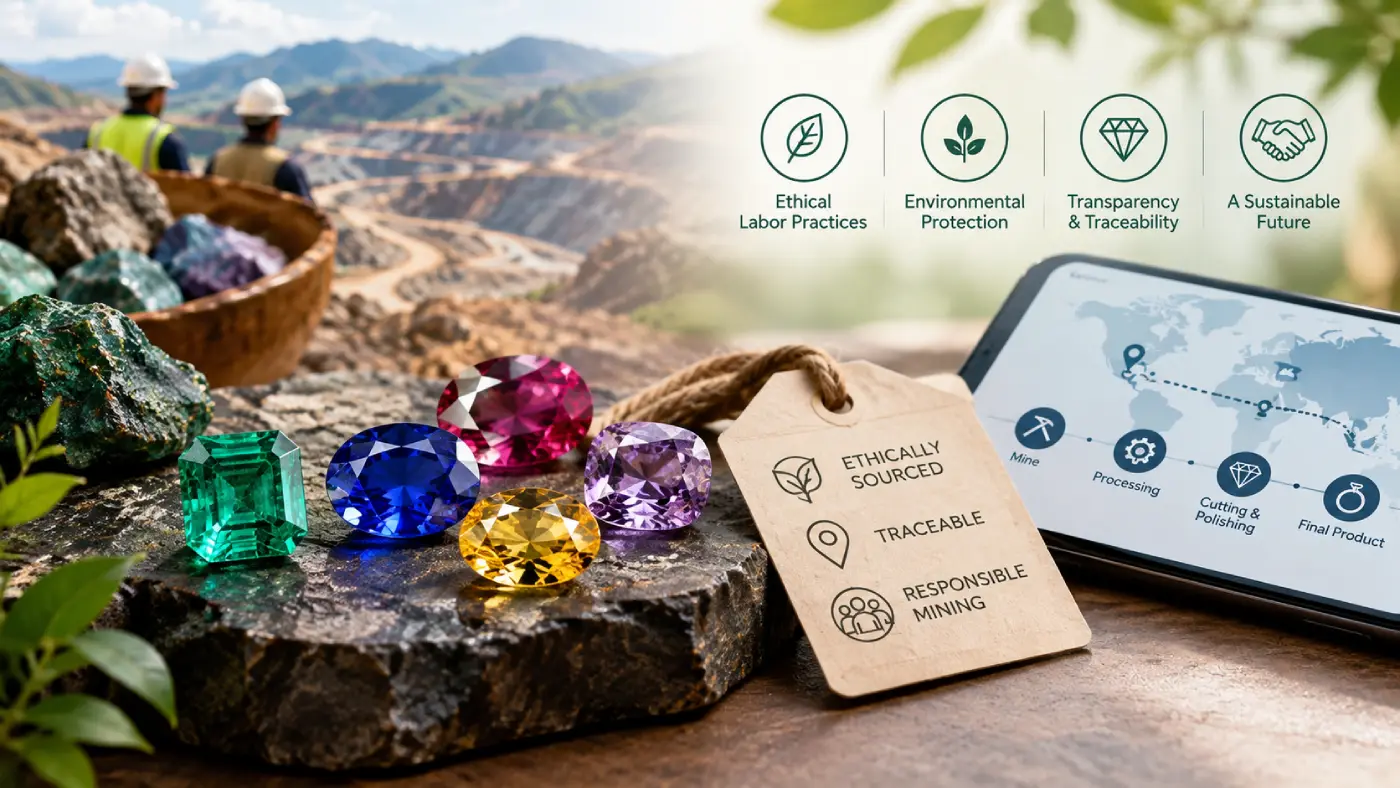
These concerns have increased demand for ethical gemstones that prioritize both environmental responsibility and fair labor practices.
Consumers increasingly seek transparency regarding where and how gemstones are sourced.
What Is Sustainable Gemstone Mining?
Sustainable gemstone mining refers to extraction methods designed to minimize environmental harm while supporting local communities and ensuring ethical labor practices.
Rather than eliminating mining entirely, sustainability seeks to improve how mining is conducted.
Key principles include:
- Environmental protection
- Worker safety
- Community development
- Responsible land management
- Reduced carbon emissions
- Transparent supply chains
Mining companies adopting sustainable practices often work alongside environmental scientists and local governments to reduce ecological damage.
Responsible Land Restoration
One hallmark of sustainable gemstone mining is land rehabilitation.
After mining operations conclude, companies restore affected areas by:
- Replanting native trees
- Stabilizing soil
- Rebuilding habitats
- Restoring wetlands
- Monitoring ecosystem recovery
Successful restoration projects help ecosystems recover more quickly and reduce long-term environmental damage.
Water Conservation Practices
Modern sustainable mining places significant emphasis on water management.
Best practices include:
- Recycling processing water
- Closed-loop water systems
- Sediment control
- Preventing chemical runoff
- Protecting nearby rivers
Water conservation benefits both ecosystems and surrounding communities.
Renewable Energy in Mining
Forward-thinking mining companies are investing in renewable energy sources.
Examples include:
- Solar-powered mining camps
- Wind energy
- Battery-powered equipment
- Electric vehicles
- Energy-efficient processing plants
These innovations significantly reduce greenhouse gas emissions associated with gemstone extraction.
Responsible Waste Management
Proper waste management reduces long-term environmental risks.
Responsible companies now:
- Separate hazardous waste
- Stabilize tailings
- Restore excavation sites
- Monitor groundwater quality
- Reduce unnecessary excavation
These measures help minimize the environmental impact of gemstone mining.
Responsible Gemstone Sourcing
Consumers play an important role in promoting sustainability.
Responsible gemstone sourcing involves purchasing gemstones that are:
- Ethically mined
- Environmentally responsible
- Legally traded
- Traceable throughout the supply chain
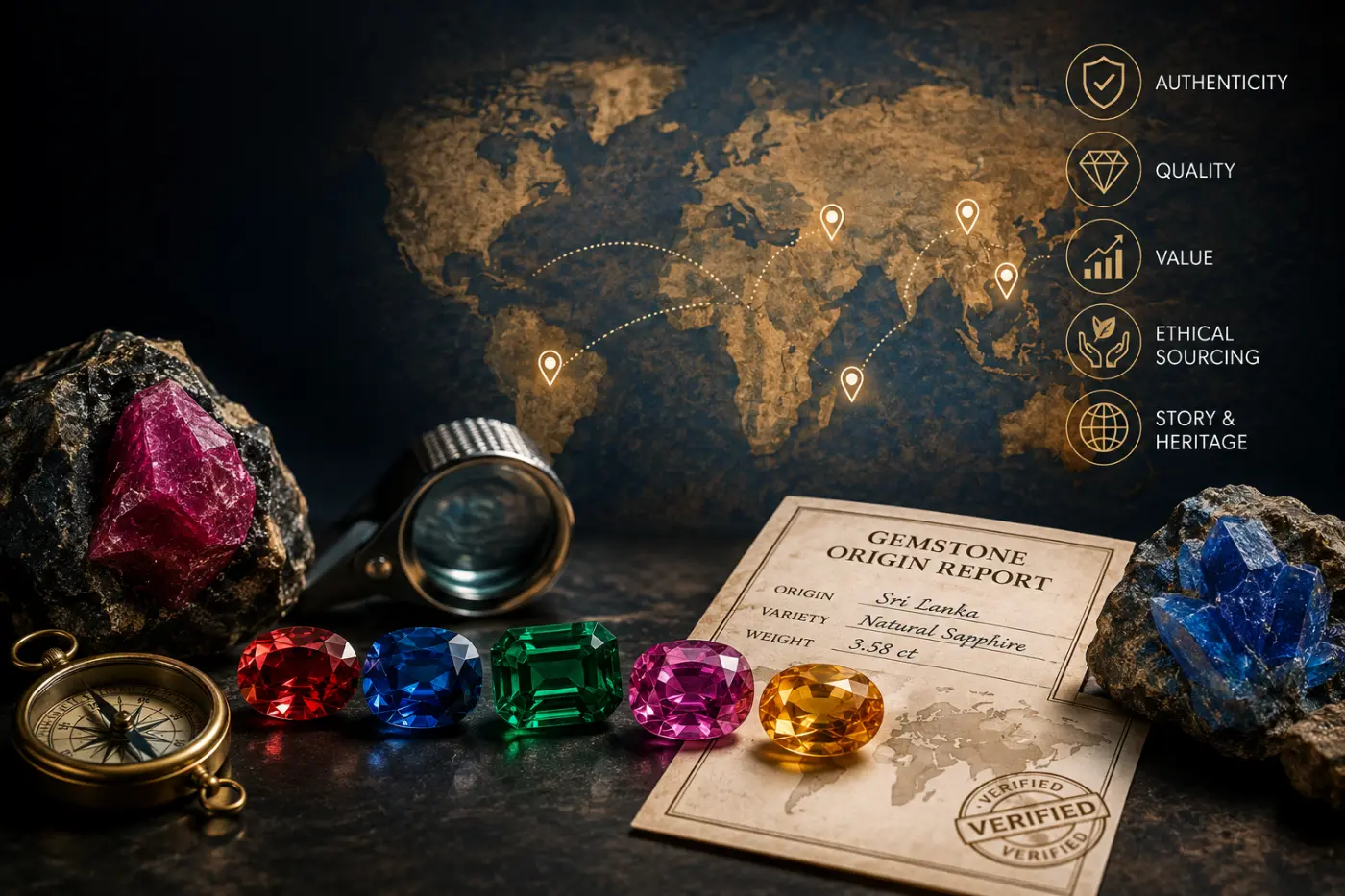
Many jewelry brands now provide information about gemstone origins and sustainability certifications.
Transparency helps consumers make informed purchasing decisions.
Ethical Gemstones: What They Mean
The term ethical gemstones generally refers to gemstones that meet both environmental and social standards.
Ethical gemstones often come from mines that:
- Protect workers
- Avoid child labor
- Reduce environmental damage
- Support local communities
- Promote fair wages
- Maintain transparent supply chains
While definitions vary, ethical sourcing emphasizes accountability throughout the mining process.
Eco-Friendly Gemstones: A Better Choice
As sustainability becomes more important, many consumers are choosing eco-friendly gemstones.
These gemstones typically have a lower environmental footprint compared to conventionally mined stones.
Examples include:
- Recycled gemstones
- Vintage gemstones
- Laboratory-grown gemstones
- Responsibly mined natural stones
Choosing eco-friendly options allows consumers to enjoy beautiful jewelry while supporting environmental conservation.
Sustainable Alternatives to Mined Gemstones
Growing awareness has increased interest in sustainable alternatives to mined gemstones.
Let's explore the most popular options.
1. Lab-Grown Gemstones
Laboratory-grown gemstones have become one of the most promising sustainable alternatives.
These gems possess nearly identical:
- Chemical composition
- Physical properties
- Optical characteristics
to their natural counterparts.
Advantages include:
- Minimal habitat destruction
- Lower land use
- Reduced water consumption
- Lower carbon footprint
- Excellent quality
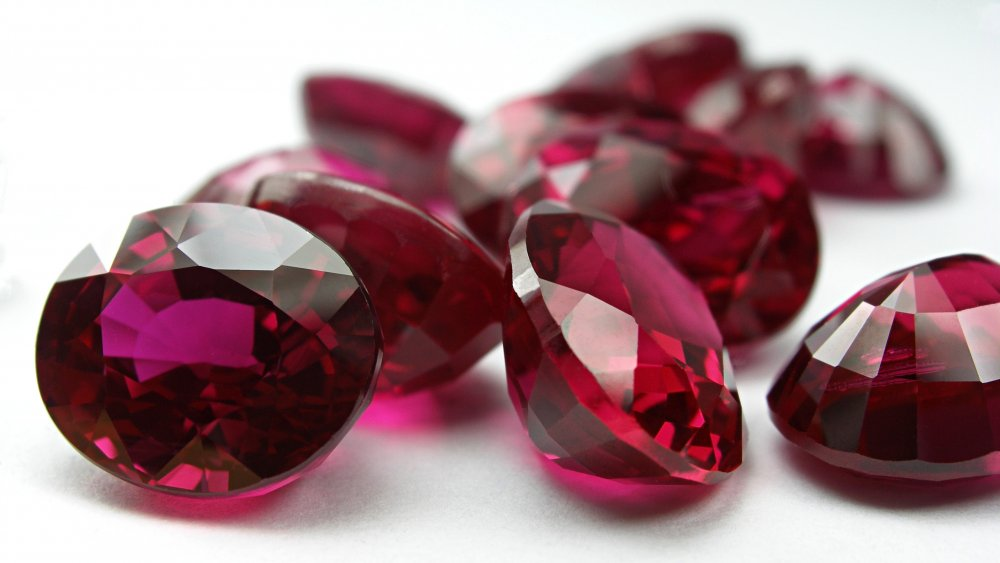
Lab-grown sapphires, emeralds, rubies, and diamonds have become increasingly popular among environmentally conscious consumers.
2. Recycled Gemstones
One of the most sustainable choices is purchasing recycled gemstones.
Instead of mining new stones, jewelers reuse gemstones from:
- Vintage jewelry
- Estate collections
- Antique pieces
- Family heirlooms
Benefits include:
- No new mining
- Reduced waste
- Lower environmental footprint
- Preservation of historical craftsmanship
Recycled gemstones combine sustainability with timeless beauty.
3. Vintage Jewelry
Vintage jewelry offers another excellent alternative.
Buying existing jewelry reduces demand for newly mined gemstones while preserving valuable craftsmanship.
Many vintage pieces feature:
- High-quality natural gemstones
- Unique designs
- Historical significance
- Exceptional durability
Vintage jewelry supports circular consumption by extending the life of existing products.
4. Fair Trade Gemstones
Some organizations certify gemstones produced under fair trade principles.
These gemstones prioritize:
- Worker welfare
- Environmental protection
- Fair compensation
- Community investment
Although certification availability varies across gemstone types, fair trade initiatives continue expanding worldwide.
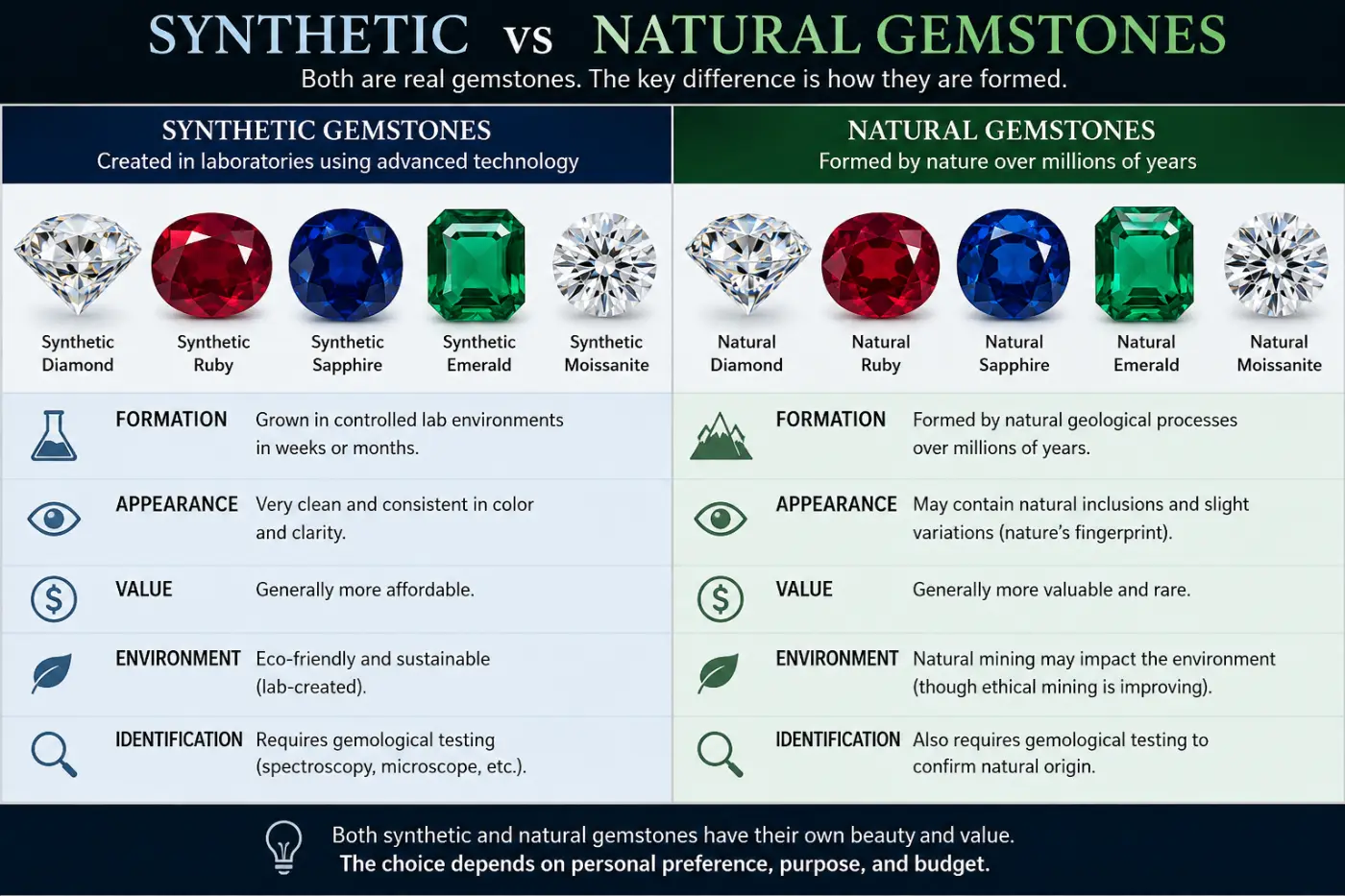
5. Synthetic Gemstones
Synthetic gemstones are created under controlled laboratory conditions.
Unlike imitation stones, synthetic gems possess the same mineral composition as natural gemstones.
Their production generally requires:
- Less land disturbance
- Reduced habitat destruction
- Lower water usage
This makes them attractive sustainable alternatives to mined gemstones.
Benefits of Choosing Sustainable Gemstones
Consumers choosing ethical gemstones and eco-friendly gemstones contribute to positive environmental change.
Major benefits include:
Reduced Environmental Damage
Sustainable choices reduce:
- Deforestation
- Water pollution
- Habitat destruction
- Carbon emissions
Protection of Wildlife
Less mining means greater protection for forests, rivers, and biodiversity.
Healthy ecosystems support countless species that rely on undisturbed habitats.
Support for Ethical Labor
Purchasing responsibly sourced gemstones encourages companies to improve labor conditions and worker safety.
Consumer demand influences industry standards.
Encouraging Industry Innovation
Growing demand for sustainable jewelry motivates businesses to invest in:
- Renewable energy
- Cleaner mining technologies
- Transparent supply chains
- Recycling programs
Innovation benefits both businesses and the environment.
How Consumers Can Support Responsible Gemstone Sourcing
Making sustainable jewelry choices is easier than many people realize.
Here are practical steps consumers can take.
Research Jewelry Brands
Look for companies that openly discuss:
- Mining practices
- Supply chains
- Sustainability initiatives
- Ethical sourcing
Transparency is often a strong indicator of responsible business practices.
Ask Questions
Before purchasing jewelry, ask:
- Where was the gemstone mined?
- Is it traceable?
- Is it recycled?
- Is it laboratory-grown?
- Does the company support local communities?
Responsible retailers are usually willing to provide answers.
Consider Lab-Grown Stones
Laboratory-grown gemstones often offer exceptional beauty at competitive prices while significantly reducing environmental impact.
They have become increasingly accepted across the jewelry industry.
Buy Vintage Jewelry
Vintage jewelry combines sustainability, history, and uniqueness.
Choosing pre-owned jewelry helps reduce demand for newly mined gemstones.
Choose Quality Over Quantity
Investing in fewer, higher-quality pieces promotes sustainable consumption.
Timeless jewelry lasts longer, reducing waste and unnecessary production.
Challenges Facing Sustainable Gemstone Mining
Despite growing progress, challenges remain.
These include:
- Lack of global certification standards
- Limited supply chain transparency
- Illegal mining operations
- Consumer misinformation
- High implementation costs
- Inconsistent environmental regulations
Governments, mining companies, NGOs, and consumers must work together to overcome these obstacles.
The Future of Sustainable Gemstones
The gemstone industry is gradually embracing sustainability.
Emerging trends include:
- Blockchain traceability
- AI-assisted supply chain monitoring
- Carbon-neutral mining
- Renewable energy adoption
- Water recycling systems
- Expanded laboratory-grown gemstone production
Technology is making responsible gemstone sourcing more transparent than ever before.
Consumers increasingly expect brands to demonstrate measurable sustainability commitments.
As demand grows, environmentally responsible practices are likely to become standard across much of the industry.
Why Sustainability Matters
Every jewelry purchase has an environmental footprint.
Choosing ethical gemstones and eco-friendly gemstones helps protect forests, wildlife, rivers, and communities affected by mining.
While natural gemstones will likely remain an important part of the jewelry market, innovation has created numerous alternatives that dramatically reduce environmental harm.
Consumers now have more power than ever to encourage positive change through informed purchasing decisions.
Supporting sustainable gemstone mining and selecting sustainable alternatives to mined gemstones sends a clear message that environmental responsibility matters.
Conclusion
The beauty of gemstones should not come at the expense of the planet. Understanding the environmental impact of gemstone mining allows consumers to make informed choices that balance luxury with sustainability. From deforestation and water pollution to biodiversity loss and carbon emissions, traditional mining practices present significant environmental challenges that require collective action.
Fortunately, the jewelry industry is evolving. Through sustainable gemstone mining, responsible gemstone sourcing, and the growing availability of ethical gemstones, consumers can support practices that protect ecosystems and promote fair labor standards. Additionally, eco-friendly gemstones such as recycled, vintage, and laboratory-grown stones provide attractive and environmentally responsible options for modern buyers.
As awareness continues to grow, sustainable alternatives to mined gemstones will play an increasingly important role in shaping the future of the jewelry industry. Every purchase represents an opportunity to support innovation, conservation, and ethical business practices. By choosing responsibly sourced gemstones and embracing sustainable alternatives, consumers contribute to a future where beauty, craftsmanship, and environmental stewardship can coexist harmoniously.
Recent Posts



2026-09-04
The Science Behind Gemstone Fluorescence















2025-09-15