Date : 2026-09-21
The gemstone industry has always been associated with beauty, rarity, craftsmanship, and luxury. However, today’s consumers are looking beyond the appearance and value of a gemstone. They increasingly want to know where their gemstones come from, how they were mined, who was involved in producing them, and what impact their purchase has on communities and the environment. This growing awareness has also increased interest in certified gemstones, which provide consumers with greater transparency and assurance regarding a gemstone’s authenticity, quality, and origin.
This growing awareness has created significant demand for ethical gemstones, traceable gemstones, and responsibly produced jewelry. Buyers are becoming more conscious of the social and environmental consequences associated with mining and are seeking greater accountability throughout the supply chain.
As a result, gemstone transparency is becoming an increasingly important consideration for retailers, designers, jewelers, and consumers alike. Businesses that can provide credible information about gemstone origins and sourcing practices are better positioned to respond to changing expectations around responsible luxury.
What Are Ethical Gemstones?
Ethical gemstones are gems sourced and produced with consideration for environmental protection, fair labor practices, human rights, and the well-being of mining communities. While the term can have different meanings depending on the organization or business using it, ethical sourcing generally focuses on reducing harm and improving accountability throughout the gemstone supply chain.
Traditional gemstone supply chains can involve numerous stages, from mining and cutting to trading, manufacturing, and retail. When information is lost between these stages, it can become difficult for consumers to understand a gemstone’s true origin or the conditions under which it was produced.
Ethical sourcing aims to address this challenge by encouraging responsible practices and greater visibility across the supply chain.
For consumers, choosing ethically sourced gems can mean asking important questions before making a purchase:
- Where was the gemstone mined?
- Was it obtained legally and responsibly?
- Were workers treated fairly?
- Did local communities benefit from the mining activity?
- What environmental practices were followed?
- Can the origin and journey of the gemstone be verified?
These questions reflect a broader shift in consumer behavior. Luxury is increasingly being defined not only by rarity and beauty but also by responsibility and accountability.
Why Are Traceable Gemstones Becoming More Important?
The concept of traceable gemstones has gained considerable attention as consumers demand more information about the products they purchase.
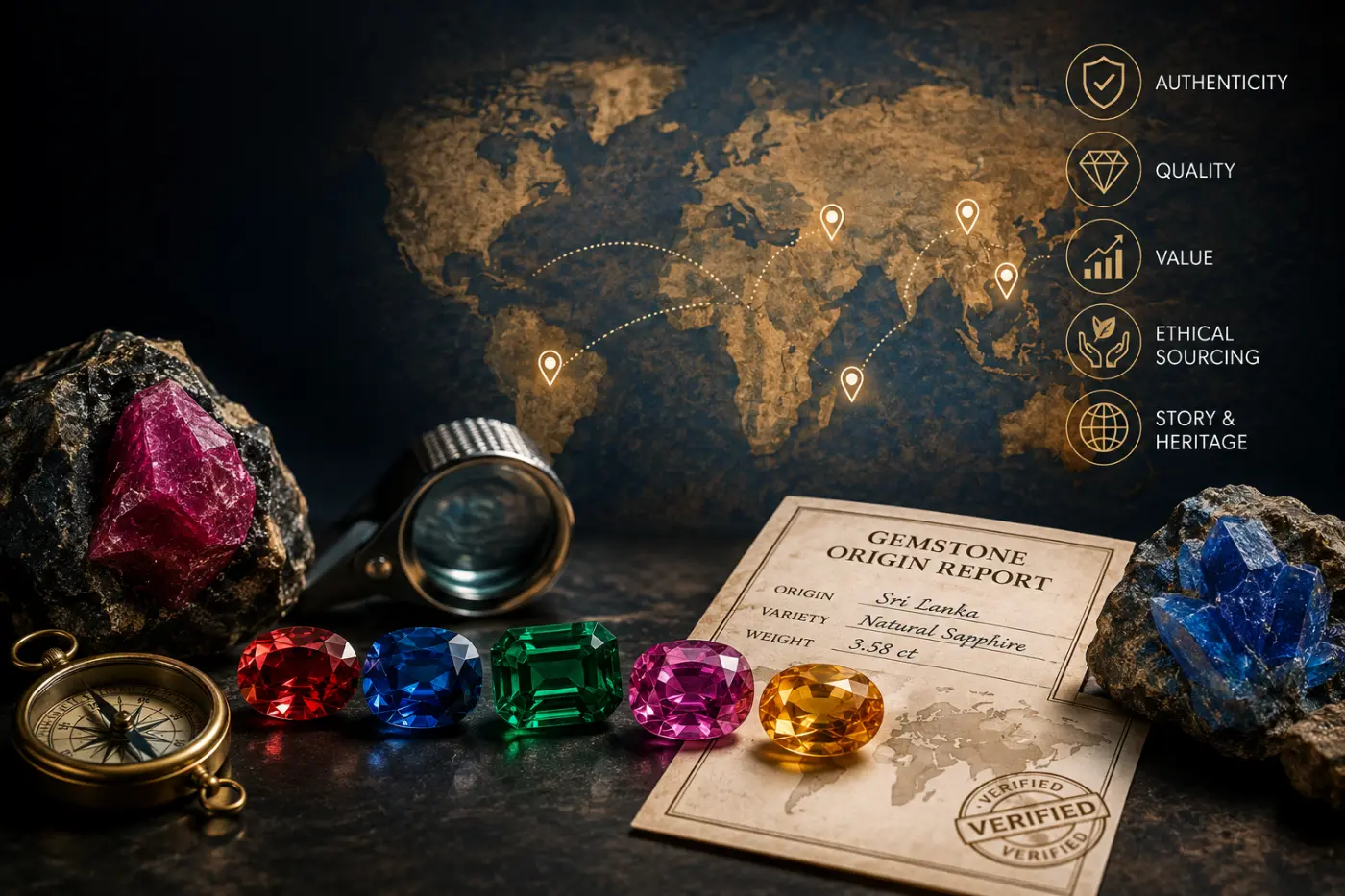
Traceability refers to the ability to track a gemstone through different stages of its journey, ideally from its source to the final consumer. Depending on the supply chain and available documentation, traceability may include information about the country, region, mine, mining operation, cutting facility, or other stages of production.
This information gives buyers greater insight into the gemstone’s history.
For example, instead of simply purchasing a sapphire based on its color and quality, a consumer may want to know whether it originated from a particular mining region and whether documentation exists to support that claim.
Traceability can also help businesses identify potential risks within their supply chains. By understanding where gemstones come from and who handles them, companies can develop stronger sourcing policies and improve their ability to address social and environmental concerns.
However, traceability and ethical sourcing are not necessarily the same thing. A gemstone can be traceable without every aspect of its production being environmentally or socially responsible. Traceability provides information; ethical sourcing involves evaluating and improving the practices associated with that information.
This distinction makes credible documentation and meaningful standards particularly important.
The Rise of Sustainable Gemstones
Environmental concerns are another major factor behind the growing interest in sustainable gemstones.
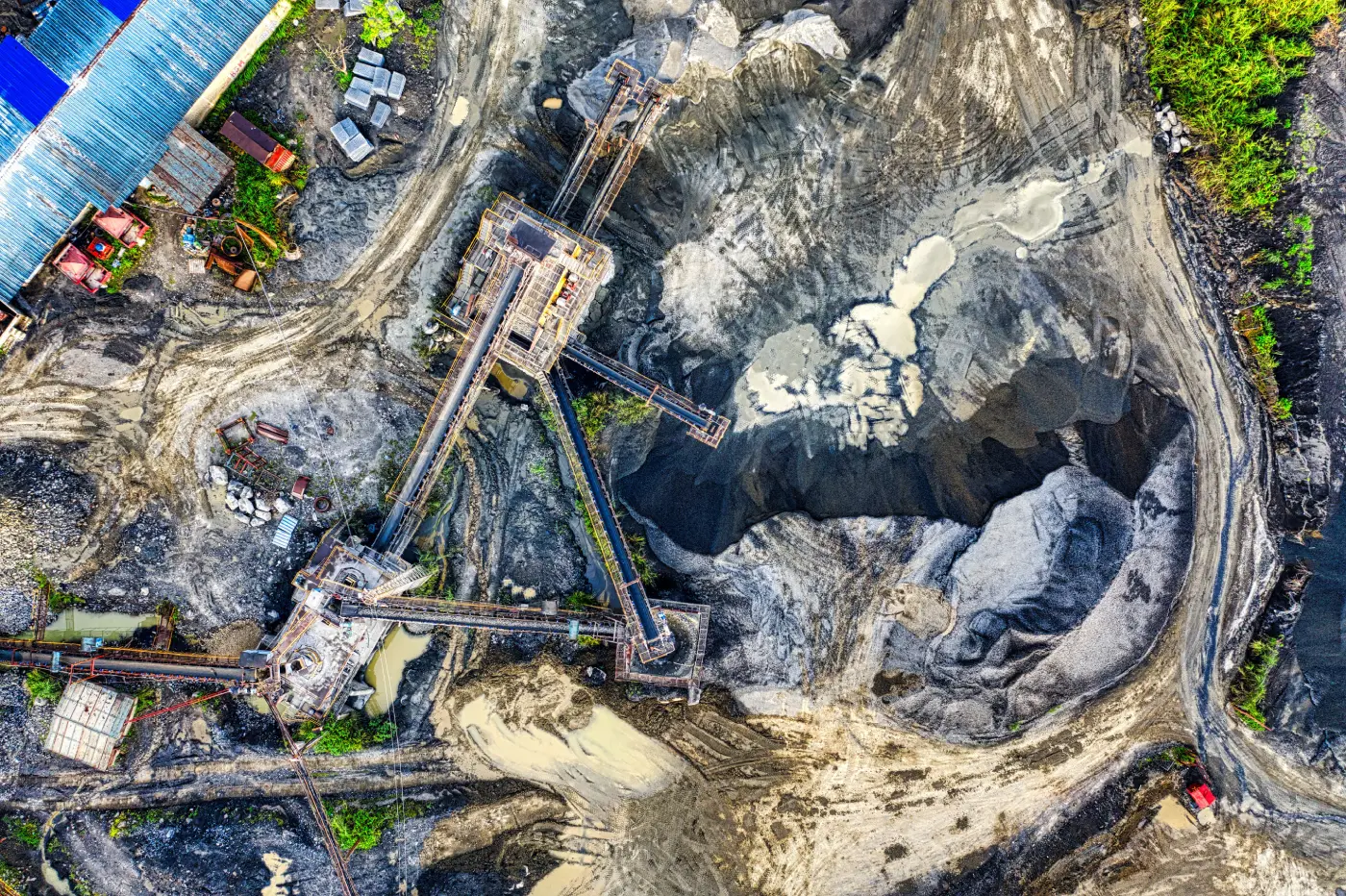
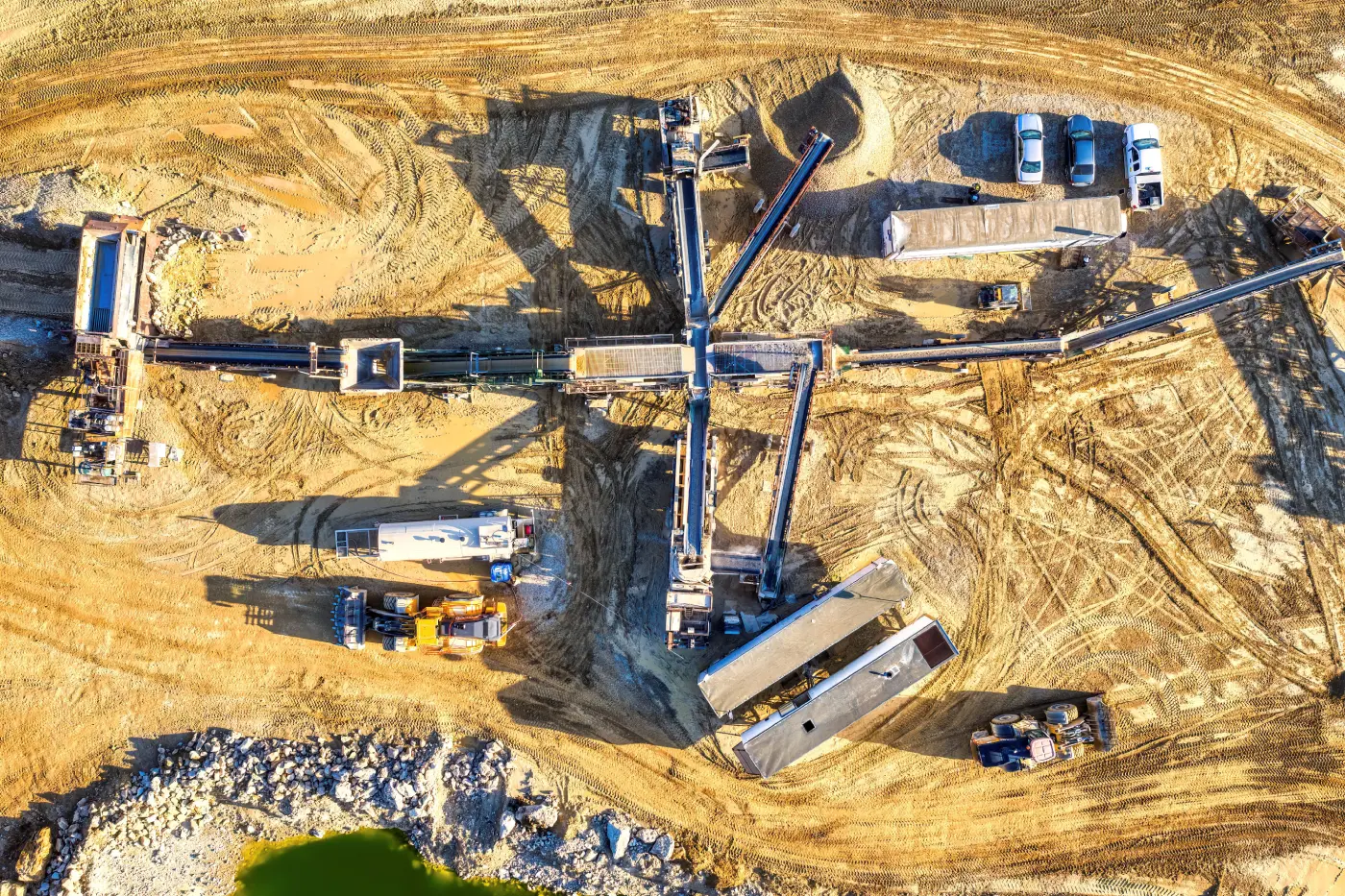
Mining can affect land, water, ecosystems, and surrounding communities. The scale and nature of these impacts vary significantly depending on the type of gemstone, mining method, location, and operational practices.
Consumers are increasingly interested in gemstones associated with efforts to reduce environmental impact. These may include responsible mining initiatives, improved resource management, land rehabilitation, reduced waste, and practices designed to protect local ecosystems.
Sustainability can also extend beyond mining. Cutting and polishing gemstones require energy, water, and other resources. Transportation between mining regions, cutting centers, manufacturers, and retailers also contributes to a gemstone’s overall environmental footprint.
As a result, sustainability is becoming a supply-chain issue rather than simply a mining issue.
Businesses seeking to offer sustainable gemstones can consider several areas:
- Responsible sourcing: Establish clear requirements for suppliers and mining partners.
- Supply-chain visibility: Maintain documentation about gemstone origins and movement.
- Environmental practices: Consider how mining and processing affect land, water, and biodiversity.
- Community impact: Examine whether mining activities contribute positively to local communities.
- Long-term partnerships: Work with suppliers who demonstrate consistent responsible practices.
- Consumer communication: Provide accurate and understandable information about sourcing.
These practices can help create a more accountable gemstone supply chain.
What Does Gemstone Transparency Mean?
Gemstone transparency refers to the availability and clarity of information about a gemstone’s origin, sourcing, processing, and supply chain.
Historically, consumers often had limited access to this information. A gemstone could pass through several intermediaries before reaching a jewelry store, making its original source difficult to determine.
Modern consumers, however, are accustomed to researching products before purchasing them. They can compare brands, read reviews, investigate sourcing claims, and look for certifications or documentation. This expectation is increasingly extending to luxury products and gemstones.
Greater transparency can involve providing information such as:
- Country or region of origin
- Mining source, where verifiable
- Supplier information
- Cutting and polishing location
- Applicable certifications or documentation
- Responsible sourcing policies
- Environmental initiatives
- Community-development programs
Transparency does not mean revealing commercially sensitive information or making claims that cannot be verified. Instead, it means communicating what can reasonably be established and being clear about any limitations.
This is especially important because vague claims such as “responsibly sourced” or “eco-friendly” may not tell consumers enough. Stronger gemstone transparency depends on evidence, documentation, clear definitions, and honest communication.
Consumers Are Asking More Questions
One of the biggest changes in the gemstone market is the evolution of consumer expectations.
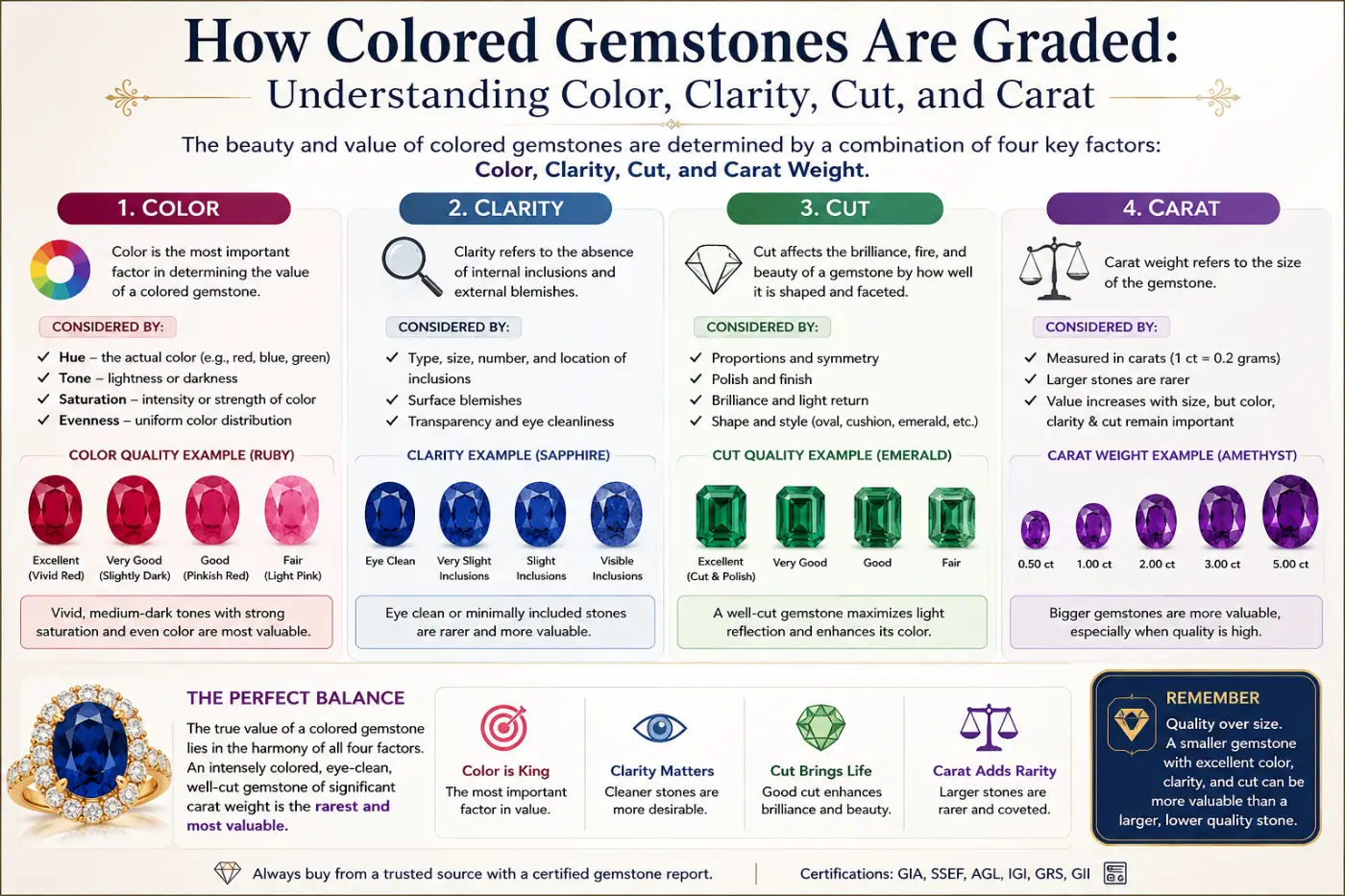
Today’s buyers may research the story behind a gemstone before making a purchase. They may want to understand not only its color, clarity, cut, and carat weight but also its origins.
This is particularly relevant to younger consumers, who often place greater emphasis on sustainability, social responsibility, and corporate accountability when evaluating brands.
For many consumers, an ethically sourced gemstone can offer something beyond its physical characteristics: a sense of confidence about the purchase.
This does not mean that every buyer has identical priorities. Price, design, rarity, quality, origin, and personal preference remain important considerations. Nevertheless, responsible sourcing is becoming a more visible part of the purchasing conversation.
Technology Is Improving Gemstone Traceability
Technology is playing an increasingly important role in the development of traceable gemstones.
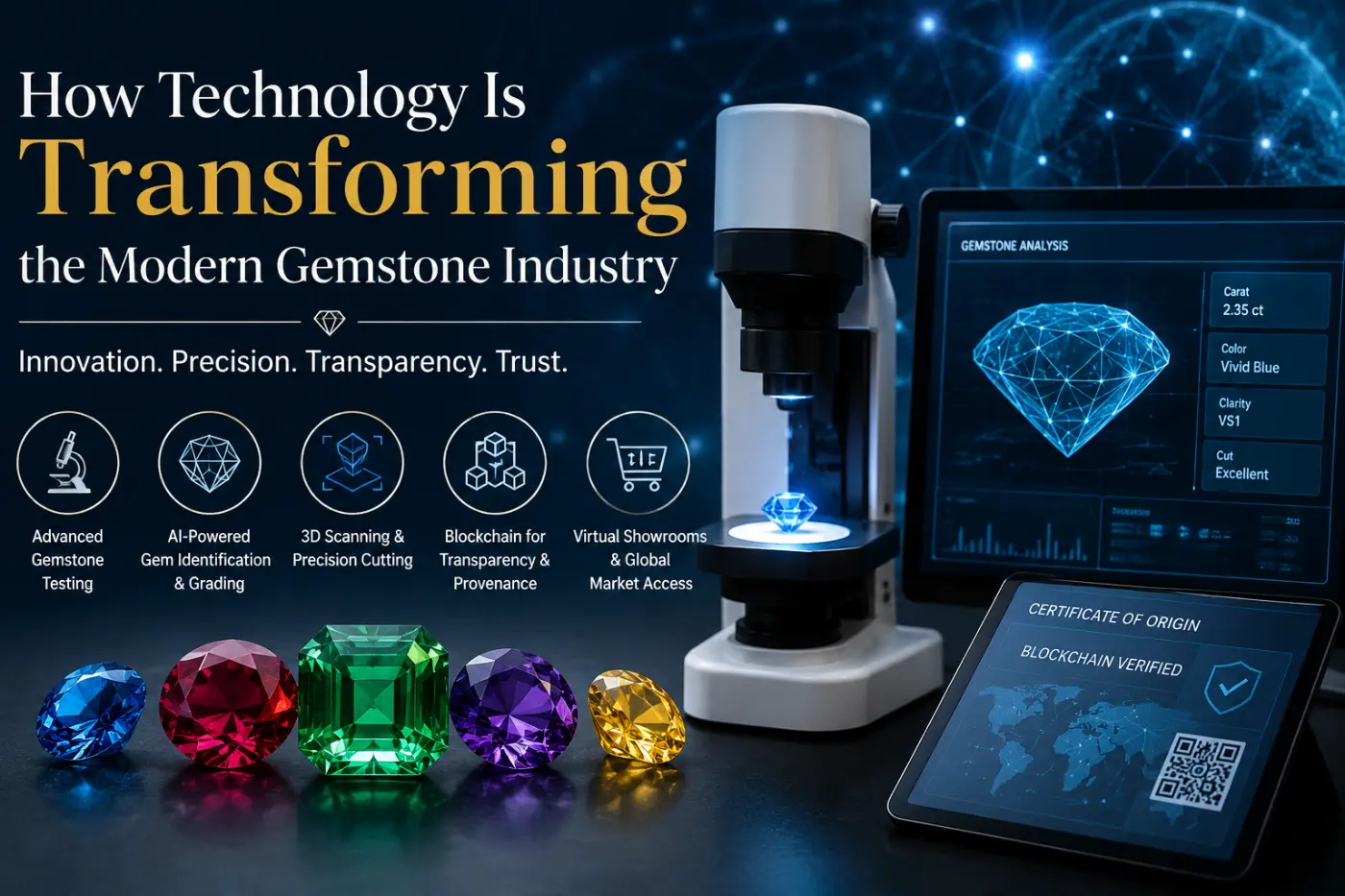
Digital records, supply-chain management systems, blockchain-based platforms, QR codes, and gemstone identification technologies can help businesses store and communicate information about a gemstone’s journey.
For example, a digital record may connect information about a gemstone with its origin, processing history, ownership transfers, or certification documents. A consumer could potentially access some of this information through a digital certificate or QR code.
Technological solutions can improve recordkeeping and reduce the amount of information that gets lost as gemstones move through complex supply chains.
However, technology alone cannot guarantee ethical sourcing. A digital system is only as reliable as the information entered into it. If inaccurate or incomplete information enters the system, technology can simply make that information easier to distribute.
Therefore, effective traceability requires both technology and strong verification practices.
The Role of Certifications and Standards
Certifications, industry standards, and third-party verification can help consumers and businesses evaluate responsible sourcing claims.
Different initiatives address different aspects of gemstone sourcing, and not all certifications cover the same issues. Some may focus on responsible mining, supply-chain due diligence, environmental performance, labor practices, or specific types of gemstones.
For consumers, the important point is to understand what a particular certification actually verifies rather than assuming that every certification guarantees the same set of outcomes.
Retailers can also strengthen consumer confidence by clearly explaining their sourcing policies and the standards they follow.
Documentation becomes particularly valuable when businesses make claims about the origin or ethical characteristics of their gemstones. Claims should be specific, understandable, and supported by appropriate evidence.
Supporting Mining Communities
The conversation around ethically sourced gems extends beyond environmental protection.
Many gemstones originate in regions where mining provides employment and income for local communities. Responsible sourcing therefore needs to consider how changes in mining practices affect the people who depend on the sector.
Ethical sourcing initiatives may focus on fair working conditions, worker safety, fair compensation, community development, and opportunities for local economic participation.
The goal is not simply to remove gemstones from regions perceived as challenging but to encourage supply chains that promote responsible practices and reduce harmful impacts.
This distinction is important. Excluding entire communities from international markets can have unintended consequences if mining represents an important source of local income. Responsible sourcing strategies therefore need to consider local conditions and economic realities.
Why Retailers and Jewelry Brands Are Paying Attention
The growing demand for responsible gemstones is also changing how jewelry businesses operate.
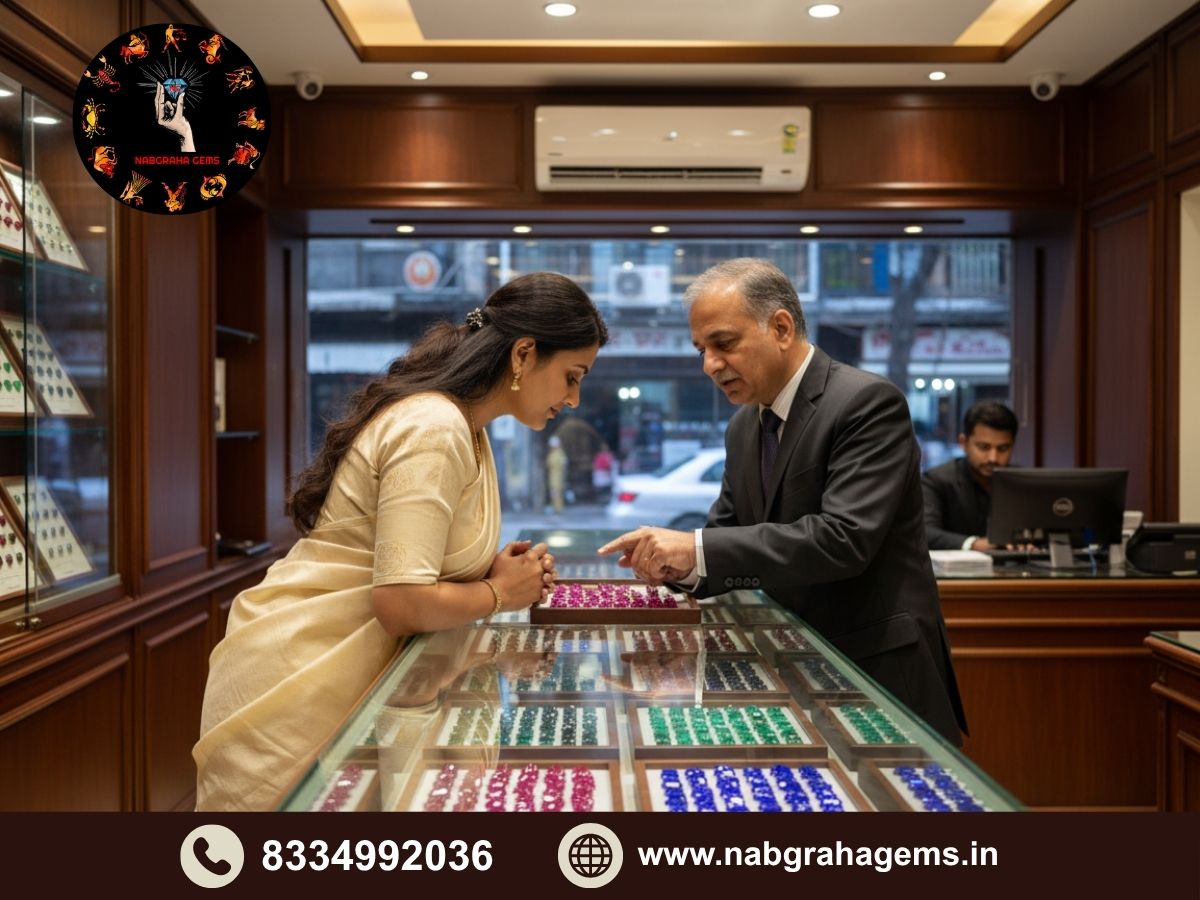
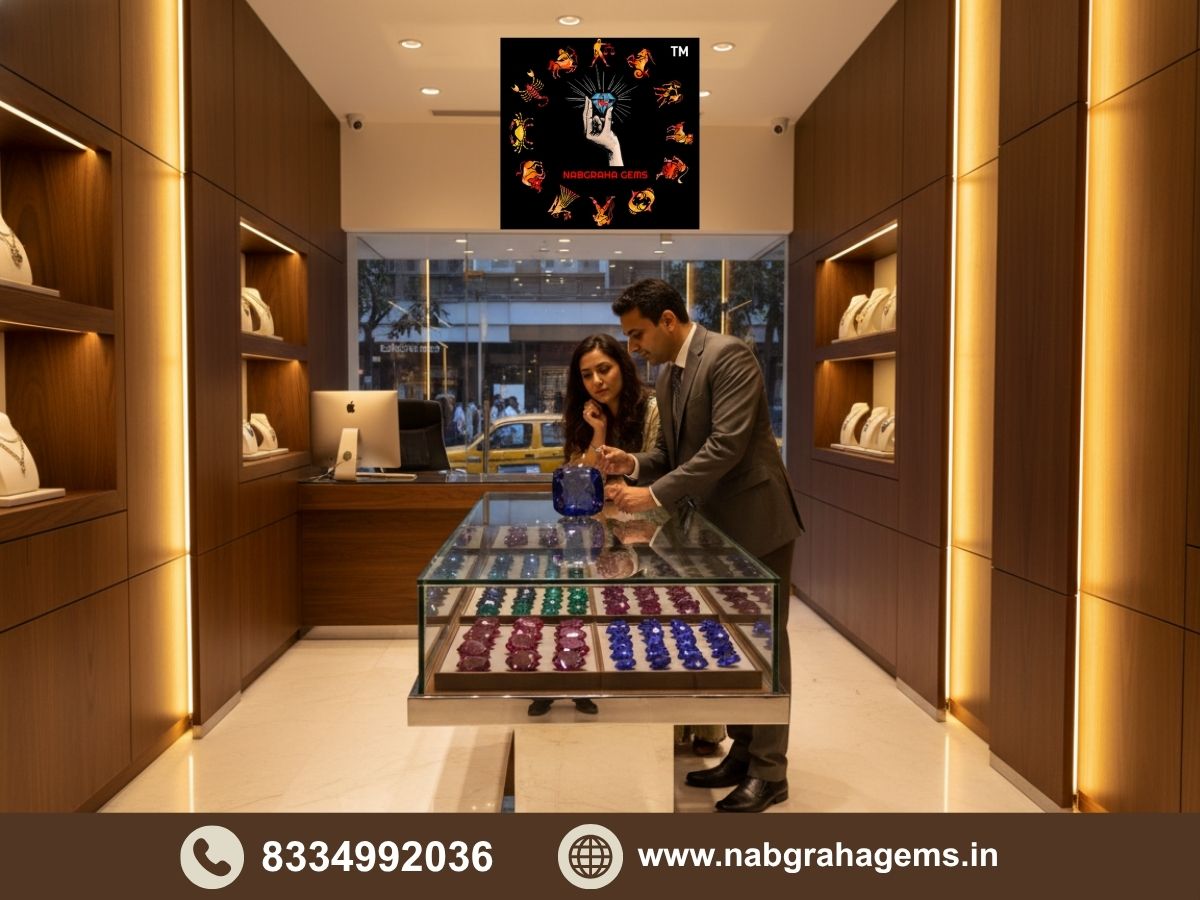
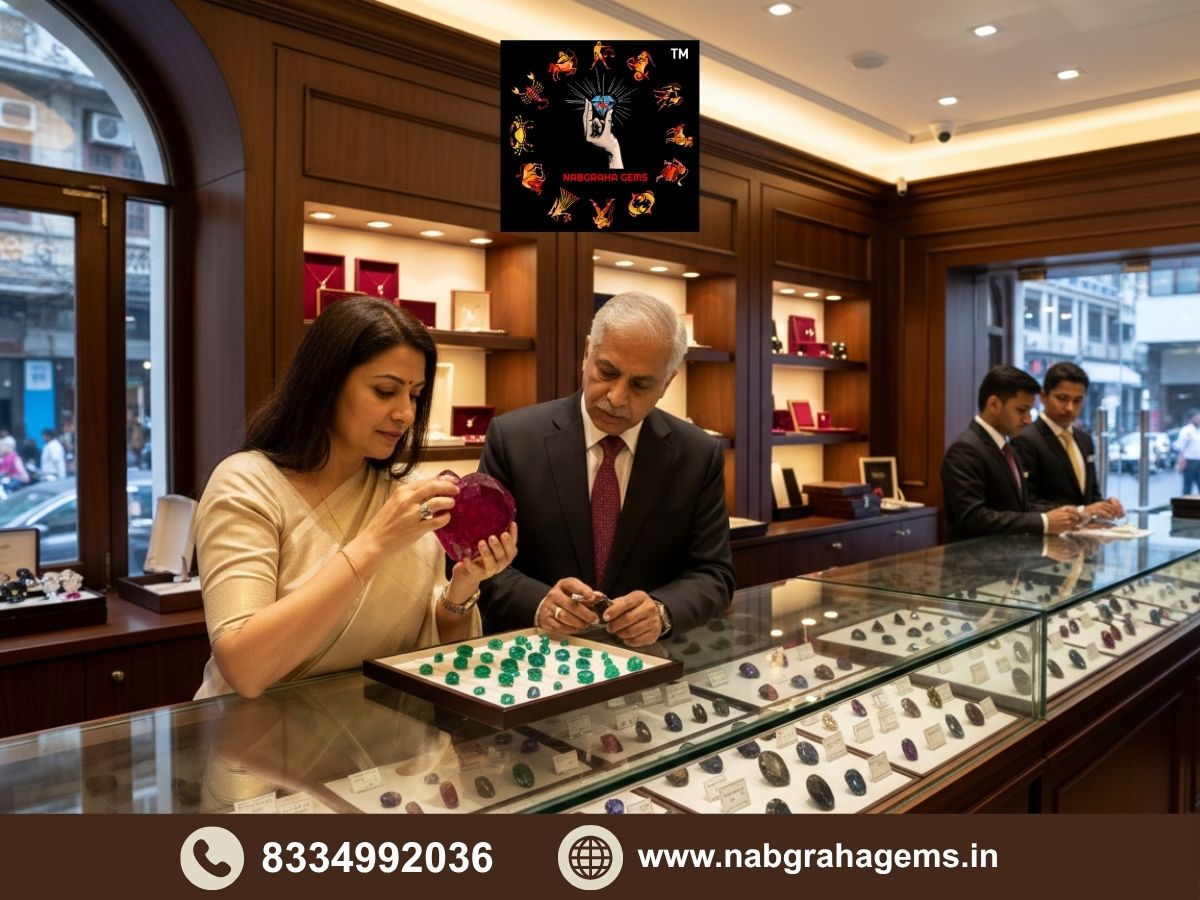
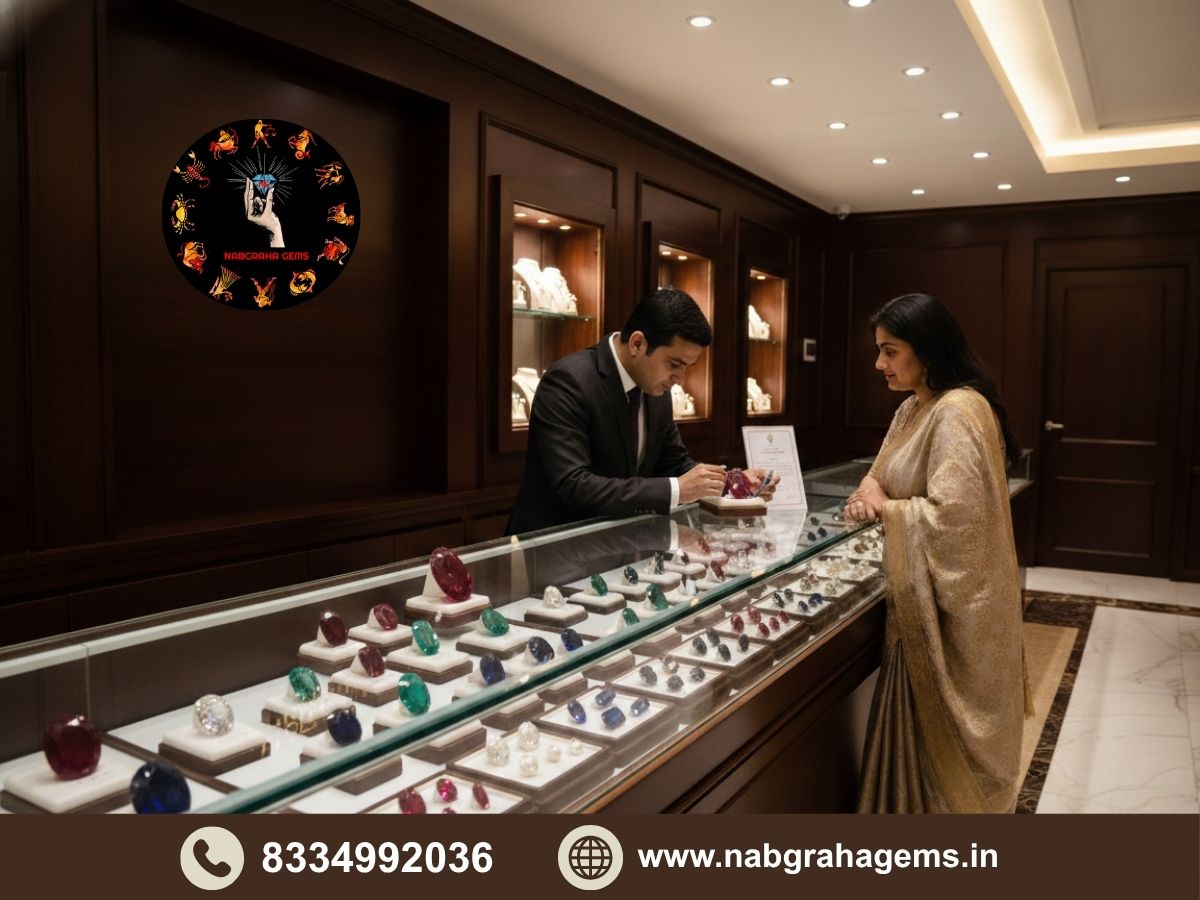
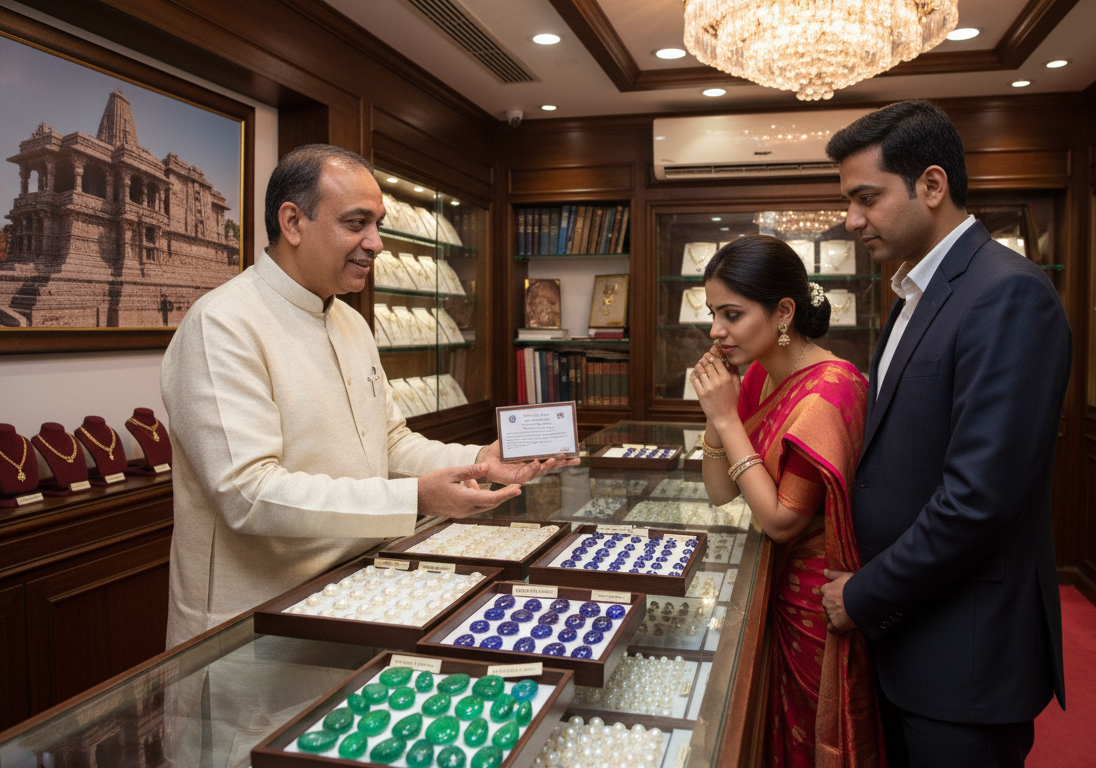
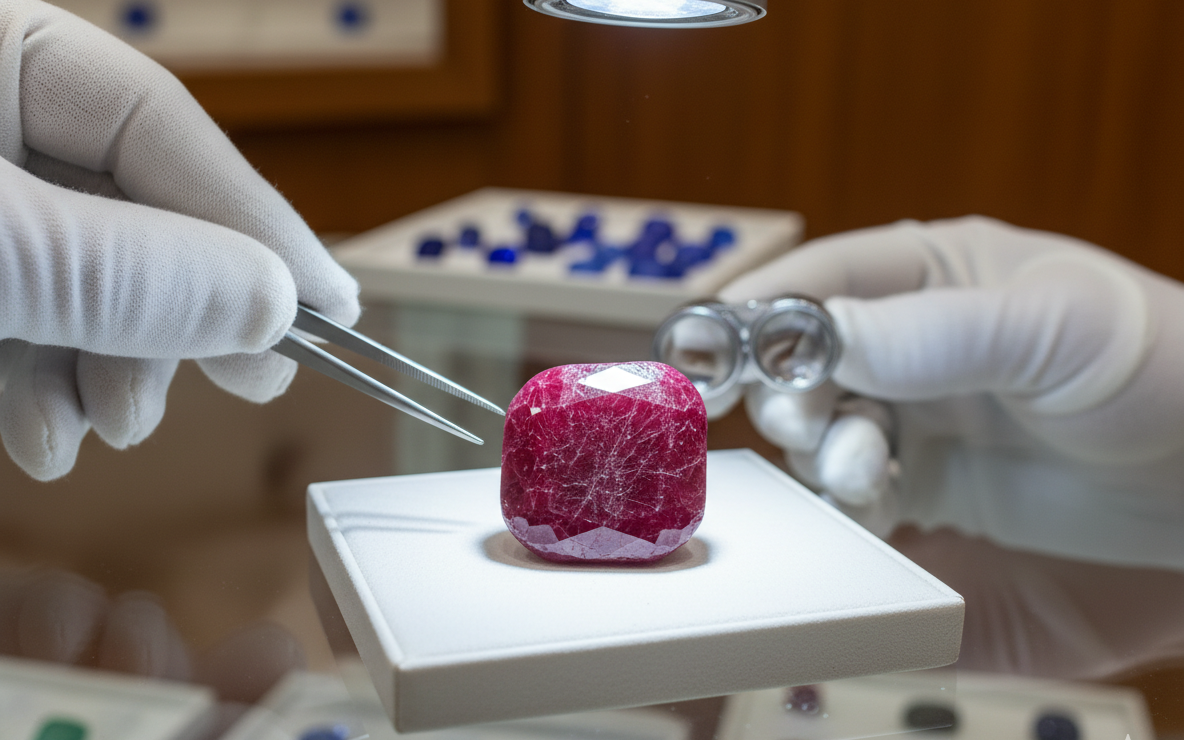
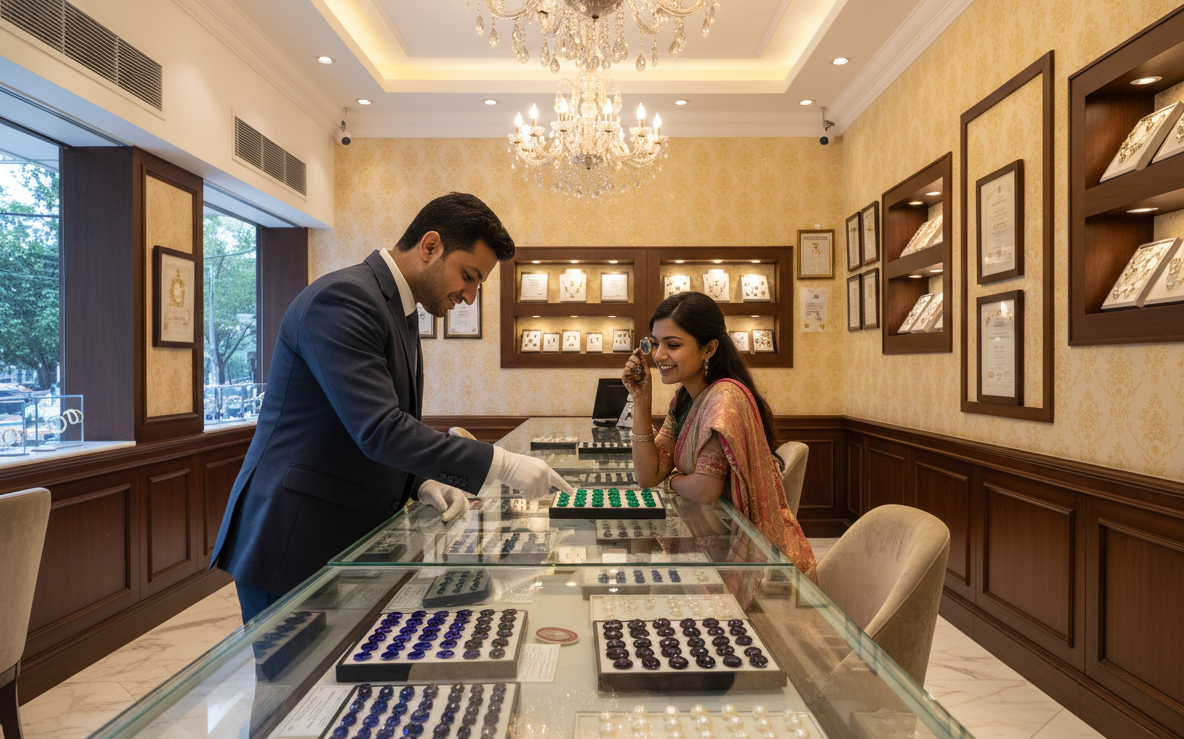
Retailers are increasingly expected to answer questions about sourcing. A customer may ask about the origin of a ruby, sapphire, emerald, or other gemstone before deciding whether to buy it.
For jewelry brands, this creates both an opportunity and a responsibility.
Businesses can differentiate themselves by developing transparent sourcing policies and building stronger relationships with suppliers. They can also educate customers about gemstone origins and explain the steps taken to support responsible sourcing.
Clear communication is particularly important. Brands should avoid making broad sustainability claims without sufficient evidence. Instead, they can explain exactly what they know about their gemstones and what verification or documentation supports their claims.
This approach can help create more informed conversations between jewelry professionals and consumers.
Challenges Facing the Ethical Gemstone Industry
Despite growing demand, responsible gemstone sourcing faces several challenges.
The gemstone industry is highly diverse, with different types of gems coming from different regions and moving through complex international supply chains. Small-scale and artisanal mining can also involve informal structures that make documentation and traceability difficult.
Another challenge is the cost of implementing robust traceability systems. Smaller businesses and miners may have limited financial and technological resources.
There is also the risk of misleading sustainability or ethical claims. As consumer interest increases, businesses may be tempted to use terms such as “green,” “ethical,” or “sustainable” without providing sufficient evidence.
Addressing these challenges requires collaboration between miners, traders, manufacturers, retailers, industry organizations, governments, certification bodies, and consumers.
The Future of Ethical and Traceable Gemstones
The demand for ethical gemstones, traceable gemstones, and sustainable gemstones is likely to remain an important part of the evolving jewelry market.
As consumers become more informed, sourcing information may become as relevant to some purchases as traditional gemstone characteristics. Buyers may increasingly expect businesses to explain where gemstones come from and what steps have been taken to support responsible sourcing.
Technology is likely to contribute to this transformation by making supply-chain information easier to record and access. At the same time, responsible sourcing standards and verification mechanisms will remain important for ensuring that information is meaningful.
The future of the gemstone industry may therefore depend on a combination of beauty, craftsmanship, transparency, and responsibility.
Making More Informed Gemstone Choices
Consumers who want to purchase responsibly can begin by asking questions and looking for evidence.
Rather than relying solely on marketing language, buyers can ask retailers about gemstone origin, sourcing policies, available documentation, and relevant certifications. They can also distinguish between claims that are independently verified and claims based solely on a seller’s own description.
For retailers and jewelry brands, the process begins with understanding their own supply chains. Developing supplier requirements, maintaining appropriate records, and communicating sourcing information clearly can help build a more transparent business model.
Ultimately, responsible gemstone sourcing is not about creating a perfect supply chain overnight. It is about increasing visibility, identifying risks, improving practices, and giving consumers better information.
Conclusion
The growing demand for traceable and ethically sourced gemstones reflects a broader transformation in the luxury market. Consumers are increasingly interested in the story behind the products they purchase, including their environmental and social impact.
Ethically sourced gems can provide consumers with greater information about the human and environmental considerations connected to their purchase. Meanwhile, gemstone transparency can help businesses demonstrate what they know about their supply chains and communicate sourcing practices more clearly.
As technology, standards, and consumer awareness continue to develop, traceability is likely to become an increasingly important feature of the gemstone industry. Businesses that prioritize accurate information, responsible sourcing, and meaningful transparency can contribute to a supply chain where the value of a gemstone extends beyond its physical beauty.
The future of gemstones is not simply about finding stones that are rare, beautiful, and valuable. It is increasingly about understanding their journey—and ensuring that the journey behind the jewel is one consumers can confidently explore, from responsible sourcing and provenance to factors that influence Brazilian emerald price.
Recent Posts


2026-09-04
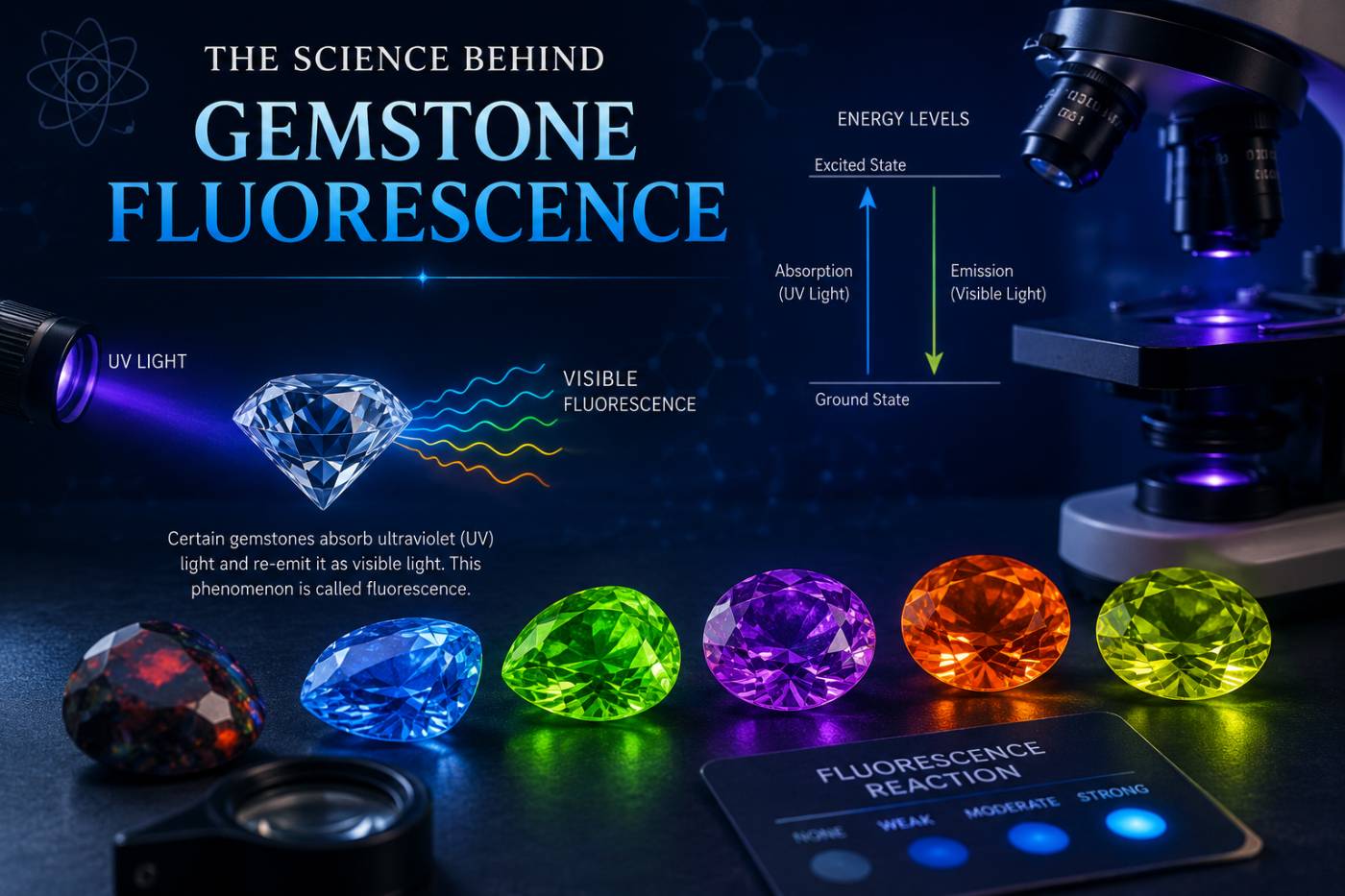
The Science Behind Gemstone Fluorescence















2025-09-15