Date : 2026-09-04
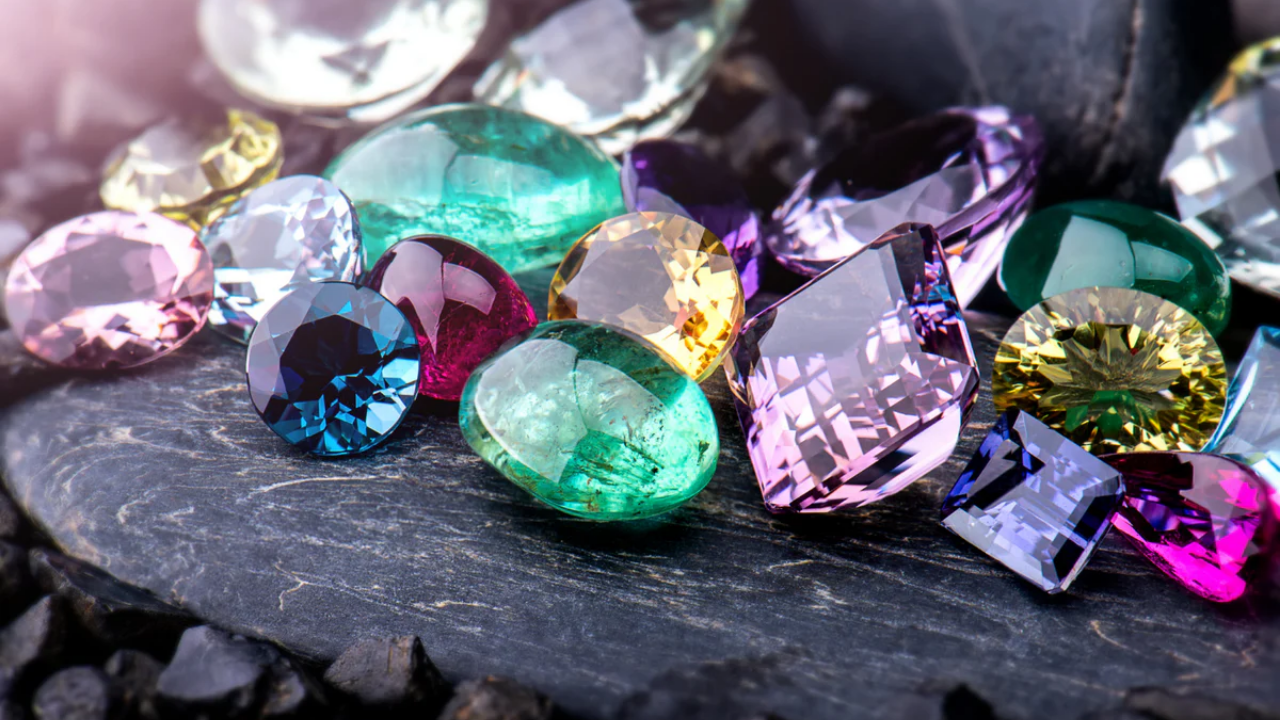
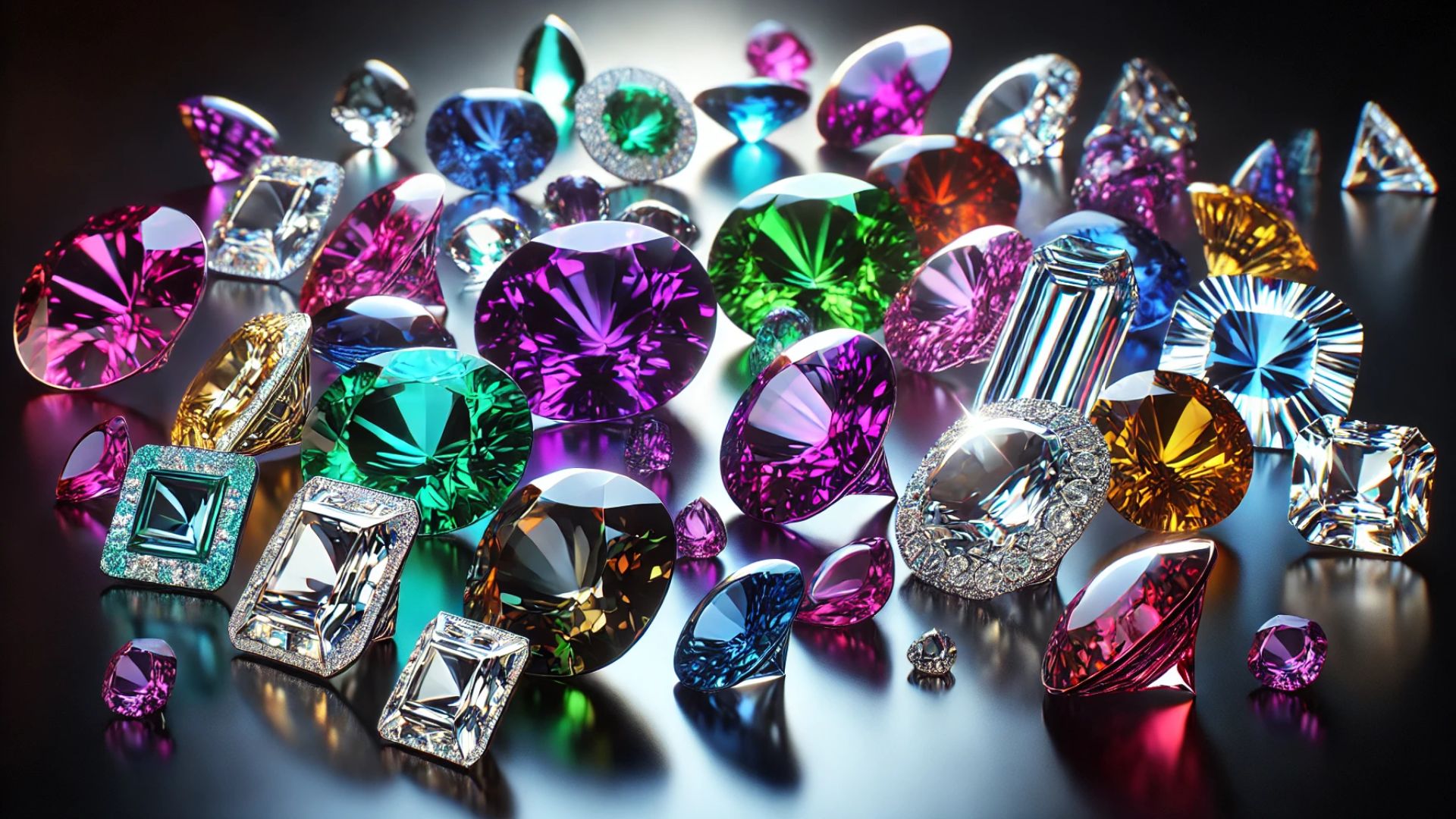
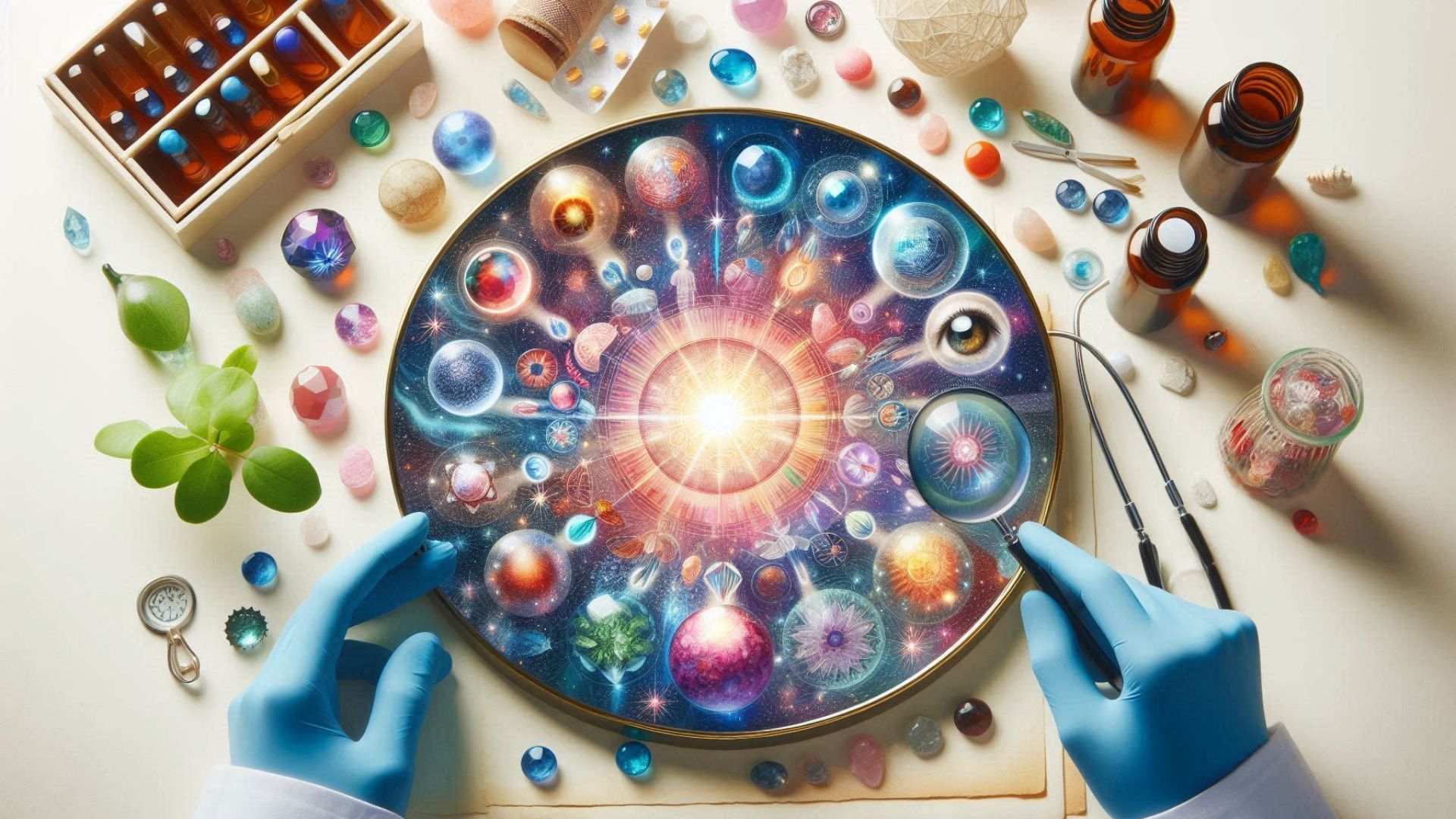
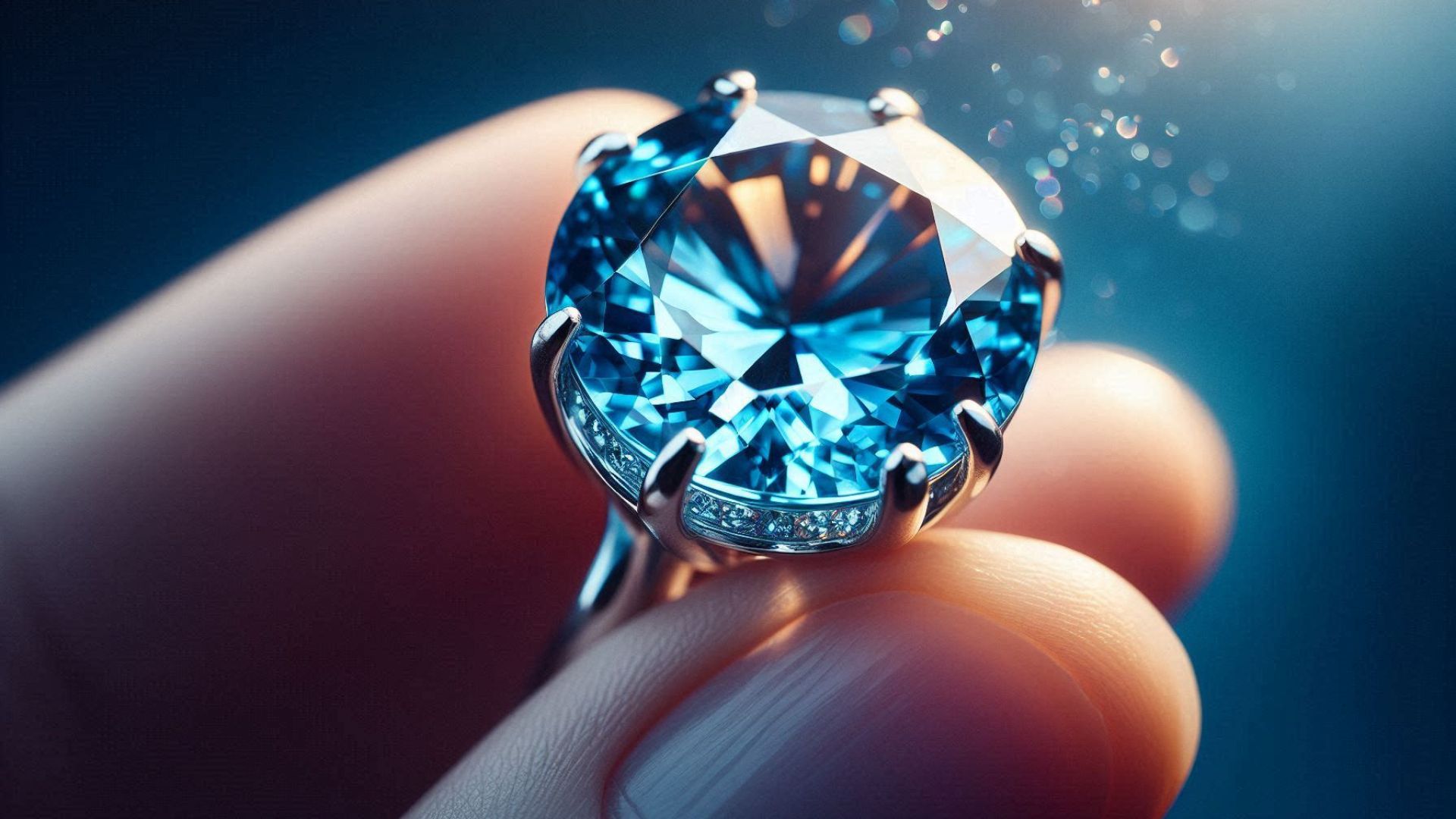
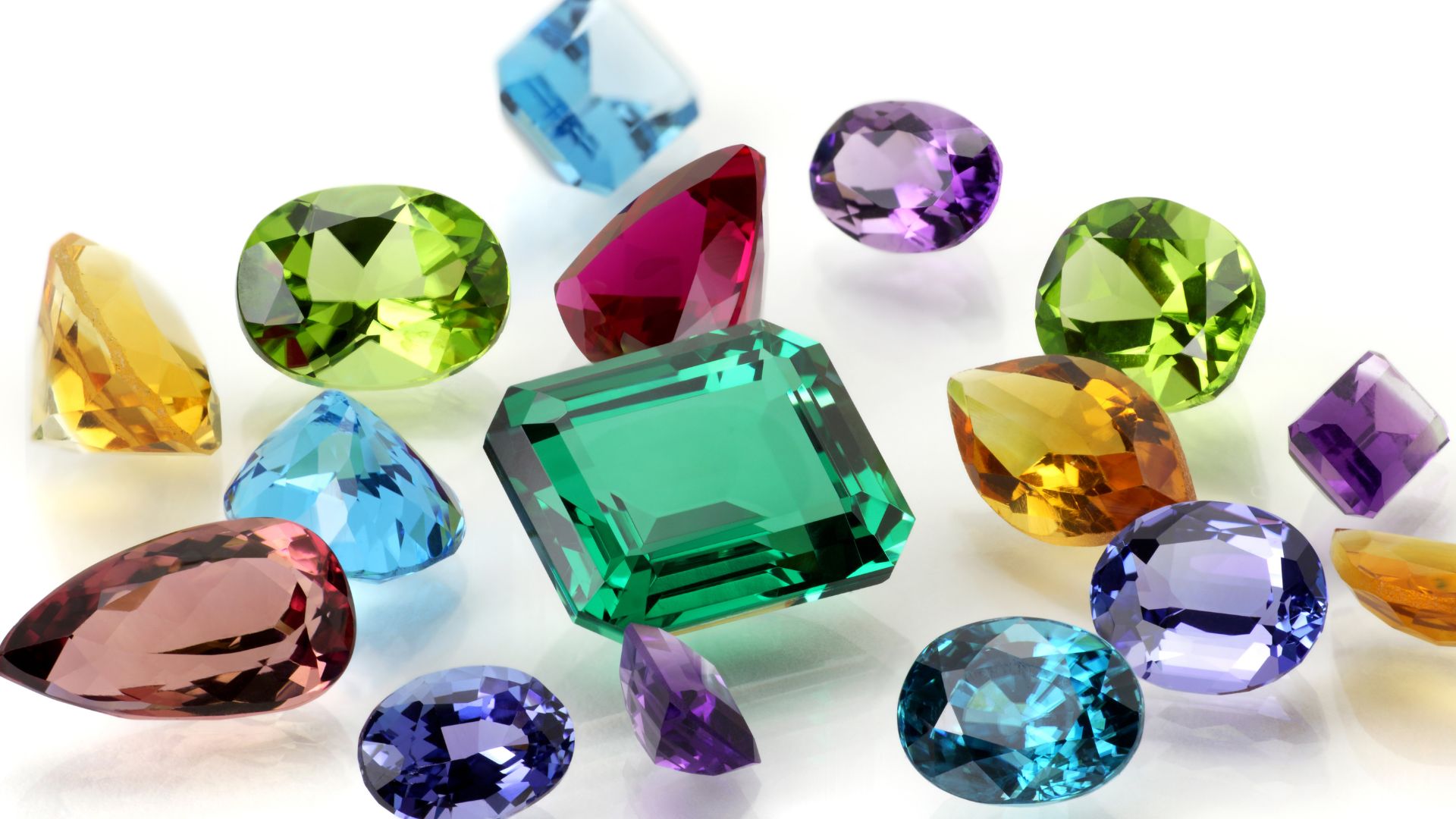
Gemstones are admired for their color, brilliance, and unique optical properties. But some gems have another fascinating characteristic: they can glow or change appearance when exposed to ultraviolet (UV) light. This phenomenon, known as Gemstone Fluorescence, offers a remarkable glimpse into the chemistry and structure hidden within a stone.
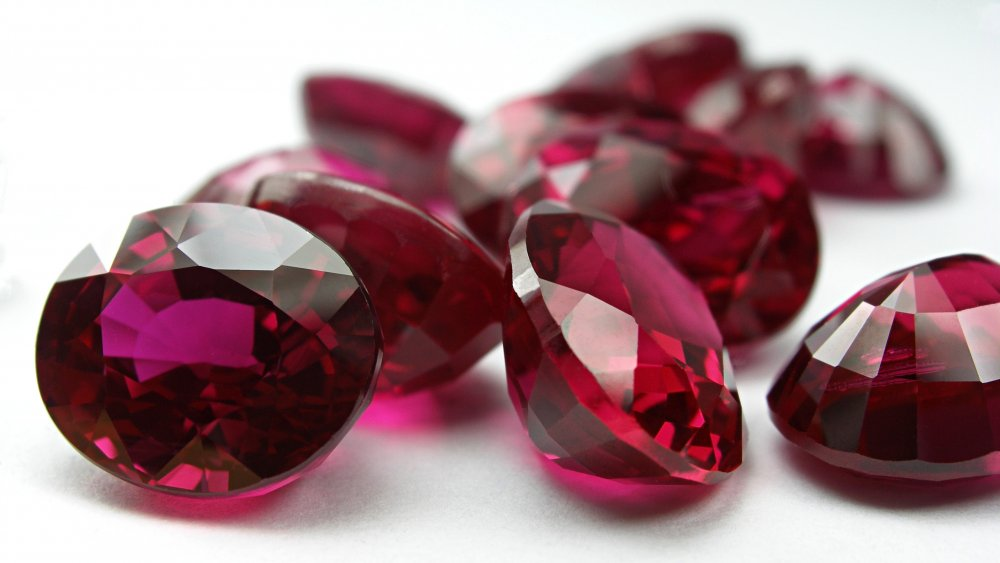
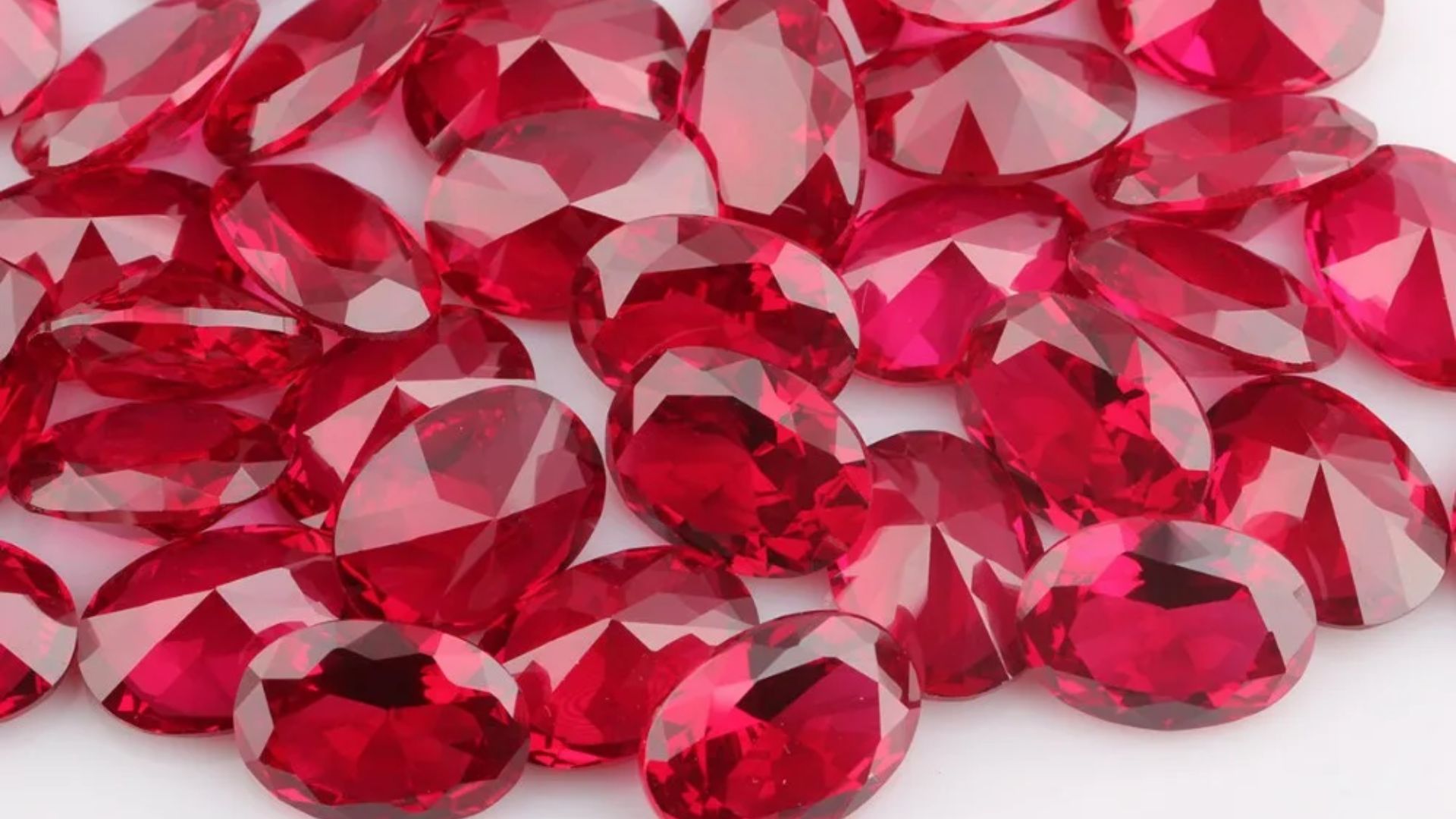
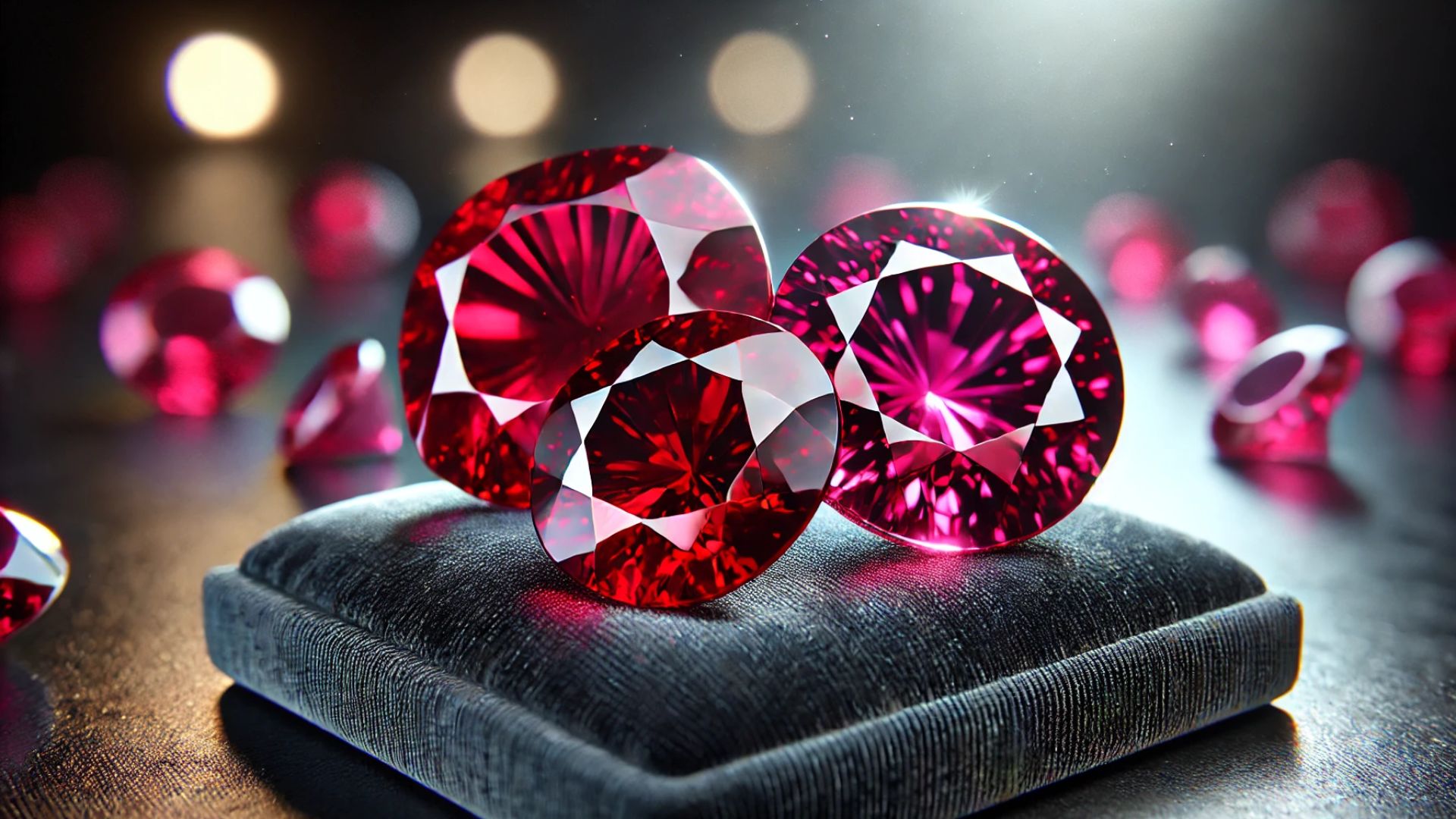
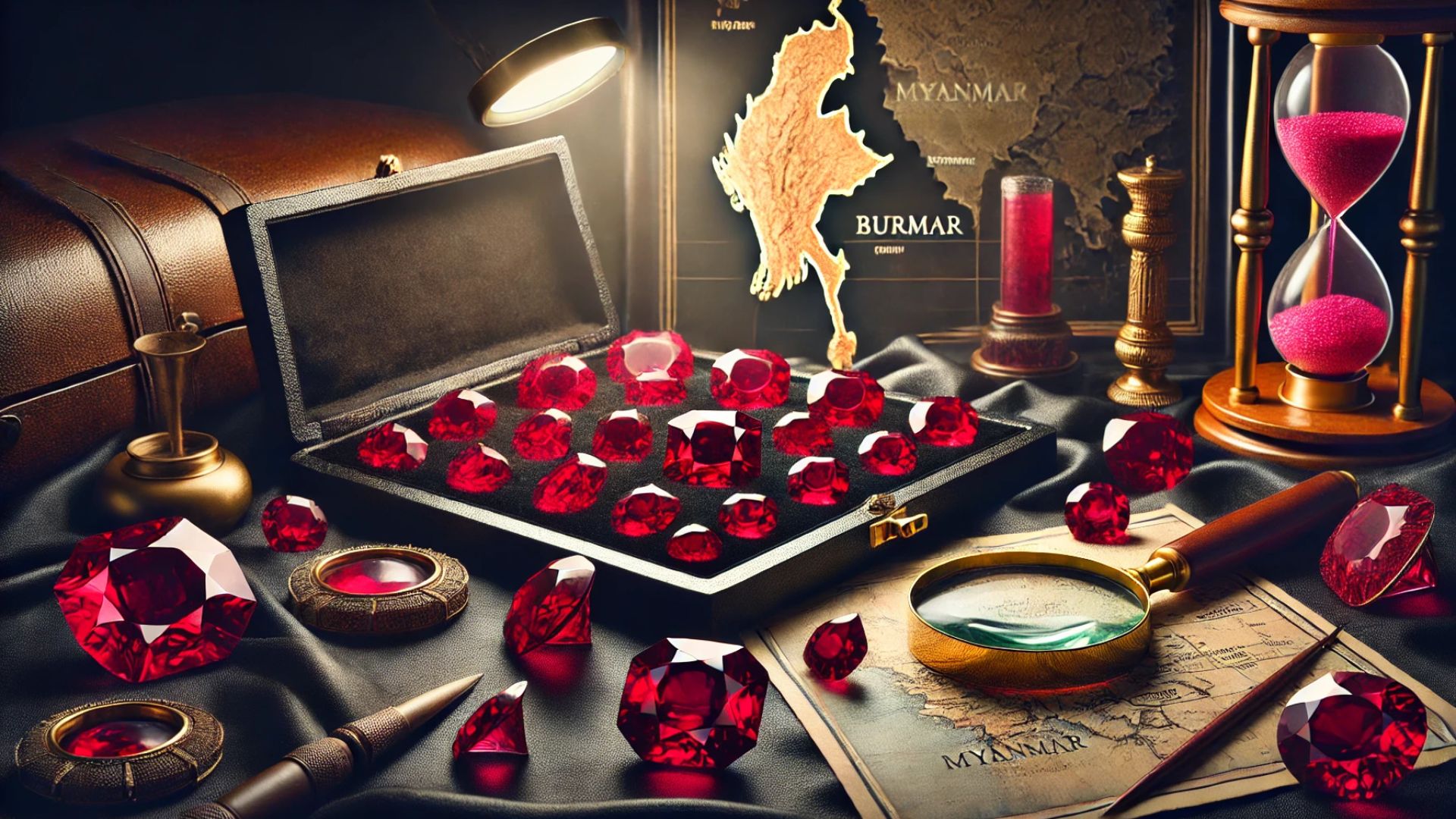
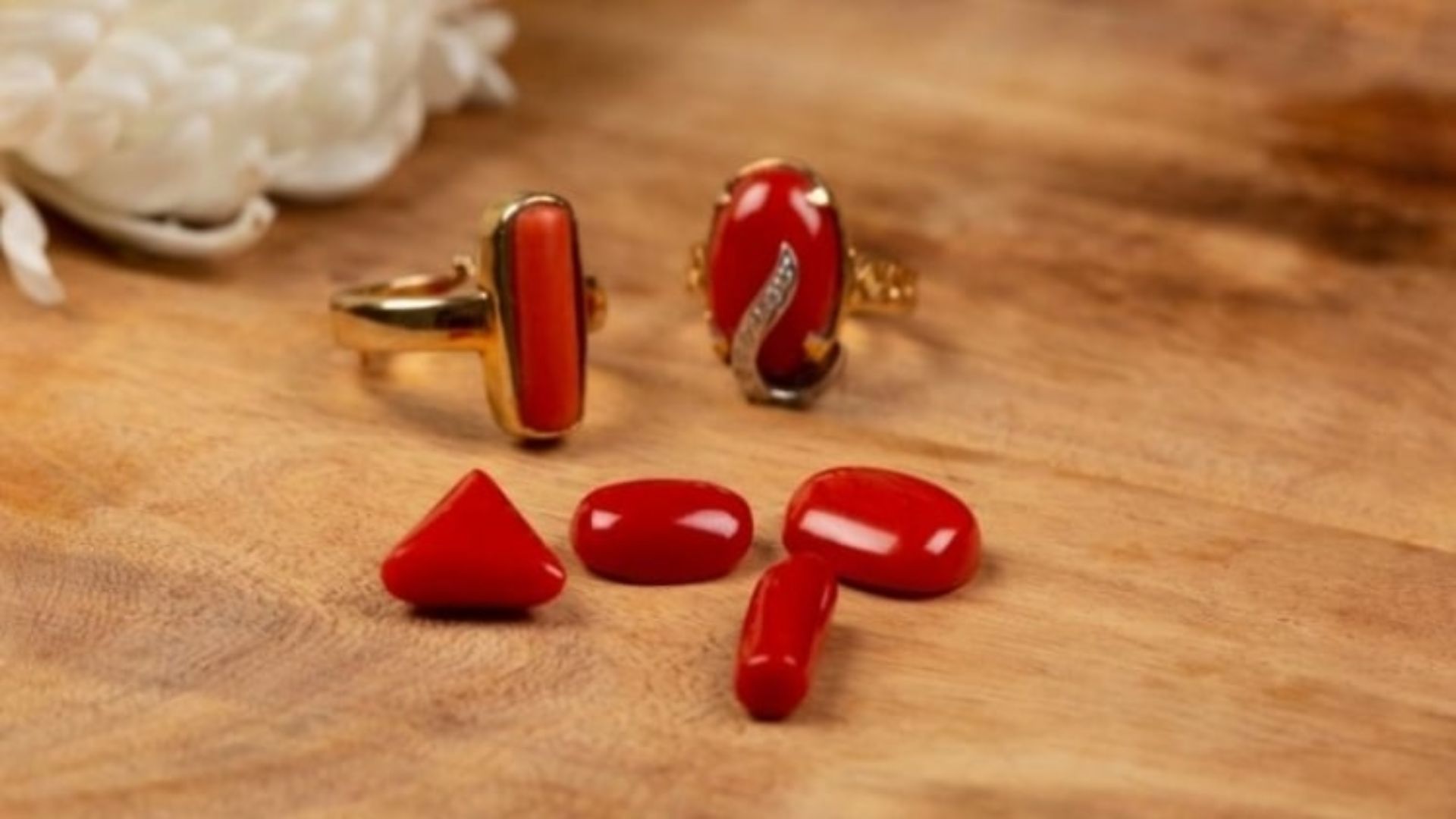
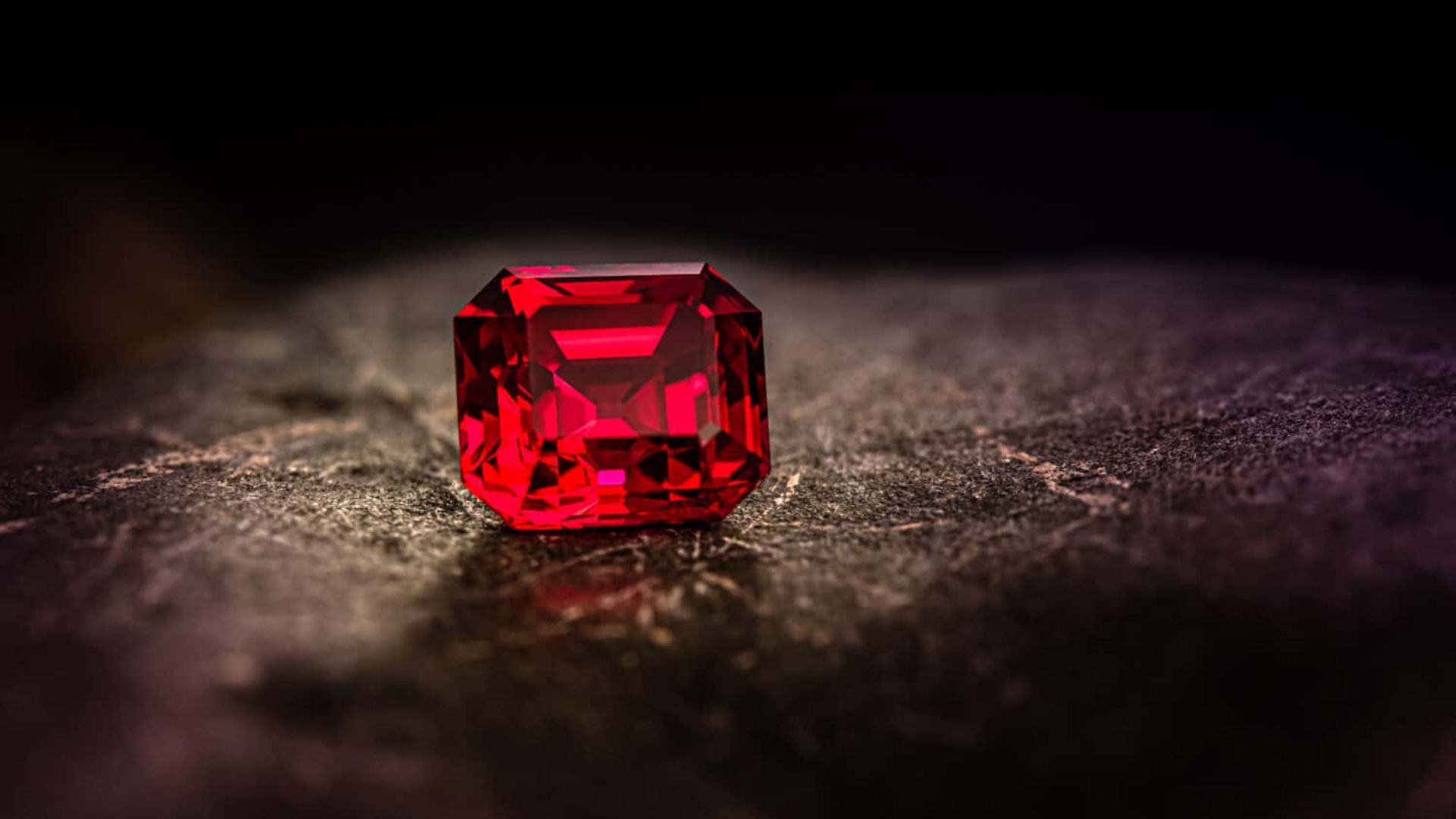
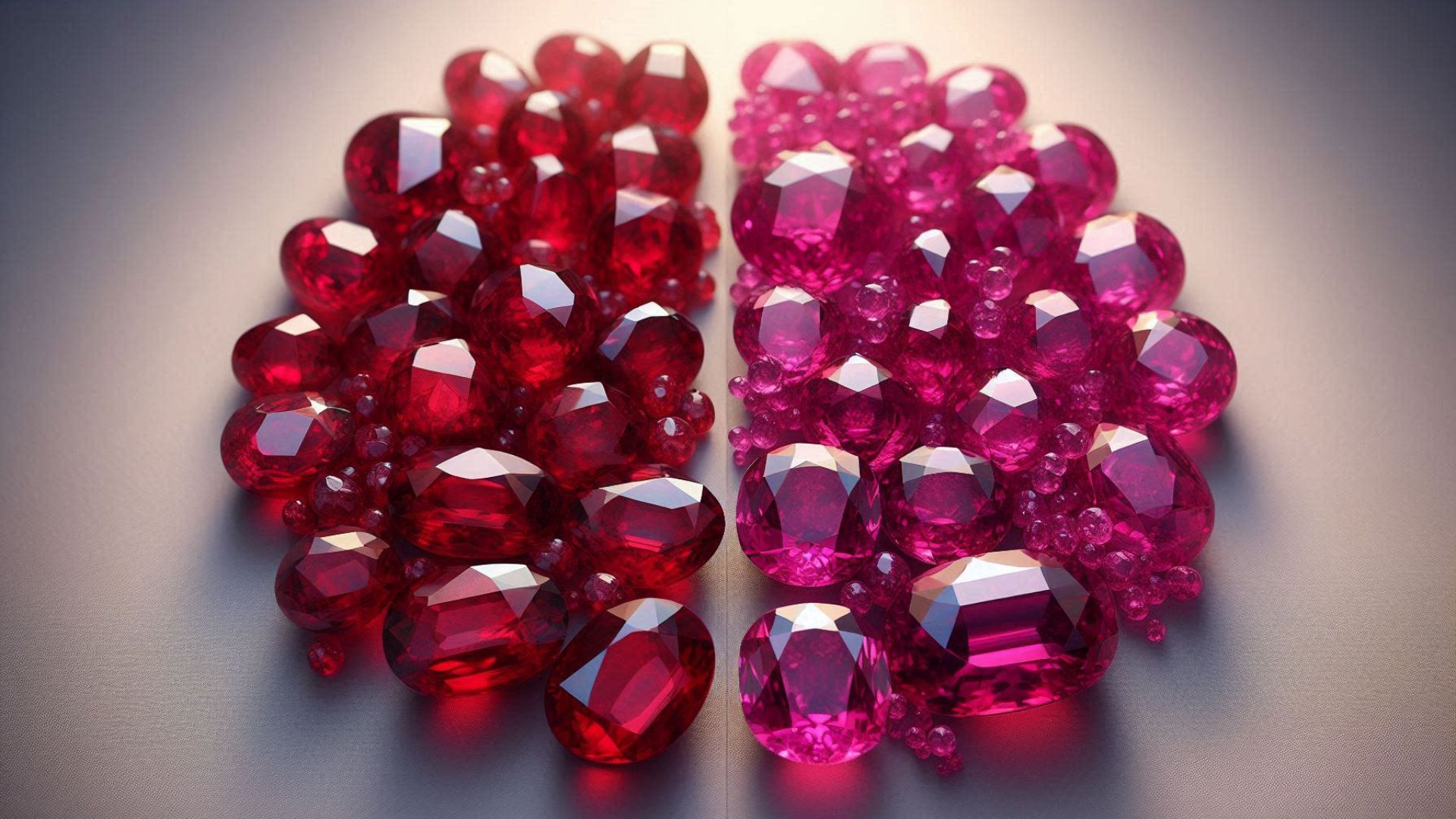
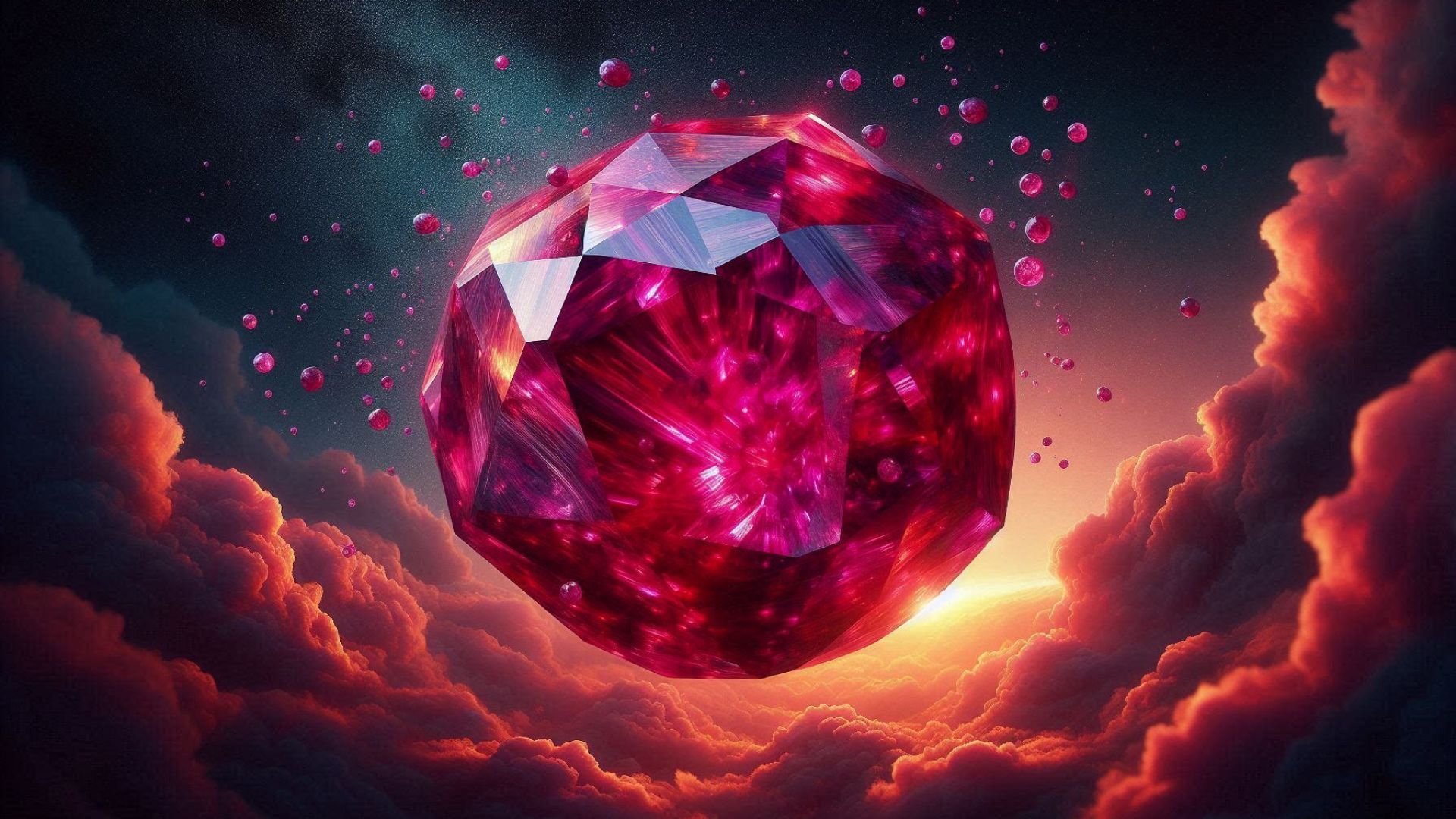
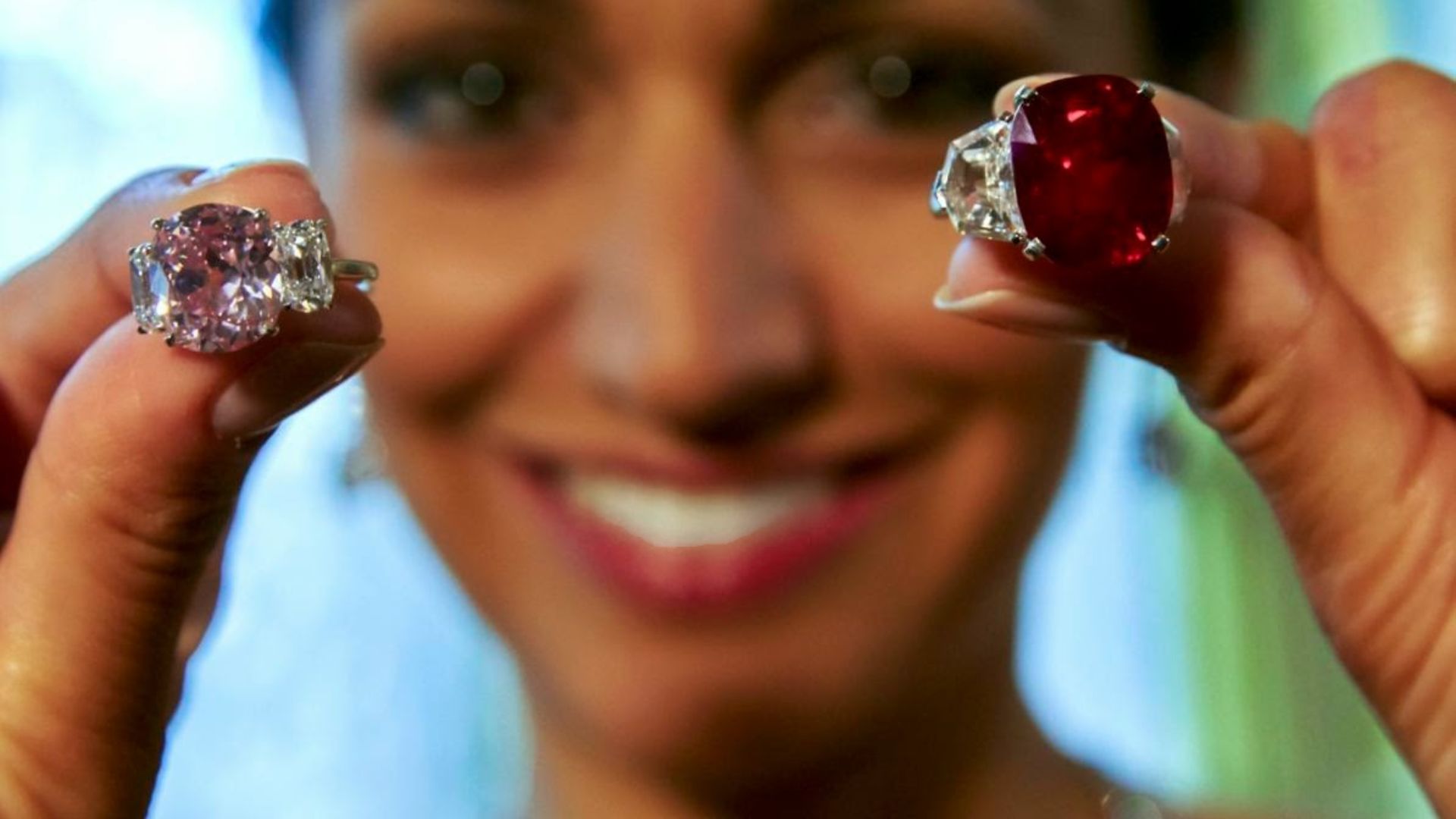
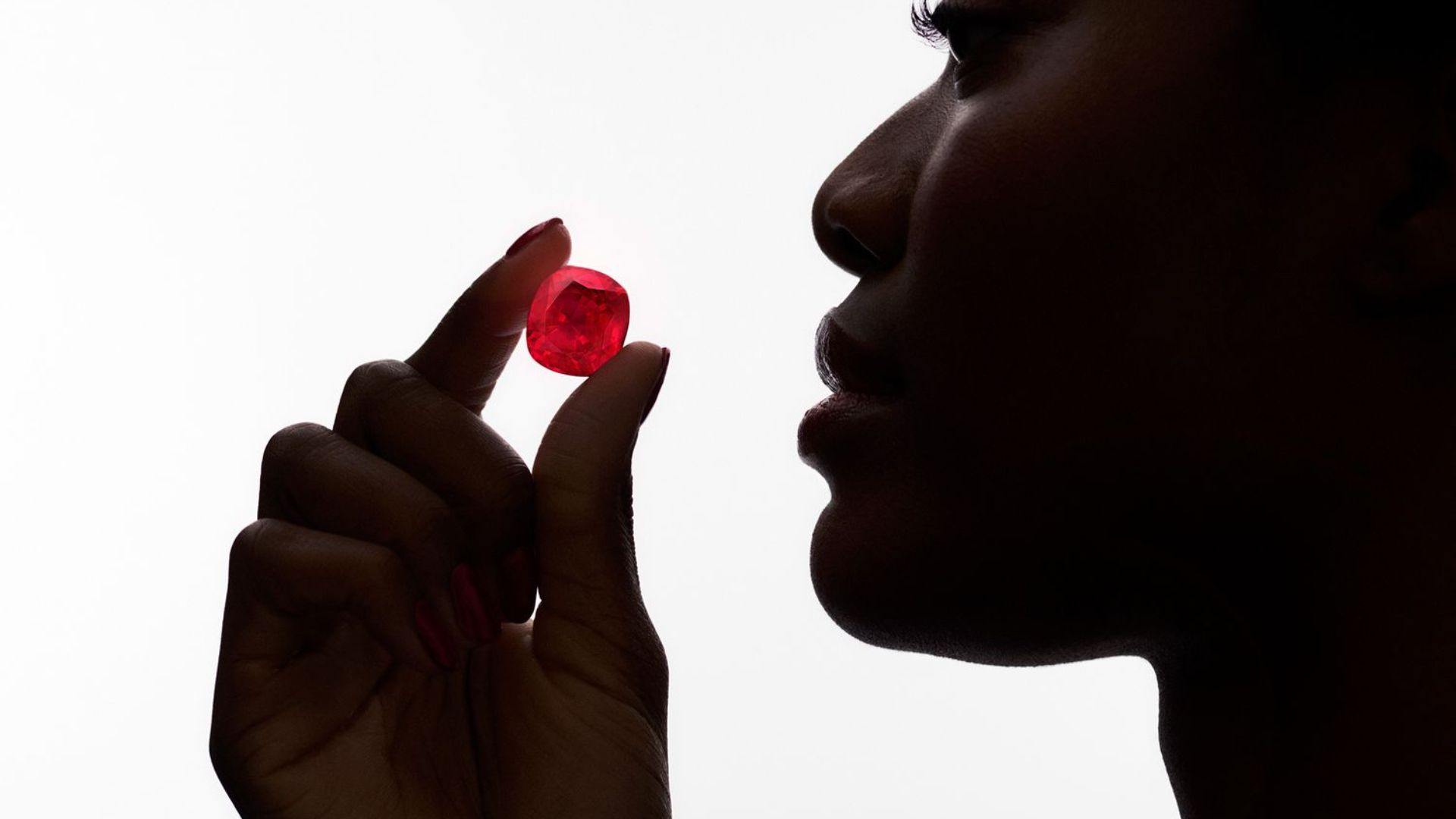
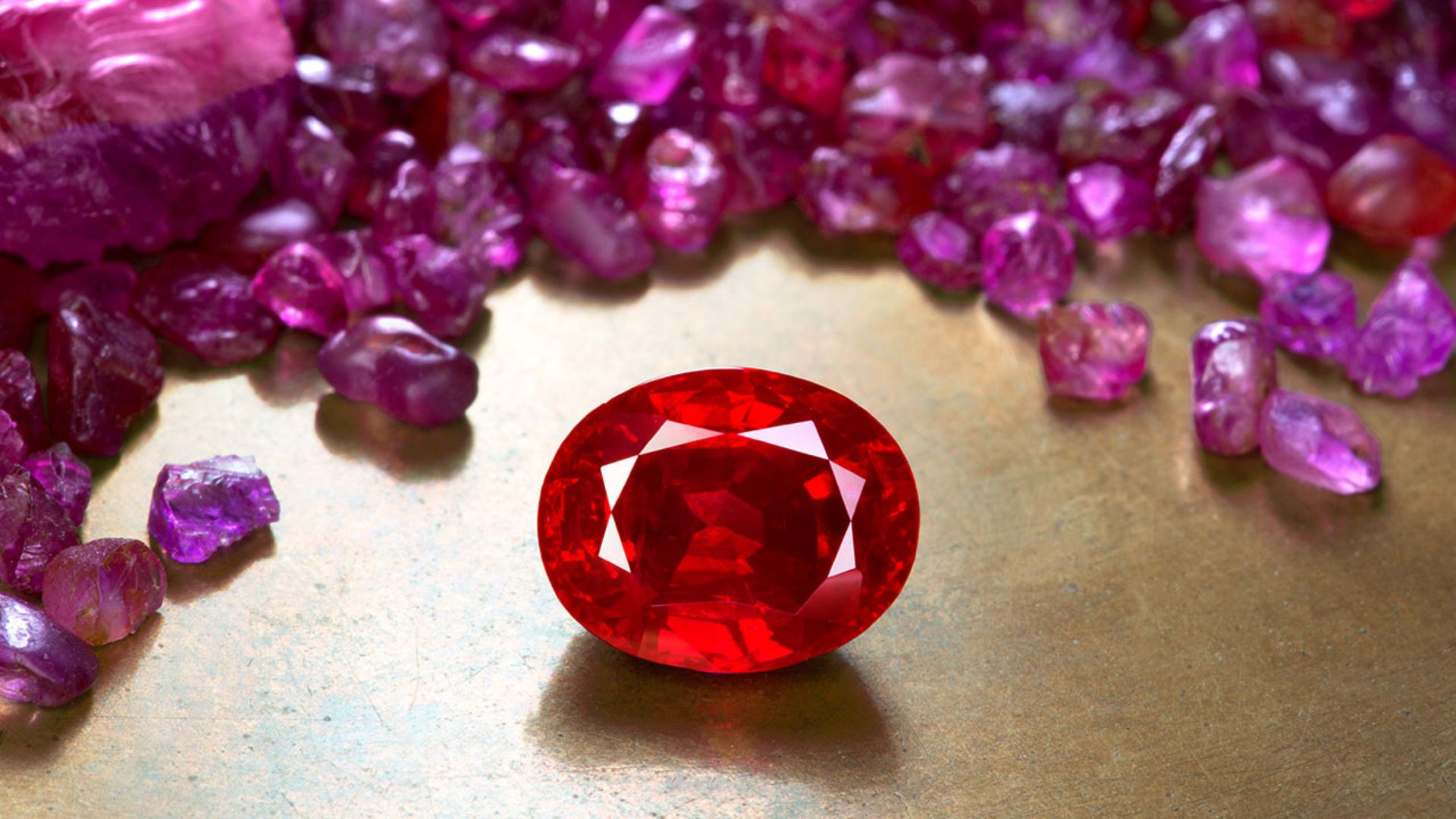
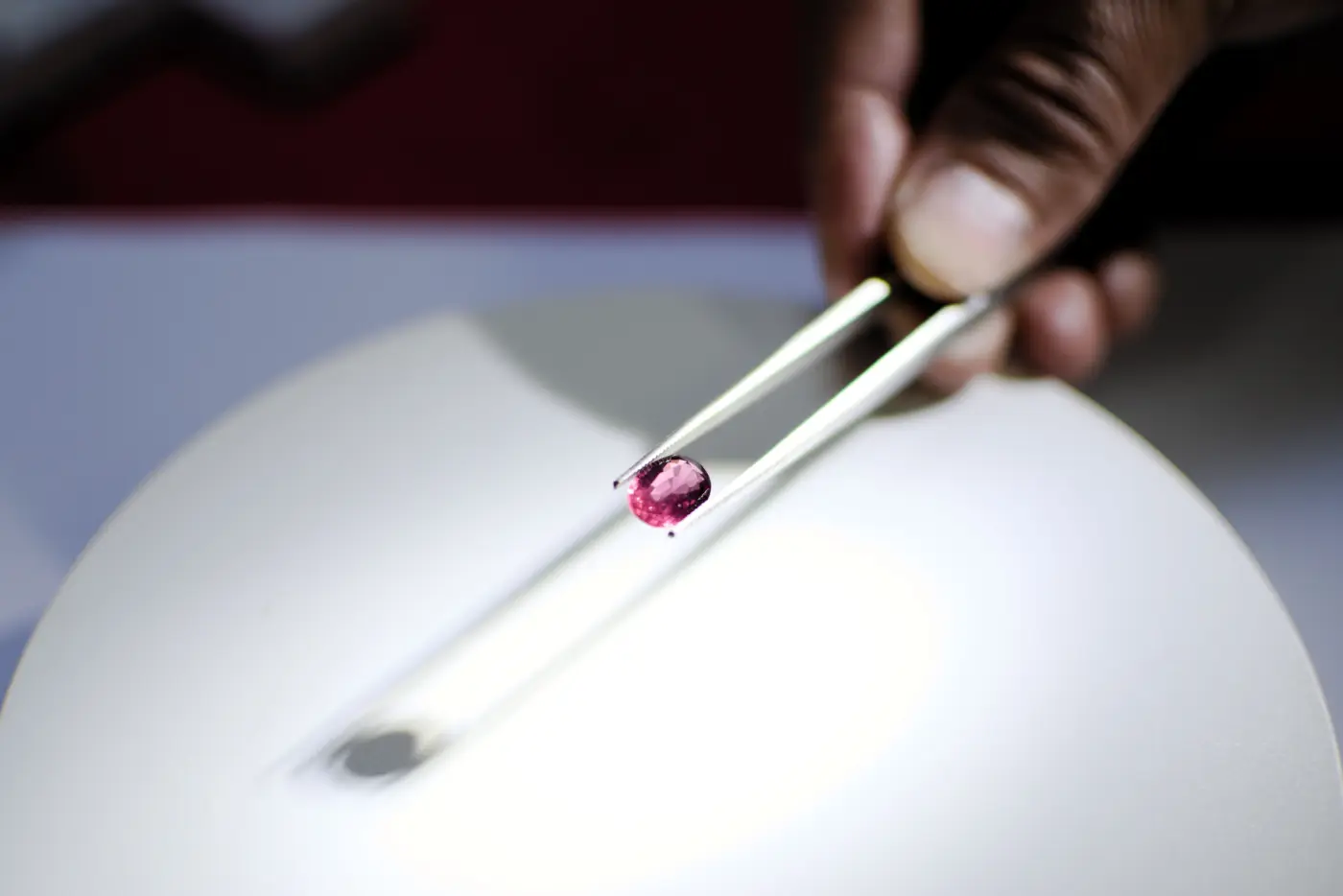
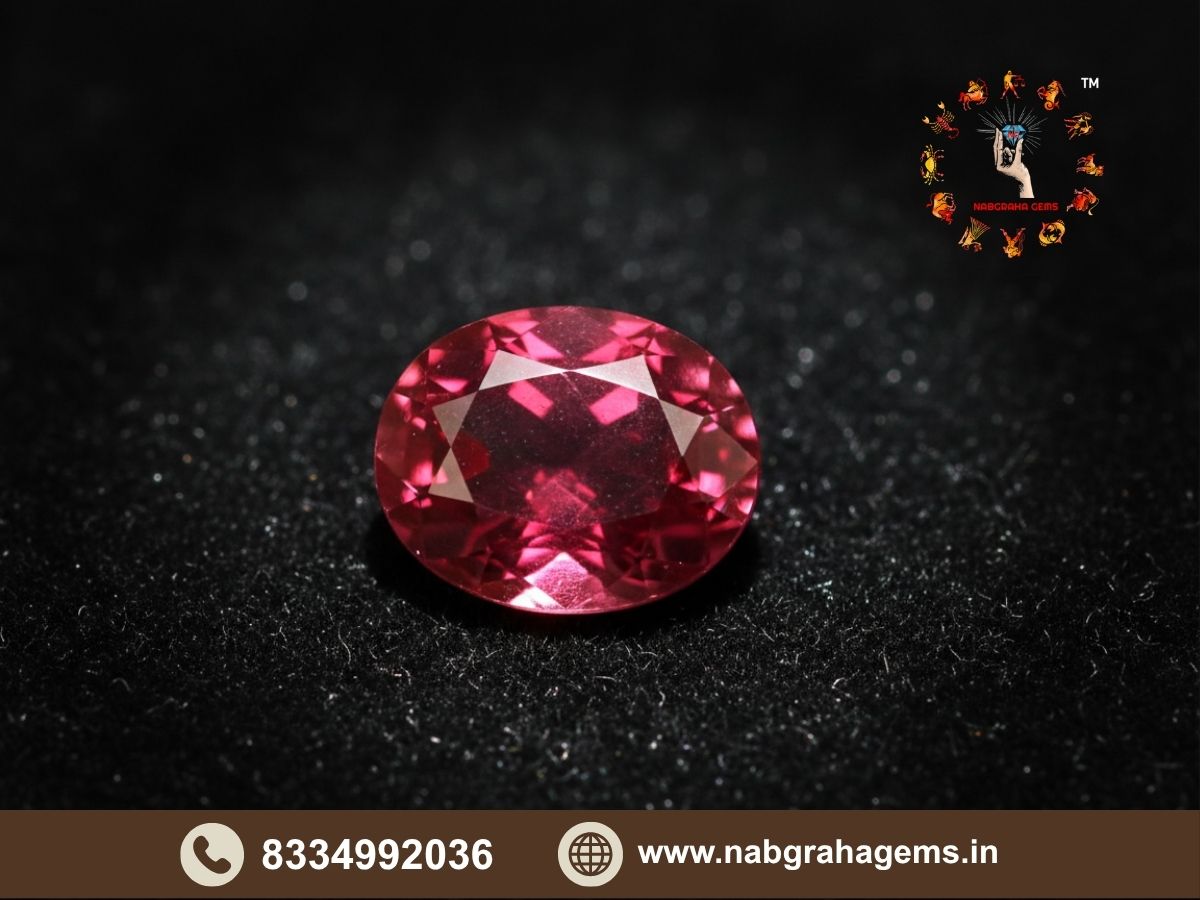
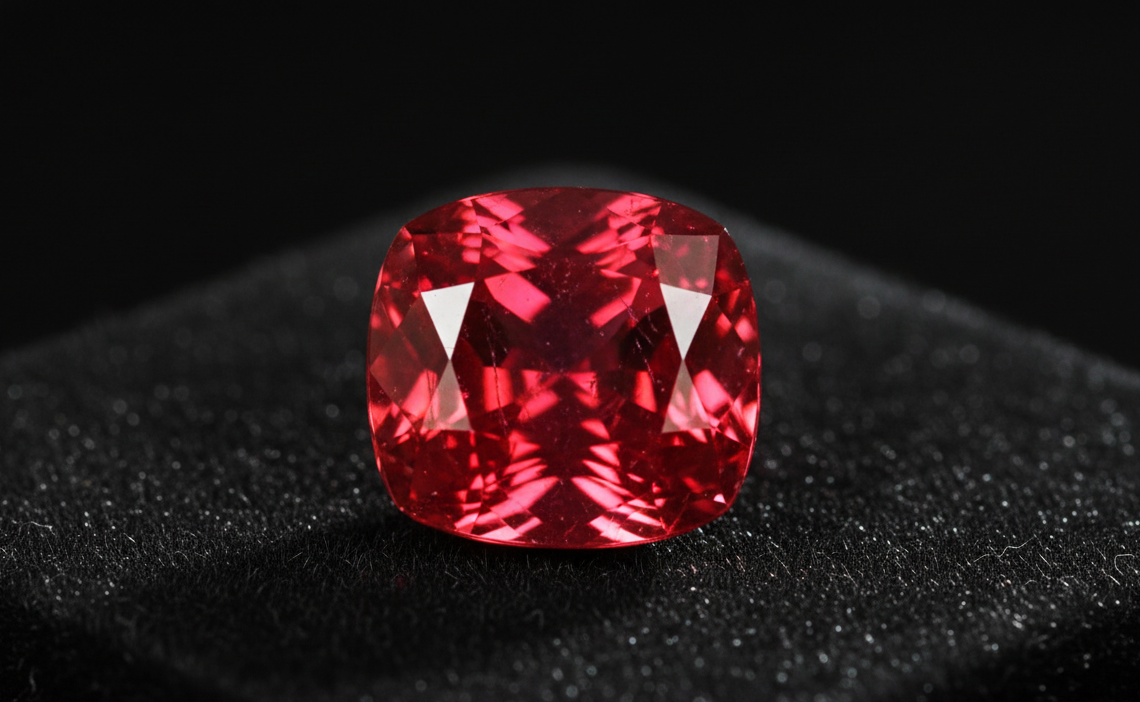
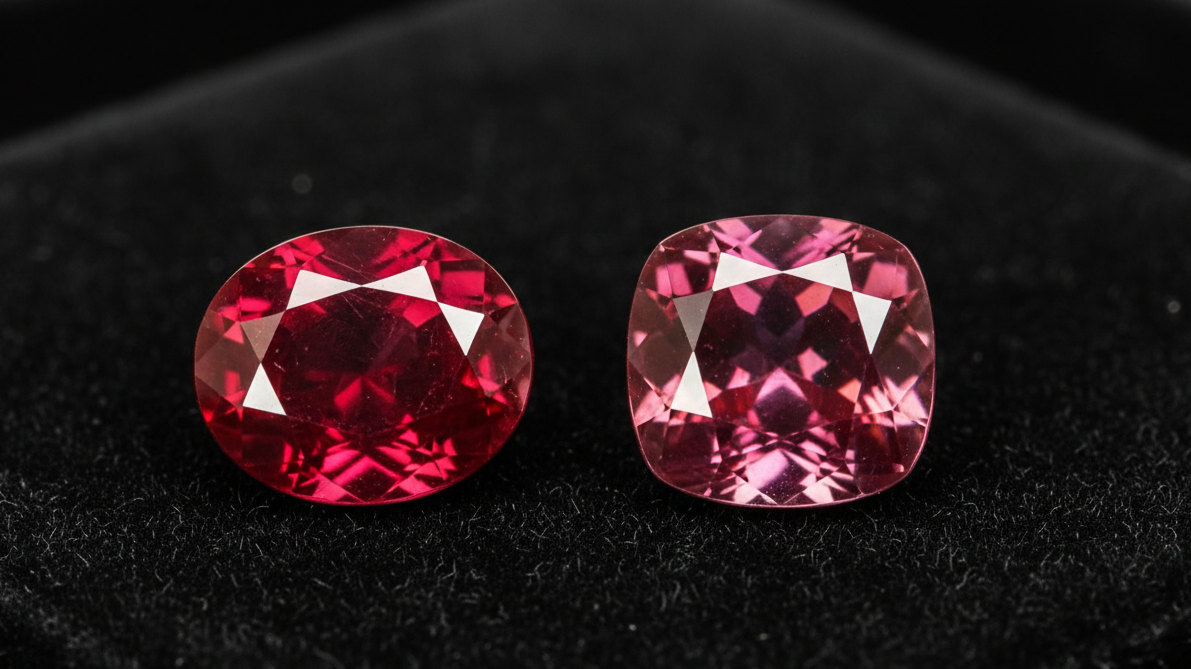
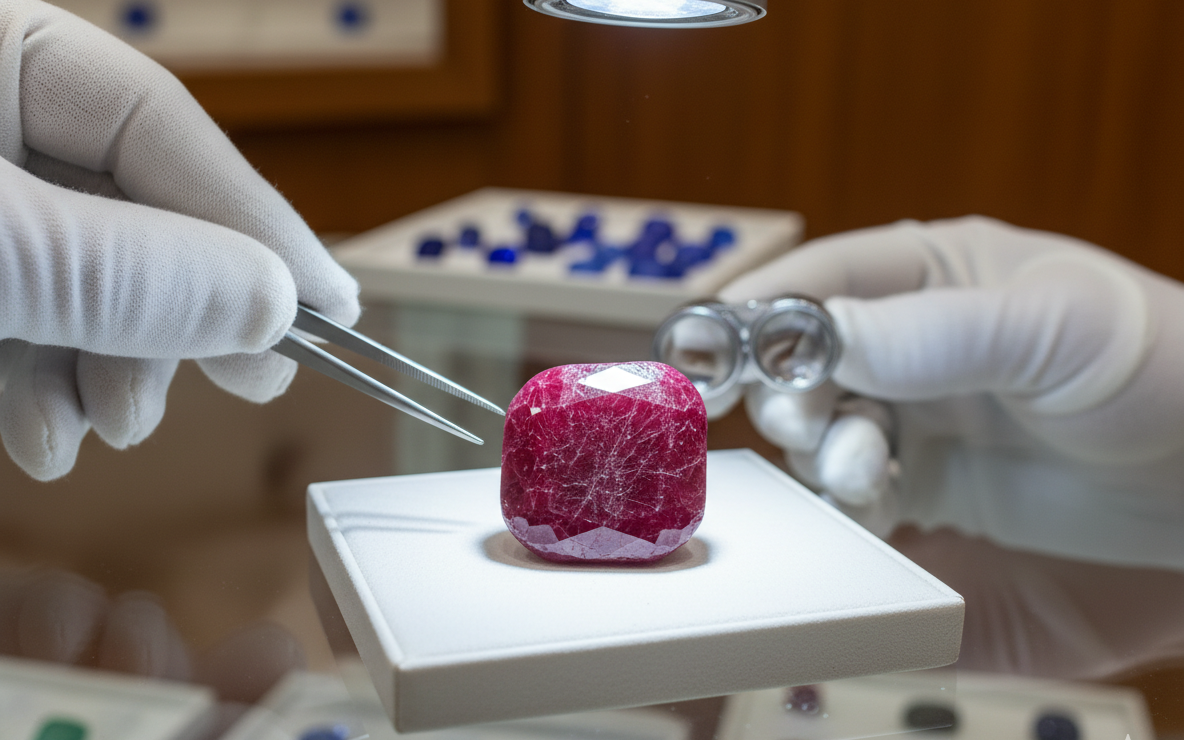
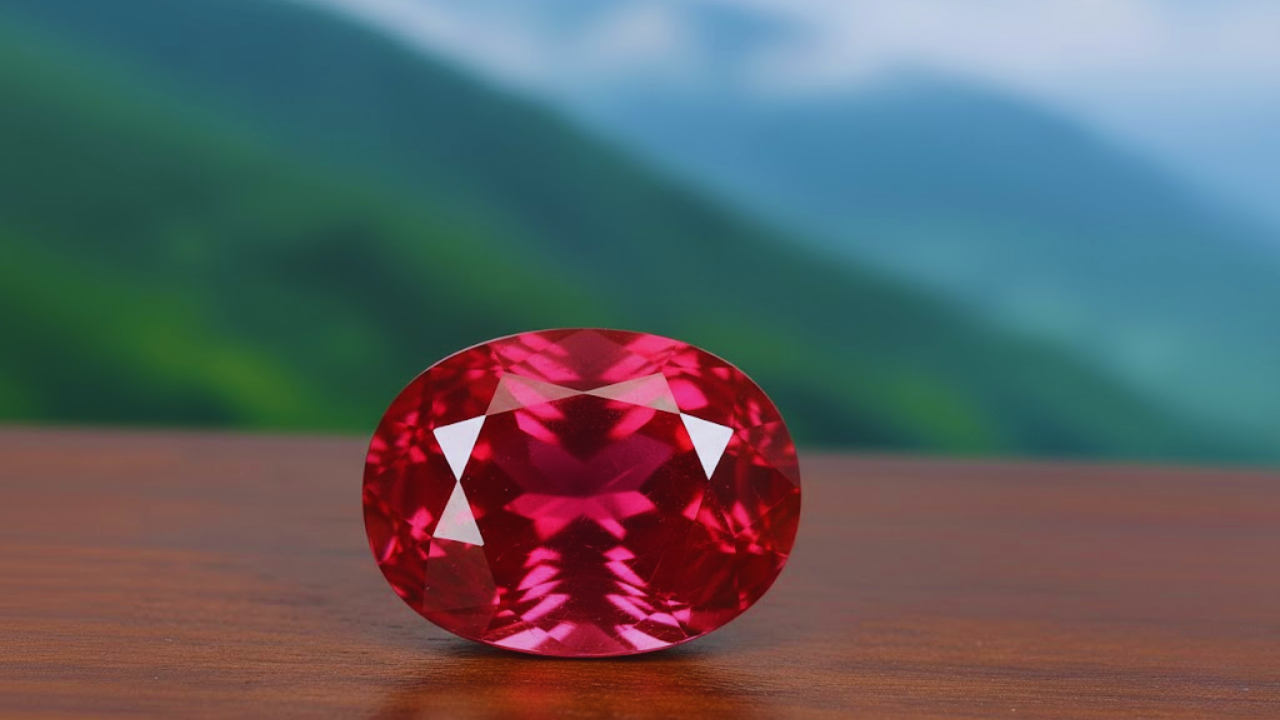
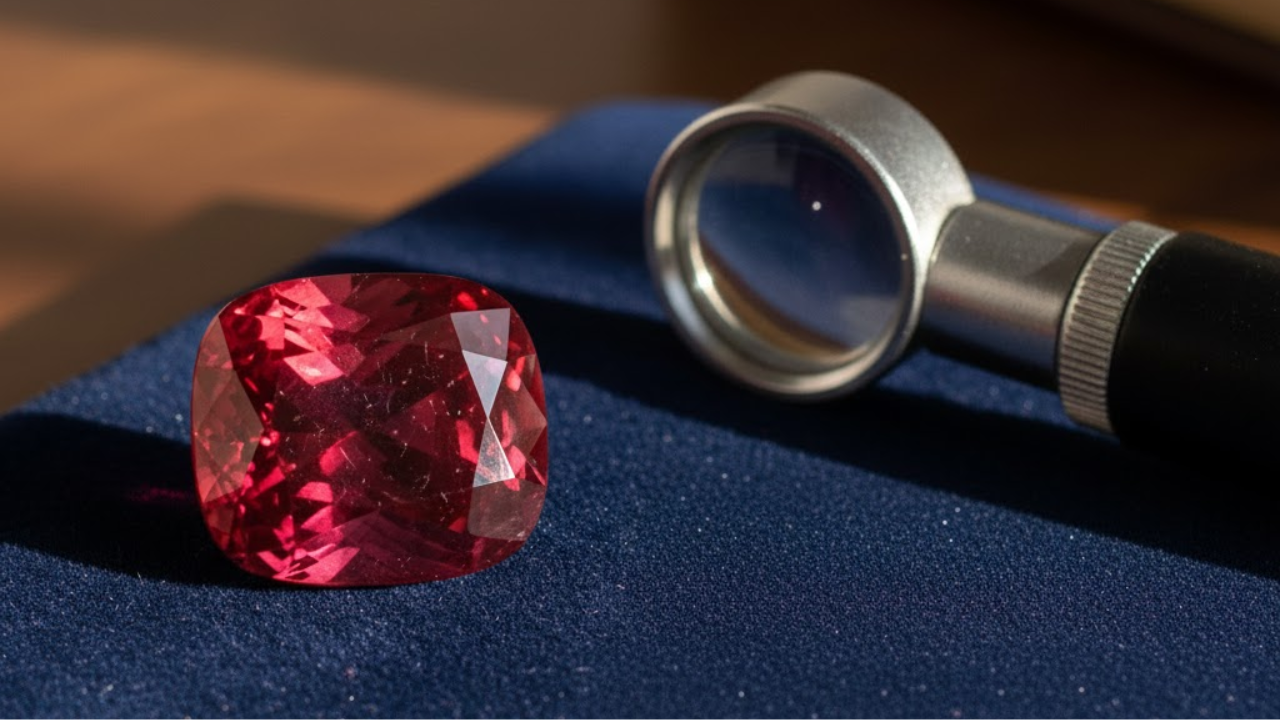
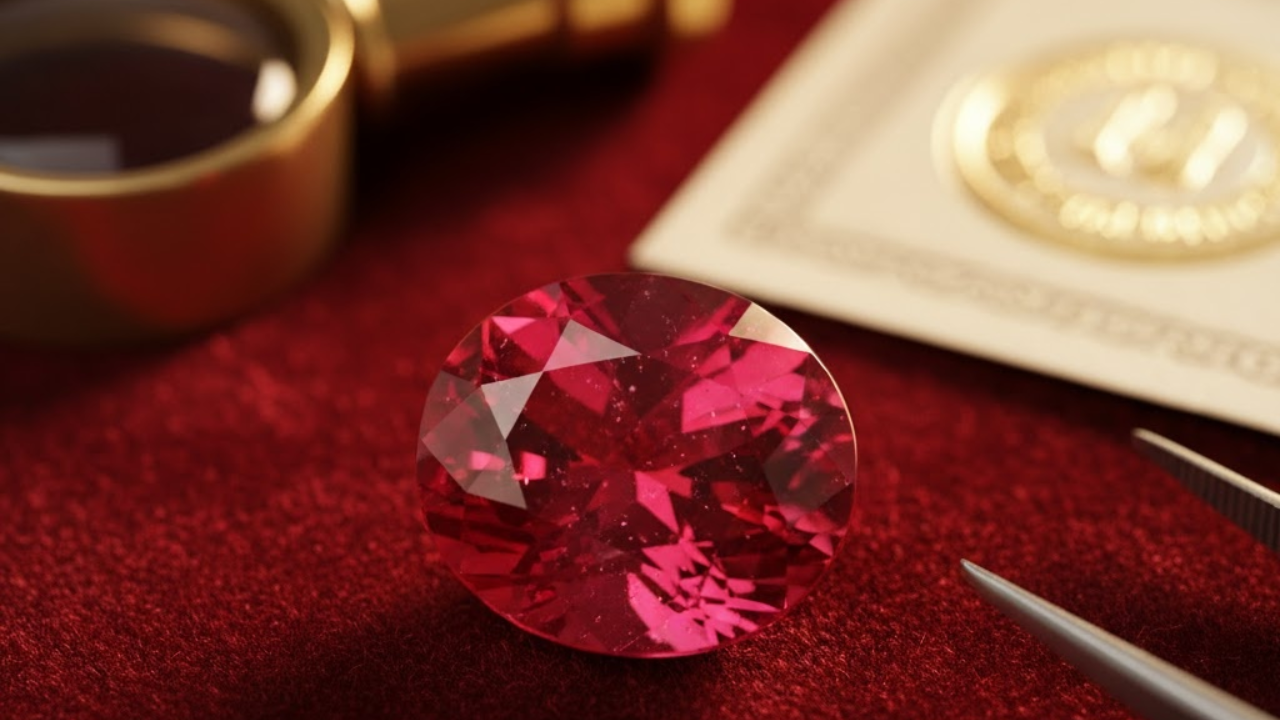
Ruby is a particularly fascinating example, as many natural rubies exhibit a striking red fluorescence under UV light due to the presence of chromium. This optical property can enhance a ruby’s visual appeal and is one of the factors gem enthusiasts consider when evaluating these precious stones.
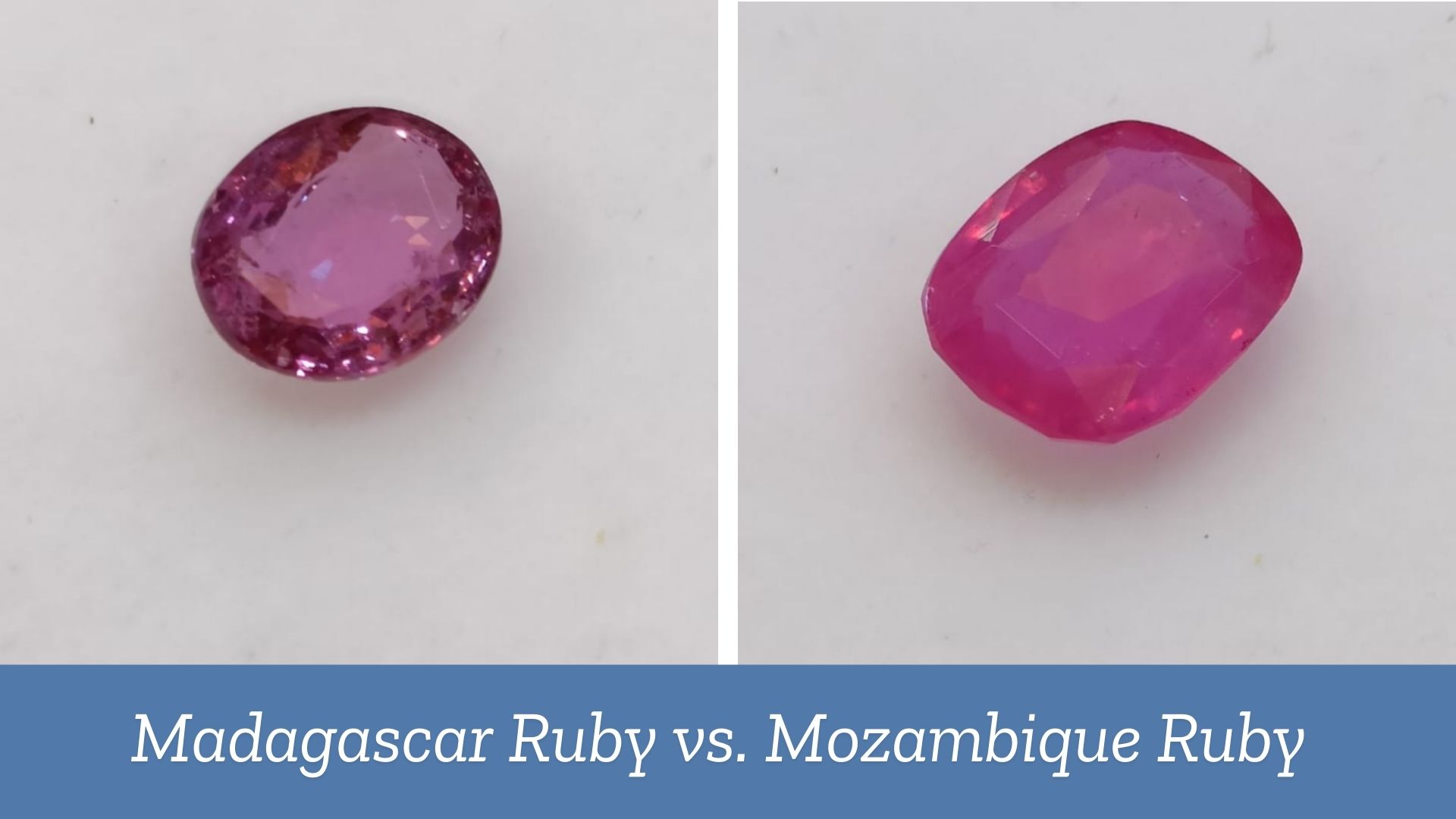
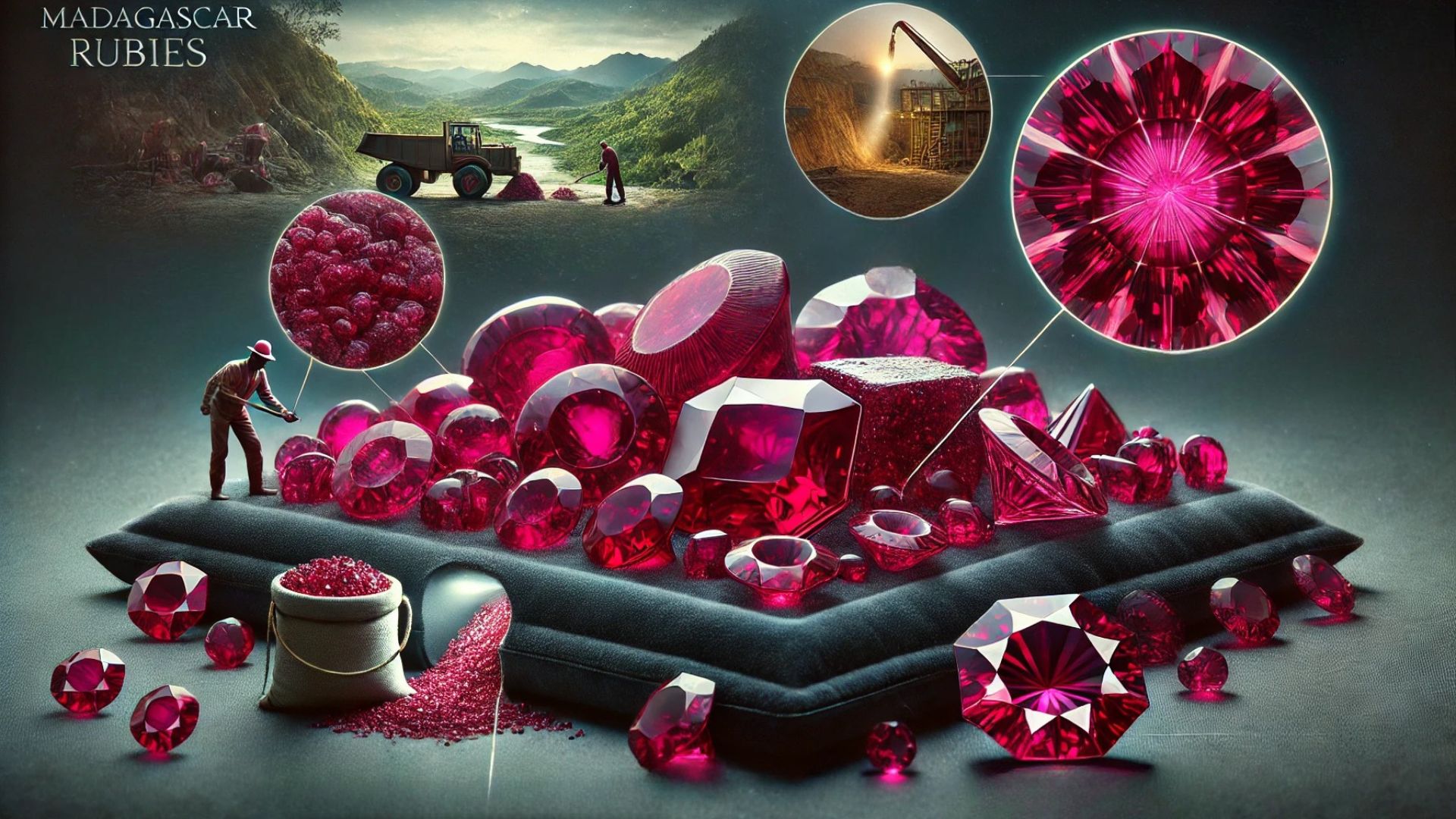
Mozambique ruby price can vary significantly depending on the gemstone’s color, clarity, carat weight, treatment status, origin documentation, and overall quality. Fine-quality, untreated Mozambique rubies with vivid red color and attractive fluorescence may command premium prices, while stones with visible inclusions or heat treatment can be more affordable. Understanding gemstone fluorescence alongside these quality factors can help buyers appreciate the beauty and value of Mozambique rubies.
From diamonds and rubies to minerals that display vivid colors under UV lamps, Fluorescent Gems have fascinated gemologists, collectors, and jewelry enthusiasts for decades. But what actually causes this glow? Let’s explore the science behind it.
What Is Gemstone Fluorescence?
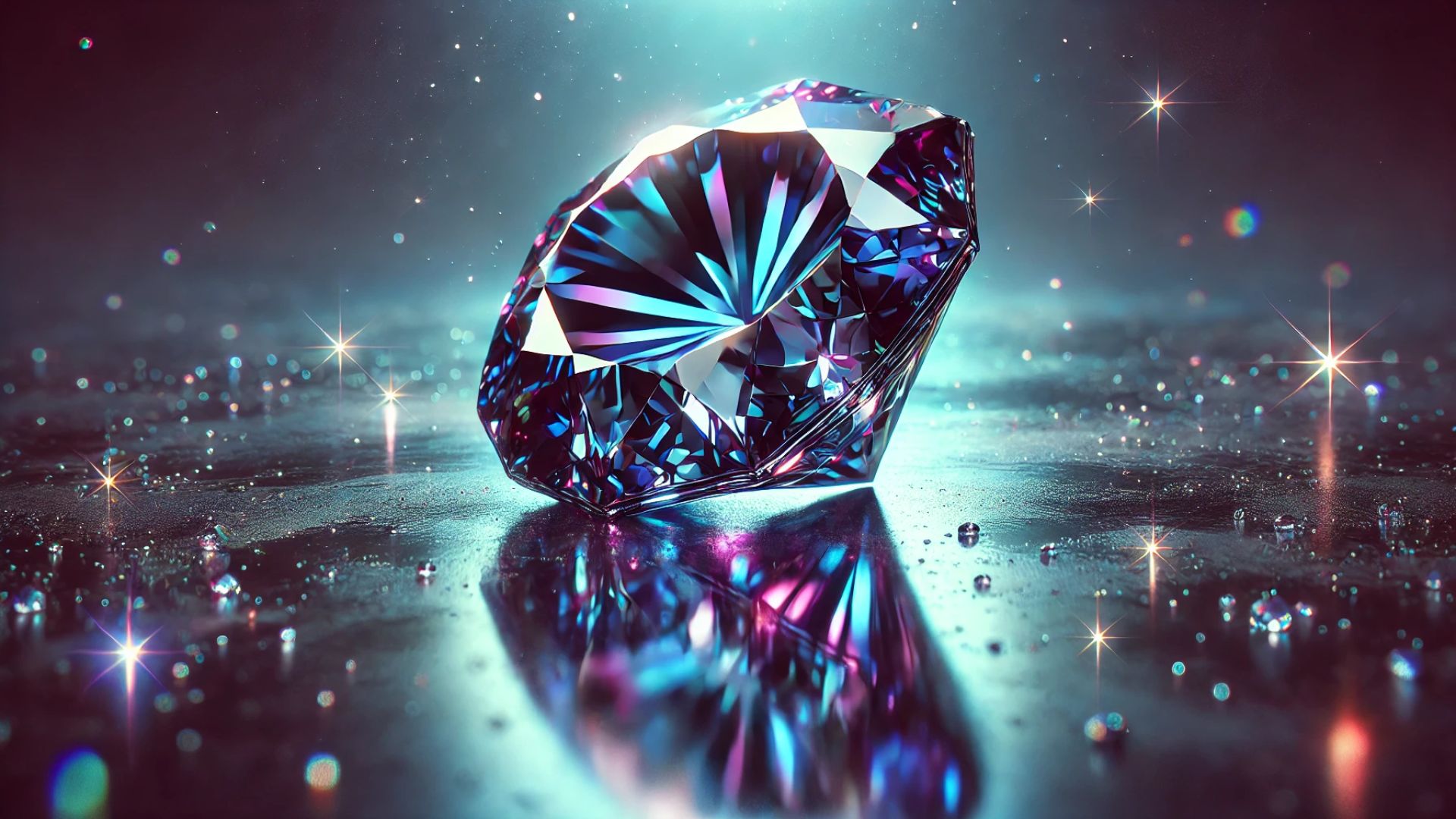
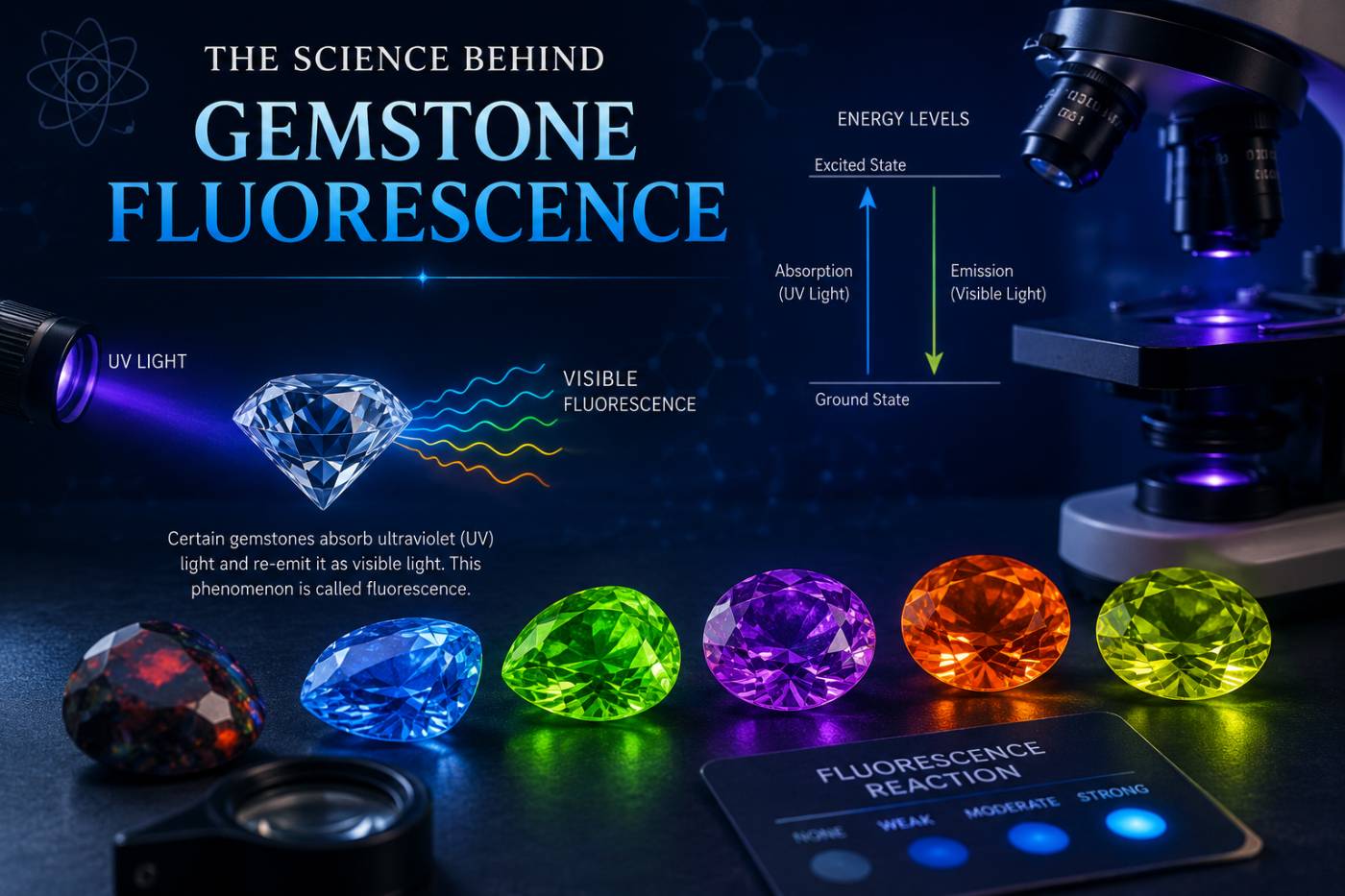
Gemstone fluorescence is the visible emission of light that occurs when a gemstone absorbs ultraviolet radiation. UV light has a higher energy level than visible light. When certain gemstones are exposed to it, their atoms absorb this energy and become temporarily excited.
As the atoms return to their normal energy state, they release some of that energy as visible light. This emitted light is what we see as fluorescence.
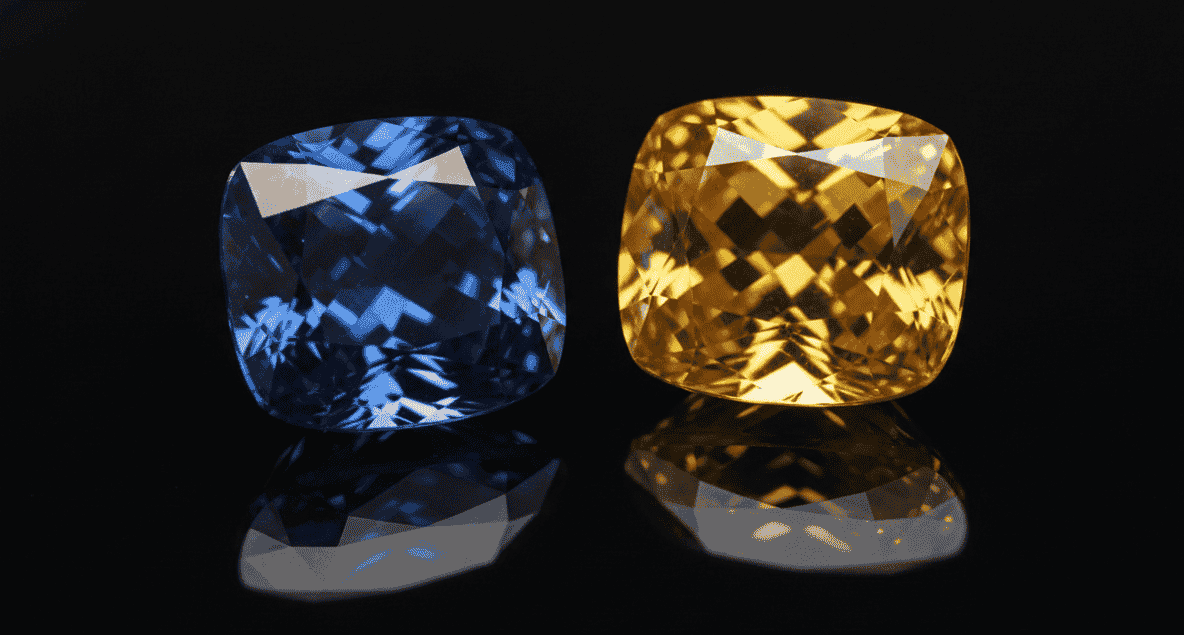
The resulting color can vary significantly. A gemstone may appear blue, yellow, green, orange, or even red under UV illumination, depending on its chemical composition and internal structure.
The Role of Gemstone UV Exposure
Understanding Gemstone UV behavior begins at the atomic level. Gemstones are made up of atoms arranged in specific crystal structures. Even very small amounts of certain elements, known as trace elements or impurities, can dramatically affect how a gemstone interacts with ultraviolet radiation.
For example, elements such as chromium, manganese, iron, and rare-earth elements can act as activators or influence the way a gemstone absorbs and emits energy.
This means that two gemstones that look almost identical under normal lighting can behave very differently under UV light.
Why Do Some Gemstones Fluoresce?
Not every gemstone fluoresces strongly. Fluorescence depends on several factors, including:
- Chemical composition: Trace elements can create the conditions needed for fluorescence.
- Crystal structure: The arrangement of atoms affects how energy moves through a gemstone.
- Defects within the crystal: Structural imperfections can influence light absorption and emission.
- UV wavelength: Different gemstones may react differently to short-wave and long-wave UV radiation.
- Concentration of activator elements: Too little or too much of a particular element can affect the intensity of fluorescence.
These factors help explain why fluorescence is such an interesting subject within Gemstone Science.
Long-Wave vs. Short-Wave UV
Gemologists commonly examine gemstones using different types of ultraviolet radiation, particularly long-wave UV and short-wave UV.
Long-wave UV generally refers to UV light around 365 nanometers, while short-wave UV is typically around 254 nanometers. A gemstone may fluoresce under one wavelength but show little or no reaction under another.
This distinction can provide useful information during gemological examination. UV reactions are not usually enough to identify a gemstone on their own, but they can serve as an additional diagnostic clue when combined with other observations.
Famous Examples of Fluorescent Gems
Several well-known gemstones can exhibit fascinating fluorescence.
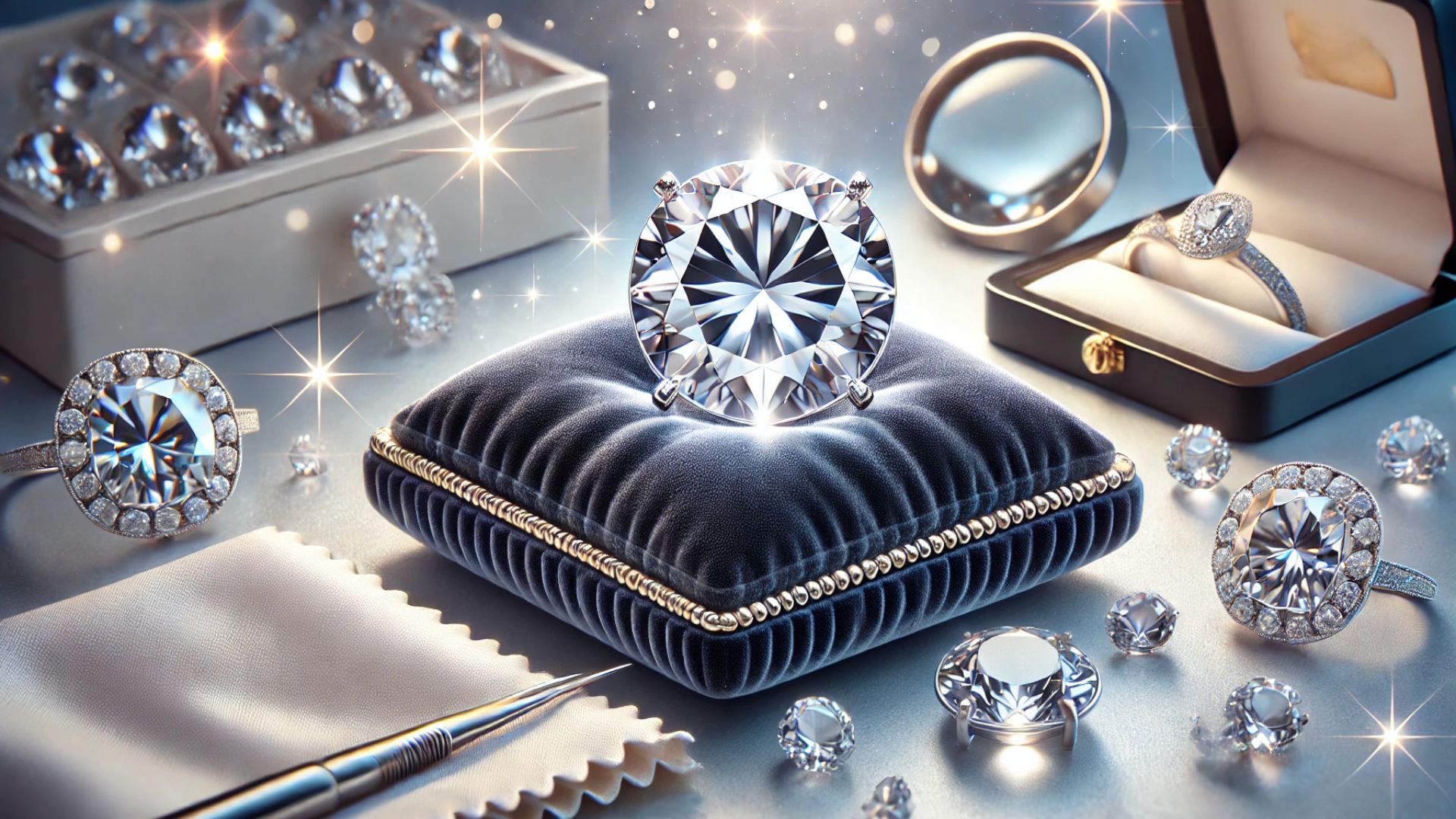
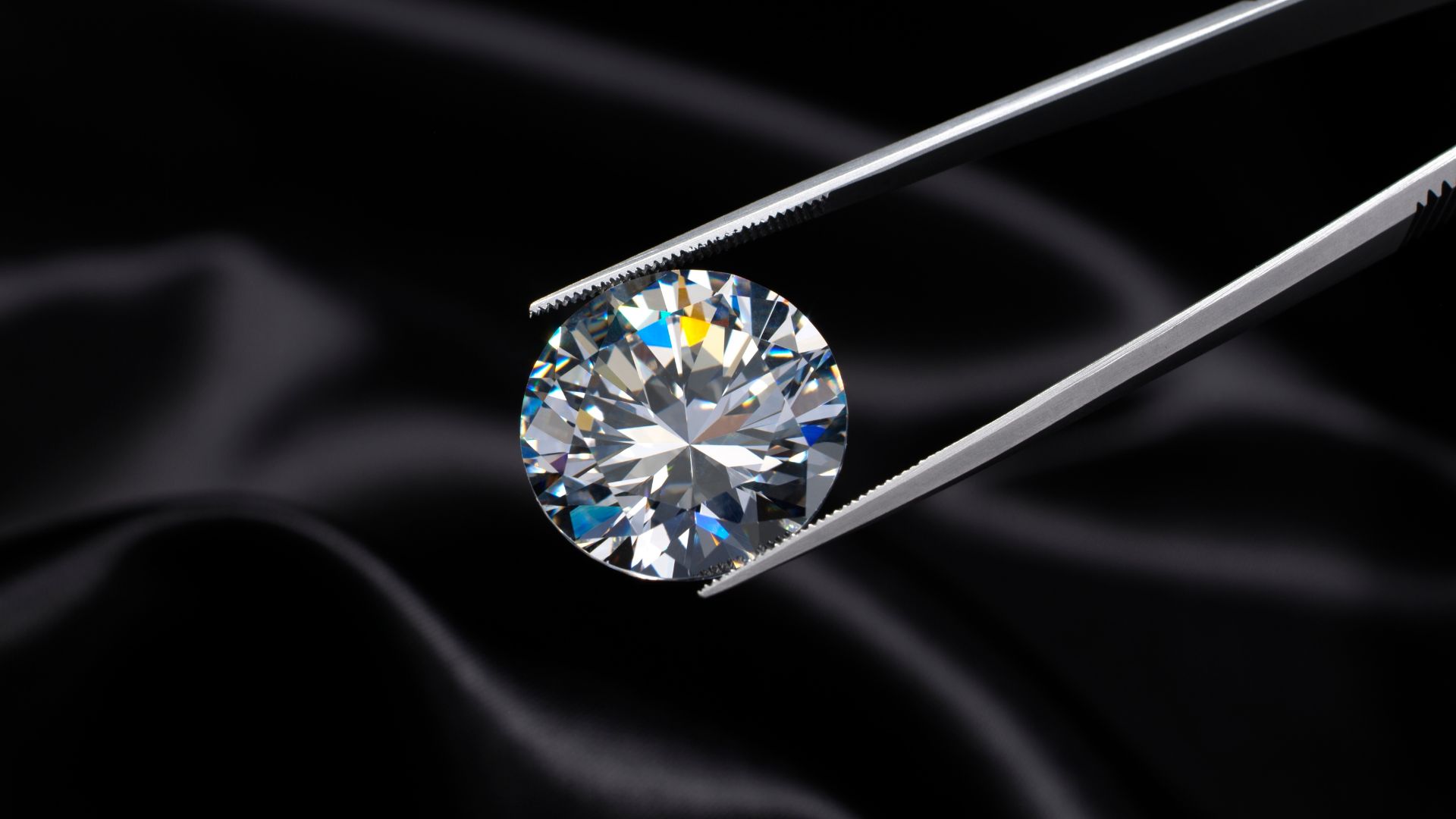
Diamonds
Some diamonds fluoresce blue under UV light. The intensity can range from faint to very strong. Fluorescence is caused primarily by certain defects and impurities within the diamond's crystal structure.
Interestingly, fluorescence does not automatically mean that a diamond is better or worse. Its significance depends on factors such as the stone's color, clarity, strength of fluorescence, and overall appearance.
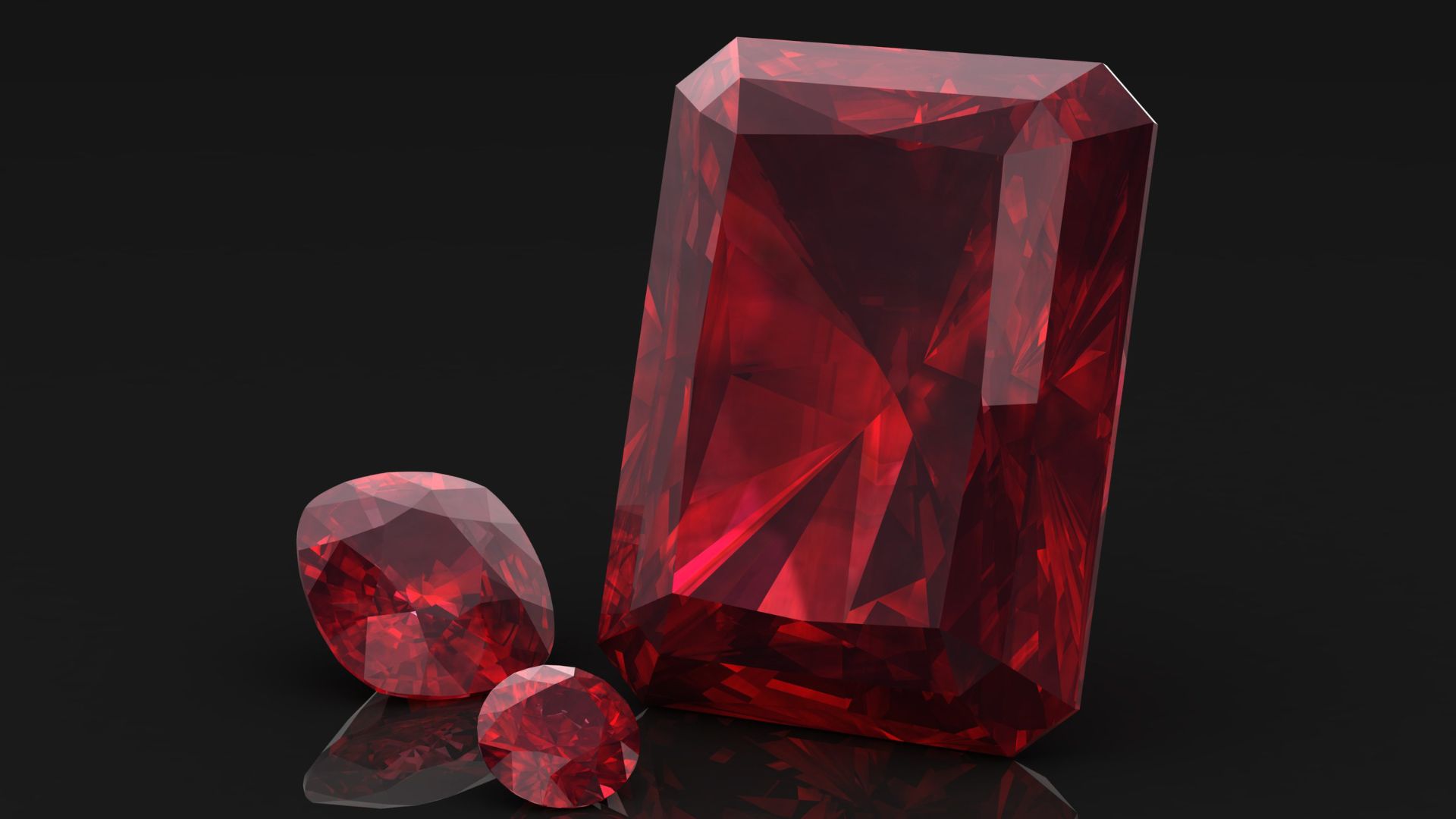
Rubies
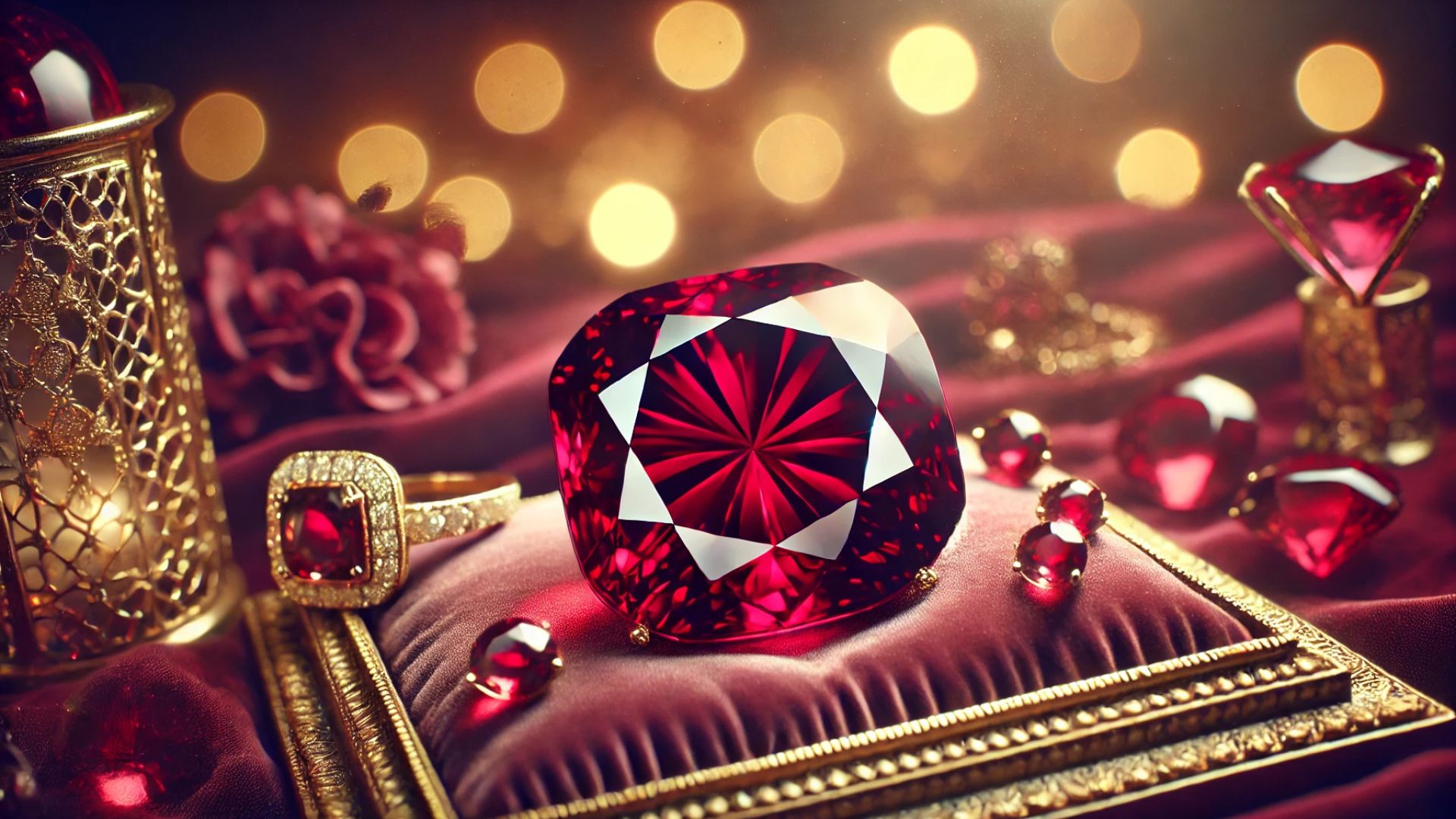
Ruby is another famous example of a fluorescent gemstone. Many natural rubies can display a strong red fluorescence because of chromium within their crystal structure.
This fluorescence can make some rubies appear particularly vibrant under certain lighting conditions.
Sapphires
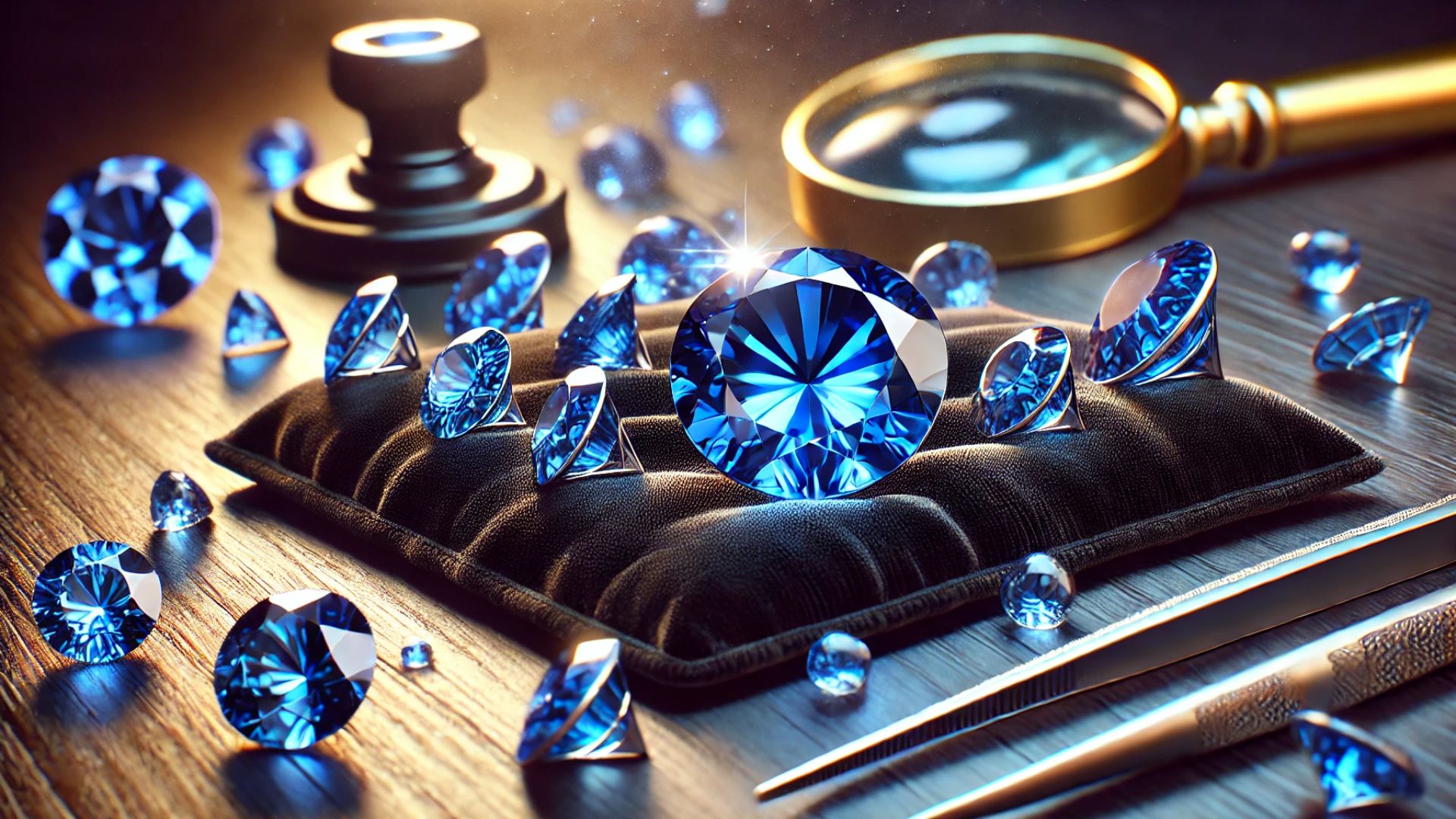
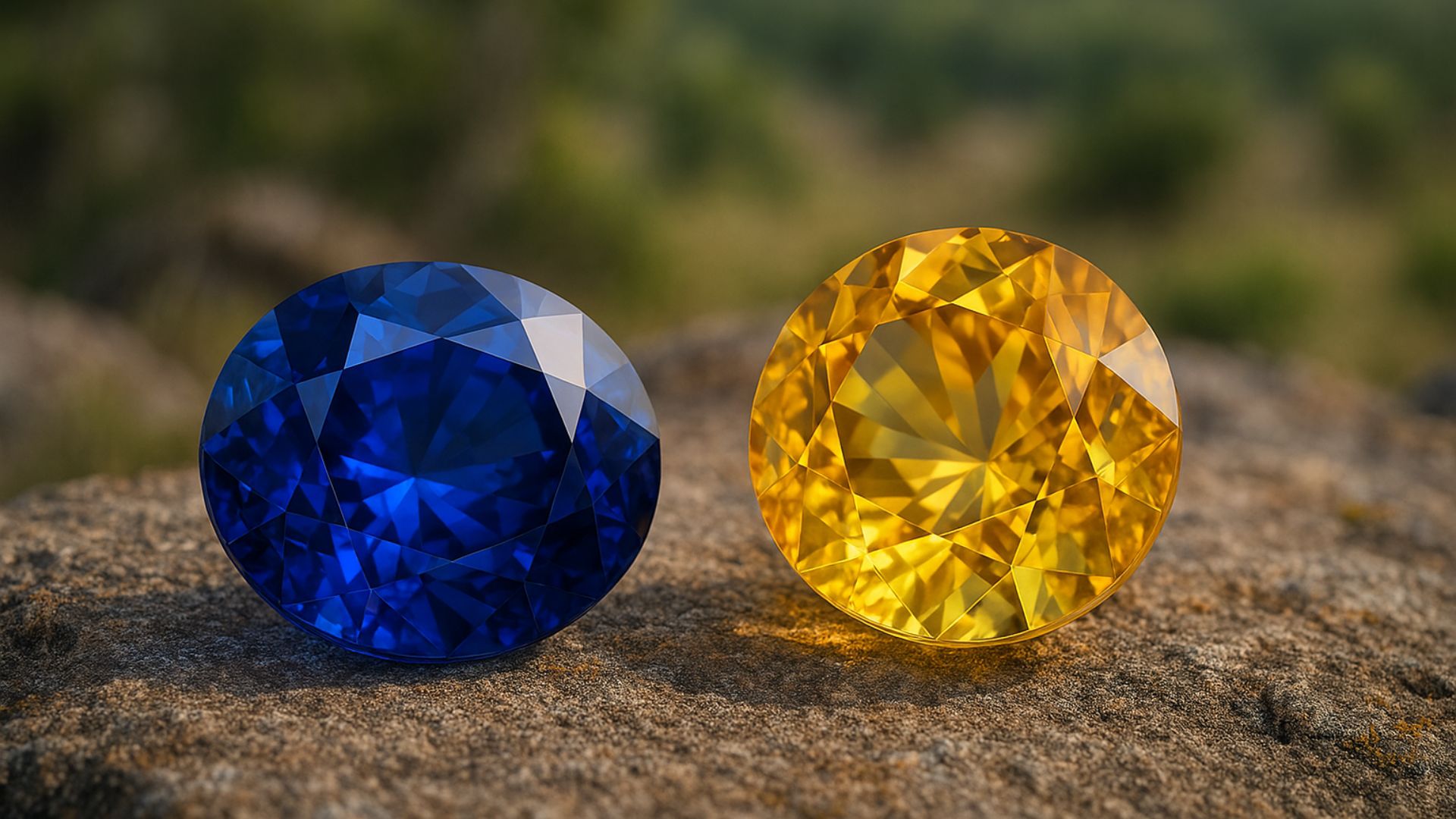
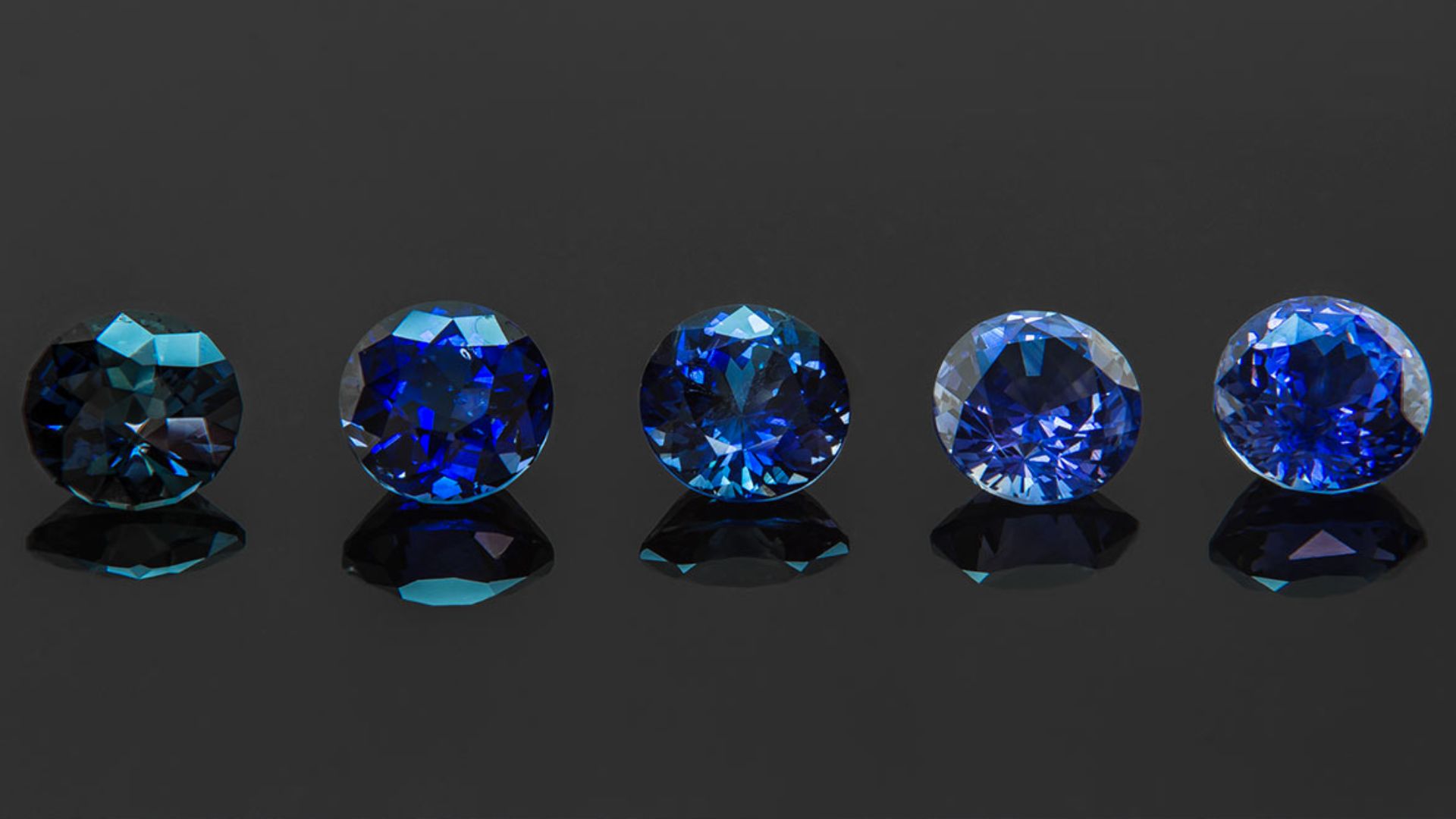
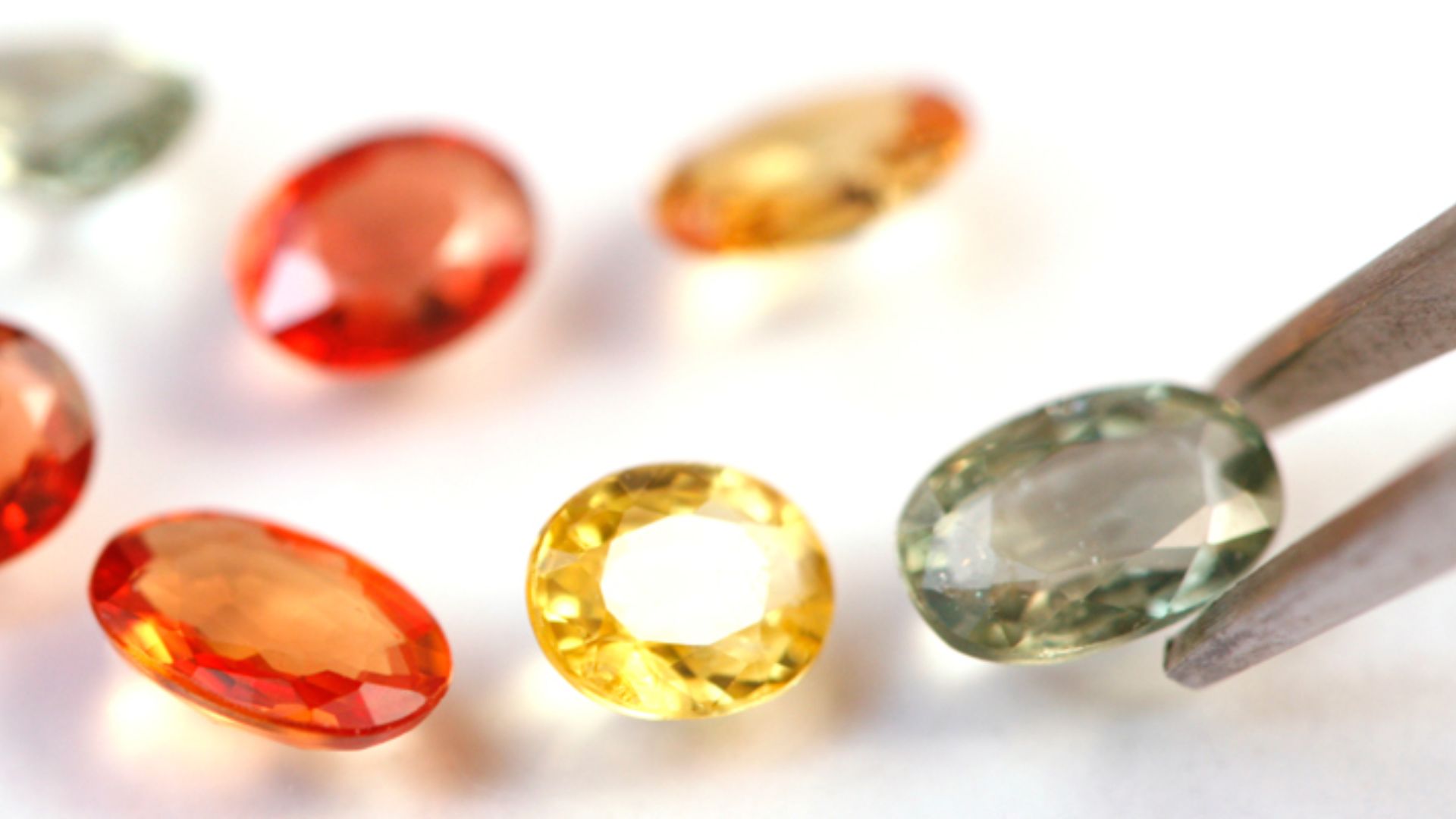
Sapphires can show a variety of UV reactions depending on their chemical composition and origin. Some may fluoresce weakly, while others show more noticeable reactions.
This variability demonstrates how trace elements and crystal chemistry influence the behavior of UV Gemstones.
Other Minerals
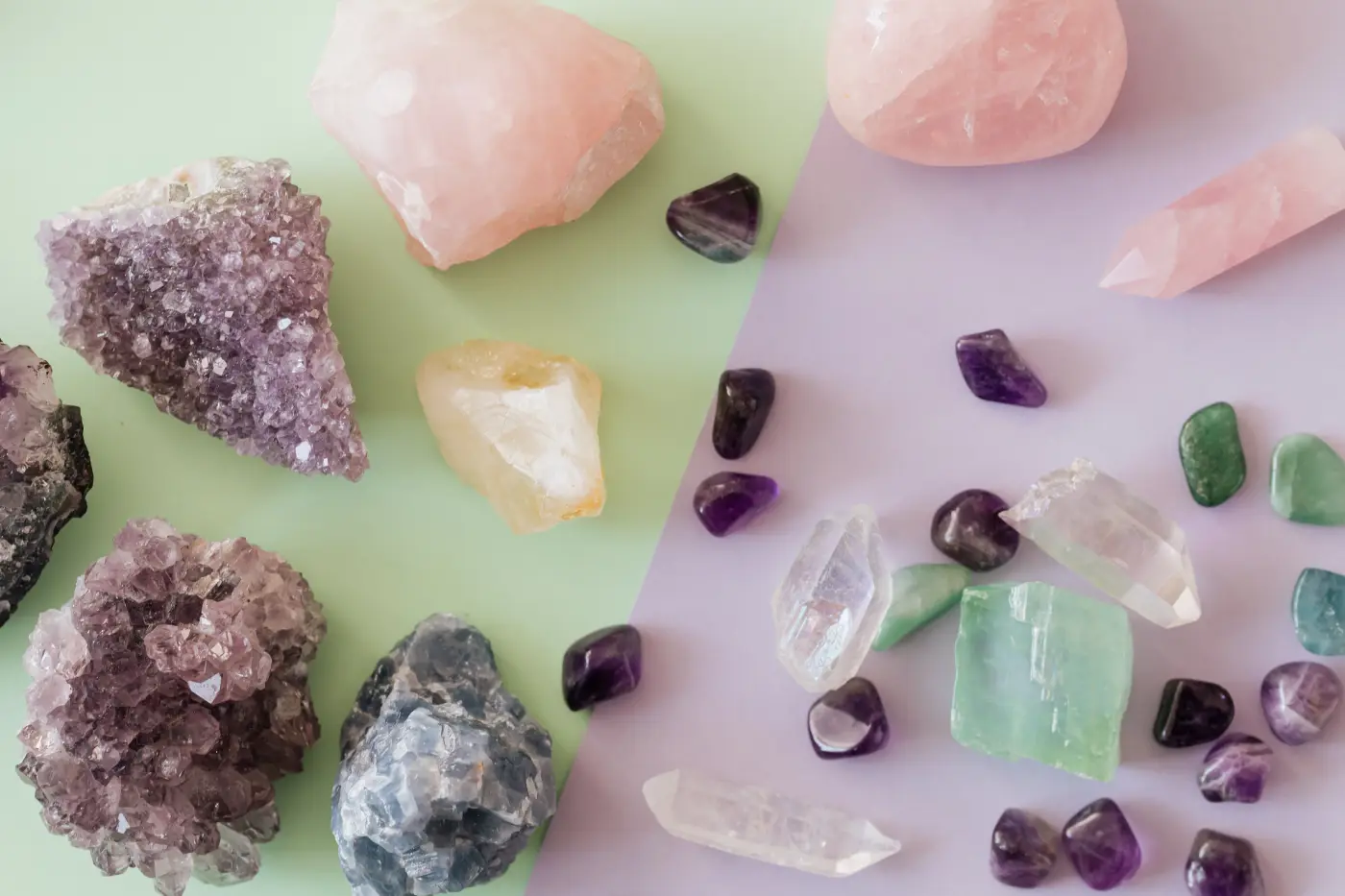
Fluorescence isn't limited to traditional jewelry gemstones. Numerous minerals can produce spectacular colors under UV light, making fluorescent mineral collecting a popular hobby.
Some specimens can appear relatively ordinary under daylight but transform dramatically when exposed to UV illumination.
Fluorescence vs. Phosphorescence
Fluorescence is sometimes confused with phosphorescence, but they are different phenomena.
Fluorescence occurs while the gemstone is being exposed to the exciting UV source. When the UV light is removed, the visible emission generally stops almost immediately.
Phosphorescence, on the other hand, can continue after the UV source has been switched off because the material retains some of the absorbed energy and releases it more slowly.
Some minerals can demonstrate both effects, adding another fascinating layer to their optical behavior.
Why Gemstone Fluorescence Matters
For gemologists, fluorescence can provide valuable information about a gemstone's composition and characteristics. It can sometimes help distinguish materials or identify unusual properties that aren't visible under ordinary lighting.
For collectors, fluorescence adds another dimension to a gemstone's beauty. A stone that looks one way in daylight may reveal an entirely different appearance under UV light.
For researchers, studying fluorescence provides insight into the relationship between a gemstone's atomic structure, trace elements, and optical properties.
In this way, Gemstone Fluorescence isn't simply a visual curiosity—it is a window into the microscopic world inside a crystal.
How Gemologists Test Gemstones Under UV Light
Gemologists typically use controlled UV light sources to observe a gemstone's reaction. They may record:
- Whether fluorescence is present
- The color of the fluorescence
- Its intensity
- Whether the reaction occurs under long-wave or short-wave UV
- Whether phosphorescence is observed
These observations are considered alongside other gemological tests, such as refractive index, specific gravity, spectroscopy, and microscopic examination.
Importantly, UV testing should be performed with appropriate equipment and eye protection. Direct exposure to strong UV radiation can be harmful to the eyes and skin.
The Hidden Beauty of UV Gemstones
One of the most captivating aspects of UV Gemstones is that fluorescence reveals something that ordinary visible light cannot. The phenomenon connects the beauty we see with the invisible energy interactions occurring at the atomic level.
A gemstone's color, brilliance, and fluorescence are ultimately linked to its chemistry and structure. By studying these interactions, scientists and gemologists can better understand how minerals form and why they behave the way they do.
Conclusion
The science behind gemstone fluorescence combines chemistry, physics, mineralogy, and gemology. When UV radiation interacts with certain atoms, impurities, and structural features inside a gemstone, it can produce brilliant visible colors that seem almost magical.
But beneath that glow is a precise scientific process: energy is absorbed, atoms become excited, and light is emitted as they return toward a lower-energy state.
That is what makes Fluorescent Gems so fascinating. They demonstrate that gemstones are more than beautiful objects—they are complex natural structures with extraordinary interactions with light and energy.
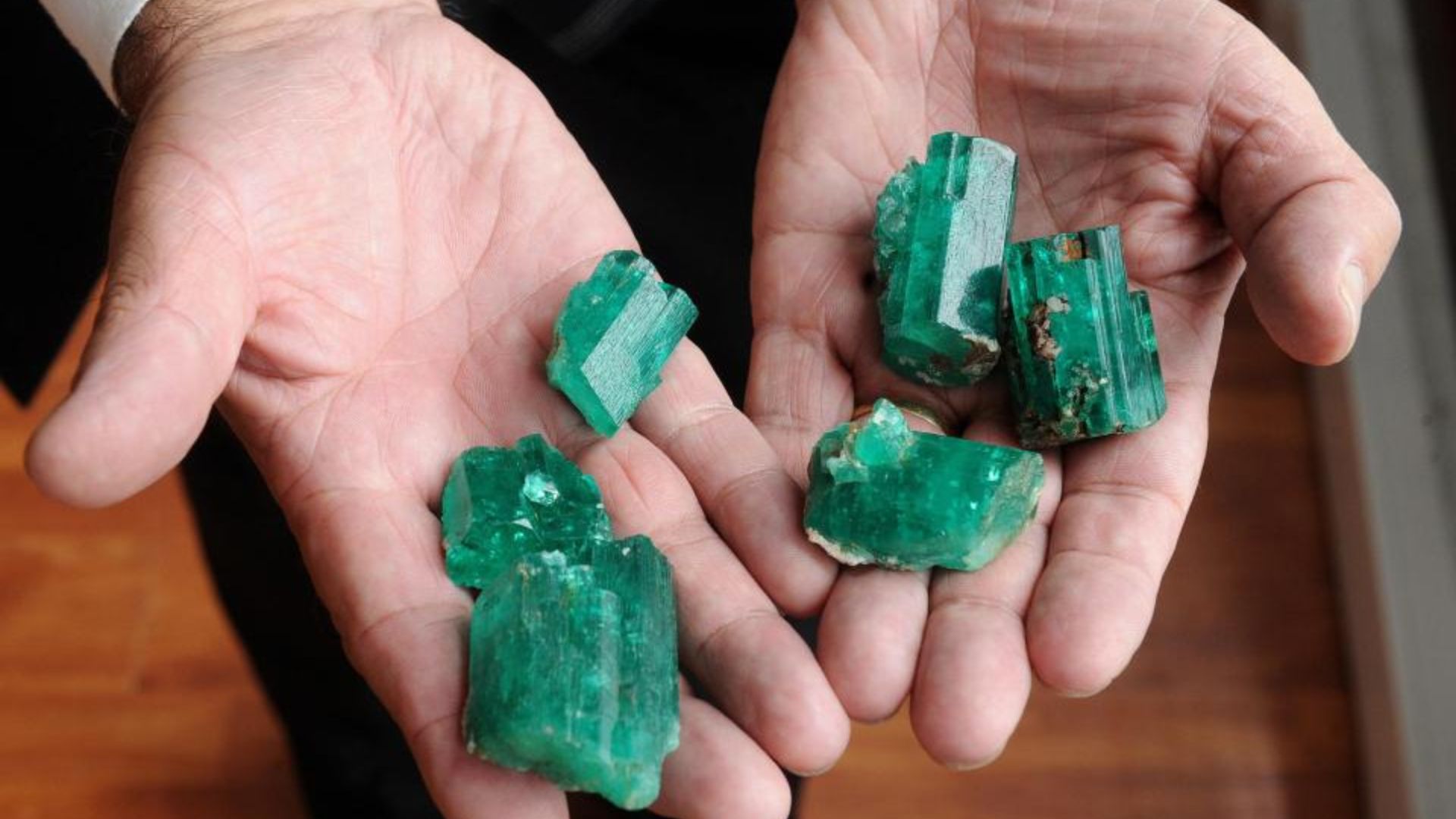
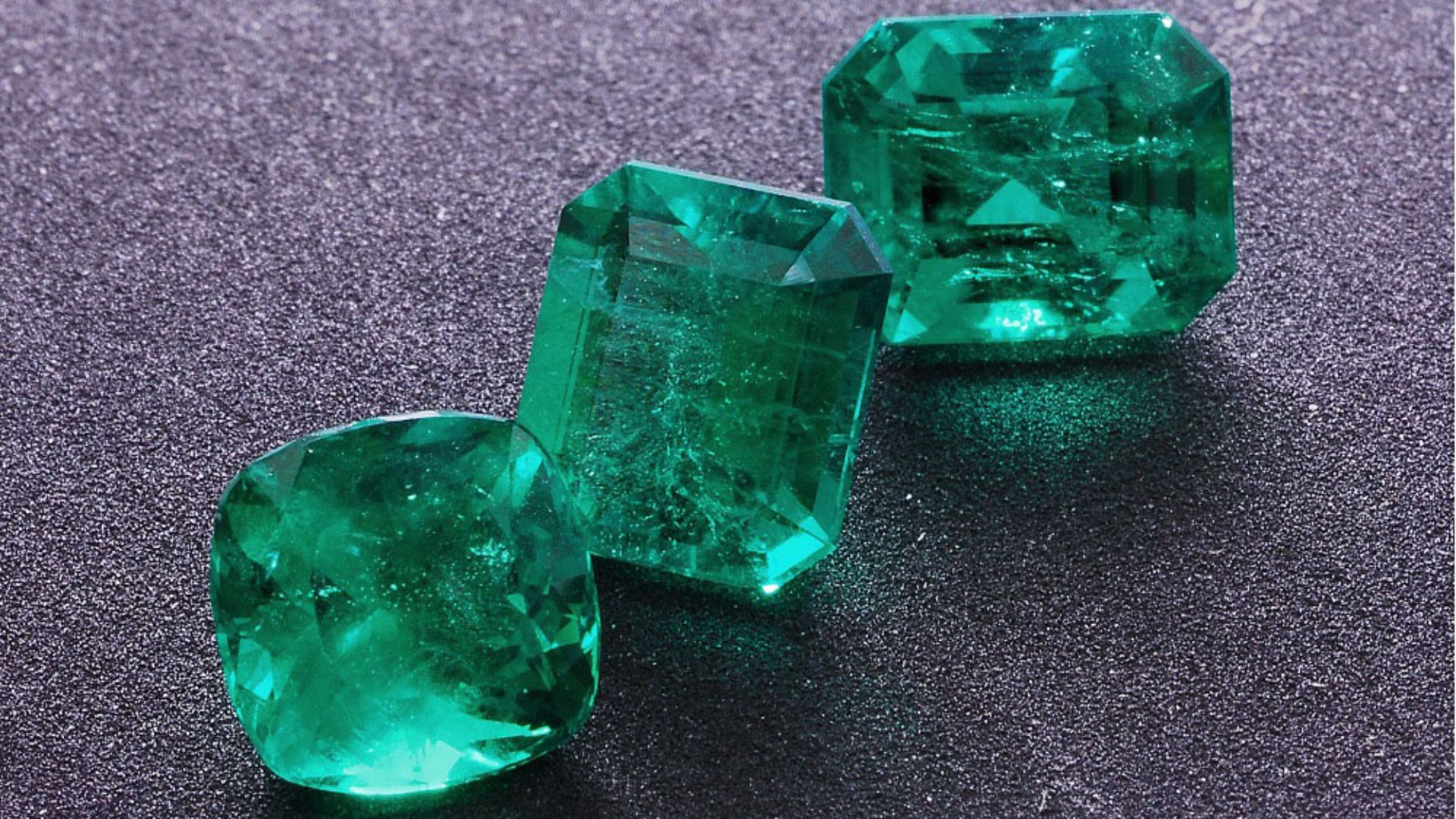
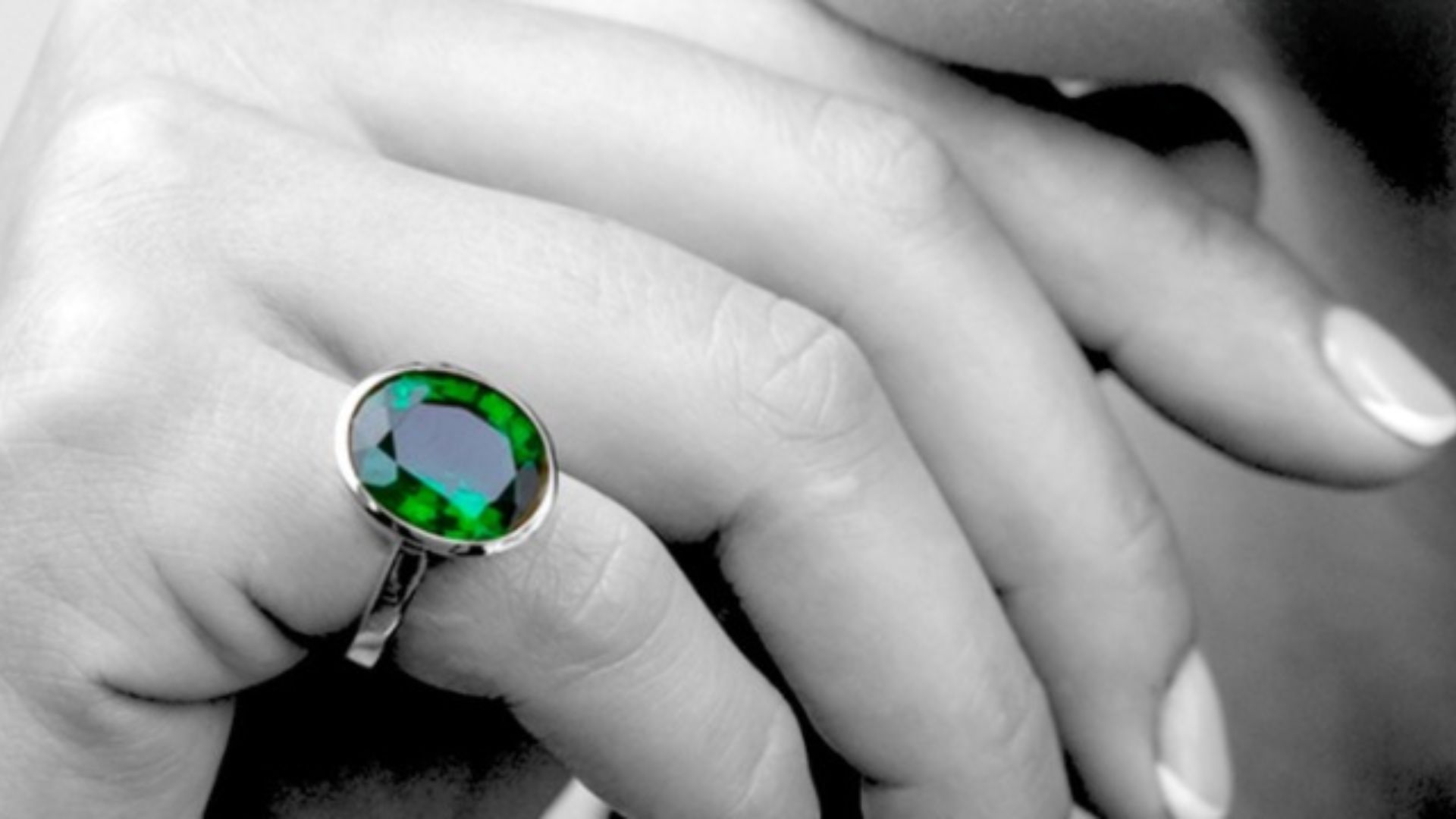
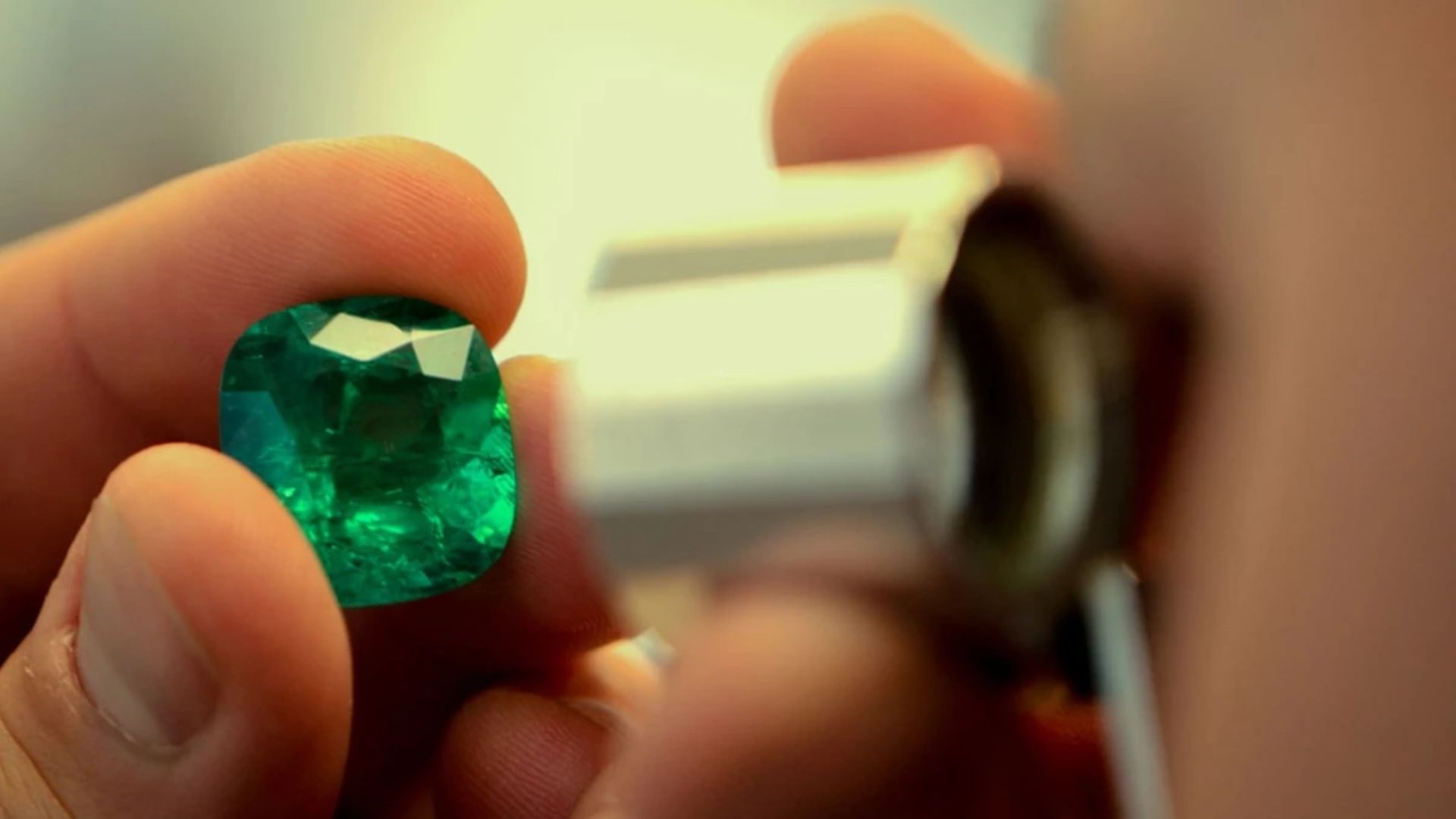
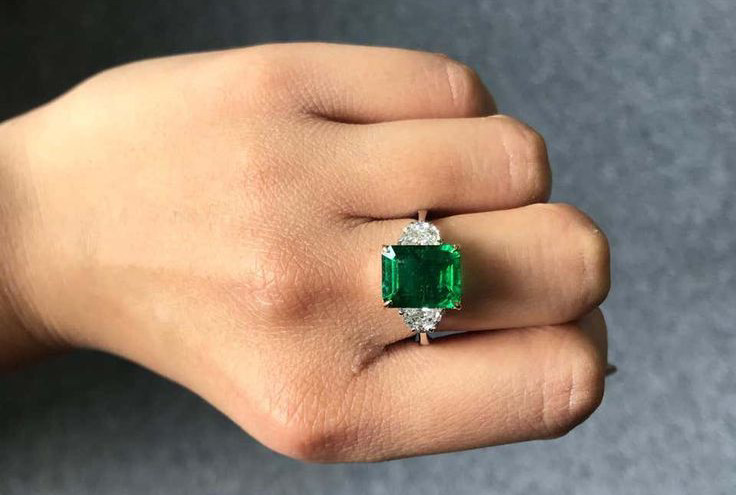
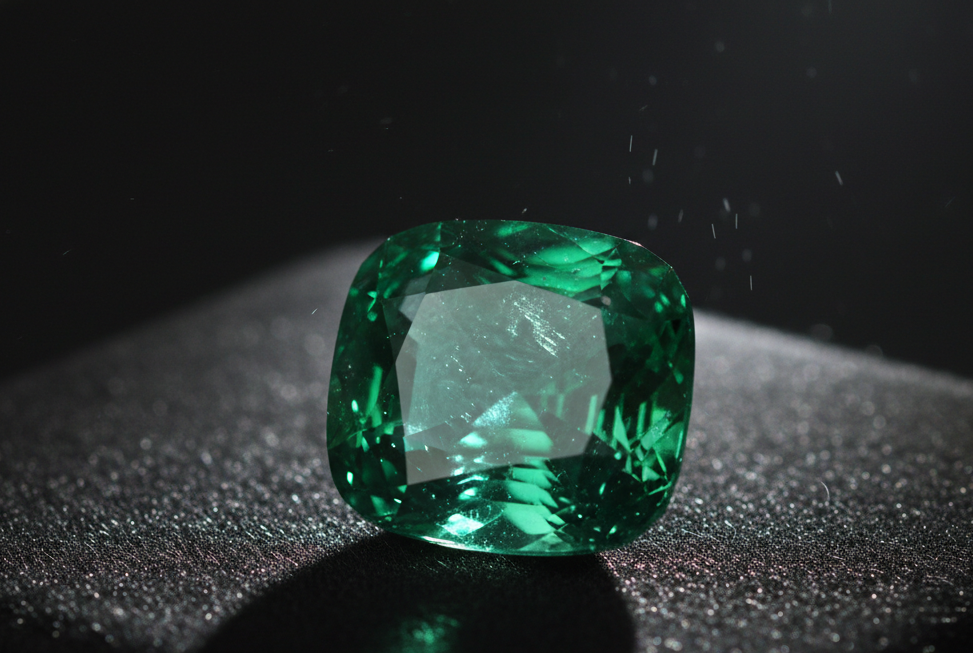
Whether you're a jewelry lover, collector, or simply curious about Gemstone Science, examining a gemstone under UV light can reveal a hidden side of nature that remains invisible under ordinary illumination. Understanding these unique properties can also deepen your appreciation of precious stones, including emeralds, while exploring factors that influence Brazilian emerald price, such as color, clarity, origin, and overall quality.
Recent Posts


2026-09-04
The Science Behind Gemstone Fluorescence










2025-09-15