Date : 2026-06-13
Introduction
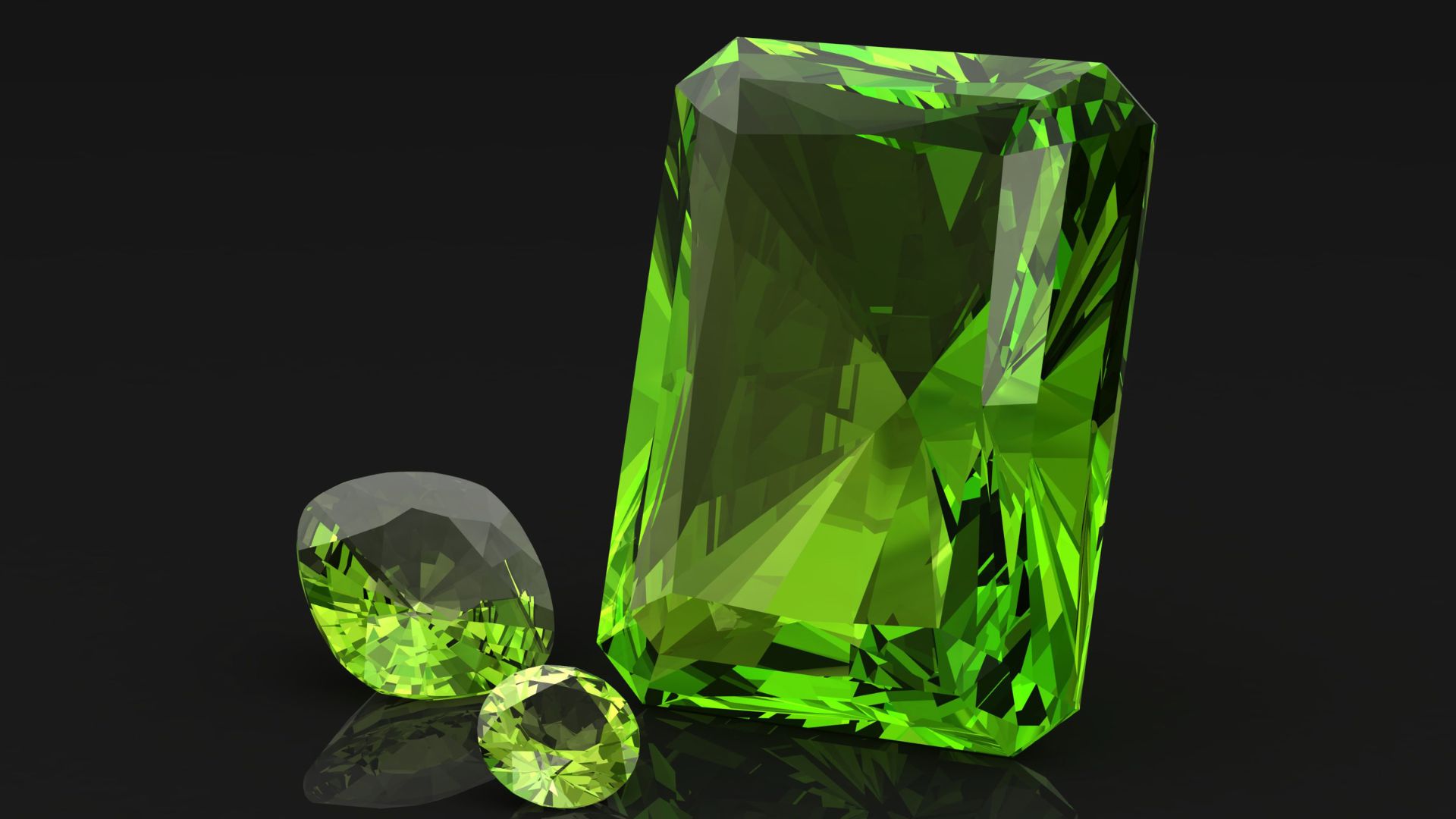
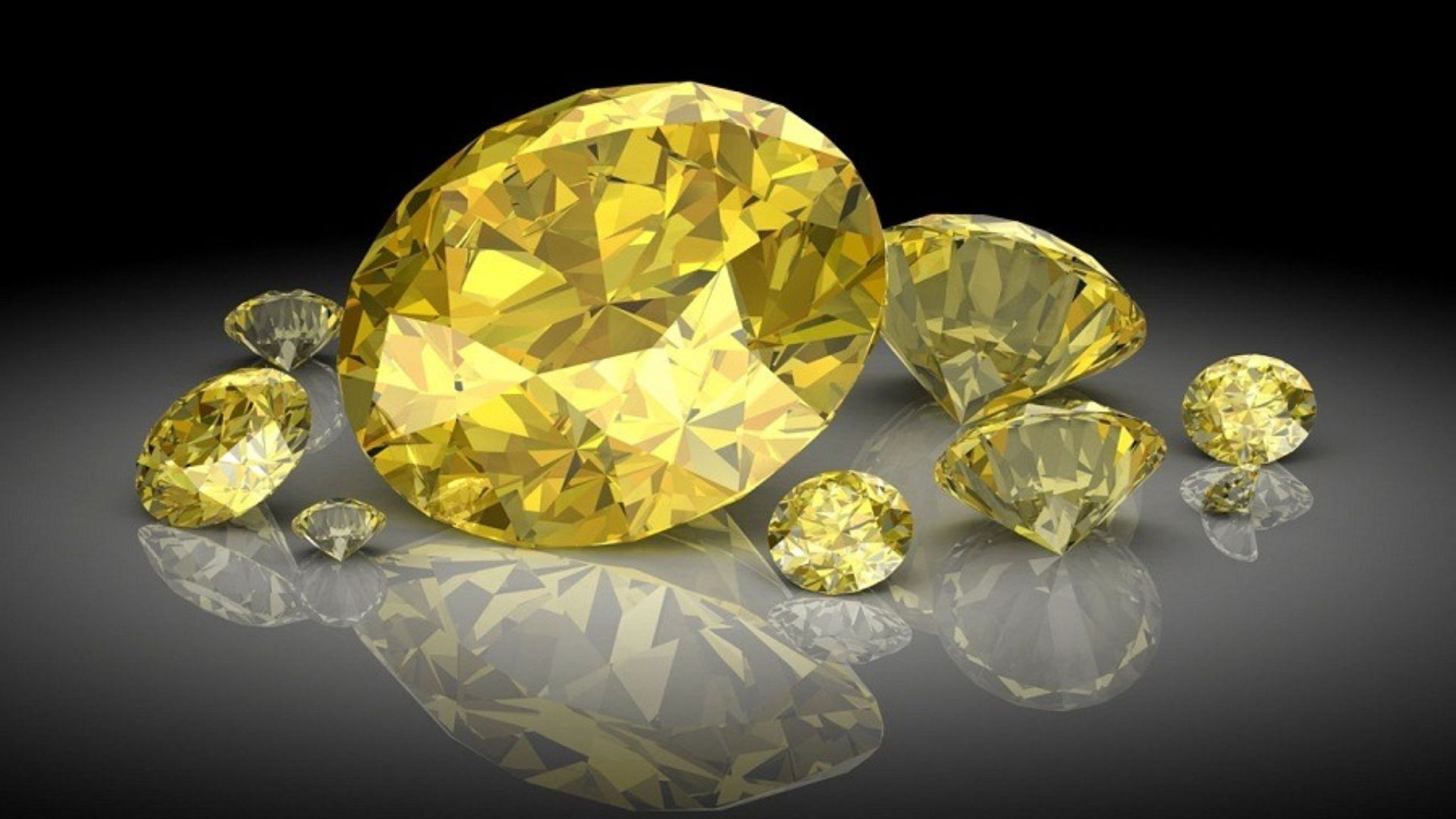
Gemstones have fascinated humanity for thousands of years. From the sparkling brilliance of diamonds to the deep blue beauty of sapphires and the vibrant green glow of emeralds, these natural treasures have been admired, collected, and cherished across cultures and civilizations. While their beauty is undeniable, the story behind their creation is equally captivating. Understanding the science behind gemstones reveals a remarkable journey that takes place deep within the Earth over millions of years.
The process of gemstone formation is one of nature's most extraordinary achievements. Under specific conditions of heat, pressure, mineral composition, and geological activity, ordinary minerals transform into stunning crystals that eventually become the precious stones we admire. Each gemstone carries a unique geological history, making every specimen a natural masterpiece.
In this article, we will explore how gemstones are formed, examine the various geological processes involved, and uncover the fascinating science that drives precious stone formation. Whether you are a gemstone enthusiast, jewelry lover, or geology student, understanding the gemstone creation process will deepen your appreciation for these incredible natural wonders.
What Are Gemstones?
Before diving into the details of natural gemstone formation, it's important to understand what gemstones actually are.
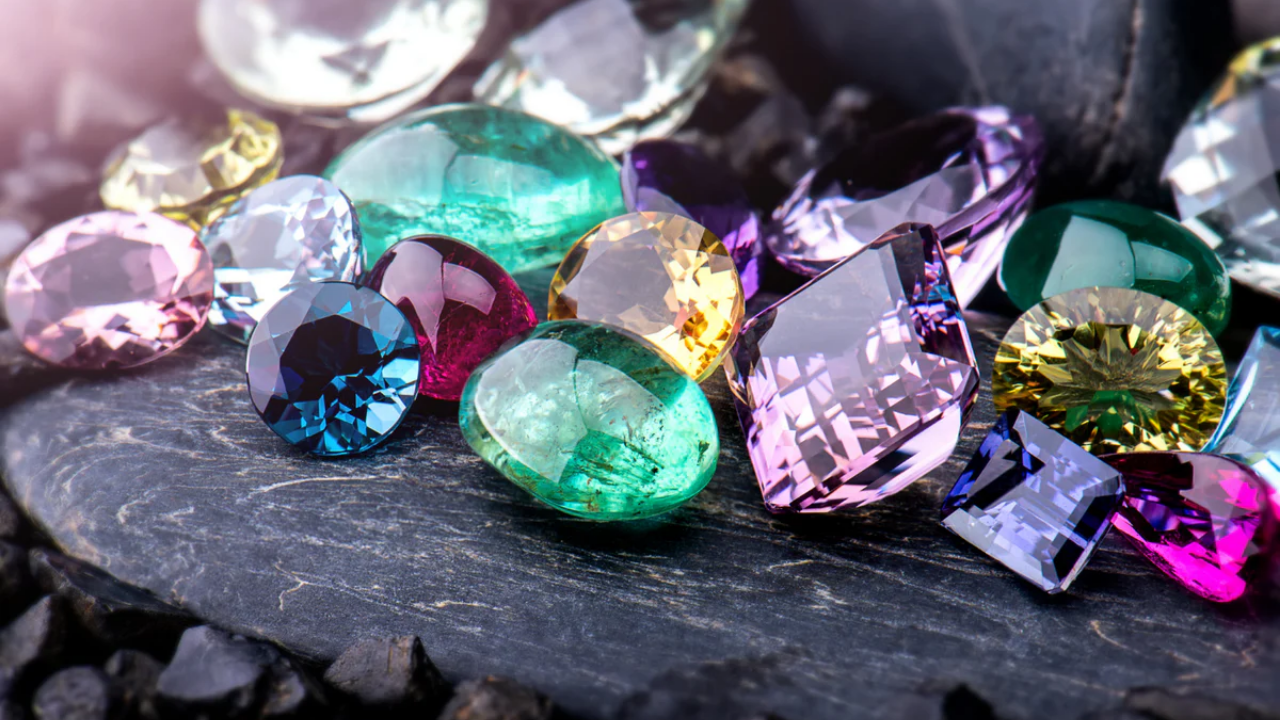
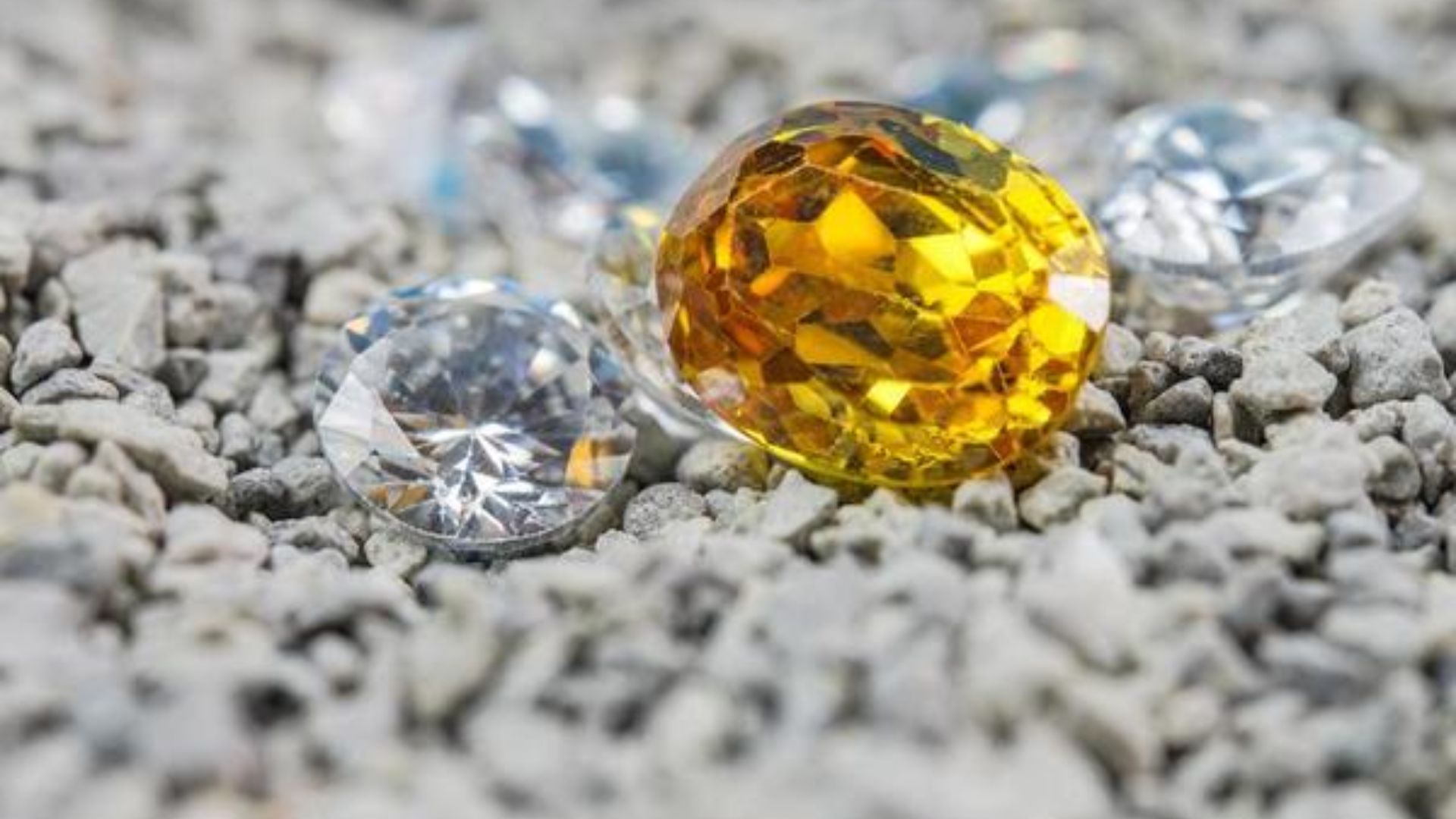
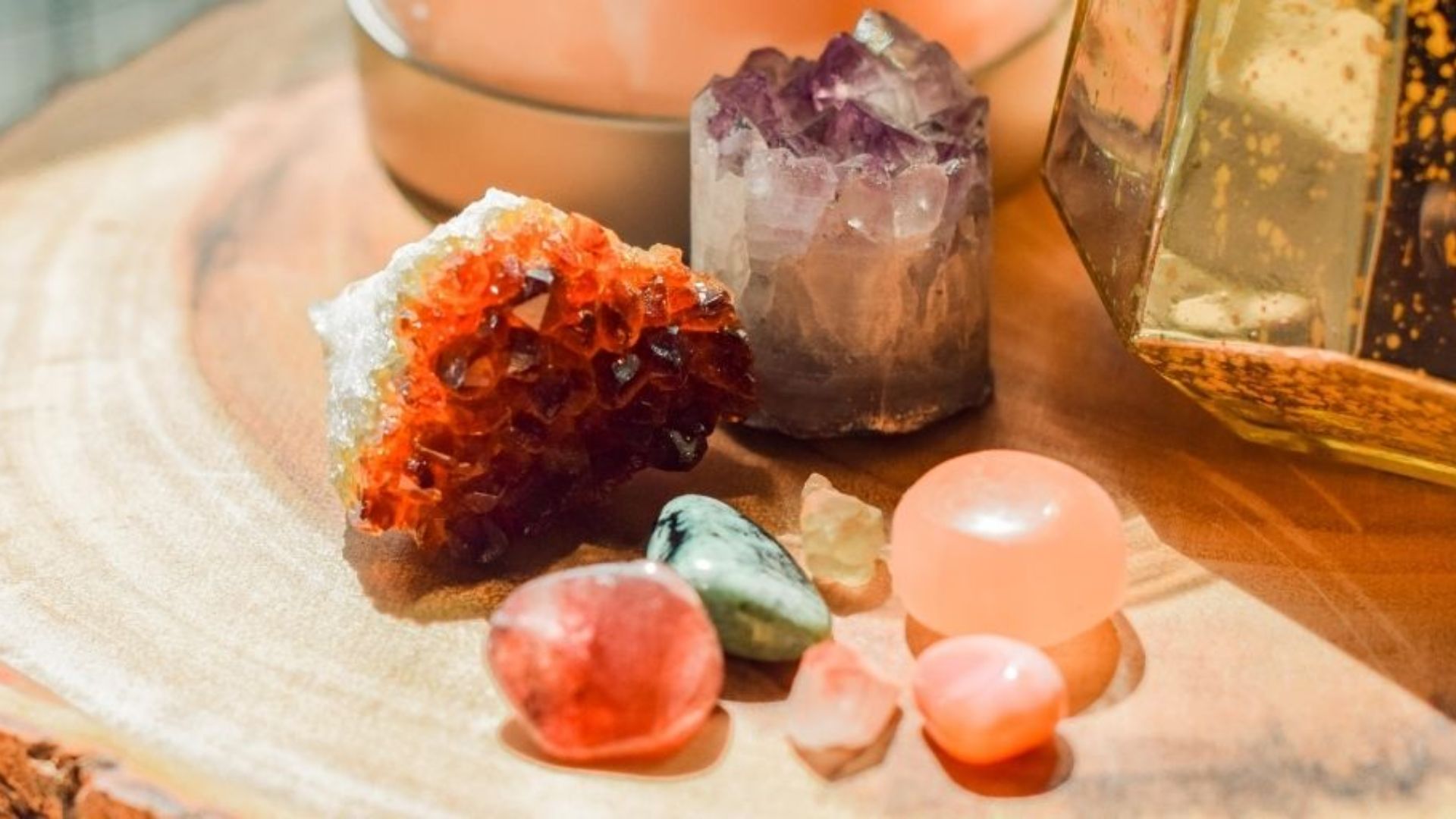
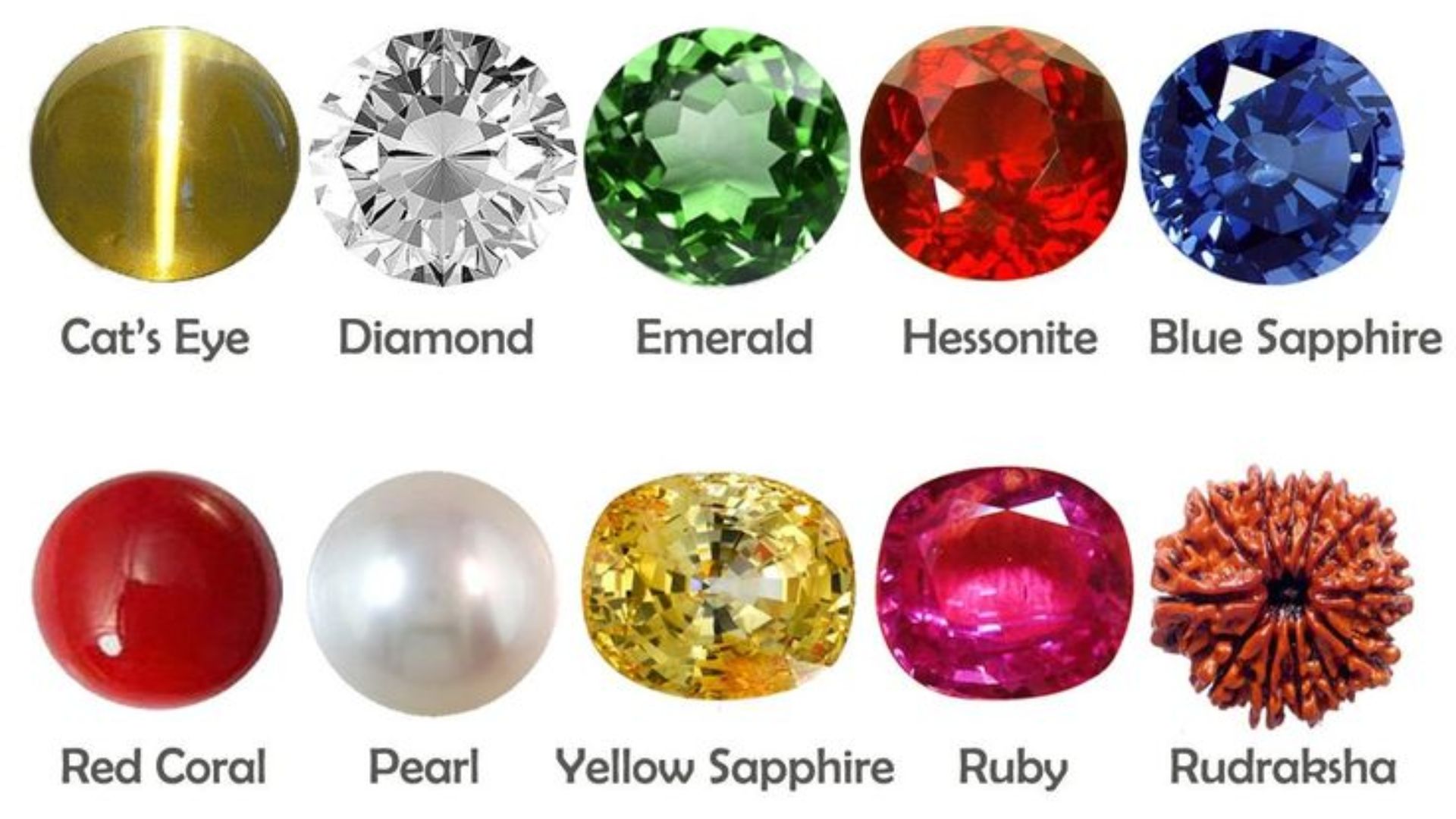
A gemstone is a naturally occurring mineral, rock, or organic material that possesses exceptional beauty, durability, and rarity. These characteristics make gemstones suitable for use in jewelry, decorative objects, and collectibles.
Some of the most popular gemstones include:
- Diamond
- Ruby
- Sapphire
- Emerald
- Amethyst
- Topaz
- Aquamarine
- Garnet
- Opal
- Tourmaline
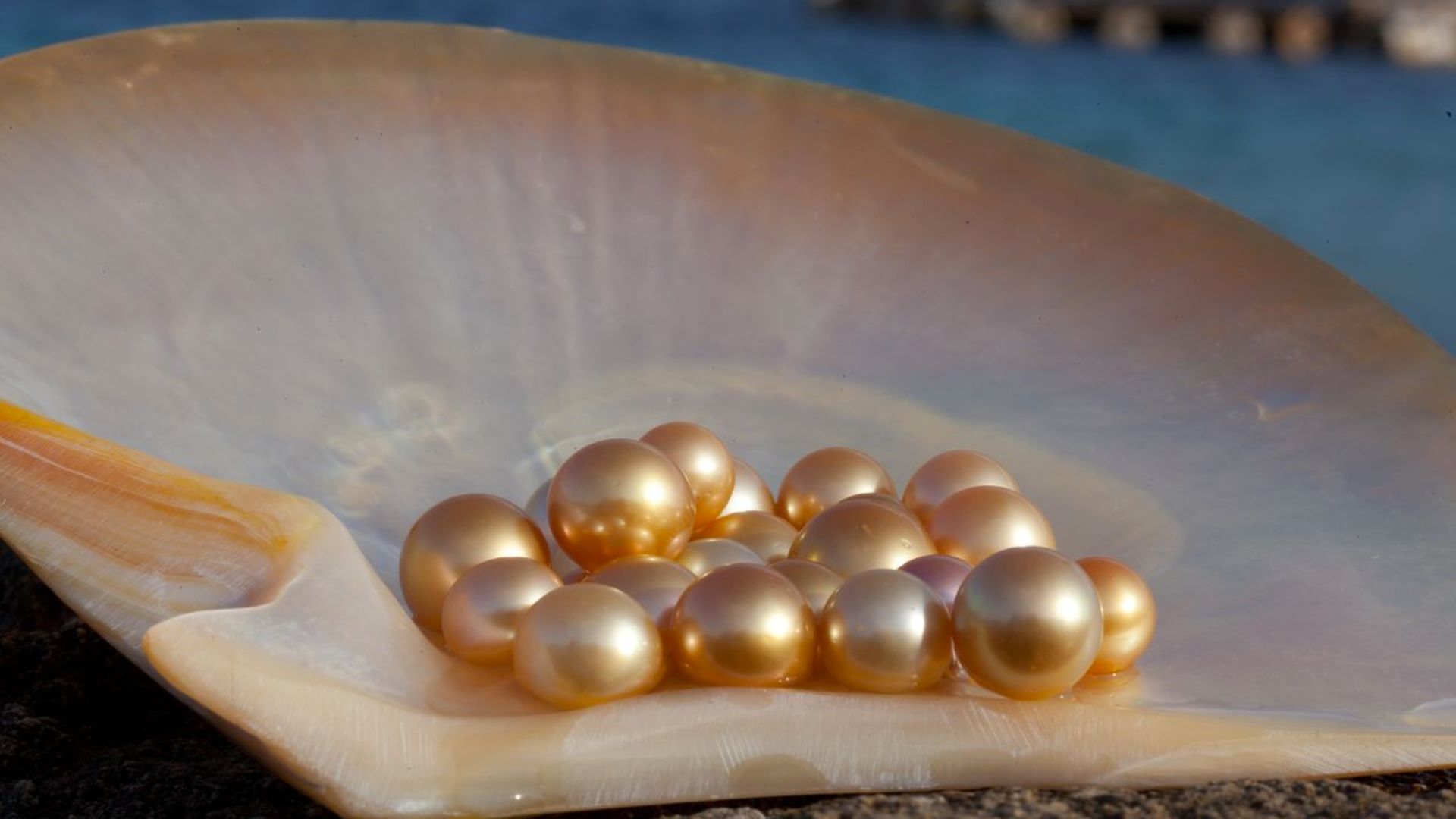
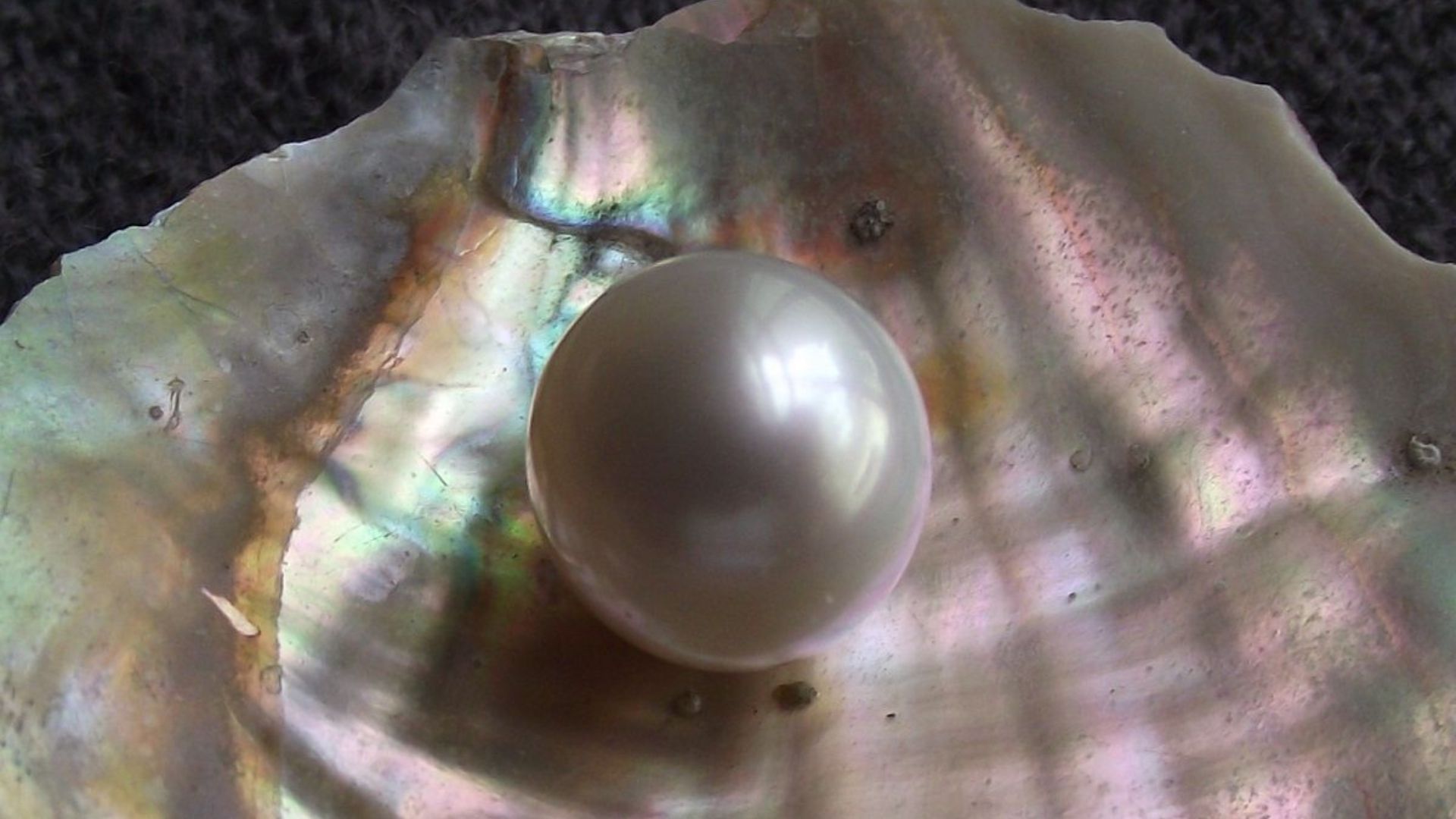
While most gemstones are minerals, some, like pearl and amber, originate from organic sources. However, the majority of precious stones owe their existence to complex geological processes occurring beneath the Earth's surface.
Understanding Gemstone Geology
To fully appreciate gemstone geology, we must first understand the Earth's structure.
The Earth consists of three primary layers:
1. Crust
The outermost layer where most mining activities occur.
2. Mantle
A thick layer beneath the crust characterized by intense heat and pressure.
3. Core
The Earth's central region composed mainly of iron and nickel.
The conditions within these layers create the perfect environment for mineral crystallization and gemstone formation. Temperature, pressure, chemical composition, and tectonic activity all influence the development of gemstones.
The Fundamental Science Behind Gemstones
The science behind gemstones revolves around crystallization.
Crystals form when atoms arrange themselves into highly ordered and repeating patterns. When the right minerals encounter suitable environmental conditions, they begin to bond together and grow into crystals over extended periods.
Several factors influence crystal growth:
Temperature
High temperatures facilitate mineral movement and chemical reactions.
Pressure
Extreme pressure can alter mineral structures and create new crystal forms.
Chemical Environment
The availability of specific elements determines which gemstones can form.
Time
Many gemstones require millions of years to develop fully.
The interaction of these factors ultimately determines the gemstone's size, clarity, color, and quality.
How Gemstones Are Formed: The Main Geological Processes
There are several major methods through which gemstones develop. Understanding how gemstones are formed requires exploring each of these geological pathways.
1. Igneous Gemstone Formation
One of the most common forms of precious stone formation occurs through igneous activity.
Igneous rocks form when molten magma cools and solidifies. During cooling, minerals crystallize and may develop into gemstones.
Examples of Igneous Gemstones
- Diamond
- Zircon
- Topaz
- Tourmaline
Large crystals often form within pegmatites because the cooling process occurs slowly, allowing atoms ample time to organize into structured crystals.
2. Metamorphic Gemstone Formation
Metamorphism occurs when existing rocks are subjected to intense heat and pressure without melting completely.
These extreme conditions alter mineral compositions and create entirely new crystal structures.
Examples of Metamorphic Gemstones
- Ruby
- Sapphire
- Garnet
- Jade
- Tanzanite
3. Sedimentary Gemstone Formation
Sedimentary processes also contribute to gemstone origins.
Weathering breaks down rocks and transports mineral fragments through rivers, streams, and oceans. Over time, these materials accumulate and become concentrated in deposits.
Examples
- Opal
- Malachite
- Turquoise
Although sedimentary gemstones may not experience the same extreme conditions as igneous or metamorphic stones, they can still achieve remarkable beauty.
Diamond Formation: Nature's Ultimate Masterpiece
Diamonds provide one of the most fascinating examples of the gemstone creation process.
Diamonds form approximately 150 to 200 kilometers beneath the Earth's surface within the mantle.
Conditions required include:
- Temperatures above 1,000°C
- Pressures exceeding 45 kilobars
- Pure carbon sources
Under these conditions, carbon atoms bond into a highly stable crystal structure, creating diamonds.
Volcanic eruptions transport diamonds closer to the surface through kimberlite and lamproite pipes. Without these volcanic events, diamonds would remain buried deep within the Earth.
The extraordinary conditions required for diamond formation explain their rarity and value.
The Formation of Colored Gemstones
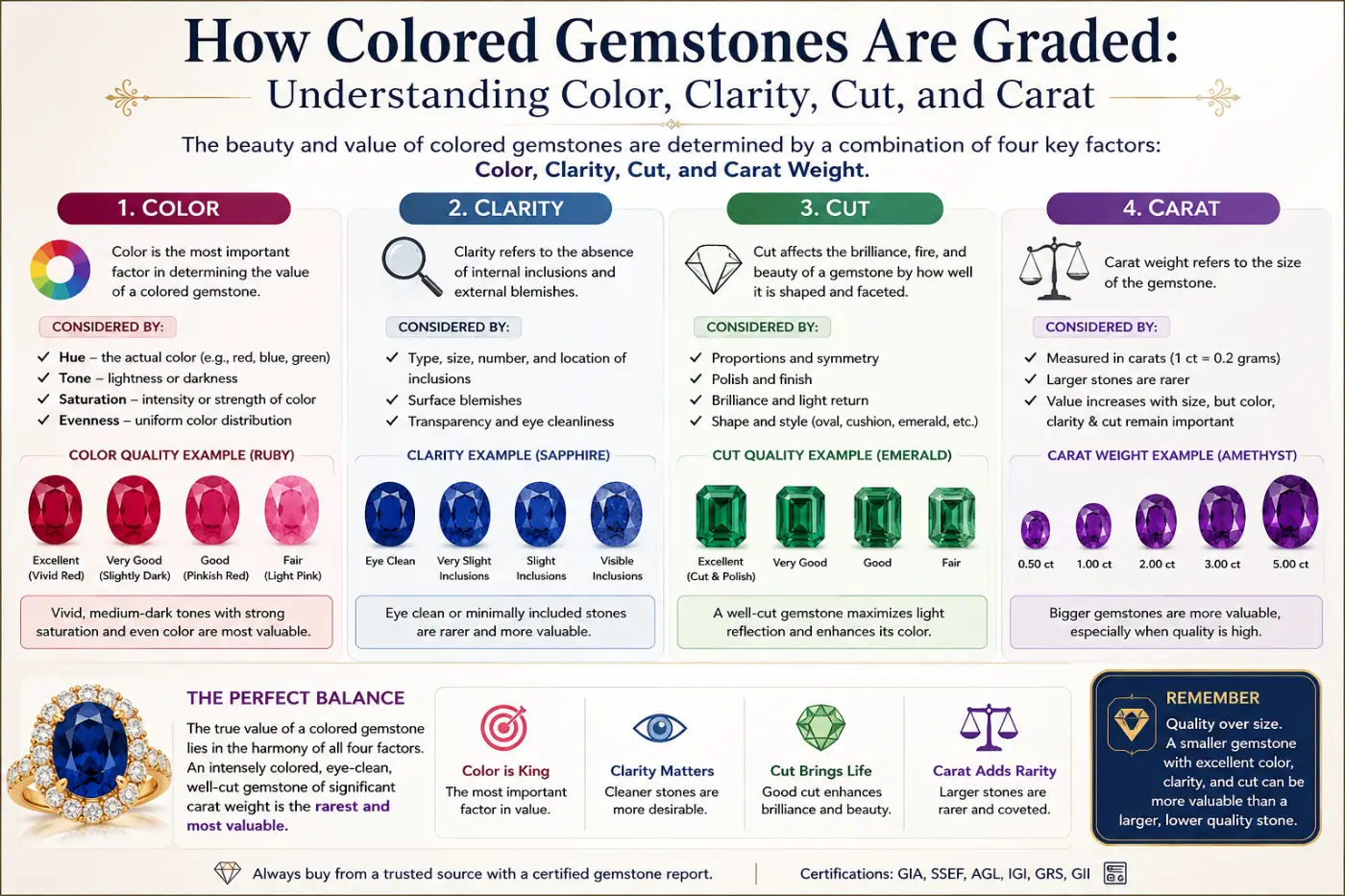
Color plays a significant role in gemstone value.
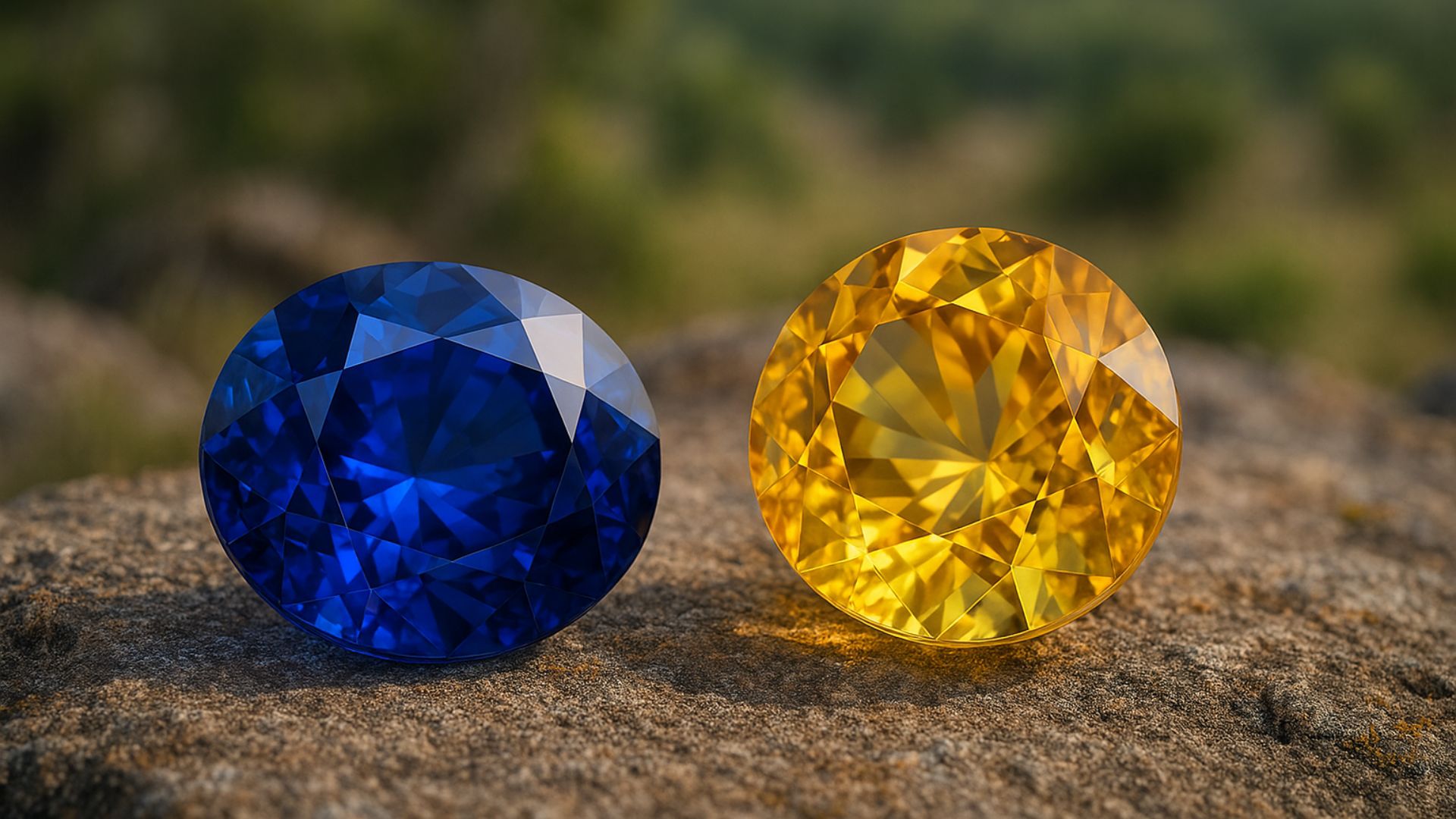
The vibrant colors seen in gemstones result from trace elements incorporated during crystal growth.
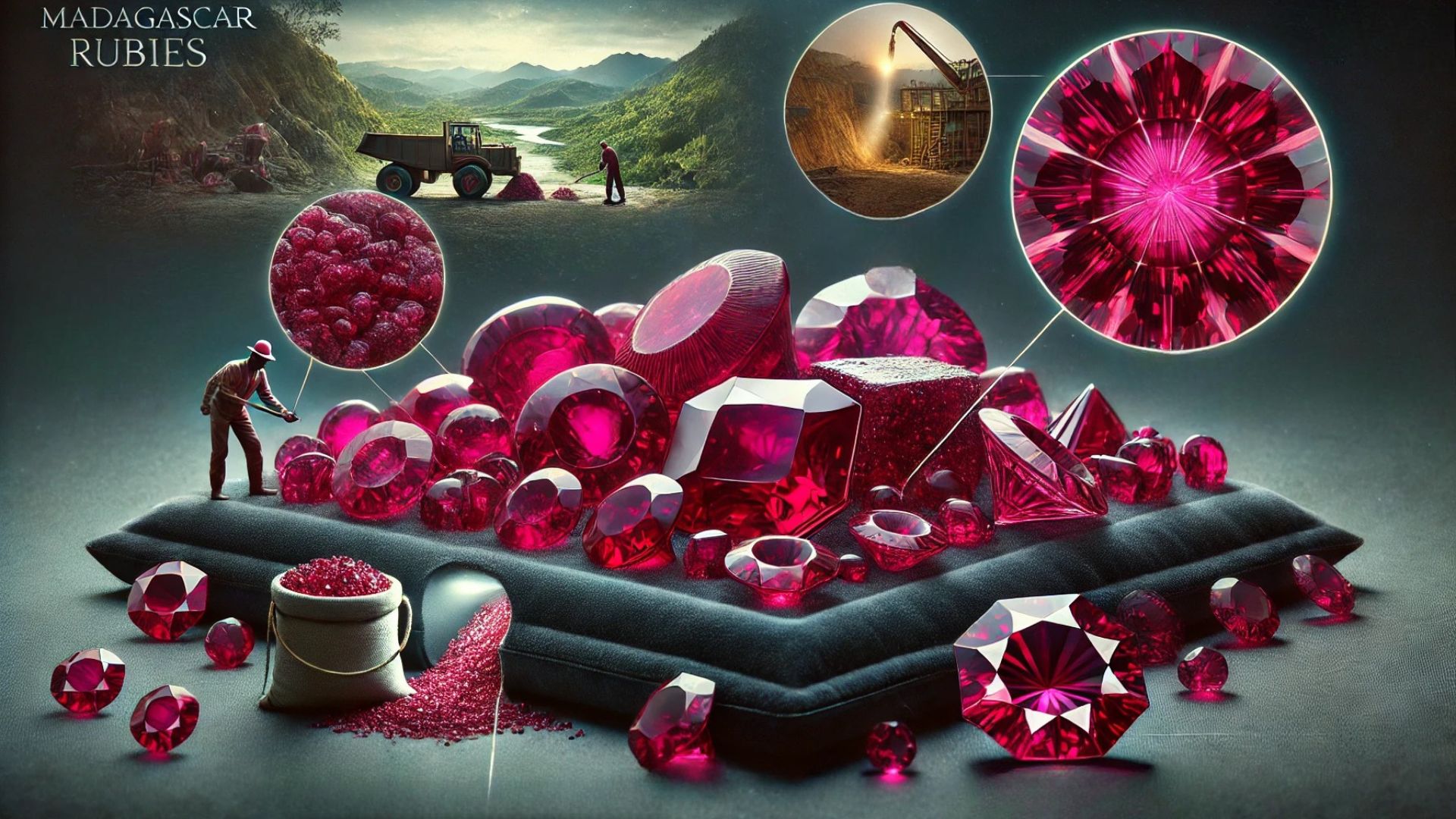
Ruby
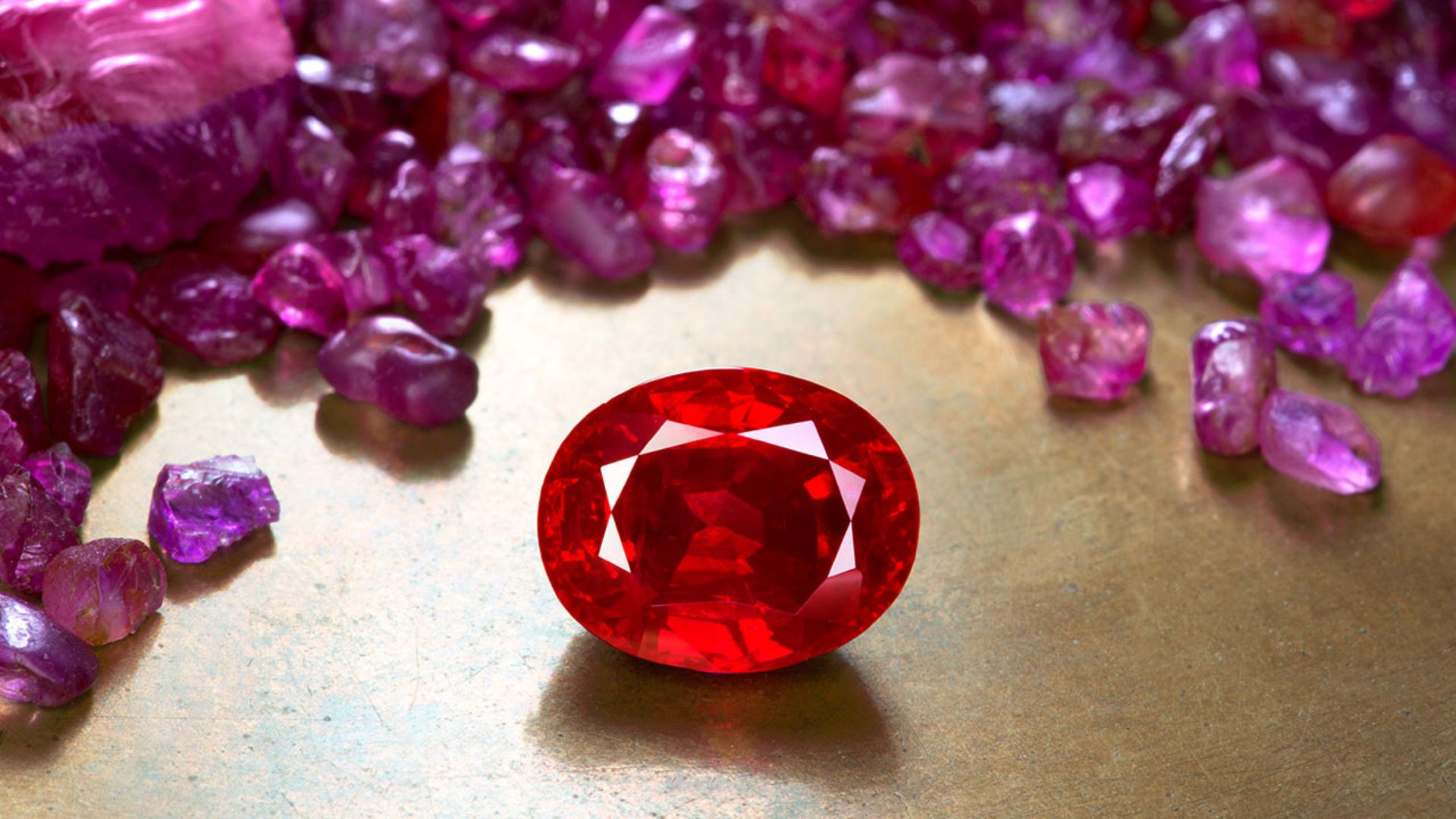
Rubies are red due to chromium impurities.
Sapphire
Blue sapphires derive their color from iron and titanium.
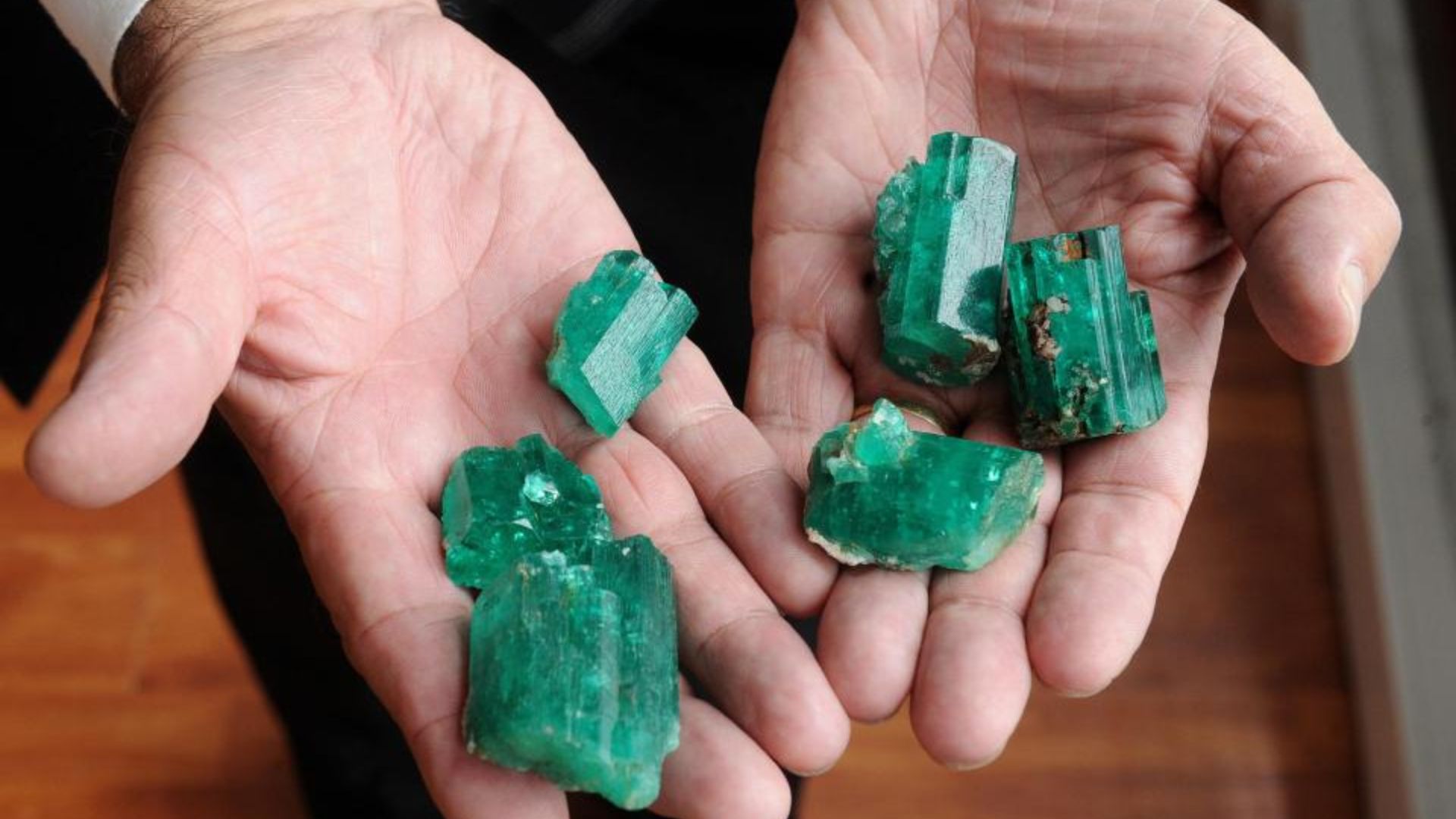
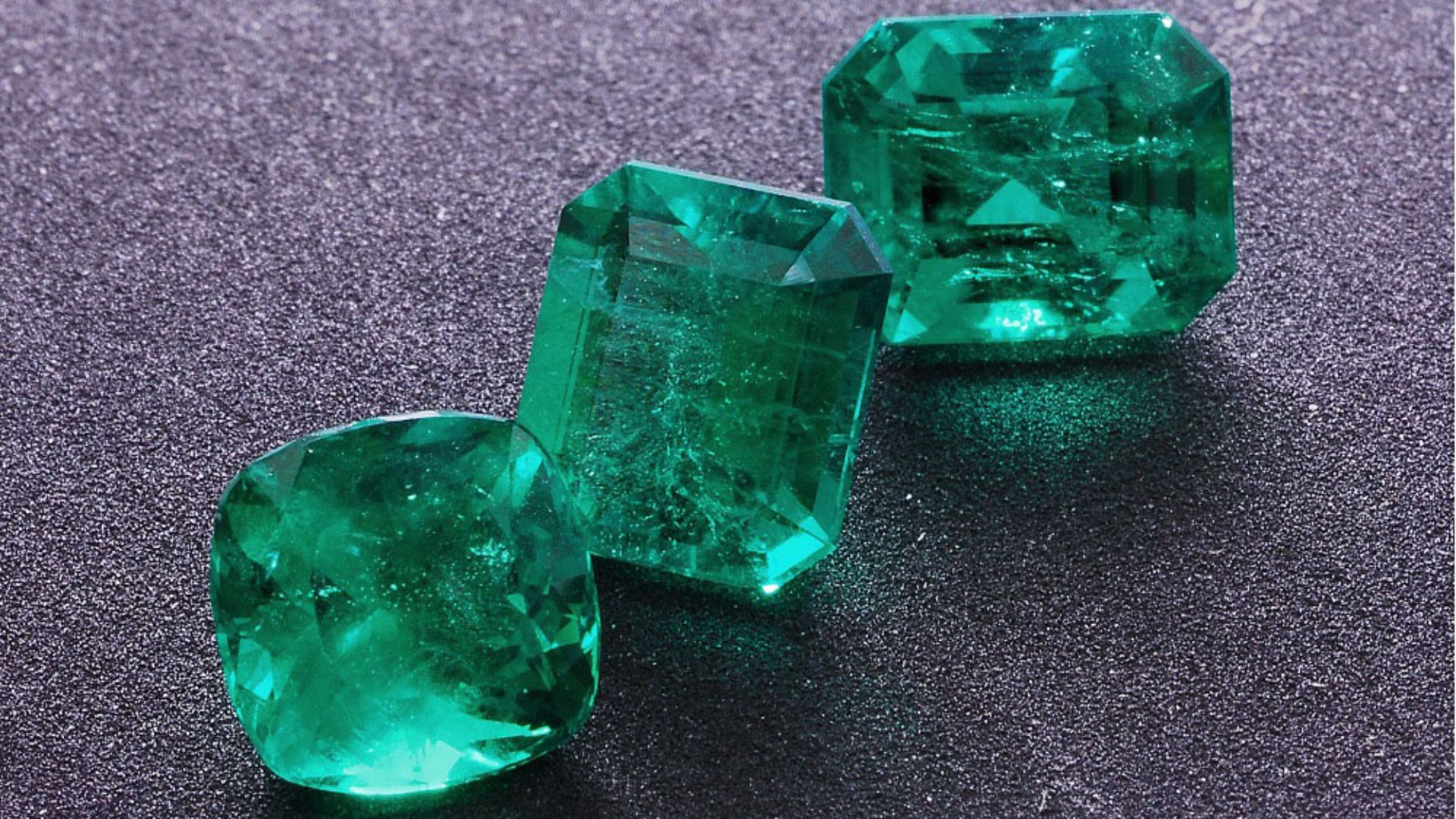
Emerald
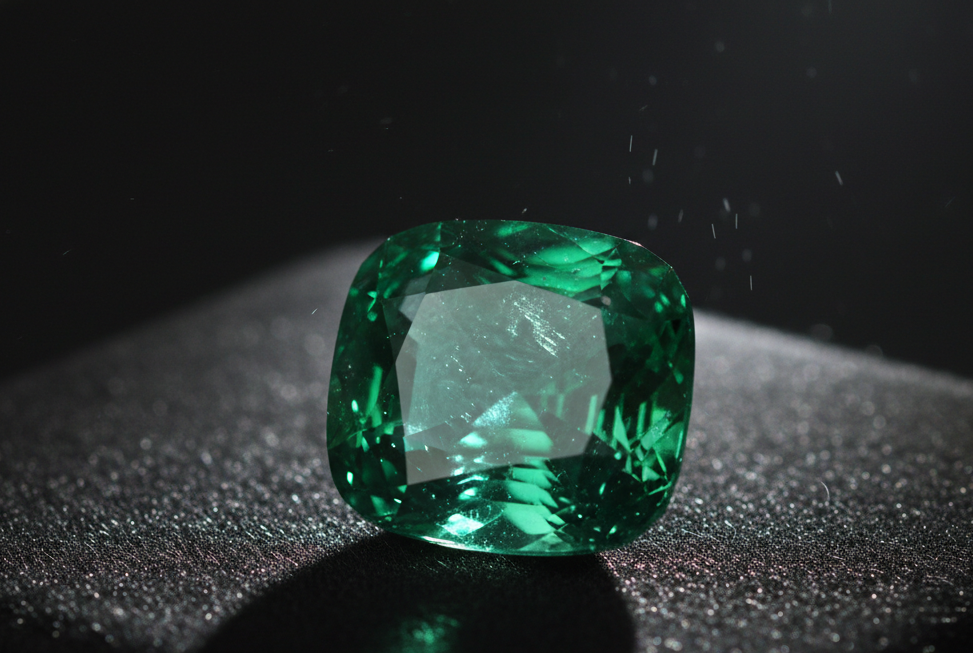
Emeralds obtain their green color from chromium and vanadium.
Amethyst
Amethyst's purple hue results from iron and natural radiation exposure.
The science behind gemstones demonstrates that even tiny chemical variations can dramatically alter a crystal's appearance.
Hydrothermal Gemstone Formation
Hydrothermal activity represents another important mechanism in gemstone formation.
Hydrothermal fluids are superheated water solutions rich in dissolved minerals.
As these fluids move through fractures within rocks, they deposit minerals and gradually form crystals.
Common Hydrothermal Gemstones
- Emerald
- Quartz
- Topaz
- Aquamarine
Hydrothermal environments often create gemstones with exceptional clarity and size.
The Role of Plate Tectonics in Gemstone Origins
Plate tectonics significantly influence gemstone origins.
The Earth's crust is divided into large tectonic plates that constantly move.
When plates collide, separate, or slide past each other, they generate:
- Heat
- Pressure
- Volcanic activity
- Fluid circulation
These geological forces create ideal conditions for gemstone development.
Many famous gemstone deposits are located near tectonic boundaries where geological activity has been particularly intense throughout Earth's history.
Why Some Gemstones Are Rare
Not all gemstones are equally abundant.
Several factors contribute to rarity:
Limited Geological Conditions
Some gemstones require extremely specific formation environments.
Restricted Geographic Distribution
Certain gemstones occur only in a few locations worldwide.
Long Formation Times
Many gemstones require millions of years to develop.
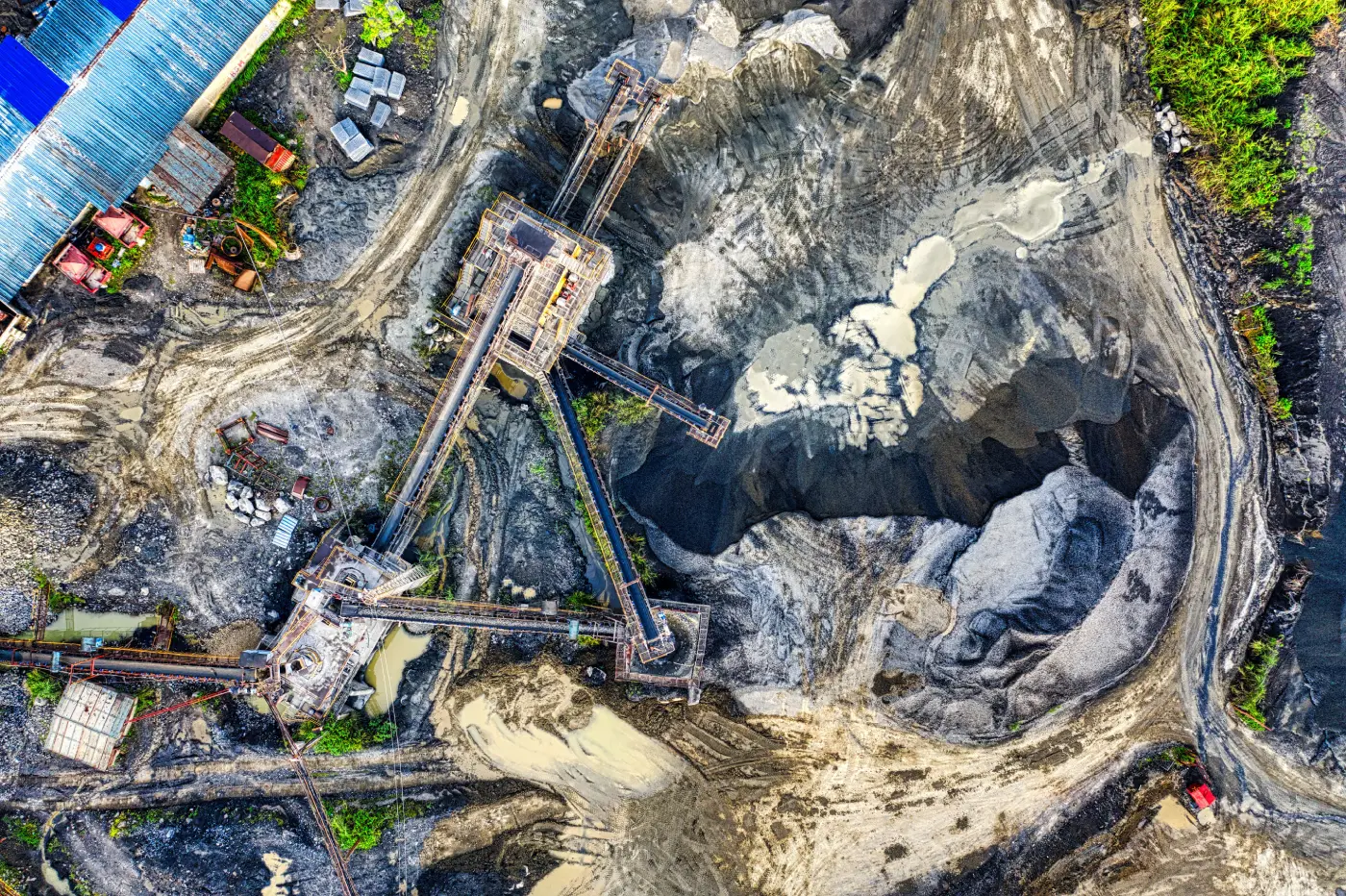
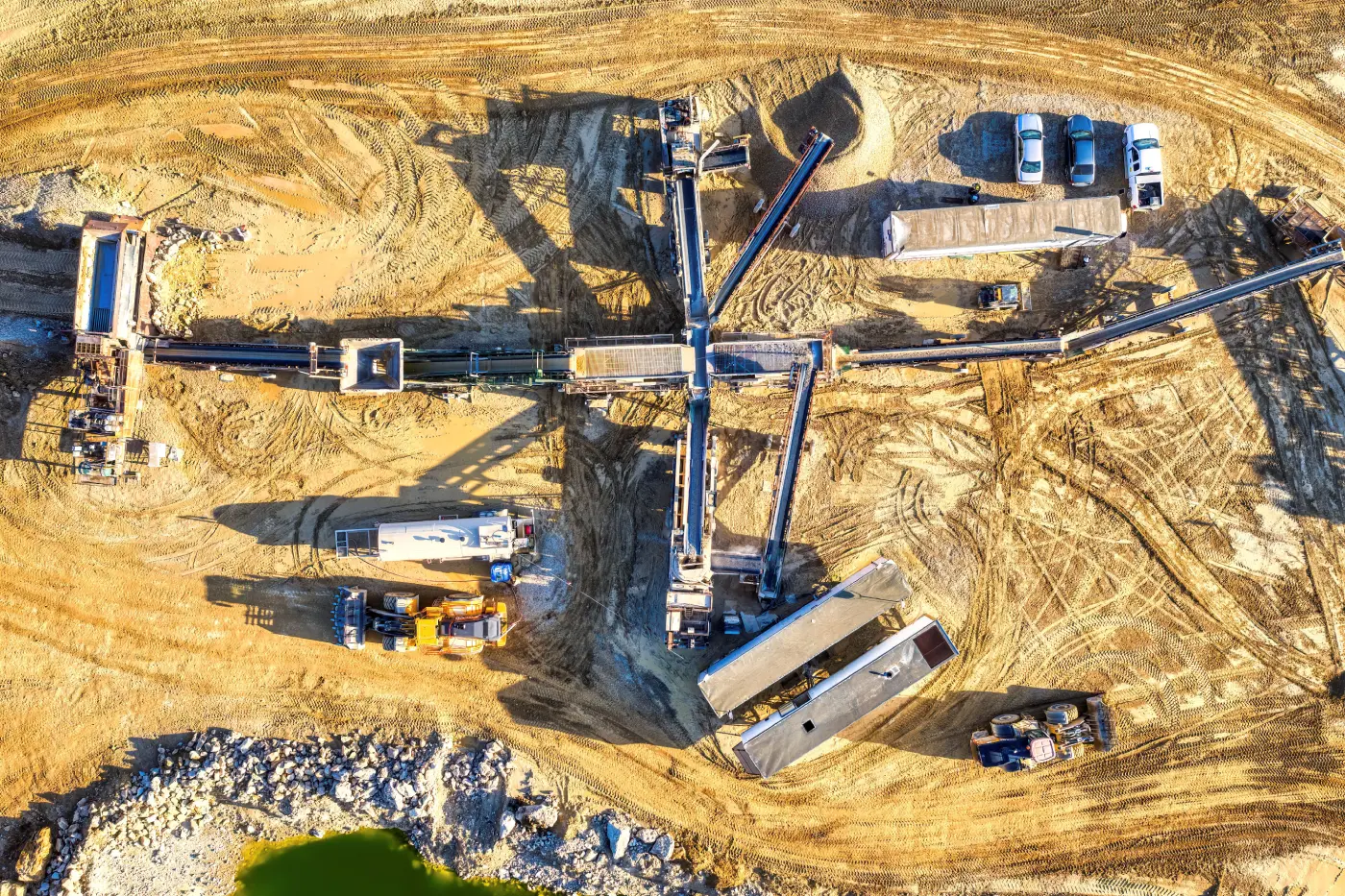
Mining Challenges
Some deposits are difficult to access or extract.
For example, high-quality emeralds require a rare combination of chromium-rich fluids and beryllium-containing rocks. This unusual geological pairing contributes to their scarcity.
Understanding rarity is essential to understanding the economics behind precious stone formation.
Crystal Structure and Gemstone Properties
A gemstone's crystal structure determines many of its physical properties.
These include:
Hardness
Measured using the Mohs Hardness Scale.
Cleavage
The tendency of minerals to split along specific planes.
Refractive Index
How light bends as it passes through the gemstone.
Luster
The way light reflects from the surface.
Diamond's exceptional hardness results from strong carbon-carbon bonds arranged in a tetrahedral structure.
Similarly, corundum, the mineral responsible for rubies and sapphires, owes its durability to its tightly packed atomic arrangement.
The science behind gemstones reveals how microscopic structures influence macroscopic beauty.
Natural Inclusions: Nature's Fingerprints
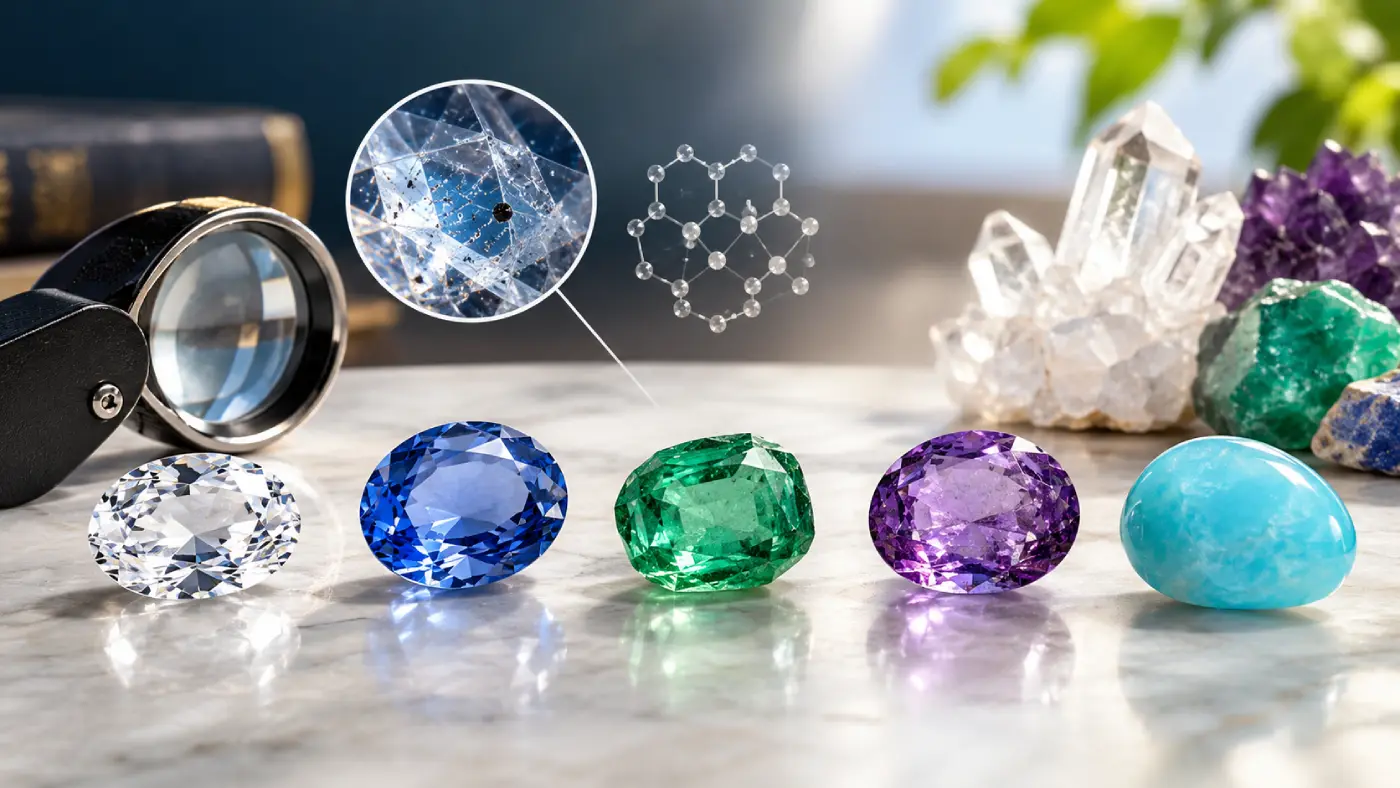
Most gemstones contain inclusions.
Inclusions are tiny internal features such as:
- Mineral crystals
- Gas bubbles
- Liquid pockets
- Fractures
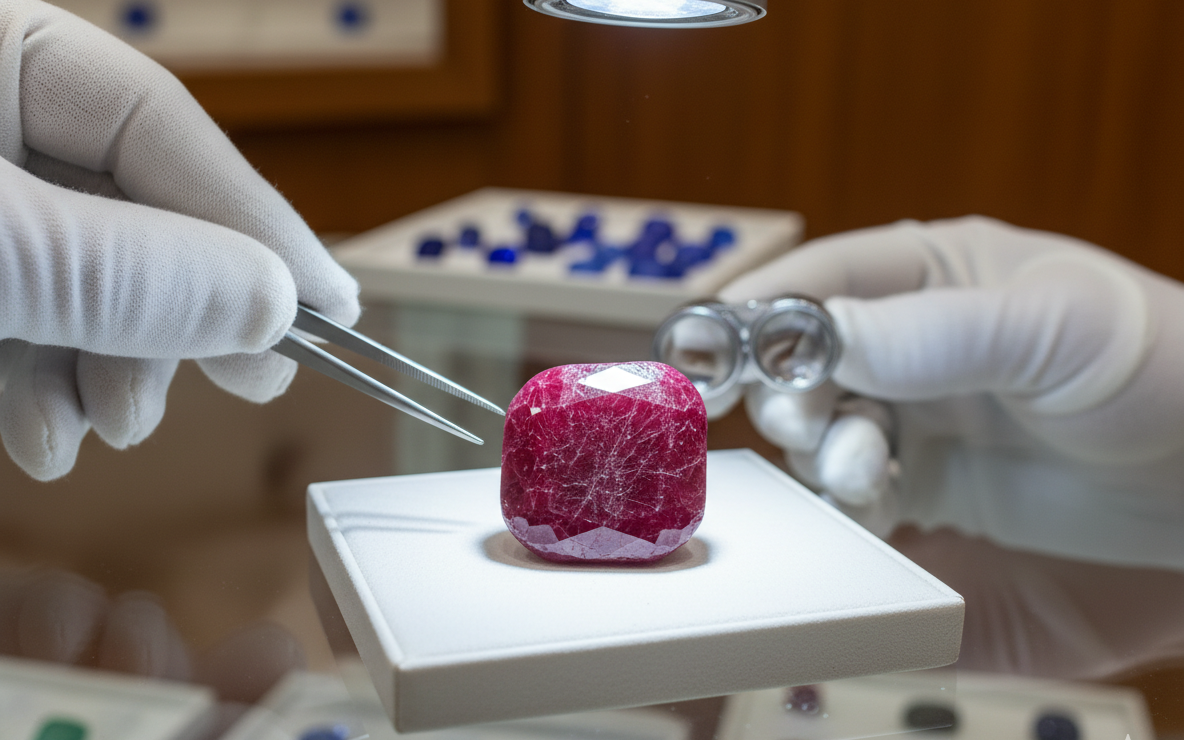
While some people view inclusions as imperfections, they provide valuable clues about how gemstones are formed.
Gemologists often study inclusions to:
- Determine authenticity
- Identify geographic origin
- Understand formation conditions
Inclusions serve as geological records preserved within the gemstone itself.
How Long Does Gemstone Formation Take?
One of the most astonishing aspects of natural gemstone formation is the timescale involved.
Many gemstones require:
- Thousands of years
- Millions of years
- Sometimes billions of years
Diamonds found today may have formed over three billion years ago.
Even relatively common gemstones often represent geological processes spanning immense periods.
The lengthy gemstone creation process contributes significantly to the uniqueness and value of natural stones.
Gemstone Deposits Around the World
Different geological environments produce different gemstones.
Brazil
Known for:
- Amethyst
- Topaz
- Tourmaline
Colombia
Famous for:
- Emeralds
Myanmar
Renowned for:
- Rubies
- Jade
Sri Lanka
Produces:
- Sapphires
- Garnets
Australia
Known for:
- Opals
Each location reflects unique geological conditions that influenced gemstone origins over millions of years.
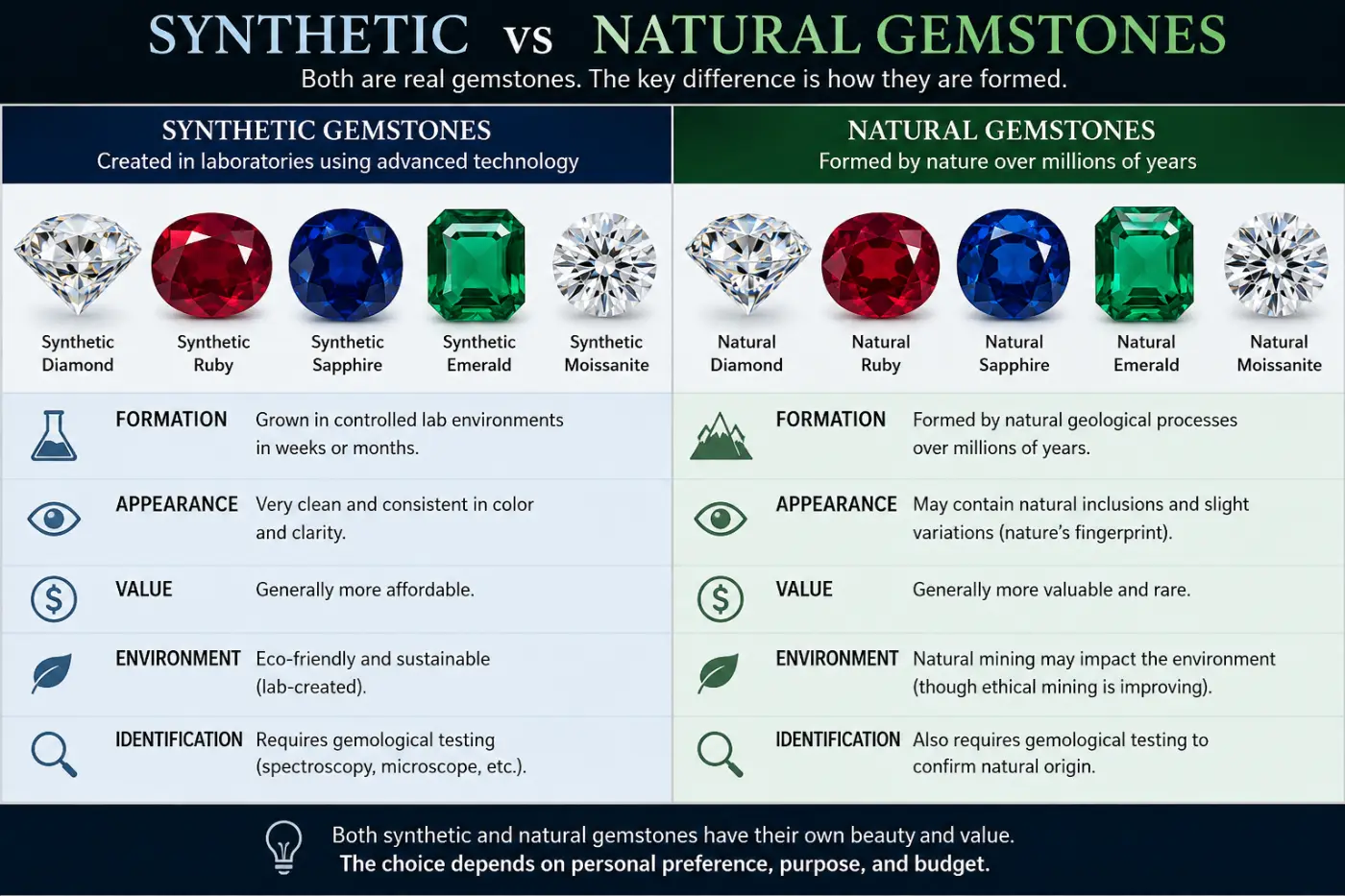
The Difference Between Natural and Synthetic Gemstones
Advancements in technology have enabled scientists to create gemstones in laboratories.
Synthetic gemstones possess the same chemical composition as natural stones but form much faster.
Natural Gemstones
- Created through geological processes
- Require millions of years
- Contain natural inclusions
Synthetic Gemstones
- Created by humans
- Produced in weeks or months
- Often exhibit fewer inclusions
Modern Scientific Research on Gemstone Formation
Scientists continue to study gemstone geology using advanced technologies.
Modern tools include:
Electron Microscopy
Examines crystal structures at microscopic levels.
Spectroscopy
Analyzes chemical composition.
Isotope Analysis
Determines age and origin.
High-Pressure Laboratory Simulations
Replicates conditions found deep within the Earth.
These techniques provide new insights into the science behind gemstones and help researchers understand the Earth's geological evolution.
Why Understanding Gemstone Formation Matters
Learning about how gemstones are formed offers benefits beyond simple curiosity.
It helps:
- Identify authentic gemstones
- Understand gemstone value
- Support ethical sourcing practices
- Appreciate Earth's geological history
- Advance scientific knowledge
Every gemstone tells a story spanning vast stretches of time and involving powerful natural forces.
By understanding the gemstone creation process, we gain a deeper appreciation for these extraordinary gifts of nature.
Conclusion
The story of gemstone formation is one of heat, pressure, chemistry, and time working together to create some of Earth's most beautiful natural treasures. The science behind gemstones reveals a fascinating world hidden beneath our feet, where minerals transform into dazzling crystals through complex geological processes.
From deep-mantle diamonds to hydrothermal emeralds and sedimentary opals, each gemstone represents a unique chapter in the Earth's geological history. Understanding how gemstones are formed not only enhances our appreciation of their beauty but also highlights the incredible forces shaping our planet.
The next time you admire a ruby, sapphire, emerald, or diamond, remember that you are looking at the result of millions—sometimes billions—of years of natural gemstone formation. These precious stones are more than decorative objects; they are remarkable records of Earth's dynamic past and enduring evidence of nature's extraordinary creativity.
As scientific research continues to uncover new details about gemstone geology and gemstone origins, our understanding of these fascinating natural wonders will only continue to grow, revealing even more about the remarkable processes behind precious stone formation.
Recent Posts






2026-09-04
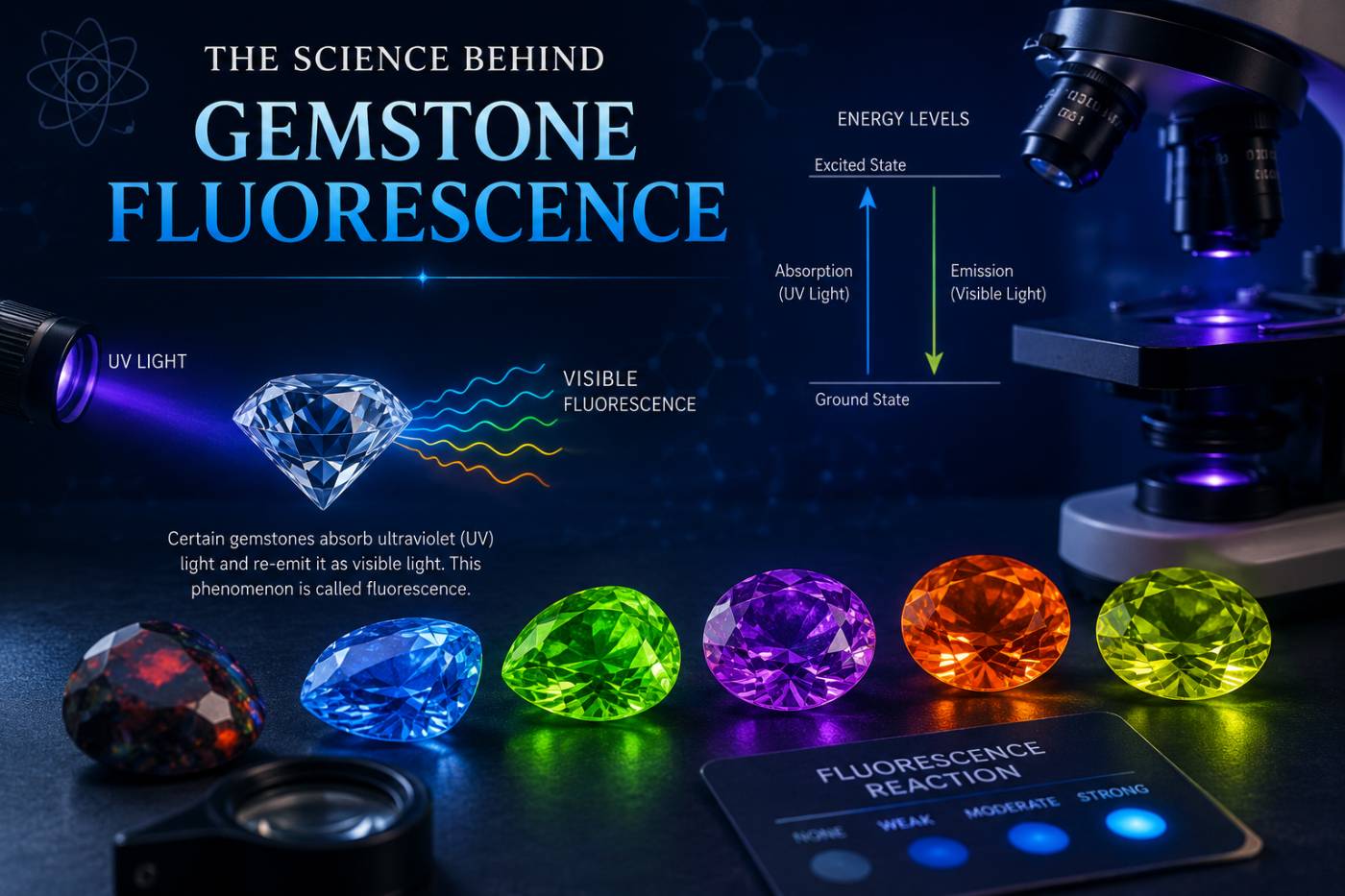
The Science Behind Gemstone Fluorescence









































2025-09-15