Date : 2026-11-14
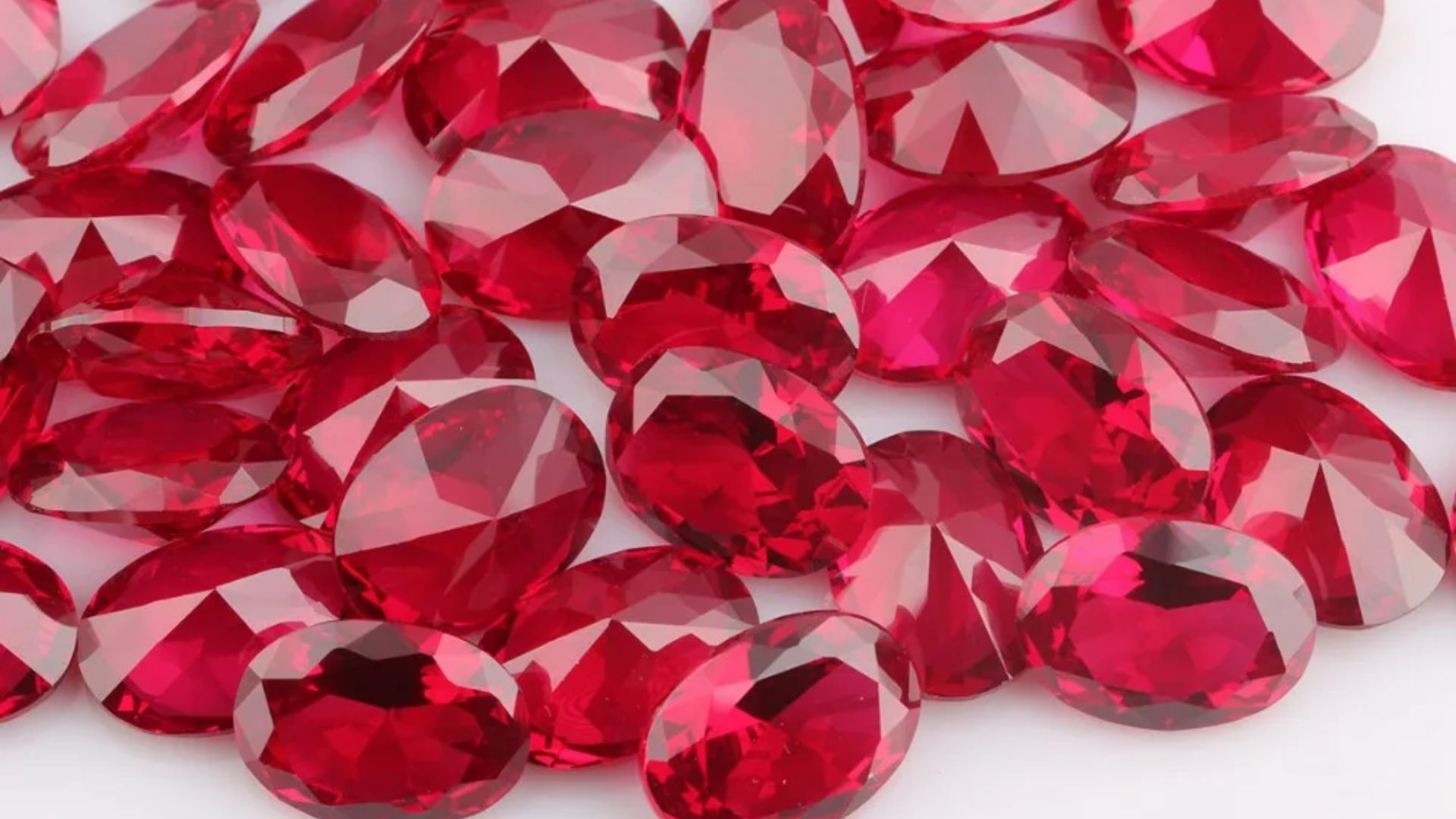
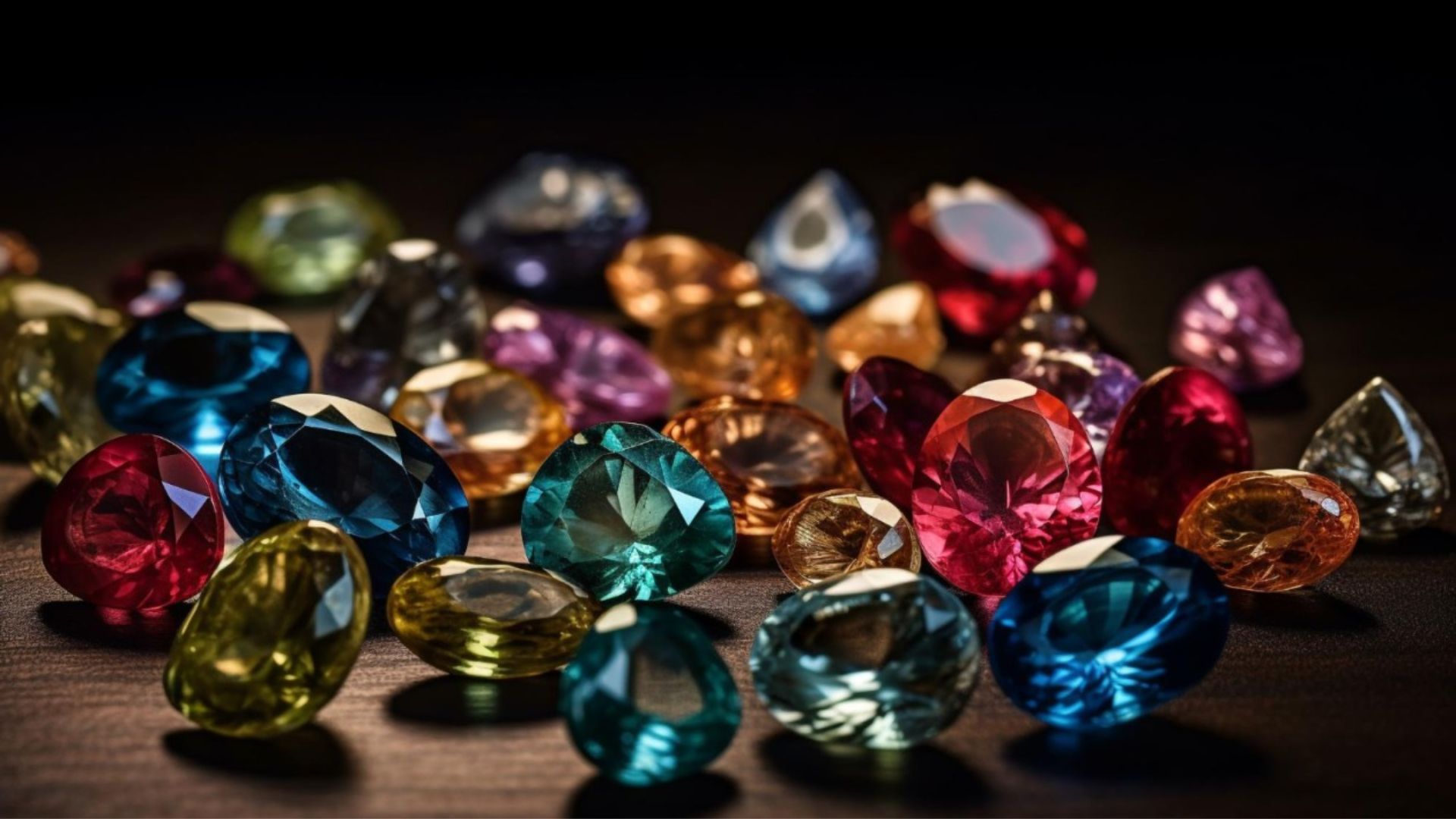
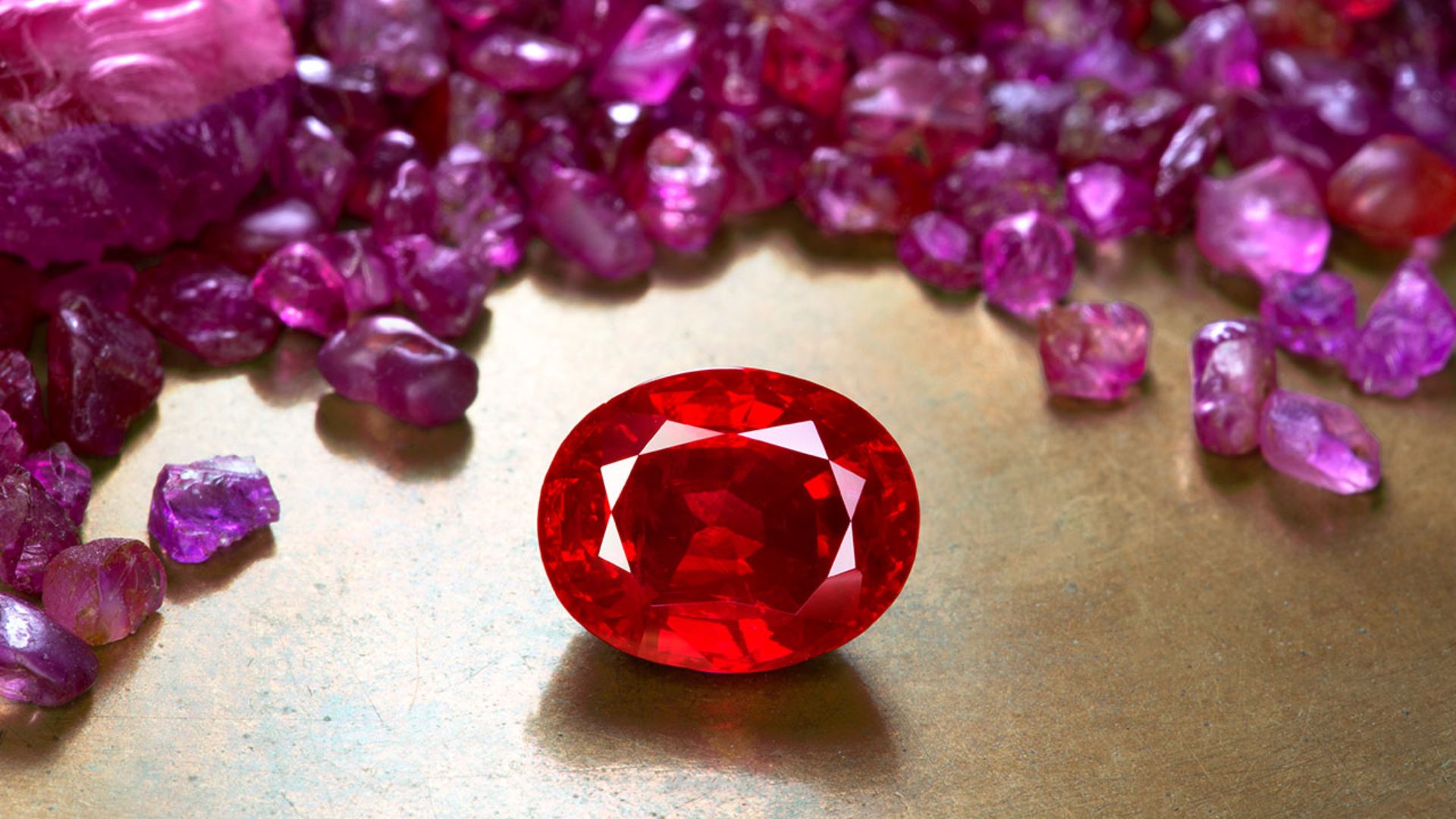
Gemstones are admired for their brilliance, vibrant colours, and ability to reflect light beautifully. However, not every gemstone displays the sparkle and visual appeal we expect. Sometimes, a gemstone may look dull, transparent, or less lively than it should, even when it has excellent colour and clarity. One possible reason behind this is a phenomenon known as a gemstone window. Understanding this effect is important when evaluating gemstones, as it can influence their beauty, appearance, and overall market value, much like other factors considered when researching the Burmese pearl price per ratti.
Windowing is a common issue associated with improper gemstone cutting. It can significantly affect how a gemstone looks by allowing light to pass straight through instead of reflecting it back to the viewer. Understanding windowing in gems can help buyers make better purchasing decisions and appreciate the importance of professional gemstone cutting.
Let's explore what a gemstone window is, why it occurs, and how poor cutting affects a gemstone's overall appearance.
What Is a Gemstone Window?
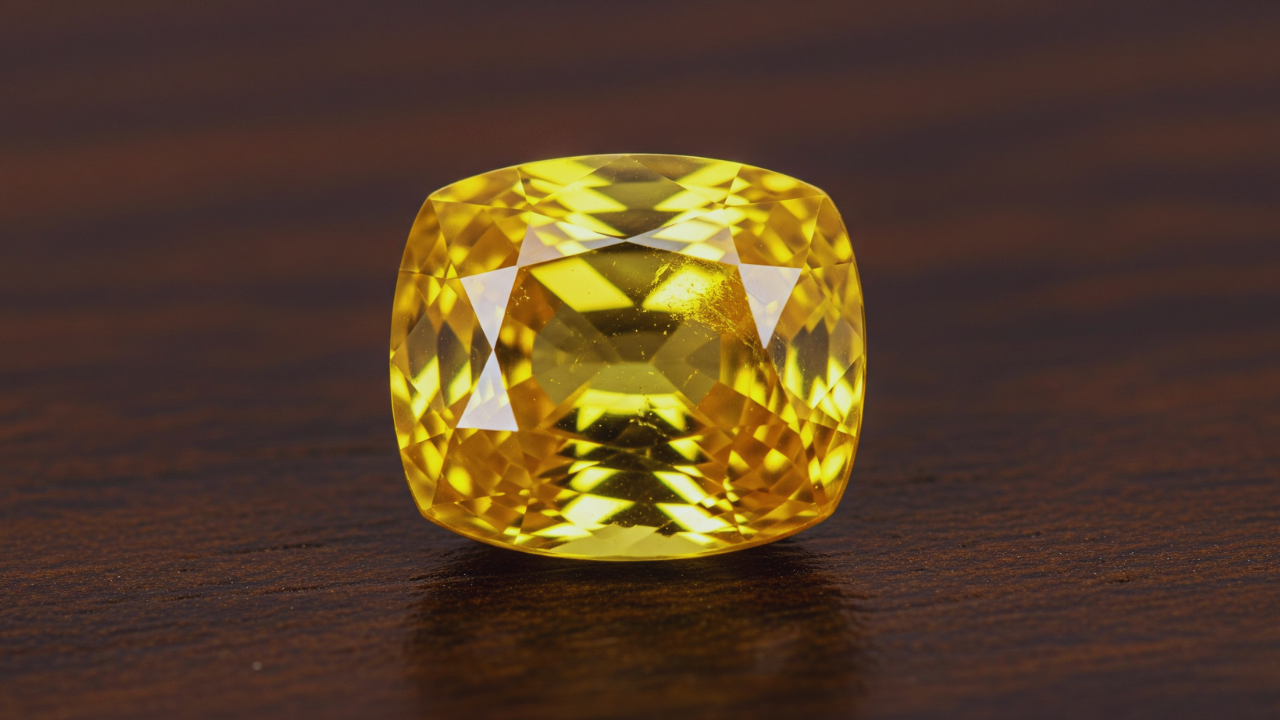
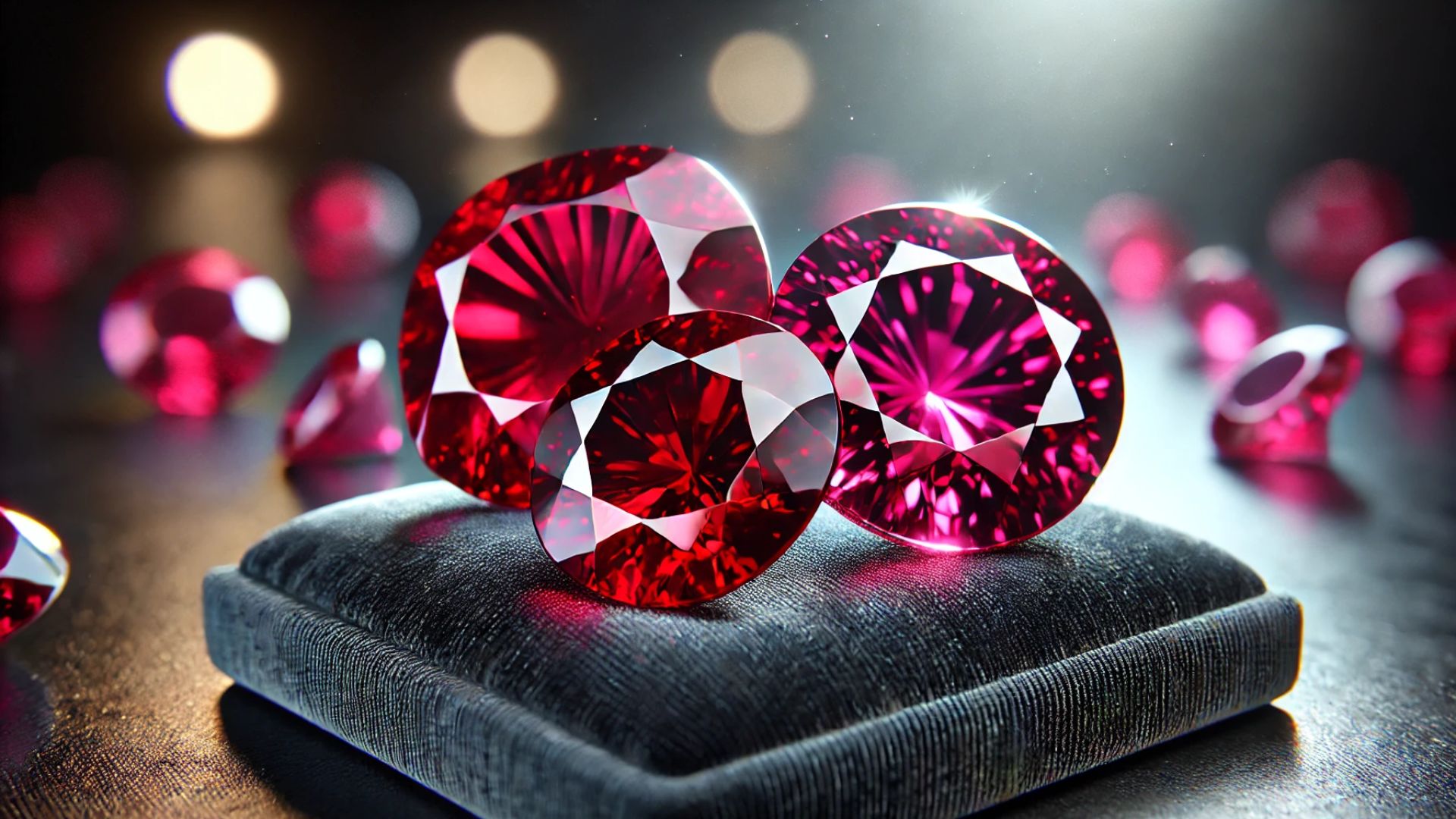
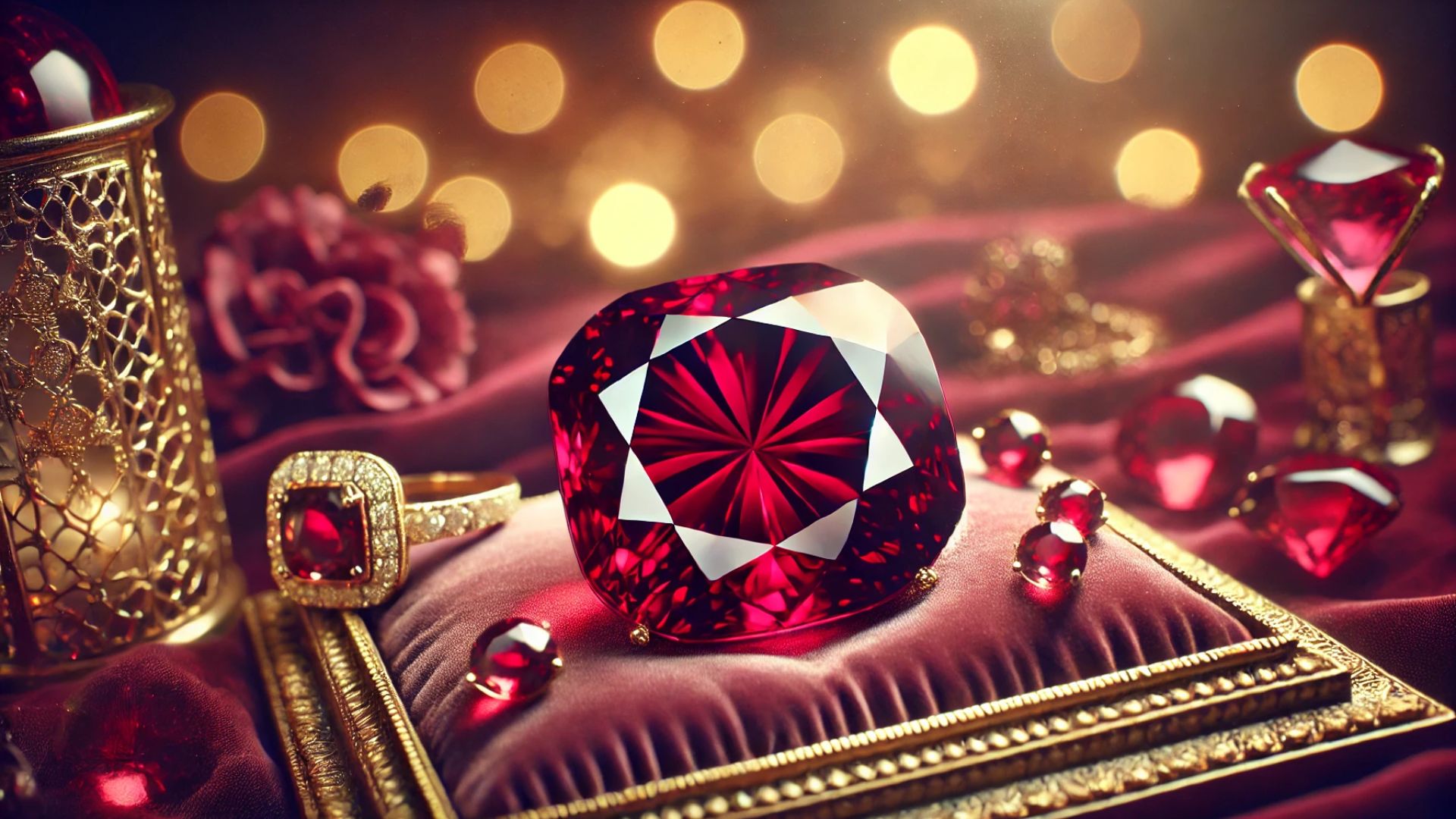
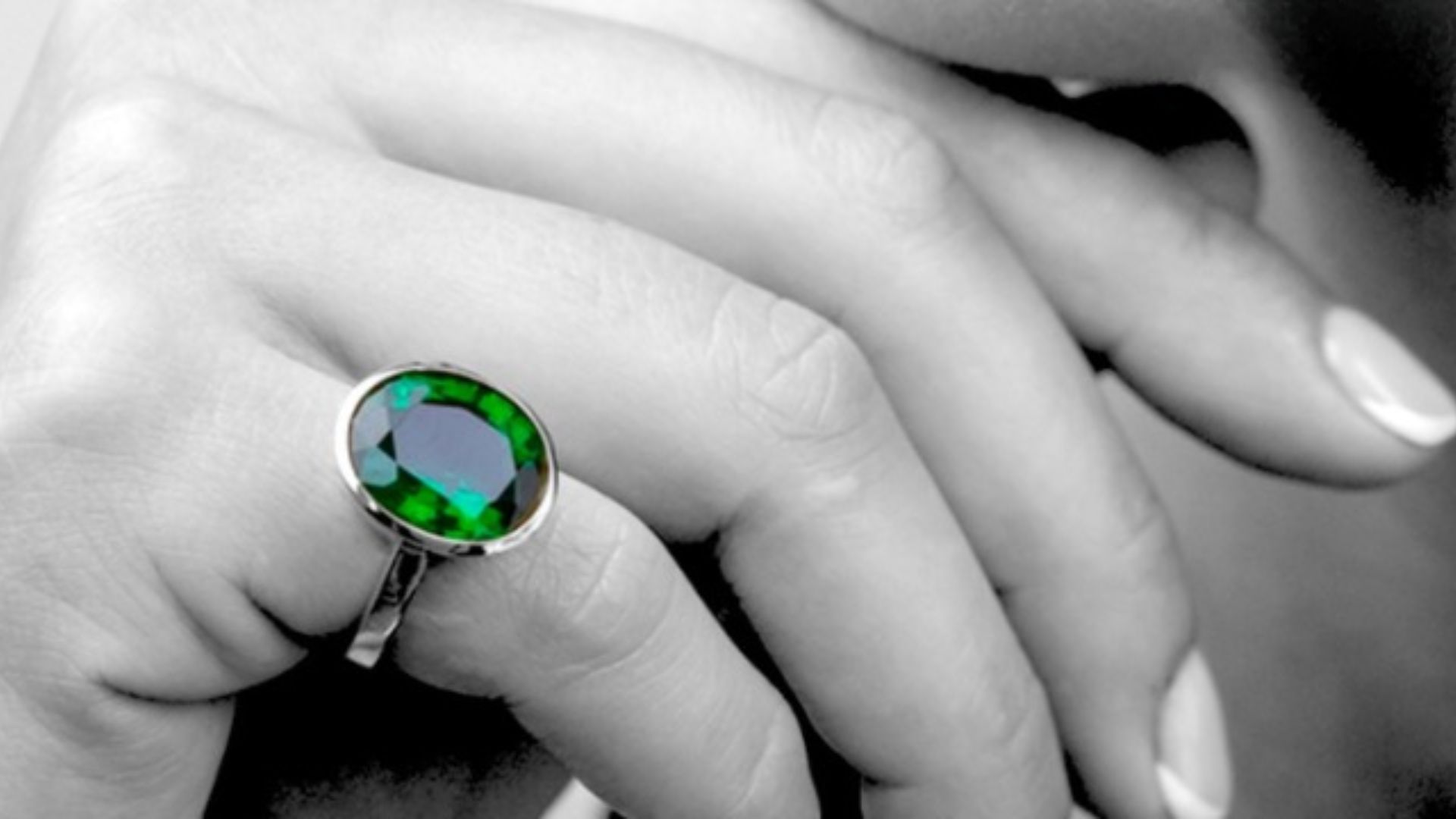
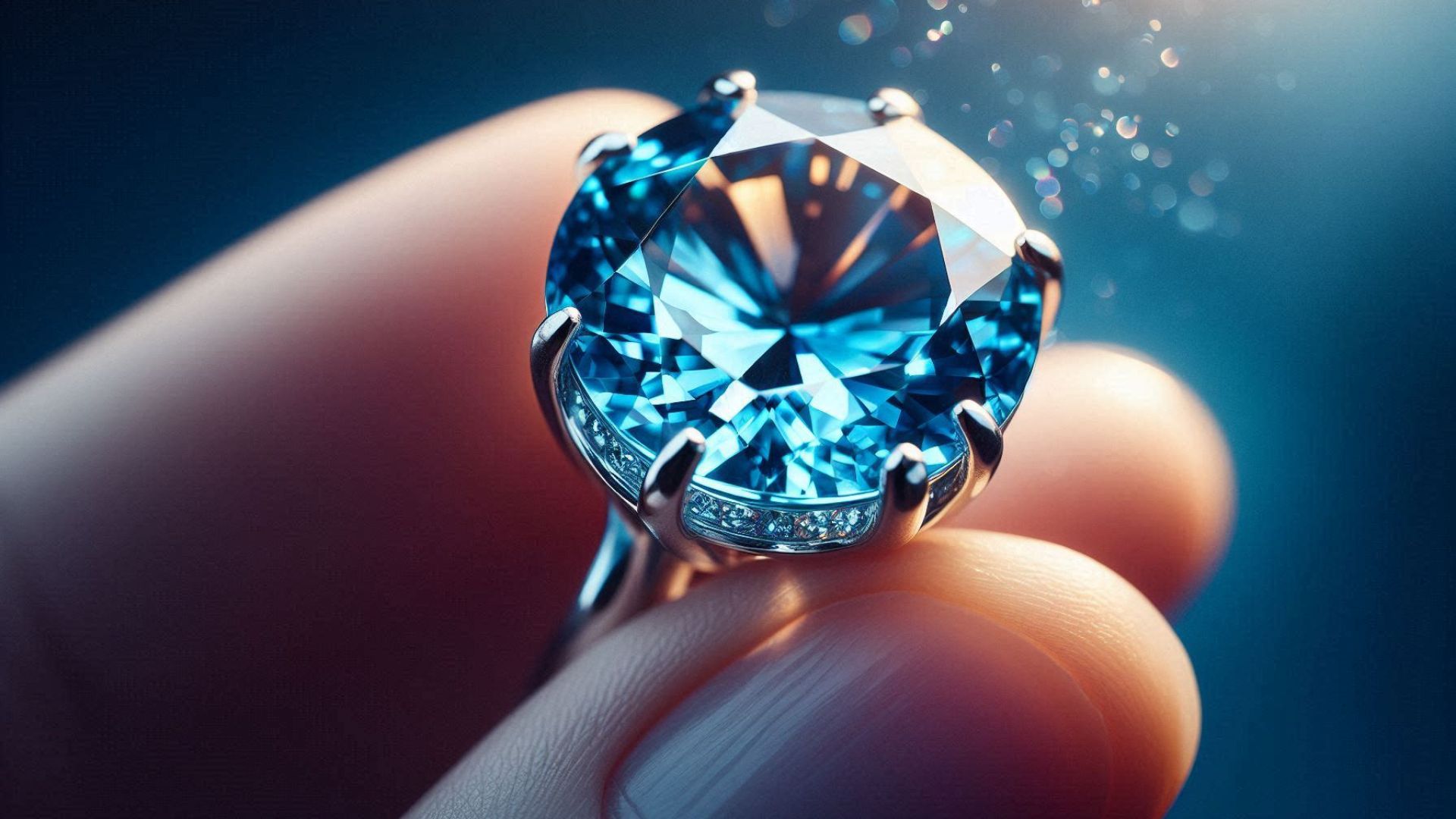
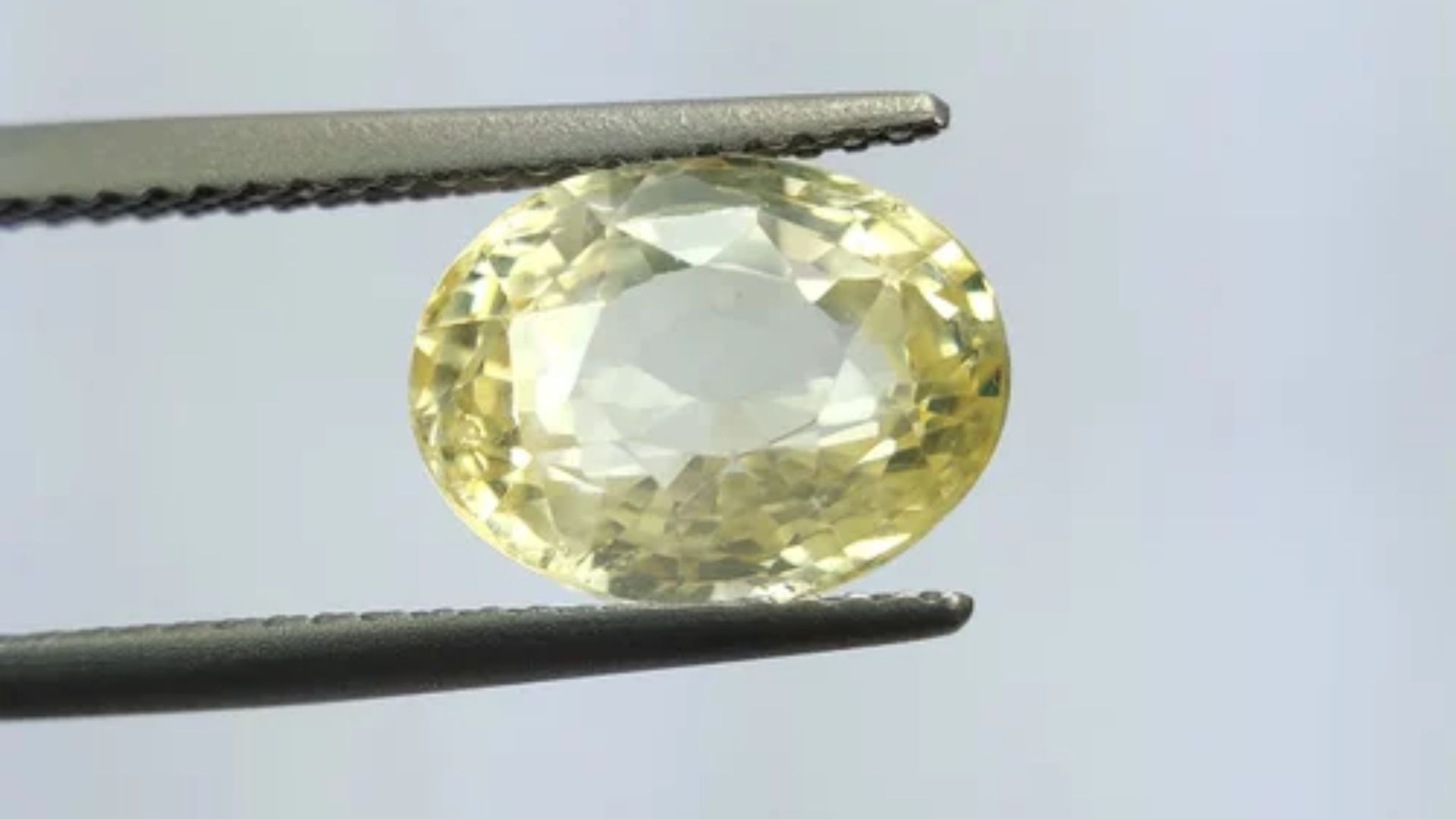
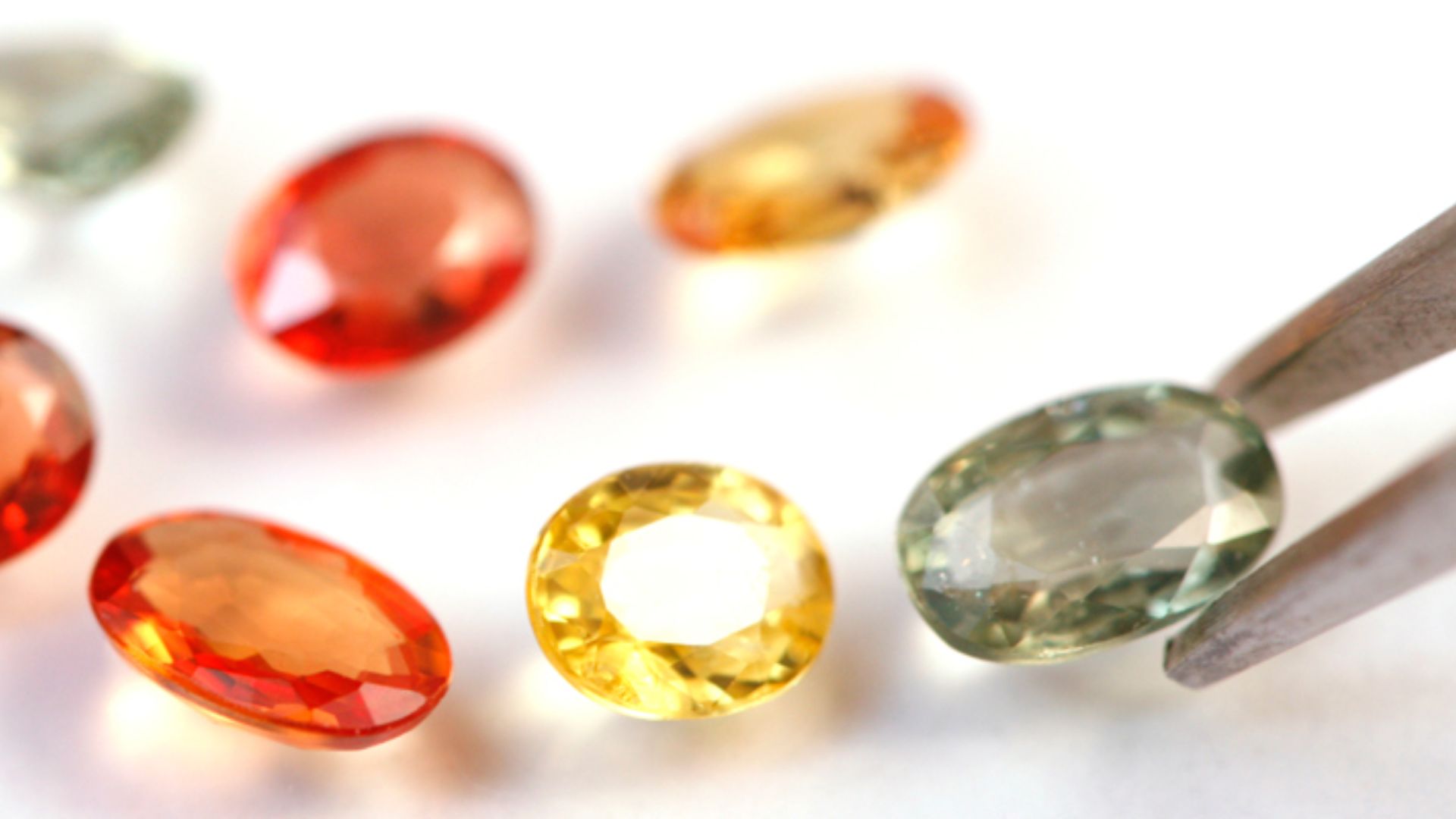
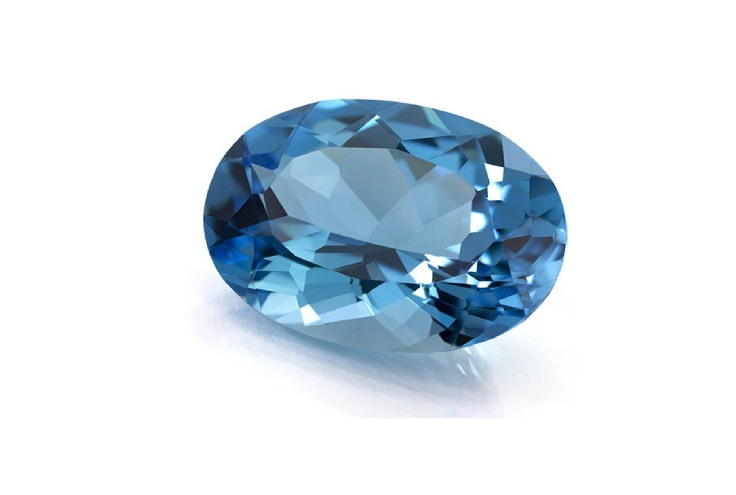
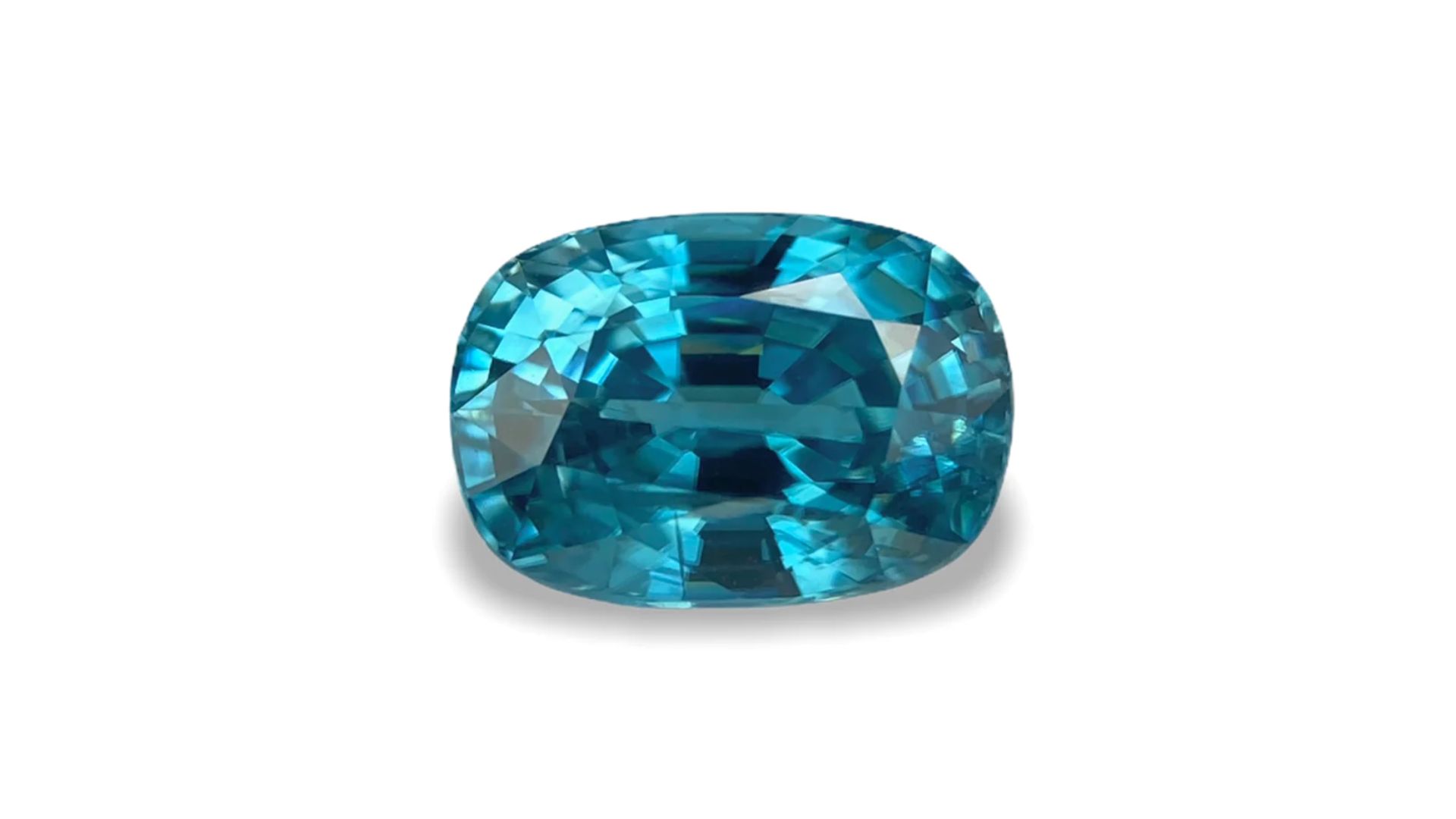
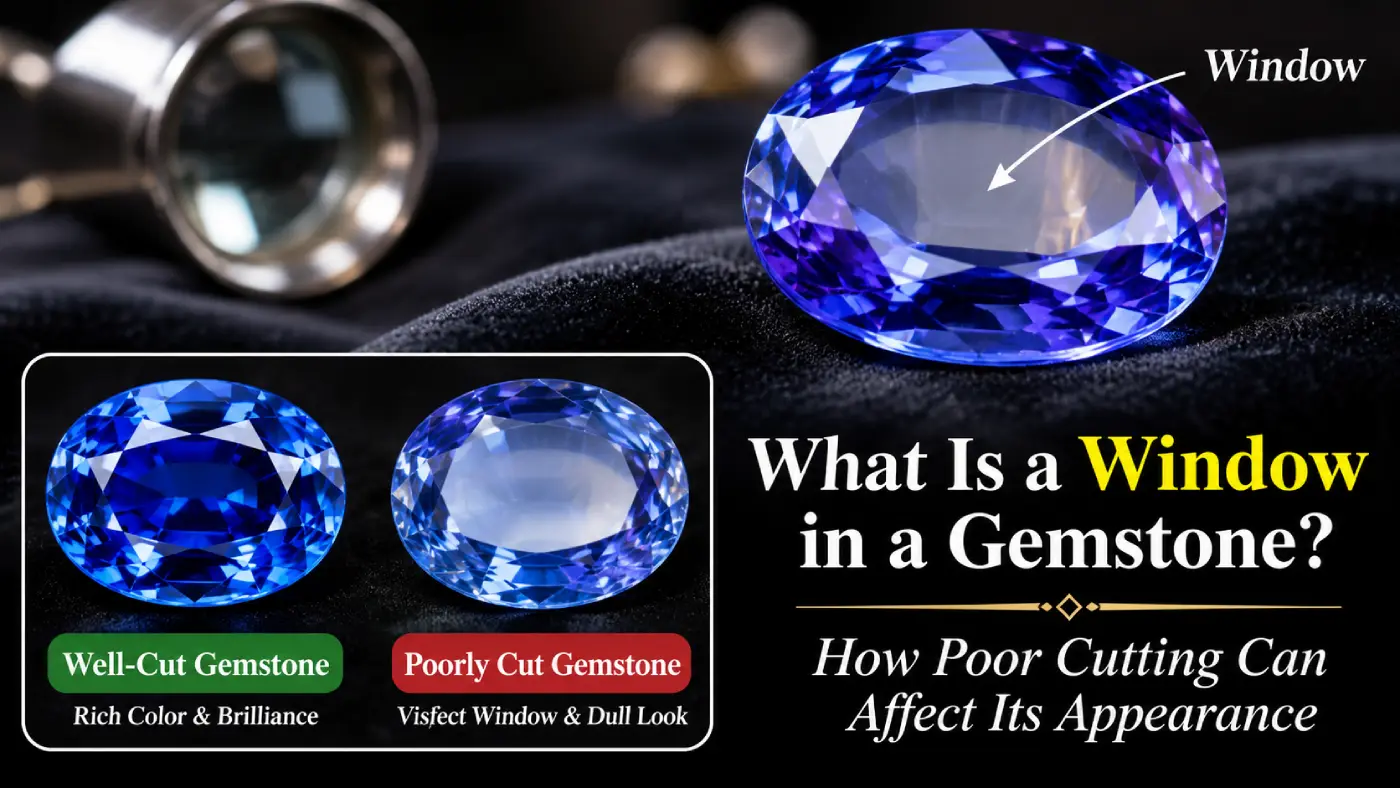
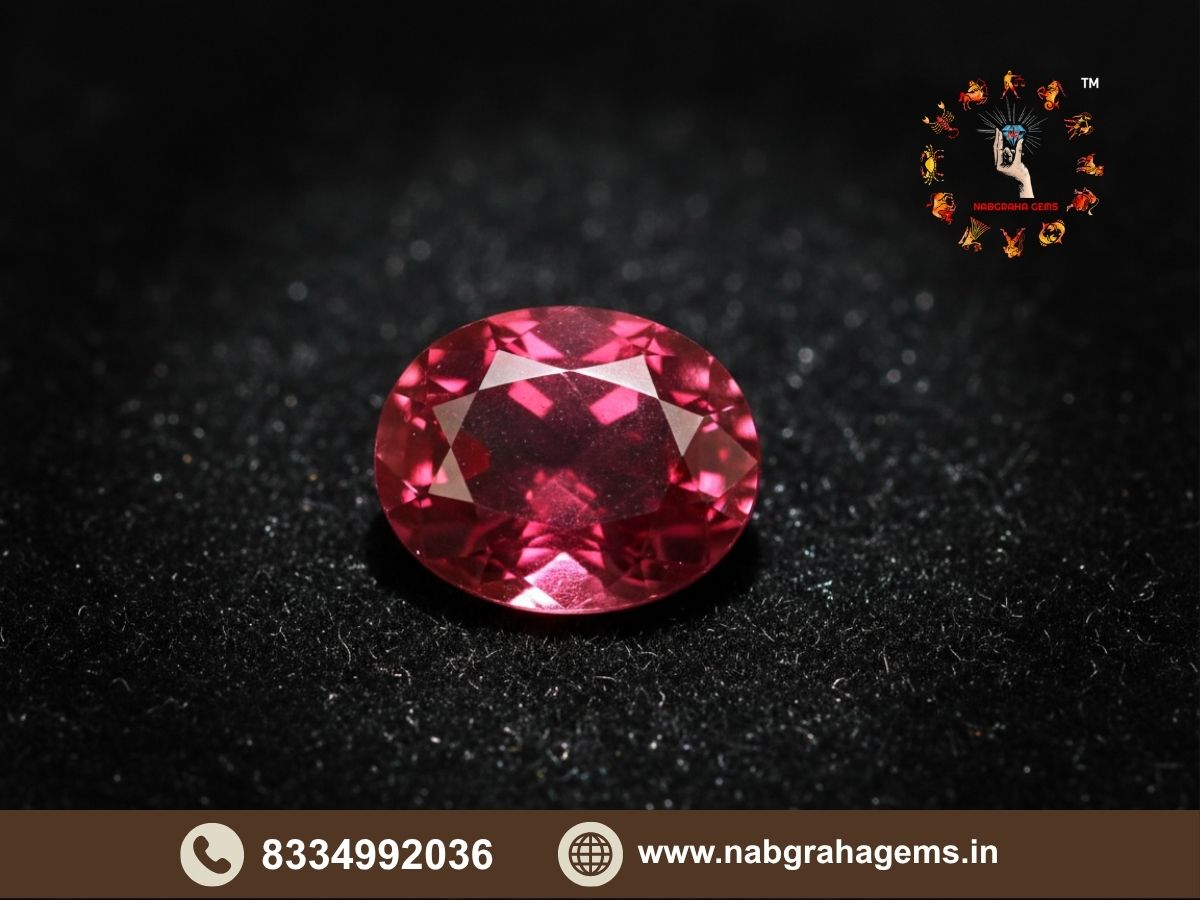
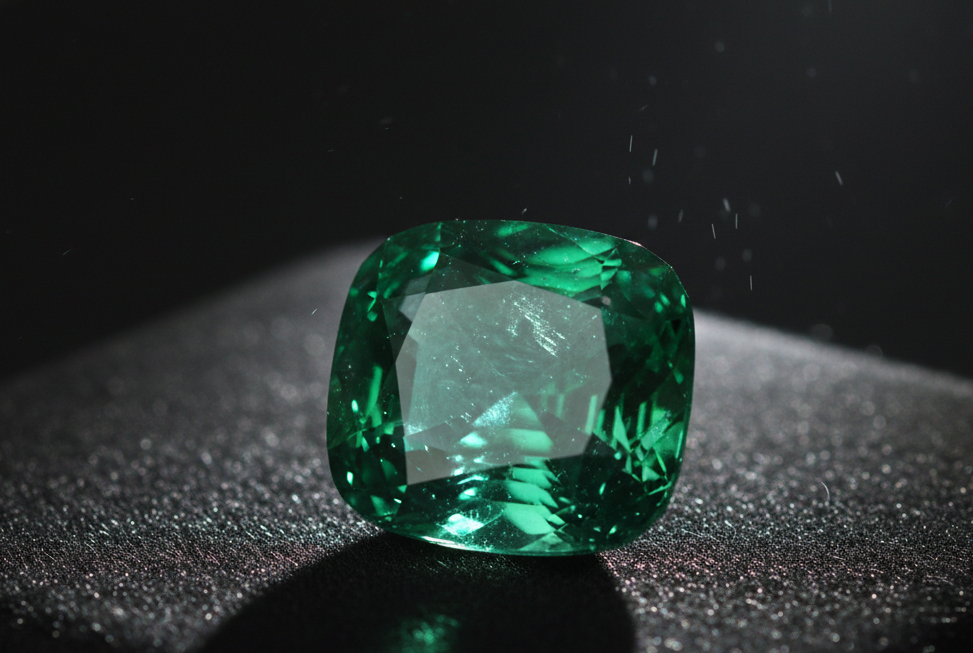
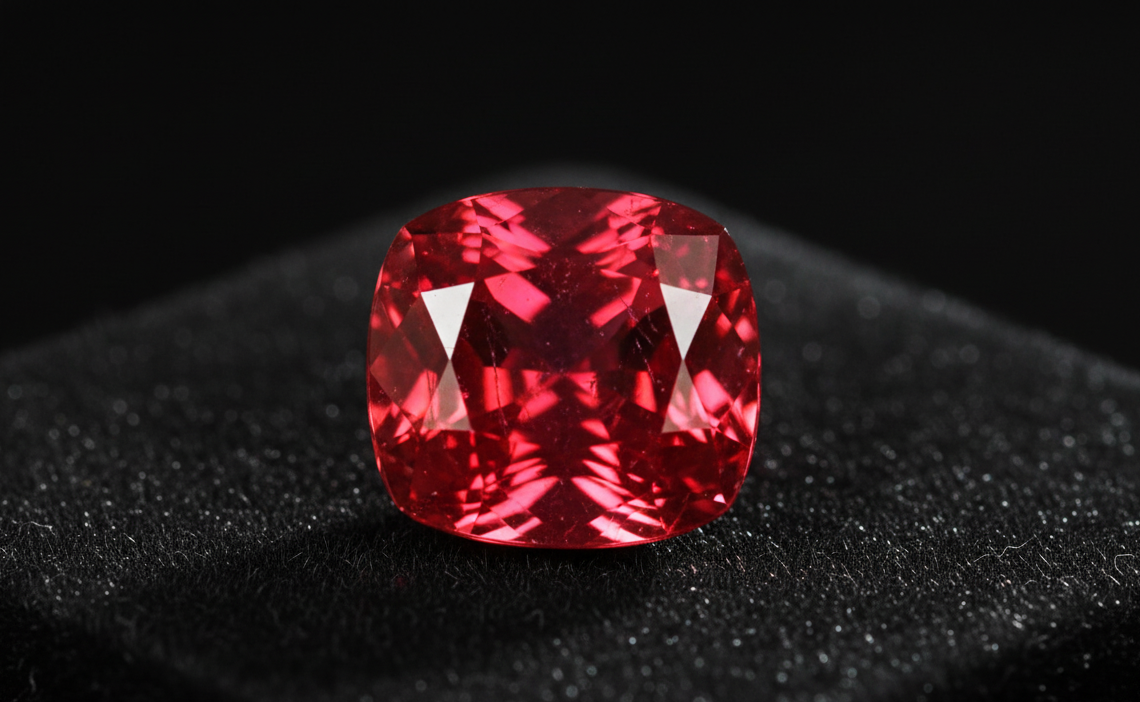
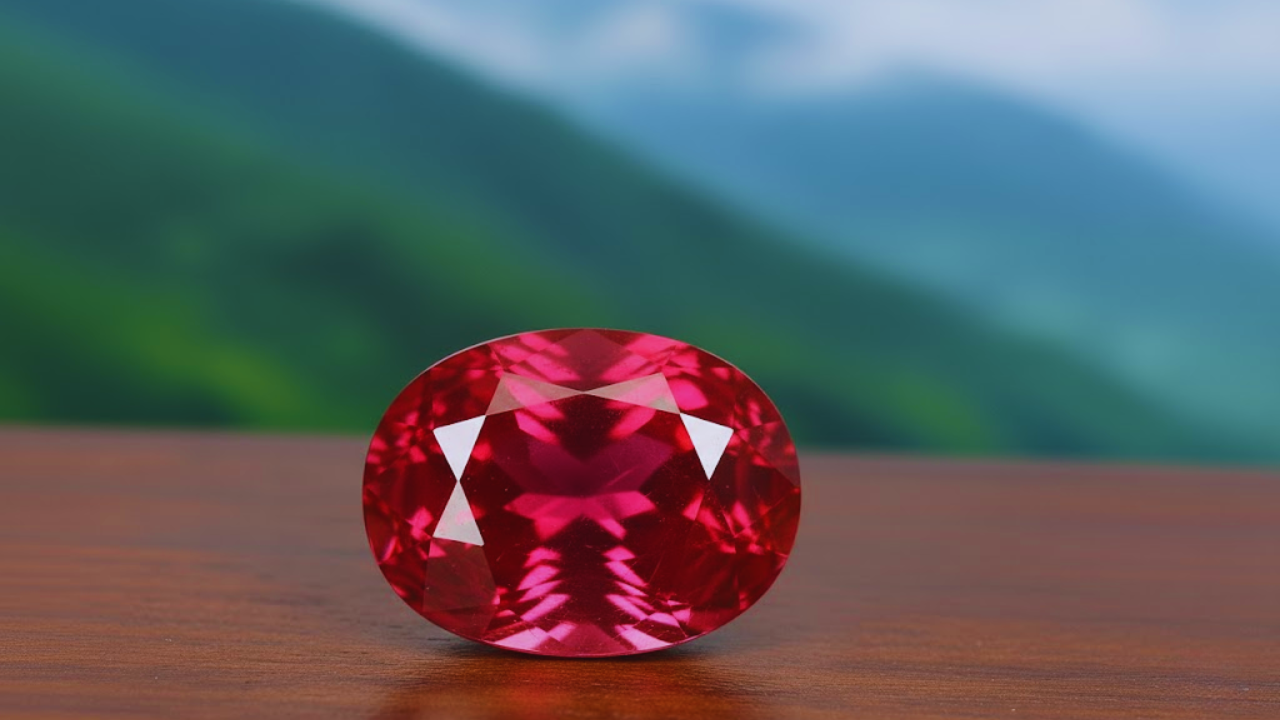
A gemstone window is a see-through area that appears in the centre or other parts of a faceted gemstone. Instead of reflecting light back towards the viewer, this area allows light to pass directly through the stone.
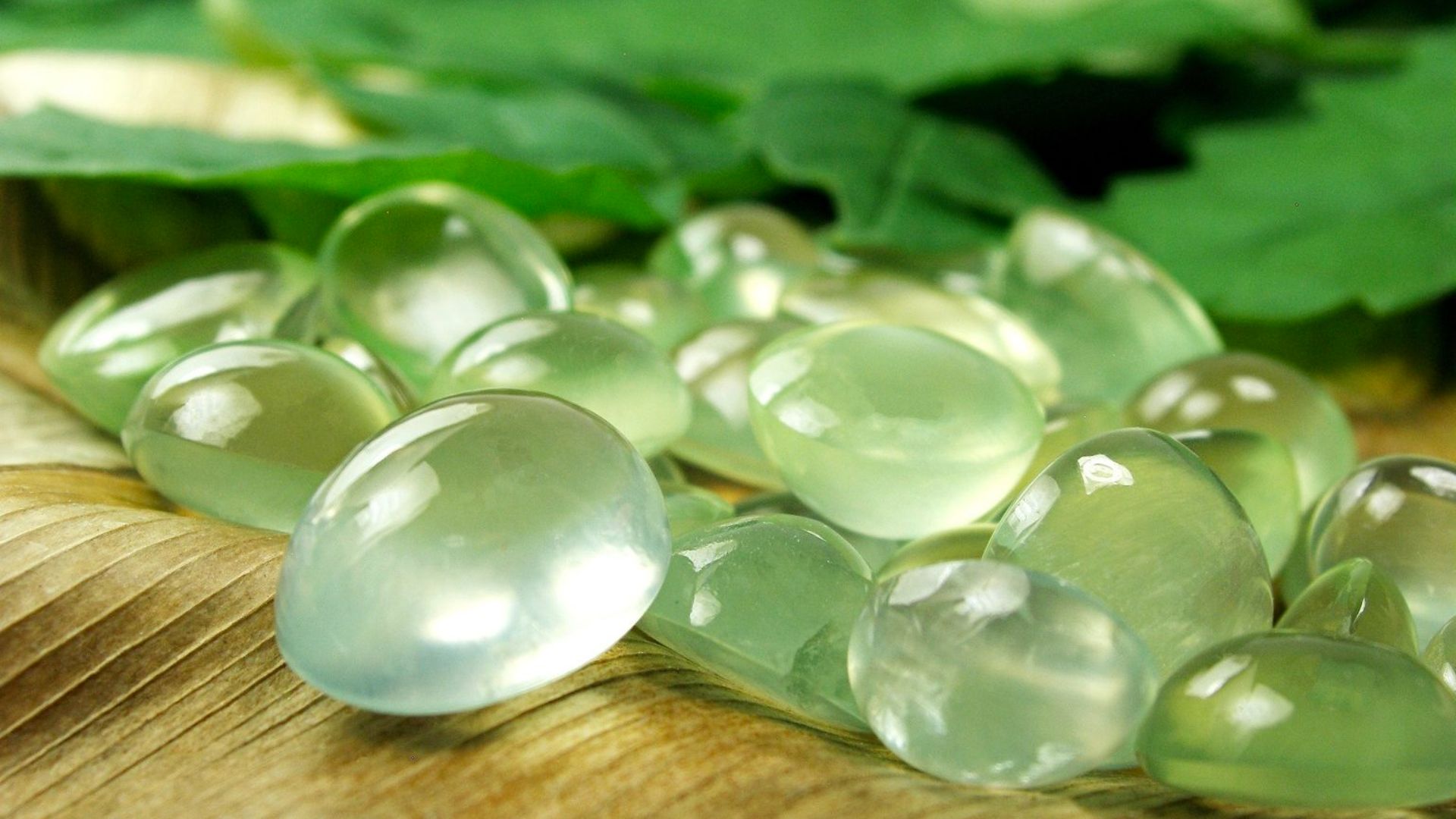
As a result, you may be able to see objects, colours, or backgrounds through the gemstone, almost as if you were looking through a clear glass window.
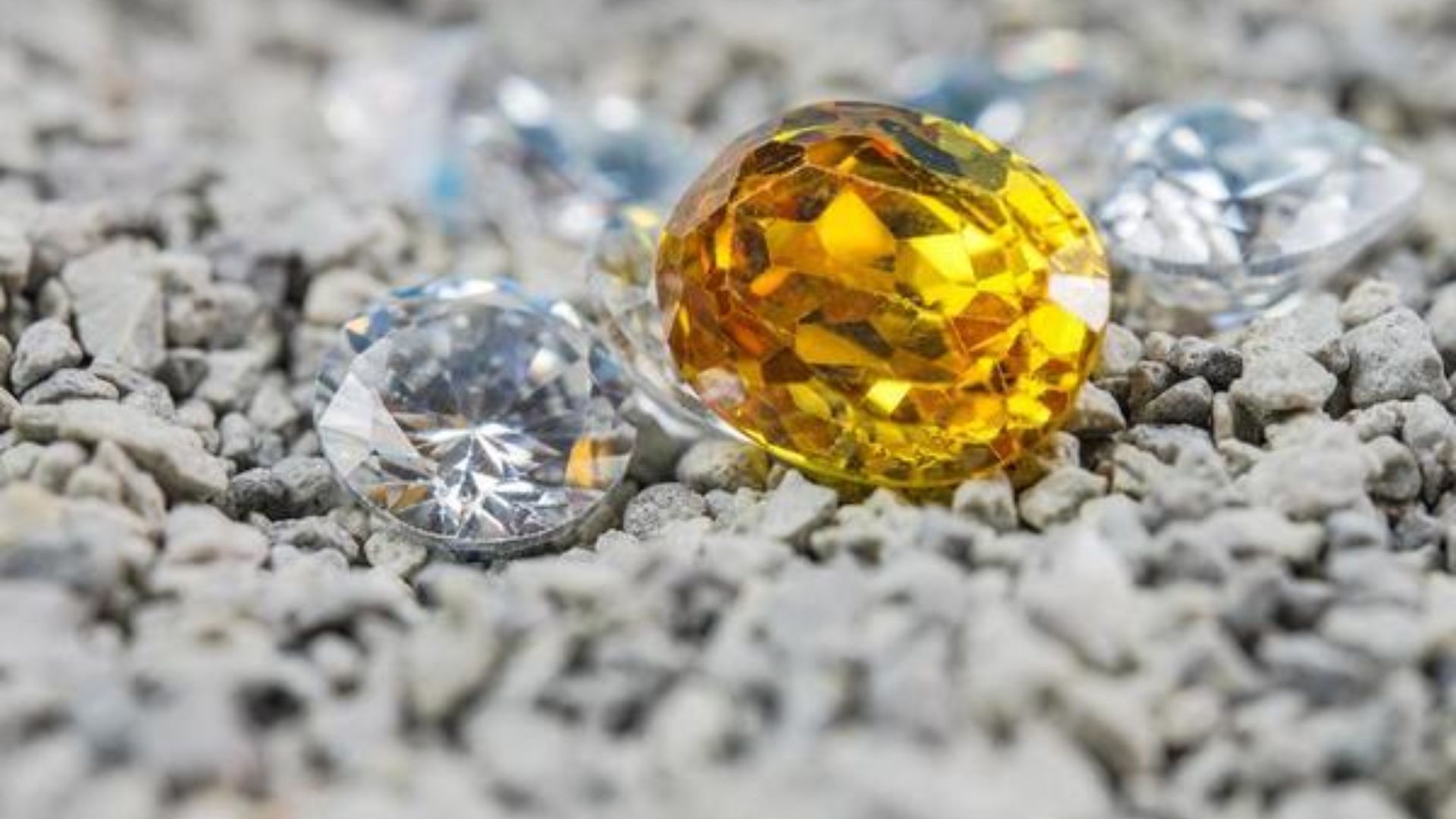
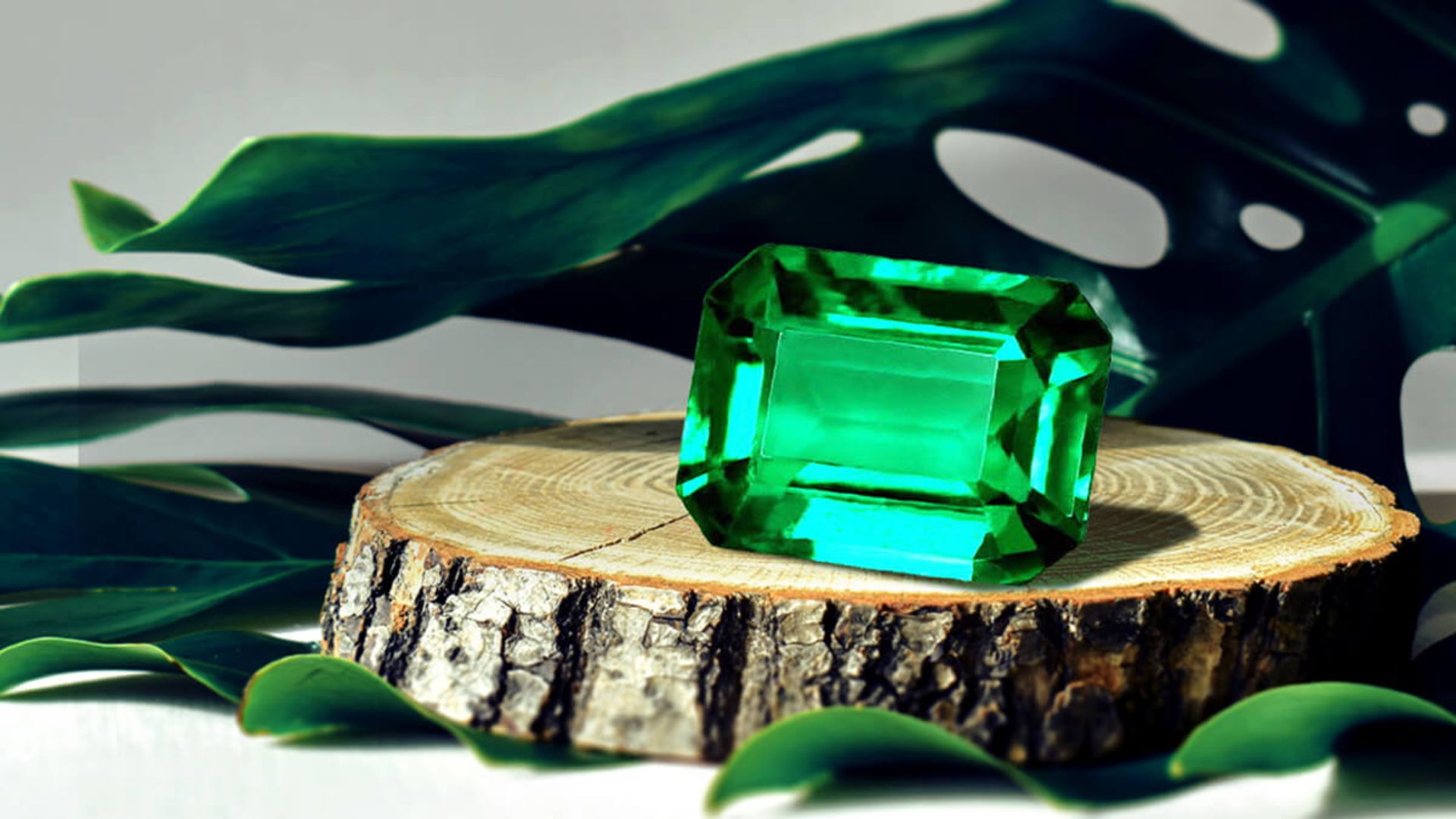
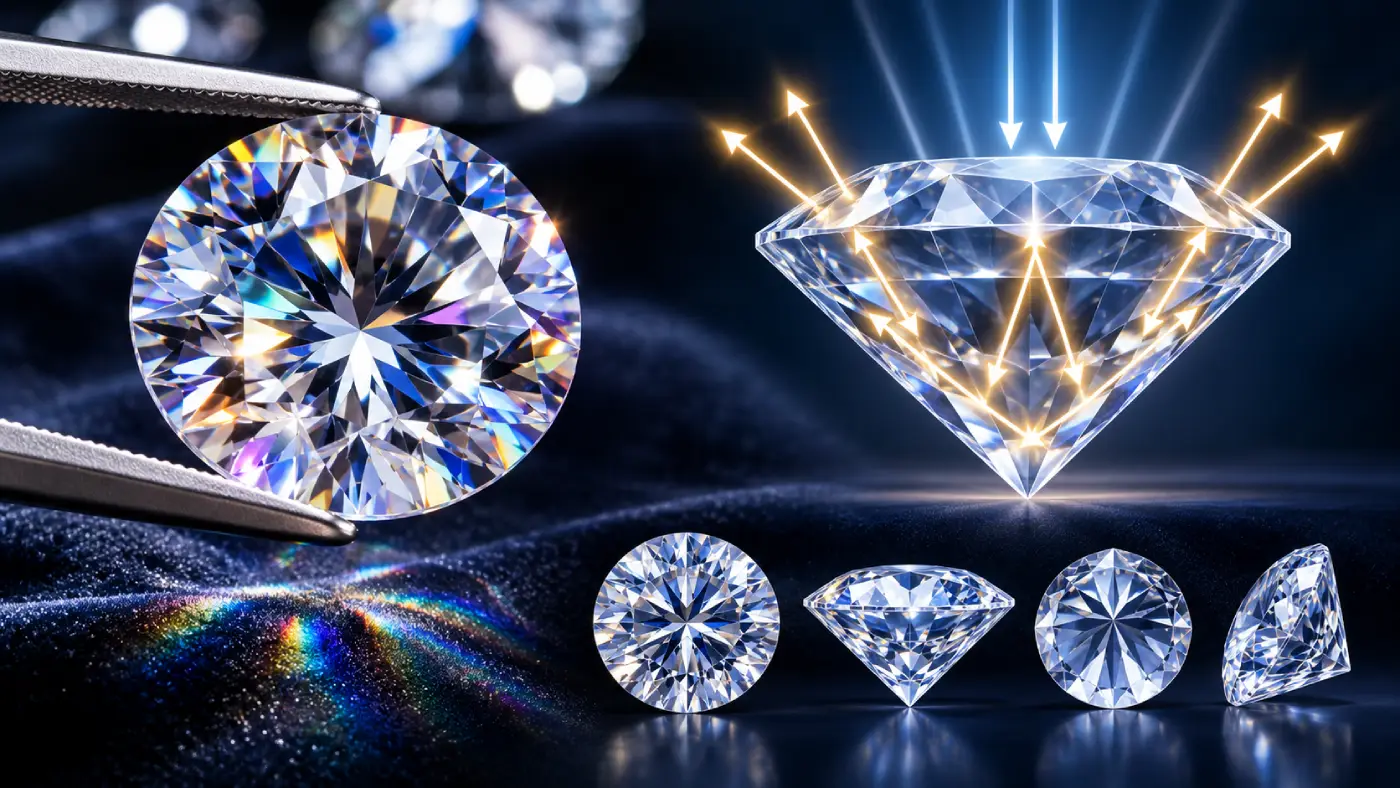
Ideally, a well-cut gemstone should reflect light through its facets, creating brilliance, sparkle, and attractive colour. However, when the angles and proportions are not properly balanced, some light escapes through the bottom of the gemstone rather than returning to the eye.
This creates a windowing effect that reduces the stone's visual appeal.
What Causes Windowing in Gems?
The primary reason for windowing is improper gemstone cutting. However, several factors related to the cutting process can contribute to this issue.
1. Incorrect Pavilion Angles
The pavilion is the lower portion of a faceted gemstone, located beneath its widest part, known as the girdle.
Pavilion angles play an important role in controlling how light travels inside a gemstone. If these angles are too shallow, light may escape through the bottom instead of reflecting internally.
This can create a noticeable transparent area, commonly referred to as a gemstone window.
2. Improper Gemstone Proportions
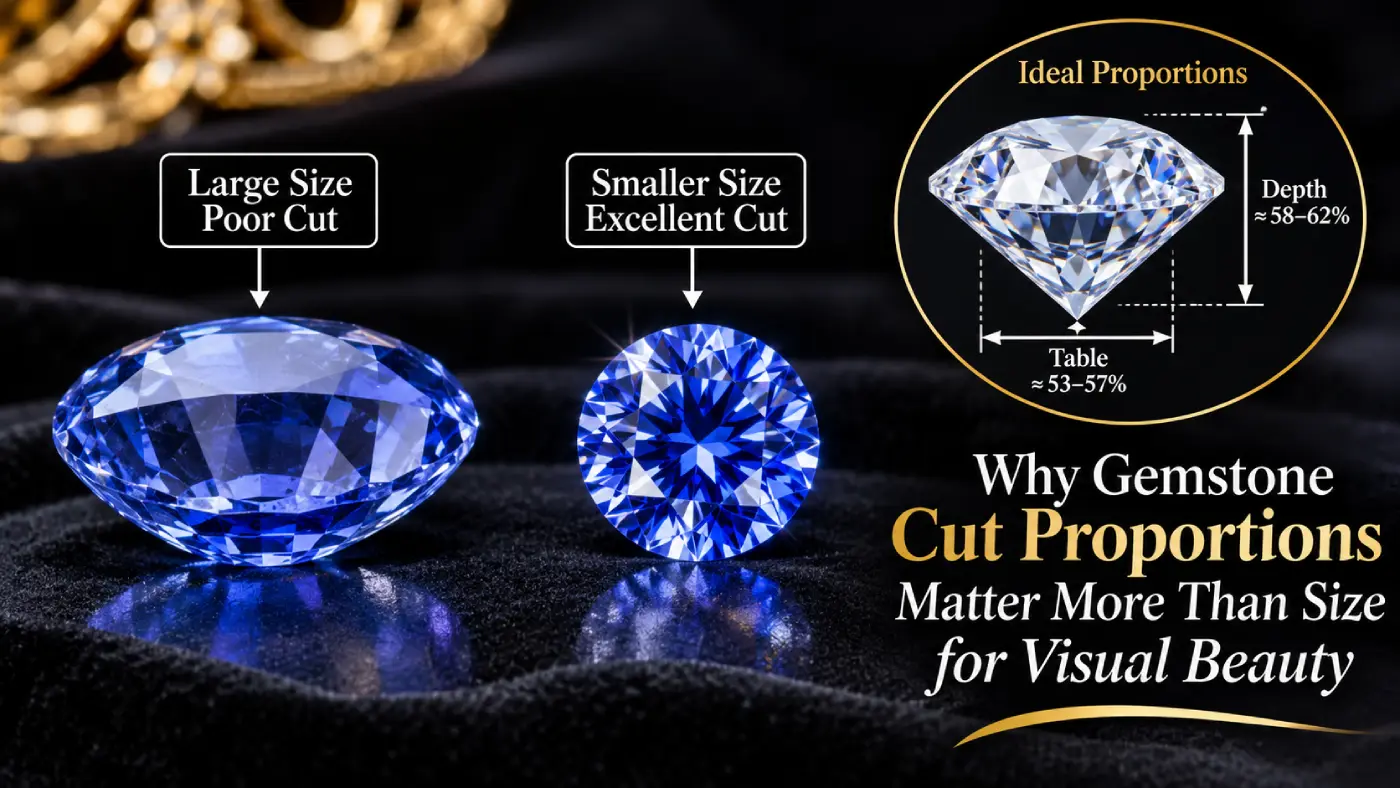
Every gemstone has proportions that influence its brilliance and light performance. These include its depth, width, crown height, and pavilion depth.
When a gemstone is cut too shallow, it may lose light through its bottom, resulting in windowing. Poor proportions can also make the gemstone appear less lively and reduce its overall visual impact.
3. Lack of Cutting Expertise
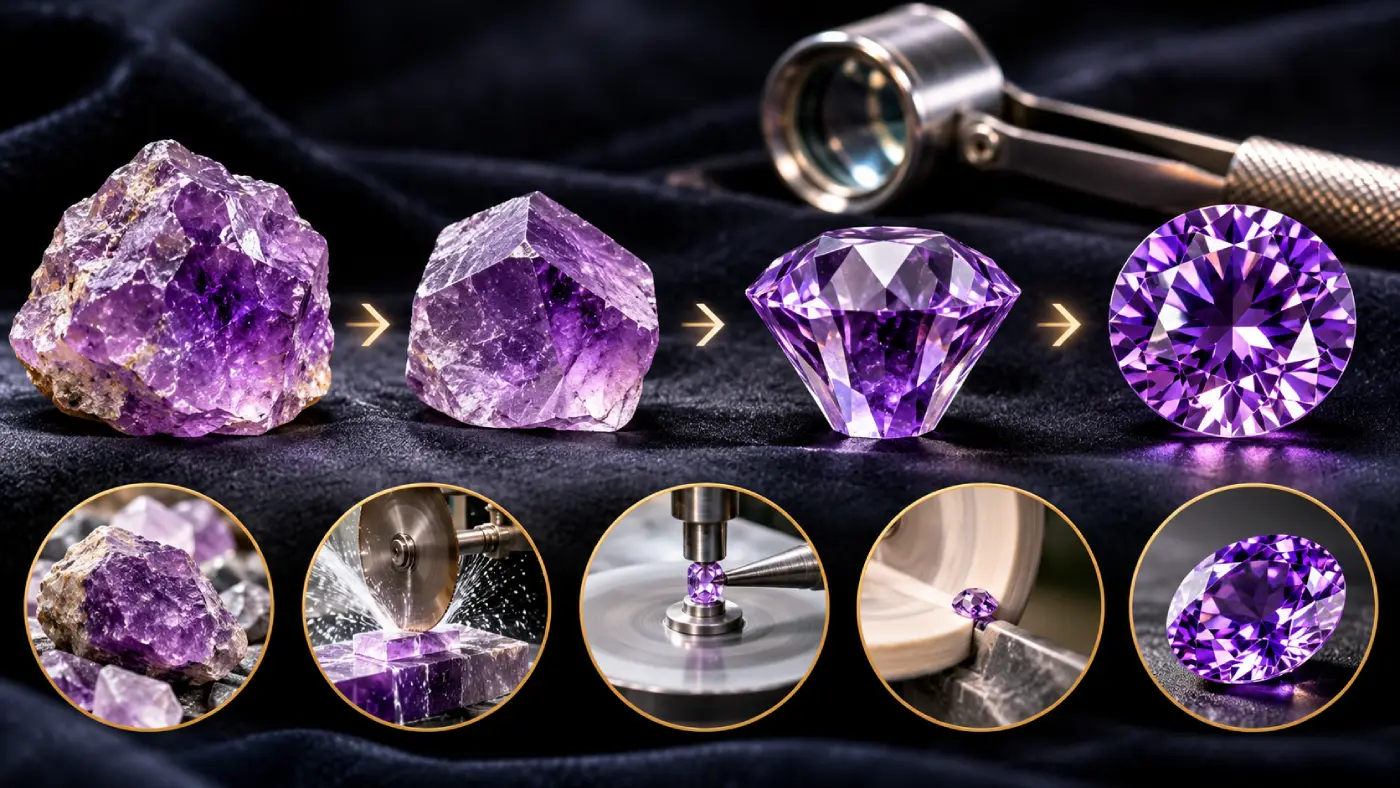
Gemstone cutting requires technical knowledge, precision, and an understanding of how different gemstones interact with light.
An inexperienced cutter may focus more on retaining weight or achieving a particular shape than on maximising brilliance. This can lead to a poor gemstone cut, affecting the stone's ability to reflect light effectively.
How Does a Poor Gemstone Cut Affect Its Appearance?
A gemstone's cut is one of the most important factors influencing its visual beauty. Even a naturally attractive gemstone can lose much of its charm when cut incorrectly.
Here are some common ways poor cutting affects gemstone appearance.
1. Reduced Brilliance and Sparkle
One of the most noticeable effects of windowing is reduced brilliance.
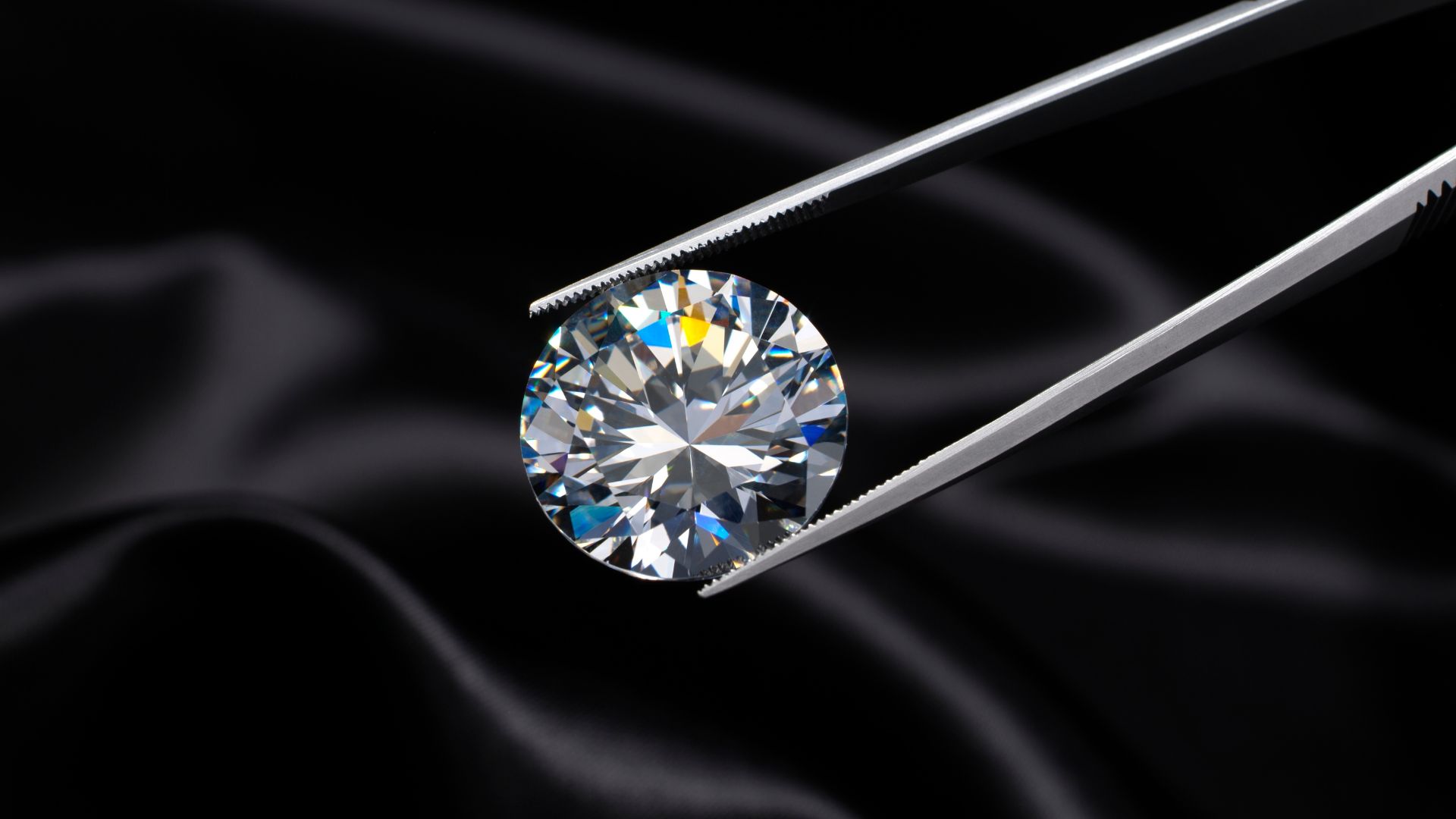
A well-cut gemstone reflects light through its facets, producing attractive flashes and sparkle. However, when a window is present, light escapes through the stone instead of reflecting towards the viewer.
Consequently, the gemstone may look lifeless or less brilliant than expected.
2. Uneven Colour Distribution
A gemstone's colour can appear different depending on how light interacts with its internal structure.
Poor gemstone cutting may create areas that look lighter or more transparent than the rest of the stone. This can result in uneven colour distribution, making the gemstone appear washed out or less saturated.
3. Reduced Visual Depth
A beautiful gemstone often has an attractive depth and richness that make its colour stand out.
However, windowing in gems can make the centre look transparent and flat. Instead of displaying rich colour, the gemstone may appear as though it has a clear patch in the middle.
This reduces its visual depth and overall attractiveness.
4. Lower Perceived Quality
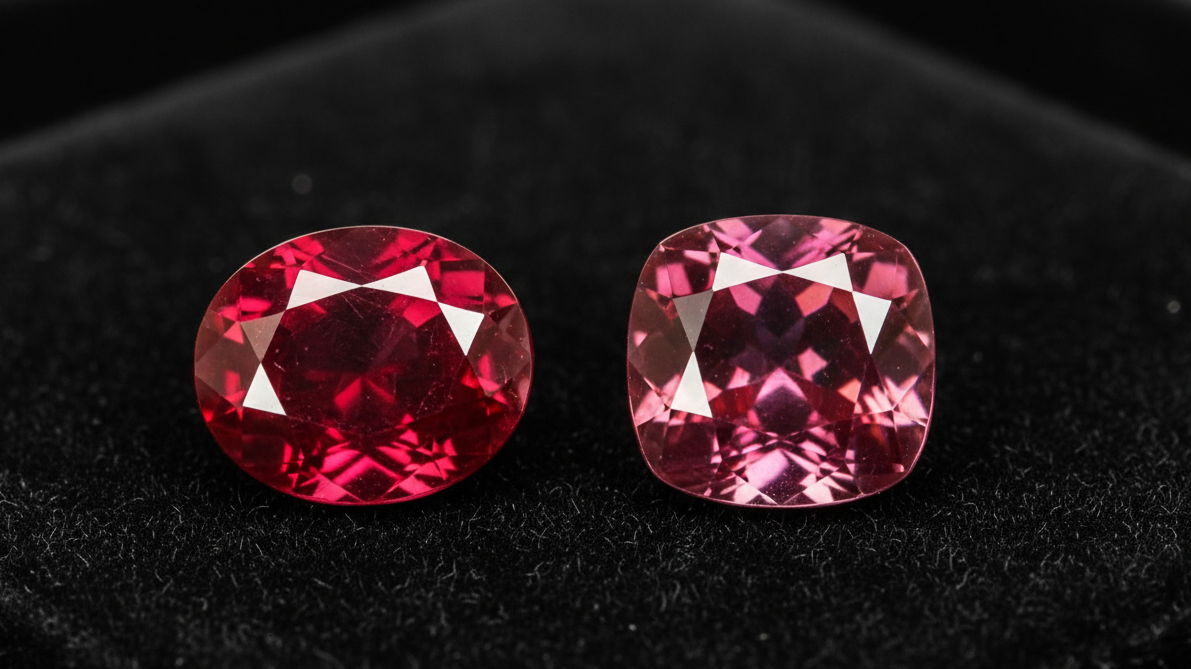
Two gemstones with similar colour, clarity, and carat weight can look very different because of their cutting quality.
A gemstone with noticeable windowing may appear less attractive than a properly cut stone of similar characteristics. As a result, its perceived quality and desirability may decrease.
How Can You Identify a Gemstone Window?
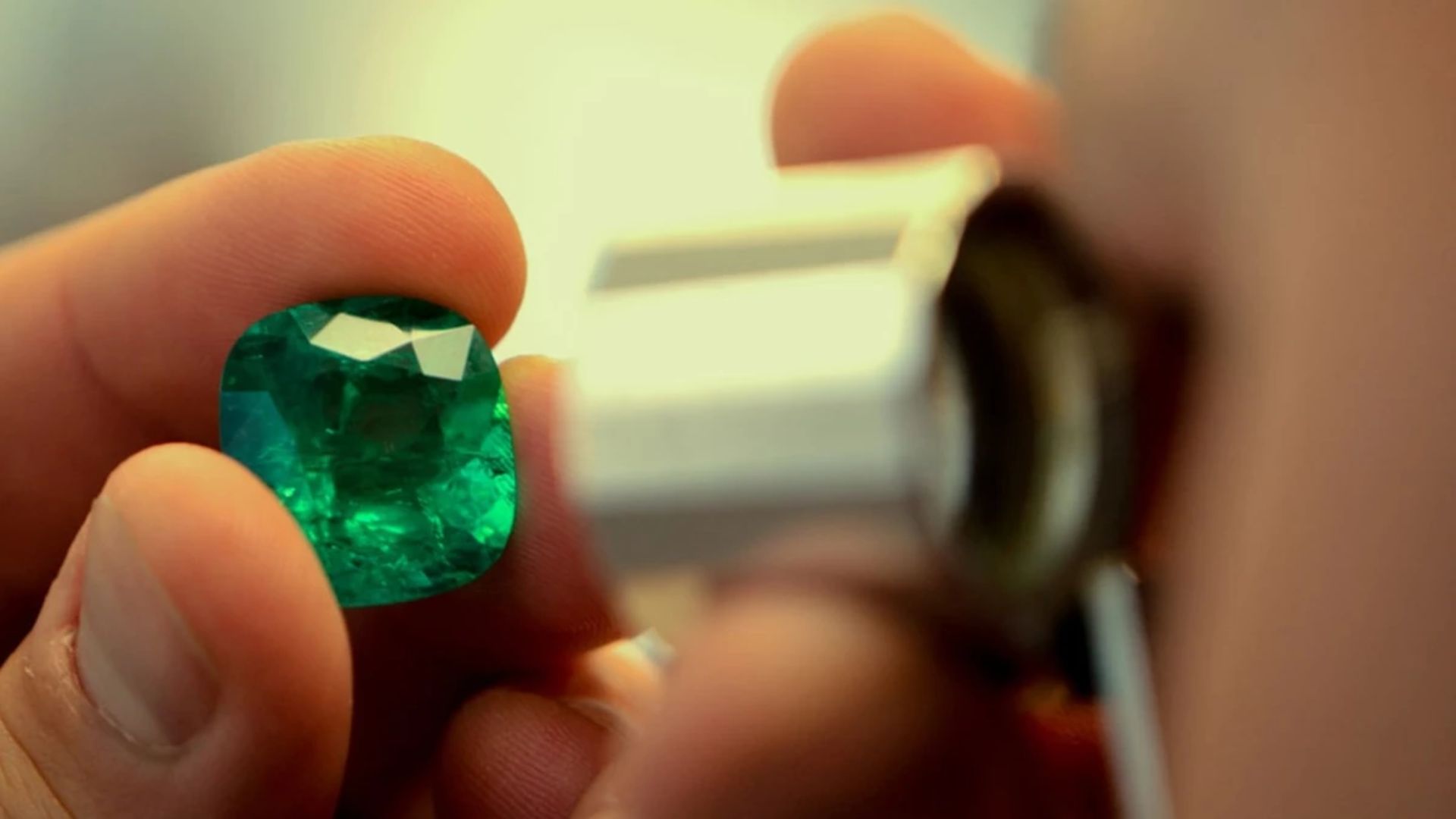
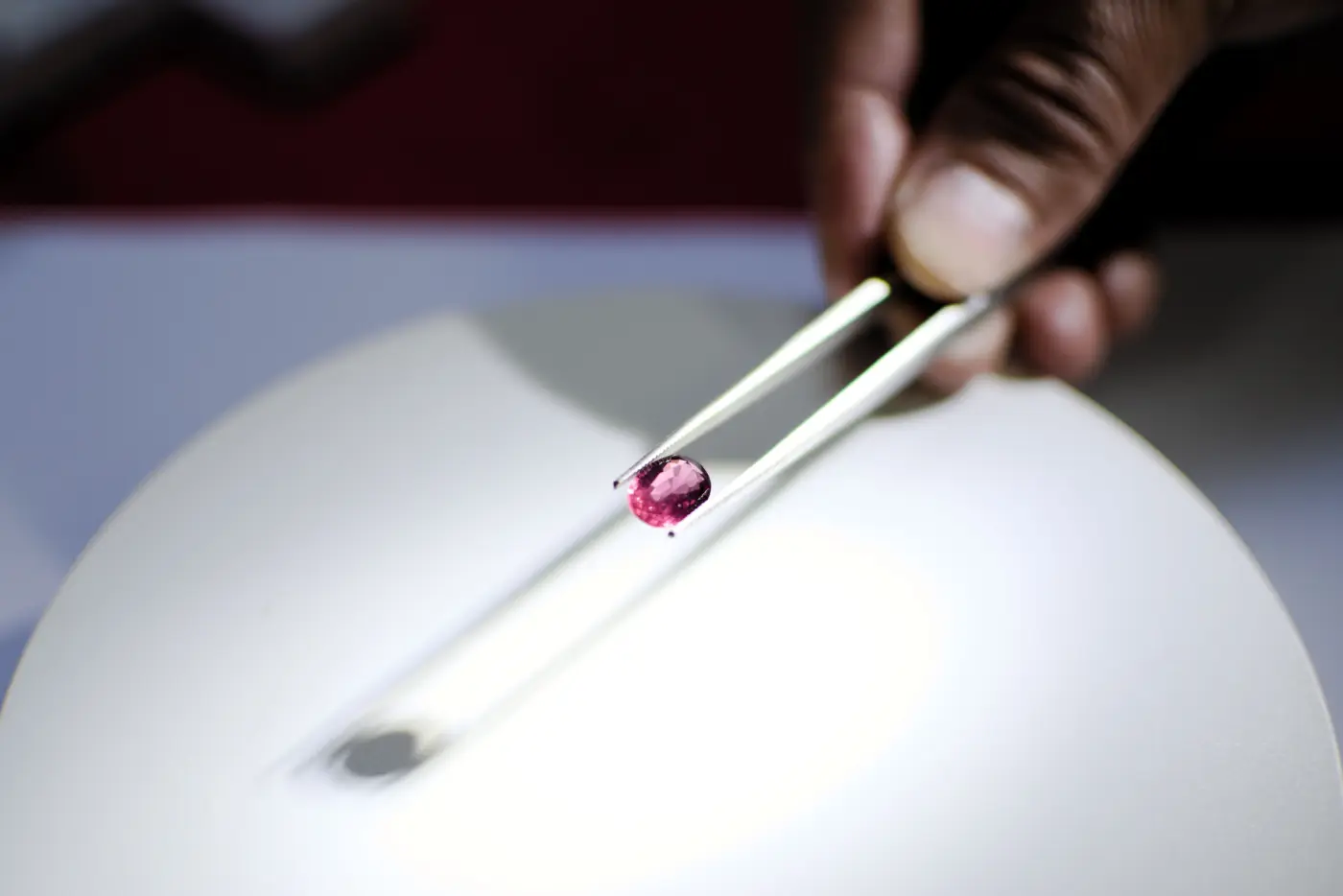
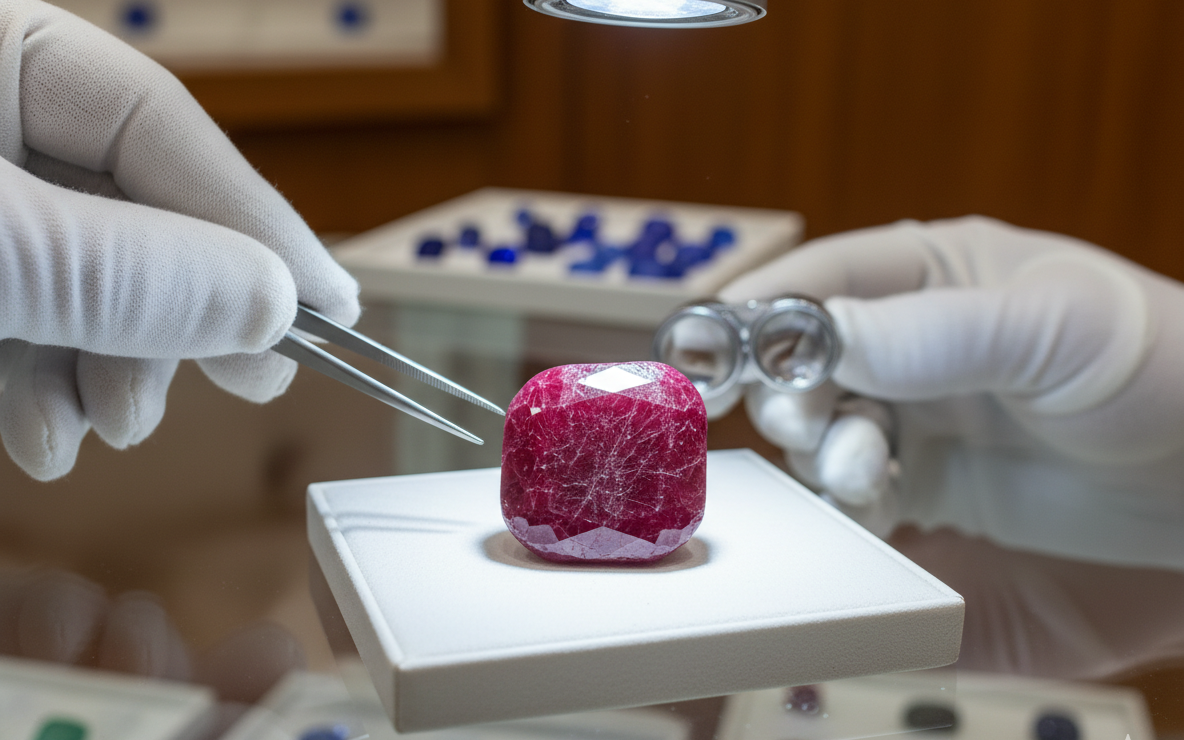
You do not need specialised equipment to identify a noticeable gemstone window. A few simple observations can help.
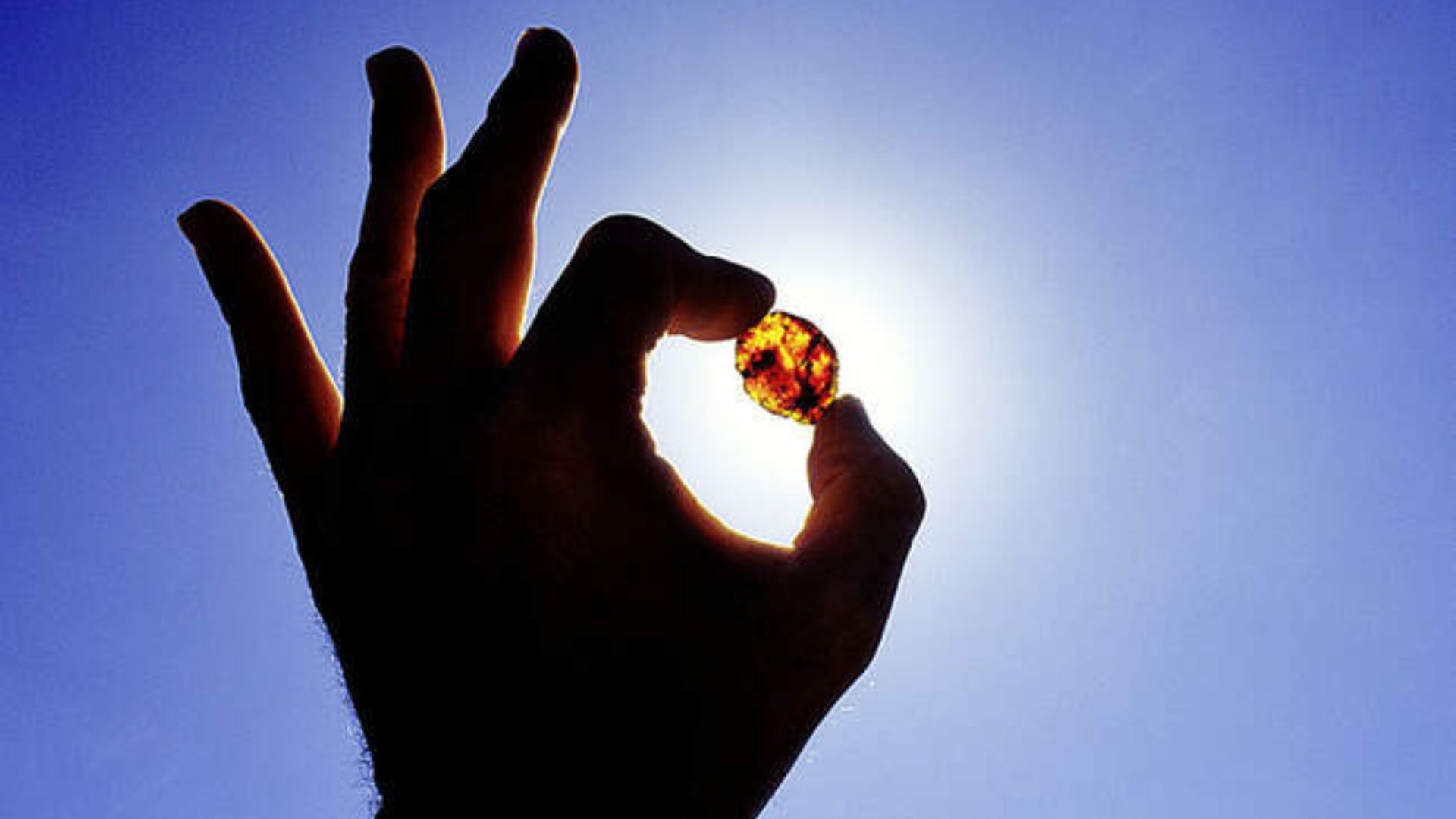
Look through the centre: Hold the gemstone and observe whether you can clearly see the background through its centre.Check it under different lighting: Examine the gemstone in natural daylight and indoor lighting to notice changes in transparency and brilliance.
Observe its sparkle: A well-cut gemstone generally displays attractive reflections, while a windowed stone may have a dull or lifeless central area.
View it from different angles: Tilt the gemstone slightly and check whether certain areas remain unusually transparent.
Remember that some gemstones naturally have different levels of transparency and brilliance. Therefore, not every transparent area indicates poor cutting.
Can a Gemstone Window Be Fixed?
In many cases, windowing can be reduced through professional recutting.
An experienced gemstone cutter may adjust the pavilion angles and overall proportions to improve the stone's light performance. However, recutting involves removing some of the gemstone's material, which can reduce its carat weight.
Whether recutting is worthwhile depends on several factors, including the gemstone's rarity, value, size, and the severity of the window.
It is always advisable to consult a skilled gemstone cutter before making any changes.
Tips for Choosing a Well-Cut Gemstone
If you want a gemstone with excellent visual appeal, paying attention to its cut is essential. Here are a few things to consider before purchasing:
Prioritise light performance: Look for gemstones that display good brilliance, colour, and attractive reflections.Examine the stone in person: Whenever possible, inspect the gemstone under different lighting conditions.
Check for windowing: Look for unusually transparent patches, especially in the centre.
Buy from a trusted seller: Choose a reputable gemstone dealer who can provide accurate information about the stone's quality and cutting.
Consider professional advice: If you are investing in an expensive gemstone, an independent gemologist can help assess its cutting quality.
Final Thoughts
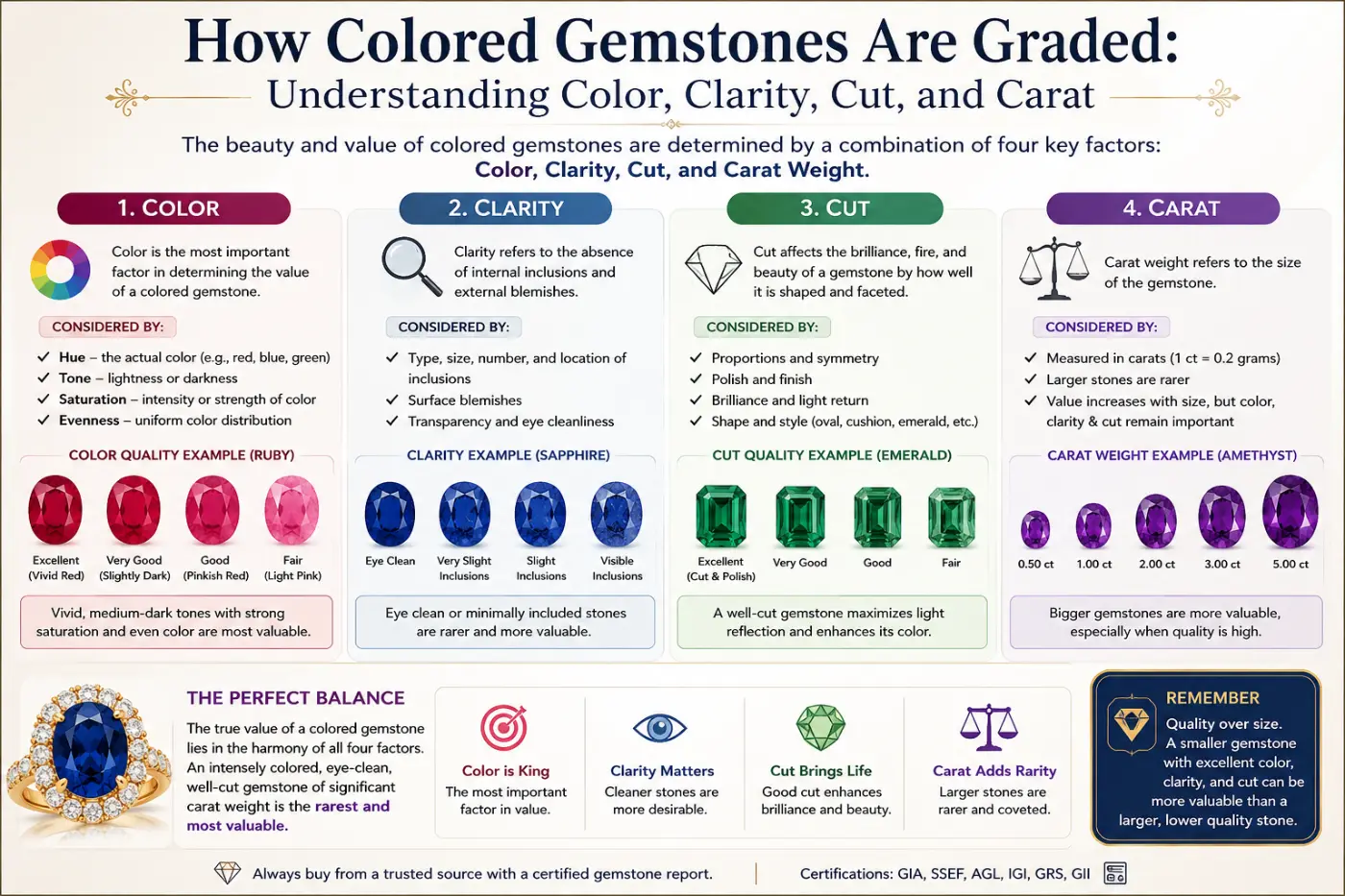
A gemstone's beauty depends on more than just its natural colour, clarity, and carat weight. The quality of gemstone cutting plays an equally important role in determining how attractive a stone looks.
A gemstone window may seem like a small cutting issue, but it can significantly affect brilliance, colour distribution, and overall appearance. Understanding windowing in gems helps buyers recognise the difference between a well-cut gemstone and one affected by poor proportions.
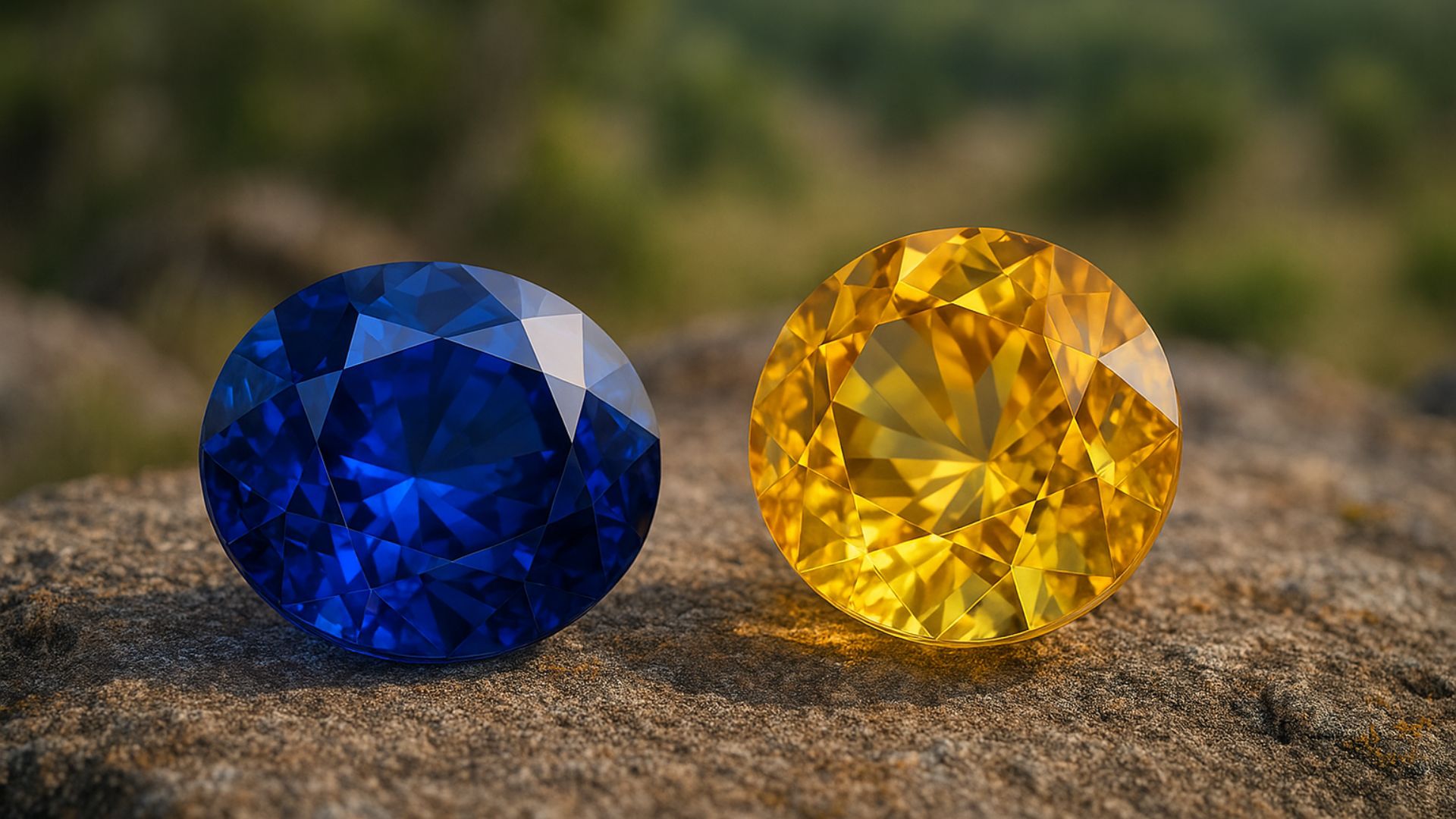
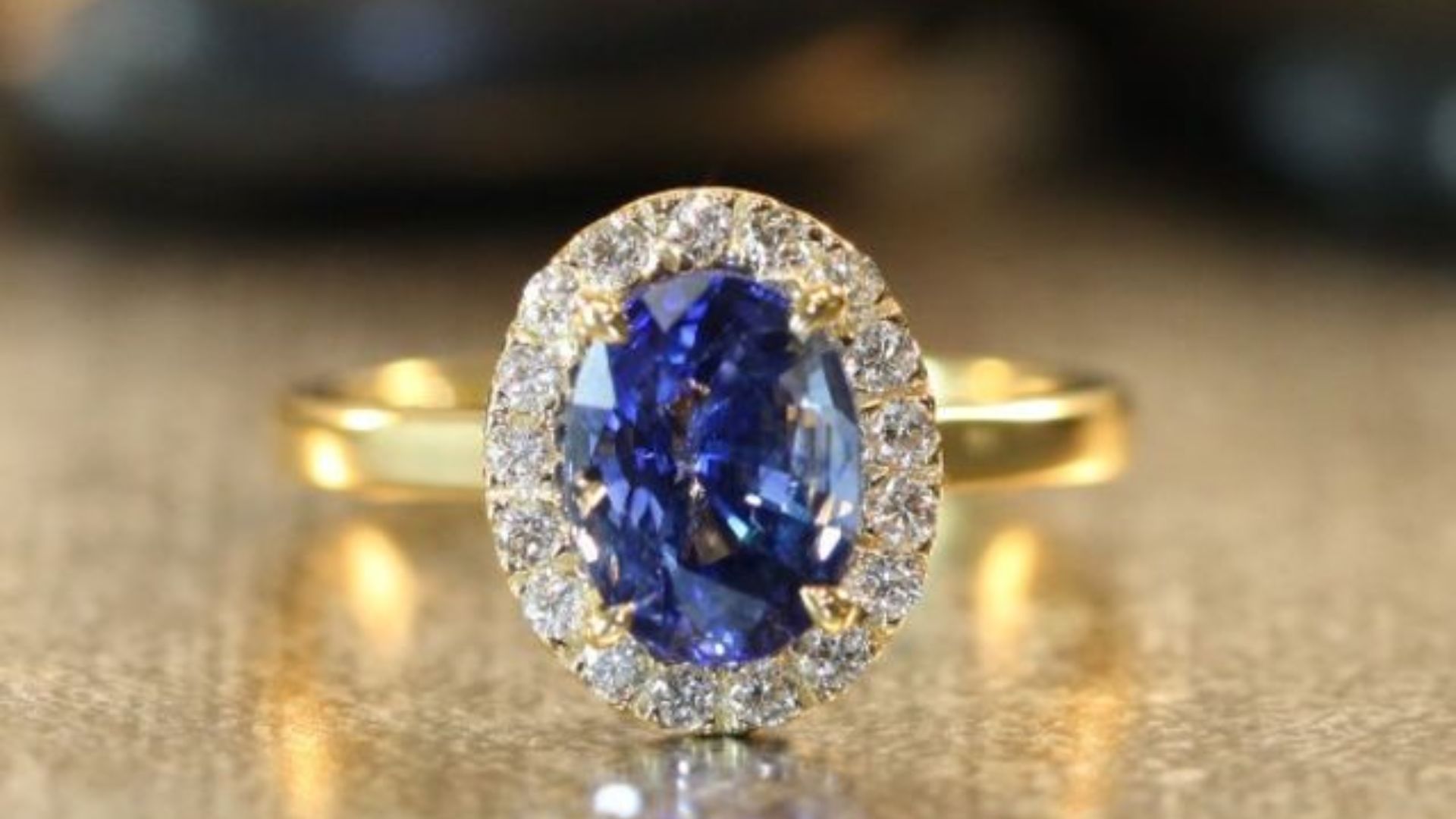
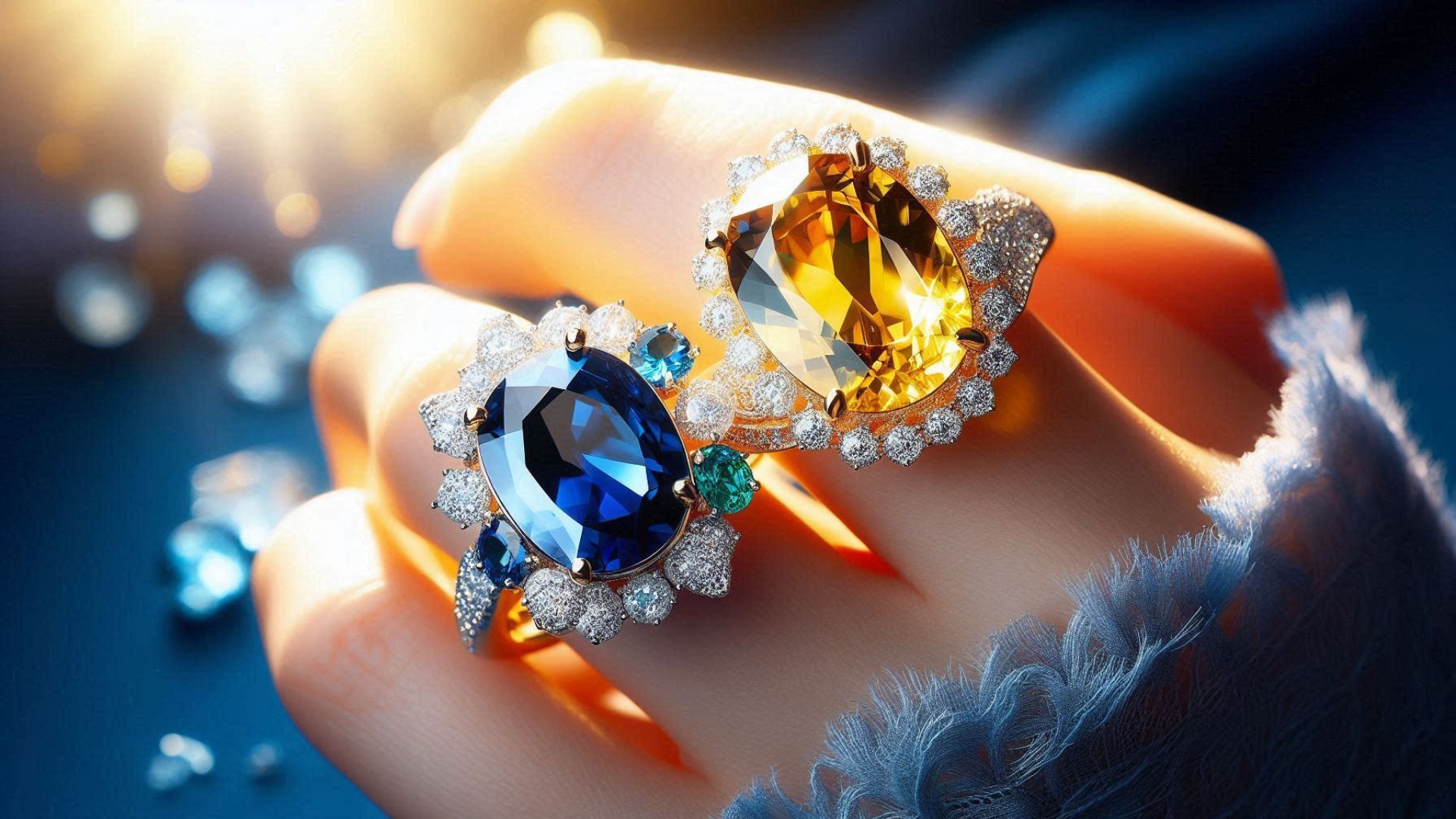
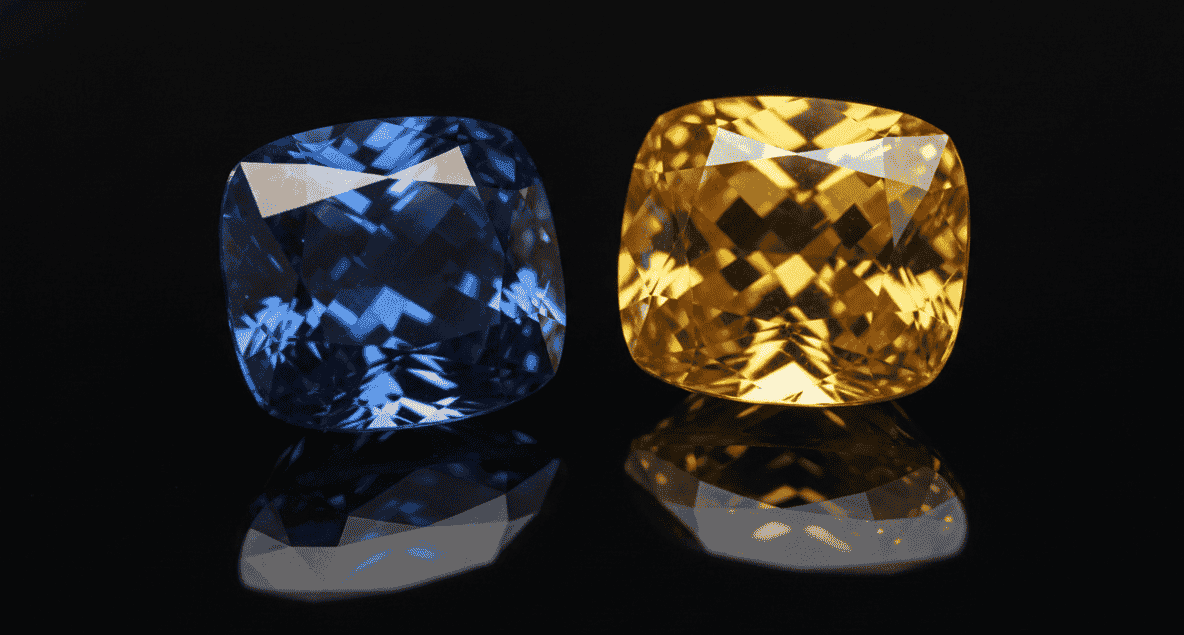
Ultimately, choosing a properly cut gemstone ensures that its natural beauty is displayed to its fullest potential. Whether selecting a classic sapphire or a vibrant yellow blue sapphire, look beyond its colour and carat weight before making a purchase, and pay close attention to the quality of its cut to ensure maximum brilliance, sparkle, and visual appeal.
Recent Posts


2026-09-04
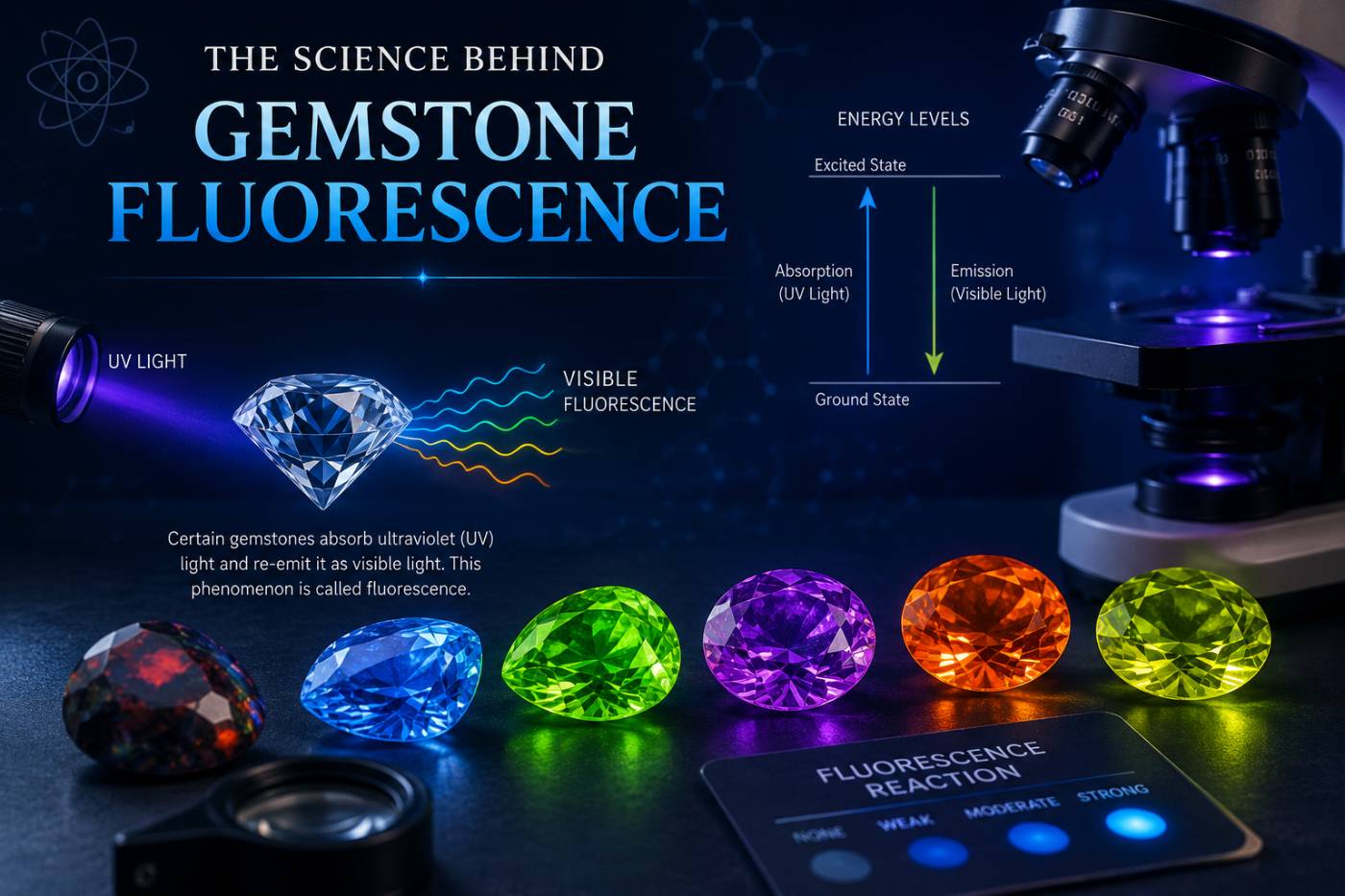
The Science Behind Gemstone Fluorescence








2025-09-15