Date : 2026-10-27
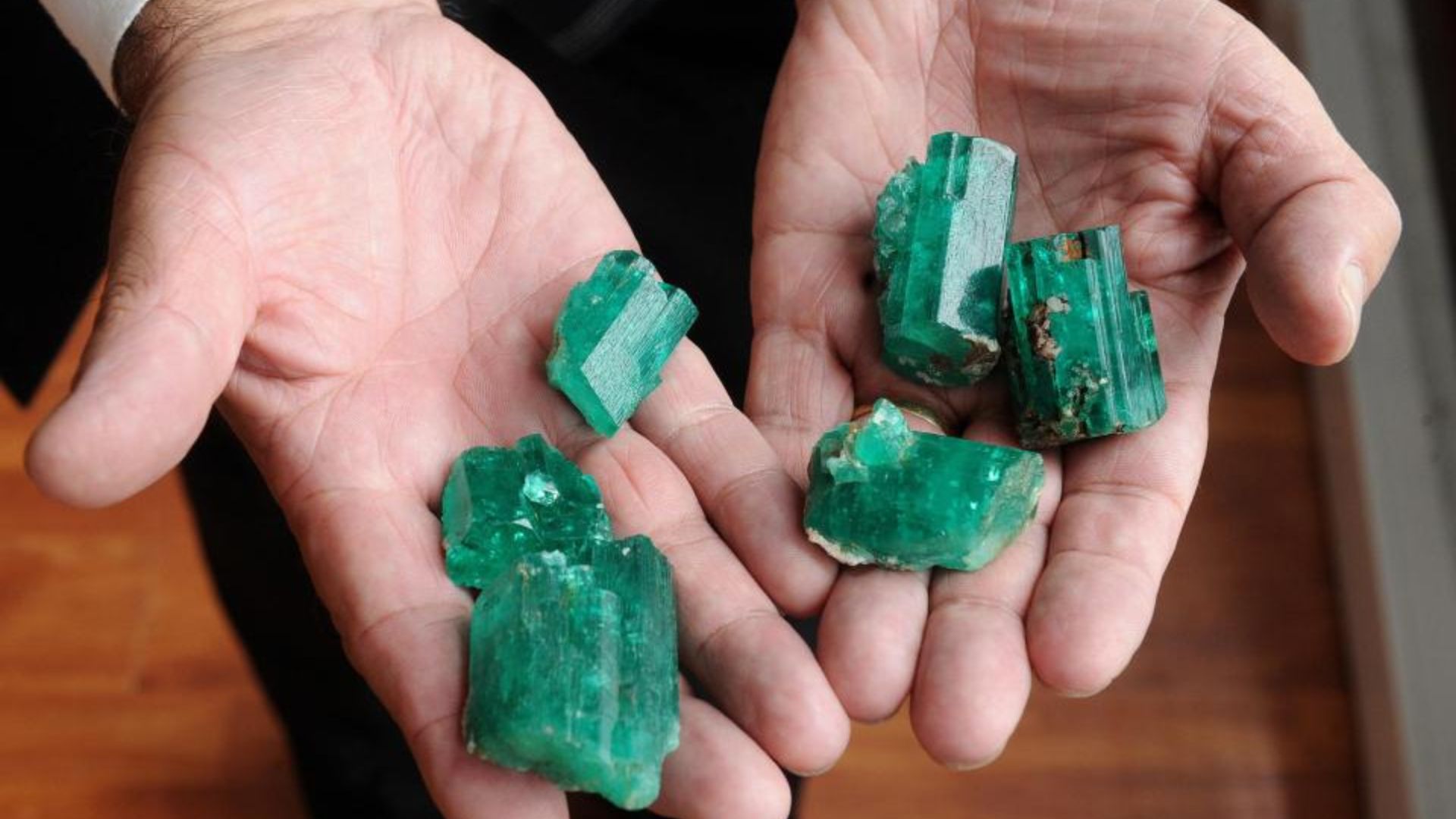
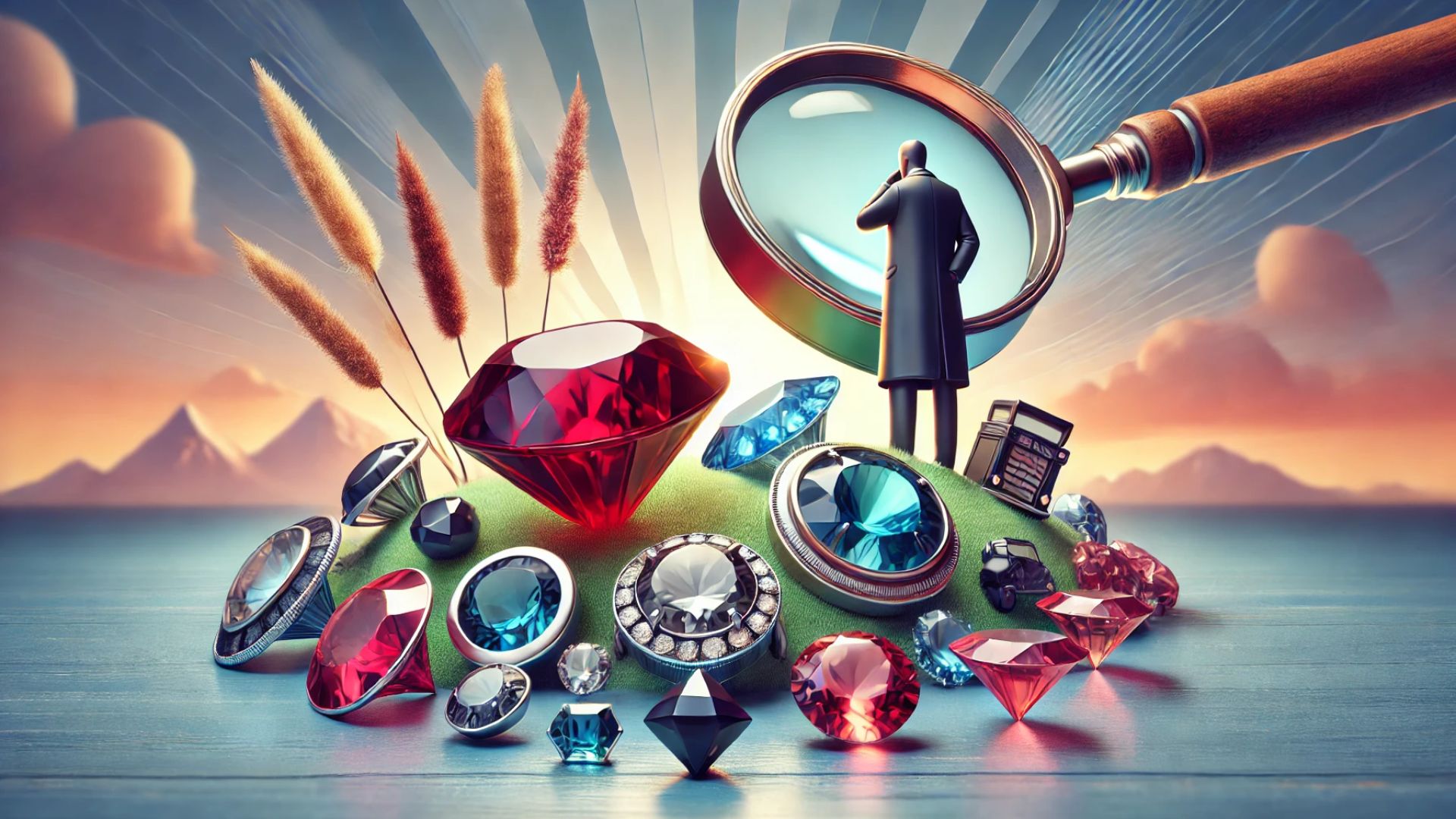
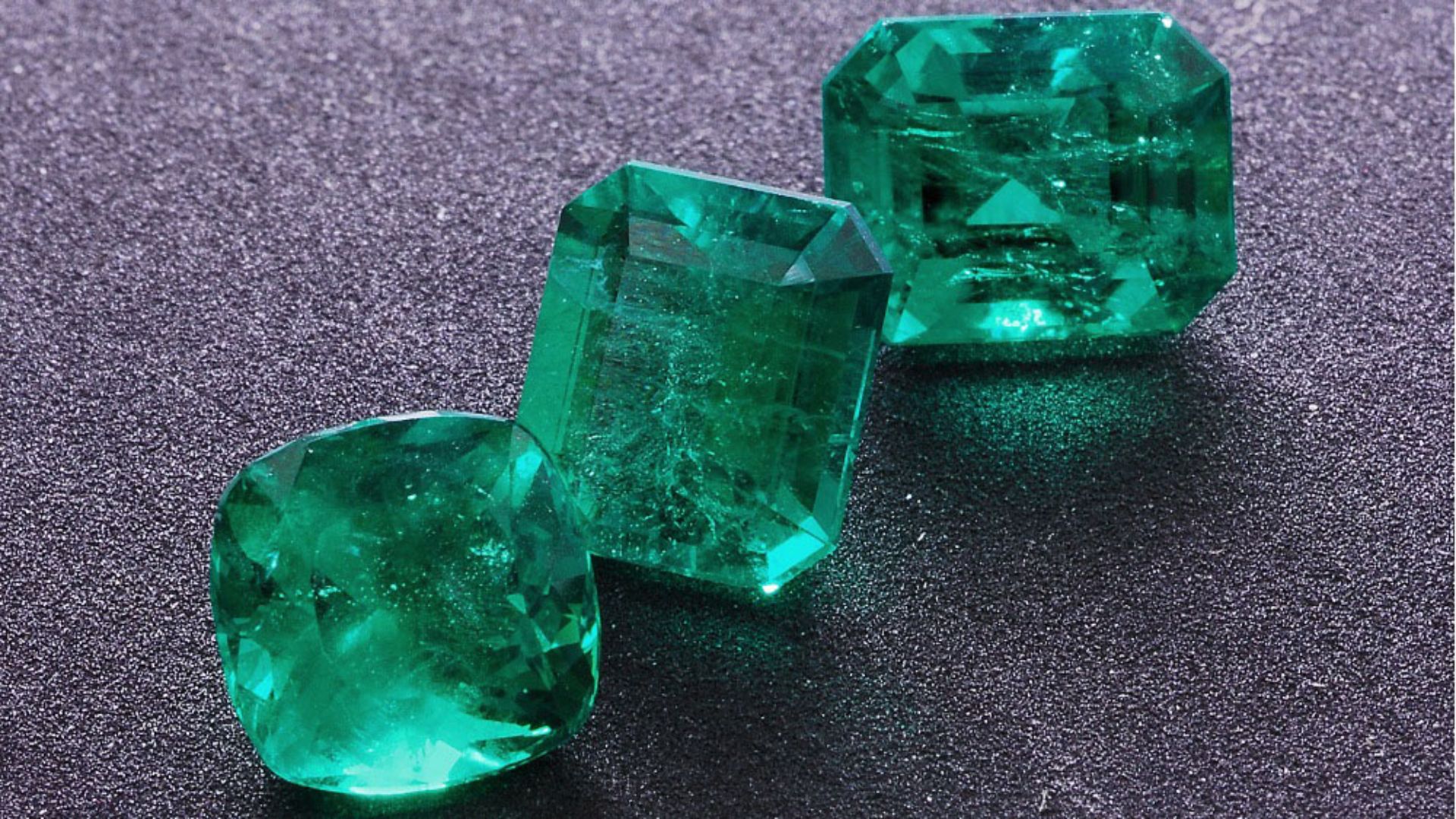
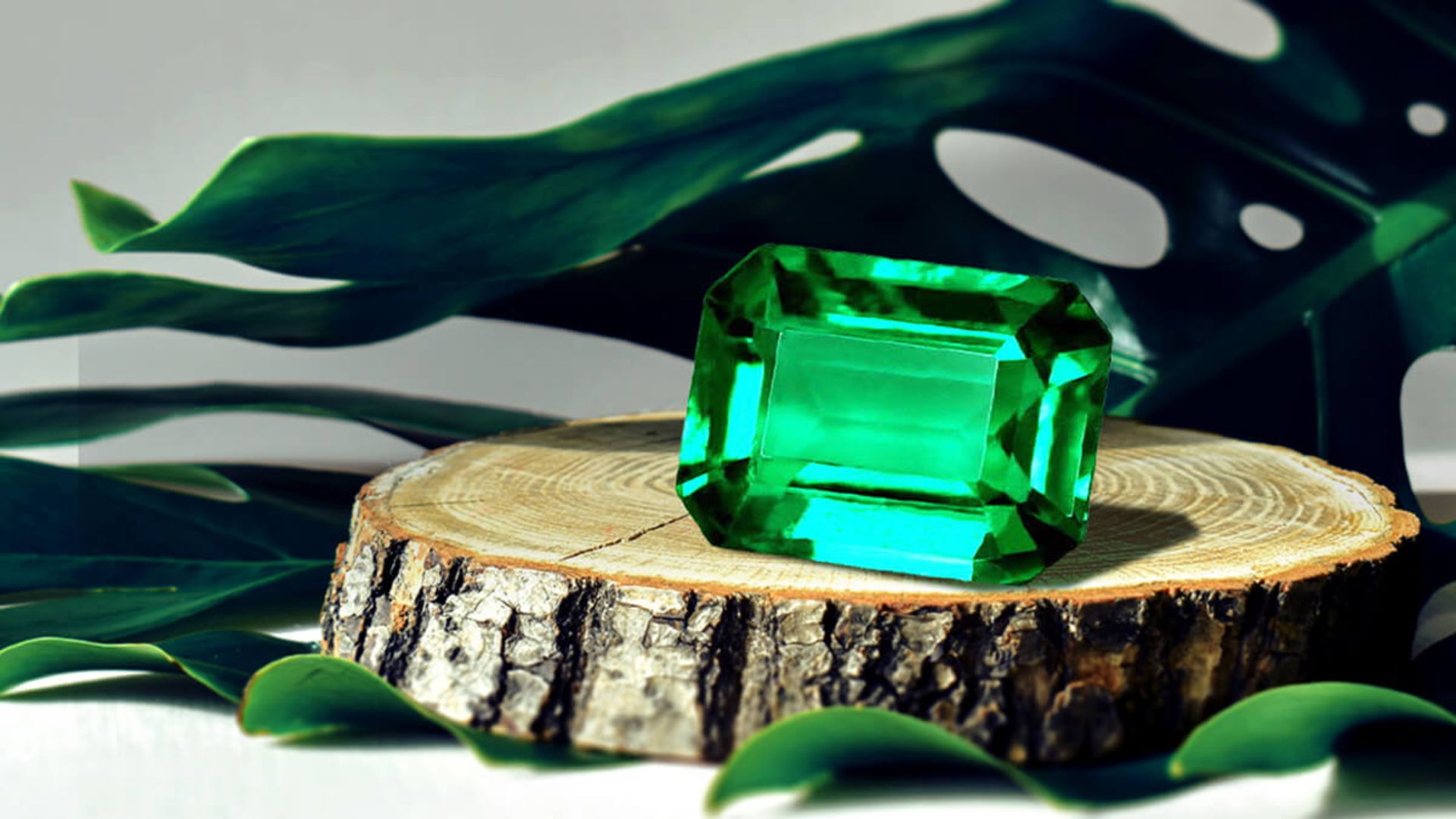
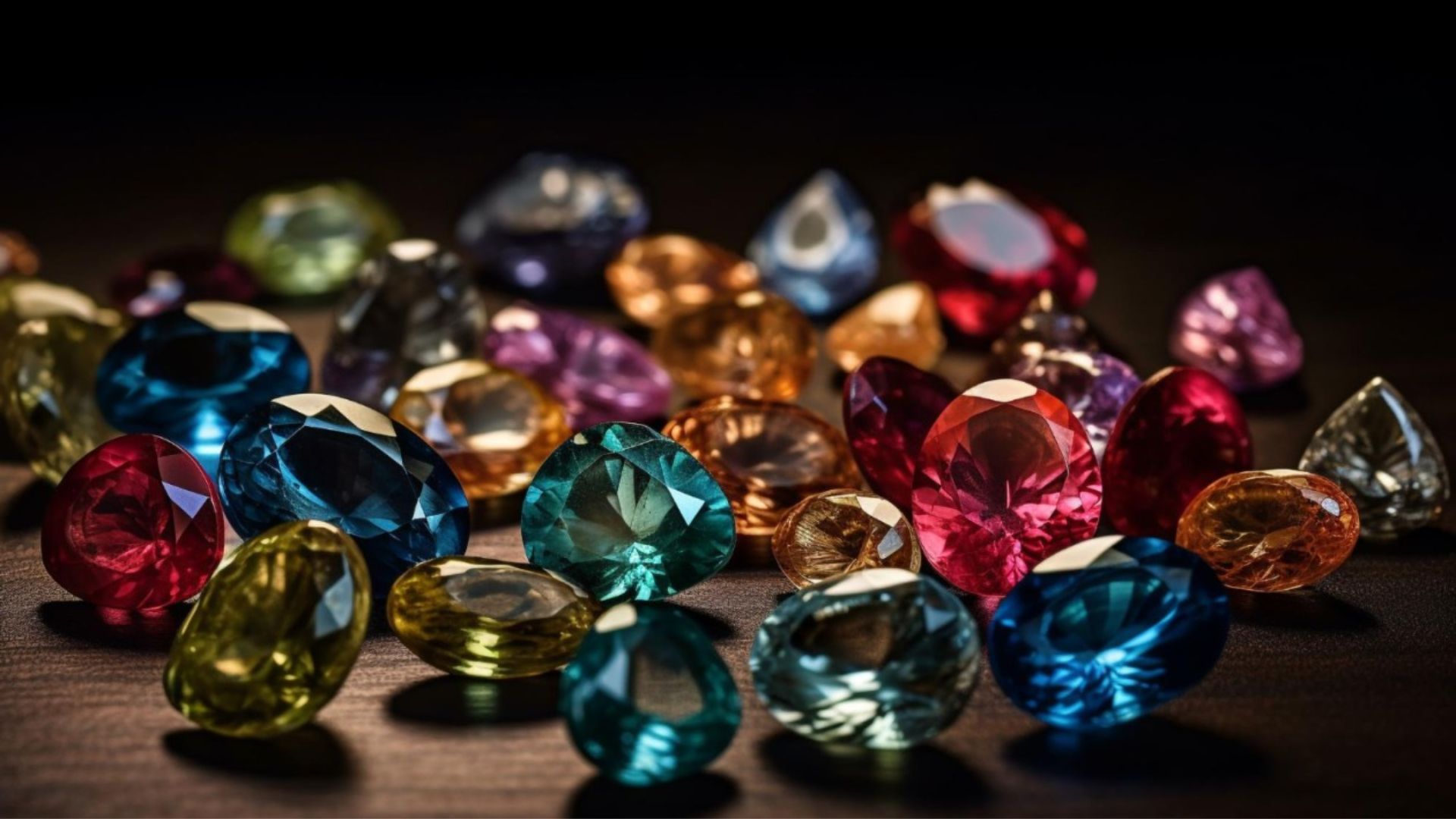
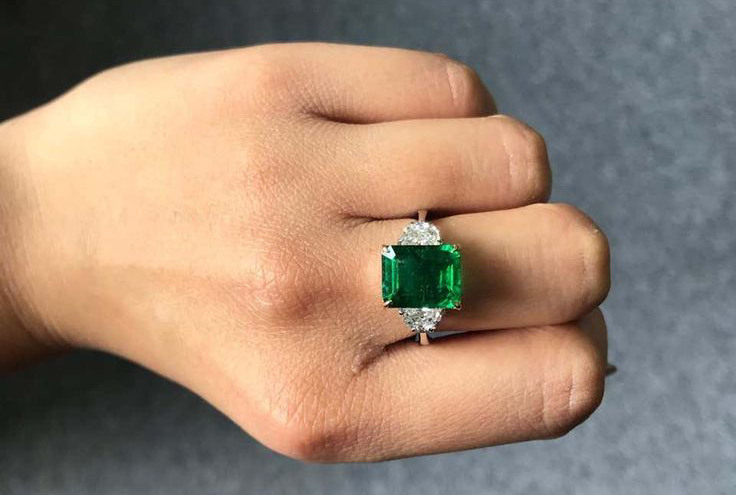
Gemstones are admired for their brilliant sparkle, beautiful colors, and unique optical effects. However, identifying a gemstone accurately requires more than simply looking at its appearance. Gemologists rely on several scientific methods to distinguish natural gemstones, synthetic stones, and imitations. One of the most important factors in this process is the refractive index. Understanding this property helps buyers and collectors evaluate gemstone authenticity, quality, and market value. For example, when researching the Brazilian emerald price, factors such as refractive index, color intensity, clarity, origin, and overall quality can help determine whether an emerald is a worthwhile investment.
Understanding the refractive index helps gemologists evaluate how light behaves inside a gemstone, making it an essential tool for gemstone identification. In this blog, we will explore what refractive index means, how it is measured, and why it plays a crucial role in gemstone testing.
What Is a Refractive Index?
The refractive index (RI) is a measurement of how much light slows down when it enters a material from a vacuum. It also helps explain how much light bends, or refracts, as it passes from one medium to another.
In simple terms, when light enters a gemstone, its speed changes, causing the light to bend. The degree of this bending depends on the gemstone's refractive index.
The refractive index is calculated using the following formula:
Refractive Index = Speed of Light in a Vacuum ÷ Speed of Light in the Material
Different gemstones have different refractive index values because of variations in their chemical composition and crystal structure. These differences make RI a valuable indicator when identifying gemstones.
For example, diamond has a refractive index of approximately 2.42, while quartz typically has a refractive index of around 1.54–1.55. Such differences help gemologists distinguish between materials that may look similar to the naked eye.
Why Does Refractive Index Matter in Gemstone Identification?
Refractive index is one of the most useful gemstone properties for identifying and distinguishing gemstones. Although color and clarity can vary significantly within the same gemstone species, RI values generally fall within a characteristic range.
Here are some key reasons why it matters.
1. Helps Distinguish Between Similar-Looking Gemstones
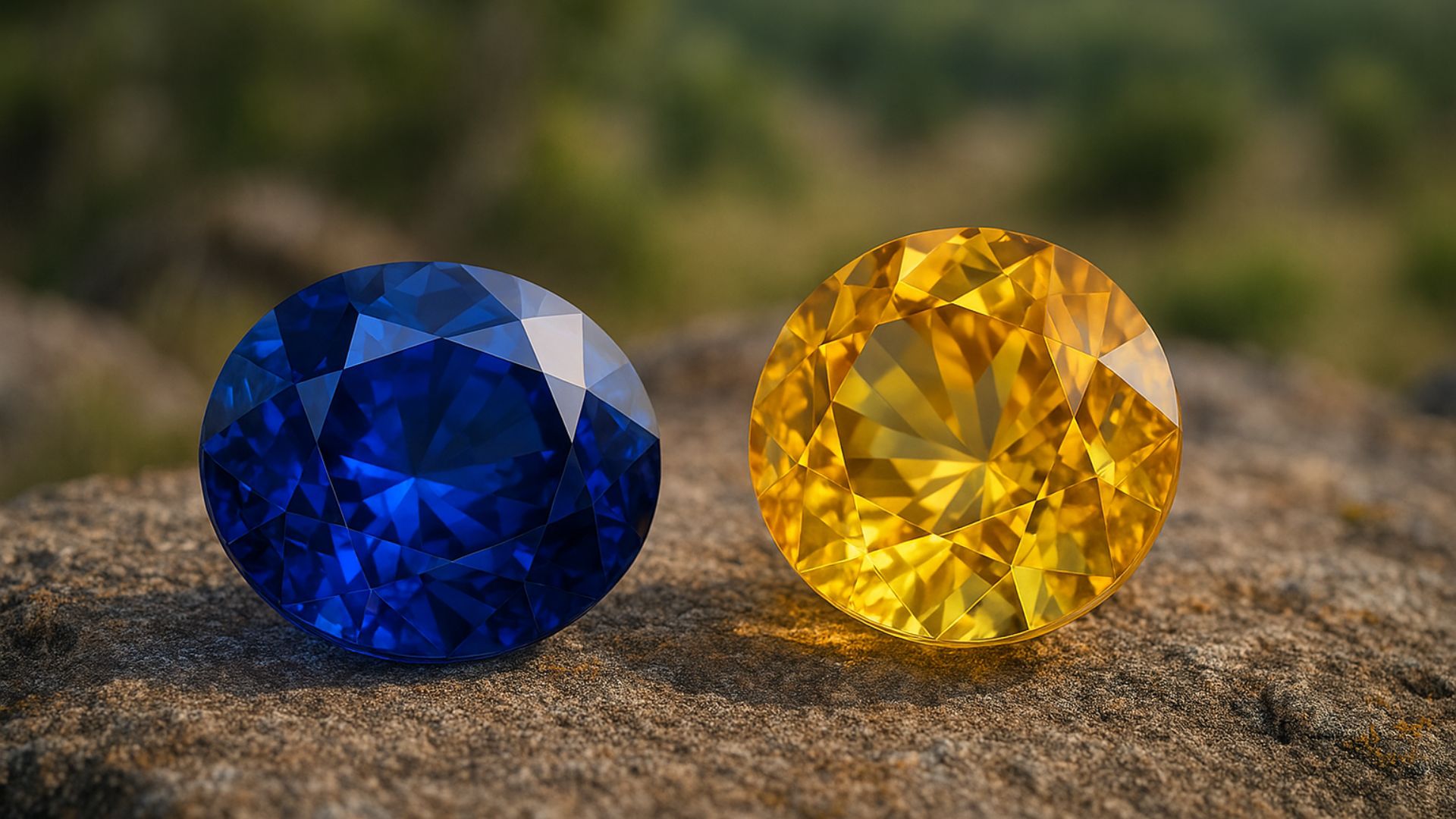
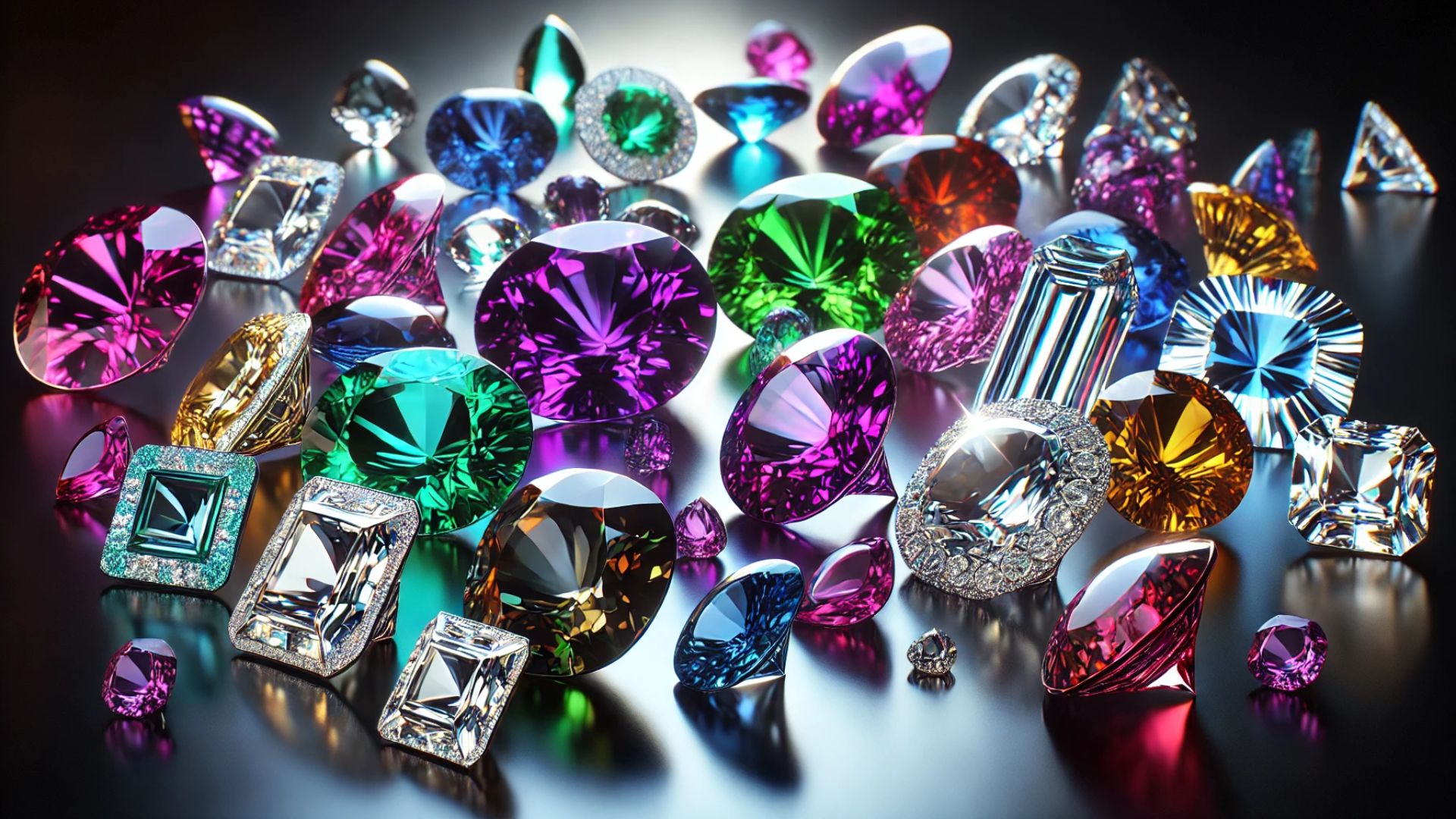
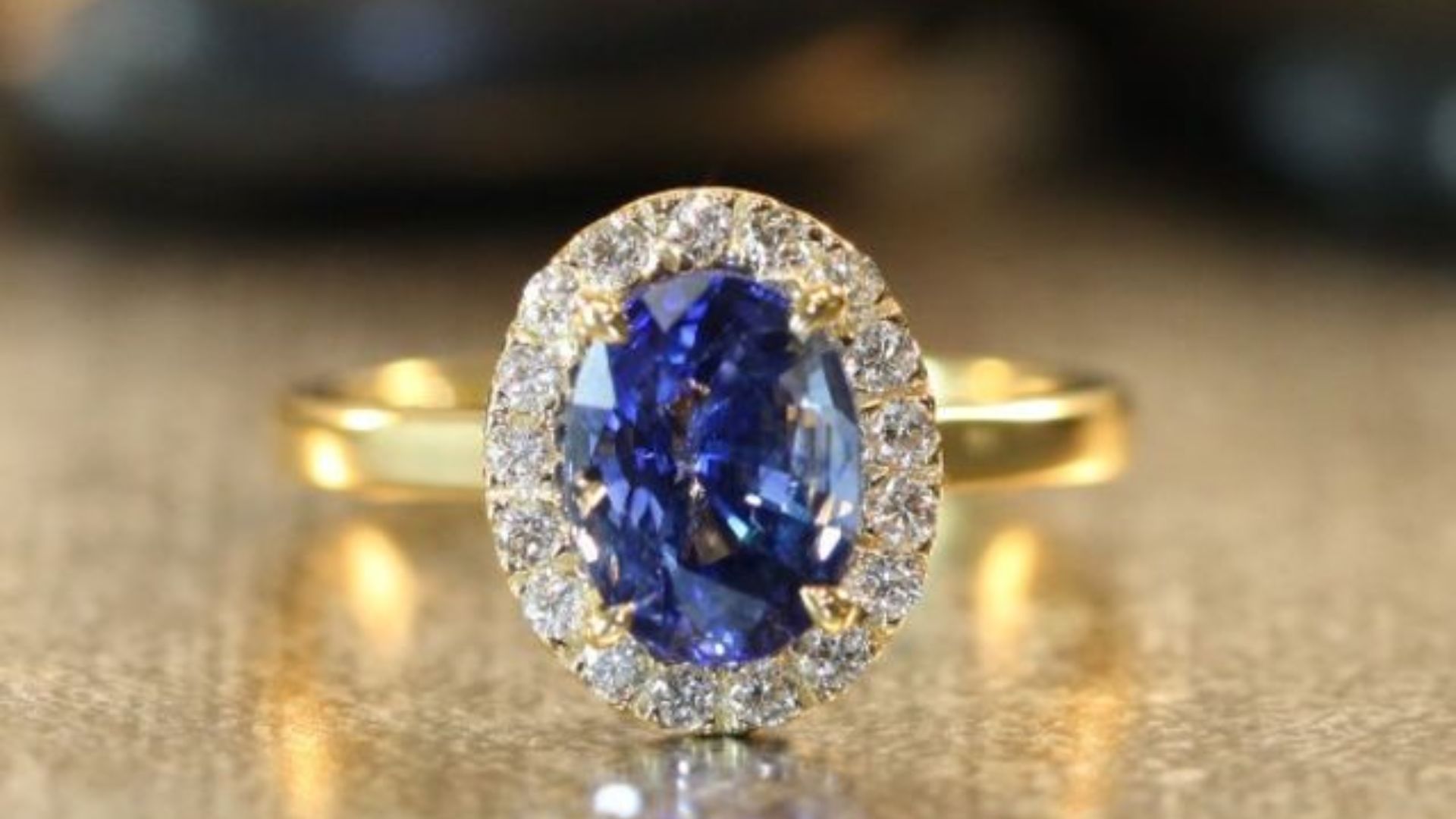
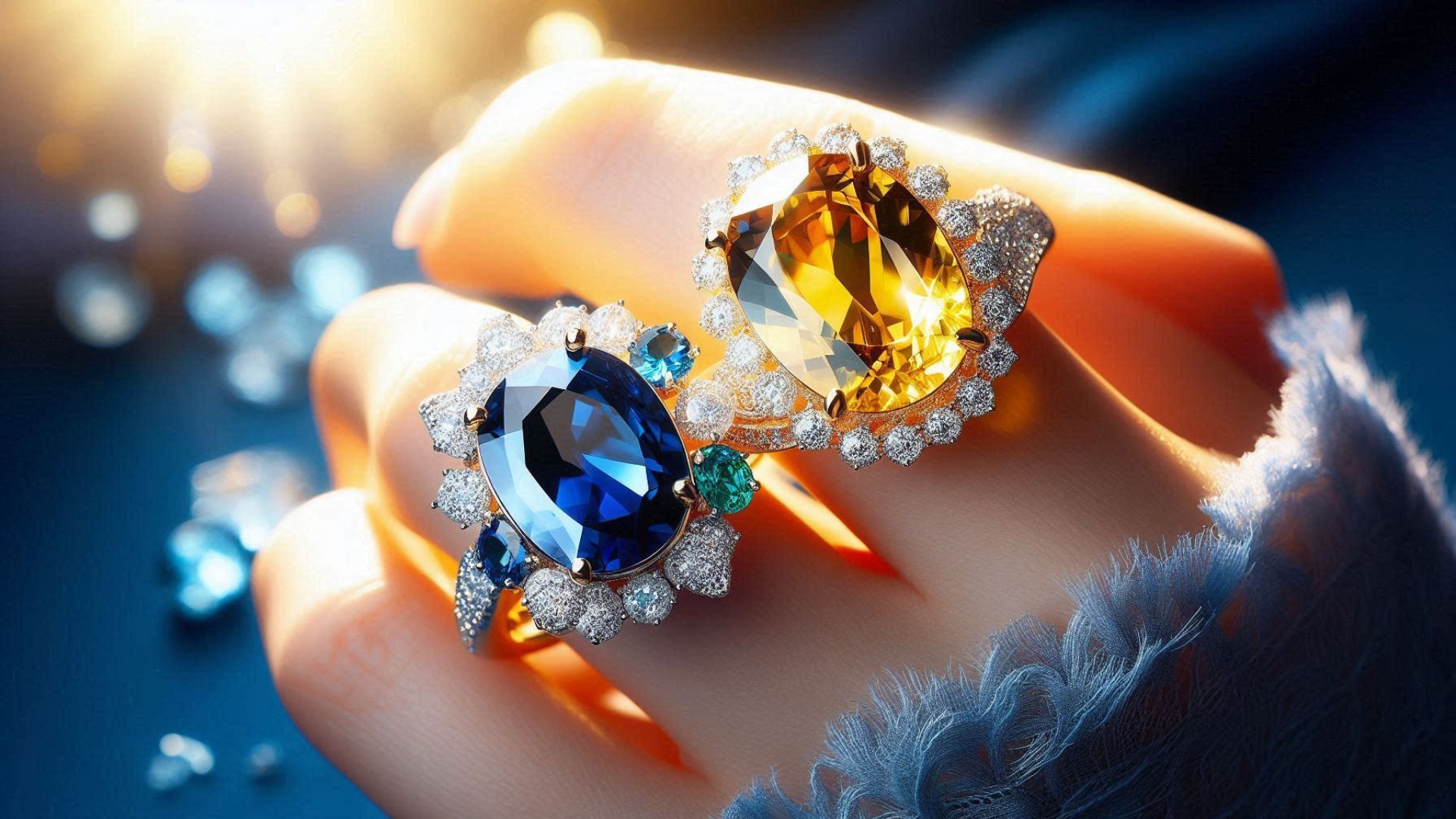
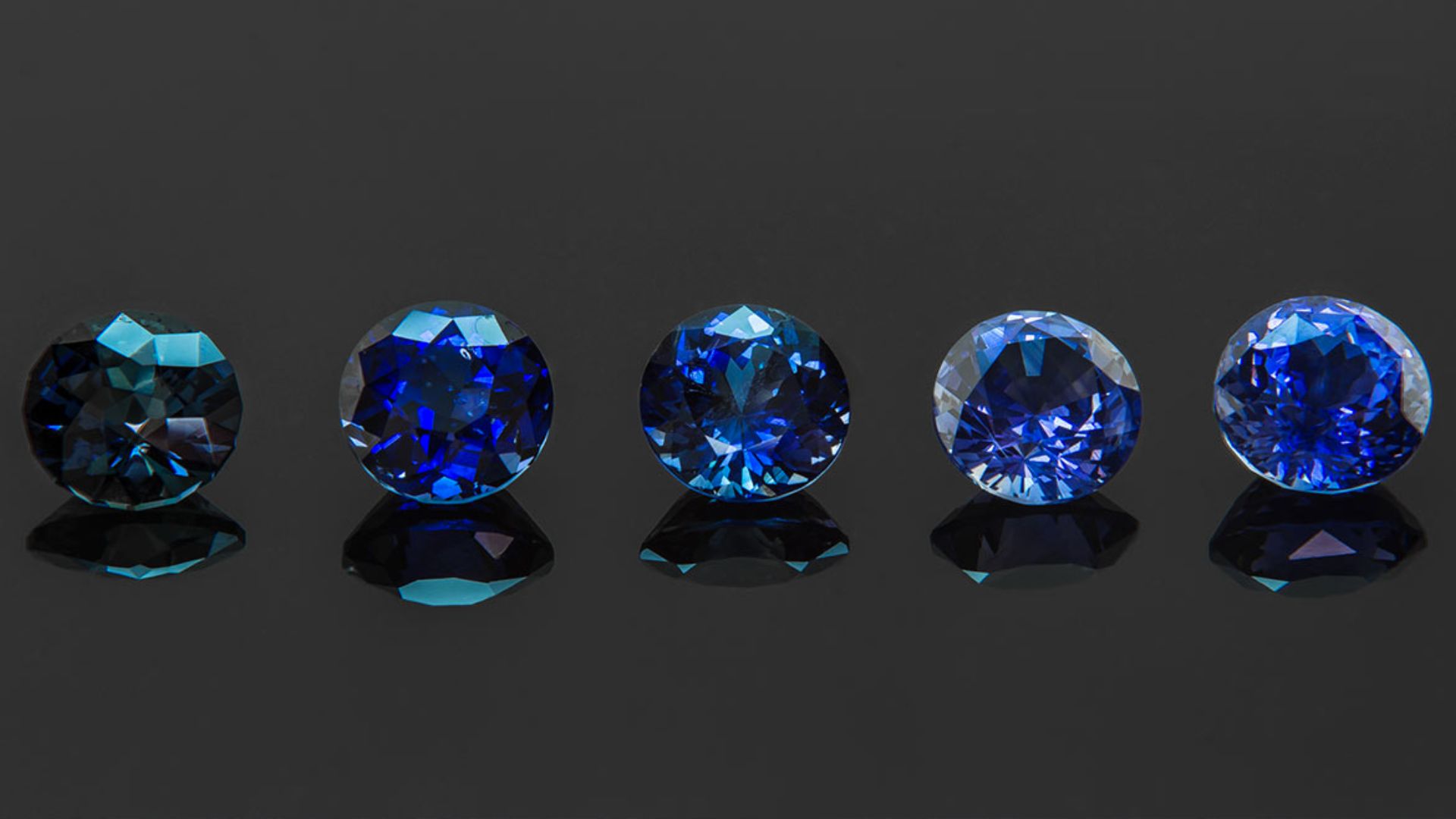
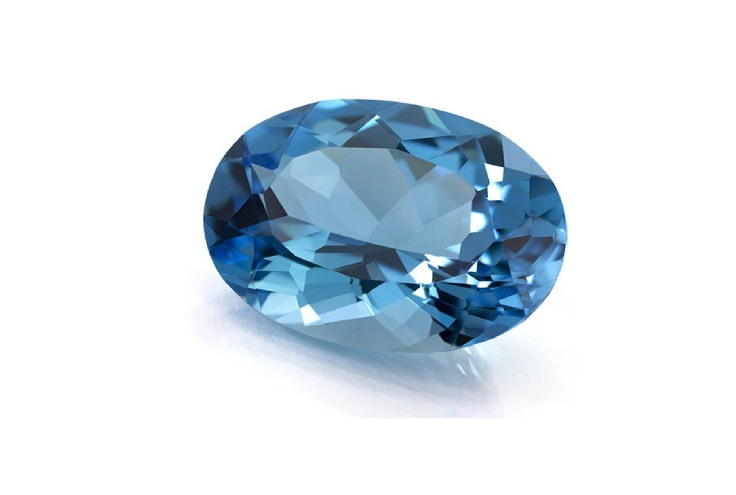
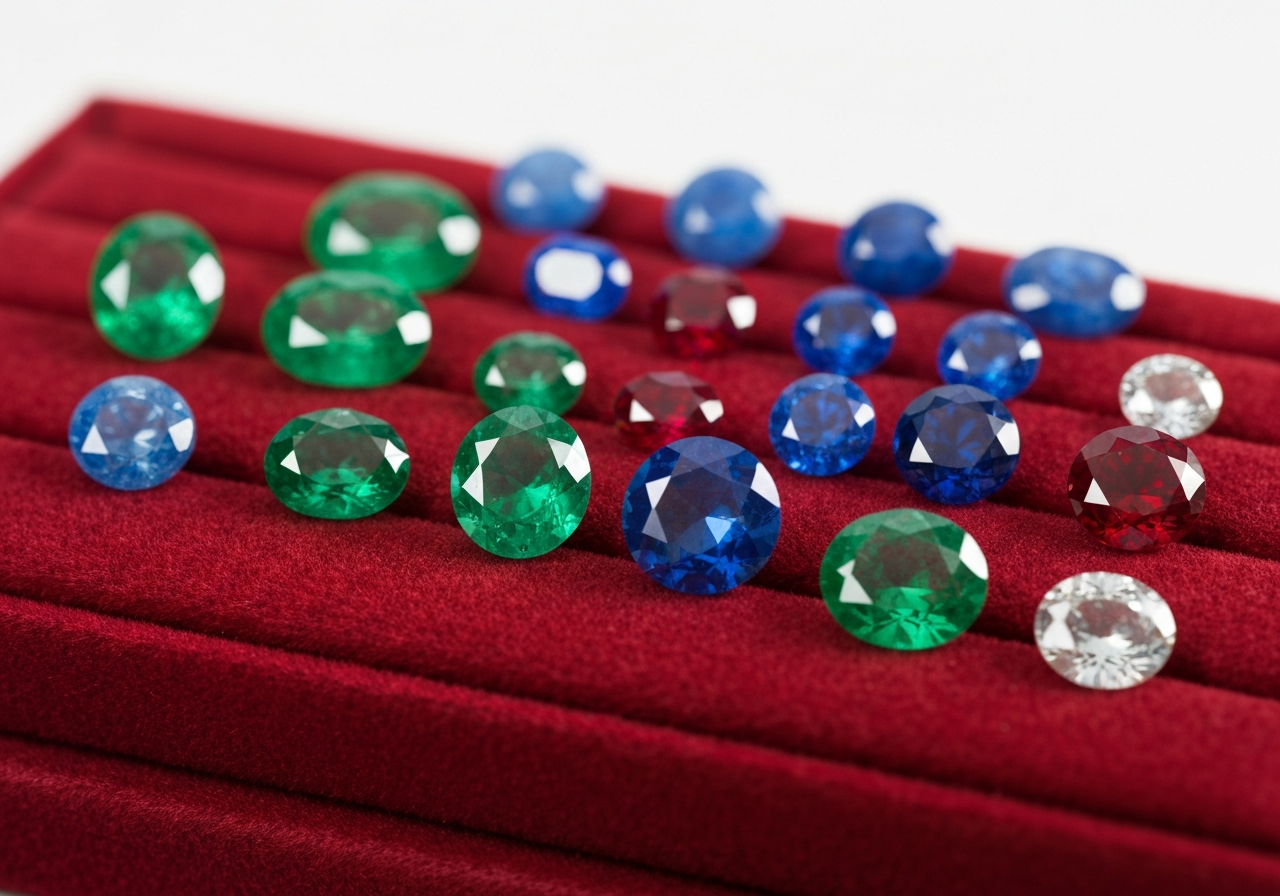
Many gemstones share similar colors and appearances. For instance, blue sapphire and blue spinel can look alike, particularly in jewelry. However, they have different optical properties, including their refractive index ranges.
By measuring RI and comparing the result with established gemological references, an expert can narrow down the possibilities and make a more reliable identification.
2. Helps Identify Gemstone Imitations
Some gemstones are imitated using glass, synthetic materials, or other natural stones. These imitations may resemble genuine gemstones in color and appearance but often differ in their optical characteristics.
Refractive index measurements can help reveal these differences. For example, glass imitations of certain gemstones may have RI values that differ from those of the genuine materials they imitate.
However, RI alone does not always establish whether a gemstone is natural, synthetic, or treated. Additional tests are often necessary.
3. Explains a Gemstone's Brilliance
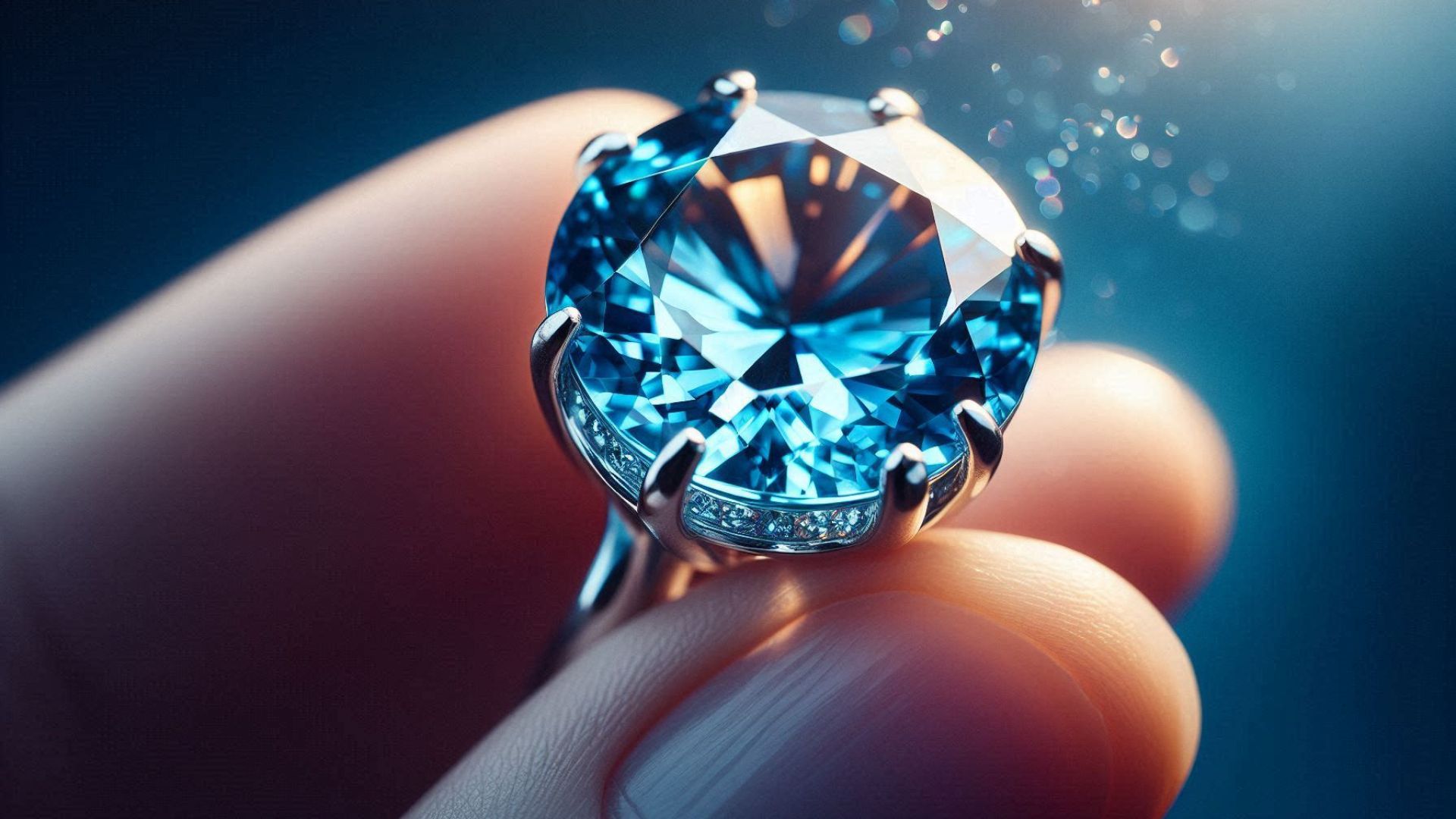
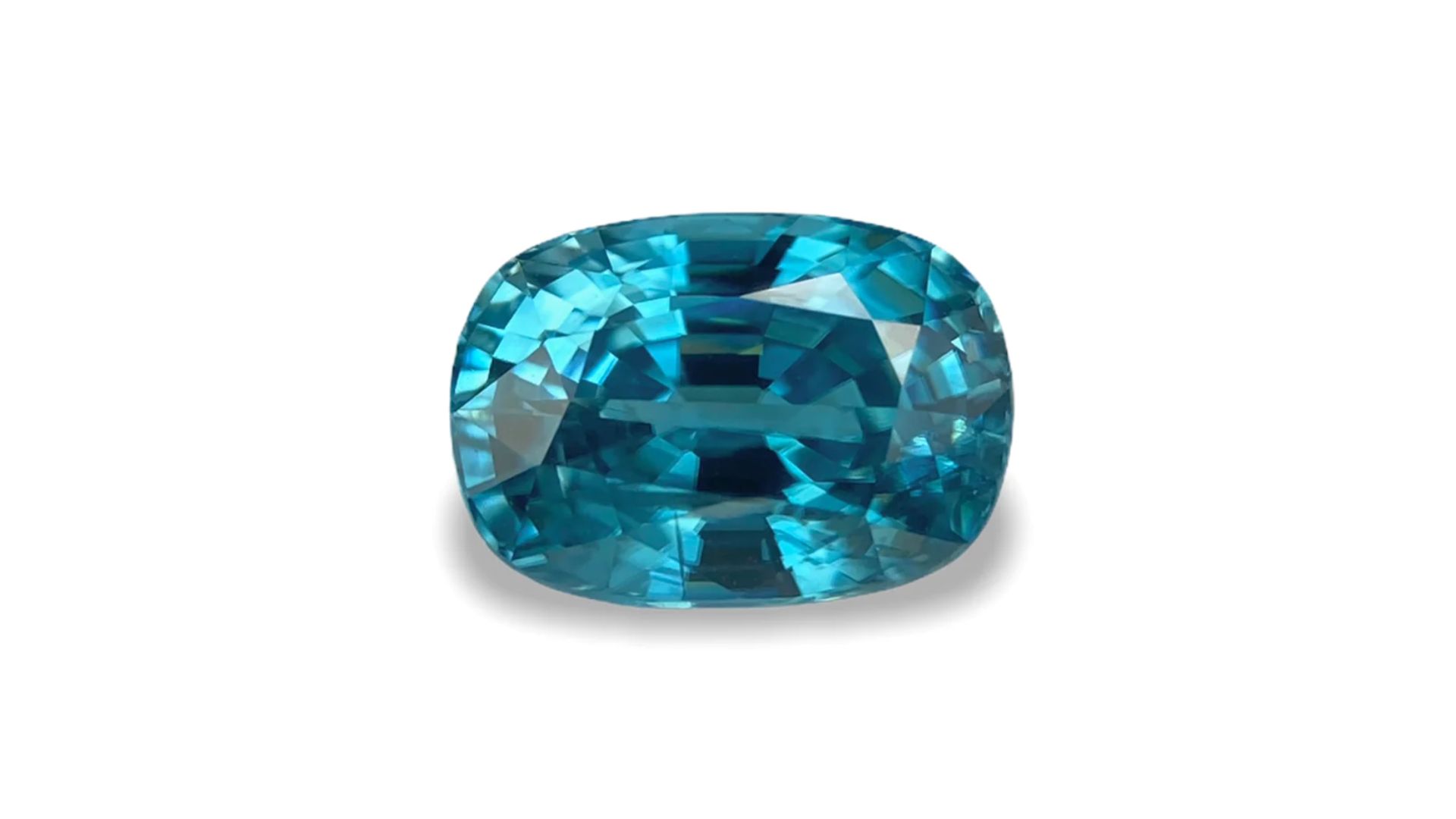
Gemstone optics plays an important role in determining how a stone interacts with light. A gemstone's refractive index influences light bending and contributes to its visual appearance.
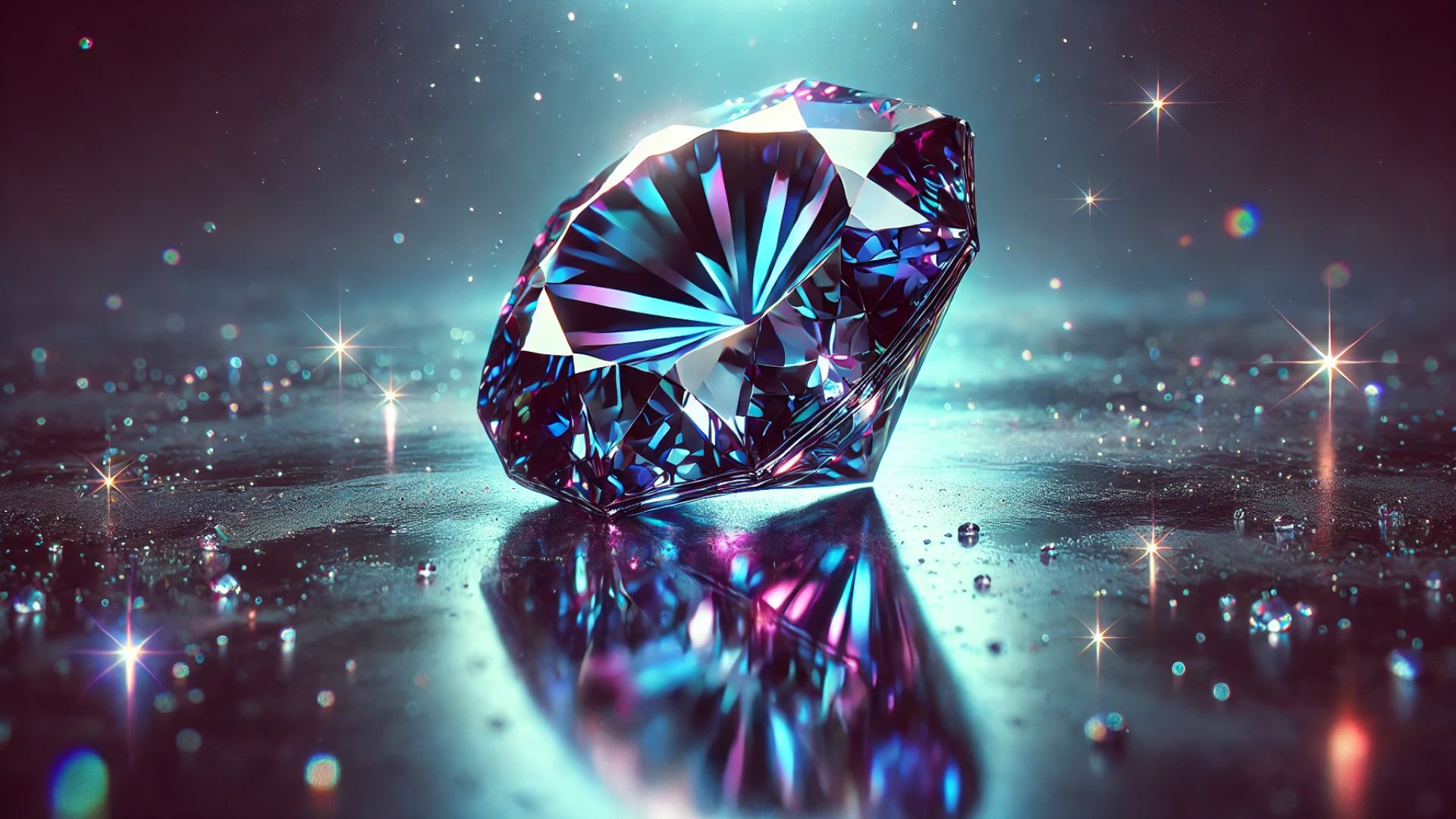
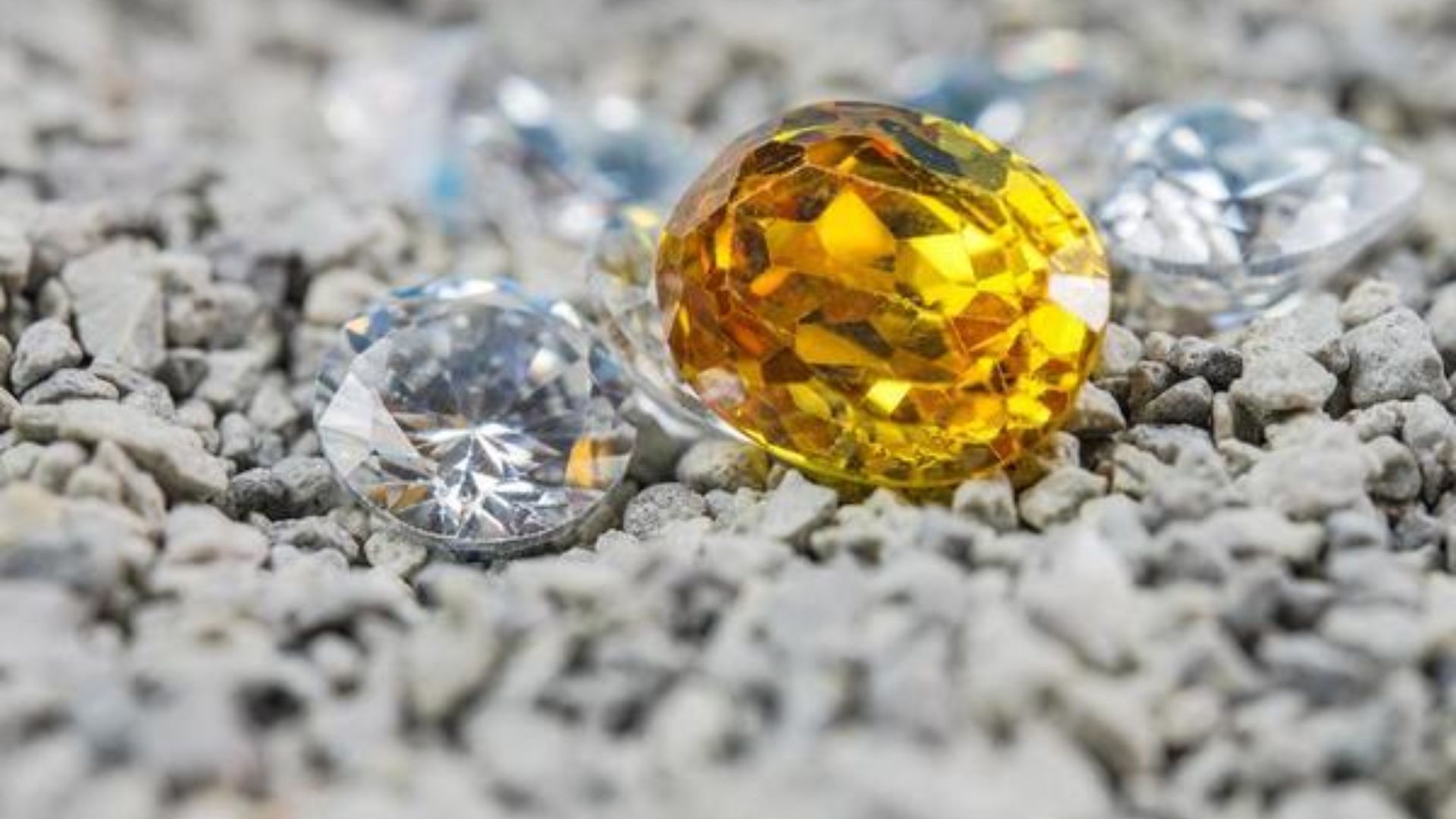
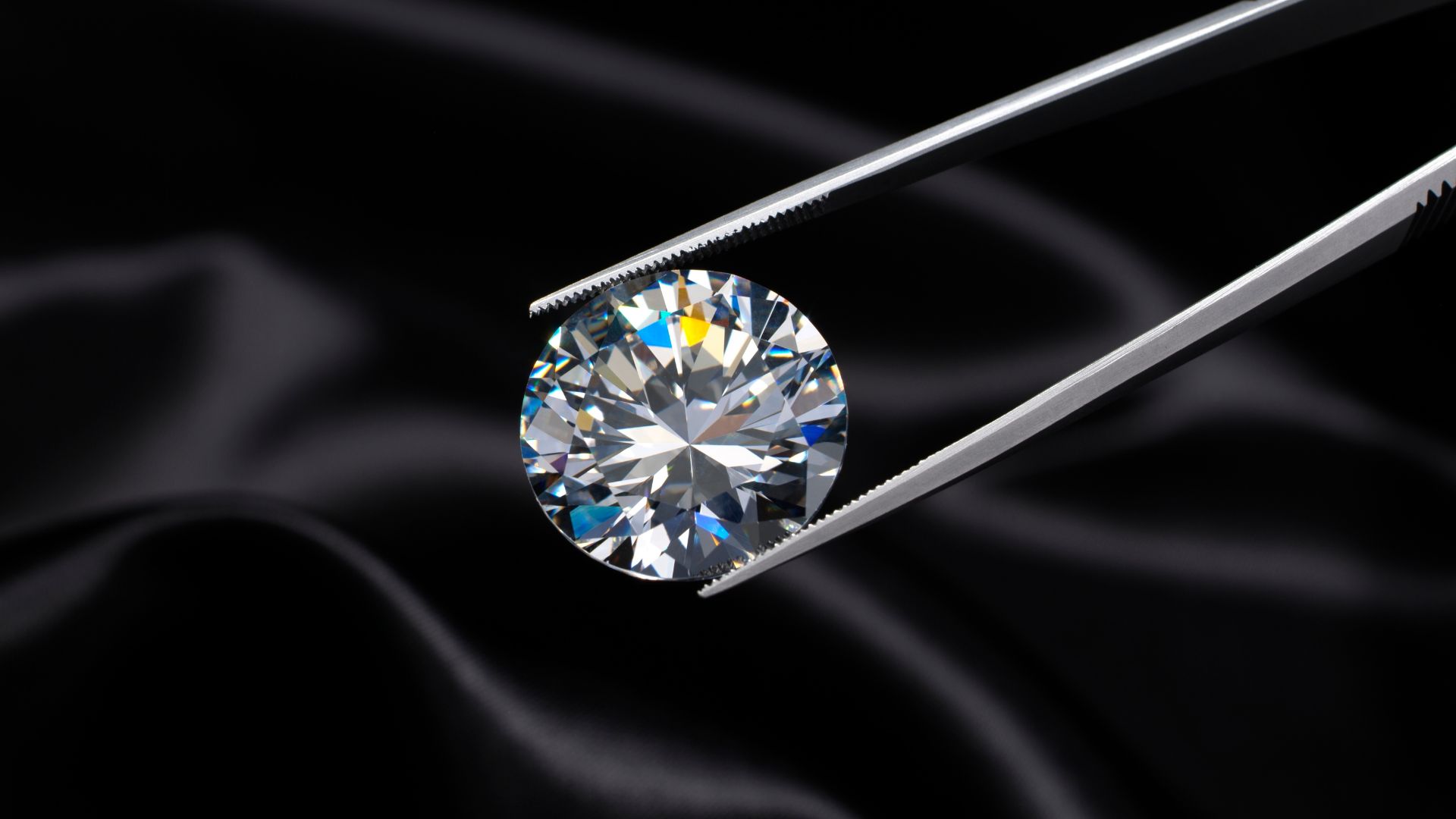
Diamond, for example, has a high refractive index, which contributes to its brilliance when combined with appropriate cutting and polishing. Its strong dispersion also separates white light into spectral colors, creating the colorful flashes known as fire.
Nevertheless, brilliance depends on several factors, including cut quality, proportions, transparency, and light return. A higher refractive index does not automatically mean a gemstone will appear brighter in every situation.
4. Supports Accurate Gemstone Classification
Gemologists use refractive index alongside other gemstone properties, such as specific gravity, hardness, birefringence, and optical character, to classify gemstones.
This combination of observations provides a more complete understanding of a stone's identity. It is especially useful when two gemstones have similar colors but different physical and optical characteristics.
How Is Refractive Index Measured?
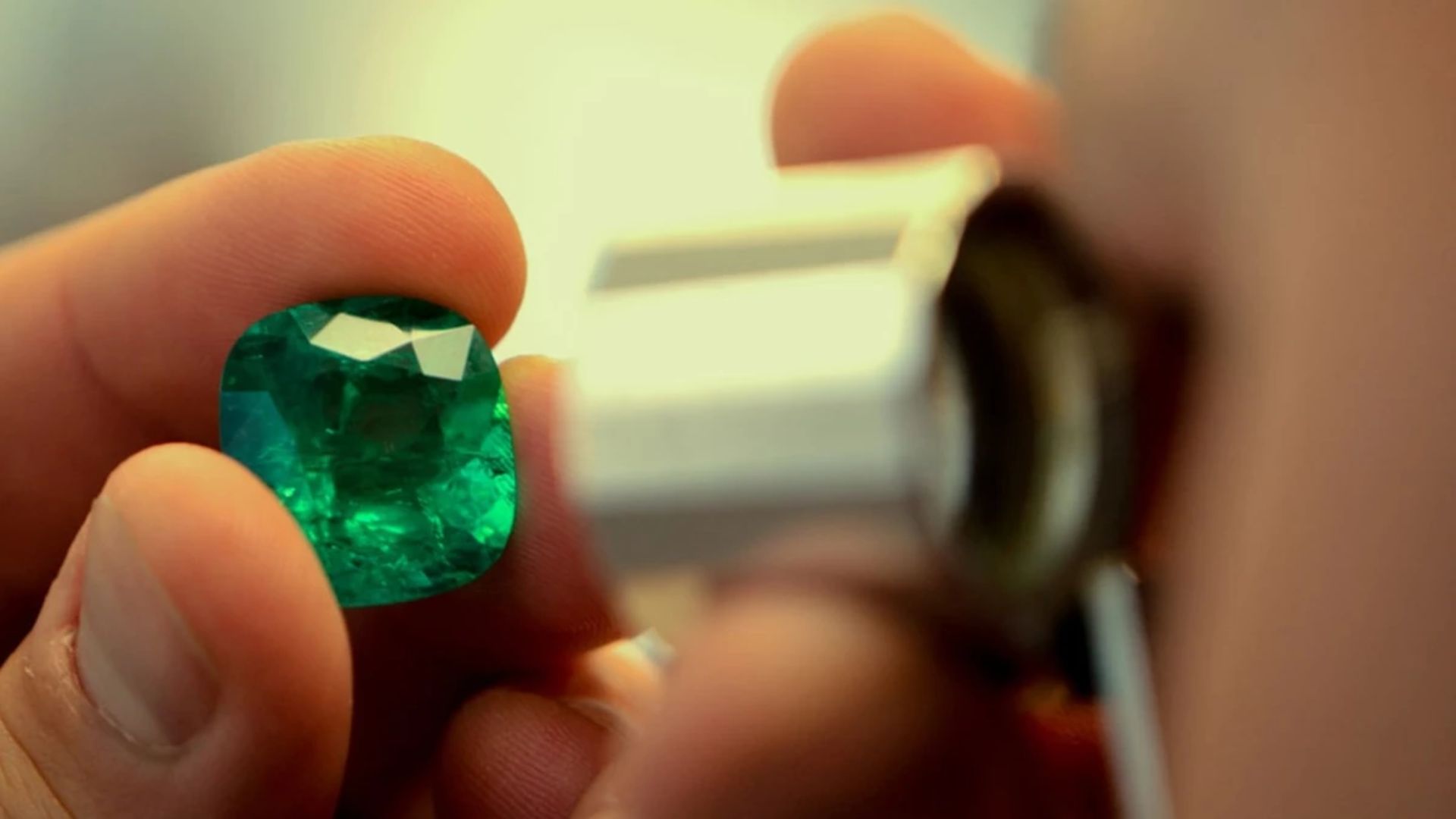
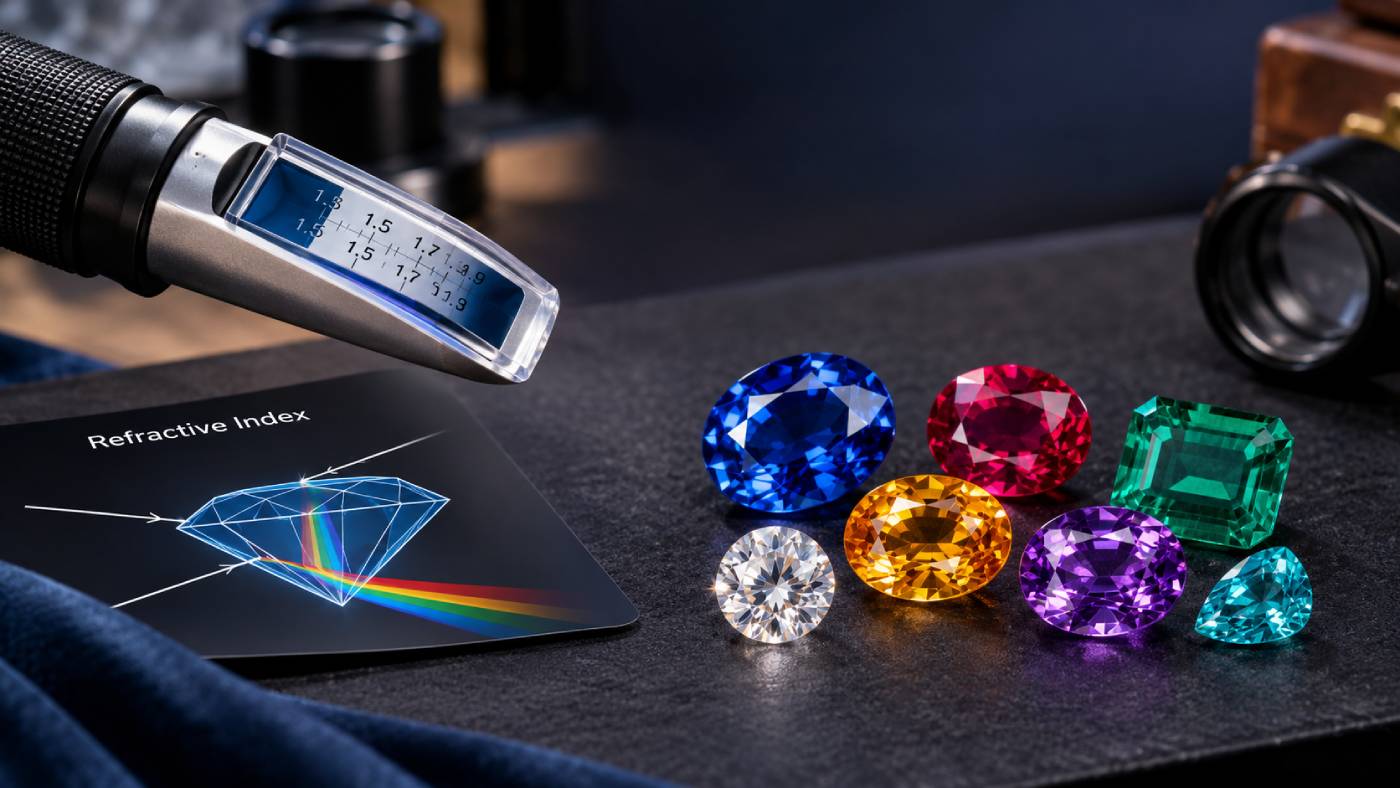
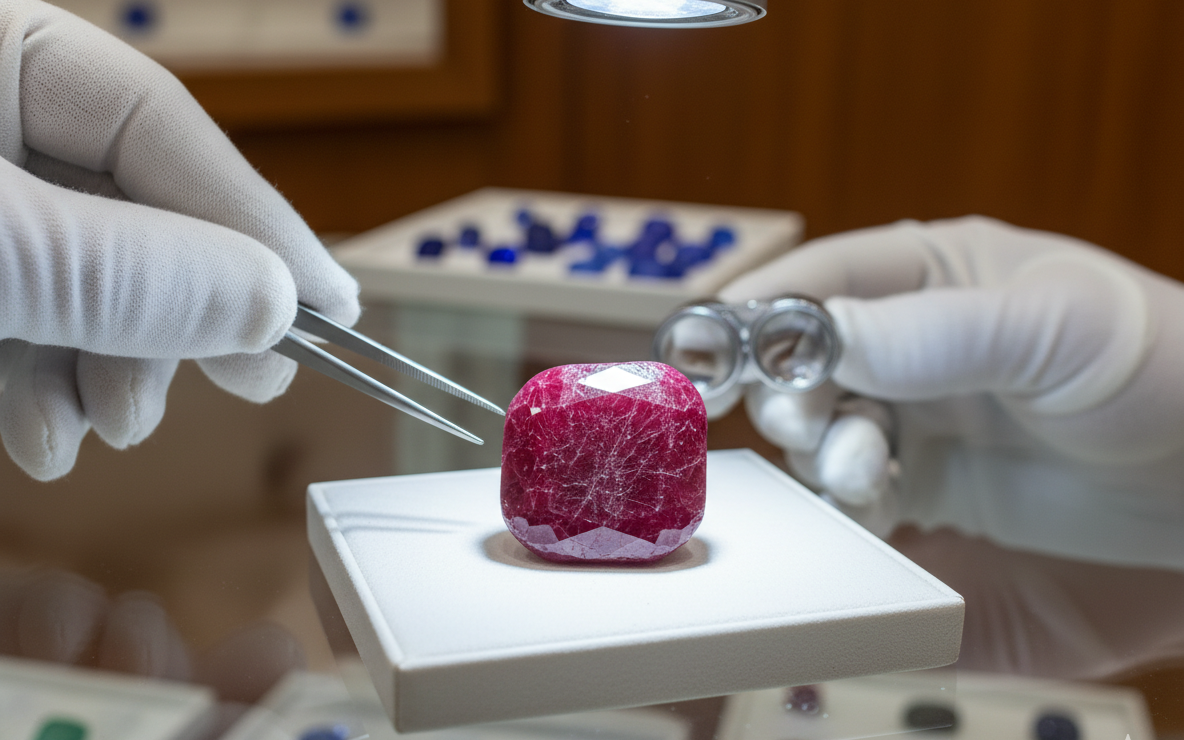
The refractive index is commonly measured using an instrument called a refractometer. This is a standard tool used in professional gemstone testing.
The process generally involves the following steps:
- Preparing the gemstone: The gemologist selects a suitable, clean, polished surface for measurement.
- Applying contact liquid: A small amount of appropriate refractive index liquid is placed on the instrument's measuring surface.
- Positioning the gemstone: The gemstone is carefully placed on the refractometer.
- Reading the scale: The gemologist observes the light-and-shadow boundary through the instrument and records the RI value or values.
- Interpreting the results: The measurements are compared with reference data and other test results to help identify the gemstone.
Not every gemstone can be measured easily with a standard refractometer. Very small stones, rough specimens, heavily included materials, and gemstones with certain optical characteristics may require alternative methods or additional examination.
Understanding Single and Double Refraction
Another important aspect of gemstone optics is how a gemstone refracts light.
Single refraction: Isotropic materials, such as diamond and garnet, generally have one refractive index for a given wavelength of light under specified conditions. Light does not split into two distinct rays because of birefringence.
Double refraction: Many anisotropic gemstones, including sapphire, ruby, and quartz, exhibit birefringence. Light entering these materials can separate into two rays that travel at different speeds, producing two refractive index values.
Recognizing whether a gemstone displays single or double refraction helps gemologists narrow down its identity and distinguish between materials with otherwise similar appearances.
Can a Refractive Index Identify Every Gemstone?
Although refractive index is a powerful identification tool, it is not sufficient in every case. Different gemstones can have overlapping RI ranges, and some materials may be difficult to measure accurately.
For reliable gemstone identification, professionals often combine refractometer readings with other techniques, including:
- Specific gravity testing: Measures density relative to water.
- Microscopic examination: Reveals inclusions, growth patterns, and internal features.
- Polariscope testing: Helps determine optical character and behavior.
- Spectroscope examination: Identifies characteristic light absorption patterns in some gemstones.
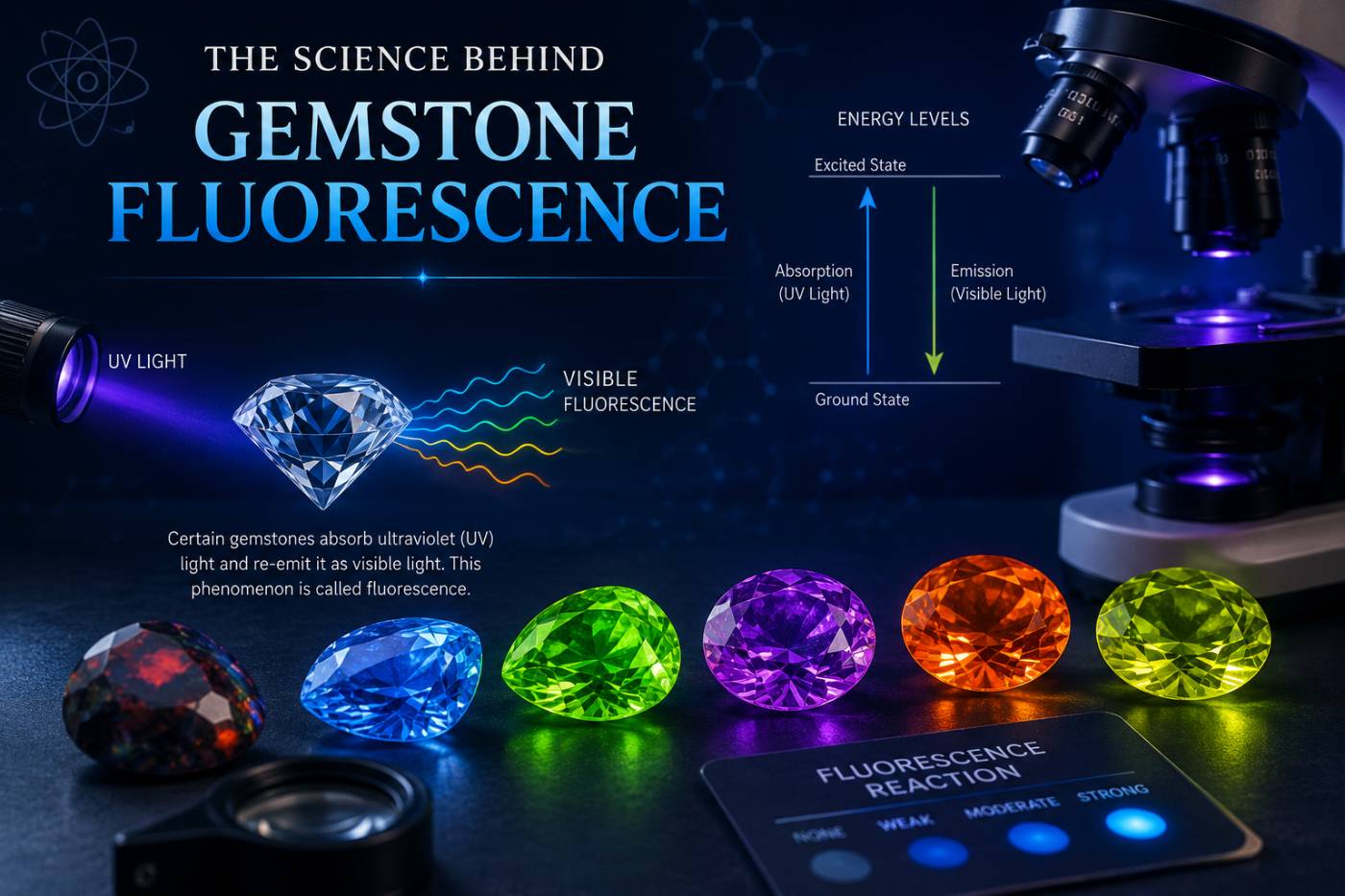
- UV fluorescence testing: Examines how a gemstone responds to ultraviolet light.
Together, these methods provide a more dependable basis for gemstone identification than any single test.
Conclusion
The refractive index is one of the fundamental gemstone properties used to understand how light behaves inside precious and semiprecious stones. By measuring how light travels through a gemstone, gemologists can distinguish between similar-looking materials, investigate imitations, and support accurate gemstone classification.
Whether you are a gemstone enthusiast, jewelry buyer, student, or professional gemologist, understanding refractive index offers valuable insight into the science behind gemstone testing. When combined with other identification techniques, it becomes an essential part of evaluating a gemstone's identity and optical characteristics. For buyers researching panna price in Kolkata, understanding these properties can also help them make informed decisions when choosing an emerald based on its authenticity, quality, and value.
Ultimately, gemstone identification is a combination of scientific measurement, careful observation, and expert interpretation. Refractive index remains a key part of that process, helping reveal what makes each gemstone unique and supporting informed gemstone purchasing decisions.
Recent Posts




2026-09-04
The Science Behind Gemstone Fluorescence



















2025-09-15