Date : 2026-09-08
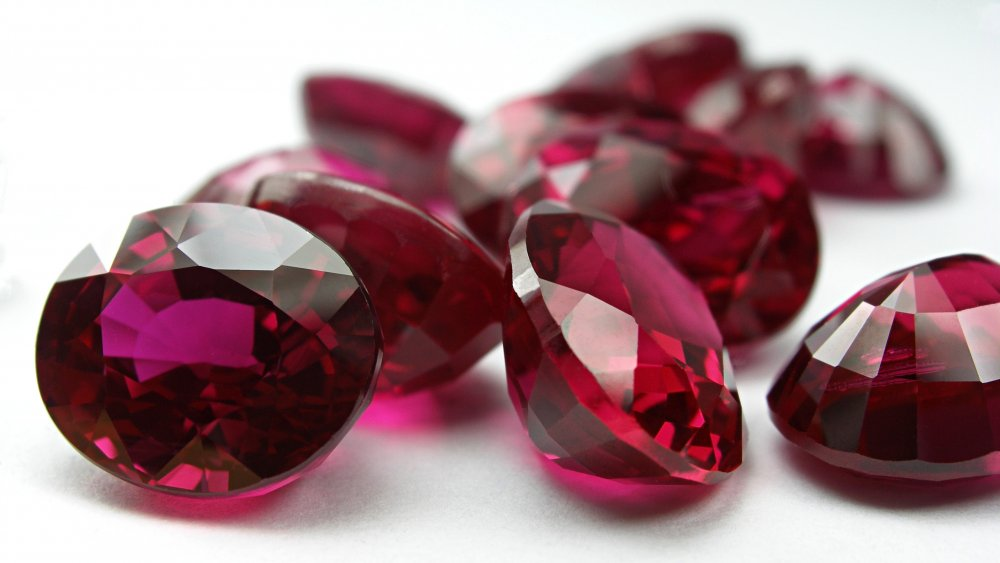
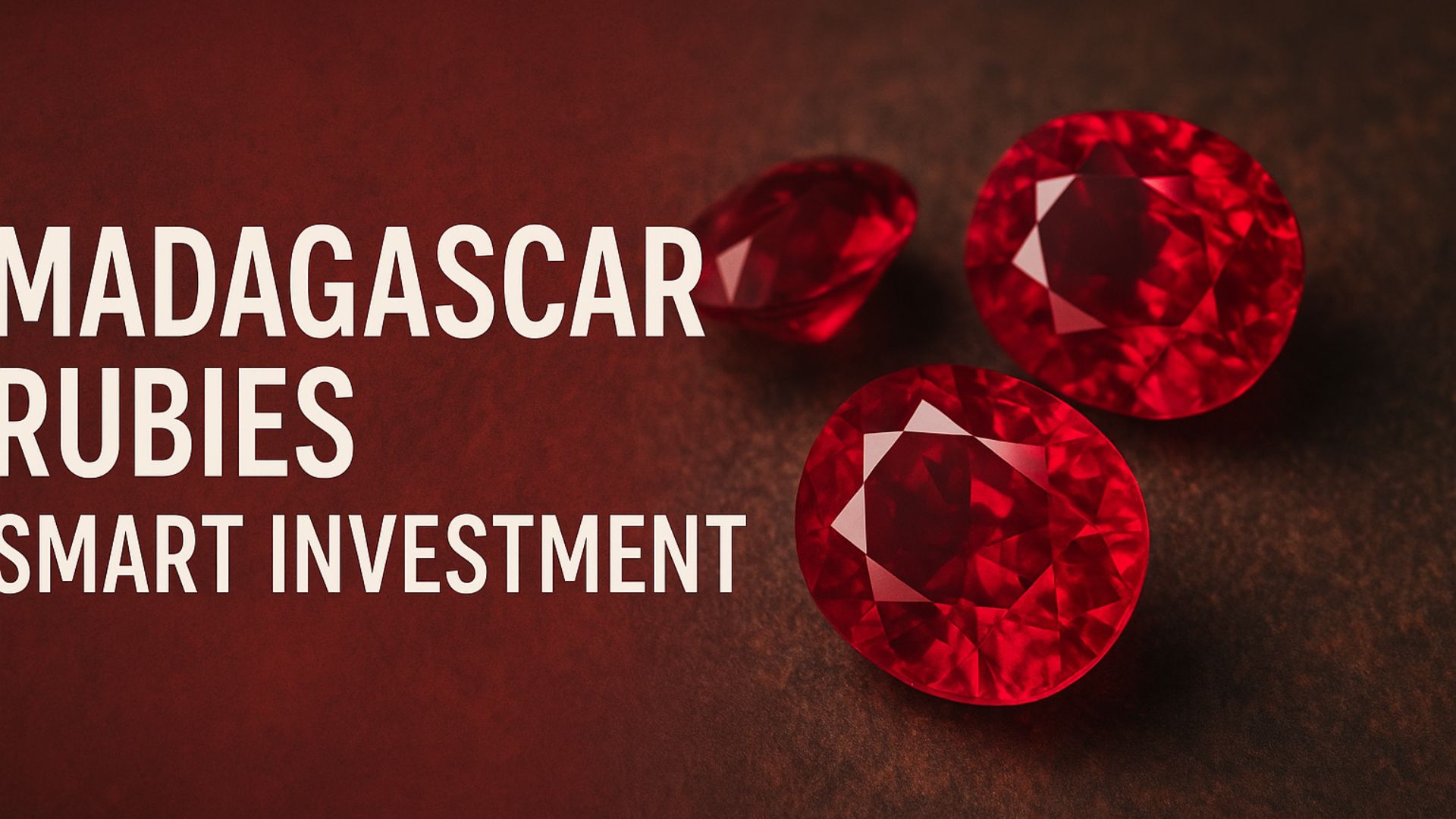
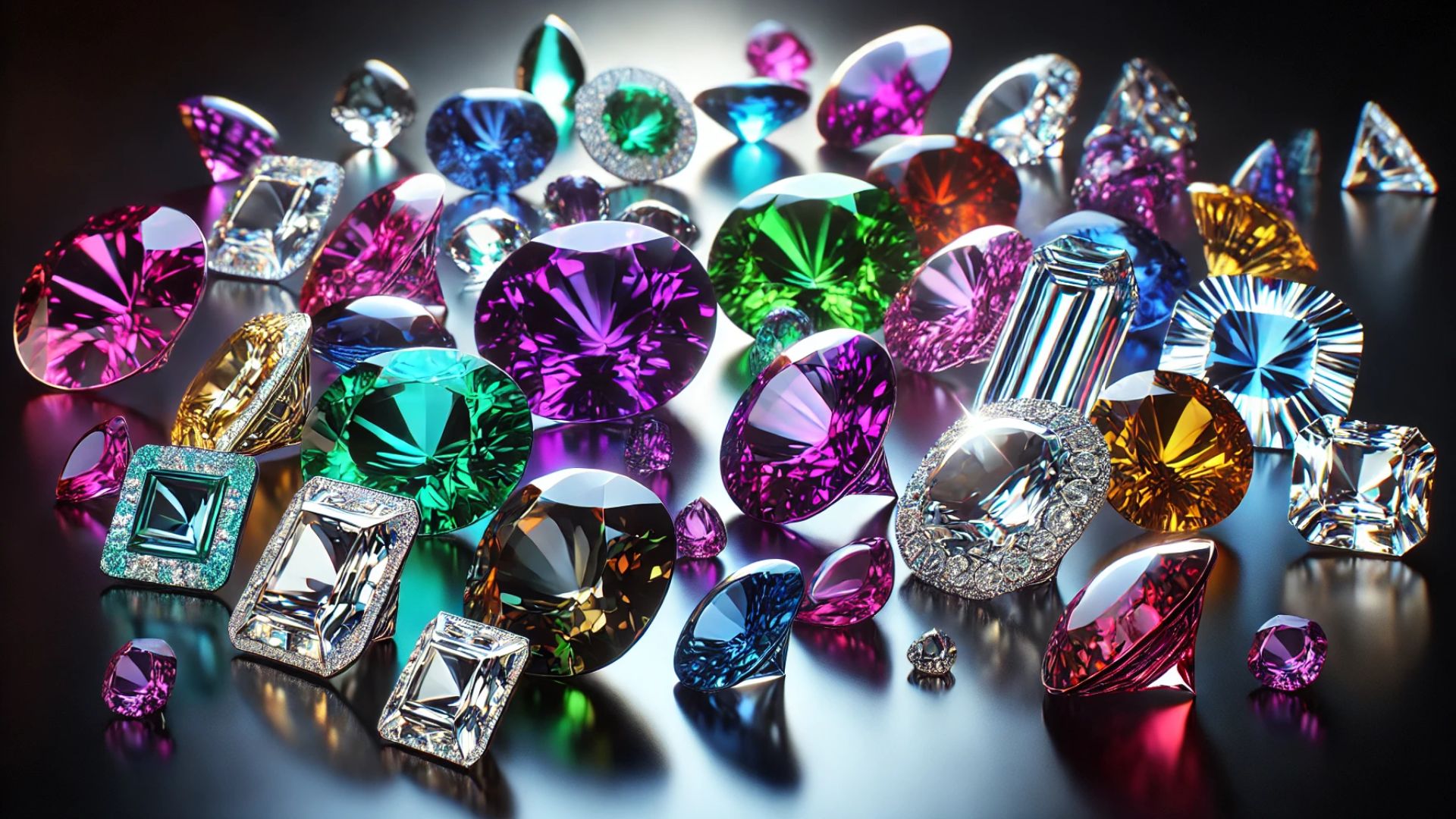
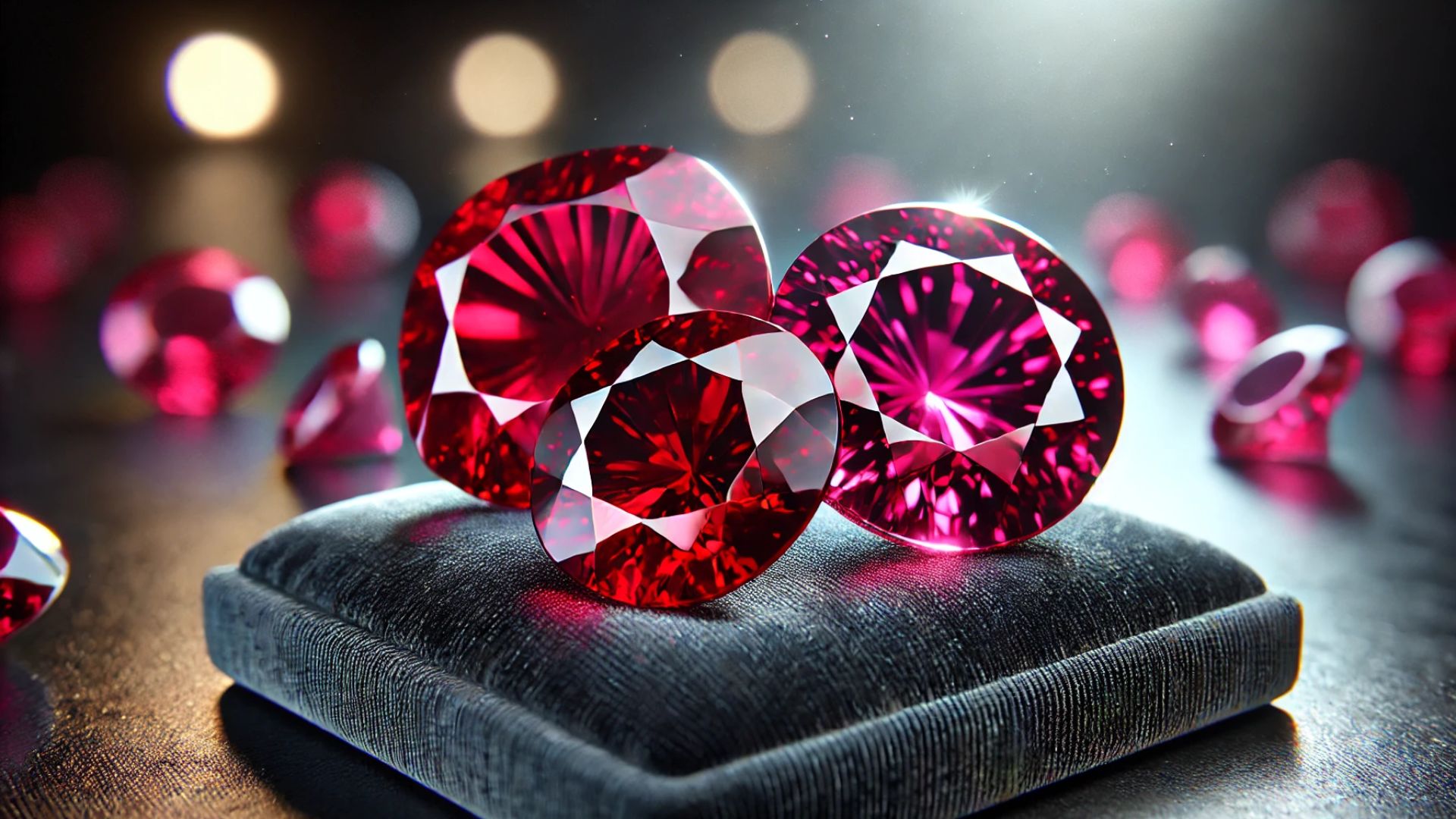
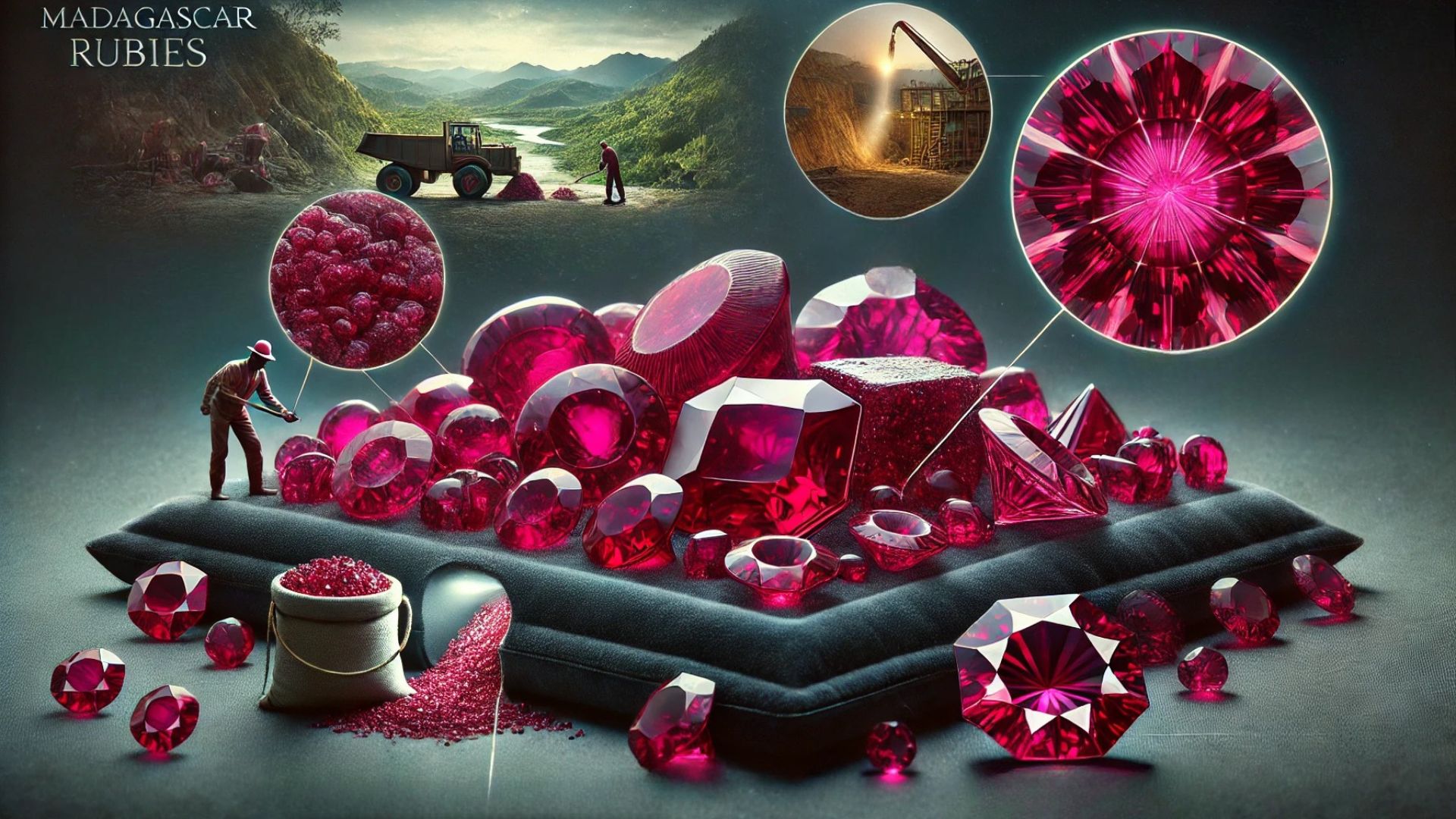
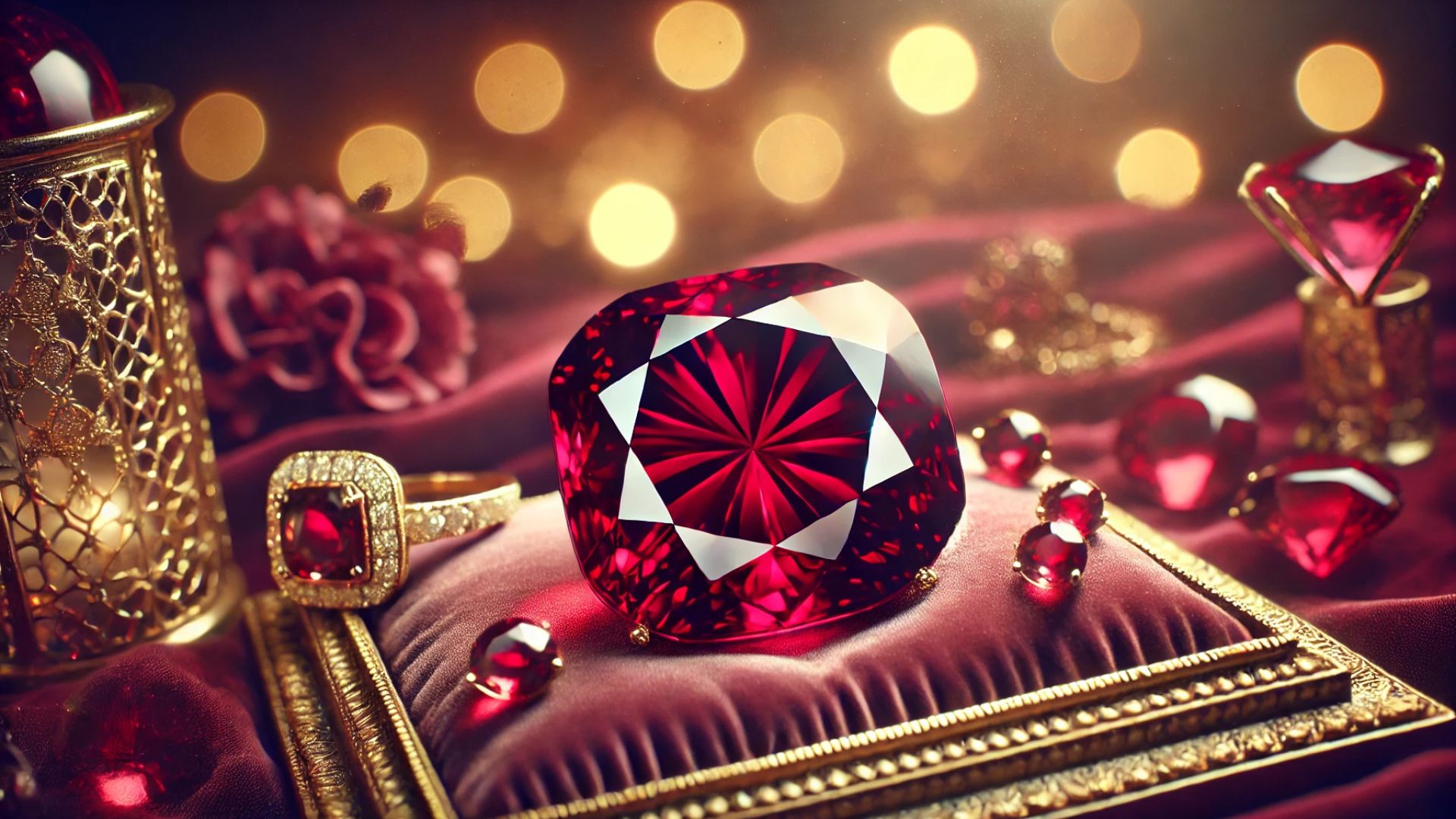
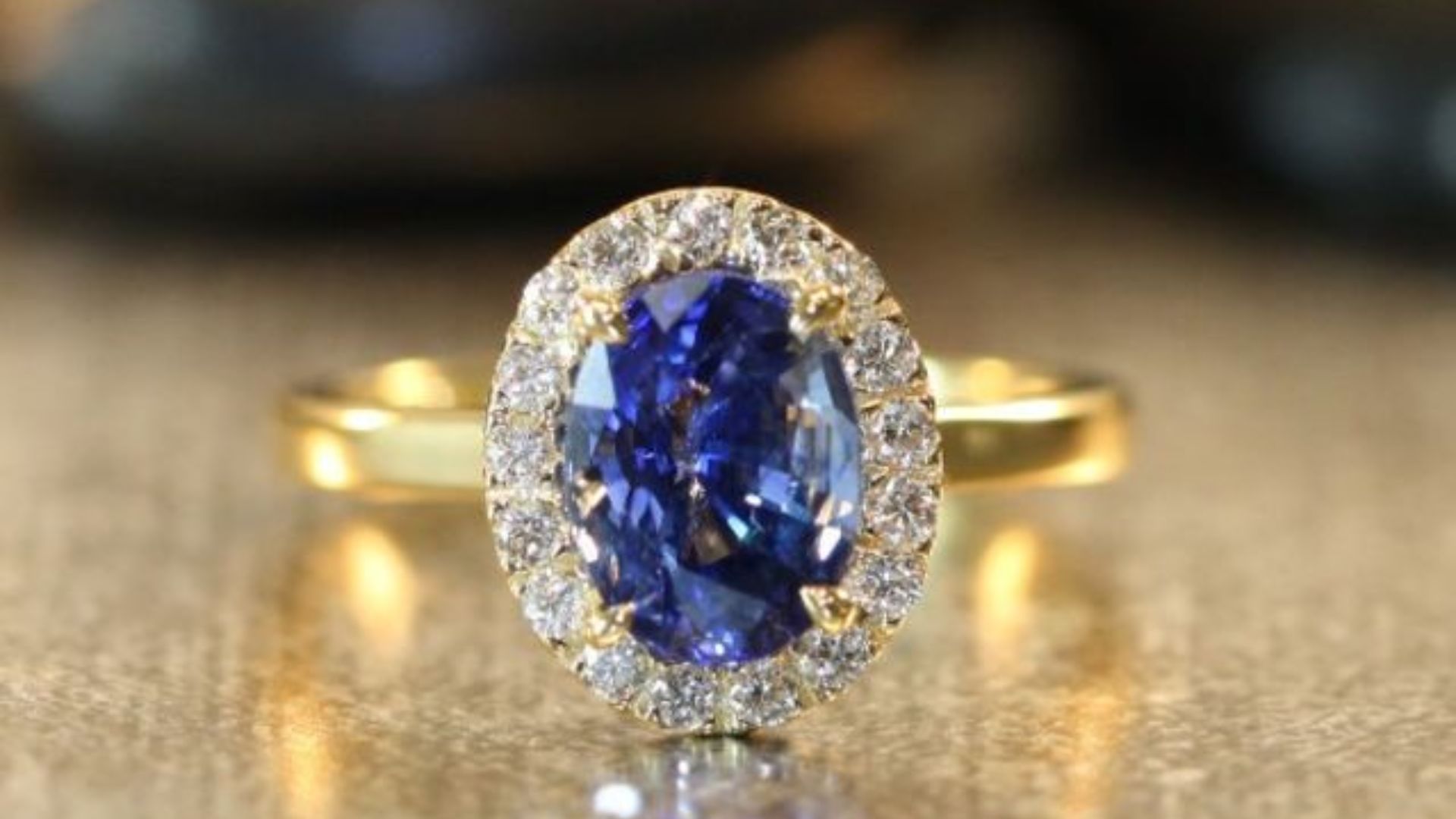
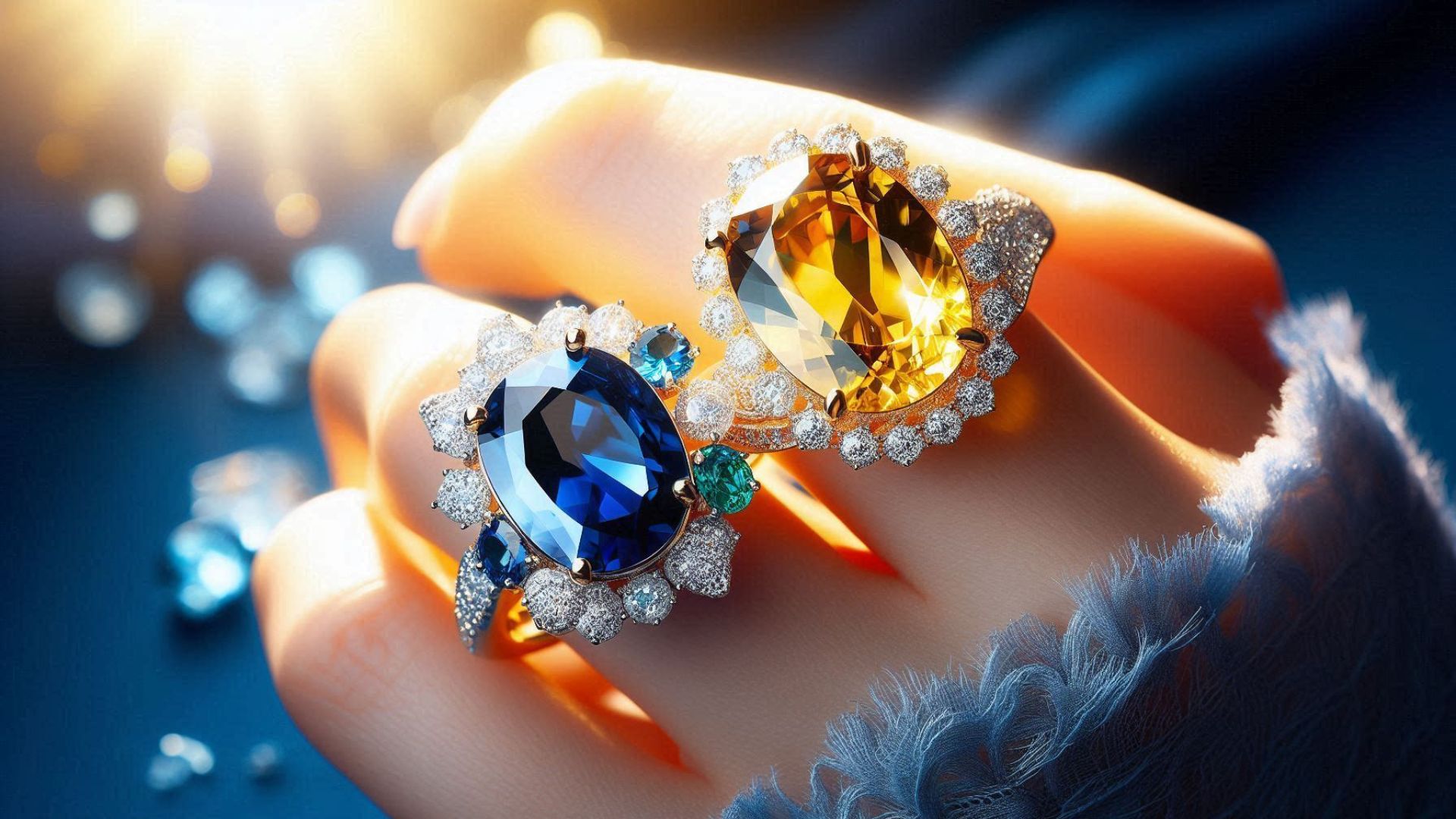
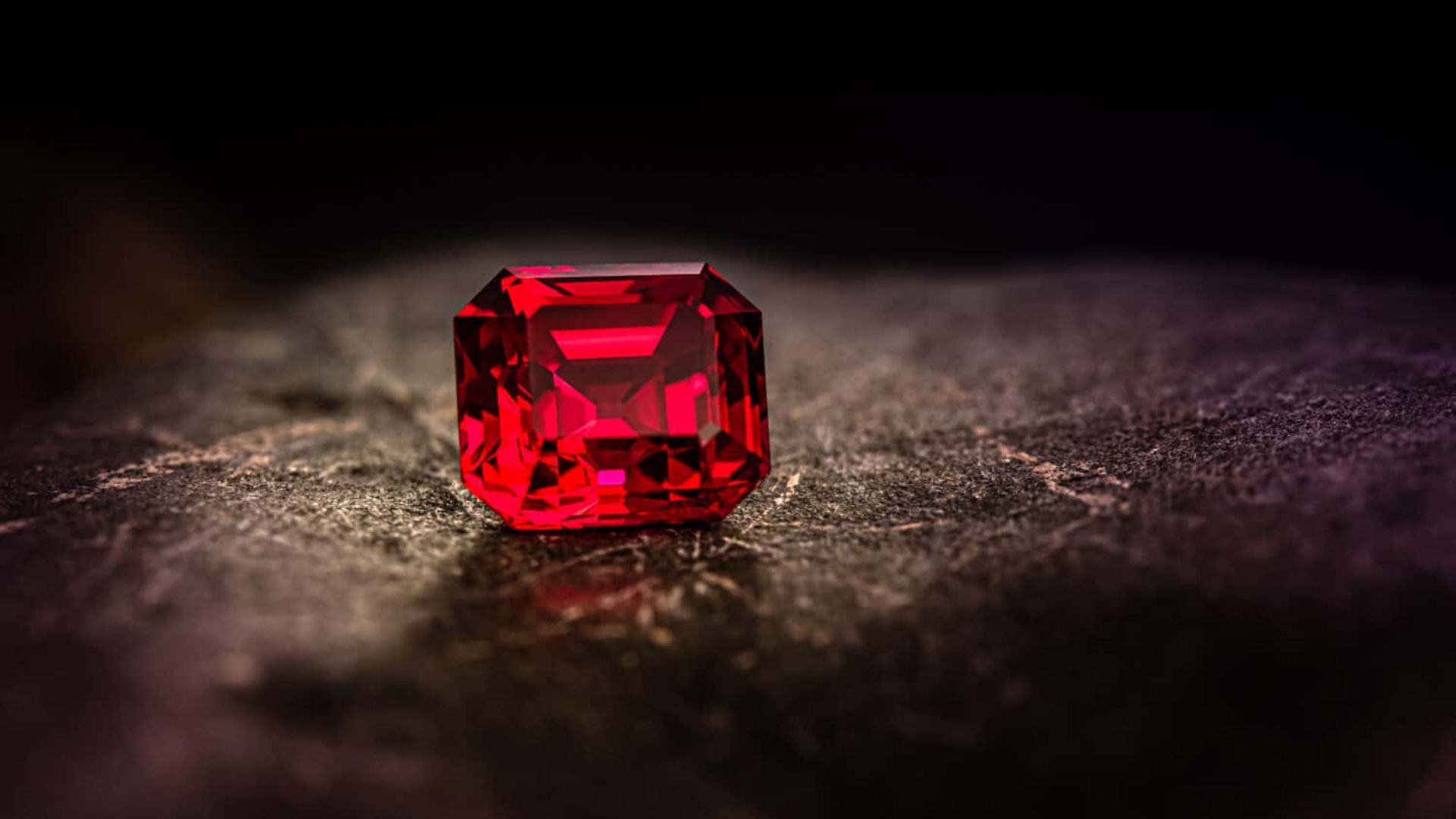
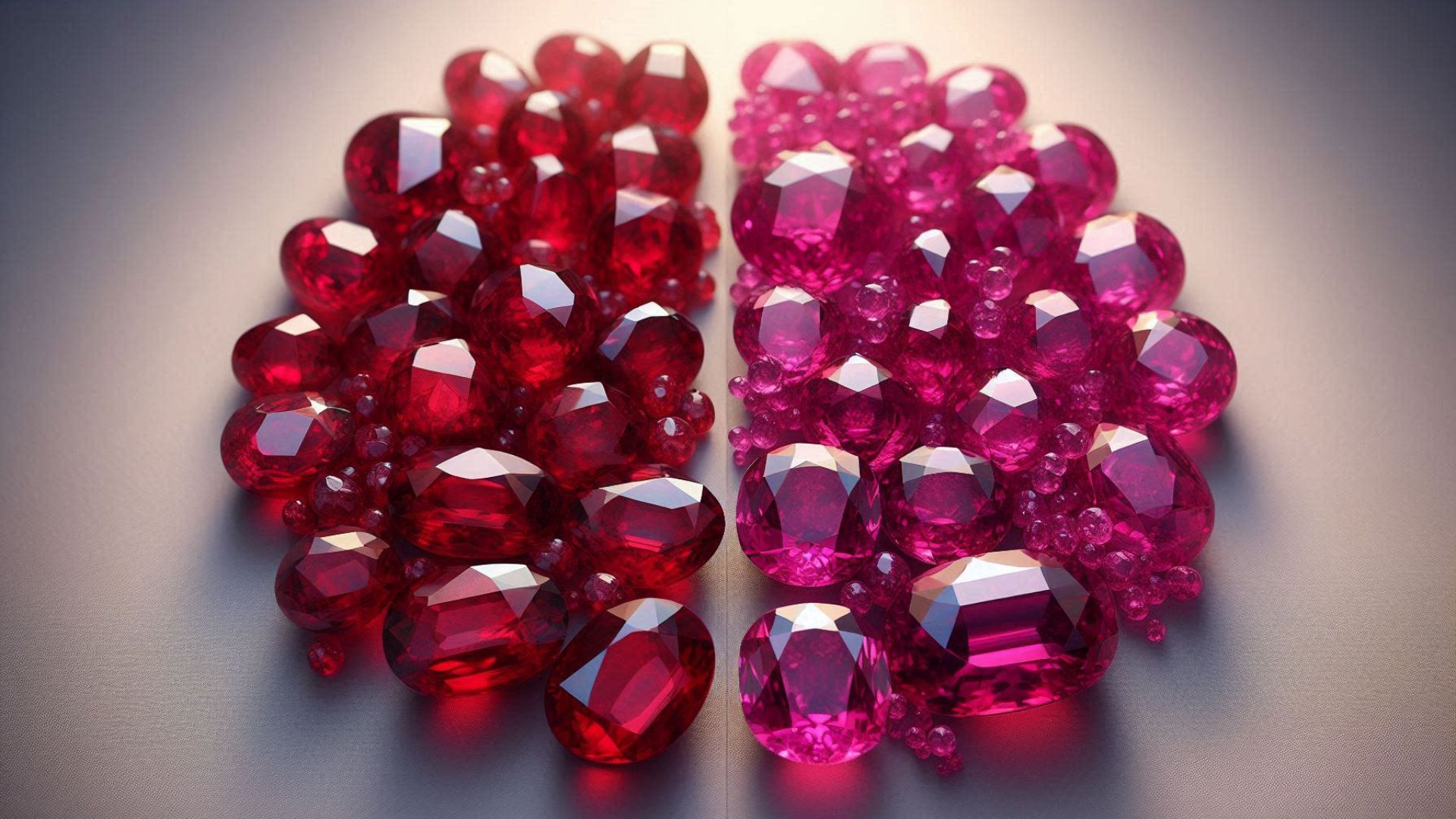
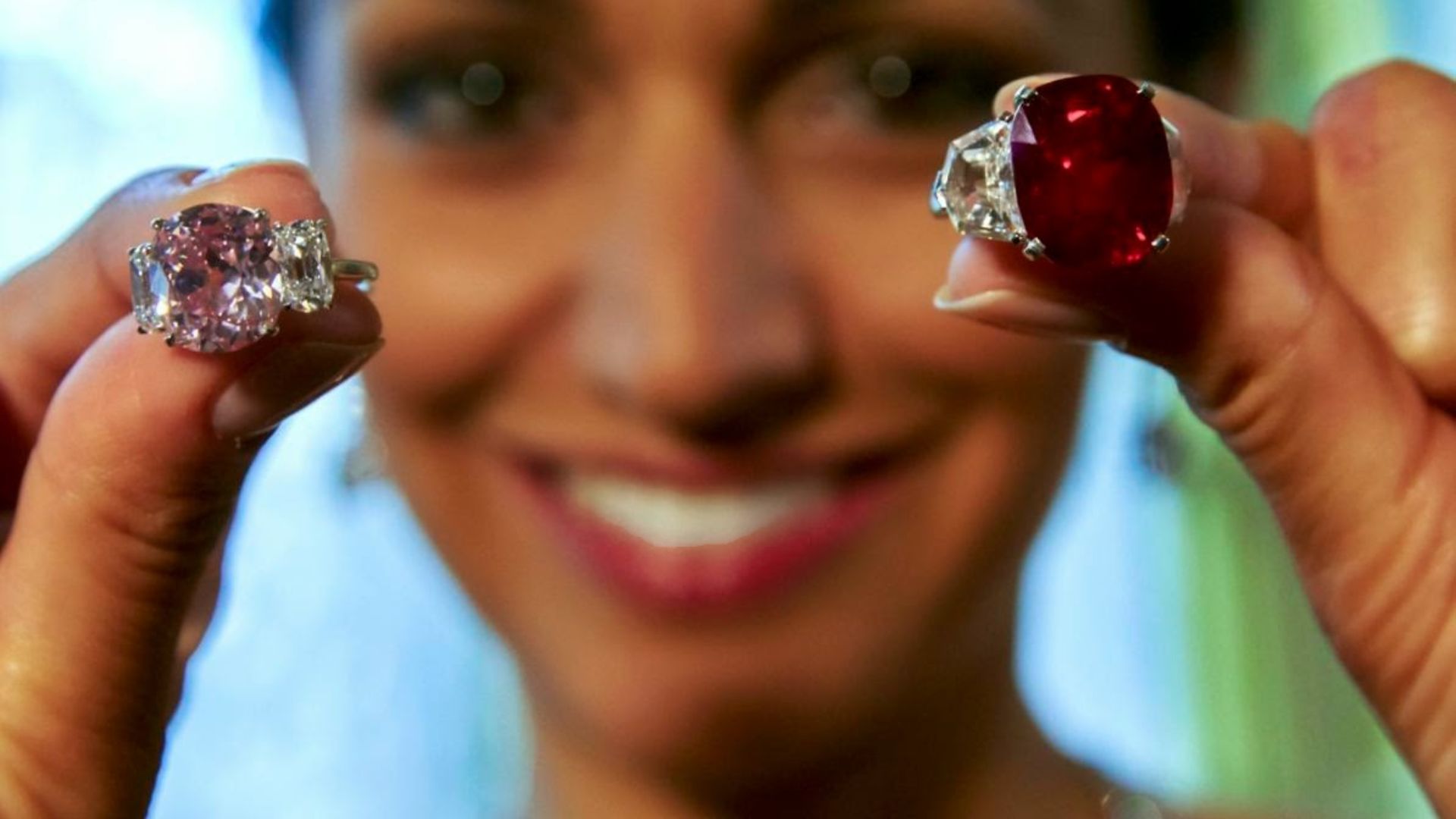
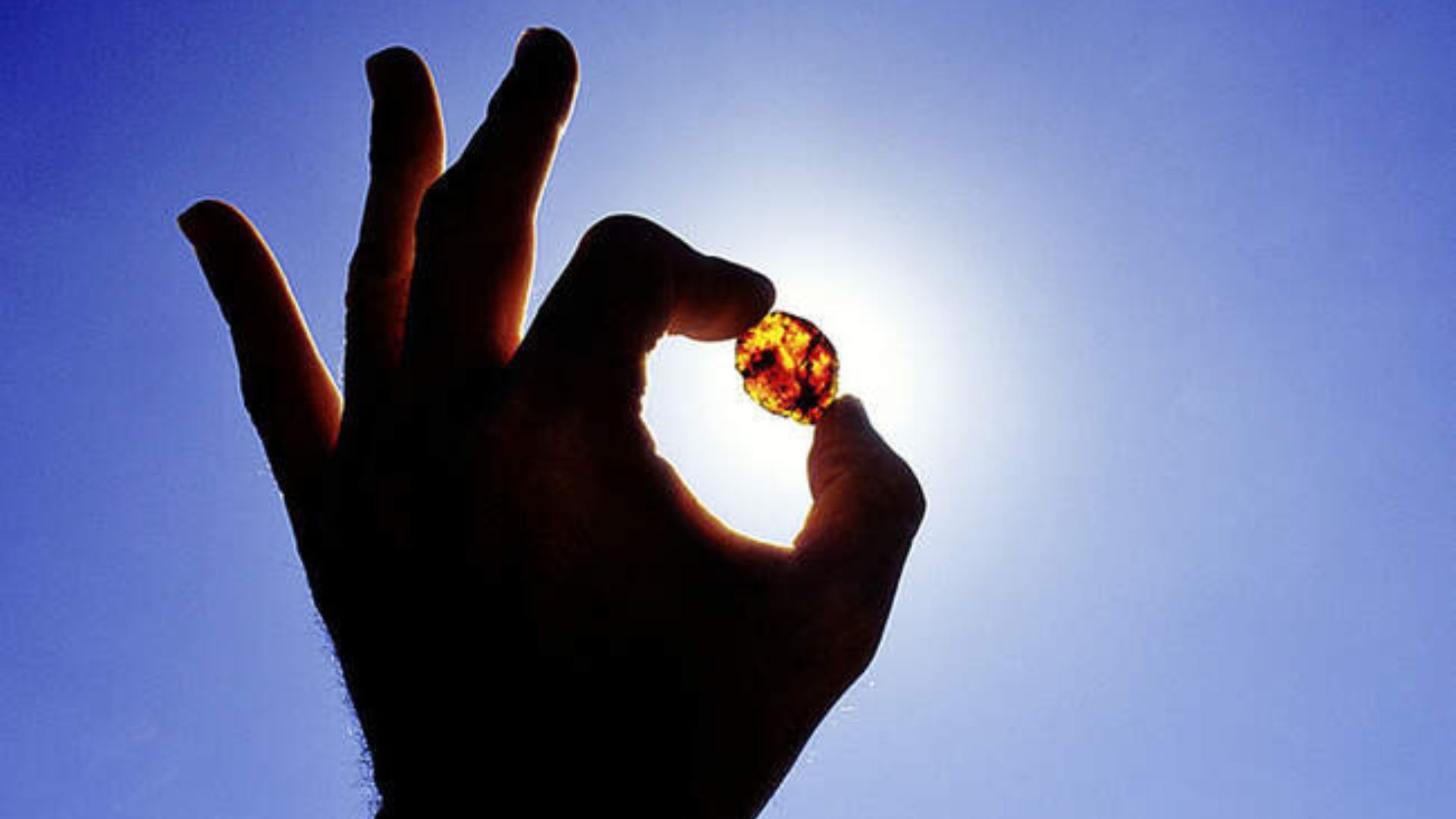
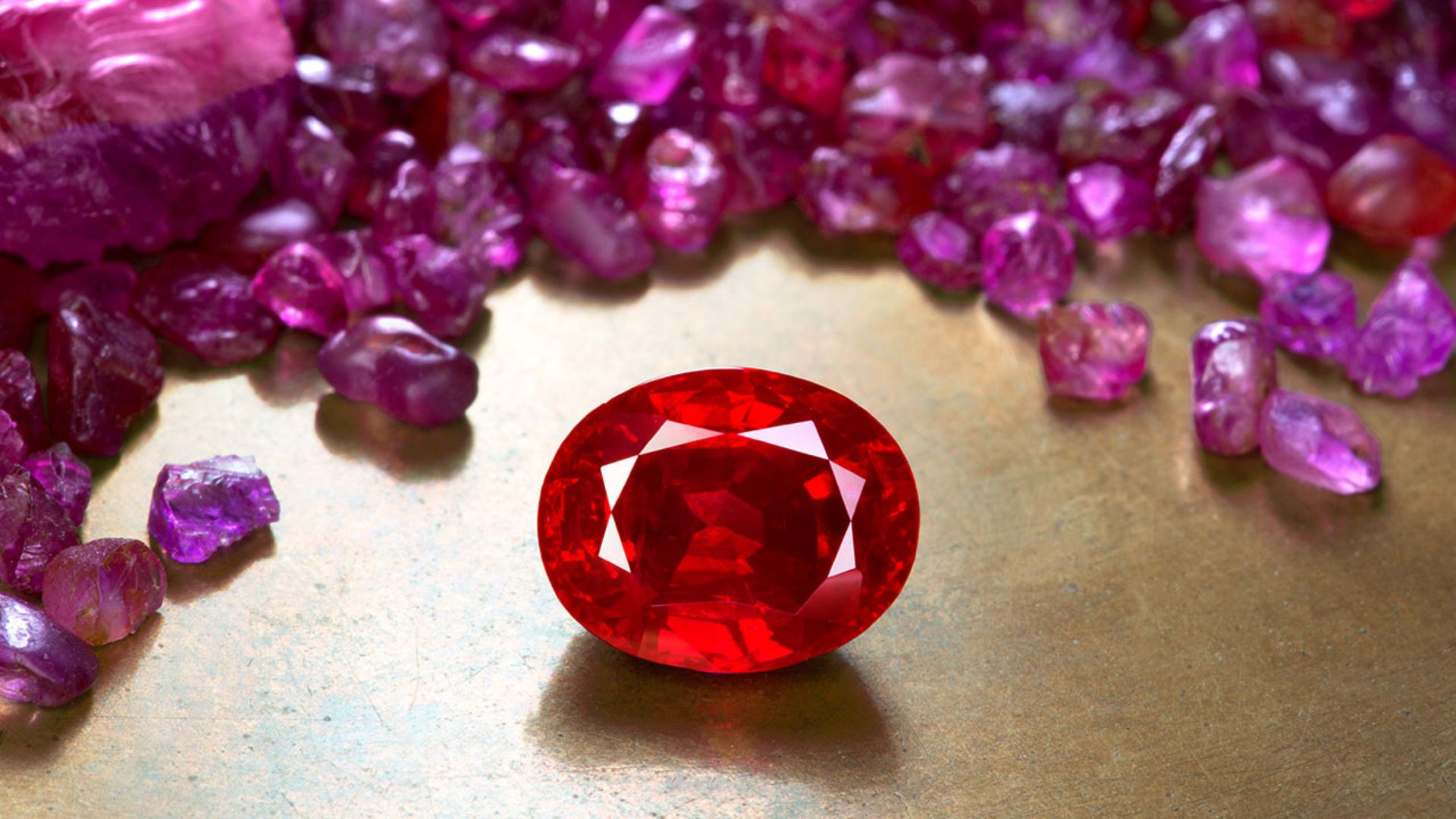
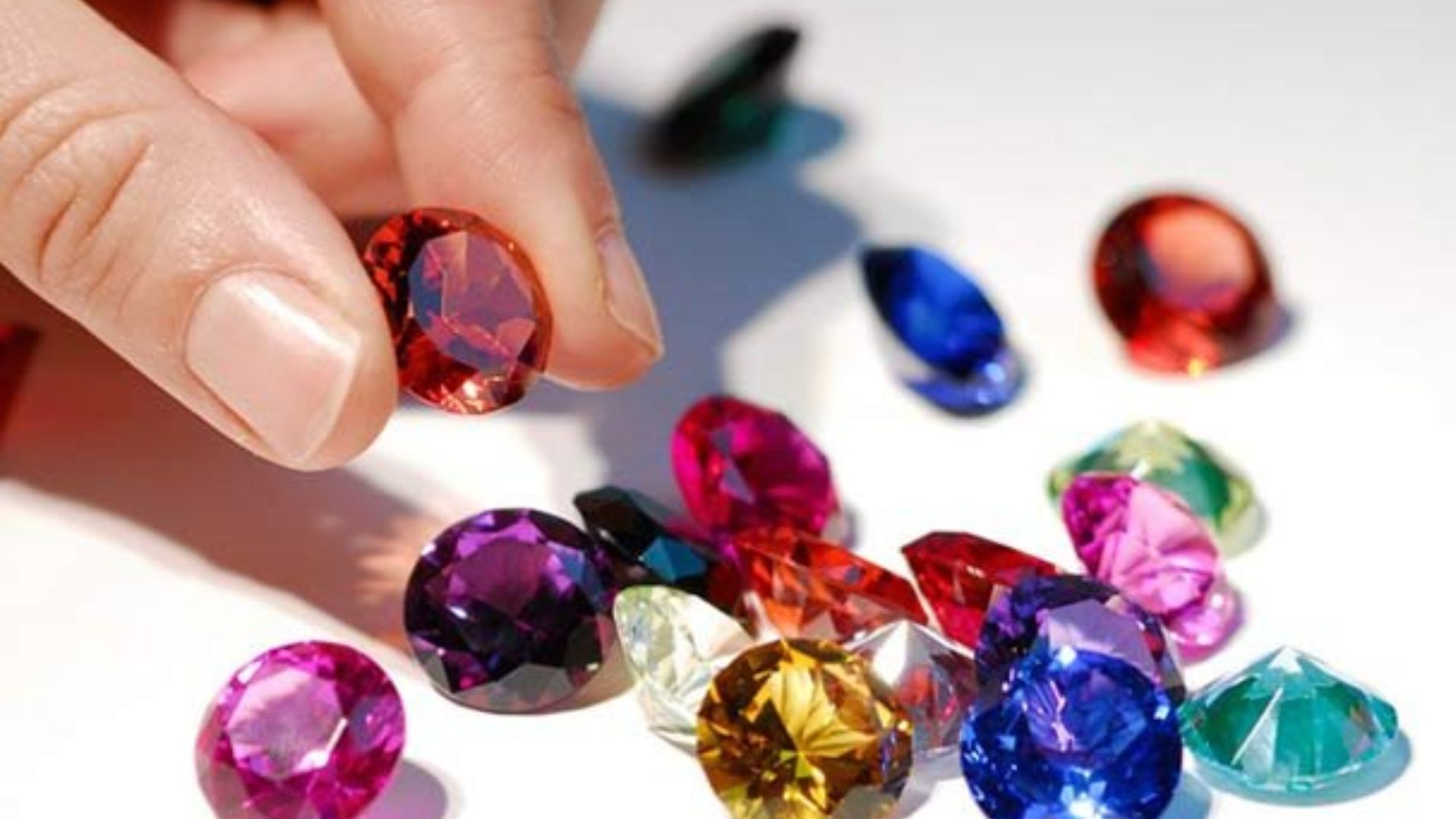
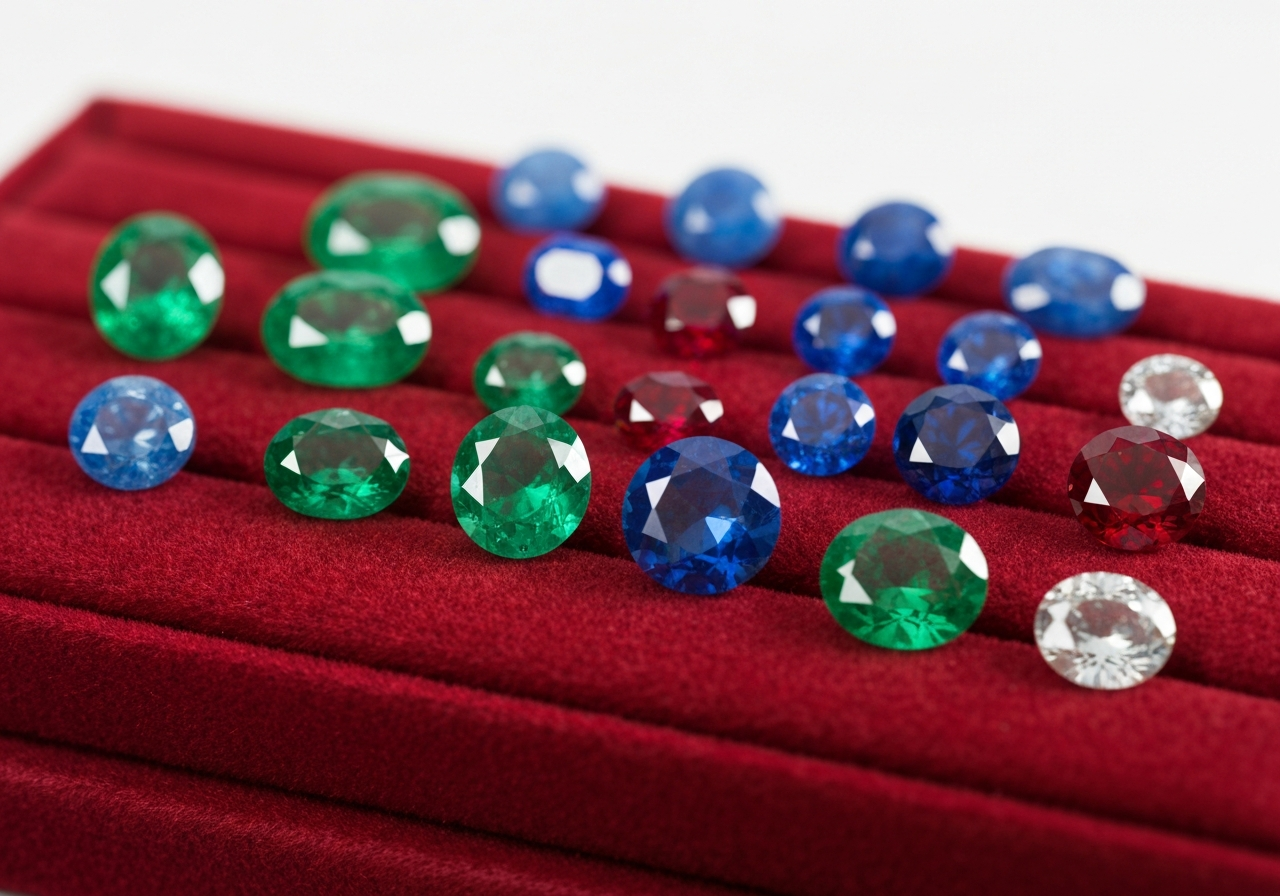
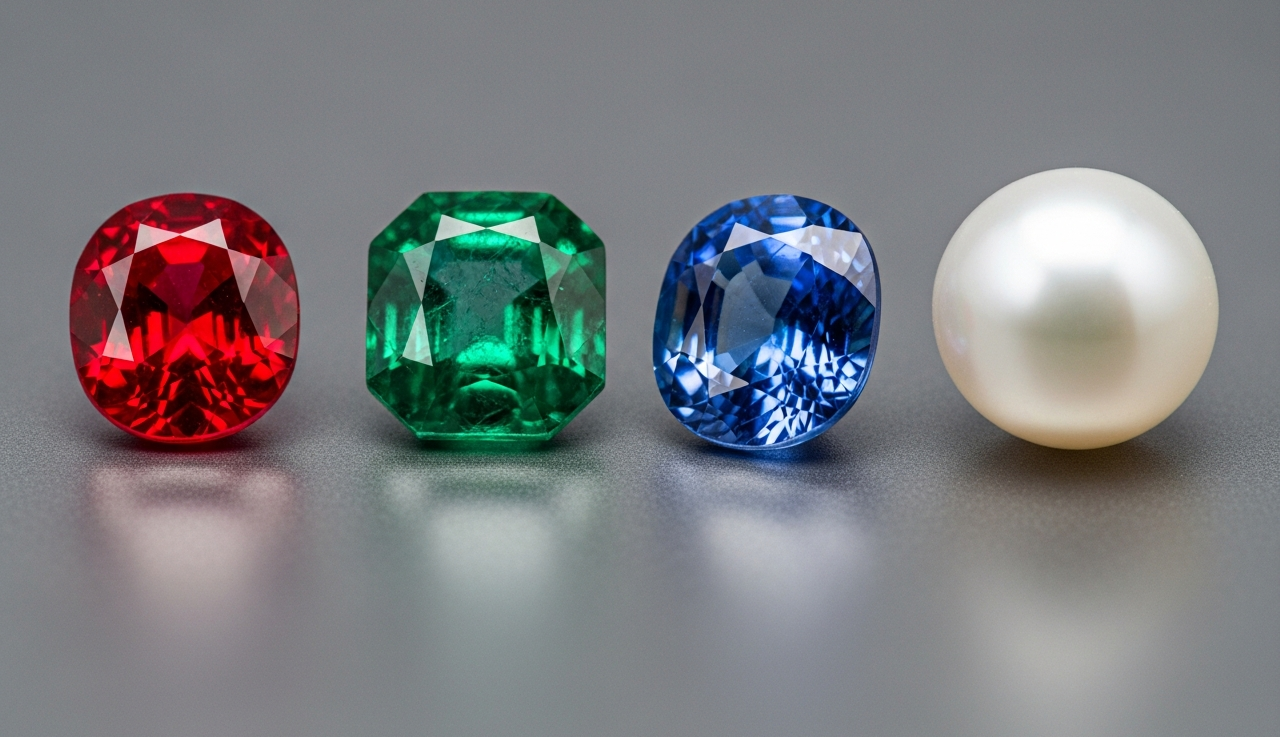
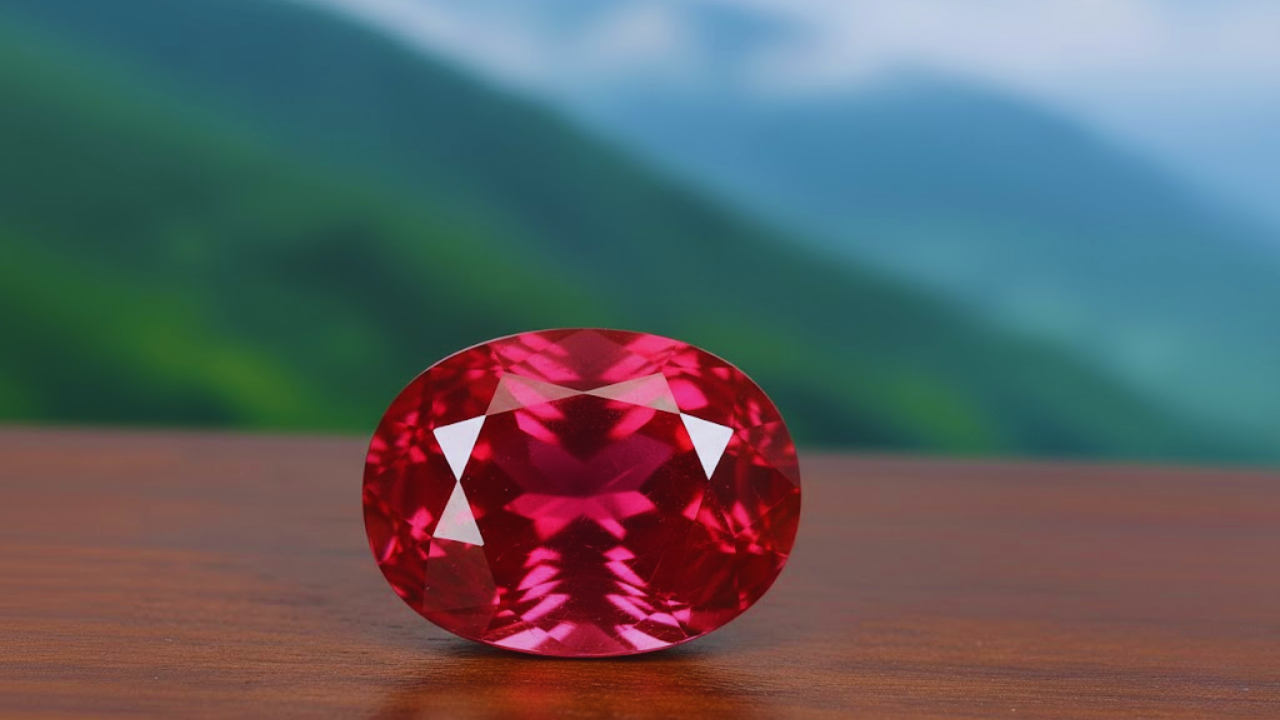
For centuries, people have been fascinated by the colors, rarity, and amazing way that gemstones interact with light. You might see light passing through a fine gemstone if you hold it close to a light source. It may reflect from its internal surfaces or scatter in different directions. A gemstone may appear bright, vibrant, and nearly glowing from within as a result of these interactions. For those interested in purchasing a ruby, understanding factors such as color, clarity, origin, and overall quality can also help when researching Mozambique ruby price.
But why are some gemstones crystal clear while others appear cloudy, translucent, or completely opaque?
The answer lies in several factors, including chemical composition, crystal structure, inclusions, fractures, color, geological formation, and cutting style. Understanding these factors is important for anyone interested in buying, collecting, designing, or simply appreciating gemstones.
Understanding Gemstone Transparency
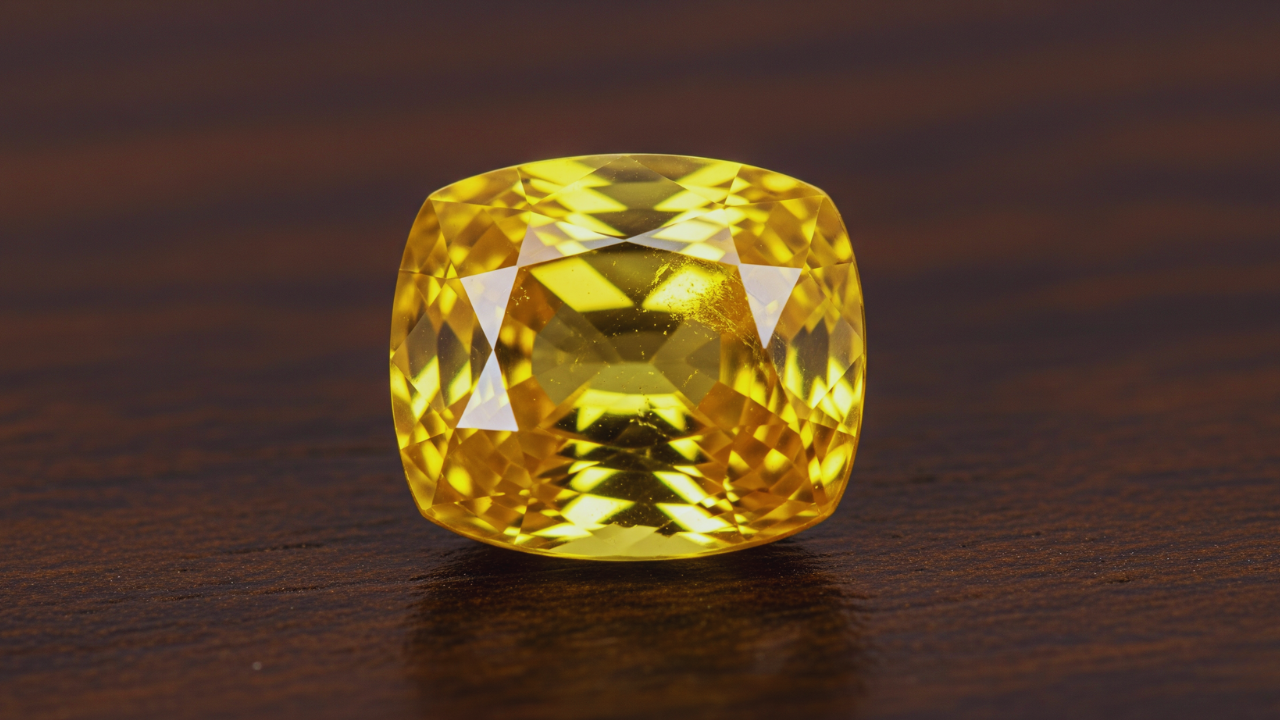
Gemstone transparency describes how easily visible light can pass through a gemstone.
Gemstones are generally classified as:
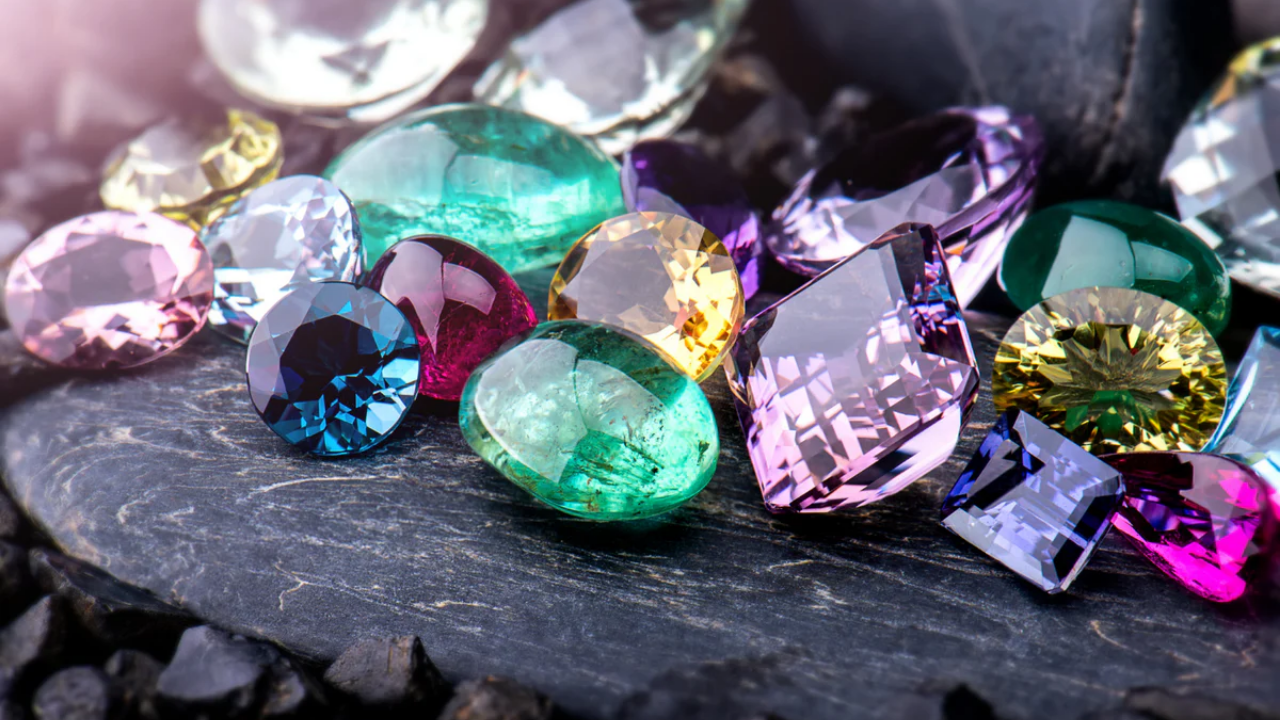
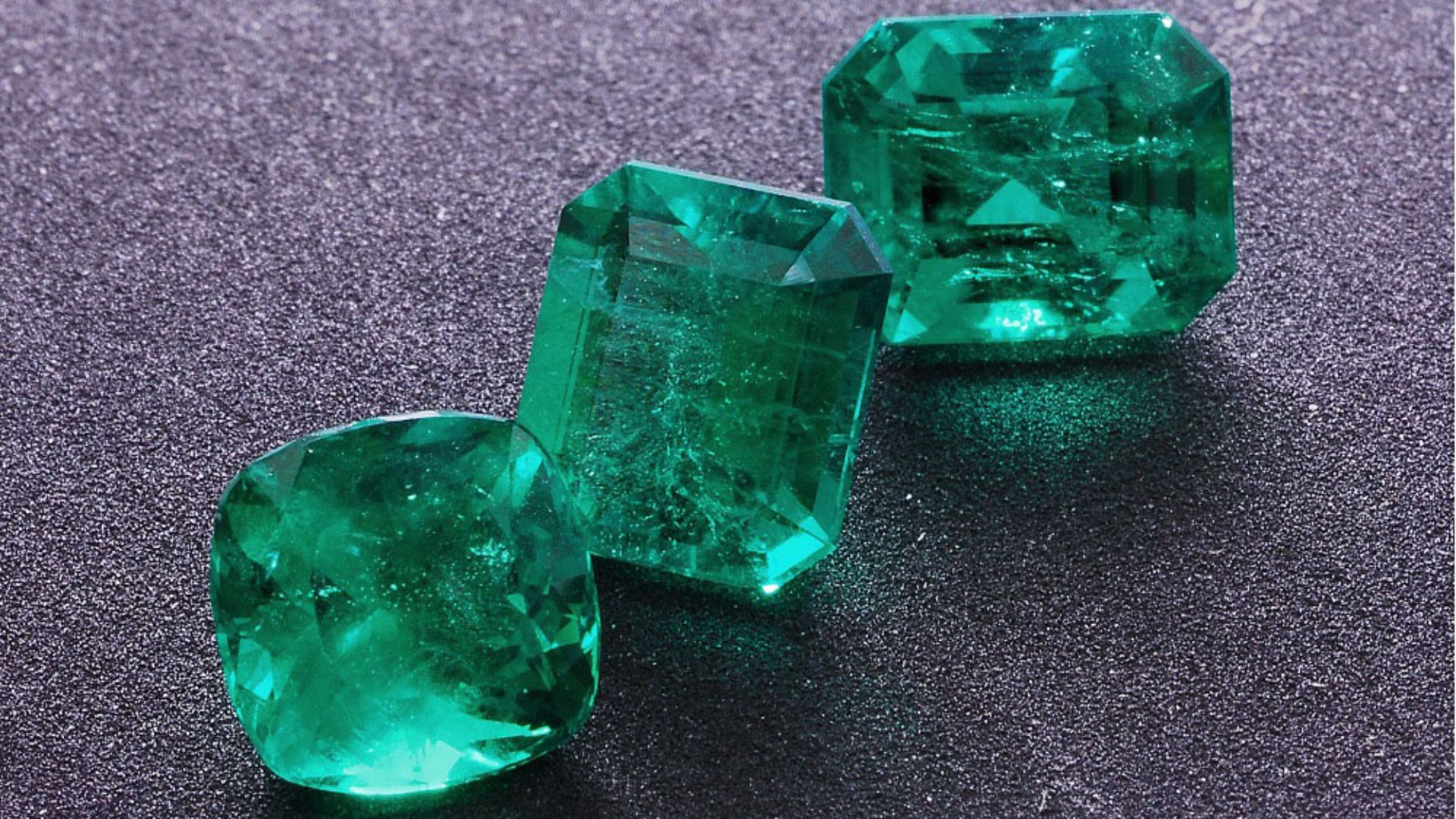
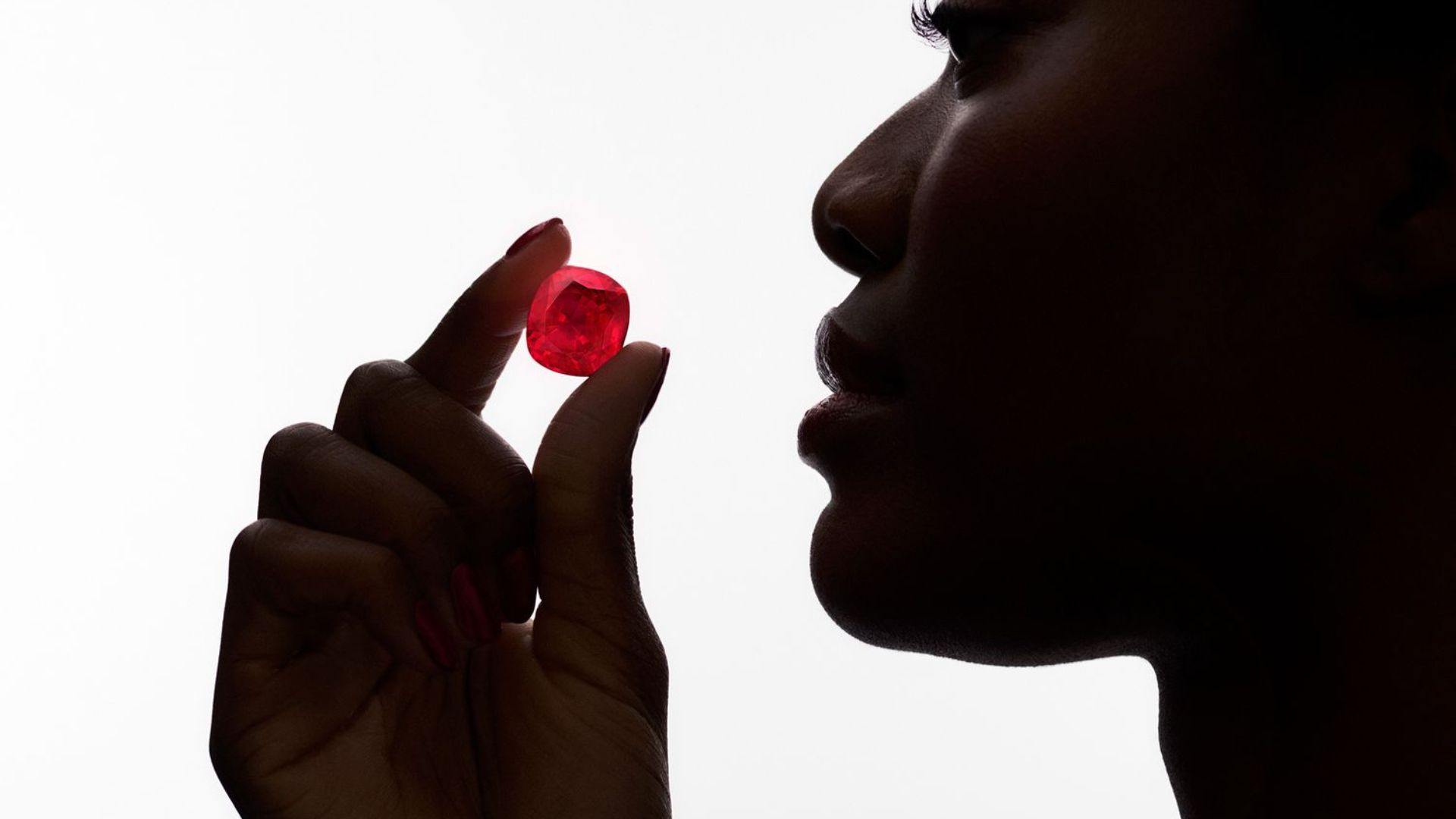
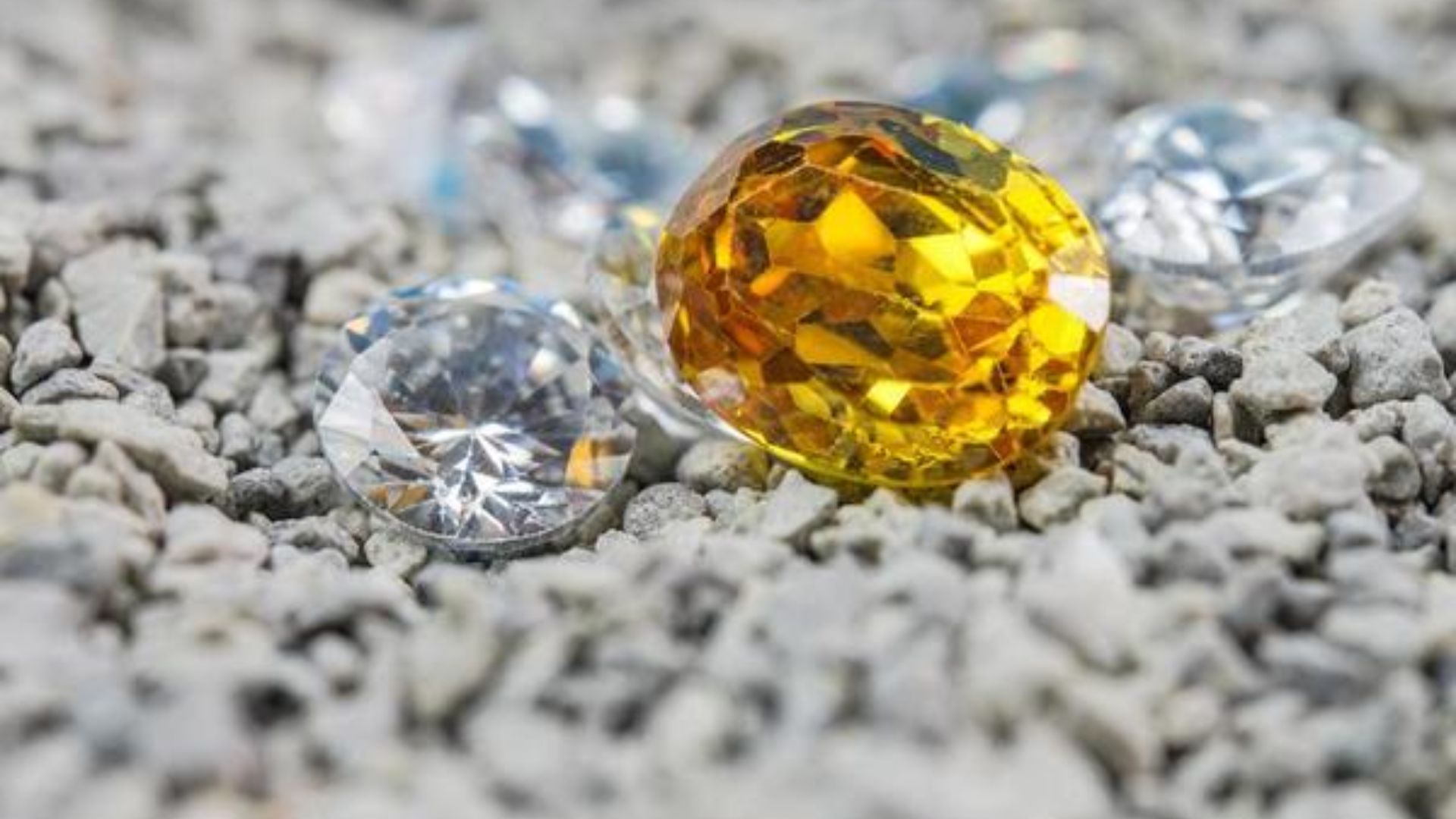
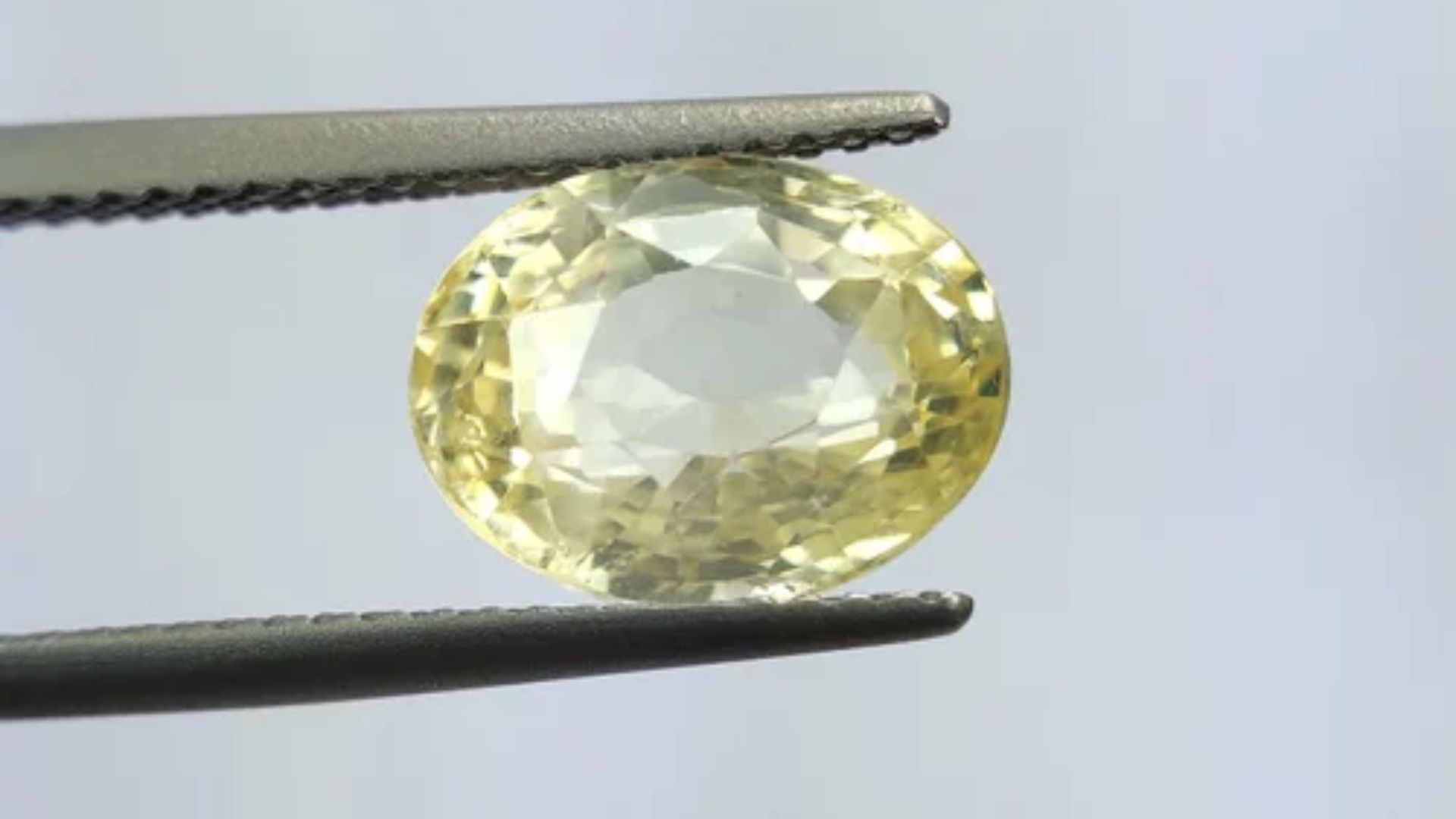
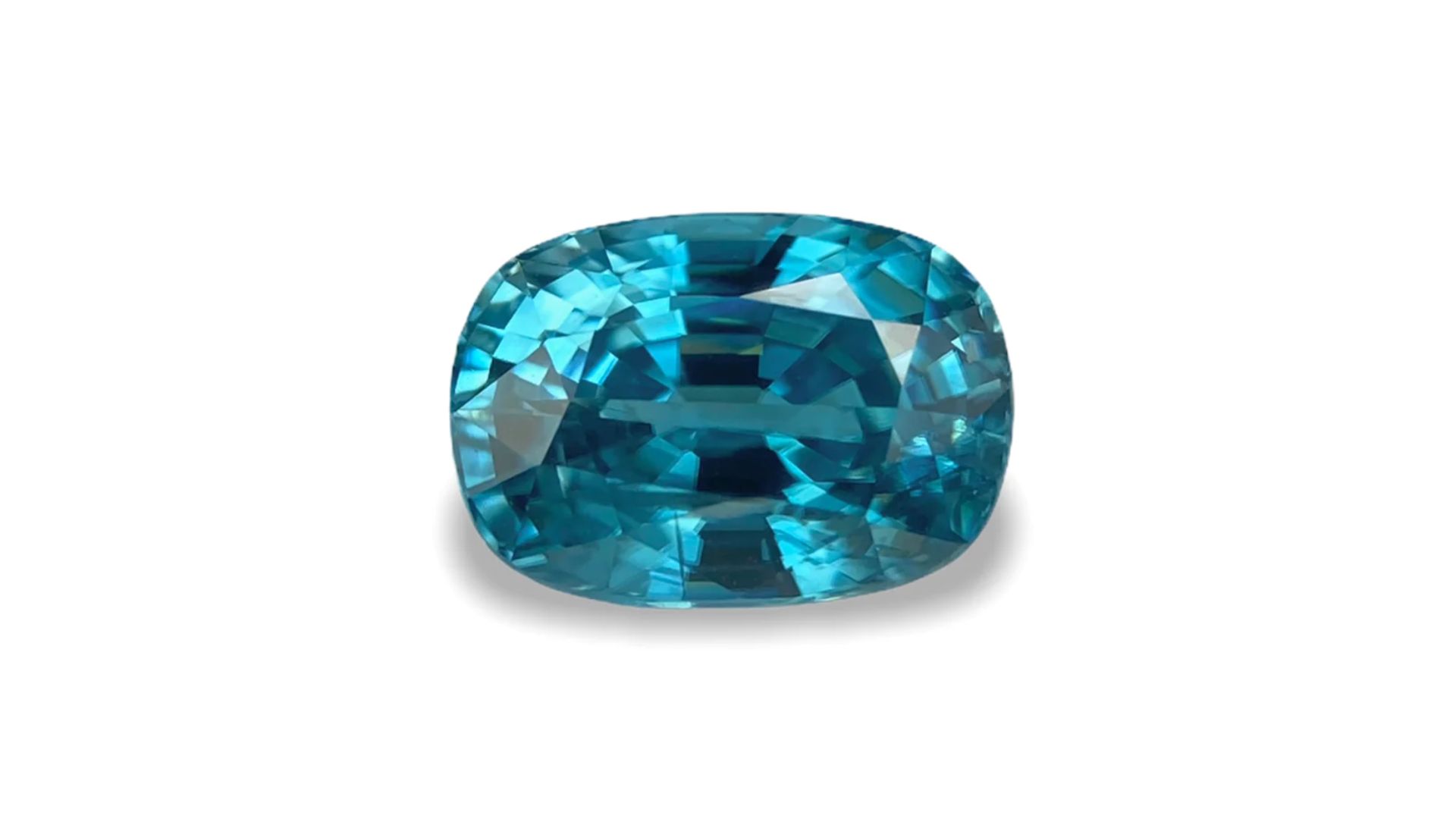
- Transparent: Light passes through clearly enough that objects behind the gemstone can be seen.
- Translucent: Light passes through, but objects behind the stone cannot be seen clearly.
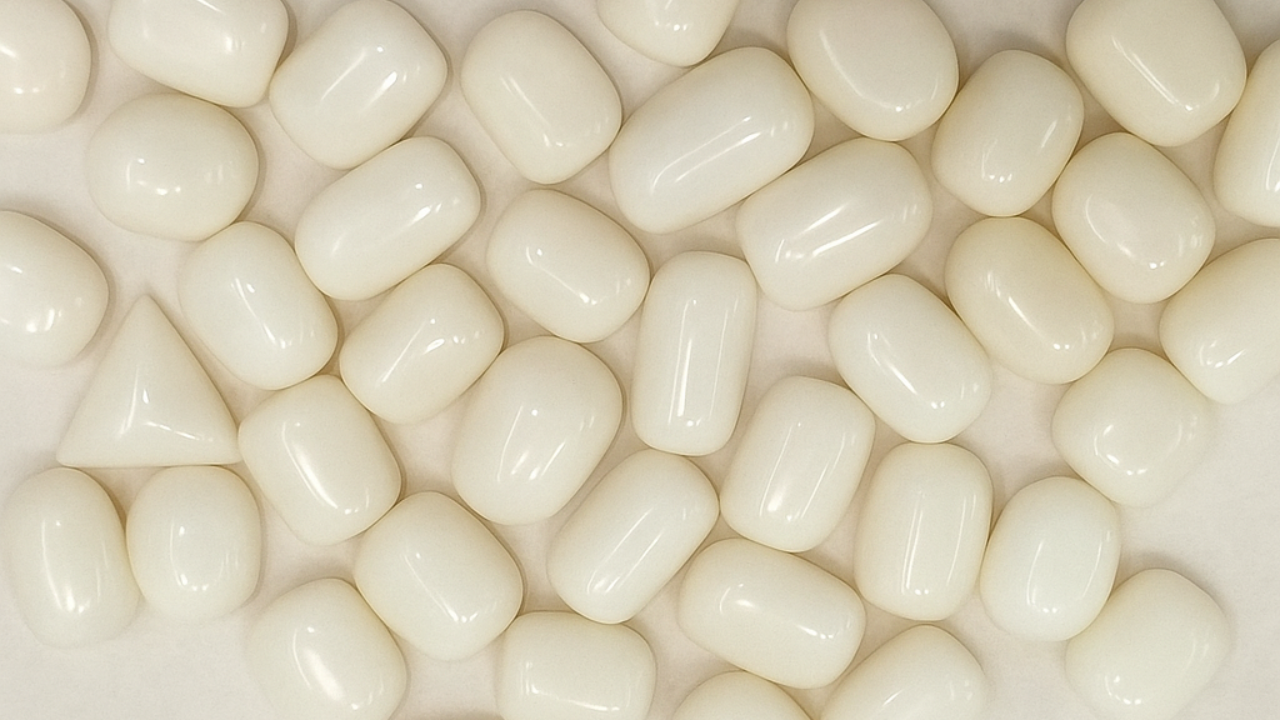
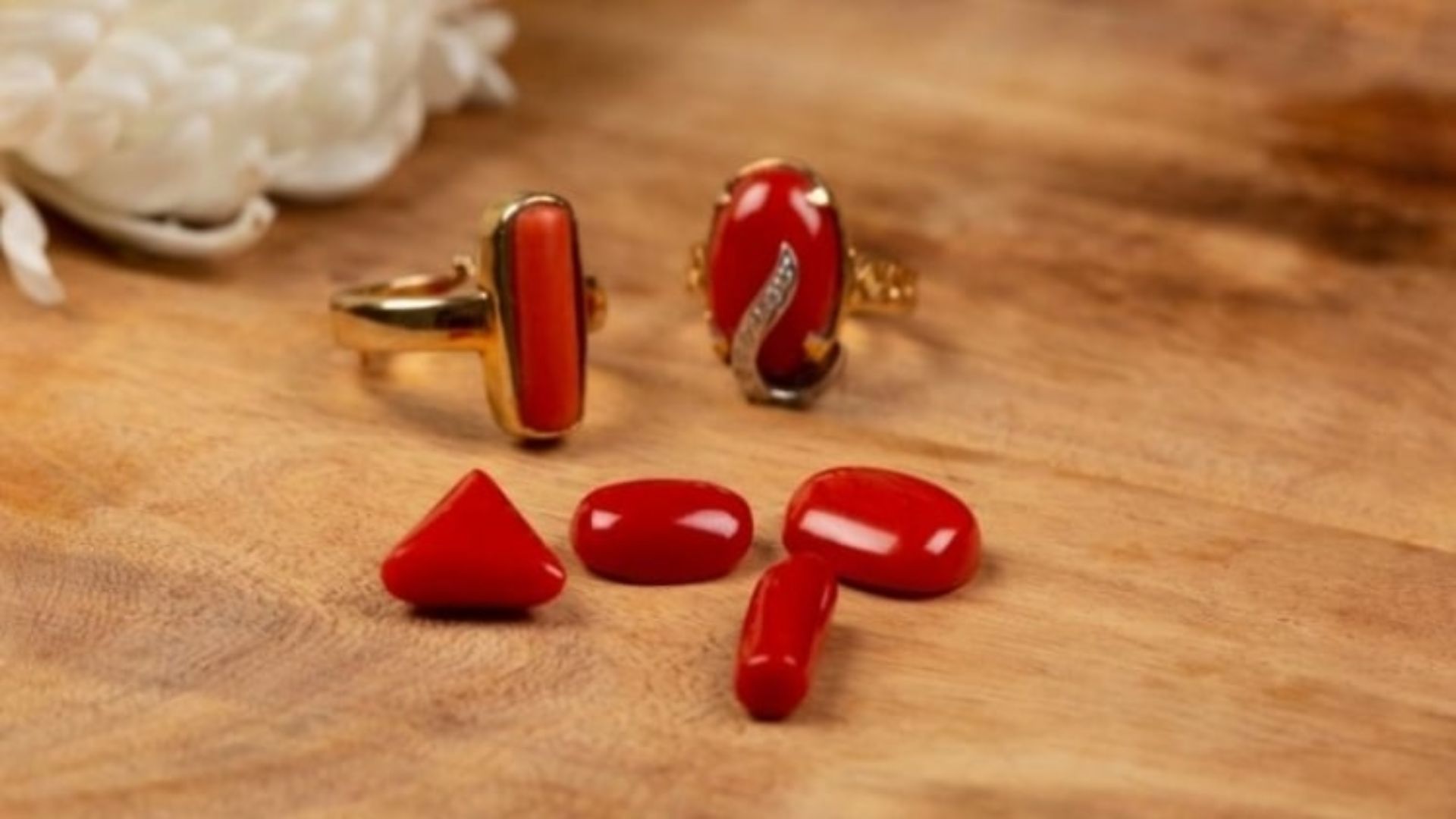
- Opaque: Little or no visible light passes through the material.
Transparency is not necessarily a measure of quality. An opaque gemstone can be highly beautiful and valuable, while a transparent gemstone may have relatively little commercial value. Transparency is simply one of the physical characteristics that determines a gemstone's appearance.
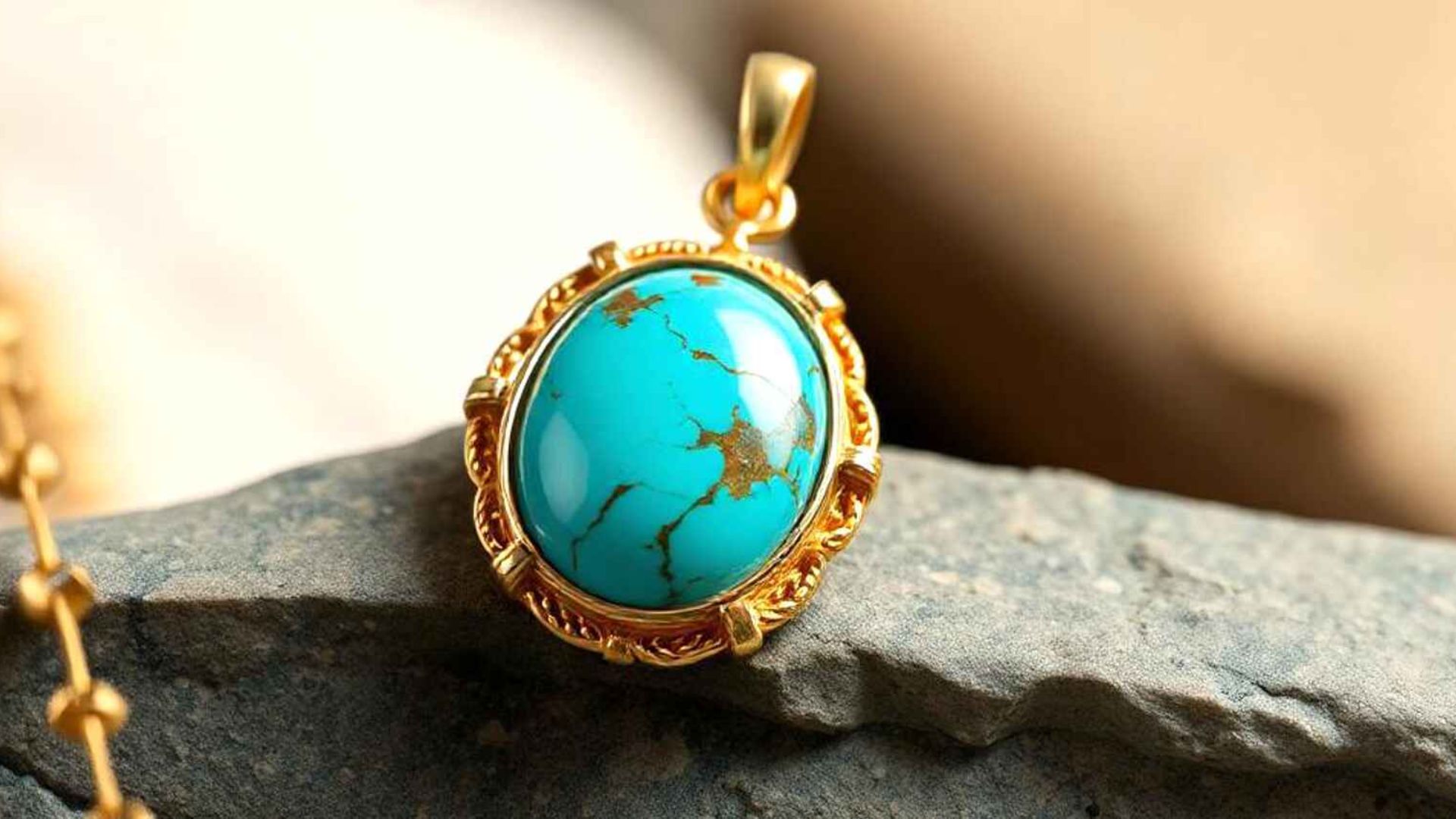
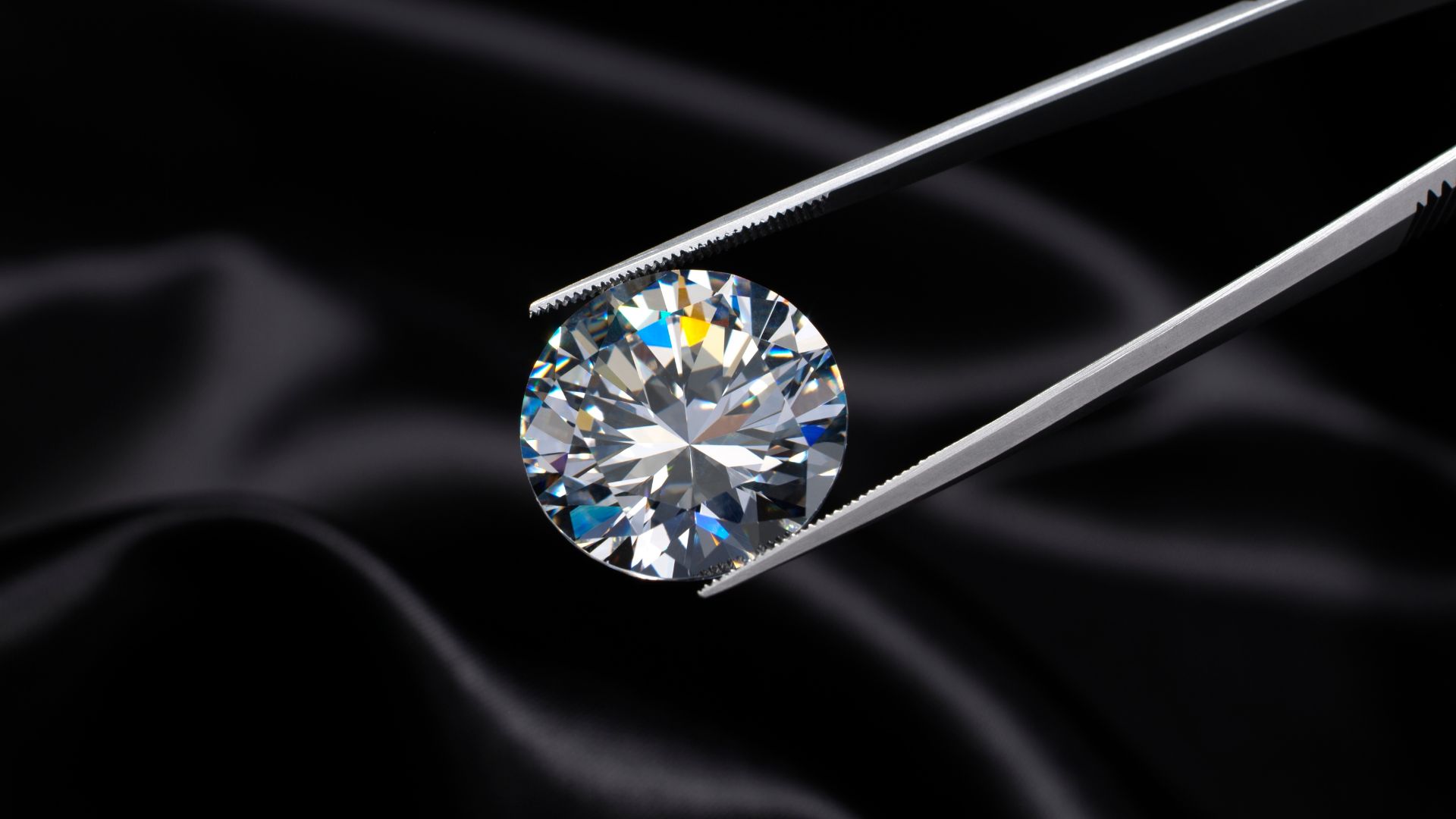
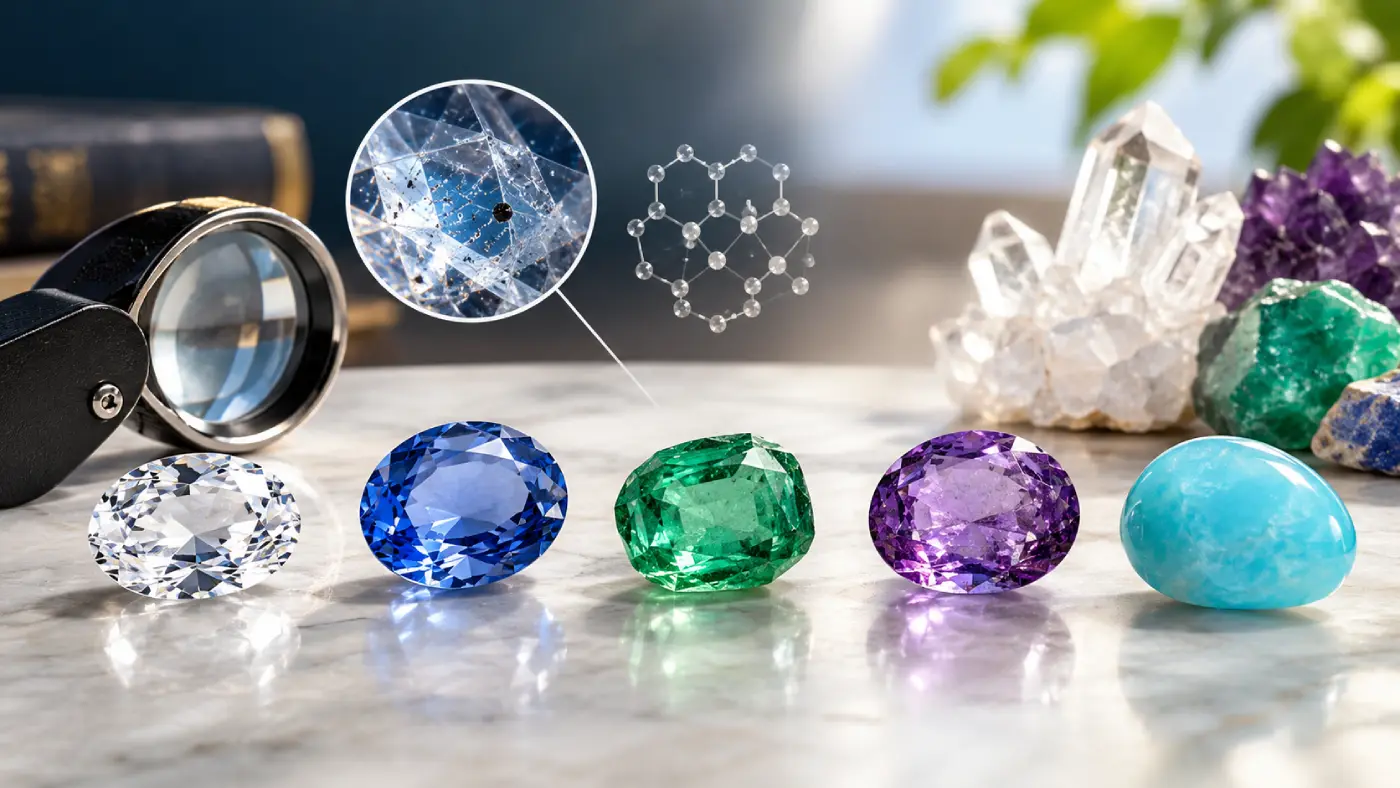
For example, diamond is known for excellent transparency, while turquoise is generally opaque. Moonstone is typically translucent, allowing light to enter the stone without providing a clear view through it.
The difference comes down to how the gemstone's material interacts with light.
Why Does Light Pass Through Some Gemstones?
When light enters a gemstone, several things can happen. Some light is reflected from the surface, some is absorbed by the material, some passes through, and some is scattered by internal features.
A relatively uniform crystal with few light-scattering imperfections allows light to travel through more easily. In contrast, inclusions, fractures, microscopic particles, and structural irregularities can scatter light in different directions, reducing transparency.
The effect is similar to the difference between a clear glass window and frosted glass. Both allow light through, but frosted glass scatters the light and prevents a clear view.
The Role of Crystal Structure
Crystal structure is one of the fundamental factors influencing Gemstone Transparency.
Gemstones consist of atoms arranged in specific patterns. These arrangements vary between minerals and affect the way light travels through them.
A highly uniform crystal structure can allow light to pass through with relatively little scattering. Structural defects, distortions, or microscopic irregularities can redirect light and reduce transparency.
Diamond, for example, has a highly ordered three-dimensional structure made of carbon atoms. Its optical behavior, however, is not determined by structure alone. Its famous brilliance also depends on its high refractive index, dispersion, and precise cutting.
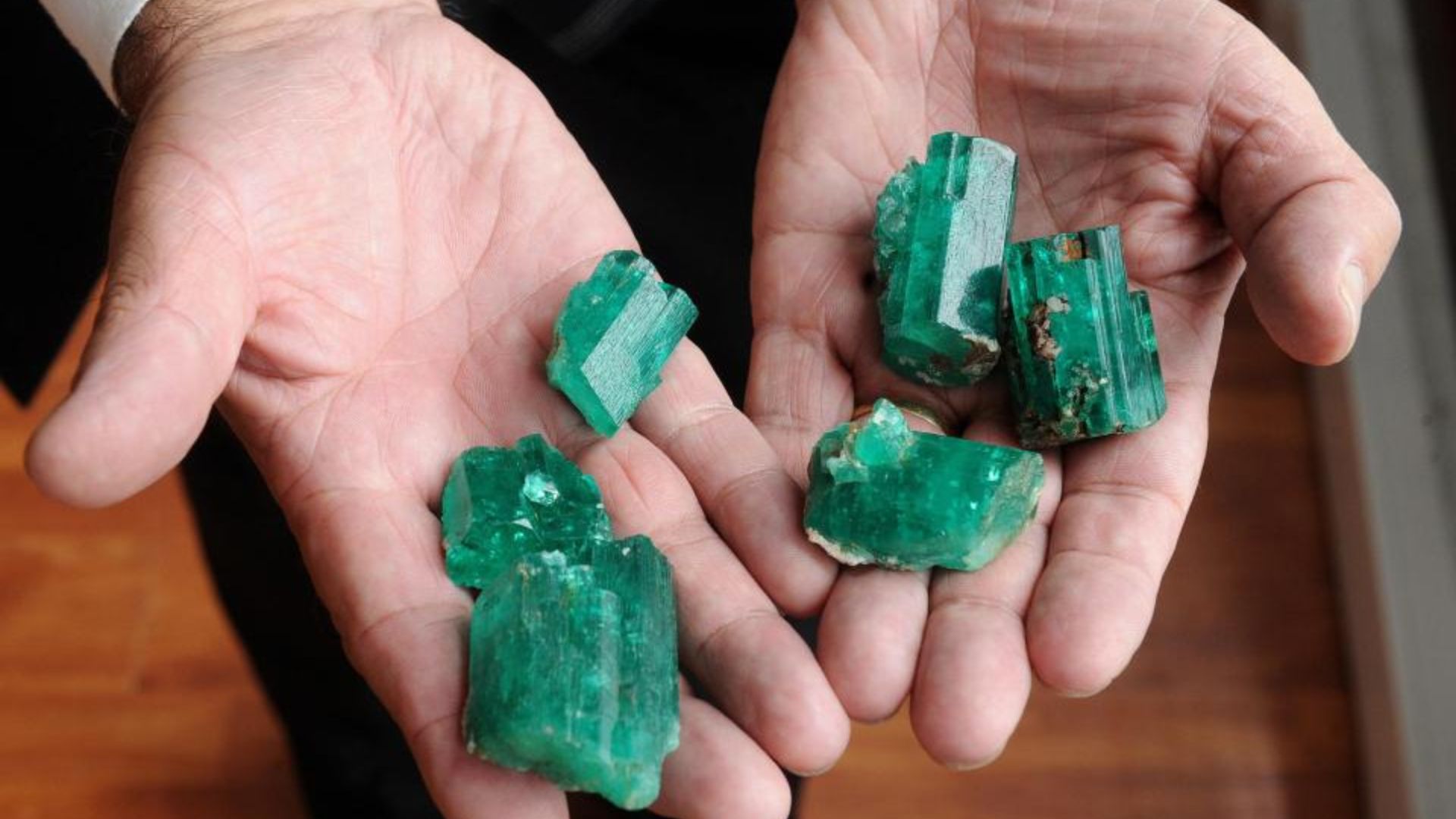
Quartz, corundum, beryl, tourmaline, and other gemstone minerals each have their own structures and optical characteristics.
Gemstone Clarity vs. Gemstone Transparency
Gemstone Clarity and transparency are related but different concepts.
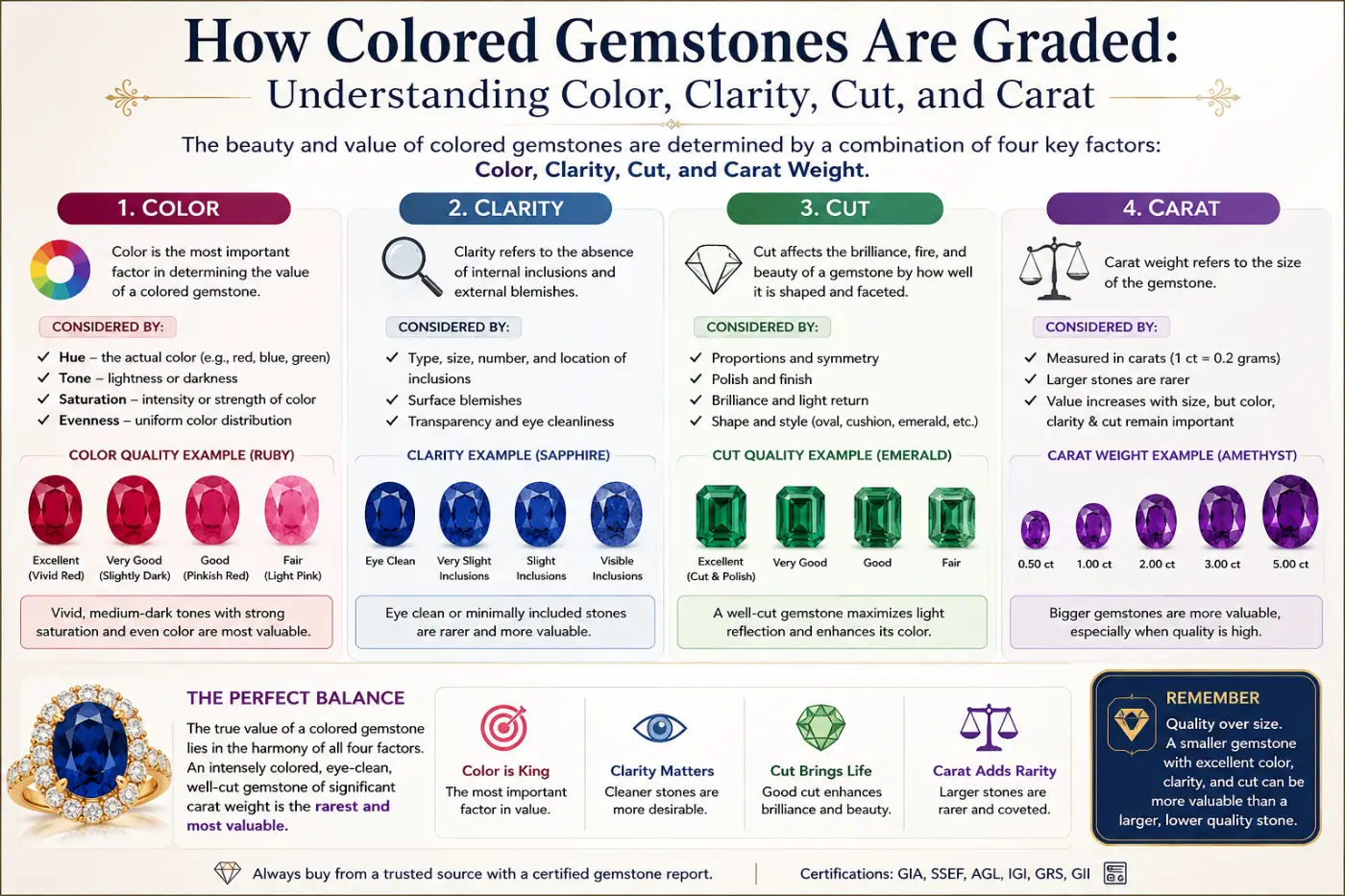
Clarity generally refers to the presence, size, location, and visibility of inclusions and other internal or external characteristics. Transparency describes how effectively light passes through the gemstone.
A gemstone can have relatively good clarity but still have limited transparency because of its composition or microscopic structure. Conversely, a gemstone can contain inclusions and remain visually transparent.
This distinction is particularly important with colored gemstones. Some inclusions are common and accepted within particular varieties, while others can even create desirable optical effects.
Therefore, an inclusion does not automatically make a gemstone unattractive or less valuable.
How Inclusions Affect Transparency
Inclusions are materials or structural features trapped within a gemstone. They may include:
- Tiny mineral crystals
- Liquid-filled cavities
- Gas bubbles
- Needle-like crystals
- Growth structures
- Fractures
- Color zoning
- Internal clouds
- Microscopic particles
When light encounters these features, it may be scattered or redirected. Numerous closely spaced inclusions can make a gemstone appear cloudy or hazy.
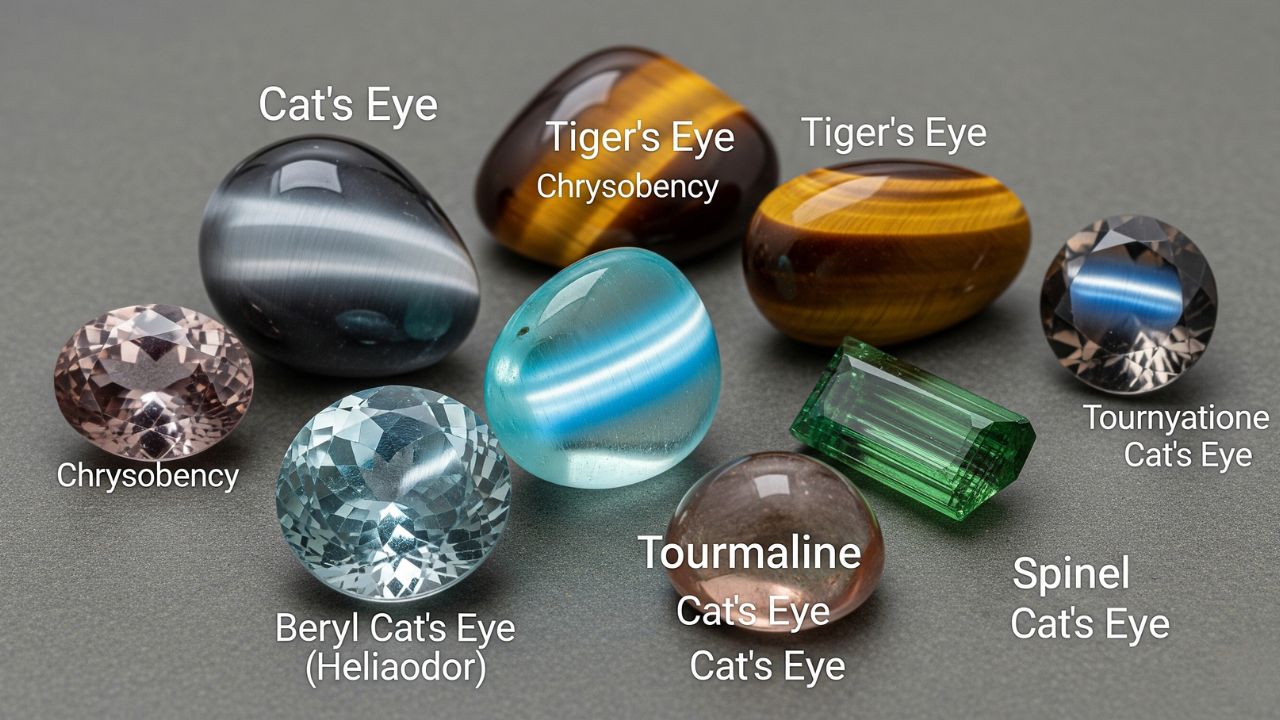
However, inclusions are not always undesirable. Rutile needles in quartz, for example, can create distinctive patterns, while fine inclusions in certain sapphires can contribute to asterism.
In these cases, internal features are part of the gemstone's appeal and may increase its desirability.
Fractures and Internal Cracks
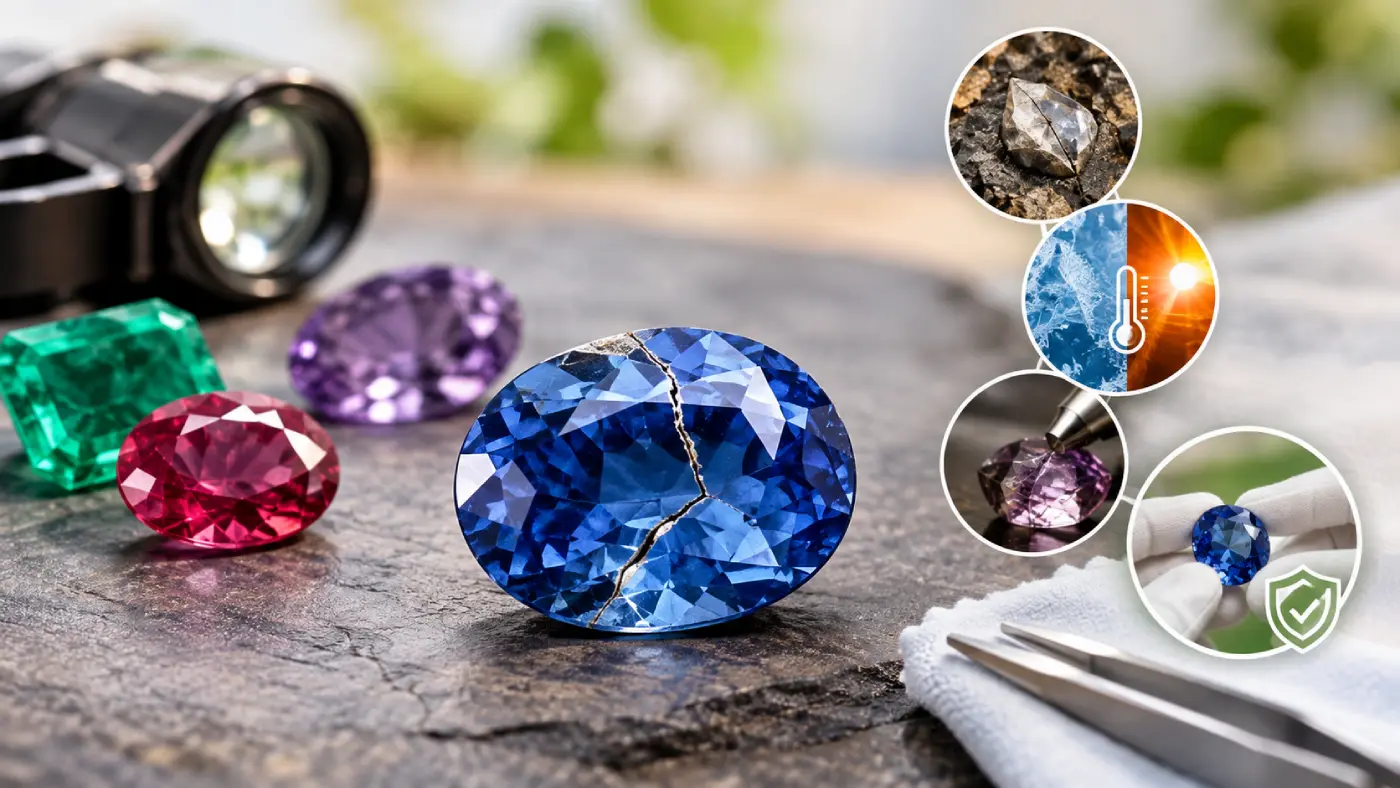
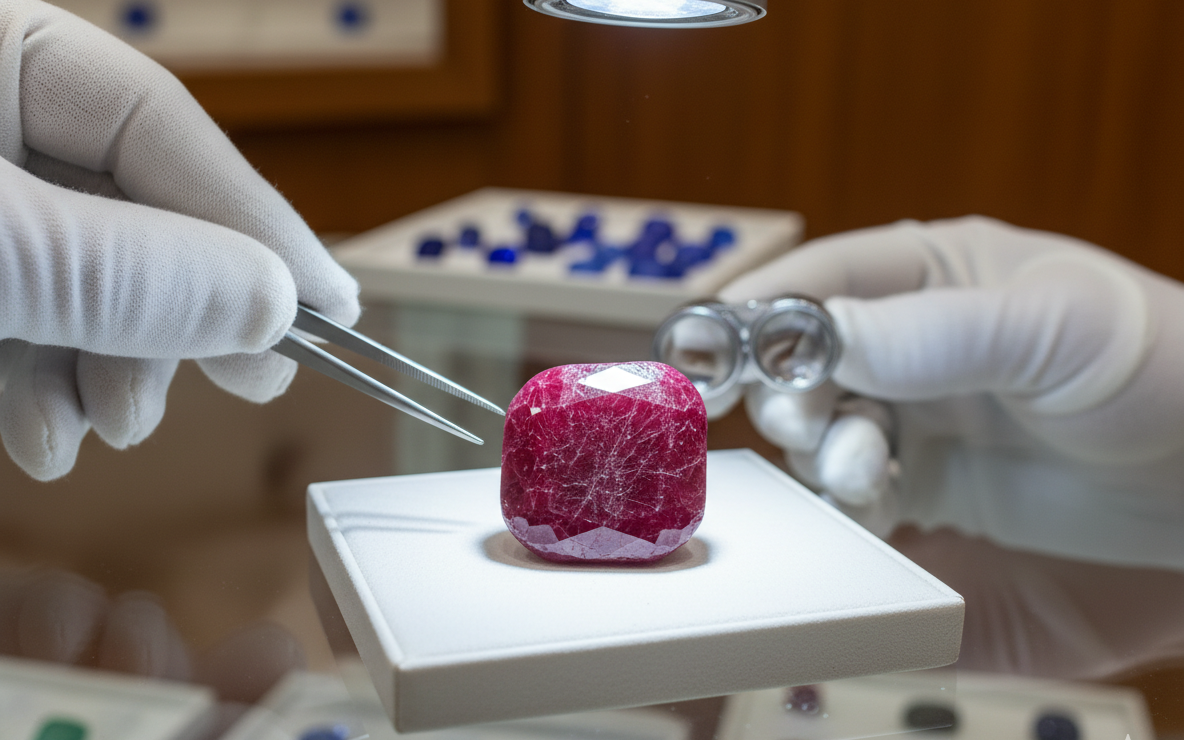
Fractures can have a significant effect on transparency. A fracture creates a discontinuity within the crystal, causing light to encounter a boundary where its direction may change.
A gemstone containing many fractures can therefore appear hazy or cloudy. The location of the fracture also matters. A small fracture near the edge may have little visual impact, while a network of fractures through the center can greatly affect appearance.
Fractures can also influence durability. Hardness, toughness, cleavage, and fracture patterns are important Gemstone Properties to consider, especially when selecting stones for everyday jewelry.
Color and Transparency
Color can influence how transparent a gemstone appears.
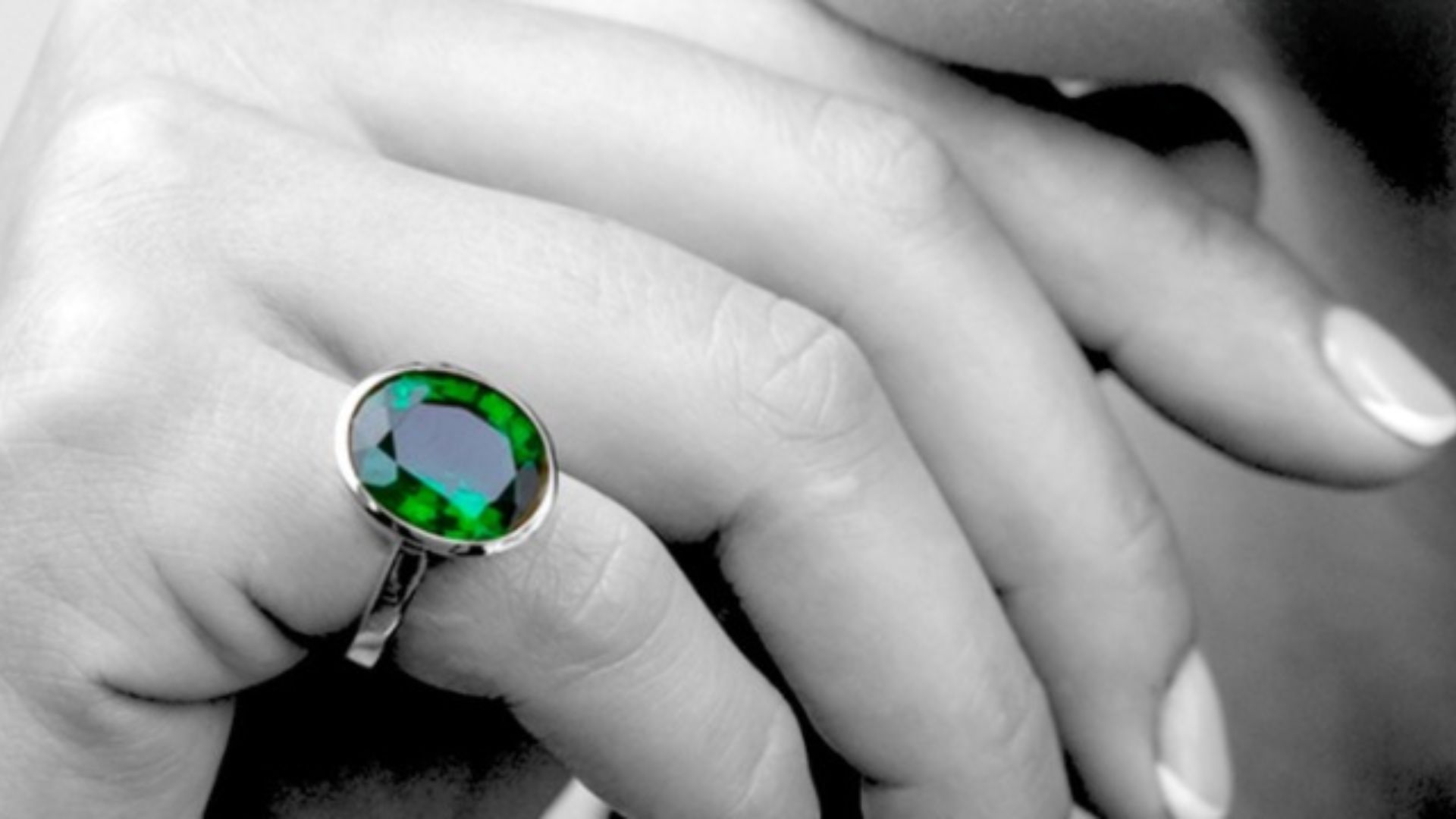
A gemstone may technically allow light to pass through while appearing dark because it absorbs significant portions of visible light. This is particularly important in strongly colored gemstones.
Elements such as chromium, iron, copper, manganese, and vanadium can absorb specific wavelengths of light and produce different colors.
When a gemstone absorbs a large amount of visible light, less light reaches the observer. The stone may therefore appear darker or less lively even though it remains transparent.
This is one reason cutting and proportions are so important.
How Gemstone Light Creates Brilliance
The interaction between a gemstone and light is central to its visual beauty.
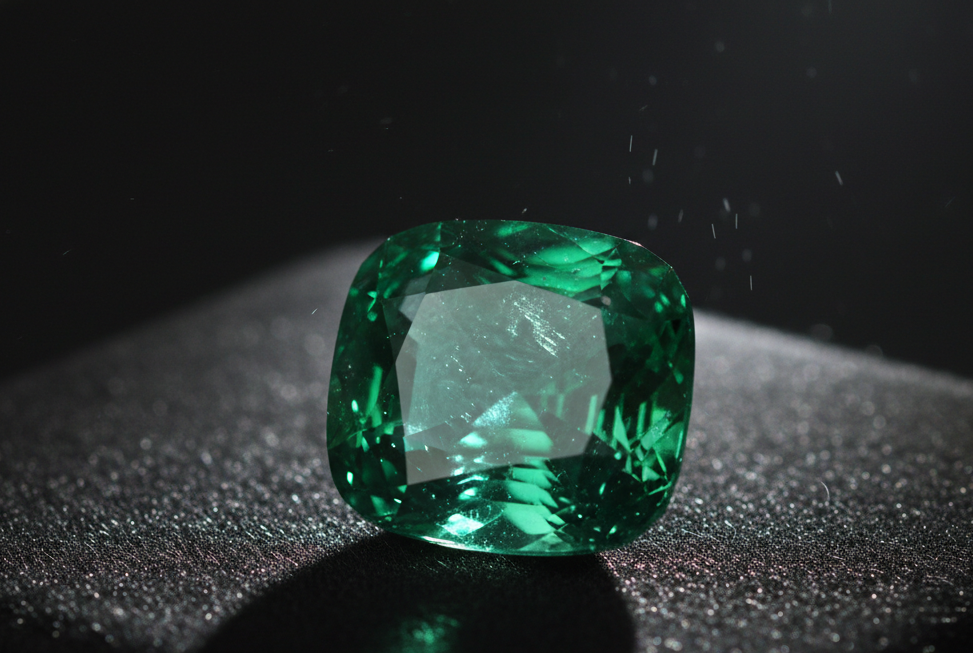
When light enters a well-cut transparent gemstone, it can be reflected and refracted before returning toward the viewer. Refraction occurs when light changes speed and direction as it moves between different materials.
A gemstone's refractive index influences how strongly it bends light. A higher refractive index can contribute to stronger light return when the gemstone is properly cut.
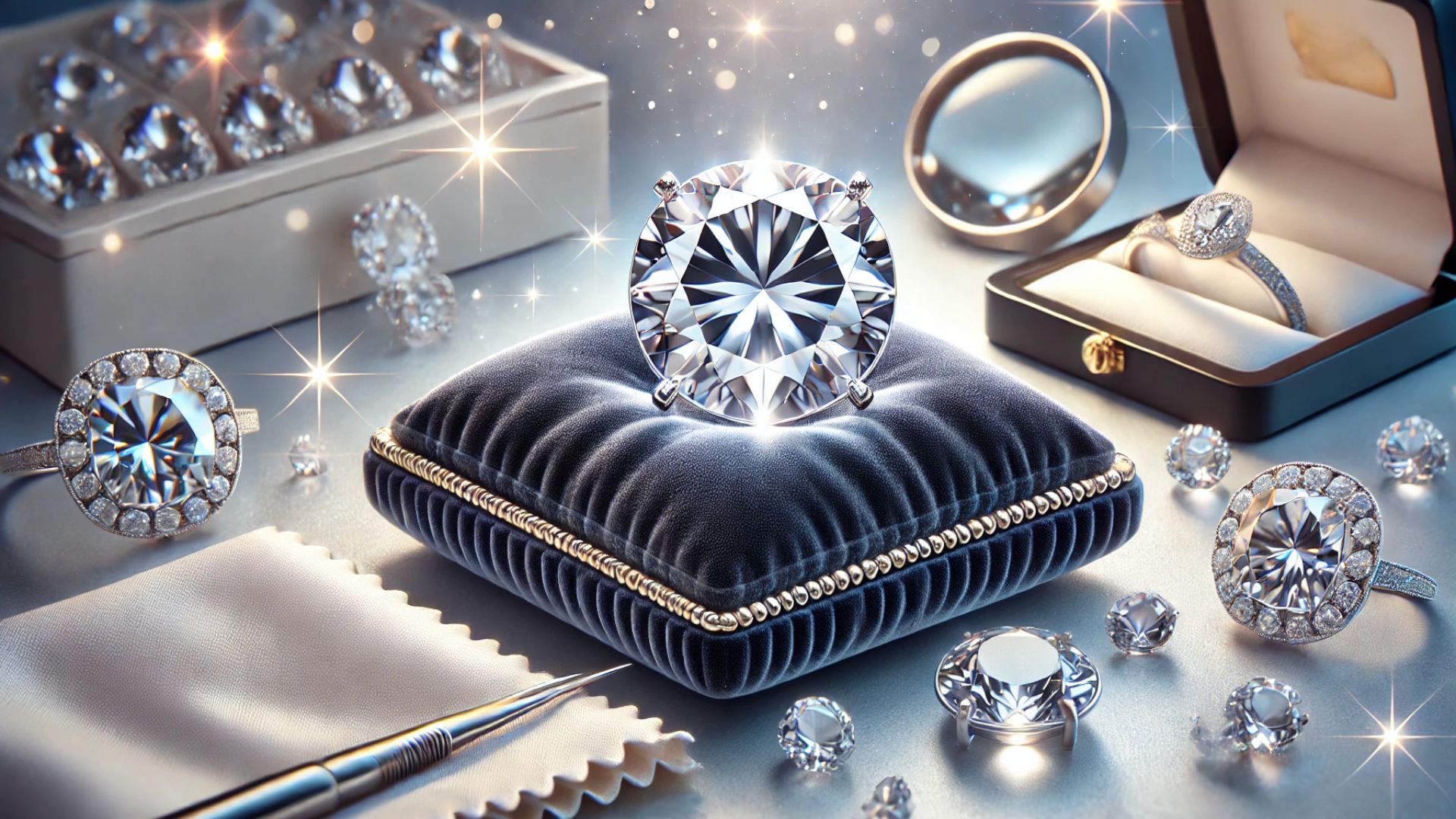
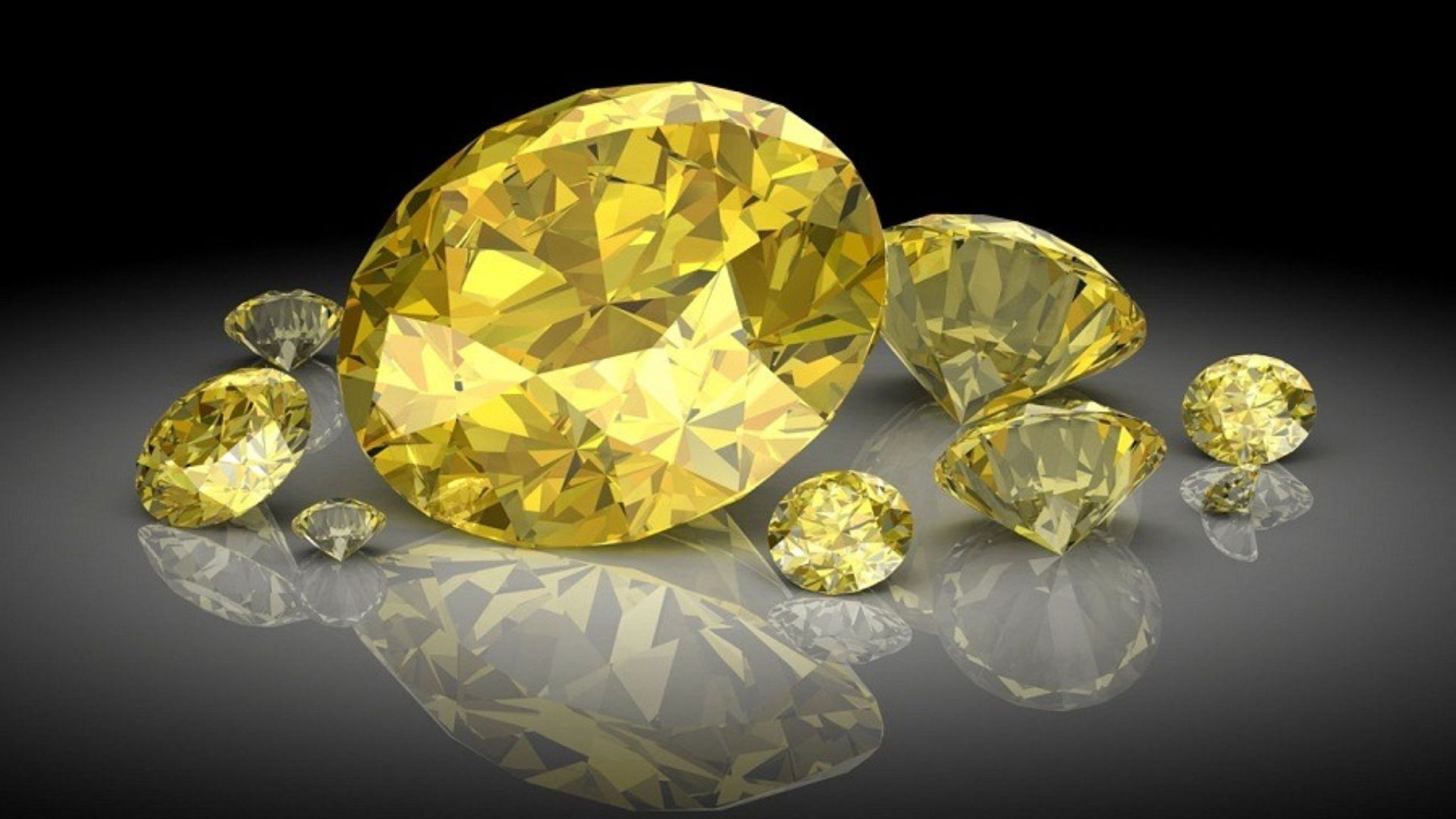
Diamond is a famous example. Its high refractive index, strong dispersion, and carefully designed facets contribute to its characteristic brilliance and fire.
However, transparency alone does not guarantee brilliance. A perfectly transparent gemstone with poor proportions may look dull because light escapes through the pavilion instead of returning to the viewer.
The Importance of Cutting
Cutting can dramatically influence how a gemstone interacts with light.
A skilled lapidary considers the gemstone's color, clarity, optical properties, crystal shape, and inclusions when choosing a cut.
The goals may include:
- Maximizing attractive color
- Improving light return
- Minimizing visible inclusions
- Preserving weight
- Creating attractive proportions
- Enhancing optical effects
- Protecting vulnerable areas
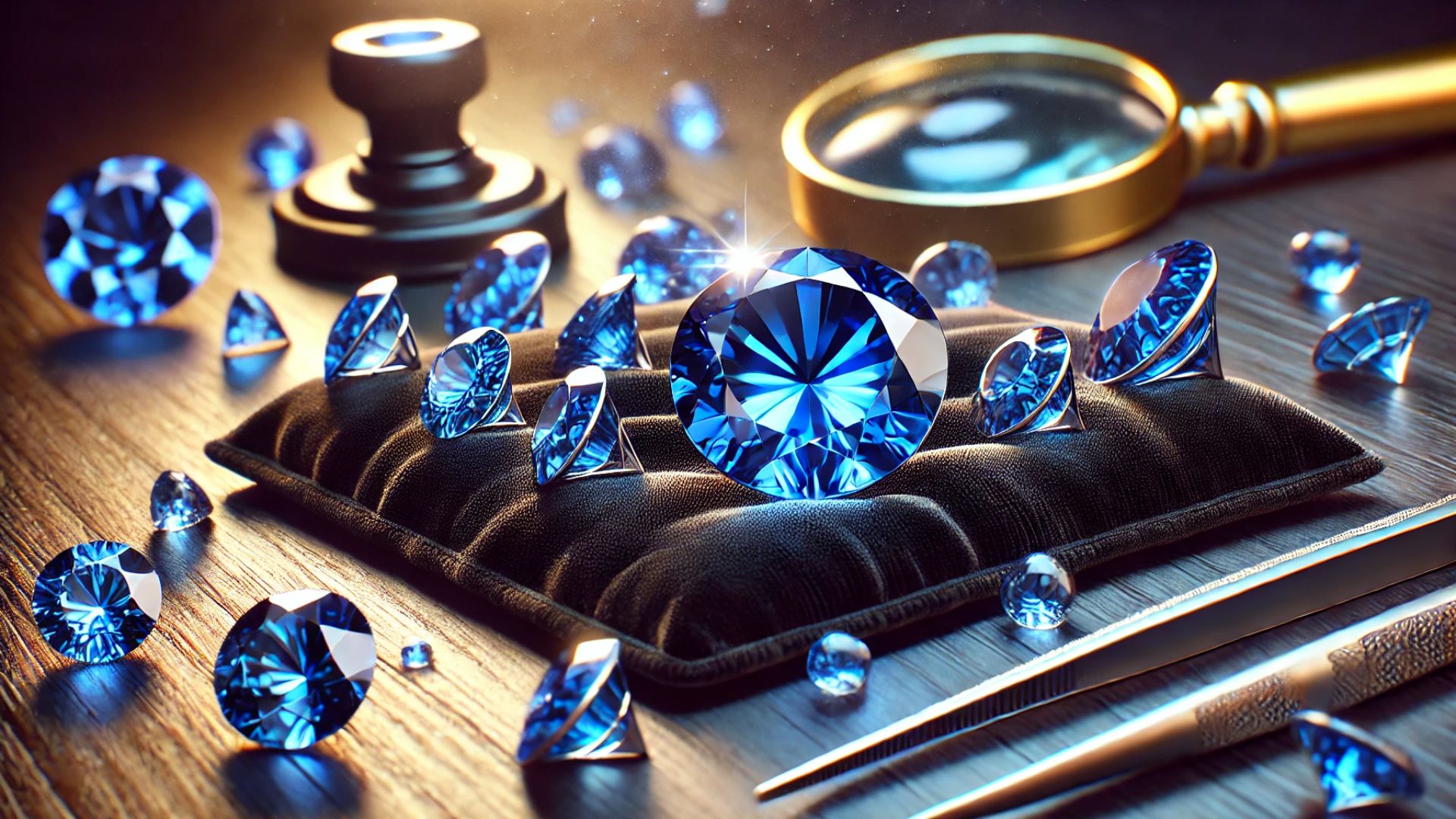
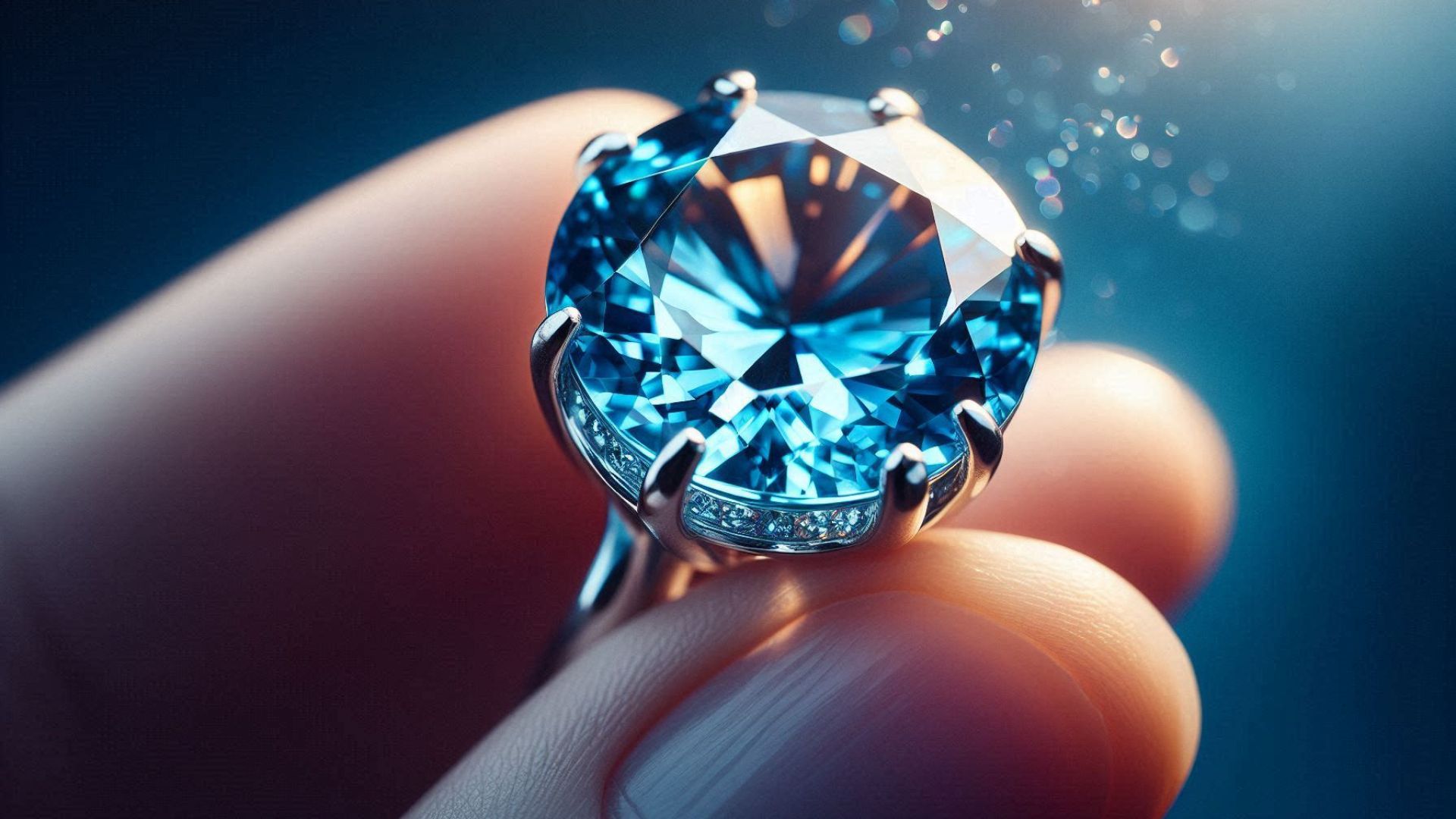
Facets act like small mirrors and windows, controlling how light enters, travels through, reflects inside, and exits the stone.
Poorly chosen angles can allow light to escape through the bottom, making the gemstone appear dark or lifeless.
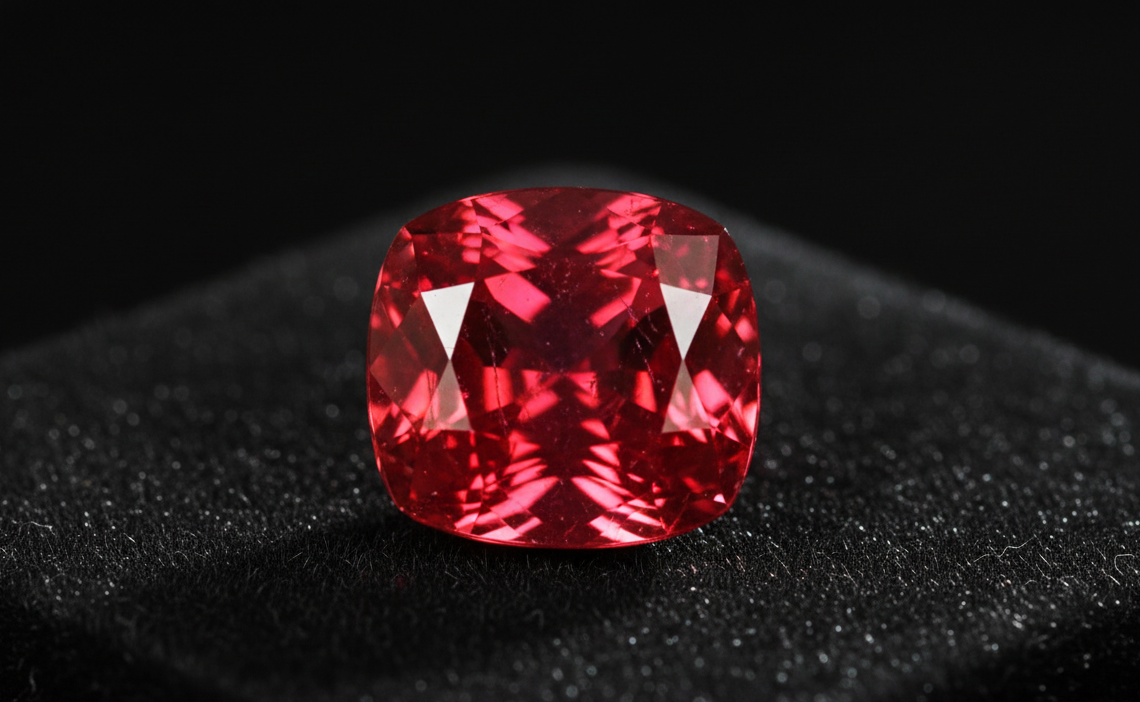
A window occurs when the center of a transparent gemstone allows light to pass directly through rather than reflecting it back toward the viewer.
This explains why two gemstones made from similar material can look dramatically different after cutting.
Transparency in Different Gemstones
Not every gemstone is expected to be transparent.
Transparent Gemstones
Examples include:
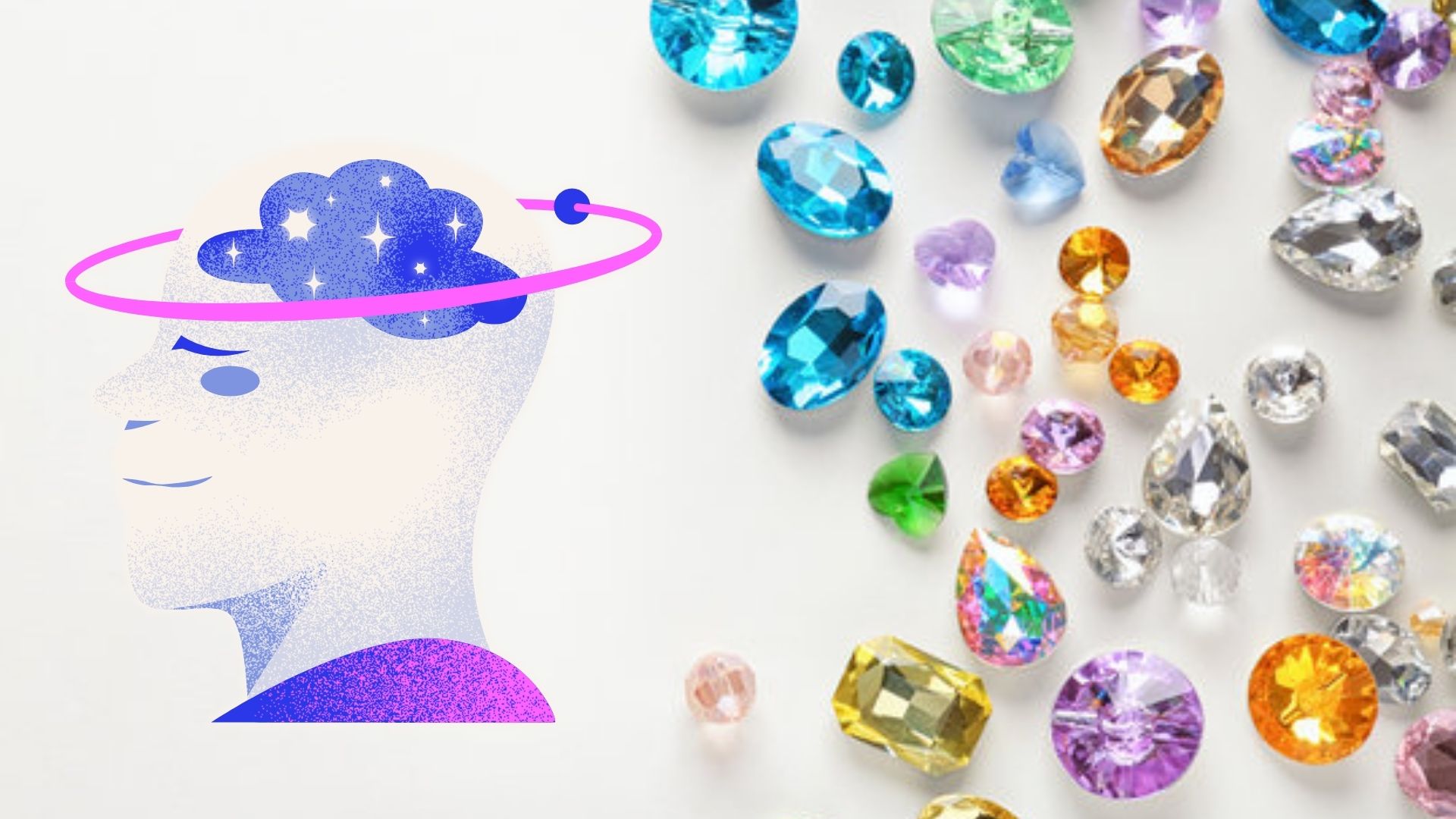
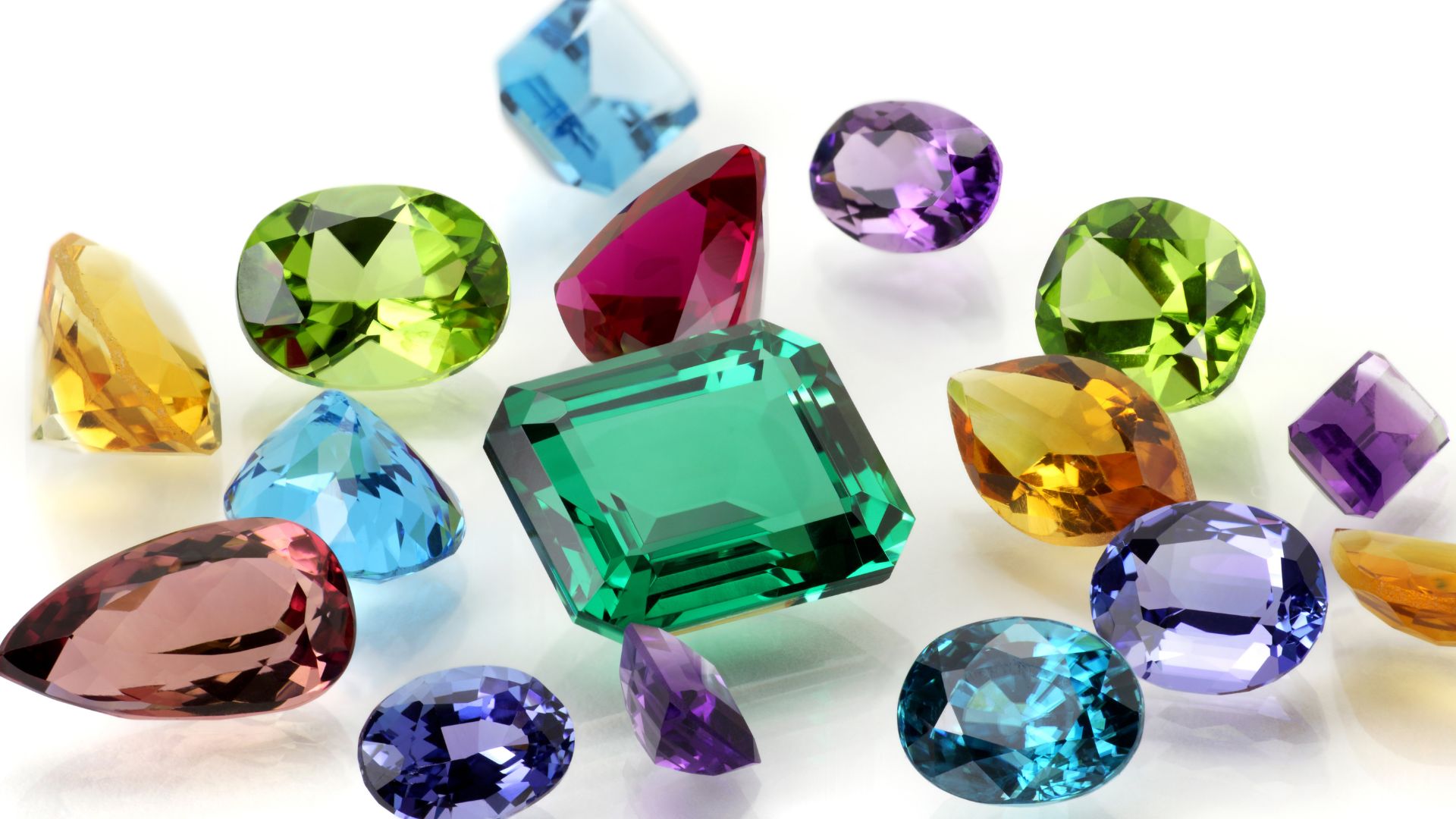
- Diamond
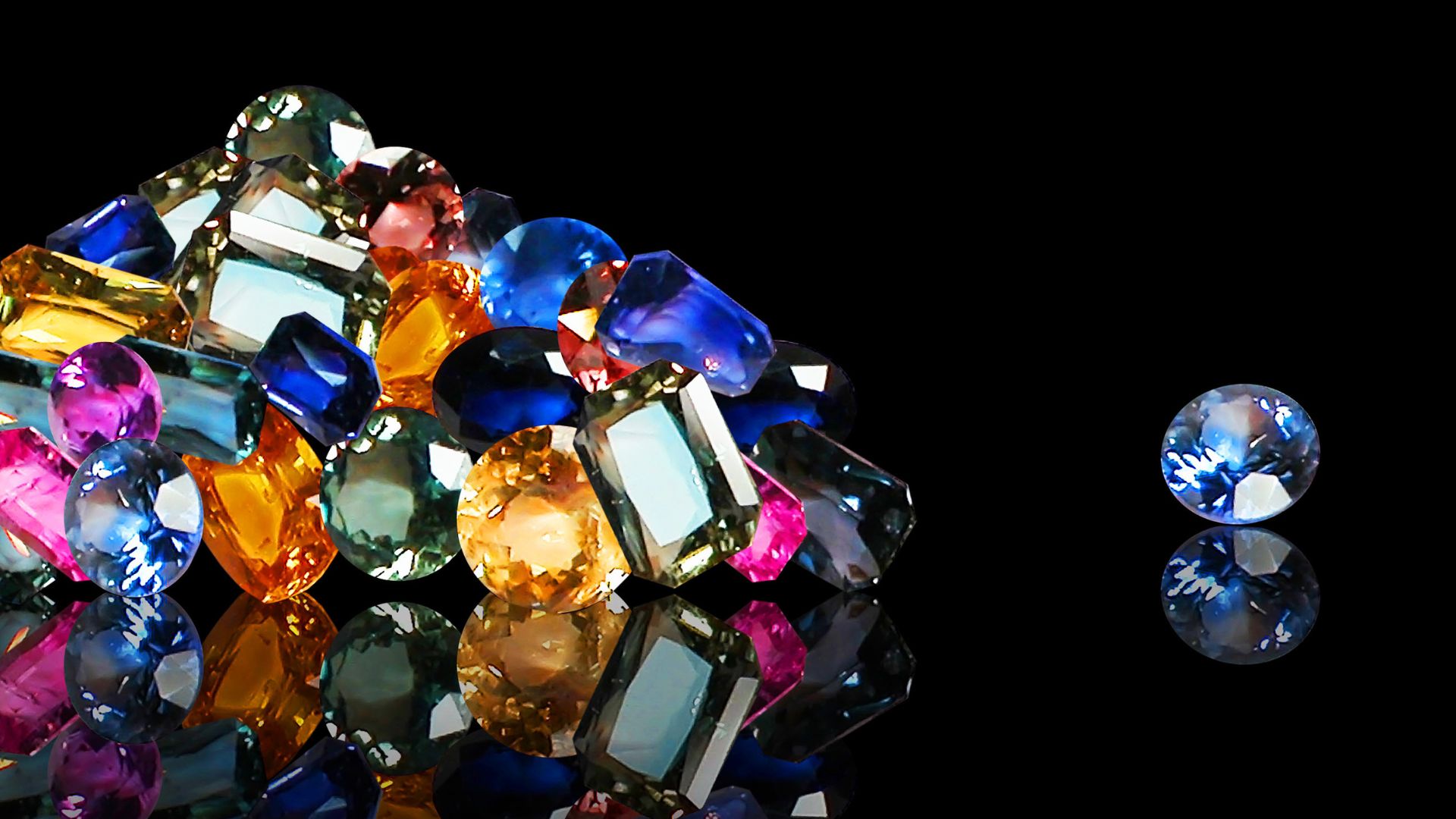
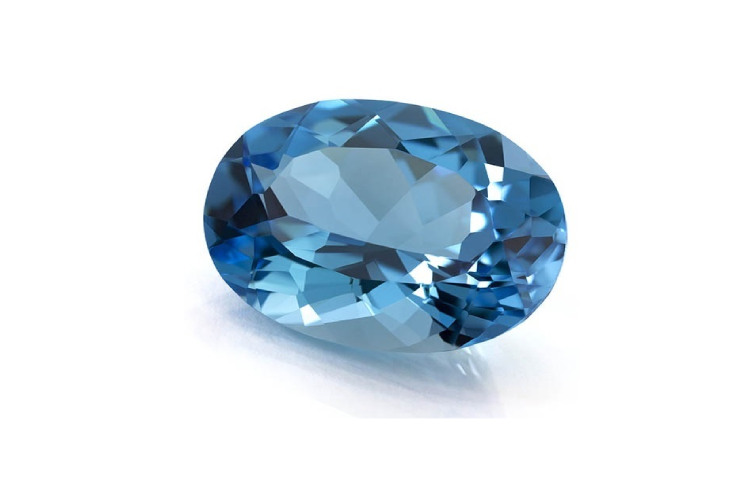
- Aquamarine
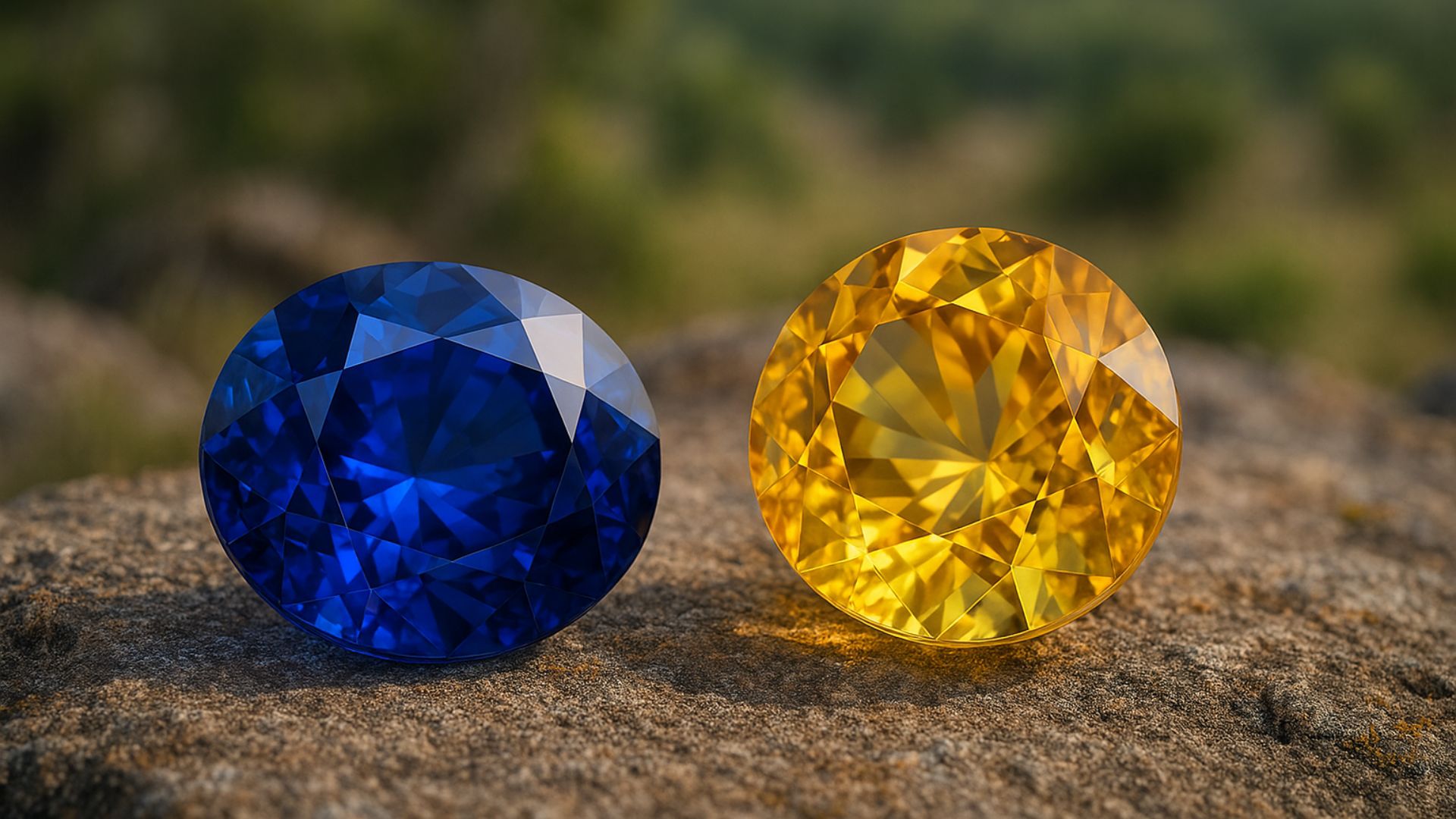
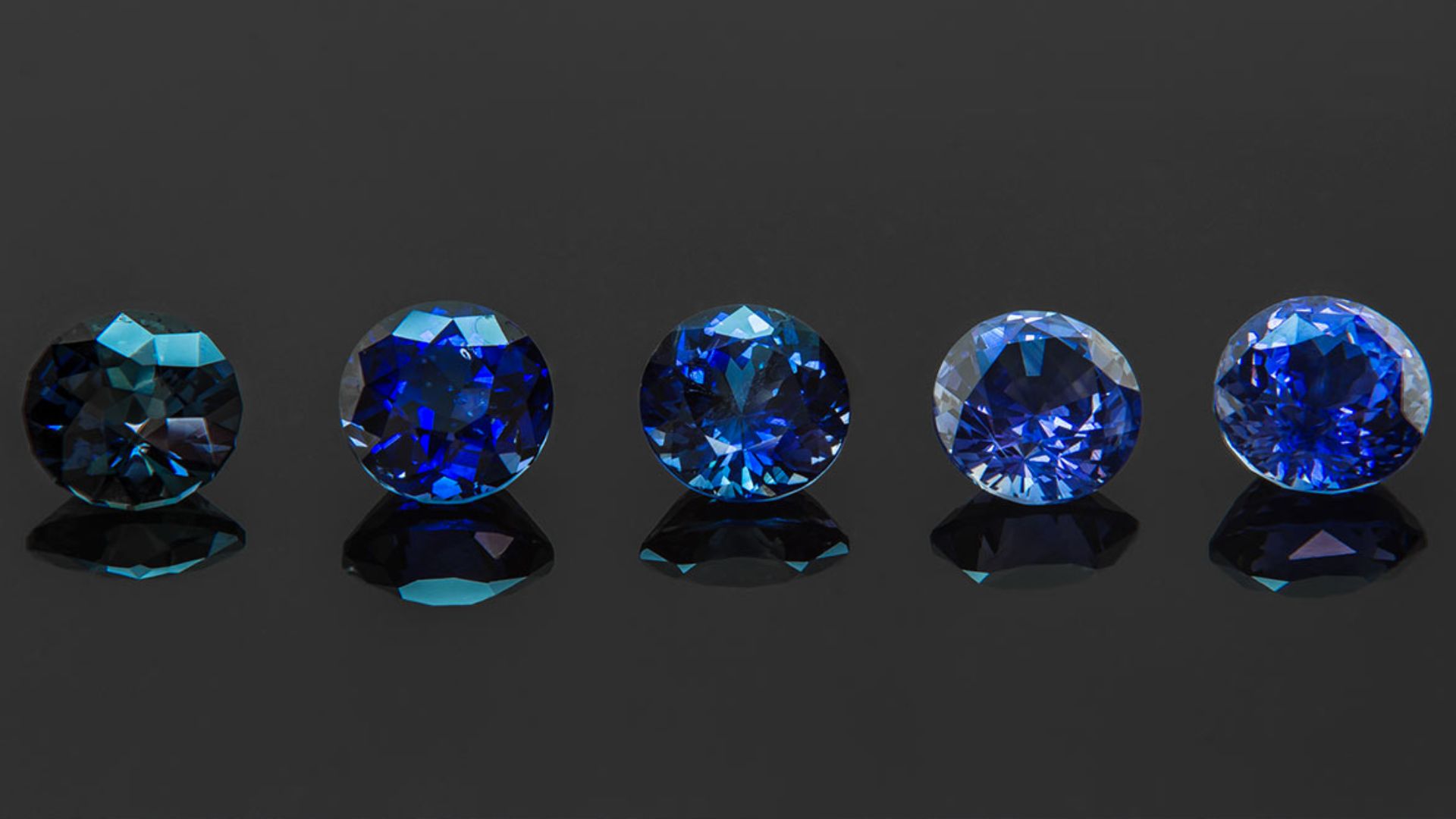
- Many sapphires
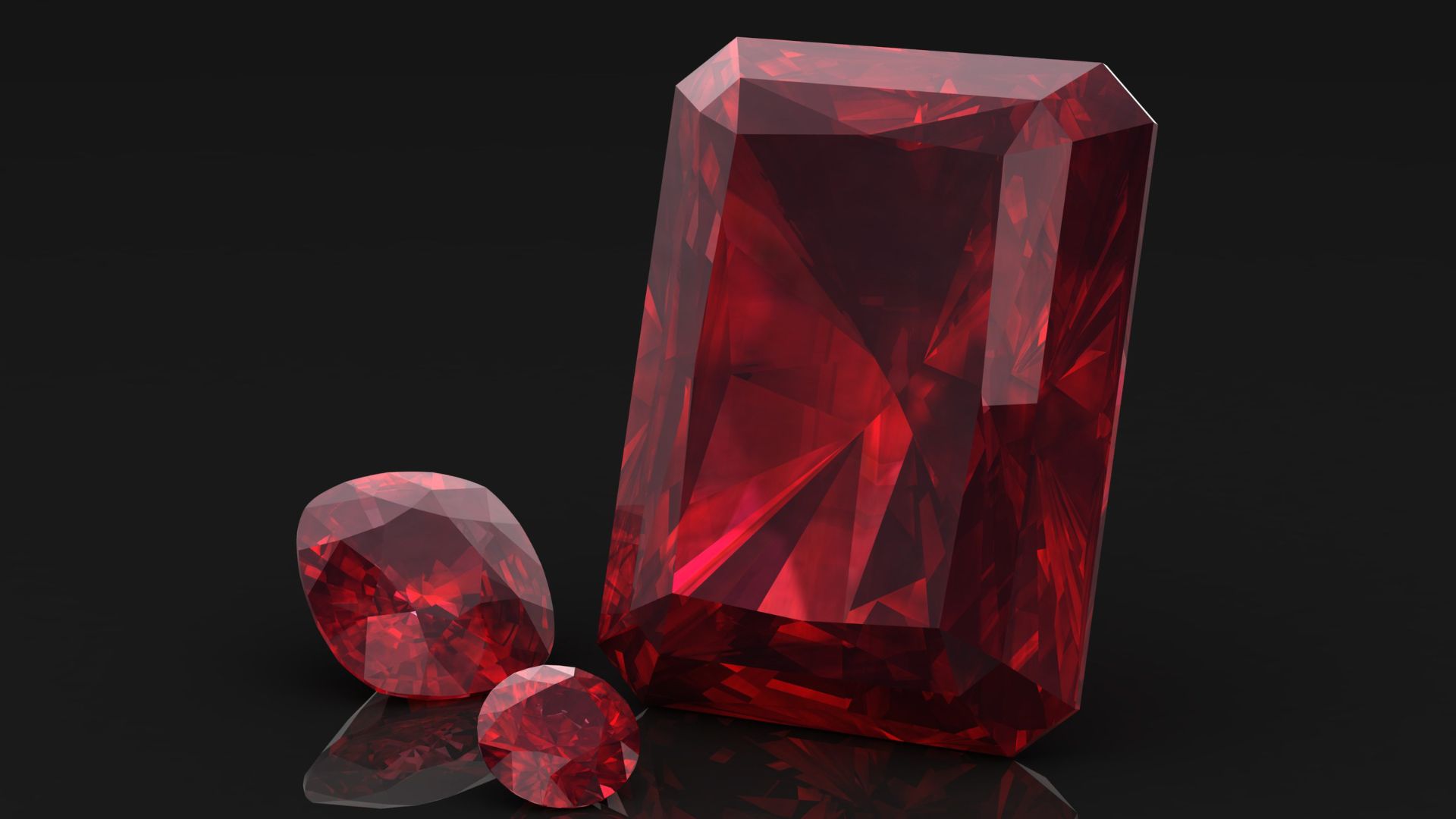
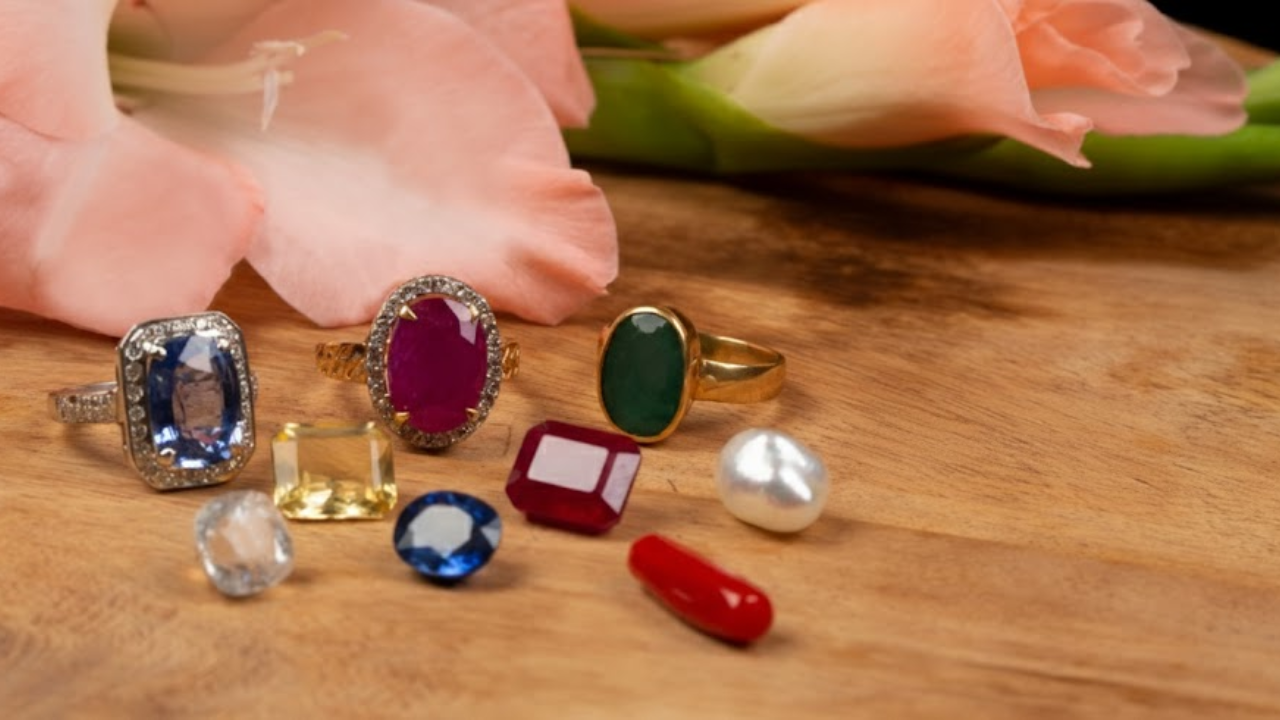
- Many rubies
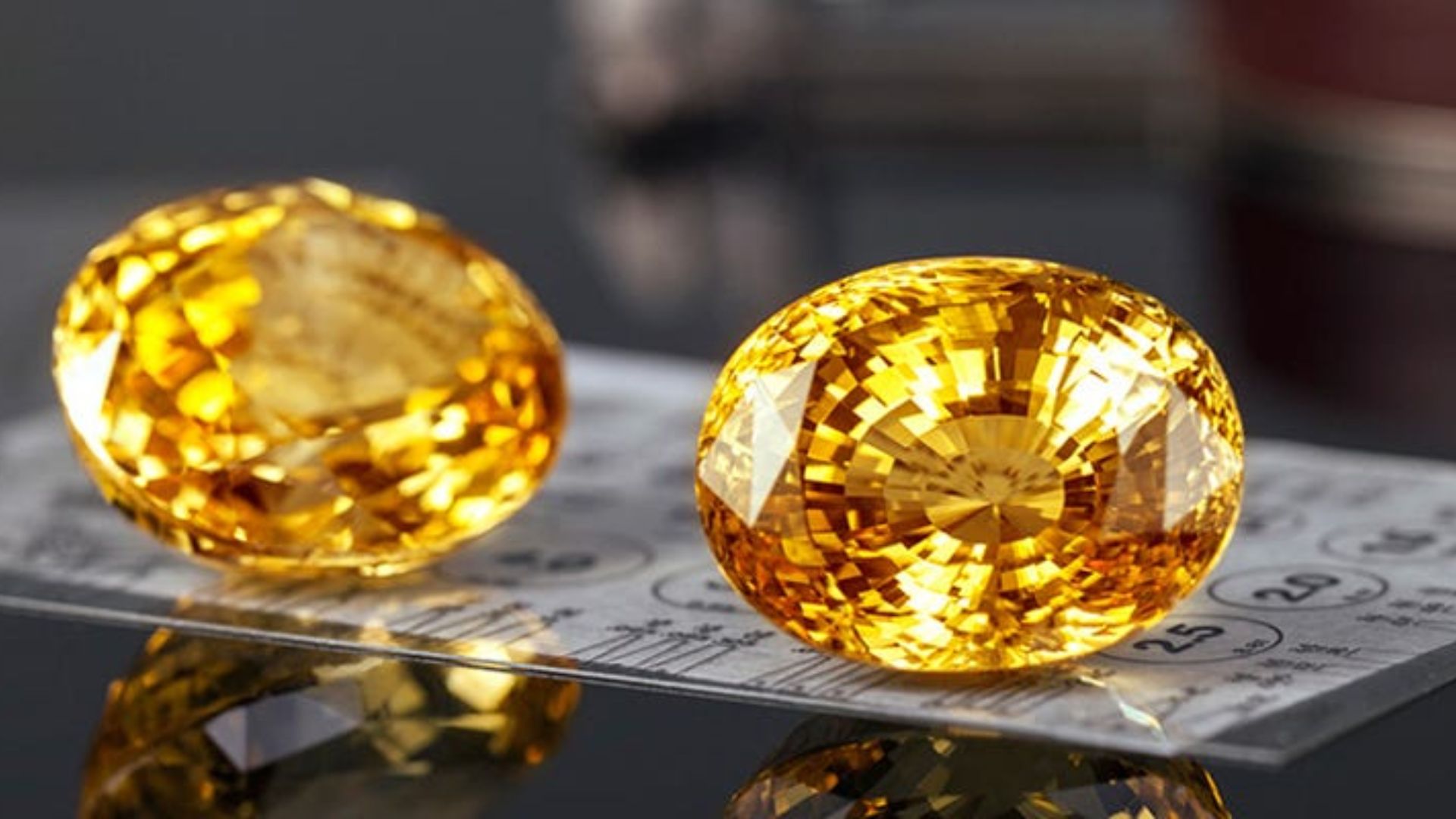
- Topaz
- Citrine
- Amethyst
- Some tourmalines
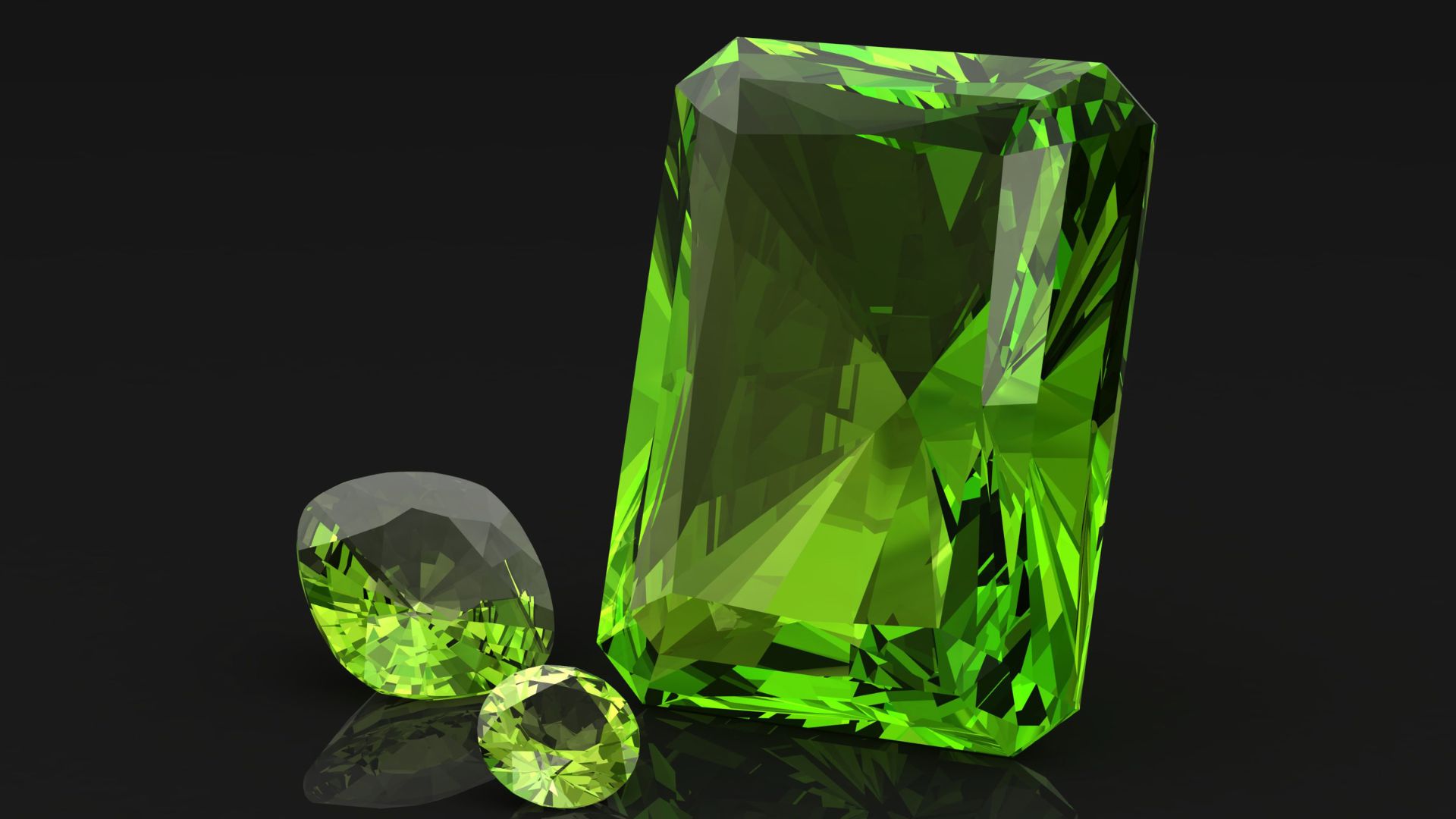
- Many varieties of beryl
Transparency can vary significantly even within the same gemstone species.
Translucent Gemstones
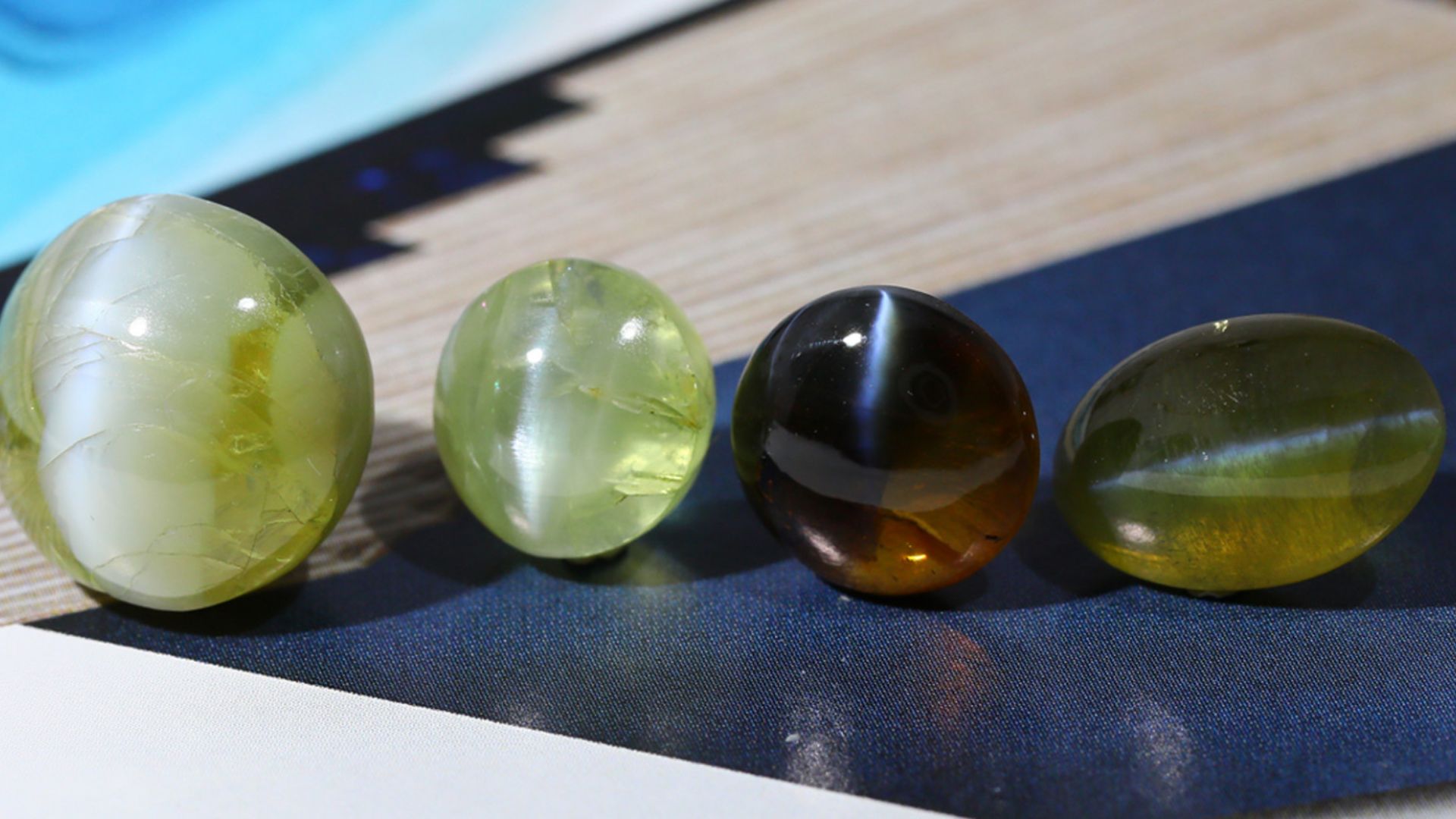
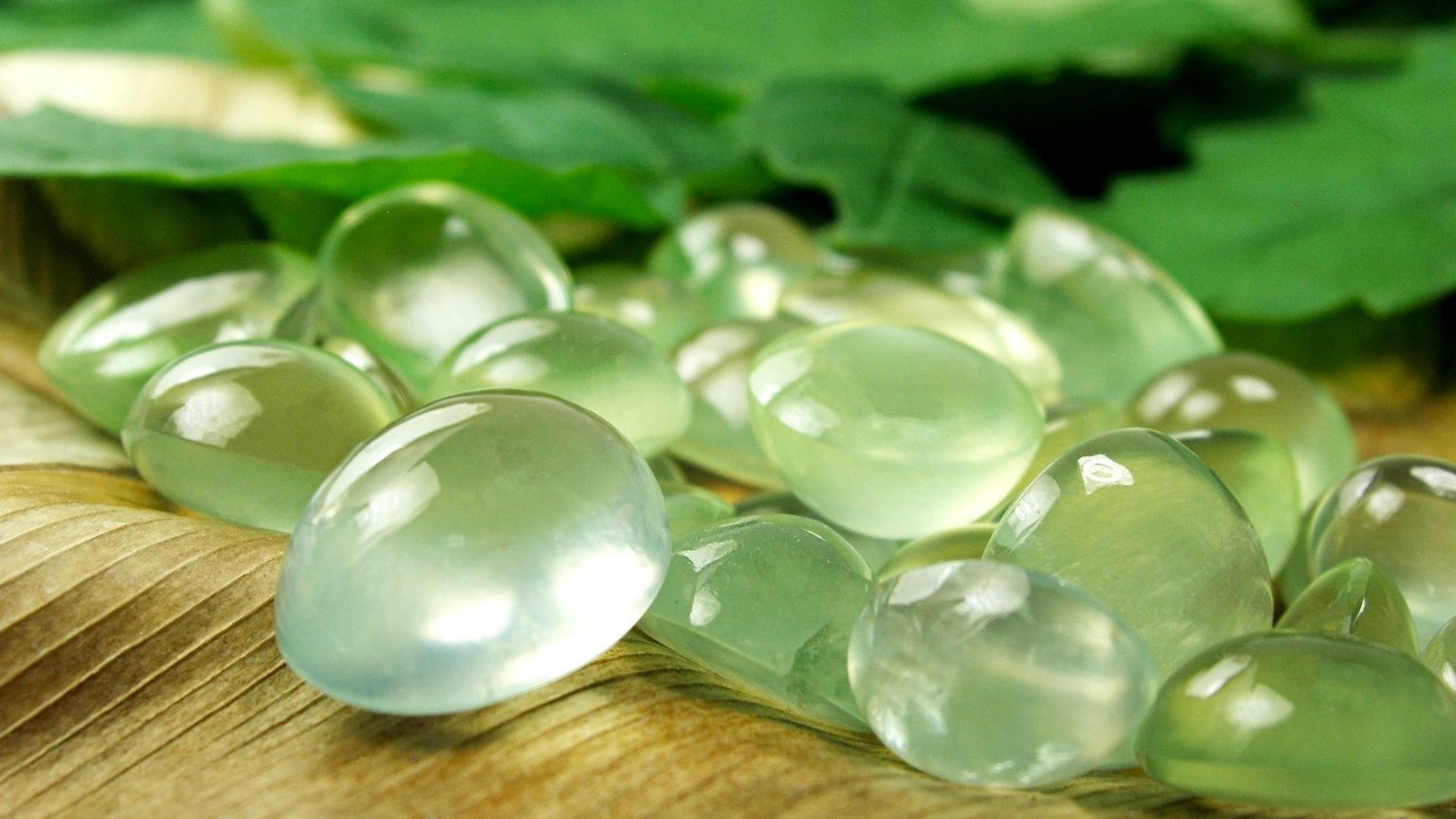
Translucent gemstones allow light through but scatter it enough to prevent a clear view. Examples include certain forms of:
- Jade
- Moonstone
- Chalcedony
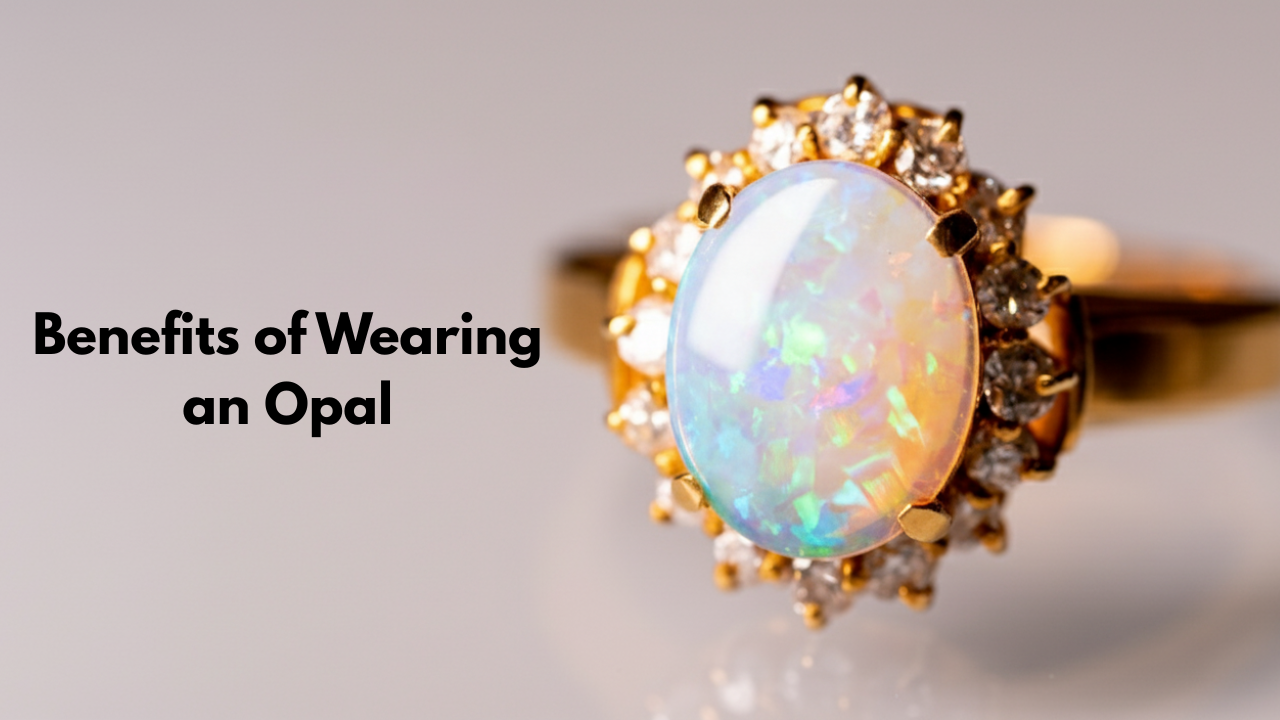
- Opal
Translucency can be highly desirable. Moonstone's characteristic glow, for example, is connected to the way light interacts with its internal structure.
Opaque Gemstones
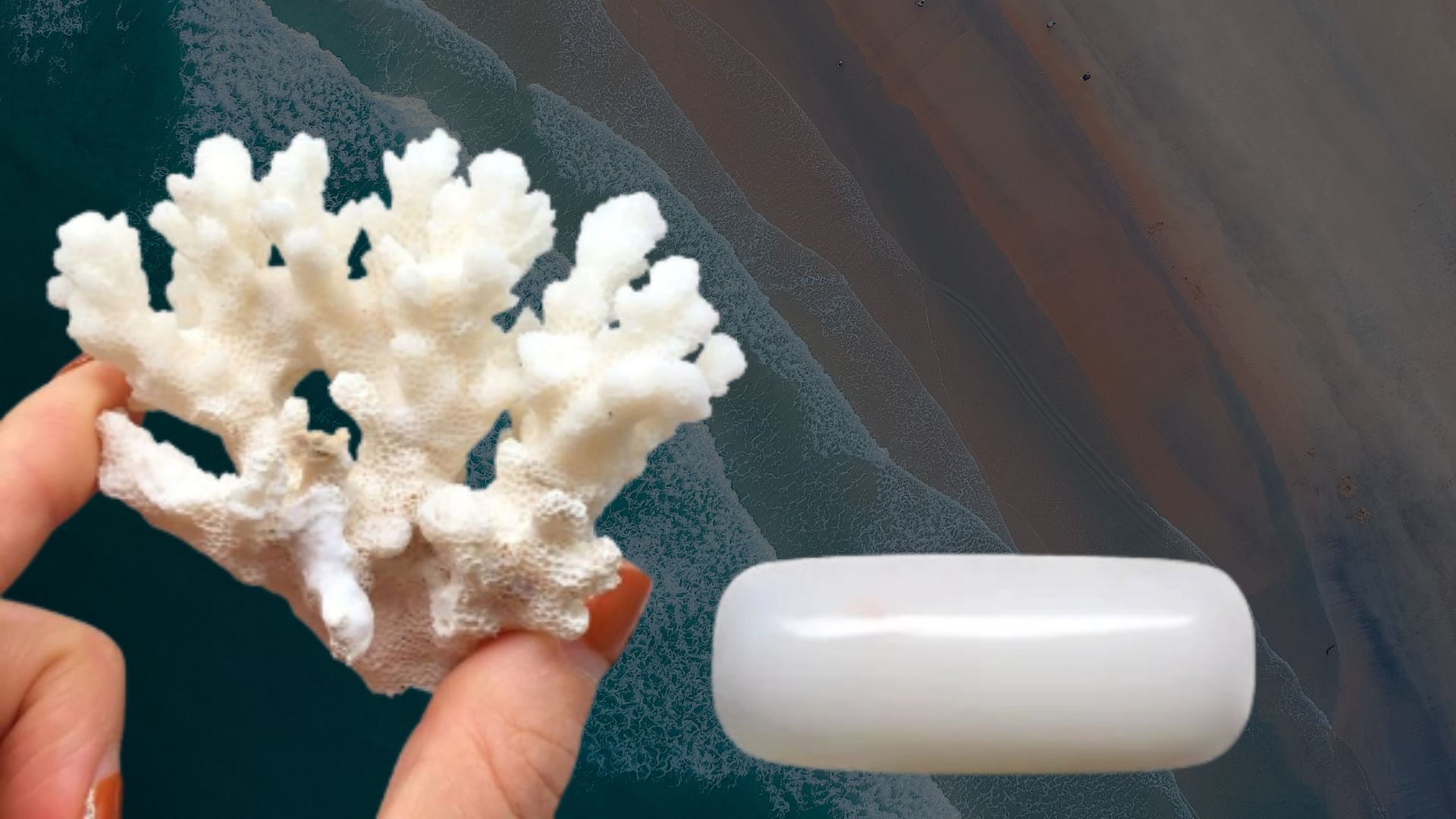
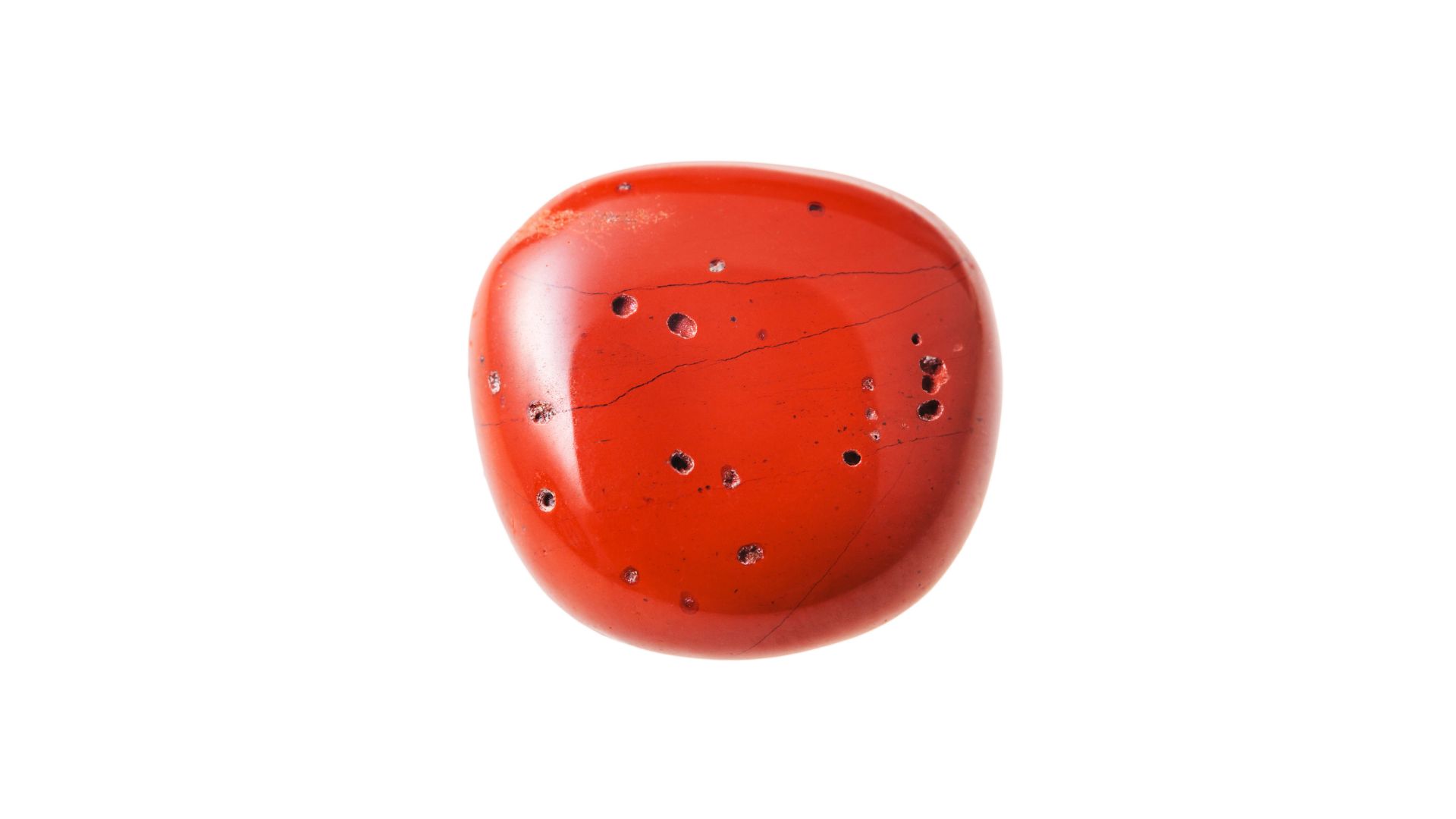
Opaque gemstones allow little or no visible light to pass through. Examples include many specimens of:
- Turquoise
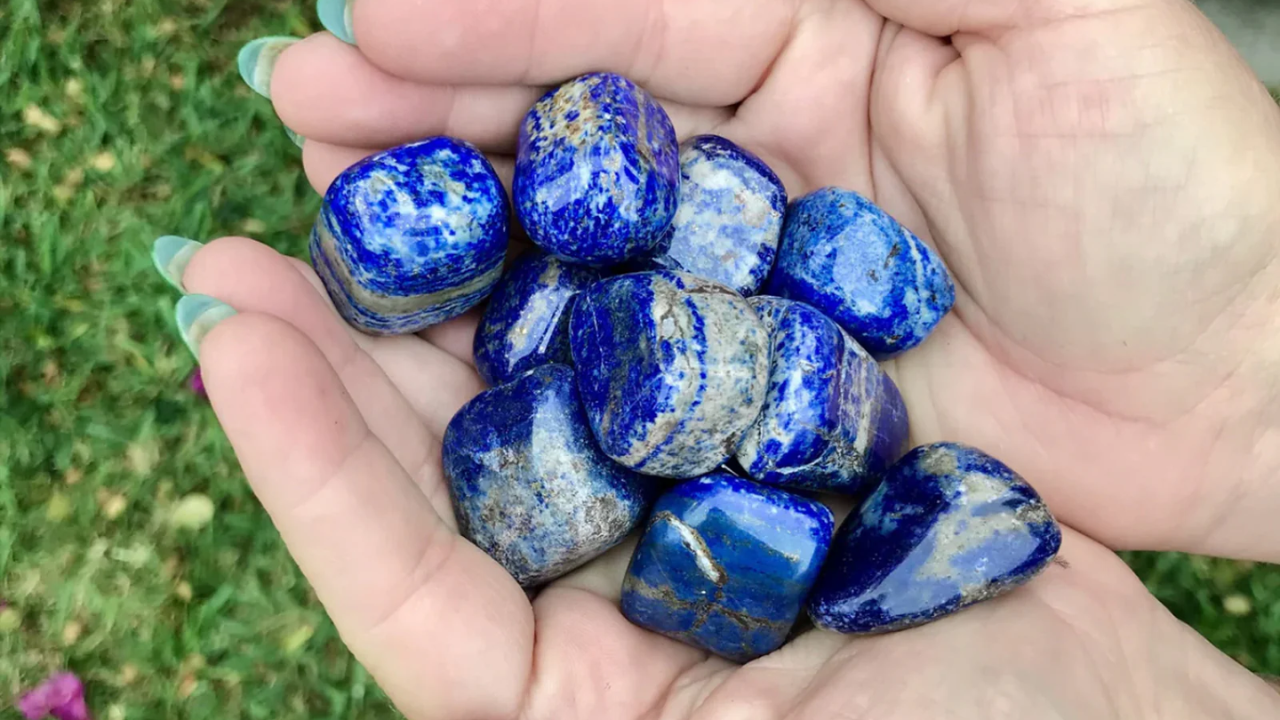
- Lapis lazuli
- Hematite
- Jasper
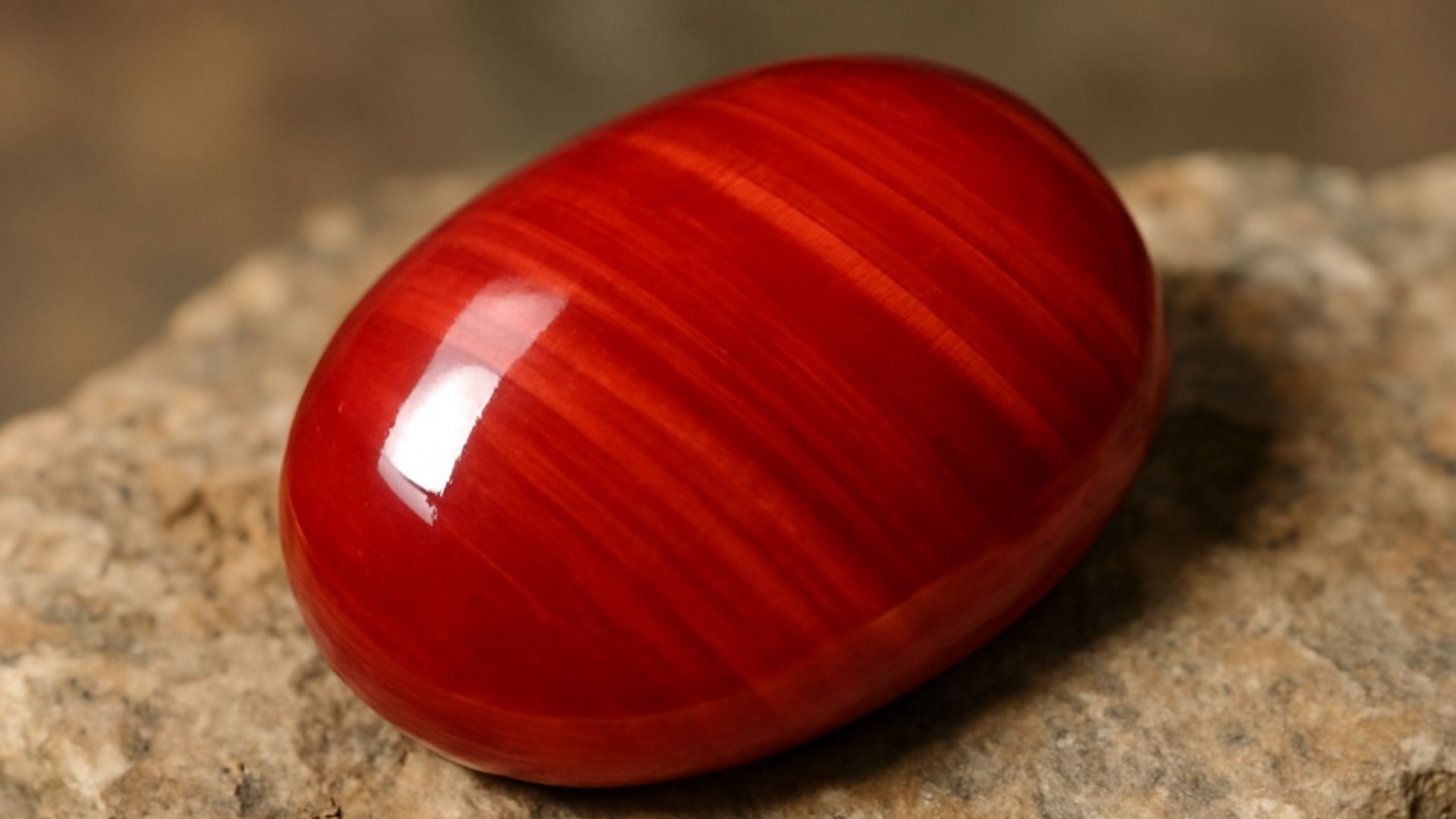
Their beauty may instead come from color, patterns, texture, polish, or optical phenomena.
Why Are Some Gemstones Naturally Cloudy?
Cloudiness can result from microscopic inclusions or structural features that scatter light.
Sometimes the individual inclusions are too small to see with the naked eye. Instead, they create a general hazy appearance, similar to looking through a window covered with fine mist.
The effect on value depends on the gemstone. In materials where exceptional transparency is highly prized, cloudiness can reduce desirability. In other gemstones, translucency or a slightly cloudy appearance may be completely normal or even desirable.
Geological Formation and Transparency
A gemstone's geological history can also influence transparency.
Gemstones form under different combinations of temperature, pressure, chemical composition, and time. During crystal growth, conditions can change. New materials may enter the crystal, other minerals can become trapped, and fractures may form and later heal.
As a result, gemstones often preserve a microscopic record of their formation.
Inclusions can therefore provide valuable information about where and how a gemstone formed.
Chemical Composition
Chemical composition is another fundamental factor in Gemstone Properties.
Trace elements can dramatically influence color and optical behavior by absorbing particular wavelengths of light. Chemical composition can also affect the crystal structure itself.
This is why mineral identification involves much more than simply observing color. Two gemstones that look similar may behave differently when exposed to light because their chemical and structural characteristics differ.
Can Treatments Change Transparency?
Gemstone treatments can sometimes improve apparent transparency or reduce the visibility of fractures and inclusions.
Heat treatment is widely used for certain gemstone varieties and can modify color and other visual characteristics. Fracture filling can make certain fractures less noticeable by filling spaces with a material whose optical properties are closer to those of the gemstone.
Treatments are not necessarily negative, but they should be properly disclosed because they can affect value, durability, care requirements, and long-term stability.
Does More Transparency Mean Better Quality?
No.
The clearest gemstone is not always the best gemstone. The importance of transparency depends on the gemstone's species, variety, color, saturation, tone, size, origin, cut, rarity, optical phenomena, and market demand.
For some gemstones, high transparency is highly desirable. For others, inclusions or translucency are expected and may contribute to their beauty.
An opaque turquoise with an attractive blue color and interesting matrix can be more desirable than a transparent stone with little visual character. Similarly, a translucent moonstone with beautiful adularescence may be more valuable or appealing than a completely transparent piece without that phenomenon.
Gemstone quality must therefore always be judged in context.
Transparency and Durability
Transparency and durability are separate properties, but both matter when selecting a gemstone.
Hardness describes resistance to scratching, while toughness refers to resistance against breaking, chipping, or fracturing. Stability describes how well a gemstone withstands factors such as heat, chemicals, and light.
A highly transparent gemstone can still be vulnerable to damage, particularly if it contains internal fractures.
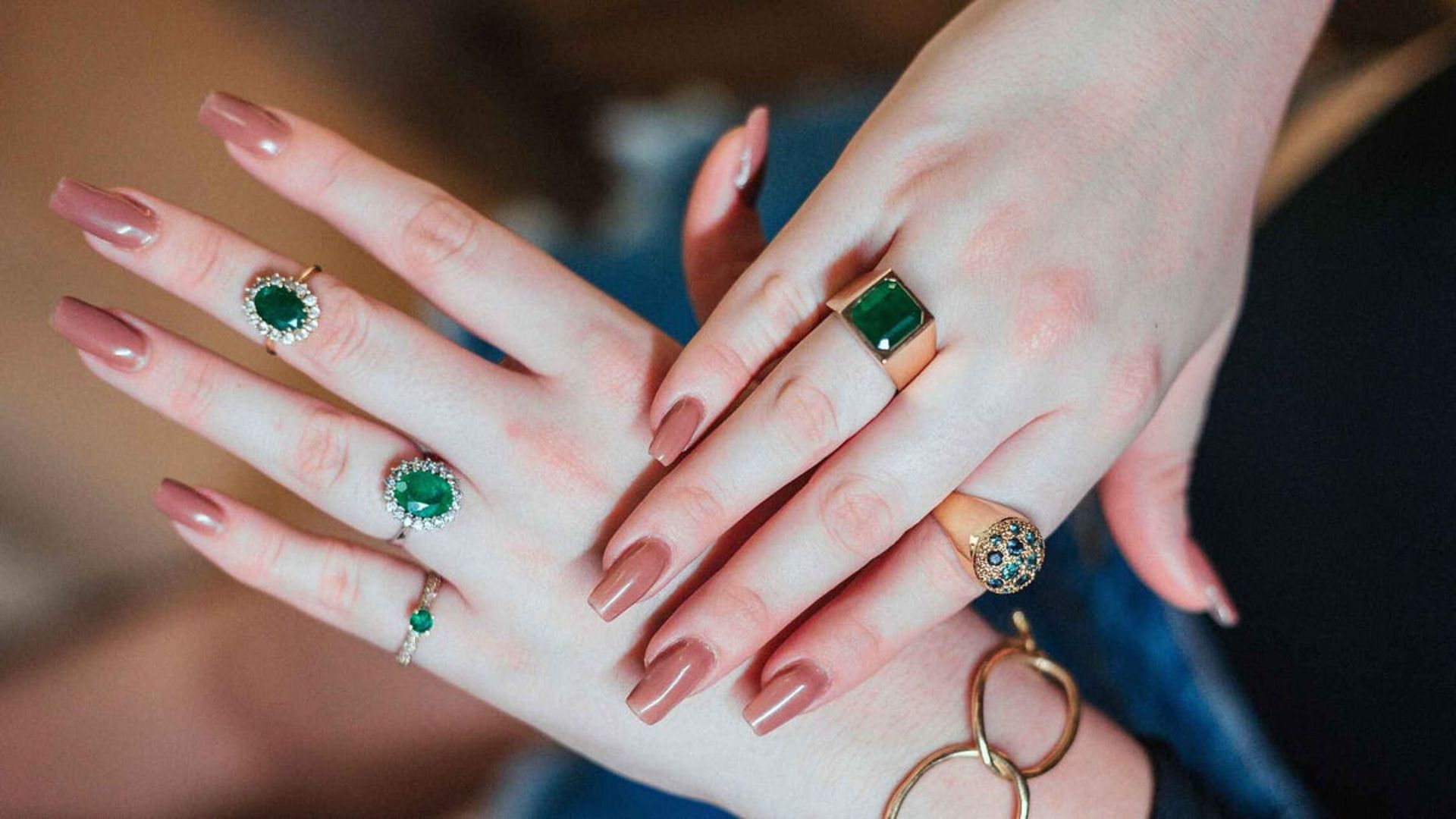
For everyday jewelry, it is therefore important to consider the complete range of Gemstone Properties, not just appearance.
How to Evaluate Gemstone Transparency
When examining a gemstone, try viewing it under neutral or natural light from different angles.
Consider:
- Can you see clearly through the gemstone?
- Does light pass evenly through it?
- Does the stone look cloudy or hazy?
- Are there visible inclusions or fractures?
- Does the center appear unusually dark or light?
- Is there a visible window?
- Does the cut return light effectively?
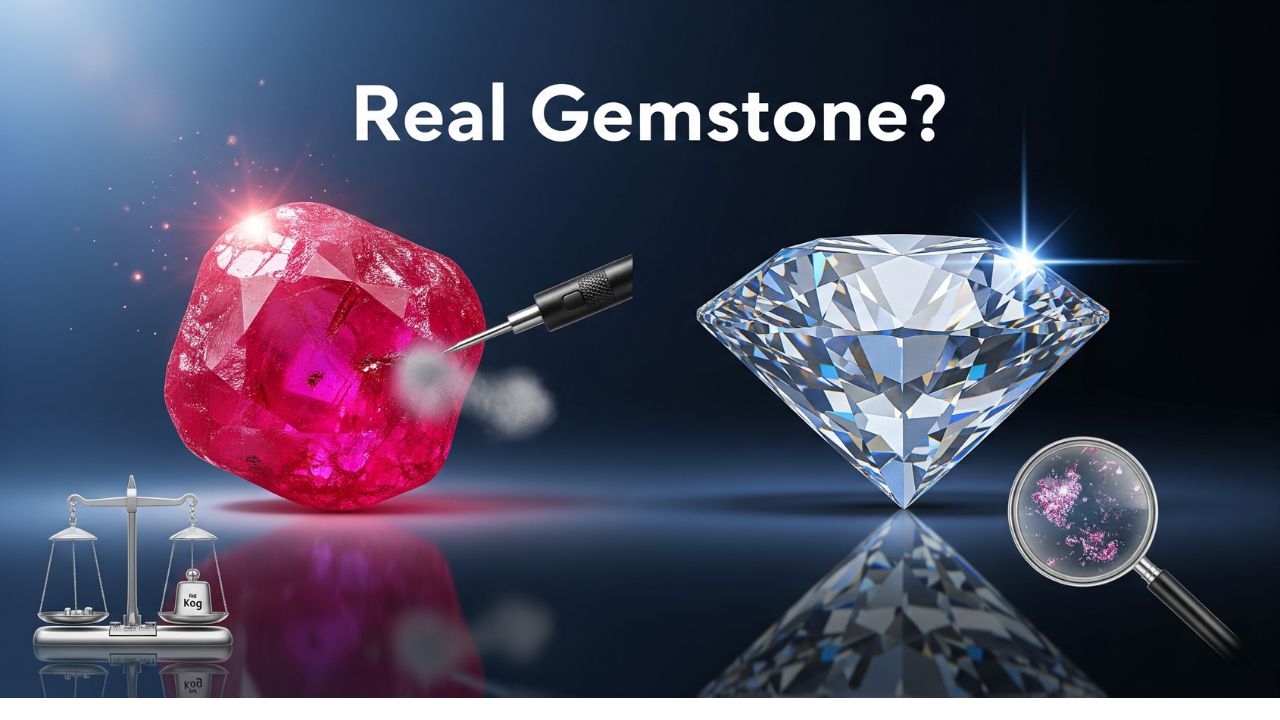
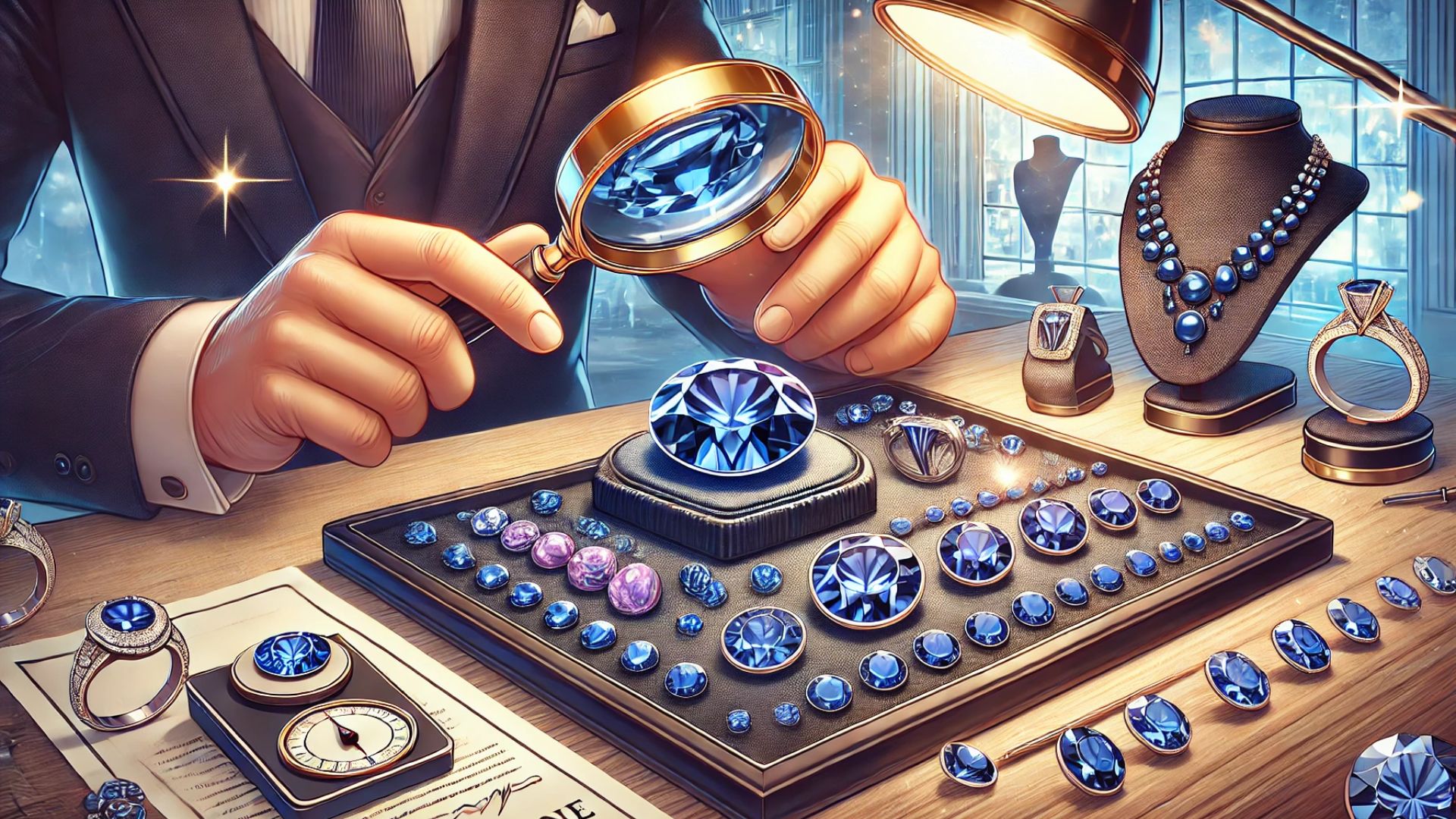
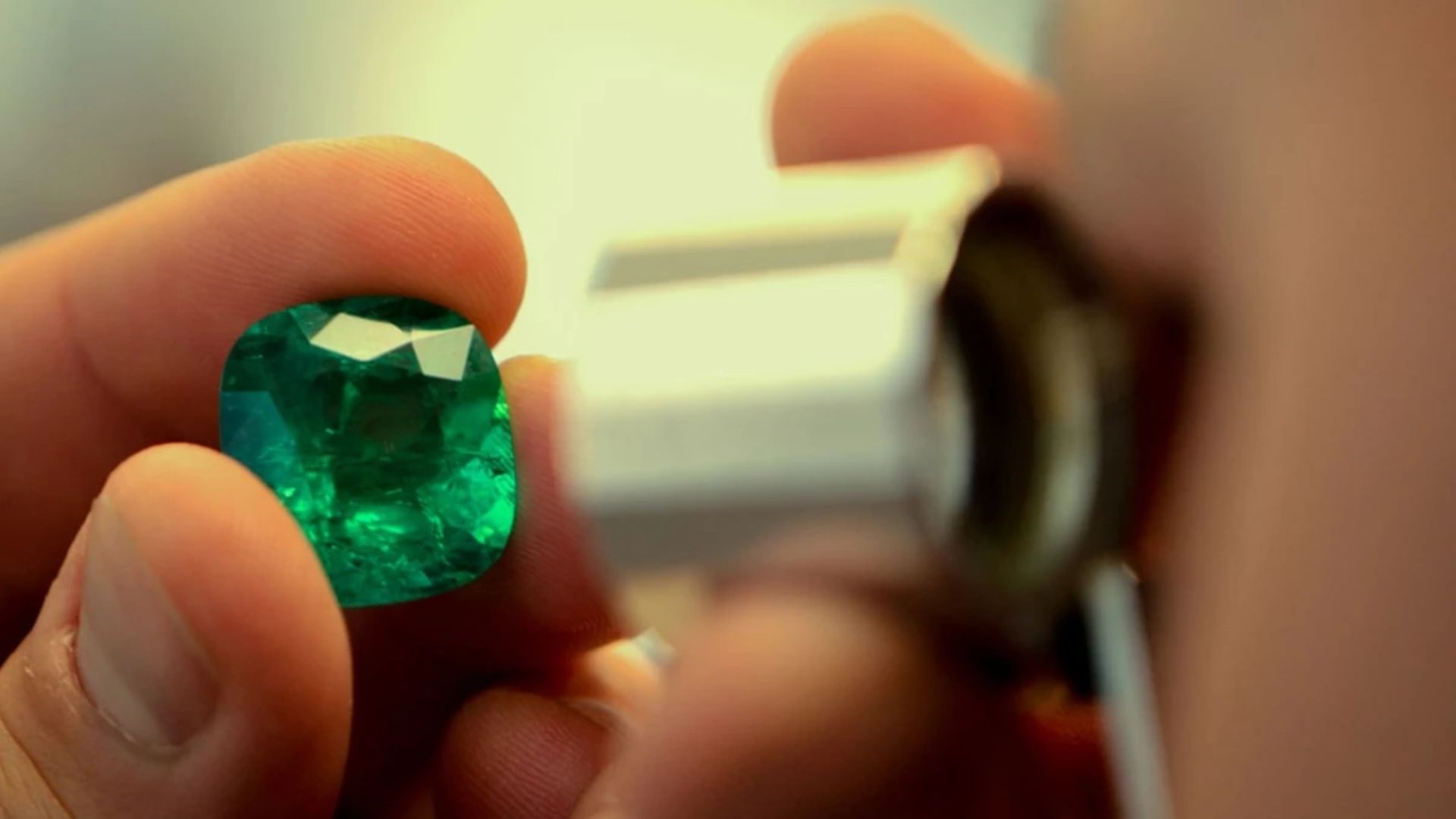
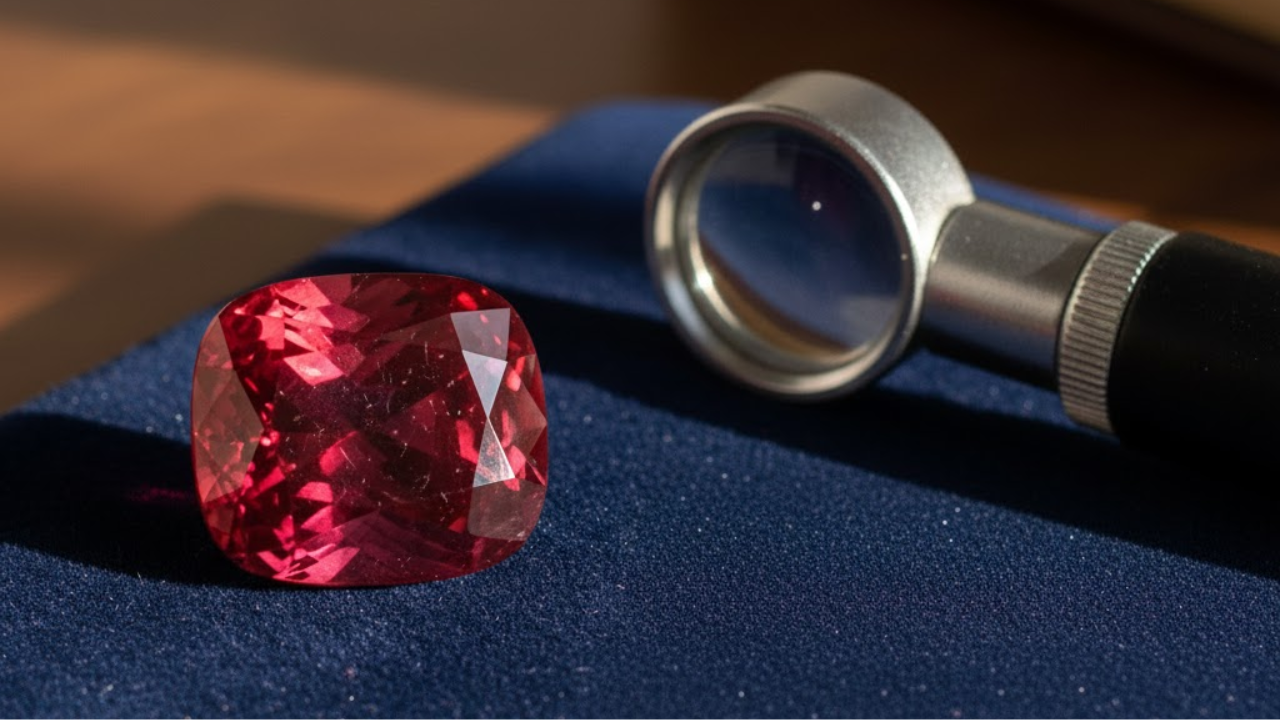
For valuable gemstones, professional examination is recommended. A gemologist can use magnification and specialized instruments to evaluate clarity, inclusions, treatments, optical properties, and other characteristics that may not be visible to the naked eye.
Final Thoughts
So, what makes some gemstones more transparent than others?
There is no single answer. Gemstone Transparency is primarily influenced by chemical composition and crystal structure, but inclusions, fractures, microscopic defects, color-producing elements, geological history, and cutting also play important roles.
A gemstone becomes highly transparent when its structure allows light to travel through it with relatively little absorption and scattering. Internal imperfections can interrupt that journey, producing translucency or opacity. Meanwhile, cutting determines how effectively available light is directed back toward the viewer.
Understanding Gemstone Transparency also means understanding Gemstone Clarity. Although the two are related, clarity focuses mainly on internal and external characteristics, while transparency describes the passage of light through the material.
Ultimately, the most beautiful gemstone is not necessarily the most transparent one. Its color, inclusions, translucency, optical effects, cut, and overall character may be equally important.
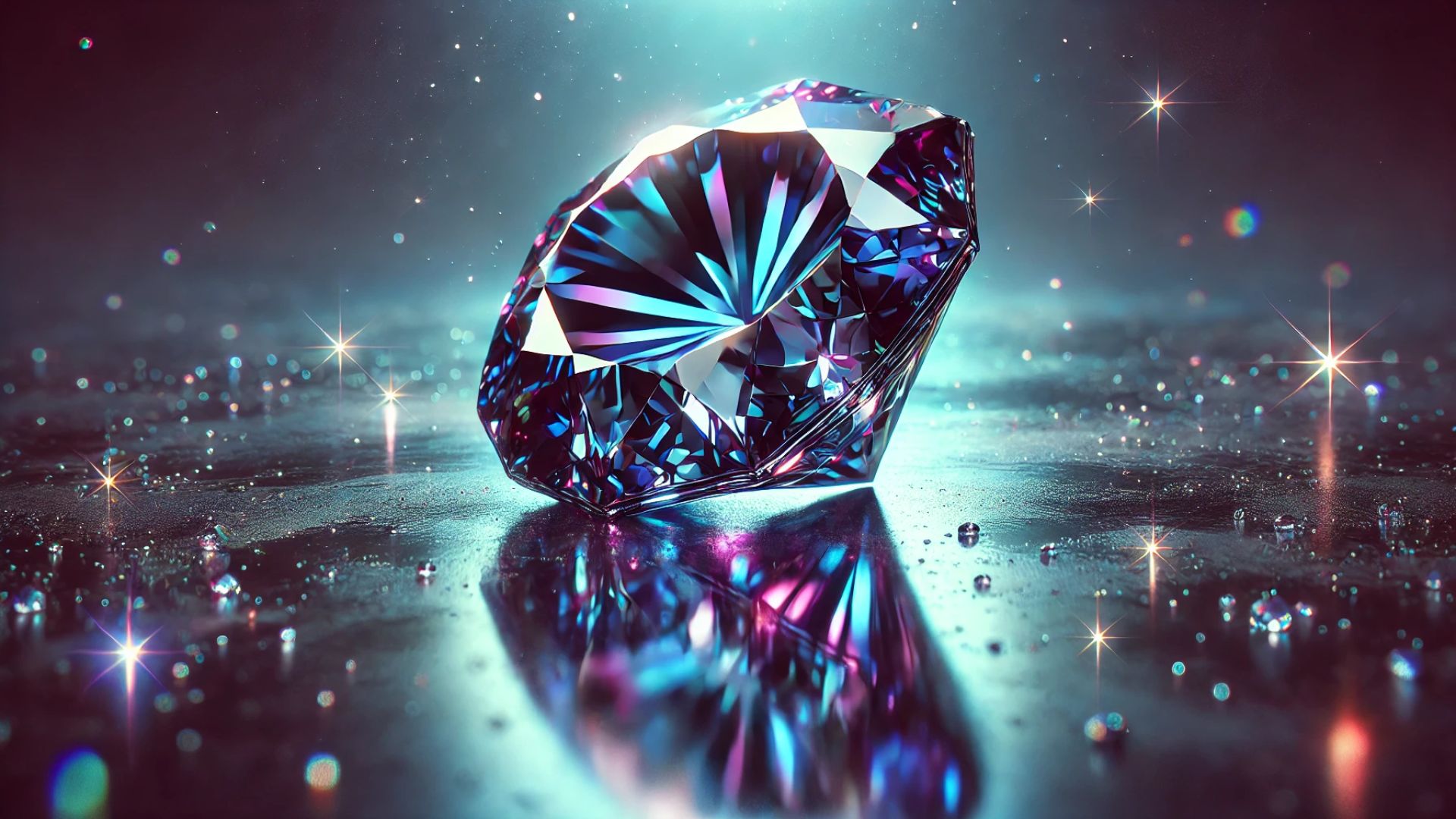
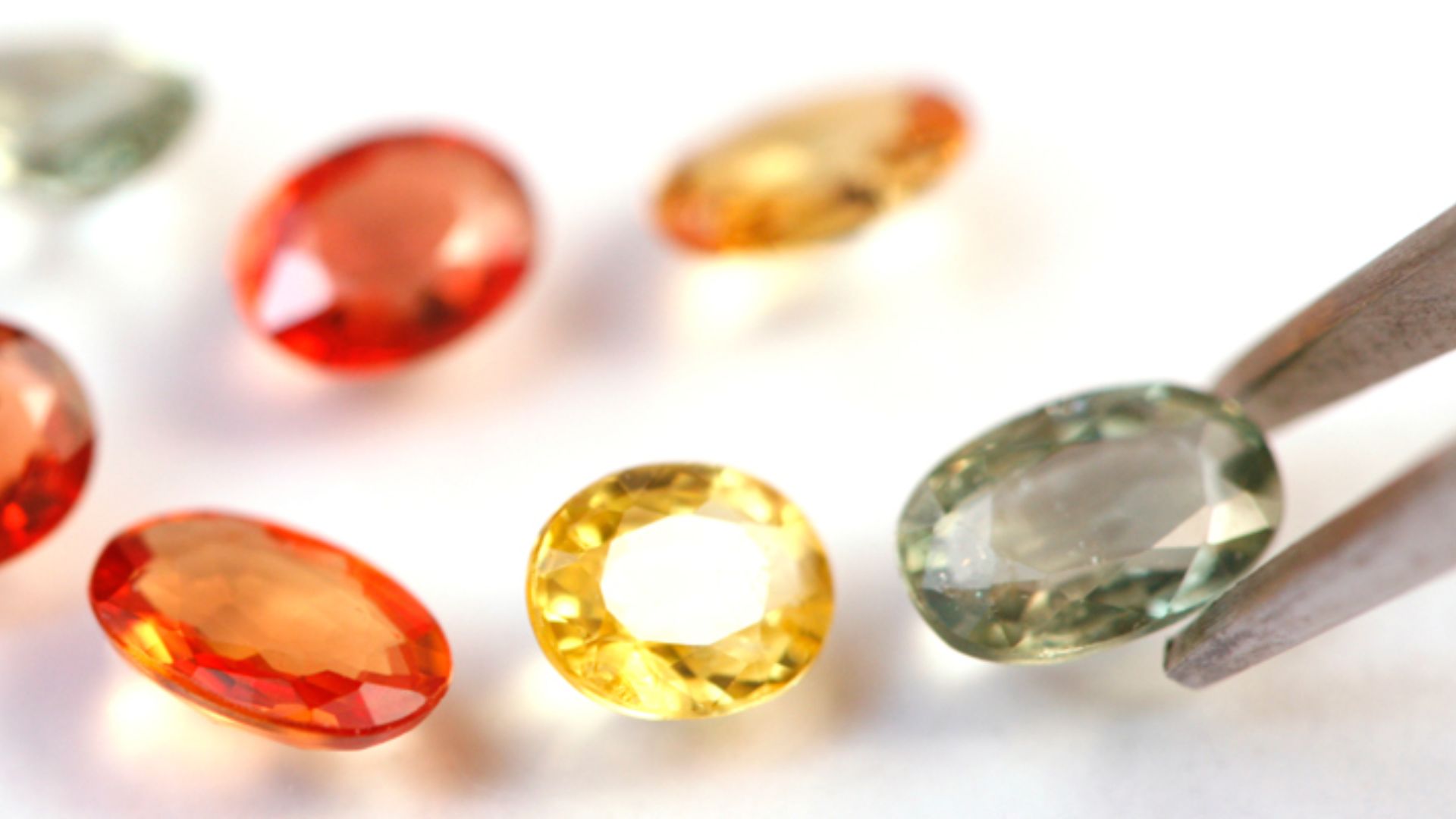
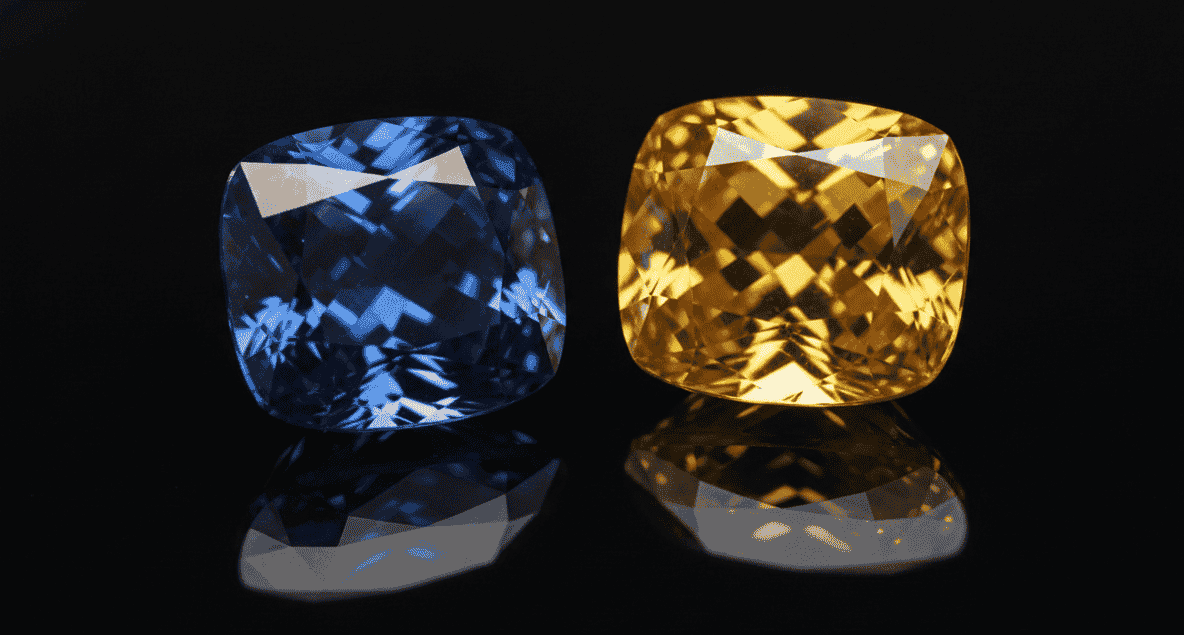
The magic of Transparent Gemstones comes from their interaction with Gemstone Light. Light enters the crystal, bends, reflects, scatters, and emerges in ways that create brilliance, glow, fire, and depth.
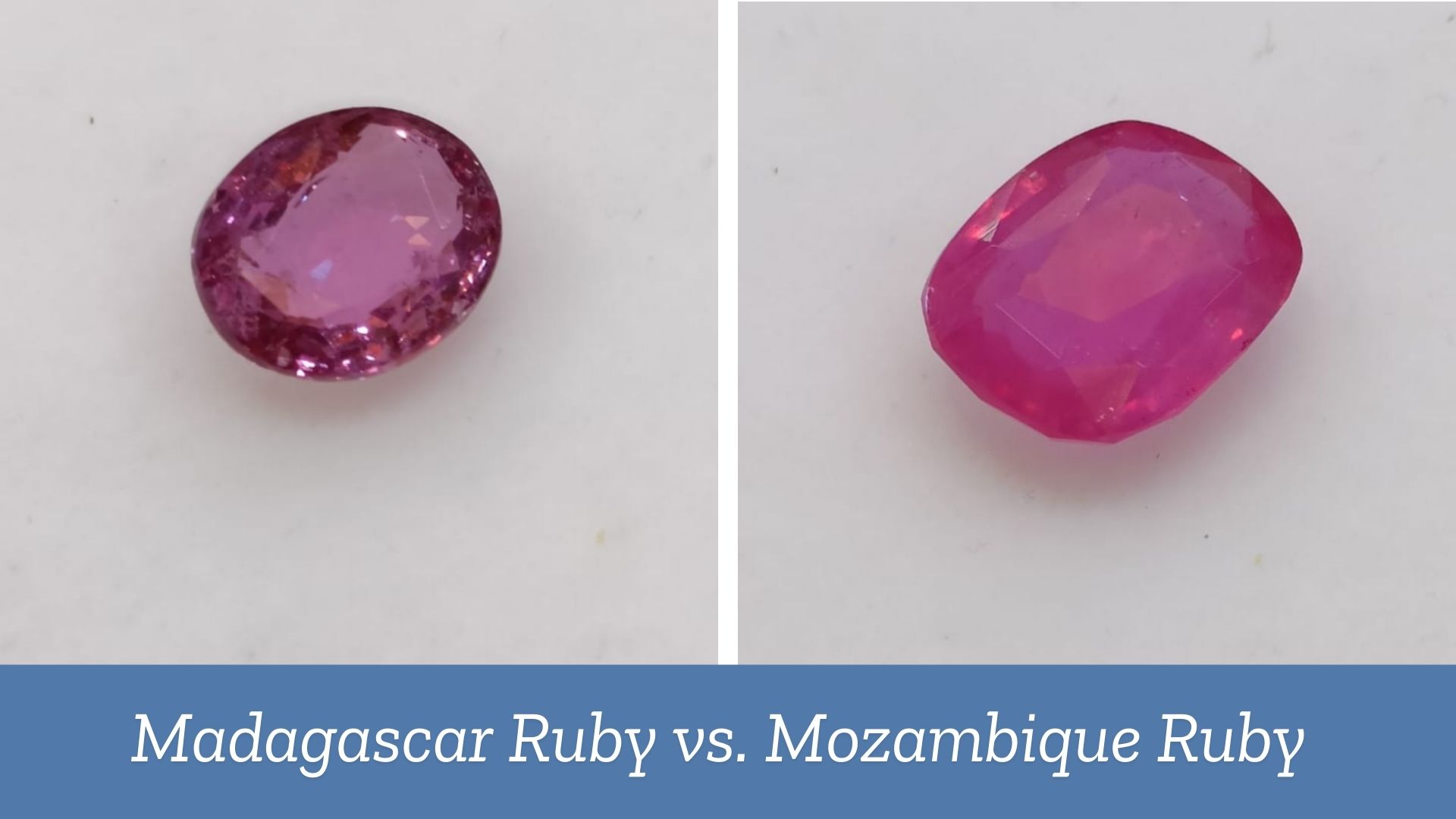
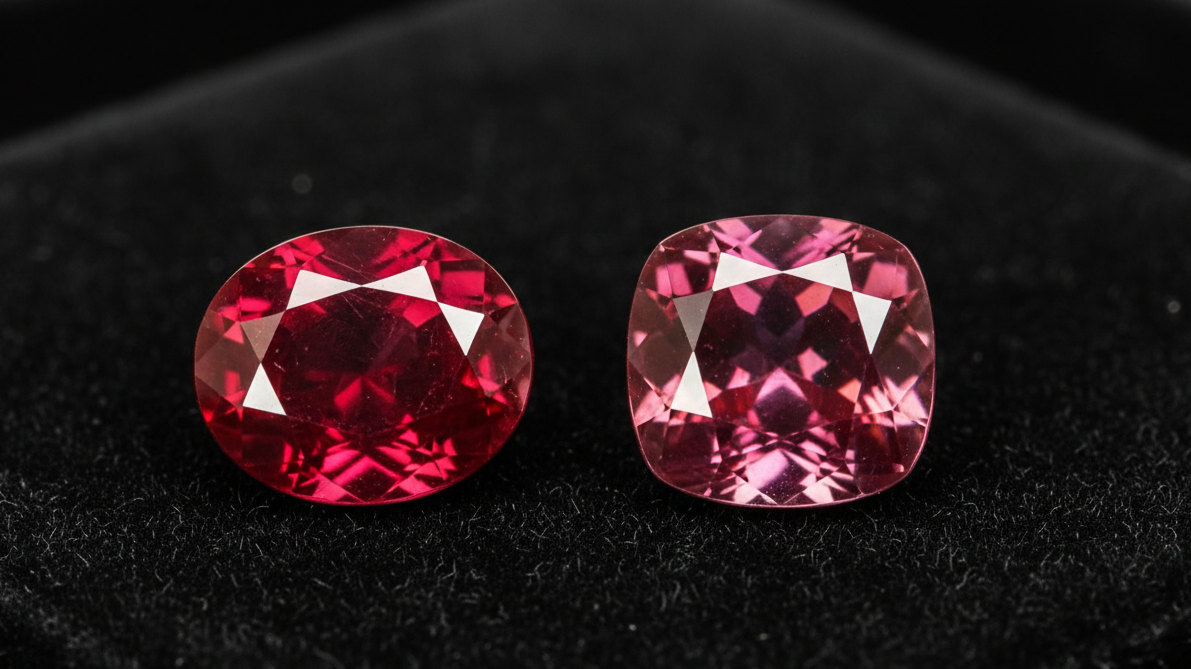
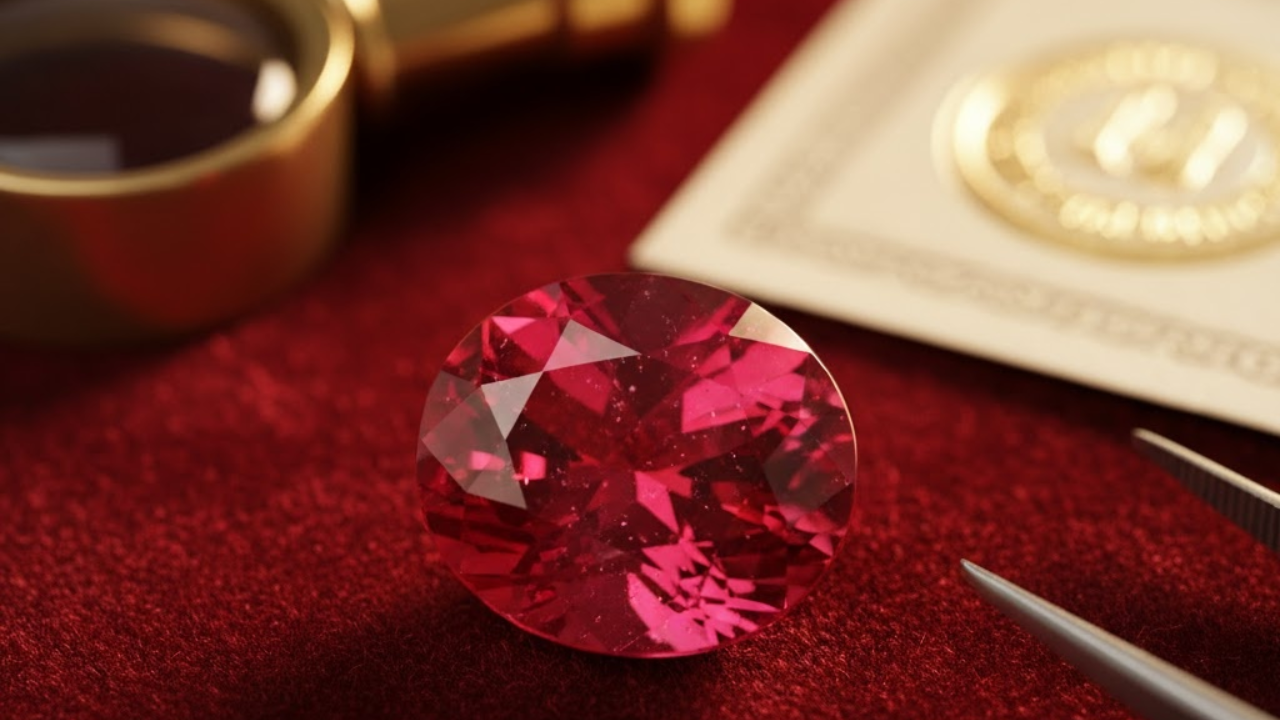
By understanding these interactions and the underlying Gemstone Properties, we can better appreciate why every gemstone has its own visual personality—and why two stones that appear similar, such as an old burma ruby and another ruby, can behave completely differently when light passes through them.
Recent Posts


2026-09-04
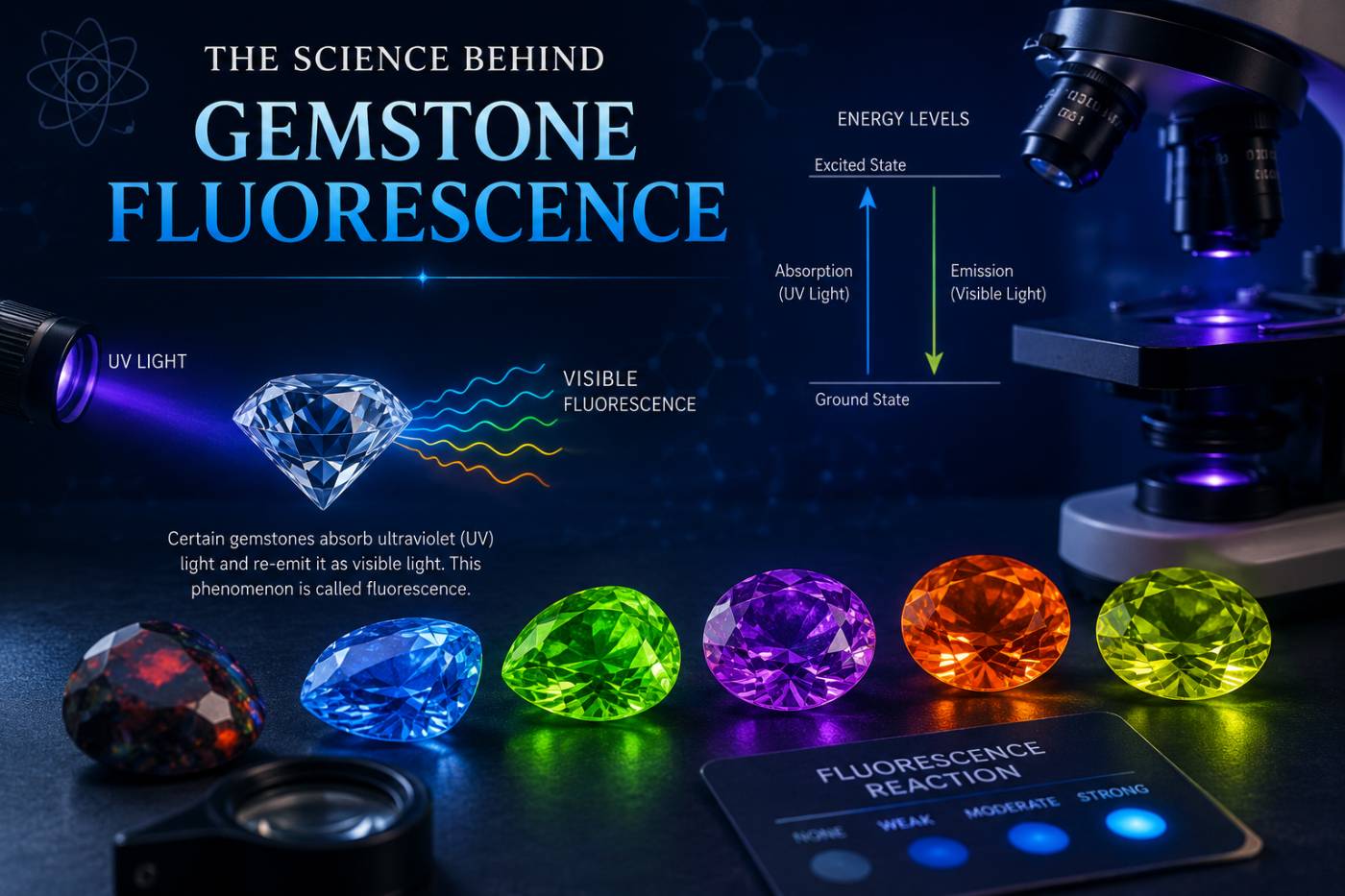
The Science Behind Gemstone Fluorescence




2025-09-15