Date : 2026-09-18
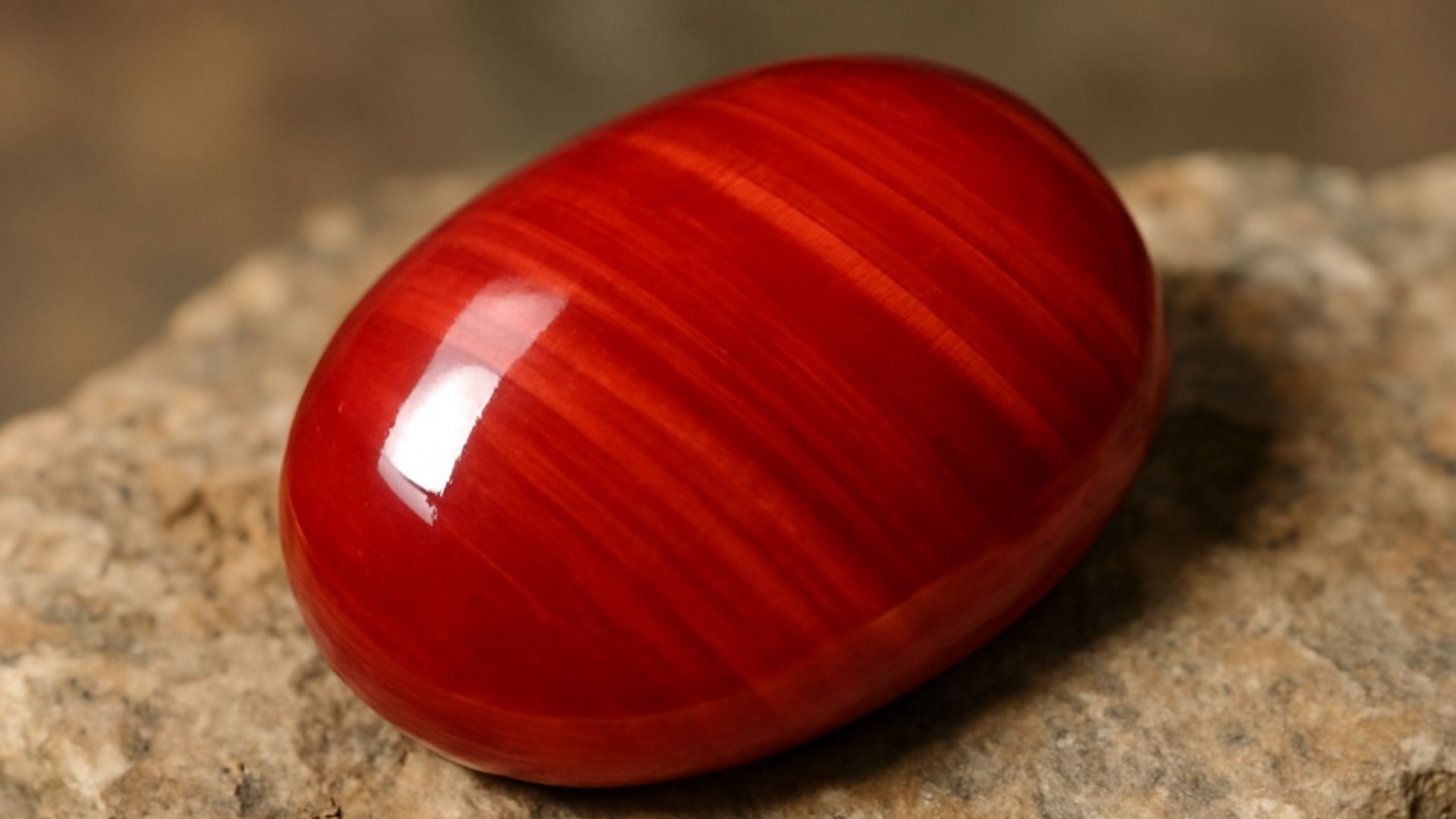
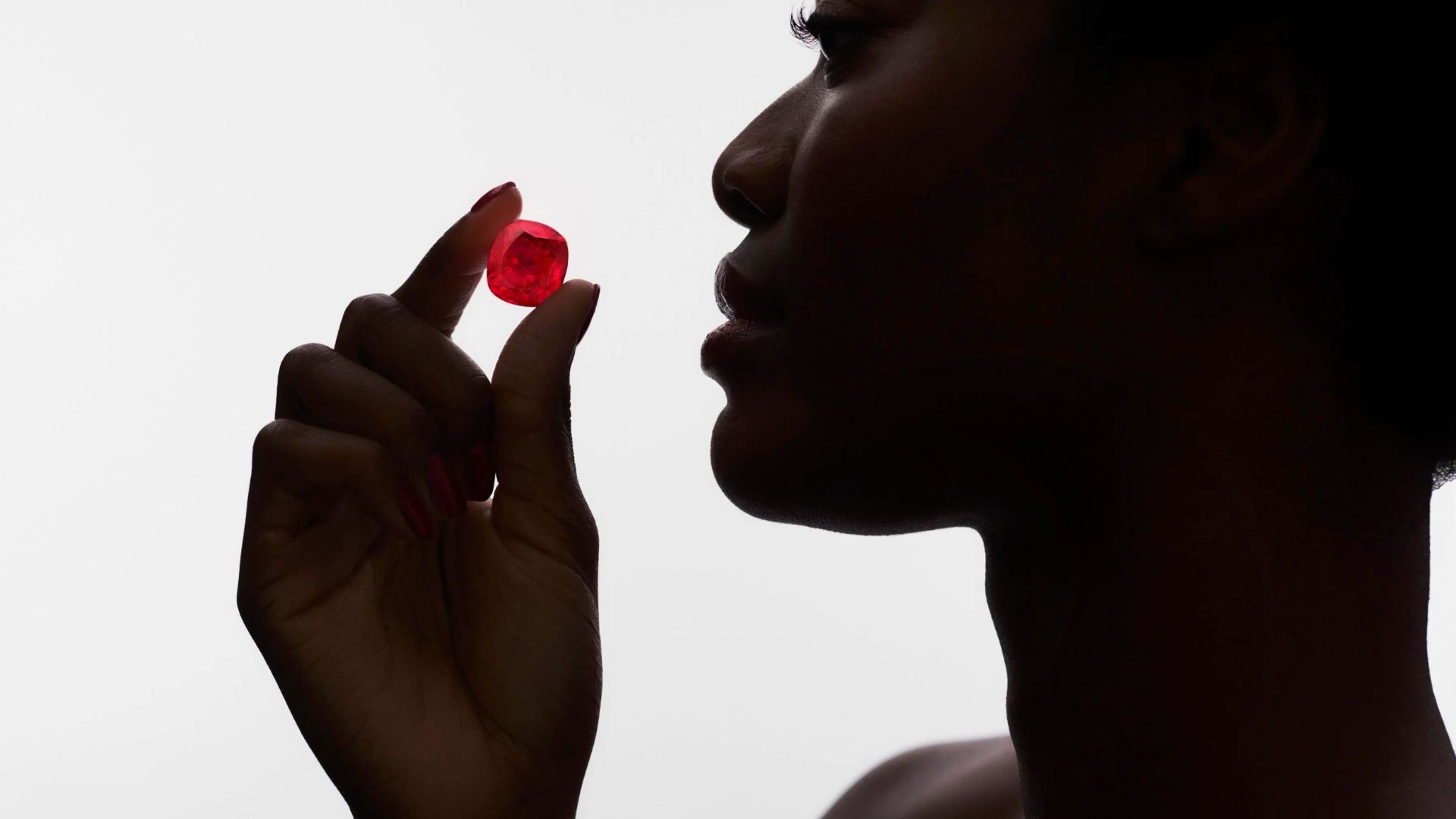
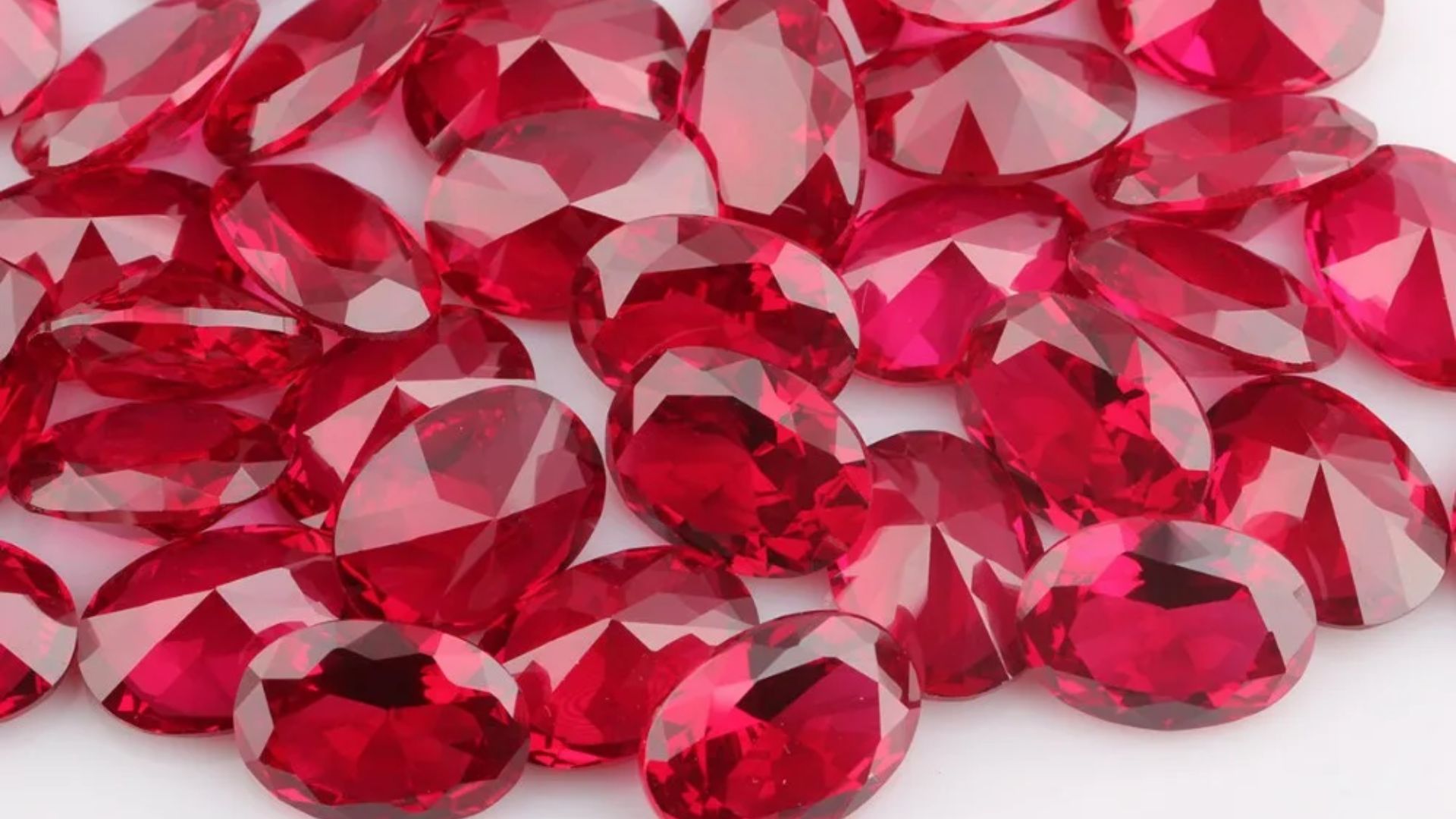
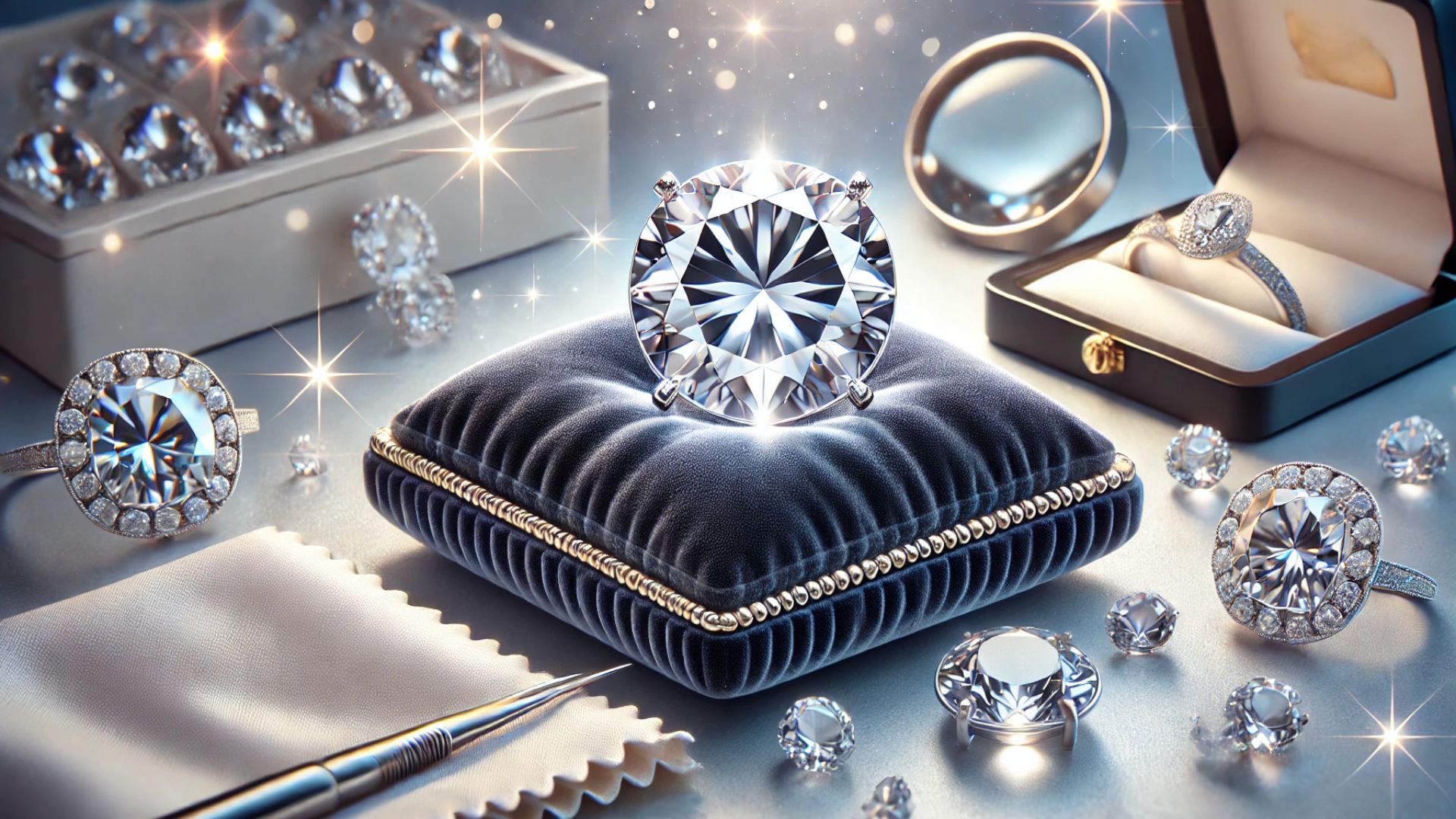
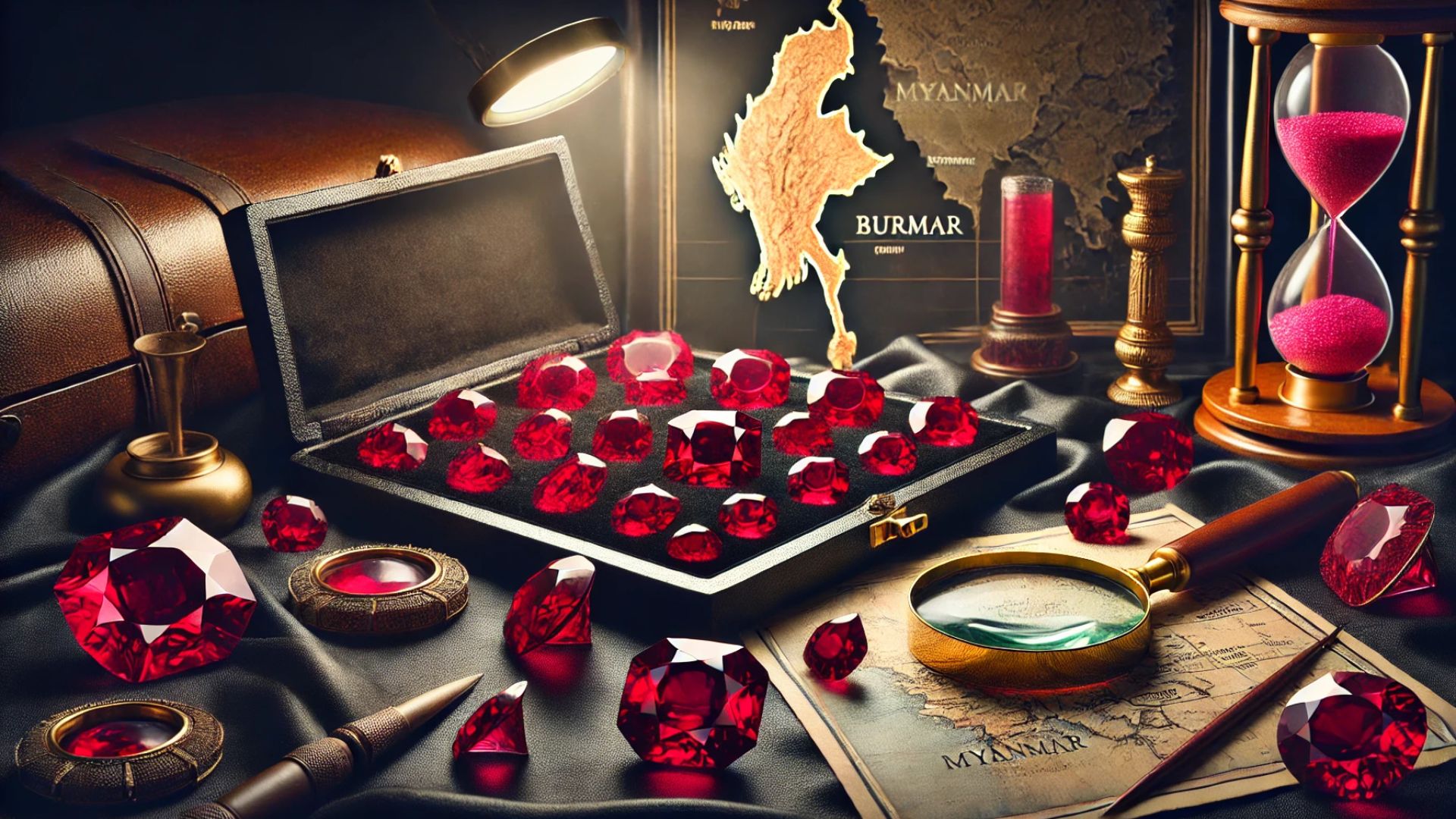
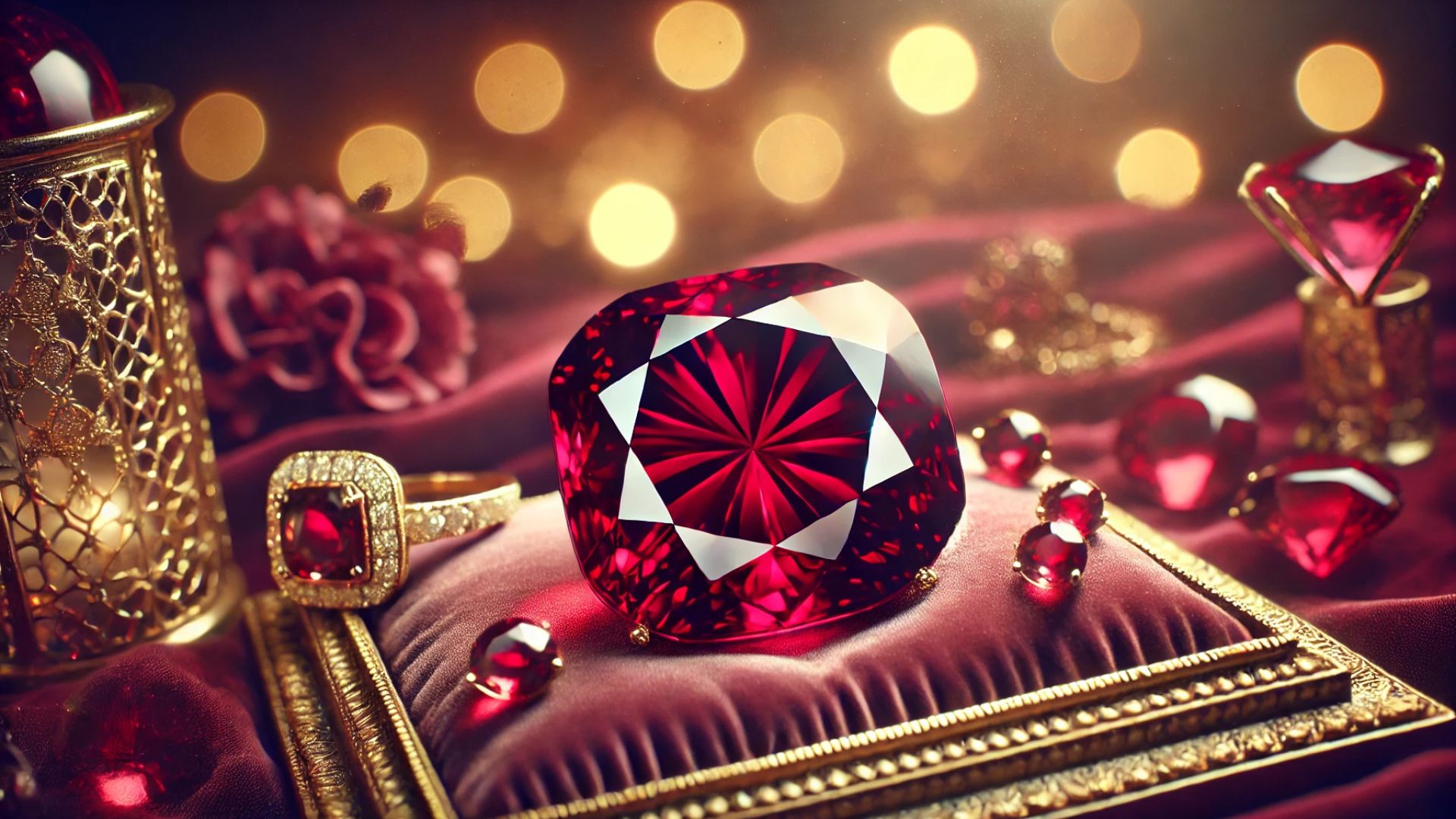
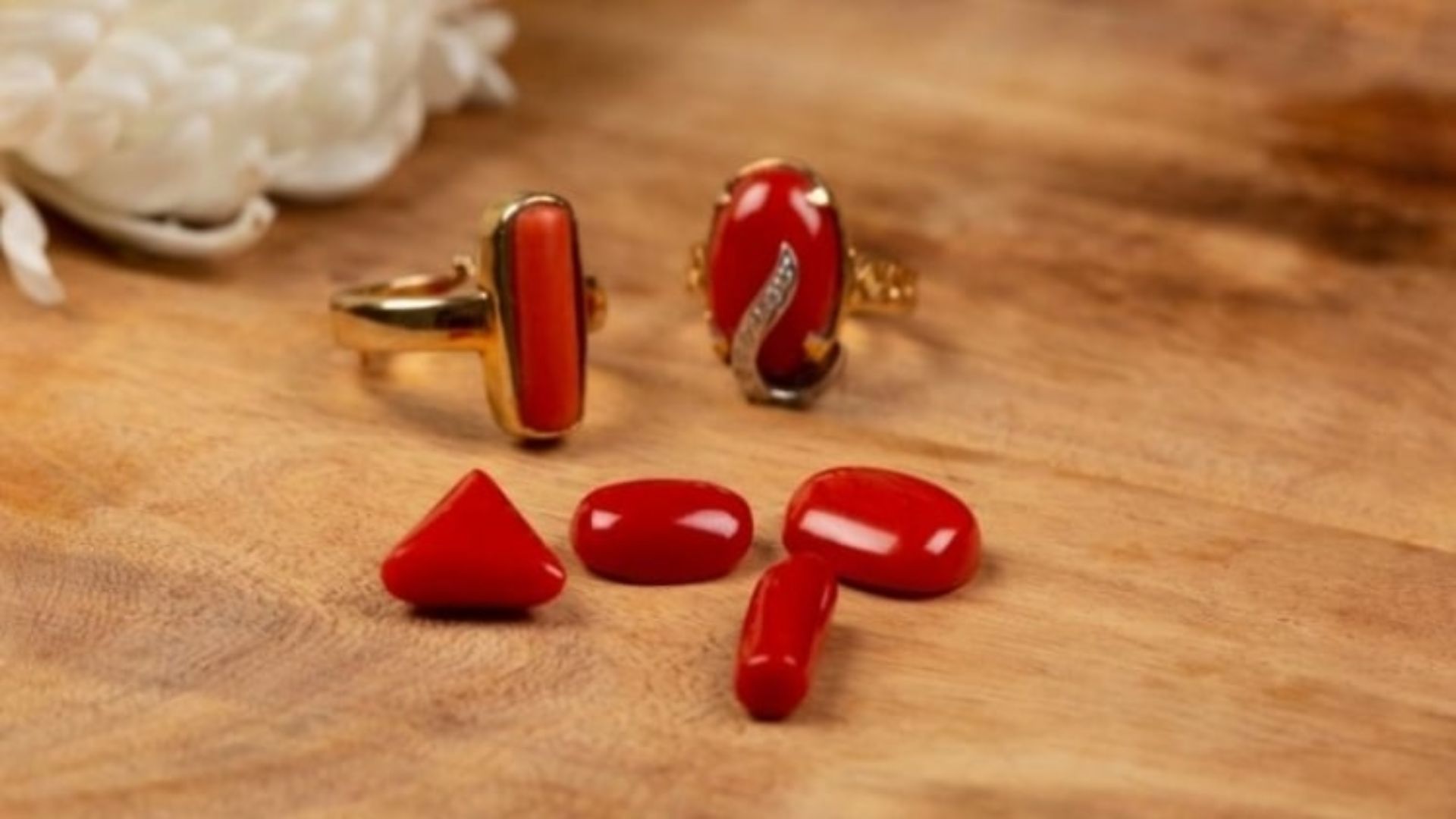
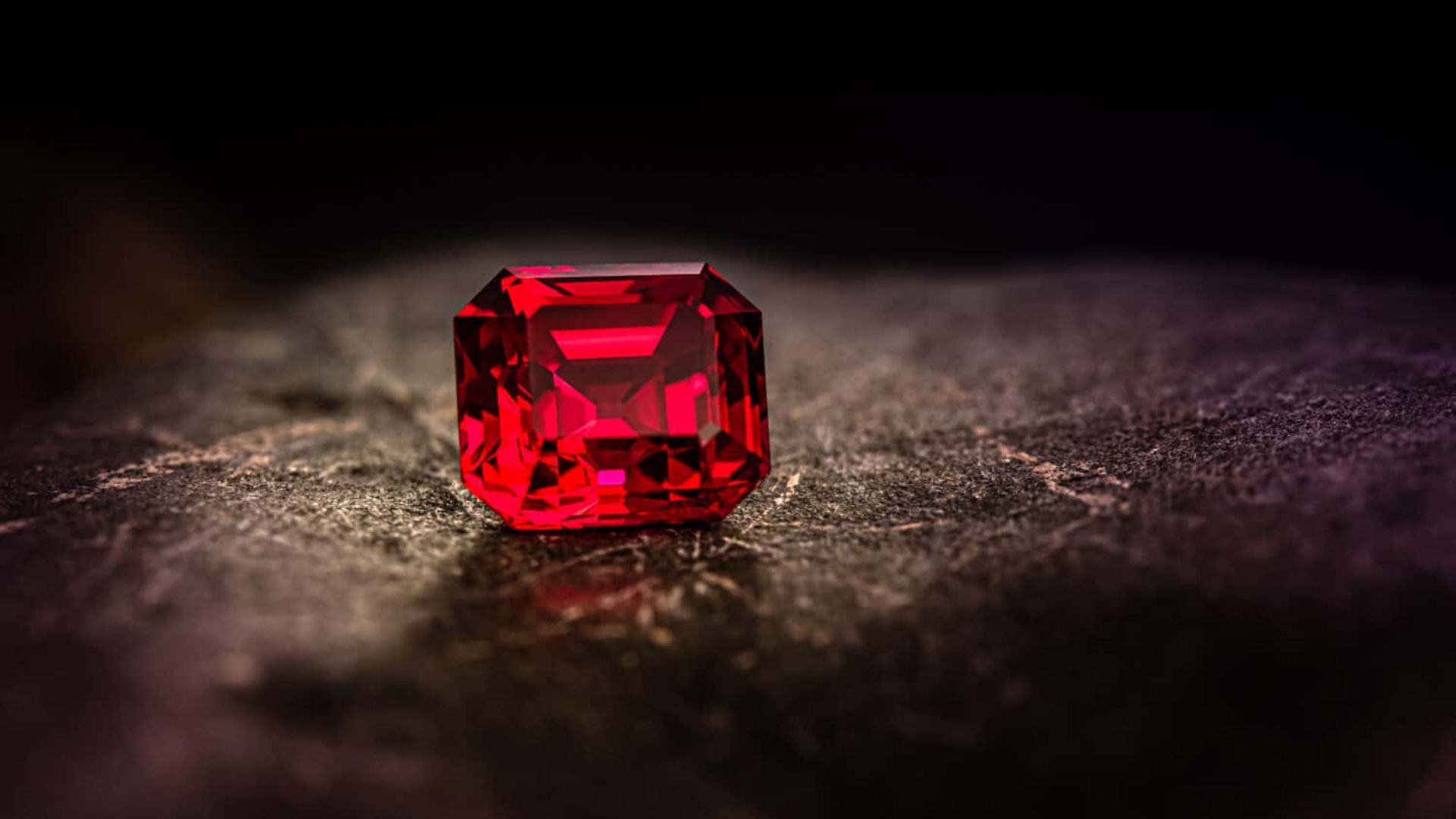
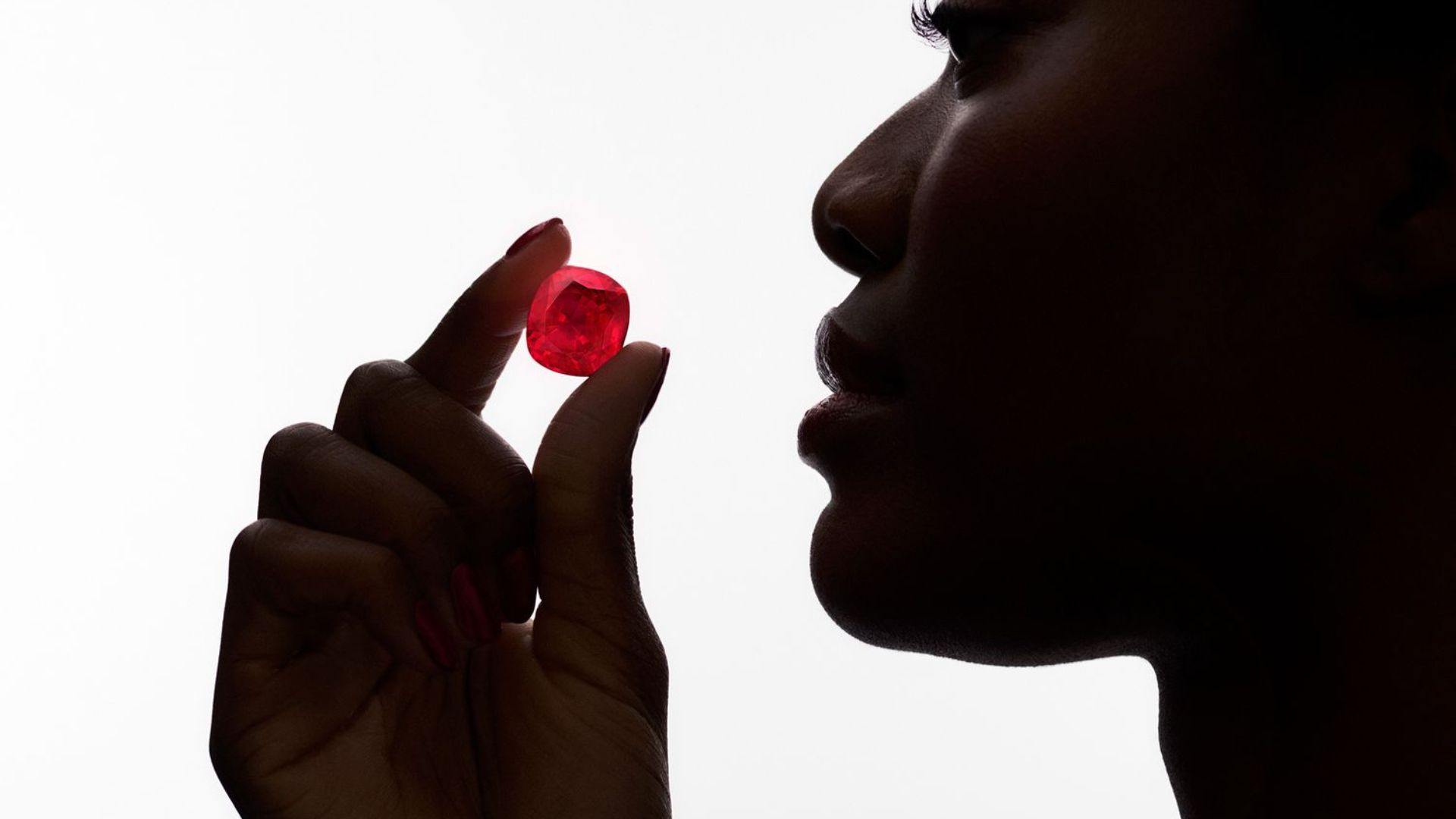
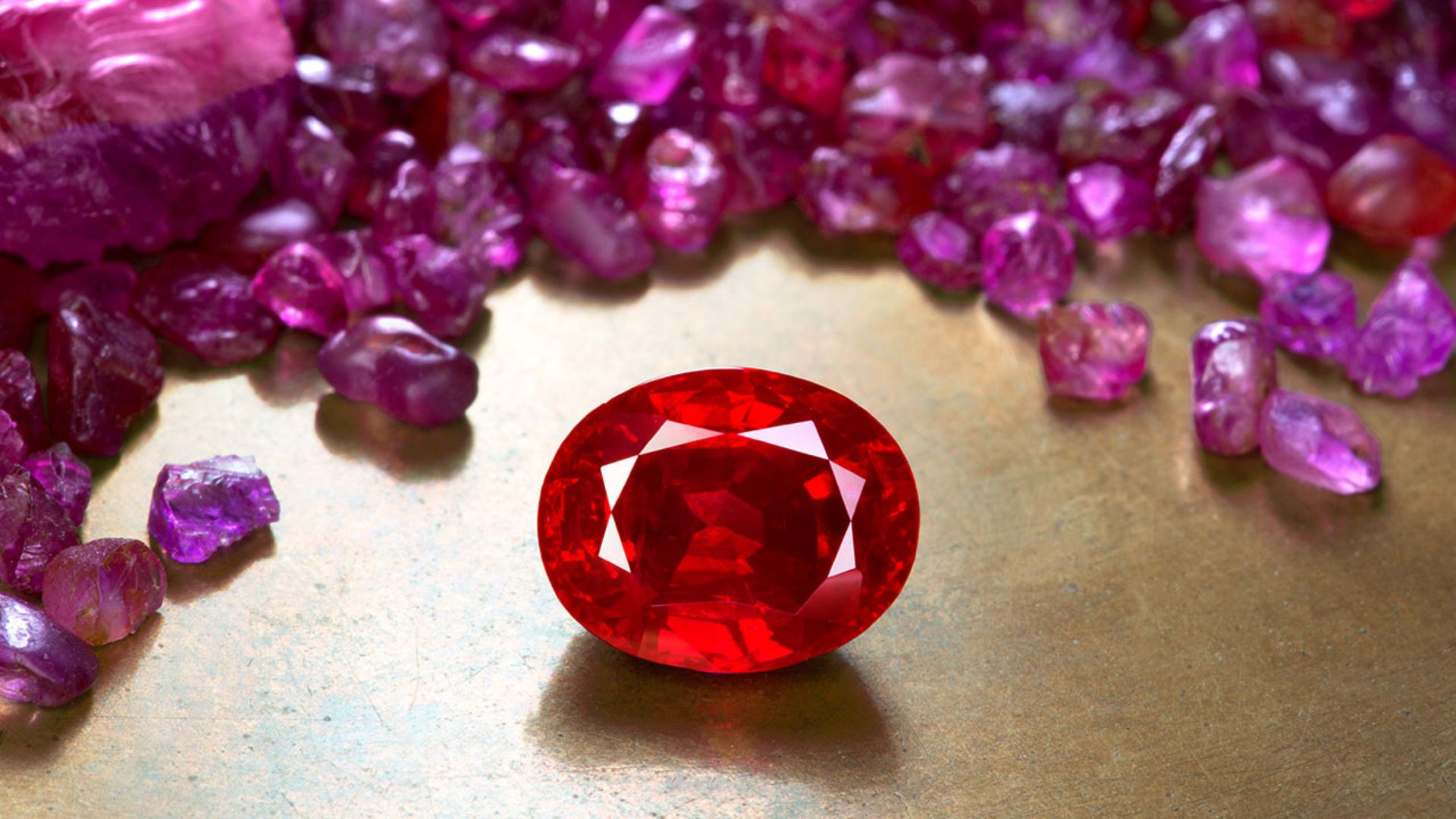
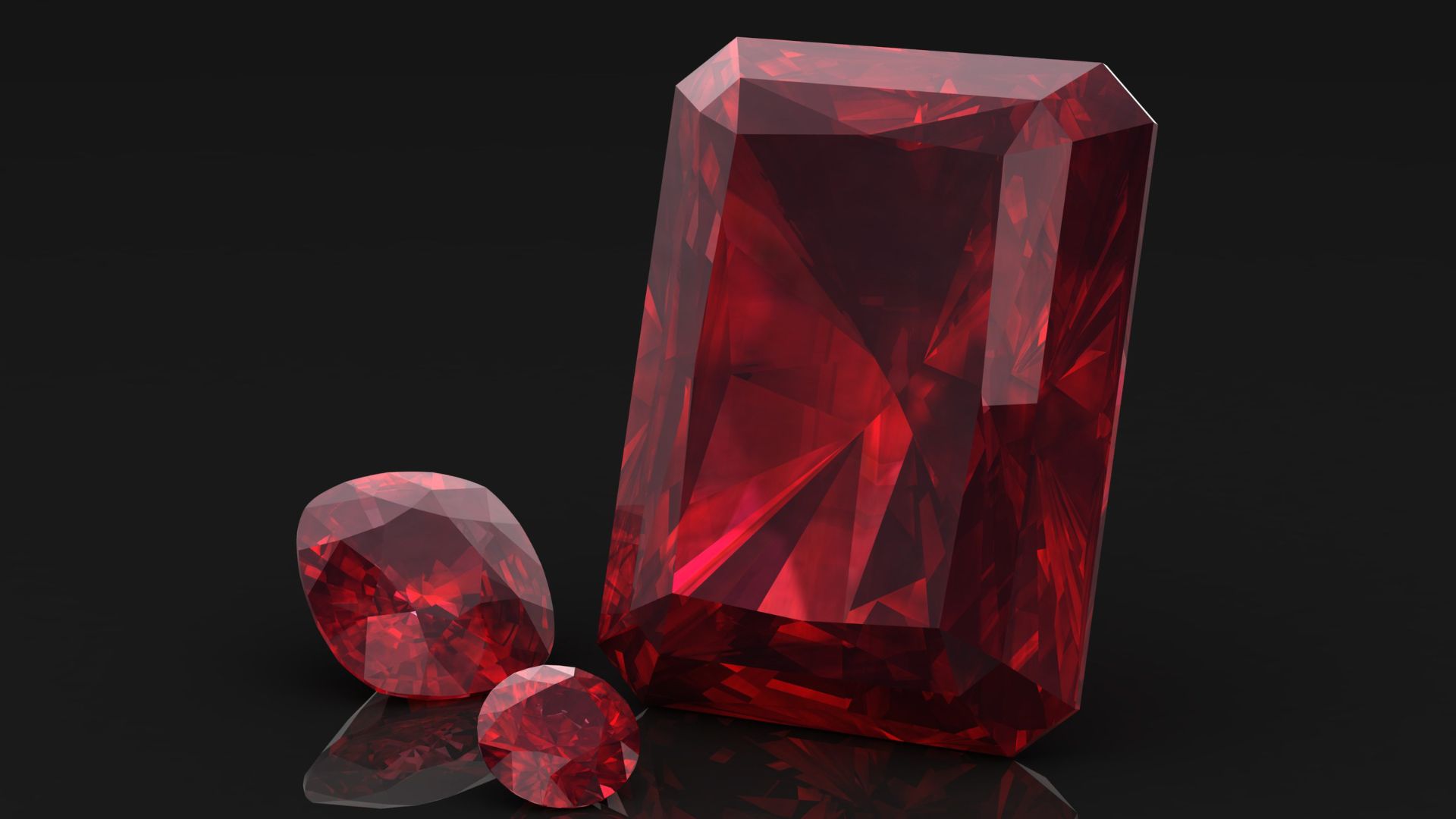
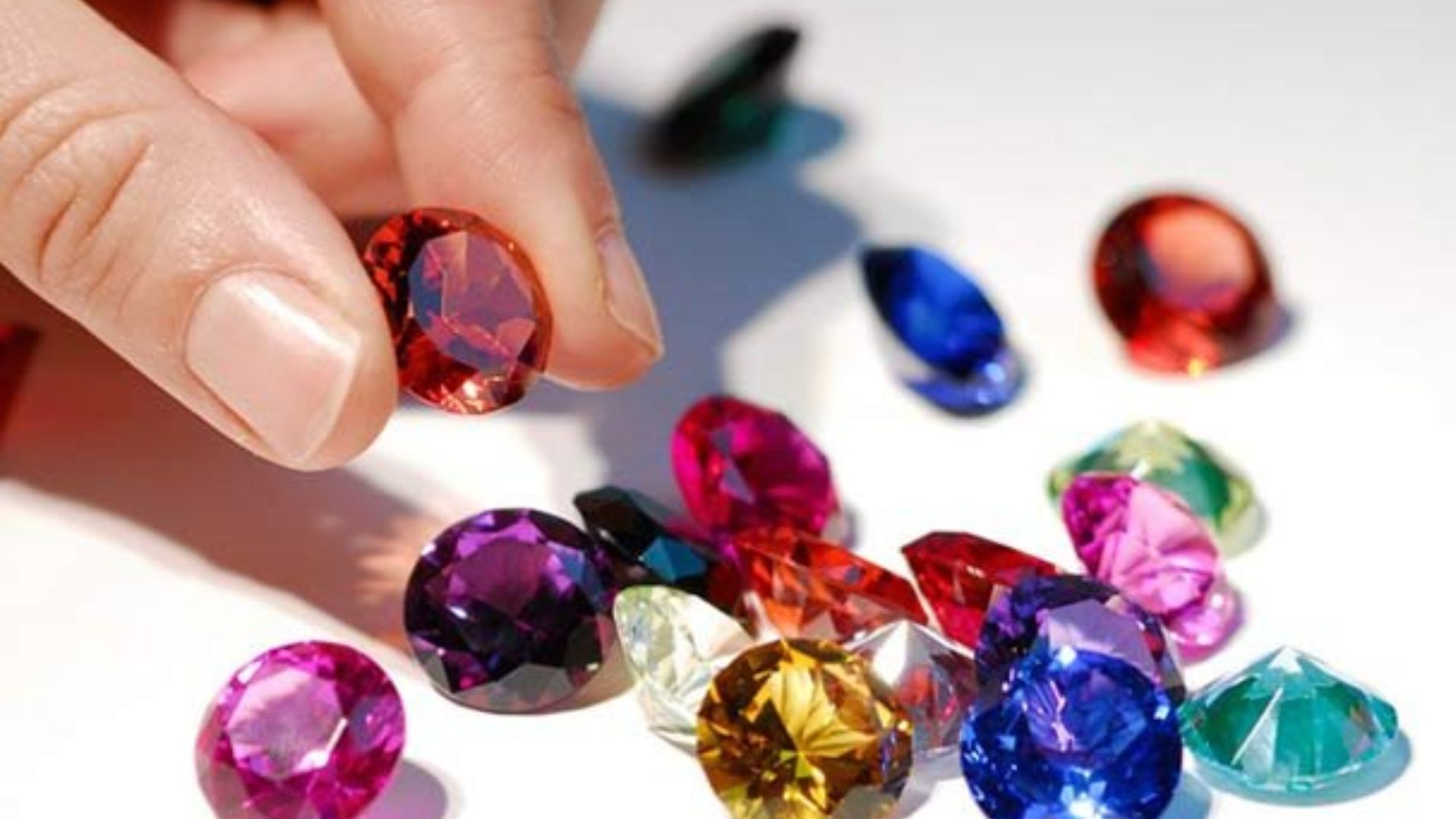
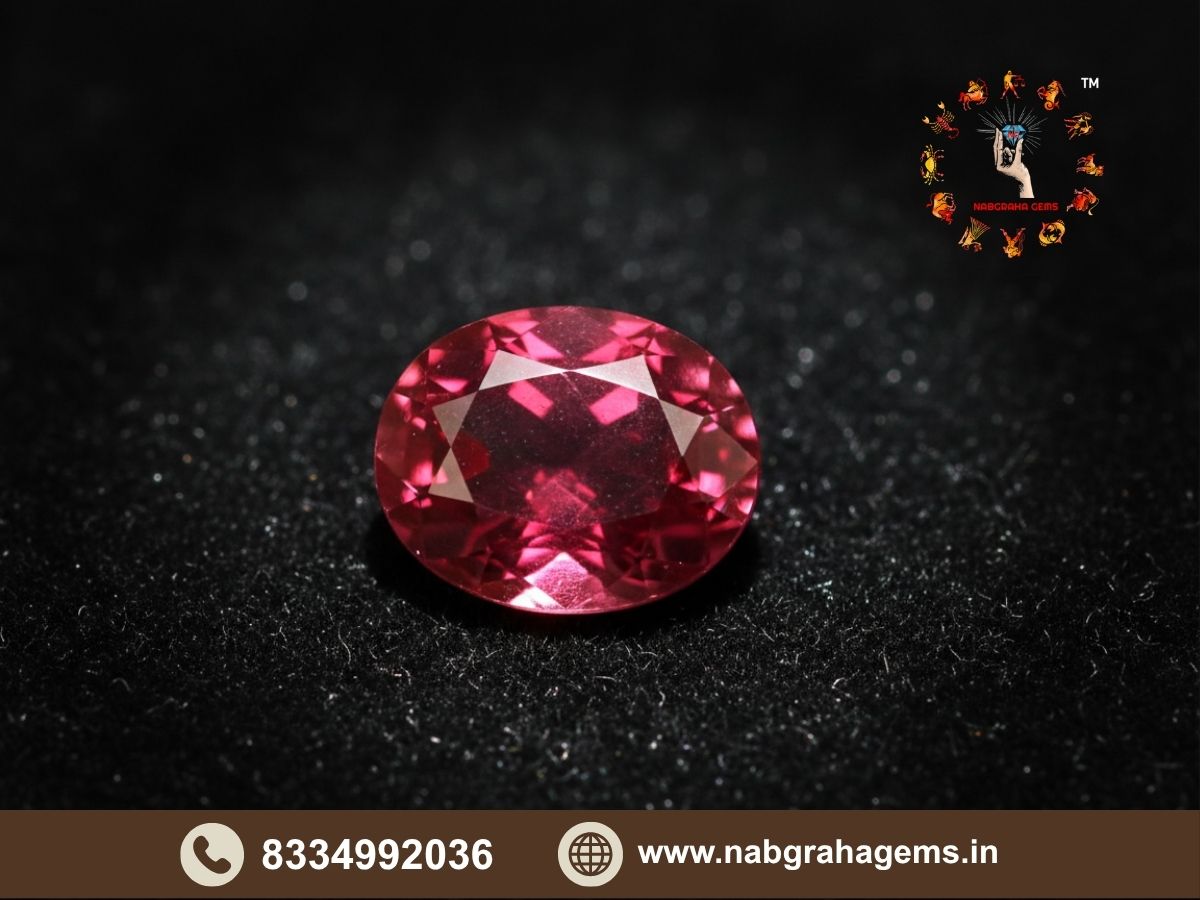
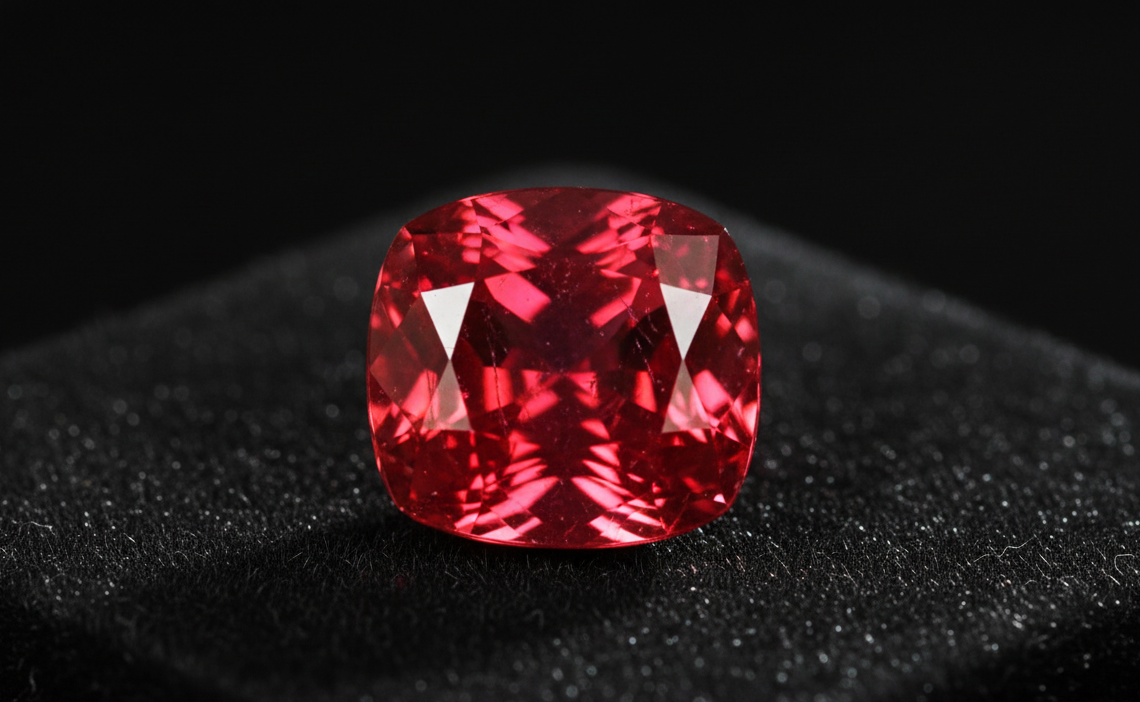
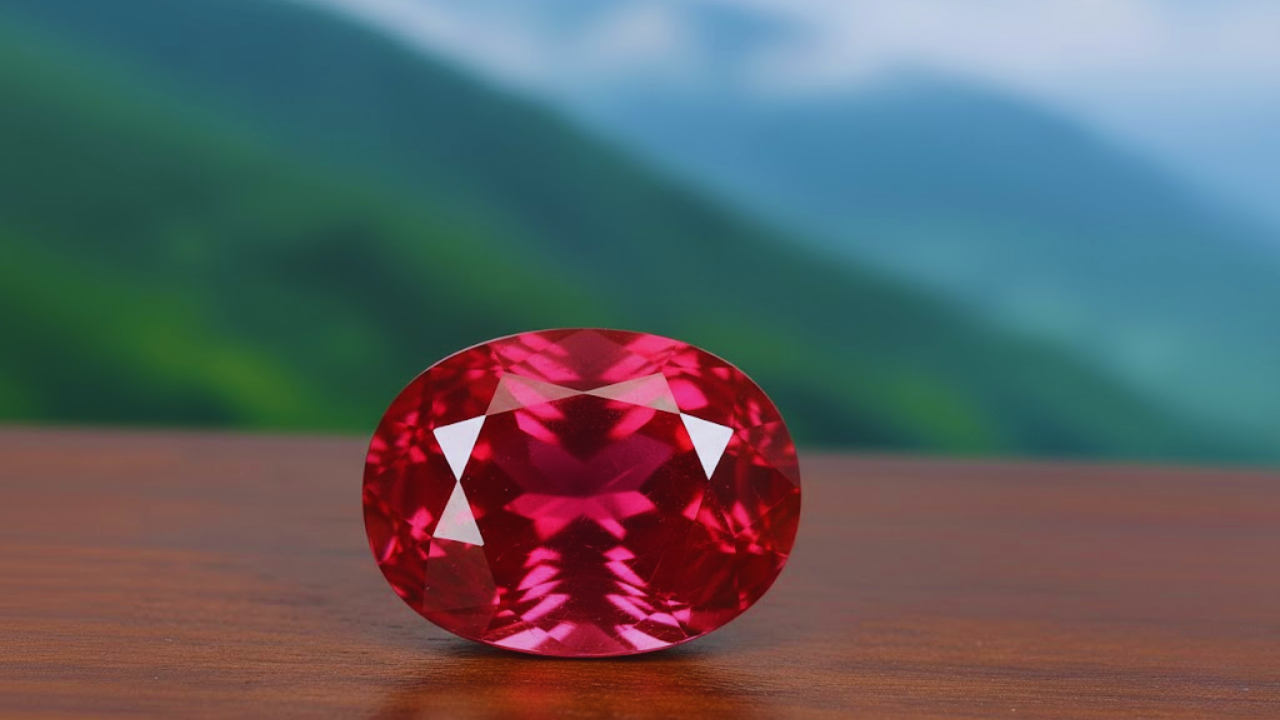
For generations, diamonds have been associated with luxury, romance, engagement rings, and timeless elegance. Their brilliance and durability have made them a traditional choice for fine jewelry. However, jewelry preferences are changing, and more consumers are exploring the beauty, individuality, and rich heritage of colored gemstones. Among these, the Old Burma Ruby stands out for its exceptional beauty, distinctive character, and enduring appeal, offering a captivating alternative for those seeking something truly unique.
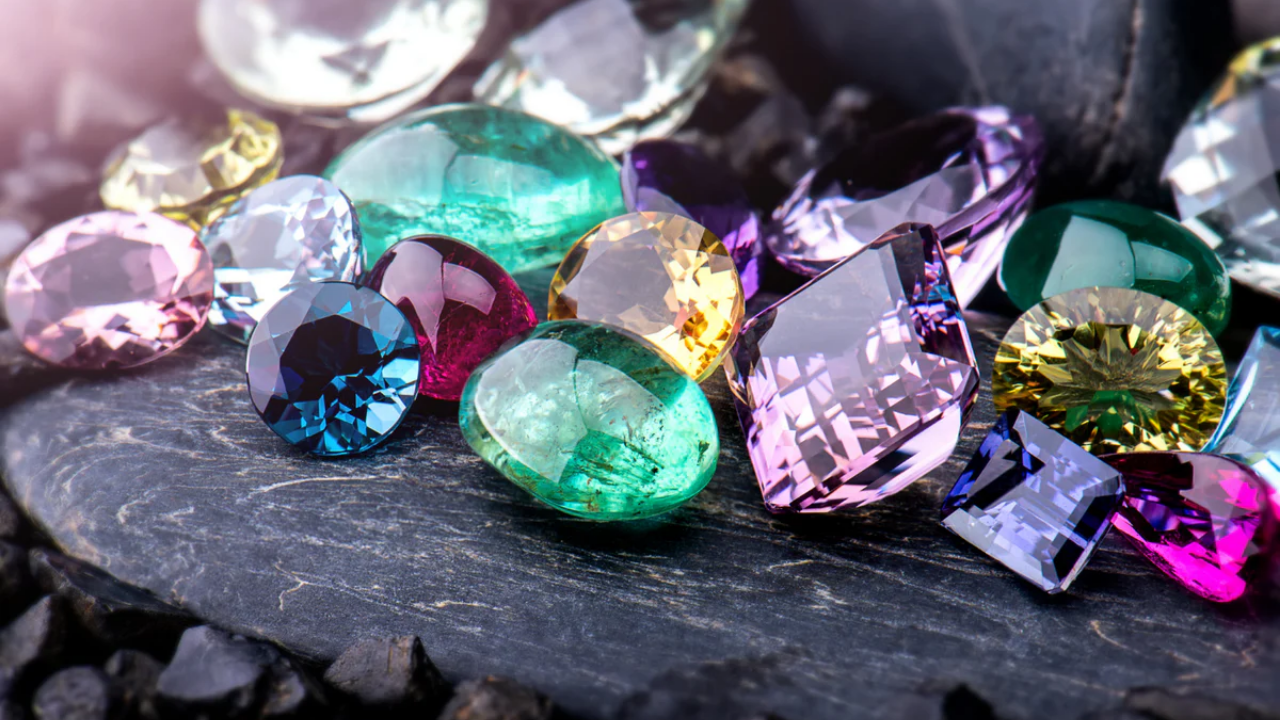
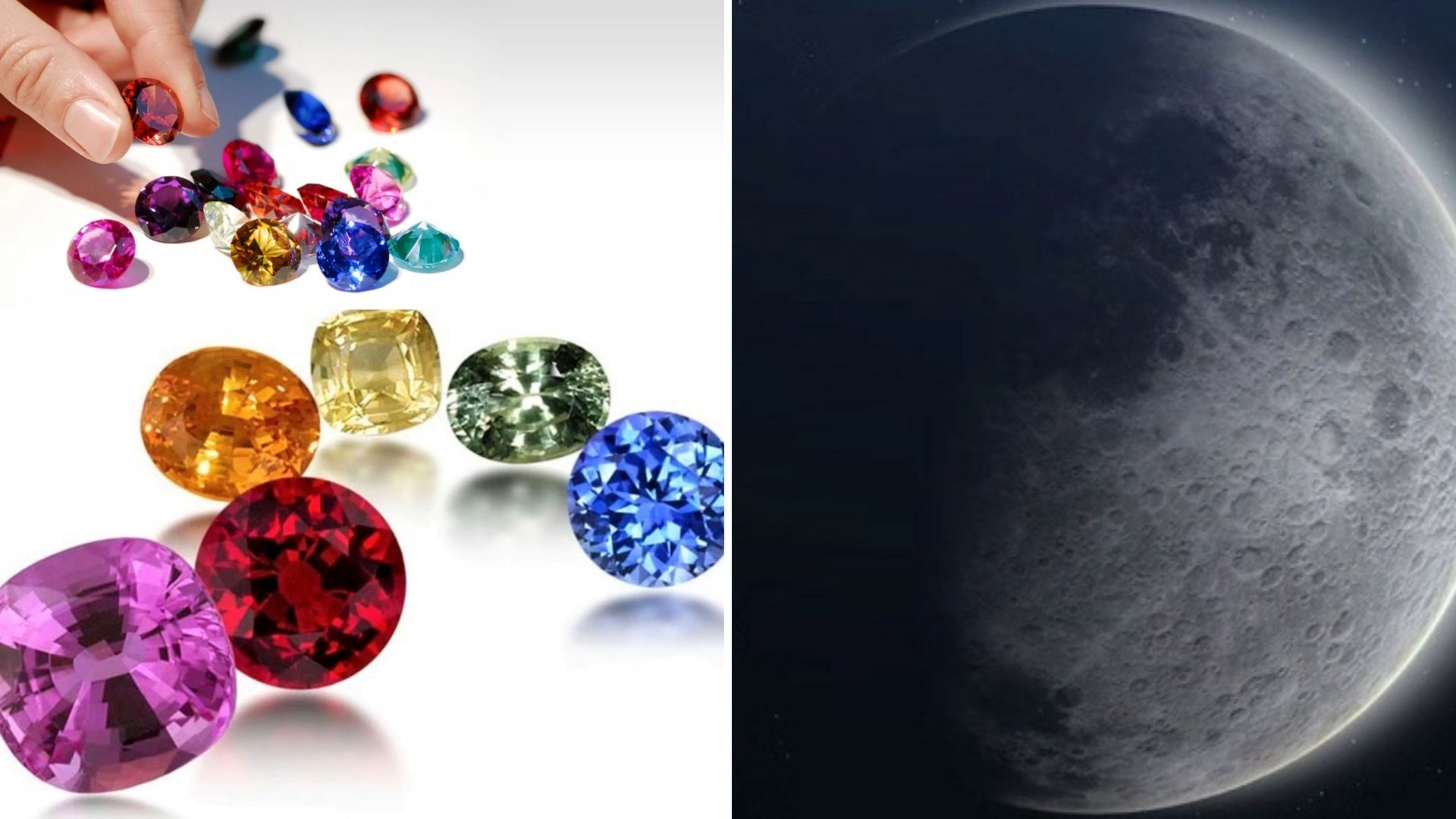
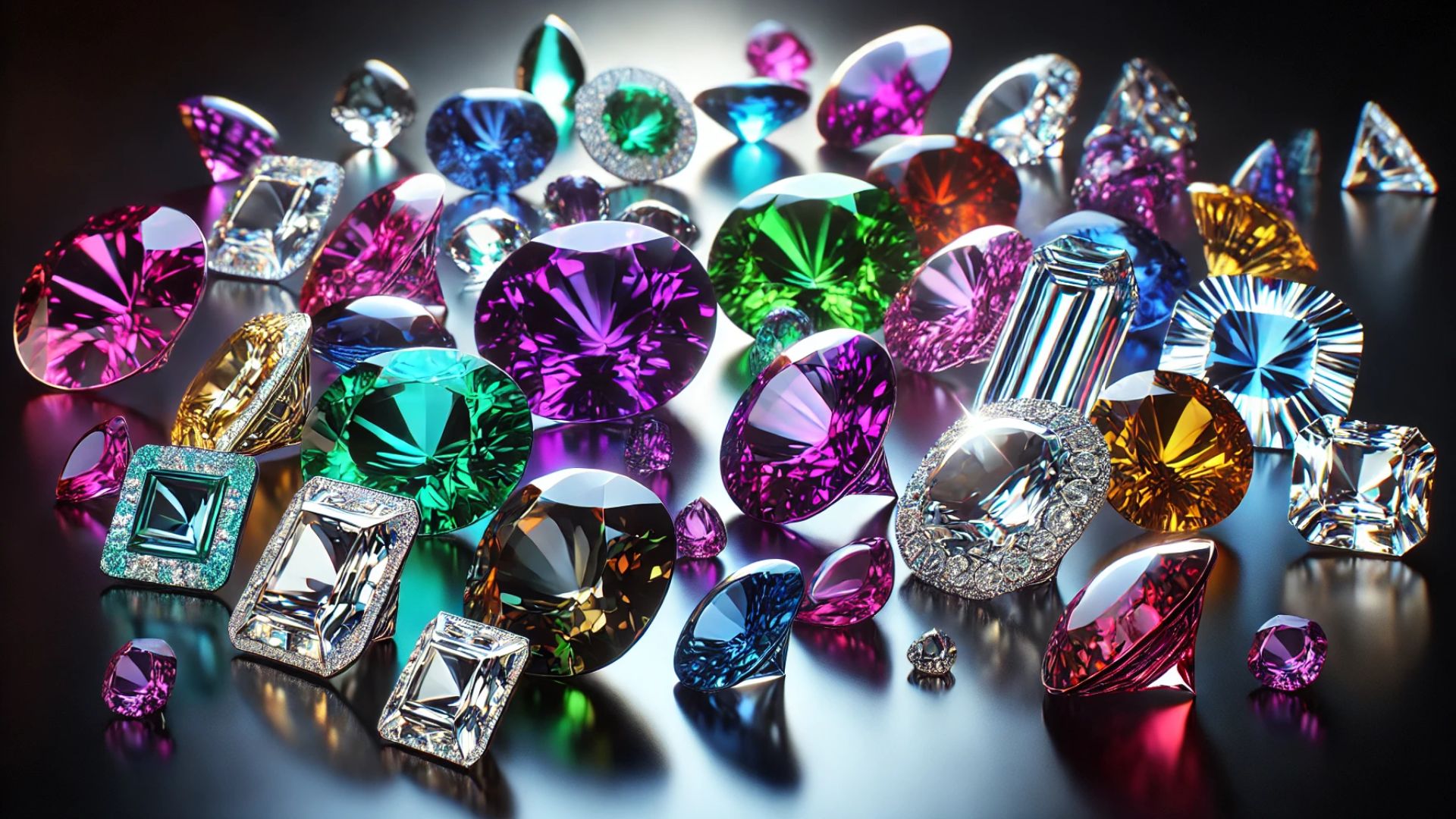
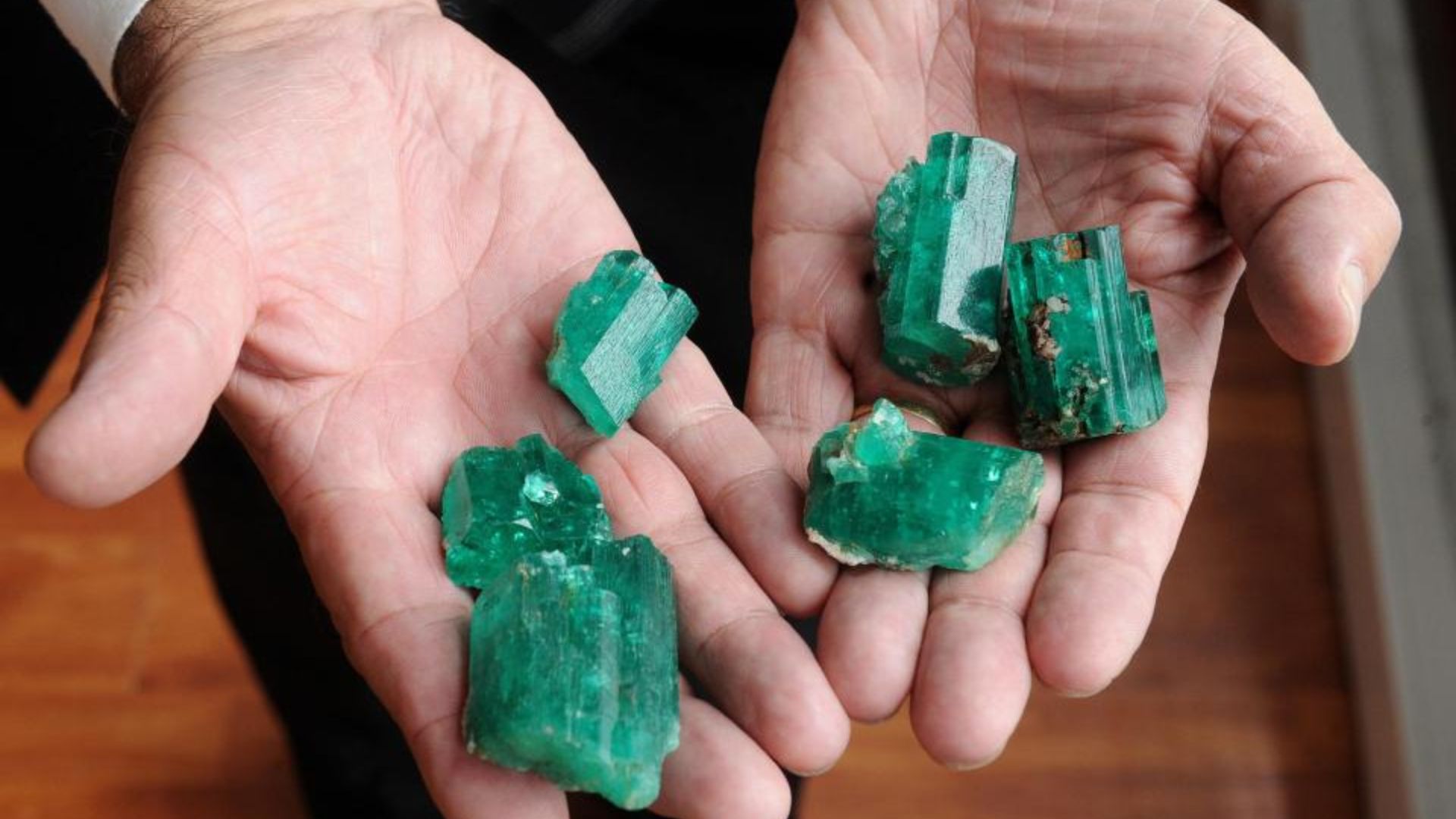
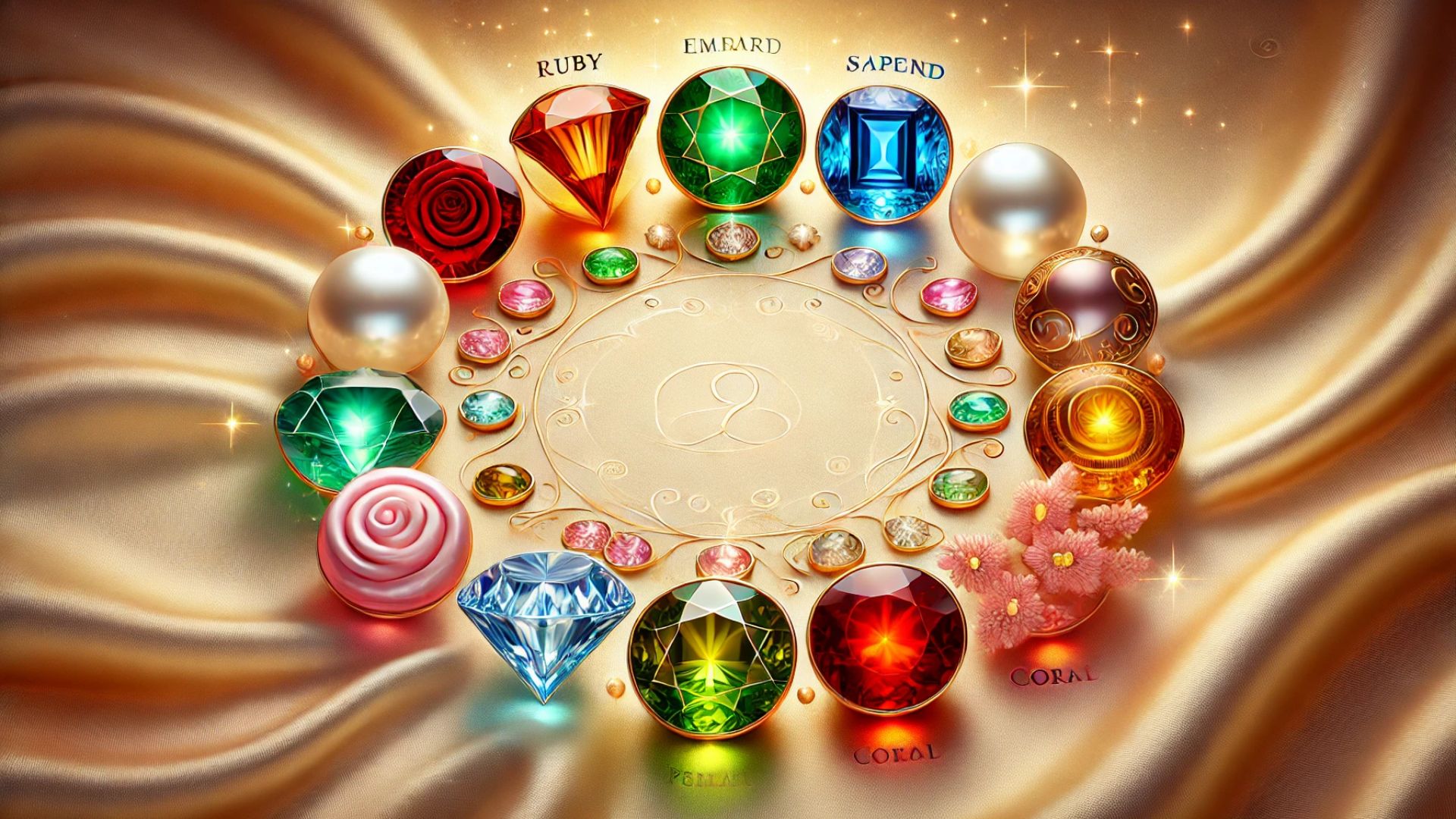
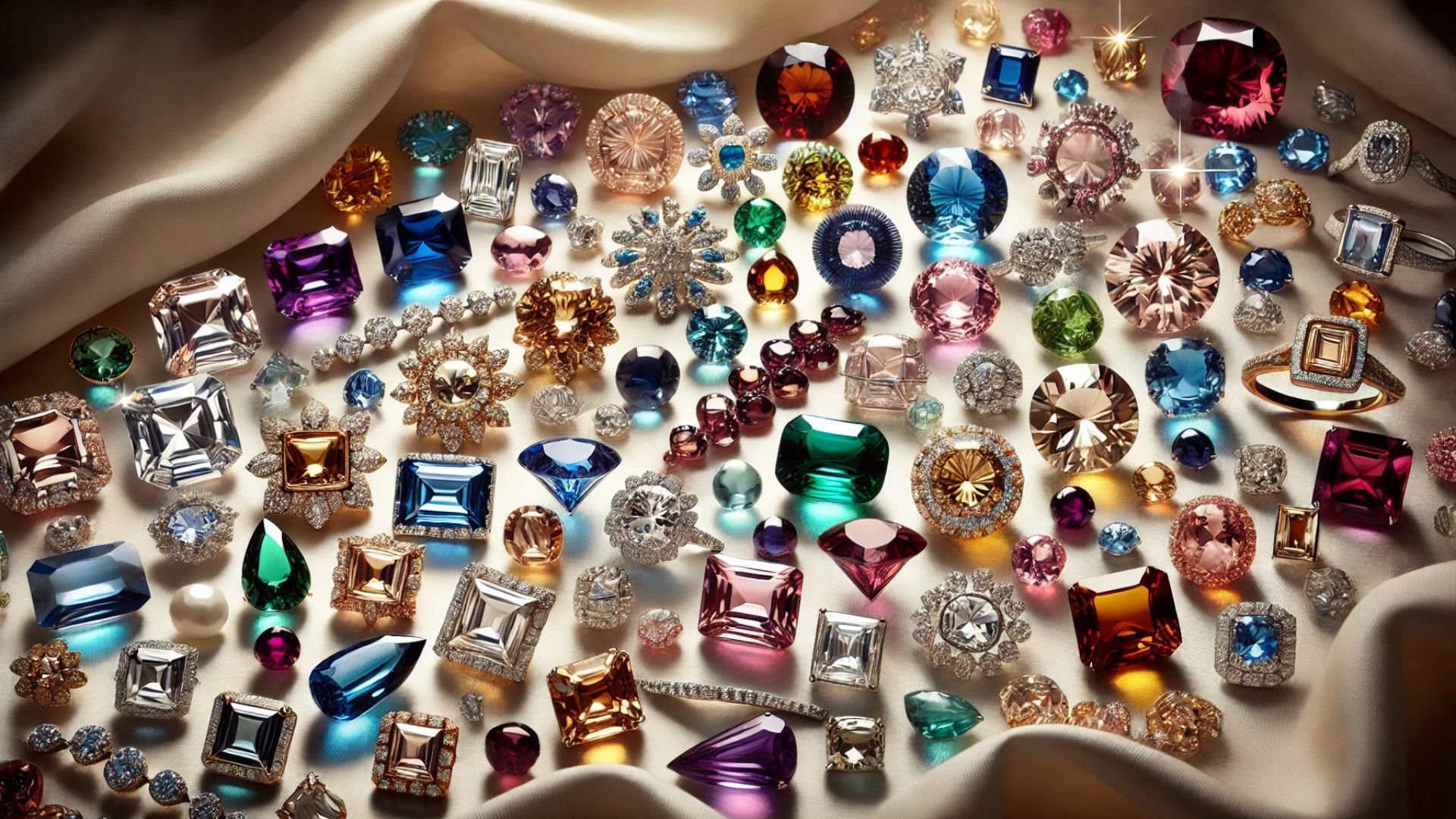
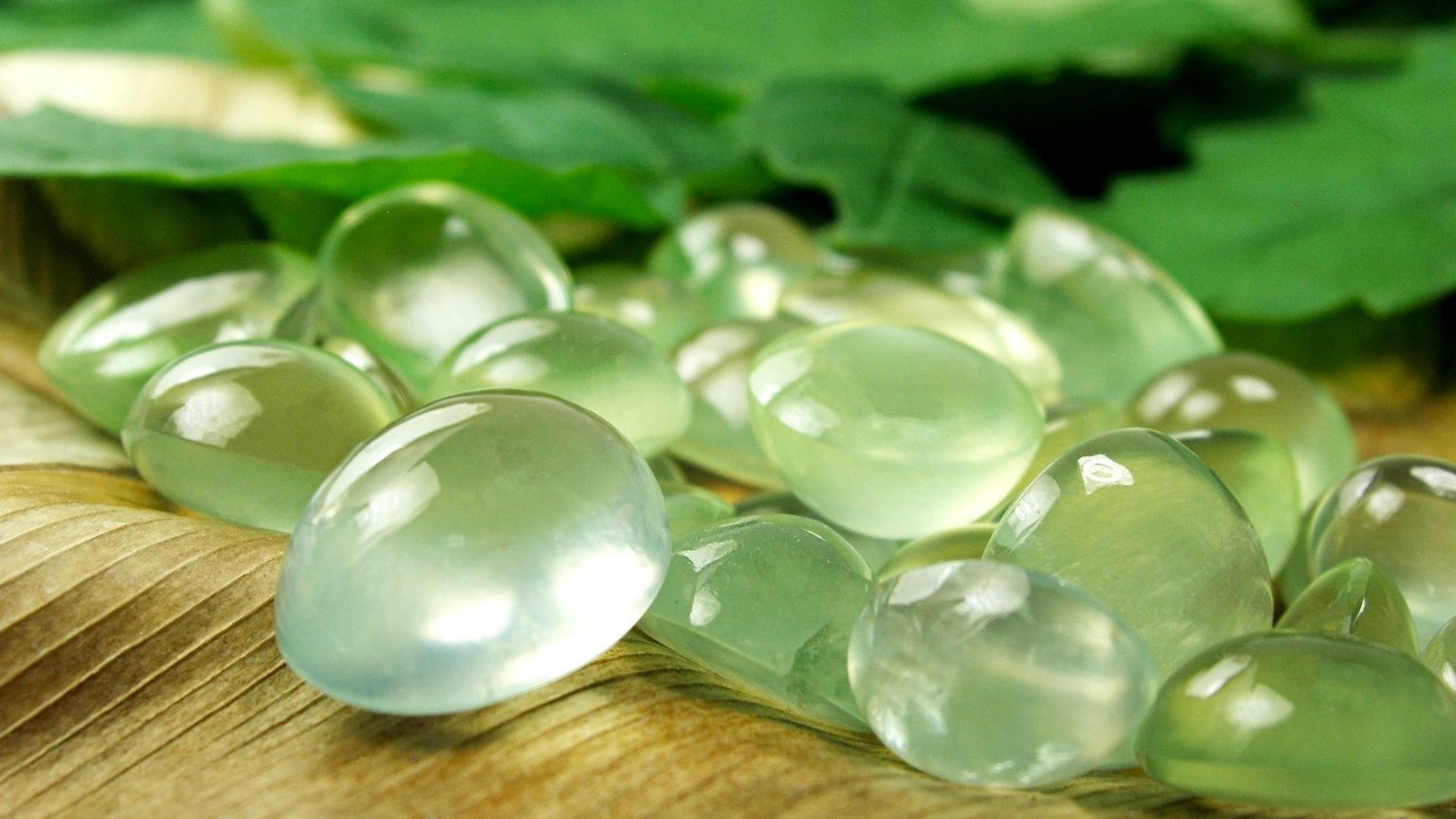
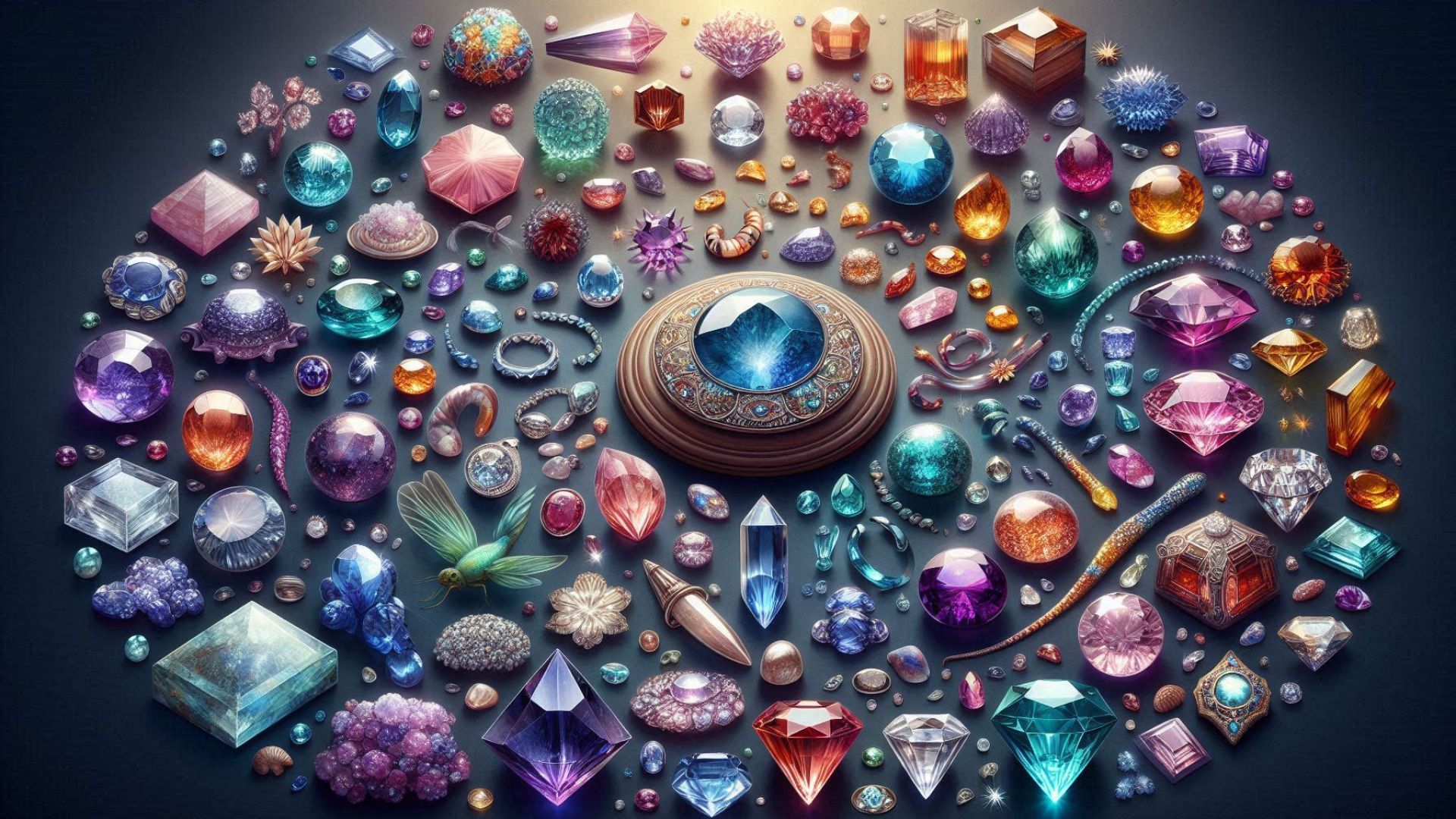
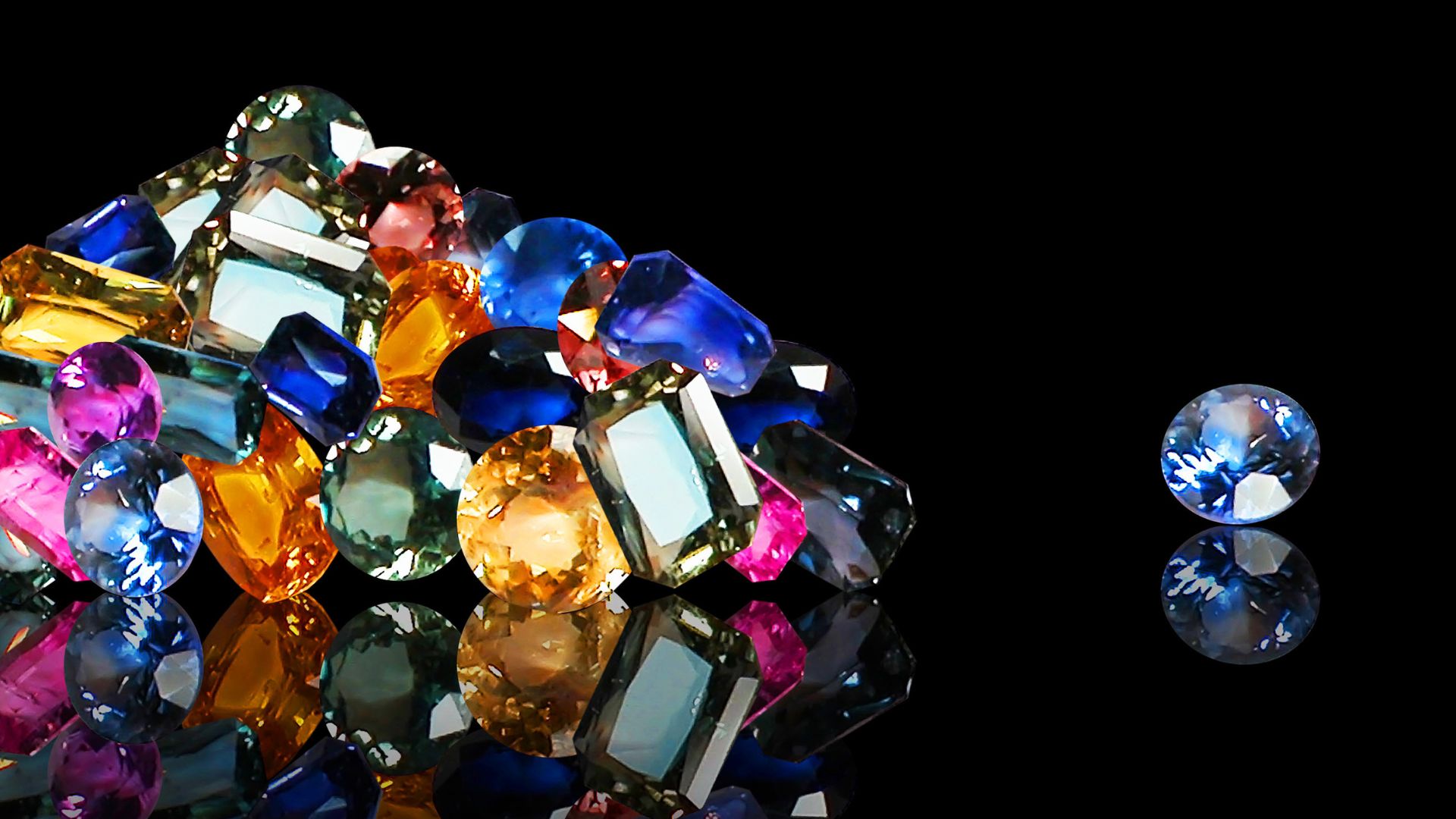
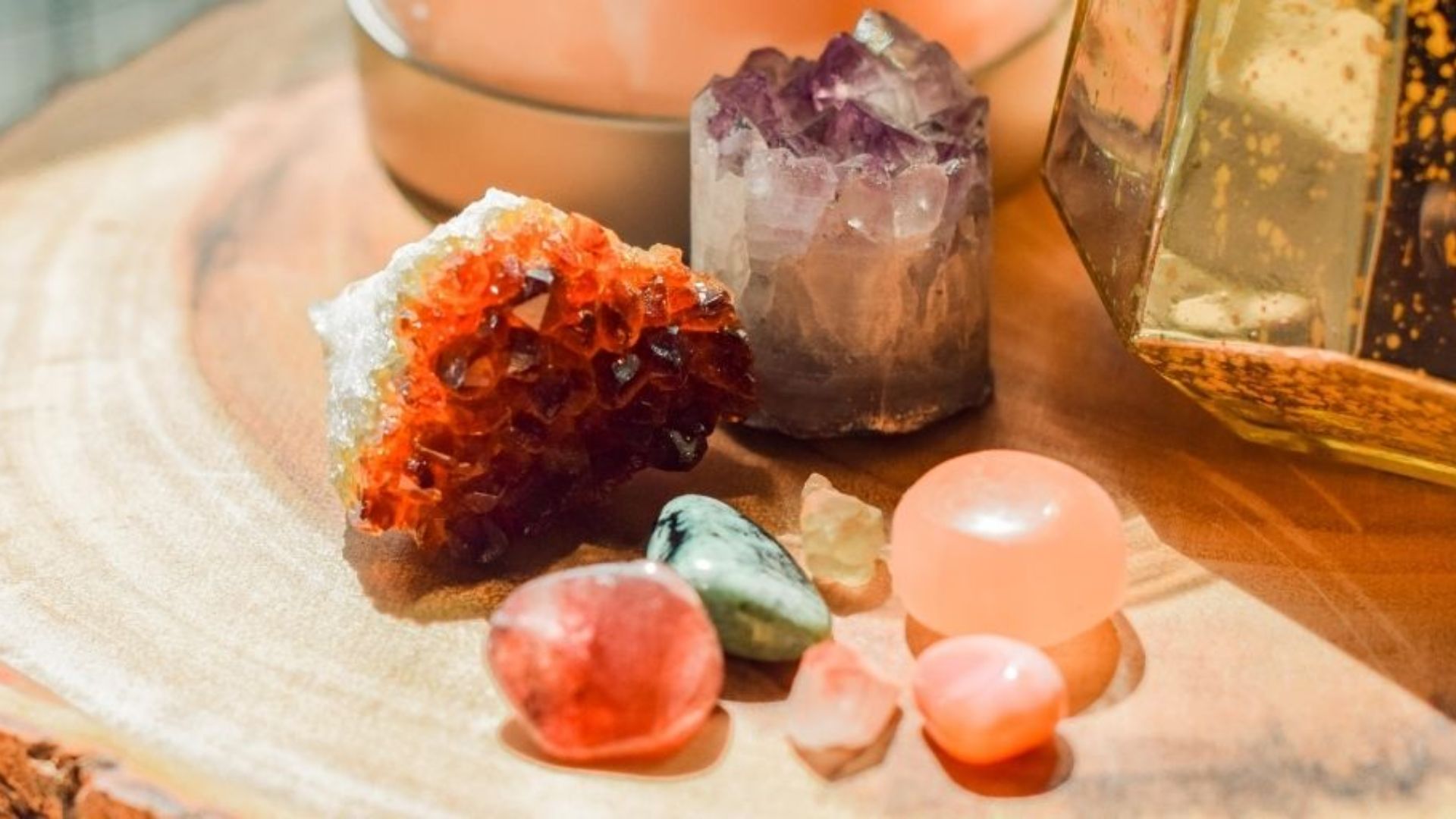
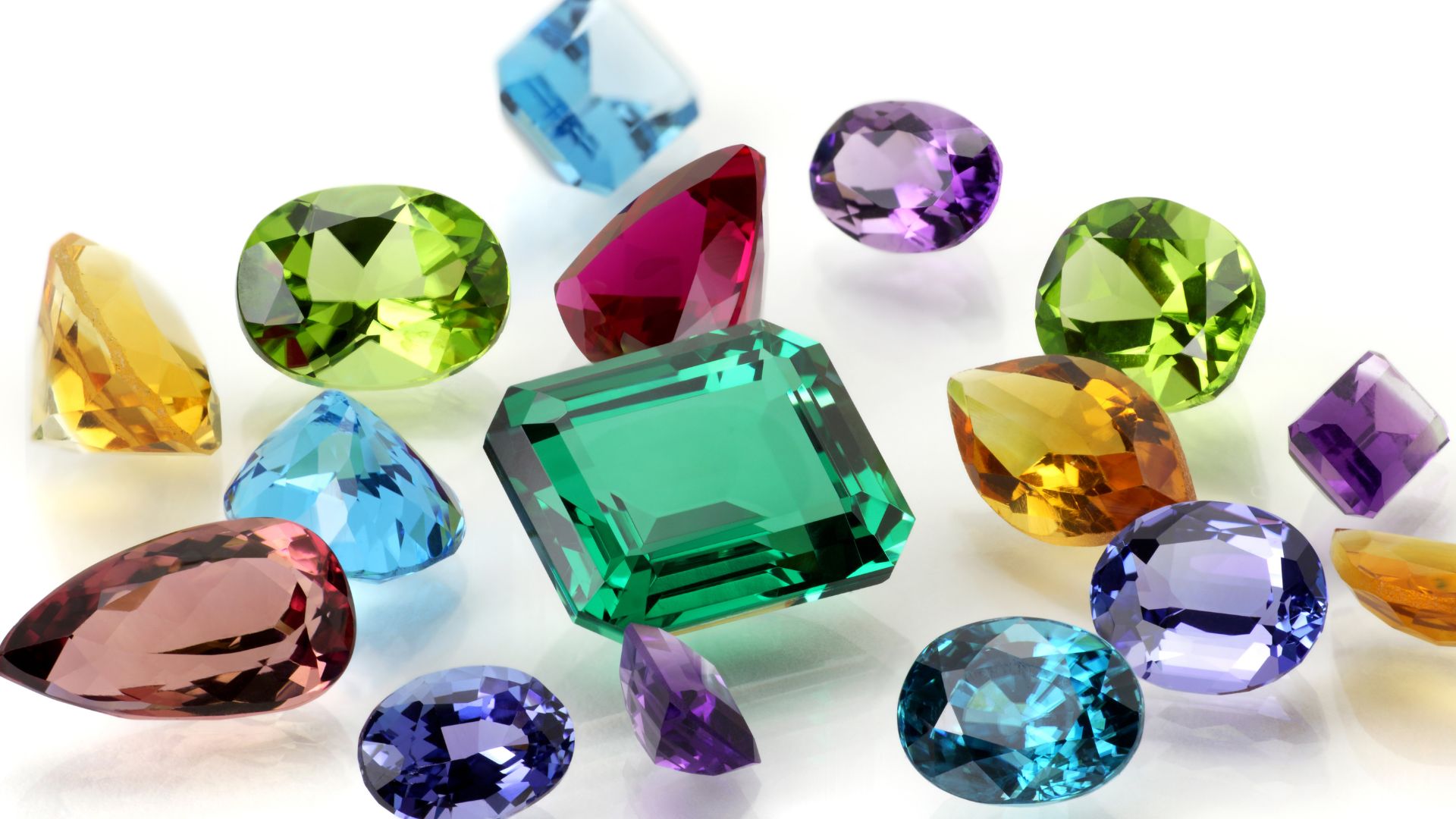
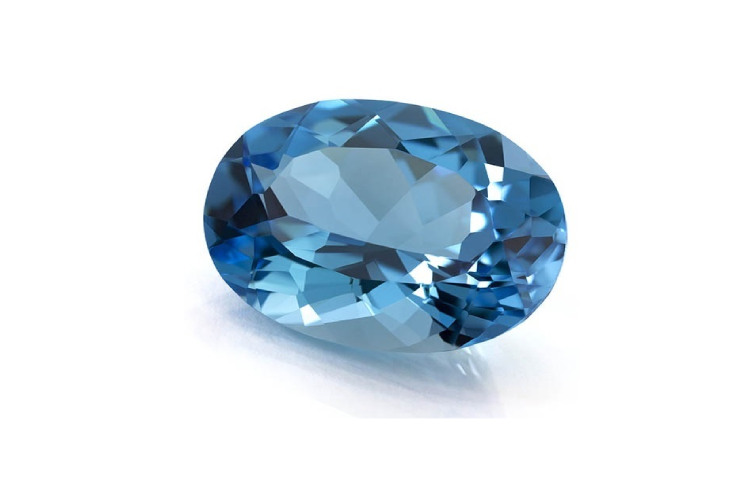
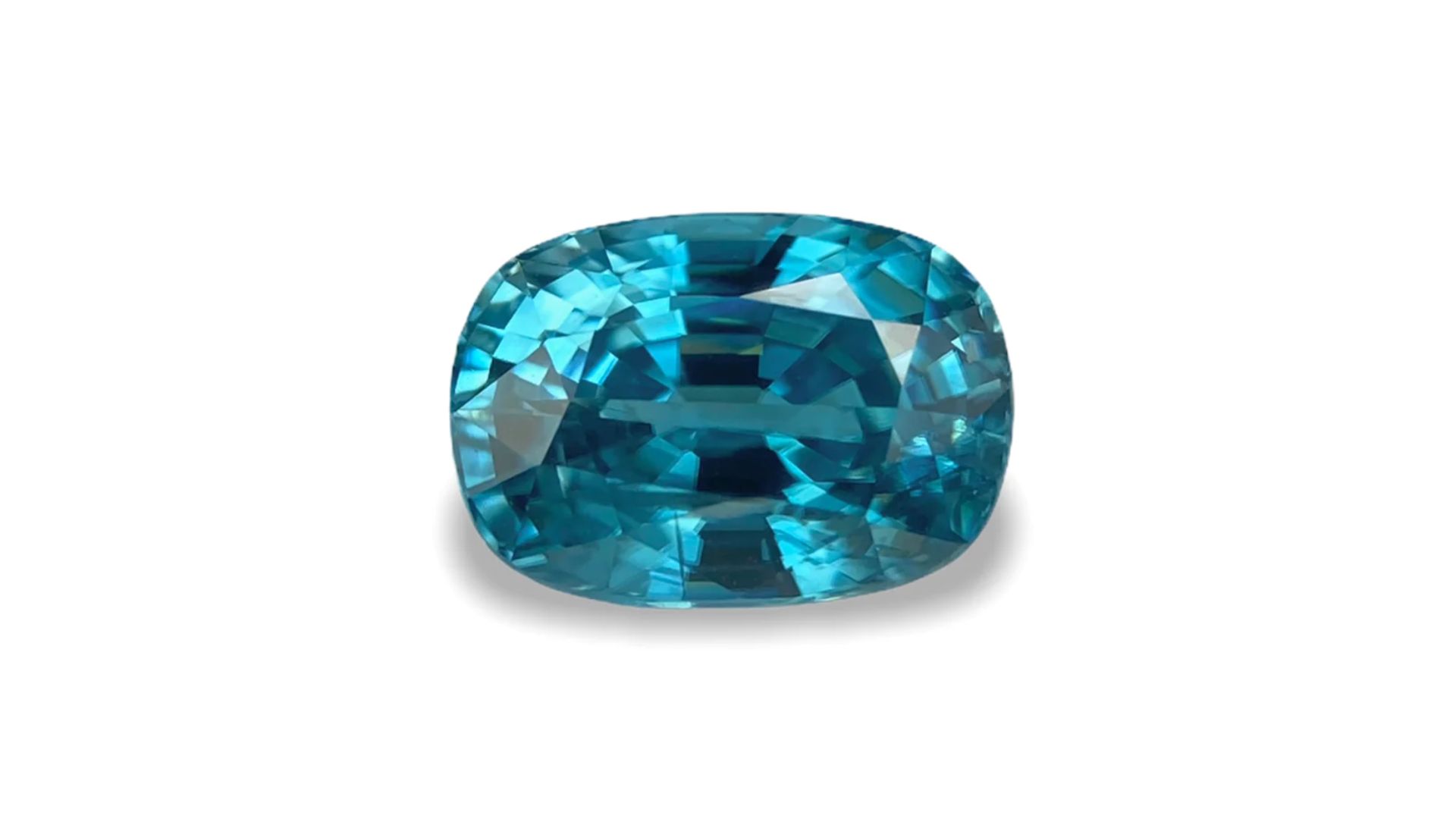
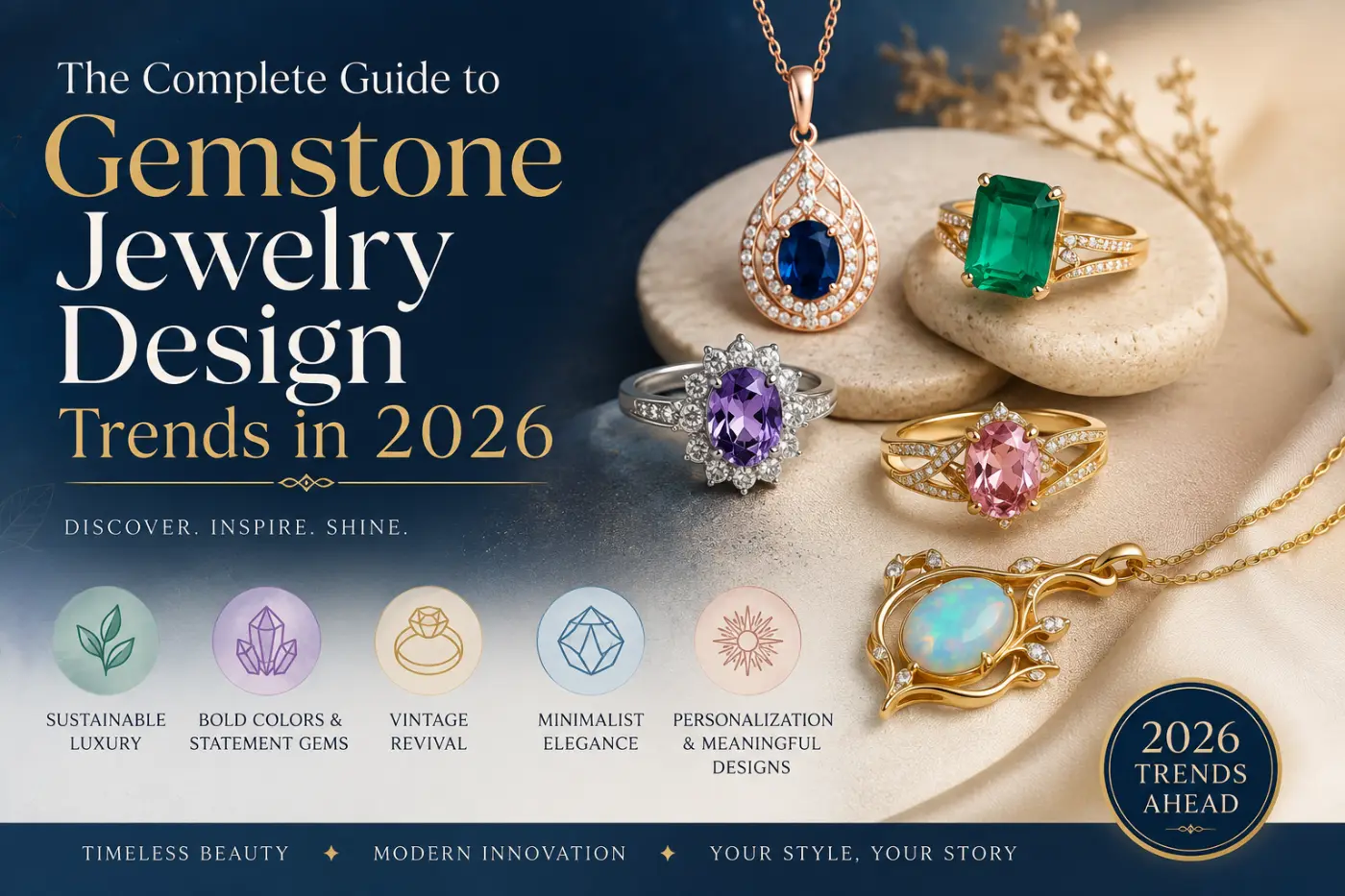
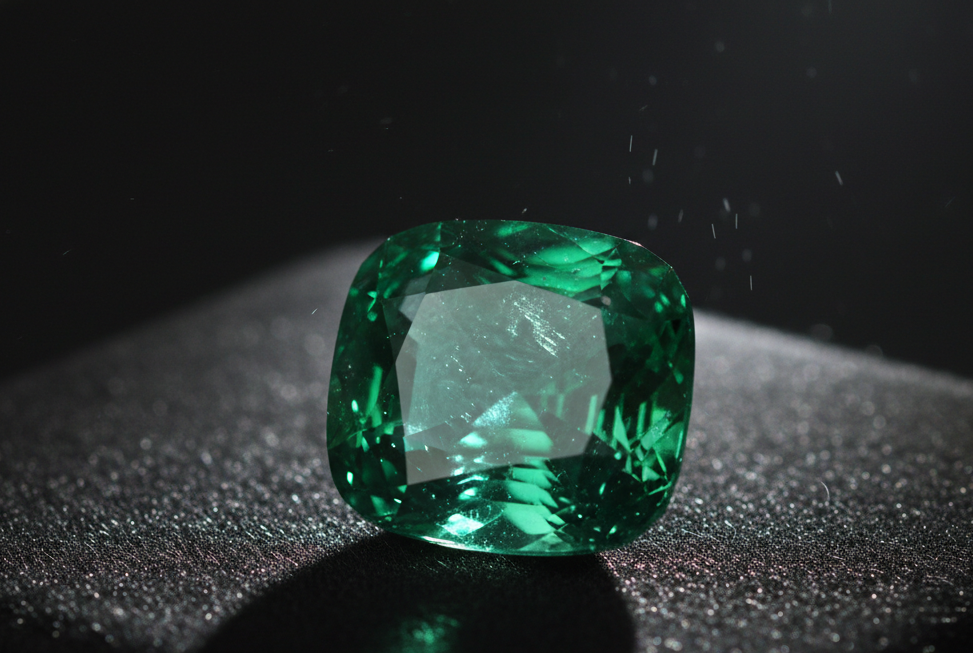
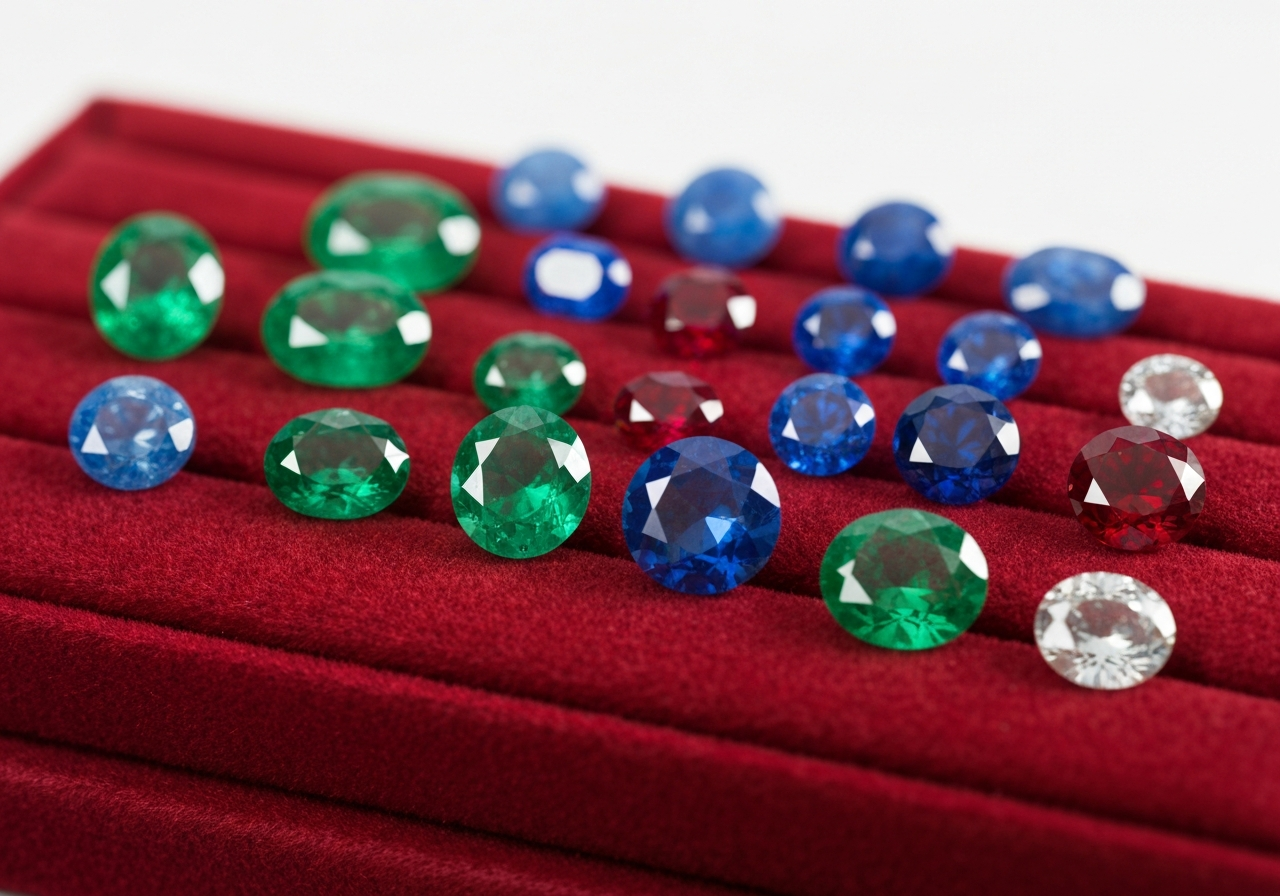
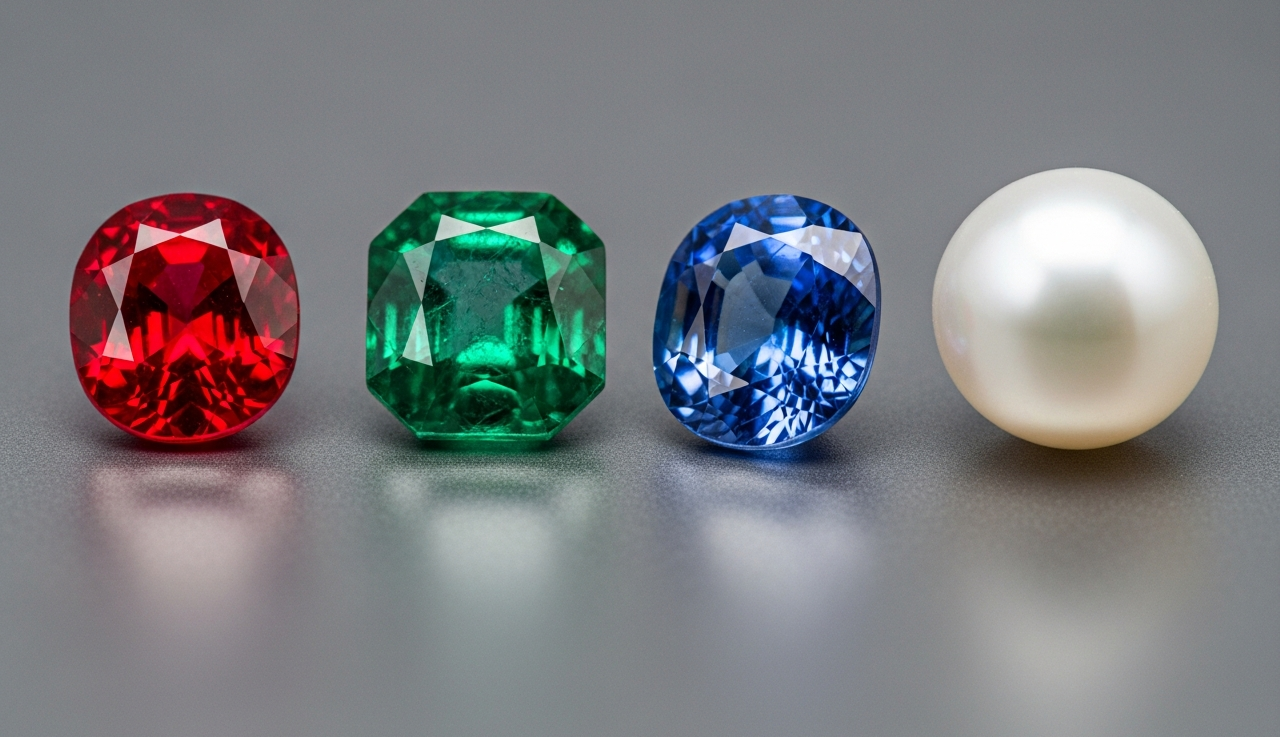
From deep blue sapphires and vivid rubies to elegant emeralds, aquamarines, tourmalines, and spinels, colored stones offer something that traditional diamonds cannot always provide: a wide spectrum of color and personality.
The growing popularity of gemstone jewelry is part of a broader shift in how people view luxury. Today's shoppers often want jewelry that reflects their personal style, tells a story, and feels different from conventional designs. For many, colorful gemstones offer an exciting alternative without sacrificing elegance or sophistication.
1. Colored Gemstones Offer Individuality
One of the biggest reasons colored gemstones are gaining popularity is their ability to express individuality.
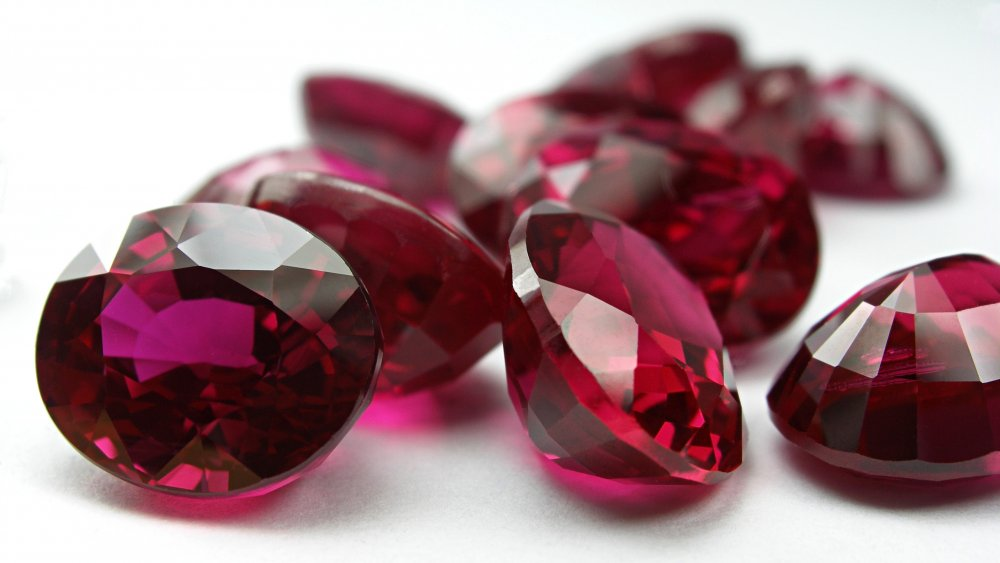
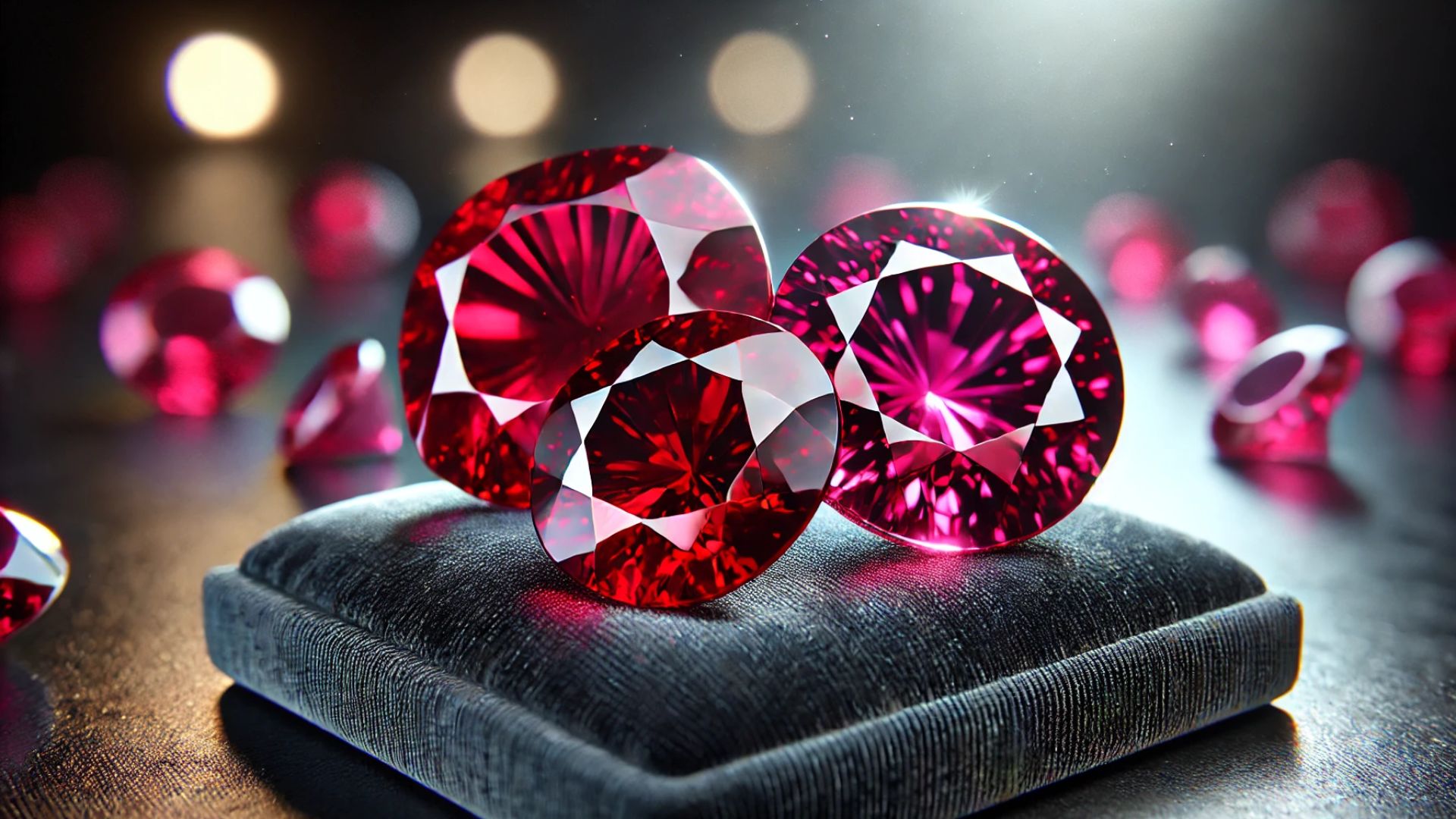
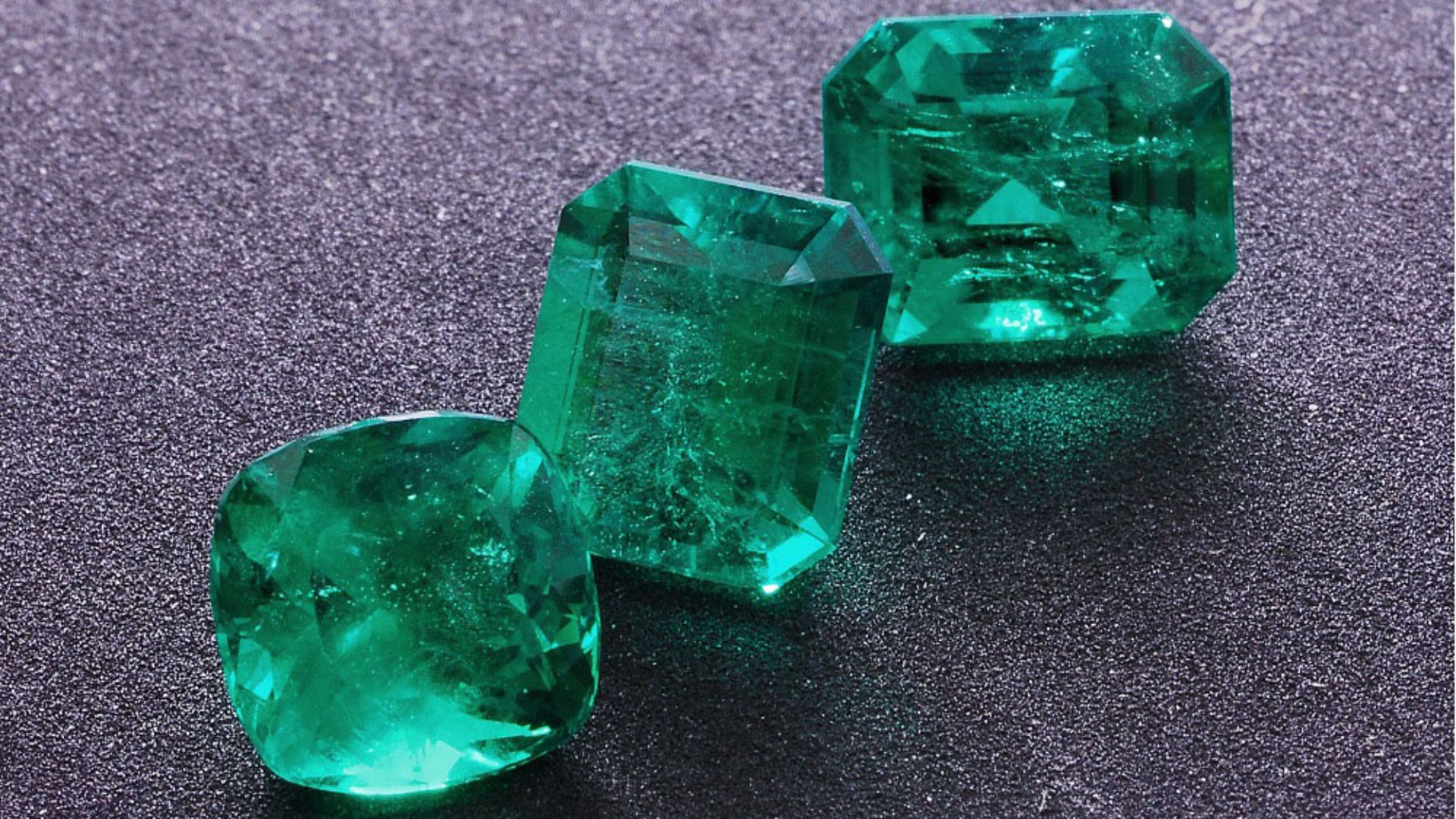
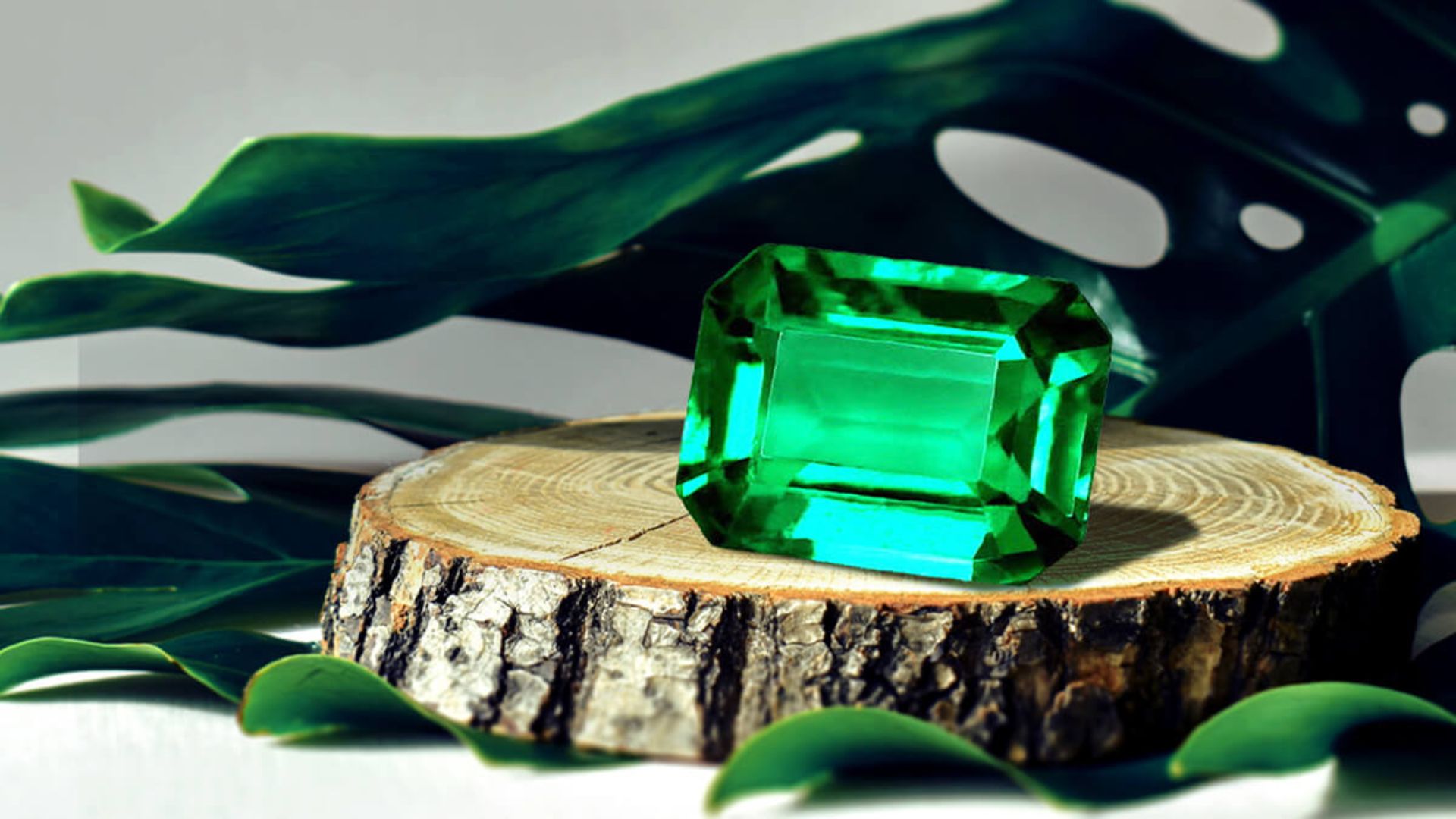
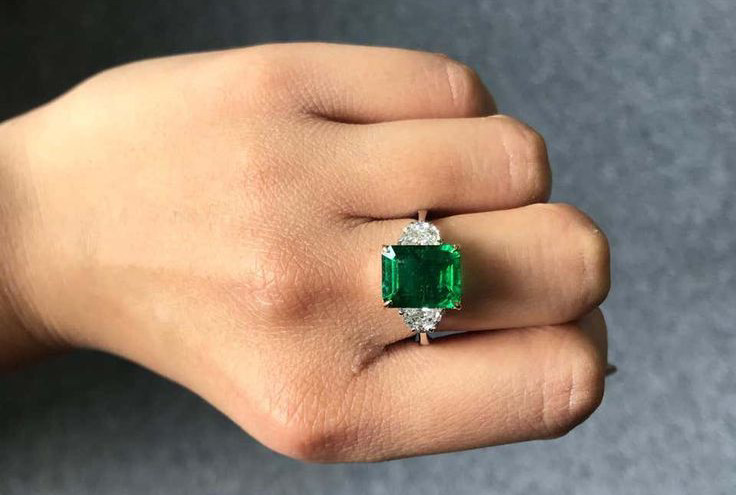
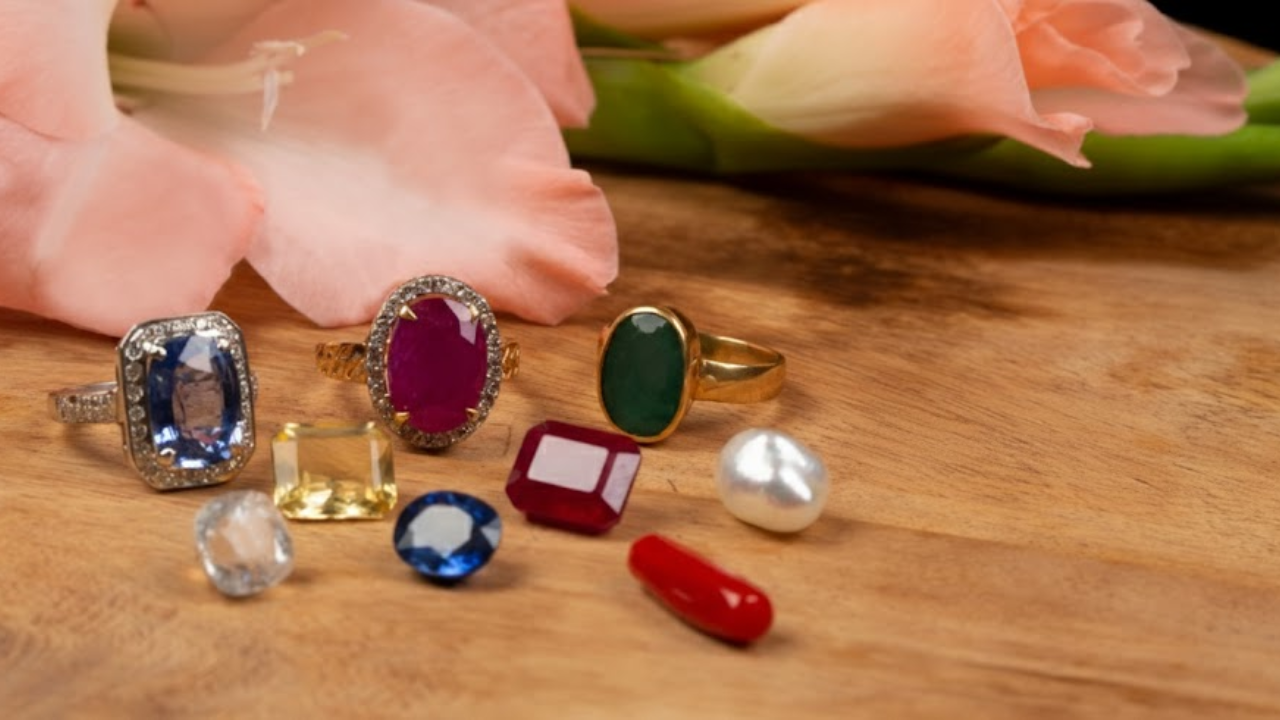
A classic diamond has a familiar appearance, while colored gemstones can completely transform the character of a jewelry piece. A rich blue sapphire creates a sophisticated look, a ruby adds warmth and intensity, and an emerald offers a distinctive green appearance.
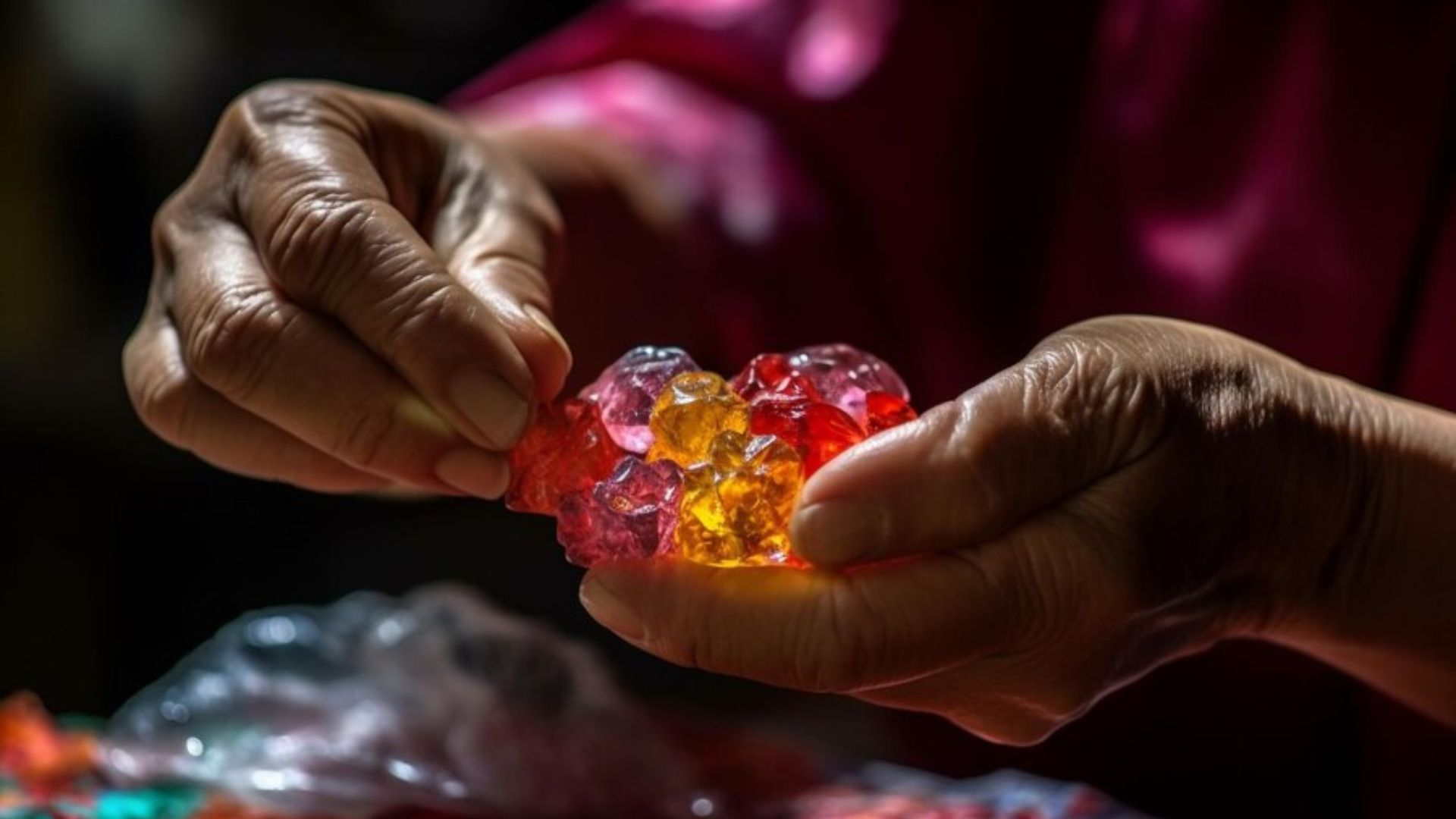
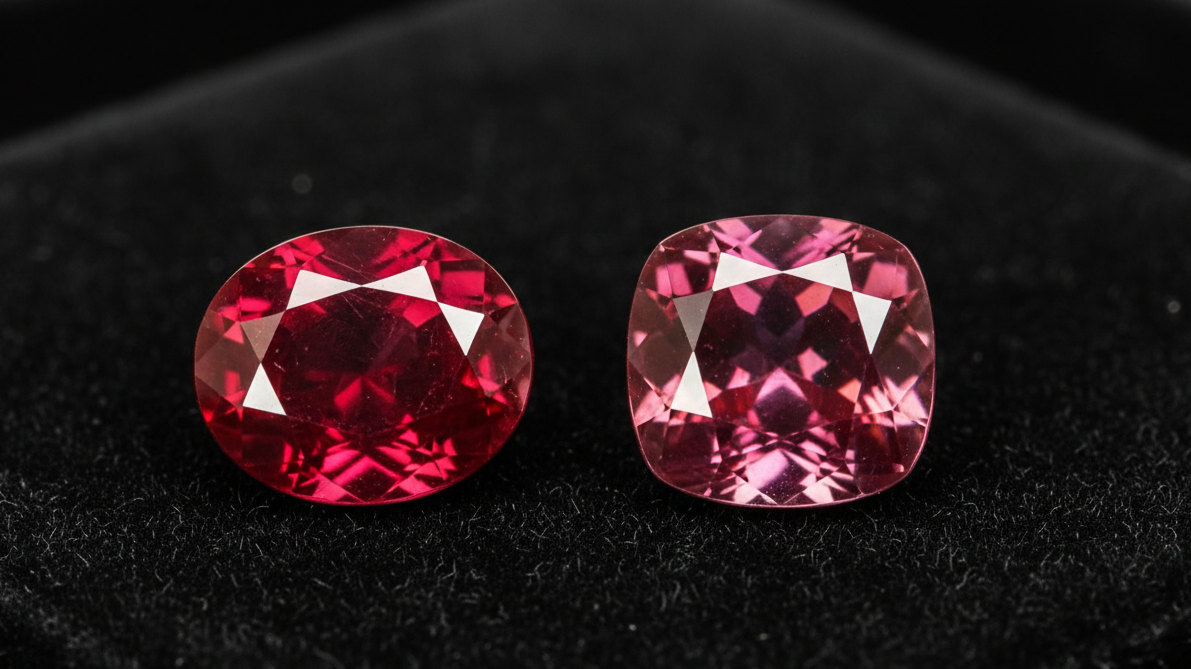
Gemstones also vary considerably in color, saturation, clarity, cut, and inclusions. This means that even two rings featuring the same type of gemstone can look completely different.
For consumers who want jewelry that feels personal rather than mass-produced, this uniqueness is a major attraction.
2. Color Is Influencing Modern Jewelry Trends
Color has become increasingly important in fashion, and jewelry is following the same direction.
Modern gemstone trends include vibrant center stones, multicolored designs, mixed gemstones, and unusual combinations of metals and colors. Designers are moving beyond traditional formulas and experimenting with jewelry that feels expressive and contemporary.
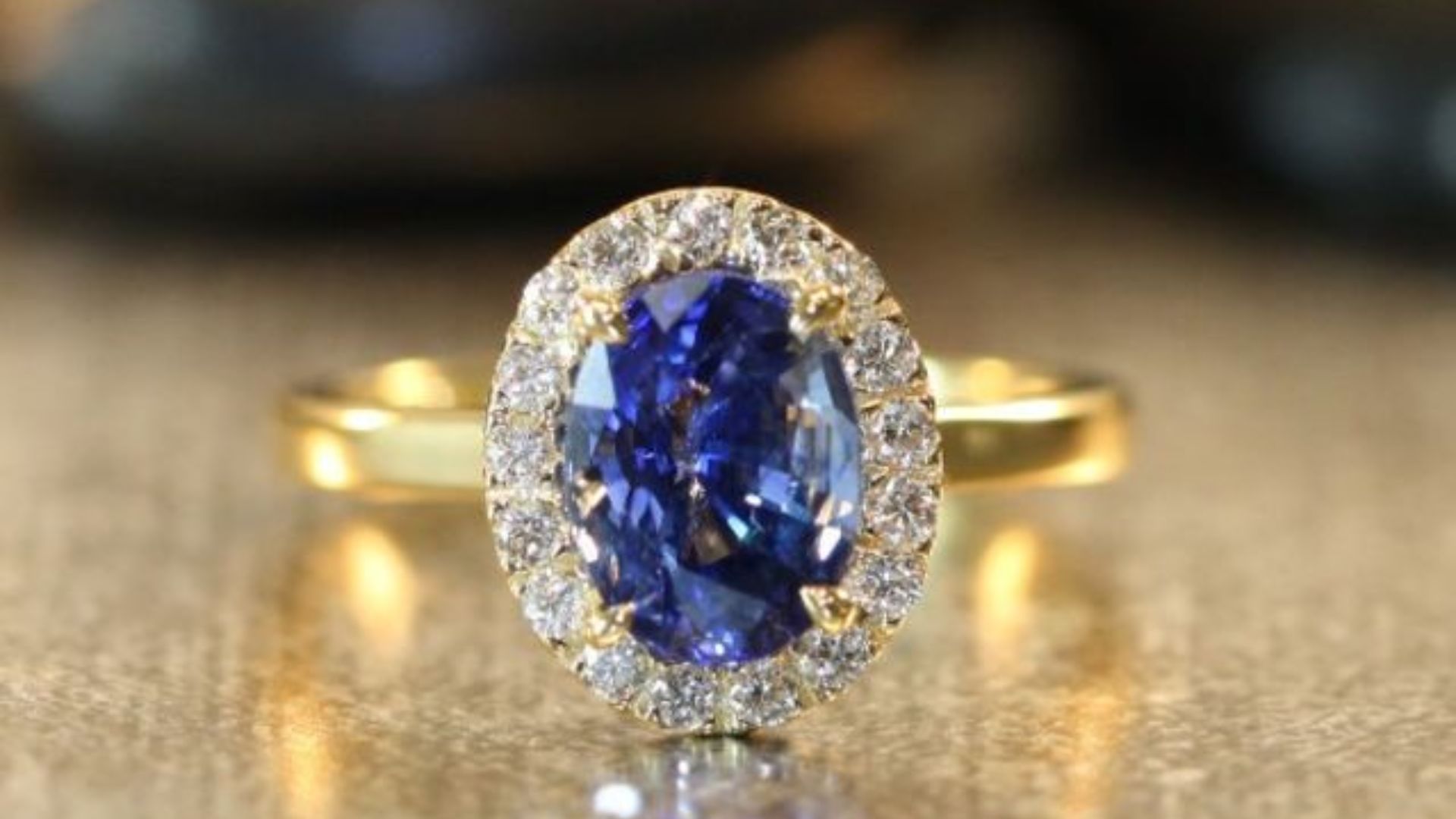
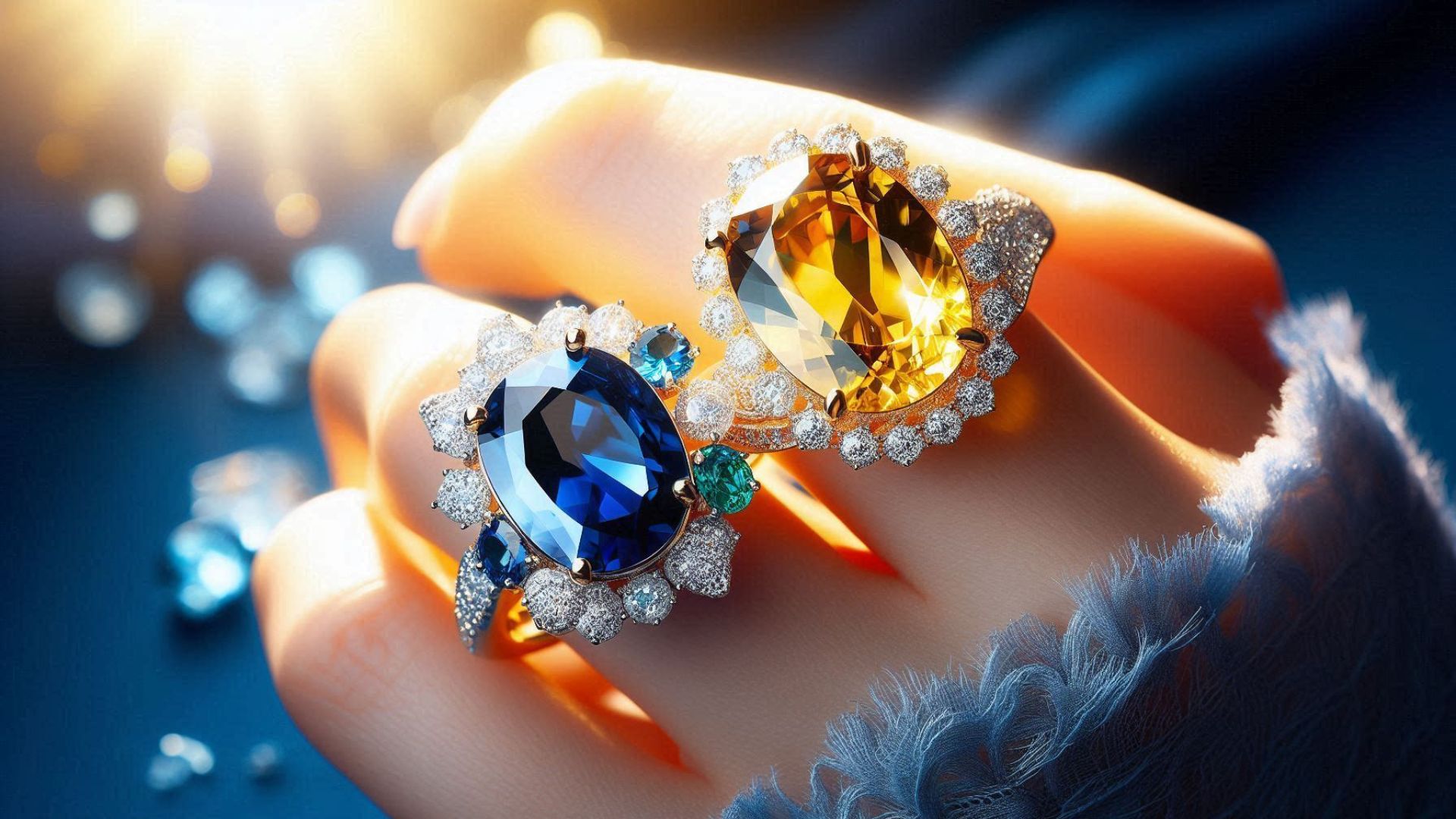
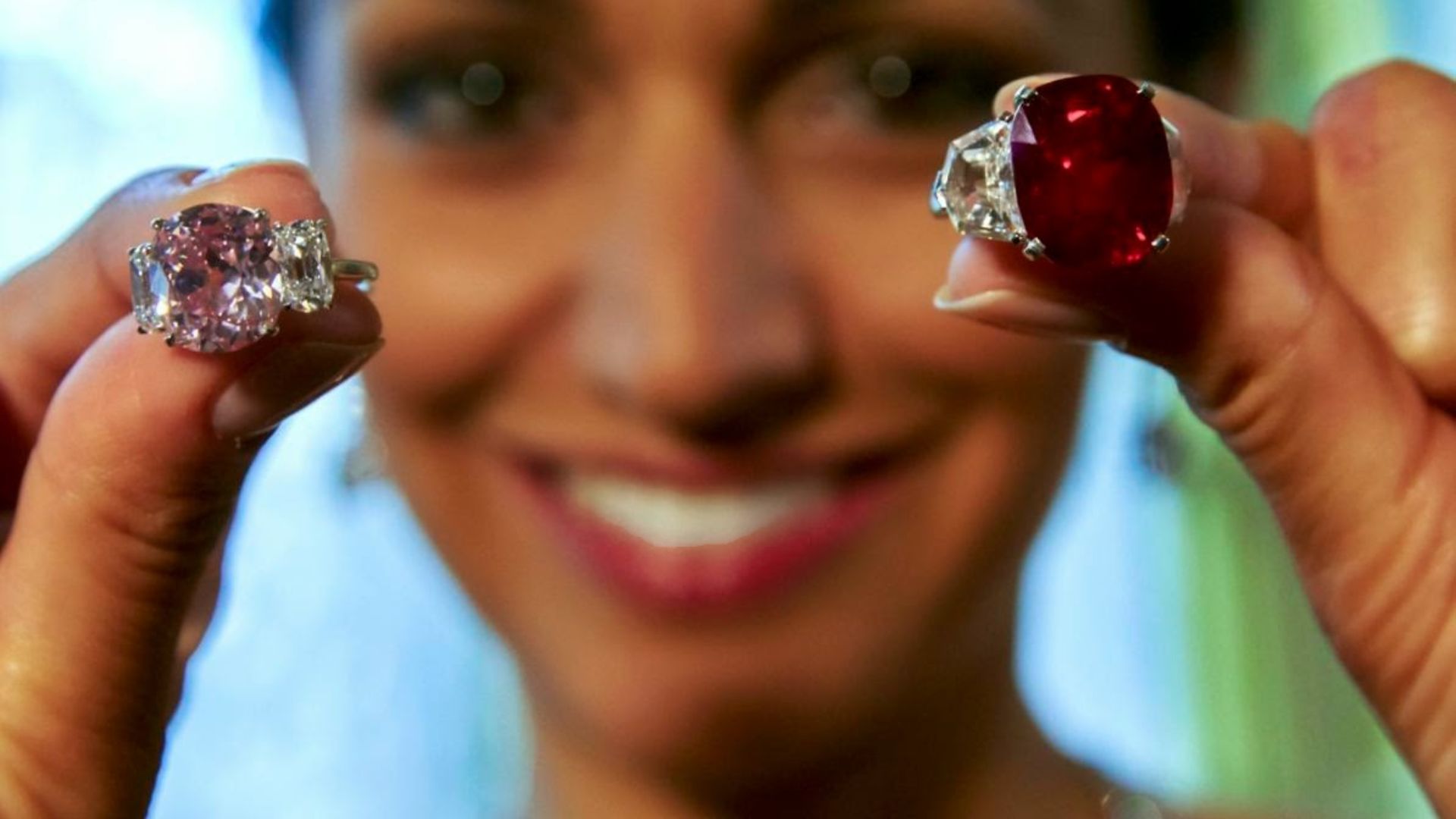
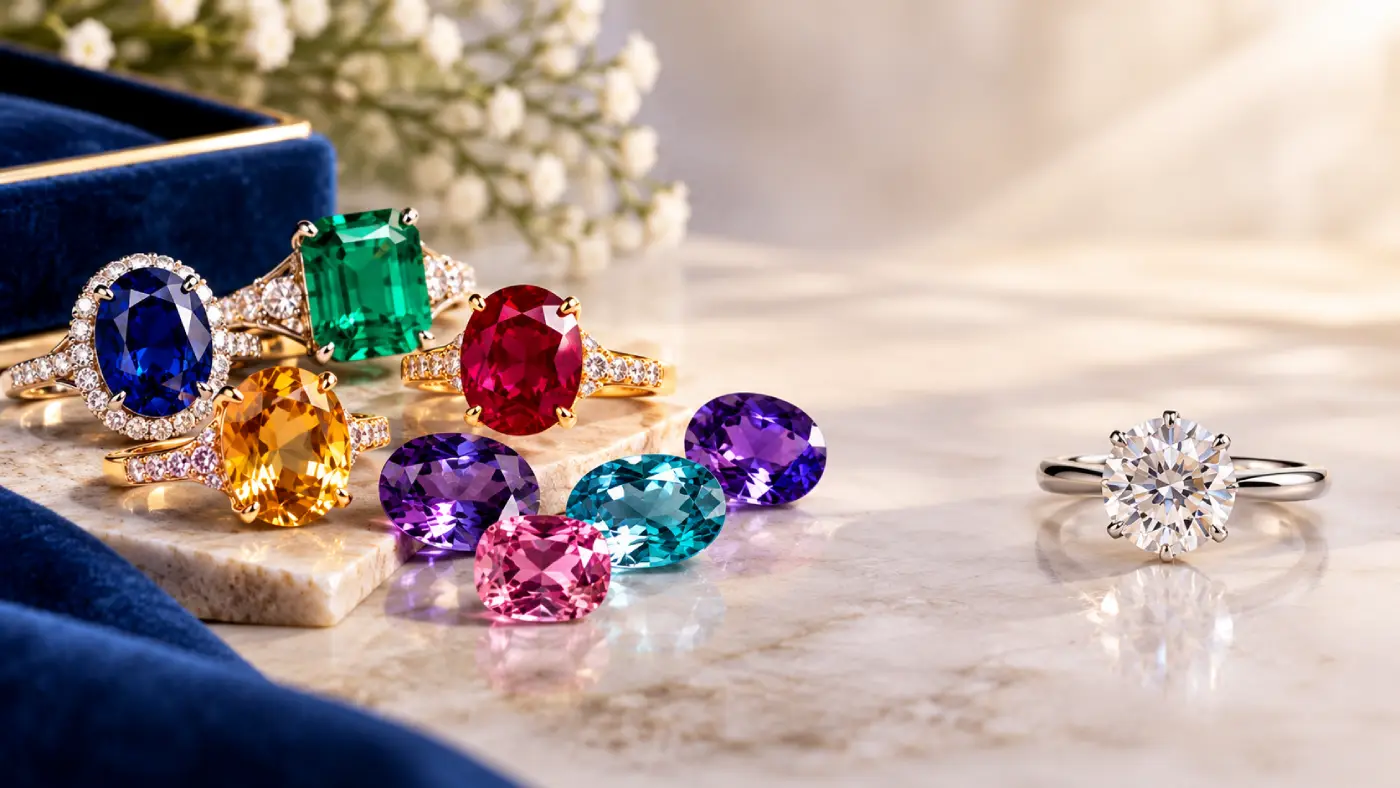
A sapphire surrounded by diamonds, for example, combines classic brilliance with a bold splash of color. A ring featuring several gemstones can create a more artistic appearance, while a simple colored stone set in gold can provide an understated look.
This versatility makes gemstones suitable for almost every personal style.
3. Gemstones Are Popular Diamond Alternatives
The growing interest in diamond alternatives is another important reason for the popularity of colored stones.
Choosing a gemstone does not necessarily mean choosing something less luxurious. Sapphires, rubies, and emeralds have long histories in fine jewelry and are valued for their beauty, rarity, and distinctive characteristics.
Colored gemstones can also make engagement rings feel more personal. Instead of choosing a conventional diamond solitaire, couples can select a gemstone based on a favorite color, birthstone, personal meaning, or simply the stone they love most.
The result can be a ring that feels more connected to the wearer.
4. Colored Gemstone Rings Are Increasingly Popular
Among different types of gemstone jewelry, colored gemstone rings have become a particularly appealing choice.
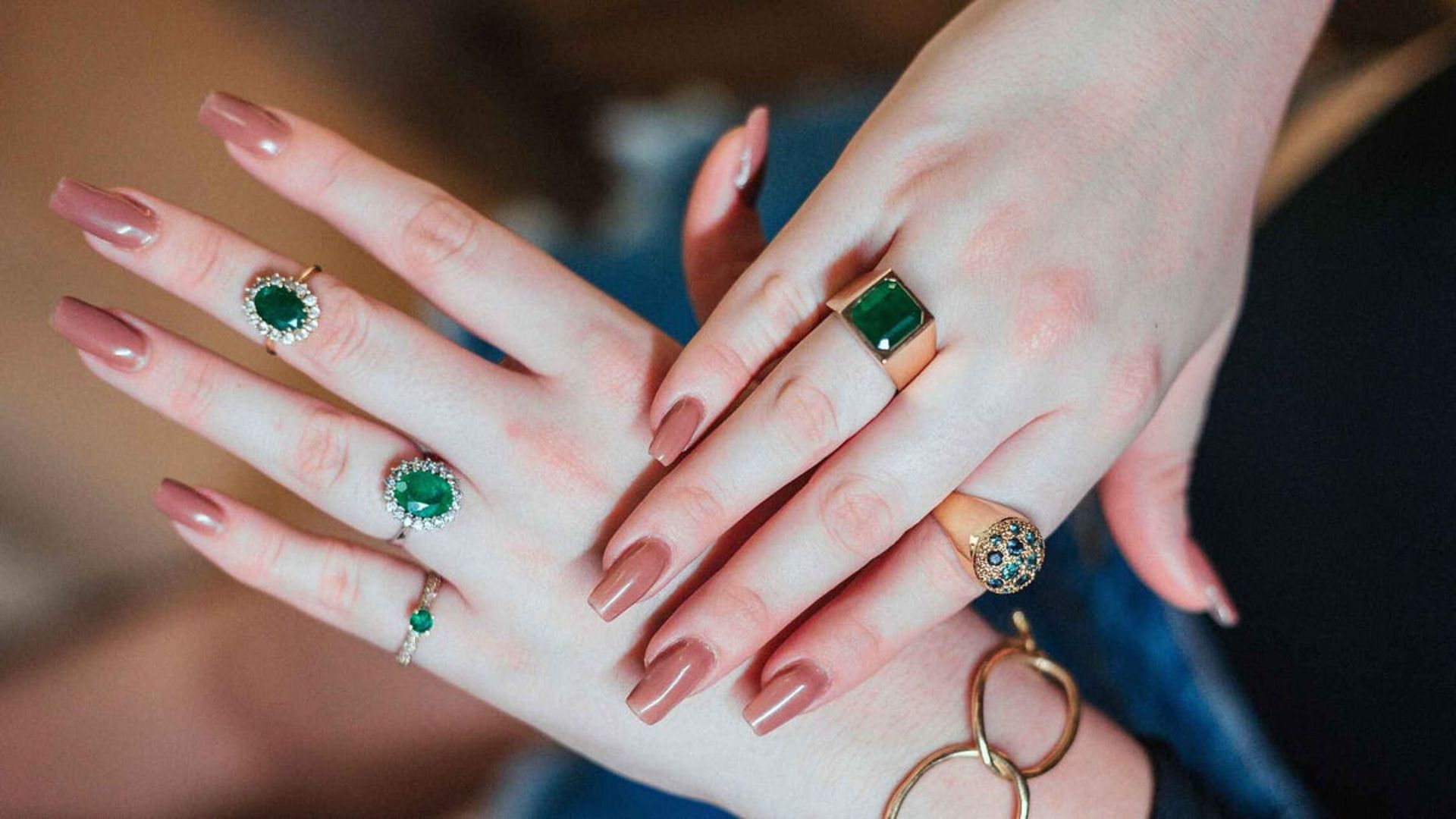
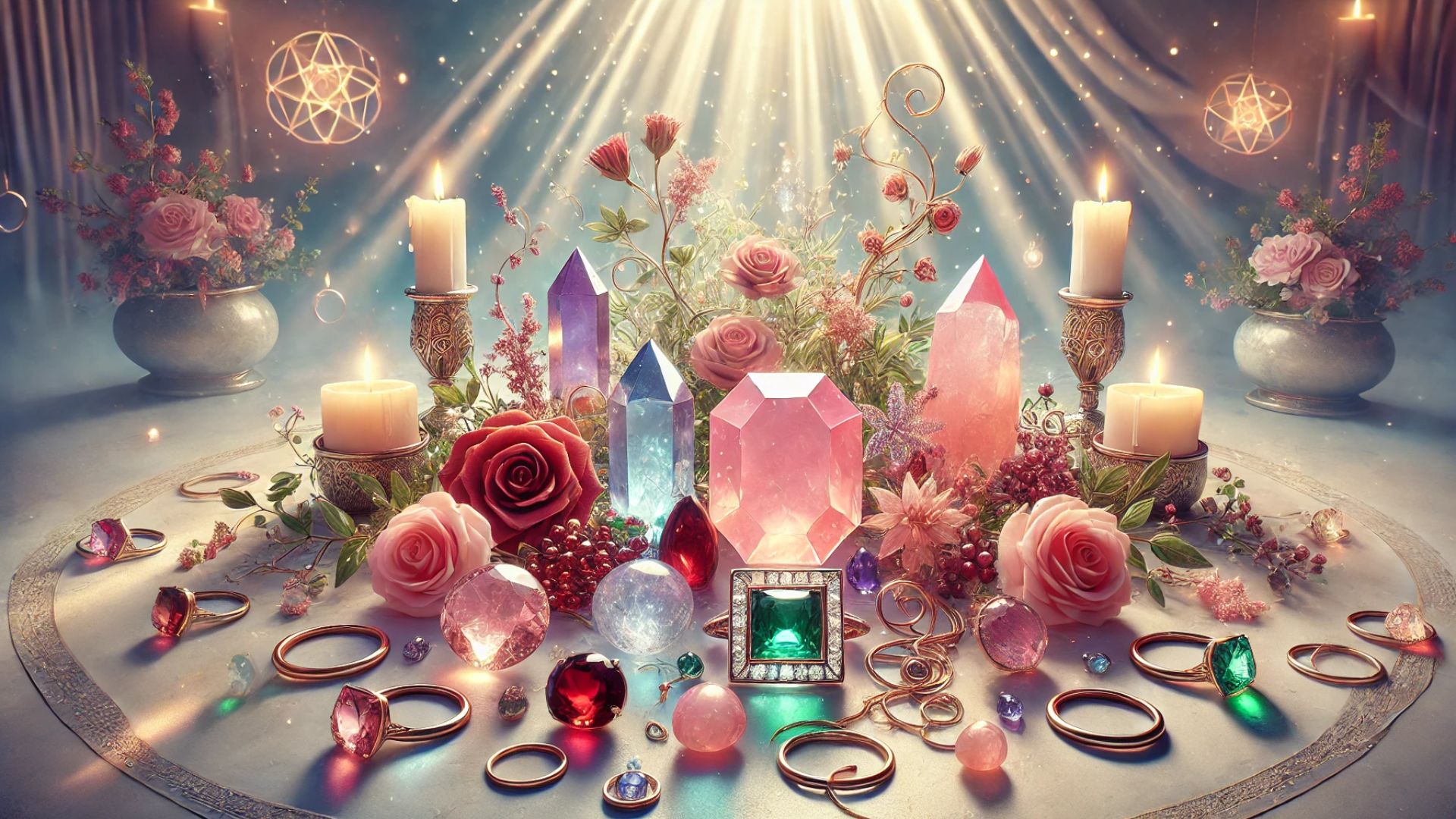
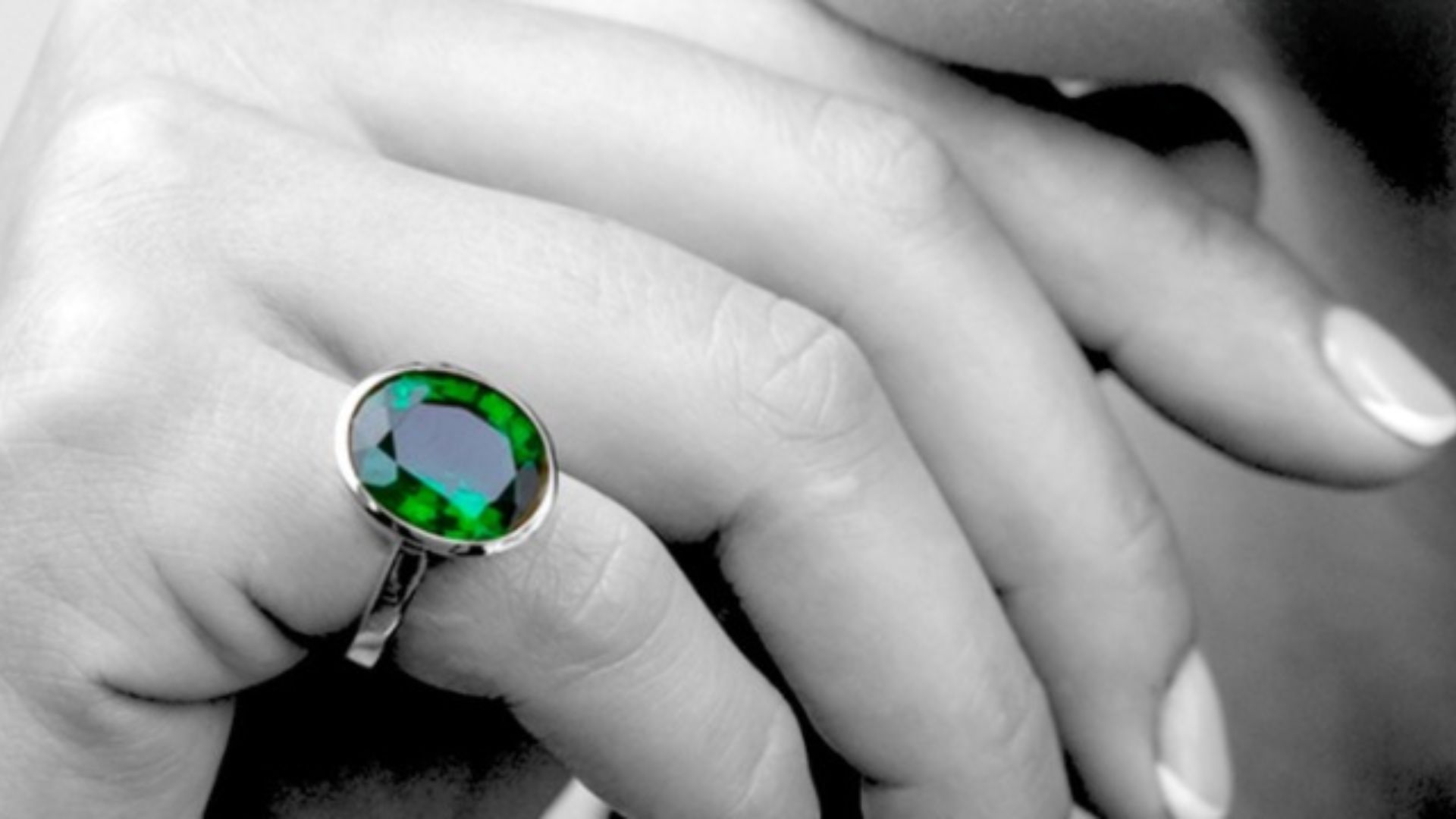
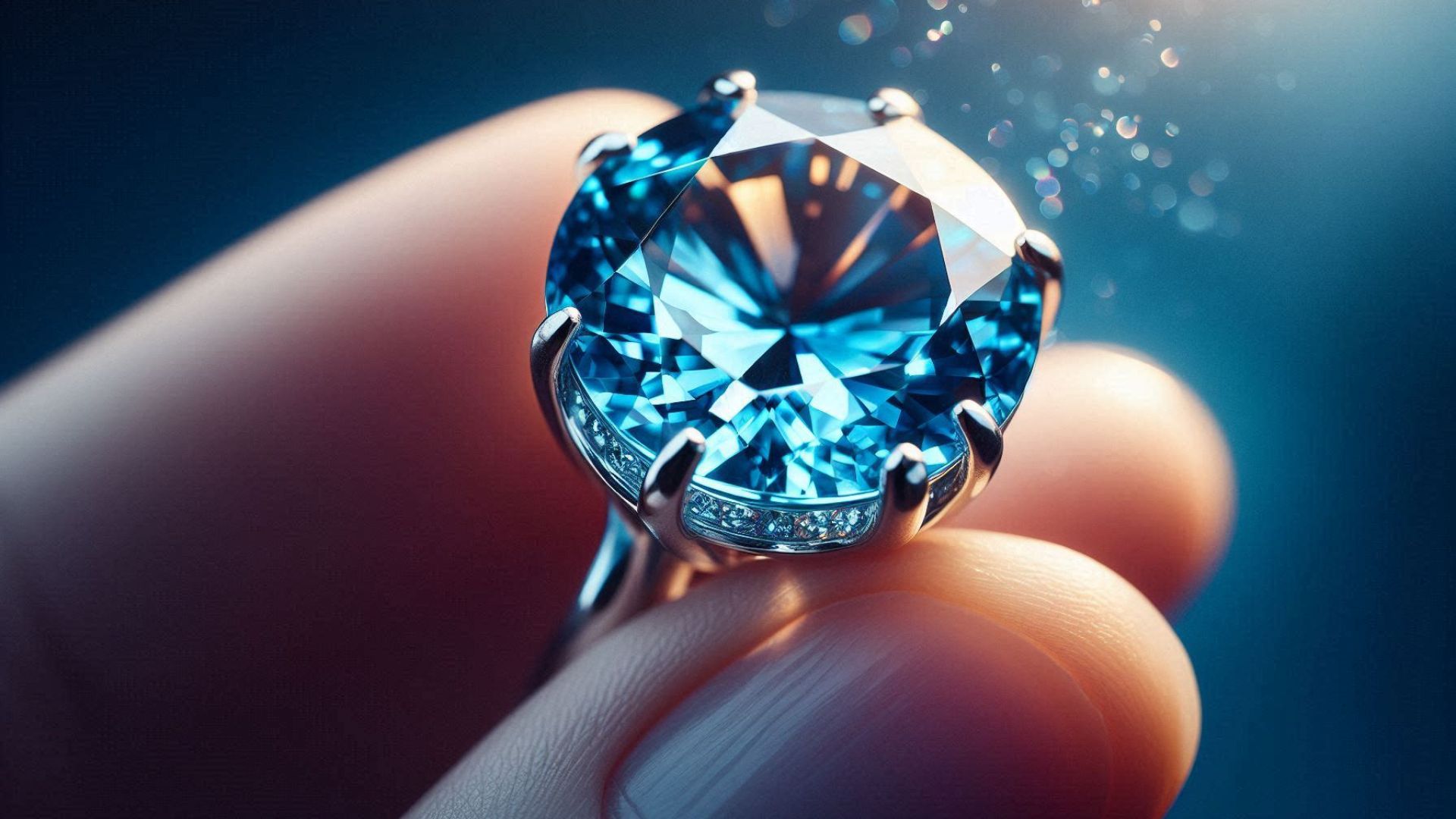
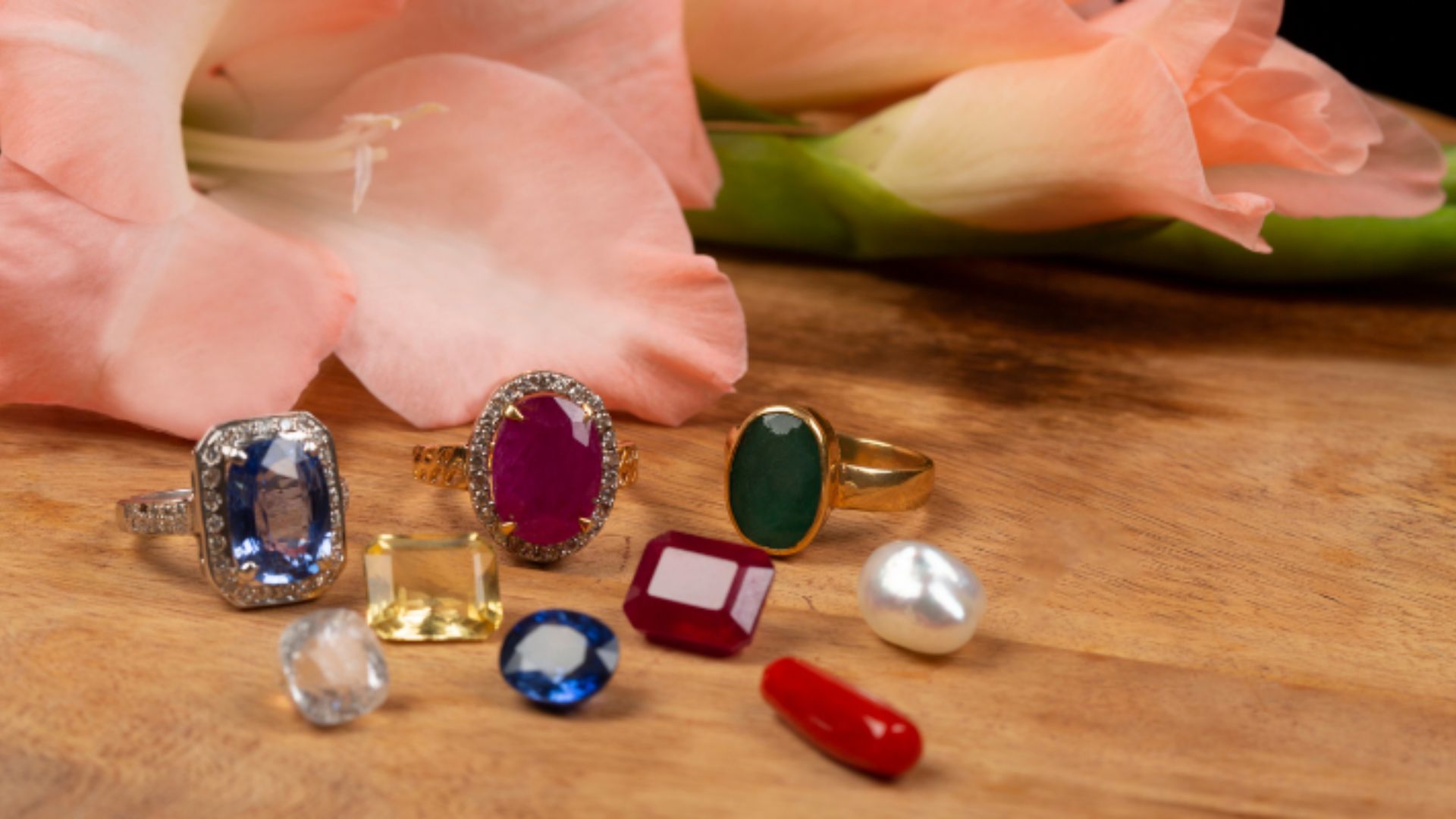
Rings provide an ideal setting for showcasing a gemstone because the center stone can become the primary design feature. Sapphire rings, for example, can range from deep blue and dramatic to soft and pastel. Other popular choices include ruby, emerald, tourmaline, spinel, and morganite.
Shoppers can also customize many elements of a gemstone ring, including:
- The gemstone type and color
- The shape and cut
- The metal
- The setting
- Accent stones
- The overall design
This level of flexibility allows buyers to create jewelry that reflects their individual preferences.
5. Gemstones Offer Exceptional Variety
Diamonds are known for their brilliance, but gemstones provide an entirely different visual experience.
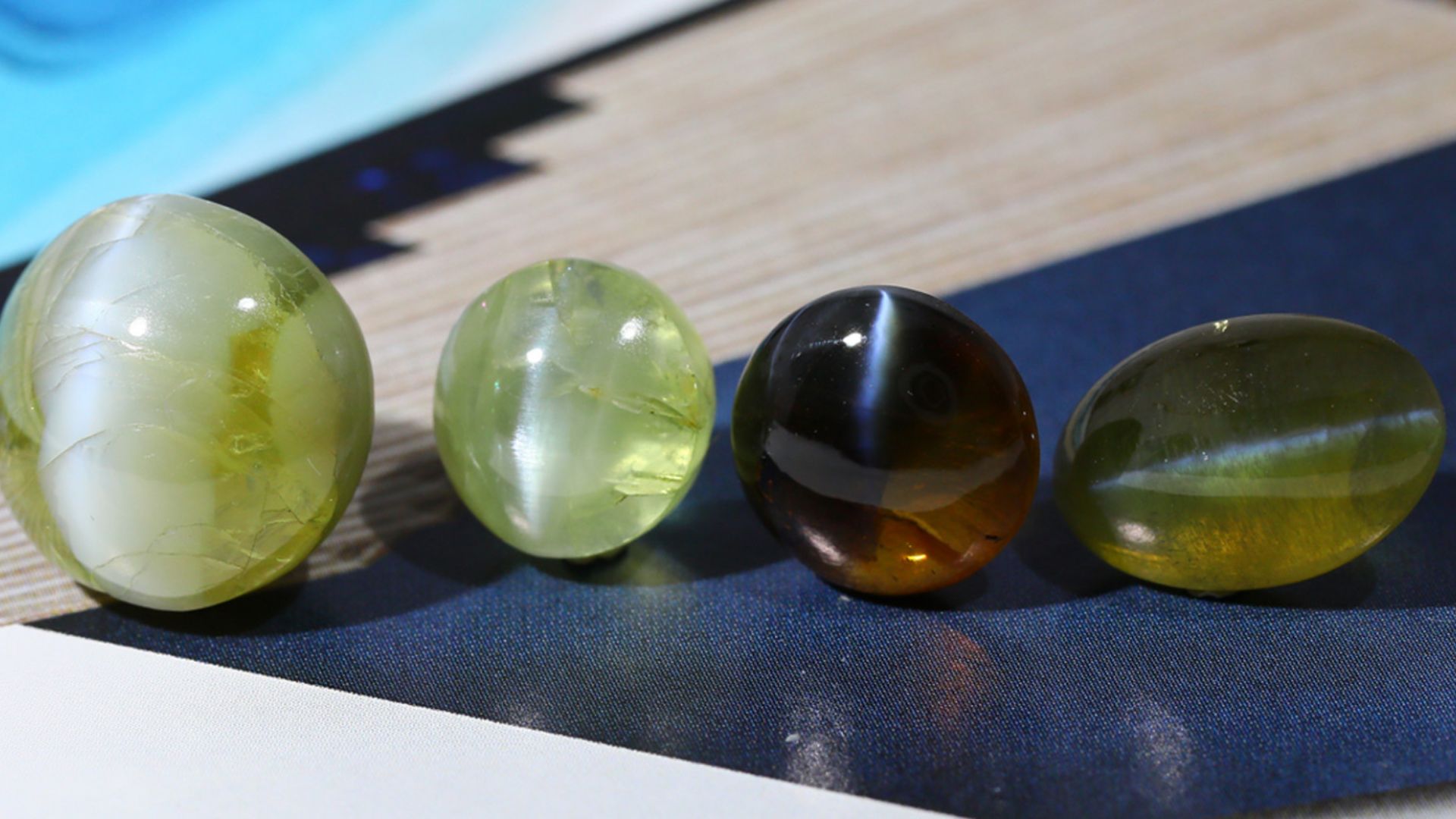
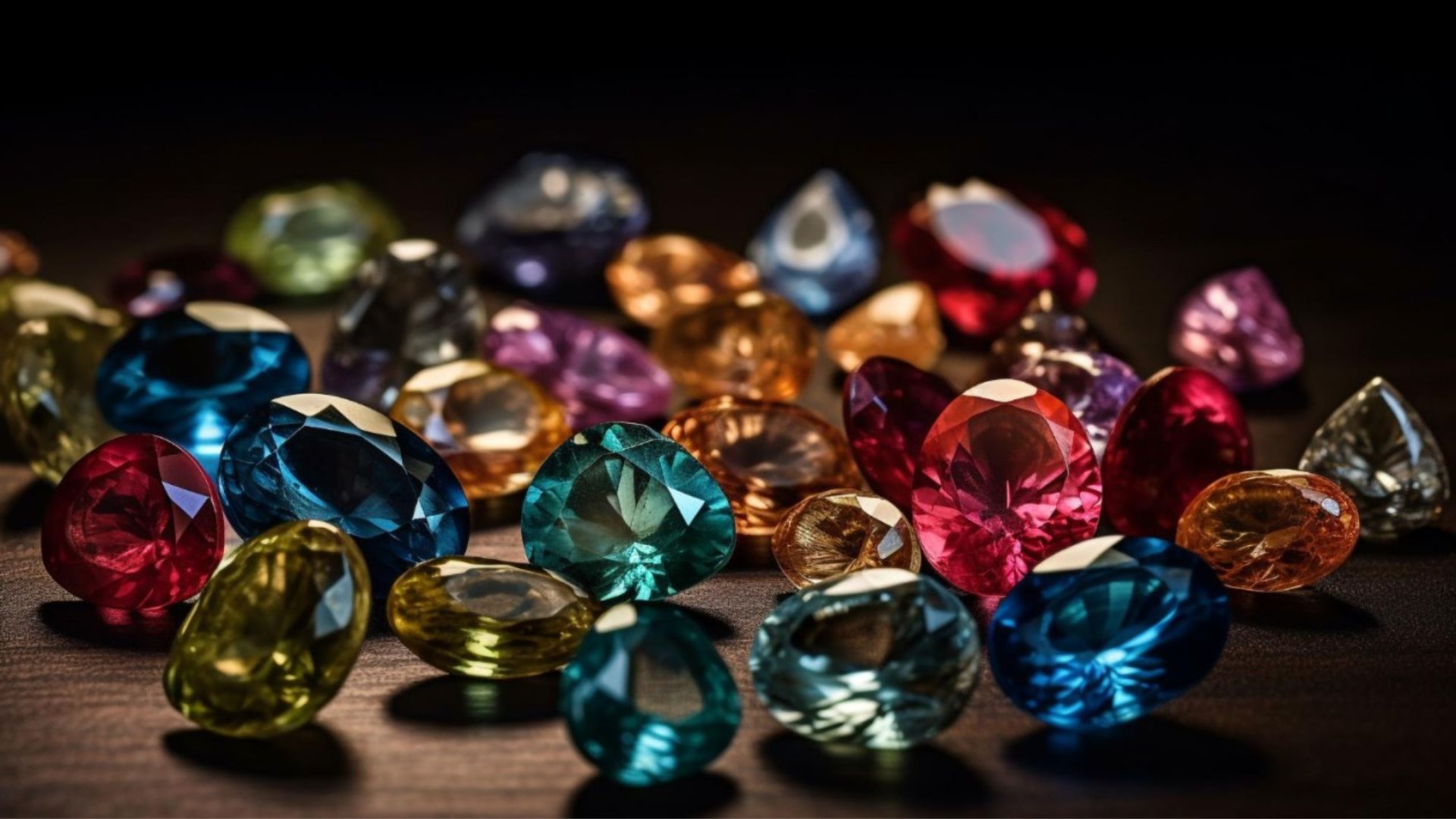
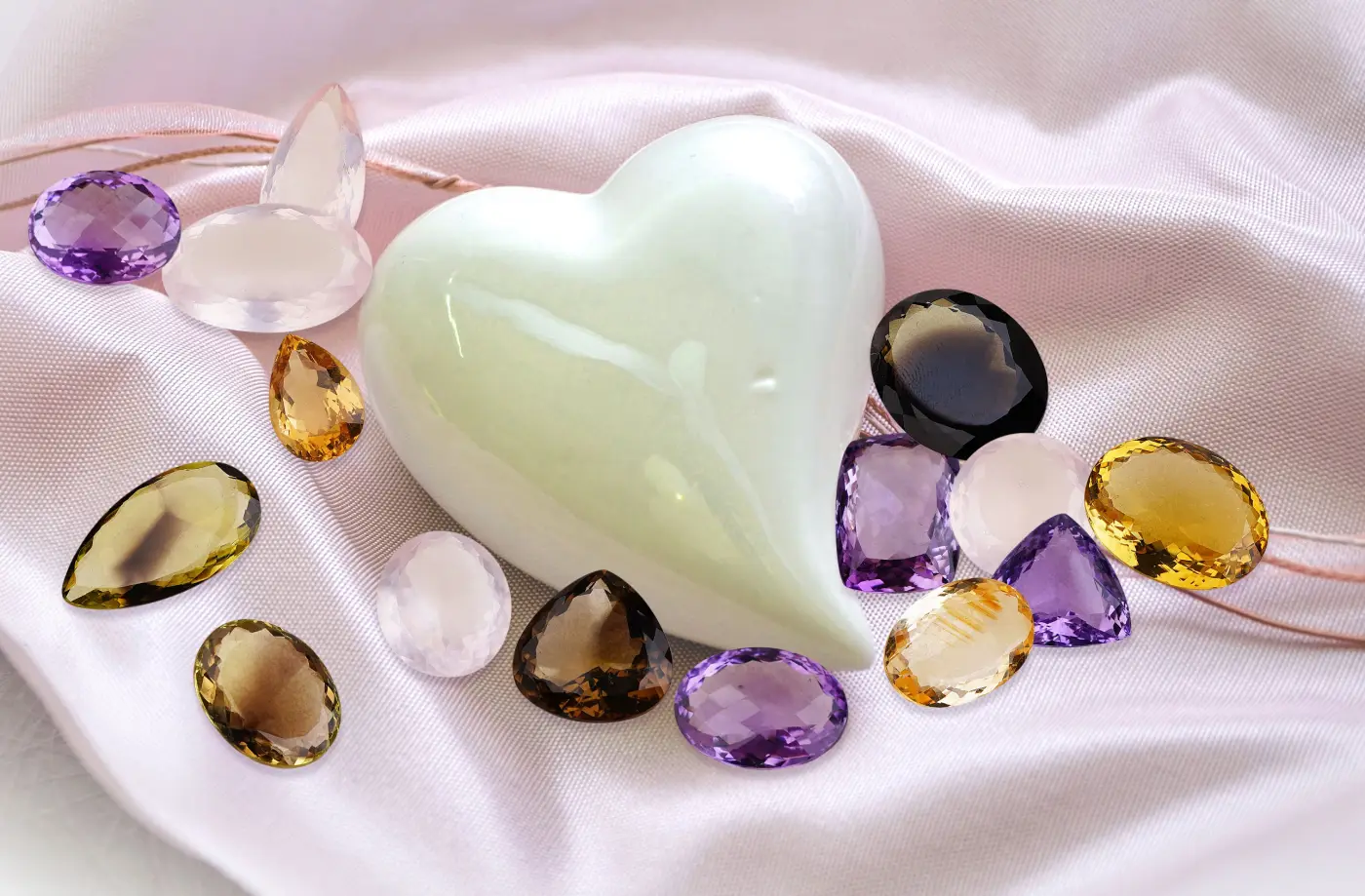
Some gemstones have intense colors, while others have subtle pastel tones. Some display interesting inclusions or color variations that make each stone distinctive.
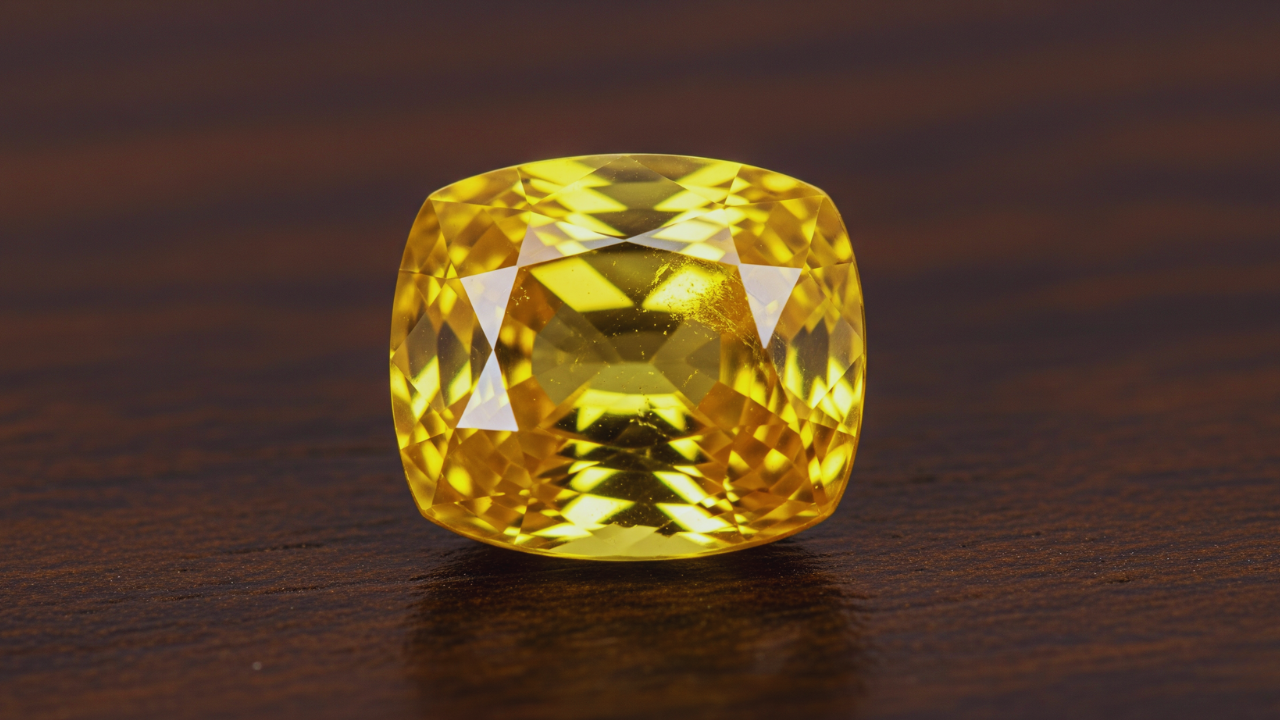
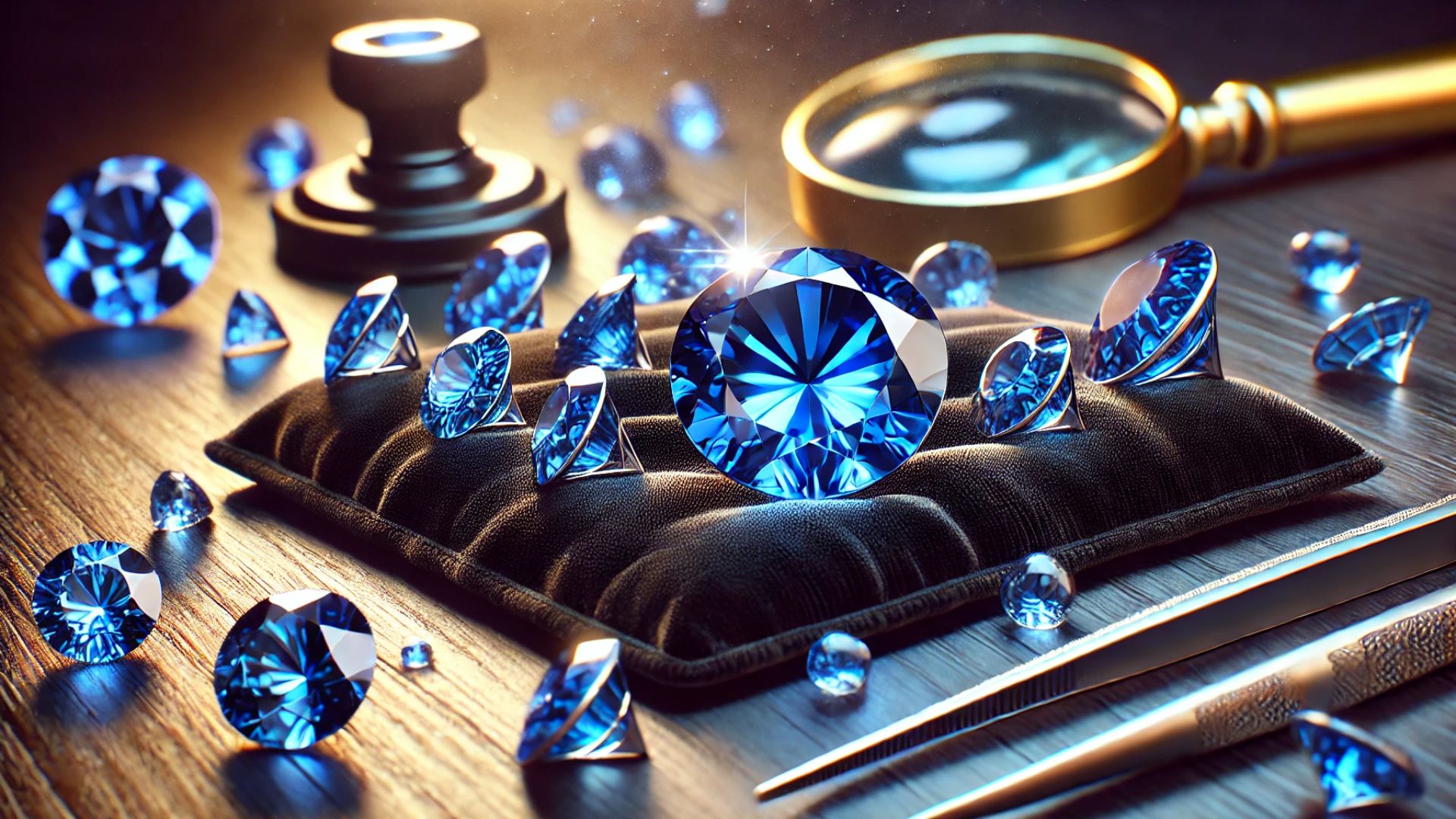
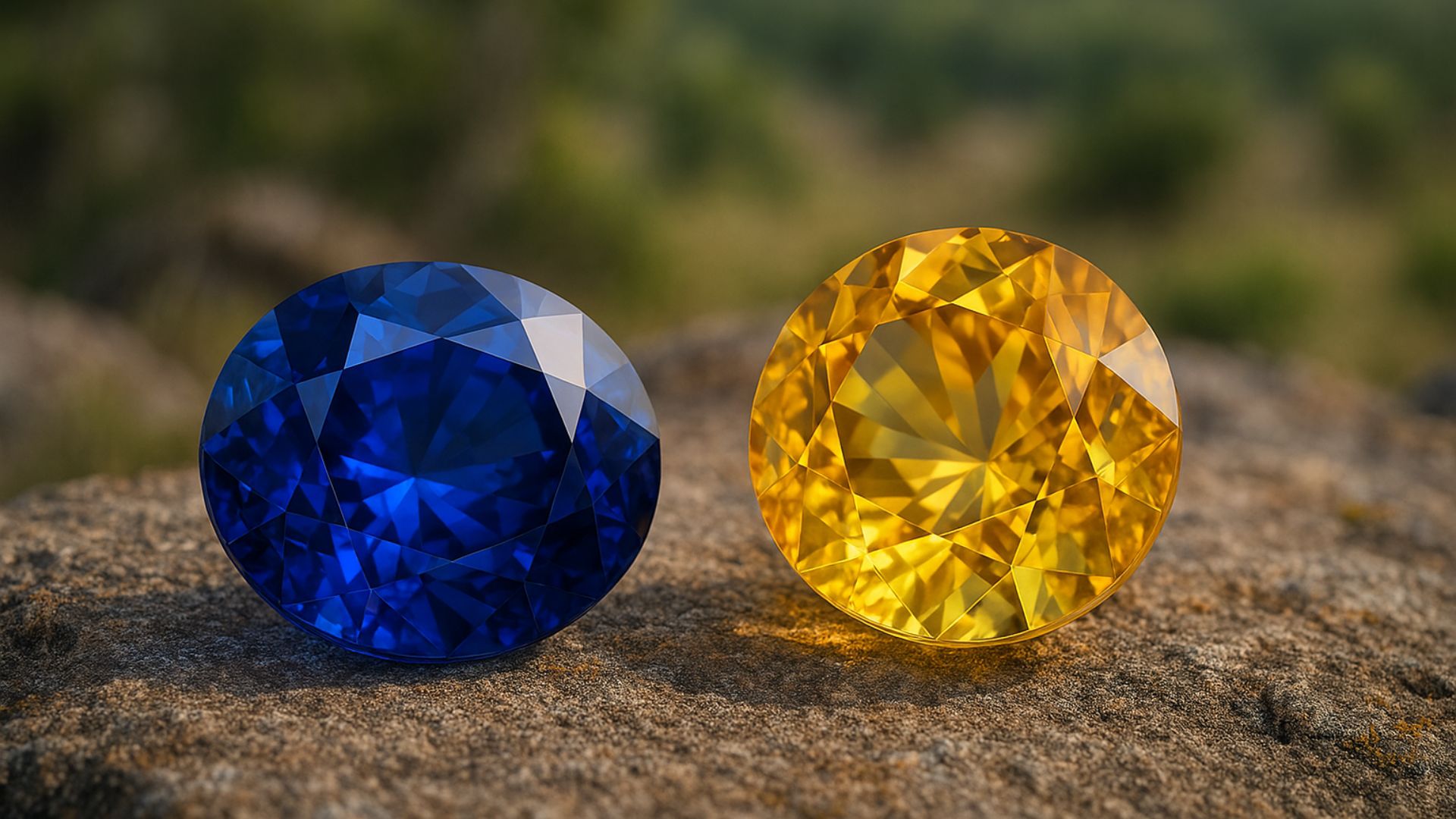
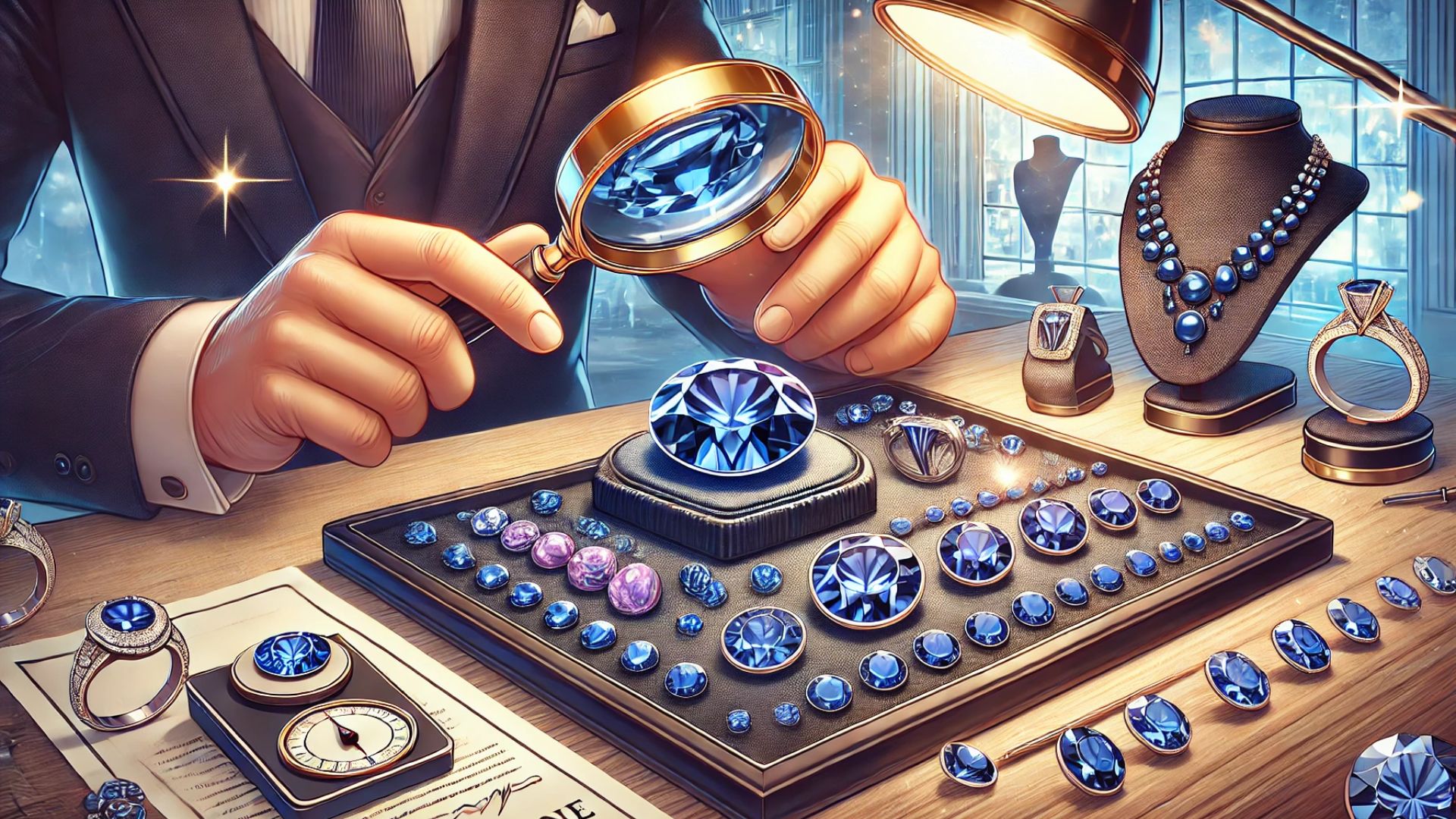
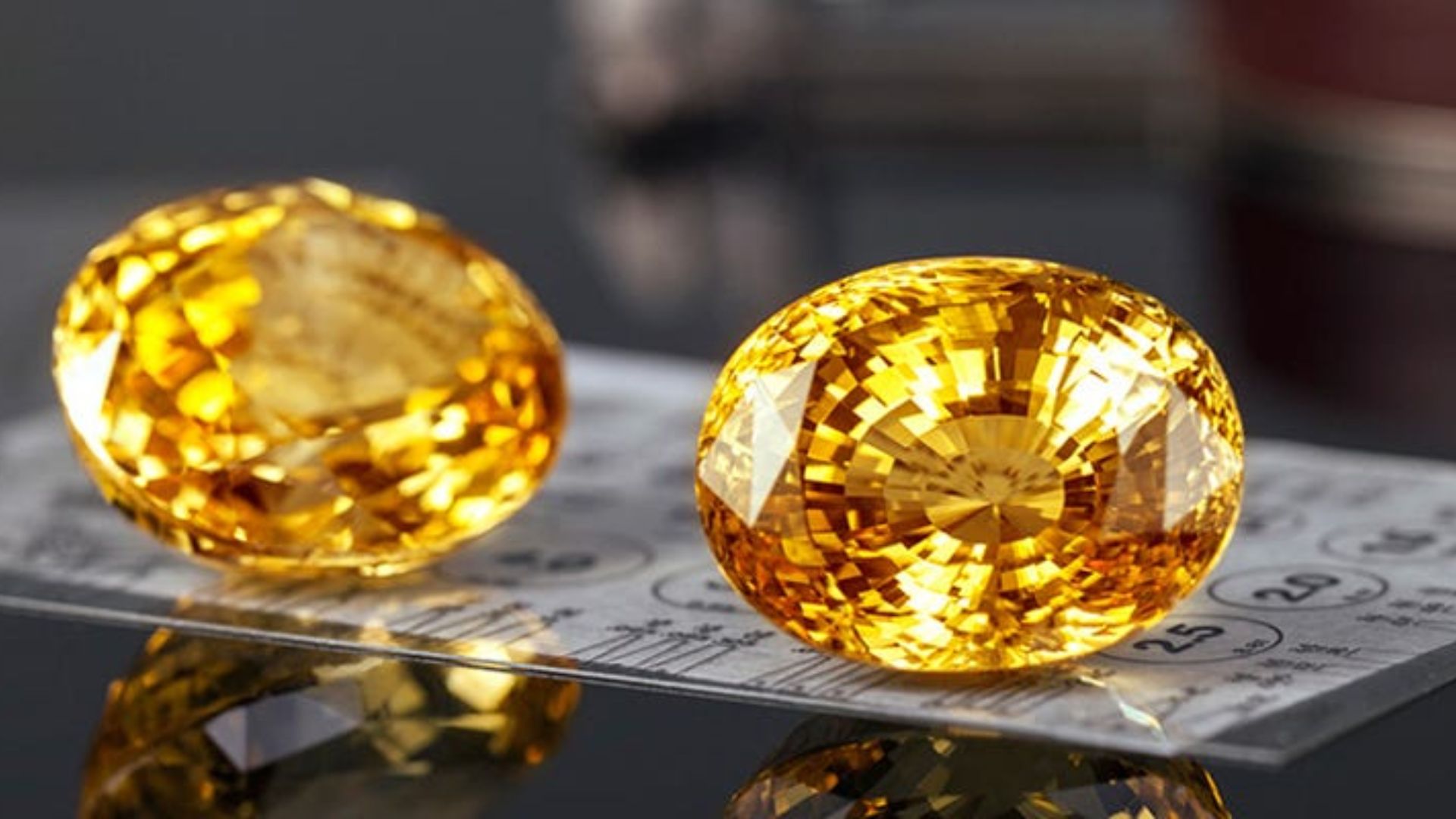
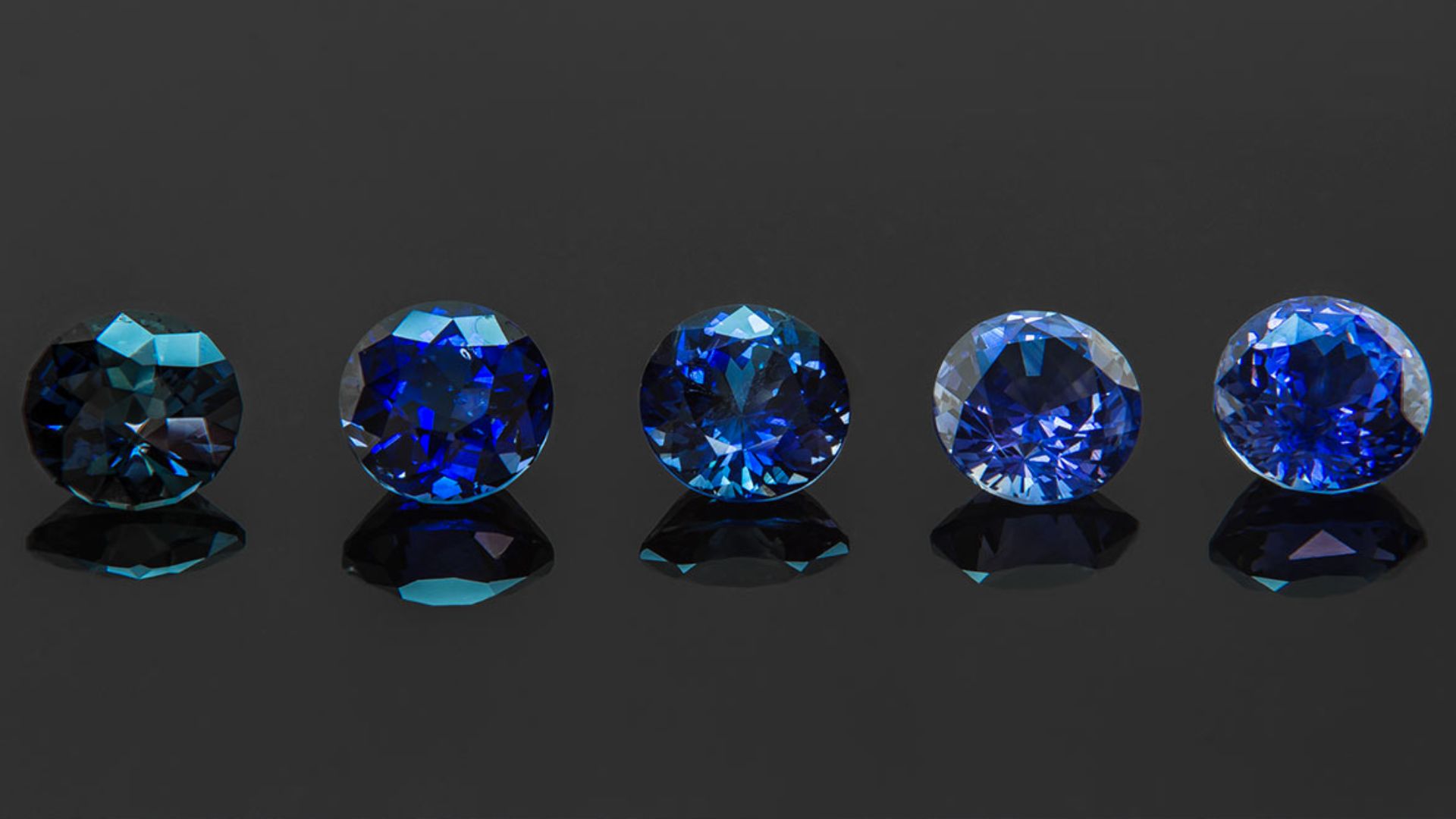
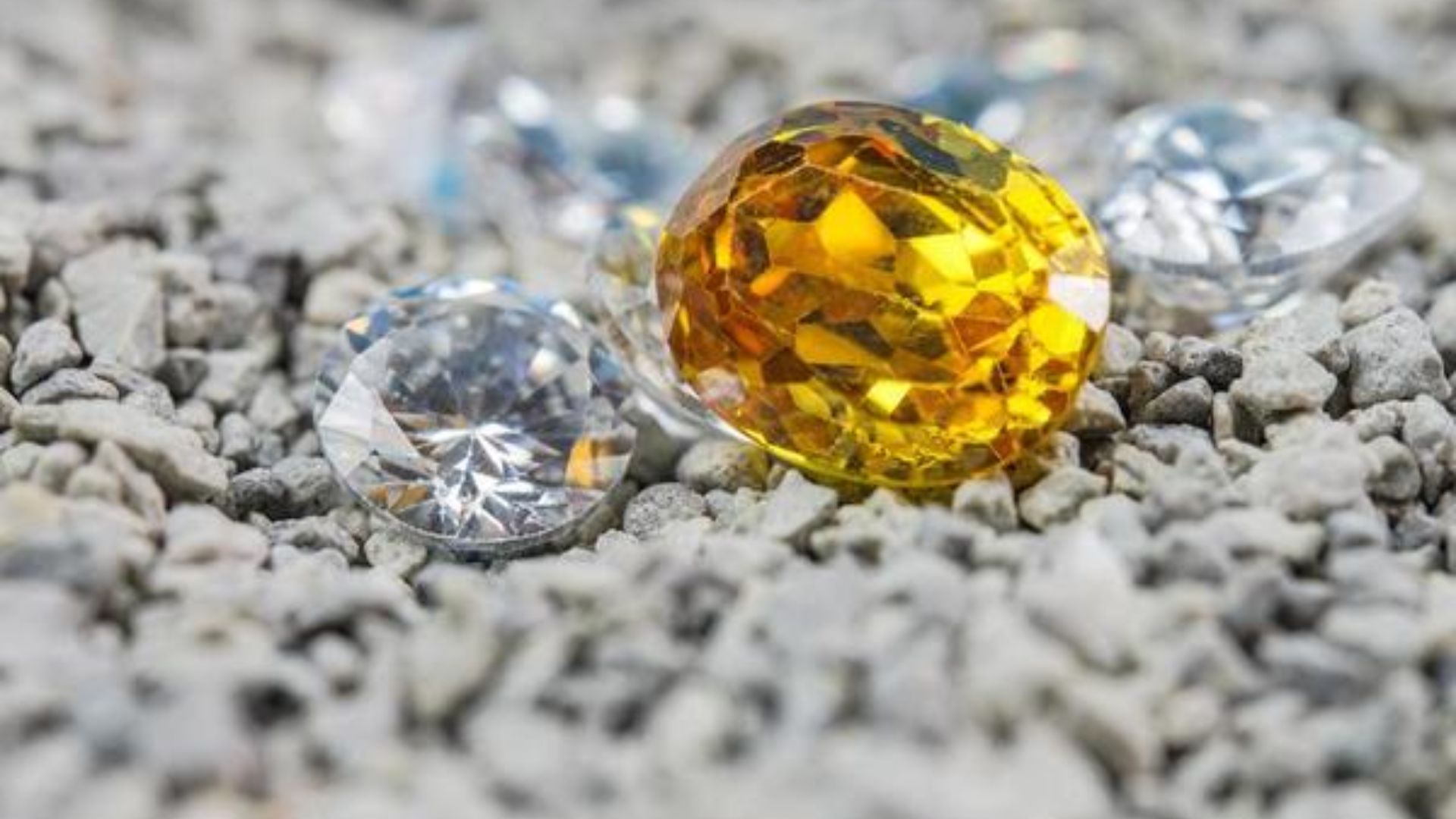
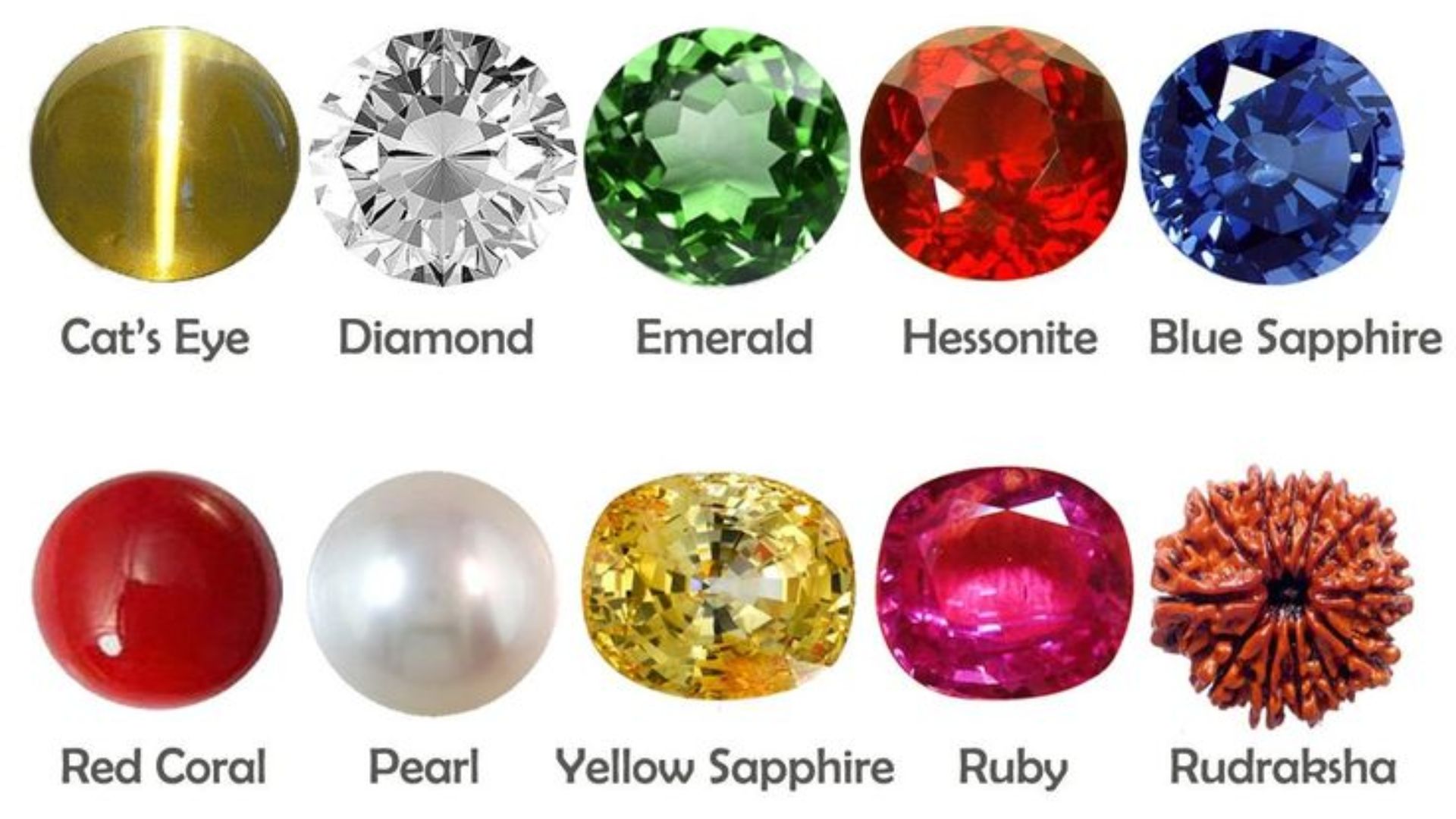
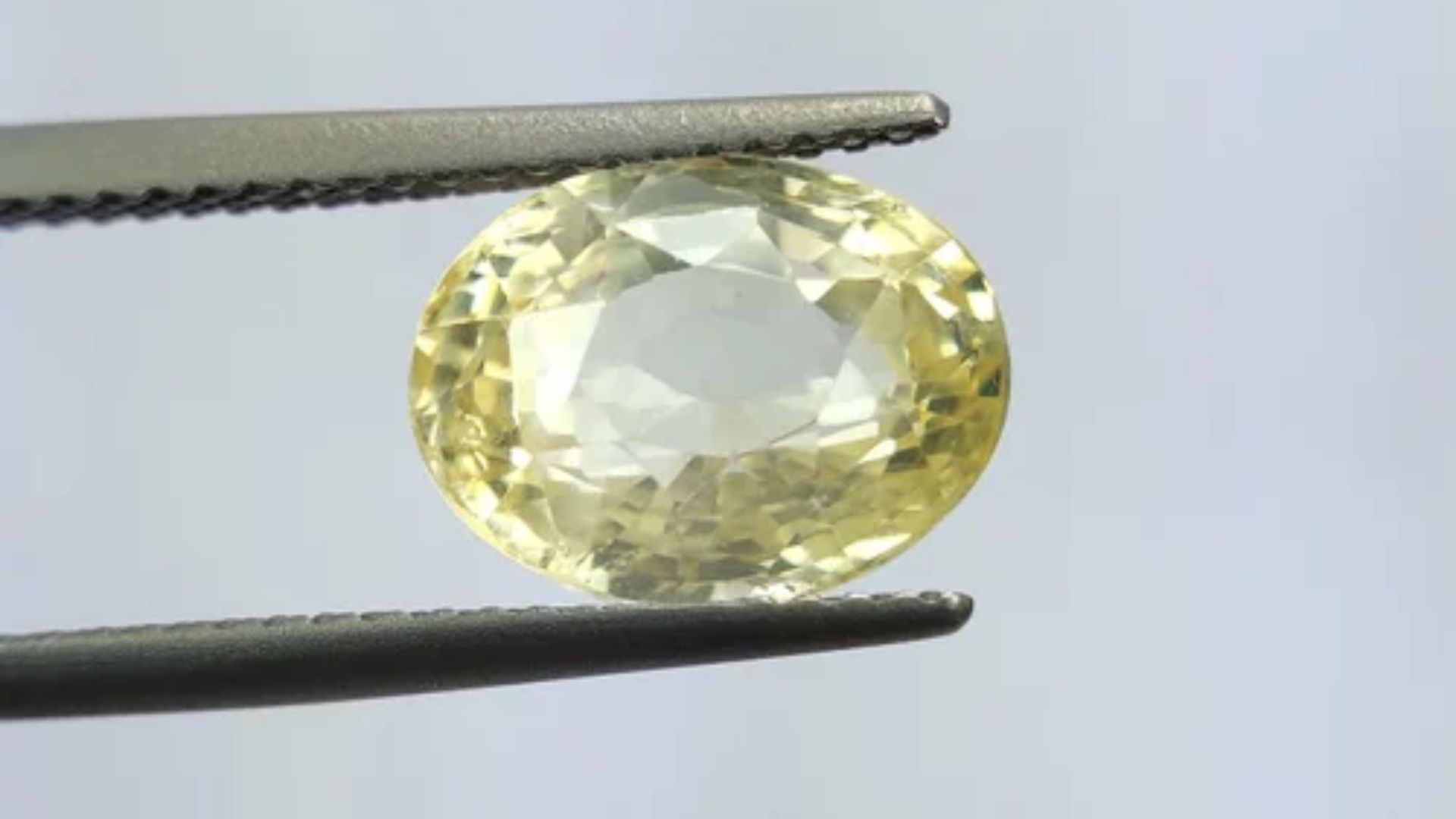
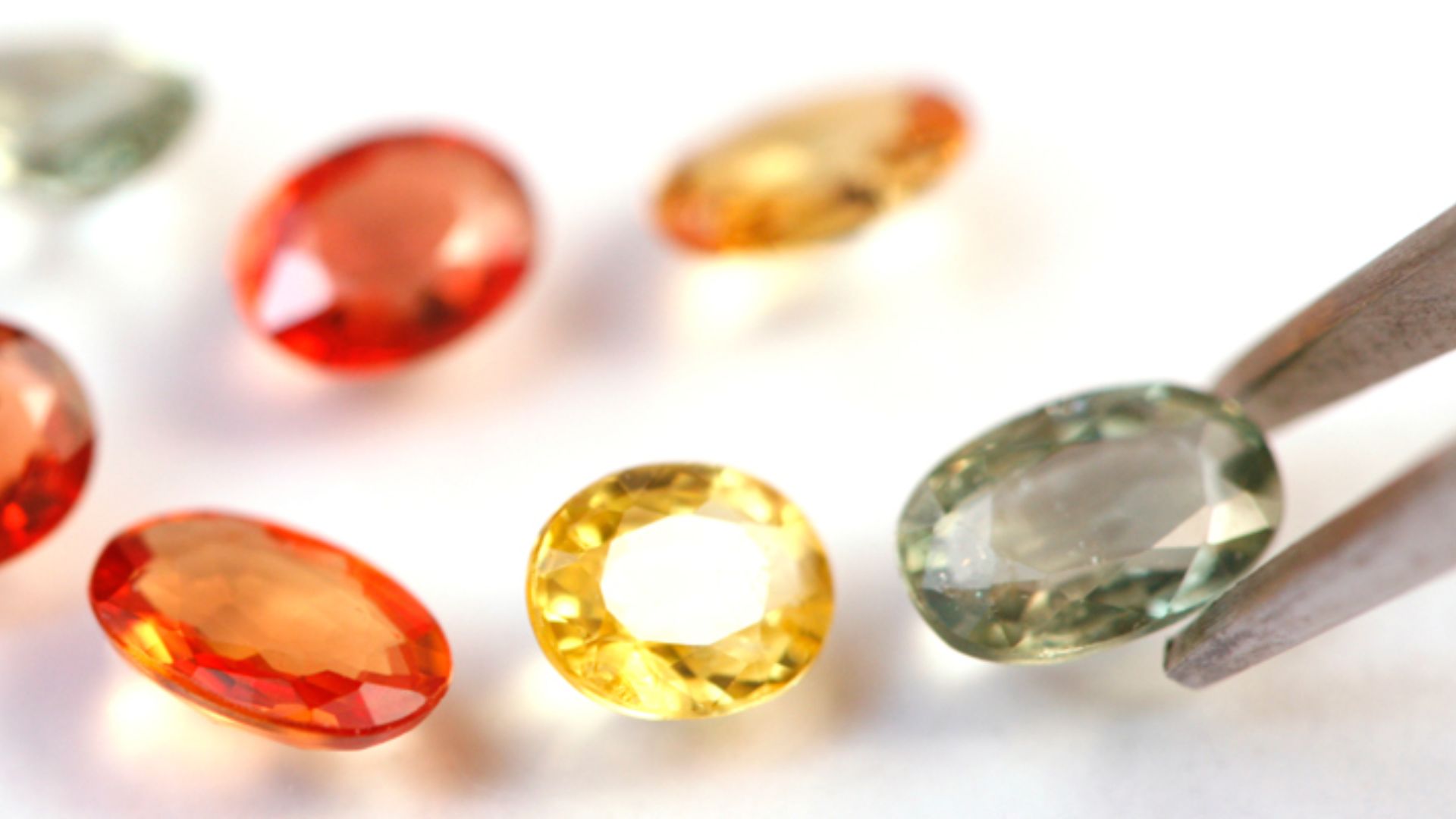
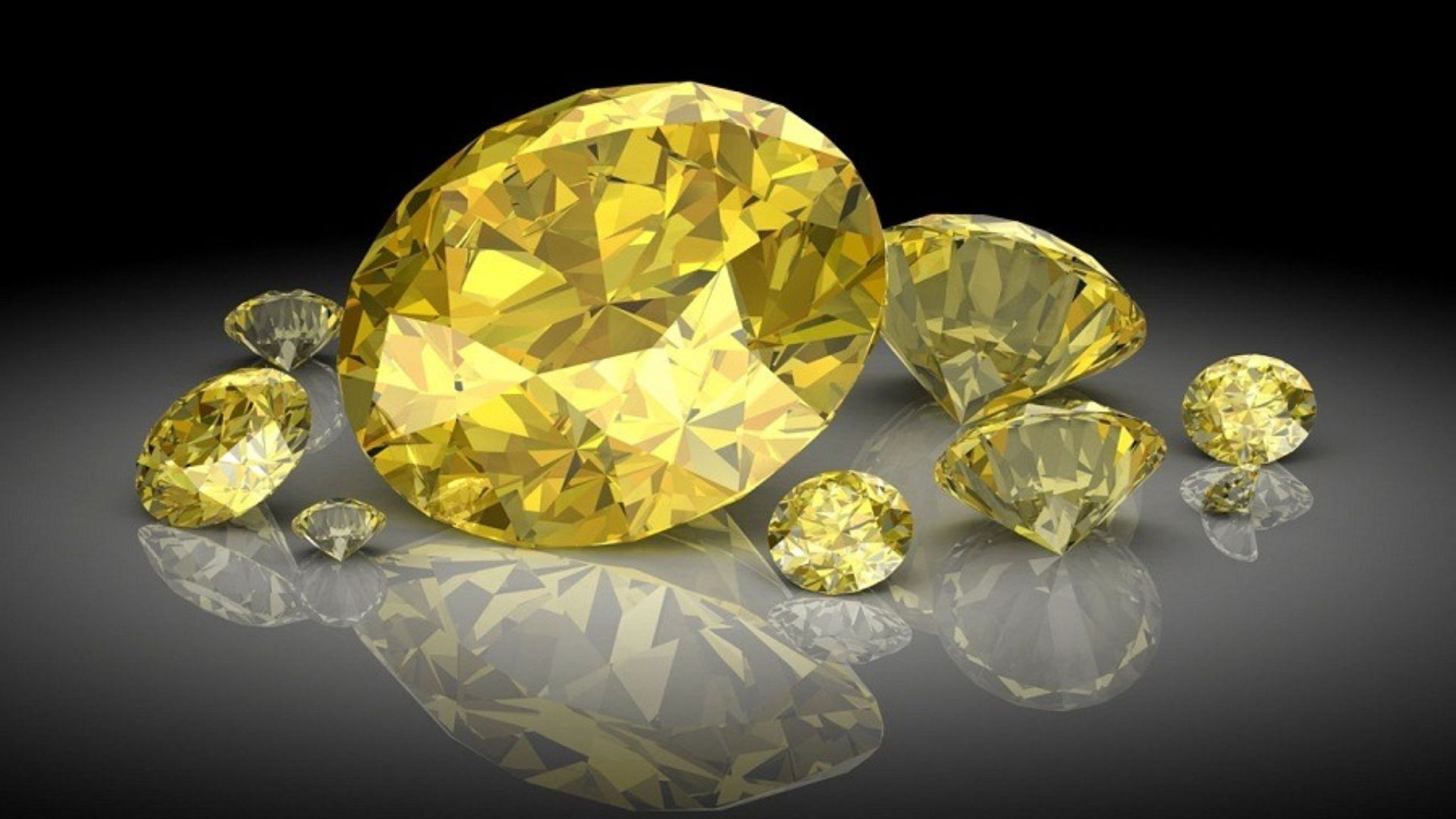
Sapphires alone demonstrate this variety. While blue sapphire is widely recognized, sapphires can also occur in pink, yellow, green, and other colors.
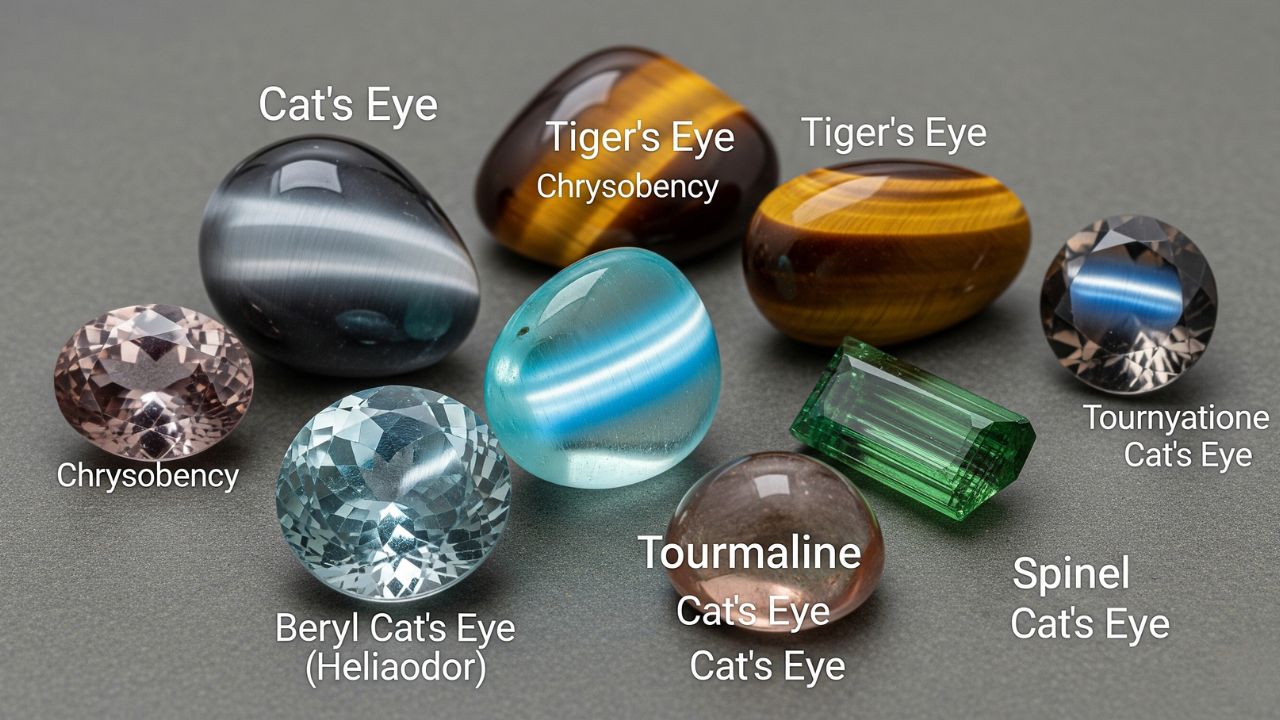
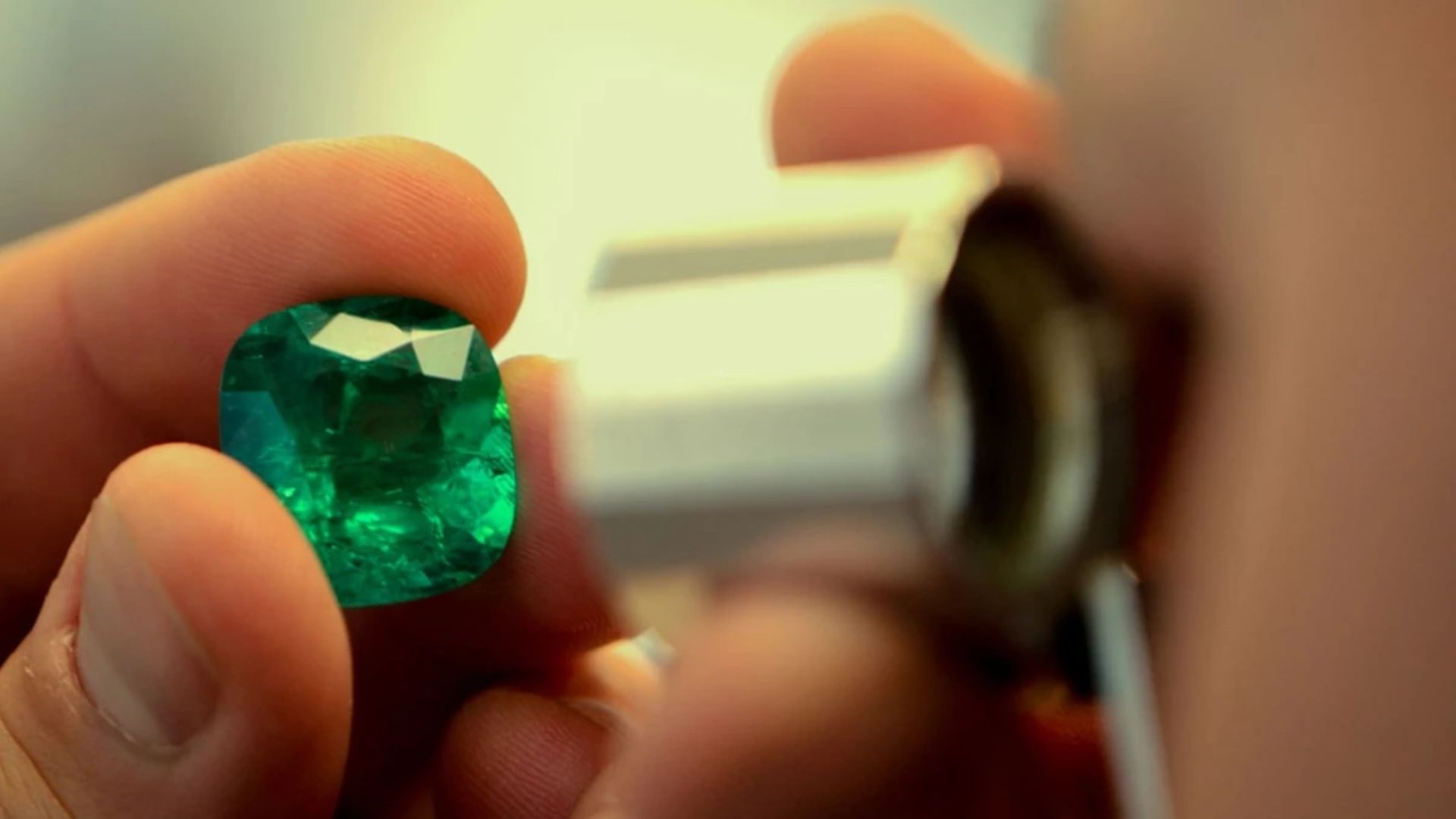
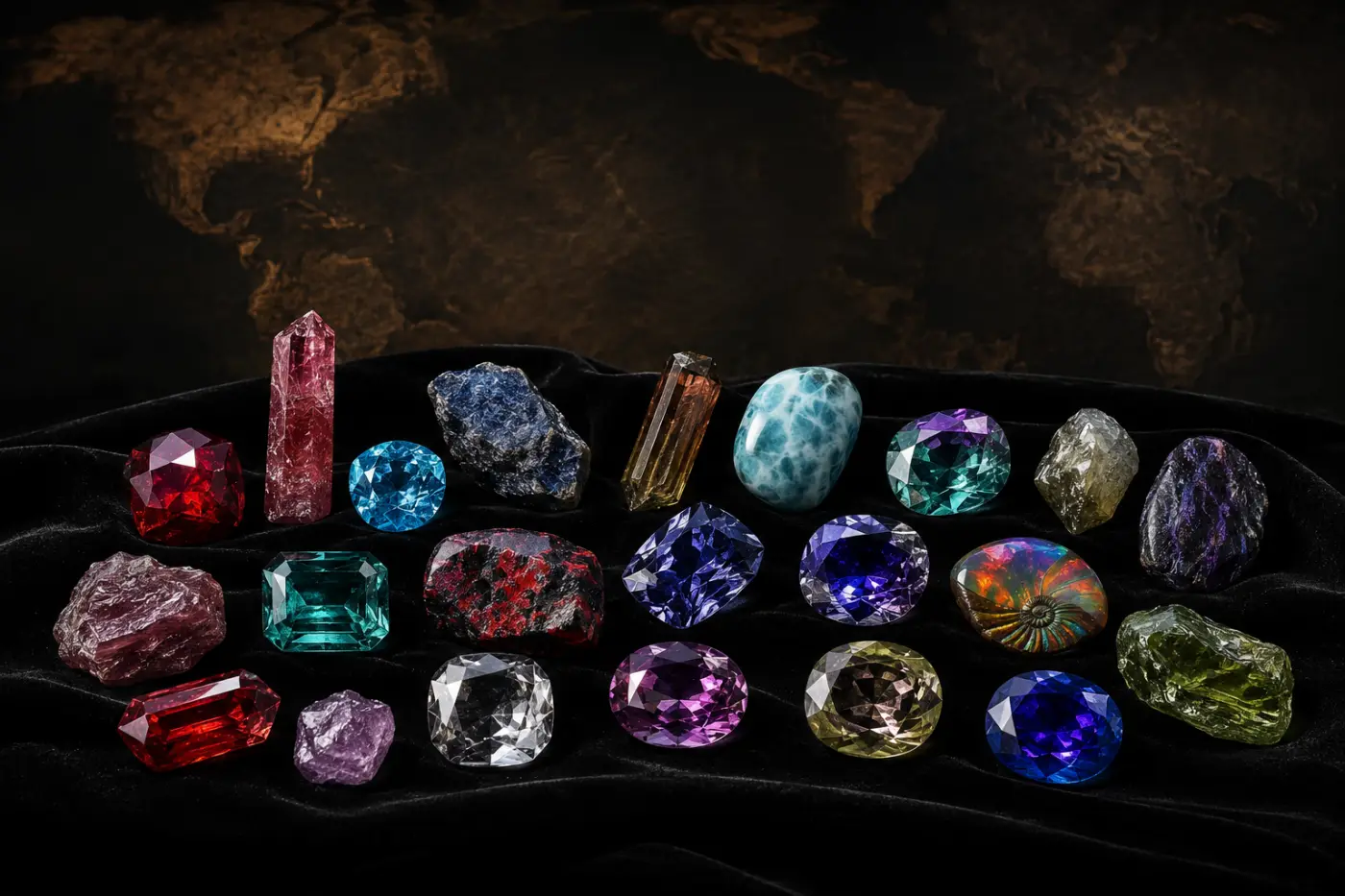
Emeralds, rubies, aquamarines, garnets, tourmalines, and spinels further expand the possibilities.
For shoppers who enjoy exploring different colors and styles, this variety can make gemstone shopping more exciting.
6. Personal Expression Is Becoming More Important
Jewelry has always had emotional significance, but modern buyers are increasingly interested in pieces that represent their personalities and stories.
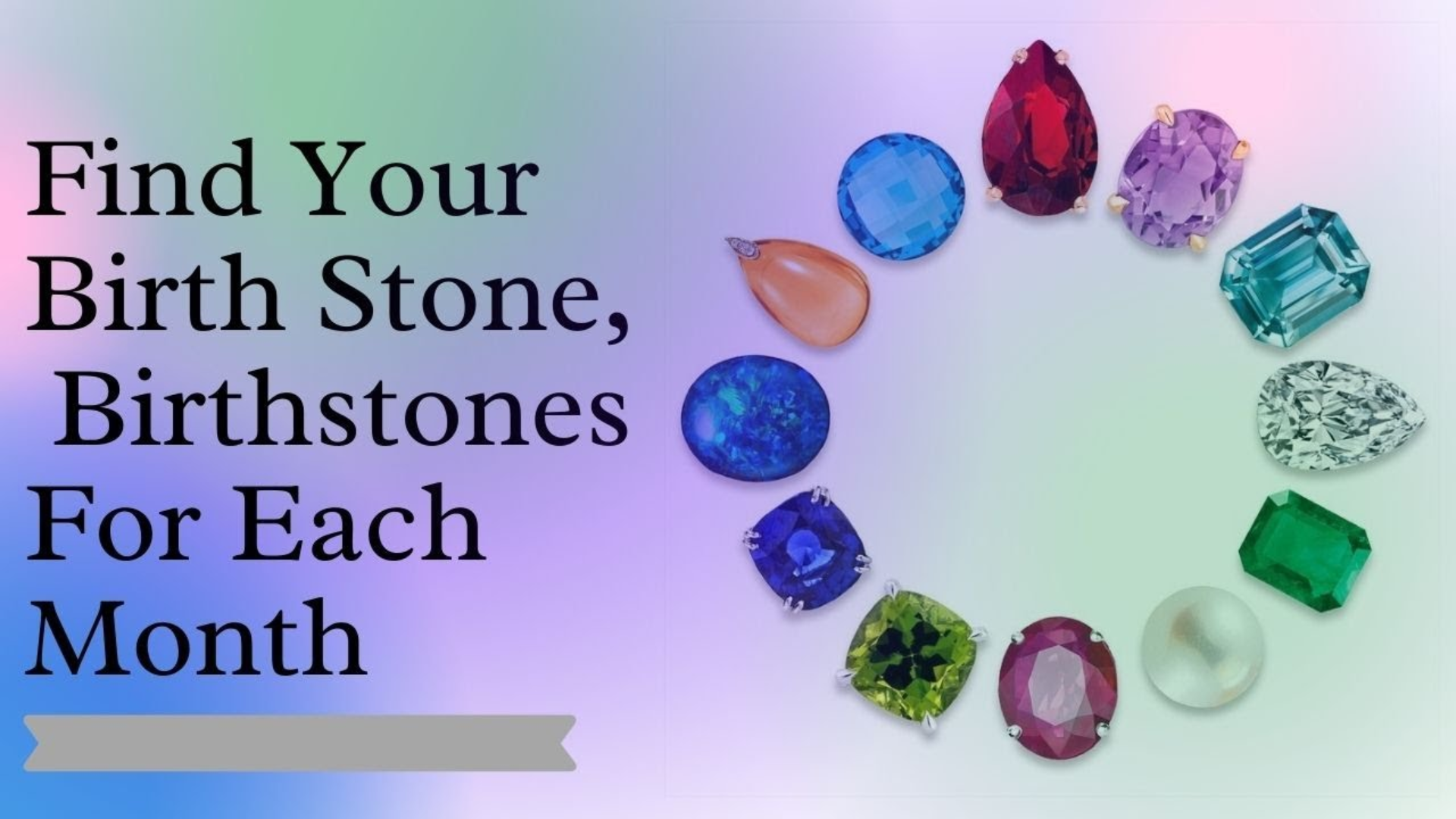
A gemstone can have personal meaning in many ways. Someone might choose a blue stone because it reminds them of the ocean. Another person might select a birthstone, favorite color, or gemstone associated with an important memory.
There is no requirement to follow a traditional formula.
This freedom allows consumers to decide what their jewelry means to them, rather than simply choosing what has traditionally been popular.
7. Vintage Styles Are Inspiring Modern Designs
Colored gemstones also have a strong connection with vintage jewelry.
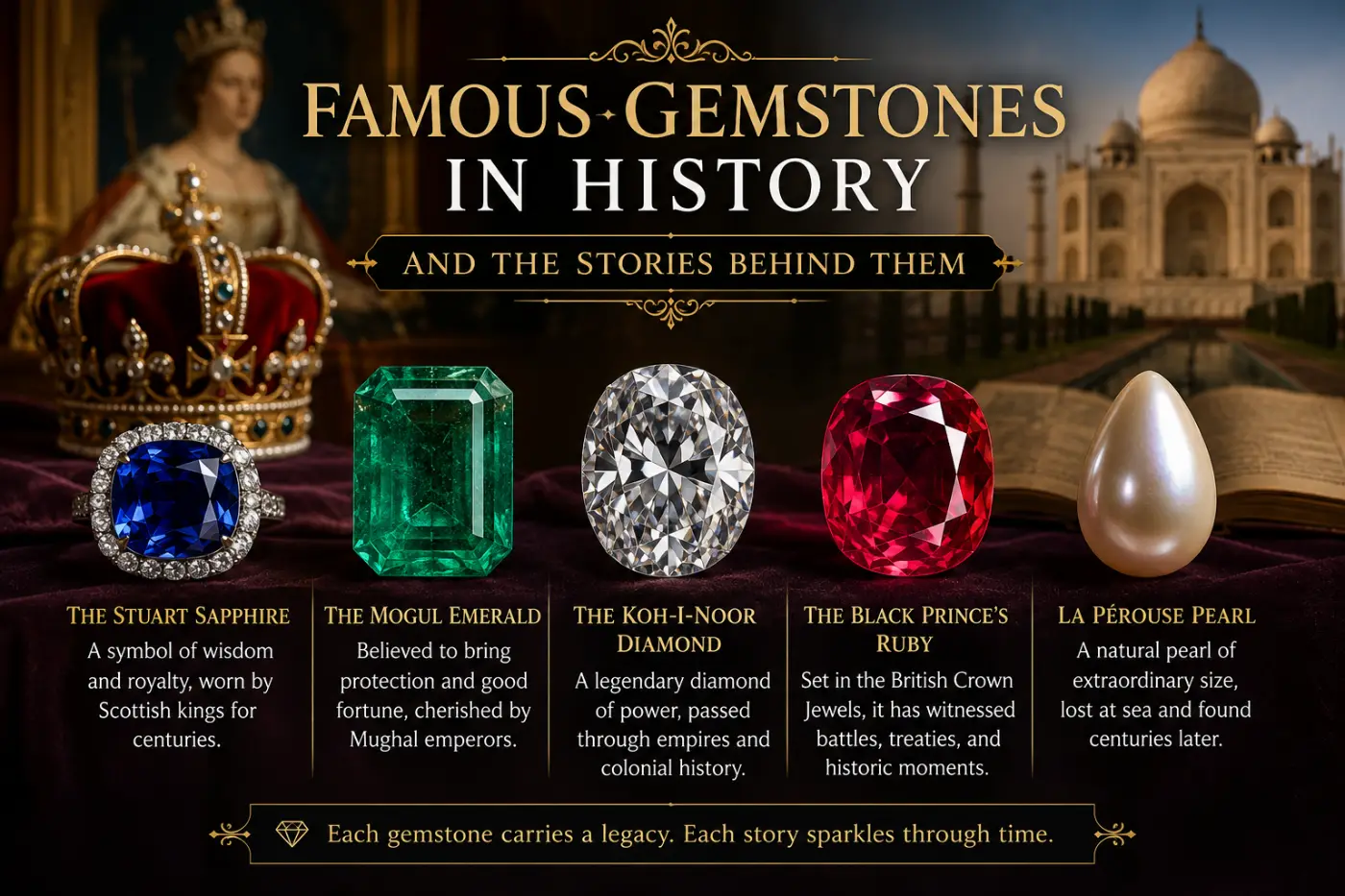
Historical jewelry styles frequently featured sapphires, rubies, emeralds, garnets, and other colorful stones. Modern designers are bringing elements of these styles into contemporary jewelry.
For example, a modern ring might combine a vintage-inspired halo with a colorful sapphire and a simple contemporary band.
This blend of heritage and modern design appeals to shoppers who appreciate both traditional craftsmanship and current fashion.
8. Gemstones Work With Different Metals
Another advantage of colored gemstones is their versatility when paired with different metals.
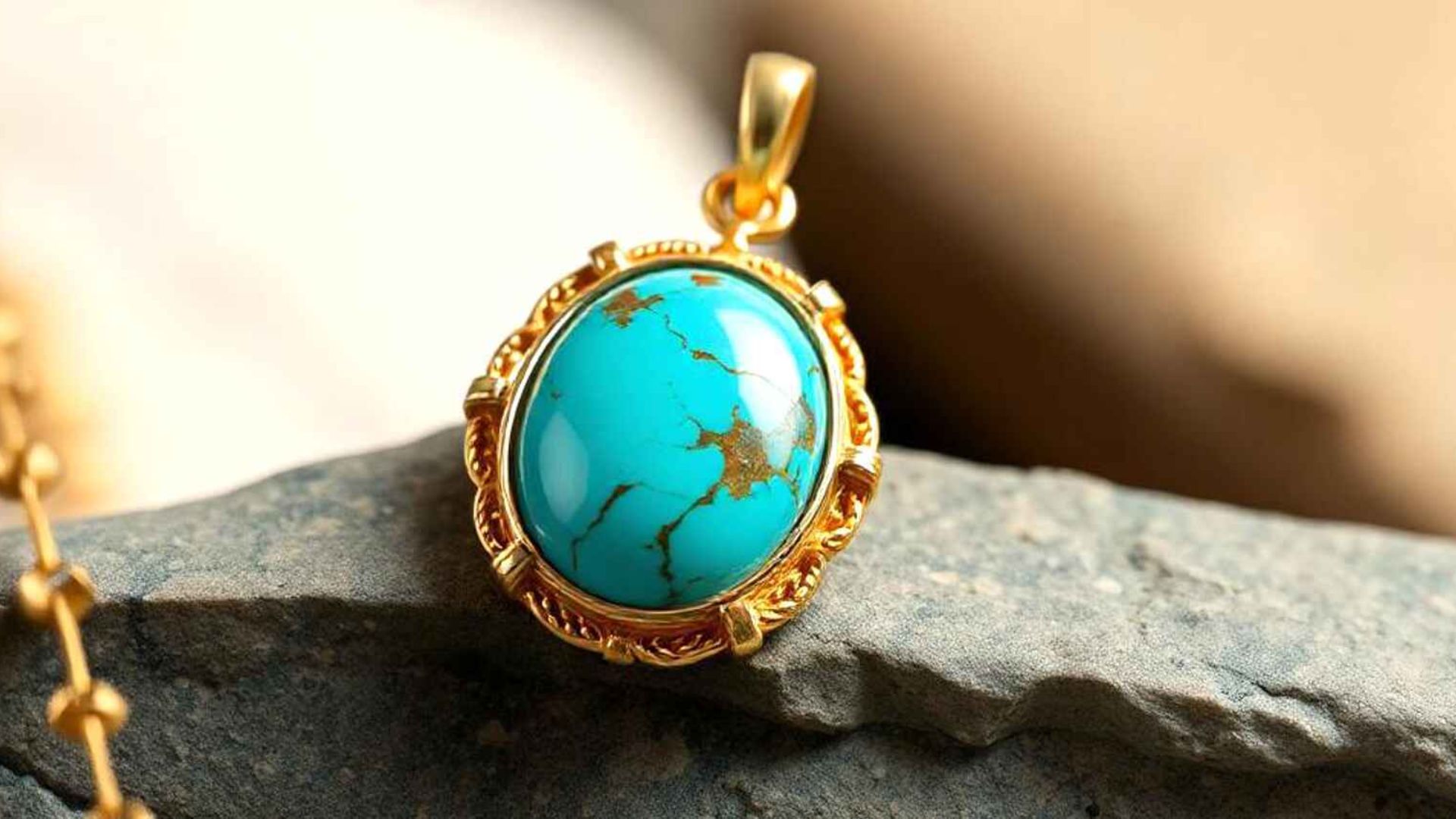
White gold and platinum can create a clean contrast against vivid gemstones. Yellow gold can enhance warm-colored stones such as rubies and yellow sapphires, while rose gold can complement pink and peach-colored gems.
The same gemstone can therefore look dramatically different depending on the setting and metal.
This gives designers and consumers greater freedom when creating personalized jewelry.
9. They Can Offer More Budget Flexibility
Price is also a consideration for many jewelry shoppers.
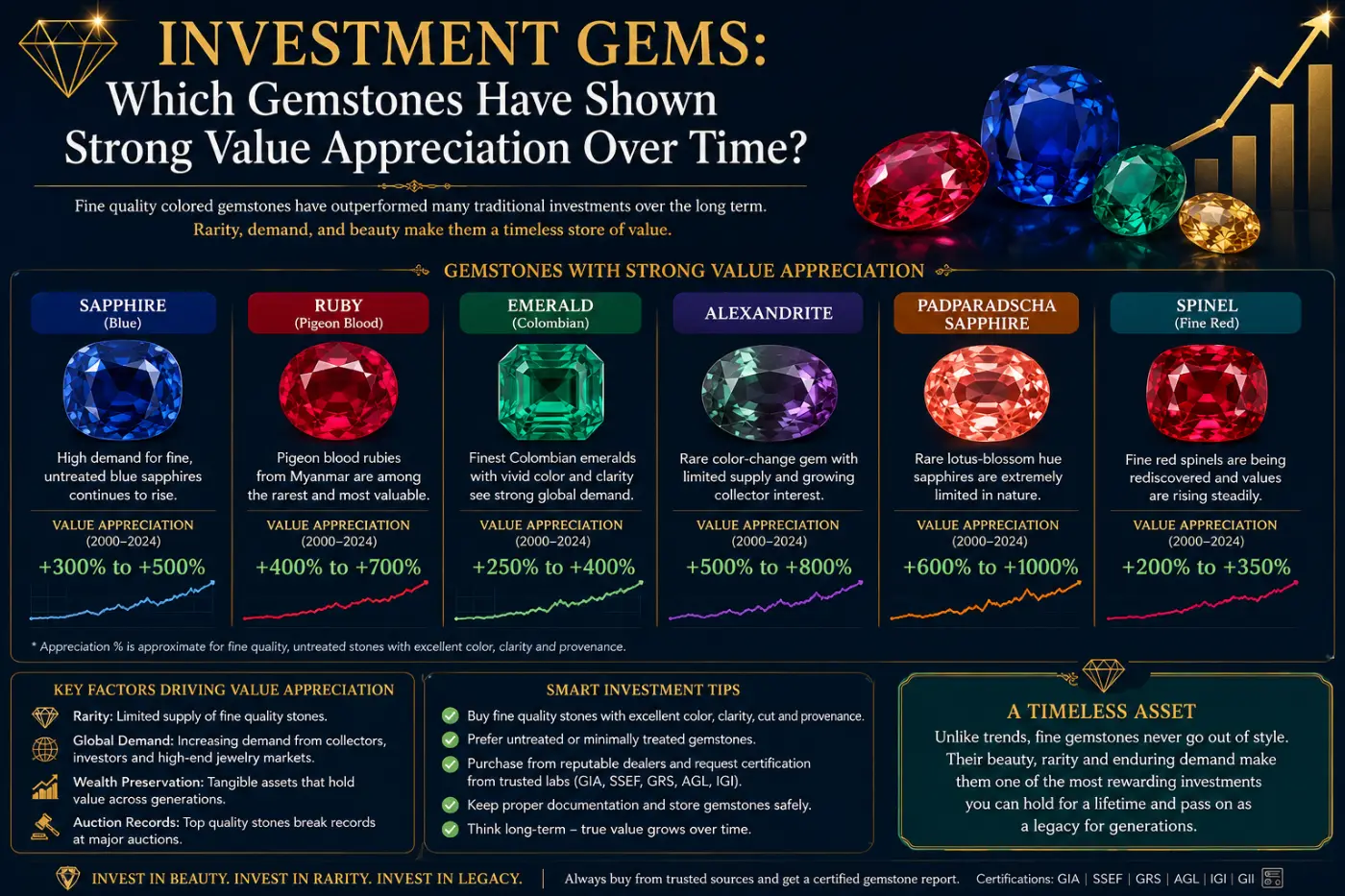
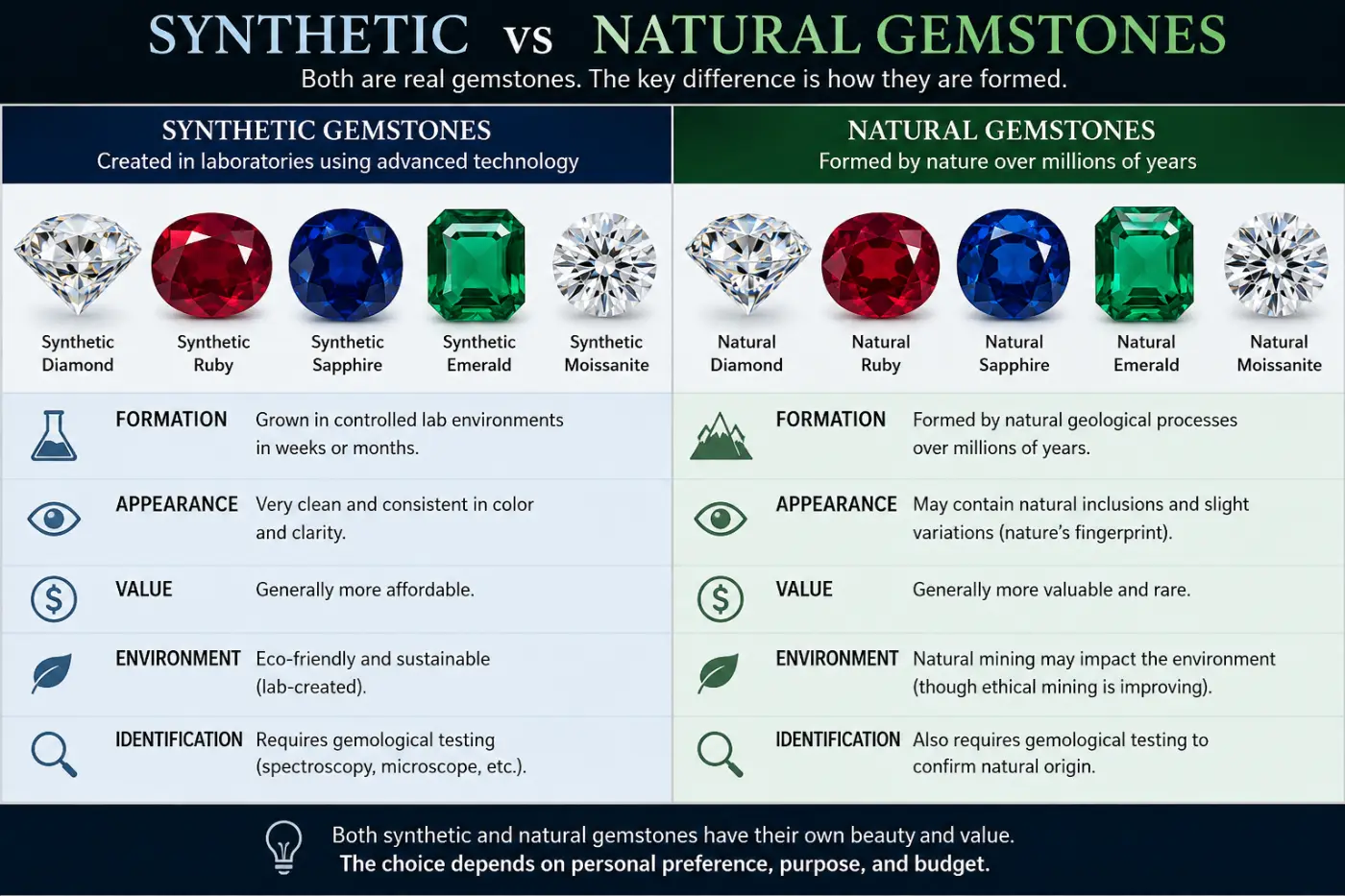
The cost of a gemstone depends on factors such as rarity, size, color, clarity, cut, origin, treatment, and market demand. While some colored gemstones can be extremely valuable, others offer shoppers more accessible price points than certain diamond options.
This can give buyers greater flexibility when planning a jewelry budget.
Rather than assuming that one category is always cheaper, shoppers should compare individual stones based on their quality and characteristics.
10. Social Media Is Increasing Gemstone Visibility
The way people discover jewelry has changed dramatically.
Social media platforms, online jewelry stores, fashion publications, and visual search tools expose consumers to thousands of jewelry designs. Colorful gemstones are particularly eye-catching in photographs and videos.
A vivid sapphire ring or emerald necklace can immediately stand out in a digital feed.
As consumers see more gemstone designs online, they become familiar with stones they may not have considered previously. This wider exposure is helping expand interest beyond traditional diamond jewelry.
11. Engagement Rings Are Becoming More Diverse
The changing engagement ring market is another sign of this evolution.
The traditional diamond engagement ring remains an important choice, but couples now have access to a much wider range of designs. Colored gemstone engagement rings offer an opportunity to create something distinctive while maintaining the symbolism of a meaningful ring.
Sapphires are often considered for engagement rings because of their durability and wide range of colors. Other gemstones may also be suitable depending on the intended use and setting.
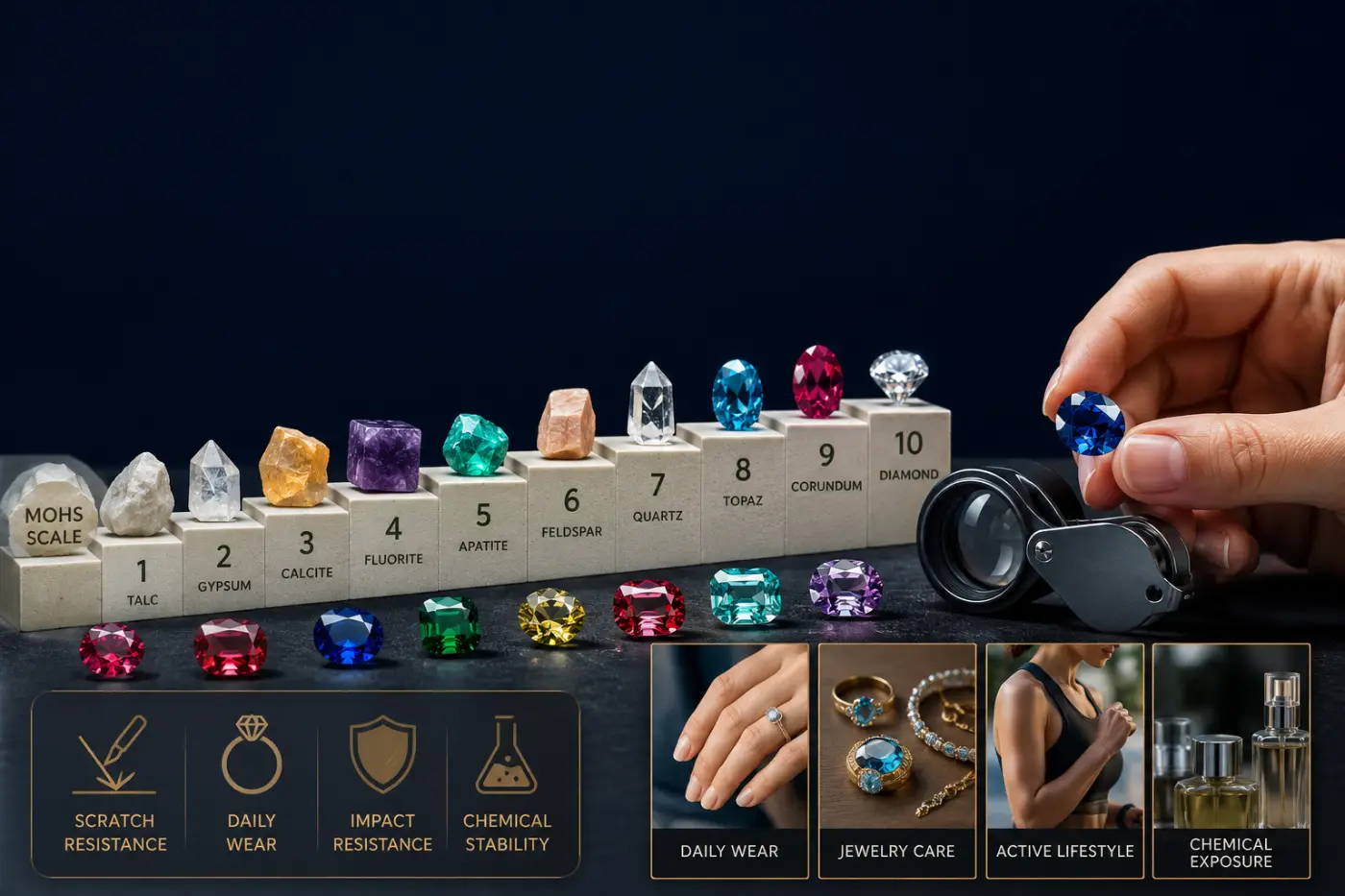
Anyone considering a gemstone for everyday wear should research its hardness, durability, care requirements, and suitability for the chosen design.
12. Consumers Are Asking More Questions About Sourcing
Modern jewelry buyers are increasingly interested in where their products come from.
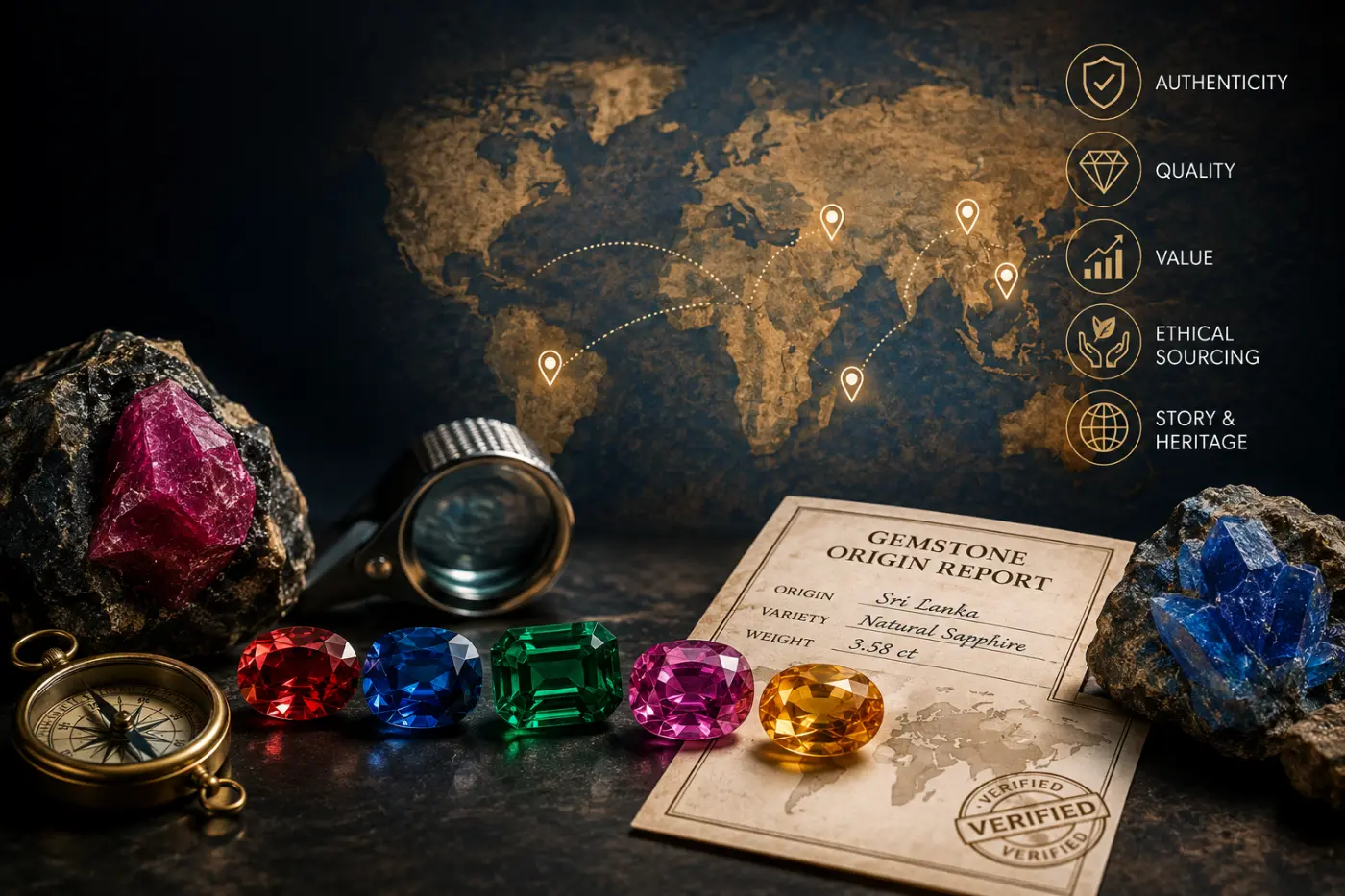
Questions about gemstone sourcing, mining practices, traceability, treatments, and responsible production are becoming more common.
It is important not to assume that one gemstone category is automatically more sustainable than another. Environmental and social impacts can vary depending on how an individual gemstone is mined, processed, transported, treated, and sold.
For shoppers who care about sourcing, transparency from the seller is therefore important.
13. Gemstones Encourage Creative Design
Colored gemstones give jewelry designers a huge creative canvas.
Designers can combine different colors, shapes, textures, and stones to create pieces ranging from minimalist to dramatic. A single small gemstone can work beautifully in a delicate ring, while multiple colorful stones can form a statement necklace or bracelet.
This creative freedom is one reason gemstone jewelry continues to appear in both classic and contemporary collections.
14. Luxury Is Becoming More Personal
The definition of luxury is changing.
For some consumers, luxury means owning something universally recognizable. For others, it means owning something distinctive, thoughtfully selected, and meaningful.
A unique gemstone can provide that sense of personal luxury. Its appeal may come from its color, rarity, craftsmanship, origin, or emotional significance.
The value of a gemstone piece is therefore not necessarily about competing directly with diamonds. It can be about offering a different kind of beauty and meaning.
How to Choose a Colored Gemstone
If you are considering a colored gemstone, focus on more than current trends.
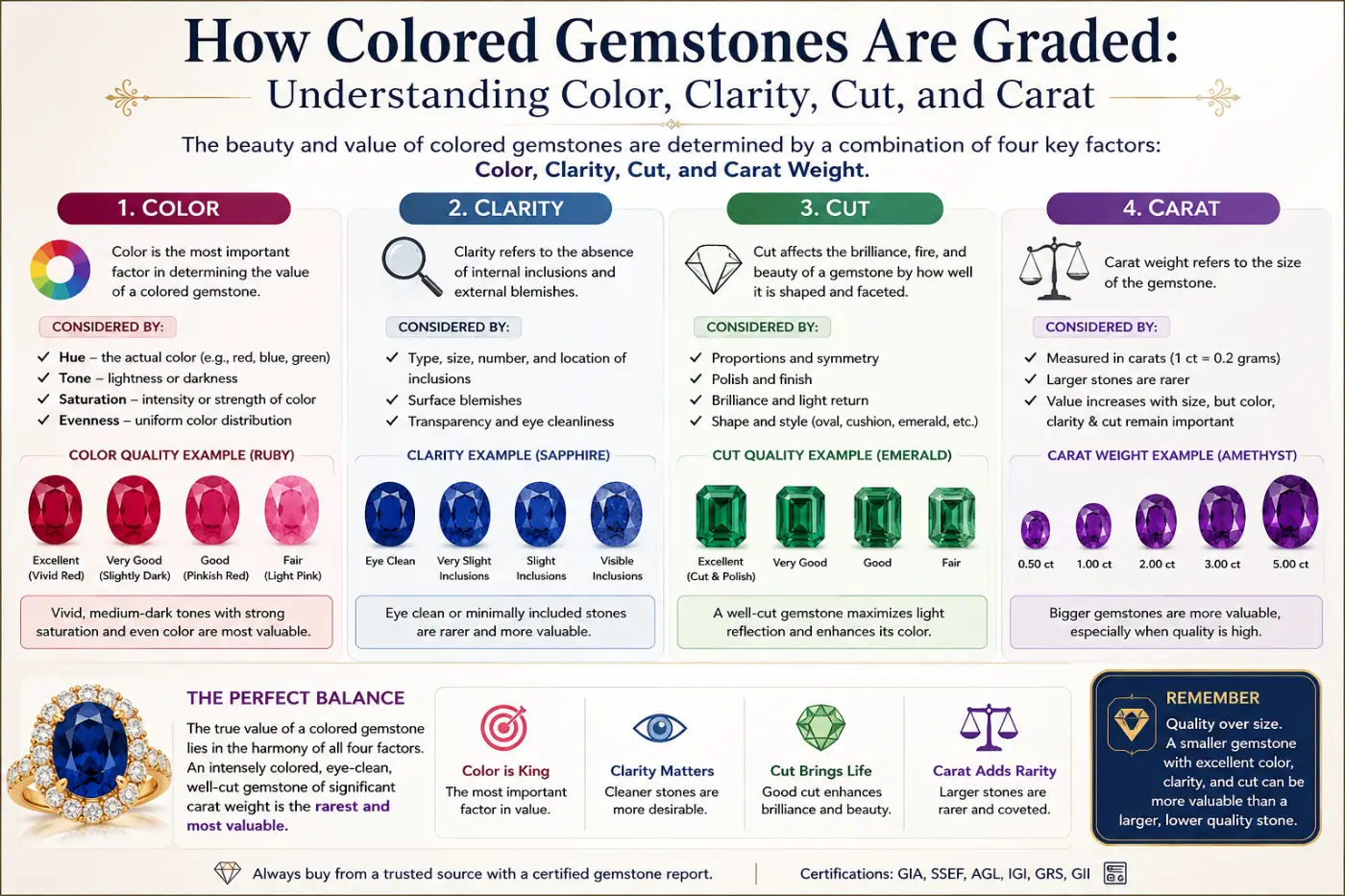
Consider the stone's:
- Color: Decide whether you prefer vivid, medium, or pastel shades.
- Durability: This is especially important for rings intended for everyday wear.
- Clarity: Some gemstones naturally contain inclusions, while others are valued for greater clarity.
- Cut: The cut can significantly influence how the stone reflects light and displays color.
- Treatment: Ask whether the gemstone has been heat-treated, filled, dyed, or otherwise enhanced.
- Origin: If origin matters to you, ask whether it can be documented.
- Setting: Choose a setting that protects the gemstone and complements its appearance.
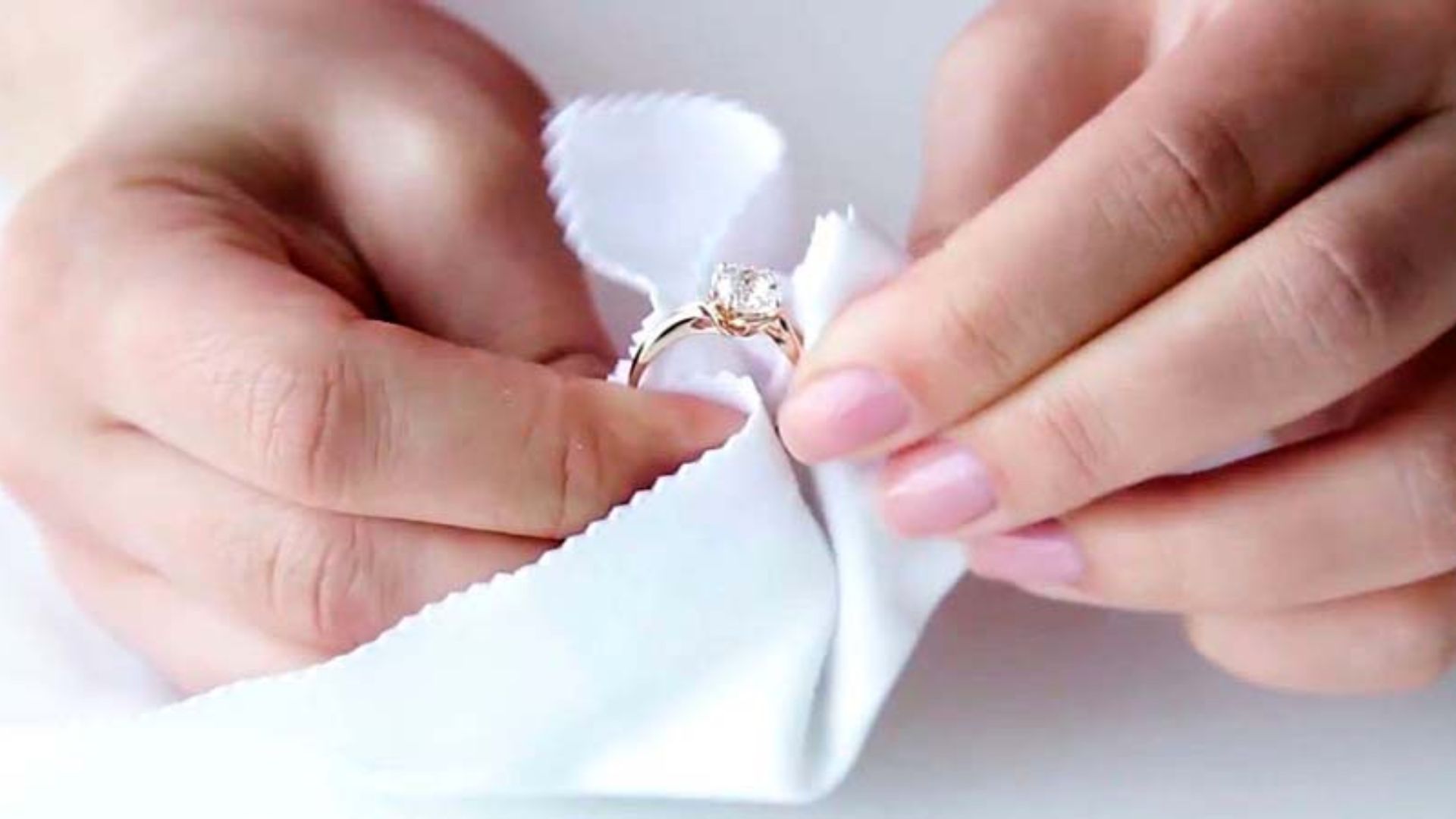
- Care requirements: Different gemstones may require different cleaning and storage methods.
A reputable jeweler should be able to explain these characteristics clearly before you make a purchase.
The Future of Gemstone Jewelry
The growing popularity of colored gemstones reflects a larger transformation in the jewelry industry.
Diamonds continue to appeal to consumers who appreciate their brilliance, durability, tradition, and symbolism. At the same time, shoppers have more choices than ever before.
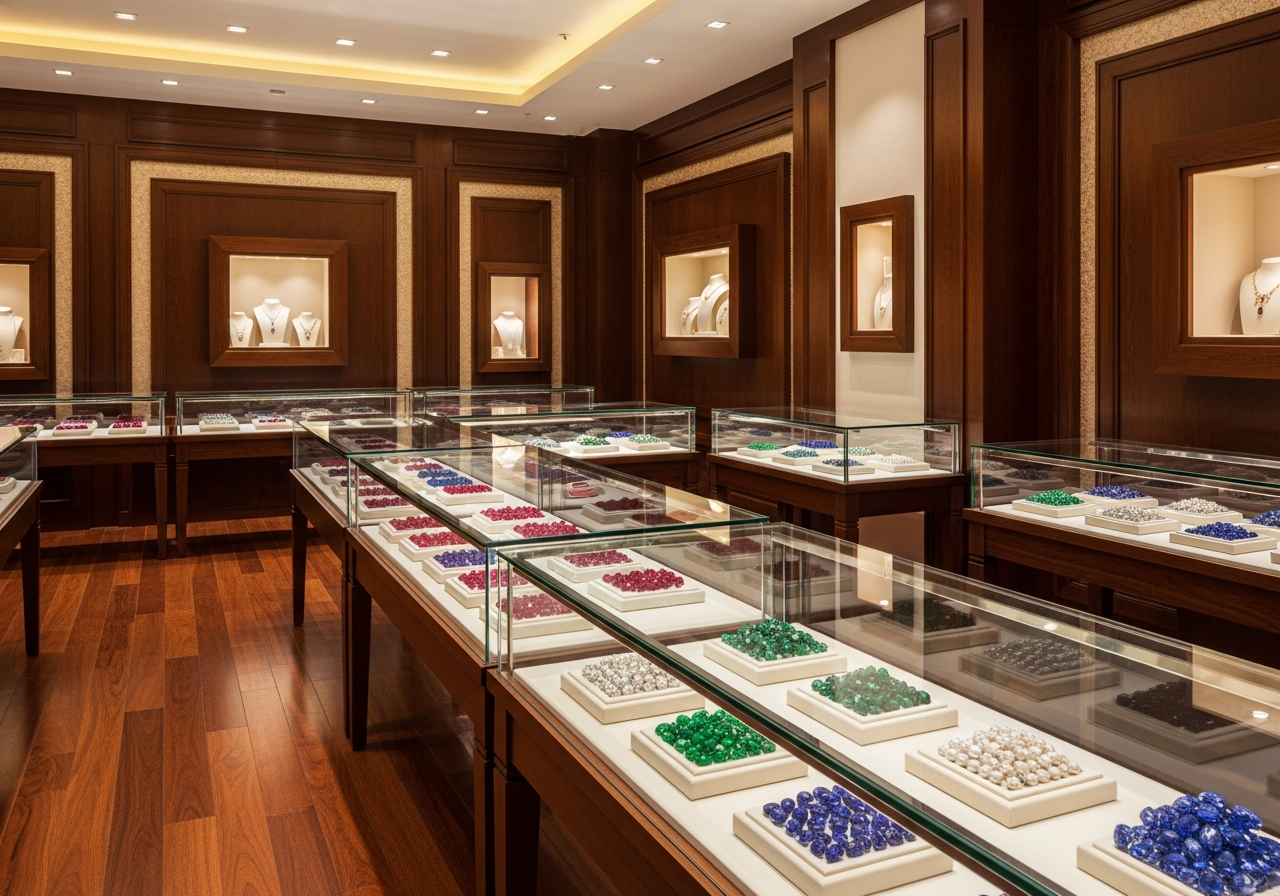
Sapphires, rubies, emeralds, spinels, tourmalines, aquamarines, and many other gemstones allow consumers to experiment with color and design. Social media and online shopping have also made it easier to discover unusual stones and contemporary jewelry styles.
The result is a jewelry market where individuality and personal expression have become increasingly important.
Final Thoughts
The growing popularity of colored gemstones is about more than replacing diamonds. It reflects a desire for greater choice, individuality, color, and personal meaning.
Gemstone jewelry allows shoppers to explore a wide range of colors and designs, while diamond alternatives give couples and jewelry enthusiasts more freedom when selecting meaningful pieces. At the same time, evolving gemstone trends are encouraging designers to experiment with new cuts, settings, and combinations.
Whether it is a vibrant sapphire engagement ring, an emerald necklace, or a pair of colorful gemstone earrings, these stones offer a distinctive way to express personal style.
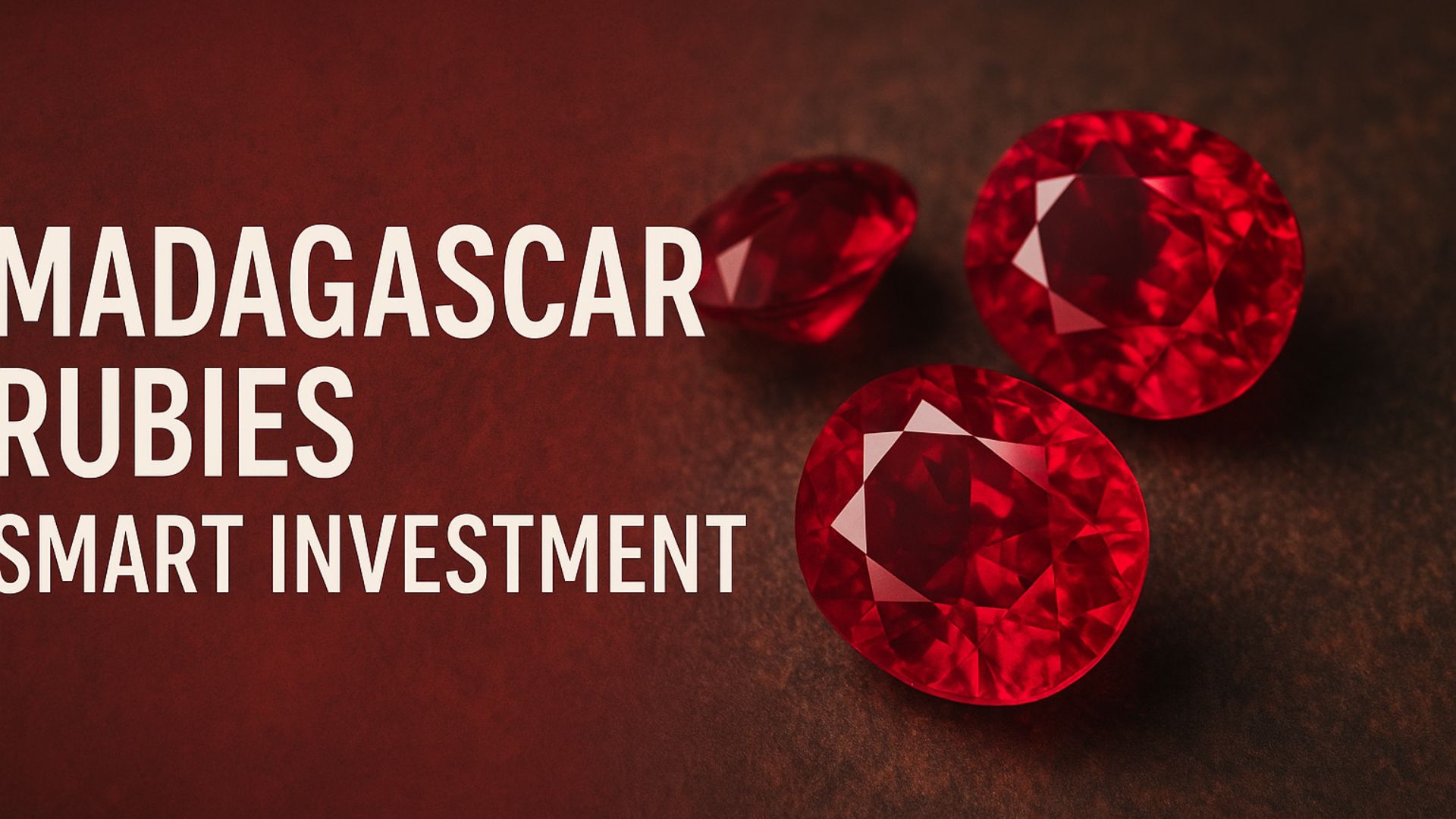
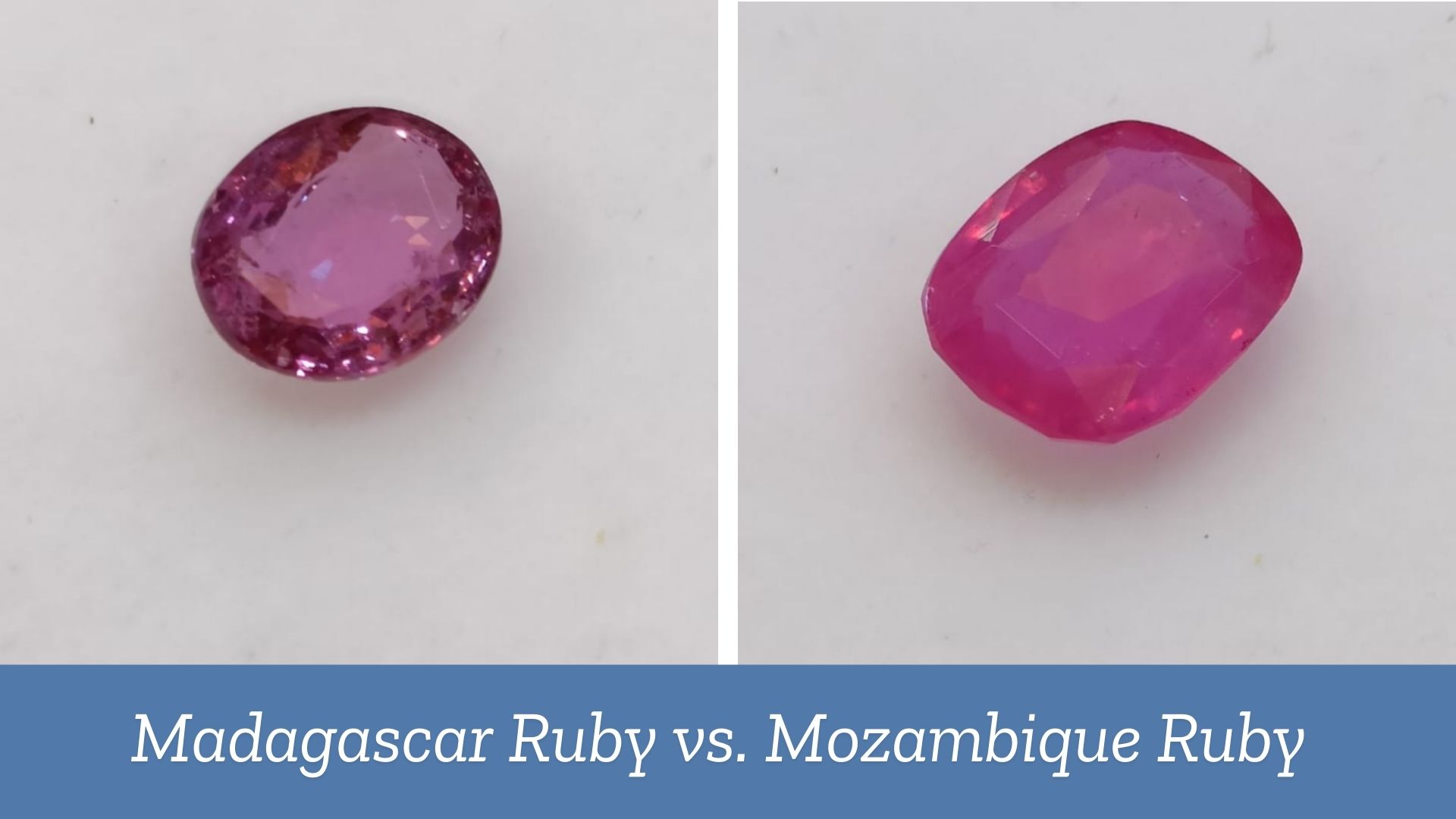
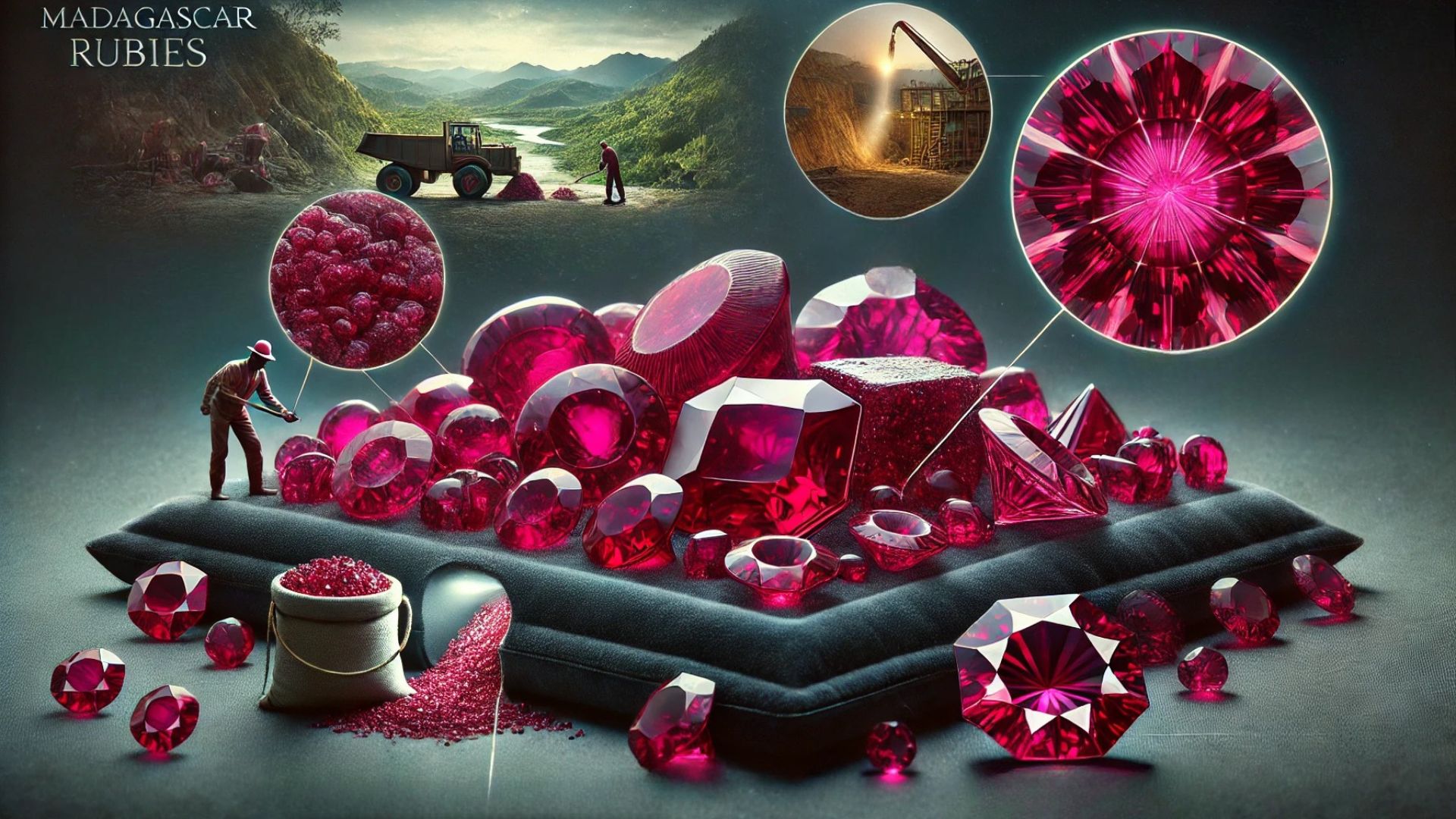
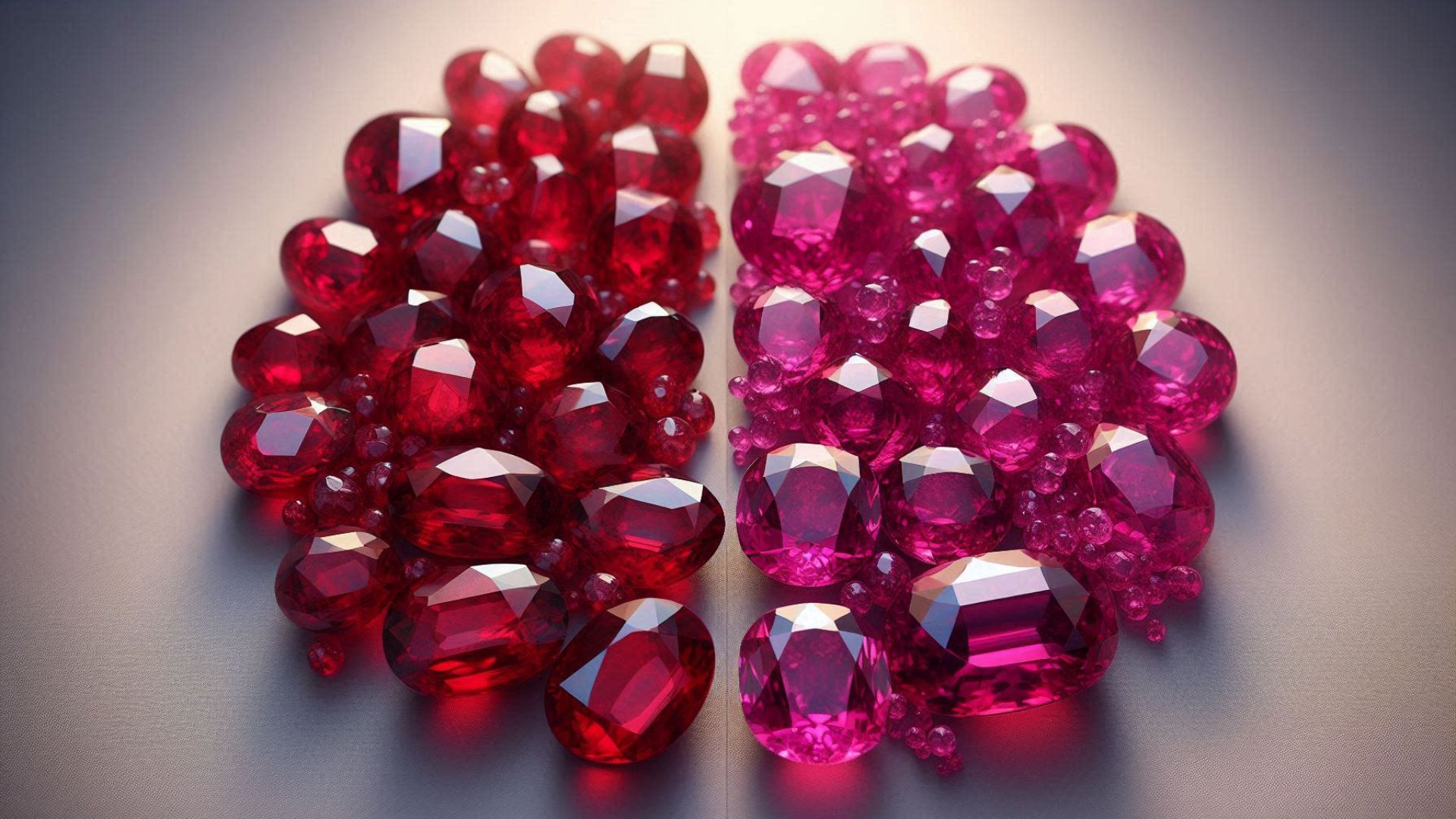
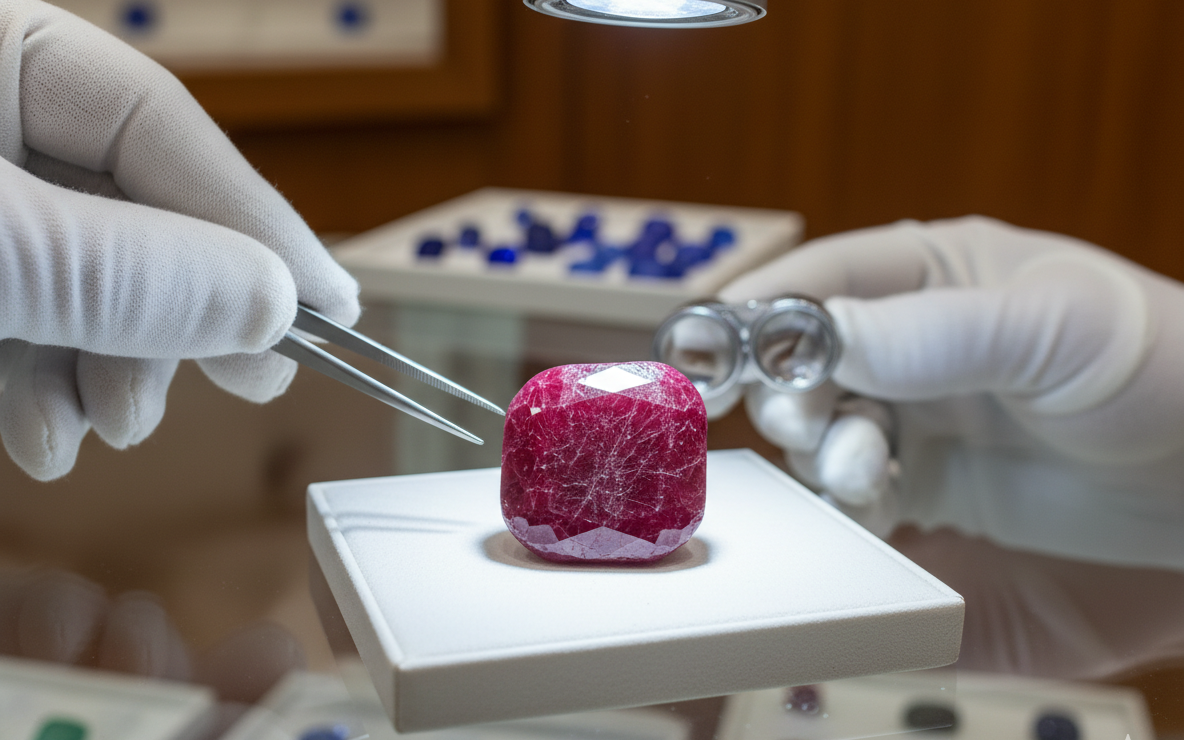
As jewelry preferences continue to evolve, colored gemstone rings and other gemstone pieces are likely to remain an important part of the modern jewelry landscape—not because diamonds have lost their appeal, but because today's consumers have discovered that beautiful jewelry can come in many different colors and forms. For those exploring vibrant gemstones, factors such as the mozambique ruby price can also influence purchasing decisions, offering another consideration when choosing a unique and meaningful piece.
Recent Posts

2026-09-04
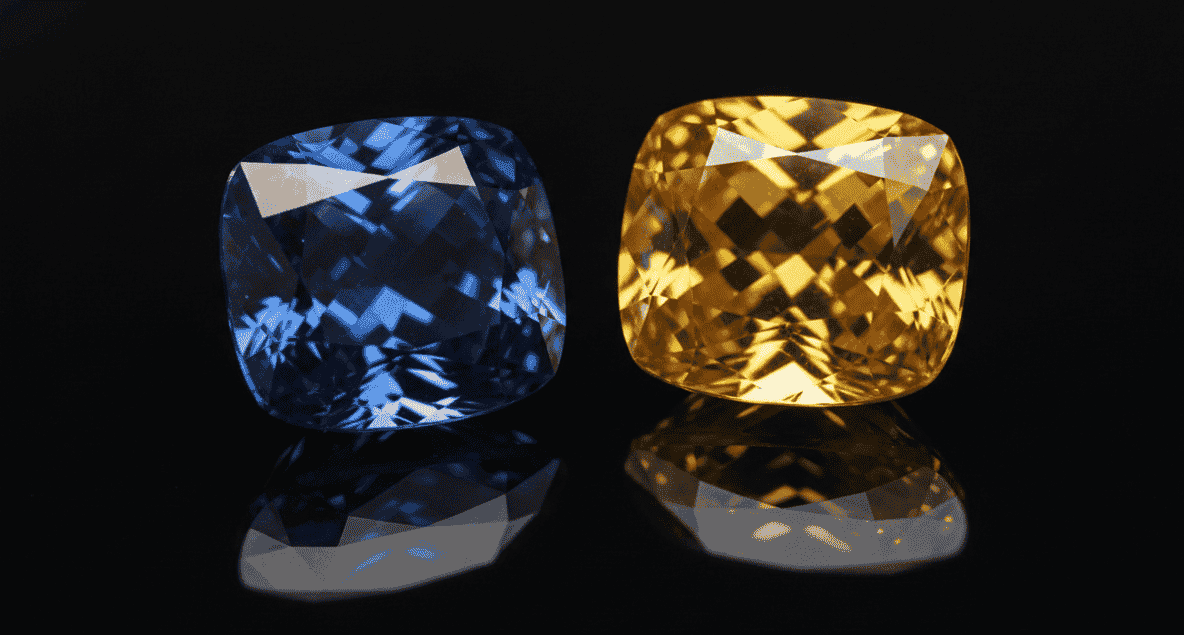
The Science Behind Gemstone Fluorescence




2025-09-15