Date : 2026-09-10
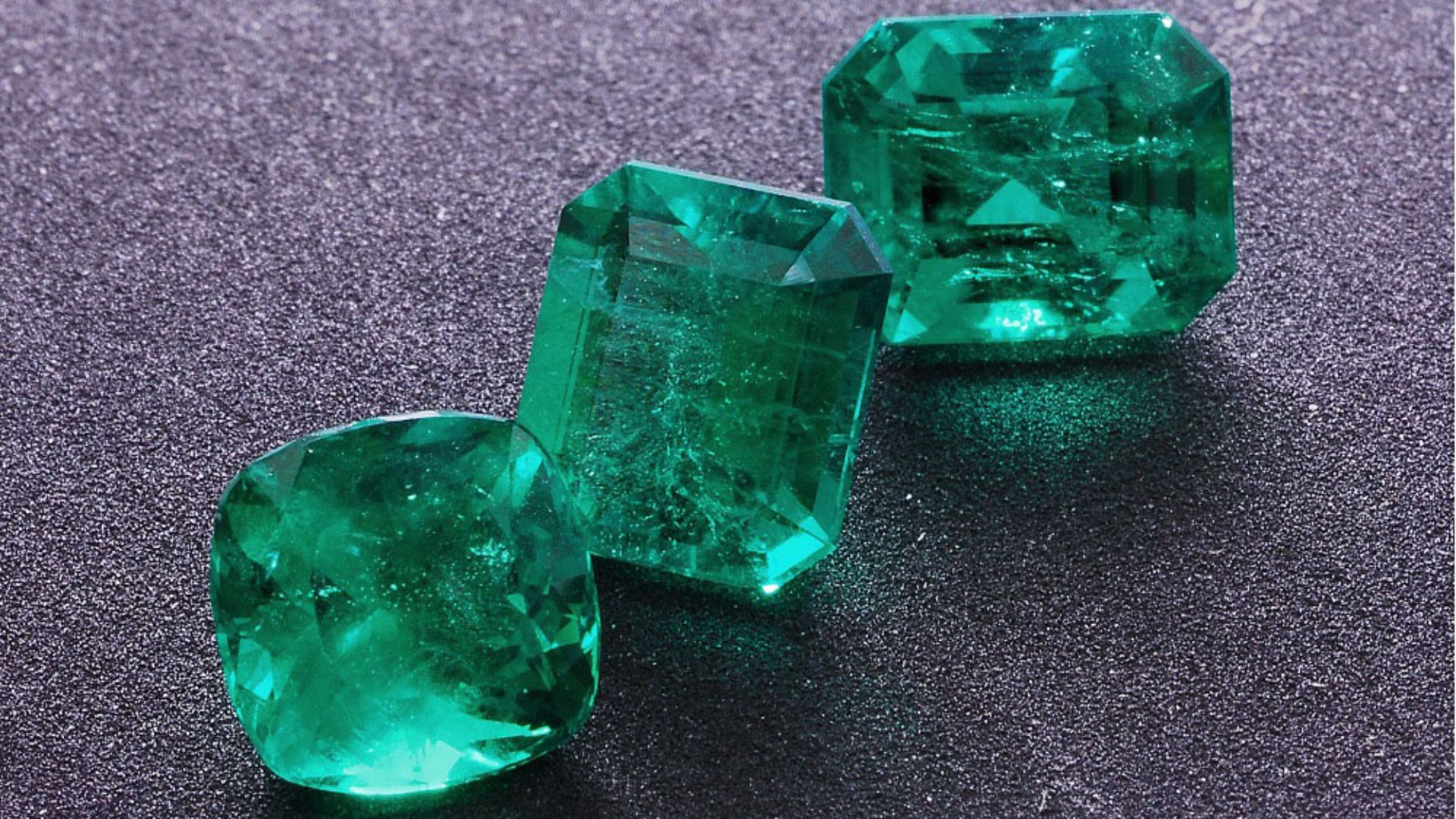
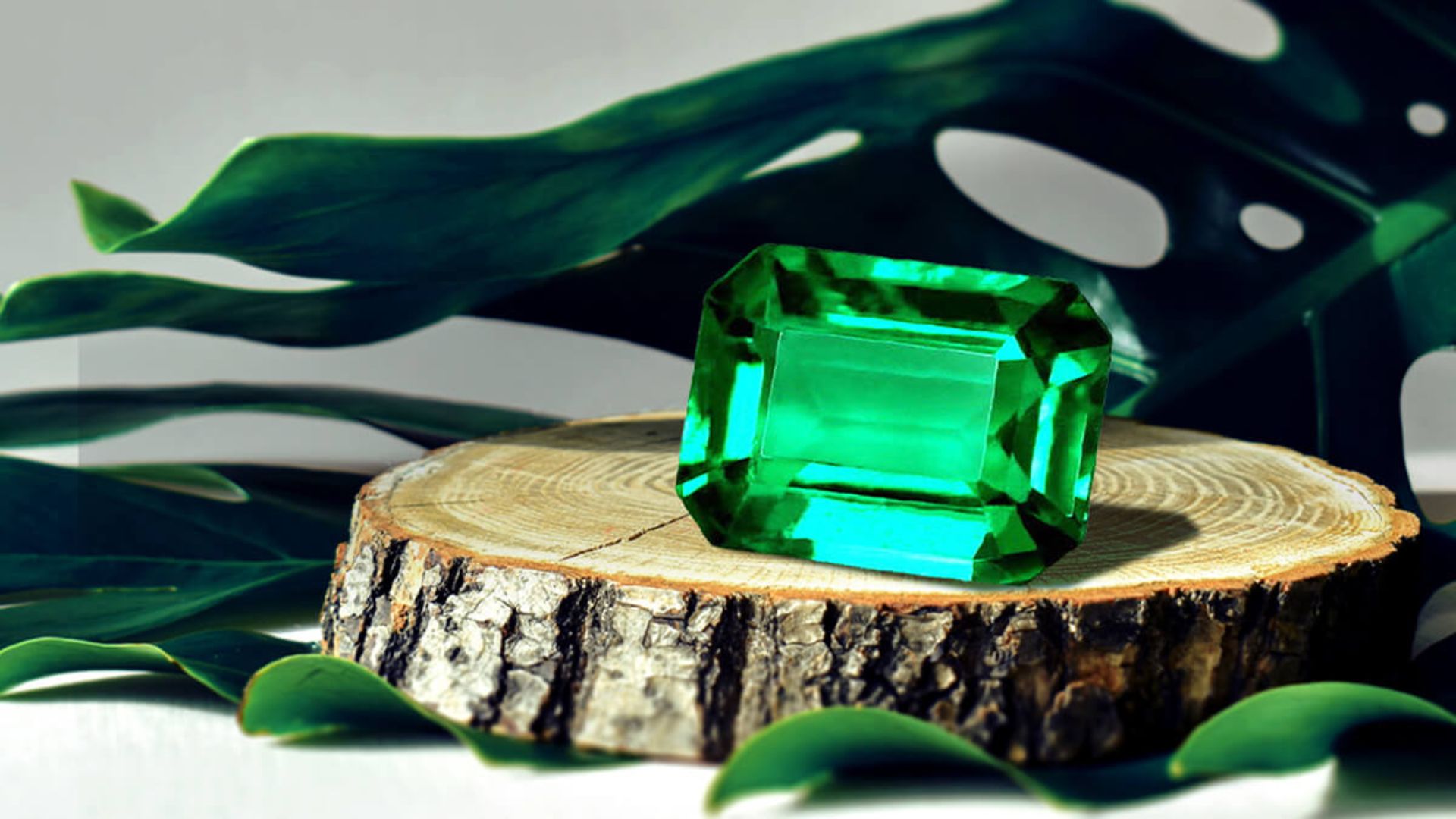
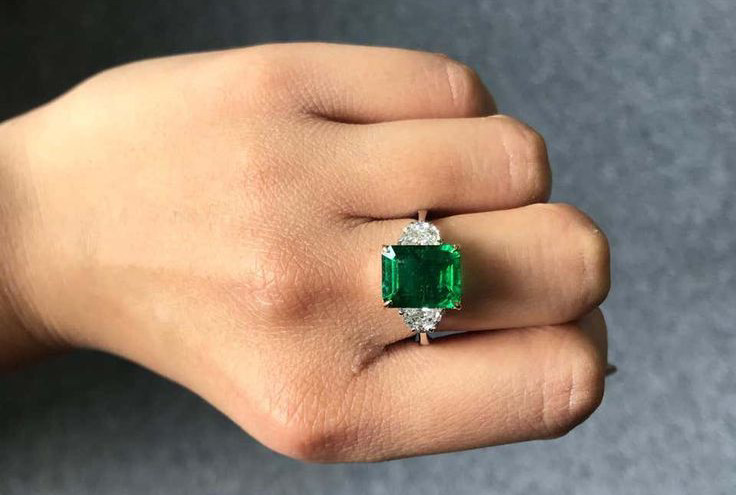
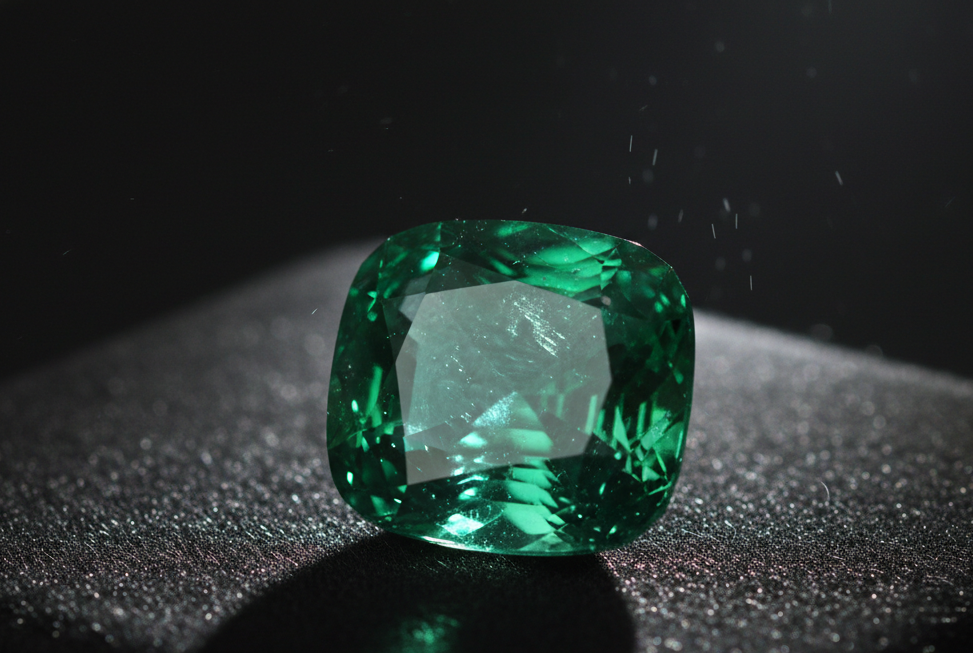
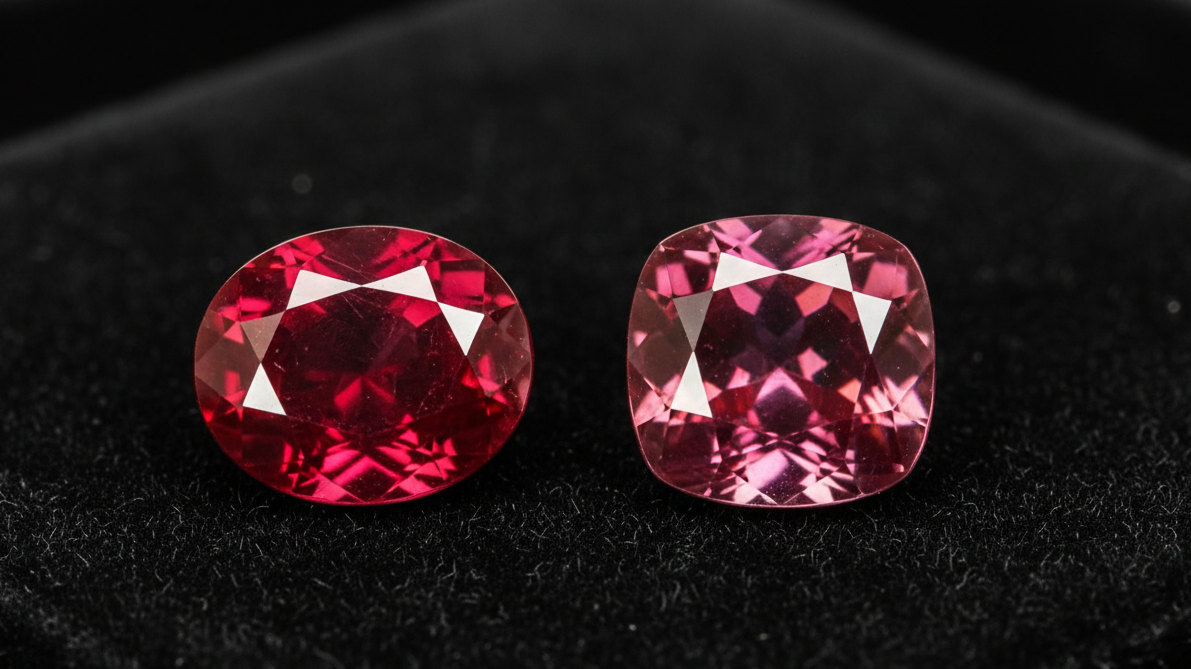
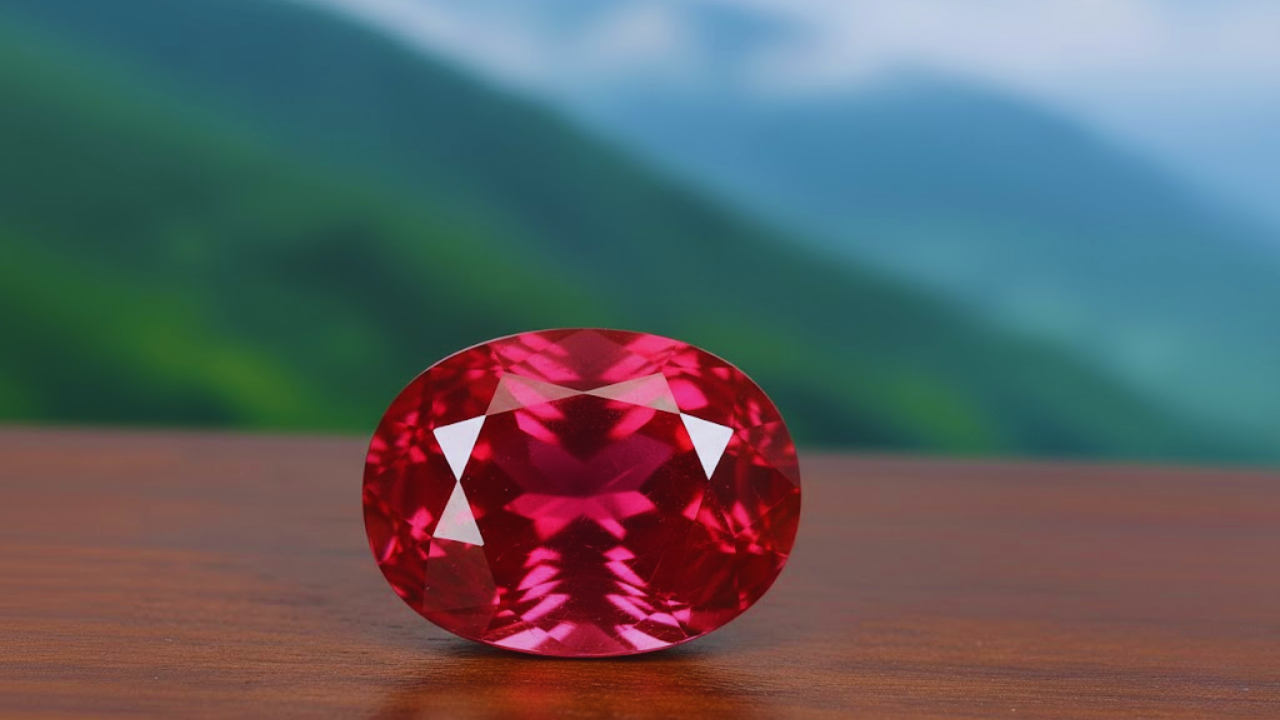
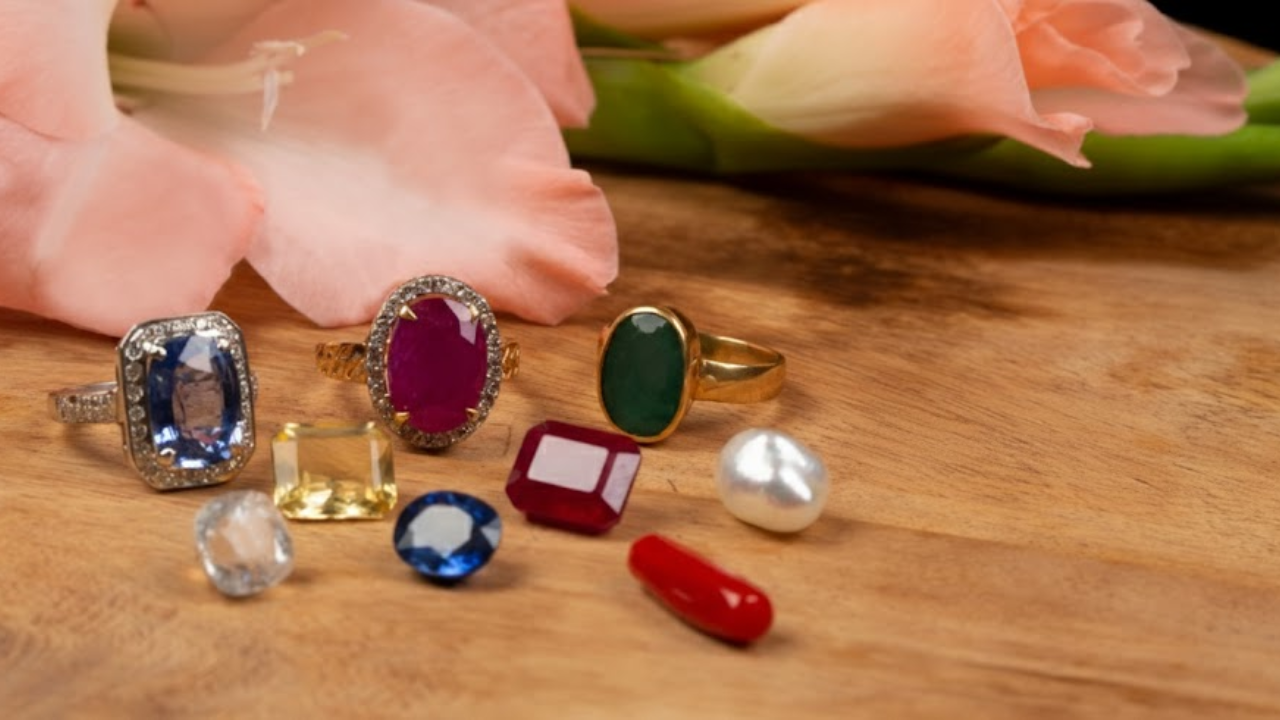
Gemstones are prized for their brilliance, color, beauty, and rarity. A gemstone can add significant value to your jewelry collection. Whether it is worn as a ring, necklace, bracelet, or earrings. Nevertheless, gemstones are not unbreakable despite their inherent strength. When choosing a gemstone such as a Brazilian emerald, it is also important to consider factors such as quality, authenticity, and the brazilian emerald price, which can vary depending on the stone’s color, clarity, carat weight, origin, and treatment.
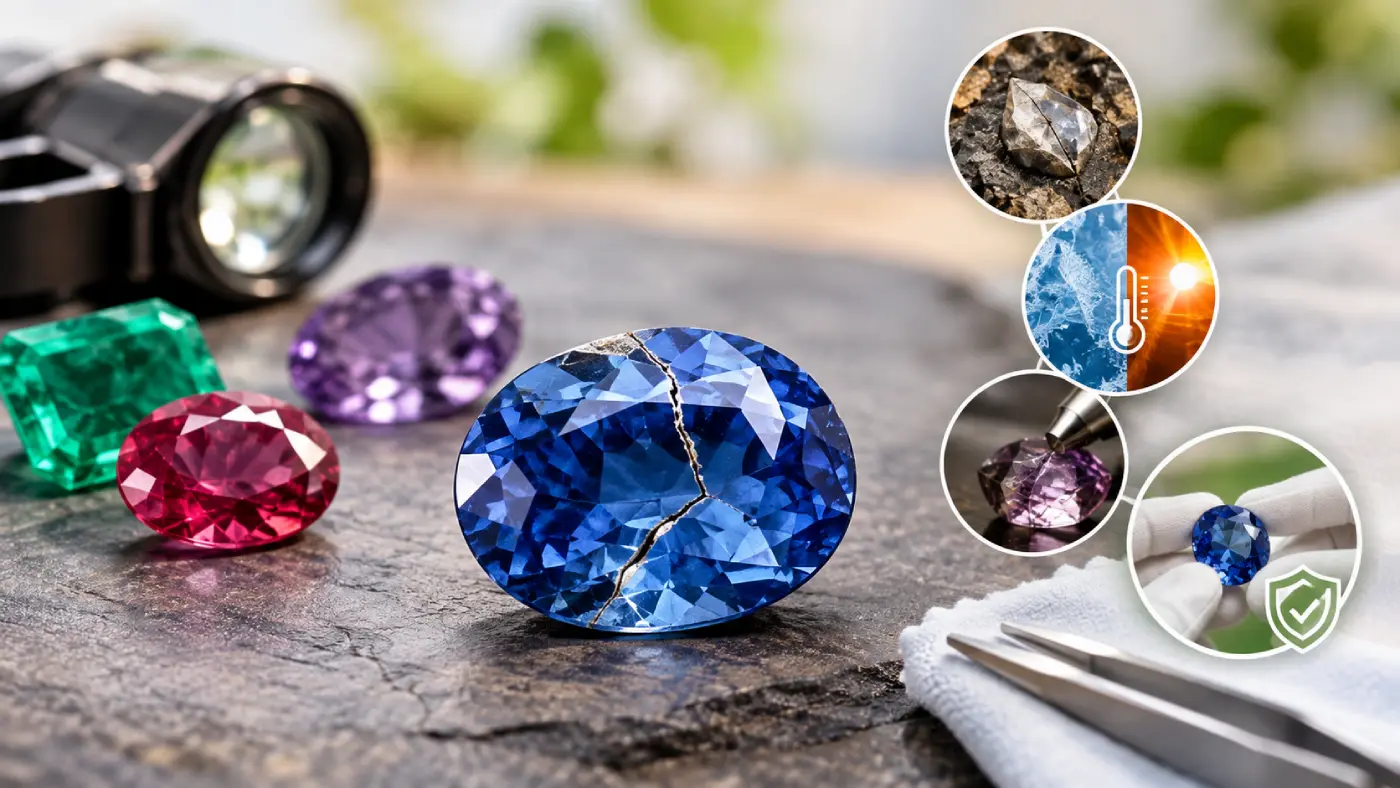
Finding a chip, fracture, or crack in a gemstone is one of the most common worries for jewelers. Accidental impacts, internal inclusions, sudden temperature changes, insufficient cleaning, chemical exposure, and pressure from jewelry settings are some of the causes of gemstone cracks.
Maintaining the beauty and safety of your jewelry requires an understanding of the causes of gemstone damage. With proper Gemstone Care and sensible Gemstone Protection, you can reduce the risk of cracks and extend the life of your favorite pieces.
What Causes Gemstones to Crack?
Gemstones have different levels of hardness, toughness, and structural stability. While some stones are highly resistant to scratches, they may still be vulnerable to impact or fractures.
The most common causes of Gemstone Damage include:
- Accidental impacts and knocks
- Internal inclusions and natural fractures
- Sudden temperature changes
- Pressure from jewelry settings
- Improper cleaning methods
- Exposure to chemicals
- Everyday wear and friction
- Poor storage
- Certain gemstone treatments
Let's take a closer look at each cause.
1. Accidental Impacts
Physical impact is one of the most common causes of Gemstone Cracks. A gemstone ring, for example, can easily hit a table, countertop, door, or other hard surface during everyday activities.
Even when an impact does not immediately break a stone, repeated knocks can weaken an already vulnerable area. The risk depends not only on hardness but also on toughness—the gemstone's ability to withstand impact without breaking.
For better Gemstone Protection, remove gemstone jewelry before playing sports, gardening, exercising, cleaning, or performing heavy manual work.
2. Internal Inclusions and Fractures
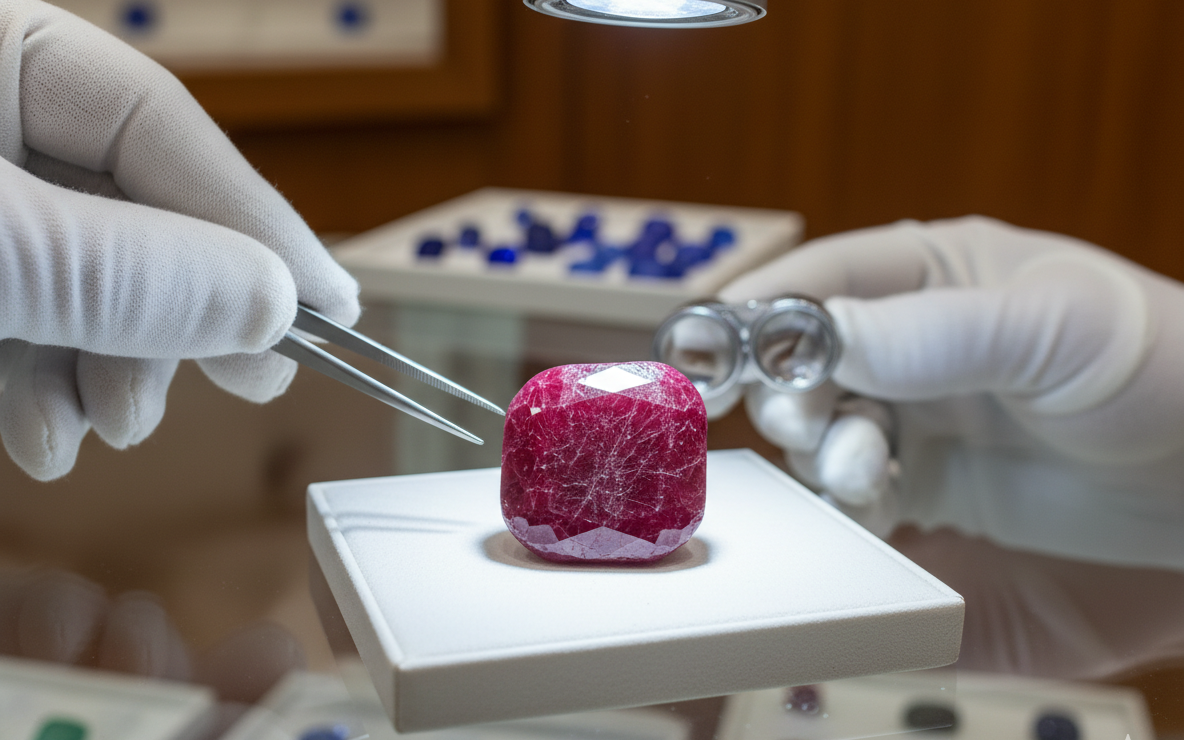
Natural gemstones often contain inclusions. These are internal characteristics formed during the stone's development. Inclusions are not necessarily flaws; they can actually help identify a gemstone's natural origin.
However, certain inclusions or existing internal fractures can create areas of weakness. An impact may cause an existing fracture to expand.
A line inside a gemstone does not automatically mean that the stone has recently cracked. It could be a natural inclusion or an older internal feature. If you are unsure, have the stone examined by a qualified jeweler or gemologist.
3. Sudden Temperature Changes
Extreme or rapid temperature changes can place stress on some gemstones.
For example, moving a cold piece of jewelry directly into very hot water can cause the gemstone and surrounding materials to expand at different rates. In vulnerable stones, this thermal stress may contribute to existing fractures.
Avoid exposing gemstones to sudden temperature changes, especially if you do not know their specific care requirements.
This is also an important consideration when cleaning jewelry. Do not use hot water, steam, or other high-temperature methods unless they are confirmed to be safe for your gemstone.
4. Pressure From the Jewelry Setting
Sometimes the cause of Gemstone Damage is related to the jewelry setting rather than the gemstone itself.
Prongs, bezels, and other setting components hold a stone in place. If a setting becomes damaged, excessively tight, or improperly fitted, it may place unnecessary pressure on the gemstone.
This can be particularly important after jewelry has been repaired or resized.
Regularly check your jewelry for loose or bent prongs. If the gemstone moves when touched or the setting appears damaged, have it inspected by a professional as soon as possible.
5. Improper Cleaning
Cleaning your jewelry is an important part of Gemstone Care, but using the wrong method can cause damage.
Ultrasonic cleaners, steam cleaners, abrasive materials, strong detergents, and certain chemicals are not suitable for every gemstone. Some stones and treatments can be particularly sensitive to heat, vibration, or chemicals.
Before cleaning a gemstone, learn which methods are safe for that particular stone. When you are unsure, gentle cleaning or professional cleaning is generally a safer choice.
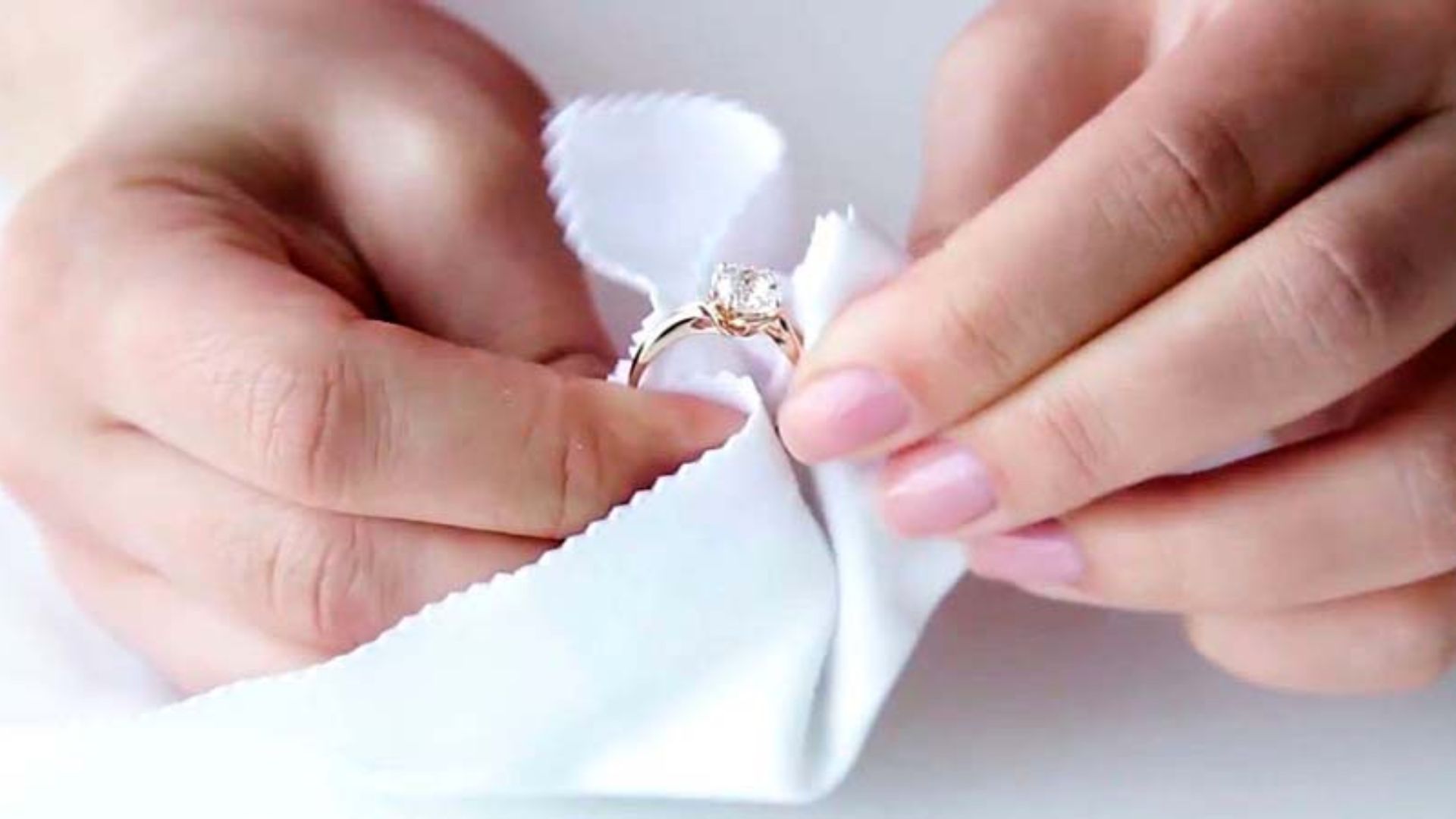
A soft cloth and an appropriate cleaning method can help maintain the gemstone without putting unnecessary stress on it.
6. Exposure to Chemicals
Perfumes, hairsprays, cosmetics, cleaning products, chlorine, and other chemicals can affect certain gemstones and gemstone treatments.
Chemical exposure may not immediately cause a visible crack, but it can affect a stone's surface, color, treatment, or overall stability. A compromised gemstone may then become more vulnerable to further damage.
As a simple precaution, apply perfume, hairspray, lotions, and cosmetics before putting on your jewelry. Remove gemstone jewelry before swimming in chlorinated water or using household cleaning chemicals.
7. Everyday Wear
Gemstone damage does not always happen because of one major accident. Repeated everyday contact can gradually increase the risk of chips, scratches, or fractures.
Rings are especially exposed because they frequently come into contact with hard surfaces. Bracelets can rub against desks and other objects, while necklaces may experience friction against clothing.
This does not mean delicate gemstones cannot be worn. Instead, the jewelry should be appropriate for the stone and your lifestyle.
A gemstone that is suitable for occasional wear may not be the best choice for a ring that will be worn during demanding daily activities.
Hardness Does Not Mean a Gemstone Cannot Break
A common misconception is that a very hard gemstone cannot crack. This is incorrect.
Hardness primarily refers to a gemstone's resistance to scratching. Toughness refers to its resistance to breaking or chipping.
Therefore, a gemstone can be highly resistant to scratches while still being vulnerable to a strong impact.
When choosing a gemstone, consider its overall durability rather than looking at hardness alone. Understanding these differences is an important part of effective Gemstone Protection.
How to Recognize a Cracked Gemstone
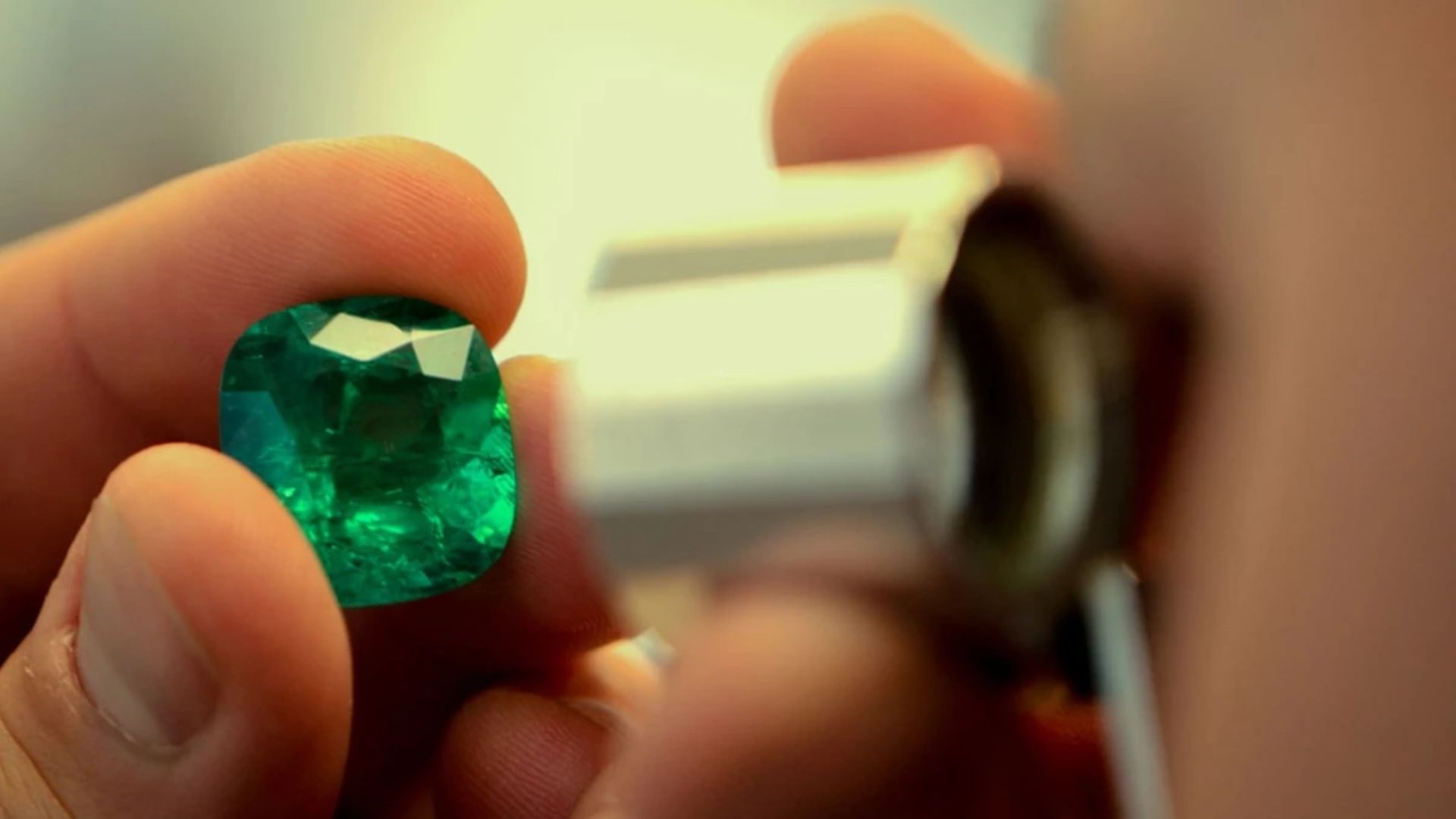
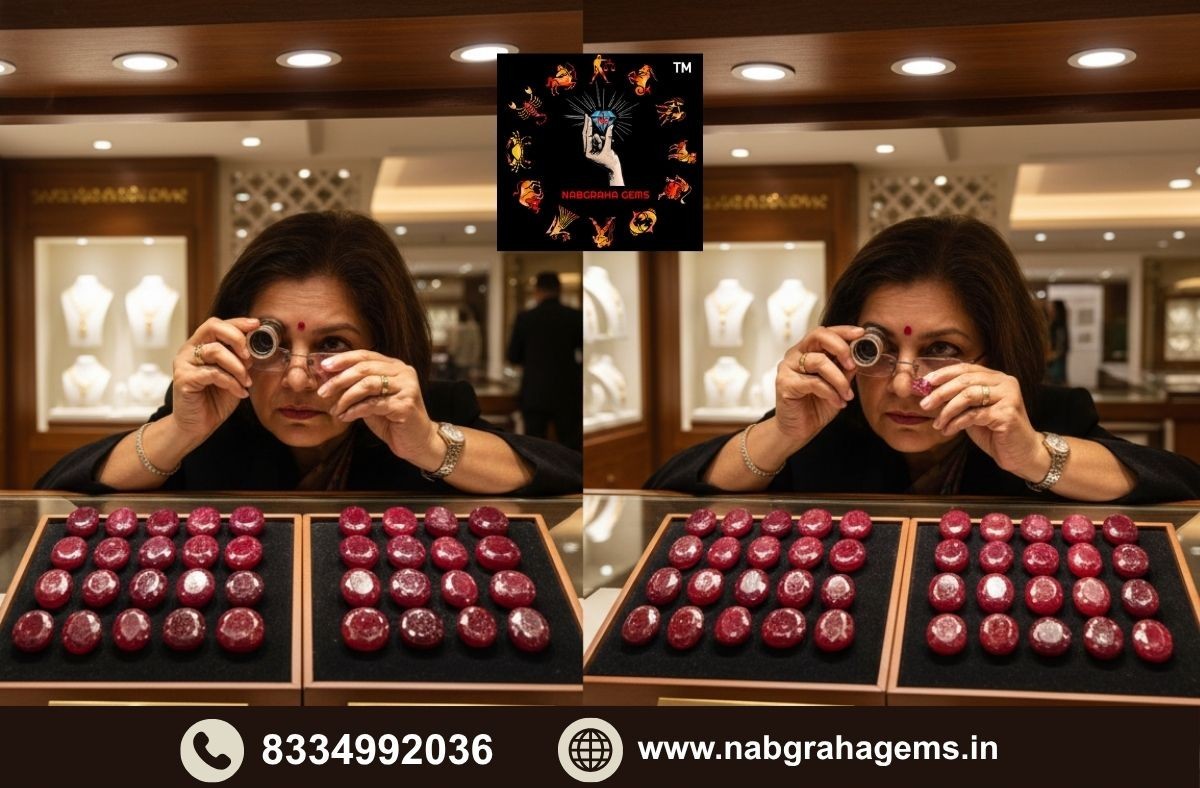
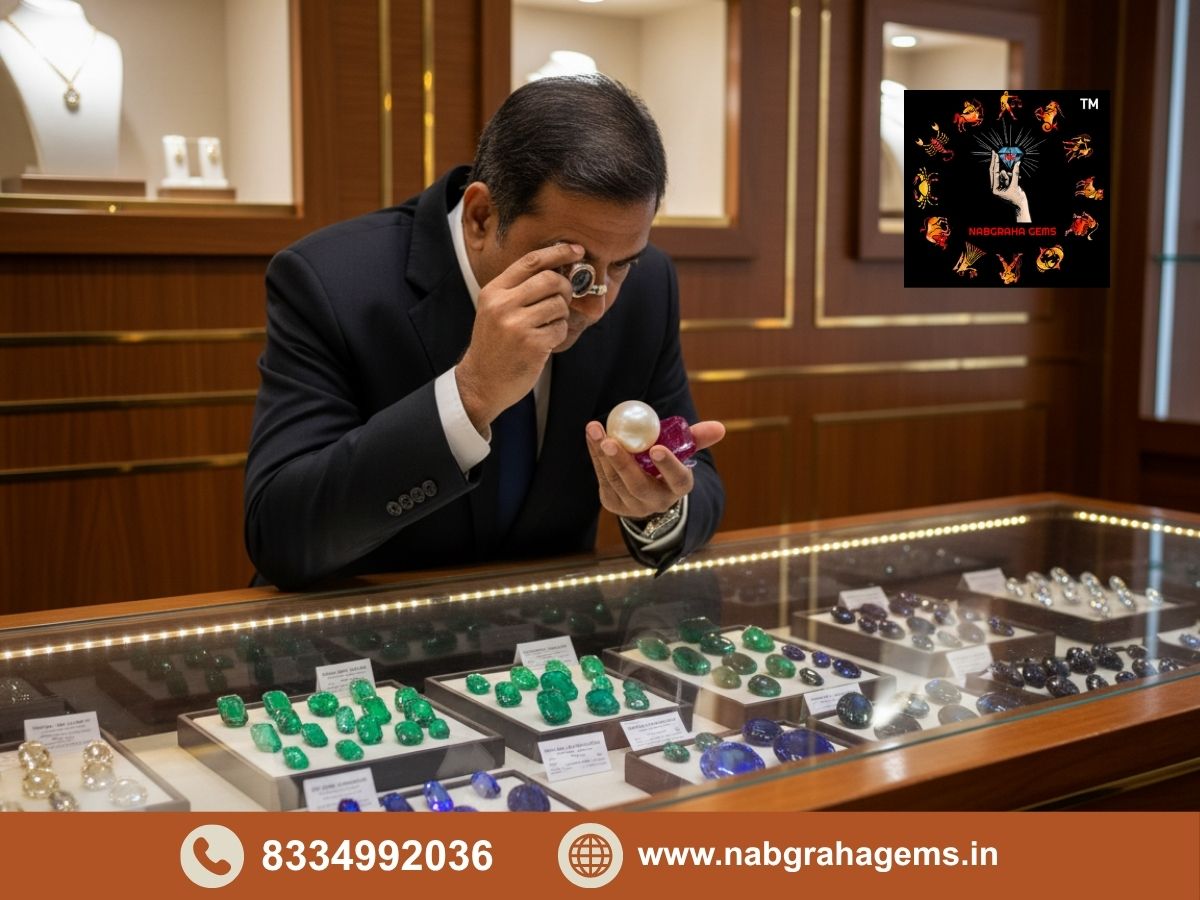
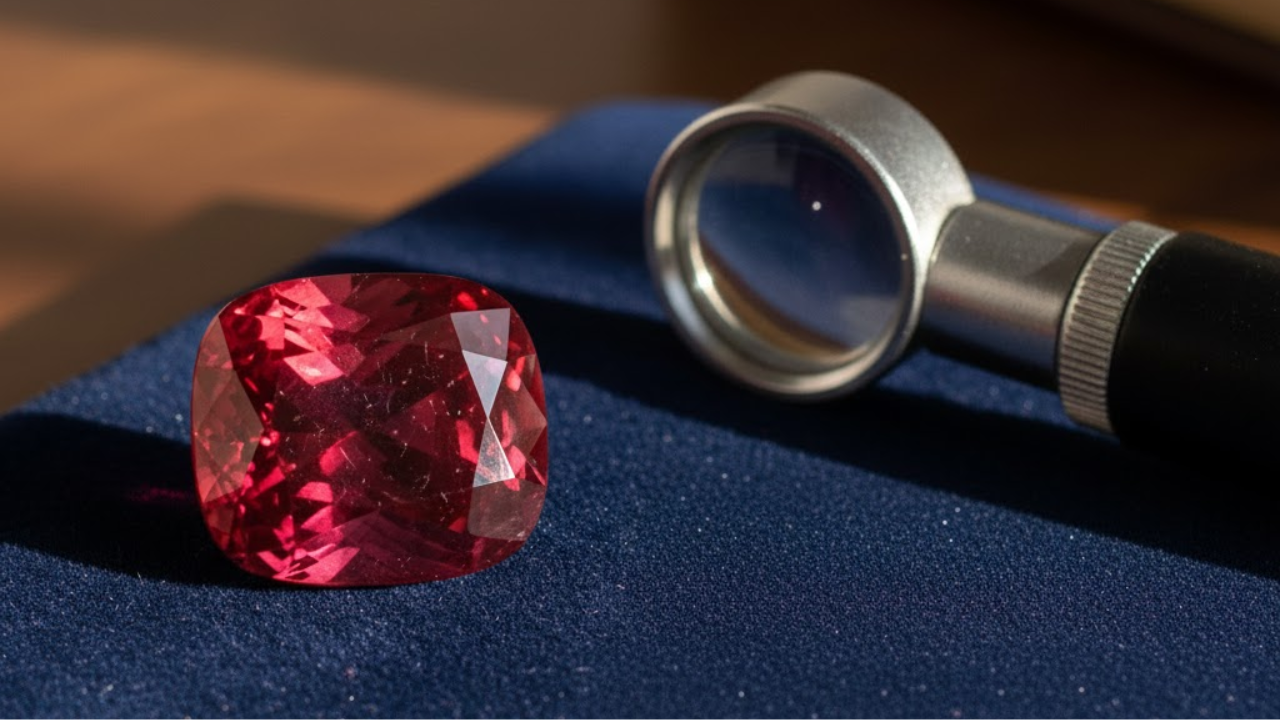
Some cracks are easy to see, while others can only be detected under magnification.
Possible signs of Cracked Gemstones include:
- A new line or fracture inside the stone
- A chip along an edge
- A rough or damaged area
- A change in brilliance or reflection
- A cloudy-looking section
- A visible piece missing from the stone
- Movement of the gemstone inside its setting
- Damage appearing after an impact
If you notice something unusual, avoid repeatedly touching, testing, polishing, or cleaning the damaged area.
Instead, have the gemstone professionally examined.
What to Do If Your Gemstone Cracks
If you discover a crack, first protect the jewelry from additional impact. If possible, remove the piece carefully and store it separately in a soft pouch or lined container.
Do not try to repair the stone with household glue or other DIY methods. Adhesives can make professional restoration more difficult and may cause additional problems.
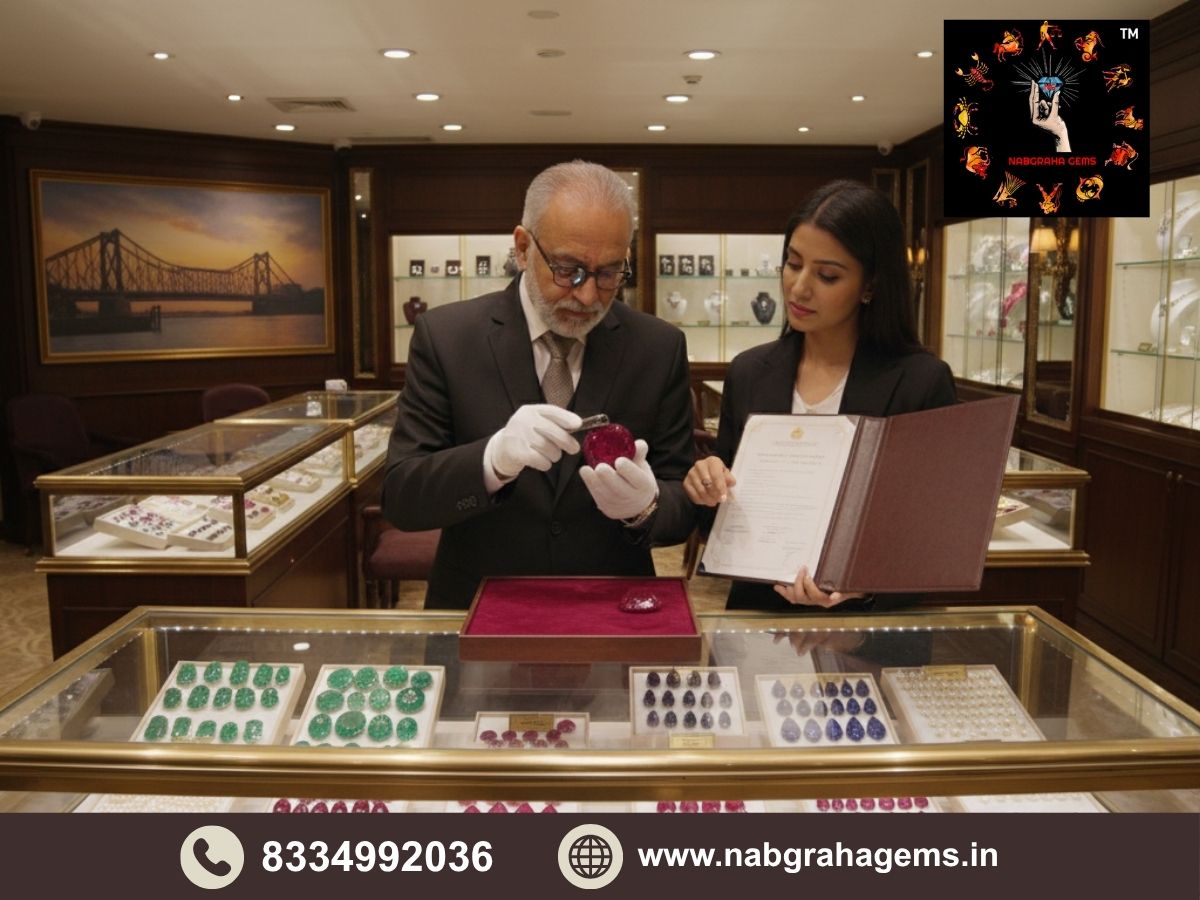
A jeweler or gemologist can determine whether the damage is a surface chip, internal fracture, natural inclusion, or more serious structural problem.
Depending on the stone and damage, possible solutions may include polishing, recutting, resetting, repair, or replacement. Not every cracked gemstone is beyond repair.
How to Prevent Gemstone Cracks
Prevention is one of the most effective forms of Gemstone Care. A few simple habits can significantly reduce the likelihood of damage.
Remove jewelry during physical activities
Take off gemstone jewelry before sports, exercise, gardening, cleaning, or manual work. This is particularly important for rings.
Keep gemstones away from chemicals
Avoid exposing gemstones to household cleaners, chlorine, and products that may contain substances unsuitable for the stone.
Store gemstones separately
Do not throw all your jewelry into one box. Harder gemstones can scratch softer stones, while pieces can also become tangled or collide with one another.
Use separate soft pouches or compartments to provide better Gemstone Protection.
Avoid sudden temperature changes
Keep gemstones away from unnecessary extreme heat and cold. Be particularly careful with treated stones or gemstones known to be sensitive to temperature.
Inspect jewelry settings regularly
Check prongs, bezels, and other setting components for signs of wear. A loose setting can increase the risk of losing or damaging the gemstone.
Use the correct cleaning method
Different gemstones require different cleaning techniques. Never assume that an ultrasonic or steam cleaner is safe for every stone.
Can Cracked Gemstones Be Repaired?
In some cases, yes. The appropriate solution depends on the type, size, and location of the crack, as well as the gemstone itself.
A professional may be able to polish or recut a stone if the damage is limited. More serious fractures may require a different solution, such as resetting or replacing the gemstone.
The value and sentimental importance of the stone should also be considered before any major repair.
If you have an expensive, antique, or sentimental gemstone, seek professional advice before attempting any restoration.
Final Thoughts
Gemstones may look incredibly strong, but each one has unique physical characteristics and vulnerabilities. Gemstone Cracks can result from impacts, internal inclusions, temperature changes, pressure, improper cleaning, chemicals, or everyday wear.
The good news is that many forms of Gemstone Damage can be prevented with proper care.
Know your gemstone, understand its specific requirements, avoid unnecessary impacts and chemicals, store it properly, and use an appropriate cleaning method. Regularly inspect both the stone and its setting, and seek professional assistance if you notice a crack, chip, or loose setting.
With consistent Gemstone Care and thoughtful Gemstone Protection, your certified gemstones and jewelry can maintain their beauty and value for many years. Proper handling today can help ensure that your favorite certified gemstones remain beautiful enough to enjoy—and potentially pass down to future generations.
Recent Posts



2026-09-04
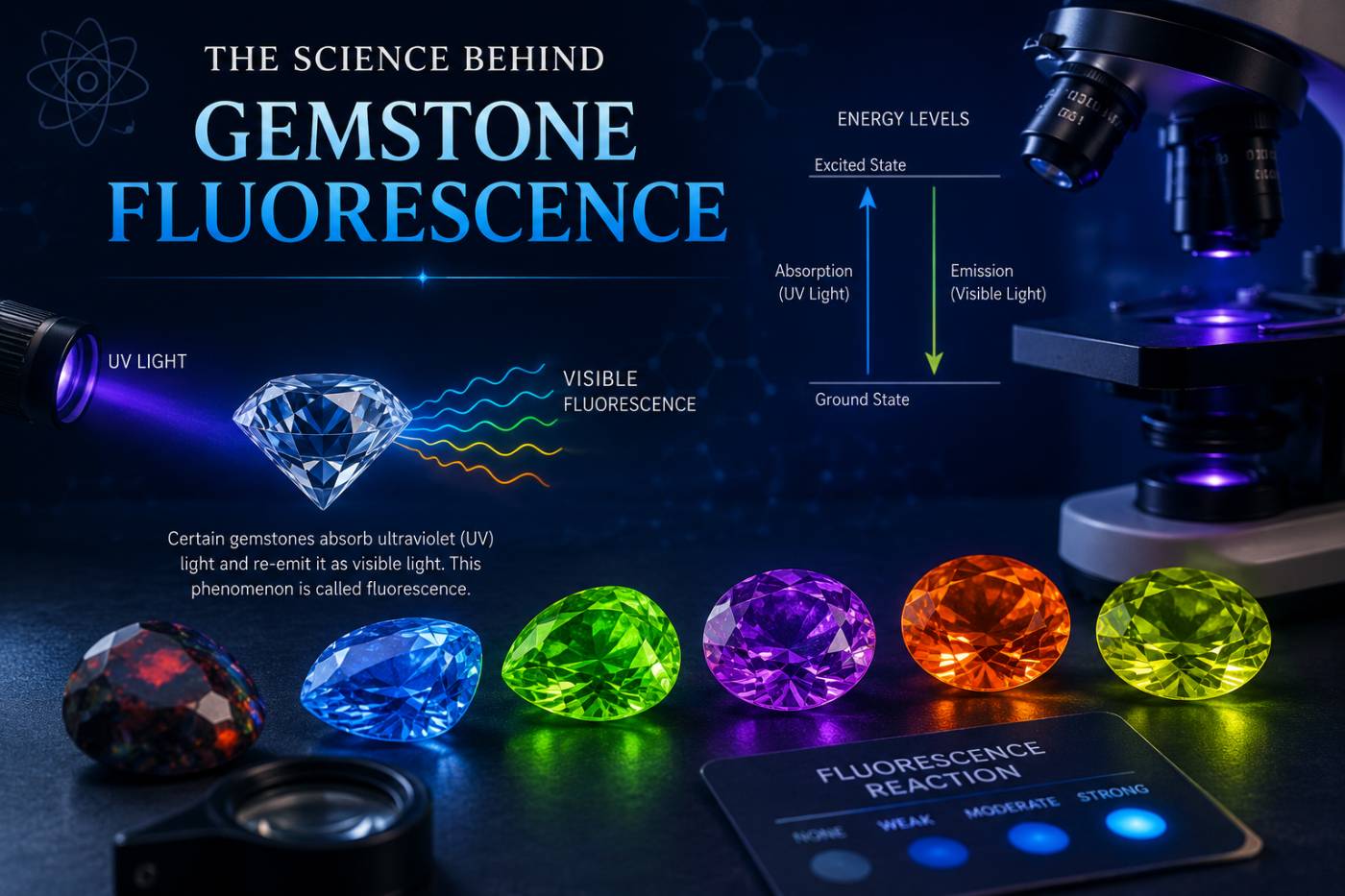
The Science Behind Gemstone Fluorescence










2025-09-15