Date : 2026-11-21
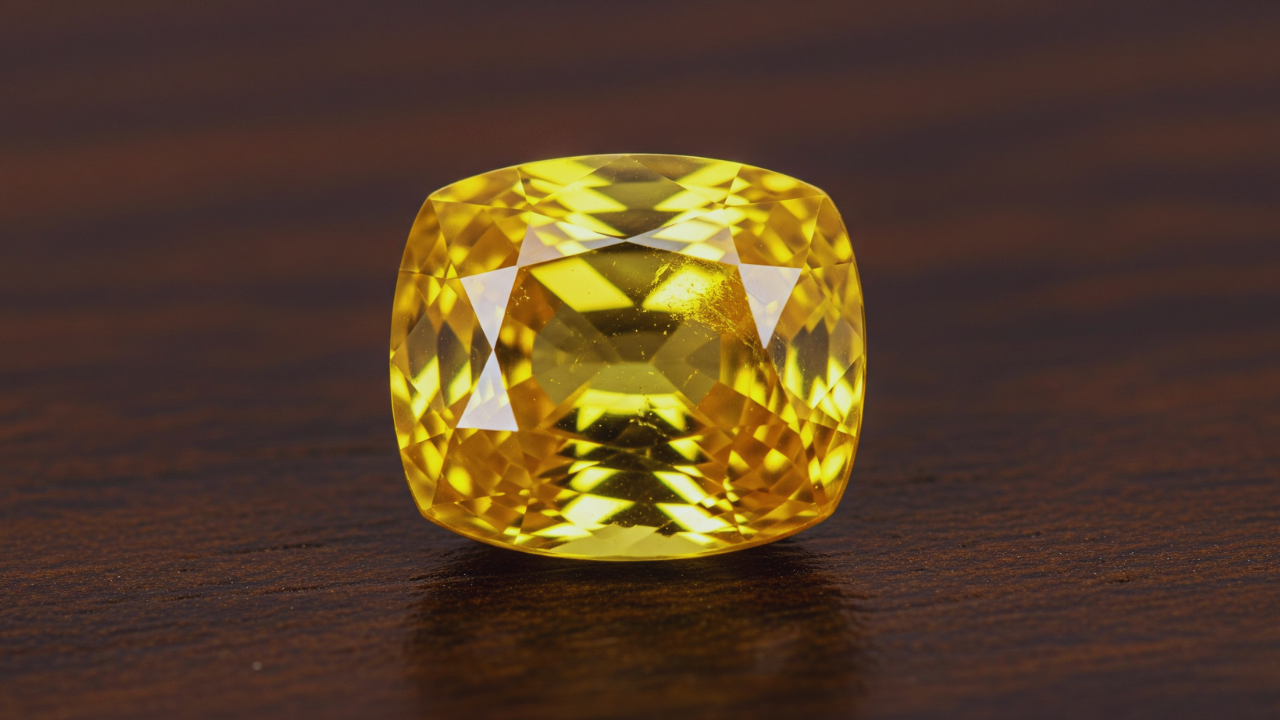
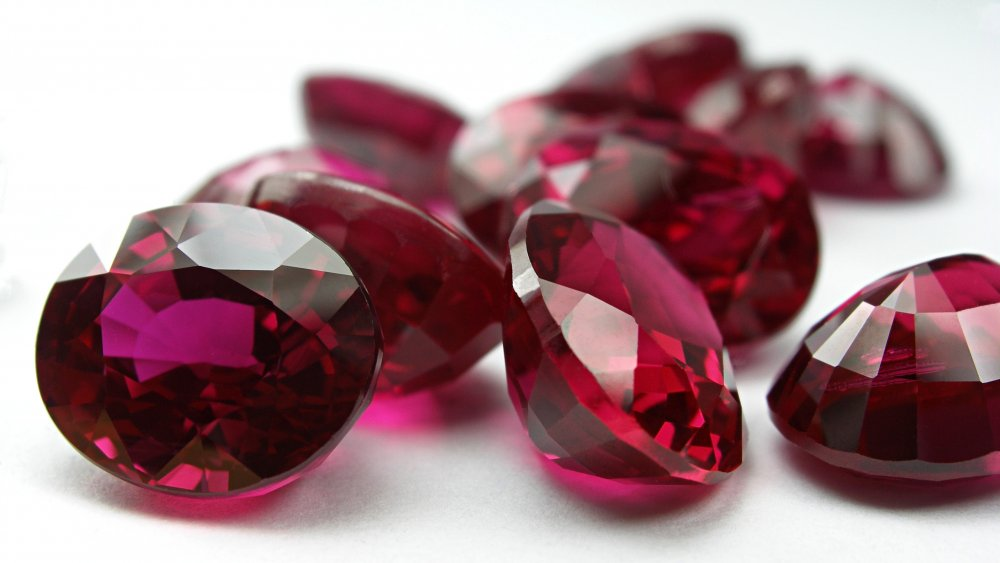
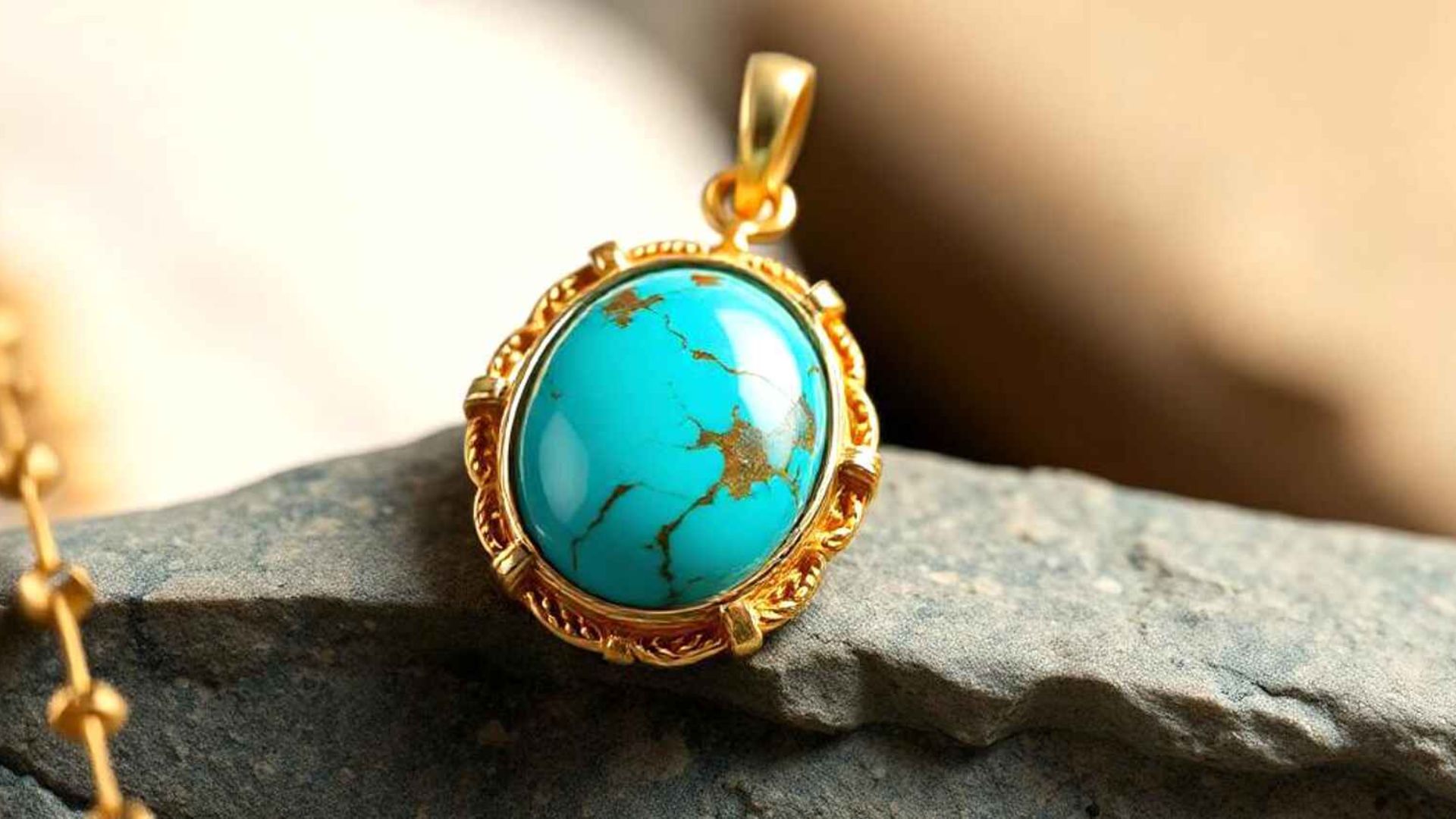
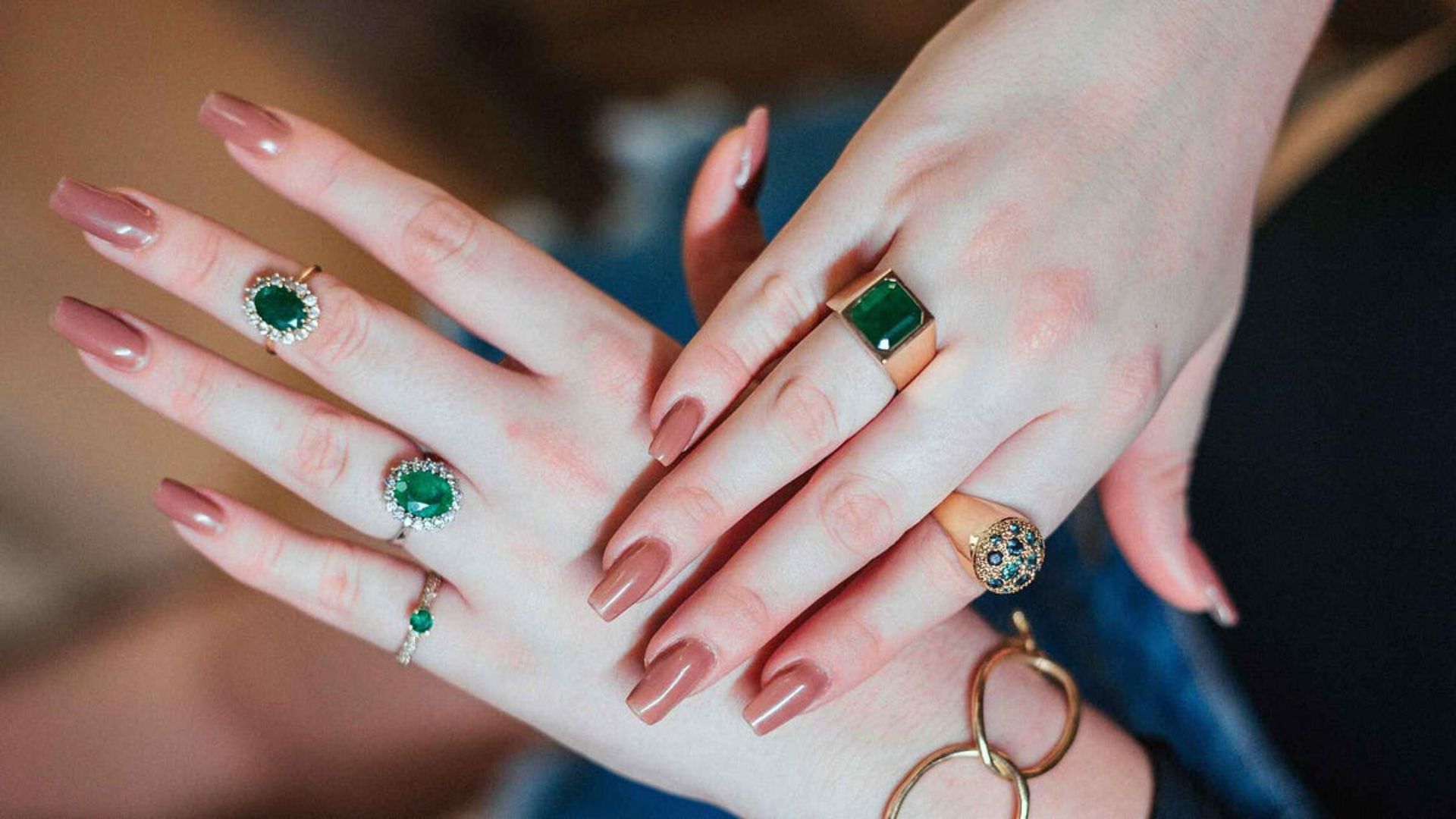
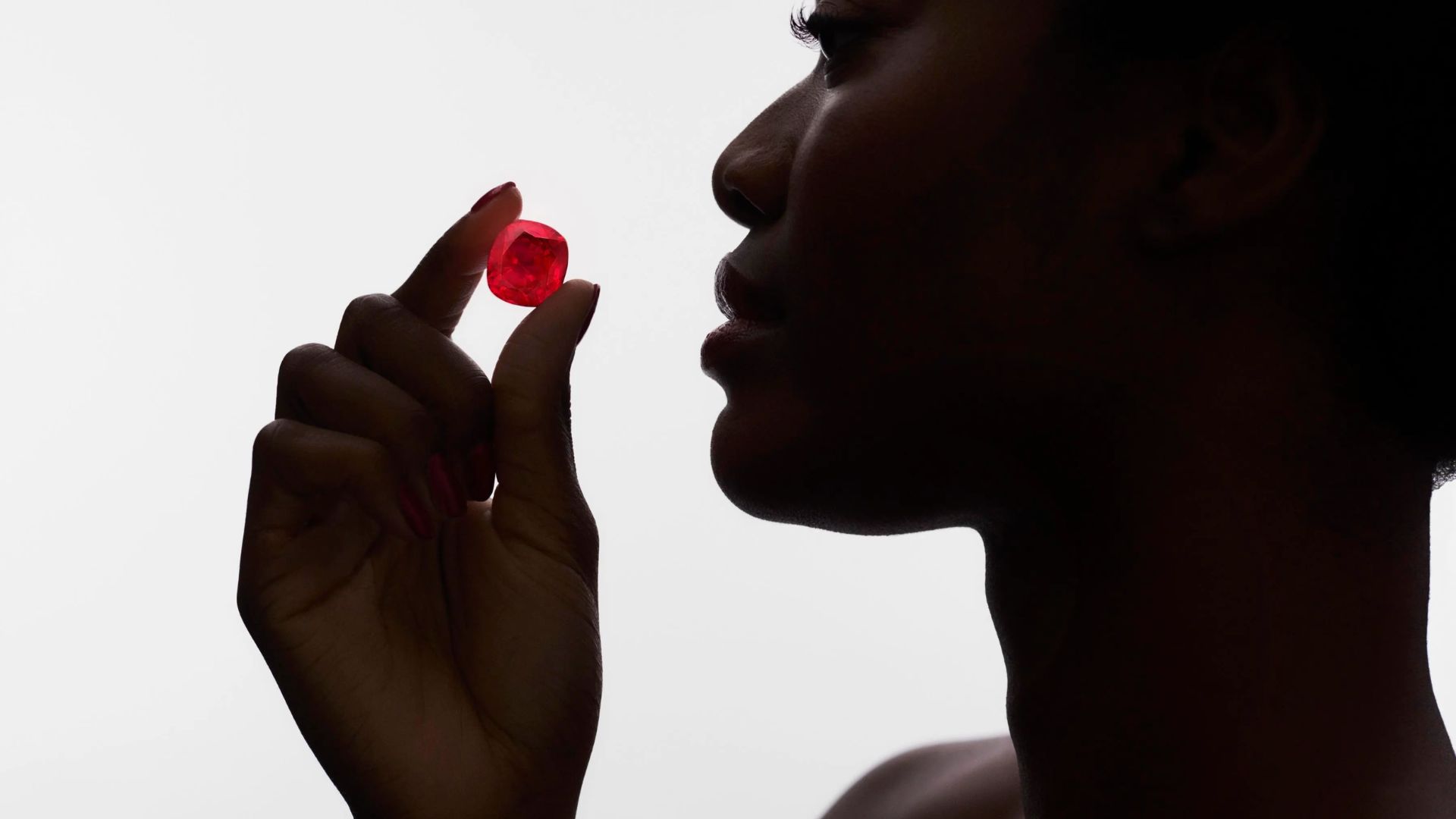
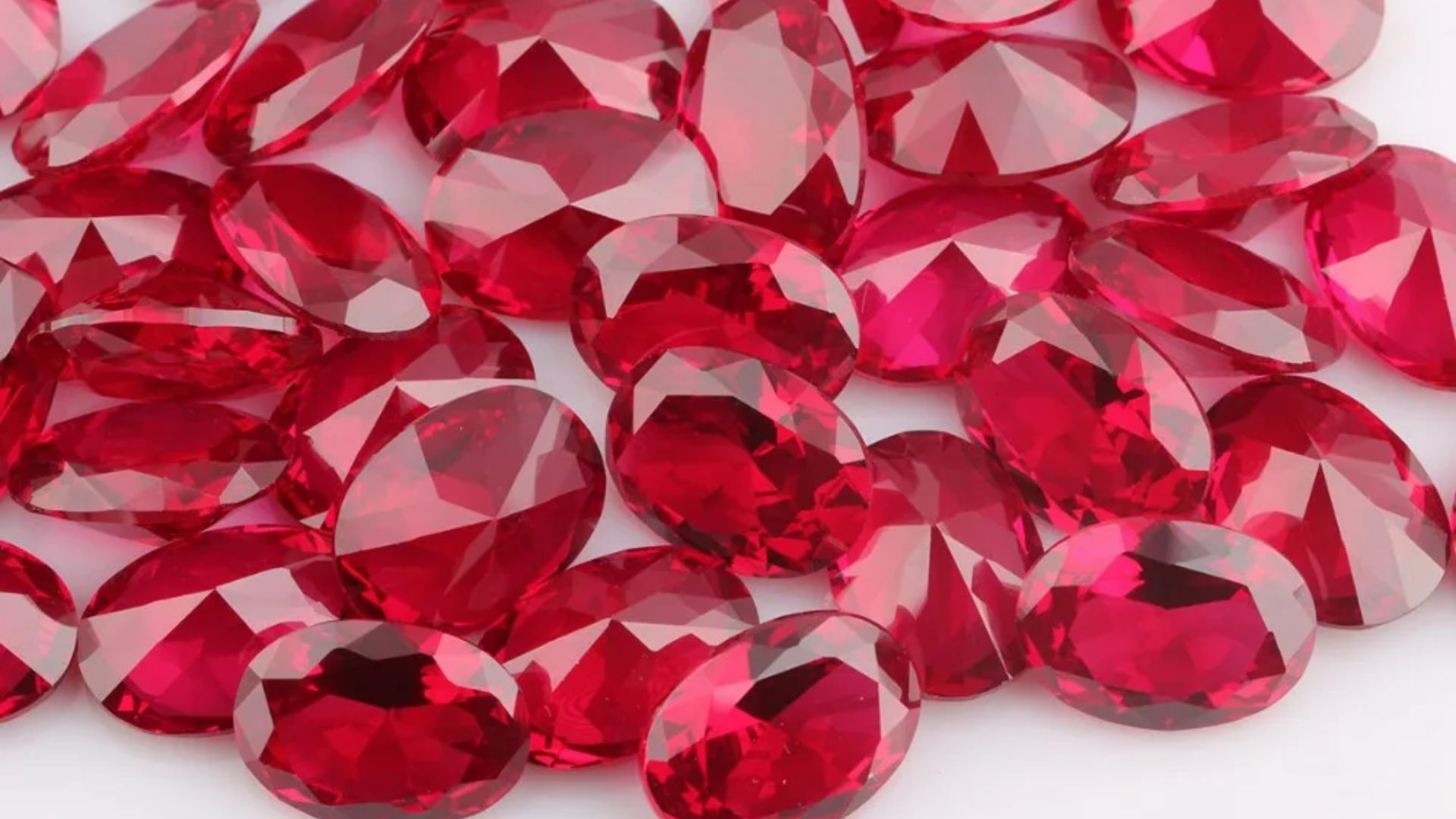
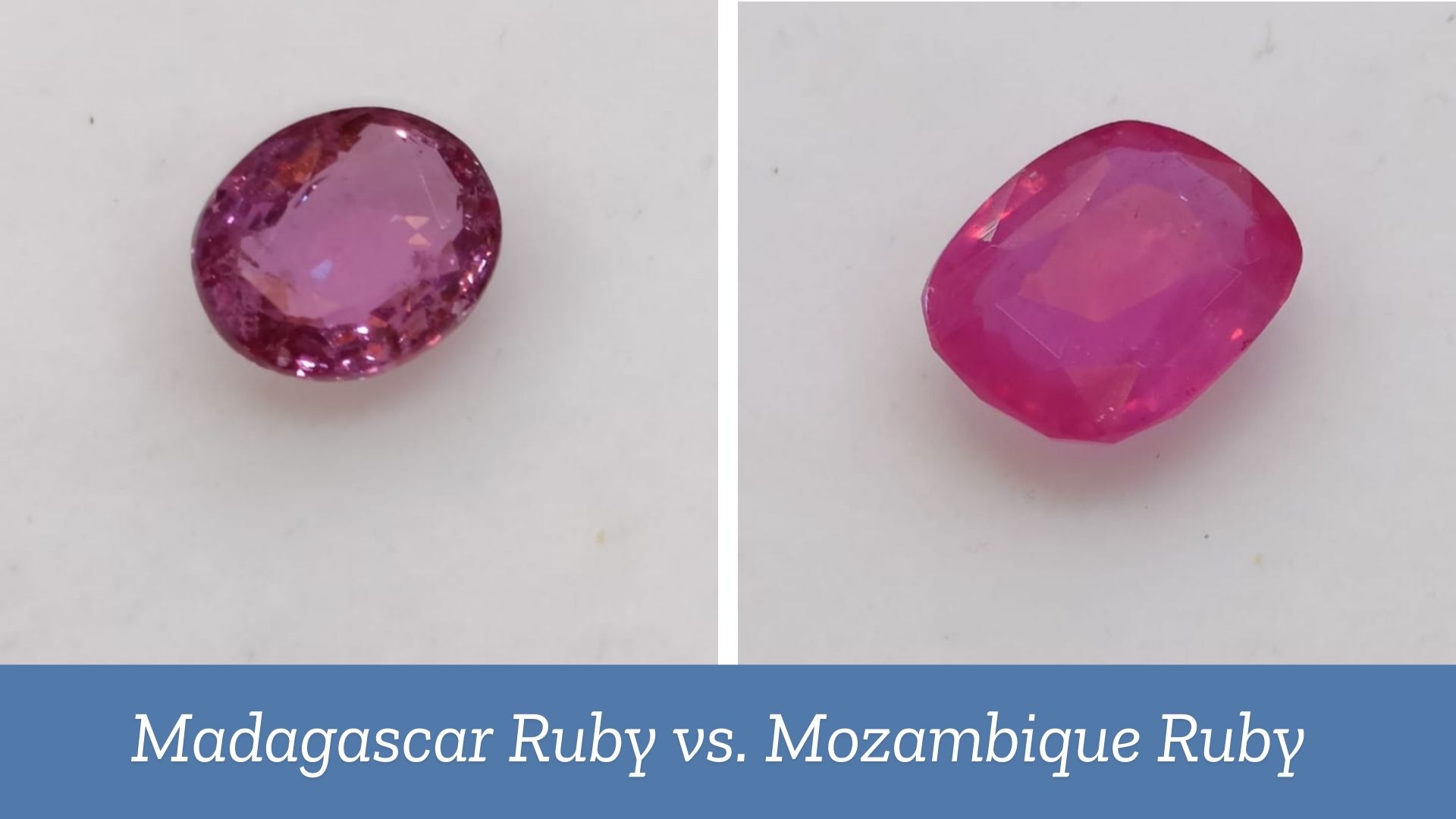
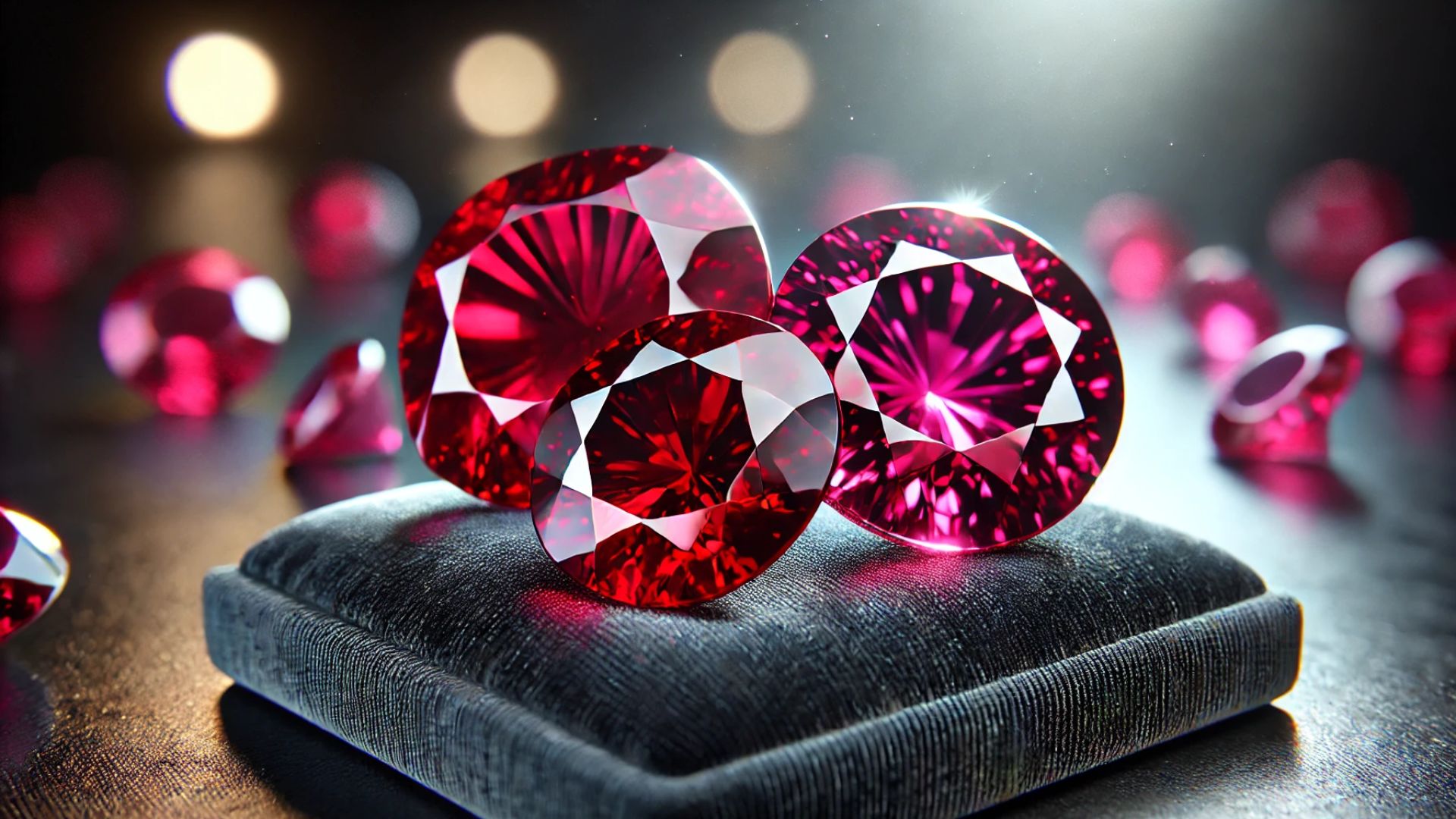
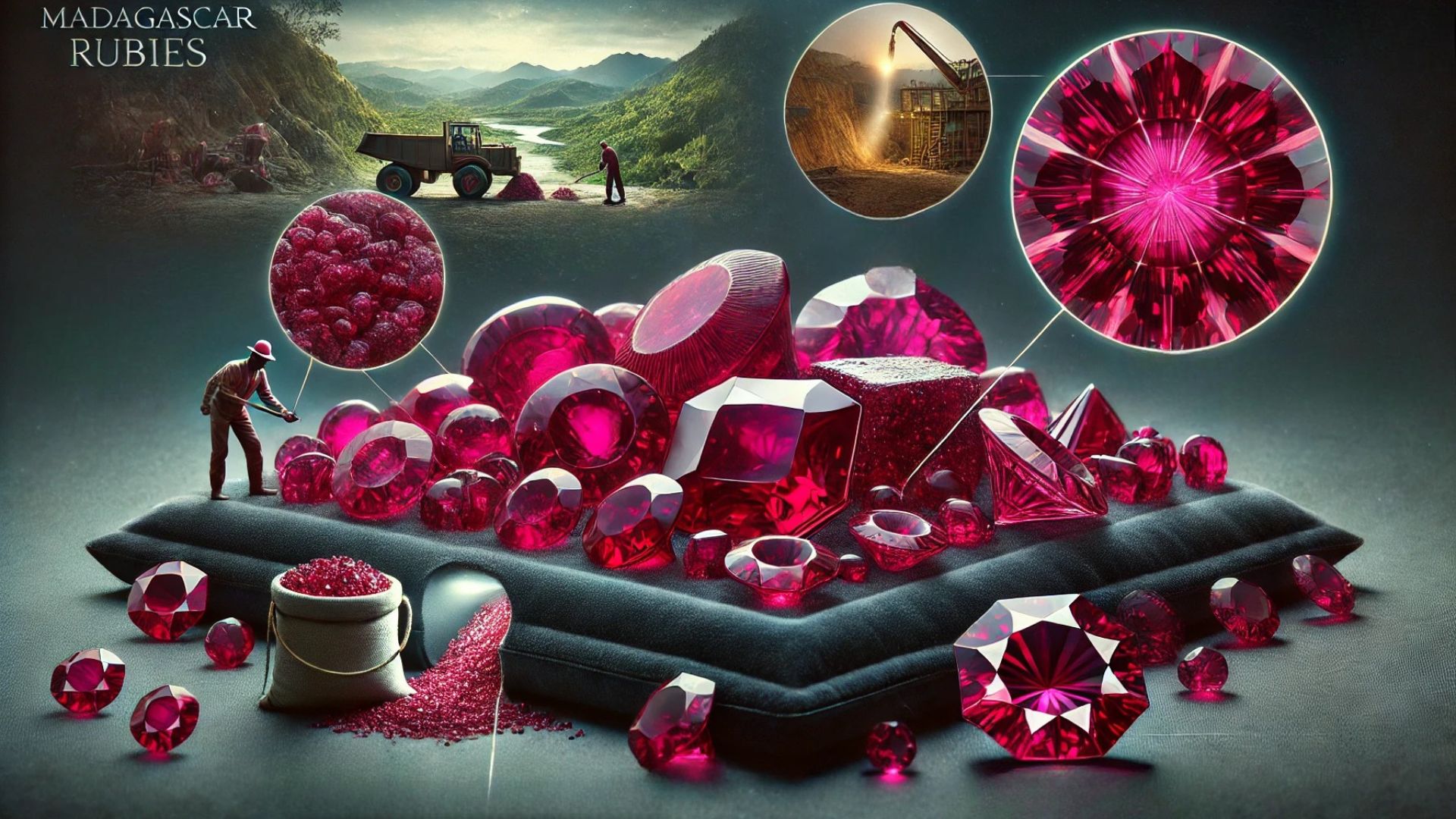
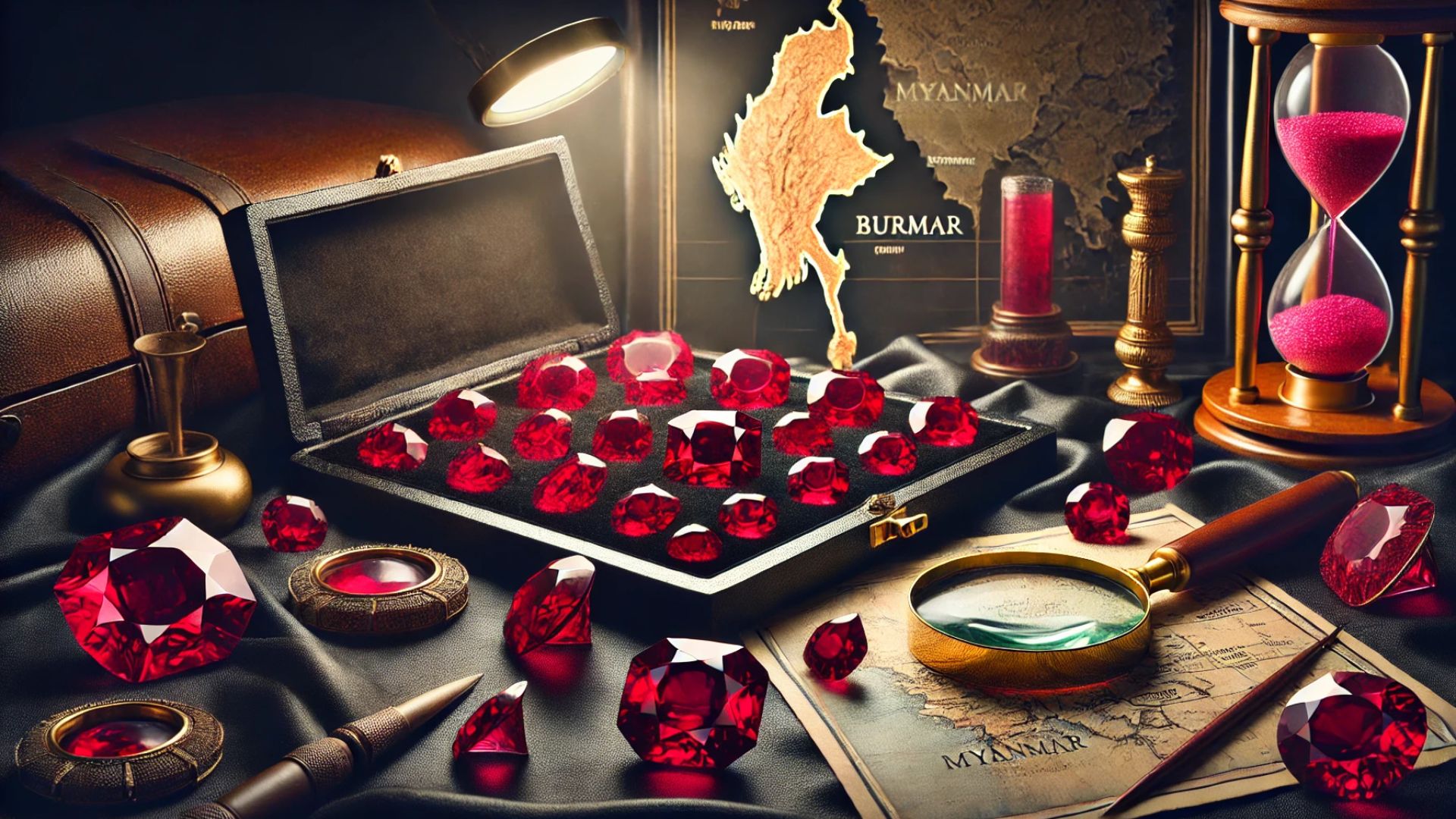
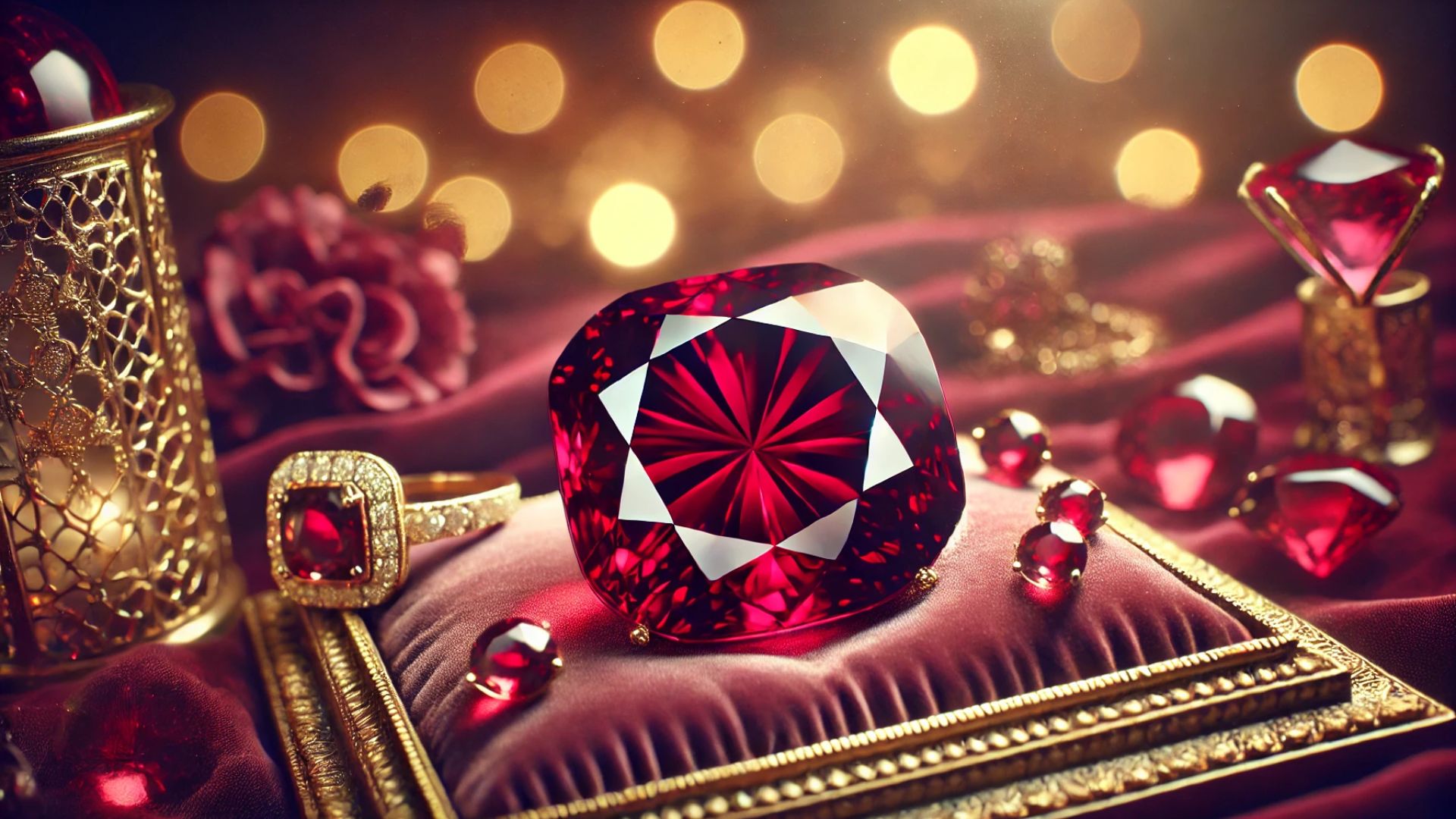
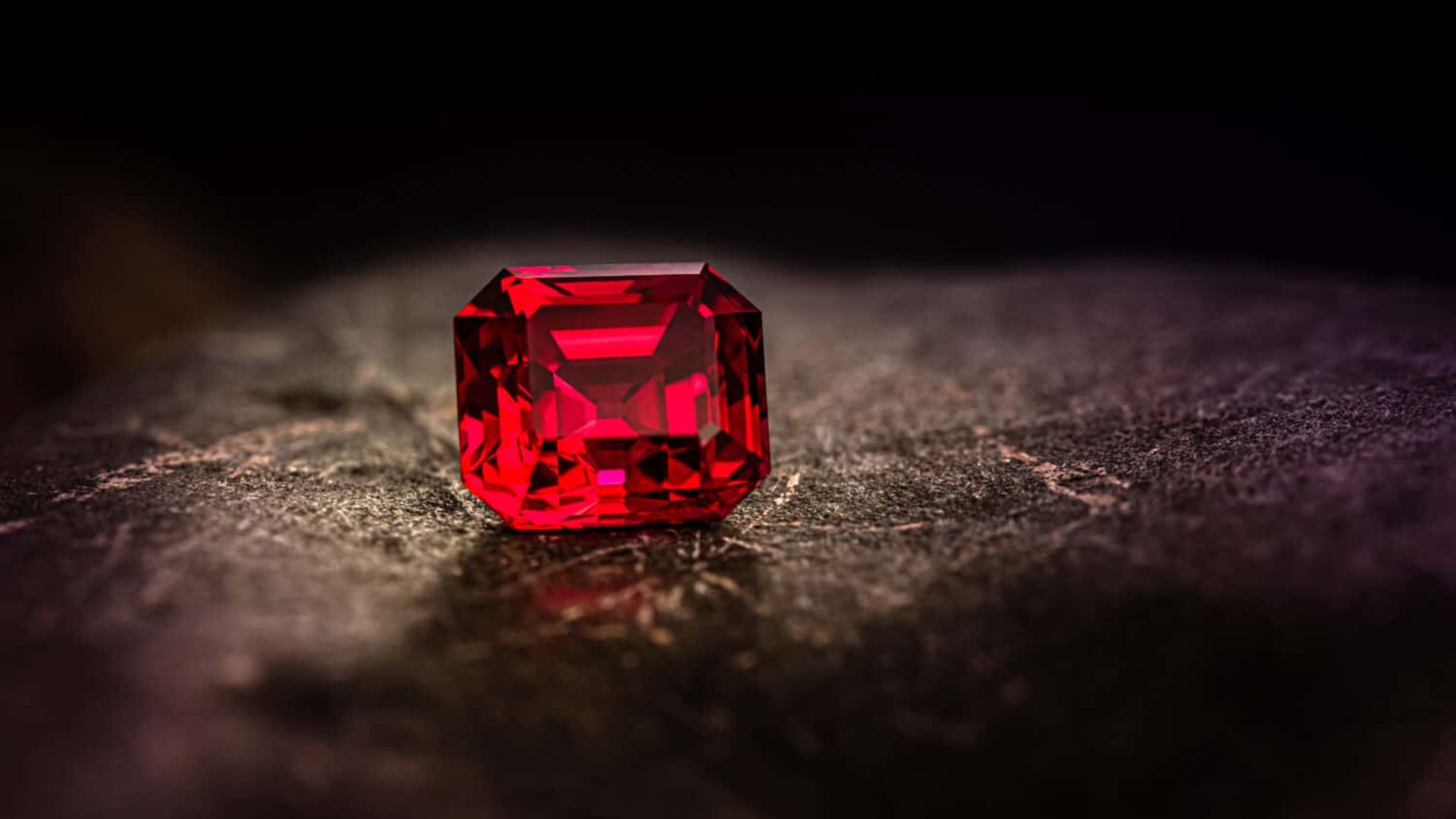
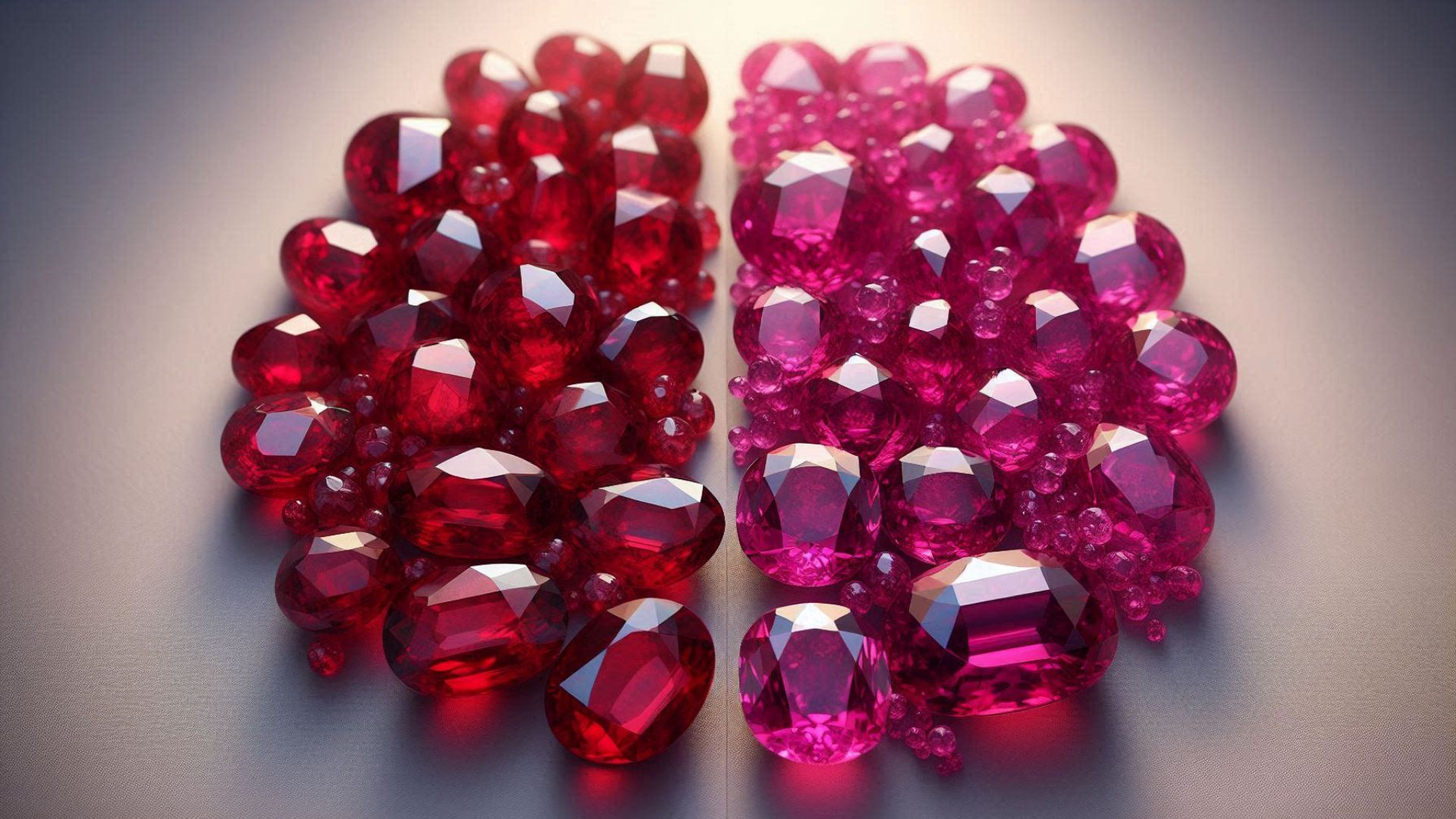
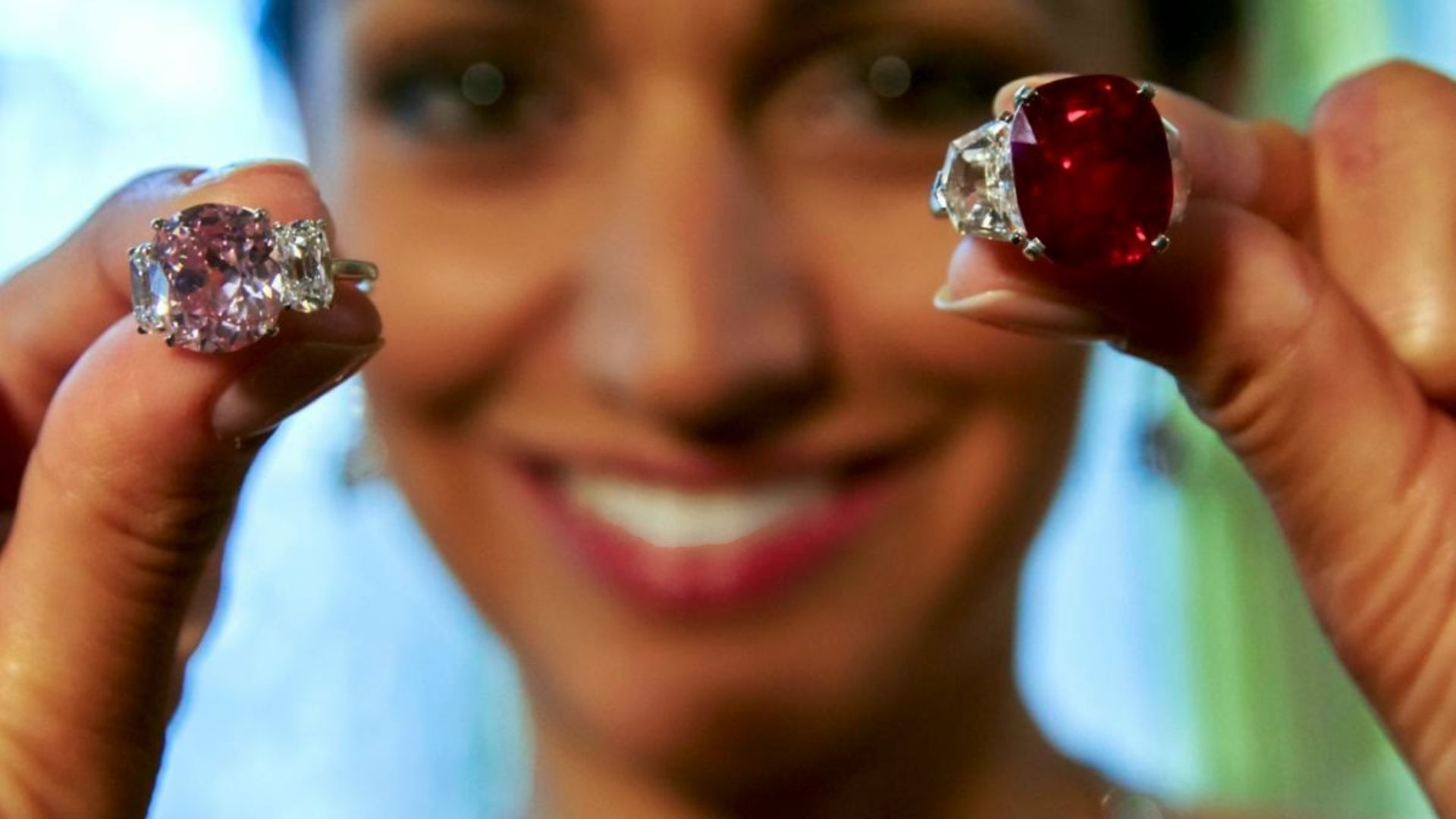
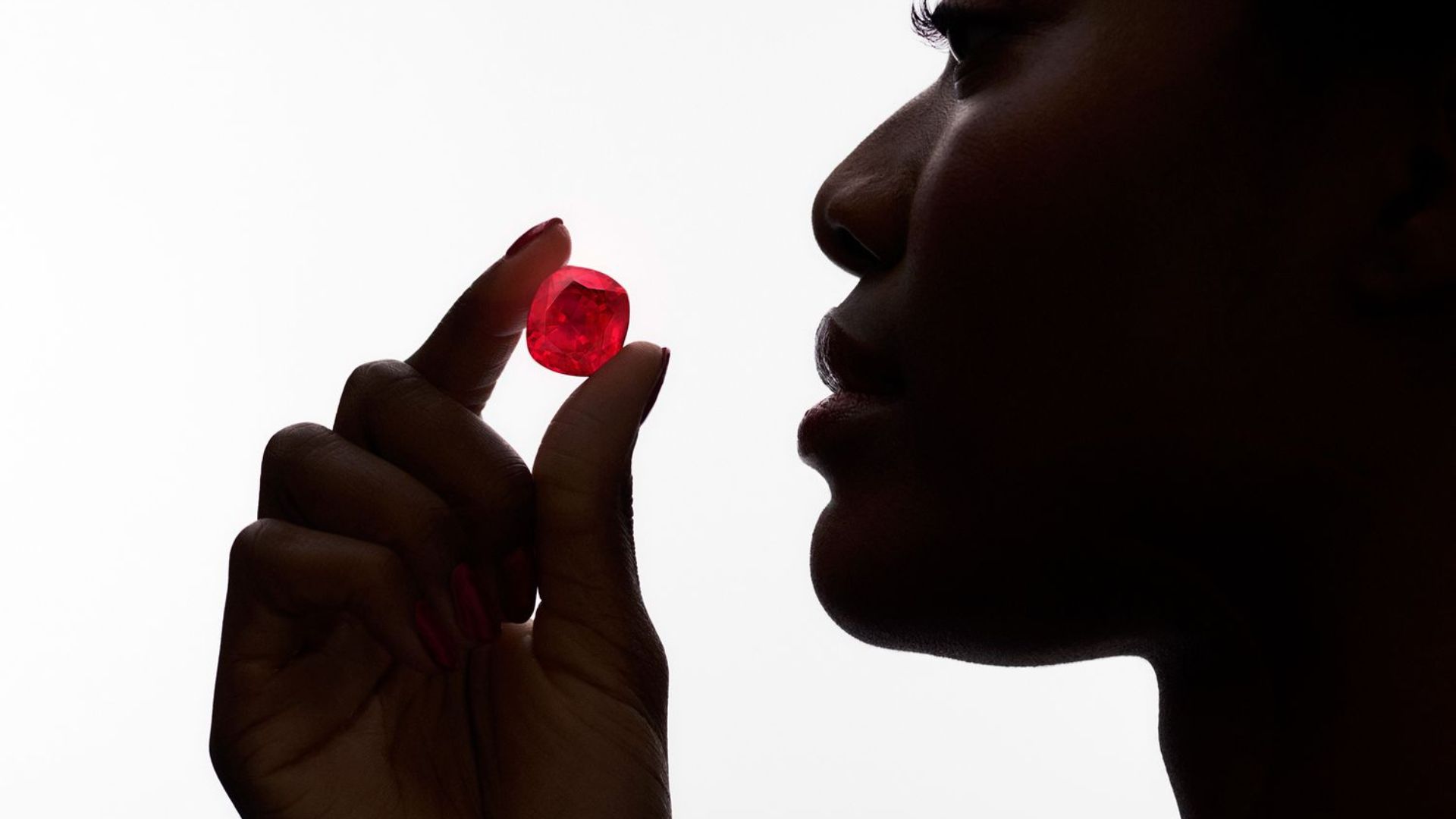
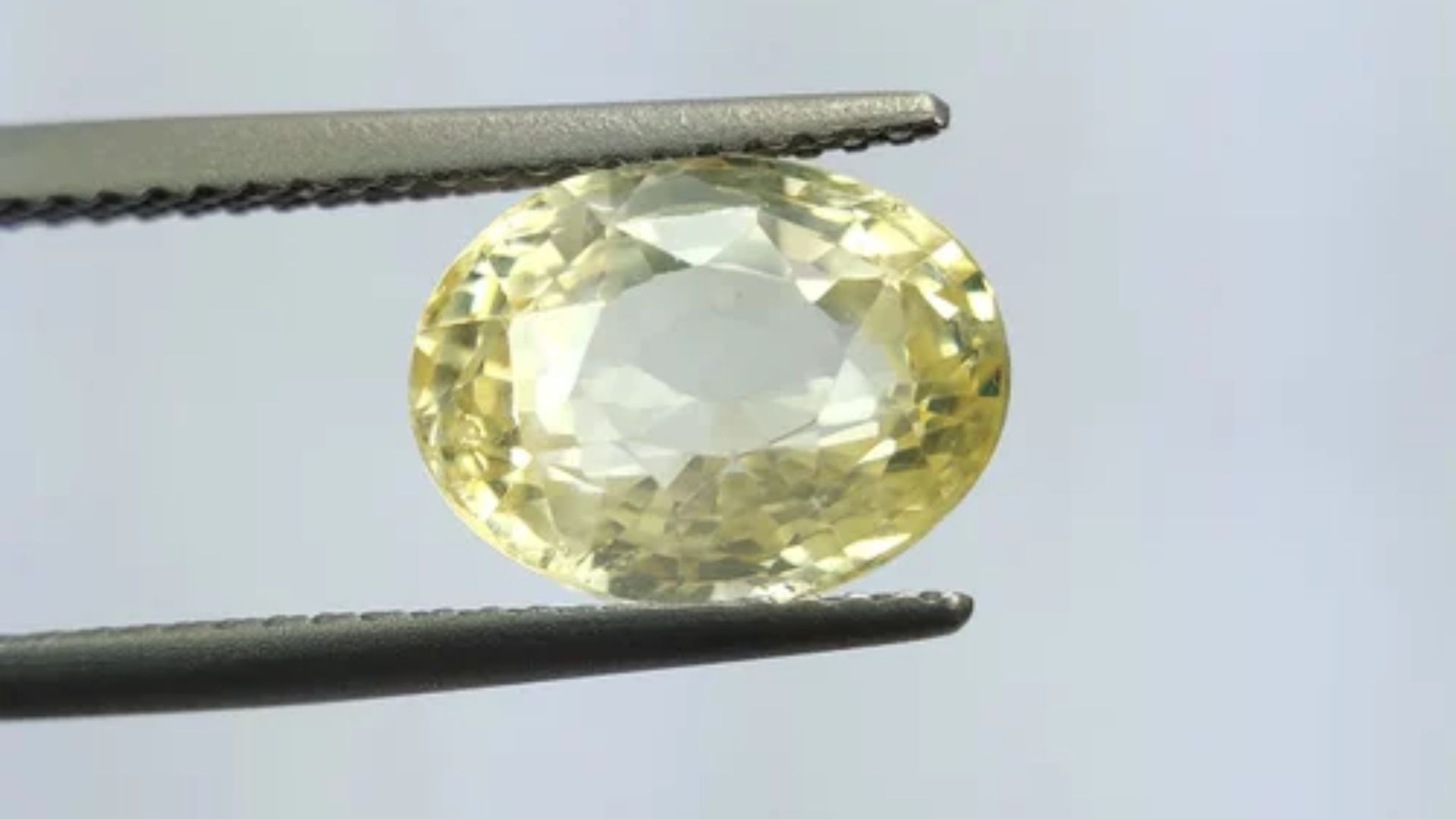
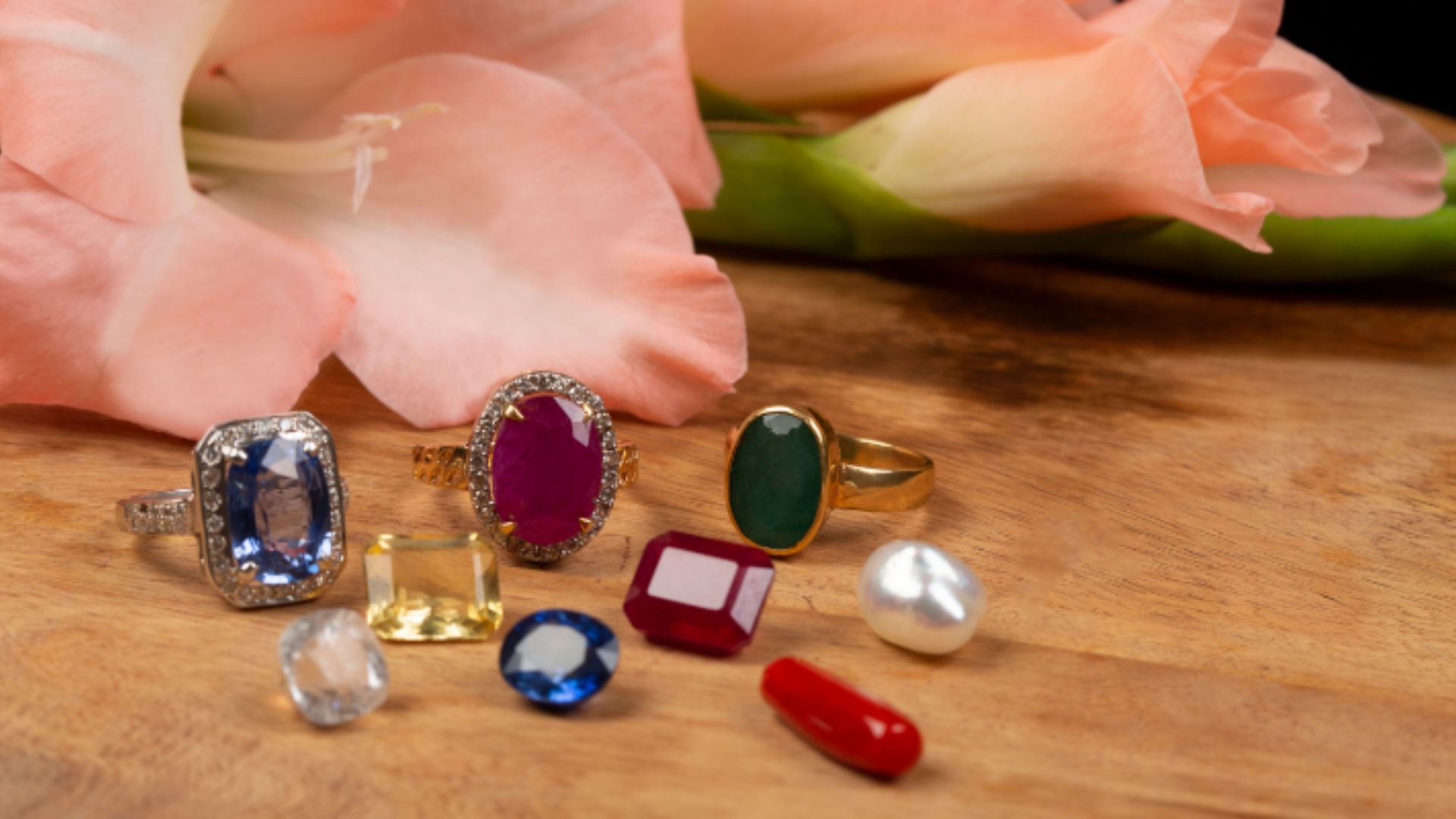
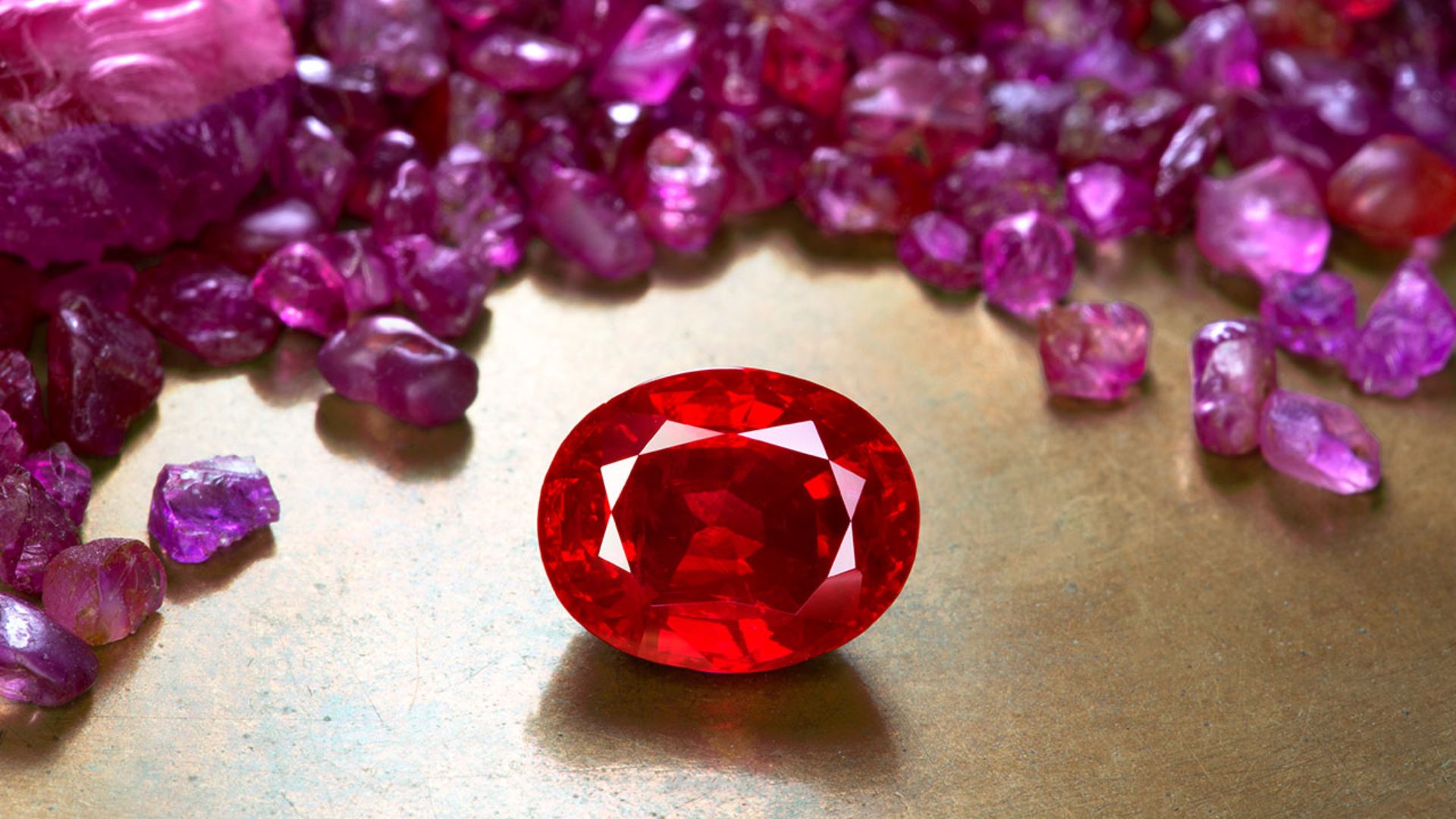
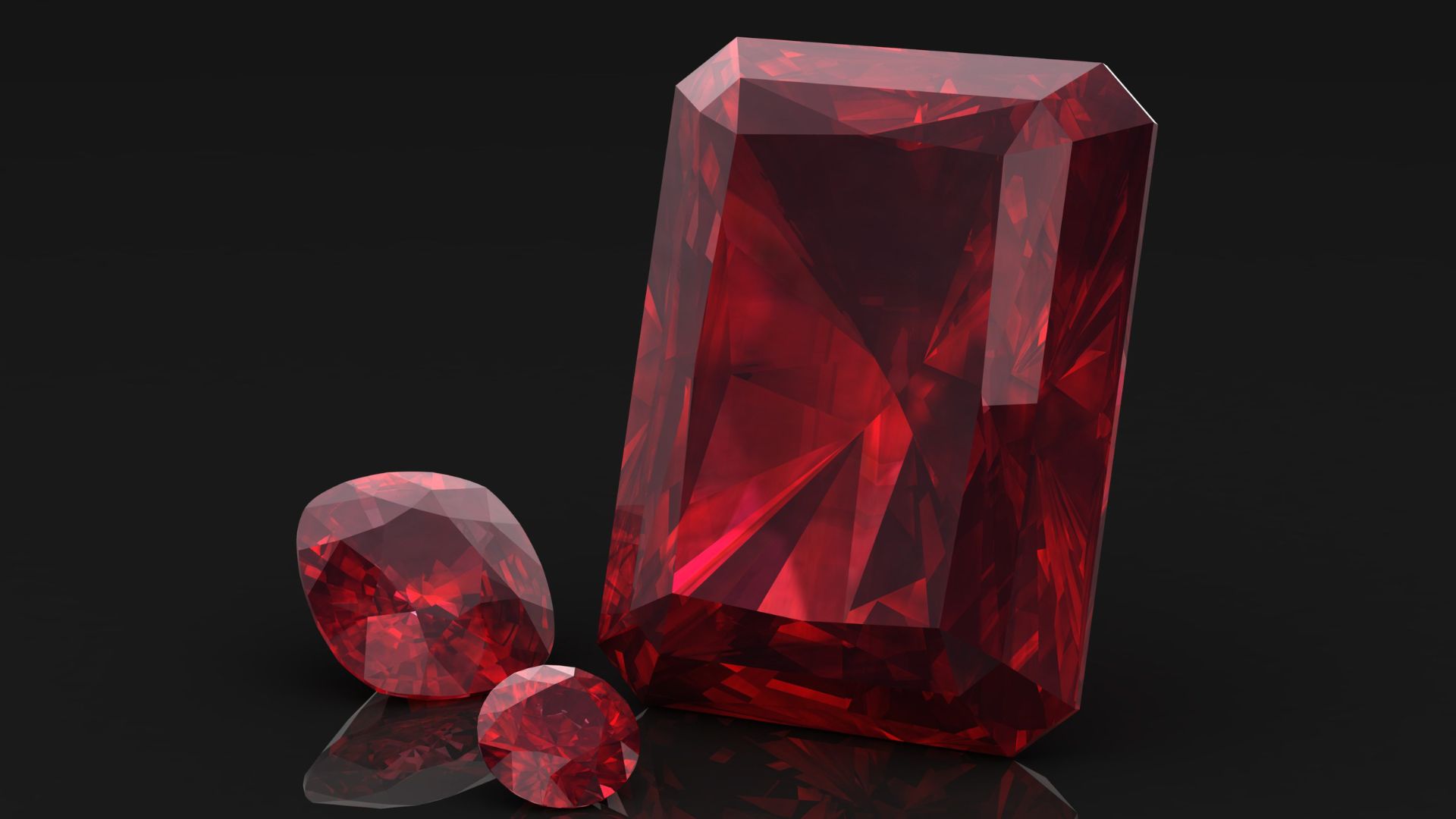
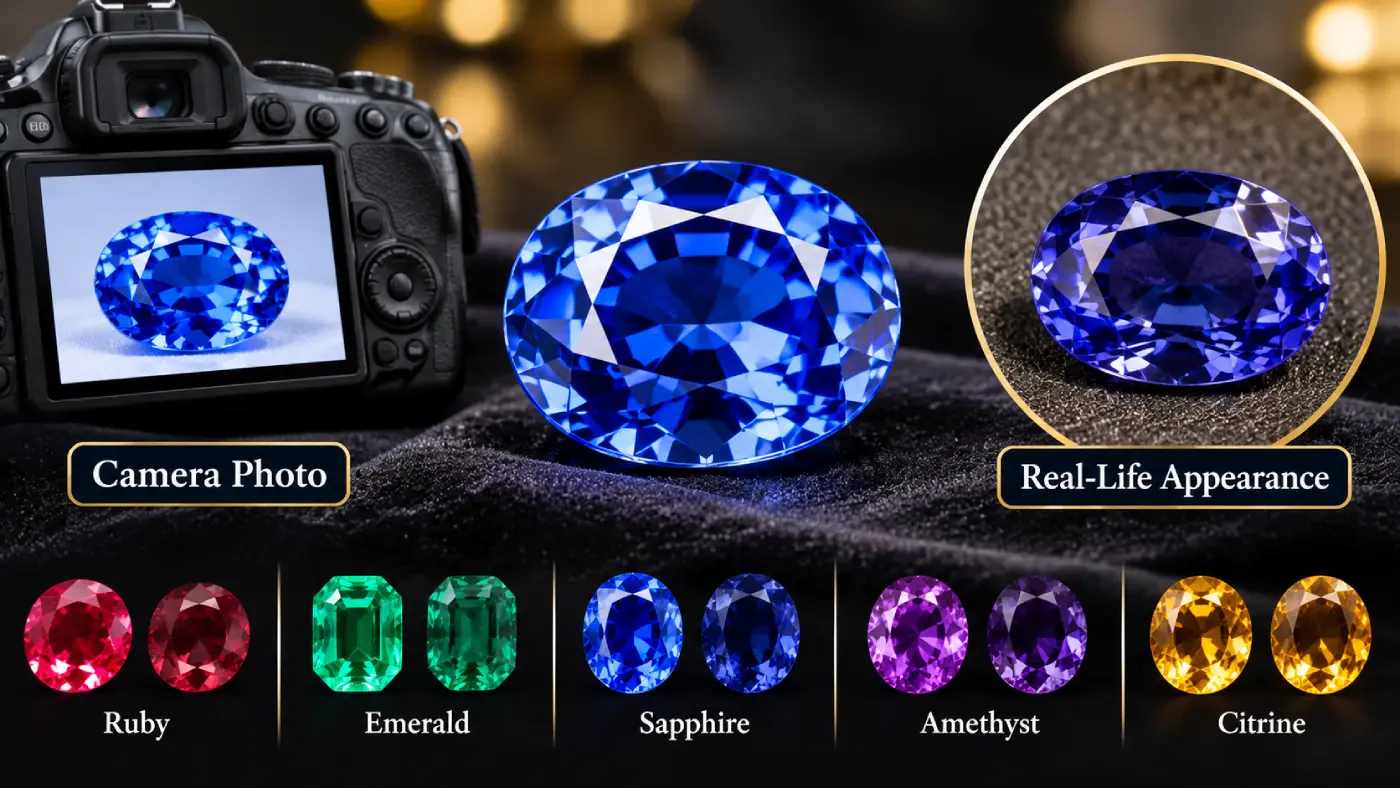
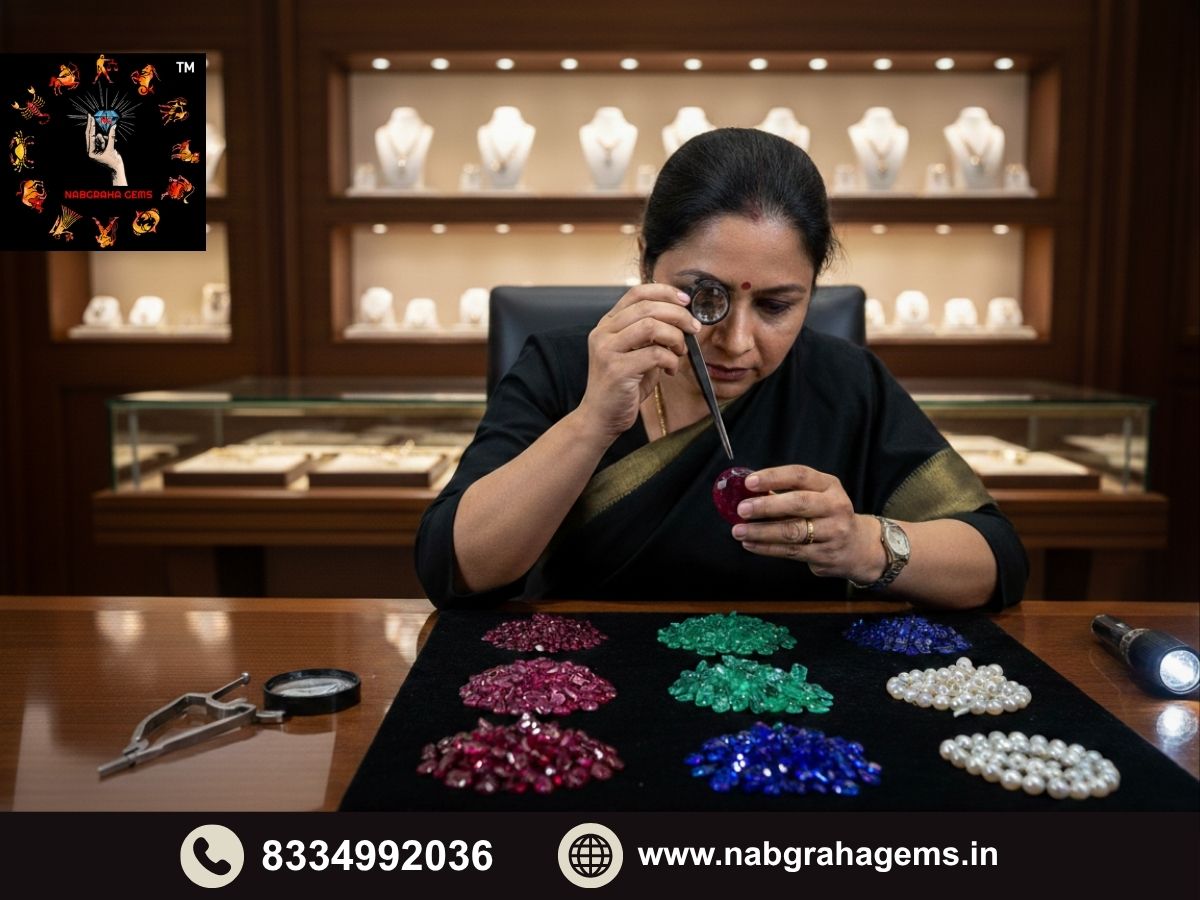
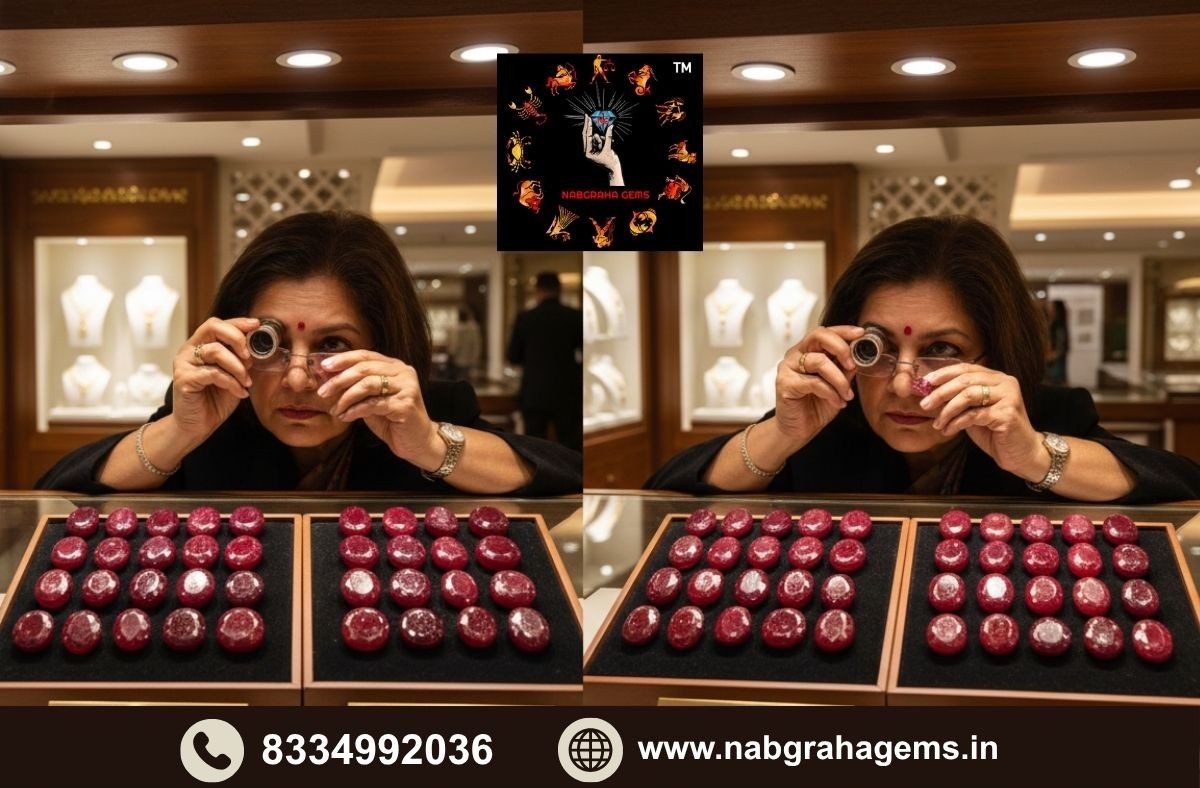
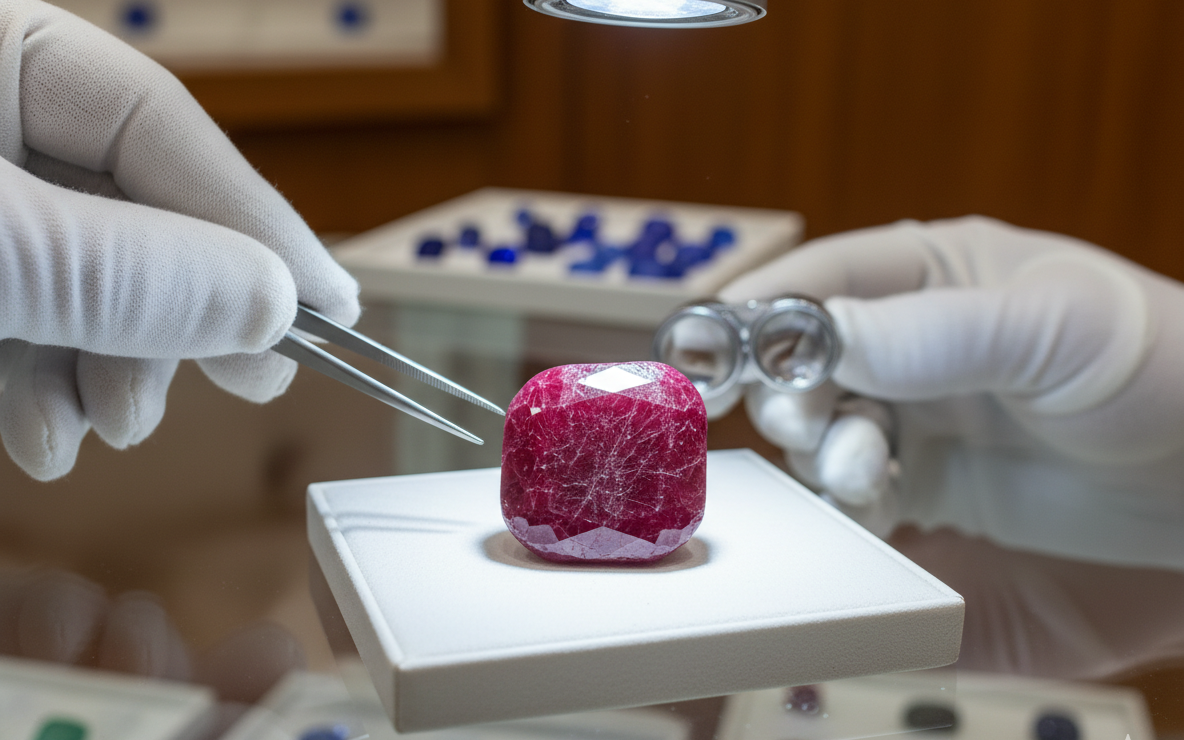
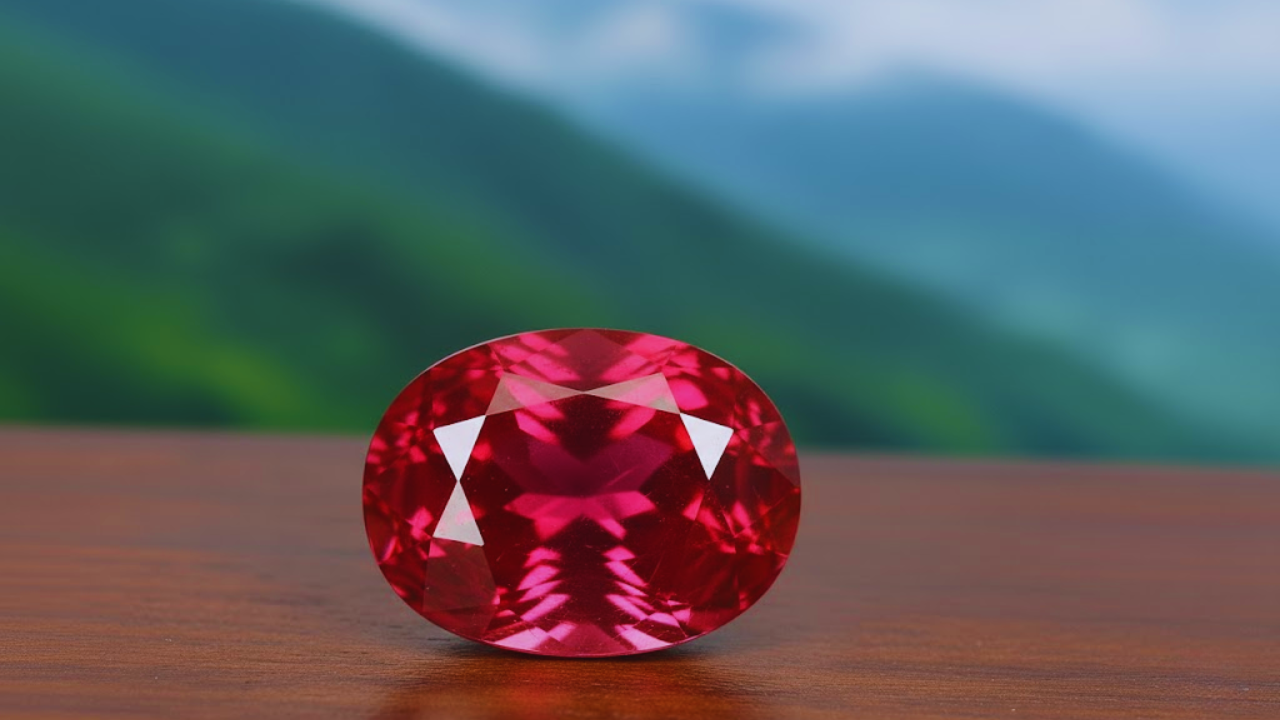
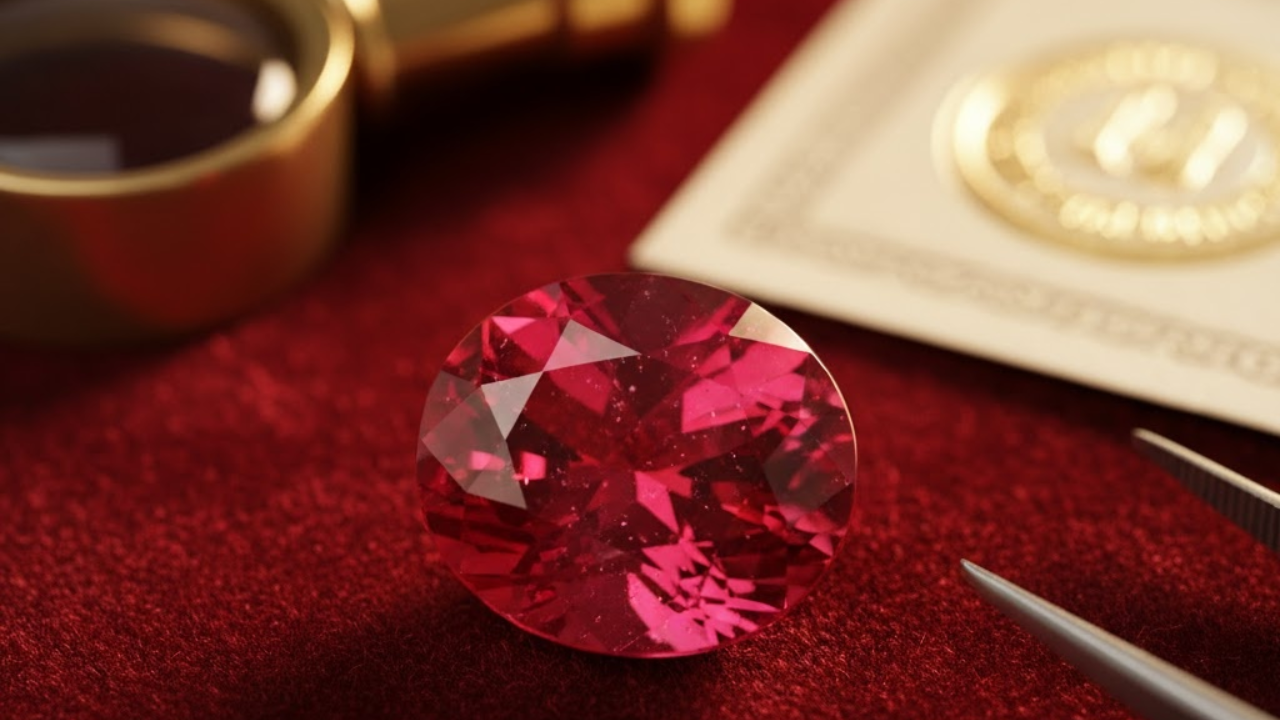
Have you ever purchased a gemstone online because it looked stunning in a photograph, only to notice that its color appeared slightly different when it arrived? You are not alone. This is a common experience among gemstone buyers, especially those shopping online for precious stones like an old Burma ruby, whose rich, vibrant red hue can appear different under varying lighting conditions and photography settings.
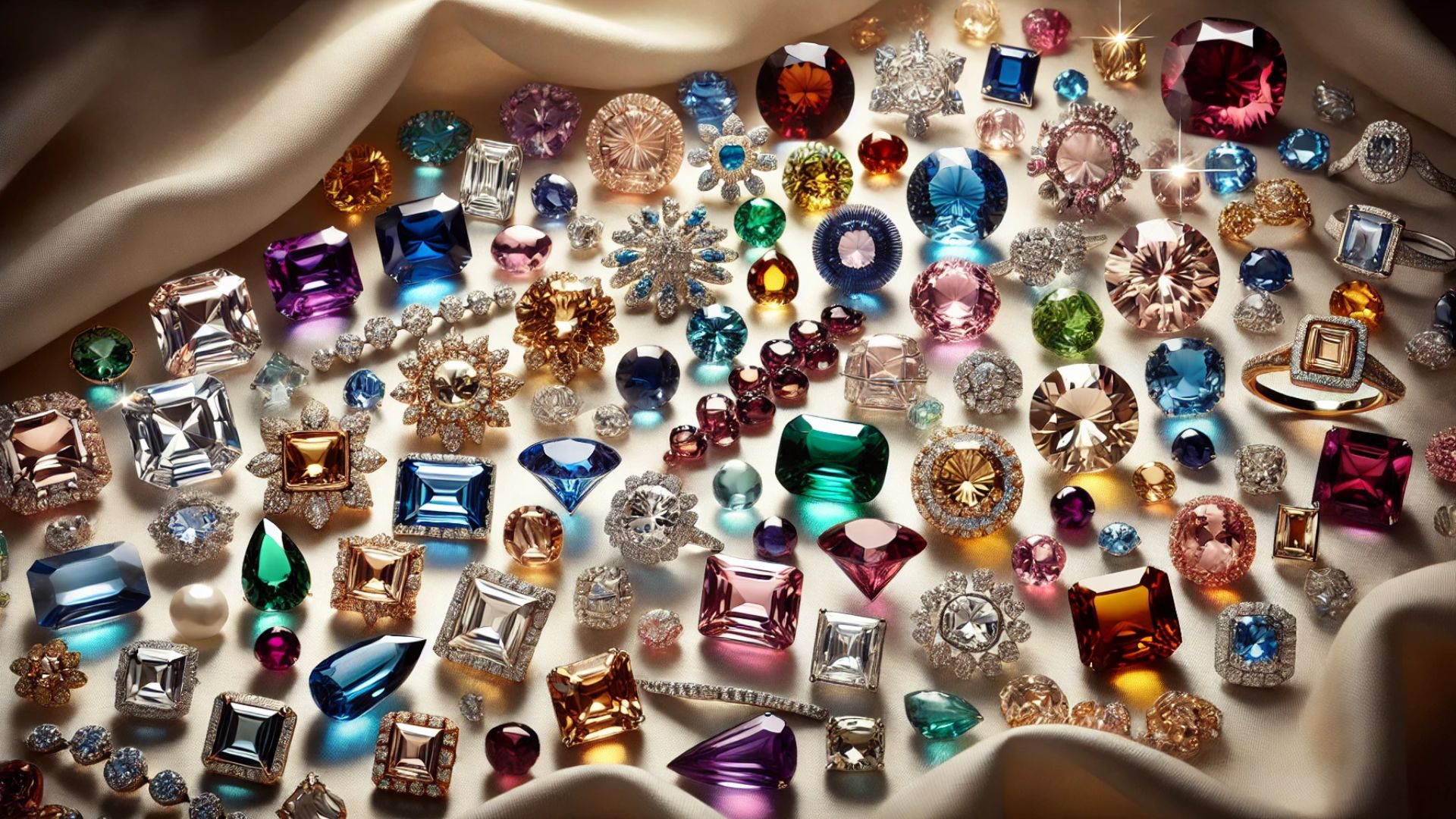
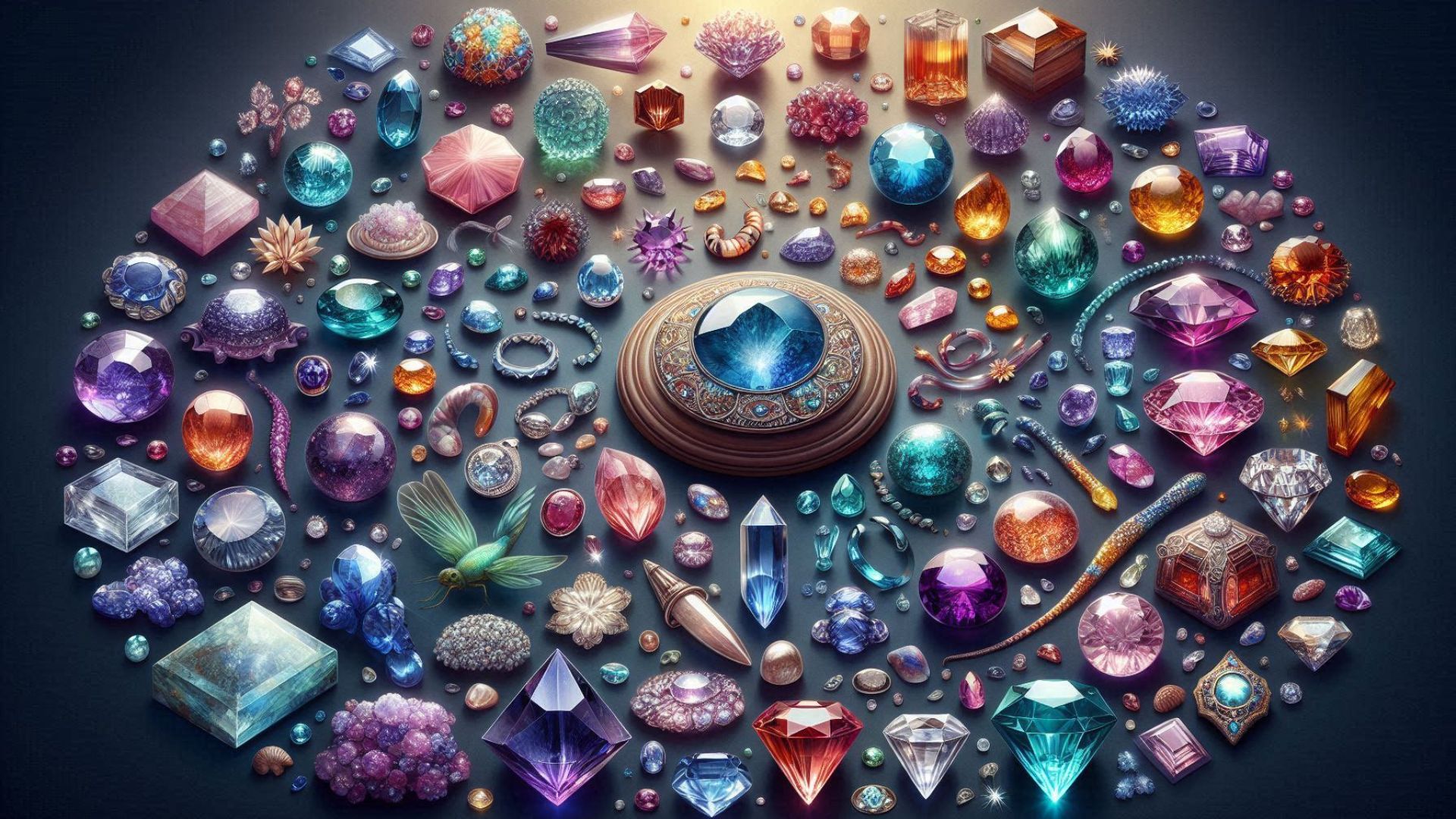
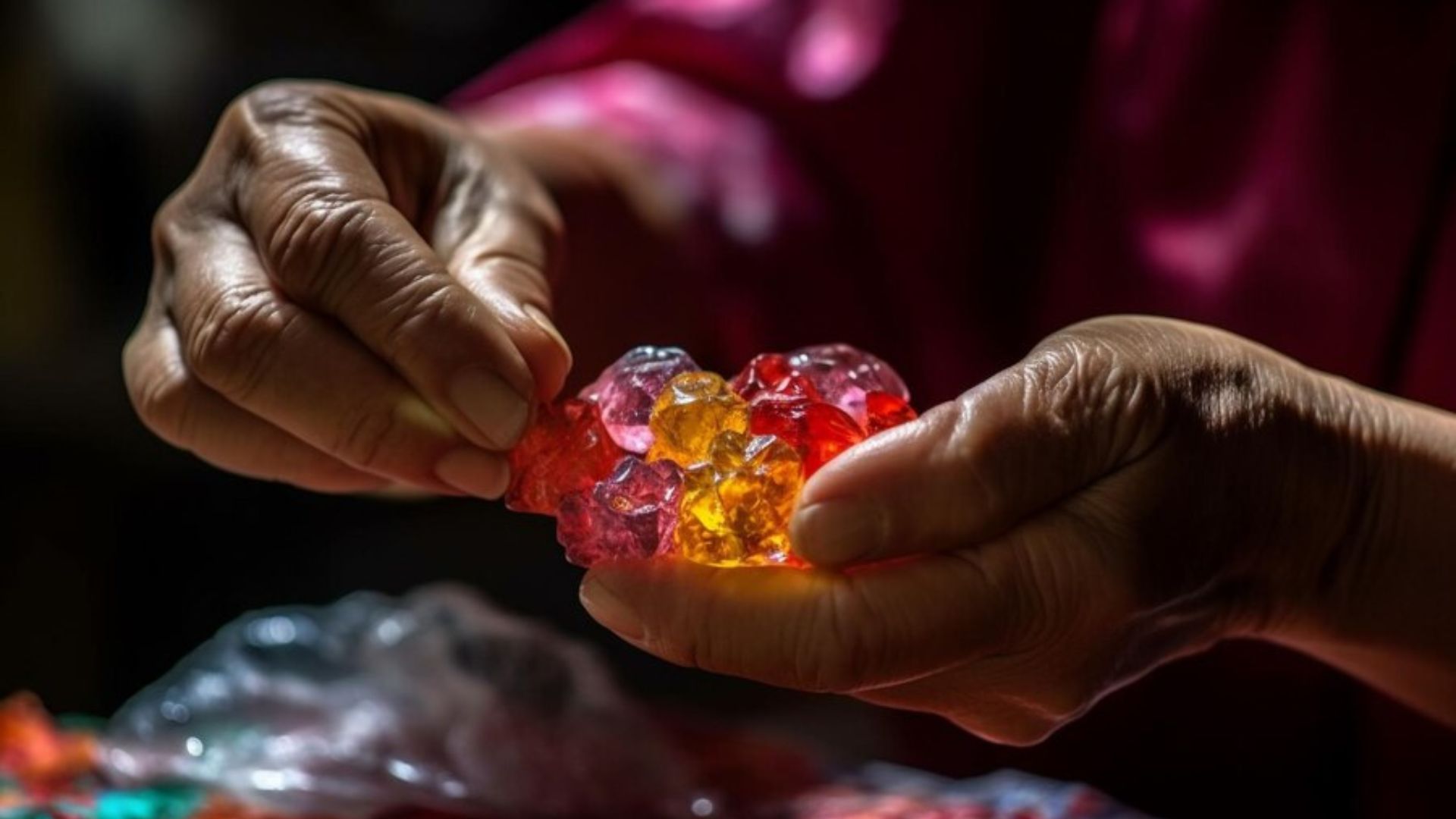
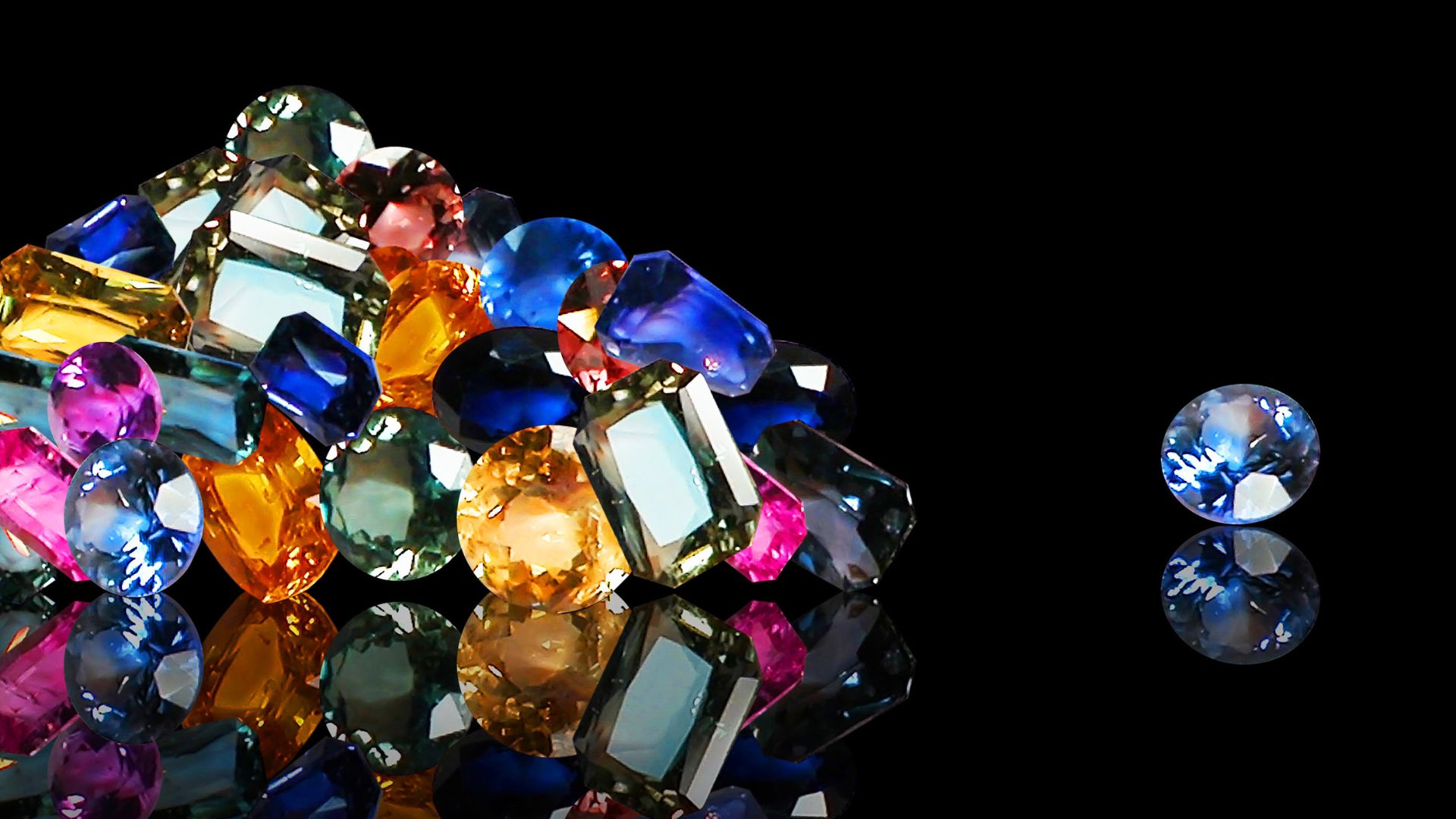
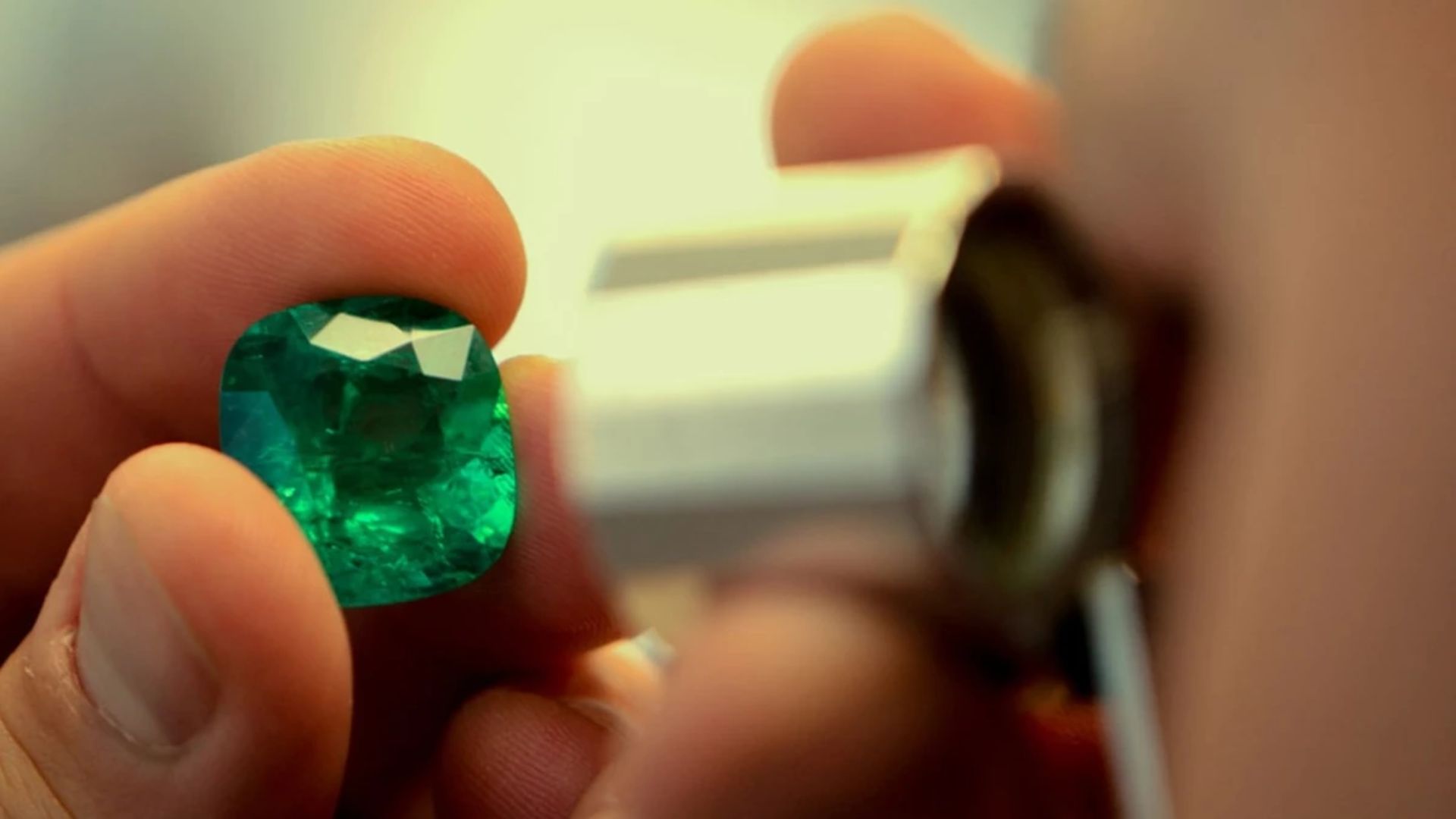
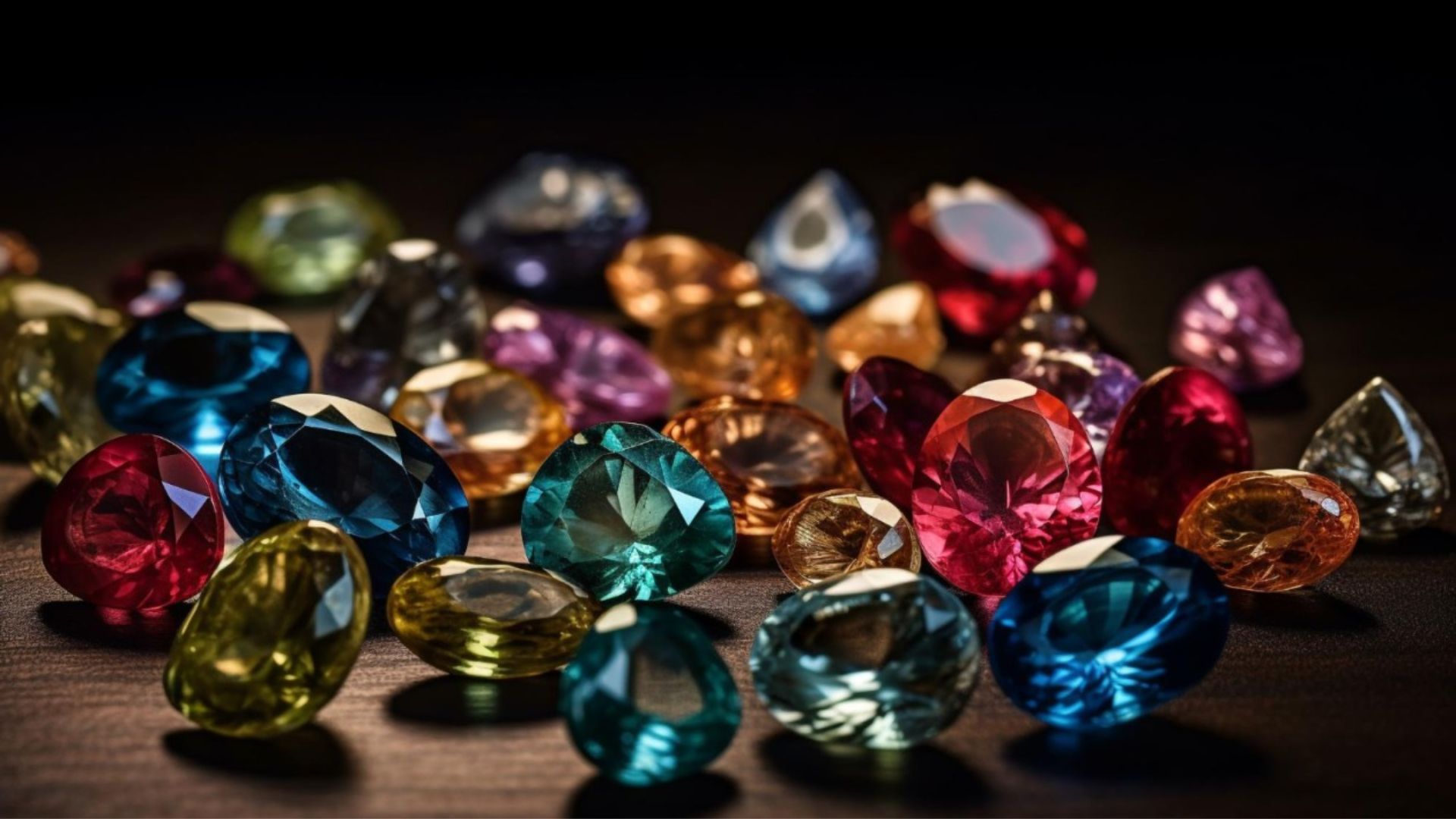
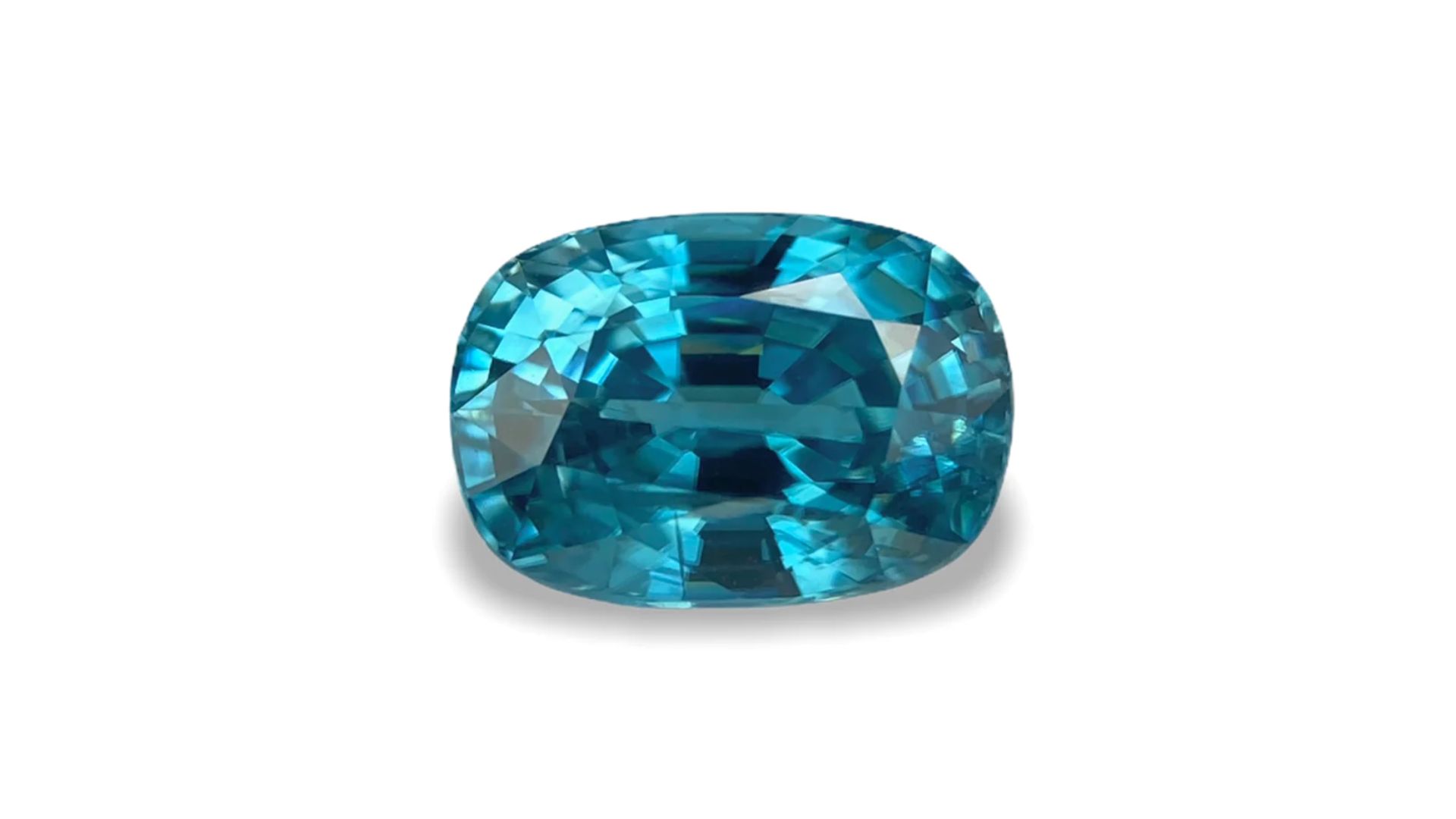
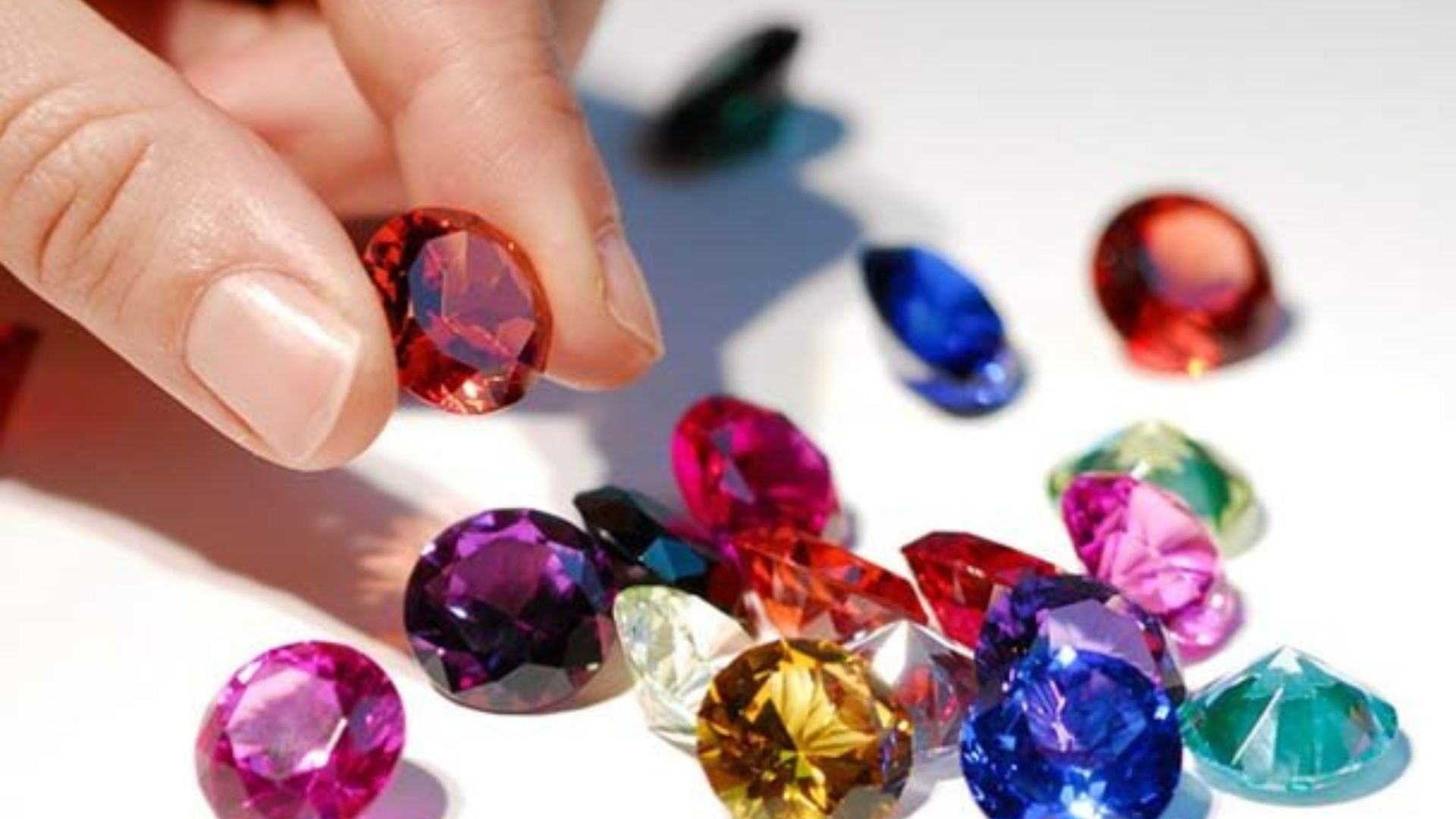
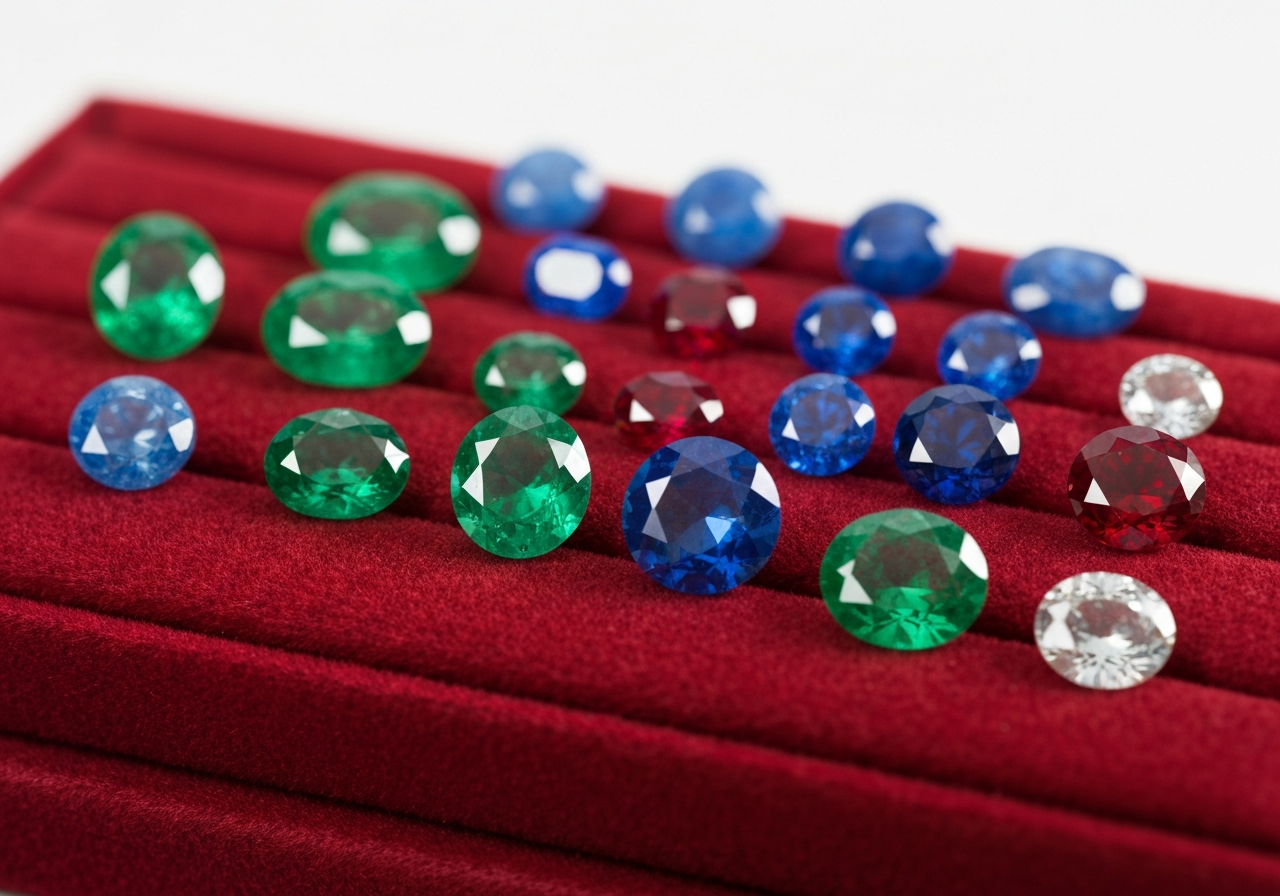
Gemstones are naturally beautiful, but capturing their true colors in photographs can be surprisingly challenging. Factors such as lighting, camera settings, background colors, and image editing can influence how a gemstone appears on screen.
Understanding the science behind gemstone photography can help buyers make informed decisions and appreciate the difference between a photograph and the real gemstone appearance.
1. Why Do Gemstones Look Different in Photographs?
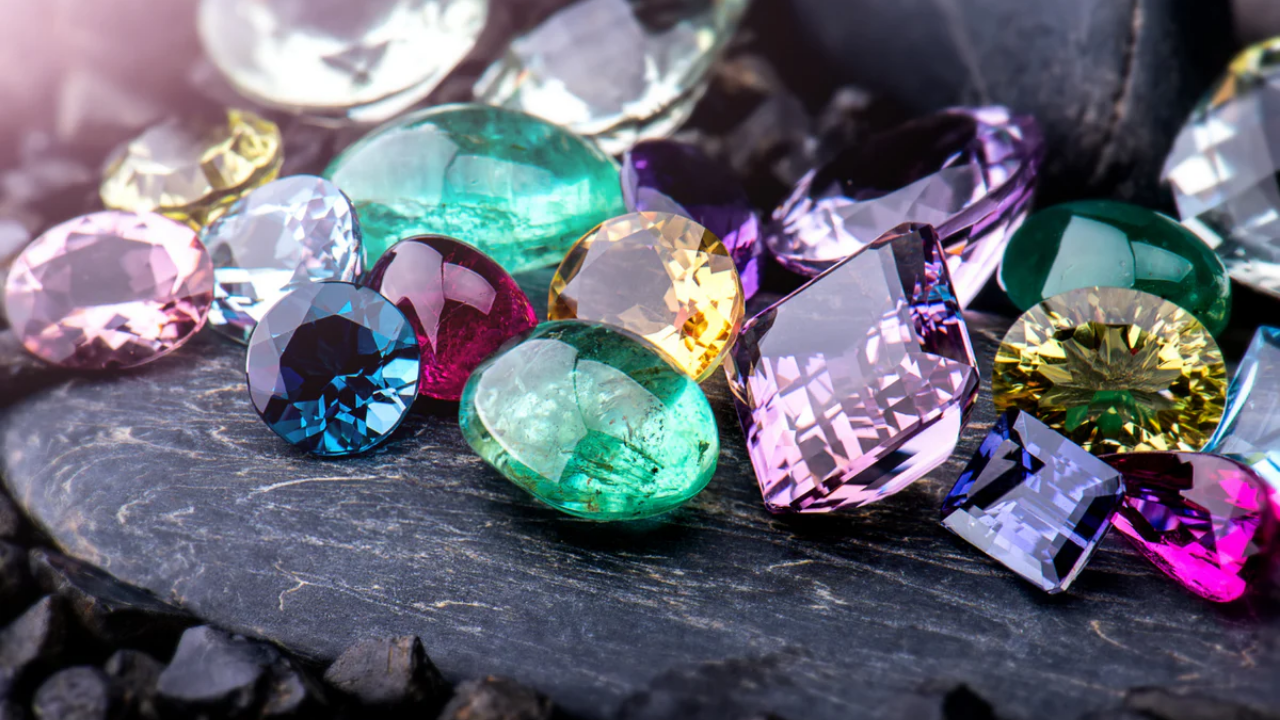
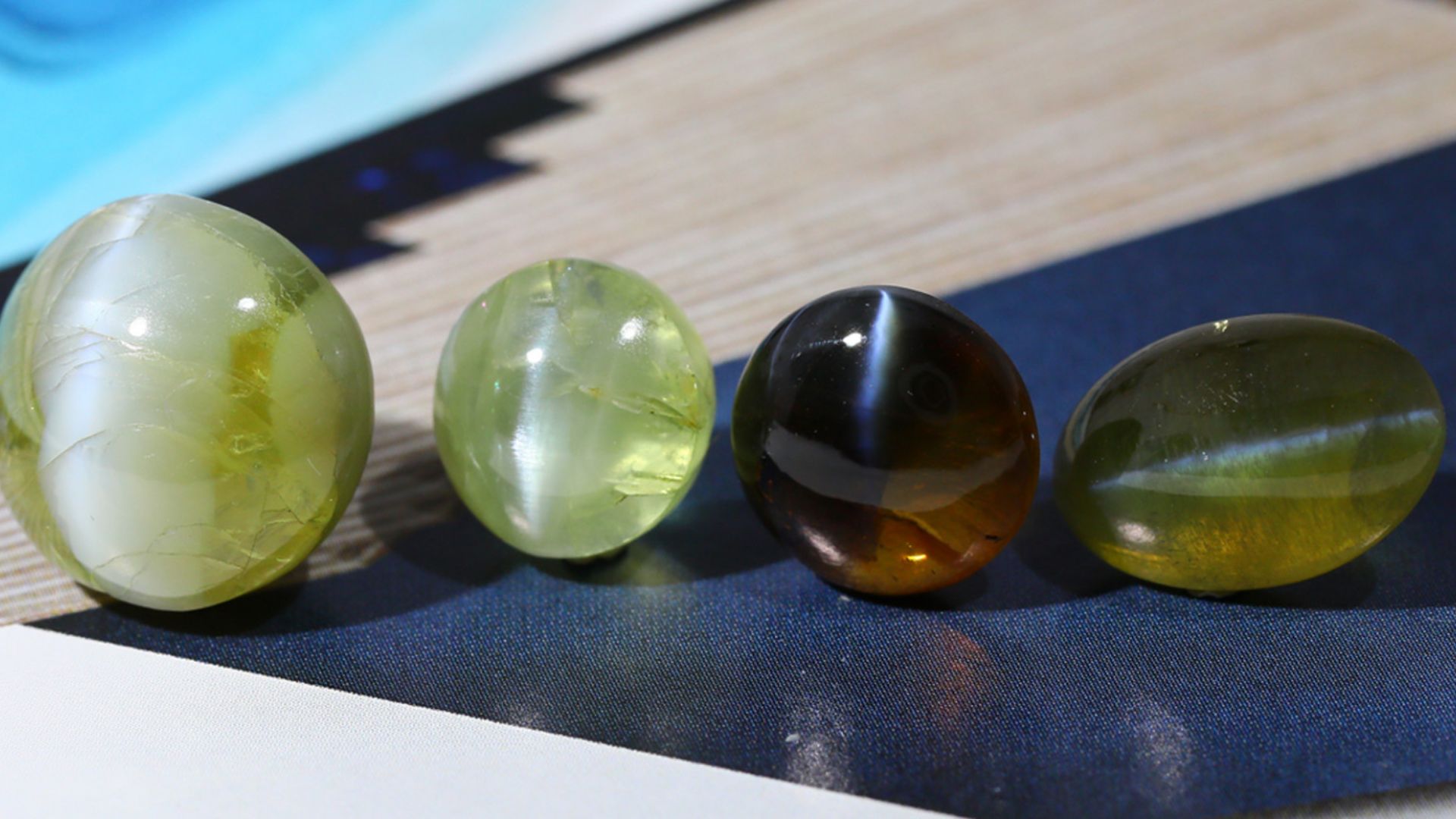
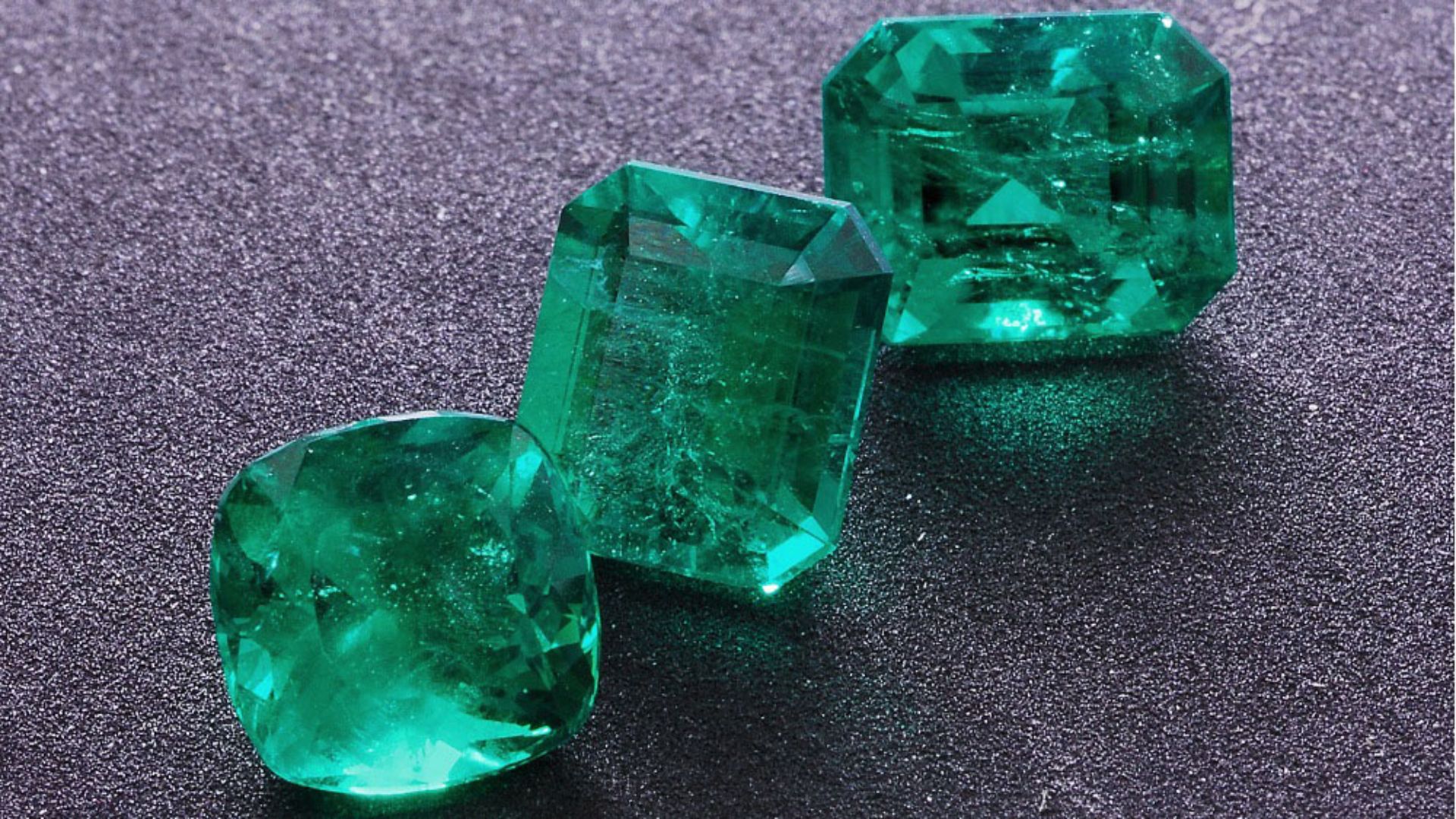
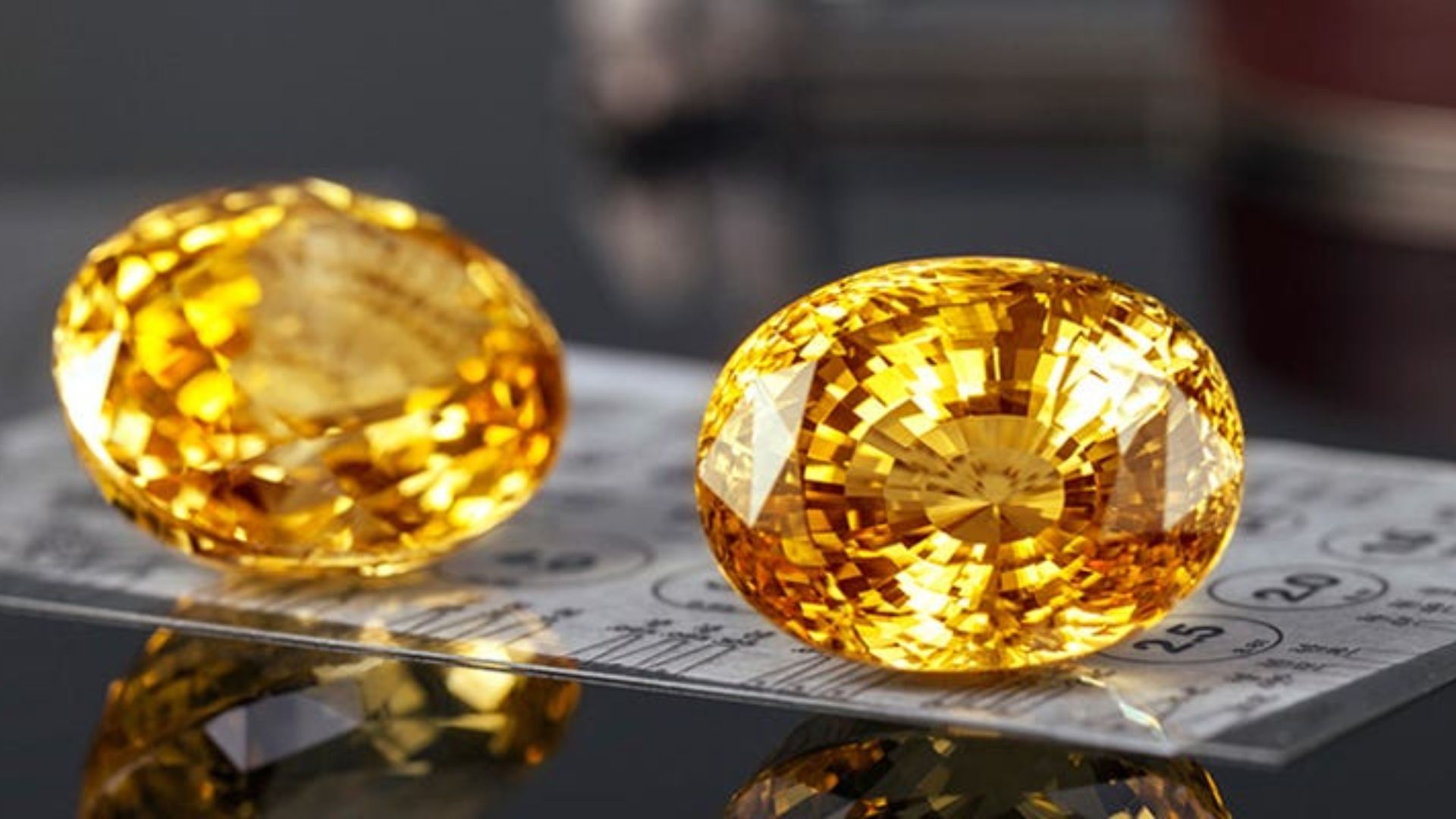
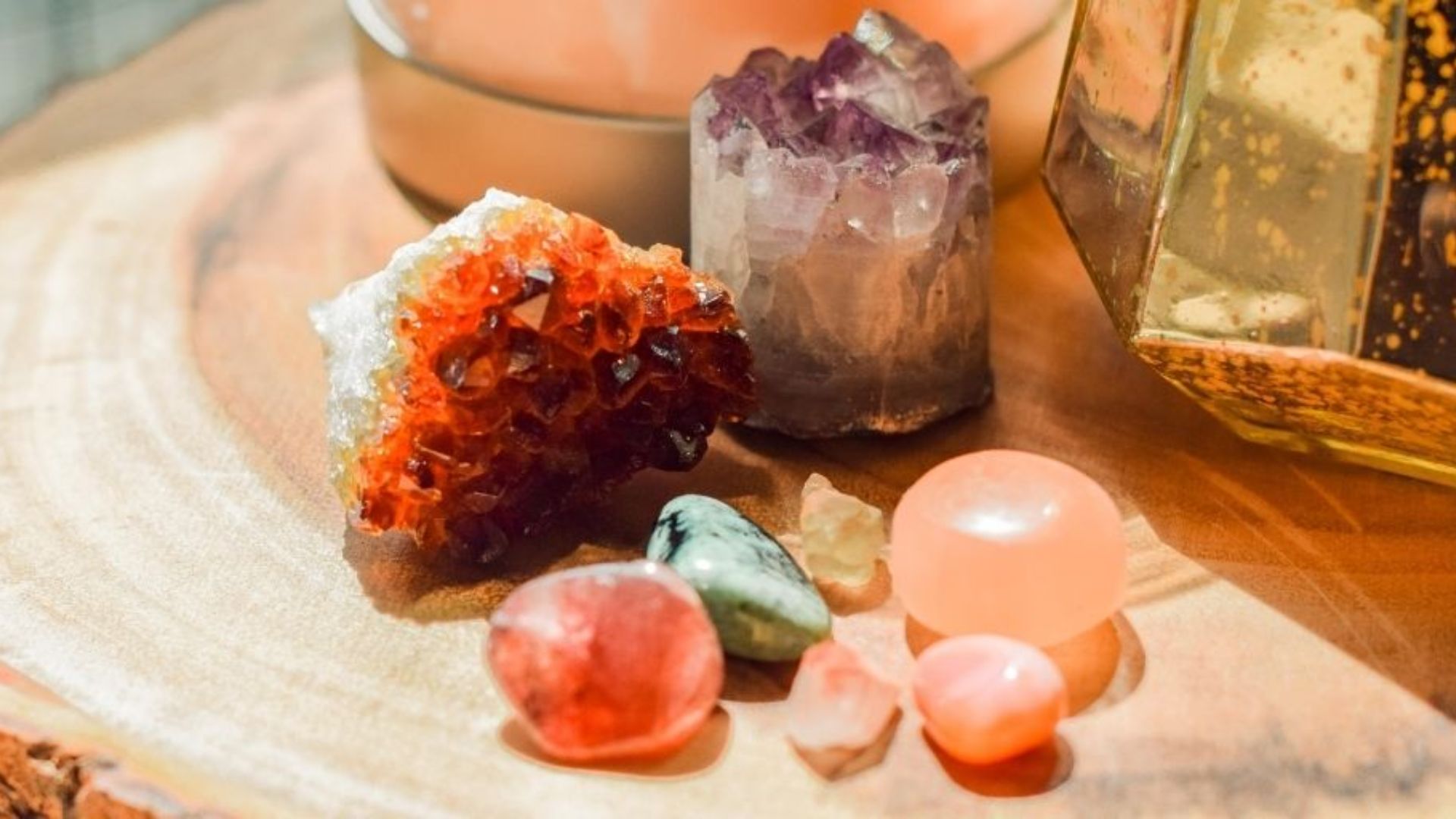
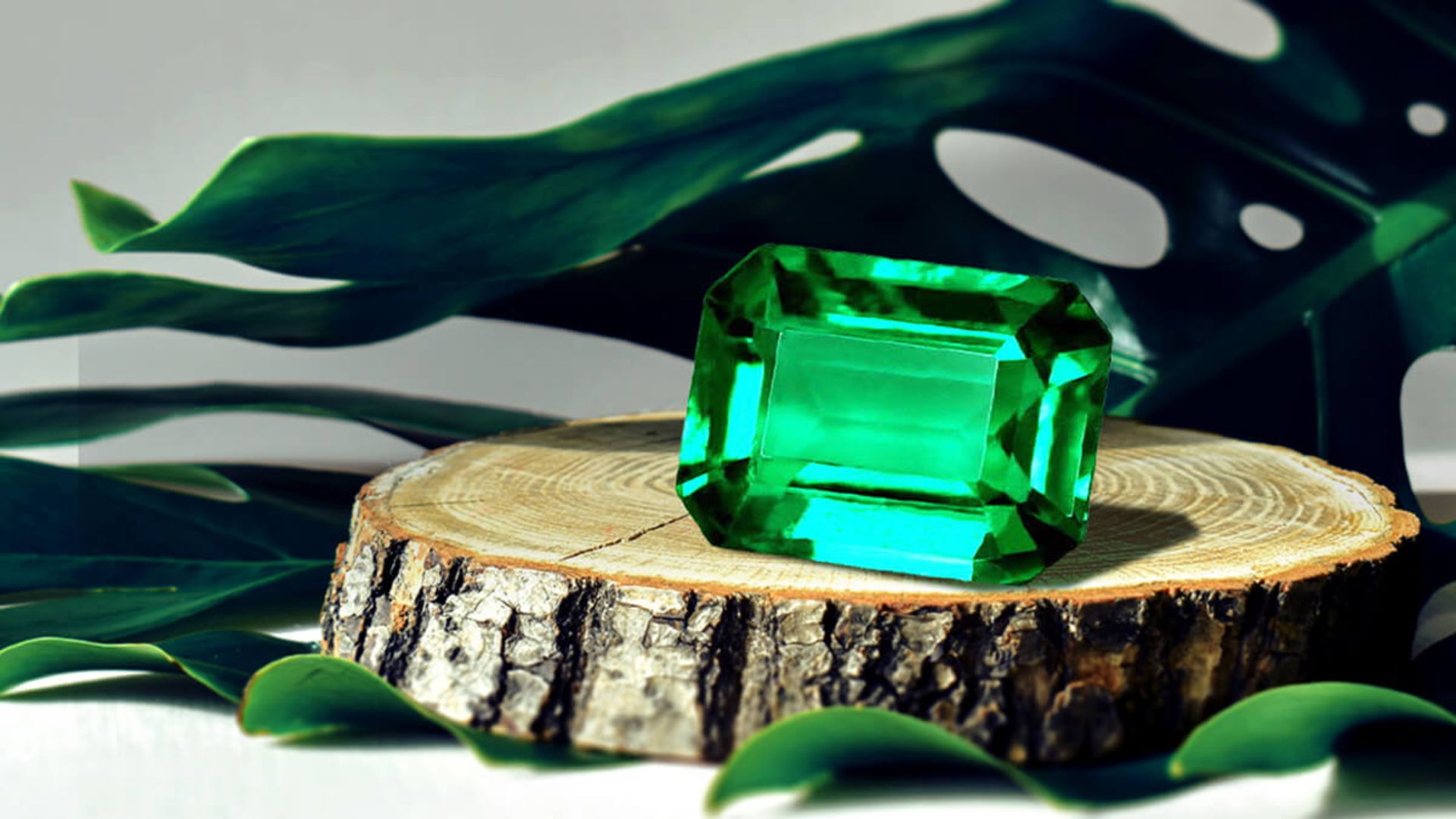
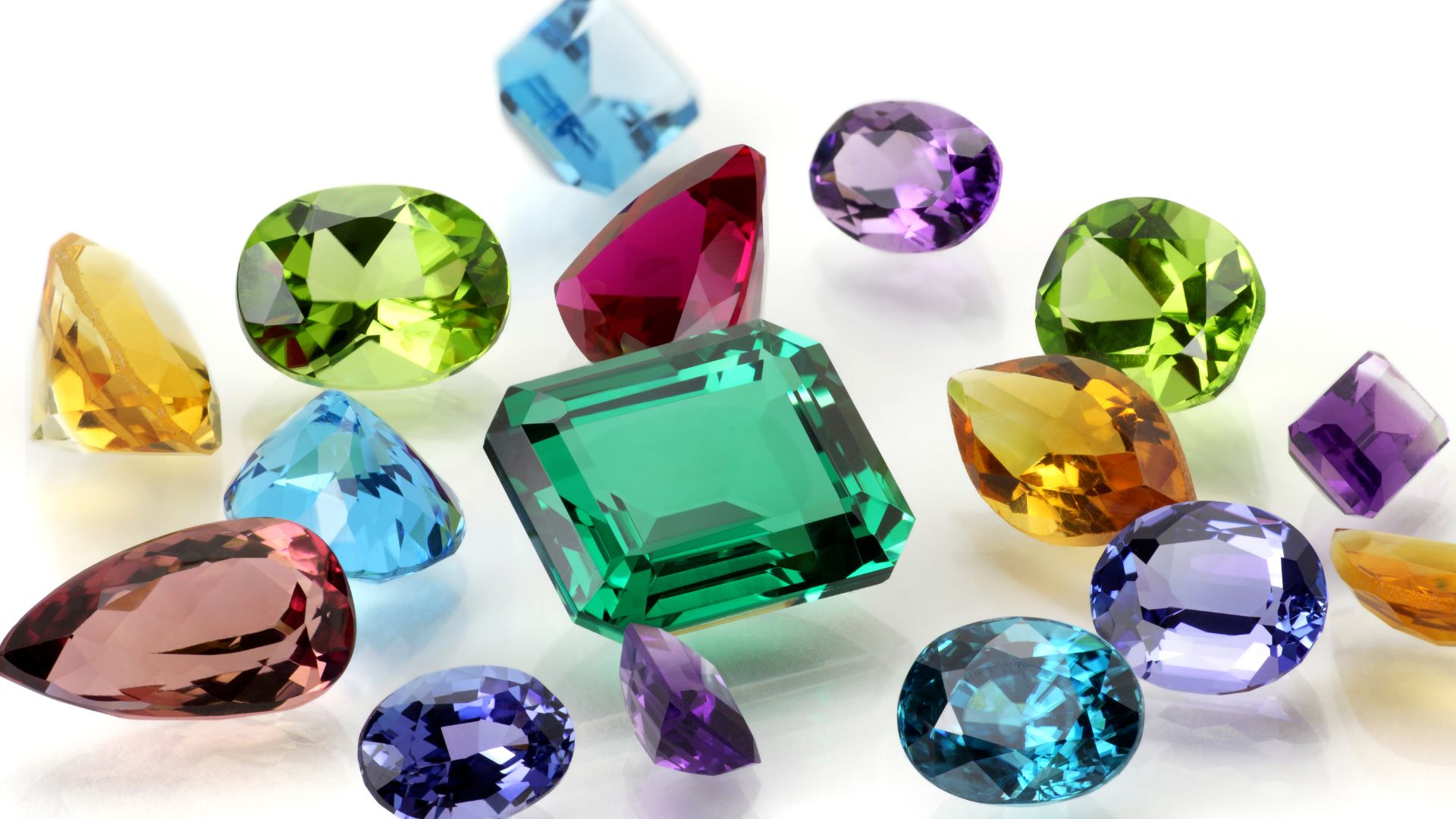
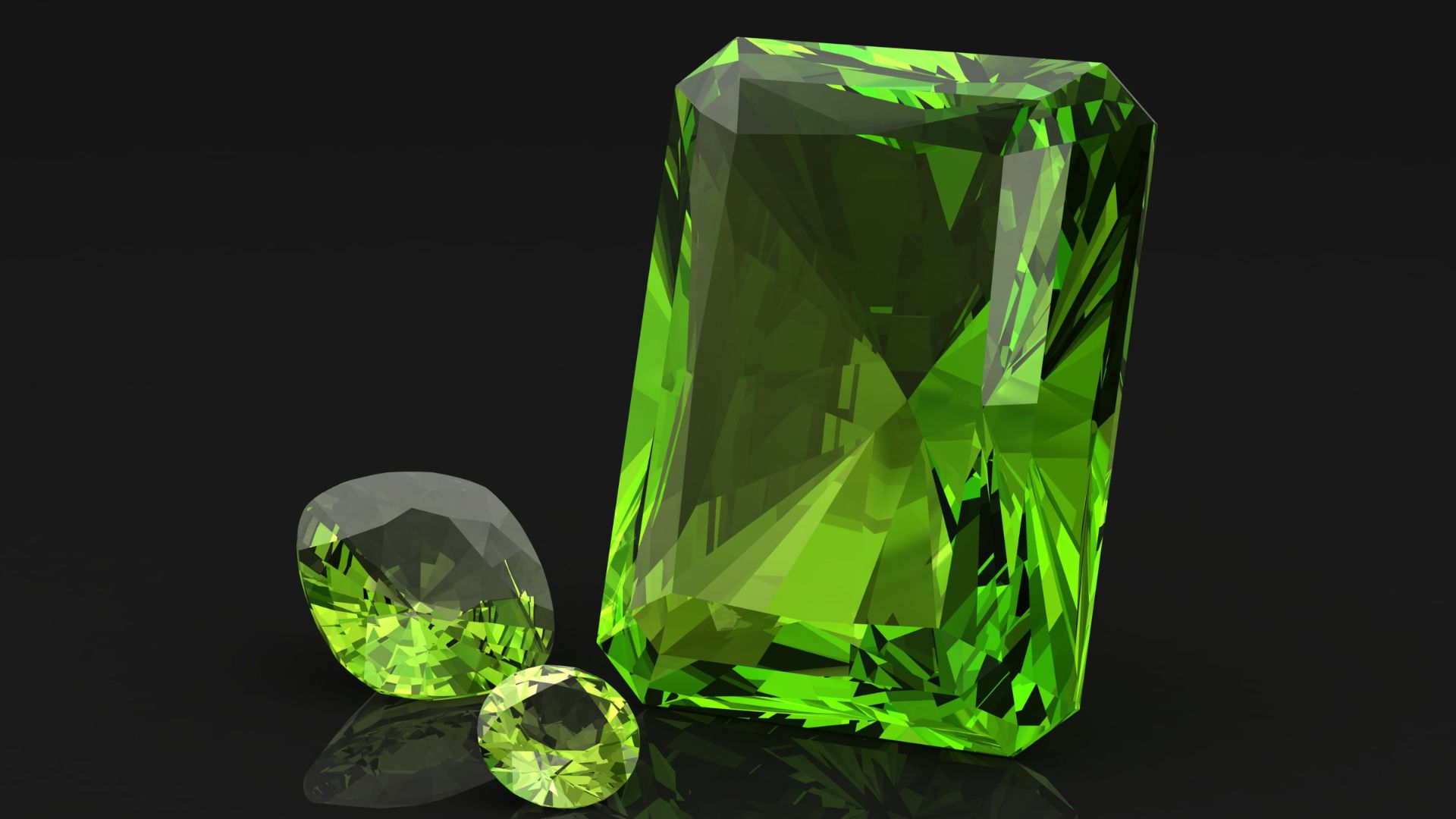
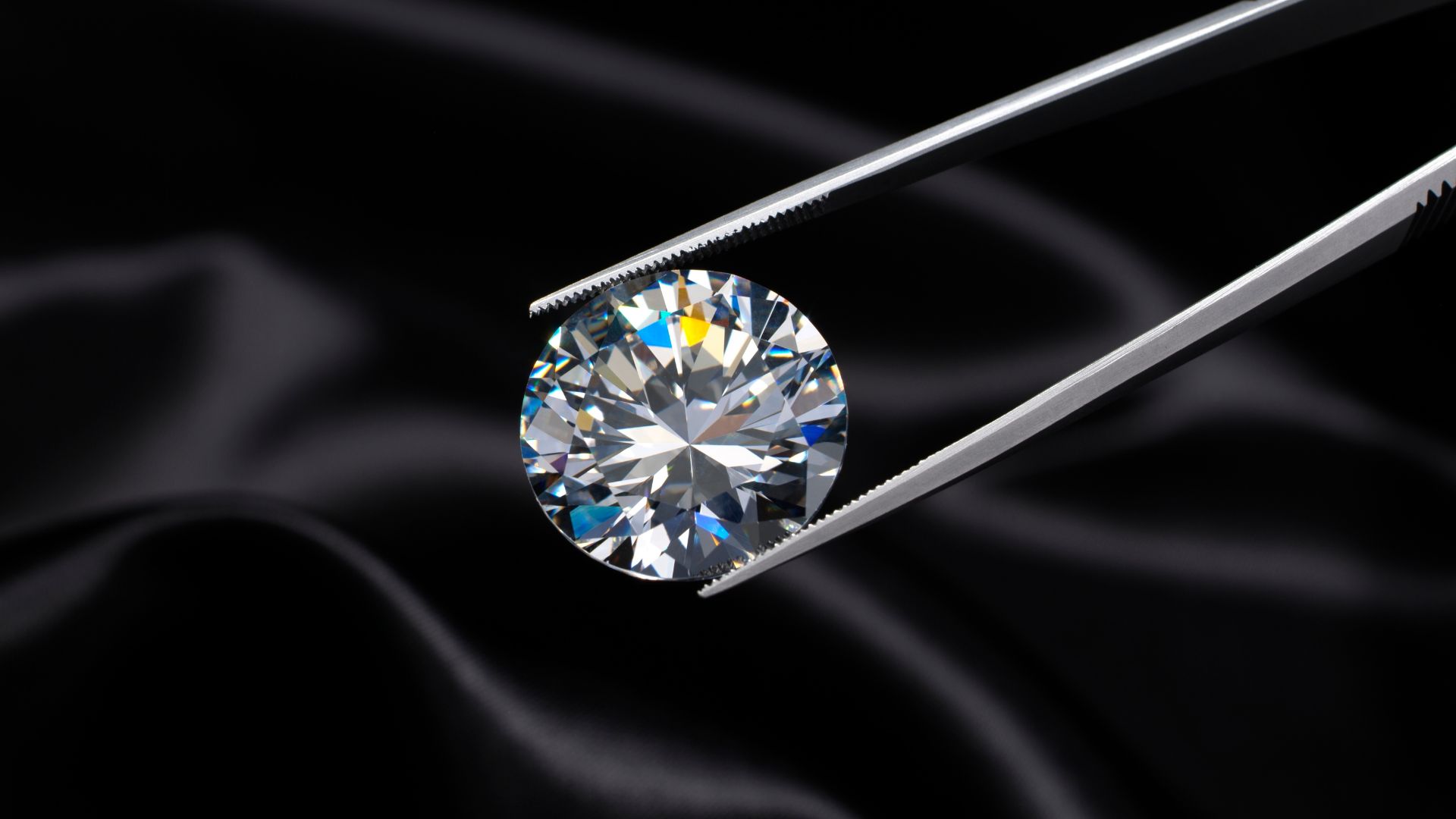
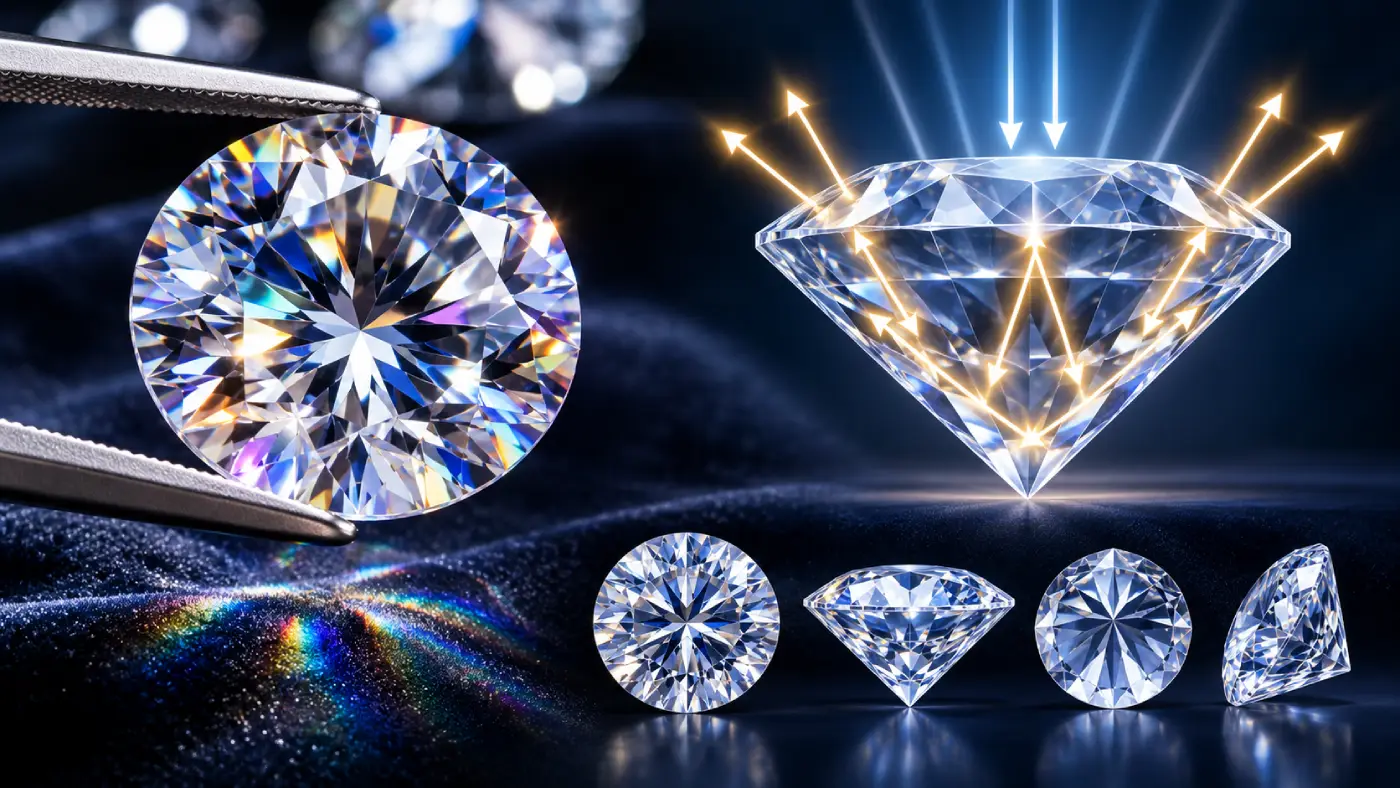
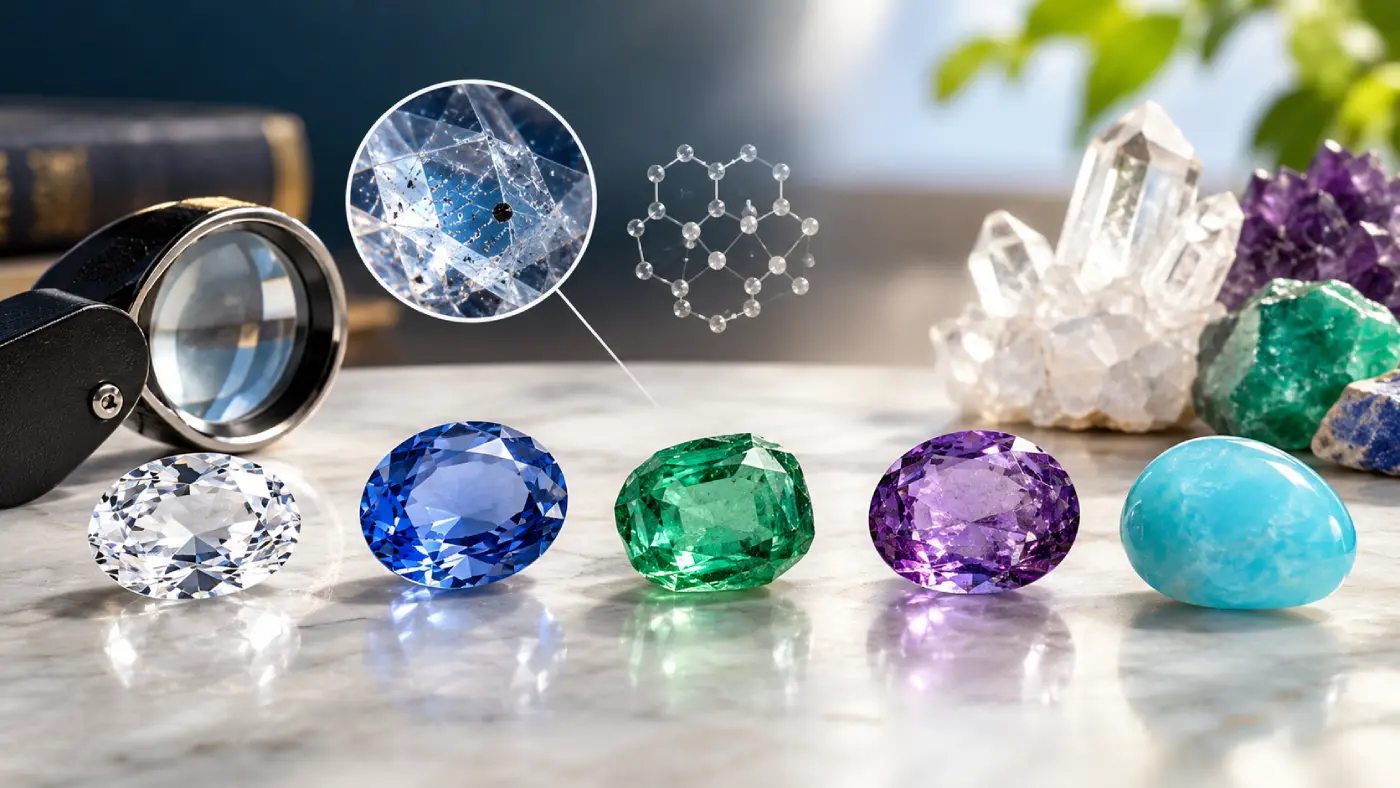
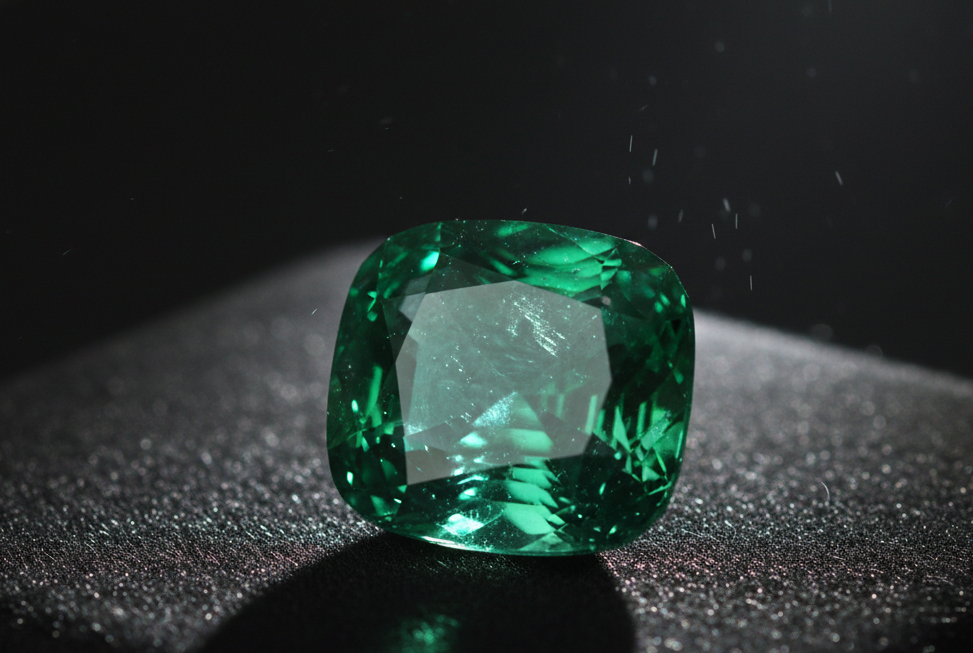
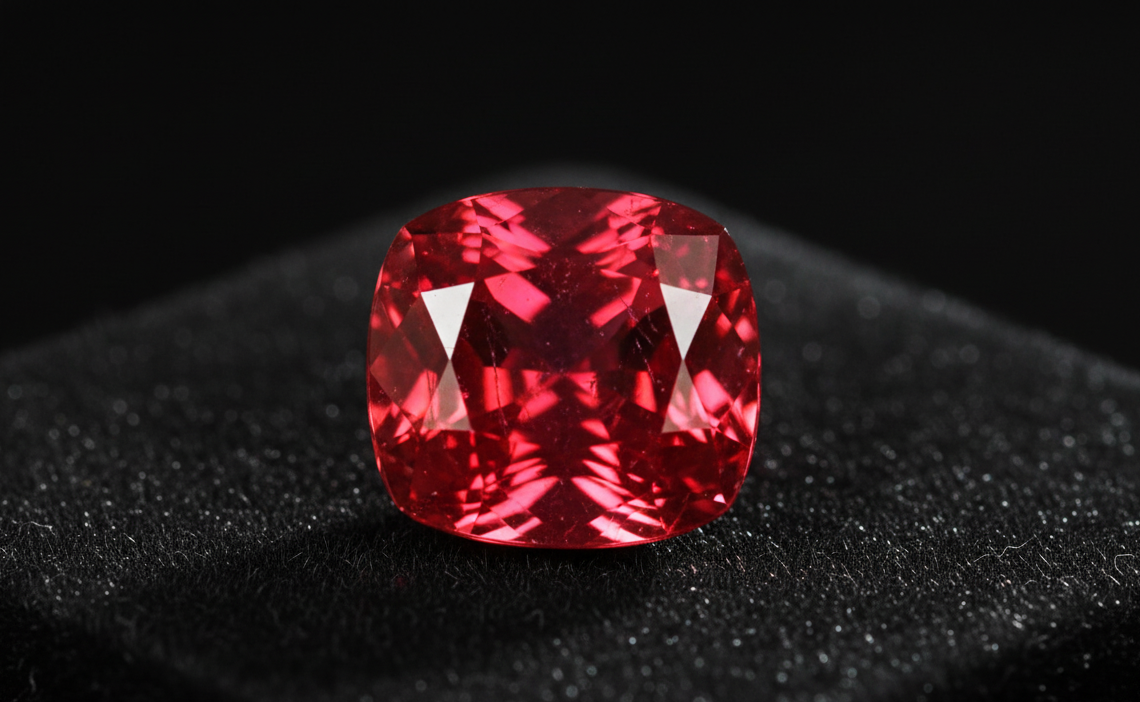
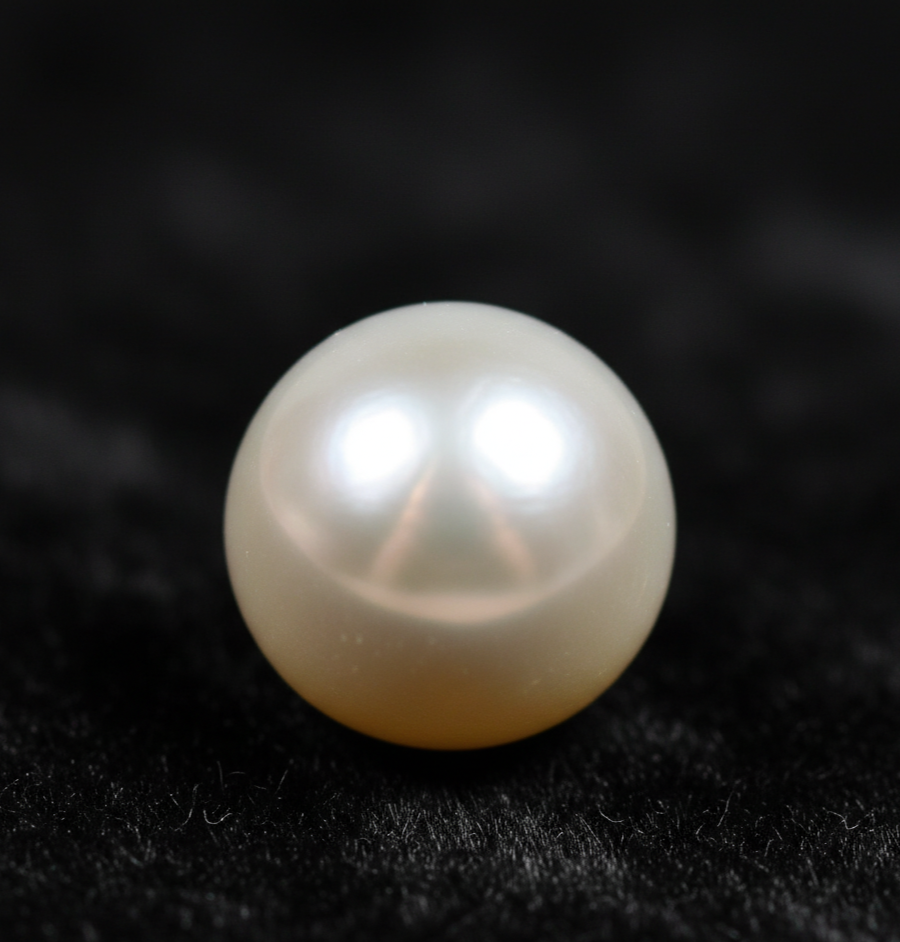
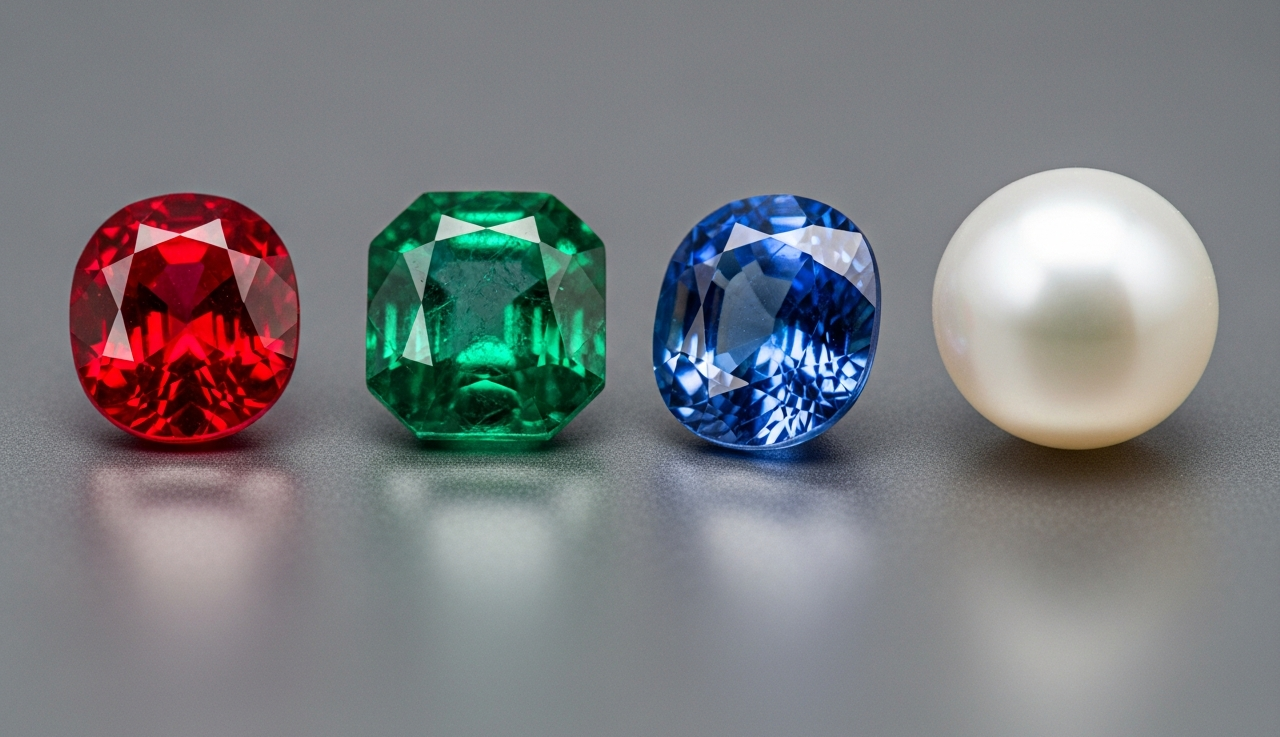
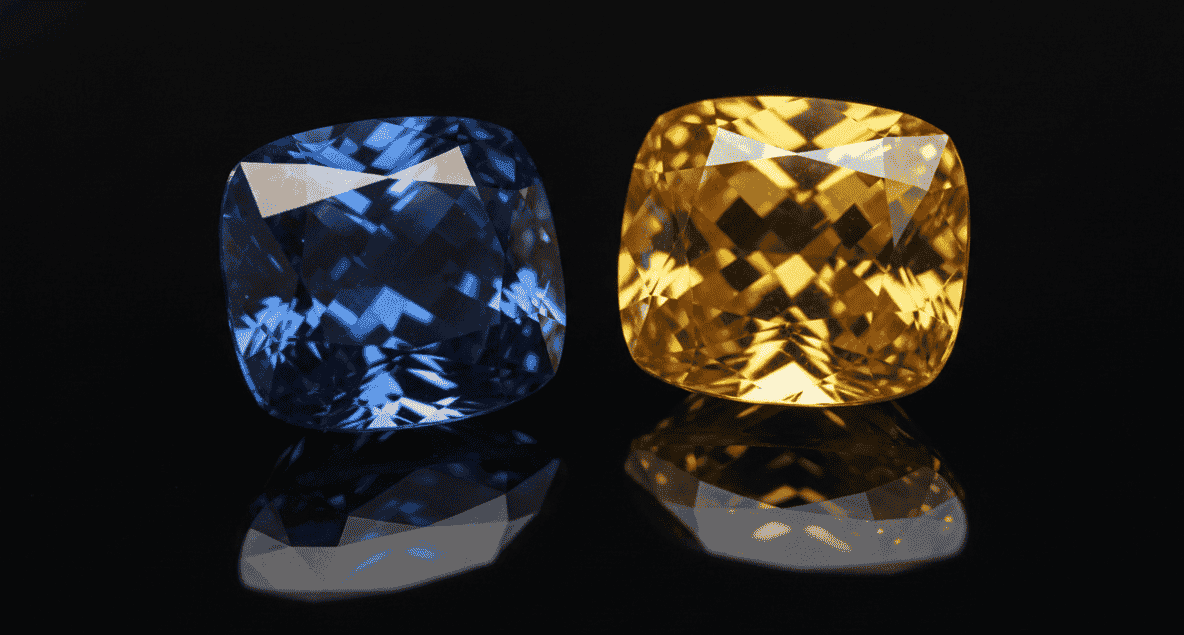
Gemstones interact with light in unique ways. Unlike ordinary objects, they reflect, refract, absorb, and scatter light, creating different visual effects depending on their surroundings.
A gemstone photographed under bright studio lighting may appear more vibrant, saturated, or brilliant than it does in natural daylight. Similarly, a stone photographed in dim lighting may look darker or less colorful.
The human eye also perceives color differently from a digital camera. While our eyes continuously adjust to changing lighting conditions, cameras rely on sensors and software to interpret the light entering the lens.
This is one of the main reasons behind a noticeable gemstone color difference between photographs and real-life viewing.
2. The Role of Lighting in Gemstone Photography
Lighting is one of the most important factors influencing gemstone color.
Different lighting conditions can make the same gemstone appear noticeably different.
- Natural daylight: Often reveals a gemstone's more balanced and natural color.
- Warm indoor lighting: Can make gemstones appear more yellow, orange, or reddish.
- Cool LED lighting: May give gemstones a bluish or cooler appearance.
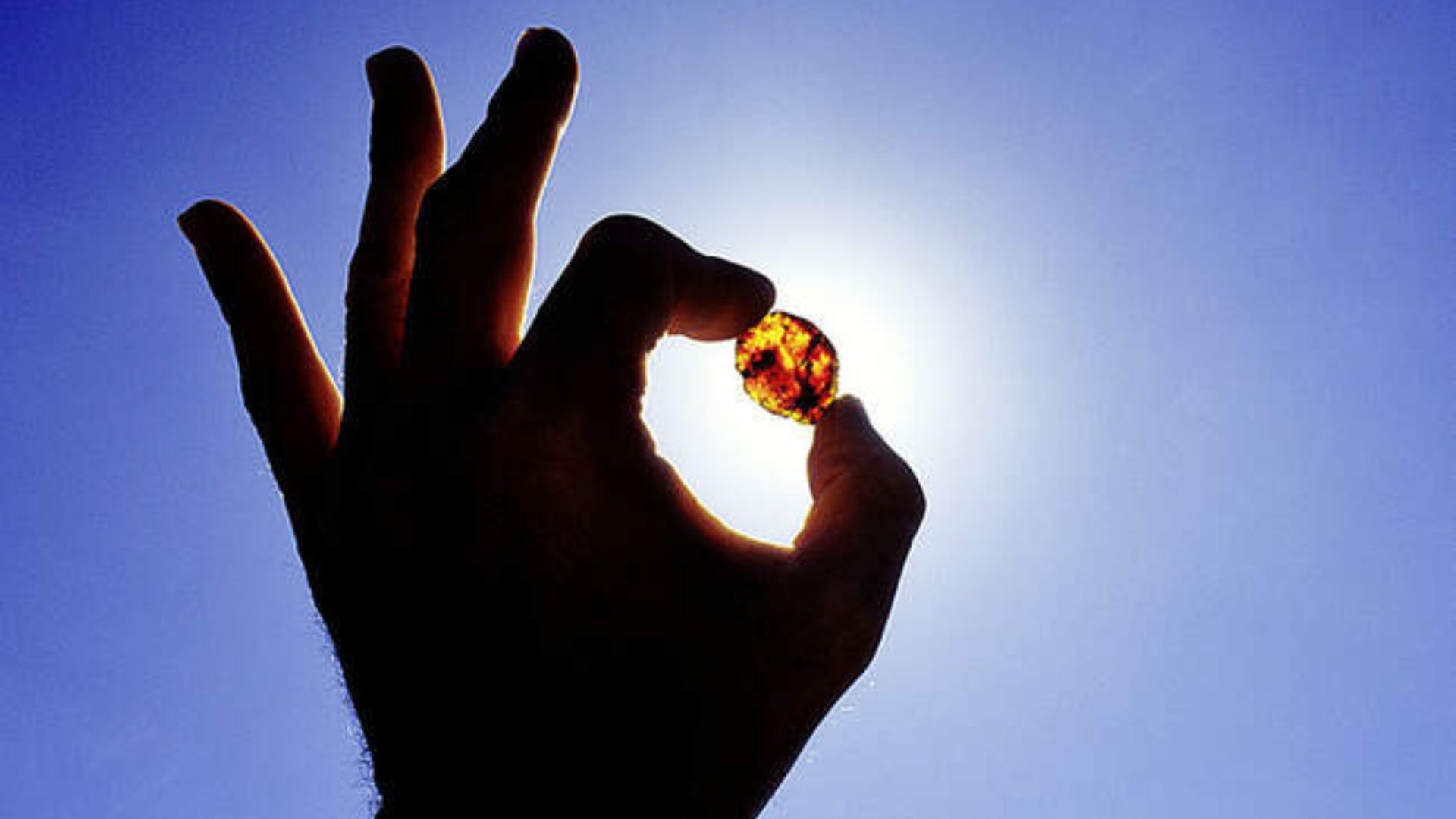
- Direct sunlight: Can create intense reflections, highlights, and sparkle.
- Studio lighting: Helps photographers control brightness and highlight specific gemstone features.
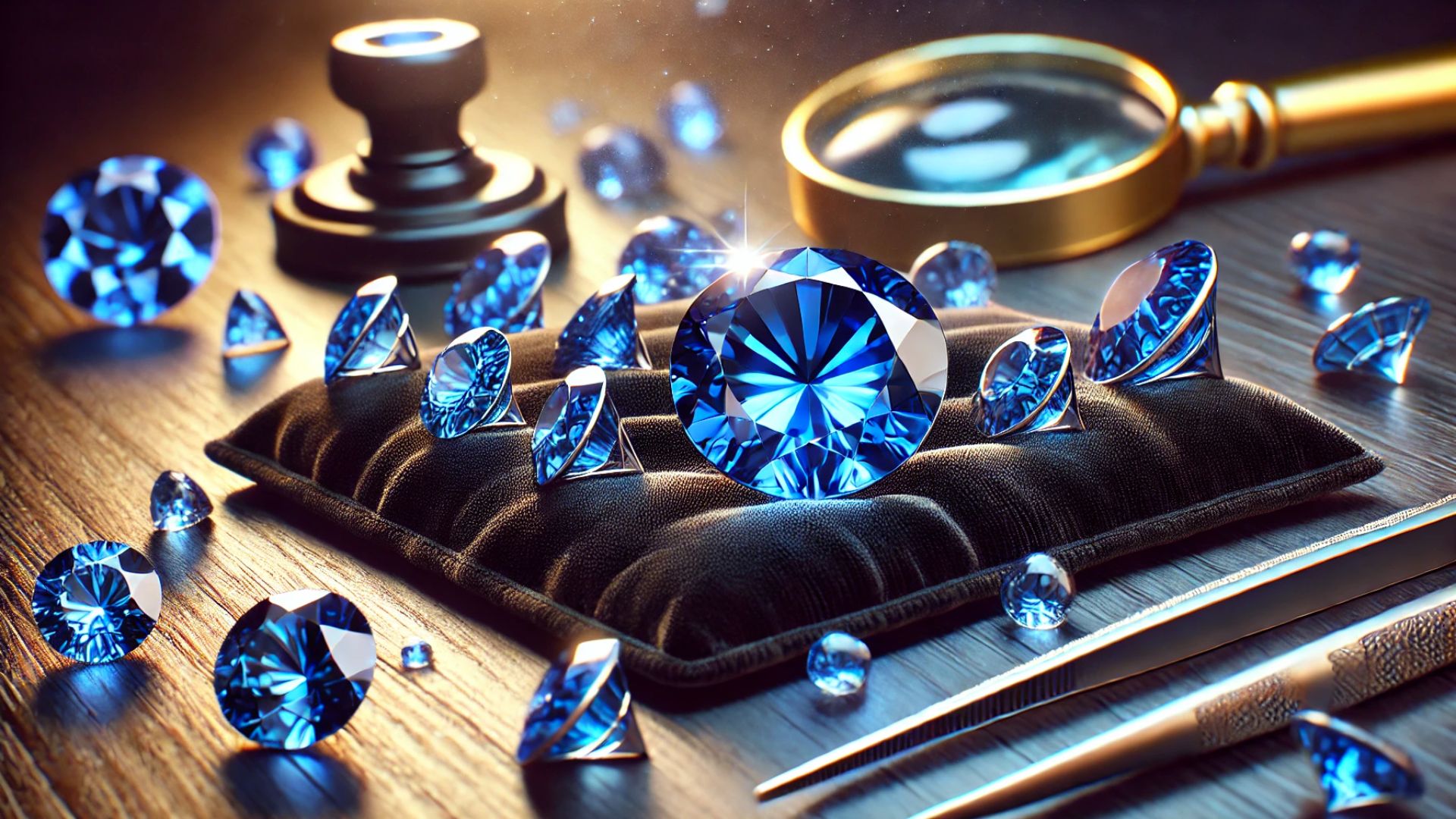
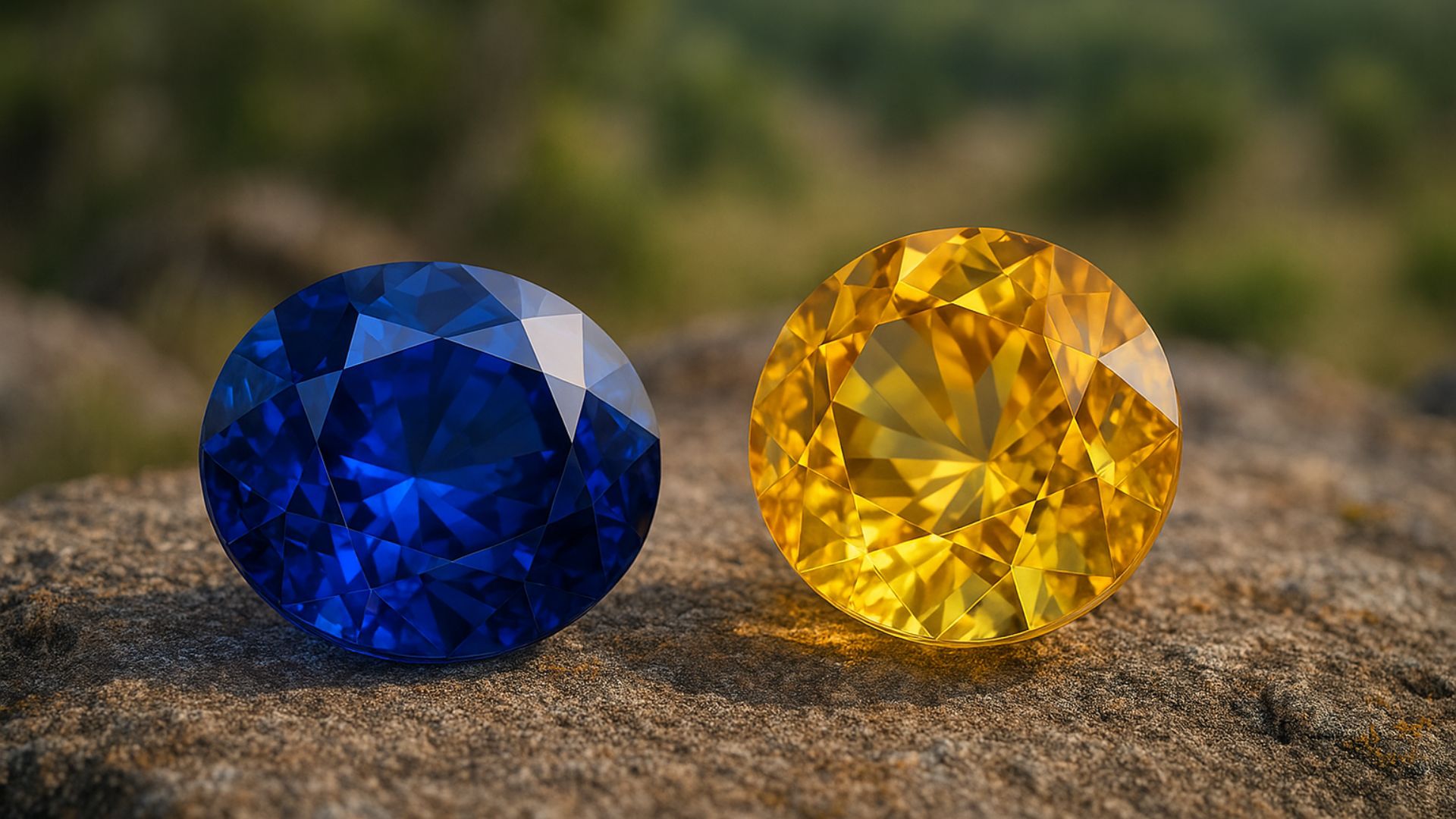
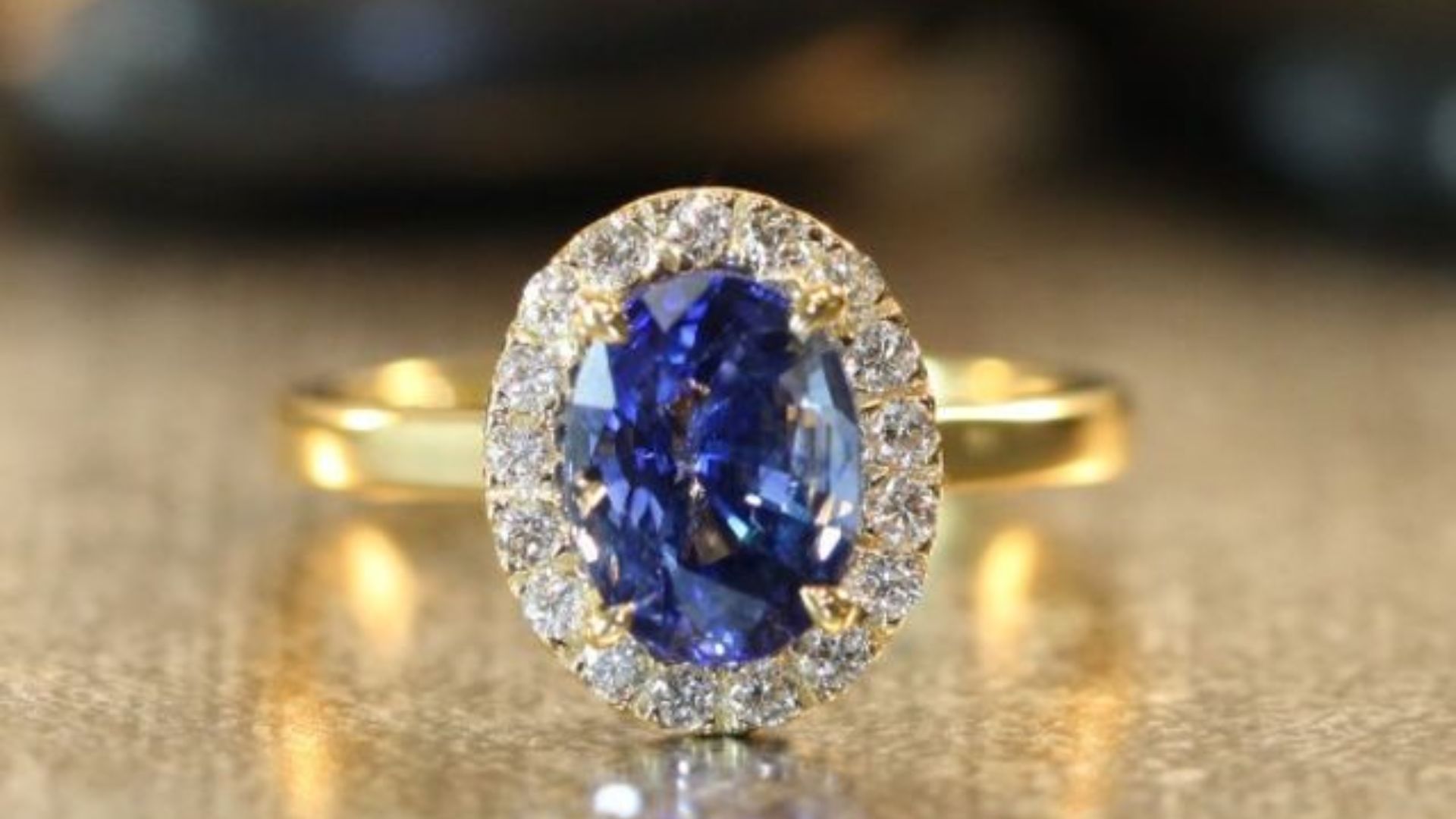
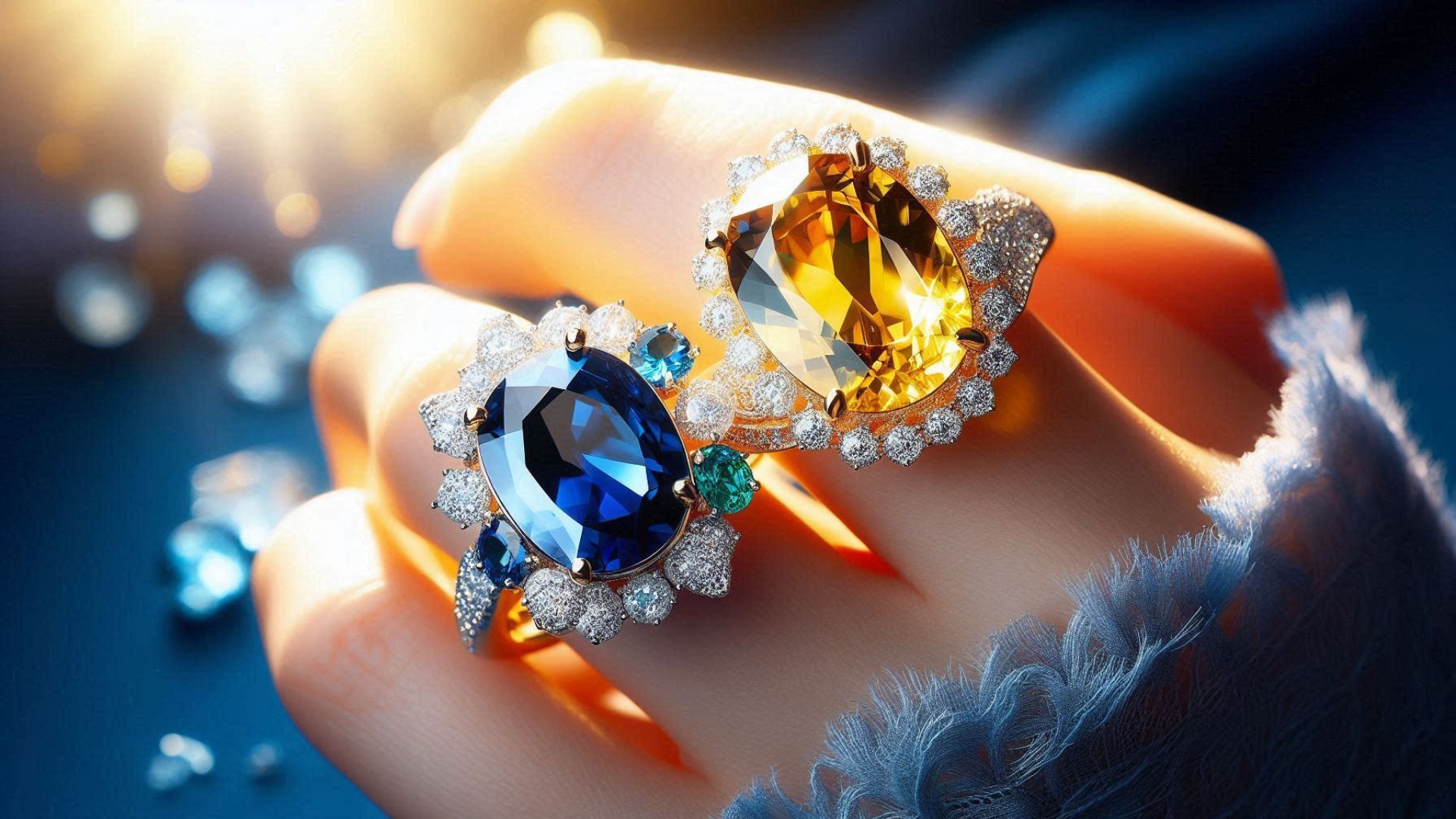
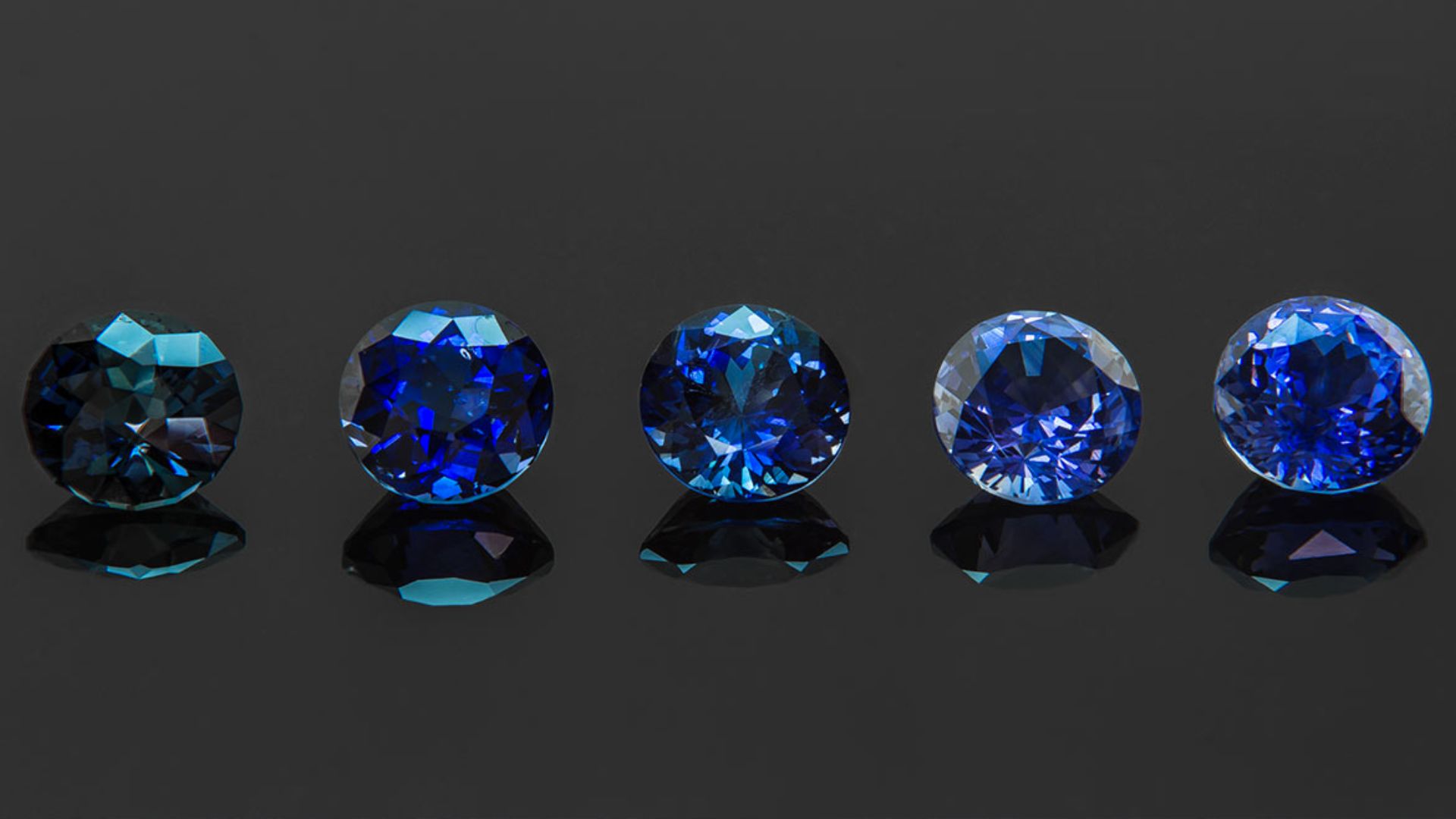
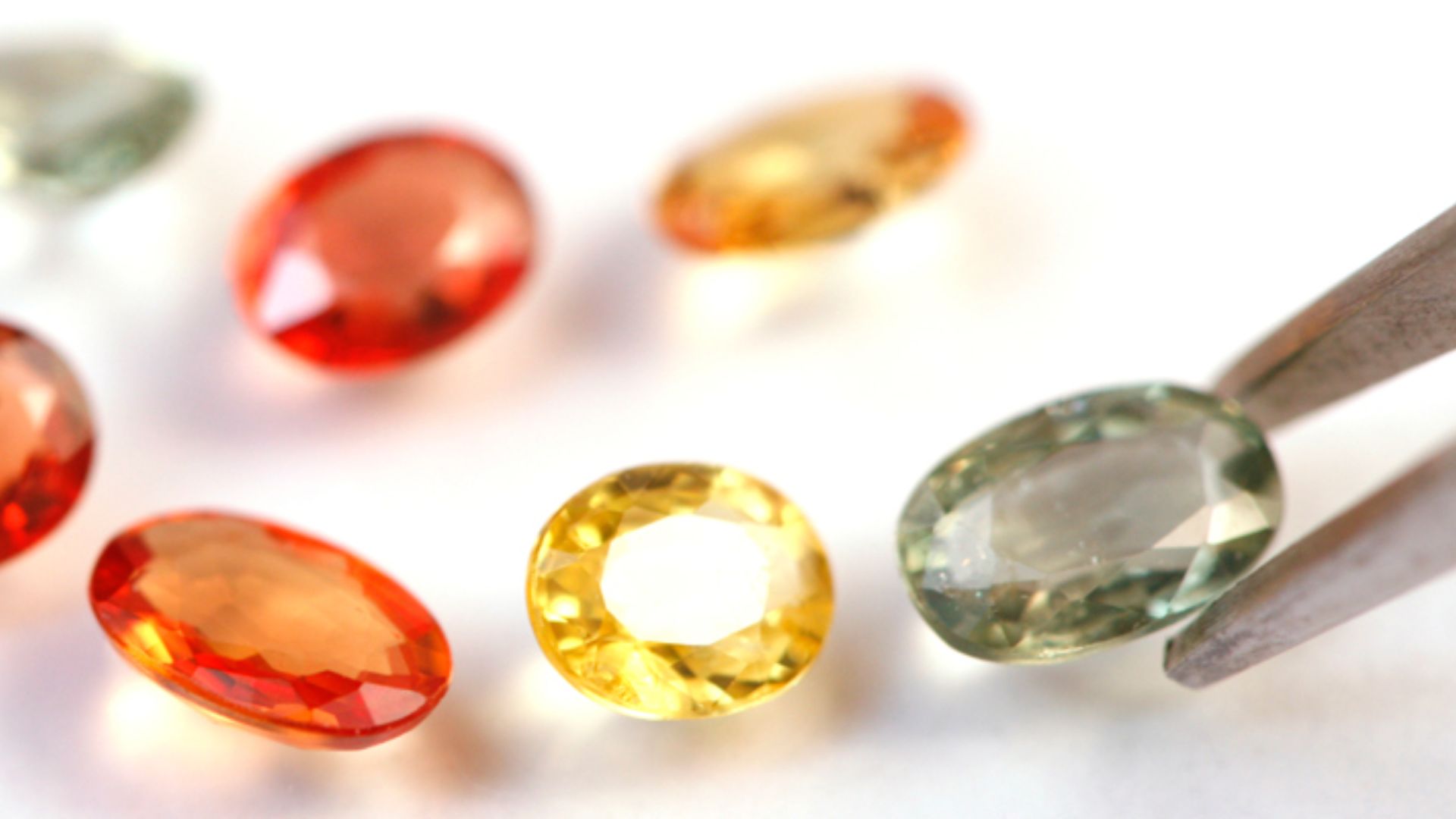
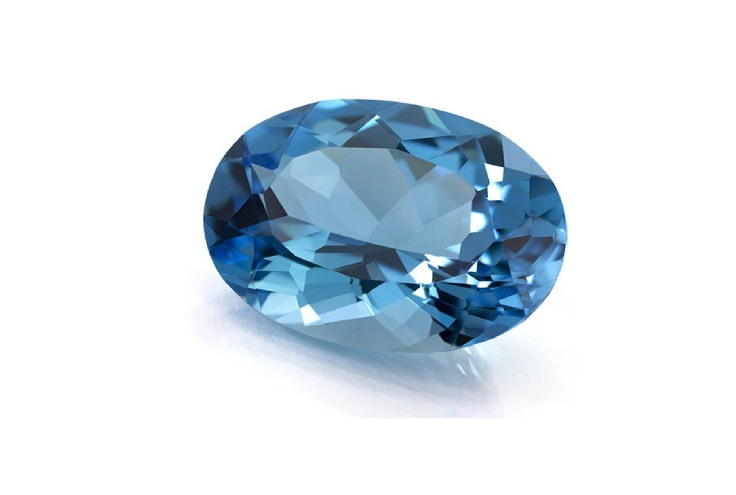
For example, a blue sapphire may appear deeper and more vibrant under certain artificial lights, while its color may look softer under indirect daylight.
Therefore, viewing gemstones under multiple lighting conditions provides a better understanding of their actual appearance.
3. How Camera Settings Affect Gemstone Color
Even when lighting conditions are ideal, camera settings can influence the final photograph.
Here are some important camera features that affect gemstone photography:
White Balance
White balance determines how a camera interprets different light sources. Incorrect white balance can make a gemstone appear warmer or cooler than it actually is.
Exposure
Exposure controls how much light reaches the camera sensor. Overexposure can wash out gemstone colors, while underexposure can make them appear darker.
ISO Settings
Higher ISO settings increase camera sensitivity to light but can also introduce digital noise, affecting the clarity and appearance of gemstone details.
Color Saturation
Some cameras automatically enhance colors, making gemstones look more vivid than they appear in person.
These factors make camera color accuracy particularly important when photographing precious and semi-precious gemstones.
4. Why Different Screens Show Different Gemstone Colors
The camera is not the only factor responsible for color differences. The device used to view a photograph also plays an important role.
A gemstone image may look different on a smartphone, laptop, tablet, or desktop monitor.
This happens because different screens use different display technologies, brightness levels, color profiles, and screen settings.
For example:
- A smartphone with a highly saturated display may make gemstones look brighter.
- A laptop with poor color calibration may display inaccurate shades.
- A screen with high brightness may make lighter gemstones appear washed out.
- Night mode or blue-light filters may alter the perceived color temperature.
As a result, the same gemstone photograph can look slightly different across multiple devices.
5. Natural Gemstone Characteristics Also Influence Appearance
Not every color variation comes from photography. Natural gemstones have unique internal and external characteristics that influence how they interact with light.
Some important factors include:
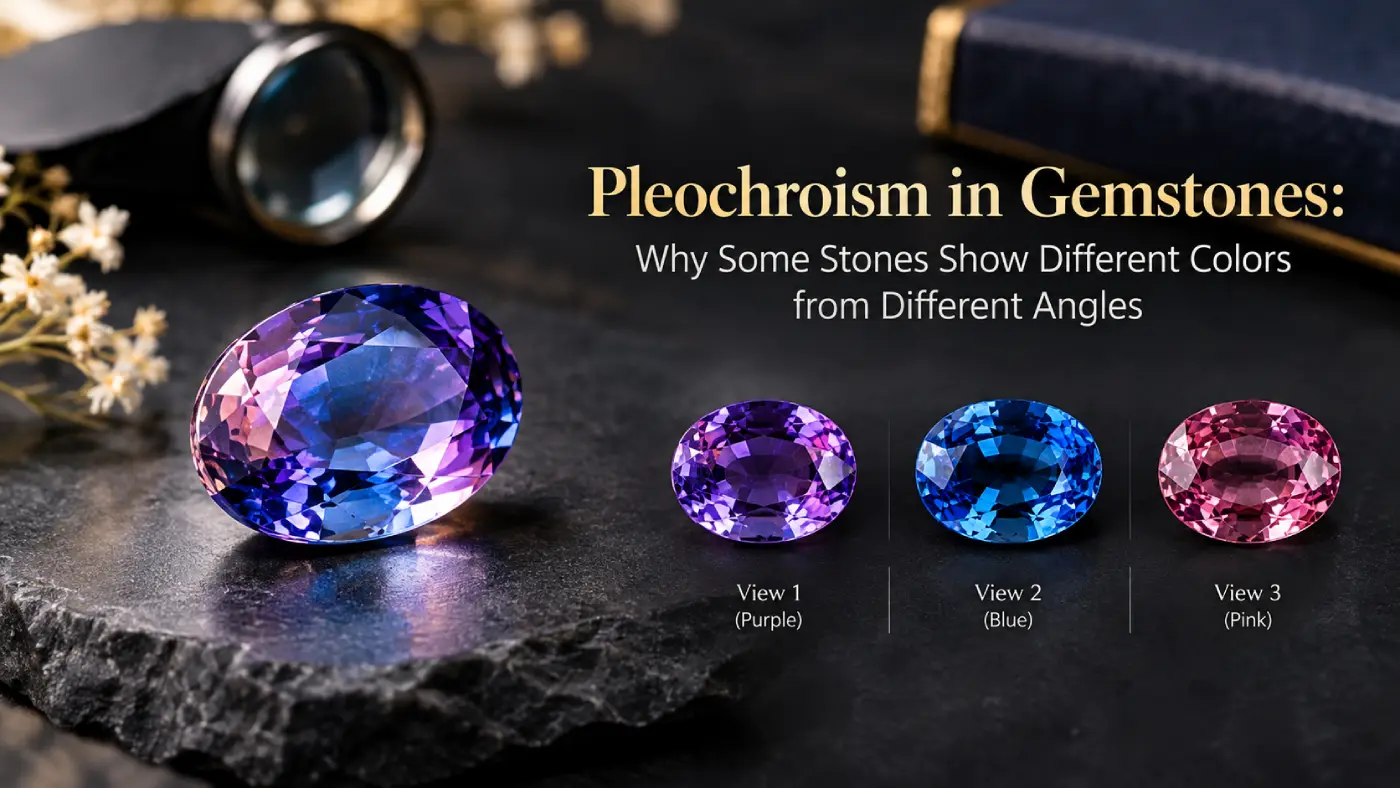
Pleochroism: Certain gemstones display different colors or shades when viewed from different directions.
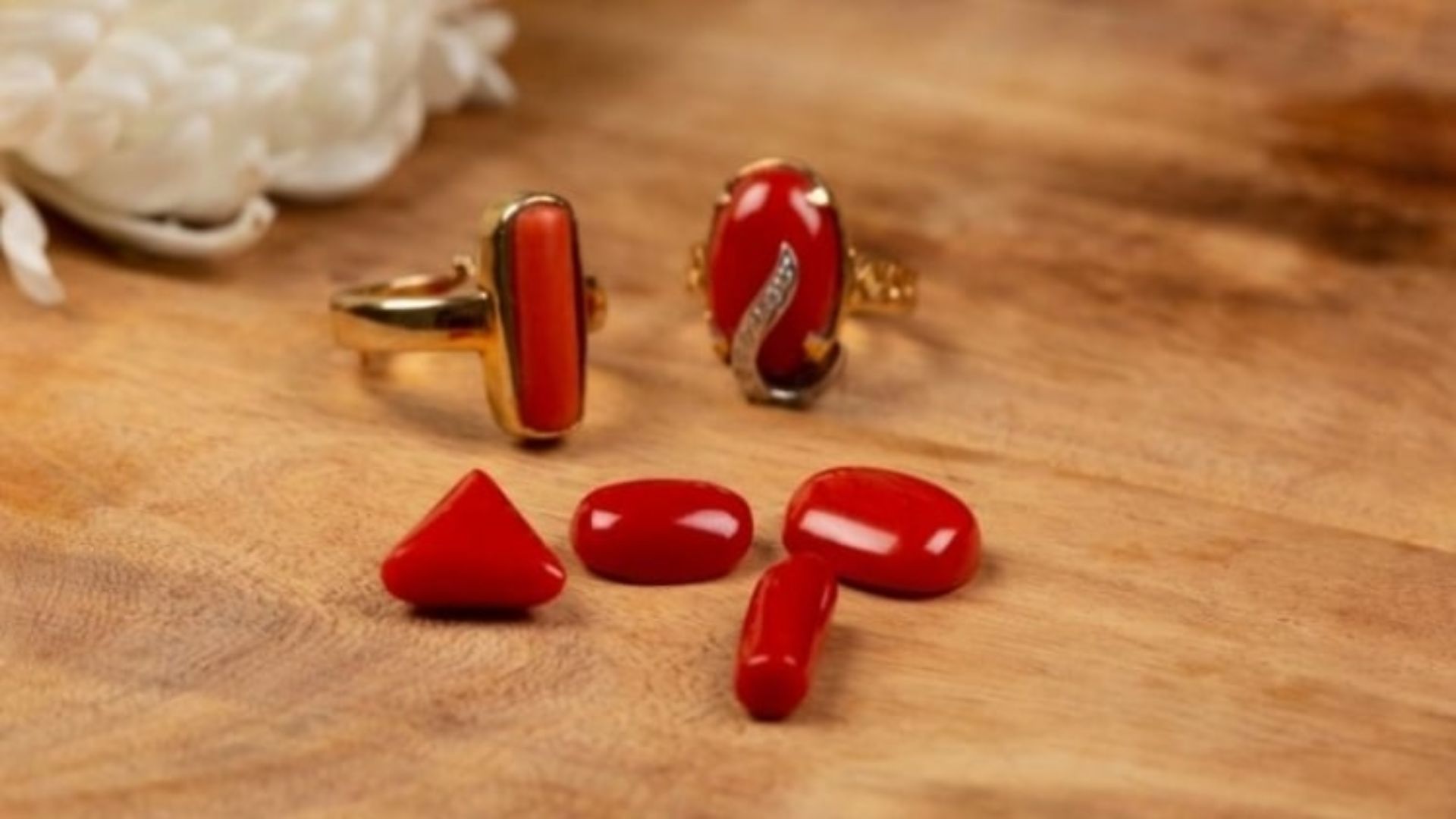
Transparency: Transparent, translucent, and opaque gemstones interact with light differently.
Inclusions: Natural internal features can affect how light travels through a gemstone.
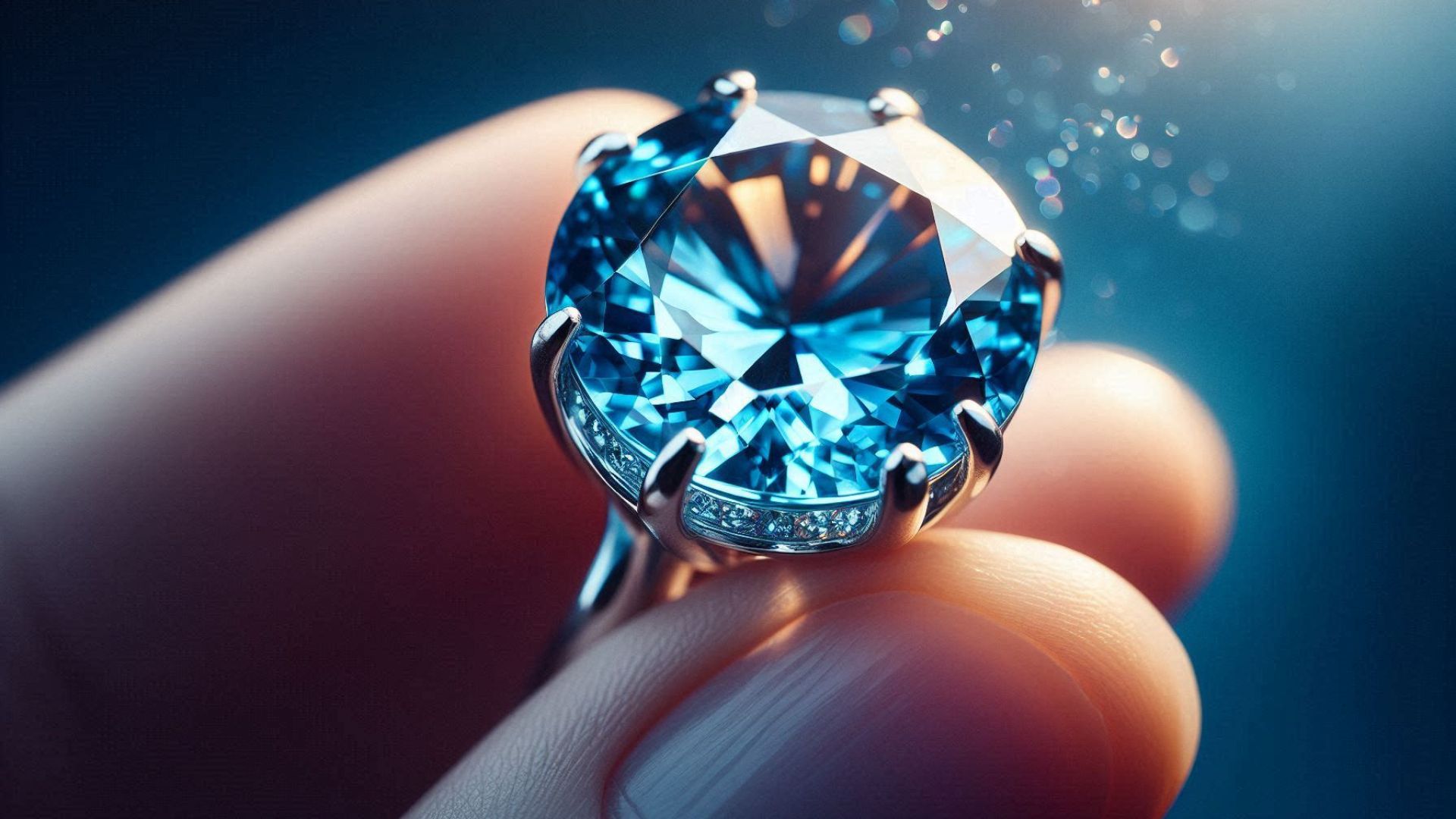
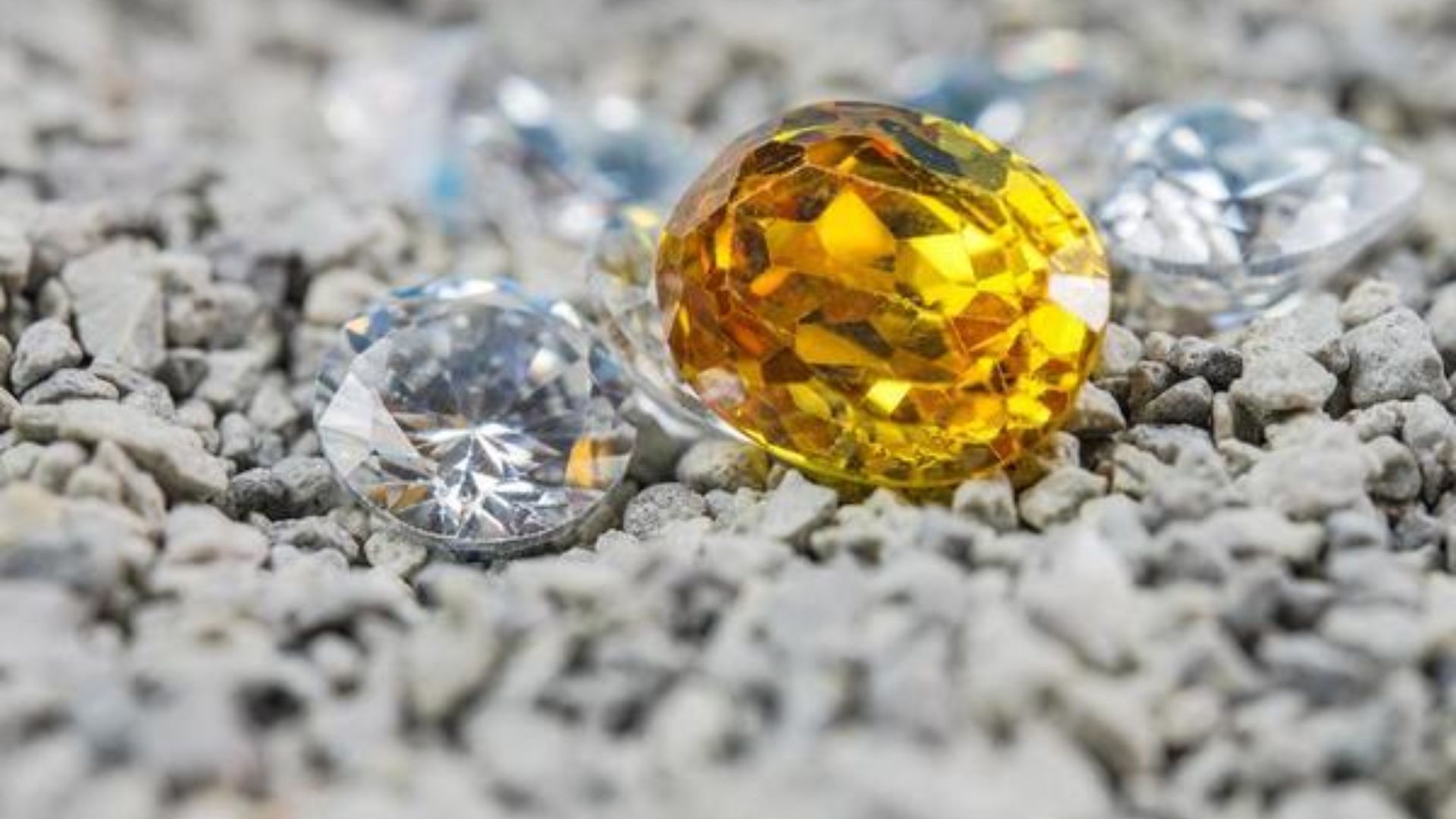
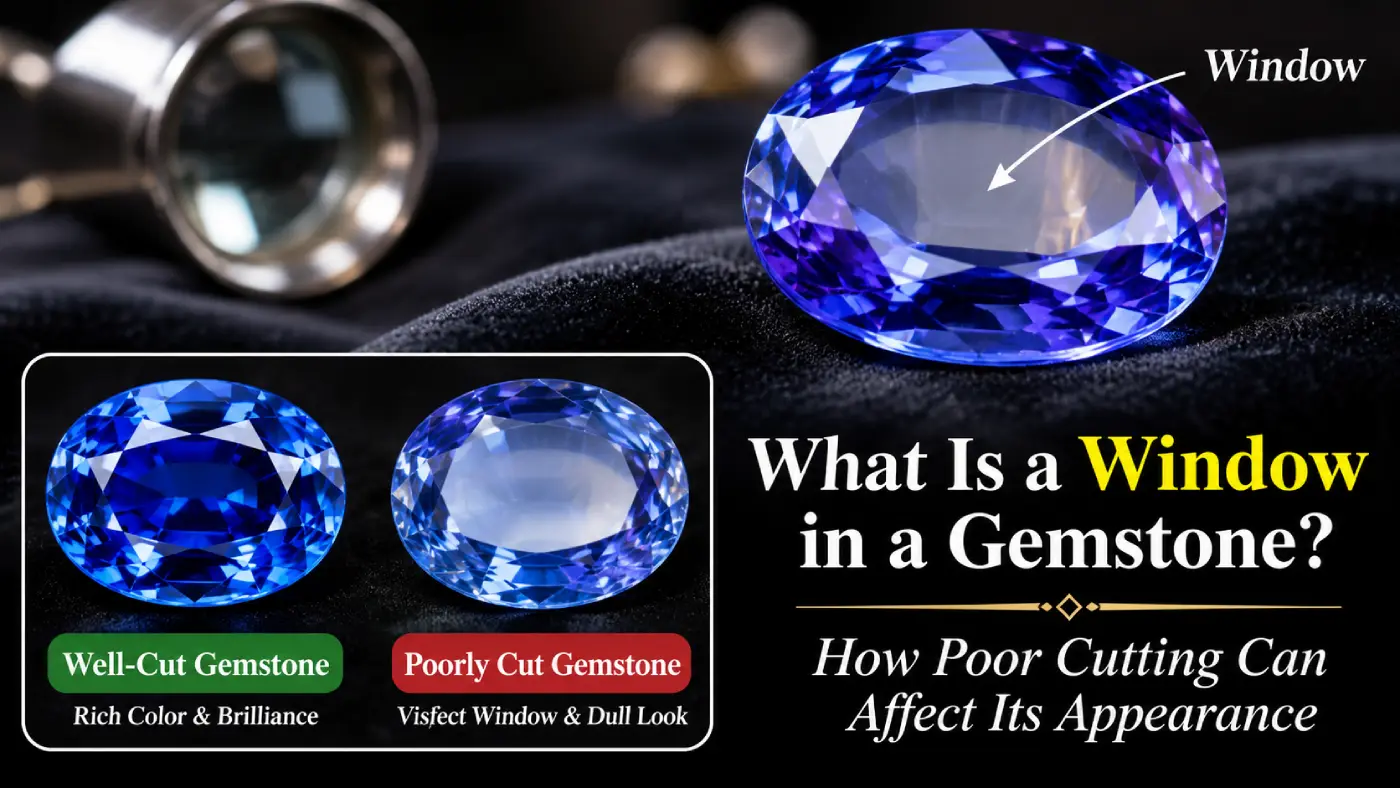
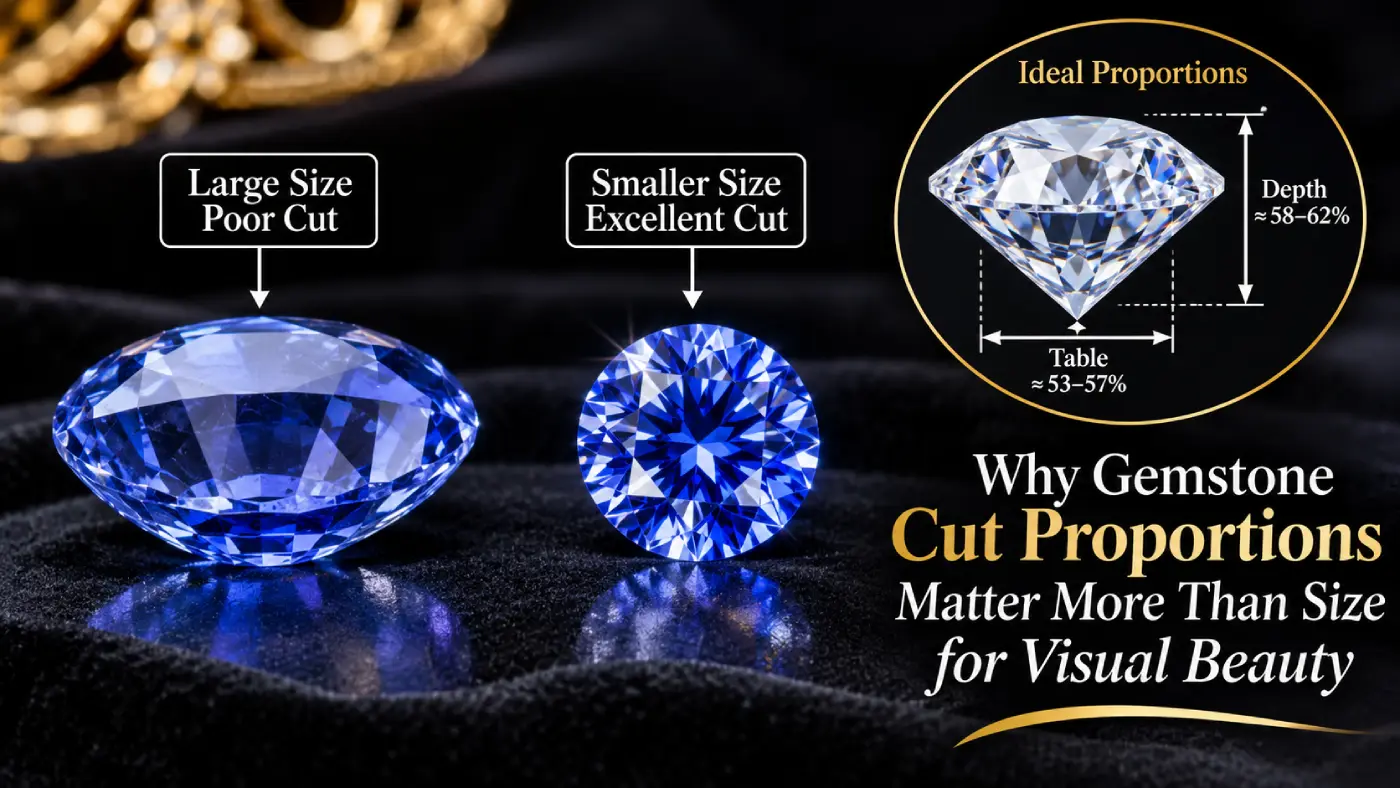
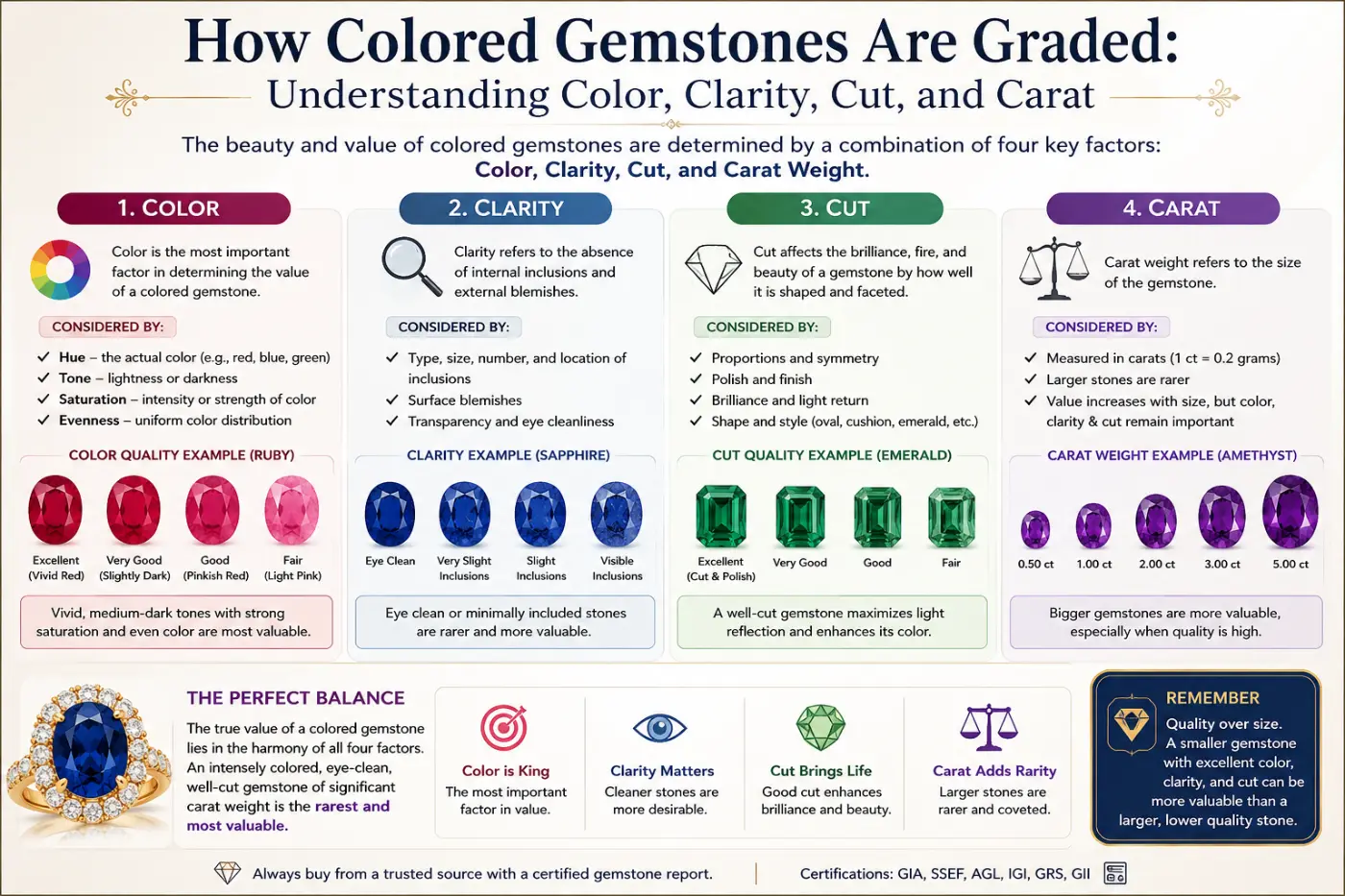
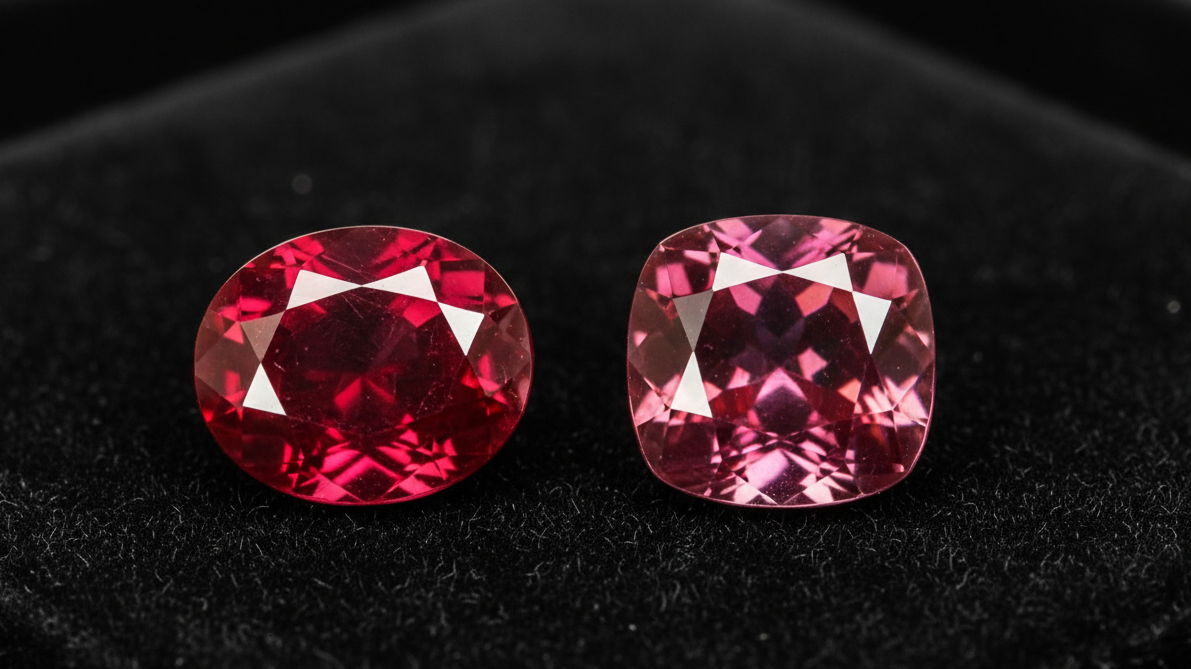
Cut and Faceting: The shape, proportions, and arrangement of facets influence brilliance, reflections, and color distribution.
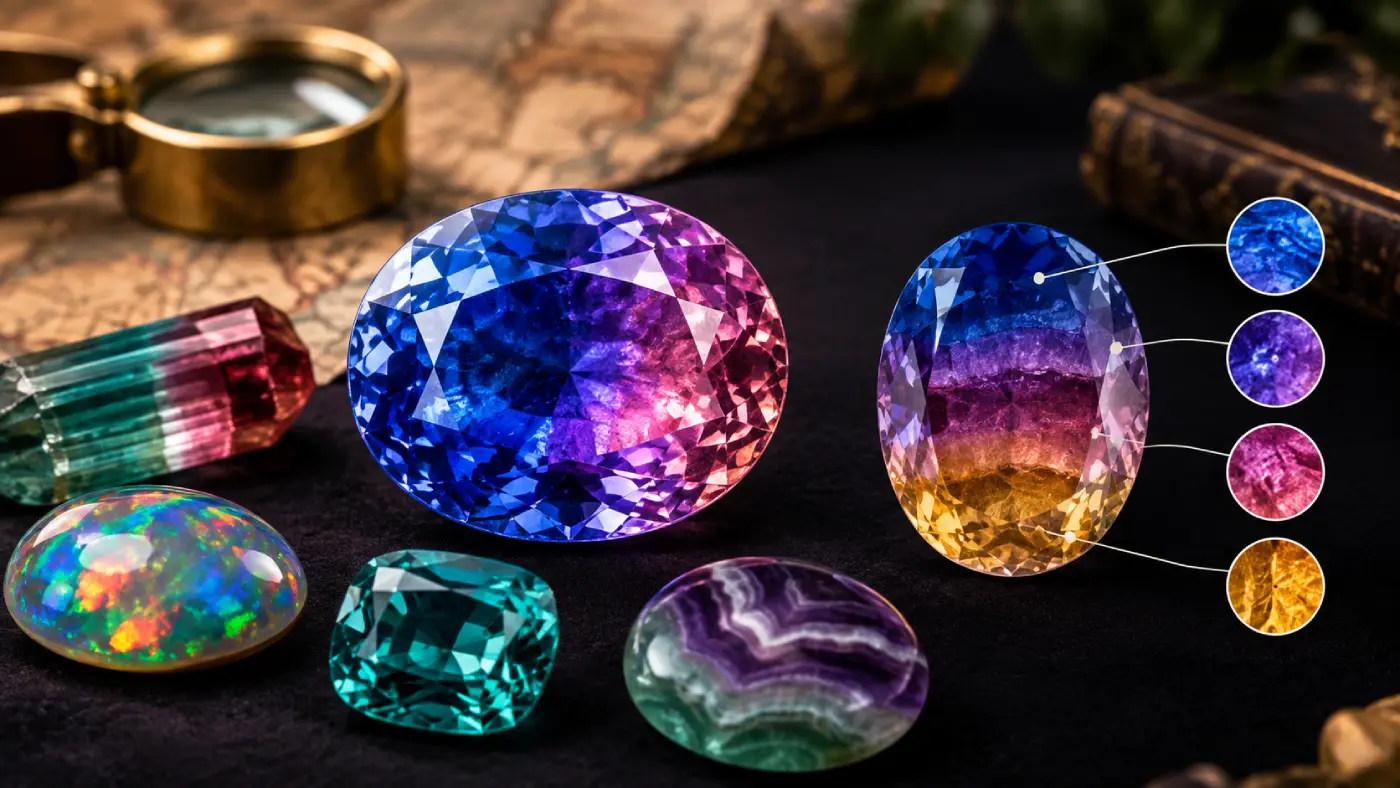
Color Zoning: Some gemstones naturally contain different color intensities in different areas.
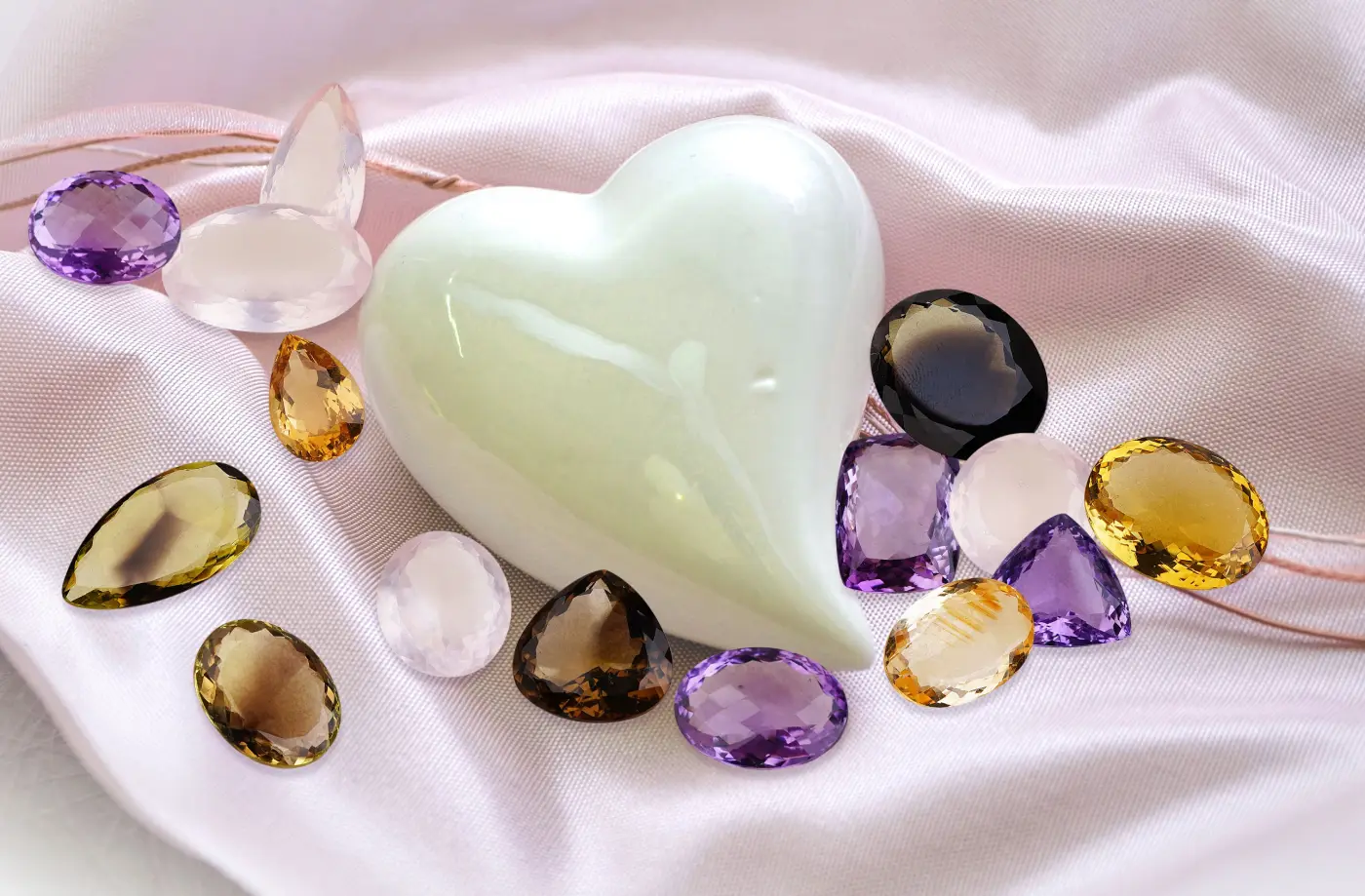
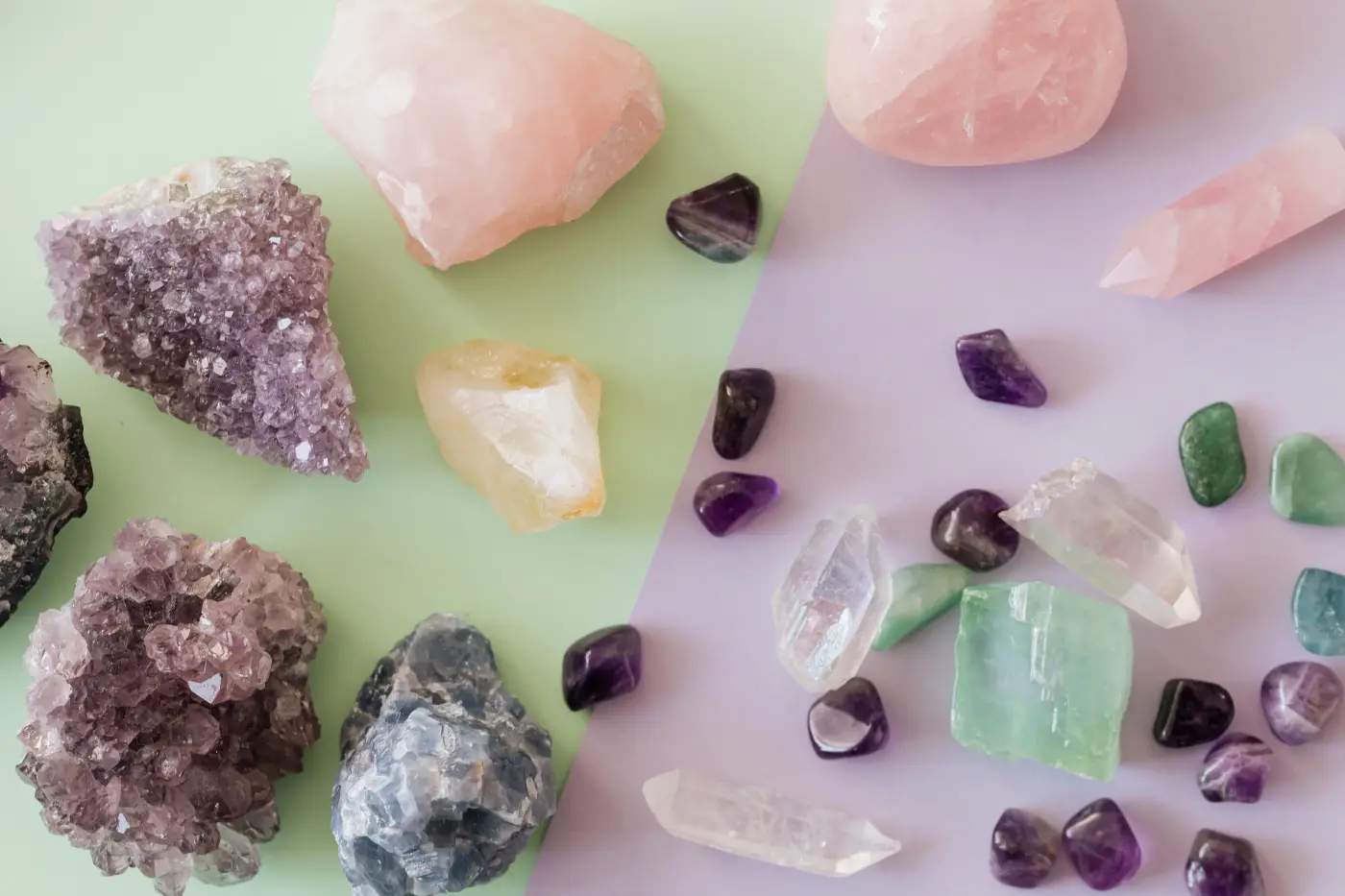
For instance, an amethyst may display different purple tones depending on the viewing angle and lighting conditions.
These natural characteristics contribute to the difference between a static photograph and the real gemstone appearance.
6. Can Gemstone Photography Show the True Color of a Gemstone?
Yes, but achieving accurate results requires proper photography techniques.
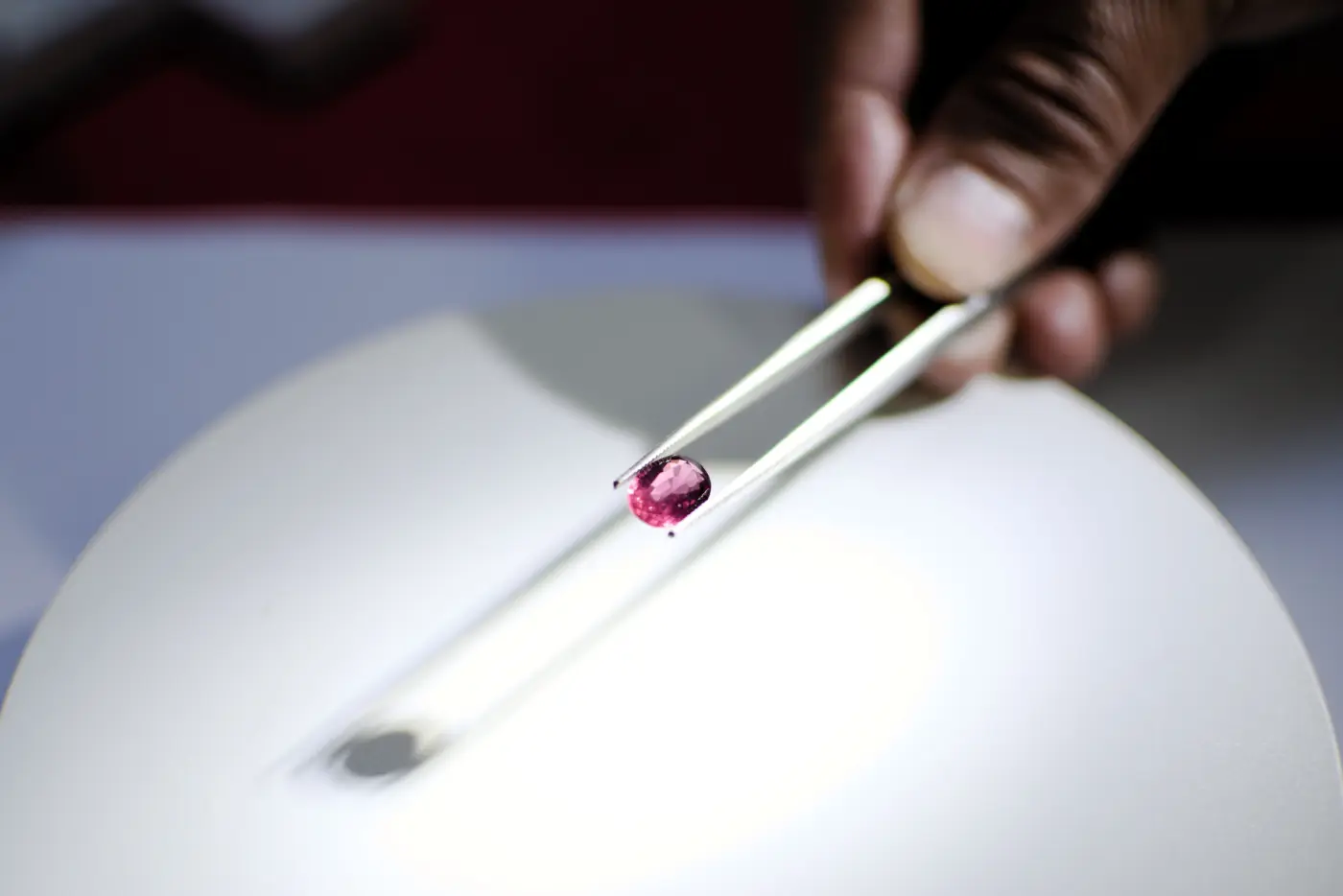
Professional gemstone photographers use specialized equipment and controlled environments to capture gemstones as naturally as possible.
Some best practices include:
- Using neutral, consistent lighting.
- Setting the correct camera white balance.
- Avoiding excessive brightness and saturation adjustments.
- Photographing gemstones against neutral backgrounds.
- Using macro lenses to capture fine details.
- Checking images on calibrated displays.
- Providing photographs under different lighting conditions.
A combination of high-quality photography and honest image processing can significantly improve camera color accuracy.
However, no photograph can perfectly reproduce every visual detail of a gemstone in real life.
7. How Buyers Can Avoid Gemstone Color Confusion
If you are purchasing gemstones online, there are several ways to reduce the chances of disappointment.
Request multiple photographs: Look for images taken under different lighting conditions.
Watch gemstone videos: Videos can show how a gemstone responds to movement and changing light.
Check product descriptions: Read details about the gemstone's color, transparency, cut, and origin.
Ask for natural-light images: These can help you understand the gemstone's appearance outside a studio environment.
Choose trusted sellers: Buy from sellers who provide transparent product information and accurate images.
Most importantly, remember that photographs are visual representations rather than perfect reproductions of physical gemstones.
Conclusion
The difference between a gemstone's photographed color and its real-life appearance is influenced by several factors, including lighting, camera settings, screen calibration, and the gemstone's natural optical properties.
Understanding these factors makes it easier to appreciate why gemstone photography cannot always capture the complete beauty of a precious stone.
Whether you are a gemstone enthusiast, collector, or online buyer, paying attention to lighting conditions, image quality, and natural gemstone characteristics can help you make more confident purchasing decisions.
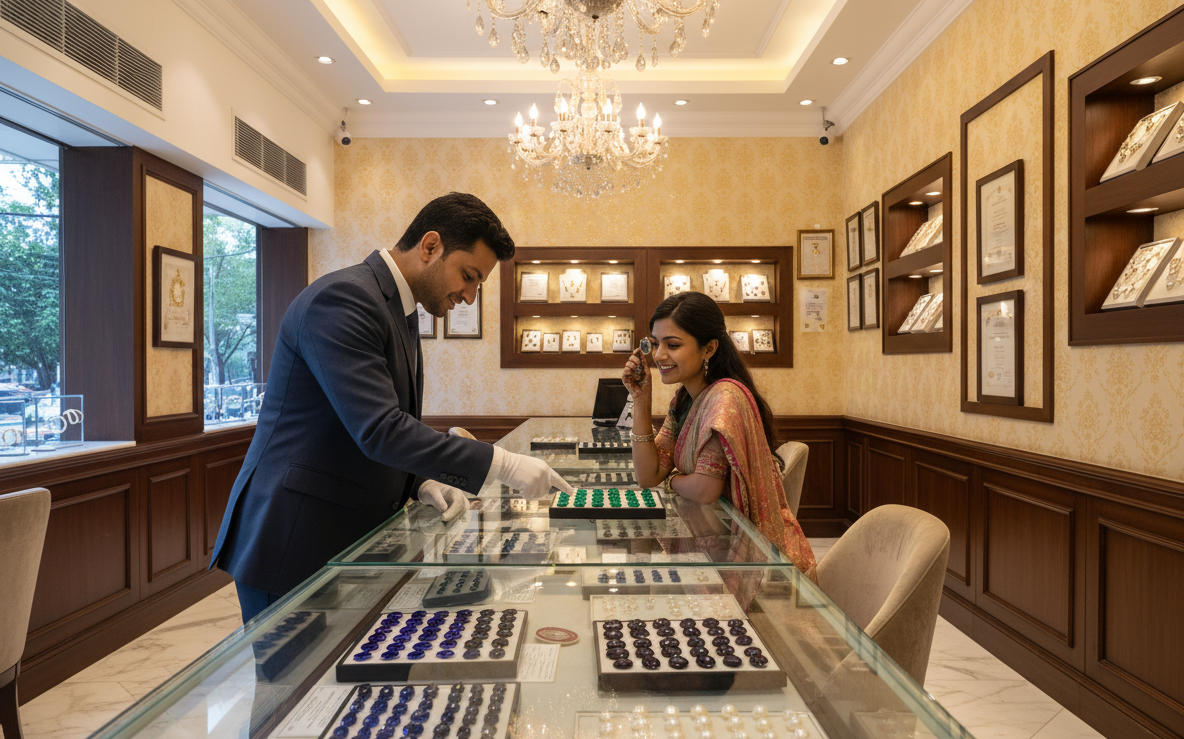
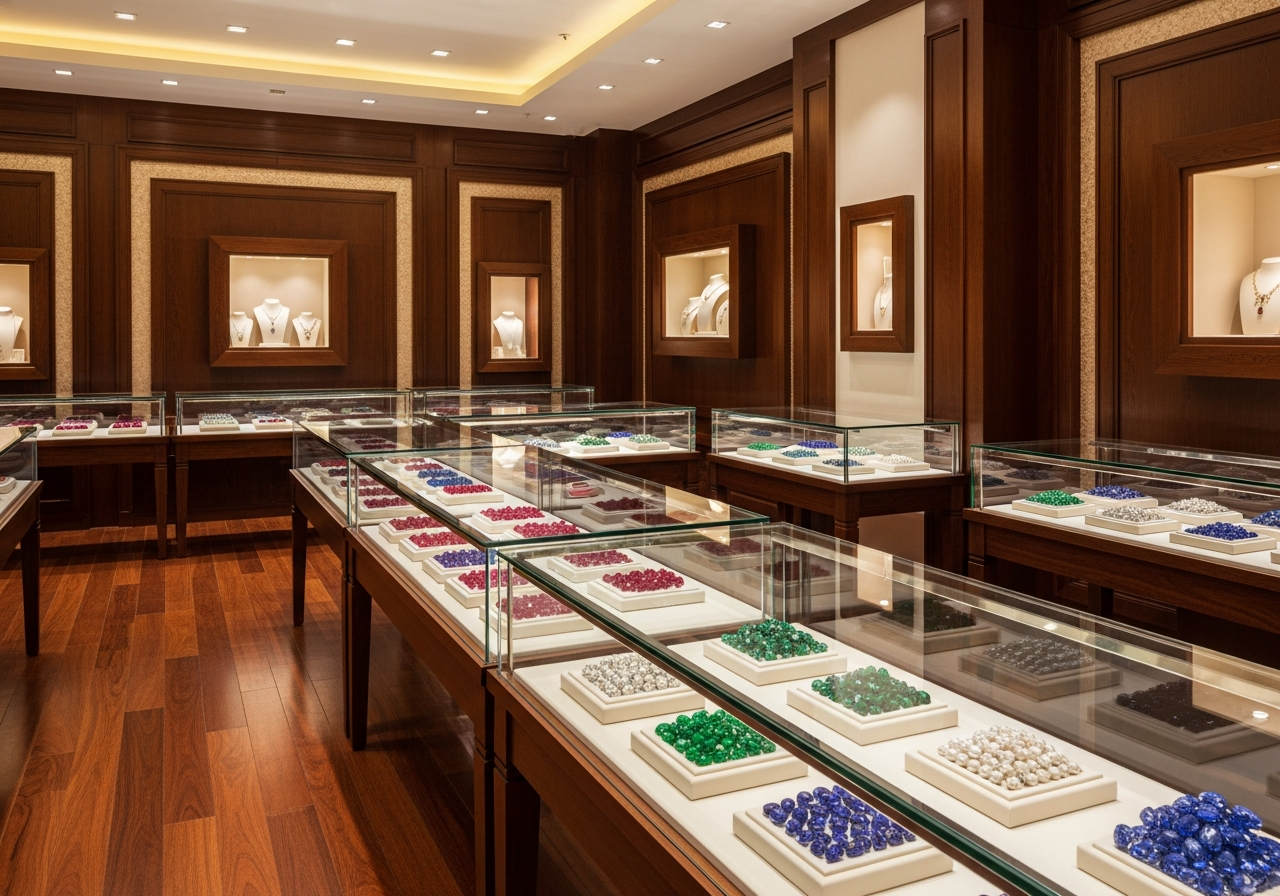
Ultimately, the best way to appreciate a gemstone is to view it in person under different lighting conditions. A photograph may capture its beauty, but experiencing its true color, brilliance, and sparkle in real life is something entirely different.
Recent Posts


2026-09-04
The Science Behind Gemstone Fluorescence








2025-09-15