Date : 2026-07-16
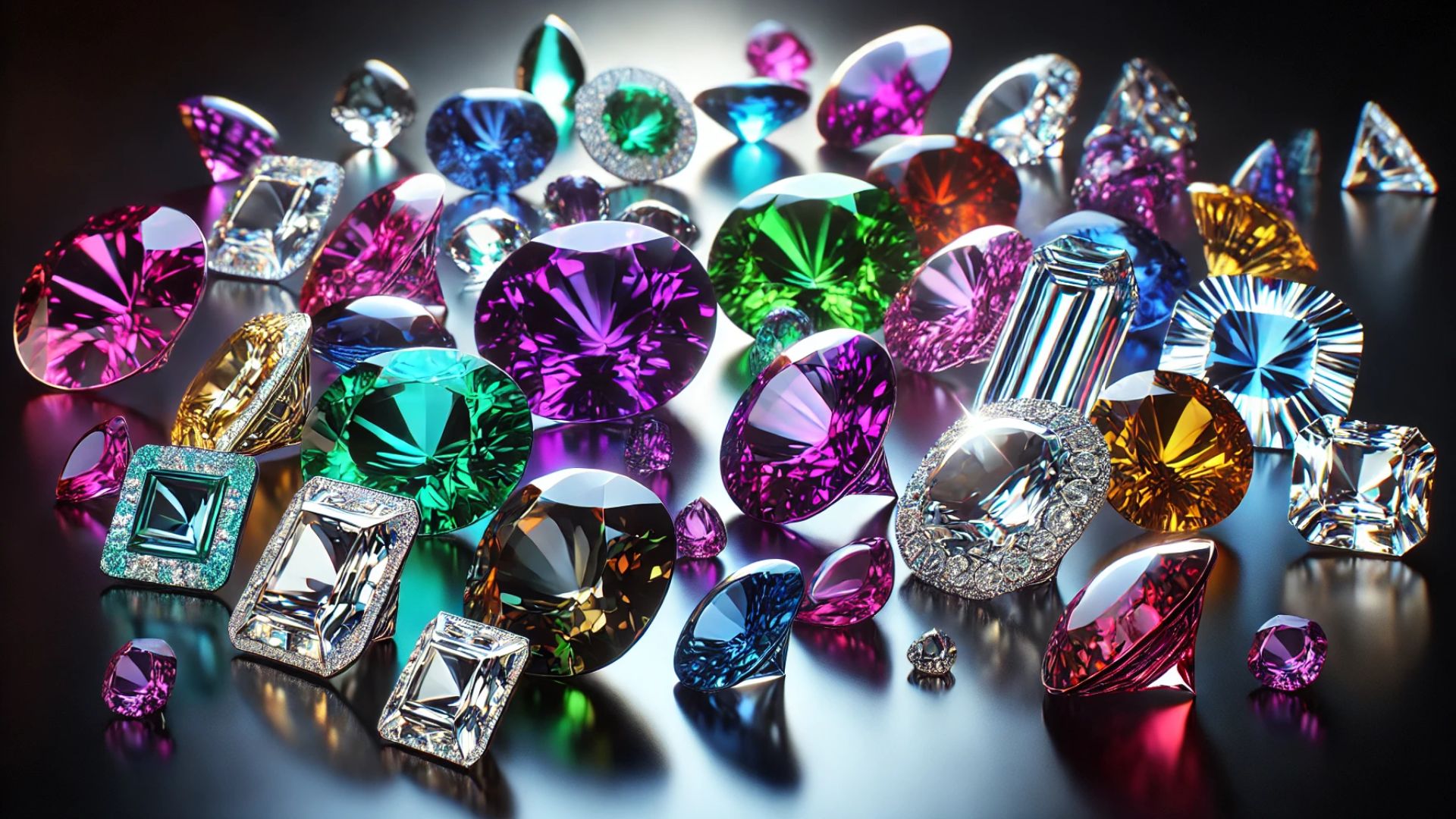
The gemstone industry has long been associated with craftsmanship, tradition, and timeless beauty. For centuries, gemstones have been sourced, cut, polished, and traded using techniques passed down through generations. However, the rapid advancement of digital tools, artificial intelligence, automation, blockchain, and precision manufacturing is reshaping every aspect of this fascinating sector. Today, consumers can instantly compare gemstone quality, verify authenticity, and even research factors such as Burma Chuni stone price through online platforms, making the market more transparent and accessible than ever before.
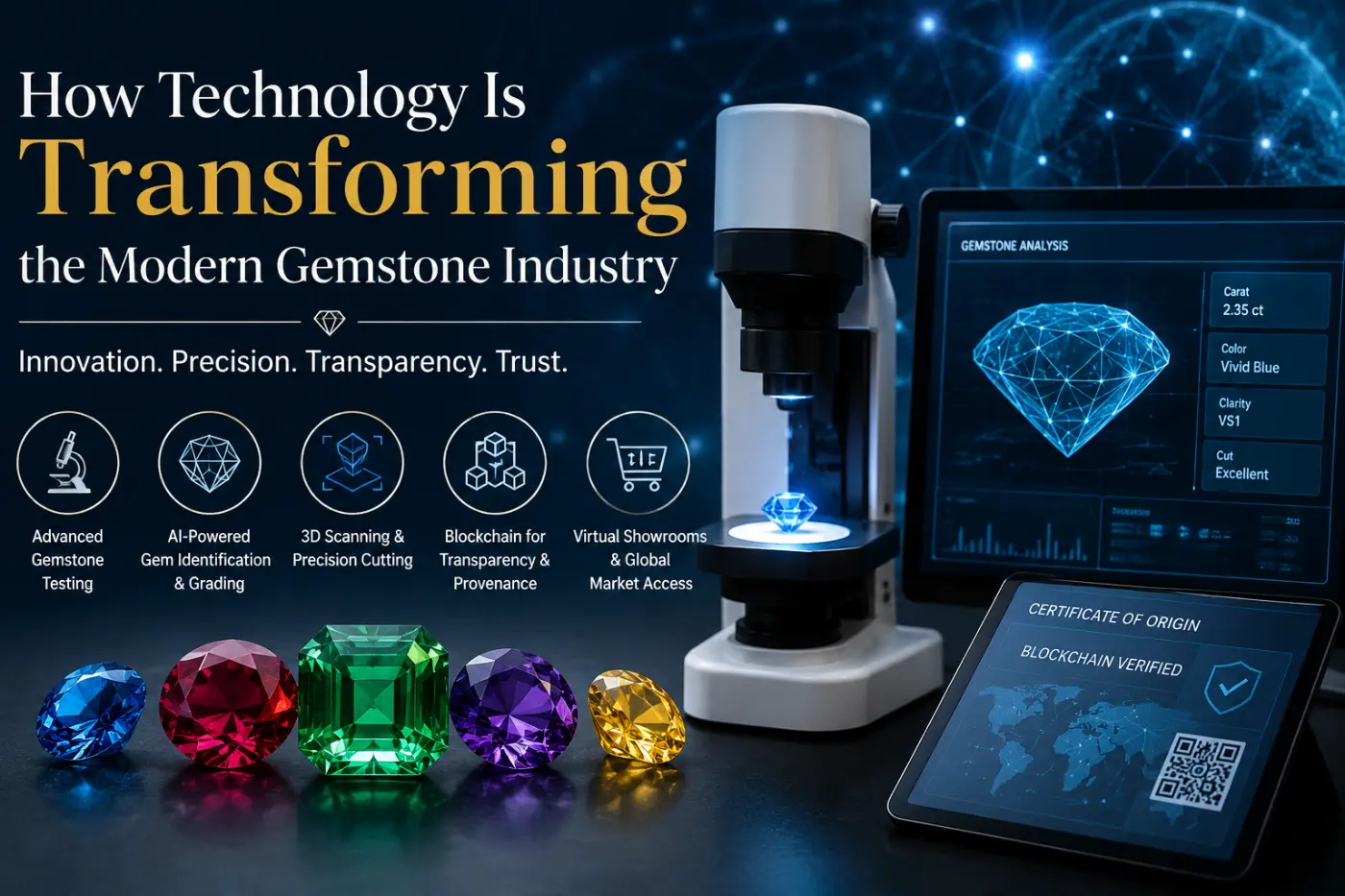
Today, technology in the gemstone industry is driving unprecedented improvements in gemstone sourcing, identification, cutting, certification, manufacturing, retail, and customer engagement. From AI-powered grading systems to blockchain-enabled traceability, businesses are embracing innovation to meet growing consumer demands for quality, authenticity, and transparency.
As global competition increases and buyers become more informed, adopting gemstone industry technology has become essential for businesses that want to remain competitive. This technological evolution is creating a more efficient, ethical, and customer-focused marketplace.
In this article, we'll explore how technology is transforming the modern gemstone industry, the latest innovations driving change, and what the future holds for gemstone businesses worldwide.
The Evolution of the Modern Gemstone Industry
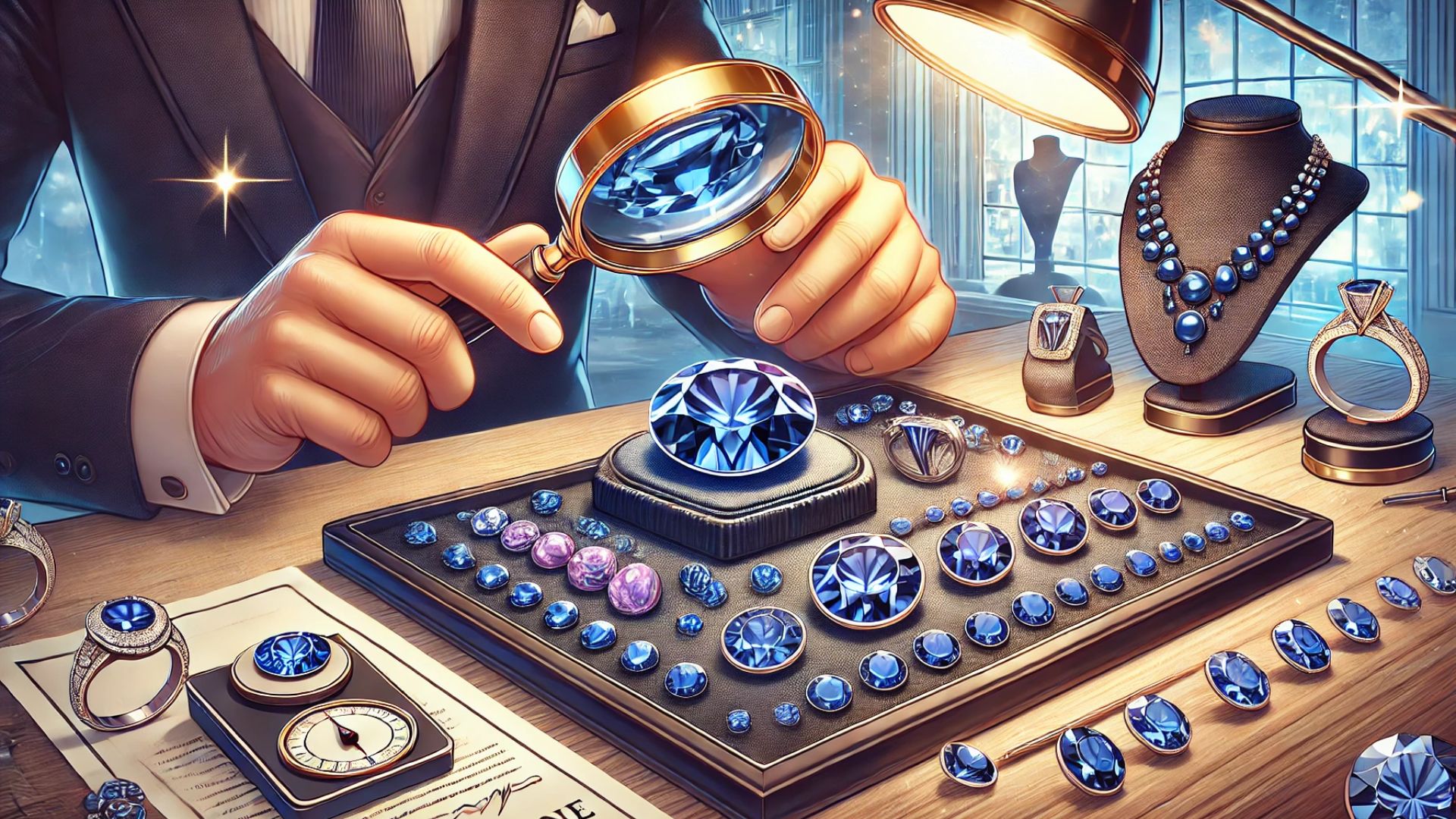
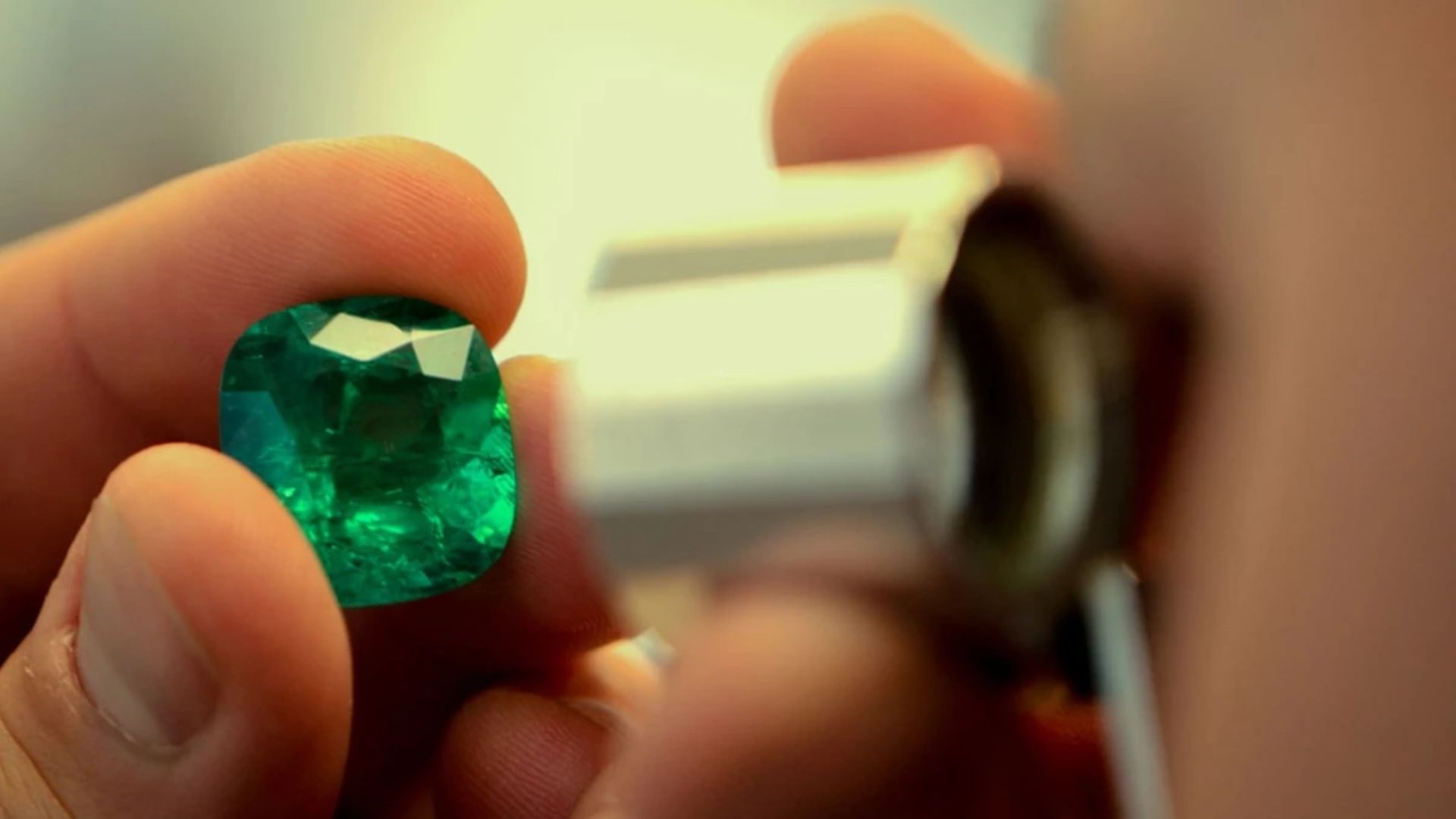
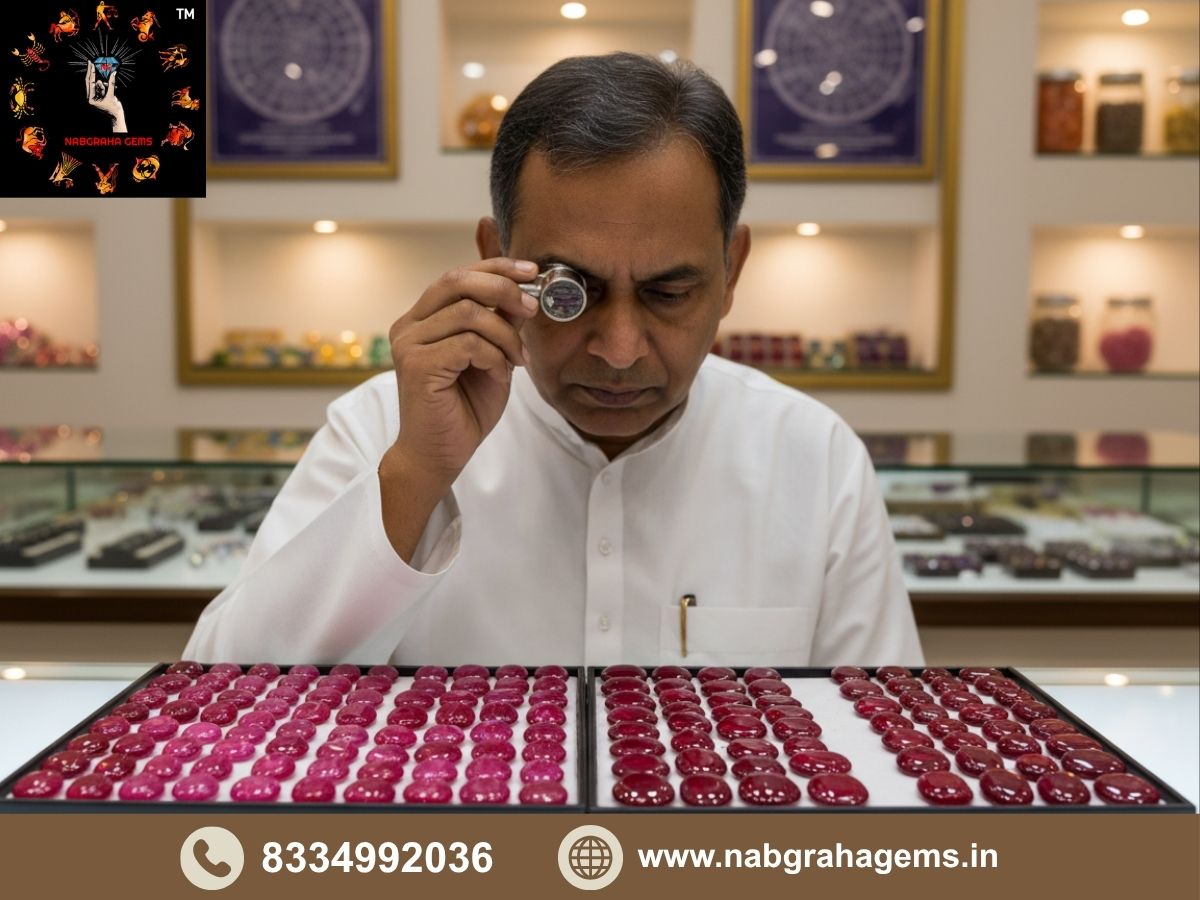
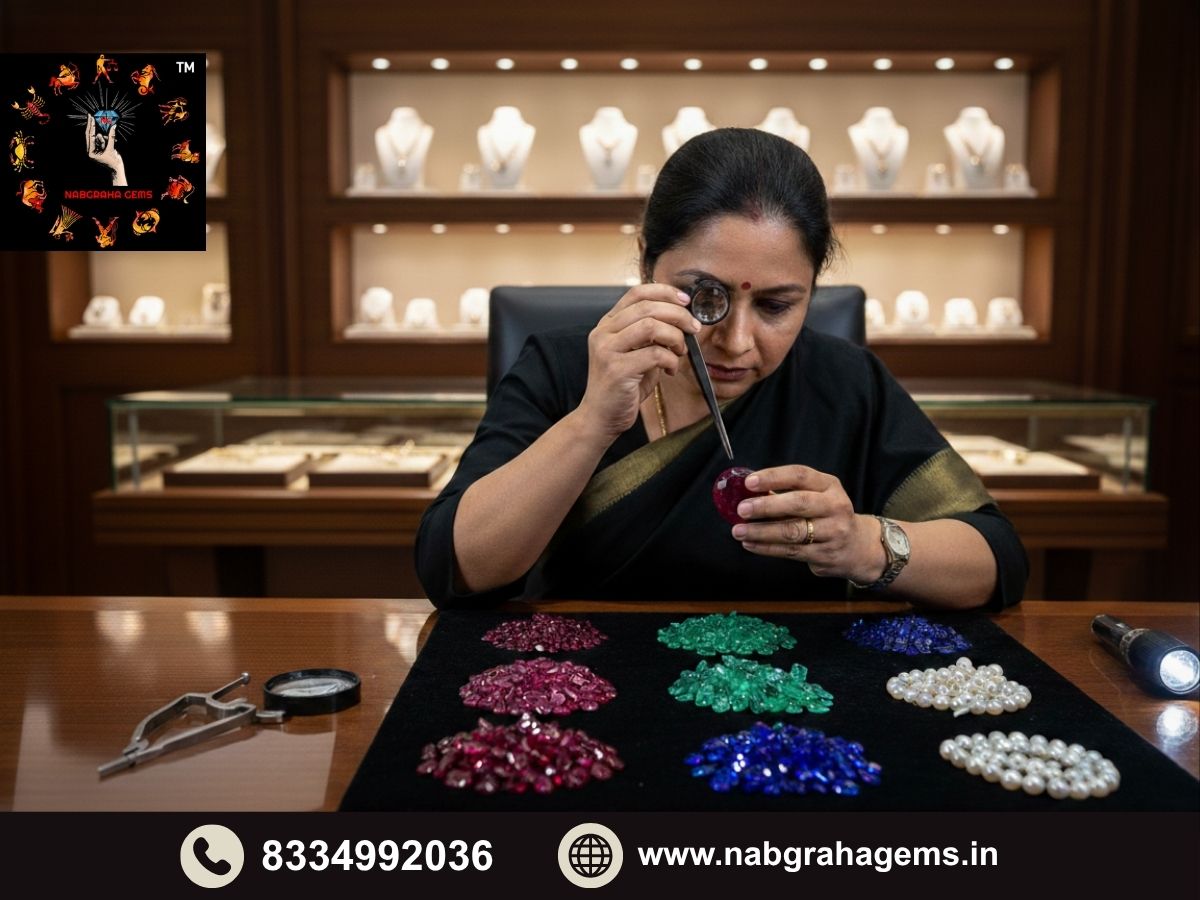
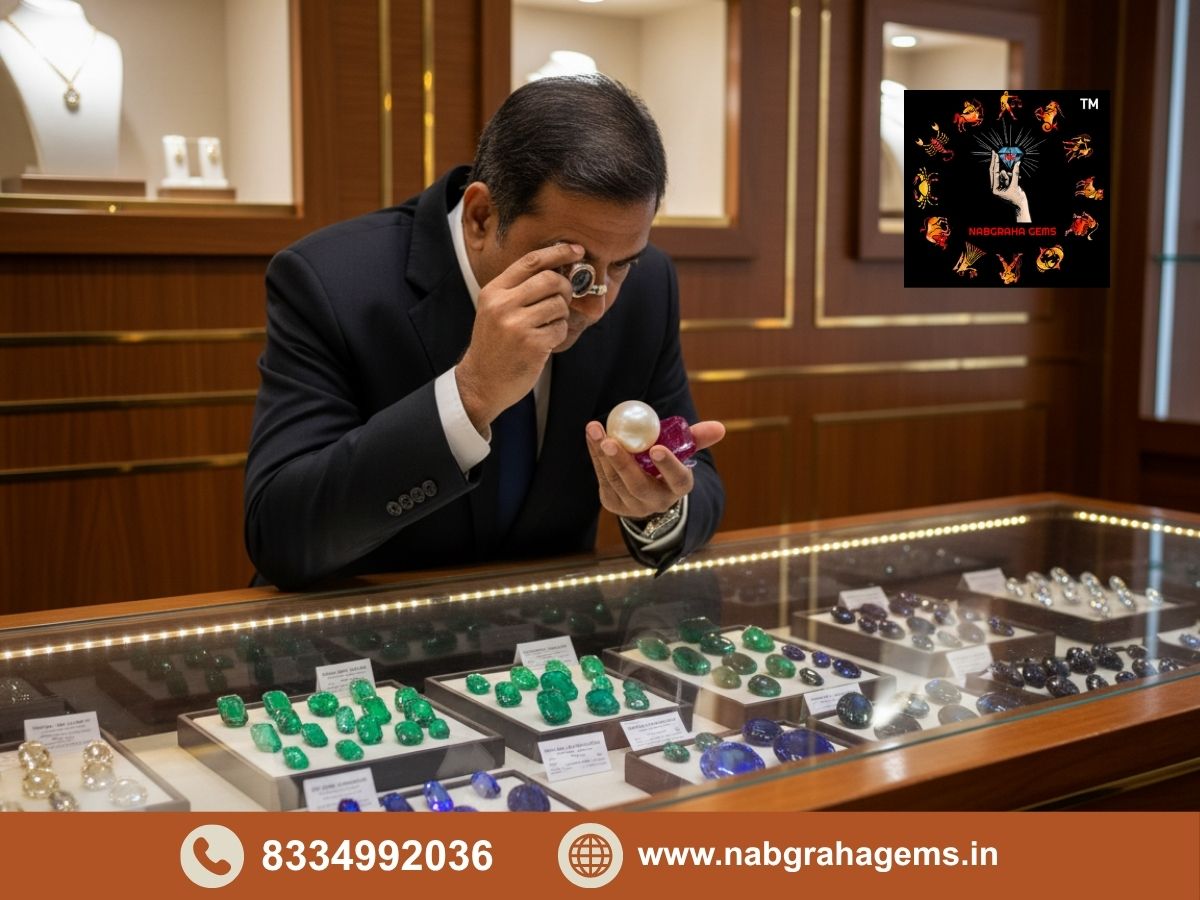
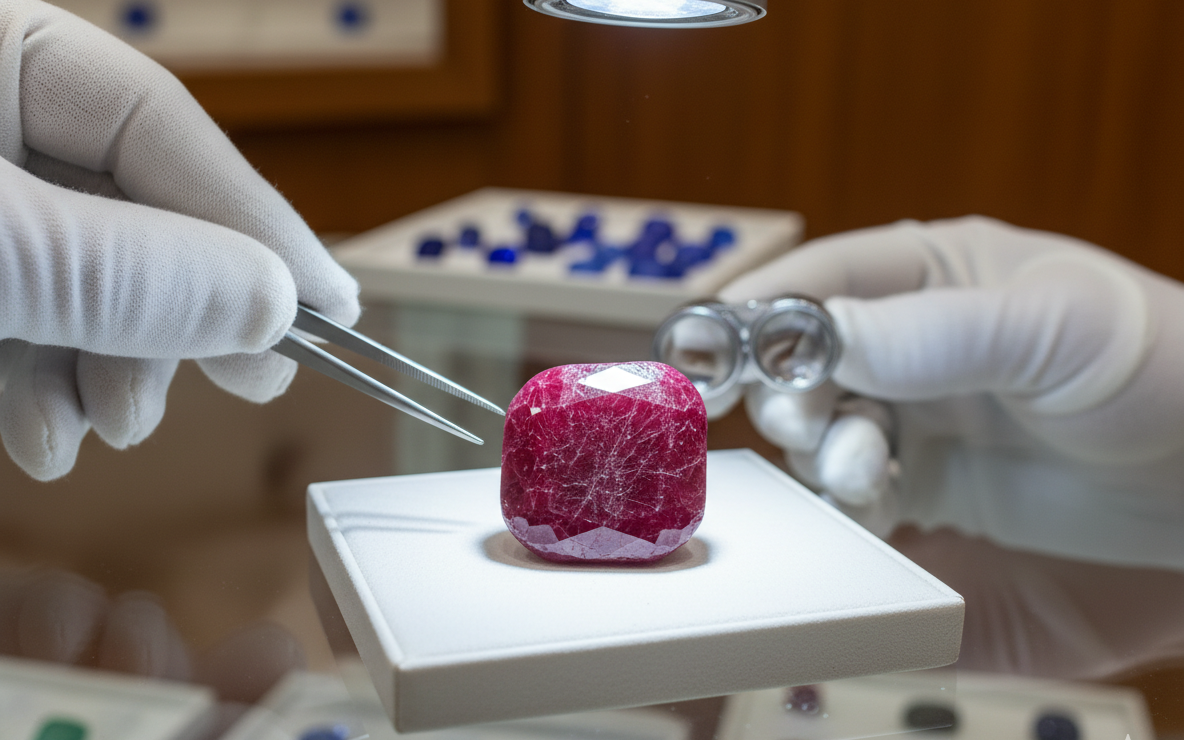
Traditionally, gemstones were evaluated primarily through human expertise. Skilled gemologists relied on visual inspection, magnification, and years of experience to determine authenticity and value. Mining operations depended heavily on manual labor, while gemstone cutting required exceptional craftsmanship developed over decades.
Although these traditional methods remain valuable, today's modern gemstone industry is increasingly integrating advanced technologies that improve speed, accuracy, consistency, and sustainability.
Technology now plays a role throughout the gemstone lifecycle:
- Exploration and mining
- Gemstone identification
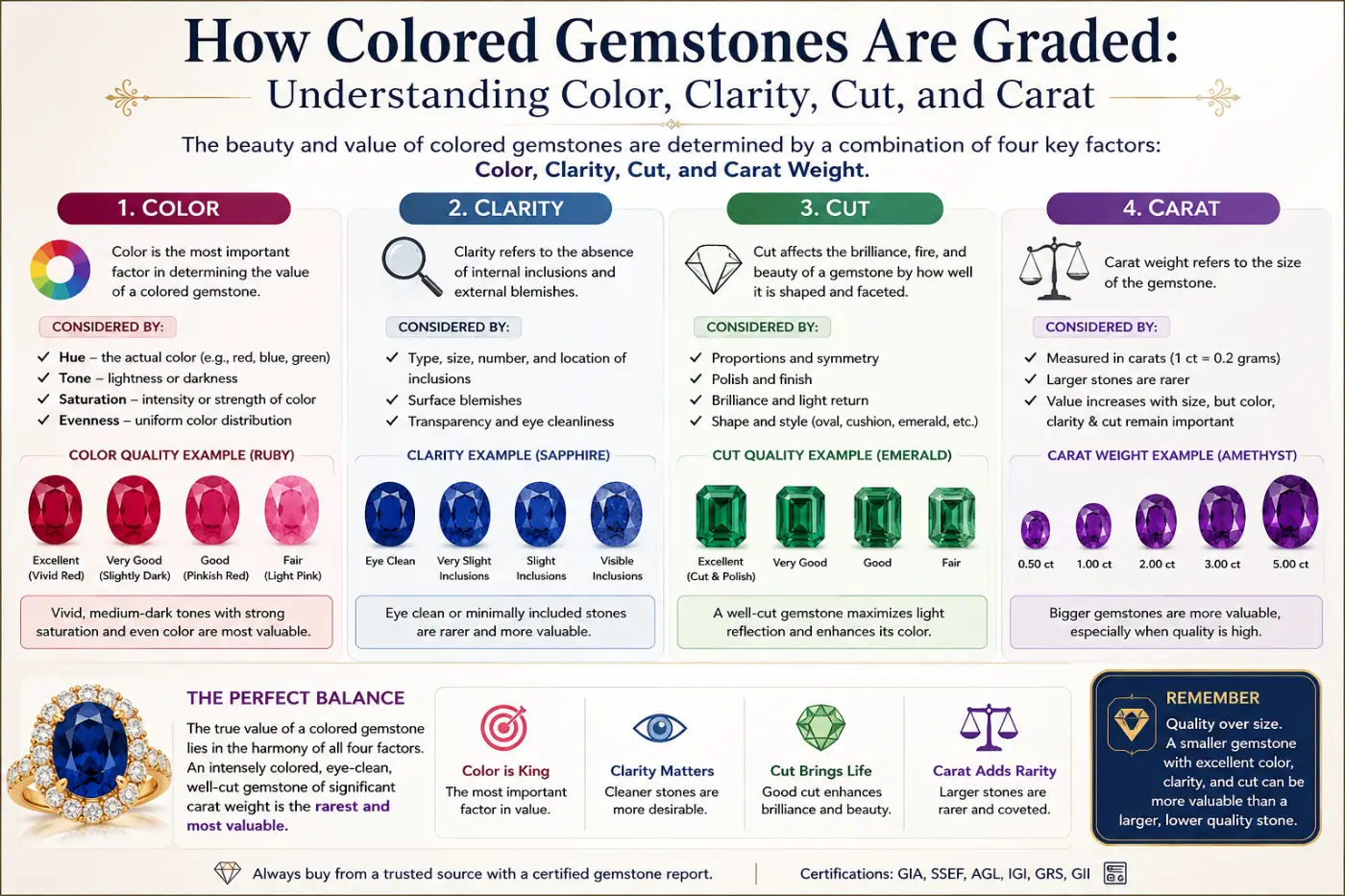
- Quality grading
- Precision cutting
- Jewelry manufacturing
- Inventory management
- Supply chain transparency
- Online retail experiences
- Customer personalization
This transformation has significantly improved productivity while reducing human error.
Artificial Intelligence Is Revolutionizing Gemstone Identification
Artificial intelligence has become one of the most exciting developments in gemstone technology.
Modern AI systems can analyze thousands of gemstone characteristics within seconds. These systems compare:
- Color distribution
- Clarity
- Crystal structure
- Internal inclusions
- Surface features
- Optical properties
Machine learning algorithms continuously improve as they process more gemstone data, making identification increasingly accurate.
Benefits include:
- Faster grading
- Reduced subjectivity
- Higher consistency
- Better fraud detection
- Improved customer confidence
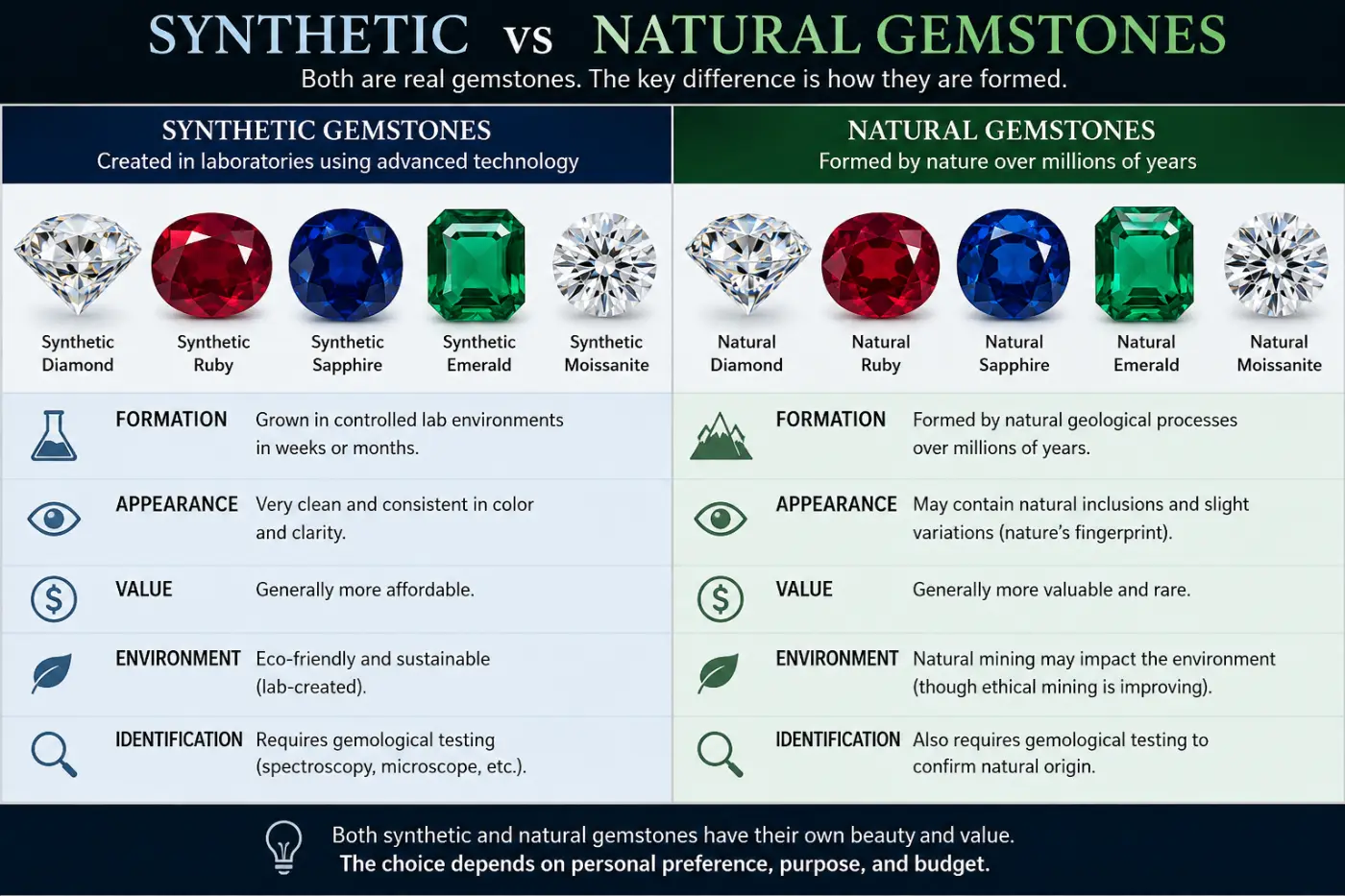
AI also assists laboratories by identifying synthetic stones that closely resemble natural gemstones, helping maintain trust across the industry.
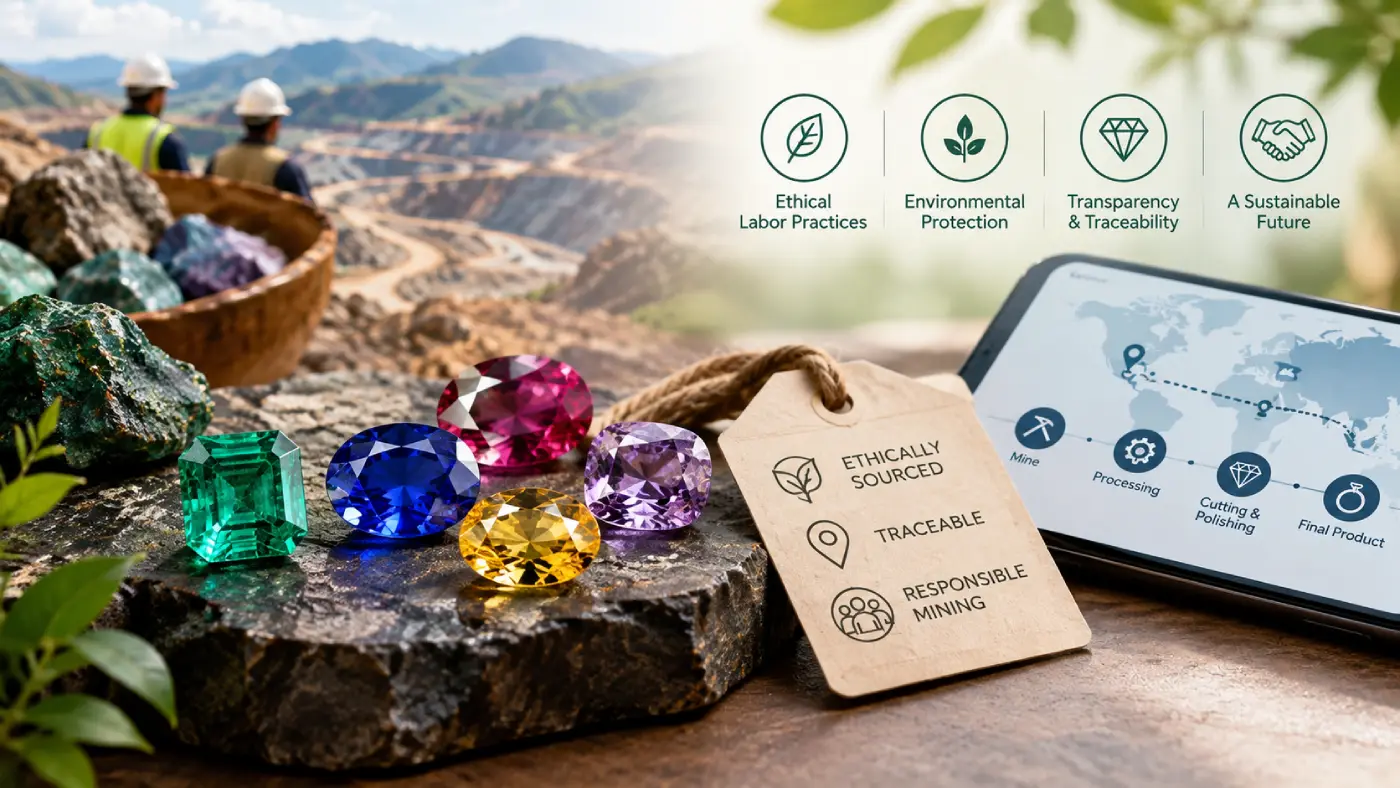
Blockchain Is Creating Complete Transparency
One of the biggest concerns among gemstone buyers is authenticity and ethical sourcing.
This is where digital transformation in gemstones has become particularly impactful.
Blockchain technology creates permanent digital records that document every stage of a gemstone's journey:
- Mining location
- Ownership history
- Transportation
- Certification
- Cutting process
- Retail distribution
Each transaction is securely recorded and cannot be altered.
Consumers can now verify:
- Origin
- Ethical sourcing
- Conflict-free certification
- Ownership records
- Authenticity
This level of transparency helps brands build trust while combating counterfeit products.
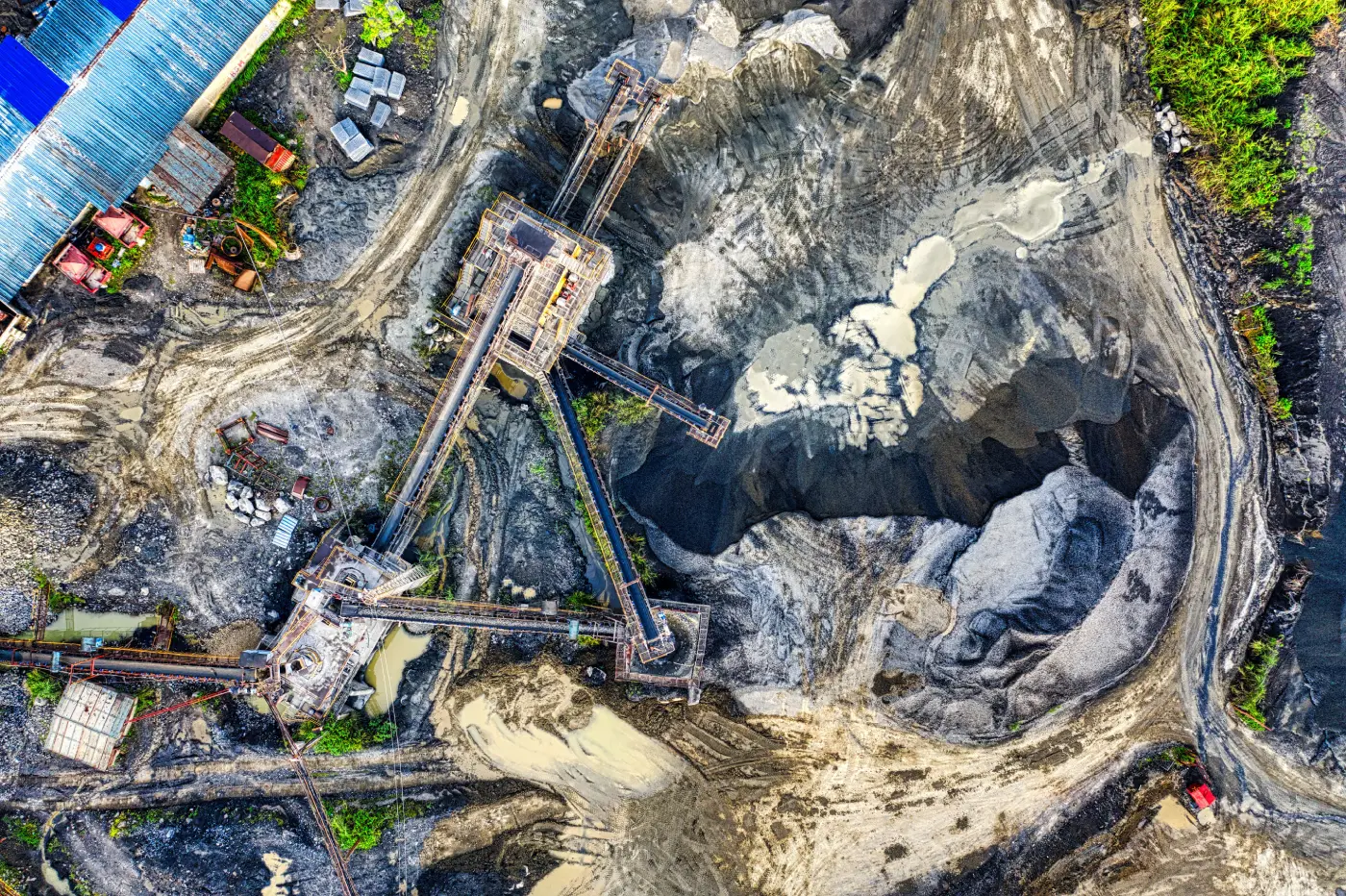
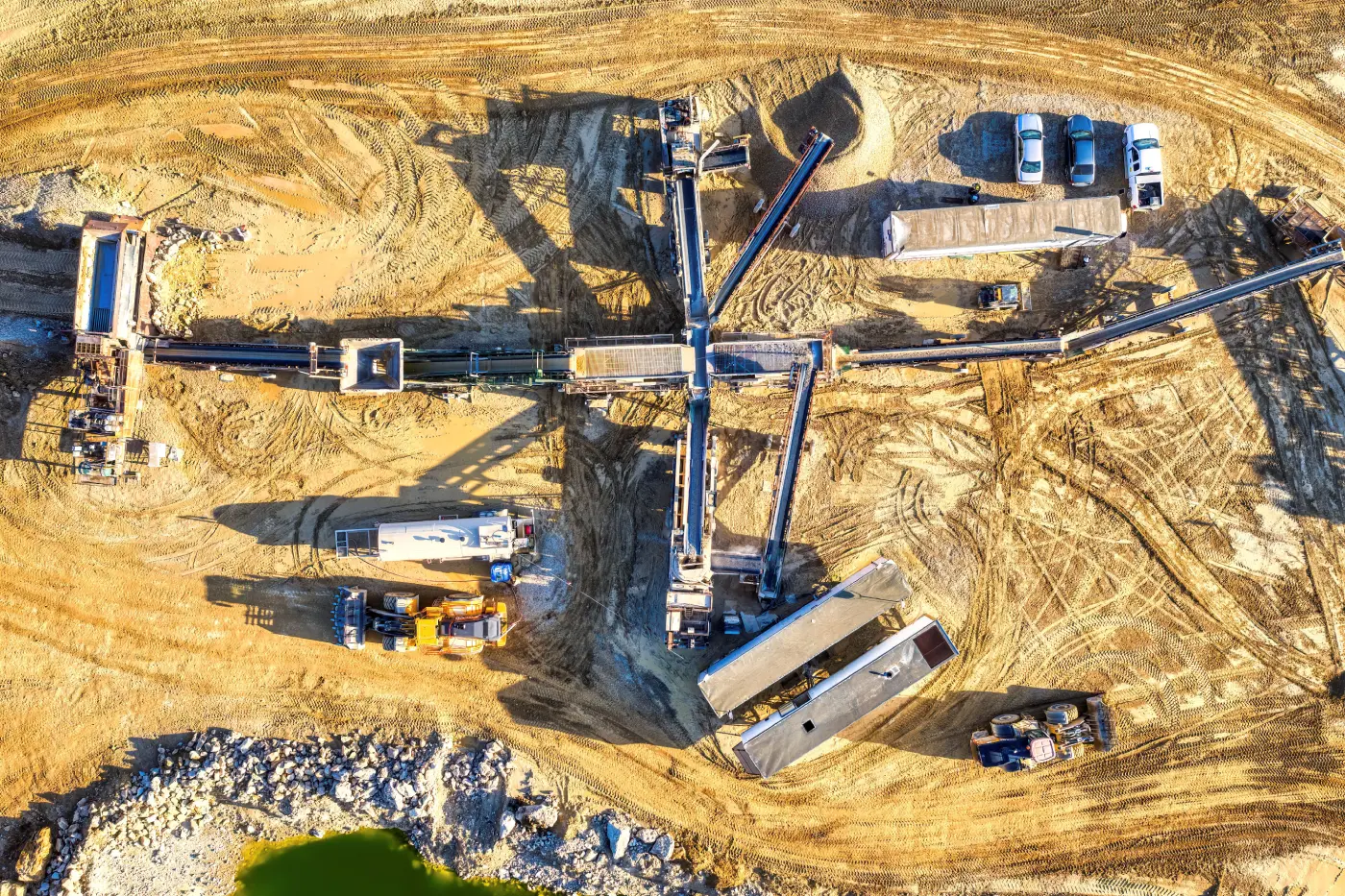
Advanced Mining Technologies Are Improving Sustainability
Mining operations have also embraced technological innovation.
Modern exploration now uses:
- Satellite imaging
- Drone mapping
- Geographic Information Systems (GIS)
- Remote sensing
- AI-powered geological analysis
These technologies help companies identify promising deposits while minimizing unnecessary excavation.
Automation has improved mining safety by reducing worker exposure to hazardous environments.
Additionally, environmental monitoring systems help mining companies:
- Reduce land disturbance
- Monitor water quality
- Lower carbon emissions
- Improve waste management
- Meet sustainability regulations
These developments represent major gemstone innovation within the mining sector.
Precision Cutting with Computer-Controlled Machines
Gemstone cutting remains both an art and a science.
Today's gemstone manufacturing technology combines traditional craftsmanship with advanced computer-controlled equipment.
Modern cutting systems use:
- 3D laser scanning
- CAD software
- Automated faceting machines
- Precision laser cutting
- Digital optimization software
These technologies analyze the rough gemstone before cutting to determine:
- Maximum yield
- Best shape
- Optimal brilliance
- Minimal material waste
Computer-guided cutting ensures greater consistency while preserving valuable material.
For expensive gemstones, even a small improvement in yield can significantly increase profitability.
3D Scanning Enhances Gemstone Evaluation
High-resolution 3D scanners have become essential tools throughout the gemstone industry.
These scanners capture microscopic details including:
- Surface imperfections
- Internal inclusions
- Symmetry
- Dimensions
- Proportions
Gemologists can create detailed digital models that support accurate grading and documentation.
Digital gemstone models also simplify:
- Remote inspections
- Online auctions
- Insurance documentation
- Inventory management
- Customer presentations
The ability to analyze gemstones digitally has transformed professional evaluation processes.
CAD Software Is Transforming Jewelry Design
The relationship between gemstones and jewelry has become increasingly digital.
Modern jewelry designers rely heavily on Computer-Aided Design (CAD) software.
CAD allows designers to:
- Create realistic jewelry models
- Experiment with gemstone placement
- Visualize multiple design options
- Reduce production errors
- Speed up manufacturing
Customers can preview customized jewelry before production begins.
This integration of technology in jewelry industry practices has improved customer satisfaction while reducing costly design revisions.
3D Printing Accelerates Jewelry Manufacturing
Another breakthrough in gemstone industry technology is 3D printing.
Jewelry manufacturers now use additive manufacturing to produce:
- Wax casting models
- Prototype jewelry
- Custom settings
- Design samples
Benefits include:
- Faster production
- Lower costs
- Rapid customization
- Reduced material waste
- Improved design flexibility
Custom jewelry that once required weeks can now be produced much faster without compromising quality.
Laser Technology Improves Precision
Laser technology has become indispensable throughout the gemstone industry.
Applications include:
Laser Cutting
Highly precise cuts reduce material waste while improving symmetry.
Laser Engraving
Unique identification numbers can be engraved onto gemstones without affecting appearance.
Laser Welding
Jewelry manufacturers use laser welding for delicate repairs and precision assembly.
Surface Treatment
Lasers assist with polishing and certain enhancement techniques.
These innovations increase efficiency while maintaining exceptional craftsmanship.
Digital Certification Builds Consumer Trust
Traditional paper certificates are gradually being replaced by digital documentation.
Modern gemstone certification includes:
- QR codes
- Blockchain verification
- Digital databases
- Online verification portals
- High-resolution gemstone imaging
Digital certificates are easier to verify and significantly more difficult to counterfeit.
Consumers appreciate instant access to gemstone information before making purchasing decisions.
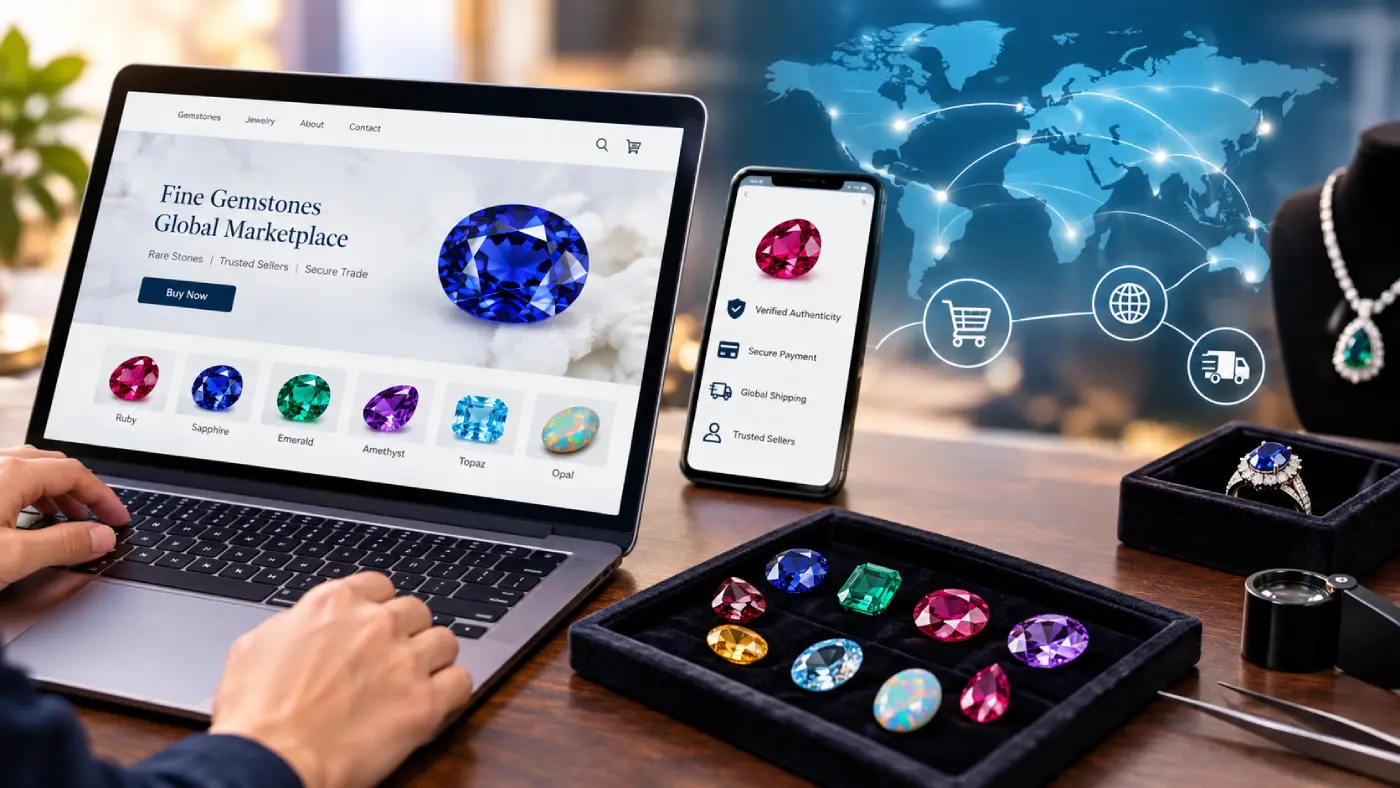
E-Commerce Is Expanding Global Markets
The rise of online shopping has dramatically changed gemstone sales.
Today, businesses use advanced digital platforms to reach customers worldwide.
Features include:
- High-definition gemstone photography
- 360-degree product views
- Video demonstrations
- Live consultations
- AI recommendations
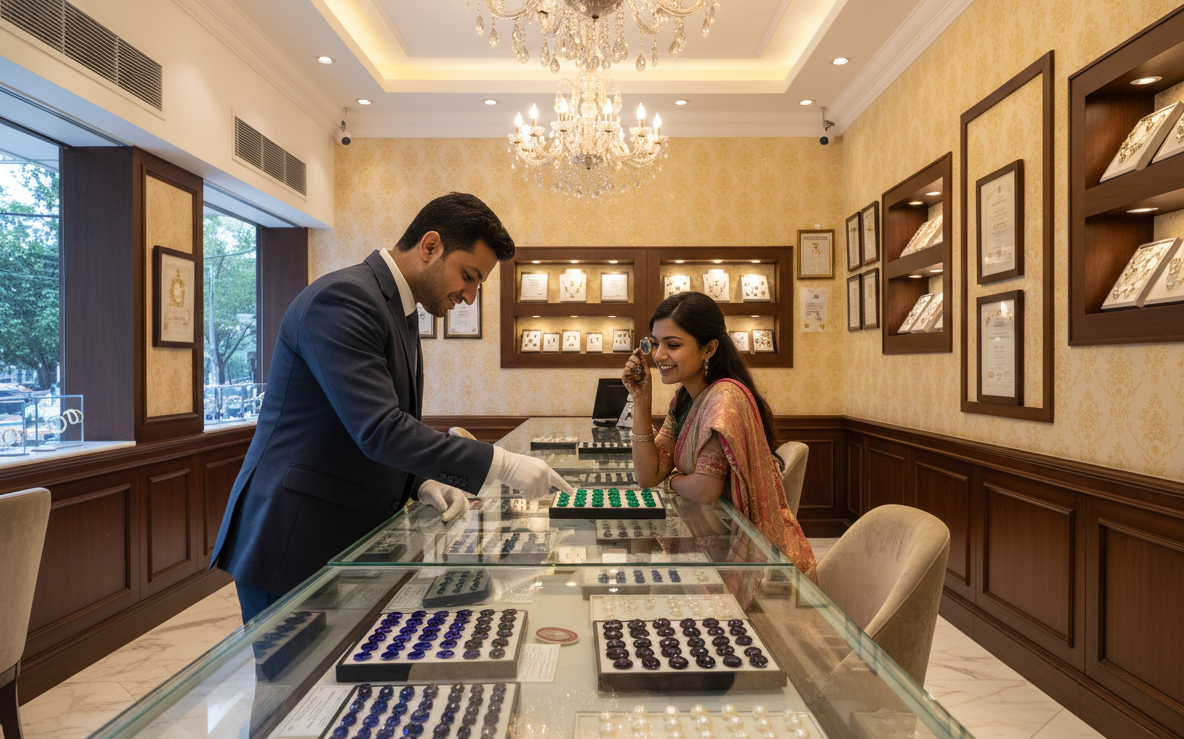
Customers can compare multiple gemstones without visiting a physical store.
This digital evolution represents one of the biggest examples of digital transformation in gemstones.
Virtual Reality and Augmented Reality Improve Shopping Experiences
AR and VR technologies are changing how customers purchase gemstones and jewelry.
Consumers can now:
- Virtually try on jewelry
- View gemstones in different lighting
- Examine stones from every angle
- Customize settings in real time
Retailers benefit from:
- Higher customer engagement
- Reduced return rates
- Increased purchase confidence
- Enhanced online experiences
These immersive technologies bridge the gap between online and in-store shopping.
Big Data Is Supporting Better Business Decisions
Data analytics has become increasingly important across the gemstone industry.
Companies analyze:
- Customer preferences
- Seasonal demand
- Pricing trends
- Regional sales
- Inventory turnover
This information enables businesses to:
- Forecast demand
- Optimize inventory
- Improve marketing
- Increase profitability
- Reduce overstock
Data-driven decision-making has become a competitive advantage.
Automation Is Increasing Manufacturing Efficiency
Automation continues transforming gemstone processing facilities.
Automated systems now perform:
- Sorting
- Cleaning
- Measuring
- Quality inspection
- Packaging
Benefits include:
- Faster production
- Lower operating costs
- Improved consistency
- Reduced human error
- Higher productivity
Employees can focus on specialized craftsmanship while repetitive tasks become automated.
Mobile Technology Is Enhancing Customer Engagement
Smartphones have become powerful tools for gemstone businesses.
Companies now offer mobile apps that allow customers to:
- Browse inventory
- Verify certificates
- Schedule consultations
- Track orders
- Receive personalized recommendations
Mobile commerce continues expanding opportunities for retailers worldwide.
Cloud Technology Simplifies Business Operations
Cloud-based systems help gemstone companies manage operations from anywhere.
Cloud platforms support:
- Inventory management
- Customer relationship management
- Financial reporting
- Supplier communication
- Secure data storage
Multiple offices can access real-time information simultaneously.
This greatly improves collaboration across global supply chains.
Digital Marketing Is Reshaping Gemstone Sales
Technology has transformed how gemstone businesses attract customers.
Modern marketing strategies include:
- Search engine optimization
- Social media campaigns
- Video marketing
- Influencer collaborations
- Email marketing
- AI-powered advertising
Businesses can target highly specific customer segments based on demographics and purchasing behavior.
This personalized approach increases conversion rates while lowering advertising costs.
Sustainability Is Becoming Technology Driven
Consumers increasingly demand responsibly sourced gemstones.
Technology supports sustainability through:
- Carbon footprint tracking
- Environmental monitoring
- Ethical sourcing verification
- Supply chain transparency
- Waste reduction
Mining companies also use AI to optimize extraction methods, minimizing environmental impact.
Technology is helping create a more responsible gemstone industry.
Cybersecurity Protects Valuable Business Data
As digital adoption increases, cybersecurity has become a top priority.
Gemstone businesses invest in:
- Data encryption
- Multi-factor authentication
- Secure payment systems
- Network monitoring
- Cloud security
Protecting customer information builds trust while preventing financial losses.
Current Gemstone Industry Trends Driven by Technology
Several important gemstone industry trends are shaping the future.
AI-Based Grading
Artificial intelligence continues improving grading consistency and efficiency.
Blockchain Adoption
Consumers increasingly value transparent sourcing information.
Online Luxury Shopping
High-value gemstone purchases are becoming more common online.
Digital Certification
Paper certificates are gradually giving way to secure digital records.
Sustainable Mining
Technology enables more environmentally responsible extraction.
Personalized Jewelry
CAD software and 3D printing make customization more accessible.
Smart Manufacturing
Factories increasingly combine automation with skilled craftsmanship.
These trends will continue driving innovation throughout the coming decade.
Challenges of Technology Adoption
Despite numerous benefits, implementing new technology presents challenges.
Common obstacles include:
High Initial Investment
Advanced equipment requires significant capital.
Employee Training
Workers must learn new digital tools and systems.
Cybersecurity Risks
Greater digital dependence increases security requirements.
Technology Integration
Older systems may not easily integrate with new platforms.
Maintenance Costs
Sophisticated equipment requires ongoing maintenance and software updates.
Businesses must carefully balance innovation with operational efficiency.
Future of Technology in the Gemstone Industry
The future looks exceptionally promising.
Emerging technologies expected to shape the industry include:
- Artificial Intelligence
- Robotics
- Quantum computing
- Advanced spectroscopy
- Internet of Things (IoT)
- Predictive analytics
- Digital twins
- Automated quality control
Consumers will enjoy even greater transparency, personalization, and confidence in their purchases.
Businesses that invest early in innovation will likely gain significant competitive advantages.
Why Businesses Must Embrace Gemstone Innovation
Technology is no longer optional.
Companies that embrace gemstone innovation can benefit from:
- Improved efficiency
- Greater customer trust
- Higher productivity
- Better inventory management
- Enhanced sustainability
- Increased profitability
- Stronger global competitiveness
Organizations resistant to technological change risk falling behind competitors adopting digital solutions.
The Growing Connection Between Technology and Jewelry
The relationship between gemstones and jewelry continues strengthening through technology.
Advances in technology in jewelry industry practices now allow designers and manufacturers to create stunning, customized pieces with exceptional precision.
Digital visualization, AI-powered design optimization, and automated manufacturing enable jewelers to deliver premium products while reducing production times.
Consumers increasingly expect personalized experiences supported by modern digital tools.
Conclusion
Technology is fundamentally reshaping every stage of the gemstone lifecycle. From exploration and mining to grading, cutting, certification, manufacturing, and online retail, innovation has introduced greater accuracy, efficiency, sustainability, and transparency than ever before. These advancements are also transforming how experts and enthusiasts study, authenticate, and preserve famous gemstones in history, making their stories and provenance more accessible while ensuring greater trust in the global gemstone industry.
The adoption of technology in the gemstone industry is helping businesses build stronger customer relationships while improving operational performance. As gemstone industry technology continues evolving, companies that embrace digital tools will be better positioned to meet changing consumer expectations and compete in a global marketplace.
The modern gemstone industry is no longer defined solely by traditional craftsmanship—it is powered by cutting-edge gemstone technology, advanced automation, and data-driven decision-making. Through digital transformation in gemstones, businesses can deliver authenticated products, ethical sourcing, enhanced customer experiences, and streamlined operations.
Looking ahead, continued gemstone innovation will shape the future of luxury, sustainability, and precision manufacturing. Whether through artificial intelligence, blockchain, 3D printing, or gemstone manufacturing technology, the industry is entering an exciting new era where technology and craftsmanship work together to create exceptional value.
For gemstone businesses, jewelers, manufacturers, and retailers alike, embracing innovation is the key to thriving in a rapidly evolving marketplace. As the pace of technological advancement accelerates, those who invest in the latest solutions will lead the next generation of growth, trust, and excellence in the global gemstone industry. Whether customers are exploring gemstone authenticity, certification, or searching for the panna price in Kolkata, businesses that combine advanced technology with transparency and exceptional service will stand out in an increasingly competitive market.
Recent Posts


2026-09-04
The Science Behind Gemstone Fluorescence








2025-09-15